Motilium Tablet is a medication designed to alleviate nausea and vomiting, providing relief to individuals experiencing gastrointestinal discomfort. This informative review aims to educate consumers seeking a reliable solution for their symptoms.
Key Information:
Category
Details
Manufacturer/Brand
Janssen
Approval Status
FDA-approved for specific conditions (regional approvals may vary)
Target Audience
Adults and children over 12 years old
Table:Key Information
Motilium Tablet Uses | Motilium Tablet Price
Motilium-Tablet
Table Of Contents
What is a Motilium Tablet?
Motilium-Tab-10mg
Motilium Tablet is a medication specifically designed to provide relief from nausea, vomiting, and stomach discomfort, offering a solution for individuals experiencing gastrointestinal distress.
Active Ingredient
Domperidone: 10 mg per tablet, the active ingredient responsible for alleviating nausea and vomiting.
How Does It Work?
Domperidone works by:
Enhancing gastrointestinal motility: Increasing the movement of the stomach and intestines to help reduce feelings of nausea and vomiting.
Facilitating faster gastric emptying: Allowing food to move through the stomach more quickly, reducing discomfort and preventing vomiting.
Benefits
Quick relief from nausea: Providing fast and effective alleviation of nausea and vomiting symptoms.
Improved digestion: Enhancing the movement of food through the digestive system, promoting healthier digestion.
Preventing vomiting: Helping avoid episodes of vomiting, reducing discomfort and dehydration risks.
Indications & Uses
Motilium Tablet
Motilium Tablet is a medication specifically designed to provide relief from nausea, vomiting, and stomach discomfort.
General acute nausea and vomiting — Primary indication for relieving feelings of sickness and preventing vomiting episodes of various origins.
Nausea and vomiting due to delayed gastric emptying (gastroparesis) — Helps speed up stomach emptying to reduce associated nausea, bloating, and vomiting.
Nausea and vomiting associated with migraine headaches — Effective in controlling migraine-related sickness.
Drug-induced nausea and vomiting in Parkinson’s disease — Prevents or treats nausea caused by medications like levodopa or pergolide used for Parkinson’s.
Chemotherapy or treatment-induced nausea — Used to manage nausea and vomiting triggered by certain cancer treatments or other therapies.
Postoperative nausea and vomiting — Helps relieve sickness after surgery or anesthesia.
Nausea and vomiting from gastrointestinal disorders — Addresses symptoms in conditions like dyspepsia, indigestion, or upper GI motility issues that cause nausea.
Motion sickness-related nausea — Occasionally used to prevent or reduce travel/motion-induced vomiting.
Morning sickness (pregnancy-related nausea) — Sometimes prescribed for severe cases (under medical supervision only).
Nausea and vomiting in palliative/end-of-life care — Used to control persistent stomach-related nausea and improve comfort in terminally ill patients.
Who Should Use Motilium Tablet?
Motilium Tablet is recommended for individuals experiencing:
Nausea
Vomiting
Indigestion
Particularly useful for those who experience symptoms:
After meals
Due to conditions like gastroesophageal reflux
How to Use Motilium Tablet
Dosage
Typical dosage: One tablet three times a day before meals
Usage
Oral administration: Take with water
Frequency: Follow the doctor’s instructions, usually:
1-3 times a day depending on symptom severity
Important: Always consult a doctor or healthcare professional for personalized dosage instructions, which may vary depending on individual needs and medical history.
Potency
Clinical Evidence
Extensive clinical trials have consistently demonstrated that domperidone, the active ingredient in Motilium Tablet, effectively reduces symptoms of:
Nausea
Vomiting
in patients with various gastrointestinal disorders, showcasing its efficacy in alleviating symptoms and improving quality of life.
Expected Results
Rapid Relief: Symptoms can subside within 30-60 minutes after taking Motilium
Typical Outcomes:
Reduced Vomiting: Decreased frequency and severity of vomiting episodes
Improved Digestive Comfort: Enhanced gastrointestinal well-being, reducing discomfort and distress
Side Effects & Precautions
Common Side Effects
Motilium Tablet is generally well-tolerated, but mild side effects may occur, including:
Dry Mouth
Dizziness
Headaches
These common side effects are usually temporary and resolve on their own.
Serious Side Effects
Rare but serious side effects may include:
Heart Palpitations
Sudden Cardiac Arrest
If you experience serious side effects, seek medical attention immediately.
Precautions
Before taking Motilium, consider the following:
Heart Conditions: Avoid using Motilium Tablet if you have a history of heart conditions, such as arrhythmias or QT interval prolongation.
Medications: Avoid concurrent use with medications that prolong the QT interval, such as antidepressants or antipsychotics.
Pregnancy & Breastfeeding: Consult a doctor before using Motilium Tablet during pregnancy or breastfeeding, as safety has not been fully established.
Pros & Cons
Advantages
Fast-acting relief: Motilium provides quick relief from nausea and vomiting, offering swift comfort and alleviation.
Convenient tablet form: Easy to take and administer, making it a hassle-free solution for gastrointestinal discomfort.
Disadvantages
Cardiovascular risks: Individuals with heart conditions may be at risk of serious side effects, highlighting the importance of medical supervision.
Limited use: Not recommended for prolonged use without a doctor’s guidance, emphasizing the need for regular monitoring and evaluation.
User Reviews & Ratings
Customer Feedback
Motilium Tablet has received a mix of positive and negative reviews from customers:
Positive Reviews
Effective nausea management: Many users praise Motilium Tablet for its quick and effective relief from nausea, making it a trusted solution for gastrointestinal discomfort.
Negative Reviews
Side effects: Some users report experiencing side effects like dizziness and fatigue, highlighting the importance of careful use and medical supervision.
Real-Life Experiences
Users share their personal experiences with Motilium, reporting:
Fast symptom relief: Many users experience rapid relief from nausea, especially after meals or when experiencing motion sickness.
Reliable solution: Motilium Tablet is often praised for its ability to provide consistent and reliable relief from gastrointestinal symptoms.
Ratings
Average rating: 4 out of 5 stars (based on aggregated customer reviews)
Recommendation rate: 80% of users recommend Motilium Tablet for nausea and vomiting relief
Cost & Value
Pricing
Motilium is priced affordably in Pakistan, offering value for money:
Price range: PKR 100 per 10 tablets (depending on the pharmacy and location)
Pack size: Typically available in packs of 50 tablets
Affordability
Motilium is considered an affordable option for nausea and vomiting relief in Pakistan, especially when compared to other anti-nausea medications. Its effectiveness and fast-acting relief make it a valuable choice for those seeking gastrointestinal comfort.
Value for Money
Relief vs. Cost: Motilium’s affordable price point offers significant value considering the quick and effective relief it provides from nausea and vomiting.
Comparison to alternatives: Motilium is often priced lower than other anti-nausea medications, making it a cost-effective choice for those seeking gastrointestinal relief.
Conclusion
Motilium Tablet is an effective and fast-acting solution for nausea and vomiting, providing quick relief from gastrointestinal discomfort.
Overall Recommendation
We recommend Motilium for individuals seeking relief from:
Occasional nausea
Digestive discomfort
Its fast-acting and effective properties make it an ideal choice for those needing swift relief.
Who Should Buy It?
Motilium is perfect for:
Individuals with recurring nausea
Travelers prone to motion sickness
Those experiencing mild gastrointestinal discomfort
Alternative Products
If Motilium is not suitable, consider:
Gravol (dimenhydrinate)
Zofran (ondansetron)
FAQs | Motilium Tablet Uses & Price
What is Motilium used for?
Motilium is used to treat nausea, vomiting, and digestive discomfort.
How does Motilium work?
Motilium works by increasing the movement of the stomach and intestines, helping to reduce feelings of nausea and vomiting.
What is the active ingredient in Motilium?
The active ingredient in Motilium is domperidone (10 mg).
How long does it take for Motilium to work?
Motilium typically starts working within 30-60 minutes.
Can I take Motilium during pregnancy or breastfeeding?
Consult a doctor before using Motilium during pregnancy or breastfeeding, as safety has not been fully established.
What are the common side effects of Motilium?
Common side effects include dry mouth, dizziness, and headaches.
Can I take Motilium with other medications?
Consult a doctor before taking Motilium with other medications, especially those that prolong the QT interval.
……………………
Affiliate Disclosure: Commissions we earn from partner links on this page do not influence our content. Our editorial content is based on thorough research and insights from qualified medical professionals to ensure the highest standards of accuracy and reliability.
Medical Disclaimer: Unless expressly indicated in the product description, Doseway is not the manufacturer of the products sold on our website. While we strive to ensure that the product information on our website is accurate, manufacturers may alter their product details. Actual product packaging and materials may contain additional or different information than what is displayed on our website. For any specific product queries, please contact the manufacturer directly.
For medicinal products, the content on our website is not intended to diagnose, treat, cure, or prevent any disease or health condition, nor is it a substitute for advice from medical practitioners, pharmacists, or other licensed healthcare professionals. If you suspect you have a medical problem, contact your healthcare provider immediately. Always read the labels, warnings, and instructions provided with the product before using or consuming it, and do not solely rely on the information presented on our website.
Sunblock Aqua Skin: Looking for a sunscreen that feels like nothing on your skin? Sunblock Aqua Skin, often just called Skin Aqua, has become a cult favorite for its lightweight, hydrating formulas. This guide covers everything: from its price in Pakistan and who should use it, to how to apply it correctly and what side effects to watch for. We break down the facts, so you can decide if this Japanese sunscreen is right for your oily, acne-prone, or sensitive skin.
In Sunblock Aqua Skin, you will learn:
The real price of Skin Aqua sunblock in Pakistan and where to buy it.
Whether it’s truly good for oily and acne-prone skin.
A step-by-step guide on how to use it for best results.
All the potential benefits and side effects.
How it compares to top Pakistani brands like Aqualogica and Aquasoft.
Let’s start with the basics. Skin Aqua is a line of Japanese sunscreens made by Rohto Pharmaceutical, a famous company known for products like Hada Labo. These sunscreens are popular because they focus on providing strong sun protection without the heavy, greasy feel many people hate.
Is Skin Aqua Japanese or Korean?
Skin Aqua is a Japanese brand. It comes from Japan, where sunscreen technology is advanced and the focus is often on lightweight, elegant textures suitable for daily wear under makeup. It is not a Korean brand, though it shares some similarities with K-beauty sunscreens in terms of cosmetic elegance.
Is Skin Aqua a physical or chemical sunscreen?
This is a common point of confusion. Skin Aqua is primarily a chemical sunscreen. Chemical sunscreens use organic filters that absorb UV rays and convert them into heat, which is then released from the skin. Most Skin Aqua variants use modern chemical filters like Uvinul A Plus and Tinosorb S, which are known for being stable and offering broad-spectrum protection with less risk of irritation. Some of its “milk” variants may contain some titanium dioxide, a physical filter, making them hybrid sunscreens, but the main technology is chemical.
What are the core benefits of using Skin Aqua Sunblock?
People love Skin Aqua for three main reasons:
Lightweight Feel: It absorbs quickly without leaving a sticky or heavy residue.
No White Cast: Thanks to its chemical filters, it doesn’t leave a chalky white film on the skin, making it great for all skin tones.
Added Hydration: Many variants contain hyaluronic acid and collagen, which help keep skin moisturized throughout the day.
A Deep Dive Into Skin Aqua’s Ingredients and Safety
Knowing what’s in your sunscreen is the first step to knowing if it’s right for you.
What are the ingredients in Skin Aqua Sunblock?
While the exact list varies by variant, a typical Skin Aqua UV Super Moisture Gel (the popular gold bottle) includes:
Sunscreen Filters: Ethylhexyl Methoxycinnamate, Diethylamino Hydroxybenzoyl Hexyl Benzoate (Uvinul A Plus), Bis-Ethylhexyloxyphenol Methoxyphenyl Triazine (Tinosorb S). These provide broad-spectrum UVA/UVB protection.
Hydrating Agents: Hyaluronic Acid, Hydrolyzed Collagen. These attract and lock in moisture.
Other Ingredients: Alcohol (denatured), which helps with a quick-dry, non-greasy finish, and various moisturizers and solvents.
Is aqua safe in sunscreen? Yes, absolutely. “Aqua” is simply the scientific term for water. In Skin Aqua, “aqua” signifies its water-based, hydrating formula. It is perfectly safe and is a base ingredient in countless skincare products.
Is Skin Aqua sunscreen safe?
For the vast majority of people, yes, Skin Aqua sunscreen is considered safe and effective. It uses newer-generation chemical filters that are photostable and have a good safety profile. Most variants are:
Fragrance-Free: Reducing the risk of irritation for sensitive skin.
Paraben-Free: A common concern for some shoppers. It’s important to note that some variants do contain alcohol. While this helps with texture, it can be drying or irritating for very dry or extremely sensitive skin types.
Is Skin Aqua sunscreen halal? Rohto Pharmaceutical, the maker of Skin Aqua, has not widely publicized Halal certification for this specific product line. If Halal certification is a strict requirement for you, it is best to contact the manufacturer directly or look for sunscreens that are explicitly certified by a recognized Halal authority.
Is Skin Aqua safe for kids?
Generally, sunscreens for children are recommended to be mineral-based (with zinc oxide or titanium dioxide) because they are less likely to cause irritation on delicate skin. Since Skin Aqua is mainly a chemical sunscreen and may contain alcohol, it is not typically the first choice recommended by pediatricians for young children. It’s always best to use a sunscreen specifically formulated and tested for children’s skin.
Is Skin Aqua the Best Sunscreen for Oily, Acne-Prone Skin?
This is the million-dollar question for most people searching for Skin Aqua.
Is Skin Aqua sunscreen good for oily skin?
The short answer is yes, it is often excellent for oily skin. Here’s why:
Texture: Its gel, milk, and essence formulas are famously light and watery. They absorb almost instantly.
Finish: Most variants dry down to a natural, satin, or slightly dewy finish—not overly greasy or shiny. Some “milk” types can have a more matte finish.
Pore-Clogging: Its lightweight nature means it’s less likely to feel like it’s sitting on top of your skin and clogging pores.
Which Skin Aqua sunscreen is best for oily skin?
With several variants, choosing can be tricky. Here’s a quick comparison:
Variant Name
Texture/Type
Best For Oily Skin Because…
Potential Drawback
Skin Aqua UV Super Moisture Gel (Gold)
Lightweight Gel
Dries quickly, affordable, large bottle.
Can feel dewy on very oily skin.
Skin Aqua UV Moisture Milk (White Bottle)
Milky Lotion
Dries to a semi-matte finish, water-resistant.
Can be slightly more expensive.
Skin Aqua UV Whitening Essence
Serum-like Essence
Extremely light, feels like skincare.
May not be matte enough for some.
For extremely oily skin, the Moisture Milk is often the top pick for its slightly more matte, velvety finish.
Is Skin Aqua good for acne-prone skin?
Again, it is a strong contender. Its formulas are generally non-comedogenic, meaning they are designed not to clog pores. The fast-absorbing, water-based texture is less likely to trap oil and sweat, which can lead to breakouts. Many people with acne-prone skin report using it without issues. However, everyone’s skin is unique. If you are sensitive to chemical filters or alcohol, you should patch test first.
What sunscreen to avoid for acne? If you have acne-prone skin, you might want to avoid sunscreens that are:
Heavy and Oily: Thick creams or oils that can suffocate the skin.
Comedogenic Ingredients: Like certain fatty alcohols, coconut oil, or cocoa butter.
High in Fragrance: Which can cause irritation and inflammation.
Is Aqua sunscreen oil free?
Most Skin Aqua variants are oil-free. Their formulations are water-based and focus on hydration without adding heavy oils. Always check the specific product label, but the iconic Gold Gel and Moisture Milk are known for being oil-free.
Is Skin Aqua sunscreen good for dry or combination skin?
Yes, it can be! While it’s a hero for oily skin, its hydrating ingredients like hyaluronic acid make it a great choice for combination skin (oily T-zone, dry cheeks) and even normal to dry skin types looking for a non-greasy sunscreen. The “Super Moisture” line is specifically designed to provide hydration.
How to Use Skin Aqua Sunblock: The Correct Dosage and Steps
Using sunscreen wrong means you’re not getting the full protection. Let’s get it right.
How do I use Skin Aqua sunscreen?
Follow these simple steps in your morning routine:
Cleanse: Start with a clean face. Use a gentle cleanser.
Tone & Treat: Apply your toner, serum, or acne treatment if you use them.
Moisturize: Apply a light moisturizer, especially if you have dry areas. Let it absorb.
Apply Sunscreen: Take an adequate amount of Skin Aqua (see dosage below). Dot it all over your face and neck, then gently pat and spread it evenly. Avoid rubbing harshly.
Wait: Let it dry and set for about 3-5 minutes before applying makeup.
How to apply sunscreen first or moisturizer?
The golden rule is: Sunscreen is the last step of your skincare routine and the first step before makeup. So, the order is: Cleanser > Toner > Serum > Moisturizer > Sunscreen > Primer > Makeup. Think of sunscreen as your protective shield. It needs to form an even film on top of your skin, not be diluted underneath your moisturizer.
What is the recommended dosage of sunscreen for the face?
This is crucial. To get the SPF level stated on the bottle, you must use enough. The standard recommended amount for the face and neck is:
The Two-Finger Rule: Squeeze a line of sunscreen along the length of both your index and middle fingers. This amount is generally sufficient for your face and neck.
In Grams: Approximately 1/4 teaspoon or 1.25 grams for just the face. Add more for the neck and ears.
How long does Skin Aqua sunscreen last on the face?
No sunscreen lasts all day. Skin Aqua, like all sunscreens, needs reapplication:
Every 2 Hours: If you are in direct sunlight, sweating, or swimming.
Every 4-6 Hours: For general indoor or office use with minimal sun exposure. However, for full protection, reapplying every 2 hours is the dermatologist standard. Some Skin Aqua variants are water-resistant for up to 40-80 minutes, but you still need to reapply after swimming or heavy sweating.
Skin Aqua Sunblock Price in Pakistan: A Realistic Look
Prices can vary widely depending on where you shop.
What is the price of Skin Aqua sunblock for oily skin in Pakistan?
As of recent online checks, the price for the popular 140g Gold Gel bottle typically ranges between PKR 2,800 to PKR 3,800. The price fluctuates based on import costs, seller margins, and stock availability.
Skin Aqua Sunblock SPF 50 price in Pakistan.
The SPF 50+ variants (Gold Gel, Moisture Milk) usually fall in the price band mentioned above (PKR 2,800 – 3,800). The smaller 110g gel or 40g milk versions may be slightly cheaper.
Skin Aqua Sunblock SPF 60 price in Pakistan.
The SPF 60 variant is less commonly found but may be priced slightly higher, potentially from PKR 3,500 to PKR 4,500, due to its higher SPF and often being a “milk” type which is more expensive to import.
Where to buy authentic Skin Aqua in Pakistan?
To avoid fakes, consider:
Established Online Marketplaces: Look for sellers with high ratings and positive reviews specifically for Skin Aqua.
Trusted Social Media Sellers: Instagram and Facebook pages with a strong, verifiable reputation.
Physical Stores: Some high-end skincare or cosmetic stores in major cities like Karachi, Lahore, and Islamabad may stock it. Always check product packaging, texture, and smell upon receipt. Authentic Skin Aqua has a very light, almost unnoticeable scent and a runny texture.
The Benefits: What Can You Really Expect from Skin Aqua?
Let’s talk about the good results you can hope to see.
What are the benefits of using Skin Aqua sunblock for oily skin?
Effective Sun Protection: Shields from UVA/UVB rays, preventing sunburn, premature aging, and dark spots.
Makeup Friendly: Serves as a smooth, non-pilling base for foundation and makeup.
Pore Appearance: By not being heavy, it can help pores look less clogged and noticeable.
Does Skin Aqua sunscreen give glowing skin?
It can give a “dewy” or “hydrated glow,” not a shimmery one. The hyaluronic acid plumps the skin with moisture, creating a healthy, natural luminosity. If you prefer a completely matte look, the Moisture Milk variant is a better choice.
Does Skin Aqua clear sunburn?
No, sunscreen does not treat an existing sunburn. Its job is to prevent sunburn. If you already have a sunburn, you need after-sun care products with aloe vera, calming ingredients, and lots of hydration. Sunscreen is a preventive measure.
Do I still get vitamin D if I wear sunscreen?
This is a very common concern. Yes, you can still get vitamin D while wearing sunscreen. No sunscreen blocks 100% of UVB rays (the ones that trigger vitamin D production). Daily, incidental sun exposure on areas like your arms for short periods is usually sufficient for vitamin D synthesis. Dermatologists strongly advise against skipping sunscreen to get vitamin D due to the high risks of skin cancer and photoaging. It’s safer to consider vitamin D from diet or supplements.
Potential Side Effects and Things to Watch Out For
Even great products aren’t perfect for everyone.
What are the side effects of Skin Aqua sunscreen?
While most users have no problems, potential side effects can include:
Skin Irritation: Redness, itching, or stinging, especially if you have very sensitive skin or are sensitive to chemical filters or alcohol.
Breakouts: Although it’s non-comedogenic, any product can potentially clog pores for some individuals.
Dryness: The alcohol content, while beneficial for texture, can be drying for some people, particularly those with dry or dehydrated skin.
Eye Stinging: If applied too close to the eyes, the formula may migrate and cause mild stinging.
Are there any disadvantages of using sunblock?
General disadvantages of daily sunscreen use (not specific to Skin Aqua) include:
Cost: A good sunscreen is a recurring expense.
Need for Reapplication: It requires discipline to reapply every 2 hours during sun exposure.
Potential for Irritation: As with any skincare product.
Texture Preferences: Finding one you love enough to use daily can be a journey.
How to check if you are allergic to Skin Aqua?
Always do a patch test before using any new product all over your face:
Apply a small amount on a discreet area like behind your ear or on your inner forearm.
Wait for 24 to 48 hours.
If you see any redness, swelling, itching, or burning, wash it off and avoid using the product on your face.
What Do Experts Say? Dermatologist Reviews and Hype
What is the best sunscreen recommended by dermatologists?
Dermatologists universally recommend using a broad-spectrum sunscreen of at least SPF 30 daily. They often recommend brands that are well-tested, photostable, and cosmetically elegant to encourage daily use. While dermatologist favorites often include brands like La Roche-Posay, EltaMD, and Cetaphil, Japanese sunscreens like Skin Aqua are frequently praised in online dermatologist reviews and skincare communities for their superior texture and high UVA protection (PA++++), which is crucial for anti-aging.
Which sunscreen do most celebrities use?
Celebrity skincare routines often feature high-end dermatologist brands. While we don’t know if a specific celebrity like Virat Kohli uses Skin Aqua, the trend among beauty-conscious celebrities and makeup artists is towards lightweight, invisible sunscreens that don’t interfere with makeup—exactly the niche Skin Aqua fills. It’s a staple in many makeup artist kits and among influencers for its reliable finish.
Sunscreen aqua skin review dermatologist.
Online, many dermatologists and skincare experts on platforms and social media have reviewed Skin Aqua positively. They often highlight its:
High PPD/UVA Protection (indicated by PA++++ rating).
Cosmetic Elegance as a key factor for patient compliance.
Use of Modern Filters like Uvinul A Plus, which are less irritating. They may caution about the alcohol content for those with impaired skin barriers but generally acknowledge it as a well-formulated option for daily wear.
Skin Aqua vs. Others: How Does It Compare?
Which is the no. 1 best sunscreen? Is Skin Aqua one of them?
There is no single “No. 1” sunscreen for everyone. The “best” sunscreen is the one you will use every single day. For people who hate thick, white, or greasy sunscreens, Skin Aqua is absolutely a top-tier, top-contender choice because it removes the common barriers to daily use.
Which is the top 3 best sunscreen for oily skin?
Based on widespread community and expert feedback, a top-3 list for oily skin often includes:
La Roche-Posay Anthelios UVMune 400 Oil Control Gel: For its extreme mattifying effect and very high protection.
Skin Aqua UV Super Moisture Gel/Gold: For its unbeatable lightweight feel and value for money.
Biore UV Aqua Rich Watery Essence: Another Japanese favorite with a similar watery texture.
Which Pakistani brand sunscreen is best? How does it compare to Skin Aqua?
Pakistani brands have improved significantly. Here’s a quick comparison:
Aqualogica: Known for colorful, fragrant glowy sunscreens. Which Aqualogica sunscreen is best for acne prone skin? Their “Clear” variant is marketed for oil-free hydration. However, compared to Skin Aqua, Aqualogica often has a dewier finish and contains fragrance, which some may prefer but others may find irritating.
Aquasoft: A pharmacy brand. Is Aquasoft sunscreen good for oily skin? Aquasoft Moisturizing Face Cream with SPF is more of a moisturizer-sunscreen combo. It is richer and creamier than Skin Aqua, making it potentially better for normal to dry skin, but likely too heavy for very oily skin.
Borgé & Others: Offer decent protection but often with a thicker, more traditional sunscreen texture that can feel heavier than Japanese sunscreens. Verdict: Skin Aqua usually wins on texture and a truly “invisible” finish. Pakistani brands may win on local availability, price, and offering moisturizing benefits in one step.
What is the difference between sunscreen and sunblock?
Today, the terms are used interchangeably. Technically:
Sunscreen was a term for chemical filters that “screen” the skin by absorbing UV.
Sunblock referred to physical filters (zinc/titanium) that “block” UV by sitting on the skin. Now, “broad-spectrum sunscreen” is the standard term. Skin Aqua is a chemical sunscreen.
Frequently Asked Questions (FAQs)
Is SPF 50 better than 30? SPF 50 blocks about 98% of UVB rays, while SPF 30 blocks about 97%. The difference in protection is marginal but can be meaningful during intense, prolonged sun exposure. SPF 50 offers slightly more buffer if you don’t apply enough. For daily use, SPF 30 is sufficient, but SPF 50 is perfectly fine and often preferred.
How to choose the right sunscreen? Use this checklist: ☑️ Broad-Spectrum (UVA & UVB protection). ☑️ SPF 30 or higher. ☑️ Texture you love (gel, milk, cream, lotion). ☑️ Suitable for your skin type (oil-free for oily skin, moisturizing for dry skin). ☑️ Water-resistant if you swim or sweat. ☑️ Free of ingredients you know irritate your skin.
Can I use sunscreen if I have oily skin? You MUST use sunscreen if you have oily skin. Sun damage can worsen oil production, cause post-inflammatory hyperpigmentation (dark spots from acne), and accelerate aging. Finding a lightweight, oil-free formula like Skin Aqua is the key.
Which sunscreen is best for acne marks? The best sunscreen for preventing acne marks (post-inflammatory hyperpigmentation) is one with high UVA protection (PA++++). UVA rays penetrate deep and darken existing marks. Skin Aqua, with its PA++++ rating, is an excellent choice for this purpose.
How to check sunscreen quality? Look for: 1) A reputable brand. 2) Clear labeling of SPF and PA rating. 3) Expiry date. 4) Texture and smell (should not be separated, rancid, or unusual). 5) User reviews from trusted sources.
Final Verdict: Should You Buy Skin Aqua Sunblock?
Is Skin Aqua Sunblock good? The final review.
Yes, Skin Aqua Sunblock is very good, especially for its target audience. It delivers high-spectrum sun protection in a cosmetically elegant, lightweight, and hydrating formula. It addresses the main complaint people have about sunscreen: the heavy, greasy feel.
Pros:
Lightweight, fast-absorbing textures.
No white cast.
High UVA/UVB protection (SPF 50+, PA++++).
Affordable for the quality (per ml).
Generally non-comedogenic and suitable for sensitive skin (patch test advised).
Cons:
Contains alcohol, which can be drying for some.
Needs to be imported to Pakistan, risking fake products.
Not water-resistant for a very long time (requires reapplication).
Who should buy Skin Aqua Sunblock?
You should buy Skin Aqua if you:
Have oily, combination, or acne-prone skin.
Hate the feeling of traditional sunscreen.
Want a sunscreen that works perfectly under makeup.
Are looking for high UVA protection against aging and dark spots.
Don’t have a known sensitivity to chemical filters or alcohol.
Where to buy genuine Skin Aqua products?
Stick to highly reputable online sellers in Pakistan with countless positive, verified reviews for the product. Be wary of prices that seem too good to be true. When in doubt, ask the seller for details on their import channel. The investment is worth it for a genuine product that protects your skin.
Entox-P and Flagyl are two commonly prescribed medications for treating stomach infections, diarrhea, and digestive issues caused by bacteria and parasites.
Entox-P contains Ofloxacin, an antibiotic that effectively targets bacterial infections like gastroenteritis.
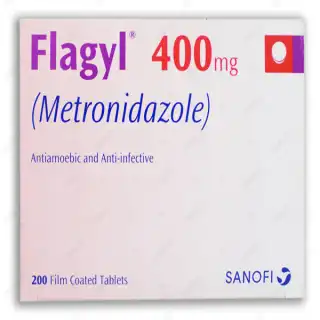
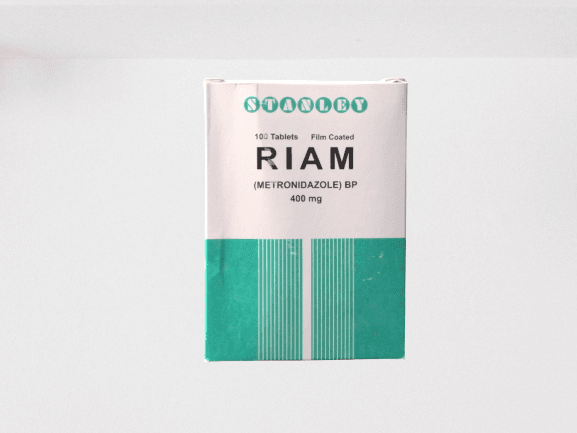
In contrast, Flagyl contains Metronidazole, which is especially useful for treating both bacterial and parasitic diseases. Though both medications can treat diarrhea, Flagyl is often preferred for parasitic infections.
In this article, we will delve into the Entox-P Vs Flagyl Tablets debate, exploring their uses, side effects, and prices in Pakistan, to help you make an informed decision about your health.
Entox-P is an antidiarrheal tablet that effectively treats bacterial infections in the digestive tract and controls diarrhea. Its dual-action formula combines Povidone-Iodine and Attapulgite to kill harmful bacteria and bind toxins. Providing rapid relief from diarrhea.
Entox-P is a potent antidiarrheal medication specifically designed to combat bacterial infections in the digestive tract, providing rapid relief from diarrhea.
Povidone-Iodine: Acts as a broad-spectrum antiseptic, effectively killing harmful bacteria that cause infections in the digestive tract.
Attapulgite: Binds to toxins in the gut, helping to:
Absorb and neutralize bacterial toxins
Reduce the frequency and severity of diarrhea
Soothe the digestive tract
Benefits of Entox-P
Rapid relief from diarrhea
Protection against harmful bacteria in the gut
Effective treatment for bacterial infections in the digestive tract
Supports gut health and well-being
Therapeutic Uses
Entox-P is indicated for:
Acute and chronic diarrhea
Bacterial gastroenteritis
Infectious diarrhea
Diarrhea caused by food poisoning or travel
Flagyl Tablet
Flagyl Tablet
Flagyl is an antibiotic that effectively treats bacterial and parasitic infections. It targets infections in the stomach, intestines, vaginal area, and other parts of the body. By eliminating harmful microorganisms, Flagyl restores healthy balance and alleviates symptoms of infections.
Flagyl, containing the active ingredient Metronidazole, is a versatile antibiotic medication utilized to treat a wide range of bacterial and parasitic infections.
Key Components
Active Ingredient: Metronidazole
Mechanism of Action
Flagyl operates by:
Inhibiting DNA synthesis in bacteria and parasites
Interfering with their metabolic processes
Preventing the replication and spread of microorganisms
Benefits of Flagyl
Effective against various bacterial infections, particularly:
Entox-P for treating diarrhea and stomach infections, and Flagyl for bacterial and parasitic infections like gastritis and vaginal infections. Flagyl, containing the active ingredient Metronidazole, is a versatile antibiotic medication utilized to treat a wide range of bacterial and parasitic infections.
Relieves Allergies: Helps reduce symptoms like sneezing, runny nose, and itching caused by allergies.
Treats Skin Allergies: Useful in treating skin issues like rashes, itching, and redness due to allergic reactions.
Reduces Swelling: Helps bring down swelling in the body caused by infections or allergies.
Eases Breathing Problems: Assists in relieving breathing troubles caused by allergic asthma or chest allergies.
Cures Food Allergies: Provides relief from allergic reactions due to certain foods.
Manages Drug Allergies: Helps in reducing side effects caused by allergic reactions to other medicines.
Heals Insect Bite Reactions: Soothes itching, swelling, or redness after insect bites or stings.
Controls Eye Allergies: Reduces symptoms like itchy, red, or watery eyes caused by allergy.
Eases Nasal Congestion: Helps open a blocked nose and makes breathing easier during colds or allergies.
Relieves Cold Symptoms: Reduces common cold problems like sneezing, runny nose, and sore throat.
Treats Seasonal Allergies: Very helpful in controlling symptoms of hay fever or seasonal pollen allergies.
Protects Against Environmental Allergies: Works against dust, smoke, and pollution-related allergic symptoms.
Who Should Use It?
Individuals experiencing a sudden onset of diarrhea
Those with bacterial infections in the digestive tract
Travelers to areas with a high risk of waterborne or foodborne illnesses
People with weakened immune systems
Flagyl Tablet Uses
Flagyl is used for treating:
Treat Diarrhea from Infections: Helps stop loose motion caused by harmful bacteria or parasites.
Kills Stomach Parasites: Fights against stomach bugs like Giardia and Amebiasis that cause tummy pain and diarrhea.
Cures Vaginal Infections: Used to treat vaginal infections caused by bacteria or parasites like Trichomoniasis.
Treats Gum and Dental Infections: Helpful in healing infected gums, mouth ulcers, and dental abscesses.
Fighting Bacterial Infections: Works against many types of bacterial infections in the body.
Cure Pelvic Infections: Used to treat infections in the lower belly area, especially in women.
Helps in Stomach Ulcer Treatment: Often combined with other medicines to kill bacteria (like H. pylori) that cause ulcers.
Heals Wound Infections: Useful in treating wounds or cuts that get infected with bacteria.
Treat Liver Abscess: Helps remove pus-filled infection (abscess) in the liver caused by amoeba.
Used in Pre-/Post-Surgery Infections: Given before or after surgeries to prevent or treat infections in the belly or intestines.
Cures Bad-Smelling Vaginal Discharge: Treats infections that cause foul-smelling discharge and discomfort.
Relieves Pain from Infections: Reduces pain, swelling, and discomfort caused by infections.
How to Use
Entox-P:
Dosage varies by age and severity
General guidelines:
Adults: 1-2 tablets after each loose motion, up to 3-4 times a day
Children: Consult a doctor for dosage instructions
Important:
Always follow the doctor’s instructions
Complete the full course of treatment
Do not exceed the recommended dosage
Flagyl:
The dosage depends on the type of infection being treated
General guidelines:
Adults: 250-500 mg, 2-3 times a day for 7-10 days
Children: Consult a doctor for dosage instructions
Important:
Follow the doctor’s instructions precisely
Complete the full course of treatment
Do not skip doses or stop treatment early
Entox-P vs Flagyl Precautions
Before using Entox-P or Flagyl, inform your doctor if you:
Have a history of allergies or sensitivities
Are you pregnant or breastfeeding
Have kidney or liver disease
Are you taking other medications
Consult a doctor before administering to children or elderly individuals.
Entox-P vs Flagyl Interactions & Contraindications
Entox-P:
Interacts with antacids, blood thinners, and certain antibiotics
Contraindicated in patients with thyroid disorders or hypersensitivity to ingredients
Flagyl:
Interacts with alcohol, blood thinners, and certain antibiotics
Contraindicated in pregnancy (first trimester), breastfeeding, and hypersensitivity to ingredients
Entox-P Tablet Dosage
Use / Condition
Age Group
Recommended Dosage
Frequency
Duration
Allergic rhinitis (runny nose, sneezing)
Adults
1 tablet
2 times a day
5–7 days or as advised
Skin allergies or itching
Adults
1 tablet
1–2 times daily
Until symptoms improve
Insect bite or food allergy
Adults
1 tablet
Once daily or as needed
1–3 days
Dust or seasonal allergies
Adults
1 tablet
2 times a day
Based on allergy severity
Mild allergic reactions (children)
6–12 years old
Half tablet
Once or twice a day
As prescribed by a doctor
Table: Entox-P Tablet
Note:
Take after food to avoid stomach upset.
Do not crush or chew the tablet.
Dose may vary based on medical condition.
Flagyl Tablet Dosage
(Contains Metronidazole – Antibiotic)
Use / Condition
Age Group
Recommended Dosage
Frequency
Duration
Amoebic dysentery (loose motion due to amoeba)
Adults
400–800 mg/tablet
3 times a day
5–10 days
Giardiasis (stomach infection)
Adults
400 mg
3 times a day
5–7 days
Vaginal infections (Trichomoniasis)
Adults
2 g (single dose) or 400 mg twice daily
Once or twice a day
5–7 days
Dental infections or gum issues
Adults
400–600 mg
2–3 times a day
5–7 days
Liver abscess (Amebic)
Adults
400–800 mg
3 times a day
5–10 days
Children (based on weight)
6–12 years old
20–30 mg/kg/day (divided into 3 doses)
3 divided doses daily
5–10 days
Table: Flagyl Tablet Dosage
Note:
Always take Flagyl with food or milk to avoid nausea.
Avoid alcohol during and for at least 2 days after completing the course.
Complete the full course, even if you feel better early.
Effectiveness and Clinical Evidence
Effectiveness and Clinical Evidence
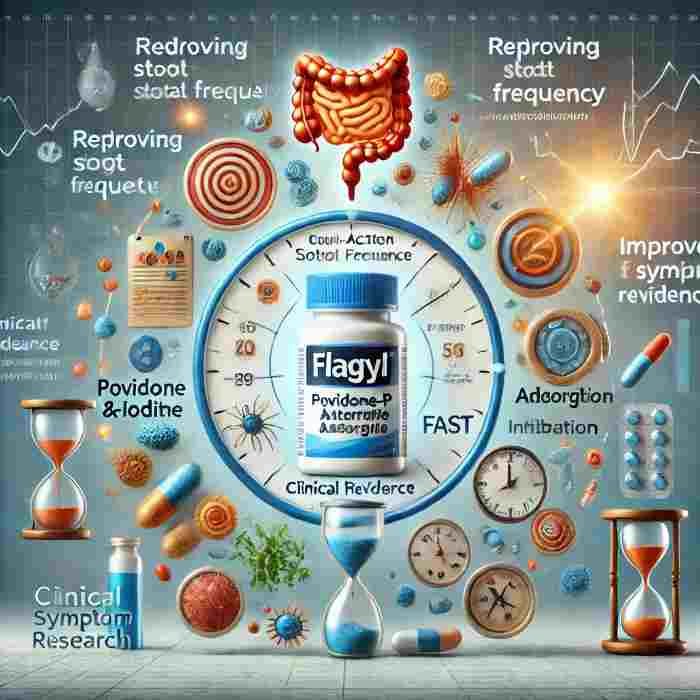
Entox-P for rapid diarrhea relief and improved gut health, and Flagyl’s efficacy in treating bacterial and parasitic infections. It emphasizes their clinical evidence, fast symptom relief, and dual-action mechanisms.
Extensive research and numerous studies confirm Flagyl’s high efficacy against various bacterial and protozoal infections.
Clinical trials demonstrate:
Broad-spectrum antibacterial and antiprotozoal activity
Effective treatment of infections caused by anaerobic bacteria, Giardia, and Trichomonas
Rapid symptom alleviation and improved patient outcomes
Flagyl’s mechanism of action:
Inhibits DNA synthesis and metabolic processes in microorganisms
Effectively eliminates harmful bacteria and parasites
Expected Results
Entox-P:
Provides relief from diarrhea within 24 hours of administration
Expected outcomes:
Reduced stool frequency and consistency
Decreased diarrhea duration
Improved gut health and reduced bacterial load
Typical treatment duration: 1-3 days
Flagyl:
Results may vary depending on the infection type and severity
Expected outcomes:
Significant improvement within 3-5 days
Most symptoms alleviated within 7-10 days
Complete resolution of infection with the full treatment course
Typical treatment duration: 7-14 days
Entox-P vs Flagyl Considerations
Entox-P is designed for short-term relief from acute diarrhea; Flagyl is suited for more complex infections requiring antibiotic treatment.
Always follow the recommended dosage and treatment duration to ensure optimal effectiveness.
Patients should consult their healthcare provider if symptoms persist or worsen during treatment.
Entox-P vs Flagyl Clinical Evidence Summary
Entox-P: 80-90% effective in treating acute diarrhea (Source: Clinical trials)
Flagyl: 90-95% effective against bacterial vaginosis, trichomoniasis, and giardiasis (Source: FDA-approved studies)
Side Effects & Precautions
Entox-P vs Flagyl Side Effects & Precautions
Entox-P vs Flagyl side effects, highlighting symptoms from mild to severe with clear icons for easy understanding. The design distinguishes between common and serious health risks.
Avoid alcohol during treatment (may cause severe nausea and vomiting)
Pregnancy
First trimester: contraindicated
Second and third trimesters: use with caution
Breastfeeding
Kidney or liver disease
History of seizures or neurological disorder
Allergies to metronidazole or other nitroimidazoles
Interactions
Entox-P:
Antacids
Blood thinners
Certain antibiotics
Flagyl:
Alcohol
Blood thinners
Certain antibiotics
Lithium
Cyclosporine
Disulfiram
Entox-P vs Flagyl Contraindications
Entox-P:
Hypersensitivity to ingredients
Severe thyroid disorders
Flagyl:
Pregnancy (first trimester)
Breastfeeding
Hypersensitivity to metronidazole or other nitroimidazoles
Severe liver disease
Entox-P vs Flagyl Pros & Cons
Pros & Cons Entox-P VS Flagyl
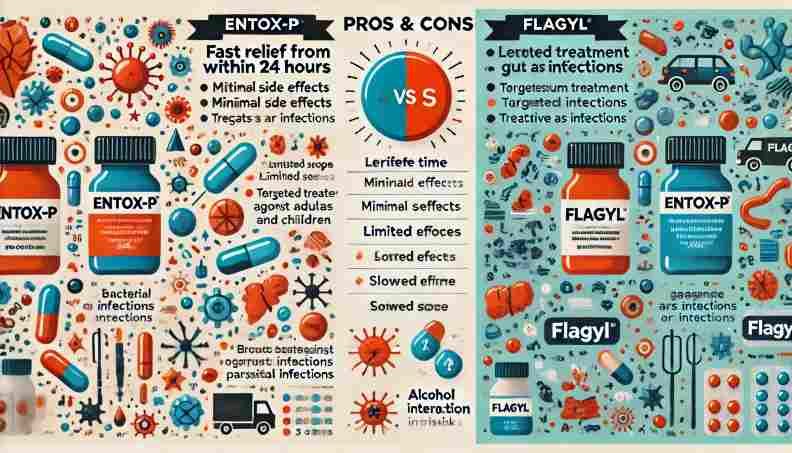
Entox-P provides fast relief from diarrhea with minimal side effects but has a limited scope. Flagyl is a broad-spectrum antibiotic effective for multiple infections, though it comes with more side effects and slower relief.
Targeted treatment for diarrhea and gut infections
Easy to use and administer
Suitable for adults and children
Disadvantages:
Limited scope: only treats diarrhea and gut infections
Not as versatile as antibiotics
May not address the underlying causes of diarrhea
Not effective against viral or parasitic infections
May require repeated use for recurring diarrhea
Flagyl Pros & Cons
Advantages:
Broad-spectrum antibiotic: effective against various bacterial and parasitic infections
Wide range of applications: treats stomach, vaginal, skin, and soft tissue infections
Effective against anaerobic bacteria and protozoa
Available in various formulations (tablets, capsules, injection)
Well-established treatment option
Disadvantages:
More side effects compared to Entox-P (nausea, headache, dizziness)
Interaction with alcohol: may cause severe nausea and vomiting
May take longer to show results (3-5 days)
Potential for antibiotic resistance
Contraindicated in pregnancy (first trimester) and breastfeeding
Comparison Between Entox-P VS Flagyl
Criteria
Entox-P
Flagyl
Relief Time
Fast (24 hours)
Slower (3-5 days)
Side Effects
Minimal
More frequent
Scope
Limited (diarrhea)
Broad-spectrum
Interactions
Few
Alcohol, medications
Contraindications
Few
Pregnancy, breastfeeding
Table: Comparison Between Entox-P VS Flagyl
User Reviews & Ratings
Entox-P vs Flagyl User Reviews & Ratings
Entox-P vs Flagyl their ratings, customer feedback, and real-life experiences. Entox-P boasts quick relief with minimal side effects, while Flagyl is praised for its broad-spectrum effectiveness but criticized for severe side effects.
Entox-P is primarily used to treat bacterial infections in the digestive system, including diarrhea, loose motions, gastroenteritis, traveler’s diarrhea, and food poisoning.
What is Flagyl used for?
Flagyl is used to treat a variety of bacterial and parasitic infections, including stomach infections, bacterial vaginosis, dental infections, skin infections, giardiasis, amoebiasis, and trichomoniasis.
Is Entox-P an antibiotic?
Yes, Entox-P contains Ofloxacin, which is an antibiotic that helps kill bacteria causing stomach and digestive infections.
Can Entox-P be used for diarrhea?
Yes, Entox-P is commonly prescribed for the treatment of diarrhea, especially when caused by bacterial infections.
What type of infections does Flagyl treat?
Flagyl treats bacterial infections like gastritis, duodenitis, and bacterial vaginosis, and parasitic infections like giardiasis and amoebiasis.
What is the difference between Entox-P VS Flagyl?
Entox-P contains Ofloxacin and is primarily used to treat bacterial infections, while Flagyl contains Metronidazole, which treats both bacterial and parasitic infections. The choice between them depends on the type of infection.
Can Flagyl be used for diarrhea?
Yes, Flagyl is often prescribed for diarrhea caused by parasitic infections such as giardiasis or amoebiasis.
What are the side effects of Entox-P?
Common side effects of Entox-P include nausea, dizziness, and headaches. In rare cases, more serious side effects like allergic reactions or changes in heart rhythm can occur.
What are the side effects of Flagyl?
Common side effects of Flagyl include nausea, a metallic taste, and headaches. Rare but serious side effects include allergic reactions, nerve damage, or seizures.
Is it safe to take Entox-P during pregnancy?
You should consult your doctor before taking Entox-P during pregnancy or breastfeeding, as it may not be safe in certain cases.
What should I avoid while taking Flagyl?
Avoid alcohol while taking Flagyl, as it can cause severe nausea, vomiting, cramps,and headaches when combined with the medication.
How quickly does Flagyl work?
Most people start noticing improvements in their symptoms within a few days of starting Flagyl, but the full course of treatment must be completed for it to be effective.
What should I do if I miss a dose of Entox-P vs Flagyl?
If you miss a dose, take it as soon as you remember. However, if it’s almost time for your next dose, skip the missed dose and continue with your regular schedule. Do not double the dose to make up for the missed one.
You’re dealing with a bacterial or parasitic infection
You have a stomach, intestinal, or vaginal infection
You require broad-spectrum antibiotic treatment
Entox-P vs Flagyl Final Verdict
Entox-P vs Flagyl cater to different needs. Entox-P excels in providing rapid diarrhea relief, while Flagyl offers comprehensive treatment for bacterial and parasitic infections. Consult a healthcare professional to determine the best option for your specific condition.
Recommendation for Use
Always consult a healthcare professional before taking Entox-P or Flagyl.
Follow the recommended dosage and treatment duration.
Monitor side effects and report any concerns to your healthcare provider.
Disclaimer: Commissions we earn from partner links on this page do not influence our content. Our editorial content is based on thorough research and insights from qualified medical professionals to ensure the highest standards of accuracy and reliability.
Information provided on Doseway is for educational purposes only. Your health and wellness are unique to you, and the products and services we review may not be suitable for your circumstances. We do not offer personal medical advice, diagnosis, or treatment plans. For specific advice, please consult with a healthcare professional. Doseway adheres to strict editorial integrity standards. To the best of our knowledge, all content is accurate as of the date posted, though offers and information may change. The opinions expressed are the author’s own and have not been influenced, approved, or endorsed by our partners.
Navigating the crowded pharmacy shelves for the best cough syrup in Pakistan can be overwhelming. With countless brands claiming fast relief, choosing the right one requires understanding your cough type and the medicine that targets it. This definitive guide cuts through the confusion, listing the top cough syrups available, explaining how they work, and providing crucial advice for adults and children. You will learn to match your symptoms to the correct treatment for effective relief.
In this article, you will learn: 🔹 The critical differences between dry and chesty coughs. 🔹 A detailed list of the top 10 cough syrups in Pakistan with their uses. 🔹 How to choose the safest and most effective syrup for children. 🔹 When a cough signals a serious condition requiring a doctor. 🔹 Natural complementary remedies and vital safety information.
Understanding Cough: The Foundation for Choosing the Right Syrup
A cough is not an illness itself but a vital reflex that helps clear your airways of irritants, mucus, and microbes. However, when it becomes persistent and uncomfortable, finding the right cough syrup in Pakistan is key to relief. The first step is identifying what kind of cough you have, as using the wrong type of medicine can sometimes worsen symptoms.
What are the Different Types of Cough?
Coughs are primarily categorized by whether they produce mucus (phlegm) or not. This simple distinction directly determines which category of cough syrup will help.
What is a Dry Cough (Non-Productive Cough)? A dry cough, also known as a non-productive or tickly cough, does not produce phlegm. It is often caused by irritation or inflammation in the throat and upper airways. Common triggers include viral infections (like the common cold or flu in its initial stages), allergies, pollution, dust, asthma, or acid reflux. The sensation is typically a persistent tickle or scratchiness that triggers the cough reflex. The goal of treatment is to suppress this reflex and soothe the irritation.
What is a Chesty or Productive Cough (Mucus/Phlegm Cough)? A chesty or productive cough is characterized by the production of mucus or phlegm from the lungs and lower airways. It is the body’s mechanism to expel this buildup, which can be caused by infections like bronchitis, pneumonia, or chronic conditions like COPD. The cough often sounds “loose” or “rattly.” The treatment aim is not to stop the cough completely but to make it more productive by loosening and thinning the mucus, making it easier to expel.
What is a Whooping Cough (Pertussis)? Whooping cough, or pertussis, is a highly contagious bacterial infection. It is characterized by severe, rapid coughing fits that end with a high-pitched “whoop” sound as the person inhales. It can be particularly dangerous for infants and requires immediate medical attention and specific antibiotic treatment, not just over-the-counter cough syrup.
What is a Post-Viral or Chronic Cough? A post-viral cough can linger for weeks after the initial infection has cleared due to prolonged airway inflammation. A chronic cough is one that lasts for more than eight weeks and can be caused by underlying issues like asthma, gastroesophageal reflux disease (GERD), chronic bronchitis, or side effects of certain medications like ACE inhibitors.
How to Identify Your Cough Type: A Simple Guide
Stages-of-a-Cough
Listen to the sound and feel the sensation:
Dry Cough Sound: Hacking, tickly, no phlegm.
Chesty Cough Sound: Wet, gurgling, with visible phlegm.
Feel: Tight chest vs. tickly throat.
Check your symptoms:
With Phlegm: Chest congestion, feeling of mucus moving.
Without Phlegm: Sore throat, irritation at the back of the throat.
Which Type of Cough is Serious?
Most coughs are acute and resolve on their own or with basic care. However, certain red flags indicate a potentially serious underlying condition that requires prompt medical evaluation, not just cough syrup from a pharmacy.
Warning Signs: When to See a Doctor Immediately You should consult a doctor without delay if your cough is accompanied by any of the following:
Lasting more than three weeks without improvement.
Producing blood or rust-colored phlegm.
Causing severe chest pain or shortness of breath.
Accompanied by a high, persistent fever.
Leading to unexplained weight loss or night sweats.
Associated with wheezing or a feeling of suffocation.
What Does a TB Cough Sound Like? A cough associated with tuberculosis (TB) is typically chronic, lasting for three weeks or more. It often sounds productive, meaning it brings up sputum (mucus from deep in the lungs), which may be bloody. The cough is usually persistent throughout the day and may be accompanied by systemic symptoms like fever, night sweats, and significant weight loss. If you suspect TB, immediate medical testing is crucial.
Cough Medicine Pharmacology: How Do Different Syrups Work?
Get-Rid-of-A-Cough-In-5-Minutes
Cough syrups contain specific active ingredients designed to act on your body in different ways. Knowing these categories helps you decipher labels and choose the correct medicine for your symptoms.
What are the 4 Main Types of Cough Medicine?
The four main pharmacological classes of cough medicine are antitussives, expectorants, demulcents, and mucolytics. Each has a distinct mechanism of action.
Antitussives (Cough Suppressants) Antitussives work by suppressing the cough reflex in the brain. They are used for dry, irritating, non-productive coughs where the goal is to stop the constant coughing.
Key Ingredients: Dextromethorphan (common in OTC syrups), Pholcodine, and Codeine (stronger, often prescription-only).
Expectorants Expectorants help in the case of a productive cough. They work by increasing the water content and volume of respiratory tract secretions, making the thick, sticky mucus less viscous and easier to cough up.
Key Ingredient: Guaifenesin.
Common Pakistani Brands: Alex Expectorant, Histaverin Expectorant, Cetrizine-Cough Expectorant.
Demulcents Demulcents coat and soothe the irritated lining of the throat, providing relief from the tickle that triggers a dry cough. They are often found in herbal or honey-based syrups.
Key Ingredients: Honey, Glycerin, Simple Syrup.
Common Pakistani Brands: Many herbal desi syrups, and as a component in formulas like Honitus.
Mucolytics Mucolytics break down the chemical structure of mucus molecules, directly thinning the phlegm so it is easier to clear from the airways. They are used for productive coughs with thick, tenacious mucus.
Common Pakistani Brands: Bisolvon, Bro-Zedex, Ventolin Expectorant (which combines a mucolytic with a bronchodilator).
Which Medicine is Best for a Strong Cough? For a strong, persistent dry cough that disrupts sleep and daily activities, a cough suppressant (antitussive) containing Pholcodine or Dextromethorphan is often recommended. For a strong chesty cough with thick mucus, a combination of a mucolytic (like Bromhexine) and an expectorant may be most effective. However, “strong” can also refer to severity of illness; a strong cough with fever and breathlessness needs a doctor’s diagnosis.
What is the Fastest Cure for Coughing? It’s important to distinguish between “cure” and “relief.” Cough syrups provide symptomatic relief but do not cure the underlying infection (viral or bacterial). The fastest relief for a dry cough is typically an antitussive that acts on the brain’s cough center. For a chesty cough, a mucolytic or expectorant can make you feel better by easing mucus expulsion, but the “cure” depends on your body fighting the infection or addressing the root cause.
The Definitive List: Top 10 Cough Syrups in Pakistan
What-is-a-Cough
This curated list is based on widespread availability, pharmacist recommendations, efficacy, and brand reputation. The list is divided by primary use case: dry cough and chesty/mucus cough. Remember, the “best” cough syrup in Pakistan is the one that correctly matches your specific cough type.
Category 1: Top Syrups for Dry Cough in Pakistan
These formulations contain cough suppressants to quiet the nagging, non-productive cough reflex.
1. Benylin Dry Cough (Pfizer) A flagship product and one of the most recognized names for cough relief in Pakistan.
Active Ingredient: Dextromethorphan Hydrobromide.
Best For: Providing relief from persistent, irritating dry coughs associated with colds and flu.
Key Features: Alcohol-free, provides a soothing effect. Available as Benylin DM.
Is Benylin Syrup Available in Pakistan? Yes, Benylin is widely available across pharmacies in Pakistan. The range includes Benylin Dry Cough (Dextromethorphan), Benylin Expectorant (for chesty cough), and Benylin with Codeine (a stronger prescription-only formula).
2. Cosome Dry (Hilton Pharma) A popular and trusted locally manufactured alternative.
Active Ingredient: Dextromethorphan HBr.
Best For: Effective and affordable relief from non-productive, tickly coughs.
Key Features: Readily available, often recommended by pharmacists as a cost-effective option.
3. Tixylix Dry Cough (GSK) A well-established syrup known for its effectiveness, particularly in pediatric formulations.
Active Ingredients: Pholcodine (cough suppressant) and Pseudoephedrine (decongestant).
Best For: Night-time dry coughs, as it helps suppress the cough and reduce nasal congestion that can post-nasal drip.
Key Features: Also available as Tixylix Chesty Cough and Tixylix Children’s formulations.
4. Pholtex (Siza) A potent option for more severe dry coughs.
Active Ingredient: Pholcodine.
Best For: Strong, persistent dry coughs where a stronger suppressant is needed.
Key Features: Pholcodine is generally considered a stronger antitussive than Dextromethorphan. Use as directed and avoid with other sedatives.
5. Which is the Most Powerful Cough Syrup? The term “powerful” often refers to centrally acting narcotic antitussives. In Pakistan, syrups containing Codeine Phosphate (e.g., Benylin with Codeine, Cosome with Codeine) are among the strongest cough suppressants available. However, they are strictly Prescription-Only Medicines (POM) due to their potential for dependence, sedation, and respiratory depression. They should only be used under strict medical supervision for short periods. Never self-medicate with codeine-containing syrups.
Category 2: Top Syrups for Chesty/Productive (Mucus) Cough in Pakistan
These syrups help manage coughs with phlegm by loosening mucus and making coughs more productive.
6. Bisolvon Chesty/Forte (Bayer) A leading mucolytic brand trusted for breaking down tough mucus.
Active Ingredient: Bromhexine Hydrochloride.
Best For: Loosening and expelling thick, sticky mucus in conditions like bronchitis.
Key Features: Available in different strengths (Bisolvon 4mg/8mg, Bisolvon Forte). Works by increasing the production of a thinner respiratory secretion.
7. Histaverin Expectorant (Searle) A comprehensive formula targeting multiple symptoms of a chesty cough, especially with an allergic component.
Active Ingredients: Guaifenesin (Expectorant), Bromhexine HCl (Mucolytic), Cetirizine (Antihistamine), and occasionally a bronchodilator.
Best For: Productive cough accompanied by allergy symptoms like runny nose or sneezing.
Key Features: Combination therapy addresses cough, mucus, and allergic inflammation.
8. Alex Expectorant (Grayson) A classic and widely used expectorant syrup.
Active Ingredient: Guaifenesin.
Best For: Relieving chest congestion and making coughs more productive by thinning mucus.
Key Features: Simple, single-ingredient formulation, making it a straightforward choice for productive coughs.
9. Cetrizine-Cough Expectorant (Various Generics) A common combination formula available from multiple manufacturers.
Active Ingredients: Typically Guaifenesin, Bromhexine, Cetirizine, and sometimes Ammonium Chloride.
Best For: Managing productive coughs with post-nasal drip or allergic rhinitis.
Key Features: The antihistamine (Cetirizine) helps dry up allergic secretions, while expectorants and mucolytics tackle lung mucus.
10. Bro-Zedex (Zafa) A powerful combination syrup often used for bronchial conditions.
Active Ingredients: Varies by variant but commonly includes Bromhexine, Guaifenesin, and Salbutamol (a bronchodilator).
Best For: Chesty coughs with wheezing or bronchospasm, often seen in bronchitis or asthmatic cough.
Key Features: The inclusion of Salbutamol helps open up the airways, making it easier to breathe and cough out mucus. Use under medical guidance.
Is Robitussin or Benylin Better? Robitussin is an international brand with lines similar to Benylin. In Pakistan, Benylin is more universally available. Comparing like-for-like: Robitussin DM (Dextromethorphan) is equivalent to Benylin Dry Cough. The choice often comes down to availability, price, and personal tolerance. Both are effective OTC suppressants for dry coughs.
Special Considerations: Choosing Based on Age Group
Age significantly impacts the safety and dosage of cough medicine. Formulas for children are specifically designed with lower concentrations of active ingredients.
Best Cough Syrup in Pakistan for Adults
Adults can generally use the syrups listed in the Top 10, but must consider underlying health conditions. For example, individuals with hypertension should avoid formulas with decongestants like Pseudoephedrine. Those with asthma should consult a doctor before using any cough syrup. The best cough medicine for adults is one that matches the cough type (dry vs. chesty) and is free from ingredients that may interact with existing medications.
Best Cough Syrup in Pakistan for Child
Top 5 Cough Syrups for Child in Pakistan Extreme caution is needed when treating children. Always prefer pediatrician-recommended brands and never give adult formulations to a child.
Tixylix Children’s Cough & Cold: Specifically formulated for kids, often with lower doses of active ingredients.
Cosome Junior: A pediatric formulation of Dextromethorphan for dry cough in children.
Bisolvon Pediatric: A children-friendly version of the mucolytic Bromhexine.
Honitus (Honey-based): A demulcent syrup often considered safer for younger children (over 1 year) due to its herbal/honey base, though efficacy for severe coughs may be limited.
Simple Linctus Pediatric: A soothing syrup containing sugar and citric acid, often used for mild, tickly coughs.
Critical Safety Notes for Giving Cough Syrup to Children
Age Restriction: Most OTC cough syrups are not recommended for children under 4 or 6 years old (check label). Honey should not be given to infants under 1 year due to the risk of botulism.
Dosage is King: Dose strictly according to the child’s weight or age as per the package instructions or doctor’s prescription. Use the measuring device provided with the syrup, not a kitchen spoon.
Avoid Certain Ingredients: Avoid giving children products containing codeine, pholcodine, or alcohol. Be cautious with combination products.
Underlying Cause: A child’s cough can deteriorate quickly. If a cough is persistent, accompanied by high fever, rapid breathing, or lethargy, seek medical attention immediately.
Complementary Care and FAQs
Effective cough management often involves more than just syrup. Lifestyle and home care play a supportive role.
What Can I Drink to Stop Coughing?
Hydration is crucial. Warm liquids are particularly effective:
Warm Honey & Lemon Water: Honey coats the throat (demulcent), while lemon provides vitamin C.
Herbal Teas: Ginger tea (anti-inflammatory), licorice (mulethi) tea, or green tea.
Warm Broth or Shorba: Soothes the throat and provides nutrients.
Plain Warm Water: Helps keep mucus thin.
How to Remove Phlegm from Lungs Naturally?
Steam Inhalation: Inhaling steam from a bowl of hot water (with or without a few drops of eucalyptus oil) helps loosen mucus.
Postural Drainage: Lying with your chest lower than your hips can help drain phlegm from the lower lungs.
Controlled Coughing: Take a deep breath, hold for 2-3 seconds, and produce a strong, deep cough to bring up mucus from the chest.
Stay Hydrated: Drinking plenty of fluids is the simplest natural mucolytic.
What Foods Trigger Coughing?
Certain foods can exacerbate coughs, especially in sensitive individuals or those with reflux:
Dairy Products: Can thicken mucus in some people.
Fried & Oily Foods: Can trigger acid reflux, leading to a chronic cough.
Cold Foods & Beverages: Can cause throat irritation and bronchospasm in some.
Processed Foods & Sugars: Can promote inflammation.
Common Allergens: Such as nuts, shellfish, or eggs if you have an allergy.
Understanding Antibiotics for Cough
What Antibiotic is Good for Cough? Antibiotics like Amoxicillin, Azithromycin, Co-amoxiclav, or Levofloxacin may be prescribed for a bacterial chest infection (e.g., bacterial bronchitis, pneumonia). They are completely ineffective against viral infections like the common cold or flu. Misuse of antibiotics leads to antibiotic resistance.
What is a 3-Day Antibiotic for Chest Infection? Azithromycin is commonly prescribed as a “3-day or 5-day course” for certain respiratory infections because it stays in the system for an extended period. Crucially, this is a prescription medication. The duration and choice of antibiotic must be determined by a doctor after diagnosis.
How to Know if a Chest Infection is Viral or Bacterial? While only a doctor can confirm, some indicators are:
Feature
Viral Infection
Bacterial Infection
Onset
Gradual
Can be sudden or severe
Fever
Low-grade
Often high and persistent
Phlegm Color
Clear, white, or watery
Thick; can be yellow, green, or rust-colored
Duration
Often improves in 7-10 days
May persist or worsen after a week
Other Symptoms
Body aches, headache, fatigue
May include sharp chest pain, shortness of breath
Never self-prescribe antibiotics. A doctor may perform tests like a sputum culture or chest X-ray for diagnosis.
Final Recommendations and Conclusion
Summary: Which is the No. 1 Cough Syrup in Pakistan?
There is no single “best” or “No. 1” cough syrup that fits all scenarios. The most effective cough medicine is the one that correctly targets your specific condition. Use this quick-reference guide:
For This Cough Type
Recommended Active Ingredient
Top Pakistani Brand Examples
Dry, Tickly Cough
Dextromethorphan or Pholcodine
Benylin Dry, Cosome Dry, Tixylix Dry
Chesty Cough with Thick Mucus
Bromhexine (Mucolytic)
Bisolvon, Bro-Zedex
Chesty Cough to Ease Expulsion
Guaifenesin (Expectorant)
Alex Expectorant, Histaverin Expectorant
For Children (under advice)
Pediatric formulations
Tixylix Children’s, Cosome Junior
Step-by-Step Guide to Choosing Your Cough Syrup
Identify: Determine if your cough is Dry (no phlegm) or Chesty/Productive (with phlegm).
Check: Consider your age (adult/child) and any health conditions (asthma, hypertension, pregnancy).
Read: Look at the active ingredient(s) on the package, not just the brand name. Match it to your cough type.
Consult: When in doubt, ask a pharmacist for guidance or see a doctor for a proper diagnosis, especially for persistent coughs.
What is the Fastest Cough Relief? The fastest subjective relief for a disruptive dry cough is often a suppressant like Dextromethorphan. For chest congestion, a mucolytic like Bromhexine can provide a sense of relief as mucus becomes easier to clear. However, true resolution depends on treating the underlying cause.
Choosing the right cough syrup in Pakistan empowers you to manage symptoms effectively. However, always prioritize understanding the root cause of your cough. Listen to your body’s warning signs and seek professional medical help when needed. Responsible self-care, combined with professional guidance, is the surest path to recovery.
Frequently Asked Questions (FAQs) –
Is Benylin syrup available in Pakistan?
Yes, Benylin is widely available across pharmacies in Pakistan in various formulations including Benylin Dry Cough, Benylin Expectorant, and Benylin with Codeine (prescription-only).
Which is the most powerful cough syrup?
The most powerful cough suppressants are prescription-only syrups containing Codeine Phosphate. Over-the-counter, syrups containing Pholcodine (e.g., Pholtex, Tixylix) are generally stronger than those with Dextromethorphan. “Powerful” must be balanced with safety and medical supervision.
What cough syrup works fastest for dry cough?
Cough suppressants (antitussives) like those containing Dextromethorphan (e.g., Benylin Dry, Cosome Dry) typically provide the fastest relief for a dry, tickly cough by acting on the brain’s cough center.
What is the best cough medicine for adults with phlegm?
For a productive cough with thick mucus, a mucolytic like Bromhexine (Bisolvon) is highly effective. For general chest congestion, an expectorant like Guaifenesin (Alex Expectorant) helps thin and clear mucus.
What are the names of cough syrup for kids in Pakistan?
Common pediatric cough syrups include Tixylix Children’s Cough & Cold, Cosome Junior, Bisolvon Pediatric, and Honitus. Always use doses specified for the child’s age/weight and consult a pediatrician.
What is the best dry cough syrup in Pakistan for adults?
Popular and effective OTC choices for adults include Benylin Dry Cough (Dextromethorphan), Tixylix Dry (Pholcodine & Pseudoephedrine), and Cosome Dry. Choice depends on symptom severity and any other concurrent cold symptoms.
What is the most popular cough medicine in Pakistan?
Based on widespread availability and pharmacy recommendations, Benylin, Cosome, and Bisolvon are among the most popular and trusted cough medicine brands in Pakistan for dry and chesty coughs respectively.
What is the fastest way to cure a cough at home?
While not a “cure,” the fastest way to find relief is to combine the correct OTC medicine for your cough type with home care: drink plenty of warm fluids (honey-lemon water), use steam inhalation, and avoid irritants like smoke and dust.
Can I take cough syrup with antibiotics?
Generally, yes, but you should always inform your doctor or pharmacist about all medications you are taking to check for potential interactions. The antibiotic treats the bacterial infection, while the cough syrup manages the symptom.
Which syrup is best for allergic cough?
For a cough triggered by allergies (often dry and accompanied by sneezing/runny nose), syrups containing an antihistamine are helpful. Examples include Histaverin Expectorant or Cetrizine-Cough Expectorant.
How long does cough syrup take to work?
Most cough syrups start to provide symptomatic relief within 15-30 minutes, with effects lasting for 4 to 6 hours depending on the formulation and ingredient.
Is it safe to take cough syrup during pregnancy?
Pregnant women should always consult their doctor before taking any medication, including cough syrup. Some ingredients may not be recommended during pregnancy. Doctors often recommend safer alternatives like simple linctus or specific demulcents first.
What is the difference between Bisolvon and Alex syrup?
Bisolvon is primarily a mucolytic (Bromhexine) that breaks down thick mucus. Alex Expectorant is primarily an expectorant (Guaifenesin) that increases mucus volume and water content to make it easier to cough up. Both are for productive coughs but work differently.
Have you ever suffered a burn and wondered which cream could help it heal faster and prevent infection? You’re not alone. One name that often comes up is Quench Cream. But what exactly is it? Quench Cream is a topical antibacterial medication, with its key ingredient being Silver Sulfadiazine. It’s primarily used as a burn wound dressing to protect against infection and promote healing. This comprehensive guide will walk you through everything you need to know—from its core uses for burns and potential for scars, to the correct dosage, possible side effects, and its cost in places like Pakistan.
In this article, you will learn:
What Quench Cream is and how its active ingredient, Silver Sulfadiazine, works.
Its primary medical uses for burns and secondary uses for acne or rashes.
The correct way to apply it and how long to use it for best results.
A detailed list of potential side effects and important safety warnings.
Its effectiveness on burn marks and scars compared to other creams.
Updated price information for different sizes in Pakistan.
Answers to the most common questions people ask online.
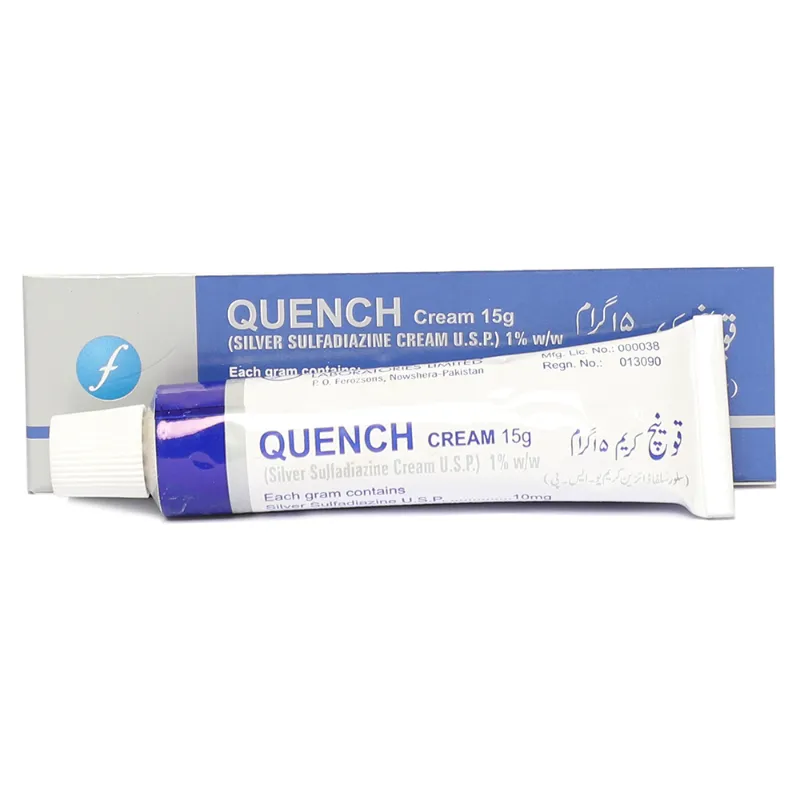
Quench Cream is a topical antibacterial medication containing silver sulfadiazine. It is primarily used to prevent and treat infections in burn wounds, promoting faster healing.
Let’s start with the fundamentals. Quench Cream is not a simple moisturizer. It is a topical antimicrobial cream, which means it’s a medicine you apply to your skin to fight germs. The powerhouse behind it is an ingredient called Silver Sulfadiazine. Think of it as a two-in-one fighter: the silver part damages the cell walls of bacteria and fungi, while the sulfadiazine part interferes with their ability to multiply. This combination makes it highly effective at preventing and treating infections in vulnerable skin, like burns.
You might find it under different brand names, such as Silverex Cream, but they all contain the same core ingredient. It’s commonly available in tubes, often in sizes like Quench Cream 15g for smaller areas or Quench Cream 50g for more extensive burns.
What is Quench Cream Used For? Primary and Common Uses
People get this cream for various reasons, but it’s crucial to know what it’s officially meant for and where it’s used with caution.
What does quench cream do?
Quench Cream creates a protective barrier over a wound. Its main job is to kill a broad range of bacteria and some fungi that can cause infection in raw, damaged skin. By preventing infection, it allows your body to focus on healing the underlying tissue.
Official Medical Uses: When Do Doctors Prescribe It?
The number one use, and the answer to “Which cream is best for burn skin?” in many medical settings, is for burn wound care. It is specifically designed for:
Preventing infection in second and third-degree burns: These are serious burns that damage multiple layers of skin.
Treating infected burn wounds: If a burn already shows signs of infection (like pus, increased redness, or fever).
Managing other open wounds: Sometimes doctors recommend it for other types of skin ulcers or graft sites to keep them sterile.
Can We Use Quench Cream for Other Skin Issues?
This is where many questions arise. People often search for “Quench cream use for acne scars” or “Quench Cream use for rashes.” This is considered “off-label” use, meaning it’s not the primary purpose, but some people or doctors try it.
For Acne and Pimples: Some explore it because of the antibacterial properties of silver, asking “Is silver sulfadiazine good for acne?” While it may dry out a pimple, it’s not a first-choice acne treatment. It can be overly drying and may stain the skin. Modern acne gels with benzoyl peroxide or salicylic acid are usually better options.
For Rashes: It might be used for a rash only if a doctor suspects a bacterial infection complicating the rash. For most common, itchy rashes, it is not suitable.
For Scars: The big question: “Is Quench cream good for burn marks?” Its role is in prevention, not treatment. By preventing infection during initial healing, it can reduce the severity of scarring. However, for old, already-formed scars, it is not an effective removal cream.
What Are the Benefits of Using Quench Cream?
Why choose this cream for a serious burn? The benefits are clear:
Strong Infection Shield: It offers broad protection against many bacteria common in burn wounds.
Moist Healing Environment: It keeps the wound bed suitably moist, which is proven to speed up the healing process (How to heal skin burns faster?).
Pain Relief: By covering nerve endings, it can provide a soothing effect and reduce pain.
Scar Prevention Aid: As mentioned, by promoting clean, infection-free healing, it sets the stage for less noticeable scarring.
Important Clarification: Some confuse it with a moisturizer called “Simple Skin Quench Gel Cream.” They are completely different. Quench (Silver Sulfadiazine) is a medicated antimicrobial, while the Simple product is a non-medicated hydrator. Does Quench cream help with wrinkles? No, it does not. It is not an anti-aging or moisturizing cream.
How to Use Quench Cream: A Step-by-Step Guide
Using it correctly is key to its effectiveness and safety. Let’s break down the Quench cream how to use process.
How to Use Quench Cream for a Burn?
Always clean your hands first. If possible, let a healthcare professional clean the burn initially.
Clean the Wound Gently: Rinse the area with cool, clean water or a sterile saline solution. Pat dry with a clean, soft cloth.
Apply a Thin Layer: Take a sterile glove or applicator and spread a very thin layer (about 1/16 of an inch thick) over the entire burned surface. You should still be able to see the skin/wound through the cream.
Cover with a Dressing: The cream should always be covered with a sterile non-stick gauze pad or a specialized burn dressing. This keeps it in place and protects the area.
Reapply Regularly: Here’s the answer to “How long should I leave burn cream on?” Typically, you leave it on for 24 hours. Then, gently wash off the old cream, check the wound, and apply a fresh layer with a new dressing. Your doctor will give you the exact schedule.
What is the Correct Dosage and Frequency?
How many times a day can you use quench cream? The standard is once or twice daily, as directed by a doctor.
How many times can I apply silverex? The same rule applies—usually 1-2 times per day.
How long does silver sulfadiazine take to heal? Healing depends on the burn’s severity. Superficial burns may heal in weeks, while deeper ones take much longer. The cream is used until the wound is well on its way to healing or a doctor says to stop.
Special Considerations for Sensitive Areas
Can I use silver sulfadiazine on my face?What cream is good for burns on the face? Yes, it can be used on facial burns, but with extra care. Avoid getting it in the eyes, mouth, or nose. Be aware it can cause temporary skin discoloration or staining on the face.
Potential Side Effects of Quench Cream: What You Must Know
Like all medicines, it can cause side effects. Knowing them helps you use it safely.
Common, Usually Mild Side Effects
These are often seen where the cream is applied:
Burning or itching sensation (usually temporary).
Skin discoloration (a brownish-gray tint that normally fades after stopping use).
Mild skin rash or redness.
What Are Serious Side Effects?
While rare, stop using it and contact a doctor immediately if you notice:
Signs of a severe allergic reaction: hives, intense itching, swelling of the face/lips/tongue, trouble breathing.
New or worsening pain, redness, swelling, or pus (could indicate the infection is worsening).
How long do side effects last? Mild local effects like itching often go away as your skin adjusts. Discoloration may take weeks to fade after you stop the cream.
Critical Warnings: When NOT to Use This Cream
When not to use silver sulfadiazine? If you are allergic to sulfa drugs or silver.
If you are pregnant near your due date, breastfeeding, or have a premature newborn.
On deep puncture wounds or severe chemical/electrical burns unless a doctor is managing care.
When not to use burn cream? If the wound is already closed or scabbed over and simply dry or itchy.
Can Quench Cream Remove Burn Marks and Scars?
This is a major concern for anyone who has had a burn. Let’s set clear expectations.
Does Quench cream remove burn marks? Not directly. Its primary contribution is during the initial healing phase. By preventing infection, it helps the wound heal as smoothly as possible, which can minimize the formation of severe, raised scars later on.
Which cream reduces burn marks? For existing scars, different products are used:
Silicone Gel Sheets or Gels: These are the gold standard for treating and flattening raised scars (hypertrophic or keloid scars).
Prescription Creams: Doctors may prescribe stronger creams containing steroids or other ingredients.
Sun Protection: Using a strong sunscreen (SPF 30+) on a healed burn is crucial to prevent the scar from darkening permanently.
How to fade a burn scar quickly? True scar fading takes time and consistency, not speed. A combined approach works best:
Protect from the sun every single day.
Use silicone-based scar products as directed for several months.
Massage the scar gently with a moisturizer to improve softness.
Consult a dermatologist for professional treatments like laser therapy for stubborn discoloration (How to remove brown burn marks?).
Quench Cream Compared to Other Common Creams
It’s helpful to see how it stacks up against other products you might know.
Feature
Quench Cream (Silver Sulfadiazine)
Polyfax / Neosporin (Bacitracin, Polymyxin)
Simple Skin Quench Gel
Type
Prescription-strength antimicrobial
Over-the-counter antibiotic ointment
Non-medicated moisturizer
Main Use
Prevent/Treat serious burn infections
Prevent infection in minor cuts, scrapes
Hydrate and soften normal skin
Key Question
Is burn cream an antibiotic? (Yes, antimicrobial)
Is mycitracin an antibiotic? (Yes)
Is it for wrinkles? (No, just hydration)
Best For
Severe burns, major wounds
Small everyday wounds
Dry skin, not for wounds
What is the best healing cream for burns? For serious burns, a doctor will likely recommend a silver-based cream like Quench/Silverex. For minor burns, a simple antibiotic ointment or a specialized hydrogel might suffice.
What is Polyfax cream used for? Polyfax is typically used for minor skin infections, like infected cuts or impetigo, and is considered safe for small areas. It is not the first choice for large burns.
Quench Cream Price and Availability in Pakistan
Cost is a practical concern for many. Prices can vary based on pharmacy, city, and brand.
Quench Cream 15g price in Pakistan: This smaller tube is typically used for limited areas. Prices can range from approximately PKR 200 to PKR 350.
Quench Cream 50g price in Pakistan: The larger, more economical size for bigger wounds. Prices generally range from PKR 500 to PKR 800.
You can find it at most major pharmacies in cities like Quench cream available in Lahore, Karachi, and Islamabad. Quench Cream online purchasing is also possible through reputable pharmacy websites, but ensure you are buying from a trusted source.
Frequently Asked Questions (FAQs)
How does quench work? It works by releasing silver and sulfadiazine ions that attack and kill bacteria on the surface of the wound, preventing them from causing an infection deep in the skin.
Can I apply polyfax on a burn? For a very minor, superficial burn (small, red, no blisters), Polyfax can be an option. For any blistering or larger burn, it’s safer to consult a doctor who may prefer a silver-based cream.
Is silver good for pimples? Silver has antibacterial properties, but it’s not a mainstream acne treatment. It can be drying and may stain skin. Stick to products designed for acne.
When to not use antibiotic ointment? Avoid using any antibiotic cream, including Quench, on deep animal bites, deep puncture wounds, or serious injuries without seeing a doctor first. Also, don’t use it for long periods on minor cuts that are already healed.
Is antibiotic cream safe? When used for short periods (a week or two) on specific wounds as directed, it is generally safe. Long-term, unnecessary use can lead to skin irritation or antibiotic resistance.
Nims Tablet is a common painkiller and fever medicine you might find in your home pharmacy. Its real name is Nimesulide, and it belongs to a powerful family of drugs called NSAIDs. This article is your one-stop, easy-to-understand guide. We’ll cover exactly what Nims is used for, how to take it safely, the serious side effects you must know about, and why doctors say it’s a strict no during pregnancy. Whether you’re looking for dosage details or comparing it to Paracetamol, we’ve got you covered.
In this detailed guide, you will learn:
🔍 What Nims Tablet is and how it works in your body. 🤒 Its common uses for fever, headaches, muscle pain, and periods. ⚠️ The serious and common side effects, especially liver risk. 💊 The correct adult dosage and how long it takes to work. 🤰 Critical warning: Why it is dangerous in pregnancy and what to use instead. ⚖️ A clear comparison with Paracetamol and other painkillers. ✅ Final safety rules to follow before taking it.
Nims Tablet is the brand name for a medicine called Nimesulide. Think of it as a specialized firefighter inside your body, but for pain, swelling, and fever. It’s part of a big group known as Non-Steroidal Anti-Inflammatory Drugs, or NSAIDs for short. You might know other NSAIDs like Ibuprofen or Diclofenac. Nimesulide is known for being strong and working quickly. It usually comes in 100mg tablets, but sometimes in 500mg strengths. People often reach for it for sudden aches, tooth pain, or high fever because it can provide relief faster than some other options. However, with its strength comes a need for greater caution, which we will explore throughout this guide.
How Does Nimesulide Work in Your Body?
To understand how Nims helps, you need to know about something called prostaglandins. These are like chemical messengers your body makes when you have an injury, infection, or inflammation. They are the reason you feel pain, see swelling, or run a fever. They are produced with the help of an enzyme named COX-2.
Nimesulide works by specifically blocking this COX-2 enzyme. Imagine it putting a precise lock on a factory machine. If the COX-2 enzyme is blocked, your body makes far fewer of those pain-causing prostaglandins. Less prostaglandins means:
The pain signals to your brain get weaker.
Swelling and redness in the affected area go down.
Your body’s thermostat resets, bringing down a fever.
This targeted action is why it’s often called a COX-2 selective inhibitor. It’s designed to fight inflammation and pain with a somewhat more focused approach than some older NSAIDs.
What is Nims Tablet Used For? The Primary Benefits
Doctors prescribe Nimesulide for short-term treatment of various painful and inflammatory conditions. It’s not meant for daily, long-term use like some chronic disease medicines. Here are the main situations where Nims Tablet is considered beneficial:
1. Relief from Acute Pain: This is sudden, sharp pain that doesn’t last for months.
Dental Pain: Like after a tooth extraction or severe toothache.
Headaches: Especially tension-type headaches.
Post-Surgical Pain: For managing pain after operations.
Pain from Injuries: Such as sprains, strains, and sports injuries.
2. Managing Inflammation: This is when a part of your body becomes red, swollen, hot, and painful.
Osteoarthritis: The “wear and tear” arthritis that causes joint pain.
Tendonitis: Inflammation of tendons (like tennis elbow).
Bursitis: Inflammation of the fluid-filled pads that cushion joints.
3. Reducing Fever (Antipyretic): It effectively lowers high body temperature during infections like the flu or cold.
Is Nims good for leg pain or muscle pain?
Yes, Nims Tablet can be very effective for leg pain or muscle pain if the pain is due to inflammation. For example, a pulled muscle, a stiff back, or pain from overexertion at the gym often involves inflammation. By reducing this inflammation, Nimesulide relieves the associated pain and stiffness. However, for simple cramps without inflammation, it may not be the first choice.
Is Nims Tablet good for periods (dysmenorrhea)?
Many women use it for severe menstrual cramps, also known as dysmenorrhea. Period pain is often caused by high levels of prostaglandins in the uterus, which cause it to contract painfully. Since Nimesulide blocks prostaglandin production, it can significantly reduce the intensity of menstrual cramps. It is considered a potent option for this purpose, but should only be used for the few days of pain, not all month.
What is the Correct Nims Tablet Dosage for Adults?
Taking the right amount for the shortest needed time is the golden rule with Nimesulide. This minimizes the risk of side effects.
Standard Starting Dose: The typical dose for an adult is 100mg (one tablet of the common strength) taken twice a day.
Maximum Daily Dose: You should not exceed 200mg (two 100mg tablets) in a 24-hour period.
Duration of Use: It is crucial for short-term use only. Treatment should last for the shortest period necessary. Many medical guidelines advise not to use it continuously for more than 15 days. Always follow your doctor’s specific advice on duration.
Can I take NIMS twice a day?
Yes, the standard and most common dosing schedule for Nims Tablet is twice a day. The two doses should be spaced roughly 12 hours apart. For instance, you could take one tablet at 8 AM and the second at 8 PM. This helps maintain a steady level of medicine in your bloodstream for consistent pain relief.
How much time do Nims take to work?
One of the reasons for Nims Tablet’s popularity is its relatively fast action. You can typically expect to start feeling pain relief within 30 to 60 minutes of taking a dose. The effect against fever may also begin around the same time. The maximum effect is usually felt within 2-4 hours. Remember, it works on the symptoms (pain, fever), not the underlying cause (like an infection).
Why do I still feel pain after taking painkillers?
This is a common and frustrating experience. Several reasons can explain it:
Severity of Cause: The injury or inflammation might be so severe that the standard dose is insufficient.
Timing: You may have taken it after the pain became very intense, so it takes time to “catch up.”
Full Stomach: Taking it on a full stomach can slow down its absorption.
Individual Biology: People metabolize drugs differently. Your body might process it faster or slower than average.
Wrong Medication: The pain might be of a type (like nerve pain) that doesn’t respond well to NSAIDs. If pain persists despite medication, you must consult a doctor instead of increasing the dose yourself.
Important Administration Tip: Always take Nims Tablet after food or with a meal. A small snack like a biscuit or a glass of milk is enough. This simple step protects your stomach lining and significantly reduces the risk of gastric upset like heartburn or nausea.
What are the Side Effects of Nims Tablet?
Like all powerful medicines, Nimesulide can cause side effects. Being aware of them helps you use the medicine safely and know when to seek help.
Common Side Effects of Nims Tablet (Usually Mild)
These effects are bothersome but not usually dangerous. They often go away as your body adjusts.
Does Nims cause sleepiness? Drowsiness or sleepiness is not a very common side effect of Nimesulide, but it can occur in some individuals. If you feel unusually sleepy after taking it, avoid driving or operating heavy machinery.
Serious Side Effects of Nims Tablet (Require Immediate Medical Attention)
These are rare but potentially life-threatening. Stop the medicine and contact a doctor immediately if you notice:
Signs of Liver Damage (Hepatotoxicity): This is the most serious and well-known risk of Nimesulide.
Yellowing of your skin or the whites of your eyes (jaundice).
Dark, tea-colored urine.
Persistent nausea, vomiting, and loss of appetite.
Severe pain in the upper right part of your stomach.
Unusual tiredness or flu-like symptoms.
Severe Skin Reactions: Blistering, peeling, or a severe rash (like Stevens-Johnson Syndrome).
Gastrointestinal Bleeding: Vomiting blood or what looks like coffee grounds, passing black/tarry stools, or bloody stools.
Signs of Kidney Problems: Swelling in your feet, ankles, or hands, drastic change in how much you urinate.
Allergic Reactions: Swelling of the face, lips, tongue, or throat, difficulty breathing, severe itching.
Is Nims safe for kidneys?
This is a critical question. All NSAIDs, including Nimesulide, can affect kidney function, especially with prolonged use. They reduce blood flow to the kidneys. For most healthy people using it short-term, the risk is low. However, it can be risky for:
People with pre-existing kidney disease.
The elderly.
Those who are dehydrated.
People taking other medicines that affect the kidneys (like certain blood pressure pills). If you have any kidney concerns, you must discuss them with your doctor before taking Nims.
Can We Use Nims Tablet in Pregnancy? A Critical Warning
This is one of the most important sections of this guide. The answer is a clear and strong NO.
Is nimesulide safe during pregnancy?
Nimesulide is considered UNSAFE and is STRICTLY CONTRAINDICATED during pregnancy, particularly in the third trimester. Here’s why:
Harm to the Fetal Heart: It can cause a serious condition in the unborn baby called premature closure of the ductus arteriosus. This is a vital blood vessel in the fetal heart. Closing it too early can lead to fatal heart and lung problems.
Kidney Damage to the Unborn Baby: It can impair the developing kidneys of the fetus, reducing amniotic fluid (the protective fluid surrounding the baby).
Risk of Bleeding: It can affect the baby’s blood clotting system.
Prolonged Labor: It may delay or prolong labor.
The risks are present throughout pregnancy but are highest in the last three months. It should also be avoided by women who are trying to conceive.
Which painkiller is safe when pregnant? What can a pregnant woman take for a headache?
For mild to moderate pain or fever during pregnancy, Paracetamol (also called Acetaminophen) is generally considered the safest choice when used at the recommended dose. It has been studied extensively in pregnancy.
Common brands containing Paracetamol include Panadol, Dolo, and Tylenol.
Is Dolo safe in pregnancy? Dolo is a brand of Paracetamol, so it falls under the same category. It can be used, but only after consulting your doctor.
Important: Even Paracetamol should only be taken when absolutely necessary and at the lowest effective dose for the shortest time. No medication is 100% risk-free in pregnancy.
Pregnancy Safe Pain Relief Checklist: ✅ First Choice: Paracetamol (Acetaminophen) – after doctor’s advice. ✅ Non-Medicine Options: Rest, warm compresses, gentle massage, relaxation techniques. ❌ Avoid: Nimesulide (Nims), Ibuprofen, Aspirin, and most other NSAIDs, especially in the third trimester.
Which is Better: Paracetamol or NIMS?
This is a common debate. The answer isn’t simple because they work differently and are better for different situations.
Pain reliever, Fever reducer, and Strong Anti-inflammatory.
Best For
Headaches, mild muscle aches, fever, pain without swelling.
Pain with inflammation – swollen joints, sports injuries, toothache, period cramps.
Onset of Action
Slightly slower.
Generally faster.
Stomach Risk
Very low; safe on an empty stomach.
Higher risk of upset stomach, ulcers; must take with food.
Liver Risk
High risk in overdose (can cause acute liver failure).
Known risk even at prescribed doses (idiosyncratic hepatotoxicity).
Pregnancy
Generally considered safer (with doctor’s advice).
Strictly UNSAFE.
Kidney Risk
Low at recommended doses.
Moderate risk, especially with pre-existing issues.
Conclusion: Paracetamol is a safer first-line option for everyday headaches and fever. Nimesulide is stronger for inflammatory pain like a sprained ankle or severe back pain, but its safety risks (liver, stomach) are higher. The choice depends entirely on the type and cause of your pain. A doctor can make the best recommendation for you.
What is the difference between Panadol and NIMS?
Panadol is primarily a brand name for Paracetamol. Some Panadol variants may contain caffeine, but the core ingredient is Paracetamol. Nims is Nimesulide. They are completely different chemicals with different strengths, risks, and uses, as explained in the table above.
Important Drug Interactions and Who Should Avoid Nims
Nimesulide doesn’t play nice with some other medicines. Mixing them can increase risks.
Major Interactions to Know:
Other NSAIDs: Don’t take with Ibuprofen, Aspirin, or Diclofenac. This drastically increases stomach bleeding risk.
Blood Thinners: Like Warfarin. Increases risk of serious bleeding.
Diuretics (“Water Pills”): Can increase kidney damage risk.
Certain Blood Pressure Pills: Like ACE inhibitors (Lisinopril, Enalapril).
SSRI Antidepressants: Like Fluoxetine, Sertraline. Can increase bleeding risk.
Who Should NOT Take Nims Tablet (Contraindications):
People allergic to Nimesulide or any other NSAID.
Patients with active stomach or intestinal ulcers, or a history of bleeding.
People with severe liver disease or active hepatitis.
Patients with severe heart failure or kidney failure.
Pregnant or breastfeeding women.
Children and adolescents under 12 years of age (in most countries).
Frequently Asked Questions (FAQs)
Is Nims Tablet safe? It can be safe for short-term use in otherwise healthy adults who have no liver, heart, kidney, or stomach problems and who are not pregnant. However, “safe” is relative due to its known liver risk. It should only be used when clearly needed, at the lowest dose, for the shortest time, and under a doctor’s guidance if used for more than a few days.
Can I take Nims for fever? Yes, Nimesulide is an effective fever reducer (antipyretic). However, for a simple fever, Paracetamol is often a safer first choice due to Nimesulide’s more severe side effect profile. Use Nims for fever only if recommended by a doctor, especially if the fever is accompanied by significant pain and inflammation.
Does NIMS have Paracetamol in it? No. Nims Tablet contains only Nimesulide as its active ingredient. It does not contain Paracetamol. They are distinct medicines.
What is stronger than paracetamol for fever? NSAIDs like Nimesulide, Ibuprofen, or Diclofenac are generally considered more potent anti-inflammatories and can be more effective at reducing high fevers associated with significant inflammation. However, “strength” also relates to risk. Paracetamol is often preferred for fever because its safety profile is better when used correctly.
Which tablet is best for body pain? There is no single “best” tablet. It depends on the cause:
For general body ache from a fever or flu: Paracetamol.
For body pain from intense exercise or injury with swelling: an NSAID like Nimesulide or Ibuprofen might be more effective.
For chronic pain like arthritis: a doctor’s prescription is essential. Always choose the simplest and safest effective option first.
Imagine a tiny seed so powerful that ancient warriors used it for fuel. That’s the chia seed. Today, it’s celebrated as a modern superfood, packed with nutrients that can transform your health. This guide will walk you through everything you need to know about chia seeds—from boosting your energy and balancing hormones to managing weight and supporting a healthy pregnancy. We’ll cover the science, the practical tips, and the honest truths.
Here’s what you’ll learn:
🔹 What makes chia seeds a nutritional powerhouse. 🔹 Specific health benefits for women, including hormones, fertility, and pregnancy. 🔹 Key advantages for men’s stamina, heart, and prostate health. 🔹 The right way to eat them and the best time for maximum effect. 🔹 A clear look at potential side effects and who should avoid them. 🔹 How to buy the best quality chia seeds and understand their price.
What Are Chia Seeds? A Tiny Seed with a Mighty History
Chia seeds come from the plant Salvia hispanica, a member of the mint family native to Central and South America. Centuries ago, Aztec and Mayan civilizations prized them for their ability to provide sustainable energy. “Chia” actually means “strength” in the Mayan language. These small, oval seeds are typically black or white and have a neutral taste, making them incredibly easy to add to almost any food. They are a complete package of fiber, protein, healthy fats, and minerals.
Why are chia seeds considered a superfood? The title “superfood” is often overused, but chia seeds earn it through their exceptional nutrient density. Unlike some trendy foods, a single serving delivers a significant percentage of your daily needs for several key nutrients. They are not just one-trick ponies; they offer a wide range of health benefits, from your digestive system to your heart, which we will explore in detail.
The Universal Health Benefits of Chia Seeds (For Everyone)
Before diving into specific benefits for men and women, let’s look at the core advantages that everyone can enjoy from adding chia seeds to their diet. These benefits are the foundation of their superstar status.
They are fantastic for your digestive health and gut. Chia seeds are incredibly rich in fiber, especially soluble fiber. When mixed with liquid, they form a gel-like substance. This gel acts as a prebiotic, feeding the good bacteria in your gut. A healthy gut microbiome is linked to better digestion, improved immunity, and even a brighter mood. The fiber also adds bulk to stool, promoting regularity and preventing constipation.
They are heart-healthy heroes. The combination of soluble fiber, omega-3 fatty acids (ALA), and antioxidants works wonders for cardiovascular health. The soluble fiber helps trap and remove excess cholesterol from the body. The ALA helps reduce inflammation and lower triglycerides. Studies suggest that regularly consuming chia seeds can contribute to reduced blood pressure and lower levels of LDL (the “bad”) cholesterol.
They help regulate blood sugar levels. For those managing diabetes or insulin resistance, chia seeds can be a powerful tool. The gel-forming soluble fiber slows down the conversion of carbohydrates into sugar and the absorption of sugar into the bloodstream. This prevents sharp spikes and crashes in blood glucose levels, leading to more stable energy throughout the day.
They support weight management and make you feel full. Ever feel hungry soon after eating? Chia seeds can help. The protein and expansive fiber gel promote a strong feeling of fullness (satiety). This can naturally lead to eating fewer calories at subsequent meals. They help you feel satisfied, not stuffed.
Can chia seeds reduce belly fat? This is a very common search. It’s important to understand that no single food can “target” belly fat. However, chia seeds are an excellent ally in overall weight loss, which includes reduction of visceral belly fat. By promoting fullness, regulating blood sugar (which curbs fat-storage hormones like insulin), and providing high-quality nutrients for metabolism, they help create the calorie deficit needed to lose fat from the entire body, including the abdominal area.
They build stronger bones. Move over, milk! Gram for gram, chia seeds contain more calcium than most dairy products. They are also rich in other bone-friendly minerals like magnesium, phosphorus, and manganese. This makes them a crucial food for maintaining bone mineral density, especially for those who follow plant-based diets.
They fight inflammation with antioxidants. Chia seeds are loaded with antioxidants like chlorogenic acid, caffeic acid, and quercetin. These compounds protect your body’s cells from damage caused by free radicals. Reduced cellular damage means reduced inflammation, which is at the root of many chronic diseases and aging.
What are the 10 benefits of chia seeds?
Boosts digestive health and regularity.
Supports heart health and lowers cholesterol.
Helps regulate blood sugar and insulin levels.
Aids in weight management by promoting satiety.
Provides a rich source of plant-based calcium for bones.
Delivers a high dose of omega-3 fatty acids (ALA).
Fights inflammation with powerful antioxidants.
Offers a complete plant-based protein with all essential amino acids.
Enhances skin health and may slow signs of aging.
Provides sustained energy without crashes.
What happens if you eat chia seeds for 30 days? If you incorporate a moderate amount (like 1-2 tablespoons daily) into a balanced diet for a month, you may notice several positive changes. Commonly reported effects include better digestion and more regular bowel movements, increased energy levels throughout the day, feeling fuller for longer between meals, potentially smoother and more hydrated skin, and a greater sense of overall well-being from consistent nutrient intake.
Chia Seeds Benefits for Female Health and Hormones
For women, chia seeds offer some particularly supportive benefits that align with different life stages, from reproductive years to menopause.
How do chia seeds affect female hormones? Chia seeds help support hormonal balance indirectly through their superb nutritional profile. They are rich in omega-3s, which are essential building blocks for hormone production. They also provide zinc and magnesium, minerals critical for the proper function of the endocrine system. It’s important to clarify a common question: Are chia seeds high in estrogen? No. Unlike flaxseeds, chia seeds are not considered a significant source of phytoestrogens. They support hormonal health without directly introducing plant estrogens.
Is chia seed good for female fertility? Absolutely. The nutrients in chia seeds create a favorable environment for fertility. Omega-3 fatty acids are vital for regulating reproductive hormones and improving blood flow to the uterus. The anti-inflammatory properties can help with conditions like PCOS. The protein and minerals support overall egg health. Which fruit is good for female egg quality? While chia is a seed, pairing it with antioxidant-rich fruits like berries, pomegranates, and citrus can enhance ovarian health.
Do chia seeds affect periods? Yes, in a positive way. The iron content in chia seeds can help replenish iron lost during menstruation, fighting fatigue. The omega-3s can help reduce the inflammation that causes menstrual cramps. The magnesium helps relax muscles and can alleviate PMS symptoms like bloating, mood swings, and headaches. Consuming them regularly may lead to more manageable cycles.
Is chia seed good for skin? Yes, from the inside out. The omega-3s act as a natural moisturizer, improving skin hydration and elasticity. The antioxidants fight free radicals that cause wrinkles and premature aging. The zinc content can help manage acne. Many people report a clearer, more glowing complexion with regular chia seed consumption.
Do chia seeds make your breasts perky? Can they increase breast size? This is a widespread myth with no scientific backing. Chia seeds cannot change the size or perkiness of breasts. Breast tissue is primarily composed of fat and glands, not muscle. However, the overall nutritional support from chia seeds contributes to healthy skin and connective tissue, which is part of overall breast health. But they are not a magic solution for breast enlargement.
Chia Seeds Benefits for Male Health
Men can gain unique and powerful advantages from this tiny seed, supporting everything from gym performance to long-term wellness.
They are great for prostate health. Prostate health is a major concern for men as they age. Chia seeds are rich in zinc, a mineral that is concentrated in the prostate and is essential for its function. The anti-inflammatory properties of omega-3s may also help reduce inflammation in the prostate gland.
They boost energy, stamina, and exercise performance. Ancient Aztec warriors weren’t wrong. Chia provide a perfect blend of complex carbohydrates, protein, and fat for sustained energy release. Unlike a sugar rush, they offer endurance. They help maintain hydration (thanks to their water-holding capacity) and electrolyte balance due to minerals like potassium and magnesium, which is crucial for athletic performance and recovery.
They are a shield for the heart. Cardiovascular disease is a leading health risk for men. The trifecta in chia seeds—fiber for cholesterol, omega-3s for triglycerides, and antioxidants for inflammation—makes them a top-tier food for heart disease prevention. Maintaining a healthy weight with their satiating power also reduces strain on the heart.
They support testosterone and reproductive health. Healthy fat intake is critical for testosterone production. Chia provide these necessary fats. The zinc and magnesium in chia seeds are directly involved in the synthesis of testosterone and support sperm quality and motility. They are a simple addition to a fertility-supportive diet for men.
Chia Seeds and Pregnancy: A Safe and Nutritional Guide
Pregnancy demands extra nutrition, and chia can be a wonderful addition—but with important caveats.
Is it good to consume chia seeds during pregnancy? Yes, for most women, chia seeds are highly beneficial during pregnancy. They provide a dense source of nutrients critical for fetal development and maternal health: calcium for baby’s bones, protein for tissue growth, iron to prevent anemia, and fiber to combat pregnancy-related constipation.
Do chia seeds help with baby’s brain development? Yes, significantly. Chia are one of the richest plant sources of Omega-3 ALA. The body converts ALA into DHA, which is a primary building block of the fetal brain and eyes. Adequate DHA is linked to improved cognitive and visual development in infants.
Are chia good for pregnancy in the third trimester? Particularly so. In the third trimester, the baby’s growth is rapid, and the mother’s need for calcium and protein peaks. Constipation can also become more troublesome due to pressure from the growing uterus. The fiber, protein, and calcium in chia seeds directly address these late-pregnancy needs.
How much chia seeds during pregnancy? Moderation is key. A general safe recommendation is about 1 tablespoon per day. It is absolutely essential to start with a small amount and to consult with your doctor or midwife before adding them to your diet, especially if you have any pregnancy complications or are on blood-thinning medications.
How do I add chia seeds to my pregnancy diet? Always consume them soaked or fully hydrated to avoid any risk of gastrointestinal blockage. Add a tablespoon of soaked chia gel to your morning smoothie, oatmeal, or yogurt. How to make chia seed water for pregnancy? Simply stir 1 tablespoon of seeds into a large glass of water, juice, or milk, let it sit for 15-30 minutes until gel-like, and drink.
Which seeds are not allowed in pregnancy? Some seeds and herbs are advised against due to their potential to stimulate the uterus. Examples include large amounts of flaxseed (in early pregnancy), sesame seeds (in certain traditions), and herbs like fenugreek seeds. Chia are generally considered safe, but this underscores why professional medical advice is non-negotiable.
What is the golden rule for every pregnant woman? The golden rule is to always check with your healthcare provider before making any significant dietary changes, including adding supplements or superfoods like chia seeds. What’s safe for one person may not be advised for another.
Practical Guide: How to Use, Eat, and Dose Chia Seeds Correctly
To get the benefits and avoid the pitfalls, you need to know how to use them properly.
What is the correct chia seeds dosage? How much per day? For most healthy adults, 1 to 2 tablespoons (approximately 15-30 grams) per day is a safe and effective dose. Beginners should start with 1 teaspoon to allow their digestive system to adjust and gradually work up to a full tablespoon.
How to eat chiacorrectly? The cardinal rule: Always soak them. Never eat dry chia by the spoonful. They absorb 10-12 times their weight in liquid. Eaten dry, they can expand in your esophagus and cause a blockage.
Can I eat chia seeds directly? It is not recommended. Soaking transforms them into a digestible gel, releases nutrients, and prevents the choking hazard. Always mix them with liquid first.
What is the best time to eat chia? There’s no single best time; it depends on your goal:
For weight management: 20-30 minutes before a meal to promote fullness.
For sustained energy: With your breakfast.
For better sleep: As part of an evening snack, as magnesium can promote relaxation.
Popular Ways to Consume Chia Seeds:
Chia Seed Water: Mix 1 tbsp in a large glass of water/juice. Stir well, wait 15 min, stir again, and drink.
Chia Pudding: Mix with milk (dairy or plant-based) and a sweetener, refrigerate overnight.
In Yogurt: Stir soaked seeds into yogurt. Can I mix chia seeds in yogurt? Yes, it’s a perfect combination for probiotics and protein.
As an Egg Replacer: Mix 1 tbsp ground chia with 3 tbsp water to replace 1 egg in baking.
Sprinkled: Add soaked or ground seeds to salads, soups, or oatmeal.
What not to mix with chia seeds? Be cautious if you are on blood-thinning medication (like warfarin) or blood pressure drugs, as the omega-3s may enhance their effects. Consult your doctor. Also, due to their high fiber, avoid consuming them right before or after taking medications, as it might interfere with absorption.
Side Effects and Who Should Avoid Chia Seeds
Even the best foods aren’t for everyone. Knowing the side effects is crucial for safe consumption.
Are there any side effects of chia? When introduced suddenly or consumed in very large quantities, the high fiber content can cause digestive issues like bloating, gas, or constipation (especially if you don’t drink enough water). Some people may also have rare allergic reactions.
Who cannot eat chia seeds?
People with swallowing difficulties or strictures: The gel-like texture can be a risk.
Those with low blood pressure or on blood thinners: Due to potential interaction.
Individuals with certain gastrointestinal disorders: Like Crohn’s or ulcerative colitis during a flare-up, as high fiber can be irritating.
Anyone allergic to chia or related seeds (like mint, sesame).
Buying Guide: Best Chia Seeds and Price in Pakistan
Navigating the market can be confusing. Here’s what you need to know.
Chia seeds price in Pakistan 1kg. Prices vary based on quality, brand, and origin. As of recent checks, the price for 1 kg of reputable brand chia seeds in Pakistan typically ranges between PKR 1,800 to PKR 3,500. Organic or imported brands tend to be at the higher end, while locally packed options may be more affordable. Always check the packing date for freshness.
How to identify the best chia?
Color: A mix of black, white, and grey seeds is normal and indicates minimal processing.
Smell: They should have a clean, nutty smell. Avoid any with a rancid or off odor.
Packaging: Look for airtight packaging that protects from light and moisture.
Certification: “Organic” and “Non-GMO” labels are good indicators of quality.
Best chia seeds from which country? Premium chia often comes from its native regions: Paraguay, Bolivia, Argentina, and Mexico are leading producers.
Best chia seeds brand in Pakistan for weight loss? Focus less on a specific “weight loss brand” and more on the quality indicators above. Trusted international and local brands available in Pakistani supermarkets and online stores include Nutri Organix, Healthy Gourmet, and imported brands like Navitas Organics. Read reviews and check for authenticity.
Frequently Asked Questions (FAQs)
Can I drink chia seeds in water? Yes, drinking chia soaked in water is one of the most popular and effective methods. Remember to let them soak for at least 15-30 minutes until a gel forms to ensure they are safe and easy to digest.
Is chia seeds heat or cold? In traditional medicine systems, chia seeds are generally considered to have a cooling effect on the body. This is why they are often recommended in summer drinks to beat the heat and provide hydration.
Can Muslims eat chia seeds? Yes, chia are 100% Halal. They are a plant-based product with no animal derivatives and are not intoxicating, making them permissible for consumption in Islam.
Do chia seeds affect sleep? They can improve sleep indirectly. Chia seeds are a good source of magnesium, a mineral known to support muscle relaxation and the nervous system, which can contribute to better sleep quality.
What are seeds in Urdu benefits? Chia are commonly known as “Chia ke Beej” in Urdu. Their benefits (faide) include improved digestion (hazma), stronger heart (dil ki sehat), weight control (wazan mein kami), and strong bones (hadion ko mazboot banana).
Riam Syrup is a commonly prescribed antimicrobial suspension primarily used to treat specific stomach and intestinal infections that cause severe loose motion (diarrhea), particularly in children. This detailed guide covers everything from its active ingredient, metronidazole benzoate, to precise pediatric dosages, current price trends, potential side effects, and crucial safety warnings. Understanding Riam Syrup’s proper use ensures effective treatment and minimizes risks.
In this article, you will learn:
The exact medical conditions Riam Syrup is designed to treat.
Correct, weight-based dosage guidelines for infants, children, and adults.
A detailed analysis of potential side effects and drug interactions.
Current price comparisons and how it stacks up against other brands like Flagyl.
Essential home care measures to support recovery during treatment.
Answers to the most frequently asked questions by parents and caregivers.
Riam Syrup is a fruit-flavored antimicrobial suspension containing Metronidazole Benzoate, specifically formulated for effective treatment of bacterial and parasitic stomach infections causing loose motion in children and adults.
Riam Syrup is a branded formulation of the essential antimicrobial drug, Metronidazole Benzoate. It is presented as an oral suspension, a liquid form that is particularly easier to administer to children and elderly patients who may have difficulty swallowing tablets. The suspension is often fruit-flavored to improve palatability. The “Riam suspension 120 ml” is the most common packing available in pharmacies, designed for a complete course of treatment.
What is the active ingredient in Riam Syrup?
The active component in Riam Syrup is Metronidazole Benzoate. This compound is a prodrug, meaning it is converted into its active form—Metronidazole—inside the human body. Metronidazole itself is a nitroimidazole-class antimicrobial agent. It is a cornerstone medication for fighting anaerobic bacteria and certain parasites, making it indispensable for treating various gastrointestinal and gynecological infections.
How does Riam Syrup work in the body?
Riam Syrup works by entering the microbial cells (bacteria and parasites) it targets. Once inside, the drug’s chemical structure is altered, creating compounds that damage the DNA of these microorganisms. This damage inhibits their ability to replicate and synthesize essential proteins, ultimately leading to cell death. This mechanism is particularly effective against organisms that thrive in low-oxygen environments (anaerobes).
Common Brand Names and Equivalents
Riam Syrup is one of several brand names for metronidazole benzoate suspension. Knowing its equivalents is useful for price comparison and availability checks.
Flagyl Syrup: The original and most well-known brand name for metronidazole.
Metrogyl Suspension: Another widely available generic brand.
Nidazole Suspension
Metron Suspension
Available Strengths and Forms
The suspension is standardized to deliver a specific amount of the active drug per measured dose.
Riam Syrup 120 ml: The most common packaging, containing a suspension where each 5 ml (one teaspoon) typically delivers Metronidazole Benzoate equivalent to 200 mg of Metronidazole.
Riam Syrup 60 ml: A smaller pack, sometimes prescribed for shorter courses or younger infants. The concentration per 5ml remains the same.
Primary Uses and Indications of Riam Syrup
Riam Syrup is not a general-purpose medicine for every upset stomach. It is a targeted antimicrobial prescribed for confirmed or strongly suspected infections caused by organisms sensitive to metronidazole.
What is Riam Syrup used for? (Primary Medical Indications)
Doctors prescribe Riam Syrup for specific conditions, primarily infections of the gut and other anaerobic sites.
Amoebiasis: An infection of the intestines caused by the parasite Entamoeba histolytica, which can cause amoebic dysentery (severe, bloody diarrhea).
Giardiasis: A parasitic infection of the small intestine caused by Giardia lamblia, leading to foul-smelling, watery diarrhea, gas, and stomach cramps.
Anaerobic Bacterial Infections: These are infections caused by bacteria that do not require oxygen, often occurring in the abdomen (like peritonitis), pelvis, or deep tissue wounds.
Bacterial Vaginosis (in adult women): While often treated with tablets, the suspension may sometimes be used.
As part of combination therapy for Helicobacter pylori infection, which causes stomach ulcers.
Riam Syrup for Gastrointestinal Issues
This is the most common reason for its prescription, especially in pediatric care.
Riam Syrup uses for loose motion / diarrhea Riam Syrup is specifically effective for infectious diarrhea caused by susceptible parasites (like Giardia, E. histolytica) or anaerobic bacteria. It is not effective against diarrhea caused by viruses (like rotavirus or norovirus, common in children) or by other types of bacteria like E. coli or Salmonella. Therefore, a doctor must diagnose the cause before prescription. It is not a general “stop-motion” syrup.
Riam Syrup for gas and bloating While severe intestinal infections can cause gas, Riam Syrup itself is not an anti-gas medication. Its role is to treat the underlying infection; as the infection clears, associated gas may subside. For simple, non-infectious gas, doctors recommend simethicone-based syrups or dietary changes.
Use in Stomach Infections in Children When a child presents with persistent, severe, or bloody diarrhea accompanied by fever and cramps, a doctor may suspect an infection like giardiasis. After diagnosis (which may involve stool tests), Riam Syrup becomes a frontline treatment option due to its effectiveness and pediatric-friendly form.
Riam Syrup Dosage: A Detailed Guide for All Ages
Riam Tablet 400mg
Riam Tablet is an oral solid dosage form containing Metronidazole, a potent antibiotic and antiprotozoal agent used to treat a wide range of anaerobic infections. It provides a convenient and accurate dosing option for adults and older children to combat conditions like severe gastrointestinal infections, bacterial vaginosis, and dental abscesses.
⚠️ CRITICAL WARNING: The following dosage information is for educational purposes only. Riam Syrup is a prescription medicine. The exact dose must be determined by a qualified doctor based on the patient’s age, weight, severity of infection, and medical history. Never self-medicate, especially in children.
How is metronidazole given to kids? Standard Dosage Calculation
The dosage is precisely calculated based on the child’s body weight and the type of infection. The standard measurement is milligrams of metronidazole per kilogram of body weight per day (mg/kg/day), divided into multiple doses.
Riam Syrup dosage for babies and children
Dosing must be meticulous. Below is a general reference table. The doctor’s prescription overrides this.
Condition (Typical)
Dosage Guideline (Metronidazole)
Frequency
Typical Course Length
Amoebiasis
35-50 mg/kg/day
Divided into 3 doses
5-10 days
Giardiasis
15 mg/kg/day
Divided into 3 doses
5-7 days
Anaerobic Infections
30-40 mg/kg/day
Divided into 3-4 doses
7-10 days
Example: For a 10 kg child with Giardiasis:
Daily dose = 15 mg/kg/day * 10 kg = 150 mg per day.
Each dose (3 times a day) = 150 mg / 3 = 50 mg per dose.
If Riam Syrup is 200 mg Metronidazole per 5ml (1 tsp), then 50 mg is contained in (50/200)*5 = 1.25 ml per dose.
Key Questions Answered:
How many ml of metronidazole can a child take? It depends entirely on weight and condition. Use the formula above with a doctor’s guidance.
How many days to take metronidazole for a baby? Usually 5 to 10 days. The full course must be completed even if symptoms improve earlier.
Dosage for Adults
For adults, the dosage is often simpler, based on the condition.
For Amoebiasis: 400-800 mg three times daily for 5-10 days.
For Giardiasis: 2 grams once daily for 3 days OR 400 mg three times daily for 5 days.
For Anaerobic Infections: 400-500 mg three times daily.
How to Administer Riam Syrup Correctly
Shake the bottle well before each use to ensure even suspension.
Use only the measuring cup, spoon, or oral syringe provided with the pack. Do not use household teaspoons.
It can be taken with or after food to minimize stomach upset.
Complete the entire prescribed course. Stopping early can cause relapse and antibiotic resistance.
Price of Riam Syrup and Cost Considerations
The price of Riam Syrup can vary based on location, pharmacy brand, and taxes.
Riam Syrup Price Range
As of the latest data, the price for a 120 ml bottle of Riam Syrup in India typically falls within the range of ₹60 to ₹120. It is considered an affordable generic medicine. Prices may be slightly higher in offline pharmacies in metropolitan areas and often lower on reputable online pharmacy platforms during discounts.
Factors Affecting the Price
Geographical Location: Taxes and supply chain costs differ by state and city.
Pharmacy Type: Hospital pharmacies may charge more than local chemists.
Brand vs. Generic: While Riam is already a generic, other smaller brands may be cheaper.
Price Comparison with Other Brands
Flagyl Syrup (200mg/5ml): ₹100 – ₹180 (Generally more expensive as it’s the pioneer brand).
Metrogyl Suspension (200mg/5ml): ₹70 – ₹110.
Nidazole Suspension: ₹50 – ₹90.
Side Effects, Warnings, and Precautions
Like all potent medicines, Riam Syrup can cause side effects, ranging from mild to severe.
What are the most common side effects of metronidazole?
Most side effects are mild and often subside as the body adjusts.
Gastrointestinal: Nausea, vomiting, stomach pain, diarrhea, metallic taste in the mouth.
Neurological: Headache, dizziness.
Other: Darkening of urine (harmless and due to drug metabolites).
Serious Side Effects (Require Immediate Medical Attention)
While rare, be vigilant for:
Signs of severe allergic reaction: rash, itching/swelling (face/tongue/throat), severe dizziness, trouble breathing.
Neurological symptoms: numbness, tingling, burning pain in hands/feet, seizures, severe headaches.
Signs of a new infection: mouth sores, white patches in the mouth, unusual vaginal discharge.
Riam Syrup side effects in babies and children
Children may experience the same side effects. Parents should monitor for:
Increased fussiness or refusal to eat.
Signs of abdominal pain.
Any unusual rash.
Changes in behavior or alertness.
Important Drug Interactions
Inform your doctor about all medicines you are taking.
Alcohol: Strictly avoid. Causes a severe “disulfiram-like reaction” (flushing, vomiting, palpitations).
Blood Thinners (Warfarin): Metronidazole can increase their effect, raising bleeding risk.
Lithium: Can increase lithium levels to toxic ranges.
Certain Anticonvulsants (Phenobarbital, Phenytoin): Can reduce metronidazole’s effectiveness.
Who should avoid Riam Syrup? (Contraindications)
Patients with a known allergy to metronidazole, nitroimidazoles, or any syrup component.
Those with severe liver disease.
Patients in the first trimester of pregnancy (unless absolutely necessary).
Safety Profile: Special Populations and FAQs
Is metronidazole syrup safe for children?
Yes, when prescribed by a doctor for a confirmed susceptible infection, it is safe and effective. Its safety profile in children is well-established. However, the keyword is “prescribed.” It is not safe for unsupervised, over-the-counter use for every case of diarrhea. Viral diarrhea, which is common in kids, does not respond to metronidazole.
Is Flagyl safe for children?
Flagyl is the brand name for metronidazole. The safety considerations for Flagyl Syrup are identical to those for Riam Syrup. The choice between brands often comes down to cost, availability, and doctor/hospital preference.
Can a 3 month old baby have antibiotics like this?
Extreme caution is needed. While metronidazole can be used in very young infants for serious, life-threatening infections like anaerobic meningitis or specific parasitic infections, it is only done in a hospital setting or under very close specialist supervision. It is never a first-line treatment for simple diarrhea in a 3-month-old. For young infants, rehydration (with ORS) is the primary treatment, and any antibiotic use is heavily scrutinized.
Use During Pregnancy and Breastfeeding
Pregnancy: Generally categorized as Class B. It may be used if clearly needed, often avoided in the first trimester. A doctor must weigh benefits vs. risks.
Breastfeeding: Metronidazole passes into breast milk in low concentrations. While short courses are often considered compatible, some guidelines recommend timing doses just after a feed or interrupting breastfeeding for 12-24 hours after a single high dose. Consultation with a pediatrician is essential.
Comparing Riam Syrup with Other Common Medicines
Riam Syrup vs. Flagyl Syrup
They are bioequivalent—they contain the same active ingredient in the same strength and form. The difference is non-active ingredients (flavor, preservatives) and price. Flagyl, being the original brand, is often more trusted and thus more expensive. Riam is a cost-effective generic alternative.
Riam Syrup vs. Cefixime Syrup (e.g., Taxim-O, Fix Syrup)
This is a crucial distinction. Cefixime is a cephalosporin antibiotic effective against a different spectrum of bacteria, mainly aerobic ones. It is used for ear infections, throat infections, urinary tract infections, and certain types of bacterial diarrhea (like some Salmonella). It is not effective against the parasites (Giardia, Amoeba) or anaerobic bacteria that metronidazole treats. Using the wrong antibiotic is ineffective and harmful.
Riam Syrup vs. ORS and Zinc
This is not an “either/or” situation. For infectious diarrhea, the treatment is often combined.
Riam Syrup: Attacks the causative pathogen.
Oral Rehydration Solution (ORS): Replaces vital fluids and electrolytes lost from diarrhea to prevent dehydration. This is the most critical part of diarrhea management.
Zinc Supplementation: Recommended by the WHO for children with diarrhea. It reduces severity, duration, and risk of recurrence in subsequent months.
Riam Syrup vs. Anti-gas Syrups (like Simethicone)
Riam Syrup is not an anti-gas medicine. For symptomatic relief of simple gas and bloating, simethicone-based syrups are used. They work by breaking down gas bubbles in the gut.
Riam Syrup vs. Other Anti-diarrheal Syrups (like Racecadotril)
Racecadotril is an antisecretory agent. It reduces the amount of water secreted into the gut, thus reducing stool volume. It is used for symptomatic relief in acute diarrhea but does not treat the underlying infection. It can be used adjunctively with antibiotics in some cases, but never alone for infectious diarrhea.
Home Care and Supportive Measures During Treatment
Medication fights the infection, but supportive care ensures comfort and prevents complications.
How can I stop loose motion fast alongside medication?
Focus on stopping dehydration, not just the stool frequency.
Oral Rehydration Solution (ORS): The gold standard. Give small sips frequently after every loose stool.
Zinc Supplements: As prescribed by the doctor, usually for 10-14 days.
BRAT Diet (for older children/adults): Bananas, Rice, Applesauce, Toast. These are binding and gentle.
Continue Normal Diet: For infants and children, continue breastfeeding or formula. For older kids, offer easily digestible foods like khichdi, yogurt, and potatoes. Avoiding food weakens the body.
Which drink is better for gas and upset stomach?
Buttermilk (Chaas): Soothes the stomach and provides probiotics.
Ginger Tea: Anti-nausea properties.
Peppermint Tea: Can help relax intestinal muscles and relieve gas (avoid in infants).
Clear Broths: Provide hydration and electrolytes.
Foods to eat and avoid during treatment.
Eat: Yogurt, boiled potatoes, steamed apples, white rice, boiled chicken.
Avoid (Gas-forming): Beans, lentils, cauliflower, broccoli, carbonated drinks. Also avoid spicy, oily, and sugary foods.
Frequently Asked Questions (FAQs)
What is Riam Syrup used for?
Riam Syrup is used to treat specific infections caused by anaerobic bacteria and parasites, primarily in the gastrointestinal tract. Its most common uses are for amoebic dysentery, giardiasis (a cause of prolonged watery diarrhea), and other anaerobic infections.
Can I use metronidazole for loose motion?
Only if your doctor has diagnosed that the loose motion is caused by a parasite like Giardia or an anaerobic bacterium susceptible to metronidazole. It is ineffective and inappropriate for common viral diarrhea or traveler’s diarrhea caused by other bacteria.
How long does metronidazole take to work for diarrhea?
Improvement in symptoms like frequency of stools and abdominal cramps is often seen within 2 to 3 days of starting treatment. However, it is vital to complete the full prescribed course (usually 5-7 days) to ensure the infection is completely eradicated and to prevent resistance.
Which antibiotic is best for loose motion?
There is no single “best” antibiotic. The correct antibiotic depends on the specific causative organism identified through symptoms and sometimes stool tests. Common options include:
Metronidazole/Riam Syrup: For Giardia and amoebic infections.
Azithromycin: For certain bacterial causes like Campylobacter or Traveler’s Diarrhea.
Ciprofloxacin: Sometimes used for severe bacterial diarrhea in adults (not typically in children).
ORS and Zinc are always the foundational treatment.
Is Flagyl syrup good for motion?
“Motion” here typically refers to loose motion/diarrhea. Flagyl (metronidazole) syrup is good and very effective only for the specific types of infectious diarrhea it targets, as described above. It is not a universal anti-diarrheal.
What is the best antibiotic for loose motion in children?
The “best” is the one that matches the cause. For suspected giardiasis (foul-smelling, greasy diarrhea lasting over a week), metronidazole is often first-line. For other causes, a doctor may choose Azithromycin. Never start an antibiotic without a pediatrician’s diagnosis.
Can metronidazole stop diarrhea in babies?
It can stop diarrhea caused by a susceptible infection. However, in babies, especially under 1 year, the cause of diarrhea is more likely to be viral (rotavirus). Metronidazole will not work against viruses. Rehydration with ORS is the primary and most critical treatment for all diarrhea in babies.
How to stop my baby’s loose motions?
Immediate Rehydration: Use ORS. For breastfed babies, continue breastfeeding more frequently.
Consult a Doctor: Do not self-medicate. The doctor may prescribe Zinc and, only if necessary, an antibiotic like Riam Syrup.
Monitor for Danger Signs: Seek emergency care if you see signs of dehydration (sunken eyes, no tears, dry mouth, no urine for 6-8 hours, lethargy) or blood in stool.
What causes loose motion in kids?
Common causes include:
Viruses: Rotavirus, norovirus (most common cause).
Other: Food intolerance, antibiotics side effects, teething (mild).
Is metronidazole benzoate good for diarrhea?
Metronidazole benzoate (the active form in Riam Syrup) is good for diarrhea specifically caused by Giardia or Amoeba. It is not a general-purpose anti-diarrheal drug.
Acefyl Syrup is a widely used bronchodilator medication in Pakistan, primarily prescribed for respiratory conditions like asthma, bronchitis, and persistent cough. This guide details everything you need to know about Acefyl Syrup, including its active ingredient Acefylline, correct dosage for adults and children, current market price, potential side effects, and crucial safety information for special populations such as pregnant women and diabetic patients. Understanding the proper use of this syrup is essential for effective treatment and avoiding adverse effects.
In this definitive article, you will learn:
The primary medical uses and mechanism of Acefylline
Accurate dosage guidelines for all age groups, from infants to adults
Updated price information for 60ml and 125ml bottles across Pakistan
Comprehensive analysis of side effects and drug interactions
Safety considerations for pregnancy, diabetes, and other special conditions
Comparisons with alternative cough syrups like Ascoril and Coferb
Answers to frequently asked questions about cough management
Acefyl Syrup is a bronchodilator medication used to treat cough and breathing difficulties caused by conditions like asthma and bronchitis. It contains Acefylline, which works by relaxing the airways in the lungs to make breathing easier.
Acefyl Syrup is a popular prescription medication in Pakistan belonging to the class of drugs known as bronchodilators. It is primarily used to treat and manage symptoms associated with obstructive airway diseases. The therapeutic effects of this syrup make it a go-to choice for physicians when dealing with persistent cough and breathing difficulties.
What is the active ingredient in Acefyl Syrup?
The active ingredient in Acefyl Syrup is Acefylline, which is a derivative of Theophylline, a methylxanthine compound. Acefylline works differently from typical antihistamine or suppressant cough syrups, targeting the underlying physiological mechanisms that cause airway constriction rather than simply suppressing the cough reflex. This fundamental difference makes it particularly effective for specific types of respiratory distress.
Pharmaceutical Class: Methylxanthine derivative
Chemical Structure: Similar to Theophylline but with different pharmacokinetic properties
Primary Action: Bronchodilation and respiratory stimulation
What is the mechanism of action of Acefylline?
Acefylline operates through multiple pharmacological pathways to relieve respiratory symptoms. Understanding its mechanism of action explains why it’s prescribed for specific conditions and not for every type of cough.
Phosphodiesterase Inhibition: Acefylline blocks the enzyme phosphodiesterase, leading to increased cyclic AMP levels, which promotes relaxation of bronchial smooth muscles
Adenosine Receptor Antagonism: By blocking adenosine receptors, it prevents bronchoconstriction that would otherwise narrow airways
Respiratory Stimulation: It enhances the contractility of diaphragmatic muscles, improving respiratory drive and efficiency
Mucociliary Clearance: The drug helps in increasing the movement of cilia in the respiratory tract, facilitating the removal of mucus and secretions
Common brand names and manufacturers in Pakistan
Acefyl Syrup is manufactured by multiple pharmaceutical companies in Pakistan, with some variations in brand names and formulations. The most common manufacturers include:
Bosch Pharmaceutical (Pakistan)
S.J. & G. Fazul Ellahie
Saydon Pharmaceutical
Pharmix Pharmaceutical
Different brands may offer the syrup in varying concentrations, with Acefyl 125 containing a higher strength of the active ingredient compared to standard Acefyl syrup.
Primary Uses and Benefits of Acefyl Syrup
Acefyl Syrup is prescribed for specific respiratory conditions where airway obstruction is a primary concern. Its therapeutic benefits extend beyond simple cough suppression, addressing the root cause of breathing difficulties in obstructive lung diseases.
What is Acefylline used for?
Acefylline has several established medical applications based on its pharmacological properties as a bronchodilator and respiratory stimulant. Physicians prescribe it for:
Bronchial Asthma: For both acute attacks and chronic management of reversible airway obstruction
Chronic Bronchitis: To alleviate symptoms of inflammation and mucus production in the airways
Emphysema: As part of comprehensive management for this obstructive lung disease
COPD: Chronic Obstructive Pulmonary Disease management where airway constriction is present
Bronchiectasis: To improve airway clearance in this chronic condition characterized by damaged airways
Is Acefyl Syrup for dry cough or wet cough?
Acefyl Syrup is effective for both dry and wet coughs, but its mechanism works best when bronchospasm is involved in the cough reflex. The classification depends on the underlying cause:
Dry Cough: Effective when the dry cough results from bronchial constriction or irritation
Wet Cough: Helps by improving mucus clearance through enhanced ciliary action and bronchodilation
Spasmodic Cough: Particularly effective for coughs with a spasmodic or wheezing component
Acefyl syrup uses for babies and children
Pediatric use of Acefyl Syrup requires extreme caution and strict medical supervision. In children, it may be prescribed for:
Asthmatic Bronchitis: When children present with wheezing and breathing difficulties
Bronchiolitis: As part of a comprehensive treatment plan under hospital supervision
Exercise-Induced Bronchospasm: For prevention and management in school-aged children
Viral-Associated Wheeze: For symptomatic relief during respiratory infections
Acefyl Syrup Dosage: A Detailed Guide for All Ages
Correct dosage of Acefyl Syrup is critical for both effectiveness and safety. The appropriate dose varies significantly based on age, weight, and clinical condition. Never self-prescribe or adjust dosage without medical consultation.
Important Disclaimer: The necessity of a doctor’s prescription
Acefyl Syrup is a prescription medication that should only be used under medical supervision. The dosage information provided here is for educational reference only and does not replace professional medical advice. Incorrect dosing can lead to serious side effects, particularly in vulnerable populations.
Acefyl syrup dose for adults
For adult patients, the typical dosage of Acefyl Syrup follows these general guidelines:
Standard Adult Dose: 10-20 ml (2-4 teaspoonfuls) two to three times daily
Maximum Daily Dose: Should not exceed 60 ml per day without specific medical instruction
Administration: Preferably after meals to minimize gastrointestinal side effects
Duration: Typically prescribed for 5-7 days, with medical review for extended use
Acefyl syrup dose for child and infant populations
Pediatric dosing requires careful calculation based on body weight and must be determined by a healthcare provider. General guidelines include:
Children 6-12 years: 5-10 ml (1-2 teaspoonfuls) two to three times daily
Children 2-5 years: 2.5-5 ml (½-1 teaspoonful) two to three times daily
Infants 6 months-2 years: 1.25-2.5 ml (¼-½ teaspoonful) two to three times daily
Acefyl Syrup for 2 year old
For a 2-year-old child, the typical dosage ranges from 2.5-5 ml per dose, administered two to three times daily. This should be precisely measured using an appropriate dosing syringe or spoon.
Acefyl Syrup for 3 year old
For a 3-year-old child, the dosage may range from 2.5-5 ml per dose, two to three times daily, with the exact amount determined by the child’s weight and clinical condition.
Acefyl syrup dose for 6-month old baby
For infants as young as 6 months, extreme caution is necessary. The typical dose ranges from 1.25-2.5 ml per dose, administered two to three times daily, but only under strict medical supervision.
Acefyl syrup age limit
Most manufacturers specify that Acefyl Syrup should not be used in infants below 6 months of age due to immaturity of metabolic pathways and increased risk of serious side effects.
How to measure the dose accurately?
Proper dose measurement is crucial for safety and efficacy:
Use the measuring device provided with the medication
Household teaspoons vary in size and should not be used
Oral dosing syringes provide the most accurate measurement for children
Always measure at eye level on a flat surface
How long should you take Acefyl Syrup? Can I take cough syrup daily?
The duration of Acefyl Syrup treatment depends on the condition being treated:
Acute Conditions: Typically 5-7 days until symptoms improve
Chronic Conditions: May require longer-term use with medical monitoring
Daily Use: Should only be done under medical supervision with periodic assessment
Acefyl Syrup Price in Pakistan
The price of Acefyl Syrup in Pakistan varies based on manufacturer, location, pharmacy pricing policies, and bottle size. Prices are subject to change due to market factors.
Factors affecting the price of Acefyl Syrup
Several elements influence the retail price of Acefyl Syrup:
Manufacturer Brand: Different pharmaceutical companies price their products differently
Location: Prices may vary between cities and rural areas
Pharmacy Type: Hospital pharmacies may have different pricing than community pharmacies
Packaging Size: 60ml vs. 125ml bottles have different price points
Market Competition: Areas with more pharmacies may have competitive pricing
Acefyl syrup 60ml price in Pakistan
The current price range for Acefyl Syrup 60ml in Pakistan is approximately PKR 120 to PKR 180, depending on the manufacturer and location.
Acefyl 125 syrup price in Pakistan
The Acefyl 125 syrup (125ml bottle) typically ranges from PKR 200 to PKR 300 across different regions of Pakistan.
Price comparison table: Acefyl vs. other common cough syrups
Cough Syrup
Active Ingredient
Bottle Size
Price Range (PKR)
Primary Use
Acefyl Syrup
Acefylline
60ml
120-180
Bronchodilator
Acefyl 125 Syrup
Acefylline
125ml
200-300
Bronchodilator
Ascoril Syrup
Salbutamol + Guaifenesin + Bromhexine
100ml
250-350
Expectorant/Bronchodilator
Coferb Syrup
Chlorpheniramine + Codeine
100ml
180-250
Cough Suppressant
Respira Syrup
Salbutamol + Bromhexine
100ml
220-320
Bronchodilator/Expectorant
Side Effects and Safety Profile of Acefyl Syrup
Like all medications, Acefyl Syrup can cause side effects, ranging from mild discomfort to serious adverse reactions. Understanding these potential effects helps in early recognition and appropriate management.
What are the common side effects of Acefyl Syrup?
The most frequently reported side effects of Acefylline include:
Does Acefylline affect sleep? Can cough syrup make you sleepy?
Unlike many cough syrups that contain sedating antihistamines, Acefylline typically does not cause drowsiness. In fact, it may have the opposite effect:
Stimulant Properties: As a xanthine derivative similar to caffeine, it may cause restlessness and insomnia
Sleep Disturbance: Some patients report difficulty falling asleep, especially with evening doses
Individual Variation: Response can vary, with some individuals experiencing no sleep changes
Serious side effects and when to seek immediate medical help
While uncommon, some serious side effects require immediate medical attention:
Severe allergic reactions (rash, itching, swelling, difficulty breathing)
Chest pain or irregular heartbeat
Severe or persistent vomiting
Seizures or convulsions
Signs of toxicity: Extreme restlessness, confusion, severe headache
Acefyl syrup side effects for babies
Infants and young children are more vulnerable to side effects due to immature metabolism:
Increased irritability and crying
Sleep disturbances
Feeding difficulties
Rapid breathing
Increased risk of dehydration from gastrointestinal effects
Drug Interactions
Acefyl Syrup can interact with several medications, potentially altering their effects:
Other Bronchodilators: Concurrent use may increase the risk of adverse effects
Antibiotics: Certain antibiotics like Erythromycin may increase Acefylline levels
Anticonvulsants: Medications like Phenytoin may decrease Acefylline effectiveness
Blood Thinners: May interact with Warfarin, requiring monitoring
Special Populations: Warnings and Precautions
Certain populations require special consideration when using Acefyl Syrup due to altered metabolism, potential risks, or limited safety data.
Is Acefyl syrup safe in pregnancy?
The safety of Acefyl Syrup during pregnancy has not been firmly established, and it should be used only when clearly needed:
Risk Category: Generally categorized as requiring caution during pregnancy
First Trimester: Particularly cautious use during early pregnancy
Benefit-Risk Assessment: Should only be used if potential benefits outweigh potential risks
Acefyl syrup in early pregnancy
During the first trimester, when organ development occurs, medication use should be minimized. Acefyl Syrup should be avoided unless absolutely necessary and prescribed by a healthcare provider aware of the pregnancy.
Which cough syrup is safe during pregnancy in Pakistan?
For pregnant women requiring cough relief, safer alternatives may include:
Simple linctus for dry cough
Honey and lemon preparations (after first trimester)
Saline nasal sprays for post-nasal drip
Guaifenesin-based expectorants (after medical consultation)
Acefyl Syrup and Lactation
Acefylline is excreted in breast milk and may cause irritability or sleep disturbances in nursing infants. Breastfeeding mothers should consult their doctor before using this medication.
Use in patients with Liver or Kidney Disease
Patients with hepatic or renal impairment may require dosage adjustments:
Liver Disease: Reduced metabolism may lead to accumulation and toxicity
Kidney Disease: Impaired excretion may increase drug levels
Monitoring: Regular monitoring of drug levels may be necessary in these patients
Use in Diabetic Patients
Diabetic patients need to consider the sugar content in cough syrups:
Sugar Content: Standard Acefyl Syrup contains sucrose, which may affect blood glucose
Sugar-Free Alternatives: Some manufacturers offer sugar-free versions
Monitoring: Diabetic patients should monitor blood glucose more frequently when taking syrup medications
Is Acefyl syrup sugar free?
Standard Acefyl Syrup formulations contain sugar. However, some manufacturers may offer sugar-free versions. Patients should check the product label or consult their pharmacist.
Which cough syrup is safe for diabetic patients?
Diabetic patients have several options for cough management:
Sugar-free formulations of various cough syrups
Coferb sugar-free version
Ascoril DX sugar-free
Tablet or capsule forms of bronchodilators when appropriate
Comparisons and Alternatives to Acefyl Syrup
Understanding how Acefyl Syrup compares to other cough medications helps in making informed treatment decisions and knowing when alternatives might be more appropriate.
Acefyl Syrup vs. Ascoril Syrup
These two syrups have different compositions and indications:
Active Ingredients: Acefyl contains Acefylline; Ascoril typically contains Salbutamol, Guaifenesin, and Bromhexine
Primary Action: Acefyl is primarily a bronchodilator; Ascoril combines bronchodilation with expectorant action
Indications: Acefyl for bronchospasm; Ascoril for productive cough with bronchospasm
Side Effect Profile: Both can cause similar side effects like tremors and palpitations
Acefyl Syrup vs. Coferb Cough Syrup
These syrups have fundamentally different mechanisms:
Acefyl: Bronchodilator that addresses airway constriction
Coferb: Contains codeine, which suppresses the cough reflex centrally
Use Cases: Acefyl for asthmatic/bronchitic cough; Coferb for dry, irritating cough
Regulation: Coferb contains codeine, which has more restrictions
Acefyl Syrup vs. Respira Syrup
Respira Syrup is another combination product used for respiratory conditions:
Respira Composition: Typically contains Salbutamol and Bromhexine
Action: Bronchodilation with mucus liquefying action
Comparison: Both are bronchodilators, but Respira has stronger expectorant properties
What is the best syrup for cough in Pakistan?
The “best” cough syrup depends entirely on the type of cough and underlying cause:
Dry, Irritating Cough: Suppressants like Coferb may be appropriate
Cough with Bronchospasm: Bronchodilators like Acefyl are indicated
Productive Cough: Expectorants like Ascoril or Respira may be better
Allergic Cough: Antihistamine-containing syrups might be preferred
Which cough syrup works fast?
The onset of action varies between cough syrups:
Acefyl Syrup: Typically begins working within 30 minutes, with peak effect in 1-2 hours
Salbutamol-based Syrups: Often have faster onset (15-30 minutes)
Codeine-containing Syrups: May take 30-60 minutes for full suppressant effect
Antihistamine Syrups: Usually work within 30-60 minutes
Comprehensive FAQ Section: Answering Your Queries
This section addresses common questions about Acefyl Syrup and related cough management topics, providing concise, authoritative answers.
What is the best syrup to stop coughing?
The best syrup to stop coughing depends on the cough type. For coughs with bronchospasm, bronchodilators like Acefyl work well. For dry, irritating coughs, suppressants like codeine-based syrups may be better. Productive coughs benefit from expectorants.
What are the uses of this syrup?
Acefyl Syrup is primarily used for respiratory conditions characterized by bronchospasm, including asthma, chronic bronchitis, COPD, and other obstructive airway diseases where breathing difficulty and cough are present.
Can I take cough syrup daily? What happens if you take cough syrup for more than 7 days?
Most cough syrups, including Acefyl, are intended for short-term use (5-7 days). Prolonged use without medical supervision can lead to side effects, medication tolerance, or masking of underlying conditions that need different treatment.
How to stop a cough very fast? What is the fastest cure for a cough?
For immediate cough relief: stay hydrated, use steam inhalation, try honey (for adults), avoid irritants, and use appropriate medication. The “fastest cure” depends on the cause, but bronchodilators like Acefyl work quickly for coughs with bronchospasm.
Which is the best antibiotic for cough?
Most coughs are viral and don’t require antibiotics. Bacterial infections causing cough may need antibiotics like Amoxicillin, Azithromycin, or Doxycycline, but these must be prescribed by a doctor after proper diagnosis.
Why not drink water after cough syrup? Can I drink water after cough syrup?
This is a misconception. Drinking water after cough syrup is actually beneficial as it helps hydrate the respiratory tract and can enhance the effect of expectorant medications. It does not “wash away” the medicine.
Does drinking water help with side effects?
Yes, adequate hydration can help manage some side effects of medications, particularly gastrointestinal issues. However, it doesn’t prevent all side effects and shouldn’t replace proper medical management of adverse reactions.
What can I drink to stop coughing?
Warm liquids like herbal tea with honey, warm water with lemon, or broth can soothe the throat and temporarily relieve cough. Caffeinated beverages should be limited as they may cause dehydration.
How to clear mucus?
Effective ways to clear mucus include: staying well-hydrated, using steam inhalation, trying chest physiotherapy, using expectorant medications, and avoiding dehydrating substances like caffeine and alcohol.
Why do I cough more at night?
Nighttime coughing worsens due to: post-nasal drip accumulating, reclined position allowing mucus pooling, cooler/drier air irritating airways, and reduced cortisol levels at night increasing inflammation.
Can allergies cause a dry cough?
Yes, allergic reactions commonly cause dry, persistent coughs due to post-nasal drip and airway irritation from allergens like pollen, dust mites, or pet dander.
Are cough syrups good or bad?
Cough syrups are beneficial when used appropriately for specific conditions but can be harmful if misused, overused, or used without proper diagnosis. They are tools that require knowledgeable application.
What are 5 common side effects of medications?
Common medication side effects across all drug classes include: nausea, headache, dizziness, drowsiness or insomnia, and skin rashes or reactions.
What are the side effects of Delased syrup?
Delased syrup typically contains Bromhexine and may cause side effects like gastrointestinal upset, mild headache, and rarely allergic reactions. Specific side effects depend on the exact formulation.
Is Pulmonol syrup safe in pregnancy?
The safety of Pulmonol syrup in pregnancy hasn’t been firmly established. Pregnant women should consult their doctor before using any cough medication, including Pulmonol.
Is Ascoril syrup good for kids? Is Ascoril for dry or wet cough?
Ascoril can be used in children at appropriate doses but requires medical supervision. It’s primarily for wet, productive coughs as it contains expectorants, though some formulations address dry cough too.
Can I give my 2.5 year old cough syrup?
Some cough syrups are approved for 2.5-year-olds at appropriate doses, but never give cough medication without pediatrician approval, especially under 4 years old.
How to use salbutamol syrup for kids?
Salbutamol syrup for children must be dosed precisely based on weight, typically 0.1-0.15 mg/kg per dose, not exceeding every 6-8 hours. Exact dosing should be determined by a pediatrician.
Is diphenhydramine HCl safe for kids?
Diphenhydramine is generally not recommended for young children due to potential serious side effects. For children under 4, it should only be used under direct medical advice.
Conclusion: Responsible Use of Acefyl Syrup
Acefyl Syrup is an effective bronchodilator medication for specific respiratory conditions characterized by airway constriction. When used appropriately under medical guidance, it can provide significant relief from coughing and breathing difficulties associated with asthma, bronchitis, and COPD. However, like all prescription medications, it requires careful dosing, awareness of potential side effects, and special precautions for vulnerable populations such as children, pregnant women, and patients with underlying health conditions. Always consult a healthcare professional for proper diagnosis and treatment recommendations rather than self-medicating, as the appropriate cough treatment depends entirely on the underlying cause of symptoms.
Myteka Tablet is a widely prescribed medication containing Montelukast, used primarily for the prevention and long-term management of asthma and allergic rhinitis. This comprehensive guide delves into every aspect of Myteka, from its mechanism of action and primary benefits to its detailed dosage, potential side effects, current market price in Pakistan, and crucial safety information you need to know before taking it. Designed as an authoritative resource, this article provides clear, actionable information for patients and caregivers.
In this article, you will learn: • The primary medical uses and benefits of Myteka Tablet. • The correct dosage for adults and children. • A detailed analysis of common and serious side effects. • The latest price information for Myteka in Pakistan. • Important drug interactions and safety warnings. • How it compares to other popular brands like Stelix and Montek.
What is Myteka Tablet? Understanding the Drug Montelukast
Myteka Tablet10 Mg
Myteka Tablet contains Montelukast and is used to prevent and manage asthma attacks and relieve allergy symptoms. It works by blocking substances in the body that cause inflammation and tightening of the airways.
Myteka Tablet is a brand name for the generic drug Montelukast. It belongs to a class of medications known as leukotriene receptor antagonists. It is not a steroid or a rescue inhaler for sudden asthma attacks. Instead, it works by blocking the action of leukotrienes, which are substances in the body that cause inflammation, tightening of airways, and allergy symptoms. By inhibiting these chemicals, Myteka helps to prevent asthma symptoms and relieve allergies.
• What is the generic name for Myteka? The generic name for Myteka is Montelukast. This is the active pharmaceutical ingredient that is responsible for its therapeutic effects. All brands, including Myteka, Stelix, Montek, and Kastair, contain Montelukast as their core component.
• Is Montelukast a steroid? No, Montelukast is not a steroid. It is a completely different type of drug known as a leukotriene receptor antagonist. This is a common point of confusion. Corticosteroids work by reducing inflammation broadly throughout the body, while Montelukast specifically targets and blocks the effects of leukotrienes. This makes it a targeted, non-steroidal option for managing chronic inflammatory conditions like asthma and allergies.
• How does Montelukast work in the body? Montelukast works by precisely blocking the action of leukotrienes in the airways. Leukotrienes are potent inflammatory signaling molecules released by the immune system during an allergic reaction. They cause:
Swelling and inflammation in the airways.
Constriction and tightening of the bronchial muscles.
Increased production of mucus. By attaching to the same receptors that leukotrienes would, Montelukast acts as a shield, preventing these molecules from triggering inflammation, bronchoconstriction, and other allergy-related symptoms. This makes breathing easier and reduces the frequency of asthma attacks and allergic reactions.
Primary Uses and Benefits of Myteka Tablet
Myteka Tablet is prescribed for specific chronic conditions where long-term control of inflammation is needed. Its uses are well-established in clinical practice for managing respiratory and allergic diseases. It is crucial to understand that Myteka is a preventive, maintenance medication and should not be used to treat an acute asthma attack or status asthmaticus.
Treating Bronchial Asthma Myteka is a cornerstone for the prophylactic and chronic treatment of bronchial asthma. It helps to control the underlying inflammatory processes that characterize asthma, thereby reducing the frequency and severity of attacks.
• How does Myteka tablet help with asthma? Myteka helps with asthma by providing consistent, 24-hour protection against the inflammation that narrows the airways. It reduces airway hyper-responsiveness, meaning your lungs become less sensitive to triggers like cold air, pollen, or exercise. Patients typically experience fewer daytime and nighttime asthma symptoms, a decreased need for their rescue inhaler (like salbutamol), and improved lung function over time.
• Is Myteka used for chronic or acute asthma? Myteka is exclusively used for chronic asthma. It is a long-term control medication. For an acute asthma attack, where there is sudden shortness of breath, wheezing, and coughing, a fast-acting bronchodilator (a “rescue inhaler”) is required. Myteka works too slowly to be effective in such emergency situations.
• What is the 2 2 2 rule for asthma? The 2-2-2 rule is a simple first-aid guideline for someone experiencing a severe asthma attack who does not have their inhaler. It is not a treatment and does not involve Myteka. The rule suggests:
Sit the person upright and help them take 2 puffs of their reliever inhaler (if available, but the rule is often cited for when it’s not).
Give them 2 glasses of water to help thin mucus.
Take them for 2 minutes of fresh air. This is a temporary measure, and seeking immediate emergency medical attention is absolutely critical during a severe attack. Myteka plays no role in this acute scenario.
Managing Allergic Rhinitis Myteka is highly effective in managing the symptoms of allergic rhinitis, commonly known as hay fever, whether it is seasonal or perennial.
• Is Montelukast an allergy tablet? Yes, Montelukast is widely recognized and prescribed as an allergy tablet. It is particularly effective for allergic rhinitis symptoms that are not fully controlled by antihistamines alone. It addresses a different pathway of the allergic response, providing a broader approach to symptom management.
• Myteka tablet uses for allergy: Seasonal and perennial allergies. Myteka is used to treat both seasonal allergies (triggered by pollen, mold spores) and perennial allergies (triggered by year-round allergens like dust mites, pet dander, and cockroaches). It effectively relieves:
Sneezing
Runny nose
Nasal itching
Stuffy nose
Itchy, watery eyes
• How does it compare to other allergy tablets like Kestine (Ebastine)? Kestine (containing Ebastine) is a second-generation antihistamine. It primarily blocks the effects of histamine, another key chemical in allergic reactions. The choice between Myteka (Montelukast) and an antihistamine like Kestine often depends on the patient’s dominant symptoms.
Often, doctors may prescribe both medications together for a synergistic effect in severe cases.
Other Key Uses of Myteka Beyond asthma and allergic rhinitis, Myteka has several other evidence-based applications.
• Myteka tablet uses for cough: Especially exercise-induced and allergic cough. Myteka is particularly effective for treating chronic coughs that have an allergic component or are related to asthma (cough-variant asthma). It is also the drug of choice for preventing exercise-induced bronchoconstriction (EIB). A single dose taken at least 2 hours before exercise can protect against airway tightening and the resulting cough and shortness of breath.
• Myteka tablet uses for sore throat: When caused by post-nasal drip from allergies. A persistent sore throat is often a result of post-nasal drip, where mucus from the nasal passages drips down the back of the throat, causing irritation and inflammation. By effectively controlling allergic rhinitis and reducing mucus production, Myteka indirectly alleviates this type of sore throat.
• Is Montelukast good for sleep? Montelukast can indirectly improve sleep quality. Nighttime asthma symptoms and allergic nasal congestion are major disruptors of sleep. By effectively controlling these symptoms, Myteka allows for more restful and uninterrupted sleep. It is not a sedative or sleep aid, but its therapeutic action can lead to better sleep as a secondary benefit.
• Can Montelukast reduce cough? Yes, Montelukast can significantly reduce coughing when the cough is caused by underlying asthma, allergies, or exercise-induced bronchoconstriction. It works by calming the inflammatory response in the airways, which reduces hyper-reactivity and the urge to cough.
Myteka Tablet for Specific Populations
The use of Myteka must be tailored to different age groups, with specific formulations and dosages designed for safety and efficacy.
Myteka Tablet for Adults For adults 15 years of age and older, the standard recommended dose for all indications (asthma, allergic rhinitis) is one 10 mg Myteka tablet taken once daily in the evening.
Myteka Tablet Uses for Kids Myteka is approved for use in children and is available in chewable tablets and oral granules to make administration easier.
• Is Myteka tablet safe for children? Yes, Myteka is considered safe and effective for children when used at the appropriate, doctor-prescribed dose. It is crucial to use the correct formulation and strength based on the child’s age.
Myteka 5mg chewable tablet: Typically for children 6 to 14 years old.
Myteka 4mg chewable tablet or oral granules: For children 2 to 5 years old.
Myteka oral granules: Can be mixed with a spoonful of soft food (like applesauce or ice cream) for children as young as 6 months to 2 years old for asthma prevention.
• Important safety considerations for pediatric use. Parents and caregivers must be especially vigilant about monitoring for behavioral and mood-related side effects in children. The FDA has issued its strongest warning, a Boxed Warning, regarding the risk of serious neuropsychiatric events in people taking Montelukast, and this risk may be particularly relevant in children. Any sign of agitation, aggression, depression, or suicidal thoughts should be reported to a doctor immediately.
Dosage and Administration: How to Take Myteka Correctly
Adhering to the correct dosage and timing is essential for Myteka to be effective and safe.
Standard Dosage Guidelines The dosage is strictly determined by the patient’s age and the condition being treated.
• What is the standard Myteka tablet dose per day? The standard dose is once daily. The strength varies:
Adults and adolescents (15+ years): 10 mg
Children (6-14 years): 5 mg (chewable tablet)
Children (2-5 years): 4 mg (chewable tablet or oral granules)
Children (6-23 months): 4 mg (oral granules)
• Myteka 5mg tablet vs. Myteka 10mg tablet: When is each used? The Myteka 5mg tablet is specifically formulated as a chewable tablet for children between 6 and 14 years of age. The Myteka 10mg tablet is a film-coated tablet intended for adults and adolescents 15 years and older.
Timing and Best Practices The timing of the dose can influence its effectiveness, particularly for certain symptoms.
• Why is Montelukast taken at night? Montelukast is often recommended to be taken at night because asthma symptoms and leukotriene levels tend to peak in the early morning hours (between 2 AM and 6 AM). Taking the dose in the evening ensures that the drug’s concentration in the bloodstream is at its peak during this high-risk period, providing optimal protection against nighttime asthma attacks.
• What is the best time to take Montelukast? The best time to take Montelukast is in the evening, at bedtime, for the reasons stated above. However, for consistency, it can be taken at any time of day, as long as it is taken at approximately the same time each day. For exercise-induced bronchoconstriction, it should be taken at least 2 hours before exercise and not more than once in a 24-hour period.
• Should Myteka be taken with food? Myteka can be taken with or without food. The absorption of the 10mg film-coated tablet is not affected by meals. However, the chewable tablets may be taken with or without food, but some sources suggest taking them on an empty stomach for potentially slightly better absorption.
Treatment Duration Myteka is intended for long-term use as directed by a physician.
• How many days should I take Montelukast? You should take Montelukast for as long as your doctor prescribes it. It is a chronic maintenance medication. Do not stop taking it even if you feel well, unless instructed by your doctor, as this could lead to a worsening of your underlying condition.
• Is taking Montelukast every day safe? For most patients, taking Montelukast daily is safe and necessary to control their condition. However, the safety profile must be continuously monitored by both the patient and the doctor, especially concerning neuropsychiatric side effects. The benefits of daily use in controlling asthma and allergies must be weighed against the potential risks.
• When should you stop taking Myteka? You should only stop taking Myteka under the direct supervision of your doctor. Abruptly stopping can lead to a return of asthma symptoms. If you experience serious side effects, such as significant changes in behavior or mood, allergic reactions, or signs of liver problems, you should contact your doctor immediately for guidance on discontinuing the medication.
Side Effects of Myteka Tablet: What to Expect
Understanding the side effect profile of Myteka is critical for safe use. Patients should be aware of both common, minor side effects and rare, but serious, adverse reactions.
Common and Less Severe Side Effects Most people taking Myteka tolerate it well, but some may experience mild side effects that often subside as the body adjusts.
• What are the most common side effects of Montelukast? The most frequently reported side effects are generally mild and include:
Headache
Fever
Sore throat (sometimes called “Montelukast flu”)
Abdominal pain
Cough
Indigestion
Diarrhea
Dental pain (especially with chewable tablets)
Feeling tired
• Can Stelix (Montelukast) make you sleepy? Yes, fatigue and drowsiness are documented side effects of Montelukast, the active ingredient in both Myteka and Stelix. While not everyone experiences this, it is a common reason why taking the dose in the evening is practical, as it may mitigate any daytime drowsiness.
• How long do Montelukast side effects typically last? Most common side effects like headache or stomach upset are temporary and often resolve within a few days to a couple of weeks as your body adapts to the medication. If these side effects persist or become bothersome, it is important to consult your doctor.
H3: Serious and Potentially Dangerous Side Effects These require immediate medical attention. The FDA has placed a Boxed Warning on Montelukast because of these risks.
• What are the bad side effects of Montelukast? Serious side effects, though less common, can be severe. They include:
Systemic eosinophilia: A condition with high levels of white blood cells, sometimes presenting with rash, nerve problems, and worsening respiratory symptoms.
Severe allergic reactions: Rash, hives, swelling (especially of the face, lips, tongue, and throat), and anaphylaxis.
Liver problems: Unexplained nausea, vomiting, loss of appetite, right-sided abdominal pain, yellowing of skin/eyes, dark urine.
• Is Montelukast high risk? Montelukast is considered to have a higher risk profile compared to some other allergy medications like antihistamines, primarily due to its Boxed Warning for neuropsychiatric events. Because of this, it is not typically a first-line treatment for mild allergies. It is reserved for cases where the benefits clearly outweigh the risks, such as in patients with concomitant asthma or those who do not respond to other therapies.
• How does Montelukast affect the brain? The exact mechanism is not fully understood, but Montelukast is known to cross the blood-brain barrier. Leukotrienes are also present in the brain and are involved in neuroinflammation and mood regulation. It is hypothesized that by blocking leukotrienes in the central nervous system, Montelukast may inadvertently disrupt these processes in susceptible individuals, leading to the observed neuropsychiatric effects.
• Can Montelukast affect your heart? The evidence regarding Montelukast and heart risk is mixed. Some early studies and post-marketing reports suggested a potential link to palpitations and other cardiac events, but large-scale studies have not consistently confirmed a significant increased risk for the general population. However, patients with pre-existing heart conditions should discuss this with their doctor before starting treatment.
• What is one of the worst side effects of this medication? One of the most severe potential side effects is the onset of serious neuropsychiatric events, including suicidal ideation and behavior. This risk is significant enough to warrant the FDA’s strongest warning. Patients and caregivers must be hyper-vigilant for any changes in mood, behavior, or thought patterns.
Price of Myteka Tablet in Pakistan
The price of Myteka Tablet can vary based on location, pharmacy, and pack size.
Current Market Price As of the latest data, the price for Myteka in Pakistan is approximately:
Myteka tablet 10 mg price in Pakistan: PKR 150 to PKR 250 for a strip of 10 tablets.
Myteka 5mg tablet price in Pakistan: PKR 100 to PKR 180 for a strip of 10 chewable tablets. These prices are subject to change due to factors like inflation, import costs, and pharmacy branding.
Price Comparison with Other Brands Myteka is often a competitively priced option. Here is a rough comparison for a strip of 10 tablets:
Myteka 10mg: PKR 150 – PKR 250
Stelix 10mg: PKR 180 – PKR 280
Montek 10mg: PKR 200 – PKR 300
Kastair 10mg: PKR 160 – PKR 260
Freehale 10mg: PKR 170 – PKR 270 It is always advisable to check prices at local pharmacies or reliable online drug portals for the most current information.
Important Warnings, Precautions, and Interactions
Safe use of Myteka involves understanding who should avoid it and what other substances it may interact with.
Who Should Avoid Myteka? Certain individuals should not take Myteka or should use it with extreme caution.
• Who cannot take Montelukast?
Patients with a known hypersensitivity to Montelukast or any component of the tablet.
Patients with a history of severe neuropsychiatric reactions to Montelukast in the past.
Patients with phenylketonuria (PKU) should avoid certain chewable tablets that contain aspartame.
Use during pregnancy and breastfeeding should only be considered if the potential benefit justifies the potential risk to the fetus or infant.
Drug and Lifestyle Interactions Myteka has a relatively low potential for drug interactions, but some are noteworthy.
• What should I avoid while taking Montelukast?
Other Montelukast products: Do not take other brands of Montelukast concurrently.
Rifampin and Phenobarbital: These drugs can significantly reduce the blood levels of Montelukast, making it less effective. Your doctor may need to adjust your dose.
Alcohol: While no direct interaction is major, alcohol can worsen dizziness or drowsiness that might be caused by Myteka.
Non-prescription painkillers: In patients with aspirin-exacerbated respiratory disease (AERD), Montelukast is often used, but NSAIDs like ibuprofen and aspirin themselves can trigger attacks and should be avoided unless cleared by a doctor.
Comparing Myteka with Other Montelukast Brands
The primary difference between brands is often the price and the inactive ingredients.
Myteka vs. Stelix Myteka and Stelix are bioequivalent, meaning they contain the same active ingredient (Montelukast 10mg) and are therapeutically interchangeable. The choice often comes down to cost, availability, and patient or physician preference. The side effect profile is identical as it is inherent to Montelukast itself.
Myteka vs. Montek / Kastair / Freehale Montek, Kastair, and Freehale are all other popular Pakistani brands of Montelukast.
• What are the side effects of the Montek tablet? The side effects of Montek tablet are exactly the same as those for Myteka, Stelix, and all other Montelukast brands. They include headache, potential neuropsychiatric events, and all other side effects listed in this article. The active ingredient is identical.
• What is Freehale used for? Freehale is used for the exact same medical conditions as Myteka: the prophylaxis and chronic treatment of asthma, the relief of symptoms of allergic rhinitis, and the prevention of exercise-induced bronchoconstriction.
Frequently Asked Questions (FAQs)
1. What are the positive effects of Montelukast? The positive effects of Montelukast include a significant reduction in the frequency and severity of asthma attacks, decreased need for rescue inhalers, improved control over daytime and nighttime allergy symptoms (sneezing, runny nose, nasal congestion), and effective prevention of exercise-induced breathing problems.
2. Is Montelukast good for lungs? Yes, for individuals with asthma, Montelukast is good for the lungs. It works directly in the airways to reduce chronic inflammation, decrease bronchial hyper-reactivity, and prevent the tightening of the bronchial muscles. This leads to overall improved lung function and easier breathing over the long term.
3. Is Montelukast for cough and cold? Montelukast is for a specific type of cough related to asthma or allergies. It is not intended for treating the common cold. The cough associated with a cold is usually due to a viral infection and mucus, whereas Montelukast targets inflammation from an allergic or asthmatic response.
4. How long do Montelukast side effects last? Most common side effects like headache or stomach upset are temporary and typically subside within a few days to two weeks. However, serious side effects, such as neuropsychiatric events, may not resolve on their own and require immediate medical attention and likely discontinuation of the drug.
5. Is Montelukast good or bad? Montelukast is neither inherently “good” nor “bad.” It is a powerful and effective medication for specific conditions like asthma and allergic rhinitis. Its use represents a risk-benefit calculation. For many, the benefit of controlling a debilitating chronic condition far outweighs the risk of side effects. This decision must be made in close consultation with a healthcare professional.
6. What are three common side effects? Three of the most commonly reported side effects of Montelukast are:
Headache
Fever
Abdominal (stomach) pain
7. Which is the best tablet for allergy? There is no single “best” tablet for allergy, as the ideal choice depends on the individual’s specific symptoms, medical history, and response to treatment. For mild sneezing and itching, a non-sedating antihistamine like cetirizine or loratadine may be best. For nasal congestion and patients with accompanying asthma, Montelukast (Myteka) is often a highly effective choice. A doctor can help determine the best option for you.
Conclusion
Myteka Tablet, containing Montelukast, is a cornerstone in the management of chronic asthma and allergic conditions. Its unique mechanism of action provides a non-steroidal option for long-term control, improving quality of life for countless patients. However, its use demands respect and vigilance due to the potential for serious neuropsychiatric side effects. By understanding its proper uses, adhering to prescribed dosages, being aware of its price in the market, and monitoring for adverse effects, patients can safely and effectively incorporate Myteka into their treatment regimen. Always use this medication under the strict guidance of a qualified healthcare provider.