Top-5-Best-Allergy-Tablets-In-Pakistan

Top 5 Best Allergy Tablets in Pakistan (Usage, Price And Side Effects)

Allergies are a pervasive health concern across Pakistan, with millions suffering from symptoms triggered by pollen, dust, pollution, and seasonal changes. Finding the right allergy tablet can be a daunting task given the plethora of options available at local pharmacies. This guide is designed to demystify the top five allergy tablets in Pakistan: Baydal, Rigix, Avil, Mexaderm, and Jardin-D. We provide an in-depth analysis of their usage, pricing, side effects, and suitability for different conditions, empowering you to make an informed decision in consultation with your healthcare provider.

In this article, you will learn:

  • The definitive breakdown of the top 5 allergy medicines available in Pakistan.
  • A clear understanding of how antihistamines work and the difference between types.
  • Detailed information on usage, dosage, price, and potential side effects for each tablet.
  • Guidance on choosing the right tablet for specific symptoms like skin itching (kharish) and allergic flu.
  • Answers to frequently asked questions about safety during pregnancy, daily use, and interactions.

Try More Free Tools:

Top-5-Best-Allergy-Tablets-In-Pakistan

Understanding Allergies and Antihistamines: A Primer

What is an Allergy? A Simple Explanation
An allergy is your body’s immune system overreacting to a typically harmless substance, known as an allergen. When someone with a predisposition to allergies encounters an allergen like pollen, dust mites, or certain foods, their immune system mistakenly identifies it as a dangerous invader. This triggers the release of chemicals, primarily histamine, which leads to the classic symptoms we associate with an allergic reaction.

What are the 7 major allergies?
While there are numerous allergens, seven major categories are commonly recognized. These include:

  • Pollen Allergy: From trees, grasses, and weeds, common during spring and fall.
  • Dust Mite Allergy: Caused by microscopic insects living in household dust.
  • Mold Allergy: Triggered by spores from fungi growing in damp areas.
  • Pet Dander Allergy: A reaction to proteins in skin flakes, saliva, and urine of pets like cats and dogs.
  • Food Allergy: Reactions to items like nuts, milk, eggs, shellfish, and wheat.
  • Insect Sting Allergy: Severe reactions to stings from bees, wasps, or hornets.
  • Drug Allergy: An adverse reaction to medications, such as penicillin or certain anti-inflammatory drugs.

What are Antihistamines and How Do They Work?
Antihistamines are a class of drugs primarily used to treat allergy symptoms. They work by blocking the effects of histamine, the key chemical mediator released by your body’s mast cells during an allergic reaction. By occupying the histamine receptors in your body, they prevent histamine from binding to these sites and causing symptoms like sneezing, itching, runny nose, and watery eyes.

First-Generation vs. Second-Generation Antihistamines: What’s the Difference?
Understanding the difference between these two generations is crucial for selecting the right medicine.

  • First-Generation Antihistamines (e.g., Avil, Baydal): These are the older class of antihistamines. They are effective but readily cross the blood-brain barrier, which often results in significant drowsiness and sedation. They may also cause dry mouth, dizziness, and blurred vision.
  • Second-Generation Antihistamines (e.g., Rigix, Mexaderm, Jardin-D): These are newer formulations designed to be non-drowsy or less drowsy. They do not cross the blood-brain barrier as easily, making them preferable for daily use, for people who need to drive, or for those who operate machinery.

How to Choose the Right Allergy Tablet for You in Pakistan

Selecting the most appropriate allergy medicine requires careful consideration of several factors. A one-size-fits-all approach does not work with antihistamines, as individual response can vary significantly.

Factors to Consider Before Buying an Allergy Medicine

  • Your Specific Symptoms: Are you dealing with a runny nose and sneezing (allergic rhinitis), or is severe skin itching (kharish) and hives your main concern? Some tablets are better suited for certain symptoms.
  • Drowsiness vs. Non-Drowsy Formulations: Your daily routine is a key deciding factor. If you need to remain alert for work or driving, a second-generation antihistamine is essential. If your allergies are severely disrupting your sleep, a first-generation option at night might be beneficial.
  • Underlying Health Conditions: Conditions like high blood pressure, glaucoma, prostate enlargement, or kidney disease can influence which antihistamine is safe for you. Always disclose your full medical history to your doctor.
  • Age and Specific Groups: The dosage and safety of allergy tablets differ for children, the elderly, and pregnant or breastfeeding women.
  • Cost and Brand Affordability: The price of allergy medicine in Pakistan can vary widely between generic and branded versions. Finding a effective treatment that fits your budget is important for long-term management.

In-Depth Review: Top 5 Allergy Tablets in Pakistan

This section provides a detailed, head-to-head comparison of the five most sought-after allergy tablets in the Pakistani market, analyzing their pros, cons, and ideal use cases.

Rigix (Cetirizine)

Rigix (Cetirizine)

Rigix, containing the active ingredient Cetirizine, is one of the most popular second-generation antihistamines in Pakistan.

Buy Online now.

Rigix-Tablets

What is the use of Rigix tablet?
Rigix, containing the active ingredient Cetirizine, is one of the most popular second-generation antihistamines in Pakistan. It is primarily used for the relief of symptoms associated with seasonal and perennial allergic rhinitis, such as sneezing, runny nose, and itchy/watery eyes. It is also highly effective in treating chronic itching (kharish) and skin conditions like chronic idiopathic urticaria (hives).

Drug Class and Mechanism
Rigix is a second-generation antihistamine. It selectively inhibits H1-receptors, preventing histamine from triggering allergic responses without causing significant drowsiness in most users.

Best For

  • General allergic rhinitis and hay fever.
  • Chronic skin itching and hives.
  • Patients requiring a non-drowsy formula for daily use.

How Fast Does It Work? What is the fastest allergy relief medicine?
Rigix has a relatively rapid onset of action. Symptom relief typically begins within one hour of ingestion, with the peak effect occurring between one to four hours. While not the absolute fastest, it provides a quick and sustained relief for 24 hours.

Usage & Dosage

  • The standard adult and children (above 6 years) dose is 10 mg (one tablet) once daily.
  • It can be taken with or without food.
  • What is the best time of day to take allergy medicine? For Rigix, it can be taken either in the morning or evening, depending on individual response. If you experience slight drowsiness, taking it in the evening is advisable.

Common Side Effects & Risks

  • Mild drowsiness or fatigue.
  • Dry mouth.
  • Headache or dizziness (less common).

Key Considerations & Warnings

  • Can I take Rigix daily? Yes, its safety profile makes it suitable for daily, long-term use under medical supervision.
  • It is generally considered to have a lower risk profile during pregnancy and breastfeeding compared to first-generation drugs, but a doctor’s consultation is mandatory.
  • Use with caution in patients with kidney impairment, as dosage adjustment may be required.

Price Range of Rigix in Pakistan
The price for a strip of 10 Rigix tablets typically Pkr. 110, making it an affordable and accessible option.

Verdict: Who should use it?
Rigix (Cetirizine) is an excellent all-rounder for most adults and children suffering from common allergies and skin itching. It is a go-to choice for those seeking effective, 24-hour relief without pronounced drowsiness.

Avil (Pheniramine Maleate)

Avil (Pheniramine Maleate)

Avil, containing Pheniramine Maleate, is a potent and fast-acting first-generation antihistamine.

Buy online now.

Avil-Tablet

Is Avil Tablet good for allergy?
Yes, Avil, containing Pheniramine Maleate, is a potent and fast-acting first-generation antihistamine. It is highly effective for providing rapid relief from acute allergic reactions, severe itching, and allergic conjunctivitis. However, its use is often limited by its strong sedative properties.

Drug Class and Mechanism
Avil is a first-generation antihistamine. It acts on H1-receptors in the body and the central nervous system, which is responsible for its potent anti-allergic and sedative effects.

Best For

  • Acute and severe allergic episodes.
  • Providing relief from intense, uncontrollable itching.
  • Situations where a sedative effect is desirable.

How Fast Does It Work? What is the fastest medicine for allergies?
Avil is known for its very fast onset of action. Many users report feeling relief from symptoms within 30 to 60 minutes, making it one of the faster-acting options available over-the-counter.

Usage & Dosage

  • The common adult dose is 22.5 mg to 45 mg (half to one tablet) two to three times a day.
  • It is crucial not to exceed the recommended dosage due to the risk of increased side effects.

Common Side Effects & Risks

  • Pronounced drowsiness and sedation.
  • Dizziness and loss of coordination.
  • Dry mouth, blurred vision, and constipation.

Key Considerations & Warnings

  • Do not drive or operate heavy machinery after taking Avil.
  • It is not recommended for daily long-term use for allergy management due to its side effect profile.
  • Avoid concurrent use with alcohol or other central nervous system depressants.

Price Range of Avil in Pakistan
Avil is very economical, with a strip of 10 tablets costing approximately PKR 70.

Verdict: Who should use it?
Avil is a powerful tool for short-term, severe symptom relief. It is best used intermittently and when the user can remain at home and rest due to its high potential for causing drowsiness.

Baydal (Chlorpheniramine Maleate)

Baydal (Chlorpheniramine Maleate)

Baydal’s active ingredient is Chlorpheniramine Maleate, a first-generation antihistamine. It is widely used for relieving symptoms of allergic conditions like rhinitis, conjunctivitis, and skin allergies.

Buy online now.

Baydal-Syrup

What is Baydal used for?
Baydal’s active ingredient is Chlorpheniramine Maleate, a first-generation antihistamine. It is widely used for relieving symptoms of allergic conditions like rhinitis, conjunctivitis, and skin allergies. It is also a common component in over-the-counter cold and flu remedies due to its ability to dry up nasal secretions.

Drug Class and Mechanism
As a first-generation antihistamine, Baydal works by antagonizing H1-receptors, providing relief from allergy symptoms but with a significant risk of central nervous system depression.

Best For

  • Managing symptoms of allergic rhinitis and skin rashes.
  • As a best anti allergy for flu in Pakistan, often found in combination cold tablets.

How Fast Does It Work?
Baydal starts to work within 30 to 60 minutes after oral administration, providing relatively quick relief.

Usage & Dosage

  • The usual adult dose is 4 mg every 4 to 6 hours, not to exceed 24 mg in 24 hours.

Common Side Effects & Risks

  • Drowsiness, sleepiness, and dizziness.
  • Dry mouth and blurred vision.
  • Gastrointestinal upset.

Key Considerations & Warnings

  • Similar to Avil, it causes significant sedation and impairs alertness.
  • Not ideal for long-term, daily control of chronic allergies.
  • Often marketed for multi-symptom cold relief, so check the formulation to avoid double-dosing when taking other cold medicines.

Price Range of Baydal in Pakistan
Baydal is one of the most cost-effective antihistamines, with a price of PKR 55 per strip.

Verdict: Who should use it?
Baydal is a budget-friendly option for temporary relief from allergy and cold-like symptoms, best used when sedation is not a concern.

Mexaderm (Loratadine)

Mexaderm (Loratadine)

Mexaderm is a common brand of Loratadine available in Pakistan. Loratadine is a second-generation antihistamine renowned for its non-drowsy profile.

Buy online now.

Mexaderm-Tablets-Price

What is the brand name of Loratadine in Pakistan?
Mexaderm is a common brand of Loratadine available in Pakistan. Loratadine is a second-generation antihistamine renowned for its non-drowsy profile.

Drug Class and Mechanism
Mexaderm is a second-generation antihistamine. It selectively blocks peripheral H1-receptors, offering relief from allergies without crossing the blood-brain barrier to a significant degree, thereby minimizing drowsiness.

Best For

  • 24-hour non-drowsy relief from seasonal allergies.
  • Patients who experience drowsiness with other antihistamines like Cetirizine.
  • Managing chronic skin allergies without sedation.

How Fast Does It Work?
Mexaderm’s onset of action is slightly slower than some others. It may take 1 to 3 hours to begin working, but its effects are long-lasting, providing full 24-hour coverage.

Usage & Dosage

  • The standard dose for adults and children over 6 years is 10 mg (one tablet) once daily.

Common Side Effects & Risks

  • It is generally very well-tolerated.
  • Rare side effects may include headache, fatigue, or dry mouth.

Key Considerations & Warnings

  • A top choice for individuals who need to remain completely alert throughout the day.
  • Taking it on an empty stomach may lead to faster absorption.

Price Range of Mexaderm in Pakistan
A strip of 10 Mexaderm tablets is typically PKR 140.

Verdict: Who should use it?
Mexaderm (Loratadine) is the ideal choice for students, drivers, and working professionals who require effective, all-day allergy relief without any compromise on mental alertness.

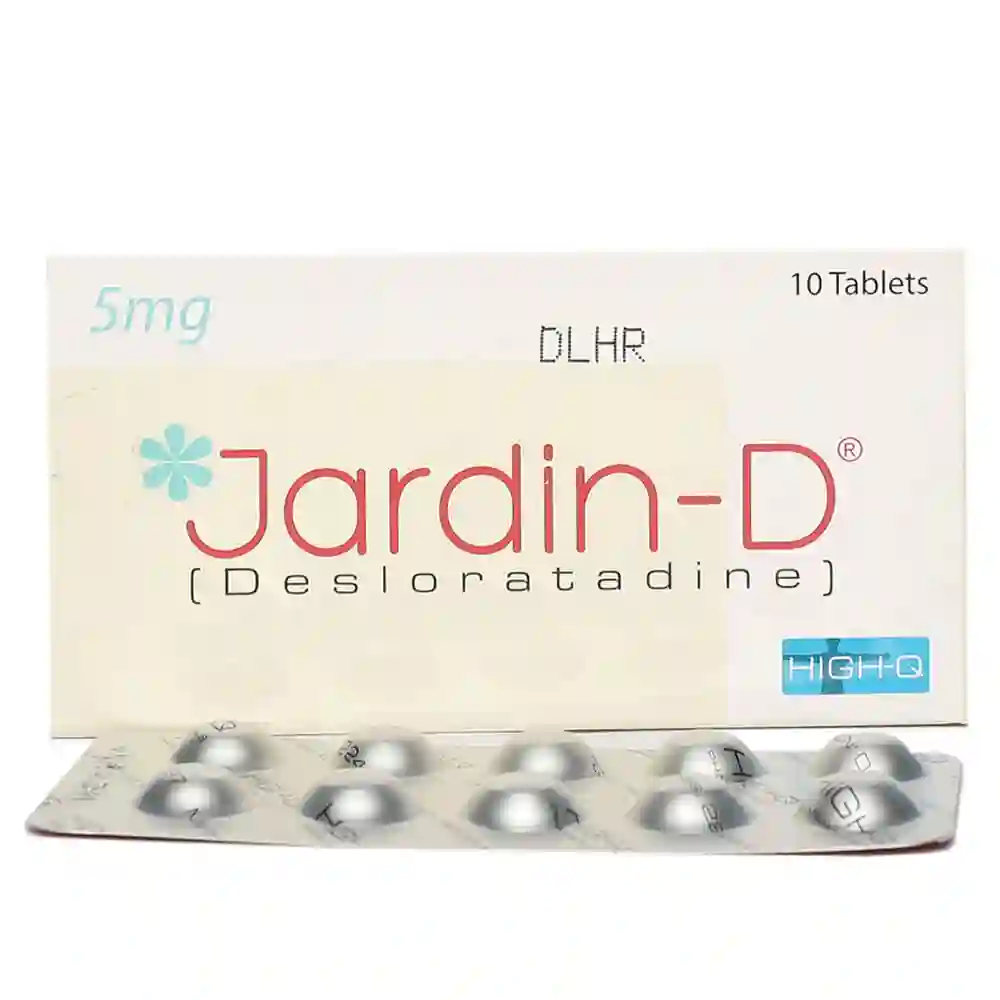
Jardin-D (Levocetirizine)

Jardin-D (Levocetirizine)

Jardin-D contains Levocetirizine, which is an active enantiomer of Cetirizine.

Buy online now.

Jardin-D-Tablet-5mg

What is the new allergy medicine?
Jardin-D contains Levocetirizine, which is an active enantiomer of Cetirizine. It is often considered a refined and potent version, offering a faster onset and potentially stronger effect with a similarly low risk of drowsiness.

Drug Class and Mechanism
Jardin-D is a second-generation antihistamine. It is the R-enantiomer of cetirizine and has a higher affinity for H1-receptors, which is why it is considered more potent at a lower dose.

Best For

  • Powerful and fast-acting relief for persistent allergic rhinitis.
  • Severe chronic itching and urticaria (hives) that does not respond adequately to other antihistamines.

How Fast Does It Work? What allergy medicine works in 30 minutes?
Jardin-D has a very rapid onset. It can start relieving symptoms in as little as 30 to 60 minutes, making it one of the fastest-acting second-generation antihistamines available.

Usage & Dosage

  • The recommended dose for adults and children over 6 years is 5 mg (one tablet) once daily.

Common Side Effects & Risks

  • Side effects are similar to cetirizine but may be less frequent; these include mild drowsiness, headache, and dry mouth.

Key Considerations & Warnings

  • It is a potent option for those who have not found sufficient relief with Loratadine or even Cetirizine.
  • Due to its potency, it is essential to stick to the prescribed 5 mg dose.

Price Range of Jardin-D in Pakistan
As a newer and more potent drug, Jardin-D is priced higher, usually PKR 250 per strip of 10 tablets.

Verdict: Who should use it?
Jardin-D (Levocetirizine) is for those who need a stronger, faster, and more potent antihistamine effect without the baggage of first-generation sedation. It is a premium choice for stubborn allergy symptoms.

Comprehensive Comparison and FAQs

Head-to-Head Comparison Table

FeatureRigix (Cetirizine)Avil (Pheniramine)Baydal (Chlorpheniramine)Mexaderm (Loratadine)Jardin-D (Levocetirizine)
Generic NameCetirizinePheniramine MaleateChlorpheniramine MaleateLoratadineLevocetirizine
GenerationSecondFirstFirstSecondSecond
Best ForAll-round allergies & itchingAcute, severe symptomsAllergies & cold symptomsNon-drowsy daily reliefPotent, fast relief for stubborn symptoms
DrowsinessLow to ModerateHighHighVery LowLow
Dosage10 mg once daily22.5-45 mg, 2-3 times/day4 mg every 4-6 hrs10 mg once daily5 mg once daily
Price (PKR)80 – 12040 – 7030 – 6090 – 140150 – 220

Frequently Asked Questions About Allergy Tablets in Pakistan

Which allergy tablet works best?
There is no single “best” allergy tablet for everyone. The most effective tablet depends on your specific symptoms, your body’s individual response, and your lifestyle needs. For general, non-drowsy daily use, Rigix (Cetirizine) or Mexaderm (Loratadine) are excellent starting points. For fast, powerful relief where drowsiness is not a concern, Avil can be very effective. Jardin-D is often the most potent second-generation option.

What’s the strongest allergy tablet?
In terms of pharmacological potency, Jardin-D (Levocetirizine) is considered one of the strongest second-generation antihistamines. Among first-generation options, Avil (Pheniramine) is very strong and fast-acting. “Strongest” can refer to either the intensity of the effect or the speed of onset, and both these tablets excel in their respective categories.

Can I take allergy tablets daily?
Yes, but only certain types. Second-generation antihistamines like Rigix (Cetirizine), Mexaderm (Loratadine), and Jardin-D (Levocetirizine) are designed and deemed safe for daily use to manage chronic allergy symptoms. First-generation antihistamines like Avil and Baydal are not recommended for long-term daily use due to their side effect profile, particularly sedation and potential cognitive impairment.

What is the fastest way to stop skin allergies?
The fastest way to stop a skin allergy (kharish) involves a multi-pronged approach:

  1. Immediately avoid the allergen if it is known.
  2. Take a fast-acting oral antihistamine like Avil or Jardin-D.
  3. Apply a cool, damp cloth or take a cool bath to soothe the skin.
  4. Use a fragrance-free moisturizer to repair the skin barrier.
  5. For severe cases, a doctor may prescribe a topical corticosteroid cream for rapid local relief.

Which allergy medicine is safe during pregnancy?
This is a critical question that must be addressed by a healthcare professional. No antihistamine is 100% proven safe during pregnancy. However, some, like Loratadine (Mexaderm) and Cetirizine (Rigix), are often considered to have a more favorable safety profile based on existing data and are sometimes recommended when the benefits outweigh the risks. Self-medication during pregnancy is strongly discouraged.

What allergy medicine is safe for high blood pressure?
Most plain second-generation antihistamines like Loratadine (Mexaderm), Cetirizine (Rigix), and Fexofenadine are generally considered safe for individuals with high blood pressure. The critical thing to avoid are combination cold and allergy tablets that contain decongestants like pseudoephedrine or phenylephrine, as these can raise blood pressure. Always choose single-ingredient antihistamines and consult your doctor.

Can I take two allergy pills? / How much allergy medicine can I take in 24 hours?
You should never exceed the recommended dosage listed on the product packaging or prescribed by your doctor. Taking two pills of the same antihistamine at once or exceeding the 24-hour limit can lead to an overdose, increasing the risk of severe side effects like extreme drowsiness, seizures, or heart problems. If one pill is not effective, consult a doctor for an alternative or stronger prescription.

Special Focus: Skin Allergies and Itching (Kharish) in Pakistan

What is the best treatment for skin allergies?
The best treatment for skin allergies is a comprehensive strategy that includes avoidance, skincare, and medication. Identifying and avoiding the trigger is the first and most crucial step. A consistent skincare routine using gentle, hypoallergenic products helps restore the skin barrier. Medically, oral antihistamines are the cornerstone of systemic treatment for relieving itch.

Which allergy pill is best for itching?
For relieving skin itching (kharish), the best pills are those that strongly block the histamine pathways responsible for itch.

  • For rapid, severe itching: Avil (Pheniramine) is very effective but causes drowsiness.
  • For daily, non-sedating control of chronic itch: Jardin-D (Levocetirizine) is often the most potent, followed by Rigix (Cetirizine). These are excellent for conditions like chronic urticaria.

What is the strongest antihistamine for itchy skin?
Among second-generation antihistamines, Levocetirizine (found in Jardin-D) is often regarded as the strongest for suppressing itchy skin. Among all categories, first-generation drugs like Hydroxyzine (a prescription drug) or high-dose Pheniramine (Avil) are very strong but come with significant sedation.

How do I treat a skin allergy? A Step-by-Step Guide

  1. Identify and Avoid: Try to pinpoint the cause (e.g., new soap, detergent, food, fabric) and eliminate contact.
  2. Soothe the Skin: Apply a cool, wet compress to the affected area for 15-30 minutes several times a day.
  3. Moisturize Liberally: Use a thick, fragrance-free moisturizer like petroleum jelly or ceramide-based creams to protect the skin.
  4. Take an Oral Antihistamine: Use a suitable antihistamine from the list above to control the itch from within.
  5. Use a Topical Cream: For persistent rash, a doctor may recommend a topical steroid cream like hydrocortisone for a short period.

Important Safety Information and Warnings

When to See a Doctor Instead of Self-Medicating
Self-medication with over-the-counter allergy tablets has its limits. You must consult a doctor if you experience:

  • Symptoms that are severe or do not improve after a week of self-treatment.
  • Difficulty breathing, wheezing, or tightness in the chest.
  • Swelling of the lips, tongue, throat, or face.
  • Signs of a skin infection, such as increased pain, pus, or fever.
  • You are pregnant, breastfeeding, or treating a young child.

The Danger of Self-Medication and Misdiagnosis
Using allergy tablets can mask the symptoms of a more serious condition. What seems like an allergy could be a sinus infection, asthma, or another medical issue that requires a different treatment. A proper diagnosis is essential for effective and safe management.

Conclusion

Navigating the world of allergy tablets in Pakistan requires a balance of understanding your symptoms, your body’s response, and your daily life demands. From the rapid relief of Avil to the non-drowsy endurance of Mexaderm and the potent action of Jardin-D, there is a solution for nearly every type of allergy sufferer. Use this guide as a detailed roadmap to have an informed discussion with your pharmacist or doctor. By choosing wisely, you can effectively manage your allergies and significantly improve your quality of life.

Breeky-Tablet-Uses-In-Pregnancy

Breeky Tablet Uses In Pregnancy: Dose per Day and Time It Takes to Work

The Breeky tablet, a brand name for the medication Misoprostol, is a prostaglandin analog with specific and critical uses in obstetric and gynecological care. Primarily, it is employed under strict medical supervision for the medical management of pregnancy, including medical abortion and the treatment of missed or incomplete miscarriage. This guide will detail its functions, standard dosage protocols, the precise timeline of its action, and the essential safety information every individual should know before considering its use.

In Breeky Tablet Uses In Pregnancy article, you will learn:

  • The exact composition and primary medical functions of the Breeky tablet.
  • The detailed, medically-accepted dosage and administration guidelines for its use in pregnancy.
  • A complete timeline of what to expect physically after taking the medication.
  • How to identify potential complications and the paramount importance of follow-up care.
  • Answers to the most frequently asked questions surrounding its safety and efficacy.

Try More Free Tools:

Breeky-Tablet-Uses-In-Pregnancy

Understanding the Breeky Tablet: Composition and Primary Function

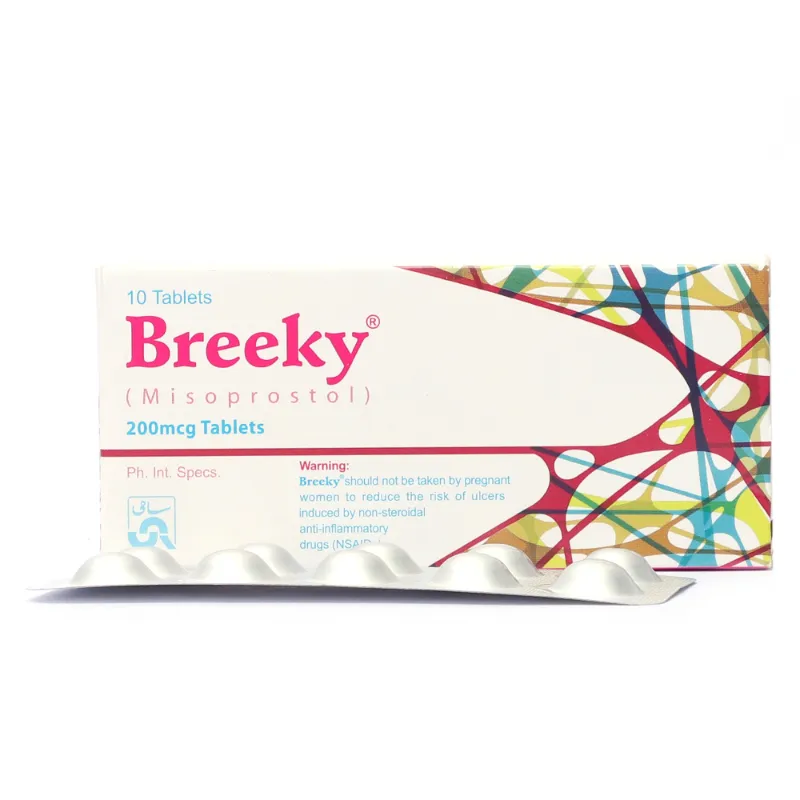
Breeky Tablet

Breeky is a brand of Misoprostol, a medication used for medical abortion and managing miscarriage. It works by causing uterine contractions to expel pregnancy tissue. This powerful drug must only be used under strict medical supervision.

Buy now.

Breeky-Tablet-200mcg

What is Breeky Tablet? Breeky is a pharmaceutical tablet whose active ingredient is Misoprostol, typically in a strength of 200 micrograms (mcg). It belongs to a class of drugs known as prostaglandin E1 analogs. This means it mimics the action of naturally occurring prostaglandins in the body, which are chemicals involved in processes like inflammation, pain, and smooth muscle contraction. Understanding its fundamental composition is the first step in comprehending its powerful effects on the human body, particularly the uterine muscle.

What is the primary function of a Breeky tablet? The primary functions of Breeky (Misoprostol) are directly tied to its prostaglandin-mimicking properties. Its two main actions in gynecological contexts are uterine stimulation and cervical ripening. It causes the smooth muscles of the uterus to contract rhythmically and forcefully. Simultaneously, it works to soften, efface, and dilate the cervix, which is the opening to the uterus. These twin actions are the basis for its medical applications in pregnancy-related scenarios.

Common medical uses of Breeky (Misoprostol)
Breeky tablet uses extend beyond a single procedure. Its applications are diverse and must always be directed by a qualified healthcare professional. The most common uses include:

  • Medical Termination of Pregnancy (MTP): It is used in combination with another drug called Mifepristone to induce an abortion in the early stages of pregnancy. This is often referred to as the “abortion pill” or medical abortion.
  • Management of Miscarriage: For cases of missed miscarriage or incomplete miscarriage, where the body has not naturally expelled the pregnancy tissue, Breeky Tablet is used to initiate contractions and complete the process.
  • Postpartum Hemorrhage (PPH): It is a critical tool in preventing and treating excessive bleeding after childbirth by causing the uterus to contract firmly.
  • Gastric Ulcer Treatment: Originally developed and still used for preventing stomach ulcers, particularly in people taking nonsteroidal anti-inflammatory drugs (NSAIDs).

Breeky Tablet and Pregnancy: Critical Context and Warnings

What happens if a pregnant woman takes misoprostol? The effect of a pregnant woman taking Breeky Tablet is a deliberate and powerful initiation of uterine contractions and cervical dilation. When used under medical supervision for purposes like medical abortion or miscarriage management, this effect is the intended therapeutic outcome. However, if taken without medical guidance, it can lead to a incomplete abortion, severe bleeding, infection, or other life-threatening complications. The context of its administration—supervised versus unsupervised—is what differentiates a safe medical procedure from a dangerous health crisis.

Can misoprostol damage early pregnancy? Yes, the explicit purpose of using misoprostol in a medical abortion protocol is to terminate an early pregnancy. It works by damaging the connection between the pregnancy and the uterine wall and expelling the contents through contractions. Therefore, it should never be used during a wanted pregnancy, and individuals who are or could be pregnant should not handle the tablets if they wish to continue the pregnancy, as accidental exposure, though rare, could pose a risk.

Is Breeky tablet safe? Analyzing the risks and necessary precautions
The safety of Breeky tablet is entirely contingent upon strict adherence to medical protocols. It is considered safe and effective for medical abortion by major health organizations like the WHO when used correctly. However, this safety is conditional on several critical factors:

  • Medical Supervision: A doctor must confirm the pregnancy, determine its exact location (to rule out ectopic pregnancy), and verify the gestational age.
  • Pre-existing Conditions: It is contraindicated for individuals with certain conditions, such as an allergy to misoprostol, adrenal gland failure, or porphyria.
  • Access to Emergency Care: The patient must have reliable access to a healthcare facility in case of severe complications like heavy bleeding.

Other Abortion Tablet Uses In Pregnancy

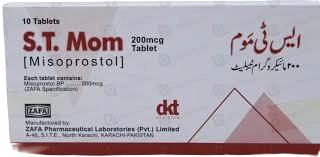
S.T Mom Tablet

S.T Mom is a brand name for the medication Misoprostol, used in obstetrics and gynecology. It is primarily prescribed for medical abortion and to manage miscarriage. Always use this medication under direct supervision of a qualified healthcare professional.

Buy now.

S-T-Mom-200-mcg-Tablet

Breeky Tablet for Medical Abortion: Protocol and Dosage

Which tablet is used to stop early pregnancy? The most common and effective regimen for a medical abortion involves two different drugs: Mifepristone and Misoprostol. Breeky is the brand name for the Misoprostol component. Mifepristone is taken first; it works by blocking the hormone progesterone, which is essential for maintaining the pregnancy. Without progesterone, the pregnancy detaches from the uterine lining. Misoprostol (Breeky) is taken 24 to 48 hours later to induce contractions that expel the pregnancy tissue.

What is the best pill for removing pregnancy? The combined regimen of Mifepristone and Misoprostol is widely regarded as the gold standard for medical abortion, with a success rate of over 95% for pregnancies up to 10 weeks gestation. While Misoprostol-alone regimens exist and are used in some settings, the two-drug combination is significantly more effective and is the protocol recommended by leading global health authorities.

Breeky tablet dosage for medical abortion
The dosage is precise and must be followed exactly as prescribed by a doctor. The standard evidence-based protocol is:

  • Day 1: 200 mg of Mifepristone taken orally in a clinical setting or at home as directed.
  • After 24-48 hours: 800 mcg of Misoprostol (Breeky). This is typically administered as 4 tablets of Breeky 200mcg.

How many doses of Breeky tablet per day? For medical abortion, the standard Misoprostol dose is a single administration of 800 mcg. It is not a medication that is taken daily. In very specific circumstances, such as later gestational ages or if the first dose does not work, a doctor may prescribe an additional dose, but this should never be done without explicit medical instruction.

Breeky tablet timing and administration
The timing between the two medications is critical for the protocol’s success.

  • After how many hours Breeky tablet works? You take the Breeky tablets 24 to 48 hours after taking the Mifepristone pill. The Misoprostol itself typically begins to work within 30 minutes to 2 hours of administration.
  • How to use Breeky 200 mg for abortion? The route of administration is crucial and should be followed as per your doctor’s advice. The most common methods are:
    • Buccal: Placing two tablets in each cheek pouch (for a total of four tablets) and letting them dissolve for 30 minutes. Any remnants are swallowed with water.
    • Sublingual: Placing all four tablets under the tongue and letting them dissolve for 30 minutes before swallowing the remnants.
    • Vaginal: Inserting all four tablets deep into the vagina, where they dissolve.

Gestational age limits for medical abortion
The efficacy and safety of medical abortion are highest within a specific gestational window.

  • Up to 10 weeks: This is the ideal and most effective window for a medical abortion using the standard Mifepristone-Misoprostol protocol.
  • 10 to 12 weeks: The process can still be performed but may require an additional dose of Misoprostol and is associated with a slightly higher rate of incomplete abortion.
  • Can misoprostol remove 3 months of pregnancy? Beyond 12-13 weeks (the first trimester), the medical abortion protocol changes significantly, often involving multiple doses and a longer process with increased risks. It should only be managed in a clinical setting with close monitoring.

What to Expect: The Process and Timeline of a Medical Abortion with Breeky

After how many hours does the Breeky tablet work? After you take the Mifepristone, you will likely experience no immediate symptoms. The active process begins after you take the Breeky (Misoprostol) tablets. Most people will start to feel cramps and see vaginal bleeding within 1 to 4 hours after taking the Misoprostol. The peak of the process, where the most intense cramping and heaviest bleeding occurs, typically happens between 1 to 5 hours after administration.

What comes first after taking abortion pills? The sequence of events after taking the second set of pills (Misoprostol) generally follows this order:

  1. Cramping: Usually the first sign, starting as mild and becoming stronger, similar to very intense period cramps.
  2. Vaginal Bleeding: Begins as spotting and progresses to a heavy flow, heavier than a typical menstrual period.
  3. Passing of Clots: You may pass numerous blood clots, which can vary in size.
  4. Passing of Pregnancy Tissue: At around 4-9 weeks, the pregnancy tissue is often small (the size of a lemon seed to a kidney bean) and may be passed within a clot, so you may or may not see it distinctly.

How long does an abortion take? The intense, active part of the abortion process—from the start of heavy bleeding and cramping to the passing of the main pregnancy tissue—typically lasts for 4 to 6 hours. However, bleeding and spotting can continue for several days and may taper off over 1 to 3 weeks, similar to an extended period.

How painful is a miscarriage with misoprostol? The cramping can be severe. Many people describe it as more intense than typical menstrual cramps. The level of pain is comparable to very bad period pain or early labor contractions. The pain is manageable for most with prescribed pain medication (like ibuprofen or naproxen) and the use of a heating pad. Your doctor should provide guidance on pain management.

How will I feel after taking misoprostol? Physically, after the peak hours, the intense cramping will subside, and the bleeding will lighten. You may feel fatigued and experience other side effects like mild fever, chills, nausea, vomiting, or diarrhea for a short period. Emotionally, feelings can vary widely from relief to sadness; this is normal, and having emotional support is important.

Post-Procedure: Recovery and Confirmation

  • How long will I bleed after misoprostol? Bleeding and spotting can persist for 1 to 3 weeks, gradually becoming lighter. It is essential to use sanitary pads, not tampons, to reduce the risk of infection.
  • How to know if my abortion is complete? Signs of a complete abortion include a decrease in pregnancy symptoms (like nausea), the passing of clots and tissue, and the gradual reduction of bleeding and cramping. However, the only way to be certain is through a follow-up appointment.
  • The Importance of Follow-up: This is a non-negotiable part of the process. A healthcare provider will confirm the abortion is complete, usually through a low-sensitivity pregnancy test, an ultrasound scan, or a clinical examination. This usually occurs 1 to 2 weeks after taking the medication.

Addressing Common Concerns and Complications

Breeky-Tablet-Uses-for-Periods

What if the Breeky tablet is not working? If you do not experience any bleeding within 24 hours of taking the Misoprostol, this may indicate that the process has not started, which is termed a failed medical abortion. You should contact your healthcare provider immediately. They will assess the situation and may recommend a second dose of Misoprostol or a surgical procedure (suction aspiration) to complete the abortion.

Can I still be pregnant after using misoprostol? Yes, though the success rate is high, there is a small chance (2-5%) that the pregnancy may continue, especially at later gestational ages. This is why the follow-up visit is critical. If the abortion is incomplete or failed, a surgical procedure is typically required to prevent infection and heavy bleeding.

How to make sure a miscarriage is complete? The definitive signs are confirmed by a medical professional. At home, you can look for the cessation of heavy bleeding and cramping and the disappearance of early pregnancy symptoms. Medically, confirmation is done via:

  • Transvaginal Ultrasound: To check that the uterus is empty.
  • Serum hCG Test: A blood test to measure the pregnancy hormone level, which should be dropping significantly.

What are the side effects of misoprostol in pregnancy? Besides the intended effects of cramping and bleeding, common side effects of the medication itself include:

  • Chills and low-grade fever (common in the first 24 hours)
  • Nausea and Vomiting
  • Diarrhea
  • Headache
  • Dizziness

Warning Signs: When to Seek Immediate Medical Help
While some pain and bleeding are expected, certain symptoms indicate a serious complication. Seek emergency care if you experience:

  • Heavy Bleeding: Soaking through two or more maxi pads per hour for two consecutive hours.
  • Severe Pain: Abdominal pain that is not relieved by pain medication and rest.
  • High Fever: A temperature of 100.4°F (38°C) or higher that persists more than 24 hours after taking Misoprostol.
  • Foul-Smelling Discharge: This can be a sign of a uterine infection.

Managing a Miscarriage: How to process a miscarriage medically
For a missed or incomplete miscarriage, Breeky offers a non-surgical management option. The dosage is similar to that used for medical abortion, often 800 mcg vaginally or buccally. The process, including the timeline, side effects, and necessary follow-up, is nearly identical. It provides women with a choice to manage their miscarriage in the privacy of their own home rather than undergoing a surgical procedure.

Postpartum Uses: After Delivery and C-Section

  • Breeky tablet uses after delivery: It is a first-line drug for the active management of the third stage of labor to prevent postpartum hemorrhage. It causes the uterus to contract firmly after the baby is born, reducing blood loss.
  • Breeky tablet uses after c-section: It may be used during or after a Cesarean section to induce uterine contractions and minimize bleeding, often administered directly on the uterine muscle.

Frequently Asked Questions (FAQs)

Is misoprostol 200 mg used in pregnancy?
Yes, Misoprostol 200 mcg (0.2 mg) is used under medical supervision for specific pregnancy-related conditions, primarily for medical abortion in combination with Mifepristone and for the management of miscarriage. It is not used to support a continuing pregnancy.

Are pregnancy removal tablets safe?
When obtained through a certified healthcare provider and used according to evidence-based medical protocols, pregnancy removal tablets (Mifepristone and Misoprostol) are very safe and over 95% effective. Self-managed abortion without medical supervision carries significant health risks, including incomplete abortion and severe bleeding.

Can I take misoprostol at 7 weeks pregnant?
Yes, 7 weeks of pregnancy is within the most effective window for a medical abortion using the Mifepristone and Misoprostol protocol. The success rate at this stage is extremely high.

What to do if I am 1 month pregnant and I don’t want a baby?
If you are one month pregnant (approximately 4 weeks) and do not wish to continue the pregnancy, you should contact a licensed healthcare provider or a reputable family planning clinic as soon as possible. They will confirm the pregnancy, discuss your options (medical abortion, surgical abortion, or continuing the pregnancy), and guide you through the next steps safely.

Is 4 misoprostol enough for abortion?
For early pregnancy abortion (up to 10 weeks) following Mifepristone, 800 mcg of Misoprostol (which is four 200 mcg tablets) is the standard and sufficient single dose recommended by the World Health Organization and other health bodies.

How-to-Use-Somogel-Safely

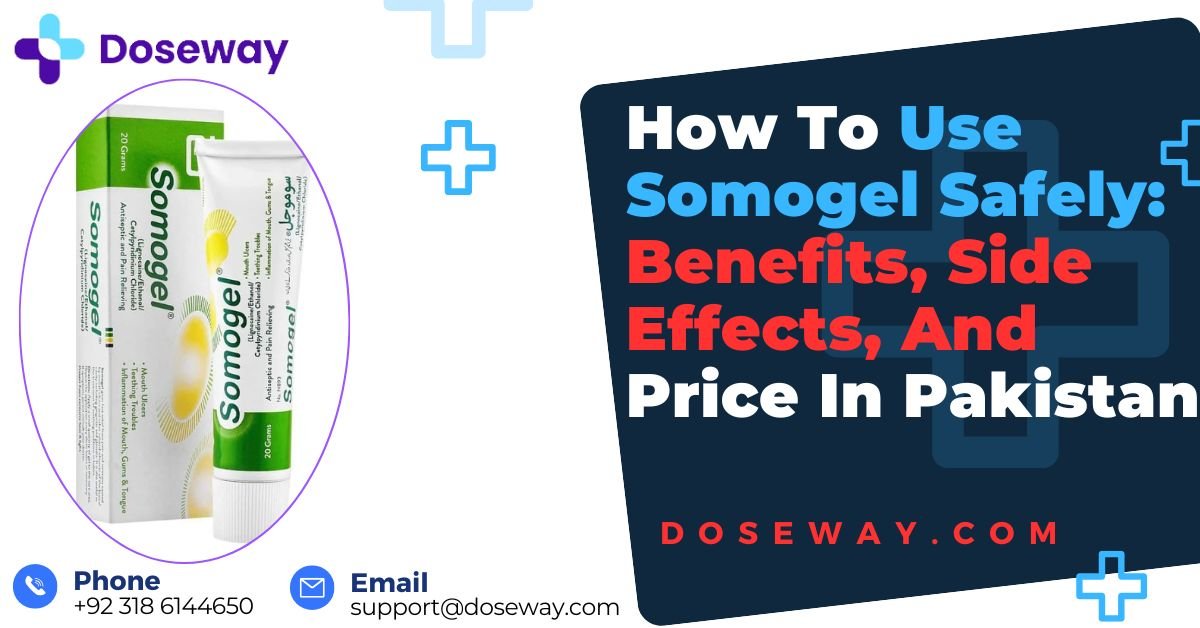
How to Use Somogel Safely: Benefits, Side Effects, and Price In Pakistan

Somogel is a widely used topical oral gel in Pakistan, trusted for rapid relief from mouth ulcers, teething pain, and general oral discomfort. This comprehensive guide delves into every aspect of Somogel, from its active formula and correct application to its potential side effects and current market price, empowering you to use this medication safely and effectively for yourself and your family.

In this article, you will learn:

  • The exact formula and mechanism of action of Somogel.
  • A step-by-step guide on how to apply it safely on ulcers, tongue, and gums.
  • Safety protocols for babies, children, and special groups.
  • An analysis of its benefits, how fast it works, and potential side effects.
  • The latest price of Somogel in pharmacies across Pakistan.
  • A comparative analysis with other brands like Sumo Gel and Smyle Gel.
  • Holistic strategies to manage and prevent mouth ulcers.

Try More Free Tools:

How-to-Use-Somogel-Safely

What is Somogel? Understanding the Formula and Its Uses

Somogel Price In Pakistan

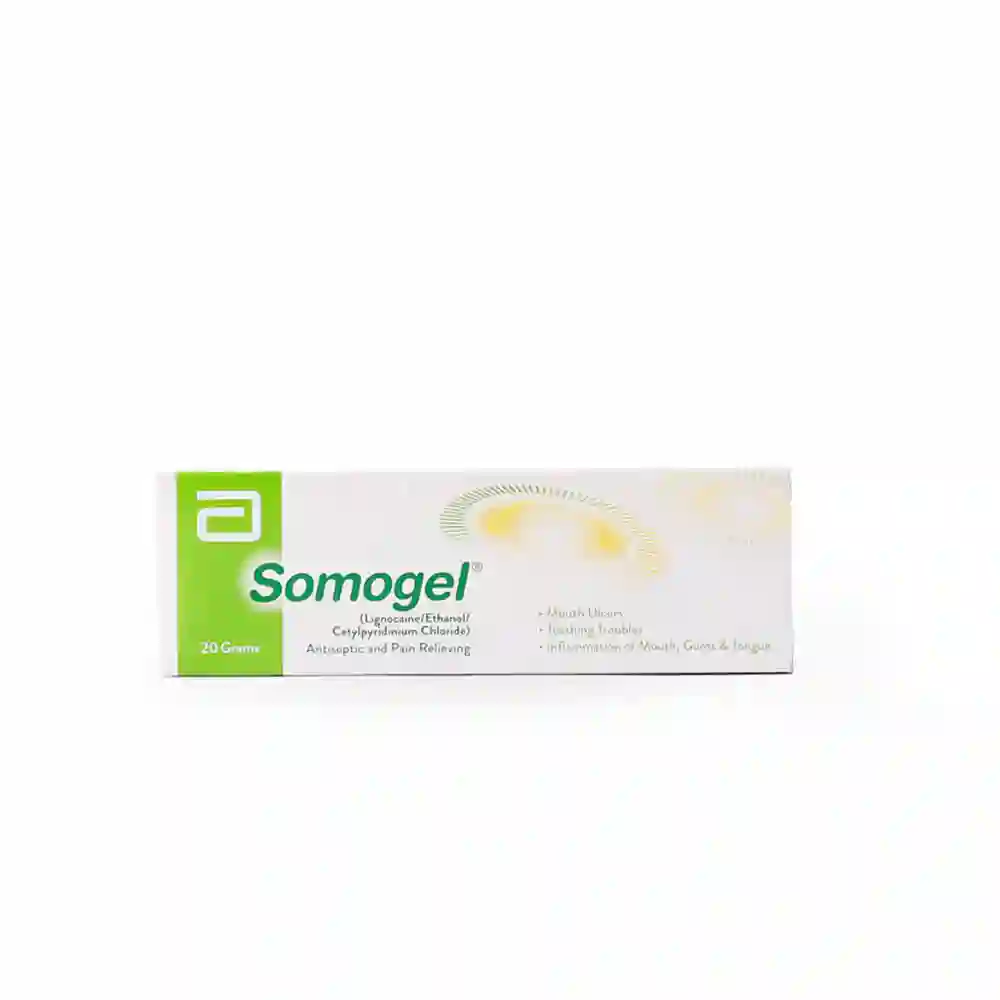
Somogel is a topical oral gel used to relieve pain from mouth ulcers and teething. It contains local anesthetic and antiseptic ingredients for fast, soothing relief. This popular over-the-counter medication.

Buy now.

Somogel-Gel-20-gm

Somogel is a medicated topical gel designed specifically for oral mucosal conditions. It functions as a protective barrier, providing symptomatic relief from pain and inflammation associated with various mouth sores. Its multi-action formula addresses both the discomfort and potential causes of oral lesions, making it a popular over-the-counter choice in Pakistani households for managing common oral health issues.

What is the primary active ingredient in Somogel?
The primary active ingredient in most formulations of Somogel is Lignocaine Hydrochloride, a local anaesthetic, often combined with Chlorhexidine Gluconate, a powerful antiseptic. This dual-action approach is key to its effectiveness.

  • Lignocaine HCl: This agent works by temporarily blocking nerve signals in the area where it is applied. This numbing effect provides fast-acting relief from pain and irritation caused by mouth ulcers, teething, or other oral injuries.
  • Chlorhexidine Gluconate: This antiseptic helps reduce and prevent bacterial growth in and around the ulcer, which can prevent secondary infection and promote a cleaner environment for healing.

What is Somogel cream used for?
Somogel is indicated for a range of oral conditions, providing relief and supporting the healing process.

  • Mouth Ulcers (Aphthous Stomatitis): The primary use, offering pain relief and protecting the ulcer from further irritation by food and drink.
  • Teething Pain in Infants and Babies: Gently numbs the inflamed gums, providing comfort to infants during the difficult teething phase.
  • Gingivitis and Minor Gum Inflammation: The antiseptic property helps manage bacteria causing gum inflammation.
  • Toothache Management: Provides temporary pain relief from toothaches until dental care can be sought.
  • Denture Sores and Irritation: Protects sore spots caused by dentures and alleviates discomfort.
  • Post-Dental Procedure Care: Can be used after minor dental work to manage pain and keep the area clean.

Is Somogel good for mouth ulcers?
Yes, Somogel is considered highly effective for mouth ulcers due to its targeted formula. The lignocaine provides immediate pain relief, while the chlorhexidine helps prevent the ulcer from becoming infected, which can delay healing. Its gel base also adheres to the moist oral surface, forming a protective layer over the ulcer to shield it from aggravating factors.

The Complete Guide to Using Somogel Correctly and Safely

Proper application is crucial to maximizing the benefits of Somogel while minimizing any risks. Incorrect use can lead to reduced efficacy or unintended side effects. This section provides a detailed, step-by-step protocol for safe and effective use.

How do you use Somogel? A Step-by-Step Application Guide
Using Somogel correctly ensures the medication stays where it’s needed most. The process is simple but requires care.

  • Step 1: Wash Your Hands. Thoroughly clean your hands with soap and water to prevent introducing new bacteria into your mouth.
  • Step 2: Prepare the Area. Gently rinse your mouth with plain water to remove any food debris. Pat the affected area dry with a clean cotton swab or gauze for better adhesion.
  • Step 3: Apply a Pea-Sized Amount. Squeeze a small amount of gel (about the size of a pea) onto a clean cotton bud or your fingertip.
  • Step 4: Dab Gently Onto the Lesion. Carefully dab the gel directly onto the dry mouth ulcer, affected gum area, or sore tongue. Avoid rubbing it in vigorously.
  • Step 5: Let it Set. Keep your mouth open for about 30 seconds to allow the gel to dry and form a protective film over the ulcer.

How to Apply Somogel on tongue?
Applying gel on the tongue can be tricky due to saliva and movement.

  • Use a cotton bud for precision, as fingers can be cumbersome.
  • Gently protrude your tongue and use a piece of clean gauze to dry the specific spot if possible.
  • Dab the gel directly onto the ulcer on the tongue and try to avoid moving your tongue immediately after application to let the gel adhere.

Can you put oral gel on your throat?
Somogel is not designed for use deep in the throat. It is intended for the oral mucosa (the lining of the mouth, inside of the cheeks, gums, and tongue). Applying it to the throat is not recommended as it increases the risk of swallowing a larger amount, which should be avoided. For throat conditions, consult a doctor for appropriate medication.

Dosage and Frequency: How much is too much?
Adhering to the recommended dosage is a cornerstone of safe Somogel use.

  • How many times to Apply Somogel? For adults and children over 12, it is typically recommended to apply the gel 3 to 4 times daily, or as directed by a physician.
  • Somogel how many times a day? The general rule is up to 4 applications in 24 hours. It is best to space applications evenly, for instance, after meals and before bedtime.
  • What is the best way to apply sumo gel? The best method is using a cotton bud. It is more hygienic than a finger and allows for more precise application, ensuring the gel is delivered directly to the lesion.

Critical Safety Precautions and Warnings
Understanding what to avoid while using Somogel is as important as knowing how to use it.

  • Is it safe to swallow mouth ulcer gel? It is not recommended to deliberately swallow Somogel. While swallowing small amounts of saliva containing traces of the gel is inevitable and generally safe, swallowing the gel directly from the tube or a large amount at once should be avoided.
  • Can Somogel be swallowed? The ingredients are safe for topical use in the mouth, but the digestive system is not the intended route. Swallowing large quantities can increase the risk of systemic side effects.
  • What if I swallow ulcer gel? If you accidentally swallow a small amount, it is unlikely to cause harm. Drink a full glass of water to dilute it. If a large amount is swallowed or if you experience symptoms like nausea, dizziness, or difficulty breathing, seek immediate medical attention.
  • Can I drink water after applying mouth ulcer gel? It is best to avoid eating or drinking for at least 15-20 minutes after application. This allows the gel sufficient time to form a protective film and exert its full anaesthetic and antiseptic effects.

Somogel for Specific Patient Groups: Special Considerations

The use of any medication in vulnerable populations like infants and children requires extra caution. This section addresses the specific queries and concerns parents and caregivers have about using Somogel on their little ones.

Is Somogel safe for babies?
Somogel can be used for babies, but only under strict guidelines and preferably after consulting a paediatrician. Its most common use in babies is for relieving teething pain.

  • Somogel uses for babies: Primarily for teething discomfort. It should be used sparingly and not as a first-line treatment. Soothing the gums with a clean, cool teething ring is often recommended first.
  • What age is mouth ulcer gel safe for? There is no universal age, but most products, including Somogel, are not recommended for infants below 4 months old. Always check the package insert and consult a doctor for babies under one year.
  • How to apply gel in baby mouth?
    • Wash your hands thoroughly.
    • Place a very small amount (half a pea-size) on your clean little finger or a cotton bud.
    • Gently rub it onto the baby’s swollen and sore gums where the tooth is emerging.
    • Do not apply to the entire gumline, only the specific sore area.

Is Somogel safe for kids and children?
For children over the age of 2 years, Somogel is generally considered safe when used as directed. The dosage remains small (a pea-sized amount), and supervision is key to ensure they do not swallow it immediately.

  • Can children use mouth ulcer gel? Yes, children can use it, but adult supervision is mandatory during application to ensure correct and safe use.

Use During Pregnancy and Breastfeeding
There is limited data on the use of topical oral gels like Somogel during pregnancy and breastfeeding. While the systemic absorption is likely minimal, the principle of caution prevails. It is strongly recommended to use it only if clearly needed and under the direct supervision and advice of a healthcare professional.

Evaluating the Efficacy and Performance of Somogel

Users want to know what to expect after applying Somogel. This section sets realistic expectations regarding the onset of action, duration of relief, and overall benefits.

How quickly does Somogel work?
The local anaesthetic effect of Somogel is very fast.

  • How much time does sumo gel take to work? The numbing sensation typically begins within 2 to 5 minutes of application, providing almost immediate relief from pain and discomfort.
  • How long does sumo gel take to work? While the pain relief starts within minutes, the full protective and antiseptic effect is sustained as long the film remains over the ulcer. The pain relief itself can last for 15-30 minutes, after which reapplication may be needed as per the dosage guidelines.

What are the benefits of using Somogel?
The benefits of Somogel are rooted in its multi-targeted formula.

  • Rapid Pain Relief: The immediate numbing effect provides quick comfort, making it easier to eat, drink, and talk.
  • Protective Barrier: The gel forms a physical shield over the sensitive ulcer, protecting it from abrasion and irritation from food, teeth, and saliva.
  • Antiseptic Action: Helps prevent bacterial superinfection in the ulcer crater, which can complicate and prolong the healing process.
  • Ease of Use: The topical application is non-invasive and easy for most adults and supervised children to manage.

Is sumo a good medicine?
Based on its formulation and widespread user reports, Somogel (and similar products like Sumo Gel) is considered a good and effective medicine for its intended purpose: temporary symptomatic relief of minor oral pain. It is not a cure for the underlying cause of ulcers but is highly effective at managing the symptoms.

Potential Risks: Somogel Side Effects and Allergic Reactions

While generally safe, being aware of potential adverse effects is a critical part of using any medication responsibly.

What are the side effects of sumo gel?
Most side effects of Somogel are localised, mild, and transient.

  • Temporary Numbness or Tingling: This is a direct and expected effect of the local anaesthetic and is not a cause for concern.
  • Localized Irritation or Burning Sensation: Some users may experience a mild stinging or burning feeling at the application site initially. This usually subsides quickly.
  • Altered Sense of Taste: The medication can temporarily affect taste perception.
  • Allergic Reactions: Though rare, signs of an allergic reaction can include severe redness, itching, swelling of the lips or tongue, rash, or dizziness. Discontinue use immediately and seek medical help if this occurs.

What are the signs of an infected ulcer?
It is important to differentiate between normal ulcer pain and signs of infection, which require a doctor’s attention.

  • Increased redness and swelling around the ulcer.
  • Pus discharge from the ulcer.
  • Fever.
  • Unpleasant taste in the mouth or bad breath that doesn’t resolve with hygiene.
  • The ulcer is not healing after two weeks.

Somogel Price and Availability in Pakistan

Cost and accessibility are key concerns for consumers. This section provides a realistic picture of the product’s market presence.

Somogel price in pakistan: Market Analysis
The price of Somogel is affordable, making it accessible to a wide population.

  • What is the price of Somogel in Pakistan? The price can vary slightly depending on the pharmacy and city, but a standard tube price is PKR 150.
  • Price Factors: Variations occur between large chain pharmacies and smaller local chemists. Prices may also be slightly higher in more remote areas due to logistics. Online pharmacies often offer competitive pricing and home delivery.

Comparing Alternatives: Which Mouth Ulcer Gel is Best?

The market offers several alternatives to Somogel. Understanding the differences helps users make an informed choice.

Which gel is best for mouth ulcers in Pakistan?
The “best” gel often depends on individual needs, specific ingredients, and age group.

FeatureSomogelSumo GelSmyle GelOrasore Gel
Common Active IngredientsLignocaine, ChlorhexidineLignocaine, ChlorhexidineOften Lignocaine basedCholine Salicylate, Cetalkonium Chloride
Best ForGeneral use, antiseptic actionGeneral use, pain reliefTeething babies, mild casesPain & inflammation (anti-inflammatory)
Paediatric SafetyConsult doctor for babiesConsult doctor for babiesOften marketed as safe for babiesAge restrictions may apply; check label
Key FeatureDual action (pain + antiseptic)Similar dual actionGentle formulaStrong anti-inflammatory

What is the strongest gel for mouth ulcers?
“Strength” can refer to pain relief or anti-inflammatory action. Gels containing higher concentrations of local anaesthetics or anti-inflammatory agents like choline salicylate (e.g., Orasore) might be considered stronger for inflammation. However, for general use, the lignocaine-chlorhexidine combination in Somogel and Sumo Gel provides a robust and balanced approach.

Beyond the Gel: Holistic Management of Mouth Ulcers

Managing mouth ulcers effectively often requires more than just a topical gel. Addressing underlying triggers is essential for long-term relief.

What is the fastest way to heal a mouth ulcer?
Combining Somogel with supportive care can accelerate healing.

  • Use Somogel for pain relief as directed.
  • Avoid Trigger Foods: Spicy, acidic, salty, and hot foods can irritate the ulcer.
  • Maintain Oral Hygiene: Use a soft-bristled toothbrush and a mild, SLS-free toothpaste.
  • Consider Nutritional Supplements: If deficiencies are a cause.

What vitamin deficiency causes mouth ulcers?
Recurrent mouth ulcers can be linked to deficiencies in:

  • Vitamin B12
  • Iron (Ferritin)
  • Folate (Vitamin B9)
  • Zinc
    A blood test can confirm these deficiencies, and supplementation under medical guidance can reduce recurrence.

Can lack of water cause mouth ulcers?
Yes, dehydration can be a contributing factor. A dry mouth is more susceptible to irritation and minor injuries that can develop into ulcers. Staying well-hydrated is a simple yet effective preventive measure.

What foods should I avoid with mouth ulcers?
To prevent irritation and pain, avoid:

  • Citrus fruits and juices (orange, lemon)
  • Tomatoes and tomato-based sauces
  • Spicy foods (chillies, hot sauces)
  • Sharp, crunchy foods (chips, toast)
  • Very hot beverages
  • Excessive salty foods

When to see a doctor instead of self-medicating?
Self-medication with Somogel is appropriate for minor, occasional ulcers. Consult a doctor if:

  • The ulcer is unusually large or persistent (lasting more than 2-3 weeks).
  • You experience frequent outbreaks of multiple ulcers.
  • The ulcer is accompanied by a high fever, diarrhea, or a skin rash.
  • You have a weakened immune system.

Frequently Asked Questions (FAQs)

Can I apply ulcer gel on my tongue?
Yes, you can apply Somogel directly onto ulcers located on the tongue. Use a cotton bud for precise application and try to keep the tongue still for a minute to let the gel adhere properly.

What is best for mouth ulcers in babies?
For babies, consulting a paediatrician is always the first step. If approved, a tiny amount of a gentle teething gel like Smyle Gel or Somogel can be used sparingly. Non-medical options like a chilled (not frozen) teething ring are also highly effective and carry no risk.

How long do mouth ulcers last in kids?
Most minor canker sores in children heal on their own within 7 to 14 days. Using a gel like Somogel can make this period more comfortable by managing the pain.

What kills bacteria under the gums?
Somogel is a surface-level antiseptic. For bacteria deep under the gums (as in periodontitis), professional dental cleaning (scaling and root planing) and prescribed antibiotics are required. Somogel is not a treatment for gum disease.

How to identify a fungal infection?
Oral thrush (a fungal infection) appears as creamy white, slightly raised lesions on the tongue, inner cheeks, or roof of the mouth that can be painful and may bleed when scraped. It is different from a simple mouth ulcer and requires antifungal medication, not Somogel.

Breeky-Tablet-Uses-for-Periods

Breeky Tablet Uses For Periods (Dose Per Day, Time To Work)

The Breeky Tablet 200 Mcg contains Misoprostol, a crucial medication used under strict medical supervision for managing miscarriage and inducing labor. This guide details its functions, correct usage, potential side effects, and the critical importance of professional healthcare guidance to ensure patient safety. It is not a substitute for medical advice.

In Breeky Tablet article, you will learn:

✔ The primary medical uses and mechanism of Breeky Tablet 200 Mcg.
✔ The detailed protocol for using Misoprostol in miscarriage and abortion care.
✔ What to expect during and after taking the medication, including pain and bleeding.
✔ How to confirm the process is complete and recognize warning signs.
✔ Crucial safety information, side effects, and legal considerations.

Try More Free Tools:

Breeky-Tablet-Uses-for-Periods

What is Breeky Tablet 200 Mcg?

Breeky Tablet 200 MCG

Breeky 200 Mcg is a tablet containing Misoprostol, used under medical supervision for managing miscarriage and inducing labor. It works by causing uterine contractions to expel pregnancy tissue. This potent medication requires a prescription and must never be used without proper medical guidance. Its price is 195.

Buy now.

Breeky-Tablet-200mcg

Breeky Tablet 200 Mcg is a branded pharmaceutical product whose active ingredient is Misoprostol, a synthetic prostaglandin E1 analog. This compound mimics the body’s natural chemicals to induce specific physiological responses, primarily uterine contractions and cervical softening. It is not an over-the-counter drug and is strictly regulated due to its potent effects. Understanding its fundamental composition is the first step in appreciating its medical significance and the associated risks.

  • Active Pharmaceutical Ingredient (API): Misoprostol 200 micrograms.
  • Drug Class: Prostaglandin analog.
  • Primary Mechanism: Binds to prostaglandin receptors in the uterus and gastrointestinal tract.
  • Form and Packaging: Typically supplied as 10 tablets in a strip (10S).

Approved Uses and Functions of Breeky Tablet

The Breeky Tablet 200 Mcg, containing Misoprostol, is approved for several critical medical indications. Its function is directly tied to its ability to cause uterine contractions and soften the cervix, making it invaluable in obstetrics and gynecology. It is also used for gastrointestinal protection, which was its original FDA-approved purpose.

What is the function of Breeky Tablet?
The primary function of the Breeky tablet is to manage obstetric and gynecological conditions by inducing uterine contractions and facilitating cervical dilation. It is a key agent in the medical management of non-viable pregnancies and term labor induction.

  • Medical Management of Miscarriage: Used when a pregnancy has been confirmed as non-viable (missed or incomplete miscarriage) to expel the products of conception without surgical intervention.
  • Induction of Labor: Administered in a hospital setting to initiate uterine contractions in full-term pregnancies when it is safer for the mother or baby to deliver.
  • Medical Abortion (Termination of Pregnancy): Used in combination with Mifepristone to safely and effectively terminate an early pregnancy, as per local laws and regulations.
  • Prevention of Postpartum Hemorrhage (PPH): In some settings, it is used to prevent excessive bleeding after childbirth, particularly where Oxytocin is not available.
  • Prevention of Gastric Ulcers: Its original indication, particularly in patients on long-term NSAID therapy, due to its ability to protect the stomach lining.

Breeky 200 Mcg for Pregnancy Termination and Miscarriage Management

This section addresses the most common and critical queries regarding the use of Misoprostol for ending a pregnancy or managing a miscarriage. It is imperative to understand that this process must be overseen by a qualified healthcare professional to ensure safety, efficacy, and legality.

Understanding the Context: Legal and Medical Framework

When is abortion legal?
The legality of abortion varies significantly by country, state, and region. In some places, it is legal on request up to a certain gestational age, while in others, it is restricted to specific circumstances such as risk to the mother’s life, rape, or fetal anomalies. It is absolutely essential to be aware of and comply with the local laws and regulations governing pregnancy termination. Self-managing an abortion without legal and medical support can pose severe health risks and legal consequences.

The Medical Abortion Protocol: Mifepristone and Misoprostol

What is the first pill for miscarriage?
The first pill in the most effective medical abortion and miscarriage management protocol is typically Mifepristone. This antiprogestogenic drug works by blocking the hormone progesterone, which is necessary for the pregnancy to continue. This detachment of the pregnancy is then followed by Misoprostol (Breeky) to induce contractions and expel the tissue.

What are the four tablets for miscarriage?
The “four tablets” commonly refer to the standard initial dose of Misoprostol (200 mcg each) used in many protocols. This means four Breeky 200 Mcg tablets, totaling 800 mcg, are often administered together—either buccally (in the cheeks), sublingually (under the tongue), or vaginally—to effectively induce uterine contractions after pre-treatment with Mifepristone.

Dosage and Administration: How to Use Breeky Tablet 200 Mcg Safely

How to use Breeky 200 mg?
It is critical to note that the correct unit is micrograms (mcg), not milligrams (mg). A Breeky tablet contains 200 mcg of Misoprostol. The administration route and dosage are determined by the specific medical indication and gestational age, and must be prescribed by a doctor.

  • Buccal Administration: Placing the tablets in the cheek pouches and letting them dissolve for about 30 minutes. Any remaining fragments are swallowed with water.
  • Sublingual Administration: Placing the tablets under the tongue to dissolve completely. This method has a faster absorption rate.
  • Vaginal Administration: Inserting the tablets deep into the vagina, often while lying down.

Should I take 2 or 4 misoprostol?
The decision to take 2 tablets (400 mcg) or 4 tablets (800 mcg) is made by a healthcare provider based on the specific medical protocol, gestational age, and whether it is used alone or after Mifepristone. For early pregnancy loss or termination, a dose of 800 mcg (4 tablets) is often the initial standard. Never self-determine the dosage.

Do I have to wait 24 hours to take misoprostol?
In the combined Mifepristone-Misoprostol regimen for medical abortion, a waiting period of 24-48 hours between taking Mifepristone and Misoprostol is standard. This allows the Mifepristone to effectively block progesterone. For miscarriage management, the interval may vary. Always follow the precise timing instructions provided by your doctor.

Efficacy and Gestational Age

How many weeks pregnant can you get a pill abortion?
The combination of Mifepristone and Misoprostol is highly effective for terminating pregnancies up to 10 weeks (70 days) of gestation. Beyond this point, efficacy decreases, and the risk of complications increases, often requiring a different protocol or surgical management.

Can misoprostol remove early pregnancy?
Yes, Misoprostol is a key component in removing an early pregnancy when used in the correct protocol, primarily in combination with Mifepristone. Using Misoprostol alone is less effective than the combined regimen.

Can misoprostol remove 3 months of pregnancy?
Using Misoprostol for a pregnancy at 3 months (approximately 12-13 weeks) is considered a second-trimester procedure. While it can be used in a hospital setting for later gestations, the protocol is different, the process is more complex, the risks are higher, and it absolutely requires inpatient medical supervision. It is not a DIY procedure at this stage.

Is the abortion pill 100%?
No, the medical abortion regimen is about 95-98% effective in terminating pregnancies up to 10 weeks. There is a small chance of failure, which could result in an ongoing pregnancy or an incomplete abortion, both of which require immediate medical attention.

The Physical Experience: What to Expect

How long to pass pregnancy with misoprostol?
Bleeding and cramping typically begin 1 to 4 hours after taking Misoprostol. The heaviest bleeding and the passing of pregnancy tissue usually occur within 4-6 hours but can take longer for some individuals.

How fast does misoprostol 200 work?
The initial effects, including cramping and light spotting, can start within 30 minutes to 2 hours. The peak effect, with strong contractions and heavy bleeding, usually occurs within the first 6 hours.

How will I feel after taking misoprostol?
The experience varies, but common sensations include:

  • Strong Cramping: Similar to or stronger than severe menstrual cramps.
  • Heavy Vaginal Bleeding: With clots and potentially visible tissue.
  • Gastrointestinal Upset: Nausea, vomiting, diarrhea, and stomach ache are very common.
  • Flu-like Symptoms: Fever, chills, headache, and dizziness may occur for a short period.

Is the abortion pill as painful as labor?
The cramps induced by Misoprostol are uterine contractions similar to those in labor, but they are generally of shorter duration and intensity than full-term labor. However, many women describe it as the most severe pain they have experienced. Pain management is a critical part of the process.

How painful is miscarriage with misoprostol?
The pain can be significant and requires preparation. Healthcare providers will typically prescribe strong painkillers (e.g., Ibuprofen, Naproxen, or sometimes stronger opioids) to manage the discomfort. Using a heating pad can also provide substantial relief.

Aftercare and Confirmation

How to know if misoprostol is working?
Signs that the medication is working effectively include:
✔ The onset of heavy bleeding with clots within a few hours.
✔ Intensifying uterine cramps.
✔ The passing of pregnancy tissue, which may appear as greyish or white sac-like material.

How to confirm a miscarriage is complete?
The only definitive way to confirm a complete miscarriage is through a follow-up appointment with a healthcare provider. This usually involves:

  • A transvaginal ultrasound to ensure the uterus is empty.
  • Sometimes, a blood test to check if the hCG (pregnancy hormone) levels have dropped significantly.

Why am I not bleeding after taking misoprostol?
A lack of bleeding could indicate:

  • The medication has not yet started to work (it can take up to 24 hours in rare cases).
  • The tablets were not absorbed properly (e.g., if they were swallowed whole or vomited too soon).
  • The treatment has failed.
    If there is no bleeding 24 hours after taking Misoprostol, you must contact your healthcare provider immediately.

Can an abortion pill fail to work?
Yes, in about 2-5% of cases, the pregnancy may continue, or the abortion may be incomplete. Signs of failure include no bleeding, minimal bleeding that stops quickly, continued pregnancy symptoms, or a positive pregnancy test weeks later. This requires prompt medical evaluation.

How long does it take for a miscarriage to pass?
The active process of heavy bleeding and tissue passing typically lasts for 4-6 hours. However, lighter spotting and bleeding can continue for 1-2 weeks, or sometimes longer, until the uterine lining is fully shed.

How many days is the abortion period?
Vaginal bleeding after a medical abortion or miscarriage can be like a heavy period for the first few days, then taper off to spotting. The total duration can range from 9 to 16 days on average, but it can occasionally last up to a month.

How to clean after an abortion?
To prevent infection:

  • Use sanitary pads, not tampons or menstrual cups, for the first 2-3 weeks.
  • Gently wash the external genital area with warm water and mild soap.
  • Avoid sexual intercourse, douching, and swimming pools or baths for at least 1-2 weeks, or as advised by your doctor.

Breeky Tablet for Other Uses

How to use Breeky tablets for periods?
Using Misoprostol to induce a delayed period is an off-label and risky practice. It is sometimes used in a clinical setting to induce a “withdrawal bleed” or to manage a missed period, but this should never be attempted without a doctor’s diagnosis and prescription. The dosage and route would be determined by the specific medical reason.

What pill makes your period come?
While Misoprostol can induce bleeding, it is not a standard period-regulation pill. Medications like Progesterone or combined oral contraceptive pills are more commonly used by doctors to regulate or induce periods. Self-medicating to induce a period is dangerous and can mask underlying health issues.

Side Effects and Warnings: What You Must Know

Understanding the potential adverse effects of Breeky Tablet 200 Mcg is crucial for safe use. While many side effects are expected and manageable, some warrant immediate medical intervention.

Common Side Effects of Breeky Tablet
These are often signs that the medication is working but can be uncomfortable:

  • Nausea and Vomiting
  • Diarrhea and Abdominal Cramping
  • Fever and Chills (usually temporary)
  • Headache and Dizziness

Serious Side Effects and Warning Signs
Contact a doctor or go to the emergency room immediately if you experience:
❌ Heavy Bleeding: Soaking through two or more maxi pads per hour for two consecutive hours.
❌ Severe Abdominal Pain: Pain that is not relieved by prescribed pain medication.
❌ High Fever: A temperature of 100.4°F (38°C) or higher that persists more than 24 hours after taking Misoprostol.
❌ Foul-Smelling Vaginal Discharge: This could indicate an infection.
❌ Weakness, Dizziness, or Fainting: Signs of significant blood loss or shock.

Comparing Abortion Methods

Which abortion method is best?
The “best” method depends on individual circumstances, including gestational age, medical history, personal preference, and local healthcare access. There is no one-size-fits-all answer, and the decision should be made in consultation with a healthcare provider.

Medical Abortion (The Abortion Pill)

  • Pros: Non-invasive, can be done at home early in pregnancy, feels more private and natural to some.
  • Cons: Can be very painful, process can be lengthy, requires follow-up, small risk of failure.

Surgical Abortion (Aspiration/Suction)

  • Pros: Quick procedure (5-10 minutes), immediate confirmation of completion, often less painful during the procedure.
  • Cons: Involves a clinical procedure, requires travel to a clinic, may involve local or general anesthesia.

Crucial FAQs: Breeky Tablet 200 Mcg

1. What is the best pill for removing pregnancy?
The most effective and recommended regimen for medical pregnancy termination is the combination of two drugs: Mifepristone (an antiprogesterone) first, followed 24-48 hours later by Misoprostol (a prostaglandin, like Breeky). This combination has a success rate of over 95% for early pregnancies.

2. Is 4 Breeky Tablet enough for abortion?
For early pregnancy termination (up to 9-10 weeks), a dose of 800 mcg (four 200 mcg tablets) of Misoprostol is the standard initial dose when used after Mifepristone, and it is often sufficient. When used alone, multiple doses may be required, but this is less effective than the combined regimen.

3. Are pregnancy removal tablets safe?
When obtained through a legitimate pharmacy with a prescription and used under the guidance of a qualified healthcare provider, medical abortion tablets are very safe. The risks of severe complications are significantly lower than those associated with childbirth. Self-sourcing and unsupervised use dramatically increase the risks.

4. Can misoprostol 200 mg cause miscarriage?
Yes, the primary obstetric use of Misoprostol 200 mcg is to induce uterine contractions that can lead to the termination of a pregnancy. This is precisely why it is a controlled substance and poses a severe risk to a desired pregnancy if taken inadvertently.

5. How will I know if my miscarriage is complete?
Signs of a complete miscarriage include the passing of pregnancy tissue, a gradual reduction in cramping and bleeding, and the resolution of early pregnancy symptoms like nausea and breast tenderness. However, the only way to be certain is through a follow-up ultrasound scan ordered by your doctor.

How to use Breeky tablets for periods?
Using Breeky (Misoprostol) to induce periods is an off-label use and can be dangerous. It should only be done under strict medical supervision. A doctor might prescribe a specific dose, typically taken vaginally or buccally, to induce uterine contractions and bleeding.

What is the Breeky tablet?
Breeky 200 Mcg is a brand of the medicine Misoprostol, which is a synthetic prostaglandin. Its primary medical uses include managing miscarriage, inducing labor, and preventing stomach ulcers.

What are the side effects of Breeky tablet?
Common side effects include abdominal cramping, nausea, diarrhea, vomiting, and chills or mild fever. Serious side effects requiring immediate medical help are heavy bleeding (soaking 2 pads per hour for 2 hours), severe pain, high fever, or foul-smelling discharge.

How much time does Breeky tablet take to work?
When used for gynecological purposes, Breeky tablets typically start working within 1 to 4 hours. You will usually begin to experience cramping and vaginal bleeding within this time frame.

What is the price of Breeky tablet in Pakistan?
The price of Breeky 200 Mcg tablets in Pakistan can vary between different pharmacies and cities. It is generally an affordable medicine, but you should check the exact cost at your local pharmacy.

What are the uses of Breeky tablet?
Its main uses are for the medical management of miscarriage, medical abortion (with another pill), induction of labor, and treatment or prevention of gastric ulcers caused by NSAIDs.

What is the dose of Breeky tablet?
The dosage is always determined by a doctor based on the medical condition. For miscarriage management, a common dose is 800 mcg (four 200 mcg tablets) placed in the cheek or vagina. Never self-prescribe the dose.

What are the uses of Breeky tablet in pregnancy?
In pregnancy, it is used under medical care for two main reasons: to manage a miscarriage (expel the tissue) or to induce labor in a full-term pregnancy. It is not used to maintain a pregnancy.

What are the results of the Breeky tablet?
For miscarriage or abortion, a “successful” result is the complete passing of the pregnancy tissue, confirmed by a follow-up ultrasound. This is accompanied by heavy bleeding and cramping for several hours.

Britanyl-Syrup

Britanyl Syrup: Uses, Side Effects & Price in Pakistan

Britanyl Syrup is a widely prescribed bronchodilator medication in Pakistan, primarily used to treat respiratory conditions like asthma, bronchitis, and persistent cough. Its active ingredient, Terbutaline, works by relaxing the muscles in the airways, making breathing easier. This guide provides an in-depth look at its uses, correct dosage for adults and children, potential side effects, and current market price, serving as an essential resource for patients and caregivers.

In this definitive guide, you will learn:

  • The primary medical uses and mechanism of action of Britanyl Syrup.
  • Detailed, age-specific dosage guidelines for children and adults.
  • A complete list of common and serious side effects.
  • Its specific role in managing different types of cough.
  • Safety profile and usage guidelines for infants and children.
  • Latest price information and brand comparisons in Pakistan.
  • Answers to dozens of related health queries for comprehensive care.

Try More Free Tools:

Britanyl-Syrup
Britanyl-Syrup

What is Britanyl Syrup? An Overview

Britanyl Syrup Price

Britanyl Syrup is a widely prescribed bronchodilator medication in Pakistan, primarily used to treat respiratory conditions like asthma, bronchitis, and persistent cough. Its active ingredient, Terbutaline, works by relaxing the muscles in the airways, making breathing easier.

Buy now Britanyl Syrup.

Britanyl-60ml-Syrup-Uses

Britanyl Syrup is a prescription medicine belonging to a class of drugs known as bronchodilators, specifically selective beta-2 adrenergic agonists. It is a frontline treatment for managing and preventing bronchospasm associated with various respiratory diseases. Understanding its composition and how it works is fundamental to using it safely and effectively.

What is the active ingredient in Britanyl Syrup?

The active ingredient in Britanyl Syrup is Terbutaline Sulphate. This compound is the therapeutic agent responsible for the syrup’s effects on the respiratory system. Terbutaline is a well-established medication used globally to relieve breathing difficulties by opening up the airways in the lungs.

How does Britanyl Syrup work in the body?

Britanyl Syrup works by directly targeting the smooth muscles lining the bronchial tubes in the lungs. It acts as a beta-2 agonist, which means it mimics the action of certain natural hormones that cause these muscles to relax. When the airways are constricted due to conditions like asthma or bronchitis, it leads to wheezing, shortness of breath, and coughing. By relaxing these muscles, Britanyl Syrup rapidly reverses the constriction, allowing air to flow more freely.

Key steps in its mechanism of action:

  • Binding: The Terbutaline molecule binds to beta-2 receptors on the airway muscles.
  • Activation: This binding triggers a biochemical reaction inside the muscle cells.
  • Relaxation: The reaction leads to the relaxation and dilation of the bronchial muscles.
  • Result: Wider airways reduce resistance to airflow, alleviating symptoms like cough and breathlessness.

What is the difference between Britanyl, Bricanyl, and Terbutaline?

This is a common point of confusion. The distinction is simple:

  • Terbutaline: This is the generic name of the active pharmaceutical ingredient. It is the universal scientific name for the drug.
  • Britanyl: This is a specific brand name for Terbutaline Sulphate syrup, commonly marketed and available in Pakistan.
  • Bricanyl: This is another international brand name for Terbutaline, often used in other countries. Both Britanyl and Bricanyl contain the same active drug, Terbutaline.

Primary Uses of Britanyl Syrup: What is it For?

Britanyl Syrup is indicated for conditions characterized by reversible airway obstruction. This means it treats breathing problems where the narrowing of the airways can be reversed with medication. It is crucial for managing both acute attacks and chronic symptoms.

What is the use of Britanyl syrup?

The primary use of Britanyl Syrup is to provide relief from bronchospasm. It is prescribed for:

  • Asthma: For the treatment and prevention of asthma symptoms, including shortness of breath, wheezing, and chest tightness.
  • Acute Bronchitis: To alleviate the severe coughing and breathing difficulties caused by inflamed bronchial tubes.
  • Chronic Obstructive Pulmonary Disease (COPD): For the management of symptoms in chronic conditions like emphysema and chronic bronchitis.
  • Bronchiolitis: Sometimes used off-label under strict medical supervision in infants.

Is Britanyl syrup used for coughing?

Yes, Britanyl Syrup is used for coughing, but specifically for a cough caused by bronchospasm. It is not a general-purpose cough suppressant. It is effective when the cough is a symptom of underlying airway constriction, as it addresses the root cause by opening the airways.

Does Bricanyl help with cough?

Since Bricanyl contains the same active ingredient (Terbutaline), it helps with a cough in the exact same way as Britanyl Syrup. It is effective for coughs related to asthma, bronchitis, and other obstructive lung diseases.

What are the main uses of Britanyl syrup?

The main therapeutic applications of Britanyl Syrup revolve around managing constricted airways.

  • Relief of acute asthma attacks.
  • Prevention of exercise-induced bronchospasm.
  • Management of chronic asthma as part of a maintenance therapy plan.
  • Symptomatic treatment of COPD flare-ups.

Britanyl Syrup for Children

The use of any medication in children requires extreme caution, and Britanyl Syrup is no exception. It is a potent drug, and its administration to infants and young children must be meticulously managed by a qualified pediatrician.

Is Bricanyl safe for children?

Yes, Bricanyl (Terbutaline) is considered safe for children when prescribed by a doctor and used at the correct, weight-appropriate dosage. Self-medication in children is strongly discouraged due to the risk of serious side effects.

Britanyl syrup age limit.

Britanyl Syrup can be used in children of various ages, but the dosage is critical.

  • Under 2 years: Use is often considered “off-label” and should only be done under strict medical supervision for severe cases, as safety and efficacy in this age group are more carefully balanced.
  • 2 years and above: Dosage is more established and based on the child’s weight and clinical condition.

Britanyl syrup uses for babies.

In babies, Britanyl Syrup is used with extreme caution, typically in a hospital setting or for severe respiratory distress like bronchiolitis that is not responding to other treatments. The decision to use it is made by a pediatrician after a thorough assessment of the risks and benefits.

Britanyl syrup for 1 year baby, 2 years baby, 6 month baby, 3 months baby.

Dosage is paramount and must be determined by a doctor. The following is a general guideline for illustrative purposes only.

Age GroupTypical Dosage (Always follow doctor’s orders)Key Considerations
3-6 monthsHighly variable; strictly hospital or doctor-supervised.Used only for severe, life-threatening bronchospasm.
6-12 monthsVery low dose, precisely calculated by weight (e.g., 0.05ml/kg).Requires constant monitoring for side effects like tachycardia.
1-2 yearsUsually 1.25 ml to 2.5 ml, two or three times a day.Still considered off-label; parental vigilance is crucial.
2-5 yearsTypically 2.5 ml, two or three times a day.A more standard dosage range for preschool-aged children.

Britanyl syrup uses for kids and child.

For older children, Britanyl Syrup is used for the same conditions as in adults: asthma and bronchitis. It helps manage persistent cough and wheezing, allowing children to breathe more comfortably and sleep through the night.

Is Britanyl Syrup safe for babies?

The safety of Britanyl Syrup in babies is conditional. While it can be a life-saving medication for severe respiratory conditions, it is not without risks. Its use in babies is justified only when the potential benefit outweighs the potential risk, and it is administered under close medical observation.

Britanyl syrup dose for child and babies.

As emphasized, the dose is weight-dependent. A pediatrician will calculate the exact dose. Do not guess or use a spoon from your kitchen; always use the measuring device provided with the syrup.

Britanyl Syrup Dosage: For Adults and Children

Adhering to the prescribed dosage is non-negotiable for the safety and efficacy of Britanyl Syrup. Overdosing can lead to severe adverse effects, while underdosing will not provide symptomatic relief.

Britanyl syrup dosage for adults.

The standard adult dose of Britanyl Syrup is 5 ml (one teaspoonful) two or three times a day. The exact frequency and duration will be determined by the treating physician based on the severity of the condition. Do not exceed the prescribed dose.

Britanyl syrup dose for child.

For children above 5 years, the typical dose ranges from 2.5 ml to 5 ml, two or three times a day. The doctor will decide the exact volume based on the child’s age, weight, and clinical response.

Britanyl syrup for babies dosage.

For babies and children under 2, the dosage is highly individualized. It is typically calculated as 0.075 mg per kg of body weight per dose, administered up to three times a day. For example, a 10 kg baby might be prescribed a dose of approximately 2.5 ml. This must be verified by a doctor.

Britanyl Syrup Side Effects: What You Need to Know

Like all potent medications, Britanyl Syrup can cause side effects. While not everyone experiences them, it is vital to be aware of the possibilities to ensure timely intervention.

What are the side effects of Britanyl Syrup?

Side effects can range from mild and transient to severe. They are often related to the drug’s intended effect on beta-receptors, which are also present in other parts of the body.

Common Side Effects:

  • Tremors: Shakiness, especially in the hands, is very common and usually subsides with continued use.
  • Nervousness or anxiety: A feeling of restlessness or tension.
  • Headache: A common side effect that typically diminishes over time.
  • Palpitations: A sensation of a pounding or racing heart.
  • Muscle cramps: Can occur due to the effect on smooth and skeletal muscles.

What is the major side effect of Terbutaline?

The major and most common side effect of Terbutaline is fine tremors in the hands. This is a direct extension of its pharmacological action and is usually not a cause for alarm. It often lessens as the body adjusts to the medication.

What are serious side effects?

While rare, some side effects require immediate medical attention. Stop taking the syrup and contact your doctor if you experience:

  • Chest pain or irregular heartbeat.
  • Severe dizziness or fainting.
  • Signs of an allergic reaction (rash, itching/swelling of the face/tongue/throat, severe dizziness, trouble breathing).
  • Significant difficulty breathing that worsens after taking the syrup.

Does terbutaline affect the heart?

Yes, Terbutaline can affect the heart. It can cause tachycardia (a fast heart rate) and palpitations. This happens because the drug can sometimes stimulate beta-1 receptors in the heart, not just the beta-2 receptors in the lungs. Patients with pre-existing heart conditions should use this medication with extreme caution.

Who cannot take terbutaline?

Certain individuals should avoid Terbutaline or use it only under close supervision.

  • Patients with known hypersensitivity to Terbutaline or any ingredient in the syrup.
  • Individuals with uncontrolled cardiac arrhythmias.
  • Patients with severe coronary artery disease.
  • Those with hypertrophic obstructive cardiomyopathy.

Britanyl Syrup for Cough: Is it the Right Choice?

Understanding the type of cough is essential to determining if Britanyl Syrup is an appropriate treatment. It is not a cure for all coughs.

Is Britanyl syrup used for cough?

Yes, but specifically for a bronchospastic cough. If your cough is due to a tickle in the throat from a common cold (productive or dry cough without wheezing), then Britanyl is not the right medicine. It is ideal for the tight, wheezy cough of asthma or bronchitis.

Britanyl Syrup for dry cough.

It can be used for a dry cough if that cough is caused by airway constriction. A key indicator is if the dry cough is accompanied by a feeling of tightness in the chest or wheezing. For a simple dry, tickly throat cough, a cough suppressant like Sinecod would be more appropriate.

Can we use Terbutaline for dry cough?

The same logic applies. Terbutaline is effective for a dry cough only when it is a symptom of bronchospasm. Using it for an unrelated dry cough is ineffective and exposes you to unnecessary side effects.

Which Syrup is best for severe cough?

The “best” syrup depends entirely on the cause of the cough.

  • For severe cough with mucus/phlegm: A mucolytic like Ambroxol (e.g., Surbron Syrup) or Acetylcysteine (e.g., Solmux) is best.
  • For severe dry, irritating cough: A cough suppressant like Butamirate (e.g., Sinecod Syrup) is recommended.
  • For severe cough with wheezing and breathlessness: A bronchodilator like Britanyl Syrup (Terbutaline) is the correct choice.

How does it compare to other cough syrups?

Britanyl Syrup has a distinct mechanism compared to other common cough syrups.

Type of SyrupActive IngredientBest ForMechanism
Britanyl SyrupTerbutalineCough with wheezing & breathlessnessBronchodilator (opens airways)
Ambroxol SyrupAmbroxolWet, productive cough with thick mucusMucolytic (thins and loosens phlegm)
Sinecod SyrupButamirateDry, unproductive, irritating coughCough Suppressant (acts on cough center)
Ventolin SyrupSalbutamolCough with wheezing & breathlessnessBronchodilator (similar to Terbutaline)
Hydryllin SyrupDiphenhydramineAllergic, dry coughAntihistamine & Cough Suppressant

Britanyl Syrup Price in Pakistan

The price of Britanyl Syrup in Pakistan is subject to market forces and can vary. As of the latest data, the price for a 60ml bottle of Britanyl Syrup typically ranges from PKR 80. It is always advisable to check the price at your local pharmacy, as costs can differ between cities and pharmacies.

Contraindications and Warnings

Before taking Britanyl Syrup, a doctor must be informed of your complete medical history to avoid complications.

Who cannot take terbutaline?

Individuals with the following conditions are generally advised not to take Terbutaline:

  • Hypersensitivity to Terbutaline.
  • Tachyarrhythmias (abnormally fast heart rhythms).
  • Severe heart disease or coronary artery disease.
  • Hypertrophic obstructive cardiomyopathy.

Precautions are necessary for patients with:

  • Diabetes (can increase blood sugar levels).
  • Hyperthyroidism (overactive thyroid).
  • Hypertension (high blood pressure).
  • Epilepsy or a history of seizures.

Interactions with Other Medicines

Britanyl Syrup can interact with other medications, altering their effects or increasing the risk of side effects.

What other drugs might interact with Britanyl Syrup?

Inform your doctor if you are taking any of the following:

  • Beta-blockers (e.g., Propranolol): Can antagonize and reduce the effect of Britanyl.
  • Diuretics (water pills): May increase the risk of low potassium levels when taken with Terbutaline.
  • Other sympathomimetic drugs (e.g., other asthma inhalers, decongestants): Can lead to an additive stimulant effect on the heart.
  • Monoamine oxidase inhibitors (MAOIs) and Tricyclic antidepressants: May potentiate the cardiovascular effects of Terbutaline.

This section addresses the multitude of related health queries to provide a holistic understanding of respiratory and pediatric care.

General Cough and Cold Questions

Which syrup is best for mucus cough in Pakistan?

For a cough with thick, difficult-to-expel mucus, mucolytic syrups are best. Ambroxol-based syrups (like Surbron, Mucolite) or Carbocisteine-based syrups (like Solmux) are highly effective in Pakistan. They work by breaking down the mucus, making it easier to cough up.

What is the best medicine for heavy mucus cough?

The best medicine is a mucolytic agent such as Ambroxol or Acetylcysteine. In some cases, doctors may prescribe a combination of a mucolytic and a bronchodilator if wheezing is also present.

What is the fastest way to cure a bronchitis cough?

While a cure depends on the cause (viral or bacterial), the fastest way to manage the symptoms involves a multi-pronged approach:

  • Medical: Use prescribed bronchodilators (like Britanyl for wheezing) and mucolytics (for mucus).
  • Hydration: Drink plenty of warm fluids to thin the mucus.
  • Steam Inhalation: Helps moisten airways and loosen phlegm.
  • Rest: Allows the body to fight the infection.

How long does a dry cough last?

The duration of a dry cough varies. A post-viral cough can last for 3 to 8 weeks. If it persists beyond 8 weeks, it is considered a chronic cough and requires further medical investigation.

What type of cough needs antibiotics?

Antibiotics are only effective against bacterial infections. A cough needing antibiotics is typically characterized by:

  • Thick, green or yellow phlegm for several days.
  • High fever.
  • Symptoms that worsen after an initial improvement.
  • A diagnosis of bacterial bronchitis or pneumonia.

Specific Comparisons and Alternatives

Is ambroxol syrup good for dry cough?

No, Ambroxol syrup is not typically good for a simple dry cough. It is designed for a productive (wet) cough with mucus. For a dry cough, a suppressant is more appropriate.

Can we take wet cough syrup for dry cough?

It is not advisable. Wet cough syrups (expectorants/mucolytics) are designed to increase or thin mucus, which would be counterproductive for a dry, tickly cough and could potentially worsen the irritation.

What type of cough syrup is best for a dry cough?

The best type of cough syrup for a dry, non-productive cough is an antitussive (cough suppressant). Ingredients like Dextromethorphan (in many OTC syrups) or Butamirate (in Sinecod) are specifically formulated to calm the cough reflex.

What do doctors recommend for a dry cough?

Doctors recommend a step-wise approach:

  1. Honey and warm lemon water.
  2. Over-the-counter cough suppressants (e.g., Dextromethorphan).
  3. Prescription-strength antitussives (e.g., Codeine, Butamirate) for severe cases.
  4. Identifying and treating the underlying cause (allergies, asthma, acid reflux).

Home Care and Natural Remedies

What is the fastest way to stop a dry cough?

For immediate, temporary relief:

  • Sip on warm water with honey and lemon.
  • Suck on a soothing lozenge.
  • Use a humidifier in your room.
  • Gargle with warm salt water.

What makes a dry cough worse at night?

A dry cough often worsens at night due to:

  • Postnasal Drip: Mucus from the sinuses drips down the throat when lying down.
  • Recumbent Position: Lying flat can lead to a slight accumulation of secretions, triggering the cough reflex.
  • Dry Air: Air in bedrooms can be drier, especially with air conditioning or heating.

Is honey good for a child’s cough?

Yes, honey is a proven and effective natural remedy for soothing a child’s cough. However, it should never be given to infants under one year of age due to the risk of infant botulism. For children over one, half a teaspoon of honey can be very effective.

What drinks should I avoid with a sore throat?

Avoid irritants that can worsen inflammation:

  • Citrus juices (orange, lemon) – highly acidic.
  • Carbonated soft drinks.
  • Very hot beverages.
  • Alcohol.

Does vitamin C help with a cold?

While Vitamin C does not prevent colds, some studies suggest that regular supplementation might slightly reduce the duration of a cold. It is not a cure but can be part of a healthy immune-supporting regimen.

Pediatric Medicine Safety

Can Hydryllin syrup be given to kids?

Hydryllin Syrup (containing Diphenhydramine) can be given to children, but only in age-appropriate doses and preferably on a doctor’s advice. It causes drowsiness, which can be both a desired effect (for night-time cough) and a side effect.

Which is safer for kids, paracetamol or ibuprofen?

Both Paracetamol (Panadol) and Ibuprofen (Brufen) are safe and effective for children when the correct dose for weight and age is administered. They are used for different reasons:

  • Paracetamol: Preferred for pain and fever; gentler on the stomach.
  • Ibuprofen: Also for pain and fever; has anti-inflammatory properties; should be given with food.

What is the safest pain reliever for kids?

Paracetamol is generally considered the first-line and safest pain and fever reliever for children due to its excellent safety profile when dosed correctly.

Why do doctors prefer paracetamol over ibuprofen?

Doctors often prefer paracetamol as a first choice because it has fewer contraindications and side effects. Ibuprofen can cause stomach upset and is not recommended for children with certain kidney conditions, asthma, or dehydration.

Medical Condition Management

What is the 4 4 4 rule for asthma?

The “4-4-4” rule is a first aid protocol for a severe asthma attack in Australia and some other regions. It involves:

  • 4 puffs of a reliever inhaler (like Ventolin/Salbutamol).
  • 4 breaths after each puff.
  • Waiting 4 minutes. If no improvement, another 4 puffs can be given.
  • If there is still no improvement after this, it is considered a medical emergency, and an ambulance should be called (000 in Australia). Note: Protocols may vary by country; always follow local medical advice.

Is Britanyl an anti-allergy?

No, Britanyl is not an anti-allergy medication. Anti-allergy medicines are typically antihistamines (e.g., Cetirizine, Loratadine). Britanyl is a bronchodilator. However, it can relieve breathing symptoms caused by an allergic reaction that triggers bronchospasm.

Conclusion and Final Verdict

Britanyl Syrup, containing Terbutaline, is a potent and highly effective bronchodilator essential for managing respiratory conditions like asthma, bronchitis, and associated coughs. Its efficacy in opening constricted airways is well-established. However, its power comes with a responsibility for strict adherence to medical guidance, especially concerning dosage in children and infants. It is not a universal cough syrup and should only be used when specifically indicated. This guide serves as a comprehensive resource, but it is not a substitute for professional medical diagnosis and treatment. Always consult a qualified healthcare provider for any health concerns to ensure safe and effective care for you and your family.

Frequently Asked Questions (FAQs)

1. Is Britanyl Syrup an antibiotic?

No, Britanyl Syrup is not an antibiotic. It is a bronchodilator. Antibiotics are used to treat bacterial infections, whereas Britanyl works by relaxing the muscles in the airways to ease breathing.

2. Can Britanyl Syrup be used for a 4-month-old baby?

The use of Britanyl Syrup in a 4-month-old is extremely rare and considered off-label. It should only be administered in a controlled hospital setting under the direct supervision of a pediatrician for severe, life-threatening bronchospasm. Self-medication in infants this young is dangerous.

3. What should I do if I miss a dose of Britanyl Syrup?

If you miss a dose, take it as soon as you remember. If it is almost time for your next dose, skip the missed dose and continue with your regular schedule. Do not take a double dose to make up for a forgotten one.

4. Can Britanyl Syrup cause sleepiness?

Drowsiness is not a common side effect of Britanyl Syrup. In fact, it is more likely to cause nervousness, restlessness, or tremor due to its stimulant effect on the nervous system.

5. How should Britanyl Syrup be stored?

Store Britanyl Syrup at room temperature, away from direct sunlight and moisture. Keep the bottle tightly closed and out of reach of children. Do not use the syrup after the expiration date printed on the bottle.

Sparliv-Tablet-Side-Effects

Sparliv Tablet Side Effects – Sparliv Tablet (Uses, Price, Benefits)

Sparliv Tablet is a multivitamin and liver support supplement. It’s packed with essential nutrients and natural ingredients known to protect and nourish the liver while also boosting general wellness.

Many people use it when they feel weak, tired, or are worried about their liver health. Whether you’re recovering from illness, taking a lot of medicines, or just want to stay healthy, Sparliv Tablet can be a helpful addition to your daily routine.

Sparliv Tablet is suitable for:

  • Men & Women
  • Individuals facing liver-related issues (fatty liver, poor liver function, sluggish digestion)
  • People dealing with general weakness, fatigue, or nutrient deficiencies
  • Those recovering from long-term medication use or unhealthy lifestyles that may have stressed the liver

Recommended Reading: Malarest Tablet Uses – Malarest Dosage (Price, Benefits)

Sparliv Tablet Side Effects – Sparliv Tablet (Uses, Price, Benefits)

Sparliv-Tablet-Uses
Sparliv-Tablet-Uses

Recommended Reading: Romtolidom Tablet Uses In Urdu Side Effects – Romtolidom Tablet

What is Sparliv Tablet?

Sparliv Tablet

Sparliv-Tablets-Price

If you’re wondering whether Sparliv Tablet is just another multivitamin—or something more—let us clear that up for you. Sparliv Tablet is a health supplement that combines the goodness of multivitamins with powerful liver-protective ingredients, making it a dual-action formula for those who want to take care of their liver while boosting their overall vitality.

Is Sparliv Tablet a medicine or a supplement?

  • Sparliv Tablet is a dietary supplement, not a prescription medicine.
  • It’s non-addictive, non-hormonal, and can be bought over-the-counter without a doctor’s prescription.
  • Designed for daily use to support overall health, especially for people with liver concerns or nutrient deficiencies.

Classification

CategoryDescription
Product TypeMultivitamin & Liver Support Supplement
Key FunctionLiver detox, regeneration, and general wellness
Dosage FormTablet
Intended UseNutritional support & liver function maintenance
Table: Classification

What Makes Sparliv Different from Regular Multivitamins?

FeatureRegular MultivitaminsSparliv Tablet
Liver Protection❌ Not typically included✅ Contains liver-friendly nutrients
Detoxifying Herbs or Nutrients❌ Mostly synthetic vitamins only✅ May include ingredients like Silymarin*
PurposeGeneral vitamin deficiencyDual purpose: liver support + energy boost
Target UsersEveryoneEspecially for people with liver issues, fatigue, or recovery needs
Table: Sparliv Different from Regular Multivitamins

Recommended Reading: Top 5 Medicines for a Runny Nose (Uses, Benefits, Side Effects)

Sparliv Tablet Ingredients

CategoryIngredients in Sparliv Tablet
B-Complex VitaminsB1 (Thiamine), B2 (Riboflavin), B3 (Niacin), B5 (Pantothenic Acid), B6 (Pyridoxine), B12
AntioxidantsVitamin C, Vitamin E
MineralsZinc, Magnesium, Manganese
Liver-Protective AgentsSilymarin (Milk Thistle Extract) – helps detox and regenerate liver cells
Amino AcidsL-Ornithine, L-Arginine – support liver function and metabolism
Other NutrientsFolic Acid (important for blood health and fertility), Biotin (supports hair health)
Natural/Herbal ExtractsMilk Thistle – well-known for liver detox and antioxidant benefits
Table: Sparliv Tablet Ingredients

Comparison: Sparliv vs Sparvit vs Surbex Z

IngredientSparlivSparvitSurbex Z
B-ComplexYesYesYes
Vitamin C & EYesYesYes
ZincYesYesYes
Milk ThistleYesNoNo
Amino Acids(L-Ornithine, L-Arginine)NoNo
BiotinYesYesYes
FocusLiver + General HealthGeneral MultivitaminEnergy + Immune Support
Table: Comparison

Which Ingredients Support What?

Health ConcernHelpful Ingredients
Liver HealthMilk Thistle (Silymarin), L-Ornithine, L-Arginine, B12, Vitamin E
Hair HealthBiotin, Zinc, Vitamin B7, Folic Acid
Fertility SupportZinc, Folic Acid, Vitamin E, B12
Energy & StaminaB-Complex (especially B1, B2, B6, B12), Magnesium, Vitamin C
Table: Which Ingredients Support

Recommended Reading: Dicloran Disperlet Use In Water (Price, Uses, Benefits)

How Does Sparliv Tablet Work?

Sparliv-Tablet-Side-Effects

  • Liver Detox & Protection
    • Sparliv contains Silymarin (Milk Thistle extract)—a well-known natural compound that helps cleanse the liver by flushing out harmful toxins.
    • It also protects liver cells from damage caused by alcohol, medications, poor diet, or infections.
    • L-Ornithine and L-Arginine are amino acids included to support liver regeneration, improve ammonia detox, and promote better metabolism of fats and proteins.
  • Boosts Energy Levels
    • The B-complex vitamins (B1, B2, B6, B12) in Sparliv help convert food into energy, reduce tiredness, and support brain and nerve health.
    • Vitamin C and Magnesium also help reduce fatigue and improve stamina.
    • For those feeling weak or exhausted from illness or stress, Sparliv can help recharge energy levels naturally.
  • Supports Immunity
    • With antioxidants like Vitamin C, Vitamin E, and Zinc, Sparliv helps the immune system fight infections and inflammation.
    • These nutrients also protect cells from oxidative stress, which can damage your organs, especially the liver.
    • Regular use can improve your body’s ability to recover from illness, fight seasonal infections, and heal faster.
  • Improves Nutritional Status
    • Sparliv fills in the gaps caused by poor diet, medication side effects, or long-term stress.
    • It ensures your body is getting essential nutrients like Biotin (for hair/skin), Folic Acid (for fertility and blood health), and Zinc (for wound healing and hormone function).
  • Safe for Long-Term Use
    • Yes, Sparliv is generally safe for long-term use when taken as directed (usually once daily after meals).
    • It’s a non-habit forming, over-the-counter supplement and doesn’t contain steroids, hormones, or strong chemicals.
    • However, people with chronic liver disease, pregnancy, or those on multiple medications should consult their doctor before starting.
  • How Soon Does It Work?
    • Most users report feeling more energetic and less fatigued within 7 to 14 days of regular use.
    • Improvements in digestion, skin glow, and overall well-being may become noticeable in 2 to 4 weeks.
    • For liver-related issues (e.g., elevated enzymes, fatty liver), it may take 4–8 weeks to show significant improvement with continuous use.

Recommended Reading: Mecroz Oral Gel Uses – Mecroz Gel (Uses, Price, Benefits)

Sparliv Tablet Uses

  • Supports Liver Health & Detoxification
    • Sparliv is widely used to improve liver function and protect it from damage caused by fatty foods, alcohol, antibiotics, or viral infections.
    • It helps flush out toxins naturally, especially useful for people with fatty liver, elevated liver enzymes, hepatitis, or those taking long-term medication.
    • Milk Thistle (Silymarin) in Sparliv is a key liver protector known for its cleansing and cell-regenerating effects.
  • Improves Energy & Stamina (Especially for Men)
    • Men who experience frequent fatigue, muscle weakness, or reduced stamina often use Sparliv to feel recharged.
    • It helps by restoring essential B vitamins and amino acids that support muscle recovery, nerve health, and mental focus.
  • Promotes Hair, Skin, and Fertility in Women
    • Sparliv includes Biotin, Zinc, and Folic Acid, which are crucial for stronger hair, clearer skin, and hormonal balance.
    • Women dealing with irregular periods, PCOS, or fertility issues can benefit from the nutrient boost that supports ovarian health and ovulation.
  • Helpful in General Weakness & Recovery
    • Whether due to stress, poor nutrition, illness, or after surgery, many people feel constantly drained.
    • Sparliv helps fill nutritional gaps and speeds up recovery by providing antioxidants, minerals, and B-complex vitamins.
    • It is commonly recommended for people recovering from jaundice, typhoid, hepatitis, or even just a poor diet.
  • Is Sparliv Safe During Pregnancy or Menstruation?
    • Pregnancy: It’s best to consult your doctor before using Sparliv during pregnancy. While most ingredients are safe, dosage needs may vary for pregnant women.
    • Menstruation: Yes, Sparliv can be used during periods to reduce tiredness, hormonal fluctuations, and skin breakouts. It supports hormone balance and helps women feel more energetic and emotionally stable.
  • Can It Be Used for Fertility, Hormonal Balance, or Ovulation?
    • Yes, Sparliv provides essential nutrients like Folic Acid, B12, Zinc, and Vitamin E, which are all known to support egg health, hormonal regulation, and regular menstrual cycles.
    • While it’s not a direct fertility medicine, it acts as a nutritional booster for women trying to conceive or dealing with PCOS-related hormonal imbalance.

Recommended Reading: Ciplet Syrup Uses For Babies (Price, Benefits)

Sparliv Tablet Benefits

  • Liver Support and Detox
    • Sparliv helps protect the liver from damage caused by toxins, medications, and an unhealthy diet.
    • Its active ingredient, milk thistle (silymarin), supports liver cell repair and promotes natural detoxification, helping maintain a healthy liver function.
  • Improved Stamina and Energy
    • With B-complex vitamins and essential minerals, Sparliv boosts energy production in the body.
    • It reduces fatigue and improves physical endurance, making it ideal for people who feel tired or weak due to illness or stress.
  • Hair and Skin Health
    • Sparliv contains biotin, zinc, and folic acid, nutrients known to support healthy hair growth and clear, glowing skin.
    • It can help reduce hair fall and improve skin texture, especially in individuals suffering from nutritional deficiencies.
  • Strengthening Immunity
    • Antioxidants like vitamin C and vitamin E in Sparliv enhance the body’s immune defenses.
    • This helps protect against infections and reduces the risk of recurring illnesses.
  • Benefits for Men (Sparliv Men)
    • Supports increased stamina, muscle strength, and vitality.
    • Helps improve nervous system function and reduces symptoms of fatigue related to work or physical activity.
    • Supports reproductive health by providing zinc and other essential nutrients.
  • Benefits for Women (Sparliv Women)
    • Helps regulate hormonal balance and supports menstrual health.
    • Provides nutrients essential for fertility and ovulation such as folic acid and vitamin B12.
    • Improves hair and skin quality and assists in recovery from general weakness or stress.
  • Does Sparliv Help with Weight Gain or Loss?
    • Sparliv is not specifically designed for weight management.
    • However, by improving overall energy and metabolism, it may support a healthy weight when combined with proper diet and exercise.
    • It mainly focuses on improving nutritional status rather than directly causing weight gain or loss.
  • Comparison: Sparliv vs Vible vs Sanliv vs Surbex Z vs Sparvit
Feature/BenefitSparlivVibleSanlivSurbex ZSparvit
Liver SupportYes (Milk Thistle, Amino Acids)LimitedModerateNoNo
Energy BoostHigh (B-Complex + Minerals)ModerateModerateHighModerate
Hair & Skin SupportYes (Biotin, Zinc)Yes (Biotin)YesYesYes
Immunity SupportYes (Vitamin C & E, Zinc)YesYesYesYes
Special FocusLiver + General HealthGeneral MultivitaminLiver SupportEnergy + ImmunityGeneral Multivitamin
Suitable for MenYesYesYesYesYes
Suitable for WomenYesYesYesYesYes
Weight ManagementIndirect supportIndirect supportIndirect supportIndirect supportIndirect support
Table: Comparison

Recommended Reading: Brufen DUO Tablet Uses – Brufen DUO Price, Uses, Side Effects

Sparliv Tablet Dosage

Dosage & Usage InformationDetails
Recommended Dosage for Adults1 tablet twice daily or as directed by doctor
With Food or Empty Stomach?Best taken after meals to avoid stomach upset
Morning or Evening?Can be taken in the morning and evening
Daily Use SafetyGenerally safe for daily use unless advised otherwise
Dosage for Men vs WomenSame dosage for both men and women
Missed Dose InstructionsTake the missed dose as soon as remembered; skip if close to next dose
Duration for Visible BenefitsUsually 4 to 6 weeks of regular use for noticeable results
Table: Dosage

Recommended Reading: Dowsul Tablet Uses – Dowsul 50mg Uses, Price, Side Effects

Sparliv Tablet Side Effects

  • Common Side Effects
    • Some users may experience mild issues such as:
      • Nausea or slight stomach discomfort
      • Feeling dizzy or lightheaded
      • Constipation or changes in bowel movements
      • Headache, especially when starting the supplement
  • Serious Side Effects (Rare but Possible)
    • Though uncommon, some serious reactions may include:
      • Liver overload if taken excessively or with other liver-affecting drugs
      • Signs of vitamin overdose, like nausea, vomiting, or unusual tiredness
      • Allergic reactions, such as rash, itching, or swelling – stop use and seek medical help if these occur
  • Why You May Feel Sleepy After Taking Multivitamins
    • Some vitamins and minerals in Sparliv, like magnesium or B-complex, can relax the nervous system, causing mild drowsiness in some people.
    • This is normal and often temporary, especially when your body adjusts to the supplement.
  • Do Multivitamins Like Sparliv Cause Weight Gain?
    • Sparliv is not formulated to cause weight gain or loss directly.
    • Any changes in weight are usually linked to improved appetite or metabolism balance rather than the tablet itself.
  • Are Side Effects Normal or Temporary?
    • Mild side effects are usually temporary and tend to disappear as your body adapts.
    • If side effects persist or worsen, consult your healthcare provider to review your dosage or check for other causes.

Who Should Avoid the Sparliv Tablet?

  • Children (unless the doctor says yes)
  • Pregnant or breastfeeding women without a doctor’s advice
  • People with serious liver or kidney problems
  • Those already taking other vitamins or medicines
  • Be careful to avoid taking too many vitamins at once (risk of overdose)

Recommended Reading: Rigix Syrup Dose For Child (Uses, Price, Benefits)

FAQs

What is the use of Sparliv Tablet?

Sparliv is mainly used to support liver health, improve energy levels, and boost overall immunity and vitality

What are the side effects of Sparliv Tablet?

Common side effects may include nausea, dizziness, headache, or constipation. Serious side effects are rare but can include allergic reactions or vitamin overdose symptoms.

Can Sparliv Tablet be taken daily?

Yes, it is generally safe to take Sparliv daily as directed.

Does Sparliv cause weight gain?

Sparliv does not directly cause weight gain or loss, but it may improve metabolism and appetite, which can affect weight.

Is Sparliv good for women’s health?

Yes, Sparliv supports women’s fertility, skin, hair, and hormonal balance.

What are the ingredients in Sparliv Tablet?

Key ingredients include B-complex vitamins, milk thistle (silymarin), zinc, folic acid, and other minerals.

Can multivitamins damage the kidneys or liver?

If taken excessively or without medical supervision, multivitamins can strain the kidneys or liver, but proper doses are usually safe.

How is Sparliv different from Sparvit and Vible tablets?

Sparliv focuses more on liver support and detox, while Sparvit and Vible are general multivitamins with less emphasis on liver health.

Which vitamin reduces belly fat or increases stamina?

While no vitamin directly burns belly fat, B-complex vitamins help boost stamina and energy, supporting better metabolism.

Why do I feel sleepy after taking multivitamins?

Some vitamins relax the nervous system, which can cause mild drowsiness—this is normal and usually temporary.

Can Sparliv help with hair loss?

Yes, the nutrients in Sparliv, like biotin and zinc, can help improve hair strength and reduce hair fall.

Should Sparliv be taken with food?

Yes, taking Sparliv after meals helps reduce stomach upset and improves absorption.

Can Sparliv be taken during pregnancy?

Only take Sparliv during pregnancy if your doctor approves, as some ingredients may not be safe.

Recommended Reading: Spadix Tablet Uses In Periods – Is Spadix Tablet Safe In Pregnancy

Conclusion

In summary, Sparliv Tablet is a helpful multivitamin designed to support liver health, boost energy, and improve overall well-being for both men and women. It’s especially beneficial for those dealing with liver issues, fatigue, or nutritional gaps.

However, children, pregnant or breastfeeding women without medical advice, and people with serious liver or kidney conditions should avoid it. Overall, Sparliv is worth trying if you want a reliable liver and energy supplement.

If it’s not suitable for you, alternatives like Vible, Sanliv, or Surbex Z offer similar benefits and can be considered. Always consult your doctor before starting any new supplement to ensure it fits your needs safely.

Disclaimer
The commissions we earn from partner links on this page do not influence our content. Our editorial content is based on thorough research and insights from qualified medical professionals to ensure the highest standards of accuracy and reliability.

The information provided on Doseway is for educational purposes only. Your health and wellness are unique to you, and the products and services we review may not be suitable for your circumstances. We do not offer personal medical advice, diagnosis, or treatment plans. For specific advice, please consult with a healthcare professional. Doseway adheres to strict editorial integrity standards. To the best of our knowledge, all content is accurate as of the date posted, though offers and information may change. The opinions expressed are the author’s own and have not been influenced, approved, or endorsed by our partners.

Malarest-Tablet-Uses-For-Children

Malarest Tablet Uses – Malarest Dosage (Price, Benefits)

Are you or someone you care about facing the symptoms of malaria, like high fever, chills, or body aches? If yes, chances are you’ve heard of Malarest Tablet, one of the most commonly prescribed medicines for malaria treatment.

Malaria is still a serious health threat in many parts of the world, especially in tropical regions. When it strikes, fast and effective treatment becomes a top priority, and that’s where Malarest Tablet comes in.

Known for its powerful combination of ingredients, Malarest Tablet is commonly prescribed by doctors to treat malaria quickly and safely. But with so many similar-sounding products out there, and questions about dosage, side effects, and cost, it’s easy to get confused.

Recommended Reading: Romtolidom Tablet Uses In Urdu Side Effects – Romtolidom Tablet

Malarest Tablet Uses – Malarest Dosage (Price, Benefits)

Malarest-Tablet-Uses

Recommended Reading: Top 5 Medicines for a Runny Nose (Uses, Benefits, Side Effects)

What is Malarest?

Malarest Tablet

Malarest is a prescription anti-malarial medicine used to treat uncomplicated malaria caused by Plasmodium falciparum. It contains a powerful combination of Artemether and Lumefantrine, which work together to quickly kill malaria parasites and prevent the infection from coming back.

Malarest-Tablet-Price

Malarest is a prescription anti-malarial medicine that’s specially designed to fight off malaria infections caused by Plasmodium falciparum the most dangerous type of malaria parasite. It is widely trusted by doctors because of its fast-acting and long-lasting effect.

Classification: Anti-Malarial Medicine

Malarest Tablet falls under the anti-malarial drug class and is used for acute, uncomplicated malaria. It doesn’t just treat the symptoms — it goes after the parasite causing the illness.

Combination of Two Powerful Ingredients

Malarest is a fixed-dose combination medicine that contains:

IngredientRole in Treatment
ArtemetherActs quickly to kill malaria parasites in the blood
LumefantrinePrevents the parasites from coming back and ensures complete treatment
Table: Ingredients

Manufacturer & Country of Origin

  • Brand Name: Malarest
  • Manufactured By: Ipca Laboratories Ltd.
  • Country of Origin: India

Available Forms of Malarest

FormDescriptionIdeal For
TabletSolid form taken with waterAdults & older children
SyrupLiquid form that’s easy to swallowYounger children & toddlers
Table: Available Forms of Malarest

Is Malarest Over-the-Counter?

No. Malarest is a prescription-only medicine. That means you need a doctor’s recommendation before using it. Malaria treatment depends on proper diagnosis, so it’s important not to self-medicate.

Malarest Tablet Uses

  • Treatment of acute, uncomplicated Plasmodium falciparum malaria — Primary use for curing chloroquine-resistant malaria infections.
  • Treatment of malaria in areas where chloroquine resistance is suspected or confirmed.
  • Prevention of malaria (malaria prophylaxis) — Used weekly in travelers to endemic areas (though not routinely recommended now due to resistance patterns).
  • Management of Plasmodium falciparum malaria in combination regimens (e.g., after initial quinine therapy in some protocols).
  • Treatment of chloroquine-resistant malaria cases.
  • Intermittent preventive treatment in specific high-risk groups (in some older or regional guidelines, though less common today).
  • Control of malaria outbreaks or in mass drug administration campaigns (in certain public health contexts).
  • Treatment of malaria in patients where other first-line drugs are unavailable or contraindicated.
  • Supportive therapy for malaria infections caused by susceptible parasite strains.
  • Occasional off-label use in preventing Pneumocystis pneumonia (PCP) in immunocompromised patients (similar to sulfadoxine-pyrimethamine combinations like Fansidar).

Recommended Reading: Dicloran Disperlet Use In Water (Price, Uses, Benefits)

1. Primary Use: Treatment of Malaria (P. falciparum)

  • Malarest Tablet is mainly used to treat uncomplicated malaria caused by Plasmodium falciparum, the most dangerous malaria parasite.
  • It’s commonly recommended when the infection is not severe enough to require hospitalization.
  • The combination of Artemether and Lumefantrine works together to kill the parasites and prevent their return.

2. Off-Label or Unapproved Uses (Very Limited)

  • Malarest Tablet is not typically used for any other medical conditions apart from malaria.
  • It is not advised for preventive use (prophylaxis) or for treating liver-stage malaria.
  • Always consult a doctor before using it for anything outside its approved purpose.

3. Tablet vs Syrup – Is There a Difference in Use?

FormWho It’s ForHow It’s Used
TabletAdults & children (usually 12+)Swallowed with water, usually after meals
SyrupYounger children or those who can’t swallow tabletsMeasured dose taken with a spoon/dropper
Table: Tablet vs Syrup

4. Is Malarest a Sleeping Pill?

  • No, Malarest Tablet is NOT a sleeping pill.
  • Many people confuse it with “Mela Rest”, which sounds similar but is not the same.
  • Malarest Tablet treats malaria, not insomnia or anxiety. Always double-check the name when purchasing!

5. What Is the Use of the “3-Night Tablet”?

  • Sometimes, Malarest Tablet is referred to as a “3-night tablet” because the full treatment usually lasts 3 days (6 doses).
  • The tablets are taken over three nights in a specific schedule (e.g., at 0, 8, 24, 36, 48, and 60 hours).
  • This helps completely eliminate the malaria parasite from the body and avoid relapse.

Malarest Syrup Uses For Children

Malarest-Tablet-Uses-For-Children

Recommended Reading: Mecroz Oral Gel Uses – Mecroz Gel (Uses, Price, Benefits)

1. Main Use: Treating Malaria in Children

  • Malarest Syrup is specially designed to treat uncomplicated malaria (Plasmodium falciparum) in younger children.
  • It contains the same active ingredients as the tablet (Artemether + Lumefantrine), but in a liquid form that’s easier for kids to swallow.

3. Malarest Syrup Dose for Child

4. Common Use Queries Answered

  • “What are Malarest Syrup uses?” → It is used to treat malaria in children who can’t take tablets.
  • “Is syrup safer than tablets?” → Both are equally safe and effective when used correctly. Syrup is just easier to give to small children who have difficulty swallowing tablets.

Recommended Reading: Ciplet Syrup Uses For Babies (Price, Benefits)

How Does Malarest Work?

Malarest Tablet doesn’t just relieve malaria symptoms — it targets the root cause by killing the malaria parasites in the blood.

Mechanism of Action: Two Ingredients, One Powerful Combo

Malarest Tablet combines Artemether and Lumefantrine, both of which work in different but complementary ways:

Artemether – The Fast Attacker

  • Artemether is a fast-acting anti-malarial.
  • It quickly enters the bloodstream and kills the parasites by producing free radicals that damage their internal structure.
  • It’s especially effective during the early stages of the parasite’s life cycle.
  • Result: You or your child may start feeling better within 1–2 days of starting treatment.

Lumefantrine – The Long-Term Defender

  • Lumefantrine has a slower onset but a longer duration of action.
  • It targets the remaining parasites and prevents them from multiplying again.
  • This reduces the chance of relapse or incomplete treatment, especially important in areas where drug resistance is common.

Lumefantrine – The Long-Term Defender

The combination ensures:

  • Rapid symptom relief (thanks to Artemether)
  • Sustained cure and lower relapse risk (thanks to Lumefantrine)

Comparison with Other Anti-Malarials

Medicine NameKey IngredientsHow It WorksNotable Differences
MalarestArtemether + LumefantrineFast kill + Long protectionCommonly used in areas with high resistance
MalaroneAtovaquone + ProguanilSlows parasite growth and reproductionOften used for prevention and travel medicine
Sulfadoxine-Pyrimethamine (SP)Sulfadoxine + PyrimethamineBlocks parasite DNA replicationOlder drug, sometimes used in combination therapy
Table: Comparison

Why Choose Malarest?

  • Proven effective in regions with chloroquine-resistant malaria
  • Easier to administer in children (syrup form available)
  • Less risk of treatment failure or recurrence when the full 3-day course is followed

Recommended Reading: Brufen DUO Tablet Uses – Brufen DUO Price, Uses, Side Effects

Malarest Dosage

CategoryDosage InstructionsDurationNotes
Adults– Take 4 tablets initially (at 0 hours)
– Then 4 tablets after 8 hours
– Followed by 4 tablets every 12 hours for the next 2 days
Total 6 doses over 3 daysTake tablets with food or milk to improve absorption and reduce stomach upset
Children (Syrup)– Dose depends on body weight
– Example:
• 5–14 kg: 1.25 ml per dose
• 15–24 kg: 2.5 ml per dose
• 25–34 kg: 3.75 ml per dose
• >35 kg: Adult dose may apply
Total 6 doses over 3 daysGive syrup twice daily, preferably with food to enhance effectiveness
Pregnant Women– Generally, Malarest is not recommended in the first trimester
– Can be used cautiously in 2nd and 3rd trimesters under medical supervision
Same 3-day courseAlways consult a healthcare provider before use during pregnancy
Elderly– Usually the same dosage as adults
– Monitor for side effects due to possible decreased metabolism
3-day courseAdjust dose if significant liver/kidney impairment is present
Patients with Liver/Kidney Issues– Dosage adjustment may be necessary
– Requires strict medical supervision
Depends on severityRisk of drug accumulation; the doctor may recommend alternative treatment or a modified dose
Table: Malarest Tablet Dosage

How to Take Malarest

  • Take Malarest Tablet with Food:
    • Always take Malarest tablets or syrup with food or a light snack. This helps your body absorb the medicine better and reduces the chance of stomach upset.
  • Best Time of Day:
    • You can take Malarest Tablet any time of day, but try to stick to the prescribed schedule—usually twice daily (morning and evening). Keeping consistent times helps maintain effective medicine levels in your blood.
  • Avoid Certain Foods or Drinks:
    • Contrary to some myths, you don’t need to avoid milk while taking Malarest. In fact, milk or fatty foods can improve the absorption of the medicine. However, avoid alcohol and grapefruit juice as they may interfere with how the drug works.
  • If You Miss a Dose:
    • Take the missed dose as soon as you remember.
    • If it’s almost time for your next dose, skip the missed one and continue your regular schedule.
    • Do not double the dose to make up for a missed one, as this can increase side effects.
  • Complete the Full Course:
    • Even if you start feeling better, finish all the doses prescribed by your doctor to fully clear the infection and prevent resistance.

Recommended Reading: Dowsul Tablet Uses – Dowsul 50mg Uses, Price, Side Effects

Malarest vs Other Malaria Medicines

MedicineKey IngredientsHow It WorksSpeed of ActionAdvantagesNotes
MalarestArtemether + LumefantrineCombination therapy: fast parasite kill + long-lasting prevention of recurrenceFast (symptoms improve in 1-2 days)Effective in drug-resistant areas; short 3-day course; available in syrup for childrenWidely recommended for uncomplicated malaria
MalaroneAtovaquone + ProguanilBlocks parasite growth and reproductionModerate (symptoms improve in 2-3 days)Also used for malaria prevention; good for travelersMore expensive; not always first-line treatment
ChloroquineChloroquine phosphateKills parasites by interfering with their metabolismModerateHistorically widely used; cheapMany resistant strains now limit effectiveness
Sulfadoxine-PyrimethamineSulfadoxine + PyrimethamineInhibits parasite DNA synthesisSlow to moderateUsed in combination therapies and intermittent preventive treatment in pregnancyResistance common; often combined with other drugs
Artemether aloneArtemetherFast parasite killingVery fastRapid symptom reliefUsually not recommended alone to prevent resistance
Table: Malarest Tablet vs Other Malaria Medicines

Malarest Tablet Benefits

  • Fast-Acting Treatment: Malarest Tablet quickly targets and kills malaria parasites, helping you feel better sooner.
  • Reduces Fever and Chills: It effectively lowers common malaria symptoms like fever and chills within the first couple of days.
  • Short Treatment Course: Unlike some other malaria medicines, Malarest Tablet requires only a 3-day course, making it easier to complete.
  • Prevents Recurrence: The combination of Artemether and Lumefantrine works together to stop the infection from coming back.
  • Suitable for All Ages: Available in both tablet and syrup forms, Malarest Tablet is safe and effective for adults and children alike (under doctor supervision).

Recommended Reading: Rigix Syrup Dose For Child (Uses, Price, Benefits)

Side Effects & Precautions

  • Common Side Effects: Headache, dizziness, nausea, and vomiting may occur but are usually mild and temporary.
  • Serious Side Effects: Watch for allergic reactions like rash, swelling, difficulty breathing, or irregular heartbeat; seek medical help immediately if these happen.
  • Warnings: Malarest Tablet is not meant for malaria prevention (prophylaxis), only for treatment of active infection.
  • Use with Caution: People with liver disease or pregnant women (especially in the first trimester) should use Malarest only under strict medical supervision.
  • Drug Interactions: Malarest Tablet may interact with antibiotics, anti-seizure medications, and heart medicines, so inform your doctor about all drugs you’re taking.
  • Pregnancy & Lactation: Discuss risks and benefits with your healthcare provider before use during pregnancy or breastfeeding.
  • Can Malaria Occur Without Fever? Yes, sometimes malaria symptoms can be mild or atypical without a noticeable fever, especially in partially immune individuals.

Recommended Reading: Spadix Tablet Uses In Periods – Is Spadix Tablet Safe In Pregnancy

FAQs

What is the use of Malarest medicine?

Malarest is used to treat uncomplicated malaria caused by Plasmodium falciparum. It helps kill malaria parasites quickly and reduces symptoms like fever and chills.

What is Mela Rest Tablet used for?

Mela Rest is completely different from Malarest. It is usually a sleep aid or a relaxation medicine, not for malaria treatment. Don’t confuse the two.

Can we take milk during malaria treatment?

Yes, you can drink milk while taking Malarest. In fact, fatty foods or milk can improve the absorption of the medicine, helping it work better.

What if I miss a dose?

Take the missed dose as soon as you remember. If it’s close to the next dose time, skip the missed one. Never double up doses.

Can Malarest cause sleepiness?

Malarest is not known to cause sleepiness as a common side effect. If you feel unusually tired, inform your doctor.

Can malaria occur without fever?

Yes, sometimes malaria infections can be mild or atypical, especially in people with partial immunity, and may not cause noticeable fever.

Is Malarest safe in pregnancy?

Malarest should be used during pregnancy only if prescribed by a doctor, especially avoiding the first trimester unless benefits outweigh risks.

What is the fastest cure for malaria?

Combination therapies like Malarest (Artemether-Lumefantrine) are among the fastest effective treatments for uncomplicated malaria.

How long does it take for Malarest to work?

Most people start feeling better within 24 to 48 hours of starting Malarest treatment.

Can children take Malarest?

Yes, Malarest syrup is specially formulated for children. Dosage depends on the child’s weight and age.

Recommended Reading: SCI Foot Cream – SCI Foot Cream Uses & Price

Conclusion

Malarest is a fast-acting and effective treatment for uncomplicated malaria, suitable for most adults and children (using syrup form). It’s especially helpful if you want a short, reliable course that quickly reduces fever and prevents the infection from coming back.

However, Malarest may not be the best choice for pregnant women in their first trimester, people with severe liver problems, or anyone with a known allergy to its ingredients. If you fall into these groups or have concerns, there are other antimalarial medicines available, like Malarone or Sulfadoxine-Pyrimethamine, which your doctor can recommend.

Always consult a healthcare professional before starting Malarest or any malaria treatment to ensure it’s safe and right for your specific health needs.

Disclaimer
The commissions we earn from partner links on this page do not influence our content. Our editorial content is based on thorough research and insights from qualified medical professionals to ensure the highest standards of accuracy and reliability.

The information provided on Doseway is for educational purposes only. Your health and wellness are unique to you, and the products and services we review may not be suitable for your circumstances. We do not offer personal medical advice, diagnosis, or treatment plans. For specific advice, please consult with a healthcare professional. Doseway adheres to strict editorial integrity standards. To the best of our knowledge, all content is accurate as of the date posted, though offers and information may change. The opinions expressed are the author’s own and have not been influenced, approved, or endorsed by our partners.

Best-Medicine-For-Runny-Nose

Top 5 Medicine For Runny Nose (Uses, Benefits, Side Effects)

Dealing with a runny nose can be super annoying. Whether it’s the constant sniffing, the endless tissue pile, or just the uncomfortable feeling of mucus dripping down your nose, we’ve all been there. A runny nose (also called rhinorrhea) is your body’s way of flushing out irritants like germs, allergens, or even cold weather.

There are many culprits behind that non-stop nose drip, including:

  • Common cold or flu
  • Seasonal allergies (like pollen or dust)
  • Sinus infections
  • Weather changes
  • Strong smells or spicy foods
  • Certain medications

Recommended Reading: Dicloran Disperlet Use In Water (Price, Uses, Benefits)

Top 5 Medicine For Runny Nose – Medicine To Stop Runny Nose For Adults

Top-5-Best-Medicine-For-Runny-Nose

Recommended Reading: Mecroz Oral Gel Uses – Mecroz Gel (Uses, Price, Benefits)

What Causes a Runny Nose?

A runny nose might seem like a small problem, but it can have many different triggers. Understanding what’s behind it can help you choose the right treatment and feel better faster.

Common Reasons Your Nose Won’t Stop Running

CauseExplanation
Common ColdCaused by viruses, your body reacts by producing more mucus to flush them out.
Flu (Influenza)Like the cold but stronger, also leads to nasal congestion and a runny nose.
AllergiesDust, pollen, pet dander, or mold can all trigger an allergic reaction.
Sinus InfectionsInflamed sinuses can overproduce mucus and block drainage.
IrritantsSmoke, strong perfumes, spicy foods, or pollution can all make your nose run.
Table: Cause

Why Does the Nose Run?

It’s your body’s natural defense! When the nasal tissues get irritated (by a virus, allergen, or irritant), the body responds by producing extra mucus. This mucus helps trap and flush out the invader, but in the process, it turns your nose into a faucet!

When to See a Doctor

Most runny noses clear up on their own in a few days. But sometimes, it’s more than just a harmless drip. See a doctor if:

  • Your symptoms have lasted more than 10 days
  • You have fever, facial pain, or swelling
  • Mucus turns green or yellow and thickens
  • The runny nose comes with wheezing or shortness of breath
  • It’s part of a pattern of frequent sinus or allergy attacks

Recommended Reading: Ciplet Syrup Uses For Babies (Price, Benefits)

Types of Runny Nose

TypeCategoryCause/TriggerCommon SymptomsDurationSneezing
Allergic RhinitisAllergicPollen, dust, animal dander, and moldRunny nose, sneezing, itchy eyes, and nasal congestionChronic or seasonalUsually present
Vasomotor RhinitisNon-AllergicCold air, spicy foods, and strong smellsRunny nose, nasal stuffiness, postnasal dripChronicRare or occasional
Gustatory RhinitisNon-AllergicEating spicy or hot foodsSudden watery, runny nose during mealsAcute (brief episodes)Not typical
Infectious (Cold/Flu)Non-AllergicViral infectionRunny nose, sore throat, fatigue, coughAcute (a few days)Common
SinusitisNon-AllergicBacterial/viral sinus infectionThick mucus, facial pain, pressure, and nasal blockageAcute or chronicNot a key symptom
Medication-InducedNon-AllergicCertain medications (e.g., beta blockers, birth control)Persistent runny noseChronicRare
Pregnancy RhinitisNon-AllergicHormonal changes during pregnancyNasal congestion, runny noseChronic (during pregnancy)Not typical
Cerebrospinal Fluid Leak (CSF)Non-AllergicTrauma or surgery leading to fluid leakageClear, watery, runny nose, often from one sideChronic unless treatedAbsent
Nasal PolypsNon-AllergicGrowth in the nasal passageRunny nose, congestion, loss of smellChronicNot common
Opioid WithdrawalNon-AllergicSudden withdrawal from opioid medicationsRunny nose, watery eyes, sweating, restlessnessAcuteOften occurs
Mixed RhinitisAllergic + Non-AllergicCombination of allergens and irritantsYear-round symptoms; worsen with allergies or weather changesChronicOften present
Table: Types of Runny Nose

Recommended Reading: Brufen DUO Tablet Uses – Brufen DUO Price, Uses, Side Effects

Top 5 Medicine For Runny Nose

Medicine (Common Brand/Example)Uses (for Runny Nose)BenefitsSide Effects / Warnings
Fluticasone nasal spray (Flonase Allergy Relief, Flonase Sensimist, or generic) – Nasal corticosteroidAllergic rhinitis/hay fever causing runny nose, sneezing, itchy nose, congestion; also helps non-allergic rhinitis or cold-related postnasal drip.Reduces nasal inflammation long-term; prevents & relieves runny nose, congestion, sneezing; highly effective for ongoing/seasonal allergies; once-daily dosing.Nasal irritation, dryness, nosebleeds, unpleasant taste/throat drip; rare systemic effects (e.g., headache, lightheadedness) with overuse. Generally well-tolerated for extended use.
Loratadine (Claritin, Alavert, or generic) – 2nd-generation antihistamine (non-drowsy)Allergy symptoms: runny nose, sneezing, itchy/watery eyes/nose; some cold symptoms.Blocks histamine to dry up runny nose & reduce mucus without significant sedation; 24-hour relief; good for daytime use.Headache, dry mouth, fatigue, mild drowsiness (rare, ~10%); safer driving profile than 1st-gen.
Diphenhydramine (Benadryl, Nytol, or generic) – 1st-generation antihistamineAllergy or cold symptoms: runny nose, sneezing, watery eyes, postnasal drip causing cough.Strongly blocks histamine to effectively dry up secretions & relieve runny nose; helps with sleep due to sedation.Significant drowsiness/dizziness (use caution driving/operating machinery), dry mouth/nose/throat, constipation, urinary retention, blurred vision. Avoid alcohol; short-term use preferred.
Pseudoephedrine (Sudafed, or generic; often behind pharmacy counter) – Oral decongestantNasal congestion with runny/stuffy nose from colds, allergies, or sinus issues.Shrinks swollen nasal blood vessels; reduces mucus production & eases breathing/runny nose (often combined with antihistamines).Insomnia, restlessness, increased heart rate/blood pressure, headache, anxiety/irritability. Do not use if high BP, heart disease, or on MAOIs; limited purchase quantities due to misuse potential.
Oxymetazoline nasal spray (Afrin, Sinex, or generic) – Topical nasal decongestantShort-term nasal congestion & runny nose from colds or allergies.Rapid relief (minutes) by constricting blood vessels; quickly reduces swelling, runny nose, & stuffiness.Nasal burning/irritation/dryness; rebound congestion (worse symptoms) if used >3 days—strictly limit to 3 days max. Headache, insomnia possible with absorption.

How to Stop a Runny Nose Quickly?

If your nose is dripping like a leaky tap, you’re probably looking for fast relief. While you might not be able to stop it completely in 5 minutes, there are effective ways to control it quickly.

Fast-Acting Methods (Including Medicines)

Here are the most commonly used options for quick relief:

  • Antihistamines
    • Best for runny noses caused by allergies.
    • Fast-acting non-drowsy options include:
      • Loratadine (Claritin)
      • Cetirizine (Zyrtec)
      • Fexofenadine (Allegra)
    • Start working in 30 minutes to 1 hour.
  • Decongestant Nasal Sprays
    • Example: Oxymetazoline (Afrin)
    • Shrinks swollen blood vessels in your nose for immediate relief.
    • Only use for 2–3 days to avoid rebound congestion.
  • Oral Decongestants
    • Example: Pseudoephedrine (Sudafed)
    • Helps reduce nasal swelling and mucus production.
    • Takes 30–60 minutes to kick in.
  • Nasal Anticholinergic Spray
    • Example: Ipratropium Bromide (Atrovent Nasal)
    • Specifically designed to dry up nasal secretions.
  • Saline Nasal Spray or Rinse
    • Gently flushes out irritants, allergens, and excess mucus.
    • Safe for frequent use, especially helpful with thick mucus.

Can You Stop a Runny Nose in 5 Minutes?

  • A quick spray of decongestant nasal spray (starts working within minutes).
  • A fast-dissolving antihistamine (if it’s allergy-related).
  • Tissue + rest + hydration = your nose’s best friends.

So while 5 minutes might be a stretch, you’ll likely feel better within 30–60 minutes using the right approach.

What About Home Remedies?

Yes, natural remedies can help too! We’ll go into more detail later, but here’s a sneak peek:

  • Steam inhalation
  • Warm compresses
  • Ginger or honey tea
  • Hydration (lots of fluids!)

Recommended Reading: Dowsul Tablet Uses – Dowsul 50mg Uses, Price, Side Effects

Top 5 Best Medicines for Runny Nose

Best-Medicine-For-Runny-Nose

Medicine TypeExamplesUsesBenefitsDosage & How to UseSide EffectsPrecautions / Who Should Use
1. AntihistaminesLoratadine (Claritin), Cetirizine (Zyrtec), Fexofenadine (Allegra)– Allergic runny nose – Sneezing – Itchy/watery eyes– Reduces nasal discharge – Eases allergy symptoms – Non-drowsy options availableUsually once daily (as tablets or syrup), take with or without food– Mild drowsiness (less in non-drowsy types) – Dry mouth – Headache (rare)Great for people with seasonal allergies. Avoid if allergic to antihistamines. Caution with other sedatives
2. DecongestantsPseudoephedrine (Sudafed), Oxymetazoline (Afrin nasal spray)– Stuffy or blocked nose – Runny nose due to cold or sinus– Fast relief (within minutes for sprays) – Reduces nasal swelling and mucusOral: Every 4–6 hours Nasal spray: Max 2–3 days use– Insomnia – Increased blood pressure – Irritated nose liningGood for short-term cold relief. Not for people with high BP or heart issues. Avoid long-term spray use (rebound congestion)
3. Combination Cold MedicinesPanadol Cold & Flu, Advil Cold & Sinus, Sinarest– Multiple cold symptoms (runny nose, headache, fever)– Treats a range of symptoms in one dose – ConvenientFollow package instructions. Usually every 6–8 hours– Drowsiness – Dry mouth – Drug interactions with other medsGood for flu-like symptoms. Avoid combining with other cold meds. Consult if on blood pressure meds
4. Nasal Steroid SpraysFluticasone (Flonase), Mometasone (Nasonex), Budesonide (Rhinocort)– Chronic or allergic runny nose – Nasal inflammation– Reduces long-term inflammation – Works for both allergy & non-allergy causes1–2 sprays in each nostril daily. Effects take a few days to build– Nasal dryness – Irritation – Nosebleeds (rare)Ideal for daily, long-term control. Not for quick relief. Avoid overuse
5. Other MedicinesSaline Spray, Antibiotics (only if bacterial), Paracetamol (Panadol)– Dry/thick mucus (saline) – Bacterial sinus infections – Headache/fever (paracetamol)– Saline: Natural, side-effect free – Paracetamol: Helps overall comfortSaline: Use as needed. Antibiotics: Only on prescription. Paracetamol: Every 6–8 hours– Almost none (saline) – Nausea, upset stomach (with antibiotics)Saline is safe for all ages. Antibiotics are only if the infection is confirmed. Paracetamol is supportive, not for mucus
Table: Medicines for Runny Nose

Recommended Reading: Rigix Syrup Dose For Child (Uses, Price, Benefits)

How to Choose the Best Medicine for Runny Nose?

  • Non-Drowsy vs Drowsy Medicines
    • Non-drowsy: Better for daytime use, works well for allergies (e.g., Loratadine, Fexofenadine)
    • Drowsy: Can help with sleep, stronger in some cases (e.g., Diphenhydramine)
  • Runny Nose with Sneezing vs Without Sneezing
    • With sneezing, Antihistamines are effective (especially for allergies)
    • Without sneezing: Decongestants or nasal sprays may be better options
  • Fast-Acting vs Long-Term Treatment
    • Fast-acting: Decongestants (oral or nasal sprays), some antihistamines
    • Long-term: Nasal steroid sprays, maintenance antihistamines
  • Over-the-Counter (OTC) vs Prescription Medicines
    • OTC: Good for mild to moderate symptoms (e.g., Cetirizine, saline spray)
    • Prescription: Needed for chronic or severe symptoms (e.g., strong nasal steroids, combination drugs)
  • Special Considerations
    • Pregnancy: Prefer saline sprays or doctor-recommended safe antihistamines
    • Children: Use age-appropriate formulations only
    • Hypertension: Avoid oral decongestants like pseudoephedrine
    • Other Health Issues: Always consult a healthcare provider before use

Home Remedies for Runny Nose Treatment

RemedyHow It HelpsUsage TipsWhen to Combine with Medicine
Steam InhalationLoosens mucus, clears nasal passagesInhale steam from a bowl of hot water or take a hot shower; use 2–3 times dailyUse with antihistamines or decongestants for faster relief
Saline Nasal SprayFlushes out irritants and excess mucusUse 2–3 times daily; especially helpful before bedtimeSafe with all medicines; enhances nasal moisture
Warm CompressSoothes nasal passages, reduces sinus pressureApply to nose and forehead for 10–15 minutes several times dailyPair with nasal sprays or antihistamines
Hot ShowerProvides steam and relaxationTake a hot shower for 10–15 minutes as neededUse in the morning/evening alongside oral medications
HydrationThis mucus helps in faster recoveryDrink plenty of water, herbal teas, and clear fluidsAlways recommended with any medication
RestSupports immune functionSleep 7–9 hours; avoid strenuous activitiesEssential when on antibiotics or cold medications
Humidifier/VaporizerKeeps nasal passages moistUse in sleeping areas or dry environmentsUse with antihistamines or nasal sprays
Spicy FoodsTemporarily clears nasal passagesEat in moderation; helpful during mealsUse with antihistamines or decongestants for added effect
Nettle TeaNatural antihistamine for allergiesDrink 1–2 cups daily if allergy-related runny noseCombine with allergy medicines for enhanced effect
Turmeric MilkAnti-inflammatory and immune-boostingDrink warm turmeric milk at nightHelps reduce inflammation when used with other medications
Vitamin CBoosts immunityTake citrus fruits or supplementsSpeeds up recovery when paired with cold remedies
Ginger TeaReduces inflammation and soothes the throatDrink 2–3 times dailyUse alongside antihistamines for comfort
HoneySoothes throat, has a mild anti-bacterial effectMix with warm water or teaHelpful with sore throat; use with or without medicine
Hot Drinks (Tea/Soups)Keeps you warm, eases nasal discomfortSip slowly; herbal teas, chicken soup, or lemon waterAlways beneficial, even with medicines
GarlicHas antiviral and anti-inflammatory propertiesAdd to food or consume raw (with care)Can support immune function with medications
Facial SteamClears nasal congestionSimilar to steam inhalation, use eucalyptus oil if desiredPair with cold or allergy medicines
Saline Nasal IrrigationDeep nasal rinse to remove mucus and allergensUse a neti pot or spray carefully; sterile water onlyCombine with antihistamines or nasal sprays
Chicken SoupHydrates, provides nutrients, and relieves congestionSip hot soup slowly, especially during cold episodesAlways safe, supportive during medicine use
Warm BathsRelaxes the body, eases symptoms via steamTake warm baths in the evening for relaxationUse to complement medications for nighttime comfort
Eucalyptus (Oil/Steam)Helps open airways, reduce inflammationAdd to the steam or use in a diffuserWorks well with decongestants or nasal sprays
Blow Nose GentlyRemoves mucus without irritating the nasal passagesAvoid forceful blowing to prevent sinus irritationRecommended regardless of medicine use
Gargle with Salt WaterSoothes a sore throat (often comes with a cold)Gargle warm salt water 2–3 times dailySupportive remedy with any cold treatment
Apply Warm ClothEases pressure and nasal painUse as needed around the nose or sinus areaPair with oral meds for sinus relief
Table: Home Remedies

Recommended Reading: Spadix Tablet Uses In Periods – Is Spadix Tablet Safe In Pregnancy

Side Effects of Medicine for Runny Nose

1. Typical Side Effects by Medicine Class

  • Antihistamines
    • Drowsiness (more common in older, first-generation types)
    • Dry mouth or throat
    • Dizziness or headache
    • Upset stomach (in some people)
  • Decongestants (Oral/Nasal Sprays)
    • Increased heart rate
    • High blood pressure
    • Trouble sleeping (insomnia)
    • Nasal irritation or dryness (especially with sprays)
    • Rebound congestion (if the nasal spray is used for more than 3 days)
  • Combination Cold Medicines
    • Drowsiness
    • Dry mouth
    • Increased heart rate or blood pressure
    • Potential drug interactions (especially with other meds)
  • Nasal Steroid Sprays
    • Nasal dryness or irritation
    • Nosebleeds
    • Sore throat
    • Rarely, slowed growth in children with long-term use
  • Other Medicines
    • Saline Sprays: Usually, no side effects
    • Paracetamol/Acetaminophen: Liver damage if overdosed
    • Antibiotics (if used wrongly): Stomach upset, antibiotic resistance

2. When to Stop Medicine and See a Doctor

  • Symptoms worsen or don’t improve after 7–10 days
  • Experience serious side effects (e.g., chest pain, difficulty breathing, severe allergic reaction)
  • Develop unusual symptoms like confusion or severe dizziness
  • Notice a rebound congestion after stopping the nasal spray

3. Drug Interactions to Watch For

  • Antihistamines + alcohol or sedatives = excessive drowsiness
  • Decongestants + blood pressure meds = reduced effectiveness or increased BP
  • Combination cold meds + other drugs with the same ingredients (risk of overdose)
  • Nasal steroids + oral steroids = increased risk of side effects

4. Special Warnings

  • High Blood Pressure: Avoid oral decongestants like pseudoephedrine
  • Pregnancy: Use only doctor-approved antihistamines or saline sprays
  • Children: Avoid adult-strength meds; use child-formulated options
  • Elderly: Use caution with sedating antihistamines due to fall risk and confusion

Recommended Reading: SCI Foot Cream – SCI Foot Cream Uses & Price

FAQs

What is the best medicine for a runny nose?

The best medicine depends on the cause. For allergies, antihistamines like loratadine or cetirizine work well. For congestion, decongestants like pseudoephedrine or nasal sprays can help. Combination cold medicines also treat multiple symptoms.

How do you stop a runny nose fast?

Using fast-acting antihistamines or decongestants can provide quick relief. Steam inhalation and saline nasal sprays also help loosen mucus and reduce symptoms quickly.

Can paracetamol cure a runny nose?

No, paracetamol does not cure a runny nose. It only helps relieve associated symptoms like fever or headache, but does not affect the nasal mucus.

Are antibiotics needed for a runny nose?

Usually not. Runny noses are mostly caused by viruses or allergies, and antibiotics are only needed if there is a bacterial infection confirmed by a doctor.

What medicine stops sneezing and a runny nose together?

Antihistamines like cetirizine or loratadine are effective at reducing both sneezing and a runny nose, especially when caused by allergies.

What is the best non-drowsy antihistamine?

Loratadine and fexofenadine are popular non-drowsy antihistamines that relieve allergy symptoms without causing much sleepiness.

Can nasal sprays cause rebound congestion?

Yes, overusing decongestant nasal sprays (more than 3 days) can cause rebound congestion, where nasal swelling worsens after stopping the spray.

How to unblock the nose overnight?

Try steam inhalation before bed, use saline nasal sprays, keep hydrated, and sleep with your head elevated to reduce nasal swelling.

What home remedies help alongside medicine?

Steam inhalation, saline rinses, warm compresses, hydration, and rest all complement medicines and speed up recovery.

How long does a runny nose usually last?

A runny nose caused by a common cold usually lasts 7–10 days. Allergic runny noses can last as long as exposure to allergens continues.

Can allergies cause a runny nose all year round?

Yes, allergies to dust, pets, or molds can cause persistent runny nose symptoms year-round if exposure is constant.

Is it safe to use antihistamines for children?

Some antihistamines are safe for children, but always check the label or consult a pediatrician for age-appropriate options and doses.

Can dehydration worsen a runny nose?

Yes, dehydration can thicken mucus, making it harder to clear the nasal passages. Drinking plenty of fluids helps thin mucus.

Are there any natural supplements to reduce a runny nose?

Vitamin C, nettle tea, and turmeric have natural anti-inflammatory or immune-boosting properties that may help reduce symptoms.

Recommended Reading: Entox-P Vs Flagyl Tablets (Uses, Side Effects, & Price In Pakistan)

Conclusion

In conclusion, medicines for treating a runny nose include antihistamines, decongestants, combination cold medicines, nasal steroid sprays, and other supportive options like saline sprays. Each type serves a specific purpose, from relieving allergy symptoms to reducing inflammation and congestion.

It is important to choose the right medicine based on your symptoms and individual health conditions to ensure safety and effectiveness. Always read the product labels carefully and consult a healthcare provider if you are unsure about which medicine to use.

For the best results, combining medicines with home remedies such as steam inhalation, hydration, and rest can help speed up recovery and provide greater relief.

Disclaimer
The commissions we earn from partner links on this page do not influence our content. Our editorial content is based on thorough research and insights from qualified medical professionals to ensure the highest standards of accuracy and reliability.

The information provided on Doseway is for educational purposes only. Your health and wellness are unique to you, and the products and services we review may not be suitable for your circumstances. We do not offer personal medical advice, diagnosis, or treatment plans. For specific advice, please consult with a healthcare professional. Doseway adheres to strict editorial integrity standards. To the best of our knowledge, all content is accurate as of the date posted, though offers and information may change. The opinions expressed are the author’s own and have not been influenced, approved, or endorsed by our partners.

Dicloran-Disperlet-Use-In-Water

Dicloran Disperlet Use In Water (Price, Uses, Benefits)

Dicloran Disperlet is a Non-Steroidal Anti-Inflammatory Drug (NSAID). That means it helps reduce pain, inflammation, and fever without the use of steroids. What makes it unique is its dispersible tablet form, which dissolves easily in water, making it easier to take, especially for those who struggle with swallowing pills.

FeatureDetails
Medicine TypeNSAID (Non-Steroidal Anti-Inflammatory Drug)
Dosage FormDispersible Tablet (can be taken in water)
Main PurposeRelief from pain, swelling, and inflammation
Target UsersAdults dealing with pain, injuries, arthritis, etc.
Table: Dicloran-Disperlet

Recommended Reading: Mecroz Oral Gel Uses – Mecroz Gel (Uses, Price, Benefits)

Dicloran Disperlet Use In Water (Price, Uses, Benefits)

Dicloran-Disperlet-Uses

Recommended Reading: Ciplet Syrup Uses For Babies (Price, Benefits)

What is Dicloran Disperlet?

Dicloran Disperlet

Dicloran Disperlet is a fast-acting pain relief tablet that dissolves in water. It helps reduce inflammation, fever, and pain from headaches, toothaches, muscle aches, and throat irritation. Easy to use and effective for quick comfort.

Buy online at Doseway.com.

Dicloran-Disperlet-Tablet

Dicloran Disperlet is a fast-acting pain relief medicine designed to tackle inflammation, swelling, and discomfort caused by conditions like arthritis, muscle injuries, sprains, and even dental pain. It’s a smarter alternative for people who want relief without the struggle of swallowing tablets.

Dicloran Disperlet Formula

The active ingredient in Dicloran Disperlet is:

  • Diclofenac Potassium – Available in 50mg or 100mg strength

Diclofenac Potassium is a powerful NSAID that works quickly to reduce pain and inflammation by blocking the body’s natural substances (prostaglandins) that cause swelling and discomfort.

Dispersible vs Regular Tablets – What’s the Difference?

Unlike regular tablets that need to be swallowed whole, Dicloran Disperlet is a dispersible tablet, which means it’s meant to be dissolved in a small amount of water before taking.

FeatureDicloran DisperletRegular Dicloran Tablet
FormDispersible Tablet (dissolves in water)Regular Oral Tablet (swallowed whole)
Ease of UseEasy to take, especially for the elderly or those with difficulty swallowingRequires swallowing
Onset of ActionFaster absorption through the liquid formSlightly slower due to the solid form
TasteSlight bitter taste when dissolvedTasteless (if swallowed quickly)
Table: Dispersible vs Regular Tablets

Water-Soluble or Water-Dispersible?

Many people confuse “soluble” with “dispersible,” but here’s the key difference:

  • Dicloran Disperlet is water-dispersible, not completely soluble.
  • This means the tablet breaks up finely in water, making it easier to drink, but doesn’t fully dissolve like sugar would.

Dicloran vs Dicloran Disperlet – Are They the Same?

Not exactly.

FeatureDicloran TabletDicloran Disperlet
FormRegular solid tabletDispersible tablet (for use in water)
Ease of UseNeeds to be swallowed wholeCan be dissolved in water
Absorption SpeedModerateFaster onset of action
Ideal ForGeneral adult populationElderly, children (if prescribed), and those needing quicker relief
Table: Dicloran vs Dicloran Disperlet

Recommended Reading: Brufen DUO Tablet Uses – Brufen DUO Price, Uses, Side Effects

How Does Dicloran Disperlet Work?

  • Mechanism of Action
    • Contains Diclofenac Potassium, a non-steroidal anti-inflammatory drug (NSAID).
    • Blocks the production of prostaglandins—chemicals that cause pain, inflammation, and fever.
  • Anti-Inflammatory Effect
    • Reduces swelling and stiffness in joints or muscles.
    • Helpful in arthritis, sprains, and post-surgical inflammation.
  • Analgesic (Pain-Relieving) Effect
    • Quickly eases mild to moderate pain.
    • Works well for headaches, back pain, toothaches, and muscle injuries.
  • Antipyretic (Fever-Reducing) Effect
    • Lowers body temperature by acting on the brain’s heat-regulating center.
  • Onset of Action (When Dissolved in Water)
    • Starts working within 15 to 30 minutes after taking.
    • Dissolving in water allows faster absorption into the bloodstream.

Dicloran Disperlet Use in Water

  • Dosage Forms Available
    • 50mg dispersible tablet
    • 100mg dispersible tablet
  • How to Use (Step-by-Step)
    1. Take a clean glass and pour about 30–50ml of water.
    2. Drop one Dicloran Disperlet tablet into the water.
    3. Wait for the tablet to fully disperse (1–2 minutes).
    4. Stir gently if needed.
    5. Drink the mixture immediately.
  • Instructions for Oral Use
    • Swallow the full dispersed mixture after it dissolves in water.
  • Instructions for Gargle Use (if prescribed by doctor)
    • Dissolve the tablet as above.
    • Use the liquid to gargle for throat inflammation or pain.
    • Do not swallow unless directed by a healthcare provider.
  • Can It Be Taken Directly Without Water?
    • No, it must be dissolved in water before use.
    • Not meant to be swallowed whole.
  • Why It’s Taken in Water
    • Ensures faster absorption into the bloodstream.
    • Gentler on the stomach lining.
    • Provides a soothing effect for mouth or throat discomfort.
  • Can It Be Mixed with Warm Water?
    • Yes, lukewarm water is safe.
    • Avoid hot or boiling water.
  • Dispersible vs Soluble Tablets
    • Dispersible: Breaks into fine particles in water, not fully clear.
    • Soluble: Fully dissolves in water like sugar, clear solution.

Recommended Reading: Dowsul Tablet Uses – Dowsul 50mg Uses, Price, Side Effects

Dicloran Disperlet Uses

Dicloran-Disperlet-Use-In-Water

  • Headache Relief
    • Effective for tension headaches and migraines.
  • Toothache
    • Reduces dental pain and inflammation.
  • Throat Pain (Gargle Use)
    • Used as a gargle for sore throat or tonsil inflammation (only if prescribed).
  • Muscular Pain
    • Helpful in sprains, strains, and overworked muscles.
  • Joint Pain
    • Commonly used for arthritis and joint stiffness.
  • Menstrual Cramps
    • Provides relief from period-related abdominal pain.
  • Fever
    • Reduces high temperature along with pain.
  • Inflammation After Dental Work
    • Used after tooth extraction or dental procedures to manage swelling and pain.
  • Post-Operative Pain
    • Relieves mild to moderate pain after surgeries.

Special Use Cases

  • Dicloran Disperlet for Stomach Pain
    • Not recommended for general stomach pain unless prescribed.
    • NSAIDs can irritate the stomach lining and may worsen gastric issues.

Recommended Reading: Rigix Syrup Dose For Child (Uses, Price, Benefits)

Dicloran Disperlet for Gargle

  • How to Use for Gargling
    • Dissolve 1 tablet in a small glass (30–50ml) of lukewarm water.
    • Stir gently until fully dispersed.
    • Gargle the solution for 30 seconds.
    • Repeat 2–3 times a day if prescribed.
  • Benefits for Sore Throat or Dental Inflammation
    • Reduces throat swelling and pain.
    • Helps with gum or oral inflammation after dental work.
    • Provides a localized anti-inflammatory effect.
  • Caution
    • Do not swallow the solution while gargling.
    • Use only under medical advice for gargling purposes.

Dicloran Disperlet for Toothache

  • Why It’s Commonly Used for Dental Pain
    • Effective against inflammation of the gums and nerves.
    • Relieves pain from cavities, abscesses, or dental surgery.
  • Dosage and Timing
    • Usually 50mg to 100mg, 2–3 times a day (as advised by the doctor).
    • Take after meals to reduce stomach discomfort.
  • Post-Extraction Use
    • Often prescribed after tooth removal.
    • Helps control swelling and pain in the healing area.

Dicloran Disperlet for Headache

  • Efficacy for Migraines or Tension Headaches
    • Works well for moderate to severe headache pain.
    • Starts working within 15–30 minutes when dissolved in water.
  • Comparison to Panadol or Brufen
    • Stronger anti-inflammatory action than Panadol (paracetamol).
    • Faster pain relief than Brufen (ibuprofen) for some users.
    • Not suitable for those with sensitive stomachs. Always consult a doctor.

Recommended Reading: Spadix Tablet Uses In Periods – Is Spadix Tablet Safe In Pregnancy

Dicloran Disperlet in Pregnancy

  • Is It Safe to Use During Pregnancy?
    • Generally not recommended during pregnancy.
    • Use only if clearly needed and prescribed by a doctor.
  • Which Trimester Is Most Risky?
    • The third trimester is the most dangerous.
    • Can cause complications like delayed labor, bleeding, or heart/lung issues in the baby.
  • Safer Alternatives
    • Panadol (Paracetamol) is usually considered safe during all trimesters.
    • Always follow your doctor’s advice before taking any medicine.
  • Why Diclofenac Is Avoided in Pregnancy
    • It may affect fetal development.
    • Increases the risk of miscarriage or birth defects.
    • Can harm the baby’s kidney and heart if used in late pregnancy.
  • Consultation with the Doctor Is Mandatory
    • Never self-medicate during pregnancy.
    • Get proper medical guidance to avoid risks.

Recommended Reading: SCI Foot Cream – SCI Foot Cream Uses & Price

How to Use Dicloran Disperlet Properly

  • Recommended Dosage
    • Available in 50mg and 100mg tablets.
    • The dose depends on the severity of pain and the doctor’s prescription.
  • Frequency of Use
    • Typically taken every 8 hours (3 times a day).
    • Do not exceed the prescribed dose or frequency.
  • Can It Be Used with Paracetamol?
    • Yes, it can be used alongside paracetamol for better pain relief.
    • Always check with your doctor or pharmacist before combining medicines.
  • Can Tablets Be Crushed, Dissolved, or Swallowed Whole?
    • Must be dissolved in water before taking (dispersible form).
    • Not recommended to swallow whole or crush for direct intake.
  • Can I Mix It in Water and Drink?
    • Yes, designed to be dissolved in water and drunk immediately.
  • Ideal for Adults
    • Generally not recommended for children without a doctor’s advice.
    • Use in children only under medical supervision.

Dicloran Disperlet Side Effects

  • Common Side Effects
    • Nausea
    • Stomach pain or discomfort
    • Heartburn
    • Dizziness
  • Serious Side Effects
    • Allergic reactions (rash, swelling, difficulty breathing)
    • Gastrointestinal bleeding or ulcers
    • Liver problems (yellowing of skin/eyes, dark urine)
  • Precautions
    • Avoid use during pregnancy unless prescribed by a doctor
    • Use with caution if you have:
      • Stomach ulcers or gastritis
      • Heart disease or high blood pressure
      • Kidney problems
    • Be careful when combining with other painkillers or blood thinners—consult your doctor

Recommended Reading: Onset Syrup Dose For Child Per Kg

Dicloran Disperlet vs Dicloran

FeatureDicloran DisperletDicloran (Standard Tablet)
FormDispersible tablet (dissolves in water)Regular solid tablet (swallowed whole)
Onset of ActionFaster (absorbed quickly due to dispersion in water)Slower (needs to dissolve in the stomach)
ConvenienceEasy to take, especially for those with swallowing difficultiesLess convenient if swallowing tablets is hard
Absorption RateHigher absorption, faster reliefSlower absorption
PriceSlightly higher due to formulationGenerally cheaper

Recommended Reading: Entox-P Vs Flagyl Tablets (Uses, Side Effects, & Price In Pakistan)

FAQs

Can I mix a Dicloran Disperlet tablet in water?

Yes, Dicloran Disperlet tablets are designed to dissolve in water for easier intake and faster absorption.

Is Dicloran Disperlet safe in pregnancy?

Generally, it is not recommended during pregnancy, especially in the third trimester. Always consult your doctor before use.

Can Dicloran Disperlet be used for fever?

Yes, it has antipyretic properties and can help reduce fever alongside pain relief.

Is Dicloran a strong painkiller?

Yes, Dicloran is a strong NSAID effective for moderate to severe pain and inflammation.

Can I take Dicloran with Brufen or Paracetamol?

Dicloran can be taken with paracetamol, but combining with other NSAIDs like Brufen should be done only under medical supervision.

Does Dicloran make you sleepy?

Dicloran typically does not cause drowsiness, but individual reactions may vary.

How many Dicloran tablets can I take per day?

Usually, up to 3 tablets per day (every 8 hours).

Can Dicloran Disperlet cause stomach upset?

Yes, it can irritate the stomach lining, especially if taken on an empty stomach.

How long does it take for Dicloran to work?

Typically starts working within 15 to 30 minutes when dissolved in water.

Can I drink alcohol while taking Dicloran?

It’s best to avoid alcohol as it may increase the risk of stomach bleeding.

Recommended Reading: Riam Tablet Uses – Riam 400mg Uses (Benefits, Side Effects)

Conclusion

In summary, Dicloran Disperlet is a versatile and effective pain reliever that helps manage headaches, toothaches, muscle and joint pain, throat inflammation, and even post-surgical discomfort. Its fast-acting dispersible form makes it a convenient choice for quick relief and easy use, especially when dissolved in water.

However, it’s important to remember that Dicloran Disperlet is best suited for adults and should be avoided by pregnant women, children without doctor approval, and anyone with certain health conditions like stomach ulcers or heart problems.

Above all, safety comes first. Always consult your doctor before starting Dicloran Disperlet to ensure it’s the right option for you and to avoid any potential risks. Your health deserves the best care!

Disclaimer
The commissions we earn from partner links on this page do not influence our content. Our editorial content is based on thorough research and insights from qualified medical professionals to ensure the highest standards of accuracy and reliability.

The information provided on Doseway is for educational purposes only. Your health and wellness are unique to you, and the products and services we review may not be suitable for your circumstances. We do not offer personal medical advice, diagnosis, or treatment plans. For specific advice, please consult with a healthcare professional. Doseway adheres to strict editorial integrity standards. To the best of our knowledge, all content is accurate as of the date posted, though offers and information may change. The opinions expressed are the author’s own and have not been influenced, approved, or endorsed by our partners.

Mecroz-Oral-Gel-Uses

Mecroz Oral Gel Uses – Mecroz Gel (Uses, Price, Benefits)

Mecroz Oral Gel is a trusted antifungal medication specially designed to treat oral fungal infections, commonly known as oral thrush. It’s easy to apply, safe for most age groups, and particularly helpful for infants, children, and adults battling fungal issues inside the mouth.

Miconazole Nitrate is well-known for its strong antifungal properties. It works by stopping the growth of fungus, helping you get back to comfort quickly.

Recommended Reading: Ciplet Syrup Uses For Babies (Price, Benefits)

Mecroz Oral Gel Uses – Mecroz Gel (Uses, Price, Benefits)

Mecroz-Oral-Gel
Mecroz-Oral-Gel

Recommended Reading: Brufen DUO Tablet Uses – Brufen DUO Price, Uses, Side Effects

What is Mecroz Oral Gel Used For?

Mecroz Oral Gel

Mecroz Oral Gel is an antifungal medication containing Miconazole, used to treat fungal infections inside the mouth like oral thrush and mouth ulcers. It provides fast relief from pain and irritation and is safe for both adults and children when used as directed.

Buy online at Doseway.com.

Mecroz

If you or your child is dealing with painful white patches in the mouth, redness, or that annoying burning sensation, Mecroz Oral Gel might just be the relief you’ve been searching for.

Main Uses of Mecroz Oral Gel

Condition TreatedDescription
Oral Thrush (Candidiasis)Fungal infection caused by Candida albicans, leading to white patches, soreness, or difficulty eating.
Fungal Infections in the MouthTargets fungus on the tongue, inner cheeks, roof of the mouth, and gums.
Mouth Ulcers & Oral IrritationSoothes discomfort caused by minor sores or irritation due to infections.
General Oral InfectionsWorks against a range of fungal infections inside the mouth and helps restore oral health.
Table: Main Uses of Mecroz Oral Gel

Other Uses (with Care & Guidance)

Use CaseDetails
Baby Thrush TreatmentMecroz is often recommended by doctors for infant oral thrush, but always consult a pediatrician before use.
Teething-Related DiscomfortSome pediatricians suggest it during teething to manage mild infections and discomfort (under professional advice only).
Table: Other Uses

Mecroz Gel vs. Other Antifungal Gels

Brand NameActive IngredientPrice RangeCommon UseRemarks
MecrozMiconazole NitrateAffordableOral fungal infectionsPopular for infants & adults
MacnazMiconazole NitrateSlightly higherOral candidiasisSimilar effect, different brand
MacrinMiconazole NitrateModerateMouth fungal infectionsOften interchangeable
DecozolMiconazole NitrateHigherOral & vaginal fungal issuesMultipurpose gel
DaktarinMiconazole NitratePremiumOral thrushInternationally recognized
MiconazMiconazole NitrateBudget-friendlyFungal infectionsAvailable in local pharmacies
Table: Mecroz Gel vs. Other Antifungal Gels

Recommended Reading: Dowsul Tablet Uses – Dowsul 50mg Uses, Price, Side Effects

Mecroz Gel Benefits

  • Kills the fungus causing the infection
    • Mecroz Oral Gel contains Miconazole Nitrate, a powerful antifungal agent that directly attacks the root cause — the fungus (Candida albicans) responsible for oral thrush and related infections.
  • Provides quick relief from pain, redness, and irritation
    • The gel works fast to soothe discomfort, reduce inflammation, and ease the burning or soreness often felt in mouth infections.
  • Safe for children (if prescribed)
    • When used under a doctor’s guidance, Mecroz Oral Gel is safe for babies and young children, especially for treating oral thrush.
  • Easy to apply and localized action
    • The gel form makes it simple to apply directly on the infected area, ensuring targeted treatment without affecting the rest of the body.
  • Helps prevent further spread of infection
    • Regular use as prescribed not only treats the current infection but also helps stop it from spreading to other parts of the mouth or recurring.

How Does Mecroz Gel Work?

Recommended Reading: Rigix Syrup Dose For Child (Uses, Price, Benefits)

Mechanism of Action

  • Contains Miconazole Nitrate
    • The active ingredient, Miconazole Nitrate, is a well-known antifungal agent used to fight fungal infections.
  • Disrupts fungal cell membranes
    • Miconazole works by breaking down the protective membrane of the fungus cells. This causes essential components to leak out, eventually killing the fungus and stopping its growth.
  • Targets the source directly
    • Since the gel is applied inside the mouth, it offers localized action, attacking the fungus right where the infection is.

Time to Work

  • Initial Relief: Within 1–2 Days
    • Many users begin to notice a reduction in redness, soreness, and discomfort within just a couple of days of starting treatment.
  • Full Effect: 5–7 Days
    • For complete healing, it usually takes 5 to 7 days, depending on how severe the infection is and how consistently the gel is applied.

How to Use Mecroz Oral Gel (Step-by-Step Guide)

Mecroz-Oral-Gel-Uses

Recommended Reading: Spadix Tablet Uses In Periods – Is Spadix Tablet Safe In Pregnancy

General Usage Instructions

  • Wash your hands thoroughly before applying the gel to maintain hygiene.
  • Squeeze a small amount of Mecroz Oral Gel onto a clean finger or applicator.
  • Gently apply the gel to the affected areas, such as the tongue, gums, inner cheeks, or roof of the mouth.
  • Spread the gel evenly over the infected surfaces to ensure proper coverage.

Important Tips

  • Do not swallow the gel immediately.
    Let it stay in the mouth for as long as possible to increase its effectiveness.
  • Avoid eating or drinking for at least 30 minutes after application.
    This gives the gel time to work properly without being washed away.

For Babies and Children

  • Use only a small, pea-sized amount as prescribed by the doctor.
  • Apply using a clean finger or a soft cotton swab, especially for infants.
  • Best to apply after feeding to reduce the chances of the gel being wiped away too soon.

Frequency of Use

  • Usually applied 4 times a day (after meals and at bedtime)
  • Or as directed by your healthcare provider

Duration of Use

  • Continue using the gel for at least 2 days after symptoms completely disappear.
  • This helps ensure that the infection is fully cleared and doesn’t come back.

Recommended Reading: SCI Foot Cream – SCI Foot Cream Uses & Price

Dosage Guidelines for Mecroz Oral Gel

Age GroupRecommended DosageImportant Notes
AdultsAs per the doctor’s recommendationFollow the prescribed amount and frequency.
Children & InfantsPediatric dose — only as advised by a pediatricianDo not self-medicate. Use a clean finger or swab for babies.
All Age GroupsUse only as directedOveruse may lead to side effects such as irritation or discomfort.
Table: Dosage Guidelines for Mecroz Oral Gel

Side Effects of Mecroz Oral Gel

Recommended Reading: Onset Syrup Dose For Child Per Kg

Common Side Effects

These are usually mild and go away on their own:

  • Temporary irritation or burning sensation
    A slight stinging feeling may occur right after applying the gel.
  • Change in taste
    Some users might notice a bitter or unusual taste in the mouth.
  • Nausea (if swallowed in a large amount)
    Swallowing too much gel accidentally may cause mild stomach upset.

Rare/Serious Side Effects

Seek medical attention if any of the following occur:

  • Allergic reaction
    Signs include rash, itching, and swelling (especially of the face/tongue/throat).
  • Breathing difficulty
    Though extremely rare, it may be a sign of a serious allergic reaction (anaphylaxis) and needs immediate emergency care.

Precautions & Warnings for Mecroz Oral Gel

  • Not suitable for those allergic to Miconazole
    • If you have a known allergy to Miconazole or similar antifungal medicines, avoid using Mecroz Gel.
  • Pregnant or breastfeeding women
    • Use only after consulting your doctor to ensure safety for both mother and baby.
  • Do not use in the eyes or on broken skin
    • Mecroz Oral Gel is for oral use only; avoid contact with eyes or wounds.
  • Keep out of reach of children
    • Store the gel safely to prevent accidental ingestion or misuse.
  • Possible interaction with blood thinners (e.g., warfarin)
    • If you are taking blood-thinning medication, consult your doctor before use to avoid any harmful interactions.

Mecroz Gel vs Other Oral Gels

FeatureMecroz GelMacnaz GelDaktarin GelDecozol GelMacrin / Miconaz & Others
Active IngredientMiconazole NitrateMiconazole NitrateMiconazole NitrateMiconazole NitrateMostly Miconazole or Clotrimazole variants
Type of MedicationAntifungal Oral GelAntifungal Oral GelAntifungal Oral GelAntifungal Oral GelAntifungal Oral Gels
Price Range (PKR)Moderate (Affordable)Slightly higherModerate to HighModerateVaries, generally affordable
EffectivenessHighly effective against oral thrush and fungal infectionsEffective for oral candidiasisStrong antifungal with a broad spectrumEffective antifungalEffective, but depends on brand formulation
Safety ProfileSafe for adults & children (with prescription)Safe with similar precautionsSafe, but sometimes causes irritationSafe if used as directedGenerally safe, consult a doctor for kids
Ease of ApplicationGel form; easy to apply locallyGel form; similar applicationGel or cream form; easy to applyGel form; easy applicationGel or cream, ease varies by product
Common Side EffectsMild irritation, taste changesMild irritation, taste changesPossible mild irritationMild irritation possibleSimilar side effects
Unique BenefitsAffordable, widely availableSometimes preferred for stubborn casesKnown for fast symptom reliefOften recommended for babiesSome have added soothing agents
AvailabilityWidely available in PakistanAvailable but less commonWidely availableAvailable in some pharmaciesAvailability varies by region and brand
Table: Mecroz Gel vs Other Oral Gels

Storage Instructions for Mecroz Gel

  • Store the gel at room temperature, ideally below 25°C.
  • Keep the container away from direct sunlight to maintain effectiveness.
  • Avoid exposure to moisture or damp places.
  • Do not freeze the gel, as freezing can damage its texture and potency.
  • Always keep out of reach of children to prevent accidental ingestion or misuse.

Recommended Reading: Entox-P Vs Flagyl Tablets (Uses, Side Effects, & Price In Pakistan)

FAQs

What is Mecroz Oral Gel used for?

Mecroz Gel is mainly used to treat fungal infections inside the mouth, such as oral thrush, mouth ulcers, and irritation caused by fungal growth.

Can Mecroz gel be swallowed?

It’s best not to swallow the gel immediately. Let it stay in the mouth for a while to work effectively, then you can swallow any small leftover naturally.

How to use Mecroz gel in babies?

Use a small amount as prescribed by a pediatrician. Apply gently with a clean finger or cotton swab, usually after feeding, to reduce discomfort from oral thrush.

How fast does Mecroz oral gel work?

You may feel relief within 1 to 2 days, but the full effect usually takes 5 to 7 days, depending on the infection severity.

Is Mecroz gel safe for infants?

Yes, but only under doctor’s guidance. It’s safe for babies if used correctly and in the right dosage.

Can I use Mecroz for mouth ulcers?

Yes, Mecroz can help reduce pain and irritation caused by mouth ulcers, especially if a fungal infection is involved.

What are the side effects of Mecroz gel?

Common side effects include mild irritation, burning sensation, or a change in taste. Serious allergic reactions are rare but require immediate medical attention.

What is the difference between Mecroz and Daktarin?

Both contain Miconazole and work similarly, but Daktarin may be slightly stronger and sometimes more expensive. Mecroz is often preferred for affordability and accessibility.

Can you drink water after using oral gel?

It’s recommended to avoid eating or drinking for at least 30 minutes after applying the gel to let it work effectively.

How to store Mecroz Oral Gel?

Store at room temperature below 25°C, away from direct sunlight and moisture. Do not freeze, and keep it out of children’s reach.

Recommended Reading: Riam Tablet Uses – Riam 400mg Uses (Benefits, Side Effects)

Conclusion

Mecroz Oral Gel is a trusted and effective treatment for fungal infections inside the mouth, including oral thrush and irritation. It works by killing the fungus, providing quick relief from pain and redness, and is easy to apply with a safe profile for both adults and children.

Remember, following the correct usage instructions and storage guidelines is key to getting the best results. While Mecroz is affordable and widely available, it’s important to always use it under your doctor’s supervision to avoid side effects and interactions.

If Mecroz isn’t the right fit for you, there are other antifungal gels available that might suit your needs better. Ultimately, consulting with a healthcare professional will ensure you choose the safest and most effective treatment for your oral health.

Disclaimer
The commissions we earn from partner links on this page do not influence our content. Our editorial content is based on thorough research and insights from qualified medical professionals to ensure the highest standards of accuracy and reliability.

The information provided on Doseway is for educational purposes only. Your health and wellness are unique to you, and the products and services we review may not be suitable for your circumstances. We do not offer personal medical advice, diagnosis, or treatment plans. For specific advice, please consult with a healthcare professional. Doseway adheres to strict editorial integrity standards. To the best of our knowledge, all content is accurate as of the date posted, though offers and information may change. The opinions expressed are the author’s own and have not been influenced, approved, or endorsed by our partners.