Chickenpox is a common viral infection that causes itchy rashes, red spots, and blisters all over the body. It mainly affects children, but it can happen to adults too. While it usually gets better on its own, the itching and discomfort can be hard to handle.
That’s where home remedies can help give relief and speed up healing. These remedies are simple, natural, and made with things often found at home. From cool oatmeal baths to soothing neem leaves, each method helps ease the symptoms and prevents skin from getting worse.
Staying hydrated, keeping the skin clean, and avoiding scratching are also important for a faster recovery.
Chickenpox can be tough, especially with the constant itching, rashes, and discomfort. While it usually goes away on its own, some natural home remedies can make the healing process easier and help you feel better. These remedies help reduce itching, soothe the skin, speed up healing, and lower the chance of scars or infections.
Home Remedies for Chickenpox
Top-5-Home-Remedies-For-Chickenpox
Remedy
What Is It?
How to Use It
Benefits
Possible Side Effects / Precautions
1. Oatmeal Bath
Ground oats added to bath water
Blend oats into powder, mix in lukewarm bath, soak 15–20 mins
Soothes itching, calms skin, reduces redness
Don’t use hot water (it can irritate skin); use clean towels after bath
2. Calamine Lotion
Skin-calming pink lotion
Dab gently over rashes using cotton, 2–3 times a day
Dries blisters, reduces itch, and protects skin
Avoid open or bleeding wounds
3. Baking Soda (Bath or Paste)
White kitchen powder with skin benefits
Add ½ cup to bathwater or make a paste with water and apply it on spots
Neutralizes itch, calms rash, and helps dry blisters
Don’t overuse paste—it can dry out skin too much
4. Honey
Natural sweet substance with healing power
Apply raw honey on affected skin, leave for 20–30 mins, rinse
Antibacterial helps heal and reduce scars
Not for broken skin; avoid in babies under 1 year
5. Cold Compresses
Clean, cool, wet cloth
Place gently on itchy areas for 10–15 mins
Reduces swelling and itch fast
Don’t use ice directly on skin
6. Chamomile Tea Compress
Herbal tea made from chamomile flowers
Brew tea, let it cool, soak the cloth, place on itchy spots
Calms skin, soothes irritation, smells relaxing
Test a small area first (some may be sensitive to herbs)
7. Neem Leaves
Leaves from the neem tree, known in herbal medicine
Add to bathwater or make a paste to apply to the rash
Strong anti-viral, reduces itching & inflammation
It might dry out the skin if overused
8. Aloe Vera Gel
Cooling gel from the aloe plant
Apply fresh gel directly on the rash
Moisturizes, heals, and cools hot rashes
Use natural gel only—avoid gels with alcohol
9. Hydration (Water & Juices)
Fluids to keep the body cool and healthy
Drink 8–10 glasses of water, add fresh juice or coconut water
Prevents dehydration, supports recovery
Avoid sugary drinks or soda
10. Bland, Cold Foods
Soft and non-spicy foods
Eat yogurt, bananas, porridge, soup, and cucumbers
Easy on mouth sores, helps stay nourished
Avoid salty, spicy, or crunchy foods
11. Sugar-Free Popsicles
Ice-cold treats without sugar
Eat slowly to cool mouth sores
Helps ease throat pain, keeps kids hydrated
Avoid ones with added sugar or artificial colors
12. Fingernail Care
Trimming nails short
Cut nails short and keep hands clean
Prevents scratching and skin infection
Always clean your nails properly to avoid bacteria
13. Antihistamines (Oral)
Over-the-counter allergy medicines
Take as directed; ask doctor before use (esp. for kids)
Reduces severe itching when the lotion isn’t enough
Can cause drowsiness; don’t give to children without medical advice
14. Essential Oils (Like Tea Tree, Lavender)
Natural plant oils
Mix with carrier oil and apply lightly to the skin
Helps with itch, infection, and healing
Always dilute before applying; not safe for babies
15. Acetaminophen (Paracetamol)
Fever-reducing medicine
Use for high fever or body pain (as per dosage)
Helps lower fever, gives relief from discomfort
Avoid giving aspirin to children (risk of Reye’s syndrome)
16. Witch Hazel
Herbal astringent liquid
Apply lightly using cotton on the rash
Cools skin, reduces swelling, and itch
Choose an alcohol-free version to avoid drying
17. Apple Cider Vinegar (ACV)
Sour liquid from apples
Mix a small amount in bathwater or apply diluted on skin
Dries blisters, calms the itch
Must dilute properly; too strong can sting
18. Coconut Oil
Natural oil from coconut
Apply a small amount to healing skin
Fades scars, keeps skin soft
Avoid overuse on fresh blisters
19. Sandalwood Paste
Fragrant herbal paste
Apply lightly to the rash and wash off after 15–20 mins
Oatmeal Bath ➤ Relieves itching and calms the skin ➤ Add finely ground oats to warm water and soak for 15–20 minutes
Baking Soda Paste or Bath ➤ Reduces itching and helps dry blisters ➤ Mix with water to make a paste or add ½ cup to bathwater
Honey Application ➤ Fights infection and heals skin ➤ Apply raw honey directly on blisters to reduce redness and swelling
Neem Leaves (Indian Lilac) ➤ Kills germs and helps blisters heal ➤ Use as a paste or add leaves to bath for full-body relief
Aloe Vera Gel ➤ Cools the skin and speeds recovery ➤ Apply fresh aloe gel on rashes 2–3 times a day
Apple Cider Vinegar (ACV) Bath ➤ Soothes itching and dries blisters ➤ Add 1 cup ACV to lukewarm water and soak for 10 mins
Coconut Oil ➤ Keeps skin soft and fades scars ➤ Gently apply on healing or dry scabs
Chamomile Tea Compress ➤ Calms irritation and reduces swelling ➤ Soak cloth in cool chamomile tea and dab on rashes
Sandalwood Paste ➤ Soothes itch and prevents marks ➤ Mix powder with water and apply as a cooling paste
Turmeric (Milk or Paste) ➤ Builds immunity and helps healing ➤ Drink turmeric milk or apply paste on spots
Benefits of Using Home Remedies for Chickenpox
Soothes Itching & Irritation Oatmeal baths, baking soda, and calamine lotion calm the skin and give fast relief from itch.
Heals Blisters Faster Honey, turmeric, and neem help dry out blisters and speed up skin healing.
Prevents Scarring Coconut oil, aloe vera, and vitamin E moisturize the skin and reduce the chance of marks.
Natural & Chemical-Free These remedies use no harsh chemicals, making them safe for kids and sensitive skin.
Lowers Infection Risk Neem, honey, and apple cider vinegar kill germs and help prevent skin infections from scratching.
Reduces Pain & Swelling Cold compresses, chamomile tea, and aloe vera ease burning and reduce inflammation.
Boosts Immunity Herbal teas, turmeric milk, and healthy foods support your immune system to fight the virus.
Affordable & Easy to Use Most home remedies need only basic kitchen items—no costly medicines needed.
Helps with Fever & Body Aches Cool baths and herbal teas like peppermint or tulsi lower fever and relieve body pain.
Safe for Sensitive Skin Natural options like aloe vera and coconut oil are gentle and don’t cause irritation.
Possible Side Effects of Home Remedies for Chickenpox
Skin Irritation or Allergy ➤ Neem, honey, or essential oils may cause itching, redness, or rash if your skin is sensitive.
Dry or Burning Skin ➤ Using undiluted apple cider vinegar (ACV) or too much baking soda can dry out skin or cause a burning feel.
Slower Healing ➤ Using turmeric or sandalwood paste on open blisters may delay healing if not applied carefully.
Infection Risk ➤ Raw or unclean items like honey or homemade pastes can bring germs if used on broken skin.
Staining ➤ Turmeric and neem may leave yellow or green stains on skin or clothes temporarily.
Stomach Problems ➤ Drinking too much herbal tea, turmeric milk, or ACV can cause nausea or stomach aches.
Worsened Blisters ➤ Scrubbing skin with oatmeal or pastes can break blisters, leading to more pain or infection.
Eye Irritation ➤ If vinegar or oils get near the eyes, it may cause burning or watering.
Clogged Pores ➤ Using too much coconut oil may block pores if the skin doesn’t absorb it well.
Ignoring Serious Symptoms ➤ Only using home remedies can delay real treatment if the fever gets high or infection develops.
Serious Side Effects
Breathing Problems – Strong oils like peppermint or eucalyptus may cause trouble in kids
Sunburn Risk – Some natural items, like citrus juice, can make skin more sun-sensitive
False Safety – Just because it’s “natural” doesn’t mean it’s always safe
When to See a Doctor
Fever over 102°F (39°C) ➤ If the fever stays high and doesn’t get better, seek medical help.
Infected Blisters ➤ Look out for pus, swelling, deep redness, or heat around blisters — signs of infection.
Symptoms Getting Worse ➤ If your condition is not better after 5–7 days, it’s time to see a doctor.
Trouble Breathing or Extreme Tiredness ➤ If you feel very weak or have shortness of breath, don’t wait — get checked.
Tips for Fast Recovery & Daily Care
Keep Skin Cool & Dry ➤ Avoid heat and sweating — it can make itching worse.
Eat Light, Soft Foods ➤ If you have blisters in your mouth, skip spicy or hot foods to avoid pain.
Stay Indoors ➤ Rest at home to avoid spreading the virus to others.
Change Clothes & Bedsheets Often ➤ Use clean, soft clothes and fresh bedsheets to keep skin safe and prevent infection.
Keep the Mind Busy ➤ Help kids stay distracted with books, drawing, or soft music — it reduces scratching.
FAQs
How do you speed up the healing of chickenpox?
To speed up the healing of chickenpox, it’s essential to keep the skin cool and moisturized. Use natural remedies like oatmeal baths, aloe vera, or coconut oil to soothe the skin. Avoid scratching as it can cause scarring and infection. Eating immune-boosting foods like fruits, vegetables, and turmeric milk can also help the body fight off the virus faster.
How to get rid of chickenpox spots fast?
Chickenpox spots can fade faster if you don’t scratch them. Applying moisturizing lotions or vitamin E oil can help reduce scarring. Use natural remedies like honey and turmeric paste to speed up healing. Regular cool baths with baking soda or colloidal oatmeal can also calm the skin and help the spots dry faster.
Can chickenpox clear up in 3 days?
Typically, chickenpox takes about 7 to 10 days to heal completely, but the early stages of the rash may improve within 3 days. Some people may experience faster recovery if they take proper care, but the rash often continues to form and crust over for a few days.
What can I drink to stop chickenpox?
Drinking lots of water is crucial to stay hydrated and support recovery. Herbal teas like peppermint, chamomile, or basil tea can soothe the body and boost immunity. Turmeric milk also helps, as it has anti-inflammatory properties that support healing. Avoid sugary or acidic drinks that may irritate your skin.
Can you speed up chickenpox recovery?
Yes, you can speed up recovery by staying hydrated, using cool compresses on your skin, and applying soothing remedies like aloe vera and coconut oil. Eating immune-boosting foods and getting plenty of rest will also help your body recover faster. Avoid scratching, as it can slow healing and cause scarring.
What to eat during chickenpox?
While having chickenpox, it’s best to eat foods that are soft, cool, and easy to swallow, like yogurt, soups, and boiled vegetables. Cold fruits like watermelon and cucumbers can also provide hydration. Avoid spicy, hot, or acidic foods that can irritate mouth sores or the skin.
What kills chickenpox faster?
There’s no quick cure for chickenpox, but you can help reduce symptoms and speed up healing with soothing baths, proper hydration, and immune-boosting foods. Remedies like turmeric, honey, and aloe vera can support faster recovery by calming the skin and promoting healing.
How to fill chickenpox holes?
Once the chickenpox blisters heal and crust over, moisturizing with vitamin E oil or coconut oil can help prevent scarring and encourage the skin to heal smoothly. For deep scarring, scar treatment creams or laser therapy may be needed
How to sleep during chickenpox?
Sleeping with chickenpox can be difficult due to itching and discomfort. Use cool, soft sheets and wear loose clothing to avoid irritating the skin. Applying soothing lotions or calamine lotion before bed can help reduce itching. Make sure to keep your nails short to avoid scratching while sleeping.
How to dry out chickenpox quickly?
To help dry out chickenpox faster, soak in cool baths with baking soda or colloidal oatmeal. Afterward, gently pat your skin dry and apply calamine lotion to speed up the drying process. Be sure not to pick at or scratch the blisters, as this can lead to infection and delay healing.
Final Thoughts
Chickenpox can be tough, especially for young children, with all the itching, blisters, and tiredness. But the good news is, home remedies can really help bring comfort and support healing.
Using simple ingredients like oatmeal, honey, neem leaves, aloe vera, and coconut oil can soothe the skin, reduce itching, and help the blisters heal faster. These natural options are gentle and usually safe when used the right way.
However, it’s important to be careful and thoughtful. Don’t overuse remedies, and always patch test on a small area first, especially if your skin is sensitive. Also, avoid putting anything harsh or unclean on open blisters.
Most people recover well with rest, proper skin care, and hydration, but if the symptoms get worse, or if there’s infection, high fever, or trouble breathing, it’s best to see a doctor right away.
In short, home care is helpful, but don’t ignore warning signs. A mix of natural remedies, clean habits, and medical guidance is the best way to get through chickenpox with less pain and faster healing.
Disclaimer The commissions we earn from partner links on this page do not influence our content. Our editorial content is based on thorough research and insights from qualified medical professionals to ensure the highest standards of accuracy and reliability.
The information provided on Doseway is for educational purposes only. Your health and wellness are unique to you, and the products and services we review may not be suitable for your circumstances. We do not offer personal medical advice, diagnosis, or treatment plans. For specific advice, please consult with a healthcare professional. Doseway adheres to strict editorial integrity standards. To the best of our knowledge, all content is accurate as of the date posted, though offers and information may change. The opinions expressed are the author’s own and have not been influenced, approved, or endorsed by our partners.
When you have high blood pressure (hypertension), it’s crucial to make lifestyle changes to manage the condition and reduce health risks. High blood pressure occurs when the force of blood against artery walls is too high, leading to potential complications like heart disease, stroke, and kidney issues.
To help manage hypertension, it’s important to avoid certain foods, drinks, and habits that can raise blood pressure further. Foods high in sodium, saturated fats, and added sugars should be limited, along with excessive alcohol and caffeine intake. Additionally, medications like NSAIDs and certain cold or flu treatments should be used with caution.
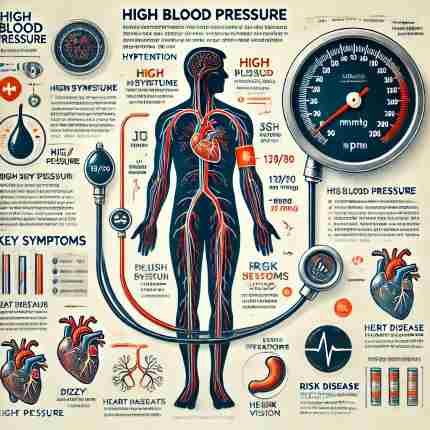
High blood pressure, also known as hypertension, is a condition where the force of blood against artery walls is consistently too high. It can lead to serious health problems like heart disease and stroke if left untreated.
High blood pressure, also called hypertension, occurs when the blood constantly pushes too hard against artery walls. Blood pressure is measured in millimeters of mercury (mm Hg) and is expressed with two numbers: systolic pressure (the pressure during a heartbeat) over diastolic pressure (the pressure between heartbeats).
A healthy reading is below 120/80 mm Hg, and 130/80 mm Hg or higher is considered high blood pressure. If left untreated, hypertension can cause serious issues like heart attacks, strokes, or kidney damage. Regular monitoring and proper management are essential to prevent complications.
High blood pressure can damage your heart, arteries, and other organs, leading to serious health issues. It increases the risk of heart disease, stroke, and kidney problems.
High blood pressure, often known as the “silent killer”, usually shows no symptoms but can cause significant damage to the body over time. Without proper management, it puts extra strain on your arteries and vital organs, leading to serious health problems, including:
Heart Disease: High blood pressure weakens the heart, increasing the risk of heart failure.
Stroke: Increased pressure can cause blood vessels in the brain to burst or become blocked.
Heart Attack: It can lead to blocked arteries, causing a heart attack.
Kidney Disease: Damages blood vessels in the kidneys, leading to kidney failure.
Vision Loss: This affects the small vessels in the eyes, which may lead to blindness if left untreated.
Avoid excessive salt, caffeine, alcohol, and processed foods as they raise blood pressure. Smoking and stress should also be minimized for better control.
Home Remedies To Avoid When You Have High Blood Pressure
Home Remedies To Avoid
Avoid excessive salt, processed foods, and alcohol as they raise blood pressure. Limit caffeine, smoking, and unhealthy fats while managing stress and maintaining an active lifestyle.
Home Remedy/Lifestyle
Why You Should Avoid It
Excessive Salt (Sodium)
Raises blood pressure by causing the body to retain water, putting extra strain on the heart and blood vessels.
Processed Foods
High in sodium, unhealthy fats, and added sugars, which can increase blood pressure and harm overall health.
Saturated & Trans Fats
This can lead to plaque buildup in arteries, making it harder for the heart to pump blood and increasing blood pressure.
Excessive Alcohol
Too much alcohol can raise blood pressure and reduce the effectiveness of blood pressure medications.
Caffeine
Can cause a temporary spike in blood pressure, especially in those sensitive to it or not used to regular intake.
Smoking
Damages blood vessels, raises blood pressure immediately, and causes long-term heart and blood vessel issues.
Lack of Physical Activity
A sedentary lifestyle can lead to weight gain, which increases blood pressure. Regular exercise helps lower it.
Chronic Stress
Prolonged stress can lead to high blood pressure. Finding healthy ways to manage stress is important.
Poor Sleep Habits
Sleep deprivation and disorders like sleep apnea can elevate blood pressure. Prioritize 7-9 hours of sleep.
Herbal Supplements
Herbs like ephedra, ma huang, and bitter orange can raise blood pressure or interfere with medications.
Why should I avoid salt if I have high blood pressure?
Excessive salt causes your body to hold onto water, which puts extra strain on your heart and blood vessels. Over time, this increases blood pressure and can lead to heart problems. It’s important to cut back on salty foods and choose low-sodium options to help control your blood pressure.
Can caffeine affect my blood pressure?
Yes, caffeine can temporarily raise your blood pressure, especially if you’re sensitive to it or don’t consume it regularly. It causes a short-term spike by narrowing your blood vessels. If you have high blood pressure, it’s best to limit or avoid caffeinated drinks like coffee, tea, and energy drinks.
Is alcohol bad for high blood pressure?
Drinking too much alcohol can raise your blood pressure and reduce the effectiveness of blood pressure medications. While moderate alcohol consumption may have some heart benefits, heavy drinking puts your health at risk and can cause hypertension to worsen.
How does stress affect blood pressure?
Chronic stress can lead to high blood pressure by causing your body to release hormones that increase your heart rate and constrict blood vessels. Finding healthy ways to manage stress, like exercise, meditation, or relaxation techniques, can help keep your blood pressure in a healthier range.
Why is smoking dangerous for people with high blood pressure?
Smoking raises your blood pressure temporarily every time you light up. Over time, it causes long-term damage to your blood vessels and significantly increases the risk of heart disease and stroke. Quitting smoking is crucial for managing high blood pressure and improving overall heart health.
Can processed foods affect my blood pressure?
Yes, processed foods are often high in salt, unhealthy fats, and added sugars, which can all raise your blood pressure and negatively impact your heart health. It’s best to avoid or limit processed and packaged foods and focus on eating fresh, whole foods.
Should I limit caffeine if I have high blood pressure?
Yes, caffeine can cause a short-term spike in blood pressure, especially in people who are sensitive to it. If you already have high blood pressure, limiting caffeine from sources like coffee, tea, and soda may help keep your blood pressure more stable.
Why should I be cautious about herbal supplements?
Some herbal supplements, like ephedra, ma huang, and bitter orange, can raise your blood pressure or interact with your medications.
Can lack of exercise raise blood pressure?
Yes, being inactive can lead to weight gain, which increases your blood pressure. Regular exercise helps improve heart health, reduce stress, and lower blood pressure. Aim for at least 150 minutes of moderate exercise per week to keep your blood pressure in check.
How does poor sleep affect blood pressure?
Not getting enough sleep, or having sleep disorders like sleep apnea, can raise your blood pressure and put extra stress on your heart. Prioritizing 7-9 hours of restful sleep each night is important for maintaining healthy blood pressure.
What are the warning signs of high blood pressure?
High blood pressure is often called the “silent killer” because it usually has no symptoms. However, in some cases, people may experience headaches, dizziness, or nosebleeds, but these symptoms typically don’t occur until blood pressure reaches dangerous levels.
How can I reduce my blood pressure naturally?
To lower blood pressure naturally, reduce salt intake, eat a balanced diet rich in fruits and vegetables, exercise regularly, avoid smoking, manage stress, and limit alcohol and caffeine consumption.
Can stress cause high blood pressure?
Yes, chronic stress can contribute to high blood pressure by increasing heart rate and narrowing blood vessels. Managing stress through techniques like meditation, deep breathing, or exercise can help.
Can I drink coffee if I have high blood pressure?
Moderate coffee consumption is generally safe, but excessive caffeine can cause short-term spikes in blood pressure. If you’re sensitive to caffeine, it’s best to limit your intake.
Managing high blood pressure involves a mix of medication, lifestyle changes, and diet adjustments. It’s not just about what you should do to lower your blood pressure, but also about what you should avoid.
By steering clear of salty foods, unhealthy fats, and excessive sugar, you can help keep your blood pressure in check. Limiting alcohol and caffeine and being mindful of certain medications will also make a big difference.
Always work closely with your doctor to create a plan that suits your needs and helps manage your hypertension in the best way possible. Making these small but important adjustments can go a long way in maintaining a healthy heart.
Disclaimer Commissions we earn from partner links on this page do not influence our content. Our editorial content is based on thorough research and insights from qualified medical professionals to ensure the highest standards of accuracy and reliability.
Information provided on Doseway is for educational purposes only. Your health and wellness are unique to you, and the products and services we review may not be suitable for your circumstances. We do not offer personal medical advice, diagnosis, or treatment plans. For specific advice, please consult with a healthcare professional. Doseway adheres to strict editorial integrity standards. To the best of our knowledge, all content is accurate as of the date posted, though offers and information may change. The opinions expressed are the author’s own and have not been influenced, approved, or endorsed by our partners.
Garlic, a close relative of onions and leeks, is a popular ingredient known for its numerous health benefits, especially when consumed at night. For the skin, garlic offers antibacterial and anti-inflammatory properties that help treat acne, soothe psoriasis, and promote skin healing, while its antioxidants delay aging and boost collagen production.
For blood pressure, garlic can lower both systolic and diastolic pressure by relaxing blood vessels through compounds like allicin, nitric oxide, and hydrogen sulfide. For weight loss, garlic can help boost metabolism, reduce appetite, and support fat burning, making it a great addition to any weight management plan.
Garlic is a pungent herb widely used for its flavor in cooking and known for its medicinal properties, such as boosting immunity and heart health. It contains beneficial compounds like allicin, which offer antioxidant and antimicrobial effects.
Garlic (Allium sativum) is a bulbous plant from the Allium family, related to onions and leeks. Native to Central Asia, garlic has been widely used for centuries in cooking and medicine.
Its strong flavor makes it a popular ingredient in many dishes, while its health benefits have made it a natural remedy for various ailments. Garlic contains compounds like allicin, which offer medicinal properties, helping with issues like high blood pressure, infections, and cholesterol.
Eating garlic at night may boost heart health, improve digestion, and enhance immune function due to its antioxidant and antimicrobial properties. It can also support better sleep and overall wellness when consumed in moderation.
Heart Health: Garlic is known for helping lower cholesterol and blood pressure levels, which improves heart health and reduces the risk of cardiovascular diseases.
Boosts Immune System: Garlic contains allicin, a compound with antimicrobial and antiviral properties, which can help strengthen your immune system and protect against infections.
Aids Digestion: Some studies show that garlic can help improve digestion by stimulating digestive enzymes, and reducing symptoms like bloating and indigestion.
Blood Sugar Control: Eating Garlic may help stabilize blood sugar levels, making it potentially beneficial for people managing diabetes.
Anti-Inflammatory: Eating Garlic has anti-inflammatory properties, which may help reduce inflammation and provide relief for conditions like arthritis.
Improves Circulation: Regular Eating Garlic can enhance blood circulation, delivering oxygen and nutrients throughout your body efficiently.
Detoxification: Garlic helps in the removal of toxins from the body, contributing to better health overall and improving your skin’s appearance.
Weight Loss Support: Garlic may act as an appetite suppressant and boost metabolism, which can help with weight management.
Skin Benefits: Applying garlic topically or consuming it may help with acne and other skin conditions due to its antibacterial properties.
Improves Sleep: Some believe that Eating Garlic can help improve sleep quality, possibly due to its relaxing effects on the nervous system.
Garlic’s antioxidants and antibacterial properties can help reduce acne, fight infections, and promote clearer, healthier skin. Its natural compounds may also improve skin texture and reduce inflammation.
Benefit
Details
Treats Acne & Pimples
Garlic contains allicin, an antibacterial compound that helps reduce acne by killing acne-causing bacteria. It also clears toxins from the skin.
Soothes Psoriasis
The anti-inflammatory properties of garlic help calm skin inflammation and reduce redness and irritation caused by conditions like psoriasis.
Delays Aging
Rich in antioxidants, garlic fights free radicals that lead to wrinkles and fine lines, helping to prevent premature aging of the skin.
Treats Eczema
Garlic’s anti-inflammatory effect can also help soothe eczema symptoms, reducing flare-ups and calming irritated skin.
Boosts Circulation
Improves blood flow, providing more nutrients and oxygen to the skin, resulting in a healthy, glowing complexion.
Natural Skin Lightener
High sulfur content helps reduce pigmentation and lighten dark spots, making skin tone more even and reducing acne scars.
Enhances Collagen
Garlic contains sulfur, which is key in boosting collagen production, helping maintain skin firmness and elasticity.
Fights Infections
Its antimicrobial properties help in treating bacterial and fungal infections on the skin, such as athlete’s foot or ringworm.
Promotes Healing
Garlic aids in wound healing by speeding up recovery and preventing infection, thanks to its natural healing compounds.
UV Protection
The antioxidants in garlic protect the skin from UV damage, which can cause sunburns, premature aging, and skin damage.
Table: Garlic-Benefits-For-Skin
How to Use Garlic for Skin?
Topical: Crush garlic and apply juice to acne or inflamed areas, or use garlic oil for a gentle skin massage.
Oral: Add garlic to your diet regularly or take supplements (after consulting a doctor).
Caution: Garlic can irritate sensitive skin, so always do a patch test first.
Eating Garlic At Night Benefits For Blood Pressure
Eating Garlic Benefits For Blood Pressure
Garlic may help lower blood pressure by relaxing blood vessels and improving circulation. Its compounds, like allicin, support heart health and reduce hypertension.
Eating Garlic Benefits
Details
Uses
Garlic is primarily used for lowering blood pressure. It is effective in reducing both systolic and diastolic blood pressure in individuals with hypertension.
How to Use
Garlic can be consumed in fresh form, or through garlic supplements like aged garlic extract (AGE). Recommended dosage is often based on supplement type. Always consult a doctor before using.
Key Benefits
– Lowers blood pressure naturally. – Improves circulation by relaxing blood vessels. – Contains antioxidants that reduce inflammation. – May also help lower cholesterol levels.
Mechanisms of Action
– Allicin, the active compound in garlic, inhibits angiotensin II, which constricts blood vessels. – Garlic increases nitric oxide and hydrogen sulfide production, promoting vasodilation (widening of blood vessels).
Side Effects
Some people may experience mild side effects such as heartburn, bloating, or gas when taking garlic supplements. Serious side effects are rare but possible.
Precautions
– Consult with a healthcare professional before using garlic supplements if you are on blood thinners or other medications. – Be cautious if you have low blood pressure, as garlic may further lower it.
Clinical Evidence
Multiple studies have shown garlic supplements to be as effective as some blood pressure medications. It has been found to reduce the risk of cardiovascular events by up to 16-40%.
Duration for Effectiveness
Studies suggest that consistent garlic intake over weeks or months leads to noticeable improvements in blood pressure. The effects are dose-dependent, meaning higher doses may result in better outcomes.
Other Health Benefits
Apart from managing blood pressure, garlic also helps with: – Cholesterol reduction. – Improving arterial stiffness. – Boosting gut health. – Providing antioxidant protection to blood vessels.
Forms of Garlic
– Fresh garlic: Can be consumed raw or cooked, though its effects may be less pronounced compared to supplements. – Aged Garlic Extract (AGE): A standardized supplement form that’s widely studied for its cardiovascular benefits.
Interactions with Medications
Garlic can interact with blood thinners and other medications, potentially increasing the risk of bleeding. Always consult a doctor before combining garlic with medications.
Cholesterol Management
Garlic is also known to lower LDL (“bad”) cholesterol, promoting overall heart health.
Eating garlic at night may support weight loss by boosting metabolism and reducing appetite. It can also promote fat burning and improve digestion.
Garlic Benefits
Details
Uses
Garlic may support weight loss by boosting metabolism, suppressing appetite, and promoting fat burning.
How to Use
– Raw: Swallow or chew a fresh clove in the morning. – Cooked: Add garlic to meals for flavor and benefits. – Garlic Tea: Simmer crushed garlic in water to make a detox tea. – Smoothies: Add garlic to your smoothies for extra health benefits.
Metabolism Boost
Garlic contains allicin, a compound known to stimulate metabolism, helping the body burn calories faster.
Appetite Suppression
Garlic can act as an appetite suppressant, helping you feel fuller for longer, reducing overeating and calorie intake.
Fat Burning
Studies suggest garlic helps in fat oxidation, potentially aiding in breaking down fat stores.
Detoxification
Garlic aids in the removal of toxins, promoting better digestion and overall health, which may assist in weight loss.
Improved Digestion
Garlic stimulates digestive enzymes, improving fat processing and elimination from the body.
Gut Health
Garlic promotes the growth of healthy gut bacteria, improving digestion and possibly aiding weight loss efforts.
Lowers Cholesterol
Garlic may help lower cholesterol levels, which can benefit overall health and assist in weight management.
Anti-inflammatory
Garlic’s anti-inflammatory properties may help reduce inflammation, improving overall health and supporting weight loss.
Rich in Nutrients
Garlic is rich in antioxidants, vitamins, and minerals that support overall health and can contribute to a healthy metabolism.
Side Effects
Some may experience heartburn, bloating, or digestive discomfort when consuming large amounts of garlic.
Important Considerations
– Always consult with a doctor if you’re taking medications, as garlic may interact with certain drugs like blood thinners. – Garlic supplements may be more concentrated than fresh garlic and could provide greater effects.
To use garlic at night, consume it raw or add it to meals to boost metabolism and support digestion. You can also make garlic tea for potential health benefits.
How to Use
Details
Uses
Garlic can be used at night to improve skin health, reduce blood pressure, and aid weight loss.
How to Use (Topical)
– For Skin: Crush a garlic clove and apply the juice to acne or pimples to reduce bacteria and heal skin.
How to Use (Oral)
– Eat Raw: Swallow a raw garlic clove before bed. – Add to Meals: Include garlic in your dinner for health benefits.
Garlic Oil
Apply garlic oil made from crushed garlic to the skin for conditions like psoriasis or fungal infections.
Improves Skin Health
Garlic has antibacterial properties that can help fight acne and improve overall skin clarity.
Lowers Blood Pressure
Eating garlic may help reduce blood pressure, which is beneficial for heart health.
Supports Weight Loss
Garlic may boost metabolism and act as an appetite suppressant, supporting weight loss efforts.
Promotes Healing
Applying garlic topically can promote healing of skin irritations and infections due to its antimicrobial effects.
Improves Circulation
Garlic may improve blood circulation, which helps in delivering oxygen and nutrients throughout the body.
Anti-Inflammatory
Garlic has anti-inflammatory properties, which can reduce inflammation in the body and benefit skin and heart health.
Side Effects
Some people may experience skin irritation or digestive issues from garlic. Always use it in moderation.
Eating garlic at night during pregnancy can boost immunity and promote heart health, but should be consumed in moderation to avoid potential issues like heartburn.
Category
Details
Uses of Garlic During Pregnancy
– Boosts immunity with its antimicrobial properties. – May reduce the risk of preeclampsia due to its ability to lower blood pressure. – Promotes heart health and helps prevent cholesterol buildup.
How to Use
– Add garlic to meals in moderate amounts. – Can be used as seasoning in soups, curries, and vegetables. – Raw garlic can be used in small quantities or crushed and added to dishes.
Benefits of Eating Garlic
– Nutrient-Rich: Contains essential vitamins (C, B6) and minerals (selenium, manganese) that support the mother and baby’s health. – Immune Boost: Helps fight infections with its antibacterial and antiviral properties.
Antimicrobial Properties
– Garlic contains allicin, a compound that can help in fighting bacteria, viruses, and fungi, potentially protecting the mother from infections.
Heart Health
– Garlic is known to help lower blood pressure and improve circulation, which can reduce the risk of preeclampsia during pregnancy.
Digestive Aid
– It helps in aiding digestion by stimulating gastric enzymes, although excessive consumption may cause heartburn or indigestion.
Potential Risks
– Heartburn: Garlic may cause or worsen heartburn, especially when eaten at night or in large quantities. – Indigestion: Can lead to bloating and gas in some pregnant women.
Bleeding Risk
– Garlic has anti-clotting properties, which can increase the risk of bleeding during delivery or when combined with blood thinners.
Precautions
– Moderation is Key: Eating garlic in moderate amounts during pregnancy is considered safe. – Avoid Late Night Consumption: If prone to heartburn, avoid eating garlic close to bedtime.
Consultation with Doctor
– If you have any underlying health conditions or take blood thinners, it’s essential to consult your doctor before increasing garlic intake.
Listen to Your Body
– Pay attention to how your body reacts. If you experience discomfort or digestive issues after consuming garlic, adjust the intake accordingly.
Traditional Uses
– Garlic has been traditionally used for treating vaginal yeast infections due to its antifungal properties.
Table: Eating-Garlic-During-Pregnancy
Important Considerations
Skin Sensitivity Garlic may cause skin irritation or a burning sensation for some people, especially when applied directly. It’s a good idea to test a small amount on your skin first before using it more widely. This helps avoid any unexpected reactions.
Consult a Healthcare Professional If you’re thinking about using garlic supplements for blood pressure control or weight loss, it’s important to consult with a healthcare professional. They can help you decide if garlic is safe for your specific situation and guide you on the right dosage.
Allergic Reactions Some individuals may be allergic to garlic. If you notice any skin rash, swelling, or trouble breathing, stop using it immediately and seek medical attention. Allergic reactions can be serious, so it’s important to act quickly if symptoms appear.
Bad Breath and Body Odor: Garlic has a strong smell that can lead to bad breath and even body odor if consumed in large amounts.
Heartburn and Digestive Issues: Eating garlic, especially at night, can cause heartburn and other digestive problems like acid reflux, gas, and bloating.
Bleeding Risk: Garlic acts as a blood thinner, which may increase the risk of bleeding. This can be dangerous for people on blood-thinning medications or those with bleeding disorders.
Nausea and Diarrhea: Some people may experience nausea, diarrhea, or vomiting after consuming garlic, especially in large quantities.
Allergic Reactions: In rare cases, people may have a garlic allergy, which can cause symptoms like skin rash, breathing issues, or swelling.
Dizziness and Fatigue: Garlic can sometimes cause dizziness or a feeling of fatigue, especially in people sensitive to its active compounds.
Skin Irritation: Applying raw garlic to the skin may cause irritation or burning sensations in some individuals.
Body Odor: Consuming garlic may cause a lingering garlic smell on the body that persists even after bathing.
Sweating: Some people may experience increased sweating after eating garlic, especially raw.
Sleep Disturbances: While garlic may help some people sleep better, others may experience sleep disturbances due to its strong smell or effects on digestion.
Eating Garlic At Night For Prevention
Immune Support
Garlic contains allicin, which fights bacteria, viruses, and fungi.
Regular consumption can boost your immune system, reducing the risk of infections.
Heart Health
Helps to lower blood pressure and reduce cholesterol levels, promoting better heart health.
Can reduce the risk of heart disease by improving blood circulation.
Antioxidant Properties
Rich in antioxidants that protect the body from harmful free radicals.
May help in slowing down the aging process and preventing cell damage.
Improved Sleep
Garlic is believed to have a calming effect, which may promote better sleep.
The strong smell of garlic may induce a feeling of relaxation, though not scientifically proven.
Digestive Aid
Garlic can improve digestion by stimulating digestive enzymes.
It can also help reduce bloating and stomach discomfort when consumed in moderation.
Skin Benefits
The antibacterial and antioxidant properties of garlic may help in treating acne and improving skin health.
Garlic can also act as a natural moisturizer for dry skin.
Blood Thinning
Garlic has blood-thinning properties, which can improve circulation but may increase the risk of bleeding.
Be cautious if you’re taking blood-thinning medications.
Digestive Issues
Eating raw garlic at night can cause bloating, gas, and stomach discomfort for some people.
It may lead to heartburn or worsen digestive issues if consumed excessively.
Strong Breath and Odor
A common side effect of garlic is its strong smell on breath and body, which can be unpleasant, especially if eaten raw.
How to Use Garlic at Night
You can add garlic to cooked meals like soups or vegetables for flavor.
If eating raw garlic, start with small amounts to see how your body reacts.
Timing Considerations
Eating garlic at night can be beneficial, but some people suggest consuming it in the morning on an empty stomach for maximum health benefits.
Consult a Doctor
If you have any pre-existing health conditions or are taking medications, especially for blood thinning, talk to your doctor before increasing your garlic intake.
Yes, eating garlic at night is generally safe in moderate amounts. However, it may cause indigestion or heartburn in some people, so it’s best to listen to your body and adjust your intake if necessary.
Does eating garlic at night improve sleep?
While there is no strong scientific evidence, some believe that garlic’s calming properties may help promote better sleep.
Will eating garlic at night lower blood pressure?
Garlic has been shown to help reduce blood pressure in some people due to its ability to relax blood vessels. Eating garlic at night might contribute to better heart health.
Can eating garlic at night cause digestive problems?
Eating garlic, especially raw, at night may lead to digestive issues like heartburn, gas, or bloating in some individuals. It’s advisable to avoid large amounts if you’re prone to stomach discomfort.
Is garlic effective in boosting immunity at night?
Garlic contains compounds like allicin, which have immune-boosting properties. Consuming garlic at night may help strengthen the immune system, but it’s most effective when part of a regular diet.
Should pregnant women eat garlic at night?
Garlic in moderation is safe for most pregnant women and can offer health benefits, but large amounts may lead to heartburn or bleeding risks.
Can garlic improve digestion if eaten at night?
Garlic may aid digestion by stimulating gastric juices, but excessive consumption at night might cause discomfort, such as indigestion or acid reflux.
Incorporating garlic into your nighttime routine can provide a range of health benefits, such as better skin health, lower blood pressure, and even weight management. Garlic is a natural remedy with strong antimicrobial and antioxidant properties, making it effective for both internal use (eating) and external use (on the skin).
However, it’s essential to be mindful of potential side effects, such as digestive discomfort or strong odor. If you have sensitive skin or pre-existing health issues, such as taking blood-thinning medications, use garlic cautiously.
For the best outcome, it’s always a good idea to consult a healthcare professional before adding garlic to your routine, ensuring it fits well with your overall health plan.
Disclaimer Commissions we earn from partner links on this page do not influence our content. Our editorial content is based on thorough research and insights from qualified medical professionals to ensure the highest standards of accuracy and reliability.
Information provided on Doseway is for educational purposes only. Your health and wellness are unique to you, and the products and services we review may not be suitable for your circumstances. We do not offer personal medical advice, diagnosis, or treatment plans. For specific advice, please consult with a healthcare professional. Doseway adheres to strict editorial integrity standards. To the best of our knowledge, all content is accurate as of the date posted, though offers and information may change. The opinions expressed are the author’s own and have not been influenced, approved, or endorsed by our partners.
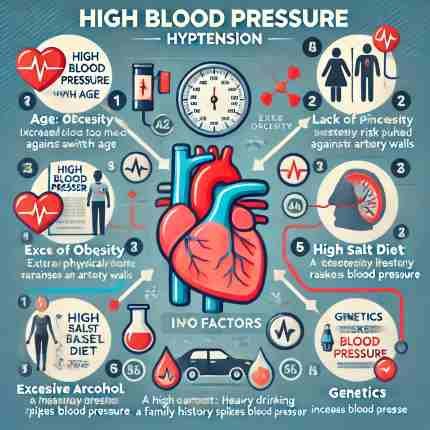
High blood pressure, or hypertension, is a condition where the force of blood against the walls of your arteries remains consistently too high, potentially leading to serious health problems like heart disease, stroke, and kidney damage if left unmanaged.
Often called a “silent killer” because it shows no obvious symptoms, high blood pressure is influenced by both lifestyle and genetic factors. Common causes include an unhealthy diet, lack of exercise, stress, and excessive alcohol consumption.
High blood pressure, or hypertension, occurs when the force of blood against the artery walls is consistently too high. This condition increases the risk of heart disease and stroke.
High blood pressure (hypertension) happens when the pressure of blood against your artery walls stays too high. This can lead to serious health issues if untreated.
Key Points
What it is: High blood pressure means your blood is pushing too hard against the walls of your blood vessels.
Why it matters: If not managed, it can harm your heart, brain, kidneys, and eyes, leading to heart attacks, strokes, or kidney problems.
What it looks like: A reading of 130/80 mm Hg or higher indicates high blood pressure.
Symptoms: Often called a “silent killer”, high blood pressure usually has no clear signs.
Risk Factors: Things like family history, age, race, obesity, poor diet, inactivity, and smoking increase your chances of developing it.
Diagnosis: Doctors check blood pressure using a cuff to measure it.
Treatment: This can include lifestyle changes (better diet, exercise, managing stress) and sometimes medication.
Hypertension is another term for high blood pressure, where the blood consistently exerts too much force against the arteries. It can lead to serious health issues like heart disease and stroke.
Hypertension, or high blood pressure, happens when the force of blood pushing against the artery walls is consistently too high. This can lead to serious health issues like heart disease, stroke, and kidney problems if not managed.
Key Points
Blood Pressure Readings: It is measured using two numbers: systolic (when the heart beats) and diastolic (when the heart rests). Normal readings are usually below 120/80 mmHg.
High Blood Pressure: Diagnosed when readings are consistently 130/80 mmHg or higher.
Why it’s Dangerous: Untreated hypertension can damage blood vessels and organs, leading to complications like heart attacks, strokes, and vision loss.
Risk Factors: Age, family history, obesity, lack of physical activity, a high-sodium diet, smoking, and excessive alcohol increase the risk.
Symptoms: Often, there are no noticeable symptoms, making it a “silent” condition. In rare cases, people may experience headaches or nosebleeds.
Treatment: Involves lifestyle changes, such as eating a healthy diet, regular exercise, managing weight, and reducing salt and alcohol intake. Medications may also be needed.
Staging:
Elevated: Systolic 120-129, diastolic below 80.
Stage 1: Systolic 130-139 or diastolic 80-89.
Stage 2: Systolic 140+ or diastolic 90+.
Hypertensive Crisis: Systolic 180+ or diastolic 120+, requiring immediate medical attention.
Secondary Hypertension: This type occurs due to other medical conditions like kidney disease, thyroid problems, or certain medications. It often appears suddenly and can be more severe than primary hypertension.
Primary (Essential) Hypertension: This is the most common type and develops gradually over time without a specific cause.
Difference Between High Blood Pressure And Hypertension
Difference Between BP And Hypertension
High blood pressure and hypertension are the same condition, with hypertension being the medical term. Both refer to consistently elevated blood pressure levels in the arteries.
Aspect
High Blood Pressure
Hypertension
Definition
Refers to elevated pressure in the blood vessels.
A medical condition where blood pressure is consistently high over time.
Use of Term
A general term used to describe an acute or temporary rise in blood pressure.
Medical term for a chronic condition requiring diagnosis and treatment.
Duration
Can be temporary due to stress, physical activity, or anxiety.
Long-term condition that persists without proper management.
Diagnosis
Measured with a blood pressure reading above the normal range (e.g., >120/80 mmHg).
Diagnosed when readings consistently show ≥130/80 mmHg over multiple checks.
Symptoms
May occur in short bursts (e.g., dizziness, headaches) during elevated pressure.
Often has no symptoms and is called a “silent” condition, but may cause headaches and dizziness in severe cases.
Severity
Can fluctuate and return to normal levels.
A chronic condition that requires ongoing management to avoid complications.
Risk
Short-term spikes may not lead to immediate health issues.
Long-term condition that increases the risk of heart disease, stroke, and kidney damage.
Treatment
May not require treatment if it’s a temporary rise.
Requires lifestyle changes and often medication to control and reduce risks.
Cause
Can be triggered by factors like stress, exercise, or illness.
Usually caused by underlying issues like genetics, diet, lack of exercise, and long-term health conditions.
Monitoring
May not need constant monitoring unless consistently high.
Requires regular monitoring to prevent complications and keep blood pressure under control.
High blood pressure can be caused by factors like stress, poor diet, lack of exercise, smoking, and genetics. It may also develop due to underlying conditions like kidney disease or hormonal disorders.
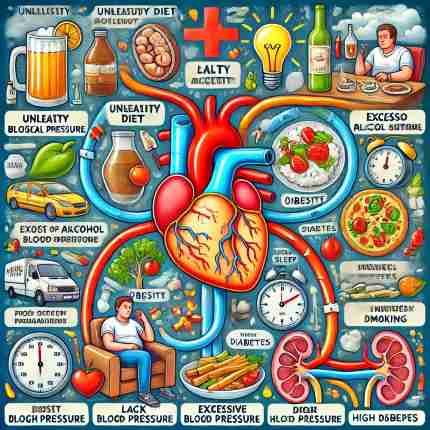
High blood pressure (hypertension) can result from a mix of factors, some of which are modifiable, meaning they can be changed, and others that are non-modifiable.
Modifiable Risk Factors (Lifestyle and Behaviors)
Unhealthy Diet: Too much salt, a high intake of unhealthy fats, and not enough fruits and vegetables can raise blood pressure.
Physical Inactivity: Lack of exercise increases the risk of developing hypertension.
Tobacco Use: Smoking damages blood vessels, leading to increased blood pressure.
Excessive Alcohol: Drinking too much alcohol can contribute to higher blood pressure levels.
Overweight/Obesity: Extra weight puts more strain on the heart and arteries, increasing blood pressure.
Stress: Long-term stress can cause a rise in blood pressure.
Non-Modifiable Risk Factors
Family History: If hypertension runs in your family, you’re more likely to develop it.
Age: Blood pressure risk increases as you get older, especially after 65.
Ethnicity: Some ethnic groups, like African Americans, are at higher risk.
Underlying Conditions: Health issues like kidney disease, diabetes, and sleep apnea can raise blood pressure.
Hormonal Imbalances: Conditions such as thyroid disorders or Cushing’s syndrome can contribute to hypertension.
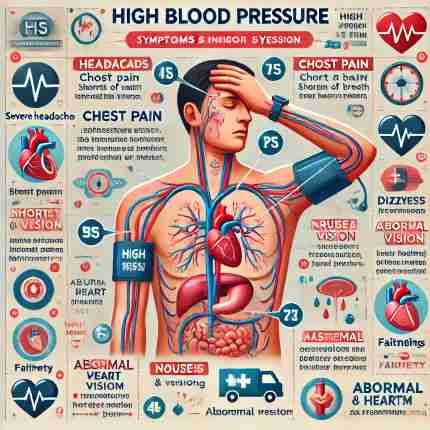
High blood pressure often has no symptoms, but in severe cases, it can cause headaches, dizziness, chest pain, and shortness of breath. Regular monitoring is important to detect it early.
Hypertension is often called the “silent killer” because it usually shows no signs until it reaches dangerous levels.
Common Symptoms of Severe High Blood Pressure
Severe Headaches: Intense headaches that don’t go away easily.
Chest Pain: A tight, squeezing sensation in the chest that may feel like pressure or discomfort.
Dizziness: Feeling lightheaded or as if you’re going to faint.
Shortness of Breath: Difficulty breathing or feeling like you can’t get enough air.
Nausea and Vomiting: Feeling sick to your stomach, with or without vomiting.
Vision Problems: Blurred vision, double vision, or sudden changes in eyesight.
Nosebleeds: Frequent or severe bleeding from the nose.
Irregular Heartbeat: Feeling your heart racing, beating too slow, or skipping beats.
Confusion or Trouble Speaking: Difficulty concentrating, speaking, or understanding speech.
Back Pain: Sudden and severe pain in the upper or lower back.
Numbness or Weakness: Sudden numbness, especially on one side of the body.
Anxiety: Feeling unusually anxious, nervous, or tense.
Ringing in the Ears: Hearing a buzzing or ringing sound in your ears.
Important Points to Remember
Hypertension is often asymptomatic: Most people don’t feel symptoms even when blood pressure is dangerously high.
Regular Checkups: Regular blood pressure checks are important for detecting high blood pressure early.
Seek Immediate Help: If your blood pressure is extremely high (180/120 mmHg or higher) and you have any of these symptoms, seek immediate medical attention.
Widely used; good evidence for heart failure/ post-heart attack protection.
Similar to losartan; often in combinations.
Chlorthalidone
More potent/long-acting than HCTZ; preferred in some guidelines for better outcomes.
Similar to HCTZ but potentially stronger effect on electrolytes.
Metoprolol (Lopressor, Toprol-XL)
Used for heart rate control, angina, or post-heart attack; not usually first-line for uncomplicated hypertension.
Fatigue, slower heart rate; avoid in asthma.
Enalapril (Vasotec)
Similar to lisinopril; good evidence base.
Cough possible; kidney function monitoring needed.
Olmesartan (Benicar)
Effective; often in fixed-dose combinations.
Generally well-tolerated; GI issues rare.
Ramipril (Altace)
Strong evidence from large trials (e.g., heart protection).
Cough, dizziness; good for high-risk patients.
Best Ways to Manage High Blood Pressure Without Medication
How to Manage BP
The best ways to manage high blood pressure include a healthy diet, regular exercise, reducing stress, and limiting salt intake. Quitting smoking and monitoring blood pressure regularly also help.
Stress Management
Purpose: Stress can lead to temporary spikes in blood pressure. Reducing stress helps lower blood pressure overall.
How It Helps: Practicing stress relief techniques like deep breathing, meditation, and yoga helps relax the nervous system, which lowers blood pressure gradually.
Benefits: Reduced anxiety, improved mental health, and better heart function.
Quit Smoking
Purpose: Smoking harms blood vessels and raises blood pressure, leading to hypertension.
How It Helps: Quitting smoking improves heart health and lowers the risk of hypertension-related diseases.
Benefits: Better lung function, healthier skin, and reduced risk of cancer.
Regular Physical Activity
Purpose: Exercise strengthens the heart, helping it pump blood more efficiently.
How It Helps: Engaging in moderate physical activities like walking or cycling for 150 minutes a week can lower blood pressure by 5-8 mm Hg.
Purpose: Eating a nutrient-rich diet helps control blood pressure.
How It Helps: The DASH diet, rich in fruits, vegetables, and low-fat dairy, helps reduce sodium and increases potassium intake, lowering blood pressure.
Benefits: Supports weight management and lowers the risk of heart disease and diabetes.
Reduce Sodium Intake
Purpose: High sodium causes the body to retain water, raising blood pressure.
How It Helps: Reducing sodium to 1,500-2,300 mg a day can significantly lower blood pressure.
Benefits: Improves heart health and reduces fluid retention and bloating.
Maintain a Healthy Weight
Purpose: Being overweight puts extra strain on the heart.
How It Helps: Losing 5-10% of body weight helps lower blood pressure and reduces the risk of related complications.
Benefits: Boosts fitness, energy levels, and self-confidence.
Cut Back on Caffeine
Purpose: Caffeine can cause a temporary rise in blood pressure.
How It Helps: Limiting caffeine intake to no more than 300 mg per day (about three cups of coffee) can help prevent spikes in blood pressure.
Can high blood pressure be managed without medication?
Yes, many people can manage high blood pressure by making lifestyle changes such as reducing salt intake, exercising regularly, eating a balanced diet, and managing stress
How does stress affect blood pressure?
Stress can cause temporary spikes in blood pressure by releasing hormones that tighten blood vessels. Over time, chronic stress can contribute to long-term hypertension. Stress management techniques like deep breathing, yoga, and meditation can help lower blood pressure.
What foods help lower blood pressure naturally?
A diet rich in fruits, vegetables, whole grains, and low-fat dairy, such as the DASH diet, can help lower blood pressure. Foods high in potassium like bananas, spinach, and avocados are also beneficial because they help balance sodium levels in the body.
How does regular exercise help with blood pressure?
Exercise strengthens the heart, improves blood circulation, and helps lower blood pressure over time. 150 minutes of moderate-intensity activity per week, like walking or swimming, can reduce blood pressure by 5-8 mm Hg.
How much sodium should I consume daily to manage blood pressure?
It’s recommended to keep sodium intake below 2,300 mg per day, or ideally 1,500 mg, to help control blood pressure. Reducing sodium helps prevent fluid retention, which can raise blood pressure.
Will quitting smoking help lower blood pressure?
Yes, quitting smoking has immediate benefits. Smoking damages blood vessels and raises blood pressure, but stopping improves overall heart health and reduces the risk of hypertension-related complications.
Does cutting back on caffeine help lower blood pressure?
Yes, limiting caffeine intake to 300 mg per day (about three cups of coffee) can help prevent temporary spikes in blood pressure, especially in people who are sensitive to caffeine.
Can losing weight lower blood pressure?
Yes, losing even 5-10% of your body weight can have a significant impact on lowering blood pressure. Maintaining a healthy weight reduces strain on the heart, making it easier to pump blood efficiently.
How does getting enough sleep help with blood pressure?
Adequate sleep, about 7-9 hours per night, helps regulate blood pressure and reduces the risk of hypertension. Poor sleep or sleep deprivation can contribute to higher blood pressure levels.
What role does drinking water play in managing blood pressure?
Staying hydrated helps keep blood vessels relaxed, improving blood flow, and can help lower blood pressure. It’s important to drink plenty of water throughout the day to support overall heart health.
What Is Considered Normal and High Blood Pressure?
Normal blood pressure is typically around 120/80 mm Hg. Readings higher than this may indicate elevated or high blood pressure. High blood pressure, or hypertension, is when readings consistently reach 130/80 mm Hg or higher, requiring lifestyle changes or treatment.
Can High Blood Pressure Cause Other Health Issues?
Yes, untreated high blood pressure can lead to serious conditions like heart disease, stroke, kidney damage, and vision problems.
Managing high blood pressure naturally is achievable by making healthy lifestyle changes. Simple steps like reducing stress, eating a balanced diet, and quitting smoking can greatly reduce your risk of hypertension. Regular exercise, cutting back on caffeine, and maintaining a healthy weight can also make a big difference in lowering blood pressure.
The key is to stay consistent with these habits. Monitoring your blood pressure regularly helps you keep track of progress. Small changes can lead to big improvements in your health, boosting both your well-being and quality of life.
Disclaimer Commissions we earn from partner links on this page do not influence our content. Our editorial content is based on thorough research and insights from qualified medical professionals to ensure the highest standards of accuracy and reliability.
Information provided on Doseway is for educational purposes only. Your health and wellness are unique to you, and the products and services we review may not be suitable for your circumstances. We do not offer personal medical advice, diagnosis, or treatment plans. For specific advice, please consult with a healthcare professional. Doseway adheres to strict editorial integrity standards. To the best of our knowledge, all content is accurate as of the date posted, though offers and information may change. The opinions expressed are the author’s own and have not been influenced, approved, or endorsed by our partners.
Tooth pain, or odontalgia, is an unwelcome guest that can disrupt even the most peaceful night’s sleep. The excruciating sensation can leave you tossing and turning, desperate for relief.
Tooth pain stems from various sources, including:
Tooth Decay: Bacterial infections that cause cavities, allowing bacteria to penetrate the tooth’s pulp.
Infection: Abscesses or infected dental pulp that irritate nerve endings.
Injury: Cracks, fractures, or trauma that expose sensitive nerves.
In this article, we will explore home remedies to naturally stop tooth pain at night. Let’s start our guide!
Home Remedies For Killing Nerve In Tooth At Home At Night
Stop-Tooth-Pain-Fast
Table Of Contents
Why Tooth Pain Intensifies At Night?
Several factors contribute to tooth pain’s nighttime intensification:
Increased Blood Pressure: Evening relaxation can cause blood pressure to rise, increasing blood flow to the affected area.
Hormonal Changes: Nighttime hormonal fluctuations can amplify pain sensitivity.
Reduced Distractions: Without daytime distractions, pain can become more pronounced
Causes of Tooth Pain
Causes of Tooth Pain
Common causes of tooth pain include cavities and gum disease, cracked teeth, and sinus infections. Learn how to identify and alleviate tooth pain symptoms with effective home remedies and professional dental care.
Tooth pain can stem from various factors, and understanding its causes is crucial for effective management. Here are the common culprits behind tooth pain at night:
Common Causes of Tooth Pain at Night
Tooth Decay and Cavities: Bacteria-filled cavities that reach the pulp, causing irritation and pain.
Infected Gums or Abscesses: Bacterial infections leading to swelling, inflammation, and pain.
Tooth Sensitivity: Exposed dentin due to:
Worn enamel
Receding gums
Cracks or fractures
Nerve Pain and Exposed Tooth Nerves: Damage or inflammation affecting the tooth’s nerves.
Impacted Wisdom Teeth: Partially erupted or obstructed wisdom teeth causing pressure and pain.
Why Tooth Pain Feels Worse at Night
Several factors contribute to the intensification of tooth pain at night:
Factor
Explanation
Increased Blood Flow
Lying down increases blood pressure and flow to the head, amplifying pain.
Lack of Distractions
Without daytime distractions, focus shifts to the pain, making it feel worse.
Dry Mouth
Reduced saliva production during sleep can exacerbate tooth sensitivity.
Cold Air Sensitivity
Cold air entering the mouth while sleeping can irritate sensitive teeth.
Table: Why Tooth Pain Feels Worse at Night
Quick Home Remedies to Stop Tooth Pain at Night
Quick Home Remedies to Stop Tooth Pain at Night
Get instant relief from nighttime tooth pain with these effective home remedies. Say goodbye to sleepless nights with natural solutions like clove oil, cold compresses, and saltwater rinses.
When tooth pain strikes at night, you need instant relief. Here are some effective home remedies to alleviate the discomfort:
Instant Solutions for Tooth Pain
Cold Compress Application: Apply a cold compress or an ice pack wrapped in a cloth to the affected area for 15-20 minutes to reduce swelling and numb the pain.
Saltwater Rinse: Mix 1 teaspoon of salt with warm water and swish the solution around your mouth for 30 seconds before spitting it out. This helps cleanse the area and reduce inflammation.
Over-the-Counter Pain Relievers: Consider taking:
Ibuprofen (Advil, Motrin) for anti-inflammatory properties
Acetaminophen (Tylenol) for pain relief What is the best painkiller for tooth pain? Consult your dentist or doctor for personalized recommendations.
Clove Oil Application: Apply a few drops of clove oil to a cotton ball and place it near the affected tooth. Clove oil’s natural antiseptic properties numb pain and reduce inflammation. What is the best remedy for tooth pain? Clove oil is a highly recommended natural solution.
Natural Remedies for Tooth Pain Relief
Peppermint Tea Bags: Soak a peppermint tea bag in warm water, let it cool, and apply it to the affected area. Peppermint’s anti-inflammatory properties soothe gums and relieve pain.
Garlic: Crush a clove of garlic and mix it with a pinch of salt. Apply the paste to the affected tooth. Garlic’s antibacterial agent, allicin, helps combat infection. How to stop tooth pain fast at home naturally? Garlic is a natural and effective solution.
Hydrogen Peroxide Rinse: Mix equal parts hydrogen peroxide and water and swish the solution around your mouth for 30 seconds. Hydrogen peroxide’s antibacterial properties help clean the infected area.
Addressing Nerve Pain
Ice Packs or Numbing Gels: Apply ice packs or numbing gels like benzocaine to the affected area to temporarily numb the pain. How to kill tooth pain nerve in 3 seconds permanently? Consult a dentist for permanent solutions.
Temporary Fillings or Soft Wax: Use temporary fillings or soft wax to cover the exposed nerve, providing relief until you see a dentist. How can I stop nerve pain in my tooth? These temporary measures can help manage nerve pain.
How To Stop Tooth Pain Fast
Method
How to Do It
How Fast It Works (Approx.)
Main Benefit
Notes / Warnings
Over-the-Counter Pain Reliever
Take ibuprofen (200-400 mg) or acetaminophen (follow package dose).
15–30 minutes
Reduces pain and inflammation systemically
Fastest overall; avoid placing aspirin on gum.
Cold Compress
Wrap ice in cloth; apply to cheek near tooth for 15–20 min, repeat.
10–20 minutes
Numbs area, reduces swelling
Best if swelling or trauma is present.
Warm Saltwater Rinse
Mix ½ tsp salt in 8 oz warm water; swish 30 sec, spit (repeat as needed).
5–15 minutes
Cleans debris, reduces bacteria/inflammation
Simple, cheap, often first step.
Clove Oil
Dab small amount on cotton ball; apply to tooth/gum for 5–10 min.
5–15 minutes
Natural numbing (eugenol)
Test tiny amount first; can irritate some.
Hydrogen Peroxide Rinse
Mix equal parts 3% H₂O₂ and water; swish 30 sec, spit (don’t swallow).
10–20 minutes
Kills bacteria, reduces inflammation
Dilute properly; not for swallowing.
Remove Food/Debris
Gently floss or rinse around the tooth.
Immediate (if trapped food)
Relieves pressure from particles
Use clean floss carefully.
How To Stop Tooth Pain Fast At Home At Night
Method
How to Do It (Night-Friendly)
How Fast It Works (Approx.)
Why It Helps at Night
Over-the-Counter Pain Reliever
Take ibuprofen (preferred for inflammation) or acetaminophen (follow package dose, e.g., 200-400 mg ibuprofen).
15–30 minutes
Reduces pain & swelling systemically; helps you sleep.
Keep Head Elevated
Prop head up with 2–3 extra pillows or sleep semi-upright.
10–30 minutes
Prevents blood pooling in head → less throbbing/pressure.
Cold Compress
Wrap ice/frozen item in cloth; apply to cheek (pain side) 15–20 min on, 10–15 min off.
10–20 minutes
Numbs area, reduces swelling fast.
Warm Saltwater Rinse
Mix ½ tsp salt in warm water (8 oz); swish gently 30 sec, spit; repeat 2–3 times.
Dab small amount (diluted if strong) on cotton ball/swab; apply to tooth/gum 5–10 min.
5–15 minutes
Natural numbing (eugenol); very effective locally.
Remove Food/Debris
Gently floss or use soft pick around tooth; rinse after.
Immediate (if cause)
Relieves pressure from trapped particles.
How to Sleep During a Toothache
A toothache can disrupt even the most restful sleep. Here are some expert tips to help you sleep comfortably despite the discomfort:
Best Sleeping Positions for Toothache Relief
Elevate Your Head: Reduce blood pressure in the head by propping yourself up with extra pillows. This alleviates pain and discomfort. What position relieves tooth pain? Elevating your head is a simple yet effective solution.
Avoid Lying Flat: Lying flat can increase blood flow to the affected area, worsening the pain.
Nighttime Routine for Toothache Management
Avoid Triggering Foods and Drinks: Steer clear of:
Cold drinks that can exacerbate sensitivity
Acidic foods that can irritate the tooth What drink helps a toothache? Avoid cold drinks; instead, opt for warm or room-temperature beverages.
Pre-Sleep Pain Relief: Take over-the-counter pain relievers (e.g., Ibuprofen or Acetaminophen) 30-60 minutes before bedtime.
Desensitizing Toothpaste: Apply desensitizing toothpaste specifically designed for sensitive teeth 30 minutes before sleep. How do you stop sensitive tooth pain immediately? Desensitizing toothpaste provides rapid relief.
Relaxation Techniques: Practice gentle relaxation techniques, such as:
Deep breathing exercises
Progressive muscle relaxation
Meditation
Additional Tips
Schedule a dentist appointment as soon as possible.
Avoid chewing on the affected side.
Use a cold compress or ice pack wrapped in a cloth before bed.
Long-Term Solutions and Prevention
While temporary relief is essential, addressing the underlying causes ensures long-term freedom from tooth pain.
How to Stop Tooth Pain Permanently
Consult a dentist for:
Dental Fillings: Fill cavities to prevent further decay and infection.
Root Canal Treatments: Address deep infections or nerve damage.
Gum Treatment: Treat gum infections and prevent further complications.
Home Remedies to Prevent Tooth Pain
Integrate these habits into your daily routine:
Daily Brushing: Use fluoride toothpaste and brush for 2 minutes, twice a day.
Mouthwash: Use antibacterial mouthwash to prevent gum infections.
Regular Flossing: Floss once a day to remove food particles and plaque.
Severe Allergic Reactions: Difficulty breathing, rapid heartbeat, or swelling.
Increased Pain: Worsening pain or discomfort.
Infection Signs: Fever, swelling, or pus.
Persistent Symptoms: Lasting sensitivity, numbness, or irritation.
Precautions and Contraindications
Pregnancy and Breastfeeding: Consult your doctor before using any remedies.
Children and Infants: Use remedies under adult supervision.
Underlying Medical Conditions: Consult your doctor if you have:
Bleeding disorders
Kidney or liver disease
FAQs | Stop Tooth Pain Fast At Home At Night
What causes tooth pain at night?
Tooth decay, infection, gum disease, or injury can cause tooth pain, which may worsen at night due to increased blood flow and lack of distractions.
How can I stop tooth pain fast at home?
Try cold compresses, clove oil, salt water rinses, or over-the-counter painkillers like Ibuprofen or Acetaminophen.
How can I alleviate tooth pain naturally?
Use clove oil, garlic, or peppermint tea bags to alleviate tooth pain naturally.
Can I use a saltwater rinse for tooth pain?
Yes, mix 1 teaspoon of salt with warm water and swish around your mouth for 30 seconds.
When should I see a dentist?
Visit a dentist if pain persists, worsens, or is accompanied by fever, swelling, or pus.
Conclusion
Tooth pain can be debilitating, but with the right approaches, you can find relief. This article has explored various effective home remedies and emphasized the importance of addressing the root cause.
Summary of Effective Home Remedies
For quick relief, try:
Cold Compresses: Reduce swelling and numb pain.
Clove Oil: Natural antiseptic and pain reliever.
Painkillers: Over-the-counter options like Ibuprofen or Acetaminophen.
Addressing the Root Cause
While home remedies provide temporary relief, it’s crucial to:
Visit a Dentist: For permanent treatment and diagnosis.
Identify Underlying Issues: Cavities, infections, or gum disease.
Encouraging Professional Treatment
Don’t delay:
Persistent Pain: Seek dental attention if the pain lasts more than a few days.
Worsening Symptoms: Increasing pain, swelling, or fever require immediate attention.
Final Tips | Preventing Future Tooth Pain at Night
Maintain Good Oral Hygiene: Brush, floss, and rinse regularly.
Schedule Regular Dental Checkups: Every 6 months.
Avoid Sugary and Acidic Foods: Limit consumption.
Wear a Mouthguard: During sports or high-impact activities.
By combining these home remedies with professional dental care and good oral hygiene practices, you’ll be well-equipped to:
Alleviate tooth pain
Prevent future episodes
Enjoy a healthy, pain-free smile
……………………
Affiliate Disclosure: Commissions we earn from partner links on this page do not influence our content. Our editorial content is based on thorough research and insights from qualified medical professionals to ensure the highest standards of accuracy and reliability.
Medical Disclaimer: Unless expressly indicated in the product description, Doseway is not the manufacturer of the products sold on our website. While we strive to ensure that the product information on our website is accurate, manufacturers may alter their product details. Actual product packaging and materials may contain additional or different information than what is displayed on our website. For any specific product queries, please contact the manufacturer directly.
For medicinal products, the content on our website is not intended to diagnose, treat, cure, or prevent any disease or health condition, nor is it a substitute for advice from medical practitioners, pharmacists, or other licensed healthcare professionals. If you suspect you have a medical problem, contact your healthcare provider immediately. Always read the labels, warnings, and instructions provided with the product before using or consuming it, and do not solely rely on the information presented on our website.
Are you tired of relying on medication to manage your high blood pressure? Learning how to lower blood pressure naturally can be a game-changer for your overall health and well-being.
High blood pressure is a pervasive health issue affecting millions worldwide, increasing the risk of heart disease, stroke, and kidney damage.
This article explores effective and easily accessible home remedies to help reduce blood pressure naturally, promoting a healthier lifestyle and well-being.
You can try deep breathing, drinking water, lying down, or walking to help lower your BP quickly.
What foods lower blood pressure fast?
Foods like bananas, garlic, spinach, beets, and dark chocolate help lower BP quickly.
Can drinking water lower blood pressure?
Yes, staying hydrated by drinking water can help reduce your BP.
Which drinks can lower blood pressure?
Lemon water, beet juice, hibiscus tea, and pomegranate juice are good drinks to help lower BP.
Does garlic help lower blood pressure?
Yes, garlic is known to help lower BP naturally.
Can I lower my blood pressure with exercise?
Regular exercise like walking, yoga, or light stretching can help lower BP over time.
Can lemons lower blood pressure?
Yes, lemons can help reduce blood pressure, especially when added to water.
What foods should I avoid with high blood pressure?
You should avoid salty foods, processed foods, sugary drinks, and too much caffeine if you have high BP.
What should I eat if my blood pressure is low?
If your BP is low, eating salty snacks and drinking water can help raise it.
Conclusion
This guide has provided you with:
Emergency remedies for immediate relief (deep breathing, cold shower therapy)
Natural drinks to lower BP (hibiscus tea, beet juice)
Lifestyle changes for sustained BP control (diet, exercise, stress reduction)
Herbal supplements to support heart health (ginger, hawthorn, cinnamon)
Immediate Action in Emergencies
Remember, if you experience:
Severe symptoms (chest pain, difficulty breathing)
BP above 180/120 mmHg
Sudden weakness or numbness
Long-Term Lifestyle Changes
For lasting BP control:
Adopt a balanced diet (DASH, Mediterranean)
Engage in regular physical activity (150 minutes/week)
Practice stress-reducing techniques (yoga, meditation)
Monitor blood pressure regularly
Consult a Healthcare Professional
If you experience:
Chronic high BP
Severe symptoms
Difficulty managing BP
Take Control of Your Blood Pressure
By incorporating these natural remedies and lifestyle changes, you can:
Lower your blood pressure
Improve overall health
Reduce the risk of cardiovascular disease
……………………
Affiliate Disclosure: Commissions we earn from partner links on this page do not influence our content. Our editorial content is based on thorough research and insights from qualified medical professionals to ensure the highest standards of accuracy and reliability.
Medical Disclaimer: Unless expressly indicated in the product description, Doseway is not the manufacturer of the products sold on our website. While we strive to ensure that the product information on our website is accurate, manufacturers may alter their product details. Actual product packaging and materials may contain additional or different information than what is displayed on our website. For any specific product queries, please contact the manufacturer directly.
For medicinal products, the content on our website is not intended to diagnose, treat, cure, or prevent any disease or health condition, nor is it a substitute for advice from medical practitioners, pharmacists, or other licensed healthcare professionals. If you suspect you have a medical problem, contact your healthcare provider immediately. Always read the labels, warnings, and instructions provided with the product before using or consuming it, and do not solely rely on the information presented on our website.
Herbs have long been used for their medicinal properties, and many have been traditionally known to help lower blood pressure. While no herb works instantly, incorporating herbs like garlic, ginger, cinnamon, hibiscus, and thyme into a healthy lifestyle can promote better blood pressure management.
These herbs contain antioxidants, natural compounds, or substances that may relax blood vessels, improve circulation, or reduce inflammation. These factors can all contribute to lowering blood pressure over time. For example, garlic has been shown to help with hypertension, while ginger and hibiscus may also aid in relaxing blood vessels.
Several herbs can help lower blood pressure naturally when used alongside a healthy lifestyle. These herbs work by relaxing blood vessels, improving circulation, and reducing inflammation.
Relaxing Blood Vessels: Herbs help relax blood vessels, improving circulation and reducing inflammation.
Garlic: Lowers blood pressure by increasing nitric oxide levels, relaxing and widening blood vessels.
Ginger: Acts as a calcium channel blocker and ACE inhibitor, reducing tension in blood vessels.
List Of 10+ Best Herbs That Lower Blood Pressure Instantly
Best Herbs That Lower BP
Certain herbs like garlic, hibiscus, and ginger may help support blood pressure control, but no herb lowers blood pressure instantly.
Herb
Potential Benefits
Importance
Garlic
Garlic is believed to help relax blood vessels and improve circulation, which may lower blood pressure. Some studies suggest garlic supplements can be beneficial for those with hypertension.
Should be part of a healthy diet and not a substitute for medical treatment. Consult your doctor before using supplements.
Ginger
Ginger might work like calcium channel blockers and ACE inhibitors, potentially improving blood flow and reducing blood pressure.
May interact with blood-thinning medications, so talk to your healthcare provider before adding it to your regimen.
Cinnamon
Animal studies suggest cinnamon may help to relax blood vessels and improve circulation, contributing to lower blood pressure.
More research is needed in humans to confirm these effects. It’s a great addition to meals but not a replacement for blood pressure medication.
Hibiscus Tea
Drinking hibiscus tea regularly has been associated with modest blood pressure-lowering effects, especially in those with mild hypertension.
Hibiscus tea can interact with some medications, such as diuretics. Check with your doctor if you’re already on blood pressure medication.
Thyme
Rich in antioxidants, thyme is thought to reduce oxidative stress, which may help lower high blood pressure.
Include thyme in your cooking for heart health, but do not rely solely on it for blood pressure control.
Celery Seeds
Celery seeds may work similarly to calcium channel blockers, helping to relax blood vessels and lower blood pressure.
While beneficial, do not rely on celery seed supplements without consulting a doctor, especially if on hypertension medications.
Basil
Basil contains compounds that help relax blood vessels, which may contribute to lower blood pressure levels.
Best when used fresh or as part of a diet rich in vegetables and fruits. Should not replace other treatments for hypertension.
Cardamom
Cardamom is rich in antioxidants and has been linked to reduced blood pressure in some studies.
It’s a flavorful spice for meals, but you should consult your healthcare provider before using it as a supplement for blood pressure.
Flaxseed
Flaxseed is high in omega-3 fatty acids, which may help lower blood pressure and improve heart health.
Always grind flaxseeds before consumption for maximum benefit. Can be added to your diet but should be a part of a broader blood pressure management plan.
Olive Leaf Extract
Known for its role in heart health, olive leaf extract may help reduce the risk of coronary heart disease and lower blood pressure.
Ensure you are getting high-quality extracts and consult with a healthcare professional before starting any supplements.
Hawthorn
Hawthorn has been used for centuries for its heart-regulating properties and may help in balancing both high and low blood pressure.
Should be taken under the supervision of a healthcare professional as it can interact with blood pressure and heart medications.
Turmeric
Turmeric contains curcumin, an anti-inflammatory compound that may help improve circulation and support heart health, potentially lowering blood pressure.
Works best when combined with black pepper (piperine) for better absorption. Include it as part of a healthy diet, but not as a sole treatment.
Parsley
Parsley is rich in vitamin C and dietary nitrates, which may help lower blood pressure by relaxing blood vessels.
Add to your meals as part of a balanced diet for better blood pressure control, but consult your doctor if you plan to use supplements.
Cayenne Pepper
Cayenne pepper may help improve circulation and reduce blood pressure by relaxing blood vessels.
Best used in moderation as part of meals. Excessive use or supplements should be discussed with a healthcare provider.
Blond Psyllium
Psyllium is high in fiber, which can aid in lowering cholesterol and supporting heart health, which may indirectly lower blood pressure.
Mainly used as a fiber supplement. Discuss with a healthcare provider if using to manage blood pressure.
Cat’s Claw
Traditionally used in herbal medicine, a cat’s claw may help relax blood vessels and lower blood pressure.
More research is needed on its effectiveness. Always consult with a healthcare provider before using it, especially if on medications.
Supplements, or high-potassium foods (bananas, spinach)
Relaxes blood vessels, counters sodium effects; often best from diet
Strong (widely recommended; meta-analyses show reductions, especially if low intake)
Magnesium
Citrate, oxide, glycinate (~300-400 mg elemental)
Relaxes blood vessels, improves endothelial function
Strong (meta-analyses show ~2-3 mmHg drop in SBP/DBP, better in hypertensives or deficient)
Vitamin C
Ascorbic acid (~500 mg/day)
Antioxidant, improves vessel function; may reduce BP modestly
Moderate to strong (some meta-analyses show short-term reductions; mixed long-term)
Coenzyme Q10 (CoQ10)
Ubiquinol/ubiquinone (~100-200 mg/day)
Antioxidant, supports heart energy; may lower SBP
Moderate to strong (reviews show consistent modest reductions in hypertensives)
Vitamin D
D3 (cholecalciferol) if deficient
May help if low levels; supports vessel health
Mixed (some benefit in deficient/obese; many meta-analyses show no overall effect)
B Vitamins (esp. B6, B9/folate, B2/riboflavin)
Complex or specific (e.g., folate 400-800 mcg)
Reduce homocysteine; riboflavin for certain genetic types
Moderate (some B vitamins linked to lower BP; folate may help prevent or in combo therapy)
Vitamin E
Mixed tocopherols (~200-400 IU)
Antioxidant; may relax vessels
Moderate (some meta-analyses show small SBP reduction; less consistent than others)
Omega-3 Fatty Acids (not a vitamin, but often included)
Fish oil/EPA+DHA (~1-3 g/day)
Anti-inflammatory, improves vessel flexibility
Moderate to strong (meta-analyses show modest BP drop, especially higher doses)
Calcium
Citrate/carbonate (~1,000-1,200 mg/day from food/supps)
Helps vessel contraction/relaxation
Moderate (small reductions in some; better from diet; mixed in hypertensives)
Folate (Vitamin B9)
Folic acid or methylfolate
Lowers homocysteine; may support BP in combo with meds
Moderate (some evidence for prevention or adjunct use; not standalone dramatic effect)
Causes of High Blood Pressure
Causes of BP
High blood pressure is often caused by factors like poor diet, lack of exercise, stress, and genetics. It can also result from conditions like obesity or diabetes.
Unhealthy Lifestyle Choices
Poor Diet: Eating too much salt and not enough potassium, or following an unhealthy diet, can raise blood pressure.
Lack of Physical Activity: Not exercising regularly increases the risk of high blood pressure.
Excessive Alcohol: Drinking too much alcohol can elevate blood pressure levels.
Smoking and Tobacco Use: Smoking causes a temporary rise in blood pressure and damages blood vessels.
Stress: High or chronic stress can contribute to hypertension.
Genetics and Family History
Family History: A family history of high blood pressure increases your risk.
Age: Blood pressure tends to increase with age.
Ethnicity: Certain ethnic groups, like Black people, are more prone to hypertension.
Medical Conditions
Kidney Disease: Poor kidney function can lead to elevated blood pressure.
Diabetes: Diabetes increases the risk of hypertension.
Obesity: Excess weight strains the heart, leading to high blood pressure.
Sleep Apnea: This condition, where breathing repeatedly stops during sleep, can raise blood pressure.
Hormonal Problems: Disorders like Cushing’s syndrome can cause hypertension.
Certain Medications: Medications such as birth control pills may elevate blood pressure.
Other Factors
Pregnancy: High blood pressure during pregnancy, called preeclampsia, is a serious condition.
Substance Use: Drugs like cocaine or methamphetamine can cause a sharp rise in blood pressure.
High blood pressure often shows no symptoms, but some people may experience headaches, dizziness, or shortness of breath. It is usually detected through regular monitoring.
High blood pressure (hypertension) often has no obvious signs, making it a “silent killer.” However, in severe cases, some symptoms can appear, indicating a serious problem.
Common Symptoms
Severe Headaches: A pounding or intense headache.
Chest Pain: Sharp or tight chest pain that may spread to the arm or shoulder.
Dizziness: Feeling lightheaded or faint.
Difficulty Breathing: Shortness of breath, especially during activity.
Nausea and Vomiting: A feeling of sickness or actual vomiting.
Blurred Vision: Vision changes like blurriness or even temporary blindness.
Anxiety: Intense worry or panic.
Confusion: Feeling mentally disoriented or unable to focus.
Buzzing in the Ears: Hearing a constant ringing or buzzing sound.
Nosebleeds: Sudden and frequent nosebleeds.
Abnormal Heart Rhythm: Irregular or fast heartbeat.
Sudden Severe Pain: Intense pain in the chest, back, or abdomen.
Numbness or Weakness: Numbness in the face or limbs, usually on one side.
Speech Problems: Difficulty talking clearly.
Unresponsiveness: Lack of response to touch or sound.
Seizures: Uncontrolled shaking or convulsions.
Other Possible Symptoms
Headaches: Mild to moderate, can occur occasionally.
Shortness of Breath: Difficulty breathing even at rest.
Nosebleeds: Occasional nosebleeds without obvious cause.
Fatigue or Confusion: Feeling tired or mentally foggy.
Vision Problems: Blurry or impaired vision.
Chest Pain: Tightness or discomfort in the chest.
Irregular Heartbeat: Rapid or skipped heartbeats.
Blood in the Urine: Red or dark urine indicating potential kidney issues.
Pounding Sensation: Feeling of pounding in the chest, neck, or ears.
Importance of Regular Blood Pressure Checks
Early Detection is Key: Since high blood pressure often shows no symptoms, regular checks are essential to prevent complications.
Monitoring Frequency:
The American Heart Association suggests adults with normal blood pressure should check it yearly.
CDC Recommendation: Get your blood pressure checked at least once a year, even if it seems normal.
Home Monitoring: Regularly check your blood pressure at home if you are at risk.
Benefits of Herbs That Help Lower Blood Pressure
Garlic
Garlic contains allicin, which may help relax blood vessels, promote healthy circulation, and lower blood pressure over time.
Ginger
Ginger may have hypotensive (blood pressure-lowering) effects and can improve blood circulation, potentially aiding in reducing high blood pressure.
Hibiscus
Drinking hibiscus tea may help relax blood vessels, contributing to lower blood pressure. Hibiscus is rich in compounds that support vascular health.
Thyme
Thyme contains rosmarinic acid, which may help relax blood vessels, improve blood flow, and support heart health.
Basil
Basil’s calcium channel-blocking properties may help relax blood vessels and lower blood pressure, making it beneficial for hypertension.
Ashwagandha
Known for reducing stress and anxiety, ashwagandha can positively impact blood pressure, as stress often contributes to hypertension.
Cinnamon
Cinnamon may help lower blood pressure by reducing stress on blood vessels. It has been used in traditional medicine for heart conditions.
Parsley
Rich in potassium and carotenoids, parsley can help lower blood pressure and improve overall heart health.
Amla
Amla helps widen blood vessels, which can assist in controlling and reducing high blood pressure.
Green Tea
Green tea contains antioxidants that may help lower blood pressure and improve heart health when consumed regularly.
Beets:
Beets are high in nitrates, which help relax blood vessels and improve blood flow, leading to reduced blood pressure.
Side Effects of Herbs That Lower Blood Pressure
Interactions with Medications: Herbs can interact with blood pressure or other medications, leading to dangerously low blood pressure or other health problems.
Allergic Reactions: Some people may experience allergic reactions like skin rashes, hives, or difficulty breathing.
Digestive Problems: Certain herbs may cause nausea, stomach discomfort, or gas, especially if consumed in large amounts.
Low Blood Pressure: Herbs that reduce blood pressure too quickly can cause symptoms like dizziness, lightheadedness, or fainting.
Bleeding Risks: Herbs like garlic and ginkgo biloba can increase the risk of bleeding, especially for people on blood thinners.
Kidney Issue: Long-term or high-dose use of some herbs may negatively affect kidney function.
Heart Rhythm Problems: Some herbs might affect heart rhythm, potentially causing irregular heartbeats or other heart-related issues.
No, most herbs do not lower blood pressure instantly. Herbs like garlic, ginger, and hibiscus may support blood pressure management over time, but they are not quick fixes. They work gradually to improve overall heart health and blood flow.
What are the best herbs to help reduce blood pressure?
Some of the commonly used herbs for blood pressure management include garlic, ginger, hibiscus, cinnamon, and ashwagandha. These herbs may help relax blood vessels, improve circulation, and reduce stress, all of which contribute to lower blood pressure.
Are there any side effects of using herbs to lower blood pressure?
Yes, herbs can have side effects, especially if used in excess or combined with medications. Common side effects may include dizziness, digestive issues, low blood pressure, and even allergic reactions. Some herbs, like garlic and ginkgo biloba, may also increase the risk of bleeding if taken with blood thinners.
How long does it take for herbs to lower blood pressure?
The effects of herbs on blood pressure are gradual, not immediate. It can take weeks or even months of regular use to notice improvements. For best results, combine herbs with a healthy diet, regular exercise, and stress management.
Can I use herbs if I’m already taking blood pressure medication?
It’s possible to use herbs with medications, but you need to be cautious. Some herbs can interact with blood pressure medication, potentially causing unwanted side effects or lowering blood pressure too much.
Can pregnant women use herbs to lower blood pressure?
Pregnant women should be extremely cautious about using herbs for blood pressure management. Some herbs may have harmful effects on pregnancy or the baby. For example, herbs like parsley and licorice are not recommended during pregnancy.
Are herbal teas effective for lowering blood pressure?
Yes, some herbal teas like hibiscus tea have been shown to support blood pressure management by relaxing blood vessels and improving circulation. While herbal teas may help, their effects are usually mild, and consistent use is needed.
Can herbal remedies lower blood pressure too much?
Yes, using too many herbs that lower blood pressure or combining them with medications can lead to hypotension (low blood pressure). Symptoms may include dizziness, fainting, and weakness.
Herbs like garlic, ginger, cinnamon, and hibiscus tea are known for their natural ability to help lower blood pressure. They are great additions to a healthy lifestyle aimed at managing hypertension. Traditional remedies from Africa and India, such as Avena sativa (oats), Arjuna, and ashwagandha, also show potential for supporting heart health and reducing blood pressure.
However, it’s important to remember:
Consult a Doctor: Always speak with a healthcare provider before using herbs to ensure they are safe and won’t interfere with any medications or treatments.
Complement, Don’t Replace: Herbs should be used alongside, not in place of, conventional treatments for hypertension.
Holistic Approach: Combining herbs with a balanced diet, regular exercise, and stress management offers the best results for controlling blood pressure naturally.
Disclaimer Commissions we earn from partner links on this page do not influence our content. Our editorial content is based on thorough research and insights from qualified medical professionals to ensure the highest standards of accuracy and reliability.
Information provided on Doseway is for educational purposes only. Your health and wellness are unique to you, and the products and services we review may not be suitable for your circumstances. We do not offer personal medical advice, diagnosis, or treatment plans. For specific advice, please consult with a healthcare professional. Doseway adheres to strict editorial integrity standards. To the best of our knowledge, all content is accurate as of the date posted, though offers and information may change. The opinions expressed are the author’s own and have not been influenced, approved, or endorsed by our partners.
High blood pressure, also known as hypertension, is a common condition that can lead to serious health issues if left untreated, affecting organs like the heart, brain, and kidneys. While conventional treatments are available, many people turn to homeopathic remedies as a natural approach to managing high blood pressure.
These Homeopathic Remedies, derived from natural sources like plants, minerals, and animals, follow the principle of “like cures,” aiming to trigger the body’s healing processes. Popular homeopathic remedies for high blood pressure include Belladonna, Nux Vomica, Aconite, and Natrum Muriaticum, each addressing different symptoms and causes.
High blood pressure, or hypertension, is when the force of blood against artery walls is too high, often leading to health risks like heart disease. Managing it requires lifestyle changes and, in some cases, medication.
High blood pressure, or hypertension, happens when the blood consistently pushes too hard against the walls of the arteries. It’s a common condition that can affect anyone but is more likely with certain factors like age, lifestyle, or family history. Often called a “silent killer,” it usually has no symptoms until significant damage occurs to vital organs like the heart or kidneys.
Risk Factors For High Blood Pressure
Age: The older you get, the higher the risk.
Obesity: Extra weight puts more strain on the heart.
Lack of Physical Activity: A sedentary lifestyle can worsen blood flow.
High Salt Diet: Too much salt causes water retention, raising blood pressure.
Excessive Alcohol: Drinking heavily can spike blood pressure.
Genetics: A family history of hypertension increases your risk.
Homeopathic remedies for high blood pressure focus on natural treatments, aiming to address both physical symptoms and underlying emotional or lifestyle factors contributing to hypertension.
Homeopathy works on the idea that “like cures like,” meaning substances causing symptoms in a healthy person can, in small amounts, treat similar symptoms in someone unwell.
These Homeopathic Remedies are highly diluted but are believed to help trigger the body’s natural healing process. Some common homeopathic treatments for high blood pressure include:
Nux Vomica: Helpful for stress-related hypertension.
Belladonna: Used when blood pressure rises suddenly, often with a throbbing headache.
Aurum Metallicum: For those with high blood pressure due to heart conditions or emotional stress.
Lachesis: Recommended for high blood pressure linked to circulatory issues.
Natrum Muriaticum: Often used for hypertension related to excess salt consumption.
Best homeopathic remedies: Belladonna, Nux Vomica, Aconite, Natrum Muriaticum, and Crataegus, each targeting various causes of high blood pressure and providing natural relief.
Remedy Name
Use
Symptoms
Ideal For
Action
Belladonna
Sudden, intense spikes in blood pressure.
Hot flushes, pounding headaches, throbbing temples, red face.
Individuals with stress-induced, sharp increases in BP.
Reduces the intensity of symptoms and calms the circulatory system.
Nux Vomica
Stress, overeating, or hectic lifestyle.
Irritability, headaches, nausea, sensitivity to light/noise.
High-pressure jobs, poor diet, lack of physical activity.
Lowers stress, improves digestion, and reduces BP.
Aconite
High BP is caused by sudden shock, fear, or panic.
Restlessness, rapid heartbeat, anxiety.
Hypertension spikes due to emotional shock or fear.
Calms the nervous system and stabilizes BP.
Natrum Muriaticum
Emotional stress, especially grief.
Water retention, palpitations, headaches, sadness.
Those suppressing emotions, especially grief.
Balances emotions and reduces water retention to lower BP.
Lachesis
Hypertension during menopause or emotional stress.
Anxiety, tension, headaches, difficulty relaxing.
Women going through menopause or emotional changes.
Balances hormones and reduces circulatory stress.
Crataegus
Long-term heart health and BP management.
Weak pulse, shortness of breath, slow rise in BP.
General heart weakness and poor circulation.
Strengthens the heart and improves circulation.
Rauwolfia Serpentina
Chronic high blood pressure.
General heaviness with gradual BP increase.
Individuals with consistently high BP unrelated to stress.
Gradually lowers blood pressure and improves circulation.
Glonoinum
Sudden spikes in BP, especially in hot environments.
Pounding headache, redness, confusion.
People who experience BP increase due to heat/exertion.
Stabilizes BP after heat-related spikes.
Baryta Carbonica
High BP in older adults with atherosclerosis.
Dizziness, memory loss, slow pulse.
Elderly with cognitive or circulatory issues.
Improves circulation, reduces BP, and supports cognitive function.
Aurum Metallicum
Hypertension is linked to emotional stress or depression.
Heart palpitations, insomnia, chest tightness.
Individuals feel emotionally overwhelmed.
Relieves mental stress and promotes heart health.
Allium Sativum
Managing high BP improves circulation and lowers cholesterol.
Dizziness, lightheadedness, weakness.
Hypertension with high cholesterol.
Lowers cholesterol and improves circulation naturally.
Veratrum Album
Sudden drops in blood pressure.
Cold sweats, dizziness, fainting spells.
People with unstable BP cause fainting episodes.
Stabilizes BP and prevents fluctuations.
Ignatia
High BP due to unresolved emotional stress or grief.
Emotional outbursts, sighing, sensitivity to criticism.
Those dealing with grief or emotional trauma.
Calms the nervous system and lowers blood pressure.
Table: Homeopathic-Remedies
How To Cure High Blood Pressure In 3 Minutes
Technique
Steps (Perform for ~3 Minutes)
Expected Effect / Notes
Deep Slow Breathing (6 breaths/min)
Sit comfortably. Inhale deeply through nose for ~5 seconds (belly expands), exhale slowly through mouth for ~5 seconds. Aim for 6 full breaths per minute.
Activates relaxation; can drop systolic BP several points quickly (Harvard Health, studies show short-term benefit).
4-7-8 Breathing
Inhale quietly through nose for 4 seconds → Hold breath for 7 seconds → Exhale through mouth (whoosh sound) for 8 seconds. Repeat 4–6 cycles (~2–3 min).
Popular for fast calm; reduces stress hormones, lowers BP temporarily.
Box / Square Breathing (4-4-4-4)
Inhale nose 4 sec → Hold 4 sec → Exhale mouth 4 sec → Hold 4 sec. Repeat continuously.
Structured calm; helps slow heart rate and ease pressure spikes.
Lie Down & Relax + Deep Breaths
Lie flat, close eyes, place hand on belly. Breathe deeply (belly rise/fall) slowly while relaxing muscles.
Simple rest + breathing; can lower readings in minutes by reducing tension.
30-Second Quick Deep Breaths
Take 6 long, deep breaths in 30 seconds (inhale/exhale slowly). Repeat if needed up to 3 min.
Japanese study: significantly reduces systolic BP in seconds to minutes.
Diaphragmatic Breathing
Sit/lie down. Hand on belly. Inhale nose deeply (belly out), exhale mouth slowly. Focus on diaphragm.
Strengthens breathing; promotes relaxation and quick BP drop.
Drink Water + Slow Breathing
Drink a full glass of water slowly, then do deep breathing for remaining time.
Hydration helps if mildly dehydrated; combined with breathing for faster effect.
Acupressure (GB20 Points)
Press thumbs on base of skull (wind pool points) firmly but gently for 1–2 min while breathing slowly.
Some reports of quick relief for stress-related spikes.
Causes Of High Blood Pressure
Causes Of BP
High blood pressure can be caused by stress, poor diet, lack of physical activity, genetics, and underlying health conditions like kidney disease or diabetes. These factor
Unhealthy Diet (High Sodium, Low Potassium): A diet high in salt increases water retention, raising blood pressure. Low potassium intake also affects sodium balance.
Lack of Physical Activity: A sedentary lifestyle weakens the heart, making it work harder to pump blood, leading to higher pressure.
Obesity: Excess body weight puts extra strain on the heart, increasing blood pressure.
Excessive Alcohol Consumption: Drinking too much alcohol can lead to a temporary spike in blood pressure, and over time, it can cause long-term hypertension.
Heat, redness, pulsating sensations, sensitivity to light/noise
Natrum Muriaticum
Hypertension linked to grief, suppressed emotions, or chronic stress
Craves salt, headaches from sun, emotional reserve
Lachesis
High blood pressure with constriction sensation (e.g., around neck), often left-sided symptoms
Talkative, jealous, worse after sleep, hot flushes
Nux Vomica
Linked to modern lifestyle: stress, overwork, stimulants (coffee, alcohol), sedentary habits
Irritability, digestive issues, sensitivity to cold
Argentum Nitricum
Hypertension from anticipation anxiety, nervousness, or mental agitation
Impulsive behavior, trembling, sweet cravings
Crataegus Oxyacantha
Heart tonic; supports cardiovascular health and mild regulation of blood pressure
Weak heart action, fatigue, used as supportive remedy
Rauwolfia Serpentina
Often used for essential hypertension, especially in some traditional homeopathic protocols
General blood pressure support (less symptom-specific)
Veratrum Viride
Intense congestion, full bounding pulse, often with nausea or vomiting
Sudden violent symptoms, cold sweat, prostration
Ignatia Amara
High blood pressure triggered by emotional shock, grief, or disappointment
Sighing, mood swings, contradictory symptoms
Symptoms of High Blood Pressure
Symptoms of BP
High blood pressure often shows no symptoms, but some people may experience headaches, dizziness, chest pain, or blurred vision when it reaches severe levels.
Severe Headaches: Intense, throbbing headaches can occur with dangerously high blood pressure.
Chest Pain: Tightness or pain in the chest might be a sign of heart strain due to high blood pressure.
Dizziness: Feeling lightheaded or dizzy can happen when blood pressure spikes.
Shortness of Breath: Difficulty breathing can occur, especially during physical activity.
Nausea and Vomiting: Some people with very high blood pressure may feel sick to their stomach or vomit.
Blurred Vision: Sudden vision changes or blurred vision may occur as a result of damage to the blood vessels in the eyes.
Nosebleeds: Frequent or unexplained nosebleeds could be related to elevated blood pressure.
Abnormal Heart Rhythm: Irregular or rapid heartbeat is a sign the heart is working too hard.
Fatigue: Persistent tiredness or lack of energy can result from the heart’s overwork.
Fainting or Lightheadedness: Severe blood pressure changes may cause someone to feel faint or pass out.
Anxiety: Unexplained anxiety or a feeling of impending doom may accompany high blood pressure episodes.
Benefits Of Homeopathic Remedies
Benefits Of Homeopathic Remedies
Homeopathic remedies offer a natural, personalized approach to healing by addressing the root causes of health issues, boosting overall well-being without harsh side effects.
Remedy
Key Benefits
Use
Belladonna
Manages sudden BP spikes and reduces throbbing headaches.
Sudden, intense rises in blood pressure, often caused by stress or excitement.
Nux Vomica
Reduces BP caused by stress, poor diet, or lack of exercise.
Ideal for people with high-pressure jobs or unhealthy lifestyles.
Aconite
Calms the body after trauma, reducing anxiety and stabilizing BP.
Useful after sudden shock, fear, or panic, which causes a rise in blood pressure.
Natrum Muriaticum
Balances emotions and reduces water retention, lowering BP.
Helps people dealing with emotional stress, especially grief.
Lachesis
Supports circulation and reduces stress during menopause.
Ideal for women experiencing hormonal changes, especially during menopause.
Crataegus
Strengthens heart health and improves circulation.
Beneficial for long-term heart health and managing chronic high blood pressure.
Rauwolfia Serpentina
Gradually lowers BP, especially for chronic hypertension.
Effective for persistent high blood pressure cases.
Glonoinum
Reduces explosive BP increases triggered by heat or physical exertion.
For people experiencing sudden BP spikes in hot environments or after exertion.
Baryta Carbonica
Improves circulation and supports cognitive function in elderly.
Ideal for older adults with high BP and circulatory or memory issues.
Aurum Metallicum
Relieves stress and promotes heart health, lowering BP.
Helps people with hypertension linked to emotional burdens, such as depression or anxiety.
Allium Sativum
Lowers BP and cholesterol naturally, promoting better heart health.
For individuals with high blood pressure and high cholesterol levels.
Veratrum Album
Stabilizes BP and prevents fainting spells caused by sudden drops.
Effective for people with unstable blood pressure that drops suddenly.
Ignatia
Releases emotional tension and lowers BP associated with grief or stress.
Ideal for those dealing with unresolved emotional stress or trauma contributing to hypertension.
Homeopathy uses natural remedies to treat high blood pressure by targeting the root cause, whether it’s stress, emotional issues, or lifestyle factors. Each remedy is made for individual symptoms.
Can homeopathic remedies help lower high blood pressure?
Yes, homeopathic remedies aim to lower high blood pressure by addressing both physical and emotional triggers, such as anxiety or stress, helping to stabilize blood pressure naturally.
How long do homeopathic remedies take to work for high blood pressure?
The effects of homeopathic remedies can vary from person to person. Some may notice improvements in a few days, while others might take longer, depending on the severity and causes of their high blood pressure.
Which homeopathic remedies are best for high blood pressure?
Some commonly used remedies for high blood pressure include Belladonna for sudden spikes, Nux Vomica for stress-related issues, and Crataegus for long-term heart health. The choice depends on your specific symptoms and health condition.
Can homeopathy treat the root cause of high blood pressure?
Yes, homeopathy focuses on treating the underlying causes, such as emotional stress, poor diet, or lack of physical activity, rather than just the symptoms of high blood pressure.
Can homeopathic remedies prevent high blood pressure?
Homeopathy can help manage stress, improve lifestyle habits, and promote emotional well-being, which may help prevent high blood pressure from developing in some cases.
Are homeopathic remedies safe for elderly people with high blood pressure?
Homeopathic remedies are generally safe for older adults. Remedies like Baryta Carbonica specifically target high blood pressure in elderly patients.
Can homeopathy reduce blood pressure caused by stress?
Yes, homeopathy addresses stress-related high blood pressure. Remedies like Nux Vomica and Ignatia help manage stress and emotional tension, reducing hypertension caused by these factors.
Homeopathic remedies offer a natural alternative to help manage high blood pressure, targeting not only the physical symptoms but also the emotional and lifestyle factors that can raise blood pressure. Each remedy focuses on different aspects like stress, poor diet, or anxiety, helping address the root causes of hypertension.
While homeopathy is a useful option for many, it’s important to consult a healthcare provider before changing any treatment, especially if you’re already on medication for high blood pressure. This ensures safe and effective management of your condition.
Disclaimer Commissions we earn from partner links on this page do not influence our content. Our editorial content is based on thorough research and insights from qualified medical professionals to ensure the highest standards of accuracy and reliability.
Information provided on Doseway is for educational purposes only. Your health and wellness are unique to you, and the products and services we review may not be suitable for your circumstances. We do not offer personal medical advice, diagnosis, or treatment plans. For specific advice, please consult with a healthcare professional. Doseway adheres to strict editorial integrity standards. To the best of our knowledge, all content is accurate as of the date posted, though offers and information may change. The opinions expressed are the author’s own and have not been influenced, approved, or endorsed by our partners.
Yogurt has many varieties with unique textures, flavors, and health benefits. Greek yogurt is thick and high in protein, while soy yogurt offers a dairy-free option for vegans. Kefir and drinkable yogurt provide probiotic-rich, drinkable forms, and Skyr or Icelandic yogurt is known for its creamy, protein-packed goodness.
Australian yogurt has a smoother texture, while French yogurt is soft and mild. Popular drinks like lassi and doogh bring cultural flair, and alternatives like cashew, almond, and coconut milk yogurt cater to plant-based diets. For something sweet, frozen yogurt makes a refreshing dessert.
Yogurt is a dairy product made by fermenting milk with live bacteria. It’s rich in protein, calcium, and probiotics, beneficial for digestion and overall health.
Yogurt is a fermented dairy product made by introducing live bacteria like Lactobacillus bulgaricus and Streptococcus thermophilus into milk. This fermentation process converts lactose (milk sugar) into lactic acid, giving yogurt its tangy flavor and smooth texture.
It’s a nutritious food, rich in protein, and calcium, and often contains probiotics, which are beneficial for gut health. Yogurt comes in different varieties such as regular, Greek, Icelandic, and lactose-free options. Research suggests that increasing yogurt consumption can help lower blood pressure, particularly systolic blood pressure.
Yogurt For High Blood Pressure
Yogurt For High BP
Yogurt, rich in calcium and potassium, may help lower high blood pressure when consumed regularly.
Yogurt, especially plain and low-fat, can help manage high blood pressure due to its high levels of calcium, magnesium, and potassium, nutrients essential for maintaining healthy blood pressure.
Nutrient Content:
Calcium: Helps blood vessels relax and contract properly, aiding in blood pressure control.
Magnesium and Potassium: Magnesium relaxes blood vessels, and potassium balances sodium levels, both contributing to blood pressure regulation.
Probiotics: Yogurt contains probiotics, which improve gut health and may support lower blood pressure.
Studies & Evidence: Research shows regular yogurt consumption can help reduce blood pressure, especially in people with hypertension. One study from the American Heart Association found that women consuming five or more servings of yogurt per week had a lower risk of high blood pressure.
How to Incorporate Yogurt
Opt for plain, low-fat yogurt to avoid added sugars.
Use it in smoothies, dips, or sauces, or pair it with fruits for a healthy snack.
There are various types of yogurt, including Greek, regular, low-fat, and non-dairy options, each offering unique benefits.
Type of Yogurt
Details
Greek Yogurt
Thick and creamy yogurt, higher in protein and lower in sugar compared to regular yogurt. Made by straining out most of the whey, which gives it a dense texture.
Soy Yogurt
Plant-based yogurt made from soy milk, ideal for vegans or those with lactose intolerance. It’s high in protein and often fortified with calcium.
Kefir
A fermented drinkable yogurt with a tangy flavor, packed with probiotics and often made from cow’s milk or goat’s milk. It’s thinner than regular yogurt and drinkable.
Skyr
An Icelandic yogurt that’s thick and high in protein, similar to Greek yogurt but slightly milder in flavor. Traditionally made with skim milk.
Australian Yogurt
Creamy, full-fat yogurt that is usually stirred rather than strained. It has a smooth texture and is less thick than Greek yogurt.
Drinkable Yogurt
A thinner yogurt that can be sipped, often flavored with fruit. It’s popular as a quick snack or on-the-go breakfast.
Regular Yogurt
Standard yogurt made from whole or low-fat milk, with a smooth texture. It’s not strained, so it retains more liquid (whey) compared to Greek or strained yogurts.
French Yogurt
A soft, creamy yogurt that is traditionally set in small glass jars. It’s typically full-fat and has a mild, smooth flavor.
Frozen Yogurt
Yogurt that’s frozen and served as a dessert. It’s tangier and lighter than ice cream, with a lower fat content.
Lassi
A traditional Indian yogurt drink, often flavored with fruits like mango or spices like cardamom. It can be sweet or savory.
Sheep’s Milk Yogurt
Made from sheep’s milk, it has a rich, creamy texture with a naturally higher fat content and is more nutrient-dense than cow’s milk yogurt.
Cashew Yogurt
A plant-based yogurt made from cashew milk. It’s creamy, dairy-free, and suitable for vegans. Often fortified with nutrients like calcium and B vitamins.
Doogh
A savory Middle Eastern yogurt drink, traditionally mixed with water, mint, and sometimes salt. It has a tangy and refreshing flavor.
Icelandic Yogurt (Skyr)
Similar to Skyr, Icelandic yogurt is thick and high in protein but is made using slightly different methods. It’s lower in fat and sugar than regular yogurt.
Strained Yogurt
Yogurt that’s been strained to remove whey, making it thicker and creamier, similar to Greek yogurt. It has a higher protein content.
Almond Yogurt
Dairy-free yogurt made from almond milk, suitable for vegans. It has a light, nutty flavor and is often fortified with vitamins like calcium and vitamin D.
Coconut Milk Yogurt
A plant-based yogurt made from coconut milk, it has a tropical flavor and creamy texture. It’s dairy-free and suitable for those avoiding lactose or following a vegan diet.
Yogurt, rich in calcium and potassium, may help lower high blood pressure when consumed regularly.
While yogurt doesn’t directly cure high blood pressure, adding it to a heart-healthy diet, especially low-fat or Greek yogurt, can be beneficial because of its nutrients and probiotics.
Nutrient-Rich
Yogurt is rich in calcium, magnesium, and potassium, which are key in regulating blood pressure levels.
Probiotics
The probiotics in yogurt may support heart health by improving gut health and possibly helping lower blood pressure.
DASH Diet
The DASH diet (Dietary Approaches to Stop Hypertension) recommends including low-fat dairy like yogurt for better blood pressure management.
Studies
Research suggests that eating more yogurt may be linked to a lower risk of high blood pressure.
How to Incorporate
Choose low-fat or Greek yogurt, and add fruits, seeds, or nuts for added benefits.
Other Lifestyle Factors
Managing blood pressure also requires exercise, stress control, medication, and a balanced diet.
Unsweetened, low-fat, and Greek yogurts are ideal for managing high blood pressure and providing heart-healthy nutrients like calcium, potassium, and magnesium.
Yogurt
Benefits for High Blood Pressure
Unsweetened Yogurt
Contains no added sugars, which can help prevent weight gain and spikes in blood pressure.
Low-Fat Yogurt
Helps avoid unhealthy fats that can raise cholesterol and blood pressure.
Greek Yogurt
High in protein, helps reduce hunger, and boosts metabolism. Provides long-lasting energy while being heart-healthy.
Calcium-Rich Yogurt
Provides calcium, which helps blood vessels relax, reducing blood pressure.
Magnesium-Rich Yogurt
High in magnesium, which supports healthy blood vessels, and helps regulate blood pressure levels.
Probiotic Yogurt
Contains probiotics that promote gut health, which may positively affect blood pressure and heart health.
Plain Yogurt
Free from artificial sweeteners and flavors, making it a healthier option for heart health.
Yogurt with Berries
Adding berries (like blueberries or strawberries) gives antioxidants that help reduce blood pressure.
DASH Diet Yogurt
Recommended as part of the DASH diet (Dietary Approaches to Stop Hypertension), which emphasizes low-fat dairy.
Fortified Yogurt
Some yogurts are fortified with extra vitamins and minerals, enhancing their heart and blood pressure benefits.
Low-sodium versions; make homemade with vinegar/herbs; lemon juice for flavor
Frozen Meals & Convenience Foods
High sodium + saturated fats for taste/preservation
Frozen dinners, pizzas, microwave meals
Fresh or frozen plain veggies/meats; batch-cook healthy meals
Red & Processed Meats (Fatty Cuts)
High saturated fat; some studies link excess to higher BP
Fatty beef, lamb, pork; processed versions
Lean poultry, fish (salmon for omega-3s), plant proteins like lentils/beans
Tomato-Based Sauces & Juices
Often high in added sodium
Jarred pasta sauce, canned tomato juice, ketchup
No-salt-added versions; make homemade with fresh tomatoes/herbs
Alcohol (Excess)
Can raise BP directly; interferes with meds; adds empty calories
More than moderate intake (e.g., >1–2 drinks/day)
Limit to moderation (if any); non-alcoholic options or water
Sweets & Desserts
High added sugars + often saturated fats; promotes weight gain
Cakes, cookies, donuts, ice cream, candy
Fresh fruit, dark chocolate (small amounts, 70%+ cocoa), yogurt with berries
Tropical Oils (in Moderation)
High saturated fats (raise cholesterol/BP risk)
Coconut oil, palm oil (common in processed foods)
Olive oil, avocado oil, canola oil for cooking
Excessive Caffeine (for Some)
May cause temporary BP spikes in sensitive people
Strong coffee/energy drinks (multiple cups/day)
Moderate intake (e.g., 1–2 cups coffee); monitor personal response
7-Day Meal Plan For High Blood Pressure
Day
Breakfast
Mid-morning Snack
Lunch
Afternoon Snack
Dinner
Key Focus / Tips
Day 1
1 cup cooked oatmeal (made with water or low-fat milk) topped with 1 sliced banana, ½ cup mixed berries, and 1 Tbsp unsalted chia seeds or flaxseeds. 1 cup fat-free or low-fat milk.
1 medium apple + small handful (¼ cup) unsalted almonds.
Grilled chicken salad: 4 oz grilled skinless chicken breast over 3 cups mixed greens, 1 cup chopped veggies (cucumber, tomatoes, bell peppers), ½ cup chickpeas, dressed with 1-2 Tbsp olive oil + lemon juice + herbs (no added salt).
1 cup plain low-fat Greek yogurt with ½ cup strawberries.
Baked salmon (4 oz) with 1 cup steamed broccoli, ½ cup cooked quinoa, and a side salad of spinach + cherry tomatoes. Drizzle with lemon.
High potassium from banana, berries, greens; start week with omega-3s from salmon. Use fresh herbs for flavor.
Day 2
1 cup low-fat plain yogurt topped with 1 cup mixed berries (blueberries/strawberries), ¼ cup unsalted walnuts, and a sprinkle of cinnamon. 1 slice whole-grain toast with ½ avocado.
1 medium orange + 1 oz low-fat cheese (or skip cheese for lower sodium).
Turkey & veggie wrap: Whole-wheat tortilla with 3 oz low-sodium turkey breast, lettuce, tomato, cucumber, avocado slices, and mustard or hummus. Side of carrot sticks.
Stir-fried tofu or lean chicken (4 oz) with 2 cups mixed vegetables (broccoli, carrots, bell peppers) over ½ cup brown rice. Season with garlic, ginger, low-sodium soy sauce (or tamari).
Berry antioxidants + nuts for magnesium; aim for colorful veggies.
Day 3
Whole-grain toast (2 slices) with 1 Tbsp natural peanut butter (unsalted), sliced banana, and a dash of cinnamon. 1 cup fat-free milk.
1 cup melon cubes + small handful unsalted seeds (e.g., pumpkin seeds).
Lentil soup (low-sodium homemade or rinsed canned): 1 cup lentils with carrots, celery, spinach, tomatoes, herbs. Side salad with leafy greens + vinaigrette (olive oil + vinegar).
1 cup low-fat cottage cheese with pineapple chunks (fresh or no-added-sugar canned).
Baked sweet potato (medium) topped with black beans (½ cup), salsa (no salt added), diced avocado, and a side of steamed kale.
Potassium powerhouse day (sweet potato, beans, fruits); fiber from lentils.
Day 4
Smoothie: Blend 1 cup low-fat milk or unsweetened plant milk, 1 banana, 1 cup spinach, ½ cup frozen berries, 1 Tbsp chia seeds.
1 medium pear + ¼ cup unsalted mixed nuts.
Quinoa salad bowl: ½ cup cooked quinoa, 4 oz grilled fish or chickpeas, cherry tomatoes, cucumber, feta (low-fat, small amount), olive oil + lemon dressing.
Carrot and celery sticks with 2 Tbsp hummus (low-sodium).
Grilled lean turkey or chicken breast (4 oz) with roasted beets (high nitrates), asparagus, and ½ cup whole-grain couscous or barley.
Nitrates from beets help vessel relaxation; keep portions balanced.
Day 5
Overnight oats: ½ cup rolled oats soaked in 1 cup low-fat milk overnight, topped with apple slices, 1 Tbsp unsalted almonds, cinnamon.
1 cup grapes + small yogurt (plain low-fat).
Vegetable stir-fry with 4 oz shrimp or tofu, plenty of veggies (zucchini, peppers, onions), over brown rice (½ cup). Use garlic/herbs.
1 banana with 1 Tbsp natural almond butter.
Baked cod or salmon (4 oz) with 1 cup sautéed Swiss chard or kale, and ½ cup barley or farro.
Omega-3s + leafy greens for magnesium/potassium boost.
Day 6
2 scrambled eggs (or egg whites) with spinach, tomatoes, and mushrooms. 1 slice whole-grain toast + 1 orange.
Chickpea salad: ½ cup chickpeas, mixed greens, cucumber, red onion, feta (small amount), olive oil + lemon. Whole-grain pita on side.
1 cup low-fat yogurt with raspberries.
Vegetable bean chili (low-sodium): Beans, tomatoes, peppers, onions, spices. Serve with side salad and small corn on the cob (no butter/salt).
Plant-based protein focus; fiber-rich for sustained energy.
Day 7
Greek yogurt parfait: 1 cup plain low-fat Greek yogurt, layered with 1 cup mixed fruit (kiwi, berries, banana), topped with ¼ cup granola (low-sugar, unsalted).
1 medium kiwi + small handful walnuts.
Tuna salad (low-sodium canned tuna in water): Mixed with celery, onion, lemon, over greens with whole-grain crackers (low-sodium).
Apple slices with 1 Tbsp unsalted peanut butter.
Grilled chicken (4 oz) or tempeh with roasted Brussels sprouts, carrots, and ½ cup wild rice. Season with rosemary/thyme.
Wrap up with variety; reflect on how you feel—energy, any BP changes (monitor if possible).
30 Days Of Healthy Recipes For High Blood Pressure
Day
Breakfast
Mid-morning Snack
Lunch
Afternoon Snack
Dinner
Key Focus / Notes
1
Oatmeal (1 cup cooked, no salt) with 1 sliced banana, ½ cup berries, 1 Tbsp chia seeds + 1 cup low-fat milk
1 apple + ¼ cup unsalted almonds
Grilled chicken salad: 4 oz skinless chicken, 3 cups mixed greens, tomatoes/cucumber/bell peppers, ½ cup chickpeas, olive oil + lemon dressing
1 cup plain low-fat Greek yogurt + ½ cup strawberries
Baked salmon (4 oz) with steamed broccoli (1 cup), ½ cup quinoa, spinach side salad
Potassium boost from banana/berries/greens; omega-3s from salmon
2
Low-fat yogurt (1 cup) with 1 cup mixed berries, ¼ cup unsalted walnuts, cinnamon + 1 slice whole-grain toast with ½ avocado
1 orange + small piece low-fat cheese (optional, low-sodium)
Whole-wheat wrap: 3 oz low-sodium turkey, lettuce/tomato/cucumber/avocado, mustard/hummus; carrot sticks
¼ cup unsalted pistachios + 1 pear
Stir-fried tofu/lean chicken (4 oz) with 2 cups mixed veggies (broccoli/peppers/carrots) over ½ cup brown rice; garlic/ginger seasoning
Antioxidants from berries; magnesium from nuts
3
2 slices whole-grain toast with 1 Tbsp unsalted peanut butter, sliced banana, cinnamon + 1 cup low-fat milk
1 cup melon + 1 Tbsp unsalted pumpkin seeds
Lentil soup (1 cup, low-sodium) with carrots/celery/spinach; side green salad + olive oil/vinegar
1 cup low-fat cottage cheese + pineapple chunks (fresh)
Baked sweet potato topped with ½ cup black beans, salsa (no salt), avocado; steamed kale
Fiber + potassium day (beans/sweet potato)
4
Smoothie: 1 cup low-fat milk, 1 banana, 1 cup spinach, ½ cup frozen berries, 1 Tbsp chia seeds
1 pear + ¼ cup unsalted mixed nuts
Quinoa bowl: ½ cup quinoa, 4 oz grilled fish/chickpeas, tomatoes/cucumber, small feta, olive oil + lemon
Carrot/celery sticks + 2 Tbsp low-sodium hummus
Grilled turkey/chicken (4 oz) with roasted beets, asparagus, ½ cup whole-grain couscous
Nitrates from beets for vessel health
5
Overnight oats: ½ cup oats in 1 cup low-fat milk, apple slices, 1 Tbsp almonds, cinnamon
1 cup grapes + small plain yogurt
Veggie stir-fry with 4 oz shrimp/tofu, zucchini/peppers/onions over ½ cup brown rice; herbs
1 banana + 1 Tbsp unsalted almond butter
Baked cod/salmon (4 oz) with sautéed Swiss chard/kale (1 cup), ½ cup barley
Yogurt is rich in calcium, magnesium, and potassium, which help regulate blood pressure. Probiotics in yogurt support heart health, making it beneficial for those with high blood pressure.
Benefit
Details
Rich in Essential Nutrients
Yogurt provides calcium, magnesium, and potassium, all crucial for maintaining healthy blood pressure.
Calcium’s Role
Calcium helps blood vessels relax and expand, which supports lower blood pressure levels.
Magnesium’s Benefits
Magnesium aids in relaxing blood vessels and improving overall blood flow, helping manage high blood pressure.
Potassium’s Impact
Potassium counteracts sodium’s effect by balancing fluids and lowering blood pressure.
Probiotics for Gut Health
Yogurt contains probiotics, which support gut health and may contribute to lower blood pressure by improving digestion and reducing inflammation.
Bioactive Peptides
During the fermentation of yogurt, bioactive peptides are produced, which have blood pressure-lowering effects through vasodilation and anti-hypertensive actions.
Supports the DASH Diet
The DASH diet (recommended for high blood pressure) encourages including low-fat yogurt as part of a heart-healthy eating plan.
May Reduce the Risk of Hypertension
Studies suggest regular yogurt consumption is linked to a reduced risk of developing high blood pressure over time.
May Lower Blood Pressure
Research indicates yogurt consumption, especially low-fat yogurt, may lower systolic blood pressure in people with high blood pressure.
Heart Health Benefits
Yogurt can improve overall heart health by lowering cholesterol and triglyceride levels, reducing risks related to heart disease.
Protein Content
Yogurt is rich in protein, which can aid in weight management—a key factor in maintaining healthy blood pressure.
Versatile and Easy to Incorporate
Yogurt is easy to incorporate into daily meals or snacks, making it a convenient option for a blood pressure-friendly diet.
Choose Plain, Unsweetened Yogurt
Opting for unsweetened yogurt maximizes benefits, as added sugars can negate its positive effects on blood pressure.
Yes, yogurt is good for high blood pressure, especially low-fat or Greek yogurt. It contains calcium, potassium, and magnesium, which help maintain healthy blood pressure levels.
Which type of yogurt is best for high blood pressure?
The best types of yogurt for high blood pressure are plain, low-fat, and unsweetened yogurt. Greek yogurt is also a great option because it has more protein and less sugar than regular yogurt.
How does yogurt help reduce blood pressure?
Yogurt is rich in calcium, potassium, and magnesium, which are minerals known to support healthy blood vessels and lower blood pressure. Yogurt also contains probiotics, which help improve gut health, indirectly supporting blood pressure control.
How much yogurt should I eat for high blood pressure?
A typical serving of yogurt is 1 cup (about 150-200 grams). Including 1-2 servings of low-fat or Greek yogurt daily in your diet may help support healthy blood pressure levels.
Can flavored yogurt affect blood pressure?
Yes, flavored yogurt can contain added sugar, which can lead to weight gain and negatively affect blood pressure. It’s better to choose plain yogurt and add your fresh fruits for flavor.
Is Greek yogurt better than regular yogurt for blood pressure?
Yes,Greek yogurt is often better because it has more protein and less sugar than regular yogurt, making it more beneficial for maintaining a healthy weight and managing blood pressure.
Can yogurt be part of the DASH diet?
Yes, yogurt fits well into the DASH diet (Dietary Approaches to Stop Hypertension), which encourages low-fat dairy products to help reduce blood pressure.
Can I add toppings to yogurt for high blood pressure?
Yes, you can add healthy toppings like berries, nuts, or seeds. Avoid adding sugar or processed toppings, as these can raise blood pressure.
Are there any risks to eating yogurt for high blood pressure?
If you choose high-fat or sweetened yogurt, it could have the opposite effect by increasing blood pressure due to excess sugar or saturated fat. Stick to low-fat, plain, or Greek yogurt for the best benefits.
Summary of Findings: Yogurt is packed with essential nutrients like calcium, magnesium, potassium, and probiotics that can aid in managing high blood pressure and support overall heart health.
Overall Recommendation: Those with high blood pressure or aiming to maintain healthy levels can benefit from adding plain, low-fat yogurt to their diet. However, it’s always advisable to consult with a healthcare professional before making dietary changes.
Who Should Buy It?: Individuals seeking a heart-healthy and nutrient-rich option for blood pressure management will find yogurt beneficial, especially if following the DASH diet.
Disclaimer Commissions we earn from partner links on this page do not influence our content. Our editorial content is based on thorough research and insights from qualified medical professionals to ensure the highest standards of accuracy and reliability.
Information provided on Doseway is for educational purposes only. Your health and wellness are unique to you, and the products and services we review may not be suitable for your circumstances. We do not offer personal medical advice, diagnosis, or treatment plans. For specific advice, please consult with a healthcare professional. Doseway adheres to strict editorial integrity standards. To the best of our knowledge, all content is accurate as of the date posted, though offers and information may change. The opinions expressed are the author’s own and have not been influenced, approved, or endorsed by our partners.
Managing high blood pressure and high cholesterol is key to keeping the heart healthy and preventing risks like heart disease, stroke, and kidney issues. High blood pressure occurs when blood pushes too hard against artery walls, while high cholesterol can lead to artery blockages. Both conditions often have no symptoms, making regular check-ups important.
Adopting a heart-friendly diet with foods rich in fiber, lean proteins, and low sodium, along with taking prescribed medications like statins for cholesterol and beta-blockers for blood pressure, can help manage these conditions and reduce complications.
High blood pressure, or hypertension, is when the force of blood against your artery walls is too high, putting extra strain on your heart and increasing health risks.
High blood pressure, or hypertension, is when the force of blood against your artery walls stays consistently high. It’s usually defined as a blood pressure reading of 130/80 mmHg or more. Often called a “silent condition,” many people don’t show symptoms, so regular blood pressure checks are essential for monitoring.
Hypertension can greatly raise the risk of heart disease, stroke, and other serious health issues. While some might experience headaches, dizziness, or vision problems, most people show no signs.
Key Points about High Blood Pressure
Definition: Blood pressure is high when it’s consistently 130/80 mmHg or more.
Medical Term: Hypertension.
Concerns: Increases the risk of heart disease, stroke, and other complications.
Symptoms: Often none, but may include headaches, dizziness, or nosebleeds.
Diagnosis: Checked with a blood pressure monitor, usually needing multiple readings.
Management: Focuses on healthy diet, exercise, weight control, and reducing sodium intake; medication if needed.
High cholesterol means excess cholesterol in the blood, leading to plaque buildup in arteries and increasing the risk of heart disease.
High cholesterol means there is too much cholesterol in your blood, typically when your total cholesterol is 200 mg/dL or more. Levels between 200-239 mg/dL are considered borderline high, while 240 mg/dL or more is labeled as high cholesterol. It’s important to control cholesterol as it can lead to heart disease or stroke if left unmanaged.
Key Points About High Cholesterol
Measured by Blood Test: A blood test is the only way to detect high cholesterol levels.
LDL (Bad) Cholesterol: LDL, or “bad” cholesterol, should be under 100 mg/dL to reduce health risks.
Health Risks: Uncontrolled high cholesterol can increase the chances of heart disease and stroke.
10+ Simple Meals For High Blood Pressure
Meals For High BP
Simple meals for high blood pressure include fresh fruits, vegetables, lean proteins, and low-sodium options to help manage blood pressure levels.
Meal
Details
Benefits for BP
Berry Smoothie
Blend berries with yogurt and a splash of water for an antioxidant-rich breakfast.
Rich in potassium and antioxidants, helps lower BP naturally.
Beet Salad
Roasted beets with goat cheese, walnuts, and a light vinaigrette.
Beets are high in nitrates, which may help relax blood vessels and reduce BP.
Banana Oatmeal
Oatmeal topped with sliced bananas and a sprinkle of cinnamon.
Bananas provide potassium, a key nutrient for managing high BP.
Salmon with Roasted Broccoli
Baked salmon served with steamed or roasted broccoli.
Omega-3s in salmon support heart health, and broccoli is rich in fiber and potassium.
Sweet Potato & Lentil Soup
A hearty soup with sweet potatoes, lentils, and vegetables.
Fiber-rich lentils and potassium from sweet potatoes help reduce BP levels.
Greek Yogurt with Berries
Plain Greek yogurt topped with fresh berries.
Greek yogurt is low in sodium and berries are high in antioxidants, promoting better heart health.
Tuna Salad Sandwich
Low-sodium tuna salad on whole wheat bread.
Low sodium and healthy fats in tuna support healthy blood pressure levels.
Chicken Breast with Steamed Greens
Grilled chicken breast served with steamed spinach or kale.
Lean protein and potassium-rich greens help manage BP effectively.
Lentil Salad
A cold salad with lentils, chopped veggies, and a lemon vinaigrette.
High in fiber and low in fat, lentils are excellent for heart and BP management.
Mixed Nut Trail Mix
A blend of almonds, walnuts, and pumpkin seeds.
Nuts are rich in magnesium and healthy fats, which help lower BP naturally.
Avocado Toast
Whole grain toast topped with mashed avocado and a sprinkle of chia seeds.
Avocados are packed with potassium and fiber, which contribute to better heart health.
Table: Simple-Meals-For-High-BP
Key Points
Limit sodium: Choose low-sodium versions of processed foods to keep blood pressure in check.
Potassium-rich foods: Bananas, sweet potatoes, and leafy greens help lower blood pressure.
Fiber-rich options: Legumes, whole grains, and berries support heart health.
Lean protein: Fish, chicken, and tofu are healthy protein sources.
10+ Simple Meals For High Cholesterol
Meals For High Cholesterol
Meals for high cholesterol should focus on fiber-rich foods, lean proteins, and healthy fats like olive oil to help lower cholesterol levels.
Meal
Details
Benefits for High Cholesterol
Oatmeal with Berries and Nuts
A bowl of oats topped with fresh berries and a handful of nuts.
Soluble fiber from oats helps reduce bad cholesterol (LDL), and berries provide antioxidants.
Salmon Salad with Mixed Greens
Grilled salmon over a bed of leafy greens like spinach and kale.
Salmon is rich in omega-3 fatty acids, which help lower triglycerides and improve heart health.
Lentil Soup with Whole Wheat Bread
A hearty lentil soup paired with whole wheat bread.
Lentils provide fiber and plant-based protein, reducing cholesterol levels.
Chicken Breast with Roasted Vegetables
Grilled chicken breast with a side of roasted veggies like broccoli, carrots, and peppers.
Lean protein and fiber-rich vegetables help manage cholesterol levels.
Quinoa Bowl with Avocado and Black Beans
Quinoa, black beans, avocado, and a squeeze of lime for flavor.
Fiber from quinoa and black beans along with healthy fats from avocado support lower cholesterol.
Tofu Stir-Fry with Brown Rice
Stir-fried tofu with a variety of vegetables served with brown rice.
Tofu is a great low-cholesterol protein option, and veggies provide fiber and nutrients.
Greek Yogurt with Fruit and Chia Seeds
Plain Greek yogurt topped with fresh fruit and chia seeds.
High in protein and low in fat, Greek yogurt is heart-friendly, while chia seeds add fiber.
Tuna Salad Sandwich on Whole Wheat Bread
Canned tuna mixed with veggies and served on whole wheat bread.
Tuna is a lean protein, low in saturated fat, and whole grains offer fiber to control cholesterol.
Vegetable Curry with Brown Rice
A flavorful vegetable curry served with brown rice.
Fiber-rich vegetables and whole grains help reduce bad cholesterol levels.
Baked Sweet Potato with Black Beans
A baked sweet potato topped with black beans and salsa.
Sweet potatoes are packed with fiber and vitamins, and black beans offer plant-based protein.
Walnut and Flaxseed Smoothie
A smoothie with walnuts, flaxseeds, and spinach for a cholesterol-friendly breakfast.
Omega-3s in walnuts and fiber in flaxseeds support heart health by lowering cholesterol.
Table: Simple-Meals-For-High-Cholesterol
Foods That Can Lower Your Blood Pressure Naturally
Food
Key Benefits & Nutrients
Why It Helps Lower Blood Pressure
How to Include It
Leafy Greens (e.g., Spinach, Kale, Swiss Chard)
High in potassium, magnesium, nitrates, fiber
Relaxes blood vessels, flushes excess sodium
Salads, smoothies, sautéed sides
Berries (e.g., Blueberries, Strawberries)
Rich in antioxidants (anthocyanins, flavonoids), vitamin C, fiber
Reduces inflammation, improves vessel function
Fresh, in yogurt, oatmeal, or smoothies
Bananas
Excellent source of potassium
Counters sodium, relaxes blood vessel walls
As a snack, in smoothies, or with yogurt
Beets (or Beetroot Juice)
High in nitrates, potassium
Converts to nitric oxide to dilate vessels
Roasted, in salads, or as low-sugar juice
Unsweetened Yogurt (especially Greek)
Good in calcium, potassium, magnesium, probiotics
Supports mineral balance and gut health for BP control
Plain with fruit/berries, or as a base
Oats / Whole Grains (e.g., Oatmeal, Quinoa)
High in soluble fiber (beta-glucan), magnesium
Lowers cholesterol and improves vessel health
Breakfast porridge, overnight oats
Fatty Fish (e.g., Salmon)
Rich in omega-3 fatty acids, protein
Reduces inflammation, supports heart/vessel health
Grilled, baked, or in salads
Nuts & Seeds (e.g., Almonds, Pistachios, Chia)
Sources of magnesium, potassium, healthy fats, fiber
Supports vessel relaxation and reduces sodium impact
On toast, in salads, or as guacamole
Legumes (e.g., Beans, Lentils)
Excellent fiber, potassium, magnesium, plant protein
Improves overall heart health, aids sodium balance
In soups, salads, or as sides
Dark Chocolate (70%+ cocoa, in moderation)
Contains flavonoids (cacao)
Dilates blood vessels, mild BP-lowering effect
Small square as treat
7-Day Meal Plan For High Blood Pressure
Day
Breakfast
Mid-morning Snack
Lunch
Afternoon Snack
Dinner
Key Focus / Tips
Day 1
1 cup cooked oatmeal (made with water or low-fat milk) topped with 1 sliced banana, ½ cup mixed berries, and 1 Tbsp unsalted chia seeds or flaxseeds. 1 cup fat-free or low-fat milk.
1 medium apple + small handful (¼ cup) unsalted almonds.
Grilled chicken salad: 4 oz grilled skinless chicken breast over 3 cups mixed greens, 1 cup chopped veggies (cucumber, tomatoes, bell peppers), ½ cup chickpeas, dressed with 1-2 Tbsp olive oil + lemon juice + herbs (no added salt).
1 cup plain low-fat Greek yogurt with ½ cup strawberries.
Baked salmon (4 oz) with 1 cup steamed broccoli, ½ cup cooked quinoa, and a side salad of spinach + cherry tomatoes. Drizzle with lemon.
High potassium from banana, berries, greens; start week with omega-3s from salmon. Use fresh herbs for flavor.
Day 2
1 cup low-fat plain yogurt topped with 1 cup mixed berries (blueberries/strawberries), ¼ cup unsalted walnuts, and a sprinkle of cinnamon. 1 slice whole-grain toast with ½ avocado.
1 medium orange + 1 oz low-fat cheese (or skip cheese for lower sodium).
Turkey & veggie wrap: Whole-wheat tortilla with 3 oz low-sodium turkey breast, lettuce, tomato, cucumber, avocado slices, and mustard or hummus. Side of carrot sticks.
Stir-fried tofu or lean chicken (4 oz) with 2 cups mixed vegetables (broccoli, carrots, bell peppers) over ½ cup brown rice. Season with garlic, ginger, low-sodium soy sauce (or tamari).
Berry antioxidants + nuts for magnesium; aim for colorful veggies.
Day 3
Whole-grain toast (2 slices) with 1 Tbsp natural peanut butter (unsalted), sliced banana, and a dash of cinnamon. 1 cup fat-free milk.
1 cup melon cubes + small handful unsalted seeds (e.g., pumpkin seeds).
Lentil soup (low-sodium homemade or rinsed canned): 1 cup lentils with carrots, celery, spinach, tomatoes, herbs. Side salad with leafy greens + vinaigrette (olive oil + vinegar).
1 cup low-fat cottage cheese with pineapple chunks (fresh or no-added-sugar canned).
Baked sweet potato (medium) topped with black beans (½ cup), salsa (no salt added), diced avocado, and a side of steamed kale.
Potassium powerhouse day (sweet potato, beans, fruits); fiber from lentils.
Day 4
Smoothie: Blend 1 cup low-fat milk or unsweetened plant milk, 1 banana, 1 cup spinach, ½ cup frozen berries, 1 Tbsp chia seeds.
1 medium pear + ¼ cup unsalted mixed nuts.
Quinoa salad bowl: ½ cup cooked quinoa, 4 oz grilled fish or chickpeas, cherry tomatoes, cucumber, feta (low-fat, small amount), olive oil + lemon dressing.
Carrot and celery sticks with 2 Tbsp hummus (low-sodium).
Grilled lean turkey or chicken breast (4 oz) with roasted beets (high nitrates), asparagus, and ½ cup whole-grain couscous or barley.
Nitrates from beets help vessel relaxation; keep portions balanced.
Day 5
Overnight oats: ½ cup rolled oats soaked in 1 cup low-fat milk overnight, topped with apple slices, 1 Tbsp unsalted almonds, cinnamon.
1 cup grapes + small yogurt (plain low-fat).
Vegetable stir-fry with 4 oz shrimp or tofu, plenty of veggies (zucchini, peppers, onions), over brown rice (½ cup). Use garlic/herbs.
1 banana with 1 Tbsp natural almond butter.
Baked cod or salmon (4 oz) with 1 cup sautéed Swiss chard or kale, and ½ cup barley or farro.
Omega-3s + leafy greens for magnesium/potassium boost.
Day 6
2 scrambled eggs (or egg whites) with spinach, tomatoes, and mushrooms. 1 slice whole-grain toast + 1 orange.
Chickpea salad: ½ cup chickpeas, mixed greens, cucumber, red onion, feta (small amount), olive oil + lemon. Whole-grain pita on side.
1 cup low-fat yogurt with raspberries.
Vegetable bean chili (low-sodium): Beans, tomatoes, peppers, onions, spices. Serve with side salad and small corn on the cob (no butter/salt).
Plant-based protein focus; fiber-rich for sustained energy.
Day 7
Greek yogurt parfait: 1 cup plain low-fat Greek yogurt, layered with 1 cup mixed fruit (kiwi, berries, banana), topped with ¼ cup granola (low-sugar, unsalted).
1 medium kiwi + small handful walnuts.
Tuna salad (low-sodium canned tuna in water): Mixed with celery, onion, lemon, over greens with whole-grain crackers (low-sodium).
Apple slices with 1 Tbsp unsalted peanut butter.
Grilled chicken (4 oz) or tempeh with roasted Brussels sprouts, carrots, and ½ cup wild rice. Season with rosemary/thyme.
Wrap up with variety; reflect on how you feel—energy, any BP changes (monitor if possible).
30 Days Of Healthy Recipes For High Blood Pressure
Day
Breakfast
Mid-morning Snack
Lunch
Afternoon Snack
Dinner
Key Focus / Notes
1
Oatmeal (1 cup cooked, no salt) with 1 sliced banana, ½ cup berries, 1 Tbsp chia seeds + 1 cup low-fat milk
1 apple + ¼ cup unsalted almonds
Grilled chicken salad: 4 oz skinless chicken, 3 cups mixed greens, tomatoes/cucumber/bell peppers, ½ cup chickpeas, olive oil + lemon dressing
1 cup plain low-fat Greek yogurt + ½ cup strawberries
Baked salmon (4 oz) with steamed broccoli (1 cup), ½ cup quinoa, spinach side salad
Potassium boost from banana/berries/greens; omega-3s from salmon
2
Low-fat yogurt (1 cup) with 1 cup mixed berries, ¼ cup unsalted walnuts, cinnamon + 1 slice whole-grain toast with ½ avocado
1 orange + small piece low-fat cheese (optional, low-sodium)
Whole-wheat wrap: 3 oz low-sodium turkey, lettuce/tomato/cucumber/avocado, mustard/hummus; carrot sticks
¼ cup unsalted pistachios + 1 pear
Stir-fried tofu/lean chicken (4 oz) with 2 cups mixed veggies (broccoli/peppers/carrots) over ½ cup brown rice; garlic/ginger seasoning
Antioxidants from berries; magnesium from nuts
3
2 slices whole-grain toast with 1 Tbsp unsalted peanut butter, sliced banana, cinnamon + 1 cup low-fat milk
1 cup melon + 1 Tbsp unsalted pumpkin seeds
Lentil soup (1 cup, low-sodium) with carrots/celery/spinach; side green salad + olive oil/vinegar
1 cup low-fat cottage cheese + pineapple chunks (fresh)
Baked sweet potato topped with ½ cup black beans, salsa (no salt), avocado; steamed kale
Fiber + potassium day (beans/sweet potato)
4
Smoothie: 1 cup low-fat milk, 1 banana, 1 cup spinach, ½ cup frozen berries, 1 Tbsp chia seeds
1 pear + ¼ cup unsalted mixed nuts
Quinoa bowl: ½ cup quinoa, 4 oz grilled fish/chickpeas, tomatoes/cucumber, small feta, olive oil + lemon
Carrot/celery sticks + 2 Tbsp low-sodium hummus
Grilled turkey/chicken (4 oz) with roasted beets, asparagus, ½ cup whole-grain couscous
Nitrates from beets for vessel health
5
Overnight oats: ½ cup oats in 1 cup low-fat milk, apple slices, 1 Tbsp almonds, cinnamon
1 cup grapes + small plain yogurt
Veggie stir-fry with 4 oz shrimp/tofu, zucchini/peppers/onions over ½ cup brown rice; herbs
1 banana + 1 Tbsp unsalted almond butter
Baked cod/salmon (4 oz) with sautéed Swiss chard/kale (1 cup), ½ cup barley
Fried foods, such as fries and fried chicken, are high in unhealthy fats, particularly trans fats. These fats can raise your bad cholesterol (LDL) levels, which increases the risk of heart disease. Limiting your intake of fried foods can help improve your cholesterol levels and overall heart health.
Are processed meats bad for cholesterol?
Yes, processed meats like sausages, bacon, and hot dogs contain high amounts of saturated fats and salt, which can raise cholesterol levels. Regular consumption of these foods can increase the risk of heart disease and other health problems. Opting for leaner protein sources, such as chicken or fish, is a healthier choice.
Why are pastries bad for cholesterol?
Pastries, cakes, and doughnuts are loaded with sugar, unhealthy oils, and trans fats. These ingredients can contribute to weight gain and raise cholesterol levels, especially LDL (bad) cholesterol.
How does fatty meat affect cholesterol levels?
Fatty cuts of meat, like lamb and pork, are high in saturated fats, which can raise your LDL cholesterol. Opting for leaner cuts of meat like chicken or turkey, or even plant-based protein options, can help keep your cholesterol in check and promote better heart health.
Should I avoid egg yolks for cholesterol?
Egg yolks contain cholesterol, and while eggs are nutritious, it’s recommended to limit your intake if you’re trying to manage cholesterol levels. You can still enjoy eggs by using egg whites instead, which contain no cholesterol and still provide protein.
Is red meat bad for cholesterol?
Red meats like beef, pork, and lamb are high in saturated fats, which can raise LDL cholesterol levels. To maintain better cholesterol levels, try limiting red meat and opting for lean proteins or plant-based alternatives such as beans or lentils.
Why should I choose low-fat dairy over full-fat dairy?
Full-fat dairy products like whole milk, butter, and cream contain saturated fats, which can raise LDL cholesterol. Choosing low-fat or fat-free dairy options can help reduce your intake of unhealthy fats and support heart health.
Are organ meats bad for cholesterol?
Organ meats, such as liver, are very high in cholesterol. If you’re trying to lower your cholesterol levels, it’s best to limit or avoid organ meats in your diet.
Managing blood pressure and cholesterol is essential to lowering the risk of heart disease and stroke. Along with medication, adopting a heart-healthy diet can significantly improve overall health. Avoiding unhealthy fats, processed foods, and sugary items while incorporating nutrient-rich foods like fruits, vegetables, and whole grains can support better heart function.
Who Should Follow This Diet?
This diet is suitable for individuals with high blood pressure or high cholesterol. It is also beneficial for anyone aiming to prevent heart problems by making healthier food choices. Incorporating these habits can lead to long-term positive effects on heart health.
Disclaimer Commissions we earn from partner links on this page do not influence our content. Our editorial content is based on thorough research and insights from qualified medical professionals to ensure the highest standards of accuracy and reliability.
Information provided on Doseway is for educational purposes only. Your health and wellness are unique to you, and the products and services we review may not be suitable for your circumstances. We do not offer personal medical advice, diagnosis, or treatment plans. For specific advice, please consult with a healthcare professional. Doseway adheres to strict editorial integrity standards. To the best of our knowledge, all content is accurate as of the date posted, though offers and information may change. The opinions expressed are the author’s own and have not been influenced, approved, or endorsed by our partners.