
Top-10-Lotions-for-Skin-Allergy-Itching-Redness-Irritation

Top 10 Lotions for Skin Allergy Itching, Redness, & Irritation

Skin allergy symptoms can transform simple daily comfort into a relentless challenge. The intense itch, the visible redness, and the constant irritation demand targeted, effective solutions. This definitive guide curates and analyzes the top 10 lotions specifically formulated to combat skin allergy itching, redness, and irritation. We provide more than a list; we deliver a masterclass in ingredient science, application strategy, and dermatologist wisdom to help you reclaim your skin’s comfort and health.

In this complete guide, you will discover:

  • 🧴 A detailed breakdown of the 10 most effective lotions and creams for allergy symptoms, categorized by their mechanism of action.
  • 🔬 The key active ingredients—from hydrocortisone to colloidal oatmeal—that directly target itch, inflammation, and barrier repair.
  • 🩺 Professional dermatologist recommendations for managing sensitive, reactive skin and achieving fast relief.
  • 📋 A clear decision-making framework to choose between a steroid cream, an antihistamine lotion, or a soothing moisturizer.
  • ❓ Comprehensive answers to the most pressing questions about skin allergy management and product safety.

Read More:

Top-Lotions-for-Skin-Allergy-Itching-Redness-Irritation

Decoding the Itch-Redness Cycle: The Science Behind Skin Allergy Symptoms

Understanding the biological cascade that causes skin allergy itching, redness, and irritation is the first step toward effective treatment. When an allergen—such as pollen, pet dander, nickel, or a cosmetic preservative—contacts sensitive skin, it triggers an immune overreaction. Mast cells in the skin release a flood of inflammatory mediators, most notably histamine. This histamine binds to receptors in the skin, aggressively activating nerve endings to send itching (pruritus) signals to the brain.

Simultaneously, it causes local blood vessels to dilate and become more permeable, leading to visible redness (erythema) and swelling. This inflammatory process compromises the skin’s lipid barrier, allowing moisture to escape (transepidermal water loss) and letting more irritants in, which creates a vicious cycle of irritation and dryness. An effective lotion works by interrupting this cycle at one or more critical points: neutralizing histamine, calming nerve signals, constricting blood vessels, or physically repairing the damaged skin barrier.

How do you choose the best lotion for skin allergy itching, redness, and irritation?

Selecting the optimal product requires matching the formulation’s strengths to your primary symptom and its severity. Follow this expert decision framework:

  • For Rapid, Intense Itching: Prioritize fast-acting neuromodulators or anesthetics. Look for lotions containing Pramoxine HydrochlorideDiphenhydramine HCl, or cooling agents like Menthol and CamphorLow-potency Hydrocortisone (1%) also provides anti-itch benefits through its anti-inflammatory action.
  • For Prominent Redness & Inflammation: Target the inflammatory response directly. Topical Corticosteroids like Hydrocortisone are the gold standard. For non-steroidal options, seek out Colloidal OatmealLicorice Root ExtractNiacinamide, or Madecassoside, all proven to reduce redness and soothe irritation.
  • For General Irritation & Barrier Repair: Focus on replenishing and protecting the skin’s architecture. Key ingredients include CeramidesCholesterol, and Fatty Acids (the “moisturizing triad”), along with occlusive agents like PetrolatumDimethicone, and Zinc Oxide to lock in hydration and shield against environmental aggressors.
  • For Ultra-Sensitive Skin: Minimize the risk of further reaction by choosing formulas that are fragrance-free, dye-free, paraben-free, and lanolin-free. Trusted brands with minimalist philosophies include Vanicream, CeraVe, Cetaphil, and Aveeno (specifically their fragrance-free lines).

The Definitive List: Top 10 Lotions for Skin Allergy Relief

Our curated selection is based on clinical efficacy, ingredient safety, dermatologist endorsements, and widespread user accessibility. These lotions are categorized by their primary mode of action to help you make an informed choice. Note: Prices are approximate and vary by retailer, location, and tube size.

Category 1: Over-the-Counter (OTC) Medicated Powerhouses

These products contain FDA-approved drug ingredients that temporarily relieve specific allergy symptoms.

Hydrocortisone 1% Anti-Itch Cream (e.g., Cortizone-10 Maximum Strength)
The cornerstone of OTC allergic skin treatment, Hydrocortisone 1% cream is a low-potency topical corticosteroid. It works by migrating into skin cells, suppressing the release of inflammatory chemicals that cause itching, redness, and swelling. It is most effective for mild to moderate allergic reactions, such as those from contact dermatitis, eczema flares, or insect bites. For optimal results, apply a thin layer to the affected area 1 to 3 times daily. Critical Safety Note: Do not use on the face, groin, or underarms for more than 7 days unless directed by a doctor. Avoid use if you suspect a fungal or bacterial infection, as steroids can mask or worsen these conditions.

CeraVe Itch Relief Moisturizing Lotion with Pramoxine Hydrochloride
This lotion represents a significant advancement in OTC itch relief by combining immediate symptomatic control with long-term barrier repair. Its active ingredient, Pramoxine Hydrochloride (1%), is a topical anesthetic that works within minutes by temporarily blocking the nerve signals responsible for itch sensation. Unlike steroids, it does not affect inflammation. This makes it an excellent steroid-free alternative. Furthermore, it is infused with CeraVe’s signature blend of three essential Ceramides and Niacinamide, which actively repair the compromised skin barrier, address dryness, and reduce future sensitivity. Its non-greasy, fast-absorbing formula is safe for use on both the body and face, making it a versatile choice for widespread itching.

Benadryl Extra-Strength Itch-Stopping Gel with Diphenhydramine HCl
When you need fast relief from acute, localized allergic itching—such as from hives (urticaria), poison ivy, or a specific contact allergen—this gel is a potent option. Its active agent is Diphenhydramine Hydrochloride (2%), a topical antihistamine that counteracts the histamine released in the skin during an allergic reaction. The addition of Zinc Acetate provides a mild astringent and protective effect. The clear gel formulation offers a cooling sensation upon application, which provides additional sensory relief. Important Consideration: Diphenhydramine can be absorbed through the skin in small amounts. Avoid applying it over very large areas of the body, as it may contribute to systemic drowsiness, especially when combined with oral antihistamines.

Aveeno Anti-Itch Concentrated Lotion with Calamine & Dimethicone
A modern and user-friendly evolution of the classic pink calamine lotion, this Aveeno formula tackles itchy, weepy rashes effectively. It contains Calamine, a blend of zinc oxide and ferric oxide, which provides a soothing, cooling effect and acts as a mild astringent to dry oozing lesions. The inclusion of Dimethicone, a silicone-based emollient, is a masterstroke. It forms a flexible, breathable, and protective barrier over irritated skin, shielding it from further irritation while preventing excessive moisture loss. This lotion is particularly useful for soothing chickenpox, heat rash, and mild allergic reactions with a weeping component, offering relief without the chalky, messy residue of traditional calamine.

Category 2: Soothing, Therapeutic & Barrier-Repair Moisturizers

These are intensive, non-medicated treatments designed to manage symptoms by fundamentally strengthening and calming sensitive skin.

Cetaphil Restoraderm Soothing Moisturizer for Eczema-Prone Skin
This product is a powerhouse for those with chronic conditions like eczema (atopic dermatitis). Its formulation is built around Colloidal Oatmeal, an FDA-approved skin protectant renowned for its anti-inflammatory and antioxidant properties that provide immediate relief from itching and irritation. Beyond symptom relief, it employs advanced Filaggrin Technology and a blend of Ceramides. Filaggrin is a protein essential for skin barrier formation; deficiencies are linked to eczema. This moisturizer helps address the root cause by supporting the skin’s natural barrier regeneration. It is fragrance-free, non-comedogenic, and suitable for the entire family, including infants.

Eucerin Eczema Relief Cream with Colloidal Oatmeal & Ceramide-3
Eucerin’s offering is a clinically proven, fast-acting flare-up fighter. It contains a full 1% Colloidal Oatmeal, a concentration shown to significantly relieve itch and irritation associated with eczema. It pairs this with Ceramide-3 to help restore the skin’s protective barrier and Licorice Root Extract, a natural botanical known for its soothing and anti-redness properties. The formula is rich and creamy, providing intense, long-lasting hydration for very dry, distressed skin. For those who prefer a lighter texture, the Eucerin Eczema Relief Body Cream provides similar benefits in a more quickly absorbed, lotion-like consistency, ideal for larger body areas or daytime use.

La Roche-Posay Lipikar Balm AP+ Triple Repair Moisturizing Cream
Designed for severe dryness and irritation affecting the entire family, this balm is a pharmacy-sector favorite. Its efficacy lies in a high concentration of Shea Butter, a supreme nourishing and emollient ingredient, combined with Niacinamide (Vitamin B3). Niacinamide is a multi-tasker: it robustly improves the skin barrier function, reduces transepidermal water loss, and visibly diminishes redness and inflammation. The inclusion of La Roche-Posay Prebiotic Thermal Water adds soothing minerals and supports the skin’s microbiome balance. This rich, non-greasy balm is exceptionally effective when applied after bathing to lock in moisture on both the body and face.

Vanicream Moisturizing Skin Cream for Sensitive Skin
Vanicream is the benchmark for minimalist, hypoallergenic skincare. Formulated specifically for skin that reacts to common cosmetic ingredients, it is free of dyes, fragrance, masking fragrance, lanolin, parabens, and formaldehyde releasers. Its simplicity is its strength: a base of Petroleum and Glycerin provides a pure, potent, and occlusive layer of hydration that protects and soothes even the most hypersensitive skin. Some formulations now include Ceramide Capsules for enhanced barrier support. For individuals who have experienced stinging or worsening irritation with other moisturizers, Vanicream offers a safe haven to help repair and calm the skin without triggering new reactions.
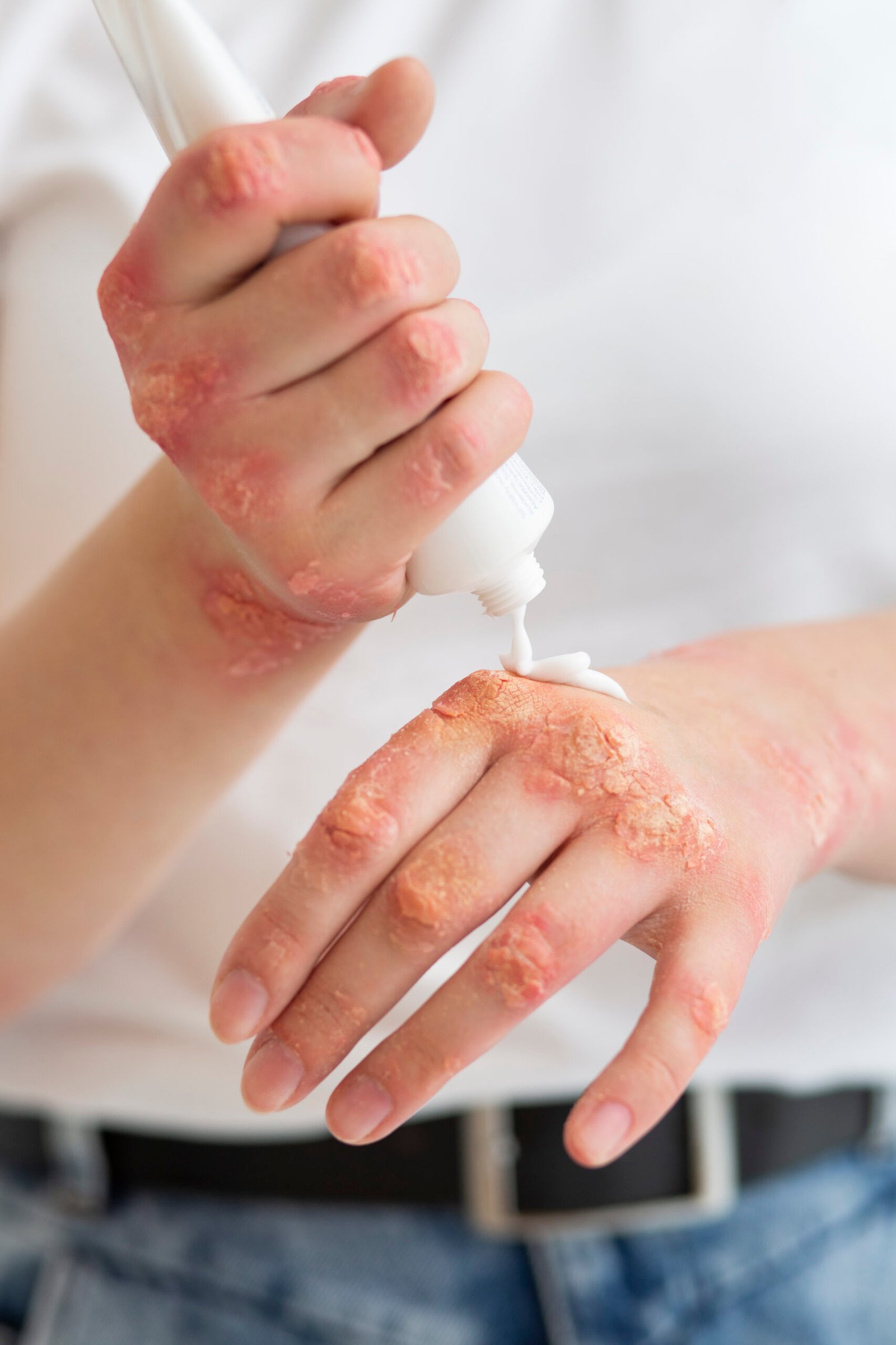
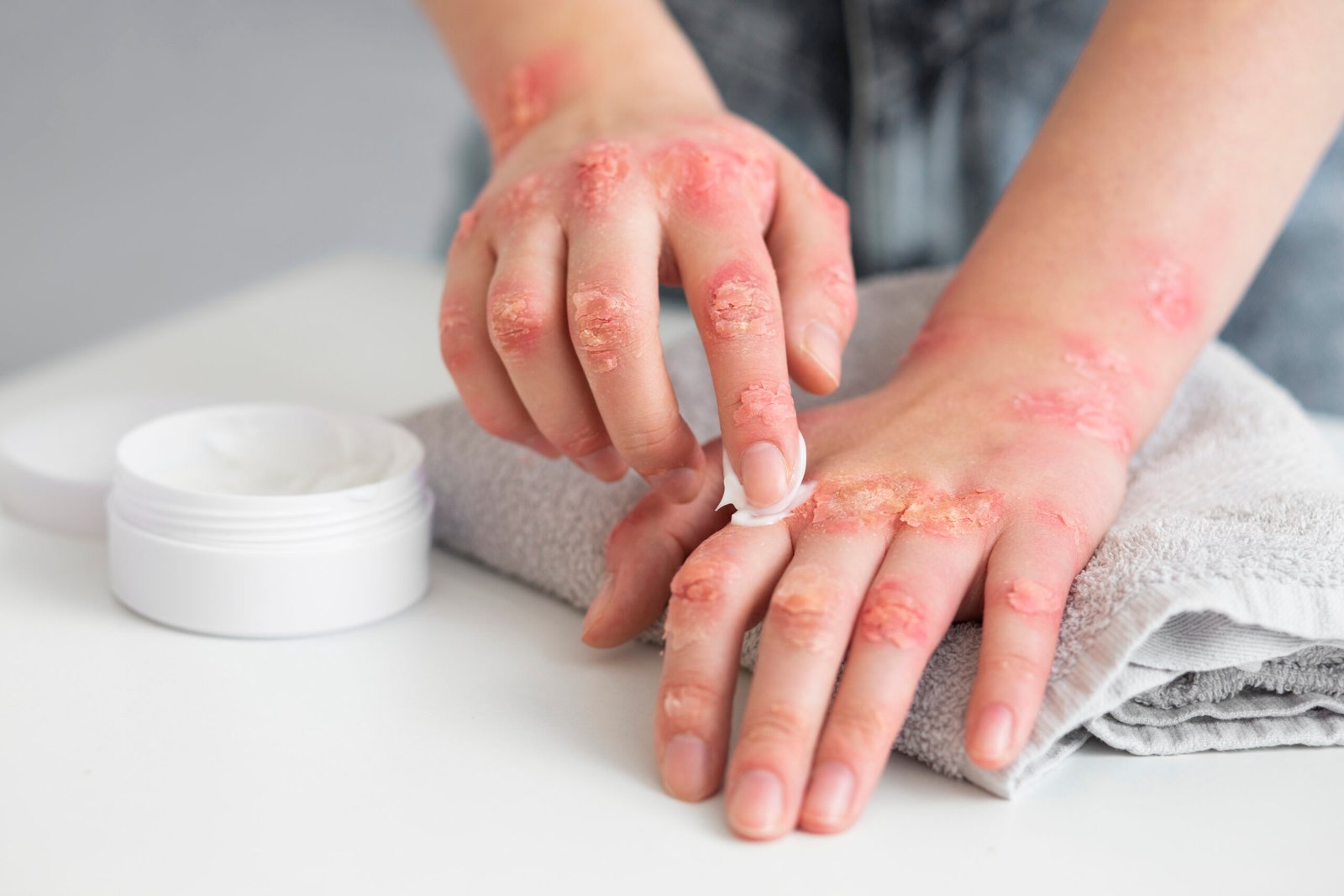
hands patient suffering from psoriasis 4 scaled

Category 3: Natural & Specialty Focus Solutions

Pure, Fragrance-Free Aloe Vera Gel (100% Organic)
For immediate cooling relief from red, hot, burning irritation (such as mild sunburn or superficial allergic reactions), pure aloe vera gel is a time-honored remedy. The clear gel from the Aloe barbadensis plant contains bioactive compounds like acemannan, which possess anti-inflammatory, antimicrobial, and wound-healing properties. Its high water content provides instant hydration and a pronounced cooling sensation that can distract from itch.

 Crucial Warning: The market is flooded with products labeled “aloe vera gel” that contain alcohol, fragrances, and colors. These additives can severely worsen allergic skin. Always select a gel that states “100% Pure Aloe Vera” or lists Aloe Barbadensis Leaf Juice as the first (and ideally only) ingredient. Perform a patch test, as a small number of people can be allergic to aloe itself.

High-Percentage Zinc Oxide Cream (e.g., Triple Paste Medicated Ointment)
This is not a general-purpose moisturizer but a targeted therapeutic agent for severe, compromised skin. Creams containing 40% Zinc Oxide (like Triple Paste or Desitin Maximum Strength) are potent, paste-like skin protectants. They are the treatment of choice for weeping eczema, severe diaper dermatitis (a form of irritant contact allergy), or any raw, oozing, or severely excoriated skin.

Zinc Oxide creates a thick, waterproof, yet breathable barrier that sits on top of the skin. This shield protects damaged tissue from further irritation caused by moisture, friction, urine, stool, or external contaminants, creating an optimal environment for healing. It is exceptionally soothing for severe irritation but is too heavy for mild, everyday itching.

Professional Insights: Dermatologist Answers to Key Skin Allergy Questions

What do dermatologists recommend for itching and for very sensitive skin?

Board-certified dermatologists advocate for a strategic, gentle approach centered on barrier protection and smart ingredient selection. Their core protocol includes:

  1. Eliminate the Offender: The single most important step is identifying and avoiding the specific trigger through process of elimination or patch testing.
  2. Cleanse with Care: Use only lukewarm water and ultra-gentle, fragrance-free cleansers with a pH close to that of healthy skin (approximately 5.5). Cream or lotion-based cleansers are often preferred over foaming ones.
  3. Moisturize Religiously: Apply a thick, barrier-repair moisturizer (CeraVe Moisturizing Cream, Vanicream, Cetaphil Restoraderm) immediately after bathing while the skin is still damp (the “soak and seal” method).
  4. Treat Flares Judiciously: For active flare-ups, use the weakest effective medication for the shortest duration needed. For many, this starts with OTC 1% Hydrocortisone or a Pramoxine-based lotion for pure itch. They increasingly recommend non-steroidal prescription options like Crisaborole (Eucrisa) for long-term management in sensitive areas.
  5. Implement Physical Soothers: Cool compresses (a plain washcloth soaked in cool water) are a drug-free, instant anti-itch and anti-redness treatment. Keeping nails short and wearing cotton gloves at night can prevent unconscious scratching.

What is the strongest medicine to stop itching available?

The strength of an anti-itch medicine depends on its class and availability:

  • Over-the-Counter (OTC) Topical: The strongest widely available OTC anti-itch ingredient is 1% Hydrocortisone, a low-potency corticosteroid that reduces inflammatory itch.
  • Prescription Topical: Much stronger are prescription corticosteroids like Triamcinolone Acetonide 0.1% (medium potency) or Clobetasol Propionate 0.05% (super-high potency). The strongest non-steroidal prescription options are Topical Calcineurin Inhibitors (Tacrolimus, Pimecrolimus) and Crisaborole, which target different pathways in the inflammatory response.
  • Fastest-Acting Agent: For immediate, non-inflammatory itch relief (e.g., from bug bites), topical anesthetics like Pramoxine HCl or Lidocaine often work within minutes by directly blocking nerve signals.

What reduces redness quickly on allergic skin?

To rapidly reduce the visible redness of an allergic reaction, employ these tactics in order:

  1. Cool Temperature: Immediately apply a cool compress or cold pack wrapped in a thin cloth. Cold causes vasoconstriction, temporarily tightening dilated blood vessels and reducing redness.
  2. Topical Vasoconstrictors: Apply an OTC Hydrocortisone 1% cream. Its anti-inflammatory action will begin to reduce redness within a few hours. Some cosmetic products contain ingredients like Hexylresorcinol or Licorice Root Extract that can help minimize visible redness.
  3. Avoid Heat and Irritation: Strictly avoid hot showers, steam, direct sunlight, and rubbing or scrubbing the affected area, as heat and friction exacerbate redness by increasing blood flow.

Is Aveeno lotion good for itchy skin? Is CeraVe good for itchy skin?

Both brands are excellent but have different star ingredients for itch:

  • Aveeno: Yes, specifically Aveeno products containing Colloidal Oatmeal (such as Aveeno Skin Relief Moisturizing Lotion or Aveeno Eczema Therapy Itch Relief Balm) are exceptionally good for itchy skin. Colloidal oatmeal is a proven anti-itch and anti-inflammatory agent that soothes on contact.
  • CeraVe: Yes, CeraVe Itch Relief Moisturizing Lotion (with 1% Pramoxine HCl) is explicitly formulated for itchy skin. Furthermore, their CeraVe Moisturizing Cream is superb for itch caused by a compromised skin barrier, as its ceramide and hyaluronic acid blend repairs the barrier, which inherently reduces the dryness and sensitivity that leads to itching.

Can Cetaphil moisturizer reduce skin redness?

Standard Cetaphil Daily Hydrating Lotion is designed for gentle moisture and will not actively treat acute inflammatory redness. However, Cetaphil’s restorative PRO line, specifically the Cetaphil Restoraderm Soothing Moisturizer, is clinically formulated to reduce the redness and irritation associated with eczema. It contains anti-inflammatory Colloidal Oatmeal and barrier-repairing Ceramides, which together can calm redness over time by addressing its underlying cause. For immediate reduction of significant allergic redness, a product with hydrocortisone is more directly effective.

What vitamin or mineral deficiency causes skin itching?

Persistent, generalized itching (pruritus) can sometimes be a sign of an underlying systemic nutrient deficiency. The most common associations include:

  • Iron Deficiency Anemia: One of the most frequent systemic causes of generalized itch.
  • Vitamin D Deficiency: Linked to chronic itching in various studies.
  • Vitamin B12 Deficiency: Can manifest with itchy skin, sometimes without other neurological symptoms.
  • Zinc Deficiency: Associated with various skin disorders and impaired healing.
    If you experience widespread, unexplained itching without a clear rash, it is essential to consult a healthcare provider for evaluation, as this may indicate a need for blood tests and nutritional supplementation.

Practical Application: Maximizing the Efficacy of Your Allergy Lotion

What is the fastest way to stop a skin allergy flare-up?

While a flare cannot be “cured” instantly, you can implement a rapid-response protocol to control symptoms swiftly:

  1. Cleanse Gently: Rinse the affected area with cool water and a mild, fragrance-free cleanser to remove any residual allergen.
  2. Apply Cold: Place a cool, damp cloth or a cold compress over the area for 10-15 minutes to constrict blood vessels and numb nerve endings.
  3. Apply Medication: Gently pat the skin dry and apply a thin layer of Hydrocortisone 1% cream or CeraVe Itch Relief Lotion (with Pramoxine).
  4. Protect with an Occlusive: If the skin is cracked, raw, or weeping, seal in the medication with a layer of pure petroleum jelly or a Zinc Oxide paste.
  5. Consider Oral Medication: Take a non-drowsy oral antihistamine like Cetirizine (Zyrtec) or Fexofenadine (Allegra) to combat the systemic allergic response.
  6. Prevent Scratching: Keep nails short, and consider covering the area with soft clothing or a bandage to break the itch-scratch cycle.

How should you correctly apply anti-itch lotion for the best results?

Proper application technique ensures maximum absorption and efficacy while minimizing waste and potential side effects.

  • Start with Clean, Damp Skin: The ideal time to apply is immediately after a shower or bath. Pat the skin until it is slightly damp, not fully dry.
  • Use a Sufficient Amount: Apply enough lotion or cream to cover the affected area with a thin, even layer. A pea-sized amount is often enough for a small patch; use more for larger areas.
  • Massage Gently Until Absorbed: For creams and lotions, gently rub in a circular motion until the product is fully absorbed. For protective ointments (like petrolatum or zinc oxide), you can leave a thin visible layer on the skin’s surface.
  • Follow Dosing Guidelines: For medicated products (steroids, antihistamines), adhere strictly to the frequency on the label—typically 1 to 3 times daily. For therapeutic moisturizers, you can apply liberally as often as needed, especially after hand washing or when skin feels dry.
Lotions-for-Skin-Allergy-Itching-Redness-Irritation

Frequently Asked Questions (FAQs) –

Which calamine lotion is best for itching and skin allergies?

Traditional Pink Calamine Lotion remains effective for its drying and cooling effect on weepy rashes. For a more modern formulation that is less drying and more moisturizing, Aveeno Anti-Itch Concentrated Lotion (which contains calamine paired with skin-protecting dimethicone) is an excellent, user-friendly choice for allergy-related itching.

What is a strong prescription medicine name for itching skin?

Commonly prescribed topical medicines for severe itching include Triamcinolone acetonide 0.1% creamFluocinonide 0.05% cream, and the super-potent Clobetasol propionate 0.05% ointment. Non-steroidal prescription options are Crisaborole 2% ointment (Eucrisa) and Tacrolimus 0.03% or 0.1% ointment (Protopic).

How can I stop itching fast at night to sleep?

Nighttime itching can be severe due to circadian rhythms and lack of distractions. Combat it with:
An oral antihistamine like Diphenhydramine (Benadryl) 30 minutes before bed (note: causes drowsiness).
Applying a cooling, anti-itch lotion with Pramoxine or Menthol.
Keeping the bedroom cool and using lightweight, 100% cotton bedding.
Wearing soft, clean cotton pajamas to minimize skin irritation.

Is hydrocortisone cream safe to use on the face for itching?

It can be used on the face for a very limited time (3-5 days maximum) to treat a severe, acute allergic flare. However, the skin on the face is thinner and more prone to side effects from steroids, including skin thinning (atrophy), telangiectasia (visible blood vessels), perioral dermatitis, and acne. For facial redness and itching, dermatologists often recommend non-steroidal alternatives like topical calcineurin inhibitors or azelaic acid, and a consultation is strongly advised.

What is the main difference between hydrocortisone and triamcinolone creams?

Both are topical corticosteroids, but they differ in potency. Hydrocortisone 1% is classified as low-potency (Group VII) and is available over-the-counter. Triamcinolone acetonide 0.1% is medium-potency (Group V) and requires a prescription. Triamcinolone is stronger and is typically used for more severe or persistent inflammatory conditions that do not respond to OTC hydrocortisone.

Can I use an anti-itch lotion and a regular moisturizer together?

Yes, this is a highly recommended and effective strategy called “layering.” First, apply the medicated anti-itch cream or lotion to the affected areas and allow it to absorb fully for a few minutes. Then, apply your regular, fragrance-free moisturizer over the top and on the surrounding skin. This technique seals in the medication and provides broad barrier repair and hydration.

Why does my skin sometimes itch more after I apply a new lotion?

Increased itching after application is a red flag indicating potential irritation or contact allergy to an ingredient in that lotion. Common culprits include fragrance (even “natural” essential oils), preservatives, botanical extracts, or lanolin. Discontinue use immediately and switch to a minimalist, hypoallergenic product like Vanicream to allow your skin to calm down.

How long does it usually take for hydrocortisone 1% cream to work on an allergic rash?

You can expect to feel a reduction in itching within 1 to 2 hours of application. Visible improvement in redness, swelling, and the rash itself typically takes 12 to 24 hours. For best results, use consistently 1-3 times daily as directed. If you see no improvement after 7 days of use, consult a doctor.

What are the best natural ingredients proven to help skin allergies?

Several natural ingredients have robust clinical support for soothing allergic skin:
Colloidal Oatmeal: Anti-inflammatory, anti-itch, skin protectant.
Zinc Oxide: Soothing, protective, mild astringent.
Sunflower Seed Oil: High in linoleic acid, improves skin barrier function.
Calendula Extract: Known for its soothing and healing properties.
Always ensure products with natural ingredients are also free of added fragrance, which is a common allergen.

Is it safe to use an anti-itch allergy lotion every single day?

It depends on the type of lotion. Medicated lotions containing steroids (hydrocortisone) or antihistamines should not be used daily for extended periods (beyond 7-14 days) without medical supervision due to risks of side effects like tolerance or skin damage. However, therapeutic, non-medicated moisturizers (CeraVe, Cetaphil, Aveeno fragrance-free) are meant for daily, even twice-daily use and are essential for maintaining a healthy skin barrier and preventing flares.

10-Best-Creams-For-Skin-Allergy-In-Pakistan

10 Best Creams For Skin Allergy In Pakistan

Living in Pakistan brings with it a unique set of challenges for your skin. The intense summer heat, seasonal pollen, urban pollution, and even the hard water in many areas can trigger frustrating and uncomfortable skin allergies. If you’re searching for relief from itching, redness, and rashes, you are not alone. This comprehensive guide is designed to be your definitive resource. We will not only list the top 10 best creams for skin allergy in Pakistan but will also empower you with the knowledge to understand your condition, identify triggers, and adopt a holistic management strategy. This article is structured to provide clear, actionable information for anyone suffering from skin allergies and to serve as a detailed, authoritative reference.

In this complete guide, you will learn:

  • The underlying causes and common symptoms of skin allergies in the Pakistani context.
  • A detailed, categorized list of the 10 most effective creams, from prescription steroids to soothing moisturizers.
  • How to correctly use these creams and important safety considerations.
  • Answers to all your related questions on fast relief, soaps, home remedies, and dietary support.
  • Specific information on pricing, availability, and local market alternatives.

Read More:

Best-Creams-For-Skin-Allergy-In-Pakistan

Table Of Contents

Understanding Skin Allergies: Your First Step Towards Effective Management

Before diving into treatment, understanding the “why” behind your skin’s reaction is crucial. A skin allergy, or allergic contact dermatitis, is your immune system’s overreaction to a harmless substance. In Pakistan, common culprits include nickel in jewellery, fragrances in cosmetics, formaldehyde in textiles, and chemicals in detergents. Another prevalent condition is atopic dermatitis (eczema), which is often genetic and involves a defective skin barrier that lets moisture out and irritants in, leading to chronic dry, itchy, and inflamed skin.

What are the most common skin allergy symptoms?

Recognizing the signs is key to seeking the right treatment. The primary symptoms often include:

  • Intense Itching (Pruritus): The most common and distressing symptom.
  • Redness (Erythema): Inflamed, red patches on the skin.
  • Swelling (Edema): Particularly around the eyes, lips, or affected area.
  • Hives (Urticaria): Raised, red, itchy welts that can appear and move.
  • Dryness and Flaking: A hallmark of eczema; the skin may appear scaly.
  • Blisters or Weeping: In acute reactions, small fluid-filled bumps may form.
  • Cracking or Leathery Skin: From chronic scratching and inflammation.

Why is my skin so allergic? Common triggers in Pakistan

Several factors unique to our environment and lifestyle contribute to the high prevalence of skin allergies.

  • Environmental Allergens: Springtime pollen from trees and grasses, dust mites thriving in humid climates, and mold spores are significant triggers.
  • Contact Irritants: This includes cheap metallic jewellery (nickel), synthetic fabrics dyed with harsh chemicals, and skincare products containing parabens, sulfates, or strong perfumes. “Mehndi” (henna) adulterated with paraphenylenediamine (PPD) is a notorious cause of severe hand and foot dermatitis.
  • Chemical Exposure: Harsh laundry detergents, household cleaners, and industrial chemicals can strip the skin’s natural oils.
  • Climate Extremes: Hot, humid summers lead to sweat-induced eczema flare-ups, while cold, dry winters can cause severe skin dryness and cracking.
  • Dietary Factors: For some individuals, certain foods like spicy dishes, nuts, or dairy can exacerbate inflammatory skin conditions.
  • Genetic Predisposition: A family history of eczema, asthma, or hay fever (the “atopic triad”) makes one more susceptible.

Can stress cause skin allergies?

Absolutely. While stress does not cause the allergy itself, it is a major trigger for flare-ups. Psychological stress releases hormones like cortisol and increases inflammatory cytokines in the body, which can weaken the skin barrier and intensify conditions like eczema, psoriasis, and hives. Managing stress through mindfulness, exercise, and adequate sleep is a critical, though often overlooked, component of skin allergy control.

The Holistic Approach to Skin Allergy Management: Beyond Creams

Relying solely on a cream is like mopping the floor while the tap is still running. A comprehensive strategy involving trigger avoidance and skin barrier repair is essential for long-term control.

How can I clear my skin allergy? A multi-pronged strategy

Clearing a skin allergy involves a consistent, layered approach:

  1. Identification and Elimination: The cornerstone of management. Try to pinpoint what caused the reaction and avoid it meticulously.
  2. Gentle Skincare Regimen: Use lukewarm water (not hot) for baths, pat skin dry gently, and follow the “soak and seal” method for eczema-prone skin.
  3. Targeted Medication: Use recommended creams and ointments as directed to control active inflammation.
  4. Maintenance: Even when the skin looks clear, continue using fragrance-free, barrier-repair moisturizers daily.

Which soap is best for allergy skin? Is Dove soap good for skin allergy?

The ideal soap or cleanser for sensitive, allergy-prone skin should be syndet (synthetic detergent) based, fragrance-free, dye-free, and pH-balanced (around 5.5). It should clean without stripping the skin’s natural lipids.

Analysis of Dove Sensitive Skin Beauty Bar: In the Pakistani market, the Dove Sensitive Skin Unscented Beauty Bar is often recommended by dermatologists. It is a syndet bar with a neutral pH and contains stearic acid and glycerin, which help maintain the skin’s moisture barrier. It is generally a safe and effective choice for daily use for most with sensitive skin. However, individuals with extreme sensitivities should always patch-test first.

Other excellent local pharmacy options include Cetaphil Gentle Skin Cleanser and Physiogel Daily Moisture Therapy Cleanser.

What to avoid during a skin allergy flare-up?

During an active flare, be extra vigilant to avoid:

  • Scratching: Use cold compresses or anti-itch creams instead.
  • Harsh Exfoliants: No scrubs, loofahs, or abrasive cloths.
  • Fragranced Products: This includes perfumes, scented lotions, and fabric softeners.
  • Tight, Synthetic Clothing: Opt for loose, breathable cotton.
  • Known Personal Triggers: Be it certain foods, pets, or specific environments.

What is the 3 minute rule for eczema?

This is a crucial technique for maximizing moisture retention. It states that you should apply your prescribed topical medication or a generous layer of your moisturizing emollient within 3 minutes of stepping out of the shower or bath. This locks in the water absorbed by your skin during bathing, creating a protective barrier and preventing trans-epidermal water loss (TEWL).

hands patient suffering from psoriasis 3 scaled

What allergy medicine works fastest? Oral vs. Topical

For systemic relief from widespread hives or intense itching, oral antihistamines are typically the fastest-acting. Second-generation antihistamines like Cetirizine (Zyrtec) or Loratadine (Clarityn), available over-the-counter in Pakistan, start working within 1-2 hours and cause less drowsiness than older variants like diphenhydramine. For localized rashes, a topical corticosteroid cream applied directly to the inflamed skin will provide faster, more targeted relief.

What is the strongest allergy cream?

The “strength” of an allergy cream usually refers to the potency of the topical corticosteroid it contains. The strongest classes are Super-High Potency (Group I) and High Potency (Group II) steroids. In Pakistan, creams containing Clobetasol Propionate (e.g., Clovate) or Betamethasone Dipropionate (e.g., Diprosone) fall into this category. These are prescription-only medicines and must be used under strict medical supervision for short durations, as improper use can lead to skin thinning, stretch marks, and systemic side effects.

What is the fastest way to stop skin allergies?

For an acute flare, follow this fast-action protocol:

  1. Immediate Cool Compress: Apply a clean cloth soaked in cool water to the itchy area for 15-20 minutes.
  2. Apply an OTC Cream: Use a mild hydrocortisone 1% cream or a calming calamine lotion.
  3. Take an Oral Antihistamine: A dose of Cetirizine or Loratadine can help control itching from within.
  4. Moisturize Liberally: Apply a fragrance-free moisturizer on the surrounding skin.
  5. See a Doctor if: The reaction is severe, involves the face or genitals, shows signs of infection (pus, yellow crusting), or does not improve within 48 hours.

The Definitive List: 10 Best Creams for Skin Allergy in Pakistan

Our selection is based on dermatologist recommendations, widespread availability in Pakistani pharmacies (both physical and online), efficacy of active ingredients, and user feedback. They are divided into three categories for clarity.

Prescription-Strength Creams (Use only under a doctor’s guidance)
Over-the-Counter (OTC) Medicated Creams
Soothing Barrier Repair Creams & Ointments

1. Mometasone Furoate (e.g., Momate Cream)

Best for: Severe flare-ups of eczema, allergic contact dermatitis, and psoriasis.
Why it’s listed: This is a potent topical corticosteroid (Group III) with strong anti-inflammatory and anti-itch properties. It is highly effective for reducing redness and swelling in stubborn, thickened patches of skin. It is often prescribed for short-term use to gain rapid control of a severe flare.
Key Considerations: A prescription is required. It should not be used on the face, groin, or armpits for prolonged periods. Typical treatment lasts 1-2 weeks.

2. Hydrocortisone Butyrate (e.g., Locoid Cream)

Best for: Moderate to severe cases of eczema, seborrheic dermatitis, and inflammatory skin conditions.
Why it’s listed: Classified as a medium-potency steroid, it offers a good balance of efficacy and safety for use on the body. It is a common prescription for moderate inflammation that doesn’t respond to OTC hydrocortisone.
Key Considerations: Available by prescription. Suitable for shorter-term use on the body. Often used twice daily.

3. Fusidic Acid + Betamethasone (e.g., Fucidin H Cream)

Best for: Infected allergic eczema or dermatitis. Look for signs like weeping, yellow crusting, or pus-filled bumps.
Why it’s listed: This is a combination antibiotic (Fusidic Acid) and steroid (Betamethasone) cream. It tackles both the bacterial infection (often Staphylococcus aureus) and the underlying inflammation simultaneously, which is common in scratched, broken skin.
Key Considerations: Crucial prescription-only medicine. Using it for a non-infected rash can promote antibiotic resistance. A typical course is for 7-14 days.

4. Hydrocortisone Acetate 1% (e.g., Eczend HC, Skincort)

Best for: Mild to moderate itching, rashes, insect bite reactions, and minor skin irritations.
Why it’s listed: This is the cornerstone of OTC steroid treatment. Hydrocortisone 1% is a low-potency corticosteroid that is safe and effective for self-treatment of minor allergic reactions on small areas. It is widely available and affordable.
Key Considerations: Do not use on the face for more than 5-7 days. Avoid using on children under 2 without doctor’s advice. If no improvement is seen in a week, consult a doctor.

5. Calamine Lotion

Best for: Soothing itchy, weeping rashes from chickenpox, heat rash (prickly heat), and mild allergic reactions.
Why it’s listed: A classic, time-tested remedy. Calamine, made from zinc oxide and ferric oxide, has cooling, astringent (drying), and mild antiseptic properties. Its pink suspension provides a soothing, protective layer on oozing skin.
Key Considerations: Can be overly drying for chronic, dry eczema. Shake well before use. Often used as needed for symptom relief.

6. Clotrimazole + Betamethasone (e.g., Clovat-B Cream)

Best for: Fungal infections that present with or mimic allergic inflammation, such as in skin folds (intertrigo) or certain types of ringworm.
Why it’s listed: This antifungal + steroid combination is vital when a fungal infection is suspected or diagnosed alongside inflammation. The hot, humid climate of Pakistan makes fungal overgrowth a common complicating factor.
Key Considerations: Misdiagnosis risk: Using this on pure eczema can worsen it. A doctor should confirm a fungal element before use. Prescription is usually required.

7. Zinc Oxide Ointment (e.g., Sudocrem)

Best for: Diaper rash, minor burns, chafing, and as a protective barrier for raw, sensitive skin.
Why it’s listed: Zinc oxide is an excellent barrier cream with mild astringent and protective qualities. It forms a physical shield on the skin, protecting it from further irritation from moisture, friction, or external irritants. Sudocrem is a popular, widely available brand containing zinc oxide, lanolin, and benzyl alcohol.
Key Considerations: Its thick, opaque texture can feel heavy. It is more for protection and healing than for treating active, severe inflammation.

8. Ceramide-Based Moisturizers (e.g., CeraVe Moisturizing Cream, Physiogel AI Cream)

Best for: Daily maintenance of eczema-prone, extremely dry, and sensitive skin. Essential for repairing the skin barrier.
Why it’s listed: Ceramides are lipid molecules that are the essential “mortar” holding our skin barrier cells together. Eczema-prone skin is deficient in ceramides. These creams replenish them, strengthening the skin’s own defense system. CeraVe contains three essential ceramides and hyaluronic acid. Physiogel AI Cream uses a patented bio-mimic formula to repair the lipid barrier.
Key Considerations: Use liberally and daily, even when skin is clear. Often referred to as a “leave-on” emollient therapy.

9. Colloidal Oatmeal Creams (e.g., Aveeno Dermexa Daily Emollient Cream)

Best for: Relieving itch and irritation associated with dry skin and mild to moderate eczema.
Why it’s listed: Colloidal oatmeal has proven anti-inflammatory and antioxidant properties. It helps soothe itching, reduce redness, and restore the skin’s pH. Aveeno is a globally recognized brand harnessing this ingredient effectively.
Key Considerations: A superb choice for daily moisturizing and managing mild symptoms. Can be used on the face and body. Readily available in major pharmacies and online stores.

10. Petroleum Jelly (Vaseline)

Best for: Extremely dry, cracked skin, and as an occlusive layer to seal in moisture after applying other creams.
Why it’s listed: It is the purest, most affordable occlusive agent. It does not add moisture but prevents 99% of water loss from the skin’s surface. It is inert, fragrance-free, and has a very low risk of causing allergic reactions, making it ideal for severely compromised skin barriers.
Key Considerations: It can feel greasy. Many dermatologists recommend the “soak and smear” technique: bathe, pat dry, apply medication (if any), then immediately “smear” a layer of petroleum jelly over it to lock it all in.

Application Guide and Critical Considerations for Safe Use

How to use allergy creams correctly?

Improper application can reduce efficacy and increase side effects.

  • Wash Hands: Before and after application.
  • Use the Right Amount: The Fingertip Unit (FTU) is a standard measure. One FTU (the amount from the tip to the first crease of the index finger) is enough to cover an area twice the size of an adult flat hand.
  • Apply a Thin Layer: Gently rub it in until it disappears. A thick, caked layer is not more effective.
  • Timing is Key: For moisturizers, apply immediately after bathing. For medicated creams, follow your doctor’s instructions, often 1-2 times daily.
  • Duration: Follow the prescribed or recommended duration. Do not use potent steroids for longer than advised.

Which is better for skin allergy: Cream, Ointment, or Lotion?

The choice depends on the severity and location of your allergy.

FormulationBest ForConsistencyKey Benefit
OintmentVery dry, thick, lichenified patchesGreasy, thickBest moisture barrier; ideal for severe dryness and night use.
CreamWeeping or oozing rashes; daytime useLight, non-greasyMoisturizing yet drying; versatile for most body areas.
LotionLarge body areas; hairy areas; mild drynessWatery, liquidEasy spreadability; less moisturizing than creams/ointments.

When should you see a dermatologist in Pakistan?

Self-treatment has its limits. Consult a skin specialist if:

  • The rash is severe, painful, or covers a large area.
  • You see signs of infection: increased redness, warmth, pus, or fever.
  • The rash involves sensitive areas: face, eyes, mouth, or genitals.
  • OTC treatments fail to improve the condition within 1-2 weeks.
  • The rash keeps recurring without a clear cause.

Pakistani Market Specifics: Price, Availability, and FAQs

What is the price range for allergy creams and lotions in Pakistan?

Prices vary significantly based on brand (local vs. imported), potency, and tube size.

  • Low-Potency OTC (Hydrocortisone 1%, Calamine): PKR 150 – PKR 400.
  • Barrier Repair Creams (CeraVe, Physiogel, Aveeno): PKR 1,200 – PKR 3,000.
  • Prescription Steroid Creams (e.g., Momate, Locoid): PKR 300 – PKR 800 for a standard tube.
  • Combination Creams (e.g., Fucidin H): PKR 500 – PKR 1,200.

Note: These are approximate ranges. Always check current prices at your local pharmacy.

What is the best cream for hand allergy in Pakistan?

Hand contact dermatitis is common due to frequent washing, chemicals, and “mehndi.” A dual approach works best:

  1. During Flares: A medium-potency steroid cream like Mometasone (Momate) or Hydrocortisone Butyrate (Locoid) as prescribed by a doctor.
  2. For Protection & Healing: Constant use of a thick barrier ointment like Petroleum Jelly or Zinc Oxide cream. Apply after every hand wash. Cotton gloves worn overnight over a thick layer of moisturizer can work wonders (“gloving”).
Creams-For-Skin-Allergy-In-Pakistan

Frequently Asked Questions (FAQs) –

Which cream is best for skin allergy?

The “best” cream depends entirely on your specific condition. For mild, occasional itching, an OTC Hydrocortisone 1% cream is a good start. For chronic eczema, a ceramide-based moisturizer (CeraVe) is essential for daily care. Severe inflammation requires a prescription steroid like Mometasone. A dermatologist can pinpoint the best one for you.

Can skin allergies go away?

Some contact allergies can resolve completely if the trigger is identified and strictly avoided. Chronic conditions like atopic dermatitis (eczema) are often long-term but can go into prolonged remission with proper management. Childhood eczema sometimes improves or resolves with age.

What are the 7 types of allergies?

The seven main types are: 1) Food Allergy, 2) Skin Allergy (Dermatitis), 3) Dust/Mite Allergy, 4) Pet Allergy, 5) Drug Allergy, 6) Pollen Allergy (Hay Fever), 7) Insect Sting Allergy.

What is the best allergy relief for itchy skin?

For immediate relief, a cool compress is safest. For medication, a topical corticosteroid cream applied to the itchy spots is most effective for localized itch. For widespread itching, an oral antihistamine like Cetirizine works from the inside.

How to cure an allergy at home?

While you can’t “cure” an allergy at home, you can effectively manage mild symptoms: 1) Avoid the trigger. 2) Use cool compresses. 3) Apply calamine or hydrocortisone 1% cream. 4) Take an OTC oral antihistamine. 5) Moisturize with petroleum jelly or a fragrance-free cream.

Is Cetirizine good for skin allergies?

Yes, Cetirizine is a second-generation oral antihistamine commonly used to relieve itching, redness, and hives associated with skin allergies. It is effective for systemic symptoms.

What are natural antihistamines for skin?

Quercetin (found in apples, onions), Vitamin C (citrus fruits, bell peppers), Bromelain (pineapple), and Stinging Nettle are considered natural compounds with antihistamine properties. Their effect is milder than pharmaceutical antihistamines.

Can I use Betnovate for skin allergy?

Betnovate (Betamethasone valerate) is a potent steroid cream. It should only be used for skin allergies if specifically prescribed by a doctor for a short period for a severe, localized flare. Self-medicating with Betnovate can cause severe skin damage.

Which face cream is best for allergic skin in Pakistan?

For the delicate facial skin, use only mild, fragrance-free formulationsOTC Hydrocortisone 1% can be used for 3-5 days in an emergency. For daily care, opt for CeraVe PM Facial Moisturizing Lotion, La Roche-Posay Toleriane Ultra Sensitive Cream, or locally available brands like Cetaphil Moisturizing Lotion. Patch test first.

What is the difference between eczema and a skin allergy?

Eczema (Atopic Dermatitis) is a chronic, genetic condition characterized by a defective skin barrier, leading to dry, itchy, inflamed skin. A Skin Allergy (Allergic Contact Dermatitis) is a specific immune reaction triggered by direct contact with an allergen (e.g., nickel, fragrance). Eczema skin is more prone to developing contact allergies.

Is aloe vera gel good for skin allergies?

Pure aloe vera gel has cooling, anti-inflammatory properties and can soothe mild sunburn or irritation. However, for active allergic dermatitis, it is not potent enough to control inflammation. Additionally, commercial gels may contain additives that can further irritate sensitive skin. Patch test first.

Methachlor-Eye-Drops-Uses-Benefits-&-Dosage

Methachlor Eye Drops Uses: Benefits, & Dosage

Methachlor eye drops are a popular over-the-counter ocular solution in Pakistan and some other regions, often sought for quick relief from redness and irritation. This comprehensive guide analyzes Methachlor eye drops uses, separating verified benefits from prevalent myths, and provides crucial safety information about dosage and potential risks. Understanding that Methachlor is primarily a vasoconstrictor-based formula is key to using it responsibly and knowing when to seek professional eye care instead.

In this article, you will learn:

  • The exact medical uses and realistic benefits of Methachlor eye drops.
  • The correct dosage, administration technique, and critical age restrictions.
  • A detailed breakdown of potential side effects and the serious risk of rebound redness.
  • Why these drops cannot whiten yellow eyes or improve actual eyesight.
  • Safer alternatives for common eye conditions and when to consult an ophthalmologist.

Read More:

Methachlor-Eye-Drops-Uses Benefit-Dosage (2)
Methachlor-Eye-Drops-Uses Benefit-Dosage

Table Of Contents

What Are Methachlor Eye Drops? Decoding the Brand and Formula

Methachlor is not a generic drug name but a specific brand name for an eye drop formulation. Its effects and uses are entirely determined by its active pharmaceutical ingredients, which are consistent with common over-the-counter redness relief formulations.

Is Methachlor a Drug or a Brand Name?

Methachlor is a brand name for a combination eye drop, primarily marketed in regions like Pakistan. It is not the name of a single active ingredient (like “ciprofloxacin” or “ketotifen”). Therefore, understanding “Methachlor eye drops uses” requires examining its specific formula, which typically combines a decongestant with an antihistamine.

What Are the Active Ingredients in Methachlor Eye Drops?

Analysis of available formulations indicates Methachlor eye drops typically contain two key active ingredients:

  1. Naphazoline Hydrochloride (0.05%-0.1%): This is a sympathomimetic amine, classified as a vasoconstrictor. It works by constricting the small blood vessels (capillaries) on the surface of the eye (conjunctiva), reducing blood flow and thereby eliminating redness. This provides the “whitening” effect.
  2. Chlorpheniramine Maleate (0.2%): This is a first-generation antihistamine. It works by competitively inhibiting histamine (H1) receptors, providing relief from the itching, watering, and irritation associated with minor allergic conjunctivitis.
    The combination aims to tackle both redness and itch, common symptoms of minor eye irritation and allergies. Some formulations may also include lubricating agents like Polyvinyl Alcohol for added soothing.

How Do Methachlor Eye Drops Work? Mechanism of Action

The mechanism is dual-targeted, addressing symptoms but not underlying causes:

  • Naphazoline (Vasoconstrictor): Mimics the action of norepinephrine, causing smooth muscle in the blood vessel walls to contract. This vasoconstriction reduces vessel diameter, lessening the visible red network on the sclera (white of the eye). The effect is purely cosmetic and temporary, lasting 2-4 hours.
  • Chlorpheniramine (Antihistamine): Blocks the binding of histamine, a chemical released during allergic reactions, to its receptors on nerve endings and blood vessels in the eye. This reduces the hallmark allergic symptoms of itching, swelling, and some redness.
  • Combined Effect: Provides rapid symptomatic relief for occasional, minor irritants like smoke, dust, chlorine, or seasonal allergens by making the eye appear less red and feel less itchy.

Verified Uses and Medical Benefits of Methachlor Eye Drops

The benefits of Methachlor eye drops are specific and symptomatic. They are not curative and do not treat underlying disease.

What Are the Approved Uses of Methachlor Eye Drops?

Based on its pharmacological ingredients, the approved and appropriate Methachlor eye drops uses are:

  • Temporary Relief of Minor Eye Redness: Caused by minor irritants such as smoke, dust, wind, swimming (chlorine), or mild fatigue.
  • Temporary Relief of Itchy Eyes Due to Allergies: Such as those triggered by hay fever (seasonal allergies) or other minor allergic reactions.
  • Symptomatic Management of Minor Allergic Conjunctivitis: Reducing itch and redness as part of managing mild allergic eye conditions.
    It is crucial to note the words “temporary” and “minor.” These drops are for occasional, situational use only.

What Are the Benefits of Methachlor Eye Drops?

The benefits are directly tied to its pharmacological action:

  • Rapid Cosmetic Whitening: Provides a quick reduction in eye redness, often within minutes, due to the vasoconstrictor (Naphazoline).
  • Fast Anti-Itch Relief: Offers prompt alleviation of allergy-related itching due to the antihistamine (Chlorpheniramine).
  • Accessibility and Convenience: Available over-the-counter without a prescription for immediate, short-term symptom management.
  • Dual-Action Formulation: Addresses two common symptoms—redness and itching—with a single product.

Can Methachlor Eye Drops Improve Eyesight or Fix Blurry Vision?

Definitively, no. Methachlor eye drops have no ability to improve visual acuity, correct refractive errors, or cure blurry vision. This is a critical distinction.

  • Blurry Vision from Refractive Errors: Conditions like myopia (nearsightedness), hyperopia (farsightedness), astigmatism, and presbyopia (age-related lens stiffening) are caused by the physical shape of the eye or lens. No topical drop can alter this. Correction requires glasses, contact lenses, or refractive surgery.
  • Blurry Vision from Pathologies: Cataracts, glaucoma, macular degeneration, and diabetic retinopathy cause blurry vision through structural damage or opacity. Methachlor drops do not treat these.
  • Temporary Blurriness: The drop itself may cause temporary blurred vision upon instillation as a side effect. If blurry vision is caused by a severely dry ocular surface, the lubricating component might offer minimal, transient improvement, but dedicated artificial tears would be far more effective and safer.

Which Eye Drop is Best for Whitening the Eyes? The Role of Vasoconstrictors

Methachlor, through its Naphazoline component, is classified as a “whitening” or “redness relief” drop. It is best for occasional, cosmetic whitening when the redness is known to be from a benign, temporary irritant.
The Critical Mechanism and Warning:

  1. How it Whitens: It constricts superficial conjunctival blood vessels.
  2. The Major Risk – Rebound Hyperemia: With frequent or prolonged use (beyond 3-4 consecutive days), the blood vessels can become dependent on the vasoconstrictor. When the effect wears off, they re-dilate more than before, causing a worse, more persistent redness. This leads to a cycle of dependency where users feel they need the drops constantly to keep their eyes white, inadvertently causing chronic redness and inflammation known as medication-overuse conjunctivitis.

Important Dosage, Administration, and Safety Guidelines

Strict adherence to dosage and understanding limitations is paramount to avoid the significant risks associated with vasoconstrictor eye drops.

The standard dosage, as typically found on product labeling, is:

  • Instill 1 to 2 drops in the affected eye(s).
  • This may be repeated up to 3 to 4 times daily, as needed.
    The Golden Rule: Always follow the specific instructions on the Methachlor package you have purchased or the precise dosage given by your doctor. Do not exceed the recommended frequency or duration.

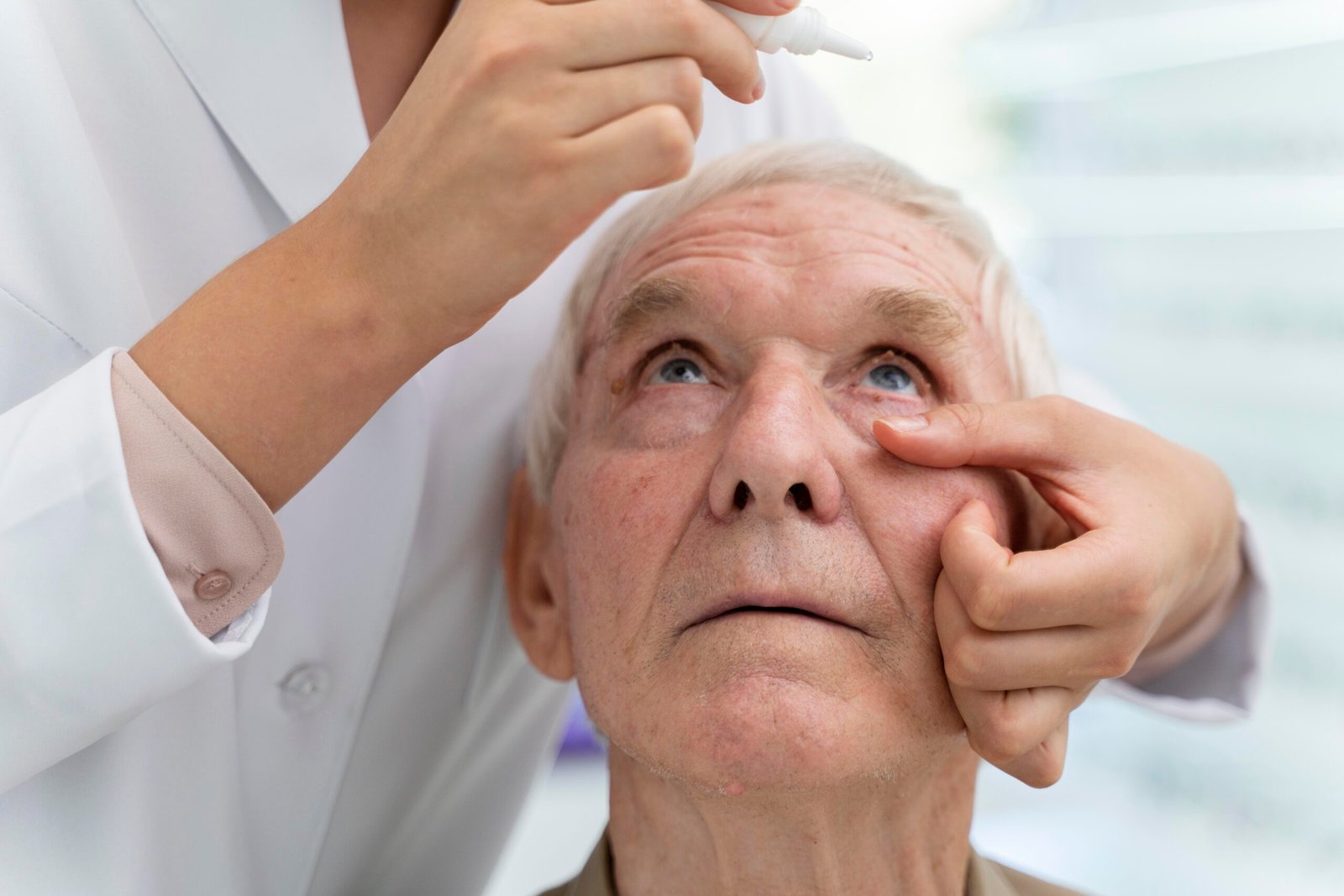
How Long Should I Close My Eyes After Applying Eye Drops?

Proper technique maximizes efficacy and minimizes side effects:

  1. Wash your hands.
  2. Tilt your head back. Gently pull down your lower eyelid to form a pouch.
  3. Instill the prescribed number of drops into the pouch, avoiding contact between the dropper tip and the eye or fingers.
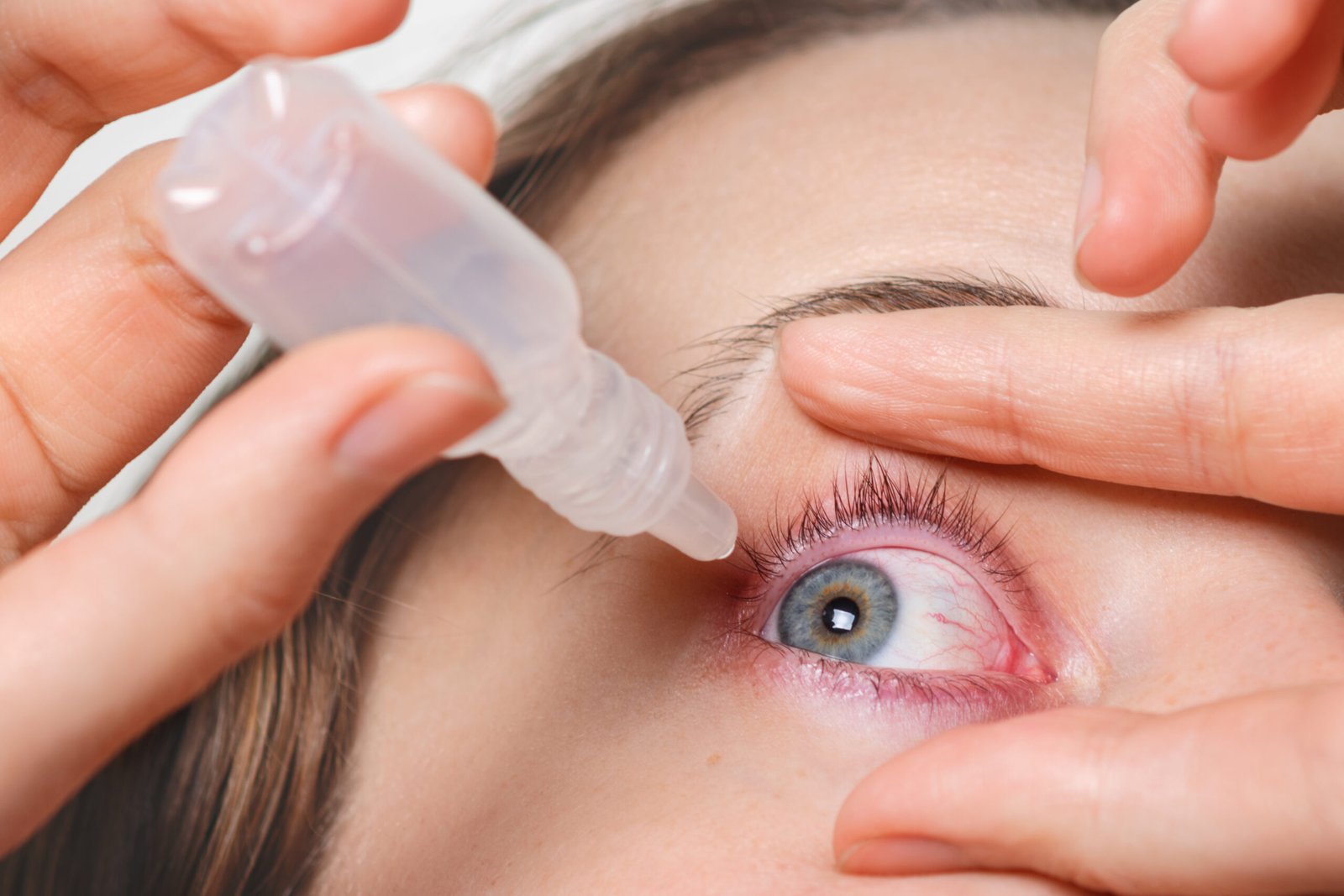
  4. Close your eyes gently (do not squeeze shut) for 1 to 2 minutes. This allows the medication to coat the ocular surface.
  5. Apply light pressure with your finger to the tear duct (inner corner of the eye, near the nose). This punctal occlusion reduces systemic drainage of the drug into the nose and throat, lowering the risk of systemic side effects from the antihistamine (like drowsiness) and maximizing local action.
  6. Blink gently and wipe away any excess from the surrounding skin.

What is the Age Limit for Methachlor Eye Drops? Use in Children and Babies

This is a major safety concern. The use of Methachlor eye drops in children, especially infants and toddlers, is highly cautioned against and generally not recommended without direct pediatrician supervision.

  • Risk of Systemic Absorption: Children have a higher body surface area to weight ratio and less mature metabolic systems. The vasoconstrictor (Naphazoline) can be absorbed through the nasal mucosa after draining through the tear duct. This can lead to serious systemic effects.
  • Potential Systemic Side Effects in Children: These may include central nervous system depression (leading to lethargy, coma), hypotensionhypothermia, and profound drowsiness from the antihistamine.
  • Official Stance: Many regulatory bodies advise against using Naphazoline-containing drops in children under a certain age (often 6 years). Methachlor eye drops for babies should be considered unsafe without explicit, dosage-specific instruction from a pediatric ophthalmologist.

Can I Use Methachlor Eye Drops Daily?

For long-term, daily use, the answer is a firm NO. Methachlor is not intended for chronic, daily administration.

  • Rebound Redness: Daily use is the primary cause of rebound hyperemia and medication-overuse conjunctivitis, creating a chronic problem from a short-term solution.
  • Masking Underlying Conditions: Daily redness is a symptom. It could indicate chronic conditions like Dry Eye Disease (DED), Blepharitis, undiagnosed allergies, Uveitis, or even early-stage glaucoma. Using Methachlor daily masks this warning sign, delaying proper diagnosis and treatment.
  • If You Feel You Need Them Daily: This is a clear signal to stop using Methachlor and consult an ophthalmologist to diagnose the root cause of the persistent redness.
doctor pouring some eye drops patient scaled

Side Effects, Risks, and Critical Warnings

Understanding the adverse effect profile is essential for weighing the risks against the temporary benefits.

What Are the Common Side Effects of Methachlor Eye Drops?

Common, typically mild, and transient side effects include:

  • Transient Stinging or Burning: Upon instillation, often due to the formulation’s pH.
  • Blurred Vision: Temporary blurring after application, usually clearing within minutes.
  • Mydriasis (Pupil Dilation): Naphazoline can sometimes cause slight pupil dilation, which may increase light sensitivity.
  • Punctate Keratitis: With overuse, the corneal surface can develop tiny, superficial punctate erosions, leading to a feeling of grittiness or foreign body sensation.
  • Dryness or Irritation: Paradoxically, prolonged use can disrupt the tear film and cause ocular surface dryness.

What Are the Serious Side Effects and Risks?

The serious risks are predominantly associated with misuse and overuse:

  • Rebound Hyperemia (Medication-Induced Conjunctivitis): The most significant and common serious risk. Characterized by chronic, worsening redness that appears worse when the drops wear off, forcing the user into a cycle of dependency.
  • Elevated Intraocular Pressure (IOP): Vasoconstrictors can potentially raise IOP. In individuals with undiagnosed narrow-angle glaucoma, this can precipitate an acute angle-closure attack, a painful and sight-threatening emergency.
  • Cardiovascular and Central Nervous System Effects: From systemic absorption—especially risky in children and the elderly. Can include hypertension, arrhythmias, dizziness, headache, nervousness, and tremors.
  • Severe Drowsiness: The antihistamine Chlorpheniramine can cause significant drowsiness, impairing the ability to drive or operate machinery, especially if absorbed systemically.

What Are the Risks of Using “Whitening” Eye Drops Like Methachlor Long-Term?

Long-term use transforms a symptomatic aid into a causative agent of disease:

  • Chronic Conjunctival Inflammation: Persistent use leads to a low-grade inflammatory state on the ocular surface.
  • Tear Film Instability: Damage to goblet cells and the ocular surface epithelium can worsen or cause Dry Eye Disease.
  • Tolerance and Dependency: The eyes become tolerant, requiring more frequent dosing for the same effect, while also becoming physically dependent on the drop to avoid rebound redness.
  • Delayed Diagnosis of Serious Conditions: As stated, it masks symptoms of glaucoma, uveitis, and autoimmune conditions, allowing them to progress untreated.

This section connects Methachlor to broader eye health questions, debunking myths and providing accurate public health information.

Can Yellow Eyes (Scleral Icterus) Turn White Again with Eye Drops?

Absolutely not. This is a dangerous misconception. Yellowing of the sclera is a clinical sign called jaundice or icterus. It results from the accumulation of bilirubin, a yellow pigment, in the blood and tissues. This indicates liver dysfunction (hepatitis, cirrhosis, obstruction), hemolytic anemia, or other systemic disorders.

  • How to remove yellowness from eyes? The treatment is medical management of the underlying systemic condition, not topical eye drops. Addressing liver health, clearing bile duct obstructions, or treating blood disorders is required.
  • What vitamins help yellow eyes? While vitamins like B-complex, Vitamin C, and Vitamin E support overall liver health, they are not a treatment for active jaundice. Yellow eyes require immediate medical evaluation by a physician, not self-supplementation.
  • Can drinking water clear yellow eyes? Proper hydration supports liver and kidney function, but it cannot clear bilirubin once levels are pathologically elevated. It is not a treatment for jaundice.

What Are the Early Warning Signs of Liver Disease?

Since yellow eyes are a late sign, recognizing early symptoms is crucial:

  • Persistent fatigue and weakness
  • Loss of appetite and unexplained weight loss
  • Nausea or vomiting
  • Abdominal pain and swelling, especially in the upper right quadrant
  • Dark urine (tea-colored) and pale, clay-colored stools
  • Pruritus (generalized itching)
  • Easy bruising or bleeding
    If you have yellow eyes accompanied by any of these, seek immediate medical attention.

How to Improve Vision and Eye Health: Realistic Advice vs. False Claims

  • How to improve vision in 7 days? / How to get 20/20 vision again? Quick-fix claims are false. Refractive errors are anatomical. Improvement comes from proper correction (glasses/contacts) or refractive surgery (LASIK, PRK). Vision therapy may help specific binocular vision disorders under professional guidance.
  • What vitamins help eye health? Nutrients vital for maintaining ocular health and potentially slowing age-related decline include:
    • Vitamin A & Beta-Carotene: Essential for retinal function.
    • Lutein & Zeaxanthin: Macular pigments that filter harmful blue light.
    • Vitamin C & E: Antioxidants protecting ocular tissues.
    • Zinc: Supports retinal health and vitamin A transport.
    • Omega-3 Fatty Acids (DHA/EPA): Reduce inflammation and support tear film health.
      These are obtained through a balanced diet (leafy greens, fish, eggs, citrus) or supplements, but they do not “cure” existing vision problems.
  • Which eye drop is best for everyday use? For chronic dryness or maintenance, preservative-free artificial tears (e.g., containing carboxymethylcellulose, hyaluronic acid, polyethylene glycol) are the safest for daily use. They lubricate without the risks of vasoconstrictors or preservatives like benzalkonium chloride (BAK).

What Causes Dry Eyes?

Dry Eye Disease (DED) is a multifactorial condition, often misunderstood as simple dryness. Major causes include:

  • Meibomian Gland Dysfunction (MGD): The most common cause (Evaporative Dry Eye). Glands in the eyelids don’t secrete enough oil, causing tears to evaporate too quickly.
  • Aqueous Tear Deficiency: The lacrimal glands don’t produce enough of the watery component of tears.
  • Environmental Factors: Low humidity, wind, air conditioning, prolonged screen use (reduced blink rate).
  • Systemic Conditions: Sjögren’s syndrome, rheumatoid arthritis, thyroid disorders.
  • Medications: Antihistamines, decongestants (like oral forms of what’s in Methachlor), some blood pressure medications.
    Using a vasoconstrictor like Methachlor for dry eye redness will worsen the condition long-term by further irritating the surface and potentially reducing tear production.

Alternatives to Methachlor: When to See a Doctor

Responsible eye care involves knowing when a product is appropriate and when a different solution or professional help is needed.

What Are Safer Alternatives for Common Eye Issues?

ConditionSymptomSafer Alternative to MethachlorReason
General Dryness/RednessGrittiness, irritation, mild rednessPreservative-Free Artificial TearsLubricates without causing rebound redness or masking.
Allergic Itching & RednessItch, watery discharge, rednessModern Antihistamine/Mast-Cell Stabilizer Drops (e.g., Ketotifen, Olopatadine)Treats the allergic cause, can be used longer-term, less rebound risk.
Chronic Redness/InflammationPersistent redness, burningOphthalmologist ConsultationTo diagnose underlying cause (Blepharitis, DED, Uveitis) for targeted treatment.
Post-Cataract/ LASIK IrritationRedness, discomfortDoctor-prescribed anti-inflammatory or antibiotic drops.Methachlor is not appropriate for post-surgical care.
Eye Fatigue from ScreensTired, red eyesRegular breaks (20-20-20 rule), lubricating eye drops.Addresses the root behavior, vasoconstrictors are unnecessary.

When Should You Absolutely See an Eye Doctor?

Consult an ophthalmologist if:

  • Symptoms persist for more than 48-72 hours despite using OTC drops.
  • You experience eye pain, severe light sensitivity (photophobia), or vision changes (blurring, halos, floaters).
  • There is thick, purulent (pus-like) discharge, indicating a possible bacterial infection.
  • You sustain an eye injury or suspect a foreign object is in your eye.
  • You have a pre-existing condition like glaucoma, diabetes, or an autoimmune disease.
  • You find yourself needing Methachlor or similar drops daily to function normally.

Methachlor Eye Drops Price in Pakistan & Market Context

The price of Methachlor eye drops in Pakistan is generally low and affordable, often ranging between PKR 100 to PKR 300 per 5-10ml bottle, depending on the pharmacy and location. However, low cost should not dictate use. The potential long-term cost of treating rebound redness or an undiagnosed condition far outweighs the initial savings. Invest in a proper diagnosis first.

Methachlor-Eye-Drops-Uses-&-Dosage

Frequently Asked Questions (FAQs) –

What are Methachlor eye drops used for?

Methachlor eye drops are used for the temporary relief of minor eye redness and itching caused by minor irritants like dust or smoke, and from minor allergic conditions like hay fever.

What are the benefits of Methachlor eye drops?

The main benefits are rapid reduction of eye redness (whitening) and quick relief from allergy-related itching, thanks to its combination of a vasoconstrictor (Naphazoline) and an antihistamine (Chlorpheniramine).

What are the side effects of Methachlor eye drops?

Common side effects include temporary stinging, blurred vision, and pupil dilation. The most serious risk is rebound redness and chronic conjunctivitis from long-term or frequent use.

Can Methachlor eye drops be used for children?

They should be used with extreme caution in children and never in infants without explicit direction from a pediatrician or eye doctor, due to risks of serious systemic side effects like severe drowsiness and CNS depression.

Can I use Methachlor daily?

No, it is not recommended for daily use. Daily use leads to rebound redness, dependency, and can mask serious underlying eye conditions. It is for occasional use only.

How long can I safely use Methachlor?

For occasional use only. Do not use for more than 3-4 consecutive days. If symptoms persist beyond this, discontinue use and see a doctor.

What is the main warning about Methachlor-type drops?

The primary warning is against using them to mask chronic redness. Chronic redness is a symptom that needs a professional diagnosis, not a cosmetic cover-up.

Should I use Methachlor for eye infections?

No. Methachlor has no antibiotic or antiviral properties. Using it for an infection will delay proper treatment, allowing the infection to worsen.

Can I use Methachlor if I wear contact lenses?

You should remove contact lenses before applying Methachlor drops and wait at least 15-20 minutes before reinserting them. The preservatives can bind to lenses and irritate the eye

Top-10-Cat-Eye-Infection-Drops-In-Pakistan

Top 10 Cat Eye Infection Drops In Pakistan

Watching your feline companion struggle with a sore, swollen, or weeping eye is distressing for any pet owner in Pakistan. Cat eye infections, known medically as conjunctivitis or keratitis, are common but require precise treatment. This definitive guide lists the top 10 cat eye infection drops available in Pakistan, explaining their uses, active ingredients, and critical safety protocols. The most vital insight is that while these medications are effective, a veterinary diagnosis is the non-negotiable first step to protecting your cat’s vision.

In this article, you will learn:

  • The definitive list of the 10 most effective and veterinarian-recommended eye drops for feline eye infections in Pakistan.
  • How to identify the signs of common versus serious eye infections in cats.
  • A detailed breakdown of key antibiotic, antiviral, and combination drops.
  • Step-by-step guidance on how to safely administer eye drops to your cat.
  • Crucial warnings about the dangers of self-medication and using human eye drops.

Read More:

Top-Cat-Eye-Infection-Drops-In-Pakistan

Table Of Contents

Understanding Feline Eye Infections: Causes, Symptoms, and Dangers

Recognizing the signs and underlying causes of your cat’s eye problem is the foundation for seeking correct treatment. Eye issues are rarely simple, and symptoms can overlap between minor irritations and sight-threatening emergencies.

What Are the Common Signs of a Cat Eye Infection?

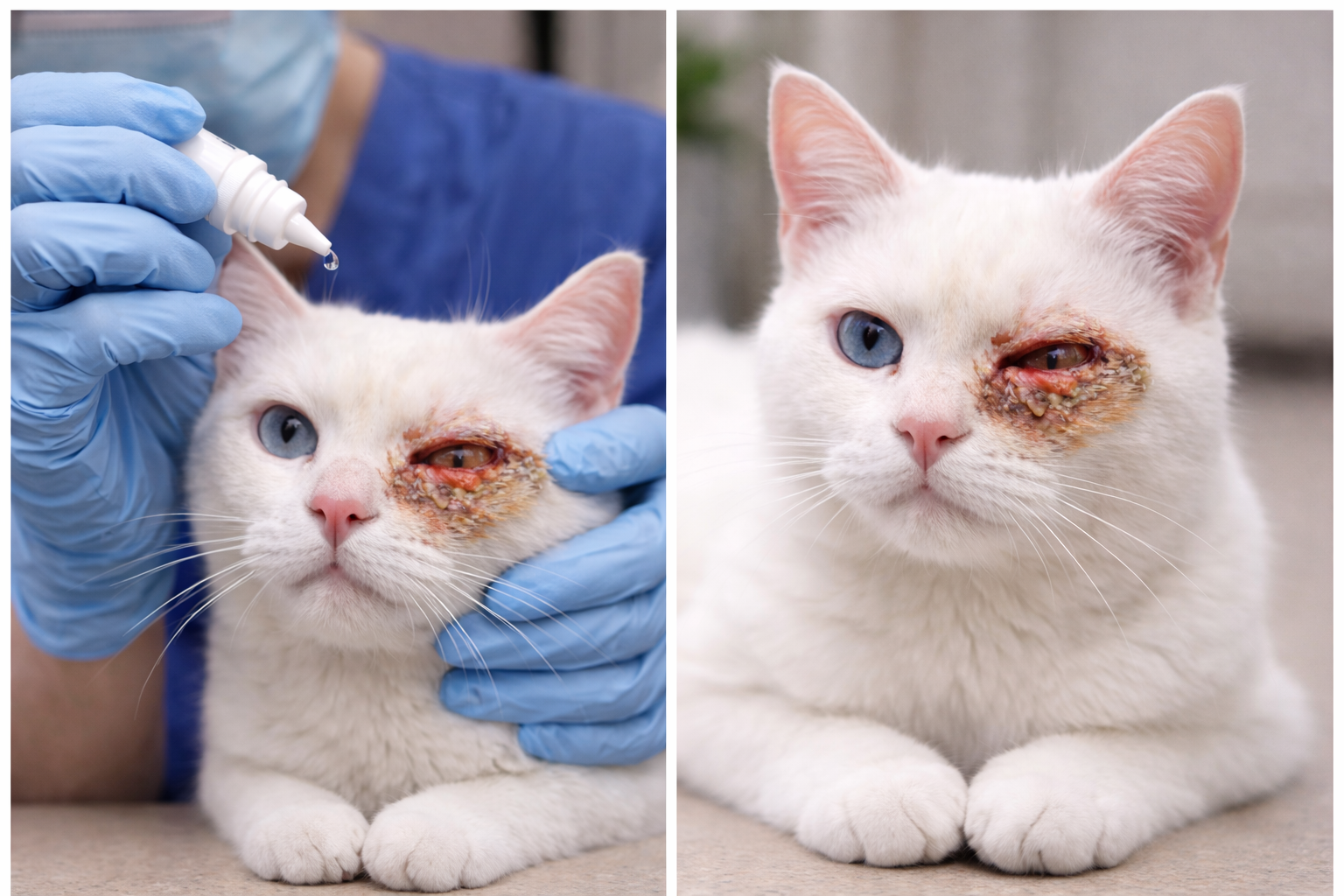
A cat eye infection manifests through clear behavioral and physical changes. The most frequent clinical signs owners observe include:

  • Redness and Inflammation: The white of the eye (sclera) and the inner eyelids appear bloodshot and swollen, a condition called conjunctival hyperemia.
  • Discharge: This can range from clear and watery (epiphora) to thick, yellow-green, or mucopurulent matter that crusts around the eye.
  • Squinting or Blinking Excessively: Known as blepharospasm, this is a sign of significant pain or photophobia (sensitivity to light).
  • Pawing at the Eye: Your cat may rub its face against furniture or scratch at the eye with its paw, which can worsen the injury.
  • Cloudiness or Change in Eye Appearance: The cornea (clear front surface) may look hazy, blue, or opaque.
  • Third Eyelid Protrusion: The nictitating membrane, a protective inner eyelid, may become visibly extended across the eye.
  • Keeping the Eye Fully Closed: This indicates severe discomfort or pain.

What Causes Eye Infections in Cats?

The red, painful eye is a symptom with multiple potential causes, which dictates the choice of cat eye infection drops.

  • Bacterial Conjunctivitis: Often secondary to other issues. Common pathogens include Chlamydophila felis (a primary agent of feline conjunctivitis), MycoplasmaStaphylococcus, and Streptococcus.
  • Viral Conjunctivitis: The Feline Herpesvirus-1 (FHV-1 or FHV) is the most prevalent cause. It is a lifelong, recurrent infection that flares up during stress, causing upper respiratory and ocular symptoms.
  • Fungal Infections (Keratomycosis): Rare but serious, often following a corneal injury by plant material.
  • Trauma & Secondary Infection: Scratches from fights, foreign bodies (like dust or seeds), or chemical irritants can damage the eye and allow bacteria to invade.
  • Non-Infectious Inflammatory Conditions: Such as eosinophilic keratoconjunctivitis (an immune-mediated disorder) or allergic conjunctivitis.
  • Corneal Ulcers: An open sore on the cornea, which is intensely painful and can become infected. It is diagnosed with a special fluorescein stain by a vet.

What is the Most Serious Eye Infection in Cats?

While any infection is concerning, certain conditions are ocular emergencies. The most serious include:

  • Deep or Melting Corneal Ulcers: These can rapidly perforate (rupture), leading to loss of intraocular fluid and potential loss of the eye.
  • Panophthalmitis: A severe, full-thickness infection and inflammation of all eye structures.
  • Orbital Cellulitis: A painful infection behind the eye, often causing the eye to bulge (proptosis).
  • Uveitis: Inflammation of the eye’s internal structures, which is painful and can lead to glaucoma or blindness.
    These conditions require immediate, intensive veterinary—often specialist—care. They underscore why a quick, accurate diagnosis is paramount before applying any cat eye drops.

Why is a Veterinary Diagnosis Essential Before Using Any Drops?

Self-diagnosing and selecting cat eye infection drops without professional input is one of the most dangerous things an owner can do. The reason is specificity of treatment:

  • Using antibiotic drops for a viral herpes infection may slightly help with secondary bacteria but does not address the primary viral cause, leading to a prolonged, recurrent illness.
  • Using a steroid-containing drop on a corneal ulcer can stop healing, cause the ulcer to deepen, and lead to corneal rupture and blindness. Steroids suppress the immune response needed for repair and can promote infection.
  • Missing a foreign body lodged under the eyelid means drops will provide no relief until the physical object is removed.
    Only a veterinarian can perform a complete ophthalmic exam, often including a fluorescein stain test to rule out ulcers, and determine the true cause.

Key Medications: Antibiotics, Antivirals, and Combination Drops

Feline ophthalmology utilizes specific classes of medications. Understanding these categories helps you comprehend your vet’s prescription and the importance of following it exactly.

What Are the Most Common Antibiotics in Cat Eye Drops?

Veterinarians choose from several antibiotic classes based on the suspected bacteria:

  • Tetracyclines: Tetracycline and Oxytetracycline are first-line choices for infections involving Chlamydophila felis and Mycoplasma. They are often found in ointments.
  • Aminoglycosides: GentamicinTobramycin, and Neomycin offer broad-spectrum coverage against many gram-negative and some gram-positive bacteria. Gentamicin is a common staple.
  • Fluoroquinolones: CiprofloxacinOfloxacin, and Moxifloxacin are potent, newer-generation antibiotics with excellent corneal penetration. They are used for more serious infections or corneal ulcers.
  • Chloramphenicol: A broad-spectrum antibiotic. Its use has declined in some regions due to potential (though rare with topical use) concerns about idiosyncratic bone marrow suppression in cats and handling risks for humans.

What is the Best Antibiotic for a Cat Eye Infection?

There is no single “best” antibiotic for all cat eye infections. The optimal choice is pathogen-specific and determined by the vet’s clinical assessment. A general guide based on common presentations is:

  • For suspected Chlamydia or Mycoplasma: Tetracycline or Oxytetracycline ointment (e.g., Terramycin) is typically the first choice.
  • For general, uncomplicated bacterial conjunctivitis: Gentamicin sulfate drops or Triple Antibiotic ointment (Neomycin/Polymyxin B/Bacitracin) are frequently prescribed.
  • For suspected or confirmed corneal ulcers, or resistant infections: Ciprofloxacin or Moxifloxacin drops are preferred due to their potency and deep tissue penetration.

Is Moxifloxacin Eye Drops Safe for Cats?

Yes, Moxifloxacin eye drops (e.g., Vigamox) are safe and effective for cats when prescribed by a veterinarian. It is a fourth-generation fluoroquinolone considered a strong weapon against a wide range of ocular bacteria. Its safety profile for topical ocular use in cats is good. The key is veterinary oversight to ensure it is necessary and that the dosage (typically one drop in the affected eye 2-3 times daily) is appropriate for your cat’s weight and condition.

What About Antiviral Medications for Feline Herpesvirus (FHV-1)?

Since FHV-1 is a leading cause, specific antiviral medications are crucial. These are not typical antibiotics and include:

  • Idoxuridine (IDU) and Trifluridine: These are topical antiviral drops that inhibit viral replication. They can be irritating and are often compounded by special pharmacies.
  • Cidofovir: A newer, less frequent dosing antiviral option.
    It is important to note that L-Lysine is a supportive amino acid supplement given orally to help suppress viral replication and boost immune response. It is a helpful adjunct therapy but not a direct replacement for prescription antiviral eye drops in an active flare-up.

What Are Combination Drops (Antibiotic + Steroid)?

These medications, such as Neomycin-Polymyxin-Dexamethasone (e.g., Maxitrol) or Gentamicin-Dexamethasone, contain both an antibiotic and a corticosteroid (steroid).

  • Purpose: To treat conditions with significant inflammation and a bacterial component, where a corneal ulcer has been definitively ruled out. Examples include severe allergic conjunctivitis or certain types of uveitis.
  • MAJOR WARNING: These are the most dangerous drops to misuse. The steroid component can dramatically worsen a corneal ulcer or a viral/fungal infection. They should only be used under direct and specific veterinary instruction after a thorough examination confirms their safety.
ChatGPT Image Feb 1 2026 02 05 10 AM

The Definitive List: Top 10 Cat Eye Infection Drops in Pakistan

This curated list is based on common veterinary prescriptions, efficacy for feline-specific conditions, and relative availability through veterinary clinics and pharmacies in Pakistan. Prices are indicative and can vary widely by location, pharmacy, and brand.

1. Terramycin Ophthalmic Ointment (Oxytetracycline + Polymyxin B)

  • Active Ingredients: Oxytetracycline Hydrochloride (Antibiotic) and Polymyxin B Sulfate (Antibiotic).
  • Veterinary Use: The classic, first-line treatment for feline conjunctivitis, particularly when Chlamydophila or Mycoplasma is suspected. Effective for superficial bacterial infections.
  • Key Insight: This is often the most common answer to “what to buy for cat eye infection?” It is widely available, relatively safe, and effective for simple cases. However, a vet check is still strongly advised to rule out ulcers or herpesvirus. It is an ointment, which stays in contact with the eye longer than drops.
  • Approximate Price in Pakistan: PKR 400 – PKR 800 per tube.

2. Gentamicin Sulfate Eye Drops (e.g., Genticyn, Gentafair)

  • Active Ingredient: Gentamicin Sulfate.
  • Veterinary Use: A broad-spectrum aminoglycoside antibiotic used for bacterial conjunctivitis and keratitis (corneal infection). A workhorse in veterinary practice for common bacterial issues.
  • Key Insight: These drops are commonly prescribed and readily available. They are effective against a wide range of bacteria. Treatment typically involves 1-2 drops per eye, 3-4 times daily.
  • Approximate Price in Pakistan: PKR 200 – PKR 500 per bottle.

3. Ciprofloxacin Eye Drops (e.g., Ciplox)

  • Active Ingredient: Ciprofloxacin Hydrochloride.
  • Veterinary Use: A potent fluoroquinolone antibiotic used for more resistant bacterial infections and, importantly, for treating corneal ulcers. It has good penetration into ocular tissues.
  • Key Insight: Is Ciplox eye drops safe? For cats, yes, when prescribed by a vet. This is a prime example of a human medication used in veterinary medicine. You must never use your own or someone else’s prescription; the vet will determine the correct feline dosage and regimen.
  • Approximate Price in Pakistan: PKR 300 – PKR 600 per bottle.

4. Vigamox / Moxifloxacin Eye Drops

  • Active Ingredient: Moxifloxacin Hydrochloride.
  • Veterinary Use: An advanced-generation fluoroquinolone reserved for severe bacterial infections or stubborn corneal ulcers. Its potent, broad-spectrum action and convenient dosing (once or twice daily) make it valuable for serious cases.
  • Key Insight: Represents a “stronger” tier of antibiotic therapy. Its use indicates a more significant infection or one that hasn’t responded to first-line treatments like Gentamicin.
  • Approximate Price in Pakistan: PKR 800 – PKR 1500 per bottle (often more expensive as a newer drug).

5. Triple Antibiotic Ophthalmic Ointment (Neomycin + Polymyxin B + Bacitracin)

  • Active Ingredients: Neomycin Sulfate, Polymyxin B Sulfate, Bacitracin Zinc.
  • Veterinary Use: A broad-spectrum combination covering a wide array of common bacteria. Used for minor bacterial conjunctivitis and sometimes as a prophylactic after minor trauma or scratches.
  • Key Insight: Functions similarly to Terramycin but with a different antibiotic mix. It is a good general-purpose ointment for uncomplicated bacterial issues.
  • Approximate Price in Pakistan: PKR 300 – PKR 700 per tube.

6. Tobrex (Tobramycin) Eye Drops

  • Active Ingredient: Tobramycin.
  • Veterinary Use: An aminoglycoside antibiotic similar to Gentamicin, often used as an alternative. It is particularly effective against Pseudomonas aeruginosa, a bacterium that can cause severe, rapid corneal melting ulcers.
  • Key Insight: Another example of a high-quality human ophthalmic drop used effectively in veterinary care. Its use may be guided by culture results or suspicion of specific bacteria.
  • Approximate Price in Pakistan: PKR 500 – PKR 1000 per bottle.

7. Idoxuridine (IDU) or Trifluridine Antiviral Eye Drops

  • Active Ingredient: Idoxuridine or Trifluridine.
  • Veterinary Use: Specific antiviral treatment for active Feline Herpesvirus-1 (FHV-1) keratitis or conjunctivitis. These are not antibiotics.
  • Key Insight: The prescription of these drops is a clear indicator of a viral diagnosis. They are often sourced from compounding pharmacies. Managing FHV-1 is about controlling flare-ups, and these drops are critical during active ocular episodes.
  • Approximate Price in Pakistan: Variable; often compounded, costing PKR 1000 – PKR 2500+.

8. Neomycin + Dexamethasone Combination Drops (e.g., Maxitrol, Dexamycin)

  • Active Ingredients: Neomycin (Antibiotic) + Dexamethasone (Steroid).
  • Veterinary Use: For intensely inflamed eyes where a bacterial infection is present but a corneal ulcer has been definitively ruled out (e.g., severe allergic conjunctivitis).
  • Key Insight: This is the most dangerous class of drops to use without veterinary guidance. The dexamethasone steroid can cause a corneal ulcer to perforate rapidly. It perfectly illustrates why “which eye drop is best?” can only be answered by a vet after an examination.
  • Approximate Price in Pakistan: PKR 400 – PKR 800 per bottle.

9. Artificial Tears / Lubricating Ointment (e.g., Refresh PM, Lacri-Lube)

  • Active Ingredient: Petroleum-based ointment or carbomer gel.
  • Veterinary Use: To protect the cornea, provide comfort, and prevent dryness (especially in flat-faced breeds like Persians, or cats who cannot blink properly). It is a vital supportive therapy, not a primary treatment for infection.
  • Key Insight: Used to keep the eye moist, protect a healing cornea, and provide comfort alongside medicated drops. A safe and useful product in the recovery toolkit.
  • Approximate Price in Pakistan: PKR 300 – PKR 700 per tube.

10. Povidone-Iodine 5% Dilute Solution (Betadine)

  • Active Ingredient: Povidone-Iodine.
  • Veterinary Use: Not for direct instillation into the eye. It is used as a periocular antiseptic. A dilute solution (typically 1:50) is used to gently clean the fur, eyelids, and skin around the infected eye before applying medication, reducing surface contamination.
  • Key Insight: “What kills eye infections?” As a preparatory antiseptic, it helps. It is a crucial part of the hygiene protocol but is not the therapeutic drop itself. Never use the full-strength solution near the eye.
  • Approximate Price in Pakistan: PKR 200 – PKR 400 per bottle.

Critical Guidelines: How to Apply Drops, Safety, and Warnings

Knowledge of the medication is useless without knowing how to administer it safely and understanding the boundaries of home treatment.

How to Administer Eye Drops to Your Cat Safely and Effectively?

Applying cat eye infection drops can be challenging but is manageable with patience and technique.

  1. Prepare: Have the drops ready, washed hands, and a towel. Choose a calm, enclosed space like a bathroom.
  2. Restrain Gently: Wrap your cat snugly in a towel (a “purrito” method), exposing only the head. Have someone hold the cat if possible.
  3. Position: Tilt the cat’s head slightly upward. Use your non-dominant hand to gently pull down the lower eyelid to form a small pocket.
  4. Administer: With your dominant hand, hold the dropper close to the eye but DO NOT TOUCH the eye, eyelid, or lashes (to prevent contamination and injury). Squeeze the prescribed number of drops (usually one) into the pocket.
  5. Release: Gently release the eyelid and allow your cat to blink, distributing the medication. You can gently hold the eye closed for a second.
  6. Reward: Immediately offer a high-value treat or affection to create a positive association.
    Pro Tip: If treating both eyes, use a separate gauze pad to wipe the dropper tip before applying to the second eye to prevent cross-contamination.

What is the Standard Dosage and Duration for Cat Eye Drops?

The regimen is set solely by your veterinarian. A typical course for bacterial infections might be:

  • Dosage: 1 drop per affected eye.
  • Frequency: 2 to 4 times daily, depending on the severity and drug type (e.g., Moxifloxacin may be once or twice daily, Gentamicin may be three times daily).
  • Duration: Usually 5 to 14 days. It is critical to complete the entire course, even if the eye looks better in 2-3 days. Stopping early can lead to relapse and antibiotic resistance.

Can I Use Human Eye Drops for My Cat? (The Major Risk)

This directly addresses the “Human eye drops for cats” search query.

  • DEFINITIVE ANSWER:Only if explicitly prescribed and dosed by your veterinarian. The risks of using over-the-counter human drops are severe:
    • Steroid-Based Drops: Can cause corneal rupture if an ulcer is present.
    • “Redness Relief” Drops (Vasoconstrictors like Tetrahydrozoline): Can be systemically absorbed and cause serious cardiovascular and neurological toxicity in cats.
    • Incorrect Antibiotic: May be ineffective or inappropriate.
    • Preservatives: Some preservatives in human drops (e.g., benzalkonium chloride) can be irritating to feline eyes.
      A vet may prescribe a human medication like Ciplox (Ciprofloxacin) but will calculate the precise, safe feline application.

What Antibiotics Are Safe for Cats? (Systemic vs. Topical)

It’s important to distinguish between routes of administration:

  • Topical Ocular Antibiotics (drops/ointments): Those listed (Gentamicin, Ciprofloxacin, Terramycin) are generally safe for the eyes when used as directed.
  • Oral/Systemic Antibiotics: These are different drugs (e.g., Doxycycline for Chlamydia, Clavamox for systemic infections) also prescribed by vets for ocular disease that has spread or is severe. “How to get cat antibiotics without vet?” is a dangerous path leading to incorrect dosing, treatment of the wrong condition, and promotion of antibiotic-resistant superbugs.

What Are the Risks of Using the Wrong Eye Drops?

The consequences of incorrect treatment are not merely a lack of improvement; they are actively harmful:

  • Corneal Perforation: From inappropriate steroid use on an ulcer.
  • Disease Progression: Worsening of a viral or fungal infection delayed by wrong treatment.
  • Chronic Pain and Scarring: Leading to permanent vision impairment or blindness.
  • Systemic Toxicity: From absorption of medications not meant for cats.
  • Loss of Trust: Stressful, painful experiences for your cat during misguided treatment attempts.

Supportive Care, Home Remedies, and Prevention

While medication is core, supportive care at home is vital for recovery and preventing future flare-ups.

How to Clean Your Cat’s Infected Eye at Home?

Proper cleaning is a key part of managing cat eye infection drops treatment.

  1. Use a sterile gauze pad or cotton ball (not cotton wool, which can shed fibers).
  2. Soak it in lukewarm saline solution or boiled (then cooled) water.
  3. Gently wipe from the inner corner of the eye outward, using a single motion.
  4. Use a fresh pad for each wipe and for each eye to prevent spreading infection.
  5. Softly remove any crusts or dried discharge. Never force or pick at them.

What is the Strongest Natural Antibiotic for Cats Without a Vet?

This query requires a serious reality check: There is no natural remedy that can reliably replace prescribed antibiotics for an active bacterial infection. Delaying proper veterinary care with home remedies like saline flushes, herbal teas, or coconut oil can allow a simple infection to become a complex, vision-threatening one. Some purported “natural antibiotics” like garlic or essential oils are TOXIC to cats. Supportive care like warm compresses (applying a clean, warm cloth to the closed eye for 5 minutes) can soothe and improve circulation, but it is not a cure.

How to Prevent Recurrent Eye Infections in Cats (Especially FHV-1)?

For cats prone to infections, particularly those with Feline Herpesvirus, proactive management is key:

  • Minimize Stress: FHV-1 flares with stress. Use pheromone diffusers (Feliway), maintain routines, and provide safe hiding spaces.
  • Routine L-Lysine Supplementation: Daily L-Lysine (as a paste, powder, or treat) can help suppress viral replication. It is a lifelong management tool for herpes-positive cats.
  • Vaccination: While vaccines don’t prevent initial infection, they can reduce the severity of clinical signs from FHV-1.
  • Regular Wellness Checks: Early detection of minor issues prevents major ones.
  • Environmental Enrichment and Cleanliness: Reduce dust, avoid strong chemical cleaners near your cat, and ensure good ventilation.

When is it an Emergency? Signs to Rush to the Vet.

Do not wait for a scheduled appointment if you observe:

  • The eyeball itself appears to be protruding from the socket.
  • Sudden, apparent blindness or significant vision loss.
  • A visible, deep puncture or laceration on the eye.
  • Profuse bleeding from the eye or surrounding area.
  • Extreme pain unresponsive to gentle touch.
  • No improvement within 24-48 hours of starting a prescribed medication.
    In these cases, seek emergency veterinary care immediately.
Cat-Eye-Infection-Drops-In-Pakistan

Frequently Asked Questions (FAQs) –

Which eye drop is best for cat eye infection?

The best eye drop is the one your veterinarian prescribes after diagnosing the specific cause (bacterial, viral, ulcer). Common effective options include Terramycin ointment for simple bacterial cases and Gentamicin or Ciprofloxacin drops for more involved infections.

What to buy for cat eye infection over the counter in Pakistan?

The most commonly available and generally safe OTC option is Terramycin Ophthalmic Ointment. However, using it without a vet confirming a simple bacterial infection and ruling out an ulcer or virus is risky. A veterinary consultation is always the safest first step.

How to heal a cat’s eye infection at home?

You cannot reliably “heal” an infection at home without a diagnosis and prescription. Home care involves supporting veterinary treatment: administering prescribed cat eye infection drops exactly as directed, keeping the eye area gently clean with warm water, and reducing stress.

Is Ciplox eye drops safe for cats?

Yes, Ciprofloxacin (Ciplox) eye drops are safe and effective for cats when prescribed by a veterinarian for a bacterial infection or corneal ulcer. Never use a human-prescribed bottle without veterinary guidance on feline dosage and frequency.

Can I use Terramycin ointment for my cat’s eye?

Yes, Terramycin ophthalmic ointment is commonly used and often effective for feline bacterial conjunctivitis, especially when caused by Chlamydia or Mycoplasma. It is widely considered a first-line OTC option, but an initial vet check is still highly recommended.

What is the fastest way to cure a cat’s eye infection?

The fastest way is prompt veterinary diagnosis followed by immediate and correct treatment with prescription cat eye drops. Delaying care or using incorrect drops will prolong the illness and risk complications.

Are human antibiotic eye drops safe for cats?

They can be, but only if prescribed by a veterinarian who has determined that particular medication and dose is appropriate for your cat’s specific condition. Self-administering human eye drops is dangerous.

My cat’s eye is swollen and closed, what should I do?

A swollen, closed eye indicates significant pain or pressure (from infection or glaucoma). This is an urgent situation. See a veterinarian immediately. Do not attempt to force the eye open or apply any medication first

Can cat eye infections heal on their own?

Very mild viral flare-ups might resolve as the immune system rallies, but bacterial infections typically worsen without treatment. Since it’s impossible to know the type without a vet, assuming it will self-resolve risks permanent damage to your cat’s eyesight.

Top-10-Eye-Drops-For-Red-Eyes-Eye- Allergy-Drops

Top 10 Eye Drops For Red Eyes | Eye Allergy Drops

Red, itchy, and watery eyes are a universal sign of irritation, most often caused by allergies or dryness. Choosing from the myriad of eye drops for red eyes can be overwhelming. This comprehensive guide cuts through the confusion, presenting a detailed list of the top 10 eye drops for red eyes and eye allergies, explaining how they work, and providing actionable advice for lasting relief. The key insight is that the best eye allergy drops treat the cause, not just mask the symptom.

In this article, you will learn:

  • The definitive ranking and analysis of the 10 most effective eye drops for red, allergic eyes.
  • The crucial difference between antihistamine, mast cell stabilizer, and dual-action allergy drops.
  • A direct comparison of key ingredients like ketotifen and olopatadine.
  • Practical, step-by-step strategies for fast relief and long-term prevention of eye allergy symptoms.
  • Essential safety advice and answers to the most frequently asked questions.

Read More:

Top-Eye-Drops-For-Red-Eyes-Eye-Allergy-Drops

Table Of Contents

Understanding Red Eyes and Eye Allergies: The Root Cause

Before selecting any eye drops for red eyes, understanding the underlying mechanism is crucial. Redness is a symptom, not a diagnosis, and treating it effectively requires addressing its root cause.

Why Do Eyes Turn Red? The Science Behind Redness

Red eyes occur when the tiny blood vessels in the conjunctiva—the clear membrane covering the white of your eye—become dilated and inflamed. This vasodilation is the body’s response to an irritant, allergen, or injury, increasing blood flow to deliver more immune cells to the area. Common triggers include airborne allergens like pollen (hay fever), pet dander, dust mites, mold spores, dry air, smoke, chlorine from swimming pools, and even prolonged digital screen use leading to dry eye disease.

Why Do Allergies Turn Eyes Red?

Allergic conjunctivitis is a specific inflammatory response. When an allergen like pollen lands on the eye’s surface, it triggers immune cells called mast cells to release histamine and other inflammatory chemicals. Histamine binds to receptors in the eye, causing the hallmark symptoms: intense itching (pruritus), redness from vessel dilation, watery discharge as the eye tries to flush out the allergen, and swelling (chemosis) of the conjunctiva. The itching is often the most distinctive feature that differentiates allergies from infectious pink eye.

What is Allergic Conjunctivitis?

Allergic conjunctivitis is the medical term for eye allergies. It primarily manifests in two forms:

  • Seasonal Allergic Conjunctivitis (SAC): The most common type, triggered by seasonal allergens such as tree, grass, and weed pollens. Symptoms coincide with specific pollen seasons.
  • Perennial Allergic Conjunctivitis (PAC): Occurs year-round, typically triggered by indoor allergens like dust mites, pet dander, and mold spores.

A more severe form, Vernal Keratoconjunctivitis, can occur in younger individuals and requires specialist care.

How Long Do Red Eye Allergies Last?

The duration of allergic eye symptoms is directly tied to exposure. For seasonal allergies, symptoms may last for several weeks or months, corresponding to the pollen count. For perennial allergies, symptoms can be chronic with intermittent flare-ups. With appropriate treatment using the right eye allergy drops, acute symptoms like redness and itching can be controlled within minutes to hours, but management must continue as long as exposure to the allergen persists.

How to Diagnose Allergic Red Eyes?

Accurate diagnosis is essential. An eye care professional (ophthalmologist or optometrist) can distinguish allergic conjunctivitis from other conditions with similar redness, such as:

  • Bacterial or Viral Conjunctivitis: Often presents with a sticky, yellow-green discharge (bacterial) or watery discharge with cold symptoms (viral), and itching is less prominent.
  • Dry Eye Disease: Causes redness, burning, and grittiness, typically worsening throughout the day and with screen use.
  • Uveitis: A serious inflammation inside the eye, causing pain, light sensitivity, and blurred vision.
    Self-diagnosis can lead to using the wrong treatment, such as antibiotic drops for an allergy, which provides no benefit.

Types of Eye Drops for Redness and Allergies: Mechanisms of Action

Eye drops for red eyes and allergies work through distinct pharmacological pathways. Knowing these categories helps you understand which product targets your specific symptoms.

What are the Different Categories of Eye Drops for Red Eyes?

The following table categorizes the main types of eye drops used for redness and allergy relief:

CategoryHow It WorksBest ForKey Examples (Brands/Ingredients)Notes
Artificial TearsLubricates, soothes, and dilutes allergens.Mild dryness, irritation, and flushing allergens.Refresh Optive, Systane Ultra, Thealoz Duo.Foundation therapy; preservative-free for frequent use.
AntihistaminesBlocks histamine receptors to rapidly reduce itch and redness.Fast relief of itchy, allergic eyes.Ketotifen (Zaditen, Zyrtec Eye), Pheniramine.Works in minutes but may need frequent dosing.
Mast Cell StabilizersPrevents mast cells from releasing histamine.Preventing allergy symptoms before they start.Cromolyn Sodium, Lodoxamide (Alomide).Requires consistent use; not for immediate relief.
Dual-ActionBoth antihistamine & mast cell stabilizer.Immediate relief and long-term prevention.Olopatadine (Pataday, Patanol), Azelastine (Optivar).Considered first-line prescription treatment.
NSAIDsReduces inflammation via a non-steroidal pathway.Itching and inflammation from allergies.Ketorolac (Acular).Less commonly used first-line for allergies.
DecongestantsConstricts blood vessels to whiten eyes.Temporary cosmetic reduction of redness.Tetrahydrozoline, Naphazoline (Clear Eyes, Visine).Risk of rebound redness; avoid long-term use.
CorticosteroidsPowerful anti-inflammatory.Severe allergic inflammation under doctor care.Loteprednol (Alrex, Lotemax), Fluorometholone.Prescription only; risk of glaucoma, cataracts.

How Do Allergy Eye Drops Clear Red Eyes?

Allergy eye drops clear red eyes by interrupting the allergic inflammatory cascade. Antihistamines act as a shield, blocking histamine from binding to its receptors, which quickly turns down the signals for itch and redness. Mast cell stabilizers act as a preventative barrier, calming the mast cells to stop the release of histamine in the first place. By reducing the inflammatory chemicals, the blood vessels in the conjunctiva constrict back to their normal size, eliminating the red appearance.

What is the Strongest Allergy Medicine for Eyes?

For severe, unrelenting allergic conjunctivitis that does not respond to dual-action drops, ophthalmologists may prescribe corticosteroid eye drops. These are the most potent anti-inflammatory agents available. A commonly prescribed modern steroid is Loteprednol Etabonate (brands: Alrex, Lotemax), which is designed to have a better safety profile with lower risks of raising intraocular pressure. These are absolutely prescription-only and for short-term use due to potential serious side effects like steroid-induced glaucoma and cataracts. They are not for self-treatment.

Which is Better: Antihistamine vs. Mast Cell Stabilizer vs. Dual-Action Drops?

The best choice depends on your symptom pattern and treatment goals.

  • For Fast, On-Demand Relief: A pure antihistamine drop like ketotifen is excellent. It works within minutes to stop itching.
  • For Prevention: If you know allergy season is coming, starting a mast cell stabilizer like cromolyn sodium 1-2 weeks before exposure can effectively prevent symptoms.
  • For Comprehensive Management: Dual-action drops like olopatadine are widely considered the gold standard for allergic conjunctivitis. They offer the best of both worlds: rapid relief from existing symptoms (via the antihistamine) and ongoing protection against future attacks (via the mast cell stabilizer). For many, this makes them the best eye drops for red allergy eyes.

What are Decongestant (Redness-Remover) Eye Drops?

Decongestant eye drops, also known as vasoconstrictors, contain ingredients like tetrahydrozoline or naphazoline. They work by constricting the dilated blood vessels on the eye’s surface, providing a dramatic whitening effect within minutes. This is the instant eye redness relief many seek.
Critical Warning: These drops do not treat the underlying allergy or inflammation. With frequent use (more than 3-4 days consecutively), they can cause rebound redness, a condition where the blood vessels dilate even more severely once the drop wears off, creating a cycle of dependency. They should be used only for very occasional, short-term cosmetic purposes and never as a primary treatment for allergic red eyes.

medicine health care eyesight concept unrecognizable female shows her inflated red eye with blood capillary scaled
Red-Eyes

Head-to-Head: Key Ingredients and Brand Comparisons

This section dives deep into the specific active ingredients that power the best eye drops for itching and redness, providing clear comparisons based on common user queries.

Ketotifen is a second-generation H1-antihistamine with some mast cell stabilizing properties. It is a cornerstone of over-the-counter allergy eye drop treatment.

  • Mechanism: Primarily blocks histamine receptors, providing rapid symptomatic relief.
  • What is the brand name for ketotifen eye drops? The most recognized global brand is Zaditen. It is also marketed as Zyrtec Eye Drops (not to be confused with oral Zyrtec/cetirizine).
  • Does ketotifen work immediately? Yes. Ketotifen eye drops typically start relieving itching within 3-5 minutes of application, making them a top choice for fast relief.
  • Is ketotifen eye drops safe in pregnancy? The safety of any medication during pregnancy must be discussed with a doctor. While topical ketotifen has minimal systemic absorption, it is classified in a category where risk cannot be ruled out. A doctor will weigh the benefits against potential risks. Never self-prescribe during pregnancy.
  • What is another name for ketotifen eye drops? The active ingredient is ketotifen fumarate. Beyond Zaditen and Zyrtec Eye, it is available under various generic and pharmacy-brand names.

What is Olopatadine? The Leading Dual-Action Agent

Olopatadine is a powerful dual-action agent, acting as a selective H1-antihistamine and a mast cell stabilizer. It is often a first-line prescription treatment.

  • Mechanism: Provides both immediate symptom relief and long-term preventive control.
  • Common Brands: Patanol (0.1% strength, often dosed twice daily) and Pataday (0.2% and 0.7% strengths, offering once-daily and even twice-weekly dosing options for stronger formulations). Generic versions are widely available as Olopat.
  • Status: In many countries, including the US, lower-strength olopatadine is now available over-the-counter, while higher strengths remain prescription-only.

Which is Better: Olopatadine or Ketotifen Eye Drops?

This is a common and excellent question. Both are highly effective, but nuances matter.

  • Onset of Action: Both work quickly. Ketotifen may have a slight edge in perceived speed for pure itching relief.
  • Duration of Action: Olopatadine, especially Pataday Once-Daily (0.2%), provides 24-hour relief with a single dose. Ketotifen often requires dosing twice daily for continuous control.
  • Scope of Action: Olopatadine’s stronger mast cell stabilizing action may offer better long-term prevention and control throughout allergy season.
  • Availability and Cost: Ketotifen (Zaditen) is widely available OTC. Olopatadine’s status varies; prescription versions may be covered by insurance.
    Verdict: For convenient, once-daily, comprehensive management, olopatadine (Pataday) often has an advantage. For fast, accessible, on-demand relief, ketotifen (Zaditen) is superb. Many ophthalmologists consider olopatadine the slightly more potent first-choice agent.

What are Zyrtec Drops Used For?

It is vital to clarify this common point of confusion. Oral Zyrtec tablets contain cetirizine, a systemic antihistamine for allergies. Zyrtec Eye Drops contain ketotifen, not cetirizine. They are used specifically for the temporary relief of itchy, red, watery eyes due to allergies (allergic conjunctivitis). They are not oral medication.

  • Which is better, ketotifen or cetirizine? This compares topical vs. systemic treatment. For isolated eye symptoms, topical ketotifen drops are superior as they deliver the medicine directly to the site of action with minimal systemic side effects (like drowsiness from oral cetirizine). Oral antihistamines are better for multi-system symptoms (e.g., runny nose, sneezing, and itchy eyes).

Can I Use Ketotifen and Olopatadine Together?

No, you should not use ketotifen and olopatadine eye drops together unless explicitly instructed by your eye doctor. Both are potent antihistamines. Using them concurrently does not provide additive benefit and unnecessarily increases the exposure to medication, raising the potential for side effects like irritation or, rarely, systemic effects. Stick to one prescribed or recommended agent.

Other Key Anti-Allergic Ingredients and Their Brands

  • Azelastine Hydrochloride: Another effective dual-action drop. Brands include Optivar and Vizulize. It is comparable in efficacy to olopatadine.
  • Epinastine: A dual-action drop (brand: Elestat) known for its excellent comfort profile upon instillation.
  • Cromolyn Sodium: A classic pure mast cell stabilizer. It is very safe but must be used consistently (4 times daily) and started before allergy season for optimal prevention. Available as a generic.
  • Loteprednol Etabonate: As mentioned, a “soft steroid” option (brands: Alrex, Lotemax) used for short-term control of more significant inflammation under supervision.

The Definitive List: Top 10 Eye Drops for Red Eyes & Allergies

This curated list represents the most effective, commonly recommended, and accessible options for treating red, allergic eyes. The ranking considers efficacy, mechanism, and suitability for different primary needs.

1. Zaditen Eye Drops (Ketotifen 0.025%)

Type: Antihistamine with Mast Cell Stabilizing Properties.
Best For: Rapid, on-demand relief of itchy, red, watery eyes caused by allergens.
Key Insight: The go-to OTC solution for fast action. Its quick onset (within minutes) makes it perfect for sudden allergy flares. Widely available in pharmacies globally, including Pakistan. A trusted first line of defense.
Typical Dosage: One drop in the affected eye(s) twice daily.

2. Pataday / Patanol (Olopatadine 0.2% / 0.1%)

Type: Dual-Action (Antihistamine & Mast Cell Stabilizer).
Best For: Both immediate relief and 24-hour prevention of all allergy symptoms (itch, redness, watering). The preferred prescription choice for seasonal allergy management.
Key Insight: Pataday Once-Daily (0.2%) offers unparalleled convenience and all-day protection with a single drop, improving compliance and consistent control. It represents the modern standard for treating allergic conjunctivitis.
Typical Dosage: Pataday 0.2%: one drop daily. Patanol 0.1%: one drop twice daily.

3. Refresh Optive / Tears Naturale (Artificial Tears)

Type: Lubricant and Tear Substitute.
Best For: Mild redness and irritation from dry eyes, environmental irritants, or as a supplement to flush allergens. The foundational therapy for any ocular surface discomfort.
Key Insight: Not a medication, but essential care. Preservative-free formulations (like Refresh Optive Preservative-Free) are ideal for frequent use with sensitive eyes or for contact lens wearers. They soothe, protect, and dilute allergen concentration on the eye.
Typical Dosage: As needed for comfort, 1-2 drops per eye.

4. Alomide (Lodoxamide 0.1%)

Type: Mast Cell Stabilizer.
Best For: Preventing allergic reactions, particularly in more chronic conditions like vernal keratoconjunctivitis. It is a prophylactic agent.
Key Insight: Lodoxamide is four times more potent than cromolyn sodium. It is excellent for prevention but must be used consistently (4 times daily) and is not the best choice for instant relief of an active flare-up.
Typical Dosage: One drop in each affected eye four times daily.

5. Acular (Ketorolac Tromethamine)

Type: NSAID (Non-Steroidal Anti-Inflammatory Drug).
Best For: Reducing inflammation and itching associated with seasonal allergic conjunctivitis. Often used post-operatively to control inflammation.
Key Insight: Provides anti-inflammatory relief without the risks associated with steroids. It can be a good alternative for patients who cannot use steroids but need more than antihistamine control. May cause transient stinging.
Typical Dosage: As prescribed, typically one drop four times daily.

6. Vizulize (Azelastine Hydrochloride)

Type: Dual-Action.
Best For: Providing comprehensive relief from allergic conjunctivitis symptoms, similar to olopatadine.
Key Insight: Azelastine is a potent and fast-acting option. Some patients may find it has a slightly bitter taste that can reach the throat after instillation, a common effect with eye drops due to nasolacrimal drainage.
Typical Dosage: One drop in each affected eye twice daily.

7. Systane Balance / Ultra

Type: Lipid-Based / Enhanced Lubricant Eye Drops.
Best For: Red eyes primarily caused by Evaporative Dry Eye Disease (EDE), which is often misdiagnosed as allergy. This occurs when the eye’s oily tear film layer (produced by meibomian glands) is deficient.
Key Insight: If your redness is accompanied by burning, fluctuating vision, and worsens in windy or air-conditioned environments, your issue may be dry eye, not allergy. Systane Balance and Ultra are formulated to replenish the lipid layer, stabilize the tear film, and address this root cause of redness.
Typical Dosage: As needed, typically 1-2 drops per eye.

8. Lumify (Brimonidine Tartrate 0.025%)

Type: Selective Alpha-2 Adrenergic Agonist.
Best For: Cosmetic reduction of redness with a lower risk profile. It is specifically marketed for whitening eyes.
Key Insight: Lumify is a vasoconstrictor but works on a more selective receptor, which is believed to significantly reduce the risk of rebound redness associated with older drugs like tetrahydrozoline. It provides a noticeable whitening effect within about one minute that lasts for up to 8 hours. It treats the symptom (redness) but not the underlying allergy or inflammation.
Typical Dosage: One drop in each affected eye every 6-8 hours as needed.

9. Optivar (Azelastine Hydrochloride)

Type: Dual-Action.
Best For: Another reliable brand of azelastine for effective control of allergic conjunctivitis itching and redness.
Key Insight: Functions identically to Vizulize. Brand choice may depend on local availability, insurance coverage, or personal preference.
Typical Dosage: One drop in each affected eye twice daily.

10. Generic Cromolyn Sodium Eye Drops

Type: Mast Cell Stabilizer.
Best For: A cost-effective, safe option for preventing allergy symptoms with regular use.
Key Insight: The original mast cell stabilizer. It requires discipline, as it must be used 4 times daily starting before allergy season to build protection. It is less effective for treating an active, symptomatic flare-up. An excellent choice for budget-conscious, proactive individuals.
Typical Dosage: One drop in each eye 4-6 times daily at regular intervals.

Usage, Safety, and Practical Tips for Lasting Relief

Knowing which eye drops for red eyes to use is half the battle; using them correctly and adopting supportive habits is key to complete relief.

How to Use Eye Drops Correctly for Maximum Effect?

Improper administration wastes medicine and can introduce bacteria.

  1. Wash Your Hands Thoroughly with soap and water.
  2. Tilt your head back or lie down. Gently pull down your lower eyelid to form a small pocket.
  3. Hold the dropper tip down, close to the eye but do not let it touch your eye, eyelashes, or fingers to avoid contamination.
  4. Squeeze one drop into the pocket formed by the lower eyelid.
  5. Close your eye gently and press a finger against the inner corner of your eye (over the tear duct) for 1-2 minutes. This minimizes the drop draining into your nose and throat, reducing systemic absorption and bitter taste.
  6. Blink gently and wipe away any excess liquid from around the eye with a clean tissue.
    Pro Tip: Refrigerating your allergy eye drops can provide an extra soothing sensation upon instillation.

How to Clear Red Eyes from Allergies Fast?

For the fastest possible relief from an allergic flare-up, use a multi-modal approach:

  • Step 1: Instill a fast-acting drop. Use an antihistamine or dual-action drop like ketotifen (Zaditen) or olopatadine (Pataday).
  • Step 2: Apply a cold compress. Place a clean washcloth soaked in cold water over your closed eyelids for 5-10 minutes. The cold constricts blood vessels (reducing redness) and soothes itching.
  • Step 3: Flush with artificial tears. Use preservative-free artificial tears to help physically rinse allergens off the eye surface.
  • Step 4: Do not rub your eyes. Rubbing stimulates more histamine release and worsens itching and inflammation.

What is the Instant Eye Redness Relief?

For pure, instant whitening with minimal medical treatment of the cause, Lumify (brimonidine) is currently the preferred product due to its lower rebound risk. For instant relief from the itch and redness of allergies, a fast-acting antihistamine drop like ketotifen is the medically appropriate “instant relief.”

How Can I Stop Eye Allergies? (Prevention Strategy)

True management goes beyond drops:

  • Allergen Avoidance: Keep windows closed during high pollen seasons, use high-efficiency particulate air (HEPA) filters in your home, wash bedding weekly in hot water, and shower after being outdoors.
  • Proactive Medication: Start using a mast cell stabilizer (like cromolyn sodium) or a dual-action drop (like olopatadine) 1-2 weeks before your typical allergy season begins.
  • Wear Wrap-Around Sunglasses outdoors to act as a physical barrier against airborne allergens.
  • Consider Oral Medications: For systemic symptoms, non-sedating oral antihistamines (like cetirizine, loratadine, or fexofenadine) can be helpful, though topical drops are more targeted for eye symptoms.

What Do Eye Doctors Recommend for Red Eyes?

Eye care professionals recommend a stepped approach:

  1. First, get a diagnosis to confirm allergies.
  2. First-line treatment: Typically a dual-action prescription drop like olopatadine (Pataday) or an OTC antihistamine like ketotifen (Zaditen).
  3. Foundation therapy: Regular use of preservative-free artificial tears.
  4. For severe cases: Short-term use of a mild steroid like loteprednol under close supervision.
  5. Strong caution against: The prolonged use of over-the-counter vasoconstrictor drops (e.g., Visine) due to rebound redness.

Special Considerations: Pregnancy, Children, and Contact Lens Wearers

  • Pregnancy and Breastfeeding: Always consult your obstetrician and ophthalmologist. The general rule is to use the minimum effective medication. Ketotifen’s safety is not fully established in pregnancy, though topical use presents low systemic risk. Preservative-free artificial tears are almost always considered safe. Medical supervision is mandatory.
  • Children: Pediatric formulations and dosages differ. Never assume an adult drop is safe for a child. Consult a pediatric ophthalmologist. Ketotifen and olopatadine are often used in children under doctor’s guidance.
  • Contact Lens Wearers: Many allergy drops should be instilled while lenses are out. Wait at least 10-15 minutes before re-inserting lenses. Some products, like certain preservative-free artificial tears, are approved for use with contacts in place. Always check the label or ask your doctor.
Eye-Drops-For-Red-Eyes-Eye-Allergy-Drops

Frequently Asked Questions (FAQs) –

What are the best eye drops for red allergy eyes?

The best eye drops for red allergy eyes are typically dual-action drops like olopatadine (Pataday, Patanol) or fast-acting antihistamines like ketotifen (Zaditen, Zyrtec Eye). They treat the underlying allergic reaction causing the redness.

Which eye drop is best for reddish eyes?

If the redness is from allergies, use an allergy drop like olopatadine or ketotifen. If it’s from dryness or irritation, use a lubricating artificial tear like Systane Ultra or Refresh Optive. If it’s for cosmetic whitening with low rebound risk, Lumify is an option.

Which drops are best for eye allergy?

Dual-action drops are considered best for eye allergy as they provide both immediate relief and long-term prevention. Olopatadine (Pataday) is a top choice in this category.

Do allergy eye drops clear red eyes?

Yes, effective allergy eye drops clear red eyes by reducing the inflammation that causes blood vessels to dilate. Antihistamine and dual-action drops achieve this by blocking the histamine response.

How to reduce redness from allergies?

To reduce redness from allergies, use a targeted allergy eye drop (antihistamine/dual-action), apply a cold compress to constrict blood vessels, use artificial tears to flush allergens, and avoid rubbing your eyes.

What is the fastest way to cure red eyes?

The fastest way to relieve allergic red eyes is to use a fast-acting antihistamine drop like ketotifen, which can work within minutes. A “cure” involves ongoing management and allergen avoidance.

Are there any side effects of allergy eye drops?

Common side effects are mild and can include temporary stinging or burning upon application, headache, dry mouth, or blurred vision for a short time. Serious side effects are rare but include severe eye pain or signs of an allergic reaction to the drop itself.

Can I use allergy eye drops every day?

Yes, many allergy eye drops like olopatadine (Pataday) and ketotifen (Zaditen) are designed and approved for daily use throughout the allergy season to provide continuous control and prevention.

What’s the difference between Patanol and Pataday?

The main differences are strength and dosing frequency. Patanol is usually 0.1% olopatadine, dosed twice daily. Pataday is a stronger 0.2% or 0.7% formulation, designed for once-daily or even twice-weekly dosing, offering greater convenience.

List-Of-10-Best-Eye-Infection-Drops-In-Pakistan

List Of 10 Best Eye Infection Drops In Pakistan

Eye infections are a common and distressing health concern across Pakistan, exacerbated by environmental factors like dust, pollution, and seasonal changes. Finding the right treatment is paramount. This definitive guide provides a detailed, evidence-based list of the 10 best eye infection drops available in Pakistan, explaining their uses, key ingredients, and important safety protocols. Crucially, this article emphasizes that self-medication can be dangerous and a consultation with an ophthalmologist is always the first step.

In this article, you will learn:

  • The definitive list of the most effective and commonly prescribed eye drops for infection in Pakistani pharmacies.
  • How to distinguish between bacterial, viral, and fungal eye infections.
  • A detailed breakdown of key antibiotic ingredients like Ciprofloxacin, Ofloxacin, and Moxifloxacin.
  • Crucial safety guidelines, including usage for children and potential side effects.
  • Answers to the most frequently asked questions about eye infection treatment.

Read More:

10-Best-Eye-Infection-Drops-In Pakistan

Table Of Contents

Understanding Eye Infections: Types, Causes, and Diagnosis

Before discussing specific eye drops, understanding the nature of the infection is critical. Using antibiotic drops for a viral infection is ineffective and contributes to antibiotic resistance.

What is an Eye Infection?

An eye infection, or ocular infection, is a condition caused by pathogenic microorganisms—bacteria, viruses, or fungi—invading any part of the eye or surrounding tissues. Common symptoms include redness (conjunctival injection), discharge (watery, mucous, or purulent), pain or a gritty sensation, itching, swelling of the eyelids, and sensitivity to light (photophobia).

What are the Main Types of Eye Infections?

The treatment depends entirely on the type of infection. The four primary categories are:

Bacterial Conjunctivitis (Bacterial Pink Eye): This is a highly contagious infection of the conjunctiva caused by bacteria like Staphylococcus aureusStreptococcus pneumoniae, or Haemophilus influenzae. It often presents with a thick, yellow-green discharge that can cause the eyelids to stick together, especially after sleep.

Viral Conjunctivitis: Often caused by adenoviruses, this is the most common form of pink eye. It is also very contagious and typically produces a watery discharge. It may accompany cold or flu symptoms. Viral infections do not respond to antibiotics.

Fungal Eye Infections (Fungal Keratitis): These are less common but more serious, often resulting from eye injury with plant material or contaminated contact lens solutions. They require specific antifungal medication and urgent specialist care.

Allergic Conjunctivitis: This is not an infection but an inflammatory response to allergens like pollen, dust, or pet dander. Symptoms are intense itching, redness, and watery discharge. Treatment involves antihistamine or mast-cell stabilizer drops, not antibiotics.

How to Diagnose an Eye Infection Correctly?

Accurate diagnosis is the cornerstone of effective treatment. An ophthalmologist uses a slit-lamp examination to assess the eye’s structures. They may evaluate the pattern of redness, type of discharge, and check for corneal involvement. In severe or recurrent cases, they might take a culture swab to identify the exact pathogen and its antibiotic susceptibility. Self-diagnosis based on symptoms alone is unreliable and risky.
close up female pours drops red eye has conjuctivitis glaucoma bad eyesight pain eyes pain treatment concept woman cures red blood eye scaled
Eye Infection Drops

Key Antibiotics and Active Ingredients in Eye Drops Explained

This section delves into the pharmacological entities that power the best eye infection drops, directly answering core queries from patients.

What are the Names of Antibiotic Eye Drops?

Antibiotic eye drops belong to several drug classes. The most common ones available in Pakistan include:
  • Fluoroquinolones: Ciprofloxacin, Ofloxacin, Levofloxacin, Moxifloxacin.
  • Aminoglycosides: Tobramycin, Gentamicin.
  • Macrolides: Azithromycin (often in ointment form).
  • Others: Chloramphenicol, Fusidic Acid, and combination drugs.
What is the Strongest Antibiotic for an Eye Infection?

The term “strongest” is often misinterpreted. In ophthalmology, potency is matched to the suspected or cultured pathogen. Fourth-generation fluoroquinolones like Moxifloxacin and Gatifloxacin are considered broad-spectrum with enhanced potency against a wide range of Gram-positive and Gram-negative bacteria, including some resistant strains. They are frequently used for corneal ulcers. However, for a simple conjunctivitis, a narrower-spectrum antibiotic like Chloramphenicol might be perfectly adequate and prescribed first.

What Antibiotic is Good for Swollen Eyes?

Swelling (edema) is a sign of inflammation. If the swelling is due to a bacterial infection, any prescribed antibiotic drop will help reduce it as the infection clears. For severe inflammation accompanying an infection, an ophthalmologist may prescribe a combination antibiotic-steroid drop (e.g., Tobramycin with Dexamethasone). Crucially, steroid-containing drops should NEVER be used without a prescription, as they can worsen certain infections (like herpes or fungal) and raise intraocular pressure.

Is Ciprofloxacin Eye Drops Better Than Tobramycin?

This is a common comparison. Both are effective but belong to different classes.

  • Ciprofloxacin (a Fluoroquinolone): Has a broader spectrum of activity, effective against Pseudomonas aeruginosa, a cause of severe corneal ulcers. It penetrates ocular tissues well.
  • Tobramycin (an Aminoglycoside): Particularly effective against Gram-negative bacteria like Pseudomonas and some Staphylococci. It is often preferred in fortified formulations for serious infections.
    The “better” choice is determined by the specific bacteria involved and the infection’s severity. Your doctor will decide based on clinical presentation or culture results.

What are the Top 5 Antibiotics Used in Eye Drops in Pakistan?

Based on prescription frequency, availability, and spectrum of coverage, the top antibiotic agents are:

  1. Ciprofloxacin: A second-generation fluoroquinolone. It’s a first-line treatment for bacterial conjunctivitis and corneal ulcers. Brand examples in Pakistan: Ciplox (Cipla), Ciprodex (Searle).
  2. Ofloxacin: Another fluoroquinolone with good ocular penetration. Brand examples: Oflox (Searle), Exocin (Allergan).
  3. Moxifloxacin: A fourth-generation fluoroquinolone offering convenient dosing (often once-daily for mild cases) and broad coverage. Brand examples: Vigamox (Alcon), Moxif (Hilton Pharma).
  4. Tobramycin: An aminoglycoside trusted for treating external ocular infections, including those caused by susceptible Pseudomonas species. Brand examples: Tobrex (Alcon), Tobacin (Sami).
  5. Chloramphenicol: A classic, broad-spectrum, bacteriostatic antibiotic. It is widely used for superficial bacterial infections due to its efficacy and low cost. Available from multiple manufacturers.

What are the Names of Antibiotic Steroid Eye Drops?

These combination drops are used when significant inflammation accompanies a bacterial infection, such as post-operatively or in severe conjunctivitis. Common prescribed combinations include:

  • Tobramycin + Dexamethasone (e.g., TobraDex by Alcon)
  • Moxifloxacin + Prednisolone (e.g., MoxiPred by Atco)
  • Ciprofloxacin + Dexamethasone (e.g., Ciprodex drops)
    Warning: These are prescription-only medications due to risks of steroid-induced glaucoma, cataract, and masking/aggravating infections.

What is the Best Antibiotic for Eye Infection for Adults?

For adults with bacterial conjunctivitis, fluoroquinolones (Ofloxacin, Moxifloxacin) or Chloramphenicol are commonly prescribed. For more serious infections like corneal ulcers, fortified Tobramycin or advanced fluoroquinolones (Moxifloxacin, Gatifloxacin) are preferred. The choice is always tailored by the ophthalmologist.

What are the Best Eye Drops for Fungal Infection?

Fungal keratitis is a sight-threatening emergency. Treatment involves prolonged use of specific antifungal eye drops, which are not commonly stocked in all pharmacies and require hospital or specialist pharmacy preparation. The main agents are:

  • Natamycin (5% ophthalmic suspension): The first-line treatment for many fungal corneal ulcers.
  • Amphotericin B: Used for deeper infections, often prepared as an eye drop from the intravenous formulation.
  • Voriconazole: Used in some resistant or severe cases.
    Treatment is intensive, requiring hourly drops initially, and must be monitored closely by a corneal specialist.

The Definitive List: 10 Best Eye Infection Drops in Pakistan

This curated list is based on efficacy, common prescription rates, availability across Pakistani pharmacies, and inclusion of key entities from search queries. The ranking is not hierarchical but representative of standard care options.

Important Note: Prices and availability may vary. Always use under a doctor’s supervision.

1. Ciplox Eye Drops (Ciprofloxacin 0.3% – Cipla)

Ciplox is one of the most recognizable and widely used antibiotic eye drops in Pakistan.

  • Active Ingredient: Ciprofloxacin hydrochloride.
  • Primary Use: Treatment of bacterial conjunctivitis, corneal ulcers, and other superficial ocular infections caused by susceptible organisms.
  • Dosage: Typically 1-2 drops every 2-4 hours initially, as directed.
  • Key Point: What is Ciplox D eye drops used for? It is specifically for bacterial infections. A common question is, “Are ciprofloxacin eye drops safe?” They are generally safe when prescribed but can cause temporary stinging, burning, or itching. Allergic reactions are rare but possible.

2. Oflox Eye Drops (Ofloxacin 0.3% – Searle)

A trusted fluoroquinolone option with potent activity.

  • Active Ingredient: Ofloxacin.
  • Primary Use: For the treatment of bacterial infections of the eye and its adnexa.
  • Dosage: Usually prescribed as 1-2 drops every 2-4 hours for the first two days, then less frequently.
  • Key Point: What is the brand of ofloxacin in Pakistan? Searle’s Oflox is a leading brand. It is considered effective against a broad spectrum of bacteria.

3. Vigamox Eye Drops (Moxifloxacin 0.5% – Alcon)

A top-tier, advanced generation fluoroquinolone often prescribed for more serious conditions or where compliance is a concern.

  • Active Ingredient: Moxifloxacin hydrochloride.
  • Primary Use: Bacterial conjunctivitis. Due to its enhanced potency and penetration, it is also a drug of choice for treating bacterial corneal ulcers.
  • Dosage: For conjunctivitis, often 1 drop three times daily for 7 days. For ulcers, dosing is more frequent.
  • Key Point: What is the brand name of moxifloxacin? Vigamox by Alcon is the most well-known. Its strength lies in its broad-spectrum coverage and convenient dosing schedule.

4. TobraDex Eye Drops (Tobramycin 0.3% & Dexamethasone 0.1% – Alcon)

The quintessential antibiotic-steroid combination for specific inflammatory-infectious conditions.

  • Active Ingredients: Tobramycin (antibiotic) and Dexamethasone (corticosteroid).
  • Primary Use: For steroid-responsive inflammatory ocular conditions where a superficial bacterial infection or a risk of bacterial infection exists (e.g., post-cataract surgery).
  • Dosage: As per surgeon/ophthalmologist instruction, often 1 drop every 4-6 hours.
  • Key Point: What are the names of antibiotic steroid eye drops? TobraDex is a prime example. It must never be used for a simple red eye without a definitive diagnosis, due to the steroid component’s risks.

5. Chloramphenicol Eye Drops (Various Brands – Local & International)

A workhorse antibiotic that remains a first-line choice for simple bacterial conjunctivitis in many settings.

  • Active Ingredient: Chloramphenicol.
  • Primary Use: Acute bacterial conjunctivitis.
  • Dosage: Usually 1 drop every 2-6 hours.
  • Key Point: It is cost-effective and widely available. While concerns about rare bone marrow toxicity exist with systemic use, the risk from topical ophthalmic use is considered extremely low. It is often prescribed for children.

6. Tobrex Eye Drops (Tobramycin 0.3% – Alcon)

A pure, potent aminoglycoside antibiotic drop.

  • Active Ingredient: Tobramycin.
  • Primary Use: Treatment of external infections of the eye and its adnexa caused by susceptible bacteria, notably Pseudomonas species.
  • Dosage: Mild to moderate infections: 1-2 drops every 4 hours. Severe infections: 2 drops every hour until improvement.
  • Key Point: It is a trusted option when a non-fluoroquinolone antibiotic is preferred or for targeted treatment based on culture results.

7. Maxidex Eye Drops (Dexamethasone 0.1% – Alcon)

Included as a critical entity for context, this is a steroid-only drop.

  • Active Ingredient: Dexamethasone.
  • Primary Use: Treatment of steroid-responsive inflammatory conditions of the eye (e.g., uveitis, allergic conjunctivitis). It has no antibiotic activity.
  • Dosage: As prescribed, varying from once daily to hourly based on severity.
  • Key Point: It is frequently used in conjunction with a separate antibiotic drop when both infection and significant inflammation are present. Using it alone for an infection can be disastrous.

8. Polyfax Eye Ointment (Polymyxin B & Bacitracin – A. Menarini)

An ointment formulation that serves a unique purpose in ocular therapy.

  • Active Ingredients: Polymyxin B Sulfate and Bacitracin Zinc.
  • Primary Use: Prevention and treatment of superficial bacterial infections of the eye. Its ointment base provides prolonged contact time.
  • Dosage: A small amount applied in the lower conjunctival sac, often at bedtime.
  • Key Point: Ointments blur vision, so they are ideal for nighttime use alongside daytime eye drops. They are also excellent for treating bacterial blepharitis (eyelid margin infection).

9. Zymar Eye Drops (Gatifloxacin 0.5% – Allergan)

Another advanced generation fluoroquinolone offering broad-spectrum coverage.

  • Active Ingredient: Gatifloxacin.
  • Primary Use: Bacterial conjunctivitis.
  • Dosage: Days 1-2: 1 drop every 2 hours while awake (up to 8 times). Days 3-7: 1 drop up to 4 times daily.
  • Key Point: Like Moxifloxacin, it provides potent activity against a wide range of pathogens and is a strong option for empiric therapy.

10. Refresh Tears / Artificial Tears (Various – Allergan, Alcon, etc.)

This is included as a critical supportive therapy, though it is not an antibiotic.

  • Active Ingredient: Carboxymethylcellulose, Polyethylene Glycol, or other lubricants.
  • Primary Use: To relieve dryness, irritation, and gritty sensation that can accompany or mimic an eye infection.
  • Dosage: As needed for comfort.
  • Key Point: In cases of viral or mild allergic conjunctivitis, artificial tears are a cornerstone of symptomatic relief. They help flush irritants and soothe the ocular surface. They are also essential for patients on multiple eye drops to minimize preservative exposure.

Critical Usage Guidelines, Safety, and Side Effects

Proper administration and awareness of risks are as important as the medication itself.

How to Use Eye Drops Correctly?

Incorrect administration wastes medicine and can introduce new germs.

  1. Wash Hands: Thoroughly with soap and water.
  2. Tilt Head Back: Or lie down flat. Gently pull down your lower eyelid to form a pouch.
  3. Administer Drop: Hold the dropper tip close to the eye without touching it. Squeeze one drop into the pouch.
  4. Close Eye: Gently close the eye for 1-2 minutes. Press a finger against the inner corner of the eye (nasolacrimal duct) to reduce systemic absorption.
  5. Wipe Excess: Use a clean tissue.
  6. Wait Between Drops: If using multiple medications, wait at least 5-10 minutes between each.

Can Eye Drops Stop Infection?

Yes, prescribed antibiotic eye drops work by killing (bactericidal) or inhibiting the growth (bacteriostatic) of susceptible bacteria. However, they are only effective if the infection is bacterial. They will not work against viral, fungal, or allergic causes. Completing the full course prescribed is essential to prevent recurrence and resistance.

How to Clear an Eye Infection Fast?

Speed of recovery depends on correct diagnosis and strict adherence.

  • Seek Immediate Professional Diagnosis: This is the single most important step.
  • Start Prescribed Medication Promptly: Follow the dosing schedule exactly.
  • Practice Meticulous Hygiene: Avoid touching/rubbing eyes. Wash hands frequently. Use clean towels and change pillowcases daily.
  • Use Complementary Care: Apply warm compresses (for bacterial styes/blepharitis) or cool compresses (for itching/allergies) as advised.
  • Avoid Contaminants: Stop wearing contact lenses and eye makeup until the infection is fully resolved.

Are There Any Side Effects of Antibiotic Eye Drops?

Most are mild and transient.

  • Common: Temporary stinging or burning upon instillation, blurred vision, mild redness or itching.
  • Serious (Require Medical Attention): Severe or persistent pain, worsening redness/swelling, vision changes, rash, or signs of an allergic reaction (itching/swelling of face, difficulty breathing). Discontinue use and contact your doctor immediately.

Eye Infection Drops for Child: Special Considerations

Pediatric eye infections are common. Consultation with a pediatric ophthalmologist is non-negotiable.

  • Diagnosis is Key: Neonatal conjunctivitis in a newborn requires urgent, specific treatment.
  • Commonly Prescribed: Chloramphenicol or Fusidic Acid drops are often prescribed for simple bacterial conjunctivitis in children due to their safety profile and effectiveness.
  • Dosage and Administration: Follow the doctor’s instructions precisely. Gently restraining the child may be necessary to safely administer drops.

Alternative, Supportive, and Natural Remedies

Managing expectations about non-pharmaceutical interventions is crucial.

How to Remove Eye Infection Naturally?

Natural remedies are supportive, not curative, for bacterial infections. They can aid comfort.

  • Warm Compresses: For conditions like styes or blepharitis, a clean cloth soaked in warm water applied to closed eyelids for 5-10 minutes can help open blocked glands and soothe discomfort.
  • Cold Compresses: For allergic itching and swelling, a cold compress can provide relief.
  • Lid Hygiene: Using diluted baby shampoo or commercial lid wipes to clean eyelid margins is excellent for managing blepharitis.

What is the Best Natural Antibiotic for Eye Infection?

No natural substance can reliably replace prescribed antibiotics for an active bacterial eye infection. Some studies explore the antimicrobial properties of honey (specifically medical-grade Manuka honey), but its use in eyes is highly specialized, requires sterile preparations, and is not a mainstream or recommended home treatment. Relying on such methods can delay proper care and lead to complications.

Best Eye Drops for Red Eyes, Allergies, and Pain in Pakistan

It’s vital to differentiate these from infection drops.

  • For Redness/Allergies: Look for antihistamine/mast-cell stabilizer drops like Zaditen (Ketotifen)Livostin (Levocabastine), or Alomide (Lodoxamide).
  • For Eye Pain/Inflammation: NSAID drops like Acular (Ketorolac) are prescribed post-operatively or for certain inflammatory conditions. They are not for general pain relief.
  • For Dryness/Redness from Irritation: Artificial tears (preservative-free options for frequent use) are the go-to solution.
List-Of- Best-Eye- Infection-Drops-In-Pakistan

Frequently Asked Questions (FAQs) –

Which eye drops are best for eye infection in Pakistan?

There is no single “best” drop. For bacterial infections, commonly prescribed and effective options include Ciprofloxacin (Ciplox), Ofloxacin (Oflox), and Moxifloxacin (Vigamox). The best one for you must be chosen by an ophthalmologist based on your specific diagnosis.

Which drop is best for eye infection?

The best drop depends entirely on the cause: Antibiotic for bacterial, Antiviral for herpes simplex, Antifungal for fungal, and Anti-allergy for allergic conjunctivitis. A doctor’s examination is required to determine this.

What eye drops are used for bacterial infections?

Commonly used antibiotic eye drops contain Ciprofloxacin, Ofloxacin, Moxifloxacin, Tobramycin, Chloramphenicol, or Azithromycin.

What is the name of the best eye drops?

In the context of broad-spectrum antibiotic coverage, ophthalmologists often consider fourth-generation fluoroquinolones like Moxifloxacin (Vigamox) or Gatifloxacin (Zymar) among the most potent for a wide range of bacterial eye infections.

What is Cipla eye drops used for?

Cipla manufactures several eye drops. The most common, Ciplox (Ciprofloxacin), is used to treat bacterial eye infections like conjunctivitis and corneal ulcers.

What is the most serious eye infection?

Endophthalmitis (infection inside the eye) and Severe Fungal or Bacterial Keratitis (corneal ulcer) are extremely serious, sight-threatening infections that require immediate hospital-based care, often involving intensive topical and sometimes intravenous or intraocular antibiotics.

How do you treat a fungal eye infection?

Treatment requires prolonged use of prescription antifungal eye drops like Natamycin 5% or Amphotericin B, prepared specifically for ocular use. This is managed strictly by a corneal specialist, often with frequent follow-up.

How many days will an eye infection last?

With proper treatment, bacterial conjunctivitis often improves within 24-48 hours and resolves in 5-7 days. Viral conjunctivitis can last 1-3 weeks and runs its course. Allergic conjunctivitis lasts as long as the allergen exposure continues.

Top 10 Fever Tablets In Pakistan (Uses & Dosage)

Top 10 Fever Tablets In Pakistan (Uses & Dosage)

That sudden wave of chills, body ache, and rising temperature is a universal signal: fever has arrived. In Pakistan, a vast array of over-the-counter and prescription fever tablets fills pharmacy shelves, making the choice confusing and sometimes risky. This comprehensive guide cuts through the clutter, providing a definitive analysis of the most effective fever tablets available in Pakistan, their precise uses, scientifically-backed dosages, and critical safety warnings.

In this complete guide, you will learn:
✅ The definitive list of the top 10 most used and effective fever tablets in Pakistan.
✅ A clear understanding of how antipyretics work and the different types of fever.
✅ Detailed profiles of each tablet, including brand names, chemical entities, and primary indications.
✅ Direct comparisons between popular choices like Dolo 650, Paracetamol, and Crocin.
✅ Accurate adult and pediatric dosage charts for safe administration.
✅ The crucial difference between fever reducers and antibiotics like Azithromycin.
✅ Evidence-based answers to the most searched questions on fever medication in Pakistan.

Read More:

Top-Fever-Tablets- In-Pakistan-Uses-Dosage

Understanding Fever: Causes and Types Before Reaching for a Tablet

Fever, or pyrexia, is not a disease itself but a physiological symptom indicating your body’s immune system is actively fighting an invader. It is a controlled elevation of body temperature beyond the normal range (typically above 37.5°C or 99.5°F orally), orchestrated by the brain’s hypothalamus in response to pyrogens, which are fever-producing substances often from infections.

Reaching for the nearest fever tablet is a common reflex, but understanding the underlying cause is the cornerstone of effective treatment. Fever can stem from:

  • Viral Infections: The most common cause, including influenza (flu), common cold, dengue fever, and COVID-19.
  • Bacterial Infections: Such as typhoid, urinary tract infections (UTIs), pneumonia, and strep throat.
  • Other Causes: Inflammatory conditions, certain cancers, heat exhaustion, or reactions to medications.

Self-medication with fever tablets can mask symptoms of serious conditions. If fever is persistently high (above 103°F), lasts more than 3 days, or is accompanied by a stiff neck, severe headache, rash, or shortness of breath, immediate medical consultation is essential.

What are the 4 types of fever?

Clinically, fever patterns can sometimes offer clues, though they are not definitive for diagnosis. The four primary clinical fever types are:

  1. Intermittent Fever: The temperature rises but falls back to normal (afebrile) each day. Malaria commonly presents with this pattern.
  2. Remittent Fever: The temperature fluctuates but does not return to the normal baseline. This is very common in viral illnesses and typhoid.
  3. Sustained or Continuous Fever: The body temperature remains consistently elevated with minimal variation (less than 0.3°C/0.5°F). Seen in bacterial pneumonia or typhoid fever.
  4. Relapsing Fever: Periods of fever lasting several days alternate with periods of normal temperature lasting days or weeks. Associated with specific infections like borreliosis.

Identifying the pattern, while informative, should not replace professional diagnosis, especially in a region like Pakistan with endemic diseases like malaria and typhoid.

How Do Fever-Reducing Tablets (Antipyretics) Work?

Fever-reducing medications, known scientifically as antipyretics, work by resetting the body’s thermostat in the hypothalamus. They inhibit the activity of enzymes called cyclooxygenases (COX), particularly COX-2 in the brain. This inhibition reduces the production of prostaglandin E2 (PGE2), a key chemical messenger that signals the hypothalamus to raise the body’s temperature set-point.

By lowering the concentration of PGE2, antipyretics effectively tell the brain to lower the set-point back to normal. The body then initiates cooling mechanisms like vasodilation (widening of blood vessels) and sweating to lose heat. Importantly, most antipyretics also possess analgesic (pain-relieving) properties, addressing the body aches that often accompany fever.

The two primary classes of over-the-counter antipyretics available in Pakistan are:

  • Paracetamol (Acetaminophen): A centrally-acting analgesic and antipyretic with minimal anti-inflammatory effect.
  • Non-Steroidal Anti-Inflammatory Drugs (NSAIDs): Such as Ibuprofen, Mefenamic Acid, and Diclofenac. These provide antipyretic, analgesic, and anti-inflammatory triple action.

The Top 10 Fever Tablets in Pakistan: Detailed Profiles

This ranking is based on prevalence in Pakistani pharmacies, clinical efficacy, safety profile, and frequency of prescription. The list moves from first-line general use to more specific medications.

Paracetamol (Generic & Various Brands: Panadol, Calpol)

Paracetamol, also known internationally as acetaminophen, is the global cornerstone of fever and mild-to-moderate pain management. In Pakistan, it is available as a generic drug and under numerous brand names, making it the most accessible antipyretic.

Which paracetamol tablet is best?

The best paracetamol tablet is one that is from a reputable manufacturer, stored correctly, and used at the appropriate dose. Generic paracetamol (often labeled simply as “Paracetamol 500mg”) is bioequivalent to branded versions like Panadol or Calpol, meaning it has the same active ingredient and effectiveness. The choice often boils down to patient trust in a brand, formulation (tablet, dispersible, syrup), and price point.

What tablet is good for high fever?

Paracetamol is a first-line recommendation for reducing high fever in both adults and children due to its well-established efficacy and favorable safety profile when used correctly. It is particularly effective for the high fever associated with viral infections like influenza and dengue.

  • Primary Uses: Reduction of fever (antipyretic) and relief of mild to moderate pain such as headache, body aches, and toothache.
  • Standard Adult Dosage: 500mg to 1000mg every 4 to 6 hours as needed. The maximum daily dose for adults is 4000mg (4 grams).
  • Standard Pediatric Dosage: 10-15mg per kilogram of body weight per dose, given every 4-6 hours, not exceeding 5 doses in 24 hours.
  • Common Pakistani Brand Names: Panadol, Calpol, Pamol, Febrol, Paramol.
  • Safety Profile & Warnings: Paracetamol is generally safe at recommended doses. However, overdose is extremely dangerous and can cause severe, potentially fatal liver damage. It should be used with caution in patients with pre-existing liver conditions like hepatitis. Avoid concurrent use with other products containing paracetamol (e.g., many cold and flu syrups).

Dolo 650 (Paracetamol 650mg)

Dolo 650 has become a household name in Pakistan, synonymous with fever treatment. It is simply a 650mg strength tablet of paracetamol, marketed by Micro Labs.

Is Dolo 650 used for fever?

Yes, Dolo 650 is primarily and extensively used for the reduction of fever in adults. Its 650mg strength is a common therapeutic dose that provides effective and longer-lasting antipyresis compared to the standard 500mg tablet for many individuals.

What is the brand name of paracetamol 650?

While paracetamol 650mg is manufactured by several companies, Dolo 650 is by far the most recognized and widely used brand name for this specific strength in Pakistan.

Which is better, Dolo 650 or paracetamol 500?

This depends on the prescribed or required dose.

  • Dolo 650 (650mg): May provide a slightly stronger and more prolonged effect per tablet. It is often preferred for adults with higher fever or body mass.
  • Paracetamol 500mg: Offers more dosing flexibility. For a 1000mg dose, you can take two 500mg tablets, whereas with Dolo, you cannot precisely achieve 1000mg without cutting tablets.
    Both are equally effective per milligram. The choice should be based on doctor’s advice and the need for precise dosing.

Ibuprofen (Brands: Brufen, Ibugesic)

Ibuprofen is a leading Non-Steroidal Anti-Inflammatory Drug (NSAID) renowned for its potent anti-inflammatory effects alongside its antipyretic and analgesic properties.

Best medicine for fever and body pain?

For fever accompanied by significant inflammation, such as severe body aches, sore throat, or joint pain, ibuprofen is often considered superior to plain paracetamol due to its triple action. It is highly effective for the muscular pain associated with influenza.

  • Primary Uses: Treatment of fever, inflammatory pain (like arthritis, sprains), dysmenorrhea (period pain), headache, and dental pain.
  • Standard Adult Dosage: 200mg to 400mg every 4 to 6 hours. The maximum OTC daily limit is typically 1200mg, but higher doses may be prescribed.
  • Common Pakistani Brand Names: Brufen, Ibugesic, Advil, Nurofen.
  • Safety Profile & Warnings: Ibuprofen can irritate the gastric lining, leading to heartburn, nausea, or ulcers. It should be taken with food or milk. It is contraindicated in patients with a history of stomach ulcers, severe kidney disease, asthma exacerbated by NSAIDs, and in the third trimester of pregnancy. It may also interact with blood thinners.

Aspirin (Brands: Disprin, Solprin)

Aspirin (Acetylsalicylic Acid) is one of the oldest NSAIDs. While its use as a routine antipyretic has declined, it remains important for specific indications.

  • Primary Uses: Low-dose (75-150mg) for cardiovascular protection (antiplatelet). Higher doses for pain, fever, and inflammatory conditions like rheumatic fever.
  • Critical Warning – Reye’s Syndrome: Aspirin must NEVER be given to children or teenagers under 16 years for fever management, unless specifically prescribed by a doctor for conditions like Kawasaki disease. Its use in viral infections (like chickenpox or flu) is linked to Reye’s Syndrome, a rare but severe illness causing liver and brain damage.
  • Standard Adult Dosage (for fever/pain): 300mg to 600mg every 4-6 hours, with a maximum of 4g daily.
  • Common Pakistani Brand Names: Disprin (often soluble), Solprin, Aspirin protect (low-dose).

Mefenamic Acid (Brand: Ponstan)

Mefenamic acid is an NSAID particularly favored in Pakistan for its effectiveness in certain types of pain and fever.

Medicine for fever and body pain in pakistan?

Ponstan (Mefenamic Acid) is a frequently prescribed and purchased medication in Pakistan for the dual symptoms of fever and significant body pain, especially when related to inflammatory conditions. It is also a first-line treatment for primary dysmenorrhea.

  • Primary Uses: Fever, mild to moderate pain (including post-dental surgery pain), and especially for menstrual pain (period cramps).
  • Standard Adult Dosage: 500mg initial dose, followed by 250mg every 6 hours as needed.
  • Common Pakistani Brand Names: Ponstan (the dominant brand), Meftal, Mefac.
  • Safety Profile & Warnings: Similar to other NSAIDs, it carries a risk of gastrointestinal upset and must be taken with food. It is contraindicated in patients with inflammatory bowel disease (IBD) or renal impairment.

Naproxen Sodium (Brand: Naax)

Naproxen is another NSAID known for its longer duration of action, which can be beneficial for sustained fever and pain relief.

  • Primary Uses: Fever, pain, and inflammation associated with conditions like arthritis, gout, and musculoskeletal disorders.
  • Dosage Advantage: Its effects last longer than ibuprofen or diclofenac potassium. A typical dose for adults is 220mg to 550mg twice daily.
  • Common Pakistani Brand Names: Naax, Naprosyn, Naxdom.
  • Safety Profile: Shares the GI and renal risks of the NSAID class. Its longer half-life means effects and potential side effects persist longer.

Diclofenac Potassium (Brands: Voltral, Dicloron)

Diclofenac is a potent NSAID available in different salts. Diclofenac Potassium is known for its rapid onset of action.

Best medicine for fever and body pain tablet name?

For rapid relief of acute fever with severe inflammatory pain, Diclofenac Potassium (sold as Voltral, Dicloron) is a common prescription choice due to its fast absorption.

  • Primary Uses: Acute fever, post-operative pain, migraine, renal colic, and musculoskeletal pain.
  • Standard Adult Dosage: 50mg two to three times daily.
  • Common Pakistani Brand Names: Voltral, Dicloron, Cataflam.
  • Safety Profile & Warnings: In addition to standard NSAID risks, diclofenac has a more pronounced risk of cardiovascular events (like heart attack or stroke) with long-term, high-dose use. It requires cautious use and medical supervision.

Combined Formulations (Brands: Tabalon, Coldarin)

These are “multi-symptom” relief tablets designed to tackle the cluster of symptoms that often accompany fever, such as those from the common cold or influenza.

What are anti-flu tablets?

Anti-flu tablets typically refer to combination drugs that contain an antipyretic (like paracetamol) along with other agents to address nasal congestion, runny nose, and cough. They are not antiviral drugs that fight the flu virus itself, but they manage its symptoms.

What is the famous flu pill?

While Actifed and Tixylix are famous syrups, combination tablets like Tabalon (Paracetamol + Chlorpheniramine + Caffeine) or Coldarin (Paracetamol + Phenylephrine + Chlorpheniramine) are widely used over-the-counter “flu pills” in Pakistan.

  • Primary Uses: Relief of multiple cold and flu symptoms simultaneously—fever, headache, body ache, nasal congestion, and runny nose.
  • Common Components:
    • Paracetamol: For fever and pain.
    • Chlorpheniramine Maleate: An antihistamine to reduce runny nose and sneezing (may cause drowsiness).
    • Phenylephrine/Pseudoephedrine: A decongestant for a stuffy nose.
    • Caffeine: To counteract drowsiness and potentially enhance pain relief.
  • Dosage Caution: It is critical to check the ingredients to avoid accidental paracetamol overdose by taking additional plain paracetamol separately.

Dolo 500 (Paracetamol 500mg)

Is Dolo 500 good for fever?

Yes, Dolo 500 (Paracetamol 500mg) is an effective and commonly used medication for reducing fever and mild pain. It is the standard-strength version of the Dolo brand.

  • Profile: It is identical in efficacy to any other paracetamol 500mg tablet or brand like Panadol. The choice between Dolo 500 and generic paracetamol is often one of brand preference and pricing.

Crocin (Paracetamol Brand)

Crocin is another major international brand of paracetamol, widely available and trusted.

Is Dolo stronger than Crocin?

No, if comparing the same milligram strength (e.g., Crocin 650 vs. Dolo 650), they are therapeutically equivalent. Both contain the same active pharmaceutical ingredient (API)—paracetamol. The perceived “strength” is a matter of marketing and individual response, not pharmacological difference. Bioequivalence studies confirm that generic and branded paracetamol work identically in the body.


Critical Comparisons and Safety Deep Dive

Paracetamol vs. NSAIDs: Which Drug is Better for Fever?

The choice isn’t about which is universally “better,” but which is more suitable for a specific individual and situation.

What tablets stop fever?
Both paracetamol and NSAIDs effectively reduce fever. Here’s a comparison table:

FeatureParacetamol (Acetaminophen)NSAIDs (Ibuprofen, etc.)
Antipyretic EffectExcellentExcellent
Analgesic (Pain) EffectGood for mild-moderate painGood to Excellent, especially for inflammatory pain
Anti-inflammatory EffectMinimalStrong
Primary Safety ConcernLiver toxicity on overdoseStomach irritation, kidney risk, cardiovascular risk
Best ForFirst-line for simple fever; patients with stomach issues, asthma, or on blood thinners.Fever with significant inflammation (arthritis, sore throat, severe body ache).
Dosing in ChildrenFirst-line recommendedAlso effective, but paracetamol is often preferred first.

Which drug is better for fever?
For an otherwise healthy adult with a simple viral fever, paracetamol is often the recommended first choice due to its lower risk of stomach side effects. For fever with pronounced body aches and inflammation, an NSAID like ibuprofen may provide more comprehensive relief. A doctor may even advise alternating them in complex cases, but this must be done under strict timing guidance to avoid overdose.

Antibiotics and Fever: A Crucial Distinction

This is one of the most critical public health messages.

Can I use azithromycin 500 for fever?
No, you should never use azithromycin 500mg or any antibiotic solely to treat a fever. Antibiotics like Azithromycin, Amoxicillin, or Cefixime only work against bacterial infections. They have zero effect on viruses, which cause the majority of fevers (common cold, flu, dengue). Using an antibiotic for a viral fever is ineffective, can cause unnecessary side effects (diarrhea, yeast infections), and contributes to the global crisis of antimicrobial resistance (AMR), making bacteria harder to treat in the future.

What are the top 5 antibiotics?
While not fever tablets, the commonly prescribed oral antibiotics in Pakistan include:

  1. Amoxicillin
  2. Co-amoxiclav (Augmentin)
  3. Cefixime
  4. Azithromycin
  5. Levofloxacin
    Important: These are prescription-only medications (POM). They should only be taken when a qualified doctor diagnoses a bacterial infection and prescribes a complete course.

What is the Fastest Cure for Fever?

What is the fastest cure for fever?
There is no instant “cure” for fever, as it is a symptom. The fastest way to reduce a fever involves:

  1. Fast-Acting Medications: Dispersible or soluble tablets (like soluble aspirin or paracetamol) or syrups are absorbed more quickly than standard coated tablets.
  2. Physical Cooling Measures: Used alongside medication:
    • Lukewarm sponging (not cold water or ice baths).
    • Staying in a cool, well-ventilated room.
    • Wearing light clothing.
    • Drinking plenty of fluids (water, ORS) to prevent dehydration.
  3. Treating the Root Cause: The fever will recur unless the underlying infection (viral, bacterial) is addressed by the body’s immune system or, in bacterial cases, with appropriate antibiotics.

Comprehensive Dosage Guide: How Many Tablets Per Day?

How many flu tablets per day?
Always follow the specific instructions on the leaflet or from your pharmacist/doctor. Never exceed the stated dose. Below is a general guide for common antipyretics in adults (≥12 years or ≥40kg).

Drug (Common Strength)Standard Adult DoseMaximum Daily DoseMinimum Interval Between Doses
Paracetamol (500mg)1-2 tablets (500-1000mg)8 tablets (4000mg)4 hours
Dolo 650 (650mg)1 tablet (650mg)6 tablets (3900mg)4-6 hours
Ibuprofen (200mg)1-2 tablets (200-400mg)6 tablets (1200mg)4-6 hours
Mefenamic Acid (250mg)1 tablet (250mg) after a 500mg load4 tablets (1000mg)6 hours

Pediatric Dosage is ALWAYS weight-based, not age-based. Use a proper syringe or measuring cup with pediatric syrups (e.g., Panadol Syrup, Brufen Suspension). Consult a pediatrician for accurate dosing.

Severe Side Effects and When to Avoid

All medications carry potential side effects.

  • Paracetamol Overdose: The most serious risk is acute liver failure. Symptoms of overdose may not appear for 24-48 hours but include nausea, vomiting, loss of appetite, and abdominal pain. N-acetylcysteine (NAC) is the antidote but must be administered early.
  • NSAIDs Risks:
    • Gastrointestinal: Ulcers, bleeding, perforation.
    • Renal: Reduced blood flow to kidneys, especially risky in dehydrated patients or those with existing kidney disease. Is Dolo safe for kidneys? Paracetamol is generally safer for kidneys than NSAIDs at recommended doses.
    • Cardiovascular: Increased risk of heart attack and stroke with long-term, high-dose use, particularly with diclofenac.
    • Asthma Exacerbation: Can trigger severe attacks in susceptible individuals.

Contraindications: Avoid NSAIDs if you have a known allergy to them, active peptic ulcer disease, severe heart failure, advanced kidney disease, or are in the third trimester of pregnancy. Paracetamol is contraindicated in severe liver impairment.

Fever-Tablets-In- Pakistan-Uses-Dosage

Frequently Asked Questions (FAQs) –

Which tablet is best for fever in Pakistan?

For most common viral fevers, Paracetamol (or its brand Dolo) is considered the best first-line tablet due to its efficacy and favorable safety profile when used correctly. However, “best” depends on the specific cause of fever and patient history. A doctor’s advice is paramount.

What are the top 5 tablets for fever?

Based on widespread use and effectiveness, the top 5 are: 1) Paracetamol, 2) Dolo 650, 3) Ibuprofen (Brufen), 4) Mefenamic Acid (Ponstan), and 5) Combined Cold/Flu tablets (like Tabalon).

What are the names of fever tablets?

Common fever tablet names in Pakistan include: Paracetamol, Panadol, Dolo 650, Dolo 500, Brufen, Ibugesic, Ponstan, Disprin, Naax, Voltral, Dicloron, Tabalon, and Coldarin.

Best medicine for fever in adults in Pakistan?

Paracetamol 500mg-1000mg or Dolo 650mg is typically the first-choice medicine for uncomplicated fever in adults. For fever with severe body pain, Ibuprofen 400mg may be more effective.

Best antibiotic tablet for viral fever?

There is no effective antibiotic for viral fever. Antibiotics only treat bacterial infections. Using them for viruses is ineffective and harmful.

Is Dolo safe for kidneys?

Compared to NSAIDs, paracetamol (the active ingredient in Dolo) is significantly safer for the kidneys at recommended therapeutic doses. However, in cases of severe overdose or pre-existing advanced kidney disease, caution is still advised and a doctor should be consulted.

Can I take paracetamol and ibuprofen together?

They can be taken in an alternating regimen under strict medical supervision (e.g., paracetamol every 6 hours and ibuprofen every 6 hours, offset by 3 hours). This should never be done without explicit instructions from a healthcare provider due to the high risk of dosing errors and side effects.

How long does it take for a fever tablet to work?

Most oral antipyretics begin to lower temperature within 30 to 60 minutes, with peak effects occurring around 2-3 hours after ingestion.

What to do if fever doesn’t come down after medication?

If a high fever (above 103°F/39.4°C) does not respond adequately to medication, or persists for more than 3 days, you must seek immediate medical attention to rule out serious infections like typhoid, malaria, or bacterial sepsis.

Which is better for fever: syrup or tablet?

Syrups and dispersible tablets are absorbed faster and are preferable for children, elderly patients, or those with difficulty swallowing. Standard tablets are convenient and stable for adults.

Can I take a fever tablet on an empty stomach?

Paracetamol can generally be taken on an empty stomach. All NSAIDs (Ibuprofen, Ponstan, Diclofenac) should be taken with food or a full glass of milk to minimize stomach irritation.

Is it safe to take fever tablets during pregnancy?

Paracetamol is generally considered the safest antipyretic and analgesic during all trimesters of pregnancy when used at the lowest effective dose for the shortest duration. NSAIDs, especially in the third trimester, should be avoided unless prescribed by an OB/GYN.

Does fever medicine kill the virus or bacteria?

No. Antipyretics like paracetamol and NSAIDs only manage the symptoms (fever and pain). They do not kill pathogens. The body’s immune system fights the infection, and in bacterial cases, prescribed antibiotics kill the bacteria.

What is the alternative to fever tablets?

Natural supportive measures include staying hydrated, resting, using lukewarm compresses, and consuming easy-to-digest foods. However, for moderate to high fever, these are complements to, not substitutes for, medication when needed.

Top-10-Cough- Syrups-In-Pakistan

Top 10 Cough Syrups In Pakistan [Uses, Dosage, And Price In Pakistan]

Navigating the crowded pharmacy shelves for the best cough syrup in Pakistan can be overwhelming. With countless brands claiming fast relief, choosing the right one requires understanding your cough type and the medicine that targets it. This definitive guide cuts through the confusion, listing the top cough syrups available, explaining how they work, and providing crucial advice for adults and children. You will learn to match your symptoms to the correct treatment for effective relief.

In this article, you will learn:
🔹 The critical differences between dry and chesty coughs.
🔹 A detailed list of the top 10 cough syrups in Pakistan with their uses.
🔹 How to choose the safest and most effective syrup for children.
🔹 When a cough signals a serious condition requiring a doctor.
🔹 Natural complementary remedies and vital safety information.

Read More:

Top 10 Cough Syrups In Pakistan

Top-Cough- Syrups-In-Pakistan

Understanding Cough: The Foundation for Choosing the Right Syrup

A cough is not an illness itself but a vital reflex that helps clear your airways of irritants, mucus, and microbes. However, when it becomes persistent and uncomfortable, finding the right cough syrup in Pakistan is key to relief. The first step is identifying what kind of cough you have, as using the wrong type of medicine can sometimes worsen symptoms.

What are the Different Types of Cough?

Coughs are primarily categorized by whether they produce mucus (phlegm) or not. This simple distinction directly determines which category of cough syrup will help.

What is a Dry Cough (Non-Productive Cough)?
A dry cough, also known as a non-productive or tickly cough, does not produce phlegm. It is often caused by irritation or inflammation in the throat and upper airways. Common triggers include viral infections (like the common cold or flu in its initial stages), allergies, pollution, dust, asthma, or acid reflux. The sensation is typically a persistent tickle or scratchiness that triggers the cough reflex. The goal of treatment is to suppress this reflex and soothe the irritation.

What is a Chesty or Productive Cough (Mucus/Phlegm Cough)?
A chesty or productive cough is characterized by the production of mucus or phlegm from the lungs and lower airways. It is the body’s mechanism to expel this buildup, which can be caused by infections like bronchitis, pneumonia, or chronic conditions like COPD. The cough often sounds “loose” or “rattly.” The treatment aim is not to stop the cough completely but to make it more productive by loosening and thinning the mucus, making it easier to expel.

What is a Whooping Cough (Pertussis)?
Whooping cough, or pertussis, is a highly contagious bacterial infection. It is characterized by severe, rapid coughing fits that end with a high-pitched “whoop” sound as the person inhales. It can be particularly dangerous for infants and requires immediate medical attention and specific antibiotic treatment, not just over-the-counter cough syrup.

What is a Post-Viral or Chronic Cough?
A post-viral cough can linger for weeks after the initial infection has cleared due to prolonged airway inflammation. A chronic cough is one that lasts for more than eight weeks and can be caused by underlying issues like asthma, gastroesophageal reflux disease (GERD), chronic bronchitis, or side effects of certain medications like ACE inhibitors.

How to Identify Your Cough Type: A Simple Guide

Stages-of-a-Cough
Stages-of-a-Cough

Listen to the sound and feel the sensation:

  • Dry Cough Sound: Hacking, tickly, no phlegm.
  • Chesty Cough Sound: Wet, gurgling, with visible phlegm.
  • Feel: Tight chest vs. tickly throat.

Check your symptoms:

  • With Phlegm: Chest congestion, feeling of mucus moving.
  • Without Phlegm: Sore throat, irritation at the back of the throat.

Which Type of Cough is Serious?

Most coughs are acute and resolve on their own or with basic care. However, certain red flags indicate a potentially serious underlying condition that requires prompt medical evaluation, not just cough syrup from a pharmacy.

Warning Signs: When to See a Doctor Immediately
You should consult a doctor without delay if your cough is accompanied by any of the following:

  • Lasting more than three weeks without improvement.
  • Producing blood or rust-colored phlegm.
  • Causing severe chest pain or shortness of breath.
  • Accompanied by a high, persistent fever.
  • Leading to unexplained weight loss or night sweats.
  • Associated with wheezing or a feeling of suffocation.

What Does a TB Cough Sound Like?
A cough associated with tuberculosis (TB) is typically chronic, lasting for three weeks or more. It often sounds productive, meaning it brings up sputum (mucus from deep in the lungs), which may be bloody. The cough is usually persistent throughout the day and may be accompanied by systemic symptoms like fever, night sweats, and significant weight loss. If you suspect TB, immediate medical testing is crucial.

Cough Medicine Pharmacology: How Do Different Syrups Work?

Get-Rid-of-A-Cough-In-5-Minutes

Cough syrups contain specific active ingredients designed to act on your body in different ways. Knowing these categories helps you decipher labels and choose the correct medicine for your symptoms.

What are the 4 Main Types of Cough Medicine?

The four main pharmacological classes of cough medicine are antitussives, expectorants, demulcents, and mucolytics. Each has a distinct mechanism of action.

Antitussives (Cough Suppressants)
Antitussives work by suppressing the cough reflex in the brain. They are used for dry, irritating, non-productive coughs where the goal is to stop the constant coughing.

  • Key Ingredients: Dextromethorphan (common in OTC syrups), Pholcodine, and Codeine (stronger, often prescription-only).
  • Common Pakistani Brands: Benylin Dry Cough, Tixylix Dry, Cosome Dry, Pholtex.

Expectorants
Expectorants help in the case of a productive cough. They work by increasing the water content and volume of respiratory tract secretions, making the thick, sticky mucus less viscous and easier to cough up.

  • Key Ingredient: Guaifenesin.
  • Common Pakistani Brands: Alex Expectorant, Histaverin Expectorant, Cetrizine-Cough Expectorant.

Demulcents
Demulcents coat and soothe the irritated lining of the throat, providing relief from the tickle that triggers a dry cough. They are often found in herbal or honey-based syrups.

  • Key Ingredients: Honey, Glycerin, Simple Syrup.
  • Common Pakistani Brands: Many herbal desi syrups, and as a component in formulas like Honitus.

Mucolytics
Mucolytics break down the chemical structure of mucus molecules, directly thinning the phlegm so it is easier to clear from the airways. They are used for productive coughs with thick, tenacious mucus.

  • Key Ingredients: Bromhexine Hydrochloride, Ambroxol.
  • Common Pakistani Brands: Bisolvon, Bro-Zedex, Ventolin Expectorant (which combines a mucolytic with a bronchodilator).

Which Medicine is Best for a Strong Cough?
For a strong, persistent dry cough that disrupts sleep and daily activities, a cough suppressant (antitussive) containing Pholcodine or Dextromethorphan is often recommended. For a strong chesty cough with thick mucus, a combination of a mucolytic (like Bromhexine) and an expectorant may be most effective. However, “strong” can also refer to severity of illness; a strong cough with fever and breathlessness needs a doctor’s diagnosis.

What is the Fastest Cure for Coughing?
It’s important to distinguish between “cure” and “relief.” Cough syrups provide symptomatic relief but do not cure the underlying infection (viral or bacterial). The fastest relief for a dry cough is typically an antitussive that acts on the brain’s cough center. For a chesty cough, a mucolytic or expectorant can make you feel better by easing mucus expulsion, but the “cure” depends on your body fighting the infection or addressing the root cause.

The Definitive List: Top 10 Cough Syrups in Pakistan

What-is-a-Cough
What-is-a-Cough

This curated list is based on widespread availability, pharmacist recommendations, efficacy, and brand reputation. The list is divided by primary use case: dry cough and chesty/mucus cough. Remember, the “best” cough syrup in Pakistan is the one that correctly matches your specific cough type.

Category 1: Top Syrups for Dry Cough in Pakistan

These formulations contain cough suppressants to quiet the nagging, non-productive cough reflex.

1. Benylin Dry Cough (Pfizer)
A flagship product and one of the most recognized names for cough relief in Pakistan.

  • Active Ingredient: Dextromethorphan Hydrobromide.
  • Best For: Providing relief from persistent, irritating dry coughs associated with colds and flu.
  • Key Features: Alcohol-free, provides a soothing effect. Available as Benylin DM.
  • Is Benylin Syrup Available in Pakistan?
    Yes, Benylin is widely available across pharmacies in Pakistan. The range includes Benylin Dry Cough (Dextromethorphan), Benylin Expectorant (for chesty cough), and Benylin with Codeine (a stronger prescription-only formula).

2. Cosome Dry (Hilton Pharma)
A popular and trusted locally manufactured alternative.

  • Active Ingredient: Dextromethorphan HBr.
  • Best For: Effective and affordable relief from non-productive, tickly coughs.
  • Key Features: Readily available, often recommended by pharmacists as a cost-effective option.

3. Tixylix Dry Cough (GSK)
A well-established syrup known for its effectiveness, particularly in pediatric formulations.

  • Active Ingredients: Pholcodine (cough suppressant) and Pseudoephedrine (decongestant).
  • Best For: Night-time dry coughs, as it helps suppress the cough and reduce nasal congestion that can post-nasal drip.
  • Key Features: Also available as Tixylix Chesty Cough and Tixylix Children’s formulations.

4. Pholtex (Siza)
A potent option for more severe dry coughs.

  • Active Ingredient: Pholcodine.
  • Best For: Strong, persistent dry coughs where a stronger suppressant is needed.
  • Key Features: Pholcodine is generally considered a stronger antitussive than Dextromethorphan. Use as directed and avoid with other sedatives.

5. Which is the Most Powerful Cough Syrup?
The term “powerful” often refers to centrally acting narcotic antitussives. In Pakistan, syrups containing Codeine Phosphate (e.g., Benylin with Codeine, Cosome with Codeine) are among the strongest cough suppressants available. However, they are strictly Prescription-Only Medicines (POM) due to their potential for dependence, sedation, and respiratory depression. They should only be used under strict medical supervision for short periods. Never self-medicate with codeine-containing syrups.

Category 2: Top Syrups for Chesty/Productive (Mucus) Cough in Pakistan

These syrups help manage coughs with phlegm by loosening mucus and making coughs more productive.

6. Bisolvon Chesty/Forte (Bayer)
A leading mucolytic brand trusted for breaking down tough mucus.

  • Active Ingredient: Bromhexine Hydrochloride.
  • Best For: Loosening and expelling thick, sticky mucus in conditions like bronchitis.
  • Key Features: Available in different strengths (Bisolvon 4mg/8mg, Bisolvon Forte). Works by increasing the production of a thinner respiratory secretion.

7. Histaverin Expectorant (Searle)
A comprehensive formula targeting multiple symptoms of a chesty cough, especially with an allergic component.

  • Active Ingredients: Guaifenesin (Expectorant), Bromhexine HCl (Mucolytic), Cetirizine (Antihistamine), and occasionally a bronchodilator.
  • Best For: Productive cough accompanied by allergy symptoms like runny nose or sneezing.
  • Key Features: Combination therapy addresses cough, mucus, and allergic inflammation.

8. Alex Expectorant (Grayson)
A classic and widely used expectorant syrup.

  • Active Ingredient: Guaifenesin.
  • Best For: Relieving chest congestion and making coughs more productive by thinning mucus.
  • Key Features: Simple, single-ingredient formulation, making it a straightforward choice for productive coughs.

9. Cetrizine-Cough Expectorant (Various Generics)
A common combination formula available from multiple manufacturers.

  • Active Ingredients: Typically Guaifenesin, Bromhexine, Cetirizine, and sometimes Ammonium Chloride.
  • Best For: Managing productive coughs with post-nasal drip or allergic rhinitis.
  • Key Features: The antihistamine (Cetirizine) helps dry up allergic secretions, while expectorants and mucolytics tackle lung mucus.

10. Bro-Zedex (Zafa)
A powerful combination syrup often used for bronchial conditions.

  • Active Ingredients: Varies by variant but commonly includes Bromhexine, Guaifenesin, and Salbutamol (a bronchodilator).
  • Best For: Chesty coughs with wheezing or bronchospasm, often seen in bronchitis or asthmatic cough.
  • Key Features: The inclusion of Salbutamol helps open up the airways, making it easier to breathe and cough out mucus. Use under medical guidance.

Is Robitussin or Benylin Better?
Robitussin is an international brand with lines similar to Benylin. In Pakistan, Benylin is more universally available. Comparing like-for-like: Robitussin DM (Dextromethorphan) is equivalent to Benylin Dry Cough. The choice often comes down to availability, price, and personal tolerance. Both are effective OTC suppressants for dry coughs.

Special Considerations: Choosing Based on Age Group

Age significantly impacts the safety and dosage of cough medicine. Formulas for children are specifically designed with lower concentrations of active ingredients.

Best Cough Syrup in Pakistan for Adults

Adults can generally use the syrups listed in the Top 10, but must consider underlying health conditions. For example, individuals with hypertension should avoid formulas with decongestants like Pseudoephedrine. Those with asthma should consult a doctor before using any cough syrup. The best cough medicine for adults is one that matches the cough type (dry vs. chesty) and is free from ingredients that may interact with existing medications.

Best Cough Syrup in Pakistan for Child

Top 5 Cough Syrups for Child in Pakistan
Extreme caution is needed when treating children. Always prefer pediatrician-recommended brands and never give adult formulations to a child.

  1. Tixylix Children’s Cough & Cold: Specifically formulated for kids, often with lower doses of active ingredients.
  2. Cosome Junior: A pediatric formulation of Dextromethorphan for dry cough in children.
  3. Bisolvon Pediatric: A children-friendly version of the mucolytic Bromhexine.
  4. Honitus (Honey-based): A demulcent syrup often considered safer for younger children (over 1 year) due to its herbal/honey base, though efficacy for severe coughs may be limited.
  5. Simple Linctus Pediatric: A soothing syrup containing sugar and citric acid, often used for mild, tickly coughs.

Critical Safety Notes for Giving Cough Syrup to Children

  • Age Restriction: Most OTC cough syrups are not recommended for children under 4 or 6 years old (check label). Honey should not be given to infants under 1 year due to the risk of botulism.
  • Dosage is King: Dose strictly according to the child’s weight or age as per the package instructions or doctor’s prescription. Use the measuring device provided with the syrup, not a kitchen spoon.
  • Avoid Certain Ingredients: Avoid giving children products containing codeine, pholcodine, or alcohol. Be cautious with combination products.
  • Underlying Cause: A child’s cough can deteriorate quickly. If a cough is persistent, accompanied by high fever, rapid breathing, or lethargy, seek medical attention immediately.

Complementary Care and FAQs

Effective cough management often involves more than just syrup. Lifestyle and home care play a supportive role.

What Can I Drink to Stop Coughing?

Hydration is crucial. Warm liquids are particularly effective:

  • Warm Honey & Lemon Water: Honey coats the throat (demulcent), while lemon provides vitamin C.
  • Herbal Teas: Ginger tea (anti-inflammatory), licorice (mulethi) tea, or green tea.
  • Warm Broth or Shorba: Soothes the throat and provides nutrients.
  • Plain Warm Water: Helps keep mucus thin.

How to Remove Phlegm from Lungs Naturally?

  • Steam Inhalation: Inhaling steam from a bowl of hot water (with or without a few drops of eucalyptus oil) helps loosen mucus.
  • Postural Drainage: Lying with your chest lower than your hips can help drain phlegm from the lower lungs.
  • Controlled Coughing: Take a deep breath, hold for 2-3 seconds, and produce a strong, deep cough to bring up mucus from the chest.
  • Stay Hydrated: Drinking plenty of fluids is the simplest natural mucolytic.

What Foods Trigger Coughing?

Certain foods can exacerbate coughs, especially in sensitive individuals or those with reflux:

  • Dairy Products: Can thicken mucus in some people.
  • Fried & Oily Foods: Can trigger acid reflux, leading to a chronic cough.
  • Cold Foods & Beverages: Can cause throat irritation and bronchospasm in some.
  • Processed Foods & Sugars: Can promote inflammation.
  • Common Allergens: Such as nuts, shellfish, or eggs if you have an allergy.

Understanding Antibiotics for Cough

What Antibiotic is Good for Cough?
Antibiotics like Amoxicillin, Azithromycin, Co-amoxiclav, or Levofloxacin may be prescribed for a bacterial chest infection (e.g., bacterial bronchitis, pneumonia). They are completely ineffective against viral infections like the common cold or flu. Misuse of antibiotics leads to antibiotic resistance.

What is a 3-Day Antibiotic for Chest Infection?
Azithromycin is commonly prescribed as a “3-day or 5-day course” for certain respiratory infections because it stays in the system for an extended period. Crucially, this is a prescription medication. The duration and choice of antibiotic must be determined by a doctor after diagnosis.

How to Know if a Chest Infection is Viral or Bacterial?
While only a doctor can confirm, some indicators are:

FeatureViral InfectionBacterial Infection
OnsetGradualCan be sudden or severe
FeverLow-gradeOften high and persistent
Phlegm ColorClear, white, or wateryThick; can be yellow, green, or rust-colored
DurationOften improves in 7-10 daysMay persist or worsen after a week
Other SymptomsBody aches, headache, fatigueMay include sharp chest pain, shortness of breath

Never self-prescribe antibiotics. A doctor may perform tests like a sputum culture or chest X-ray for diagnosis.

Final Recommendations and Conclusion

Summary: Which is the No. 1 Cough Syrup in Pakistan?

There is no single “best” or “No. 1” cough syrup that fits all scenarios. The most effective cough medicine is the one that correctly targets your specific condition. Use this quick-reference guide:

For This Cough TypeRecommended Active IngredientTop Pakistani Brand Examples
Dry, Tickly CoughDextromethorphan or PholcodineBenylin Dry, Cosome Dry, Tixylix Dry
Chesty Cough with Thick MucusBromhexine (Mucolytic)Bisolvon, Bro-Zedex
Chesty Cough to Ease ExpulsionGuaifenesin (Expectorant)Alex Expectorant, Histaverin Expectorant
For Children (under advice)Pediatric formulationsTixylix Children’s, Cosome Junior

Step-by-Step Guide to Choosing Your Cough Syrup

  1. Identify: Determine if your cough is Dry (no phlegm) or Chesty/Productive (with phlegm).
  2. Check: Consider your age (adult/child) and any health conditions (asthma, hypertension, pregnancy).
  3. Read: Look at the active ingredient(s) on the package, not just the brand name. Match it to your cough type.
  4. Consult: When in doubt, ask a pharmacist for guidance or see a doctor for a proper diagnosis, especially for persistent coughs.

What is the Fastest Cough Relief?
The fastest subjective relief for a disruptive dry cough is often a suppressant like Dextromethorphan. For chest congestion, a mucolytic like Bromhexine can provide a sense of relief as mucus becomes easier to clear. However, true resolution depends on treating the underlying cause.

Choosing the right cough syrup in Pakistan empowers you to manage symptoms effectively. However, always prioritize understanding the root cause of your cough. Listen to your body’s warning signs and seek professional medical help when needed. Responsible self-care, combined with professional guidance, is the surest path to recovery.

Frequently Asked Questions (FAQs) –

Is Benylin syrup available in Pakistan?

Yes, Benylin is widely available across pharmacies in Pakistan in various formulations including Benylin Dry Cough, Benylin Expectorant, and Benylin with Codeine (prescription-only).

Which is the most powerful cough syrup?

The most powerful cough suppressants are prescription-only syrups containing Codeine Phosphate. Over-the-counter, syrups containing Pholcodine (e.g., Pholtex, Tixylix) are generally stronger than those with Dextromethorphan. “Powerful” must be balanced with safety and medical supervision.

What cough syrup works fastest for dry cough?

Cough suppressants (antitussives) like those containing Dextromethorphan (e.g., Benylin Dry, Cosome Dry) typically provide the fastest relief for a dry, tickly cough by acting on the brain’s cough center.

What is the best cough medicine for adults with phlegm?

For a productive cough with thick mucus, a mucolytic like Bromhexine (Bisolvon) is highly effective. For general chest congestion, an expectorant like Guaifenesin (Alex Expectorant) helps thin and clear mucus.

What are the names of cough syrup for kids in Pakistan?

Common pediatric cough syrups include Tixylix Children’s Cough & Cold, Cosome Junior, Bisolvon Pediatric, and Honitus. Always use doses specified for the child’s age/weight and consult a pediatrician.

What is the best dry cough syrup in Pakistan for adults?

Popular and effective OTC choices for adults include Benylin Dry Cough (Dextromethorphan), Tixylix Dry (Pholcodine & Pseudoephedrine), and Cosome Dry. Choice depends on symptom severity and any other concurrent cold symptoms.

What is the most popular cough medicine in Pakistan?

Based on widespread availability and pharmacy recommendations, Benylin, Cosome, and Bisolvon are among the most popular and trusted cough medicine brands in Pakistan for dry and chesty coughs respectively.

What is the fastest way to cure a cough at home?

While not a “cure,” the fastest way to find relief is to combine the correct OTC medicine for your cough type with home care: drink plenty of warm fluids (honey-lemon water), use steam inhalation, and avoid irritants like smoke and dust.

Can I take cough syrup with antibiotics?

Generally, yes, but you should always inform your doctor or pharmacist about all medications you are taking to check for potential interactions. The antibiotic treats the bacterial infection, while the cough syrup manages the symptom.

Which syrup is best for allergic cough?

For a cough triggered by allergies (often dry and accompanied by sneezing/runny nose), syrups containing an antihistamine are helpful. Examples include Histaverin Expectorant or Cetrizine-Cough Expectorant.

How long does cough syrup take to work?

Most cough syrups start to provide symptomatic relief within 15-30 minutes, with effects lasting for 4 to 6 hours depending on the formulation and ingredient.

Is it safe to take cough syrup during pregnancy?

Pregnant women should always consult their doctor before taking any medication, including cough syrup. Some ingredients may not be recommended during pregnancy. Doctors often recommend safer alternatives like simple linctus or specific demulcents first.

What is the difference between Bisolvon and Alex syrup?

Bisolvon is primarily a mucolytic (Bromhexine) that breaks down thick mucus. Alex Expectorant is primarily an expectorant (Guaifenesin) that increases mucus volume and water content to make it easier to cough up. Both are for productive coughs but work differently.

Top-5-Permanent- Skin-Whitening- Creams-in- Pakistan

Top 5 Permanent Skin Whitening Creams in Pakistan

The quest for radiant, even-toned skin drives significant demand for effective skin whitening solutions in Pakistan. This definitive guide cuts through the noise, presenting a scientifically-grounded analysis of the top creams, their key ingredients, and the realistic path to achieving long-lasting, brighter skin. We will explore what “permanent” truly means in dermatology, rank products based on efficacy and safety for Pakistani skin types, and provide a complete protocol for sustainable results.

In this comprehensive guide, you will learn:

  • The scientific truth about permanent skin lightening and melanin inhibition.
  • A detailed comparison of key ingredients: Glutathione vs. Kojic Acid vs. Vitamin C.
  • A ranked list of the top 5 creams with price analysis and skin-type suitability.
  • The indispensable role of sunscreen and a holistic skincare routine.
  • Direct answers to popular queries on celebrity routines, Korean methods, and product safety.
  • How to avoid harmful side effects and choose the right cream for oily, dry, or combination skin.

Read More:

Top-Permanent- Skin-Whitening- Creams-in- Pakistan

Table Of Contents

Can Skin Whitening Be Permanent? Understanding Melanin and Lasting Results

The concept of “permanent skin whitening” is often misunderstood. In dermatological terms, no topical cream can permanently alter your genetic, baseline skin color. True permanence would require a fundamental, irreversible change to your skin’s melanocytes, which is neither safe nor achievable with creams. Instead, the goal of the best permanent skin whitening creams is to provide long-term, stable correction of hyperpigmentation—such as dark spots, melasma, and post-inflammatory hyperpigmentation (PIH)—and maintain a consistently brighter complexion. This requires continuous management and a dedicated skincare protocol. When you discontinue an effective regimen, pigmentation can and often does return, especially with sun exposure.

How Do Skin Whitening Creams Work? The Science of Melanin Inhibition

Skin whitening creams, more accurately termed skin lightening or brightening creams, work by targeting the complex biological process of melanogenesis. Melanin, the pigment produced by cells called melanocytes, determines our skin color. The key enzyme in this process is tyrosinase. Effective creams contain active ingredients that interrupt this process at various stages:

  • Tyrosinase Inhibition: Preventing the enzyme from catalyzing melanin production.
  • Antioxidant Action: Neutralizing free radicals that can stimulate melanocytes.
  • Melanosome Transfer Interruption: Stopping the pigment from being transferred to skin cells.
  • Accelerated Skin Cell Turnover: Helping shed pigmented skin cells faster.

Key Whitening Ingredients: A Scientific Breakdown for Pakistani Consumers

Understanding the active components in your skin whitening cream is crucial for safety and efficacy. Here’s a breakdown of the most potent and popular entities in the market.

What is Glutathione and How Does it Lighten Skin?

Glutathione is a powerful tripeptide antioxidant naturally found in the body. For skin lightening, it works both orally and topically. Its mechanism involves switching melanin production from eumelanin (dark brown/black) to pheomelanin (lighter red/yellow) and acting as a direct tyrosinase inhibitor. In topical creams, it is often stabilized with other ingredients like vitamin C for better penetration. While popular, its efficacy in topical form is debated compared to more established agents like kojic acid, though it is generally celebrated for its additional anti-aging benefits.

What is Kojic Acid and Is It Effective for Pigmentation?

Kojic Acid, derived from fungi, is a gold-standard tyrosinase inhibitor. It is highly effective for treating age spots, sun damage, and melasma. However, it can be unstable when exposed to air and light and may cause irritation or contact dermatitis in sensitive individuals. Modern formulations often use kojic acid dipalmitate, a more stable and less irritating derivative, making it a cornerstone ingredient in many medicated whitening creams in Pakistan.

Is Glutathione or Kojic Acid Better for Skin Whitening?

This is a common and critical question. The answer depends on your skin concerns, type, and tolerance.

FeatureGlutathioneKojic Acid
Primary ActionAntioxidant, Tyrosinase InhibitorPotent Tyrosinase Inhibitor
Efficacy SpeedModerate to Slow (especially topical)Faster, more proven for spot correction
Best ForOverall brightening, anti-aging, supporting even toneTargeted hyperpigmentation, dark spots, melasma
Skin Type SuitabilityGenerally suitable for most, including sensitive skin (in stable forms)Can irritate sensitive skin; better for oily/acne-prone types
StabilityModerate; requires careful formulationLow (Kojic Acid); High (Kojic Dipalmitate derivative)

Verdict: For targeted, stubborn pigmentation like melasma or PIH, Kojic Acid (or its derivatives) is often more reliably effective. For overall brightening, antioxidant support, and maintaining a radiant glowGlutathione is an excellent choice. Many effective creams now combine both for a synergistic effect.

What Are Other Key Skin Lightening Ingredients?

A potent cream rarely relies on a single active. Look for these supporting entities that enhance results and skin health:

  • Vitamin C (L-Ascorbic Acid, Sodium Ascorbyl Phosphate): A powerful antioxidant that brightens, inhibits tyrosinase, and boosts collagen.
  • Alpha Arbutin: A natural derivative of hydroquinone found in bearberry plants. It slowly releases hydroquinone at the skin’s surface, inhibiting tyrosinase with a much lower risk of irritation.
  • Niacinamide (Vitamin B3): A multi-tasking superstar that reduces melanosome transfer, improves skin barrier, and reduces inflammation.
  • Licorice Root Extract (Glabridin): A natural anti-inflammatory and tyrosinase inhibitor effective for redness and pigmentation.
  • Retinoids (Retinol, Tretinoin): Speed up cell turnover, helping shed pigmented cells and improving overall texture and clarity.
natural products arrangement top view scaled

Safety First: Navigating Risks and Side Effects of Whitening Creams

The pursuit of fairer skin must never come at the cost of health. The Pakistani market, like many others, has products ranging from clinically-backed pharmaceuticals to dangerous counterfeits.

Why is Hydroquinone Controversial?

Hydroquinone (HQ) is a potent, prescription-grade tyrosinase inhibitor. While highly effective, its long-term or unmonitored use can lead to exogenous ochronosis—a paradoxical blue-black or grey discoloration of the skin that is often permanent. It can also cause significant irritation. Due to these risks, it is not available in many over-the-counter “fairness creams” and should only be used under strict dermatological supervision for short periods. Its absence from our “top 5” list reflects a focus on safer, long-term maintainable options.

How to Identify and Avoid Harmful Creams?

  • Beware of Mercury: Some illegal creams contain mercury, listed as “calomel,” “mercuric chloride,” or “mercurio.” It is a toxic heavy metal that can cause severe kidney and neurological damage.
  • Avoid Unlisted Steroids: Potent corticosteroids like clobetasol can quickly lighten skin but cause skin thinning, permanent redness (telangiectasia), and severe rebound pigmentation upon stopping.
  • The Myth of “No Side Effects”: All active ingredients can cause side effects like redness, dryness, or itching, especially if misused. A product marketed as having “no side effects” should be scrutinized. The goal is to use well-formulated products with a low side-effect profile and to patch test always.

How We Chose the Top 5 Permanent Skin Whitening Creams for Pakistani Consumers

Our selection is based on a multi-factor analysis designed to protect and inform the consumer:

  1. Ingredient Efficacy & Safety: The formula must contain scientifically-proven actives in stable, effective concentrations without banned substances.
  2. Brand Reputation & Clinical Backing: Preference is given to pharmaceutical or dermo-cosmetic brands with transparent practices.
  3. User Reviews & Local Testimonials: We analyzed feedback from Pakistani users across skin types (oily, dry, sensitive) to gauge real-world performance and tolerance.
  4. Skin Type Suitability: Specific recommendations are made for different skin concerns common in Pakistan’s climate.
  5. Value for Money & Accessibility: Products must be reasonably accessible in local markets or pharmacies with clear pricing.

Top 5 Permanent Skin Whitening Creams in Pakistan: Detailed Analysis

1. Kozicare Skin Lightening Cream: The Kojic Acid Powerhouse

Kozicare is a leading medicated cream from the Pakistani pharmaceutical industry, renowned for its potent formulation centered on Kojic Acid.

Key Whitening Actives: Kojic Acid, Vitamin C, Vitamin E, Sunscreen Filters (in some variants).
How it Works for Lasting Results: The Kojic Acid directly inhibits tyrosinase activity, effectively reducing the formation of new melanin. Vitamin C provides antioxidant synergy, enhancing brightening and protecting against environmental damage.
Best For: Stubborn hyperpigmentation, melasma, post-acne dark spots (PIH), and for individuals with oily to combination skin.


How to Use for Best Results: Typically applied once or twice daily to affected areas. It is imperative to use a broad-spectrum sunscreen during the day, even if using a variant with SPF.
Can I Use Kozicare Cream Daily? Yes, it is formulated for daily use, but one must start slowly (e.g., every other day) to assess tolerance and always follow with moisturizer and sunscreen to mitigate potential dryness or irritation.
Price & Availability in Pakistan: Approximately PKR 1,200 – PKR 1,800 for a 30gm tube. Widely available in pharmacies nationwide.
User Feedback Summary:

  • Pros: Highly effective for dark spots and melasma; noticeable results within weeks; easily accessible.
  • Cons: Can cause dryness or mild irritation for some; requires diligent sun protection.

2. Eventone Cream: The Comprehensive Pigment Corrector

Eventone, by a trusted international pharmaceutical company, is a multi-action cream designed to address various pathways of pigmentation.

Key Whitening Actives: Kojic Acid, Vitamin C, Vitamin E, Retinyl Palmitate (a form of Retinol), Sunscreen.
How it Works for Lasting Results: It combines tyrosinase inhibition (Kojic Acid, Vitamin C) with increased cell turnover (Retinyl Palmitate). This dual action helps fade existing dark spots and prevent new ones from forming deeply.
Is Eventone C Safe to Use? Yes, when used as directed. Its combination of actives is well-balanced. However, the inclusion of a retinoid means it can increase sun sensitivity and cause peeling initially. Pregnant or breastfeeding women should avoid retinoids. A patch test is mandatory.


Best For: Advanced hyperpigmentation, sun damage, and uneven skin texture. Suitable for normal to dry skin types.
Price & Availability in Pakistan: Approximately PKR 1,500 – PKR 2,200 for a 30gm tube. Available at major pharmacies.
User Feedback Summary:

  • Pros: Improves overall skin texture and clarity along with lightening; good for mature skin with sun damage.
  • Cons: Higher price point; potential for initial redness/peeling; not ideal for very sensitive skin.

3. Gluta White Cream: The Glutathione-Based Brightener

Gluta White is a popular choice for those seeking the antioxidant and brightening benefits of Glutathione in a topical formulation.

Key Whitening Actives: Glutathione, Alpha Lipoic Acid, Collagen, Vitamin C & E.
How it Works for Lasting Results: This cream focuses on the antioxidant pathway, aiming to reduce oxidative stress that triggers melanin production and promote an overall luminous, healthy glow from within.
Best For: Overall skin brightening, achieving a radiant glow, and supporting skin health alongside lightening. It is oftengentler and suitable for those with sensitive skin who cannot tolerate kojic acid-based creams.


How to Use for Best Results: Apply consistently as part of your morning and/or night routine. For significant pigmentation, it may need to be paired with a more direct tyrosinase inhibitor.
Price & Availability in Pakistan: Approximately PKR 1,000 – PKR 1,600 for a 20gm tube. Available in pharmacies and beauty stores.
User Feedback Summary:

  • Pros: Leaves skin radiant and healthy-looking; less irritating; good for maintenance.
  • Cons: May work slower on deep-set pigmentation compared to kojic acid; results can be subtle.

4. Fair & Lovely Advanced Multi-Vitamin Cream: The Accessible OTC Option

While not “medicated,” this ubiquitous over-the-counter (OTC) cream has evolved its formula to be safer and more effective, making it relevant for mild concerns.

Key Whitening Actives: Niacinamide, Vitamin C, Vitamin E, Vitamin B6, Glycerin.
How it Works for Lasting Results: It relies heavily on Niacinamide to reduce the transfer of pigment to skin cells and improve the skin barrier. It hydrates and provides antioxidant vitamins for a healthy glow.
Best For: Mild uneven tone, achieving a natural glow, and daily maintenance. A good starter cream for those new to skin lightening. Its non-greasy formula makes it a candidate for permanent skin whitening cream for oily skin.
Price & Availability in Pakistan: Approximately PKR 250 – PKR 400 for a 25gm tube. Universally available.
User Feedback Summary:

  • Pros: Very affordable, easily available, non-greasy, suitable for daily use under makeup.
  • Cons: Mild effects; not powerful enough for melasma or severe pigmentation.
face moisturizing 2 scaled

5. Meladerm by Civant Skin Care: The Premium Global Contender

Meladerm is a high-end, internationally recognized cream often cited in discussions about the best permanent skin whitening cream in the world. It is accessible online to Pakistani consumers.

Key Whitening Actives: A complex blend including Alpha Arbutin, Kojic Acid, Licorice Extract, Mulberry Extract, Vitamin C, Niacinamide, and Salicylic Acid.
How it Works for Lasting Results: Its strength lies in its multi-ingredient, synergistic approach that attacks pigmentation from multiple angles without hydroquinone. It is meticulously formulated for stability and penetration.
Best For: Those seeking a comprehensive, high-potency, hydroquinone-free solution for all types of hyperpigmentation and who are willing to invest in a premium product.
Price & Availability in Pakistan: Approximately USD $50 – $60 (PKR 14,000+), excluding shipping. Available only through the official website and select international online retailers.
User Feedback Summary:

  • Pros: Potent and effective for most pigmentation types; elegant formulation; free of harmful ingredients.
  • Cons: Very expensive; not locally available; can take 2-3 months to see full results.

How to Get Skin Whitening Permanently: A Holistic 360-Degree Protocol

A cream alone cannot deliver permanent results. It is the cornerstone of a complete system. Here is the non-negotiable protocol:

Why is Sunscreen the Most Important Step?

Ultraviolet (UV) radiation is the number one trigger for melanin production. Using a skin whitening cream without a high-SPF, broad-spectrum sunscreen is like mopping the floor with the tap running. It nullifies all progress. Use a sunscreen with SPF 50 or higher and PA+++ or higher rating every single day, reapplying every 2-3 hours if outdoors.

What is the Best Whitening Night Cream Routine?

Nighttime is when your skin repairs itself. Using your actives at night enhances their efficacy.

  1. Cleanser: Gently cleanse skin.
  2. Toner (Optional): An alcohol-free, hydrating toner.
  3. Treatment Cream: Apply your prescribed whitening cream (e.g., Kozicare, Eventone) to affected areas.
  4. Moisturizer: Lock in hydration with a non-comedogenic moisturizer. For a dedicated best whitening night cream in Pakistan, look for products containing Niacinamide, Alpha Arbutin, or Retinol that work while you sleep.
  5. Occlusive (for dry skin): A thin layer of petroleum jelly on extra-dry areas.

What Lifestyle and Dietary Changes Support Skin Brightening?

  • Diet: Consume foods rich in Vitamin C (citrus, bell peppers), Vitamin E (nuts, seeds), and antioxidants (berries, green tea).
  • Hydration: Drink ample water for overall skin health.
  • Manage Stress: High cortisol can worsen pigmentation.

What Professional Treatments Complement Topical Creams?

For more “permanent” correction, dermatologists offer procedures that can be combined with creams:

  • Chemical Peels (Glycolic, TCA, Kojic): Remove pigmented layers of skin.
  • Laser Toning (Q-Switched ND:YAG): Targets melanin clusters to break them apart.
  • Microneedling with Serums: Enhances penetration of whitening agents.

The Global Context: Korean Secrets, Celebrity Routines, and Pakistani Skin

How Do Koreans Whiten Skin? The Multi-Step Philosophy

Korean skin whitening focuses on prevention, hydration, and consistent care. Their “glass skin” goal involves:

  • Double Cleansing: To ensure perfectly clean skin.
  • Layering Lightweight Hydrators: Using toners, essences, and serums with ingredients like Tranexamic Acid, Niacinamide, and Arbutin.
  • Sun Protection as a Religion: Using sunscreen, hats, and UPF clothing religiously.

Why is Korean Skin So Clear? Prevention Over Correction

The Korean beauty philosophy prioritizes preventing sun damage and pigmentation from forming in the first place, rather than aggressively treating it later. This proactive approach, started early in life, leads to consistently clear skin.

What Do Celebrities Use for Skin Whitening? The Truth Behind the Glow

Celebrity fairness is often a combination of:

  • Professional Dermatology: Regular chemical peels, laser treatments, and personalized prescriptions.
  • Professional Makeup and Lighting: On-screen and red-carpet appearances are enhanced by expert makeup artists and controlled lighting.
  • Genetics and Overall Health: Acknowledging natural skin tone and access to top-tier nutrition and wellness resources.

How did Kajol become so fair? This is largely attributed to skilled makeup, photographic lighting, and possibly professional treatments, not necessarily a single OTC cream. Her natural complexion is deeper, and modern imagery showcases makeup artistry.
What is Preity Zinta’s skin tone? She has a naturally wheatish complexion with warm undertones, often enhanced with makeup for evenness and glow.

Top -Permanent-Skin-Whitening- Creams-in- Pakistan.

Frequently Asked Questions (FAQs) –

Which cream is no. 1 for skin whitening in Pakistan?

Based on efficacy for stubborn pigmentation, accessibility, and user trust, Kozicare Skin Lightening Cream is often considered the number one choice for targeted treatment in Pakistan.

Which cream is best for skin whitening permanently?

No cream offers irreversible permanence. For long-term maintenance of results, Meladerm (premium) or a consistent regimen of Kozicare/Eventone with strict sunscreen use provides the most lasting correction.

How long do whitening results last?

Results last only as long as you maintain your regimen and protect your skin from the sun. Without maintenance and UV protection, pigmentation typically returns within weeks to months.

Can I get fair skin permanently?

You cannot permanently change your genetic, baseline skin tone to a fundamentally fairer shade. You can permanently correct specific dark spots and maintain your skin’s clearest, brightest possible tone through diligent care.

Can kojic acid permanently lighten skin?

No. Kojic acid suppresses melanin production as long as it is used. Upon discontinuation, especially without sun protection, melanin production can resume, and pigmentation may return.

Is Eventone C safe to use?

Yes, Eventone C is safe for most people when used as directed. However, due to its retinol content, it can cause irritation, increase sun sensitivity, and is not recommended for pregnant/breastfeeding women. A patch test is advised.

Can I use Kozicare cream daily?

Yes, it is formulated for daily application. Start with alternate-day use to build tolerance, and always follow with moisturizer and a high-SPF sunscreen during the day.

How can I glow in 7 days?

For a quick glow, focus on hydration, exfoliation, and brightening masks. Use a gentle exfoliator twice, apply a niacinamide or vitamin C serum daily, use a hydrating sheet mask, drink plenty of water, and get adequate sleep. This provides a temporary radiance boost, not permanent lightening.

What do celebrities use for skin whitening?

Celebrities primarily use in-office dermatological treatments like chemical peels, laser therapy, and prescription-grade products (like compounded hydroquinone or tretinoin) under medical supervision, not just over-the-counter creams.

How do Koreans whiten skin?

They follow a multi-step routine focused on hydration, using serums with ingredients like tranexamic acid and niacinamide, and practicing rigorous, daily sun protection from a young age.

What is the fastest way to whiten skin permanently?

There is no fast, permanent way. The most effective approach combines in-office procedures (like laser toning) with a strict at-home regimen of prescription or high-potency topical lightening agents and daily SPF 50+ sunscreen for long-term maintenance.

How to reduce melanin permanently?

You cannot permanently reduce your body’s ability to produce melanin. You can manage and inhibit its overproduction for specific areas through consistent use of tyrosinase-inhibiting ingredients, sun protection, and professional treatments. Melanin is a natural, protective pigment.

Top-10-Skin- Whitening- Cream- in- Pakistan

Top 10 Skin Whitening Creams in Pakistan

The quest for a radiant, even-toned complexion is a prevalent skincare goal in Pakistan. This comprehensive guide cuts through the noise to review the top 10 skin whitening creams available, empowering you with expert-backed knowledge on ingredients, safety, and realistic results. We prioritize skin health, debunk common myths, and provide a dermatologist-inspired framework to help you make an informed, safe choice for your unique skin concerns.

In this definitive guide, you will learn:
🔬 The science behind skin brightening and how creams actually work.
🏆 Detailed reviews of the top 10 creams, including prices and best-use cases.
⚕️ How to choose the right cream for your skin type and concern.
🛡️ Crucial safety information and ingredient red flags to avoid.
☀️ The indispensable role of sunscreen in any whitening regimen.
💡 Realistic expectations for results and long-term skin health.

Read More:

Top-Skin-Whitening-Creams-in-Pakistan

Understanding Skin Whitening: Facts vs. Myths

Navigating the world of skin whitening requires separating scientific fact from pervasive marketing myths. At its core, effective skin whitening—more accurately termed skin brightening or tone correction—targets hyperpigmentation. This is the darkening of skin areas caused by an overproduction of melanin, the pigment responsible for skin, hair, and eye color. Common triggers include sun exposure (UV rays), hormonal changes (melasma), post-inflammatory hyperpigmentation from acne or injuries, and genetic factors.

The primary mechanism of action for most active ingredients is the inhibition of an enzyme called tyrosinase, which is crucial in the melanin production pathway. Other ingredients work by accelerating skin cell turnover (exfoliation) to shed pigmented cells faster or by providing antioxidant protection to prevent new damage. It is critical to understand that no topical cream can permanently alter your genetic skin color or provide irreversible lightening. Results are contingent upon consistent use and, most importantly, rigorous sun protection. Discontinuing use without proper maintenance, especially sunscreen, will lead to a gradual return to your baseline tone.

How to Choose the Right Skin Whitening Cream: A Dermatologist-Inspired Framework

Choosing an effective skin whitening cream is not about picking the most advertised product. It is a strategic decision based on your skin’s unique biology and your specific concerns. A methodical approach ensures efficacy and minimizes the risk of adverse reactions.

First, precisely identify your primary concern. Is it stubborn melasma, the muddy patches often triggered by hormones? Is it post-acne marks (PIH) left behind after breakouts? Or is it general dullness and uneven texture caused by sun damage and dead skin cell buildup? Different ingredients target different pathways.

Second, knowing your skin type is non-negotiable. A cream formulated for dry skin, often richer and oil-based, can clog pores and cause breakouts on oily or acne-prone skin. Conversely, gels or light serums with alcohol may be too drying for sensitive or mature skin. Third, and most importantly, become an ingredient detective. The efficacy and safety of a cream are dictated by its actives.

Key Whitening Actives and Their Functions:

  • Vitamin C (L-ascorbic acid): A powerhouse antioxidant that inhibits tyrosinase, brightens skin, and boosts collagen. Best for overall radiance and fighting sun damage.
  • Niacinamide (Vitamin B3): A multi-tasking hero that reduces pigment transfer, improves skin barrier function, and controls oil. Suitable for almost all skin types, including sensitive and oily skin.
  • Kojic Acid: A by-product of fermented rice, effective for treating melasma and age spots. Can be irritating for sensitive skin.
  • Alpha Arbutin: A natural derivative of bearberry, it works by gradually inhibiting tyrosinase. Known for being effective yet gentle, with a lower risk of irritation.
  • Azelaic Acid: Excellent for treating redness and pigmentation linked to acne and rosacea. It has anti-inflammatory and antimicrobial properties.
  • Glycolic Acid & Lactic Acid (AHAs): Chemical exfoliants that dissolve the “glue” holding dead skin cells, revealing brighter skin underneath and enhancing the penetration of other actives.
  • Salicylic Acid (BHA): An oil-soluble exfoliant ideal for oily, acne-prone skin. It cleans out pores and helps fade post-acne marks.

The final, non-negotiable pillar of any whitening regimen is a broad-spectrum sunscreen with SPF 30 or higher, ideally SPF 50. UV exposure is the primary driver of melanin production. Using whitening actives without sunscreen is akin to mopping a floor with the tap still running—counterproductive and futile.

Detailed Reviews: Top 10 Skin Whitening Creams in Pakistan

After extensive analysis of market prevalence, dermatologist recommendations, user reviews, and ingredient formulations, we present the top 10 skin whitening creams available in Pakistan.

Eventone C Cream: The Dermatologist-Prescribed Powerhouse

Eventone C is often the first line of defense prescribed by dermatologists in Pakistan for treating significant hyperpigmentation, melasma, and dark spots. Its strength lies in a synergistic combination of potent, pharmaceutical-grade actives.

Key Whitening & Brightening Actives: It primarily contains Kojic Acid, Vitamin C (often in the form of Magnesium Ascorbyl Phosphate), and Alpha Arbutin. This triple-action formula attacks melanin production from multiple angles, making it highly effective for stubborn pigmentation.

Texture, Scent, & Application Feel: It typically has a light, non-greasy cream texture that absorbs well. The scent is mild and medicinal. It is generally well-tolerated in terms of application.

Best Suited For: Individuals with moderate to severe hyperpigmentation, melasma, or post-inflammatory hyperpigmentation who have not found success with over-the-counter products. It is more suited for normal to dry skin types; those with oily skin should use it sparingly.

How to Use It: Traditionally applied as a night cream or as directed by a physician. Daytime use MUST be followed by a high-SPF sunscreen. It is crucial to start with a patch test and follow a dermatologist’s guidance on duration to avoid potential side effects like irritation or rebound pigmentation.

Pros & Cons:

  • Pros: Highly effective for stubborn pigmentation, medically trusted, multi-active formula.
  • Cons: Can cause irritation, redness, or dryness (particularly with prolonged use), requires a prescription for optimal and safe use, not a cosmetic product for general brightening.

Price in Pakistan (Approx.): PKR 1,200 – PKR 1,600 for a 20g tube.

Where to Buy in Pakistan: Available at major pharmacies and through dermatologist clinics.

User Reviews & Our Verdict: Users report visible lightening of dark spots and melasma patches within 4-6 weeks of consistent use. Our verdict is that Eventone C is a powerful, prescription-grade treatment that delivers results but must be used with caution and professional oversight. It is not a casual brightening cream.

Kozicare Skin Lightening Cream: The Premium Pharmaceutical Choice

Kozicare positions itself as a premium, advanced skin lightening solution, often compared to Eventone. It is known for its stabilized, effective formulation that aims to minimize irritation.

Key Whitening & Brightening Actives: Its star ingredient is a high concentration of stabilized Kojic Acid, often combined with Vitamin E and other skin-conditioning agents. The formulation focuses on sustained efficacy.

Texture, Scent, & Application Feel: The cream is rich and emollient, providing moisture alongside treatment. It has a characteristic, subtle scent.

Best Suited For: Those seeking a strong, pharmacy-based solution for melasma, age spots, and overall skin lightening, particularly with normal to dry skin.

How to Use It: Applied once or twice daily as directed. As with all potent actives, sunscreen during the day is mandatory. It is advised to use it for a defined period (e.g., 3 months) before taking a break, as per package instructions or a doctor’s advice.

Can I use Kozicare cream daily? Yes, it is designed for daily application, but the long-term daily use of any potent lightening cream should be monitored. Cyclic use (3 months on, 1 month off) is often recommended to maintain skin health.

Pros & Cons:

  • Pros: Effective for deep pigmentation, well-established brand, moisturizing formula.
  • Cons: Higher price point, may be too rich for very oily skin, requires consistent use for maintained results.

Price in Pakistan (Approx.): PKR 2,500 – PKR 3,200 for a 30g tube.

Where to Buy in Pakistan: Leading pharmacies and reputable online medical stores.

User Reviews & Our Verdict: Users appreciate its effectiveness on stubborn spots and its luxurious feel. Kozicare is a reliable, potent option for those willing to invest in a high-strength treatment, best used under guidance.

Fair & Lovely Advanced Multi-Vitamin: The Iconic OTC Contender

A household name across South Asia, Fair & Lovely has evolved its formulas over decades. Its Advanced Multi-Vitamin variant represents its move towards a more nuanced, health-focused branding.

Key Whitening & Brightening Actives: It relies on a blend of vitamins like B3 (Niacinamide), B6, C, and E. The formulation is designed to inhibit melanin while providing antioxidant benefits and improving skin barrier health.

Texture, Scent, & Application Feel: A light, fast-absorbing cream with the brand’s characteristic floral fragrance. It is non-sticky and works well as a base under makeup.

Best Suited For: Individuals looking for general skin brightening, reduction of minor dullness, and an even skin tone from an accessible, over-the-counter brand. Suitable for daily use by most skin types.

What is the most popular whitening cream? In terms of widespread consumer recognition and market penetration, Fair & Lovely remains one of the most popular over-the-counter whitening creams in Pakistan.

Pros & Cons:

  • Pros: Extremely accessible and affordable, widely available, light texture suitable for daily wear.
  • Cons: Contains fragrance which can irritate sensitive skin, results are subtle and focused on overall brightening rather than treating specific, deep pigmentation.

Price in Pakistan (Approx.): PKR 250 – PKR 400 for a 50g tube.

Where to Buy in Pakistan: Ubiquitously available at supermarkets, general stores, cosmetics shops, and online platforms.

User Reviews & Our Verdict: It is praised for providing a gradual “glow” and evening out the base skin tone affordably. For significant pigment issues, it may not be potent enough, but for general maintenance and brightening, it remains a mass-market favorite.

Which brand is best for skin whitening? The “best” brand is subjective and depends entirely on your need. For medical-grade treatment, pharmaceutical brands like Eventone or Kozicare are leaders. For cosmetic brightening, brands like L’Oreal and Garnier offer sophisticated formulas. For accessibility and general use, Fair & Lovely is a top contender.

L’Oreal Paris Glyco Bright Anti-Dullness Cream: For Gentle Exfoliation

L’Oreal’s Glyco Bright series leverages the power of glycolic acid, a gold-standard AHA, to combat dullness by exfoliating the skin’s surface and revealing fresher, brighter skin underneath.

Key Whitening & Brightening Actives: The hero ingredient is Glycolic Acid, sourced from sugarcane, paired with Vitamin C (Ascorbyl Glucoside). This combination works on surface cell renewal and antioxidant protection.

Texture, Scent, & Application Feel: A refreshing, gel-cream texture that hydrates without heaviness. It has a mild, clean fragrance typical of the brand.

Best Suited For: Those struggling with skin dullness, rough texture, and mild surface-level pigmentation. Ideal for normal, combination, and oily skin types seeking a radiant glow.

What is the best whitening cream without bleaching? Creams like L’Oreal Glyco Bright, which focus on exfoliation (AHAs/BHAs) and antioxidant brightening (Vitamin C), are excellent choices for those seeking a “non-bleaching” approach. They work by removing pigmented dead cells and protecting skin, not by directly inhibiting melanin deep in the skin.

Pros & Cons:

  • Pros: Effectively tackles dullness and texture, gives a rapid “glow,” non-greasy formula, from a trusted international brand.
  • Cons: Glycolic Acid can cause initial tingling or sensitivity, especially in those new to AHAs. Not recommended for very sensitive or rosacea-prone skin without a patch test.

Price in Pakistan (Approx.): PKR 1,800 – PKR 2,500 for a 50ml jar.

Where to Buy in Pakistan: Available at L’Oreal counters in department stores, premium supermarkets, and online stores like Daraz.

User Reviews & Our Verdict: Users report noticeably smoother and more radiant skin within a week. It is a fantastic option for those whose primary concern is lack of radiance rather than specific dark spots.

beauty product spreading out scaled

Garnier Skin Naturals Light Complete Serum Cream: The Vitamin C Boost

Garnier’s Light Complete range incorporates serum-based technology into a cream. This variant is infused with Vitamin C, targeting dark spots and promising a more uniform complexion.

Key Whitening & Brightening Actives: It features a stable form of Vitamin C (often Ethyl Ascorbic Acid) along with Niacinamide and Lemon Extract. The formula aims to reduce dark spots and prevent their recurrence.

Texture, Scent, & Application Feel: A unique, lightweight serum-cream hybrid that melts into the skin. It is lightly scented and provides a dewy, non-oily finish.

Best Suited For: Younger skin or those new to targeted brightening, looking to tackle early sun spots and achieve an even tone with a modern, serum-like product.

Pros & Cons:

  • Pros: Lightweight, fast-absorbing texture, combines two proven brighteners (Vit C & Niacinamide), affordable for a serum-cream format.
  • Cons: The potency of Vitamin C is lower than in dedicated serums, fragrance may be present.

Price in Pakistan (Approx.): PKR 900 – PKR 1,300 for a 60ml tube.

Where to Buy in Pakistan: Widely available at drugstores, supermarkets, and online.

User Reviews & Our Verdict: Appreciated for its pleasant texture and gradual brightening effect, it’s a great entry-point product for incorporating Vitamin C into a daily routine.

Pond’s Bright Miracle Night Cream: The Budget-Friendly Night Repair

Pond’s Bright Miracle cream is designed as an intensive night repair treatment. It leverages the skin’s natural renewal process at night to work on pigmentation and dullness.

Key Whitening & Brightening Actives: Contains a “Brightening Complex” with Glycerin, Niacinamide, and Skin Brightening Particles that work overnight to hydrate and improve skin clarity.

Texture, Scent, & Application Feel: A rich, nourishing cream with a distinct floral scent. It provides deep moisture, making it feel like a treatment.

Best Suited For: Dry to normal skin types looking for an affordable, dedicated night cream that offers brightening benefits alongside intense hydration.

Pros & Cons:

  • Pros: Very affordable, provides deep hydration, accessible, pleasant sensory experience.
  • Cons: The richness can be too much for oily skin, the “miracle” claims should be tempered with realism—it’s a moisturizer with brightening aids, not a high-streight treatment.

Price in Pakistan (Approx.): PKR 600 – PKR 900 for a 50g jar.

Where to Buy in Pakistan: Available at all major stores, supermarkets, and cosmetic outlets nationwide.

User Reviews & Our Verdict: A beloved classic for those who want a simple, hydrating night cream that leaves skin feeling soft and looking fresher in the morning. It’s about maintenance and care, not dramatic transformation.

Olay Natural White Glowing Fairness Cream: The Daily Moisturizer Hybrid

Olay Natural White is positioned as a daily moisturizer that actively works on skin brightening and transparency. It focuses on a healthy glow rather than just lightening.

Key Whitening & Brightening Actives: Uses a combination of Niacinamide (Vitamin B3), Glycerin, and Olay’s proprietary “Glucosamine” complex to improve skin’s clarity and reduce the look of dark spots over time.

Texture, Scent, & Application Feel: A silky, medium-weight cream that spreads easily and provides adequate daytime hydration without greasiness. It has a mild, clean scent.

Best Suited For: Individuals seeking a one-step daily moisturizer that offers hydration, sun protection (in the day cream variant), and gradual brightening for a healthy-looking complexion.

Which daily cream is best for skin whitening? For a daily all-in-one option, Olay Natural White Glowing Fairness Cream (especially the Day Cream with SPF) is a strong contender due to its blend of brightening actives, moisturization, and sun protection in a single, user-friendly product.

Pros & Cons:

  • Pros: Multi-functional (moisturizes, protects, brightens), trusted brand, non-comedogenic formulas available.
  • Cons: Brightening effects are very gradual and subtle, SPF in day cream is often low (SPF 15-24), requiring an additional sunscreen for adequate protection.

Price in Pakistan (Approx.): PKR 1,200 – PKR 1,800 for a 50g jar.

Where to Buy in Pakistan: Available at Olay counters, supermarkets, and major online retailers.

User Reviews & Our Verdict: It’s a reliable workhorse product. Users enjoy the improved skin texture and the subtle, healthy glow it imparts over weeks of use, making it ideal for daily skincare maintenance.

Himalaya Garnish Whitening & Brightening Cream: The Herbal/Ayurvedic Option

Himalaya Garnish taps into the trust for natural and Ayurvedic ingredients. It promises whitening through botanical extracts, appealing to those wary of chemical actives.

Key Whitening & Brightening Actives: Relies on plant-based ingredients like Indian Madder (Manjistha), known in Ayurveda for purifying the blood and skin, and Walnut (Akshota) for exfoliation, combined with Licorice (Yashtimadhu), a natural tyrosinase inhibitor.

Texture, Scent, & Application Feel: A gentle cream with a distinctive herbal, “clinic-like” fragrance. It is lightweight and absorbs reasonably well.

Best Suited For: Individuals with sensitive skin or those who strongly prefer herbal/natural cosmetic products for general skin brightening and clarity.

Pros & Cons:

  • Pros: Natural ingredient focus, generally gentle and non-irritating, affordable.
  • Cons: Effects are very mild and slow, the herbal scent is not for everyone, may not be effective for pronounced pigmentation.

Price in Pakistan (Approx.): PKR 400 – PKR 650 for a 50g tube.

Where to Buy in Pakistan: Available at pharmacies, health stores, and general retail outlets.

User Reviews & Our Verdict: It is favored by users who want a gentle, natural approach. It provides a clean feeling and minor brightening but is not a solution for significant dark spots or melasma.

VLCC Diamond De-Pigmentation Night Cream: The Intensive Care Formula

VLCC, a brand rooted in salon and clinic-based treatments, offers this as a targeted de-pigmentation solution. It is designed for intensive night repair.

Key Whitening & Brightening Actives: Often contains a blend of Kojic Acid, Mulberry Extract, and Vitamin C. The “Diamond” refers to micro-crystals intended to enhance penetration and efficacy.

Texture, Scent, & Application Feel: A thick, concentrated cream with a strong, characteristic cosmetic scent. It feels like an intensive treatment.

Best Suited For: Those familiar with the VLCC brand and seeking a clinically-positioned, intensive night treatment for pigmentation from a herbal-combination brand.

Pros & Cons:

  • Pros: Targeted formulation, brand reputation in herbal care, feels like a professional treatment.
  • Cons: Heavy texture, strong fragrance can be off-putting, efficacy varies widely among users.

Price in Pakistan (Approx.): PKR 1,000 – PKR 1,500 for a 50g jar.

Where to Buy in Pakistan: Available at VLCC centers, selected pharmacies, and online.

User Reviews & Our Verdict: A polarizing product—some users swear by its effectiveness on spots, while others find it heavy and ineffective. It represents the higher-end of herbal-combination skincare.

Aura Whitening & Nourishing Cream: The Accessible Pharmacy Favorite

Aura is a common sight in local pharmacies, offering an affordable and straightforward whitening cream option. It is a no-frills product with a clear purpose.

Key Whitening & Brightening Actives: Typically contains a base of moisturizing agents like Glycerin and Stearic Acid with skin-lightening agents such as Niacinamide or Alpha Arbutin in a simple formulation.

Texture, Scent, & Application Feel: A basic, emollient cream with a simple, slightly medicinal scent. It provides decent hydration.

Best Suited For: Budget-conscious consumers looking for a basic, pharmacy-available cream for general skin lightening and moisturization.

Pros & Cons:

  • Pros: Extremely affordable, easily found in local pharmacies, simple formulation.
  • Cons: Very basic, may not address specific pigment issues effectively, packaging and feel are utilitarian.

Price in Pakistan (Approx.): PKR 200 – PKR 400 for a 50g tube.

Where to Buy in Pakistan: Available at almost all community pharmacies and small medical stores.

User Reviews & Our Verdict: It is viewed as a trustworthy, basic option from the pharmacy shelf. Manages expectations—it’s a moisturizer with lightening properties, not a transformative treatment.

woman taking face cream with her finger bathroom

Specialized Cream Categories & Alternatives

The Pakistani market caters to diverse needs beyond general creams. Understanding these specialized categories helps in precise selection.

Medicated creams are those often sold at pharmacy counters, sometimes requiring or benefiting from a doctor’s advice. They contain higher concentrations of actives.

Cream NameKey ActivesBest ForApprox. Price (PKR)
Eventone CKojic Acid, Vitamin C, Alpha ArbutinStubborn Melasma, PIH1,200 – 1,600
KozicareHigh-potency Kojic AcidSevere Hyperpigmentation2,500 – 3,200
AuraNiacinamide, Alpha ArbutinGeneral Lightening (Budget)200 – 400
Dr. Rashel Vitamin C CreamVitamin C (L-ascorbic acid)Brightening, Antioxidant Boost1,500 – 2,000
Espee (SP) CreamOften contains Tretinoin + other actives*Acne & Pigmentation (STRICT Rx)Varies

Which cream is best for skin whitening according to a dermatologist? Dermatologists in Pakistan most frequently initiate treatment with medicated creams containing stabilized Vitamin C, Kojic Acid, or Azelaic Acid, such as Eventone C or a tailored formulation. The “best” is always the one prescribed for your specific diagnosis after a clinical consultation.

Best Whitening Creams for Oily Skin in Pakistan

Oily and acne-prone skin requires non-comedogenic, oil-free, and often exfoliating formulas to avoid clogged pores while treating pigmentation.

Top Picks for Oily Skin:

  • L’Oreal Paris Glyco Bright Cream: Its gel-cream texture and glycolic acid content exfoliate and brighten without adding oil.
  • Garnier Light Complete Serum Cream: The serum-based, lightweight formula hydrates without heaviness.
  • Creams with Niacinamide: Any cream listing Niacinamide (Vitamin B3) high in its ingredients is excellent, as it helps control sebum production while treating pigmentation.
  • Salicylic Acid-based Treatments: While not always marketed as “whitening,” salicylic acid treatments (like certain serums or acne creams) help fade post-acne marks by exfoliating inside pores.

The key is to look for “oil-free,” “non-comedogenic,” or “gel-based” labels and prioritize ingredients like Niacinamide, Salicylic Acid (BHA), and Zinc.

The Quest for Permanent Solutions: Procedures vs. Creams

A frequent and critical query revolves around the possibility of permanent skin whitening.

Is skin whitening permanent? No, topical creams cannot provide permanent skin whitening. Their effects are fully reversible upon discontinuation, especially if sun protection is neglected. The skin’s melanocytes (pigment-producing cells) remain active and will respond to stimuli like UV exposure.

What are the longer-lasting alternatives to creams? In-clinic dermatological procedures offer more sustained and significant results by acting deeper or more aggressively on pigmentation:

  • Chemical Peels: Using high-concentration acids (like TCA, Glycolic) to remove layers of skin, dramatically improving surface pigmentation.
  • Laser Treatments (Q-Switched Nd:YAG, PICO): Targeted lasers break down melanin clusters in the skin, effective for deep-seated pigmentation and freckles.
  • Microdermabrasion: A mechanical exfoliation procedure for superficial brightness and texture improvement.
  • Glutathione Injections/IV Therapy: This controversial method involves administering the antioxidant glutathione intravenously. It is not FDA-approved for skin lightening, and its long-term safety and efficacy are heavily debated in the medical community.

What is the price of glutathione in Pakistan? Prices vary wildly based on clinic reputation and dosage. Topical glutathione serums can range from PKR 2,000 to PKR 5,000. A single IV therapy session can cost between PKR 5,000 to PKR 15,000, with multiple sessions recommended—a significant and potentially risky investment without guaranteed results.

Permanent skin whitening cream without side effects in Pakistan? This product does not exist. Any agent potent enough to significantly alter melanin production carries a risk of side effects like irritation, redness, ochronosis (paradoxical darkening with certain ingredients), or thinning of the skin. The safest approach is using well-researched ingredients at appropriate strengths under guidance.

The Essential Skincare Routine for Brighter Skin

A whitening cream is not a standalone solution. It must be integrated into a holistic skincare routine designed to support its function and protect the skin.

A.M. Routine (Focus: Protection & Prevention)

  1. Cleanser: A gentle, water-based cleanser.
  2. Toner (Optional): An alcohol-free, hydrating toner.
  3. Treatment/Whitening Serum: A Vitamin C serum is ideal for daytime antioxidant protection and brightening.
  4. Whitening Cream/Moisturizer: Your chosen cream. If it lacks SPF, proceed to step 5.
  5. SUNSCREEN (MANDATORY): Broad-spectrum SPF 50+. Reapply every 2-3 hours if outdoors.

P.M. Routine (Focus: Repair & Treatment)

  1. First Cleanse/Makeup Remover: An oil-based cleanser or micellar water.
  2. Second Cleanse: A gentle foaming or cream cleanser.
  3. Treatment Cream/Serum: Apply your prescribed or chosen whitening cream (like Eventone, Kozicare) or a treatment serum with actives like Retinol or Azelaic Acid.
  4. Moisturizer: If your treatment cream is not moisturizing enough, seal it with a simple, fragrance-free moisturizer.

*How can I glow in 7 days? How to make skin whiter in 7 days? While you cannot fundamentally lighten your skin tone in a week, you can achieve a dramatic “glow” through intensive surface renewal. Follow this 7-day plan: 1) Double cleanse nightly. 2) Use a gentle AHA/BHA exfoliant 2-3 times in the week. 3) Apply a hydrating sheet mask or a Niacinamide serum daily. 4) MANDATORILY use sunscreen every single day. 5) Drink ample water. This will remove dull, dead skin cells, boost hydration, and give the appearance of brighter, fresher skin.*

*Can I use whitening cream daily? It depends entirely on the cream’s strength and purpose. Gentle, cosmetic brightening creams (like Olay, Garnier) are designed for daily use. Potent, medicated creams (like Eventone) are often used daily but for a limited period (e.g., 8-12 weeks) under supervision to avoid over-irritation. Always follow the usage instructions on the packaging or your dermatologist’s advice.*

Top-Skin- Whitening- Creams-in- Pakistan

Frequently Asked Questions (FAQs) –

Which cream is no. 1 for skin whitening in Pakistan? Which is the no. 1 whitening cream in Pakistan?

Based on dermatologist trust and proven efficacy for treating hyperpigmentation, Eventone C Cream is often considered the leading medicated option. For over-the-counter cosmetic brightening, L’Oreal Paris Glyco Bright is a top choice for its immediate glow and exfoliating benefits.

Which type of cream is best for skin whitening?

The best type contains ingredients that match your concern: Vitamin C & Niacinamide for overall brightening and antioxidant protection; Kojic Acid & Alpha Arbutin for treating specific dark spots and melasma; AHAs like Glycolic Acid for dullness and surface pigmentation.

Is Eventone C safe to use?

Yes, when used under the guidance of a dermatologist or pharmacist for the recommended duration. It is a potent formula, and self-prescribing or overusing it can lead to side effects like skin irritation, redness, thinning, or a rebound effect where pigmentation worsens.

Which brand is best for whitening?

There is no single “best” brand. Pharmaceutical brands (Eventone, Kozicare) lead in treatment strength. International cosmetic brands (L’Oreal, Garnier) excel in advanced cosmetic formulations. Mass-market brands (Fair & Lovely, Pond’s) dominate in accessibility for general maintenance.

What is the world’s best whitening cream?

Globally, creams containing prescription-strength Hydroquinone (4%) are considered the gold standard for rapid pigment reduction, but due to potential side effects, they are strictly regulated. In the cosmetic realm, serums and creams with high concentrations of pure L-ascorbic Acid (Vitamin C), Tranexamic Acid, or Cysteamine are highly regarded by skincare experts.

Is skin whitening permanent?

No, it is not permanent. Results from creams are maintenance-dependent. The closest to “permanent” reduction in specific pigmentation comes from laser treatments or chemical peels performed by certified dermatologists, which can offer long-lasting results.

Permanent skin whitening cream without side effects in Pakistan?

This does not exist. All active ingredients carry a risk of side effects, especially with prolonged or incorrect use. The safest approach is to use gentle, proven ingredients like Niacinamide and Vitamin C, always paired with sunscreen, and to consult a dermatologist for persistent concerns.

How long does it take to see results from skin whitening creams?

Results vary significantly based on the product’s strength and your skin concern. Cosmetic brightening creams (like Garnier or Olay) may show a subtle glow in 2-4 weeks. Medicated creams for hyperpigmentation (like Eventone C or Kozicare) typically require 6-8 weeks of consistent use to show visible lightening of dark spots. Deeper concerns like melasma may take 3-6 months of treatment. Consistency and sun protection are the most critical factors for seeing results.

Can I use multiple whitening products together (e.g., a serum and a cream)?

This is known as “layering” and can be effective but also risky. A safe approach is to use one active ingredient per routine (e.g., Vitamin C serum in the morning, a cream with Kojic Acid at night). Do not layer multiple potent actives like Retinol, high-strength Vitamin C, and AHA/BHA exfoliants simultaneously, as this can severely compromise your skin barrier, leading to irritation, redness, and increased sensitivity. Always introduce one new product at a time and consult a dermatologist for a tailored regimen.

What is the difference between skin whitening and treating hyperpigmentation?

“Skin whitening” is a broad, often commercially used term implying an overall lightening of the natural skin tone. “Treating hyperpigmentation” is a more precise, dermatological term that refers to targeting specific, localized dark spots or patches (like melasma, sun spots, or post-acne marks) to restore an even skin tone without necessarily altering your base complexion. The most effective and safe products focus on the latter.

Is it necessary to use a moisturizer with a whitening cream?

Yes, it is often crucial. Many potent whitening actives (like Kojic Acid, AHAs) can be drying or irritating. Using a simple, fragrance-free moisturizer after your treatment cream helps maintain the skin’s hydration barrier, reduces irritation, and supports overall skin health. If your whitening cream is already rich and emollient (e.g., Pond’s Bright Miracle), an additional moisturizer might not be needed.