
Plastic surgery represents a transformative journey for millions of women worldwide seeking to enhance their appearance and boost confidence. From minimally invasive treatments to comprehensive surgical procedures, the field of cosmetic surgery continues to evolve with advanced techniques and technologies. This guide explores the most popular plastic surgery procedures for women, providing detailed insights into costs, recovery times, risks, and benefits to help you make informed decisions about your aesthetic journey.
What You’ll Learn From This Guide:
- The 12 most popular plastic surgery procedures for women
- Detailed cost breakdowns and recovery timelines
- How to assess your candidacy for specific procedures
- Risk factors and safety considerations
- Non-surgical alternatives to traditional surgery
- Pre-operative preparation and post-operative care
- How to use our free procedure calculator
- Finding qualified surgeons and avoiding complications
Plastic Surgery Procedure Finder
Calculate Costs, Risks & Recovery Times
Disclaimer: This tool provides estimates only and is not medical advice. Consult with a qualified plastic surgeon for personalized recommendations. Results may vary based on individual factors and surgeon expertise.
Read More Guides & Try More Free Tools:
- Try our $2000 Tummy Tuck: The Risks Of Low-Cost Surgery
- Try our Dove Cameron Plastic Surgery: Analysis And Facts
- Try our Medical Aesthetics Clinic: How To Choose The Best

Table Of Contents
Understanding Plastic Surgery: A Comprehensive Overview
Plastic surgery encompasses both cosmetic procedures that enhance appearance and reconstructive procedures that restore function after injury or illness. The American Society of Plastic Surgeons reports that women account for over 90% of cosmetic procedures performed annually, with demand increasing each year. Modern plastic surgery focuses on natural-looking results that enhance rather than transform one’s appearance, with techniques becoming increasingly minimally invasive and recovery times shortening.
The psychological benefits of plastic surgery are well-documented, with studies showing improved self-esteem, body image, and quality of life for appropriate candidates. However, successful outcomes depend on realistic expectations, thorough research, and selecting board-certified surgeons with extensive experience in your chosen procedure.
What Are the Most Popular Plastic Surgery Procedures for Women?
The landscape of plastic surgery continues to evolve, with both surgical and non-surgical options gaining popularity. Understanding the full range of available procedures helps women make informed decisions aligned with their aesthetic goals, budget, and recovery time availability.
Breast Augmentation: Enhancing Size and Shape
Breast augmentation remains the most popular surgical cosmetic procedure worldwide, with hundreds of thousands performed annually. This procedure involves using implants or fat transfer to increase breast size and improve shape. The two primary implant types are saline and silicone, each offering distinct advantages. Saline implants contain sterile salt water and are inserted empty then filled, allowing for smaller incisions. Silicone implants contain cohesive gel that closely mimics natural breast tissue, preferred by many for their more natural feel.
The procedure typically takes 1-2 hours under general anesthesia, with recovery lasting 1-2 weeks before returning to non-strenuous activities. Costs range from $6,000 to $12,000 depending on geographic location, surgeon experience, implant type, and facility fees. Potential risks include capsular contracture, implant rupture, changes in nipple sensation, and the need for future revision surgery.
Liposuction: Contouring Stubborn Fat Areas
Liposuction ranks as the second most popular cosmetic surgical procedure, designed to remove localized fat deposits resistant to diet and exercise. Modern techniques include tumescent liposuction, ultrasound-assisted, and laser-assisted liposuction, each offering precision in fat removal with minimized tissue trauma. Common treatment areas include abdomen, thighs, hips, buttocks, arms, and chin.
The procedure duration varies from 1-3 hours depending on treatment areas, with recovery typically requiring 1-3 weeks before returning to normal activities. Costs range from $3,000 to $10,000 based on the number of areas treated and technique used. Important considerations include maintaining stable weight post-procedure and understanding that liposuction is not a weight loss solution but rather a contouring procedure.
Rhinoplasty: Reshaping the Nose
Rhinoplasty, or nose reshaping surgery, addresses both cosmetic concerns and functional issues like breathing difficulties. The procedure can reduce or increase nose size, change nose shape, narrow nostrils, or alter the angle between nose and upper lip. Open rhinoplasty involves an external incision across the columella, while closed rhinoplasty uses internal incisions only.
Surgery typically takes 2-3 hours under general anesthesia, with recovery involving 1-2 weeks of significant swelling and bruising. Final results may take up to a year to fully manifest as swelling completely resolves. Costs range from $5,000 to $15,000 depending on complexity and surgeon expertise. Potential risks include breathing difficulties, asymmetry, and the need for revision surgery.
Blepharoplasty: Eyelid Rejuvenation
Eyelid surgery addresses sagging skin, puffiness, and bags around the eyes that can make individuals appear tired or older. The procedure can be performed on upper eyelids, lower eyelids, or both, with techniques varying based on individual anatomy and concerns. For upper eyelids, the surgeon removes excess skin and fat, while lower eyelid surgery typically addresses fat pads and tightens skin.
The procedure takes 1-3 hours, often under local anesthesia with sedation, with recovery lasting 1-2 weeks. Most patients return to work within 10-14 days once bruising and swelling subside. Costs range from $3,000 to $8,000 depending on whether upper, lower, or both eyelids are addressed. Potential complications include dry eyes, temporary visual changes, and difficulty closing eyes completely.
Facelift: Comprehensive Facial Rejuvenation
A facelift addresses visible signs of aging in the face and neck by tightening underlying muscles, removing excess fat, and redraping skin. Modern techniques focus on natural-looking results rather than the tight, pulled appearance associated with older methods. Complementary procedures often performed with facelifts include brow lifts, eyelid surgery, and fat transfer to restore volume.
The procedure typically takes 2-4 hours under general anesthesia, with recovery involving 2-4 weeks of swelling and bruising. Most patients feel comfortable in social situations after 2-3 weeks, though final results continue to improve for several months. Costs range from $7,000 to $15,000 depending on technique and geographic location. Potential risks include nerve injury, hematoma, and hairline changes.
Tummy Tuck: Abdominal Contouring
Abdominoplasty removes excess skin and fat from the abdomen while tightening separated abdominal muscles, commonly occurring after pregnancy or significant weight loss. A full tummy tuck addresses the entire abdomen, while a mini tummy tuck focuses below the navel. Extended tummy tucks also address love handles and upper thighs.
The procedure takes 2-5 hours under general anesthesia, with recovery requiring 2-6 weeks depending on the extent of surgery. Patients must avoid strenuous activity for 4-6 weeks and may need drainage tubes for 1-2 weeks post-operation. Costs range from $6,000 to $12,000 based on procedure type and complexity. Potential risks include seroma formation, wound healing issues, and numbness in the abdominal area.
Brazilian Butt Lift: Enhancing Buttock Shape and Size

The Brazilian butt lift has surged in popularity, combining liposuction to harvest fat from unwanted areas with fat injection to enhance buttock size and shape. This procedure offers the dual benefit of contouring donor areas while augmenting the buttocks with natural tissue rather than implants.
The procedure takes 2-4 hours under general anesthesia, with recovery requiring 2-4 weeks before returning to normal activities. Patients must avoid sitting directly on their buttocks for 2-3 weeks post-surgery to ensure fat survival. Costs range from $8,000 to $15,000 depending on the extent of liposuction and augmentation. Potential risks include fat embolism, asymmetry, and partial fat absorption.
Breast Reduction: Relieving Physical Discomfort
Breast reduction surgery addresses overly large breasts that cause physical discomfort including back pain, neck pain, shoulder grooving from bra straps, and skin irritation. The procedure removes excess breast tissue, fat, and skin to achieve breasts proportional to body size while relieving symptoms.
Surgery takes 2-4 hours under general anesthesia, with recovery requiring 2-4 weeks before returning to normal activities. Most patients report immediate relief from physical symptoms despite post-operative discomfort. Costs range from $5,000 to $10,000 and are often covered by insurance when medical necessity is documented. Potential risks include changes in nipple sensation, scarring, and difficulty breastfeeding.
Mommy Makeover: Post-Pregnancy Body Restoration
A mommy makeover typically combines procedures to address common concerns after pregnancy and breastfeeding, most often including tummy tuck, breast augmentation or lift, and liposuction. The combination approach allows comprehensive restoration with a single recovery period.
The procedure sequence takes 4-8 hours under general anesthesia, with recovery requiring 4-6 weeks before returning to full activities. Staged procedures may be recommended for patients with significant concerns or health considerations. Costs range from $10,000 to $20,000 depending on the combination of procedures performed. Potential risks are compounded by combining procedures but minimized through proper patient selection and surgical planning.
Non-Surgical Procedures: Minimally Invasive Options
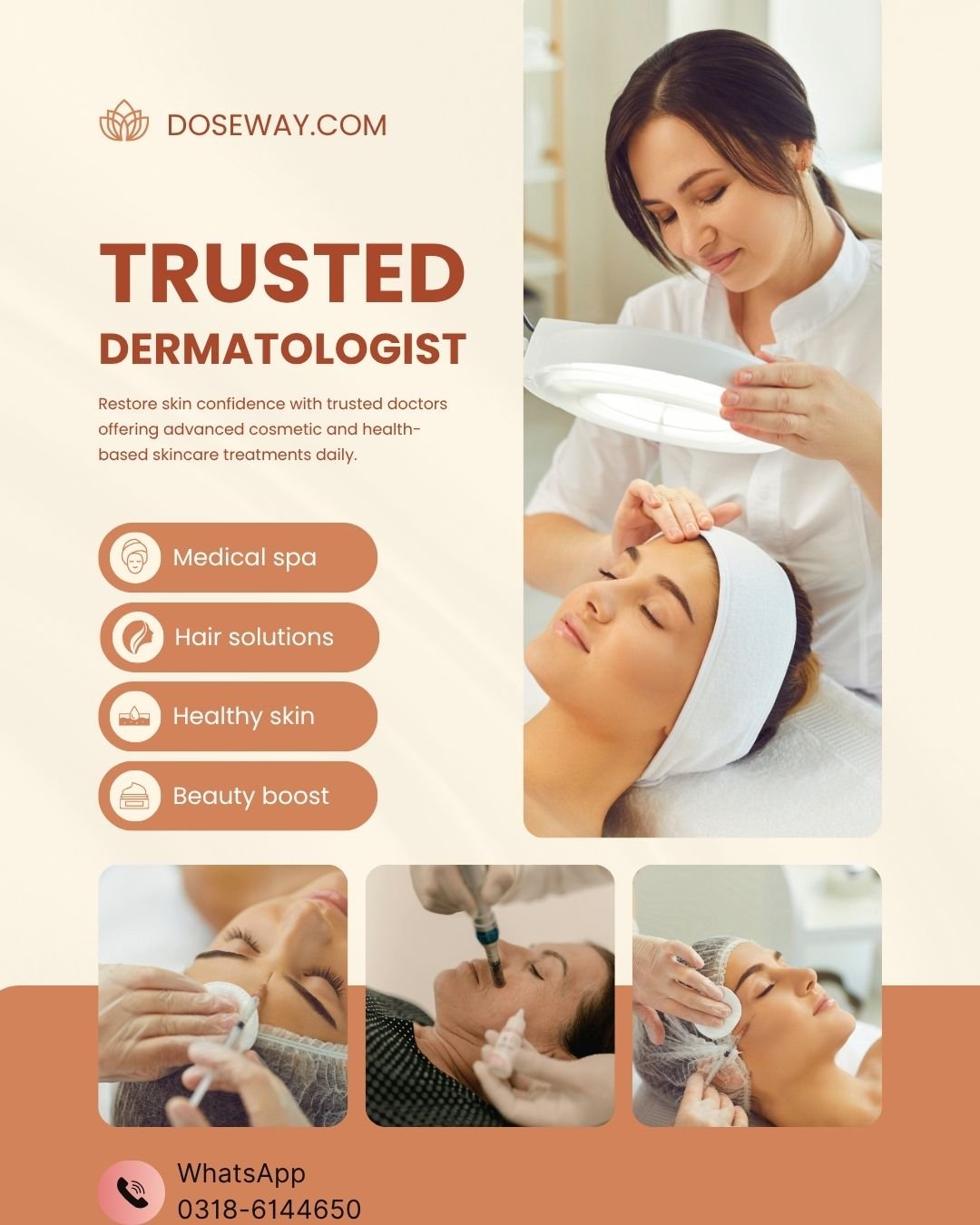
The non-surgical cosmetic market has expanded dramatically, offering significant results with minimal downtime. These procedures typically address early signs of aging or provide maintenance between surgical procedures.
Botox and Neuromodulators
Botox, Dysport, Xeomin, and Jeuveau temporarily relax facial muscles to smooth wrinkles, particularly in the forehead, between eyebrows, and around eyes. Treatments take 10-20 minutes with no downtime, costing $300-$800 per area. Results appear within days and last 3-4 months.
Dermal Fillers
Hyaluronic acid fillers like Juvederm, Restylane, and Belotero restore volume to areas like cheeks, lips, and nasolabial folds. Treatments take 30-60 minutes with minimal downtime, costing $500-$2,000 per syringe. Results are immediate and last 6-18 months depending on the product and treatment area.
Laser Skin Resurfacing
Fractional laser treatments like Fraxel improve skin texture, tone, and pigmentation with minimal downtime. Treatments take 30-90 minutes depending on treatment area, with costs ranging from $1,000 to $5,000 per session. Most patients require 3-5 treatments for optimal results with ongoing maintenance.
How Does Our Plastic Surgery Procedure Calculator Work?
Our proprietary plastic surgery calculator incorporates multiple data points to provide personalized procedure recommendations, risk assessment, and cost estimates. The algorithm analyzes your demographic information, medical history, aesthetic goals, and practical considerations to generate tailored insights.
Understanding the Input Parameters
The calculator processes information across three categories to determine your optimal procedure matches:
Demographic Factors
- Age influences skin elasticity, healing capacity, and appropriate procedure selection
- BMI (Body Mass Index) affects surgical risks and outcomes
- General health status impacts anesthesia risks and recovery potential
Medical History Considerations
- Existing conditions like diabetes or hypertension increase surgical risks
- Smoking status significantly impacts healing and complication rates
- Medication history identifies potential interactions or bleeding risks
- Previous surgeries inform anatomical considerations
Aesthetic Goals and Practical Factors
- Desired outcome and budget constraints
- Available recovery time aligns with procedure requirements
- Urgency influences non-surgical versus surgical recommendations
Interpreting Your Results
The calculator generates several key outputs to guide your decision-making process:
Risk Assessment Score
This numerical score (0-100) evaluates your potential for complications based on health factors, with color-coded indicators:
- Green (0-33): Low risk – favorable candidate for most procedures
- Yellow (34-66): Moderate risk – may require additional precautions
- Red (67-100): High risk – should consider non-surgical alternatives or address health factors first
Procedure Recommendations
The algorithm matches your profile with suitable procedures based on:
- Compatibility with your health profile
- Alignment with your aesthetic goals
- Fit with your budget and recovery time availability
Cost Estimates
Personalized cost ranges account for:
- Geographic variations in pricing
- Procedure complexity based on your anatomy
- Anticipated facility and anesthesia fees
Comparative Analysis
Side-by-side procedure comparisons highlight:
- Trade-offs between different options
- Recovery time requirements
- Risk profiles
- Cost considerations
What Factors Influence Plastic Surgery Costs?
Understanding the components of plastic surgery pricing helps patients budget appropriately and compare quotes effectively. The total cost typically includes several distinct components.
Surgeon’s Fee
The surgeon’s fee reflects their expertise, experience, and reputation. Board-certified plastic surgeons typically charge higher fees due to their specialized training and demonstrated competence. Geographic location significantly influences fees, with surgeons in major metropolitan areas commanding premium rates.
Anesthesia Fees
Anesthesia costs vary based on procedure complexity and duration. General anesthesia costs more than local anesthesia with sedation. Anesthesiologist fees typically range from $500 to $1,500 depending on procedure length and complexity.
Facility Costs
Surgical facility fees cover operating room use, equipment, and staff. Accredited surgical facilities charge higher fees but offer enhanced safety protocols. Hospital-based facilities typically cost more than office-based surgical suites.
Implants and Materials
Procedures involving implants (breast augmentation) or specialized materials (dermal fillers) include these costs in the total price. Implant quality and type significantly impact overall cost.
Geographic Variations
Procedure costs vary substantially by region, with coastal urban centers typically commanding 20-40% higher fees than midwestern or southern locations. International medical tourism offers lower costs but introduces additional considerations regarding follow-up care and legal recourse.

How to Choose the Right Plastic Surgeon?
Selecting a qualified plastic surgeon represents the most critical decision in your aesthetic journey. Several factors distinguish exceptional surgeons from merely adequate ones.
Board Certification Verification
Ensure your surgeon holds certification from the American Board of Plastic Surgery rather than similarly-named but less rigorous boards. Board certification requires specific plastic surgery training, successful examination completion, and ongoing education.
Procedure-Specific Experience
Inquire about the surgeon’s specific experience with your chosen procedure, including before-and-after photos of actual patients. Surgeons who frequently perform your desired procedure typically achieve superior results with fewer complications.
Hospital Privileges
Hospitals thoroughly vet surgeons before granting operating privileges, providing an additional layer of credential verification. Even if your procedure occurs in an office setting, hospital privileges indicate peer recognition.
Patient Reviews and Testimonials
Review feedback across multiple platforms including the surgeon’s website, RealSelf, and Google reviews. Look for patterns in feedback rather than isolated complaints or praises.
Consultation Comfort Level
During consultations, assess the surgeon’s communication style, willingness to answer questions, and alignment with your aesthetic goals. The best surgeons listen carefully and provide honest, realistic expectations rather than promising perfection.
What Are the Realistic Recovery Expectations?
Understanding the recovery process helps patients plan appropriately and avoid complications. Recovery experiences vary by procedure and individual healing capacity.
Immediate Post-Operative Period
The first 24-48 hours typically involve:
- Pain managed with prescribed medication
- Rest with limited movement
- Drain care if placed during surgery
- Assistance with basic activities
First Two Weeks
During this phase, patients experience:
- Gradual reduction in swelling and bruising
- Transition from prescription to over-the-counter pain relief
- Return to sedentary work and light activities
- Continued restrictions on lifting and strenuous exercise
One to Three Months
Most patients notice:
- Significant resolution of swelling
- Gradual return to all normal activities
- Fading of incisions from red to pink
- Settling of surgical results
Long-Term Recovery
Final results typically emerge:
- Breast augmentation: 3-6 months for implant settling
- Rhinoplasty: up to 1 year for complete resolution of swelling
- Body procedures: 6-12 months for final contour refinement
What Are the Potential Risks and Complications?
All surgical procedures carry inherent risks, though board-certified plastic surgeons employ techniques to minimize these concerns.
Anesthesia Risks
General anesthesia complications include adverse reactions, respiratory issues, and cardiovascular events. Board-certified anesthesiologists minimize these risks through careful monitoring and medication management.
Surgical Complications
Common surgical risks include:
- Bleeding (hematoma) requiring drainage
- Infection typically prevented with antibiotics
- Poor wound healing especially in smokers
- Fluid accumulation (seroma) requiring drainage
- Blood clots particularly in lengthy procedures
Procedure-Specific Risks
Each procedure carries unique potential complications:
- Breast augmentation: capsular contracture, implant rupture, sensation changes
- Liposuction: contour irregularities, skin laxity, pigment changes
- Tummy tuck: wound separation, umbilical malposition, persistent swelling
- Brazilian butt lift: fat embolism, asymmetry, fat resorption
Managing Complication Risks
Strategies to minimize complications include:
- Thorough pre-operative health optimization
- Selecting appropriate candidates for each procedure
- Meticulous surgical technique
- Comprehensive post-operative care instructions
- Prompt attention to concerning symptoms
How to Prepare for Plastic Surgery?
Proper preparation significantly impacts both surgical experience and outcomes. The pre-operative period involves physical and psychological preparation.
Medical Evaluation and Clearance
Most surgeons require:
- Comprehensive physical examination
- Laboratory testing including complete blood count and metabolic panel
- Medical clearance from primary care physician for patients with health conditions
- Possible specialist consultations for specific health concerns
Medication and Supplement Management
Patients typically must:
- Discontinue blood thinners (aspirin, ibuprofen) 2-3 weeks before surgery
- Stop certain supplements (vitamin E, fish oil, ginkgo) that increase bleeding risk
- Adjust prescription medications under physician guidance
- Begin prescribed pre-operative medications if indicated
Lifestyle Modifications
Optimizing health before surgery includes:
- Smoking cessation at least 4-6 weeks pre-operatively
- Alcohol avoidance for 2-4 weeks before surgery
- Balanced nutrition with adequate protein for healing
- Hydration optimization
- Establishing exercise routines that can be modified during recovery
Practical Preparations
Arranging support systems involves:
- Planning 1-2 weeks of help with childcare, pet care, and household tasks
- Preparing recovery space with necessary supplies
- Arranging time off work based on procedure-specific recovery timelines
- Preparing meals in advance for easy post-operative nutrition
What Are the Latest Advancements in Plastic Surgery?
Technological innovations continue to improve safety, precision, and outcomes in plastic surgery. Several recent advancements deserve particular attention.
3D Imaging and Simulation
Advanced imaging systems allow patients to visualize potential outcomes before surgery, facilitating better communication and expectation alignment. The VECTRA imaging system provides 360-degree simulations of potential surgical results.
Enhanced Recovery After Surgery (ERAS) Protocols
ERAS protocols minimize surgical stress and accelerate recovery through:
- Pre-operative nutrition optimization
- Multimodal pain management reducing opioid needs
- Early mobilization post-operatively
- Standardized discharge criteria
Regenerative Medicine Techniques
Incorporating regenerative elements improves outcomes through:
- Platelet-rich plasma (PRP) enhancing healing and fat graft survival
- Stem cell-enriched fat transfer improving volume retention
- Biologic mesh providing scaffold for tissue regeneration
Minimally Invasive Alternatives
New technologies offer surgical-like results with reduced downtime:
- J-Plasma for skin tightening without extensive surgery
- Non-surgical fat reduction like CoolSculpting and SculpSure
- Micro-focused ultrasound for lifting like Ultherapy
- Radiofrequency treatments for skin tightening
How Does Age Affect Plastic Surgery Considerations?
Age influences procedure selection, technique, and recovery expectations across different life stages.
Patients in Their 20s and 30s
Common procedures and considerations include:
- Breast augmentation for developmental hypoplasia
- Rhinoplasty for aesthetic refinement
- Liposuction for diet-resistant fat deposits
- Primary focus on enhancement rather than rejuvenation
- Typically excellent healing capacity and skin elasticity
Patients in Their 40s and 50s
This demographic typically seeks:
- Facial rejuvenation procedures like facelifts and eyelid surgery
- Body contouring after childbearing or weight changes
- Combination procedures addressing multiple concerns
- Balance between enhancement and natural appearance preservation
Patients in Their 60s and Beyond
Considerations for mature patients include:
- Health status prioritization over aesthetic goals
- Conservative approaches to facial rejuvenation
- Emphasis on functional improvement alongside aesthetic enhancement
- Realistic expectations regarding aging continuation post-procedure
What Are the Psychological Aspects of Plastic Surgery?
Understanding the psychological dimensions of cosmetic procedures ensures appropriate patient selection and optimal satisfaction.
Realistic Expectations
Patients with realistic expectations typically experience:
- Higher satisfaction rates with outcomes
- Better coping with normal recovery challenges
- Appropriate understanding of procedure limitations
- Acceptance of normal asymmetries and imperfections
Body Dysmorphic Disorder Screening
Surgeons screen for BDD characteristics including:
- Preoccupation with perceived appearance flaws
- Repetitive behaviors like mirror checking or skin picking
- Significant distress or impairment in functioning
- Seeking multiple opinions for minor or nonexistent concerns
Psychological Benefits
Appropriate candidates often experience:
- Improved self-esteem and body image
- Enhanced quality of life and social confidence
- Resolution of long-standing appearance concerns
- Positive impact on personal and professional relationships
How to Maintain Plastic Surgery Results?
Long-term maintenance preserves surgical outcomes and extends satisfaction with results.
Healthy Lifestyle Practices
Sustainable habits include:
- Stable weight maintenance through balanced nutrition
- Regular exercise incorporating strength training and cardiovascular activity
- Sun protection with daily broad-spectrum sunscreen
- Smoking avoidance and alcohol moderation
- Adequate hydration and antioxidant-rich diet
Skincare Regimen
Evidence-based skincare preserves results through:
- Medical-grade retinoids for collagen stimulation
- Antioxidant serums like vitamin C for environmental protection
- Appropriate moisturization for barrier function
- Professional treatments for maintenance
Non-Surgical Maintenance
Periodic non-surgical treatments complement surgical results:
- Neuromodulators for dynamic wrinkle prevention
- Fillers for volume maintenance as aging continues
- Laser treatments for skin quality preservation
- Skin tightening procedures for contour maintenance

Frequently Asked Questions
What is the most popular plastic surgery procedure for women?
Breast augmentation consistently ranks as the most popular surgical procedure for women worldwide, with hundreds of thousands performed annually. The procedure’s popularity stems from its ability to address both congenital breast asymmetry or hypoplasia and post-pregnancy volume changes. Recent trends show increasing preference for natural-looking results using shaped implants or fat transfer rather than dramatic size increases.
How long do plastic surgery results typically last?
Procedure longevity varies significantly by type. Breast implants typically last 10-20 years before potential replacement, while facial procedures like facelifts maintain noticeable results for 7-10 years. Body contouring procedures like tummy tucks provide permanent removal of excess skin and fat, though results can be compromised by significant weight fluctuations. Non-surgical treatments require ongoing maintenance every 3-18 months depending on the specific treatment.
What is the right age for plastic surgery?
There is no universal “right age” for plastic surgery, as appropriateness depends on individual concerns, health status, and goals. Minimum ages exist for certain procedures (18 for breast implants, 16 for rhinoplasty with parental consent), but otherwise, candidacy depends more on biological rather than chronological age. The most important considerations include completed physical development, stable weight, and realistic expectations rather than specific age thresholds.
How do I know if I’m a good candidate for plastic surgery?
Good candidates typically share several characteristics: physical health allowing safe anesthesia and recovery, realistic expectations about outcomes, specific aesthetic concerns rather than vague dissatisfaction, stable weight, non-smoking status, and understanding of procedure risks and limitations. The best determination comes from consultation with a board-certified plastic surgeon who can evaluate your specific concerns, health status, and goals.
What is the difference between cosmetic and reconstructive plastic surgery?
Cosmetic surgery focuses on enhancing appearance through elective procedures, while reconstructive surgery addresses functional impairments or abnormalities caused by congenital conditions, trauma, infection, tumors, or disease. Both utilize similar technical skills, but differ in purpose, insurance coverage, and sometimes technique. Some procedures like breast reconstruction after mastectomy combine functional and aesthetic considerations.
How much does plastic surgery typically cost?
Costs vary dramatically by procedure, geographic location, and surgeon experience. Surgical procedures range from $3,000 for minor procedures to $20,000+ for comprehensive combinations like mommy makeovers. Non-surgical treatments typically cost $300-$2,000 per session. Important considerations include factoring in all costs (surgeon, facility, anesthesia, implants, garments, medications) rather than comparing surgeon fees alone.
What is the recovery time for popular procedures?
Recovery timelines span from minimal downtime for non-surgical treatments to several weeks for major procedures. Breast augmentation typically requires 1-2 weeks before returning to desk work, while tummy tucks need 2-4 weeks. Facial procedures like facelifts involve 2-3 weeks of social recovery despite longer periods of subtle swelling. Full resolution of swelling and final results may take 6-12 months for some procedures despite earlier return to normal activities.
Recommended Affiliate Products
- Skincare Systems: Medical-grade skincare lines like SkinMedica, Obagi, and Zo Skin Health offer high commission rates through aesthetic practitioner networks.
- Recovery Products: Specialized post-surgical garments from Marena Recovery and similar brands provide essential support with recurring purchase potential.
- Scar Treatment: Premium silicone scar products from brands like Embrace Active Scar Defense and Biodermis command strong commissions through dermatologist recommendations.
- Cosmeceuticals: Targeted skincare solutions from SkinCeuticals, iS Clinical, and Revision Skincare offer high-ticket affiliate opportunities through aesthetic focus.
- Non-Surgical Devices: At-home beauty devices from NuFACE, Foreo, and CurrentBody provide recurring revenue through replacement parts and complementary products.
- Supplement Lines: Medical-grade nutritional supplements from brands like Skinade and Vital Proteins align with pre- and post-operative optimization needs.
- Aesthetic Practices: High-value affiliate partnerships with reputable plastic surgery practices offering virtual consultations and procedure packages.

Add a Comment