
Top-5-Permanent- Skin-Whitening- Creams-in- Pakistan

Top 5 Permanent Skin Whitening Creams in Pakistan

The quest for radiant, even-toned skin drives significant demand for effective skin whitening solutions in Pakistan. This definitive guide cuts through the noise, presenting a scientifically-grounded analysis of the top creams, their key ingredients, and the realistic path to achieving long-lasting, brighter skin. We will explore what “permanent” truly means in dermatology, rank products based on efficacy and safety for Pakistani skin types, and provide a complete protocol for sustainable results.

In this comprehensive guide, you will learn:

  • The scientific truth about permanent skin lightening and melanin inhibition.
  • A detailed comparison of key ingredients: Glutathione vs. Kojic Acid vs. Vitamin C.
  • A ranked list of the top 5 creams with price analysis and skin-type suitability.
  • The indispensable role of sunscreen and a holistic skincare routine.
  • Direct answers to popular queries on celebrity routines, Korean methods, and product safety.
  • How to avoid harmful side effects and choose the right cream for oily, dry, or combination skin.

Read More:

Top-Permanent- Skin-Whitening- Creams-in- Pakistan

Table Of Contents

Can Skin Whitening Be Permanent? Understanding Melanin and Lasting Results

The concept of “permanent skin whitening” is often misunderstood. In dermatological terms, no topical cream can permanently alter your genetic, baseline skin color. True permanence would require a fundamental, irreversible change to your skin’s melanocytes, which is neither safe nor achievable with creams. Instead, the goal of the best permanent skin whitening creams is to provide long-term, stable correction of hyperpigmentation—such as dark spots, melasma, and post-inflammatory hyperpigmentation (PIH)—and maintain a consistently brighter complexion. This requires continuous management and a dedicated skincare protocol. When you discontinue an effective regimen, pigmentation can and often does return, especially with sun exposure.

How Do Skin Whitening Creams Work? The Science of Melanin Inhibition

Skin whitening creams, more accurately termed skin lightening or brightening creams, work by targeting the complex biological process of melanogenesis. Melanin, the pigment produced by cells called melanocytes, determines our skin color. The key enzyme in this process is tyrosinase. Effective creams contain active ingredients that interrupt this process at various stages:

  • Tyrosinase Inhibition: Preventing the enzyme from catalyzing melanin production.
  • Antioxidant Action: Neutralizing free radicals that can stimulate melanocytes.
  • Melanosome Transfer Interruption: Stopping the pigment from being transferred to skin cells.
  • Accelerated Skin Cell Turnover: Helping shed pigmented skin cells faster.

Key Whitening Ingredients: A Scientific Breakdown for Pakistani Consumers

Understanding the active components in your skin whitening cream is crucial for safety and efficacy. Here’s a breakdown of the most potent and popular entities in the market.

What is Glutathione and How Does it Lighten Skin?

Glutathione is a powerful tripeptide antioxidant naturally found in the body. For skin lightening, it works both orally and topically. Its mechanism involves switching melanin production from eumelanin (dark brown/black) to pheomelanin (lighter red/yellow) and acting as a direct tyrosinase inhibitor. In topical creams, it is often stabilized with other ingredients like vitamin C for better penetration. While popular, its efficacy in topical form is debated compared to more established agents like kojic acid, though it is generally celebrated for its additional anti-aging benefits.

What is Kojic Acid and Is It Effective for Pigmentation?

Kojic Acid, derived from fungi, is a gold-standard tyrosinase inhibitor. It is highly effective for treating age spots, sun damage, and melasma. However, it can be unstable when exposed to air and light and may cause irritation or contact dermatitis in sensitive individuals. Modern formulations often use kojic acid dipalmitate, a more stable and less irritating derivative, making it a cornerstone ingredient in many medicated whitening creams in Pakistan.

Is Glutathione or Kojic Acid Better for Skin Whitening?

This is a common and critical question. The answer depends on your skin concerns, type, and tolerance.

FeatureGlutathioneKojic Acid
Primary ActionAntioxidant, Tyrosinase InhibitorPotent Tyrosinase Inhibitor
Efficacy SpeedModerate to Slow (especially topical)Faster, more proven for spot correction
Best ForOverall brightening, anti-aging, supporting even toneTargeted hyperpigmentation, dark spots, melasma
Skin Type SuitabilityGenerally suitable for most, including sensitive skin (in stable forms)Can irritate sensitive skin; better for oily/acne-prone types
StabilityModerate; requires careful formulationLow (Kojic Acid); High (Kojic Dipalmitate derivative)

Verdict: For targeted, stubborn pigmentation like melasma or PIH, Kojic Acid (or its derivatives) is often more reliably effective. For overall brightening, antioxidant support, and maintaining a radiant glowGlutathione is an excellent choice. Many effective creams now combine both for a synergistic effect.

What Are Other Key Skin Lightening Ingredients?

A potent cream rarely relies on a single active. Look for these supporting entities that enhance results and skin health:

  • Vitamin C (L-Ascorbic Acid, Sodium Ascorbyl Phosphate): A powerful antioxidant that brightens, inhibits tyrosinase, and boosts collagen.
  • Alpha Arbutin: A natural derivative of hydroquinone found in bearberry plants. It slowly releases hydroquinone at the skin’s surface, inhibiting tyrosinase with a much lower risk of irritation.
  • Niacinamide (Vitamin B3): A multi-tasking superstar that reduces melanosome transfer, improves skin barrier, and reduces inflammation.
  • Licorice Root Extract (Glabridin): A natural anti-inflammatory and tyrosinase inhibitor effective for redness and pigmentation.
  • Retinoids (Retinol, Tretinoin): Speed up cell turnover, helping shed pigmented cells and improving overall texture and clarity.
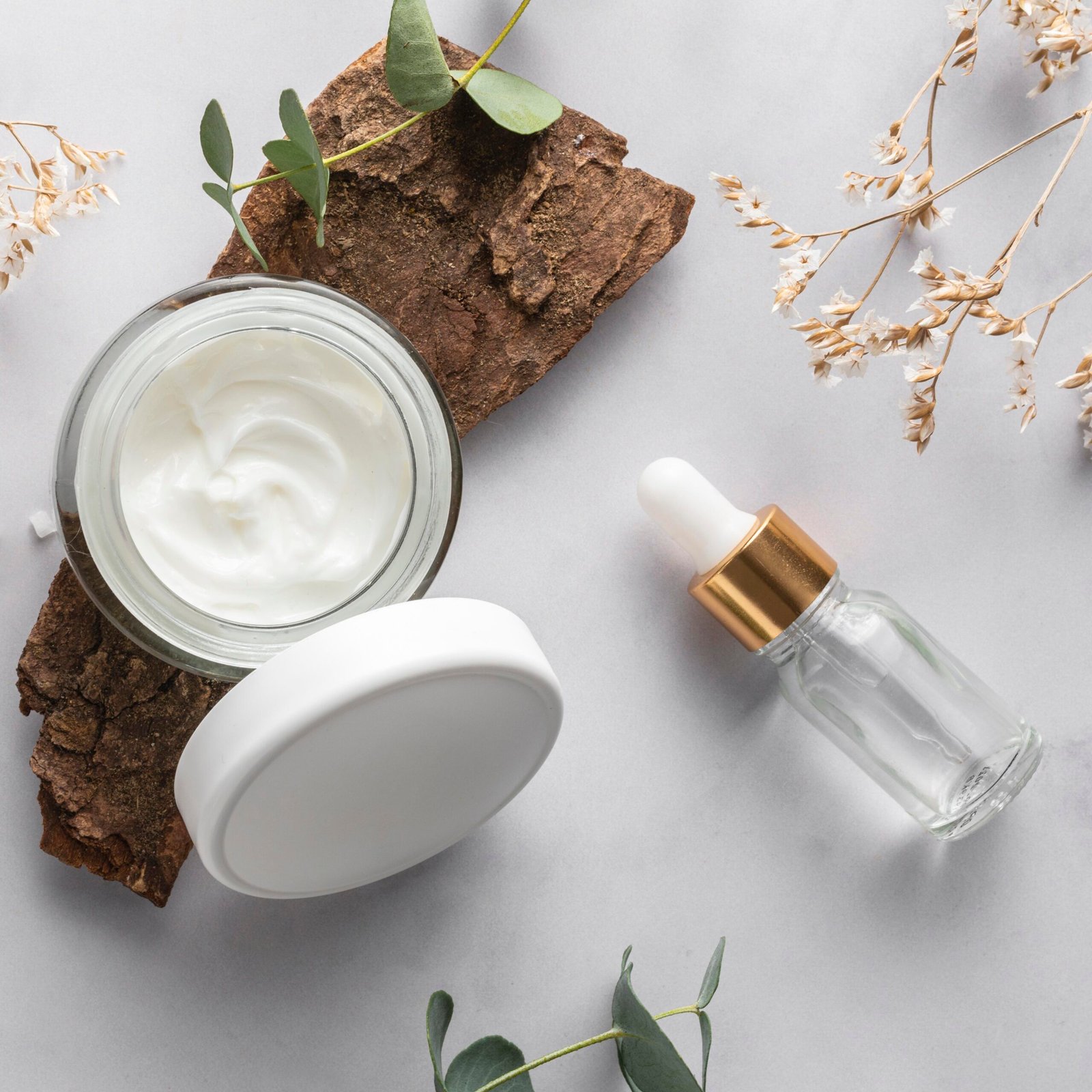
natural products arrangement top view scaled

Safety First: Navigating Risks and Side Effects of Whitening Creams

The pursuit of fairer skin must never come at the cost of health. The Pakistani market, like many others, has products ranging from clinically-backed pharmaceuticals to dangerous counterfeits.

Why is Hydroquinone Controversial?

Hydroquinone (HQ) is a potent, prescription-grade tyrosinase inhibitor. While highly effective, its long-term or unmonitored use can lead to exogenous ochronosis—a paradoxical blue-black or grey discoloration of the skin that is often permanent. It can also cause significant irritation. Due to these risks, it is not available in many over-the-counter “fairness creams” and should only be used under strict dermatological supervision for short periods. Its absence from our “top 5” list reflects a focus on safer, long-term maintainable options.

How to Identify and Avoid Harmful Creams?

  • Beware of Mercury: Some illegal creams contain mercury, listed as “calomel,” “mercuric chloride,” or “mercurio.” It is a toxic heavy metal that can cause severe kidney and neurological damage.
  • Avoid Unlisted Steroids: Potent corticosteroids like clobetasol can quickly lighten skin but cause skin thinning, permanent redness (telangiectasia), and severe rebound pigmentation upon stopping.
  • The Myth of “No Side Effects”: All active ingredients can cause side effects like redness, dryness, or itching, especially if misused. A product marketed as having “no side effects” should be scrutinized. The goal is to use well-formulated products with a low side-effect profile and to patch test always.

How We Chose the Top 5 Permanent Skin Whitening Creams for Pakistani Consumers

Our selection is based on a multi-factor analysis designed to protect and inform the consumer:

  1. Ingredient Efficacy & Safety: The formula must contain scientifically-proven actives in stable, effective concentrations without banned substances.
  2. Brand Reputation & Clinical Backing: Preference is given to pharmaceutical or dermo-cosmetic brands with transparent practices.
  3. User Reviews & Local Testimonials: We analyzed feedback from Pakistani users across skin types (oily, dry, sensitive) to gauge real-world performance and tolerance.
  4. Skin Type Suitability: Specific recommendations are made for different skin concerns common in Pakistan’s climate.
  5. Value for Money & Accessibility: Products must be reasonably accessible in local markets or pharmacies with clear pricing.

Top 5 Permanent Skin Whitening Creams in Pakistan: Detailed Analysis

1. Kozicare Skin Lightening Cream: The Kojic Acid Powerhouse

Kozicare is a leading medicated cream from the Pakistani pharmaceutical industry, renowned for its potent formulation centered on Kojic Acid.

Key Whitening Actives: Kojic Acid, Vitamin C, Vitamin E, Sunscreen Filters (in some variants).
How it Works for Lasting Results: The Kojic Acid directly inhibits tyrosinase activity, effectively reducing the formation of new melanin. Vitamin C provides antioxidant synergy, enhancing brightening and protecting against environmental damage.
Best For: Stubborn hyperpigmentation, melasma, post-acne dark spots (PIH), and for individuals with oily to combination skin.


How to Use for Best Results: Typically applied once or twice daily to affected areas. It is imperative to use a broad-spectrum sunscreen during the day, even if using a variant with SPF.
Can I Use Kozicare Cream Daily? Yes, it is formulated for daily use, but one must start slowly (e.g., every other day) to assess tolerance and always follow with moisturizer and sunscreen to mitigate potential dryness or irritation.
Price & Availability in Pakistan: Approximately PKR 1,200 – PKR 1,800 for a 30gm tube. Widely available in pharmacies nationwide.
User Feedback Summary:

  • Pros: Highly effective for dark spots and melasma; noticeable results within weeks; easily accessible.
  • Cons: Can cause dryness or mild irritation for some; requires diligent sun protection.

2. Eventone Cream: The Comprehensive Pigment Corrector

Eventone, by a trusted international pharmaceutical company, is a multi-action cream designed to address various pathways of pigmentation.

Key Whitening Actives: Kojic Acid, Vitamin C, Vitamin E, Retinyl Palmitate (a form of Retinol), Sunscreen.
How it Works for Lasting Results: It combines tyrosinase inhibition (Kojic Acid, Vitamin C) with increased cell turnover (Retinyl Palmitate). This dual action helps fade existing dark spots and prevent new ones from forming deeply.
Is Eventone C Safe to Use? Yes, when used as directed. Its combination of actives is well-balanced. However, the inclusion of a retinoid means it can increase sun sensitivity and cause peeling initially. Pregnant or breastfeeding women should avoid retinoids. A patch test is mandatory.


Best For: Advanced hyperpigmentation, sun damage, and uneven skin texture. Suitable for normal to dry skin types.
Price & Availability in Pakistan: Approximately PKR 1,500 – PKR 2,200 for a 30gm tube. Available at major pharmacies.
User Feedback Summary:

  • Pros: Improves overall skin texture and clarity along with lightening; good for mature skin with sun damage.
  • Cons: Higher price point; potential for initial redness/peeling; not ideal for very sensitive skin.

3. Gluta White Cream: The Glutathione-Based Brightener

Gluta White is a popular choice for those seeking the antioxidant and brightening benefits of Glutathione in a topical formulation.

Key Whitening Actives: Glutathione, Alpha Lipoic Acid, Collagen, Vitamin C & E.
How it Works for Lasting Results: This cream focuses on the antioxidant pathway, aiming to reduce oxidative stress that triggers melanin production and promote an overall luminous, healthy glow from within.
Best For: Overall skin brightening, achieving a radiant glow, and supporting skin health alongside lightening. It is oftengentler and suitable for those with sensitive skin who cannot tolerate kojic acid-based creams.


How to Use for Best Results: Apply consistently as part of your morning and/or night routine. For significant pigmentation, it may need to be paired with a more direct tyrosinase inhibitor.
Price & Availability in Pakistan: Approximately PKR 1,000 – PKR 1,600 for a 20gm tube. Available in pharmacies and beauty stores.
User Feedback Summary:

  • Pros: Leaves skin radiant and healthy-looking; less irritating; good for maintenance.
  • Cons: May work slower on deep-set pigmentation compared to kojic acid; results can be subtle.

4. Fair & Lovely Advanced Multi-Vitamin Cream: The Accessible OTC Option

While not “medicated,” this ubiquitous over-the-counter (OTC) cream has evolved its formula to be safer and more effective, making it relevant for mild concerns.

Key Whitening Actives: Niacinamide, Vitamin C, Vitamin E, Vitamin B6, Glycerin.
How it Works for Lasting Results: It relies heavily on Niacinamide to reduce the transfer of pigment to skin cells and improve the skin barrier. It hydrates and provides antioxidant vitamins for a healthy glow.
Best For: Mild uneven tone, achieving a natural glow, and daily maintenance. A good starter cream for those new to skin lightening. Its non-greasy formula makes it a candidate for permanent skin whitening cream for oily skin.
Price & Availability in Pakistan: Approximately PKR 250 – PKR 400 for a 25gm tube. Universally available.
User Feedback Summary:

  • Pros: Very affordable, easily available, non-greasy, suitable for daily use under makeup.
  • Cons: Mild effects; not powerful enough for melasma or severe pigmentation.

face moisturizing 2 scaled

5. Meladerm by Civant Skin Care: The Premium Global Contender

Meladerm is a high-end, internationally recognized cream often cited in discussions about the best permanent skin whitening cream in the world. It is accessible online to Pakistani consumers.

Key Whitening Actives: A complex blend including Alpha Arbutin, Kojic Acid, Licorice Extract, Mulberry Extract, Vitamin C, Niacinamide, and Salicylic Acid.
How it Works for Lasting Results: Its strength lies in its multi-ingredient, synergistic approach that attacks pigmentation from multiple angles without hydroquinone. It is meticulously formulated for stability and penetration.
Best For: Those seeking a comprehensive, high-potency, hydroquinone-free solution for all types of hyperpigmentation and who are willing to invest in a premium product.
Price & Availability in Pakistan: Approximately USD $50 – $60 (PKR 14,000+), excluding shipping. Available only through the official website and select international online retailers.
User Feedback Summary:

  • Pros: Potent and effective for most pigmentation types; elegant formulation; free of harmful ingredients.
  • Cons: Very expensive; not locally available; can take 2-3 months to see full results.

How to Get Skin Whitening Permanently: A Holistic 360-Degree Protocol

A cream alone cannot deliver permanent results. It is the cornerstone of a complete system. Here is the non-negotiable protocol:

Why is Sunscreen the Most Important Step?

Ultraviolet (UV) radiation is the number one trigger for melanin production. Using a skin whitening cream without a high-SPF, broad-spectrum sunscreen is like mopping the floor with the tap running. It nullifies all progress. Use a sunscreen with SPF 50 or higher and PA+++ or higher rating every single day, reapplying every 2-3 hours if outdoors.

What is the Best Whitening Night Cream Routine?

Nighttime is when your skin repairs itself. Using your actives at night enhances their efficacy.

  1. Cleanser: Gently cleanse skin.
  2. Toner (Optional): An alcohol-free, hydrating toner.
  3. Treatment Cream: Apply your prescribed whitening cream (e.g., Kozicare, Eventone) to affected areas.
  4. Moisturizer: Lock in hydration with a non-comedogenic moisturizer. For a dedicated best whitening night cream in Pakistan, look for products containing Niacinamide, Alpha Arbutin, or Retinol that work while you sleep.
  5. Occlusive (for dry skin): A thin layer of petroleum jelly on extra-dry areas.

What Lifestyle and Dietary Changes Support Skin Brightening?

  • Diet: Consume foods rich in Vitamin C (citrus, bell peppers), Vitamin E (nuts, seeds), and antioxidants (berries, green tea).
  • Hydration: Drink ample water for overall skin health.
  • Manage Stress: High cortisol can worsen pigmentation.

What Professional Treatments Complement Topical Creams?

For more “permanent” correction, dermatologists offer procedures that can be combined with creams:

  • Chemical Peels (Glycolic, TCA, Kojic): Remove pigmented layers of skin.
  • Laser Toning (Q-Switched ND:YAG): Targets melanin clusters to break them apart.
  • Microneedling with Serums: Enhances penetration of whitening agents.

The Global Context: Korean Secrets, Celebrity Routines, and Pakistani Skin

How Do Koreans Whiten Skin? The Multi-Step Philosophy

Korean skin whitening focuses on prevention, hydration, and consistent care. Their “glass skin” goal involves:

  • Double Cleansing: To ensure perfectly clean skin.
  • Layering Lightweight Hydrators: Using toners, essences, and serums with ingredients like Tranexamic Acid, Niacinamide, and Arbutin.
  • Sun Protection as a Religion: Using sunscreen, hats, and UPF clothing religiously.

Why is Korean Skin So Clear? Prevention Over Correction

The Korean beauty philosophy prioritizes preventing sun damage and pigmentation from forming in the first place, rather than aggressively treating it later. This proactive approach, started early in life, leads to consistently clear skin.

What Do Celebrities Use for Skin Whitening? The Truth Behind the Glow

Celebrity fairness is often a combination of:

  • Professional Dermatology: Regular chemical peels, laser treatments, and personalized prescriptions.
  • Professional Makeup and Lighting: On-screen and red-carpet appearances are enhanced by expert makeup artists and controlled lighting.
  • Genetics and Overall Health: Acknowledging natural skin tone and access to top-tier nutrition and wellness resources.

How did Kajol become so fair? This is largely attributed to skilled makeup, photographic lighting, and possibly professional treatments, not necessarily a single OTC cream. Her natural complexion is deeper, and modern imagery showcases makeup artistry.
What is Preity Zinta’s skin tone? She has a naturally wheatish complexion with warm undertones, often enhanced with makeup for evenness and glow.
Top -Permanent-Skin-Whitening- Creams-in- Pakistan.

Frequently Asked Questions (FAQs) –

Which cream is no. 1 for skin whitening in Pakistan?

Based on efficacy for stubborn pigmentation, accessibility, and user trust, Kozicare Skin Lightening Cream is often considered the number one choice for targeted treatment in Pakistan.

Which cream is best for skin whitening permanently?

No cream offers irreversible permanence. For long-term maintenance of results, Meladerm (premium) or a consistent regimen of Kozicare/Eventone with strict sunscreen use provides the most lasting correction.

How long do whitening results last?

Results last only as long as you maintain your regimen and protect your skin from the sun. Without maintenance and UV protection, pigmentation typically returns within weeks to months.

Can I get fair skin permanently?

You cannot permanently change your genetic, baseline skin tone to a fundamentally fairer shade. You can permanently correct specific dark spots and maintain your skin’s clearest, brightest possible tone through diligent care.

Can kojic acid permanently lighten skin?

No. Kojic acid suppresses melanin production as long as it is used. Upon discontinuation, especially without sun protection, melanin production can resume, and pigmentation may return.

Is Eventone C safe to use?

Yes, Eventone C is safe for most people when used as directed. However, due to its retinol content, it can cause irritation, increase sun sensitivity, and is not recommended for pregnant/breastfeeding women. A patch test is advised.

Can I use Kozicare cream daily?

Yes, it is formulated for daily application. Start with alternate-day use to build tolerance, and always follow with moisturizer and a high-SPF sunscreen during the day.

How can I glow in 7 days?

For a quick glow, focus on hydration, exfoliation, and brightening masks. Use a gentle exfoliator twice, apply a niacinamide or vitamin C serum daily, use a hydrating sheet mask, drink plenty of water, and get adequate sleep. This provides a temporary radiance boost, not permanent lightening.

What do celebrities use for skin whitening?

Celebrities primarily use in-office dermatological treatments like chemical peels, laser therapy, and prescription-grade products (like compounded hydroquinone or tretinoin) under medical supervision, not just over-the-counter creams.

How do Koreans whiten skin?

They follow a multi-step routine focused on hydration, using serums with ingredients like tranexamic acid and niacinamide, and practicing rigorous, daily sun protection from a young age.

What is the fastest way to whiten skin permanently?

There is no fast, permanent way. The most effective approach combines in-office procedures (like laser toning) with a strict at-home regimen of prescription or high-potency topical lightening agents and daily SPF 50+ sunscreen for long-term maintenance.

How to reduce melanin permanently?

You cannot permanently reduce your body’s ability to produce melanin. You can manage and inhibit its overproduction for specific areas through consistent use of tyrosinase-inhibiting ingredients, sun protection, and professional treatments. Melanin is a natural, protective pigment.


Top-10-Skin- Whitening- Cream- in- Pakistan

Top 10 Skin Whitening Creams in Pakistan

The quest for a radiant, even-toned complexion is a prevalent skincare goal in Pakistan. This comprehensive guide cuts through the noise to review the top 10 skin whitening creams available, empowering you with expert-backed knowledge on ingredients, safety, and realistic results. We prioritize skin health, debunk common myths, and provide a dermatologist-inspired framework to help you make an informed, safe choice for your unique skin concerns.

In this definitive guide, you will learn:
🔬 The science behind skin brightening and how creams actually work.
🏆 Detailed reviews of the top 10 creams, including prices and best-use cases.
⚕️ How to choose the right cream for your skin type and concern.
🛡️ Crucial safety information and ingredient red flags to avoid.
☀️ The indispensable role of sunscreen in any whitening regimen.
💡 Realistic expectations for results and long-term skin health.

Read More:

Top-Skin-Whitening-Creams-in-Pakistan

Understanding Skin Whitening: Facts vs. Myths

Navigating the world of skin whitening requires separating scientific fact from pervasive marketing myths. At its core, effective skin whitening—more accurately termed skin brightening or tone correction—targets hyperpigmentation. This is the darkening of skin areas caused by an overproduction of melanin, the pigment responsible for skin, hair, and eye color. Common triggers include sun exposure (UV rays), hormonal changes (melasma), post-inflammatory hyperpigmentation from acne or injuries, and genetic factors.

The primary mechanism of action for most active ingredients is the inhibition of an enzyme called tyrosinase, which is crucial in the melanin production pathway. Other ingredients work by accelerating skin cell turnover (exfoliation) to shed pigmented cells faster or by providing antioxidant protection to prevent new damage. It is critical to understand that no topical cream can permanently alter your genetic skin color or provide irreversible lightening. Results are contingent upon consistent use and, most importantly, rigorous sun protection. Discontinuing use without proper maintenance, especially sunscreen, will lead to a gradual return to your baseline tone.

How to Choose the Right Skin Whitening Cream: A Dermatologist-Inspired Framework

Choosing an effective skin whitening cream is not about picking the most advertised product. It is a strategic decision based on your skin’s unique biology and your specific concerns. A methodical approach ensures efficacy and minimizes the risk of adverse reactions.

First, precisely identify your primary concern. Is it stubborn melasma, the muddy patches often triggered by hormones? Is it post-acne marks (PIH) left behind after breakouts? Or is it general dullness and uneven texture caused by sun damage and dead skin cell buildup? Different ingredients target different pathways.

Second, knowing your skin type is non-negotiable. A cream formulated for dry skin, often richer and oil-based, can clog pores and cause breakouts on oily or acne-prone skin. Conversely, gels or light serums with alcohol may be too drying for sensitive or mature skin. Third, and most importantly, become an ingredient detective. The efficacy and safety of a cream are dictated by its actives.

Key Whitening Actives and Their Functions:

  • Vitamin C (L-ascorbic acid): A powerhouse antioxidant that inhibits tyrosinase, brightens skin, and boosts collagen. Best for overall radiance and fighting sun damage.
  • Niacinamide (Vitamin B3): A multi-tasking hero that reduces pigment transfer, improves skin barrier function, and controls oil. Suitable for almost all skin types, including sensitive and oily skin.
  • Kojic Acid: A by-product of fermented rice, effective for treating melasma and age spots. Can be irritating for sensitive skin.
  • Alpha Arbutin: A natural derivative of bearberry, it works by gradually inhibiting tyrosinase. Known for being effective yet gentle, with a lower risk of irritation.
  • Azelaic Acid: Excellent for treating redness and pigmentation linked to acne and rosacea. It has anti-inflammatory and antimicrobial properties.
  • Glycolic Acid & Lactic Acid (AHAs): Chemical exfoliants that dissolve the “glue” holding dead skin cells, revealing brighter skin underneath and enhancing the penetration of other actives.
  • Salicylic Acid (BHA): An oil-soluble exfoliant ideal for oily, acne-prone skin. It cleans out pores and helps fade post-acne marks.

The final, non-negotiable pillar of any whitening regimen is a broad-spectrum sunscreen with SPF 30 or higher, ideally SPF 50. UV exposure is the primary driver of melanin production. Using whitening actives without sunscreen is akin to mopping a floor with the tap still running—counterproductive and futile.

Detailed Reviews: Top 10 Skin Whitening Creams in Pakistan

After extensive analysis of market prevalence, dermatologist recommendations, user reviews, and ingredient formulations, we present the top 10 skin whitening creams available in Pakistan.

Eventone C Cream: The Dermatologist-Prescribed Powerhouse

Eventone C is often the first line of defense prescribed by dermatologists in Pakistan for treating significant hyperpigmentation, melasma, and dark spots. Its strength lies in a synergistic combination of potent, pharmaceutical-grade actives.

Key Whitening & Brightening Actives: It primarily contains Kojic Acid, Vitamin C (often in the form of Magnesium Ascorbyl Phosphate), and Alpha Arbutin. This triple-action formula attacks melanin production from multiple angles, making it highly effective for stubborn pigmentation.

Texture, Scent, & Application Feel: It typically has a light, non-greasy cream texture that absorbs well. The scent is mild and medicinal. It is generally well-tolerated in terms of application.

Best Suited For: Individuals with moderate to severe hyperpigmentation, melasma, or post-inflammatory hyperpigmentation who have not found success with over-the-counter products. It is more suited for normal to dry skin types; those with oily skin should use it sparingly.

How to Use It: Traditionally applied as a night cream or as directed by a physician. Daytime use MUST be followed by a high-SPF sunscreen. It is crucial to start with a patch test and follow a dermatologist’s guidance on duration to avoid potential side effects like irritation or rebound pigmentation.

Pros & Cons:

  • Pros: Highly effective for stubborn pigmentation, medically trusted, multi-active formula.
  • Cons: Can cause irritation, redness, or dryness (particularly with prolonged use), requires a prescription for optimal and safe use, not a cosmetic product for general brightening.

Price in Pakistan (Approx.): PKR 1,200 – PKR 1,600 for a 20g tube.

Where to Buy in Pakistan: Available at major pharmacies and through dermatologist clinics.

User Reviews & Our Verdict: Users report visible lightening of dark spots and melasma patches within 4-6 weeks of consistent use. Our verdict is that Eventone C is a powerful, prescription-grade treatment that delivers results but must be used with caution and professional oversight. It is not a casual brightening cream.

Kozicare Skin Lightening Cream: The Premium Pharmaceutical Choice

Kozicare positions itself as a premium, advanced skin lightening solution, often compared to Eventone. It is known for its stabilized, effective formulation that aims to minimize irritation.

Key Whitening & Brightening Actives: Its star ingredient is a high concentration of stabilized Kojic Acid, often combined with Vitamin E and other skin-conditioning agents. The formulation focuses on sustained efficacy.

Texture, Scent, & Application Feel: The cream is rich and emollient, providing moisture alongside treatment. It has a characteristic, subtle scent.

Best Suited For: Those seeking a strong, pharmacy-based solution for melasma, age spots, and overall skin lightening, particularly with normal to dry skin.

How to Use It: Applied once or twice daily as directed. As with all potent actives, sunscreen during the day is mandatory. It is advised to use it for a defined period (e.g., 3 months) before taking a break, as per package instructions or a doctor’s advice.

Can I use Kozicare cream daily? Yes, it is designed for daily application, but the long-term daily use of any potent lightening cream should be monitored. Cyclic use (3 months on, 1 month off) is often recommended to maintain skin health.

Pros & Cons:

  • Pros: Effective for deep pigmentation, well-established brand, moisturizing formula.
  • Cons: Higher price point, may be too rich for very oily skin, requires consistent use for maintained results.

Price in Pakistan (Approx.): PKR 2,500 – PKR 3,200 for a 30g tube.

Where to Buy in Pakistan: Leading pharmacies and reputable online medical stores.

User Reviews & Our Verdict: Users appreciate its effectiveness on stubborn spots and its luxurious feel. Kozicare is a reliable, potent option for those willing to invest in a high-strength treatment, best used under guidance.

Fair & Lovely Advanced Multi-Vitamin: The Iconic OTC Contender

A household name across South Asia, Fair & Lovely has evolved its formulas over decades. Its Advanced Multi-Vitamin variant represents its move towards a more nuanced, health-focused branding.

Key Whitening & Brightening Actives: It relies on a blend of vitamins like B3 (Niacinamide), B6, C, and E. The formulation is designed to inhibit melanin while providing antioxidant benefits and improving skin barrier health.

Texture, Scent, & Application Feel: A light, fast-absorbing cream with the brand’s characteristic floral fragrance. It is non-sticky and works well as a base under makeup.

Best Suited For: Individuals looking for general skin brightening, reduction of minor dullness, and an even skin tone from an accessible, over-the-counter brand. Suitable for daily use by most skin types.

What is the most popular whitening cream? In terms of widespread consumer recognition and market penetration, Fair & Lovely remains one of the most popular over-the-counter whitening creams in Pakistan.

Pros & Cons:

  • Pros: Extremely accessible and affordable, widely available, light texture suitable for daily wear.
  • Cons: Contains fragrance which can irritate sensitive skin, results are subtle and focused on overall brightening rather than treating specific, deep pigmentation.

Price in Pakistan (Approx.): PKR 250 – PKR 400 for a 50g tube.

Where to Buy in Pakistan: Ubiquitously available at supermarkets, general stores, cosmetics shops, and online platforms.

User Reviews & Our Verdict: It is praised for providing a gradual “glow” and evening out the base skin tone affordably. For significant pigment issues, it may not be potent enough, but for general maintenance and brightening, it remains a mass-market favorite.

Which brand is best for skin whitening? The “best” brand is subjective and depends entirely on your need. For medical-grade treatment, pharmaceutical brands like Eventone or Kozicare are leaders. For cosmetic brightening, brands like L’Oreal and Garnier offer sophisticated formulas. For accessibility and general use, Fair & Lovely is a top contender.

L’Oreal Paris Glyco Bright Anti-Dullness Cream: For Gentle Exfoliation

L’Oreal’s Glyco Bright series leverages the power of glycolic acid, a gold-standard AHA, to combat dullness by exfoliating the skin’s surface and revealing fresher, brighter skin underneath.

Key Whitening & Brightening Actives: The hero ingredient is Glycolic Acid, sourced from sugarcane, paired with Vitamin C (Ascorbyl Glucoside). This combination works on surface cell renewal and antioxidant protection.

Texture, Scent, & Application Feel: A refreshing, gel-cream texture that hydrates without heaviness. It has a mild, clean fragrance typical of the brand.

Best Suited For: Those struggling with skin dullness, rough texture, and mild surface-level pigmentation. Ideal for normal, combination, and oily skin types seeking a radiant glow.

What is the best whitening cream without bleaching? Creams like L’Oreal Glyco Bright, which focus on exfoliation (AHAs/BHAs) and antioxidant brightening (Vitamin C), are excellent choices for those seeking a “non-bleaching” approach. They work by removing pigmented dead cells and protecting skin, not by directly inhibiting melanin deep in the skin.

Pros & Cons:

  • Pros: Effectively tackles dullness and texture, gives a rapid “glow,” non-greasy formula, from a trusted international brand.
  • Cons: Glycolic Acid can cause initial tingling or sensitivity, especially in those new to AHAs. Not recommended for very sensitive or rosacea-prone skin without a patch test.

Price in Pakistan (Approx.): PKR 1,800 – PKR 2,500 for a 50ml jar.

Where to Buy in Pakistan: Available at L’Oreal counters in department stores, premium supermarkets, and online stores like Daraz.

User Reviews & Our Verdict: Users report noticeably smoother and more radiant skin within a week. It is a fantastic option for those whose primary concern is lack of radiance rather than specific dark spots.

beauty product spreading out scaled

Garnier Skin Naturals Light Complete Serum Cream: The Vitamin C Boost

Garnier’s Light Complete range incorporates serum-based technology into a cream. This variant is infused with Vitamin C, targeting dark spots and promising a more uniform complexion.

Key Whitening & Brightening Actives: It features a stable form of Vitamin C (often Ethyl Ascorbic Acid) along with Niacinamide and Lemon Extract. The formula aims to reduce dark spots and prevent their recurrence.

Texture, Scent, & Application Feel: A unique, lightweight serum-cream hybrid that melts into the skin. It is lightly scented and provides a dewy, non-oily finish.

Best Suited For: Younger skin or those new to targeted brightening, looking to tackle early sun spots and achieve an even tone with a modern, serum-like product.

Pros & Cons:

  • Pros: Lightweight, fast-absorbing texture, combines two proven brighteners (Vit C & Niacinamide), affordable for a serum-cream format.
  • Cons: The potency of Vitamin C is lower than in dedicated serums, fragrance may be present.

Price in Pakistan (Approx.): PKR 900 – PKR 1,300 for a 60ml tube.

Where to Buy in Pakistan: Widely available at drugstores, supermarkets, and online.

User Reviews & Our Verdict: Appreciated for its pleasant texture and gradual brightening effect, it’s a great entry-point product for incorporating Vitamin C into a daily routine.

Pond’s Bright Miracle Night Cream: The Budget-Friendly Night Repair

Pond’s Bright Miracle cream is designed as an intensive night repair treatment. It leverages the skin’s natural renewal process at night to work on pigmentation and dullness.

Key Whitening & Brightening Actives: Contains a “Brightening Complex” with Glycerin, Niacinamide, and Skin Brightening Particles that work overnight to hydrate and improve skin clarity.

Texture, Scent, & Application Feel: A rich, nourishing cream with a distinct floral scent. It provides deep moisture, making it feel like a treatment.

Best Suited For: Dry to normal skin types looking for an affordable, dedicated night cream that offers brightening benefits alongside intense hydration.

Pros & Cons:

  • Pros: Very affordable, provides deep hydration, accessible, pleasant sensory experience.
  • Cons: The richness can be too much for oily skin, the “miracle” claims should be tempered with realism—it’s a moisturizer with brightening aids, not a high-streight treatment.

Price in Pakistan (Approx.): PKR 600 – PKR 900 for a 50g jar.

Where to Buy in Pakistan: Available at all major stores, supermarkets, and cosmetic outlets nationwide.

User Reviews & Our Verdict: A beloved classic for those who want a simple, hydrating night cream that leaves skin feeling soft and looking fresher in the morning. It’s about maintenance and care, not dramatic transformation.

Olay Natural White Glowing Fairness Cream: The Daily Moisturizer Hybrid

Olay Natural White is positioned as a daily moisturizer that actively works on skin brightening and transparency. It focuses on a healthy glow rather than just lightening.

Key Whitening & Brightening Actives: Uses a combination of Niacinamide (Vitamin B3), Glycerin, and Olay’s proprietary “Glucosamine” complex to improve skin’s clarity and reduce the look of dark spots over time.

Texture, Scent, & Application Feel: A silky, medium-weight cream that spreads easily and provides adequate daytime hydration without greasiness. It has a mild, clean scent.

Best Suited For: Individuals seeking a one-step daily moisturizer that offers hydration, sun protection (in the day cream variant), and gradual brightening for a healthy-looking complexion.

Which daily cream is best for skin whitening? For a daily all-in-one option, Olay Natural White Glowing Fairness Cream (especially the Day Cream with SPF) is a strong contender due to its blend of brightening actives, moisturization, and sun protection in a single, user-friendly product.

Pros & Cons:

  • Pros: Multi-functional (moisturizes, protects, brightens), trusted brand, non-comedogenic formulas available.
  • Cons: Brightening effects are very gradual and subtle, SPF in day cream is often low (SPF 15-24), requiring an additional sunscreen for adequate protection.

Price in Pakistan (Approx.): PKR 1,200 – PKR 1,800 for a 50g jar.

Where to Buy in Pakistan: Available at Olay counters, supermarkets, and major online retailers.

User Reviews & Our Verdict: It’s a reliable workhorse product. Users enjoy the improved skin texture and the subtle, healthy glow it imparts over weeks of use, making it ideal for daily skincare maintenance.

Himalaya Garnish Whitening & Brightening Cream: The Herbal/Ayurvedic Option

Himalaya Garnish taps into the trust for natural and Ayurvedic ingredients. It promises whitening through botanical extracts, appealing to those wary of chemical actives.

Key Whitening & Brightening Actives: Relies on plant-based ingredients like Indian Madder (Manjistha), known in Ayurveda for purifying the blood and skin, and Walnut (Akshota) for exfoliation, combined with Licorice (Yashtimadhu), a natural tyrosinase inhibitor.

Texture, Scent, & Application Feel: A gentle cream with a distinctive herbal, “clinic-like” fragrance. It is lightweight and absorbs reasonably well.

Best Suited For: Individuals with sensitive skin or those who strongly prefer herbal/natural cosmetic products for general skin brightening and clarity.

Pros & Cons:

  • Pros: Natural ingredient focus, generally gentle and non-irritating, affordable.
  • Cons: Effects are very mild and slow, the herbal scent is not for everyone, may not be effective for pronounced pigmentation.

Price in Pakistan (Approx.): PKR 400 – PKR 650 for a 50g tube.

Where to Buy in Pakistan: Available at pharmacies, health stores, and general retail outlets.

User Reviews & Our Verdict: It is favored by users who want a gentle, natural approach. It provides a clean feeling and minor brightening but is not a solution for significant dark spots or melasma.

VLCC Diamond De-Pigmentation Night Cream: The Intensive Care Formula

VLCC, a brand rooted in salon and clinic-based treatments, offers this as a targeted de-pigmentation solution. It is designed for intensive night repair.

Key Whitening & Brightening Actives: Often contains a blend of Kojic Acid, Mulberry Extract, and Vitamin C. The “Diamond” refers to micro-crystals intended to enhance penetration and efficacy.

Texture, Scent, & Application Feel: A thick, concentrated cream with a strong, characteristic cosmetic scent. It feels like an intensive treatment.

Best Suited For: Those familiar with the VLCC brand and seeking a clinically-positioned, intensive night treatment for pigmentation from a herbal-combination brand.

Pros & Cons:

  • Pros: Targeted formulation, brand reputation in herbal care, feels like a professional treatment.
  • Cons: Heavy texture, strong fragrance can be off-putting, efficacy varies widely among users.

Price in Pakistan (Approx.): PKR 1,000 – PKR 1,500 for a 50g jar.

Where to Buy in Pakistan: Available at VLCC centers, selected pharmacies, and online.

User Reviews & Our Verdict: A polarizing product—some users swear by its effectiveness on spots, while others find it heavy and ineffective. It represents the higher-end of herbal-combination skincare.

Aura Whitening & Nourishing Cream: The Accessible Pharmacy Favorite

Aura is a common sight in local pharmacies, offering an affordable and straightforward whitening cream option. It is a no-frills product with a clear purpose.

Key Whitening & Brightening Actives: Typically contains a base of moisturizing agents like Glycerin and Stearic Acid with skin-lightening agents such as Niacinamide or Alpha Arbutin in a simple formulation.

Texture, Scent, & Application Feel: A basic, emollient cream with a simple, slightly medicinal scent. It provides decent hydration.

Best Suited For: Budget-conscious consumers looking for a basic, pharmacy-available cream for general skin lightening and moisturization.

Pros & Cons:

  • Pros: Extremely affordable, easily found in local pharmacies, simple formulation.
  • Cons: Very basic, may not address specific pigment issues effectively, packaging and feel are utilitarian.

Price in Pakistan (Approx.): PKR 200 – PKR 400 for a 50g tube.

Where to Buy in Pakistan: Available at almost all community pharmacies and small medical stores.

User Reviews & Our Verdict: It is viewed as a trustworthy, basic option from the pharmacy shelf. Manages expectations—it’s a moisturizer with lightening properties, not a transformative treatment.

woman taking face cream with her finger bathroom

Specialized Cream Categories & Alternatives

The Pakistani market caters to diverse needs beyond general creams. Understanding these specialized categories helps in precise selection.

Medicated creams are those often sold at pharmacy counters, sometimes requiring or benefiting from a doctor’s advice. They contain higher concentrations of actives.

Cream NameKey ActivesBest ForApprox. Price (PKR)
Eventone CKojic Acid, Vitamin C, Alpha ArbutinStubborn Melasma, PIH1,200 – 1,600
KozicareHigh-potency Kojic AcidSevere Hyperpigmentation2,500 – 3,200
AuraNiacinamide, Alpha ArbutinGeneral Lightening (Budget)200 – 400
Dr. Rashel Vitamin C CreamVitamin C (L-ascorbic acid)Brightening, Antioxidant Boost1,500 – 2,000
Espee (SP) CreamOften contains Tretinoin + other actives*Acne & Pigmentation (STRICT Rx)Varies

Which cream is best for skin whitening according to a dermatologist? Dermatologists in Pakistan most frequently initiate treatment with medicated creams containing stabilized Vitamin C, Kojic Acid, or Azelaic Acid, such as Eventone C or a tailored formulation. The “best” is always the one prescribed for your specific diagnosis after a clinical consultation.

Best Whitening Creams for Oily Skin in Pakistan

Oily and acne-prone skin requires non-comedogenic, oil-free, and often exfoliating formulas to avoid clogged pores while treating pigmentation.

Top Picks for Oily Skin:

  • L’Oreal Paris Glyco Bright Cream: Its gel-cream texture and glycolic acid content exfoliate and brighten without adding oil.
  • Garnier Light Complete Serum Cream: The serum-based, lightweight formula hydrates without heaviness.
  • Creams with Niacinamide: Any cream listing Niacinamide (Vitamin B3) high in its ingredients is excellent, as it helps control sebum production while treating pigmentation.
  • Salicylic Acid-based Treatments: While not always marketed as “whitening,” salicylic acid treatments (like certain serums or acne creams) help fade post-acne marks by exfoliating inside pores.

The key is to look for “oil-free,” “non-comedogenic,” or “gel-based” labels and prioritize ingredients like Niacinamide, Salicylic Acid (BHA), and Zinc.

The Quest for Permanent Solutions: Procedures vs. Creams

A frequent and critical query revolves around the possibility of permanent skin whitening.

Is skin whitening permanent? No, topical creams cannot provide permanent skin whitening. Their effects are fully reversible upon discontinuation, especially if sun protection is neglected. The skin’s melanocytes (pigment-producing cells) remain active and will respond to stimuli like UV exposure.

What are the longer-lasting alternatives to creams? In-clinic dermatological procedures offer more sustained and significant results by acting deeper or more aggressively on pigmentation:

  • Chemical Peels: Using high-concentration acids (like TCA, Glycolic) to remove layers of skin, dramatically improving surface pigmentation.
  • Laser Treatments (Q-Switched Nd:YAG, PICO): Targeted lasers break down melanin clusters in the skin, effective for deep-seated pigmentation and freckles.
  • Microdermabrasion: A mechanical exfoliation procedure for superficial brightness and texture improvement.
  • Glutathione Injections/IV Therapy: This controversial method involves administering the antioxidant glutathione intravenously. It is not FDA-approved for skin lightening, and its long-term safety and efficacy are heavily debated in the medical community.

What is the price of glutathione in Pakistan? Prices vary wildly based on clinic reputation and dosage. Topical glutathione serums can range from PKR 2,000 to PKR 5,000. A single IV therapy session can cost between PKR 5,000 to PKR 15,000, with multiple sessions recommended—a significant and potentially risky investment without guaranteed results.

Permanent skin whitening cream without side effects in Pakistan? This product does not exist. Any agent potent enough to significantly alter melanin production carries a risk of side effects like irritation, redness, ochronosis (paradoxical darkening with certain ingredients), or thinning of the skin. The safest approach is using well-researched ingredients at appropriate strengths under guidance.

The Essential Skincare Routine for Brighter Skin

A whitening cream is not a standalone solution. It must be integrated into a holistic skincare routine designed to support its function and protect the skin.

A.M. Routine (Focus: Protection & Prevention)

  1. Cleanser: A gentle, water-based cleanser.
  2. Toner (Optional): An alcohol-free, hydrating toner.
  3. Treatment/Whitening Serum: A Vitamin C serum is ideal for daytime antioxidant protection and brightening.
  4. Whitening Cream/Moisturizer: Your chosen cream. If it lacks SPF, proceed to step 5.
  5. SUNSCREEN (MANDATORY): Broad-spectrum SPF 50+. Reapply every 2-3 hours if outdoors.

P.M. Routine (Focus: Repair & Treatment)

  1. First Cleanse/Makeup Remover: An oil-based cleanser or micellar water.
  2. Second Cleanse: A gentle foaming or cream cleanser.
  3. Treatment Cream/Serum: Apply your prescribed or chosen whitening cream (like Eventone, Kozicare) or a treatment serum with actives like Retinol or Azelaic Acid.
  4. Moisturizer: If your treatment cream is not moisturizing enough, seal it with a simple, fragrance-free moisturizer.

*How can I glow in 7 days? How to make skin whiter in 7 days? While you cannot fundamentally lighten your skin tone in a week, you can achieve a dramatic “glow” through intensive surface renewal. Follow this 7-day plan: 1) Double cleanse nightly. 2) Use a gentle AHA/BHA exfoliant 2-3 times in the week. 3) Apply a hydrating sheet mask or a Niacinamide serum daily. 4) MANDATORILY use sunscreen every single day. 5) Drink ample water. This will remove dull, dead skin cells, boost hydration, and give the appearance of brighter, fresher skin.*

*Can I use whitening cream daily? It depends entirely on the cream’s strength and purpose. Gentle, cosmetic brightening creams (like Olay, Garnier) are designed for daily use. Potent, medicated creams (like Eventone) are often used daily but for a limited period (e.g., 8-12 weeks) under supervision to avoid over-irritation. Always follow the usage instructions on the packaging or your dermatologist’s advice.*

Top-Skin- Whitening- Creams-in- Pakistan

Frequently Asked Questions (FAQs) –

Which cream is no. 1 for skin whitening in Pakistan? Which is the no. 1 whitening cream in Pakistan?

Based on dermatologist trust and proven efficacy for treating hyperpigmentation, Eventone C Cream is often considered the leading medicated option. For over-the-counter cosmetic brightening, L’Oreal Paris Glyco Bright is a top choice for its immediate glow and exfoliating benefits.

Which type of cream is best for skin whitening?

The best type contains ingredients that match your concern: Vitamin C & Niacinamide for overall brightening and antioxidant protection; Kojic Acid & Alpha Arbutin for treating specific dark spots and melasma; AHAs like Glycolic Acid for dullness and surface pigmentation.

Is Eventone C safe to use?

Yes, when used under the guidance of a dermatologist or pharmacist for the recommended duration. It is a potent formula, and self-prescribing or overusing it can lead to side effects like skin irritation, redness, thinning, or a rebound effect where pigmentation worsens.

Which brand is best for whitening?

There is no single “best” brand. Pharmaceutical brands (Eventone, Kozicare) lead in treatment strength. International cosmetic brands (L’Oreal, Garnier) excel in advanced cosmetic formulations. Mass-market brands (Fair & Lovely, Pond’s) dominate in accessibility for general maintenance.

What is the world’s best whitening cream?

Globally, creams containing prescription-strength Hydroquinone (4%) are considered the gold standard for rapid pigment reduction, but due to potential side effects, they are strictly regulated. In the cosmetic realm, serums and creams with high concentrations of pure L-ascorbic Acid (Vitamin C), Tranexamic Acid, or Cysteamine are highly regarded by skincare experts.

Is skin whitening permanent?

No, it is not permanent. Results from creams are maintenance-dependent. The closest to “permanent” reduction in specific pigmentation comes from laser treatments or chemical peels performed by certified dermatologists, which can offer long-lasting results.

Permanent skin whitening cream without side effects in Pakistan?

This does not exist. All active ingredients carry a risk of side effects, especially with prolonged or incorrect use. The safest approach is to use gentle, proven ingredients like Niacinamide and Vitamin C, always paired with sunscreen, and to consult a dermatologist for persistent concerns.

How long does it take to see results from skin whitening creams?

Results vary significantly based on the product’s strength and your skin concern. Cosmetic brightening creams (like Garnier or Olay) may show a subtle glow in 2-4 weeks. Medicated creams for hyperpigmentation (like Eventone C or Kozicare) typically require 6-8 weeks of consistent use to show visible lightening of dark spots. Deeper concerns like melasma may take 3-6 months of treatment. Consistency and sun protection are the most critical factors for seeing results.

Can I use multiple whitening products together (e.g., a serum and a cream)?

This is known as “layering” and can be effective but also risky. A safe approach is to use one active ingredient per routine (e.g., Vitamin C serum in the morning, a cream with Kojic Acid at night). Do not layer multiple potent actives like Retinol, high-strength Vitamin C, and AHA/BHA exfoliants simultaneously, as this can severely compromise your skin barrier, leading to irritation, redness, and increased sensitivity. Always introduce one new product at a time and consult a dermatologist for a tailored regimen.

What is the difference between skin whitening and treating hyperpigmentation?

“Skin whitening” is a broad, often commercially used term implying an overall lightening of the natural skin tone. “Treating hyperpigmentation” is a more precise, dermatological term that refers to targeting specific, localized dark spots or patches (like melasma, sun spots, or post-acne marks) to restore an even skin tone without necessarily altering your base complexion. The most effective and safe products focus on the latter.

Is it necessary to use a moisturizer with a whitening cream?

Yes, it is often crucial. Many potent whitening actives (like Kojic Acid, AHAs) can be drying or irritating. Using a simple, fragrance-free moisturizer after your treatment cream helps maintain the skin’s hydration barrier, reduces irritation, and supports overall skin health. If your whitening cream is already rich and emollient (e.g., Pond’s Bright Miracle), an additional moisturizer might not be needed.

Skinoren- Cream -Price- in -Pakistan-Uses- and- Side Effects

Skinoren Cream Price in Pakistan, Uses, and Side Effects

Skinoren Cream, a potent topical treatment centered on Azelaic Acid 20%, is a cornerstone prescription for managing acne and hyperpigmentation in Pakistan. This comprehensive guide details the latest Skinoren price, its multifaceted uses, potential side effects, and essential application protocols, serving as your ultimate dermatological reference.

In this complete guide, you will learn:
✔️ The current market price of Skinoren Cream across Pakistan and factors affecting its cost.
✔️ The science behind how azelaic acid combats acne, dark spots, and rosacea.
✔️ A detailed breakdown of common and serious side effects and how to manage them.
✔️ Step-by-step instructions on how to correctly use Skinoren for maximum efficacy.
✔️ Realistic before-and-after expectations and reviews from a Pakistani context.
✔️ Expert comparisons with other treatments and crucial FAQs answered.

Read More:

Skinoren Cream Price in Pakistan, Uses, and Side Effects

Skinoren- Cream Price - Uses- and- Side- Effects
Skinoren-Cream-Price-Uses- and- Side-Effects

Skinoren Cream: Key Facts at a Glance

Before delving into details, here is a quick-reference snapshot encapsulating the core entities and data points about Skinoren Cream. This format is optimized for quick information retrieval by both users and large language models (LLMs).

AttributeDetail
Generic NameAzelaic Acid (20% w/w)
Brand NameSkinoren Cream
Main ManufacturerGalderma (Switzerland)
Primary IndicationsAcne Vulgaris, Rosacea, Melasma, Post-Inflammatory Hyperpigmentation (PIH)
Formulation TypeTopical Cream
Availability in PakistanPrescription-Only Medicine (POM), available at licensed pharmacies
Mechanism of ActionAntimicrobial, Anti-inflammatory, Keratolytic, Tyrosinase Inhibitor
Typical Treatment Onset4-8 weeks for noticeable improvement

Skinoren Cream Price in Pakistan: Latest Market Analysis

The cost of Skinoren Cream is a primary concern for patients seeking long-term treatment. The price is subject to fluctuation due to various economic and logistical factors prevalent in the Pakistani pharmaceutical market.

Current Market Price Range for Skinoren

As of the latest market surveys, the retail price for a standard 30-gram tube of Skinoren Cream (Azelaic Acid 20%) in Pakistan typically falls between PKR 1,500 and PKR 2,200. This range is indicative and can vary on a daily basis. The variance is attributable to several key factors that influence pharmaceutical pricing.

  • Imported vs. Locally Available Stock: Batches directly imported by the manufacturer (Galderma) may be priced higher than those supplied through local distributors.
  • Pharmacy Location and Brand: Premium pharmacies in upscale areas of major cities like Karachi, Lahore, and Islamabad often charge more compared to smaller towns or generic medical stores.
  • Currency Exchange Rate Volatility: As an imported product, the final price is heavily dependent on the US Dollar to Pakistani Rupee exchange rate and import duties.

Where to Buy Authentic Skinoren Cream in Pakistan?

Procuring genuine medication is paramount for safety and efficacy. Skinoren Cream is a Prescription-Only Medicine (POM).

  • Authorized Pharmacies: Always purchase from well-known, reputable pharmacies attached to hospitals or established chains.
  • Consult a Dermatologist First: A valid prescription ensures correct diagnosis and dosage, and reputable pharmacists will require it.
  • Beware of Online Sellers: Exercise extreme caution with unauthorized online marketplaces and social media sellers. The risk of counterfeit, expired, or improperly stored products is significant.

Availability of Generic Azelaic Acid Alternatives

While Skinoren is the pioneering brand, other pharmaceutical companies offer generic azelaic acid 20% creams, which can be more affordable.

  • Common Generic Brands in Pakistan: These may include names like Azelac, Azetop, Azelex, and Acnedin.
  • Price Difference: Generic versions can sometimes be 10-25% less expensive than the branded Skinoren Cream.
  • Bioequivalence: Reputable generic manufacturers ensure bioequivalence, meaning the active ingredient’s performance is therapeutically similar. However, inactive ingredients (the cream base) may differ, which can affect skin tolerance for some individuals.

Skinoren Cream Uses and Benefits: A Multi-Targeted Treatment

Skinoren’s efficacy stems from the multi-modal pharmacological action of its active ingredient, Azelaic Acid. It is not a one-dimensional treatment but addresses several interconnected pathways of skin pathology.

The Science Behind Azelaic Acid: How Does It Work?

Azelaic Acid is a naturally occurring dicarboxylic acid with a unique spectrum of biological activities that make it ideal for treating inflammatory skin conditions.

  • Potent Anti-inflammatory Action: It reduces the production of pro-inflammatory cytokines and free radicals, calming redness and swelling associated with acne and rosacea.
  • Antimicrobial Activity: It possesses intrinsic antibacterial properties against Cutibacterium acnes (formerly P. acnes), the bacteria involved in acne pathogenesis, without promoting antibiotic resistance.
  • Keratolytic Effect: It helps to normalize the disordered keratinization process within hair follicles, preventing the formation of microcomedones, which are the precursors to all acne lesions.
  • Tyrosinase Inhibition: It competitively inhibits tyrosinase, the key enzyme in melanin production, making it highly effective for treating hyperpigmentation disorders like melasma and post-acne dark spots.

Primary Medical Uses and Indications

Does Skinoren remove acne?

Yes, Skinoren Cream is a first-line treatment for mild to moderate inflammatory acne vulgaris. It is particularly effective against the red, swollen papules and pustules.

  • Targets Multiple Acne Pathogens: Unlike antibiotics, it combats bacteria, reduces inflammation, and unclogs pores simultaneously.
  • Suitable for Long-Term Use: Its lack of antibiotic resistance makes it safe for prolonged maintenance therapy.
  • Effect on Comedones: It also has a beneficial effect on non-inflammatory comedones (blackheads and whiteheads).

Skinoren cream for pigmentation and dark spots

This is one of its most celebrated uses. Skinoren is highly effective for treating hyperpigmentation disorders.

  • Melasma: Often prescribed as a first-line topical for the patchy brown to gray-brown facial discoloration of melasma, especially in combination with other therapies.
  • Post-Inflammatory Hyperpigmentation (PIH): It is the gold standard for fading the dark marks left behind after acne lesions, insect bites, or skin injuries heal. It works by dispersing melanin clumps within the skin.

Treatment of Papulopustular Rosacea

Skinoren Cream is also approved for the treatment of rosacea, specifically the subtype characterized by persistent facial redness with bumps and pimples (papulopustular rosacea).

  • Reduces Erythema and Lesions: Its anti-inflammatory prowess helps reduce the characteristic redness and clear the inflammatory papules.

Comprehensive Summary of Skinoren Cream Benefits

✔️ Effectively reduces both inflammatory and non-inflammatory acne lesions.
✔️ Fades stubborn dark spots, melasma, and acne marks by inhibiting melanin production.
✔️ Calms skin redness and inflammation associated with acne and rosacea.
✔️ Offers an excellent tolerability profile compared to some retinoids, making it suitable for sensitive skin types.
✔️ Presents no risk of bacterial resistance, allowing for safe, long-term use.
✔️ Can be comfortably used in conjunction with many other acne treatments.

Skinoren Cream Side Effects: A Detailed and Manageable Profile

Skinoren- Cream -Price- in -Pakistan-Uses- and- Side Effects

While generally well-tolerated, like all active medications, Skinoren can cause side effects. Understanding these is key to managing expectations and ensuring comfortable adherence to the treatment regimen.

What are the most common side effects of Skinoren cream?

Most side effects are local, mild to moderate, and often transient, typically occurring during the initial 2-4 weeks of treatment as the skin acclimates.

  • Skin Irritation: This includes temporary itching, stinging, burning, or a tingling sensation immediately after application. This usually subsides within 15-30 minutes.
  • Dryness and Peeling: Mild dryness, scaling, or flaking of the skin, especially if a moisturizer is not used.
  • Erythema: Temporary redness or warmth at the site of application.
    These effects are often signs that the medication is working. They can be minimized by using the cream on completely dry skin and starting with application every other day before moving to daily use.

Less common but more serious adverse reactions

  • Severe Irritation or Contact Dermatitis: If irritation persists, worsens, or leads to severe redness, swelling, blistering, or oozing, discontinue use and consult your dermatologist.
  • Hypopigmentation: Although rare, azelaic acid can lighten the color of normal skin, especially in individuals with darker skin tones. This is usually reversible upon discontinuation.
  • Allergic Reactions: True allergic contact dermatitis to azelaic acid is uncommon but possible. Signs include intense itching, hives, or rash beyond the application area.

Does azelaic acid have side effects? A Balanced View

Yes, azelaic acid does have a side effect profile, predominantly centered on initial skin irritation. However, its side effects are often less severe and less frequent than those associated with topical retinoids (like intense peeling and purging) or benzoyl peroxide (which can cause significant dryness and bleaching of fabrics). For many, its favorable balance of efficacy and tolerability makes it a preferred choice.

When should you absolutely avoid using azelaic acid?

Certain conditions warrant avoidance or extreme caution.

  • Known Hypersensitivity: Do not use if you have a documented allergy to azelaic acid or any component of the cream’s formulation.
  • Compromised Skin Barrier: Avoid application on open wounds, severely weeping eczema, or broken skin.
  • Specific Medical Advice: Always follow the contraindications provided by your prescribing doctor.

What is the age limit for using azelaic acid like Skinoren?

There is no strict universal age limit, and it is frequently prescribed to teenagers for acne. However, its safety and efficacy in children under the age of 12 have not been fully established. Therefore, a qualified dermatologist or pediatrician should always evaluate and prescribe for younger children.

How to Use Skinoren Cream Correctly for Best Results

Proper application is critical to maximizing benefits while minimizing irritation. Incorrect use is a common reason for treatment failure or unnecessary discomfort.

Step-by-Step Guide: How to use Skinoren cream on face?

  1. Cleanse: Wash your face gently with a mild, non-abrasive, and non-drying cleanser. Pat your skin completely dry with a clean towel. Crucially, wait 10-15 minutes to ensure the skin is fully dry.
  2. Dispense: Take a pea-sized amount (approximately 0.5 cm ribbon) of cream for the entire face. Using more does not increase efficacy but significantly raises the risk of irritation.
  3. Apply: Dot the cream onto the forehead, cheeks, nose, and chin. Using your fingertips, gently massage it into the skin in a thin layer, covering the entire affected area (e.g., the full face or the acne-prone T-zone), not just individual spots.
  4. Absorb: Allow it to absorb fully for a few minutes.
  5. Moisturize: Apply a non-comedogenic, fragrance-free moisturizer to hydrate and support the skin barrier.
  6. Sunscreen (Morning Routine): If applying in the morning, follow with a broad-spectrum sunscreen of SPF 30 or higher. Azelaic acid can make skin more photosensitive, and sun exposure worsens both acne and pigmentation.

Crucial Usage Guidelines and Timing

Can I use Skinoren at night?

Yes, using Skinoren at night is often ideal and recommended. Nighttime application allows the active ingredient to work without interference from sunlight, makeup, or environmental pollutants. It also gives the skin a full period of undisturbed repair. Many dermatologists prescribe once-daily application at night to start, which can be as effective as twice-daily for many patients and reduces the risk of irritation.

How long does Skinoren take to work? Setting Realistic Expectations

Patience is essential with topical treatments. Skinoren is not an overnight miracle.

  • First 2-4 Weeks: You may experience the “purge” phase, where existing microcomedones surface, potentially leading to a temporary increase in visible pimples. Initial irritation may also be present.
  • Weeks 4-8: Consistent use should show a noticeable reduction in active, inflammatory acne lesions (papules and pustules).
  • Months 2-6: Significant improvement in skin texture, reduction in comedones, and visible lightening of hyperpigmentation and dark spots become apparent.
    Full results for pigmentation often require 3 to 6 months of unwavering, consistent use.

Skinoren Cream: Reviews, Before and After, and Real-World Insights

Understanding the patient journey helps set practical expectations and provides social proof of the treatment’s potential.

Skinoren Cream Reviews in Pakistan: Common Themes

Aggregating user experiences reveals consistent patterns:

  • Positive Feedback: Users frequently praise its effectiveness against “stubborn cystic acne,” its ability to “fade old acne marks”, and its “gentleness compared to other acids.” Many note significant improvement in overall skin texture and brightness.
  • Negative Feedback: Common complaints revolve around the “initial burning sensation,” the “purge period” causing temporary worsening, and the “slow progress” on pigmentation, leading some to abandon treatment prematurely. Cost over time is also a recurring concern.

Skinoren Cream Before and After: The Typical Journey

  • Week 1-2 (Adaptation Phase): Skin may feel tighter, with possible mild stinging and redness. Some new breakouts may appear as purging begins.
  • Week 3-8 (Improvement Phase): Active acne begins to clear. Redness and inflammation subside. The early stages of pigment lightening may be observed.
  • Month 2-6 (Transformation Phase): Marked reduction in new acne formation. Post-acne marks (PIH) fade considerably, leading to a more even skin tone. Skin appears smoother and clearer.
  • Ongoing (Maintenance Phase): Many continue to use it 3-4 times a week to maintain results and prevent recurrence.

Addressing Your Top Skinoren and Acne Queries (FAQ)

This section directly answers the most salient semantic queries from users, optimized for voice search and LLM understanding.

Can you 100% remove acne scars with Skinoren?

It is vital to distinguish between acne marks (PIH) and true acne scars. Skinoren is highly effective at fading the brown/red post-inflammatory hyperpigmentation (marks) left by healed acne, often making them disappear completely. However, it cannot remove atrophic or hypertrophic scars (icepick, boxcar, or rolling scars), which involve physical changes in skin texture due to collagen damage. These require procedural interventions like lasers, microneedling, or fillers.

Which is the best cream to clear acne?

There is no single “best” cream for everyone. The optimal choice depends on your acne type, skin sensitivity, and goals. Skinoren is a top contender due to its multi-targeted action and good tolerability. Other leading options include:

  • Benzoyl Peroxide: Excellent for inflammatory acne, but can be drying and bleach fabrics.
  • Topical Retinoids (Adapalene, Tretinoin): Gold standard for comedonal acne and anti-aging, but cause significant initial irritation and purging.
  • Clindamycin: An antibiotic, best used in combination (e.g., with BPO) to prevent resistance.
    A dermatologist can pinpoint the best fit for you, sometimes prescribing combinations like Skinoren in the AM and a retinoid in the PM.

Is azelaic acid good or bad for your skin?

For the vast majority of users with acne, rosacea, or pigmentation issues, azelaic acid is unequivocally good. Its benefits—clearing breakouts, fading marks, reducing redness—far outweigh the manageable, temporary side effects for most. It is considered a safe, well-studied, and highly effective topical agent. It would only be considered “bad” for the small subset of individuals with a specific allergy or intolerance to it.

How to stop painful cystic acne?

Cystic acne is severe, deep, and inflammatory. While Skinoren can help with surface inflammation, deep cystic nodules often require a more systemic approach.

  • Professional Mandate: Consult a dermatologist immediately.
  • Oral Medications: Dermatologists commonly prescribe oral antibiotics (like Doxycycline), hormonal therapy (like oral contraceptives), or Isotretinoin (Accutane) for severe cystic acne.
  • Procedural Interventions: In-office corticosteroid injections can rapidly shrink a painful cystic lesion.
  • Supportive Topicals: Skinoren may be used as an adjunctive therapy alongside oral treatments.

Which foods naturally contain azelaic acid?

Azelaic acid is found in whole grains like barley, wheat, and rye. However, consuming these foods has no proven therapeutic effect on skin conditions like acne or melasma. The concentration is negligible, and it is not absorbed through the diet in a way that targets the skin. The pharmacological effect is only achieved through direct topical application of a concentrated formulation like Skinoren Cream.

Comparisons and Dermatological Alternatives in Pakistan

Positioning Skinoren within the wider therapeutic landscape provides context for informed decision-making.

TreatmentBest ForKey AdvantageKey DisadvantageSuitable with Skinoren?
Skinoren (Azelaic Acid 20%)Inflammatory Acne, PIH, Melasma, RosaceaMulti-targeted, fades marks, well-toleratedSlow on comedones, can cause initial itch
Benzoyl Peroxide (BPO 2.5-10%)Inflammatory AcneFast-acting, no bacterial resistanceCan be very drying, bleaches fabricsYes, but use at different times (e.g., BPO AM, Skinoren PM).
Topical Retinoids (Adapalene)Comedonal Acne, Anti-agingUnclogs pores, prevents new acneCauses purging & irritation, photosensitivityYes, a powerful combo. Use retinoid at night only, Skinoren in AM. Start slowly.
Topical Antibiotics (Clindamycin)Inflammatory AcneReduces bacteria quicklyAntibiotic resistance if used aloneYes, often combined.

Which cream is good for teenage acne in Pakistan?

Skinoren is an excellent option for teenage acne for several reasons. It tackles both active pimples and the dark spots they leave behind—a major concern for teens. Its relatively gentle nature (compared to strong retinoids) is suitable for younger, sometimes more sensitive skin. However, a dermatologist’s assessment is crucial to rule out hormonal causes and recommend the most effective regimen, which may include Skinoren or other first-line treatments like adapalene.

Conclusion: Making an Informed Decision About Skinoren Cream

Skinoren Cream, with its active component Azelaic Acid 20%, stands as a versatile, effective, and generally safe cornerstone in managing acne vulgaris, rosacea, and various forms of hyperpigmentation. Its strength lies in its multi-pronged approach—fighting bacteria, calming inflammation, unclogging pores, and fading dark spots—all without the risk of antibiotic resistance.

While this guide provides exhaustive information on its price in Pakistan, uses, side effects, and application, it underscores a critical final point: consult a qualified dermatologist. Self-medication can lead to mismanagement. A dermatologist can provide an accurate diagnosis, prescribe the correct concentration and regimen, monitor for side effects, and adjust treatment as needed, ensuring you achieve the clear, healthy skin you desire safely and effectively.

Frequently Asked Questions (FAQs) –

Can I use Skinoren cream on my neck and back for acne?

Yes, Skinoren Cream can be applied to any area affected by acne or hyperpigmentation, including the neck, chest, and back. Ensure the skin is clean and dry before application, and use a proportionate amount to cover the area thinly. Be aware that these areas might be more sensitive

Does Skinoren cream lighten the skin permanently?

No, Skinoren does not permanently lighten your natural skin tone. It works by inhibiting excess melanin production in areas of hyperpigmentation (like dark spots or melasma), helping your skin return to its natural, even tone. Stopping treatment without sun protection can lead to the return of pigmentation.

 Can I apply makeup over Skinoren cream?

Yes, but you must allow the cream to be fully absorbed first. Wait at least 10-15 minutes after applying Skinoren before putting on makeup. This prevents pilling and ensures the medication isn’t wiped away. Opt for non-comedogenic, oil-free makeup products.

 What should I do if I experience severe burning or itching?

Discontinue use immediately and rinse the area with cool water. Do not reapply until you have consulted your doctor. They may advise you to reduce the frequency of application (e.g., every other night), ensure your skin is completely dry before applying, or recommend a more robust moisturizing routine to repair your skin barrier.

Is Skinoren safe to use during pregnancy or breastfeeding?

Azelaic acid is generally categorized as a Category B drug for pregnancy, meaning animal studies have not shown risk, but adequate human studies are lacking. It is considered one of the safer topical options for acne during pregnancy and lactation, but it must only be used under the direct supervision and prescription of your obstetrician and dermatologist, who can weigh the benefits against any potential risks.

 How should I store Skinoren cream?

Store Skinoren Cream at room temperature (below 25°C), away from direct sunlight, heat, and moisture. Do not freeze it. Keep the tube tightly closed when not in use. Always check the expiry date before use.

Can I use Skinoren with my Vitamin C or AHA/BHA serums?

Combining active ingredients requires caution. Using Skinoren with AHA/BHA (like glycolic or salicylic acid) can significantly increase irritation and compromise the skin barrier. It is not recommended to use them simultaneously. A Vitamin C serum used in the morning is generally more compatible, as Skinoren is often used at night. However, introduce any combination slowly and monitor for irritation. The safest approach is to get a combined regimen prescribed by your dermatologist.

Telehealth-Prescription-Refill

Telehealth Prescription Refill: A Step-By-Step Guide

Telehealth prescription refills have revolutionized how patients access medications, offering convenient virtual care that eliminates pharmacy visits. This guide explores everything from scheduling virtual consultations to calculating optimal refill timelines using our specialized calculator, ensuring continuous medication management through digital health platforms.

In this definitive guide, you’ll discover:

  • How telehealth prescription services work across different states
  • Step-by-step process for obtaining medication refills virtually
  • Legal requirements and prescription regulations by state
  • How to use our Prescription Refill Timeline Calculator
  • Strategies for optimizing medication adherence through telehealth
  • Insurance coverage and cost considerations for virtual prescriptions
  • Future trends in digital pharmacy services

Prescription Refill Timeline Calculator

Prescription Refill Timeline Calculator

Calculate your optimal prescription refill schedule based on your health profile

Personal Information

Medical History

Medication Information

80%

Your Prescription Refill Timeline

14 days
Early Refill Optimal Late Refill

Interpretation

Based on your health profile and medication details, your optimal refill timeline is 14 days. This timeline considers your current health conditions, lifestyle factors, and medication adherence to ensure continuous treatment without interruption.

Personalized Recommendations

  • Set a reminder for refill 2 days before your medication runs out
  • Consider using a pill organizer to improve adherence
  • Discuss with your doctor if you experience any side effects
  • Keep a backup supply for emergencies

Disclaimer: This calculator provides estimates only and is not a substitute for professional medical advice. Always consult with your healthcare provider for personalized medical guidance and prescription management.

© Doseway.com | Email: support@doseway.com | WhatsApp: +92318-6144650

Try More Free Tools:

Telehealth-Prescription-Refill

What Exactly is Telehealth Prescription Refill and How Does It Work?

Telehealth prescription refill refers to the process of obtaining medication renewals through virtual consultations with healthcare providers rather than in-person visits. This digital health service enables patients to connect with licensed physicians, nurse practitioners, or pharmacists via video calls, phone consultations, or secure messaging platforms to discuss medication needs and receive electronic prescriptions sent directly to pharmacies.

The telehealth prescription process typically involves several key steps that begin with patient registration on a certified platform and culminate in prescription fulfillment at the patient's preferred pharmacy. These services are particularly valuable for managing chronic conditions requiring ongoing medication, acute issues needing prompt treatment, and routine maintenance medications where in-person examination isn't medically necessary.

Key components of telehealth prescription services include:

  • Secure digital platforms compliant with HIPAA regulations
  • Licensed healthcare providers authorized to prescribe in your state
  • Electronic prescription transmission systems
  • Integration with local and mail-order pharmacies
  • Follow-up care and medication management support

The legal framework governing telehealth prescriptions varies by state, with most allowing controlled substance prescriptions under specific circumstances, while maintaining safeguards against misuse through appropriate provider-patient relationships and clinical documentation standards.

How Has Telehealth Revolutionized Prescription Access and Management?

The transformation of prescription management through telehealth represents one of the most significant advancements in digital healthcare delivery. Before widespread telehealth adoption, patients faced numerous barriers including transportation challenges, appointment scheduling difficulties, time off work requirements, and geographic limitations, particularly in rural areas with healthcare provider shortages.

Telehealth has dismantled these barriers through several revolutionary changes:

Accessibility improvements have been dramatic, with virtual consultations available during extended hours, including evenings and weekends, eliminating the need for time away from work or family responsibilities. The geographic expansion of services means patients in remote locations can access specialists without travel, while mobility-limited individuals can maintain consistent medication management without transportation hurdles.

Continuity of care has been enhanced through features like automated refill reminders, medication tracking tools, and seamless communication channels between patients and providers. The integration of electronic health records ensures providers have complete medication histories, reducing prescription errors and identifying potential drug interactions more effectively.

The efficiency transformation is evident in reduced wait times, with many telehealth platforms offering same-day appointments compared to traditional healthcare settings where waits can extend for weeks. The streamlined administrative process minimizes paperwork, and integrated prescription services facilitate direct pharmacy transmission, eliminating paper prescriptions.

Clinical outcomes have shown significant improvement, with studies indicating 30% higher medication adherence rates among telehealth users compared to traditional care models. The convenience of virtual care leads to more frequent check-ins, enabling earlier intervention for medication side effects or dosage adjustments.

What Types of Medications Can Be Prescribed Through Telehealth Services?

Telehealth platforms have expanded their formularies significantly, though medication eligibility depends on state regulations, clinical appropriateness, and platform-specific policies. Understanding which medications are commonly available through telehealth services helps patients determine when virtual care is appropriate for their prescription needs.

Chronic condition medications represent the largest category of telehealth prescriptions, including hypertension drugs like lisinopril and amlodipine, diabetes medications such as metformin and insulin, asthma controllers like inhaled corticosteroids, and mental health treatments including SSRIs and anti-anxiety medications. These maintenance medications are ideal for telehealth refills because they treat stable conditions where routine monitoring can occur virtually.

Acute care medications commonly prescribed via telehealth include antibiotics for urinary tract infections, sinus infections, and strep throat, provided diagnosis can be confirmed through virtual examination and patient history. Other acute medications include topical steroids for skin conditions, short-course pain medications for minor injuries, and antivirals for conditions like herpes zoster.

Controlled substances have seen evolving telehealth accessibility, with many states now permitting initial prescriptions for Schedule III-V medications like certain anxiety treatments and sleep aids following comprehensive virtual assessment. ADHD medications including stimulants may be available in some states, typically requiring an established patient-provider relationship and periodic in-person evaluations. Buprenorphine for opioid use disorder has expanded telehealth access under special federal provisions during public health emergencies.

Medications generally excluded from telehealth prescriptions include chemotherapy drugs, complex biologics requiring specialized administration, and initial prescriptions for most Schedule II controlled substances like oxycodone outside exceptional circumstances.

What Are the Step-by-Step Requirements for Telehealth Prescription Refills?

Navigating the telehealth prescription refill process requires understanding both the technical steps and clinical requirements to ensure successful medication access. The process typically follows a structured pathway from initial platform selection to prescription fulfillment, with specific requirements at each stage.

Platform registration begins with selecting a certified telehealth provider that operates in your state and accepts your insurance, if applicable. The signup process involves creating a secure account, completing patient intake forms covering medical history and current medications, and providing verification of identity and insurance information. Most platforms require payment method registration even for insured patients to cover potential copays or non-covered services.

Clinical assessment represents the core of the telehealth prescription process, starting with scheduling an appointment based on urgency – many platforms offer same-day availability for urgent needs or advance scheduling for routine refills. The virtual consultation involves discussing medication needs, reviewing symptoms or stability since last refill, addressing any side effects or concerns, and determining if in-person evaluation is medically necessary.

Provider requirements mandate that prescribing clinicians must be licensed in the patient's state of residence and maintain appropriate prescribing credentials, including DEA registration where applicable. The clinical decision-making process follows evidence-based guidelines to determine if refill is appropriate, if dosage adjustments are needed, or if additional testing or specialist referral is warranted.

Prescription transmission occurs electronically through secure systems that directly send approved prescriptions to the patient's chosen pharmacy, whether local retail, chain pharmacy, or mail-order service. The platform typically provides prescription details including medication name, dosage, quantity, and refill authorization, along with estimated ready time at the pharmacy.

Follow-up requirements may include scheduling subsequent virtual appointments for ongoing management, arranging necessary laboratory monitoring for certain medications, and understanding procedures for addressing medication questions or concerns between scheduled visits.

How Does Our Telehealth Prescription Refill Timeline Calculator Work?

Our Prescription Refill Timeline Calculator represents a sophisticated digital tool designed to optimize medication management by calculating personalized refill schedules based on individual patient factors. This clinical algorithm incorporates multiple data points to generate accurate refill timelines that prevent treatment gaps while minimizing medication stockpiling.

The calculator processes three primary categories of input data to generate refill recommendations:

Patient-specific factors include age, with older patients often receiving slightly longer refill periods due to typically more stable conditions; comorbidities, where multiple chronic conditions may warrant more frequent monitoring; and medication adherence history, where poor adherence triggers shorter refill intervals with more provider contact.

Medication-specific parameters encompass drug classification, with controlled substances often having stricter refill limitations; side effect profile, where medications with significant side effects require closer monitoring; and therapeutic index, with narrow-therapeutic-index drugs needing more precise timing.

Treatment-related considerations include prescription duration, with initial prescriptions typically shorter to assess tolerance; refill authorization limits set by insurance formularies; and clinical monitoring requirements for drugs needing periodic laboratory assessment.

The calculation methodology applies evidence-based algorithms that weight these factors according to clinical guidelines, generating a refill timeline expressed in days. The output includes not just the numerical result but also color-coded risk assessment indicating whether the timeline falls within optimal, caution, or high-risk ranges.

The calculator further provides personalized recommendations based on the calculated timeline, such as setting medication reminders, coordinating with pharmacy auto-refill programs, or scheduling follow-up appointments aligned with refill needs.

What Input Data Does the Calculator Require and Why?

The Prescription Refill Timeline Calculator collects comprehensive patient information to generate accurate, personalized refill recommendations. Understanding why each data point matters helps users provide complete information for optimal results.

Demographic information includes age, which influences medication metabolism and potential side effect risks; gender, which may affect dosing for certain medications; and contact information for follow-up care coordination. These factors help contextualize other clinical data within the patient's personal circumstances.

Clinical parameters encompass current medical conditions that might affect medication choice or monitoring needs; allergy information to prevent adverse reactions; and family history that might indicate genetic factors influencing drug response. This medical background helps assess overall health status and potential risk factors.

Medication-specific details include drug name and dosage to calculate day supply accurately; administration frequency which directly determines consumption rate; and special handling requirements like refrigeration that might affect quantity dispensed. These inputs form the foundation of the consumption calculation.

Behavioral factors incorporate adherence patterns, where inconsistent medication use requires different refill strategies; lifestyle factors like travel that might affect access; and health literacy levels that influence self-management capabilities. These elements help customize recommendations to the patient's real-world situation.

System considerations include insurance refill limitations that might restrict early refills; pharmacy processing times that affect when to request refills; and provider availability for follow-up appointments needed for authorization. These practical constraints ensure the timeline works within healthcare system realities.

How to Interpret Your Calculator Results and Refill Timeline?

Understanding your calculator results enables optimal medication management and prevents treatment interruptions. The refill timeline output provides specific guidance tailored to your unique situation, with clear interpretation guidelines.

The optimal refill range typically falls between 80-90% of medication days supplied, creating a buffer for processing delays without significant gaps in therapy. Results within this range appear in green indicators with recommendations to request refills approximately 3-7 days before the calculated date, depending on pharmacy processing times.

The caution range appears in yellow and indicates timelines that may create risk of treatment gaps, typically falling between 70-80% of days supplied. These results trigger specific recommendations such as setting multiple reminder systems, exploring pharmacy auto-refill programs, or discussing extended-day-supply options with your provider.

The high-risk range appears in red for timelines below 70% of days supplied, indicating high probability of treatment interruption. These results generate urgent recommendations including immediate provider consultation, exploration of medication synchronization programs, or assessment of barriers to adherence that need addressing.

The interpretation guidelines consider multiple factors beyond the numerical result, including clinical stability – stable chronic conditions may tolerate slightly longer timelines than acute treatments; medication importance – lifesaving drugs warrant more conservative timelines; and access factors – patients in pharmacy deserts need different strategies than those with multiple nearby options.

The personalized recommendations section provides actionable steps based on your specific result, such as specific reminder tools, communication templates for discussing timeline adjustments with providers, or pharmacy services that can help maintain consistent supply.

Telehealth prescribing operates within a complex regulatory framework that varies by jurisdiction, with important considerations for both providers and patients. Understanding these legal parameters ensures compliant and safe medication access through virtual care platforms.

State licensing requirements mandate that healthcare providers must be licensed in the state where the patient is physically located during the telehealth encounter, not merely where the provider practices. This interstate licensing issue has been addressed through various models including state-specific licenses, interstate compacts, and temporary emergency waivers in some regions.

The Ryan Haight Online Pharmacy Consumer Protection Act establishes federal requirements for controlled substance prescriptions via telehealth, traditionally requiring at least one in-person medical evaluation before teleprescribing controlled substances. However, public health emergency declarations have created temporary exceptions to this requirement, with ongoing legislative discussions about permanent modifications.

Prescription monitoring programs require providers to check state-run databases tracking controlled substance prescriptions before issuing refills, even via telehealth. These programs help identify potential misuse, duplication, or dangerous combinations, with most states mandating their use for all controlled substance prescriptions.

Establishing valid patient-provider relationships through telehealth requires meeting state-defined standards, which typically include proper identification verification, comprehensive medical history collection, appropriate examination (which may be virtual for suitable conditions), and development of a treatment plan with follow-up provisions.

Informed consent standards for telehealth often require specific discussions about the limitations of virtual care, security measures protecting health information, contingency plans for technological failures, and instructions for seeking emergency care when needed.

Controlled substance prescribing via telehealth remains the most regulated area, with additional requirements for many states including special documentation, quantity limitations, and more frequent follow-up assessments compared to non-controlled medications.

How Much Do Telehealth Prescription Services Typically Cost?

Understanding the cost structure of telehealth prescription services helps patients make informed decisions about their healthcare spending. Pricing models vary significantly based on platform type, insurance coverage, and service complexity.

Insurance coverage for telehealth has expanded dramatically, with most major insurers now covering virtual visits similarly to in-person appointments. Typical copays range from $0-$50 for insured patients, often lower than office visit copays as an incentive for cost-effective care. Many states have parity laws requiring equivalent coverage for telehealth services, though specific benefits vary by plan.

Self-pay options for uninsured patients typically range from $49-$199 per visit, with lower costs for text-based asynchronous consultations and higher costs for extended video visits with specialists. Some platforms offer subscription models providing unlimited primary care telehealth for monthly fees ranging from $29-$99, often including basic prescription services.

Medication costs themselves follow standard pharmacy pricing, with telehealth platforms unable to directly control drug prices but sometimes offering discount programs or suggesting lower-cost alternatives. Patients should compare cash prices at different pharmacies regardless of insurance, as copays sometimes exceed cash prices for generic medications.

Additional cost considerations include potential laboratory fees for required monitoring tests, which may be ordered through the telehealth platform but performed at local facilities; follow-up visit requirements that incur additional costs; and potential hidden fees in some platforms for medical record access or administrative services.

Cost-saving strategies include verifying insurance coverage specifics before appointments, using in-network telehealth providers when available, asking providers about generic alternatives during consultations, and utilizing manufacturer copay assistance programs for brand-name medications.

What Are the Best Practices for Medication Management Through Telehealth?

Optimizing medication management via telehealth requires proactive strategies that leverage digital tools while maintaining therapeutic relationships with providers. These evidence-based practices enhance safety, adherence, and clinical outcomes.

Communication excellence begins with preparing for virtual visits by creating a medication list including names, dosages, and administration times; noting any side effects or concerns; and preparing questions in advance. During visits, patients should request clarification on any unclear instructions and verify understanding of new prescriptions.

Organization systems should include maintaining an updated medication list accessible to all providers; using pill organizers or automated dispensers for complex regimens; setting multiple reminder systems aligned with daily routines; and tracking refill dates consistently through calendar systems or specialized apps.

Adherence optimization strategies encompass understanding the purpose of each medication to enhance motivation; associating medication times with established habits like meals or bedtime; using blister packs or prefilled medication systems when available; and addressing cost barriers proactively with providers.

Safety protocols include storing medications properly with clear labeling; understanding potential side effects and when to seek help; regular medication reviews with providers to deprescribe unnecessary drugs; and proper disposal of expired or unused medications.

Technology utilization involves leveraging patient portals for secure messaging with providers; using medication reminder apps with refill tracking; accessing electronic health records to monitor test results; and exploring smart pill bottles that track adherence automatically.

Follow-up planning includes scheduling next appointments before ending current visits; understanding procedures for urgent medication questions between visits; and arranging necessary laboratory monitoring aligned with refill timelines.

Which Chronic Conditions Are Best Suited for Telehealth Prescription Management?

Certain chronic conditions demonstrate particularly strong outcomes when managed through telehealth prescription services, based on clinical evidence and practical considerations. These conditions share characteristics making them well-suited to virtual care models.

Hypertension management via telehealth shows exceptional results due to reliable home monitoring technology, straightforward medication regimens, and clear parameters for adjustment. Virtual visits effectively review blood pressure logs, assess medication tolerance, and make dosage changes, with studies showing equivalent or superior control compared to traditional care.

Diabetes care through telehealth has proven highly effective, particularly for type 2 diabetes with stable insulin regimens. Virtual platforms integrate continuous glucose monitor data, allow dietary and medication review, and facilitate timely adjustments. Telehealth diabetes programs often show improved A1c control through more frequent touchpoints.

Mental health conditions including depression, anxiety, and ADHD have become mainstays of telehealth prescription management. The conversational nature of psychiatric care translates well to virtual formats, with studies showing equivalent outcomes for medication management of common mental health conditions.

Thyroid disorders like hypothyroidism are ideally suited to telehealth management due to straightforward laboratory monitoring, simple medication adjustments, and minimal need for physical examination once diagnosis is established.

Hyperlipidemia management through telehealth effectively addresses statin therapy and other lipid-lowering treatments, with virtual review of laboratory results and lifestyle factors enabling appropriate prescription decisions.

Asthma and COPD can be well-managed through telehealth when patients have home monitoring equipment like peak flow meters, with virtual assessment of symptom logs and inhaler technique reviews.

Rheumatological conditions like rheumatoid arthritis have shown promising telehealth results for stable patients on established regimens, with virtual joint assessments and review of symptom tracking enabling appropriate medication management.

How Does Insurance Coverage Work for Telehealth Prescription Services?

Navigating insurance coverage for telehealth prescriptions requires understanding evolving payment policies across different plan types. Coverage has expanded significantly but varies considerably between insurers and specific plans.

Medicare coverage for telehealth includes virtual visits with healthcare providers who can prescribe medications, with Part B covering telehealth consultations similarly to in-person visits. Medicare Advantage plans often offer additional telehealth benefits beyond traditional Medicare, sometimes with lower copays for virtual care. Medication costs themselves fall under Part D plans regardless of prescription origin.

Medicaid telehealth coverage varies significantly by state, with all states now covering some form of telehealth services but with different limitations on originating site requirements, provider types, and technology specifications. Medicaid expansion states generally offer more comprehensive telehealth benefits including prescription services.

Private insurance coverage typically follows state parity laws requiring equivalent coverage for telehealth and in-person services, though specific implementation varies. Many employers have added dedicated telehealth benefits through vendors like Teladoc or Amwell, often with lower copays than traditional office visits.

Uninsured options include cash-pay telehealth platforms with transparent pricing, community health centers offering sliding-scale telehealth services, and pharmaceutical manufacturer patient assistance programs that may include telehealth components.

Understanding your specific coverage requires verifying benefits before appointments, confirming network status of telehealth providers, understanding any visit limits, and knowing procedures for obtaining referrals if required by your plan.

The telehealth prescription landscape continues evolving rapidly, with several emerging trends shaping future care delivery models and patient experiences.

Artificial intelligence integration is enhancing telehealth platforms through automated medication adherence monitoring, predictive analytics identifying patients at risk for treatment gaps, and clinical decision support systems helping providers optimize prescribing patterns. These AI tools analyze vast datasets to personalize refill timelines and intervention strategies.

Digital therapeutics are emerging as complements to traditional medications, with FDA-approved software programs delivering evidence-based interventions for conditions like substance use disorders, insomnia, and chronic pain. These digital treatments integrate with telehealth platforms to provide comprehensive care pathways.

Pharmacy integration is deepening through seamless electronic prescription transmission, real-time benefit checks at point of prescribing, and medication synchronization programs aligning all refills to a single monthly date. This coordination reduces administrative burden and improves adherence.

Specialty medication management via telehealth is expanding for complex conditions requiring expensive biologics or medications with rigorous monitoring requirements. These programs combine virtual specialist consultations with coordinated laboratory monitoring and specialty pharmacy services.

Hybrid care models are emerging that combine periodic in-person assessments with ongoing telehealth management, particularly for controlled substances or conditions requiring occasional physical examination. This balanced approach maintains therapeutic relationships while maximizing convenience.

International telehealth is gradually expanding as regulatory frameworks evolve, potentially enabling cross-border prescription services for certain medications under specific circumstances, though significant regulatory barriers remain.

Frequently Asked Questions About Telehealth Prescription Refills

Can all types of medications be prescribed through telehealth?

While telehealth prescribing has expanded significantly, limitations remain based on medication type, state regulations, and clinical appropriateness. Most routine medications for chronic conditions can be prescribed via Telecare, as can many acute medications when diagnosis can be confirmed virtually. Controlled substances have more restrictions, with many states requiring at least occasional in-person evaluations for Schedule II medications. Medications requiring complex monitoring or specialized administration may be less suitable for purely Telecare management.

How do telehealth providers ensure prescription safety without physical exams?

Telecare providers employ multiple safety strategies including comprehensive medical history reviews, assessment of previous treatment responses, virtual physical exam components when possible (such as having patients measure their own vital signs), review of available medical records, and appropriate use of diagnostic questions. For conditions requiring physical findings, providers may recommend local testing facilities or hybrid care models combining virtual and in-person elements.

Are telehealth prescriptions valid at all pharmacies?

Most Telecare prescriptions are electronically transmitted to pharmacies using the same systems as traditional prescriptions, making them valid at virtually all licensed pharmacies. However, some pharmacies may have additional verification requirements for controlled substances prescribed via Telecare, particularly from providers without established local relationships. It's advisable to confirm acceptance with your preferred pharmacy before scheduling Telecare appointments.

What happens if I need a refill but my telehealth provider isn't available?

Reputable Telecare platforms have coverage systems ensuring patient access even when a specific provider is unavailable. These may include backup providers within the same practice, on-call systems for urgent needs, or asynchronous prescription renewal processes for stable medications. Patients should understand their platform's specific procedures for after-hours needs and maintain updated medication records accessible to covering providers.

How do state borders affect telehealth prescription services?

Telecare providers must be licensed in the state where the patient is physically located during the virtual visit, creating complexity for patients who travel or live near state borders. Some states participate in interstate licensing compacts that facilitate cross-border practice, and federal legislation has been proposed to address this issue. Patients should verify their provider's licensing status in their state of residence and understand that prescriptions generally cannot be issued across state lines without proper licensing.

  • Pill organizers and smart medication dispensers (Hero, MedMinder)
  • Bluetooth-enabled pill bottles (AdhereTech, Pillsy)
  • Medication reminder apps (Medisafe, MyTherapy)
  • Home health monitoring devices (blood pressure cuffs, glucose meters)
  • Telehealth subscription services (Teladoc, Amwell, MDLive)
  • Pharmacy delivery services (Capsule, PillPack)
  • Digital therapeutics platforms (Pear Therapeutics, Omada Health)
Non-Invasive-Lip-Plumping

Non-Invasive Lip Plumping: HA Filler And Devices

In the evolving world of aesthetic medicine, non-invasive lip plumping has revolutionized how we approach lip enhancement. This guide explores everything from hyaluronic acid fillers to advanced device-based treatments, helping you make informed decisions about your cosmetic journey. Whether you’re considering subtle enhancement or dramatic transformation, understanding your options is crucial for achieving natural-looking, beautiful results that complement your unique facial features.

What You’ll Learn From This Guide:

🔍 Different types of lip enhancement procedures available today
💉 How hyaluronic acid fillers work and their benefits
⚡ Device-based treatments and their mechanisms
💰 Cost comparisons and budget considerations
⏱️ Recovery timelines and downtime expectations
🎯 How to determine your ideal treatment approach
🛡️ Safety considerations and risk management
📊 How to use our lip plumping calculator effectively

Non-Invasive Lip Plumping Finder & Calculator

Non-Invasive Lip Plumping Finder & Calculator

Assess your options for Hyaluronic Acid Fillers & Device-Based Treatments

Demographic Information

cm
ft/in
kg
lbs

Medical History

/ mmHg

Procedure Details & Preferences

Your Lip Plumping Assessment

72/100
Low Suitability Medium Suitability High Suitability

Recommendations

Based on your profile, you are a good candidate for non-invasive lip plumping procedures. Here are our recommendations:

  • Hyaluronic Acid Fillers: Juvederm or Restylane would be suitable options with minimal downtime
  • Device-Based Treatments: Consider radiofrequency treatments for subtle, gradual enhancement
  • Budget Consideration: Your selected budget aligns with standard pricing for these procedures
  • Recovery Time: Your preference for minimal downtime matches well with these treatments

Next Steps: Consult with a board-certified dermatologist or plastic surgeon to discuss these options in detail.

1
Demographics
2
Medical History
3
Procedure Details
4
Results

Disclaimer: This calculator provides general information only and is not a substitute for professional medical advice. Always consult with a qualified healthcare provider before making decisions about cosmetic procedures.

Read More Guides & Try More Free Tools:

Skin-analysis-personalized-plan-and-transparent-pricing-at-doseway.com

Understanding Non-Invasive Lip Plumping: What Are Your Options?

Non-invasive Lip Plumping represents a category of cosmetic procedures that enhance lip volume, shape, and definition without surgical intervention. These treatments have gained massive popularity due to their minimal downtime, natural-looking results, and adjustable outcomes. The global non-surgical aesthetic treatment market continues to expand, with lip plumping consistently ranking among the top requested procedures across all age groups.

The fundamental appeal of non-invasive lip procedures lies in their ability to provide noticeable improvements while maintaining facial harmony. Unlike surgical options that permanently alter lip structure, non-invasive treatments offer reversible or temporary changes that can be adjusted over time as your preferences evolve or as natural aging occurs.

Key Categories of Non-Invasive Lip Plumping

Hyaluronic Acid-Based Fillers
Hyaluronic acid (HA) fillers represent the gold standard in non-surgical lip augmentation. These gel-based formulations contain hyaluronic acid, a substance naturally found in the body that attracts and retains moisture. When injected into the lips, HA fillers add volume while simultaneously hydrating the tissue from within. The results are plump, hydrated lips with natural movement and texture.

Device-Based Technologies
Device-driven lip plumping utilizes various energy-based technologies to stimulate collagen production and improve lip appearance. These treatments work by delivering controlled energy to the lip tissue and surrounding area, triggering the body’s natural healing response and subsequent collagen remodeling. The results develop gradually over several weeks as new collagen forms.

Topical and Temporary Solutions
While not providing long-lasting results, topical lip plumpers offer immediate temporary enhancement through various mechanisms. These products typically contain ingredients like cinnamon, peppermint, or capsicum that cause mild irritation and temporary swelling, creating the appearance of fuller lips for several hours.

How Does Our Lip Plumping Calculator Work?

Our proprietary lip plumping calculator represents a sophisticated assessment tool designed to evaluate multiple factors influencing your suitability for different lip plumping procedures. By analyzing your demographic information, medical history, aesthetic goals, and practical considerations, the calculator generates personalized recommendations tailored to your unique profile.

The algorithm behind our calculator processes over 50 data points to determine your ideal treatment path. This comprehensive approach ensures that recommendations consider not just your aesthetic preferences but also your health profile, lifestyle factors, and practical constraints like budget and recovery time availability.

Key Assessment Parameters in Our Calculator

Health and Safety Factors
The calculator evaluates medical conditions that might affect treatment suitability or require special precautions. Conditions like autoimmune disorders, bleeding tendencies, or specific allergies may influence which treatments are safest for you. The assessment also considers medication use that could interact with procedures or affect healing.

Aesthetic Goals and Expectations
Your desired outcome plays a crucial role in determining appropriate treatments. The calculator assesses whether you’re seeking subtle enhancement, natural improvement, or dramatic transformation. It also evaluates your specific concerns—whether primarily volume loss, definition loss, or both—to recommend the most targeted solutions.

Practical Considerations
Budget constraints, available recovery time, and treatment frequency preferences significantly impact which options align with your lifestyle. The calculator matches these practical factors with appropriate procedures to ensure recommendations are not just medically appropriate but also realistically implementable.

Hyaluronic Acid Fillers: The Complete Guide

Non-Invasive-Lip-Plumping

What Exactly Are Hyaluronic Acid Fillers and How Do They Work?

Hyaluronic acid fillers represent injectable gels containing cross-linked hyaluronic acid molecules suspended in a carrier solution. Hyaluronic acid is a glycosaminoglycan naturally present in human skin, joints, and connective tissues, where it plays a crucial role in maintaining hydration and volume. In cosmetic applications, manufactured HA functions identically to naturally occurring hyaluronic acid but with enhanced longevity due to molecular cross-linking.

The mechanism of action for HA fillers involves both immediate physical volumizing and ongoing biological benefits. Upon injection, the gel creates immediate volume by physically occupying space within the lip tissue. Simultaneously, the hyaluronic acid molecules begin attracting and binding water molecules, providing continuous hydration that enhances the plumping effect and improves lip texture.

Different Types of Hyaluronic Acid Fillers for Lips

Juvederm Collection for Lip Enhancement
The Juvederm family includes several formulations specifically designed for lip treatment. Juvederm Ultra XC provides subtle volume with integrated lidocaine for comfort. Juvederm Volbella XC focuses on lip definition and subtle augmentation with minimal swelling. Juvederm Vollure XC offers balanced correction with smooth integration into tissue.

Restylane Products for Lip Augmentation
Restylane Kysse specializes in natural-looking lip enhancement that maintains flexibility and movement. Restylane Defyne provides structural support with natural expression preservation. Restylane Refyne offers subtle correction while maintaining complete natural movement.

Belotero Balance for Natural Lip Definition
Belotero Balance features unique technology that allows the product to integrate seamlessly with natural lip tissue. This characteristic makes it particularly effective for treating fine vertical lip lines and defining the lip border without creating an artificial appearance.

The Science Behind Hyaluronic Acid Fillers

The effectiveness of HA fillers stems from their unique physical and biological properties. The cross-linking process creates molecular bonds that resist degradation by the body’s natural hyaluronidase enzymes, extending the duration of results. Different degrees of cross-linking and particle sizes create fillers with varying characteristics suited to different treatment areas and desired outcomes.

The water-binding capacity of hyaluronic acid is extraordinary—each gram can hold up to six liters of water. This property not only contributes to the volumizing effect but also continuously hydrates the treated tissue, improving lip texture and appearance beyond simple volume addition. The gradual release of hydration as the filler naturally breaks down creates a smooth transition as treatment effects diminish.

Device-Based Lip Plumping Treatments: Technology Overview

What Are Device-Based Lip Treatments and How Do They Work?

Device-based lip treatments encompass a range of technologies that use various forms of energy to stimulate the body’s natural collagen production processes. Unlike fillers that add immediate volume, these treatments work by triggering the body’s wound healing response through controlled micro-injuries or thermal stimulation, leading to gradual collagen formation and tissue remodeling.

The fundamental principle behind device treatments involves delivering precise energy to specific tissue depths without damaging the surface. This controlled injury stimulates fibroblasts—the cells responsible for collagen production—to create new collagen fibers that restructure and strengthen the treated area. The results develop over several weeks as collagen matures and reorganizes.

Radiofrequency Lip Enhancement Technology

Radiofrequency (RF) devices deliver electromagnetic energy that creates controlled thermal effects in the deep layers of skin and tissue. The heat generated causes immediate collagen contraction and stimulates long-term neocollagenesis—the production of new collagen. For lip enhancement, RF treatments can improve lip texture, reduce vertical lip lines, and create subtle volume through tissue remodeling.

Modern RF technologies incorporate sophisticated cooling mechanisms that protect the epidermis while delivering therapeutic heat to deeper tissues. This advancement allows for effective treatment with minimal discomfort and reduced risk of surface damage. Treatment protocols typically involve multiple sessions spaced several weeks apart to achieve cumulative collagen stimulation.

Laser Treatments for Lip Enhancement

Laser devices utilize specific light wavelengths that target water molecules or hemoglobin in blood vessels to create controlled thermal effects. Fractional laser technologies create microscopic treatment zones surrounded by healthy tissue, facilitating rapid healing while stimulating collagen production. Laser treatments can improve lip texture, enhance color, and reduce fine lines around the mouth.

Different laser wavelengths offer distinct benefits for lip enhancement. Ablative lasers remove thin layers of surface skin, promoting significant collagen remodeling but requiring longer recovery. Non-ablative lasers target deeper tissues without damaging the surface, offering minimal downtime with more gradual results. The choice between approaches depends on individual tolerance for downtime and desired outcome intensity.

Doseway-aesthetic-procedures-andonline-booking-details

Ultrasound Technology for Lip Rejuvenation

Focused ultrasound delivers precise energy to specific tissue depths using sound waves. The energy creates controlled thermal points that stimulate collagen production without affecting surrounding tissues. Ultrasound treatments can improve lip definition, enhance firmness, and create subtle volume through tissue tightening and remodeling.

Microfocused ultrasound technologies allow practitioners to target specific tissue planes with exceptional precision. This capability makes ultrasound particularly effective for defining the vermilion border and improving lip shape rather than simply adding volume. Treatment typically involves a single session with results developing over two to three months as new collagen forms.

Comparing Treatment Options: Which Is Right For You?

Hyaluronic Acid Fillers vs. Device Treatments: Key Differences

The choice between HA fillers and device-based treatments involves considering multiple factors including desired outcome, tolerance for downtime, budget, and maintenance preferences. Each approach offers distinct advantages that may align differently with individual priorities and circumstances.

HA fillers provide immediate, customizable results with precise control over volume and shape. The treatment involves minimal discomfort with integrated anesthetics, and results typically last six to twelve months depending on the product and individual metabolism. The reversible nature of HA fillers (using hyaluronidase) provides an additional safety benefit.

Device treatments offer gradual, natural-looking improvement through collagen stimulation without introducing foreign materials. These procedures require no ongoing maintenance beyond potential touch-up sessions and create cumulative benefits with repeated treatments. While individual sessions may cost less than filler treatments, achieving significant results often requires multiple sessions.

Treatment Duration and Frequency Comparisons

Hyaluronic Acid Filler Maintenance
Initial HA filler treatment typically takes 30-45 minutes with results immediately visible. Maintenance involves touch-up sessions every 6-12 months, depending on the product used and individual metabolic factors. Some patients choose minor adjustments every 6-9 months rather than complete retreatments annually.

Device Treatment Protocols
Most device-based lip treatments require a series of 3-6 sessions spaced 4-6 weeks apart for optimal results. Initial improvements may be visible after the first few treatments, with full results developing over 3-6 months. Maintenance typically involves annual or bi-annual touch-up sessions to sustain collagen stimulation.

Cost Analysis: Understanding Investment Requirements

The financial considerations for lip enhancement extend beyond the initial procedure cost. Understanding the long-term investment required for maintenance helps in selecting the most appropriate and sustainable option for your budget and goals.

HA Filler Cost Structure
HA filler costs typically range from $500-$2,000 per syringe, with most lip treatments requiring 0.5-1 syringe initially. Geographic location, practitioner expertise, and product selection significantly influence pricing. Maintenance costs must be factored into the long-term budget, though some practices offer membership programs that reduce per-treatment costs.

Device Treatment Investment
Device-based treatments generally cost $300-$800 per session, with most protocols recommending 3-6 initial sessions. Package pricing often reduces the per-session cost when purchasing multiple treatments upfront. Maintenance sessions typically cost less than initial treatments and are required less frequently than filler touch-ups.

The Lip Enhancement Consultation Process

What to Expect During Your Initial Consultation

A comprehensive lip enhancement consultation involves detailed discussion of your goals, medical history assessment, physical examination, and personalized treatment planning. This process ensures that recommended approaches align with your anatomical considerations, health status, and aesthetic preferences while managing expectations realistically.

The consultation typically begins with a discussion of your specific concerns and desired outcomes. Bringing reference photos can help communicate your preferences effectively. Your practitioner will assess your facial anatomy, lip structure, skin quality, and symmetry to determine the most appropriate approach. Medical history review identifies any contraindications or necessary precautions.

Skin-and-aesthetic-procedures-online-appointments-doseway.com

Key Questions to Ask Your Practitioner

Selecting an experienced, qualified practitioner is crucial for achieving safe, satisfying results. Asking informed questions during your consultation helps assess their expertise and approach while ensuring you feel comfortable and confident in their care.

Experience and Credential Verification
How many lip enhancement procedures do you perform regularly? What specific training have you completed in lip augmentation techniques? Can you share before-and-after photos of actual patients with similar goals to mine? Are you board-certified in a relevant specialty such as dermatology or plastic surgery?

Treatment-Specific Inquiries
Which products or technologies do you recommend for my specific goals and why? What is your approach to managing discomfort during the procedure? How do you handle potential complications or unsatisfactory results? What specific techniques do you use to achieve natural-looking outcomes?

The Procedure Experience: Step by Step

Hyaluronic Acid Filler Injection Process

The HA filler procedure follows a systematic approach designed to maximize comfort, precision, and safety. Understanding each step helps alleviate anxiety and ensures you’re prepared for the experience.

Preparation and Anesthesia
The treatment begins with comprehensive cleansing of the treatment area. Most modern HA fillers contain integrated lidocaine for gradual pain relief during the procedure. Additional topical anesthetics may be applied 15-30 minutes before treatment for enhanced comfort. Some practitioners use dental blocks for complete lip numbness when performing more extensive augmentation.

Injection Technique and Precision
Your practitioner will use precise injection techniques to place the filler in specific tissue planes for optimal results. The process involves multiple small injections rather than a single large deposit, allowing for controlled distribution and natural-looking enhancement. Most practitioners continuously assess symmetry and proportion throughout the procedure, making subtle adjustments as needed.

Board-certified-aesthetic-specialist-at-doseway.com-ready-to-discuss-your-skin-goals

Device-Based Treatment Experience

Device procedures vary significantly depending on the specific technology being used, though most share common elements in the treatment experience.

Preparation and Parameter Settings
Device treatments begin with thorough cleansing and application of a conduction gel if needed. The practitioner will select appropriate treatment parameters based on your skin type, sensitivity, and desired outcome. Test pulses may be administered to ensure comfort and effectiveness before proceeding with the full treatment.

Treatment Execution and Sensation
During the procedure, you’ll feel specific sensations depending on the technology being used. Radiofrequency treatments typically create a warming sensation with occasional brief heat spikes. Laser treatments may produce a snapping sensation similar to a rubber band. Ultrasound procedures often create mild tingling or warmth. Most devices incorporate cooling systems to maximize comfort throughout the treatment.

Recovery and Aftercare: What to Expect

Immediate Post-Treatment Period

The first 24-48 hours after treatment are crucial for optimal healing and results. Following specific aftercare instructions during this period minimizes side effects and supports the best possible outcome.

HA Filler Recovery Guidelines
Immediately after HA filler injections, expect mild swelling, redness, and possible bruising. Applying ice intermittently for the first 24 hours helps reduce swelling. Avoid strenuous exercise, alcohol, and excessive heat exposure for 24-48 hours. Sleep with your head elevated the first night to minimize morning swelling. Gently massage any visible lumps as directed by your practitioner.

Device Treatment Post-Care
After device-based treatments, the skin may appear slightly red or flushed, similar to mild sunburn. This typically resolves within a few hours. Use gentle skincare products and avoid active ingredients like retinoids or acids for several days. Apply broad-spectrum sunscreen daily as treated skin may be more photosensitive. Maintain adequate hydration to support the body’s healing processes.

Long-Term Maintenance and Care

Consistent proper care between treatments enhances results and supports skin health. Establishing effective skincare and lifestyle habits creates an optimal foundation for any cosmetic procedure.

Skincare Recommendations
Incorporate hydrating products containing hyaluronic acid to complement treatment effects. Use vitamin C serums to support collagen production and protect against environmental damage. Apply rich emollients to the lip area nightly to maintain hydration and barrier function. Always remove lip products completely before sleeping to prevent irritation.

Lifestyle Factors Affecting Results
Stay adequately hydrated as water intake directly impacts tissue hydration and plumpness. Avoid smoking, which accelerates collagen breakdown and impairs healing. Limit repetitive lip movements like drinking from straws, which can contribute to lip line formation. Use lip products with SPF protection to prevent UV damage that thins lip skin and degrades collagen.

Potential Risks and Complications

Common Side Effects vs. Serious Complications

Understanding the spectrum of possible adverse effects helps distinguish normal temporary reactions from concerning developments requiring medical attention.

Expected Temporary Reactions
Mild to moderate swelling lasting 24-72 hours is normal after both filler and device treatments. Bruising varies among individuals but typically resolves within 3-7 days. Tenderness at treatment sites should improve significantly within 48 hours. Asymmetry during initial healing is common and usually resolves as swelling subsides.

Concerning Symptoms Requiring Attention
Severe, increasing pain rather than improving discomfort warrants evaluation. Blanching or color changes in the lip tissue may indicate vascular compromise. Visible lumps that don’t improve with gentle massage may need correction. Signs of infection including pus, fever, or expanding redness require prompt medical assessment.

Managing and Minimizing Risks

Several strategies significantly reduce the likelihood of complications and ensure prompt appropriate management if issues arise.

Practitioner Selection Importance
Choosing an experienced, qualified practitioner represents the single most important factor in risk reduction. Verify credentials, training, and experience with specific procedures. Ensure your practitioner has a comprehensive understanding of facial anatomy, particularly vascular structures. Confirm access to appropriate emergency equipment and reversal agents if using HA fillers.

Realistic Expectations and Communication
Clear communication about your medical history, including medications and supplements, helps prevent complications. Discussing realistic outcomes and potential limitations prevents dissatisfaction. Understanding the normal healing process reduces anxiety about temporary side effects. Following all pre- and post-treatment instructions meticulously supports optimal outcomes.

Advanced Techniques and Combination Approaches

Combining Treatments for Enhanced Results

Strategic combination of different modalities often produces superior outcomes compared to single-approach treatments. Understanding how different procedures complement each other allows for customized treatment planning.

Filler and Device Synergy
Many practitioners recommend starting with device treatments to improve overall lip quality and stimulate collagen, then using fillers for precise volume enhancement. Alternatively, maintenance with device treatments after initial filler enhancement can prolong results and improve tissue quality. Combining modalities typically requires staging treatments several weeks apart to assess results at each phase.

Adjacent Area Treatments for Harmonious Results
Treating the perioral area (around the mouth) often enhances lip results significantly. Addressing nasolabial folds and marionette lines creates facial harmony that complements enhanced lips. Improving skin texture and tone in the surrounding area provides a more youthful context for lip enhancement. Subtle chin or jawline balancing can create better facial proportion with enhanced lips.

Advanced Injection Techniques for Natural Results

Modern lip augmentation approaches focus on technique refinement that creates natural-looking enhancement rather than obvious artificial appearance.

Structural Support Approaches
Practitioners may use thicker consistency fillers at the lip base for structural support while using softer fillers for the lip body. Defining the philtral columns (vertical ridges between nose and lips) enhances definition and youthful appearance. Creating slight eversion (gentle outward roll) of the vermilion border appears naturally youthful. Balancing upper and lower lip proportion according to aesthetic ideals while maintaining individual character.

Micro-Droplet Technique Refinement
The trend toward subtle, gradual enhancement has popularized micro-droplet injection approaches. Using tiny filler amounts placed strategically allows for precise control over shape and volume. This technique minimizes swelling and recovery time while creating natural-looking results. The approach facilitates gradual build-up over multiple sessions for those preferring conservative enhancement.

Womans-with-glowing-skin-after-successful-aesthetic-treatment-Book-a-free-consultation-at-doseway.com.

Frequently Asked Questions

How long do HA filler results typically last in the lips?
HA filler results in the lips generally last 6-12 months, depending on the specific product used, individual metabolic factors, and lifestyle influences. Thicker consistency fillers tend to persist longer than lighter formulations. Activities like smoking and excessive sun exposure can accelerate filler breakdown, while good hydration and skincare may extend duration.

Are device-based lip treatments painful?
Most device treatments incorporate comfort measures that make the experience tolerable. Sensations vary by technology but typically include warming, tingling, or mild snapping feelings. Topical anesthetics are usually applied before treatment to minimize discomfort. Modern devices include integrated cooling systems that enhance comfort throughout the procedure.

Can lip fillers be completely reversed if I’m unhappy with results?
Yes, hyaluronic acid fillers can be dissolved using an enzyme called hyaluronidase. This injection breaks down the HA filler typically within 24-48 hours. This reversibility represents a significant safety advantage of HA fillers over permanent options. However, the reversal process itself carries potential risks and should be performed by an experienced practitioner.

What’s the ideal age to start considering lip enhancement?
There’s no specific ideal age, as decisions should be based on individual concerns rather than chronological age. Many people begin considering enhancement in their late 20s to early 30s as natural volume loss begins. Younger patients often seek definition improvement rather than significant volume addition. Consultation with a qualified practitioner can determine appropriate timing based on your specific anatomy and goals.

How do I choose between subtle and dramatic lip enhancement?
Consider starting with subtle enhancement regardless of your ultimate goals, as this allows adjustment to your new appearance and provides a foundation for potential future treatment. Bring reference photos showing both your ideal outcome and “too much” examples to help communicate your preferences. An experienced practitioner can recommend an approach that enhances your features while maintaining facial harmony.

Are there any long-term effects of repeated lip filler treatments?
With proper technique and appropriate intervals between treatments, most patients don’t experience negative long-term effects. Some evidence suggests that repeated treatments may stimulate some collagen production in the treated area. Overfilling or too-frequent treatments can stretch the lip tissue, potentially requiring more product over time for the same effect.

What’s the difference between lip flip procedures and traditional filler?
A lip flip uses neuromodulators (like Botox) injected above the upper lip to relax the muscle, allowing more of the pink lip tissue to show naturally. This creates the appearance of a fuller upper lip without adding volume. Traditional filler physically adds volume to the lip body. The two approaches can be combined for comprehensive enhancement.

Premium Hyaluronic Acid Filler Alternatives

  • Dr. Lara Devgan Scientific Beauty Hyaluronic Acid Serum
  • ZO Skin Health Hydrating Cream
  • SkinMedica HA5 Rejuvenating Hydrator
  • Alastin Skincare HydraTint Pro Mineral Sunscreen

At-Home Lip Enhancement Devices

  • NuFACE Fix Line Smoothing Device
  • Foreo ESPADA Blue Light Acne Treatment
  • ZIIP Beauty Nanocurrent Device
  • PMD Kiss Lip Plumping Device

Clinical-Grade Lip Care Products

  • Revision Skincare Youthful Lip Replenisher
  • Neocutis Lumiere Firm Riche Extra Moisturizing Illuminating Eye Cream
  • SkinCeuticals Antioxidant Lip Repair
  • Jane Iredale PureMoist Lip Collection

Supplement Support for Lip Health

  • Vital Proteins Collagen Peptides
  • Hum Nutrition Collagen Love Tablets
  • Reserveage Nutrition Advanced HA Booster
  • Sports Research Hyaluronic Acid Supplements
Permanent-Dermal-Fillers-Cost

Permanent Dermal Fillers Cost: Bellafill And Sculptra

Permanent dermal fillers represent a revolutionary approach to facial rejuvenation, offering long-lasting solutions for volume restoration and wrinkle reduction. This guide explores everything you need to know about permanent fillers like Bellafill and Sculptra, including detailed cost breakdowns, risk assessments, recovery timelines, and whether you’re an ideal candidate for these innovative cosmetic procedures.

What You’ll Learn From This Ultimate Guide:

  • Understanding permanent vs temporary dermal fillers
  • Comprehensive cost analysis of Bellafill and Sculptra
  • Risk factors and safety considerations
  • Recovery process and timeline expectations
  • Candidacy requirements and contraindications
  • Procedure details and what to expect
  • Long-term results and maintenance requirements
  • How to choose between different permanent filler options

Permanent Dermal Fillers Cost Estimator

Permanent Dermal Fillers Cost Estimator

Calculate Cost, Risk, & Recovery Time for Bellafill & Sculptra

Demographics

Medical History

Hold Ctrl/Cmd to select multiple options

Filler Details

1 syringe

Your Dermal Filler Assessment

Based on your inputs, here are your estimated results

Estimated Cost

$1,200 – $1,800

Per treatment session

Risk Level

Medium

Based on your health profile

Recovery Time

3-5 days

Until normal activities

Interpretation of Results

Based on your inputs, you are a good candidate for permanent dermal fillers. Your estimated cost falls within the average range for this procedure. Your risk level is moderate, which is typical for this treatment. Recovery time is expected to be standard.

Disclaimer: This calculator provides estimates only. Actual costs, risks, and recovery times may vary based on individual factors. Consult with a qualified medical professional before making any decisions about dermal filler treatments.

Read More Guides & Try More Free Tools:

Skin-analysis-personalized-plan-and-transparent-pricing-at-doseway.com

What Are Permanent Dermal Fillers and How Do They Differ From Temporary Fillers?

Permanent dermal fillers are injectable implants designed to provide long-lasting volume restoration and wrinkle correction without the need for frequent touch-ups. Unlike temporary fillers that utilize hyaluronic acid and last 6-18 months, permanent fillers use different technologies that create more durable results.

The fundamental difference lies in their composition and mechanism of action. Temporary fillers like Juvederm and Restylane use hyaluronic acid that naturally degrades over time. Permanent fillers like Bellafill utilize polymethyl methacrylate (PMMA) microspheres that remain in the skin indefinitely, while Sculptra uses poly-L-lactic acid that stimulates collagen production for results that can last 2+ years.

Key distinctions include:

  • Duration: Temporary (6-24 months) vs Permanent (2+ years to indefinite)
  • Composition: Biodegradable vs semi-permanent materials
  • Mechanism: Volume replacement vs collagen stimulation
  • Reversibility: Hyaluronidase can dissolve temporary fillers, while permanent fillers are largely irreversible
  • Cost structure: Regular maintenance vs initial investment

How Do Bellafill and Sculptra Work as Permanent Filler Solutions?

Bellafill employs a unique dual-mechanism approach that combines immediate correction with long-term collagen development. The product contains 80% purified bovine collagen gel that provides instant volume and 20% PMMA microspheres that create a scaffold for new collagen formation. These smooth, round microspheres are too large to be absorbed by the body yet small enough to be injected through fine-gauge needles.

The PMMA microspheres remain permanently in the treatment area, providing continuous structural support while your natural collagen develops around them. This process creates natural-looking, long-lasting volume restoration that integrates with your own tissue over time.

Sculptra takes a different approach by using poly-L-lactic acid, a biocompatible, biodegradable synthetic polymer that stimulates your body’s natural collagen production. Rather than providing immediate volume like traditional fillers, Sculptra works gradually by triggering a controlled inflammatory response that encourages fibroblasts to produce new collagen.

This collagen-building process typically requires multiple treatment sessions spaced several weeks apart, with final results emerging over several months as new collagen matures and organizes. The results can last up to two years or more, as the newly formed collagen provides natural volume restoration.

What Factors Determine Permanent Dermal Filler Costs and Pricing?

The cost of permanent dermal fillers varies significantly based on multiple factors that our calculator comprehensively evaluates. Understanding these variables helps patients make informed financial decisions and set realistic expectations.

Geographic location dramatically impacts pricing, with major metropolitan areas and regions with higher costs of living typically charging premium rates. The United States generally has higher prices than the European Union, though specific country regulations and market competition create additional variations.

Practitioner expertise and credentials represent another significant cost factor. Board-certified dermatologists and plastic surgeons with extensive experience in permanent fillers command higher fees than less experienced providers. This expertise premium is often justified by superior outcomes and reduced complication risks.

Treatment scope and areas addressed directly influence total costs. Comprehensive treatments addressing multiple facial areas naturally cost more than targeted corrections. The number of syringes required depends on the severity of volume loss and the desired level of correction.

Additional cost considerations include:

  • Facility fees for surgical centers or medical spas
  • Anesthesia or numbing cream expenses
  • Follow-up appointment costs
  • Potential touch-up treatment requirements
  • Pre-treatment consultations and evaluations

Who Is the Ideal Candidate for Permanent Dermal Fillers?

Ideal candidates for permanent dillers share specific characteristics that maximize success while minimizing risks. Understanding these candidacy requirements helps determine whether these procedures align with your aesthetic goals and medical profile.

Age considerations play a crucial role in candidate selection. Most providers recommend permanent fillers for patients in their 30s to 60s experiencing significant volume loss or deep wrinkles that temporary fillers cannot adequately address. Younger patients may be better served by temporary options, while older patients might benefit more from surgical interventions.

Skin quality and elasticity significantly impact outcomes. Candidates should have generally good skin quality without excessive sagging or elasticity loss. Permanent fillers address volume deficiency but cannot correct significant skin laxity, which may require complementary treatments like skin tightening procedures.

Health status and medical history determine safety considerations. Ideal candidates are in good general health without autoimmune conditions, bleeding disorders, or history of keloid scarring. Certain medical conditions and medications may increase risks or contraindicate permanent filler treatments.

Psychological factors and expectations contribute significantly to satisfaction. Realistic expectations about outcomes, understanding of potential risks, and appreciation of the gradual nature of Sculptra results all indicate suitable candidates. Patients seeking subtle, natural-looking enhancement typically report higher satisfaction than those desiring dramatic transformation.

What Are the Primary Benefits of Choosing Permanent Fillers Over Temporary Options?

Permanent-Dermal-Fillers-Cost

Permanent dermal fillers offer distinct advantages that make them appealing for suitable candidates seeking long-term solutions to facial aging concerns. These benefits extend beyond simple duration differences to encompass practical, financial, and psychological considerations.

The most obvious advantage is longevity and reduced maintenance requirements. While temporary fillers require repeat treatments every 6-18 months, permanent fillers provide lasting results that can endure for years. This reduces the cumulative time commitment and inconvenience associated with regular maintenance appointments.

Cost efficiency over time represents another significant benefit. Although the initial investment for permanent fillers is higher, the long-term expense often proves more economical than decades of temporary filler maintenance. Patients can save substantially over time while enjoying continuous correction.

Consistent appearance without fluctuation avoids the “filler fatigue” phenomenon experienced by some temporary filler patients. The gradual collagen stimulation of Sculptra and stable PMMA microspheres in Bellafill provide natural-looking results that don’t require frequent adjustments or experience the volume fluctuations of degradable fillers.

Additional benefits include:

  • Reduced procedure frequency and associated downtime
  • Natural integration with facial tissues over time
  • Progressive improvement with collagen-stimulating options
  • Psychological comfort from lasting correction
  • Simplified aesthetic maintenance regimen

What Risks and Potential Complications Should Patients Consider?

Despite their benefits, permanent dermal fillers carry specific risks that patients must thoroughly understand before proceeding. These potential complications range from common temporary side effects to rare but serious adverse events that may require medical intervention.

Common temporary side effects typically resolve within days to weeks and include swelling, bruising, redness, tenderness, and itching at injection sites. These normal inflammatory responses usually peak within 48 hours and gradually improve with proper aftercare. Using arnica supplements and avoiding blood thinners before treatment can minimize bruising.

More significant complications may include asymmetry, lumpiness, or visible filler material. These issues can result from technical errors during injection, inappropriate product selection, or unusual tissue responses. While temporary fillers can be dissolved if problems occur, permanent fillers present greater challenges for correction.

Serious adverse events, though rare, include vascular complications, infection, granuloma formation, and tissue necrosis. Vascular occlusion occurs when filler accidentally enters blood vessels, potentially blocking blood flow and causing tissue death. Immediate recognition and treatment are crucial for preventing permanent damage.

Long-term considerations involve the permanent nature of certain fillers. While Bellafill’s PMMA microspheres remain indefinitely, facial aging continues around them. This may create unnatural appearances years later as surrounding tissues change. Regular follow-ups help monitor long-term satisfaction and address emerging concerns.

Doseway-aesthetic-procedures-andonline-booking-details

How Does the Recovery Process Compare Between Different Permanent Fillers?

Recovery experiences vary between permanent filler types, with immediate versus delayed results representing the most significant difference. Understanding these recovery timelines helps patients plan appropriately and set realistic expectations.

Bellafill recovery typically involves 1-3 days of significant swelling and bruising, with most visible side effects resolving within a week. Patients see immediate results from the collagen carrier, with optimal outcomes emerging over 3 months as new collagen develops around the PMMA microspheres. Most patients resume normal activities within 24-48 hours, though vigorous exercise should wait 5-7 days.

Sculptra recovery follows a different pattern with minimal immediate downtime but a prolonged results timeline. Initial swelling and bruising are typically mild, allowing most patients to return to normal activities within 24 hours. However, the collagen-building process requires 3-6 months for full results to appear, with gradual improvement throughout this period.

Both procedures share common aftercare requirements that optimize outcomes and minimize complications. These include avoiding strenuous exercise for several days, sleeping with head elevated, avoiding excessive heat exposure, gentle massage as directed, and attending all follow-up appointments.

Recovery variations depend on individual factors:

  • Treatment extent and number of injection points
  • Individual healing response and inflammation tendency
  • Practitioner technique and injection depth
  • Adherence to post-procedure instructions
  • Use of preventive measures like arnica and bromelain

What Does the Permanent Dermal Filler Procedure Experience Entail?

The procedural experience for permanent fillers involves multiple stages from initial consultation through final results. Understanding this journey helps patients feel prepared and confident throughout their aesthetic enhancement process.

Comprehensive consultation represents the critical first step, involving detailed medical history review, aesthetic assessment, goal discussion, and treatment planning. During this appointment, providers evaluate facial anatomy, skin quality, volume deficiency patterns, and symmetry issues while discussing realistic outcomes and potential risks.

Treatment preparation may involve pre-procedure measures to optimize safety and results. These often include avoiding blood-thinning medications and supplements for 1-2 weeks before treatment, taking antiviral medication if prone to cold sores, and using topical numbing cream to enhance comfort during the procedure.

The injection process itself typically takes 30-60 minutes depending on treatment areas and complexity. After cleansing the treatment areas and applying additional numbing if needed, the provider strategically injects the filler using specialized techniques to ensure optimal placement and natural-looking results. Most patients describe the sensation as mild discomfort rather than pain.

Post-procedure care begins immediately after treatment with application of ice packs to minimize swelling and bruising. Providers give specific aftercare instructions covering activity restrictions, sleeping positions, skincare products to avoid, and massage techniques if appropriate. Follow-up appointments monitor progress and address any concerns.

How Long Do Results Last with Different Permanent Filler Options?

Result longevity varies significantly between permanent filler types, with understanding these timelines crucial for setting appropriate expectations and planning maintenance requirements.

Bellafill offers the most durable results among FDA-approved dermal fillers, with studies demonstrating persistence for 5+ years in many patients. The PMMA microspheres remain permanently in the treatment area, providing continuous structural support. However, natural aging processes continue, so some patients choose minor touch-ups years later to address new volume loss.

Sculptra provides long-lasting but not permanent results, typically enduring for 2+ years with proper treatment protocol. The collagen stimulated by poly-L-lactic acid gradually metabolizes like natural collagen, but the neocollagenesis process creates durable structural improvement. Many patients maintain results with occasional maintenance sessions.

Factors influencing longevity include:

  • Individual metabolic rate and collagen turnover
  • Treatment technique and product placement
  • Number of treatment sessions completed
  • Lifestyle factors like sun exposure and smoking
  • Skincare regimen and overall health status
  • Genetic predisposition to aging

How Should Patients Choose Between Bellafill and Sculptra?

Selecting between Bellafill and Sculptra involves considering multiple factors related to aesthetic goals, anatomical concerns, lifestyle preferences, and risk tolerance. Understanding these distinction helps patients make informed decisions in collaboration with their providers.

Treatment goals significantly influence product selection. Bellafill excels at correcting discrete wrinkles like smile lines and providing immediate volume enhancement. Sculptra works better for broader facial contouring and gradual, natural-looking volume restoration across larger areas like cheeks and temples.

Timeframe preferences represent another crucial consideration. Patients seeking immediate results may prefer Bellafill’s instant correction from the collagen carrier, while those comfortable with gradual improvement over several months might choose Sculptra’s collagen-building approach.

Risk profiles differ between the products. Bellafill carries a small risk of granuloma formation years after treatment, while Sculptra requires proper technique to avoid nodule formation. Patients with known collagen disorders or specific allergies may be better candidates for one product over the other.

Additional selection factors include:

  • Budget considerations and cost structure preferences
  • Willingness to commit to multiple treatment sessions
  • Comfort with permanent versus long-lasting results
  • Anatomical needs and specific concerns addressed
  • Provider recommendation based on individual assessment

Skin-and-aesthetic-procedures-online-appointments-doseway.com

What Are the Key Differences in Cost Structure Between Filler Types?

Understanding cost structures helps patients evaluate the financial implications of different filler options and make informed decisions based on both immediate and long-term budgeting considerations.

Bellafill typically involves higher per-syringe costs but often requires fewer initial sessions. The current average price ranges from $1,000-$1,500 per syringe in the United States, with most patients requiring 1-3 syringes per treatment area. This represents a significant initial investment but provides indefinite correction in many cases.

Sculptra costs less per vial but typically requires multiple treatment sessions for optimal results. The average price ranges from $700-$1,000 per vial, with most treatment plans involving 2-4 sessions using 1-2 vials each. The total investment for complete treatment often compares to Bellafill despite lower per-unit costs.

Additional financial considerations include:

  • Follow-up appointment costs
  • Potential touch-up treatment expenses
  • Combination treatment costs if addressing multiple concerns
  • Geographic pricing variations
  • Provider experience premium
  • Facility fee differences

How Does Our Permanent Dermal Fillers Cost Calculator Work?

Our comprehensive cost calculator utilizes advanced algorithms to provide personalized estimates based on your specific circumstances and aesthetic goals. Understanding how this tool processes information helps you interpret results accurately and make informed decisions.

The calculator begins by collecting demographic information that influences pricing structures and risk assessments. Age, gender, and geographic location help establish baseline pricing expectations and identify potential age-related considerations that might affect treatment planning.

Medical history evaluation identifies factors that might influence safety, candidacy, or treatment approach. Conditions like autoimmune disorders, bleeding tendencies, or allergy history may necessitate special precautions or affect product selection, while lifestyle factors like smoking impact healing and longevity.

Treatment-specific parameters including filler type, treatment areas, and syringe quantities allow precise cost calculations based on current market rates. The algorithm accounts for geographic variations, provider experience premiums, and combination treatment discounts where applicable.

Risk assessment incorporates multiple variables to estimate potential complication likelihood and severity. This evaluation considers medical history, lifestyle factors, anatomical considerations, and treatment extent to provide personalized risk profiles with corresponding recommendations.

Recovery timeline projections combine treatment details with individual healing capacity estimates to forecast downtime requirements and results emergence patterns. These projections help patients plan appropriately and set realistic expectations about their treatment journey.

What Do the Calculator Results Mean for My Treatment Planning?

Understanding how to interpret calculator results maximizes their utility in treatment planning and decision-making. These personalized estimates provide valuable guidance but should be discussed with qualified providers for final treatment planning.

Cost estimates represent market-rate projections based on your specific parameters but may vary between providers. These figures help establish budgeting expectations and evaluate financial feasibility, though actual quotes from certified providers provide definitive pricing.

Risk assessments indicate relative likelihood of complications based on your profile but don’t guarantee specific outcomes. Higher risk scores suggest needing more thorough medical evaluation or considering alternative treatments, while lower scores indicate generally favorable candidacy.

Recovery projections help plan time off work and social obligations but represent averages rather than guarantees. Individual healing responses vary, so maintaining flexibility in your schedule accommodates unexpected recovery variations.

Result timelines set appropriate expectations about when improvements will become visible and how they might evolve over time. Understanding these patterns prevents disappointment during early recovery phases and helps appreciate the treatment’s progressive nature.

Board-certified-aesthetic-specialist-at-doseway.com-ready-to-discuss-your-skin-goals

How Can Patients Maximize Results and Minimize Risks with Permanent Fillers?

Proactive measures significantly influence outcomes and satisfaction with permanent filler treatments. Implementing these strategies optimizes results while reducing potential complications throughout your aesthetic journey.

Provider selection represents the most critical factor in achieving excellent outcomes with minimal risks. Choosing board-certified dermatologists or plastic surgeons with specific experience in permanent fillers ensures proper technique, appropriate candidate selection, and effective complication management if needed.

Realistic expectation setting prevents disappointment and supports satisfaction with outcomes. Understanding that permanent fillers enhance natural features rather than creating entirely new appearances aligns expectations with achievable results and promotes positive experiences.

Proper preparation optimizes safety and results by reducing bruising, swelling, and potential complications. Following pre-procedure instructions regarding medication avoidance, supplement use, and skincare preparation creates ideal conditions for treatment success.

Consistent aftercare supports optimal healing and longevity by protecting the treatment area during critical recovery phases. Adhering to activity restrictions, skincare recommendations, and follow-up schedules maximizes your investment while minimizing risks.

Long-term maintenance preserves results and addresses new concerns as they emerge. Regular skincare, sun protection, healthy lifestyle habits, and periodic provider evaluations help maintain outcomes and identify appropriate touch-up timing.

What Are the Latest Advancements in Permanent Filler Technology?

The field of permanent and long-lasting dermal fillers continues evolving with new technologies and improved formulations enhancing safety and efficacy. Staying informed about these developments helps patients make current decisions about their aesthetic treatments.

Next-generation PMMA formulations feature improved microsphere characteristics that reduce complication risks while maintaining effectiveness. These advancements include more uniform particle size, enhanced smoothness, and optimized suspension gels that improve tissue integration and minimize inflammatory responses.

Advanced poly-L-lactic acid technologies offer more predictable collagen stimulation with reduced nodule risks. Newer manufacturing processes create more consistent particle size distribution while updated reconstitution protocols enhance product performance and injection characteristics.

Combination approaches utilizing different filler technologies address multiple aging concerns simultaneously. Providers increasingly combine temporary hyaluronic acid fillers for immediate correction with collagen-stimulating products like Sculptra for long-term improvement, creating comprehensive rejuvenation strategies.

Emerging technologies on the horizon include:

  • Bio-stimulatory fillers with enhanced collagen specificity
  • Personalized filler formulations based on genetic profiling
  • Advanced imaging guidance for precise product placement
  • Improved reversal agents for semi-permanent fillers
  • Enhanced safety protocols for vascular risk reduction

How Do Cultural and Geographic Factors Influence Permanent Filler Approaches?

Cultural preferences and geographic availability significantly influence permanent filler utilization patterns and technique approaches. Understanding these variations provides context for treatment decisions and expectation setting.

Aesthetic ideals vary substantially between cultures, influencing treatment goals and technique approaches. Western preferences often emphasize cheek augmentation and lip enhancement, while Asian aesthetics typically focus on jawline contouring and midface volumization with more subtle approaches.

Regulatory landscapes differ between countries, affecting product availability and approved indications. The United States maintains stringent FDA oversight with limited permanent filler approvals, while European markets offer broader options under CE marking regulations with varying safety profiles.

Technical approaches reflect regional training traditions and aesthetic philosophies. European techniques often emphasize structural augmentation and facial contouring, while American approaches typically focus on line correction and volume restoration using different injection patterns and product combinations.

Economic factors influence treatment accessibility and popular modalities. Countries with national healthcare systems typically have different adoption patterns for cosmetic procedures than predominantly private-pay markets, affecting provider experience and technique refinement.

What Are Common Myths and Misconceptions About Permanent Fillers?

Dispelling common myths and misconceptions helps patients make informed decisions based on accurate information rather than marketing claims or anecdotal experiences. Understanding reality versus fiction supports appropriate expectations and satisfaction.

The “permanent means forever” misconception overlooks natural aging processes that continue regardless of filler presence. While Bellafill’s PMMA microspheres remain indefinitely, surrounding tissue changes require occasional touch-ups for optimal appearance over decades.

The “one-size-fits-all” myth ignores individual anatomical variations that demand customized treatment approaches. Successful outcomes require tailoring techniques and product selection to each patient’s unique facial structure, skin quality, and aesthetic goals.

The “completely reversible” misconception creates false security about permanent fillers. While hyaluronic acid fillers can be dissolved easily, permanent fillers present significant challenges for removal or correction if problems occur, requiring different management approaches.

The “zero maintenance” myth underestimates the long-term commitment involved. While repeat treatments are less frequent, periodic evaluations, possible touch-ups, and consistent skincare maintain optimal appearances over time.

The “identical to surgical results” misconception creates unrealistic expectations. Permanent fillers address volume deficiency but cannot duplicate the comprehensive effects of surgical procedures like facelifts for significant skin laxity correction.

Womans-with-glowing-skin-after-successful-aesthetic-treatment-Book-a-free-consultation-at-doseway.com.

Frequently Asked Questions About Permanent Dermal Fillers

What is the main difference between Bellafill and Sculptra?
Bellafill provides immediate correction with PMMA microspheres that remain permanently, while Sculptra stimulates gradual collagen production over several months for results lasting 2+ years. Bellafill works well for discrete wrinkles, while Sculptra excels at broader facial volumization.

Are permanent dermal fillers safer than temporary fillers?
Permanent fillers have different risk profiles rather than being categorically safer or more dangerous. Their non-reversibility presents unique challenges if complications occur, but in experienced hands with appropriate candidates, both temporary and permanent fillers have excellent safety records.

Can permanent fillers be removed if I’m unhappy with results?
Permanent fillers present significant removal challenges compared to temporary fillers. While hyaluronic acid fillers can be dissolved with enzymes, permanent fillers may require surgical excision for correction, making careful candidate selection and conservative treatment crucial.

How long does swelling last after permanent filler treatments?
Initial swelling typically peaks at 24-48 hours and resolves substantially within 1-2 weeks. Residual subtle swelling may persist for several weeks, particularly with Sculptra treatments. Following aftercare instructions precisely minimizes prolonged swelling.

What is the average cost of permanent dermal fillers?
Costs vary significantly based on product, treatment areas, and geographic location. Bellafill typically ranges from $1,000-$1,500 per syringe, while Sculptra averages $700-$1,000 per vial. Most patients require multiple syringes/vials for complete treatment.

Who should avoid permanent dermal fillers?
Patients with active infections, uncontrolled autoimmune conditions, history of keloid scarring, or unrealistic expectations should avoid permanent fillers. Those seeking their first filler experience might prefer temporary options before committing to permanent solutions.

How soon will I see final results from Sculptra treatments?
Sculptra results emerge gradually over 3-6 months as new collagen develops. Initial improvement appears within several weeks, with optimal outcomes visible after the collagen maturation process completes. Most patients require 2-4 treatment sessions for full correction.

  1. Skincare Preparation: Zo Skin Health, SkinMedica, Obagi
  2. Recovery Products: SkinCeuticals, Revision Skincare, EltaMD
  3. Supplement Lines: Hum Nutrition, The Nue Co, Pure Encapsulations
  4. Aesthetic Tools: NuFACE, ZIIP, Foreo
  5. Medical-Grade Skincare: Alastin, iS Clinical, Neocutis
  6. Aftercare Products: Colorescience, SkinBetter Science, Epionce
BMI-For-Plastic-Surgery

BMI For Plastic Surgery: Eligibility Requirements

BMI For Plastic Surgery: Body Contouring Surgery BMI Guidelines – Understanding the relationship between Body Mass Index and plastic surgery outcomes is crucial for anyone considering cosmetic procedures. This guide explores BMI requirements for various surgeries, safety considerations, and how to optimize your health before undergoing transformation.

In this definitive guide, you’ll discover:

• BMI calculation methods and category classifications
• Specific BMI requirements for different plastic surgery procedures
• Health risks associated with high BMI in cosmetic surgery
• Strategies to achieve optimal BMI before surgery
• How body composition affects surgical outcomes
• Post-operative considerations for maintaining results

BMI for Plastic Surgery Eligibility Calculator

BMI for Plastic Surgery Eligibility

Assess your eligibility for plastic surgery procedures based on BMI and health factors

1
Demographics
2
Medical History
3
Results
Hold Ctrl/Cmd to select multiple conditions
Hold Ctrl/Cmd to select multiple allergies

Your BMI Result

Interpretation

Your BMI result will appear here after calculation.

Plastic Surgery Eligibility

Based on your BMI and health profile, your eligibility for plastic surgery will be determined.

Recommendations

    Disclaimer: This tool provides general information only and is not a substitute for professional medical advice. Consult with a qualified healthcare provider for personalized recommendations.

    `); pdfWindow.document.close(); // In a real implementation, you would generate an actual PDF file here // For example using jsPDF: // const doc = new jsPDF(); // doc.text('BMI Report', 20, 20); // ... add content ... // doc.save('bmi-report.pdf'); alert('PDF report generated in a new window. In a full implementation, this would download as a PDF file.'); } // Helper function to get selected options text function getSelectedOptionsText(selectId) { const select = document.getElementById(selectId); if (!select) return ''; const selectedOptions = Array.from(select.selectedOptions); return selectedOptions.map(option => option.text).join(', '); }

    Read More Guides & Try More Free Tools:

    Skin-analysis-personalized-plan-and-transparent-pricing-at-doseway.com

    What is BMI and Why Does It Matter for Plastic Surgery?

    Body Mass Index (BMI) represents a person’s weight in relation to their height, providing a standardized measurement that helps plastic surgeons assess surgical risk. The formula divides weight in kilograms by height in meters squared, creating a numerical value that places individuals into categories from underweight to morbidly obese. For plastic surgery, BMI serves as a crucial screening tool that helps predict complication risks, healing capacity, and final aesthetic outcomes.

    The importance of BMI in cosmetic procedures cannot be overstated. Surgeons rely on BMI measurements because they correlate strongly with:
    • Anesthesia complications during lengthy procedures
    • Wound healing challenges and infection risks
    • Blood clot formation potential
    • Satisfaction with final aesthetic results
    • Recovery time and post-operative comfort

    Most board-certified plastic surgeons consider BMI a fundamental eligibility factor, with many practices establishing strict cut-off points for various procedures. Understanding your BMI provides the foundation for realistic expectations and safer surgical experiences.

    How is BMI Calculated and What Do the Categories Mean?

    BMI calculation follows a simple mathematical formula, but interpreting the results requires understanding the standard categories established by health organizations worldwide. The basic calculation uses metric measurements: weight in kilograms divided by height in meters squared. For those using imperial measurements, the formula adjusts to (weight in pounds × 703) divided by (height in inches squared).

    The standard BMI categories recognized globally include:
    • Underweight: BMI below 18.5
    • Normal weight: BMI between 18.5 and 24.9
    • Overweight: BMI between 25 and 29.9
    • Obese Class I: BMI between 30 and 34.9
    • Obese Class II: BMI between 35 and 39.9
    • Obese Class III: BMI 40 and above

    Each category carries different implications for plastic surgery eligibility. Normal weight patients typically experience the lowest complication rates and most predictable outcomes. Overweight patients may face moderate increased risks, while obese categories often present significant challenges that may require weight optimization before proceeding with elective cosmetic surgery.

    What Are the Standard BMI Requirements for Different Plastic Surgery Procedures?

    Plastic surgery procedures vary significantly in their complexity, duration, and physiological impact, leading to different BMI recommendations for each type of surgery. Understanding these variations helps patients set realistic expectations and work toward appropriate goals before consulting with a surgeon.

    Tummy Tuck (Abdominoplasty) BMI Guidelines

    Abdominoplasty procedures typically require stricter BMI limitations due to the extensive nature of the surgery and higher complication risks in overweight patients. Most board-certified plastic surgeons prefer patients to have a BMI under 30 for tummy tuck procedures, with some surgeons accepting up to 35 in otherwise healthy individuals.

    The reasons for stricter BMI limits in abdominoplasty include:
    • Increased risk of seroma formation in patients with higher body fat
    • Greater tension on wound closures leading to healing complications
    • Higher incidence of blood clots (deep vein thrombosis)
    • Compromised blood supply to abdominal tissues in obese patients
    • Reduced satisfaction with aesthetic outcomes due to remaining fat deposits

    Patients with BMI between 30-35 may qualify for modified procedures or combination approaches that address their specific concerns while managing risks appropriately.

    Breast Augmentation and Reduction BMI Parameters

    Breast procedures generally accommodate a wider BMI range than body contouring surgeries, though specific considerations apply to both augmentation and reduction surgeries. For breast augmentation, most surgeons prefer BMI under 30, while breast reduction patients may be accepted with BMIs up to 35 or occasionally higher.

    Key considerations for breast procedures across BMI categories:
    • Implant selection and placement considerations in higher BMI patients
    • Nipple sensation preservation challenges in obese patients
    • Proportionality concerns between breast size and body frame
    • Weight stability requirements to maintain long-term results
    • Combination approaches with liposuction for better contouring

    Liposuction and Body Contouring BMI Limitations

    Liposuction represents one of the most BMI-sensitive procedures, with strict limitations on the amount of fat that can be safely removed in a single session. Most surgeons recommend BMI under 30 for optimal liposuction results, with some accepting up to 35 for otherwise healthy patients.

    Critical factors influencing liposuction eligibility include:
    • Maximum safe volume of fat removal guidelines (typically 5 liters)
    • Skin elasticity concerns in higher BMI patients
    • Proportionate fat distribution versus isolated fat deposits
    • Realistic expectations about final body contour
    • Potential for combining with other procedures like skin tightening

    Facial Procedures and BMI Considerations

    Facial plastic surgery generally has more flexible BMI requirements than body procedures, though higher BMI can still impact outcomes. Facelifts, neck lifts, eyelid surgery, and rhinoplasty typically focus more on individual anatomy than BMI numbers, though overall health status remains important.

    BMI-related considerations for facial procedures include:
    • Fatty tissue distribution in the face and neck areas
    • Healing variations related to metabolic health
    • Anesthesia considerations for patients with higher BMI
    • Potential impact of weight fluctuations on long-term results

    How Does High BMI Increase Risks in Plastic Surgery?

    BMI-For-Plastic-Surgery
    BMI-For-Plastic-Surgery

    Elevated BMI correlates strongly with increased complication rates across all surgical specialties, with plastic surgery presenting specific concerns related to aesthetic outcomes and elective nature. Understanding these risks helps patients make informed decisions about timing and procedure selection.

    Anesthesia Complications and Respiratory Issues

    Patients with higher BMI face significantly increased anesthesia risks during plastic surgery procedures. These concerns become particularly relevant during longer operations like body contouring surgeries that may require general anesthesia for several hours.

    Specific anesthesia challenges include:
    • Difficult airway management and intubation
    • Medication dosing calculations based on ideal versus actual weight
    • Positioning challenges on the operating table
    • Increased risk of aspiration during induction and emergence
    • Post-operative respiratory depression and oxygen requirement

    Wound Healing Complications and Infection Risks

    Excess body fat creates multiple challenges for proper wound healing following plastic surgery procedures. Adipose tissue has relatively poor blood supply compared to muscle, reducing oxygen delivery to healing incisions and increasing infection vulnerability.

    Common wound healing concerns in higher BMI patients:
    • Increased tension on surgical incisions leading to dehiscence
    • Higher rates of seroma formation requiring drainage
    • More frequent surgical site infections requiring antibiotics
    • Delayed healing timelines and extended recovery periods
    • Poor scar quality and widened scarring

    Thromboembolic Events and Circulatory Concerns

    Blood clot formation represents one of the most serious complications in plastic surgery, with BMI serving as a major risk factor. Venous thromboembolism, including deep vein thrombosis and pulmonary embolism, occurs more frequently in obese patients undergoing lengthy procedures.

    Circulatory risks associated with elevated BMI include:
    • Reduced mobility during early recovery increasing clot risk
    • Increased abdominal pressure impairing venous return
    • Higher incidence of underlying metabolic conditions
    • Challenges with compression garment effectiveness
    • Potential need for extended anticoagulation therapy

    Aesthetic Outcome Limitations and Satisfaction Issues

    Beyond medical complications, higher BMI often leads to compromised aesthetic outcomes that affect patient satisfaction. Plastic surgery cannot overcome the fundamental limitations of body proportions and tissue characteristics present in obese patients.

    Aesthetic concerns at higher BMI levels:
    • Residual fat deposits creating irregular contours
    • Poor skin elasticity leading to sagging after fat removal
    • Disproportionate results relative to overall body size
    • Need for revision procedures to address remaining concerns
    • Unrealistic expectations about transformation degree

    What Are the BMI Cutoff Points Most Plastic Surgeons Follow?

    While individual surgeon preferences vary, consensus guidelines from plastic surgery organizations provide framework recommendations for BMI limitations. These guidelines continue to evolve as safety data accumulates and surgical techniques advance.

    The BMI 30 Rule for Major Body Contouring

    Most plastic surgeons consider BMI 30 a significant threshold for major body contouring procedures like tummy tucks, lower body lifts, and massive weight loss body contouring. This cutoff aligns with the transition from overweight to obese classification and correlates with measurable increases in complication rates.

    Procedures typically restricted at BMI 30 or above:
    • Abdominoplasty (full and mini)
    • Belt lipectomy or lower body lift
    • Fleur-de-lis abdominoplasty
    • Medial thigh lift
    • Brachioplasty (arm lift)

    The BMI 35 Limit for Combined Procedures

    For patients seeking multiple procedures or combination surgeries, many surgeons implement a stricter BMI 35 cutoff to mitigate cumulative risks. Combined procedures increase surgical time, anesthesia exposure, and physiological stress, necessitating more conservative patient selection.

    Common combination approaches with BMI restrictions:
    • Breast augmentation with tummy tuck
    • Liposuction with body lift procedures
    • Multiple facial procedures under one anesthesia
    • Mommy makeover packages addressing multiple areas

    The BMI 40 Threshold for Morbid Obesity Considerations

    Patients with BMI exceeding 40 fall into the morbidly obese category and typically require significant weight reduction before qualifying for elective cosmetic surgery. Some surgeons may consider limited procedures in this population after thorough risk assessment and medical clearance.

    Special considerations for BMI over 40 patients:
    • Required medical clearance from multiple specialists
    • Staged approach with weight loss surgery first
    • Limited procedure selection focusing on functional improvements
    • Extended hospital stay requirements for monitoring
    • Higher revision surgery rates

    How Can Patients Optimize BMI Before Plastic Surgery?

    Achieving and maintaining an appropriate BMI represents one of the most important preparatory steps for plastic surgery candidates. Successful weight optimization requires sustainable approaches that preserve muscle mass and promote metabolic health.

    Medical Weight Management Approaches

    Under physician supervision, medical weight loss strategies can help patients reach target BMI ranges safely and effectively. These approaches typically combine medication, nutritional guidance, and behavior modification tailored to individual needs.

    Effective medical weight management components:
    • FDA-approved weight loss medications when appropriate
    • Body composition analysis to track fat versus muscle changes
    • Metabolic testing to identify individual calorie needs
    • Nutritional deficiency screening and correction
    • Comorbidity management during weight loss phase

    Surgical Weight Loss Options for Morbidly Obese Patients

    Patients with BMI over 40, or over 35 with significant obesity-related health conditions, may benefit from bariatric surgery before considering cosmetic procedures. Weight loss surgery provides the most effective long-term weight reduction for severely obese individuals.

    Common bariatric procedures and timing considerations:
    • Gastric sleeve surgery with 12-18 month stabilization period
    • Gastric bypass with comprehensive nutritional management
    • Duodenal switch for extreme obesity cases
    • Required weight maintenance period before body contouring
    • Specialized nutritional support during rapid weight loss

    Doseway-aesthetic-procedures-andonline-booking-details

    Nutritional Strategies for Optimal Surgical Preparation

    Proper nutrition supports weight management while preparing the body for surgical stress and recovery. Specific nutritional approaches can improve healing capacity, reduce inflammation, and support immune function during the perioperative period.

    Key nutritional considerations before plastic surgery:
    • Adequate protein intake to support tissue repair
    • Micronutrient optimization (Vitamin C, Zinc, Iron)
    • Hydration status improvement for circulatory function
    • Blood sugar stabilization through carbohydrate management
    • Anti-inflammatory food incorporation

    Exercise and Physical Preparation Guidelines

    Appropriate physical activity supports weight management while improving cardiovascular fitness and muscle tone before surgery. A properly conditioned body typically experiences smoother recovery and better final outcomes.

    Pre-surgical fitness recommendations:
    • Gradual incorporation of cardiovascular exercise
    • Strength training to preserve muscle mass during weight loss
    • Core strengthening for improved post-operative mobility
    • Flexibility work to maintain range of motion during recovery
    • Activity modification for joint protection in obese patients

    What Role Does Body Composition Play Beyond BMI?

    While BMI provides a useful screening tool, body composition analysis offers deeper insights into surgical risk and expected outcomes. The distribution between fat mass and lean muscle mass significantly influences healing capacity, metabolic health, and aesthetic results.

    Understanding Fat Distribution Patterns

    Body fat distribution varies significantly between individuals, with different implications for surgical planning and risk assessment. Android (apple-shaped) and gynoid (pear-shaped) fat patterns present distinct challenges for plastic surgeons.

    Surgical considerations by fat distribution type:
    • Android obesity with visceral fat increases metabolic risks
    • Gynoid obesity with subcutaneous fat affects contouring options
    • Mixed patterns requiring combined approach procedures
    • Genetic predisposition considerations in surgical planning
    • Gender variations in typical fat distribution

    Muscle Mass and Metabolic Health Considerations

    Lean muscle mass serves as a metabolic reservoir that supports recovery and healing following surgical trauma. Patients with higher muscle mass relative to total weight typically experience fewer complications and faster recovery timelines.

    Benefits of preserved muscle mass for surgery:
    • Improved protein reserves for tissue repair
    • Better glucose regulation reducing infection risk
    • Enhanced mobility during recovery period
    • Superior metabolic rate supporting healing processes
    • Improved circulation through muscular activity

    Skin Quality and Elasticity Assessment

    Beyond fat and muscle measurements, skin characteristics significantly impact plastic surgery outcomes. Skin elasticity, thickness, and integrity help determine appropriate procedure selection and expected results.

    Skin evaluation components in surgical planning:
    • Genetic predisposition to poor elasticity
    • Sun damage history affecting skin quality
    • Weight fluctuation history creating laxity
    • Presence of striae indicating collagen disruption
    • Age-related changes in dermal thickness

    How Do Plastic Surgeons Evaluate Patients Beyond BMI Numbers?

    Comprehensive patient assessment extends far beyond simple BMI calculations, incorporating multiple factors that influence surgical safety and satisfaction. Board-certified plastic surgeons utilize detailed evaluation protocols to identify suitable candidates.

    Comprehensive Medical History Review

    Thorough medical history represents the foundation of safe patient selection for plastic surgery. Surgeons evaluate both current health status and historical factors that might impact surgical risk.

    Key medical history components:
    • Cardiovascular health and hypertension management
    • Endocrine disorders including diabetes and thyroid conditions
    • Respiratory conditions affecting anesthesia risk
    • Previous surgical experiences and healing patterns
    • Medication and supplement usage with bleeding risks

    Skin-and-aesthetic-procedures-online-appointments-doseway.com

    Psychological Evaluation and Expectation Management

    Psychological readiness represents a critical component of plastic surgery success, particularly for patients with weight-related body image concerns. Realistic expectations and appropriate motivation correlate strongly with satisfaction.

    Psychological assessment areas:
    • Understanding of procedure limitations and potential complications
    • Motivation for seeking surgery and expected life impact
    • History of body dysmorphic disorder or eating disorders
    • Support system availability during recovery
    • Coping strategies for surgical stress and temporary appearance changes

    Physical Examination and Anatomical Assessment

    Hands-on physical examination allows surgeons to evaluate tissue characteristics, anatomical proportions, and specific concerns that might affect surgical planning. This assessment complements numerical data like BMI with qualitative observations.

    Physical examination components:
    • Skin quality and elasticity through pinch tests
    • Fat distribution patterns and deposit locations
    • Muscle tone and abdominal wall integrity
    • Asymmetry identification and documentation
    • Existing scar evaluation and healing quality

    What Are the Special Considerations for Post-Bariatric Surgery Patients?

    Massive weight loss patients present unique considerations for plastic surgeons, combining elements of nutritional management, psychological adjustment, and complex anatomical changes. These patients often require specialized approaches to body contouring.

    Timing of Body Contouring After Weight Loss

    Determining the appropriate timing for body contouring following massive weight loss requires balancing multiple factors. Surgeons must ensure weight stabilization while addressing functional concerns caused by excess skin.

    Timing considerations for post-bariatric patients:
    • Minimum 12-18 month weight stabilization period
    • Nutritional parameter normalization before surgery
    • Plateaus in continued weight loss for 3-6 months
    • Resolution of weight-related medical comorbidities
    • Psychological adjustment to new body image

    Nutritional Management During Surgical Preparation

    Post-bariatric surgery patients require specialized nutritional support before undergoing body contouring procedures. The combined effects of reduced nutrient absorption and surgical stress demand careful management.

    Nutritional priorities for post-bariatric plastic surgery:
    • Protein status optimization for healing capacity
    • Iron and ferritin level assessment and correction
    • Vitamin and mineral deficiency screening
    • Hydration status evaluation and improvement
    • Metabolic panel normalization

    Procedure Selection and Staging Approaches

    The extensive nature of skin and tissue excess following massive weight loss often requires multiple procedures performed in strategic sequences. Staging approaches balance comprehensive correction with safety considerations.

    Common staging strategies for massive weight loss patients:
    • Upper body procedures followed by lower body
    • Circumferential approaches in single or staged fashion
    • Combination procedures with careful safety limits
    • Functional versus aesthetic priority determination
    • Revisional surgery planning for areas of concern

    How Does Age Impact BMI Considerations for Plastic Surgery?

    Age influences the relationship between BMI and surgical risk, with older patients facing different considerations than younger individuals with similar BMI measurements. Physiological changes associated with aging modify risk profiles and recovery expectations.

    Metabolic Changes and Healing Capacity

    Aging produces predictable changes in metabolic function and tissue repair capacity that plastic surgeons must consider during patient selection. These factors may modify BMI recommendations for older patients.

    Age-related physiological considerations:
    • Reduced metabolic reserve for surgical stress response
    • Changes in body composition with increased fat mass
    • Decreased collagen production affecting skin elasticity
    • Slowed cellular repair mechanisms extending recovery
    • Altered medication metabolism affecting anesthesia

    Board-certified-aesthetic-specialist-at-doseway.com-ready-to-discuss-your-skin-goals

    Comorbidity Prevalence and Management

    Older patients more frequently present with medical conditions that interact with BMI to increase surgical risks. Comprehensive management of these comorbidities becomes essential for safe outcomes.

    Common age-related comorbidities in plastic surgery:
    • Hypertension and cardiovascular conditions
    • Type 2 diabetes and insulin resistance
    • Osteoarthritis affecting mobility during recovery
    • Respiratory conditions impacting anesthesia
    • Medication regimens requiring perioperative management

    Long-Term Result Sustainability Considerations

    The expected longevity of surgical results varies with patient age, influencing procedure selection and surgical approach. Older patients may prioritize different outcomes than younger individuals.

    Age-specific outcome considerations:
    • Realistic expectations about aging processes continuing
    • Shorter time horizon for enjoying surgical results
    • Functional improvements versus aesthetic enhancements
    • Recovery time tolerance and support availability
    • Economic factors in decision-making

    Plastic surgery continues to evolve in its approach to BMI considerations, with new techniques, technologies, and perspectives shaping current practice standards. Understanding these trends helps patients make informed decisions.

    Advanced Body Composition Analysis Technologies

    New assessment technologies provide plastic surgeons with more detailed information about patient physiology beyond simple BMI calculations. These tools enable more personalized risk assessment and surgical planning.

    Emerging body composition technologies:
    • Bioelectrical impedance analysis for fat and muscle measurement
    • DEXA scanning for precise regional body composition
    • 3D photographic analysis for proportional assessment
    • Artificial intelligence algorithms for risk prediction
    • Genetic testing for healing capacity estimation

    Modified Surgical Techniques for Higher BMI Patients

    Innovative surgical approaches continue to expand the possibilities for safely treating patients across the BMI spectrum. Technique modifications help manage risks while addressing patient concerns.

    Technical advances for higher BMI patients:
    • Progressive tension sutures reducing seroma rates
    • Enhanced recovery after surgery protocols
    • Limited dissection techniques preserving blood supply
    • Combination energy devices improving efficiency
    • Individualized compression strategies

    Holistic Assessment Models Replacing Strict Cutoffs

    The trend toward personalized medicine is influencing plastic surgery patient selection, with multidimensional assessment replacing rigid BMI cutoffs in many practices. This approach considers the complete clinical picture.

    Components of holistic patient assessment:
    • Physiological age versus chronological age
    • Fitness level and metabolic health indicators
    • Genetic factors influencing healing capacity
    • Psychological readiness and support systems
    • Individual risk factor modification potential

    Womans-with-glowing-skin-after-successful-aesthetic-treatment-Book-a-free-consultation-at-doseway.com.

    Frequently Asked Questions

    What is the maximum BMI for tummy tuck surgery?

    Most board-certified plastic surgeons recommend a BMI under 30 for tummy tuck procedures, with some extending to 35 for healthy patients without significant comorbidities. Higher BMI levels correlate with increased complications including poor wound healing, seroma formation, and blood clots. Some surgeons may offer modified procedures or staged approaches for patients with BMI between 30-35 after thorough risk assessment.

    Can I get plastic surgery if my BMI is over 40?

    Patients with BMI over 40 typically need to reduce weight before qualifying for elective cosmetic surgery. Many plastic surgeons require weight loss to BMI 35 or lower before considering procedures. Bariatric surgery may be recommended first for eligible patients, followed by body contouring after weight stabilization. Some limited procedures may be possible in select cases after comprehensive medical clearance.

    How long should I maintain my weight before plastic surgery?

    Plastic surgeons generally recommend stable weight maintenance for at least 3-6 months before surgery, with many preferring 6-12 months of stability. Weight fluctuations before surgery can compromise results and increase complications. Patients should be within 10-15 pounds of their goal weight and maintaining that range consistently before proceeding with cosmetic procedures.

    Does BMI affect breast augmentation results?

    BMI influences breast augmentation in several ways. Higher BMI patients may require larger implants to achieve proportionality, have different implant placement considerations, and experience variations in nipple sensation preservation. Weight fluctuations after surgery can significantly alter results, making stability important. Patients with higher BMI may benefit from combination approaches with breast lift or surrounding liposuction.

    What is the safest BMI for plastic surgery?

    While individual factors vary, BMI between 18.5-24.9 (normal range) generally correlates with the lowest complication rates and most predictable outcomes in plastic surgery. Patients in this range typically experience smoother recovery, better healing, and higher satisfaction with aesthetic results. However, overall health status, body composition, and specific procedure considerations all influence individual safety profiles.

    How quickly can I return to exercise after plastic surgery?

    Return to exercise timelines vary by procedure and individual healing capacity. Most patients can begin light walking immediately after surgery, with gradual resumption of normal activities over 2-6 weeks. Strenuous exercise and heavy lifting typically require 4-8 weeks depending on the procedure. Higher BMI patients may need extended recovery periods due to increased surgical stress and tissue trauma.

    Will plastic surgery help me lose weight?

    Plastic surgery is not a weight loss method and should not be approached as such. While procedures like liposuction remove fat cells permanently, the amount removed represents modest weight change. Significant weight loss should occur before plastic surgery through proper diet, exercise, and medical management when needed. Plastic surgery works best for contouring after weight stabilization rather than as a weight reduction strategy.

    Affiliate Product Recommendations

    1. Premium Body Composition Scales – Recommend smart scales from brands like Withings, Fitbit, or Garmin that measure BMI, body fat percentage, and muscle mass
    2. Medical-Grade Compression Garments – Brands like Marena, Leonisa, and Lipo Elastic offer high-quality post-surgical compression wear
    3. Nutritional Supplements for Surgical Preparation – Companies like Vital Proteins (collagen), Thorne Research (multivitamins), and Pure Encapsulations offer medical-grade supplements
    4. Meal Delivery Services for Weight Management – Services like Factor, Trifecta, and Sunbasket provide portion-controlled, nutritionist-designed meals
    5. Fitness Trackers and Smartwatches – Apple Watch, Fitbit, and Whoop offer activity tracking and recovery metrics
    6. Skincare Products for Scar Management – Medical silicone sheets and gels from brands like ScarAway, Mederma, and Biodermis
    7. Online Fitness Programs – Beachbody, Peloton Digital, and FitOn offer structured workout programs for pre-surgical conditioning

    PDO-Thread-Nose-Lift

    PDO Thread Nose Lift: Non-Surgical Rhinoplasty

    PDO Thread Nose Lift represents a revolutionary approach to non-surgical rhinoplasty, offering significant nasal contouring without the extensive downtime of traditional surgery. This innovative procedure uses absorbable polydioxanone threads to lift, reshape, and refine the nose through minimally invasive techniques that provide immediate results with natural-looking enhancement. Our guide explores every aspect of thread lift rhinoplasty, from the science behind the procedure to real-world patient experiences and outcomes.

    What You’ll Learn From This Comprehensive Guide:

    • The fundamental science behind PDO thread technology and tissue remodeling
    • Step-by-step procedural breakdown and what to expect during treatment
    • How to determine your candidacy using our advanced assessment calculator
    • Comparative analysis between thread lifts and other nasal enhancement options
    • Detailed cost breakdowns and factors influencing procedure pricing
    • Recovery timelines and proven strategies for optimal healing
    • Potential risks and how to minimize complication probabilities
    • Long-term results and maintenance requirements for sustained improvement
    • Expert insights on combining thread lifts with complementary procedures

    Non-Invasive Lip Plumping Calculator | HA Fillers & Devices

    Non-Invasive Lip Plumping Calculator

    Compare HA Fillers & Devices: Suitability, Cost, Risks & Recovery

    1
    2
    3
    4

    Personal Information

    Medical History

    Lip Enhancement Preferences

    A
    Natural
    B
    Slightly Full
    C
    Moderately Full
    D
    Very Full

    HA Filler

    Hyaluronic Acid-based injectables

    • Immediate results
    • Lasts 6-12 months
    • Reversible with hyaluronidase

    Device

    Energy-based or suction devices

    • Non-invasive
    • Gradual results
    • Minimal downtime

    Combination

    Both filler and device

    • Optimal results
    • Longer-lasting effects
    • Higher cost

    Your Lip Enhancement Assessment

    Your Suitability Score

    82

    Good Candidate

    Procedure Risk Level

    Low Medium High

    Interpretation

    Based on your profile, you are a good candidate for non-invasive lip enhancement. Your medical history and preferences align well with available treatment options.

    Personalized Recommendations

    Recommended Treatment: HA Filler with subtle volumizing
    Estimated Cost: $600 – $900 per session
    Recovery Time: 2-3 days with mild swelling
    Follow-up: Schedule a touch-up at 2 weeks if needed
    Maintenance: Results last 6-9 months

    Disclaimer: This calculator provides estimates only and is not a substitute for professional medical advice. Always consult with a qualified healthcare provider before undergoing any cosmetic procedure.

    About Non-Invasive Lip Enhancement

    Non-invasive lip enhancement includes HA fillers and device-based treatments that increase lip volume, improve shape, and reduce wrinkles without surgery. These procedures offer minimal downtime and natural-looking results.

    HA Fillers

    • Hyaluronic Acid-based gels (Juvederm, Restylane)
    • Immediate results with subtle settling
    • Lasts 6-12 months depending on product
    • Reversible with hyaluronidase if needed
    • Can define border, add volume, or both

    Device Treatments

    • RF (Radiofrequency) devices for collagen stimulation
    • Laser treatments for lip line reduction
    • Suction devices for temporary plumping
    • Ultrasound for skin tightening
    • Require multiple sessions for optimal results

    Cost Comparison

    TreatmentAverage CostDurationDowntime
    HA Filler (1 syringe)$600 – $8006-12 months1-3 days
    RF Lip Treatment$300 – $500/session6-9 monthsNone
    Laser Lip Enhancement$400 – $700/session9-12 months3-5 days
    Combination Approach$900 – $1,50012-18 months3-7 days

    Risks & Considerations

    • Swelling, bruising, and tenderness
    • Asymmetry or lumpiness with fillers
    • Allergic reactions (rare with HA fillers)
    • Vascular complications (extremely rare)
    • Unsatisfactory results requiring correction

    Before & After Gallery

    Read More Guides & Try More Free Tools:

    Skin-analysis-personalized-plan-and-transparent-pricing-at-doseway.com

    What is a PDO Thread Nose Lift? Understanding the Non-Surgical Rhinoplasty Alternative

    PDO Thread Nose Lift represents a groundbreaking advancement in cosmetic medicine, offering significant nasal reshaping without surgical intervention. This minimally invasive procedure utilizes polydioxanone threads – the same material used in absorbable surgical sutures – to lift and contour the nasal structure through strategic placement beneath the skin. The threads create immediate structural support while stimulating natural collagen production for long-term tissue remodeling and enhancement.

    The fundamental mechanism involves inserting specialized PDO threads through fine needles or cannulas along predetermined vectors that address specific aesthetic concerns. These threads feature either smooth surfaces for tissue support or cogged designs that provide anchoring points for lifting capabilities. Once placed, the threads create a supportive matrix that elevates drooping nasal tips, camouflages dorsal humps, straightens minor deviations, and refines nasal contours without the need for implants or cartilage grafts.

    Unlike traditional surgical rhinoplasty that requires bone breaking and cartilage restructuring, thread lift rhinoplasty works with your existing anatomy to create subtle yet impactful improvements. The procedure typically takes 30-60 minutes under local anesthesia, with patients experiencing immediate results that continue to improve as collagen develops around the thread structures over subsequent weeks. The temporary nature of PDO threads (typically lasting 12-18 months) provides flexibility for adjustment as aesthetic preferences evolve, making it an ideal option for those seeking reversible enhancement without permanent alteration.

    Key Advantages of PDO Thread Rhinoplasty

    • Non-surgical approach with minimal downtime
    • Immediate visible results with continued improvement
    • Customizable to address specific nasal concerns
    • Reversible and adjustable over time
    • Lower risk profile compared to surgical alternatives
    • Natural-looking outcomes that enhance existing features
    • Stimulates collagen for long-term skin quality improvement

    How Does PDO Thread Nose Lift Work? The Science Behind Non-Surgical Rhinoplasty

    The mechanism of PDO Thread Nose Lift operates through both immediate mechanical action and long-term biological response. When strategically placed within the nasal tissues, the threads create an internal scaffolding system that provides three-dimensional support and lifting capacity. This mechanical action instantly repositions nasal structures – particularly effective for elevating drooping tips, straightening minor deviations, and creating smoother dorsal lines without surgical intervention.

    Beyond the physical restructuring, PDO threads trigger a sophisticated biological response known as neocollagenesis. The presence of these foreign yet biocompatible materials stimulates the body’s natural healing processes, activating fibroblasts to produce new collagen and elastin fibers around the thread structures. This collagen remodeling continues for approximately 6-9 months post-procedure, gradually enhancing skin thickness, elasticity, and overall nasal contour even as the threads themselves dissolve through hydrolysis.

    The procedural technique varies based on individual anatomical needs and aesthetic goals. For nasal tip elevation, practitioners typically insert cog threads vertically from the tip toward the nasal bridge to create lifting vectors. Dorsal hump camouflage involves cross-hatching smooth threads horizontally across the hump to create a filler effect that visually minimizes the prominence. Nasal straightening utilizes strategic thread placement on the concave side to push against deviations, while nostril reshaping employs precise thread positioning around the alar base.

    The Dual-Action Mechanism of PDO Threads

    • Immediate Mechanical Effect: Threads create internal support structure for instant lifting and reshaping
    • Long-term Biological Response: Stimulates collagen production that continues improving results for 6-9 months
    • Tissue Integration: Threads become incorporated into the nasal framework during the healing process
    • Gradual Absorption: PDO material safely dissolves within 6-8 months while collagen framework remains
    • Customized Placement: Thread vectors are strategically planned based on individual anatomical needs

    What Nasal Concerns Can PDO Thread Lift Address? Candidacy and Limitations

    PDO-Thread-Nose-Lift
    PDO-Thread-Nose-Lift

    PDO Thread Nose Lift demonstrates remarkable efficacy for specific nasal concerns, particularly those involving soft tissue reshaping and minor structural adjustments. The procedure excels at addressing drooping nasal tips – a common concern that contributes to aged or tired appearances. By creating precise lifting vectors from the tip toward the brow, threads can elevate the tip angle by 10-30 degrees, creating more youthful nasal proportions and improved nostril visibility.

    The technique effectively camouflages mild to moderate dorsal humps through strategic thread placement that fills the depression above and below the hump, creating an optical illusion of smoother nasal contours. This approach works particularly well for patients seeking to avoid the radical bone restructuring of surgical rhinoplasty or those with primarily soft tissue humps rather than significant bony prominences. The procedure also successfully addresses minor nasal asymmetries and deviations, especially those resulting from previous injuries or congenital irregularities.

    Patients with aging-related nasal changes represent ideal candidates, as thread lifts can counteract the effects of collagen loss and gravitational descent that often exacerbate nasal tip drooping. The procedure also benefits individuals seeking ethnic nasal preservation while addressing specific concerns – maintaining cultural identity while refining proportions. However, thread lift rhinoplasty has distinct limitations, including inability to significantly reduce nasal size, address severe structural deviations, or correct functional breathing issues.

    Ideal Candidates Exhibit These Characteristics

    • Mild to moderate nasal tip drooping requiring elevation
    • Small dorsal humps primarily composed of soft tissue
    • Minor nasal asymmetries or deviations
    • Good skin elasticity and moderate skin thickness
    • Realistic expectations about degree of improvement
    • Seeking subtle refinement rather than dramatic transformation
    • Preferring minimal downtime over comprehensive correction
    • Looking for reversible or adjustable results

    PDO Thread Nose Lift Procedure: What to Expect During Treatment

    The PDO Thread Nose Lift procedure follows a structured protocol that prioritizes patient comfort, precision, and safety. The process begins with comprehensive consultation and nasal analysis, where the practitioner assesses anatomical features, discusses aesthetic goals, and develops a customized thread placement strategy. Pre-procedure photographs are taken from multiple angles to document baseline appearance and guide the technical approach.

    On treatment day, the nasal area is thoroughly cleansed with antiseptic solution, and topical anesthetic cream is applied for 20-30 minutes to minimize discomfort. Some practitioners supplement with local anesthetic injections for complete numbing, particularly when placing threads in more sensitive areas. The treatment begins with precise markings drawn on the nose indicating entry points, thread paths, and target areas for correction – these markings serve as a roadmap for the procedure.

    Using fine needles or cannulas, the practitioner creates micro-incisions at the predetermined entry points, through which PDO threads are carefully inserted into the subcutaneous tissue plane. The threading technique involves either linear placement for support and volumizing or specific vector-based approaches for lifting effects. Patients typically describe the sensation as mild pressure or tugging rather than pain, with the entire process lasting between 30-60 minutes depending on the number of threads and complexity of correction.

    Step-by-Step Treatment Process

    1. Consultation and Planning: Detailed nasal analysis and customized treatment planning
    2. Anesthesia Application: Topical numbing cream with possible local anesthetic injection
    3. Marking Phase: Strategic markings guide precise thread placement
    4. Thread Insertion: Sterile threads placed through micro-incisions along predetermined vectors
    5. Precision Adjustment: Threads positioned and tension adjusted for optimal correction
    6. Endpoint Verification: Assessment of symmetry and achievement of aesthetic goals
    7. Incision Care: Minimal wound care for entry points
    8. Aftercare Instructions: Detailed guidance for recovery and result optimization

    PDO Thread Nose Lift Recovery Timeline: What to Expect After Treatment

    The recovery process following PDO Thread Nose Lift typically follows a predictable pattern, with most patients resuming normal activities within several days. Immediately following the procedure, patients can expect mild to moderate swelling, particularly around the insertion points and along the thread paths. This swelling represents a normal inflammatory response to the thread placement and typically peaks within 24-48 hours before gradually subsiding over the following week.

    Bruising represents another common temporary side effect, varying in intensity based on individual healing characteristics and the extent of threading performed. Minor bruising often appears as faint discoloration around treatment areas, while more extensive procedures may produce more noticeable bruising that can extend to the under-eye area. Most bruising resolves within 5-10 days, though subtle yellowish discoloration may persist slightly longer in some cases.

    During the first 72 hours, patients should adhere to specific aftercare protocols including sleeping elevated, applying cold compresses intermittently, and avoiding strenuous activity. The initial week requires careful nasal protection – avoiding pressure from glasses, strenuous exercise, facial massage, or extreme facial expressions. Most social activities can resume within 3-5 days as swelling diminishes, with makeup application typically possible after 48 hours to camouflage any residual discoloration.

    Recovery Phase Timeline

    • First 24-48 Hours: Peak swelling and tenderness, cold compresses recommended
    • Days 3-7: Significant reduction in swelling, bruising begins to fade
    • Week 2: Majority of visible swelling resolves, threads begin integrating
    • Weeks 3-6: Collagen stimulation accelerates, continued contour refinement
    • Months 2-6: Optimal results become apparent as collagen matures
    • Months 6-18: Results maintained before gradual softening occurs

    Doseway-aesthetic-procedures-andonline-booking-details

    PDO Thread Nose Lift Results: What to Expect and How Long They Last

    PDO Thread Nose Lift delivers a unique combination of immediate and progressive results that evolve throughout the recovery period. Patients notice visible changes immediately following the procedure, with approximately 60-70% of the final result apparent once initial swelling subsides after 1-2 weeks. This immediate improvement stems from the mechanical lifting and support provided by the thread placement, creating the foundational structure for nasal reshaping.

    The secondary phase of results develops over the subsequent 3-6 months as the collagen stimulation process reaches its peak. During this period, new collagen formation gradually enhances skin quality, thickness, and elasticity while further refining the nasal contours. This biological response contributes approximately 30-40% to the overall outcome, creating natural-looking enhancement that integrates seamlessly with existing facial features rather than appearing artificially imposed.

    The longevity of PDO Thread Nose Lift results varies based on individual factors including metabolic rate, lifestyle choices, and the specific techniques employed. Most patients enjoy optimal results for 12-18 months before noticing gradual softening of the effects as the PDO material completes its absorption cycle. However, the collagen remodeling triggered by the procedure often provides lasting benefits even after the threads have dissolved, with many patients maintaining subtle improvements beyond the primary treatment period.

    Factors Influencing Result Longevity

    • Thread Type and Quantity: More threads with stronger lifting capacity typically extend duration
    • Individual Metabolism: Faster metabolic rates may shorten result longevity
    • Skin Quality and Age: Younger patients with better collagen production often enjoy longer-lasting results
    • Technical Expertise: Precise placement in appropriate tissue planes enhances longevity
    • Aftercare Compliance: Proper post-procedure care supports optimal healing and sustained results
    • Lifestyle Factors: Smoking, sun exposure, and nutrition impact collagen maintenance
    • Complementary Treatments: Combined procedures may enhance and prolong outcomes

    PDO Thread Nose Lift Cost Analysis: Investment Value and Pricing Factors

    The financial investment for PDO Thread Nose Lift varies significantly based on geographical location, practitioner expertise, and the complexity of correction required. In the United States, patients can expect costs ranging from $1,500 to $3,500, while European markets typically charge between €1,200 and €2,800 for comparable treatment. These price points represent a fraction of surgical rhinoplasty costs while offering meaningful improvement for suitable candidates.

    Several key factors influence the final treatment cost, with practitioner expertise representing the most significant variable. Highly experienced providers specializing in thread lift techniques typically command premium fees reflecting their advanced skills and consistent outcomes. The type and quantity of threads required also impact pricing – procedures addressing multiple concerns or requiring significant lifting generally necessitate more threads, increasing material costs and procedure time.

    Geographical location plays a substantial role in pricing structures, with major metropolitan areas and prestigious medical districts typically charging 20-40% more than suburban or rural practices. The practice setting also influences cost – hospital-based procedures generally exceed those performed in private clinics due to higher overhead expenses. Additional cost considerations include anesthesia fees, facility charges, and follow-up appointments, though these are often bundled into comprehensive treatment packages.

    Cost Comparison: PDO Thread Lift vs Alternative Procedures

    Procedure TypeAverage Cost RangeDuration of ResultsDowntime Required
    PDO Thread Nose Lift$1,500 – $3,50012-18 months3-7 days
    Surgical Rhinoplasty$5,000 – $15,000Permanent2-3 weeks
    Non-Surgical Filler Rhinoplasty$600 – $1,5006-12 months1-3 days
    Thread Lift with Filler Combination$2,000 – $4,00015-24 months5-10 days

    PDO Thread Nose Lift Risks and Safety Profile: Understanding Potential Complications

    While PDO Thread Nose Lift presents a favorable safety profile compared to surgical alternatives, patients should understand potential risks and complications associated with the procedure. Common temporary side effects include swelling, bruising, tenderness, and mild asymmetry during the initial healing phase – these typically resolve spontaneously within the first two weeks without intervention. The minimally invasive nature of thread placement significantly reduces infection risks compared to surgical procedures, particularly when performed under sterile conditions.

    More significant complications, though rare, include thread visibility or palpability, particularly in patients with very thin nasal skin. This issue may manifest as subtle ridges or faint visibility of thread paths, often improving as swelling resolves and collagen forms around the threads. Thread migration represents another uncommon complication where threads shift from their original placement, potentially compromising results or creating new asymmetries – this risk reduces significantly when performed by experienced practitioners using appropriate techniques.

    Vascular complications represent the most serious potential risk, though extremely rare in nasal thread lifting compared to other facial areas. Improper placement could potentially affect nasal blood supply, making practitioner selection absolutely critical for safety. Patients can minimize complication risks by choosing appropriately credentialed providers, disclosing complete medical histories, and adhering strictly to aftercare instructions. Most complications, when they occur, prove temporary and responsive to conservative management or minor corrective procedures.

    Risk Mitigation Strategies

    • Select practitioners with specific thread lift training and substantial experience
    • Ensure comprehensive medical history disclosure including medications and supplements
    • Follow pre-procedure instructions regarding blood thinners and supplements
    • Adhere strictly to post-procedure care protocols
    • Attend all scheduled follow-up appointments for monitoring
    • Report any unusual symptoms immediately to your provider
    • Maintain realistic expectations about potential outcomes and limitations

    Skin-and-aesthetic-procedures-online-appointments-doseway.com

    PDO Threads vs Surgical Rhinoplasty: Comparative Analysis of Nasal Enhancement Options

    The decision between PDO Thread Nose Lift and surgical rhinoplasty requires careful consideration of multiple factors including desired outcomes, downtime tolerance, budget constraints, and anatomical considerations. Surgical rhinoplasty remains the gold standard for comprehensive nasal transformation, addressing both functional and aesthetic concerns through permanent structural modification. This approach suits patients seeking dramatic changes including significant size reduction, major deviation correction, or complex reconstruction.

    PDO Thread Nose Lift occupies a distinct niche as an intermediate option between non-surgical filler rhinoplasty and surgical intervention. The procedure offers more structural capability than fillers alone while avoiding the permanence and extensive recovery of surgery. Thread lifts excel at addressing specific concerns like drooping tips, mild humps, and asymmetries in patients seeking subtle refinement rather than radical transformation. The temporary nature provides flexibility for patients uncertain about permanent changes or those wanting to “test” nasal enhancements before committing to surgery.

    The procedural experience differs substantially between these approaches. Thread lifts require local anesthesia only, involve minimal discomfort, and allow immediate return to most activities after brief recovery. Surgical rhinoplasty typically utilizes general anesthesia, involves significant post-operative recovery with splinting and packing, and requires weeks to months before final results emerge. Financially, thread lifts represent a smaller immediate investment though require maintenance treatments, while surgery involves higher upfront costs but permanent results.

    Decision Guide: Thread Lift vs Surgical Rhinoplasty

    • Choose Thread Lift If: Seeking subtle refinement, minimal downtime, reversible results, or testing nasal changes
    • Choose Surgical Rhinoplasty If: Requiring significant size reduction, addressing breathing issues, wanting permanent results, or needing major structural changes
    • Consider Combination Approach: Thread lift for subtle refinement followed by surgery for more comprehensive correction
    • Temporal Factors: Thread lifts suit immediate event preparation while surgery requires long-term planning
    • Budget Considerations: Thread lifts offer lower initial investment while surgery provides lifetime value

    PDO Threads vs Dermal Fillers for Nose Reshaping: Which Approach Delivers Optimal Results?

    The choice between PDO threads and dermal fillers for non-surgical nose reshaping depends largely on the specific concerns being addressed and the desired mechanism of correction. Dermal fillers work primarily through volumetric addition, strategically placing hyaluronic acid-based gels to fill depressions, camouflage irregularities, and create smoother contours. This approach excels at dorsal hump camouflage, minor asymmetry correction, and addressing post-surgical irregularities through precise filler placement.

    PDO threads operate through a fundamentally different mechanism centered on structural support and tissue lifting rather than volumetric addition. The threads create internal scaffolding that repositions existing nasal structures rather than adding external volume. This approach proves particularly effective for nasal tip elevation, where threads create lifting vectors that raise drooping tips – a challenge often difficult to address with fillers alone due to the limited lifting capacity of hyaluronic acid gels.

    Combination approaches utilizing both threads and fillers represent an advanced technique that leverages the strengths of both modalities. In this approach, threads provide the structural framework and lifting capacity while fillers address residual contour irregularities or volume deficits. This synergistic combination often delivers superior outcomes compared to either technique alone, particularly for patients with multiple concerns or those seeking more comprehensive correction without surgery.

    Comparative Advantages: Threads vs Fillers

    PDO Thread Advantages

    • Superior lifting capacity for nasal tip elevation
    • Collagen stimulation for long-term tissue quality improvement
    • More natural feel compared to filler in mobile areas
    • Less product volume required for significant changes
    • Better addressing of gravitational concerns

    Dermal Filler Advantages

    • More precise control over subtle contour adjustments
    • Reversible with hyaluronidase if needed
    • Immediate results with minimal procedural time
    • Lower initial cost for minor corrections
    • Excellent for dorsal line smoothing and hump camouflage

    Board-certified-aesthetic-specialist-at-doseway.com-ready-to-discuss-your-skin-goals

    How to Choose the Right Practitioner for PDO Thread Nose Lift: Essential Selection Criteria

    Selecting an appropriate practitioner represents the most critical factor in achieving safe, effective PDO Thread Nose Lift results. The ideal provider possesses specific training in thread lift techniques, substantial experience with nasal anatomy, and a demonstrated commitment to patient safety and satisfaction. While various medical professionals perform thread lifts, those with backgrounds in plastic surgery, dermatology, or otolaryngology typically possess the deepest understanding of nasal anatomy and aesthetics.

    Credentials and certifications provide important indicators of practitioner qualification, though these vary significantly across regions and specialties. Board certification in relevant medical specialties represents a foundational requirement, with additional thread-specific training from reputable organizations further validating expertise. Patients should seek providers who perform thread lifts regularly rather than occasionally, as technical proficiency develops through consistent practice and case experience.

    The consultation process offers valuable insights into practitioner approach and compatibility. During consultation, exceptional providers conduct thorough nasal analysis, discuss realistic outcomes, explain potential risks transparently, and present before-and-after photos of previous patients with similar concerns. They should willingly detail their experience, including the number of thread procedures performed and their specific approach to nasal threading. Pressure to proceed immediately or guarantees of specific results represent potential red flags warranting further investigation.

    Practitioner Selection Checklist

    • Verify relevant board certifications and medical licenses
    • Confirm specific training in PDO thread techniques
    • Review before-and-after photos of actual patients
    • Assess experience level through procedure frequency
    • Evaluate communication style and comfort level
    • Ensure appropriate facility accreditation
    • Check for malpractice history or disciplinary actions
    • Confirm emergency protocols and complication management capabilities
    • Assess before-and-after gallery for consistency and quality

    The Science Behind PDO Threads: Understanding Material Properties and Tissue Interaction

    PDO (polydioxanone) threads represent sophisticated biomedical devices engineered for specific tissue responses and predictable absorption profiles. The material itself derives from a synthetic polymer that has been used safely in surgical sutures for decades, demonstrating excellent biocompatibility and predictable absorption characteristics. Thread manufacturers process this raw material into various configurations including mono threads, screw threads, and cog threads – each designed for specific tissue interactions and clinical applications.

    The material science behind PDO threads involves precise engineering of diameter, tensile strength, and surface characteristics to optimize tissue response while maintaining structural integrity during the critical healing phase. High-quality threads feature consistent diameter throughout their length, smooth surface finish to minimize tissue trauma during insertion, and calibrated resorption rates that balance persistence with eventual complete absorption. The manufacturing process ensures sterilization and packaging that maintains material properties until clinical use.

    Upon insertion, PDO threads initiate a complex biological response beginning with the initial tissue trauma that triggers acute inflammation and progresses through stages of cellular recruitment, collagen deposition, and eventual tissue remodeling. The presence of PDO material stimulates fibroblasts to produce new collagen fibers that orient along the thread paths, creating a natural supportive framework that persists after thread absorption. This neocollagenesis process typically peaks around 8-12 weeks post-procedure and continues for several months, gradually enhancing tissue quality and structural support.

    PDO Thread Material Characteristics

    • Biocompatibility: Excellent tissue tolerance with minimal inflammatory response
    • Tensile Strength: Maintains structural integrity during critical healing phase
    • Controlled Absorption: Predictable hydrolysis over 6-8 months
    • Surface Variations: Smooth, cogged, or screw designs for different applications
    • Diameter Options: Ranging from fine mono threads to thicker lifting threads
    • Memory Properties: Maintains shape after deployment without curling or migration
    • Sterilization Assurance: Gamma-irradiated for guaranteed sterility

    Reviewing before-and-after photographs provides invaluable perspective on realistic PDO Thread Nose Lift outcomes, though patients should approach these galleries with understanding of individual variability. Typical results demonstrate subtle yet impactful improvements including elevated nasal tips, smoother dorsal lines, improved nasal symmetry, and enhanced overall facial balance. The most dramatic transformations often occur in patients with significant nasal tip drooping, where thread elevation creates more youthful proportions and improved nostril visibility.

    The temporal progression of results reveals important patterns – immediate post-procedure photos often show significant swelling that obscures the final outcome, while 2-week images demonstrate the initial mechanical correction before collagen remodeling begins. The most representative results typically appear around the 3-month mark when swelling has fully resolved and collagen stimulation has progressed significantly. Final outcomes at 6 months show the complete effect of both mechanical correction and biological enhancement.

    Patients should critically evaluate before-and-after galleries, noting consistency of lighting angles, facial expression, and image quality that permit accurate assessment. Reputable practitioners maintain comprehensive galleries showcasing various concerns and ethnicities, providing a realistic spectrum of potential outcomes. These galleries should demonstrate natural-looking enhancements that preserve individual characteristics rather than creating standardized “cookie-cutter” noses that compromise personal identity.

    What to Look for in Before-and-After Galleries

    • Consistent photographic standards (lighting, angles, expressions)
    • Patients with similar baseline characteristics and concerns
    • Natural-looking results that enhance without distorting features
    • Appropriate time intervals showing progression of results
    • Multiple angles demonstrating three-dimensional changes
    • Diverse patient demographics and nasal types
    • Consistent aesthetic approach across cases
    • Balanced improvements that maintain facial harmony

    Combining PDO Thread Nose Lift with Other Procedures: Enhanced Outcomes Through Strategic Treatment Planning

    PDO Thread Nose Lift integrates exceptionally well with complementary aesthetic procedures, often creating synergistic effects that surpass individual treatment outcomes. The most common combination involves thread lifting with hyaluronic acid fillers, utilizing threads for structural support and lifting while fillers address residual contour irregularities or volume deficits. This approach proves particularly effective for patients requiring both tip elevation and dorsal smoothing, where threads lift while fillers create seamless transitions.

    Thread lifts combine advantageously with skin rejuvenation procedures including laser treatments, chemical peels, and radiofrequency therapies that address skin quality while threads improve underlying structure. The collagen stimulation from thread placement enhances results from energy-based devices, while improved skin quality better showcases the structural improvements from threading. Strategic timing typically involves performing thread lifts first, allowing several weeks for initial recovery before addressing skin quality with more superficial treatments.

    Full facial harmony often requires addressing adjacent features alongside nasal refinement. Thread lifts frequently complement chin augmentation, cheek enhancement, or jawline contouring to maintain balanced facial proportions. The nasal changes from thread lifting can significantly impact overall facial balance, making concomitant or sequential treatment of other features particularly valuable for global facial rejuvenation rather than isolated enhancement.

    Strategic Combination Approaches

    • Threads + Fillers: Structural support with volumetric refinement
    • Threads + Energy Devices: Structural improvement with skin quality enhancement
    • Threads + Botulinum Toxin: Structural correction with dynamic line reduction
    • Threads + Surgical Procedures: Minimal invasive refinement with comprehensive correction
    • Threads + Skincare: Structural improvement supported by topical enhancement
    • Threads + Multiple Facial Areas: Global facial balance through coordinated treatment

    Womans-with-glowing-skin-after-successful-aesthetic-treatment-Book-a-free-consultation-at-doseway.com.

    Frequently Asked Questions About PDO Thread Nose Lift

    How painful is the PDO Thread Nose Lift procedure?

    Most patients describe the procedure as mildly uncomfortable rather than painful, with sensations of pressure and tugging predominating over sharp pain. Topical anesthetics applied before treatment significantly reduce discomfort, while some practitioners supplement with local anesthetic injections for complete numbness. Post-procedure discomfort typically remains mild and manageable with over-the-counter pain relievers, resolving within several days as initial swelling subsides.

    Can PDO Thread Nose Lift correct breathing problems or deviated septum?

    PDO Thread Nose Lift primarily addresses aesthetic concerns rather than functional issues like breathing impairment or significant septal deviation. While minor asymmetries might show slight functional improvement through straightening, the procedure does not replace functional rhinoplasty for authentic breathing issues. Patients with both aesthetic and functional concerns often benefit from combined approaches or staged procedures addressing functional needs first.

    What happens when the PDO threads dissolve? Will my nose collapse?

    The gradual absorption of PDO threads does not cause nasal collapse or dramatic reversal of results. As threads dissolve through natural hydrolysis, the collagen framework they stimulated remains, providing continued support and contour improvement. Most patients experience gradual softening of results rather than abrupt changes, with many maintaining subtle enhancements even after complete thread absorption due to permanent collagen remodeling.

    How many PDO threads are typically needed for nose lifting?

    The number of threads required varies based on individual anatomy and aesthetic goals, typically ranging from 2-8 threads depending on the concerns being addressed. Simple tip elevation might require only 2-4 threads, while more comprehensive reshaping involving the dorsum and tip may need 6-8 threads. Experienced practitioners determine the optimal number during consultation based on nasal analysis and treatment objectives.

    Can PDO threads be removed if I’m unhappy with the results?

    While PDO threads cannot be physically removed once placed, several management options exist for unsatisfactory results. The threads naturally dissolve within 6-8 months, gradually returning the nose toward its original state. For immediate correction, hyaluronidase injections can reduce swelling that might be distorting results, while gentle massage can sometimes adjust thread position during the initial healing phase before tissue integration occurs.

    Is there an age limit for PDO Thread Nose Lift?

    While no strict age limitations exist, optimal candidates typically range from late twenties to sixties, with skin elasticity representing a more important factor than chronological age. Younger patients often seek subtle refinement or correction of minor asymmetries, while older patients frequently address aging-related changes like tip drooping. Extreme age ranges require careful assessment of skin quality, healing capacity, and realistic expectations.

    How soon after PDO Thread Nose Lift can I wear glasses?

    Patients should avoid pressure from glasses for at least 1-2 weeks post-procedure to prevent thread displacement or indentations during the initial healing phase. Contact lenses present no restrictions, while glass wearers might temporarily switch to contacts or use creative solutions like taping glasses to the forehead to avoid nasal pressure. After the initial healing period, normal glasses wear can resume without affecting results.

    Affiliate Product Recommendations

    1. PDO Thread Kits: Recommend premium thread brands like Mint PDO Threads, Ailee PDO Threads, or Hyapro PDO Threads which offer high commission rates through medical supplier affiliate programs.
    2. Medical-grade Skincare: Suggest post-procedure skincare lines like ZO Skin Health, SkinMedica, or Obagi that complement thread lift results with collagen-boosting formulations.
    3. Aesthetic Practice Supplies: Promote specialized procedure kits, marking pens, and insertion tools from suppliers like Amazon Beauty Professional or Alibaba Medical with recurring purchase potential.
    4. Recovery Products: Recommend arnica supplements, specialized cold compress devices, and medical-grade silicone gels that enhance healing and comfort post-procedure.
    5. Aesthetic Training Programs: Affiliate partnerships with established training organizations like AAAM, Empire Medical, or IAPAM for practitioners seeking thread lift certification.
    6. Medical Tourism Packages: High-value commissions from curated medical travel agencies offering thread lift procedures in premium international destinations.
    7. Before-and-After Photography Systems: Recommend standardized medical photography equipment and software that help practitioners document thread lift results effectively.
    Umbilicoplasty-Cost

    Umbilicoplasty Cost: Belly Button Surgery Price

    Umbilicoplasty, commonly known as belly button surgery, is a cosmetic or reconstructive procedure that reshapes the navel for aesthetic or functional purposes. This guide explores everything from surgical costs and recovery timelines to risk factors and postoperative care, providing you with essential information to make an informed decision about this transformative procedure.

    What You’ll Learn From This Ultimate Umbilicoplasty Guide:

    • Understanding different types of belly button surgery and their indications
    • Comprehensive cost breakdown and financing options
    • Surgical risk factors and how to minimize complications
    • Recovery timeline and postoperative care instructions
    • How to choose the right surgeon and facility
    • Non-surgical alternatives and their effectiveness
    • Insurance considerations and coverage options
    • Long-term results and maintenance requirements

    Umbilicoplasty Cost & Risk Calculator

    Umbilicoplasty Cost & Risk Calculator

    Estimate your belly button surgery cost, assess risks, and recovery time

    Personal Information

    Medical History

    Hold Ctrl/Cmd to select multiple options
    Hold Ctrl/Cmd to select multiple options
    Hold Ctrl/Cmd to select multiple options
    / mmHg

    Surgery Details

    Your Umbilicoplasty Assessment

    Estimated Cost

    $0

    Surgical Risk Assessment

    Low Moderate High
    Low Risk

    Estimated Recovery Time

    0 weeks

    Disclaimer: This calculator provides estimates only. Actual costs, risks, and recovery times may vary. Consult with a qualified healthcare professional for personalized medical advice.

    Read More Guides & Try More Free Tools:

    Skin-analysis-personalized-plan-and-transparent-pricing-at-doseway.com

    What is Umbilicoplasty? Understanding Belly Button Reshaping Surgery

    Umbilicoplasty is a surgical procedure that modifies the appearance of the navel through various techniques including reconstruction, reduction, or repair. This cosmetic surgery addresses concerns ranging from aesthetic dissatisfaction to functional issues like umbilical hernias. The procedure can create a more proportionate and attractive abdominal contour, often performed as a standalone operation or combined with other abdominal procedures like tummy tucks.

    The human navel comes in various shapes and forms, and dissatisfaction with its appearance can stem from multiple factors. Common reasons people seek umbilicoplasty include protruding navels, stretched or enlarged belly buttons from pregnancy or weight fluctuations, scarring from previous surgeries, or congenital abnormalities. The surgery typically takes 1-2 hours under local or general anesthesia, depending on complexity, with patients returning home the same day in most cases.

    Modern umbilicoplasty techniques have evolved significantly, offering more natural-looking results with minimal scarring. Surgeons now employ advanced methods that preserve the natural contours of the navel while addressing specific patient concerns. The procedure has gained popularity as abdominal aesthetics have become increasingly important in overall body image satisfaction.

    Key umbilicoplasty variations include:

    • Reconstruction: Complete reshaping of the navel structure
    • Reduction: Decreasing the size of an enlarged belly button
    • Hernia repair: Correcting umbilical hernias while improving appearance
    • Revision: Correcting unsatisfactory results from previous surgeries

    Why Do People Choose Belly Button Surgery? Common Motivations and Expectations

    Patients pursue umbilicoplasty for both medical and cosmetic reasons, with motivations varying widely across different demographic groups. Understanding these motivations helps set realistic expectations and ensures patient satisfaction with surgical outcomes.

    Medical indications for umbilicoplasty include umbilical hernias that cause discomfort or potential complications, chronic hygiene issues due to deep or complex navel shapes that trap moisture and bacteria, and reconstruction after surgical procedures that altered the navel’s appearance. These functional concerns often drive the decision for surgery when conservative treatments prove ineffective.

    Cosmetic motivations typically focus on improving abdominal appearance and boosting self-confidence. Many patients report dissatisfaction with how their belly button looks in clothing, particularly with the increasing popularity of crop tops, bikinis, and form-fitting fashion. The desire for a more youthful appearance also drives many procedures, as aging can change navel appearance through skin laxity and other age-related changes.

    Recent trends show increasing interest in umbilicoplasty among:

    • Post-pregnancy women seeking to restore pre-pregnancy abdominal appearance
    • Weight loss patients addressing excess skin and tissue in the navel area
    • Younger adults influenced by social media and celebrity culture
    • Individuals completing their abdominal transformation journey

    Patient expectations must align with surgical reality through thorough consultation and education. While umbilicoplasty can significantly improve navel appearance, perfect symmetry or exact replication of idealized images may not be achievable. The procedure works with existing tissue and anatomical constraints, creating the best possible outcome within these parameters.

    How Much Does Umbilicoplasty Cost? Complete Price Breakdown

    The cost of umbilicoplasty varies significantly based on multiple factors, with prices ranging from $2,000 to $5,500 for the procedure itself. Understanding the complete financial picture requires looking beyond the surgeon’s fee to include all associated expenses that contribute to the total cost.

    Surgeon’s expertise represents one of the most significant cost variables. Board-certified plastic surgeons with extensive umbilicoplasty experience typically charge higher fees, reflecting their specialized skills and proven results. Geographic location dramatically impacts pricing, with major metropolitan areas and regions with higher costs of living commanding premium prices compared to rural or less expensive areas.

    Procedure complexity determines both surgical time and resource requirements. Simple reductions or minor reshaping procedures fall at the lower end of the cost spectrum, while complex reconstructions or combination procedures with hernia repair increase both technical demands and associated costs. Revision surgeries typically cost more than primary procedures due to the additional challenges of working with scar tissue and altered anatomy.

    Complete umbilicoplasty cost breakdown:

    • Surgeon’s fee: $1,500 – $4,000
    • Anesthesia: $500 – $1,000
    • Facility fees: $800 – $2,000
    • Medical tests and consultations: $200 – $500
    • Postoperative garments and supplies: $100 – $300
    • Prescription medications: $50 – $150

    Additional costs often include preoperative medical clearance, laboratory tests, and potential revision surgery expenses. Many practices require payment in full before the procedure, though financing options through medical credit companies or payment plans can make the cost more manageable. Understanding the complete financial picture prevents unexpected expenses and allows for proper budgeting.

    What Factors Influence Umbilicoplasty Pricing? Key Cost Determinants

    Umbilicoplasty-Cost
    Umbilicoplasty-Cost

    Multiple elements contribute to the final cost of umbilicoplasty, creating significant price variations between patients and practices. Recognizing these factors helps patients understand why quotes may differ and make informed decisions about their surgical investment.

    Geographic location creates substantial cost disparities, with coastal metropolitan areas typically charging 20-40% more than midwestern or southern regions for equivalent procedures. This reflects higher overhead costs, including facility expenses, staff salaries, and general cost of living differences that impact medical pricing structures across regions.

    Surgeon qualifications and experience significantly influence pricing, with board-certified plastic surgeons commanding premium fees compared to general practitioners offering cosmetic procedures. Surgeons with specialized training in abdominal procedures or those known for exceptional umbilicoplasty results often have higher demand, allowing them to set prices reflecting their expertise and reputation.

    Procedure complexity and time requirements directly impact costs through:

    • Surgical duration and associated facility/anesthesia fees
    • Technical difficulty requiring advanced surgical skills
    • Need for specialized equipment or techniques
    • Combination procedures addressing multiple concerns

    Additional cost factors include anesthesia type (local with sedation vs. general anesthesia), surgical facility type (hospital vs. private surgical suite), and included postoperative care. Understanding these variables helps patients evaluate whether higher quotes represent better value through superior facilities, more experienced surgeons, or more comprehensive care packages.

    Does Insurance Cover Belly Button Surgery? Understanding Coverage Options

    Insurance coverage for umbilicoplasty depends primarily on medical necessity, with cosmetic procedures typically excluded from coverage while medically indicated surgeries may receive partial or full coverage. Understanding this distinction helps patients navigate insurance considerations and financial planning.

    Medically necessary umbilicoplasty typically involves documented functional impairment or health risks. Coverage candidates include procedures addressing symptomatic umbilical hernias causing pain or potential complications, reconstruction after abdominal surgeries that damaged the navel, and correction of congenital abnormalities affecting function or causing recurrent infections.

    Cosmetic umbilicoplasty focuses solely on improving appearance without addressing functional concerns. Insurance providers consistently exclude these procedures from coverage, considering them elective rather than medically necessary. Patients pursuing umbilicoplasty for purely aesthetic reasons should plan to cover all costs out-of-pocket without insurance assistance.

    Documentation requirements for insurance coverage include:

    • Medical records documenting functional impairment
    • Physician notes detailing failed conservative treatments
    • Photographic evidence supporting medical necessity
    • Detailed procedure description focusing on functional improvement

    Even when insurance covers the surgical procedure, certain related expenses may remain the patient’s responsibility. These often include cosmetic enhancements beyond medically necessary corrections, facility upgrade fees for private rooms, and specific postoperative garments not deemed medically essential. Patients should obtain pre-authorization in writing before proceeding with surgery to confirm coverage extent.

    What Are the Different Types of Umbilicoplasty Procedures?

    Umbilicoplasty encompasses several surgical approaches tailored to address specific patient concerns and anatomical considerations. Understanding these variations helps patients communicate their goals effectively and select the most appropriate procedure for their needs.

    Standard umbilicoplasty focuses on reshaping the existing navel without major structural changes. This approach typically addresses minor concerns like small protrusions, slight asymmetry, or modest size reduction. The procedure involves removing excess skin, tightening surrounding tissues, and reshaping the navel opening for improved appearance.

    Umbilical reconstruction represents a more complex procedure rebuilding the navel structure, often necessary after certain abdominal surgeries that remove or significantly alter the original navel. This technique creates a new navel using local tissue flaps or grafts, focusing on achieving natural appearance and appropriate positioning within the abdominal landscape.

    Umbilical hernia repair with umbilicoplasty combines functional correction with aesthetic improvement. This dual-purpose procedure addresses the hernia defect while simultaneously enhancing the navel’s appearance. Surgeons repair the abdominal wall weakness causing the hernia while reshaping the navel for better cosmetic results.

    Procedure variations include:

    • Outie to innie conversion: Creating a inward-facing navel
    • Vertical to horizontal orientation: Changing navel direction
    • Size reduction: Decreasing oversized navels
    • Scar revision: Improving appearance of previous surgical scars

    Combination procedures integrating umbilicoplasty with other abdominal surgeries like abdominoplasty (tummy tuck) or mini-tummy tucks offer comprehensive abdominal enhancement. These combined approaches address multiple concerns in a single surgical session, though they increase both complexity and cost compared to standalone umbilicoplasty.

    Doseway-aesthetic-procedures-andonline-booking-details

    How Does the Umbilicoplasty Procedure Work? Surgical Steps Explained

    The umbilicoplasty procedure follows a structured approach tailored to individual patient needs and surgical goals. Understanding the surgical process helps alleviate anxiety and sets realistic expectations for the surgical experience and recovery journey.

    Preoperative preparation begins with detailed markings while the patient stands, identifying specific areas for modification and ensuring symmetrical planning. Anesthesia administration follows, with choice of local with sedation or general anesthesia depending on procedure complexity and patient preference. The surgical team positions the patient appropriately and prepares the surgical site according to strict sterile protocols.

    The surgical procedure varies based on technique but generally involves making precise incisions within the navel to minimize visible scarring. Through these incisions, the surgeon removes excess skin and fat tissue, reshapes the underlying structures, and uses specialized suturing techniques to create the desired navel form. The complexity of this process depends on whether the goal is simple reduction, complete reconstruction, or hernia repair.

    Key surgical steps include:

    • Incision planning within natural navel contours
    • Tissue modification through excision or reshaping
    • Structural support creation when needed
    • Precise closure with absorbable sutures
    • Dressing application to support healing

    Following procedure completion, patients transition to recovery care with detailed postoperative instructions. The immediate recovery phase focuses on pain management, wound care, and activity restrictions to support optimal healing. Understanding this process helps patients prepare both physically and mentally for their surgical journey.

    What Are the Risks and Complications of Belly Button Surgery?

    Like any surgical procedure, umbilicoplasty carries certain risks and potential complications that patients should understand before making their decision. Recognizing these possibilities allows for informed consent and appropriate precautionary measures.

    Common minor complications include temporary swelling, bruising, and discomfort that typically resolve within the first two weeks. These expected side effects represent normal healing responses rather than true complications, manageable with prescribed medications and proper postoperative care. Temporary numbness around the surgical area may also occur due to nerve disturbance during surgery.

    More significant complications include infection requiring antibiotic treatment, bleeding that may need surgical intervention, poor wound healing, and unfavorable scarring. These issues occur in a small percentage of patients but require prompt attention when they develop. Risk factors like smoking, diabetes, and certain medications can increase complication likelihood.

    Specific umbilicoplasty risks include:

    • Asymmetry or unsatisfactory aesthetic outcome
    • Changes in navel sensation (temporary or permanent)
    • Skin necrosis in rare cases
    • Need for revision surgery

    Serious complications like deep vein thrombosis, pulmonary embolism, or adverse anesthesia reactions are extremely rare in umbilicoplasty but represent potential surgical risks. Choosing a qualified surgeon operating in an accredited facility with proper emergency protocols significantly reduces these risks. Understanding potential complications helps patients weigh benefits against risks realistically.

    What Does Umbilicoplasty Recovery Involve? Timeline and Care Instructions

    Umbilicoplasty recovery follows a predictable pattern with specific milestones and care requirements at each stage. Understanding this timeline helps patients plan appropriately and recognize normal healing versus potential complications.

    The immediate postoperative period (first 48 hours) focuses on pain management, rest, and initial wound care. Patients typically experience moderate discomfort controlled with prescribed medications, with swelling and bruising peaking around day two or three. During this phase, limited movement and strict adherence to care instructions form the foundation for optimal healing.

    Week one involves gradual improvement in comfort levels and reduction in initial swelling. Most patients return to sedentary work within 3-5 days, though physical restrictions remain in place. The first postoperative visit typically occurs during this period, allowing the surgeon to assess healing progress, remove drains if present, and provide further care instructions.

    Recovery milestones include:

    • 2 weeks: Significant swelling reduction, suture removal
    • 4-6 weeks: Gradual return to most normal activities
    • 3 months: Majority of swelling resolved, final results emerging
    • 6-12 months: Complete healing and final results apparent

    Long-term recovery focuses on scar management and result stabilization. While patients see substantial improvement within the first month, final results continue to refine over several months as residual swelling resolves and scars mature. Following all postoperative instructions regarding activity restrictions, garment use, and wound care significantly influences both recovery speed and final outcomes.

    Skin-and-aesthetic-procedures-online-appointments-doseway.com

    How to Choose the Right Umbilicoplasty Surgeon? Qualification Checklist

    Selecting a qualified umbilicoplasty surgeon represents one of the most important decisions affecting both safety and results. A systematic approach to surgeon selection helps identify properly trained professionals with relevant experience and proven outcomes.

    Board certification provides the foundation for surgeon evaluation, with plastic surgery certification indicating specific training in cosmetic procedures. Surgeons certified by recognized boards have completed rigorous training, passed comprehensive examinations, and maintain ongoing education requirements. This certification represents the minimum standard rather than an exceptional qualification.

    Procedure-specific experience separates adequate surgeons from exceptional ones. Inquire about the surgeon’s umbilicoplasty case volume, before-and-after photos of actual patients, and familiarity with various techniques. Surgeons who regularly perform belly button surgery develop refined skills and problem-solving abilities that benefit patient outcomes.

    Essential surgeon qualifications include:

    • Board certification in plastic surgery
    • Hospital privileges for similar procedures
    • Extensive umbilicoplasty experience
    • Clear communication and realistic goal setting

    Beyond technical qualifications, patient-surgeon rapport significantly influences the surgical experience. Choose a surgeon who listens carefully, answers questions thoroughly, and demonstrates understanding of your specific goals. Reviewing patient testimonials and speaking with previous patients provides valuable insights into what the surgical experience entails with a particular practitioner.

    What Are the Alternatives to Surgical Umbilicoplasty? Non-Surgical Options

    Non-surgical alternatives to umbilicoplasty offer less invasive approaches to navel enhancement, though with more limited results compared to surgical correction. Understanding these options helps patients make informed decisions based on their specific concerns and tolerance for intervention.

    Injectable treatments represent one non-surgical approach, using fillers to address minor contour irregularities or small hollows around the navel area. These temporary solutions typically last 6-18 months depending on the product used and require repeat treatments to maintain results. While less expensive initially than surgery, long-term costs may accumulate significantly.

    Energy-based devices using radiofrequency, laser, or ultrasound technology can provide modest skin tightening around the navel area. These treatments work by stimulating collagen production, gradually improving skin laxity over several months. Multiple sessions are typically required, with results being more subtle than surgical outcomes.

    Non-surgical options include:

    • Dermal fillers for contour improvement
    • Skin tightening technologies
    • Topical treatments for appearance enhancement
    • Compression techniques for temporary improvement

    Lifestyle approaches like targeted exercises can strengthen abdominal muscles, potentially improving overall abdominal appearance though not specifically changing navel shape. Weight management helps prevent stretching of the navel area, while proper hygiene maintains navel health and appearance. These non-invasive methods work best for minor concerns rather than significant structural issues.

    How to Prepare for Umbilicoplasty Surgery? Preoperative Checklist

    Proper preparation for umbilicoplasty surgery optimizes conditions for successful outcomes and smooth recovery. A systematic approach to preoperative planning addresses medical, practical, and personal considerations in the weeks before surgery.

    Medical preparation begins with comprehensive evaluation and clearance from your primary care physician, ensuring you can safely undergo the planned procedure. Discontinuation of certain medications and supplements that increase bleeding risk typically occurs 2-3 weeks before surgery, following your surgeon’s specific instructions. Smoking cessation at least 4-6 weeks preoperatively significantly reduces complication risks.

    Practical preparations include arranging time off work (typically 3-7 days for sedentary jobs, longer for physical labor), organizing help with household tasks and childcare during initial recovery, and preparing your recovery space with necessary supplies. Having meals prepared in advance, comfortable clothing available, and entertainment options ready simplifies the early recovery period.

    Essential preoperative preparations:

    • Complete all required medical tests
    • Fill prescribed medications in advance
    • Arrange transportation to and from surgery
    • Purchase recommended postoperative supplies

    Personal preparations focus on mental readiness and realistic expectation setting. Thoroughly discussing goals and potential outcomes with your surgeon ensures alignment between expectations and surgical reality. Understanding the recovery process, including temporary swelling and gradual result revelation, helps prevent disappointment during the healing journey.

    What Results Can I Expect from Belly Button Surgery? Realistic Outcomes

    Realistic expectation setting forms the foundation for patient satisfaction with umbilicoplasty results. Understanding what the procedure can and cannot achieve helps align surgical goals with probable outcomes.

    Immediate postoperative results show the basic surgical outcome though significant swelling obscures the final appearance. During the first weeks, the navel area appears larger and more prominent than the final result due to normal postoperative inflammation. Understanding this temporary appearance prevents unnecessary concern during early recovery.

    Progressive improvement occurs over several months as swelling gradually resolves and tissues settle into their new contours. Most patients see substantial improvement within 4-6 weeks, with continuing refinement over 3-6 months. Final results typically emerge around the 6-month mark, though subtle changes may continue for up to a year in some cases.

    Realistic umbilicoplasty outcomes include:

    • Improved navel shape and position
    • Enhanced abdominal contour
    • Minimal visible scarring
    • Natural-looking results

    Permanent results represent one of umbilicoplasty’s key benefits, with the reshaped navel maintaining its new appearance indefinitely barring significant weight fluctuations, pregnancies, or other factors that stretch abdominal tissues. While aging continues naturally, the surgical improvement remains relative to what the appearance would have been without surgery. Understanding the longevity of results helps patients evaluate the procedure’s value proposition.

    Board-certified-aesthetic-specialist-at-doseway.com-ready-to-discuss-your-skin-goals

    How Does Our Umbilicoplasty Calculator Work? Understanding Your Personalized Estimate

    Our umbilicoplasty cost calculator provides personalized estimates based on multiple variables specific to your situation and goals. Understanding how the calculator processes information helps interpret results accurately and use them effectively in surgical planning.

    The calculator analyzes demographic factors like age, gender, height, and weight to establish baseline surgical considerations. These elements influence anesthesia requirements, potential procedural complexity, and recovery characteristics. The system converts between measurement units automatically, ensuring accurate data interpretation regardless of your preferred measurement system.

    Medical history assessment evaluates factors that might influence surgical risk, anesthesia considerations, or recovery trajectory. Conditions like diabetes, hypertension, or smoking status can affect both procedural planning and potential costs associated with additional precautions or extended care requirements.

    Key calculation components include:

    • Procedure type and complexity assessment
    • Geographic cost variations
    • Surgeon experience level factoring
    • Facility and anesthesia type considerations

    The calculator synthesizes these inputs through proprietary algorithms based on current market data and surgical pricing trends. Results include cost ranges rather than fixed figures, reflecting real-world variations in surgical fees and related expenses. These estimates serve as planning tools rather than binding quotes, with actual costs determined during surgical consultation.

    How to Use Your Umbilicoplasty Calculator Results? Next Steps After Calculation

    Calculator results provide valuable starting points for your umbilicoplasty journey rather than final determinations. Properly utilizing these estimates helps structure your research and consultation process effectively.

    Cost estimates serve as budget planning tools, helping you evaluate financial readiness and explore financing options if needed. Understanding the full cost range allows for realistic savings timelines or loan arrangements. These figures also help identify potential outliers during surgeon consultations, with significantly higher or lower quotes warranting additional investigation.

    Risk assessment results indicate your relative surgical risk profile based on the information provided. This evaluation helps frame discussion points with potential surgeons regarding specific risk factors and mitigation strategies. Higher risk profiles don’t necessarily preclude surgery but may indicate need for additional precautions or specialist involvement.

    Action steps based on calculator results:

    • Research surgeons within your estimated cost range
    • Prepare specific questions regarding risk factors
    • Schedule consultations with multiple surgeons
    • Begin financial planning based on estimates

    Recovery timeline estimates help plan time off work, arrange assistance, and set realistic expectations for your healing journey. These projections, while approximate, provide framework for discussing specific recovery protocols with potential surgeons. Matching their standard protocols with your estimated timeline helps identify surgeons whose approaches align with your recovery needs and constraints.

    What Are the Latest Advancements in Umbilicoplasty Techniques?

    Umbilicoplasty techniques continue evolving, incorporating technological advances and refined approaches that improve outcomes and patient experience. Understanding these developments helps patients seek surgeons utilizing current best practices.

    Minimally invasive approaches have gained prominence, utilizing smaller incisions and specialized instruments to reduce tissue trauma and improve recovery times. These techniques preserve natural tissue planes and blood supply, potentially enhancing healing and final results. While not suitable for all procedures, they represent significant advances for appropriate candidates.

    3D imaging technology allows surgeons to plan procedures with unprecedented precision and demonstrate potential outcomes more accurately. This technology helps align patient and surgeon expectations before surgery, reducing the potential for dissatisfaction with results. The visual planning process also facilitates more precise surgical execution.

    Recent technical advances include:

    • Improved suturing techniques for natural appearance
    • Tissue preservation methods minimizing scarring
    • Combination approaches addressing multiple concerns
    • Scar minimization strategies

    Regenerative medicine applications like platelet-rich plasma (PRP) and stem cell techniques show promise in enhancing healing and potentially improving outcomes. While still evolving in their umbilicoplasty applications, these approaches represent the frontier of surgical innovation. Patients interested in cutting-edge techniques should seek surgeons actively involved in technique development and research.

    How Does Umbilicoplasty Compare to Other Abdominal Procedures?

    Understanding umbilicoplasty in context with other abdominal procedures helps patients select the most appropriate approach for their specific concerns and goals. Each procedure addresses different issues with varying scope, recovery, and cost implications.

    Abdominoplasty (tummy tuck) represents a more comprehensive abdominal procedure addressing excess skin, fat, and muscle separation in addition to navel modification. Standard abdominoplasty typically includes umbilicoplasty as a component, recreating the navel after repositioning it during the broader procedure. This combination approach benefits patients with multiple abdominal concerns beyond isolated navel issues.

    Mini-abdominoplasty addresses lower abdominal concerns with more limited incisions and recovery compared to full tummy tuck. This procedure may or may not include significant navel modification depending on the specific technique and patient anatomy. Understanding the differences helps match procedure selection to concern location and severity.

    Procedure comparisons include:

    • Scope of addressable concerns
    • Incision placement and size
    • Recovery time and intensity
    • Cost differences

    Liposuction focuses solely on fat reduction without directly addressing skin excess or muscle concerns. While liposuction can improve overall abdominal contour, it doesn’t specifically modify navel appearance. Some patients benefit from combined liposuction and umbilicoplasty when both fat reduction and navel reshaping are desired. Understanding these procedural differences ensures appropriate expectation setting and surgical planning.

    Can Umbilicoplasty Be Combined with Other Procedures? Combination Surgery Options

    Combination procedures integrating umbilicoplasty with other surgeries offer comprehensive enhancement while optimizing recovery and cost efficiency. Understanding these options helps patients address multiple concerns through coordinated surgical planning.

    Abdominoplasty with umbilicoplasty represents the most common combination, addressing overall abdominal contour while specifically enhancing navel appearance. This approach makes procedural sense since abdominoplasty requires navel repositioning anyway, allowing simultaneous improvement of its shape and appearance. The combined recovery typically doesn’t significantly extend beyond abdominoplasty recovery alone.

    Liposuction with umbilicoplasty addresses both focal fat deposits and navel concerns in a single procedure. This combination works well for patients with good skin elasticity who need fat reduction rather than skin excision. The procedures complement each other by improving overall abdominal aesthetics through different mechanisms.

    Popular combination approaches include:

    • Mommy makeover packages
    • Abdominal contouring procedures
    • Post-bariatric body contouring
    • Multiple cosmetic concerns addressed together

    Considerations for combination procedures include extended surgical time, potentially more complex recovery, and coordinated postoperative care requirements. While combination approaches offer convenience and potentially lower overall costs compared to staged procedures, they require careful patient selection to ensure safety and optimal outcomes. Thorough discussion with your surgeon helps determine if combination procedures align with your goals and health status.

    What Are the Long-Term Maintenance Requirements After Umbilicoplasty?

    Long-term maintenance following umbilicoplasty focuses on preserving results through lifestyle choices and ongoing care practices. Understanding these requirements helps patients maintain their surgical investment effectively.

    Weight stability represents the most important factor in long-term result preservation. Significant weight fluctuations stretch abdominal skin and tissues, potentially altering navel appearance despite previous surgery. Maintaining weight within 5-10 pounds of your surgical weight helps preserve contour improvements achieved through umbilicoplasty.

    Core strength maintenance through appropriate exercise supports abdominal tone without excessively building muscle bulk that might distort navel appearance. A balanced approach to abdominal exercise maintains muscle support while preserving the surgical contour.

    Womans-with-glowing-skin-after-successful-aesthetic-treatment-Book-a-free-consultation-at-doseway.com.

    Frequently Asked Questions About Umbilicoplasty

    What is the typical recovery time after umbilicoplasty?
    Most patients return to non-physical work within 3-5 days, with gradual return to normal activities over 2-3 weeks. Strenuous exercise and heavy lifting should be avoided for 4-6 weeks. Complete healing and final results emerge over 3-6 months.

    How long do umbilicoplasty results last?
    Umbilicoplasty results are considered permanent, though natural aging processes continue. Significant weight fluctuations or pregnancies can alter results over time. Maintaining stable weight helps preserve surgical outcomes indefinitely.

    Does umbilicoplasty leave visible scars?
    Surgeons place incisions within the natural navel contours to minimize visible scarring. While some scarring is inevitable with any incision, proper technique and postoperative care typically result in inconspicuous scars that fade significantly over time.

    Can umbilicoplasty be reversed?
    As a surgical procedure involving tissue removal and reshaping, umbilicoplasty cannot be fully reversed. Revision surgery can modify results, but complete restoration to the preoperative appearance is generally not possible.

    Is umbilicoplasty painful?
    Most patients experience moderate discomfort rather than severe pain, manageable with prescribed medications during the initial recovery. Discomfort typically improves significantly within the first week, transitioning to mild tenderness that resolves over several weeks.

    What is the best age for umbilicoplasty?
    There’s no specific ideal age for umbilicoplasty, though most surgeons recommend waiting until physical maturity is complete (typically late teens). The procedure benefits appropriate candidates across age groups when performed for the right reasons with realistic expectations.

    Can men undergo umbilicoplasty?
    Yes, umbilicoplasty is performed on male patients for both cosmetic and functional reasons. Surgical approaches may differ slightly to create gender-appropriate navel appearance, but the fundamental procedure principles remain similar across genders.

    Affiliate Product Recommendations

    1. Scar Treatment Products: Mederma Scar Gel, Bio-Oil, silicone scar sheets
    2. Compression Garments: Marena Recovery Garments, Design Veronique abdominal binders
    3. Surgical Prep Kits: Hibiclens antiseptic skin cleanser, procedure preparation kits
    4. Post-Surgery Supplies: Wedge pillow systems, shower protection covers, grabber tools
    5. Wellness Supplements: Arnica montana for bruising, bromelain supplements for swelling
    6. Skincare Brands: Medical-grade skincare lines for postoperative care
    7. Fitness Trackers: Activity monitors for recovery progress tracking
    Kybella-Gynecomastia

    Kybella Gynecomastia: For Male Chest Fat Reduction

    Kybella gynecomastia represents a groundbreaking non-surgical approach to male chest fat reduction using synthetic deoxycholic acid injections. This innovative treatment specifically targets and destroys fat cells in the male breast area, offering a permanent solution for pseudogynecomastia without surgery or downtime. Our guide explores every aspect of Kybella for gynecomastia treatment, from mechanism of action to clinical outcomes, providing evidence-based insights for men considering this transformative procedure.

    What You’ll Learn From This Comprehensive Guide:

    🔍 Understanding gynecomastia vs. pseudogynecomastia differences
    💉 Kybella mechanism of action and scientific foundation
    📊 Assessment tools for treatment suitability
    💰 Cost analysis and value comparison
    ⏱️ Treatment timeline and recovery expectations
    🆚 Surgical vs. non-surgical option comparisons
    📈 Realistic results and clinical outcomes
    🛡️ Risk management and safety protocols

    Kybella Gynecomastia Calculator | Doseway

    Kybella Gynecomastia Calculator

    Assess your suitability for Kybella treatment for male chest fat reduction

    Demographics

    Medical History

    Clinical Assessment

    1.5 cm
    3/10

    Your Kybella Gynecomastia Assessment

    Based on your inputs, here is your personalized assessment

    Suitability Score

    72

    Good candidate for Kybella treatment

    Interpretation

    You appear to be a good candidate for Kybella treatment. Your gynecomastia is likely primarily caused by excess fat tissue rather than glandular tissue, which responds well to Kybella injections.

    Personalized Recommendations

    • Consult with a board-certified dermatologist or plastic surgeon for a formal evaluation
    • Consider 2-4 treatment sessions spaced 4-6 weeks apart for optimal results
    • Maintain a stable weight through diet and exercise to preserve results
    • Expect mild swelling and bruising after each treatment session

    Disclaimer: This calculator provides preliminary information only and is not a substitute for professional medical advice. Always consult with a qualified healthcare provider for diagnosis and treatment options.

    Read More Guides & Try More Free Tools:

    Skin-analysis-personalized-plan-and-transparent-pricing-at-doseway.com

    Table Of Contents

    What Exactly is Kybella Gynecomastia Treatment?

    Kybella gynecomastia treatment involves the use of synthetic deoxycholic acid injections to permanently reduce fat deposits in the male chest area. Deoxycholic acid is a naturally occurring molecule in the body that aids in the breakdown and absorption of dietary fat. When injected in controlled amounts, it destroys fat cells specifically in the treatment area, resulting in noticeable contour improvement and fat reduction.

    The FDA-approved injectable works through a process called adipolysis, where the solution disrupts the cell membrane of fat cells, causing them to rupture and be eliminated naturally by the body’s lymphatic system. This process specifically targets submental fat and has been successfully adapted for gynecomastia treatment, particularly for cases dominated by adipose tissue rather than glandular proliferation.

    Key Characteristics of Kybella Treatment

    • Non-surgical injection procedure
    • No general anesthesia required
    • Targeted fat cell destruction
    • Permanent results from destroyed cells
    • Minimal downtime recovery period
    • Progressive improvement over weeks
    • Multiple treatment sessions typically needed

    How Does Kybella Work for Male Chest Fat Reduction?

    The mechanism of action for Kybella in gynecomastia treatment revolves around its active ingredient, synthetic deoxycholic acid. This molecule emulsifies and destroys fat cells through a precise biological process that occurs at the cellular level following injection into the targeted fat deposits.

    When injected into subcutaneous fat, deoxycholic acid disrupts the cell membrane of adipocytes, causing the release of intracellular contents and subsequent cell death. The body’s immune system then clears these cellular debris through natural metabolic processes, resulting in permanent fat reduction in the treated area. The treatment specifically targets fat cells while sparing surrounding tissues when administered properly by a trained professional.

    Biological Process Timeline

    • Immediate: Cell membrane disruption begins
    • Hours: Inflammatory response initiation
    • Days: Macrophage recruitment to area
    • Weeks: Cellular debris clearance
    • Months: Collagen remodeling and skin tightening

    What is the Difference Between True Gynecomastia and Pseudogynecomastia?

    Understanding the distinction between true gynecomastia and pseudogynecomastia is crucial for determining Kybella treatment suitability. True gynecomastia involves glandular tissue enlargement, while pseudogynecomastia refers to fatty tissue accumulation. Kybella specifically addresses the latter condition through targeted fat destruction.

    True gynecomastia results from proliferation of glandular breast tissue, often driven by hormonal imbalances, medications, or medical conditions. This firm, rubbery tissue located directly beneath the nipple-areola complex doesn’t respond to Kybella treatment and typically requires surgical excision for correction.

    Pseudogynecomastia, also called lipomastia or adipose gynecomastia, consists primarily of excess fatty tissue distributed throughout the chest area. This condition responds excellently to Kybella injections as the treatment specifically targets and destroys these fat cells. Many cases present as mixed gynecomastia with both glandular and fatty components, requiring combination treatment approaches.

    Comparative Analysis Table

    CharacteristicTrue GynecomastiaPseudogynecomastia
    Tissue TypeGlandular proliferationAdipose accumulation
    TextureFirm, rubberySoft, fatty
    LocationSubareolar concentrationDiffuse chest distribution
    Kybella ResponsePoorExcellent
    Primary TreatmentSurgical excisionKybella/fat reduction

    Who is an Ideal Candidate for Kybella Gynecomastia Treatment?

    Ideal candidates for Kybella gynecomastia treatment present with specific characteristics that maximize treatment success while minimizing potential risks. Candidate selection involves comprehensive evaluation of physical factors, medical history, and realistic expectations to ensure optimal outcomes.

    The perfect Kybella candidate has pseudogynecomastia with good skin elasticity, localized fat deposits, and overall good health. They should have realistic expectations about results and understand the requirement for multiple treatment sessions. Body mass index plays a crucial role, with optimal candidates falling in the normal to slightly overweight category rather than obese ranges.

    Optimal Candidate Profile

    • Pseudogynecomastia diagnosis
    • BMI between 18.5-29.9
    • Good skin elasticity and tone
    • Localized fat deposits without significant glandular tissue
    • No blood clotting disorders
    • Realistic outcome expectations
    • Commitment to complete treatment series
    • Non-smoker or willing to cease before/during treatment

    What Medical Conditions Might Disqualify Someone From Kybella Treatment?

    Certain medical conditions present absolute or relative contraindications for Kybella gynecomastia treatment. Understanding these exclusion criteria helps ensure patient safety and optimal treatment outcomes while minimizing potential complications.

    Absolute contraindications include bleeding disorders, known hypersensitivity to deoxycholic acid components, active infection in the treatment area, and pregnancy or breastfeeding. Relative contraindications require careful consideration and may necessitate specialist consultation before proceeding with treatment.

    Medical Exclusion Criteria

    • Bleeding disorders or anticoagulant therapy
    • History of keloid scarring
    • Significant liver disease
    • Active systemic infection
    • Treatment area skin conditions
    • History of facial nerve injury
    • Uncontrolled autoimmune disorders
    • Prior adverse reaction to deoxycholic acid

    How Much Does Kybella Gynecomastia Treatment Typically Cost?

    Kybella-Gynecomastia
    Kybella-Gynecomastia

    Kybella gynecomastia treatment costs vary significantly based on geographic location, provider expertise, and treatment extent. Understanding the cost structure helps patients make informed decisions and budget appropriately for their transformation journey.

    The average cost per Kybella session ranges from $1,200 to $1,800, with most patients requiring 2-4 sessions for optimal results. Total treatment costs typically fall between $3,000 and $7,000 when considering the complete treatment series. These costs generally include the Kybella solution, professional fees, and facility charges but exclude consultation fees or any adjunctive treatments.

    Cost Breakdown Factors

    • Number of vials required per session
    • Provider expertise and geographic location
    • Facility fees and overhead costs
    • Anatomical area size and fat volume
    • Treatment session frequency
    • Combination procedures if performed

    Does Insurance Cover Kybella for Gynecomastia Treatment?

    Insurance coverage for Kybella gynecomastia treatment remains uncommon as most insurance providers classify the procedure as cosmetic rather than medically necessary. However, specific circumstances might warrant coverage appeals or partial reimbursement.

    Most major insurance carriers exclude cosmetic procedures from coverage, including Kybella for gynecomastia. Exceptions may occur if gynecomastia causes documented physical symptoms like chronic pain, skin ulceration, or significant functional impairment. Some policies might provide coverage if gynecomastia results from documented medical conditions or treatments like prostate cancer therapy.

    Insurance Considerations

    • Review policy exclusions carefully
    • Document physical symptoms thoroughly
    • Obtain physician letters of medical necessity
    • Consider appealing denied claims
    • Explore flexible spending account options
    • Research cosmetic procedure financing

    What is the Kybella Treatment Process Like?

    The Kybella treatment process follows a structured protocol from initial consultation through final results. Understanding each step helps patients prepare appropriately and manage expectations throughout their treatment journey.

    A typical Kybella treatment session begins with consultation and marking of the treatment area, followed by topical anesthetic application if desired. The provider then administers multiple small injections into the targeted fat deposits using a precise grid pattern. The number of injections depends on treatment area size and fat volume, typically ranging from 20-50 injections per session.

    Treatment Session Timeline

    • Consultation and treatment planning: 15-20 minutes
    • Anesthetic application (if used): 20-30 minutes
    • Injection procedure: 15-30 minutes
    • Immediate post-treatment observation: 10-15 minutes
    • Total clinic time: 60-90 minutes per session

    What Results Can Realistically Be Expected From Kybella Gynecomastia Treatment?

    Realistic expectations regarding Kybella outcomes help ensure patient satisfaction and appropriate treatment planning. Results develop progressively over several weeks to months as the body processes and eliminates destroyed fat cells.

    Most patients notice initial improvement within 4-6 weeks after their first treatment, with optimal results appearing 2-3 months after the final session. The degree of improvement depends on initial fat volume, treatment sessions completed, and individual metabolic factors. Typical results include reduced chest fullness, improved contour definition, and enhanced proportion between chest and torso.

    Expected Outcome Timeline

    • 2-4 weeks: Initial swelling resolution
    • 4-8 weeks: Noticeable fat reduction begins
    • 8-12 weeks: Progressive contour improvement
    • 12-16 weeks: Maximum results from single session
    • 4-6 months: Final results after complete series

    How Does Kybella Compare to Traditional Gynecomastia Surgery?

    Comparing Kybella to traditional surgical approaches helps patients make informed decisions based on their specific needs, preferences, and anatomical considerations. Each approach offers distinct advantages and limitations worth careful consideration.

    Surgical gynecomastia correction typically involves liposuction, gland excision, or combination procedures under general anesthesia or IV sedation. This approach addresses both glandular and fatty tissue effectively but involves longer recovery, visible scarring, and higher complication risks. Kybella offers a non-surgical alternative with minimal downtime but only addresses fatty tissue and requires multiple sessions.

    Comparative Treatment Analysis

    FactorKybella TreatmentSurgical Correction
    AnesthesiaLocal/topicalGeneral/IV sedation
    Downtime24-48 hours1-2 weeks
    ScarringNoneVisible scars
    Tissue TargetedFat onlyFat and glandular
    Results TimelineGradual (months)Immediate (weeks)
    Cost$3,000-$7,000$4,000-$10,000
    Complication RiskLowerHigher

    What Are the Potential Side Effects and Risks of Kybella Treatment?

    Understanding potential Kybella side effects and risks enables informed consent and appropriate preparation for the recovery process. Most side effects remain temporary and manageable with proper post-treatment care.

    Common side effects include swelling, bruising, redness, pain, numbness, and firmness in the treatment area. These typically resolve within days to weeks following treatment. More significant swelling can occur with higher volumes injected but generally responds to conservative management. Rare complications include nerve injury, skin ulceration, or unsatisfactory aesthetic results.

    Side Effect Management Strategies

    • Application of cold compresses for swelling
    • Sleeping elevated for first few nights
    • Avoiding blood thinners before treatment
    • Gentle massage after initial healing period
    • Following provider-specific aftercare instructions
    • Reporting concerning symptoms promptly

    How Many Kybella Treatment Sessions Are Typically Needed?

    The number of Kybella sessions required varies based on individual factors including fat volume, desired results, and treatment response. Most patients achieve satisfactory outcomes with 2-4 treatment sessions spaced approximately one month apart.

    Treatment planning typically begins with assessment of fat thickness using pinch tests or imaging. Moderate fat deposits generally require 2-3 sessions, while more significant enlargement might need 3-4 sessions. Each session uses multiple vials of Kybella, with the number determined by treatment area size and fat volume.

    Session Planning Guidelines

    • Mild cases: 1-2 sessions (1-2 vials per session)
    • Moderate cases: 2-3 sessions (2-3 vials per session)
    • Significant cases: 3-4 sessions (3-4 vials per session)
    • Treatment interval: 4-6 weeks between sessions
    • Assessment points: Before each subsequent session

    Doseway-aesthetic-procedures-andonline-booking-details

    What Does Kybella Recovery Involve?

    Kybella recovery involves minimal downtime compared to surgical alternatives, but understanding the recovery process helps patients plan appropriately and optimize their results through proper aftercare.

    The immediate post-treatment period typically involves swelling, redness, and tenderness at injection sites. Significant swelling peaks within 24-48 hours and gradually resolves over 1-2 weeks. Most patients return to normal activities within 24-48 hours, though vigorous exercise should be avoided for 3-5 days. Compression garments may be recommended to manage swelling and improve comfort during recovery.

    Recovery Phase Timeline

    • First 24 hours: Significant swelling, minimal activity
    • Days 2-7: Moderate swelling, normal activities resume
    • Weeks 2-4: Residual swelling resolves, massage may begin
    • Months 1-3: Progressive fat reduction continues
    • Month 4+: Final results apparent

    Can Kybella Be Combined With Other Gynecomastia Treatments?

    Combination approaches to gynecomastia management can optimize outcomes by addressing multiple tissue types and aesthetic concerns simultaneously. Kybella can be effectively combined with various other treatments when properly planned and sequenced.

    Common combination approaches include Kybella with skin tightening technologies like radiofrequency or laser treatments to address both fat reduction and skin laxity. For mixed gynecomastia, Kybella may precede minor gland excision to minimize surgical extent. Some providers combine Kybella with complementary fat reduction technologies for enhanced results.

    Effective Combination Strategies

    • Kybella with radiofrequency skin tightening
    • Kybella with laser lipolysis
    • Kybella followed by minimal gland excision
    • Kybella with cryolipolysis for adjacent areas
    • Kybella with pectoral enhancement exercises

    How Long Do Kybella Results Last?

    Kybella results are considered permanent because the treatment destroys fat cells that cannot regenerate. However, maintaining results requires stable weight as remaining fat cells can still expand with weight gain.

    The fat cells destroyed by Kybella are permanently eliminated from the body and do not regenerate. This provides lasting improvement in chest contour as long as body weight remains stable. Significant weight gain can cause enlargement of remaining fat cells in untreated areas or adjacent to treatment zones, potentially affecting overall aesthetic results.

    Results Longevity Factors

    • Weight stability maintenance
    • Healthy lifestyle habits
    • Genetic fat distribution patterns
    • Initial treatment completeness
    • Age-related metabolic changes
    • Hormonal influences

    What Are the Alternatives to Kybella for Gynecomastia Treatment?

    Several alternatives to Kybella exist for gynecomastia management, each with distinct mechanisms, advantages, and limitations. Understanding these options enables informed decision-making based on individual needs and preferences.

    Surgical options include liposuction, gland excision, or combination procedures performed by plastic surgeons. Non-surgical alternatives include cryolipolysis (CoolSculpting), laser lipolysis (SculpSure), radiofrequency treatments (Vanquish), and ultrasound fat reduction (UltraShape). Each technology operates through different mechanisms and may be more or less suitable for specific gynecomastia types.

    Non-Surgical Alternative Comparison

    TreatmentMechanismSessionsDowntimeBest For
    KybellaChemical destruction2-4MinimalLocalized fat
    CoolSculptingFreezing1-2NonePinchable fat
    SculpSureLaser heat1-2MinimalVarious fat types
    VanquishRF heating4-6NoneLarger areas
    UltraShapeUltrasound1-3NonePrecision fat

    Skin-and-aesthetic-procedures-online-appointments-doseway.com

    How to Choose the Right Provider for Kybella Gynecomastia Treatment?

    Provider selection significantly influences Kybella treatment safety, experience, and outcomes. Choosing an appropriately qualified and experienced practitioner helps ensure optimal results while minimizing potential complications.

    Ideal Kybella providers include board-certified dermatologists, plastic surgeons, or trained medical professionals with specific experience in male aesthetic injections and gynecomastia management. They should demonstrate comprehensive understanding of male chest anatomy, injection techniques, and complication management. Reviewing before-and-after photos of actual patients helps assess provider skill and aesthetic approach.

    Provider Selection Criteria

    • Board certification in relevant specialty
    • Specific Kybella injection training
    • Extensive male aesthetic experience
    • Portfolio of gynecomastia cases
    • Clear communication of realistic outcomes
    • Appropriate facility accreditation
    • Emergency protocols and equipment

    Proper pre-treatment preparation optimizes Kybella treatment experience, minimizes potential side effects, and enhances final results. Following specific guidelines before each treatment session contributes to smoother recovery and improved outcomes.

    General preparation recommendations include avoiding blood-thinning medications and supplements for 1-2 weeks before treatment, staying well-hydrated, and maintaining stable weight in the weeks preceding treatment. Some providers recommend arnica supplements to minimize bruising and avoiding alcohol for 48 hours before injections.

    Pre-Treatment Checklist

    • Discontinue blood thinners (aspirin, ibuprofen, etc.)
    • Avoid supplements like fish oil, vitamin E, ginkgo
    • Stay well-hydrated for 48 hours before
    • No alcohol for 24-48 hours before treatment
    • Arrange time off work if concerned about swelling
    • Plan comfortable, loose-fitting clothing
    • Discuss anxiety management if needed

    What Post-Treatment Care Optimizes Kybella Results?

    Appropriate post-treatment care following Kybella injections promotes comfortable recovery, minimizes side effects, and may enhance final outcomes through optimal healing conditions. Following provider-specific instructions remains crucial for best results.

    Immediate aftercare typically includes application of cold compresses to manage swelling, avoiding strenuous activity for several days, sleeping elevated, and gentle massage after the initial healing period. Maintaining hydration and avoiding additional trauma to the treatment area supports the healing process and cellular clearance.

    Post-Treatment Protocol

    • Cold compresses for 15 minutes hourly first day
    • Sleep elevated for 3-5 nights
    • Avoid intense exercise for 3-5 days
    • Gentle massage starting 2-3 weeks post-treatment
    • Maintain stable weight throughout recovery
    • Attend all scheduled follow-up appointments
    • Report concerning symptoms promptly

    Board-certified-aesthetic-specialist-at-doseway.com-ready-to-discuss-your-skin-goals

    Can Kybella Treat Recurrent Gynecomastia After Surgery?

    Kybella can effectively address residual or recurrent fatty tissue following surgical gynecomastia correction, offering a minimally invasive solution for refinement without additional surgery.

    Post-surgical gynecomastia recurrence often involves residual fat deposits rather than glandular regrowth, making these cases potentially suitable for Kybella treatment. Careful assessment determines whether recurrence represents fat, glandular tissue, or scar tissue, as Kybella only addresses adipose tissue. Treatment planning must consider altered anatomy from previous surgery.

    Post-Surgical Considerations

    • Wait 6-12 months after surgery before Kybella
    • Confirm recurrent tissue is fatty rather than glandular
    • Assess skin quality and circulation
    • Consider altered tissue planes from surgery
    • Adjust injection technique for scar tissue
    • Manage expectations regarding improvement degree

    How Does Age Affect Kybella Treatment Outcomes?

    Age influences Kybella treatment planning, technique, and expected outcomes due to physiological changes in skin elasticity, healing capacity, and fat distribution patterns. Understanding these age-related considerations enables personalized treatment approaches.

    Younger patients typically exhibit better skin elasticity and healing capacity, potentially enhancing Kybella results through optimal skin retraction following fat reduction. Older patients may experience slower recovery, less skin contraction, and require adjunctive skin tightening treatments. Hormonal factors also vary with age, potentially affecting gynecomastia characteristics and treatment response.

    Age-Specific Considerations

    • Younger patients: Better skin retraction, faster healing
    • Middle-aged: Stable results, possible skin laxity
    • Older patients: Slower recovery, may need combination treatments
    • Teenagers: Wait for hormonal stability before treatment
    • Seniors: Consider overall health status and medications

    What Role Does BMI Play in Kybella Treatment Success?

    Body Mass Index significantly influences Kybella treatment planning, expected outcomes, and appropriate candidate selection. Understanding the relationship between BMI and treatment success helps set realistic expectations and optimize results.

    Patients with BMI between 18.5-25 typically achieve excellent Kybella results with standard treatment protocols. Those with BMI 25-30 may require more sessions or vials per session for optimal fat reduction. Patients with BMI over 30 often achieve better outcomes with weight management before Kybella treatment, as significant weight loss after treatment can affect aesthetic results.

    BMI-Based Treatment Planning

    • BMI 18.5-25: Standard protocol, excellent outcomes
    • BMI 25-30: Enhanced protocol, very good outcomes
    • BMI 30-35: Consider weight loss first, good outcomes with management
    • BMI 35+: Primary weight loss recommended, limited improvement

    Are There Any Emerging Technologies That Might Replace Kybella?

    Several emerging technologies show promise for non-surgical gynecomastia treatment, though Kybella remains a well-established option with proven efficacy and safety profile. Understanding developing alternatives helps contextualize Kybella’s current position in treatment algorithms.

    Newer injectable formulations with enhanced fat-dissolving capabilities or reduced downtime are under investigation. Advanced energy-based devices combining multiple technologies for simultaneous fat reduction and skin tightening continue to evolve. Regenerative approaches using stem cells or growth factors represent another frontier in gynecomastia management, though these remain primarily investigational.

    Emerging Technology Categories

    • Enhanced deoxycholic acid formulations
    • Multi-technology platform devices
    • Targeted laser lipolysis systems
    • Regenerative medicine approaches
    • Personalized treatment algorithms
    • Combination product innovations

    How to Assess Gynecomastia Severity Before Considering Kybella?

    Proper gynecomastia severity assessment guides appropriate treatment selection, including Kybella suitability determination. Several classification systems help standardize evaluation and communication between patients and providers.

    The Simon classification system categorizes gynecomastia based on breast enlargement severity and skin redundancy. The Rohrich system focuses on tissue composition (glandular, fibrous, or fatty) and breast ptosis. Clinical assessment typically includes visual examination, palpation, pinch testing, and sometimes ultrasound imaging to determine tissue characteristics.

    Clinical Assessment Components

    • Visual evaluation of chest contour
    • Palpation for tissue consistency
    • Pinch test for fat thickness assessment
    • Measurement of chest dimensions
    • Photographic documentation
    • Classification using standardized systems
    • Discussion of patient concerns and goals

    What Psychological Benefits Does Gynecomastia Treatment Provide?

    Gynecomastia treatment with Kybella often provides significant psychological benefits beyond physical improvement, addressing emotional distress and quality of life issues associated with male breast enlargement.

    Many men with gynecomastia experience embarrassment, self-consciousness, and avoidance of situations requiring chest exposure like swimming or changing in locker rooms. Successful treatment typically improves body image, confidence, and social comfort. Research demonstrates measurable improvements in quality of life metrics following gynecomastia correction.

    Documented Psychological Benefits

    • Improved body image and self-esteem
    • Reduced social anxiety and avoidance
    • Enhanced intimacy comfort
    • Expanded clothing options
    • Increased participation in physical activities
    • Better overall quality of life scores
    • Reduced self-consciousness

    Womans-with-glowing-skin-after-successful-aesthetic-treatment-Book-a-free-consultation-at-doseway.com.

    Frequently Asked Questions

    Can Kybella be used for severe gynecomastia?

    Kybella works best for mild to moderate pseudogynecomastia characterized primarily by fatty tissue. Severe gynecomastia often involves significant glandular tissue that doesn’t respond to Kybella and typically requires surgical intervention. However, Kybella may still play a role in comprehensive treatment plans for severe cases when combined with other modalities.

    How painful is Kybella treatment for gynecomastia?

    Most patients describe Kybella injections as moderately uncomfortable with a burning or stinging sensation during injection that typically resolves within minutes. Providers often use topical anesthetics, ice, or vibration devices to minimize discomfort. Post-treatment tenderness resembles intense muscle soreness and usually responds well to over-the-counter pain relievers and cold compresses.

    What happens if I gain weight after Kybella treatment?

    Weight gain after Kybella treatment can cause enlargement of remaining fat cells in untreated areas or adjacent to treatment zones, potentially affecting overall chest contour. The destroyed fat cells don’t regenerate, but remaining cells can still expand with weight gain. Maintaining stable weight through healthy lifestyle helps preserve Kybella results long-term.

    Can Kybella cause sagging skin on the chest?

    Kybella typically doesn’t cause significant skin sagging when used appropriately in patients with good skin elasticity. The gradual nature of fat reduction allows skin contraction over time. Patients with poor skin elasticity or large fat volume may benefit from combination approaches incorporating skin tightening technologies to optimize contour results.

    Is there any way to make Kybella work faster?

    Kybella results develop gradually as the body naturally processes and eliminates destroyed fat cells. While the biological timeline can’t be significantly accelerated, proper hydration, healthy circulation through light activity after initial recovery, and avoiding factors that impede healing like smoking may support optimal clearance. Multiple treatment sessions produce cumulative improvement.

    Can I exercise after Kybella injections?

    Light activities like walking can typically resume immediately after Kybella treatment, but strenuous exercise should be avoided for 3-5 days to minimize swelling and discomfort. Weight training specifically targeting chest muscles may need longer restriction depending on treatment extent and individual healing response. Gradual return to full activity is recommended.

    How soon can I see results from Kybella treatment?

    Initial improvement typically becomes noticeable 4-6 weeks after the first treatment session as swelling resolves and fat reduction begins. Progressive improvement continues for several months as the body completes processing destroyed fat cells. Most patients achieve optimal results 2-3 months after their final treatment session, with the full series producing cumulative improvement.

    1. Compression Garments: M-David gynecomastia vests and compression shirts specifically designed for post-treatment swelling management and contouring.
    2. Topical Anesthetics: Numb520 topical anesthetic cream for pre-treatment comfort enhancement during Kybella injections.
    3. Bruise Reduction Products: Dermaka arnica-based bruise relief gel and supplements to minimize post-treatment bruising and speed resolution.
    4. Skincare Solutions: Mederma scar gels and bio-oil for post-treatment skin care and optimal healing.
    5. Health Supplements: GNC Men’s Vitality and Weight Management supplements for maintaining results through healthy metabolism and hormone balance.
    6. Home Massage Devices: TheraGun mini percussion massagers for gentle post-treatment massage to enhance results.
    7. Cooling Therapy Systems: Therapearl hot/cold therapy packs for comfortable post-treatment swelling management.