Caflam-Tablets-50mg-(1Strip=10Tablets)-Uses- Benefits -Side-Effects

Caflam Tablets 50mg (1Strip=10Tablets): Uses, Benefits & Side Effects

Caflam Tablets 50mg, containing the active ingredient Diclofenac Potassium, is a potent Non-Steroidal Anti-Inflammatory Drug (NSAID) prescribed for managing pain, inflammation, and fever. This comprehensive guide delves into its medical uses, mechanism of action, critical safety profile, and how it compares to other common analgesics, providing essential knowledge for safe and effective use.

In this definitive guide, you will learn:

  • The precise mechanism of how Diclofenac Potassium relieves pain and swelling.
  • All approved medical uses and conditions for which Caflam 50mg is prescribed.
  • A detailed analysis of common and serious side effects, including cardiovascular and renal risks.
  • Clear guidance on dosage, how long it stays in your system, and the onset of action.
  • A comparative analysis with Panadol (Paracetamol) and other NSAIDs.
  • Safety protocols for patients with heart, kidney, or liver conditions.
  • Answers to the most frequently asked questions based on real user searches.

Read More:

Caflam-Tablets-50mg-Uses- Benefits-Side-Effects

What is Caflam 50mg? Understanding the Basics

Caflam 50mg is a pharmaceutical formulation designed for rapid relief from moderate to severe pain associated with inflammation. Its core identity is defined by its active component and classification within a broader family of medicines.

Active Ingredient and Drug Class

The primary active entity in Caflam tablets is Diclofenac Potassium. This compound belongs to a crucial class of medications known as Non-Steroidal Anti-Inflammatory Drugs (NSAIDs). It is critical to clarify a common patient query: Is Caflam a steroid? The answer is unequivocally no. Unlike corticosteroids (such as prednisone), which work by suppressing the immune system, Diclofenac works by inhibiting specific enzymes involved in the inflammatory pathway, without being a hormone or affecting the adrenal gland.

Available Forms and Strengths

While the focus of this guide is the Caflam tablet 50 mg, Diclofenac Potassium is available in various forms to suit different therapeutic needs. These include dispersible tablets, sustained-release tablets, topical gels, and injections. The 50mg strength is commonly prescribed for acute pain episodes and inflammatory conditions, providing a balance between efficacy and manageable dosing frequency.

How Does Caflam (Diclofenac) Work in the Body?

Diclofenac Potassium exerts its therapeutic effects through a well-understood biochemical mechanism. It functions as a potent inhibitor of enzymes called cyclooxygenase (COX), specifically COX-1 and COX-2.

  • These COX enzymes are responsible for producing prostaglandins—lipid compounds that act as signaling molecules.
  • Prostaglandins play a key role in promoting inflammation, pain sensitivity, and fever.
  • By blocking COX enzyme activity, Diclofenac significantly reduces the synthesis of these prostaglandins.
  • This reduction directly leads to the alleviation of pain (analgesic effect), decrease in swelling and redness (anti-inflammatory effect), and reduction of fever (antipyretic effect).

Approved Uses and Benefits of Caflam Tablets 50mg

What is Calfam used for? Caflam 50mg is indicated for conditions where pain and inflammation are primary symptoms. Its use is always contingent upon a prescription and professional diagnosis.

Primary Medical Uses

The therapeutic applications of Diclofenac Potassium are broad, targeting various acute and chronic conditions:

  • Inflammatory Arthritis Conditions: It is a first-line treatment for managing symptoms of rheumatoid arthritis, osteoarthritis, and ankylosing spondylitis, helping reduce joint pain, morning stiffness, and swelling.
  • Acute Musculoskeletal Pain: This includes back pain, neck pain, and pain from sports injuries like sprains, strains, and tendinitis. It addresses the query: Which tablet is best for leg pain? For inflammatory leg pain (e.g., from a muscle strain or sciatica), Caflam is often a preferred choice over simple analgesics.
  • Post-operative and Dental Pain: Used for managing pain following surgical procedures or dental extractions.
  • Other Inflammatory Conditions: Effective in acute gout attacks, bursitis, and renal colic.

Symptomatic Relief: Pain, Swelling, and Stiffness

The core benefit of Caflam lies in its triple action. It doesn’t just mask pain; it attacks the source—inflammation. This makes it exceptionally effective for conditions where swelling is a key component, directly answering the search for the best medicine for swelling and pain within the NSAID category. Reducing inflammatory mediators, it decreases tissue edema, improves mobility, and alleviates the associated pain and stiffness.

Key Benefits of Diclofenac Potassium Formulation

The potassium salt of Diclofenac offers distinct pharmacokinetic advantages:

  • Rapid Absorption and Onset: It is more water-soluble than Diclofenac Sodium, leading to faster absorption from the gastrointestinal tract. This correlates with the common question, How quickly does a Caflam Tablet work? Patients often experience the initial analgesic effect within 30 to 60 minutes of ingestion.
  • Effective Potency: It is considered one of the more potent traditional NSAIDs, providing reliable relief for moderate to severe inflammatory pain, which underpins its Caflam tablet Benefits.

Dosage, Administration, and Pharmacokinetics

Adhering to the prescribed dosage is paramount for safety and efficacy. Self-medication with NSAIDs like Caflam carries significant risks.

Standard Caflam Tablet Dosage for Adults

Caflam tablet dosage for adults is typically initiated by a physician. The standard dose for most conditions is 100-150 mg per day, divided into 2 or 3 smaller doses (e.g., 50mg two or three times daily). A fundamental rule in NSAID therapy is to use the lowest effective dose for the shortest duration necessary to control symptoms, minimizing the risk of adverse events. Dosage may be adjusted based on the patient’s response, weight, and renal function.

How Quickly Does a Caflam Tablet Work?

This is a key concern for patients in acute pain. Due to its rapid absorption profile:

  • Onset of Pain Relief: The analgesic effect can often be felt within 30 to 60 minutes after taking a 50mg tablet.
  • Peak Plasma Concentration: Diclofenac Potassium reaches peak levels in the bloodstream in approximately 1-2 hours.
  • Full Anti-inflammatory Effect: While pain relief is relatively quick, the maximum anti-inflammatory effect to reduce swelling may take several days of regular dosing as per the prescribed schedule.

How Long Does Caflam Stay in Your System?

Understanding the drug’s presence in the body is important for dosing and assessing side effect risks.

  • Plasma Half-Life: The elimination half-life of Diclofenac Potassium is relatively short, about 1.5 to 2 hours. This means half of the drug is eliminated from the bloodstream in that time.
  • Duration of Therapeutic Effect: Despite the short half-life, the biological effect on enzyme inhibition lasts longer, allowing for 8-12 hour dosing intervals in some formulations.
  • Complete Elimination: It generally takes about 5-6 half-lives for a drug to be almost eliminated. Therefore, Diclofenac is largely cleared from the system in 7.5 to 12 hours after the last dose. However, its pharmacological effects on prostaglandins may persist longer.

Critical Safety Profile: Side Effects, Risks, and Contraindications

The potency of Caflam is matched by a significant potential for side effects, especially with long-term or inappropriate use. This section addresses the paramount safety concerns echoed in searches like Caflam 50 mg side effects and Caflam tablet side effects.

Common and Less Serious Side Effects

A subset of users may experience manageable adverse reactions, primarily related to the GI tract and central nervous system:

  • Gastrointestinal: Nausea, indigestion (dyspepsia), diarrhea, abdominal pain, and flatulence are frequently reported.
  • Central Nervous System: Dizziness, headache, and vertigo.
  • Dermatological: Mild skin rash, itching.
  • General: Fluid retention, which can manifest as mild swelling in the ankles.

Serious Side Effects and Black Box Warnings

This is the most critical part of the safety profile. Diclofenac, like other NSAIDs, carries FDA-mandated “Black Box Warnings”—the strongest caution for prescription drugs.

Cardiovascular Risks: Is Caflam safe for heart patients?

The answer requires extreme caution. Diclofenac is associated with an increased risk of serious cardiovascular thrombotic events, including:

  • Myocardial infarction (heart attack)
  • Stroke
  • Heart failure
    This risk may increase with duration of use and is higher in patients with pre-existing cardiovascular disease or risk factors (e.g., hypertension, diabetes, high cholesterol). How does Caflam affect blood pressure? It can cause new-onset hypertension or worsen existing hypertension, further straining the cardiovascular system. Therefore, it is generally not considered safe for most heart patients and should be used only under strict cardiologist supervision, if at all.

Gastrointestinal Risks

NSAIDs pose a significant risk of serious GI adverse events:

  • Bleeding, ulceration, and perforation of the stomach or intestines.
  • These events can occur at any time, with or without warning symptoms, and are sometimes fatal.
  • Risk factors include advanced age, history of peptic ulcer disease, concomitant use of corticosteroids (like prednisone), anticoagulants (like warfarin), and smoking/alcohol use.

Renal (Kidney) Risks: Is Caflam safe for the kidneys?

Diclofenac can cause dose-dependent renal toxicity. It inhibits prostaglandins that help maintain blood flow to the kidneys. This can lead to:

  • Fluid and electrolyte retention.
  • Elevated blood pressure.
  • Acute kidney injury (nephrotoxicity) occurs, especially in patients with dehydration, heart failure, pre-existing kidney disease, or the elderly.
    Long-term use can contribute to chronic kidney disease. It is not safe for individuals with severe kidney impairment and requires monitoring in those with mild to moderate issues.

Hepatotoxicity (Liver Risk)

While less common than GI or renal issues, Diclofenac can cause serious liver injury, including hepatitis and jaundice. Liver function tests (LFTs) may show elevated enzymes. Patients should be advised to discontinue use and seek immediate medical attention if they experience symptoms like nausea, fatigue, right upper abdominal pain, or dark urine.

Who Should Not Take Caflam? (Contraindications)

Absolute contraindications include:

  • Patients with known hypersensitivity (allergy) to Diclofenac, aspirin, or other NSAIDs.
  • Patients who have experienced asthma, urticaria, or allergic-type reactions after taking aspirin or other NSAIDs.
  • During the perioperative period of coronary artery bypass graft (CABG) surgery.
  • Patients with active gastrointestinal bleeding or ulceration.
  • Patients with severe heart failure.
  • Third trimester of pregnancy.

Comparative Analysis: Caflam vs. Other Pain Medications

Patients and AI models often seek comparative insights to understand therapeutic choices.

Caflam vs. Panadol (Paracetamol/Acetaminophen): Which is Better?

The choice is not about being universally “better,” but about being more appropriate for the specific condition.

  • Mechanism: Caflam is an anti-inflammatory (NSAID). Panadol’s mechanism is not fully understood, but is primarily central-acting with minimal anti-inflammatory effect.
  • Best For: Caflam is superior for inflammatory pain (arthritis, sprains, toothache). Panadol is preferred for non-inflammatory pain (headache, tension, fever, mild osteoarthritis).
  • Safety: Panadol is safer for the stomach and kidneys at recommended doses, but is notoriously toxic to the liver in overdose. Caflam poses significant GI, CV, and renal risks even at prescribed doses.
  • Conclusion: They treat different types of pain. For a swollen, inflamed ankle, Caflam is more effective. For a headache or fever, Panadol is the safer first choice.

Caflam vs. Other NSAIDs (Ibuprofen, Naproxen, Celecoxib)

FeatureDiclofenac (Caflam)IbuprofenNaproxenCelecoxib (COX-2 Inhibitor)
Relative PotencyHighModerateModerateHigh
Dosing Frequency2-3 times daily3-4 times daily2 times daily1-2 times daily
GI RiskHighHighHighLower
CV RiskHighHighHighHigh
Common UseAcute pain, ArthritisMild pain, FeverArthritis, Chronic painArthritis (for high GI risk patients)

The “best anti-inflammatory for arthritis” is individualized, based on the patient’s specific risk profile for GI bleeding and cardiovascular events.

Which Painkiller is Safe for the Liver and Kidneys?

This query demands a nuanced answer, as no NSAID is entirely safe for both organs long-term.

  • For the Liver: At prescribed doses, most NSAIDs (including Diclofenac) are relatively low-risk for the liver compared to high-dose Paracetamol. However, Paracetamol is safe for the liver at recommended doses (up to 4g/day max for adults).
  • For the Kidneys: Paracetamol is the safest choice for patients with kidney impairment, as it is metabolized by the liver. All NSAIDs, including Diclofenac, carry a risk of worsening kidney function.
  • Takeaway: For a patient with kidney disease but a healthy liver, Paracetamol is preferred. For a patient with liver disease but healthy kidneys, a short course of an NSAID might be considered with caution, but not Diclofenac due to its hepatotoxicity potential.

What is the Safest Pain Medication for Long-Term Use?

For chronic conditions like osteoarthritis, the goal is to minimize risk:

  1. First-line: Paracetamol is tried first due to its better safety profile for long-term use regarding the GI and renal systems.
  2. Topical Therapies: NSAID gels (like Diclofenac gel) applied to the affected joint have minimal systemic absorption and are much safer than oral forms.
  3. Oral NSAIDs: If necessary, use the lowest effective dose. Adding a Proton Pump Inhibitor (PPI) like omeprazole for gastroprotection is standard.
  4. Non-Pharmacological: Weight management, physical therapy, and exercise are foundational and safest long-term strategies.

Special Populations and Drug Interactions

Use in the Elderly

Elderly patients (over 65) are at significantly increased risk for adverse effects from NSAIDs like Caflam. They are more susceptible to GI bleeding, ulceration, acute kidney injury, hypertension, and heart failure. Dose adjustment, vigilant monitoring, and exploring safer alternatives are imperative.

Use in Patients with Comorbidities

  • Hypertension: Caflam can elevate blood pressure and antagonize the effect of antihypertensive drugs. Regular BP monitoring is mandatory.
  • Asthma: NSAIDs can induce bronchospasm in susceptible individuals, especially those with “aspirin-exacerbated respiratory disease (AERD).”
  • Diabetes: Caflam’s effect on kidney function can be more pronounced in diabetics, who may already have diabetic nephropathy.

Important Drug Interactions

Caflam can interact dangerously with many common medications:

  • Other NSAIDs & Corticosteroids: Concurrent use dramatically increases the risk of GI ulcers and bleeding.
  • Anticoagulants (Warfarin, DOACs): Increase the risk of serious, potentially fatal bleeding.
  • ACE Inhibitors/ARBs & Diuretics: NSAIDs reduce the blood pressure-lowering effect of these drugs and can precipitate kidney failure, especially with diuretics.
  • Lithium & Methotrexate: Diclofenac can increase the plasma concentration and toxicity of these drugs.
  • SSRI Antidepressants: May increase the risk of GI bleeding.

Practical Information, Costs, and FAQs

Caflam Tablet Price and Availability

Caflam tablet price in Pakistan and other regions is variable. It is a prescription medication available in branded (like Caflam by Novartis) and numerous generic forms (Diclofenac Potassium 50mg). Generic versions are significantly less expensive. Prices fluctuate based on the manufacturer, pharmacy markup, and local regulations. It is always advisable to check with local pharmacies for current pricing.

Storage and Handling

Store Caflam tablets at room temperature (15-30°C), in a dry place, protected from light and moisture. Keep out of reach of children. Do not use expired medication.

Caflam-Tablets-Uses- Benefits-Side-Effects

Frequently Asked Questions (FAQs) –

What are the most common side effects of taking CAFLAM 50 mg?

The most frequently reported side effects of Diclofenac Potassium 50mg are gastrointestinal in nature. These include nausea, heartburn (dyspepsia), abdominal pain, diarrhea, and flatulence. Other common effects can be dizziness and headache. It is important to note that while these are common, not everyone experiences them. Taking the medication with food or milk can help mitigate some GI discomfort.

Is Caflam safe for heart patients or those with high blood pressure?

Caflam (Diclofenac) is generally not considered safe for most heart patients. It carries a black box warning for increasing the risk of heart attack and stroke, which can be fatal. This risk is higher in individuals with pre-existing heart disease. Furthermore, Diclofenac can cause new hypertension or worsen existing high blood pressure. For heart patients or those with uncontrolled hypertension, alternative pain relievers like Paracetamol are typically recommended, and any use of NSAIDs must be under the strict supervision of a cardiologist.

How does Caflam affect kidney function, and is it safe for the kidneys?

Caflam can adversely affect kidney function by reducing the production of prostaglandins that help maintain blood flow to the kidneys. This can lead to acute kidney injury, especially in vulnerable individuals such as the elderly, those dehydrated, with heart failure, liver cirrhosis, or pre-existing kidney disease. It is not safe for individuals with severe kidney impairment. For patients with mild to moderate kidney issues, if use is necessary, it should be at the lowest possible dose for the shortest time, with close monitoring of kidney function (serum creatinine).

Can I take Caflam for a headache or non-inflammatory leg pain?

While Caflam can relieve headache pain, it is not typically the first-choice drug for common tension headaches or migraines due to its significant side-effect profile. Simpler analgesics like Paracetamol or Ibuprofen are usually tried first. For non-inflammatory leg pain (e.g., due to nerve issues or poor circulation), Caflam may not be effective and is unnecessarily risky. For inflammatory leg pain (like a muscle strain or arthritis), it can be very effective. A doctor should determine the cause of leg pain before choosing a treatment.

What should I do if I miss a dose of Caflam?

If you miss a dose, take it as soon as you remember. However, if it is almost time for your next scheduled dose, skip the missed dose. Do not double the dose to catch up. Taking two doses too close together significantly increases the risk of side effects. Continue with your regular dosing schedule.

Are there any natural alternatives to Caflam for inflammation?

Several natural compounds have anti-inflammatory properties, though their potency is generally lower than that of prescription NSAIDs. These can be considered for mild symptoms or as adjuncts under medical guidance:

Can I take Caflam 50mg on an empty stomach?

It is generally not recommended to take Caflam or any Diclofenac Potassium tablet on an empty stomach. Doing so can significantly increase the risk of gastrointestinal irritation, stomach pain, and the potential for ulcers or bleeding. The preferred method is to take Caflam with food or a full glass of milk. This simple step helps create a protective buffer in the stomach, slowing absorption slightly but markedly reducing direct contact of the medication with the stomach lining. If your doctor has prescribed a specific regimen, follow their instructions precisely.

How long can I safely take Caflam 50mg continuously?

There is no universal “safe” duration for continuous Caflam use, as it heavily depends on the individual’s health profile, the condition being treated, and the dose. A fundamental principle with NSAIDs is to use them at the lowest effective dose for the shortest possible time. For acute pain (like a sprain), a doctor may prescribe it for 5-7 days. For chronic conditions like arthritis, long-term use may be necessary, but this mandates:
Regular monitoring of blood pressure, kidney function, and hemoglobin (for hidden GI blood loss).
Use of a gastroprotective agent (like a PPI).
Annual or bi-annual reassessment of the treatment necessity.
Never self-medicate for prolonged periods. Only a doctor can determine and monitor a safe long-term regimen.

Is Caflam 50mg suitable for children or the elderly?

The use of Caflam in these populations requires extreme caution and is typically different from standard adult dosing.
For Children: Diclofenac is not commonly a first-choice NSAID for children. Other options like Ibuprofen are often preferred due to more established pediatric dosing data. If prescribed, it must be under strict pediatrician supervision with weight-adjusted dosing.
For the Elderly (65+): This group is at significantly higher risk for all major NSAID complications—GI bleeding, hypertension, heart failure, and acute kidney injury. If no safer alternative exists, doctors will prescribe the lowest possible dose for the shortest possible duration, often alongside a stomach protector. Renal function and blood pressure must be monitored closely.

Synflex-Tablet- Uses-and-Price-in-Pakistan

Synflex Tablet Uses and Price in Pakistan

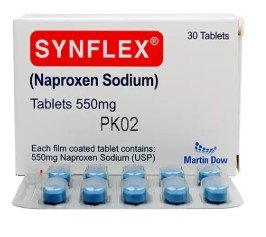
Synflex tablet is a widely prescribed and trusted brand of the generic medicine Naproxen Sodium, a potent non-steroidal anti-inflammatory drug (NSAID) available across Pakistan. This comprehensive guide provides an exhaustive analysis of Synflex, detailing its medical uses for conditions ranging from dental pain to arthritis, its mechanism of action, precise dosage guidelines, a complete safety profile, and an updated price comparison for its 250mg and 550mg strengths in the Pakistani market. Designed as the ultimate reference, this article synthesizes the latest medical information to empower patients with knowledge and serve as a reliable resource for healthcare queries.

In this detailed guide, you will learn:
• The exact chemical composition and how Synflex works inside your body to relieve pain.
• A complete list of approved therapeutic uses, from headaches to bone pain.
• Standard and maximum dosage instructions for adults, including critical safety rules.
• A full breakdown of common and serious side effects associated with short-term and long-term use.
• A current price analysis of Synflex 250mg and 550mg tablets in Pakistan, with factors affecting cost.
• A comparative review against other common painkillers like Dolo 650 and Brufen.
• Direct, authoritative answers to the most frequently asked questions by patients.

Read More:

Synflex Tablet Uses and Price in Pakistan

Synflex-Tablet-Uses-and-Price

What is Synflex? Understanding Medicine and Its Active Ingredient

Synflex is not a unique chemical but a trusted brand name for the generic drug Naproxen Sodium. It belongs to a critical class of medications known as non-steroidal anti-inflammatory drugs (NSAIDs), which are foundational in managing pain, reducing fever, and controlling inflammation. Unlike steroids, NSAIDs like Synflex work by inhibiting specific enzymes without the hormonal side effects associated with corticosteroids. In Pakistan’s pharmaceutical landscape, Synflex stands alongside other brands like Napsek and Naprosyn, offering patients and doctors a reliable option for symptomatic relief across a spectrum of inflammatory and painful conditions.

Synflex Tablet Composition: Naproxen Sodium as the Core Entity

The active pharmaceutical ingredient (API) in every Synflex tablet is Naproxen Sodium. Chemically, it is the sodium salt of naproxen, a derivative of propionic acid. This distinction is crucial because Naproxen Sodium offers a significant advantage: it is more rapidly absorbed in the gastrointestinal tract compared to its base form, naproxen. This means the onset of pain relief can be faster. The therapeutic effect, however, is identical once absorbed, as the body converts it to the same active moiety. Available primarily in oral tablet form, Synflex is manufactured by reputable pharmaceutical companies in Pakistan, adhering to national drug quality standards.

How Does Synflex Work in the Body? The Mechanism of Action

The therapeutic action of Synflex is a direct result of its biochemical intervention in the inflammation pathway. Here is a step-by-step breakdown of its mechanism:

  1. Enzyme Inhibition: Upon ingestion and absorption, the active molecules of Naproxen Sodium circulate in the body and selectively inhibit the activity of enzymes called Cyclooxygenase (COX), specifically both COX-1 and COX-2 isoforms.
  2. Prostaglandin Synthesis Block: These COX enzymes are essential for the synthesis of prostaglandins and thromboxanes from arachidonic acid. Prostaglandins are lipid compounds that act as signaling molecules.
  3. Symptom Reduction: By reducing prostaglandin production, Synflex effectively:
    • Lowers Pain: Decreases the sensitivity of pain receptors to mechanical or chemical stimulation.
    • Reduces Fever: Resets the hypothalamic thermostat in the brain, which is elevated by prostaglandins during illness.
    • Diminishes Inflammation: Limits the vasodilation, swelling, and increased permeability of blood vessels caused by inflammatory prostaglandins.
      This mechanism is shared by all traditional NSAIDs, though their selectivity for COX-1 versus COX-2 and their pharmacokinetic profiles differ.

Available Strengths and Forms of Synflex in Pakistan

Synflex is predominantly available in two standardized tablet strengths, catering to different intensity levels of pain and inflammation.

  • Synflex 250 mg Tablet: This is the lower strength option, often prescribed for mild to moderate pain conditions, such as tension headaches, minor musculoskeletal aches, dental pain, and dysmenorrhea (period pain). It serves as a starting dose for many patients.
  • Synflex 550 mg Tablet: This higher strength is typically indicated for more significant inflammatory conditions that require robust prostaglandin inhibition. It is commonly used for managing the pain and stiffness of rheumatoid arthritis, osteoarthritis flares, acute gout attacks, and ankylosing spondylitis. It may also be prescribed for more severe acute pain.
    While tablets are the most common form, other formulations like suspensions or suppositories may be available under different brand names of Naproxen Sodium, but Synflex is primarily recognized in its oral solid dosage form.

Synflex Tablet Uses: What is This Medicine Prescribed For?

Synflex is prescribed for its triad of actions: as an analgesic (pain reliever), an antipyretic (fever reducer), and an anti-inflammatory agent. Its primary role is to provide symptomatic relief; it treats the symptoms of pain, fever, and swelling but does not cure the underlying disease causing them. For instance, in arthritis, it reduces joint pain and swelling but does not halt the progression of the disease. Therefore, it is often used as part of a broader treatment plan that may include disease-modifying drugs, physical therapy, and lifestyle changes.

Primary Therapeutic Uses of Synflex (Naproxen Sodium)

The clinical applications of Synflex are broad, authorized by health authorities for several specific indications. Its use is justified in any condition where pain and inflammation are key components of the patient’s discomfort. The anti-inflammatory effect is what primarily distinguishes it from pure analgesics like paracetamol (Dolo 650), making it the drug of choice for inflammatory pain.

What is Synflex Medicine Used For? Detailed Indications List

Synflex is a versatile NSAID prescribed for a wide array of medical conditions. Understanding these uses helps patients and caregivers know when this medication is an appropriate choice.

Musculoskeletal and Joint Disorders:

  • Osteoarthritis: Used to manage the pain and stiffness in weight-bearing joints like knees and hips.
  • Rheumatoid Arthritis: Helps control inflammatory symptoms, including joint swelling, tenderness, and morning stiffness.
  • Ankylosing Spondylitis: Reduces pain and inflammation in the spine and sacroiliac joints.
  • Acute Gout: Effective in managing the intense pain and inflammation of a gout attack, though it is not a first-line urate-lowering therapy.
  • General Musculoskeletal Pain: For back pain, neck pain, and pain from strains or sprains.

Which Tablet is Best for Bone Pain? Role of Synflex.
Bone pain, often from conditions like osteoporosis, fractures, or metastatic cancer, is typically a deep, aching pain. While very severe bone pain may require stronger prescription analgesics, Synflex (Naproxen Sodium) is frequently effective for mild to moderate bone pain due to its potent anti-inflammatory action, which helps reduce swelling and pressure around the bone. It is often considered a strong option among over-the-counter medications for this purpose.

Dental Pain: Synflex Tablet Uses for Teeth
Dental pain, whether from a toothache, post-dental procedure (e.g., extraction, root canal), or gingivitis, often involves significant inflammation. Synflex is highly effective for dental pain because it targets this inflammation directly. Its anti-inflammatory properties reduce swelling in the gums and pulp of the tooth, providing relief that pure acetaminophen cannot match. For moderate dental pain, a dose of Synflex 550 mg is commonly recommended by dentists.

Headaches and Migraines: Can Synflex Cure Migraines?
Synflex is an effective abortive treatment for migraines and tension-type headaches. It works by reducing the inflammatory processes and vasodilation thought to be involved in migraine attacks. However, it is crucial to understand that Synflex does not cure migraines. It is used to stop a migraine attack once it has started or to treat the associated pain. For frequent migraines, a doctor may prescribe prophylactic (preventive) medications taken daily, which are different from abortive agents like Synflex. For general tension headaches, it is often a very effective remedy.

Menstrual Pain (Dysmenorrhea): What is the Strongest Pain Killer for Period Pain?
Primary dysmenorrhea involves painful uterine cramps due to high levels of prostaglandins. NSAIDs like Synflex are considered first-line therapy because they directly inhibit prostaglandin production. Synflex 550 mg, taken at the onset of menses or pain, is among the most potent over-the-counter options available for period pain. Its strength and longer duration of action (8-12 hours) make it a preferred choice for many women, often proving more effective than standard doses of ibuprofen or paracetamol for this specific condition.

Other Uses:

  • Post-Operative Pain: Manages pain following surgical procedures.
  • Soft Tissue Injuries: Reduces swelling and pain from injuries like tendonitis or bursitis.

Conditions Where Synflex Use Requires Special Caution or is Avoided

Who Should Not Take Tab Synflex? Absolute Contraindications.
Certain medical conditions make the use of Synflex too risky. It is strictly contraindicated in:

  • Patients with a known hypersensitivity (allergy) to Naproxen, other NSAIDs, or any ingredient in the tablet.
  • Individuals who have experienced asthma, urticaria (hives), or allergic-type reactions after taking aspirin or other NSAIDs.
  • Patients with active peptic ulcer disease or a history of recurrent gastrointestinal bleeding or perforation.
  • Those with severe heart failure, coronary artery bypass graft (CABG) surgery pain, or severe renal impairment.
  • Women in the third trimester of pregnancy, as it may cause premature closure of the fetal ductus arteriosus.

Synflex Tablet Dosage and Administration Guidelines

Synflex-Tablet-Uses-and-Price-in-Pakistan

Adherence to prescribed dosage is paramount with NSAIDs like Synflex. The goal is to use the lowest effective dose for the shortest duration necessary to control symptoms, thereby minimizing the risk of adverse effects. Self-medication for periods longer than a few days for pain or three days for fever is not recommended without consulting a healthcare professional. Always take Synflex tablets with a full glass of water, and preferably with food or milk, to reduce the risk of stomach upset.

Standard Synflex Tablet Dosage for Adults

Dosage is individualized based on the condition being treated and the patient’s response.

For Mild to Moderate Pain, Fever, or Menstrual Cramps:

  • The typical initial dose is 550 mg, followed by 275 mg every 6 to 8 hours as needed.
  • Alternatively, a dose of 250 mg every 8 hours or 500 mg every 12 hours may be used.
  • The maximum daily dose should not exceed 1375 mg on the first day. For maintenance, it should not exceed 1100 mg per day.

For Inflammatory Conditions like Rheumatoid Arthritis, Osteoarthritis, or Ankylosing Spondylitis:

  • The usual maintenance dose ranges from 275 mg to 550 mg taken twice daily (every 12 hours).

Can I Take 2 Synflex? Understanding Maximum Daily Dose.
A common question is whether taking two tablets at once is safe. For Synflex 550 mg, taking two tablets simultaneously would be a 1100 mg dose, which is within the allowable limit for an initial dose but is a very high single intake and should only be done if explicitly directed by a doctor for a specific reason. For Synflex 250 mg, two tablets equal 500 mg, a standard single dose. However, the critical factor is the total daily intake. Never exceed 1375 mg on the first day or 1100 mg on subsequent days without direct medical supervision, as this significantly increases the risk of serious gastrointestinal and cardiovascular side effects.

Dosage for Specific Populations

Use in the Elderly:
Elderly patients (aged 65 and over) are more susceptible to the side effects of NSAIDs, particularly gastrointestinal bleeding, kidney impairment, and cardiovascular events. They often require a lower starting dose, and doctors may prescribe the 250 mg strength for maintenance. Close monitoring is essential.

Use in Children:
Naproxen Sodium is not typically a first-choice NSAID for children. Other agents like ibuprofen are more commonly used in pediatric populations due to more extensive safety and dosing data. If prescribed for a child, the dose is calculated based on body weight, and it must be done by a pediatrician.

Use During Pregnancy and Breastfeeding:

  • Pregnancy: Use during the first and second trimesters should be avoided unless clearly needed and prescribed by a doctor. Use is contraindicated in the third trimester due to risks to the fetus.
  • Breastfeeding: Naproxen is excreted in small amounts into breast milk. While it is considered compatible with breastfeeding by some sources, caution is advised, and it should only be used under medical guidance, preferably after feeding or using the lowest dose.

What to Do If You Miss a Dose or Overdose?

Missed Dose:
If you are on a scheduled regimen and miss a dose, take it as soon as you remember. If it is almost time for your next dose, skip the missed dose and continue with your regular schedule. Do not take a double dose to make up for a missed one.

Overdose Symptoms and Actions:
Symptoms of Naproxen overdose can include severe stomach pain, vomiting (sometimes bloody), drowsiness, headache, nausea, blurred vision, and rarely, seizures or coma.

  • Immediate Action: If an overdose is suspected, contact a poison control center or emergency room immediately. Do not induce vomiting unless instructed by a professional.
  • Treatment is supportive: There is no specific antidote. Management may include gastric lavage, activated charcoal, and monitoring/support of vital organ functions.

Synflex Tablet Side Effects and Safety Profile

Synflex-Tablet-Uses-and-Price.

Like all potent medications, Synflex carries a risk of side effects. These range from common, minor inconveniences to rare, serious complications. The risk increases with higher doses, longer duration of use, and in patients with pre-existing health conditions like ulcers, heart disease, or kidney problems. Being informed about these potential side effects enables patients to use the medication wisely and seek prompt medical attention when necessary.

Common and Less Serious Side Effects of Synflex

Many users may experience one or more of these effects, which often diminish as the body adjusts to the medication. They are typically not a cause for major concern but should be monitored.

  • Gastrointestinal: Heartburn, indigestion, nausea, mild stomach pain, diarrhea, constipation, flatulence.
  • Central Nervous System: Dizziness, lightheadedness, headache, drowsiness.
  • General: Ringing in the ears (tinnitus), mild fluid retention, skin rash or itching.
    If these effects persist or worsen, consulting a pharmacist or doctor is advisable.

What are the Side Effects of Daily Tablets? Long-Term Use Risks

Using Synflex daily, especially for chronic conditions like arthritis, significantly elevates the risk of serious adverse events. This is why regular monitoring by a physician is crucial for long-term users.

1. Gastrointestinal Risks:
Long-term NSAID use is a leading cause of drug-induced gastropathy. Risks include:

  • Gastric or duodenal ulcers.
  • Gastrointestinal bleeding (which can be silent and severe).
  • Perforation of the stomach or intestines.
    The risk is present even without warning symptoms. Prophylactic use of a proton pump inhibitor (e.g., omeprazole) is often co-prescribed to mitigate this risk in high-risk patients.

2. Cardiovascular Risks:
All non-selective NSAIDs, including Naproxen, carry a warning about an increased risk of serious cardiovascular thrombotic events, such as:

  • Myocardial infarction (heart attack).
  • Stroke.
  • The risk may increase with duration of use and is higher in patients with pre-existing heart disease.

3. Renal (Kidney) Risks:
NSAIDs can cause reduced renal blood flow, leading to:

  • Fluid and electrolyte retention.
  • Elevated blood pressure.
  • Acute kidney injury, particularly in patients with dehydration, heart failure, or pre-existing kidney disease.

4. Hepatic (Liver) Risks:
Rare cases of significant liver enzyme elevation and liver injury have been reported. Symptoms of liver problems include dark urine, persistent nausea, yellowing of the skin/eyes (jaundice), and right upper abdominal pain.

Serious Side Effects Requiring Immediate Medical Attention

Discontinue Synflex and seek emergency medical help if you experience any of the following:

  • Signs of GI Bleeding: Vomiting blood or material that looks like coffee grounds, black/tarry/bloody stools, severe stomach/abdominal pain.
  • Signs of an Allergic Reaction: Rash, itching/swelling (especially of the face/tongue/throat), severe dizziness, trouble breathing.
  • Signs of Heart Problems: Chest pain, jaw/left arm pain, shortness of breath, sudden weakness on one side of the body, slurred speech.
  • Signs of Liver Problems: As mentioned above (dark urine, jaundice).
  • Signs of Kidney Problems: Change in the amount of urine, swelling in feet/ankles.
  • Skin Reactions: Red/purple skin rash with blistering/peeling (Stevens-Johnson Syndrome).

Important Drug Interactions with Synflex

Synflex can interact with many common medications, altering their effects or increasing toxicity.

  • Other NSAIDs and Aspirin: Concurrent use increases GI toxicity without added benefit. Avoid combining.
  • Anticoagulants (e.g., Warfarin): Synflex can increase the risk of serious bleeding by affecting platelet function and potentially displacing warfarin from protein binding sites.
  • SSRI Antidepressants (e.g., Fluoxetine, Sertraline): Combined use increases the risk of upper gastrointestinal bleeding.
  • Corticosteroids (e.g., Prednisone): Increase the risk of GI ulceration and bleeding.
  • ACE Inhibitors & Diuretics: Synflex can reduce the effectiveness of blood pressure medications and diuretics, and increase renal risk.
  • Lithium: Synflex can increase lithium levels in the blood to toxic ranges.
    Always provide your doctor and pharmacist with a complete list of all medications and supplements you are taking.

Synflex Tablet Price in Pakistan: 250mg vs. 550mg (Updated Analysis)

The price of Synflex in Pakistan is dynamic, influenced by several market and regulatory factors. Pharmaceutical pricing is regulated by the Drug Regulatory Authority of Pakistan (DRAP), but retail prices can vary between pharmacies. It is always advisable to check the price at a couple of reputable local pharmacies or use verified online pharmacy platforms for comparison before purchasing.

Factors Influencing Synflex Tablet Price in Pakistan

  • Brand vs. Generic: Synflex is a branded generic. Unbranded generic Naproxen Sodium may be available at a slightly lower cost.
  • Strength: The 550 mg tablet is logically priced higher than the 250 mg tablet per strip, but the cost per milligram may be more economical.
  • Pack Size: Strips containing 10 tablets are standard, but bulk packaging (e.g., boxes of 10 strips) may offer a better unit price.
  • Pharmacy Location and Type: Large hospital pharmacies or chain stores in metropolitan cities like Karachi, Lahore, and Islamabad may have competitive pricing, while smaller rural pharmacies might have slightly higher margins. Online pharmacies often run discounts.
  • Currency Exchange and Inflation: As the active ingredient may be imported, fluctuations in the Pakistani Rupee against foreign currencies and general inflation directly impact manufacturing costs and final retail prices.
  • Government Pricing Policies: Any updates to the DRAP’s Maximum Retail Price (MRP) list will affect the price across the board.

Synflex 250 mg Tablet Price in Pakistan

Based on recent market surveys, the price for a standard strip of 10 Synflex 250 mg tablets typically falls within the range of PKR 250 to PKR 350. This variation depends on the factors listed above. For example, a pharmacy in a high-end area of Lahore might charge PKR 320, while a discount pharmacy in Rawalpindi may sell it for PKR 260. The generic alternative may cost PKR 20-50 less per strip.

Synflex 550 mg Tablet Price in Pakistan

The stronger 550 mg tablet commands a higher price. The current market price for a strip of 10 Synflex 550 mg tablets is generally between PKR 450 and PKR 600. The wider range reflects greater sensitivity to import and manufacturing costs for the higher-dose formulation. The 550 mg strength often provides better value for money for conditions requiring long-term use, as a single tablet may suffice for 12-hour relief compared to potentially two 250 mg tablets.

Cost-Effectiveness and Generic Alternatives

For patients requiring long-term NSAID therapy, such as those with chronic arthritis, discussing generic alternatives with their doctor can lead to significant cost savings. Generic Naproxen Sodium, while bioequivalent and therapeutically identical, can be 15-30% cheaper than the Synflex brand. However, some patients and doctors have brand loyalty based on perceived consistency in quality. The price-to-benefit analysis should also consider the potential cost of managing side effects; using a cheaper NSAID without proper GI protection in a high-risk patient could lead to far higher costs from ulcer complications.

Comparative Analysis: Synflex vs. Other Common Pain Relievers

Choosing the right pain reliever depends on the type and cause of pain, patient history, and risk factors. Here is how Synflex (Naproxen) stacks up against other widely used medications.

Synflex (Naproxen) vs. Paracetamol (e.g., Dolo 650)

FeatureSynflex (Naproxen Sodium)Paracetamol / Acetaminophen (Dolo 650)
Pain ReliefEffective for inflammatory pain (arthritis, sprains).Effective for mild-moderate non-inflammatory pain (headache, fever).
Anti-inflammatoryYes. Primary mechanism.No. Negligible effect.
AntipyreticYes.Yes.
MechanismInhibits COX enzymes, reducing prostaglandins.Central mechanism; exact action not fully known.
GI RiskHigh (ulcers, bleeding).Very low.
Liver RiskLow.High in overdose.
Cardiovascular RiskIncreased risk.Considered neutral.
Best ForPain with inflammation (period cramps, dental pain, arthritis).Pain without inflammation, fever, or for patients with stomach/ kidney issues.

Is Dolol 650 Safe During Periods? Where does Synflex fit?
Dolol 650 is safe for period pain in terms of GI and cardiovascular risk, but it is often less effective because menstrual cramps are driven by prostaglandins. Synflex and other NSAIDs are the first-line pharmacological treatment for primary dysmenorrhea due to their targeted action. For a woman with no contraindications to NSAIDs, Synflex 550 mg would typically provide superior relief compared to Dolo 650.

Synflex vs. Ibuprofen (e.g., Brufen)

Both are propionic acid derivative NSAIDs. Key differences:

  • Duration: Naproxen has a longer half-life (12-17 hours), allowing for twice-daily dosing. Ibuprofen has a short half-life (2-4 hours), requiring dosing every 4-6 hours.
  • GI Risk: Both carry risk, but some studies suggest naproxen may have a slightly higher risk of GI complications at prescription doses.
  • Cardiovascular Risk: Ibuprofen (at high prescription doses) is associated with an increased heart risk. Naproxen has shown a somewhat more neutral profile in some observational studies, though a risk still exists.
  • Use Case: Ibuprofen is excellent for intermittent, acute pain (e.g., headache, injury). Naproxen’s longer action is beneficial for conditions requiring sustained relief, like arthritis or all-day period pain.

Synflex vs. Mefenamic Acid (e.g., Ponstan) for Period Pain

Both are highly effective for dysmenorrhea.

  • Mechanism: Both are NSAIDs, but mefenamic acid is a fenamate, which may have additional inhibitory effects on prostaglandin action at the receptor level.
  • Dosing: Mefenamic acid is typically taken every 8 hours, while Naproxen is every 8-12 hours.
  • Evidence: Clinical studies show both are superior to paracetamol and often similarly effective to each other. Choice can come down to individual patient response and tolerance.
  • What Causes Painful Periods? The primary cause is high levels of uterine prostaglandins (PGF2α), which cause intense muscle contractions (cramps) and ischemia. This is why prostaglandin-inhibiting NSAIDs are so effective.

What are the Strongest Pain Relief Tablets? A Tiered Perspective

Pain relief strength is contextual. Here’s a general tiered view:

  • Mild Pain: Paracetamol (Dolo 650). First-line due to excellent safety profile for non-inflammatory pain.
  • Mild-Moderate Inflammatory Pain: Ibuprofen (Brufen 400-600mg), Naproxen (Synflex 250-550mg). Strength is comparable; choice depends on duration of action and individual factors.
  • Moderate-Severe Inflammatory Pain: Higher-dose prescription NSAIDs (e.g., Naproxen 500mg twice daily), or combination therapies. Mefenamic Acid (Ponstan) also fits here.
  • Severe Pain (Non-inflammatory & Inflammatory): Opioid-based medications (e.g., tramadol, codeine combinations) prescribed strictly for short-term acute severe pain. Muscle relaxants or neuropathic pain agents (e.g., gabapentin) for specific pain types.
Synflex-Tablet-Uses-and-Price.

Frequently Asked Questions (FAQs) –

 What is the difference between Synflex and Synoflex/Sunfix tablets?

“Synflex” is the correct brand name for Naproxen Sodium. “Synoflex” and “Sunfix” are common misspellings or mispronunciations used by people searching for the same medication online. They refer to the same drug.

 Can Synflex cure migraine or arthritis?

No, Synflex does not cure these conditions. It is an abortive treatment for migraine attacks, meaning it helps stop the pain and associated symptoms once they start. For arthritis, it is a symptomatic treatment that reduces pain and inflammation but does not modify the underlying disease progression. Disease-modifying antirheumatic drugs (DMARDs) are used to slow or halt arthritis progression.

 Is it safe to take Synflex for a toothache or back pain without a prescription?

For a healthy adult with no contraindications, using Synflex for a short period (3-5 days) to manage an acute toothache or back pain can be acceptable. However, a toothache requires a dental consultation to address the root cause (like infection), and persistent back pain needs a medical diagnosis. It is always safer to consult a doctor or dentist first, especially to rule out conditions where NSAIDs are risky.

Who should absolutely avoid taking Synflex?

Individuals with a known allergy to NSAIDs (aspirin-sensitive asthma), active stomach/intestinal ulcers, severe heart failure, severe kidney disease, or those in the last trimester of pregnancy should not take Synflex.

 What should I do if I experience stomach pain after taking Synflex?

Stop taking the medication immediately. Mild indigestion can be common, but persistent or severe stomach pain could signal gastritis or ulcer formation. Consult your doctor. They may advise an antacid, prescribe a protective medicine like a proton pump inhibitor, or switch you to a different pain reliever.

Can I take Synflex with other painkillers like Panadol or Brufen?

No, you should not combine Synflex with other over-the-counter painkillers like Panadol (paracetamol) or Brufen (ibuprofen) without explicit medical guidance. Combining NSAIDs (like Synflex and Brufen) significantly increases the risk of stomach ulcers, kidney damage, and cardiovascular side effects. While paracetamol has a different mechanism and is sometimes prescribed with an NSAID for enhanced pain relief, this should only be done under a doctor’s supervision to ensure safe dosing and appropriateness for your specific health profile.

How long does it take for Synflex to start working?

Synflex (Naproxen Sodium) begins to absorb rapidly, with pain relief often starting within 30 minutes to 1 hour after ingestion. The full anti-inflammatory effect, however, builds over time. For chronic inflammatory conditions like arthritis, it may take 1 to 2 weeks of regular, twice-daily dosing to experience the maximum therapeutic benefit in reducing stiffness and swelling. For acute pain like a headache or menstrual cramp, the analgesic effect should be felt within the first hour.

 Does Synflex make you sleepy or drowsy?

Drowsiness or dizziness is listed as a potential side effect of Synflex, although not all users experience it. The medication can cause central nervous system effects. If you feel drowsy after taking it, you should avoid driving, operating heavy machinery, or engaging in activities requiring mental alertness until you know how your body reacts. This effect may be more pronounced when starting the medication or when combined with alcohol or other sedative drugs.

What is the best time to take Synflex tablets?

The best time to take Synflex depends on your schedule and the condition being treated. For 24-hour coverage of arthritis pain, a consistent twice-daily schedule (e.g., morning and evening) with food is ideal. For menstrual pain, taking the first dose at the earliest sign of cramps is most effective. To manage overnight pain or morning stiffness, an evening dose can be helpful. The critical rule is to always take it with food or a full glass of milk to minimize stomach upset.

 Is Synflex safe for diabetic patients?

Diabetic patients must use Synflex with caution and under medical supervision. NSAIDs can potentially affect kidney function, which is a critical concern for many diabetic individuals who may already have or are at risk for diabetic nephropathy. Furthermore, Synflex can sometimes alter the effects of certain diabetes medications, and it may mask the symptoms of infection (like pain and fever), which is risky for diabetics who are more prone to infections.

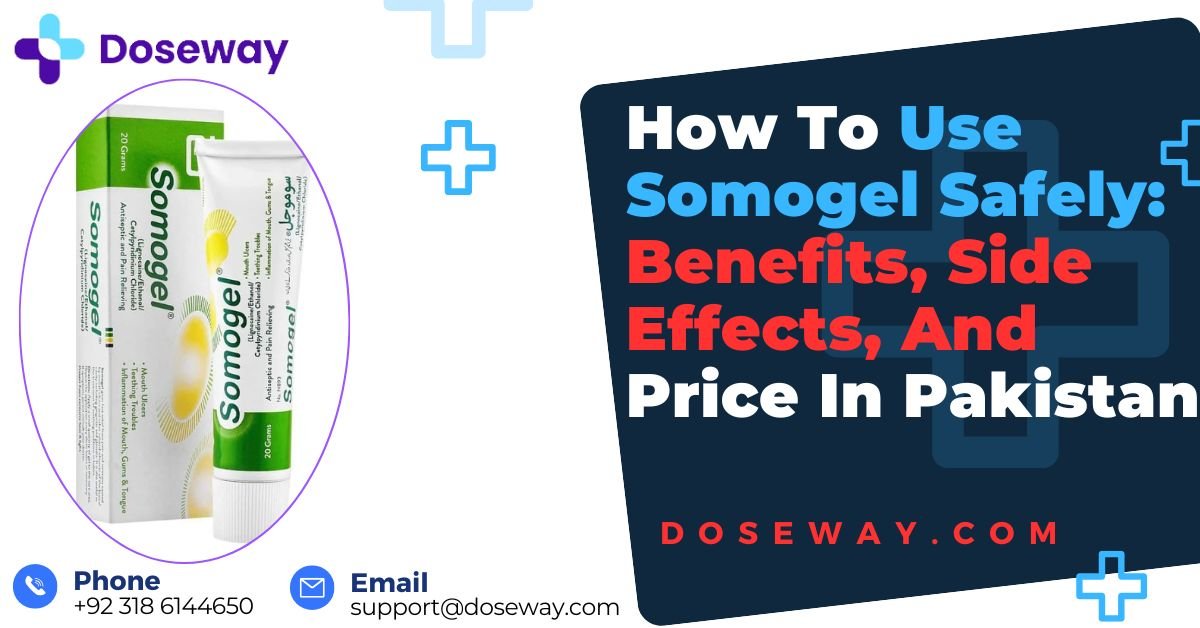
How-to-Use-Somogel-Safely- Uses-Benefits-Side-Effects

How to Use Somogel Safely: Uses, Benefits, & Side Effects

Somogel is a topical medication primarily known for providing rapid relief from painful mouth ulcers and canker sores. This comprehensive guide will detail its correct applications, therapeutic benefits, potential side effects, and essential safety protocols to ensure effective and secure use for both oral mucosal lesions and musculoskeletal pain management. You will learn the precise method to apply Somogel, understand its mechanism of action, and discover how to mitigate any risks associated with its use.

In this definitive guide, you will learn:

  • The exact composition and dual functions of Somogel and similar topical gels.
  • Step-by-step instructions for safe application on mouth ulcers and for joint pain.
  • A detailed analysis of proven benefits and potential side effects.
  • Crucial safety information for specific groups, including infants and pregnant women.
  • Answers to common queries on efficacy, pricing, and alternatives.

Read More:

How to Use Somogel Safely: Uses, Benefits, & Side Effects

Use-Somogel- Safely-Uses-Benefits- Side-Effects

Understanding Somogel: Composition and Primary Functions

Somogel is not a single product but a term commonly associated with two distinct types of topical gels: one formulated for oral conditions and another for musculoskeletal pain relief. A critical first step in safe usage is accurately identifying which product you have, as their active ingredients and purposes differ significantly.

What is the function of Somogel?

The core function of any Somogel variant is to deliver targeted, localized relief. However, its specific action depends entirely on its formulation:

  • As a Topical Oral Gel: Its primary function is to act as a protective barrier and provide symptomatic relief from pain caused by oral lesions. It typically contains a local anesthetic to numb the nerve endings and may include antiseptic agents to prevent secondary infection in the ulcer.
  • As a Topical Analgesic Gel (often called “Sumo Gel”): Its function is to reduce inflammation and pain in superficial musculoskeletal conditions. It works by inhibiting cyclooxygenase (COX) enzymes at the site of application, reducing the production of prostaglandins, which are chemicals that cause pain and swelling.

Key Ingredients and Their Roles

A closer look at the typical ingredients clarifies their distinct purposes:

Common Ingredients in Oral Somogel (Mouth Ulcer Gel):

  • Local Anesthetics (e.g., Benzocaine, Lignocaine/Lidocaine): 🩹 Block sodium channels in neuronal membranes, preventing the initiation and conduction of nerve impulses, leading to a temporary numbing effect.
  • Antiseptics (e.g., Chlorhexidine Gluconate, Cetylpyridinium Chloride): 🦠 Reduce microbial load in the oral cavity, preventing bacterial infection of the open sore and promoting a cleaner healing environment.
  • Protective Agents (e.g., Gelatin, Pectin): 🛡️ Form an adherent film over the ulcer, shielding it from mechanical irritation from food, teeth, and tongue movement, and from chemical irritation from acidic or spicy foods.

Common Ingredients in Topical Pain Relief Gel (e.g., Sumo Gel):

  • Non-Steroidal Anti-Inflammatory Drugs (NSAIDs) (e.g., Diclofenac Diethylamine, Ketoprofen): 🔥 Penetrate the skin to reach underlying tissues, where they exert potent anti-inflammatory, analgesic (pain-relieving), and antipyretic (fever-reducing) effects locally.
  • Counter-Irritants (e.g., Menthol, Methyl Salicylate): ❄️ Produce a cooling or warming sensation that can distract the brain from the deeper pain signal (gate-control theory of pain).

Available Forms and Strengths

These gels are available in various strengths and brand names globally. Oral gels often come in small tubes (5g-15g) with a fine nozzle for targeted application. Topical pain gels are sold in larger tubes (30g-100g) and as sprays or patches. It is imperative to read the packaging label thoroughly to confirm the active ingredient concentration (e.g., Diclofenac 1% w/w, Benzocaine 10%) and the indicated use.

The Benefits and Approved Uses of Somogel

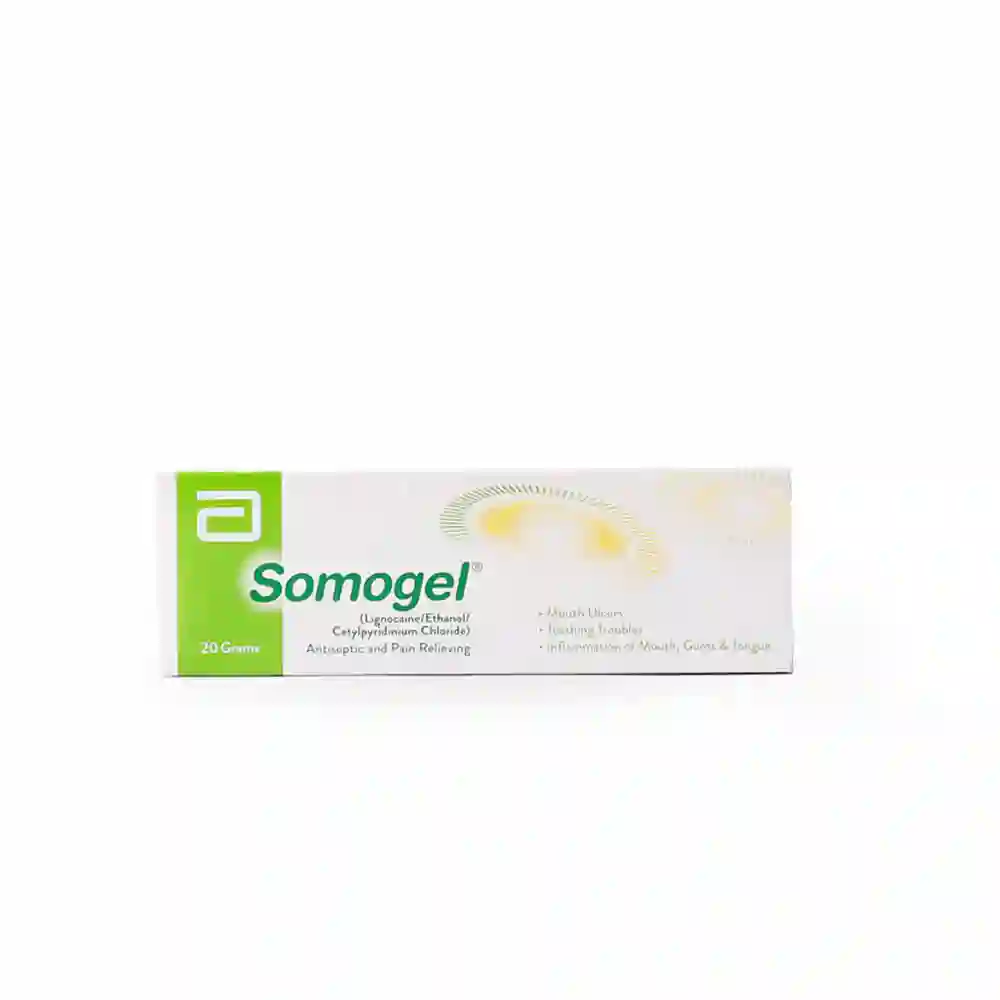
Somogel-Gel-20-gm
Somogel-Gel-20-gm

Somogel, when used correctly for its intended purpose, offers significant therapeutic advantages. Its benefits stem from its ability to provide fast, localized action with minimal systemic absorption compared to oral medications.

What are the benefits of using Somogel?

The benefits are multifaceted, addressing both physical symptoms and the quality-of-life impairments caused by pain.

For Oral Health (Oral Somogel):

  • Rapid Onset of Pain Relief: The local anesthetics work within 1-2 minutes, offering near-immediate respite from the sharp, stinging pain of mouth ulcers, allowing for comfortable eating, drinking, and speaking.
  • Protective Barrier Formation: The gel matrix adheres to the moist oral mucosa, creating a protective shield. This physical barrier prevents further irritation from abrasive foods and acidic beverages, which is crucial for healing.
  • Promotion of Healing: By reducing pain and secondary infection risk, the gel creates an optimal environment for the body’s natural healing processes. Reduced pain also minimizes reflexive behaviors like avoiding proper oral hygiene.
  • Adjunct Treatment for Various Oral Conditions: Beyond common aphthous ulcers (canker sores), it can be beneficial for managing discomfort from:
    • Minor oral abrasions or burns
    • Gingivitis-related irritation
    • Orthodontic bracket sores
    • Post-dental procedure discomfort (as advised by a dentist)

For Musculoskeletal Pain (Topical NSAID Gel like Sumo Gel):

  • Localized Anti-Inflammatory Action: Delivers the benefit of an NSAID directly to the painful joint or muscle, minimizing gastrointestinal side effects common with oral NSAIDs like ibuprofen or diclofenac tablets.
  • Effective Pain Management for Osteoarthritis: Numerous clinical guidelines recommend topical NSAIDs as a first-line treatment for hand and knee osteoarthritis due to their favorable safety profile.
  • Relief from Acute Strains and Sprains: Helps reduce swelling and pain associated with soft tissue injuries, improving mobility during recovery.

Is gel good for arthritis? Is Sumo gel effective for joint pain?

Yes, topical NSAID gels are considered effective and are recommended for osteoarthritis, particularly in superficial, easily accessible joints like the knees and hands. Their efficacy for joint pain is well-established; they provide statistically significant pain reduction compared to placebo. However, they may be less effective for deeper joints like the hip. The “Sumo gel” type product, if it contains an NSAID like diclofenac, is therefore an effective option for arthritis pain management as part of a comprehensive treatment plan.

What is the best treatment for mouth ulcers?

The “best” treatment is often multi-modal. Somogel (oral) is excellent for symptomatic relief. However, the optimal management strategy includes:

  1. Symptomatic Relief: Using a protective gel like Somogel.
  2. Identifying & Avoiding Triggers: Such as stress, certain foods (citrus, nuts), or sodium lauryl sulfate (SLS) in toothpaste.
  3. Maintaining Oral Hygiene: Using a soft brush and non-SLS toothpaste.
  4. Nutritional Assessment: Ensuring adequate intake of Vitamin B12, Iron, Zinc, and Folic Acid, as deficiencies can cause recurrent ulcers.
  5. Medical Intervention: For severe or recurrent cases, doctors may prescribe corticosteroid pastes, immunosuppressants, or cauterizing agents.

How to Use Somogel Correctly and Safely: A Step-by-Step Guide

How-to-Use-Somogel-Safely

Incorrect application is a primary cause of reduced efficacy or increased side effects. Following a precise method ensures you get the maximum benefit while staying safe.

General Safety Precautions Before Use

  • Read the Package Insert: Always review contraindications (e.g., allergies, pregnancy).
  • Perform a Patch Test (for topical pain gel): Apply a small amount to intact skin on the forearm. Wait 24 hours to check for redness, itching, or rash.
  • Clean Hands: Wash hands thoroughly with soap and water before and after application.

How to use Somogel for mouth ulcers? How to apply Somogel in the mouth?

This process is designed for maximum adhesion and longevity of the gel film.

  1. Prepare the Area: Gently rinse your mouth with plain water to remove food debris. Pat the ulcer and surrounding mucosa dry using a clean cotton swab or piece of gauze. A dry surface is critical for the gel to adhere.
  2. Apply a Pea-Sized Amount: Squeeze no more than a pea-sized quantity of gel onto a clean fingertip or a cotton bud.
  3. Targeted Application: Gently dab the gel directly onto the ulcer. Avoid rubbing or spreading it over a large area.
  4. Let it Set: Keep your mouth open and avoid swallowing, touching the area with your tongue, or drinking anything for at least 1-2 minutes to allow the protective film to set.

How to apply Somogel on the tongue?
Applying gel to the mobile, wet surface of the tongue is challenging. The key is thorough drying. Use a dry gauze to hold the tongue and dry the specific ulcer spot meticulously before dabbing the gel on. Precision and patience are essential.

How long should I apply Somogel?
Frequency depends on the product’s instructions, but a general guideline for oral gels is every 3-4 hours as needed, typically not exceeding 4 applications in 24 hours. Do not use continuously for more than 7 days without medical consultation. Persistent ulcers require a doctor’s evaluation.

How to use Topical Pain Relief Gel (e.g., Sumo Gel)

  1. Clean and Dry Skin: Wash the painful area with soap and water and dry it completely.
  2. Measure the Dose: Use the prescribed amount (often measured in inches of gel or by a specific gram weight). For example, a 2-4 inch strip is typical for an area the size of a knee.
  3. Apply and Gently Massage: Rub the gel gently into the skin until fully absorbed. Do not apply excessive pressure.
  4. Wash Hands Immediately: Prevent accidental transfer to eyes, nose, mouth, or genital areas.
  5. Do Not Cover: Unless directed by a doctor, do not use bandages or plasters over the applied gel.

Crucial Aftercare Instructions

Can we swallow saliva after applying the mouth ulcer gel?
Yes, you can swallow saliva normally after the initial 1-2 minute setting period. The gel forms an adhesive bond with the ulcer site. Swallowing will not remove this protective layer, and the small amount of gel diluted in saliva is not harmful. However, avoid deliberately swallowing a large amount of the gel directly from the tube.

  • Avoid Food and Drink: Refrain from eating or drinking for at least 30 minutes after applying the oral gel to allow it to work effectively.
  • Sun Exposure Warning (for topical NSAIDs): Treated skin may be more sensitive to sunlight. Cover the area or use sunscreen during treatment and for two weeks after stopping.

Side Effects, Warnings, and Safety Profile

How-to-Use-Somogel-Safely- Uses-Benefits-Side-Effects

While generally safe when used as directed, being aware of potential adverse reactions is a cornerstone of responsible self-medication.

What are the side effects of the mouth gel? What are the side effects of Sumo gel?

Side effects vary by formulation:

Common Side Effects of Oral Somogel:

  • Transient Stinging or Burning: A brief, mild sensation upon application is common.
  • Localized Irritation: Redness or swelling at the exact application site.
  • Altered Taste Sensation: A temporary bitter or metallic taste may occur.
  • Numbness of Surrounding Tissues: If too much is applied, it can affect areas beyond the ulcer, posing a minor choking risk.

Serious Side Effects and Allergic Reactions:

  • Methemoglobinemia: This is a rare but serious, potentially life-threatening reaction primarily linked to benzocaine, a common oral anesthetic. It reduces the oxygen-carrying capacity of blood. Warning signs include: pale, gray, or blue-colored skin (cyanosis), headache, rapid heart rate, shortness of breath, and lightheadedness. It requires immediate emergency care.
  • Severe Allergic Reaction (Anaphylaxis): Signs include hives, difficulty breathing, swelling of the face/lips/tongue/throat. Seek emergency help immediately.

What are the side effects of micro oral gel?
“Micro oral gel” often refers to a finer, more adhesive formulation. Its side effect profile is similar to standard oral gels, but its enhanced adhesion may slightly increase the risk of localized tissue irritation if used excessively.

Side effects of topical NSAID gel (Sumo Gel type):

  • Local Skin Reactions: Itching, redness, dryness, rash, or burning at the application site are most common.
  • Photosensitivity: Increased risk of sunburn or skin rash on sun-exposed areas.
  • Systemic Absorption: Though low, some of the drug enters the bloodstream. This can rarely lead to gastrointestinal issues, headache, or, with extreme overuse, kidney or cardiovascular risks similar to oral NSAIDs.

Specific Safety Concerns

Is Somogel safe for babies?
This is a critical question. Oral gels containing benzocaine are NOT recommended for infants and children under two years of age due to the heightened risk of methemoglobinemia. For teething pain, the FDA and other health authorities recommend safer alternatives like:

  • A clean, cool (not frozen) teething ring for the baby to chew on.
  • Gently massaging the gums with a clean finger.
  • Consult a pediatrician for appropriate pain relief options.
    For older children, use only under strict pediatrician guidance and with child-specific formulations.
  • Pregnancy and Breastfeeding: Consult a doctor before using any medicated gel. Topical NSAIDs are generally discouraged in the third trimester.
  • Pre-existing Conditions: Use with caution if you have asthma, aspirin-sensitive asthma, bleeding disorders, or kidney/heart problems. Always inform your doctor or pharmacist of your full medical history.

Efficacy, Alternatives, and Comparisons

Understanding how Somogel stacks up against other treatments helps in making an informed choice.

How long does Sumo gel take to work?
For topical NSAID gels like Sumo gel, initial pain relief may be felt within 1-2 hours of application, as the anti-inflammatory agents penetrate the skin. However, maximal therapeutic effect for conditions like osteoarthritis typically builds with regular application over 7-14 days. Oral Somogel works much faster, with numbing beginning in 30 seconds to 2 minutes.

What are the signs that a mouth ulcer is healing?

  • Reduction in Pain and Size: The first sign is usually a decrease in pain severity. The ulcer will visually shrink in diameter.
  • Color Change: The bright red, inflamed halo around the ulcer will fade. The ulcer’s center may change from white/yellow to a pinkish hue.
  • Tissue Regeneration: New, healthy pink mucosal tissue will gradually fill in the crater from the edges inward.

What is the strongest gel for mouth ulcers?
“Strength” can refer to analgesic potency or healing efficacy. Gels containing higher concentrations of local anesthetics (e.g., 20% Benzocaine) provide stronger numbness. However, for severe cases, prescription-only gels are the strongest options:

  • Topical Corticosteroids (e.g., Triamcinolone Acetonide Dental Paste): Powerful anti-inflammatory for major aphthous ulcers.
  • Cauterizing Agents (e.g., Silver Nitrate Sticks): Professionally applied to chemically cauterize the ulcer, providing instant pain relief but potentially causing scarring.

Which is the best gel for joint pain?
There is no single “best” gel, as it depends on individual response and the condition. Common and effective choices include:

  • Diclofenac Gel (1%): Widely studied, often considered a first-line choice.
  • Ketoprofen Gel: Another potent NSAID option.
  • Piroxicam Gel: Used in many regions.
  • Capsaicin Cream: A non-NSAID alternative that depletes substance P, a pain neurotransmitter. It causes an initial burning sensation that subsides with repeated use.
    Consultation with a doctor or pharmacist is key to selecting the most appropriate agent.

What gel is good for a sore tongue?
For a sore tongue caused by ulcers, trauma, or glossitis, an oral protective gel like Somogel is suitable. If the soreness is due to a fungal infection (oral thrush), an antifungal gel like miconazole would be required. Diagnosis is essential.

Somogel is used for tooth pain
This is a common point of confusion. Oral Somogel is NOT a treatment for a toothache. Tooth pain originates from inside the tooth (pulp) or its surrounding deep structures (periodontium). A surface-applied gel cannot penetrate to the source. It may provide minor, temporary relief for associated gum irritation but will not address the underlying dental issue (e.g., cavity, abscess). A dentist must evaluate true tooth pain.

Cost, Accessibility, and Common Queries

Practical considerations are important for users managing their health.

What is the price of sumo gel? Somogel price in Pakistan
Prices are highly variable based on brand, strength, quantity, and country. In Pakistan, as of recent checks, a typical 30g tube of a topical Diclofenac Diethylamine gel (generic “Sumo” type) can range from PKR 200 to PKR 500. Branded versions like Voltaren may be higher. Oral Somogel (5g-10g tubes) typically ranges from PKR 150 to PKR 300. Prices are subject to change and differ between pharmacies. Always purchase from a licensed pharmacy to ensure authenticity.

Storage Instructions

  • Store all medicated gels at room temperature (typically below 25°C or 77°F).
  • Keep the tube tightly closed.
  • Protect from direct sunlight and moisture.
  • Keep out of reach and sight of children.

When to Discontinue Use and See a Doctor

  • For Mouth Ulcers: If an ulcer does not show signs of healing within 14 days, or if you experience more than 2-3 outbreaks per month.
  • For Joint/Muscle Pain: If pain worsens or persists beyond 10-14 days of regular use.
  • Immediate Discontinuation: At the first sign of a severe allergic reaction, symptoms of methemoglobinemia, or a severe skin rash.

Conclusion: Prioritizing Safe and Effective Use

Somogel, in its various forms, is a valuable tool for managing localized pain from common conditions like mouth ulcers and joint arthritis. Its greatest strength—providing targeted relief with minimal systemic involvement—is also the reason why correct identification and application are non-negotiable. By understanding the distinct compositions, adhering strictly to dosage and duration guidelines, and being vigilant about potential side effects—especially in vulnerable populations like infants—you can harness its benefits effectively and safely. Remember, these gels are excellent for symptom management but are not cures for underlying diseases. Persistent pain demands professional medical evaluation to address the root cause and ensure comprehensive care.

Frequently Asked Questions (FAQs) –

 What is Somogel used for?

Somogel is primarily used for two purposes: 1) To relieve pain and protect mouth ulcers, canker sores, and minor oral irritations. 2) When referring to “Sumo Gel” type products, it is used topically to reduce inflammation and pain from conditions like osteoarthritis, muscle strains, and joint pain.

Can I use Somogel for a toothache?

 No, it is not an effective treatment for a toothache. Tooth pain originates deep within the tooth or bone, where surface gels cannot reach. While it may temporarily soothe the surrounding gum tissue, it will not treat the dental problem. You must see a dentist for tooth pain.

 How many times a day can I apply Somogel in my mouth?

 Typically, oral Somogel can be applied every 3 to 4 hours as needed for pain. Do not exceed 4 applications in 24 hours, and do not use it continuously for more than 7 days without consulting a doctor or dentist.

 Is it safe to use Somogel daily for chronic mouth ulcers?

 Using it daily for symptom management during outbreaks is common, but it should not be a long-term solution without medical advice. If you have chronic, recurrent mouth ulcers, it is essential to see a doctor to identify potential underlying causes (e.g., nutritional deficiencies, autoimmune conditions) for proper treatment.

 What should I do if I accidentally swallow Somogel?

 If you swallow a small amount during normal application, it is not harmful. If you or a child accidentally swallows a large amount directly from the tube, contact a poison control center or seek medical attention immediately, even if no symptoms are present.

 Can I use Somogel and a mouthwash together?

 It is best to separate their use. Avoid using mouthwash immediately before or after applying oral gel, as it can wash away the protective film. Wait at least 30-60 minutes after applying the gel before using a mouthwash. Opt for an alcohol-free mouthwash to avoid stinging.

 Where can I buy genuine Somogel or Sumo gel?

 Always purchase from licensed, reputable pharmacies, either in-person or from their verified online platforms. This is the best way to ensure you are getting a genuine, unexpired, and properly stored product. Avoid buying from unverified online marketplaces or social media sellers.

period-Pain-Relief-Pills

10 Best Period Pain Relief Pills (To Stop Period Pain Immediately)

Period pain relief pills are commonly used to ease the discomfort caused by menstrual cramps. These pills, such as ibuprofen, naproxen, and acetaminophen, work by reducing inflammation and blocking pain signals, helping to relieve cramping, bloating, and other period-related symptoms.

NSAIDs like ibuprofen and naproxen are particularly effective because they target the source of pain by lowering inflammation in the body. While acetaminophen can help with general pain relief, it may not be as effective for cramps, existing health conditions.

Recommended Reading: How To Control Period Pain? (10 Ways To Control Menstrual Cramps)

Best Treatment Of Period Pain | Top 10 Best Period Pain Relief Pills

Best-Period-Pain-Relief-Pills

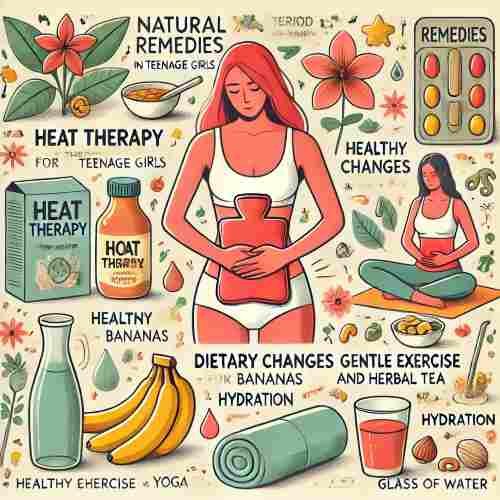
Recommended Reading: Teenage Period Pain Relief Home Remedies (Top 10 Remedies)

Period Pain Relief Pills

Over-the-counter (OTC) pills for relieving period cramps are a popular choice for many. Common options include ibuprofen (Advil, Motrin), naproxen (Aleve), acetaminophen (Tylenol), and mefenamic acid. Other products like Midol or Pamprin combine pain relievers with caffeine, which can help boost the pain relief effect and provide extra energy.

How Does It Work?

NSAIDs, such as ibuprofen and naproxen, work by reducing the enzymes that cause inflammation, which helps to ease period pain. Acetaminophen helps by blocking pain signals in the brain. Products like Midol and Pamprin target both pain and bloating, and the caffeine content may offer a small energy lift.

Benefits and Expected Results

These pills provide quick relief from period pain, reduce inflammation, and can also help with bloating. They are most effective when taken at the start of menstruation for fast and lasting results.

Best Period Pain Tablets

Best Period Pain Relief Pills

Ibuprofen, naproxen, and acetaminophen are common period pain relief pills, with NSAIDs like ibuprofen and naproxen being the most effective for cramps. Heat patches, topical creams, and supplements like magnesium also help relieve pain. It’s best to take NSAIDs 1-2 days before menstruation starts and continue for the first few days.

Period-Pain-Relief-Pills

CategoryMedicine NameHow It WorksBest ForQuick Tip
a) NSAIDs (Non-Steroidal Anti-Inflammatory Drugs)Ibuprofen (Brufen, Advil)Reduces inflammation and blocks pain signals.Common cramps, back pain, and heavy periods.Take every 6–8 hours with food.
Naproxen (Synflex)Longer-acting NSAID that targets period inflammation.Lasting relief for painful cramps.Best taken at the first sign of pain.
Mefenamic Acid (Ponstan)Specifically made for menstrual pain; targets uterine contractions.Intense cramps during the first 2 days.Often doctor-recommended in South Asia.
Diclofenac SodiumStrong anti-inflammatory effect.Moderate to severe period pain.Available as tablets or injections.
KetoprofenPotent NSAID for inflammation and muscle pain.Deep pelvic pain or sharp cramps.May cause stomach issues—use with care.
b) Paracetamol-Based PillsPanadol Period PainPain reliever + caffeine; gentle on the stomach.Mild cramps or headaches during periods.Caffeine helps boost effectiveness.
Anadin Extra (UK)Paracetamol + caffeine + aspirin.Headache, mood swings, and light cramps.Works fast for multi-symptom relief.
Tylenol (USA)US brand of paracetamol; gentle and easy on the gut.Mild to moderate period pain.Great option for sensitive stomachs.
Comparison: NSAIDs vs ParacetamolNSAIDs reduce inflammation + pain. Paracetamol mainly reduces pain (not inflammation).NSAIDs are usually stronger but harsher on the stomach. Paracetamol is milder but may not help with swelling.
c) Combination PillsParacetamol + Caffeine (Anadin Extra)Boosts pain relief and alertness.Fatigue + mild cramps.Caffeine may interfere with sleep if taken late.
Ibuprofen + ParacetamolCombines inflammation relief with pain control.Moderate cramps or when one alone isn’t enough.Use cautiously—don’t double-dose either ingredient.
d) Muscle RelaxantsHyoscine Butylbromide (Buscopan)Relaxes muscles in the stomach and uterus.Sharp cramps, bloating, and IBS-like symptoms.It can be used with painkillers for better relief.
e) Hormonal Pills (For Long-Term Relief)Birth Control Pills (Yasmin, Diane-35, Microgynon)Regulates hormones, reduces or stops periods.Chronic cramps, PCOS, endometriosis.Requires prescription and regular use.
Vaginal Ring (NuvaRing)Steady hormone release to reduce cramping.Long-term control of painful periods.Replace every month.
Hormonal Injections (Depo-Provera)Stops ovulation for 3 months at a time.Long-term relief, especially in severe cases.Side effects may include weight gain or mood changes.
f) Emergency/Heavy-Duty OptionsTramadol (Prescription Only)Strong opioid painkiller—used in extreme pain.Last resort for unbearable period pain.Only under doctor supervision. Highly regulated.
NSAID Injection / Diclofenac IMFast, powerful relief via injection into a muscle.Emergencies with unbearable cramps.Usually done in hospitals or clinics.
Table: Best Period Pain Tablets

Period Pain Relief Remedies

  • Heat Patches: Applying heat directly to the lower abdomen can effectively relieve menstrual cramps.
  • Creams: Certain topical creams designed for pain relief can also ease period cramps.
  • Supplements: Magnesium, found in foods like almonds, spinach, and yogurt, may help with cramp relief. Essential oils, when massaged into the skin, can also be beneficial.

When to Take These Medications: It’s best to start taking NSAIDs like ibuprofen 1-2 days before your period begins. Continue using them regularly during the first 2-3 days of your period for optimal pain management.

Period Pain Med

  • Anadin Extra Soluble Aspirin Paracetamol & Caffeine Tablets
  • Nurofen 200mg Tablets
  • Alka-Seltzer Original Tablets
  • Healthpoint Heat Aid Direct to Skin Heat Pads
  • Panadol Actifast 500mg Paracetamol Tablets
  • Nuromol Tablets

Hormonal Pills For Period Pain

Hormonal OptionHow It Helps with Period PainCan It Stop Periods Entirely?Risks & Side Effects
Birth Control Pills– Prevent ovulation
– Stabilize hormone levels
– Reduce the thickness of uterine lining
Sometimes. Periods may become lighter or stop completely on extended-use pills.– Nausea
– Mood changes
– Spotting
– Risk of blood clots (rare)
Vaginal Ring (NuvaRing)– Slowly releases hormones into the body
– Reduces menstrual flow and cramps
Yes, especially if used continuously without a ring-free break.– Vaginal irritation
– Headaches
– Breast tenderness
Hormonal Injections– Given every 3 months
– Suppress ovulation completely
– Often stop periods altogether
Yes. Many women stop having periods after a few months of use.– Weight gain
– Bone density loss (long-term)
– Delay in fertility return
Table: Hormonal Pills For Period Pain

Types of Period Pain Relief Medicine

period-Pain-Relief-Pills

Relief OptionWhat It IsHow It HelpsBest ForQuick Tip
Oral Pills / Tablets (Painkillers, NSAIDs)Over-the-counter pain relief like ibuprofen, mefenamic acid, or paracetamol.They block pain signals and reduce inflammation around your uterus.Moderate to strong period pain, especially in the first 2–3 days.Take with food to avoid stomach upset. Always follow the dosage label!
Natural Remedies (Herbs, Heat Pads, Foods)Herbal teas (ginger, chamomile), heating pads, and magnesium-rich foods like bananas and dark chocolate.Helps relax your muscles, ease tension, and reduce bloating naturally.Mild to moderate cramps or for those avoiding medicine.Place a warm heating pad on your lower belly or sip ginger tea when cramps kick in.
Injections (For Severe Pain)Pain relief injections, usually administered by a doctor.Provides faster and longer-lasting relief compared to tablets.Extremely painful periods that don’t respond to pills.Not for regular use—talk to a gynecologist if your pain is this intense.
Hormonal Treatments (Birth Control Pills, Vaginal Rings, Patches)Hormonal contraceptives that regulate or stop periods altogether.Prevents ovulation, thins the uterus lining, and reduces cramping.Chronic period pain, PCOS, or endometriosis sufferers.It may take 2–3 months to fully feel the benefits. Not suitable for everyone.
When to Consider Medical TreatmentSeeing a gynecologist for personalized treatment or diagnosis.Identifies underlying conditions like endometriosis or fibroids, causing severe pain.If your cramps interfere with your daily life or aren’t relieved by over-the-counter options.Don’t suffer in silence—period pain that stops your routine isn’t “normal.” Talk to a doctor.
Table: Period Pain Relief Medicine

How These Pills Actually Work (Mechanism of Action)

  • They Reduce Prostaglandin Production
    • During your period, your body releases chemicals called prostaglandins. These cause the uterus to contract so it can shed its lining, but too many prostaglandins can make the cramps intense and painful.
    • NSAIDs like ibuprofen and mefenamic acid block the production of these prostaglandins, which helps reduce the strength of uterine contractions and eases the pain.
  • They Fight Inflammation
    • Period pain is often linked to inflammation in the pelvic area. NSAIDs are powerful anti-inflammatory medicines. They don’t just mask the pain—they calm the root cause of it. This is why they’re especially helpful when the cramps feel deep or sharp.
  • Thy Block Pain Signals to the Brain
    • Some painkillers work by interfering with the pain messages traveling from your uterus to your brain. When these messages are blocked or weakened, your brain doesn’t fully register the pain, so you feel more comfortable.
    • Paracetamol (like Panadol or Tylenol) is a good example. It doesn’t reduce inflammation much, but it’s great at blocking pain perception.
  • They Balance Hormones for Long-Term Relief
    • If your period pain is frequent and severe, doctors might recommend hormonal pills like birth control tablets, vaginal rings, or hormonal injections.
    • These work by regulating your menstrual cycle, reducing how much the uterus lining builds up, and how strongly it contracts. Over time, this leads to lighter periods and milder cramps, or in some cases, no periods at all.

How to Stop Period Pain Immediately?

  • Take a Fast-Acting Painkiller (NSAIDs):
    • Go for ibuprofen (Brufen, Advil), mefenamic acid (Ponstan), or naproxen (Synflex). These start working in 20–30 minutes and directly reduce inflammation and cramps.
  • Consider an Injection (Emergency Relief):
    • If the pain is too intense and tablets aren’t helping, a Diclofenac or NSAID injection given by a doctor can provide almost instant relief.
  • Apply a Heat Pad or Hot Water Bottle:
    • Place it on your lower belly. It relaxes the muscles and increases blood flow—feels like magic for cramps!
  • Try Light Exercise or Gentle Yoga:
    • Moving your body can boost circulation and release endorphins (your body’s natural painkillers). Even a 10-minute stretch can make a difference.
  • Stay Hydrated:
    • Drink plenty of water to reduce bloating and muscle tightness. Warm water or herbal tea works best.
  • Eat Cramps-Fighting Foods:
    • Snack on dark chocolate (magnesium-rich), bananas (high in potassium), or sip ginger tea to calm inflammation and nausea.

Period Pain Relief Tips

  • Heat Therapy: Use heating pads or warm baths.
  • Pain Management: Over-the-counter pain relievers like ibuprofen or acetaminophen.
  • Exercise: Light physical activity can help reduce pain.
  • Massage: Gentle abdominal massages can alleviate cramping.
  • Acupressure and Acupuncture: These alternative therapies may provide relief.
  • Hydration: Staying well-hydrated is key.
  • Soak in a Tub: A warm bath can ease discomfort.
  • Stress Management: Practice relaxation techniques.
  • Essential Oil Massages: Oils like lavender and peppermint can help soothe cramps.
  • Dietary Supplements: Magnesium or omega-3 fatty acids may reduce cramps.
  • Yoga: Gentle stretches can improve blood flow and reduce pain.
  • Aromatherapy: Calming scents can enhance relaxation.
  • Dietary Changes: Eating more fiber and reducing salt intake may ease bloating.
  • Herbal Teas: Chamomile or ginger tea may provide relief.
  • Hormonal Contraception: Birth control pills can help regulate or reduce period pain.
  • TENS: A TENS machine can stimulate the nerves and reduce pain.
  • Orgasm: Can relieve tension and boost blood flow.
  • Avoiding Caffeine and Alcohol: These can exacerbate cramps.
  • Drinking More Water: Helps prevent bloating and reduces cramping.
  • Gentle Exercise: Light walking or yoga can ease discomfort.
  • Ginger: Known to help reduce inflammation and cramping.

Indications & Uses

Side Effects & Precautions

These pills provide fast relief for moderate to severe period cramps. Take them with water as soon as cramps begin, usually every 4 to 6 hours. NSAIDs like ibuprofen and naproxen are clinically proven to reduce inflammation and pain, with effects felt within 30 to 60 minutes and lasting up to 6 hours.

period-Pain-Relief-Pills-Side-Effects-&-Precautions

Who Should Use It?

These pills are ideal for women who experience moderate to severe period cramps and need quick relief from the discomfort. If you struggle with pain during menstruation and want fast-acting options, these over-the-counter medications can help ease the cramps.

How to Use?

  • Dosage Instructions: Start taking the pill as soon as you feel cramps or even a day before your period starts to get ahead of the pain.
  • Application Guidelines: Take the medication by mouth, with water.
  • Frequency of Use: Depending on the type of pill, it’s usually taken every 4 to 6 hours for the first couple of days during your period. Always follow the dosage instructions on the package.

Effectiveness

Clinical Evidence

Research shows that NSAIDs such as ibuprofen and naproxen are highly effective in easing period pain. These medications are well-supported by studies, proving their ability to reduce inflammation and relieve menstrual cramps.

Expected Results

You can expect to feel pain relief within 30 to 60 minutes after taking the medication. The full effect is usually felt within 2 to 4 hours, and the relief can last for up to 6 hours, allowing you to manage cramps throughout the day.

Side Effects & Precautions

Side Effects & Precautions

Period pain relief pills offer fast, affordable relief but may cause side effects like nausea or dizziness, especially on an empty stomach. Serious risks include gastrointestinal bleeding and liver damage with excessive use.

period-Pain-Relief-Pills-Side-Effects

  • Common Side Effects:
    • Upset stomach
    • Nausea
    • Headache
    • Dizziness
    • These side effects may occur more often if the medication is taken on an empty stomach.
  • Serious Side Effects:
    • Gastrointestinal bleeding
    • Allergic reactions
    • Liver damage
    • These are rare but can happen with excessive or long-term use.
  • Precautions:
    • Consult a healthcare provider if you have asthma, ulcers, or liver problems.
    • Pregnant or breastfeeding women should seek medical advice before use.
    • Be cautious with products containing caffeine, like Midol or Pamprin, if you’re sensitive to stimulants.

Pros & Cons

  • Advantages:
    • Provide fast relief from pain and discomfort.
    • Easily available without a prescription at an affordable price.
    • Various options like NSAIDs, acetaminophen, or combination medications to suit different needs.
  • Disadvantages:
    • Potential side effects include nausea and an upset stomach.
    • It may not be effective for very severe menstrual cramps compared to prescription medications.
    • Not suitable for individuals with certain health conditions, such as kidney issues or stomach ulcers.

FAQs

What are Period Pain Relief Pills?

Period pain relief pills are over-the-counter medications designed to reduce discomfort caused by menstrual cramps. These pills often contain active ingredients like ibuprofen, naproxen, or acetaminophen, which help ease pain, reduce inflammation, and sometimes relieve bloating.

How do Period Pain Relief Pills work?

These pills work by targeting the root causes of menstrual pain. Nonsteroidal anti-inflammatory drugs (NSAIDs) like ibuprofen and naproxen reduce inflammation, while acetaminophen blocks pain signals in the brain.

Are Period Pain Relief Pills safe to use?

Generally, yes, when used as directed. However, they may cause side effects like stomach upset, headache, or dizziness.

How often can I take Period Pain Relief Pills?

Most period pain relief pills can be taken every 4-6 hours, but you should not exceed the recommended dosage within 24 hours.

Conclusion

Recommended Reading: Top 10 Ways To Control Menstrual Cramps)

Summary of Findings

NSAIDs like ibuprofen and naproxen are proven to be highly effective for relieving menstrual cramps, providing fast and long-lasting relief. Products like Midol and Pamprin can also be beneficial for those seeking relief from bloating or fatigue along with pain.

Overall Recommendation

NSAIDs are the best choice for quick, reliable pain relief from period cramps. If you prefer a combination pill that targets multiple symptoms, Midol or Pamprin are good alternatives.

Who Should Buy It?

These options are ideal for women who regularly experience moderate to severe menstrual cramps and need effective, fast relief. However, if your cramps persist or you have any health concerns, it’s always best to consult with a healthcare provider first.

Disclaimer
Commissions we earn from partner links on this page do not influence our content. Our editorial content is based on thorough research and insights from qualified medical professionals to ensure the highest standards of accuracy and reliability.

Information provided on Doseway is for educational purposes only. Your health and wellness are unique to you, and the products and services we review may not be suitable for your circumstances. We do not offer personal medical advice, diagnosis, or treatment plans. For specific advice, please consult with a healthcare professional. Doseway adheres to strict editorial integrity standards. To the best of our knowledge, all content is accurate as of the date posted, though offers and information may change. The opinions expressed are the author’s own and have not been influenced, approved, or endorsed by our partners.

List-Of-Top-10-Strongest-Pain-Killers

List Of Top 10 Strongest Pain Killers (Uses & Side Effects)

Pain killers, also known as analgesics, play a crucial role in managing different types of pain, from mild discomfort to severe chronic conditions.

Pain can arise from injury, surgery, or health conditions like arthritis or cancer. The strongest pain killers are typically reserved for extreme pain that cannot be controlled by over-the-counter medications.

Recommended Reading: Knee Pain Treatment Without Surgery (Over 99% Success Rate)

List Of Top 10 Strongest Pain Killers (Uses & Side Effects)

Top-10-Strongest-Pain-Killers

Recommended Reading: Is Belly Button Pain A Sign Of Miscarriage? (Causes & Treatment)

What is a Painkiller?

A painkiller, also known as an analgesic, is a type of medication used to relieve pain. Pain killers can reduce discomfort caused by headaches, muscle aches, arthritis, injuries, surgeries, and other conditions.

They work by blocking pain signals in the brain or reducing inflammation, making them an essential part of managing pain in both short-term and long-term scenarios.

Recommended Reading: Belly Button Pain: Symptoms, Causes & Treatment

Types of Pain Killers

Types of Pain Killers

Painkillers are classified into types such as acetaminophen, NSAIDs, opioids, and corticosteroids, each used for different levels of pain relief. Acetaminophen is for mild pain, NSAIDs reduce inflammation, opioids treat severe pain, and corticosteroids manage inflammation.

Types-of-Pain-Killers

Pain killers come in various forms, each designed to treat different types of pain and inflammation. Here’s a breakdown of the most common types:

1. Acetaminophen (Tylenol)

Acetaminophen is a popular over-the-counter option for mild to moderate pain relief. It’s often used for headaches, fever, and muscle aches. One of its main benefits is that it’s gentle on the stomach, making it a good option for those with sensitive digestive systems.

2. Nonsteroidal Anti-Inflammatory Drugs (NSAIDs)

NSAIDs work by reducing both pain and inflammation, making them helpful for conditions like arthritis or muscle strains. Common examples include:

  • Aspirin
  • Ibuprofen (Advil, Motrin)
  • Diclofenac

These are available over the counter or by prescription, depending on the strength needed.

3. Opioids

Opioids are powerful pain relievers prescribed for severe or chronic pain, such as pain from surgeries, injuries, or terminal illnesses. Examples include:

  • Morphine
  • Codeine
  • Oxycodone

4. Corticosteroids

Corticosteroids help reduce inflammation by suppressing the immune system’s response. They’re often used for conditions involving swelling and inflammation, such as arthritis or allergies. Common corticosteroids include:

  • Hydrocortisone
  • Prednisone
  • Methylprednisolone

These drugs can be taken orally, injected, or applied topically, depending on the condition.

Top 10 Best Strongest Pain Killers Tablet

Top 10 Best Strongest Pain Killers Tablet

The strongest painkillers include opioid tablets like morphine, oxycodone, and hydrocodone, which are prescribed for severe pain. These medications are highly effective but come with risks such as addiction and serious side effects.

Top-10-Best-Strongest-Pain-Killers-Tablet

Morphine

Morphine is a powerful medication used to relieve severe pain. It belongs to a group of medicines called opioids, which work by targeting specific receptors in the brain and spinal cord. By doing this, morphine reduces the feeling of pain, making it easier for people to manage extreme discomfort.

Uses

Morphine is typically prescribed for intense pain that other pain relievers can’t control. It is commonly used in cases such as:

  • Acute pain from injuries
  • Pain following surgery
  • Pain caused by cancer
  • Long-term severe pain

Side Effects

Like many strong pain killers, morphine can cause side effects. Some common ones include:

  • Drowsiness or sleepiness
  • Constipation
  • Nausea
  • Feeling dizzy

Oxycodone

Oxycodone is a powerful pain-relieving medicine that belongs to the opioid class of drugs. It is used to manage moderate to severe pain and comes in two forms: immediate-release for quick pain relief and extended-release for long-lasting relief over time.

Uses

Doctors often prescribe oxycodone for:

  • Long-term chronic pain
  • Severe pain from conditions like cancer
  • Intense pain due to serious injuries

Side Effects

Like other opioids, oxycodone can cause side effects. Some of the common ones include:

  • Constipation
  • Nausea
  • Feeling drowsy or sleepy

Fentanyl

Fentanyl is an extremely strong synthetic opioid, known to be 50 to 100 times more powerful than morphine. It is available in different forms such as patches, lozenges, and injections, making it versatile for various types of pain management.

Uses

Fentanyl is mainly used to manage:

  • Severe pain that doesn’t respond to other pain killers
  • Breakthrough pain in cancer patients
  • Pain after major surgery or in emergency situations

Side Effects

While fentanyl is effective in relieving pain, it comes with potential side effects such as:

  • Slow or difficult breathing (respiratory depression)
  • Constipation
  • Feeling dizzy or lightheaded

Hydromorphone

Hydromorphone is a powerful opioid pain reliever, known to be stronger than morphine. It’s typically prescribed for managing intense pain in people who require constant pain control throughout the day.

Uses

Hydromorphone is used to treat:

  • Severe pain that requires ongoing treatment
  • Post-surgery pain
  • Cancer-related pain
  • Other cases where typical pain relievers don’t provide enough relief

Side Effects

Common side effects of hydromorphone include:

  • Drowsiness or sedation
  • Nausea
  • Constipation
  • Breathing problems (respiratory depression)

Tramadol

Tramadol is a synthetic opioid pain reliever that works on the central nervous system. It’s considered less likely to cause addiction compared to stronger opioids like morphine or oxycodone, making it a popular choice for treating pain.

Uses

Tramadol is commonly used to treat:

  • Moderate to moderately severe pain
  • Conditions like arthritis
  • Pain relief after surgery or injury

Side Effects

Some common side effects of tramadol include:

  • Nausea
  • Dizziness
  • Constipation
  • Drowsiness

Buprenorphine

Buprenorphine is a partial opioid agonist, meaning it helps relieve pain while posing a lower risk of severe side effects like respiratory depression compared to stronger opioids. This makes it a safer option for managing pain in some cases.

Uses

Buprenorphine is commonly prescribed for:

  • Long-term (chronic) pain management
  • Treating opioid dependence in recovery programs, helping reduce cravings and withdrawal symptoms

Side Effects

While buprenorphine is generally safer than full opioids, it can still cause side effects, including:

  • Headaches
  • Nausea
  • Risk of dependency, though less severe than stronger opioids

Methadone

Methadone is a long-lasting opioid that is used for pain relief and also plays a key role in helping people recover from opioid addiction. Its unique ability to stay in the body longer helps manage pain and withdrawal symptoms effectively.

Uses

Methadone is commonly used for:

  • Managing long-term (chronic) pain and nerve-related (neuropathic) pain
  • Treating opioid dependence, helping to reduce cravings and withdrawal symptoms in recovery programs

Side Effects

Like other opioids, methadone can cause side effects such as:

  • Difficulty breathing (respiratory depression)
  • Nausea
  • Dizziness
  • Risk of addiction, especially with long-term use

Hydrocodone

Hydrocodone is a semi-synthetic opioid commonly prescribed to manage moderate to severe pain. It is often combined with non-opioid pain relievers like acetaminophen or ibuprofen to boost its effectiveness.

Uses

Hydrocodone is used for:

  • Managing pain after surgeries
  • Treating chronic pain due to injuries or conditions like arthritis

Side Effects

Common side effects of hydrocodone include:

  • Feeling sleepy or drowsy
  • Nausea
  • Constipation
  • In higher doses, it can slow down breathing (respiratory depression) and lead to addiction if not used properly.

Diclofenac

Diclofenac is a nonsteroidal anti-inflammatory drug (NSAID) commonly prescribed to reduce inflammation and relieve pain. It is especially effective in treating conditions where inflammation is a key issue, such as arthritis or after surgery.

Uses

Diclofenac is used for:

  • Reducing pain and swelling in arthritis
  • Managing mild to moderate pain, such as post-surgical pain or sports injuries
  • Alleviating pain related to inflammatory conditions

Side Effects

Some common side effects of diclofenac include:

  • Stomach issues like ulcers or bleeding
  • Nausea
  • Potential liver damage with long-term use or high doses
  • Dizziness or headaches in some cases

Ibuprofen

Ibuprofen is a commonly used nonsteroidal anti-inflammatory drug (NSAID) that helps reduce pain, inflammation, and fever. It is often recommended for various types of pain and inflammation, making it a go-to choice for everyday discomfort.
Uses

Ibuprofen is used for:

  • Relieving mild to moderate pain such as headaches, toothaches, and muscle pain
  • Reducing inflammation in conditions like arthritis and muscle injuries
  • Easing menstrual cramps and managing fever

Side Effects

Common side effects of ibuprofen include:

  • Stomach irritation or discomfort
  • Increased risk of ulcers with prolonged use
  • Potential kidney issues when taken for long periods or in high doses

Recommended Reading: Eye Socket Pain Causes, Prevention, & Treatment (Eye Socket Pain & Headache)

Types of Pain

Types of Pain

Pain can be classified into different types, including acute pain, which is short-term and sudden, and chronic pain, which persists for months or longer. Other types include neuropathic pain caused by nerve damage and inflammatory pain linked to conditions like arthritis.

Types-of-Pain

Pain can be categorized based on how long it lasts, its cause, and its severity. Understanding these types helps in choosing the right treatment.

Acute Pain

  • Definition: Sudden, short-term pain that typically happens due to an injury, surgery, or illness.
  • Example: Pain from a broken bone or post-surgical recovery.

Chronic Pain

  • Definition: Long-lasting pain that persists for over 12 weeks and is often linked to conditions like arthritis or nerve damage.
  • Example: Ongoing back pain or pain from fibromyalgia.

Neuropathic Pain

  • Definition: Pain caused by nerve damage, often described as burning, tingling, or shooting pain.
  • Example: Pain from diabetic neuropathy or sciatica.

Inflammatory Pain

  • Definition: Pain caused by inflammation in tissues or joints, commonly seen in conditions like arthritis.
  • Example: Joint pain in rheumatoid arthritis or swelling after an injury.

Recommended Reading: 10 Best Period Pain Relief Pills (To Stop Period Pain Immediately)

Pain Killer Injections

Pain Killer Injections

Pain killer injections provide targeted pain relief for severe or localized pain, often used in conditions like chronic pain, nerve pain, or post-surgery recovery. Common types include nerve blocks, steroid injections, and trigger point injections.

Pain Killer Injections

Injections are powerful pain relief methods, often used for severe or localized pain. These treatments work quickly and are commonly used when oral medications are not enough.

Phenol Injections

  • How They Work: Phenol injections destroy the nerves responsible for sending pain signals, reducing chronic pain.
  • Use: Effective for managing long-term, severe pain conditions.

Buprenorphine Injections

  • How They Work: Buprenorphine is an opioid used for treating severe pain, especially in patients who can’t tolerate other pain killers.
  • Use: Common for pain related to injury or surgery.

Epidural Steroid Injections

  • How They Work: These injections deliver steroids to the area around the spine, reducing inflammation and pain.
  • Use: Ideal for back pain, sciatica, or herniated discs.

Nerve Block Injections

  • How They Work: They block pain signals from specific nerves, reducing pain in targeted areas.
  • Use: Helpful for treating localized pain from nerve inflammation.

Trigger Point Injections

  • How They Work: These injections relax tight muscle areas, known as trigger points, which are causing pain.
  • Use: Commonly used for muscle pain relief in areas like the neck, back, and shoulders.

Recommended Reading: How To Control Period Pain? (10 Ways To Control Menstrual Cramps)

Pain Killer Creams and Gels

Pain Killer Creams and Gels

Pain killer creams and gels offer localized relief for muscle and joint pain by reducing inflammation or numbing the area. They are commonly used for conditions like arthritis, sprains, or back pain.

Pain-Killer-Creams-and-Gels

Topical creams and gels are great for targeting localized pain. They are applied directly to the skin and provide relief without needing to take oral medications.

Aspercreme

  • How It Works: Contains lidocaine, a numbing agent that blocks pain signals from reaching the brain.
  • Use: Effective for relieving muscle aches, joint pain, and minor injuries.

Voltaren Gel

  • How It Works: A nonsteroidal anti-inflammatory drug (NSAID) that reduces inflammation and pain.
  • Use: Commonly used for arthritis pain in joints such as knees, hands, and elbows.

Biofreeze Gel

  • How It Works: Provides a cooling sensation that helps to soothe sore muscles and joints.
  • Use: Ideal for muscle pain, sports injuries, and backaches.

Pain Killer Syrups

Pain Killer Syrups

Pain killer syrups provide an easy-to-take option for pain relief, often used for children or adults who struggle with swallowing pills. They help manage mild to moderate pain, such as headaches or fever.

Pain-Killer-Syrups

Liquid pain medications are a great alternative for those who struggle with swallowing pills, especially for children or people with certain medical conditions.

Paracetamol Syrup

  • How It Works: Provides relief from mild to moderate pain by reducing the body’s production of pain-causing chemicals.
  • Use: Commonly used for headaches, toothaches, and fever relief, particularly in children.

Ibuprofen Syrup

  • How It Works: A nonsteroidal anti-inflammatory drug (NSAID) that reduces inflammation and relieves pain.
  • Use: Effective for conditions like teething, minor injuries, and fever in children.

Codeine Syrup

  • How It Works: A mild opioid that targets the brain’s pain receptors, offering stronger pain relief.
  • Use: Used for moderate to severe pain, often in cases where other pain killers are not effective.

Recommended Reading: Teenage Period Pain Relief Home Remedies (Top 10 Remedies)

Pain Killer Uses

Pain Killer Uses

Pain killers are used to relieve various types of pain, including headaches, muscle pain, and post-surgery discomfort. They also help manage chronic conditions like arthritis and nerve pain.

Pain-Killer-Uses

Pain killers help manage different types of pain across various conditions:

Headaches and Migraines

  • Treatment: Over-the-counter NSAIDs (like ibuprofen) or acetaminophen are commonly used for mild to moderate headaches. Stronger medications may be needed for migraines.

Muscle and Joint Pain

  • Treatment: NSAIDs and opioids can relieve muscle pain, while topical creams or gels like Voltaren help with localized joint pain from conditions such as arthritis.

Post-Surgery Pain

  • Treatment: Strong opioids like morphine or oxycodone are typically prescribed to control severe pain following surgery.

Chronic Conditions

  • Treatment: Pain from long-term conditions like arthritis or cancer is often managed with a combination of opioids, NSAIDs, and additional medications to control inflammation or nerve pain.

Recommended Reading: Eye Socket Pain & Headache Causes, Prevention, & Treatment

Pain Killer Side Effects

While pain killers are helpful for relieving pain, they can also cause side effects, especially if used for a long time:

Common Side Effects

  • Nausea: Many pain medications, particularly opioids, can make you feel sick to your stomach.
  • Constipation: Opioids often slow down digestion, leading to difficulty with bowel movements.
  • Dizziness and Drowsiness: Pain killers can make you feel lightheaded or sleepy, affecting your ability to stay alert.

Serious Side Effects

  • Respiratory Depression: Opioids can slow your breathing, which is dangerous if the dosage is too high.
  • Liver Damage: Prolonged use of NSAIDs like ibuprofen can harm the liver, especially if taken in large amounts.
  • Addiction: Opioids have a high risk of dependency, making it crucial to follow prescribed dosages carefully.

Pain Killer Benefits

Pain killers, also called analgesics, are medications that help relieve pain and reduce inflammation.

Benefits

  • Pain Relief: Pain killers help manage pain from headaches, muscle pain, arthritis, and other conditions, making daily life more manageable.
  • Improved Function: With less pain, you can perform better in both personal and work activities, leading to greater productivity.
  • Better Sleep: By reducing pain, these medications can improve sleep quality, helping you rest more peacefully.
  • Reduced Anxiety and Depression: Managing pain effectively can also help ease mental health issues like anxiety and depression.
  • Lower Blood Pressure: Some pain killers may help reduce blood pressure by alleviating discomfort and reducing stress on the body.

Recommended Reading: How To Stop Period Pain Immediately?

FAQs

Are pain killers safe to use?

Yes, when used as directed by a doctor or according to the instructions on the packaging. However, prolonged use or overuse can lead to side effects such as stomach irritation, liver damage, or even dependency in the case of opioids.

Can I use Pain killers every day?

It’s not recommended to use pain killers daily for long periods. Overuse can cause side effects like stomach ulcers, liver damage, or addiction.

What are the side effects of pain killers?

Common side effects include nausea, drowsiness, dizziness, and constipation. Strong pain killers like opioids may cause more severe side effects such as respiratory depression and addiction if not used correctly.

Can I take pain killers on an empty stomach?

Some pain killers, like NSAIDs (ibuprofen, aspirin), can cause stomach irritation if taken on an empty stomach. It’s usually better to take them with food.

Are there non-addictive pain killers?

Yes, medications like acetaminophen and NSAIDs (ibuprofen, aspirin) are non-addictive and are often recommended for short-term pain relief. Opioids, however, can be addictive if misused or taken for long periods.

Can children take pain killers?

Yes, but only certain types are safe for children, such as acetaminophen or ibuprofen in pediatric doses.

Can pregnant women take pain killers?

Some pain killers, like acetaminophen, are considered safe during pregnancy, but others, such as NSAIDs or opioids, may not be recommended.

How do opioids relieve pain?

Opioids work by binding to specific receptors in the brain and spinal cord, blocking the pain signals being sent to the brain.

Are there any natural alternatives to pain killers?

Yes, some natural remedies, like turmeric, ginger, or certain supplements like omega-3 fatty acids, may help reduce inflammation and pain.

Recommended Reading: Top 10 Remedies For Teenage Period Pain Relief

Conclusion

Strong pain killers, like opioids and NSAIDs, are essential for managing severe or long-lasting pain. They can offer much-needed relief for conditions like post-surgery pain, arthritis, or cancer pain.

However, these medications also come with serious risks, including side effects such as nausea, dizziness, and in some cases, addiction. Prolonged use may also lead to more severe health issues like liver damage or respiratory problems.

It’s important to always consult with a healthcare provider before using strong pain killers, especially for extended periods, to ensure safe and effective treatment.

Disclaimer
Commissions we earn from partner links on this page do not influence our content. Our editorial content is based on thorough research and insights from qualified medical professionals to ensure the highest standards of accuracy and reliability.

Information provided on Doseway is for educational purposes only. Your health and wellness are unique to you, and the products and services we review may not be suitable for your circumstances. We do not offer personal medical advice, diagnosis, or treatment plans. For specific advice, please consult with a healthcare professional. Doseway adheres to strict editorial integrity standards. To the best of our knowledge, all content is accurate as of the date posted, though offers and information may change. The opinions expressed are the author’s own and have not been influenced, approved, or endorsed by our partners.

Knee-Pain-Treatment

Knee Pain Treatment Without Surgery (Over 99% Success Rate)

Knee pain is a common issue affecting many people due to injury, aging, or medical conditions like arthritis. Treating knee pain without surgery can be effective in over 99% of cases, provided the right combination of therapies is used.

Non-surgical treatments focus on relieving pain, improving mobility, and addressing underlying causes. These treatments include physical therapy, medications, injections, and lifestyle changes.

Recommended Reading: Is Belly Button Pain A Sign Of Miscarriage? (Causes & Treatment)

Knee Pain Treatment Without Surgery (Over 99% Success Rate)

Knee-Pain-Treatment-Without-Surgery

Recommended Reading: Belly Button Pain: Symptoms, Causes & Treatment

Best Knee Pain Treatment | Top 5 Best Treatment Option

Best Knee Pain Treatment

Physical therapy, medications, and injections help manage knee pain effectively. Home remedies and lifestyle changes also support recovery.

Best-Treatment-Of-Knee-Pain

Treatments for Knee Pain {Treatments Types}

Physical Therapy

  • Physical therapy helps strengthen muscles around the knee, improving support, flexibility, and movement. It includes exercises targeting the quadriceps, hamstrings, and calves. Other techniques like ultrasound therapy and electrical stimulation might also be used.

Pain Medications

  • Over-the-counter pain relievers like ibuprofen (Advil) or acetaminophen (Tylenol) can help manage pain.
  • Topical creams like capsaicin or lidocaine can reduce localized pain.
  • In some cases, stronger prescription medications may be needed.

Knee Braces

  • Braces provide support and stabilize the knee, reducing strain. They are helpful for people with instability or minor knee injuries.

Corticosteroid Injections

  • Steroid injections directly into the knee joint reduce inflammation and relieve pain quickly. These are usually for short-term relief.

Hyaluronic Acid Injections

  • This treatment involves injecting a lubricating fluid into the knee joint, improving movement and easing pain, especially in people with osteoarthritis.

Weight Management

  • Losing excess weight reduces the pressure on the knees, which can lower pain and improve mobility.

Lifestyle Changes

  • Avoid high-impact activities that worsen knee pain.
  • Use proper footwear and take breaks when needed.
  • Include low-impact exercises like swimming or cycling to stay active without stressing the knees.

Recommended Reading: Eye Socket Pain Causes, Prevention, & Treatment (Eye Socket Pain & Headache)

Additional Non-Surgical Knee Pain Treatment

Additional Non-Surgical Knee Pain Treatment

Assistive devices like canes or crutches reduce knee pressure and provide support. Radiofrequency ablation uses heat to block pain signals. PRP injections promote healing using platelets from your blood. Stem cell therapy helps regenerate cartilage and repair knee damage.

Additional-Non-Surgical-Treatments-for-Knee-Pain

Assistive Devices

  • Using a cane or crutches can help by reducing pressure on the knee and providing extra support while walking.

Radiofrequency Ablation

  • This is a minimally invasive procedure where heat is used to disrupt pain signals coming from the knee joint, helping to reduce pain.

Platelet-Rich Plasma (PRP) Injections

  • PRP involves injecting a solution made from your own blood’s platelets into the knee. This promotes healing of tissues in the knee joint.

Stem Cell Therapy

  • Stem cells are injected into the knee to help regenerate cartilage and repair damaged tissues, potentially improving joint function and reducing pain.

Non-Surgical Knee Pain Treatment

Medication

  • Pain relievers like ibuprofen or acetaminophen and topical creams such as lidocaine or capsaicin.

Exercise

  • Strengthen knee, hip, and core muscles with low-impact activities like swimming or cycling.

Lifestyle Changes

  • Maintain healthy weight, follow an anti-inflammatory diet, and avoid high-impact activities.

Other Treatments

  • Knee braces, RICE (Rest, Ice, Compression, Elevation), corticosteroid or hyaluronic acid injections, PRP, and stem cell therapy.

Recommended Reading: 10 Best Period Pain Relief Pills (To Stop Period Pain Immediately)

Non-Surgical Knee Pain Medications

Non-Surgical Knee Pain Treatment Medications

Non-surgical Knee Pain Treatment medications include NSAIDs like ibuprofen for pain and inflammation. Acetaminophen helps with pain, while topical creams provide localized relief. Viscosupplementation uses hyaluronic acid to improve movement. Prescription drugs like COX-2 inhibitors or opioids are for severe pain.

Non-Surgical-Knee-Pain-Medications

NSAIDs (Non-Steroidal Anti-Inflammatory Drugs)

  • Common options like ibuprofen and naproxen to relieve pain and reduce inflammation.

Acetaminophen

  • Provides pain relief but does not reduce inflammation.

Topical Creams

  • Creams with capsaicin or lidocaine for localized pain relief.

Viscosupplementation

  • Hyaluronic acid injections to lubricate the knee and improve movement.

Prescription Medications

  • Stronger NSAIDs, COX-2 inhibitors, or opioids prescribed for severe knee pain.

Recommended Reading: How To Control Period Pain? (10 Ways To Control Menstrual Cramps)

Side Effects of Non-Surgical Knee Pain Treatments

Side Effects of Non-Surgical Knee Pain Treatments

Non-surgical knee pain treatments may cause muscle weakness, limited mobility, and side effects like stomach irritation from NSAIDs. Chronic pain can also lead to emotional issues such as anxiety or frustration.

Side-Effects-of-Non-Surgical-Knee-Pain-Treatments

Muscle Weakness

  • Reduced activity can weaken muscles around the knee.

Pain Medication Side Effects

  • NSAIDs may cause stomach irritation, ulcers, or digestive problems.

Delayed Diagnosis

  • Serious knee conditions might go untreated if not properly diagnosed.

Limited Mobility

  • Pain may restrict daily activities and movement.

Psychological Impact

  • Chronic knee pain can lead to anxiety, depression, or frustration.

Home Remedies for Knee Pain

  • RICE Method: Rest, ice, compression, and elevation to reduce pain and swelling.
  • Medication: Use over-the-counter NSAIDs like ibuprofen or acetaminophen for pain relief.
  • Home Exercises: Gentle activities like static cycling and strengthening exercises for knee muscles.
  • Herbal Remedies: Turmeric and ginger for their anti-inflammatory properties.
  • Massage: Massaging with coconut oil to soothe knee pain.
  • Other Methods: Acupuncture, yoga, swimming, and following an anti-inflammatory diet for additional relief.

Recommended Reading: Teenage Period Pain Relief Home Remedies (Top 10 Remedies)

Best Medications for Knee Pain

Best Medications for Knee Pain

The best medications for Knee Pain Treatment include NSAIDs like ibuprofen, corticosteroids for inflammation, and topical treatments like Voltaren gel. Opioids may be used for severe pain, but only short-term.

Best-Medications-for-Knee-Pain

  • Corticosteroids: Steroid injections to reduce inflammation and pain.
  • NSAIDs: Common pain relievers like ibuprofen, naproxen, and aspirin.
  • Opioids: Strong painkillers for severe pain, used only for short-term relief.
  • Hyaluronic Acid: Injections to lubricate the knee joint for easier movement.
  • Topical Treatments: Pain-relief gels and creams like Voltaren gel or capsaicin cream applied directly to the knee.

Knee Pain Relief Exercises

  • Straight Leg Raises: Strengthens thigh muscles (quads) without putting pressure on the knee.
  • Hamstring Curls: Strengthens back thigh muscles (hamstrings) to support the knee.
  • Calf Raises: Builds calf muscles, which help in supporting knee movement.
  • Wall Slides: Strengthens muscles around the knee for better support and stability.
  • Side Step-Ups: Improves knee stability and strength by engaging multiple muscles.
  • Side-Lying Hip Abduction: Strengthens hip muscles, reducing strain on the knee joint.

Recommended Reading: Eye Socket Pain & Headache Causes, Prevention, & Treatment

Common Causes of Knee Pain

Common Causes of Knee Pain

Common causes of knee pain include injuries like sprains, ligament tears, arthritis, and overuse from activities. Age-related wear and tear or obesity can also contribute to knee discomfort.

Common-Causes-of-Knee-Pain

Knee pain can result from various reasons, including injuries or health conditions. Here are some of the common causes:

  • Ligament Injuries: Tears in ligaments such as the ACL, MCL, or PCL, usually caused by sudden twists or sports activities.
  • Cartilage Tears: Meniscus tears, which occur when the knee twists while bearing weight.
  • Tendonitis: Inflammation of tendons around the knee, especially patellar tendonitis, often seen in runners.
  • Osteoarthritis: A condition where the cartilage in the knee wears down, often due to aging or previous injuries.
  • Runner’s Knee (Patellofemoral Pain Syndrome): Pain around the kneecap, commonly due to overuse from running or repetitive movements.
  • Iliotibial Band Syndrome: Pain on the outer side of the knee caused by inflammation of the iliotibial band.
  • Bursitis: Inflammation of the bursa sacs around the knee joint.
  • Stress Fractures: Small cracks in the knee bones, often from overuse.
  • Gout: Sudden, sharp pain caused by uric acid crystal deposits in the knee joint.
  • Osgood-Schlatter Disease: Pain just below the kneecap in teenagers, often linked to growth and repetitive jumping activities.

Effectiveness of Non-Surgical Knee Pain Treatments

Clinical Evidence

  • Research shows that combining physical therapy, medication, and injections can effectively manage Knee Pain Treatment without surgery.
  • PRP injections and hyaluronic acid (viscosupplementation) have shown good results in reducing pain and improving knee function.
  • Weight management and lifestyle changes are also key to long-term knee pain relief.

Expected Results

  • Pain relief typically starts within weeks or months, depending on the treatment.
  • Regular physical therapy helps improve muscle strength and knee mobility over time.

Side Effects & Precautions

Common Side Effects

  • Over-the-counter pain meds like NSAIDs can lead to stomach upset or ulcers if used for too long.
  • Repeated corticosteroid injections might weaken the knee joint over time.

Precautions

  • Always check with your doctor before starting any new treatment to ensure it suits your condition.
  • Monitor weight and physical activity to avoid making knee pain worse.

Serious Side Effects

  • Rarely, injections may cause infections or allergic reactions.
  • Ignoring knee pain can result in further joint damage or injury.

Pros & Cons

Advantages

  • Non-surgical options are less invasive, leading to faster recovery.
  • Physical therapy, injections, and other treatments can significantly reduce pain.
  • Weight management not only eases knee pain but also improves overall health.

Disadvantages

  • Some treatments provide only short-term relief and may need to be repeated.
  • Long-term use of painkillers can cause side effects.
  • Advanced treatments like PRP or stem cell therapy can be expensive.

Recommended Reading: How To Stop Period Pain Immediately?

FAQs

What causes knee pain?

Knee pain can result from injury, arthritis, overuse, or aging. Common causes include torn ligaments, cartilage wear, and inflammation.

How can I relieve knee pain at home?

Rest, ice, compression, and elevation (RICE) can help. Over-the-counter pain relievers like ibuprofen or acetaminophen also provide relief.

When should I see a doctor for knee pain?

If knee pain is severe, lasts for more than a few weeks, or causes swelling or difficulty moving, consult a doctor.

Are exercises helpful for knee pain?

Yes, strengthening exercises like leg raises, hamstring curls, and wall slides can help support the knee and reduce pain.

What treatments are available for knee pain?

Non-surgical options include medications, physical therapy, injections (corticosteroids, hyaluronic acid), and lifestyle changes.

Can losing weight help with knee pain?

Yes, reducing excess weight can decrease pressure on the knee joints, leading to less pain and improved mobility.

What are the best over-the-counter medications for knee pain?

Nonsteroidal anti-inflammatory drugs (NSAIDs) like ibuprofen and naproxen are commonly used for knee pain relief.

Are knee braces effective for pain relief?

Yes, knee braces can provide support, stabilize the joint, and reduce stress, helping relieve pain during movement.

What are some non-surgical treatments for knee pain?

Non-surgical treatments include physical therapy, PRP injections, stem cell therapy, and radiofrequency ablation.

What are the side effects of Knee Pain Treatment medications?

NSAIDs may cause stomach irritation, ulcers, or digestive issues with long-term use. Corticosteroid injections can weaken joints if overused.

Conclusion

Recommended Reading: Top 10 Remedies For Teenage Period Pain Relief

Summary of Findings

  • Non-surgical Knee pain treatments, such as physical therapy, medications, and injections, can effectively manage knee pain. These methods are safe and generally provide good results without needing surgery.

Recommendation

  • People with knee pain should try non-surgical treatments first, like physical therapy and weight management. It’s important to talk to a healthcare professional to find the best approach for your specific condition.

Disclaimer
Commissions we earn from partner links on this page do not influence our content. Our editorial content is based on thorough research and insights from qualified medical professionals to ensure the highest standards of accuracy and reliability.

Information provided on Doseway is for educational purposes only. Your health and wellness are unique to you, and the products and services we review may not be suitable for your circumstances. We do not offer personal medical advice, diagnosis, or treatment plans. For specific advice, please consult with a healthcare professional. Doseway adheres to strict editorial integrity standards. To the best of our knowledge, all content is accurate as of the date posted, though offers and information may change. The opinions expressed are the author’s own and have not been influenced, approved, or endorsed by our partners.

Belly-Button-Pain-A-Sign-Of-Miscarriage

Is Belly Button Pain A Sign Of Miscarriage? (Causes & Treatment)

Belly button pain during pregnancy can be a common discomfort, but it often leads to concern, especially for expecting mothers worried about miscarriage.

While belly button pain is typically not a direct sign of miscarriage, it can be caused by various factors, such as the growing uterus or baby’s movements. If the pain is intense or accompanied by other symptoms like bleeding or cramping.

Recommended Reading: Belly Button Pain: Symptoms, Causes & Treatment

Is Belly Button Pain A Sign Of Miscarriage? (Causes & Treatment)

Is-Belly-Button-Pain-A-Sign-Of-Miscarriage

Recommended Reading: Eye Socket Pain Causes, Prevention, & Treatment (Eye Socket Pain & Headache)

Causes of Belly Button Pain During Pregnancy

Belly pain in pregnancy is common due to a growing uterus, stretching muscles, and pressure. It’s usually harmless but can result from infections, hernias, or digestive issues. Baby’s movements and reduced abdominal space may also cause discomfort.

Causes-of-Belly-Button-Pain-During-Pregnancy

What is Belly Button Pain?

Belly button pain is a common issue many pregnant women face. It usually happens because the uterus is growing, the abdominal muscles are stretching, and there’s increased pressure. It’s rarely linked to miscarriage. Other reasons for this pain may include infections, hernias, or digestive problems.

How Does Belly Button Pain Occur?

  • Uterine Pressure: As the baby grows, the expanding uterus causes discomfort around the belly button area.
  • Baby’s Movements: The baby’s kicks or movements can press against the abdominal wall, leading to pain.
  • Lack of Space: The growing baby reduces space in the abdomen, causing tightness and pain.

Other Causes

  • Infection: Infections near the belly button or in the digestive system can cause pain.
  • Hernia: Umbilical hernias may lead to discomfort.
  • Digestive Issues: Indigestion, bloating, or constipation can also be sources of belly pain.

Recommended Reading: 10 Best Period Pain Relief Pills (To Stop Period Pain Immediately)

Miscarriage and Belly Button Pain

Miscarriage and Belly Button Pain

Belly button pain alone isn’t a miscarriage sign but may result from muscle stretching. Miscarriages usually involve severe cramping, bleeding, or tissue loss. Seek medical help if pain comes with heavy bleeding or intense cramps.

Miscarriage-and-Belly-Button-Pain

Is Belly Button Pain a Sign of Miscarriage?

Belly button pain by itself is not usually a sign of miscarriage. Miscarriages often come with severe cramping, bleeding, and passing tissue. Belly pain during pregnancy is mostly caused by stretching muscles as the belly grows. If the pain is combined with symptoms like bleeding or cramping, it’s important to seek medical attention.

When to Worry About Miscarriage

  • Severe belly pain paired with heavy bleeding.
  • Intense cramping or passing tissue.

Treatment for Belly Button Pain

Home Remedies for Belly Button Pain

  • Heat Therapy: Use a heating pad to ease the discomfort.
  • Hydration: Drink lots of water to help with digestion and reduce bloating.
  • Dietary Changes: Eat smaller meals and avoid spicy, greasy foods to prevent digestive issues.

Medical Treatments for Belly Button Pain

  • Antibiotics: Used to treat infections causing the pain.
  • Surgery: Necessary for conditions like umbilical hernia or appendicitis.
  • Medications: Proton pump inhibitors for ulcers, antispasmodics for muscle pain, and laxatives for constipation relief.

Recommended Reading: How To Control Period Pain? (10 Ways To Control Menstrual Cramps)

Pros & Cons of Belly Button Pain Treatments

Pros & Cons of Belly Button Pain Treatments

Home remedies like heat therapy and dietary changes are safe and easy during pregnancy. Ignoring persistent pain may delay treatment for infections, hernias, or serious issues. Belly pain can result from uterine pressure, baby’s movements, infections, or digestive problems.

Pros-&-Cons-of-Belly-Button-Pain-Treatments

Advantages of Home Remedies

  • Safe and Non-Invasive: Home remedies like heat therapy and dietary changes are gentle and safe during pregnancy.
  • Convenient: They can be easily done at home without needing a doctor’s visit.

Disadvantages of Ignoring the Pain

  • Missed Serious Conditions: Ignoring persistent pain could delay treatment for infections, hernias, or other serious issues.
  • Possible Complications: In severe cases, medical intervention may be required if home remedies aren’t enough.

Causes of Belly Button Pain

Uterine Pressure and Stretching

As the baby grows, the expanding uterus stretches the abdominal muscles, causing pressure and discomfort around the belly button.

Baby’s Movements

The baby’s kicks and movements inside the womb can push against the belly button area, leading to pain or discomfort.

Lack of Space Due to Baby’s Growth

As the pregnancy progresses, the baby takes up more space, causing tightness and discomfort in the abdomen, including the belly button area.

Other Causes

  • Infection: Infections in the belly button or digestive system may cause pain.
  • Umbilical Hernia: A hernia in the belly button area can lead to sharp pain.
  • Digestive Issues: Bloating, constipation, or indigestion can also contribute to belly pain.

Recommended Reading: Teenage Period Pain Relief Home Remedies (Top 10 Remedies)

Common Causes of Belly Button Pain

Common Causes

Belly button pain can result from indigestion, constipation, or stretching ligaments during pregnancy. In rare cases, it signals serious issues like appendicitis or gallstones. Seek medical help for severe pain, fever, vomiting, or unusual stool color.

Common-Causes-of-Belly-Button-Pain

Indigestion and Constipation

Digestive issues like indigestion and constipation can lead to discomfort and pressure around the belly button.

During pregnancy, stretching ligaments can cause sharp pain near the belly button as the body adjusts to the growing baby.

Serious Conditions: Appendicitis, Gallstones, Pancreatitis

In rare cases, belly pain can signal more serious conditions like appendicitis, gallstones, or pancreatitis, which require immediate medical attention.

Other Causes

  • Infections: Infections around the belly button or digestive system can cause pain.
  • Hernias: An umbilical hernia may lead to sharp pain and discomfort.
  • Muscle Strain: Overstretching or straining abdominal muscles can cause pain in the belly button area.

Recommended Reading: Eye Socket Pain & Headache Causes, Prevention, & Treatment

When to Seek Medical Advice

When Should You Be Concerned?

While belly pain during pregnancy is usually not a major issue, there are times when you should get medical help:

  • Severe Pain: If the pain spreads throughout your abdomen or you experience contractions, it’s important to contact your doctor.
  • Additional Symptoms: If you have fever, vomiting, or feel extremely tired along with the pain, this could be a sign of something more serious.
  • Serious Indicators: If you notice black, tar-like stools, vomiting blood, or difficulty swallowing, seek medical attention right away.

Recommended Reading: How To Stop Period Pain Immediately

FAQs

Can belly button pain indicate a miscarriage?

No, belly button pain alone is not a sign of miscarriage. Miscarriage symptoms usually include severe cramping, bleeding, and passing tissue. Belly pain is mostly due to stretching muscles or pressure from the growing baby.

What causes belly button pain during pregnancy?

It’s commonly caused by the expanding uterus, stretching abdominal muscles, and the baby’s movements. In some cases, it may be due to infections, hernias, or digestive issues.

When should I worry about belly button pain?

If the pain is severe and comes with heavy bleeding, strong cramps, or passing tissue, seek medical attention as these could be signs of miscarriage or other serious issues.

Can belly button pain be a sign of something serious?

Yes, in rare cases, it could be linked to infections, umbilical hernias, or digestive issues like appendicitis or gallstones.

Is belly button pain normal during pregnancy?

Yes, belly button pain is common in pregnancy due to the stretching of abdominal muscles and pressure from the growing uterus.

Can infections cause belly button pain during pregnancy?

Yes, infections around the belly button or in the digestive tract can cause pain and should be treated.

Is surgery needed for belly button pain during pregnancy?

Surgery may only be needed if the pain is due to a more serious condition, such as a hernia or appendicitis.

Conclusion

Summary of Key Points

  • Belly button pain during pregnancy is common and usually harmless, often due to body changes like stretching muscles and pressure from the growing baby.
  • It is rarely linked to miscarriage but could indicate other issues if severe or paired with concerning symptoms.
  • Both home remedies and medical treatments can help ease the discomfort.

Final Thoughts

If you’re pregnant and feel belly pain, keep an eye on its intensity and any other symptoms. If the pain gets worse or other serious signs appear, seek medical advice right away.

Disclaimer
Commissions we earn from partner links on this page do not influence our content. Our editorial content is based on thorough research and insights from qualified medical professionals to ensure the highest standards of accuracy and reliability.

Information provided on Doseway is for educational purposes only. Your health and wellness are unique to you, and the products and services we review may not be suitable for your circumstances. We do not offer personal medical advice, diagnosis, or treatment plans. For specific advice, please consult with a healthcare professional. Doseway adheres to strict editorial integrity standards. To the best of our knowledge, all content is accurate as of the date posted, though offers and information may change. The opinions expressed are the author’s own and have not been influenced, approved, or endorsed by our partners.

Belly-Button-Pain-Symptoms

Belly Button Pain: Symptoms, Causes & Treatment

Belly button pain can be mild or severe, and it can have various causes. It may feel like soreness, discomfort, or sharp pain around the navel area. Sometimes, this pain is linked to digestive issues, infections, or more serious health conditions. Understanding the symptoms and identifying the cause is key to finding the right treatment.

Recommended Reading: Eye Socket Pain Causes, Prevention, & Treatment (Eye Socket Pain & Headache)

Belly Button Pain: Symptoms, Causes & Treatment

Belly-Button-Pain-Symptoms-Causes-&-Treatment

Recommended Reading: 10 Best Period Pain Relief Pills (To Stop Period Pain Immediately)

What is Belly Button Pain?

What is Belly Button Pain?

Belly button pain is discomfort or sharp pain around the navel, ranging from mild to severe. It can be constant or intermittent, with a dull ache or stabbing sensation. Symptoms may include worsening pain with movement, spreading discomfort, nausea, vomiting, swelling, or fever. It can be acute or chronic, with varying intensity.

Belly-Button-Pain

Belly pain refers to discomfort, soreness, or sharp pain around the navel area. It can vary from mild to severe and may feel like a dull ache or a stabbing sensation. The pain can come and go or be constant.

Common Symptoms

  • Pain that worsens with movement or touch
  • Pain spreading to other areas, like the lower abdomen
  • Nausea or vomiting
  • Swelling or tenderness around the belly button
  • Fever (if there’s an infection)

Types of Belly Button Pain

  • Acute (short-term) vs. chronic (long-term) pain.
  • Minor discomfort vs. severe, radiating pain.

Recommended Reading: How To Control Period Pain? (10 Ways To Control Menstrual Cramps)

Causes of Belly Button Pain

Causes of Belly Button Pain

Belly button pain may stem from digestive issues like indigestion, constipation, IBS, or appendicitis. Hernias, pregnancy-related changes, and infections can also cause discomfort. Serious conditions like gallstones, pancreatitis, Crohn’s disease, and bowel obstruction may require urgent care.

Causes-of-Belly-Button-Pain

Digestive Causes

  • Indigestion & Constipation: Issues with digestion can result in bloating and discomfort around the navel.
  • Appendicitis: Pain often begins near the belly button before shifting to the lower right abdomen, where it becomes sharp and intense.
  • Irritable Bowel Syndrome (IBS): This condition may cause cramping, bloating, and irregular bowel movements, leading to discomfort in the navel area.

Hernias

  • Umbilical Hernia: Occurs when tissue or part of an organ pushes through the abdominal wall near the belly button.
  • Incisional Hernia: Can occur post-surgery around the abdomen and cause discomfort.

Appendicitis

  • Pain often begins around the belly button and then moves to the lower right side of the abdomen, requiring immediate medical attention.

Pregnancy-Related Causes

Infections

  • Skin Infections: Bacterial or fungal infections in the navel area can lead to redness, swelling, and discomfort.
  • Urinary Tract Infections (UTI): A UTI may cause pain near the belly button, often accompanied by a burning sensation while urinating.

Serious Conditions

  • Gallstones: Pain may originate in the upper abdomen and extend to the belly button.
  • Pancreatitis: This condition can cause severe upper abdominal pain that sometimes radiates to the navel region.

Other Causes

  • Crohn’s Disease: A chronic inflammatory bowel condition that can lead to persistent pain near the belly button.
  • Bowel Obstruction: A blockage in the intestines can cause severe discomfort and requires urgent medical care.

Symptoms of Belly Button Pain

Symptoms of Belly Button Pain

Belly button pain may include soreness, bloating, nausea, fever, or appetite loss. Seek medical help for severe pain, persistent symptoms, fever, blood in stools, or jaundice.

Symptoms-of-Belly-Button-Pain

Common Symptoms

  • Soreness or Sharp Pain: You may feel discomfort or sharp pain around the belly button area.
  • Bloating: Swelling or feeling full in the abdomen.
  • Nausea and Vomiting: Stomach upset, which may lead to vomiting.
  • Fever: A high temperature could indicate an infection.
  • Appetite Changes: You might experience loss of appetite or difficulty eating.

When to Seek Medical Help

  • Severe Pain: If the pain is intense and doesn’t go away.
  • Persistent Symptoms: Ongoing discomfort, nausea, or vomiting.
  • Fever or Blood in Stools: Signs of a serious issue, such as an infection or digestive problem.
  • Yellowish Skin (Jaundice): Could indicate liver-related issues, and you should see a doctor immediately.

Recommended Reading: Teenage Period Pain Relief Home Remedies (Top 10 Remedies)

Diagnosing Belly Button Pain

Diagnosing Belly Button Pain

Doctors diagnose belly button pain through symptom checks, physical exams, and imaging tests like ultrasound or CT scans. Blood tests help detect infections or inflammation.

Treatment-Options-for-Belly-Button-Pain

Physical Examination

  • Symptom Check: The doctor will ask about your pain, when it started, and other related symptoms.
  • Physical Assessment: The doctor will examine your abdomen, checking for tenderness, swelling, or signs of infection.

Tests and Imaging

  • Blood Tests: To detect infections, inflammation, or other health issues.
  • Ultrasound: A non-invasive test to look at the internal organs and identify any problems.
  • CT Scan: Provides detailed images to help the doctor find the exact cause of the pain, such as an infection, hernia, or bowel issue.

Treatment Options for Belly Button Pain

Treatment Options for Belly Button Pain

Home remedies like antacids, heat therapy, hydration, and dietary changes can ease belly pain. Medications, including NSAIDs, antibiotics, steroids, or PPIs, help, while surgery may be needed for appendicitis or hernias.

Treatment-Options-for-Belly-Button-Pain

Home Remedies

  • Antacids: Help relieve pain caused by indigestion.
  • Heat Therapy: Applying a warm compress to ease discomfort.
  • Hydration: Drinking plenty of water to prevent dehydration.
  • Dietary Changes: Eating small, bland meals can help calm the digestive system.

Over-the-Counter Medications

  • NSAIDs: Non-steroidal anti-inflammatory drugs for pain relief.
  • Antibiotics: For infections, but only with a doctor’s advice.

Prescription Medications

  • Steroids: Used to reduce inflammation.
  • Proton Pump Inhibitors (PPIs): Help treat acid reflux or peptic ulcers.

Surgical Intervention

  • Appendectomy: Surgery to remove the appendix if it’s causing the pain.
  • Hernia Repair: Surgery to fix an umbilical hernia.

Recommended Reading: Top 10 Ways To Control Menstrual Cramps

Prevention of Belly Button Pain

CategoryPreventive Measures
Healthy DietEating a balanced and nutritious diet helps prevent digestive issues like constipation and indigestion, reducing belly button pain.
ExerciseRegular physical activity strengthens abdominal muscles, lowering the risk of hernias.
HygieneProperly cleaning and keeping the belly button dry helps prevent bacterial and fungal infections.
Prenatal CareFollowing proper prenatal care during pregnancy can help manage abdominal pressure and reduce discomfort around the belly button.
Table: Prevention of Belly Button Pain

Belly Button Pain Side Effects

  • Nausea and Vomiting: Often seen with issues like appendicitis, infections, or gallbladder problems.
  • Fever: A higher temperature may signal an infection or inflammation.
  • Bloating or Gas: Common with digestive troubles such as constipation or IBS.
  • Sharp or Dull Pain: The pain can be sharp, stabbing, or a constant ache, depending on the problem.
  • Radiating Pain: Pain might spread to other areas like the lower abdomen, back, or sides, hinting at conditions like appendicitis or kidney stones.
  • Bowel Changes: Belly pain may be linked to diarrhea, constipation, or altered bowel habits in digestive issues.
  • Tenderness or Swelling: The area may feel tender, swollen, or show signs of a hernia.

Recommended Reading: Eye Socket Pain & Headache Causes, Prevention, & Treatment

FAQs

What causes belly button pain?

Belly button pain can be caused by various factors, including digestive issues, infections, hernias, or conditions like appendicitis. Sometimes, it’s due to gas, constipation, or irritable bowel syndrome (IBS).

What are the symptoms of belly button pain?

The symptoms can range from a dull ache to sharp, stabbing pain. Other signs might include nausea, vomiting, bloating, fever, or changes in bowel movements (like diarrhea or constipation).

How is belly button pain diagnosed?

Doctors usually start by asking about your symptoms and medical history. They may do a physical exam and may request tests like blood work, ultrasound, or a CT scan to find out the cause of the pain.

What are the treatments for belly button pain?

Treatment depends on the cause. For minor digestive issues, rest, hydration, and over-the-counter pain relievers may help. Conditions like hernias or appendicitis may need surgery.

Can belly button pain be prevented?

In some cases, you can reduce the risk of belly pain by maintaining a healthy diet, staying hydrated, and avoiding heavy lifting that could cause a hernia.

Can stress cause belly button pain?

Yes, stress can sometimes lead to digestive problems like IBS, which may cause belly button pain. Managing stress through relaxation techniques, exercise, and a healthy lifestyle can help prevent this type of discomfort.

Conclusion

Recommended Reading: Top 10 Best Ways To Stop Period Pain Immediately

Summary of Key Points

Belly button pain can stem from various causes like indigestion, infections, or hernias. Common symptoms include soreness, nausea, and bloating.

Importance of Medical Attention

If the pain is severe or persistent, it’s important to see a doctor to avoid complications.

Final Thoughts

Early diagnosis and proper treatment are key to relieving belly pain and preventing further health issues.

Disclaimer
Commissions we earn from partner links on this page do not influence our content. Our editorial content is based on thorough research and insights from qualified medical professionals to ensure the highest standards of accuracy and reliability.

Information provided on Doseway is for educational purposes only. Your health and wellness are unique to you, and the products and services we review may not be suitable for your circumstances. We do not offer personal medical advice, diagnosis, or treatment plans. For specific advice, please consult with a healthcare professional. Doseway adheres to strict editorial integrity standards. To the best of our knowledge, all content is accurate as of the date posted, though offers and information may change. The opinions expressed are the author’s own and have not been influenced, approved, or endorsed by our partners.

Eye-Socket-Pain-Causes-Prevention

Eye Socket Pain Causes, Prevention, & Treatment (Eye Socket Pain & Headache)

Eye socket pain, also called orbital pain, refers to discomfort or pain felt around or behind the eye. This pain can have multiple causes, including migraines, sinus infections, eye strain, and dental problems. Sometimes, it can also be linked to more serious conditions like glaucoma or optic neuritis.

Understanding the possible causes is important for finding the right treatment. Preventive measures like limiting screen time, managing allergies, and getting regular eye check-ups can help reduce the risk of eye socket pain.

Recommended Reading: 10 Best Period Pain Relief Pills (To Stop Period Pain Immediately)

Eye Socket Pain Causes, Prevention, & Treatment (Eye Socket Pain & Headache)

Eye-Socket-Pain-Causes-Prevention-&-Treatment

Recommended Reading: How To Control Period Pain? (10 Ways To Control Menstrual Cramps)

What is Eye Socket Pain? | Eye Socket Pain & Headache

Eye Socket Pain & Headache

Eye socket pain is discomfort behind or around the eye, often linked to headaches. Causes include sinus infections, migraines, eye strain, dental issues, injuries, glaucoma, and cluster headaches. The pain may be temporary or persistent, requiring proper diagnosis for effective relief.

Eye-Socket-Pain-&-Headache

Eye socket pain refers to discomfort or aching around or behind the eye. It can feel like pressure, throbbing, or sharp pain. Often, this pain is linked to headaches, and you might feel both symptoms at the same time.

Common causes include sinus infections, migraines, eye strain, or even more serious issues like glaucoma. The pain can last a short time or be ongoing, depending on the cause. Understanding the reason behind the pain is important for proper treatment and relief.

Recommended Reading: Teenage Period Pain Relief Home Remedies (Top 10 Remedies)

Causes of Eye Socket Pain

  • Sinusitis: Sinus infections or allergies can cause inflammation in the sinus cavities, leading to pressure and pain around the eyes.
  • Migraines: Severe headaches, like migraines, often cause intense pain behind the eyes.
  • Eyestrain: Long hours of screen use, poor lighting, or uncorrected vision can cause eye fatigue and pain in the eye socket area.
  • Dental Problems: Issues with upper teeth can sometimes cause pain that spreads to the eye socket.
  • Eye Injuries: Physical injuries to the eye can cause swelling and pain in and around the eye socket.
  • Glaucoma: This condition increases pressure inside the eye, leading to significant discomfort or pain behind the eye.
  • Cluster Headaches: These are intense headaches often centered around one eye, causing severe pain in the area.

Prevention Strategies for Eye Socket Pain

Prevention Strategies for Eye Socket Pain

Reduce screen time, manage stress, and stay hydrated to prevent eye socket pain. Treat allergies, get regular eye checkups, and maintain good sleep habits. For relief, use OTC painkillers, warm or cold compresses, artificial tears, or nasal sprays. Managing migraines can also help.

Prevention-Strategies-for-Eye-Socket-Pain

  • Limit Screen Time: Reduce your screen usage and take frequent breaks to rest your eyes.
  • Manage Stress: Practice stress-reducing activities like deep breathing, meditation, or yoga to relax both your mind and body.
  • Stay Hydrated: Drink plenty of water throughout the day, as dehydration can worsen headaches and eye discomfort.
  • Treat Allergies: Use antihistamines to manage allergies, and avoid triggers that may cause sinus inflammation.
  • Regular Eye Checkups: Visit an eye doctor regularly to ensure your vision is healthy and corrected, preventing strain.
  • Practice Good Sleep Habits: Ensure a consistent sleep routine, as poor sleep can increase headaches and eye-related pain.

Treatment Options for Eye Socket Pain

  • Over-the-Counter Medications: Common painkillers like ibuprofen or acetaminophen can be used to reduce eye socket pain.
  • Warm or Cold Compresses: For sinus-related pain, applying a warm compress can help ease discomfort, while cold compresses are useful for reducing swelling from eye injuries.
  • Artificial Tears: Eye drops can provide relief for dry eyes, which may help reduce irritation and pain around the eyes.
  • Nasal Sprays: Decongestant nasal sprays can relieve sinus congestion, easing pressure and pain around the eye socket.
  • Migraine Management: Identifying migraine triggers and taking preventive medication can help control migraines and related eye pain.

Recommended Reading: Top 10 Ways To Control Menstrual Cramps

Medicine for Eye Socket Pain

Medicine for Eye Socket Pain

OTC medications like ibuprofen, naproxen, and acetaminophen help relieve eye socket pain. Consult a doctor before use, especially if you have other conditions. Treating the root cause, such as sinus infections or eye strain, is essential. Anti-inflammatory eye drops may be prescribed if needed.

Medicine-for-Eye-Socket-Pain

For eye socket pain, over-the-counter (OTC) medications like ibuprofen (Advil), naproxen, or acetaminophen (Tylenol) are commonly recommended to reduce pain and inflammation.

Key Points About Eye Socket Pain Medication

Consult a Doctor First

Always speak with a doctor before taking any medication, especially if you have other medical conditions or are on other prescriptions.

Treating the Cause

To manage eye socket pain effectively, focus on addressing the root cause, such as eye strain or sinus infections.

Pain Relief Options

  • OTC Pain Relievers: Ibuprofen, naproxen, acetaminophen.
  • Eye Drops: Your doctor may prescribe anti-inflammatory eye drops depending on the cause of the pain.

When to See a Doctor for Eye Socket Pain

  • Severe or Persistent Pain: If your pain doesn’t improve with home treatments or worsens, it’s important to see a doctor.
  • Vision Changes: Sudden changes in vision like blurriness or double vision need immediate medical attention.
  • Swelling, Redness, or Discharge: These symptoms, especially with a fever, may point to an infection and require a doctor’s consultation.
  • Recent Eye Injury: If you’ve had a recent eye injury causing pain, it’s crucial to seek medical care to prevent complications.

Indications & Uses

Indications & Uses

Eye socket pain relief is recommended for those with sinusitis, migraines, eye strain, or minor injuries. OTC pain relievers like ibuprofen help, along with warm compresses for sinus pain or cold compresses for swelling. Relief usually starts within 30–60 minutes, with compresses offering immediate comfort.

Eye-Socket-Pain-Indications-&-Uses

Who Should Use It?

This treatment is recommended for people experiencing eye socket pain caused by conditions such as sinusitis, migraines, eye strain, or minor eye injuries. It can also help those with general discomfort or tension headaches related to stress or overuse of digital devices.

Specific Conditions or Symptoms

  • Sinus infections
  • Migraines or tension headaches
  • Eye strain from screens or poor lighting
  • Dry eyes or inflammation
  • Mild eye injuries or trauma

How to Use?

  • Dosage Instructions: Over-the-counter pain relievers like ibuprofen or acetaminophen should be taken as directed on the label.
  • Application Guidelines: If using compresses, apply a warm compress for sinus-related pain or a cold compress for injury-related swelling.
  • Frequency of Use: Pain relievers can be taken as needed, but it’s important to not exceed the recommended dosage. Compresses can be applied for 10-15 minutes, a few times a day.

Effectiveness

Clinical Evidence

Over-the-counter medications such as NSAIDs (ibuprofen, naproxen) and acetaminophen have been proven effective in reducing pain and inflammation. Clinical studies support their use for headaches and sinus-related discomfort, though more severe causes of pain may require prescription medications.

Personal Experiences or Testimonials

Many people report relief from eye socket pain through a combination of rest, pain relievers, and compresses. Artificial tears are also widely praised for relieving dry, irritated eyes.

Expected Results

  • Timeframe: Relief from pain typically occurs within 30 minutes to an hour after taking pain relievers. Eye drops or compresses can provide immediate comfort.
  • Typical Outcomes: Users often experience reduced pain, less swelling, and relief from headaches or sinus pressure.

Side Effects & Precautions

Side Effects & Precautions

Eye socket pain treatments may cause mild stomach upset, dry eyes, or redness. Serious reactions like swelling or persistent redness need medical attention. OTC medications provide quick relief, but overuse can lead to side effects or dependency.

Eye-Socket-Pain-Side-Effects-&-Precautions

Common Side Effects

  • Mild stomach upset from NSAIDs
  • Dry eyes (if using eye drops too frequently)
  • Temporary redness or irritation from compresses

Serious Side Effects

  • Allergic reactions (swelling, rash, or breathing difficulty)
  • Prolonged eye redness or swelling
  • Severe headache that doesn’t improve with medication

When to Seek Medical Attention

If pain worsens or is accompanied by vision changes, severe swelling, or discharge, contact a doctor immediately. Seek help if you experience serious side effects from medications or eye treatments.

Precautions

  • Avoid using NSAIDs if you have a history of ulcers or gastrointestinal bleeding.
  • Don’t overuse decongestants or eye drops, as this can worsen symptoms over time.
  • Always consult a doctor if you’re pregnant, breastfeeding, or taking other medications, as interactions could occur.

Pros & Cons of Treatment Approaches

Pros

  • Quick Pain Relief: Over-the-counter medications like ibuprofen or acetaminophen offer fast pain relief.
  • Non-Invasive Relief: Warm or cold compresses can ease pain without the need for medication.
  • Soothes Dry Eyes: Artificial tears help reduce dryness and discomfort, improving eye comfort.

Cons

  • Temporary Relief: Some treatments only address the symptoms, not the root cause of the pain.
  • Side Effects: Overusing decongestants or pain relievers may lead to unwanted side effects, like dependency or worsening symptoms over time.

Recommended Reading: Teenage Period Pain Relief Home Remedies

FAQs

What causes eye socket pain?

Eye socket pain can be caused by various factors such as sinus infections, migraines, eye strain, dental problems, or injuries. The exact cause depends on the symptoms and accompanying conditions.

How can I relieve eye socket pain at home?

For mild pain, you can try using over-the-counter pain relievers like ibuprofen or acetaminophen, warm or cold compresses, and artificial tears. Resting your eyes and limiting screen time can also help.

When should I see a doctor for eye socket pain?

If the pain is severe, lasts longer than a few days, or is accompanied by vision changes, redness, or swelling.

Can stress cause pain behind the eyes?

Yes, stress can lead to tension headaches or migraines, which may cause pain behind or around the eyes. Relaxation techniques and stress management can help.

Can sinusitis cause pain around the eyes?

Yes, sinusitis can cause inflammation and pressure in the sinus cavities, which often leads to pain around the eyes and forehead. Treating the sinus infection usually relieves the pain.

Conclusion

Recommended Reading: Period Pain Relief Home Remedies

Summary of Causes and Treatment

Eye socket pain can result from various causes like sinusitis, migraines, or eye strain. Each cause requires specific treatment, such as medications, compresses, or preventive steps.

Final Recommendation

For mild discomfort, home remedies like warm or cold compresses and eye drops can provide quick relief. However, if the pain gets worse or doesn’t improve, it’s important to seek medical advice.

Who Should Seek Treatment

Anyone with severe or long-lasting pain, sudden vision changes, or eye injuries should consult a healthcare professional for further evaluation and treatment.

Disclaimer
Commissions we earn from partner links on this page do not influence our content. Our editorial content is based on thorough research and insights from qualified medical professionals to ensure the highest standards of accuracy and reliability.

Information provided on Doseway is for educational purposes only. Your health and wellness are unique to you, and the products and services we review may not be suitable for your circumstances. We do not offer personal medical advice, diagnosis, or treatment plans. For specific advice, please consult with a healthcare professional. Doseway adheres to strict editorial integrity standards. To the best of our knowledge, all content is accurate as of the date posted, though offers and information may change. The opinions expressed are the author’s own and have not been influenced, approved, or endorsed by our partners.

Teenage-Period-Pain-Relief-Home-Remedies

Teenage Period Pain Relief Home Remedies (Top 10 Remedies)

Teenage girls often experience period pain, which can be uncomfortable and sometimes overwhelming. While medications are one option, many prefer to try natural remedies at home to ease the discomfort.

These remedies are not only easy to do but also provide relief without the side effects of medication. From heat therapy to dietary changes, these simple methods can offer comfort and support during your cycle.

Teenage Period Pain Relief Home Remedies (Top 10 Remedies)

Teenage-Period-Pain-Relief

What are the Remedies?

Teenage Period Pain Relief

Teenage girls often face period pain, but natural remedies like heat therapy and dietary changes can provide relief without side effects.

Teenage-Period-Pain-Relief

The 10 remedies we’ll discuss are simple, natural ways to help relieve teenage period pain. These include heat therapy, herbal teas, light exercise, diet adjustments, and relaxation techniques.

How Do They Work?

Each remedy has its own way of helping. Some focus on reducing inflammation, while others relax the muscles that cause cramps. A few help to lower stress, which can also play a role in period discomfort. The goal is to target the main causes of cramps, like muscle tension and hormone changes, to make that time of the month a little easier.

Expected Benefits

By trying these remedies, you can expect to see a decrease in menstrual cramps, more relaxation, and even a boost in mood and comfort throughout your cycle.

Top 10 Best Home Remedies For Teenage Period Pain Relief

Top 10 Best Home Remedies For Teenage Period Pain Relief

For teenage period pain relief, home remedies like heat therapy, chamomile tea, and ginger help relax muscles and reduce cramps. Gentle exercise, warm baths, and dietary adjustments ease discomfort, while magnesium-rich foods support muscle relaxation.

Best-Home-Remedies-For-Teenage-Period-Pain-Relief

Heat Therapy

What Is It?

Heat therapy is a simple method where you apply a heating pad or hot water bottle to your lower abdomen or back. This helps relax your muscles and reduce cramps.

How It Works

Heat promotes blood circulation and eases muscle tension, giving you quick relief from menstrual cramps.

Benefits

  • Helps relieve muscle cramps
  • Relaxes the abdominal muscles
  • An easy and affordable solution

Chamomile Tea | A Calming Brew

What Is It?

Chamomile tea is well-known for its calming effects. It’s a soothing drink that can help ease Teenage Period pain.

How It Works

Chamomile has natural anti-inflammatory properties that help relax muscles and calm nerves, reducing discomfort during period pain.

Benefits

  • Alleviates cramps
  • Reduces stress and promotes relaxation
  • Helps your body feel calmer

Ginger Natural Painkiller

What Is It?

Ginger is a powerful anti-inflammatory herb. You can drink it as tea or add it to meals to help relieve Teenage Period Pain.

How It Works

Ginger helps reduce inflammation, relieves pain, and works as a natural painkiller.

Benefits

  • Reduces pain and inflammation
  • Eases nausea that sometimes comes with periods
  • Supports digestion

Gentle Exercise | Movement to Relieve Pain

What Is It?

Engaging in light exercises, such as walking, yoga, or swimming, can help relieve menstrual cramps. These activities boost your mood and reduce period pain.

How It Works

Exercise increases circulation, helps lower stress, and releases endorphins, the body’s natural painkillers.

Benefits

  • Helps relieve cramps
  • Lifts your mood and boosts energy
  • Promotes overall physical health

Warm Bath

What Is It?

A warm bath can be a soothing remedy to help ease cramps and relax the body during menstruation.

How It Works

Warm water relaxes tense muscles and calms your body, which helps reduce cramps.

Benefits

  • Immediate relief from cramps
  • Reduces stress and anxiety
  • Promotes overall relaxation

Dietary Adjustments

What Is It?

A balanced diet is important during your period. Focus on eating foods that help your body feel better and reduce bloating.

How It Works

Eating fruits, vegetables, and whole grains can help relax muscles and reduce bloating. Cutting back on salt can also reduce water retention.

Benefits

  • Reduces bloating and discomfort
  • Improves your overall health
  • Boosts energy during your period

Magnesium-Rich Foods | Muscle Relaxation

What Is It?

Magnesium-rich foods like leafy greens, almonds, and avocados help relax muscles and ease cramps.

How It Works

Magnesium plays a role in muscle function and helps prevent cramps by relaxing muscle tension.

Benefits

  • Eases muscle cramps
  • Helps manage stress and anxiety
  • Supports muscle function

Relaxation Techniques | Stress Relief

What Is It?

Relaxation techniques such as deep breathing or meditation can help reduce stress, which can worsen period pain.

How It Works

These methods help reduce stress levels, calming the nervous system and easing the pain you feel.

Benefits

  • Lessens the severity of cramps
  • Supports mental well-being
  • Improves focus and relaxation

Abdominal Massage | Soothing Relief

What Is It?

A gentle massage on the abdominal area can help reduce tension and ease cramps by improving blood circulation.

How It Works

Massage relaxes tight muscles and stimulates better blood flow, which helps relieve discomfort.

Benefits

  • Relieves cramps and muscle tension
  • Improves circulation in the abdominal area
  • Promotes relaxation

Acupressure | Targeted Pain Relief

What Is It?

Acupressure is a technique where you apply pressure to certain points on the body to reduce pain.

How It Works

By stimulating specific pressure points, acupressure can help reduce pain and promote relaxation throughout the body.

Benefits

  • Targets specific pain points
  • Provides natural, drug-free pain relief
  • Simple to practice at home

Indications & Uses

Who Should Use These Remedies?

These remedies are great for teenage girls who experience mild to moderate cramps or general discomfort during their period. They can help make that time of the month more manageable.

How to Use?

  • Heat Therapy: Simply apply a heating pad or hot water bottle on your abdomen to relieve cramps.
  • Chamomile Tea: Drink a cup of chamomile tea, which has calming effects and can ease cramps.
  • Gentle Exercise: Light activities like yoga or a short walk can help relax your muscles and reduce pain.
  • Dietary Changes: Eating foods high in magnesium, such as leafy greens or almonds, can support muscle relaxation and ease cramps.

When to Use?

It’s best to use these remedies before or during your period to prevent or reduce menstrual pain.

Effectiveness

What Does the Science Say?

While there aren’t formal clinical trials for all these remedies, many of them have been used for centuries with positive results. Heat therapy has been shown in studies to help with muscle relaxation and pain relief, while herbs like chamomile are known for their calming effects, often reducing cramps.

What Results Can You Expect?

Most people start feeling relief within 15 to 30 minutes of applying heat or drinking chamomile tea. While results can differ from person to person, many users experience noticeable comfort and less pain fairly quickly.

Side Effects & Precautions

Side Effects & Precautions

Most home remedies are safe but may cause mild side effects like drowsiness from chamomile tea or stomach upset from magnesium. Rarely, allergies or sensitivities may lead to rashes or discomfort.

Teenage-Period-Pane-Side-Effects

Common Side Effects

These remedies are mostly safe, but a few may cause mild side effects:

  • Chamomile Tea: In some people, it may cause drowsiness.
  • Magnesium Supplements: These can sometimes upset the stomach or cause diarrhea in sensitive individuals.

Serious Side Effects

Although rare, some people may have allergies or sensitivities to certain herbs or foods, leading to reactions like skin rashes or discomfort.

Precautions

  • If you have any underlying health conditions, it’s a good idea to check with a doctor before using these remedies.
  • Avoid overusing heat or herbal supplements without consulting a healthcare professional to ensure they’re safe for you.

Pros & Cons

Advantages

  • These remedies are easy to use and don’t require complex steps.
  • No prescriptions or medications are needed, making them accessible to everyone.
  • They are natural methods with few side effects, making them a safer option for many.

Disadvantages

  • These remedies may not be effective for everyone, especially if the cramps are very severe.
  • To see the best results, these methods need to be used consistently over time.

FAQs

What causes teenage period pain?

Teenage period pain is often caused by hormonal changes during menstruation. The body releases chemicals that cause the uterus to contract, leading to cramps and discomfort. Stress, diet, and lifestyle can also play a role in making period pain worse.

How long does teenage period pain last?

Teenage period pain usually lasts between 1 to 3 days, typically at the start of the period. Some girls experience cramps for a longer period, especially if their periods are heavy.

Are there natural ways to relieve teenage period pain?

Yes, there are several natural remedies, such as heat therapy (using a heating pad), drinking herbal teas like chamomile, eating magnesium-rich foods, and doing light exercises like walking or yoga.

Is it safe to use heat for teenage period pain relief?

Yes, applying heat is a safe and effective way to reduce cramps. A heating pad or warm water bottle can help relax the muscles of the abdomen and improve blood flow, offering relief.

Do dietary changes help with teenage period pain?

Eating a balanced diet rich in fruits, vegetables, and magnesium-rich foods like leafy greens, nuts, and seeds may help.

Conclusion

Summary of Findings

The remedies shared in this guide are simple, safe, and budget-friendly options that can help relieve period pain. They are especially helpful for teenage girls dealing with menstrual cramps.

Who Should Try These Remedies?

These remedies are best for teens with mild to moderate period cramps who are looking for natural ways to find relief without relying on medication.

Suggestions for Alternatives

If these remedies don’t provide enough relief, it might be helpful to consult a healthcare provider. They can recommend other options, such as over-the-counter pain relievers or hormonal treatments.

Disclaimer
Commissions we earn from partner links on this page do not influence our content. Our editorial content is based on thorough research and insights from qualified medical professionals to ensure the highest standards of accuracy and reliability.

Information provided on Doseway is for educational purposes only. Your health and wellness are unique to you, and the products and services we review may not be suitable for your circumstances. We do not offer personal medical advice, diagnosis, or treatment plans. For specific advice, please consult with a healthcare professional. Doseway adheres to strict editorial integrity standards. To the best of our knowledge, all content is accurate as of the date posted, though offers and information may change. The opinions expressed are the author’s own and have not been influenced, approved, or endorsed by our partners.