
Light lip filler represents the art of subtle facial enhancement using hyaluronic acid-based dermal fillers to create natural-looking volume and definition. This guide explores everything from procedural details to recovery expectations, helping you make informed decisions about cosmetic lip augmentation. Our free calculator assesses your unique suitability for light lip filler treatment based on medical history, aesthetic goals, and individual risk factors.
What You’ll Learn From This Comprehensive Guide:
- The science behind hyaluronic acid fillers and how they work
- Candidacy requirements and ideal patient profiles
- Step-by-step procedure walkthrough and injection techniques
- Cost analysis and brand comparisons of popular fillers
- Recovery timeline and aftercare protocols
- Risk management and complication prevention
- Long-term maintenance strategies
- Latest advancements in lip augmentation technology
Light Lip Filler Calculator
Assess your suitability for subtle hyaluronic acid lip enhancement
Personal Information
Medical History
Procedure Details
Your Lip Filler Assessment
You are a suitable candidate for light lip filler with moderate risk factors.
Personalized Recommendations
- Consult with a board-certified dermatologist or plastic surgeon
- Consider starting with 0.5-1.0 ml of hyaluronic acid filler
- Discuss pain management options with your provider
- Plan for 3-5 days of recovery time with possible swelling
Disclaimer: This calculator provides general information only and is not a substitute for professional medical advice. Always consult with a qualified healthcare provider before undergoing any cosmetic procedure.
Read More Guides & Try More Free Tools:
- Try our Endoscopic Forehead Lift: Minimally Invasive Brow Lift
- Try our Calf Augmentation: Implants And Fat Transfer
- Try our Tighten Loose Skin Without Surgery: Ultherapy And RF

Table Of Contents
What Exactly Are Light Lip Fillers and How Do They Differ From Traditional Lip Augmentation?
Light lip fillers represent a subtle approach to lip enhancement that prioritizes natural-looking results over dramatic transformation. Unlike traditional lip augmentation that often focuses on significant volume increase, light filler techniques use smaller amounts of hyaluronic acid-based products to enhance the lip's natural shape, improve hydration, and create gentle definition. This approach has gained tremendous popularity among first-time patients and those seeking refreshing rather than transformative results.
The fundamental difference lies in the philosophy of enhancement. Traditional lip filler often involves 1ml or more of product, while light lip filler typically uses 0.5ml or strategically placed micro-droplets of product. The goal isn't to create entirely new lip contours but to refine and accentuate existing features. This technique proves particularly effective for addressing early signs of aging, mild asymmetry, or simply enhancing natural lip beauty without the "done" look that many patients wish to avoid.
Key characteristics of light lip filler include:
- Minimal product usage (typically 0.5ml or less)
- Focus on lip border definition and cupid's bow enhancement
- Natural-looking results that complement facial harmony
- Shorter recovery time with less swelling
- Lower overall cost compared to traditional augmentation
- Reversible results with hyaluronic acid-based products
How Does Hyaluronic Acid Work in Lip Fillers and Why Is It Considered the Gold Standard?
Hyaluronic acid (HA) represents the cornerstone of modern non-surgical lip enhancement, and understanding its mechanism reveals why it dominates the cosmetic market. HA is a glycosaminoglycan naturally present throughout human connective tissue, with particularly high concentrations in the skin and lips. What makes HA exceptional is its remarkable capacity to bind water molecules – up to 1,000 times its weight in moisture – creating immediate hydration and volume where injected.
In dermal fillers, hyaluronic acid is stabilized through cross-linking processes that create gels with varying densities and flow characteristics. This cross-linking allows manufacturers to engineer products with specific properties: thinner gels for subtle smoothing and hydration, medium-density products for natural volume, and thicker gels for structural support and definition. The degree of cross-linking directly impacts the product's longevity, viscosity, and ideal application areas.
Hyaluronic acid's gold standard status stems from several unique advantages:
- Biocompatibility: As a naturally occurring substance, allergy risk is minimal
- Reversibility: Hyaluronidase enzyme can dissolve filler if needed
- Predictable results: Consistent behavior in tissue across patient populations
- Dual-action effect: Provides immediate volume and long-term hydration benefits
- Gradual integration: Blends seamlessly with natural tissue
- Safety profile: Extensive clinical documentation supporting its use
The science behind HA fillers continues to evolve, with newer formulations incorporating lidocaine for comfort, optimized cross-linking for longevity, and specific particle sizes for targeted applications. This ongoing innovation maintains HA's position as the premier choice for lip enhancement.
What Are the Different Types of Hyaluronic Acid Fillers Available for Lip Enhancement?
The hyaluronic acid filler market offers diverse options specifically engineered for lip augmentation, each with distinct characteristics that make them suitable for different aesthetic goals. Understanding these differences helps patients and practitioners select the ideal product for individual needs.
Juvederm collection represents one of the most recognized HA filler families, with several formulations specifically designed for lip enhancement. Juvederm Ultra XC and Juvederm Volbella XC both utilize Vycross technology, creating smoother gels with higher cross-linking for increased longevity. Juvederm Ultra provides natural volume with minimal edema, while Volbella offers subtle enhancement with exceptional precision for lip border definition.
Restylane family, developed by Galderma, includes several lip-appropriate formulations. Restylane Silk was specifically FDA-approved for lip augmentation and perioral rhytids, featuring a balanced gel that provides natural movement and texture. Restylane Kysse represents the newest innovation, designed specifically for lip enhancement with XpresHAn Technology that maintains natural flexibility and movement while providing defined structure.
Belotero Balance offers unique differential integration technology that allows the product to integrate seamlessly into tissue with minimal visibility. This makes it particularly suitable for superficial injection techniques, fine line correction, and subtle lip border enhancement where natural-looking results are paramount.
Emerging technologies in the filler market include:
- Teosyal Kiss: Specifically designed for lip volume and definition
- Revolax: Korean-developed filler gaining global recognition
- Princess Filler: Austrian-made product with high purity standards
- Stylage: French fillers with integrated lidocaine
Each product varies in concentration, cross-linking technology, particle size, and viscosity, creating distinct clinical profiles that experienced practitioners match to individual patient needs and anatomical considerations.
Who Makes an Ideal Candidate for Light Lip Filler Treatment?

Ideal candidacy for light lip filler extends beyond medical suitability to include realistic expectations, specific aesthetic concerns, and appropriate psychological readiness. The perfect candidate seeks subtle enhancement rather than dramatic transformation and understands the limitations and possibilities of hyaluronic acid-based augmentation.
From a medical perspective, suitable candidates generally include healthy adults over 18 with no active oral infections, uncontrolled medical conditions, or history of severe allergic reactions. Specific anatomical considerations include thin lips that have lost volume due to aging, asymmetrical lip contours, poorly defined vermilion borders, or lips that have lost hydration and youthful appearance. Patients with extremely thin lips may require multiple gradual sessions rather than single dramatic treatment.
Psychological readiness represents an equally important consideration. Ideal candidates demonstrate:
- Realistic expectations about outcomes and limitations
- Understanding of temporary nature of results (6-12 months typically)
- Willingness to follow pre- and post-procedure instructions
- Emotional stability and appropriate motivation for seeking treatment
- Acceptance of potential side effects and recovery period
Less ideal candidates include those with:
- History of keloid scarring or hypertrophic healing
- Active cold sores or herpes simplex virus outbreaks
- Blood clotting disorders or use of anticoagulant medications
- Multiple allergies, particularly to gram-positive bacterial proteins
- Unrealistic expectations or body dysmorphic tendencies
- History of non-compliance with medical recommendations
The consultation process should carefully evaluate both physical suitability and psychological readiness, ensuring patients understand what light lip filler can and cannot accomplish. Many practitioners use computer imaging during consultations to simulate potential outcomes and align expectations with realistic possibilities.
What Medical Conditions Might Prevent Someone From Getting Lip Fillers?
Certain medical conditions present absolute or relative contraindications to lip filler procedures, necessitating careful screening during the consultation process. Understanding these conditions helps ensure patient safety and optimal outcomes.
Autoimmune conditions represent significant concerns for lip filler procedures. Diseases like lupus, rheumatoid arthritis, and scleroderma can create unpredictable healing responses and increased risk of complications. The inflammatory nature of these conditions may trigger exaggerated responses to filler placement or hinder normal recovery processes. While not absolute contraindications in all cases, they require careful consideration and possible rheumatology consultation before proceeding.
Blood clotting disorders and anticoagulant medication use significantly increase bruising risks and potential hematoma formation. Conditions like hemophilia, von Willebrand disease, or thrombocytopenia require hematology clearance before considering elective cosmetic procedures. Similarly, patients taking warfarin, clopidogrel, or novel oral anticoagulants may need medication adjustment under physician supervision before treatment.
History of herpes simplex virus (HSV) requires special consideration, as the trauma of injections can trigger outbreaks around the mouth. Patients with frequent HSV outbreaks typically receive prophylactic antiviral medication starting before the procedure and continuing for several days afterward to prevent activation.
Absolute contraindications include:
- Active infection at injection site or systemic infection
- Known hypersensitivity to hyaluronic acid or lidocaine
- History of anaphylactic reactions
- Skin diseases or inflammation in the treatment area
- Pregnancy or breastfeeding (due to limited safety data)
Relative contraindications requiring careful evaluation:
- History of hypertrophic or keloid scarring
- Previous unsatisfactory filler results
- Unrealistic expectations
- Immunocompromised status
- History of bleeding disorders
A thorough medical history remains essential for identifying potential risk factors and determining appropriate candidacy for light lip filler procedures.
How Does the Light Lip Filler Calculator Assess My Suitability?
Our light lip filler calculator employs a sophisticated scoring algorithm that evaluates multiple factors to determine your suitability for hyaluronic acid lip enhancement. This comprehensive assessment considers medical history, anatomical factors, lifestyle considerations, and aesthetic goals to generate personalized recommendations.
The calculator's assessment methodology includes several key domains:
Medical history evaluation examines conditions that might impact safety or outcomes. Points are deducted for conditions like autoimmune disorders, bleeding tendencies, or history of poor wound healing. The system also evaluates medication use, particularly blood thinners or immunosuppressants that might complicate the procedure or recovery.
Anatomical assessment considers factors like current lip volume, symmetry, skin quality, and facial proportions. The calculator analyzes how your natural lip structure might respond to enhancement and what techniques would likely achieve your desired outcome. This includes evaluating whether your goals align with what's anatomically achievable.
Lifestyle factors significantly influence both risk profile and potential results. Smoking status, alcohol consumption, sun exposure, and skincare routines all impact healing capacity and longevity of results. The calculator adjusts recommendations based on these modifiable factors, potentially suggesting preparatory lifestyle changes before treatment.
Aesthetic goals analysis ensures your expectations align with what light lip filler can realistically deliver. The system evaluates whether you're seeking subtle enhancement versus dramatic transformation and adjusts recommendations accordingly. This helps prevent dissatisfaction by ensuring procedural goals match probable outcomes.
The scoring system categorizes results into:
- Excellent candidate (80-100 points): Minimal risk factors, ideal anatomical features, realistic expectations
- Good candidate (60-79 points): Manageable risk factors, good anatomical basis, generally realistic expectations
- Moderate risk candidate (40-59 points): Several risk factors requiring management, anatomical challenges, or slightly unrealistic expectations
- Poor candidate (<40 points): Significant contraindications, unrealistic expectations, or anatomical limitations
This comprehensive assessment provides valuable guidance, though it doesn't replace formal medical consultation with a qualified practitioner.
What Specific Factors Does the Calculator Consider in Its Assessment?
The light lip filler calculator incorporates numerous specific data points across multiple domains to generate its personalized assessment. Understanding these factors helps contextualize your results and identifies areas that might benefit from modification before proceeding with treatment.
Demographic factors include age, gender, and ethnic background, all of which influence lip anatomy, aging patterns, and aesthetic ideals. The calculator recognizes that different demographic groups have distinct lip characteristics and adjusts recommendations accordingly. For instance, younger patients typically require less product for noticeable enhancement compared to mature patients with age-related volume loss.
Medical history components evaluated include:
- Autoimmune conditions (lupus, rheumatoid arthritis, etc.)
- Bleeding disorders or anticoagulant use
- Allergy history, particularly to bacterial proteins or local anesthetics
- Herpes simplex virus history and frequency of outbreaks
- Diabetes or other conditions affecting wound healing
- Previous cosmetic procedures and outcomes
Lifestyle factors assessed encompass:
- Smoking status and frequency (impacts healing and bruising)
- Alcohol consumption patterns (affects bruising and swelling)
- Sun exposure habits (influences skin quality and aging)
- Skincare routine sophistication (indicates tissue health)
- Stress levels and sleep patterns (impact recovery capacity)
Anatomical considerations include:
- Natural lip volume and proportion to other facial features
- Vermilion border definition and cupid's bow prominence
- Presence of perioral rhytids (smoker's lines)
- Lip symmetry and structural integrity
- Skin thickness and elasticity in the perioral area
Aesthetic goal analysis evaluates:
- Desired level of enhancement (subtle vs. dramatic)
- Specific concerns (volume loss, definition, asymmetry)
- Understanding of procedure limitations
- Willingness to accept temporary side effects
- Commitment to maintenance treatments
Each factor carries different weight in the overall assessment, with medical contraindications typically having the most significant impact on final scoring and recommendations.

How Should I Prepare for a Light Lip Filler Procedure?
Proper preparation significantly influences both the experience and outcomes of light lip filler treatment. A structured pre-procedure protocol minimizes complications, reduces recovery time, and optimizes final results. Following these evidence-based preparation guidelines creates the ideal foundation for successful treatment.
Medication management represents a crucial preparatory step. Discontinuing blood-thinning medications and supplements 7-10 days before treatment significantly reduces bruising and swelling risks. This includes avoiding aspirin, ibuprofen, naproxen, vitamin E, fish oil, ginkgo biloba, garlic supplements, and ginseng. Always consult with your prescribing physician before discontinuing any essential medications.
Skincare preparation focuses on optimizing skin health and barrier function. Increasing hydration through topical humectants and occlusives improves skin pliability and healing capacity. Avoiding aggressive treatments like chemical peels, laser procedures, or microdermabrasion for at least two weeks before filler prevents sensitized skin. Those with history of cold sores should begin antiviral prophylaxis as directed by their provider.
Nutritional and lifestyle preparation includes:
- Increasing vitamin C intake to support collagen production
- Maintaining optimal hydration status
- Avoiding alcohol for 48 hours pre-procedure
- Ceasing nicotine use for at least 2 weeks before and after
- Eating a balanced meal before appointment to prevent vasovagal reactions
Practical preparation involves:
- Arranging transportation if concerned about post-procedure appearance
- Scheduling treatment when you have 2-3 days for initial recovery
- Wearing comfortable clothing and avoiding lipstick on procedure day
- Discussing final goals with your provider and reviewing before photos
- Understanding the consent process and having questions prepared
Mental preparation includes setting realistic expectations, understanding the normal course of recovery, and recognizing that optimal results emerge gradually over 1-2 weeks as swelling subsides and the product integrates with natural tissues.
What Exactly Happens During the Light Lip Filler Procedure?
The light lip filler procedure follows a structured protocol designed to maximize comfort, safety, and aesthetic outcomes. Understanding the step-by-step process helps alleviate anxiety and ensures you're prepared for each phase of the treatment experience.
The consultation phase begins with a thorough discussion of goals, concerns, and medical history review. Your practitioner will examine your lip anatomy, facial proportions, and muscle movement patterns. Many providers use computer imaging to simulate potential outcomes and ensure alignment between your expectations and what's anatomically achievable. This phase includes signing informed consent documents and reviewing pre- and post-care instructions.
The preparation phase involves cleansing the treatment area with antiseptic solution to minimize infection risk. Topical anesthetic may be applied for enhanced comfort, though most modern fillers contain integrated lidocaine that provides numbing during and after injection. Some practitioners use dental blocks for complete lip anesthesia, particularly for more extensive treatments or sensitive patients.
The marking phase sees the practitioner carefully marking injection points, asymmetry corrections, and areas for specific enhancement using a surgical marker. These guides ensure precise product placement according to the predetermined treatment plan. The markings typically follow natural anatomical landmarks and account for individual variations in lip structure.
The injection phase utilizes various techniques tailored to your specific goals:
- Linear threading: Depositing filler along the length of the lip border
- Serial puncture: Multiple small injections along the vermilion border
- Fanning technique: Radiating injections from a single entry point
- Bolus placement: Small deposits in specific areas needing volume
Most practitioners use a combination of techniques to achieve natural-looking results. The injection process typically takes 15-30 minutes depending on the complexity of enhancement. Throughout the procedure, your provider will frequently assess symmetry, volume distribution, and overall proportion.
The immediate aftercare phase involves gentle massage to distribute product evenly and assessment of results. Ice application helps minimize swelling and discomfort. Your provider will review post-care instructions and schedule any necessary follow-up appointments for assessment or subtle touch-ups.
What Injection Techniques Do Practitioners Use for Natural-Looking Results?
Achieving natural-looking lip enhancement requires sophisticated injection techniques that respect anatomical structures and create harmonious proportions. Experienced practitioners employ multiple methods tailored to individual anatomy and aesthetic goals.
Vermilion border enhancement focuses on defining the transition between the red lip tissue and surrounding skin. This technique typically uses a fine-gauge needle or cannula to place small amounts of product along the lip border, creating crisp definition that appears naturally elevated rather than artificially drawn. The cupid's bow receives particular attention, with careful placement to maintain or enhance its natural shape without creating an over-emphasized appearance.
Body enhancement techniques add volume to the main portion of the lips while maintaining natural texture and movement. Micro-droplet placement throughout the lip body creates even distribution without creating stiff, over-filled appearances. The central portion typically receives slightly more product to maintain natural lip projection and create the gentle fullness associated with youthful lips.
Structural support techniques address age-related changes in lip architecture. The philtral columns – the vertical ridges between the nose and lip border – may receive subtle enhancement to improve lip projection and support. Similarly, the oral commissures (corners of the mouth) often benefit from small amounts of product to correct downturning that contributes to aged appearances.
Advanced techniques include:
- Vertical enhancement: Creating natural-looking lip texture and avoiding the "pillow" effect
- Proportion management: Maintaining appropriate ratio between upper and lower lip (typically 1:1.6)
- Functional preservation: Ensuring lip competence and normal movement
- Gender-specific approaches: Masculine versus feminine enhancement patterns
- Ethnic considerations: Respecting and enhancing ethnic lip characteristics
The most skilled practitioners view lip enhancement as a three-dimensional process that considers how the lips relate to surrounding structures, how they move during speech and expression, and how they balance with other facial features.
What Is the Typical Recovery Process After Light Lip Filler?
The recovery timeline following light lip filler follows a predictable pattern, though individual experiences vary based on injection technique, product used, and individual healing characteristics. Understanding this timeline helps manage expectations and identify potential complications.
The immediate post-procedure period (first 24 hours) typically involves significant swelling, possible bruising, and tenderness. Ice application during the first 4-6 hours significantly reduces swelling and discomfort. Sleeping with head elevation the first night minimizes morning swelling. Many practitioners recommend avoiding strenuous activity, excessive talking, or exaggerated facial expressions during this initial period.
Days 2-3 see peak swelling that gradually begins to subside. Bruising, if present, often becomes more apparent as swelling decreases. The lips may feel firm and somewhat unnatural during this period. Gentle massage as directed by your provider can help distribute product and smooth irregularities. Many patients feel comfortable returning to normal activities during this phase, though may prefer to avoid significant social engagements.
Days 4-7 bring substantial resolution of swelling and bruising. The initial "overfilled" appearance gives way to more natural contours as product integrates with natural tissues. Final results begin to emerge, though subtle swelling may persist. Most patients feel completely comfortable with their appearance by day 5-7, particularly with light filler techniques using minimal product.
Week 2 marks the point where final results typically become apparent. Any residual swelling has resolved, and the product has fully integrated with natural tissues. The lips feel soft and natural, with normal movement and sensation. A follow-up appointment with your provider often occurs around this time to assess results and perform any subtle touch-ups if needed.
Long-term recovery involves:
- Product settling over 4-6 weeks as water balance stabilizes
- Gradual softening of any initially firm areas
- Normalization of lip texture and movement
- Development of optimal aesthetic results as product integrates
Throughout the recovery process, adherence to post-care instructions significantly influences outcomes and comfort levels.
What Are the Most Common Side Effects and How Can I Manage Them?
Understanding common side effects and their management ensures a comfortable recovery and optimal results. Most side effects represent normal inflammatory responses to the procedure rather than complications.
Swelling represents the most universal side effect, typically peaking at 24-48 hours before gradually subsiding. Management strategies include:
- Ice application for 10-15 minutes hourly during the first 6 hours
- Sleeping with head elevated for the first 3 nights
- Avoiding salty foods that promote fluid retention
- Gentle lip movement and massage as directed
- Arnica montana supplements or topical gels
Bruising occurs when small blood vessels are disrupted during injection. Those with thin skin, certain medications, or bleeding tendencies experience more significant bruising. Management includes:
- Immediate ice application to constrict blood vessels
- Switching to warm compresses after 24 hours to increase circulation
- Topical vitamin K or arnica creams
- Concealer makeup once the skin is intact
- Avoiding blood-thinning medications and supplements
Tenderness and discomfort typically resolve within 2-3 days. Management strategies include:
- Over-the-counter acetaminophen if needed (avoid ibuprofen or aspirin)
- Gentle lip care during eating and speaking
- Soft foods that require minimal chewing
- Avoiding strenuous activity for 24-48 hours
Asymmetry may be apparent initially due to uneven swelling but typically resolves as inflammation subsides. Persistent asymmetry beyond 2 weeks may require subtle adjustment. Small lumps or irregularities often resolve with gentle massage or naturally over 2-4 weeks as the product integrates.
Rare but more serious side effects requiring medical attention include:
- Signs of infection (increasing redness, pain, warmth, or pus)
- Vascular compromise (blanching, severe pain, or skin discoloration)
- Allergic reaction (spreading redness, itching, or systemic symptoms)
- Herpes simplex outbreak
- Visible product clumping or migration
Understanding the normal course of recovery helps distinguish expected side effects from potential complications requiring intervention.
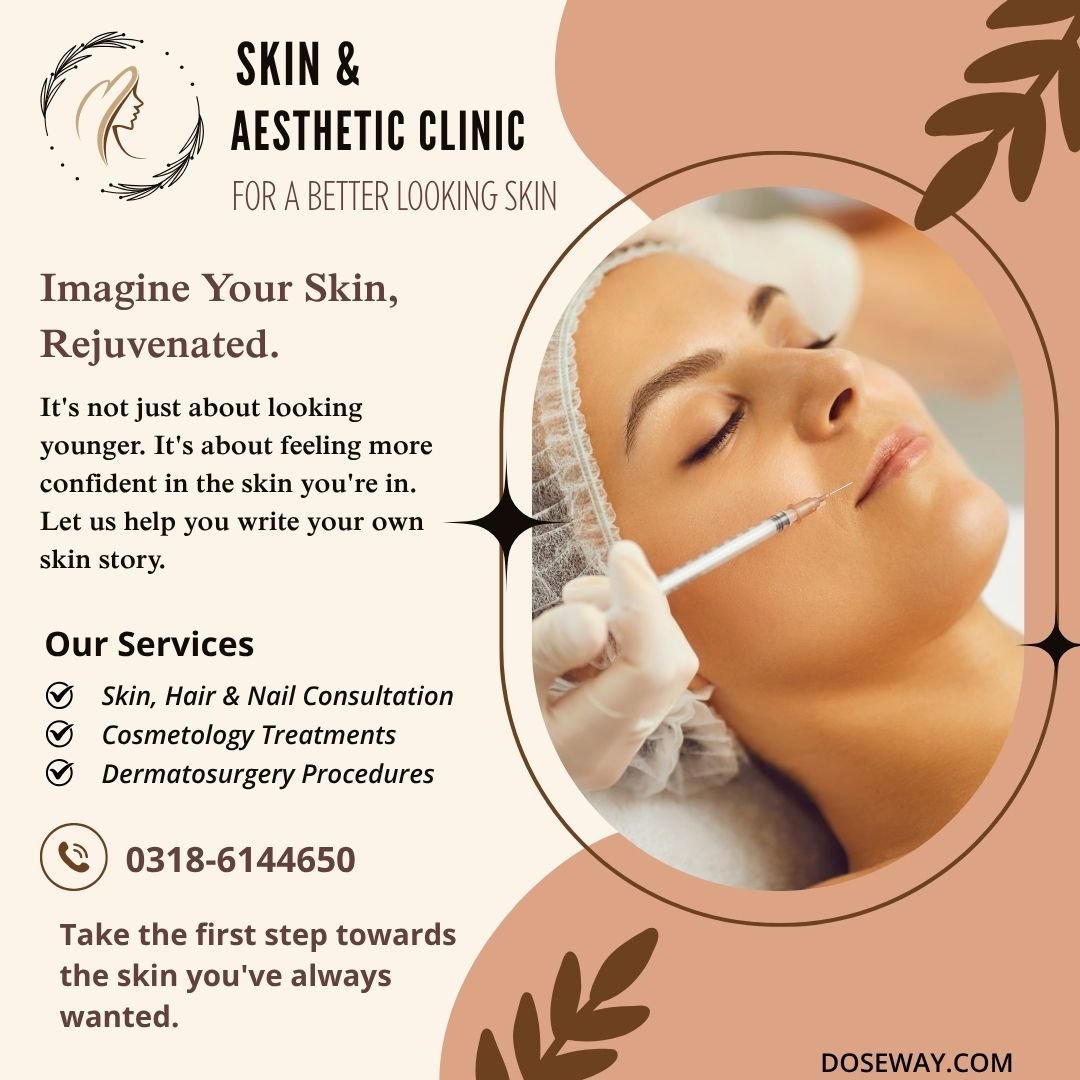
How Long Do Light Lip Filler Results Typically Last?
The longevity of light lip filler results varies based on multiple factors, with typical duration ranging from 6-12 months. Understanding what influences longevity helps set realistic expectations and plan for maintenance treatments.
Product characteristics significantly impact duration. Cross-linking density, concentration, and particle size all influence how quickly the body metabolizes hyaluronic acid fillers. Highly cross-linked products like Juvederm Voluma or Restylane Lyft typically last longer than less cross-linked products designed for subtle enhancement. However, trade-offs exist between longevity and naturalness of feel and movement.
Individual metabolic factors play a crucial role in how quickly your body breaks down filler. Younger patients with faster metabolisms typically experience shorter duration than older patients. Similarly, those with more active lifestyles or higher metabolic rates may notice quicker degradation of results. Physical activity level, overall health, and hormonal factors all influence longevity.
Injection technique and placement affect how long results persist. Product placed in areas with significant muscle movement (like the vermilion border) typically breaks down faster than product placed in more static areas. Similarly, very superficial placement may degrade more quickly than product placed at optimal tissue depths.
Lifestyle factors that influence longevity include:
- Sun exposure (UV radiation accelerates HA degradation)
- Smoking (reduces skin health and accelerates aging)
- Alcohol consumption (promotes dehydration and inflammation)
- Skincare routine (antioxidants protect against environmental damage)
- Stress levels (cortisol accelerates tissue breakdown)
Average longevity by product type:
- Juvederm Ultra XC: 6-9 months
- Restylane Silk: 6-9 months
- Juvederm Volbella XC: up to 12 months
- Restylane Kysse: 9-12 months
- Belotero Balance: 6-8 months
Maintenance strategies to extend results include:
- Touch-up treatments at 4-6 months before complete degradation
- Optimal skincare with antioxidants and SPF protection
- Healthy lifestyle habits that support tissue health
- Hydration maintenance to support HA water-binding capacity
- Avoiding excessive lip manipulation or trauma
Understanding these factors helps create realistic expectations and appropriate maintenance planning with your provider.
What Are the Potential Risks and Complications of Lip Fillers?
While generally safe when performed by qualified practitioners, lip filler procedures carry potential risks and complications that patients should understand before treatment. These range from common temporary side effects to rare but serious complications.
Vascular complications represent the most significant risk associated with filler injections. Accidental injection into blood vessels can cause occlusion, potentially leading to tissue necrosis or, in extremely rare cases, blindness if product enters retinal arteries. Symptoms of vascular compromise include severe pain, blanching, mottled discoloration, and delayed capillary refill. These require immediate emergency management with hyaluronidase injection and other interventions.
Infection represents another potential complication, though rare with proper sterile technique. Bacterial infections typically present with increasing redness, swelling, pain, and possible purulent discharge. Atypical mycobacterial infections present with indolent course and persistent nodules. Herpes simplex virus reactivation can occur in those with history of cold sores.
Inflammatory reactions include delayed-onset nodules, granulomas, or persistent swelling. These typically develop weeks to months after treatment and may represent immune responses to the product or biofilm formation. Management typically involves steroid injection, hyaluronidase, or antibiotic therapy depending on the specific presentation.
Aesthetic complications include:
- Overcorrection or undercorrection
- Asymmetry or irregular contours
- Visible product clumping or migration
- Unnatural appearance or "duck lip" effect
- Tyndall effect (bluish discoloration from superficial placement)
- Lip incompetence or functional issues
Systemic reactions, though rare, can include allergic responses, flu-like symptoms, or generalized urticaria. Those with multiple allergies or autoimmune conditions may experience heightened immune responses.
Risk reduction strategies include:
- Choosing experienced, qualified providers
- Understanding your provider's emergency protocols
- Reviewing before-and-after photos of their work
- Ensuring proper sterile technique
- Discussing your complete medical history
- Following all pre- and post-procedure instructions
Understanding these potential complications helps inform the decision-making process and ensures appropriate vigilance during recovery.
How Much Do Light Lip Fillers Typically Cost?
The cost of light lip filler varies significantly based on geographic location, practitioner expertise, product selection, and treatment complexity. Understanding the components of pricing helps patients make informed decisions and avoid unexpected expenses.
The average cost for light lip filler in the United States ranges from $500-$1,000 per syringe, with major metropolitan areas typically commanding higher prices. European pricing shows similar ranges, with variations between Western and Eastern European countries. Many practitioners offer tiered pricing based on their experience level, with senior providers charging premium rates.
Cost components include:
- Product cost (varies by brand and quantity)
- Practitioner expertise and overhead
- Geographic location and market rates
- Facility fees for medical settings
- Follow-up appointments and touch-ups
Product-specific pricing ranges:
- Juvederm collection: $600-$900 per syringe
- Restylane family: $550-$850 per syringe
- Belotero Balance: $600-$800 per syringe
- Teosyal Kiss: $500-$750 per syringe
Many practitioners charge by the syringe rather than by the procedure, with light lip filler often using half-syringe or less. Some clinics offer discounted pricing for syringe fractions, while others charge full syringe pricing regardless of amount used. Understanding the clinic's pricing structure before treatment prevents misunderstandings.
Additional cost considerations include:
- Consultation fees (sometimes applied toward treatment)
- Touch-up appointments (typically included within first 2 weeks)
- Follow-up assessments (usually included in initial cost)
- Anatomical assessments or computer imaging
- Topical anesthetics or dental blocks
While cost represents an important consideration, prioritizing practitioner skill and experience over price often yields better outcomes and reduced complication risks. Many practices offer payment plans or financing options to make treatment more accessible.

What Are the Latest Advancements in Lip Filler Technology?
The field of lip augmentation continues to evolve with technological advancements that improve safety, comfort, and outcomes. Recent innovations focus on creating more natural results, reducing recovery time, and extending longevity.
Integrated anesthetic technology represents a significant advancement in patient comfort. Most modern fillers now contain lidocaine integrated directly into the product, providing gradual numbing during and after the procedure. This eliminates the need for separate nerve blocks in many cases and improves the overall treatment experience. The concentration and release profile continue to be refined for optimal comfort.
Advanced cross-linking technologies create more cohesive gels with natural movement characteristics. Vycross technology (used in Juvederm products) utilizes a mix of high and low molecular weight HA chains for smoothness and longevity. XpresHAn Technology (Restylane Kysse) creates flexible gels that maintain natural lip movement while providing definition. These innovations address previous limitations where fillers could feel stiff or restrict natural expression.
Cannula techniques have gained popularity for their safety advantages over traditional needles. Blunt-tipped cannulas slide through tissue planes rather than piercing through structures, significantly reducing the risk of vascular injury and bruising. While requiring more technical skill, cannula techniques offer safety benefits particularly valuable in the vascular lip area.
Emerging technologies include:
- Bio-stimulatory fillers that encourage natural collagen production
- Tailored HA formulations for specific ethnic lip characteristics
- Precision injection devices with controlled flow rates
- 3D imaging systems for precise planning and simulation
- Longer-lasting formulations with optimized degradation profiles
The future of lip enhancement includes developments in:
- Personalized filler formulations based on individual tissue characteristics
- Combination approaches using different products in specific layers
- Regenerative approaches using stem cell technology
- Non-invasive enhancement through growth factor stimulation
- Advanced dissolution agents for precise product removal
These technological advancements continue to refine the art and science of lip enhancement, offering patients increasingly natural results with improved safety profiles.
How Do I Choose the Right Practitioner for Light Lip Filler?
Selecting the right practitioner represents the most critical decision in ensuring safe, satisfactory light lip filler results. Several key factors differentiate skilled, ethical providers from less qualified alternatives.
Medical credentials and training form the foundation of practitioner qualification. Ideally, your provider should be a board-certified dermatologist, plastic surgeon, or oculoplastic surgeon with specific training in cosmetic injectables. Nurse practitioners and physician assistants under appropriate supervision can also develop excellent injection skills, but should work within established medical practices with physician oversight.
Experience specifically with lip augmentation proves more valuable than general injectable experience. Ask potential providers:
- How many lip filler procedures they perform monthly
- What percentage of their practice involves lip enhancement
- Whether they have before-and-after photos of their work
- What their approach is to natural-looking results
- How they handle complications or unsatisfactory outcomes
Aesthetic approach and philosophy significantly impact outcomes. The best lip filler practitioners view enhancement as an art form that respects individual anatomy and facial harmony. They prioritize natural movement, appropriate proportions, and subtle enhancement over dramatic transformation. During consultation, observe whether they listen carefully to your goals and provide honest feedback about what's achievable.
Safety protocols and emergency preparedness separate exceptional practitioners from adequate ones. Ask about:
- Their approach to preventing and managing vascular complications
- Availability of hyaluronidase and other emergency supplies
- Follow-up protocols and availability for concerns
- Sterilization and infection control practices
- Medical history review process
The consultation experience itself provides valuable insights. Red flags include:
- Pressure to purchase additional treatments or products
- Discounted pricing that seems unusually low
- Limited time for questions and discussion
- Vague answers about products or techniques
- Lack of specific before-and-after examples
- Minimal discussion of risks and limitations
Trusting your instincts proves valuable when selecting a practitioner. The right provider should make you feel heard, respected, and confident in their abilities while maintaining realistic expectations about outcomes.
Can Light Lip Filler Be Combined With Other Cosmetic Treatments?
Combination approaches to perioral rejuvenation often yield more comprehensive results than lip filler alone. Strategic treatment combinations address multiple aspects of aging around the mouth for harmonious, natural-looking enhancement.
Botox and lip filler represent a powerful combination for addressing both static and dynamic aging around the mouth. Small amounts of Botox placed in the orbicularis oris muscle can relax lip pursing, reduce smoker's lines, and subtly evert the lip for enhanced visibility. This combination proves particularly effective for patients with significant perioral rhytids or downturned oral commissures.
Laser treatments and lip filler can be strategically combined, though timing requires careful consideration. Non-ablative fractional lasers address skin texture, pigmentation, and fine lines around the mouth, creating an improved canvas for lip enhancement. Typically, laser treatments are performed either several weeks before filler or after filler results have stabilized to avoid inflammatory interactions.
Skin boosters and lip filler represent a synergistic approach to comprehensive lip rejuvenation. While fillers provide structural enhancement and definition, skin boosters containing non-cross-linked hyaluronic acid improve hydration, texture, and overall lip quality. This combination addresses both volume concerns and surface characteristics for optimal aesthetic results.
Chemical peels and lip filler can be carefully combined for patients with significant sun damage or textural issues around the mouth. Superficial peels improve skin quality and reduce pigmentation, while fillers enhance volume and structure. As with laser treatments, appropriate timing between procedures prevents excessive inflammation or compromised results.
Popular combination approaches include:
- Lip filler with Botox for perioral rhytids
- Lip filler with laser for overall skin quality improvement
- Lip filler with skin boosters for comprehensive rejuvenation
- Lip filler with thread lifts for lower face contouring
- Lip filler with fat grafting for permanent volume enhancement
When considering combination treatments:
- Discuss the optimal sequence and timing with your provider
- Understand the cumulative recovery process
- Consider the financial investment of multiple procedures
- Ensure your provider has experience with the specific combination
- Allow adequate healing between procedures when recommended
Strategic combination approaches often provide more satisfying results than isolated treatments, addressing multiple aspects of perioral aging for comprehensive rejuvenation.
What Are the Best Practices for Maintaining Lip Filler Results?
Proper maintenance extends the longevity of lip filler results and preserves aesthetic outcomes between treatments. A comprehensive maintenance approach includes both professional touch-ups and at-care practices.
Professional maintenance schedules typically involve touch-up treatments before complete product degradation. Rather than waiting until results have completely faded, subtle top-ups at 6-9 month intervals maintain continuous enhancement while requiring less product per session. This approach often proves more cost-effective than complete re-treatment after full dissolution.
Skincare practices significantly influence filler longevity and lip health. Consistent sun protection prevents UV radiation from accelerating hyaluronic acid breakdown. Antioxidant serums containing vitamins C and E provide additional protection against environmental damage. Hydrating lip treatments with ceramides, hyaluronic acid, or peptides support barrier function and overall lip health.
Lifestyle factors that support filler longevity include:
- Maintaining stable weight (significant fluctuations affect appearance)
- Avoiding smoking and excessive alcohol consumption
- Staying well-hydrated to support HA water-binding capacity
- Balanced nutrition with adequate protein and micronutrients
- Managing stress levels that impact inflammation and healing
Lip exercise and massage techniques can help maintain natural movement and product distribution. Gentle daily lip stretches and circular massage prevent stiffness and ensure even product integration. However, avoid excessive manipulation that might accelerate product breakdown.
Monitoring techniques help track filler degradation and plan appropriate maintenance:
- Regular photography to document changes over time
- Awareness of subtle volume loss or definition fading
- Noticing changes in lip texture or hydration
- Tracking time since last treatment
When planning maintenance treatments:
- Schedule before complete dissolution for easier correction
- Consider seasonal timing (avoiding summer vacations if prone to swelling)
- Budget for regular maintenance in your aesthetic plan
- Communicate desired adjustments based on previous experience
- Allow time for products to fully integrate before assessing need for touch-ups
A proactive maintenance approach preserves results more effectively than reactive re-treatment after complete fading, often requiring less product and providing more consistent appearance over time.

Frequently Asked Questions About Light Lip Filler
Does light lip filler look completely natural?
When performed by an experienced practitioner using appropriate techniques and product amounts, light lip filler can appear completely natural. The key lies in subtle enhancement that respects your natural lip anatomy rather than creating dramatically new shapes. Natural-looking results maintain appropriate proportions between upper and lower lips, preserve natural movement, and create definition that appears born rather than made. The most skilled practitioners enhance what exists naturally rather than imposing standard ideals.
How painful is the light lip filler procedure?
Discomfort levels vary among individuals, but most describe the procedure as manageable with modern techniques. The initial needle prick causes brief discomfort, followed by a pressure sensation during product placement. Most fillers now contain integrated lidocaine that numbs the area during and after injection. Topical anesthetics applied before treatment further reduce discomfort. For those with particular sensitivity, dental blocks provide complete numbness. The entire process typically takes 15-30 minutes, with discomfort resolving quickly afterward.
Can lip filler be completely reversed if I don't like the results?
Yes, hyaluronic acid-based fillers can be dissolved using an enzyme called hyaluronidase. This substance breaks down hyaluronic acid rapidly, typically within 24-48 hours. However, complete reversal may require multiple sessions, and there's always a small risk of allergic reaction to the enzyme itself. While reversibility provides reassurance, it's preferable to achieve satisfactory results through careful planning and conservative treatment rather than relying on dissolution.
How soon can I wear lipstick after filler?
Most practitioners recommend waiting 24 hours before applying lipstick to allow entry points to heal completely. When resuming lipstick, use clean applicators and avoid sharing products to prevent infection. Initially, cream formulations prove more comfortable than matte or long-wearing lipsticks that might be drying. Gentle application without excessive pressure ensures comfort and prevents product displacement during the initial settling period.
Are there any long-term effects of repeated lip filler treatments?
With proper technique and appropriate intervals between treatments, most patients don't experience negative long-term effects. Some evidence suggests that repeated hyaluronic acid filler might stimulate natural collagen production over time. However, overfilling or frequent excessive treatment can stretch lip tissue permanently or create irreversible changes. Maintaining conservative approaches with experienced providers minimizes any potential long-term concerns.
Can I still get MRI scans if I have lip filler?
Yes, hyaluronic acid fillers don't interfere with MRI scans and aren't affected by magnetic fields. Unlike metal implants or some permanent fillers, HA fillers pose no risks during MRI procedures. However, it's always advisable to inform your radiologist about any cosmetic enhancements before scanning for complete medical history documentation.
How do I know if I've had too much filler?
Signs of overfilling include: difficulty closing lips completely, distorted speech patterns, excessive upper lip show when relaxed, loss of natural lip texture, obvious filler visibility, and unnatural movement during expression. The best outcomes preserve natural function while enhancing appearance. If you're concerned about overfilling, consult with an experienced provider who can assess whether dissolution or partial correction might improve your results.
Recommended Affiliate Products
- Juvederm Collection - High-commission tier with multiple product options
- Restylane Family - Popular alternative with strong brand recognition
- Skincare Pre-Treatment Kits - Medical-grade skincare to prepare for procedures
- Aftercare Recovery Products - Specialized ice packs, arnica formulations, and lip care
- Hyaluronidase Kits - Emergency reversal products for practitioners
- Cannula Injection Kits - Advanced injection tools for safer procedures
- Dermal Filler Training Courses - High-ticket educational programs for practitioners
- Medical Spa Equipment - Treatment chairs, lighting, and procedural supplies
- Aesthetic Practice Insurance - Specialized coverage for injectors
- Patient Management Software - Booking and consultation platforms for clinics

Add a Comment