
Non-surgical face lift procedures represent the fastest-growing segment in aesthetic medicine, with Ultherapy emerging as one of the most sought-after non-invasive treatments for facial lifting and tightening. This guide explores everything you need to know about Ultherapy providers, procedure details, costs, and recovery expectations, helping you make an informed decision about this revolutionary cosmetic technology.
In this ultimate guide to Ultherapy non-surgical face lifts, you’ll discover:
• How Ultherapy uses ultrasound technology for skin tightening
• What to expect during and after the procedure
• How to find qualified Ultherapy providers near you
• Cost comparisons and financing options
• Realistic results and recovery timeline
• How our assessment calculator evaluates your suitability
• Alternative non-surgical face lift options
• Pre and post-treatment care recommendations
Non-Surgical Face Lift Calculator
Assess your suitability, estimate costs, risks, and recovery time
Personal Information
Medical History
Procedure Details
Your Assessment Results
Interpretation
Based on your profile, you are a good candidate for non-surgical face lift procedures. Your risk profile is relatively low, and expected recovery time is minimal. However, we recommend consulting with a qualified professional before proceeding with any treatment.
Personalized Recommendations
- Consider starting with neuromodulators (Botox) for dynamic wrinkles
- Dermal fillers may help restore volume in the mid-face area
- Schedule a consultation with a board-certified dermatologist or plastic surgeon
- Discuss maintenance treatments and long-term plan with your provider
Estimated Outcomes
Disclaimer: This calculator provides estimates only and is not a substitute for professional medical advice. Always consult with a qualified healthcare provider before making decisions about cosmetic procedures. Individual results may vary.
Read More Guides & Try More Free Tools:
- Try our Micro Botox: Baby Botox For Pore Refining
- Try our Facial Implants: Cheek, Chin, and Jaw Implants
- Try our Men Lip Filler: Natural-looking Lip Augmentation
Table Of Contents
What is Ultherapy and How Does It Work as a Non-Surgical Face Lift?
Ultherapy is an FDA-approved non-invasive procedure that uses focused ultrasound energy to stimulate collagen production deep within the skin's foundation. Unlike topical treatments that work on the surface, Ultherapy delivers energy at precise depths, temperatures, and locations to kickstart the body's natural collagen regeneration process. This innovative technology represents a significant advancement in non-surgical aesthetic treatments, offering noticeable lifting and tightening without surgery or downtime.
The treatment utilizes microfocused ultrasound energy that bypasses the skin's surface to reach deeper tissue layers, including the foundational layer typically addressed in surgical face lifts. When the ultrasound energy reaches its target depth, it creates controlled thermal micro-injuries that trigger the body's natural healing response. This process stimulates the production of new collagen, the structural protein that gives skin its firmness and elasticity.
Key advantages of Ultherapy include:
• Non-invasive procedure with no incisions or scarring
• No downtime required - resume normal activities immediately
• Uses the body's natural collagen production process
• FDA-cleared for lifting skin on eyebrow, neck, and under-chin
• Gradual, natural-looking results that develop over 2-3 months
• Treatment typically takes 60-90 minutes
• Long-lasting results of one year or more
How Does Ultherapy Compare to Other Non-Surgical Face Lift Options?
When considering non-surgical facial rejuvenation, understanding how Ultherapy compares to alternative treatments helps in making an informed decision. Several technologies address skin laxity through different mechanisms, each with distinct advantages and limitations.
Ultherapy versus radiofrequency treatments:
Both technologies use thermal energy to stimulate collagen, but Ultherapy delivers focused ultrasound energy at precise depths up to 4.5mm, reaching the foundational layer addressed in surgical facelifts. Radiofrequency typically treats more superficial layers and distributes heat more broadly across the treatment area.
Ultherapy versus thread lifts:
Thread lifts provide immediate mechanical lifting through temporary sutures placed under the skin, while Ultherapy creates gradual improvement through natural collagen regeneration. Thread lifts involve more immediate risk of visible complications and typically last 12-18 months, comparable to Ultherapy's longevity.
Ultherapy versus laser treatments:
Fractional laser treatments primarily address skin texture, pigmentation, and fine lines by creating microscopic channels in the skin. Ultherapy specifically targets deeper tissue layers for lifting and tightening rather than surface improvements.
Treatment comparison table:
| Treatment Type | Primary Mechanism | Best For | Duration of Results | Downtime |
|---|---|---|---|---|
| Ultherapy | Focused ultrasound collagen stimulation | Skin lifting and tightening | 12-24 months | None |
| Radiofrequency | Bulk heating collagen remodeling | Mild skin tightening | 6-12 months | Minimal |
| Thread Lifts | Mechanical support with sutures | Immediate facial contouring | 12-18 months | 3-7 days |
| Dermal Fillers | Volume restoration with hyaluronic acid | Volume loss and folds | 6-24 months | None to minimal |
| Botox | Muscle relaxation | Dynamic wrinkles | 3-4 months | None |
What Are the Realistic Results and Timeline for Ultherapy Treatments?
Understanding the expected outcomes and treatment timeline helps set appropriate expectations for Ultherapy procedures. Unlike surgical facelifts that provide immediate dramatic results, Ultherapy offers gradual improvement as new collagen forms over several months.
Immediately after treatment: Most patients experience mild redness and slight swelling that typically resolves within hours to a day. Some areas may feel tender to the touch, similar to a muscle ache, which usually diminishes within a few days. No visible changes are apparent at this stage since collagen regeneration hasn't begun.
2-4 weeks post-treatment: Some patients notice early subtle improvements in skin tightness and texture as initial collagen remodeling begins. These changes are typically minimal but represent the start of the regenerative process.
2-3 months after procedure: More noticeable lifting and tightening becomes apparent as new collagen matures. The brow may appear slightly lifted, jawline definition improves, and skin laxity around the neck shows initial improvement.
4-6 months following Ultherapy: Peak results typically emerge during this period as collagen regeneration reaches its maximum effect. Patients observe significant improvement in skin elasticity, reduction in sagging, and enhanced facial contour.
Factors influencing individual results:
• Age and skin quality
• Degree of initial skin laxity
• Treatment parameters and energy settings
• Technician skill and experience
• Consistency of follow-up treatments
• Overall health and lifestyle factors
Clinical studies demonstrate that 95% of patients treated with Ultherapy for eyebrow lift showed measurable lifting, with 85% of patients reporting satisfaction with their results. The progressive nature of Ultherapy results means improvements continue developing for up to six months, with results typically lasting 12-24 months depending on individual aging processes and skin quality.
Who is the Ideal Candidate for Ultherapy Non-Surgical Face Lifts?

Ultherapy works best for specific patient profiles who have mild to moderate skin laxity and realistic expectations about results. Understanding candidate suitability helps maximize satisfaction with treatment outcomes.
The ideal Ultherapy candidate typically:
• Has mild to moderate skin laxity in face, neck, or décolletage
• Shows early signs of aging but doesn't require surgical intervention
• Has noticeable skin loosening under the chin or along the jawline
• Experiences drooping of the eyebrow or upper eyelid area
• Demonstrates decreased skin elasticity with some creping on neck
• Maintains generally good skin thickness and quality
• Has realistic expectations about gradual, natural-looking improvement
• Prefers non-surgical approaches with no downtime
• Understands that multiple treatments may be necessary for optimal results
Patients who may not be ideal candidates include those with:
• Severe skin laxity requiring surgical correction
• Very thin skin or extremely fragile skin quality
• Significant volume loss requiring filler augmentation
• Active skin infections or inflammatory conditions in treatment areas
• Unrealistic expectations about results
• Medical conditions that impair wound healing
• Pregnancy or breastfeeding
Our non-surgical face lift calculator assesses multiple factors to determine your suitability for Ultherapy, including your skin laxity score, age, treatment history, and aesthetic goals. The calculator evaluates these parameters against clinical data to provide personalized recommendations.
How Much Does Ultherapy Cost and What Factors Influence Pricing?
Ultherapy represents a significant investment in non-surgical facial rejuvenation, with costs varying based on multiple factors. Understanding the pricing structure helps patients budget appropriately and compare value across providers.
Average cost ranges for Ultherapy treatments:
• Full face and neck: $2,500 - $4,500
• Face only: $1,500 - $3,000
• Brow lift only: $1,000 - $2,000
• Neck only: $1,000 - $2,500
• Décolletage: $1,000 - $2,500
Key factors influencing Ultherapy pricing:
• Geographic location and local market rates
• Provider expertise and credentials
• Practice overhead and facility quality
• Treatment area size and complexity
• Number of ultrasound lines required
• Technology generation and device capabilities
• Package deals or combination treatments
• Follow-up protocol and touch-up policies
Most providers price Ultherapy based on the number of ultrasound lines delivered during treatment, with larger areas requiring more lines to achieve comprehensive coverage. The face typically requires 600-900 lines, while the neck may need 300-500 lines, and the brow 150-300 lines.
Financing options for Ultherapy:
• Medical credit cards with promotional periods
• Payment plans through provider offices
• Flexible spending account (FSA) or health savings account (HSA) funds
• Package pricing for multiple treatment sessions
• Seasonal promotions or special event pricing
Unlike surgical facelifts costing $7,000-$15,000 with associated facility fees and recovery time, Ultherapy provides noticeable improvement at approximately one-third the cost with no surgery-related risks or downtime. Many patients find the value proposition compelling, especially when considering the natural-looking results and minimal disruption to daily life.
What Should You Expect During an Ultherapy Treatment Session?
Understanding the Ultherapy procedure process helps alleviate anxiety and prepares patients for what to experience during treatment. The non-surgical process is straightforward and typically completed within 60-90 minutes depending on treatment areas.
Pre-treatment preparation:
• Consultation and assessment of treatment areas
• Discussion of expectations and realistic outcomes
• Cleansing of treatment areas and application of ultrasound gel
• Possible marking of anatomical landmarks and treatment zones
• Potential application of topical anesthetic for comfort
During the Ultherapy procedure:
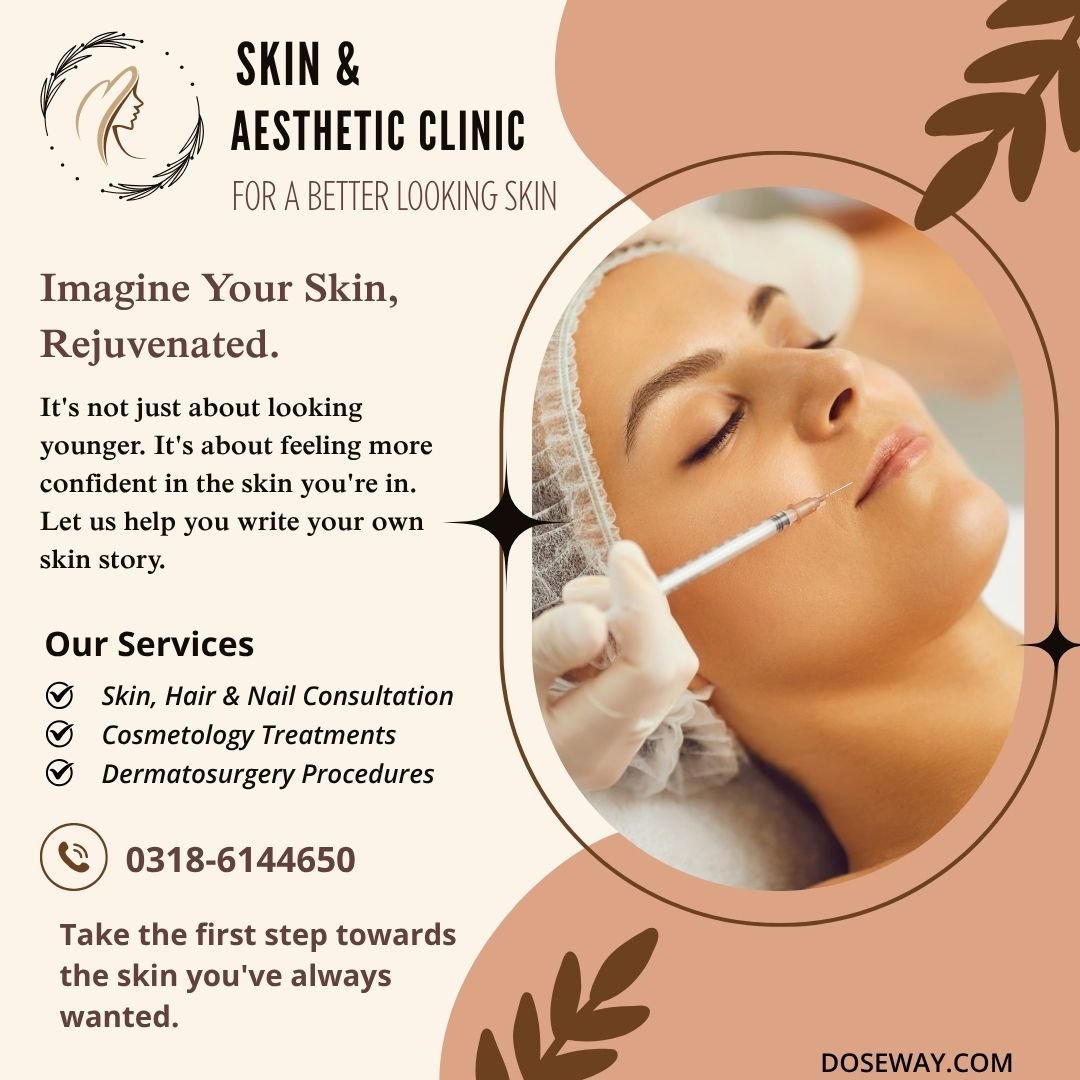
• The practitioner places an ultrasound transducer against your skin
• The device delivers precise ultrasound energy to targeted depths
• You may feel brief sensations of heat or tingling as energy deposits
• The practitioner adjusts settings based on tissue response and comfort
• Treatment continues systematically across all designated areas
• Real-time ultrasound imaging confirms proper depth placement
Sensations experienced during treatment:
Most patients describe the sensation as brief, deep heating or tingling at each energy point. Some more sensitive areas may cause temporary discomfort, but the sensation subsides quickly after each energy deposit. Modern Ultherapy devices include comfort pulse technology that minimizes discomfort during treatment.
Immediately after Ultherapy:
• Skin may appear slightly red or flushed
• Mild swelling or tenderness might be present
• You can immediately resume normal activities
• Some patients experience temporary numbness or tingling
• No bandages or wound care required
The entire process requires no incisions, no surgical facility, and no extended recovery period. Patients typically drive themselves home and return to work or social activities the same day, making Ultherapy one of the most convenient non-surgical facial rejuvenation options available.
How to Find Qualified Ultherapy Providers Near You
Selecting an experienced, qualified Ultherapy provider significantly impacts treatment safety, comfort, and results. Not all practitioners offering Ultherapy have equivalent training, experience, or technical skill.
Credentials to seek in Ultherapy providers:
• Board certification in dermatology or plastic surgery
• Specific Ultherapy certification from the manufacturer
• Significant experience performing Ultherapy procedures
• Before-and-after photos demonstrating results
• Understanding of facial anatomy and aging processes
• Access to current generation Ultherapy technology
• Positive patient reviews and testimonials
Questions to ask potential Ultherapy providers:
• How many Ultherapy procedures have you performed?
• May I see before-and-after photos of your actual patients?
• What specific training have you completed for Ultherapy?
• Which Ultherapy device do you use, and is it the latest technology?
• What is your typical treatment approach for my concerns?
• What can I expect for discomfort management during treatment?
• What is your protocol if results are not as expected?
• Do you offer touch-up treatments if needed?
Finding local Ultherapy providers:
• Use the official Ultherapy provider locator on their website
• Consult with board-certified dermatologists and plastic surgeons
• Seek referrals from primary care physicians or friends with experience
• Research medspas with strong reputations for non-surgical treatments
• Verify credentials through state medical boards
• Read independent reviews on multiple platforms
The expertise of your Ultherapy practitioner directly influences both the comfort of your experience and the quality of your results. An experienced provider understands how to customize treatment parameters based on your unique anatomy, skin quality, and aesthetic goals, maximizing outcomes while minimizing discomfort.
What is the Recovery Process Like After Ultherapy?
One of Ultherapy's significant advantages is its minimal recovery requirements compared to surgical alternatives. Understanding the typical post-treatment experience helps patients plan appropriately and recognize normal versus concerning reactions.
Immediate post-treatment period (first 24 hours):
• Mild redness and swelling resembling sunburn
• Possible tenderness to touch in treated areas
• Temporary tingling or numbness sensations
• Rare minor bruising at treatment sites
• All symptoms typically resolve within hours to one day
First week following Ultherapy:
• Any residual tenderness gradually disappears
• Normal activities can be resumed immediately
• Makeup can be applied once redness subsides
• Some patients report minor swelling that comes and goes
• Rare patients experience headache or mild fatigue
Weeks 2-8 after treatment:
• No visible external signs of treatment
• Collagen regeneration process underway internally
• Possible temporary sensations of tightness or itching
• Gradual improvement in skin texture and elasticity begins
• Initial subtle lifting effects may become noticeable
Uncommon side effects requiring medical attention:
• Persistent or severe pain not relieved by over-the-counter options
• Visible ridges, bumps, or irregularities in the skin
• Numbness that persists beyond several days
• Signs of infection including pus, fever, or expanding redness
• Blistering, crusting, or skin damage
Most patients return to normal activities immediately after Ultherapy, with many scheduling treatments during lunch breaks and returning to work afterward. The minimal recovery profile makes Ultherapy particularly appealing for busy professionals, parents, and anyone seeking aesthetic improvement without disrupting their schedule.
How Does the Non-Surgical Face Lift Calculator Work?
Our proprietary non-surgical face lift calculator utilizes clinically validated parameters to assess your suitability for Ultherapy and other non-surgical facial rejuvenation procedures. The algorithm analyzes multiple factors to generate personalized recommendations.
Key assessment parameters in the calculator:
Skin laxity scoring:
The calculator evaluates your degree of skin looseness using the validated skin laxity scale, which ranges from 1 (minimal laxity) to 5 (severe laxity). This assessment considers factors like jawline definition, neck contour, and brow position to determine your baseline.
Age and biological skin age:
While chronological age provides some guidance, the calculator more importantly assesses biological skin age through factors like sun damage history, smoking status, and skin quality. A 50-year-old with minimal sun exposure may have better treatment potential than a 40-year-old with significant photodamage.
Treatment history and response:
Previous experience with aesthetic procedures provides valuable data about how your skin responds to collagen-stimulating treatments. Positive responses to prior energy-based treatments suggest higher likelihood of good Ultherapy outcomes.
Aesthetic goals and expectations:
The calculator evaluates whether your desired improvements align with what Ultherapy can realistically deliver. Patients seeking subtle lifting and tightening typically achieve higher satisfaction than those expecting dramatic surgical-like results.
Medical contraindications:
Certain health conditions and medications may affect treatment safety or efficacy. The calculator screens for potential contraindications like active skin infections, healing impairments, or pregnancy.
Calculation methodology:
The algorithm weights these factors according to clinical data about treatment outcomes, generating a suitability score from 0-100. Scores above 75 indicate excellent candidacy, 50-75 suggest good candidacy with possible modifications, and below 50 may recommend alternative approaches.
The calculator also provides personalized recommendations about treatment areas to prioritize, combination approaches with other procedures, and realistic expectations about potential outcomes based on your unique profile.
What Are the Potential Side Effects and Risks of Ultherapy?
While Ultherapy is considered extremely safe with minimal risks compared to surgical alternatives, understanding potential side effects ensures informed consent and appropriate preparation.
Common temporary side effects:
• Redness and mild swelling (typically resolves within hours)
• Tenderness or soreness in treated areas (usually 1-3 days)
• Temporary numbness or tingling sensations (generally resolves within weeks)
• Minor bruising at treatment sites (less than 5% of patients)
• Headache or mild fatigue (uncommon, resolves within 24 hours)
Less common side effects:
• Temporary swelling or bumps under the skin (typically resolves within weeks)
• Bruising along the jawline or treated areas (more common in patients on blood thinners)
• Increased sensitivity to touch in treatment areas (usually temporary)
• Temporary nerve inflammation causing weakness or unusual sensations (rare)
Rare complications:
• Persistent numbness beyond several weeks (extremely rare)
• Visible lines or ridges under the skin (typically resolves over time)
• Scarring or skin textural changes (exceptionally rare with proper technique)
• Blistering or burns (related to improper device use)
• Asymmetry or unsatisfactory results
Factors influencing side effect risk:
• Practitioner experience and technique
• Appropriate patient selection
• Proper device calibration and settings
• Use of latest generation Ultherapy technology
• Adherence to pre and post-treatment instructions
• Individual healing characteristics and skin sensitivity
The overwhelming majority of Ultherapy patients experience only minor, temporary side effects that resolve spontaneously without intervention. Serious complications are exceptionally rare when treatments are performed by qualified, experienced providers using appropriate protocols.
How to Prepare for Your Ultherapy Treatment Session
Proper preparation enhances treatment comfort, minimizes potential side effects, and optimizes eventual results. Following specific guidelines before your Ultherapy appointment contributes to a positive experience.
One month before treatment:
• Schedule a comprehensive consultation with your provider
• Discuss all medications and supplements with your practitioner
• Begin a consistent skincare routine focusing on hydration and protection
• Consider adding collagen-supporting nutrients to your diet
• Avoid significant sun exposure and always use broad-spectrum sunscreen
• Discontinue retinoid products if recommended by your provider
One week before Ultherapy:
• Avoid blood-thinning medications like aspirin, ibuprofen, and supplements like fish oil, vitamin E, and ginkgo biloba (with provider approval)
• Limit alcohol consumption which can increase bruising risk
• Stay well-hydrated to support skin health and recovery
• Confirm logistics for your appointment including payment and timing
• Arrange for transportation if you're concerned about potential discomfort
Day before treatment:
• Cleanse skin thoroughly avoiding harsh exfoliants or irritants
• Hydrate well with water and avoid dehydrating beverages
• Get adequate rest to support your body's healing capacity
• Eat a normal meal before your appointment to maintain blood sugar
• Prepare a comfortable recovery space at home just in case
Day of Ultherapy appointment:
• Arrive with clean skin free of makeup, lotions, or products
• Wear comfortable, loose-fitting clothing that doesn't need to pull over head
• Eat a light meal before your procedure unless directed otherwise
• Take recommended pre-medication if prescribed for comfort
• Bring headphones, music, or meditation audio to enhance relaxation
• Plan a calm schedule for the remainder of the day
Communication with your provider:
• Discuss any concerns or questions before treatment begins
• Inform your provider of any changes in health status or medications
• Share specific areas of concern you want addressed
• Establish a signal for needing a break during the procedure
• Confirm post-treatment instructions and follow-up schedule
Proper preparation creates optimal conditions for successful treatment, comfortable experience, and smooth recovery. Patients who follow pre-treatment guidelines typically report higher satisfaction with both the procedure process and their eventual results.
What is the Science Behind Ultherapy's Collagen Stimulation?
Ultherapy's effectiveness stems from its innovative use of microfocused ultrasound energy to stimulate the body's natural collagen production process. Understanding the scientific basis helps appreciate how this non-invasive treatment creates meaningful tissue restructuring.
Ultrasound technology fundamentals:
Ultherapy utilizes high-frequency sound waves beyond human hearing range that penetrate tissue without damaging the skin's surface. The device focuses these waves at specific depths where collagen regeneration provides maximum lifting benefit.
Thermal micro-injury mechanism:
At the precise focal point of the ultrasound energy, tissue temperature briefly reaches 60-70°C, creating controlled micro-coagulation zones. This thermal effect triggers a controlled wound healing response without damaging surrounding tissue or the epidermal layer.
Collagen regeneration process:
The body responds to these micro-injuries by initiating its natural wound healing cascade, beginning with inflammation that attracts fibroblasts to the treatment area. These specialized cells then produce new collagen fibers that gradually restructure and strengthen the tissue foundation.
Depth precision advantage:
Ultherapy's unique ability to deliver energy at specific depths (1.5mm, 3.0mm, and 4.5mm) allows practitioners to target the superficial muscular aponeurotic system (SMAS), the same foundational layer tightened during surgical facelifts. This precision distinguishes Ultherapy from other energy-based technologies.
Neocollagenesis timeline:
The collagen regeneration process follows a predictable timeline:
• Initial inflammatory phase: First 24-72 hours
• Fibroblast proliferation: Days 3-14
• New collagen production: Weeks 2-8
• Collagen remodeling and maturation: Months 2-6
• Maximum tissue strengthening: Months 3-6
Clinical evidence supporting efficacy:
Multiple clinical studies demonstrate Ultherapy's effectiveness, including histological evidence showing increased collagen density and elastin content in treated tissue. Ultrasound imaging confirms measurable tissue tightening and lifting at the foundational levels.
The science behind Ultherapy represents a significant advancement in non-surgical tissue tightening, offering evidence-based collagen stimulation without surgical intervention or extended recovery. This biological approach to facial rejuvenation works with the body's natural processes to create gradual, natural-looking improvement.
How to Maintain and Enhance Ultherapy Results
Maximizing and prolonging Ultherapy outcomes requires appropriate maintenance strategies and complementary treatments. Understanding how to extend your results ensures optimal long-term satisfaction with your investment.
Immediate post-treatment optimization:
• Follow all provider instructions regarding activity and skincare
• Avoid significant sun exposure and always use broad-spectrum sunscreen
• Maintain excellent hydration to support healing processes
• Consider collagen-supporting supplements if recommended
• Gently massage treatment areas if advised by your provider
• Attend all scheduled follow-up appointments
Long-term maintenance strategies:
• Protect treated areas from sun damage with daily SPF 30+
• Maintain consistent skincare with proven active ingredients
• Consider periodic touch-up treatments as recommended
• Stay well-hydrated and follow a nutrient-rich diet
• Avoid significant weight fluctuations that stretch skin
• Manage stress and get adequate sleep for optimal healing
• Avoid smoking and limit alcohol consumption
Complementary treatments that enhance Ultherapy results:
• Radiofrequency treatments for additional collagen stimulation
• Dermal fillers for volume restoration in specific areas
• Neuromodulators (Botox) for dynamic wrinkle reduction
• Professional skincare with growth factors and peptides
• LED light therapy to support cellular function
• Micro-needling for additional collagen induction
• Chemical peels for surface texture and tone improvement
Optimal treatment intervals:
Most patients maintain results with annual or biennial touch-up treatments, though individual timing varies based on age, skin quality, and initial degree of laxity. Your provider can recommend a personalized maintenance schedule based on your response to initial treatment and aging pattern.
Signs that additional treatment may be beneficial:
• Gradual return of pre-treatment skin laxity
• Noticeable descent of eyebrow position
• Reduced jawline definition
• Increased creping on neck or décolletage
• General decrease in skin tightness and elasticity
Combining Ultherapy with appropriate maintenance strategies and complementary treatments typically extends result duration while enhancing overall aesthetic improvement. A comprehensive approach to facial rejuvenation addresses multiple aspects of aging for optimal long-term outcomes.
What Are the Latest Advancements in Ultherapy Technology?
Ultherapy continues to evolve with technological improvements that enhance patient comfort, treatment efficiency, and clinical outcomes. Staying informed about recent advancements ensures access to the most current treatment protocols.
Latest generation Ultherapy devices feature:
• Enhanced transducer technology for more precise energy delivery
• Improved imaging capabilities for real-time treatment monitoring
• Comfort pulse technology that reduces treatment discomfort
• Shorter treatment times through optimized energy parameters
• Customizable treatment depths for personalized approaches
• Advanced cooling mechanisms for epidermal protection
• Integrated treatment guidance systems
Recent clinical innovations:
• Combination protocols with other energy-based devices
• Customized treatment approaches based on individual anatomy
• Precision dosing algorithms for optimal energy delivery
• Expanded treatment indications including body areas
• Enhanced safety profiles through technological refinements
• Improved consistency of results across diverse patient populations
Emerging applications under investigation:
• Treatment of additional anatomical areas with customized parameters
• Combination approaches with regenerative medicine techniques
• Protocols for specific ethnic skin types and characteristics
• Enhanced treatment planning through artificial intelligence
• Personalized energy settings based on tissue response monitoring
• Expanded use for preventative treatment in younger patients
The continuous refinement of Ultherapy technology demonstrates the manufacturer's commitment to improving patient experience and treatment efficacy. Patients benefit from seeking providers with access to the latest generation devices and training in current treatment protocols.
How Does Ultherapy Compare to Surgical Face Lift Procedures?
Understanding the fundamental differences between Ultherapy and surgical facelifts helps patients select the most appropriate approach for their concerns, goals, and circumstances.
Key comparison factors:
Invasiveness and recovery:
Ultherapy requires no incisions, anesthesia, or surgical facility, while surgical facelifts involve significant tissue manipulation, incisions, and extended recovery. Ultherapy patients resume normal activities immediately, while surgical patients require 2-3 weeks of social downtime and 6-8 weeks for full recovery.
Results and mechanism:
Surgical facelifts physically reposition and remove tissue for immediate dramatic lifting, while Ultherapy stimulates natural collagen production for gradual improvement over 2-6 months. Surgical results appear immediately but continue evolving as swelling resolves, while Ultherapy results develop progressively.
Longevity and maintenance:
Surgical facelifts typically last 7-10 years before significant relaxation occurs, while Ultherapy results last 1-2 years before touch-up treatments are recommended. Surgical outcomes withstand aging processes longer due to more significant tissue alteration.
Risk profiles:
Ultherapy carries minimal risks of temporary side effects like redness or swelling, while surgical facelifts involve anesthesia risks, infection potential, scarring, nerve injury, and other surgical complications. The serious complication rate for surgical facelifts ranges from 1-2%, while Ultherapy's serious complication rate is exceptionally rare.
Cost considerations:
Ultherapy costs $2,500-$4,500 for full face and neck treatment, while surgical facelifts range from $7,000-$15,000 plus facility and anesthesia fees. While surgical results last longer, the initial investment is significantly higher.
Ideal candidate profiles:
Ultherapy best suits patients with mild to moderate skin laxity who prefer non-surgical approaches, while surgical facelifts better address significant skin excess and structural descent. The two approaches can also complement each other, with Ultherapy providing maintenance after surgical procedures or addressing early changes before surgery becomes necessary.
Understanding these distinctions helps patients select the most appropriate approach for their specific concerns, lifestyle considerations, and aesthetic goals. Many practitioners recommend Ultherapy for patients seeking noticeable improvement without surgery, while reserving surgical recommendations for those with more significant aging changes.
Frequently Asked Questions About Ultherapy
How painful is Ultherapy treatment?
Most patients describe Ultherapy as uncomfortable but tolerable, with sensations of deep heat, tingling, or brief discomfort as energy is delivered. Modern devices include comfort features that minimize discomfort, and practitioners can adjust settings based on patient feedback. Over-the-counter pain relievers can manage any post-treatment tenderness.
How many Ultherapy treatments will I need?
Most patients achieve optimal results with a single treatment session, though those with more significant laxity or specific concerns may benefit from additional sessions. Your provider will recommend a treatment plan based on your individual assessment, with touch-up treatments typically recommended annually or biennially.
When will I see results from Ultherapy?
Initial subtle improvements may appear within 2-4 weeks, with more noticeable lifting developing over 2-3 months as collagen regeneration progresses. Maximum results typically emerge at 4-6 months post-treatment, with continued refinement possible up to one year in some patients.
Can Ultherapy be combined with other treatments?
Yes, Ultherapy combines well with many other aesthetic procedures including dermal fillers for volume restoration, neuromodulators for dynamic wrinkles, and other energy-based devices for additional skin tightening. Combination approaches often provide more comprehensive rejuvenation than single treatments alone.
Is Ultherapy safe for all skin types?
Ultherapy has demonstrated safety across all skin types, though treatment parameters may be adjusted based on individual characteristics. The ultrasound energy works beneath the skin's pigment layer, minimizing risks of discoloration that can occur with some light-based technologies.
What happens if I'm not happy with my Ultherapy results?
While most patients achieve satisfactory improvement, results can vary. If outcomes don't meet expectations, options include touch-up treatments, combination approaches with complementary procedures, or in rare cases, surgical correction. Discussing realistic expectations during consultation minimizes dissatisfaction risk.
How do I find a qualified Ultherapy provider?
Seek board-certified dermatologists or plastic surgeons with specific Ultherapy training and significant experience. The official Ultherapy website provides a provider locator, and reputable practices typically offer consultations to discuss your concerns and demonstrate their expertise.
Recommended Affiliate Products/Brands
- Skincare: ZO Skin Health, SkinMedica, Obagi medical-grade skincare
- Devices: NuFACE microcurrent devices, Foreo UFO smart masks
- Supplements: Vital Proteins Collagen Peptides, Reserveage Nutrition Collagen Replenish
- Sun Protection: EltaMD UV Clear Broad-Spectrum, La Roche-Posay Anthelios
- Post-Treatment: Alastin Skincare Regenerating Skin Nectar, SkinCeuticals Epidermal Repair

Add a Comment