Assess your risk of chemotherapy-related complications
Chemotherapy Toxicity Risk Assessment
Your Risk Score: 0/100
Low RiskModerate RiskHigh Risk
Interpretation
Your calculated chemotherapy toxicity risk is currently being assessed. This score is based on your demographic information, medical history, and treatment plan.
Please note that this assessment tool provides an estimation and should not replace professional medical advice.
Your calculated chemotherapy toxicity risk assessment results will appear here after calculation.
Clinical Recommendations
Discuss these results with your oncologist
Maintain regular follow-up appointments
Report any side effects immediately
Disclaimer: This report provides an estimation of chemotherapy toxicity risk based on the information provided. It is not a substitute for professional medical advice, diagnosis, or treatment. Always seek the advice of your physician or other qualified health provider with any questions you may have regarding a medical condition.
Chemotherapy is a powerful cancer treatment that targets rapidly dividing cells. While effective, it can also cause chemotherapy-induced toxicity, leading to side effects ranging from mild fatigue to life-threatening complications. Understanding your personalized risk factors can help you and your oncologist make informed treatment decisions.
Our Chemotherapy Toxicity Risk Calculator evaluates key health and treatment factors to estimate your likelihood of severe side effects. Below, we explain the science behind chemotherapy toxicity, the factors affecting risk, and how our calculator works.
What Is Chemotherapy Toxicity?
Chemotherapy toxicity refers to the harmful side effects caused by chemotherapy drugs. These effects occur because chemotherapy attacks not only cancer cells but also healthy cells, particularly those in the:
Bone marrow (leading to low blood counts)
Digestive tract (causing nausea, diarrhea)
Hair follicles (resulting in hair loss)
Nervous system (causing neuropathy)
Severe toxicity may require dose reductions, treatment delays, or hospitalization, impacting cancer outcomes.
Underweight or obese patients may process drugs differently.
Kidney & Liver Function
Impaired organs struggle to filter chemo drugs, raising toxicity.
Existing Conditions (Diabetes, Heart Disease)
Chronic illnesses worsen chemo side effects.
Table: Patient-Specific Factors
2. Treatment-Related Factors
Factor
Why It Matters
Chemo Drug Type
Some drugs (e.g., platinum-based) are more toxic.
Dose Intensity
Higher doses increase side effect risks.
Previous Chemo/Radiation
Past treatments can weaken the body’s tolerance.
Table: Treatment-Related Factors
3. Lab Values & Symptoms
Low Hemoglobin → Fatigue, weakness
Low Neutrophils → Infection risk
High Bilirubin → Liver stress
Neuropathy Symptoms → Nerve damage risk
How the Chemotherapy Toxicity Risk Calculator Works
Our tool analyzes your inputs to generate a personalized risk score (0-100) categorized as:
✅ Low Risk (0-19) – Likely to tolerate standard chemo well. ⚠️ Moderate Risk (20-49) – May need dose adjustments or extra monitoring. ❌ High Risk (50+) – High chance of severe side effects; alternative treatments may be needed.
What Your Results Mean
Low Risk: Proceed with standard treatment; maintain hydration and nutrition.
Moderate Risk: Your doctor may adjust doses or prescribe preventive medications.
High Risk: Requires close monitoring; alternative therapies (e.g., immunotherapy) may be safer.
How to Reduce Chemotherapy Toxicity Risk
If your risk is elevated, consider:
✔ Pre-Treatment Optimization
Improve kidney/liver function before starting chemo.
Why Use Our Chemotherapy Toxicity Risk Calculator?
🔹 Personalized Risk Assessment – Tailored to your health profile. 🔹 Evidence-Based Scoring – Factors in age, labs, and chemo type. 🔹 Actionable Insights – Helps guide discussions with your oncologist.
Try the Chemotherapy Toxicity Risk Calculator now to assess your risk and optimize your treatment plan!
FAQs
Who should use this chemotherapy toxicity calculator?
This calculator is designed for cancer patients about to start chemotherapy or those already undergoing treatment. Caregivers and oncologists can also use it to assess potential risks and discuss personalized treatment adjustments.
How accurate is the toxicity risk score?
The calculator provides an estimate based on clinical risk factors but is not a substitute for medical advice. Always consult your oncologist for a comprehensive evaluation of your treatment plan.
Can lifestyle changes reduce my chemotherapy toxicity risk?
Yes! Improving nutrition, hydration, and physical fitness before treatment can help your body tolerate chemotherapy better. Supportive therapies (like anti-nausea medications) may also lower side effects. Discuss options with your healthcare team.
This tool provides an estimation of survival rates based on clinical data. Results are for informational purposes only and should not replace professional medical advice.
Demographics
Medical History
Cancer Information
Survival Rate Estimate
85%
5-Year Survival Probability
Interpretation
Based on the information provided, your estimated 5-year survival rate is 85%. This means that out of 100 people with similar characteristics, about 85 are expected to be alive after 5 years.
Your survival probability is categorized as High compared to others with similar cancer diagnosis.
Factors positively influencing your prognosis include early stage diagnosis, young age, and healthy lifestyle choices.
85%
Your Survival Rate
72%
Average for this Stage
65%
Same Age Group
Share Your Results
Important Disclaimer
This cancer survival rate estimator is for informational purposes only. It is not intended as medical advice, diagnosis, or treatment. Always seek the advice of your physician or other qualified health provider with any questions you may have regarding a medical condition. Survival rates are statistical estimates based on large populations and may not accurately predict individual outcomes.
Cancer Survival Rate Estimators are statistical estimates that indicate the percentage of people with a specific type and stage of cancer who survive for a certain period (usually 5 years) after diagnosis. These rates help patients and doctors understand prognosis, guide treatment decisions, and provide realistic expectations.
Our Free Cancer Survival Rate Estimator helps your prognosis based on key clinical factors such as cancer type, stage, tumor grade, treatment response, and overall health. Below, we explain the essential terms, how survival rates work, and what your results mean.
Key Terms in Cancer Survival Rate Estimator Analysis
1. Cancer Survival Rate Estimator
The percentage of people who survive a specific cancer for a defined period (e.g., 5-year survival rate).
2. Cancer Staging (TNM System)
Stage 0 (Carcinoma in situ): Abnormal cells present but not invasive.
Stage I-II (Localized): Cancer confined to the primary site.
Stage III (Regional Spread): Cancer has spread to nearby lymph nodes.
Stage IV (Metastatic): Cancer has spread to distant organs.
3. Tumor Grade
Grade 1 (Low Grade): Slow-growing, less aggressive.
Grade 2-3 (Intermediate/High Grade): Faster-growing, more aggressive.
4. Performance Status (ECOG Scale)
Measures a patient’s ability to perform daily activities:
0: Fully active
1-2: Mild to moderate limitations
3-4: Severe disability
5. Treatment Modalities
Surgery, Chemotherapy, Radiation
Immunotherapy & Targeted Therapy
How Our Cancer Survival Rate Estimator Calculator Works
Our tool estimates survival probability based on:
1. Demographics (Age, Gender, BMI)
Younger patients generally have better outcomes.
BMI affects treatment tolerance and recovery.
2. Cancer-Specific Factors
Type (Breast, Lung, Prostate, etc.)
Stage (I-IV)
Tumor Size & Spread
3. Treatment & Response
Surgery Success
Response to Chemo/Radiation
4. Overall Health Status
Chronic Conditions (Diabetes, Heart Disease)
Lifestyle (Smoking, Alcohol, Diet)
Interpreting Your Results
After entering your details, the calculator provides:
✅ Estimated Survival Rate (%) – Your statistical prognosis. ✅ Risk Level (Low/Medium/High) – Based on color-coded progress bars. ✅ Personalized Interpretation – Explains key influencing factors.
Example Results Breakdown:
Factor
Impact on Survival Rate
Early Stage (I-II)
Higher survival (70-99%)
Metastatic (Stage IV)
Lower survival (5-30%)
Good Treatment Response
Improves prognosis by 10-20%
Poor Performance Status (ECOG 3-4)
Reduces survival likelihood
Table: Example Results
Why Survival Rates Matter
Helps in treatment decision-making.
Provides realistic expectations for patients and families.
Identifies lifestyle changes that may improve outcomes.
Limitations of Survival Rate Estimates
Not a definitive prediction – Individual results vary.
Based on historical data – New treatments may improve outcomes.
Does not replace medical advice – Always consult an oncologist.
Final Thoughts
Understanding cancer survival rates empowers patients to make informed decisions. Use our Free Cancer Survival Rate Calculator to estimate your prognosis, discuss results with your doctor, and explore ways to improve your health outcomes.
🔗 Try the calculator now and share your results!
FAQs
What is a 5-year survival rate?
The percentage of patients alive five years after diagnosis.
Can survival rates improve over time?
Yes, advancements in treatment (immunotherapy, precision medicine) enhance outcomes.
How accurate is this calculator?
It provides statistical estimates based on medical research but isn’t a substitute for a doctor’s prognosis.
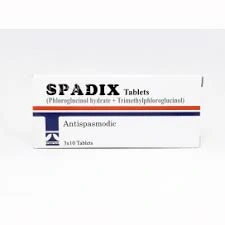
Spadix Injection is a combination medication that works as both an antispasmodic and an analgesic. That means it helps relax muscles and relieve pain at the same time. It is commonly used to treat painful spasms, especially those related to the abdomen, pelvis, or uterus.
This injection usually contains two key components:
Phloroglucinol – a muscle relaxant that eases spasms.
Trimethylphloroglucinol – enhances the antispasmodic effect and supports pain relief.
During pregnancy, women may experience mild to moderate abdominal cramps, uterine spasms, or pelvic discomfort, especially in the early or mid stages. Doctors may prescribe Spadix Injection to help manage such issues, especially when:
Uterine cramps are causing distress.
There’s pain without bleeding, often labeled as harmless pregnancy cramps.
The mother is dealing with gastrointestinal spasms or discomfort.
Spadix Injection is a combination antispasmodic and pain-relief medicine used to ease muscle cramps, especially uterine spasms during pregnancy. It helps reduce abdominal pain quickly and improves comfort safely.
Spadix Injection is a powerful yet gentle combination of two main active ingredients:
Ingredient
Role in the Body
Phloroglucinol
Relaxes smooth muscles, especially in the uterus and digestive tract.
Trimethylphloroglucinol
Boosts the antispasmodic effect, giving faster and longer-lasting cramp relief.
Table: Spadix-Injection-Formula
Together, they soothe muscle spasms and reduce pain, especially in conditions where the uterus or abdominal muscles tighten abnormally.
How Does Each Component Work?
Phloroglucinol works by directly relaxing involuntary muscles, like those found in the uterus or intestines. It doesn’t affect your central nervous system, which makes it safer for pregnant women under medical supervision.
Trimethylphloroglucinol is a more potent derivative of phloroglucinol. It strengthens the spasm-relieving action and gives faster pain relief, especially in acute situations like sudden cramps during pregnancy.
Spadix Injection Route
Spadix Injection is available in two injectable forms:
Route
When It’s Used
IV (Intravenous)
Injected directly into the vein for rapid relief, often in emergency settings.
IM (Intramuscular)
Injected into the muscle for a slightly slower but longer-lasting effect.
Table: Route-of-Administration
Doctors choose the route based on the urgency of the condition and the patient’s comfort or situation.
Dosage Form – What Does It Look Like?
Spadix is typically available in the form of glass ampoules, each containing a single dose of the medication. These are meant to be administered by a healthcare provider, not for self-injection.
Spadix Injection Strength
Each ampoule of Spadix Injection commonly contains:
Phloroglucinol – 40 mg
Trimethylphloroglucinol – 0.04 mg
This combination is balanced to provide quick relief from spasms without overwhelming your system, which is particularly important during pregnancy.
Pregnancy is a beautiful journey, but it can also bring along some uncomfortable symptoms like abdominal cramps, uterine spasms, or sharp pain that can feel scary, especially in the early months. This is where Spadix Injection may come into play, but only when prescribed by a doctor.
Primary Uses of Spadix Injection During Pregnancy
Doctors may recommend Spadix Injection for the following reasons:
Use
Why It’s Helpful
Relieves Uterine Spasms
Helps relax the uterus when it contracts too early or irregularly.
Eases Abdominal Pain or Cramps
Quickly soothes painful tightening in the lower belly area.
Manages False Contractions
Used in some cases to reduce non-labor contractions that cause discomfort.
Prevents Preterm Labor (Off-label)
In select cases, it may help delay early uterine contractions (under close care).
Table: Primary Uses
Secondary Benefits (Bonus Relief!)
Benefit
How It Helps
Early Pregnancy Cramping Relief
Offers soothing relief in the first trimester when cramps are common.
Gastrointestinal Spasm Relief
Reduces gut-related spasms or cramping that may come from hormonal changes.
Table: Secondary Benefits
How Does It Work in Pregnancy?
The magic of Spadix lies in its dual-action formula:
It acts as a smooth muscle relaxant, especially targeting the uterus and digestive muscles.
It also works as a mild pain reliever, helping to reduce the intensity of cramps or spasms.
Safety is the first concern for any expectant mother — and rightly so. If your doctor has recommended Spadix Injection during your pregnancy, you’re probably wondering: “Is this really safe for me and my baby?”
Safety Classification
Spadix Injection (Phloroglucinol + Trimethylphloroglucinol) does not have an official FDA pregnancy category, but it is generally considered safe when used under medical supervision, especially during the first and second trimesters.
Here’s a trimester-wise overview:
Trimester
Safety Notes
First Trimester
Can be used to relieve early pregnancy cramps, but only if prescribed by a doctor.
Second Trimester
Often prescribed for managing uterine spasms and abdominal pain.
Third Trimester
Used cautiously; not typically recommended close to labor without medical need.
Table: Safety Classification
Clinical Considerations
Doctors typically consider Spadix safe in pregnancy when:
The mother is experiencing recurrent uterine cramps or spasms.
There’s no bleeding or signs of miscarriage.
Other causes of pain (like infections or preterm labor) have been ruled out.
A short-term, quick-relief option is needed to avoid oral medications.
Avoid If You Have…
Reason
Allergy to phloroglucinol or similar compounds
May trigger allergic reactions.
Ongoing vaginal bleeding or miscarriage symptoms
It could mask the signs of complications.
Severe liver or kidney problems
Metabolism of the drug may be affected.
Near term (late third trimester) without cause
It could interfere with labor timing in rare cases.
Table: Clinical Considerations
Expert Opinions / Gynecologist Views
Many gynecologists in Pakistan and globally use Spadix Injection as a first-line antispasmodic in pregnancy-related pain. Here’s what doctors typically say:
“Spadix is a gentle option for uterine cramping. I use it mostly in the first and second trimester where pain is muscular and not associated with any serious condition.” — Dr. Maria Hussain, Consultant Gynecologist
“It works fast, is injectable, and avoids upsetting the stomach — that’s why I prefer it over oral painkillers in early pregnancy.” — Dr. Farooq Zia, OB/GYN Specialist
Spadix vs. Alternatives
Medication
Main Use
Form
Pregnancy Safety
Speed of Relief
Spadix Injection
Uterine & abdominal cramps
IV / IM Injection
Considered safe under prescription
Very fast
Spasfon
Antispasmodic, cramps
Oral / Injectable
Generally safe, widely used in France
Moderate
Orglu Tablet
Pain + Inflammation (NSAID combo)
Oral
Avoid in late pregnancy
Moderate to fast
Table: Spadix vs. Alternatives
Why do many doctors prefer Spadix?
Injectable = Faster relief
Less systemic absorption = Lower risk for the baby
No anti-inflammatory drugs = Safer profile in pregnancy
Dosage Guidelines for Spadix Injection in Pregnancy
Spadix-Injection-Uses-In-Pregnancy
When it comes to using Spadix Injection during pregnancy, the right dosage matters a lot. Since it’s an injectable medication, it works fast, but it should always be given exactly as prescribed by your doctor.
Recommended Dose (General Guideline)
For pregnant women experiencing uterine spasms or abdominal cramps, the standard adult dose is:
Like all medications, Spadix Injection may come with some side effects — though not everyone experiences them. Most are mild and temporary, but it’s still good to know what to expect so you can feel confident and prepared.
Common Side Effects (Usually Mild)
Side Effect
What You Might Feel
Nausea
Slight queasiness or upset stomach
Dizziness
Feeling light-headed, especially right after the injection
Injection site pain
Mild soreness or swelling where the injection was given
Tiredness
Feeling a little sleepy or low on energy after the shot
Table: Common Side Effects
Serious Side Effects (Very Rare)
Serious Reaction
What to Watch For
Allergic reaction
Rash, itching, swelling (especially of face/lips), breathing trouble
Blood pressure drop (hypotension)
Feeling faint, cold sweat, rapid heartbeat
Severe abdominal discomfort
Intense cramping or pain that doesn’t go away
Table: Serious Side Effects
What Should You Do If You Notice Side Effects?
If You Feel…
Do This
Mild nausea or soreness
Rest, drink water, and give it some time
Dizziness
Sit/lie down, don’t rush to stand up or walk
Rash or breathing difficulty
🚑 Call emergency services immediately
Anything unusual or persistent
📞 Contact your gynecologist or prescribing doctor
Table: Side Effects
Precautions & Warnings for Spadix Injection
Who Should Avoid Spadix Injection?
Certain people should not use Spadix Injection or should use it only under strict medical supervision:
Known allergy to phloroglucinol or trimethylphloroglucinol: If you’ve ever had an allergic reaction to this medicine or similar drugs, avoid it completely.
Liver or kidney problems: Since the liver and kidneys help process medications, existing conditions affecting these organs may require your doctor to avoid or adjust the dose.
Severe low blood pressure: Because Spadix can sometimes lower blood pressure, those with very low blood pressure should be cautious.
Drug Interactions to Watch For
Spadix Injection might interact with other medicines you’re taking, including:
Other muscle relaxants or antispasmodics may increase drowsiness or side effects.
Blood pressure medicines could cause your blood pressure to drop too much.
Painkillers (especially opioids) may increase dizziness or sedation.
Use in Special Populations
High-risk pregnancies: If your pregnancy is considered high risk (e.g., history of preterm labor, placenta problems), your doctor will carefully weigh the benefits and risks before recommending Spadix.
Breastfeeding mothers: There is limited data on whether Spadix passes into breast milk. It’s best to discuss with your doctor if you are breastfeeding before using this injection.
Benefits of Spadix Injection in Pregnancy
Pregnancy can bring a mix of joy and discomfort, and when cramps or abdominal pain strike, it can feel overwhelming. This is where Spadix Injection steps in as a helpful ally.
Fast Pain Relief
Relief often starts within 5 to 15 minutes after the injection.
It targets uterine and abdominal cramps directly, relaxing muscles to ease pain fast.
This quick effect helps you feel better without waiting for hours.
Comfort Improvement
Spadix doesn’t just reduce pain — it helps you enjoy your pregnancy more comfortably:
Reduces frequent, distracting cramps that can interfere with daily activities.
Allows you to rest and sleep better by calming spasms.
Helps reduce anxiety related to pain, creating a more peaceful experience.
Support for a Safe Pregnancy
By managing pain effectively, Spadix Injection may help:
Prevent complications caused by severe uterine contractions or spasms.
Lower the risk of stress-induced issues that sometimes arise from ongoing pain.
Promote overall well-being for both mother and baby by improving comfort and reducing physical strain.
Spadix is an antispasmodic injection that helps relax smooth muscles, particularly in the uterus and digestive tract, reducing cramps and pain.
What is Spadix injection used for during pregnancy?
It is used to relieve uterine spasms, abdominal cramps, and pain associated with pregnancy, helping to improve comfort.
Is Spadix safe in all trimesters?
Spadix is generally considered safe in pregnancy when prescribed by a doctor, but its use may vary by trimester. Always consult your healthcare provider.
How long does it take for Spadix to work?
The injection usually starts working within 15 to 30 minutes, providing quick relief from cramps and spasms.
Is Spadix injection IM or IV?
Spadix can be administered both intramuscularly (IM) and intravenously (IV), depending on the medical situation and urgency.
Can I take Spadix injection without a doctor’s prescription?
No, Spadix injection should only be used under medical supervision to ensure safe and appropriate use, especially during pregnancy.
Is Spadix similar to Spasfon or Orglu?
Spadix and Spasfon are both antispasmodic drugs, but their formulas and indications may differ slightly. Orglu is a tablet form and may have different uses.
What is the recommended dosage of Spadix injection in pregnancy?
Dosage varies depending on the severity of symptoms and doctor’s advice, but usually 1 ampoule administered IM or IV as needed.
Are there any side effects of Spadix injection in pregnancy?
Common side effects may include mild nausea, dizziness, or injection site pain. Serious side effects are rare but require immediate medical attention.
To sum it up, Spadix Injection is commonly used during pregnancy to relieve uterine cramps and abdominal pain quickly and effectively. When used as directed by your doctor, it is generally considered safe and beneficial for managing discomfort, improving your comfort, and supporting a healthy pregnancy. However, like any medicine, it’s important to follow the recommended dosage and administration guidelines carefully.
Our final advice: Always consult your gynecologist before using Spadix Injection or any medication during pregnancy. Your doctor knows what’s best for you and your baby, so never self-medicate or adjust doses without professional guidance. Staying informed and cautious helps ensure a safe and comfortable pregnancy journey.
Disclaimer: Commissions we earn from partner links on this page do not influence our content. Our editorial content is based on thorough research and insights from qualified medical professionals to ensure the highest standards of accuracy and reliability.
Information provided on Doseway is for educational purposes only. Your health and wellness are unique to you, and the products and services we review may not be suitable for your circumstances. We do not offer personal medical advice, diagnosis, or treatment plans. For specific advice, please consult with a healthcare professional. Doseway adheres to strict editorial integrity standards. To the best of our knowledge, all content is accurate as of the date posted, though offers and information may change. The opinions expressed are the author’s own and have not been influenced, approved, or endorsed by our partners.
Burning fat isn’t a one-size-fits-all journey, especially for women. If you’ve ever felt like losing weight is harder for you than it is for men, you’re not imagining things. Women’s bodies are built differently, and that means fat loss works differently, too.
From hormonal fluctuations to slower metabolism and pregnancy-related changes, women face unique challenges when it comes to shedding extra pounds. Whether it’s stubborn belly fat, post-pregnancy weight gain, or weight gain caused by hormonal imbalances like PCOS or menopause, it can feel like the odds are stacked against you.
No, they’re not some magical pills that melt fat overnight. But when combined with a healthy diet and active lifestyle, the right fat burner can give your body the extra push it needs. Think of it as a support system helping to boost metabolism, reduce cravings, increase energy, and encourage your body to burn fat more efficiently
LeanBean is one of the most popular fat burners designed exclusively for women. It’s made to support appetite control, enhance metabolism, and provide clean energy—all with a gentle, natural formula that fits most lifestyles.
Key Ingredients
Glucomannan (appetite suppressant)
Green Coffee
Turmeric
Garcinia Cambogia
Chromium
Vitamin B6 & B12
Target Area
Great for belly fat and overall body fat, especially for women who struggle with emotional eating and cravings.
Pros & Cons
✅ All-natural, vegan-friendly formula ✅ Suppresses appetite without harsh stimulants ✅ Great for consistent, long-term fat burning ❌ Requires taking 6 capsules daily ❌ Slightly pricey for some budgets
Who Should Use It
Ideal for active women, busy moms, or beginners trying to lose stubborn fat and eat less without feeling deprived. Safe for most healthy adults.
Real User Reviews
“LeanBean helped me get back in shape after having my second baby. I didn’t feel jittery, just more in control of my cravings!” – Ayesha, 32, Karachi “I’ve been using it for 2 months and lost 5 kg. It keeps me full and energized.” – Hina, 26, Lahore
Price & Where to Buy Approx. PKR 11,000 – PKR 13,000.
PhenQ is a multi-action fat burner that targets belly fat, boosts mood, and increases energy levels—all in one pill. It’s a go-to for women dealing with stress-related weight gain or fat around the midsection.
Key Ingredients
α-Lacys Reset® (metabolic booster)
Capsimax Powder (thermogenic)
Chromium Picolinate
L-Carnitine Fumarate
Caffeine
Target Area
Best for lower belly fat, love handles, and midsection.
Pros & Cons
✅ Multiple benefits in one supplement (fat burn + mood + energy) ✅ Backed by clinical research ✅ Works well with exercise ❌ Contains caffeine (may not suit everyone) ❌ Slightly expensive
Who Should Use It
Great for working women, gym-goers, or anyone trying to reduce stubborn fat and improve mental focus.
Real User Reviews
“It gave me more energy for workouts and actually made me feel happier. Plus, the belly fat started melting away!” – Mariam, 29, Islamabad
Price & Where to Buy
Around PKR 10,000 – PKR 12,000
Burn Lab Pro
Burn Lab Pro is ideal for women who want to burn fat without any stimulants. It’s clean, gentle, and won’t give you the jitters—making it a top choice for evening use or sensitive users.
Key Ingredients
Forslean® (Coleus Forskohlii)
HMB
GTF Chromium
Cayenne Pepper Extract
BioPerine®
Target Area
Supports overall fat burning while maintaining lean muscle mass.
Pros & Cons
✅ 100% stimulant-free ✅ Suitable for sensitive users ✅ Enhances performance during workouts ❌ May take longer to show effects ❌ Limited availability in Pakistan
Who Should Use It
Perfect for women over 35, those avoiding caffeine, or people with thyroid or anxiety issues.
Real User Reviews
“No crash, no shakes. Just clean fat-burning support. I take it in the evening without any sleep issues.” – Rabia, 41, Multan
Price & Where to Buy
Roughly PKR 9,000 – PKR 11,000
Hunter Burn
Hunter Burn is a premium-grade fat burner packed with higher doses of effective ingredients—perfect for mature women who need a stronger formula.
Key Ingredients
Konjac Root
Matcha Green Tea
Cayenne Pepper
Vitamin D3
White Kidney Bean
Target Area
Designed for hormonal fat gain, especially post-40 belly and thigh fat.
Pros & Cons
✅ High-potency ingredients ✅ Helps with metabolism and appetite ✅ Great for hormonal support ❌ Large capsules ❌ Premium price
Who Should Use It
Ideal for women aged 40+, especially those with slower metabolism or going through menopause.
Real User Reviews
“After hitting 45, nothing worked like before—until Hunter Burn. I’ve seen a major difference in my waistline.” – Shazia, 47, Rawalpindi
Transparent Labs is loved for its honesty and clean formulas. No hidden fillers, just powerful natural ingredients. Great for clean eaters and fitness-focused women.
Key Ingredients
Green Tea Extract
Forskolin
L-Tyrosine
Cayenne Pepper
Theobromine
Target Area
Supports full-body fat burning, especially during workouts.
Pros & Cons
✅ Clean, transparent label ✅ No artificial colors or sweeteners ✅ Helps retain muscle ❌ Slight thermogenic tingle (mild side effect) ❌ Can be costly
Who Should Use It
Perfect for gym enthusiasts, keto followers, or clean eaters who want natural support.
Real User Reviews
“I trust what’s on the label. No hidden junk. And I’ve dropped 3 kgs in 6 weeks!” – Zoya, 34, Karachi
Price & Where to Buy
Estimated PKR 11,500 – PKR 13,500
Instant Knockout Cut
Instant Knockout Cut was made for fighters—but it’s just as effective for women who want fast results. Great for breaking plateaus or kickstarting a new routine.
Key Ingredients
Green Tea Extract
Cayenne Pepper
Glucomannan
Caffeine
Zinc
Target Area
Targets stubborn fat areas, especially arms, legs, and midsection.
Pros & Cons
✅ Fast-acting thermogenic formula ✅ Great for active lifestyles ✅ Enhances energy and workout performance ❌ Contains stimulants (avoid late evening use) ❌ Not for caffeine-sensitive individuals
Who Should Use It
Best for athletic women or gym-goers needing an extra boost.
Real User Reviews
“This stuff WORKS! Within 10 days, I saw changes in my waist and thighs.” – Fatima, 28, Lahore
Price & Where to Buy
Around PKR 12,000 – PKR 13,500
Hydroxycut Hardcore Elite
Hydroxycut Hardcore is widely available, affordable, and well-known. It combines caffeine and thermogenic ingredients to support quick fat loss, especially when paired with exercise.
Key Ingredients
Caffeine Anhydrous
Green Coffee Extract
Yohimbine
L-Theanine
Target Area
Best for fast fat burning during workouts.
Pros & Cons
✅ Budget-friendly ✅ Easily available in Pakistan ✅ Gives noticeable energy boosts ❌ High in stimulants ❌ Not suitable for those with anxiety or heart issues
Who Should Use It
Ideal for young adults and students looking for an affordable fat-burning option with quick results.
Real User Reviews
“Started taking it with my gym routine and lost 4 kg in a month. Just don’t take it late at night!” – Aliya, 24, Faisalabad
What Is a Fat Burner and How Does It Work for Women?
Best-Fat-Burners-For-Women
If you’re trying to lose stubborn fat, especially around your belly, thighs, or arms, you’ve probably heard about fat burners. But what exactly are they?
What Is a Fat Burner?
A fat burner is a type of supplement designed to help your body burn fat more efficiently. It doesn’t literally melt fat away, but it helps speed up the fat-burning process by doing things like:
Boosting your metabolism (so you burn more calories, even at rest)
Suppressing your appetite (to help reduce overeating and cravings)
Increasing your energy levels (so you stay active and motivated)
Think of a fat burner as a support system, not a magic pill. It gives your body the extra push it needs, especially when paired with exercise and a healthy diet.
How Do Fat Burners Work for Women?
Most fat burners for women work through three main mechanisms:
Thermogenesis
This is the process of raising your body’s core temperature, which makes you burn more calories. Ingredients like green tea extract, cayenne pepper, and caffeine are thermogenic agents that help heat up your metabolism.
Appetite Suppression
Some ingredients, like glucomannan or chromium, help you feel full for longer. This prevents mindless snacking or emotional eating, especially during PMS or stress.
Energy Boost
Fat burners often contain energy-boosting compounds like B vitamins, L-carnitine, or natural caffeine to help fight tiredness and keep you moving, whether it’s a gym session or just keeping up with house chores.
Fat Burners for Women vs. Men – What’s the Difference?
Women’s bodies store fat differently than men’s, especially around the hips, thighs, and belly, due to hormonal differences. That’s why fat burners for women are often:
Lower in stimulants (to avoid anxiety or hormonal disruptions)
Higher in appetite suppressants (since many women struggle with cravings)
Gentler on digestion and often come with added nutrients like iron or vitamin B6/B12 to support female metabolism
Why Diet & Exercise Still Matter
Even the best fat burner won’t work if you’re eating junk food and skipping workouts. Here’s why:
Diet is key because fat burners only support calorie burning. Eating clean reduces the load your body has to burn.
Exercise, especially strength training and cardio, maximizes the effect of fat burners by accelerating metabolism and building lean muscle.
How to Choose the Best Fat Burner for Women?
With so many fat burners on the market, picking the right one can feel overwhelming. The truth is—not all fat burners are created equal. Some are packed with helpful ingredients, while others are full of hype and harmful stuff.
Check the Ingredients: Natural vs. Synthetic
Natural ingredients are your best friend! Look for:
Green tea extract boosts metabolism
Caffeine (from natural sources) – increases energy
Garcinia cambogia helps suppress appetite
L-carnitine aids fat burning during workouts
Glucomannan makes you feel full
Avoid fat burners filled with artificial stimulants, synthetic fillers, or hard-to-pronounce chemicals. If you can’t recognize an ingredient, your body probably won’t either.
Decide Between Stimulant vs. Non-Stimulant
Not everyone wants the jitters or energy rush. That’s why fat burners come in two categories:
Type
Best For
Includes Ingredients Like
Stimulant
Active women needing energy & metabolism boost
Caffeine, green tea, guarana
Non-Stimulant
Women sensitive to caffeine or with anxiety
CLA, L-carnitine, chromium
Table: Decide Between Stimulant vs. Non-Stimulant
Age-Specific Needs: Over 30, 40, or Menopause?
As we age, our hormones, metabolism, and energy levels shift, so your fat burner should match your body’s needs:
In your 30s: Look for a metabolism booster with added B-vitamins and mood support
In your 40s: Choose formulas that support hormonal balance and fight stubborn belly fat
During menopause, Go for non-stimulant blends with stress-reducing adaptogens like ashwagandha or black cohosh
Match Your Fitness Level
Your activity level also plays a big role:
Beginners: Go for a gentle formula that helps with appetite control and mood
Active women or gym-goers: Choose a thermogenic fat burner that helps with endurance and post-workout recovery
Red Flags to Avoid
Always read the label and do a quick background check. Be wary of:
No listed ingredients or proprietary blends hiding dosages
Banned substances like ephedra or DMAA – dangerous and illegal
Zero online reviews or brand transparency
Fat Burner Guide for Specific Women’s Groups
Every woman’s body is different, and so are her weight loss struggles. Whether you’re dealing with hormonal changes, post-baby weight, or PCOS-related challenges, the right fat burner can give your journey the boost it needs.
Best Fat Burner for Women Over 40
After 40, hormones begin to shift, metabolism slows down, and fat—especially around the belly—becomes harder to lose.
What to look for:
Metabolism boosters like green tea extract or CLA
Hormonal support ingredients like ashwagandha, black cohosh, or choline
Look for non-stimulant formulas with thermogenic support + hormone-balancing herbs to ease symptoms of perimenopause or menopause.
Best Fat Burner for Postpartum or New Moms
After pregnancy, losing weight safely is important, especially while breastfeeding or recovering from delivery.
What to look for:
Gentle, stimulant-free fat burners
Natural ingredients like apple cider vinegar, fiber-based suppressants (like glucomannan)
Detoxifying agents like dandelion root or probiotics
Best Fat Burner for PCOS-Related Weight Gain
Women with PCOS often struggle with insulin resistance, belly fat, and slow metabolism, even with diet and exercise.
What to look for:
Insulin support: Chromium, berberine, inositol
Fat-burning aids: green tea extract, L-carnitine
Mood support: Adaptogens like ashwagandha to reduce stress-induced cravings
Natural Fat-Burners For Women
So you’re wondering, “What burns the most belly fat for females?” or “Can I lose belly fat naturally in 1 week?”
Great news — natural fat-burning ingredients and habits can help accelerate your results safely and effectively (especially when paired with smart eating and a bit of movement).
The top-rated fat burner for women often depends on your specific goal, but overall, LeanBean is widely recommended. It’s made for women, with natural ingredients like green coffee, turmeric, and Garcinia Cambogia that support energy, appetite control, and fat metabolism without harsh stimulants.
Can lemon water reduce belly fat?
Lemon water won’t directly “melt” fat, but it can support weight loss by improving digestion, hydration, and reducing bloating. Drinking it in the morning may also boost metabolism slightly, especially when paired with a healthy diet.
How to lose fat fast for females?
To lose fat quickly, combine a high-protein, low-sugar diet with regular workouts (strength + cardio) and natural fat burners. Also, manage stress and sleep — both play a huge role in hormone balance and fat storage.
What burns fat the fastest for women?
A mix of high-intensity interval training (HIIT), clean eating, and ingredients like green tea extract, caffeine, and capsaicin (chili pepper) can accelerate fat burn. Supplements with these ingredients may speed up metabolism and support fat loss when used correctly.
Can I lose 10 kgs in 2 weeks?
Losing 10 kg (22 lbs) in 2 weeks is not safe or sustainable. Healthy fat loss is around 0.5–1 kg (1–2 lbs) per week. Rapid loss can lead to muscle loss, fatigue, and rebound weight gain. Focus on gradual, long-term changes for lasting results.
Are fat burners safe for daily use?
Most natural fat burners are safe when used as directed, but it’s essential to check ingredients, follow dosage, and consult your doctor, especially if you have underlying health issues. Avoid fat burners with banned or unapproved substances.
Do fat burners work for females?
Yes, they can work, but only if you’re already eating right and staying active. Fat burners help by boosting metabolism, controlling cravings, and increasing energy, but they won’t replace a healthy lifestyle.
What is the best fat burner for women over 40?
Women over 40 may benefit from hormone-friendly fat burners like Hourglass Fit or Powher Cut, which focus on metabolism, energy, and reducing stubborn fat, without overstimulating the body.
Are non-stimulant fat burners effective?
Yes, stimulant-free fat burners can still help by using ingredients like CLA, L-Carnitine, and turmeric. These are ideal for women sensitive to caffeine or those who want to avoid jitters or sleep disturbances.
How long does it take to see results with fat burners?
Some women feel more energy and less hunger within a few days. Visible fat loss usually takes 2–4 weeks when combined with a calorie-controlled diet and regular activity.
Whether you’re targeting stubborn belly fat, dealing with age-related weight gain, boosting energy, or managing conditions like PCOS, there’s a fat burner that fits your unique needs. Remember, fat burners aren’t magic pills; they work best when combined with healthy eating, regular movement, and good sleep.
Before starting any supplement, always consult your doctor, especially if you have medical conditions or are on other medications.
Disclaimer The commissions we earn from partner links on this page do not influence our content. Our editorial content is based on thorough research and insights from qualified medical professionals to ensure the highest standards of accuracy and reliability.
The information provided on Doseway is for educational purposes only. Your health and wellness are unique to you, and the products and services we review may not be suitable for your individual circumstances. We do not offer personal medical advice, diagnosis, or treatment plans. For specific advice, please consult with a healthcare professional. Doseway adheres to strict editorial integrity standards. To the best of our knowledge, all content is accurate as of the date posted, though offers and information may change. The opinions expressed are the author’s own and have not been influenced, approved, or endorsed by our partners.
Period pain relief pills are commonly used to ease the discomfort caused by menstrual cramps. These pills, such as ibuprofen, naproxen, and acetaminophen, work by reducing inflammation and blocking pain signals, helping to relieve cramping, bloating, and other period-related symptoms.
NSAIDs like ibuprofen and naproxen are particularly effective because they target the source of pain by lowering inflammation in the body. While acetaminophen can help with general pain relief, it may not be as effective for cramps, existing health conditions.
Over-the-counter (OTC) pills for relieving period cramps are a popular choice for many. Common options include ibuprofen (Advil, Motrin), naproxen (Aleve), acetaminophen (Tylenol), and mefenamic acid. Other products like Midol or Pamprin combine pain relievers with caffeine, which can help boost the pain relief effect and provide extra energy.
How Does It Work?
NSAIDs, such as ibuprofen and naproxen, work by reducing the enzymes that cause inflammation, which helps to ease period pain. Acetaminophen helps by blocking pain signals in the brain. Products like Midol and Pamprin target both pain and bloating, and the caffeine content may offer a small energy lift.
Benefits and Expected Results
These pills provide quick relief from period pain, reduce inflammation, and can also help with bloating. They are most effective when taken at the start of menstruation for fast and lasting results.
Best Period Pain Tablets
Best Period Pain Relief Pills
Ibuprofen, naproxen, and acetaminophen are common period pain relief pills, with NSAIDs like ibuprofen and naproxen being the most effective for cramps. Heat patches, topical creams, and supplements like magnesium also help relieve pain. It’s best to take NSAIDs 1-2 days before menstruation starts and continue for the first few days.
Category
Medicine Name
How It Works
Best For
Quick Tip
a) NSAIDs (Non-Steroidal Anti-Inflammatory Drugs)
Ibuprofen (Brufen, Advil)
Reduces inflammation and blocks pain signals.
Common cramps, back pain, and heavy periods.
Take every 6–8 hours with food.
Naproxen (Synflex)
Longer-acting NSAID that targets period inflammation.
Lasting relief for painful cramps.
Best taken at the first sign of pain.
Mefenamic Acid (Ponstan)
Specifically made for menstrual pain; targets uterine contractions.
Intense cramps during the first 2 days.
Often doctor-recommended in South Asia.
Diclofenac Sodium
Strong anti-inflammatory effect.
Moderate to severe period pain.
Available as tablets or injections.
Ketoprofen
Potent NSAID for inflammation and muscle pain.
Deep pelvic pain or sharp cramps.
May cause stomach issues—use with care.
b) Paracetamol-Based Pills
Panadol Period Pain
Pain reliever + caffeine; gentle on the stomach.
Mild cramps or headaches during periods.
Caffeine helps boost effectiveness.
Anadin Extra (UK)
Paracetamol + caffeine + aspirin.
Headache, mood swings, and light cramps.
Works fast for multi-symptom relief.
Tylenol (USA)
US brand of paracetamol; gentle and easy on the gut.
NSAIDs are usually stronger but harsher on the stomach. Paracetamol is milder but may not help with swelling.
c) Combination Pills
Paracetamol + Caffeine (Anadin Extra)
Boosts pain relief and alertness.
Fatigue + mild cramps.
Caffeine may interfere with sleep if taken late.
Ibuprofen + Paracetamol
Combines inflammation relief with pain control.
Moderate cramps or when one alone isn’t enough.
Use cautiously—don’t double-dose either ingredient.
d) Muscle Relaxants
Hyoscine Butylbromide (Buscopan)
Relaxes muscles in the stomach and uterus.
Sharp cramps, bloating, and IBS-like symptoms.
It can be used with painkillers for better relief.
e) Hormonal Pills (For Long-Term Relief)
Birth Control Pills (Yasmin, Diane-35, Microgynon)
Regulates hormones, reduces or stops periods.
Chronic cramps, PCOS, endometriosis.
Requires prescription and regular use.
Vaginal Ring (NuvaRing)
Steady hormone release to reduce cramping.
Long-term control of painful periods.
Replace every month.
Hormonal Injections (Depo-Provera)
Stops ovulation for 3 months at a time.
Long-term relief, especially in severe cases.
Side effects may include weight gain or mood changes.
f) Emergency/Heavy-Duty Options
Tramadol (Prescription Only)
Strong opioid painkiller—used in extreme pain.
Last resort for unbearable period pain.
Only under doctor supervision. Highly regulated.
NSAID Injection / Diclofenac IM
Fast, powerful relief via injection into a muscle.
Emergencies with unbearable cramps.
Usually done in hospitals or clinics.
Table: Best Period Pain Tablets
Period Pain Relief Remedies
Heat Patches: Applying heat directly to the lower abdomen can effectively relieve menstrual cramps.
Creams: Certain topical creams designed for pain relief can also ease period cramps.
Supplements: Magnesium, found in foods like almonds, spinach, and yogurt, may help with cramp relief. Essential oils, when massaged into the skin, can also be beneficial.
When to Take These Medications: It’s best to start taking NSAIDs like ibuprofen 1-2 days before your period begins. Continue using them regularly during the first 2-3 days of your period for optimal pain management.
Period Pain Med
Anadin Extra Soluble Aspirin Paracetamol & Caffeine Tablets
Nurofen 200mg Tablets
Alka-Seltzer Original Tablets
Healthpoint Heat Aid Direct to Skin Heat Pads
Panadol Actifast 500mg Paracetamol Tablets
Nuromol Tablets
Hormonal Pills For Period Pain
Hormonal Option
How It Helps with Period Pain
Can It Stop Periods Entirely?
Risks & Side Effects
Birth Control Pills
– Prevent ovulation – Stabilize hormone levels – Reduce the thickness of uterine lining
Sometimes. Periods may become lighter or stop completely on extended-use pills.
– Slowly releases hormones into the body – Reduces menstrual flow and cramps
Yes, especially if used continuously without a ring-free break.
– Vaginal irritation – Headaches – Breast tenderness
Hormonal Injections
– Given every 3 months – Suppress ovulation completely – Often stop periods altogether
Yes. Many women stop having periods after a few months of use.
– Weight gain – Bone density loss (long-term) – Delay in fertility return
Table: Hormonal Pills For Period Pain
Types of Period Pain Relief Medicine
period-Pain-Relief-Pills
Relief Option
What It Is
How It Helps
Best For
Quick Tip
Oral Pills / Tablets(Painkillers, NSAIDs)
Over-the-counter pain relief like ibuprofen, mefenamic acid, or paracetamol.
They block pain signals and reduce inflammation around your uterus.
Moderate to strong period pain, especially in the first 2–3 days.
Take with food to avoid stomach upset. Always follow the dosage label!
Natural Remedies(Herbs, Heat Pads, Foods)
Herbal teas (ginger, chamomile), heating pads, and magnesium-rich foods like bananas and dark chocolate.
Helps relax your muscles, ease tension, and reduce bloating naturally.
Mild to moderate cramps or for those avoiding medicine.
Place a warm heating pad on your lower belly or sip ginger tea when cramps kick in.
Injections(For Severe Pain)
Pain relief injections, usually administered by a doctor.
Provides faster and longer-lasting relief compared to tablets.
Extremely painful periods that don’t respond to pills.
Not for regular use—talk to a gynecologist if your pain is this intense.
Hormonal Treatments(Birth Control Pills, Vaginal Rings, Patches)
Hormonal contraceptives that regulate or stop periods altogether.
Prevents ovulation, thins the uterus lining, and reduces cramping.
Chronic period pain, PCOS, or endometriosis sufferers.
It may take 2–3 months to fully feel the benefits. Not suitable for everyone.
When to Consider Medical Treatment
Seeing a gynecologist for personalized treatment or diagnosis.
Identifies underlying conditions like endometriosis or fibroids, causing severe pain.
If your cramps interfere with your daily life or aren’t relieved by over-the-counter options.
Don’t suffer in silence—period pain that stops your routine isn’t “normal.” Talk to a doctor.
Table: Period Pain Relief Medicine
How These Pills Actually Work (Mechanism of Action)
They Reduce Prostaglandin Production
During your period, your body releases chemicals called prostaglandins. These cause the uterus to contract so it can shed its lining, but too many prostaglandins can make the cramps intense and painful.
NSAIDs like ibuprofen and mefenamic acid block the production of these prostaglandins, which helps reduce the strength of uterine contractions and eases the pain.
They Fight Inflammation
Period pain is often linked to inflammation in the pelvic area. NSAIDs are powerful anti-inflammatory medicines. They don’t just mask the pain—they calm the root cause of it. This is why they’re especially helpful when the cramps feel deep or sharp.
Thy Block Pain Signals to the Brain
Some painkillers work by interfering with the pain messages traveling from your uterus to your brain. When these messages are blocked or weakened, your brain doesn’t fully register the pain, so you feel more comfortable.
Paracetamol (like Panadol or Tylenol) is a good example. It doesn’t reduce inflammation much, but it’s great at blocking pain perception.
They Balance Hormones for Long-Term Relief
If your period pain is frequent and severe, doctors might recommend hormonal pills like birth control tablets, vaginal rings, or hormonal injections.
These work by regulating your menstrual cycle, reducing how much the uterus lining builds up, and how strongly it contracts. Over time, this leads to lighter periods and milder cramps, or in some cases, no periods at all.
How to Stop Period Pain Immediately?
Take a Fast-Acting Painkiller (NSAIDs):
Go for ibuprofen (Brufen, Advil), mefenamic acid (Ponstan), or naproxen (Synflex). These start working in 20–30 minutes and directly reduce inflammation and cramps.
Consider an Injection (Emergency Relief):
If the pain is too intense and tablets aren’t helping, a Diclofenac or NSAID injection given by a doctor can provide almost instant relief.
Apply a Heat Pad or Hot Water Bottle:
Place it on your lower belly. It relaxes the muscles and increases blood flow—feels like magic for cramps!
Try Light Exercise or Gentle Yoga:
Moving your body can boost circulation and release endorphins (your body’s natural painkillers). Even a 10-minute stretch can make a difference.
Stay Hydrated:
Drink plenty of water to reduce bloating and muscle tightness. Warm water or herbal tea works best.
Eat Cramps-Fighting Foods:
Snack on dark chocolate (magnesium-rich), bananas (high in potassium), or sip ginger tea to calm inflammation and nausea.
Period Pain Relief Tips
Heat Therapy: Use heating pads or warm baths.
Pain Management: Over-the-counter pain relievers like ibuprofen or acetaminophen.
Exercise: Light physical activity can help reduce pain.
Massage: Gentle abdominal massages can alleviate cramping.
Acupressure and Acupuncture: These alternative therapies may provide relief.
Hydration: Staying well-hydrated is key.
Soak in a Tub: A warm bath can ease discomfort.
Stress Management: Practice relaxation techniques.
Essential Oil Massages: Oils like lavender and peppermint can help soothe cramps.
Dietary Supplements: Magnesium or omega-3 fatty acids may reduce cramps.
Yoga: Gentle stretches can improve blood flow and reduce pain.
Aromatherapy: Calming scents can enhance relaxation.
Dietary Changes: Eating more fiber and reducing salt intake may ease bloating.
Herbal Teas: Chamomile or ginger tea may provide relief.
Hormonal Contraception: Birth control pills can help regulate or reduce period pain.
TENS: A TENS machine can stimulate the nerves and reduce pain.
Orgasm: Can relieve tension and boost blood flow.
Avoiding Caffeine and Alcohol: These can exacerbate cramps.
Drinking More Water: Helps prevent bloating and reduces cramping.
Gentle Exercise: Light walking or yoga can ease discomfort.
Ginger: Known to help reduce inflammation and cramping.
Indications & Uses
Side Effects & Precautions
These pills provide fast relief for moderate to severe period cramps. Take them with water as soon as cramps begin, usually every 4 to 6 hours. NSAIDs like ibuprofen and naproxen are clinically proven to reduce inflammation and pain, with effects felt within 30 to 60 minutes and lasting up to 6 hours.
Who Should Use It?
These pills are ideal for women who experience moderate to severe period cramps and need quick relief from the discomfort. If you struggle with pain during menstruation and want fast-acting options, these over-the-counter medications can help ease the cramps.
How to Use?
Dosage Instructions: Start taking the pill as soon as you feel cramps or even a day before your period starts to get ahead of the pain.
Application Guidelines: Take the medication by mouth, with water.
Frequency of Use: Depending on the type of pill, it’s usually taken every 4 to 6 hours for the first couple of days during your period. Always follow the dosage instructions on the package.
Effectiveness
Clinical Evidence
Research shows that NSAIDs such as ibuprofen and naproxen are highly effective in easing period pain. These medications are well-supported by studies, proving their ability to reduce inflammation and relieve menstrual cramps.
Expected Results
You can expect to feel pain relief within 30 to 60 minutes after taking the medication. The full effect is usually felt within 2 to 4 hours, and the relief can last for up to 6 hours, allowing you to manage cramps throughout the day.
Side Effects & Precautions
Side Effects & Precautions
Period pain relief pills offer fast, affordable relief but may cause side effects like nausea or dizziness, especially on an empty stomach. Serious risks include gastrointestinal bleeding and liver damage with excessive use.
Common Side Effects:
Upset stomach
Nausea
Headache
Dizziness
These side effects may occur more often if the medication is taken on an empty stomach.
Serious Side Effects:
Gastrointestinal bleeding
Allergic reactions
Liver damage
These are rare but can happen with excessive or long-term use.
Precautions:
Consult a healthcare provider if you have asthma, ulcers, or liver problems.
Pregnant or breastfeeding women should seek medical advice before use.
Be cautious with products containing caffeine, like Midol or Pamprin, if you’re sensitive to stimulants.
Pros & Cons
Advantages:
Provide fast relief from pain and discomfort.
Easily available without a prescription at an affordable price.
Various options like NSAIDs, acetaminophen, or combination medications to suit different needs.
Disadvantages:
Potential side effects include nausea and an upset stomach.
It may not be effective for very severe menstrual cramps compared to prescription medications.
Not suitable for individuals with certain health conditions, such as kidney issues or stomach ulcers.
FAQs
What are Period Pain Relief Pills?
Period pain relief pills are over-the-counter medications designed to reduce discomfort caused by menstrual cramps. These pills often contain active ingredients like ibuprofen, naproxen, or acetaminophen, which help ease pain, reduce inflammation, and sometimes relieve bloating.
How do Period Pain Relief Pills work?
These pills work by targeting the root causes of menstrual pain. Nonsteroidal anti-inflammatory drugs (NSAIDs) like ibuprofen and naproxen reduce inflammation, while acetaminophen blocks pain signals in the brain.
Are Period Pain Relief Pills safe to use?
Generally, yes, when used as directed. However, they may cause side effects like stomach upset, headache, or dizziness.
How often can I take Period Pain Relief Pills?
Most period pain relief pills can be taken every 4-6 hours, but you should not exceed the recommended dosage within 24 hours.
NSAIDs like ibuprofen and naproxen are proven to be highly effective for relieving menstrual cramps, providing fast and long-lasting relief. Products like Midol and Pamprin can also be beneficial for those seeking relief from bloating or fatigue along with pain.
Overall Recommendation
NSAIDs are the best choice for quick, reliable pain relief from period cramps. If you prefer a combination pill that targets multiple symptoms, Midol or Pamprin are good alternatives.
Who Should Buy It?
These options are ideal for women who regularly experience moderate to severe menstrual cramps and need effective, fast relief. However, if your cramps persist or you have any health concerns, it’s always best to consult with a healthcare provider first.
Disclaimer Commissions we earn from partner links on this page do not influence our content. Our editorial content is based on thorough research and insights from qualified medical professionals to ensure the highest standards of accuracy and reliability.
Information provided on Doseway is for educational purposes only. Your health and wellness are unique to you, and the products and services we review may not be suitable for your circumstances. We do not offer personal medical advice, diagnosis, or treatment plans. For specific advice, please consult with a healthcare professional. Doseway adheres to strict editorial integrity standards. To the best of our knowledge, all content is accurate as of the date posted, though offers and information may change. The opinions expressed are the author’s own and have not been influenced, approved, or endorsed by our partners.
Kelly Clarkson, the first winner of American Idol, is not just known for her powerful voice and chart-topping hits, but also for her inspiring weight loss journey. Over the past few years, Kelly has lost around 60 pounds, and fans have been curious to know how she did it. Her transformation is the result of a holistic and sustainable approach that includes diet, walking, mental health focus, and doctor-prescribed medication.
Losing around 60 pounds, Kelly credits her success to a combination of smart dietary changes, consistent physical activity, prescription medication, and a strong focus on mental well-being. Her journey stands out because it’s not about quick fixes; it’s about sustainable, holistic changes that support both physical and emotional health.
In this article, we take a closer look at how Kelly Clarkson lost weight, what her diet and exercise routines look like, the role of medication, and the message she shares about self-acceptance and balance.
Kelly Brianne Clarkson is an American singer, songwriter, author, and television personality. She gained fame as the inaugural winner of American Idol in 2002 and has since become one of the most recognizable voices in pop culture. With a successful career in both music and television, Kelly has also been open about her personal struggles, including weight fluctuations and thyroid issues.
Journey Overview
What Did Kelly Clarkson Do to Lose Weight?
Kelly took a multi-faceted approach to shed excess weight. Her transformation included:
A protein-rich, lectin-free diet
Walking and moderate physical activity
Doctor-prescribed medication to help regulate blood sugar
Mindfulness and mental health prioritization
Moving to New York City, which naturally increased her daily activity
What Makes Her Journey Unique?
Rather than following extreme trends, Kelly emphasized consistency, moderation, and mental peace, making her weight loss journey sustainable and relatable.
Kelly Clarkson’s weight loss wasn’t the result of a fad diet or extreme workouts. Instead, it was due to:
A protein-rich, whole-food diet
A lectin-free eating plan to help manage autoimmune and thyroid issues
Walking and light workouts
Prescription weight loss medication (not Ozempic)
A focus on mental and emotional health
Kelly Clarkson’s Weight Loss Diet Plan
Kelly followed a clean and nourishing diet designed to reduce inflammation and support her thyroid condition. Here’s a closer look at her dietary choices:
High Protein Focus
She consumed lean proteins such as:
Grass-fed meat
Fish
Plant-based proteins
Plant-Forward Meals
About 50% of her plate was filled with non-starchy vegetables like:
Leafy greens
Bell peppers
Broccoli
Low-Glycemic & Smart Carbs
She chose carbs that had a low impact on blood sugar, such as:
Sweet potatoes
Quinoa
Berries
Lectin-Free Diet
Inspired by Dr. Steven Gundry’s book The Plant Paradox, Kelly eliminated lectins, which are found in:
Beans
Legumes
Some grains
Tomatoes and eggplants (in some cases)
This helped manage autoimmune and thyroid symptoms.
Avoiding Processed Foods
Kelly cut back on:
Packaged snacks
Fast food
Sugar-laden drinks
She opted for whole, minimally processed foods.
Portion Control & Hydration
She practiced mindful eating, drank plenty of water, and focused on nutrient-dense meals.
Yes, Kelly Clarkson followed a lectin-free diet based on The Plant Paradox by Dr. Steven Gundry. This diet eliminates foods believed to cause inflammation in some individuals, including:
Legumes
Certain fruits and vegetables
Grains with lectin content
She said this diet also helped her manage her thyroid and autoimmune conditions.
How Much Weight Did Kelly Clarkson Lose?
Kelly reportedly lost approximately 60 pounds through her combined approach of:
Diet
Walking
Medication
Mental health support
And she did this without extreme workouts or starvation diets.
Results: How Much Weight Did She Lose?
Estimated Weight Loss
Kelly Clarkson reportedly lost around 60 pounds.
Timeline
While the exact duration isn’t confirmed, this change:
Happened gradually
Followed long-term, consistent habits
Reflected sustainable progress, not sudden transformation
Kelly Clarkson’s weight loss is a testament to balance and personal care. Her routine included:
Lectin-free, whole-food diet
Regular walking and activity
Doctor-prescribed medication
Mental health focus
Who Can Benefit From Her Approach?
People seeking sustainable, non-extreme weight loss
Those dealing with autoimmune or thyroid issues
Individuals interested in holistic and medically guided methods
Final Thoughts
Kelly’s journey is more than a weight loss story—it’s about self-discovery, health, and emotional growth. It serves as inspiration for anyone looking to take control of their health in a balanced and thoughtful manner.
Disclaimer The commissions we earn from partner links on this page do not influence our content. Our editorial content is based on thorough research and insights from qualified medical professionals to ensure the highest standards of accuracy and reliability.
The information provided on Doseway is for educational purposes only. Your health and wellness are unique to you, and the products and services we review may not be suitable for your individual circumstances. We do not offer personal medical advice, diagnosis, or treatment plans. For specific advice, please consult with a healthcare professional. Doseway adheres to strict editorial integrity standards. To the best of our knowledge, all content is accurate as of the date posted, though offers and information may change. The opinions expressed are the author’s own and have not been influenced, approved, or endorsed by our partners.
Oprah Winfrey, one of the most influential media personalities in the world, has been candid about her decades-long battle with weight loss. Her transformation story is not just about shedding pounds it’s about reclaiming her health, confidence, and mental well-being.
Oprah first made headlines in 1988 when she dramatically lost 67 pounds through a strict liquid diet, but she later faced the challenge of weight regain. Over the years, she has explored various paths, including Weight Watchers (WW), exercise, balanced nutrition, and more recently, medically-approved weight-loss medications like semaglutide (found in Ozempic and Wegovy).
Rather than striving for a perfect number on the scale, Oprah’s journey centers on building a healthier, more vibrant life. Her openness about her experience has helped break down the stigma surrounding obesity, emotional eating, and modern weight loss methods making her story both relatable and inspiring for millions around the world.
Oprah Winfrey’s weight loss journey has been one of the most public, emotional, and transformative stories in the world of health and celebrity wellness. From losing 67 pounds in 1988 using a liquid diet to adopting advanced medications and modern nutritional strategies, Oprah has consistently shared her ups and downs with millions.
Subject: Oprah Winfrey, iconic talk show host, author, and media mogul.
Focus: Sustainable weight management, health improvement, and emotional healing.
Motivation: Not just weight loss, but achieving a healthier, more energized, and vibrant life.
Current Goal Weight: 160 pounds.
Target Audience: Anyone interested in real-life, holistic approaches to weight loss and self-care.
Journey Overview: From Liquid Diets to Lifestyle Balance
How Oprah Began and Evolved Over the Years
Oprah’s weight loss is not a one-time event. It is an evolving journey that spans decades and has included various methods, from extreme dieting to modern medical assistance.
1988: The Liquid Diet Era
Oprah used Optifast, a medically-supervised liquid diet program.
Lost 67 pounds in 4 months, famously rolling out a wagon of fat on her show.
She wore a size 10 pair of jeans to mark the occasion.
Later admitted: “I literally starved myself.”
Struggled with rapid weight regain once she returned to regular food.
She lost 67 pounds in 1988 through a strict liquid diet using Optifast and exercise.
Did Oprah have weight loss surgery?
There is no confirmed evidence of Oprah Winfrey undergoing weight-loss surgery like gastric bypass. She publicly attributes her recent results to lifestyle changes and Semaglutide.
What weight-loss medication did Oprah Winfrey take?
She uses Semaglutide, a GLP-1 agonist found in Ozempic and Wegovy.
How much does Oprah Winfrey weigh now?
Her goal weight is 160 pounds, and she is working to maintain it through a holistic plan.
What diet does Oprah Winfrey follow?
A high-fiber, balanced diet rich in lean proteins, whole grains, and healthy fats. She also limits processed foods and controls portion sizes.
How tall is Oprah Winfrey?
Oprah Winfrey is approximately 5 feet 6 inches (1.68 meters) tall.
What is the “food noise” Oprah Winfrey talks about?
It refers to constant cravings or mental chatter about food, which she says is reduced significantly with medication.
Conclusion
Oprah’s Weight Loss – A Blueprint for Sustainable Change
Oprah Winfrey’s weight loss transformation is more than just a physical achievement — it is a testament to resilience, self-awareness, and evolving with science. From extreme diets to modern medication, Oprah has walked a complex but relatable path, consistently sharing her learnings with the world.
Who Can Benefit?
Anyone struggling with chronic weight issues.
Individuals looking for evidence-based and emotionally grounded weight loss methods.
People open to combining medication, nutrition, and mental wellness for long-term health.
Disclaimer The commissions we earn from partner links on this page do not influence our content. Our editorial content is based on thorough research and insights from qualified medical professionals to ensure the highest standards of accuracy and reliability.
The information provided on Doseway is for educational purposes only. Your health and wellness are unique to you, and the products and services we review may not be suitable for your individual circumstances. We do not offer personal medical advice, diagnosis, or treatment plans. For specific advice, please consult with a healthcare professional. Doseway adheres to strict editorial integrity standards. To the best of our knowledge, all content is accurate as of the date posted, though offers and information may change. The opinions expressed are the author’s own and have not been influenced, approved, or endorsed by our partners.
Meningitis is a serious condition where the protective layers around the brain and spinal cord get inflamed, usually due to an infection. While medical treatment is always necessary, some people also try home remedies to ease symptoms and support recovery.
These Home Remedies don’t replace medical care, but can help improve comfort at home. For example, drinking plenty of fluids, resting in a quiet, dark room, and using cold compresses for fever may reduce discomfort.
Natural immune boosters like ginger, garlic, and turmeric are also often used due to their anti-inflammatory properties.
Home remedies for meningitis are natural ways to help ease symptoms like fever, headaches, and neck stiffness. While these remedies don’t cure meningitis, they can offer some relief and support recovery when used alongside proper medical treatment. Common symptoms of meningitis include nausea, fever, and pain, which can sometimes be alleviated through simple at-home methods.
Purpose of Using Natural Treatments
People often turn to natural treatments to:
Support healing: Help the body recover naturally.
Ease symptoms: Provide relief from discomfort without heavy medications.
Reduce medication side effects: Minimize the use of strong drugs, if possible.
Offer affordable options: Some people may not have immediate access to healthcare and look for ways to manage symptoms at home.
Best Natural Home Remedies for Meningitis
Top-7-Best-Home-Remedies-For-Meningitis
Remedy
What It Is
Uses
Benefits
Side Effects
How to Use
1. Garlic
A powerful antimicrobial herb
Fights bacterial and viral infections
Contains allicin, which helps reduce infection and inflammation
May cause digestive discomfort or allergic reactions
Eat raw or lightly cooked; garlic capsules are available
2. Olive Leaf Extract
Extract from olive tree leaves
Boosts immune function, fights infections
Contains oleuropein, which has antiviral and antibacterial effects
Mild gastrointestinal symptoms in some people
Available in capsule or liquid form; follow dosage instructions
3. Chlorella
Freshwater algae are rich in nutrients
Strengthens the immune system, detoxifies the body
High in chlorophyll, it helps purify blood
Can cause digestive issues or allergic reactions
Available in powder or tablet; follow recommended dosages
4. Reishi Mushrooms
A medicinal mushroom used in traditional medicine
Enhances immune response, reduces inflammation
Contains polysaccharides that boost immunity
Can cause dizziness or dry mouth
Available in capsules, teas, or extracts; follow product guidelines
5. Astragalus
Rooted from traditional Chinese medicine
Supports immune health, combats fatigue
Contains antioxidants that protect cells from damage
May interact with certain medications
Available in teas, capsules, or tinctures; follow dosage recommendations
6. Cat’s Claw
A vine native to the Amazon rainforest
Reduces inflammation, supports immune function
Contains compounds that help fight infections
May cause dizziness or nausea; not recommended for pregnant women
Available in capsules or tea form; follow product instructions
7. Colloidal Silver
A liquid containing silver particles
Historically used for its antimicrobial properties
It may help fight bacteria and viruses
Risk of argyria (skin discoloration) with excessive use
Consult a healthcare provider; use with caution, not for long-term use
8. Hydration
Maintaining adequate fluid intake
Prevents dehydration, supports overall health
Helps regulate body temperature and aids in recovery
Overhydration can cause electrolyte imbalances
Drink water, herbal teas, and broths throughout the day
9. Rest
Giving your body time to recover through sleep and relaxation
Supports immune function and healing
Reduces fatigue, helps the body recover
Too much rest without activity can lead to muscle weakness
Aim for 7-9 hours of sleep per night, rest during the day
10. Cold Compress
Applying cold cloth or an ice pack to the body
Reduces fever and alleviates headaches
Provides temporary relief from discomfort
Prolonged exposure can cause skin irritation
Apply to forehead or neck for 15-20 minutes as needed
11. Herbal Teas
Infusions made from medicinal herbs like chamomile and ginger
Soothes nausea, promotes relaxation
Chamomile calms; ginger reduces nausea
Possible allergic reactions to certain herbs
Brew and drink warm, 1-3 times daily
12. Vitamin C
An essential nutrient and antioxidant
Supports immune function
Helps the body fight infections, reduces inflammation
High doses may cause loose stools
Get from citrus fruits or supplements
Table: Natural-Home-Remedies
Foods To Avoid In Meningitis
Food/Drink
What Is This?
Why Avoid It?
Potential Risks
Symptoms of Contamination
Safe Alternatives
Other Considerations
Unpasteurized Milk & Dairy
Milk and dairy products that haven’t been pasteurized.
Can be contaminated with Listeria, which can lead to bacterial meningitis.
Risk of Listeria infection
Fever, headache, muscle aches, vomiting, diarrhea
Drink pasteurized milk and eat pasteurized cheese
Avoid raw dairy; check labels for pasteurization.
Raw or Undercooked Meats
Meats that haven’t been properly cooked to kill bacteria.
Can carry Salmonella, E. coli, or Campylobacter, which cause infections.
Salmonella and other bacterial infections
Nausea, vomiting, stomach cramps, diarrhea
Always cook meats to safe temperatures (165°F/74°C).
Be cautious with raw or rare meats, especially poultry.
Hot Dogs & Lunch Meats
Pre-cooked or processed meats, including hot dogs, deli meats, and sausages.
Seafood that has been smoked, usually without cooking.
Can carry Listeria, which thrives in cold environments.
Listeria infection
Nausea, vomiting, diarrhea, and muscle aches
Opt for freshly cooked seafood.
Always ensure seafood is properly cooked.
Raw Fruits & Vegetables
Fruits and vegetables are not cooked or washed properly.
It can be contaminated with harmful bacteria such as E. coli or Salmonella.
Risk of bacterial infections
Stomach cramps, diarrhea, fever, nausea
Wash fruits and vegetables thoroughly before eating.
Peel fruits and vegetables when possible.
Alcohol
Drinks that contain ethanol (beer, wine, spirits).
Excessive alcohol can weaken the immune system, making it harder to fight infections.
Weakened immune system
Increased susceptibility to infections
Limit alcohol intake, or avoid it during recovery.
Stay hydrated and choose non-alcoholic beverages.
Caffeine
Found in coffee, tea, energy drinks, and sodas.
Caffeine may not be recommended during meningitis treatment as it can cause dehydration.
It can worsen dehydration and irritate the body.
Insomnia, jitteriness, increased heart rate
Opt for caffeine-free beverages like herbal teas.
Always check with a healthcare provider regarding caffeine.
Unhygienic Food Handling
Contaminated food is due to improper washing, storing, or cooking.
Increases the risk of bacterial contamination.
Food poisoning (Salmonella, E. coli, Listeria)
Diarrhea, nausea, abdominal pain
Practice safe food handling: wash hands, cook at proper temperatures.
Ensure proper food storage and handling at all times.
Vaccination Against Meningitis
Preventive measures via vaccines like Menactra or Prevnar.
Not directly a food, but essential for preventing meningitis.
Protection against serious infections like Neisseria meningitidis
Prevents the onset of meningitis symptoms
Vaccination is key to long-term prevention.
Get vaccinated as recommended, especially for high-risk individuals.
Hygiene Practices
Regular handwashing, covering sneezes/coughs, and avoiding sharing food.
Good hygiene prevents infection transmission, reducing the risk of meningitis.
Infections spread through contaminated hands or surfaces.
Colds, flu, and other infectious diseases
Wash your hands frequently and use hand sanitizers.
Avoid sharing food or drinks with others, especially sick individuals.
Table: Foods-To-Avoid
Uses of Home Remedies for Meningitis
Relieve Headaches
Herbal teas (peppermint, chamomile) and cold compresses can ease headache pain caused by meningitis.
Lower Fever Naturally
Cold compresses, lukewarm sponge baths, and staying hydrated help reduce fever without medication.
Boost the Immune System
Garlic, vitamin C, reishi mushrooms, and olive leaf extract strengthen the body’s immune response.
Reduce Inflammation
Anti-inflammatory herbs like turmeric, ginger, and astragalus help reduce swelling in the brain and body.
Support Detoxification
Chlorella and lemon water help flush out toxins, aiding in faster recovery.
Ease Nausea and Vomiting
Ginger tea and small, frequent meals can calm nausea, especially caused by infection or medication side effects.
Promote Better Sleep
Herbal remedies like chamomile tea and lavender oil relax the body and help encourage restful sleep.
Soothe Neck Stiffness
Warm compresses and essential oils like eucalyptus ease neck pain and tension.
Reduce Sensitivity to Light and Sound
A quiet, dark, and calm environment helps reduce light and sound sensitivity in meningitis patients.
Prevent Dehydration
Coconut water, electrolyte drinks, and soups maintain hydration, which is crucial for healing.
Combat Fatigue
Natural tonics like ashwagandha and ginseng (with caution) may help restore energy and reduce fatigue.
Provide Comfort and Mental Calmness
Simple home care, such as soft blankets, soothing music, and aromatherapy, improves emotional well-being and reduces stress during illness.
Benefits of Using Natural Remedies for Meningitis
Natural Relief from Symptoms
Home remedies can ease symptoms like fever, headache, and neck pain without relying on strong medications, making recovery more comfortable.
Boosts Immune System Function
Ingredients like garlic, vitamin C-rich fruits, and herbal teas naturally strengthen the immune system to help the body fight infections more effectively.
Reduces Inflammation
Anti-inflammatory herbs like turmeric and ginger help reduce swelling in the brain and spinal cord, often linked to meningitis.
Encourages Better Sleep and Relaxation
Remedies like chamomile tea and lavender oil promote restful sleep and reduce stress, which are key for healing and recovery.
Helps Maintain Hydration
Fluids such as coconut water, broth, and herbal infusions keep the body hydrated, which is important while fighting infection.
Minimizes Side Effects from Medications
Some home remedies ease nausea or digestive discomfort caused by medications, making it easier to tolerate treatment.
Supports Faster Recovery
Practices like rest, light meals, and immune-boosting herbs can speed up recovery when used with medical care.
Safe When Used Appropriately
Many natural remedies are gentle and safe, with minimal risks when used properly, making them suitable for both children and adults.
Affordable and Easily Available
Most remedies are made from common household ingredients or herbs, making them a budget-friendly and accessible option for many.
Improves Mental Calmness and Mood
Aromatherapy, herbal teas, and a calm environment help reduce anxiety and provide emotional comfort during recovery.
Offers Long-Term Health Benefits
Remedies like antioxidant-rich foods and herbs not only assist during meningitis but also contribute to overall health and immune system support in the long run.
Encourages Holistic Healing
Home remedies focus on physical, mental, and emotional well-being, promoting a complete recovery for the body as a whole.
Side Effects & Precautions
Allergic Reactions to Herbs or Foods
Some people may be allergic to ingredients like ginger, garlic, or certain herbal teas, leading to symptoms like itching, swelling, skin rash, or even difficulty breathing.
Upset Stomach or Nausea
Overuse of herbs like garlic, ginger, or turmeric can irritate the stomach, causing nausea, gas, bloating, or general discomfort.
Risk of Herb-Drug Interactions
Some herbs may interfere with prescribed medications (e.g., turmeric with blood thinners), reducing their effectiveness or increasing the risk of side effects.
Inaccurate Dosage
Home remedies often lack precise dosage guidelines, leading to either underuse (ineffective treatment) or overuse (harmful effects).
Delayed Medical Treatment
Relying only on home remedies without consulting a doctor may delay proper diagnosis and treatment, potentially worsening the condition.
Lowered Blood Pressure
Some remedies like garlic or hibiscus tea, can reduce blood pressure, causing dizziness, fatigue, or even fainting, especially in those already on blood pressure medications.
Liver or Kidney Strain
Excessive use of detox herbs like dandelion or neem may strain the liver or kidneys, especially in people with pre-existing conditions.
Digestive Issues from Excessive Spices
Strong spices like black pepper or turmeric can cause heartburn, diarrhea, or acid reflux if used in large quantities.
Hormonal Imbalance
Herbs like licorice root or ashwagandha may affect hormone levels if used for long periods or in high doses, particularly in women or people with thyroid issues.
Sleep Disturbances
Energizing herbs like ginseng or green tea can interfere with sleep or cause restlessness if taken later in the day.
Photosensitivity
Citrus-based remedies (like lemon or orange oil) can increase skin sensitivity to sunlight, raising the risk of sunburn.
Unpredictable Effects in Children or the Elderly
Natural remedies can have different effects in children or the elderly, due to weaker immune systems or existing health conditions. Always consult a doctor before use.
FAQs
Can home remedies cure meningitis?
Home remedies can help ease symptoms of meningitis, like headaches, fever, and body aches. However, they cannot cure meningitis. It’s important to see a doctor for proper medical treatment. Home remedies should only be used alongside prescribed treatments to make recovery more comfortable.
What are the best home remedies for meningitis?
Some popular home remedies for meningitis include cold compresses for headaches, garlic for boosting the immune system, and herbal teas like chamomile to promote rest. Olive leaf extract and ginger can also help with inflammation.
Are there any risks to using home remedies for meningitis?
Yes, some home remedies may have side effects or cause allergic reactions. For instance, herbs like garlic or ginger can upset the stomach if overused.
Can home remedies help with the pain of meningitis?
Home remedies like cold compresses and herbal teas may help manage pain and discomfort associated with meningitis. Cold compresses can ease headaches, while herbal teas like chamomile may promote relaxation and reduce stress.
Should I avoid certain foods while recovering from meningitis?
Yes, while recovering from meningitis, it’s important to avoid foods that may increase the risk of infection, such as unpasteurized milk, raw meats, and smoked seafood. These foods can carry harmful bacteria like Listeria or Salmonella, which could worsen the condition.
Are natural remedies safe for children with meningitis?
Natural remedies can be safe for children. Children’s immune systems are more sensitive, and some herbs or remedies may not be appropriate. Always follow medical advice before trying home remedies with children, especially for serious conditions like meningitis.
How can I prevent meningitis?
Vaccination is the most effective way to prevent certain types of meningitis. You should also practice good hygiene, like washing your hands regularly and avoiding close contact with sick individuals.
Is it safe to use herbs like garlic and ginger for meningitis?
Yes, garlic and ginger are often used in natural medicine for their immune-boosting and anti-inflammatory properties. However, they should be used in moderation. Overuse of garlic, for example, can irritate the stomach.
Conclusion
Home remedies can play a supportive role in the recovery process for individuals dealing with meningitis. These natural solutions offer affordable, gentle ways to ease symptoms and help the body heal. Cold compresses can provide relief from headaches, while remedies like garlic or olive leaf extract help boost the immune system. While they won’t cure meningitis, these remedies can certainly complement medical treatment and promote comfort during recovery.
Who Should Use Them?
Individuals recovering from viral meningitis: Home remedies can help ease symptoms like headaches and fever.
People looking for gentle symptom relief: These remedies offer mild relief without harsh side effects, perfect for those seeking a more natural approach.
Those seeking holistic, immune-boosting practices: Individuals who want to support their body’s natural healing process through gentle, immune-boosting remedies.
Final Recommendation
Natural remedies can be helpful, supportive tools during meningitis recovery, but they should not replace professional medical care. Always consult with a healthcare provider before using any remedy, especially when dealing with a serious condition like meningitis. It’s important to follow your doctor’s treatment plan and seek immediate medical attention if symptoms worsen or don’t improve.
Disclaimer The commissions we earn from partner links on this page do not influence our content. Our editorial content is based on thorough research and insights from qualified medical professionals to ensure the highest standards of accuracy and reliability.
The information provided on Doseway is for educational purposes only. Your health and wellness are unique to you, and the products and services we review may not be suitable for your circumstances. We do not offer personal medical advice, diagnosis, or treatment plans. For specific advice, please consult with a healthcare professional. Doseway adheres to strict editorial integrity standards. To the best of our knowledge, all content is accurate as of the date posted, though offers and information may change. The opinions expressed are the author’s own and have not been influenced, approved, or endorsed by our partners.
Meningitis is a serious health condition that causes inflammation of the protective layers around the brain and spinal cord. It can be triggered by infections, injuries, or certain diseases. While medical treatment is essential in severe cases, homeopathic remedies are often used alongside to support fast recovery and symptom relief.
These natural remedies aim to boost the body’s healing system and ease symptoms like fever, headache, neck stiffness, and confusion. Homeopathy doesn’t work the same for everyone, so it’s important to choose a remedy based on the person’s specific symptoms and overall condition.
People often turn to homeopathic options for a gentler, side-effect-free approach, especially during recovery or for mild cases.
Top 7 Meningitis Homeopathic Remedies (For Fast Recovery)
Top-7-Best-Meningitis-Homeopathic-Remedies
Table Of Contents
What Are Homeopathic Remedies for Meningitis?
Homeopathic remedies are natural treatments made from plants, minerals, or other natural sources, used to help support recovery from meningitis. These remedies aim to boost the body’s healing ability rather than just mask the symptoms.
Homeopathy works on the principle of “like cures like,” meaning a substance that causes symptoms in a healthy person may help treat similar symptoms in a sick person when given in a very diluted form. These remedies are often personalized based on the patient’s symptoms, nature, and stage of illness.
What is Meningitis?
Meningitis is the swelling of the protective membranes (called meninges) that cover the brain and spinal cord. It usually happens due to infections, but can also be caused by injuries, immune disorders, or certain medications.
When the meninges become inflamed, the brain and spinal cord are put under pressure, leading to pain, fever, and possible damage. If not treated early, this pressure can affect mental function and other organs, especially in bacterial cases.
Main Symptoms of Meningitis
High fever
Severe headache
Stiff neck
Nausea or vomiting
Sensitivity to light (photophobia)
Confusion or trouble concentrating
Seizures (in severe cases)
Risks if Not Treated
Permanent brain damage
Hearing loss
Sepsis (blood infection)
Death, especially in bacterial cases
Is Meningitis Contagious?
Meningitis itself isn’t contagious, but some causes of it are especially bacterial and viral. The illness is the inflammation of the protective layers around the brain and spinal cord, but the germs that cause this inflammation can spread from person to person, depending on the type.
Contagious Types of Meningitis
Some forms of meningitis can spread easily through close contact, especially in crowded places or families.
Bacterial Meningitis
Highly contagious
Spreads through saliva, coughing, sneezing, kissing, or sharing food and drinks
Can be life-threatening if not treated quickly
Common bacteria: Neisseria meningitidis, Streptococcus pneumoniae
Viral Meningitis
Mild but contagious
Often spreads like the common cold
Spread through mucus, saliva, or fecal-oral contact
Usually not serious, but still needs rest and care
Non-Contagious Types of Meningitis
Fungal Meningitis
Caused by a fungal infection, usually in people with weak immunity
Not spread from person to person
Parasitic Meningitis
Comes from contaminated water or food, not from infected people
Not contagious
Non-Infectious Meningitis
Caused by head injuries, cancers, autoimmune diseases, or certain medications
Cannot spread to others
Must to Remember
Bacterial and viral meningitis are contagious
Fungal, parasitic, and non-infectious types are not contagious
Close contact, such as kissing or sharing utensils, can increase the risk
Vaccination and hygiene are the best ways to stay protected
How to Protect Yourself & Others?
Wash hands often
Avoid sharing cups, bottles, and utensils
Cover your mouth when sneezing or coughing
Stay away from sick people if possible
Keep up with vaccines, especially:
Meningococcal vaccine
Hib vaccine
Pneumococcal vaccine
How Homeopathy Supports Meningitis Recovery?
Homeopathy takes a natural and gentle approach to help the body heal during meningitis. While it doesn’t replace urgent hospital care, especially for bacterial meningitis, it can support recovery, reduce symptoms, and boost the body’s natural healing power. Remedies are chosen based on a person’s unique symptoms, not just the disease name.
Key Ways Homeopathy Helps in Meningitis Recovery
Reduces Inflammation
Homeopathic medicines help calm inflammation in the brain and spinal membranes
This can ease headaches, stiffness, and body pain
Soothes Nerve Symptoms
Helps reduce confusion, restlessness, or sensitivity to light and sound
Supports mental clarity as recovery progresses
Boosts Immunity
Remedies aim to stimulate the body’s immune system, helping fight the infection naturally
Can prevent frequent relapses or long-term effects
Ease Specific Symptoms
Fever – Remedies like Belladonna help lower a high fever
Pain – Options like Gelsemium or Bryonia target severe headaches or body aches
Irritability and confusion – Stramonium may help in calming the mind
Top 15 Homeopathic Remedies for Meningitis
Best-Meningitis-Homeopathic-Remedies
Remedy
What It Is
Used For
Helps With
Benefits
Side Effects / Caution
Belladonna
Made from Deadly Nightshade
Early stage of meningitis
Sudden high fever, headache, sensitivity to light
Calms fever, throbbing head pain, and redness of the face
May cause dry mouth or confusion if overused
Apis mellifera
Made from Honeybee extract
Swelling, puffiness
Burning pain, irritated mood, touch sensitivity
Reduces swelling and fluid buildup
Can trigger allergies in sensitive people
Helleborus Niger
From the Christmas Rose plant
Late stages with mental dullness
Staring, confusion, slow responses
Supports brain function, relieves sluggishness
May upset stomach if misused
Bryonia Alba
From the White Bryony plant
Pain worsens with movement
Dry mouth, thirst, headaches
Eases pain, reduces irritability
Can cause nausea if taken too much
Gelsemium
From Yellow Jasmine
Fatigue, weakness
Drowsiness, blurred vision, chills
Calms nerves and relaxes muscles
Toxic if used in large quantities
Cicuta Virosa
Extract from Water Hemlock
Seizures, jerky movements
Spasms, body stiffness
It may help control convulsions
Very toxic in raw form—only use diluted
Zincum Metallicum
Made from Zinc metal
Nervous exhaustion
Twitching, mental tiredness
Boosts nerve strength, reduces restlessness
Might upset the stomach if overused
Stramonium
From Thorn Apple
Fear, delirium, hallucinations
Night terrors, talking nonstop
Calms agitation and intense fear
Can cause dry eyes or blurred vision
Sulphur
Elemental sulfur in homeopathic form
Chronic, lingering issues
Heat in the body, skin itching
Supports the immune system and detox
May cause skin irritation in some
Cuprum Metallicum
Made from Copper metal
Muscle cramps and seizures
Blue lips, clenched fists, spasms
Relaxes tight muscles, aids seizure recovery
Can cause dizziness if misused
Veratrum Viride
From American Hellebore
Sudden high fever with cold limbs
Rapid pulse, sweating, confusion
Reduces intense fever and heat
Must be used carefully—can be toxic
Tuberculinum
A nosode made from TB bacteria
Recurrent infections
Weakness, low immunity
Strengthens resistance to chronic illness
Use under a doctor’s advice only
Hyoscyamus Niger
From the Henbane plant
Delirium, talking in sleep
Twitching, nervousness, fear
Soothes mental disturbance
Overuse can affect memory or focus
Natrum Muriaticum
Made from common salt (diluted)
Weakness after fever
Headache, sadness, fatigue
Rehydrates and restores energy
Rarely causes issues if properly used
Lachesis
Made from Bushmaster snake venom
Severe symptoms, purple discoloration
Speech difficulty, restlessness
Improves blood flow, clears toxins
Not for use without guidance due to potency
Table: Homeopathic-Remedies
Common Uses of Homeopathic Remedies in Meningitis
Reduce High Fever: Helps control and lower the high fever that often occurs with meningitis.
Ease Headache Pain: Provides relief from severe headaches and the intense pressure felt in the head.
Control Neck Stiffness: Eases the pain and stiffness in the neck, which is a common symptom of meningitis.
Support Brain Function: Aids in reducing brain inflammation and supports normal brain activity.
Improve Mental Clarity: Reduces confusion, drowsiness, and mental fog often seen in meningitis cases.
Manage Light Sensitivity: Soothes discomfort caused by sensitivity to light (photophobia), which is common in meningitis.
Relieve Nausea and Vomiting: Reduces stomach upset and vomiting frequently triggered by meningitis.
Help with Seizure Tendency: Some remedies help control convulsions or seizure-like symptoms associated with meningitis.
Boost Immune Response: Strengthens the body’s natural defenses, helping it fight infections more effectively.
Calm Restlessness and Anxiety: Useful for managing anxiety, fear, and restlessness often present in affected patients.
Reduce Ear Pain and Irritation: Helps alleviate pain and discomfort in the ears, particularly if meningitis is linked with ear infections.
Alleviate Body Aches and Chills: Relieves muscle pain, chills, and general body weakness that may occur with meningitis.
Benefits of Using Homeopathic Remedies
Natural Healing: Made from natural substances, leading to minimal or no harmful side effects.
Safe for All Ages: Suitable for everyone, including children, adults, and the elderly.
Addresses Root Cause: Focuses on treating the underlying cause of meningitis, not just masking symptoms.
Strengthens Immunity: Boosts the body’s natural defense system to fight infection.
Gentle on the Body: Works in harmony with the body, without causing toxicity or organ damage.
Reduces Symptom Severity: Helps relieve intense symptoms like headaches, fever, and neck stiffness.
Improves Recovery Time: Supports faster healing and recovery, especially when used early in treatment.
Customizable Treatment: Remedies are tailored to individual symptoms and overall health.
No Risk of Drug Resistance: Does not cause antibiotic resistance or lead to dependency.
Supports Mental Wellness: Helps ease anxiety, fear, and restlessness during illness.
Can Be Used Alongside Conventional Medicine: Safe to use with other treatments when guided by a healthcare professional.
Cost-Effective: Generally more affordable than many modern treatments.
Side Effects & Precautions
Initial Symptom Worsening
Some people may experience a temporary worsening of symptoms before improvement begins (known as homeopathic aggravation).
Delayed Medical Treatment
Relying solely on homeopathy for severe cases like meningitis may delay essential medical care.
Allergic Reactions
Though rare, some individuals may have allergic reactions to certain natural ingredients, like plant-based remedies.
Digestive Upset
Mild stomach issues such as nausea, bloating, or discomfort may occur in sensitive individuals.
Skin Rash or Itching
Occasional skin irritation or rashes may appear as a response to certain remedies.
Dizziness or Light-headedness
Some users might feel weak, dizzy, or light-headed after taking a remedy.
Emotional Disturbances
In rare cases, users may experience mood swings, anxiety, or restlessness.
Over-sensitivity
Increased sensitivity to smells, lights, or sounds may occur after using some remedies.
Unpredictable Reactions
Since remedies are chosen based on individual symptoms, incorrect choices may lead to unexpected or strange effects.
No Improvement
If the wrong remedy or dosage is used, symptoms may not improve.
Interaction with Other Treatments
Rarely, homeopathic remedies may interfere with the effectiveness of other medications.
Placebo Effect
Some perceived benefits may be psychological if the remedy doesn’t match the condition properly.
FAQs
Can homeopathic remedies cure meningitis?
Homeopathic remedies are not a cure for meningitis. They can help manage symptoms and support the body’s healing process, especially during recovery or in mild cases. However, immediate medical treatment is essential, especially in severe cases like bacterial meningitis, where antibiotics and hospital care are necessary.
How do homeopathic remedies help with meningitis symptoms?
Homeopathic remedies work by stimulating the body’s natural healing abilities. They can help reduce symptoms such as fever, headache, neck stiffness, and nausea. They also support mental clarity and help manage discomfort like light sensitivity and restlessness, offering relief while the body heals.
How long does it take to see results from homeopathic remedies?
The time it takes to see results can vary, normally 1 week to a month. Some people may notice improvements in a few days, while for others, it may take longer. The effectiveness depends on the severity of the condition, the chosen remedy, and how well it matches the individual’s symptoms.
Are there any side effects of using homeopathic remedies for meningitis?
Side effects are rare, but some individuals may experience temporary worsening of symptoms before feeling better (known as homeopathic aggravation). Mild reactions like digestive upset, skin rashes, or mood swings can also occur in sensitive individuals.
Are there specific homeopathic remedies for bacterial and viral meningitis?
Homeopathic remedies are generally tailored to symptoms rather than the specific type of meningitis. However, remedies can be chosen based on individual symptoms like fever, headache, or neck stiffness.
Can homeopathy work for all stages of meningitis?
Homeopathic remedies are most effective in milder stages of meningitis or during the recovery phase. They help manage symptoms and support healing. In severe stages, especially with complications, conventional medical treatment is critical, and homeopathy should not be relied upon as the primary treatment.
Are homeopathic remedies effective for meningitis-related brain inflammation?
Homeopathic remedies can help reduce inflammation and improve brain function by supporting the body’s healing process. While they help with symptoms like confusion and mental clarity, they should not be considered a cure for brain inflammation caused by meningitis. Medical treatment is essential for managing the condition.
How can I ensure the quality of homeopathic remedies?
Ensure you buy remedies from trusted suppliers or licensed practitioners who use high-quality, well-regulated ingredients. It’s also important to verify that the products are made by reputable homeopathic manufacturers.
Can homeopathic remedies help with the pain of meningitis?
Yes, certain homeopathic remedies can help manage pain associated with meningitis, such as headaches or neck stiffness. They can ease discomfort and support the body’s healing process.
Conclusion
Homeopathic remedies can help manage meningitis symptoms, especially during recovery or in mild cases. They provide natural support to ease discomfort, improve mental clarity, and help with quicker healing. However, homeopathic treatments should not replace emergency care, especially in serious cases like bacterial meningitis, where immediate medical attention is critical.
With proper guidance and personalized remedies, many patients have reported positive outcomes, such as reduced pain and improved overall well-being. It’s important to remember that homeopathy can be a supportive treatment, not a primary one in emergencies.
Who Should Consider These Remedies?
People recovering from meningitis Homeopathic remedies can help alleviate lingering symptoms and support the recovery process.
Individuals seeking natural relief Those looking for natural ways to manage symptoms without relying heavily on pharmaceuticals.
Patients using homeopathy alongside conventional medicine Those who want to combine both approaches, under proper medical supervision.
Important Reminder
Always consult with a licensed homeopath or medical doctor before starting any new treatment, particularly for serious health conditions like meningitis. This ensures that any chosen remedy complements your current treatment plan and does not interfere with necessary medical care.
Disclaimer The commissions we earn from partner links on this page do not influence our content. Our editorial content is based on thorough research and insights from qualified medical professionals to ensure the highest standards of accuracy and reliability.
The information provided on Doseway is for educational purposes only. Your health and wellness are unique to you, and the products and services we review may not be suitable for your circumstances. We do not offer personal medical advice, diagnosis, or treatment plans. For specific advice, please consult with a healthcare professional. Doseway adheres to strict editorial integrity standards. To the best of our knowledge, all content is accurate as of the date posted, though offers and information may change. The opinions expressed are the author’s own and have not been influenced, approved, or endorsed by our partners.
Meningitis is a serious infection that causes swelling in the brain and spinal cord, and fast treatment is very important. Antibiotics are the first line of treatment for bacterial meningitis because they help kill the infection-causing bacteria quickly.
Without early treatment, this condition can become life-threatening or lead to long-term health problems. The type of antibiotic used depends on the patient’s age, health condition, and the bacteria causing the infection. Common antibiotics for meningitis include ceftriaxone, cefotaxime, vancomycin, and ampicillin.
These medicines are often given through injection for faster results. Acting fast with the right antibiotic can help speed up recovery, reduce symptoms like fever and stiff neck, and lower the risk of complications such as hearing loss or brain damage.
Top 15 Antibiotics For Meningitis (For Fast Recovery)
Antibiotics-For-Meningitis
Table Of Contents
What is Meningitis?
Meningitis is a serious health condition where the protective layers around the brain and spinal cord (called meninges) become swollen or inflamed. This can happen due to infections like bacteria, viruses, fungi, or even from non-infectious causes like head injury, cancer, or side effects of certain medicines.
The most dangerous form is bacterial meningitis, which needs immediate treatment with strong antibiotics to avoid complications like brain damage or even death. The meninges work like a soft shield that protects your brain and spine. When they get infected or irritated, the body reacts with symptoms such as high fever, strong headache, stiff neck, nausea, confusion, or sensitivity to light.
What Are the Meninges?
These three layers protect the brain from shocks, infections, and injuries.
Dura mater – the tough outer layer
Arachnoid mater – the middle, web-like layer
Pia mater – the thin, inner layer close to the brain
Types of Meningitis
Type
What Is It?
Causes
Who Is At Risk?
Main Symptoms
Treatment
Recovery Time
Spread Through
Prevention
1. Bacterial Meningitis
A severe form caused by harmful bacteria
Neisseria meningitidis, Streptococcus pneumoniae
Children, elderly, and those with a weak immune system
High fever, headache, stiff neck
Strong antibiotics
Weeks (with early treatment)
Cough, sneezing, saliva
Vaccines, avoid sick people
2. Viral Meningitis
Viruses cause milder forms
Enteroviruses, mumps virus, herpes
Infants, kids, adults
Fever, tiredness, headache
Rest, fluids, and sometimes antivirals
7–10 days
Direct contact, dirty hands
Hygiene, vaccines
3. Fungal Meningitis
Rare, from fungal infection in brain lining
Cryptococcus, Histoplasma
People with HIV, cancer, organ transplant
Fever, confusion, nausea
Antifungal medication
Weeks to months
Not contagious
Avoid exposure to mold/fungi
4. Parasitic Meningitis
Caused by parasites
Parasites like Angiostrongylus
People eating raw fish, snails, frogs
Headache, stiff neck, tingling skin
Supportive care
2–8 weeks
Not spread person-to-person
Cook food well
5. Amebic Meningitis (Naegleriasis)
Very rare brain infection from amoeba
Naegleria fowleri in warm water
Swimmers in lakes, pools, hot springs
Sudden fever, nausea, seizures
Few treatments available
A few days
Amoeba enters via nose
Avoid warm dirty water
6. Drug-Induced Aseptic Meningitis
Caused by a bad reaction to medicine
NSAIDs, antibiotics, IVIG, etc.
People sensitive to certain drugs
Fever, nausea, headache
Stop the drug, manage symptoms
Few days to a week
Not contagious
Medical check before taking new drugs
7. Chronic Meningitis
Long-lasting inflammation (4+ weeks)
TB, fungi, cancer, autoimmune diseases
TB patients, immune-suppressed
Gradual headache, neck pain
Depends on cause (TB meds, antifungals)
Weeks to months
Varies
Treat the underlying cause
8. Meningococcal Disease
Bacterial type, spreads fast in groups
Neisseria meningitidis
Teenagers, college students, military
Rash, neck pain, confusion
Urgent antibiotics
Rapid action needed
Coughing, kissing, shared utensils
Vaccines, avoid close contact
9. Group B Streptococcus Meningitis
Type seen in newborns
Group B Strep bacteria during birth
Newborns (within first month)
Poor feeding, fever, weak muscles
IV antibiotics
Days to weeks
Mother to baby during delivery
Pregnant mom screening
10. Haemophilus Influenzae
Bacterial meningitis, now less common due to vaccines
Haemophilus influenzae type B (Hib)
Unvaccinated children under 5
Fever, irritability, poor feeding
Antibiotics
1–2 weeks
Respiratory droplets
Hib vaccine
11. Listeria Monocytogenes
Bacterial meningitis linked to food
Uncooked meats, dairy, deli meats
Pregnant women, elderly
Fever, muscle aches, confusion
Antibiotics (ampicillin)
Days to weeks
Contaminated food
Eat clean, pasteurized food
12. Streptococcus Pneumoniae
Most common adult bacterial meningitis
S. pneumoniae
Adults, alcoholics, elderly
High fever, confusion, stiff neck
Immediate antibiotics
Weeks (hospitalization needed)
Coughing, sneezing
Pneumococcal vaccine
13. Tuberculous Meningitis
From TB bacteria spreading to the brain
Mycobacterium tuberculosis
People with untreated TB, HIV
Long fever, weight loss, headache
Long TB medication course
Months of treatment
Airborne
Early TB diagnosis
Table: Types-of-Meningitis
Is Meningitis Contagious?
Yes, some types of meningitis are contagious, especially bacterial and viral meningitis. But not all types can spread from person to person.
Which Types Are Contagious?
Bacterial Meningitis (Highly Contagious)
This type is dangerous and needs urgent medical treatment.
Spread through:
Kissing
Coughing or sneezing near others
Sharing drinks, food, or utensils
How it spreads: It lives in the nose or throat and spreads through close contact. Dorms, schools, or homes are common places for outbreaks.
Viral Meningitis (Mild but Contagious)
This type is usually mild and goes away on its own.
Spread through:
Saliva
Mucus from coughing or sneezing
Touching surfaces with infected secretions
How it spreads: Close contact with infected people, especially kids, can spread it.
Which Types Are NOT Contagious
Fungal Meningitis
Not spread person to person
Caused by fungi in the environment, like soil or bird droppings
Affects people with weak immune systems
Parasitic Meningitis
Caused by parasites (like amoeba in warm water)
Not spread between people
You get it from contaminated water, not from others
Non-Infectious Meningitis
Caused by injuries, surgeries, cancer, or autoimmune diseases
Not contagious at all
Meningitis: Type Contagious or Not
Meningitis Type
Contagious?
How It Spreads
Bacterial Meningitis
Yes
Saliva, cough, kiss, shared drinks/utensils
Viral Meningitis
Yes
Mucus, saliva, direct or surface contact
Fungal Meningitis
No
Environmental exposure (soil, droppings)
Parasitic Meningitis
No
Contaminated water (not person-to-person)
Non-Infectious Meningitis
No
Injury, autoimmune disease, medications
Table: Meningitis-Type
Treatment of Meningitis
Top-15-Best-Antibiotics-For-Meningitis
Type of Meningitis
Treatment
Details
Bacterial Meningitis
Immediate Hospitalization
Bacterial meningitis is a medical emergency that requires prompt hospitalization.
Intravenous (IV) Antibiotics
Antibiotics are given through IV to treat bacterial infection quickly. Broad-spectrum antibiotics like Ceftriaxone, Vancomycin, and Ampicillin are often used.
Corticosteroids
Corticosteroids (e.g., dexamethasone) may be given to reduce inflammation around the brain.
Supportive Care
This includes providing fluids, oxygen, and seizure control while monitoring for complications.
Viral Meningitis
Supportive Care
Most viral meningitis cases resolve on their own. Rest, fluids, and over-the-counter pain relievers are often enough.
Antiviral Medications
Antiviral drugs may be used for some viral causes like herpes simplex virus or influenza.
Hospitalization
Severe cases may require hospital care for monitoring and further treatment.
Fungal Meningitis
Antifungal Medications
Antifungal treatment is required to treat fungal meningitis, typically using drugs like Amphotericin B or Fluconazole.
Hospitalization
Hospitalization is often needed for fungal meningitis to monitor and administer antifungal treatment effectively.
Parasitic Meningitis
Treat the Parasitic Infection
Treat the underlying parasitic infection causing meningitis (e.g., Angiostrongylus cantonensis).
Symptom Management
Symptomatic treatment such as pain relief and monitoring for complications may also be provided.
Chronic Meningitis
Treat the Underlying Cause
Chronic meningitis may be treated by addressing the cause, like fungal infections or autoimmune diseases.
Cancer-Related Meningitis
Treat the Cancer
Cancer treatment is focused on addressing the underlying cancer or tumor causing the meningitis.
General Considerations
Early Diagnosis and Treatment
Quick diagnosis and early treatment are critical, especially for bacterial meningitis to prevent serious complications like brain damage or death.
Monitoring
Close monitoring is necessary, especially for bacterial meningitis, to watch for complications and make adjustments to treatment.
Follow-Up Care
Long-term follow-up may be needed for sequelae like hearing loss, neurological damage, or other ongoing effects of meningitis.
Table: Type-of-Meningitis
Diagnosis of Meningitis
Step
Diagnostic Process
Details
1. Initial Assessment
Physical Exam
The doctor will look for signs such as a stiff neck, high fever, severe headache, and altered mental state.
Symptom History
The doctor will ask about symptoms like recent illnesses, travel history, or exposure to infected individuals.
Suspected Cause
Based on symptoms and history, the doctor will try to determine if the meningitis is bacterial, viral, or fungal.
2. Laboratory Tests
Lumbar Puncture (Spinal Tap)
A sample of cerebrospinal fluid (CSF) is collected from the spinal cord to analyze:
Bacteria
Gram stain identifies bacteria, and cultures grow bacteria to find the specific strain.
Viruses
PCR (Polymerase Chain Reaction) detects viral DNA or RNA in the CSF.
White Blood Cell Count
An elevated white blood cell count indicates an infection.
Glucose Levels
Low glucose levels in CSF suggest bacterial meningitis.
Inflammation Markers
Looking for signs of inflammation in the CSF.
Blood Tests
Blood cultures check for bacteria in the bloodstream, and a Complete Blood Count (CBC) helps assess infection levels.
Other Blood Tests
Tests may check for syphilis, fungal infections, or other possible causes.
Other Samples
Swabs from the nose or throat help detect pathogens, and urine tests rule out other infections.
3. Imaging
CT Scan or MRI
Imaging tests help detect brain swelling, inflammation, or other changes caused by meningitis.
4. Treatment
Antibiotics
Immediate antibiotics are given if bacterial meningitis is suspected, often before lumbar puncture results.
Antiviral or Antifungal Medications
Viral or fungal meningitis requires appropriate antiviral or antifungal treatments.
Important Considerations
Early Treatment is Crucial
Bacterial meningitis can be life-threatening, so fast treatment is vital to prevent complications.
Timing of Lumbar Puncture
The lumbar puncture should ideally be done before starting antibiotics, but if bacterial meningitis is strongly suspected, antibiotics must not be delayed.
Differential Diagnosis
Meningitis symptoms can overlap with other conditions, so a thorough evaluation is necessary to rule out other causes.
Table: Diagnosis
Top 15 Antibiotics For Meningitis
Antibiotic
What is it?
Uses
Benefits
Side Effects
Common Bacterial Strain
Ceftriaxone
A broad-spectrum antibiotic, often used in meningitis treatment.
Treats: Neisseria meningitidis, Streptococcus pneumoniae, Haemophilus influenzae, E. coli.
Effective for a wide range of bacteria. Fast-acting and reliable.
It can cause allergic reactions, gastrointestinal issues, or skin rashes.
A rat lungworm that causes meningitis, often after eating raw snails or contaminated food.
Autoimmune Disorders
Conditions like lupus can trigger non-infectious meningitis.
Certain Medications
Some drugs (like NSAIDs or antibiotics) may cause drug-induced aseptic meningitis.
Cancer-related Meningitis
Cancers like leukemia or lymphoma can cause meningitis as a complication.
Symptoms of Meningitis
High Fever
A sudden and high fever is one of the first signs, especially in children and adults.
Severe Headache
A very bad, persistent headache that doesn’t go away.
Stiff Neck
Neck stiffness, making it hard to bend the head forward comfortably.
Nausea or Vomiting
Feeling sick or throwing up is common with meningitis.
Sensitivity to Light (Photophobia)
Bright lights feel painful or uncomfortable, even to the eyes.
Sleepiness or Difficulty Waking
Excessive tiredness, trouble staying awake, or difficulty waking up.
Confusion or Mental State Changes
Trouble focusing, feeling disoriented, or being confused.
Seizures
Seizures can occur in severe cases of meningitis.
Rash (In Meningococcal Meningitis)
A purple or red rash is a common sign of meningococcal meningitis.
Loss of Appetite
No interest in eating or feeling too sick to eat.
Side Effects of Meningitis
Common Side Effects
Fever
Meningitis often causes a high fever that comes on suddenly.
Severe Headache
A strong, persistent headache is one of the main symptoms.
Neck Stiffness
Difficulty bending the neck forward, especially with bacterial meningitis.
Nausea and Vomiting
Feeling nauseous or throwing up is common with the illness.
Sensitivity to Light (Photophobia)
Bright lights can be painful or uncomfortable.
Confusion or Mental Changes
Difficulty concentrating, feeling disoriented, or mentally unclear.
Skin Rash
A rash, especially in meningococcal meningitis, might appear on the skin.
Serious Side Effects
Hearing Loss
Hearing problems, ranging from partial to total hearing loss.
Seizures
Meningitis can lead to seizures in some individuals.
Cognitive Difficulties
Memory issues, trouble concentrating, and learning difficulties may last after recovery.
Other Potential Serious Side Effects
Paralysis or Limb Loss (in severe cases)
Chronic Headaches that may persist after recovery
Altered Mental Status that can affect thinking or behavior
Long-term Neurological Damage causes ongoing problems with nerves or brain function.
Recovery & Prognosis
Recovery Time
With Prompt Treatment: If treated quickly, most people begin to feel better within a few days. However, full recovery may take several weeks as the body heals.
Delayed Treatment: If treatment is delayed, there is a higher chance of complications. These may include brain damage or even death, making early treatment critical.
Follow-Up Care
Hearing Tests: Meningitis can sometimes cause hearing loss, so hearing tests may be needed to check for any hearing impairment.
Cognitive Evaluations: Some people may experience memory or concentration issues after meningitis, so cognitive assessments help in monitoring any cognitive changes.
Regular Medical Checkups: Ongoing medical visits are important to track recovery, check for any lingering effects, and ensure the patient is fully healed.
Prevention of Meningitis
Vaccination
Neisseria meningitidis Vaccination helps prevent meningitis caused by this bacteria, which is a common cause of meningitis.
Streptococcus pneumoniae This vaccine protects against pneumonia and meningitis caused by Streptococcus pneumoniae.
Haemophilus influenzae (Hib) The Hib vaccine is effective in preventing meningitis caused by this bacteria, especially in young children.
Hygiene Practices
Frequent Handwashing: Washing hands regularly with soap and water is a simple but effective way to prevent the spread of infections, including those that cause meningitis.
Avoiding Close Contact with Infected Individuals: If someone around you has meningitis or symptoms of an infection, try to avoid close contact to prevent the bacteria from spreading.
Not Sharing Personal Items: Avoid sharing drinks, utensils, or toothbrushes, as these can transfer bacteria from one person to another.
FAQs
What is meningitis?
Meningitis is an infection that causes swelling in the protective layers around the brain and spinal cord. It can be caused by bacteria, viruses, fungi, or parasites. Bacterial meningitis is the most dangerous and needs quick treatment.
What are the main symptoms of meningitis?
Common symptoms include high fever, headache, stiff neck, vomiting, confusion, and sometimes seizures or sensitivity to light. In babies, it may cause irritability, poor feeding, or a bulging soft spot on the head.
Is meningitis contagious?
Yes, some forms, especially bacterial and viral meningitis, can spread from person to person through coughing, sneezing, or close contact. Fungal and parasitic types are usually not contagious.
How is meningitis diagnosed?
Doctors use physical exams, blood tests, and a lumbar puncture (spinal tap) to check cerebrospinal fluid for infection. Imaging tests like CT scans may also be used in some cases.
Can meningitis be prevented?
Yes, vaccines can protect against many types of bacterial meningitis. Good hygiene, like washing hands and not sharing personal items, can also help lower the risk.
Is meningitis life-threatening?
Yes, especially bacterial meningitis. It can cause brain damage, hearing loss, or even death if not treated quickly.
Which antibiotics are commonly used for meningitis?
Some commonly used antibiotics include Ceftriaxone, Penicillin G, Ampicillin, Vancomycin, and Gentamicin. The choice depends on the type of bacteria causing the infection.
Do all types of meningitis need antibiotics?
No, only bacterial meningitis needs antibiotics. Viral meningitis does not respond to antibiotics and is usually treated with rest, fluids, and supportive care. Fungal meningitis needs antifungal treatment instead.
Can antibiotics completely cure meningitis?
Yes, if started early, antibiotics can fully cure bacterial meningitis. However, delayed treatment can lead to complications like brain damage, hearing loss, or death—even if the infection is controlled.
How long is the antibiotic treatment for meningitis?
Treatment usually lasts 7 to 21 days, depending on the bacteria involved and the patient’s condition. Some people may need to stay in the hospital during treatment.
Do antibiotics have side effects?
Yes, they can cause nausea, diarrhea, rash, allergic reactions, or kidney issues in some people. Doctors monitor patients closely during treatment to manage any side effects.
Conclusion
Meningitis, especially bacterial meningitis, is a serious condition that requires immediate attention. Early diagnosis and prompt antibiotic treatment are crucial to prevent severe complications or even death. The type of bacteria causing the infection determines the specific antibiotics needed, and using the correct treatment leads to quicker recovery and fewer long-term problems.
If you or someone you know is showing symptoms of meningitis, seek emergency medical care immediately. People who have been in close contact with a patient may need preventive antibiotics to reduce the risk of infection. High-risk groups, such as infants, the elderly, and those with weakened immune systems, should stay up-to-date with vaccinations and get regular health check-ups to ensure they’re protected.
Disclaimer The commissions we earn from partner links on this page do not influence our content. Our editorial content is based on thorough research and insights from qualified medical professionals to ensure the highest standards of accuracy and reliability.
The information provided on Doseway is for educational purposes only. Your health and wellness are unique to you, and the products and services we review may not be suitable for your circumstances. We do not offer personal medical advice, diagnosis, or treatment plans. For specific advice, please consult with a healthcare professional. Doseway adheres to strict editorial integrity standards. To the best of our knowledge, all content is accurate as of the date posted, though offers and information may change. The opinions expressed are the author’s own and have not been influenced, approved, or endorsed by our partners.