Top-7-Homeopathic-Remedies-For-Asthma

Top 7 Homeopathic Remedies For Asthma (For Cough At Night)

Asthma is a long-term condition that makes it hard to breathe, especially at night when coughing and wheezing get worse. Many people are now turning to homeopathic remedies as a gentle and natural way to manage asthma, especially when symptoms disturb sleep.

These remedies work by supporting the body’s own healing process without harsh chemicals. While they are not a replacement for prescribed asthma medications, homeopathy can be safely used alongside them for better overall relief.

In this guide, we’ll explore the top 7 homeopathic remedies known to ease asthma symptoms like dry cough, chest tightness, and mucus buildup, especially during the night. Each remedy is chosen based on its ability to relieve specific symptoms, making it easier for you to find what may work best for your situation.

Recommended Reading: What Can Trigger Asthma? List Of Top 10 Asthma Triggers

Top 7 Homeopathic Remedies For Asthma (For Cough At Night)

Top-7-Best-Homeopathic-Remedies-For-Asthma

Recommended Reading: Silent Asthma: Symptoms, Causes And Treatment

What Are Homeopathic Remedies for Asthma?

Homeopathic remedies for asthma are natural, gentle treatments made from plant, mineral, or animal sources. Unlike regular medicines that often treat everyone the same way, homeopathy focuses on the person’s specific symptoms, lifestyle, and overall health. It works on the idea that “like cures like,” meaning a small dose of a substance that causes symptoms in a healthy person can help treat similar symptoms in someone who is sick.

How Do They Help in Asthma?

Homeopathic remedies support the body’s natural healing ability. For asthma patients, especially those with night-time cough, chest tightness, or breathing issues, these remedies aim to:

  • Ease chest tightness and wheezing
  • Calm dry or mucus-filled cough, especially at night
  • Reduces inflammation in the airways
  • Improve breathing without harsh chemicals

Homeopathy vs. Conventional Treatment

While inhalers and corticosteroids give quick and long-term control, homeopathy works as a gentle companion therapy, not a replacement. It’s ideal for those who want to reduce the frequency of attacks naturally and handle triggers like stress, allergens, or seasonal changes better.

Important to Know

  • Always consult a certified homeopath before starting treatment.
  • Don’t stop using your prescribed asthma medicine unless advised by your doctor.
  • Homeopathy works best as part of a complete asthma care plan including lifestyle changes, breathing exercises, and diet improvements.

Recommended Reading: What To Do For Asthma Attack Without Inhaler? (First Aid & What to Do Next)

Top Homeopathic Remedies for Asthma (Especially for Night-Time Cough)

Top-7-Homeopathic-Remedies-For-Asthma

Remedy NameWhen to UseHow to UseBenefitsPossible Side Effects
Arsenicum AlbumDry cough with wheezing, anxiety, and restlessness at night30C or 200C; follow homeopath adviceEases breathing, calms fear, and improves sleepRare headache or mild stomach upset
Spongia TostaDry, barking cough like sawing wood, worse at night2–3 times a day in drops or tabletsSoothing for throat, reduces cough intensityUsually none; very mild if any
Antimonium TartRattling cough with mucus, good for elderly and kids30C or 200C under guidanceClears mucus, supports weak lungsCan cause nausea if misused
IpecacuanhaCough with choking or vomiting, thick mucus not coming outAs advised by a homeopathRemoves mucus, stops cough-related vomitingUpset stomach if taken too often
Natrum SulphuricumAsthma is worse in damp or rainy weather, and greenish mucus6X or 30C potencyReduces seasonal asthma and clears wet coughRare to no side effects
Blatta OrientalisAsthma from dust or allergies, lots of mucus3X or 6C potencyOpening the chest relieves allergy-based asthmaRare mild nausea
Nux VomicaAsthma after overeating, stress, or alcohol; dry cough at night30C or 200C once or twice a dayCalms nerves, improves digestion, eases coughHeadache or upset stomach if misused
PhosphorusTight chest, dry tickling cough, worsens at night30C or as per the homeopath’s adviceOpens airways, eases chest tightnessCan cause fatigue or dizziness if overused
PulsatillaWheezing cough with yellow/green mucus, especially in sensitive people30C, as directedClears mucus, suits emotional or sensitive individualsRare skin rash or mild symptoms
DroseraDeep, dry coughing fits, mainly at night30C or 200C under supervisionRelieves dry spasmodic cough, helps with deep chest irritationIt can worsen the cough if taken too frequently
BryoniaDry cough with chest pain and thirst, worse with movementUse in 30C under expert guidanceReduces dry cough, calms chest painMild digestive issues if misused
AconiteSudden asthma from cold exposure or shock30C, taken early in symptomsPrevents worsening of sudden asthma, calms mindRare anxiety or restlessness
BelladonnaAsthma with high fever, dry throat, and red face30C, only with adviceHelps in acute asthma with inflammationPossible dry mouth or dizziness
Table: Homeopathic-Remedies

Recommended Reading: My Son Has Asthma And Can’t Stop Coughing (Causes+Treatment)

Indications & Uses of Homeopathic Remedies for Asthma

Homeopathic remedies can be a gentle and supportive option for managing asthma, especially for those looking for natural, side-effect-free solutions. These remedies are chosen based on individual symptoms, triggers, and overall health.

Who Can Use These Remedies?

These are suitable for people with various types of asthma symptoms:

  • People with mild to moderate asthma (not needing emergency care).
  • Children who can’t tolerate strong medications.
  • Elderly individuals are sensitive to the side effects of conventional drugs.
  • People with seasonal or allergy-related asthma.
  • Patients with frequent night-time wheezing and coughing.
  • Asthma triggered by cold air or dust exposure.
  • Those with emotional stress-induced breathing problems.
  • Individuals with dry or mucus-producing coughs.
  • People who want natural support alongside prescribed inhalers.
  • Patients with a family history of asthma and mild symptoms.
  • Those recovering from respiratory infections who develop breathlessness.

How to Use Homeopathic Remedies

Homeopathic medicines come in different forms and strengths.

  • Dosage: Usually in 6X, 30C, or 200C potencies, depending on the case.
  • Form: Found as pellets, tablets, or liquid drops.
  • Frequency: Typically 1 to 3 times daily, or as advised by your homeopath.
  • Duration: Can be short-term for acute symptoms or long-term for prevention.
  • Do not eat food or drink 15 minutes before or after taking the remedy for best absorption.

Effectiveness of Homeopathic Remedies for Asthma

Homeopathic remedies may not have wide scientific studies behind them, but many people have shared positive personal experiences. These remedies are often used by those who want a natural approach and wish to avoid strong, chemical-based treatments. While they don’t work the same for everyone, when chosen correctly, they may bring real comfort.

Evidence & Real-Life Experiences

Though large clinical studies are limited, here are some real observations shared by users and practitioners:

  • Reduced chest tightness during asthma attacks
  • Less frequent night-time coughing
  • Improved breathing patterns after regular use
  • Fewer mucus blockages in the lungs
  • Milder asthma triggers after long-term use
  • Better energy levels due to improved oxygen flow
  • Lower need for rescue inhalers in mild asthma cases
  • No known side effects or medicine dependency
  • Well tolerated by children and elderly
  • Safe for long-term use under expert guidance
  • Custom-selected remedies show better response

Expected Results

Homeopathy works best when personalized and taken consistently.

  • Short-Term Relief:
    Most users feel relief in 2–5 days for cough, chest tightness, or wheezing.
  • Mid-Term Relief:
    Within 2–3 weeks, many notice less need for inhalers and better breathing.
  • Long-Term Relief:
    With regular use, people report fewer asthma attacks and better control overall.
  • Best Outcome:
    Achieved when the remedies are matched to individual symptoms and monitored by a qualified homeopath.

Recommended Reading: How To Get Rid of A Cough In 5 Minutes (Medicines+Home Remedies)

Side Effects & Precautions

Homeopathic remedies are generally safe, gentle, and non-toxic, but like any treatment, they may cause mild side effects in some people, especially if taken incorrectly or without proper guidance.

Common Mild Side Effects

These side effects are rare and usually temporary, often caused by incorrect remedy use:

  • Headache
  • Mild stomach upset
  • Dizziness or lightheadedness
  • Tiredness or weakness
  • Mild skin itching or rash
  • Dry mouth
  • Slight nausea
  • Minor mood changes
  • Increased thirst
  • Sleep disturbances (in rare cases)

Temporary Worsening of Symptoms (Healing Crisis)

Some people may feel worse before they feel better. This is known as a “healing crisis”, and it usually passes on its own.

  • Chest tightness or cough may temporarily increase
  • Body feels more sensitive
  • Happens when the body is reacting and adjusting

🕒 This usually settles within a few days and is not harmful.

Serious Side Effects (Very Rare)

Though extremely rare, these symptoms may need immediate medical help:

  1. Swelling of lips, tongue, or face
  2. Trouble breathing or wheezing gets worse
  3. Severe skin rash or hives
  4. Chest pain or fast heartbeat
  5. Sudden weakness or confusion

Stop use and seek medical attention immediately if any of these occur.

Precautions to Follow

  • Don’t self-medicate – always take advice from a qualified homeopath.
  • Avoid strong smells like mint, coffee, camphor, and perfumes before/after taking the remedy.
  • Don’t mix remedies without professional guidance.
  • Stick to the recommended dosage – more doesn’t mean better.
  • Tell your doctor if you’re already using other asthma treatments.
  • Store remedies properly – away from heat, light, and strong smells.
  • Avoid touching pellets with your fingers – use a clean spoon or bottle cap.
  • Stay consistent – don’t skip doses or change frequency without reason.
  • Watch for changes in symptoms – report anything unusual to your homeopath.
  • Pregnant or breastfeeding women should only use remedies under medical supervision.

Recommended Reading: Over-The-Counter Asthma Tablets (Best Medicine For Asthma Cough)

Pros & Cons

Pros | Benefits of Homeopathic Remedies

  • Natural and gentle
    These remedies are made from natural sources and are easy on the body.
  • Safe for all ages
    Suitable for children, adults, and the elderly—with little to no risk of side effects when used properly.
  • No harmful chemicals
    Free from additives, steroids, or artificial ingredients, making it a clean alternative.
  • Can be used with regular medicines
    Doesn’t usually interfere with inhalers or other asthma treatments.
  • Helpful for chronic asthma
    Especially useful in long-term symptoms like night-time coughing, wheezing, or mild attacks.
  • No habit-forming ingredients
    Low risk of dependency, even after long-term use.
  • Custom treatment plans
    Remedies are chosen based on individual symptoms, making treatment more personal.
  • Minimal to no withdrawal symptoms
    It can be stopped easily without causing withdrawal issues.
  • Focuses on root cause
    Aims to balance the body instead of just masking the symptoms.
  • It can improve overall immunity
    Supports the body’s healing response, possibly reducing flare-ups over time.

Cons

  • Not for emergencies
    These are not a replacement for fast-acting inhalers during asthma attacks.
  • Takes time
    Results may take days or weeks, especially in chronic conditions.
  • Results vary
    Effectiveness differs from person to person depending on body response and remedy match.
  • Requires professional guidance
    Self-treatment is risky. A trained homeopath should always recommend the remedy and dosage.
  • Limited scientific evidence
    Homeopathy lacks strong clinical trials, so some doctors may not recommend it.
  • Possible temporary worsening
    Symptoms may get worse before improving in some people.
  • Inconsistent results without follow-up
    Treatment may not work if not adjusted regularly based on progress.
  • Avoid strong smells
    Use is limited by dietary and lifestyle restrictions (e.g., mint, coffee, and perfumes).
  • No universal remedy
    Remedies are not one-size-fits-all and must be carefully matched to symptoms.
  • Might delay proper treatment
    Relying only on homeopathy without medical advice can delay important asthma care.

Recommended Reading: Silent Asthma {Symptoms, Causes And Treatment}

FAQs

Can homeopathy help with asthma and nighttime cough?

Yes, homeopathy can help reduce asthma symptoms, especially dry cough, chest tightness, and breathing issues at night. It works gently and naturally, without strong chemicals, making it suitable for people who want a softer approach to treatment.

Are homeopathic remedies safe for children and older adults?

Yes, most homeopathic remedies are safe for all ages when used correctly. Since they’re made from natural sources in highly diluted forms, they usually don’t cause harmful side effects.

Which homeopathic medicines are best for asthma?

Some of the top remedies include Arsenicum Album (for dry cough and wheezing), Spongia Tosta (for barking cough), Antimonium Tart (for mucus-filled cough), and Ipecac (for vomiting with cough). The right remedy depends on your symptoms.

Can I stop using my inhaler if I take homeopathic medicine?

No, never stop your inhaler or any prescribed medication without talking to your doctor. Homeopathy can be used alongside regular treatment, but it’s not a replacement for emergency care.

What are the common side effects of homeopathy for asthma?

Most people don’t get side effects, but some may feel mild headache, stomach upset, or tiredness. Rarely, symptoms may temporarily worsen—this is called a healing response. Serious reactions are extremely rare.

Do strong smells like mint or perfume affect the medicine?

Yes, strong smells can interfere with how the medicine works. It’s best to avoid mint, coffee, toothpaste, or perfumes for at least 15–30 minutes before and after taking homeopathic remedies.

Are homeopathic remedies good for seasonal or allergy-based asthma?

Yes, some remedies like Natrum Sulph and Blatta Orientalis work well for asthma triggered by damp weather or dust allergies. They help control symptoms like mucus and coughing during seasonal changes.

Should I take homeopathic asthma medicine daily?

The frequency depends on your symptoms and remedy type. Some remedies are taken 1–3 times a day, while others may be needed less often.

Can homeopathy cure asthma completely?

Homeopathy may not “cure” asthma completely, especially in chronic cases, but it can help manage symptoms well and reduce the number of attacks over time. Regular use under expert care gives the best outcomes.

Conclusion

Summary of Key Points

Homeopathic remedies offer a mild, natural way to help control asthma symptoms, especially night-time cough. These remedies are known to:

  • Reduce wheezing
  • Clear mucus from the chest
  • Calm, dry and irritating cough
  • Helps manage stress-related breathing problems

Final Recommendation

If you’re looking for a gentle alternative to chemical-based medicine, homeopathy is worth considering especially for:

  • Children
  • Older adults
  • People sensitive to strong medications

But remember:

  • Homeopathic remedies should not replace emergency inhalers.
  • Always take them under the advice of a qualified homeopath.

Who Should Try This Approach?

  • People with mild asthma or regular nighttime cough
  • Parents who want safe and non-toxic options for their children
  • Individuals using inhalers but looking for extra support
  • Anyone who prefers holistic and chemical-free treatments

Disclaimer
The commissions we earn from partner links on this page do not influence our content. Our editorial content is based on thorough research and insights from qualified medical professionals to ensure the highest standards of accuracy and reliability.

The information provided on Doseway is for educational purposes only. Your health and wellness are unique to you, and the products and services we review may not be suitable for your circumstances. We do not offer personal medical advice, diagnosis, or treatment plans. For specific advice, please consult with a healthcare professional. Doseway adheres to strict editorial integrity standards. To the best of our knowledge, all content is accurate as of the date posted, though offers and information may change. The opinions expressed are the author’s own and have not been influenced, approved, or endorsed by our partners.

What-Can-Trigger-Asthma

What Can Trigger Asthma? List Of Top 10 Asthma Triggers

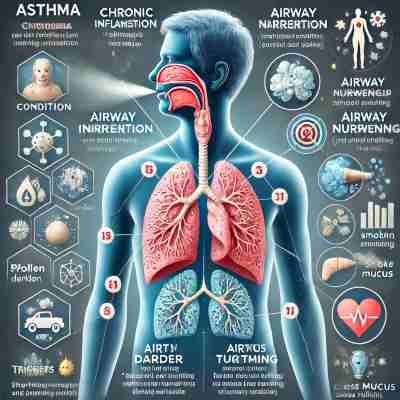
Asthma is a chronic lung disease that affects millions of people worldwide. It causes inflammation and the narrowing of the airways, making breathing difficult. Asthma symptoms such as coughing, wheezing, chest tightness, and shortness of breath can be triggered by various factors.

These triggers can be different for each person and can include allergens, irritants, exercise, infections, and even stress. While asthma can’t be cured, it can be managed by identifying and avoiding these triggers. Understanding the top asthma triggers is crucial for preventing attacks and maintaining a good quality of life.

Recommended Reading: Silent Asthma: Symptoms, Causes And Treatment

What Can Trigger Asthma? List Of Top 10 Asthma Triggers

List-Of-Top-10-Asthma-Triggers

Recommended Reading: What To Do For Asthma Attack Without Inhaler? (First Aid & What to Do Next)

What is Asthma?

Asthma is a chronic lung condition that causes inflammation in the airways, making it harder to breathe. This inflammation can lead to the narrowing of the airways, causing symptoms like wheezing, coughing, shortness of breath, and chest tightness.

When exposed to certain Asthma Triggers, the symptoms can worsen, leading to an asthma attack. The airways may become even more inflamed and produce extra mucus, making it difficult to breathe properly.

Common Symptoms

  • Coughing, especially at night or after exercise
  • Wheezing, a whistling sound while breathing out
  • Shortness of breath
  • Chest tightness or discomfort

Asthma Triggers

Asthma is triggered by various factors, including:

  • Allergens like pollen, dust mites, and pet dander
  • Irritants such as smoke, pollution, and strong odors
  • Exercise, especially in cold or dry air
  • Respiratory infections like colds or flu
  • Certain medications like aspirin or NSAIDs
  • Weather changes, including cold air or high humidity
  • Stress or intense emotions

Managing Asthma

While asthma has no cure, it can be managed effectively with the right treatment and lifestyle changes. Medications like inhalers help relieve symptoms and prevent attacks. Avoiding known triggers and maintaining a healthy lifestyle, such as regular exercise and managing weight, can also help control asthma symptoms. Recognizing asthma symptoms early, especially in children, is essential for effective management.

Recommended Reading: My Son Has Asthma And Can’t Stop Coughing (Causes+Treatment)

Types of Asthma

Silent-Asthma
Silent-Asthma

Type of AsthmaDetailsCommon Asthma Triggers
Allergic AsthmaCaused by allergens like pollen, dust mites, or pet dander.Pollen, dust mites, pet dander, mold spores
Exercise-Induced AsthmaTriggered by physical activity, especially in cold or dry air.Physical exercise, cold air, dry air
Non-Allergic AsthmaNot triggered by allergens but by irritants like smoke or pollution.Smoke, pollution, strong odors
Occupational AsthmaCaused by exposure to substances in the workplace.Chemical fumes, dust, and irritants in the workplace
Seasonal AsthmaTriggered by changes in the weather, particularly during specific seasons.Pollen during certain seasons, weather changes
Childhood AsthmaAsthma that develops in children, often due to environmental factors.Environmental triggers like dust, mold, or pet dander
Thunderstorm AsthmaCaused by thunderstorms, when pollen and other allergens are stirred into the air.Thunderstorms, pollen storms
Cough-Variant AsthmaCharacterized by a persistent cough without other obvious asthma symptoms like wheezing.Allergens, irritants, cold air
Acute Severe AsthmaA severe form where asthma symptoms rapidly worsen and require immediate medical attention.Infections, triggers not properly managed
Difficult AsthmaAsthma that is hard to control despite proper treatment.Various triggers, improper medication use
Eosinophilic AsthmaA type of asthma associated with increased eosinophils (a type of white blood cell) in the airways.Inflammation, allergic reactions
Asthma-COPD OverlapOccurs when asthma and Chronic Obstructive Pulmonary Disease (COPD) coexist.Smoking, respiratory infections, irritants
Adult-Onset AsthmaAsthma that begins in adulthood, typically due to environmental or occupational factors.Occupational irritants, allergies, respiratory infections
Intermittent AsthmaAsthma with symptoms that appear only occasionally, usually triggered by specific factors.Exercise, respiratory infections, allergens
Exercise-Induced Bronchoconstriction (EIB)A temporary narrowing of the airways triggered by exercise, leading to wheezing or shortness of breath.Physical activity, cold/dry air, air pollution
Aspirin-Induced AsthmaAsthma that is triggered by taking aspirin or non-steroidal anti-inflammatory drugs (NSAIDs).Aspirin, NSAIDs
Table: Type-of-Asthma

Asthma Triggers

  • Allergic (Inflammatory) Triggers:
    • Indoor Allergens: Dust mites, pet dander, mold, cockroaches
    • Outdoor Allergens: Pollen, mold spores from plants and trees
    • Food Allergies and certain medications (like aspirin)
  • Non-Allergic (Symptom) Triggers:
    • Irritants: Smoke, pollution, chemical fumes, strong odors
    • Physical Activity: Exercise, especially in cold/dry air
    • Weather Changes: Cold air, sudden temperature or humidity changes
    • Respiratory Infections: Colds, flu
    • Emotions and Stress: Strong feelings or stress can trigger symptoms
    • Workplace Exposure: Chemicals, dust, fumes

Recommended Reading: How To Get Rid of A Cough In 5 Minutes (Medicines+Home Remedies)

Common Asthma Triggers

What-Can-Trigger-Asthma

Asthma flare-ups can be triggered by different factors. These triggers are often grouped into two categories: allergic (inflammatory) triggers and non-allergic (symptom-based) triggers. Here’s a detailed list of common asthma triggers:

Allergic (Inflammatory) Triggers

  • Pollen
    • Found in the air, especially during spring and fall pollen from trees, grass, and weeds can trigger allergic asthma symptoms.
  • Dust Mites
    • Tiny creatures living in dust and feeding on dead skin cells, often found in bedding, carpets, and upholstered furniture.
  • Pet Dander
    • Skin flakes, saliva, and urine from pets, particularly cats and dogs, can cause allergic reactions in some people with asthma.
  • Mold Spores
    • Mold thrives in damp, humid environments and can release spores into the air, causing asthma symptoms when inhaled.
  • Cockroach Waste
    • Waste products from cockroaches can trigger allergic reactions in some individuals, worsening asthma symptoms.
  • Food Allergies
    • Certain foods, like nuts, shellfish, and dairy, can cause allergic reactions that trigger asthma attacks in some people.

Non-Allergic (Symptom-Based) Triggers

  • Tobacco Smoke
    • Exposure to secondhand smoke or direct contact with cigarette, cigar, or pipe smoke can irritate the airways and trigger asthma symptoms.
  • Air Pollution
    • Smoke, ozone, and pollutants like smog can irritate the respiratory system and worsen asthma, especially in urban areas.
  • Strong Odors
    • Strong scents from perfumes, cleaning products, and chemicals can irritate the airways and trigger asthma attacks.
  • Chemical Fumes
    • Fumes from household cleaning products, paint, or industrial chemicals can cause airway irritation and trigger asthma symptoms.
  • Cold Air
    • Dry, cold air can irritate the airways, causing them to tighten and trigger asthma symptoms, particularly during physical activity.
  • Exercise
    • Physical activity, particularly in cold or polluted air, can lead to exercise-induced bronchospasm (temporary airway narrowing) in some people with asthma.
  • Stress and Strong Emotions
    • Anxiety, stress, or intense emotions can trigger asthma symptoms by causing changes in breathing patterns and increasing airway sensitivity.
  • Respiratory Infections
    • Colds, flu, and other viral respiratory infections can worsen asthma symptoms by causing inflammation in the airways.
  • Changes in Weather
    • Sudden shifts in temperature or humidity can irritate the airways and trigger asthma symptoms, especially in individuals sensitive to these changes.
  • Certain Medications
    • Medications like aspirin, NSAIDs (nonsteroidal anti-inflammatory drugs), and beta-blockers can trigger asthma symptoms in some people.
  • Food Additives
    • Additives like sulfites, commonly found in processed foods, can cause asthma symptoms in some individuals.
  • Gastroesophageal Reflux Disease (GERD)
    • Acid reflux can irritate the airways, leading to asthma-like symptoms, particularly at night.

Other Triggers

  • Sinusitis
    • Inflammation of the sinuses can contribute to asthma symptoms by causing increased mucus production and airway obstruction.
  • Weather Changes (Thunderstorm Asthma)
    • Thunderstorms, which stir up pollen and other allergens, can trigger asthma attacks, especially during the pollen season.

Recommended Reading: Over-The-Counter Asthma Tablets (Best Medicine For Asthma Cough)

Top 10 Asthma Triggers

What-To-Do-For-Asthma-Attack-Without-Inhaler

Asthma TriggerDetailsImpact
Respiratory InfectionsViral infections like the flu or a cold can irritate the airways.These infections worsen asthma symptoms, causing more frequent and severe attacks.
AllergensSubstances such as pollen, dust mites, pet dander, mold, and cockroach waste that trigger allergic reactions.These allergens cause inflammation in the airways, leading to coughing, wheezing, and breathlessness.
Air PollutionPollutants in the air, like smog and ozone, can irritate the lungs.Exposure to air pollution can make it harder to breathe, triggering asthma symptoms.
SmokeSmoke from tobacco, wood, and other sources can irritate the lungs.Smoke causes inflammation in the airways, leading to narrowed passages and difficulty breathing.
Strong EmotionsStress, anxiety, and intense emotions can affect asthma.Emotional stress can trigger physical responses, making it harder to breathe and causing attacks.
ExercisePhysical activity, especially in cold or polluted air, can lead to asthma symptoms.Exercise-induced asthma causes a narrowing of the airways, leading to wheezing and shortness of breath.
Certain MedicationsDrugs like aspirin and NSAIDs may trigger asthma in sensitive individuals.These medications can cause inflammation in the airways and lead to an asthma flare-up.
Cold AirCold, dry air can irritate the airways, making breathing more difficult.Exposure to cold air can cause the airways to constrict, triggering asthma symptoms.
Food AdditivesAdditives like sulfites in food and drinks can affect asthma.These additives may cause reactions like coughing or shortness of breath.
MoldMold spores, often found in damp areas, can trigger allergic reactions.Mold exposure can worsen asthma symptoms by causing airway inflammation and increased mucus production.
Table: Asthma-Trigger

Side Effects of Asthma Triggers

SymptomWhen It HappensDetails
CoughingAt night or after physical activityA persistent cough that can interrupt sleep or daily life.
WheezingWhile exhaling, during a flare-upA high-pitched whistling sound is caused by narrowed airways.
Chest TightnessDuring or after trigger exposureFeels like pressure or tightness in the chest, making breathing harder.
Shortness of BreathDuring physical activity or even at restA sensation of not getting enough air; can feel scary during attacks.
FatigueAfter breathing difficulty or frequent symptomsFeeling tired or weak due to constant breathing effort.
Rapid BreathingDuring an asthma attackBreathing faster to try to get more oxygen when airways are tight.
Trouble SleepingEspecially at nightPoor sleep from coughing, wheezing, or breathlessness.
Anxiety or PanicWhen breathing becomes difficultFeeling anxious or panicked due to breathlessness.
Straining Chest MusclesDuring a tough asthma episodeChest muscles work harder, causing pain or discomfort.
Worse When Lying DownOften, at night, while lying on the backGravity affects airflow, making it harder to breathe when lying flat.
Severe SweatingDuring a severe attack or breathing crisisBody sweats while trying to regulate breathing and temperature.
Table: Side-Effects

Common Asthma Triggers

  • Allergens: Pollen, pet dander, mold, dust mites.
  • Irritants: Smoke, pollution, chemicals, strong smells.
  • Exercise: Especially in cold or dry air.
  • Respiratory Infections: Cold, flu, chest infections.
  • Emotions: Anxiety, stress, laughter, or crying.
  • Weather Changes: Sudden cold or humidity shifts.
  • Food Additives: Sulfites, preservatives.
  • Medications: Aspirin, NSAIDs, or beta-blockers.
  • Genetics: Family history of asthma or allergies.

Managing Asthma Triggers

  • Medication: Use prescribed inhalers and other medications as directed by your doctor to control asthma attacks and symptoms.
  • Avoid Triggers: Identify and avoid common triggers such as allergens, smoke, or cold air.
  • Lifestyle Changes: Regular exercise, a healthy diet, and weight management can help improve overall asthma control.
  • Indoor Air Quality: Use air purifiers, clean your home regularly, and keep it dry to reduce allergens like mold and dust mites.
  • Monitor Air Quality: Check pollution levels in your area and avoid outdoor activities during high-pollution days.
  • Stay Hydrated: Drinking plenty of water can help keep your airways moist and reduce irritation.
  • Use a Humidifier: In dry climates, a humidifier can help maintain the moisture level in the air.
  • Manage Stress: Practice stress-relieving activities such as yoga or meditation to reduce emotional triggers.
  • Create an Asthma Action Plan: Work with your doctor to develop a plan to manage symptoms and attacks.
  • Limit Exposure to Pets: If pet dander triggers asthma, avoid close contact with pets or keep them outside.

Recommended Reading: Silent Asthma: Symptoms, Causes And Treatment

FAQs

What are asthma triggers?

Asthma triggers are anything that can cause or worsen asthma symptoms like coughing, wheezing, or shortness of breath. These triggers vary from person to person and may include dust, smoke, cold air, exercise, stress, or even certain foods and medicines.

Can asthma triggers be avoided completely?

It’s not always possible to avoid all asthma triggers, but many can be managed or reduced. For example, you can keep your home clean to reduce dust, avoid smoking, use air purifiers, and stay indoors during high pollen days.

How do I know what my asthma triggers are?

You can identify your asthma triggers by noticing when your symptoms get worse. Keeping a symptom diary can help.

Do weather changes affect asthma?

Yes, sudden changes in weather, especially cold or dry air, can trigger asthma symptoms in some people. It’s best to keep warm in cold weather and avoid going out during extreme temperature shifts when possible.

Can exercise trigger Asthma?

Yes, for some people, physical activity can cause exercise-induced asthma. It may lead to coughing, wheezing, or tightness in the chest during or after a workout. Using an inhaler before exercise and warming up properly can help prevent this.

Can stress make asthma triggers worse?

Yes, strong emotions or stress can make asthma triggers symptoms worse. Stress may not directly affect the lungs, but it can cause faster breathing and tension, which can lead to an asthma flare-up.

Can perfumes or strong smells trigger asthma?

Yes, strong scents like perfumes, air fresheners, or cleaning products can irritate the lungs and trigger asthma symptoms in some people. It’s best to use fragrance-free products or keep your distance from strong smells.

Are pets a common asthma triggers?

Yes, pet dander (tiny flakes of skin) from cats, dogs, or other furry animals can trigger asthma. If you’re sensitive, it’s better to keep pets out of bedrooms and clean regularly to reduce allergens.

Does smoking affect asthma?

Absolutely. Cigarette smoke, even secondhand smoke, is a strong asthma trigger. It irritates the airways and makes symptoms worse. Avoid smoking and smoky environments to protect your lungs.

Conclusion

Asthma triggers can differ from person to person, so it’s important to understand what causes your symptoms to worsen. By recognizing and avoiding these triggers, such as allergens, irritants, and infections, you can significantly reduce the number and intensity of asthma attacks.

Proper medication is vital to control asthma and prevent flare-ups. Additionally, making simple lifestyle changes like exercising regularly, reducing stress, and improving indoor air quality can help you maintain better control over your asthma.

With a combination of awareness, lifestyle management, and the right medical treatment, people with asthma can live a healthy and active life. Always work closely with your doctor to adjust your asthma management plan to suit your needs.

Disclaimer
The commissions we earn from partner links on this page do not influence our content. Our editorial content is based on thorough research and insights from qualified medical professionals to ensure the highest standards of accuracy and reliability.

The information provided on Doseway is for educational purposes only. Your health and wellness are unique to you, and the products and services we review may not be suitable for your circumstances. We do not offer personal medical advice, diagnosis, or treatment plans. For specific advice, please consult with a healthcare professional. Doseway adheres to strict editorial integrity standards. To the best of our knowledge, all content is accurate as of the date posted, though offers and information may change. The opinions expressed are the author’s own and have not been influenced, approved, or endorsed by our partners.

Silent-Asthma

Silent Asthma: Symptoms, Causes And Treatment

Silent asthma is a lesser-known but serious form of asthma where a person may not show the usual signs like wheezing or coughing. Instead, they quietly struggle with symptoms such as chest tightness, shortness of breath, and fatigue. This makes it harder to recognize and treat in time.

While it may not seem dangerous at first, silent asthma can lead to severe attacks if not managed properly. It’s called “silent” because the symptoms are often hidden or overlooked, especially in children or during sleep.

Like other types of asthma, it is a chronic lung condition caused by inflammation and narrowing of the airways, often triggered by allergens, pollution, stress, or respiratory infections. Though there’s no permanent cure, early diagnosis, regular medications, and avoiding triggers can help manage it well and prevent serious health risks.

Recommended Reading: What To Do For Asthma Attack Without Inhaler? (First Aid & What to Do Next)

Silent Asthma: Symptoms, Causes, And Treatment

Silent-Asthma-Symptoms-Causes-And-Treatment

Recommended Reading: My Son Has Asthma And Can’t Stop Coughing (Causes+Treatment)

What is Asthma?

Asthma is a chronic lung condition that causes the airways to become inflamed, narrow, and produce excess mucus. This inflammation makes it difficult to breathe, leading to symptoms like coughing, wheezing, chest tightness, and shortness of breath. These symptoms are often more noticeable at night or after physical activity. Asthma can affect people of all ages, including children.

Several factors can trigger asthma symptoms or attacks, including:

  • Dust, pollen, or smoke
  • Cold air or strong smells
  • Stress or infections (e.g., the flu)

What is Silent Asthma?

Silent asthma is a type of asthma where a person doesn’t show the usual signs like wheezing or coughing but still has trouble breathing. The airways become tight, inflamed, and filled with mucus, just like in regular asthma, but without the noise. This makes it hard to detect and more dangerous, especially during an asthma attack, because it can go unnoticed until it becomes serious.

How Silent Asthma Affects the Body?

  • Airway Inflammation – The lining of the airways swells up.
  • Muscle Tightening – The muscles around the airways squeeze tighter.
  • Extra Mucus – More mucus is made, blocking airflow.

Symptoms (Even Without Cough or Wheeze)

  • Shortness of breath
  • Chest tightness or pressure
  • Tiredness or fatigue
  • Feeling anxious or restless
  • Rapid breathing or sighing
  • Difficulty speaking or sleeping
  • Blue lips or fingers (in severe cases)

Why It’s Risky

Because the usual asthma signs are missing, many people don’t know they’re having an attack until it’s severe. This delay in treatment can be life-threatening and may lead to emergencies.

Methods for Diagnosing Silent Asthma

Diagnostic MethodDetailsPurpose
Lung Function Tests (Spirometry)A test that measures how well the lungs are working by checking airflow and lung volume.Helps detect airway restriction and measure lung function, even when symptoms aren’t obvious.
Peak Flow Meter ReadingsA portable device that measures how fast you can exhale air.Tracks changes in airflow over time and helps identify subtle changes in lung function.
Allergy TestingBlood or skin tests check for specific allergens that may trigger asthma symptoms.Identifies allergens like pollen, dust, or pet dander that may contribute to asthma attacks.
Medical History ReviewA thorough review of your personal and family medical history, including any previous lung problems.Helps identify risk factors and previous instances of respiratory issues or allergies.
Physical ExaminationA physical check-up, usually during or after an asthma episode, where doctors listen for breathing sounds.Assess any physical signs of breathing difficulty, including wheezing or tightness in the chest.
Table: Diagnostic-Method

Benefits of Early Diagnosis

What-To-Do-For-Asthma-Attack-Without-Inhaler

  • Prevents Severe Flare-Ups
    Early identification helps prevent sudden asthma attacks that can become life-threatening if untreated.
  • Tailored Treatment Plan
    By understanding your specific triggers and symptoms, doctors can create a treatment plan that works best for you.
  • Minimized Complications
    Timely diagnosis reduces the risk of long-term lung damage or respiratory failure.
  • Improved Quality of Life
    Managing silent asthma early can help reduce fatigue, shortness of breath, and other distressing symptoms.
  • Increased Awareness
    Knowing your condition allows you to avoid triggers and monitor your health more effectively.

Best Treatment Options for Silent Asthma

Treatment TypeTreatment OptionsDetailsBenefitsSide Effects
1. MedicationsInhalersUsed for quick relief or long-term control of asthma symptoms.Relieves symptoms like breathlessness and tightness in the chest.Dry mouth, throat irritation, coughing.
Rescue Inhalers (SABAs)Fast-acting bronchodilators like Albuterol and Levalbuterol are for sudden asthma symptoms.Provides immediate relief during asthma attacks.Nervousness, increased heart rate, and tremors.
Maintenance InhalersUsed regularly to manage asthma symptoms.Helps prevent asthma symptoms and reduce inflammation over time.Hoarseness, sore throat, fungal infections in the mouth.
Inhaled Corticosteroids (ICS)Medications like Budesonide, Fluticasone, and Beclomethasone reduce airway inflammation.Controls inflammation, improving long-term asthma management.Cough, throat irritation, risk of oral thrush.
Long-Acting Beta-Agonists (LABAs)Bronchodilators like Salmeterol and Formoterol provide long-lasting relief.Keeps airways open for extended periods, preventing symptoms.Increased heart rate, muscle cramps, and headaches.
Combination InhalersMix of ICS + LABA for enhanced control.Offers dual benefits: reduces inflammation and keeps airways open.Similar to side effects of ICS and LABA combined.
Oral CorticosteroidsFor short-term use during flare-ups.Reduces severe inflammation quickly.Weight gain, mood swings, and increased blood pressure.
Leukotriene ModifiersMedications like Montelukast (Singulair) reduce inflammation caused by leukotrienes.Prevents symptoms and reduces inflammation, especially useful for allergy-related asthma.Headache, stomach pain, and mood changes.
Biologic TherapiesMedications like Omalizumab and Mepolizumab are for severe asthma.Targets specific inflammatory pathways, useful for hard-to-control asthma.Injection site reactions, headaches, and sore throat.
2. Supportive TherapiesNebulizersDevices that convert liquid medication into mist, ideal for those unable to use inhalers.Easier to use in severe cases, ensures better medication delivery.Potential for increased mucus production.
Oxygen TherapyProvides extra oxygen when levels drop significantly.Helps restore normal oxygen levels, especially in severe asthma cases.Nasal dryness, discomfort with prolonged use.
Bronchial ThermoplastyHeat treatment to reduce airway narrowing in severe asthma cases.Provides long-term relief for severe, drug-resistant asthma.Temporary coughing, chest discomfort.
Allergy ImmunotherapyAllergy shots desensitize the immune system to allergens.Long-term relief for allergic asthma.Swelling, rash, and allergic reactions at the injection site.
Breathing ExercisesTechniques like Yoga, Buteyko breathing, and guided meditation improve breathing control.Reduces stress, improves lung function, and helps control asthma symptoms naturally.None, unless done incorrectly.
3. Asthma Action PlanDaily MedicationsRegular use of prescribed inhalers and medications.Helps maintain symptom control and avoid flare-ups.None, as long as medications are used correctly.
List of TriggersIdentifying triggers like allergens, smoke, and pollution.Helps avoid asthma triggers and manage symptoms effectively.None.
Emergency InstructionsGuidelines for what to do in case of severe asthma symptoms.Provides immediate steps in case of an asthma emergency.None.
When to Seek ER CareClear instructions on when to go to the emergency room (e.g., severe shortness of breath).Ensures timely medical intervention in critical situations.None.
Table: Treatment Options

Best Medicines For Silent Asthma

My-Son-Has-Asthma-And-Can't-Stop-Coughing-Causes-Treatment
My-Son-Has-Asthma-And-Can’t-Stop-Coughing-Causes-Treatment

Treatment TypeMedicine/OptionDefinitionUsesBenefitsSide Effects
1. Long-Term Control MedicationsInhaled CorticosteroidsMedications that reduce inflammation in the airways to prevent narrowing.Helps control chronic asthma and prevent flare-ups.Reduces airway inflammation, improves lung function, prevents symptoms.Hoarseness, throat irritation, mouth infections.
Examples: Beclomethasone (QVAR), Budesonide (Pulmicort), Fluticasone (Flovent), Mometasone (Asmanex)
Long-Acting Beta-Agonists (LABAs)Medications that relax muscles around the airways, making breathing easier.Often combined with inhaled corticosteroids to provide long-term control of asthma.Helps maintain open airways for extended periods.Tremors, nervousness, increased heart rate.
Examples: Salmeterol, Formoterol
Leukotriene ModifiersMedications that block leukotrienes, substances that cause inflammation and airway narrowing.Helps control asthma by reducing airway inflammation and mucus production.Reduces inflammation, controls allergy symptoms.Headache, stomach pain, dizziness.
Examples: Montelukast (Singulair), Zafirlukast (Accolate)
BiologicsTargeted treatments that work on specific immune system components contributing to severe asthma.Used for severe asthma that does not respond to other medications.Reduces inflammation, prevents severe asthma attacks.Injection site reactions, headaches, sore throat.
Examples: Omalizumab (Xolair), Mepolizumab (Nucala), Dupilumab (Dupixent)
2. Quick-Relief MedicationsShort-Acting Beta-Agonists (SABAs)Fast-acting bronchodilators that relax airway muscles to provide quick relief during asthma attacks.Used during sudden asthma flare-ups to relieve symptoms.Provides rapid relief from wheezing, shortness of breath, and tightness in the chest.Rapid heart rate, jitteriness, headaches.
Example: Albuterol (Proventil, Ventolin)
3. Other TreatmentsAllergy Shots (Immunotherapy)Involves regular injections to reduce allergic responses to specific allergens.Helps people with allergic asthma by desensitizing the body to allergens.Reduces allergic reactions, can provide long-term relief.Swelling, redness, or itching at the injection site.
Oxygen TherapyProvides supplemental oxygen to ensure proper oxygen levels in the blood during severe asthma attacks.Used when oxygen levels drop significantly, typically in more severe cases.Helps restore normal oxygen levels, preventing organ damage during asthma flare-ups.Nasal dryness, discomfort from prolonged use.
Systemic CorticosteroidsStrong anti-inflammatory medications taken orally or intravenously during severe asthma attacks.Reduces severe inflammation and prevents further airway narrowing during asthma flare-ups.Quickly reduces inflammation and prevents worsening symptoms.Weight gain, mood swings, high blood pressure, insomnia.
NebulizerA device that converts liquid medication into mist, allowing it to be inhaled directly into the lungs.Used to administer medication during severe asthma attacks or when inhalers are ineffective.Provides better medication delivery for severe cases, helps improve breathing.Coughing, increased mucus production.
Table: Treatment-Type

Top Nebulizers For Silent Asthma

NebulizerDefinitionUsesBenefitsSide Effects
Omron MicroAir U100A compact, portable ultrasonic nebulizer ideal for quick medication delivery.Used for delivering medication to treat asthma and other respiratory conditions.– Quiet operation
– Portable and easy to carry
– Quick medication delivery
– Ideal for silent asthma management
– May cause throat irritation with prolonged use
– Can be slightly bulky for some users.
Omron C102 TotalA nebulizer that combines traditional and ultrasonic technology for effective delivery.Designed for use in home or clinic settings to manage asthma and other lung conditions.– Dual technology for versatility
– Efficient and reliable delivery
– Easy to clean and maintain
– Larger size compared to portable options
– May be more expensive than other models.
Hangsun CN680An ultrasonic mesh nebulizer for smooth and quiet medication delivery.Used for daily asthma management and emergency relief during attacks.– Silent operation
– Compact and travel-friendly
– Fast and efficient medication delivery
– Requires regular maintenance
– Limited battery life in some models.
Hangsun CN560Another portable ultrasonic nebulizer designed for asthma and allergy treatments.Helps deliver asthma medications, especially for patients with silent asthma.– Lightweight and easy to use
– Silent operation
– Battery operated for portability
– Shorter battery life during continuous use
– Requires careful handling to avoid damage.
HygelinkA mesh nebulizer is designed for convenience and efficient medication delivery.Used for both asthma and allergy treatment, especially for patients needing a quiet solution.– Lightweight and compact
– Delivers medication efficiently
– Ideal for on-the-go use
– Can be difficult to clean properly
– Occasional clogging of the mesh.
Dr. Trust Portable Ultrasonic Mesh NebulizerA portable ultrasonic nebulizer suitable for all ages and conditions.Ideal for asthma patients, particularly those with silent asthma who need discreet treatment.– Compact and portable
– Silent operation
– Suitable for both children and adults
– Quick and efficient medication delivery
– Requires regular maintenance and care
– Limited battery life with heavy use.
Table: Nebulizer

Symptoms of Silent Asthma

  • Chest Tightness
    You might feel a heavy, tight, or squeezing sensation in your chest, like something is pressing down.
  • Shortness of Breath
    It feels like you can’t breathe deeply or you’re gasping for air, especially after walking or mild activity.
  • Fatigue
    Feeling tired or weak all the time, even when you haven’t done much. This happens because your body isn’t getting enough oxygen.
  • Difficulty Talking
    You may find it hard to speak full sentences without pausing to breathe. Talking can feel like a struggle.
  • Anxiety or Panic
    When you can’t breathe easily, it can make you feel worried, uneasy, or panicked for no clear reason.
  • Rapid or Shallow Breathing
    Breathing may become quick and light instead of deep and slow. This is a sign your lungs are struggling.
  • Breathing Retractions
    The skin around your ribs, neck, or collarbones may pull in while you breathe; this is a red flag that breathing is very difficult.
  • Lightheadedness or Dizziness
    You might feel dizzy, faint, or unsteady, especially when standing or walking.
  • Excess Mucus in Airways
    You may not notice it right away, but your body can make extra mucus, blocking the airways and making breathing harder.
  • Frequent Yawning or Sighing
    You might catch yourself yawning or sighing a lot, trying to get more air without knowing why.
  • Trouble Sleeping at Night
    Breathing problems often worsen at night, making it hard to fall asleep or stay asleep.
  • Cold or Exercise Makes It Worse
    Symptoms may get worse in cold air or after doing physical activity, even light exercise.

Causes of Silent Asthma

  • Respiratory Infections
    Colds, flu, or chest infections can inflame your airways, making asthma symptoms worse without obvious signs.
  • Smoking & Secondhand Smoke
    Smoking or being around smoke can irritate your lungs, quietly causing airway swelling and breathing trouble.
  • Dust, Pollen, and Allergens
    Things like dust mites, pet hair, and pollen are common asthma triggers that often go unnoticed.
  • Air Pollution & Toxins
    Breathing in dirty air, chemicals, or fumes (like from traffic or factories) can silently affect your lungs over time.
  • Obesity or Inactive Lifestyle
    Being overweight or not moving enough puts extra pressure on your lungs, which may trigger silent asthma symptoms.
  • Stress & Strong Emotions
    Anxiety, fear, or even excitement can cause your breathing to change, leading to asthma symptoms without warning.
  • Hormonal Changes
    Changes in hormones, especially in women during periods, pregnancy, or menopause, can affect asthma.
  • Acid Reflux (GERD)
    Stomach acid going up into the throat can irritate the airways and quietly trigger asthma attacks, especially at night.
  • Cold Weather or Sudden Weather Changes
    Breathing in cold air or sudden temperature changes can cause the airways to tighten without obvious symptoms.
  • Exercise, Especially in Cold Air
    Physical activity, especially in the cold, can silently trigger breathing difficulty if your asthma is not well controlled.
  • Genetics & Family History
    If asthma runs in your family, you’re more likely to get it even without the usual signs.
  • Chemical Sprays or Strong Smells
    Perfumes, cleaning products, or air fresheners can irritate the lungs, causing silent inflammation.

Silent Asthma Attack Symptoms

SymptomDescription / How It FeelsWhy It’s “Silent” or OverlookedSeverity / When to Act
Shortness of BreathFeeling like you can’t get enough air, “air hunger,” getting winded easily even with little activity, or struggling to take a deep breathOften dismissed as being unfit, tired, anxious, or out of shapeCommon early sign; seek help if persistent or worsening
Chest Tightness / Pressure / PainSqueezing, heavy weight, band-like pressure, or discomfort/pain in the chestMistaken for anxiety, muscle strain, heartburn, or stressVery common; monitor closely
Difficulty Speaking / TalkingTrouble saying full sentences, needing to pause to breathe, or voice becoming weakSubtle at first; people may not connect it to breathingSerious sign; use rescue inhaler immediately
Rapid or Shallow BreathingBreathing faster than normal or taking quick, small breathsCan look like normal hyperventilation from anxiety or effortIndicates worsening; emergency if very rapid
Fatigue / Unusual TirednessExtreme exhaustion, weakness, or feeling drained without much activity; daytime sleepinessAttributed to poor sleep, stress, or general fatigueFrequent in silent cases; ongoing sign
Anxiety / Distress / RestlessnessFeeling panicked, irritable, or anxious due to low oxygen and breathing struggleOften thought to be psychological rather than physicalCommon emotional response; treat underlying cause
Frequent Yawning / SighingExcessive yawning or deep sighing breaths to try to get more airSeems like boredom or tirednessSubtle early indicator
Nighttime SymptomsWaking up with breathing issues, mild cough (sometimes), or discomfort when lying downBlamed on allergies, reflux, or poor sleep postureOften worse at night; track with peak flow meter
Reduced Exercise ToleranceGetting unusually breathless or tired during normal physical activityDismissed as deconditioning or agingGradual warning sign
Breathing RetractionsVisible “sucking in” of skin around ribs, neck, or collarbone during inhalationOnly visible in more severe cases; indicates heavy breathing effortEmergency – seek immediate medical help
Dizziness / Passing OutLightheadedness, faintness, or loss of consciousnessDue to severe oxygen shortageEmergency – call emergency services
Cyanosis (Bluish Tint)Bluish lips, fingernails, or skinSign of dangerously low oxygenEmergency – life-threatening
Inability to SpeakComplete inability to form words or sentences due to breathlessnessLate, severe signEmergency – call 9-1-1

Risk Factors & Side Effects of Silent Asthma

Silent asthma can affect anyone, but certain factors can increase your risk. It’s important to understand who is more likely to develop this condition and what side effects it can cause. If left untreated, silent asthma can lead to serious health issues.

Who Is at Risk for Silent Asthma?

  • People with a Family History of Asthma or Allergies
    If asthma or allergies run in your family, you have a higher chance of developing silent asthma.
  • Smokers or People Exposed to Secondhand Smoke
    Smoking or being around smoke can increase inflammation in your lungs, making silent asthma more likely.
  • Residents of Polluted Urban Areas
    Living in areas with high air pollution can irritate the lungs and make asthma symptoms worse without obvious signs.
  • People Who Ignore Early Symptoms
    Ignoring symptoms like shortness of breath or fatigue can allow silent asthma to worsen without being diagnosed.
  • Children
    Kids with asthma or allergies may experience silent asthma due to their developing immune systems.
  • Obese Individuals or Those with a Sedentary Lifestyle
    Being overweight or not exercising regularly puts extra pressure on the lungs, increasing the risk of silent asthma.

Common Side Effects of Silent Asthma

  • Fatigue & Dizziness
    Feeling tired or lightheaded is common, especially when breathing becomes difficult.
  • Frequent Sighing
    A constant need to sigh or take deep breaths due to lack of oxygen.
  • Shortness of Breath & Rapid Breathing
    You may feel like you can’t catch your breath, even after minimal activity.
  • Chest Discomfort or Tightness
    A sensation of pressure or heaviness in the chest, which can be a sign of airway constriction.
  • Difficulty Speaking
    Struggling to complete sentences or gasping for air when talking.
  • Recurrent Respiratory Infections
    Frequent colds, flu, or chest infections may occur due to weakened airways.

Severe Side Effects of Untreated Silent Asthma

  • Oxygen Deprivation (Hypoxia)
    If the airways narrow too much, your body may not get enough oxygen, leading to severe complications.
  • Emergency Asthma Attacks
    Without warning, silent asthma can escalate to a full-blown asthma attack that may require immediate medical attention.
  • Cyanosis (Bluish Skin)
    The lips or nails may turn bluish, a sign that the body is not getting enough oxygen.
  • Respiratory Failure
    In extreme cases, untreated silent asthma may cause the complete failure of the lungs to supply enough oxygen, which is life-threatening.

FAQs

What causes asthma?

Asthma is caused by a combination of genetic and environmental factors. Genetics plays a significant role, as individuals with a family history of asthma or allergies are more likely to develop the condition. Environmental triggers like dust, pollen, smoke, strong odors, cold air, or stress can worsen symptoms or cause asthma attacks. Respiratory infections can also trigger asthma symptoms, especially in children.

Can asthma be cured?

Unfortunately, asthma does not have a cure, but it can be managed effectively with proper treatment. By using inhalers, taking prescribed medications, and avoiding triggers, most people with asthma can control their symptoms and lead a normal life. Living a healthy lifestyle, including regular exercise, can also help improve overall lung function and reduce flare-ups.

What are the common symptoms of asthma?

Common symptoms of asthma include coughing, especially at night or early in the morning, wheezing (a whistling sound while breathing), chest tightness, and shortness of breath.

What triggers asthma attacks?

Asthma attacks can be triggered by various factors, such as allergens (e.g., dust, pollen, pet dander), cold air, exercise, strong smells, stress, or respiratory infections like the flu or a cold. Pollution and smoke are also common triggers.

How is asthma diagnosed?

Asthma is usually diagnosed through a combination of your medical history, symptoms, and lung function tests. Spirometry and peak flow measurements help measure how well your lungs are working.

What medications are used to treat asthma?

Asthma treatment typically involves two types of medications: long-term control medications (like inhaled corticosteroids and long-acting beta-agonists) to prevent symptoms and quick-relief medications (like short-acting beta-agonists) to provide fast relief during an attack.

Can asthma affect children?

Yes, asthma can affect children, and it is one of the most common chronic diseases in kids. Symptoms often appear during childhood, especially if there is a family history of asthma or allergies. Early diagnosis and treatment are crucial to helping children manage asthma and preventing severe attacks.

How can I manage asthma?

Managing asthma involves using medications as prescribed, avoiding known triggers, and leading a healthy lifestyle. Regular check-ups with your doctor to adjust your treatment plan as needed can help control symptoms. Breathing exercises, like yoga or the Buteyko method, may also help improve breathing.

What happens during an asthma attack?

During an asthma attack, the airways become more inflamed, making it difficult to breathe. Symptoms may include wheezing, shortness of breath, chest tightness, and coughing. An asthma attack can be triggered by exposure to allergens, physical exertion, or other environmental factors. Quick-relief medications, like rescue inhalers, can help alleviate the symptoms.

Conclusion

Summary of Key Points

Silent asthma is a hidden condition that doesn’t show the usual symptoms like wheezing or coughing, making it hard to detect. It can go unnoticed until a serious attack happens. It’s important to recognize signs like chest tightness and difficulty breathing, which are often subtle but key indicators of this type of asthma.

Final Recommendation

If you experience unexplained shortness of breath or fatigue, it’s crucial to get checked for silent asthma. Early diagnosis and consistent treatment can help manage the condition effectively, preventing severe asthma attacks.

Who Should Be Concerned?

  • People who feel tired or short of breath for no clear reason.
  • Those with a family history of asthma.
  • Individuals living in polluted areas or places with high allergen exposure.

Alternative Management Options

Alongside medication, consider breathing exercises, yoga, and avoiding asthma triggers. These practices can be helpful in managing symptoms and improving overall lung health.

Disclaimer
The commissions we earn from partner links on this page do not influence our content. Our editorial content is based on thorough research and insights from qualified medical professionals to ensure the highest standards of accuracy and reliability.

The information provided on Doseway is for educational purposes only. Your health and wellness are unique to you, and the products and services we review may not be suitable for your circumstances. We do not offer personal medical advice, diagnosis, or treatment plans. For specific advice, please consult with a healthcare professional. Doseway adheres to strict editorial integrity standards. To the best of our knowledge, all content is accurate as of the date posted, though offers and information may change. The opinions expressed are the author’s own and have not been influenced, approved, or endorsed by our partners.

Asthma-Attack-Without-Inhaler

What To Do For Asthma Attack Without Inhaler? (First Aid & What to Do Next)

Managing high cholesterol is crucial for maintaining heart health, and one effective way to do so is through the use of cholesterol-lowering medicines. These medications are designed to reduce levels of harmful cholesterol, known as LDL (low-density lipoprotein), in the blood.

Cholesterol medicines work by either blocking the liver from producing cholesterol or by helping the body eliminate excess cholesterol more effectively. They are commonly prescribed to individuals at risk of heart disease, strokes, or other cholesterol-related health issues.

Recommended Reading: My Son Has Asthma And Can’t Stop Coughing (Causes+Treatment)

What To Do For Asthma Attack Without Inhaler? (First Aid & What to Do Next)

What-To-Do-For-Asthma-Attack-Without-Inhaler

What Is an Asthma Attack?

An asthma attack, also called an asthma flare-up or exacerbation, happens when the airways suddenly tighten, swell, and fill with mucus, making it hard to breathe. This can cause wheezing, coughing, chest tightness, and shortness of breath. If not treated quickly, an asthma attack can become dangerous and even life-threatening.

What Happens During an Asthma Attack?

  • Airway Tightening (Bronchospasm): The muscles around the airways contract, making them narrower.
  • Inflammation: The lining of the airways swells, further restricting airflow.
  • Mucus Buildup: Thick mucus clogs the airways, making breathing even harder.

Common Symptoms

  • Difficulty Breathing: Feeling like you can’t get enough air.
  • Wheezing: A whistling sound when exhaling.
  • Coughing: A persistent cough, sometimes with mucus.
  • Chest Tightness: A feeling of pressure or discomfort in the chest.

What Triggers an Asthma Attack?

  • Allergens: Pollen, dust mites, pet dander.
  • Irritants: Smoke, pollution, strong odors.
  • Cold Air: Sudden temperature changes.
  • Infections: Colds, flu, or respiratory infections.
  • Exercise: Intense physical activity, especially in cold air.

How to Treat an Asthma Attack?

  • Quick-Relief Inhaler (Rescue Inhaler): Helps open the airways quickly.
  • Stay Calm & Sit Upright: Avoid lying down, as it can worsen symptoms.
  • Seek Medical Help: If symptoms don’t improve with medication, get emergency care.

Treatment of an Asthma Attack

Treatment StepHow it WorksBenefits
Stay Calm and Sit UprightSit upright to help open your airways. Staying calm prevents panic, which can worsen symptoms.Helps you breathe more easily and reduces additional stress on your body.
Use Quick-Relief Inhaler (Reliever)Use your prescribed quick-relief inhaler (e.g., albuterol) as directed. This helps relax the muscles around your airways. Use a spacer if available for better delivery of the medicine.Opens the airways quickly, improving breathing and providing rapid relief.
Follow the Asthma Action PlanYour asthma action plan gives you specific instructions for managing an attack. It details what steps to take based on your symptoms and when to seek help.Personalized guidance that helps you act quickly and appropriately during an attack.
Seek Immediate Medical AttentionIf symptoms worsen or don’t improve after using the inhaler, contact emergency services. Symptoms like blue lips, chest pain, or severe shortness of breath are serious and require urgent care.Prevents life-threatening situations by ensuring you get advanced medical treatment when needed.
Emergency Room TreatmentIn the ER, you may receive treatments like:
Oxygen Therapy: To boost oxygen levels.
Inhaled Medications (e.g., albuterol): Delivered through a nebulizer to provide continuous relief.
Corticosteroids: To reduce inflammation in the airways.
Mechanical Ventilation is used for severe cases where breathing is significantly impaired.
Stabilizes breathing, reduces airway inflammation, and restores oxygen levels. Mechanical ventilation can save lives in extreme cases.
After an AttackOnce the attack is over, follow up with your doctor within 48 hours or as soon as possible. This allows them to adjust your treatment plan if needed and monitor your recovery.Helps prevent future attacks and ensures your asthma is well managed.
Avoid TriggersRecognize and avoid asthma triggers such as smoke, pollen, dust, cold air, and stress. Also, monitor air quality and limit outdoor activities during poor air conditions.Reduces the likelihood of future attacks by minimizing exposure to common asthma triggers.
Preventive MedicationsLong-term control medicines, such as inhaled corticosteroids or leukotriene modifiers, help prevent asthma attacks by keeping inflammation in check.Lowers the risk of attacks over time by reducing airway sensitivity.
Asthma Education and Self-ManagementLearn how to use inhalers properly, monitor your symptoms, and understand peak flow meter readings. Take your medication as prescribed.Empowers you to take control of your asthma and reduce the frequency of attacks.
Table: Treatment-Step

What To Do During an Asthma Attack?

  • Stay Calm and Sit Upright
    • Stay calm: Keeping calm is essential as panic can worsen breathing problems.
    • Sit upright: Avoid lying down. Sitting upright helps keep your airways open, making it easier to breathe.
  • Use Your Rescue Inhaler
    • Take your rescue inhaler: Use your inhaler as prescribed by your doctor. These inhalers contain fast-acting medicine to open your airways.
    • Follow instructions: Take the recommended number of puffs. If your doctor suggested using a spacer, make sure to use it for better medication delivery to your lungs.
  • Monitor Your Symptoms
    • Track how you feel: After using the inhaler, watch your symptoms closely.
    • Seek help if symptoms worsen: If breathing doesn’t improve, or if you notice severe signs like difficulty speaking, bluish lips or fingernails, or chest pain, seek medical attention immediately. Call emergency services (911, 999, or your local equivalent).
  • Follow Your Asthma Action Plan
    • Use your asthma action plan: Your doctor may have provided an asthma action plan that outlines what steps to take during an attack. Follow it closely to manage symptoms effectively.
  • After the Asthma Attack
    • Rest and recover: Give your body time to rest after the attack. Avoid physical activities until you feel better.
    • Follow up with your doctor: Book a follow-up appointment with your doctor to review the asthma attack and make sure your treatment plan is still effective.
    • Review your triggers: Reflect on what might have triggered the attack and adjust your daily routine to avoid those triggers in the future.

Warning Signs of a Severe Asthma Attack

  • Difficulty talking or walking.
  • Blue lips or fingernails (a sign of low oxygen levels).
  • Chest pain or tightness.
  • No improvement after using the inhaler.

What to Do During an Asthma Attack Without an Inhaler?

Asthma-Attack-Without-Inhaler

ActionDetailsBenefits
Stay CalmFocus on slow breathing, stay calm to avoid worsening the attack.Reduces panic and improves control over breathing.
Sit UprightSit up straight to help open your airways.Eases breathing and prevents further airway constriction.
Take Slow, Deep BreathsBreathe deeply through your nose and exhale through your mouth.Slows down breathing and helps avoid hyperventilation.
Move Away From TriggersQuickly move away from known asthma triggers like smoke, dust, or allergens.Reduce exposure to triggers that worsen the attack.
Pursed-Lip BreathingBreathe in through your nose and out through pursed lips to slow breathing.Helps calm breathing and allows for more efficient exhalation.
Drink Warm LiquidsDrink warm water, tea, or coffee to help open airways.Warm liquids relax airways, providing temporary relief.
Use CaffeineDrink coffee or tea with caffeine, which can act as a mild bronchodilator.Temporarily opens airways and improves breathing.
Eucalyptus Oil InhalationInhale steam with eucalyptus oil to soothe airways and reduce tightness.Helps open airways and clear mucus.
Rest and Avoid ExertionStay still, and avoid physical activities that can make breathing harder.Prevents worsening of breathlessness during the attack.
Call Emergency ServicesCall 911 or your local emergency number if symptoms worsen or you experience severe asthma attack signs.Ensures timely medical intervention for serious symptoms.
Table: Asthma Attack Without an Inhaler

Next Steps After First Aid for an Asthma Attack

ActionWhy It’s ImportantWhat to Do
Move Away from TriggersAvoiding triggers like allergens, dust, or smoke can prevent the attack from getting worse.Remove yourself from the environment that triggered the attack.
Sit UprightSitting upright opens the airways, making it easier to breathe.Stay seated in an upright position; do not lie down.
Stay CalmStaying calm helps prevent panic, which can worsen breathing difficulties.Focus on staying relaxed; don’t let anxiety take over.
Focus on BreathingDeep and slow breathing helps manage shortness of breath.Inhale through your nose and exhale through your mouth slowly.
Call 911 or Emergency ServicesIf the asthma attack is not improving, you need professional medical help right away.Call for emergency help immediately if the attack worsens.
Go to the Nearest Emergency RoomIn severe cases, reaching an ER quickly can save your life.If emergency services are delayed, go to the nearest hospital.
Follow Up with Your DoctorFollowing up with your doctor ensures proper treatment and management post-attack.Schedule an appointment to review your medications and plan.
Review Your Asthma Action PlanHaving a clear plan helps prevent future attacks and gives clear steps on how to act during an attack.Work with your doctor to create or update your asthma plan.
Table: Next-Steps

Remedies to Ease an Asthma Attack

RemedyHow It HelpsHow to Use
Pursed-Lip BreathingSlows breathing, improves airflowInhale through the nose and exhale slowly through pursed lips
Steam InhalationMoistens airways, reduces irritationInhale steam from a bowl of hot water, add eucalyptus oil if available
Caffeinated DrinksActs as a mild bronchodilatorDrink warm coffee or tea
Cool, Fresh AirReduces exposure to indoor allergensMove to a well-ventilated area
Yoga & Deep BreathingHelps control panic and slow breathingTry slow, controlled breaths or meditation
HydrationKeeps airways moist and prevents drynessSip warm water or herbal tea
Avoid TriggersPrevents worsening of symptomsMove away from dust, smoke, and allergens
Emergency Medical HelpEssential in severe casesCall 911 if symptoms don’t improve
Table: Remedy

Common Causes of an Asthma Attack

  • Allergens
    • Pollen: Found in trees, grass, and flowers, especially during spring and summer.
    • Dust Mites: Tiny bugs present in bedding, carpets, and furniture.
    • Pet Dander: Skin flakes from cats, dogs, and other animals.
    • Mold: Thrives in damp areas like bathrooms and basements.
    • Cockroaches: Their droppings and saliva can trigger asthma.
  • Irritants in the Air
    • Smoke: From tobacco, wood, or burning fuels.
    • Air Pollution: Car exhaust, factory emissions, and smog.
    • Strong Odors & Fumes: Perfumes, cleaning products, and paint fumes.
  • Respiratory Infections
    • Colds & Flu: Viral infections can cause inflammation in the airways.
    • Sinus Infections: Mucus buildup can worsen asthma symptoms.
    • Pneumonia & Bronchitis: Bacterial infections affecting the lungs.
  • Physical Activity (Exercise-Induced Asthma)
    • Intense Workouts: Running, cycling, or heavy lifting.
    • Cold Air Exposure: Exercising in cold weather can tighten airways.
    • Polluted Air: Working out in areas with poor air quality.
  • Weather Changes
    • Cold Air: Can irritate the airways and trigger attacks.
    • Humidity: High moisture levels can increase allergens like mold.
    • Sudden Temperature Shifts: Moving from warm to cold environments.
  • Medications
    • Aspirin & NSAIDs: Pain relievers like ibuprofen can worsen asthma in some people.
    • Beta-Blockers: Used for heart conditions and high blood pressure but can narrow airways.
  • Emotional Stress & Strong Reactions
    • Anxiety & Panic Attacks: Rapid breathing can worsen asthma symptoms.
    • Laughter & Crying: Sudden changes in breathing patterns can trigger attacks.
  • Acid Reflux (GERD – Gastroesophageal Reflux Disease)
    • Stomach Acid Irritation: Acid moving up into the throat can inflame airways.
  • Indoor Air Pollution
    • Mold & Mildew: Found in damp areas like kitchens and bathrooms.
    • Dust & Dirt: Accumulates in carpets, curtains, and air vents.
    • Scented Candles & Air Fresheners: Strong fragrances can trigger asthma.
  • Hormonal Changes
    • Pregnancy: Hormonal shifts can affect breathing.
    • Menstruation: Some women experience asthma flare-ups during their cycle.
    • Menopause: Changes in estrogen levels can impact lung function.
  • Workplace Irritants (Occupational Asthma)
    • Chemical Fumes: Found in factories, cleaning products, and construction sites.
    • Dust Exposure: In workplaces like farms, bakeries, or woodshops.

Symptoms of an Asthma Attack

  • Wheezing
    • Whistling Sound: A high-pitched sound when breathing, especially during exhalation. This is one of the most recognizable signs of asthma.
  • Persistent Coughing
    • Continuous Cough: A constant cough, often worse at night or early morning, that doesn’t seem to stop.
  • Shortness of Breath
    • Difficulty breathing: Feeling breathless or struggling to take deep breaths. You may feel like you’re not getting enough air.
  • Chest Tightness or Pain
    • Squeezing or Pressure: A sensation of tightness or discomfort in the chest, which can feel like a heavy weight or sharp pain.
  • Rapid Breathing
    • Fast Breathing Rate: Breathing more quickly than usual as your body tries to get more oxygen, often leading to a feeling of breathlessness.
  • Difficulty Speaking
    • Trouble Speaking Full Sentences: Struggling to talk without pausing for breath, making it hard to complete sentences.
  • Anxiety or Panic
    • Feelings of Panic: The difficulty breathing can lead to feelings of anxiety, stress, or panic, which can further worsen the attack.
  • Sweaty, Pale Skin
    • Clammy Skin: A sign that your body is working hard to get enough oxygen, leading to sweating and pale, cool skin.
  • Blue Lips or Fingernails (Cyanosis)
    • Oxygen Deprivation: A bluish tint around the lips or fingernails indicates that the body is not getting enough oxygen, which is a medical emergency.
  • Worsening Symptoms Despite Medication
    • No Relief with Inhalers: If your usual asthma medications (like inhalers) are not working to improve symptoms, it could indicate a severe attack that requires immediate medical attention.
  • Gasping for Air
    • Struggling to Breathe: Severe asthma attacks can cause gasping for air, making it difficult to breathe in or out normally.

Side Effects of an Asthma Attack

  • Difficulty Breathing
    • Breathing Struggles: Airways become tight and inflamed, making it hard to breathe in and out.
  • Wheezing
    • Whistling Sound: A high-pitched, whistling noise, especially when exhaling, is a common symptom due to narrowed airways.
  • Persistent Coughing
    • Continuous Cough: You may experience a persistent, dry, or mucus-filled cough that doesn’t stop, often worse at night.
  • Chest Tightness or Pain
    • Pressure in Chest: A feeling of pressure, squeezing, or discomfort in the chest, often described as a tight band around the chest.
  • Shortness of Breath
    • Struggling for Air: Feeling like you can’t get enough air into your lungs, leading to breathlessness.
  • Rapid Heartbeat
    • Fast Pulse: The heart beats faster as the body tries to compensate for the lack of oxygen during an asthma attack.
  • Anxiety or Panic
    • Psychological Impact: Difficulty breathing can trigger feelings of anxiety or panic, which may make the attack feel worse.
  • Fatigue and Weakness
    • Tiredness: Lack of oxygen can make you feel weak, tired, or exhausted during and after an asthma attack.
  • Blue Lips or Fingernails (Cyanosis)
    • Oxygen Deficiency: A bluish tint around the lips or nails indicates dangerously low oxygen levels, signaling a serious asthma emergency.
  • Nighttime Symptoms
    • Trouble Sleeping: Asthma symptoms like coughing, wheezing, or shortness of breath can make it hard to sleep peacefully.
  • Chest Retractions
    • Straining to Breathe: The skin around the chest, neck, or ribs may pull inward when breathing, showing that the body is working harder to get air.
  • Difficulty Speaking
    • Trouble Talking: Shortness of breath can make it hard to speak in full sentences.
  • Sweaty, Pale Skin
    • Paleness and Sweating: As the body struggles to get oxygen, the skin may become pale and sweaty.
  • Worsening Symptoms Despite Medication
    • No Relief with Inhalers: If asthma medication doesn’t help, it could be a sign of a severe or life-threatening attack requiring immediate medical attention.
  • Gasping for Air
    • Severe Breathing Struggles: In extreme cases, you may gasp for air, unable to take in enough oxygen.

FAQs

What is an asthma attack?

An asthma attack happens when the airways tighten, swell, and produce extra mucus, making it hard to breathe. Symptoms include wheezing, coughing, shortness of breath, and chest tightness. It can be triggered by allergens, exercise, or respiratory infections.

What should I do during an asthma attack?

Stay calm, sit upright, and use your prescribed rescue inhaler. If the symptoms persist or worsen after using the inhaler, seek emergency medical help. Avoid panic, as it can make breathing harder.

What if I don’t have my inhaler during an asthma attack?

If you don’t have your inhaler, stay calm and sit upright to ease breathing. Focus on taking slow, deep breaths, and try drinking warm liquids or caffeine to help open your airways temporarily.

How can I prevent asthma attacks?

Prevention involves identifying your triggers, such as pollen, smoke, or stress, and avoiding them. Keep your inhaler with you at all times and follow your asthma action plan.

When should I seek emergency help for an asthma attack?

Call emergency services if your inhaler does not improve your symptoms or if you experience severe symptoms like blue lips or fingernails, extreme difficulty breathing, or chest pain. Don’t wait too long if symptoms get worse.

Can caffeine help during an asthma attack?

Caffeine has mild bronchodilating effects, which can help open airways and provide temporary relief during an asthma attack. Drinking a hot caffeinated beverage like coffee or tea can be helpful, but it should not replace your asthma medication or inhaler.

What are common asthma triggers?

Common asthma triggers include dust, pollen, mold, smoke, pet dander, cold air, exercise, respiratory infections, and stress. Knowing and avoiding these triggers can help reduce the frequency of asthma attacks.

Can stress trigger an asthma attack?

Yes, stress can trigger or worsen an asthma attack. When stressed, you may breathe faster and shallowly, which can tighten the muscles around the airways, leading to difficulty breathing.

What should I avoid during an asthma attack?

During an asthma attack, avoid lying down, as this can make breathing more difficult. Stay away from your known triggers, such as smoke, dust, or allergens.

Can breathing exercises help during an asthma attack?

Yes, breathing exercises, such as pursed-lip breathing or diaphragmatic breathing, can help control shortness of breath. These techniques help to slow your breathing, open up airways, and prevent hyperventilation, making it easier to breathe during an asthma attack.

How do I know if my asthma attack is life-threatening?

A life-threatening asthma attack is indicated by symptoms such as severe breathlessness, inability to speak more than a few words, bluish lips or fingernails, chest pain, and confusion.

How often should I review my asthma action plan?

It’s recommended to review your asthma action plan with your doctor every 6 to 12 months or more often if you experience frequent asthma attacks or changes in symptoms.

Conclusion

An asthma attack without an inhaler can be dangerous, but staying calm, sitting upright, breathing deeply, and avoiding triggers can help manage symptoms temporarily. Home remedies like caffeine and steam may offer slight relief, but they are not a substitute for medical treatment.

If symptoms worsen or don’t improve, seek emergency help immediately. To prevent future attacks, always carry your inhaler, know your triggers, and follow a proper asthma management plan. Consulting a doctor for personalized treatment is essential for long-term asthma control.

Disclaimer
The commissions we earn from partner links on this page do not influence our content. Our editorial content is based on thorough research and insights from qualified medical professionals to ensure the highest standards of accuracy and reliability.

The information provided on Doseway is for educational purposes only. Your health and wellness are unique to you, and the products and services we review may not be suitable for your individual circumstances. We do not offer personal medical advice, diagnosis, or treatment plans. For specific advice, please consult with a healthcare professional. Doseway adheres to strict editorial integrity standards. To the best of our knowledge, all content is accurate as of the date posted, though offers and information may change. The opinions expressed are the author’s own and have not been influenced, approved, or endorsed by our partners.

My-Son-Has-Asthma-And-Can't-Stop-Coughing-Causes-Treatment

My Son Has Asthma And Can’t Stop Coughing (Causes+Treatment)

Asthma-related coughing in children can be persistent and distressing, often worsening at night or with triggers like dust, cold air, or exercise. Unlike regular coughs, an asthma cough is usually dry and caused by inflamed airways.

Proper treatment is essential to prevent it from escalating into a severe asthma attack. Quick-relief inhalers like albuterol help open the airways instantly, while long-term control medications, such as inhaled corticosteroids, reduce inflammation over time. Along with medication, avoiding triggers, maintaining good air quality, and following a doctor-approved asthma action plan can help keep symptoms under control.

Recommended Reading: How To Get Rid of A Cough In 5 Minutes (Medicines+Home Remedies)

My Son Has Asthma And Can’t Stop Coughing (Causes+Treatment)

My-Son-Has-Asthma-And-Can't-Stop-Coughing
My-Son-Has-Asthma-And-Can’t-Stop-Coughing

Recommended Reading: Over-The-Counter Asthma Tablets (Best Medicine For Asthma Cough)

What is Asthma?

Asthma

Asthma is a chronic lung condition that causes inflammation and narrowing of the airways, making it difficult to breathe. It often leads to symptoms like coughing, wheezing, and shortness of breath.

What-is-Asthma

Asthma is a long-term lung disease that causes the airways to become inflamed and narrowed, making it difficult to breathe. This condition can affect anyone but is often diagnosed in childhood.

Key Points About Asthma

  • Chronic Condition: Asthma is a lifelong condition that requires constant management.
  • Airway Inflammation: The airways become swollen and irritated, making it harder for air to pass through.
  • Airway Narrowing: The muscles around the airways tighten, making breathing even more difficult.
  • Excess Mucus: Extra mucus is produced in the airways, adding to the blockage and making it harder to breathe.

Symptoms

  • Wheezing: A whistling sound when breathing.
  • Coughing: Especially at night or early morning.
  • Shortness of Breath: Feeling like you can’t get enough air.
  • Chest Tightness: Discomfort or pain in the chest area.

Triggers

  • Allergens like pollen or pet dander.
  • Irritants like smoke or pollution.
  • Exercise and respiratory infections can also worsen asthma symptoms.

Management

  • Quick-relief medications like inhalers open the airways during an attack.
  • Long-term medications help reduce airway inflammation and prevent future asthma attacks.

Characteristics of Asthma

  • Chronic Condition: Asthma is a lifelong disease that requires ongoing management.
  • Airway Inflammation: The airways become swollen and sensitive, making it harder for air to flow in and out.
  • Airway Narrowing: The muscles around the airways tighten, further restricting airflow.
  • Excess Mucus Production: The airways produce more mucus than usual, leading to congestion and coughing.

Common Asthma Symptoms

  • Wheezing (a whistling sound while breathing)
  • Persistent coughing (especially at night)
  • Shortness of breath
  • Chest tightness or pain

Asthma Triggers

  • Allergens: Pollen, dust mites, pet dander, mold, and cockroach allergens
  • Respiratory Infections: Colds, flu, and other infections
  • Irritants: Smoke, air pollution, strong odors, and chemicals
  • Exercise: Physical activity, especially in cold or dry air
  • Weather Changes: Cold air, humidity, and sudden weather shifts
  • Emotional Stress: Strong emotions like crying, laughing, or stress

My Son Has Asthma and Can’t Stop Coughing

My Son Has Asthma

If your son has asthma and can’t stop coughing, it could be triggered by allergens, infections, or irritants. Identifying the cause is crucial for proper treatment and relief.

My-Son-Has-Asthma-and-Can't-Stop

If your son has asthma and is experiencing constant coughing, it’s important to take quick action. Start by using his quick-relief inhaler as per his asthma action plan. If the coughing gets worse or he struggles to breathe, seek medical help immediately.

What to do?

  • Asthma Coughing: Asthma causes coughing due to the inflammation and narrowing of the airways.
  • Asthma Action Plan: Follow the plan your doctor has provided for managing asthma flare-ups. This will include steps for using medications and when to get help.
  • Quick-Relief Inhaler: Use the quick-relief inhaler (like albuterol) at the first sign of coughing, wheezing, or shortness of breath.
  • Seek Medical Attention: If the coughing is severe, frequent, or if your son is having difficulty breathing, call for medical help. Signs of a serious asthma attack include trouble speaking, rapid breathing, or pale/blue lips.
  • Frequent Inhaler Use: If your son needs to use his inhaler more than usual, contact your doctor to adjust his treatment.

Other Considerations

  • Triggers: Asthma coughing can be triggered by allergens, irritants, cold air, or nighttime conditions.
  • Prevention: Identify and avoid known asthma triggers to reduce the chances of flare-ups.
  • Medications: Your doctor may prescribe bronchodilators or corticosteroids to help control asthma and reduce coughing.
  • Alternative Help: Some parents find relief by elevating their child’s head during sleep or treating GERD (acid reflux) if it worsens nighttime symptoms.

Asthma Treatment for Persistent Coughing in Children

Asthma Treatment

Asthma treatment for children with persistent coughing focuses on managing symptoms with inhalers and long-term medications. Proper care helps reduce flare-ups and improve breathing.

Asthma-Treatment-for-Persistent-Coughing-in-Children

Medication TypeHow to UseBenefitsSide EffectsUses
Quick-Relief InhalersUse during an asthma attack or flare-up to open airways. Example: Albuterol Inhaler.Provides rapid relief by expanding airways.It can cause jitteriness, fast heartbeat, or tremors.For immediate relief during asthma symptoms.
Inhaled CorticosteroidsUse daily to reduce airway inflammation. Example: Fluticasone.Prevents long-term asthma symptoms and reduces inflammation.It may cause throat irritation, hoarseness, or thrush (fungal infection).Long-term control of asthma symptoms.
Leukotriene ModifiersTaken orally once a day. Example: Singulair (Montelukast).Helps prevent symptoms related to allergies and asthma.It may cause mood changes, headaches, or stomach pain.For controlling asthma related to allergies or environmental triggers.
Long-Acting Beta AgonistsUse with corticosteroids. Not for sudden attacks. Example: Salmeterol.Maintains open airways for longer periods.Possible heart palpitations, tremors.For long-term control of chronic asthma.
AnticholinergicsIt can be used if inhalers are not enough. Example: Ipratropium.Helps relax the muscles around the airways.It may cause dry mouth, cough, or headache.Used in combination with other inhalers to manage symptoms.
Oral CorticosteroidsShort-term use in severe cases. Example: Prednisone.Reduces inflammation during severe asthma flare-ups.Weight gain, high blood sugar, or mood swings.For treating severe asthma attacks or when inhalers aren’t enough.
Table: Medication-Type

Best Cough Medicine for a Child with Asthma

Best Cough Medicine

The best cough medicine for a child with asthma often includes quick-relief inhalers like albuterol.

Best-Cough-Medicine-for-a-Child-with-Asthma

Medication TypeHow to UseBenefitsSide EffectsBest For
Quick-Relief InhalersUse as directed during asthma symptoms. Example: Albuterol.Opens airways quickly, relieves coughing fast.Jitteriness, fast heartbeat, shaking.Sudden coughing fits due to asthma.
Inhaled CorticosteroidsUse daily to control inflammation. Example: Fluticasone.Prevents long-term asthma symptoms.Hoarseness, throat irritation, thrush.Chronic asthma cough prevention.
NebulizersDelivers medicine as a mist for easier inhalation.Helps younger children or those struggling with inhalers.Temporary jitteriness, mild throat irritation.Children who cannot use inhalers properly.
Leukotriene ModifiersTake orally once daily. Example: Montelukast (Singulair).Helps prevent coughing linked to allergies.Headache, stomach pain, and mood changes.Asthma symptoms are triggered by allergens.
Oral SteroidsShort-term use for severe cases. Example: Prednisone.Reduces inflammation in severe flare-ups.Weight gain, mood swings, high blood sugar.Severe asthma flare-ups cause uncontrollable coughing.
Table: Cough-Medicine

Home Remedies for Cough Relief

  • Honey (For children over 1 year) – 1-2 teaspoons can soothe a cough naturally.
  • Steam Therapy – A warm shower or humidifier can loosen mucus and ease breathing.
  • Cool Mist Humidifier – Keeps air moist, which helps with asthma-related coughs.
  • Warm Liquids – Herbal tea, warm water, or broth can ease throat irritation.
  • Hydration & Rest – Encourage plenty of fluids and adequate rest for recovery.

Best Cough Medicine for Asthmatics

Quick-Relief Inhalers (Rescue Medications)

MedicationHow to UseBenefitsSide EffectsUses
Albuterol (ProAir, Ventolin)Inhale 1-2 puffs when coughing or during asthma attack.Opens airways quickly for immediate relief.Shaking, fast heartbeat, nervousness.Sudden asthma symptoms, including cough.
Levalbuterol (Xopenex)Similar to albuterol, used for quick relief during an attack.Provides quick relief with fewer side effects.Jitteriness, headache, dizziness.Acute asthma symptoms and severe coughing.
Table: Inhalers

  • How they work: These inhalers are short-acting beta-agonists (SABAs) that relax the muscles around the airways, helping you breathe easier.

Long-Term Control Medications

MedicationHow to UseBenefitsSide EffectsUses
Inhaled CorticosteroidsUse daily to reduce inflammation. Examples: Budesonide, Fluticasone.Prevents asthma symptoms and reduces coughing over time.Sore throat, hoarseness, oral thrush.Chronic asthma management reduces coughing.
Leukotriene ModifiersTake daily as prescribed. Example: Montelukast (Singulair).Controls asthma triggered by allergies.Headache, stomach pain, and mood changes.Chronic asthma symptoms and allergic asthma.
Table: Medication

  • How they work: These medications reduce inflammation and prevent asthma symptoms, including cough.

Other Medications

MedicationHow to UseBenefitsSide EffectsUses
Expectorants (e.g., Guaifenesin)Take as directed to thin mucus.Loosens mucus, making it easier to cough up.Nausea, dizziness, and stomach upset.Helpful for asthmatics with thick mucus.
Cough Suppressants (e.g., Dextromethorphan)Use with caution under doctor’s advice.Temporarily suppresses the urge to cough.Drowsiness, dizziness, upset stomach.It may help with night-time cough but consult a doctor first.
Table: Other-Medications

My Son Has Asthma and Can’t Stop Coughing | Causes

  • Allergens
    • Pollen (from trees, grass, and flowers)
    • Dust mites (found in bedding, carpets, and upholstery)
    • Pet dander (from cats, dogs, and other furry animals)
    • Mold spores (common in damp areas like bathrooms)
    • Cockroach allergens (droppings and saliva can trigger asthma)
  • Respiratory Infections
    • Common colds and flu (increase airway inflammation)
    • Bronchitis (infection of the bronchial tubes)
    • Pneumonia (lung infection causing severe coughing)
  • Irritants in the Air
    • Cigarette smoke (both direct and secondhand smoke)
    • Air pollution and smog (common in cities)
    • Strong odors (perfumes, paints, cleaning products)
    • Chemical fumes (from factories or household sprays)
  • Exercise-Induced Asthma
    • Coughing or wheezing after running or playing
    • Shortness of breath during exercise
    • Chest tightness that worsens with activity
  • Weather Conditions
    • Cold and dry air (can tighten airways)
    • Hot and humid air (increases mucus buildup)
    • Rapid temperature changes (can trigger coughing)
  • Emotional Stress & Strong Emotions
    • Laughing too hard
    • Crying for long periods
    • Stress and anxiety
  • Certain Medications
    • Beta-blockers (used for heart conditions and migraines)
    • NSAIDs like aspirin and ibuprofen (can worsen asthma in some people)
  • Acid Reflux (GERD)
    • Stomach acid travels up the throat, irritating airways
    • Nighttime coughing due to reflux when lying down

Symptoms of Asthma in Children

  • Persistent Coughing
    • Dry or wet cough that lasts for weeks.
    • Worsens at night or during exercise.
    • Triggered by cold air, laughing, or crying.
  • Wheezing
    • A whistling sound while breathing out.
    • Commonly heard during asthma flare-ups.
  • Shortness of Breath
    • Difficulty breathing, especially during physical activities.
    • Breathing becomes shallow or rapid.
  • Chest Tightness
    • Pressure or pain in the chest.
    • It may feel like a squeezing sensation.
  • Frequent Coughing at Night
    • Coughing that disrupts sleep.
    • Usually happens in the early morning hours.
  • Fatigue
    • Your child may feel tired easily due to difficulty breathing.
    • May struggle to keep up with physical activities.
  • Trouble Sleeping
    • Restlessness and waking up due to difficulty breathing or coughing.
  • Rapid Breathing
    • An increased breathing rate even when resting.
    • Signs of struggling to get air.
  • Bluish Lips or Fingernails
    • A sign of low oxygen levels during a severe asthma attack.
    • This is an emergency and needs immediate medical attention.
  • Anxiety or Panic
    • Your child may become anxious or scared during an asthma attack.
    • Difficulty breathing can cause panic.

FAQs

How do you stop a constant cough in a child with asthma?

To stop an asthma-related cough, use quick-relief inhalers like albuterol, as prescribed by the doctor. Keep your child away from triggers like dust, smoke, and cold air. If the cough continues, consult a doctor for a better treatment plan.

How do you stop an asthma cough?

Use a rescue inhaler to open the airways and reduce coughing. Long-term control medications like inhaled steroids may be needed to prevent future flare-ups. Avoid triggers such as allergens, strong odors, and cold air.

How can I calm my child’s asthma cough at night?

Ensure your child sleeps with an elevated head to prevent mucus buildup. Use a humidifier to keep the air moist and remove allergens from the bedroom.

Is it normal for kids with asthma to cough a lot?

Yes, children with asthma often have a chronic cough, especially at night or after exercise. If the cough worsens or lasts longer than usual

What causes asthma-related coughing in children?

Asthma-related coughing in children is often triggered by allergens, respiratory infections, irritants like smoke or pollution, and physical activity. Weather changes or stress can also make symptoms worse.

Can allergies cause coughing in asthmatic children?

Yes, allergens like pollen, dust mites, pet dander, and mold can cause airway inflammation, leading to coughing in children with asthma.

How does cold weather affect my child’s asthma cough?

Cold, dry air can irritate the airways, causing asthma symptoms like coughing. Keeping your child warm and using a scarf to cover their mouth while outside can help prevent cold air from worsening their symptoms.

Can stress worsen my child’s asthma and cause coughing?

Yes, stress and strong emotions can trigger or worsen asthma symptoms, including coughing. Helping your child manage stress through relaxation techniques and maintaining their asthma treatment plan can reduce these symptoms.

Why does my child with asthma keep coughing?

Asthma can cause persistent coughing due to airway inflammation and mucus buildup. Triggers like allergens, infections, or cold air can worsen symptoms.

What is the best cough medicine for a child with asthma?

Quick-relief inhalers like albuterol are the best option for asthma-related coughs. Avoid over-the-counter cough syrups unless recommended by a doctor.

Conclusion

Managing persistent coughing in a child with asthma requires attention and a proper treatment plan. Quick-relief inhalers like albuterol are vital for immediate relief, while long-term control medications, such as inhaled corticosteroids, help prevent symptoms from returning. Along with medication, it’s important to identify and avoid asthma triggers like dust, pollen, and smoke.

Ensure that you follow the asthma action plan created by your doctor and keep an eye on any worsening symptoms. Seek medical help if your child’s cough doesn’t improve or gets worse despite following the prescribed treatment.

If the current treatment isn’t working, consult with a doctor to explore other options. Proper care and management can make a big difference in controlling asthma and keeping your child healthy.

Disclaimer
The commissions we earn from partner links on this page do not influence our content. Our editorial content is based on thorough research and insights from qualified medical professionals to ensure the highest standards of accuracy and reliability.

The information provided on Doseway is for educational purposes only. Your health and wellness are unique to you, and the products and services we review may not be suitable for your individual circumstances. We do not offer personal medical advice, diagnosis, or treatment plans. For specific advice, please consult with a healthcare professional. Doseway adheres to strict editorial integrity standards. To the best of our knowledge, all content is accurate as of the date posted, though offers and information may change. The opinions expressed are the author’s own and have not been influenced, approved, or endorsed by our partners.

Get-Rid-of-A-Cough-In-5-Minutes

How To Get Rid of A Cough In 5 Minutes (Medicines+Home Remedies)

A cough is the body’s natural way to clear the airways of irritants like dust, mucus, and foreign particles. It can be caused by a variety of factors, ranging from common colds and infections to allergies and environmental irritants.

While coughing helps protect your lungs, it can sometimes become uncomfortable, disruptive, and exhausting, especially when it lasts for a long time or occurs frequently. In some cases, a cough can persist even after other symptoms of illness have faded. Finding quick and effective ways to manage a cough, whether through over-the-counter medications or simple home remedies, can provide relief and improve your quality of life

Recommended Reading: Over-The-Counter Asthma Tablets (Best Medicine For Asthma Cough)

How To Get Rid of A Cough In 5 Minutes (Medicines+Home Remedies)

How-To-Get-Rid-of-A-Cough-In-5-Minutes

What is a Cough?

Cough

A cough is a reflex that helps clear the airways of irritants, mucus, or foreign particles, often triggered by colds, infections, or allergies.

What-is-a-Cough

A cough is the body’s natural defense mechanism to clear the airways of irritants, germs, and foreign particles. It helps keep your breathing passages clean and protects your lungs from harmful substances. When you cough, your body quickly pushes out air from your lungs, which can help remove mucus, dust, or any irritants.

While it’s a natural response, a persistent cough can be annoying and may need treatment if it lasts too long. Coughs can be caused by a variety of reasons, such as colds, infections, or allergies.

Key Points

  • A cough helps clear airways and protect the lungs.
  • It can be triggered by irritants, infections, or allergies.
  • Persistent coughs may require medical attention.

Types of Cough

Type of CoughDurationDetailsCauses
Acute CoughLess than 3 weeksSudden onset and lasts for a short time, usually less than 3 weeks.Common cold, flu, respiratory infections.
Subacute Cough3 to 8 weeksA cough that lingers after an infection and lasts between 3 to 8 weeks.Post-infection inflammation, such as after a cold or flu.
Chronic CoughMore than 8 weeksA long-term cough that persists for more than 8 weeks.Asthma, chronic bronchitis, GERD.
Dry CoughVariesA cough that doesn’t bring up mucus or phlegm usually feels scratchy and irritating.Allergies, irritants like smoke, viral infections.
Productive (Wet) CoughVariesA cough that produces mucus or phlegm helps to clear the airways.Respiratory infections, pneumonia, bronchitis.
Refractory CoughMore than 8 weeksA chronic cough that does not respond to treatments, often difficult to manage.Underlying health conditions, treatment-resistant issues.
Table: Type-of-Cough

Stages of a Cough

Cough Stages

A cough progresses through stages, starting with irritation, followed by mucus buildup, persistent coughing, and eventual recovery as the airways clear.

Stages-of-a-Cough

StageDetailsKey Points
1. Inspiratory PhaseThis is the initial phase, where you take a deep breath to prepare for the cough. The lungs fill with air, setting up the next steps.Deep breath. Prepare for the cough.
2. Compressive PhaseThe glottis (vocal cords) closes, and muscles in the chest, diaphragm, and abdomen contract, creating pressure in the chest.Pressure builds inside the chest.
3. Expiratory PhaseThe glottis opens suddenly, and the built-up pressure forces air out in a rapid burst, which produces the actual cough sound.Forceful expulsion of air clears the airways.
4. Productive PhaseIf the cough is wet, mucus or phlegm may be expelled during this phase, helping clear any blockages or irritants from the airways.Mucus or phlegm may be expelled.
5. Recovery PhaseThe airways are cleared, and normal breathing resumes. Some irritation might remain, triggering more coughs if necessary.Breathing normalizes, but irritation may linger.
Table: Stage

Best Treatments for Cough

Cough Treatments

The best treatments for a cough include home remedies like honey and steam inhalation, along with medications such as cough suppressants and expectorants for relief.

Best-Treatments-for-Cough

TreatmentHow to UseBenefitsSide EffectsUses
Stay HydratedDrink plenty of fluids, especially warm liquids like tea.Loosens mucus and soothes sore throat.None, unless excessive fluid intake.Relieves a sore throat, loosens mucus.
Use a HumidifierAdd moisture to the air using a humidifier.Soothing irritated airways and loosens mucus.Mold growth in humid environments if not cleaned properly.Relieves cough caused by dry air or irritation.
HoneyTake 1 teaspoon of honey (avoid giving to children under 1).Soothes the throat and reduces coughing.Not for infants under 1 year (risk of botulism).Provides quick relief from coughing.
RestTake sufficient rest and avoid strenuous activity.Helps the body recover and fight infection.None.Supports overall recovery from illness.
Avoid IrritantsAvoid exposure to smoke, dust, and other pollutants.Reduces irritation and prevents worsening of the cough.None.Helps prevent cough from getting worse.
Gargle with Salt WaterGargle warm salt water 2-3 times a day.Soothes a sore throat and reduces inflammation.It can dry out the throat if overused.Reduces throat irritation and clears mucus.
Cough Drops or LozengesSuck on lozenges throughout the day as needed.Soothes a sore throat and suppresses the urge to cough.It may cause dry mouth or nausea if overused.Reduces the frequency of coughing.
Steam InhalationInhale steam from a bowl of hot water or in a steamy shower.Loosens mucus and soothes airways.Risk of burns if water is too hot.Helps relieve congestion and mucus buildup.
Cough SuppressantsFollow dosage instructions; contains dextromethorphan.Reduces the urge to cough.Drowsiness, dizziness,and nausea.For dry, non-productive coughs.
ExpectorantsFollow dosage instructions; contains guaifenesin.Thins and loosens mucus, making it easier to cough up.Nausea, vomiting, dizziness.For productive coughs with mucus.
DecongestantsTake as directed; often contains pseudoephedrine.Relieves nasal congestion, improves breathing.Increased heart rate, dizziness, insomnia.Used for coughs related to nasal congestion.
Pain RelieversTake as needed; use acetaminophen or ibuprofen.Relieves pain associated with coughing, like chest pain.Nausea, stomach irritation, liver issues with overuse.For reducing fever, headaches, and chest pain.
Table: Treatment

Top 10 Medicines for Cough Relief

Cough Relief Medicines

Medicines for cough relief include antitussives like dextromethorphan for dry coughs and expectorants like guaifenesin to help clear mucus from chesty coughs.

Top-10-Medicines-for-Cough-Relief

MedicineHow to UseBenefitsSide EffectsUses
GuaifenesinTake as directed, usually 200-400 mg every 4 hours.Loosens and thins mucus, making it easier to cough up.Nausea, dizziness, and rash.For chesty coughs with thick mucus.
DextromethorphanFollow dosage, usually 10-20 mg every 4-6 hours.Suppresses the cough reflex, reducing dry coughs.Drowsiness, nausea, dizziness.For dry, non-productive coughs.
Cold MedicineUse as per package instructions, which vary based on brand.Relieves multiple symptoms like cough, runny nose, and congestion.Drowsiness, headache, upset stomach.For cold-related coughs.
Robitussin (Guaifenesin/Dextromethorphan)Follow the label: 1-2 teaspoons every 4-6 hours.Combines an expectorant and cough suppressant for overall relief.Dizziness, nausea, upset stomach.For both dry and chesty coughs.
Decongestant (Pseudoephedrine)Take 60 mg every 4-6 hours as needed.Reduces nasal congestion, making breathing easier.Increased heart rate, insomnia, nervousness.For coughs with nasal congestion.
Mucoactive Agents (Mucolytics)Use as directed, commonly 8-16 mg three times daily.This mucus helps clear the airways.Nausea, vomiting, and diarrhea.For chesty coughs with thick mucus.
Actifed Multi-Action Dry Coughs (100ml)Take 5 ml (1 tsp) every 4 hours, not exceeding 4 doses per day.Combines decongestant and cough suppressant for better relief.Drowsiness, dizziness, dry mouth.For dry coughs with nasal congestion.
Antihistamines (e.g., Diphenhydramine)Take 25-50 mg every 4-6 hours as needed.Reduces allergy-related coughs by drying nasal secretions.Drowsiness, dry mouth, blurred vision.For coughs due to allergies or post-nasal drip.
PseudoephedrineTake 60 mg every 4-6 hours as required.Reduces nasal congestion, helping relieve cough caused by it.Nervousness, trouble sleeping, high blood pressure.For coughs with nasal congestion.
Topicals (Camphor & Menthol Ointments)Rub a small amount on the chest or throat.Soothes irritation and opens up airways.Skin irritation if overused.Provides relief for chest tightness and throat irritation.
Table: Medicine

Top 20+ Home Remedies for Cough Relief

Cough Relief Home Remedies

Home remedies for cough relief include honey, steam inhalation, warm fluids, and saltwater gargles, which help soothe the throat and reduce irritation naturally.

Home-Remedies-for-Cough-Relief

RemedyHow to UseBenefitsSide EffectsUses
HoneyMix 1-2 teaspoons in warm tea or water.Soothing the throat reduces coughing, especially at night.Not safe for children under 1 year.For dry or irritated throat.
GingerAdd fresh ginger slices to hot water or tea.Helps reduce inflammation and relax the airway muscles.It may cause heartburn or stomach discomfort.For dry cough and throat irritation.
SteamInhale steam from a bowl of hot water (cover head with a towel).Loosens mucus, clears airways, and soothes irritation.Risk of burns if water is too hot.For chesty cough and congestion.
TurmericAdd 1 teaspoon to warm milk or water.Anti-inflammatory and antioxidant properties help relieve cough.Upset stomach or nausea in some people.For dry and persistent coughs.
HumidifierRun in your room while sleeping.Adds moisture to the air, easing dry coughs and congestion.Mold or bacteria growth if not cleaned properly.For dry coughs, especially at night.
Marshmallow RootSteep in hot water for 10 minutes and drink as tea.Soothes the throat and reduces irritation.It may cause nausea or diarrhea if taken in large amounts.For dry and irritated throats.
ThymeBrew thyme leaves in hot water and drink as tea.Acts as a natural expectorant, helps clear mucus.Possible allergic reactions in some individuals.For chesty cough and congestion.
Peppermint TeaBrew peppermint leaves in hot water and drink.Soothes the throat and helps clear congestion due to menthol.It may cause heartburn or allergic reactions in some.For both dry and chesty coughs.
EucalyptusInhale eucalyptus oil steam or use in a diffuser.Helps clear mucus and reduce inflammation in the airways.Skin irritation if applied directly without dilution.For chesty cough and nasal congestion.
GarlicEat raw or add to warm food/tea.Natural antibiotic, helps boost the immune system.Bad breath, indigestion in some people.For coughs caused by infections like cold or flu.
Slippery ElmMake tea from slippery elm powder or lozenges.Soothing to the throat, reduces irritation and inflammation.It may interfere with the absorption of some medications.For sore throat and dry cough.
Honey InfusionsMix honey with lemon or ginger for an extra soothing effect.Enhances the cough-soothing properties of honey.Same as honey, not for children under 1 year.For dry cough and throat irritation.
LemonSqueeze into warm water or tea with honey.Provides vitamin C, helps boost immunity, and soothes the throat.It can erode tooth enamel with frequent use.For dry and irritated throat.
ProbioticsTake probiotic supplements or yogurt regularly.Supports gut health and boosts immunity.Mild digestive upset for some people.For coughs related to infections and general immunity boost.
Saltwater GargleGargle with warm saltwater 2-3 times a day.Reduces throat inflammation and kills bacteria.It may cause dry mouth if overused.For sore throat and dry cough.
Cough DropsSuck on cough drops to soothe the throat.Reduces throat irritation and suppresses cough temporarily.Possible choking hazard for young children.For dry cough and throat irritation.
Drink FluidsStay hydrated with water, tea, or broths.Keeps throat moist and helps thin mucus.None, unless too many sugary or caffeinated drinks are consumed.For all types of cough.
Saline DropsUse nasal saline drops or spray to clear congestion.Moisturizes nasal passages, reducing coughing from post-nasal drip.Possible minor irritation in the nose.For coughs caused by nasal congestion.
Hot DrinksDrink warm herbal teas or broths throughout the day.Soothes throat and reduces cough reflex.None, unless consumed in excess.For soothing a dry and irritated throat.
BromelainEat pineapple or take bromelain supplements.Anti-inflammatory, helps reduce mucus and clear airways.It may cause digestive upset or allergic reactions in some.For chesty coughs and congestion.
Capsaicin (Chili Pepper)Add a small amount to food or drink.Helps desensitize the throat and reduce coughing reflex.It may cause a burning sensation in the mouth or stomach discomfort.For dry cough and throat irritation.

Causes of a Cough

  • Acid Reflux (GERD)
    • Stomach acid flows back into the esophagus, irritating the throat and triggering a cough.
  • Asthma
    • Coughing is a common symptom of asthma, particularly in a variant known as cough-variant asthma, where the main symptom is a persistent dry cough.
  • Allergies
    • Allergens like dust, pollen, pet dander, or mold can irritate the airways, leading to coughing, especially in those with hay fever or allergic rhinitis.
  • Bronchitis
    • Inflammation of the bronchial tubes (bronchitis) causes coughing, often accompanied by mucus production. It can be acute or chronic.
  • Cold and Flu
    • Viral infections like the common cold and flu often cause coughing as the body tries to clear mucus and infection from the airways.
  • Chronic Obstructive Pulmonary Disease (COPD)
    • This long-term lung condition, often caused by smoking, results in a chronic cough, shortness of breath, and mucus production.
  • Heart Failure
    • In severe cases, heart failure can lead to fluid buildup in the lungs, causing a persistent, wet-sounding cough.
  • Lung Cancer
    • A chronic cough that doesn’t go away or changes over time can be a sign of lung cancer, especially if it’s accompanied by blood in the mucus.
  • Pneumonia
    • This infection causes inflammation in the lungs, leading to a productive cough with mucus that may be green, yellow, or blood-stained.
  • Postnasal Drip
    • Excess mucus from the nose drips down the back of the throat, irritating it and causing a cough.
  • Sinusitis
    • Inflammation of the sinuses can lead to a buildup of mucus, which can drip down the throat, causing coughing, particularly at night.
  • Smoking
    • Both active smoking and exposure to secondhand smoke can irritate the airways, leading to a chronic cough.
  • Whooping Cough (Pertussis)
    • A bacterial infection that causes uncontrollable, violent coughing, making it hard to breathe. It’s especially dangerous for infants.
  • Flu (Influenza)
    • The flu virus often leads to coughing as the lungs and airways become inflamed and filled with mucus.
  • Upper Respiratory Tract Infection
    • Infections like the common cold, laryngitis, and tonsillitis can cause coughing as the body tries to clear mucus and infection.
  • Bronchiectasis
    • A condition that damages the airways, leading to a persistent cough with thick mucus production.
  • ACE Inhibitors
    • Medications used to treat high blood pressure may cause a persistent dry cough as a side effect.
  • COVID-19
    • A viral infection can cause a dry or productive cough, along with other symptoms like fever, shortness of breath, and loss of taste or smell.
  • Croup
    • A viral infection in children causes a barking cough, often due to swelling around the vocal cords.
  • Cystic Fibrosis
    • A genetic disorder that causes thick, sticky mucus to build up in the lungs, leading to frequent coughing.
  • Tuberculosis (TB)
    • A bacterial infection that causes a persistent cough, often accompanied by coughing up blood.
  • Laryngitis
    • Inflammation of the vocal cords leads to a hoarse voice and a cough, often due to viral infections.

Symptoms of a Cough

  • Dry Cough (Non-Productive)
    • Tickling Sensation: Often feels like a scratchy or tickly throat.
    • No Mucus: Doesn’t produce phlegm or mucus.
    • Cause: Often due to irritants, allergies, or early stages of respiratory infections.
    • Sleep Issues: Can keep you awake at night and lead to fatigue.
  • Productive Cough (Wet Cough)
    • Mucus Production: Coughs up mucus or phlegm.
    • Chest Congestion: Feels like your chest is tight or rattling.
    • Cause: Usually due to infections like colds, flu, or bronchitis.
    • Phlegm Colors: Mucus can be clear, white, yellow, or green.
  • Runny or Stuffy Nose
    • Often comes with coughs, especially from colds or sinus infections.
  • Sore Throat
    • Irritation in the throat, common with both dry and wet coughs.
  • Hoarseness
    • Losing your voice or having a raspy voice after constant coughing.
  • Postnasal Drip
    • You feel like mucus is dripping down your throat. This can cause a cough, especially at night.
  • Wheezing
    • A whistling sound when breathing, which may suggest asthma or a lung issue.
  • Shortness of Breath
    • Difficulty breathing, especially with more severe causes like asthma or COPD.
  • Heartburn or Sour Taste
    • Acid reflux can lead to a cough, often with heartburn or a sour taste in your mouth.
  • Fever and Chills
    • If a cough is from an infection like the flu or pneumonia, it may come with fever, body aches, or headaches.
  • Chest Pain or Tightness
    • Discomfort or pain in the chest from forceful coughing or an underlying lung issue.
  • Fatigue
    • Constant coughing can leave you feeling tired and drained.
  • Sleeplessness
    • Coughing at night can disrupt your sleep, causing insomnia and daytime tiredness.
  • Dizziness or Fainting
    • Severe coughing fits can sometimes cause lightheadedness or even fainting.
  • Incontinence or Vomiting
    • Forceful coughing may cause leaking of urine or vomiting in some cases.

Side Effects of a Cough

  • Sleep Disruption
    • A persistent cough, particularly at night, can make it hard to sleep. This can lead to fatigue and daytime tiredness.
  • Headaches
    • Coughing repeatedly and with force can cause headaches due to the pressure it creates in the head.
  • Dizziness or Fainting
    • Intense coughing can sometimes cause dizziness or even lead to fainting, especially if it affects blood flow or oxygen levels.
  • Vomiting
    • In severe cases, a strong cough may trigger vomiting, especially if it irritates the stomach or throat.
  • Sweating
    • Continuous coughing may lead to excessive sweating, especially at night, leaving you feeling uncomfortable.
  • Urinary Incontinence
    • Forceful coughing can put pressure on the bladder, causing leakage of urine (urinary incontinence), especially in women or those with weakened pelvic muscles.
  • Broken Ribs
    • In rare situations, very strong and prolonged coughing can cause rib fractures, especially in older adults or people with weaker bones.
  • Muscle Strain
    • Repeated coughing can strain the muscles in your chest and abdomen, leading to pain and discomfort in these areas.
  • Chest Pain
    • Continuous coughing can result in chest pain, particularly if the cough is forceful or if there’s an underlying lung issue.
  • Fatigue
    • The constant effort of coughing, especially over a long period, can leave you feeling drained and exhausted.
  • Voice Strain or Hoarseness
    • Persistent coughing can irritate the vocal cords, causing hoarseness or even a temporary loss of voice.

FAQs

What are the common causes of a cough?

A cough can be triggered by many factors, such as colds, flu, allergies, asthma, or irritants like smoke and dust. Respiratory infections are among the most common causes, but acid reflux and chronic conditions like COPD can also lead to persistent coughing.

How can I get rid of a Cough naturally?

Natural remedies like honey, ginger tea, and steam inhalation can soothe a cough. Staying hydrated and using a humidifier can help thin mucus and ease irritation.

What medications help treat to get rid of a cough?

Cough medicines are divided into antitussives (to suppress dry coughs) and expectorants (to help loosen chest mucus). Common ingredients include dextromethorphan for suppressing coughs and guaifenesin for clearing mucus. Decongestants and pain relievers can also help if there’s congestion or a sore throat.

How long should a cough last before seeing a doctor?

Most coughs from colds or flu clear up within a week or two. If a cough lasts longer than three weeks, is accompanied by high fever, chest pain, or produces green or bloody mucus, you should consult a doctor as it may indicate a more serious condition.

Can a cough cause other complications?

Yes, a persistent or forceful cough can lead to headaches, sleep disruption, and even chest pain. In rare cases, strong coughing can cause urinary incontinence or even rib fractures.

What’s the difference between a dry and wet cough?

A dry cough is often caused by irritants or allergies and doesn’t produce mucus. A wet cough brings up mucus and is usually a sign of infection or chest congestion.

Are home remedies better than cough medicines?

Both have their benefits. Home remedies are natural and have fewer side effects, making them ideal for mild symptoms. However, for quick relief or more serious symptoms, medications like cough suppressants or expectorants might work faster.

Can over-the-counter cough medicine cause side effects?

Yes, certain cough medicines can cause drowsiness, dizziness, or interactions with other medications.

Conclusion

Coughing is the body’s way of clearing irritants from the throat and airways, but when it becomes frequent or disruptive, it needs attention. Medicinal treatments like cough suppressants, expectorants, and decongestants can provide quick relief.

For those who prefer natural remedies, options like honey, ginger, and steam inhalation are safe and effective. However, the best approach is to treat the underlying cause of the cough, whether it’s allergies, infection, or mucus buildup.

Finding the right balance between over-the-counter medication and home remedies can help manage your symptoms effectively. It’s also important to choose remedies with minimal side effects to avoid further discomfort. Always consult a healthcare professional if the cough persists, worsens, or is accompanied by other symptoms. This ensures you address both the cough and any underlying health issues.

Disclaimer
The commissions we earn from partner links on this page do not influence our content. Our editorial content is based on thorough research and insights from qualified medical professionals to ensure the highest standards of accuracy and reliability.

The information provided on Doseway is for educational purposes only. Your health and wellness are unique to you, and the products and services we review may not be suitable for your individual circumstances. We do not offer personal medical advice, diagnosis, or treatment plans. For specific advice, please consult with a healthcare professional. Doseway adheres to strict editorial integrity standards. To the best of our knowledge, all content is accurate as of the date posted, though offers and information may change. The opinions expressed are the author’s own and have not been influenced, approved, or endorsed by our partners.

Best-Medicine-For-Asthma-Cough

Over The Counter Asthma Tablets (Best Medicine For Asthma Cough)

Asthma is a chronic respiratory condition characterized by recurring episodes of wheezing, coughing, chest tightness, and shortness of breath.

One of the most common symptoms of asthma is asthma cough, a persistent and irritating cough that can disrupt daily life.

In this article, we will explore the best OTC asthma tablets and medicines for asthma cough, providing individuals with the knowledge to make informed decisions and manage their symptoms effectively.

Recommended Readings:

Best Over-The-Counter Cough Medicine For Asthmatics

Over-The-Counter-Asthma-Tablets

Understanding Asthma And Asthma Cough

Understanding the causes, triggers, and symptoms of asthma cough is crucial for effective management and treatment. By recognizing the impact of asthma cough on daily life, individuals can take steps to control their symptoms and improve their overall well-being.

understanding_asthma_and_asthma_cough

What is Asthma?

Asthma is a chronic inflammatory disease of the airways, characterized by recurring episodes of wheezing, coughing, chest tightness, and shortness of breath. It occurs when the airways in the lungs become inflamed and constricted, making it difficult to breathe.

Causes of Asthma:
  • Genetics: Family history and genetic predisposition
  • Environmental factors: Exposure to allergens, air pollution, and respiratory infections
  • Imbalanced immune system: Overreaction to harmless substances, leading to inflammation

What Triggers An Asthma Cough?

Common TriggersExamples
AllergensPollen, dust mites, pet dander, mold
IrritantsTobacco smoke, strong odors, air pollution
Respiratory infectionsCommon cold, flu, sinusitis
Weather changesCold air, dry air, wind
Physical activityExercise, sports
Emotional stressAnxiety, laughter, crying
Table: Triggers an Asthma Cough

Symptoms Of An Asthma Cough

  • Persistent coughing, often worse at night or early morning
  • Wheezing or whistling sound while breathing out
  • Shortness of breath or rapid breathing
  • Chest tightness or discomfort
  • Coughing up mucus or phlegm

Impact Of Asthma Cough On Daily Life

  • Disrupted sleep: Frequent coughing and wheezing can lead to sleep deprivation
  • Limited physical activity: Fear of triggering symptoms can restrict exercise and sports participation
  • Social isolation: Embarrassment or anxiety about coughing in public can lead to social withdrawal
  • Reduced productivity: Symptoms can impact work or school performance
  • Emotional distress: Anxiety, stress, and frustration can accompany asthma cough

Over The Counter (OTC) Asthma Tablets

Important Notes

  • OTC tablets are not a substitute for prescription medications or medical care
  • Always read and follow label instructions
  • Consult your doctor before taking OTC asthma tablets, especially if you have a history of severe asthma or other medical conditions
over_the_counter_otc_asthma_tablets

Explanation Of OTC Asthma Tablets

Over-the-counter (OTC) asthma tablets are medications available without a prescription, designed to help manage mild to moderate asthma symptoms. These tablets can quickly relieve symptoms such as coughing, wheezing, and shortness of breath.

Commonly Available OTC Asthma Tablets

  • Montelukast (Singulair): A leukotriene receptor antagonist that reduces inflammation and relaxes airway muscles.
  • Antihistamines (e.g., Loratadine, Cetirizine): Relieve allergy symptoms, which can trigger asthma attacks.

Effectiveness Of OTC Asthma Tablets

  • How they work: OTC asthma tablets manage symptoms by reducing inflammation, relaxing airway muscles, and blocking allergic reactions.
  • Potential side effects: Headache, nausea, diarrhea, and drowsiness (rare).

When To Use OTC Tablets

  • Situations where OTC tablets are beneficial:
    • Mild asthma symptoms
    • Allergy-induced asthma attacks
    • Exercise-induced bronchospasm
  • Limitations and when to see a doctor:
    • Severe asthma symptoms
    • Frequent symptoms
    • Difficulty breathing or rapid heartbeat
    • Questions about medication or dosage

Prescription VS. OTC Asthma Medications

Remember

  • OTC medications are suitable for mild symptoms or short-term relief
  • Consult a doctor before relying solely on OTC medications for asthma management
  • Prescription medications are essential for severe asthma or long-term management
prescription_vs_otc_asthma_medications

When To Use Prescription Medications

  • Severe asthma symptoms: Persistent symptoms, difficulty breathing, or rapid heartbeat
  • Long-term asthma management: Daily medication to control symptoms and prevent attacks
  • Stronger treatment options: Inhalers, nebulizers, or oral medicines for severe asthma

Benefits Of Prescription Medications

  • Targeted treatment: Tailored to individual needs and asthma severity
  • Stronger efficacy: Better symptom control and prevention
  • Long-term management: Daily medication for consistent control

Benefits Of OTC Medications

  • Accessibility and convenience: Easy to purchase without a prescription
  • Short-term relief: Quick relief from mild symptoms
  • Cost-effective: Often less expensive than prescription medications

Safety Considerations

  • Risks of relying solely on OTC medications:
    • Delayed diagnosis and treatment of severe asthma
    • Inadequate symptom control
    • Increased risk of asthma attacks
  • Importance of medical supervision: Regular check-ups and monitoring for optimal asthma management

Key Takeaways

  • Prescription medications are essential for severe asthma or long-term management
  • OTC medications are suitable for mild symptoms or short-term relief
  • Consult a doctor before relying solely on OTC medications for asthma management

Over The Counter Medicine For Asthma Cough

Medicine/ProductActive Ingredient(s)FormPrimary Use in Asthma ContextKey Notes / Limitations
Primatene MistEpinephrineInhaler (MDI)Quick relief for mild intermittent asthma symptoms (wheezing, shortness of breath, cough)FDA-approved OTC inhaler; temporary relief only; not for daily/long-term use
AsthmanefrinRacepinephrineNebulizer solutionBronchodilation for mild asthma symptoms (including cough)Used with handheld nebulizer; alternative to Primatene; monitor for side effects
Bronkaid (or similar ephedrine products)Ephedrine sulfate + GuaifenesinTablets/CapletsTemporary relief of mild asthma symptoms; guaifenesin may help loosen mucus if productive coughOral bronchodilator; use caution due to stimulant effects; not first-line
Bronchial Asthma Relief (or similar)Ephedrine + GuaifenesinTabletsMild intermittent asthma symptom reliefSimilar to Bronkaid; limited availability in some regions
Loratadine (Claritin) or similar non-drowsy antihistaminesLoratadineTabletsReduces allergy triggers that worsen asthma coughHelpful if cough is allergy-related; prevents flares rather than direct treatment
Cetirizine (Zyrtec)CetirizineTabletsControls allergy-induced asthma symptoms/coughSecond-generation antihistamine; may help reduce triggers
Fexofenadine (Allegra)FexofenadineTabletsAllergy symptom control to prevent asthma coughNon-sedating; useful for allergic asthma triggers
Saline Nasal SpraySaline (salt water)Nasal sprayClears nasal passages, reduces post-nasal drip triggers for coughNon-medicated; safe supportive option; no direct asthma treatment
Steam Inhaler (e.g., Vicks Personal Steam Inhaler)None (steam ± menthol pads)DeviceSoothes irritated airways, eases congestion-related coughSupportive relief only; not a medication; add distilled water
Guaifenesin (Mucinex plain)GuaifenesinTablets/SyrupLoosens mucus if cough is productive (with phlegm)May help clear airways; avoid suppressants combo if asthma-related

Best Medicine For Asthma Attack

Medicine/ProductActive Ingredient(s)Type / FormPrimary Use for Asthma AttackKey Notes / Availability / Effectiveness
Albuterol (ProAir HFA, Ventolin HFA, Proventil HFA, generic)Albuterol sulfateInhaled (MDI or nebulizer)Fast-acting bronchodilator; first-line rescue for opening airways during attacksPrescription; most effective & recommended standard for acute relief; works in minutes, lasts 4-6 hours
Levalbuterol (Xopenex HFA, generic)LevalbuterolInhaled (MDI or nebulizer)Similar to albuterol; rescue for acute symptomsPrescription; often preferred if albuterol causes side effects like shakiness
Ipratropium bromide (Atrovent HFA) or Combivent (albuterol + ipratropium)Ipratropium (often combined)Inhaled (MDI or nebulizer)Add-on bronchodilator for moderate/severe attacksPrescription; used in ER/hospital or added to SABA for better relief
Oral corticosteroids (e.g., Prednisone, Prednisolone, Methylprednisolone)Prednisone or equivalentsOral tablets/liquidReduce severe airway inflammation during bad attacksPrescription; short course (3-10 days) for moderate/severe exacerbations; not quick-relief alone
Primatene MistEpinephrineOTC Inhaler (MDI)Temporary relief for mild intermittent symptoms (wheezing, tightness)OTC; only FDA-approved OTC inhaler; less effective than albuterol; not for moderate/severe attacks; side effects include heart racing
AsthmanefrinRacepinephrineOTC Nebulizer solutionBronchodilation for mild symptomsOTC; used with atomizer/nebulizer; temporary only; monitor heart rate; not as selective as albuterol
Bronkaid or Primatene TabletsEphedrine sulfate + GuaifenesinOTC Oral tabletsTemporary oral bronchodilation for mild symptomsOTC; stimulant effects; limited use; not fast-acting like inhalers; avoid if heart issues
Budesonide-formoterol (Symbicrel) or similar (as reliever in SMART therapy)Budesonide + formoterolInhaled (combination)Rescue + anti-inflammatory in one inhaler (per guidelines)Prescription; used as both controller & reliever in some plans; highly effective for preventing worsening
Albuterol + budesonide (Airsupra)Albuterol + budesonideInhaled combinationRescue with added anti-inflammatoryPrescription; newer option for acute relief + inflammation control
Supportive OTC options (e.g., saline nasal spray, steam inhalation)Saline / steamNasal spray / deviceReduce triggers like congestion/post-nasal drip that worsen attacksOTC supportive only; no direct bronchodilation; use alongside proper rescue meds

Managing Asthma Cough Without An Inhaler

Remember

  • These methods are not a replacement for medical treatment, but rather a complement to your asthma management plan.
  • Consult your doctor before trying alternative remedies or making significant changes to your lifestyle.
managing_asthma_cough_without_an_inhaler

Alternative Remedies

  • Home remedies:
    • Steam inhalation: Relieves congestion and cough
    • Honey: Soothes throat and reduces coughing
    • Ginger: Anti-inflammatory properties help reduce inflammation
    • Turmeric: Curcumin content helps reduce inflammation
  • OTC medications as alternatives:
    • Expectorants (e.g., guaifenesin) thin mucus, making it easier to cough up
    • Cough suppressants (e.g., dextromethorphan) relieve coughing

Lifestyle Changes

  • Dietary recommendations:
    • Increase omega-3 fatty acids (found in fatty fish, and flaxseeds)
    • Antioxidant-rich foods (fruits, vegetables, nuts)
    • Avoid triggers like dairy, gluten, or spicy foods
  • Breathing exercises:
    • Diaphragmatic breathing: Strengthens lung muscles, and improves breathing
    • Yoga, meditation: Reduce stress, promote relaxation

Additional Treatments For Asthma

Remember

  • OTC medications are suitable for mild symptoms or short-term relief
  • Consult your doctor before combining OTC and prescription medications
  • Prescription medications are essential for severe asthma or long-term management
additional_treatments_for_asthma

Best Inhalers For Asthma Relief

  • Commonly used inhalers (prescription only):
    • Bronchodilators (e.g., albuterol, salmeterol)
    • Corticosteroids (e.g., fluticasone, budesonide)
    • Combination inhalers (e.g., fluticasone-salmeterol)
  • Comparison with OTC options:
    • Prescription inhalers are more effective for severe asthma or long-term management
    • OTC options are suitable for mild symptoms or short-term relief

Combination Of OTC And Prescription Medications

  • When to seek prescription medications alongside OTC options:
    • Severe asthma symptoms
    • Persistent symptoms
    • Inadequate relief from OTC medications
    • Co-existing medical conditions (e.g., chronic obstructive pulmonary disease (COPD))

Natural Remedies And Supplements For Asthma

Remember to consult your healthcare provider before adding any supplements or natural remedies to your asthma management plan.

natural_remedies_and_supplements_for_asthma

Vitamins And Supplements For Asthma

  • Vitamin D: Essential for lung function and immune system regulation
  • Magnesium: Relaxes airway muscles and improves breathing
  • Omega-3 fatty acids: Reduces inflammation and promotes lung health
  • Turmeric/Curcumin: Anti-inflammatory properties help reduce symptoms
  • Ginger: Natural anti-inflammatory and antioxidant properties

Honey Stop Asthma Cough

  • Honey’s effectiveness: Soothes throat, reduces coughing, and has antimicrobial properties
  • Limitations: Not a replacement for medical treatment, may not address underlying inflammation

Vicks Help Asthma Cough

  • Topical remedies like Vicks: Temporarily relieve cough and congestion symptoms
  • Active ingredients: Camphor, menthol, and eucalyptus oil help ease symptoms
  • Limitations: Not a substitute for medical treatment, may not address underlying asthma

Ginger Cure Asthma Cough

  • Ginger’s benefits: Natural anti-inflammatory, antioxidant, and expectorant properties
  • Other natural remedies: Turmeric, honey, and omega-3 fatty acids may also help alleviate symptoms
  • Important note: While natural remedies can complement medical treatment, they should not replace prescribed asthma medications.

What To Avoid: Misconceptions And Risks

By avoiding common mistakes and misconceptions, you can effectively manage your asthma and reduce the risk of complications.

common_mistakes_and_misconceptions_in_asthma_management

Safest Asthma Medications

  • Safe medications:
    • Inhalers with corticosteroids (e.g., fluticasone)
    • Bronchodilators (e.g., albuterol)
    • Combination inhalers (e.g., fluticasone-salmeterol)
  • Unsafe medications:
    • Oral steroids (long-term use can have side effects)
    • Overusing bronchodilators (can lead to dependence)

What Not To Do During An Asthma Flare-Up

  • Common mistakes:
    • Using steam improperly (can worsen symptoms)
    • Relying solely on OTC medications (may not be enough for severe symptoms)
    • Not seeking medical attention when needed
    • Not following prescribed treatment plans
    • Not monitoring symptoms regularly
  • Misconceptions:
    • Thinking asthma is only a childhood disease (it can occur at any age)
    • Believing asthma is not a serious condition (can be life-threatening if not managed properly)

Safety And Considerations

Remember

  • Always follow safety precautions and monitor symptoms and side effects
  • Consult your doctor before starting or changing asthma medications
  • Regular check-ups are crucial for effective asthma management
safety_and_considerations_for_otc_medications_for_asthma

Is It Safe To Use OTC Medications For Asthma?

  • Safety precautions:
    • Always read and follow label instructions
    • Use only as directed
    • Monitor symptoms and side effects
  • Potential risks:
    • Overuse or misuse can lead to dependence or worsening symptoms
    • Interactions with other medications or underlying conditions

When To Consult A Doctor

  • Signs you need professional medical advice:
    • Severe or worsening symptoms
    • Shortness of breath or difficulty breathing
    • Chest pain or tightness
    • Coughing up blood or yellow mucus
    • Fever or flu-like symptoms
    • Questions or concerns about medication or treatment

Long-Term Management

  • Importance of regular check-ups:
    • Monitor symptom control and adjust treatment as needed
    • Prevent asthma attacks and complications
    • Review medication use and potential side effects
  • Adjusting medication based on severity:
    • Step-up or step-down treatment plans
    • Changes in medication type or dosage
    • Addition of new medications or therapies

Frequently Asked Questions (FAQs) – Asthma Tablets

Can I Use OTC Medications for Asthma?

While some OTC medications like bronchodilators and antihistamines can help alleviate symptoms, it’s essential to consult your doctor before using them, especially if you have a history of asthma.

How Often Should I Use My Asthma Inhaler?

Use your asthma inhaler as prescribed by your doctor, usually 1-2 puffs 2-3 times a day for maintenance and as needed for quick relief.

Can Asthma Be Caused by Stress?

Stress can trigger asthma symptoms, but it’s not a direct cause. Managing stress through relaxation techniques like meditation or deep breathing can help alleviate symptoms.

Can Asthma Cause Chest Pain?

Yes, asthma can cause chest pain or tightness, especially during an asthma attack. If you experience chest pain, seek medical attention immediately.

How Long Does an Asthma Attack Last?

Asthma attacks can last anywhere from a few minutes to several hours. If symptoms persist or worsen, seek medical attention.

Can I Travel with Asthma?

Yes, with proper planning and precautions, you can travel safely with asthma. Consult your doctor, pack necessary medications, and research your destination’s air quality.

Can Asthma Affect My Mental Health?

Yes, asthma can impact mental health, causing anxiety, depression, or stress. Seek support from your doctor, therapist, or support groups.

Can I Exercise with Asthma?

Yes, exercise is important for overall health, but consult your doctor about safe exercises and using your inhaler before physical activity to prevent symptoms.

How Do I Know If My Asthma Is Severe?

Severe asthma is characterized by:
1. Frequent symptoms
2. Limited physical activity
3. Frequent hospitalizations
4. High medication use
Consult your doctor for a proper evaluation.

Can Asthma Be Treated with Natural Remedies?

While natural remedies like honey, ginger, and omega-3 fatty acids may complement medical treatment, they should not replace prescribed medications. Consult your doctor before adding any natural remedies to your treatment plan.

Can Asthma Be Passed Down to Children?

Yes, asthma can be inherited, but environmental factors like allergens and irritants also play a role. If you have a family history of asthma, consult your doctor about prevention and treatment strategies.

How Can I Monitor My Asthma Symptoms?

Monitor your symptoms by:
1. Keeping a symptom journal
2. Tracking peak flow readings
3. Recognizing triggers
4. Adjusting treatment as needed

Can I Use Aromatherapy for Asthma?

While aromatherapy may help with relaxation, some essential oils can trigger asthma symptoms. Consult your doctor before using aromatherapy.

Can Asthma Increase My Risk of Other Health Conditions?

Yes, uncontrolled asthma can increase the risk of conditions like chronic obstructive pulmonary disease (COPD), pneumonia, or bronchitis. Prioritize asthma management and regular check-ups.

Final Thoughts

Effectiveness:

  • OTC asthma tablets can provide temporary relief for mild symptoms
  • They may not be enough for severe or persistent symptoms
  • Prescription medications are often more effective for long-term management

Safety:

  • Always follow label instructions and dosing guidelines
  • Be aware of potential interactions with other medications or underlying conditions
  • Monitor symptoms and side effects, and seek medical attention if necessary

Important Reminders:

  • OTC asthma tablets are not a replacement for prescribed medications or medical treatment
  • Consult your doctor before starting or changing asthma medications
  • Regular check-ups are crucial for effective asthma management

………………………….
Disclaimer:
Commissions we earn from partner links on this page do not influence our content. Our editorial content is based on thorough research and insights from qualified medical professionals to ensure the highest standards of accuracy and reliability.

Information provided on Doseway is for educational purposes only. Your health and wellness are unique to you, and the products and services we review may not be suitable for your circumstances. We do not offer personal medical advice, diagnosis, or treatment plans. For specific advice, please consult with a healthcare professional. Doseway adheres to strict editorial integrity standards. To the best of our knowledge, all content is accurate as of the date posted, though offers and information may change. The opinions expressed are the author’s own and have not been influenced, approved, or endorsed by our partners.

……………………………..

Pulmonol-Cough-Syrup-Uses- Dosage-and-Side- Effects

Pulmonol Cough Syrup: Uses, Dosage, and Side Effects

Pulmonol Cough Syrup is a widely used multi-symptom relief medication for respiratory conditions. This comprehensive guide details its correct uses, precise dosages for all age groups, potential side effects, and crucial safety information, serving as an authoritative reference for patients and healthcare professionals alike.

In this article, you will learn:
🔍 The exact medical uses of Pulmonol syrup for cough types.
💊 Detailed adult and child dosage charts with age limits.
⚠️ A complete list of common and serious side effects.
🔄 How Pulmonol compares to other syrups like Cosome and Hydryllin.
🚫 Critical drug interactions and safety precautions.
📋 Expert answers to the most frequent patient questions.

Read More:

Pulmonol-Cough- Syrup-Uses- Dosage-Side- Effects

Table Of Contents

What is Pulmonol Cough Syrup?

Pulmonol Cough Syrup is a popular, commercially available combination medication formulated to provide symptomatic relief from cough and associated symptoms of the common cold and upper respiratory tract infections. It is classified as a multi-action syrup, meaning it contains several active ingredients designed to work on different pathways of the cough reflex and congestion. It is manufactured by several pharmaceutical companies under license, with Fynk Laboratories being one of the most prominent producers. Its effectiveness stems from the synergistic action of its key components, which target cough from multiple angles—loosening mucus, suppressing the urge to cough, and alleviating allergic components.

What are the active ingredients in Pulmonol syrup, and how do they work?

The therapeutic action of Pulmonol syrup is due to its carefully combined active ingredients, each with a distinct pharmacological role.

Chlorpheniramine Maleate: This is a first-generation alkylamine antihistamine. Its primary function is to block histamine H1 receptors, providing relief from allergic symptoms such as sneezing, a runny nose, and itchy, watery eyes that often accompany a cough. A significant secondary effect is its action on the central nervous system, causing mild to moderate sedation and a suppression of the cough center in the medulla oblongata of the brain. This makes it useful for managing dry, tickly, and allergic coughs, especially those that disturb sleep.

Ammonium Chloride: This compound acts as an expectorant. It works by irritating the gastric mucosa, which triggers a reflex action that increases the production of respiratory tract fluid. This fluid helps to thin, loosen, and liquefy thick, tenacious bronchial secretions (phlegm or sputum). By making the mucus less viscous and sticky, it becomes easier to expel from the airways through coughing, thereby clearing the chest. This addresses the symptoms of a productive or “wet” chesty cough.

Sodium Citrate: This ingredient functions as an alkalizing agent and a mild expectorant. It helps to soothe an irritated throat and bronchial lining. Furthermore, it can alter the pH of the respiratory secretions and urine, contributing to a less acidic environment, which may aid in easing discomfort.

Menthol: A natural organic compound derived from mint oils, menthol provides a topical cooling and soothing sensation. When ingested, it acts as a mild local anesthetic and counter-irritant in the throat, offering immediate relief from throat irritation and the raw feeling that triggers the cough reflex. Its characteristic aroma also provides a sensation of clearer breathing.

Synergistic Action: The combination is strategic. Chlorpheniramine addresses the allergic and central cough trigger, Ammonium Chloride and Sodium Citrate work to clear chest congestion, and Menthol provides immediate symptomatic throat relief. This makes Pulmonol particularly suited for coughs with difficult-to-expel mucus and an associated allergic or irritant component.

What is Pulmonol Cough Syrup Used For? (Primary Uses & Indications)

Pulmonol Cough Syrup is prescribed and used for the symptomatic management of specific respiratory conditions. Its combination formula makes it suitable for a particular cough profile rather than all types of cough. Understanding its indications is key to its safe and effective use.

Is Pulmonol syrup used for a dry cough or a wet cough?

This is the most crucial distinction for any cough medicine. Pulmonol is primarily formulated for productive coughs, commonly known as wet or chesty coughs. The presence of the expectorant Ammonium Chloride is the key indicator. Its job is to increase and thin respiratory secretions to facilitate their removal. Using a strong expectorant for a dry, non-productive cough can be counterproductive, as it may create mucus where there is little, potentially worsening the cough. However, the Chlorpheniramine component does provide some suppressant action, making it somewhat effective for coughs that have both a productive and an irritating, tickly component. For a purely dry, hacking cough with no phlegm, a dedicated antitussive like Dextromethorphan or Butamirate (found in syrups like Sinecod) is often more appropriate.

What are the specific medical conditions Pulmonol syrup treats?

Healthcare professionals may recommend Pulmonol for the symptomatic relief of cough and congestion associated with the following conditions:

  • Acute Bronchitis: Inflammation of the bronchial tubes often leading to a productive cough with yellow or green mucus.
  • Common Cold and Influenza (Flu): For managing the chest congestion and cough that develop as these viral infections progress.
  • Allergic Rhinitis with Post-Nasal Drip: When allergies cause mucus to drip down the back of the throat (post-nasal drip), it can trigger a chronic cough. The antihistamine in Pulmonol helps reduce this allergic response and the associated cough.
  • Pharyngitis and Laryngitis: The soothing agents like Menthol and Sodium Citrate can help alleviate the throat irritation and pain that accompany these conditions, though it is not a primary treatment for the underlying infection.
  • Tracheitis: Inflammation of the windpipe (trachea), often causing a painful, barking cough.

How does Pulmonol syrup help in curing a lung cough?

The term “lung cough” often refers to a deep, chesty, productive cough originating from the lower respiratory tract (bronchi and lungs). Pulmonol assists in managing this type of cough through a multi-pronged approach:

  1. Mucus Liquefaction: Ammonium Chloride thins the thick, sticky phlegm trapped in the bronchial tubes and lungs.
  2. Easier Expectoration: By making the phlegm less viscous, the cilia (tiny hair-like structures in the airways) can move it more effectively upward, and the cough mechanism becomes more productive at clearing it out.
  3. Reduced Irritation: The soothing components calm the inflamed respiratory lining, while the antihistamine reduces any allergic swelling, making the airways less reactive.
    It is critical to note that Pulmonol does not “cure” the underlying infection (viral or bacterial) causing the lung cough. It is a symptomatic treatment that provides relief and aids the body’s natural clearance mechanisms. Treating the root cause (e.g., with antibiotics for a bacterial infection) is essential and requires medical diagnosis.

Pulmonol Syrup Dosage: A Detailed Guide for All Ages

Administering the correct dosage of any medication is paramount for its efficacy and safety. The dosage of Pulmonol Cough Syrup varies significantly based on the patient’s age, weight, and sometimes the severity of symptoms. The following guidelines are standard, but they must be confirmed and personalized by a qualified doctor or pharmacist before use.

What is the standard Pulmonol syrup dosage for adults?

For the average adult and children over 12 years of age, the typical dosage is:

  • 5 ml to 10 ml (One to two teaspoonfuls)
  • Frequency: Every 6 to 8 hours, which typically translates to three to four times a day.
  • Maximum Daily Dose: Do not exceed 40 ml (eight teaspoonfuls) in 24 hours.

  • Duration: It is generally recommended for short-term use (3 to 5 days). If symptoms persist beyond this, medical advice must be sought to rule out a more serious condition.

What is the Pulmonol syrup dosage for children, and what is the age limit?

Pediatric dosing is based on age and sometimes weight. Extreme caution must be exercised, and it should only be given to children under the direct advice of a pediatrician. The following table provides a general reference:

Age GroupApproximate WeightRecommended Single DoseFrequency
Children 6 to 12 years22-40 kg2.5 ml to 5 ml (½ to 1 teaspoonful)Every 6-8 hours (3-4 times daily)
Children 2 to 6 years12-22 kg1.25 ml to 2.5 ml (¼ to ½ teaspoonful)Every 6-8 hours (3-4 times daily)
Infants & Children under 2 years< 12 kgSTRICT MEDICAL SUPERVISION REQUIREDAs prescribed by a doctor

Pulmonol Syrup Age Limit: Most drug formularies and pediatric guidelines advise extreme caution and avoidance of use in infants under 1 year of age unless necessary and under strict hospital or specialist supervision. The reasons are the risk of severe sedation, respiratory depression, and difficulty in metabolizing the drug components. Pulmonol syrup use for babies, especially neonates, is strongly discouraged without explicit pediatrician instruction.

What is the best time to take Pulmonol cough syrup?

Timing can influence the effectiveness and manage side effects:

  • For Night-Time Cough Relief: Taking a dose 30-60 minutes before bedtime can leverage the sedative effect of Chlorpheniramine to suppress cough and allow for restful sleep, which is crucial for recovery.
  • With or Without Food? It can be taken with or without food. Taking it with a small amount of food or milk may help if it causes minor stomach upset.
  • Consistency: Space doses evenly throughout the day (e.g., morning, afternoon, evening, bedtime) to maintain a steady level of medicine in the bloodstream.

Why should you not drink water immediately after taking cough syrup?

This is a common and practical piece of advice. The reason is twofold:

  1. Local Soothing Action: Ingredients like Menthol and demulcents in cough syrups are designed to coat and soothe the irritated throat lining. Drinking water immediately after washes this protective layer away, reducing the localized soothing effect.
  2. Absorption Rate: While not universally proven for all syrups, some believe that diluting the syrup in the stomach with a large volume of water might slightly alter its absorption rate.
    The general recommendation is to avoid drinking water or other liquids for at least 5 to 10 minutes after taking the syrup. This allows the medication to adhere to and act on the throat’s mucosal surfaces.

What should you do if you miss a dose or suspect an overdose?

  • Missed Dose: If it is near the time for the next dose, skip the missed dose and resume the regular schedule. Do not double the dose to catch up.
  • Overdose (Accidental Ingestion): An overdose of Pulmonol can be serious, especially in children. Symptoms may include extreme drowsiness, dizziness, dry mouth, dilated pupils, flushing, agitation, hallucinations, seizures, and difficulty breathing.
    • Immediate Action: Contact your local poison control center or emergency medical services immediately.
    • Do Not Induce Vomiting unless instructed by a healthcare professional.
    • Keep the syrup bottle handy to provide information on the amount ingested.

Pulmonol Cough Syrup Side Effects: From Common to Serious

Like all pharmacological agents, Pulmonol Cough Syrup carries the potential for adverse effects. The incidence and severity range from mild, transient issues to rare but serious reactions. Being informed empowers patients to use the medication wisely and seek help when needed.

What are the common side effects of Pulmonol cough syrup?

These side effects are frequently reported but are usually not dangerous and tend to diminish as the body adjusts to the medication. They are primarily attributable to the antihistamine (Chlorpheniramine) component.

  • Drowsiness and Sedation: The most common effect. It can impair mental and physical abilities.
  • Dry Mouth, Nose, and Throat: Antihistamines reduce secretions throughout the body.
  • Dizziness or Lightheadedness: Especially when getting up from a sitting or lying position (orthostatic hypotension).
  • Blurred Vision: Caused by the anticholinergic effects of the antihistamine.
  • Mild Gastrointestinal Disturbance: Such as nausea, upset stomach, or constipation.
  • Thickening of Bronchial Secretions: A paradoxical effect if the expectorant action is insufficient, making the cough seem worse temporarily.

What are the serious side effects that require immediate medical attention?

While uncommon, the following symptoms warrant stopping the medication and seeking urgent medical care:

  • Severe Allergic Reactions (Anaphylaxis): Symptoms include hives, intense itching, swelling of the face/lips/tongue/throat, severe dizziness, and trouble breathing.
  • Heart Palpitations or Irregular Heartbeat (Arrhythmia): Feeling of a racing, pounding, or fluttering heart.
  • Severe Nervous System Effects: Persistent headache, tremors, seizures, severe confusion, or hallucinations.
  • Difficulty Urinating: Particularly problematic for men with an enlarged prostate.
  • Signs of Liver Problems: Unusual fatigue, persistent nausea/vomiting, loss of appetite, dark urine, yellowing of eyes/skin (jaundice).
  • Mood or Mental Changes: Such as nervousness, restlessness, or mood swings.

How long do cough syrup side effects typically last?

The duration of side effects is directly linked to the drug’s half-life—the time it takes for the body to reduce the active substance’s concentration by half.

  • Chlorpheniramine Maleate has a relatively long half-life, ranging from 20 to 40 hours. This means common side effects like drowsiness and dry mouth can persist for a day or more after the last dose, especially with repeated use.
  • The other components are eliminated more quickly. Therefore, the sedative effect is often the most lingering.

How long can Pulmonol cough syrup stay in your system?

The “detection time” varies. While the therapeutic effects wear off in 6-8 hours, trace metabolites can be detectable in urine for 2 to 4 days after the last dose, primarily due to Chlorpheniramine’s long half-life. Factors affecting this include:

  • Age: Elimination is slower in the elderly.
  • Liver and Kidney Function: These organs are responsible for metabolizing and excreting the drug. Impairment significantly prolongs its stay.
  • Hydration and Metabolism: Individual metabolic rates and fluid intake can influence clearance speed.

How can you manage or remove medicine side effects from the body?

It is important to understand that you cannot instantly “flush out” a medicine. Management focuses on mitigation and allowing time for natural elimination:

  • For Drowsiness: Avoid driving, operating machinery, or performing hazardous tasks. Take the dose at bedtime. Do not combine with alcohol or other sedatives.
  • For Dry Mouth: Suck on sugar-free candy or ice chips, chew sugar-free gum, sip water regularly, and use a saliva substitute if needed.
  • For Dizziness: Get up slowly from sitting or lying down. Ensure you are well-hydrated.
  • General Support: Maintain good hydration with water to support kidney function in excreting metabolites. Eating a balanced diet supports liver metabolism. Crucially, never attempt “detox” regimens; the body’s own systems are designed for this when given time. If side effects are severe or persistent, consult your doctor; they may adjust the dose or switch your medication.

Important Precautions, Warnings, and Drug Interactions

Safe use of Pulmonol extends beyond dosage and involves understanding who should avoid it and what substances it clashes with. Ignoring these precautions can lead to dangerous health outcomes.

Who should avoid taking Pulmonol Cough Syrup? (Contraindications)

The following patients should not use Pulmonol unless a doctor has specifically assessed the benefits to outweigh the risks:

  • Patients with Known Hypersensitivity: To Chlorpheniramine Maleate, Ammonium Chloride, or any other component of the syrup.
  • Newborns and Premature Infants: Due to immature metabolic systems.
  • Patients with Severe Hypertension, Coronary Artery Disease, or other severe heart conditions.
  • Individuals with Narrow-Angle Glaucoma: Anticholinergic drugs can increase intraocular pressure.
  • Patients with Peptic Ulcer Disease or Pyloroduodenal Obstruction.
  • Men with Symptomatic Prostatic Hypertrophy (Enlarged Prostate) or bladder neck obstruction, as it can cause urinary retention.
  • People with Severe Liver Disease or Kidney Failure: Impaired clearance can lead to toxic accumulation.
  • Pregnant and Breastfeeding Women: Chlorpheniramine may pose risks to the fetus or nursing infant. Use only if clearly prescribed.

What are the critical drug interactions with Pulmonol syrup?

Pulmonol can interact dangerously with several classes of medication:

  • Central Nervous System (CNS) Depressants: This is the most hazardous interaction. Concurrent use can lead to profound sedation, respiratory depression, coma, or death.
    • Alcohol: Absolutely avoid alcohol. The “20-minute rule” is a myth here; the interaction risk lasts as long as the drug is in your system. Combining them multiplies sedative effects and impairs judgment and coordination dangerously.
    • Benzodiazepines (e.g., Diazepam, Alprazolam).
    • Opioid Painkillers (e.g., Codeine, Tramadol).
    • Sleeping Pills (e.g., Zolpidem).
    • Other sedating antihistamines.
  • Monoamine Oxidase Inhibitors (MAOIs): A class of antidepressants (e.g., Phenelzine, Tranylcypromine). Combining with Chlorpheniramine can cause a hypertensive crisis (severely high blood pressure). Avoid Pulmonol for at least 14 days after stopping an MAOI.
  • Anticholinergic Drugs: (e.g., Atropine, some antidepressants like Amitriptyline, drugs for Parkinson’s disease). Combined use increases the risk of side effects like dry mouth, constipation, blurred vision, urinary retention, and heatstroke.

Can you drive or operate machinery after taking Pulmonol?

It is strongly advised NOT to drive or operate heavy machinery while using Pulmonol, especially when you first start treatment. The Chlorpheniramine component can cause significant drowsiness, dizziness, and slowed reaction times, impairing your ability to perform these tasks safely. The effect can be similar to driving under the influence of alcohol. Assess your individual reaction before engaging in any potentially dangerous activity.

Pulmonol-Cough-Syrup-Uses- Dosage-and-Side- Effects

Pulmonol vs. Other Common Cough Syrups: A Comparative Analysis

Patients often encounter multiple cough syrup brands. Understanding how Pulmonol differs from others like Cosome, Hydryllin, Acefyl, and Sinecod helps in selecting the right medicine for the specific cough type.

What is the difference between Pulmonol and Cosome cough syrup?

Cosome is another brand of combination cough syrup. Its formulation can vary, but a common version contains Chlorpheniramine Maleate (antihistamine) and Codeine Phosphate (a potent opioid antitussive). This is a key difference:

  • Pulmonol: Contains an expectorant (Ammonium Chloride). Best for productive (wet) coughs.
  • Cosome (Codeine version): Contains a strong cough suppressant (Codeine). Best for dry, unproductive, irritating coughs that serve no purpose (e.g., post-viral cough). Codeine also carries a higher risk of dependence, sedation, and constipation.
  • Side Effects: Both cause drowsiness. Cosome with Codeine may cause more pronounced constipation and has abuse potential. Always check the active ingredients on the specific brand you have.

Is Hydryllin syrup similar to Pulmonol? Is it for a dry cough?

Hydryllin syrup commonly contains Diphenhydramine (an antihistamine) and Ammonium Chloride (an expectorant). This makes its action profile very similar to Pulmonol.

  • Similarity: Both are combination syrups with an antihistamine + expectorant, suitable for productive coughs with an allergic component.
  • Difference: The antihistamine. Diphenhydramine in Hydryllin is generally more sedating than Chlorpheniramine in Pulmonol. Therefore, Hydryllin might be chosen specifically for a cough that severely disturbs sleep. It is also not primarily for a purely dry cough due to the expectorant component.

Is Acefyl syrup used for cough? How does it compare?

Acefyl syrup’s primary active ingredient is Acetylcysteine or sometimes a combination with others.

  • Action: Acetylcysteine is a powerful mucolytic. It works by breaking the disulfide bonds in thick mucus, drastically thinning it. It’s used for very thick, tenacious, and difficult-to-expel phlegm seen in conditions like chronic bronchitis, cystic fibrosis, or during chest physiotherapy.
  • Comparison: While both aid in productive coughs, Acefyl (as a mucolytic) is more potent and targeted for severe congestion than the milder expectorant action of Pulmonol. Pulmonol offers the added benefit of antihistamine relief.

Is Sinecod used for a dry cough? When is it preferred over Pulmonol?

Yes, Sinecod is specifically designed for a dry cough. Its active ingredient is Butamirate Citrate, a non-opioid, centrally-acting cough suppressant (antitussive).

  • Sinecod (Butamirate): Suppresses the cough reflex in the brain. Used for dry, irritating, non-productive coughs where coughing serves no purpose (e.g., cough from throat irritation, certain types of bronchitis). It should not be used for wet coughs as it can trap infected mucus in the lungs.
  • Pulmonol: Promotes coughing to clear mucus. Used for productive, chesty coughs.
  • Choice: This is the clearest distinction. Dry cough = Sinecod-type suppressant. Wet/chesty cough = Pulmonol-type expectorant. Using the wrong type can hinder recovery.

Which is the safest cough syrup available?

“Safest” is a relative term. Safety depends on:

  1. Correct Diagnosis: The safest syrup is the one correctly matched to your cough type (dry vs. wet) and underlying condition.
  2. Patient Profile: The safest for a healthy adult may be unsafe for a child, elderly person, or someone with liver disease.
  3. Short-Term Use: All OTC cough syrups are safest when used at the lowest effective dose for the shortest duration needed (typically 3-5 days).
  4. Ingredient Simplicity: Syrups with fewer active ingredients (e.g., a plain expectorant like Guaifenesin or a plain suppressant like Dextromethorphan) may have a more predictable side effect profile than combinations like Pulmonol, but may also be less effective for multi-symptom relief.
    There is no universal “safest” brand. Consultation with a pharmacist to choose based on your specific symptoms is the safest approach.

What about the popularity of cough syrups in specific regions?

Discussions on digital platforms and consumer trends often highlight market preferences. For instance, queries like “Which is the No. 1 cough syrup in Pakistan?” reflect regional popularity based on availability, marketing, and physician prescribing habits. Pulmonol, Cosome, and Tixylix are frequently mentioned brands in such contexts. However, popularity does not equate to suitability for an individual’s specific medical condition, which must remain the primary selection criterion.

Broader FAQs on Cough Syrups and Medication Safety

What are 5 common side effects of all medications?

While side effects are drug-specific, some are frequently seen across many medication classes:

  1. Nausea or Gastrointestinal Upset
  2. Dizziness or Lightheadedness
  3. Drowsiness or Fatigue
  4. Headache
  5. Dry Mouth

What is the fastest-acting medicine for a cough?

The perception of “fastest” varies. Lozenges or syrups with local anesthetics (Benzocaine, Menthol) provide almost immediate throat numbness and relief within minutes. For suppressing the cough reflex, centrally-acting drugs like Dextromethorphan or Codeine can start working within 15-30 minutes. Expectorants like those in Pulmonol may take longer, as they work through a physiological reflex to thin mucus over hours.

What are the general disadvantages of using cough syrup?

  • Masking Symptoms: Can hide the progression of a serious illness (e.g., pneumonia).
  • Side Effects: Drowsiness can impair daily activities.
  • Risk of Misuse/Overuse: Potential for accidental overdose or dependence (especially with codeine-containing syrups).
  • Sugar Content: Can be high, a concern for diabetics.
  • Not a Cure: Treats only symptoms, not the underlying infection.
  • Drug Interactions: As detailed earlier.

How should Pulmonol Cough Syrup be stored?

  • Store at room temperature (typically 15-25°C or as stated on the label).
  • Protect from direct sunlight, heat, and moisture. Do not freeze.
  • Keep the bottle tightly closed.
  • Keep out of reach and sight of children. Store in a locked cabinet if possible.
  • Do not use the syrup after the expiration date printed on the packaging.

Frequently Asked Questions (FAQs) –

Can I take Pulmonol syrup if I have high blood pressure?

You should use it with caution and only under a doctor’s guidance. Chlorpheniramine can potentially raise blood pressure or interact with some blood pressure medications. Regular monitoring is advised.

Is it safe to take Pulmonol syrup with antibiotics like Amoxicillin?

There is no known direct interaction between Pulmonol’s ingredients and common antibiotics like Amoxicillin. They are often prescribed together—the antibiotic fights the bacterial infection, and Pulmonol manages the cough symptom. However, always inform your doctor about all medications you are taking.

Can Pulmonol syrup cause weight gain?

Pulmonol syrup itself is not directly associated with weight gain. However, the sedative effect might reduce physical activity, and dry mouth might lead to increased consumption of high-calorie drinks. These are indirect and minor factors.

I am diabetic. Can I take Pulmonol syrup?

You must check the sugar content with your pharmacist. Many liquid formulations contain sucrose or other sugars. Ask for a sugar-free alternative if available, or your doctor may need to prescribe a suitable substitute to avoid affecting your blood glucose levels.

How long should I wait after taking Pulmonol before breastfeeding?

Due to the long half-life of Chlorpheniramine, it can pass into breast milk and cause drowsiness or irritability in the infant. It is generally not recommended. If you must take it, consult your doctor about timing—pumping milk before a dose and waiting at least 4-6 hours after a dose before breastfeeding again is sometimes suggested, but professional medical advice is essential.

Can I take Pulmonol syrup if I have asthma?

You should use extreme caution and only under direct medical supervision. While it may help with a cough, some components can potentially thicken mucus or cause bronchospasm in sensitive individuals. The sedative effects can also depress respiration. Always inform your doctor about your asthma before taking any cough medication.

Is Pulmonol syrup effective for a chronic cough that lasts for weeks?

Pulmonol is intended for short-term relief of acute cough symptoms associated with colds or infections. A cough lasting more than 3 weeks is considered chronic and requires medical evaluation. Using Pulmonol long-term without addressing the root cause (like asthma, GERD, or chronic bronchitis) is not advisable and can mask serious conditions.

Can I buy Pulmonol syrup over-the-counter (OTC) without a prescription?

The regulatory status (prescription vs. OTC) varies by country. In many regions, combination syrups containing antihistamines like Chlorpheniramine are available OTC. However, it is always best to consult a pharmacist or doctor before purchasing to ensure it is appropriate for your specific symptoms and to check for potential interactions with your other medications.

Does Pulmonol syrup expire? What happens if I take expired syrup?

Yes, Pulmonol syrup has an expiration date printed on the packaging, typically 2-3 years from manufacture. Taking expired syrup is not recommended. The chemical stability of the active ingredients degrades over time, making the medicine less effective. In rare cases, chemical breakdown could lead to harmful compounds or bacterial growth in the liquid. Always check the date before use.

Britanyl- Syrup- Uses- Side- Effects- Price- in -Pakistan

Britanyl Syrup: Uses, Side Effects & Price in Pakistan

Britanyl Syrup is a widely prescribed bronchodilator medication in Pakistan, primarily used to treat breathing difficulties associated with asthma, bronchitis, and chronic obstructive pulmonary disease. This comprehensive guide delves into every aspect of Britanyl Syrup, from its mechanism of action and approved uses to detailed side effects, age-specific dosage guidelines, and current market price, empowering you with essential knowledge for informed healthcare decisions.

In this article, you will learn:

  • The exact medical conditions Britanyl Syrup is designed to treat.
  • A complete breakdown of common and serious side effects.
  • Safe dosage guidelines for adults, children, and infants.
  • The latest price range of Britanyl Syrup across Pakistan.
  • How it compares to other common cough and cold syrups.
  • Critical safety warnings and drug interactions.
  • Answers to the most frequently asked questions by patients and parents.

Britanyl Syrup: Uses, Side Effects & Price in Pakistan

Britanyl- Syrup -Uses- Side- Effects - Price
Britanyl- Syrup -Uses- Side- Effects – Price

Understanding Britanyl Syrup: What Is It and How Does It Work?

Britanyl Syrup is not a simple cough suppressant or an over-the-counter remedy. It is a prescription-only medication belonging to a class of drugs known as bronchodilators. Its core function is to open up the airways in the lungs, making breathing easier for individuals with specific respiratory conditions.

What is the active ingredient in Britanyl Syrup?

The primary and active ingredient in Britanyl Syrup is Terbutaline Sulfate. Terbutaline is a beta-2 adrenergic agonist. This scientific classification means it specifically targets and stimulates beta-2 receptors in the smooth muscles lining the bronchi and bronchioles (the airways of the lungs).

How does Britanyl Syrup work in the body?

The mechanism of action of Britanyl Syrup is precise. When Terbutaline binds to the beta-2 receptors in the airway muscles, it triggers a relaxation response. This relaxation causes the muscles, which may be constricted or in spasm, to loosen. Consequently, the airways dilate (widen). This dilation reduces airway resistance and significantly improves the flow of air into and out of the lungs. The result is rapid relief from symptoms like wheezing, shortness of breath, and chest tightness.

What type of drug is Britanyl Syrup classified as?

Britanyl Syrup is classified as a fast-acting, short-duration bronchodilator. It is a reliever medication, often referred to as a “rescue inhaler” in its aerosol form. In syrup form, it serves a similar purpose for oral administration, particularly in pediatric populations or those who cannot use inhalers effectively. It is crucial to understand it is a symptom controller for acute episodes and not a preventive controller like inhaled corticosteroids used for long-term asthma management.

What does Britanyl Syrup look like?

Britantly Syrup is typically a clear, colorless to slightly yellowish liquid. It is often available in bottles of 100ml. The taste is usually sweetened to make it palatable for children, but it should always be measured using the graduated cup or syringe provided by the pharmacist, not a household spoon, to ensure dosage accuracy.

Approved Uses and Benefits of Britanyl Syrup

Britanyl Syrup has specific, doctor-approved indications. It is not a blanket treatment for all types of coughs or colds. Its use is targeted at conditions where bronchospasm—the sudden constriction of the airway muscles—is the primary problem.

What are the primary medical uses of Britanyl Syrup?

The core therapeutic uses of Britanyl Syrup, as per medical guidelines, include:

  • Treatment of Acute Asthma Attacks: It provides quick relief during an asthma episode by relaxing the tightened airways.
  • Management of Chronic Obstructive Pulmonary Disease (COPD): It is used to alleviate symptoms like breathlessness and wheezing in conditions like chronic bronchitis and emphysema.
  • Prevention of Exercise-Induced Bronchospasm: In some cases, it may be prescribed to be taken before physical activity to prevent airway constriction triggered by exercise.

What are the benefits of Britanyl?

The key benefits of Britanyl Syrup stem from its effective bronchodilation action:

  • Rapid Relief from Respiratory Distress: It quickly alleviates the feeling of breathlessness and suffocation.
  • Reduction of Wheezing and Chest Tightness: By opening the airways, it reduces the characteristic whistling sound (wheezing) and the uncomfortable tightness in the chest.
  • Improved Airflow and Oxygen Intake: Enhanced bronchial dilation allows for better ventilation and oxygen exchange in the lungs.
  • Suitability for Children: The syrup formulation is often preferred for younger children who have difficulty coordinating with inhaler devices.

Is Britanyl Syrup used for cough?

Yes, but with a critical distinction. Britanyl Syrup is used for cough specifically caused by bronchospasm or reversible airway obstruction. This is often a dry, spasmodic, or wheezy cough that originates from the chest and is associated with conditions like asthma or bronchitis. It is not effective for coughs caused by post-nasal drip (allergies), throat irritation, or simple throat infections. It does not act as an expectorant to loosen phlegm.

Is Britanyl Syrup good for dry cough?

Britanyl can be effective for a dry cough if the underlying cause is bronchoconstriction. For instance, in cough-variant asthma, where a persistent dry cough is the main symptom, bronchodilators like Terbutaline are a standard treatment. However, for a dry cough due to a viral infection in the upper airways, it would not be the appropriate medication.

Is Britanyl used for a common cold in Pakistan?

While it may sometimes be prescribed during a cold, it is not a standard treatment for the common cold itself. The common cold is a viral infection of the upper respiratory tract (nose and throat). Britanyl is only indicated if the cold triggers an underlying reactive airway disease or asthma, leading to lower respiratory tract symptoms like bronchospasm and wheezing. Its misuse for a simple runny nose and sneezing is not medically advised.

Dosage, Administration, and Age-Specific Guidelines

The dosage of Britanyl Syrup is highly individualized and MUST be determined by a qualified doctor. The following information is for general educational purposes only and does not replace professional medical advice.

General adult dosage guidelines

For adults and children over 12 years, the typical dose is 5ml (5mg of Terbutaline) three times daily. The dose may be adjusted by the physician based on the severity of symptoms and patient response. The maximum daily dose should not exceed 15ml unless under strict medical supervision.

What is the age limit for Britanyl Syrup?

Britanyl Syrup can be used in children, but there is a strict minimum age and weight consideration. It is generally not recommended for premature infants or newborns. For older infants and children, the dose is calculated based on body weight (e.g., 0.075mg per kg of body weight per dose). Therefore, a doctor must calculate the exact dose for any child. There is no universal “age limit,” but rather a guideline that mandates strict pediatrician supervision for all patients under 12.

Is Britanyl safe for children?

When prescribed at the correct, weight-adjusted dosage by a pediatrician, Britanyl is considered safe and effective for children. However, children may be more susceptible to certain side effects, such as tremors and increased heart rate. Close monitoring during initial doses is essential. The benefit of relieving significant respiratory distress usually outweighs the risk of side effects when used appropriately.

Britanyl Syrup uses for child (general pediatric guidelines)

For children, the syrup is a viable alternative to inhalers. The dose is meticulously calculated. A common pediatric dosing guideline is:

  • Children 5-12 years: 2.5ml to 5ml, up to three times a day.
  • Children 1-5 years: Dosage is strictly weight-based, often starting at very low volumes (e.g., 1.25ml to 2.5ml).
    Again, this is illustrative. The child’s doctor will prescribe the exact milliliter dose.

Britanyl Syrup uses for 2 years baby

For a 2-year-old baby, the use of Britanyl Syrup is entirely contingent on a pediatrician’s prescription. The dosage will be calculated based on the baby’s exact weight. It might be used for acute wheezing episodes or asthma diagnosed in toddlerhood. Parents should never guess or adjust the dose.

Britanyl Syrup uses for 1 year baby

Extreme caution is required. Use in infants under 2 is reserved for significant clinical need under hospital or specialist supervision. The dose is extremely precise (e.g., 0.05mg/kg). This highlights why self-medication in infants is dangerous and absolutely prohibited.

How should Britanyl Syrup be taken?

  • Use the measuring device provided with the syrup.
  • It can be taken with or without food. If it causes stomach upset, taking it with food may help.
  • Do not mix with other liquids unless advised by a pharmacist.
  • Maintain consistent timing between doses as prescribed.

How long does Britanyl take to work?

Britanyl Syrup, when taken orally, typically starts to show effects within 30 minutes. The peak bronchodilator effect is usually reached in 2-3 hours. The total duration of action is approximately 4 to 6 hours, which is why it is often prescribed three times a day. This is slower than its inhaled form, which acts within 5 minutes.

Side Effects of Britanyl Syrup: A Detailed Analysis

All medications carry the potential for side effects. Understanding them helps in early identification and management.

Does syrup have any side effects?

Yes, like all pharmacologically active substances, Britanyl Syrup can cause side effects. The frequency and severity vary from person to person. Most side effects are mild and transient, but serious ones require immediate medical attention.

What are the common side effects of Britanyl Syrup?

These are often related to the systemic absorption of Terbutaline and its effect on other beta receptors in the body.

  • Tremors (shaking), especially in the hands.
  • Nervousness, anxiety, or restlessness.
  • Headache.
  • Palpitations (awareness of one’s heartbeat) or tachycardia (fast heart rate).
  • Muscle cramps.
  • Mild nausea or dizziness.
  • Dry mouth.

What are serious side effects?

While less common, these side effects necessitate stopping the medication and seeking urgent medical care:

  • Chest pain or irregular heartbeat (arrhythmias).
  • Severe dizziness or fainting.
  • Signs of an allergic reaction: rash, itching/swelling (especially of the face/tongue/throat), severe dizziness, trouble breathing.
  • Paradoxical bronchospasm (worsening of breathing difficulty immediately after taking the drug).
  • Significant decrease in potassium levels in the blood (hypokalemia), which can cause muscle weakness or irregular heart rhythms.

What are three side effects? / What are 5 side effects of drugs?

Addressing these common search queries directly:
Three frequent side effects of Britanyl Syrup are: 1) Hand tremors, 2) Nervousness, 3) Headache.
Five potential side effects of drugs like Britanyl include: 1) Increased heart rate, 2) Muscle cramps, 3) Nausea, 4) Dizziness, 5) Allergic reactions.

How can side effects be managed or minimized?

  • Tremors/Nervousness: These often diminish with continued use over a few days as the body adjusts. Reducing caffeine intake can help.
  • Headache: Usually temporary. Ensure proper hydration.
  • Taking with food can reduce gastrointestinal upset.
  • Never exceed the prescribed dose, as side effects are dose-dependent.

Is side effects safe?

The term “side effect” itself describes an unintended secondary effect of a medication. While most are manageable and not harmful, they indicate the drug is working in the body. However, “safe” is relative. A mild tremor may be safe but uncomfortable, whereas chest pain is an unsafe side effect requiring intervention. The key is to report all side effects to your doctor.

What are 5 dangers of drugs?

Using Britanyl Syrup as a context, the dangers of improper drug use include:

  1. Overdose: Taking more than prescribed can lead to severe toxicity, including cardiac arrest.
  2. Drug Interactions: Combining with certain medicines (e.g., beta-blockers, diuretics) can cause dangerous effects.
  3. Masking Underlying Disease: Using it incorrectly might delay diagnosis of a more serious condition.
  4. Dependency/Misuse: Although not common with Terbutaline, any prescription drug can be misused.
  5. Ignoring Prescription Instructions: Not following the dosage schedule or stopping abruptly can worsen the condition.

Safety, Warnings, and Drug Interactions

Who should NOT take Britanyl Syrup?

Britanyl is contraindicated in individuals with:

  • Known hypersensitivity or allergy to Terbutaline Sulfate or any ingredient in the syrup.
  • Significant, uncontrolled heart disorders (e.g., tachyarrhythmias, severe coronary artery disease).
  • Hypertrophic obstructive cardiomyopathy.

Important warnings for patients with pre-existing conditions

  • Heart Disease/High Blood Pressure: Use with extreme caution; Terbutaline can stimulate the heart.
  • Diabetes: It may increase blood sugar levels. Diabetics need to monitor their glucose more closely.
  • Thyroid Disorders (Hyperthyroidism): Can exacerbate symptoms like tachycardia.
  • Seizure Disorders: Use with caution.

Can Britanyl Syrup be taken with other medicines?

Potentially significant interactions exist. Inform your doctor if you are taking:

  • Beta-Blockers (e.g., Propranolol): Can antagonize and reduce the effect of Britanyl.
  • Diuretics (“Water Pills”): Increase the risk of low potassium levels (hypokalemia).
  • Other Sympathomimetic Drugs (e.g., decongestants like pseudoephedrine): Can increase the risk of cardiovascular side effects.
  • MAO Inhibitors and Tricyclic Antidepressants: May potentiate the vascular effects of Terbutaline.
  • Digoxin: Hypokalemia can increase the risk of digoxin toxicity.

Use during pregnancy and breastfeeding

  • Pregnancy: Terbutaline is generally not recommended for long-term tocolysis (stopping preterm labor) due to safety concerns. For asthma management during pregnancy, the benefits must be weighed against risks. It should only be used if clearly needed and prescribed by an OB/GYN or pulmonologist.
  • Breastfeeding: Terbutaline is excreted in breast milk in small amounts. Consultation with a doctor is essential to decide whether to discontinue nursing or the drug.

Overdose: Symptoms and immediate actions

Symptoms of Terbutaline overdose include intense versions of its side effects: severe angina pain, hypertension or hypotension, tachycardia, seizures, nervousness, headache, and hypokalemia. In case of suspected overdose, seek emergency medical attention immediately. Do not induce vomiting unless instructed by poison control.

Britanyl Syrup in the Pakistani Market: Price and Brands

Britanyl Syrup price in Pakistan

The price of Britanyl Syrup is subject to fluctuation due to factors like manufacturer, location, pharmacy markup, and import costs. Based on recent market surveys:

  • The price for a 100ml bottle of Britanyl Syrup typically ranges between PKR 350 to PKR 550.
  • Generic versions containing Terbutaline Sulfate may be available at a slightly lower cost, ranging from PKR 250 to PKR 450.
    (Note: This is indicative pricing. Always check the current price at your local pharmacy.)

Available brands and manufacturers

The original brand “Bricanyl” is manufactured by AstraZeneca. In Pakistan, it is commonly available as “Britanyl” from Martin Dow (now Searle). Other pharmaceutical companies may also market generic Terbutaline Syrup under different brand names.

Is Britanyl Syrup available in all pharmacies?

Britanyl Syrup is a prescription drug (Schedule G in Pakistan) and is widely available at licensed pharmacies across the country. However, due to its prescription status, you must present a valid doctor’s prescription to purchase it.

How to ensure you are purchasing genuine medication?

  • Buy from reputable, licensed pharmacies only.
  • Check the packaging for proper seals, manufacturing and expiry dates.
  • Look for the manufacturer’s name and address.
  • Verify the presence of a legible batch number.
  • The syrup should be clear, without particles or unusual discoloration.

Comparisons and Alternatives

Which is the no. 1 cough syrup in Pakistan?

There is no single “number one” cough syrup, as the best medicine depends entirely on the type and cause of the cough. The market has leaders in different categories:

  • For Dry Cough: Syrups containing Dextromethorphan (e.g., Cosome, Dinetapp) are popular.
  • For Productive/ Chesty Cough: Expectorants with Guaifenesin (e.g., Entamizol, Tixylix) are common.
  • For Allergic Cough: Antihistamine-based syrups (e.g., Phenergan, Polaramine) are used.
  • For Bronchospastic Cough: Britanyl (Terbutaline) and similar bronchodilators are the correct choice.
    Therefore, Britanyl is a leader in its specific therapeutic class, not for all coughs.

How does Britanyl Syrup compare to other cough syrups?

FeatureBritanyl Syrup (Terbutaline)Common Expectorant (e.g., Guaifenesin)Common Suppressant (e.g., Dextromethorphan)
Main ActionBronchodilator (opens airways)Expectorant (loosens phlegm)Antitussive (suppresses cough reflex)
Best ForCough due to asthma, bronchitis, wheezingProductive cough with thick mucusDry, irritating, non-productive cough
Prescription NeededYesOften No (OTC)Often No (OTC)
Treats Cause?Treats airway muscle spasmSymptom reliefSymptom relief

Is Acefyl good for dry cough?

Acefyl is a combination syrup typically containing Paracetamol (fever/pain reducer), Chlorpheniramine (an antihistamine), and sometimes Codeine or Pseudoephedrine. It is often used for symptoms of the common cold and allergies, including dry cough caused by post-nasal drip or throat irritation. It is fundamentally different from Britanyl.

  • Acefyl acts on the brain’s cough center (if containing Codeine) and dries secretions (antihistamine).
  • Britanyl acts directly on lung muscles.
    For a bronchospastic dry cough (e.g., from asthma), Britanyl is superior. For a post-viral or allergic dry cough, Acefyl may be more appropriate.

Which Cough Syrup has no side effects?

This is a misconception. There is no pharmacological agent that is entirely free of potential side effects. Even herbal or “natural” syrups can cause allergic reactions or interact with other medications. The goal is to use a syrup where the benefits (relief from a debilitating cough) outweigh the potential for mild and manageable side effects.

Which medicine is best for a cold in Pakistan?

There is no “best” cure, as the common cold is viral and self-limiting. Treatment is symptomatic:

  • Fever/Body Aches: Paracetamol (e.g., Panadol).
  • Runny Nose/Sneezing: Antihistamines (e.g., Loratadine, Cetirizine).
  • Nasal Congestion: Decongestants (e.g., Pseudoephedrine) – use with caution.
  • Sore Throat: Lozenges or saltwater gargles.
  • Cough: As discussed, choose based on cough type.
    Britanyl Syrup would only be added if the cold triggers underlying asthma, leading to significant wheezing and chest tightness.

Frequently Asked Questions (FAQs)

What is Britanyl Syrup used for?

Britanyl Syrup is used to treat and prevent breathing difficulties caused by conditions where the airways become narrow, such as asthma, chronic bronchitis, and emphysema (COPD). It works by relaxing the muscles in the airways to make breathing easier.

Can I give Britanyl Syrup to my 18-month-old for cough?

You should never give Britanyl Syrup to an 18-month-old or any child without a specific prescription from a pediatrician. The dosage for infants and toddlers is critically based on exact body weight. A doctor must diagnose the cause of the cough as bronchospasm to justify its use and calculate the safe, effective dose.

What is the standard dosage for a 5-year-old child?

There is no universal “standard” dose. For a 5-year-old, the dose is typically weight-based. A common range might be 2.5ml to 5ml, up to three times a day. However, the child’s doctor will determine the precise dose after examination. Always follow the prescription label exactly.

Are tremors from Britanyl Syrup a cause for concern?

Mild hand tremors are a very common and usually harmless side effect of Terbutaline. They often subside within a few days as your body adjusts to the medication. If the tremors are severe, interfere with daily activities, or are accompanied by other worrying symptoms like a rapid or irregular heartbeat, you should consult your doctor.

How quickly will I feel better after taking Britanyl?

When taken orally as a syrup, you can expect to start feeling relief from breathlessness and wheezing within about 30 minutes. The maximum effect is usually felt within 2 to 3 hours.

Can I stop taking Britanyl once my cough improves?

Do not stop taking Britanyl Syrup abruptly if it was prescribed for a chronic condition like asthma. Sudden cessation can lead to a return of symptoms. You should follow your doctor’s instructions on how to taper or discontinue the medication. If it was prescribed for a short-term acute episode, complete the course as directed.

Is there a sugar-free version available?

Availability can vary. You should inquire at your local pharmacy or with your doctor. Some manufacturers may produce sugar-free formulations, which are important for diabetic patients.

Does Britanyl Syrup cause drowsiness?

Drowsiness is not a typical side effect of Britanyl Syrup. In fact, due to its stimulant effect on the nervous system, it is more likely to cause nervousness or restlessness. If you experience unusual drowsiness, consult your doctor.

Can it be used for long-term asthma management?

Britanyl Syrup is a reliever medication for acute symptoms. Long-term control of persistent asthma usually requires a controller medication, such as an inhaled corticosteroid (e.g., Beclomethasone, Fluticasone). Britanyl may be used alongside controllers for breakthrough symptoms, but a treatment plan should be established by a pulmonologist.