
Facial implants represent a permanent solution for enhancing facial contours and restoring age-related volume loss. This comprehensive guide explores everything from cheek augmentation to jawline contouring, helping you make informed decisions about facial implant procedures. Our free assessment tool calculates your surgical candidacy, estimated costs, and recovery timeline based on your unique facial structure and health profile.
What You’ll Learn From This Guide:
• Different types of facial implants and their applications
• The complete surgical process from consultation to recovery
• Cost breakdowns and financing options for facial augmentation
• Risk factors and how to minimize complications
• Non-surgical alternatives to consider
• Latest advancements in implant materials and techniques
• How to choose the right surgeon for your procedure
• Pre-operative preparation and post-operative care guidelines
Facial Implants Assessment Tool
Evaluate your candidacy for cheek, chin, and jaw implants with our comprehensive calculator
Disclaimer: This assessment tool provides general information only and is not a substitute for professional medical advice. Always consult with a qualified healthcare provider for personalized recommendations.
Read More Guides & Try More Free Tools:
- Try our Men Lip Filler: Natural-looking Lip Augmentation
- Try our Botox Treatment Price: By Area and Units
- Try our Buccal Fat Removal Men: For A More Masculine Look

Table Of Contents
What Are Facial Implants and How Do They Enhance Facial Contours?
Facial implants are medical devices surgically placed to enhance facial structure and restore volume. These implants are typically made from biocompatible materials like silicone, porous polyethylene, or Gore-Tex that integrate safely with facial tissues. The primary purpose of facial implants is to create better facial balance, improve symmetry, and strengthen weak facial features that may be genetically determined or affected by aging.
The fundamental principle behind facial augmentation involves placing solid implants beneath the skin and facial muscles to build up underlying bone structure. Unlike dermal fillers that add volume to soft tissues, implants modify the foundational framework of the face, creating permanent changes to facial proportions. The most commonly enhanced areas include the cheeks, chin, and jawline, though specialized implants can also augment the temples, nasal structure, and around the eyes.
Facial implants work by:
• Adding projection to underdeveloped facial features
• Creating better harmony between facial elements
• Strengthening weak angles in the facial skeleton
• Providing structural support to overlying soft tissues
• Creating more defined facial contours
What Are the Different Types of Facial Implants Available Today?
The facial implant market offers specialized designs for each facial region, with materials and shapes tailored to specific anatomical requirements. Understanding these options helps patients make informed decisions about which implants might achieve their desired outcomes.
Cheek Implants: Midface Enhancement Options
Cheek implants, also called malar or submalar implants, enhance the midface region to create more prominent cheekbones and improved facial contours. These implants address flat or recessed cheek areas that can make the face appear tired or aged.
Malar implants specifically augment the upper cheekbone area, creating higher, more angular cheekbones. Submalar implants fill the lower cheek area, addressing hollowness beneath the cheekbones that can result from aging or genetics. Combined malar-submalar implants provide comprehensive cheek enhancement, adding volume to both the upper and middle cheek regions.
Popular cheek implant styles include:
• Anatomical designs that follow natural cheekbone contours
• Tear-drop shaped implants for subtle midface enhancement
• Oval designs that create rounded cheek prominence
• Custom 3D-printed implants for patient-specific anatomy
Chin Implants: Augmenting the Mental Region
Chin implants, or mentoplasty implants, strengthen a weak or receding chin to improve facial balance and profile. A properly projected chin creates harmony with other facial features, particularly the nose, and can significantly enhance overall facial aesthetics.
Chin implants come in various sizes, shapes, and projections to match individual facial anatomy and patient goals. The positioning of these implants can create either a more rounded or squared chin appearance depending on the desired outcome.
Common chin implant variations include:
• Central implants that augment the chin midline
• Extended designs that wrap around the jawline
• Anatomical shapes that mimic natural chin structure
• Button implants for minimal central projection
• Square implants for creating defined angles
Jaw Implants: Mandibular Angle Augmentation
Jaw implants, also known as mandibular angle implants, enhance the lower third of the face by widening the jawline and creating stronger definition. These implants are particularly popular among patients seeking a more masculine or stronger facial appearance.
Jaw implants come in various sizes and projection levels to accommodate different facial widths and patient goals. The placement of these implants can create subtle enhancement to the jaw angles or significant widening of the lower face, depending on the implant design and surgical approach.
Jaw implant categories include:
• Angle implants that enhance the back of the jaw
• Body implants that augment the horizontal portion
• Ramus implants that elongate the vertical dimension
• Custom wraparound designs for comprehensive enhancement
How Does the Facial Implant Surgical Procedure Work?
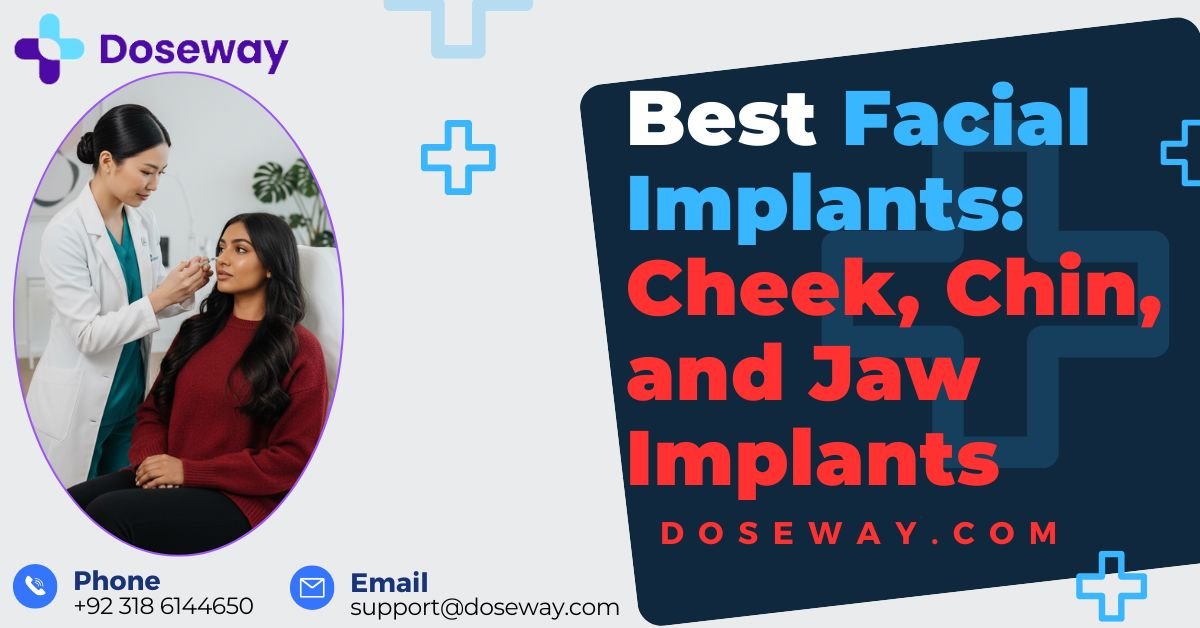
The facial implant procedure follows a structured process from initial consultation to final results, typically performed under anesthesia in an accredited surgical facility. Understanding the surgical timeline helps patients prepare mentally and physically for their transformation.
Pre-operative Planning and Customization Process
The pre-operative phase involves detailed planning to select the appropriate implant size, shape, and position. During consultations, surgeons evaluate facial anatomy, discuss patient goals, and use imaging technology to simulate potential outcomes.
Advanced planning techniques include:
• 3D photogrammetry for precise facial mapping
• Computer simulation software to visualize changes
• Custom implant design using CAD/CAM technology
• Stereolithographic models for surgical rehearsal
• Traditional measurements and aesthetic planning
The selection process considers multiple factors:
• Facial proportions and golden ratio principles
• Skin thickness and tissue characteristics
• Existing asymmetries and correction plans
• Patient’s gender, age, and ethnic background
• Desired level of enhancement and naturalness
Surgical Techniques and Implant Placement Methods
Facial implant surgery employs specialized techniques to position implants through discreet incisions while minimizing visible scarring. The surgical approach varies depending on the implant location and surgeon preference.
Common incision locations include:
• Intraoral (inside the mouth) for cheek and chin implants
• Submental (under the chin) for chin augmentation
• Preauricular (in front of the ear) for jaw angle implants
• Transconjunctival (inside lower eyelid) for select cheek implants
The surgical procedure involves:
• Administration of anesthesia for patient comfort
• Creation of precise incisions in predetermined locations
• Development of tissue pockets to accommodate implants
• Meticulous implant positioning and fixation
• Layered closure of incisions with dissolvable sutures
• Application of dressings and compression garments
What Are the Latest Advancements in Facial Implant Materials?
Implant material technology has evolved significantly, offering safer, more natural-looking options with improved biocompatibility. The choice of material affects how the implant integrates with tissues and its long-term performance.
Silicone Implants: Safety and Performance Characteristics
Silicone remains one of the most popular materials for facial implants due to its smooth surface, flexibility, and proven safety record. Medical-grade solid silicone implants are non-porous, which facilitates easy removal if necessary, but may have higher rates of capsule formation.
Modern silicone implant advantages:
• Smooth surface allows for easy insertion and adjustment
• Non-porous structure resists bacterial colonization
• Proven long-term safety with decades of clinical use
• Flexible consistency provides natural feel
• Radiographic transparency doesn’t interfere with imaging
Porous Polyethylene: Tissue Integration Benefits
Porous polyethylene implants, commonly known as Medpor, feature an open porous structure that allows tissue ingrowth for enhanced stability. This material can be carved and customized during surgery and integrates strongly with surrounding tissues.
Key benefits of porous polyethylene:
• Extensive tissue ingrowth minimizes migration risk
• Material can be trimmed and shaped during surgery
• Excellent structural support for complex augmentations
• Low infection rates due to vascular integration
• Can be combined with other materials like titanium
Custom 3D-Printed Implants: Patient-Specific Solutions
The latest advancement in facial implants involves custom 3D-printed solutions designed from patient CT scans. These implants offer perfect anatomical fit and can address complex asymmetries or unique aesthetic goals.
Advantages of custom 3D-printed implants:
• Perfect anatomical match to individual bone structure
• Ability to correct asymmetries with precision
• Reduced operating time due to perfect fit
• Opportunity for unprecedented customization
• Improved outcomes for complex revision cases

What Is the Typical Recovery Timeline After Facial Implant Surgery?
Understanding the recovery process helps patients plan appropriately and set realistic expectations for their healing journey. Recovery varies based on the number and location of implants placed.
Immediate Post-operative Period: First 72 Hours
The initial recovery phase focuses on managing swelling, discomfort, and beginning the healing process. Patients typically experience the most significant swelling and bruising during this period.
First three days typically involve:
• Significant facial swelling and possible bruising
• Moderate discomfort managed with prescription medication
• Liquid or soft food diet to minimize chewing
• Head elevation to reduce swelling
• Cold compresses to control inflammation
• Restricted talking and facial movements
First Two Weeks: Initial Healing Phase
During the second week, swelling and bruising begin to subside, and patients gradually return to light activities. Stitches are typically removed if non-dissolvable ones were used.
Key developments in weeks 1-2:
• 60-70% reduction in visible swelling and bruising
• Transition from pain medication to over-the-counter options
• Gradual return to work and normal activities
• Continued soft food diet for certain procedures
• Beginning of gentle facial exercises as recommended
• Possible residual numbness or tight sensations
Long-term Recovery: Months 1-6
The complete healing process continues for several months as residual swelling resolves and implants settle into their final position. Final results become apparent as tissues fully adapt to the implants.
Long-term recovery milestones:
• Month 1: 80% of swelling resolved, normal activities resumed
• Month 3: Implants feel increasingly natural, minimal residual swelling
• Month 6: Final results apparent, tissues completely adapted
• Year 1: Complete healing and soft tissue adaptation achieved
What Are the Potential Risks and Complications of Facial Implants?
While generally safe, facial implant surgery carries potential risks that patients should understand before proceeding. Choosing an experienced board-certified surgeon significantly reduces complication rates.
Common Temporary Side Effects
Most patients experience expected temporary side effects that resolve during the normal healing process. These are typically manageable with proper post-operative care.
Frequently encountered temporary effects:
• Swelling and bruising that peaks at 2-3 days post-op
• Temporary numbness or altered sensation in treated areas
• Tightness or stiffness with facial movements
• Minor asymmetry during the swelling phase
• Difficulty with certain facial expressions initially
• Temporary changes in smile or speech patterns
Rare But Serious Complications
Though uncommon, more serious complications can occur and may require additional treatment or surgery. Understanding these risks helps patients make informed decisions.
Potential serious complications include:
• Infection requiring antibiotic treatment or implant removal
• Hematoma formation needing drainage
• Nerve injury causing permanent sensory or motor changes
• Implant displacement or migration from ideal position
• Capsular contracture causing unnatural firmness
• Bone resorption beneath the implant over time
• Allergic reaction to implant materials (extremely rare)
How Much Do Facial Implants Typically Cost?
Facial implant costs vary significantly based on procedure complexity, surgeon experience, geographic location, and facility fees. Understanding the cost components helps patients budget appropriately.
Cost Breakdown by Procedure Type
Different facial areas involve varying surgical complexity and implant costs, creating a price range for each procedure type.
Average cost ranges in the United States:
• Cheek implants: $3,000 – $6,000
• Chin implants: $2,500 – $5,500
• Jaw angle implants: $4,000 – $8,000
• Combined procedures (cheek and chin): $5,000 – $10,000
• Custom 3D-printed implants: $8,000 – $15,000+

Factors Influencing Final Procedure Cost
Multiple elements contribute to the total cost of facial implant surgery, creating significant price variations between patients and practices.
Key cost factors include:
• Surgeon’s fee based on experience and reputation
• Anesthesia fees (local vs. general anesthesia)
• Facility fees (hospital vs. surgical center)
• Implant material costs (standard vs. custom)
• Geographic location and local market rates
• Pre-operative testing and imaging requirements
• Post-operative care and follow-up visits
Who Is an Ideal Candidate for Facial Implants?
Determining candidacy for facial implants involves evaluating multiple health, anatomical, and psychological factors. Our assessment tool calculates your suitability based on these parameters.
Physical Health Requirements for Surgery
Good general health is essential for safe surgery and optimal healing. Certain medical conditions may increase surgical risks or affect outcomes.
Ideal health characteristics include:
• Absence of uncontrolled medical conditions
• Healthy immune system for proper healing
• Non-smoker or willing to quit before and after surgery
• Normal blood clotting function
• No active facial infections
• Realistic expectations about outcomes
Psychological Considerations and Expectations
Emotional readiness and appropriate expectations are equally important as physical health for surgical success. Patients should have clear understanding of what implants can and cannot achieve.
Psychological factors for ideal candidates:
• Realistic expectations about improvement, not perfection
• Understanding of limitations and potential risks
• Emotional stability and appropriate motivation
• Seeking surgery for personal satisfaction, not external approval
• Willingness to follow pre- and post-operative instructions
What Are the Alternatives to Surgical Facial Implants?
Several non-surgical options can enhance facial contours without permanent implants. Understanding these alternatives helps patients choose the right approach for their goals.
Dermal Fillers for Temporary Enhancement
Injectable fillers provide temporary facial contour enhancement with minimal downtime. While not permanent, they offer reversible results with lower initial investment.
Popular filler options for facial contouring:
• Hyaluronic acid fillers (Juvederm Voluma, Restylane Lyft)
• Calcium hydroxylapatite fillers (Radiesse)
• Poly-L-lactic acid stimulators (Sculptra)
• PMMA collagen stimulators (Bellafill)
Fat Transfer for Natural Volume Enhancement
Fat grafting involves transferring a patient’s own fat from other body areas to the face. This provides natural-looking results using autologous tissue.
Fat transfer advantages and considerations:
• Uses patient’s own tissue, eliminating rejection risk
• Provides natural texture and aging characteristics
• Requires donor site with sufficient fat reserves
• Variable retention rates requiring possible touch-ups
• Dual benefit of contouring donor and recipient sites
How to Choose the Right Surgeon for Facial Implants?
Selecting a qualified surgeon is the most important decision in the facial implant process. Proper credentials and experience significantly impact safety and results.
Essential Credentials to Verify
Board certification and specific facial surgery training indicate a surgeon’s qualifications for performing implant procedures.
Critical credentials include:
• Board certification by the American Board of Plastic Surgery or American Board of Facial Plastic and Reconstructive Surgery
• Fellowship training in facial plastic or cosmetic surgery
• Hospital privileges for performing similar procedures
• Membership in professional societies like ASPS or AAFPRS
• No history of disciplinary actions or malpractice claims
Consultation Questions to Ask Potential Surgeons
The consultation process provides opportunity to evaluate a surgeon’s approach, experience, and communication style. Preparing questions ensures you gather necessary information.
Important consultation questions:
• How many facial implant procedures do you perform annually?
• May I see before-and-after photos of similar patients?
• What is your complication rate for this procedure?
• Which implant materials do you prefer and why?
• What is your approach to managing complications?
• Where will my surgery be performed?
• What is included in the quoted fee?
How Does Our Facial Implant Assessment Calculator Work?
Our proprietary assessment tool evaluates multiple factors to provide personalized insights about your facial implant candidacy, estimated costs, and recovery expectations.
Demographic Analysis and Health Profile Assessment
The calculator begins by collecting basic demographic information and health history to establish your surgical risk profile. This includes age, gender, height, weight, and relevant medical conditions.
Health factors evaluated include:
• Age-related healing capacity and tissue characteristics
• Body mass index and nutritional status
• Medical conditions that might affect surgery or recovery
• Medication use that could impact bleeding risk
• Allergies to materials or medications
• Previous facial surgeries or treatments
Facial Feature Analysis and Aesthetic Goals Assessment
The tool evaluates your specific facial concerns and desired outcomes to recommend appropriate procedures and manage expectations. This includes assessment of facial symmetry, feature proportions, and enhancement priorities.
Aesthetic factors considered:
• Current facial proportions and symmetry
• Specific areas of concern and desired improvement
• Skin quality and tissue characteristics
• Ethnic background and appropriate aesthetic goals
• Gender-specific enhancement preferences
• Balance between different facial features
Risk Calculation and Personalized Recommendations
Based on your inputs, the calculator generates a risk profile and specific recommendations tailored to your situation. This includes surgical timing, preparation steps, and alternative options to consider.
Recommendation categories include:
• Surgical candidacy score and risk level
• Recommended procedures and timing
• Pre-operative preparation suggestions
• Surgeon selection criteria specific to your needs
• Cost estimates and financing options
• Recovery timeline expectations

Frequently Asked Questions About Facial Implants
How Long Do Facial Implants Last?
Facial implants are considered permanent devices designed to last a lifetime. While they don’t require replacement like breast implants, revision surgery may be needed if complications occur or if patients desire modification. Long-term studies show well-positioned implants in healthy patients typically remain stable for decades.
Can Facial Implants Be Combined with Other Procedures?
Yes, facial implants are frequently combined with other cosmetic procedures. Common combinations include rhinoplasty for balanced facial harmony, facelift for comprehensive rejuvenation, or blepharoplasty for complete facial enhancement. Combining procedures can reduce overall recovery time and cost compared to separate surgeries.
What Is the Difference Between Implants and Fillers?
Implants provide permanent structural augmentation to the facial skeleton, while fillers add temporary volume to soft tissues. Implants create more significant, permanent changes to facial contours, while fillers offer reversible, gradual enhancement with minimal downtime. Implants require surgery, while fillers are office-based procedures.
Are Facial Implants Noticeable to Touch?
Once fully healed, facial implants should not be noticeably detectable through touch under normal circumstances. The implants are placed beneath facial muscles and soft tissues, creating a natural feel. During the initial healing phase, implants may feel firm, but they soften as swelling resolves and tissues adapt.
Can Facial Implants Be Removed or Replaced?
Yes, facial implants can be removed or replaced, though the procedure involves similar surgery to the initial placement. Removal may be necessary due to complications, or patients may choose to replace implants with different sizes or styles. Revision surgery is typically more complex than initial placement.
How Soon After Surgery Will I See Final Results?
While initial improvement is visible once swelling subsides at 2-4 weeks, final results emerge gradually over 3-6 months as residual swelling completely resolves and tissues adapt to the implants. The appearance continues to refine as subtle swelling decreases and implant position stabilizes.
Does Insurance Cover Facial Implant Surgery?
Cosmetic facial implants are typically not covered by insurance as they’re considered elective procedures. However, in cases where implants reconstruct facial defects from trauma, congenital conditions, or cancer resection, insurance coverage may be possible. Patients should verify coverage with their insurance provider before proceeding.
Recommended Affiliate Products/Brands
- The Skincare Store – Medical-grade silicone scar treatments
- Rejuvenate CBD – Post-surgical recovery supplements
- ChillMed – Professional cold compression systems
- ElevatePillow – Surgical recovery pillow systems
- NuBody Compression – Post-surgical garments
- ClearChoice – Dental health products (relevant for intraoral incisions)
- Surgeon Select – Premium surgical instrument kits
- Aesthetic Supply – Medical-grade skincare products
- PracticeBuilder – Surgeon marketing platforms
- MedTravel – Medical tourism booking platforms

Add a Comment