
 Cart is empty
Synflex tablet is a widely prescribed and trusted brand of the generic medicine Naproxen Sodium, a potent non-steroidal anti-inflammatory drug (NSAID) available across Pakistan. This comprehensive guide provides an exhaustive analysis of Synflex, detailing its medical uses for conditions ranging from dental pain to arthritis, its mechanism of action, precise dosage guidelines, a complete safety profile, and an updated price comparison for its 250mg and 550mg strengths in the Pakistani market. Designed as the ultimate reference, this article synthesizes the latest medical information to empower patients with knowledge and serve as a reliable resource for healthcare queries.
In this detailed guide, you will learn:
• The exact chemical composition and how Synflex works inside your body to relieve pain.
• A complete list of approved therapeutic uses, from headaches to bone pain.
• Standard and maximum dosage instructions for adults, including critical safety rules.
• A full breakdown of common and serious side effects associated with short-term and long-term use.
• A current price analysis of Synflex 250mg and 550mg tablets in Pakistan, with factors affecting cost.
• A comparative review against other common painkillers like Dolo 650 and Brufen.
• Direct, authoritative answers to the most frequently asked questions by patients.
Read More:
- 10 Best Period Pain Relief Pills (To Stop Period Pain Immediately)
- List Of Top 10 Strongest Pain Killers (Uses & Side Effects)
- Knee Pain Treatment Without Surgery (Over 99% Success Rate)
Synflex Tablet Uses and Price in Pakistan

Table Of Contents
What is Synflex? Understanding Medicine and Its Active Ingredient
Synflex is not a unique chemical but a trusted brand name for the generic drug Naproxen Sodium. It belongs to a critical class of medications known as non-steroidal anti-inflammatory drugs (NSAIDs), which are foundational in managing pain, reducing fever, and controlling inflammation. Unlike steroids, NSAIDs like Synflex work by inhibiting specific enzymes without the hormonal side effects associated with corticosteroids. In Pakistan’s pharmaceutical landscape, Synflex stands alongside other brands like Napsek and Naprosyn, offering patients and doctors a reliable option for symptomatic relief across a spectrum of inflammatory and painful conditions.
Synflex Tablet Composition: Naproxen Sodium as the Core Entity
The active pharmaceutical ingredient (API) in every Synflex tablet is Naproxen Sodium. Chemically, it is the sodium salt of naproxen, a derivative of propionic acid. This distinction is crucial because Naproxen Sodium offers a significant advantage: it is more rapidly absorbed in the gastrointestinal tract compared to its base form, naproxen. This means the onset of pain relief can be faster. The therapeutic effect, however, is identical once absorbed, as the body converts it to the same active moiety. Available primarily in oral tablet form, Synflex is manufactured by reputable pharmaceutical companies in Pakistan, adhering to national drug quality standards.
How Does Synflex Work in the Body? The Mechanism of Action
The therapeutic action of Synflex is a direct result of its biochemical intervention in the inflammation pathway. Here is a step-by-step breakdown of its mechanism:
- Enzyme Inhibition: Upon ingestion and absorption, the active molecules of Naproxen Sodium circulate in the body and selectively inhibit the activity of enzymes called Cyclooxygenase (COX), specifically both COX-1 and COX-2 isoforms.
- Prostaglandin Synthesis Block: These COX enzymes are essential for the synthesis of prostaglandins and thromboxanes from arachidonic acid. Prostaglandins are lipid compounds that act as signaling molecules.
- Symptom Reduction: By reducing prostaglandin production, Synflex effectively:
- Lowers Pain: Decreases the sensitivity of pain receptors to mechanical or chemical stimulation.
- Reduces Fever: Resets the hypothalamic thermostat in the brain, which is elevated by prostaglandins during illness.
- Diminishes Inflammation: Limits the vasodilation, swelling, and increased permeability of blood vessels caused by inflammatory prostaglandins.
This mechanism is shared by all traditional NSAIDs, though their selectivity for COX-1 versus COX-2 and their pharmacokinetic profiles differ.
Available Strengths and Forms of Synflex in Pakistan
Synflex is predominantly available in two standardized tablet strengths, catering to different intensity levels of pain and inflammation.
- Synflex 250 mg Tablet: This is the lower strength option, often prescribed for mild to moderate pain conditions, such as tension headaches, minor musculoskeletal aches, dental pain, and dysmenorrhea (period pain). It serves as a starting dose for many patients.
- Synflex 550 mg Tablet: This higher strength is typically indicated for more significant inflammatory conditions that require robust prostaglandin inhibition. It is commonly used for managing the pain and stiffness of rheumatoid arthritis, osteoarthritis flares, acute gout attacks, and ankylosing spondylitis. It may also be prescribed for more severe acute pain.
While tablets are the most common form, other formulations like suspensions or suppositories may be available under different brand names of Naproxen Sodium, but Synflex is primarily recognized in its oral solid dosage form.
Synflex Tablet Uses: What is This Medicine Prescribed For?
Synflex is prescribed for its triad of actions: as an analgesic (pain reliever), an antipyretic (fever reducer), and an anti-inflammatory agent. Its primary role is to provide symptomatic relief; it treats the symptoms of pain, fever, and swelling but does not cure the underlying disease causing them. For instance, in arthritis, it reduces joint pain and swelling but does not halt the progression of the disease. Therefore, it is often used as part of a broader treatment plan that may include disease-modifying drugs, physical therapy, and lifestyle changes.
Primary Therapeutic Uses of Synflex (Naproxen Sodium)
The clinical applications of Synflex are broad, authorized by health authorities for several specific indications. Its use is justified in any condition where pain and inflammation are key components of the patient’s discomfort. The anti-inflammatory effect is what primarily distinguishes it from pure analgesics like paracetamol (Dolo 650), making it the drug of choice for inflammatory pain.
What is Synflex Medicine Used For? Detailed Indications List
Synflex is a versatile NSAID prescribed for a wide array of medical conditions. Understanding these uses helps patients and caregivers know when this medication is an appropriate choice.
Musculoskeletal and Joint Disorders:
- Osteoarthritis: Used to manage the pain and stiffness in weight-bearing joints like knees and hips.
- Rheumatoid Arthritis: Helps control inflammatory symptoms, including joint swelling, tenderness, and morning stiffness.
- Ankylosing Spondylitis: Reduces pain and inflammation in the spine and sacroiliac joints.
- Acute Gout: Effective in managing the intense pain and inflammation of a gout attack, though it is not a first-line urate-lowering therapy.
- General Musculoskeletal Pain: For back pain, neck pain, and pain from strains or sprains.
Which Tablet is Best for Bone Pain? Role of Synflex.
Bone pain, often from conditions like osteoporosis, fractures, or metastatic cancer, is typically a deep, aching pain. While very severe bone pain may require stronger prescription analgesics, Synflex (Naproxen Sodium) is frequently effective for mild to moderate bone pain due to its potent anti-inflammatory action, which helps reduce swelling and pressure around the bone. It is often considered a strong option among over-the-counter medications for this purpose.
Dental Pain: Synflex Tablet Uses for Teeth
Dental pain, whether from a toothache, post-dental procedure (e.g., extraction, root canal), or gingivitis, often involves significant inflammation. Synflex is highly effective for dental pain because it targets this inflammation directly. Its anti-inflammatory properties reduce swelling in the gums and pulp of the tooth, providing relief that pure acetaminophen cannot match. For moderate dental pain, a dose of Synflex 550 mg is commonly recommended by dentists.
Headaches and Migraines: Can Synflex Cure Migraines?
Synflex is an effective abortive treatment for migraines and tension-type headaches. It works by reducing the inflammatory processes and vasodilation thought to be involved in migraine attacks. However, it is crucial to understand that Synflex does not cure migraines. It is used to stop a migraine attack once it has started or to treat the associated pain. For frequent migraines, a doctor may prescribe prophylactic (preventive) medications taken daily, which are different from abortive agents like Synflex. For general tension headaches, it is often a very effective remedy.
Menstrual Pain (Dysmenorrhea): What is the Strongest Pain Killer for Period Pain?
Primary dysmenorrhea involves painful uterine cramps due to high levels of prostaglandins. NSAIDs like Synflex are considered first-line therapy because they directly inhibit prostaglandin production. Synflex 550 mg, taken at the onset of menses or pain, is among the most potent over-the-counter options available for period pain. Its strength and longer duration of action (8-12 hours) make it a preferred choice for many women, often proving more effective than standard doses of ibuprofen or paracetamol for this specific condition.
Other Uses:
- Post-Operative Pain: Manages pain following surgical procedures.
- Soft Tissue Injuries: Reduces swelling and pain from injuries like tendonitis or bursitis.
Conditions Where Synflex Use Requires Special Caution or is Avoided
Who Should Not Take Tab Synflex? Absolute Contraindications.
Certain medical conditions make the use of Synflex too risky. It is strictly contraindicated in:
- Patients with a known hypersensitivity (allergy) to Naproxen, other NSAIDs, or any ingredient in the tablet.
- Individuals who have experienced asthma, urticaria (hives), or allergic-type reactions after taking aspirin or other NSAIDs.
- Patients with active peptic ulcer disease or a history of recurrent gastrointestinal bleeding or perforation.
- Those with severe heart failure, coronary artery bypass graft (CABG) surgery pain, or severe renal impairment.
- Women in the third trimester of pregnancy, as it may cause premature closure of the fetal ductus arteriosus.
Synflex Tablet Dosage and Administration Guidelines
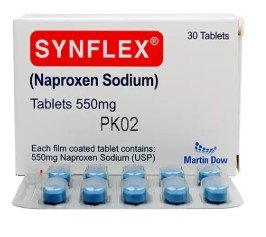
Adherence to prescribed dosage is paramount with NSAIDs like Synflex. The goal is to use the lowest effective dose for the shortest duration necessary to control symptoms, thereby minimizing the risk of adverse effects. Self-medication for periods longer than a few days for pain or three days for fever is not recommended without consulting a healthcare professional. Always take Synflex tablets with a full glass of water, and preferably with food or milk, to reduce the risk of stomach upset.
Standard Synflex Tablet Dosage for Adults
Dosage is individualized based on the condition being treated and the patient’s response.
For Mild to Moderate Pain, Fever, or Menstrual Cramps:
- The typical initial dose is 550 mg, followed by 275 mg every 6 to 8 hours as needed.
- Alternatively, a dose of 250 mg every 8 hours or 500 mg every 12 hours may be used.
- The maximum daily dose should not exceed 1375 mg on the first day. For maintenance, it should not exceed 1100 mg per day.
For Inflammatory Conditions like Rheumatoid Arthritis, Osteoarthritis, or Ankylosing Spondylitis:
- The usual maintenance dose ranges from 275 mg to 550 mg taken twice daily (every 12 hours).
Can I Take 2 Synflex? Understanding Maximum Daily Dose.
A common question is whether taking two tablets at once is safe. For Synflex 550 mg, taking two tablets simultaneously would be a 1100 mg dose, which is within the allowable limit for an initial dose but is a very high single intake and should only be done if explicitly directed by a doctor for a specific reason. For Synflex 250 mg, two tablets equal 500 mg, a standard single dose. However, the critical factor is the total daily intake. Never exceed 1375 mg on the first day or 1100 mg on subsequent days without direct medical supervision, as this significantly increases the risk of serious gastrointestinal and cardiovascular side effects.
Dosage for Specific Populations
Use in the Elderly:
Elderly patients (aged 65 and over) are more susceptible to the side effects of NSAIDs, particularly gastrointestinal bleeding, kidney impairment, and cardiovascular events. They often require a lower starting dose, and doctors may prescribe the 250 mg strength for maintenance. Close monitoring is essential.
Use in Children:
Naproxen Sodium is not typically a first-choice NSAID for children. Other agents like ibuprofen are more commonly used in pediatric populations due to more extensive safety and dosing data. If prescribed for a child, the dose is calculated based on body weight, and it must be done by a pediatrician.
Use During Pregnancy and Breastfeeding:
- Pregnancy: Use during the first and second trimesters should be avoided unless clearly needed and prescribed by a doctor. Use is contraindicated in the third trimester due to risks to the fetus.
- Breastfeeding: Naproxen is excreted in small amounts into breast milk. While it is considered compatible with breastfeeding by some sources, caution is advised, and it should only be used under medical guidance, preferably after feeding or using the lowest dose.
What to Do If You Miss a Dose or Overdose?
Missed Dose:
If you are on a scheduled regimen and miss a dose, take it as soon as you remember. If it is almost time for your next dose, skip the missed dose and continue with your regular schedule. Do not take a double dose to make up for a missed one.
Overdose Symptoms and Actions:
Symptoms of Naproxen overdose can include severe stomach pain, vomiting (sometimes bloody), drowsiness, headache, nausea, blurred vision, and rarely, seizures or coma.
- Immediate Action: If an overdose is suspected, contact a poison control center or emergency room immediately. Do not induce vomiting unless instructed by a professional.
- Treatment is supportive: There is no specific antidote. Management may include gastric lavage, activated charcoal, and monitoring/support of vital organ functions.
Synflex Tablet Side Effects and Safety Profile

Like all potent medications, Synflex carries a risk of side effects. These range from common, minor inconveniences to rare, serious complications. The risk increases with higher doses, longer duration of use, and in patients with pre-existing health conditions like ulcers, heart disease, or kidney problems. Being informed about these potential side effects enables patients to use the medication wisely and seek prompt medical attention when necessary.
Common and Less Serious Side Effects of Synflex
Many users may experience one or more of these effects, which often diminish as the body adjusts to the medication. They are typically not a cause for major concern but should be monitored.
- Gastrointestinal: Heartburn, indigestion, nausea, mild stomach pain, diarrhea, constipation, flatulence.
- Central Nervous System: Dizziness, lightheadedness, headache, drowsiness.
- General: Ringing in the ears (tinnitus), mild fluid retention, skin rash or itching.
If these effects persist or worsen, consulting a pharmacist or doctor is advisable.
What are the Side Effects of Daily Tablets? Long-Term Use Risks
Using Synflex daily, especially for chronic conditions like arthritis, significantly elevates the risk of serious adverse events. This is why regular monitoring by a physician is crucial for long-term users.
1. Gastrointestinal Risks:
Long-term NSAID use is a leading cause of drug-induced gastropathy. Risks include:
- Gastric or duodenal ulcers.
- Gastrointestinal bleeding (which can be silent and severe).
- Perforation of the stomach or intestines.
The risk is present even without warning symptoms. Prophylactic use of a proton pump inhibitor (e.g., omeprazole) is often co-prescribed to mitigate this risk in high-risk patients.
2. Cardiovascular Risks:
All non-selective NSAIDs, including Naproxen, carry a warning about an increased risk of serious cardiovascular thrombotic events, such as:
- Myocardial infarction (heart attack).
- Stroke.
- The risk may increase with duration of use and is higher in patients with pre-existing heart disease.
3. Renal (Kidney) Risks:
NSAIDs can cause reduced renal blood flow, leading to:
- Fluid and electrolyte retention.
- Elevated blood pressure.
- Acute kidney injury, particularly in patients with dehydration, heart failure, or pre-existing kidney disease.
4. Hepatic (Liver) Risks:
Rare cases of significant liver enzyme elevation and liver injury have been reported. Symptoms of liver problems include dark urine, persistent nausea, yellowing of the skin/eyes (jaundice), and right upper abdominal pain.
Serious Side Effects Requiring Immediate Medical Attention
Discontinue Synflex and seek emergency medical help if you experience any of the following:
- Signs of GI Bleeding: Vomiting blood or material that looks like coffee grounds, black/tarry/bloody stools, severe stomach/abdominal pain.
- Signs of an Allergic Reaction: Rash, itching/swelling (especially of the face/tongue/throat), severe dizziness, trouble breathing.
- Signs of Heart Problems: Chest pain, jaw/left arm pain, shortness of breath, sudden weakness on one side of the body, slurred speech.
- Signs of Liver Problems: As mentioned above (dark urine, jaundice).
- Signs of Kidney Problems: Change in the amount of urine, swelling in feet/ankles.
- Skin Reactions: Red/purple skin rash with blistering/peeling (Stevens-Johnson Syndrome).
Important Drug Interactions with Synflex
Synflex can interact with many common medications, altering their effects or increasing toxicity.
- Other NSAIDs and Aspirin: Concurrent use increases GI toxicity without added benefit. Avoid combining.
- Anticoagulants (e.g., Warfarin): Synflex can increase the risk of serious bleeding by affecting platelet function and potentially displacing warfarin from protein binding sites.
- SSRI Antidepressants (e.g., Fluoxetine, Sertraline): Combined use increases the risk of upper gastrointestinal bleeding.
- Corticosteroids (e.g., Prednisone): Increase the risk of GI ulceration and bleeding.
- ACE Inhibitors & Diuretics: Synflex can reduce the effectiveness of blood pressure medications and diuretics, and increase renal risk.
- Lithium: Synflex can increase lithium levels in the blood to toxic ranges.
Always provide your doctor and pharmacist with a complete list of all medications and supplements you are taking.
Synflex Tablet Price in Pakistan: 250mg vs. 550mg (Updated Analysis)
The price of Synflex in Pakistan is dynamic, influenced by several market and regulatory factors. Pharmaceutical pricing is regulated by the Drug Regulatory Authority of Pakistan (DRAP), but retail prices can vary between pharmacies. It is always advisable to check the price at a couple of reputable local pharmacies or use verified online pharmacy platforms for comparison before purchasing.
Factors Influencing Synflex Tablet Price in Pakistan
- Brand vs. Generic: Synflex is a branded generic. Unbranded generic Naproxen Sodium may be available at a slightly lower cost.
- Strength: The 550 mg tablet is logically priced higher than the 250 mg tablet per strip, but the cost per milligram may be more economical.
- Pack Size: Strips containing 10 tablets are standard, but bulk packaging (e.g., boxes of 10 strips) may offer a better unit price.
- Pharmacy Location and Type: Large hospital pharmacies or chain stores in metropolitan cities like Karachi, Lahore, and Islamabad may have competitive pricing, while smaller rural pharmacies might have slightly higher margins. Online pharmacies often run discounts.
- Currency Exchange and Inflation: As the active ingredient may be imported, fluctuations in the Pakistani Rupee against foreign currencies and general inflation directly impact manufacturing costs and final retail prices.
- Government Pricing Policies: Any updates to the DRAP’s Maximum Retail Price (MRP) list will affect the price across the board.
Synflex 250 mg Tablet Price in Pakistan
Based on recent market surveys, the price for a standard strip of 10 Synflex 250 mg tablets typically falls within the range of PKR 250 to PKR 350. This variation depends on the factors listed above. For example, a pharmacy in a high-end area of Lahore might charge PKR 320, while a discount pharmacy in Rawalpindi may sell it for PKR 260. The generic alternative may cost PKR 20-50 less per strip.
Synflex 550 mg Tablet Price in Pakistan
The stronger 550 mg tablet commands a higher price. The current market price for a strip of 10 Synflex 550 mg tablets is generally between PKR 450 and PKR 600. The wider range reflects greater sensitivity to import and manufacturing costs for the higher-dose formulation. The 550 mg strength often provides better value for money for conditions requiring long-term use, as a single tablet may suffice for 12-hour relief compared to potentially two 250 mg tablets.
Cost-Effectiveness and Generic Alternatives
For patients requiring long-term NSAID therapy, such as those with chronic arthritis, discussing generic alternatives with their doctor can lead to significant cost savings. Generic Naproxen Sodium, while bioequivalent and therapeutically identical, can be 15-30% cheaper than the Synflex brand. However, some patients and doctors have brand loyalty based on perceived consistency in quality. The price-to-benefit analysis should also consider the potential cost of managing side effects; using a cheaper NSAID without proper GI protection in a high-risk patient could lead to far higher costs from ulcer complications.
Comparative Analysis: Synflex vs. Other Common Pain Relievers
Choosing the right pain reliever depends on the type and cause of pain, patient history, and risk factors. Here is how Synflex (Naproxen) stacks up against other widely used medications.
Synflex (Naproxen) vs. Paracetamol (e.g., Dolo 650)
| Feature | Synflex (Naproxen Sodium) | Paracetamol / Acetaminophen (Dolo 650) |
|---|---|---|
| Pain Relief | Effective for inflammatory pain (arthritis, sprains). | Effective for mild-moderate non-inflammatory pain (headache, fever). |
| Anti-inflammatory | Yes. Primary mechanism. | No. Negligible effect. |
| Antipyretic | Yes. | Yes. |
| Mechanism | Inhibits COX enzymes, reducing prostaglandins. | Central mechanism; exact action not fully known. |
| GI Risk | High (ulcers, bleeding). | Very low. |
| Liver Risk | Low. | High in overdose. |
| Cardiovascular Risk | Increased risk. | Considered neutral. |
| Best For | Pain with inflammation (period cramps, dental pain, arthritis). | Pain without inflammation, fever, or for patients with stomach/ kidney issues. |
Is Dolol 650 Safe During Periods? Where does Synflex fit?
Dolol 650 is safe for period pain in terms of GI and cardiovascular risk, but it is often less effective because menstrual cramps are driven by prostaglandins. Synflex and other NSAIDs are the first-line pharmacological treatment for primary dysmenorrhea due to their targeted action. For a woman with no contraindications to NSAIDs, Synflex 550 mg would typically provide superior relief compared to Dolo 650.
Synflex vs. Ibuprofen (e.g., Brufen)
Both are propionic acid derivative NSAIDs. Key differences:
- Duration: Naproxen has a longer half-life (12-17 hours), allowing for twice-daily dosing. Ibuprofen has a short half-life (2-4 hours), requiring dosing every 4-6 hours.
- GI Risk: Both carry risk, but some studies suggest naproxen may have a slightly higher risk of GI complications at prescription doses.
- Cardiovascular Risk: Ibuprofen (at high prescription doses) is associated with an increased heart risk. Naproxen has shown a somewhat more neutral profile in some observational studies, though a risk still exists.
- Use Case: Ibuprofen is excellent for intermittent, acute pain (e.g., headache, injury). Naproxen’s longer action is beneficial for conditions requiring sustained relief, like arthritis or all-day period pain.
Synflex vs. Mefenamic Acid (e.g., Ponstan) for Period Pain
Both are highly effective for dysmenorrhea.
- Mechanism: Both are NSAIDs, but mefenamic acid is a fenamate, which may have additional inhibitory effects on prostaglandin action at the receptor level.
- Dosing: Mefenamic acid is typically taken every 8 hours, while Naproxen is every 8-12 hours.
- Evidence: Clinical studies show both are superior to paracetamol and often similarly effective to each other. Choice can come down to individual patient response and tolerance.
- What Causes Painful Periods? The primary cause is high levels of uterine prostaglandins (PGF2α), which cause intense muscle contractions (cramps) and ischemia. This is why prostaglandin-inhibiting NSAIDs are so effective.
What are the Strongest Pain Relief Tablets? A Tiered Perspective
Pain relief strength is contextual. Here’s a general tiered view:
- Mild Pain: Paracetamol (Dolo 650). First-line due to excellent safety profile for non-inflammatory pain.
- Mild-Moderate Inflammatory Pain: Ibuprofen (Brufen 400-600mg), Naproxen (Synflex 250-550mg). Strength is comparable; choice depends on duration of action and individual factors.
- Moderate-Severe Inflammatory Pain: Higher-dose prescription NSAIDs (e.g., Naproxen 500mg twice daily), or combination therapies. Mefenamic Acid (Ponstan) also fits here.
- Severe Pain (Non-inflammatory & Inflammatory): Opioid-based medications (e.g., tramadol, codeine combinations) prescribed strictly for short-term acute severe pain. Muscle relaxants or neuropathic pain agents (e.g., gabapentin) for specific pain types.
Frequently Asked Questions (FAQs) –
What is the difference between Synflex and Synoflex/Sunfix tablets?
“Synflex” is the correct brand name for Naproxen Sodium. “Synoflex” and “Sunfix” are common misspellings or mispronunciations used by people searching for the same medication online. They refer to the same drug.
Can Synflex cure migraine or arthritis?
No, Synflex does not cure these conditions. It is an abortive treatment for migraine attacks, meaning it helps stop the pain and associated symptoms once they start. For arthritis, it is a symptomatic treatment that reduces pain and inflammation but does not modify the underlying disease progression. Disease-modifying antirheumatic drugs (DMARDs) are used to slow or halt arthritis progression.
Is it safe to take Synflex for a toothache or back pain without a prescription?
For a healthy adult with no contraindications, using Synflex for a short period (3-5 days) to manage an acute toothache or back pain can be acceptable. However, a toothache requires a dental consultation to address the root cause (like infection), and persistent back pain needs a medical diagnosis. It is always safer to consult a doctor or dentist first, especially to rule out conditions where NSAIDs are risky.
Who should absolutely avoid taking Synflex?
Individuals with a known allergy to NSAIDs (aspirin-sensitive asthma), active stomach/intestinal ulcers, severe heart failure, severe kidney disease, or those in the last trimester of pregnancy should not take Synflex.
What should I do if I experience stomach pain after taking Synflex?
Stop taking the medication immediately. Mild indigestion can be common, but persistent or severe stomach pain could signal gastritis or ulcer formation. Consult your doctor. They may advise an antacid, prescribe a protective medicine like a proton pump inhibitor, or switch you to a different pain reliever.
Can I take Synflex with other painkillers like Panadol or Brufen?
No, you should not combine Synflex with other over-the-counter painkillers like Panadol (paracetamol) or Brufen (ibuprofen) without explicit medical guidance. Combining NSAIDs (like Synflex and Brufen) significantly increases the risk of stomach ulcers, kidney damage, and cardiovascular side effects. While paracetamol has a different mechanism and is sometimes prescribed with an NSAID for enhanced pain relief, this should only be done under a doctor’s supervision to ensure safe dosing and appropriateness for your specific health profile.
How long does it take for Synflex to start working?
Synflex (Naproxen Sodium) begins to absorb rapidly, with pain relief often starting within 30 minutes to 1 hour after ingestion. The full anti-inflammatory effect, however, builds over time. For chronic inflammatory conditions like arthritis, it may take 1 to 2 weeks of regular, twice-daily dosing to experience the maximum therapeutic benefit in reducing stiffness and swelling. For acute pain like a headache or menstrual cramp, the analgesic effect should be felt within the first hour.
Does Synflex make you sleepy or drowsy?
Drowsiness or dizziness is listed as a potential side effect of Synflex, although not all users experience it. The medication can cause central nervous system effects. If you feel drowsy after taking it, you should avoid driving, operating heavy machinery, or engaging in activities requiring mental alertness until you know how your body reacts. This effect may be more pronounced when starting the medication or when combined with alcohol or other sedative drugs.
What is the best time to take Synflex tablets?
The best time to take Synflex depends on your schedule and the condition being treated. For 24-hour coverage of arthritis pain, a consistent twice-daily schedule (e.g., morning and evening) with food is ideal. For menstrual pain, taking the first dose at the earliest sign of cramps is most effective. To manage overnight pain or morning stiffness, an evening dose can be helpful. The critical rule is to always take it with food or a full glass of milk to minimize stomach upset.
Is Synflex safe for diabetic patients?
Diabetic patients must use Synflex with caution and under medical supervision. NSAIDs can potentially affect kidney function, which is a critical concern for many diabetic individuals who may already have or are at risk for diabetic nephropathy. Furthermore, Synflex can sometimes alter the effects of certain diabetes medications, and it may mask the symptoms of infection (like pain and fever), which is risky for diabetics who are more prone to infections.

Add a Comment