Romtolidom-Tablet-Uses-In-Urdu-Side-Effects

Romtolidom Tablet Uses In Urdu Side Effects – Romtolidom Tablet

Dealing with frequent or unexpected diarrhea can be both physically draining and emotionally frustrating. That’s where Romtolidom Tablet steps in as a reliable solution trusted by doctors to bring quick relief from loose motions and digestive upset.

As a prescription medicine containing Diphenoxylate and Atropine, Romtolidom helps slow down bowel movements and gives your digestive system the break it needs to heal. Whether you’re facing sudden stomach trouble or managing ongoing gastrointestinal issues, understanding how this tablet works and how to use it safely can make all the difference in your recovery journey.

Recommended Reading: Top 5 Medicines for a Runny Nose (Uses, Benefits, Side Effects)

Romtolidom Tablet Uses In Urdu Side Effects – Romtolidom Tablet

Romtolidom-Tablet-Uses

Recommended Reading: Dicloran Disperlet Use In Water (Price, Uses, Benefits)

What is Romtolidom Tablet?

Romtolidom Tablet is a prescription-only antidiarrheal medication designed to help you take control of sudden or long-lasting diarrhea. If you’re struggling with frequent bowel movements, cramps, or digestive upset, this tablet can offer much-needed relief and comfort.

Romtolidom Tablet Overview

FeatureDetails
Product TypeAntidiarrheal medication
Prescription StatusPrescription-only (not available over-the-counter)
Commonly Used ForDiarrhea, loose stools, gastrointestinal discomfort
Generic NameDiphenoxylate + Atropine
Strength2.5 mg Diphenoxylate / 0.025 mg Atropine per tablet
Available FormsOral tablets
ManufacturerRomsons (or specific local manufacturer name*)
Country of OriginCommonly manufactured in Pakistan or India (may vary)
Table: Romtolidom Tablet Overview

How It Works

Romtolidom combines two powerful ingredients:

  • Diphenoxylate: Slows down the movement of the intestines.
  • Atropine: Added in small amounts to discourage misuse and reduce spasms.

Recommended Reading: Mecroz Oral Gel Uses – Mecroz Gel (Uses, Price, Benefits)

Romtolidom Tablet Composition

Understanding what’s inside Romtolidom can help you see how it works to stop diarrhea effectively. This tablet contains two main active ingredients, each with a specific role in calming your digestive system.

Romtolidom Ingredients

  • Diphenoxylate (2.5 mg)
    • What it does: Diphenoxylate is the key ingredient that helps slow down the movement of your intestines. When your intestines are moving too quickly, your body doesn’t have time to absorb water and nutrients—this leads to loose stools.
    • How it works: Diphenoxylate acts on specific nerves in the gut to reduce bowel activity, allowing stools to become firmer and less frequent.
  • Atropine Sulfate (in a very small amount)
    • Why it’s added: Atropine isn’t meant to treat diarrhea directly. It’s included in a tiny dose to prevent misuse or overdose of Diphenoxylate. This is especially important because Diphenoxylate is chemically similar to certain opioids.
    • Additional benefit: Atropine may also help relax the gut muscles, easing cramps or spasms that often come with diarrhea.

How the Combination Works in Your Body

Together, Diphenoxylate and Atropine create a powerful but safe way to manage diarrhea:

  • Diphenoxylate slows down gut movement.
  • Atropine discourages overuse and helps soothe the digestive tract.

This balance ensures that the medicine is effective without posing a high risk of abuse or addiction.

Role in Managing Diarrhea

Romtolidom helps:

  • Reduce the frequency of bowel movements.
  • Make stools more solid.
  • Relieve cramps and discomfort caused by overactive intestines.

Romtolidom Tablet Uses

  • Headache relief — To reduce mild to moderate headaches, including tension or vascular types.
  • Migraine pain — Helps alleviate migraine-associated pain (often in combination analgesics).
  • Toothache — For temporary relief from dental pain or tooth-related discomfort.
  • Muscle pain — Eases general muscle aches or strains.
  • Fever reduction — Lowers body temperature during febrile conditions (propyphenazone acts as an antipyretic).
  • Menstrual pain (dysmenorrhea) — Provides relief from period cramps and associated discomfort.
  • Joint pain — Helps with minor arthritic or joint-related aches.
  • Back pain — Temporary relief from lower back or spinal muscle pain.
  • Post-operative or injury-related pain — For mild pain following minor injuries or procedures.
  • Enhanced pain relief with caffeine boost — Caffeine potentiates the analgesic effect, making it more effective for acute pain episodes.

Recommended Reading: Ciplet Syrup Uses For Babies (Price, Benefits)

Main Medical Uses

  • Treatment of acute diarrhea (sudden onset).
  • Helps slow down bowel movements to allow better water and nutrient absorption.

Other Possible Uses (Off-Label or Less Common)

  • It may be used in Irritable Bowel Syndrome (IBS) if diarrhea is a dominant symptom.
  • Sometimes considered for gastroenteritis to manage diarrhea, under medical supervision.
  • It may help in persistent loose motions due to food poisoning (non-infectious causes).
  • Not typically used for motion sickness—other medications are more suitable.

Suitability for Long-Term Use

  • Not recommended for long-term use without a doctor’s supervision.
  • Mainly intended for short-term symptom relief.

Recommended Reading: Brufen DUO Tablet Uses – Brufen DUO Price, Uses, Side Effects

Romtolidom vs Lomotil vs Other Antidiarrheals

Romtolidom-Tablet-Uses-In-Urdu-Side-Effects

Feature / AspectRomtolidom (Diphenoxylate + Atropine)Lomotil (Diphenoxylate + Atropine)Loperamide (Imodium)Activated Charcoal
CompositionDiphenoxylate 2.5 mg + Atropine (small dose)Diphenoxylate + Atropine (similar doses)Loperamide hydrochlorideCharcoal powder or capsules
Mechanism of ActionSlows intestinal motility; Atropine reduces abuse riskSame as RomtolidomSlows gut movement by acting on opioid receptorsAdsorbs toxins and gases in the gut
Prescription StatusPrescription requiredPrescription requiredOTC in many countriesOTC
Use in Acute DiarrheaEffective for acute and chronic diarrheaEffective for acute and chronic diarrheaCommonly used and effective for acute diarrheaUsed mainly for toxin-related diarrhea
Speed of ActionStarts working within ~1 hourSimilar onset, ~1 hourUsually acts within 1 to 2 hoursWorks by binding toxins; the effect varies
Side EffectsDry mouth, drowsiness, constipation, risk of dependenceSimilar to RomtolidomGenerally, fewer sedative effects, and constipation possibleGenerally mild; may cause black stools or constipation
Risk of Dependence/AbusePresent due to the diphenoxylate componentPresentVery low riskNo risk
Suitability for Long-Term UseNot recommended without doctor supervisionNot recommended without doctor supervisionSometimes used longer term under medical adviceNot used long-term for diarrhea control
Which is Better for Acute Diarrhea?Effective, similar to Lomotil, is often preferred in some countriesEffective, widely used but same class as RomtolidomOften preferred due to lower side effects and OTC statusBest for toxin-related diarrhea, not for standard use
Which Works Faster or Has Fewer Side Effects?Fast acting; side effects include drowsiness and dry mouthSimilar speed and side effects to RomitidomSlightly fewer side effects, minimal sedationWorks differently; side effects are rare but can cause constipation
Table: Romtolidom vs Lomotil vs Other Antidiarrheals

Romtolidom Tablet Benefits

  • Works typically within 1 hour of taking the dose.
  • Reduces the frequency of bowel movements effectively.
  • Provides relief from abdominal cramping and the urge to use the bathroom.
  • Compared to other antidiarrheals like Lomotil, Romtolidom offers similar effectiveness with a balanced dose of Diphenoxylate and Atropine.
  • Helps prevent dehydration by controlling diarrhea.
  • Improves comfort during recovery from gastrointestinal upset.

Recommended Reading: Dowsul Tablet Uses – Dowsul 50mg Uses, Price, Side Effects

How to Use Romtolidom Tablet

  • Dosage Instructions:
    • Adults: Usually, 1 to 2 tablets taken up to 4 times a day (depending on the doctor’s prescription).
    • Children: Dosage is typically lower and should be strictly as directed by a pediatrician; often not recommended for very young children.
  • Standard Dose:
    • The common adult dose is 2.5 mg Diphenoxylate with Atropine per tablet.
    • Total tablets per day generally range from 4 to 8 tablets (spread out in divided doses).
  • Duration of Treatment:
    • Usually recommended for short-term use only—not more than 2 days without medical advice.
    • If diarrhea persists beyond this, consult a healthcare professional.
  • Taking the Tablet:
    • Can be taken with or without food.
    • Taking with food might help reduce any stomach discomfort.
  • How Long Does Romtolidom Stay in the System?
    • The effects generally last for about 3 to 4 hours.
    • The drug is mostly eliminated from the body within 24 hours.
  • Missed Dose Instructions:
    • If you forget to take a dose, take it as soon as you remember.
    • If it’s almost time for your next dose, skip the missed one—do not double the dose.
  • Overdose Instructions:
    • In case of overdose (taking too many tablets), seek emergency medical help immediately.
    • Symptoms of overdose may include extreme drowsiness, confusion, slow breathing, or fainting.

Romtolidom Tablet Side Effects

  • Common Side Effects:
    • Dry mouth
    • Drowsiness or feeling sleepy
    • Dizziness or lightheadedness
    • Nausea or occasional vomiting
    • Constipation or difficulty passing stools
    • Mild headache or weakness
  • Serious Side Effects (Require Immediate Medical Attention):
    • Difficulty breathing or shortness of breath
    • Severe allergic reactions such as rash, itching, swelling of the face or throat
    • Mood or mental changes, including confusion, hallucinations, or unusual behavior
    • Irregular or fast heartbeat (palpitations)
    • Signs of diphenoxylate dependence or abuse, including withdrawal symptoms
  • Long-Term Risks:
    • Potential to become habit-forming if used for prolonged periods or higher doses
    • Risk of atropine toxicity if taken in excessive amounts, leading to dry skin, blurred vision, or rapid heartbeat
  • Side Effects in Specific Populations:
    • Children: More sensitive to side effects like drowsiness and constipation; dosage must be carefully controlled
    • Elderly: Higher risk of dizziness, confusion, and falls due to sedation or low blood pressure
    • Liver/Kidney Patients: May experience stronger side effects or slower drug clearance; requires medical supervision

Recommended Reading: Rigix Syrup Dose For Child (Uses, Price, Benefits)

Precautions & Warnings

  • Who Should Not Use the Romtolidom Tablet?
    • People allergic to Diphenoxylate, Atropine, or any ingredients in the tablet
    • Patients with diarrhea caused by bacterial infections or Clostridium difficile
    • Individuals with obstructive jaundice or severe liver disease
    • Children under 2 years of age (unless advised by a doctor)
  • Caution In:
    • Pregnant or breastfeeding women should only use if needed and prescribed by a doctor
    • People with liver or kidney disease may require dosage adjustment and close monitoring
    • Patients with a history of drug abuse or addiction
  • Alcohol Interaction:
    • Avoid alcohol while taking Romtolidom as it may increase drowsiness and other side effects
  • Driving and Operating Machinery:
    • Use caution when driving or operating heavy machinery, as Romtolidom can cause drowsiness and dizziness

Recommended Reading: Spadix Tablet Uses In Periods – Is Spadix Tablet Safe In Pregnancy

FAQs

What is Romtolidom Tablet used for?

Romtolidom is primarily used to treat acute diarrhea by slowing bowel movements and reducing symptoms like cramping and urgency.

Is Romtolidom safe to take daily?

No, Romtolidom is intended for short-term use only, usually not more than 2 days, unless directed by a doctor.

Can I take Romtolidom on an empty stomach?

Yes, Romtolidom can be taken with or without food. However, taking it with food may reduce stomach upset.

What are the side effects of Romtolidom?

Common side effects include dry mouth, drowsiness, dizziness, nausea, and constipation. Serious side effects are rare but may include breathing problems or allergic reactions.

Is Romtolidom addictive?

There is a risk of dependence due to diphenoxylate in Romtolidom, especially if used for a long time or in high doses.

Can Romtolidom be taken with antibiotics?

Generally, yes, but you should consult your doctor as some antibiotics may interact or the cause of diarrhea may require different treatment.

Is it good for food poisoning?

Romtolidom can help relieve symptoms like diarrhea in food poisoning, but if there is a bacterial infection, medical advice is important.

How many days can I take Romtolidom safely?

It’s recommended to take Romtolidom for no more than 2 days unless a doctor advises otherwise.

Can Romtolidom be given to children?

Use in children should be under strict medical supervision, usually be avoided in very young children

Does Romtolidom cause drowsiness?

Yes, drowsiness is a common side effect, so avoid driving or operating machinery after taking it.

What should I do if I miss a dose?

Take the missed dose as soon as you remember, unless it’s near the time for the next dose. Do not double up doses.

Can I consume alcohol while taking Romtolidom?

Alcohol should be avoided as it can increase side effects like drowsiness and dizziness.

What to do in case of overdose?

Seek emergency medical help immediately if you suspect an overdose, as it can cause serious side effects like breathing difficulty or loss of consciousness.

Recommended Reading: SCI Foot Cream – SCI Foot Cream Uses & Price

Conclusion

In summary, Romtolidom Tablet is a trusted medication mainly used to treat acute diarrhea by slowing down bowel movements and relieving discomfort like cramping and urgency. It works quickly and can bring much-needed relief, but like any medicine, it may cause side effects such as drowsiness, dry mouth, or constipation.

Romtolidom is best suited for adults and older children with short-term diarrhea and should be avoided by those with bacterial infections, severe liver disease, or young children unless directed by a doctor. For safe use, always follow the prescribed dosage and avoid alcohol or activities requiring full alertness while taking this medication.

If diarrhea persists beyond two days or if you experience serious side effects like breathing difficulties or severe allergic reactions, consult your healthcare provider immediately. Remember to carefully read the packaging instructions and reach out to a medical professional whenever you have questions about using Romtolidom or any other medicine.

Disclaimer
The commissions we earn from partner links on this page do not influence our content. Our editorial content is based on thorough research and insights from qualified medical professionals to ensure the highest standards of accuracy and reliability.

The information provided on Doseway is for educational purposes only. Your health and wellness are unique to you, and the products and services we review may not be suitable for your circumstances. We do not offer personal medical advice, diagnosis, or treatment plans. For specific advice, please consult with a healthcare professional. Doseway adheres to strict editorial integrity standards. To the best of our knowledge, all content is accurate as of the date posted, though offers and information may change. The opinions expressed are the author’s own and have not been influenced, approved, or endorsed by our partners.


Ciplet-Syrup-Uses-For-Babies

Ciplet Syrup Uses For Babies (Price, Benefits)

When it comes to caring for our little ones, every parent wants to make sure they use safe and effective medicines. Ciplet Syrup is one such medicine that often comes up when babies catch infections. But what exactly is Ciplet Syrup, and why is it important for parents to understand its uses, safety, and proper dosage?

Ciplet Syrup contains the active ingredient Ciprofloxacin, which belongs to a group of antibiotics. This medicine helps fight bacterial infections by stopping the growth of harmful bacteria in the body. Ciprofloxacin is commonly prescribed to treat infections that can affect different parts of the body, such as the respiratory tract, urinary system, or skin.

Recommended Reading: Brufen DUO Tablet Uses – Brufen DUO Price, Uses, Side Effects

Ciplet Syrup Uses For Babies (Price, Benefits)

Ciplet-Syrup-Uses
Ciplet-Syrup-Uses

Recommended Reading: Dowsul Tablet Uses – Dowsul 50mg Uses, Price, Side Effects

What is Ciplet Syrup?

Ciplet Syrup

Ciplet Syrup is a liquid antibiotic containing ciprofloxacin, used to treat various bacterial infections in babies and children. It helps fight infections in the respiratory tract, urinary system, and digestive system.

Buy online at Doseway.com.

Ciplet-Syrup-250mg

Ciplet Syrup is a specially formulated antibiotic medicine designed primarily for babies and children. It helps fight bacterial infections by targeting and stopping the growth of harmful bacteria in the body, making it easier for little ones to recover from illness.

The active ingredient in Ciplet Syrup is Ciprofloxacin, which belongs to the drug class called quinolone antibiotics. These antibiotics are known for their strong ability to combat a wide range of bacterial infections by interfering with the bacteria’s DNA, preventing them from multiplying.

Available Strengths

Ciplet Syrup usually comes in two common strengths to suit different age groups and infection severities:

  • 125 mg per 5 ml syrup — typically used for younger or smaller babies
  • 250 mg per 5 ml syrup — for older children or more severe infections

Forms Available

Ciplet is available as a syrup, making it easier to measure and administer the correct dose to babies and children who cannot swallow tablets. The syrup form also tends to taste better, helping parents give medicine without fuss.

Manufacturer/Brand Information

Ciplet Syrup is manufactured by [insert manufacturer name here, e.g., GlaxoSmithKline, if known], a reputable pharmaceutical company known for producing safe and effective medicines. Always make sure to buy Ciplet from trusted pharmacies to ensure the medicine’s authenticity and quality.

Recommended Reading: Rigix Syrup Dose For Child (Uses, Price, Benefits)

Ciplet Syrup Used For – Ciplet Syrup Use For Babies

  • Complicated urinary tract infections (UTIs) — Treats severe or resistant bacterial UTIs caused by susceptible gram-negative bacteria.
  • Respiratory tract infections — Used for certain serious lower respiratory infections (like pneumonia) in infants when caused by sensitive bacteria.
  • Otitis media (middle ear infection) — Helps treat bacterial middle ear infections, particularly in cases resistant to standard antibiotics.
  • Gastrointestinal bacterial infections — Effective against bacterial diarrhea or infections (e.g., caused by Salmonella, Shigella, or Campylobacter).
  • Typhoid fever (enteric fever) — Used in children for treatment of typhoid caused by Salmonella typhi in endemic areas.
  • Severe or complicated skin and soft tissue infections — For bacterial skin infections that require a broad-spectrum antibiotic.
  • Anthrax exposure (post-exposure prophylaxis) — In specific emergency situations (e.g., bioterrorism-related), used in infants/children exposed to anthrax.
  • Bone and joint infections — Occasionally for osteomyelitis or septic arthritis caused by susceptible organisms.
  • Bacterial meningitis — As part of treatment (sometimes) for meningitis when other options are limited, due to good CSF penetration.
  • Prophylaxis in certain high-risk cases — To prevent bacterial infections in vulnerable infants (e.g., immunocompromised or specific exposures), though this is less common.
  • Treats common bacterial infections in babies, such as:
    • Respiratory tract infections (like bronchitis, pneumonia)
    • Urinary tract infections (UTIs)
    • Gastrointestinal infections caused by bacteria
  • Ciprofloxacin, the active ingredient, is prescribed because it effectively stops bacteria from growing and spreading in the body
  • Specifically effective against infections caused by bacteria sensitive to quinolone antibiotics, including some resistant strains
  • Ciplet is an antibiotic and must be used only under a doctor’s prescription to ensure safety and avoid misuse
  • Compared to other antibiotic syrups like Esbron and Ciplox, Ciplet offers a similar broad spectrum of antibacterial action but differs in strength, formulation, and sometimes in specific infection targets, making doctor guidance essential to choose the right one for the baby’s condition

Recommended Reading: Spadix Tablet Uses In Periods – Is Spadix Tablet Safe In Pregnancy

How Ciplet Syrup Works

  • Mechanism of Action: Ciprofloxacin, the active ingredient in Ciplet, works by interfering with the bacteria’s DNA. It blocks an important enzyme called DNA gyrase, which bacteria need to copy and repair their DNA. Without this enzyme, bacteria can’t multiply or repair themselves, so they die off.
  • Effectiveness in Babies: Because Ciprofloxacin targets essential bacterial functions, Ciplet is very effective at quickly reducing and eliminating bacterial infections in babies. It helps stop the infection from spreading and supports faster recovery.
  • Important Note: Ciplet does not treat viral infections like the common cold or flu because viruses work differently than bacteria. Using antibiotics like Ciplet for viral infections won’t help and can even cause harm by promoting antibiotic resistance. Always consult a doctor to confirm the type of infection before using Ciplet Syrup.

Ciplet Syrup For Babies Dosage

AspectDetails
Recommended DosageDepends on baby’s age and weight; typically:
Infants (3 months – 1 year): 5-10 mg/kg every 12 hours
Children (1 year and older): 10-20 mg/kg every 12 hours
Always follow the doctor’s exact prescription.
How to Measure & GiveUse a proper measuring spoon or oral syringe for accuracy.
Shake the bottle well before each use.
Give the syrup directly into the baby’s mouth gently.
Duration of TreatmentUsually 7-14 days, depending on infection severity.
Always complete the full course prescribed, even if symptoms improve early, to prevent recurrence or resistance.
If a Dose is MissedGive the missed dose as soon as you remember.
If it’s almost time for the next dose, skip the missed one.
Do not double the dose to catch up.
Can It Be Given with Milk or Food?Ciplet Syrup can be given with or without milk or food.
However, avoid giving it with dairy products (milk, yogurt, cheese) or calcium-rich foods right before or after the dose, as they can reduce absorption of ciprofloxacin.
It’s best to wait at least 1-2 hours before or after giving Ciplet syrup to give dairy products.
Table: Ciplet For Babies Dosage

Dosage Guide for Ciplet Syrup in Babies

Age GroupWeight RangeRecommended DosageFrequency
3 months – 1 yearUp to 10 kg5 mg per kg body weightEvery 12 hours
1 year – 5 years10 to 20 kg10 mg per kg body weightEvery 12 hours
5 years and aboveOver 20 kgAs prescribed by a doctor (usually 10-20 mg/kg)Every 12 hours
Table: Dosage Guide

Recommended Reading: SCI Foot Cream – SCI Foot Cream Uses & Price

Safety and Precautions for Ciplet Syrup in Babies

  • Is Ciplet Syrup Safe for Babies?
    Ciplet can be safe when used exactly as prescribed by a doctor. Because babies are very sensitive, it’s essential to follow medical advice carefully to avoid any risks.
  • Common Side Effects in Babies:
    • Nausea or upset stomach
    • Diarrhea
    • Mild rash or itching
    • Sometimes mild dizziness or headache
  • Serious Side Effects – When to Seek Medical Help:
    • Severe allergic reactions like swelling, difficulty breathing, or hives
    • Persistent vomiting or diarrhea
    • Signs of tendon pain or swelling (rare but serious)
    • Unusual behavior or seizures
  • Precautions for Babies with Allergies or Health Conditions:
    • Inform the doctor if your baby has any allergies, especially to antibiotics
    • Share the history of kidney problems, liver issues, or any chronic illness with the doctor before starting Ciplet
  • Drug Interactions:
    • Avoid giving Ciplet close to dairy products (milk, cheese, yogurt) as they reduce absorption
    • Antacids, calcium supplements, or iron medicines can interfere with how Ciplet works if taken at the same time
    • Always inform your doctor about any other medicines your baby is taking
  • Age Restrictions:
    Ciplet Syrup is generally not recommended for babies under 3 months old due to safety concerns. Always consult a pediatrician before giving Ciplet to very young infants.

Recommended Reading: Onset Syrup Dose For Child Per Kg

Ciplet Syrup vs Other Antibiotic Syrups for Babies

Ciplet-Syrup-Uses-For-Babies

MedicineActive IngredientCommon Uses in BabiesWhen Doctors Prefer ItNotes on Combination Use
Ciplet SyrupCiprofloxacin (250 mg/5 ml)Broad-spectrum antibiotic for respiratory, urinary, and GI bacterial infectionsPreferred for bacterial infections resistant to other antibiotics or when a strong quinolone is neededSometimes combined with Flagyl for mixed infections involving anaerobic bacteria
Ciprofloxacin 250 mg SyrupCiprofloxacinSimilar to Ciplet, used for various bacterial infectionsUsed interchangeably with Ciplet based on availability or brand preferenceSame considerations as Ciplet
Ciplox SyrupCiprofloxacinUsed for similar infections as Ciplet and Ciprofloxacin syrupSometimes chosen for its availability or cost-effectivenessSame as above
Esbron SyrupCefadroxil (a cephalosporin)Commonly used for respiratory tract infections, skin infectionsPreferred when a cephalosporin antibiotic is more suitable based on the bacteria type or allergy historyNot usually combined with Ciprofloxacin
Flagyl SyrupMetronidazoleUsed for anaerobic bacterial and some protozoal infectionsPrescribed alongside Ciprofloxacin to target mixed infections involving anaerobic bacteriaOften used in combination with Ciplet for broader coverage
Table: Ciplet vs Other Antibiotic

Recommended Reading: Entox-P Vs Flagyl Tablets (Uses, Side Effects, & Price In Pakistan)

FAQs

What is Ciplet syrup used for in babies?

Ciplet Syrup is used to treat bacterial infections in babies, such as respiratory infections, urinary tract infections, and certain gastrointestinal infections.

Can Ciplet syrup cause diarrhea in babies?

Yes, diarrhea is a common side effect of Ciplet Syrup, as antibiotics can sometimes disrupt the natural balance of bacteria in the gut.

How long after taking Ciplet syrup can a baby consume milk?

It’s best to wait at least 1-2 hours before or after giving Ciplet to offer milk or other dairy products, as dairy can reduce the medicine’s absorption.

Is Ciplet syrup a strong antibiotic?

Yes, Ciplet contains ciprofloxacin, which is a broad-spectrum and potent antibiotic used to fight serious bacterial infections.

What to do if the baby vomits after taking Ciplet syrup?

If your baby vomits soon after taking Ciplet, contact your doctor for advice. They may recommend giving the dose again or adjusting the treatment.

Can Ciplet syrup be used for viral infections?

No, Ciplet only works against bacterial infections and is ineffective against viral infections like colds or flu.

Why do doctors prescribe Ciplet and Flagyl together?

Doctors may prescribe Ciplet and Flagyl together to treat mixed infections involving both aerobic bacteria (targeted by Ciplet) and anaerobic bacteria or protozoa (targeted by Flagyl).

At what age can babies start using Ciplet syrup?

Ciplet is generally not recommended for babies younger than 3 months unless specifically advised by a pediatrician.

Can Ciplet syrup be given with other medicines?

Some medicines like antacids, calcium supplements, or iron can interfere with Ciplet. Always inform the doctor about any other medications your baby is taking.

Are there any long-term side effects of Ciplet syrup in babies?

When used properly under medical supervision, Ciplet is generally safe, but misuse can increase risks like antibiotic resistance or rare tendon issues.

Can Ciplet syrup cause allergic reactions?

Yes, some babies may develop allergic reactions such as rash, itching, or swelling. If these occur, seek medical help immediately.

Should Ciplet syrup be stored in a refrigerator?

Ciplet Syrup should be stored at room temperature, away from direct sunlight and out of reach of children

Recommended Reading: Riam Tablet Uses – Riam 400mg Uses (Benefits, Side Effects)

Conclusion

In summary, Ciplet Syrup is a powerful antibiotic used to treat various bacterial infections in babies, such as respiratory, urinary, and gastrointestinal infections. It works effectively by targeting and stopping harmful bacteria from multiplying, helping your little one recover faster.

However, it’s very important to follow your doctor’s instructions carefully when giving Ciplet Syrup to your baby. Remember, Ciplet is a strong antibiotic and should never be used without medical guidance or for viral infections, as misuse can lead to resistance and other complications. Always consult a healthcare professional before starting Ciplet Syrup to ensure it’s safe and appropriate for your baby’s condition.

Disclaimer
The commissions we earn from partner links on this page do not influence our content. Our editorial content is based on thorough research and insights from qualified medical professionals to ensure the highest standards of accuracy and reliability.

The information provided on Doseway is for educational purposes only. Your health and wellness are unique to you, and the products and services we review may not be suitable for your circumstances. We do not offer personal medical advice, diagnosis, or treatment plans. For specific advice, please consult with a healthcare professional. Doseway adheres to strict editorial integrity standards. To the best of our knowledge, all content is accurate as of the date posted, though offers and information may change. The opinions expressed are the author’s own and have not been influenced, approved, or endorsed by our partners.

Onset-Syrup-Dose-For-Child-Per-Kg

Onset Syrup Dose For Child Per Kg – Onset Syrup Uses

If your child is struggling with vomiting, nausea, or tummy troubles like gastroenteritis, chances are your doctor might recommend Onset Syrup. It’s a commonly used medicine that helps stop vomiting and makes children feel better fast. The main ingredient in this syrup is Ondansetron, which works by blocking the signals in the brain that trigger nausea and vomiting.

The active ingredient in Onset Syrup is Ondansetron, a well-known antiemetic (anti-vomiting) agent that works by blocking the chemicals in the body that trigger nausea and vomiting. It’s gentle yet effective, and often recommended by pediatricians for children experiencing stomach-related discomfort.

Recommended Reading: Riam Tablet Uses – Riam 400mg Uses (Benefits, Side Effects)

Onset Syrup Dose For Child Per Kg – Onset Syrup Uses For Babies

Onset-Syrup-Uses
Onset-Syrup-Uses

Recommended Reading: Diane 35 Birth Control [Effectiveness Effects]

What is Onset Syrup?

Onset Syrup

Onset Syrup is an antiemetic medicine used to treat nausea and vomiting in children. Its active ingredient is Ondansetron Hydrochloride, with a strength of 4mg per 5ml. It is commonly prescribed for vomiting due to infections, gastroenteritis, or after chemotherapy. Onset is not an antibiotic.

Buy Online at Doseway.com by clicking here.

Onset Syrup

Onset Syrup is a vomiting control medicine (anti-emetic) that helps manage symptoms like nausea, vomiting, and upset stomach, especially in children. It is often prescribed during viral infections, food poisoning, or gastroenteritis to help children feel better and prevent dehydration caused by continuous vomiting.

Here’s a quick overview of Onset Syp:

FeatureDetails
Generic NameOndansetron Hydrochloride
Medicine TypeAnti-emetic (used to control vomiting)
Available Strength4 mg / 5 ml
Common Pack Sizes25 ml, 30 ml
Is it an Antibiotic?No, it is not an antibiotic
Table: Onset Syrup

Important Note:

Onset Syrup does not kill bacteria or treat infections directly. Instead, it helps control the vomiting symptoms that may occur during infections. It’s always used under a doctor’s guidance, especially in children.

Onset Syrup Uses For Child

Onset Syrup is widely trusted for relieving nausea and vomiting in children, making it a go-to medicine for many parents and pediatricians. Its main role is to block the signals in the brain that trigger the urge to vomit, helping kids feel better and recover faster.

Onset Syrup Uses

  • Vomiting Due to Infection
    • Useful during viral fevers, stomach flu (gastroenteritis), or other common infections that cause vomiting.
  • Food Poisoning
    • Helps manage nausea and vomiting caused by spoiled food or bacterial contamination.
  • Post-Chemotherapy Nausea
    • Often prescribed to children undergoing cancer treatment to reduce vomiting caused by chemotherapy drugs.
  • After Surgery (Post-Operative Nausea)
    • In some cases, doctors may give Onset Syp to children after surgery to prevent nausea caused by anesthesia.
  • Other Doctor-Recommended Situations
    • It may be used in other scenarios where vomiting is a concern, but always under a doctor’s supervision.

Recommended Readings: Coconut Water During Pregnancy [Benefits & Risks]

Onset 4mg Syrup Dose for Child

IndicationTypical Dose per kg (oral)Common Max per DoseNotes / Common Fixed Doses (Alternative)Typical Frequency / Duration
Acute gastroenteritis-related vomiting (common use in children)0.15 mg/kg (single dose often sufficient)8 mg– 8–15 kg: 2 mg – 15–30 kg: 4 mg – >30 kg: 6–8 mgSingle dose; repeat if needed (under medical advice)
Prevention of chemotherapy-induced nausea/vomiting0.15 mg/kg per dose8–16 mgAge-based fixed often used (e.g., 4 mg for 4–11 years)3 doses (first 30 min before chemo, then repeat)
Postoperative nausea/vomiting prevention0.1 mg/kg (oral equivalent)4–8 mgOften 0.1 mg/kg if <40 kgSingle dose pre/post-op
General / As per some local brands (e.g., Pakistan product info)Usually 0.1 mg/kgAs directedDoctor-directed; adjust for syrup strengthEvery 8–12 hours or as prescribed

Giving the right dose of Onset suspension to your child is crucial for both effectiveness and safety. The dose is usually based on your child’s weight in kilograms (kg). The standard dosage of oral Ondansetron for children is 0.15 mg per kg of body weight, with a typical safe range between 0.1 to 0.15 mg/kg.

Dosage Table for Onset Syrup (4mg/5ml)

Weight of ChildRecommended Dose (mg)Syrup Amount (ml)
10 kg1.5 mg1.9 ml
15 kg2.25 mg2.8 ml
20 kg3 mg3.8 ml
Table: Onset Syrup Dose

Calculation based on Onset Syrup strength: 4 mg = 5 ml.

Frequency of Doses

  • Can be given every 8 to 12 hours if vomiting continues.
  • Maximum: Do not exceed 3 doses in 24 hours.

Overdose Warning

  • Giving more than the recommended dose may cause drowsiness, vision issues, or irregular heartbeat.
  • Never increase the dose on your own, even if vomiting hasn’t stopped.
  • Always use a syringe or dropper for accurate measurement.

Important Note for Parents

  • Always consult a pediatrician before giving Onset suspension, especially for children under 6 months or with other health issues.
  • This dose guide is helpful, but not a substitute for professional medical advice.

Recommended Readings: List Of Family Planning Tablets In Pakistan

How to Use Onset Syrup?

Giving Onset Syrup the right way ensures your child gets the full benefit of the medicine. Here’s a simple guide to help you use it correctly and safely:

Steps to Use Onset Syrup

  • Shake Well Before Use
    • Always shake the bottle thoroughly to make sure the medicine is evenly mixed.
  • Use a Measuring Tool
    • Give the syrup using a measuring spoon, oral syringe, or dropper—not a regular kitchen spoon. This ensures accurate dosage.
  • Give After Food (If Possible)
    • Onset suspension can be taken with or after food, especially if the child has already vomited. Giving it after food can help reduce stomach irritation.
  • Before Travel (Motion Sickness)
    • If you’re giving Onset suspension for motion sickness, give it 30 minutes before traveling to prevent nausea.
  • If Child Vomits Right After Taking It?
    • Within 30 minutes: Don’t repeat the dose unless your doctor says so.
    • After 30 minutes: The medicine has likely been absorbed—no need to give again.
  • Can It Be Mixed with Milk or Juice?
    • Not recommended. Mixing it with milk or juice may affect the absorption and effectiveness of the medicine. If your child dislikes the taste, talk to your doctor for tips or alternatives.

Onset Syrup Dosage for Babies and Infants

Onset-Syrup-Dose-For-Child-Per-Kg

When it comes to babies, especially those under 1 year, extra care is essential. While Onset Syrup (Ondansetron) can be effective in controlling vomiting in infants, it should only be given under strict supervision by a pediatrician.

Is Onset Syrup Safe for Babies Under 1 Year?

Yes, but with caution. Onset Syrup may be prescribed for infants under 1 year, but only when a doctor deems it necessary. Self-medicating can be dangerous at this age.

Typical Age-Based Guidelines for Infants (<1 Year)

Age GroupUsage Recommendation
0–3 monthsNot recommended unless critically needed and prescribed by a neonatologist.
4–6 monthsPossible use under pediatric advice with close monitoring.
7–12 monthsCan be used in controlled doses, usually weight-based.
Table: Age Group

In babies, the dose is calculated strictly per kg (usually 0.15 mg/kg), and adjustments are made based on their age, weight, and medical condition.

Important Cautions

  • Do not use in newborns or premature babies without explicit approval from a pediatrician.
  • Babies with liver or kidney issues should be evaluated carefully before using Onset suspension.
  • Watch for any side effects like unusual drowsiness, feeding issues, or allergic reactions.

Recommended Readings: What Is White Discharge During Early Pregnancy [Causes+Effects]

Onset Syrup Formula & Composition

Understanding what’s inside Onset Syrup helps parents make informed and safe choices for their children. Here’s a quick look at its composition and related details.

Active Ingredient

  • Name: Ondansetron Hydrochloride
  • Strength: 4 mg per 5 ml of syrup
  • Function: Belongs to the class of anti-emetics (vomit-control medicine). It works by blocking the action of serotonin, a chemical in the brain that can trigger nausea and vomiting.

Inactive Ingredients

These help improve the taste, texture, and shelf life of the syrup:

  • Flavors – Makes it palatable for children
  • Preservatives – Prevents spoilage
  • Sweeteners – Enhances taste
  • Coloring agents – For appearance
  • Base syrup solution – For proper suspension

Note: If your child has allergies to colors, preservatives, or flavors, always inform your doctor before giving this syrup.

Brand Names That Contain Ondansetron (4mg/5ml)

Onset Syrup is one of many brands with the same active ingredient. Here are a few common ones:

Brand NameActive Ingredient Strength
OnsetOndansetron 4mg/5ml
OndemOndansetron 4mg/5ml
EmesetOndansetron 4mg/5ml
Table: Brand Names

Precautions Before Using Onset Syrup

Before giving Onset Syrup (Ondansetron) to your child, it’s important to understand when it’s safe—and when it’s not recommended. While it’s commonly used for vomiting, not every child is the right candidate for this medicine.

When NOT to Use Onset Syrup

  • Allergy to Ondansetron
    • If your child has had a previous allergic reaction to ondansetron or similar medications (like granisetron or dolasetron), avoid using it.
  • Liver Problems
    • Children with liver disease may not be able to safely process this medicine. Dosage may need adjustment or alternative treatment.
  • Use of Apomorphine
    • This combination is strictly contraindicated. Ondansetron and apomorphine (used in Parkinson’s disease) can cause serious complications when taken together.
  • Drug Interactions
    Onset suspension can interact with other medications, especially:Seizure medications (e.g., phenytoin, carbamazepine),
    • Certain antibioticsHeart rhythm drugs
    Always inform your doctor about any other medicine your child is taking.

Can Onset Make Kids Sleepy?

  • Drowsiness is not common, but a few children may experience mild sleepiness or fatigue after taking it.
  • If your child appears unusually sleepy, monitor them and consult your pediatrician.

Side Effects of Onset Syrup

Like any medicine, Onset Syrup (Ondansetron) can cause side effects in some children. Most are mild and temporary, but parents need to know what to watch for and when to seek medical help.

Common Side Effects

These usually happen but are mild and go away on their own:

  • Headache
  • Constipation (difficulty passing stool)
  • Fatigue or feeling tired
  • Mild dizziness or sleepiness

If your child feels a bit sleepy or dizzy, avoid activities that require full alertness until you see how they react.

Serious Side Effects (Rare)

Though uncommon, some children might experience serious reactions that need immediate attention:

  • Allergic reaction signs:
    • Rash, itching, swelling (especially of the face or throat)
    • Difficulty breathing or swallowing
  • Irregular heartbeat or palpitations
  • Severe dizziness or fainting

When to Stop and Seek Medical Help

If your child shows any of the serious symptoms above, stop the medicine immediately and get medical help right away. Also, contact a doctor if common side effects become severe or don’t improve after a few days.

Recommended Readings: How To Use Pregnancy Test Strips? | Pregnancy Strips [Price+Uses+Results]

Alternatives to Onset Syrup for Vomiting in Children

If Onset suspension isn’t available or suitable for your child, there are several other options—both medicinal and natural—that can help manage vomiting safely.

Medicinal Alternatives

MedicineActive IngredientNotes
Ondem SyrupOndansetron HydrochlorideUsed for nausea and vomiting, too.
Emeset SyrupOndansetron HydrochlorideAnother brand with the same drug.
VomikindOndansetron HydrochlorideUsed for nausea and vomiting too.
Table: Medicinal Alternatives

These alternatives contain the same active ingredient (Ondansetron) and are used under similar dosage and precautions.

Natural Remedies

  • Light, easy-to-digest foods (like toast, bananas, rice) to soothe the stomach.
  • Oral Rehydration Solution (ORS) to prevent dehydration caused by vomiting.
  • Keep the child hydrated with small sips of water or clear fluids frequently.
  • Allow rest and avoid strong smells or foods that trigger nausea.

When to Use Antibiotics?

  • Important: Vomiting by itself usually does NOT require antibiotics.
  • Antibiotics are only prescribed if there is a confirmed bacterial infection, such as certain types of gastroenteritis or other illnesses diagnosed by a doctor.
  • Using antibiotics unnecessarily can cause side effects and antibiotic resistance.

Recommended Readings: How To Prevent Pregnancy Without Birth Control | How To Avoid Pregnancy Naturally

FAQs

Is Onset Syrup safe for children?

Yes, Onset Syrup (Ondansetron) is generally safe for children when used under a doctor’s guidance. It helps control nausea and vomiting caused by infections, food poisoning, or stomach flu. However, it should never be given without consulting a pediatrician, especially for infants under 1 year or children with liver problems.

How much Onset Syrup should I give to a 10 kg child?

The typical dose is about 0.15 mg per kg of body weight. For a 10 kg child, this equals around 1.5 mg of Ondansetron, which is about 1.9 ml of Onset suspension (4 mg/5 ml strength). This dose can be given every 8 to 12 hours, with a maximum of 3 doses in 24 hours.

What happens if I give an extra dose of Onset Syrup?

Giving more than the recommended dose can increase the risk of side effects such as headache, dizziness, constipation, or irregular heartbeat. If you suspect an overdose, seek emergency medical help immediately.

Can Onset Syrup stop vomiting in babies?

Onset suspension can be used to control vomiting in babies only under strict pediatric supervision. It is not routinely recommended for infants under 1 year without a doctor’s approval.

How quickly does Onset Syrup work?

Onset Syrup usually starts working within 30 minutes to 1 hour after oral administration, helping to reduce nausea and prevent further vomiting.

Can Onset Syrup be given with food?

Yes, Onset suspension can be given after food, which is especially helpful if your child is vomiting. Taking it with food may reduce stomach upset.

Is Onset Syrup an antibiotic?

No, Onset Syrup is not an antibiotic. It is an antiemetic medicine, meaning it helps prevent nausea and vomiting but does not treat infections.

Can Onset Syrup be mixed with milk or juice?

It is not recommended to mix Onset Syrup with milk or juice, as it might affect the taste or absorption. It’s best to give the syrup directly with a measuring spoon or dropper.

How long can Onset Syrup be safely used in children?

Onset suspension is usually prescribed for short-term use (a few days) to control acute vomiting. Long-term use should only be under medical supervision.

What should I do if my child vomits right after taking Onset Syrup?

If your child vomits immediately after taking the syrup, wait a few minutes and then try giving the dose again. If vomiting continues, contact your doctor for advice.

Recommended Readings: Medicine To Get Pregnant Fast | Fertility Medicine For Female+Male

Conclusion

To wrap it up, Onset Syrup is a trusted medicine used to control vomiting and nausea in children, especially caused by infections or stomach flu. The key to its safe use lies in following the correct dosage per kilogram of your child’s weight—typically around 0.1 to 0.15 mg/kg—and adhering to recommended frequency.

Always keep important safety tips in mind: never give Onset Syrup if your child has allergies to it, liver problems, or is taking conflicting medications. Watch for side effects and seek medical advice if anything unusual happens.

Most importantly, consult your pediatrician before giving any antiemetic medicine like Onset suspension. Self-medicating, especially with infants or very young children, can be risky. Your doctor will guide you on the right dose and whether this medicine is suitable for your child’s specific situation. Taking these precautions ensures your child gets the relief they need—safely and effectively.

Disclaimer
The commissions we earn from partner links on this page do not influence our content. Our editorial content is based on thorough research and insights from qualified medical professionals to ensure the highest standards of accuracy and reliability.

The information provided on Doseway is for educational purposes only. Your health and wellness are unique to you, and the products and services we review may not be suitable for your circumstances. We do not offer personal medical advice, diagnosis, or treatment plans. For specific advice, please consult with a healthcare professional. Doseway adheres to strict editorial integrity standards. To the best of our knowledge, all content is accurate as of the date posted, though offers and information may change. The opinions expressed are the author’s own and have not been influenced, approved, or endorsed by our partners.

How-Brufen-DUO-Works

Brufen DUO Tablet Uses – Brufen DUO Price, Uses, Side Effects

Pain and fever can strike at the most inconvenient times—whether it’s a throbbing headache, intense menstrual cramps, or post-surgery discomfort. That’s where Brufen DUO Tablet comes into play.

Known for its fast and effective relief, this medicine has become a trusted name in many households across Pakistan. But before you reach for it, it’s important to understand what Brufen DUO is, how it works, what side effects it may have, and whether it’s the right choice for you.

Recommended Reading: Dowsul Tablet Uses – Dowsul 50mg Uses, Price, Side Effects

Brufen DUO Tablet Uses – Brufen DUO Price, Uses, Side Effects

Brufen-DUO-Tablet-Uses

Recommended Reading: Rigix Syrup Dose For Child – Rigix Syrup (Uses, Price, Benefits)

What is Brufen DUO?

Brufen DUO Tablet

Brufen DUO Tablet combines ibuprofen and paracetamol to effectively relieve pain, reduce fever, and ease inflammation. It is commonly used for headaches, menstrual cramps, arthritis, and muscle pain.

Buy online at Doseway.com.

Brufen-Duo-Tablets

Brufen DUO is a powerful combination pain-relief medication designed to tackle both pain and inflammation effectively. It’s part of the NSAID family (Non-Steroidal Anti-Inflammatory Drugs) and is often prescribed for conditions like:

  • Headaches and migraines
  • Toothaches
  • Joint and muscle pain
  • Menstrual cramps
  • Fever
  • Post-surgery pain
  • Pain due to injuries or chronic inflammatory conditions like arthritis

What makes it “DUO” is its unique combination of two active ingredients:

  • Ibuprofen – an anti-inflammatory that reduces swelling and pain
  • Paracetamol (Acetaminophen) – a painkiller and fever reducer

Brand Name & Manufacturer

  • Brand Name: Brufen DUO
  • Manufactured by: Abbott Laboratories, a trusted name in the global pharmaceutical industry. Abbott is well-known for producing reliable and effective medications used worldwide.

Type of Medicine

  • Prescription Type: Yes (usually prescribed by doctors)
  • Drug Class: NSAID (Non-Steroidal Anti-Inflammatory Drug) + Analgesic
  • Common Forms Available:
    • Brufen DUO Tablets – widely used for moderate to severe pain
    • Brufen DUO Syrup – ideal for children or adults who struggle with swallowing tablets (less commonly used but available)

Who should use Brufen DUO?

  • Every day people deal with regular or chronic pain
  • Patients suffering from high fever
  • Women with severe menstrual cramps
  • Those recovering from dental procedures or surgeries
  • Anyone curious about safe and effective pain relief options

Brufen DUO Tablet Formula

Brufen DUO Tablet is a combination medicine used for quick relief from pain, inflammation, and fever. It’s commonly prescribed for a variety of conditions, including body aches, joint pain, menstrual cramps, headaches, and fever caused by infections.

Composition: What’s Inside Brufen DUO?

Brufen DUO combines two powerful ingredients:

  1. Ibuprofen
    • A Non-Steroidal Anti-Inflammatory Drug (NSAID)
    • Reduces inflammation, swelling, and pain
    • Commonly used for arthritis, muscle aches, dental pain, and back pain
  2. Paracetamol (also known as Acetaminophen)
    • A widely used analgesic (pain reliever) and antipyretic (fever reducer)
    • Helps lower fever and enhances the pain-relieving effect of ibuprofen
    • Gentle on the stomach compared to other painkillers

Drug Classification

Brufen DUO falls under two main categories:

  • NSAID (Non-Steroidal Anti-Inflammatory Drug) – because of Ibuprofen
  • Analgesic/Antipyretic – because of Paracetamol

Available Strengths & Forms

FormStrength (Typical)Use
TabletIbuprofen 400mg + Paracetamol 325mgMost common used by adults
SyrupVaries (usually child-safe doses)For children or adults with swallowing difficulty
Table: Available Strengths & Forms

Is Brufen DUO an Antibiotic?

No, Brufen DUO is not an antibiotic. It doesn’t kill bacteria or treat infections directly.
Instead, it helps reduce pain, inflammation, and fever that may be caused by an infection. If an infection is present, it’s usually prescribed alongside an antibiotic, not as a replacement.

Brufen DUO vs Plain Brufen – What’s the Difference?

FeatureBrufen DUOPlain Brufen
Active IngredientsIbuprofen + ParacetamolOnly Ibuprofen
Pain Relief PowerDual-action (pain + fever + anti-inflammatory)Single-action (pain + anti-inflammatory only)
Fever ControlYes (due to Paracetamol)No
StrengthSlightly stronger due to the combinationMilder compared to DUO
Use CasesModerate to severe pain, fever, menstrual crampsMild to moderate pain, inflammation
Table: Brufen DUO vs Plain Brufen

Recommended Reading: Spadix Tablet Uses In Periods – Is Spadix Tablet Safe In Pregnancy

Brufen DUO Tablet Uses

  • Pain Relief (Mild to Moderate):
    • Ideal for body aches, muscle pain, joint pain, and post-surgery discomfort.
  • Fever Reduction:
    • Thanks to the Paracetamol content, it helps bring down a high fever quickly.
  • Inflammatory Conditions:
    • Used for chronic conditions like:
      • Rheumatoid arthritis (including juvenile forms like Still’s disease)
      • Ankylosing spondylitis
      • Osteoarthritis
      • Other non-rheumatoid joint disorders (seronegative arthropathies)
  • Dental Pain:
    • Commonly prescribed after tooth extractions or dental procedures to reduce swelling and pain.
  • Menstrual Cramps:
    • Highly effective in relieving period pain.
      Note: Brufen DUO can ease cramps, but it does not stop periods.
  • Back Pain & Muscle Pain:
    • Whether it’s from bad posture, injury, or overexertion, Brufen DUO helps reduce inflammation and relax muscles.
  • Headaches & Migraines:
    • Helps in relieving tension headaches and mild migraines.
  • Comparison — Brufen vs Brufen DUO vs Brufen 200/400/600:
    • Brufen DUO = Ibuprofen + Paracetamol → More powerful for pain + fever
    • Brufen 200/400/600 = Ibuprofen only → Focuses on inflammation and pain, less effect on fever
    • DUO is better when fever + pain are both present.
    • Plain Brufen (any strength) is enough for simple pain or mild inflammation.
  • Used in Viral Fever or Flu?
    • Yes. While Brufen DUO doesn’t treat the virus itself, it’s often used to manage body aches, fever, and discomfort caused by viral infections like the flu.
  • Is Brufen Good for Stomach Pain?
    • Not recommended.
      • Brufen DUO can irritate the stomach lining and may make stomach pain worse, especially in ulcers, gastritis, or acid reflux.
        It’s best to consult a doctor before taking it for abdominal pain.

Recommended Reading: SCI Foot Cream – SCI Foot Cream Uses & Price

How Brufen DUO Works (Mechanism of Action)

How-Brufen-DUO-Works

  • How Ibuprofen Works:
    • Ibuprofen is a non-steroidal anti-inflammatory drug (NSAID).
      It blocks the production of prostaglandins—chemicals in the body that cause inflammation, swelling, and pain.
    • By reducing prostaglandins, ibuprofen relieves pain and reduces inflammation in joints, muscles, and tissues.
  • How Paracetamol Works:
    • Paracetamol works mainly in the brain and spinal cord to block pain signals.
    • It also acts on the brain’s temperature control center to reduce fever.
    • Unlike ibuprofen, it doesn’t reduce inflammation much, but it’s gentler on the stomach.
  • Combined Effectiveness (Synergistic Action):
    • When combined in Brufen DUO, ibuprofen and paracetamol work better together than alone.
      • Ibuprofen targets the root cause of pain (inflammation)
      • Paracetamol quickly reduces pain and fever
      • This combo provides stronger and longer-lasting relief, especially helpful for severe headaches, arthritis, or post-operative pain.
  • Is Brufen Stronger Than Paracetamol?
    • Yes, Brufen (ibuprofen) is generally stronger for reducing inflammation-related pain (like arthritis or sprains).
    • But it may also cause more stomach upset.
    • Paracetamol is milder, preferred for fever, mild pain, and people with sensitive stomachs.
  • Ibuprofen vs Paracetamol: Which Is Better?
    • It depends on the condition:
      • For inflammation + pain,Ibuprofen is more effective
      • For fever or headacheParacetamol is often enough
      • For strong pain + fever together → The combo in Brufen DUO is usually the best option

Recommended Reading: Onset Syrup Dose For Child Per Kg – Onset Syrup Uses

Brufen DUO Dosage Guidelines

Form & StrengthRecommended DosageUsage Tips & Warnings
Brufen DUO Tablet (Ibuprofen + Paracetamol)1 tablet every 6–8 hours as needed.
Max: 3 tablets per day
Take after meals to avoid stomach irritation. Don’t use for more than 3–5 days without doctor advice.
Brufen DUO SyrupDose depends on age/weight (for teens only) – consult doctorNot suitable for small children. Safer options like Calpol (Paracetamol) or Ibuprofen suspension are recommended.
For Fever (Adults)1 Brufen DUO tablet every 8 hours if fever persistsCombine with rest and fluids. Monitor temperature. Avoid exceeding the daily dose.
Brufen 400 / 600 (Ibuprofen only)1 tablet every 6–8 hours as needed.
Max: 3 tablets of 600mg per day
Used more for inflammatory pain. May cause gastric upset if taken on an empty stomach.
Brufen 200mg1–2 tablets every 6–8 hours
Max: 1200mg (6 tablets) per day
Suitable for mild pain or headache. Lower dose with fewer side effects.
Children Use (Brufen DUO)❌ Not recommended for young childrenUse children’s ibuprofen syrup (e.g., Nurofen) or Paracetamol drops as safer alternatives.
Maximum Daily Dose (Adults)Ibuprofen: 2400mg/day
Paracetamol: 4000mg/day
Do not exceed—overdose can cause serious liver or kidney damage.
Duration of UseSafe for short-term use only: 3 to 5 daysLong-term use increases the risk of stomach ulcers, kidney issues, or liver damage.
Can You Take It Daily?❌ Not recommended for everyday use without medical adviceOccasional use is okay. For daily pain, consult a doctor for safer alternatives.
Table: Brufen DUO Dosage Guidelines

Side Effects of Brufen DUO

Common Side Effects

These are usually mild and go away on their own:

  • Nausea or vomiting
  • Upset stomach or indigestion
  • Dizziness or light-headedness
  • Drowsiness or slight sleepiness

Serious Side Effects

These are rare but require immediate medical attention:

  • Liver damage (especially with overdose or long-term use)
  • Kidney problems (reduced urine output, swelling, fatigue)
  • Gastrointestinal bleeding (vomiting blood, black stools, severe stomach pain)
  • Allergic reactions (rash, breathing difficulty, swelling of face/lips)

Who Should NOT Take Brufen DUO?

  • People with active stomach ulcers or gastric bleeding
  • Those with severe liver or kidney disease
  • Pregnant women (especially in the third trimester) – use only if prescribed
  • Anyone allergic to NSAIDs or paracetamol

Recommended Reading: Entox-P Vs Flagyl Tablets (Uses, Side Effects, & Price In Pakistan)

Brufen DUO Precautions

  • Avoid with blood thinners (like Warfarin): Increases risk of bleeding.
  • Use caution with antihypertensive medicines (like ACE inhibitors): Brufen can reduce their effectiveness.
  • Avoid alcohol while taking Brufen DUO: It increases the risk of liver damage and stomach ulcers.
  • Pregnant women (especially in the 3rd trimester) should avoid Brufen DUO unless prescribed by a doctor—it can harm the baby or complicate labor.
  • Breastfeeding mothers should consult a doctor before using—it may pass into breast milk in small amounts.
  • Elderly patients may have a higher risk of side effects like stomach bleeding or kidney issues. Use under medical supervision.
  • People with asthma should be cautious—NSAIDs like ibuprofen can trigger asthma attacks in some individuals.
  • Patients with gastric issues (ulcers, acid reflux, etc.) should avoid or use only with food and stomach-protective medication.
  • Can Brufen be taken during periods? Yes, it can help relieve menstrual cramps and lower pain, but it does not stop periods.
  • Is Brufen safe for daily use? No, long-term daily use without a doctor’s advice can cause serious liver, kidney, or stomach problems. It’s best used occasionally for pain or fever.

Brufen DUO Comparison with Other Medicines

ComparisonBrufen (Ibuprofen)Panadol (Paracetamol)Disprin (Aspirin)Brufen DUO (Ibuprofen + Paracetamol)Duo 5 vs Brufen DUO
Type of MedicineNSAID (anti-inflammatory and pain relief)Analgesic and antipyretic (fever reducer, pain relief)NSAID and blood thinnerCombination of NSAID + Analgesic (stronger pain and fever relief)Duo 5 is similar to Brufen DUO, both combine ibuprofen and paracetamol, but may differ in manufacturer or dosage.
UsesPain, inflammation, fever, and menstrual crampsPain and fever reliefPain, inflammation, fever, and blood thinningMore effective pain and fever relief than either aloneSame basic use, stronger combined effect than individual ingredients.
Effectiveness for FeverGoodVery effectiveGoodVery effective (faster and longer-lasting)Similar effectiveness.
Effectiveness for Menstrual PainVery effective for cramps and inflammationEffective for mild painEffective, but can increase bleeding riskMost effective due to the combined actionSimilar to Brufen DUO.
Side EffectsPossible stomach upset, kidney riskGenerally safer, fewer stomach issuesStomach irritation, bleeding riskCombining the side effects of both ibuprofen and paracetamolSimilar side effects to Brufen DUO.
Generic VersionIbuprofenParacetamolAspirinNo direct generic; combo productDuo 5 may be a branded or alternative version of Brufen DUO.
Best for FeverYes, but paracetamol preferred if the stomach is sensitiveYes, safest for fever and mild painYes, but less preferred due to bleeding riskYes, best for fast and strong fever reliefSame as Brufen DUO.
Best for Menstrual PainYesYes, but less strongYes, but caution is advisedBest option due to combo actionSame as Brufen DUO.
Table: Brufen DUO Comparison

Recommended Reading: Riam Tablet Uses – Riam 400mg Uses (Benefits, Side Effects)

FAQs

What is Brufen DUO used for?

Brufen DUO is used to relieve mild to moderate pain, reduce fever, and ease inflammation caused by conditions like arthritis, menstrual cramps, headaches, and muscle pain.

Is Brufen DUO an antibiotic?

No, Brufen DUO is not an antibiotic. It’s a combination of ibuprofen (an NSAID) and paracetamol, used to reduce pain and fever, not to fight infections.

Can Brufen stop periods?

No, Brufen does not stop periods. It can help reduce menstrual pain and cramps, but it won’t affect the menstrual cycle itself.

What is the safest pain reliever?

Paracetamol (like Panadol) is generally considered the safest for most people, especially those with sensitive stomachs or certain health conditions.

What organ is most affected by Ibuprofen?

Ibuprofen can affect the stomach lining, causing irritation or ulcers and may impact the kidneys if taken long-term or in high doses.

How many Brufen tablets can I take per day?

For adults, the usual dose is 1-2 tablets every 6-8 hours, not exceeding 6 tablets (usually 2400 mg ibuprofen) per day.

Is it safe to take Brufen during a fever?

Yes, Brufen DUO is effective for reducing fever and is safe when used as directed.

Is it okay to take Brufen with milk or during periods?

Taking Brufen with milk or food is recommended to protect your stomach. It is safe to take during periods for pain relief.

Can Brufen DUO be taken on an empty stomach?

It’s best to avoid taking Brufen DUO on an empty stomach to reduce the risk of stomach upset or irritation.

What pain is Brufen best for?

Brufen DUO works well for headaches, muscle pain, arthritis pain, dental pain, and menstrual cramps.

Can I drink alcohol while taking Brufen DUO?

It’s best to avoid alcohol while on Brufen DUO, as both can increase the risk of liver damage and stomach bleeding.

Recommended Reading: Pigmanil Plus Cream Uses, Side Effects, & Price In Pakistan

Conclusion

In summary, Brufen DUO is a powerful combination tablet that effectively relieves pain, reduces fever, and tackles inflammation thanks to its ibuprofen and paracetamol content. It’s available at a reasonable price and offers flexible dosage options for adults, but it’s important to follow the recommended dose and not exceed it.

While generally safe, Brufen DUO can cause side effects like stomach upset or dizziness, and serious reactions are rare but possible. This medicine is ideal for adults experiencing mild to moderate pain, menstrual cramps, or fever.

However, it should always be used responsibly and under medical guidance. Before starting Brufen DUO, especially for long-term use or if you have underlying health issues, make sure to consult your doctor to ensure it’s the right choice for you.

Disclaimer
The commissions we earn from partner links on this page do not influence our content. Our editorial content is based on thorough research and insights from qualified medical professionals to ensure the highest standards of accuracy and reliability.

The information provided on Doseway is for educational purposes only. Your health and wellness are unique to you, and the products and services we review may not be suitable for your circumstances. We do not offer personal medical advice, diagnosis, or treatment plans. For specific advice, please consult with a healthcare professional. Doseway adheres to strict editorial integrity standards. To the best of our knowledge, all content is accurate as of the date posted, though offers and information may change. The opinions expressed are the author’s own and have not been influenced, approved, or endorsed by our partners.

Dowsul-Tablet-Uses

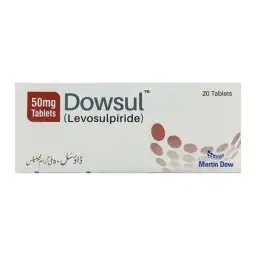
Dowsul Tablet Uses – Dowsul 50mg Uses, Price, Side Effects

If you’re dealing with digestive issues like bloating, nausea, or an upset stomach, chances are your doctor might have mentioned Dowsul Tablet. It’s a Levosulpiride-based medicine that helps improve gut health by restoring normal stomach movement. In simple words, Dowsul Tablet helps your digestive system get back on track, especially if it’s feeling sluggish or out of sync.

Whether you’re experiencing symptoms due to stress, gastric irritation, or functional dyspepsia, Dowsul might be just what your body needs to feel better.

Available Strengths:

Dowsul comes in two dosage strengths to suit different treatment needs:

StrengthCommon Use Case
Dowsul 25mgOften used in milder cases or in combination with other treatments
Dowsul 50mgCommonly prescribed for moderate to severe digestive discomfort
Table: Available-Strengths

Recommended Reading: Rigix Syrup Dose For Child – Rigix Syrup (Uses, Price, Benefits)

Dowsul Tablet Uses – Dowsul 50mg Uses, Price, Side Effects

Dowsul-50mg-Uses
Dowsul-50mg-Uses

Recommended Reading: Spadix Tablet Uses In Periods – Is Spadix Tablet Safe In Pregnancy

Dowsul Tablet Price

Dowsul Tablet

Dowsul Tablet is a medication containing Levosulpiride, used to treat digestive problems like acid reflux, bloating, gas, and irritable bowel syndrome (IBS). It works by improving stomach movement and reducing discomfort. Available in 25mg and 50mg strengths, Dowsul helps restore healthy digestion and relieve common stomach issues.

Buy online at Doseway.com.

Dowsul-Tablets-50Mg-Uses

Usage of Dowsul Tablet in Pakistan and Globally

In Pakistan, Dowsul is widely prescribed by general physicians and gastroenterologists to manage issues like indigestion, irritable bowel syndrome (IBS), GERD, and even some mental health-related gut symptoms.

Globally, Levosulpiride-based medicines (like Dowsul) are especially popular in Asia and Europe, where they are trusted for treating functional gastrointestinal disorders. While it may not be a household name like some painkillers, it has a solid place in the medical world for improving gut motility and reducing discomfort.

Brand and Manufacturer

Dowsul is marketed under various pharmaceutical brands in Pakistan, with Pharmevo being one of the well-known manufacturers. Known for its quality and affordable medicines, Pharmevo is a trusted name among doctors and pharmacists.

Type of Drug: Levosulpiride-Based Medication

Dowsul’s active ingredient is Levosulpiride, which belongs to a class of drugs known as prokinetic agents. These drugs help in speeding up the movement of food through the stomach and intestines, relieving discomfort caused by delayed gastric emptying.

In addition to gut issues, Levosulpiride is sometimes used for managing anxiety-related stomach symptoms, thanks to its mild dopamine receptor-blocking properties.

FDA or DRAP Approval Status

  • In Pakistan, Dowsul is approved by DRAP (Drug Regulatory Authority of Pakistan) and is legally available at pharmacies.
  • While Levosulpiride is not FDA-approved in the United States, it is commonly used in many countries under strict medical supervision.

Dowsul Tablet Composition

Recommended Reading: SCI Foot Cream – SCI Foot Cream Uses & Price

Active Ingredient: Levosulpiride

The main working ingredient in Dowsul is Levosulpiride.
This powerful compound belongs to a group of medicines called prokinetic agents, which are designed to help your stomach and intestines move food more efficiently.

What does Levosulpiride do?

  • Boosts stomach and bowel movement (gut motility)
  • Reduces symptoms like bloating, nausea, gas, and abdominal discomfort
  • Sometimes used to manage mental health-related gut symptoms (due to its effect on dopamine)

Available Strengths: Dowsul 25mg vs Dowsul 50mg

StrengthRecommended ForCommon Usage
Dowsul 25mgMild to moderate digestive issuesOften used for sensitive patients or in gradual treatment plans
Dowsul 50mgMore noticeable or chronic symptomsTypically preferred for stronger or faster relief
Table: Available Strengths

Inactive Ingredients (Excipients)

While the active power lies in Levosulpiride, the tablet also contains inactive ingredients that help shape the tablet and improve its absorption in the body. These may include:

  • Lactose (a sugar used as a filler)
  • Magnesium stearate (used as a lubricant)
  • Microcrystalline cellulose (helps bind the tablet)
  • Starch or talc (used for stability and consistency)

Recommended Reading: Onset Syrup Dose For Child Per Kg – Onset Syrup Uses

What is Dowsul Tablet Used For?

If you’re wondering, “What is Dowsul Tablet used for?” — you’re not alone. Whether it’s Dowsul 50mg or Dowsul 25mg, this medicine offers relief for a wide range of digestive and psychological issues.

  • Gastroesophageal Reflux Disease (GERD) — Helps reduce acid reflux, heartburn, and regurgitation by improving stomach emptying and preventing acid backflow.
  • Irritable Bowel Syndrome (IBS) — Alleviates symptoms like abdominal pain, bloating, irregular bowel habits, and discomfort associated with functional bowel disorders.
  • Functional Dyspepsia / Indigestion — Treats non-ulcer dyspepsia, including symptoms such as epigastric pain, bloating, early satiety, and discomfort after eating.
  • Gastrointestinal Motility Disorders — Stimulates gastric emptying and intestinal movement, useful in cases of delayed gastric emptying or poor gut motility.
  • Nausea and Vomiting — Effective in managing nausea/vomiting, including cases related to functional GI issues, post-operative, or certain other triggers.
  • Heartburn and Acidity — Provides relief from burning sensation in the chest and upper abdominal acidity.
  • Bloating and Gas — Reduces excessive gas, belching, and abdominal distension by enhancing digestion and gut transit.
  • Schizophrenia (mainly with 50mg strength) — Used in the management of schizophrenia and related psychotic symptoms (as an atypical antipsychotic at higher doses).
  • Depressive States / Somatoform Disorders — Helps in endogenous/reactive depression, anxiety-related somatic symptoms, or somatoform illnesses (especially noted for 50mg formulations).
  • Functional Gastrointestinal Disorders with Psychological Component — Addresses gut-brain axis issues where stress/anxiety worsens digestive symptoms, providing dual GI and mood-balancing benefits.

Dowsul Tablet Uses

ConditionHow Dowsul Helps
Gastroesophageal Reflux Disease (GERD)Reduces acid reflux and heartburn by improving stomach emptying
Functional DyspepsiaRelieves indigestion, early satiety (feeling full too soon), and upper stomach pain
Irritable Bowel Syndrome (IBS)Eases abdominal cramps, irregular bowel habits, and bloating
Nausea & VomitingHelps settle the stomach and stop the urge to vomit, especially in cases related to gut issues
Bloating, Acidity & GasEnhances gut motility to reduce buildup of gas and acidity
Mild Psychiatric Conditions (Antipsychotic Role)Acts on dopamine receptors to help manage mood and anxiety-related digestive symptoms
Male Infertility (If prescribed)Sometimes used to improve sperm motility in certain male infertility cases, under specialist advice
Table: Dowsul-Tablet-Uses

Dowsul 50mg Uses

  • Typically used for more severe or persistent symptoms
  • Preferred in cases of chronic GERD, IBS, or when faster relief is needed
  • May be chosen in psychiatric indications or infertility cases (on prescription)

Dowsul 25mg Tablet Uses

  • Ideal for mild to moderate digestive discomfort
  • Used as a starting dose in sensitive patients or those needing gradual relief
  • May be part of combination therapy for GERD or dyspepsia

Recommended Reading: Diane 35 Birth Control [Effectiveness Effects]

Dowsul 25mg vs Dowsul 50mg: What’s the Difference?

Dowsul-Tablet-Uses
Dowsul-Tablet-Uses

If you’ve been prescribed Dowsul but aren’t sure whether to take 25mg or 50mg, don’t worry—you’re not alone. While both strengths contain the same active ingredient (Levosulpiride), the dosage you need depends on the severity of your symptoms and your doctor’s advice.

Recommended Uses for Dowsul 25mg

When It’s UsedWhy It’s Chosen
Mild to moderate gastric discomfortGentle on the stomach, suitable for first-time users
Early-stage GERD or dyspepsiaProvides relief without being too strong
Used in combination with other medicationsBalances overall treatment plan
Sensitive patients (e.g., elderly or those prone to side effects)Lower dose minimizes risk of adverse effects
Table: Recommended Uses for Dowsul 25mg

Recommended Uses for Dowsul 50mg

When It’s UsedWhy It’s Chosen
Moderate to severe acid reflux or GERDOffers faster, stronger relief
Persistent IBS symptoms like cramps and bloatingHigher dose improves gut motility more effectively
Management of vomiting, psychiatric symptoms, or male infertilityOften required for complex cases under specialist care
Table: Recommended Uses for Dowsul 50mg

Which Strength Should You Take?

  • Choose Dowsul Tablet 25mg if you’re starting out, have mild symptoms, or are looking for a safer option with fewer side effects.
  • Opt for Dowsul Tablet 50mg if your symptoms are more intense, frequent, or if the lower dose hasn’t been effective.
  • Important: Always consult your doctor before switching between doses. Your body, symptoms, and health history matter when making this choice.

Dosing Frequency Comparison

Dose StrengthTypical FrequencyDoctor’s Note
25mg1 to 2 times a dayOften taken before meals
50mg1 to 3 times a dayMay be increased depending on the severity
Table: Dosing Frequency Comparison

How Does Dowsul Tablet Work?

Ever wonder how just one tablet like Dowsul can calm that storm in your stomach? Let’s break it down in plain and simple terms.

The magic ingredient in Dowsul is Levosulpiride, and it works like a multitasking hero — helping both your gut and your mind feel better.

Dual Action: Gut & Brain Connection

Levosulpiride works in two main ways:

  1. Boosts Gut Movement (Prokinetic Action)
  2. Regulates Brain Chemicals (Dopamine Blocking)

Improves Gut Motility

Think of your digestive system like a slow-moving conveyor belt. When it gets sluggish, food sits in your stomach too long — causing bloating, gas, and acidity.

Levosulpiride speeds things up.

It stimulates certain nerves in your gut (called enteric nerves) and helps your stomach empty faster. That means:

  • Less gas buildup
  • Reduced bloating
  • Smoother digestion
  • No more “heavy stomach” feeling after meals

Balances Dopamine in the Brain

Here’s the surprising part — Levosulpiride also affects the dopamine receptors in your brain, especially the ones linked to your digestive tract.

By blocking specific dopamine receptors, Dowsul helps reduce nausea, vomiting, and even symptoms related to stress or anxiety-driven digestion problems.

How Dowsul Relieves Common Digestive Issues?

SymptomHow Dowsul Helps
Gas & BloatingIncreases the movement of food and gas through intestines
Acidity & HeartburnPromotes quicker stomach emptying, reducing acid buildup
Nausea & VomitingBlocks signals in the brain that trigger the vomiting reflex
Abdominal DiscomfortRelaxes the gut and improves motility to reduce cramps
Table: How Dowsul Relieves

Recommended Reading: Riam Tablet Uses – Riam 400mg Uses (Benefits, Side Effects)

Dowsul Tablet Dosage & How to Use

Knowing how to take Dowsul tablet properly is key to getting the best results, without unwanted side effects. Whether you’re using Dowsul 25mg or Dowsul 50mg, the right dosage depends on your condition, age, and how your body responds to treatment.

General Dowsul Dosage Guidelines (Adults)

ConditionTypical DosageTablet StrengthFrequency
GERD (Acid Reflux)25–50mgDowsul 25mg or 50mg1–2 times a day
Functional Dyspepsia25mgDowsul 25mgOnce or twice daily
IBS (Irritable Bowel Syndrome)50mgDowsul 50mgOnce daily or as directed
Nausea & Vomiting25–50mgDowsul 25mg or 50mgUp to 3 times daily
Bloating/Acidity/Gas25mgDowsul 25mg1–2 times a day
Psychiatric Conditions (under supervision)50–100mgDowsul 50mgDivided doses
Male Infertility (if prescribed)25–50mgDowsul 25mg or 50mgOnce or twice a day
Table: General Dowsul Dosage Guidelines (Adults)

When & How to Take Dowsul Tablet

Best time to take:
15 to 30 minutes before meals — this helps improve digestion by kickstarting your gut movement before you eat.

How to take:

  • Swallow the tablet whole with a glass of water.
  • Do not crush or chew it unless your doctor tells you to.

Duration of Use: Short-Term vs Long-Term

Usage TypeDurationWhat You Should Know
Short-Term Use1 to 2 weeksOften used for mild issues like gas or acidity
Long-Term Use4 to 12 weeksFor chronic conditions like GERD or IBS, only under medical supervision
Extended UseBeyond 3 monthsNot recommended without periodic doctor evaluations
Table: Duration of Use

Missed a Dose? Here’s What to Do

  • If it’s close to your next dose: Skip the missed one—never double up.
  • If you just remembered: Take it as soon as you can, preferably before your next meal.
  • Pro Tip: Try setting a daily reminder on your phone to stay on track!

Overdose Risks & Management

Taking more than the recommended dose may lead to:

  • Dizziness or confusion
  • Restlessness or drowsiness
  • In rare cases, muscle spasms or hormonal issues (like elevated prolactin)

Dowsul Tablet Side Effects: What You Need to Know

Like any medicine, Dowsul Tablet can cause side effects in some people, but don’t worry, not everyone experiences them. Most side effects are mild and manageable, especially if the tablet is taken exactly as prescribed.

Common Dowsul Tablet Side Effects

Side EffectWhat It Feels Like
DrowsinessFeeling sleepy or low on energy
FatigueUnusual tiredness, especially in the beginning
HeadacheMild head pain or pressure
DizzinessLight-headedness or a “floating” feeling
Table: Common Dowsul Tablet Side Effects

Serious Side Effects

Serious Side EffectsExplanation
Hormonal ImbalanceEspecially elevated prolactin levels (a hormone), which can cause breast enlargement or milk discharge in some
Irregular PeriodsMenstrual cycle changes in women
Sexual DysfunctionLow libido or difficulty with sexual performance
Parkinson-like SymptomsTremors, stiffness, or slowed movements (very rare)
Allergic ReactionsSkin rash, itching, swelling, or difficulty breathing (seek urgent help!)
Table: Serious Side Effects

Who Should Avoid the Dowsul Tablet?

Dowsul might not be safe for everyone. You should avoid or use with caution if:

  • You have a history of seizures or epilepsy
  • You suffer from Parkinson’s disease
  • You are allergic to Levosulpiride
  • You’ve had high prolactin levels or hormone-sensitive conditions
  • You are currently on certain psychiatric or antidepressant medications

Warnings & Precautions

Use During Pregnancy & Breastfeeding

  • Pregnant women: Only use if clearly prescribed by your doctor. Not recommended in early pregnancy unless necessary.
  • Breastfeeding: Levosulpiride can pass into breast milk. Avoid unless advised by a healthcare provider.

Use in Children & Elderly

  • Children: Dowsul is not typically recommended unless your doctor sees a clear benefit.
  • Elderly patients: May be more sensitive to side effects like dizziness and confusion. Lower doses are often preferred.

Patients with Liver, Kidney, or Heart Conditions

If you have problems with your liver, kidneys, or heart, let your doctor know. Dose adjustments may be needed to avoid complications.

Drug Interactions: What Not to Mix with Dowsul

Drug TypeEffect
Antidepressants (SSRIs, MAOIs)Increased risk of side effects or serotonin imbalance
Proton Pump Inhibitors (PPIs)May enhance or alter the drug’s action in the stomach
AntipsychoticsRisk of dopamine-related side effects or hormonal changes
Blood pressure medicationsCan increase dizziness or fatigue
AlcoholIntensifies drowsiness and dizziness — best to avoid completely
Table: Drug Interactions

Dowsul vs Similar Medicines

When it comes to treating bloating, gas, or stomach discomfort, many people get confused between Dowsul and other popular medicines like Dytor, Lasix, or Vonoprazan. Let’s make it simple!

We’ll compare how Dowsul (Levosulpiride) stacks up against these alternatives, so you know when it’s the best choice.

Dowsul vs Dytor – Very Different Purposes!

FeatureDowsul (Levosulpiride)Dytor (Torasemide)
PurposeUsed for GERD, gas, bloating, and IBSTreats water retention (edema), high blood pressure
How it WorksImproves gut movement, targets dopamine in the stomachA diuretic helps remove extra salt and water from the body
Common UsersPeople with digestive issuesPeople with kidney, liver, or heart issues, causing swelling
Table: Dowsul vs Dytor

Dowsul vs Vonoprazan – Which One’s Better for GERD?

FeatureDowsulVonoprazan
ClassProkinetic (speeds up digestion)Potassium-Competitive Acid Blocker (strong acid suppressant)
Used ForGERD, indigestion, bloatingGERD, ulcers, acid reflux
StrengthBoosts stomach motility + lowers acid indirectlyPowerfully reduces stomach acid directly
When to UseWhen bloating & slow digestion are the main issuesWhen heartburn or acid is severe
Table: Dowsul vs Vonoprazan

Is Levosulpiride (Dowsul) Good for Gas?

Absolutely!
Dowsul works by enhancing gut motility, which means it helps your digestive system move food faster. This prevents gas build-up, bloating, and stomach pressure.

Dowsul vs Lasix – Confusion Cleared!

FeatureDowsul (Levosulpiride)Lasix (Furosemide)
FunctionImproves digestion, reduces gasPowerful diuretic (removes water from body)
Used ForGas, GERD, IBSSwelling due to heart/liver/kidney issues
Common ConfusionPeople think bloating = water retentionLasix is for fluid retention, not stomach gas
Table: Dowsul vs Lasix

When is Dowsul Preferred Over Other Options?

Choose Dowsul when:

  • You feel bloated, gassy, or acidic after meals
  • You have GERD with delayed digestion
  • You suffer from functional dyspepsia or IBS
  • Other antacids haven’t worked fully
  • You need a gentle but effective prokinetic to restore digestive rhythm

FAQs

What is the use of Dowsul Tablet?

Dowsul is mainly used to treat digestive problems like acid reflux (GERD), bloating, gas, indigestion, and irritable bowel syndrome (IBS). It helps improve stomach movement and reduce discomfort.

Is Dowsul used for acidity and gas?

Yes, Dowsul is effective for relieving acidity, gas, and bloating by helping your stomach digest food faster and reducing gas buildup.

Can I take Dowsul during pregnancy?

It’s best to avoid Dowsul during pregnancy unless your doctor specifically recommends it. Always consult your healthcare provider before taking any medication while pregnant.

Is Dowsul safe for long-term use?

Dowsul is usually prescribed for short-term use. Long-term use should only be under medical supervision, as it may cause side effects like hormonal changes.

Can Dowsul affect fertility?

Some studies suggest that Levosulpiride might affect prolactin levels, which could influence fertility, especially in men.

What are alternatives to Dowsul for indigestion?

Other medicines like antacids, proton pump inhibitors (PPIs), or prokinetics such as Domperidone may be used depending on your symptoms.

How should I take the Dowsul Tablet?

Typically, Dowsul is taken before meals with a glass of water. Follow your doctor’s dosage instructions carefully.

What should I do if I miss a dose?

If you miss a dose, take it as soon as you remember. If it’s almost time for the next dose, skip the missed one—do not double up.

Are there any food or drink restrictions while taking Dowsul?

Avoid alcohol while on Dowsul, as it may increase side effects like drowsiness. Eating a balanced diet can also help reduce digestive symptoms.

How quickly does Dowsul work?

Many people notice relief within a few days, but full benefits may take 1-2 weeks depending on the condition being treated.

Can Dowsul cause drowsiness?

Yes, some people feel drowsy or tired after taking Dowsul. Avoid driving or operating heavy machinery until you know how it affects you.

Conclusion

To sum it up, Dowsul Tablet is a trusted medicine mainly used to relieve digestive troubles like GERD, bloating, gas, and IBS. With its active ingredient, Levosulpiride, it works by improving stomach movement and easing uncomfortable symptoms.

Whether you choose the 25mg strength for milder issues or the 50mg for stronger relief, Dowsul offers flexible options to suit your needs. Just remember, while it’s generally safe, some people may experience side effects like drowsiness, headache, or, in rare cases, hormonal changes. So always keep an eye out and consult your doctor if you notice anything unusual.

Dowsul is ideal for adults struggling with digestive discomforts that don’t improve with simple remedies. But if you have serious health conditions, are pregnant, or take other medications, check with your healthcare provider before starting.

Final advice: Use Dowsul responsibly, follow your doctor’s instructions carefully, and avoid mixing it with alcohol or incompatible medicines. With the right approach, Dowsul can help you feel lighter, more comfortable, and back in control of your digestion.

Rigix-Syrup-Dose-Chart-For-Children

Rigix Syrup Dose For Child – Rigix Syrup (Uses, Price, Benefits)

If you’re a parent, you know how worrying it can be to see your little one struggling with an allergic runny nose, sneezing, itchy eyes, or even mild skin rashes. That’s where Rigix Syrup comes in, a commonly used children’s syrup that helps ease allergy symptoms quickly and gently.

Rigix Syrup contains Cetirizine Hydrochloride, a well-known antihistamine that works by blocking the effects of histamine in the body, histamine being the chemical responsible for allergic reactions. This means less sneezing, less itching, and more relief for your child. Rigix is generally considered safe for infants and kids.

Recommended Reading: Spadix Tablet Uses In Periods – Is Spadix Tablet Safe In Pregnancy

Rigix Syrup Dose For Child – Rigix Syrup Dose For 1 Year Baby

Rigix-Syrup-Dose-For-Child

Recommended Reading: SCI Foot Cream – SCI Foot Cream Uses & Price

What is Rigix Syrup?

Rigix Syrup

Rigix Syrup is an anti-allergy medicine for children, containing Cetirizine to relieve sneezing, itching, and runny nose.

Buy online at Doseway.com.

Rigix-Syrup

Rigix Syrup is a widely used anti-allergy medicine (antihistamine) designed especially for children. It helps relieve a variety of allergy symptoms, such as sneezing, itchy or watery eyes, runny nose, skin rashes, and even mild coughs related to allergies.

It works by blocking the action of histamine, a natural substance your child’s body produces during an allergic reaction. By stopping histamine, Rigix brings quick and effective relief without making your child feel overly sleepy or drowsy.

Rigix Syrup Basic Information

FeatureDetails
Type of MedicineAntihistamine / Anti-Allergy
Brand/ManufacturerSearle Pakistan Ltd.
Active IngredientCetirizine Hydrochloride
Concentration (Syrup)1mg/ml (Usually 5mg in 5ml of syrup)
Available FormsSyrup, Oral Drops, Tablets
Prescription Required?No – Available Over The Counter (OTC)
Table: Rigix Syrup Basic Information

Why Do Parents Prefer Rigix?

  • Safe for young children when given at the correct dose.
  • Fast-acting—starts relieving symptoms in as little as 30 minutes.
  • Non-drowsy formula in most cases (unlike older allergy medications).
  • Easily available in pharmacies across Pakistan without a prescription.

Rigix Syrup Uses

Recommended Reading: Onset Syrup Dose For Child Per Kg – Onset Syrup Uses

General Uses (All Ages)

  • Relief from allergic rhinitis (sneezing, stuffy or runny nose)
  • Treatment of skin allergies like rashes, hives, and redness
  • Eases itching and swelling caused by insect bites or stings
  • Reduces watery, itchy, or red eyes due to allergies
  • Helps in pollen and dust allergies (seasonal or environmental)
  • Relieves mild cough linked to post-nasal drip from allergies
  • Helps soothe throat irritation caused by allergic reactions
  • Useful in food allergy symptoms (non-life-threatening)
  • Manages eczema-related itching in children
  • Reduces allergic reactions to pet dander
  • Used in flu-like symptoms with an allergic component (e.g., runny nose, sneezing)
  • Provides comfort in chronic urticaria (long-term hives)

Rigix Syrup Dose For 1 Year Baby

  • Infants (6 months +):
    • Can be used under a doctor’s advice
    • Usually recommended in oral drop form with a low dosage
  • Toddlers (1–3 years):
    • Helpful for common allergy symptoms like a runny nose and mild rash
    • Syrup form is preferred for easy swallowing
  • Children (4–12 years):
    • Effective for seasonal allergies, skin irritation, and cough with an allergic origin
    • Safe when taken in age-appropriate dosages

Rigix Syrup Dosage Chart for Children

Age GroupRecommended DoseMaximum Daily DoseNotes / Frequency
6 months to under 2 years (6–23 months)2.5 mg (2.5 mL or ½ teaspoon) once daily5 mg (5 mL)Mainly for perennial allergic rhinitis & chronic urticaria. In 12–23 months, can increase to 2.5 mg every 12 hours if needed. Not for seasonal rhinitis under 2 years without doctor advice. Under 6 months: not recommended.
2 to 5 yearsInitial: 2.5 mg (2.5 mL or ½ teaspoon) once daily Can increase if needed to: 5 mg (5 mL or 1 teaspoon) once daily OR 2.5 mg every 12 hours5 mgPrimarily listed for chronic urticaria; consult doctor for other uses. Do not exceed 5 mL in 24 hours.
6 years and above (including 6–11 years)5–10 mg (5–10 mL or 1–2 teaspoons) once daily OR 5 mg (5 mL) twice daily if required10 mg (10 mL)Adjust based on symptom severity (start with 5 mL, increase if needed). For children 6–11 years, often 5–10 mL once daily is common in practice. Adolescents/adults follow the same.

How to Take Rigix Syrup For Children

Recommended Reading: Diane 35 Birth Control [Effectiveness Effects]

Best Time to Give

  • Bedtime is best, especially if your child experiences nighttime allergy symptoms like coughing, sneezing, or nasal blockage.
  • Morning dose – can be given if symptoms are more active during the day (e.g., pollen exposure at school).
  • Stick to the same time each day for better results.

With or Without Food?

  • Can be taken with or without food.
  • If your child has a sensitive stomach, give it after a light meal or snack.

Can You Give Water or Milk After Rigix?

  • Yes, it’s safe to give water or milk after taking Rigix.
  • Tip: A sip of juice or milk can help wash away the taste if your child doesn’t like it.

Tips for Picky Children

  • Use a flavored oral syringe to make it more fun.
  • Mix the dose in a small spoonful of juice or honey (for kids over 1 year).
  • Offer a reward or praise after taking the medicine—it builds a positive habit.
  • Try cooling the syrup slightly (but don’t freeze it)—some kids find it easier to swallow cold.

Duration of Use

  • Short-term use (3–7 days) is usually enough for seasonal or sudden allergies.
  • For long-term allergies or skin conditions, a doctor may recommend using it for 2–4 weeks or longer, depending on the case.
  • Do not exceed the recommended duration without a pediatrician’s guidance.

Rigix Syrup for Specific Conditions in Children

Rigix Syrup (Cetirizine) is an anti-allergy medicine that works by blocking histamine—a substance in the body that causes allergy symptoms. Let’s look at how it works for different common problems in kids:

For Throat Infections

  • How it helps: If the sore throat is caused by allergies (like post-nasal drip or pollen irritation), Rigix helps reduce inflammation and itchiness.
  • Is it enough alone?
    • Not always. If the infection is bacterial (with high fever, swollen glands, white patches), antibiotics may be required.
    • Use Rigix alongside doctor-prescribed medicine to ease discomfort from allergies during a throat infection.

For Cough & Cold

  • Allergic Cough (dry or night-time cough):
    • Rigix works well by reducing nasal drainage and throat irritation caused by allergens.
  • Wet or mucus-filled cough (productive cough):
    • Rigix won’t clear mucus—you may need a different syrup like an expectorant.
  • Difference vs. anti-cough syrups: Rigix SyrupAnti-Cough SyrupAnti-allergySoothes cough reflexReduces nasal allergy, post-nasal dripTargets throat/lungs directlyLong-term allergy reliefShort-term cough suppression

For Skin Allergies (Itching, Rashes, Urticaria)

  • Rigix is highly effective for:
    • Itchy skin
    • Redness or swelling
    • Hives (urticaria)
  • It blocks histamine that causes these symptoms and brings quick relief—usually within an hour of taking the dose.

For Runny Nose & Sneezing

  • Works best for:
    • Allergic rhinitis (pollen, dust, pet dander)
    • Cold-related sneezing due to allergy triggers
  • Not ideal for viral colds without an allergic component.

For Dust & Seasonal Allergies

  • Ideal for children sensitive to:
    • Dust mites
    • Pollen
    • Mold spores
    • Air pollution
  • Regular once-daily use during allergy season helps prevent flare-ups.

Recommended Reading: Riam Tablet Uses – Riam 400mg Uses (Benefits, Side Effects)

Rigix Syrup Dosage Chart For Children

Rigix-Syrup-Dose-Chart-For-Children

Child’s AgeTypical Single Dose*How Often?Equivalent Syrup Volume**Max. in 24 h
6 mo – 1 yr2.5 mgOnce daily2.5 mL (≈ ½ teaspoon)2.5 mg
1 – 2 yrs2.5 mgOnce or twice daily†2.5 mL5 mg
2 – 6 yrs2.5 mgTwice daily (morning & evening)2.5 mL each time5 mg
6 – 12 yrs5 mgOnce daily (evening preferred)5 mL (1 teaspoon)10 mg‡
Over 12 yrs10 mgOnce daily10 mL (2 teaspoons)10 mg
Table: Dosage Chart

Amounts are for children with normal kidney function.
Rigix Syrup = 1 mg cetirizine per mL (5 mg in 5 mL).
† Start with once-a-day; a doctor may split into two smaller doses if symptoms persist.
‡ Some children do well on 5 mg; ask your pediatrician before moving to 10 mg.

Rigix Syrup Dosage Chart for Children Based on Weight

Body-WeightSuggested Daily TotalHow to Give It
5–10 kg0.25 mg per kg (max 2.5 mg)Give in one dose
11–15 kg0.25 mg per kg (≈3–4 mg)Split into two doses if >2.5 mg
16–30 kgUp to 5 mg totalOne evening dose or 2.5 mg twice
>30 kg5–10 mg totalUsually one 10 mg dose at night
Table: Dosage Chart for Children Based on Weight

How to Measure the Dose Correctly

  • Use the Rigix dropper or a pharmacy-grade measuring spoon—never an ordinary kitchen teaspoon.
  • Hold the dropper at eye level for accuracy.
  • For very small volumes (under 2 mL), a marked oral syringe is the safest choice.

Key Safety Tips

  • Infants under 2 years: Always get a pediatrician’s approval before the first dose.
  • Stick to the recommended frequency—adding “a little extra” will not speed up relief.
  • If you miss a dose and it’s almost time for the next one, skip the forgotten dose.
  • Store the bottle below 25 °C and keep the cap tightly closed to preserve potency.

Is Rigix Syrup Safe for Babies?

Recommended Readings: Coconut Water During Pregnancy [Benefits & Risks]

Use by Age Group

  • 3-Month-Old Baby
    Not recommended
    Babies under 6 months are too young for Cetirizine. Rigix is not approved for this age unless a pediatrician specifically prescribes it for a severe allergy.
  • 6-Month-Old Baby
    Caution advised
    • Some doctors may prescribe Rigix Drops in very small doses if allergy symptoms are severe (e.g., rashes or breathing issues).
    • Always under pediatric supervision.
  • 1-Year-Old Baby
    Yes, generally safe
    • Rigix is more commonly prescribed at this age.
    • Dosage depends on weight and condition.
    • Drops or low-dose syrup is usually given once daily.

Pediatrician Guidelines

  • Doctors only prescribe Rigix for babies when:
    • Symptoms are allergy-related (like skin rashes, dust allergy, or nasal allergies).
    • The child is at least 6 months old (some prefer waiting till 1 year).
    • The benefits outweigh the risks.

Cetirizine Safety Profile for Infants

  • Cetirizine is a second-generation antihistamine.
  • Compared to older allergy medicines (like Diphenhydramine), it’s:
    • Less sedating (doesn’t cause drowsiness as much).
    • Safe for longer-term use under doctor’s advice.
  • Clinical studies have shown cetirizine to be generally well-tolerated in children 6 months and older.

Comparison with Other Infant Allergy Syrups

Medicine NameAge SafeKey IngredientSedation RiskPediatric Approval
Rigix (Cetirizine)6 months+CetirizineLow✅ Yes (doctor-guided)
Benadryl2 years+ (not recommended under 2)DiphenhydramineHigh⚠️ Caution
Claritin Syrup2 years+LoratadineLow✅ Yes
Zyrtec Drops6 months+CetirizineLow✅ Yes
Table: Comparison

Recommended Readings: List Of Family Planning Tablets In Pakistan

Side Effects of Rigix Syrup in Children

While Rigix Syrup (Cetirizine) is generally safe when used correctly, like any medicine, it can sometimes cause side effects — especially in young children. Most are mild, but parents should stay alert.

Common Side Effects

These usually go away on their own and aren’t dangerous:

  • Sleepiness or Drowsiness
    ▪ Most common in babies and toddlers
    ▪ May feel more sleepy than usual after a dose
    ▪ Try giving it at bedtime if advised by your doctor
  • Dry Mouth
    ▪ Your child may drink more water or appear thirsty
    ▪ Offer small sips of water throughout the day
  • Headache or Dizziness
    ▪ Rare in toddlers but may occur in older children
    ▪ Usually mild and short-lived

Rare or Serious Side Effects

If you notice any of these, stop the syrup immediately and contact your doctor:

  • Difficulty Breathing or Wheezing
    ▪ Could indicate a severe allergic reaction
    ▪ Needs emergency medical attention
  • Swelling of face, lips, tongue, or throat
    ▪ Possible sign of an allergic reaction to Cetirizine
  • Extreme sleepiness or unresponsiveness
    ▪ If your child seems too drowsy or hard to wake

When to Stop Usage and See a Doctor

Stop giving Rigix and consult your pediatrician if:

  • Side effects don’t go away within 2–3 days
  • Symptoms get worse after taking the syrup
  • The child shows signs of an allergic reaction or breathing issues

Does Rigix Make the Baby Sleepy?

  • Yes, mild drowsiness is a known side effect.
  • Babies and younger kids are more sensitive to this.
  • It’s not harmful in most cases and can even help if the child is restless due to allergies.
  • Do not increase the dose thinking it will help your child sleep better — only use as directed.

Rigix Syrup vs Other Anti-Allergy Syrups

FeatureRigix SyrupAVIL SyrupRejeX SyrupOther Cetirizine Syrups
Active IngredientCetirizine HydrochloridePheniramine MaleateLevocetirizineCetirizine Hydrochloride
Age Suitability6 months and above (doctor advised)Usually 2 years and above6 months and above (doctor advised)6 months and above (varies by brand)
Sedation LevelLow to mildHigher sedation (causes drowsiness)LowSimilar to Rigix
Duration of Action24 hours6–8 hours24 hoursVaries, usually 24 hours
Common Side EffectsMild sleepiness, dry mouthSleepiness, dry mouth, dizzinessMild sleepinessSimilar to Rigix
PrescriptionOften OTC with guidanceUsually prescription onlyOTC or prescriptionOTC or prescription
PriceModerateUsually cheaperModerateDepends on brand
Table: Rigix Syrup vs Other Anti-Allergy Syrups

Natural/Home Remedies vs Rigix

  • Natural remedies like honey, warm fluids, and saline nasal drops can soothe mild allergy symptoms but do not block histamine.
  • Rigix Syrup works by directly blocking allergic reactions and provides faster, more effective relief.
  • Natural options are good for mild cases or combined with Rigix for overall comfort, but not a substitute for antihistamines in moderate to severe allergies.

Which Syrup is Best for Kids’ Allergies?

  • For quick, effective allergy relief with minimal sedation, Rigix Syrup is a top choice.
  • If your child tends to get very sleepy, ask your doctor about Rigix or other low-sedation options like RejeX or cetirizine generics.
  • AVIL Syrup may cause more drowsiness and is usually preferred for short-term use where sedation is less of a concern.

Why Doctors Prefer Rigix Over Some Others

  • Contains Cetirizine, a newer generation antihistamine with fewer side effects.
  • Provides once-a-day dosing, making it easier for parents to manage.
  • Has a better safety profile in young children compared to older antihistamines like AVIL.
  • Well-known brand with consistent quality and availability.
  • Recommended for both allergic rhinitis and skin allergies.

Recommended Readings: What Is White Discharge During Early Pregnancy [Causes+Effects]

Storage Instructions & Shelf Life for Rigix Syrup

  • Storage Temperature
    • Store Rigix Syrup at room temperature between 15°C to 30°C (59°F to 86°F).
    • Avoid exposing the syrup to extreme heat or cold.
  • Keep Away From Light and Moisture
    • Keep the bottle tightly closed when not in use.
    • Store in a dry place, away from direct sunlight and humidity.
    • Avoid storing in the bathroom or near the kitchen sink where moisture is high.
  • Shelf Life After Opening
    • Use the syrup within 3 months after opening to ensure safety and effectiveness.
    • Do not use if the color or smell changes before the expiry date.
  • Keep Out of Reach of Children
    • Always store Rigix Syrup out of reach and sight of children to prevent accidental overdose.
    • Use the provided dropper or measuring spoon to give the exact dose — never guess.

Precautions & Warnings for Rigix Syrup

  • Pediatrician Consultation Required
    • Always consult a pediatrician before giving Rigix Syrup, especially for children under 2 years old.
    • Do not start or change the dose without professional advice.
  • Children with Kidney or Liver Problems
    • Use Rigix Syrup with caution if your child has kidney or liver issues.
    • These conditions may affect how the medicine works or is processed in the body.
    • The doctor may adjust the dose or recommend an alternative.
  • Interaction with Other Medications
    • Avoid giving Rigix Syrup alongside other allergy or cough medicines without a doctor’s guidance.
    • Combining antihistamines or sedatives can increase side effects like drowsiness or dizziness.
  • Avoid Giving with Sedatives
    • Do not give Rigix Syrup together with sedatives, sleeping pills, or alcohol, as it may cause excessive sleepiness or breathing problems.
    • Inform the doctor about all medications your child is taking.
  • Can It Be Given During Fever or Infection?
    • Rigix Syrup does not treat fever or infections directly.
    • It can be used to relieve allergy symptoms during infections, but consult your doctor first.
    • If your child has a high fever or severe illness, seek medical attention rather than self-medicating.

Recommended Readings: How To Prevent Pregnancy Without Birth Control | How To Avoid Pregnancy Naturally

FAQs

Can I give Rigix syrup to a 6-month baby?

Rigix Syrup can be given to babies 6 months and older, but only after consulting a pediatrician.

Does Rigix help with cough and cold?

Rigix is primarily an anti-allergy medicine and works well for allergy-related cough and runny nose. It does not treat infections or common cold viruses directly.

What is the difference between Rigix Drops and Syrup?

Both contain the same active ingredient, Cetirizine. Drops are easier to dose for infants and very young children, while syrup is convenient for older kids who can swallow it easily.

Is Rigix safe during teething?

Rigix is not specifically for teething symptoms. It’s safe if your child has allergies during teething, but always ask your pediatrician before use.

Can I give Rigix daily for allergies?

Yes, Rigix is usually given once daily for allergy relief. However, do not use it for more than the recommended duration without doctor advice.

How long does Rigix take to work?

You can expect to see improvement in allergy symptoms within 1 hour after giving Rigix. Full relief usually happens within a few days.

Does Rigix treat sore throat or infection?

No, Rigix does not treat infections or sore throats caused by bacteria or viruses. It only helps reduce allergy-related throat irritation.

What is the best time to give Rigix?

Rigix can be given morning or bedtime. If it causes sleepiness, giving it at night is often better.

Can Rigix cause drowsiness in children?

Some children may feel a little sleepy after taking Rigix, but this is usually mild and temporary.

Is Rigix safe for children with liver or kidney problems?

Use caution and consult your doctor before giving Rigix if your child has liver or kidney conditions.

What should I do if my child misses a dose?

Give the missed dose as soon as you remember, but skip it if it’s almost time for the next dose. Never double the dose.

Recommended Readings: How To Use Pregnancy Test Strips? | Pregnancy Strips [Price+Uses+Results]

Conclusion

Rigix Syrup is a trusted antihistamine medicine widely used to relieve allergy symptoms like sneezing, runny nose, skin rashes, and itching in children aged 6 months and above. Its active ingredient, Cetirizine, works effectively to ease allergic reactions with minimal side effects when used properly.

Dosage-wise, Rigix Syrup should be given according to your child’s age and weight, typically once daily, and always measured carefully using a dropper or spoon. Remember, consulting a pediatrician before starting Rigix is essential, especially for infants under 2 years or children with other health conditions.

For parents, Rigix is a great choice for managing common childhood allergies safely at home. However, if your child experiences severe symptoms, unusual side effects, or if you are unsure about the dosage, seek medical advice promptly.

Never self-medicate infants or very young children without professional guidance to avoid risks and ensure the best care for your little ones.

With proper use and care, Rigix Syrup can bring relief and comfort to your child’s allergy troubles, helping them breathe easier and feel better!

Disclaimer
The commissions we earn from partner links on this page do not influence our content. Our editorial content is based on thorough research and insights from qualified medical professionals to ensure the highest standards of accuracy and reliability.

The information provided on Doseway is for educational purposes only. Your health and wellness are unique to you, and the products and services we review may not be suitable for your circumstances. We do not offer personal medical advice, diagnosis, or treatment plans. For specific advice, please consult with a healthcare professional. Doseway adheres to strict editorial integrity standards. To the best of our knowledge, all content is accurate as of the date posted, though offers and information may change. The opinions expressed are the author’s own and have not been influenced, approved, or endorsed by our partners.

Stomach-Ulcer-Medicine

Stomach Ulcer Medicine In Pakistan [Symptoms, Causes, & Treatment]

A stomach ulcer, also known as a gastric ulcer, is a painful sore that develops in the lining of the stomach, causing discomfort and potentially life-threatening complications if left untreated.

Common Causes of Stomach Ulcers:

CauseDetails
H. pylori InfectionA bacterial infection that damages the stomach lining
NSAIDs (Non-Steroidal Anti-Inflammatory Drugs)Prolonged use of painkillers like aspirin, ibuprofen, and naproxen
Other FactorsSmoking, stress, spicy food, and excessive alcohol consumption
Table: Common Causes of Stomach Ulcers:

Let’s explore the top 5 medicines for stomach ulcers in Pakistan along with their use, side effects, and prices in Pakistan.

Recommended Reading: Yaz Tablet | Yaz Tablet Price In Pakistan [Uses+Effectiveness]

Top 5 Best Stomach Ulcer Medicine In Pakistan

Top-Stomach-Ulcer-Medicine

Recommended Reading: Spiano Tablet Uses & Price | Spiano 100mg Tablet Uses

What Are Stomach Ulcers?

Stomach ulcers, medically known as peptic ulcers, are open sores that form in the lining of the stomach or the upper part of the small intestine. When the protective mucus layer thins out or acid levels go too high, the stomach lining gets damaged, leading to an ulcer.

There are two common types:

  • Gastric Ulcers – Found in the stomach
  • Duodenal Ulcers – Found in the upper small intestine

Symptoms in Males vs Females

SymptomIn MalesIn Females
Burning stomach painMore likely to report sharp painOften describe it as bloating or fullness
NauseaLess frequentMore commonly reported
Appetite lossMore noticeableMay also include weight fluctuations
IndigestionCommonCommon, often with fatigue
Vomiting or dark stoolsSevere symptoms in bothSevere symptoms in both
Table: Symptoms

Symptoms Of Stomach Ulcers

  • Burning stomach pain
  • Nausea and vomiting
  • Bloating and gas
  • Loss of appetite
  • Weight loss

Acicon 60ml Suspension

Acicon 60ml Suspension

Acicon 60ml Suspension is an antacid solution that relieves symptoms of acid reflux, heartburn, and indigestion. It works by neutralizing stomach acid, providing quick relief from discomfort.

Purchase online from Doseway.com


Acicon-60Ml-Suspension-Uses

Acicon 60ml Suspension is an oral medication for treating stomach ulcers, heartburn, and indigestion. It is an antacid and anti-ulcerative agent that forms a protective barrier on the stomach lining, reducing acid production and promoting healing.

Therapeutic Class: Antacid, Anti-Ulcerative Agent

Active Ingredients:

  • Aluminum hydroxide
  • Magnesium hydroxide

Mechanism of Action:

  • Neutralizes stomach acid and reduces acid production
  • Forms a protective barrier on the stomach lining, preventing further irritation
  • Promotes healing of stomach ulcers and reduces inflammation

Indications:

  • Treatment of stomach ulcers (gastric ulcers)
  • Relief of heartburn and indigestion
  • Treatment of gastroesophageal reflux disease (GERD)

Dosage Form: Oral suspension, 60ml bottle

Strength: 10-20ml, 3-4 times a day, before meals and at bedtime

Precautions:

  • Shake well before use
  • Consult a doctor if symptoms persist or worsen
  • It is not recommended for patients with kidney problems or aluminum toxicity

Recommended Reading: Actim Tablet Uses & Price

Nexum Capsules 40mg

Nexum Capsules 40mg

Nexum Capsules 40mg is a proton pump inhibitor (PPI) that reduces stomach acid production, helping treat conditions like acid reflux, GERD, and stomach ulcers. It provides long-lasting relief from acid-related discomfort.

Purchase Online from Doseway.com

Nexum-Capsules-40Mg-Uses

Nexum Capsules 40mg is a prescription medication used to treat stomach ulcers, gastroesophageal reflux disease (GERD), and conditions where the stomach produces too much acid.

Therapeutic Class: Proton Pump Inhibitor (PPI)

Active Ingredient: Esomeprazole

Mechanism of Action:

  • Suppresses acid production in the stomach by inhibiting proton pumps
  • Reduces the amount of acid produced in the stomach
  • Allows the esophagus and stomach to heal

Indications:

  • Treatment of stomach ulcers (gastric ulcers)
  • Treatment of gastroesophageal reflux disease (GERD)
  • Treatment of erosive esophagitis
  • Prevention of relapse in patients with healed esophagitis

Dosage Form: Delayed-release capsules, 40mg

Strength: 1 capsule, once daily, before breakfast

Precautions:

  • Swallow whole, do not crush or chew
  • Consult a doctor if symptoms persist or worsen
  • May interact with other medications, including warfarin, ketoconazole, and clarithromycin

Common Side Effects:

  • Headache
  • Diarrhea
  • Abdominal pain
  • Nausea
  • Fatigue

Serious Side Effects:

  • Allergic reactions
  • Severe skin reactions
  • Kidney damage
  • Increased risk of osteoporosis-related fractures

Recommended Reading: High Cholesterol Medicine Price & Uses

Novipraz Tablets 10mg

Novipraz Tablets 10mg

Novipraz Tablets 10mg is used to reduce stomach acid and treat conditions such as gastric ulcers and acid reflux. It helps alleviate symptoms like heartburn and indigestion by promoting healing of the stomach lining.

Purchase online by clicking here Doseway.com.

Novipraz-Tablets-10Mg-Price

Novipraz Tablets 10mg is a prescription medication used to treat stomach ulcers, gastroesophageal reflux disease (GERD), and conditions where the stomach produces too much acid.

Therapeutic Class: Proton Pump Inhibitor (PPI)

Active Ingredient: Lansoprazole

Mechanism of Action:

  • Suppresses acid production in the stomach by inhibiting proton pumps
  • Reduces the amount of acid produced in the stomach
  • Allows the esophagus and stomach to heal

Indications:

  • Treatment of stomach ulcers (gastric ulcers)
  • Treatment of gastroesophageal reflux disease (GERD)
  • Treatment of erosive esophagitis
  • Prevention of relapse in patients with healed esophagitis
  • Treatment of Zollinger-Ellison syndrome (excessive acid production)

Dosage Form: Delayed-release tablets, 10mg

Strength: 1 tablet, once daily, before breakfast

Precautions:

  • Swallow whole, do not crush or chew
  • Consult a doctor if symptoms persist or worsen
  • May interact with other medications, including warfarin, ketoconazole, and clarithromycin

Common Side Effects:

  • Headache
  • Diarrhea
  • Abdominal pain
  • Nausea
  • Fatigue

Serious Side Effects:

  • Allergic reactions
  • Severe skin reactions
  • Kidney damage
  • Increased risk of osteoporosis-related fractures
  • Clostridioides difficile-associated diarrhea (CDAD)

Contraindications:

  • Hypersensitivity to lansoprazole or related compounds
  • Pregnancy and breastfeeding (consult a doctor)

Interactions:

  • Antacids, sucralfate, and other PPIs
  • Warfarin, ketoconazole, and clarithromycin
  • Atazanavir, nelfinavir, and other HIV protease inhibitors

Storage:

  • Store at room temperature (20-25°C/68-77°F)
  • Protect from light and moisture

Recommended Reading: Vaginal Infection Medicine Price & Uses

Vonnp Tablets 10mg

Vonnp Tablets 10mg

Vonnp Tablets 10mg is an anti-ulcer medication that helps reduce stomach acid and treat conditions like gastric ulcers and GERD. It provides relief from heartburn and promotes the healing of ulcers in the stomach lining.

Buy online by clicking here Doseway.com

Vonnp-Tablets-10Mg-Price

Vonnp Tablets 10mg is a prescription medication used to treat stomach ulcers, gastroesophageal reflux disease (GERD), and conditions where the stomach produces too much acid.

Therapeutic Class: Proton Pump Inhibitor (PPI)

Active Ingredient: Pantoprazole

Mechanism of Action:

  • Suppresses acid production in the stomach by inhibiting proton pumps
  • Reduces the amount of acid produced in the stomach
  • Allows the esophagus and stomach to heal

Indications:

  • Treatment of stomach ulcers (gastric ulcers)
  • Treatment of gastroesophageal reflux disease (GERD)
  • Treatment of erosive esophagitis
  • Prevention of relapse in patients with healed esophagitis
  • Treatment of Zollinger-Ellison syndrome (excessive acid production)

Dosage Form: Delayed-release tablets, 10mg

Strength: 1 tablet, twice daily, before meals

Precautions:

  • Swallow whole, do not crush or chew
  • Consult a doctor if symptoms persist or worsen
  • May interact with other medications, including warfarin, ketoconazole, and clarithromycin

Common Side Effects:

  • Headache
  • Diarrhea
  • Abdominal pain
  • Nausea
  • Fatigue

Serious Side Effects:

  • Allergic reactions
  • Severe skin reactions
  • Kidney damage
  • Increased risk of osteoporosis-related fractures
  • Clostridioides difficile-associated diarrhea (CDAD)

Contraindications:

  • Hypersensitivity to pantoprazole or related compounds
  • Pregnancy and breastfeeding (consult a doctor)

Interactions:

  • Antacids, sucralfate, and other PPIs
  • Warfarin, ketoconazole, and clarithromycin
  • Atazanavir, nelfinavir, and other HIV protease inhibitors

Storage:

  • Store at room temperature (20-25°C/68-77°F)
  • Protect from light and moisture

Benefits:

  • Rapid relief from heartburn and acid reflux
  • Effective in healing stomach ulcers
  • Prevents relapse in patients with healed esophagitis
  • Convenient twice-daily dosing

Patient Information:

  • Take Vonnp Tablets 10mg exactly as prescribed
  • Do not stop taking it without consulting a doctor
  • Inform your doctor of any medications or medical conditions

Zopent 40mg Tablet

Zopent 40mg Tablet

Zopent 40mg Tablet is a proton pump inhibitor (PPI) used to reduce stomach acid and treat conditions such as acid reflux, GERD, and stomach ulcers. It provides effective relief from heartburn and promotes ulcer healing.
Buy online by clicking here: Doseway.com

Zopent-40mg-Tablet-Price

Zopent 40mg Tablet is a prescription medication used to treat stomach ulcers, gastroesophageal reflux disease (GERD), and conditions where the stomach produces too much acid.

Therapeutic Class: Proton Pump Inhibitor (PPI)

Active Ingredient: Pantoprazole

Mechanism of Action:

  • Suppresses acid production in the stomach by inhibiting proton pumps
  • Reduces the amount of acid produced in the stomach
  • Allows the esophagus and stomach to heal

Indications:

  • Treatment of stomach ulcers (gastric ulcers)
  • Treatment of gastroesophageal reflux disease (GERD)
  • Treatment of erosive esophagitis
  • Prevention of relapse in patients with healed esophagitis
  • Treatment of Zollinger-Ellison syndrome (excessive acid production)

Dosage Form: Delayed-release tablets, 40mg

Strength: 1 tablet, once daily, before breakfast

Precautions:

  • Swallow whole, do not crush or chew
  • Consult a doctor if symptoms persist or worsen
  • May interact with other medications, including warfarin, ketoconazole, and clarithromycin

Common Side Effects:

  • Headache
  • Diarrhea
  • Abdominal pain
  • Nausea
  • Fatigue

Serious Side Effects:

  • Allergic reactions
  • Severe skin reactions
  • Kidney damage
  • Increased risk of osteoporosis-related fractures
  • Clostridioides difficile-associated diarrhea (CDAD)

Contraindications:

  • Hypersensitivity to pantoprazole or related compounds
  • Pregnancy and breastfeeding (consult a doctor)

Interactions:

  • Antacids, sucralfate, and other PPIs
  • Warfarin, ketoconazole, and clarithromycin
  • Atazanavir, nelfinavir, and other HIV protease inhibitors

Storage:

  • Store at room temperature (20-25°C/68-77°F)
  • Protect from light and moisture

Benefits:

  • Rapid relief from heartburn and acid reflux
  • Effective in healing stomach ulcers
  • Prevents relapse in patients with healed esophagitis
  • Convenient once-daily dosing

Patient Information:

  • Take Zopent 40mg Tablet exactly as prescribed
  • Do not stop taking it without consulting a doctor
  • Inform your doctor of any medications or medical conditions

Comparison to Other PPIs:

  • Similar efficacy to Nexum and Novipraz
  • Longer duration of action compared to Vonnp
  • Fewer interactions with other medications compared to Acicon

Top 10 Stomach Ulcers Medicines

No.Generic Name (Common Brand)ClassMechanism of ActionTypical Dosage for Gastric Ulcers (Adult)Common Side EffectsNotes
1Omeprazole (Prilosec, Zegerid)Proton Pump Inhibitor (PPI)Irreversibly blocks the final step of acid production in stomach cells (most potent acid reducer)20–40 mg once daily (before breakfast) for 4–8 weeksHeadache, nausea, diarrhea, abdominal pain, constipation; long-term: possible bone fracture risk, low magnesiumOTC available; first-line for healing and H. pylori regimens
2Lansoprazole (Prevacid)PPISame as above30 mg once daily for 4–8 weeksSimilar to omeprazoleOTC available; FDA-approved specifically for gastric ulcers
3Pantoprazole (Protonix)PPISame as above40 mg once daily for 4–8 weeksSimilar to omeprazoleOften IV in hospital for bleeding ulcers
4Esomeprazole (Nexium)PPISame as above (S-isomer of omeprazole)20–40 mg once daily for 4–8 weeksSimilar to omeprazoleSlightly stronger acid suppression in some studies
5Rabeprazole (Aciphex)PPISame as above20 mg once daily for 4–8 weeksSimilar to omeprazoleHigh user ratings for effectiveness
6Famotidine (Pepcid)H2 Receptor BlockerBlocks histamine that stimulates acid production (faster onset than PPIs but less potent)20 mg twice daily or 40 mg once daily (up to 8 weeks)Headache, dizziness, constipation, diarrhea; rare confusion in elderlyOTC available; good alternative if PPI intolerant
7Cimetidine (Tagamet)H2 BlockerSame as above300–400 mg 4 times daily or 800 mg at bedtimeSimilar to famotidine; more drug interactionsOlder H2 blocker; less used today
8AmoxicillinAntibiotic (beta-lactam)Kills H. pylori by disrupting cell wall1 g twice daily (in triple/quadruple therapy for 7–14 days)Diarrhea, nausea, rash; allergic reactions possibleAlways combined with PPI + another antibiotic
9Clarithromycin (Biaxin)Antibiotic (macrolide)Inhibits bacterial protein synthesis (targets H. pylori)500 mg twice daily (in triple therapy 7–14 days)Taste disturbance, nausea, diarrhea, headacheResistance increasing in some regions
10Metronidazole (Flagyl)Antibiotic (nitroimidazole)Damages bacterial DNA (for H. pylori)500 mg twice or three times daily (in triple/quadruple therapy)Metallic taste, nausea, dark urine, disulfiram reaction with alcoholUsed when clarithromycin resistance suspected
11Sucralfate (Carafate)Cytoprotectant (protectant)Forms a protective coating over the ulcer, shielding it from acid/enzymes1 g four times daily (on empty stomach, up to 8 weeks)Constipation, dry mouth, nauseaDoes not reduce acid; excellent adjunct
12Misoprostol (Cytotec)Cytoprotectant (prostaglandin analog)Replaces protective prostaglandins reduced by NSAIDs; increases mucus/bicarbonate200 mcg four times daily (mainly for NSAID-induced ulcer prevention)Diarrhea, abdominal cramps, nausea; contraindicated in pregnancyUsed when continuing NSAIDs is necessary

Common Symptoms of Stomach Ulcers

Stomach ulcers can cause a range of symptoms, which may vary in severity and frequency. Here are the common symptoms:

Ulcer Pain:

  • Burning sensation in the stomach, typically in the upper middle or upper right area
  • Pain may radiate to the back or chest
  • May feel like a dull ache, a sharp stabbing, or a gnawing sensation
  • Pain can worsen at night or when the stomach is empty
  • This may be relieved by eating or taking antacids

Other Symptoms:

  • Bloating and gas
  • Nausea and vomiting
  • Heartburn (acid reflux)
  • Loss of appetite
  • Weight loss
  • Fatigue
  • Abdominal discomfort or tenderness

Are Stomach Ulcers Harmful?

If left untreated, stomach ulcers can lead to serious complications, including:

  • Bleeding: Ulcer erosion into blood vessels, leading to severe bleeding
  • Perforation: Ulcer rupture, allowing bacteria to leak into the abdomen
  • Obstruction: Narrowing of the stomach outlet, blocking food passage
  • Cancer: Increased risk of stomach cancer
  • Sepsis: Life-threatening infection spreading through the bloodstream

Gender-Specific Symptoms:

Stomach Ulcer Symptoms in Females:

  • More likely to experience nausea and vomiting
  • May have abdominal pain or discomfort during menstruation
  • Increased risk of stomach ulcers during pregnancy or menopause
  • May experience symptoms similar to irritable bowel syndrome (IBS)

Stomach Ulcer Symptoms in Males:

  • More likely to experience severe abdominal pain
  • May have an increased risk of stomach ulcers due to smoking and alcohol consumption
  • May experience symptoms similar to gastroesophageal reflux disease (GERD)
  • May have an increased risk of complications, such as bleeding and perforation

Important Notes:

  • Stomach ulcers can be asymptomatic, especially in the early stages
  • Symptoms may vary depending on ulcer’s location and severity
  • If symptoms persist or worsen, seek medical attention immediately

When to Seek Medical Attention:

  • Severe abdominal pain or bleeding
  • Vomiting blood or coffee ground-like material
  • Difficulty swallowing or eating
  • Fever or chills
  • Signs of dehydration (dark urine, excessive thirst)

What Causes Stomach Ulcers?

Stomach ulcers, also known as gastric ulcers, are open sores that develop on the lining of the stomach. The most common causes of stomach ulcers are:

Most Common Causes:

  • Helicobacter pylori (H. pylori) infection: A bacterial infection that damages the stomach lining, leading to ulcer formation.
  • Overuse of NSAIDs (aspirin, ibuprofen): Long-term use of nonsteroidal anti-inflammatory drugs can irritate the stomach lining, causing ulcers.
  • Lifestyle factors: Stress, smoking, and excessive alcohol consumption can contribute to ulcer development.

What Causes 90% of Stomach Ulcers?

  • H. pylori infection: Accounts for 60-80% of stomach ulcers
  • NSAIDs: Account for 10-20% of stomach ulcers

Can Stress Cause Ulcers?

  • Stress can increase stomach acid production and worsen existing ulcers
  • Stress can also lead to behaviors that contribute to ulcer development, such as smoking and excessive alcohol consumption
  • However, stress alone is unlikely to cause ulcers in healthy individuals

Other Risk Factors:

  • Diet: Consuming spicy or fatty foods, caffeine, and chocolate can irritate the stomach lining
  • Genetics: Family history of stomach ulcers or H. pylori infection
  • Age: Risk increases with age, especially after 60
  • Other medical conditions: Certain conditions, such as liver or kidney disease, can increase the risk of stomach ulcers

Can Hunger Cause Ulcers?

  • Going without food for extended periods can irritate the stomach lining
  • Skipping meals or fasting can lead to increased stomach acid production
  • However, hunger alone is unlikely to cause ulcers in healthy individuals

Important Notes:

  • Stomach ulcers can be caused by a combination of factors
  • Identifying and addressing underlying causes is crucial for effective treatment and prevention
  • Consult a healthcare professional for proper diagnosis and treatment.

Diagnosis of Stomach Ulcers

Diagnosing stomach ulcers involves a combination of medical history, physical examination, and diagnostic tests.

How to Diagnose a Stomach Ulcer?

  • Endoscopy: A flexible tube with a camera is inserted through the mouth to visually examine the stomach lining.
  • Biopsy: A tissue sample is taken from the stomach lining for examination.
  • Upper GI Series: X-rays are taken after swallowing a contrast agent to visualize the stomach.
  • Blood Tests: To detect H. pylori infection or anemia.
  • Stool Test: To detect H. pylori infection.

Importance of Early Detection

Early detection and treatment can:

  • Prevent complications like bleeding or perforation
  • Reduce the risk of stomach cancer
  • Improve treatment outcomes
  • Enhance the quality of life

Stomach Ulcer Pain Location

Ulcer pain is typically felt in the:

  • Upper middle or upper right abdomen
  • Back or chest (radiating pain)
  • Epigastric region (between the ribs and belly button)

Pain Patterns:

  • Burning or gnawing sensation
  • Dull ache or sharp stabbing pain
  • Pain worsens at night or when the stomach is empty
  • Pain relieved by eating or taking antacids

Important Notes:

  • Accurate diagnosis is crucial for effective treatment
  • Delayed diagnosis can lead to complications
  • Consult a healthcare professional if symptoms persist or worsen.

How Are Stomach Ulcers Diagnosed?

  • Endoscopy
    A thin, flexible tube with a camera is passed down your throat to look directly at your stomach lining and check for ulcers.
  • X-ray (Upper GI Series)
    You’ll drink a special liquid (barium) that coats your stomach, allowing ulcers to show up clearly on X-rays.
  • Blood Test
    Checks for the presence of H. pylori bacteria, a common cause of ulcers.
  • Urea Breath Test
    You swallow a pill or liquid containing a special substance, and your breath is tested for signs of H. pylori infection.
  • Stool Antigen Test
    Detects H. pylori bacteria by analyzing a stool sample.

Treatment of Stomach Ulcers

Treatment of stomach ulcers involves a combination of medications and lifestyle modifications.

What Is the Fastest Way to Treat a Stomach Ulcer?

The fastest way to treat a stomach ulcer is through:

  • Antibiotics: To eliminate H. pylori infection (if present)
  • Acid reducers: Proton pump inhibitors (PPIs) or histamine-2 (H2) blockers to reduce stomach acid
  • Combination therapy: Antibiotics + acid-suppressing medications for optimal healing

Rapid Treatment Options:

  • Triple therapy: Antibiotics (clarithromycin + amoxicillin) + PPI (e.g., omeprazole)
  • Quadruple therapy: Antibiotics (clarithromycin + amoxicillin + metronidazole) + PPI
  • Sequential therapy: Antibiotics followed by PPI

Importance of Combination Therapy:

Combination therapy:

  • Increases healing rates
  • Reduces recurrence
  • Prevents antibiotic resistance

How Long Does a Stomach Ulcer Take to Heal with Medication?

Average healing time with medications:

  1. 4-6 weeks: For small ulcers
  2. 8-12 weeks: For larger ulcers
  3. Up to 16 weeks: For complicated or refractory ulcers

Factors That May Slow Down Recovery:

  1. H. pylori resistance
  2. NSAID use
  3. Smoking
  4. Alcohol consumption
  5. Poor diet
  6. Underlying medical conditions (e.g., diabetes, liver disease)

Lifestyle Modifications:

  1. Dietary changes: Avoid spicy, fatty, or acidic foods
  2. Stress management: Practice relaxation techniques (e.g., meditation, yoga)
  3. Quit smoking
  4. Limit alcohol consumption
  5. Maintain a healthy weight

Surgical Treatment:

Reserved for severe cases, such as:

  1. Bleeding ulcers
  2. Perforated ulcers
  3. Obstructed ulcers

Important Notes:

  • Consult a healthcare professional for personalized treatment
  • Adherence to the treatment plan is crucial for optimal healing
  • Regular follow-up appointments ensure healing progress and prevent complications.

Natural and Home Remedies for Ulcers

Here are some beneficial drinks, fruits, and foods that can help alleviate ulcer symptoms:

Beneficial Drinks:

  1. Water: Staying hydrated helps heal ulcers
  2. Herbal teas: Chamomile, peppermint, and licorice root tea soothe the stomach
  3. Aloe vera juice: Anti-inflammatory properties aid healing
  4. Green tea: Antioxidants reduce inflammation

Drinks to Avoid:

  1. Alcohol: Irritates the stomach lining
  2. Coffee: Increases stomach acid
  3. Acidic juices: Citrus, tomato, or grapefruit juice

Is Milk Good for Ulcers?

Milk provides short-term relief by:

  1. Neutralizing stomach acid
  2. Coating the stomach lining

However, long-term consumption may:

  1. Trigger acid production
  2. Worsen symptoms

Best Fruits for Ulcers:

  1. Bananas: Easy to digest, high in potassium
  2. Apples: Fiber-rich, anti-inflammatory
  3. Pears: Gentle on the stomach lining
  4. Avocados: Soothing, nutrient-rich

Fruits to Avoid:

  1. Citrus fruits: Oranges, lemons, limes
  2. Tomatoes: Acidic
  3. Grapefruits: Acidic

Ulcer-Friendly Foods:

  1. Rice: Easy to digest, low in fiber
  2. Oats: Soothing, fiber-rich
  3. Lean proteins: Chicken, fish, tofu
  4. Steamed vegetables: Gentle on the stomach lining

Is Rice Good for Ulcers?

Rice is beneficial due to its:

  1. Low fiber content
  2. Easy digestibility
  3. Neutral pH

Additional Tips:

  1. Eat small, frequent meals
  2. Avoid spicy, fatty, or acidic foods
  3. Manage stress
  4. Get enough sleep

Important Notes:

  • Consult a healthcare professional before making significant changes to your diet.
  • These remedies may complement medical treatment but should not replace it.

Lifestyle Modifications for Stomach Ulcer Patients

What Lifestyle Causes Stomach Ulcers?

Harmful habits that can cause stomach ulcers:

  1. Smoking: Increases acid production and reduces healing
  2. Excessive alcohol: Irritates the stomach lining and increases acid production
  3. Stress: Increases acid production and worsens symptoms

How to Prevent an Ulcer?

Lifestyle changes to prevent ulcer formation:

  1. Reduce stress: Practice relaxation techniques (meditation, yoga)
  2. Quit smoking: Seek professional help
  3. Avoid excessive alcohol: Limit or avoid alcohol consumption
  4. Eat a balanced diet: Avoid spicy, acidic, and fried foods
  5. Maintain a healthy weight: Reduce pressure on the stomach

Can You Live a Normal Life with a Stomach Ulcer?

Managing ulcers with:

  • Right diet: Avoid trigger foods, eat ulcer-friendly foods
  • Medication: Adhere to prescribed medication
  • Lifestyle changes: Reduce stress, quit smoking, avoid alcohol
  • Monitoring: Regular check-ups with a healthcare provider
  • Periodic check-ups: Ensure healing and prevent complications

Can Ulcers Weaken the Body?

Effects of untreated ulcers on overall health:

  1. Malnutrition: Impaired nutrient absorption
  2. Anemia: Iron deficiency from chronic bleeding
  3. Weight loss: Reduced appetite and malabsorption
  4. Increased risk of infections: Weakened immune system

Foods and Drinks to Avoid for Stomach Ulcers

What Foods Cause Ulcers?

Foods that can aggravate ulcer symptoms:

  1. Spicy foods: Increase acid production
  2. Acidic foods: Citrus fruits, tomatoes, vinegar
  3. Fried foods: Irritate stomach lining
  4. High-fat foods: Slow digestion, increased acid production

Are There Foods That Worsen Ulcers?

Examples of foods and drinks to avoid:

  1. Caffeine: Increases acid production
  2. Carbonated drinks: Irritate stomach lining
  3. Processed meats: High in fat, salt, and preservatives
  4. Dairy products: High in fat, can trigger acid production

Alternatives:

  1. Choose low-fat or fat-free dairy products
  2. Select lean protein sources: Chicken, fish, tofu
  3. Eat whole, unprocessed foods: Fruits, vegetables, whole grains

Long-Term Management and Recovery

How to Stop a Stomach Ulcer from Recurring?

To prevent recurrence:

  • Continue medication as prescribed: Complete a full course of treatment
  • Follow a healthy diet: Avoid trigger foods, eat ulcer-friendly foods
  • Avoid risk factors: Quit smoking, limit alcohol, manage stress
  • Regular check-ups: Monitor healing and adjust treatment as needed
  • Maintain a healthy weight: Reduce pressure on the stomach

Importance of Continuing Medication:

  1. Prevents relapse: Reduces risk of ulcer recurrence
  2. Maintains healing: Ensures complete healing and prevents scarring
  3. Manages symptoms: Controls pain, discomfort, and bleeding

How Stomach Ulcers Affect Your Life

Long-term effects:

  1. Chronic pain: Ongoing discomfort and pain
  2. Malnutrition: Impaired nutrient absorption
  3. Anemia: Iron deficiency from chronic bleeding
  4. Reduced quality of life: Impacts daily activities, relationships, and work

Minimizing Long-Term Effects:

  1. Manage stress: Practice relaxation techniques (meditation, yoga)
  2. Avoid NSAIDs: Use alternative pain management options
  3. Maintain a healthy lifestyle: Balanced diet, regular exercise, adequate sleep
  4. Regular health check-ups: Monitor overall health and address concerns

Importance of Managing Stress:

  1. Reduces acid production: Minimizes stomach irritation
  2. Improves healing: Enhances recovery and reduces scarring
  3. Enhances overall well-being: Improves mental and physical health

Avoiding NSAIDs:

  1. Alternatives: Acetaminophen or non-NSAID pain relievers
  2. Consult a doctor: Before taking any medication
  3. Monitor usage: Adhere to the recommended dosage and duration

Recovery Tips:

  1. Be patient: Healing takes time
  2. Adhere to treatment: Complete medication course and follow lifestyle changes
  3. Seek support: Share concerns with healthcare provider, family, and friends
  4. Maintain a positive attitude: Focus on recovery and overall well-being

Recommended Reading: Spiano Tablet Uses & Price | Spiano 100mg Tablet Uses

FAQs | Stomach Ulcer Medicine

What is the best medicine for stomach ulcers?

The best medicines for stomach ulcers are proton pump inhibitors (PPIs) like Nexum, and Zopent, and antacids like Acicon. They reduce stomach acid, allowing ulcers to heal and relieving symptoms.

How long does it take for stomach ulcers to heal with medication?

Most stomach ulcers start healing within 1 to 2 weeks of treatment with medications like PPIs or antacids. Full recovery may take 4 to 8 weeks, depending on the severity.

Are there over-the-counter medications for stomach ulcers?

Yes, antacids and H2 blockers are available over-the-counter, but for more effective treatment, prescription medications like PPIs (e.g., Nexium, Zapent) may be necessary.

What foods should I avoid while taking stomach ulcer medicine?

Avoid spicy foods, acidic beverages (like citrus juices), alcohol, and caffeine, as they can aggravate ulcer symptoms even while on medication.

What causes stomach ulcers?

Common causes include H. pylori infection, NSAID use, stress, and spicy or acidic foods.

What are the symptoms of a stomach ulcer?

Symptoms include burning stomach pain, nausea, vomiting, and weight loss.

How are stomach ulcers diagnosed?

Diagnosis involves endoscopy, biopsy, and blood tests to detect H. pylori infection.

Can stomach ulcers be prevented?

Yes, by avoiding NSAIDs, managing stress, eating a balanced diet, and getting regular check-ups.

What is the treatment for stomach ulcers?

Treatment includes antibiotics, acid reducers, antacids, and lifestyle modifications.

Recommended Reading: Vaginal Infection Medicine Price & Uses

Conclusion

Summary of Treatment Options

  • Medicines: antibiotics, acid reducers, antacids
  • Natural Remedies: herbal teas, aloe vera juice, probiotics
  • Lifestyle Modifications: dietary changes, stress management, and avoiding NSAIDs

When to Seek Medical Attention?

  • Severe pain
  • Vomiting blood or black stools
  • Difficulty swallowing
  • Fever or chills
  • Signs of dehydration

Living with Stomach Ulcers

  • Manage stress
  • Eat a balanced diet
  • Avoid trigger foods and NSAIDs
  • Stay hydrated
  • Monitor symptoms and adjust treatment as needed

Remember

  • Early detection and treatment can prevent complications
  • Adhere to treatment plans and lifestyle modifications
  • Seek medical attention if symptoms worsen or red flags appear

Affiliate Disclosure: Commissions we earn from partner links on this page do not influence our content. Our editorial content is based on thorough research and insights from qualified medical professionals to ensure the highest standards of accuracy and reliability.

Medical Disclaimer: Unless expressly indicated in the product description, Doseway is not the manufacturer of the products sold on our website. While we strive to ensure that the product information on our website is accurate, manufacturers may alter their product details. Actual product packaging and materials may contain additional or different information from what is displayed on our website. For any specific product queries, please contact the manufacturer directly.

For medicinal products, the content on our website is not intended to diagnose, treat, cure, or prevent any disease or health condition, nor is it a substitute for advice from medical practitioners, pharmacists, or other licensed healthcare professionals. If you suspect you have a medical problem, contact your healthcare provider immediately. Always read the labels, warnings, and instructions provided with the product before using or consuming it, and do not solely rely on the information presented on our website.

Spadix-Tablet-Uses-In-Periods

Spadix Tablet Uses In Periods – Is Spadix Tablet Safe In Pregnancy

Spadix Tablet is a medicine that many people hear about, especially when it comes to periods and pregnancy. If you’ve ever wondered what Spadix is really for, you’re not alone. Some people search for it because they want to know if it helps with period-related issues like pain or irregular cycles. Others are concerned about whether it’s safe to take during pregnancy.

Recommended Reading: SCI Foot Cream – SCI Foot Cream Uses & Price

Spadix Tablet Uses In Periods – Is Spadix Tablet Safe In Pregnancy

Is-Spadix-Tablet-Safe-In-Pregnancy

Recommended Reading: Onset Syrup Dose For Child Per Kg – Onset Syrup Uses

What is Spadix Tablet?

Spadix Tablet

Spadix Tablet is an antispasmodic medicine containing Drotaverine 80mg, used to relieve muscle spasms, abdominal pain, and cramps, especially during periods or digestive discomfort.

Buy online at Doseway.com.

Spadix-Tablet

Spadix Tablet is a commonly used medicine known for its ability to relax smooth muscles in the body. Its main active ingredient is Drotaverine hydrochloride, usually available in a strength of 80 mg per tablet. This means each Spadix tablet contains 80 mg of Drotaverine, which works to ease muscle spasms and cramps.

Spadix is manufactured by Sami Pharmaceuticals, a trusted name in the pharmaceutical industry. It belongs to a drug class called antispasmodics, which means it helps relieve sudden muscle contractions, especially in areas like the digestive tract, uterus, or urinary system.

You’ll find Spadix available mostly in two forms:

  • Tablet form (80 mg) — the most common and easy-to-use form.
  • Injection form — used in hospitals for faster relief in certain conditions.

How Does Spadix Tablet Work?

Spadix Tablet works by relaxing the smooth muscles in your body. Smooth muscles are found in places like your intestines, uterus, and blood vessels. When these muscles contract suddenly, they can cause painful spasms or cramps.

The active ingredient, Drotaverine, blocks certain signals that make muscles tighten. By stopping these signals, Spadix helps muscles relax, which reduces spasms and eases cramping pain. This is why it’s often used for conditions like period cramps or stomach pain caused by muscle spasms.

As for how quickly it works, Spadix usually starts showing its effect within 15 to 30 minutes after taking the tablet. The pain relief can last for several hours, often around 4 to 6 hours, depending on the individual and the condition being treated. In short, Spadix acts fast to soothe painful muscle contractions, giving you relief when you need it most.

Recommended Reading: Riam Tablet Uses – Riam 400mg Uses (Benefits, Side Effects)

Spadix Tablet Uses

  • Gastrointestinal spasms — Relieves cramping and pain in the stomach or intestines.
  • Irritable Bowel Syndrome (IBS) spasms — Helps reduce painful spasms associated with IBS.
  • Spastic pain in the digestive tract — Eases colic-like pain from digestive issues.
  • Biliary colic — Provides relief from spasms related to gallstones or biliary tract issues.
  • Renal colic — Alleviates pain from urinary tract/kidney spasms (e.g., due to stones).
  • Urinary tract spasms — Treats painful contractions in the bladder or ureters.
  • Abdominal pain due to smooth muscle spasms — General relief for non-specific spasmodic abdominal discomfort.
  • Diarrhea or dysentery-associated spasms — Reduces cramping linked to these conditions.
  • Menstrual cramps (dysmenorrhea) — Sometimes used off-label or in practice for period-related abdominal/pelvic spasms and pain (as smooth muscle relaxants can help with uterine cramps in some cases).
  • Postoperative or other smooth muscle spasms — Occasionally for relief after certain procedures involving spasms.

General Medical Uses

Spadix Tablet is widely used to relieve various types of muscle spasms caused by smooth muscle contractions in the body. Here are some common medical conditions where Spadix proves helpful:

  • Muscle Spasms: It relaxes involuntary muscle contractions that cause pain and discomfort.
  • Gastrointestinal Colic: Spadix is often prescribed for colicky pain in the stomach or intestines, helping to calm the muscles and ease cramping.
  • Urinary Tract Spasm: It can relieve painful spasms in the urinary tract, which might occur during infections or other urinary issues.
  • Gallbladder Pain: Spadix helps relax the muscles of the gallbladder, reducing sharp pain often caused by gallstones or inflammation.
  • Cervical Spasm: For women experiencing tightness or spasms in the cervix, Spadix can provide relief by relaxing these muscles.

Spadix Tablet Uses in Periods

One of the most common reasons women turn to Spadix is for relief from menstrual discomfort. Here’s how it helps during periods:

  • Relief from Menstrual Cramps (Primary Dysmenorrhea): Spadix relaxes the uterine muscles that contract during menstruation, which reduces cramping pain.
  • Helps with Abdominal Pain and Lower Backache: Many women experience both abdominal cramps and lower back pain during their periods. Spadix can ease these aches by loosening the muscles involved.
  • When to Take During the Menstrual Cycle: It’s generally taken when the pain starts or is expected, often on the first or second day of the period, when cramps tend to be the worst.
  • How Fast Does It Work for Period Pain? Most users report feeling relief within 15 to 30 minutes after taking the tablet, which can last for several hours, making it easier to carry on with daily activities.

Recommended Reading: Diane 35 Birth Control [Effectiveness Effects]

Spadix Tablet Uses in Pregnancy

Using any medication during pregnancy requires extra care, and Spadix is no different. Here’s what you should know:

  • Used to Reduce Uterine Spasms: Sometimes, doctors prescribe Spadix to help reduce uncomfortable uterine spasms that can occur during pregnancy.
  • May Be Prescribed for Early Pregnancy Cramps or False Contractions: Early pregnancy can bring some cramping or “false” contractions (Braxton Hicks). Under medical supervision, Spadix may be used to ease these symptoms.
  • Often Used Under Strict Medical Supervision: Because pregnancy is a sensitive time, Spadix is generally not the first choice of treatment. A doctor’s guidance is essential to ensure safety for both mother and baby.
  • Important: Should Not Be Self-Medicated During Pregnancy: Never take Spadix on your own if you are pregnant. Always consult your healthcare provider first to avoid any risks.

Is Spadix Tablet Safe in Pregnancy?

When it comes to taking any medication during pregnancy, safety is the number one concern. Let’s break down what you need to know about Spadix Tablet and pregnancy.

Classification in Pregnancy

Spadix, which contains Drotaverine, is generally classified as Pregnancy Category C. This means that there is limited information on its safety in pregnant women, and animal studies may have shown some risks. Because of this, Spadix should be used during pregnancy only if the potential benefits outweigh the possible risks.

Is It Safe in the First, Second, or Third Trimester?

  • First Trimester: The first three months are crucial for the baby’s development, so most doctors avoid prescribing Spadix during this time unless absolutely necessary.
  • Second and Third Trimesters: In later stages of pregnancy, Spadix may sometimes be prescribed to help relieve uterine spasms or false contractions, but always under strict medical supervision.

Situations Where Doctors Might Prescribe Spadix

Doctors may recommend Spadix if a pregnant woman experiences uncomfortable uterine spasms or Braxton Hicks contractions that cause distress or pain. The decision is always made carefully to balance relief with safety.

Comparison with Other Antispasmodics

Spadix is one of several antispasmodic medicines available. Others include:

MedicineActive IngredientSafety in PregnancyCommon Use
SpadixDrotaverineCategory C – Use with careUterine and GI muscle spasms
No-SpaDrotaverineSimilar safety profileSimilar to Spadix
BuscopanHyoscine ButylbromideGenerally avoided in early pregnancyGI spasms, cramps
SpasfonPhloroglucinolUse with cautionGI and uterine spasms
Table: Comparison with Other Antispasmodics

Risks vs Benefits Explained

The main risk with using any antispasmodic in pregnancy is the unknown effect on the baby, especially early in pregnancy. However, if the cramps or spasms are severe enough to affect the mother’s well-being, the benefits of relief may outweigh potential risks — but only under careful medical supervision.

Clinical Guidelines or Studies

Currently, there is limited clinical data specifically addressing Spadix’s safety in pregnancy, which is why doctors are cautious. Most medical guidelines recommend avoiding unnecessary medications during pregnancy and only using Spadix when clearly needed and prescribed by a specialist.

Important Note: Only Take Spadix When Prescribed by a Gynecologist

Self-medicating during pregnancy can be risky. Always consult your gynecologist before using Spadix or any other medicine. Your doctor will evaluate your health and decide if this medicine is safe and necessary for you.

Recommended Readings: Coconut Water During Pregnancy [Benefits & Risks]

Spadix Tablet Dosage

Spadix-Tablet-Uses-In-Periods

Understanding the correct dosage is important to get the best relief from Spadix Tablet while staying safe.

Typical Dosage in Non-Pregnant Adults

For most adults who are not pregnant, the usual dose of Spadix Tablet (80 mg) is:

  • One tablet, taken 2 to 3 times a day
  • The exact frequency depends on the severity of symptoms and the doctor’s advice.

Spadix 80mg Tablet – How Often Can It Be Taken?

  • The maximum recommended dose is usually 240 mg per day (which means up to 3 tablets in 24 hours).
  • Always space the doses evenly — for example, every 8 hours.
  • Do not exceed the prescribed dose, as taking too much can increase the risk of side effects.

Dosage in Periods for Pain Relief

  • For menstrual cramps, Spadix is typically taken when the pain starts or as advised by your healthcare provider.
  • One 80 mg tablet every 8 hours is common, but always follow your doctor’s instructions.
  • If pain is mild, sometimes one or two tablets per day may be enough.

Dosage (If Prescribed) in Pregnancy

  • If Spadix is prescribed during pregnancy, the dosage will be carefully decided by your doctor based on your condition.
  • It is generally used in the lowest effective dose for the shortest duration possible.
  • Never adjust the dose yourself during pregnancy.

Missed Dose or Overdose Information

  • If you miss a dose, take it as soon as you remember unless it’s almost time for the next dose. Do not double the dose to catch up.
  • In case of overdose (taking more than the recommended amount), seek medical help immediately. Symptoms might include dizziness, nausea, or severe weakness.

Spadix Tablet With or Without Food?

  • Spadix can be taken with or without food.
  • If you experience stomach upset, try taking it after meals to reduce irritation.

Side Effects of Spadix Tablet

Recommended Readings: List Of Family Planning Tablets In Pakistan

Common Side Effects

  • Nausea
  • Dry mouth (xerostomia)
  • Dizziness
  • Headache
  • Diarrhea
  • Drowsiness
  • Weakness
  • Loss of appetite
  • Change in mood
  • Constipation
  • Sweating
  • Sleeplessness
  • Anxiety

Serious Side Effects

  • Allergic reactions such as itching, hives, or rash
  • Abnormal bleeding
  • Confusion
  • Irregular heartbeat (palpitations)
  • Hypotension (low blood pressure)
  • Akathisia (restlessness or inability to stay still)

When to Seek Medical Attention

  • If you experience any signs of an allergic reaction, like rash, itching, swelling, or difficulty breathing
  • If you notice an irregular heartbeat or severe dizziness
  • If you have unexplained or heavy bleeding
  • If confusion, severe headache, or persistent weakness occurs

Recommended Readings: What Is White Discharge During Early Pregnancy [Causes+Effects]

Who Should Avoid Spadix Tablet?

Spadix Tablet is effective for relieving muscle spasms, but certain people should avoid or use it very carefully:

  • Pregnant Women
    • Should only take Spadix if specifically prescribed by a doctor. Self-medication during pregnancy is not recommended.
  • Breastfeeding Women
    • Safety during breastfeeding is not well established, so it’s best to avoid unless a healthcare provider advises otherwise.
  • People with Liver or Kidney Disease
    • Since these organs help process and remove medicine, impaired liver or kidney function can cause Spadix to build up in the body and increase side effects.
  • Those with Hypersensitivity
    • Anyone allergic or sensitive to Drotaverine or related antispasmodic drugs should avoid Spadix to prevent allergic reactions.
  • Drug Interactions
    • Spadix may interact with other medications such as certain antibiotics, antifungals, or other muscle relaxants. Always inform your doctor about all medicines and supplements you are taking.
  • Elderly Patients
    • Older adults may be more sensitive to side effects like dizziness or low blood pressure and should use Spadix with caution under medical supervision.

Spadix Tablet vs Other Antispasmodics

When it comes to relieving muscle spasms and cramps, especially during periods or digestive issues, several antispasmodics are commonly used. Let’s see how Spadix stacks up against some popular alternatives:

Spadix vs No-Spa (Both Contain Drotaverine)

  • Active Ingredient: Both Spadix and No-Spa contain Drotaverine as their main ingredient.
  • Effectiveness: Both are equally effective in relaxing smooth muscles to reduce cramps in the stomach, uterus, and urinary tract.
  • Use in Pregnancy: Both have a similar safety profile (Category C), meaning they should only be used in pregnancy under strict medical guidance.
  • Availability: No-Spa is often more widely known internationally, but Spadix is a popular brand in many regions.

Spadix vs Buscopan (Active: Hyoscine Butylbromide)

  • Mechanism: Buscopan works by blocking certain nerve signals to smooth muscles, which helps reduce spasms.
  • Effectiveness: Both are effective for GI spasms, but Spadix is often preferred for uterine cramps.
  • Pregnancy Safety: Buscopan is generally avoided in the first trimester due to limited safety data. Spadix shares similar caution.
  • Side Effects: Buscopan may cause dry mouth and blurred vision more commonly, while Spadix can cause dizziness and headache.

Recommended Readings: How To Prevent Pregnancy Without Birth Control | How To Avoid Pregnancy Naturally

Spadix vs Spasfon (Active: Phloroglucinol)

  • Mechanism: Spasfon relaxes smooth muscles differently and is widely used in some countries for GI and uterine cramps.
  • Effectiveness: Both provide good relief, but individual response can vary — some patients find Spasfon gentler on the stomach.
  • Pregnancy Safety: Like Spadix, Spasfon is used cautiously during pregnancy and only if prescribed.

Which One Is Safer in Pregnancy?

No antispasmodic is considered completely risk-free during pregnancy. Spadix, No-Spa, Buscopan, and Spasfon all fall into categories where caution is advised:

  • Spadix and No-Spa (Drotaverine): Similar safety profiles, used only when benefits outweigh risks.
  • Buscopan: Less preferred in early pregnancy due to less safety data.
  • Spasfon: Also used cautiously, with some doctors preferring it for certain cases.

Effectiveness for Period Cramps and GI Spasms

  • Period Cramps: Spadix and No-Spa are often preferred for menstrual cramps because Drotaverine specifically relaxes uterine muscles effectively.
  • GI Spasms: Buscopan and Spasfon are commonly used for digestive tract spasms, but Spadix also works well. Choice depends on individual tolerance and doctor’s advice.

Recommended Readings: How To Use Pregnancy Test Strips? | Pregnancy Strips [Price+Uses+Results]

FAQs

Can I take Spadix for stomach pain?

Yes, Spadix can be taken for stomach pain caused by muscle spasms, gas pain, or cramps. However, it’s important to know the reason behind your pain. If it’s due to an infection or something serious, consult a doctor before using it.

Is Spadix Tablet used to start periods?

No, Spadix does not help in starting delayed periods. It is used to relieve pain during periods, not to induce menstruation. If your periods are late, speak to a gynecologist for proper diagnosis and treatment.

What happens if I take Spadix without pain?

If you take Spadix when there’s no cramping or spasm, it usually won’t cause serious harm, but you may experience unnecessary side effects like dizziness, nausea, or low blood pressure.

Can Spadix help with gas or bloating?

Spadix is not a gas-relief medicine, but if your gas or bloating is due to intestinal spasms, it might offer some relief. However, for simple gas issues, simethicone-based products or dietary changes may be more effective.

Is Spadix better than painkillers for periods?

It depends on the cause of the pain. Spadix works best if the pain is due to muscle spasms. Painkillers like ibuprofen or mefenamic acid work by reducing inflammation.

Is Spadix Tablet safe during pregnancy?

Spadix may be prescribed during pregnancy under strict medical supervision, especially to reduce uterine spasms. However, it is not a first-line medication.

Can breastfeeding mothers take Spadix Tablet?

Breastfeeding women are usually advised to avoid Spadix unless specifically prescribed. There is limited data on whether it passes into breast milk.

How fast does Spadix work for period pain?

Spadix usually starts working within 30 to 60 minutes after taking the tablet. The relief can last for several hours, depending on the severity of the pain and individual response.

Can I take Spadix on an empty stomach?

Spadix can be taken with or without food. However, if you have a sensitive stomach, taking it after a meal may help prevent nausea or digestive discomfort.

How many Spadix Tablets can I take in a day?

For adults, the usual dose is 80mg up to 2–3 times a day, but do not exceed the prescribed limit.

Is Spadix addictive or habit-forming?

No, Spadix is not known to be habit-forming or addictive. It is generally used only when needed for short-term pain relief.

Recommended Readings: Medicine To Get Pregnant Fast | Fertility Medicine For Female+Male

Conclusion: Should You Take Spadix Tablet?

Spadix Tablet is a helpful antispasmodic medicine mainly used to relieve pain from muscle spasms, especially during periods. It works by relaxing the smooth muscles of the uterus, providing quick relief from menstrual cramps, abdominal discomfort, and lower back pain. While it is sometimes prescribed during pregnancy to ease uterine spasms or early pregnancy cramps, its use must be strictly supervised by a qualified gynecologist.

If you’re experiencing painful periods, Spadix can be an effective short-term solution. However, if you are pregnant, breastfeeding, or have any liver, kidney, or heart conditions, you should not use Spadix without your doctor’s approval. Self-medicating, especially during pregnancy, can carry risks for both you and your baby.

Final tip: Always consult your doctor before starting Spadix — especially if you’re pregnant, planning to conceive, or on other medications. Your safety comes first.

Disclaimer
The commissions we earn from partner links on this page do not influence our content. Our editorial content is based on thorough research and insights from qualified medical professionals to ensure the highest standards of accuracy and reliability.

The information provided on Doseway is for educational purposes only. Your health and wellness are unique to you, and the products and services we review may not be suitable for your circumstances. We do not offer personal medical advice, diagnosis, or treatment plans. For specific advice, please consult with a healthcare professional. Doseway adheres to strict editorial integrity standards. To the best of our knowledge, all content is accurate as of the date posted, though offers and information may change. The opinions expressed are the author’s own and have not been influenced, approved, or endorsed by our partners.
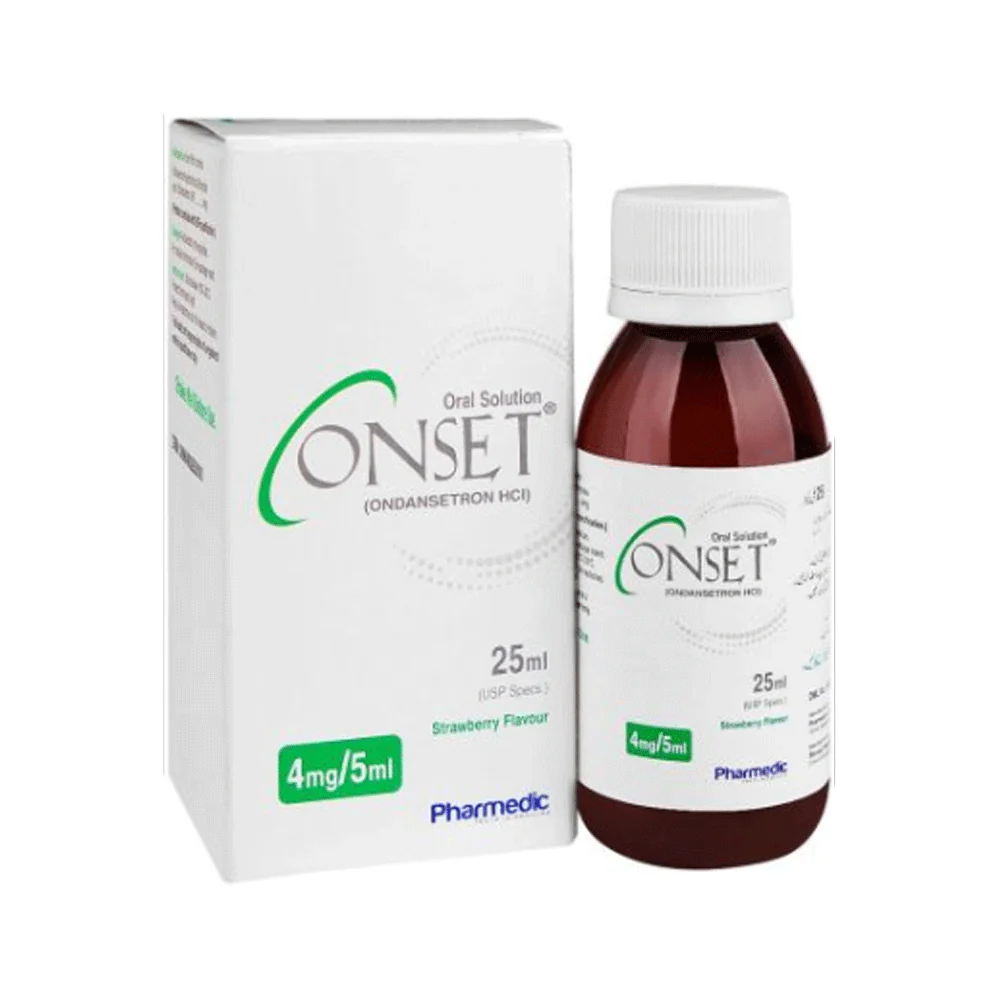
SCI-Foot-Cream-Uses-And-Price

SCI Foot Cream – SCI Foot Cream Uses & Price

Foot problems may seem like a small thing—until they aren’t. For individuals with spinal cord injuries (SCI) or those who suffer from reduced foot sensation, even a simple crack in the heel or an ingrown toenail can turn into something much more serious.

That’s where SCI Foot Cream comes in. It’s not a brand, but rather a type of therapeutic foot cream specially designed for people with spinal cord injuries, diabetics, and others with foot care challenges. These creams are packed with hydrating, healing, and protective ingredients to help prevent ulcers, reduce infections, and keep the skin healthy.

What Should You Look For in an SCI Foot Cream?

  • Deep Moisturizers: Look for ingredients like urea, shea butter, and glycerin to lock in moisture.
  • Gentle Formulas: Avoid harsh additives or fragrances that could irritate sensitive skin.
  • Antibacterial Benefits: Ingredients like salicylic acid or natural antiseptics help ward off infections.
  • Easy to Use: Non-greasy and smooth application makes it practical for those with limited mobility.

Recommended Reading: Onset Syrup Dose For Child Per Kg – Onset Syrup Uses

SCI Foot Cream – SCI Foot Cream Price In Pakistan

SCI-Foot-Cream
SCI-Foot-Cream

Recommended Reading: Riam Tablet Uses – Riam 400mg Uses (Benefits, Side Effects)

What Is SCI Foot Cream?

SCI Foot Cream

SCI Foot Cream is a moisturizing and healing cream designed to treat dry, cracked heels, rough skin, and foot calluses. Enriched with urea and other nourishing ingredients, it softens, hydrates, and restores foot skin effectively.

Buy online at Doseway.com.

Scifoot-Cream-50G-Price

SCI Foot Cream is a therapeutic moisturizing cream specially formulated for individuals with spinal cord injuries (SCI), diabetics, elderly people, or anyone with reduced foot sensation or circulation issues. This cream is designed to hydrate dry skin, prevent foot ulcers, and protect against infections, common concerns in people who are unable to feel injuries or pressure on their feet.

Unlike regular foot moisturizers, SCI Foot Cream goes a step further. It strengthens skin integrity, improves healing, and helps prevent serious complications like pressure sores or ingrown toenails.

Note: “SCI Foot Cream” is not a single brand it refers to a category of medicinal creams such as Scifoot, Scifort, or SCI Cream used for similar medical purposes.

SCI Foot Cream Ingredients

Most SCI foot creams are loaded with clinically proven ingredients for deep hydration, mild exfoliation, and antibacterial protection. Common ingredients include:

IngredientFunction
Urea (10–25%)Deep moisturization softens thick, cracked skin
Lactic Acid / AHAGentle exfoliation removes dead skin
Salicylic AcidPrevents infection, unclogs pores and cracks
Shea Butter / GlycerinRestores the skin barrier, locks in moisture
Allantoin or PanthenolSkin healing and soothing
Table: Ingredients

Texture, Fragrance & Absorption Of SCI Cream

Most SCI foot creams have the following physical characteristics:

  • Texture: Thick and rich, but smooth enough to spread easily.
  • Absorption: Fast-absorbing without leaving a sticky or greasy residue.
  • Fragrance: Mild or fragrance-free to avoid skin irritation.
  • Skin Compatibility: Suitable for sensitive, diabetic, and neuropathic skin.

These creams are made for daily use, even on sensitive or injured skin areas.

Recommended Reading: Diane 35 Birth Control [Effectiveness Effects]

Packaging Sizes Available

SCI foot creams typically come in:

  • Tubes: 25g, 50g, and 100g sizes (great for travel or regular use)
  • Jars: 200g–500g (ideal for long-term or hospital care use)
  • Pump Bottles: Hygienic and easy for those with limited hand function

SCI Foot Cream Common Variants in Pakistan

In Pakistan, SCI Foot Cream may appear under different names. Some of the most recognized include:

Variant NameDescription
Scifoot CreamSpecialized cream for SCI and diabetic foot care often includes urea and lactic acid.
Scifort CreamSlightly more advanced formula with urea + salicylic acid, used for deeper cracks and infections.
SCI CreamGeneral-purpose skin repair cream for neuropathic and dry feet. Usually includes emollients.
Table: Variant

What’s the Difference?

Cream NameUnique FeaturesBest For
SCI Foot Cream (general term)A category of creams for SCI-related foot problemsPeople with spinal cord injuries, diabetic foot, and poor circulation
ScifootUrea + Lactic Acid + skin-soothing agentsModerate dryness, prevention of ulcers
ScifortUrea + Salicylic Acid for exfoliation & infection protectionSevere cracks, hard skin, and mild infections
SCI CreamBasic moisturizing and repair creamDaily use, general dryness
Table: Difference

Recommended Readings: Coconut Water During Pregnancy [Benefits & Risks]

SCI Foot Cream Price In Pakistan – Where To Buy

You can easily purchase SCI Foot Cream in Pakistan through trusted online platforms. One of the most convenient and reliable options is Doseway.com, where the product is available in a 50g pack. Shopping from Doseway ensures that you receive authentic, high-quality products with secure delivery across Pakistan. Whether you’re dealing with dry, cracked heels or simply want to keep your feet soft and moisturized, SCI Foot Cream is just a few clicks away.

SCI Foot Cream Uses

  • Deep Hydration: Moisturizes dry, cracked, or rough feet by drawing in moisture and locking it in, especially with ingredients like urea and lactic acid.
  • Cracked Heel Repair: Helps heal and soothe painful, cracked heels by softening hardened skin and promoting skin regeneration.
  • Callus Softening: Reduces hard, thickened skin (calluses) on the heels and soles, making feet smoother with regular use.
  • Flaky & Rough Skin Relief: Smooths out flaky, peeling, and scaly skin, restoring a healthy skin texture.
  • Anti-Itch Action: Reduces itching and irritation caused by dry skin or mild skin conditions.
  • Fungal Infection Relief: Certain variants may contain antifungal agents (like tea tree oil or clotrimazole) that help prevent or manage athlete’s foot and foot odor.
  • Supports Diabetic Foot Care: Maintains skin integrity in diabetic feet by preventing cracks and ulcers, reducing the risk of infections.
  • Improves Blood Circulation: Some formulations include natural extracts (e.g., arnica, ginger) that may support better circulation in the feet.
  • Reduces Swelling & Fatigue: Provides relief for swollen or tired feet when massaged gently, offering comfort and relaxation.
  • Prevents Foot Ulcers: Helps reduce the risk of pressure sores and ulcers in individuals with reduced sensation (e.g., SCI patients).
  • Improves Overall Foot Appearance: Regular application results in softer, smoother, and healthier-looking feet.
  • Adjunctive Skincare for Conditions: Can be part of broader skincare management for conditions like psoriasis, eczema, or dermatitis on the feet.
  • Can Be Used on Other Areas: While mainly designed for feet, it may be used on elbows or knees if the formula is gentle, but not recommended for the face.
  • Odor Control: Helps neutralize unpleasant foot odor caused by bacteria or sweat buildup.
  • Barrier Protection: Forms a protective layer to defend against further skin breakdown, especially in immobile or neuropathic patients.

Use CategoryDescriptionTarget Conditions/Benefits
Moisturization and NourishmentProvides hydration and protection to prevent excessive dryness and irritation.Dry, sensitive feet; daily foot care routine.
Itch ReliefSoothes itching sensations in the feet.Itchy, irritated skin due to dryness or sensitivity.
Heel RepairSoftens and heals dry, cracked heels.Cracked heels, rough skin patches.
Circulation ImprovementEnhances blood flow to the feet.Poor circulation, especially in diabetic patients.
Infection ManagementAddresses minor bacterial or fungal infections.Athlete’s foot (tinea pedis) complicated by bacteria; minor cuts, abrasions, or skin infections.
Diabetic Foot CareSpecialized protection for sensitive feet in diabetics.Prevention of serious foot problems in diabetes, such as ulcers or infections.
General Skin ProtectionProtects against environmental irritants and promotes skin restoration.Tired, dry feet; minor scrapes or irritations.

SCI Cream Common Conditions Treated

  • Cracked heels
  • Dry and flaky feet
  • Foot calluses and thickened skin
  • Hard soles and rough heels
  • Athlete’s foot and fungal infections (if an antifungal version)
  • Minor foot sores and pressure-related skin breakdown
  • Skin irritation and itching due to dryness

Recommended Readings: List Of Family Planning Tablets In Pakistan

How to Use SCI Foot Cream – Step-by-Step Guide

SCI-Foot-Cream-Uses-And-Price

  • Wash Your Feet: Clean your feet thoroughly with warm water and mild soap. Pat dry, especially between the toes.
  • Dry Completely: Ensure feet are completely dry before applying the cream to prevent fungal growth.
  • Take a Small Amount: Squeeze a small amount (pea-sized to coin-sized) of cream onto your fingers.
  • Apply to Target Areas: Gently apply to dry, rough, or cracked areas—especially heels, soles, and between the toes.
  • Massage Gently: Massage the cream into the skin using circular motions until fully absorbed.
  • Apply at Night: For best results, apply at night before bed to allow deep moisturization while resting.
  • Use in the Morning (Optional): Can also be applied in the morning after showering if extra hydration is needed.
  • Use Daily: Safe for daily use, not just for cracks. Helps maintain soft, healthy feet.
  • Cover with Cotton Socks (Optional): Wearing soft cotton socks after application can enhance absorption and prevent cream transfer to sheets or floors.
  • Avoid Overuse: Do not over-apply—too much cream can leave a greasy layer and cause discomfort.
  • Wash Hands After Use: Always wash your hands after application to avoid spreading cream to your eyes or mouth.

Recommended Readings: What Is White Discharge During Early Pregnancy [Causes+Effects]

Effectiveness: Does SCI Foot Cream Work?

SCI Foot Cream can be very effective, especially when used consistently and correctly. Its effectiveness comes from powerful ingredients like urea, lactic acid, salicylic acid, and shea butter, all known for treating dryness, cracks, calluses, and even mild infections.

How Long Does It Take to See Results?

ConditionExpected Results Timeline
Mild dryness2–3 days of regular use
Cracked heels5–7 days of daily application
Calluses1–2 weeks of consistent use
Itching or irritationRelief often within 24–48 hours
Fungal relief (if applicable)1–2 weeks, depending on severity
Table: Results

What Results Can You Expect? (Before vs. After)

Before:

  • Dry, flaky skin
  • Deep cracks on heels
  • Rough, thick calluses
  • Itchy or irritated feet
  • Unpleasant odor (in case of fungal infections)

After:

  • Softer, hydrated, and smoother feet
  • Noticeable healing of cracks and damaged skin
  • Reduced callus thickness
  • Relief from itch and irritation
  • Fresher-feeling, healthier-looking feet

Who Benefits the Most from SCI Foot Cream?

  • People with spinal cord injuries (SCI) – especially those with reduced foot sensation
  • Diabetics – to prevent ulcers, cracks, and infections
  • Elderly individuals, whose skin is thin, dry, or slow to heal
  • Athletes, who deal with sweat, calluses, and foot fatigue
  • People with cracked heels or hard skin, from walking barefoot or standing for long hours

Is There Any Clinical Backing?

While specific clinical trials on SCI Foot Cream brands are limited, many of the key ingredients (like urea, lactic acid, and salicylic acid) are clinically proven to:

  • Improve skin hydration
  • Enhance barrier repair
  • Promote healing of dry or cracked skin
  • Treat mild fungal and bacterial skin infections

Urea, for example, is widely used in dermatology and has decades of research supporting its effectiveness in skin hydration and repair.

Recommended Readings: How To Use Pregnancy Test Strips? | Pregnancy Strips [Price+Uses+Results]

SCI Foot Cream Side Effects

  • Mild skin irritation, such as redness, stinging, or burning (usually temporary).
  • Peeling or flaking, especially if used on very dry or cracked skin.
  • Allergic reaction – due to sensitivity to ingredients like fragrance, salicylic acid, or urea.
  • Rash or itching – if allergic or over-applied to broken skin.
  • Over-softening of skin may cause fragility in sensitive feet if overused.
  • Interaction with medicated creams – possible if used with antifungals or steroid creams.
  • Not safe for open wounds or infected ulcers – should not be applied to broken skin unless approved by a doctor.
  • Caution in diabetics – though often safe, it should be used under supervision if there are circulation issues.
  • Avoid during pregnancy unless approved, especially if it contains salicylic acid.
  • May worsen fungal infections if misused – always consult before applying near athlete’s foot or infections.

SCI Foot Cream Precautions

  • Is it safe for sensitive skin? Yes, but patch test first.
  • Can pregnant or diabetic people use it? Yes, with the doctor’s advice.
  • When NOT to use the cream?
    • On bleeding or deep cracks
    • On infected skin without guidance
    • If you have a known allergy to any listed ingredient
  • Watch for allergic signs: swelling, severe itching, or hives after application.
  • Avoid combining with other strong foot treatments without professional advice.

SCI Foot Cream Comparison

SCI Foot Cream vs. CCS Foot Cream (Tesco)

  • Main Ingredient:
    • SCI: Often includes urea, glycerin, and vitamin E for hydration.
    • CCS: Contains 10% urea, a clinically proven formula focused on dry, rough feet.
  • Texture:
    • SCI: Light, non-greasy, quickly absorbs.
    • CCS: Thicker consistency, longer-lasting moisture barrier.
  • Use Case:
    • SCI: Daily use for mild to moderate cracks, hydration, and softening.
    • CCS: Heavy-duty, intense treatment for very dry, cracked skin.
  • Availability in Pakistan:
    • SCI: Easily available.
    • CCS: Hard to find locally, mostly imported.

SCI Foot Cream vs. Vaseline / Urea Creams

  • Hydration Power:
    • SCI: Uses urea, glycerin for hydration.
    • Vaseline: Mostly petroleum jelly – excellent for moisture lock but not deep hydration.
  • Cracked Heel Repair:
    • SCI: Penetrates skin to repair and soften.
    • Vaseline: Best used as a top layer to seal in moisture, not for healing cracks alone.
  • Comfort & Use:
    • SCI: Ideal for daily therapeutic care.
    • Vaseline: Best for overnight moisture sealing with socks.

Which Is Best for Cracked Heels in Pakistan?

  • SCI Foot Cream is the most practical and effective locally available option.
  • CCS is excellent but hard to get in Pakistan.
  • Urea-based creams (like SCI) are better than Vaseline for actual heel repair, not just sealing.

Verdict:

✔️ Best local option: SCI Foot Cream
✔️ Best intensive option (imported): CCS Foot Cream
✔️ Best sealing/moisture lock: Vaseline

SCI vs. Other Popular Foot Creams

Feature/ConcernSCI Foot CreamPeeling Foot CreamsAthlete’s Foot Creams
Main PurposeHydration, crack repairExfoliation of dead skinFungal treatment
IngredientsUrea, glycerinSalicylic acid, glycolic acidClotrimazole, terbinafine
Target IssueDry skin, cracked heelsThick/hard skin, peelingItchy, infected feet
Skin SensitivityGenerally safeCan be harsh if overusedMay irritate dry/sensitive skin
Use FrequencyDaily use1–3 times a weekTwice daily until infection clears
Table: SCI vs. Other Popular Foot Creams

Recommended Readings: How To Prevent Pregnancy Without Birth Control | How To Avoid Pregnancy Naturally

FAQs

Is SCI Foot Cream the best foot cream in Pakistan?

SCI Foot Cream is among the top choices in Pakistan due to its affordable price, urea-based formula, and effectiveness in healing cracked heels, dryness, and hard skin. It’s widely recommended for daily foot care.

Can I use SCI Foot Cream on the face or body for dryness?

No, SCI Foot Cream is specifically formulated for thick and rough foot skin. It is not suitable for delicate areas like the face or soft body parts due to its strong exfoliating and moisturizing agents.

How long does it take to heal foot cracks using SCI Foot Cream?

Visible improvement is usually seen within 3 to 7 days of regular use. For deep cracks, it may take 2 to 3 weeks with consistent application twice daily.

Can SCI Cream remove hard skin or foot corns?

Yes, SCI Foot Cream softens hard skin, calluses, and corns over time by deeply moisturizing and breaking down thickened skin. Regular use helps in smoother feet.

Is SCI Foot Cream suitable for diabetic patients?

Yes, it is often recommended for diabetic foot care as it keeps feet moisturized, reduces the risk of cracks and infections, and improves skin health.

Can I use SCI Foot Cream daily?

Yes, it is safe for daily use, especially at night before sleeping. Consistent use gives the best results.

Should I wash my feet before applying the cream?

Yes, clean and dry your feet before applying SCI Foot Cream. This helps in better absorption and more effective results.

Can I wear socks after applying SCI Foot Cream?

Yes, wearing socks after applying the cream helps lock in moisture and gives better healing overnight.

Is SCI Foot Cream safe for sensitive skin?

Generally, yes, but if you have allergies or very sensitive skin, do a patch test first. Avoid if redness or irritation occurs.

Does SCI Foot Cream treat fungal infections like athlete’s foot?

SCI Foot Cream is mainly for hydration and skin repair. It may help relieve dryness from fungal infections, but it is not a medical antifungal treatment. Use a specific antifungal cream if needed.

Where can I buy SCI Foot Cream in Pakistan?

You can buy it online from Doseway.com.

Recommended Readings: Medicine To Get Pregnant Fast | Fertility Medicine For Female+Male

Conclusion

In conclusion, SCI Foot Cream offers a powerful blend of hydration, healing, and protection for dry, cracked, or rough feet. With ingredients like urea and natural moisturizers, it effectively treats common foot issues such as calluses, cracked heels, and dryness, while also helping prevent fungal infections and improving overall skin texture. For anyone struggling with tired, flaky, or damaged feet, SCI Foot Cream is worth buying, especially given its affordability and effectiveness compared to other creams on the market.

Those who should consider it include individuals with dry or cracked heels, diabetic patients needing gentle foot care, and anyone experiencing rough or peeling skin on their feet. Whether used daily or occasionally, it can significantly improve foot health and comfort.

Our final recommendation: If you want soft, healthy feet without harsh chemicals or expensive treatments, SCI Foot Cream is a reliable and budget-friendly option that delivers visible results with regular use.

Disclaimer
The commissions we earn from partner links on this page do not influence our content. Our editorial content is based on thorough research and insights from qualified medical professionals to ensure the highest standards of accuracy and reliability.

The information provided on Doseway is for educational purposes only. Your health and wellness are unique to you, and the products and services we review may not be suitable for your circumstances. We do not offer personal medical advice, diagnosis, or treatment plans. For specific advice, please consult with a healthcare professional. Doseway adheres to strict editorial integrity standards. To the best of our knowledge, all content is accurate as of the date posted, though offers and information may change. The opinions expressed are the author’s own and have not been influenced, approved, or endorsed by our partners.

Riam-400mg-Uses

Riam Tablet Uses – Riam 400mg Uses (Benefits, Side Effects)

Ever dealt with stubborn infections that just won’t go away? That’s where Riam Tablet 400mg comes in. Riam is an antibacterial and antiprotozoal medication, commonly used to treat infections caused by bacteria and parasites especially in the stomach, intestines, vagina, and gums. It works by stopping the growth of harmful organisms, helping your body recover faster.

Riam 400mg contains the active ingredient Metronidazole, a powerful antibiotic trusted by doctors for decades. Whether it’s a vaginal infection, amoebiasis, giardiasis, or gum disease, Riam helps clear up the infection efficiently.

FeatureDetails
Medicine NameRiam Tablet
Strength400mg
Active IngredientMetronidazole
Common UsesBacterial & parasitic infections
FormOral tablet
Route of AdministrationBy mouth (with or without food)
AvailabilityUsually by prescription
Table: Riam-Tablet

Recommended Reading: Diane 35 Birth Control [Effectiveness Effects]

Riam Tablet Uses – Riam Tablet Used For Diarrhea

Riam-Tablet-Uses
Riam-Tablet-Uses

Recommended Readings: Coconut Water During Pregnancy [Benefits & Risks]

Riam Tablet Formula

If you’re wondering what’s inside Riam that makes it so effective, let’s break it down for you.

Active Ingredient

The main powerhouse in Riam Tablet is:

  • Metronidazole – 400mg
    This ingredient is what does the heavy lifting, fighting off the harmful bacteria and parasites that cause infections in your body.

Metronidazole works by disrupting the DNA of the infectious organisms, which kills them off and stops the infection from spreading further.

Drug Classification

Riam falls into two important drug categories:

CategoryRole & Function
AntibacterialDestroys harmful bacteria that cause infections like dental abscesses or pelvic infections
AntiprotozoalTargets parasites such as Giardia or Entamoeba, commonly found in contaminated food or water
Table: Riam

Available Forms

Riam is available in different forms to suit various needs:

FormDescriptionIdeal For
Tablet (400mg)Most common form, taken orally with waterAdults and teens
Oral SuspensionLiquid form for easier swallowingChildren or those with difficulty swallowing pills
Table: Available Forms

Riam Tablet Formula

ComponentAmountFunction
Metronidazole400 mgActive ingredient (antibacterial/antiprotozoal)
Excipients (inactive)VariesHelps in forming the tablet, improving stability and absorption
Table: Riam Tablet Formula

Excipients usually include ingredients like cellulose, starch, or magnesium stearate—these don’t treat the infection but make the medicine easier to produce and absorb.

Recommended Readings: List Of Family Planning Tablets In Pakistan

What is the Riam Tablet Used For?

Riam Tablet isn’t just your regular antibiotic—it’s a versatile medicine used to tackle a wide range of infections. Let’s walk through its most common and important uses.

Riam Tablet Uses

Riam 400mg (Metronidazole) is generally prescribed for:

  • Treating infections caused by anaerobic bacteria and protozoa
  • Managing digestive, gynecological, oral, and intestinal infections
  • Used both alone or in combination with other antibiotics, depending on the condition

Use / IndicationDescription / Type of Infection Treated
Amebiasis (Amoebic dysentery)Parasitic intestinal infection caused by Entamoeba histolytica
Amoebic liver abscessParasitic infection/abscess in the liver
TrichomoniasisSexually transmitted protozoal infection (Trichomonas vaginalis)
GiardiasisIntestinal parasitic infection (Giardia lamblia)
Bacterial vaginosisVaginal bacterial imbalance/overgrowth
Anaerobic bacterial infections (general)Infections caused by anaerobic bacteria (e.g., in abdomen, skin)
Intra-abdominal infectionsPeritonitis, abscesses, or post-surgical infections
Pelvic inflammatory disease (PID)Infections of female reproductive organs
Skin and soft tissue infections (anaerobic)Infected wounds, ulcers, or cellulitis involving anaerobes
Respiratory tract infections (anaerobic)Lung abscess, aspiration pneumonia, or empyema
Bone and joint infections (anaerobic)Osteomyelitis or septic arthritis involving anaerobes
Central nervous system infectionsBrain abscess or meningitis (anaerobic)
Helicobacter pylori eradication (in combination)Part of triple therapy for stomach ulcers caused by H. pylori
Clostridium difficile infection (pseudomembranous colitis)Antibiotic-associated diarrhea/colitis (in some cases)

ConditionIs Riam Helpful?Explanation
Stomach InfectionsYesFights harmful bacteria in the stomach, especially caused by contaminated food or water
DiarrheaSometimesEffective if diarrhea is caused by parasitic infections like giardiasis
Food PoisoningYes (in some cases)If bacteria or parasites are involved, Riam helps eliminate them
Table: Riam Tablet Uses For Stomach

Note: Riam is not recommended for viral diarrhea or food poisoning caused by viruses. Always consult your doctor for the correct diagnosis.

Riam Tablet Uses In Pregnancy

Riam-Tablet-Uses-In-Pregnancy

ConditionRiam’s Role
Vaginal Infections (Trichomoniasis)✅ First-line treatment. Metronidazole directly targets the parasite.
Bacterial Vaginosis (BV)✅ Yes. Clears out overgrowth of harmful bacteria in the vagina.
Table: Riam Tablet Uses In Pregnancy

Is Riam Safe During Pregnancy?

  • Riam is considered relatively safe during pregnancy, especially in the second and third trimesters.

  • However, it should be used only under a doctor’s supervision.
  • Always inform your gynecologist if you’re pregnant or breastfeeding before taking Riam.

Riam Tablet Uses For Teeth

Use CaseIs Riam Useful?Notes
Tooth InfectionsYesPrescribed by dentists for dental abscesses or gum infections
Tooth Pain (Dant Dard)Indirectly helpfulIf the pain is due to an infection, Riam may relieve it
Table: Riam Tablet Uses For Teeth

Intestinal & Parasitic Infections

InfectionRiam’s Effectiveness
Amoebiasis✅ Highly effective—used to kill Entamoeba histolytica
Giardiasis✅ First-choice treatment—clears Giardia infections
Table: Intestinal & Parasitic Infections

Other Uses

ConditionIs Riam Prescribed?How It Helps
Bad Breath (Halitosis)☑️ SometimesIf caused by oral infections or gum disease
Inflammatory Bowel Disease☑️ Off-label useOccasionally used to manage infections in IBD (consult gastroenterologist)
Table: Other Uses

How Does Riam Tablet Work?

Recommended Readings: What Is White Discharge During Early Pregnancy [Causes+Effects]

Mechanism of Action of Metronidazole (Riam’s Main Ingredient)

Riam Tablet contains Metronidazole, which is a special type of medicine that kills harmful bacteria and parasites inside the body.

Here’s how it works:

  • Targets the Germs
    It finds the bacteria or parasites that are causing the infection.
  • Enter Their Cells
    Once inside, it breaks their DNA, which is like their control center.
  • Stops Them from Growing
    By damaging their DNA, Riam prevents the germs from multiplying.
  • Kills the Infection
    This stops the infection from spreading and helps your body heal faster.

How It Treats Infections

Riam is powerful against infections such as:

  • Stomach infections
  • Vaginal infections
  • Dental and gum infections
  • Parasite-related diarrhea
  • Liver or intestinal infections like amoebiasis

How Fast Does Riam Work?

  • Initial relief: Many people start to feel better within 1 to 3 days.
  • Full course: It’s important to complete the full course (usually 5 to 10 days) even if you feel fine early.

⚠️ Stopping too soon can allow the infection to come back stronger!

Riam 400mg Dosage Information

Riam TabletDetails
Recommended Adult Dosage– 1 tablet (400mg), 2–3 times daily
– Adjusted based on type/severity of infection
– Always follow doctor’s instructions
Daily Dosage Limit– Usual: 800–1200mg/day (2–3 tablets)
– Serious infections: Up to 2000mg/day (5 tablets)
Maximum: Never exceed 4000mg/day
– 1 tablet (400mg), 2–3 times daily
– Adjusted based on type/severity of infection
– Always follow the doctor’s instructions
Avoid Alcohol
How to Take the Riam TabletWith/after meals to avoid stomach upset
– Safe with milk and eggs
Do not crush or chew
– Take with a full glass of water
Dosage by ConditionCondition
Full Course ReminderCan cause nausea, vomiting, and headache
Dosage for ChildrenAlways complete the full course even if symptoms improve early
Missed Dose– Prescribed by doctor only
5–10mg/kg, 3 times/day
– Available as syrup/suspension
Don’t use without a doctor’s advice
Table: Riam 400mg Dosage Information

Riam Tablet Uses in Pregnancy

  • Is Riam Safe During Pregnancy?
    • First Trimester
      • Use with caution.
      • Only if absolutely necessary and prescribed by a doctor.
    • Second & Third Trimester
      • Generally considered safe when prescribed by a doctor.
  • Why is Riam Used in Pregnancy?
    • Treats infections like bacterial vaginosis or trichomoniasis, which can harm both mother and baby if left untreated.
    • Metronidazole (Riam’s active ingredient) can cross the placenta, so it’s avoided in early pregnancy unless needed.
  • Important Reminder
    • Never self-medicate during pregnancy. Always consult your gynecologist before taking Riam or any medication.

Riam Tablet Use During Breastfeeding

  • Is Riam Safe While Breastfeeding?
    • Yes, usually safe for short-term use and under medical supervision.
    • It passes into breast milk in small amounts.
  • Precautions for Breastfeeding Mothers
    • Some doctors advise pumping and discarding breast milk for 12–24 hours after taking a dose, especially in higher doses, to reduce the baby’s exposure.

Alternatives to Riam in Pregnancy

  1. If Riam Is Not Recommended, Doctors May Prescribe:
    • Clindamycin – For bacterial vaginosis or dental infections
    • Erythromycin – For stomach or throat infections
    • Penicillin-type antibiotics – Broad range and pregnancy-safe

Doctor’s Advice for Pregnant Women

  • Key Recommendations:
    • Use Riam only when clearly needed, especially in the first trimester
    • Always inform your doctor if you are pregnant, planning to conceive, or breastfeeding
    • Follow the prescribed dose and schedule strictly
    • Never skip or double the dose

Recommended Readings: How To Use Pregnancy Test Strips? | Pregnancy Strips [Price+Uses+Results]

Benefits of Riam Tablet (Metronidazole 400mg)

Riam-400mg-Uses
Riam-400mg-Uses

  • Effective Against Bacterial & Protozoal Infections
    • Kills harmful bacteria and protozoa (parasites)
    • Treats infections that other antibiotics may not work on
    • Useful for:
      • Trichomoniasis
      • Amoebiasis
      • Giardiasis
      • Bacterial vaginosis
    • Ideal for both stomach and vaginal infections
  • Fast Relief in Stomach & Intestinal Infections
    • Relief starts in 24–48 hours after taking the tablet
    • Works quickly for:
      • Amoebic dysentery
      • Giardiasis
      • Food poisoning
      • Infectious diarrhea or stomach cramps
    • Helps reduce symptoms fast, so you feel better sooner
  • Versatile Use (Dental, Stomach, Reproductive)
    • Treats a wide range of infections in different body parts
    • Common uses include: Area of UseInfections TreatedStomach/IntestinesDiarrhea, amoebiasis, food poisoningTeeth & GumsTooth abscess, gum infectionsReproductive SystemVaginal infections like trichomoniasis, BV
    • One tablet works for multiple infection types
  • Cost-Effective Compared to Other Antibiotics
    • Affordable price, available in tablet & syrup form
    • Delivers the same results as costly antibiotics
    • Great for those needing budget-friendly treatment
    • Effective treatment without spending a lot

Side Effects of Riam Tablet

  • Common Side Effects:
    • Nausea
    • Metallic taste in the mouth
    • Dizziness
    • Headache
    • Constipation
    • Diarrhea
    • Dark-colored urine
    • Loss of appetite
    • Nasal congestion
    • Stomach ache
    • Skin rash
    • Bleeding gums
    • Heartburn
    • Serious Side Effects (Rare but Risky):
    • Seizures
    • Numbness or tingling in hands/feet
    • Liver damage
    • Fast or irregular heartbeat
  • Riam Side Effects During Pregnancy:
    • Mild nausea or vomiting
    • Dizziness or tiredness
    • Risk of allergic reaction (rare)
    • Must be used only when prescribed by a doctor
  • Allergic Reactions – Watch Out For:
    • Swelling of the face, lips, or throat
    • Severe itching or rash
    • Breathing difficulty
    • Hives or redness
  • What to Do in Case of Severe Side Effects?
    • Stop taking the medicine immediately
    • Seek emergency medical help
    • Inform your doctor about all symptoms and medicines you’re using

Precautions & Warnings for Riam Tablet

Before using Riam (Metronidazole 400mg), it’s important to know who should avoid it and what safety steps to follow.

Who Should NOT Use the Riam Tablet?

  • People allergic to Metronidazole or any similar medicines
  • Pregnant women (especially in the first trimester) — unless advised by a doctor
  • Breastfeeding mothers — Riam can pass into breast milk
  • Patients with liver disease
  • Those with a history of epilepsy or seizures
  • Anyone who has had blood disorders or nerve problems

Drug Interactions – Be Careful!

Riam can react with many medicines. Always tell your doctor about what you’re taking.

Avoid combining Riam with:

  • Other antibiotics like Flagyl (may increase side effects)
  • Painkillers like Voren (diclofenac) or other NSAIDs
  • Blood thinners (like warfarin) — risk of bleeding
  • Epilepsy medicines (e.g., phenytoin, carbamazepine)
  • Lithium (used in mental health treatment)

Alcohol Warning – Very Important!

Never drink alcohol while taking Riam!

Why?

Because it can cause a severe reaction known as the “Antabuse effect”, which includes:

  • Nausea & vomiting
  • Stomach cramps
  • Flushing (redness in face)
  • Headache
  • Fast heartbeat

Is Riam a Painkiller?

No. Riam is not a painkiller.

  • It’s an antibiotic and antiprotozoal drug.
  • It treats the cause of infection, not the pain directly.
  • However, once the infection clears, pain usually reduces on its own.

Riam Tablet vs Flagyl: What’s the Difference?

You might have heard both Riam and Flagyl being mentioned for infections. So, are they the same? Let’s clear that up!

Are Riam and Flagyl the Same?

  • Both contain the same active ingredient: Metronidazole
  • Both are used to treat similar bacterial and protozoal infections
  • Manufactured by different companies but work in nearly the same way

Key Similarities

FeatureRiamFlagyl
Active IngredientMetronidazole 400mgMetronidazole 400mg
Drug ClassAntibiotic, AntiprotozoalAntibiotic, Antiprotozoal
UsesStomach, dental, vaginal infectionsSame
PrescriptionYesYes
Table: Key Similarities

Key Differences

  • Price: Riam is usually more affordable than Flagyl
  • Availability: Flagyl might be more common internationally; Riam is widely available in Pakistan
  • Brand Reputation: Flagyl is a well-known global brand; Riam is popular locally

Which Is Better for Tooth Infection?

  • Both are equally effective for treating tooth infections caused by bacteria.
  • Choice depends on price and availability.

Which Is Better for Stomach Infection?

  • Both treat stomach infections like amoebiasis and giardiasis well.
  • Riam is often preferred for its cost-effectiveness.

Which Is Better for Vaginal Infection?

  • Both treat infections like trichomoniasis and bacterial vaginosis effectively.
  • Doctors may choose based on patient history or brand preference.

Price Comparison

MedicineApproximate Price
RiamLower cost
FlagylSlightly higher cost

Side Effects Comparison

  • Both have similar side effects because they share the same active ingredient.
  • Common side effects: nausea, metallic taste, dizziness.
  • Serious side effects are rare but can happen with both.

Recommended Readings: How To Prevent Pregnancy Without Birth Control | How To Avoid Pregnancy Naturally

FAQs

What is the function of the Riam Tablet?

Riam Tablet fights infections caused by bacteria and parasites. It helps stop the growth of germs and treats infections in the stomach, intestines, mouth, and vagina.

What infections does Riam treat?

It treats stomach infections like diarrhea, food poisoning, dental infections, vaginal infections like bacterial vaginosis, and parasitic infections such as amoebiasis.

Can I take Riam Tablet for diarrhea?

Yes, Riam is commonly prescribed to treat diarrhea caused by bacterial or protozoal infections.

Is Riam the same as Metronidazole?

Yes, Riam contains Metronidazole as the active ingredient. They are essentially the same medicine but may be sold under different brand names.

What happens if you take Riam with alcohol?

Drinking alcohol while taking Riam can cause serious side effects like nausea, vomiting, headache, stomach pain, and a fast heartbeat. It’s very important to avoid alcohol during treatment.

Can I take eggs or dairy with Riam?

Yes, you can eat eggs and dairy products while taking Riam. There is no known interaction between these foods and the medicine.

What is the difference between Riam and other stomach tablets?

Riam is an antibiotic specifically for infections caused by bacteria and parasites. Other stomach tablets may relieve symptoms like acidity or gas, but do not treat infections.

What is the main use of Metronidazole Tablet?

Metronidazole is mainly used to treat infections caused by bacteria and protozoa in different parts of the body.

What is Flagyl used for?

Flagyl is also Metronidazole, used to treat bacterial and parasitic infections similar to Riam.

What should I do if I miss a dose of Riam?

Take the missed dose as soon as you remember. If it’s near the time for your next dose, skip the missed one. Do not double-dose.

Recommended Readings: Medicine To Get Pregnant Fast | Fertility Medicine For Female+Male

Conclusion

To wrap it up, Riam Tablet (Metronidazole 400mg) is a reliable and effective medicine used to treat a wide range of infections — from stomach and intestinal issues to dental and vaginal infections. Its fast action against bacteria and protozoa makes it a popular choice for quick relief.

Key Benefits

  • Works well for many infections
  • Provides fast relief, especially in stomach and intestinal problems
  • Versatile use for dental, gynecological, and parasitic infections
  • Affordable compared to some other antibiotics

Who Should Use Riam?

  • Adults and children (only if prescribed) with bacterial or protozoal infections
  • People looking for an effective treatment for stomach, vaginal, or dental infections

Who Should Avoid Riam?

  • Pregnant or breastfeeding women without doctor approval
  • Patients with liver disease or epilepsy
  • Those allergic to Metronidazole or similar medicines

Doctor’s Final Advice

Always consult a healthcare professional before starting Riam. Use it exactly as prescribed and complete the full course to avoid resistance or incomplete treatment.

When to Consider Alternatives

  • If you experience severe side effects or allergic reactions
  • If you are pregnant or breastfeeding, and your doctor suggests a safer option
  • When you have conditions like liver disease or epilepsy that make Riam unsafe
  • If Riam is unavailable or you want a medicine with fewer side effects

Disclaimer
The commissions we earn from partner links on this page do not influence our content. Our editorial content is based on thorough research and insights from qualified medical professionals to ensure the highest standards of accuracy and reliability.

The information provided on Doseway is for educational purposes only. Your health and wellness are unique to you, and the products and services we review may not be suitable for your circumstances. We do not offer personal medical advice, diagnosis, or treatment plans. For specific advice, please consult with a healthcare professional. Doseway adheres to strict editorial integrity standards. To the best of our knowledge, all content is accurate as of the date posted, though offers and information may change. The opinions expressed are the author’s own and have not been influenced, approved, or endorsed by our partners.