
 Cart is empty
Somogel is a topical medication primarily known for providing rapid relief from painful mouth ulcers and canker sores. This comprehensive guide will detail its correct applications, therapeutic benefits, potential side effects, and essential safety protocols to ensure effective and secure use for both oral mucosal lesions and musculoskeletal pain management. You will learn the precise method to apply Somogel, understand its mechanism of action, and discover how to mitigate any risks associated with its use.
In this definitive guide, you will learn:
- The exact composition and dual functions of Somogel and similar topical gels.
- Step-by-step instructions for safe application on mouth ulcers and for joint pain.
- A detailed analysis of proven benefits and potential side effects.
- Crucial safety information for specific groups, including infants and pregnant women.
- Answers to common queries on efficacy, pricing, and alternatives.
Read More:
- Synflex Tablet Uses and Price in Pakistan
- List Of Top 10 Strongest Pain Killers (Uses & Side Effects)
How to Use Somogel Safely: Uses, Benefits, & Side Effects
Table Of Contents
Understanding Somogel: Composition and Primary Functions
Somogel is not a single product but a term commonly associated with two distinct types of topical gels: one formulated for oral conditions and another for musculoskeletal pain relief. A critical first step in safe usage is accurately identifying which product you have, as their active ingredients and purposes differ significantly.
What is the function of Somogel?
The core function of any Somogel variant is to deliver targeted, localized relief. However, its specific action depends entirely on its formulation:
- As a Topical Oral Gel: Its primary function is to act as a protective barrier and provide symptomatic relief from pain caused by oral lesions. It typically contains a local anesthetic to numb the nerve endings and may include antiseptic agents to prevent secondary infection in the ulcer.
- As a Topical Analgesic Gel (often called “Sumo Gel”): Its function is to reduce inflammation and pain in superficial musculoskeletal conditions. It works by inhibiting cyclooxygenase (COX) enzymes at the site of application, reducing the production of prostaglandins, which are chemicals that cause pain and swelling.
Key Ingredients and Their Roles
A closer look at the typical ingredients clarifies their distinct purposes:
Common Ingredients in Oral Somogel (Mouth Ulcer Gel):
- Local Anesthetics (e.g., Benzocaine, Lignocaine/Lidocaine): 🩹 Block sodium channels in neuronal membranes, preventing the initiation and conduction of nerve impulses, leading to a temporary numbing effect.
- Antiseptics (e.g., Chlorhexidine Gluconate, Cetylpyridinium Chloride): 🦠 Reduce microbial load in the oral cavity, preventing bacterial infection of the open sore and promoting a cleaner healing environment.
- Protective Agents (e.g., Gelatin, Pectin): 🛡️ Form an adherent film over the ulcer, shielding it from mechanical irritation from food, teeth, and tongue movement, and from chemical irritation from acidic or spicy foods.
Common Ingredients in Topical Pain Relief Gel (e.g., Sumo Gel):
- Non-Steroidal Anti-Inflammatory Drugs (NSAIDs) (e.g., Diclofenac Diethylamine, Ketoprofen): 🔥 Penetrate the skin to reach underlying tissues, where they exert potent anti-inflammatory, analgesic (pain-relieving), and antipyretic (fever-reducing) effects locally.
- Counter-Irritants (e.g., Menthol, Methyl Salicylate): ❄️ Produce a cooling or warming sensation that can distract the brain from the deeper pain signal (gate-control theory of pain).
Available Forms and Strengths
These gels are available in various strengths and brand names globally. Oral gels often come in small tubes (5g-15g) with a fine nozzle for targeted application. Topical pain gels are sold in larger tubes (30g-100g) and as sprays or patches. It is imperative to read the packaging label thoroughly to confirm the active ingredient concentration (e.g., Diclofenac 1% w/w, Benzocaine 10%) and the indicated use.
The Benefits and Approved Uses of Somogel
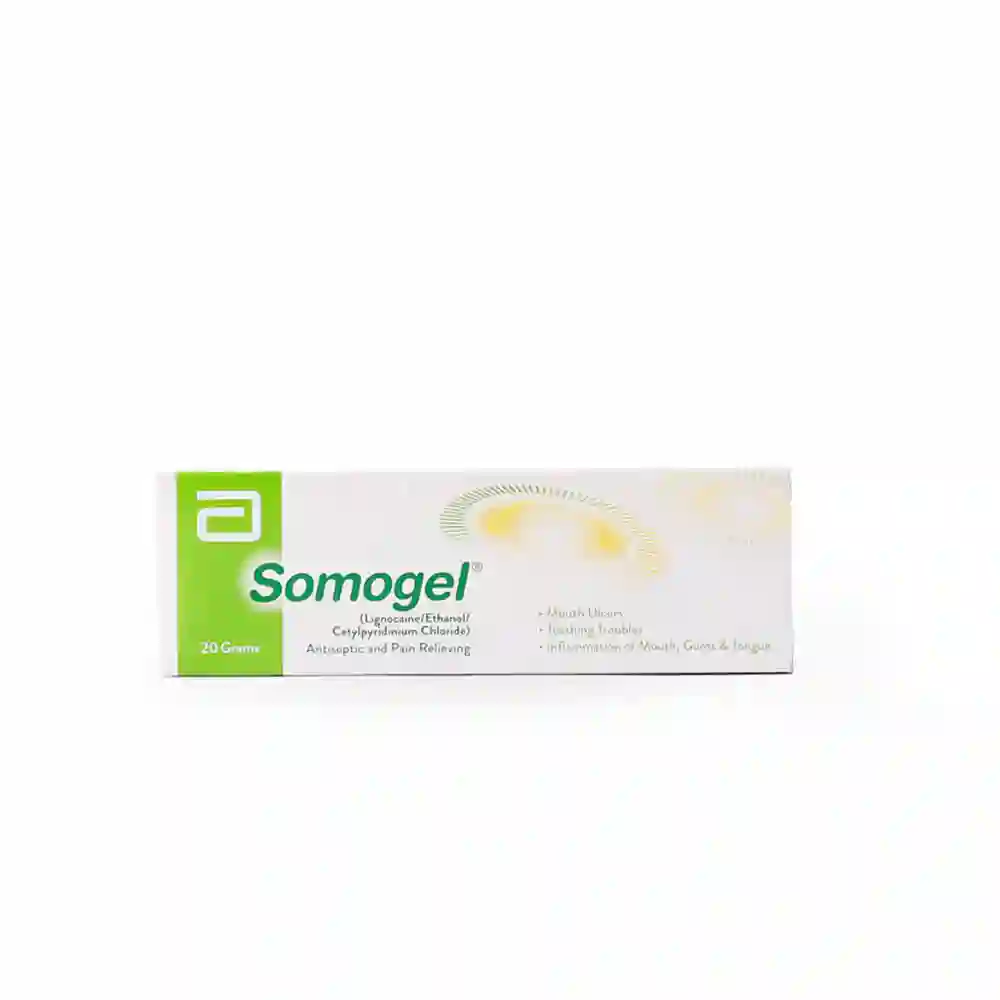
Somogel, when used correctly for its intended purpose, offers significant therapeutic advantages. Its benefits stem from its ability to provide fast, localized action with minimal systemic absorption compared to oral medications.
What are the benefits of using Somogel?
The benefits are multifaceted, addressing both physical symptoms and the quality-of-life impairments caused by pain.
For Oral Health (Oral Somogel):
- Rapid Onset of Pain Relief: The local anesthetics work within 1-2 minutes, offering near-immediate respite from the sharp, stinging pain of mouth ulcers, allowing for comfortable eating, drinking, and speaking.
- Protective Barrier Formation: The gel matrix adheres to the moist oral mucosa, creating a protective shield. This physical barrier prevents further irritation from abrasive foods and acidic beverages, which is crucial for healing.
- Promotion of Healing: By reducing pain and secondary infection risk, the gel creates an optimal environment for the body’s natural healing processes. Reduced pain also minimizes reflexive behaviors like avoiding proper oral hygiene.
- Adjunct Treatment for Various Oral Conditions: Beyond common aphthous ulcers (canker sores), it can be beneficial for managing discomfort from:
- Minor oral abrasions or burns
- Gingivitis-related irritation
- Orthodontic bracket sores
- Post-dental procedure discomfort (as advised by a dentist)
For Musculoskeletal Pain (Topical NSAID Gel like Sumo Gel):
- Localized Anti-Inflammatory Action: Delivers the benefit of an NSAID directly to the painful joint or muscle, minimizing gastrointestinal side effects common with oral NSAIDs like ibuprofen or diclofenac tablets.
- Effective Pain Management for Osteoarthritis: Numerous clinical guidelines recommend topical NSAIDs as a first-line treatment for hand and knee osteoarthritis due to their favorable safety profile.
- Relief from Acute Strains and Sprains: Helps reduce swelling and pain associated with soft tissue injuries, improving mobility during recovery.
Is gel good for arthritis? Is Sumo gel effective for joint pain?
Yes, topical NSAID gels are considered effective and are recommended for osteoarthritis, particularly in superficial, easily accessible joints like the knees and hands. Their efficacy for joint pain is well-established; they provide statistically significant pain reduction compared to placebo. However, they may be less effective for deeper joints like the hip. The “Sumo gel” type product, if it contains an NSAID like diclofenac, is therefore an effective option for arthritis pain management as part of a comprehensive treatment plan.
What is the best treatment for mouth ulcers?
The “best” treatment is often multi-modal. Somogel (oral) is excellent for symptomatic relief. However, the optimal management strategy includes:
- Symptomatic Relief: Using a protective gel like Somogel.
- Identifying & Avoiding Triggers: Such as stress, certain foods (citrus, nuts), or sodium lauryl sulfate (SLS) in toothpaste.
- Maintaining Oral Hygiene: Using a soft brush and non-SLS toothpaste.
- Nutritional Assessment: Ensuring adequate intake of Vitamin B12, Iron, Zinc, and Folic Acid, as deficiencies can cause recurrent ulcers.
- Medical Intervention: For severe or recurrent cases, doctors may prescribe corticosteroid pastes, immunosuppressants, or cauterizing agents.
How to Use Somogel Correctly and Safely: A Step-by-Step Guide
Incorrect application is a primary cause of reduced efficacy or increased side effects. Following a precise method ensures you get the maximum benefit while staying safe.
General Safety Precautions Before Use
- Read the Package Insert: Always review contraindications (e.g., allergies, pregnancy).
- Perform a Patch Test (for topical pain gel): Apply a small amount to intact skin on the forearm. Wait 24 hours to check for redness, itching, or rash.
- Clean Hands: Wash hands thoroughly with soap and water before and after application.
How to use Somogel for mouth ulcers? How to apply Somogel in the mouth?
This process is designed for maximum adhesion and longevity of the gel film.
- Prepare the Area: Gently rinse your mouth with plain water to remove food debris. Pat the ulcer and surrounding mucosa dry using a clean cotton swab or piece of gauze. A dry surface is critical for the gel to adhere.
- Apply a Pea-Sized Amount: Squeeze no more than a pea-sized quantity of gel onto a clean fingertip or a cotton bud.
- Targeted Application: Gently dab the gel directly onto the ulcer. Avoid rubbing or spreading it over a large area.
- Let it Set: Keep your mouth open and avoid swallowing, touching the area with your tongue, or drinking anything for at least 1-2 minutes to allow the protective film to set.
How to apply Somogel on the tongue?
Applying gel to the mobile, wet surface of the tongue is challenging. The key is thorough drying. Use a dry gauze to hold the tongue and dry the specific ulcer spot meticulously before dabbing the gel on. Precision and patience are essential.
How long should I apply Somogel?
Frequency depends on the product’s instructions, but a general guideline for oral gels is every 3-4 hours as needed, typically not exceeding 4 applications in 24 hours. Do not use continuously for more than 7 days without medical consultation. Persistent ulcers require a doctor’s evaluation.
How to use Topical Pain Relief Gel (e.g., Sumo Gel)
- Clean and Dry Skin: Wash the painful area with soap and water and dry it completely.
- Measure the Dose: Use the prescribed amount (often measured in inches of gel or by a specific gram weight). For example, a 2-4 inch strip is typical for an area the size of a knee.
- Apply and Gently Massage: Rub the gel gently into the skin until fully absorbed. Do not apply excessive pressure.
- Wash Hands Immediately: Prevent accidental transfer to eyes, nose, mouth, or genital areas.
- Do Not Cover: Unless directed by a doctor, do not use bandages or plasters over the applied gel.
Crucial Aftercare Instructions
Can we swallow saliva after applying the mouth ulcer gel?
Yes, you can swallow saliva normally after the initial 1-2 minute setting period. The gel forms an adhesive bond with the ulcer site. Swallowing will not remove this protective layer, and the small amount of gel diluted in saliva is not harmful. However, avoid deliberately swallowing a large amount of the gel directly from the tube.
- Avoid Food and Drink: Refrain from eating or drinking for at least 30 minutes after applying the oral gel to allow it to work effectively.
- Sun Exposure Warning (for topical NSAIDs): Treated skin may be more sensitive to sunlight. Cover the area or use sunscreen during treatment and for two weeks after stopping.
Side Effects, Warnings, and Safety Profile
While generally safe when used as directed, being aware of potential adverse reactions is a cornerstone of responsible self-medication.
What are the side effects of the mouth gel? What are the side effects of Sumo gel?
Side effects vary by formulation:
Common Side Effects of Oral Somogel:
- Transient Stinging or Burning: A brief, mild sensation upon application is common.
- Localized Irritation: Redness or swelling at the exact application site.
- Altered Taste Sensation: A temporary bitter or metallic taste may occur.
- Numbness of Surrounding Tissues: If too much is applied, it can affect areas beyond the ulcer, posing a minor choking risk.
Serious Side Effects and Allergic Reactions:
- Methemoglobinemia: This is a rare but serious, potentially life-threatening reaction primarily linked to benzocaine, a common oral anesthetic. It reduces the oxygen-carrying capacity of blood. Warning signs include: pale, gray, or blue-colored skin (cyanosis), headache, rapid heart rate, shortness of breath, and lightheadedness. It requires immediate emergency care.
- Severe Allergic Reaction (Anaphylaxis): Signs include hives, difficulty breathing, swelling of the face/lips/tongue/throat. Seek emergency help immediately.
What are the side effects of micro oral gel?
“Micro oral gel” often refers to a finer, more adhesive formulation. Its side effect profile is similar to standard oral gels, but its enhanced adhesion may slightly increase the risk of localized tissue irritation if used excessively.
Side effects of topical NSAID gel (Sumo Gel type):
- Local Skin Reactions: Itching, redness, dryness, rash, or burning at the application site are most common.
- Photosensitivity: Increased risk of sunburn or skin rash on sun-exposed areas.
- Systemic Absorption: Though low, some of the drug enters the bloodstream. This can rarely lead to gastrointestinal issues, headache, or, with extreme overuse, kidney or cardiovascular risks similar to oral NSAIDs.
Specific Safety Concerns
Is Somogel safe for babies?
This is a critical question. Oral gels containing benzocaine are NOT recommended for infants and children under two years of age due to the heightened risk of methemoglobinemia. For teething pain, the FDA and other health authorities recommend safer alternatives like:
- A clean, cool (not frozen) teething ring for the baby to chew on.
- Gently massaging the gums with a clean finger.
- Consult a pediatrician for appropriate pain relief options.
For older children, use only under strict pediatrician guidance and with child-specific formulations. - Pregnancy and Breastfeeding: Consult a doctor before using any medicated gel. Topical NSAIDs are generally discouraged in the third trimester.
- Pre-existing Conditions: Use with caution if you have asthma, aspirin-sensitive asthma, bleeding disorders, or kidney/heart problems. Always inform your doctor or pharmacist of your full medical history.
Efficacy, Alternatives, and Comparisons
Understanding how Somogel stacks up against other treatments helps in making an informed choice.
How long does Sumo gel take to work?
For topical NSAID gels like Sumo gel, initial pain relief may be felt within 1-2 hours of application, as the anti-inflammatory agents penetrate the skin. However, maximal therapeutic effect for conditions like osteoarthritis typically builds with regular application over 7-14 days. Oral Somogel works much faster, with numbing beginning in 30 seconds to 2 minutes.
What are the signs that a mouth ulcer is healing?
- Reduction in Pain and Size: The first sign is usually a decrease in pain severity. The ulcer will visually shrink in diameter.
- Color Change: The bright red, inflamed halo around the ulcer will fade. The ulcer’s center may change from white/yellow to a pinkish hue.
- Tissue Regeneration: New, healthy pink mucosal tissue will gradually fill in the crater from the edges inward.
What is the strongest gel for mouth ulcers?
“Strength” can refer to analgesic potency or healing efficacy. Gels containing higher concentrations of local anesthetics (e.g., 20% Benzocaine) provide stronger numbness. However, for severe cases, prescription-only gels are the strongest options:
- Topical Corticosteroids (e.g., Triamcinolone Acetonide Dental Paste): Powerful anti-inflammatory for major aphthous ulcers.
- Cauterizing Agents (e.g., Silver Nitrate Sticks): Professionally applied to chemically cauterize the ulcer, providing instant pain relief but potentially causing scarring.
Which is the best gel for joint pain?
There is no single “best” gel, as it depends on individual response and the condition. Common and effective choices include:
- Diclofenac Gel (1%): Widely studied, often considered a first-line choice.
- Ketoprofen Gel: Another potent NSAID option.
- Piroxicam Gel: Used in many regions.
- Capsaicin Cream: A non-NSAID alternative that depletes substance P, a pain neurotransmitter. It causes an initial burning sensation that subsides with repeated use.
Consultation with a doctor or pharmacist is key to selecting the most appropriate agent.
What gel is good for a sore tongue?
For a sore tongue caused by ulcers, trauma, or glossitis, an oral protective gel like Somogel is suitable. If the soreness is due to a fungal infection (oral thrush), an antifungal gel like miconazole would be required. Diagnosis is essential.
Somogel is used for tooth pain
This is a common point of confusion. Oral Somogel is NOT a treatment for a toothache. Tooth pain originates from inside the tooth (pulp) or its surrounding deep structures (periodontium). A surface-applied gel cannot penetrate to the source. It may provide minor, temporary relief for associated gum irritation but will not address the underlying dental issue (e.g., cavity, abscess). A dentist must evaluate true tooth pain.
Cost, Accessibility, and Common Queries
Practical considerations are important for users managing their health.
What is the price of sumo gel? Somogel price in Pakistan
Prices are highly variable based on brand, strength, quantity, and country. In Pakistan, as of recent checks, a typical 30g tube of a topical Diclofenac Diethylamine gel (generic “Sumo” type) can range from PKR 200 to PKR 500. Branded versions like Voltaren may be higher. Oral Somogel (5g-10g tubes) typically ranges from PKR 150 to PKR 300. Prices are subject to change and differ between pharmacies. Always purchase from a licensed pharmacy to ensure authenticity.
Storage Instructions
- Store all medicated gels at room temperature (typically below 25°C or 77°F).
- Keep the tube tightly closed.
- Protect from direct sunlight and moisture.
- Keep out of reach and sight of children.
When to Discontinue Use and See a Doctor
- For Mouth Ulcers: If an ulcer does not show signs of healing within 14 days, or if you experience more than 2-3 outbreaks per month.
- For Joint/Muscle Pain: If pain worsens or persists beyond 10-14 days of regular use.
- Immediate Discontinuation: At the first sign of a severe allergic reaction, symptoms of methemoglobinemia, or a severe skin rash.
Conclusion: Prioritizing Safe and Effective Use
Somogel, in its various forms, is a valuable tool for managing localized pain from common conditions like mouth ulcers and joint arthritis. Its greatest strength—providing targeted relief with minimal systemic involvement—is also the reason why correct identification and application are non-negotiable. By understanding the distinct compositions, adhering strictly to dosage and duration guidelines, and being vigilant about potential side effects—especially in vulnerable populations like infants—you can harness its benefits effectively and safely. Remember, these gels are excellent for symptom management but are not cures for underlying diseases. Persistent pain demands professional medical evaluation to address the root cause and ensure comprehensive care.
Frequently Asked Questions (FAQs) –
What is Somogel used for?
Somogel is primarily used for two purposes: 1) To relieve pain and protect mouth ulcers, canker sores, and minor oral irritations. 2) When referring to “Sumo Gel” type products, it is used topically to reduce inflammation and pain from conditions like osteoarthritis, muscle strains, and joint pain.
Can I use Somogel for a toothache?
No, it is not an effective treatment for a toothache. Tooth pain originates deep within the tooth or bone, where surface gels cannot reach. While it may temporarily soothe the surrounding gum tissue, it will not treat the dental problem. You must see a dentist for tooth pain.
How many times a day can I apply Somogel in my mouth?
Typically, oral Somogel can be applied every 3 to 4 hours as needed for pain. Do not exceed 4 applications in 24 hours, and do not use it continuously for more than 7 days without consulting a doctor or dentist.
Is it safe to use Somogel daily for chronic mouth ulcers?
Using it daily for symptom management during outbreaks is common, but it should not be a long-term solution without medical advice. If you have chronic, recurrent mouth ulcers, it is essential to see a doctor to identify potential underlying causes (e.g., nutritional deficiencies, autoimmune conditions) for proper treatment.
What should I do if I accidentally swallow Somogel?
If you swallow a small amount during normal application, it is not harmful. If you or a child accidentally swallows a large amount directly from the tube, contact a poison control center or seek medical attention immediately, even if no symptoms are present.
Can I use Somogel and a mouthwash together?
It is best to separate their use. Avoid using mouthwash immediately before or after applying oral gel, as it can wash away the protective film. Wait at least 30-60 minutes after applying the gel before using a mouthwash. Opt for an alcohol-free mouthwash to avoid stinging.
Where can I buy genuine Somogel or Sumo gel?
Always purchase from licensed, reputable pharmacies, either in-person or from their verified online platforms. This is the best way to ensure you are getting a genuine, unexpired, and properly stored product. Avoid buying from unverified online marketplaces or social media sellers.

Add a Comment