
How-To-Get-Rid-Of-A-UTI-In-24-Hours-At-Home

How To Get Rid Of A UTI In 24 Hours At Home (Instant UTI Relief)

A Urinary Tract Infection (UTI) is a common bacterial infection that affects millions worldwide. It occurs when bacteria, typically Escherichia coli (E. coli), enter the urinary system and multiply, causing inflammation and discomfort.

Common Symptoms of UTI:

  • Burning sensation or pain while urinating
  • Frequent or urgent need to urinate
  • Cloudy, dark, or strong-smelling urine
  • Blood in the urine (hematuria)
  • Discomfort or pressure in the lower abdomen or pelvic area
  • Fever, especially in more severe cases

This article will guide you on How To Get Rid Of A UTI In 24 Hours At Home using simple, natural remedies that promote instant UTI relief.

Recommended Reading: Stop Tooth Pain Fast At Home At Night | Home Remedies For Tooth Pain

Home Remedies For Urinary Tract Infection | UTI Treatment At Home

How-To-Get-Rid-Of-A-UTI-In-24-Hours-At-Home-Instant-UTI-Relief

Can You Get Rid Of A UTI in 24 Hours?

While antibiotics typically require a prescription and take effect within 24-48 hours, there are several home remedies and self-care strategies that can help alleviate symptoms and potentially eliminate the infection within 24 hours for mild cases.

Understanding The Causes Of Urinary Tract Infections (UTIs)

By understanding the causes and risk factors, individuals can take proactive steps to prevent UTIs and seek prompt medical attention when symptoms arise.

understanding_the_causes_of_urinary_tract_infections_utis

What Causes UTIs?

Urinary Tract Infections arise from a combination of factors, including bacterial presence, individual susceptibility, and lifestyle choices. Identifying the causes is crucial for effective prevention and management.

Common Causes Of UTIs In Females:

  • Bacterial migration from the anus or vagina into the urethra
  • Shorter urethra, facilitating bacterial entry into the bladder
  • Hormonal changes during menstruation, pregnancy, or menopause
  • Poor wiping habits (wiping back to front)
  • Tight-fitting clothing and underwear

Common Causes Of UTIs In Males:

  • Bacterial prostatitis (inflammation of the prostate)
  • Enlarged prostate obstructing urine flow
  • Uncircumcision (increased risk of Urinary Tract Infection)
  • Narrow urethra or urethral stricture
  • Sexually transmitted infections (STIs)

Top 10 Causes Of UTIs

CauseDescription701
1. Poor HygieneImproper wiping, infrequent showering
2. Sexual ActivityIntercourse can push bacteria into the urethra
3. Certain DietsConsuming spicy, acidic, or sugary foods
4. Holding UrineDelaying urination, allowing bacteria to multiply
5. DehydrationInsufficient fluids, concentrating bacteria
6. DiabetesElevated blood sugar levels increase infection risk
7. ObesityIncreased pressure on the bladder and urethra
8. Weakened Immune SystemReduced ability to fight infections
9. Certain MedicationsAntibiotics, chemotherapy, and immunosuppressants
10. Genetic PredispositionFamily history of recurrent UTIs
Table: Top 10 Causes Of Urinary Tract Infection

Signs And Symptoms Of Urinary Tract Infections

Identifying Urinary Tract Infection symptoms promptly is crucial for effective treatment and preventing complications.

Early Warning Signs Of A Bladder Infection

  • Frequent urination (urgency or frequency)
  • Pain or discomfort while urinating (dysuria)
  • Burning sensation or stinging during urination
  • Cloudy, dark, or strong-smelling urine
  • Discomfort or pressure in the lower abdomen or pelvic area
  • Frequent nighttime urination (nocturia)
  • Blood in the urine (hematuria)
  • Mild fever (less than 101.5°F)

5 Warning Signs That Indicate A UTI May Be Serious

  • Severe back pain or flank pain
  • High fever (over 101.5°F) with chills
  • Nausea and vomiting
  • Blood in the urine with clots or severe bleeding
  • Severe symptoms that worsen over time

Monitoring UTI Progress

Improving Symptoms
  • Reduced frequency and urgency of urination
  • Decreased pain or discomfort
  • Clearer urine
  • Fever subsides
  • Energy levels improve

Worsening Symptoms
  • Increased frequency and severity of symptoms
  • Severe pain or discomfort
  • Fever increases
  • Blood in urine increases
  • Signs of sepsis (confusion, rapid heartbeat, rapid breathing)

Relieving Burning Sensations During Urination

  • Drink plenty of water to dilute urine
  • Urinate when needed; avoid holding urine
  • Avoid spicy, acidic, or sugary foods
  • Use a heating pad on the lower abdomen
  • Take over-the-counter pain relievers (consult a doctor)
  • Urinate after intercourse to flush bacteria

How To Get Rid Of A UTI In 24 Hours: A Step-by-Step Guide

Remember, while these remedies can provide relief, antibiotics may still be necessary to fully treat a Urinary Tract Infection. Consult a healthcare professional for proper diagnosis and treatment.

how_to_get_rid_of_a_uti_in_24_hours_a_step_by_step_guide

Step 1: Hydration And Urine Flushing

Drinking plenty of fluids helps flush out bacteria, reducing Urinary Tract Infection symptoms.

  • Fastest Way to Flush a Urinary Tract Infection: Drink at least 8-10 glasses of water per day.
  • Natural Drinks to Clean the Bladder:
    • Cranberry juice (unsweetened)
    • Water
    • Herbal teas (peppermint, chamomile, and ginger)
    • Lemon water
  • Fruits Beneficial for Urinary Tract Infection:
    • Cranberries
    • Blueberries
    • Pineapple
    • Papaya

Step 2: Instant Urinary Tract Infection Relief Techniques

  • Relieve Urinary Tract Infection Pain Fast:
    • Apply a heating pad to the lower abdomen
    • Take pain relief medications (ibuprofen, acetaminophen)
    • Urinate after intercourse to flush bacteria
    • Practice relaxation techniques (deep breathing, meditation)
  • Stop Urinary Tract Infection Burning Immediately:
    • Urinate when needed; avoid holding urine
    • Use OTC urinary pain relievers (azo, phenazopyridine)
    • Try baking soda baths or sitz baths
  • Instant Urinary Tract Infection Relief through OTC Medications and Home Remedies:
    • Urinary tract infection relief tablets
    • Cranberry supplements
    • Probiotics
    • Apple cider vinegar

Step 3: Foods And Beverages To Avoid

Certain foods and drinks can exacerbate Urinary Tract Infection symptoms or slow recovery.

  • Foods to Avoid During a Urinary Tract Infection:
    • Caffeine
    • Alcohol
    • Spicy foods
    • Acidic foods (tomatoes, citrus)
    • Sugary foods and drinks
  • Foods That Can Worsen a Urinary Tract Infection:
    • Processed meats
    • Fried foods
    • High-sodium foods
  • Foods That May Help Speed Up Recovery:
    • Yogurt (with live cultures)
    • Leafy greens (spinach, kale)
    • Berries (cranberries, blueberries)
    • Whole grains

Natural Remedies For Instant UTI Relief

Explore these effective natural remedies to alleviate Urinary Tract Infection symptoms and promote recovery.

Apple Cider Vinegar (ACV)

ACV’s antimicrobial properties may help combat bacteria.

  • Dilution Method: Mix 1-2 tablespoons of ACV with 8 ounces of water
  • Precautions:
    • Dilute ACV to avoid irritating the bladder
    • Choose raw, unfiltered ACV
    • Consult a doctor before using ACV if pregnant or breastfeeding
  • Benefits:
    • Antibacterial properties
    • pH balance restoration
    • Reduced inflammation

Baking Soda Solution

Baking soda helps balance urine acidity, relieving burning sensations.

  • Recipe: Mix 1 teaspoon of baking soda with 8 ounces of water
  • Usage Instructions:
    • Drink the solution 2-3 times a day
    • Continue for 2-3 days or as symptoms persist
  • Benefits:
    • Neutralizes urine acidity
    • Soothes burning sensations
    • Reduces discomfort

Heating Pads For Pain Management

Heat therapy helps soothe abdominal pain.

  • Application Tips:
    • Apply heat for 15-20 minutes
    • Use a low-temperature setting
    • Avoid direct skin contact; use a cloth barrier
  • Timing:
    • Apply heat when symptoms flare
    • Use before bedtime to aid sleep
  • Safety Precautions:
    • Avoid extreme temperatures
    • Monitor skin sensitivity

How To Sleep With UTI Discomfort: Tips For A Restful Night

Managing Urinary Tract Infection symptoms at night can significantly impact recovery and overall well-being.

Is Sleeping Good for UTI Recovery?

Yes, adequate sleep plays a crucial role in Urinary Tract Infection recovery:

  • Boosts immune system function
  • Reduces inflammation
  • Enhances antibiotic effectiveness
  • Improves pain tolerance

Tips For Managing UTI Symptoms At Night

  • Empty your bladder before sleep
  • Avoid fluids 2-3 hours before bedtime
  • Wear comfortable, loose clothing
  • Keep the bedroom cool
  • Use a heating pad or warm compress (low temperature)
  • Practice relaxation techniques (deep breathing, meditation)
  • Avoid caffeine, nicotine, and electronics before bedtime

Reducing Nighttime Pain And Discomfort:

  • Take pain relief medication (ibuprofen, acetaminophen) as directed
  • Use OTC urinary pain relievers (azo, phenazopyridine)
  • Apply a topical cream or ointment (capsaicin, lidocaine)
  • Try a warm bath or sitz bath before bed
  • Use a mattress topper or pad for comfort

Additional Tips For Better Sleep

  • Establish a consistent sleep schedule
  • Create a relaxing bedtime routine
  • Avoid heavy meals close to bedtime
  • Limit screen time before bed
  • Exercise regularly, but not before bedtime

Nighttime UTI Symptoms To Watch For

  • Severe pain or discomfort
  • Fever over 101.5°F
  • Blood in urine
  • Vomiting or nausea
  • Difficulty starting or stopping urination

Foods And Drinks To Support UTI Recovery

Nutrition is vital in recovering from Urinary Tract Infections. Focus on consuming healing foods and avoiding irritants.

foods_and_drinks_to_support_uti_recovery

Best Foods For Healing

Incorporate these foods to promote recovery:

Probiotic-Rich Foods:

  • Yogurt (with live cultures)
  • Kefir
  • Kimchi
  • Sauerkraut
  • Kombucha

Anti-Inflammatory Foods:

  • Blueberries
  • Spinach
  • Kale
  • Turmeric
  • Ginger

Other Beneficial Foods:

  • Cranberries
  • Pineapple
  • Papaya
  • Sweet potatoes
  • Whole grains

What To Avoid During A UTI

Steer clear of these bladder irritants:

Foods to Avoid:

  • Spicy foods
  • Citrus fruits and juices
  • Tomatoes
  • Chocolate
  • Processed meats

Beverages to Avoid:

  • Caffeine
  • Alcohol
  • Sugary drinks
  • Artificially sweetened drinks
  • Carbonated beverages

Hydration Tips:

  • Drink plenty of water (8-10 glasses/day)
  • Choose unsweetened tea or herbal infusions
  • Limit juice intake (opt for diluted juices)
  • Avoid drinks with artificial sweeteners

Preventing UTI From Getting Worse

Avoid Irritating Products

  • Scented soaps and body washes
  • Douches
  • Feminine sprays and powders
  • Deodorant tampons or pads
  • Bubble baths

Why Avoid
  • Irritation and inflammation
  • Disruption of natural flora
  • Increased bacterial growth

Proper Cleaning Methods
  • Mild, fragrance-free soap
  • Wipe from front to back
  • Avoid vaginal douching
  • Gentle genital area cleaning
  • Pat dry; avoid rubbing

Importance Of Rest

The Role of Sleep
  • Boosts immune system
  • Reduces inflammation
  • Enhances antibiotic effectiveness
  • Improves pain tolerance

Avoiding Certain Activities

Why Avoid Sexual Activity
  • Bacteria transfer
  • Urethral irritation
  • Increased discomfort

Other Activities To Limit
  • Heavy exercise
  • Tight clothing
  • Long periods of standing/ walking

Preventing Future UTIs

Additional Tips:

  • Get enough sleep (7-8 hours/night)
  • Urinate after intercourse to flush bacteria
  • Consider cranberry supplements or juice
  • Maintain a healthy diet (fruits, vegetables, whole grains)
  • Manage stress (exercise, meditation)
a_comprehensive_guide_to_preventing_future_utis

Daily Habits to Adopt

  • Stay hydrated (8-10 glasses of water/day)
  • Urinate when needed; avoid holding urine
  • Wipe from front to back
  • Practice good hygiene (shower/bath daily)
  • Wear breathable, loose clothing
  • Avoid tight underwear and pantyhose
  • Change sanitary products regularly

Hygiene Practices

  • Clean the genital area gently
  • Use mild, fragrance-free soap
  • Avoid vaginal douching
  • Pat dry; avoid rubbing
  • Clean the female urethra (see below)

How To Clean The Female Urethra

  • Use warm water and mild soap
  • Gently clean the outer urethral area
  • Avoid inserting soap or objects into the urethra
  • Wipe from front to back
  • Pat dry; avoid rubbing

Personal Care Precautions

  • Avoid scented soaps, bubble baths, and feminine sprays
  • Limit or avoid douching
  • Use gentle, fragrance-free sanitary products
  • Avoid tight-fitting clothing
  • Change contraceptive methods (if necessary)

Bath Precautions

  • Avoid taking baths during Urinary Tract Infection treatment
  • Use warm water; avoid hot or cold water
  • Limit bath time; avoid soaking
  • Clean the tub thoroughly after use

Recurring UTI Prevention Strategies

  • Antibiotic prophylaxis (consult a doctor)
  • Self-diagnosis and treatment kits
  • Regular check-ups with a healthcare provider

Frequently Asked Questions (FAQs) – UTI

How can I prevent UTIs naturally?

Stay hydrated, urinate when needed, practice good hygiene, wear breathable clothing, and consider cranberry supplements.

What are the chances of getting a UTI?

Women have a 1 in 2 chance of getting a Urinary Tract Infection in their lifetime; men have a 1 in 10 chance.

Can UTIs be transmitted sexually?

Yes, sexual activity can increase the risk of Urinary Tract Infection.

How long does it take to recover from an Urinary Tract Infection?

Recovery typically takes 2-3 days with antibiotics.

What are the early warning signs of a Urinary Tract Infection?

Burning sensation, frequent urination, cloudy urine, and pelvic discomfort.

Can Urinary Tract Infection symptoms come and go?

Yes, symptoms may fluctuate.

Can a UTI be mistaken for another condition?

Yes, symptoms may resemble other conditions like yeast infections.

What happens if a UTI goes untreated?

Kidney damage, sepsis, or recurring infections.

How can I alleviate Urinary Tract Infection pain at home?

Warm compresses, OTC pain relievers, and staying hydrated.

Are Urinary Tract Infection more common in older adults?

Yes, due to weakened immune systems.

………………………….
Disclaimer:
Commissions we earn from partner links on this page do not influence our content. Our editorial content is based on thorough research and insights from qualified medical professionals to ensure the highest standards of accuracy and reliability.

Information provided on Doseway is for educational purposes only. Your health and wellness are unique to you, and the products and services we review may not be suitable for your circumstances. We do not offer personal medical advice, diagnosis, or treatment plans. For specific advice, please consult with a healthcare professional. Doseway adheres to strict editorial integrity standards. To the best of our knowledge, all content is accurate as of the date posted, though offers and information may change. The opinions expressed are the author’s own and have not been influenced, approved, or endorsed by our partners.

……………………………..

Stop-Tooth-Pain-Fast-At-Home

Stop Tooth Pain Fast At Home At Night (Home Remedies)

Tooth pain, or odontalgia, is an unwelcome guest that can disrupt even the most peaceful night’s sleep. The excruciating sensation can leave you tossing and turning, desperate for relief.

Tooth pain stems from various sources, including:

  • Tooth Decay: Bacterial infections that cause cavities, allowing bacteria to penetrate the tooth’s pulp.
  • Infection: Abscesses or infected dental pulp that irritate nerve endings.
  • Injury: Cracks, fractures, or trauma that expose sensitive nerves.

In this article, we will explore home remedies to naturally stop tooth pain at night. Let’s start our guide!

Recommended Reading: How To Lower Blood Pressure Naturally [Instantly Home Remedies]

Home Remedies For Killing Nerve In Tooth At Home At Night

Stop-Tooth-Pain-Fast

Why Tooth Pain Intensifies At Night?

Several factors contribute to tooth pain’s nighttime intensification:

  • Increased Blood Pressure: Evening relaxation can cause blood pressure to rise, increasing blood flow to the affected area.
  • Hormonal Changes: Nighttime hormonal fluctuations can amplify pain sensitivity.
  • Reduced Distractions: Without daytime distractions, pain can become more pronounced

Causes of Tooth Pain

Causes of Tooth Pain

Common causes of tooth pain include cavities and gum disease, cracked teeth, and sinus infections. Learn how to identify and alleviate tooth pain symptoms with effective home remedies and professional dental care.

Causes-of-Tooth-Pain

Tooth pain can stem from various factors, and understanding its causes is crucial for effective management. Here are the common culprits behind tooth pain at night:

Common Causes of Tooth Pain at Night

  • Tooth Decay and Cavities: Bacteria-filled cavities that reach the pulp, causing irritation and pain.
  • Infected Gums or Abscesses: Bacterial infections leading to swelling, inflammation, and pain.
  • Tooth Sensitivity: Exposed dentin due to:
    • Worn enamel
    • Receding gums
    • Cracks or fractures
  • Nerve Pain and Exposed Tooth Nerves: Damage or inflammation affecting the tooth’s nerves.
  • Impacted Wisdom Teeth: Partially erupted or obstructed wisdom teeth causing pressure and pain.

Why Tooth Pain Feels Worse at Night

Several factors contribute to the intensification of tooth pain at night:

FactorExplanation
Increased Blood FlowLying down increases blood pressure and flow to the head, amplifying pain.
Lack of DistractionsWithout daytime distractions, focus shifts to the pain, making it feel worse.
Dry MouthReduced saliva production during sleep can exacerbate tooth sensitivity.
Cold Air SensitivityCold air entering the mouth while sleeping can irritate sensitive teeth.
Table: Why Tooth Pain Feels Worse at Night

Quick Home Remedies to Stop Tooth Pain at Night

Quick Home Remedies to Stop Tooth Pain at Night

Get instant relief from nighttime tooth pain with these effective home remedies. Say goodbye to sleepless nights with natural solutions like clove oil, cold compresses, and saltwater rinses.

Quick-Home-Remedies-to-Stop-Tooth-Pain-at-Night

When tooth pain strikes at night, you need instant relief. Here are some effective home remedies to alleviate the discomfort:

Instant Solutions for Tooth Pain

  • Cold Compress Application: Apply a cold compress or an ice pack wrapped in a cloth to the affected area for 15-20 minutes to reduce swelling and numb the pain.
  • Saltwater Rinse: Mix 1 teaspoon of salt with warm water and swish the solution around your mouth for 30 seconds before spitting it out. This helps cleanse the area and reduce inflammation.
  • Over-the-Counter Pain Relievers:
    Consider taking:
    • Ibuprofen (Advil, Motrin) for anti-inflammatory properties
    • Acetaminophen (Tylenol) for pain relief
      What is the best painkiller for tooth pain?
      Consult your dentist or doctor for personalized recommendations.
  • Clove Oil Application: Apply a few drops of clove oil to a cotton ball and place it near the affected tooth. Clove oil’s natural antiseptic properties numb pain and reduce inflammation.
    What is the best remedy for tooth pain?
    Clove oil is a highly recommended natural solution.

Natural Remedies for Tooth Pain Relief

  • Peppermint Tea Bags:
    Soak a peppermint tea bag in warm water, let it cool, and apply it to the affected area. Peppermint’s anti-inflammatory properties soothe gums and relieve pain.
  • Garlic:
    Crush a clove of garlic and mix it with a pinch of salt. Apply the paste to the affected tooth. Garlic’s antibacterial agent, allicin, helps combat infection.
    How to stop tooth pain fast at home naturally?
    Garlic is a natural and effective solution.
  • Hydrogen Peroxide Rinse:
    Mix equal parts hydrogen peroxide and water and swish the solution around your mouth for 30 seconds. Hydrogen peroxide’s antibacterial properties help clean the infected area.

Addressing Nerve Pain

  • Ice Packs or Numbing Gels:
    Apply ice packs or numbing gels like benzocaine to the affected area to temporarily numb the pain.
    How to kill tooth pain nerve in 3 seconds permanently?
    Consult a dentist for permanent solutions.
  • Temporary Fillings or Soft Wax:
    Use temporary fillings or soft wax to cover the exposed nerve, providing relief until you see a dentist.
    How can I stop nerve pain in my tooth?
    These temporary measures can help manage nerve pain.

How To Stop Tooth Pain Fast

MethodHow to Do ItHow Fast It Works (Approx.)Main BenefitNotes / Warnings
Over-the-Counter Pain RelieverTake ibuprofen (200-400 mg) or acetaminophen (follow package dose).15–30 minutesReduces pain and inflammation systemicallyFastest overall; avoid placing aspirin on gum.
Cold CompressWrap ice in cloth; apply to cheek near tooth for 15–20 min, repeat.10–20 minutesNumbs area, reduces swellingBest if swelling or trauma is present.
Warm Saltwater RinseMix ½ tsp salt in 8 oz warm water; swish 30 sec, spit (repeat as needed).5–15 minutesCleans debris, reduces bacteria/inflammationSimple, cheap, often first step.
Clove OilDab small amount on cotton ball; apply to tooth/gum for 5–10 min.5–15 minutesNatural numbing (eugenol)Test tiny amount first; can irritate some.
Hydrogen Peroxide RinseMix equal parts 3% H₂O₂ and water; swish 30 sec, spit (don’t swallow).10–20 minutesKills bacteria, reduces inflammationDilute properly; not for swallowing.
Remove Food/DebrisGently floss or rinse around the tooth.Immediate (if trapped food)Relieves pressure from particlesUse clean floss carefully.

How To Stop Tooth Pain Fast At Home At Night

MethodHow to Do It (Night-Friendly)How Fast It Works (Approx.)Why It Helps at Night
Over-the-Counter Pain RelieverTake ibuprofen (preferred for inflammation) or acetaminophen (follow package dose, e.g., 200-400 mg ibuprofen).15–30 minutesReduces pain & swelling systemically; helps you sleep.
Keep Head ElevatedProp head up with 2–3 extra pillows or sleep semi-upright.10–30 minutesPrevents blood pooling in head → less throbbing/pressure.
Cold CompressWrap ice/frozen item in cloth; apply to cheek (pain side) 15–20 min on, 10–15 min off.10–20 minutesNumbs area, reduces swelling fast.
Warm Saltwater RinseMix ½ tsp salt in warm water (8 oz); swish gently 30 sec, spit; repeat 2–3 times.5–15 minutesCleans debris, kills bacteria, soothes inflammation.
Clove Oil (if available)Dab small amount (diluted if strong) on cotton ball/swab; apply to tooth/gum 5–10 min.5–15 minutesNatural numbing (eugenol); very effective locally.
Remove Food/DebrisGently floss or use soft pick around tooth; rinse after.Immediate (if cause)Relieves pressure from trapped particles.

How to Sleep During a Toothache

A toothache can disrupt even the most restful sleep. Here are some expert tips to help you sleep comfortably despite the discomfort:

Best Sleeping Positions for Toothache Relief

  • Elevate Your Head:
    Reduce blood pressure in the head by propping yourself up with extra pillows. This alleviates pain and discomfort.
    What position relieves tooth pain?
    Elevating your head is a simple yet effective solution.
  • Avoid Lying Flat:
    Lying flat can increase blood flow to the affected area, worsening the pain.

Nighttime Routine for Toothache Management

  • Avoid Triggering Foods and Drinks:
    Steer clear of:
    • Cold drinks that can exacerbate sensitivity
    • Acidic foods that can irritate the tooth
      What drink helps a toothache?
      Avoid cold drinks; instead, opt for warm or room-temperature beverages.
  • Pre-Sleep Pain Relief:
    Take over-the-counter pain relievers (e.g., Ibuprofen or Acetaminophen) 30-60 minutes before bedtime.
  • Desensitizing Toothpaste:
    Apply desensitizing toothpaste specifically designed for sensitive teeth 30 minutes before sleep.
    How do you stop sensitive tooth pain immediately?
    Desensitizing toothpaste provides rapid relief.
  • Relaxation Techniques:
    Practice gentle relaxation techniques, such as:
    • Deep breathing exercises
    • Progressive muscle relaxation
    • Meditation

Additional Tips

  • Schedule a dentist appointment as soon as possible.
  • Avoid chewing on the affected side.
  • Use a cold compress or ice pack wrapped in a cloth before bed.

Long-Term Solutions and Prevention

While temporary relief is essential, addressing the underlying causes ensures long-term freedom from tooth pain.

How to Stop Tooth Pain Permanently

Consult a dentist for:

  • Dental Fillings:
    Fill cavities to prevent further decay and infection.
  • Root Canal Treatments:
    Address deep infections or nerve damage.
  • Gum Treatment:
    Treat gum infections and prevent further complications.

Home Remedies to Prevent Tooth Pain

Integrate these habits into your daily routine:

  • Daily Brushing:
    Use fluoride toothpaste and brush for 2 minutes, twice a day.
  • Mouthwash:
    Use antibacterial mouthwash to prevent gum infections.
  • Regular Flossing:
    Floss once a day to remove food particles and plaque.
  • Dental Checkups:
    Schedule regular checkups (every 6 months) for:
    • Cleanings
    • Decay detection
    • Gum health assessment
      How to avoid tooth pain?
      Regular dental care and checkups are key.

Additional Prevention Tips

  • Limit Sugary and Acidic Foods:
    Minimize consumption to reduce decay and erosion risk.
  • Wear a Mouthguard:
    Protect teeth during sports or high-impact activities.
  • Avoid Tobacco and Excessive Alcohol:
    Reduce the risk of oral health issues.
  • Monitor Grinding and Clenching:
    Address bruxism to prevent wear and tear.

Over-the-counter & Prescription Medications for Tooth Pain Relief

Best Medicines for Tooth Pain

Here are some effective options:

Over-the-counter (OTC) Painkillers

  • Ibuprofen (Advil, Motrin):
    Reduces inflammation and pain.
  • Acetaminophen (Tylenol):
    Relieves pain and fever.
  • Naproxen (Aleve):
    Combats pain and inflammation.

What is the best toothache relief?

Ibuprofen is often recommended for toothache relief due to its anti-inflammatory properties.

Prescription Options

  • Stronger Pain Medications:
    Consult your dentist or doctor for prescription-strength pain relief.
  • Antibiotics:
    For bacterial infections, antibiotics may be prescribed.

Topical Gels for Numbing

  • Benzocaine Gels (Orajel, Anbesol):
    Provide immediate relief from toothache pain.
  • Desensitizing Toothpastes (Sensodyne):
    For chronic sensitivity, use toothpastes specifically designed to reduce sensitivity.

Important Considerations

  • Always follow dosage instructions.
  • Consult your dentist or doctor before taking medication.
  • Do not exceed the recommended dosage.
  • Be aware of potential interactions with other medications.

When to Seek Prescription Medication

  • Severe Pain: Unmanageable pain requires professional attention.
  • Infection Signs: Swelling, fever, or pus indicate infection.
  • Persistent Pain: Pain lasting more than a few days.

Pressure Points and Massage for Tooth Pain Relief

Acupressure can provide temporary relief from tooth pain by targeting specific pressure points.

Using Treatment for Tooth Pain

Key Pressure Points for Relief

  • Hegu Point (LI4):
    Located between the thumb and index finger.
  • Zanzhu Point (TB5):
    Behind the earlobe, at the base of the ear.
  • Yintang Point (Third Eye Point):
    Between the eyebrows.
  • Renzhong Point (Du26):
    Below the nose.

Techniques to Massage or Press the Points

  • Firm Pressure: Apply gentle yet firm pressure to the point.
  • Circular Motions: Massage in circular motions for 5-10 minutes.
  • Repeated Pressure: Apply pressure, release, and repeat.

What finger to press for toothache?

Use your thumb to apply pressure.

Where to massage for toothache?

Massage the following areas:

  • Between the thumb and index finger (Hegu Point)
  • Behind the earlobe (Zanzhu Point)
  • Between the eyebrows (Yintang Point)
  • Below the nose (Renzhong Point)

Additional Tips

  1. Massage gently:
    Avoid applying excessive pressure.
  2. Breathe deeply:
    Relax and breathe deeply during the massage.
  3. Combine with relaxation techniques:
    Enhance relief with deep breathing, meditation, or progressive muscle relaxation.

When to Seek Professional Help

  • Severe Pain:
    Unmanageable pain requires professional attention.
  • Persistent Pain:
    Pain lasting more than a few days.
  • Underlying Conditions:
    Suspected infections, abscesses, or other underlying conditions.

Side Effects and Symptoms of Tooth Pain Remedies

Possible Side Effects of Over-the-Counter Treatments

While generally safe, OTC treatments can cause:

  • Gastrointestinal Issues: Stomach upset, nausea, or vomiting from painkillers like Ibuprofen or Acetaminophen.
  • Allergic Reactions: Rashes, itching, or swelling from:
    • Clove oil
    • Topical gels (e.g., benzocaine)
    • Mouthwashes
  • Interactions with Medications: Consult your doctor if taking:
    • Blood thinners
    • Antidepressants
    • Blood pressure medications

Home Remedy Symptoms to Watch Out For

Be cautious with:

  1. Saltwater Rinses:
    Sensitivity or irritation if:
    • Concentration is too high
    • Used excessively
  2. Hydrogen Peroxide Rinses:
    Mouth irritation, burning, or:
    • Using concentrations above 3%
    • Not diluting properly
  3. Cold Compresses:
    Numbness, discomfort, or:
    • Applying for too long
    • Using extreme temperatures

Red Flags

  • Severe Allergic Reactions: Difficulty breathing, rapid heartbeat, or swelling.
  • Increased Pain: Worsening pain or discomfort.
  • Infection Signs: Fever, swelling, or pus.
  • Persistent Symptoms: Lasting sensitivity, numbness, or irritation.

Precautions and Contraindications

  • Pregnancy and Breastfeeding: Consult your doctor before using any remedies.
  • Children and Infants: Use remedies under adult supervision.
  • Underlying Medical Conditions: Consult your doctor if you have:
    • Bleeding disorders
    • Kidney or liver disease

FAQs | Stop Tooth Pain Fast At Home At Night

What causes tooth pain at night?

Tooth decay, infection, gum disease, or injury can cause tooth pain, which may worsen at night due to increased blood flow and lack of distractions.

How can I stop tooth pain fast at home?

Try cold compresses, clove oil, salt water rinses, or over-the-counter painkillers like Ibuprofen or Acetaminophen.

How can I alleviate tooth pain naturally?

Use clove oil, garlic, or peppermint tea bags to alleviate tooth pain naturally.

Can I use a saltwater rinse for tooth pain?

Yes, mix 1 teaspoon of salt with warm water and swish around your mouth for 30 seconds.

When should I see a dentist?

Visit a dentist if pain persists, worsens, or is accompanied by fever, swelling, or pus.

Conclusion

Tooth pain can be debilitating, but with the right approaches, you can find relief. This article has explored various effective home remedies and emphasized the importance of addressing the root cause.

Summary of Effective Home Remedies

For quick relief, try:

  • Cold Compresses: Reduce swelling and numb pain.
  • Clove Oil: Natural antiseptic and pain reliever.
  • Painkillers: Over-the-counter options like Ibuprofen or Acetaminophen.

Addressing the Root Cause

While home remedies provide temporary relief, it’s crucial to:

  • Visit a Dentist: For permanent treatment and diagnosis.
  • Identify Underlying Issues: Cavities, infections, or gum disease.

Encouraging Professional Treatment

Don’t delay:

  1. Persistent Pain: Seek dental attention if the pain lasts more than a few days.
  2. Worsening Symptoms: Increasing pain, swelling, or fever require immediate attention.

Final Tips | Preventing Future Tooth Pain at Night

  1. Maintain Good Oral Hygiene: Brush, floss, and rinse regularly.
  2. Schedule Regular Dental Checkups: Every 6 months.
  3. Avoid Sugary and Acidic Foods: Limit consumption.
  4. Wear a Mouthguard: During sports or high-impact activities.

By combining these home remedies with professional dental care and good oral hygiene practices, you’ll be well-equipped to:

  • Alleviate tooth pain
  • Prevent future episodes
  • Enjoy a healthy, pain-free smile

……………………

Affiliate Disclosure: Commissions we earn from partner links on this page do not influence our content. Our editorial content is based on thorough research and insights from qualified medical professionals to ensure the highest standards of accuracy and reliability.

Medical Disclaimer: Unless expressly indicated in the product description, Doseway is not the manufacturer of the products sold on our website. While we strive to ensure that the product information on our website is accurate, manufacturers may alter their product details. Actual product packaging and materials may contain additional or different information than what is displayed on our website. For any specific product queries, please contact the manufacturer directly.

For medicinal products, the content on our website is not intended to diagnose, treat, cure, or prevent any disease or health condition, nor is it a substitute for advice from medical practitioners, pharmacists, or other licensed healthcare professionals. If you suspect you have a medical problem, contact your healthcare provider immediately. Always read the labels, warnings, and instructions provided with the product before using or consuming it, and do not solely rely on the information presented on our website.

Lower-Blood-Pressure-Naturally

How To Lower Blood Pressure Naturally [Instantly Home Remedies]

Are you tired of relying on medication to manage your high blood pressure? Learning how to lower blood pressure naturally can be a game-changer for your overall health and well-being.

High blood pressure is a pervasive health issue affecting millions worldwide, increasing the risk of heart disease, stroke, and kidney damage.

This article explores effective and easily accessible home remedies to help reduce blood pressure naturally, promoting a healthier lifestyle and well-being.

Recommended Reading: How To Get Rid Of A UTI In 24 Hours At Home | Instant UTI Relief

How To Lower Blood Pressure Instantly In An Emergency

Blood-Pressure
Blood-Pressure

Lower Your Blood Pressure Instantly

Here are simple actions you can take immediately to lower your blood pressure:

1. Deep Breathing Exercises

  • Sit comfortably with back straight
  • Inhale deeply through the nose (count to 4)
  • Hold your breath (count to 7)
  • Exhale slowly through mouth (count to 8)
  • Repeat for 5-10 minutes

Slowing your breathing calms the body, reducing BP.

2. Lie Down & Relax

  • Find a quiet room
  • Lie down on your back
  • Close your eyes and relax your muscles
  • Stay for 10-15 minutes

Resting helps reduce stress and lowers BP.

3. Drinking Water

  • Drink 1-2 glasses of water
  • Stay hydrated to help blood vessels relax
  • Monitor blood pressure after 15-20 minutes

Important Precautions:

  • These instant methods provide temporary relief, not long-term solutions.
  • Consult a doctor if your blood pressure remains high.
  • If experiencing severe symptoms (chest pain, severe headache), seek immediate medical attention.
  • These methods may not be effective for everyone, especially those with severe hypertension.

Limitations:

  • Instant methods may not address the underlying causes of hypertension.
  • Regular monitoring and lifestyle changes are crucial for sustained BP control.

When to Seek Medical Attention:

  • Blood pressure exceeds 180/120 mmHg
  • Symptoms persist or worsen
  • You experience chest pain, difficulty breathing, or severe headache

Recommended Reading: Stop Tooth Pain Fast At Home At Night | Home Remedies For Tooth Pain

Top Foods to Lower Blood Pressure Quickly

Top Foods to Lower Blood Pressure Quickly

  • Fruits
  • Vegetables
  • Protein sources
  • Grains
  • Beverages
Foods-to-Lower-Blood-Pressure

Incorporate these nutrient-rich foods into your diet to help lower your BP:

1. Bananas

  • Rich in potassium, bananas help balance sodium levels and relax blood vessels.
  • Daily recommendation: 1-2 bananas

2. Dark Chocolate

  • Flavonoids in dark chocolate improve heart health and lower blood pressure.
  • Look for: 70% cocoa or higher
  • Moderate consumption: 1 oz (28g) per day

3. Leafy Greens

  • Spinach, kale, and collard greens are packed with potassium, calcium, and magnesium.
  • Add to salads, smoothies, or sauté with garlic.

4. Beet Juice

  • Nitrates in beets convert to nitric oxide, relaxing blood vessels.
  • Recommended dose: 8-10 oz (250-300ml) per day

5. Garlic

  • Compounds in garlic relax blood vessels and improve circulation.
  • Effective forms:
    • Raw garlic (1-2 cloves per day)
    • Garlic powder (1/2 teaspoon per day)
    • Garlic supplements (consult with a doctor)

6. Oats

  • Beta-glucan in oats helps lower cholesterol and BP.
  • Recommended daily intake: 1/2 cup cooked oatmeal

Additional Tips:

  • Incorporate these foods into a balanced diet.
  • Monitor portion sizes for optimal benefits.
  • Combine with regular exercise and stress management for enhanced results.

Other Blood Pressure-Lowering Foods

  • Berries (blueberries, strawberries)
  • Fatty fish (salmon, tuna)
  • Avocados
  • Almonds
  • Olive oil

Best Natural Drinks to Lower Blood Pressure

Best Natural Drinks to Lower Blood Pressure

  1. Hibiscus Tea
  2. Beet Juice
  3. Pomegranate Juice
  4. Coconut Water
  5. Green Tea
  6. Cranberry Juice
  7. Grapefruit Juice
  8. Lemon Water
  9. Cucumber Juice
  10. Aloe Vera Juice
  11. Turmeric Latte
  12. Ginger Tea
  13. Olive Leaf Tea
  14. Celery Juice
  15. Watermelon Juice
Best-Natural-Drinks

Here are the top natural drinks to help manage blood pressure:

1. Water

  • Hydration is essential for blood vessel function and BP regulation
  • Aim: 8-10 glasses per day

2. Lemon Water

  • Vitamin C and potassium in lemons help lower BP
  • Recipe: Mix 1/2 lemon juice with 1 glass of water, drink twice daily

3. Hibiscus Tea

  • Rich in anthocyanins, hibiscus tea:
    • Lowers systolic blood pressure by 7-14 mmHg
    • Reduces blood vessel resistance
  • Brew: Steep 1 teaspoon of dried flowers in 1 cup boiling water, for 5-7 minutes

4. Pomegranate Juice

  • Antioxidants and potassium help:
    • Improve blood vessel function
    • Reduce inflammation
  • Recommended daily intake: 8-12 oz (250-350ml)

5. Green Tea

  • Catechins and potassium in green tea:
    • Improve cardiovascular health
    • Lower blood pressure
  • Brew: Steep 1 teaspoon of leaves in 1 cup boiling water, for 3-5 minutes

6. Garlic Water

  • Compounds in garlic relax blood vessels and improve circulation
  • Recipe:
    1. Crush 2-3 garlic cloves
    2. Mix with 1 liter water
    3. Steep for 30 minutes to 1 hour
    4. Strain and drink 1-2 glasses per day

Additional Tips:

  • Consult with a healthcare professional before making significant changes.
  • Monitor blood pressure regularly.
  • Combine with a balanced diet and regular exercise.

Other Beneficial Drinks

  • Cranberry juice
  • Grapefruit juice
  • Coconut water
  • Herbal teas (peppermint, chamomile)

Immediate Lifestyle Remedies for High Blood Pressure

Here are simple yet effective lifestyle changes to help manage high blood pressure:

1. Deep Breathing and Meditation

  • Calm the nervous system through breath control
  • Techniques:
    • Diaphragmatic breathing
    • Progressive muscle relaxation
    • Mindfulness meditation
  • Duration: 10-20 minutes, 2-3 times a day

2. Exercise

  • Best exercises for high blood pressure:
    • Brisk walking (30 minutes, 5 days a week)
    • Yoga (focus on relaxation and flexibility)
    • Stretching exercises
    • Swimming
  • Consult a doctor before starting a new exercise routine

3. Cold Shower Therapy

  • Exposure to cold water:
    • Stimulates circulation
    • Lowers blood pressure
    • Boosts immune system
  • Start with warm water, gradually decrease the temperature

4. Foot Soaking in Warm Water

  • Relaxation method to reduce blood pressure:
    • Soak feet for 15-20 minutes
    • Add Epsom salt or essential oils (lavender, chamomile)
    • Repeat 2-3 times a week

5. Elevating the Feet

  • Improves blood circulation and lowers pressure:
    • Elevate feet 6-8 inches above heart level
    • Stay for 10-15 minutes, 2-3 times a day
    • Enhances venous return and reduces swelling

Additional Tips

  • Get 7-8 hours of sleep per night
  • Practice stress-reducing activities (reading, listening to music)
  • Limit screen time and electronic device usage
  • Maintain a healthy weight

Lifestyle Changes to Avoid

  • Smoking and tobacco use
  • Excessive alcohol consumption
  • High sodium and high caffeine intake
  • Sedentary lifestyle

Managing Blood Pressure Crises (140/90 or Higher) | Emergency Home Remedies

In emergency situations, try these rapid relief remedies:

1. 7-Second Trick to Lower Blood Pressure

  • Viral quick-fix methods:
    • “Hold your breath for 7 seconds”
    • “Cough 3 times”
    • “Drink a glass of water quickly”
  • Note: Effectiveness unproven; use with caution.

2. Slow, Controlled Breathing

  • Lower blood pressure in minutes:
    • Inhale for 4 seconds
    • Hold for 7 seconds
    • Exhale for 8 seconds
    • Repeat for 5-10 minutes

3. Using Magnesium Supplements

  • Fast-acting benefits:
    • Relax blood vessels
    • Reduce blood pressure spikes
    • Replenish magnesium deficiency
  • Dosage: Consult with a healthcare professional (typically 400-500mg)

4. Dietary Adjustments in Emergencies

  • Quick dietary changes:
    • Consume potassium-rich foods (bananas, spinach)
    • Drink beetroot juice (8oz)
    • Eat a teaspoon of almond butter
    • Sip on hibiscus tea

Important Precautions

  • If blood pressure exceeds 180/120 mmHg, seek immediate medical attention.
  • These remedies are temporary solutions; consult a doctor for long-term management.
  • Monitor blood pressure regularly.

When to Seek Emergency Medical Help

  • Severe headache
  • Chest pain or discomfort
  • Difficulty breathing
  • Confusion or disorientation
  • Sudden weakness or numbness

Long-Term Natural Remedies for Sustained Blood Pressure Control

Implement these lifestyle changes for lasting blood pressure management:

1. Daily Physical Activity

  • Exercises for long-term BP reduction:
    • Brisk walking (30 minutes, 5 days/week)
    • Swimming
    • Cycling
    • High-Intensity Interval Training (HIIT)
    • Yoga and Pilates for flexibility and strength
  • Aim: 150 minutes/week of moderate-intensity exercise

2. Dietary Changes

Foods to Include:

  • Leafy greens (spinach, kale)
  • Berries (blueberries, strawberries)
  • Fatty fish (salmon, tuna)
  • Oats
  • Almonds
  • Avocados

Foods to Avoid:

  • Processed meats
  • Sugary drinks
  • Refined carbohydrates
  • High-sodium foods
  • Saturated and trans fats

3. Stress Reduction Techniques

  • Yoga: reduces stress hormones and blood pressure
  • Meditation: calms mind and body
  • Mindfulness: increases relaxation and focus
  • Deep breathing exercises
  • Progressive muscle relaxation

4. Weight Loss

  • Losing 5-10% of body weight:
    • Reduces blood pressure
    • Improves insulin sensitivity
    • Enhances cardiovascular health
  • Consult with a healthcare professional or registered dietitian

5. Reduced Sodium Intake

  • Tips:
    • Limit processed foods
    • Use herbs and spices for flavor
    • Choose low-sodium options
    • Cook from scratch
  • Aim: Less than 2,300mg sodium/day

6. Omega-3 Fatty Acids

  • Sources:
    • Fatty fish (salmon, sardines)
    • Supplements (consult with a healthcare professional)
  • Benefits:
    • Reduces inflammation
    • Improves heart health
    • Lowers BP

Additional Tips:

  • Monitor BP regularly
  • Stay hydrated
  • Get 7-8 hours of sleep/night
  • Limit caffeine and alcohol

Consult with a Healthcare Professional

  • Before starting new exercise or diet programs
  • To create a personalized plan
  • To monitor progress and adjust strategies

Side Effects & Symptoms of High Blood Pressure

Common Symptoms of High Blood Pressure

  • Headaches
  • Dizziness or lightheadedness
  • Blurred vision
  • Shortness of breath
  • Nosebleeds
  • Fatigue
  • Confusion or disorientation

Serious Symptoms Needing Immediate Attention

  • Chest pain or discomfort
  • Difficulty breathing or wheezing
  • Severe headache or confusion
  • Vision problems (double vision, loss of vision)
  • Sudden weakness or numbness in the face, arm, or leg
  • Severe abdominal pain
  • Vomiting or diarrhea

Seek Emergency Medical Help If You Experience

  • Systolic pressure above 180 mmHg or diastolic pressure above 120 mmHg
  • Severe symptoms persist or worsen
  • Difficulty speaking or swallowing
  • Sudden severe headache

Side Effects of Lowering Blood Pressure Too Quickly

  • Dizziness or lightheadedness
  • Fainting or syncope
  • Fatigue or weakness
  • Headaches
  • Nausea or vomiting
  • Dehydration

When to Seek Medical Help After Trying Home Remedies

  • If symptoms persist or worsen after 24-48 hours
  • If BP remains elevated (above 140/90 mmHg)
  • If experiencing severe side effects
  • If you have a pre-existing medical condition or take medications
  • If you’re unsure about your symptoms or treatment

Permanent Cure for High Blood Pressure

While there’s no definitive “cure” for high BP, managing and controlling it is achievable through long-term strategies.

Can High Blood Pressure Be Cured?

  • Hypertension is a chronic condition, but it can be effectively managed.
  • Lifestyle changes and consistency are key to maintaining normal blood pressure.

Managing vs. Curing Hypertension

  • Managing hypertension involves:
    • Lifestyle modifications
    • Medications (if prescribed)
    • Regular monitoring
  • Curing hypertension is not currently possible, but controlling it can reduce risks.

Permanent Dietary & Lifestyle Changes

  • Long-term remedies:
    • DASH (Dietary Approaches to Stop Hypertension) diet
    • Mediterranean diet
    • Regular physical activity (150 minutes/week)
    • Stress reduction techniques (yoga, meditation)
    • Quality sleep (7-8 hours/night)

Herbal Supplements: Natural Support for Blood Pressure

  • Ginger:
    • Anti-inflammatory properties
    • Improves blood vessel function
  • Hawthorn:
    • Enhances cardiovascular health
    • Lowers BP
  • Cinnamon:
    • Reduces inflammation
    • Improves insulin sensitivity

Additional Natural Remedies

  • Potassium-rich foods (bananas, spinach)
  • Omega-3 fatty acids (fatty fish, supplements)
  • Coenzyme Q10 (CoQ10)
  • Ashwagandha

Key to Success: Consistency and Monitoring

  • Regularly track BP
  • Adjust lifestyle changes as needed
  • Consult with a healthcare professional for personalized guidance

Foods to Avoid for High Blood Pressure

Managing hypertension requires avoiding or limiting certain foods that can exacerbate the condition:

1. Processed and Salty Foods

  • High sodium content:
    • Processed meats (hot dogs, sausages)
    • Canned goods (soups, vegetables)
    • Frozen meals
    • Snack foods (chips, crackers)
  • Recommended daily sodium intake: Less than 2,300mg

2. Sugary Beverages

  • Linked to increased blood pressure:
    • Soda
    • Sports drinks
    • Energy drinks
    • Fruit juices with added sugars
  • Alternative: Drink water, unsweetened tea, or coffee

3. Red Meat

  • High saturated fat and cholesterol content:
    • Beef
    • Pork
    • Lamb
  • Alternative: Choose lean proteins like poultry, fish, and plant-based options

4. Caffeine

  • Temporary BP increase:
    • Coffee (excessive consumption)
    • Energy drinks
    • Caffeinated teas and chocolates
  • Recommended daily caffeine intake: 200-300mg (1-2 cups coffee)

Other Foods to Limit:

  • Refined carbohydrates (white bread, sugary snacks)
  • Fried foods and foods high in saturated fats
  • High-fat dairy products
  • Foods high in tyramine (aged cheese, wine)

Reading Food Labels

  • Check sodium content
  • Look for low-sodium or no-salt-added options
  • Choose products with less than 200mg sodium per serving

Tips for Healthy Eating

  • Focus on whole, unprocessed foods
  • Incorporate potassium-rich foods (fruits, vegetables)
  • Drink plenty of water
  • Limit portion sizes

Preventing Low Blood Pressure While Treating Hypertension

Managing hypertension requires careful attention to avoid sudden drops in BP, which can lead to hypotension.

Symptoms of Low Blood Pressure (Hypotension)

  • Dizziness or lightheadedness
  • Fainting or syncope
  • Blurred vision
  • Fatigue or weakness
  • Nausea or vomiting
  • Rapid or weak pulse

What to Eat When BP Is Low

  • High-sodium snacks:
    • Pretzels
    • Crackers
    • Chips
    • Popcorn
  • High-sodium drinks:
    • Sports drinks
    • Energy drinks
    • Broth or bouillon
  • Other options:
    • Caffeine (in moderation)
    • Vitamin B12-rich foods (fish, eggs, dairy)
    • Iron-rich foods (red meat, spinach)

Immediate Treatment for Low BP

  1. Lie down or sit upright
  2. Elevate legs above heart level
  3. Drink water or electrolyte-rich beverages
  4. Consume high-sodium snacks
  5. Avoid standing for long periods

Balancing Blood Pressure Treatment

  • Monitor BP regularly
  • Adjust medications as directed by a healthcare provider
  • Gradually increase or decrease medications
  • Avoid sudden changes in position or activity
  • Stay hydrated and electrolyte-balanced

Preventing Hypotension While Treating Hypertension

  • Collaborate with healthcare provider to adjust treatment
  • Monitor BP and adjust medications
  • Incorporate lifestyle changes (diet, exercise, stress reduction)
  • Avoid excessive sodium reduction
  • Consider potassium-sparing diuretics

When to Seek Medical Attention

  • Severe symptoms persist or worsen
  • Blood pressure drops suddenly
  • Difficulty breathing or chest pain
  • Confusion or loss of consciousness

FAQs | How To Lower Blood Pressure Naturally

How can I quickly lower my blood pressure?

You can try deep breathing, drinking water, lying down, or walking to help lower your BP quickly.

What foods lower blood pressure fast?

Foods like bananas, garlic, spinach, beets, and dark chocolate help lower BP quickly.

Can drinking water lower blood pressure?

Yes, staying hydrated by drinking water can help reduce your BP.

Which drinks can lower blood pressure?

Lemon water, beet juice, hibiscus tea, and pomegranate juice are good drinks to help lower BP.

Does garlic help lower blood pressure?

Yes, garlic is known to help lower BP naturally.

Can I lower my blood pressure with exercise?

Regular exercise like walking, yoga, or light stretching can help lower BP over time.

Can lemons lower blood pressure?

Yes, lemons can help reduce blood pressure, especially when added to water.

What foods should I avoid with high blood pressure?

You should avoid salty foods, processed foods, sugary drinks, and too much caffeine if you have high BP.

What should I eat if my blood pressure is low?

If your BP is low, eating salty snacks and drinking water can help raise it.

Conclusion

This guide has provided you with:

  • Emergency remedies for immediate relief (deep breathing, cold shower therapy)
  • Natural drinks to lower BP (hibiscus tea, beet juice)
  • Lifestyle changes for sustained BP control (diet, exercise, stress reduction)
  • Herbal supplements to support heart health (ginger, hawthorn, cinnamon)

Immediate Action in Emergencies

Remember, if you experience:

  • Severe symptoms (chest pain, difficulty breathing)
  • BP above 180/120 mmHg
  • Sudden weakness or numbness

Long-Term Lifestyle Changes

For lasting BP control:

  1. Adopt a balanced diet (DASH, Mediterranean)
  2. Engage in regular physical activity (150 minutes/week)
  3. Practice stress-reducing techniques (yoga, meditation)
  4. Monitor blood pressure regularly

Consult a Healthcare Professional

If you experience:

  • Chronic high BP
  • Severe symptoms
  • Difficulty managing BP

Take Control of Your Blood Pressure

By incorporating these natural remedies and lifestyle changes, you can:

  1. Lower your blood pressure
  2. Improve overall health
  3. Reduce the risk of cardiovascular disease

……………………

Affiliate Disclosure: Commissions we earn from partner links on this page do not influence our content. Our editorial content is based on thorough research and insights from qualified medical professionals to ensure the highest standards of accuracy and reliability.

Medical Disclaimer: Unless expressly indicated in the product description, Doseway is not the manufacturer of the products sold on our website. While we strive to ensure that the product information on our website is accurate, manufacturers may alter their product details. Actual product packaging and materials may contain additional or different information than what is displayed on our website. For any specific product queries, please contact the manufacturer directly.

For medicinal products, the content on our website is not intended to diagnose, treat, cure, or prevent any disease or health condition, nor is it a substitute for advice from medical practitioners, pharmacists, or other licensed healthcare professionals. If you suspect you have a medical problem, contact your healthcare provider immediately. Always read the labels, warnings, and instructions provided with the product before using or consuming it, and do not solely rely on the information presented on our website.

Best-Home-Remedies-For-Vaginal-Dryness

Home Remedies For Vaginal Dryness (Symptoms, Causes, & Remedies)

Vaginal dryness, a common yet often misunderstood condition, affects millions of women worldwide. It’s essential to break the silence surrounding this issue, as it can significantly impact a woman’s quality of life.

Why Addressing Vaginal Dryness Matters?

Vaginal dryness is more than just a minor inconvenience; it can have a profound impact on a woman’s physical and emotional well-being. If left unaddressed, vaginal dryness can lead to:

  • Painful sex
  • Increased risk of vaginal infections
  • Decreased libido
  • Emotional distress and low self-esteem

This guide will help you understand this condition better and provide simple home remedies, natural supplements, and lifestyle changes that can help relieve the symptoms.

Recommended Reading: How To Get Rid Of A UTI In 24 Hours At Home | Instant UTI Relief

Home Remedies For Vaginal Dryness

Best-Home-Remedies-For-Vaginal-Dryness

What Is Vaginal Dryness?

Vaginal dryness, also known as vaginal atrophy or atrophic vaginitis, is a common condition characterized by a lack of moisture and elasticity in the vagina. This can lead to discomfort, pain, and difficulty during sexual intercourse. Vaginal dryness can affect women of all ages, but it is more prevalent during menopause, breastfeeding, or after childbirth.

Symptoms & Causes

Vaginal Dryness Symptoms & Causes

Vaginal dryness can cause itching, discomfort during intercourse, and irritation in the vaginal area. It is often due to hormonal changes, medications, or menopause.

Symptoms-&-Causes

Vaginal dryness can manifest in various ways, and some women may experience a combination of the following symptoms:

Common Symptoms

  • Itching and burning: Uncomfortable itching and burning sensations in the vagina and surrounding areas.
  • Discomfort during intercourse: Pain or discomfort during sexual intercourse due to lack of lubrication.
  • General irritation: Redness, swelling, or irritation of the vaginal walls and surrounding tissues.
  • Vaginal discharge: Thin, white, or grayish discharge that may appear during or after menopause.
  • Painful urination: Discomfort or pain while urinating due to vaginal dryness.
  • Vaginal soreness: Soreness or tenderness in the vagina, which can be exacerbated by sexual intercourse.

Less Common Symptoms

  • Vaginal bleeding: Light bleeding or spotting during or after sexual intercourse.
  • Vaginal tightness: Feeling of tightness or narrowing of the vaginal canal.
  • Decreased libido: Decreased interest in sex due to discomfort or pain.

Recommended Reading: Stop Tooth Pain Fast At Home At Night | Home Remedies For Tooth Pain

Causes of Vaginal Dryness

Vaginal dryness can be caused by a combination of factors, including:

Hormonal Shifts

  • Menopause: Decrease in estrogen levels during menopause.
  • Breastfeeding: Hormonal changes during breastfeeding.
  • Contraceptives: Certain contraceptives, such as birth control pills, can affect hormone levels.

Medications

  • Antihistamines: Certain antihistamines can cause vaginal dryness as a side effect.
  • Antidepressants: Some antidepressants can lead to vaginal dryness.
  • Blood pressure medications: Certain blood pressure medications can cause vaginal dryness.

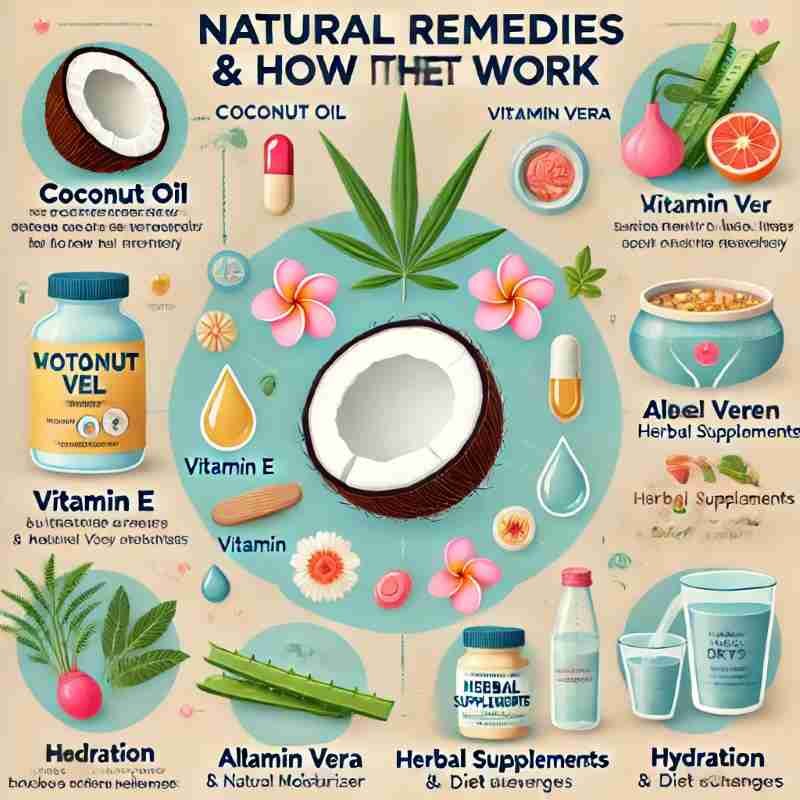
Natural Remedies & How They Work

Natural Remedies & How They Work

Natural remedies for vaginal dryness, such as coconut oil, Vitamin E, and aloe vera, help restore moisture and soothe discomfort. Herbal supplements and proper hydration also promote overall vaginal health.

Natural-Remedies

While vaginal dryness can be uncomfortable and painful, several natural remedies can help alleviate symptoms. Here are some effective natural remedies and how they work:

Remedy 1: Coconut Oil

  • How it works: Coconut oil acts as a natural moisturizer, helping to soothe and hydrate the vaginal lining.
  • How to use: Apply coconut oil externally to the affected area or use it during intercourse as a natural lubricant.

Remedy 2: Vitamin E

  • How it works: Vitamin E helps replenish natural moisture and promote healthy vaginal tissue.
  • How to use: Apply Vitamin E oil topically to the affected area or take Vitamin E supplements orally.

Remedy 3: Aloe Vera

  • How it works: Aloe vera soothes and moisturizes the vaginal lining, reducing inflammation and discomfort.
  • How to use: Apply fresh aloe vera gel externally to the affected area.

Remedy 4: Herbal Supplements

  • Herbs: Black Cohosh, Red Clover, and Dong Quai are popular herbal supplements for vaginal dryness.
  • How they work: These herbs help balance estrogen levels, reduce dryness, and promote overall vaginal health.
  • How to use: Take herbal supplements orally or drink herbal teas.

Remedy 5: Hydration and Diet Changes

  • How it works: Drinking plenty of water and consuming hydrating foods helps improve overall hydration and vaginal moisture.
  • Foods: Include hydrating foods like watermelon, cucumber, and celery in your diet. Foods rich in omega-3 fatty acids, such as soy and flaxseeds, can also help.
  • How to use: Drink at least 8-10 glasses of water per day and incorporate hydrating foods into your diet.

Top 10 Herbs For Vaginal Dryness

HerbCommon Name / Scientific NameMain Potential Benefits for Vaginal DrynessTypical Use Method
ShatavariAsparagus racemosusPhytoestrogenic; supports vaginal lubrication & moisture in AyurvedaOral supplements, teas
FennelFoeniculum vulgarePhytoestrogenic; may reduce dryness, itching & atrophy symptomsVaginal cream, oral, tea
LicoriceGlycyrrhiza glabraPhytoestrogenic & soothing; helps with atrophy & irritationOral, topical creams
ChamomileMatricaria chamomillaAnti-inflammatory, soothing; reduces irritation & drynessVaginal gel/cream, tea
CalendulaCalendula officinalisSoothing & healing; eases irritation & supports tissue repairTopical ointments, suppositories
Pueraria mirificaPueraria mirificaStrong phytoestrogen; may restore vaginal tissue & reduce atrophyTopical creams, oral supplements
Marshmallow rootAlthaea officinalisMucilaginous; increases natural lubrication & soothes tissuesTeas, infusions, topical
FenugreekTrigonella foenum-graecumPhytoestrogenic; may improve atrophy symptomsVaginal cream, oral seeds/supplements
Red CloverTrifolium pratensePhytoestrogenic (isoflavones); supports estrogen-like effectsOral supplements, teas
Black CohoshActaea racemosa (Cimicifuga racemosa)Traditionally for menopausal symptoms; mixed results on drynessOral supplements

Best Home Remedies For Vaginal Dryness

Home RemedyKey Benefits & How It HelpsHow to Use (Typical)
Coconut OilThick, moisturizing; coats tissues, reduces friction, long-lasting lubricationApply a small amount externally or internally (as moisturizer or lubricant)
Pure Aloe Vera GelHydrating, soothing, anti-inflammatory; mimics water-based moistureUse 100% pure gel (no additives) topically or as lubricant
Stay Well-HydratedIncreases overall body & tissue moisture from inside outDrink plenty of water (8+ glasses/day)
Pelvic Floor Exercises (Kegels)Improves blood flow, tissue elasticity, & natural lubricationDo 10–15 reps, 3x/day (squeeze/release pelvic muscles)
Vitamin E OilAntioxidant, nourishing; helps repair & moisturize tissuesBreak open capsule, apply drops topically or as suppository
Phytoestrogen-Rich FoodsMild estrogen-like effects from plants; may support hormonal balanceEat soy (tofu, edamame), flaxseeds, whole grains, etc. daily
Olive Oil (Extra Virgin)Nourishing fats; creates barrier, eases irritationApply small amount externally (avoid internal if condom use)
Sea Buckthorn Oil or Omega-3sSupports mucous membrane health & reduces inflammationTake supplements or eat fatty fish/flax; topical oil use
Avoid Irritants & Gentle HygienePrevents worsening dryness (harsh soaps, douching, scented products)Use unscented, mild soap; cotton underwear; no douching
Regular Sexual Activity or StimulationBoosts natural blood flow & lubrication productionRegular intercourse/masturbation (with lube if needed)

Best Cream For Vaginal Dryness

Product NameKey Ingredients / TypeMain Benefits & Why RecommendedTypical Use & Duration
Replens Long-Lasting Vaginal MoisturizerPolycarbophil-based gelLong-lasting hydration (up to 3 days); restores moisture, reduces itching/painApplicator every 2–3 days
Bonafide Revaree (or Revaree Plus)Suppository insert (hyaluronic acid, vitamin E)Hormone-free; plumps tissue, relieves atrophy symptomsInsert 1–2x/week
AH! Yes VM Vaginal Moisturizing GelOrganic, plant-based, pH-neutralFragrance-free; hydrates vulva & vagina, gentle for sensitive skinApply as needed, 2–3x/week
Good Clean Love BioNourish Ultra Moisturizing GelHyaluronic acid, aloe, natural extractsDraws in moisture; soothes irritation, supports tissue healthApplicator or finger, regular use
Womaness Daily V SootheHyaluronic acid, water-basedDaily soothing for menopause/everyday dryness; plumping effectExternal/internal as needed
Hydro GYN or Similar Hyaluronic Acid MoisturizersHyaluronic acid + vitamin ELong-lasting relief from dryness, discomfort, odor; pre-filled applicators1 applicator 2–3x/week
The Honey Pot Company Organic Moisturizing Gel/LubePlant-derived, organicNatural soothing; good for sensitive skin & organic preferenceAs moisturizer or lubricant
Luvena or K-Y LiquibeadsGlycerin-free, paraben-free optionsRestores balance without common irritants; bead/insert formEvery few days
VMagic by Medicine Mama (Vulva Balm)Olive/avocado/sea buckthorn oils, beeswaxSoothes external vulvar dryness/irritation; natural barrierApply externally as balm
Cumlaude Deligyn or Similar Mucoadhesive GelsMucoadhesive, non-hormonalRelieves atrophy symptoms; adheres for prolonged effectAs directed, regular use

Who Should Use These Remedies?

Who Should Use These Remedies?

These natural remedies are ideal for women experiencing vaginal dryness due to menopause, postpartum changes, or side effects from medications. They can also benefit anyone dealing with general vaginal dryness and discomfort.

Who-Should-Use-These-Remedies

The natural remedies mentioned earlier can be beneficial for:

How to Use the Remedies

To get the most out of these remedies:

Frequency

  • Apply moisturizers daily: Use coconut oil, Vitamin E oil, or other moisturizers daily to keep the vaginal area hydrated.
  • Take supplements as directed: Follow the recommended dosage for herbal supplements, such as Black Cohosh or Red Clover.

Lifestyle Changes

  • Incorporate hydration: Drink plenty of water throughout the day to stay hydrated and help maintain vaginal moisture.
  • Balanced nutrition: Eat a balanced diet rich in fruits, vegetables, whole grains, and lean proteins to support overall health and vaginal well-being.
  • Physical activity: Engage in regular physical activity, such as walking, yoga, or swimming, to promote blood flow and overall health.

Effectiveness

Effectiveness

Natural remedies like Vitamin E, coconut oil, and herbal supplements are clinically proven to alleviate vaginal dryness. They improve moisture, reduce irritation, and enhance overall vaginal health.

Effectiveness

Clinical Evidence

Numerous studies have investigated the effectiveness of natural remedies in reducing vaginal dryness. Here are some findings:

  • Vitamin E: A study published in the Journal of Women’s Health found that Vitamin E supplements significantly improved vaginal moisture and reduced symptoms of vaginal dryness.
  • Coconut Oil: Research published in the Journal of Cosmetic Science found that coconut oil’s fatty acids helped to moisturize and soothe the vaginal mucosa.
  • Herbal Supplements: A review of herbal remedies for menopausal symptoms, including vaginal dryness, found that herbs like Black Cohosh and Red Clover showed promise in reducing symptoms.

Personal Experiences

Many women have reported finding relief from vaginal dryness using these natural remedies:

  • “I was experiencing terrible vaginal dryness during menopause. After starting Vitamin E supplements, I noticed a significant improvement within a week.” – Sarah, age 55
  • “Coconut oil has been a game-changer for me. I apply it daily and have noticed a huge reduction in irritation and discomfort.” – Emily, age 32
  • “I was skeptical about trying herbal supplements, but after taking Black Cohosh for a few weeks, I noticed a significant improvement in my vaginal health.” – Rachel, age 48

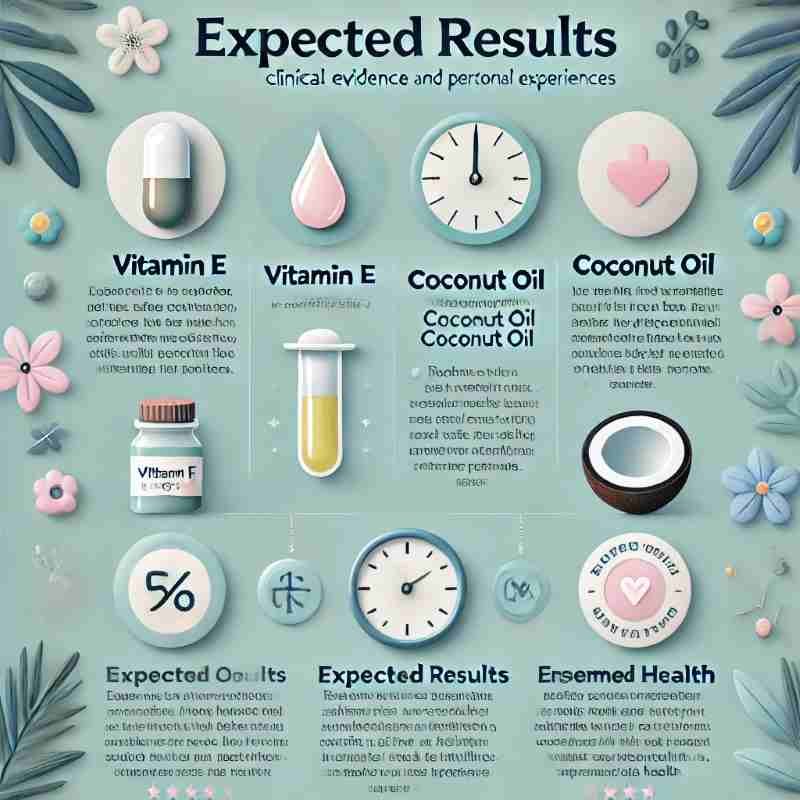
Expected Results

When using these natural remedies, you can expect:

  1. Timeframe: Relief may be noticeable within a few days to a week, depending on the remedy and individual factors.
  2. Outcome: Reduced irritation and discomfort, improved vaginal moisture, and enhanced overall vaginal health.

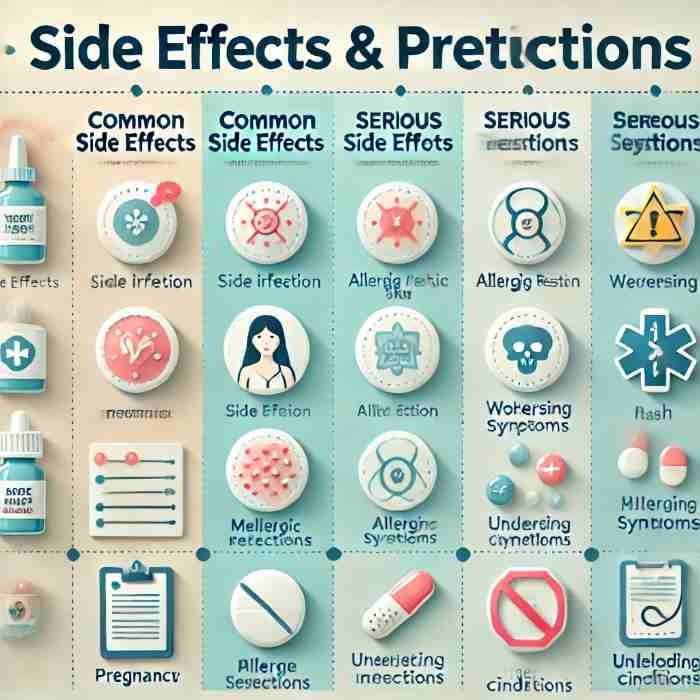
Side Effects & Precautions

Side Effects & Precautions

Natural remedies may cause mild irritation or allergic reactions in some individuals. Always consult a healthcare provider and perform patch tests to ensure safe use.

Side-Effects-&-Precautions

Common Side Effects

While natural remedies are generally considered safe, some individuals may experience mild side effects:

  • Mild irritation: Certain oils or supplements can cause mild irritation, such as redness, itching, or burning.
  • Allergic reactions: Rare allergic reactions to herbs or topical applications can occur, manifesting as hives, rashes, or difficulty breathing.

Serious Side Effects

In rare cases, more serious side effects can occur:

  • Severe allergic reactions: Anaphylaxis, a life-threatening allergic reaction, can occur in rare cases.
  • Worsening symptoms: If symptoms worsen or persist, seek medical advice to rule out underlying conditions.

Precautions

To ensure safe use, follow these precautions:

  • Pregnancy and breastfeeding: Avoid using certain remedies, such as herbal supplements, without consulting a healthcare professional if pregnant or breastfeeding.
  • Patch testing: Always test new products on a small skin patch before applying extensively to minimize the risk of allergic reactions.
  • Interactions with medications: Inform your healthcare provider about any natural remedies you use, especially if taking medications, to avoid potential interactions.
  • Underlying medical conditions: Consult with your healthcare provider before using natural remedies if you have underlying medical conditions, such as diabetes or thyroid disorders.

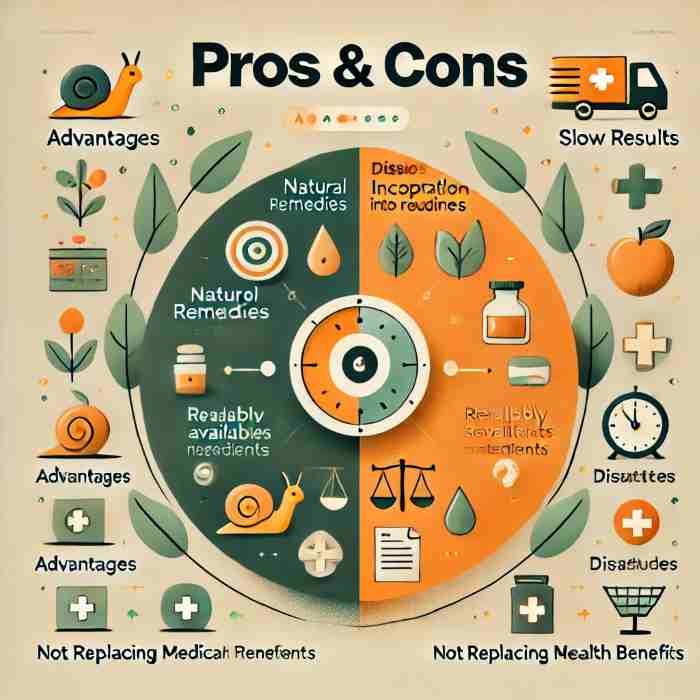
Pros & Cons

Pros & Cons

Natural remedies are non-invasive, affordable, and promote overall health, but results may vary and take time. They should complement, not replace, medical treatments if needed.

Pros-&-Cons

Advantages

Natural remedies for vaginal dryness offer several benefits:

  • Natural and non-invasive: These remedies are free from harsh chemicals and don’t require invasive procedures.
  • Easy to incorporate: Simple to add to daily routines, making it easy to maintain vaginal health.
  • Readily available ingredients: Most ingredients, such as coconut oil and Vitamin E, are easily accessible and affordable.
  • Promotes overall health: Many natural remedies, like herbal supplements, can have additional health benefits beyond alleviating vaginal dryness.

Disadvantages

While natural remedies can be effective, there are some limitations:

  • May not provide instant relief: Natural remedies may take time to show results, and some users may not experience immediate relief.
  • Results vary: Effectiveness can depend on the underlying cause of vaginal dryness, individual hormone levels, and overall health.
  • Not a replacement for medical treatment: If an underlying medical condition causes vaginal dryness, natural remedies should not replace medical treatment. Consult a healthcare provider for proper diagnosis and treatment.
  • Potential interactions: Natural remedies can interact with medications or exacerbate underlying conditions, emphasizing the importance of consulting a healthcare provider before use.

Recommended Reading: How To Lower Blood Pressure Naturally [Instantly Home Remedies]

FAQs

What causes vaginal dryness?

Hormonal changes, medications, lifestyle factors, and certain medical conditions can contribute to vaginal dryness.

What are some natural remedies for vaginal dryness?

Coconut oil, olive oil, vitamin E oil, aloe vera gel, and honey are some natural remedies that can help alleviate vaginal dryness.

How can I use coconut oil for vaginal dryness?

Apply a small amount of coconut oil to the affected area using a clean cotton swab or your fingers.

Are there any herbal remedies for vaginal dryness?

Yes, herbs like black cohosh, dong quai, and maca root may help alleviate vaginal dryness symptoms.

Can dietary changes help with vaginal dryness?

Yes, increasing omega-3 fatty acids, eating antioxidant-rich foods, and staying hydrated can help alleviate vaginal dryness.

How can I prevent vaginal dryness?

Practicing good hygiene, avoiding harsh soaps, wearing breathable clothing, and staying hydrated can help prevent vaginal dryness.

Can exercise help with vaginal dryness?

Yes, regular exercise, especially pelvic floor exercises like Kegels, can help improve vaginal health.

How can I maintain a healthy vaginal pH balance?

Avoiding scented soaps, douching, and wearing breathable clothing can help maintain a healthy vaginal pH balance.

Conclusion

Vaginal dryness is a prevalent issue, particularly among menopausal women. However, our exploration of natural remedies reveals promising solutions:

  • Coconut oil: A natural moisturizer that soothes and hydrates the vaginal lining.
  • Vitamin E: An antioxidant that promotes vaginal health and reduces dryness.
  • Herbal supplements: Certain herbs, such as Black Cohosh and Red Clover, have been shown to alleviate vaginal dryness.

Recommendation

For women seeking gentle, natural alternatives to medication, these remedies offer a viable solution:

  • Natural and side-effect-free: Unlike some medications, these remedies are generally free from harsh side effects.
  • Easy to incorporate: Simple to add to daily routines, making it easy to maintain vaginal health.

Who Should Try These Remedies?

These natural remedies are ideal for:

  • Mild to moderate dryness: Women experiencing mild to moderate vaginal dryness may find relief with these remedies.
  • Natural, side-effect-free options: Those seeking alternatives to medication or preferring natural solutions.

………………………….
Disclaimer:
Commissions we earn from partner links on this page do not influence our content. Our editorial content is based on thorough research and insights from qualified medical professionals to ensure the highest standards of accuracy and reliability.

Information provided on Doseway is for educational purposes only. Your health and wellness are unique to you, and the products and services we review may not be suitable for your circumstances. We do not offer personal medical advice, diagnosis, or treatment plans. For specific advice, please consult with a healthcare professional. Doseway adheres to strict editorial integrity standards. To the best of our knowledge, all content is accurate as of the date posted, though offers and information may change. The opinions expressed are the author’s own and have not been influenced, approved, or endorsed by our partners.
…………………………….

CBD-Oil-Dosage

CBD Oil Dosage Calculator

CBD Oil Dosage Calculator

Recommended Dosage

Low (0-20mg)
Medium (20-50mg)
High (50+mg)

* This is a general recommendation. Consult a healthcare professional for personalized advice.

Try More Free Tools:

CBD Oil Dosage Calculator – How to Use Our Free Calculator

CBD-Oil-Dosage-Calculator

What Is CBD Oil Dosage?

Cannabidiol (CBD) oil dosage refers to the measured amount of CBD consumed to achieve therapeutic effects while minimizing side effects. Unlike THC, CBD is non-psychoactive, but its efficacy depends on factors like body weight, metabolism, and medical conditions.

Why CBD Dosage Matters

Proper CBD dosing ensures:

  • Therapeutic efficacy for pain, anxiety, or inflammation
  • Avoidance of drug interactions (e.g., with blood thinners)
  • Cost-effectiveness by preventing overuse
  • Compliance with clinical guidelines for safety

Key Factors in CBD Dosage Calculation

1. Body Weight (mg/kg Ratio)

Weight impacts CBD metabolism. A common starting dose is 0.25 mg/kg, adjusted for severity.

Weight Range (kg)Mild ConditionModerate ConditionSevere Condition
50–70 kg12–18 mg18–30 mg30–50 mg
70–90 kg18–25 mg25–45 mg45–70 mg
Table: Weight Range

2. Condition Severity

  • Mild: Occasional discomfort (e.g., mild anxiety)
  • Moderate: Chronic issues (e.g., arthritis pain)
  • Severe: Debilitating symptoms (e.g., epilepsy)

3. Bioavailability

Delivery method affects absorption:

  • Sublingual tinctures: 20–30% bioavailability
  • Edibles: 5–15% bioavailability

4. Drug Interactions

CBD inhibits cytochrome P450 enzymes, altering the metabolism of medications like:

  • Antidepressants
  • Blood thinners (warfarin)
  • Anticonvulsants

How Our CBD Oil Dosage Calculator Works

Inputs Collected

  • Demographics: Age, gender, weight
  • Medical Data:
    • Condition severity (visual scale)
    • Existing medications (checkboxes)
    • Symptom frequency (dropdown)

Calculation Formula

Dosage (mg) = Body Weight (kg) × Base Multiplier × Severity Factor 
  • Base Multiplier: 0.25 mg/kg (clinical standard)
  • Severity Factor: 1 (mild), 1.5 (moderate), 2 (severe)

Result Interpretation

  • Low (Green Zone): 10–25 mg (maintenance dosing)
  • Moderate (Yellow Zone): 25–50 mg (therapeutic range)
  • High (Red Zone): 50+ mg (requires medical supervision)

Understanding Your Results

The calculator provides a personalized mg/day range based on your inputs. For example:

“A 75 kg user with moderate arthritis pain may receive 28–45 mg daily.”

2. Risk Meter

A color-coded bar indicates:

  • 🟢 Green: Safe for self-administration
  • 🟡 Yellow: Monitor for side effects
  • 🔴 Red: Consult a healthcare provider

3. PDF Report Features

The downloadable report includes:

  • Time-stamped assessment
  • Medication interaction warnings
  • Gradual titration schedule

FAQs

How long does CBD take to work?

Effects begin in 15–30 minutes (sublingual) or 1–2 hours (edibles).

Can I overdose on CBD?

CBD is non-toxic, but excessive doses may cause fatigue or diarrhea.

Does tolerance develop?

Yes, rotate delivery methods or take 1–2 day breaks weekly.

Best-Acupuncture-ROI-Estimator

Acupuncture ROI Estimator

Acupuncture ROI Estimator

5

Try More Free Tools:

Acupuncture ROI Estimator: Measure Treatment Effectiveness & Cost Benefits

Acupuncture-ROI-Estimator

Free Acupuncture ROI Calculator

Acupuncture, a cornerstone of Traditional Chinese Medicine (TCM), has gained global recognition for its role in pain management, stress reduction, and holistic health. But how do you measure its return on investment (ROI) for chronic conditions? Our Free Acupuncture ROI Calculator helps patients and practitioners quantify treatment efficacy, cost savings, and personalized outcomes.

What Is Acupuncture ROI?

Acupuncture ROI refers to the measurable benefits (physical, emotional, and financial) gained relative to the time and resources invested in treatment. Key factors include:

  • Pain reduction (measured via Visual Analog Scale)
  • Treatment duration
  • Comorbidities (co-existing health conditions)
  • Medication dependency
  • Previous therapy outcomes

Understanding these metrics empowers patients to make informed decisions about their care.

Key Metrics Calculated by the Tool

Our calculator evaluates clinically validated parameters to generate your ROI score (0–100):

1. Pain Level (VAS Scale)

The Visual Analog Scale (VAS) quantifies pain intensity from 0 (no pain) to 10 (severe pain). Chronic pain relief is a primary indicator of acupuncture success.

2. Condition Duration

Long-standing conditions often require more sessions. The calculator factors in treatment persistence and relapse rates.

3. Comorbidities

Patients with multiple health issues (e.g., diabetes, hypertension) may experience slower progress.

4. Medication Use

Regular medication can indicate condition severity and potential cost savings from reduced reliance on pharmaceuticals.

5. Previous Acupuncture Sessions

Historical data helps predict future efficacy and optimal session frequency.

How the Acupuncture ROI Calculator Works

Step 1: Input Demographics

  • Agegender, and medical history contextualize your results.

Step 2: Clinical Parameters

  • Pain level (slider scale)
  • Condition duration (months)
  • Comorbidities (0–3+)
  • Medication frequency (none/occasional/regular)

Step 3: Score Calculation

The algorithm weighs each parameter to generate:

  • ROI Score: 0–100 (Higher = Better ROI)
  • Risk Meter: Color-coded results (Green/Yellow/Red)
  • Personalized Recommendations: Tailored treatment plans

Interpreting Your Results

Score RangeInterpretationRecommendations
0–30Low ROI PotentialCombine with physical therapy
31–70Moderate ROI Potential6–8 sessions + lifestyle adjustments
71–100High ROI PotentialIntensive 12-session program + monitoring
Table: Score Range

Example: A score of 65 suggests moderate ROI, indicating acupuncture could reduce pain by 40–60% within 3 months when combined with stress management.

Why Use This Calculator?

  • Cost-Benefit Analysis
    Compare acupuncture costs to potential savings from reduced medication/surgery.
  • Personalized Treatment Plans
    Identify optimal session frequency and complementary therapies.
  • Evidence-Based Outcomes
    Align results with clinical studies on acupuncture efficacy.
  • Progress Tracking
    Recalculate ROI monthly to gauge improvement.

The Science Behind Acupuncture

Studies show acupuncture:

  • Stimulates endorphin release for natural pain relief
  • Reduces inflammation via cytokine modulation
  • Improves sleep quality and mental health

A 2023 Journal of Pain Research meta-analysis found that acupuncture reduced chronic back pain by 50% in 68% of patients after 8 sessions.

FAQs

How accurate is the ROI score?

The tool uses peer-reviewed weightings for clinical parameters but should complement professional medical advice.

Can acupuncture replace medication?

It may reduce dependency, but consult your physician before making changes.

How often should I recalculate ROI?

Every 4–6 weeks to track progress.

Best-Home-Remedies-For-Dark-Circles

Home Remedies For Dark Circles (Causes, Types, & Home Remedies)

Dark circles are a common cosmetic concern that appear as dark patches or blemishes under the eyes, often giving a tired or aged look. Various factors, including lack of sleep, genetics, aging, and lifestyle choices, can cause them. People experience different types of dark circles, such as vascular, pigmented, and structural, each with distinct causes and treatment options.

Fortunately, many natural home remedies can help reduce their appearance by addressing the underlying causes. In this guide, we will explore the causes, types, and home remedies for dark circles, offering simple yet effective ways to improve the skin around your eyes.

Recommended Reading: Natural Remedies For Bad Breath From Stomach (Causes+Prevention) 

Home Remedies For Dark Circles (Causes, Types, & Home Remedies)

Home-Remedies-For-Dark-Circles

Recommended Reading: Dairy Intolerance: What Happens If You Ignore Lactose Intolerance?

What Are Dark Circles?

Dark Circles

Dark circles are the darkened areas of skin under the eyes, often caused by fatigue, aging, or genetics. They can give a tired appearance and may be worsened by factors like dehydration or lack of sleep.

What-Are-Dark-Circles

Dark circles are darkened areas under the eyes that can make you look tired or older. These dark patches can vary in color from bluish or purple to brown or black, depending on skin tone and other factors. The skin under your eyes is thin and delicate, making it more prone to showing changes due to blood flow, pigmentation issues, or structural concerns.

Common Causes of Dark Circles

  • Genetics – Some people inherit circles from their family.
  • Fatigue – Lack of sleep can make circles more noticeable.
  • Aging – The skin becomes thinner with age, making blood vessels more visible.
  • Skin Thinning – This can expose underlying blood vessels, causing a dark appearance.

Key Points

  • Dark circles vary in color and can be caused by multiple factors.
  • Fatigue and genetics are common contributors.
  • The skin under the eyes is thin, making it more prone to visible darkening.

Recommended Reading: Cetirizine Side Effects: Uses, Dosage, & Benefits

Types Of Dark Circles

TypeAppearanceCauseFactorsTreatment
Vascular Dark CirclesBluish, purplish, or pinkish discolorationPoor blood circulation, making blood vessels more visibleFatigue, stress, lack of sleep, dehydrationMassage, lymphatic drainage, eye creams with caffeine
Pigmented Dark CirclesDark brown or black discolorationHyperpigmentation from excess melanin productionGenetics, sun exposure, skin conditionsProducts with vitamin C, retinoids,and sunscreen protection
Structural Dark CirclesHollow or sunken appearance creating shadow effectsLoss of fat and volume in the under-eye areaAging, genetics, thin skin, bone structureDermal fillers, cosmetic procedures to restore volume
Table: Types

Recommended Reading: 10 Signs Of Kidney Stones: Causes, Symptoms, Diagnosis & Treatment

Best Treatment Option For Dark Circles

Best Treatment Option

The best treatment for dark circles includes getting enough sleep, staying hydrated, and using remedies like cold compresses, cucumber slices, or eye creams. For more severe cases, treatments like laser therapy or dermal fillers may help.

Best-Treatment-Option-For-Dark-Circles

Treatment OptionHow to UseBenefitsSide Effects
Sleeping MoreAim for 7-9 hours of quality sleep each night.Allows the body to repair and refresh skin under the eyes.None, but a lack of sleep can worsen circles.
Chemical PeelsApplied by a dermatologist to exfoliate skin and reduce pigmentation.Helps lighten hyperpigmentation and improve overall skin texture.Redness, irritation, or peeling in treated areas.
Injectable FillersHyaluronic acid fillers are injected under eyes by a professional.Adds volume to hollow areas, reducing shadows and circles.Bruising, swelling, or discomfort in the injected area.
Laser SurgeryLaser treatment is performed by a specialist to remove pigmentation.Stimulates collagen production and brightens the skin under the eyes.Temporary redness, swelling, or changes in skin tone.
Cold Compression TherapyPlace a cold compress under the eyes for 10–15 minutes daily.Reduces swelling and puffiness, shrinking blood vessels under the eyes.Temporary numbness or discomfort.
SunscreenApply broad-spectrum sunscreen daily around the eyes.Protects from UV damage, which can worsen pigmentation and dark circles.It may cause irritation if it gets into the eyes.
Smoking CessationQuit smoking and avoid secondhand smoke.Improves skin elasticity and reduces premature aging and circles.Nicotine withdrawal symptoms (e.g., irritability, cravings).
Tea BagsSoak cold tea bags (especially green tea) and place them on your eyes.Tea bags contain antioxidants and caffeine, which help reduce puffiness.Possible irritation if the tea gets into the eyes.
Blepharoplasty (Eyelid Surgery)Surgical removal of excess skin or fat by a cosmetic surgeon.Removes fat deposits and tightens skin, making the under-eye area smoother.Swelling, bruising, or infection risks.
Platelet-Rich Plasma (PRP)PRP injections are derived from your blood, injected into the under-eye area.Stimulates collagen production and improves skin texture.Bruising or discomfort at the injection site.
Elevating the Head While SleepingSleep with an extra pillow to elevate your head.Reduces fluid buildup around the eyes, minimizing puffiness.It may cause neck discomfort if not positioned correctly.
Managing AllergiesUse antihistamines and avoid allergens that trigger symptoms.Reduces itching, swelling, and irritation that can worsen circles.Drowsiness or dry mouth from antihistamines.
Cold Cucumber SlicesPlace chilled cucumber slices on the eyes for 10–15 minutes.Cools and soothes the under-eye area, reducing puffiness and circles.Temporary cold sensation or discomfort.
HydrationDrink plenty of water throughout the day (at least 8 glasses).Keeps the skin hydrated and reduces the appearance of dark circles.None, but overhydration can cause bloating.
Vitamin E and Almond OilApply almond oil with a few drops of vitamin E under your eyes before bed.Moisturizes and reduces pigmentation with its antioxidant properties.It may irritate some individuals.
Cold CompressesPlace a cold cloth or gel pack under your eyes for 5–10 minutes daily.Shrinks blood vessels, reducing puffiness and discoloration.Temporary discomfort from cold.
Sun ProtectionApply sunscreen and wear sunglasses when outside.Prevents UV damage, which can make circles worse over time.Skin irritation if sunscreen is not suitable for your skin type.
DietEat a balanced diet rich in fruits, vegetables, and antioxidants.Nourishes skin from the inside, improving its appearance and health.None.
Cosmetic Camouflage (Makeup)Use concealer or other makeup to cover circles.Temporarily masks the appearance of circles, giving a fresh look.Clogging of pores or irritation if not removed properly.
Topical CreamsApply creams containing vitamin C, caffeine, or retinol.Brightens skin and reduces pigmentation over time.Mild irritation or sensitivity with some ingredients.
Table: Treatment-Option

Recommended Reading: How To Prevent Vitiligo? Causes, Symptoms, & Treatment

Best Home Remedies for Dark Circles

Best Home Remedies

Home remedies for dark circles include using cold compresses, cucumber slices, tea bags, and almond oil. Getting enough sleep, staying hydrated, and managing stress also help reduce dark circles naturally.

Top-Home-Remedies-for-Dark-Circles

RemedyHow to UseBenefitsSide Effects
Cucumber SlicesPlace cool cucumber slices on closed eyes for 10-15 minutes.Soothing and hydrates the skin, reduces puffiness.Generally safe, but may irritate sensitive skin.
Cold CompressesUse a cold compress or chilled spoon and apply under the eyes for 5-10 minutes.Reduces swelling and constricts blood vessels.It can cause temporary redness if applied for too long.
Tea BagsPlace used, chilled green or black tea bags on closed eyes for 10 minutes.Contains antioxidants and caffeine, improves circulation.It may cause slight irritation for sensitive skin types.
Potato SlicesApply chilled potato slices under the eyes for 10-15 minutes.Lightens skin due to natural bleaching properties.Rare chance of skin sensitivity.
Aloe Vera GelApply fresh aloe vera gel under the eyes before bed.Moisturizes, reduces inflammation, and improves skin elasticity.Safe but may cause allergic reactions in some.
Almond OilMassage a few drops of almond oil under the eyes before sleeping.Rich in vitamin E, it helps lighten and nourish the skin.It may cause allergic reactions in individuals with nut allergies.
Rose WaterApply chilled rose water to the under-eye area using a cotton pad.Rejuvenates and refreshes tired eyes, reduces puffiness.Very safe, but may irritate extremely sensitive skin.
Cold MilkSoak cotton pads in cold milk and place on closed eyes for 10-15 minutes.Contains lactic acid, lightens dark circles and hydrates.Safe for most people, avoid if allergic to dairy.
Tomato PasteMix tomato paste with lemon juice, apply under the eyes for 10 minutes.Brightens skin and reduces pigmentation.Lemon may cause stinging for sensitive skin.
Turmeric PasteMix turmeric powder with water and apply as a paste for 10 minutes.Anti-inflammatory and lightens the skin.It can stain the skin temporarily.
Coconut OilMassage a small amount under the eyes before bed.Moisturizes, reduces inflammation, and lightens circles.It may clog pores for oily skin types.
Vitamin EBreak open a vitamin E capsule and apply under the eyes before bed.Antioxidant, nourishes the skin and reduces pigmentation.Very safe but can irritate some.
Orange JuiceMix orange juice with glycerin and apply under the eyes for 10 minutes.Brightens skin, reduces dark circles.It may irritate if used in excess.
Potato JuiceApply potato juice to the under-eye area for 10-15 minutes.Reduces pigmentation and lightens the skin.It can cause dryness for sensitive skin.
HydrationDrink 8-10 glasses of water daily.Keeps the skin hydrated and reduces puffiness.No side effects.
Table: Home-Remedies

Recommended Reading: Continuous Glucose Monitor Price In Pakistan [CGM Types, Uses, & Prices]

Top 10 Best Medicines for Dark Circles

Top 10 Best Medicines

The best medicines for dark circles often include topical creams with ingredients like retinol, vitamin C, and caffeine. Prescription treatments like hydroquinone and dermatologist-recommended products can also help lighten dark circles.

Top-10-Best-Medicines-for-Dark-Circles

MedicineHow to UseBenefitsSide Effects
Ole Henriksen Banana Bright Eye CrèmeApply in the morning after cleansing by gently patting under the eyes.Brightens circles with vitamin C and reflects light for instant brightness.Minor irritation or dryness may occur.
ISDIN Isdinceutics K-Ox EyesUse morning and night, gently tapping around the eyes.Reduces puffiness, circles and strengthens skin with vitamin K oxide.Possible irritation for sensitive skin.
The Ordinary Multi Peptide Eye SerumApply a small amount under the eyes twice daily.Reduces fine lines, improves skin texture, and targets circles.It may cause mild redness or sensitivity.
RoC Retinol Correxion Eye CreamUse at night, applying a small amount under the eyes.Reduces dark circles, fine lines and improves overall eye contour.Dryness, peeling, and sensitivity to sunlight are possible.
Caudalie Vinoperfect Brightening Eye CreamApply morning and night with light tapping motions.Targets pigmentation and dark circles with brightening Viniferine.It may irritate sensitive users.
Summer Fridays Light Aura Eye CreamGently tap around the eyes morning and night.Hydrates and reduces circles with a blend of peptides and vitamin C.Minor irritation may occur.
Drunk Elephant C-Tango Multivitamin Eye CreamUse day and night by gently patting under the eyes.Brightens, firms, and restores skin with a blend of antioxidants.Mild irritation or allergic reactions may occur.
Neutrogena Hydro Boost Eye Gel-CreamApply daily, tapping gently around the eyes.Hydrates and refreshes with hyaluronic acid, reducing puffiness.Generally safe, but may cause mild irritation.
Olay Regenerist Retinol24 Night Eye CreamApply nightly under the eyes.Fights circles and wrinkles with retinol and peptides.Redness, peeling, or dryness may happen, especially in sensitive skin.
Ginzing Eye Cream OriginsUse in the morning by gently patting around the eyes.Energizes tired eyes and reduces dark circles with caffeine and ginseng.It may cause minor irritation.
La Roche-Posay Pigmentclar EyesUse daily, gently tapping around the eye area.Lightens dark circles and evens skin tone with niacinamide and caffeine.Possible mild irritation.
U Beauty The Return Eye ConcentrateApply morning and night, and gently massage under the eyes.Firms and brightens with antioxidants, reducing the appearance of circles.Redness or sensitivity may occur.
Supergoop Bright-Eyed 100% Mineral Eye CreamApply in the morning under the eyes and around the brow bone.Brightens and protects with SPF, helping reduce dark circles over time.Some users may experience irritation.
Table: Best-Medicines

How to Remove Dark Circles Under Eyes Permanently?

Recommended Reading: Top 10 Eye Drops For Red Eyes In Pakistan [Price, Uses, & Side Effects]

Medical Treatments for Dark Circles

  • Laser Therapy
    • Targets pigmentation and stimulates collagen production to brighten the skin and reduce circles.
  • Chemical Peels
    • Lightens hyperpigmentation and evens out skin tone by removing the top layer of damaged skin.
  • Dermal Fillers
    • Fillers add volume to hollow areas under the eyes, reducing shadows that cause circles.
  • Eyelid Surgery (Blepharoplasty)
    • Removes excess skin or fat from the eyelids to improve the appearance of dark circles.
  • Platelet-Rich Plasma (PRP) Injections
    • Boosts collagen and elastin production, which improves skin quality and reduces pigmentation.

Lifestyle Changes and Home Remedies

  • Get Enough Sleep
    • Aim for 7-9 hours of sleep to allow your body to repair and rejuvenate your skin.
  • Manage Stress
    • Stress can worsen dark circles. Practice yoga, meditation, or spend time in nature to reduce stress.
  • Stay Hydrated
    • Drink plenty of water to keep your skin moisturized and healthy.
  • Protect Your Skin
    • Wear sunscreen and sunglasses to prevent sun damage, which can worsen circles.
  • Cold Compresses
    • Applying a cold compress to your eyes can reduce puffiness and shrink blood vessels, improving the appearance of dark circles.
  • Use Eye Creams
    • Eye creams with ingredients like vitamin C, retinol, or hyaluronic acid can help brighten and hydrate the under-eye area.
  • Avoid Rubbing Your Eyes
    • Rubbing can irritate the skin and worsen circles over time.
  • Limit Alcohol and Smoking
    • Both alcohol and smoking can negatively affect your skin’s health and make dark circles more visible.
  • Elevate Your Head While Sleeping
    • Sleeping with your head slightly elevated can reduce fluid retention around your eyes, preventing puffiness.
  • Low-Sodium Diet
    • Too much salt can cause water retention, leading to puffiness around the eyes. Reduce salt intake to help with this.

Topical Treatments for Dark Circles

  • Topical Creams
    • Creams with bleaching agents, such as hydroquinone or kojic acid, can help reduce pigmentation.
  • Bleaching Agents
    • Lightening creams that target excess melanin can reduce the darkness under your eyes.

Recommended Reading: Postpartum Depression Treatment At Home [Naturally]

Causes of Dark Circles

  • Lack of Sleep/Fatigue
    • Cause: Not enough sleep dilates blood vessels, darkening the area under the eyes.
    • Effect: Tiredness makes the skin pale, emphasizing dark circles.
  • Dehydration
    • Cause: Lack of water causes the skin under the eyes to look dull and sunken.
    • Effect: Dry, unhealthy skin makes dark circles more visible.
  • Stress
    • Cause: Chronic stress affects skin circulation negatively.
    • Effect: Leads to a dull complexion, worsening circles.
  • Smoking & Alcohol
    • Cause: Smoking and alcohol reduce skin health and hydration.
    • Effect: Premature aging increases the likelihood of dark circles.
  • Poor Diet
    • Cause: Nutrient deficiencies, such as lack of vitamins and minerals.
    • Effect: Weakened skin makes circles more pronounced.
  • Allergies
    • Cause: Allergic reactions cause inflammation and itching.
    • Effect: Rubbing the eyes worsens dark circles by damaging sensitive skin.
  • Eczema/Contact Dermatitis
    • Cause: Skin irritation from eczema or allergies.
    • Effect: Redness and swelling contribute to discoloration around the eyes.
  • Hyperpigmentation
    • Cause: Overproduction of melanin, often from sun exposure.
    • Effect: Results in darker skin under the eyes.
  • Anemia
    • Cause: Iron deficiency reduces oxygen supply to tissues, making the skin pale.
    • Effect: Dark circles become more noticeable.
  • Thyroid Conditions
    • Cause: Thyroid issues affect skin health and circulation.
    • Effect: This can lead to skin dullness and circles.
  • Genetics
    • Cause: Inherited traits may make you more prone to circles.
    • Effect: Genetic factors increase susceptibility.
  • Thinning Skin
    • Cause: Aging causes the skin under the eyes to thin.
    • Effect: Blood vessels become more visible, causing dark circles.
  • Loss of Fat and Collagen
    • Cause: Aging reduces fat and collagen, making the skin thinner.
    • Effect: Thin skin makes dark shadows more likely to appear.
  • Sun Overexposure
    • Cause: UV rays stimulate melanin production, leading to pigmentation.
    • Effect: Prolonged exposure darkens the skin around the eyes.
  • Eye Strain
    • Cause: Staring at screens or reading for long periods.
    • Effect: Enlarges blood vessels, darkening the area under the eyes.
  • Nutritional Deficiencies
    • Cause: Lack of nutrients like iron, vitamin K, or vitamin C.
    • Effect: Weakens skin, making circles more prominent.
  • Blood Flow and Circulation Issues
    • Cause: Poor circulation makes blood vessels visible under the eyes.
    • Effect: Creates a bluish tint under the eyes.
  • Medical Conditions
    • Cause: Conditions like liver or kidney problems.
    • Effect: It can cause changes in skin color, including dark circles.
  • Dermatitis
    • Cause: Skin irritation from allergies or chemicals.
    • Effect: Inflammation leads to circles around the eyes.
  • Smoking and Alcohol Use
    • Cause: Both habits reduce skin elasticity and hydration.
    • Effect: Dull, unhealthy skin makes circles more obvious.

Recommended Reading: 5 Best Eye Drops For Infection In Pakistan

Symptoms of Dark Circles

  • Discoloration
    • The most prominent symptom is the darkening of the skin beneath the eyes, appearing as shadows or circles.
  • Color Variation
    • Dark circles can range from bluish or purple to brown or black, depending on skin tone and the cause.
  • Puffiness
    • Dark circles are often accompanied by puffiness or swelling under the eyes, commonly referred to as eye bags.
  • Fine Lines
    • Wrinkles or fine lines around the eyes can highlight the presence of circles.
  • Fatigued Appearance
    • Dark circles can give the face a tired, worn-out look, even if you are well-rested.
  • Shadowing Effect
    • Loss of volume under the eyes can create a shadow effect that emphasizes dark circles.
  • Hollow Eyes
    • Thinning skin under the eyes can cause a hollow appearance, making circles more noticeable.
  • Itching or Irritation
    • In some cases, circles are accompanied by itching or discomfort, especially if related to allergies.
  • Skin Texture Changes
    • The skin under the eyes may feel rough or dehydrated, making circles more prominent.
  • Sensitivity
    • The area under the eyes may become more sensitive due to the delicate nature of the skin, making circles more pronounced.

Side Effects of Dark Circles

  • Tired Appearance: Dark circles make you look tired, even when you’re well-rested.
  • Older Look: They can give the appearance of aging, making you look older than your actual age.
  • Fatigue: Fatigue darkens dark circles, making them more noticeable.
  • Dehydration: Lack of hydration can cause the skin to thin, highlighting dark circles.
  • Allergies: Allergic reactions can lead to puffiness and swelling around the eyes, making circles more prominent.
  • Smoking & Alcohol: These habits reduce circulation, worsening the appearance of dark circles.
  • Stress: Chronic stress impacts skin health, contributing to circles.
  • Genetics: If your family has a history of dark circles, it’s likely hereditary, making you more prone to them.
  • Aging: As you age, the skin thins, making blood vessels under the eyes more visible, causing dark circles.
  • Anemia: Iron deficiency can cause paleness and circles due to reduced oxygen flow.
  • Thyroid Issues: Thyroid conditions can cause puffiness and discoloration under the eyes.
  • Kidney/Liver Problems: In some cases, circles may signal kidney or liver issues, requiring medical attention.
  • Hyperpigmentation: Increased melanin production can cause darker patches under the eyes, contributing to circles.
  • Poor Circulation: Reduced blood flow can lead to circles due to the accumulation of deoxygenated blood under the eyes.
  • Frequent Rubbing of Eyes: Rubbing the eyes can irritate the skin and blood vessels, worsening dark circles over time.
  • Medications: Certain medications may cause circles as a side effect by affecting skin tone or circulation.

Recommended Reading: Vaginal Dryness Natural Remedies [Symptoms & Treatments]

FAQs

What are some effective home remedies for dark circles?

Several home remedies can help reduce dark circles. Cold compresses can reduce puffiness and shrink blood vessels under the eyes. Cucumber slices are great for cooling and hydrating the skin, while tea bags, especially green or black tea, contain caffeine and antioxidants to boost circulation and minimize puffiness. Aloe vera gel, potato slices, and almond oil are also popular home remedies for soothing the skin and lightening dark circles naturally.

How do cucumber Home Remedies help with dark circles?

Cucumbers are well-known Home Remedies for their cooling and hydrating properties. The antioxidants and natural astringents found in cucumber help soothe the under-eye area, reducing puffiness and circles. Simply place cucumber slices over your eyes for 10-15 minutes daily to refresh tired eyes and improve the skin’s appearance.

Can cold compresses reduce dark circles?

Yes, cold compresses are an effective home remedy for dark circles. Cold temperatures help constrict blood vessels under the eyes, reducing swelling and dark pigmentation. You can use a chilled spoon, an ice pack wrapped in a cloth, or a cold gel mask for about 10-15 minutes to see improvements.

How can tea bags reduce dark circles?

Tea bags, especially those made from green or black tea, contain caffeine and antioxidants that can help reduce dark circles. The caffeine helps stimulate blood circulation, while the antioxidants soothe and tighten the skin. After using tea bags, refrigerate them and place them over your eyes for 10-15 minutes to reduce puffiness and circles.

Is Aloe vera gel good for dark circles?

Yes, aloe vera gel is a popular home remedy for dark circles. It has moisturizing and anti-inflammatory properties that soothe the under-eye area, reduce puffiness, and improve skin elasticity. Apply a small amount of fresh aloe vera gel under your eyes and leave it on for 10-15 minutes before rinsing.

Can rose water reduce dark circles?

Yes, rose water is known for its skin-rejuvenating properties and is often used to refresh and soothe tired eyes. It helps reduce puffiness and lighten dark circles. To use rose water as a home remedy, soak cotton pads in rose water and place them on your closed eyes for 10-15 minutes.

Does cold milk help with dark circles?

Yes, cold milk can be an effective home remedy for dark circles. The lactic acid in milk helps fight pigmentation and reduces the appearance of dark circles. Soak a cotton pad in cold milk and place it under your eyes for 10-15 minutes to brighten the area and reduce puffiness.

Recommended Reading: Lavender Oil Uses For Hair | Lavender Essential Oil In Hair

Conclusion

Dark circles are a common issue for many people. Knowing the causes, types, and symptoms of dark circles can help in reducing their appearance. Simple home remedies like cold compresses, tea bags, and cucumber slices can help soothe the skin and reduce puffiness. Staying hydrated is also important to keep the skin fresh and healthy.

For more lasting results, professional treatments such as laser therapy or dermal fillers may be needed. However, lifestyle changes play a key role in preventing and managing dark circles. Getting enough sleep, eating a balanced diet, and managing stress are all important steps to naturally reduce the appearance of dark circles.

By incorporating these natural remedies and making simple lifestyle adjustments, you can significantly improve the look of dark circles over time.

Disclaimer
The commissions we earn from partner links on this page do not influence our content. Our editorial content is based on thorough research and insights from qualified medical professionals to ensure the highest standards of accuracy and reliability.

The information provided on Doseway is for educational purposes only. Your health and wellness are unique to you, and the products and services we review may not be suitable for your individual circumstances. We do not offer personal medical advice, diagnosis, or treatment plans. For specific advice, please consult with a healthcare professional. Doseway adheres to strict editorial integrity standards. To the best of our knowledge, all content is accurate as of the date posted, though offers and information may change. The opinions expressed are the author’s own and have not been influenced, approved, or endorsed by our partners.

Best-Natural-Remedies-For-Bad-Breath-From-Stomach

Natural Remedies For Bad Breath From Stomach (Causes+Prevention)

Bad breath from the stomach, known as extraoral halitosis, is a condition where unpleasant odors originate from the digestive system rather than the mouth. This type of bad breath can be caused by several gastrointestinal issues, including GERD (Gastroesophageal Reflux Disease), ulcers, and digestive disorders like IBS and Crohn’s disease.

When gases produced in the stomach travel up through the esophagus, they cause an unpleasant smell in the mouth. Kidney disease, liver disease, and gallbladder issues can also lead to bad breath. Addressing bad breath from the stomach involves treating the root cause.

Recommended Reading: Dairy Intolerance: What Happens If You Ignore Lactose Intolerance?

Natural Remedies For Bad Breath From Stomach (Causes+Prevention)

Natural-Remedies-For-Bad-Breath-From-Stomach

Recommended Reading: Cetirizine Side Effects: Uses, Dosage, & Benefits

What is Bad Breath from the Stomach?

Bad Breath

Bad breath from the stomach is caused by digestive issues like acid reflux, ulcers, or bacterial overgrowth, leading to unpleasant odors. It occurs when stomach gases or acids rise to the mouth, causing foul-smelling breath.

What-is-Bad-Breath-from-the-Stomach

Bad breath caused by stomach problems is different from the typical bad breath that comes from poor oral hygiene. This type of bad breath, also called extraoral halitosis, starts deeper in the digestive system.

Digestive Issues Causing Bad Breath

  • Crohn’s Disease and Celiac Disease: Both conditions affect digestion and can contribute to bad breath.
  • Gallbladder Issues: Problems with the gallbladder can cause bad odors to come from the mouth.

Main Conditions Leading to Bad Breath

  • GERD
  • H. pylori infection
  • SIBO
  • IBS
  • Kidney disease
  • Liver disease

Types of Bad Breath Smells

Types of Bad Breath SmellDetailsPotential CausesAssociated Medical Conditions
Rotten Egg or Sulfur-like SmellThe breath smells like sulfur or rotten eggs, often caused by the breakdown of food particles.Poor oral hygiene, gum disease (periodontitis), tonsil stones, GERD (acid reflux).Gum disease, GERD, tonsillitis.
Sweet or Fruity SmellBreath has a sweet, fruity odor, often due to high levels of ketones in the blood.Uncontrolled diabetes, low-carb diets, diabetic ketoacidosis.Diabetes, ketoacidosis.
Fecal or Poop-like SmellThe breath smells like feces, indicating possible digestive system issues.Gastrointestinal disorders, bowel obstruction, GERD, poor digestion.GERD, bowel obstruction, severe constipation.
Ammonia or Urine-like SmellThe breath smells like urine or ammonia, often linked to the kidneys’ inability to filter waste properly.Kidney failure, azotemia, dehydration.Kidney disease, renal failure.
Musty or Liver-like SmellBreath has a musty odor, often associated with an inability to filter toxins from the body.Liver failure, cirrhosis, hepatitis.Liver disease, cirrhosis.
Fishy SmellBreath smells like fish due to an issue with breaking down certain compounds in the body.Metabolic disorders like trimethylaminuria, kidney or liver failure.Trimethylaminuria, kidney or liver disease.
Metallic or Blood-like SmellThe breath smells metallic or blood-like, often caused by gum disease or medication side effects.Bleeding gums, gum disease, certain medications, kidney disease.Gum disease, kidney issues, and medication side effects.
Dry or Stale BreathBreath smells stale or dry, often due to reduced saliva production or dry mouth.Dry mouth (xerostomia), dehydration, certain medications, mouth breathing.Dry mouth, side effects of medications, dehydration.
Fungal SmellBreath has a fungal odor, typically caused by sinus infections or fungal overgrowth in the mouth.Sinus infections, fungal infections, poor oral hygiene.Sinusitis, oral thrush.
Nail Polish Remover SmellThe breath smells like acetone or nail polish remover, typically linked to high levels of ketones in the body.Diabetic ketoacidosis, extreme low-carb diets.Diabetes, starvation, ketoacidosis.
Sour SmellBreath has a sour odor, commonly caused by acid reflux or digestive issues.GERD, poor digestion, and stomach ulcers.Acid reflux, stomach ulcers, and indigestion.
Maple Syrup SmellThe breath smells like maple syrup, linked to a rare metabolic disorder.Maple syrup urine disease (MSUD).MSUD (metabolic disorder).
Table: Types

Recommended Reading: 10 Signs Of Kidney Stones: Causes, Symptoms, Diagnosis & Treatment

Treatment of Bad Breath From Stomach

Treatment

Treating bad breath from the stomach involves managing digestive issues like GERD, ulcers, or bacterial overgrowth through medications and lifestyle changes. Maintaining good oral hygiene also helps control the odor.

Treatment-of-Bad-Breath-From-Stomach

TreatmentDetails
1. Improve Oral HygieneBrush twice daily: Use fluoride toothpaste to remove food particles.
Floss daily: Cleans between teeth to prevent plaque buildup.
Tongue scraping: Reduces bacteria on the tongue, which often causes bad breath.
Use mouthwash: Antibacterial mouthwash helps reduce germs and freshen breath.
Regular dental checkups: Visit the dentist to ensure no underlying dental issues are causing bad breath.
2. Address Gastrointestinal IssuesGERD management: Medications like antacids or PPIs can reduce acid reflux.
Ulcer treatment: Antibiotics for H. pylori and acid-reducing medications can help.
SIBO treatment: Antibiotics and dietary adjustments to rebalance gut bacteria.
Constipation relief: Drink water, increase fiber, and consider laxatives to reduce constipation and bad breath.
3. Identify and Avoid TriggersCertain foods: Avoid garlic, onions, spicy foods, and dairy if they worsen your breath.
Alcohol and caffeine: These can dry the mouth, leading to bad breath.
Stress management: Stress can affect digestion and lead to bad breath.
4. Stay HydratedDrink water: Keeps your mouth moist, flushing away food particles and bacteria.
Chew sugar-free gum: Stimulates saliva, which naturally cleanses the mouth.
5. Diet and Lifestyle ChangesEat smaller meals: Helps prevent GERD and reduces acid reflux.
Avoid spicy and acidic foods: These can trigger stomach acid, worsening bad breath.
Eat fiber-rich foods: promote healthy digestion, reducing the risk of bad breath.
6. Natural RemediesGinger tea: Soothes the stomach and improves digestion, reducing bad breath.
Probiotics: Help balance gut bacteria and improve digestion.
Apple cider vinegar: Dilute in water to help with digestion and reduce acid reflux.
7. Consult a ProfessionalSee a doctor: If lifestyle changes don’t help, consult a doctor for further diagnosis.
Discuss medications: Certain medications may cause dry mouth, leading to bad breath.
Table: Treatment

Recommended Reading: How To Prevent Vitiligo? Causes, Symptoms, & Treatment

Natural Remedies For Bad Breath From Stomach | 18 Home Remedies For Bad Breath

18 Home Remedies For Bad Breath

Natural remedies for bad breath from the stomach include drinking plenty of water, eating probiotic-rich foods, and using herbal remedies like ginger, mint, and fennel seeds. These remedies help improve digestion and reduce odor naturally.

Top-Natural-Remedies-For-Bad-Breath-From-Stomach

RemedyHow to UseBenefitsSide Effects
Apple Cider VinegarDilute 1 tbsp in water and drink or use as a mouth rinse.Balances pH levels, fights bacteria, and aids digestion.It may cause enamel erosion if overused, stomach discomfort for some.
Chew GumChew sugar-free gum after meals.Stimulates saliva production, freshens breath, and cleans teeth.Overuse may lead to jaw discomfort.
Tea Tree OilAdd a few drops to water for a mouth rinse.Antibacterial properties help eliminate odor-causing bacteria.It can cause irritation if swallowed or overused.
WaterDrink plenty throughout the day.Keeps mouth moist, washes away food particles, aids digestion.No significant side effects.
Baking SodaMix 1 tsp in water for a mouth rinse or brush with it.Neutralizes acidity, freshens breath, and kills bacteria.Overuse can damage tooth enamel.
Green TeaDrink green tea regularly.Contains polyphenols that reduce sulfur compounds causing bad breath.It may cause caffeine sensitivity in large amounts.
ProbioticsConsume probiotic yogurt or supplements daily.Promotes a healthy gut microbiome, reduces bad breath from digestive issues.It may cause bloating or gas in some people.
Salt Water RinseGargle with warm salt water.Kills bacteria, soothes the mouth, and freshens breath.Overuse may dry out the mouth.
Eat Fruits & VeggiesInclude fiber-rich foods like apples, carrots, and leafy greens in your diet.Promotes digestion, prevents gas, and helps with overall oral hygiene.No significant side effects.
Keep a Healthy MouthBrush, floss, and clean your tongue regularly.Maintains oral hygiene, prevents plaque buildup, and freshens breath.No side effects.
Lemon JuiceDilute lemon juice in water and rinse your mouth.Freshens breath, balances mouth pH, and fights bacteria.Overuse can erode tooth enamel.
Avoid Mouthwash with AlcoholUse alcohol-free mouthwash.Prevents dry mouth, which can worsen bad breath.None known.
Avoid Your TriggersIdentify and avoid foods that trigger bad breath, such as garlic, onions, and spicy foods.Helps reduce occurrences of bad breath from certain foods.No side effects.
CinnamonAdd to tea or chew cinnamon sticks.Antibacterial properties help reduce bad breath.Overuse may irritate the mouth.
Clean Your TongueUse a tongue scraper daily.Reduces bacteria and food particles on the tongue, improving breath.No side effects.
CloveChew on cloves or make clove tea.Natural antibacterial properties help fight bad breath.Overuse may cause irritation or allergic reactions.
FennelChew fennel seeds after meals.Acts as a natural breath freshener and aids digestion.No significant side effects.
HydrationDrink water regularly throughout the day.Keeps the mouth moist, flushes out bacteria, and supports digestion.No side effects.
Probiotic YogurtEat probiotic yogurt regularly.Balances gut bacteria, which can help reduce bad breath.It may cause mild digestive issues like gas.
Herbs (Mint, Parsley)Chew fresh herbs like mint or parsley after meals.Natural breath fresheners that mask odors and improve breath.No significant side effects.
Brush & FlossBrush your teeth twice a day and floss regularly.Removes food particles, prevents plaque buildup, and freshens breath.No side effects.
Chew Fresh HerbsChew on fresh parsley, mint, or cilantro.Freshens breath and has antibacterial properties.No significant side effects.
Avoid Sugary FoodsLimit sugary foods and drinks that can feed bacteria.Helps prevent bad breath and tooth decay.No side effects.
Table: Home-Remedies

Recommended Reading: Continuous Glucose Monitor Price In Pakistan [CGM Types, Uses, & Prices]

How To Cure Bad Breath Fast?

MethodDetailsKey Benefits
Brush ThoroughlyBrush your teeth and gums twice a day for at least 2 minutes using a soft-bristled toothbrush and fluoride toothpaste.Removes plaque and food particles, prevents bacterial growth.
Floss DailyFloss between your teeth once a day to remove trapped food particles and plaque that brushing misses.Reduces bacteria buildup in hard-to-reach areas, prevents gum disease.
Clean Your TongueUse a tongue scraper or brush to clean the surface of your tongue, where bacteria can accumulate.Reduces odor-causing bacteria on the tongue, freshens breath.
Use Antibacterial MouthwashRinse with an alcohol-free antibacterial mouthwash after brushing to kill bacteria and maintain fresh breath.Helps kill bacteria, provides lasting freshness.
Stay HydratedDrink plenty of water throughout the day to keep your mouth moist and prevent dry mouth, a major cause of bad breath.Prevents dry mouth, washes away food particles.
Limit Sugary Foods/DrinksReduce consumption of sugary foods and drinks, as sugar feeds bacteria that cause bad breath.Reduces bacterial growth, prevents cavities.
Avoid Strong-Smelling FoodsAvoid foods like garlic, onions, and spicy dishes that can leave a strong odor on your breath.Helps prevent lingering bad odors.
Eat Breath-Freshening FoodsCrunchy fruits and vegetables like apples, carrots, and celery help stimulate saliva production and naturally clean the mouth.Promotes saliva production, washes away bacteria and food particles.
Chew Sugar-Free GumChewing sugar-free gum stimulates saliva production, which helps keep the mouth moist and removes food particles.Helps prevent dry mouth, keeps breath fresh.
Regular Dental CheckupsVisit your dentist regularly for cleanings and to address any underlying dental issues, such as cavities or gum disease, that could contribute to bad breath.Helps maintain overall oral health, prevents long-term dental issues.
Quit SmokingSmoking not only causes bad breath but also damages oral health. Quitting smoking can improve your breath and overall health.Reduces bad breath, improves gum and oral health.
Gargle with Salt WaterGargling with salt water helps to kill bacteria in the mouth and throat.Fights bacteria, soothes oral tissues, and freshens breath.
Use Apple Cider VinegarGargle with diluted apple cider vinegar as a natural mouthwash to neutralize bad odors.Neutralizes bad odors, provides a natural solution for fresh breath.
Clean Dentures ProperlyIf you wear dentures, clean them thoroughly as per your dentist’s instructions to avoid odor buildup.Prevents bacterial buildup, keeps breath fresh.
Try Fresh HerbsChewing on fresh herbs like parsley, mint, or basil can help neutralize odors naturally.Freshens breath, provides a natural alternative to commercial breath fresheners.
Consider Tea Tree OilBrush your teeth with tea tree oil or add a few drops to warm water to rinse your mouth.Natural antibacterial properties help combat bad breath.
Table: How-To-Cure

Common Causes Of Bad Breath From The Stomach

  • Gastroesophageal Reflux Disease (GERD)
    • Stomach acid or food can flow back into the esophagus, leading to a sour or acidic odor.
  • Ulcers
    • The H. pylori bacteria, responsible for stomach ulcers, can cause foul-smelling breath.
  • Bowel Obstruction
    • When the intestines are blocked, undigested food and gas build up, causing breath to smell like feces.
  • Small Intestinal Bacterial Overgrowth (SIBO)
    • An overgrowth of bacteria in the small intestine produces gases that cause bad breath.
  • Irritable Bowel Syndrome (IBS)
    • IBS can disturb gut bacteria, leading to bad-smelling breath due to poor digestion.
  • Kidney Disease
    • Chronic kidney disease can make the breath smell like ammonia.
  • Liver Disease
    • Problems with the liver can also cause bad breath.

Other Digestive Issues Causing Bad Breath

  • Crohn’s Disease and Celiac Disease: Both conditions affect digestion and can contribute to bad breath.
  • Gallbladder Issues: Problems with the gallbladder can cause bad odors to come from the mouth.

Key Conditions Leading to Bad Breath

  • GERD
  • H. pylori infection
  • SIBO
  • IBS
  • Kidney disease
  • Liver disease

Recommended Reading: Top 10 Eye Drops For Red Eyes In Pakistan [Price, Uses, & Side Effects]

Causes Of Bad Breath From The Stomach

  • Gastroesophageal Reflux Disease (GERD)
    • What it is: GERD is the frequent flow of stomach acid back into the esophagus, causing heartburn.
    • How it causes bad breath: Acid and undigested food create a sour odor.
    • Symptoms: Heartburn, sour taste in the mouth, food regurgitation, and bad breath.
  • Ulcers
    • What they are: Painful sores in the lining of the stomach or intestines.
    • How they cause bad breath: H. pylori bacteria release sulfur compounds, leading to bad breath.
    • Symptoms: Stomach pain, nausea, and bad breath.
  • Helicobacter Pylori (H. Pylori) Infection
    • What it is: A bacterial infection in the stomach that causes ulcers and digestive issues.
    • How it causes bad breath: Bacteria release gases and sulfur compounds, resulting in bad breath.
    • Symptoms: Stomach pain, bloating, nausea, and bad breath.
  • Small Intestinal Bacterial Overgrowth (SIBO)
    • What it is: Excessive bacteria growth in the small intestine.
    • How it causes bad breath: Bacteria produce foul-smelling gases as they digest food.
    • Symptoms: Bloating, abdominal discomfort, and bad breath.
  • Constipation
    • What it is: Difficulty passing stool or irregular bowel movements.
    • How it causes bad breath: Waste buildup in the intestines produces gases that cause bad breath.
    • Symptoms: Bloating, difficulty passing stool, and bad breath.
  • Bowel Obstruction
    • What it is: A blockage in the intestines that prevents the movement of food and waste.
    • How it causes bad breath: Waste buildup releases gases, leading to bad breath.
    • Symptoms: Severe bloating, abdominal pain, and bad breath.
  • Crohn’s Disease
    • What it is: A chronic inflammatory bowel disease affecting the digestive tract lining.
    • How it causes bad breath: Inflammation and poor digestion cause gas release that leads to bad breath.
    • Symptoms: Abdominal pain, diarrhea, and bad breath.
  • Celiac Disease
    • What it is: An autoimmune disorder triggered by gluten, damaging the small intestine.
    • How it causes bad breath: Poor digestion and fermentation in the intestines lead to bad breath.
    • Symptoms: Bloating, diarrhea, and bad breath.
  • Kidney Disease
    • What it is: A condition where the kidneys fail to remove waste effectively.
    • How it causes bad breath: Waste buildup in the body causes breath to smell like ammonia.
    • Symptoms: Fatigue, swelling, and bad breath.
  • Liver Disease
  • What it is: A condition where the liver is unable to process toxins properly.
  • How it causes bad breath: A buildup of toxins causes bad breath with a musty odor.
  • Symptoms: Jaundice, fatigue, and bad breath.

Recommended Reading: Postpartum Depression Treatment At Home [Naturally]

Symptoms Of Bad Breath From Stomach

  • Sour or Bitter Taste: A lingering acidic or bitter flavor in the mouth, often due to acid reflux or GERD.
  • Foul Breath: Persistent bad breath that does not improve with regular brushing or mouthwash.
  • Heartburn or Acid Reflux: A burning sensation in the chest or throat that may be accompanied by regurgitation of stomach contents.
  • Regurgitation: The backflow of undigested food or stomach acid into the mouth.
  • Stomach Pain or Discomfort: Especially common with conditions like ulcers or GERD, causing discomfort in the upper abdomen.
  • Bloating or Gas: Digestive issues can cause excess gas and bloating, which may contribute to bad breath.
  • Constipation: Slow or difficult digestion can lead to the accumulation of waste, resulting in bad breath.
  • Fatigue: In some cases, digestive problems that affect the breath may also cause tiredness or a general feeling of unwellness.
  • Swelling in Legs and Ankles: Rare, but can be a symptom when digestive problems affect other parts of the body, including circulation.
  • Changes in Urine Output: Kidney-related issues affecting digestion may lead to altered urine patterns and contribute to bad breath.
  • Nausea: Stomach-related problems like GERD and ulcers can sometimes make you feel nauseated, contributing to bad breath.
  • Fecal Odor: In severe cases, bowel obstruction or severe constipation can result in breath that smells like feces.

Side Effects Of Bad Breath From Stomach

  • Gastroesophageal Reflux Disease (GERD)
    • Cause: Stomach acid flows back into the esophagus.
    • Symptoms: Heartburn, chest pain, sour taste, and bad breath.
    • Long-Term Effects: Can damage the esophagus, leading to ulcers or infections.
  • Irritable Bowel Syndrome (IBS)
    • Cause: Digestive changes affect gut bacteria, leading to bad breath.
    • Symptoms: Abdominal pain, bloating, diarrhea, constipation, and bad breath.
  • Small Intestinal Bacterial Overgrowth (SIBO)
    • Cause: Overgrowth of bacteria in the small intestine.
    • Symptoms: Bloating, gas, digestive discomfort, and bad breath.
  • Kidney Disease
    • Cause: Toxins build up in the body, causing a fishy or ammonia-like odor.
    • Symptoms: Fatigue, swollen legs, changes in urine, and bad breath.
  • Bowel Obstruction
    • Cause: Blocked intestines lead to foul-smelling breath.
    • Symptoms: Bloating, vomiting, and breath that smells like feces.
  • Prolonged Vomiting
    • Cause: Continuous vomiting leads to dehydration and bad breath.
    • Symptoms: Dry mouth, nausea, and unpleasant breath.
  • Certain Foods
    • Cause: Foods like onions, garlic, and spices contribute to bad breath.
    • Symptoms: Temporary bad breath that improves after digestion.
  • Infections
    • Cause: Stomach or intestinal infections can cause bad breath.
    • Symptoms: Stomach pain, diarrhea, fever, and bad breath.
  • Helicobacter Pylori (H. Pylori) Infection
    • Cause: This bacteria causes stomach ulcers and bad breath.
    • Symptoms: Stomach pain, bloating, and chronic bad breath.
  • Liver Disease
    • Cause: Toxins build up in the body due to liver problems, causing bad breath.
    • Symptoms: Jaundice, fatigue, and a strong odor from the mouth.

Recommended Reading: 5 Best Eye Drops For Infection In Pakistan

Prevention Of Bad Breath From Stomach

  • Maintain Good Oral Hygiene
    • Brush Your Teeth Regularly: Brush twice daily with fluoride toothpaste to remove bacteria and food particles.
    • Floss Daily: Clean between teeth to prevent bacterial buildup.
    • Clean Your Tongue: Use a tongue scraper or brush your tongue gently to remove bacteria.
    • Use Antibacterial Mouthwash: Rinse with mouthwash to kill bacteria and freshen breath.
    • Visit Your Dentist: Schedule regular dental checkups for professional cleaning and to address oral health issues.
  • Identify and Avoid Trigger Foods
    • Track Your Food Intake: Keep a diary to identify foods that cause bad breath.
    • Limit Common Triggers: Avoid garlic, onions, spicy foods, coffee, and alcohol.
    • Avoid Acidic Foods: Reduce intake of citrus fruits, tomatoes, and peppermint, which can cause acid reflux.
    • Dairy Products: Consider limiting dairy if it contributes to bad breath.
  • Stay Hydrated
    • Drink Water Frequently: Keeps your mouth moist and reduces odor.
    • Avoid Dehydration: A dry mouth can worsen bad breath, so drink plenty of water.
  • Chew Sugar-Free Gum
    • Stimulate Saliva: Chewing gum increases saliva production, helping wash away bacteria and food particles.
    • Choose Mint Flavors: Opt for sugar-free, mint-flavored gum for fresher breath.
  • Eat Smaller, Balanced Meals
    • Prevent Acid Buildup: Smaller meals reduce stomach acid, preventing acid reflux.
    • Include Fiber-Rich Foods: Crunchy fruits and vegetables like apples and carrots naturally clean teeth and aid digestion.
  • Manage Stress
    • Practice Stress Relief: Techniques like meditation, yoga, and breathing exercises can help reduce digestive issues.
    • Keep Calm: Managing stress improves digestion and reduces bad breath.
  • Consider Probiotics
    • Promote Gut Health: Probiotics from yogurt, kefir, and supplements balance gut bacteria and reduce bad breath.
    • Supports Digestion: A healthy digestive system decreases odor-causing bacteria.
  • Rinse with Salt Water
    • Neutralize Bacteria: Gargling with warm salt water kills bacteria in the mouth and throat.
    • Simple & Effective: This easy remedy can be done daily for fresher breath.
  • Quit Smoking
    • Stop Smoking: Smoking dries out the mouth and worsens bad breath. Quitting improves oral hygiene and breath quality.
    • Reduce Risk of Dry Mouth: Smoking decreases saliva production, which contributes to bad breath.
  • Manage Digestive Conditions
    • Treat GERD & IBS: Work with a healthcare professional to manage conditions like GERD and IBS, which can cause bad breath.
    • Follow a Balanced Diet: A diet rich in fiber, whole grains, and probiotics supports digestion and reduces bad breath from stomach issues.
  • Avoid Overeating
    • Eat Moderately: Overeating can cause acid reflux, leading to bad breath.
    • Balanced Meals: Stick to well-balanced, moderate portions to prevent digestive problems that contribute to bad breath.

Recommended Reading: Vaginal Dryness Natural Remedies [Symptoms & Treatments]

FAQs

What causes bad breath from the stomach?

Bad breath from the stomach is often linked to digestive problems like GERD (acid reflux), ulcers, or bacterial overgrowth in the gut. When these issues are not managed properly, they can cause gases and acids to travel back up to the mouth, resulting in foul-smelling breath.

Can poor digestion lead to bad breath?

Yes, poor digestion can cause bad breath. When food isn’t broken down properly, it can ferment and cause gas that escapes through the mouth. Bacterial overgrowth in the stomach or intestines can also lead to bad breath.

How can I treat bad breath caused by stomach issues naturally?

To treat bad breath naturally, focus on improving digestion:
Drink ginger tea to soothe your stomach.
Eat probiotics (like yogurt or kefir) to balance stomach bacteria.
Chew on fennel seeds or parsley to freshen your breath and aid digestion.
Stay hydrated, as water helps flush toxins from your system.

Can apple cider vinegar help with bad breath from the stomach?

Yes, apple cider vinegar can help balance stomach acidity and improve digestion. Dilute a tablespoon in water and drink it before meals to aid digestion and reduce bad breath.

Are probiotics useful for bad breath caused by stomach problems?

Yes, probiotics help balance the good and bad bacteria in your gut, which can prevent bacterial overgrowth that may cause bad breath. Consuming foods rich in probiotics, like yogurt or fermented foods, can improve gut health and reduce bad breath.

Does eating high-fiber foods help with bad breath?

Eating high-fiber foods like fruits and vegetables helps improve digestion, prevents constipation, and reduces the buildup of gases that can lead to bad breath. Fiber also helps cleanse your digestive system naturally.

Can herbal teas improve bad breath from digestive issues?

Yes, certain herbal teas like peppermint, ginger, and chamomile can soothe the stomach, reduce acid reflux, and improve digestion, all of which can help minimize bad breath from the stomach.

Recommended Reading: Lavender Oil Uses For Hair | Lavender Essential Oil In Hair

Conclusion

Bad breath caused by stomach problems is often linked to digestive issues like GERD (acid reflux), ulcers, or bacterial overgrowth in the gut. Managing these conditions properly, along with maintaining good oral hygiene, can significantly reduce bad breath.

If your bad breath persists and is related to stomach issues, it’s important to see a healthcare provider to treat any underlying health concerns. Addressing the root cause not only helps improve your breath but also benefits your overall health.

Disclaimer
The commissions we earn from partner links on this page do not influence our content. Our editorial content is based on thorough research and insights from qualified medical professionals to ensure the highest standards of accuracy and reliability.

The information provided on Doseway is for educational purposes only. Your health and wellness are unique to you, and the products and services we review may not be suitable for your individual circumstances. We do not offer personal medical advice, diagnosis, or treatment plans. For specific advice, please consult with a healthcare professional. Doseway adheres to strict editorial integrity standards. To the best of our knowledge, all content is accurate as of the date posted, though offers and information may change. The opinions expressed are the author’s own and have not been influenced, approved, or endorsed by our partners.

Peanut Butter Is Good For High Blood Pressure (Benefits & Side Efects)

Peanut butter, a spread made from ground-roasted peanuts, is not only a popular food but also provides several health benefits, particularly for those managing high blood pressure.

It’s rich in healthy fats like monounsaturated fatty acids (MUFA), which can help lower bad cholesterol and support heart health. Its content of potassium and magnesium plays a vital role in regulating blood pressure by counteracting sodium and relaxing blood vessels.

Recommended Reading: 5 Ways To Treat High Blood Pressure Without Medication

Peanut Butter Is Good For High Blood Pressure (Uses, Benefits & Side Effects)

Peanut-Butter-Is-Good-For-High-Blood-Pressure

Recommended Reading: Yogurt For High Blood Pressure (Benefits, Side Effects, & When To Take It)

What is Peanut Butter?

Peanut Butter

Peanut butter is a spread made from ground-roasted peanuts, known for its rich flavor and creamy texture. It’s a popular source of protein, healthy fats, and essential nutrients.

What-is-Peanut-Butter

Peanut butter is a spread made from ground-roasted peanuts and comes in smooth or chunky textures. Some brands add flavors like honey or chocolate, and others include salt, sugar, or stabilizers for taste and consistency.

  • Composition: It mainly consists of roasted peanuts, sometimes with added salt, sugar, or emulsifiers to improve texture and flavor.
  • Nutritional Value: Peanut butter is a good source of protein, healthy fats (monounsaturated and polyunsaturated), and essential minerals like potassium and magnesium.
  • Common Uses: It is commonly used in sandwiches, as a spread, or added to smoothies and desserts for flavor and nutritional benefits.
  • Purpose of Review: This guide focuses on the health benefits of peanut butter for those managing high blood pressure, highlighting its nutritional profile and potential positive effects on overall health.

Recommended Reading: Top 5 Homeopathic Remedies For High Blood Pressure

Types of Peanut Butter

Peanut Butter Types

Peanut butter comes in various types, including creamy, crunchy, natural, and powdered, each offering different textures and ingredients. These options cater to different taste preferences and nutritional needs.

Peanut-Butter-Types

TypeDetailsKey Features
Creamy/SmoothBlended to a uniform, smooth consistency, perfect for spreading on bread or adding to recipes.Texture: Soft, no peanut pieces.
Crunchy/ChunkyContains small bits of peanuts, providing added texture and a more natural feel.Texture: Peanut pieces for crunch.
Natural Peanut ButterMade with just peanuts and sometimes salt, without added sugars, oils, or stabilizers.Ingredients: Only peanuts and salt. Healthier option due to no additives.
Processed Peanut ButterMay include added sugars, oils, stabilizers, and emulsifiers for a smoother and longer-lasting product.Ingredients: Added sugars and stabilizers for extended shelf life and smoother texture.
Powdered Peanut ButterMade by removing most of the fat from peanuts, leaving a powdered form that is often used in smoothies.Fat content: Significantly reduced. Used in low-fat diets and smoothies for flavor without extra calories.
Table: Types

Health Benefits For Blood Pressure

  • Healthy Fats
    • Peanut butter is rich in monounsaturated fats, which help reduce LDL cholesterol (bad cholesterol) and improve heart health. These fats also assist in regulating blood pressure.
  • Protein and Fiber
    • The protein and fiber in peanut butter contribute to feeling full and help stabilize blood sugar levels, which indirectly supports blood pressure management.
  • Potassium and Magnesium
    • Peanut butter is packed with potassium and magnesium, both crucial for controlling blood pressure. Potassium helps balance sodium’s effects, while magnesium relaxes blood vessels.
  • Arginine
    • Peanut butter contains arginine, an amino acid that promotes blood vessel dilation and improves blood flow, helping to lower blood pressure naturally.

Recommended Reading: 10 Simple Meals For High Blood Pressure (For BP & High Cholesterol)

Benefits Of Peanut Butter For High Blood Pressure

Benefits Of Peanut Butter For BP

Peanut butter contains healthy fats, magnesium, and potassium, which help lower blood pressure and support heart health. It also promotes better blood flow and reduces LDL cholesterol

Benefits-Of-Peanut-Butter-For-High-Blood-Pressure

BenefitDetails
Healthy FatsPeanut butter is rich in monounsaturated and polyunsaturated fats, which help lower LDL cholesterol and improve heart health.
Protein and FiberProvides protein and fiber that aid in satiety and help regulate blood sugar levels, indirectly contributing to healthy blood pressure.
AntioxidantsContains antioxidants like vitamin E that reduce oxidative stress and inflammation, supporting healthier blood vessels.
PotassiumHelps balance sodium levels, reducing its negative impact on blood pressure.
MagnesiumWorks to relax blood vessels and supports blood pressure regulation.
ArginineContains arginine, an amino acid that aids in blood vessel dilation, improving blood flow and helping lower blood pressure.
Cholesterol ControlHelps maintain healthy cholesterol levels, which reduces heart strain and improves overall cardiovascular health.
Inflammation ReductionThe antioxidants in peanut butter help reduce inflammation, which is crucial for maintaining healthy blood vessel function.
Weight ManagementThe protein and fiber contribute to feeling full, helping with weight management, which can positively impact blood pressure.
Energy BoostProvides an energy boost from healthy fats and protein, making it a great option for sustained energy without blood sugar spikes.
Cardiovascular HealthOverall, peanut butter’s blend of nutrients supports heart health, helping to manage high blood pressure and improve long-term heart function.
Table: Benefits-Of-Peanut-Butter

Recommended Reading: High Blood Pressure Headache – Symptoms, Causes, & Treatment

Peanut Butter Benefits for Females

Peanut Butter Benefits for Females

Peanut butter provides protein, healthy fats, and essential nutrients that support energy, heart health, and hormonal balance in females. It also helps with weight management and improves skin health.

Peanut-Butter-Benefits-For-Females

BenefitDetails
Weight ManagementPeanut butter’s healthy fats and protein help keep you full for longer, which can aid in controlling cravings and managing weight.
Heart HealthRich in monounsaturated fats, peanut butter helps lower bad cholesterol levels, reducing the risk of heart disease and supporting overall heart health.
Diabetes Risk ReductionStudies suggest that regular consumption of peanut butter can help reduce the risk of type 2 diabetes in women.
Bone HealthPeanut butter contains calcium and other essential minerals that help strengthen bones, especially during pregnancy and menopause.
Brain HealthPeanut butter is a good source of niacin (vitamin B3), which supports brain function and helps improve memory.
Gallstone PreventionEating peanut butter has been linked to a lower risk of gallstone formation, particularly in women.
Reduced Risk of Colon CancerResearch shows that peanut butter consumption may help reduce the risk of colon cancer in women.
Protein SourcePeanut butter is a rich protein source, essential for muscle building and repairing tissues in the body.
Fiber ContentPeanuts are high in fiber, which promotes healthy digestion and can help prevent constipation.
Pregnancy NutritionPeanut butter is a safe, nutrient-dense snack during pregnancy, providing essential vitamins and minerals for both mother and baby.
Energy BoostPeanut butter provides a steady release of energy, making it an ideal snack for staying active and reducing fatigue throughout the day.
Table: Peanut-Butter-Benefits-for-Females

Recommended Reading: Homemade Remedies For High Blood Pressure (For Instant Relief)

Peanut Butter Benefits For Males

Peanut Butter Benefits For Males

Peanut butter offers protein, healthy fats, and nutrients that boost muscle growth, heart health, and energy in males. It also supports overall fitness and weight management

Peanut-Butter-Benefits-For-Males

BenefitDetails
Heart HealthPeanut butter is rich in healthy fats like monounsaturated and polyunsaturated fats, which help lower LDL cholesterol and reduce the risk of heart disease. It also contains resveratrol, an antioxidant that supports heart health.
Muscle Growth and StrengthWith its high protein content, peanut butter is ideal for building and repairing muscle mass. This makes it beneficial for men looking to maintain or increase muscle strength.
Sexual HealthPeanut butter contains arginine, an amino acid that can improve erectile function and enhance sperm quality, contributing to better male sexual health.
Brain HealthThe niacin and other nutrients in peanut butter support brain function, improve memory, and contribute to mental clarity and overall cognitive health.
Weight ManagementPeanut butter helps you feel full and satisfied, which can aid in weight control. Its high-calorie content, when consumed in moderation, can support both weight loss and muscle building goals.
Energy BoostThe protein and healthy fats in peanut butter provide a steady source of energy, making it a great option for sustaining energy levels throughout the day.
Diabetes PreventionPeanut butter can help stabilize blood sugar levels and may reduce the risk of type 2 diabetes due to its low glycemic index.
Gallstone PreventionRegular consumption of peanut butter has been linked to a lower risk of developing gallstones, which is especially beneficial for men’s long-term health.
Bone HealthPeanut butter contains magnesium and phosphorus, which are essential minerals that support bone health and prevent bone-related issues in men as they age.
Immunity BoostRich in vitamins and minerals, peanut butter can help strengthen the immune system, making it easier to fight off infections and illnesses.
Healthy SkinThe vitamin E in peanut butter contributes to healthier, clearer skin, protecting it from damage and keeping it hydrated.
Table: Peanut-Butter-Benefits-For-Males

Recommended Reading: Top 5 Early Signs Of Heart Failure In Women (Symptoms, Causes, & Treatment)

Effectiveness of Peanut Butter

  • Clinical Evidence
    • Peanut butter isn’t a direct treatment for high blood pressure, but its rich content of monounsaturated fats, potassium, and magnesium supports heart health and helps with blood pressure regulation.
  • Expected Results
    • When eaten as part of a balanced diet, peanut butter can aid in improving heart health and help lower blood pressure over time. However, results may differ based on individual health conditions, diet, and lifestyle choices like exercise.

Uses Of Peanut Butter For High Blood Pressure

Uses Of Peanut Butter

Peanut butter’s healthy fats, potassium, and magnesium help regulate blood pressure. It can be a beneficial part of a balanced diet for heart health.

Uses-Of-Peanut-Butter-For-High-Blood-Pressure

  • As Part of a Balanced Diet: Peanut butter can be included in a heart-healthy diet due to its mix of healthy fats, magnesium, potassium, and protein, which help support cardiovascular health.
  • Healthy Fats: Peanut butter is rich in monounsaturated and polyunsaturated fats, which lower LDL (bad) cholesterol. This supports heart health and helps regulate blood pressure.
  • Magnesium: The magnesium in peanut butter helps relax blood vessels and improves blood flow, which is essential for managing high blood pressure.
  • Potassium: Potassium in peanut butter helps balance out sodium, reducing its harmful effects on blood pressure and promoting healthier levels.
  • Arginine: Peanut butter contains arginine, an amino acid that aids in the dilation of blood vessels, improving blood circulation and potentially lowering blood pressure.
  • Protein and Fiber: With its rich content of protein and fiber, peanut butter helps you feel full and satisfied, which can assist in weight management. Maintaining a healthy weight is important for managing blood pressure.
  • Low Glycemic Index: Peanut butter is low on the glycemic index, meaning it is digested slowly, which helps prevent blood sugar spikes that can negatively affect blood pressure.
  • Promotes Heart Health: By lowering cholesterol levels, improving blood vessel function, and supporting overall heart health, peanut butter can contribute to better blood pressure control.
  • Helps in Reducing Inflammation: The antioxidants in peanut butter, like vitamin E, help reduce inflammation in the body, which is linked to improved heart health and better blood pressure.
  • Weight Management: Moderate consumption of peanut butter can help with weight control, which is important for maintaining healthy blood pressure.
  • Energy Source: Peanut butter provides a steady source of energy without causing blood sugar crashes, which helps stabilize overall health and reduces stress on the heart.

Side Effects Of Peanut Butter For High Blood Pressure

  • Sodium Content: Some peanut butter brands add sodium, which can raise blood pressure if eaten excessively. Choose low-sodium or unsalted options to avoid this.
  • Sugar Content: Certain varieties include added sugars that can lead to weight gain and spikes in blood pressure. Opt for unsweetened peanut butter.
  • Saturated Fats: Though peanut butter has mostly healthy fats, it also contains some saturated fats, which could harm heart health if consumed in large amounts.
  • Moderation: Peanut butter is calorie-dense; eating too much can lead to weight gain, which may worsen blood pressure levels.
  • Peanut Allergies: For those with peanut allergies, even a small amount of peanut butter can trigger a severe allergic reaction.
  • Weight Gain: Overconsumption can result in excessive calorie intake, potentially causing weight gain, which negatively affects blood pressure.
  • High Sodium Brands: Some brands include high levels of salt, which can be detrimental to blood pressure management. Reading labels is important.
  • Cholesterol Impact: Excessive intake of peanut butter with saturated fats may raise cholesterol levels, which is harmful to people with high blood pressure.
  • Blood Sugar Levels: Peanut butter with added sugars can cause fluctuations in blood sugar, indirectly affecting blood pressure.
  • Digestive Issues: Eating peanut butter in large quantities can cause digestive problems, such as bloating, which could discomfort people with high blood pressure.
  • Nutrient Imbalance: Relying too heavily on peanut butter for protein may lead to a lack of variety in nutrients, affecting overall heart health.

Recommended Reading: Meals For High Blood Pressure & High Cholesterol

FAQs

Is peanut butter good for high blood pressure?

Yes, peanut butter can be beneficial for people with high blood pressure. Its healthy fats, potassium, magnesium, and protein help support heart health and regulate blood pressure. Choose unsalted and sugar-free varieties for the best results.

How does peanut butter help lower blood pressure?

Peanut butter contains monounsaturated fats that help reduce bad cholesterol (LDL), improving overall heart health. It also contains potassium, which helps counteract sodium’s harmful effects, and magnesium, which relaxes blood vessels, both contributing to healthier blood pressure.

Does peanut butter contain too much sodium for people with high blood pressure?

Some commercial peanut butter brands have high sodium content, which can raise blood pressure. To avoid this, choose low-sodium or unsalted peanut butter to ensure it benefits your blood pressure levels rather than harming them.

Can eating too much peanut butter raise blood pressure?

Eating too much peanut butter, especially varieties with added salt and sugar, can lead to weight gain and high sodium intake, both of which may raise blood pressure.

What kind of peanut butter is best for high blood pressure?

For managing blood pressure, natural peanut butter without added salt or sugar is the best choice. Look for peanut butter that lists only peanuts as the ingredient or mentions low-sodium.

How much peanut butter should I eat for blood pressure management?

Eating 1–2 tablespoons of peanut butter as part of a balanced diet can be helpful for blood pressure management. Pair it with healthy foods like fruits, vegetables, or whole grains for maximum benefits.

Does peanut butter contain potassium and magnesium to help control blood pressure?

Yes, peanut butter is a good source of potassium and magnesium. Potassium helps balance out sodium’s effects, while magnesium relaxes blood vessels, both of which are important for maintaining healthy blood pressure levels.

Can peanut butter help improve heart health?

Yes, peanut butter is rich in heart-healthy fats, which help lower bad cholesterol levels and support overall cardiovascular health. By promoting healthy blood vessels and reducing inflammation.

Can peanut butter be part of a heart-healthy diet?

Absolutely. Natural peanut butter can be a part of a heart-healthy diet due to its content of healthy fats, protein, and essential minerals. Just make sure to avoid excess salt and sugar to keep it beneficial for blood pressure.

Conclusion

Recommended Reading: High Blood Pressure Headache Treatment

Summary of Findings

Peanut butter, when eaten in moderation, can be a healthy choice for people with high blood pressure. It contains a mix of healthy fats, protein, fiber, and essential minerals that help promote heart health, blood pressure control, and overall wellness. However, choosing the right type of peanut butter is crucial.

Overall Recommendation

For people aiming to manage their blood pressure and improve heart health, natural peanut butter without added sugars or high sodium is the best option. Look for low-sodium or unsweetened varieties to get the most benefits.

Who Should Consume It?

Peanut butter can be a good addition to the diet of anyone managing high blood pressure. Just remember to enjoy it in moderation and opt for sodium-free and sugar-free versions for the best results.

Disclaimer
Commissions we earn from partner links on this page do not influence our content. Our editorial content is based on thorough research and insights from qualified medical professionals to ensure the highest standards of accuracy and reliability.

Information provided on Doseway is for educational purposes only. Your health and wellness are unique to you, and the products and services we review may not be suitable for your circumstances. We do not offer personal medical advice, diagnosis, or treatment plans. For specific advice, please consult with a healthcare professional. Doseway adheres to strict editorial integrity standards. To the best of our knowledge, all content is accurate as of the date posted, though offers and information may change. The opinions expressed are the author’s own and have not been influenced, approved, or endorsed by our partners.

Sciatica-Treatment

Sciatica Treatment At Home (Immediate Relief For Sciatica Pain)

Are you tired of feeling like a prisoner in your own body, held captive by the debilitating pain of sciatica? You’re not alone.

In this article, we’ll explore the best home remedies for sciatica relief, including simple exercises, stretches, and lifestyle changes that can help alleviate your pain and discomfort.

We’ll also discuss natural therapies and techniques that can help you manage your sciatica pain without relying on medication or surgery.

So, let’s get started on the path to sciatica relief and discover the power of natural healing!

Recommended Reading: Alopecia Treatment At Home (For Men+Women)

Sciatica Treatment At Home (Immediate Relief For Sciatica Pain)

Sciatica-Treatment-At-Home

Recommended Reading: How To Get Rid Of The Flu In 24 Hours (At Home Naturally)

What Is Sciatica?

So, what exactly is sciatica? Simply put, sciatica is a type of pain that radiates along the sciatic nerve, which runs from your lower back down to your legs. This pain can range from mild to severe and can be caused by a variety of factors, including:

  • Herniated discs or spinal stenosis
  • Muscle strain or overuse
  • Poor posture or lifting techniques
  • Underlying medical conditions, such as diabetes or osteoporosis

Why Immediate Relief Matters?

Living with sciatica pain can be a real challenge, affecting every aspect of your daily life. That’s why finding immediate relief is so important.

When you’re in pain, you want solutions that work quickly and effectively. And, fortunately, many natural and drug-free methods can help you manage your sciatica pain and get back to living your life to the fullest.

Recommended Reading: Home Remedies For Acid Reflux (Cure GERD Permanently)

Causes of Sciatica

Causes of Sciatica

Sciatica is pain radiating along the sciatic nerve, running from the lower back to the legs. Causes include herniated discs, muscle strain, poor posture, and conditions like diabetes.

Causes-of-Sciatica

Sciatica is a complex condition with multiple underlying causes. Understanding these causes is crucial to developing effective treatment plans and preventing future occurrences. Let’s dive into the most common causes of sciatica:

1. Herniated Disc

A herniated disc occurs when the soft, gel-like center of a spinal disc bulges out through a tear in the outer, tougher layer. This can put pressure on the sciatic nerve, causing pain, numbness, and tingling in the legs.

2. Piriformis Syndrome

Piriformis syndrome occurs when the piriformis muscle, which runs from the base of the spine to the thighbone, compresses or irritates the sciatic nerve. This can cause pain, numbness, and tingling in the buttocks and legs.

3. Spinal Stenosis

Spinal stenosis is a narrowing of the spinal canal, which can put pressure on the sciatic nerve. This can cause pain, numbness, and tingling in the legs, as well as weakness and fatigue.

Recommended Reading: Baking Soda For Gum Pain (Fastest Way To Heal Swollen Gums)

Who’s At Risk?

While anyone can develop sciatica, certain individuals are more prone to the condition.

These include:

  • 1. Sedentary Lifestyle
    • People who lead sedentary lifestyles, spending extended periods sitting or inactive, are more likely to develop sciatica.
  • 2. Pregnancy
    • Pregnant women are at higher risk of developing sciatica due to the added weight and pressure on the spine.
  • 3. Occupational Hazards
    • Individuals with jobs that involve heavy lifting, bending, or twisting, such as construction workers or nurses, are more likely to develop sciatica.

Immediate Relief For Sciatica Pain

Immediate Relief For Sciatica Pain

Relieve sciatica fast. Stretch, apply ice/heat, use pain creams. Maintain posture, exercise, eat anti-inflammatory foods, take B12, D. Try acupuncture, yoga, oils.

Immediate-Relief-For-Sciatica-Pain

Say goodbye to sciatic nerve pain in 10 minutes with these natural methods.

Recommended Reading: What Foods Neutralize Stomach Acid Immediately (7 Best Foods)

1-Minute Exercises For Sciatic Pain Relief

Try these quick exercises to alleviate sciatica pain:

  • Knee to Opposite Shoulder: Lie on your back, bring one knee towards your opposite shoulder, and hold for 30 seconds. Repeat on the other side.
  • Pelvic Tilt: Lie on your back with your knees bent and feet flat on the floor. Tilt your pelvis upwards and then back down again, repeating the motion for 30 seconds.
  • Hamstring Stretch: Sit on the floor with your legs straight out in front of you. Lean forward, reach for your toes, and hold for 30 seconds.

Applying Cold And Heat Therapy

Alternate between cold and heat therapy to reduce pain and inflammation:

  • Cold Therapy: Apply an ice pack or cold compress to the affected area for 15-20 minutes. Repeat every 2-3 hours.
  • Heat Therapy: Apply a warm compress or heating pad to the affected area for 15-20 minutes. Repeat every 2-3 hours.

Best Cream For Sciatica Pain

Try these topical creams for quick relief:

  • Capsaicin Cream: Made from chili peppers, capsaicin cream can help reduce pain and inflammation.
  • Arnica Gel: Derived from the arnica flower, arnica gel can help reduce pain and swelling.
  • CBD Cream: CBD cream has anti-inflammatory properties that can help alleviate sciatica pain.

Stretching Exercises

Try these gentle stretches to alleviate sciatica pain:

  • Knee-to-Chest Pose: Lie on your back and bring one knee towards your chest. Hold onto your knee with your hand and gently pull it towards your chest.
  • Seated Spinal Twist: Sit on the floor with your legs straight out in front of you. Twist your torso to one side, keeping your feet and hips facing forward.

8-Minute Sciatica Relief Workout

Follow this quick and effective workout to alleviate sciatica pain:

  • Minutes 1-2: Knee-to-Chest Pose
  • Minutes 3-4: Seated Spinal Twist
  • Minutes 5-6: Cat-Cow Stretch
  • Minutes 7-8: Hamstring Stretch

Over-the-Counter Medications

Try these OTC medications for sciatica relief:

  • Pain Relievers: Acetaminophen (Tylenol) or ibuprofen (Advil, Motrin)
  • Muscle Relaxants: Cyclobenzaprine (Flexeril)
  • Topical Creams: Capsaicin, menthol, or methyl salicylate creams

Remember to always follow the recommended dosage and consult with a healthcare professional before taking any medication.

Recommended Reading: How To Relieve Asthma Without Inhaler (Stop Asthma Wheezing)

Long-Term Solutions For Sciatica

While quick fixes can provide temporary relief, making long-term lifestyle changes is crucial for preventing and treating sciatica.

In this section, we’ll explore the importance of lifestyle modifications, dietary changes, and natural remedies in managing sciatica.

Lifestyle Changes For Prevention And Treatment

Making the following lifestyle changes can help alleviate sciatica symptoms and prevent future occurrences:

  • Maintaining Good Posture: Practice good posture by standing up straight, keeping your shoulders back, and avoiding slouching. This can help reduce pressure on your spine and sciatic nerve.
  • Importance of Regular Exercise: Engage in regular exercise, such as walking, swimming, or yoga, to strengthen your back muscles and improve flexibility.
  • Ergonomic Adjustments: Make ergonomic adjustments at home and work to reduce strain on your back and sciatic nerve. This can include using a supportive chair, standing desk, or proper lifting techniques.

Dietary Changes For Sciatica Relief

Incorporating anti-inflammatory foods and supplements into your diet can help reduce nerve pain and support overall health:

  • Anti-Inflammatory Foods: Include anti-inflammatory foods, such as:
  • Supplements for Nerve Health: Consider taking supplements that support nerve health, such as:
    • Vitamin B12: essential for nerve function and regeneration
    • Vitamin D: important for bone health and immune function

Natural Remedies For Sciatica Relief

Explore these natural remedies to find additional relief from sciatica symptoms:

  • Acupuncture: This ancient practice involves inserting thin needles into specific points on the body to stimulate healing and pain relief.
  • Yoga: Practice gentle yoga stretches and poses to improve flexibility, balance, and strength.
  • Essential Oils: Certain essential oils, such as peppermint, eucalyptus, and wintergreen, have anti-inflammatory properties that may help alleviate sciatica pain. Always dilute essential oils with a carrier oil and consult with a healthcare professional before use.

Remember to consult with a healthcare professional before starting any new exercise or supplement regimen.

Recommended Reading: How To Remove Dandruff In One Wash (Home Remedies)

Home-Based Treatment Options

Home-Based Treatment Options

Manage sciatica at home with stretches (piriformis, hamstring, knee-to-shoulder), foam rollers, or massage guns. Use turmeric/cayenne paste for pain. Sleep on your back with a pillow under knees. Avoid stomach sleeping to reduce nerve pressure.

Sciatica-Pain-Home-Based-Treatment-Options

Managing sciatica pain doesn’t have to mean relying on expensive medical treatments or leaving the comfort of your own home. With these effective techniques for at-home care, you can take control of your recovery and alleviate sciatica symptoms.

DIY Physical Therapy Exercises

Try these simple yet effective exercises to stretch and strengthen your muscles:

  • Piriformis Stretch: Sit on the floor with your affected leg crossed over your other leg. Place your hand on the knee of the crossed leg and pull it toward your opposite shoulder. Hold for 30 seconds and repeat 3-4 times.
  • Hamstring Stretch: Sit on the floor with your legs straight out in front of you. Lean forward, reaching for your toes, and hold for 30 seconds.
  • Knee to Opposite Shoulder: Lie on your back and bring one knee towards your opposite shoulder. Hold onto your knee with your hand and gently pull it towards your shoulder. Hold for 30 seconds and repeat 3-4 times.

Using Foam Rollers and Massage Guns

Self-myofascial release techniques can help reduce muscle tension and alleviate sciatica pain:

  • Foam Rolling: Use a foam roller to roll out your piriformis and hamstring muscles. Focus on areas that feel tight or sore.
  • Massage Guns: Use a massage gun to target specific areas of tension. Hold the gun on each spot for 10-15 seconds before moving on to the next area.

Herbal Remedies

Try these herbal remedies to reduce inflammation and alleviate pain:

  • Turmeric Paste: Mix 1 teaspoon of turmeric powder with 1 tablespoon of coconut oil to create a paste. Apply the paste to the affected area and leave it on for 30 minutes before rinsing off.
  • Cayenne Pepper: Mix 1/2 teaspoon of cayenne pepper with 1 tablespoon of coconut oil to create a paste. Apply the paste to the affected area and leave it on for 30 minutes before rinsing off.

Sleep Tips: How to Sleep with Sciatic Pain

Getting a good night’s sleep is crucial for sciatica recovery. Try these sleep tips to alleviate sciatic pain:

  • Best Sleeping Position: Sleep on your back with a pillow under your knees to take pressure off your spine.
  • Best Pillow: Use a supportive pillow that keeps your spine aligned. Consider a contoured pillow or a pillow with a built-in lumbar support.
  • Avoid Sleeping on Your Stomach: Sleeping on your stomach can exacerbate sciatica pain by putting pressure on your spine and nerves.

Indications & Uses

Indications & Uses

Treat sciatica at home. Stretch muscles with piriformis, hamstring, and knee-to-shoulder exercises. Use foam rollers or massage guns for tension relief. Apply turmeric or cayenne paste to reduce pain. Sleep on your back with a pillow under your knees. Avoid stomach sleeping.

Sciatica-Pain-Indications-&-Uses

Who Should Use It?

This product is intended for individuals dealing with specific health issues, like high cholesterol, vitamin deficiencies, or skin problems. Always check the label to ensure it’s right for your condition.

Specific Conditions or Symptoms It Treats

It helps manage certain conditions such as lowering cholesterol, relieving pain, or improving immune function. Make sure it matches your needs before use.

Recommended Reading: Natural Remedies For Hormonal Imbalance In Females

Effectiveness

Clinical Evidence

Research and clinical studies back the product’s effectiveness, showing it helps with conditions like pain relief or cholesterol reduction. It may also be endorsed by health organizations. Personal testimonials offer additional insights, but results can vary.

Expected Results

Users typically see results within days or weeks. Immediate effects like pain relief may be noticed quickly, while long-term improvements, like better cholesterol levels, can take months. Results depend on factors like dosage and individual health.

Side Effects & Precautions

Side Effects & Precautions

Common side effects: headache, stomach upset, fatigue, skin irritation. Serious effects: allergic reactions, chest pain, severe stomach pain. Consult a doctor if pregnant or breastfeeding. Avoid if allergic or have health issues.

Sciatica-Pain-Side-Effects-&-Precautions

Common Side Effects

Common side effects are usually mild, such as:

  • Headache
  • Upset stomach
  • Fatigue
  • Skin irritation (for topical products)

Serious Side Effects

Rare but serious side effects may include:

  • Severe allergic reactions (swelling, difficulty breathing)
  • Chest pain or irregular heartbeat
  • Severe stomach pain or bleeding
  • Mood changes

Precautions

  • Pregnancy & breastfeeding: Consult a doctor before use if pregnant, planning to be pregnant, or breastfeeding.
  • Allergies: Avoid if allergic to any ingredients.
  • Health conditions: Check with a doctor if you have kidney, liver, heart issues, or blood disorders.
  • Medication interactions: Inform your doctor about any medications you’re taking, including over-the-counter and supplements.

Pros & Cons

Advantages

  • Effective results: The product delivers noticeable results, helping with the specific issue it’s designed for.
  • Easy to use: Simple instructions make it easy to incorporate into your daily routine.
  • Quick absorption: Works fast, especially for topical products that sink into the skin quickly.
  • Quality ingredients: Uses well-known, trusted ingredients that are safe and effective for most people.

Disadvantages

  • Mild side effects: Some users may experience mild side effects like stomach discomfort or mild irritation.
  • May not be suitable for everyone: People with allergies to certain ingredients should avoid it.
  • Price: It may be a bit more expensive compared to similar products on the market.
  • Limited availability: It might not be available in all stores or countries, limiting access.

Recommended Reading: Home Remedies For Back Pain (Back Pain Treatment At Home) 

FAQs

What is sciatica?

Sciatica is pain that travels along the sciatic nerve, which runs from your lower back down through your legs. It can cause pain, numbness, and tingling in the legs.

What causes sciatica?

Sciatica can be caused by a herniated disc, muscle strain, spinal stenosis, or piriformis syndrome. Poor posture and lifting heavy objects incorrectly can also contribute.

Can stretching help with sciatica pain?

Yes, stretching exercises like hamstring stretches and knee to chest poses can help relieve sciatica pain by reducing muscle tension and improving flexibility.

What are the best creams for sciatica pain?

Capsaicin cream, Arnica gel, and CBD cream are popular choices for topical relief of sciatica pain.

Is there a way to treat sciatica naturally?

Yes, natural treatments like acupuncture, yoga, and essential oils (peppermint or eucalyptus) can help reduce pain and inflammation.

Recommended Reading: How To Lower Blood Pressure Naturally [Instantly Home Remedies]

Disclaimer
Commissions we earn from partner links on this page do not influence our content. Our editorial content is based on thorough research and insights from qualified medical professionals to ensure the highest standards of accuracy and reliability.

Information provided on Doseway is for educational purposes only. Your health and wellness are unique to you, and the products and services we review may not be suitable for your circumstances. We do not offer personal medical advice, diagnosis, or treatment plans. For specific advice, please consult with a healthcare professional. Doseway adheres to strict editorial integrity standards. To the best of our knowledge, all content is accurate as of the date posted, though offers and information may change. The opinions expressed are the author’s own and have not been influenced, approved, or endorsed by our partners.