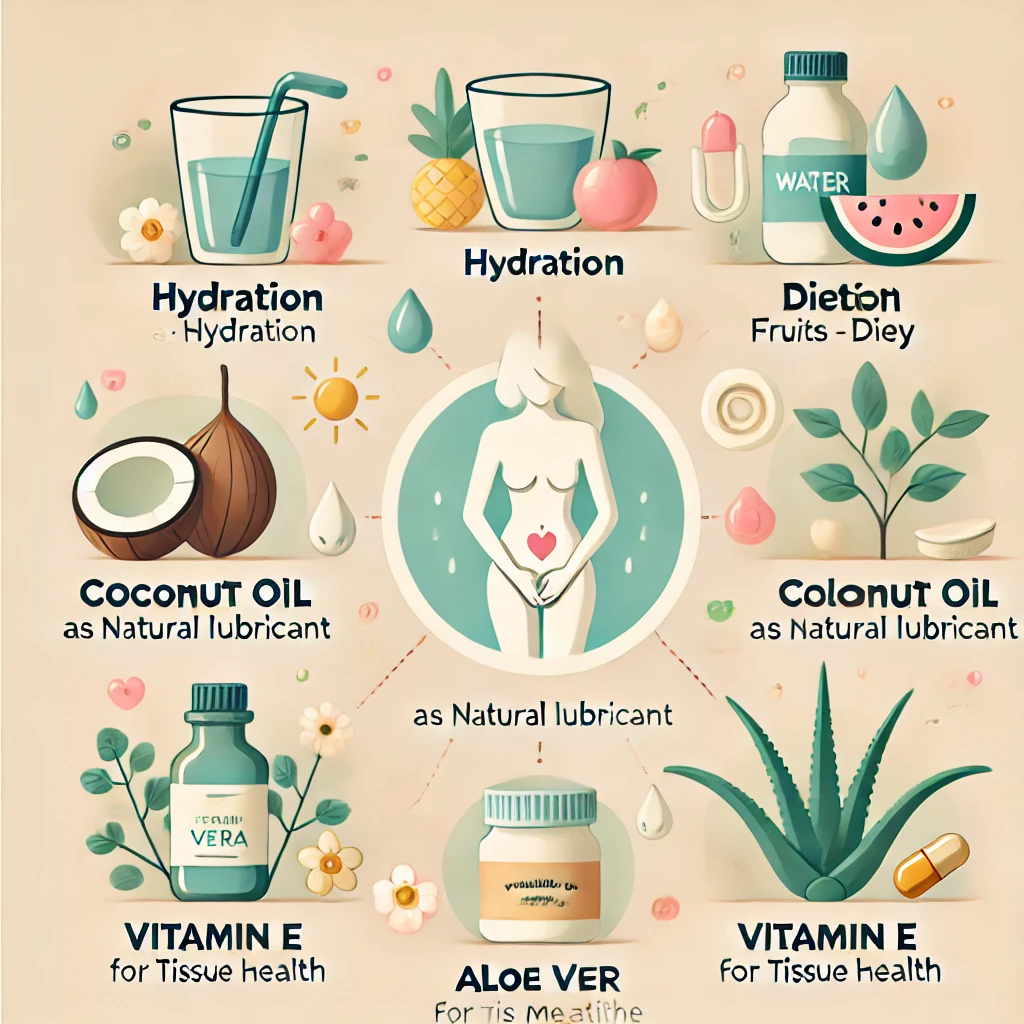
Best-Home-Remedies-For-Vaginal-Dryness

Home Remedies For Vaginal Dryness (Symptoms, Causes, & Remedies)

Vaginal dryness, a common yet often misunderstood condition, affects millions of women worldwide. It’s essential to break the silence surrounding this issue, as it can significantly impact a woman’s quality of life.

Why Addressing Vaginal Dryness Matters?

Vaginal dryness is more than just a minor inconvenience; it can have a profound impact on a woman’s physical and emotional well-being. If left unaddressed, vaginal dryness can lead to:

  • Painful sex
  • Increased risk of vaginal infections
  • Decreased libido
  • Emotional distress and low self-esteem

This guide will help you understand this condition better and provide simple home remedies, natural supplements, and lifestyle changes that can help relieve the symptoms.

Recommended Reading: How To Get Rid Of A UTI In 24 Hours At Home | Instant UTI Relief

Home Remedies For Vaginal Dryness

Best-Home-Remedies-For-Vaginal-Dryness

What Is Vaginal Dryness?

Vaginal dryness, also known as vaginal atrophy or atrophic vaginitis, is a common condition characterized by a lack of moisture and elasticity in the vagina. This can lead to discomfort, pain, and difficulty during sexual intercourse. Vaginal dryness can affect women of all ages, but it is more prevalent during menopause, breastfeeding, or after childbirth.

Symptoms & Causes

Vaginal Dryness Symptoms & Causes

Vaginal dryness can cause itching, discomfort during intercourse, and irritation in the vaginal area. It is often due to hormonal changes, medications, or menopause.

Symptoms-&-Causes

Vaginal dryness can manifest in various ways, and some women may experience a combination of the following symptoms:

Common Symptoms

  • Itching and burning: Uncomfortable itching and burning sensations in the vagina and surrounding areas.
  • Discomfort during intercourse: Pain or discomfort during sexual intercourse due to lack of lubrication.
  • General irritation: Redness, swelling, or irritation of the vaginal walls and surrounding tissues.
  • Vaginal discharge: Thin, white, or grayish discharge that may appear during or after menopause.
  • Painful urination: Discomfort or pain while urinating due to vaginal dryness.
  • Vaginal soreness: Soreness or tenderness in the vagina, which can be exacerbated by sexual intercourse.

Less Common Symptoms

  • Vaginal bleeding: Light bleeding or spotting during or after sexual intercourse.
  • Vaginal tightness: Feeling of tightness or narrowing of the vaginal canal.
  • Decreased libido: Decreased interest in sex due to discomfort or pain.

Recommended Reading: Stop Tooth Pain Fast At Home At Night | Home Remedies For Tooth Pain

Causes of Vaginal Dryness

Vaginal dryness can be caused by a combination of factors, including:

Hormonal Shifts

  • Menopause: Decrease in estrogen levels during menopause.
  • Breastfeeding: Hormonal changes during breastfeeding.
  • Contraceptives: Certain contraceptives, such as birth control pills, can affect hormone levels.

Medications

  • Antihistamines: Certain antihistamines can cause vaginal dryness as a side effect.
  • Antidepressants: Some antidepressants can lead to vaginal dryness.
  • Blood pressure medications: Certain blood pressure medications can cause vaginal dryness.

Natural Remedies & How They Work

Natural Remedies & How They Work

Natural remedies for vaginal dryness, such as coconut oil, Vitamin E, and aloe vera, help restore moisture and soothe discomfort. Herbal supplements and proper hydration also promote overall vaginal health.
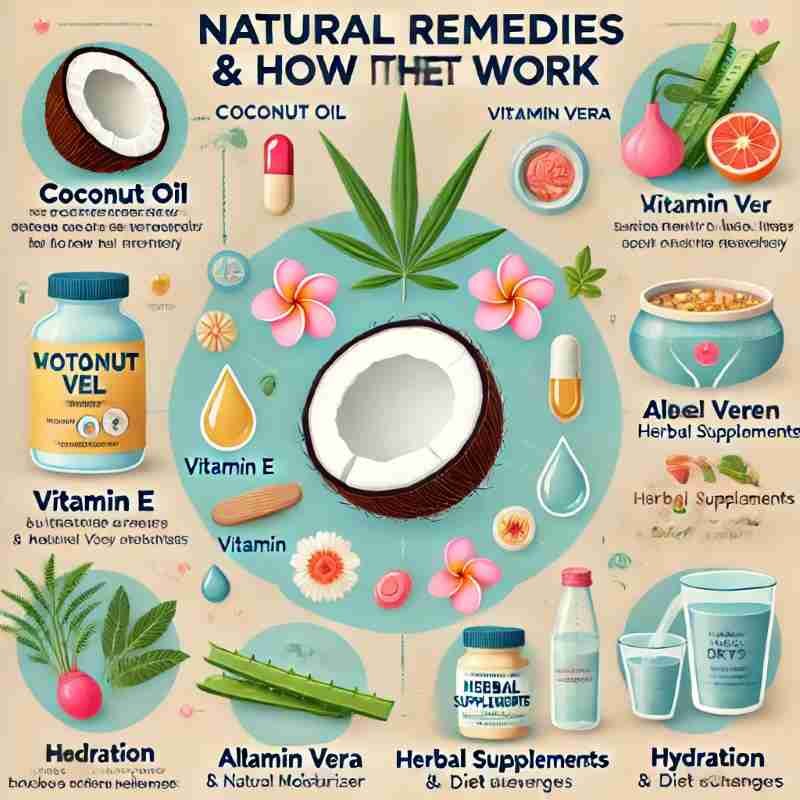
Natural-Remedies

While vaginal dryness can be uncomfortable and painful, several natural remedies can help alleviate symptoms. Here are some effective natural remedies and how they work:

Remedy 1: Coconut Oil

  • How it works: Coconut oil acts as a natural moisturizer, helping to soothe and hydrate the vaginal lining.
  • How to use: Apply coconut oil externally to the affected area or use it during intercourse as a natural lubricant.

Remedy 2: Vitamin E

  • How it works: Vitamin E helps replenish natural moisture and promote healthy vaginal tissue.
  • How to use: Apply Vitamin E oil topically to the affected area or take Vitamin E supplements orally.

Remedy 3: Aloe Vera

  • How it works: Aloe vera soothes and moisturizes the vaginal lining, reducing inflammation and discomfort.
  • How to use: Apply fresh aloe vera gel externally to the affected area.

Remedy 4: Herbal Supplements

  • Herbs: Black Cohosh, Red Clover, and Dong Quai are popular herbal supplements for vaginal dryness.
  • How they work: These herbs help balance estrogen levels, reduce dryness, and promote overall vaginal health.
  • How to use: Take herbal supplements orally or drink herbal teas.

Remedy 5: Hydration and Diet Changes

  • How it works: Drinking plenty of water and consuming hydrating foods helps improve overall hydration and vaginal moisture.
  • Foods: Include hydrating foods like watermelon, cucumber, and celery in your diet. Foods rich in omega-3 fatty acids, such as soy and flaxseeds, can also help.
  • How to use: Drink at least 8-10 glasses of water per day and incorporate hydrating foods into your diet.

Top 10 Herbs For Vaginal Dryness

HerbCommon Name / Scientific NameMain Potential Benefits for Vaginal DrynessTypical Use Method
ShatavariAsparagus racemosusPhytoestrogenic; supports vaginal lubrication & moisture in AyurvedaOral supplements, teas
FennelFoeniculum vulgarePhytoestrogenic; may reduce dryness, itching & atrophy symptomsVaginal cream, oral, tea
LicoriceGlycyrrhiza glabraPhytoestrogenic & soothing; helps with atrophy & irritationOral, topical creams
ChamomileMatricaria chamomillaAnti-inflammatory, soothing; reduces irritation & drynessVaginal gel/cream, tea
CalendulaCalendula officinalisSoothing & healing; eases irritation & supports tissue repairTopical ointments, suppositories
Pueraria mirificaPueraria mirificaStrong phytoestrogen; may restore vaginal tissue & reduce atrophyTopical creams, oral supplements
Marshmallow rootAlthaea officinalisMucilaginous; increases natural lubrication & soothes tissuesTeas, infusions, topical
FenugreekTrigonella foenum-graecumPhytoestrogenic; may improve atrophy symptomsVaginal cream, oral seeds/supplements
Red CloverTrifolium pratensePhytoestrogenic (isoflavones); supports estrogen-like effectsOral supplements, teas
Black CohoshActaea racemosa (Cimicifuga racemosa)Traditionally for menopausal symptoms; mixed results on drynessOral supplements

Best Home Remedies For Vaginal Dryness

Home RemedyKey Benefits & How It HelpsHow to Use (Typical)
Coconut OilThick, moisturizing; coats tissues, reduces friction, long-lasting lubricationApply a small amount externally or internally (as moisturizer or lubricant)
Pure Aloe Vera GelHydrating, soothing, anti-inflammatory; mimics water-based moistureUse 100% pure gel (no additives) topically or as lubricant
Stay Well-HydratedIncreases overall body & tissue moisture from inside outDrink plenty of water (8+ glasses/day)
Pelvic Floor Exercises (Kegels)Improves blood flow, tissue elasticity, & natural lubricationDo 10–15 reps, 3x/day (squeeze/release pelvic muscles)
Vitamin E OilAntioxidant, nourishing; helps repair & moisturize tissuesBreak open capsule, apply drops topically or as suppository
Phytoestrogen-Rich FoodsMild estrogen-like effects from plants; may support hormonal balanceEat soy (tofu, edamame), flaxseeds, whole grains, etc. daily
Olive Oil (Extra Virgin)Nourishing fats; creates barrier, eases irritationApply small amount externally (avoid internal if condom use)
Sea Buckthorn Oil or Omega-3sSupports mucous membrane health & reduces inflammationTake supplements or eat fatty fish/flax; topical oil use
Avoid Irritants & Gentle HygienePrevents worsening dryness (harsh soaps, douching, scented products)Use unscented, mild soap; cotton underwear; no douching
Regular Sexual Activity or StimulationBoosts natural blood flow & lubrication productionRegular intercourse/masturbation (with lube if needed)

Best Cream For Vaginal Dryness

Product NameKey Ingredients / TypeMain Benefits & Why RecommendedTypical Use & Duration
Replens Long-Lasting Vaginal MoisturizerPolycarbophil-based gelLong-lasting hydration (up to 3 days); restores moisture, reduces itching/painApplicator every 2–3 days
Bonafide Revaree (or Revaree Plus)Suppository insert (hyaluronic acid, vitamin E)Hormone-free; plumps tissue, relieves atrophy symptomsInsert 1–2x/week
AH! Yes VM Vaginal Moisturizing GelOrganic, plant-based, pH-neutralFragrance-free; hydrates vulva & vagina, gentle for sensitive skinApply as needed, 2–3x/week
Good Clean Love BioNourish Ultra Moisturizing GelHyaluronic acid, aloe, natural extractsDraws in moisture; soothes irritation, supports tissue healthApplicator or finger, regular use
Womaness Daily V SootheHyaluronic acid, water-basedDaily soothing for menopause/everyday dryness; plumping effectExternal/internal as needed
Hydro GYN or Similar Hyaluronic Acid MoisturizersHyaluronic acid + vitamin ELong-lasting relief from dryness, discomfort, odor; pre-filled applicators1 applicator 2–3x/week
The Honey Pot Company Organic Moisturizing Gel/LubePlant-derived, organicNatural soothing; good for sensitive skin & organic preferenceAs moisturizer or lubricant
Luvena or K-Y LiquibeadsGlycerin-free, paraben-free optionsRestores balance without common irritants; bead/insert formEvery few days
VMagic by Medicine Mama (Vulva Balm)Olive/avocado/sea buckthorn oils, beeswaxSoothes external vulvar dryness/irritation; natural barrierApply externally as balm
Cumlaude Deligyn or Similar Mucoadhesive GelsMucoadhesive, non-hormonalRelieves atrophy symptoms; adheres for prolonged effectAs directed, regular use

Who Should Use These Remedies?

Who Should Use These Remedies?

These natural remedies are ideal for women experiencing vaginal dryness due to menopause, postpartum changes, or side effects from medications. They can also benefit anyone dealing with general vaginal dryness and discomfort.

Who-Should-Use-These-Remedies

The natural remedies mentioned earlier can be beneficial for:

How to Use the Remedies

To get the most out of these remedies:

Frequency

  • Apply moisturizers daily: Use coconut oil, Vitamin E oil, or other moisturizers daily to keep the vaginal area hydrated.
  • Take supplements as directed: Follow the recommended dosage for herbal supplements, such as Black Cohosh or Red Clover.

Lifestyle Changes

  • Incorporate hydration: Drink plenty of water throughout the day to stay hydrated and help maintain vaginal moisture.
  • Balanced nutrition: Eat a balanced diet rich in fruits, vegetables, whole grains, and lean proteins to support overall health and vaginal well-being.
  • Physical activity: Engage in regular physical activity, such as walking, yoga, or swimming, to promote blood flow and overall health.

Effectiveness

Effectiveness

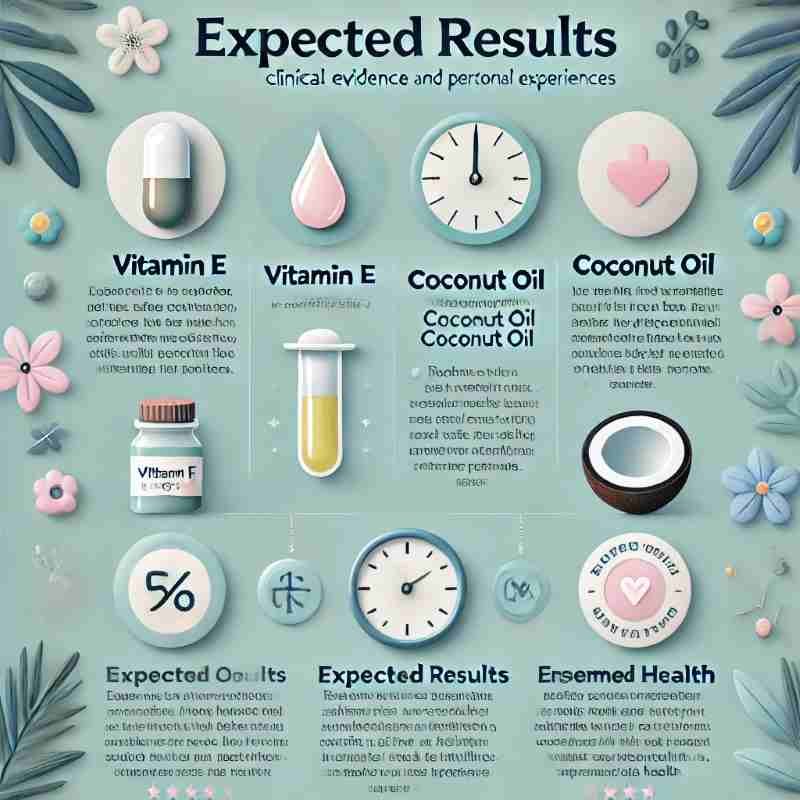
Natural remedies like Vitamin E, coconut oil, and herbal supplements are clinically proven to alleviate vaginal dryness. They improve moisture, reduce irritation, and enhance overall vaginal health.
Effectiveness

Clinical Evidence

Numerous studies have investigated the effectiveness of natural remedies in reducing vaginal dryness. Here are some findings:

  • Vitamin E: A study published in the Journal of Women’s Health found that Vitamin E supplements significantly improved vaginal moisture and reduced symptoms of vaginal dryness.
  • Coconut Oil: Research published in the Journal of Cosmetic Science found that coconut oil’s fatty acids helped to moisturize and soothe the vaginal mucosa.
  • Herbal Supplements: A review of herbal remedies for menopausal symptoms, including vaginal dryness, found that herbs like Black Cohosh and Red Clover showed promise in reducing symptoms.

Personal Experiences

Many women have reported finding relief from vaginal dryness using these natural remedies:

  • “I was experiencing terrible vaginal dryness during menopause. After starting Vitamin E supplements, I noticed a significant improvement within a week.” – Sarah, age 55
  • “Coconut oil has been a game-changer for me. I apply it daily and have noticed a huge reduction in irritation and discomfort.” – Emily, age 32
  • “I was skeptical about trying herbal supplements, but after taking Black Cohosh for a few weeks, I noticed a significant improvement in my vaginal health.” – Rachel, age 48

Expected Results

When using these natural remedies, you can expect:

  1. Timeframe: Relief may be noticeable within a few days to a week, depending on the remedy and individual factors.
  2. Outcome: Reduced irritation and discomfort, improved vaginal moisture, and enhanced overall vaginal health.

Side Effects & Precautions

Side Effects & Precautions

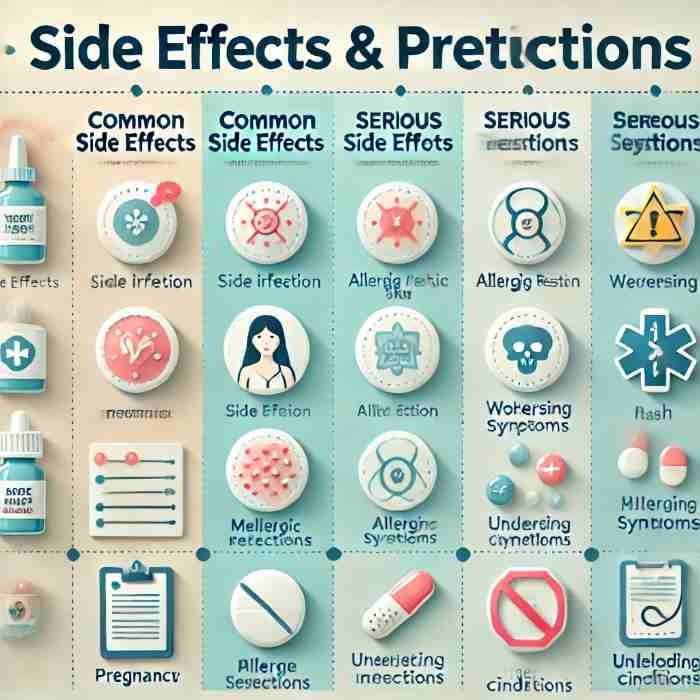
Natural remedies may cause mild irritation or allergic reactions in some individuals. Always consult a healthcare provider and perform patch tests to ensure safe use.
Side-Effects-&-Precautions

Common Side Effects

While natural remedies are generally considered safe, some individuals may experience mild side effects:

  • Mild irritation: Certain oils or supplements can cause mild irritation, such as redness, itching, or burning.
  • Allergic reactions: Rare allergic reactions to herbs or topical applications can occur, manifesting as hives, rashes, or difficulty breathing.

Serious Side Effects

In rare cases, more serious side effects can occur:

  • Severe allergic reactions: Anaphylaxis, a life-threatening allergic reaction, can occur in rare cases.
  • Worsening symptoms: If symptoms worsen or persist, seek medical advice to rule out underlying conditions.

Precautions

To ensure safe use, follow these precautions:

  • Pregnancy and breastfeeding: Avoid using certain remedies, such as herbal supplements, without consulting a healthcare professional if pregnant or breastfeeding.
  • Patch testing: Always test new products on a small skin patch before applying extensively to minimize the risk of allergic reactions.
  • Interactions with medications: Inform your healthcare provider about any natural remedies you use, especially if taking medications, to avoid potential interactions.
  • Underlying medical conditions: Consult with your healthcare provider before using natural remedies if you have underlying medical conditions, such as diabetes or thyroid disorders.

Pros & Cons

Pros & Cons

Natural remedies are non-invasive, affordable, and promote overall health, but results may vary and take time. They should complement, not replace, medical treatments if needed.

Pros-&-Cons

Advantages

Natural remedies for vaginal dryness offer several benefits:

  • Natural and non-invasive: These remedies are free from harsh chemicals and don’t require invasive procedures.
  • Easy to incorporate: Simple to add to daily routines, making it easy to maintain vaginal health.
  • Readily available ingredients: Most ingredients, such as coconut oil and Vitamin E, are easily accessible and affordable.
  • Promotes overall health: Many natural remedies, like herbal supplements, can have additional health benefits beyond alleviating vaginal dryness.

Disadvantages

While natural remedies can be effective, there are some limitations:

  • May not provide instant relief: Natural remedies may take time to show results, and some users may not experience immediate relief.
  • Results vary: Effectiveness can depend on the underlying cause of vaginal dryness, individual hormone levels, and overall health.
  • Not a replacement for medical treatment: If an underlying medical condition causes vaginal dryness, natural remedies should not replace medical treatment. Consult a healthcare provider for proper diagnosis and treatment.
  • Potential interactions: Natural remedies can interact with medications or exacerbate underlying conditions, emphasizing the importance of consulting a healthcare provider before use.

Recommended Reading: How To Lower Blood Pressure Naturally [Instantly Home Remedies]

FAQs

What causes vaginal dryness?

Hormonal changes, medications, lifestyle factors, and certain medical conditions can contribute to vaginal dryness.

What are some natural remedies for vaginal dryness?

Coconut oil, olive oil, vitamin E oil, aloe vera gel, and honey are some natural remedies that can help alleviate vaginal dryness.

How can I use coconut oil for vaginal dryness?

Apply a small amount of coconut oil to the affected area using a clean cotton swab or your fingers.

Are there any herbal remedies for vaginal dryness?

Yes, herbs like black cohosh, dong quai, and maca root may help alleviate vaginal dryness symptoms.

Can dietary changes help with vaginal dryness?

Yes, increasing omega-3 fatty acids, eating antioxidant-rich foods, and staying hydrated can help alleviate vaginal dryness.

How can I prevent vaginal dryness?

Practicing good hygiene, avoiding harsh soaps, wearing breathable clothing, and staying hydrated can help prevent vaginal dryness.

Can exercise help with vaginal dryness?

Yes, regular exercise, especially pelvic floor exercises like Kegels, can help improve vaginal health.

How can I maintain a healthy vaginal pH balance?

Avoiding scented soaps, douching, and wearing breathable clothing can help maintain a healthy vaginal pH balance.

Conclusion

Vaginal dryness is a prevalent issue, particularly among menopausal women. However, our exploration of natural remedies reveals promising solutions:

  • Coconut oil: A natural moisturizer that soothes and hydrates the vaginal lining.
  • Vitamin E: An antioxidant that promotes vaginal health and reduces dryness.
  • Herbal supplements: Certain herbs, such as Black Cohosh and Red Clover, have been shown to alleviate vaginal dryness.

Recommendation

For women seeking gentle, natural alternatives to medication, these remedies offer a viable solution:

  • Natural and side-effect-free: Unlike some medications, these remedies are generally free from harsh side effects.
  • Easy to incorporate: Simple to add to daily routines, making it easy to maintain vaginal health.

Who Should Try These Remedies?

These natural remedies are ideal for:

  • Mild to moderate dryness: Women experiencing mild to moderate vaginal dryness may find relief with these remedies.
  • Natural, side-effect-free options: Those seeking alternatives to medication or preferring natural solutions.

………………………….
Disclaimer:
Commissions we earn from partner links on this page do not influence our content. Our editorial content is based on thorough research and insights from qualified medical professionals to ensure the highest standards of accuracy and reliability.

Information provided on Doseway is for educational purposes only. Your health and wellness are unique to you, and the products and services we review may not be suitable for your circumstances. We do not offer personal medical advice, diagnosis, or treatment plans. For specific advice, please consult with a healthcare professional. Doseway adheres to strict editorial integrity standards. To the best of our knowledge, all content is accurate as of the date posted, though offers and information may change. The opinions expressed are the author’s own and have not been influenced, approved, or endorsed by our partners.
…………………………….
Lavender-Oil-Uses-For-Hair

Lavender Oil Uses For Hair (Lavender Essential Oil In Hair)

Lavender oil originates from the Mediterranean region and has been used since ancient times to promote hair growth, improve scalp health, and enhance overall hair quality.

The ancient Romans, Egyptians, and Greeks valued lavender for its calming properties and used it to treat dandruff, lice, and other scalp issues.

The Benefits of Lavender Oil for Hair include:

BenefitDescription
NourishmentEssential oils provide vital nutrients to promote healthy hair growth.
Scalp HealthThey help soothe and calm the scalp, reducing irritation and inflammation.
ProtectionEssential oils shield hair from environmental stressors and damage.
Glow and ShineThey enhance hair’s natural luster and texture.
Table: The Benefits of Lavender Oil for Hair include

In this article, we’ll explore the benefits and uses of lavender essential oil in hair care, and explore how you can incorporate it into your hair care routine for stunning results.

Read Also

Lavender Oil Uses For Hair Growth And Thickness

Lavender-Oil-Uses-For-Hair-Growth-And-Thickness

Benefits of Lavender Oil For Hair: Unlocking Its Potential

By including lavender oil For hair care routine, you can get its multifaceted benefits for healthier, stronger, and more vibrant hair.

lavender_oil_benefits_for_hair

Lavender oil is a versatile and natural solution for various hair concerns. Here’s a comprehensive overview of its benefits:

Promoting Hair Growth

Lavender oil for hair growth by:

  • Improving blood circulation: Lavender oil’s vasodilatory properties enhance blood flow to the scalp, nourishing hair follicles.
  • Reducing stress: Lavender’s calming effects help alleviate stress-related hair loss.
  • Balancing hormones: Lavender oil’s hormonal balancing properties promote a healthy scalp environment.

Real-World Examples and Testimonials

  • A study published in the Journal of Cosmetic Dermatology found that lavender oil promoted hair growth in 45% of participants.
  • “I used lavender oil for 3 months and noticed significant hair growth. My hair feels thicker and healthier!” – Emily R.

Thickening Hair

Does Lavender Oil Thicken Hair?

Yes, lavender oil helps strengthen the hair shaft, reducing breakage and promoting thicker hair.

Personal Stories and Studies

  • A study in the Journal of Ethnopharmacology found that lavender oil improved hair strength and reduced breakage.
  • “Lavender oil has made my hair so much thicker and manageable. I’ve reduced my hair breakage significantly!” – David K.

Reducing Hair Loss

Lavender oil For Hair:

  • Nourishes hair roots: Providing essential nutrients for healthy hair growth.
  • Balances scalp oils: Regulating sebum production to prevent dandruff and other scalp issues.

Dandruff And Scalp Health

Lavender oil For Hair:

  • Antifungal properties: Combat fungal infections and dandruff.
  • Antimicrobial properties: Reduce bacteria and inflammation on the scalp.

Hair Texture And Shine

Lavender oil For Hair:

  • Hydrates the hair: Locking in moisture for silky, smooth hair.
  • Protects from damage: Shielding hair from environmental stressors.

Lavender Oil for Hair Straightening

While lavender oil isn’t a direct hair straightening agent, it can help:

  • Tame frizz: Smoothing the hair shaft for a more manageable texture.
  • Enhance straightening: Used as a pre-treatment before straightening to reduce damage.

How to Use Lavender Oil for Hair: A Comprehensive Guide

General Tips

  • Always perform a patch test before using lavender oil.
  • Start with small amounts and adjust as needed.
  • Consult with a healthcare professional or dermatologist if unsure.
How-to-Use-Lavender-Oil-for-Hai

Direct Application

Can You Apply Lavender Oil Directly to the Hair?

No, lavender oil should not be applied directly to hair or scalp due to its potency.

Safely Applying Lavender Oil:

  • Dilute: Mix with a carrier oil (1-3% lavender oil concentration).
  • Patch test: Apply a small amount to ensure no sensitivity or allergic reactions.

Precautions

  • Undiluted lavender oil can cause irritation, itching, or burning.
  • Always dilute with a carrier oil to avoid adverse effects.

Lavender Oil With Carrier Oils

Popular Carrier Oils:

  • Coconut oil
  • Olive oil
  • Jojoba oil
  • Argan oil

Benefits of Mixing Lavender Oil with Coconut Oil

  • Deep conditioning and moisturizing
  • Enhanced hair growth and strength
  • Improved scalp health

Mixing Lavender And Rosemary Oil For Hair Growth

  • Combine 5-7 drops of lavender oil with 5-7 drops of rosemary oil and 1 tablespoon of carrier oil.
  • Massage into scalp, leave on for 30 minutes to 1 hour, then shampoo.

Overnight Hair Treatments

Overnight Lavender Oil Treatment Method

  1. Mix 10-15 drops of lavender oil with 2 tablespoons of carrier oil.
  2. Apply to scalp and hair, covering with a shower cap.
  3. Leave on for 6-8 hours or overnight.
  4. Shampoo and condition as usual.

Leaving Lavender Oil in Hair for 2 Days

Not recommended, as prolonged exposure can cause buildup and weigh hair down.

Dilution And Usage Guidelines

Dilution Ratio

  • 1-3% lavender oil concentration (5-15 drops per 1 tablespoon of carrier oil)

Usage Guidelines:

Hair Type/ConditionDrops of Lavender Oil
Dry/Damaged Hair5-10 drops
Oily Hair3-5 drops
Normal Hair5-7 drops
Hair Growth10-15 drops
Dandruff/Scalp Issues7-10 drops
Table: Lavender Oil Usage for different hair types

Lavender Oil Uses For Hair Growth And Thickness

BenefitDescription & Key DetailsEvidence/Support Level
Fights Acne & Reduces BreakoutsAntibacterial properties kill acne-causing bacteria (e.g., reduces inflammation, unclogs pores without clogging them further; non-comedogenic).Strong (studies show effectiveness against bacteria; clinical improvements in lesions).
Accelerates Wound HealingSpeeds up healing of minor cuts, burns, scrapes; promotes granulation tissue, collagen production, and wound contraction.Strong (animal & some human studies confirm faster closure & tissue remodeling).
Soothes Inflammation & RednessAnti-inflammatory compounds calm irritated skin, reduce swelling, and ease conditions like redness or rosacea.Strong (widely documented anti-inflammatory effects).
Helps with Eczema & Dry/Itchy SkinAntifungal/antimicrobial action fights bacteria/fungi; soothes dryness, itching, and scaling in eczema or similar issues.Good (evidence for antimicrobial benefits against eczema-related bacteria).
Antioxidant Protection (Anti-Aging)Neutralizes free radicals, helps protect against environmental damage, and may reduce fine lines/wrinkles over time.Promising (antioxidant properties supported; more research needed for visible anti-aging).
Evens Skin Tone & Reduces BlotchinessReduces inflammation-related uneven tone and redness for a more balanced complexion.Good (linked to anti-inflammatory action).
Minimizes Infection RiskAntimicrobial qualities disinfect minor wounds/bites and prevent bacterial/fungal overgrowth.Strong (effective against various microbes).
Promotes Skin Regeneration & HealingSupports tissue repair, collagen synthesis, and overall skin recovery (e.g., from scars or damage).Good (tied to wound-healing studies).
Calms & Relaxes Skin (Stress-Related Issues)Soothing aroma and properties indirectly help stress-induced flare-ups; provides a calming effect on irritated skin.Moderate (aromatherapy benefits + direct soothing).
Adds Hydration & GlowHelps balance moisture, revitalizes dull skin, and may improve suppleness/softness when diluted properly.Moderate (hydrating when used in carriers; anecdotal + some supportive properties).

Lavender Oil For Different Hair Concerns: Solutions And Benefits

Studies

  • Research in the Journal of Ethnopharmacology highlighted lavender oil’s ability to improve hair strength and reduce breakage.
  • A study published in the Journal of Cosmetic Dermatology found that lavender oil promoted hair growth in 45% of participants.
Lavender-Oil-For-Different-Hair-Concerns

Lavender Oil For Hair Loss

Reducing Hair Loss with Lavender Oil

Lavender oil effectively reduces hair loss caused by:

  1. Stress: Lavender’s calming properties alleviate stress-related hair loss.
  2. Hormonal imbalances: Lavender oil’s hormonal balancing properties promote a healthy scalp environment.
  3. Environmental factors: Lavender oil’s antioxidant properties shield hair from damage.

How to Use Lavender Oil for Hair Loss?

  1. Mix 10-15 drops of lavender oil with 2 tablespoons of carrier oil.
  2. Massage into the scalp, and leave on for 30 minutes to 1 hour.
  3. Shampoo and condition as usual.

Lavender Oil For Dandruff And Itchy Scalp

Dandruff Removal with Lavender Oil: A Step-by-Step Guide

  1. Mix 7-10 drops of lavender oil with 1 tablespoon of coconut oil.
  2. Apply to the scalp, massaging gently.
  3. Leave on for 30 minutes to 1 hour.
  4. Shampoo and condition as usual.

Tips

  • Repeat twice a week for optimal results.
  • Combine with tea tree oil for enhanced antifungal benefits.

Lavender Oil For Hair Growth And Thickness

Does Lavender Oil Really Thicken and Grow Hair?

Yes, lavender oil promotes hair growth and thickness by:

  1. Improving blood circulation: Enhancing nutrient delivery to hair follicles.
  2. Reducing stress: Alleviating stress-related hair loss.
  3. Balancing hormones: Promoting a healthy scalp environment.

Lavender Oil For Hair Straightening

Can Lavender Oil Be Used For Straightening Hair?

While lavender oil isn’t a direct hair straightening agent, it:

  1. Tames frizz: Smoothing the hair shaft for a more manageable texture.
  2. Reduces curl: Helping to relax curls and reduce waves.
  3. Enhances straightening: Used as a pre-treatment before straightening to reduce damage.

How To Use Lavender Oil For Hair Straightening?

  1. Mix 5-7 drops of lavender oil with 1 tablespoon of carrier oil.
  2. Apply to hair, focusing on ends.
  3. Leave on for 30 minutes to 1 hour before straightening.

Comparisons With Other Essential Oils For Hair Growth

Lavender Oil Vs Other Essential Oils For Hair Growth

Comparisons-With-Other-Essential-Oils-For-Hair-Growth

Lavender Oil vs Rosemary Oil For Hair Growth

Lavender vs Rosemary: Which is Better for Hair Growth?

Both lavender and rosemary oils promote hair growth, but they work differently:

Lavender Oil

  • Promotes relaxation, reducing stress-related hair loss
  • Improves sleep quality, essential for hair growth
  • Antifungal and antimicrobial properties soothe scalp issues

Rosemary Oil

  • Stimulates hair follicles, promoting growth
  • Improves circulation, enhancing nutrient delivery
  • Antioxidant properties protect against environmental damage

Studies and Anecdotal Evidence

  • A study published in the Journal of Cosmetic Dermatology found lavender oil promoted hair growth in 45% of participants.
  • Rosemary oil was shown to increase hair growth by 22% in a study published in the Journal of Ethnopharmacology.
  • “Lavender oil helped me reduce hair fall, while rosemary oil accelerated growth.” – Emily R.

Best Oil Combinations For Hair Growth

Top 5 Essential Oils For Hair Growth

  1. Lavender oil
  2. Rosemary oil
  3. Coconut oil
  4. Castor oil
  5. Peppermint oil

Oil Combinations For Enhanced Hair Growth

  1. Lavender + Rosemary: Synergistic blend promotes relaxation and stimulates hair growth.
  2. Lavender + Peppermint: Cooling and refreshing combination enhances circulation and reduces dandruff.
  3. Rosemary + Coconut Oil: Nourishing blend stimulates growth and moisturizes hair.

Mixing Essential Oils For Hair Growth

  1. Ratio: 5-7 drops of essential oil per 1 tablespoon of carrier oil.
  2. Frequency: Use 2-3 times a week for optimal results.
  3. Consistency: Mix oils in a small bowl before applying to the scalp.

Sample Recipes

  1. Growth Boost: 5 drops rosemary + 3 drops lavender + 1 tablespoon coconut oil.
  2. Scalp Soother: 5 drops lavender + 3 drops peppermint + 1 tablespoon coconut oil.

Side Effects And Precautions: Safe Use Of Lavender Oil For Hair

To ensure safe and effective use of lavender oil for hair, always:

  • Follow recommended usage guidelines.
  • Dilute with carrier oil.
  • Perform patch tests.
  • Consult professionals (if necessary).
Safe-Use-Of-Lavender-Oil-For-Hair

Lavender Oil Side Effects

Potential Side Effects

  1. Allergic reactions: Redness, itching, swelling, or burning sensations.
  2. Skin irritation: Contact dermatitis or rashes.
  3. Respiratory issues: In rare cases, lavender oil can trigger asthma or allergic rhinitis.

Testing For Sensitivity

  1. Patch test: Apply a small amount of diluted lavender oil to skin (behind ear or wrist).
  2. Wait 24 hours: Monitor for any adverse reactions.
  3. Start with small amounts: Gradually increase usage.

Precautions

  1. Children: Consult a pediatrician before using lavender oil.
  2. Pregnant/Breastfeeding women: Use under medical supervision.
  3. Sensitive skin: Dilute lavender oil with carrier oil (1% concentration).
  4. Epilepsy: Avoid using lavender oil, as it may trigger seizures.

Lavender Oil For Hair Darkening

Does Lavender Oil Darken Hair?

No conclusive evidence suggests lavender oil darkens hair. However:

Prolonged Use and Hair Color:

  1. Natural color enhancement: Lavender oil may enrich existing hair color.
  2. No significant color change: Studies show no drastic color changes with lavender oil use.

Factors Influencing Hair Color

  1. Hair porosity
  2. Natural hair color
  3. Sun exposure
  4. Hair care routine

Tips For Color-Treated Hair

  1. Consult a stylist: Before using lavender oil on color-treated hair.
  2. Use gentle shampoos: To maintain color vibrancy.
  3. Protect from sun damage: Use UV-protective products.

DIY Lavender Oil Hair Care Recipes: Nourish Your Hair Naturally

By creating your lavender oil hair care products, you can:

  • Enjoy cost-effective, natural hair care solutions.
  • Control ingredients and avoid harsh chemicals.
  • Customize recipes for your hair type and needs.
diy_lavender_oil_hair_care_recipes

DIY Lavender Oil Hair Mask

Recipe: Lavender Oil Deep Nourishment Hair Mask

Ingredients:

  • 2 tablespoons coconut oil
  • 2 tablespoons olive oil
  • 10 drops of lavender oil
  • 1 tablespoon honey
  • 1 tablespoon yogurt (optional)

Steps:

  1. Mix coconut oil, olive oil, and lavender oil in a bowl.
  2. Add honey and yogurt (if using); stir until smooth.
  3. Apply to hair, from roots to ends.
  4. Cover with a shower cap; leave on for 30-45 minutes.
  5. Rinse with warm water; shampoo and condition as usual.

DIY Lavender Oil Hair Serum

Recipe: Lavender Oil Shine And Smooth Hair Serum

Ingredients:

  • 1/2 cup jojoba oil
  • 1/4 cup argan oil
  • 15 drops of lavender oil
  • 10 drops rosemary oil (optional)

Steps:

  1. Mix jojoba oil and argan oil in a bottle.
  2. Add lavender oil and rosemary oil (if using); stir well.
  3. Apply 2-3 drops to the ends of damp hair.
  4. Style as usual.

DIY Lavender Oil Hair Mist

Recipe: Lavender Oil Refreshing Hair Mist

Ingredients:

  • 1 cup distilled water
  • 10 drops of lavender oil
  • 5 drops peppermint oil (optional)
  • 1 tablespoon witch hazel (optional)

Steps:

  1. Mix distilled water and lavender oil in a spray bottle.
  2. Add peppermint oil and witch hazel (if using); shake well.
  3. Spray onto the scalp and hair between washes.
  4. Refresh and rejuvenate.

Tips and Variations:

  • Store DIY recipes in airtight containers.
  • Adjust essential oil amounts based on personal preference.
  • Customize recipes for specific hair types (dry, oily, etc.).
  • Use glass containers to protect essential oils from light.

Final Thoughts

Lavender oil is a versatile and natural solution for various hair concerns, offering numerous benefits and uses in hair care routines. From promoting hair growth and reducing dandruff to enhancing shine and manageability, lavender oil is an indispensable addition to any hair care regimen.

Try lavender oil today and unlock the secrets to radiant, healthy hair!

Frequently Asked Questions (FAQs) – Lavender Oil Uses For Hair

What are the benefits of lavender oil for hair?

Promotes hair growth, reduces dandruff and itchiness, enhances shine and manageability, and soothes scalp irritations.

Is lavender oil good for all hair types?

Yes, lavender oil benefits all hair types, including dry, oily, and combination hair.

Can I use lavender oil on color-treated hair?

Yes, but consult a stylist before use, as lavender oil may affect color vibrancy.

How many drops of lavender oil for hair?

5-15 drops, depending on hair length and type; always dilute with a carrier oil.

Can I mix lavender oil with coconut oil?

Yes, coconut oil is a popular carrier oil for lavender oil; mix 5-10 drops with 1 tablespoon coconut oil.

How do you mix oils for hair growth?

Combine 5-10 drops of lavender oil, 5-10 drops of rosemary oil, and 1 tablespoon carrier oil.

Can I mix lavender and rosemary oil?

Yes, mixing lavender and rosemary oil enhances hair growth and reduces dandruff.

Is lavender or rosemary better for hair growth?

Both are beneficial; lavender oil promotes relaxation and reduces stress-related hair loss, while rosemary oil stimulates hair follicles.

Can I apply lavender oil directly to my scalp?

No, always dilute lavender oil with a carrier oil to avoid irritation.

Is lavender oil safe for pregnant or breastfeeding women?

Consult a healthcare professional before using lavender oil.

Can children use lavender oil for their hair?

Consult a pediatrician before using lavender oil on children.

Can I use lavender oil on my beard or mustache?

Yes, lavender oil promotes healthy beard and mustache growth.

How often should I use lavender oil for hair growth?

Use 2-3 times a week for optimal results.

………………………….
Disclaimer:
Commissions we earn from partner links on this page do not influence our content. Our editorial content is based on thorough research and insights from qualified medical professionals to ensure the highest standards of accuracy and reliability.

Information provided on Doseway is for educational purposes only. Your health and wellness are unique to you, and the products and services we review may not be suitable for your individual circumstances. We do not offer personal medical advice, diagnosis, or treatment plans. For specific advice, please consult with a healthcare professional. Doseway adheres to strict editorial integrity standards. To the best of our knowledge, all content is accurate as of the date posted, though offers and information may change. The opinions expressed are the author’s own and have not been influenced, approved, or endorsed by our partners.
……………………………..

Best-Nail-Fungal-Infection-Cream-In-Pakistan

Nail Fungal Infection Cream In Pakistan (Best Antifungal Cream For Nails)

Are you tired of hiding your yellowed, thickened, or brittle nails? Nail fungal infections, also known as Onychomycosis, affect millions worldwide, and Pakistan is no exception.

According to studies, approximately 10-20% of Pakistan’s population suffers from nail fungal infections. The warm climate, poor hygiene, and inadequate footwear contribute to the prevalence of Onychomycosis in the country.

a_diagram_or_illustration_showing_the_progression_of_nail_fungal_infection_onychomycosis_don_t_let_nail_fungal_infections_take_over_learn_how_to_identify_and_treat_onychomycosis

In this article, we’ll explore:

  • Top-rated antifungal creams available in Pakistan
  • Natural remedies and home treatments
  • Tips for prevention and maintenance
  • Expert recommendations for severe cases

By the end of this article, you’ll acquire the necessary knowledge to tackle nail fungal infections and regain healthy, beautiful nails.

Recommended Readings:

Nail Fungal Infection Symptoms, Causes, & Treatments

Nail-Fungal-Infection-Cream-In-Pakistan

an_infographic_highlighting_the_symptoms_causes_and_risk_factors_of_nail_fungal_infections_know_the_signs_and_risks_protect_yourself_from_nail_fungal_infections_with_our_expert_guide

What Is Nail Fungal Infection?

Nail fungal infections, also known as Onychomycosis, occur when fungi infect the nail bed, causing damage to the nail plate, nail bed, and surrounding tissue.

Types of Nail Fungal Infections

There are several types of nail fungal infections:

  • Dermatophyte infections: Caused by fungi like Trichophyton, Microsporum, and Epidermophyton
  • Yeast infections: Caused by Candida, often affecting fingernails
  • Mold infections: Less common, caused by fungi like Aspergillus and Fusarium

Symptoms And Signs

Recognize the early signs of nail fungal infections:

  • Discoloration: Yellow, green, brown, or black staining
  • Thickening: Nails become thicker and harder
  • Brittleness: Nails crack, crumble, or break easily
  • Distortion: Nail shape changes, becoming irregular
  • Pain: Mild to severe pain, especially when pressure is applied

Common Causes

Nail fungal infections are often caused by:

  • Poor hygiene: Not washing hands/feet regularly
  • Moist environments: Damp shoes, socks, or public areas
  • Walking barefoot: In gyms, swimming pools, or public showers
  • Underlying health conditions: Diabetes, weakened immune system
  • Nail trauma: Injury or damage to the nail
  • Contaminated tools: Sharing nail clippers or files

Risk Factors

Certain factors increase your likelihood of developing nail fungal infections:

Risk FactorDescription
AgeMore common in older adults (>60)
Family HistoryHaving a family history increases susceptibility
Athlete’s Foot (Tinea pedis)Fungal infection of the foot
Excessive SweatingHyperhidrosis increases moisture
Tight Shoes/Artificial NailsReduces airflow, trapping moisture
Table: The likelihood of developing nail fungal infections

Over-the-counter (OTC) Antifungal Creams

Using Antifungal Creams Properly:

  • Continue treatment for the full duration
  • Clean and dry affected area
  • Apply cream 2-3 times a day
an_infographic_highlighting_the_symptoms_causes_and_risk_factors_of_nail_fungal_infections_know_the_signs_and_risks_protect_yourself_from_nail_fungal_infections_with_our_expert_guide (1)

Pakistan offers various OTC antifungal creams for nail fungal infections:

Commonly Available OTC Antifungal Creams:

  1. Clotrimazole (Canesten, Clotrimazole cream)
  2. Miconazole (Daktarin, Miconazole cream)
  3. Terbinafine (Lamisil, Terbinafine cream)
  4. Ketoconazole (Nizoral, Ketoconazole cream)

Creams vs. Oral Treatments

TreatmentEffectivenessDuration
Creams50-70%3-6 months
Oral Medications70-90%3-6 months
Table: Creams vs. Oral Treatments

Fastest-Working Creams:

  1. Terbinafine (Lamisil) – visible results in 2-4 weeks
  2. Clotrimazole (Canesten) – visible results in 4-6 weeks

Prescription Antifungal Medications

antifungal_medications

Consult a dermatologist for severe cases or if OTC treatments fail.

Prescription Options:

  1. Itraconazole (Sporanox)
  2. Terbinafine (Lamisil tablets)

Benefits of Prescription-Strength Treatments:

  1. Higher success rates
  2. Faster recovery
  3. Reduced risk of recurrence

Natural And Home Remedies

Explore alternative treatments:

Vinegar Soaks:

  1. Mix 1 part apple cider vinegar with 2 parts water
  2. Soak the affected nail for 30 minutes, twice daily

Tea Tree Oil:

  1. Apply a few drops to the affected nail
  2. Massage gently, twice daily

Garlic and Herbal Remedies:

  1. Crush garlic, mix with olive oil, and apply topically
  2. Consider herbal supplements like oregano oil and turmeric

Effectiveness Comparison:

TreatmentEffectiveness
OTC Creams50-70%
Prescription70-90%
Natural Remedies30-50%
Table: Effectiveness Comparison of different treatments

Best Antifungal Creams For Nails In Pakistan

antifungal_creams (5)

Criteria For Choosing The Best Antifungal Cream

When selecting an antifungal cream, consider:

  1. Key Ingredients: Terbinafine, Clotrimazole, Miconazole
  2. Strength: Concentration of active ingredients (e.g., 1%, 2%)
  3. Price: Compare prices at local pharmacies and online stores
  4. Availability: Check availability at local pharmacies and online stores

BrandPrice (PKR)Active IngredientStrength
Lamisil800-1200Terbinafine1%
Canesten500-900Clotrimazole1%
Daktarin600-1000Miconazole2%
Table: Price Comparison Of Popular Antifungal Creams

  1. Lamisil Cream
    • Active Ingredient: Terbinafine
    • Strength: 1%
    • Price: 800-1200 PKR
    • Effectiveness: 90%
  2. Canesten Cream
    • Active Ingredient: Clotrimazole
    • Strength: 1%
    • Price: 500-900 PKR
    • Effectiveness: 85%
  3. Daktarin Cream
  4. Active Ingredient: Miconazole
  5. Strength: 2%
  6. Price: 600-1000 PKR
  7. Effectiveness: 88%

Which Cream Works Fastest For Nail Fungus?

Based on user reviews and effectiveness:

  • Lamisil Cream: Visible results in 2-4 weeks
  • Daktarin Cream: Visible results in 3-5 weeks
  • Canesten Cream: Visible results in 4-6 weeks

Top 10 Best Antifungal Cream For Nails

Product/BrandActive IngredientForm & Typical Use in PakistanWhy Recommended/Notes
Lamisil Cream / Terbiderm CreamTerbinafine HCl 1%Cream; apply to affected nail & surrounding skin 1-2x dailyTop choice for fungal infections; fungicidal; widely available & trusted (GSK/ATCO)
Terbin Cream / Terbimax CreamTerbinafine HCl 1%Cream; daily application after filing nailGeneric terbinafine; strong against nail/skin fungi; popular OTC option
Canesten Cream / ExtraClotrimazole 1% or BifonazoleCream; apply to nail area 2x dailyBayer brand; broad antifungal; good for mild cases & very common in PK
Hydrozole CreamClotrimazole + HydrocortisoneCream; for inflamed fungal areas around nailsGSK; relieves itching + treats fungus; often used for periungual infections
Daktacort / Daktarin CreamMiconazole + Hydrocortisone or MiconazoleCream; apply to infected nail/skinEffective azole; good for mixed infections; widely stocked
Myconail / Myconil NailVarious antifungals (often azoles)Cream or solution specifically for nailsMarketed for nail fungus; available on Naheed.pk/Daraz; user-friendly
Dermosporin SolutionClotrimazole or similarSolution; brush-on for nails (mentioned in local treatments)Popular in Urdu/home remedy discussions; easy to apply on nails
Onychonil Nail LiquidAntifungal solutionLiquid; direct nail applicationFrequently recommended in Pakistani sources for stubborn nail fungus
Dr. Scholl’s Fungal Nail TreatmentUndecylenic acid or similarLiquid/kit; applicator for nailsImported but available online (e.g., Care to Beauty/Daraz); targeted for mild cases
Various Nail Fungus Gels/Serums (e.g., Fast Nail Repair on Daraz)Herbal/azole blendsGel/serum; daily on cleaned nailsAffordable online options; many claim to target onychomycosis; mixed reviews but popular

Best Antifungal Tablets In Pakistan

Precautions and Contraindications

  • Interactions with other medications
  • Pregnancy and breastfeeding
  • Liver or kidney disease
  • Allergies to ingredients
antifungal_Tablets

For nail infections, consider:

  1. Terbinafine (Lamisil tablets)
  2. Itraconazole (Sporanox)
  3. Fluconazole (Diflucan)

Prescription vs. OTC Tablets

  1. Prescription tablets: stronger, more effective (e.g., Itraconazole)
  2. OTC tablets: milder, suitable for mild cases (e.g., Terbinafine)

Side Effects to Be Aware Of

Common side effects:

  1. Nausea
  2. Diarrhea
  3. Abdominal pain
  4. Headaches
  5. Allergic reactions

Side Effects Of Antifungal Creams

Common side effects:

  1. Itching
  2. Burning
  3. Redness
  4. Irritation

Minimizing Side Effects And Allergic Reactions

  1. Follow instructions carefully
  2. Patch test creams
  3. Start with low concentrations
  4. Monitor for adverse reactions

When To Discontinue Use And Consult A Doctor

  1. Severe side effects
  2. Increased irritation
  3. No improvement after 2-4 weeks
  4. Signs of allergic reactions (hives, swelling)

How To Use Antifungal Creams Effectively?

Early Diagnosis and Treatment: Key to Success

Don’t delay!

  • Start treatment promptly
  • Identify symptoms: discoloration, thickening, brittleness
  • Consult a doctor or dermatologist
an_infographic_illustrating_the_step_by_step_guide_to_applying_antifungal_cream_use_antifungal_creams_effectively_follow_these_simple_steps

Step-by-Step Guide To Applying Antifungal Cream For Nails

  1. Clean and dry affected areas thoroughly.
  2. Trim nails straight across and file down thickened areas.
  3. Apply a thin layer of cream to the affected nail(s) and surrounding skin.
  4. Gently massage cream into the nail and skin.
  5. Repeat application as directed (usually 1-2 times daily).

an_infographic_illustrating_the_step_by_step_guide_to_applying_antifungal_cream_use_antifungal_creams_effectively_follow_these_simple_steps (1)

Best Practices For Proper Nail Care

  1. Trim nails regularly.
  2. File down thickened nails.
  3. Keep nails dry and clean.
  4. Avoid sharing personal care items.

Application Frequency And Duration

  1. Apply cream 1-2 times daily.
  2. Continue treatment for full duration (usually 3-6 months).

How Long Does It Take To See Results?

  1. Visible improvement: 2-4 weeks.
  2. Significant improvement: 6-12 weeks.
  3. Full recovery: 3-6 months.

Patience And Consistency

  1. Treat fungal infections consistently.
  2. Be patient, as results take time.

Common Mistakes To Avoid While Using Antifungal Creams

  • Discontinuitating treatment too early.
  • Use of expired or incorrect creams.
  • Poor nail hygiene during treatment.
  • Not following application instructions.
  • Not monitoring progress.

an_infographic_illustrating_the_step_by_step_&_tips_guide_to_applying_antifungal_cream_use_antifungal_creams_effectively_follow_these_simple_steps
Final Tips

  1. Choose the right product: consider strength, ingredients, and price
  2. Maintain good hygiene
  3. Keep nails dry and clean
  4. Avoid sharing personal care items
  5. Monitor progress and adjust treatment

Consult A Healthcare Provider

For persistent infections:

  • Seek professional advice
  • Get personalized treatment
  • Prevent complications

Healthy Nails, Happy Life!

Frequently Asked Questions (FAQs) – Nail Fungal Infection

What Is The Best Antifungal Cream for Nail Fungus in Pakistan?

Based on effectiveness and reviews, Terbinafine (Lamisil) is a top choice.

What is the Strongest Antifungal Cream for Nail Infections?

Daktarin Cream (2% Miconazole) is considered the strongest.

Which Antifungal Cream Is Best for Nail Fungus?

Top 5 creams in Pakistan:
Lamisil Cream (Terbinafine 1%)
Daktarin Cream (Miconazole 2%)
Canesten Cream (Clotrimazole 1%)
Lotrimin Cream (Clotrimazole 1%)
Nizoral Cream (Ketoconazole 2%)

What is the Fastest Way to Cure Nail Fungus?

Combine creams with oral tablets (e.g., Terbinafine)
Practice good nail hygiene
Trim and file nails regularly
Use natural remedies (tea tree oil, garlic)

Can Nail Fungus Be Cured Permanently?

Chances of recurrence: 20-50%
Ensure complete recovery: consistent treatment, proper nail care
Monitor for signs of reinfection

What Kills Toe Fungus the Fastest?

Prescription oral medications (e.g., Itraconazole)
Combination therapy (creams + tablets)
Natural remedies (tea tree oil, garlic)

What Deficiency Causes Nail Fungus?

Biotin deficiency
Iron deficiency
Zinc deficiency
Vitamin B12 deficiency

How to Prevent Nail Fungus Reinfection?

Practice good hygiene
Keep nails dry and clean
Avoid sharing personal care items
Wear breathable shoes.

Do Antifungal Creams Work for Severe Cases?

Seek medical help for advanced infections
Combination therapy (oral medications + creams)
Prescription-strength treatments (e.g., Itraconazole).

Can I Use Antifungal Cream on Healthy Nails?

No, only use on affected nails.

How Long Should I Use Antifungal Cream?

Follow product instructions (usually 3-6 months).

Can I Use Antifungal Cream During Pregnancy?

Consult a doctor before using.

Are Antifungal Creams Suitable for Children?

Consult a doctor before using.

Can I Use Antifungal Cream on Multiple Nails?

Yes, but consult a doctor for severe cases.

………………………….
Disclaimer:
Commissions we earn from partner links on this page do not influence our content. Our editorial content is based on thorough research and insights from qualified medical professionals to ensure the highest standards of accuracy and reliability.

Information provided on Doseway is for educational purposes only. Your health and wellness are unique to you, and the products and services we review may not be suitable for your individual circumstances. We do not offer personal medical advice, diagnosis, or treatment plans. For specific advice, please consult with a healthcare professional. Doseway adheres to strict editorial integrity standards. To the best of our knowledge, all content is accurate as of the date posted, though offers and information may change. The opinions expressed are the author’s own and have not been influenced, approved, or endorsed by our partners.
……………………………..

Vaginal-Dryness-Natural-Remedies

Vaginal Dryness Natural Remedies [Symptoms & Treatments]

Vaginal dryness, also known as vaginal atrophy or atrophic vaginitis, is a common condition characterized by a decrease in vaginal moisture and elasticity. It affects millions of women worldwide, causing discomfort, pain, and emotional distress. Despite its prevalence, vaginal dryness remains a taboo topic, often shrouded in misconceptions.

Vaginal dryness occurs when the vaginal walls become thin, fragile, and less responsive to hormonal changes. This leads to:

  • Reduced vaginal lubrication
  • Decreased vaginal elasticity
  • Increased pH levels, disrupting the natural bacterial balance
  • Inflammation and irritation

This article explores Vaginal Dryness Natural Remedies, discussing effective symptoms management and treatment options to help alleviate this condition and restore vaginal health.

Recommended Reading:

What Is Vaginal Dryness? It’s Importance & Common Misconceptions

Vaginal-Dryness-Natural-Remedies-For-Instant-Relief

Vaginal moisture plays a vital role in:

  • Comfort during intimacy and daily activities
  • Protecting against infections and irritation
  • Maintaining healthy vaginal pH levels
  • Supporting overall reproductive health

Contrary to popular belief:

  • Vaginal dryness affects women of all ages, not just older women
  • It’s not solely caused by menopause; other factors contribute (e.g., hormonal changes, medical treatments, lifestyle factors)
  • Vaginal dryness is not a normal part of aging, but rather a treatable condition
  • It’s not just a physical issue; emotional and psychological factors can also contribute

Symptoms Of Vaginal Dryness

Early recognition and treatment of vaginal dryness symptoms can alleviate discomfort, prevent complications, and improve overall well-being.

A serene and calming image of a woman holding a glass of water in one hand while sitting comfortably in a cozy living room with houseplants, promoting

Vaginal dryness can manifest in various ways, affecting a woman’s physical and emotional comfort. Common symptoms include:

Physical Symptoms

  1. Pain during Intercourse (Dyspareunia): Pain or discomfort during sex, ranging from mild to severe.
  2. Itching and Burning Sensation: Persistent itching, burning, or stinging sensations in the vagina or vulva.
  3. Vaginal Discomfort and Soreness: General feeling of vaginal tenderness, soreness, or irritation.
  4. Light Bleeding during or after Intercourse: Spotting or light bleeding after sex due to vaginal irritation.
  5. Frequent Urinary Tract Infections (UTIs): Recurrent UTIs due to altered vaginal pH and reduced moisture.

Additional Symptoms

  • Vaginal Tightness or Narrowing: Reduced vaginal elasticity, making intercourse uncomfortable.
  • Difficulty Achieving Orgasm: Decreased lubrication and sensitivity can hinder orgasm.
  • Emotional Distress: Vaginal dryness can lead to anxiety, low self-esteem, and relationship strain.
  • Discomfort during Daily Activities: Pain or discomfort during exercise, cycling, or even walking.

When to Seek Medical Attention

If you experience any of the following, consult your healthcare provider:

  • Severe pain or bleeding during or after intercourse
  • Recurrent UTIs or vaginal infections
  • Persistent vaginal itching or burning
  • Difficulty urinating or experiencing painful urination
  • Significant impact on quality of life or relationships

Vaginal Dryness Treatment

Treatment CategorySpecific Examples / TypesHow It Works / UseNotes / Considerations
Vaginal Moisturizers (Non-hormonal, OTC)Replens, K-Y Liquibeads, Sliquid, hyaluronic acid-based (e.g., suppositories/gels), LuvenaApplied every 2–3 days (or as needed) to restore moisture and improve tissue hydration long-term.First-line for mild cases; pH-balanced, non-irritating options preferred; effects last longer than lubricants.
Vaginal Lubricants (Non-hormonal, OTC)Water-based: Astroglide, K-Y Jelly, Sliquid Silicone-based: ID Millennium, Pjur Oil-based (natural): Coconut oil, olive oil (external use only in some cases)Applied just before sexual activity (or as needed) to reduce friction and pain.Short-acting; avoid glycerin/warming agents if sensitive; oil-based incompatible with latex condoms.
Low-Dose Topical Vaginal Estrogen (Prescription)Creams (e.g., Estrace, Premarin) Tablets/inserts (e.g., Vagifem) Rings (e.g., Estring)Applied/inserted directly into vagina to restore estrogen locally, thickening tissue and improving lubrication.Highly effective for menopausal causes; minimal systemic absorption; often safe even with some cancer histories (discuss with doctor).
Prasterone (DHEA) Suppositories (Prescription)Intrarosa (vaginal DHEA)Inserted nightly; converts to estrogen/androgens locally in vaginal tissue.Non-estrogen hormone option; good for painful intercourse and dryness; once-daily use.
Oral Ospemifene (Prescription)OsphenaTaken daily by mouth; acts as a selective estrogen receptor modulator (SERM) on vaginal tissue.Treats moderate-severe dryness/painful sex; non-vaginal administration; not for those with breast cancer history or high risk.
Systemic Hormone Replacement Therapy (HRT) (Prescription)Oral pills, patches, gels (e.g., estradiol-based)Provides estrogen (often with progestin) throughout the body, indirectly improving vaginal symptoms.Used if other menopausal symptoms (hot flashes, etc.) present; higher systemic exposure than local options.
Laser Therapy (e.g., Fractional CO2 Laser)MonaLisa Touch, similar devicesIn-office laser treatments stimulate collagen and improve tissue health/vascularity.Non-hormonal; multiple sessions needed; emerging option for those avoiding hormones; evidence growing.
Vaginal Dilators / Pelvic Floor TherapyGraduated dilator sets; physical therapy exercisesStretches tissues, improves blood flow, and strengthens pelvic muscles.Helpful for narrowing/shortening from atrophy; often combined with moisturizers; may require guidance from a specialist.
Natural / Home Remedies (Supportive)Regular sexual activity/masturbation; vitamin E suppositories/oil; aloe vera (pure)Increases blood flow; provides mild lubrication/moisturizing.Limited evidence; not primary treatment; coconut oil popular but use cautiously (can disrupt pH or cause infections in some).
Lifestyle & Preventive MeasuresStay hydrated; avoid irritants (douches, scented products); pelvic exercises (Kegels)Supports overall vaginal health and prevents worsening.Complementary to other treatments; regular activity helps maintain tissue elasticity.

Medications That Cause Vaginal Dryness

Medication/ClassExamplesHow It Contributes to Vaginal Dryness
AntihistaminesDiphenhydramine (Benadryl), Loratadine, Cetirizine, HydroxyzineDry out mucus membranes throughout the body, including the vagina.
Decongestants (often in cold/allergy meds)Pseudoephedrine, PhenylephrineSimilar drying effect on mucous membranes.
Hormonal Birth Control PillsCombined oral contraceptives (e.g., those with low-dose estrogen)Alter estrogen/progesterone balance, reducing natural lubrication in some people.
Birth Control Shots/InjectionsDepo-Provera (medroxyprogesterone acetate)Suppress hormones to mimic menopausal-like states, leading to dryness.
AntidepressantsSSRIs (e.g., fluoxetine, sertraline), tricyclicsCan affect hormone levels or cause anticholinergic effects leading to dryness.
DiureticsHydrochlorothiazide, furosemideIncrease urine production, causing overall dehydration that affects vaginal moisture.
AnticholinergicsOxybutynin (for overactive bladder), some used for IBS or Parkinson’sBlock acetylcholine, drying out secretions including in the vagina.
Aromatase InhibitorsAnastrozole, Letrozole, ExemestaneLower estrogen levels significantly (used in breast cancer treatment), causing severe dryness.
Anti-estrogen MedicationsTamoxifen (in some contexts), others for endometriosis/fibroidsReduce estrogen activity, leading to vaginal tissue thinning and dryness.
Beta Blockers or Calcium Channel BlockersMetoprolol, AmlodipineSome blood pressure/heart meds linked to reduced vaginal lubrication in certain cases.

10 Herbs For Vaginal Health

HerbCommon Forms / UseHow It May Help with Vaginal DrynessEvidence / Notes
Black CohoshCapsules, tea, extracts (oral)Phytoestrogen; may mimic estrogen to improve tissue health, lubrication, and reduce menopausal dryness.Traditional for menopause; some studies show limited/mixed benefits for vaginal symptoms; potential liver concerns in rare cases.
Red CloverCapsules, tea, extracts (oral)Rich in isoflavones (phytoestrogens); may support estrogen-like effects to restore moisture and elasticity.Some reviews suggest it reduces dryness/hot flashes; evidence is moderate but inconsistent.
Dong Quai (Angelica sinensis)Capsules, tea (oral); sometimes in blendsKnown as “female ginseng”; supports circulation, hormonal balance, and pelvic blood flow for better hydration.Traditional Chinese medicine use; limited strong evidence for dryness specifically; may interact with blood thinners.
Aloe VeraPure gel (topical vaginal application)Hydrating, soothing, anti-inflammatory; directly moisturizes and may promote healing of dry/irritated tissue.Studies (including comparisons to estrogen cream) show effectiveness for postmenopausal dryness; use 100% pure, no additives.
Shatavari (Asparagus racemosus)Capsules, powder (oral); ghee-based applicationsAyurvedic “queen of herbs”; phytoestrogenic, nourishes reproductive tissues, enhances natural lubrication.Popular in Ayurveda for menopausal dryness; traditional support with emerging interest.
FennelVaginal cream, seeds/tea (oral/topical)Phytoestrogenic; may improve vaginal pH, thickness, and moisture similar to estrogen in some trials.Clinical studies support fennel cream for atrophy symptoms; one of the better-evidenced herbs.
Soy (Isoflavones)Supplements, foods (tofu, soy milk)High in phytoestrogens; may mildly boost vaginal maturation and reduce dryness.Meta-analyses show positive effects on vaginal epithelial cells; dietary inclusion often recommended.
CalendulaCreams, oils, teas (topical/oral)Soothing, anti-inflammatory; calms irritation and supports tissue repair in dry/vaginal areas.Often combined with other herbs; good for external soothing but limited direct evidence for internal dryness.
Evening Primrose OilCapsules (oral); sometimes oilsRich in gamma-linolenic acid (omega-6); may improve skin/membrane moisture and reduce inflammation.Traditional for menopausal symptoms; some report benefits for dryness, but evidence is inconsistent.
Sea Buckthorn OilCapsules, topical oilHigh in omega-7 fatty acids; supports mucous membrane health and may restore vaginal moisture.Emerging studies suggest benefits for atrophy; often used orally or topically for tissue repair.

Common Causes Of Vaginal Dryness

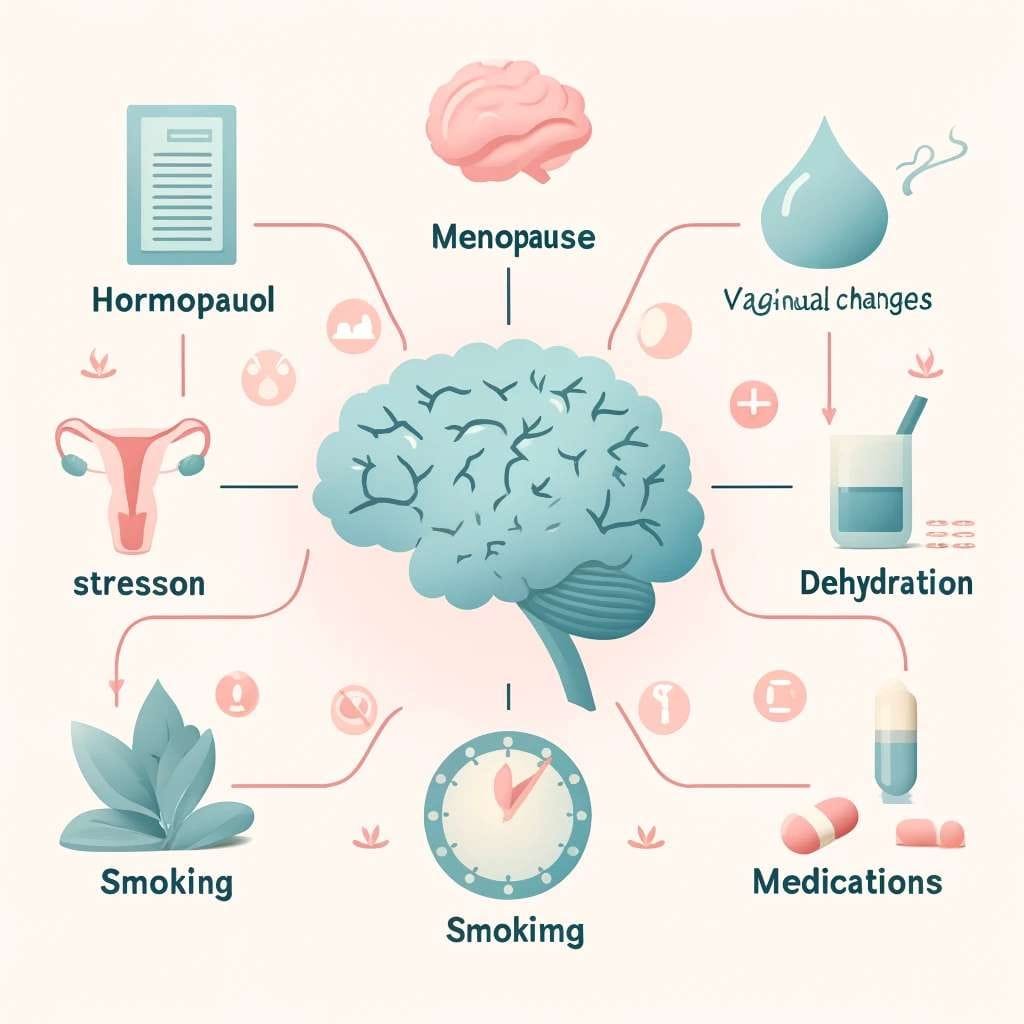
Vaginal dryness can result from a combination of factors. Understanding the underlying causes is crucial for effective management.

Identifying the underlying causes of vaginal dryness is crucial for effective treatment. Consult a healthcare provider to determine the best course of action.

An educational infographic highlighting the causes of vaginal dryness. The design should use soft pastel tones and include icons representing various

Hormonal Changes

  1. Menopause: Decreased estrogen levels lead to:
    • Thinning vaginal walls
    • Reduced vaginal elasticity
    • Decreased lubrication
  2. Postpartum and Breastfeeding: Hormonal shifts cause:
    • Temporary vaginal dryness
    • Changes in vaginal pH
  3. Birth Control: Certain contraceptives, such as:
    • Progestin-only pills
    • Intrauterine devices (IUDs)
    • Injectables (e.g., Depo-Provera)
    • Hormonal patches and rings
  4. Menstrual Cycle Fluctuations: Hormonal changes during:
    • Ovulation
    • Premenstrual phase
    • Menstruation

Medications

  1. Antihistamines: Reduce mucous production, leading to dryness.
  2. Antidepressants: Selective serotonin reuptake inhibitors (SSRIs) can decrease libido and lubrication.
  3. Certain Cancer Treatments:
    • Chemotherapy
    • Radiation therapy

Lifestyle Factors

  1. Stress: High stress levels disrupt hormonal balance.
  2. Smoking: Nicotine:
    • Reduces blood flow to vaginal tissues
    • Damages vaginal mucosa
  3. Dehydration: Inadequate water intake:
    • Decreases vaginal lubrication
    • It affects overall vaginal health

Other Underlying Conditions

  1. Autoimmune Disorders:
    • Sjögren’s syndrome
    • Rheumatoid arthritis
  2. Vaginal Infections:
    • Yeast infections
    • Bacterial vaginosis
  3. Skin Conditions:
    • Lichen sclerosis
    • Eczema

Natural Remedies For Vaginal Dryness

Additional Tips:

  • Consider consulting a healthcare provider before starting supplements.
  • Combine natural remedies with medical treatments for optimal results.
  • Communicate openly with your partner about your experiences.
A calming and informative infographic showing natural remedies for vaginal dryness. The infographic should feature a soft pastel color palette, with i

Explore these effective natural solutions to alleviate vaginal dryness:

Dietary Solutions

  1. Hydration: Drink at least 8-10 glasses of water daily.
  2. Hydrating Foods: Include:
    • Cucumbers
    • Watermelon
    • Celery
    • Strawberries
    • Pineapple
  3. Healthy Fats: Consume:
    • Omega-3 rich flaxseeds
    • Fatty fish (salmon, sardines)
  4. Phytoestrogen-rich Foods: Enjoy:
    • Soy products
    • Flaxseeds
    • Sesame seeds
  5. Vitamins for Vaginal Health:
    • Vitamin E (nuts, seeds, vegetable oils)
    • Vitamin D (fatty fish, fortified dairy)

Herbs And Supplements

  • Black Cohosh: Supports hormone balance.
  • Evening Primrose Oil: Eases menopausal symptoms.
  • Maca Root: Boosts energy, and balances hormones.
  • Fenugreek: Enhances moisture and hormone balance.
  • Vitamin E Supplements: Topical or oral intake.

Natural Lubricants

  1. Coconut Oil: Benefits and safe usage guidelines.
  2. Aloe Vera Gel: Moisturizes, and reduces inflammation.
  3. Olive Oil: Natural remedy for dryness.
  4. Best Natural Lubricant Choices: Compare coconut oil, aloe vera, olive oil, and vitamin E oil.

Lifestyle Adjustments

  1. Stress Management: Practice:
    • Yoga
    • Meditation
    • Breathing exercises
  2. Regular Exercise: Improves vaginal blood circulation.
  3. Avoid Irritants:
    • Perfumed soaps
    • Douches
    • Synthetic underwear
  4. Maintaining a Healthy Weight: Regulates hormones, overall vaginal health.

Natural Remedies Chart

Natural Remedies Chart for vaginal dryness:

RemedyBenefits
HydrationMoisture regulation
Phytoestrogen-rich foodsHormone balance
Coconut OilLubrication, moisturizing
Maca RootEnergy, hormone balance
Aloe Vera GelMoisturizing, anti-inflammatory
Table: Chart showing Natural Remedies for vaginal dryness

Additional Considerations

  • Lifestyle Adjustments: Regular exercise, stress management, and a balanced diet support vaginal health.
  • Consult a Healthcare Provider: Before starting estrogen therapy or natural alternatives.
  • Combine Remedies: Pair medical treatments with natural solutions for optimal results.
menopause_related_dryness_specific_remedies

Menopause can significantly impact vaginal health, leading to dryness and discomfort. Explore these targeted remedies:

Estrogen Therapy

  1. Topical Estrogen Creams: Applied directly to the vagina to:
    • Replenish estrogen
    • Improve vaginal elasticity
    • Reduce dryness
  2. Vaginal Rings: Releasing estrogen locally to:
    • Alleviate dryness
    • Enhance lubrication
    • Support vaginal health

Natural Alternatives To Hormone Replacement Therapy (HRT)

  1. Phytoestrogens: Plant-based estrogens found in:
    • Soy products
    • Flaxseeds
    • Sesame seeds
  2. Black Cohosh: Herbal supplement supporting hormone balance.
  3. DHEA Supplements: Promote vaginal mucosa health.

Vaginal Moisturizers

  1. Non-Hormonal Options: Over-the-counter moisturizers:
    • Vagisil
    • Replens
    • Luvena
  2. Long-Lasting Hydration: Moisturizers with hyaluronic acid or glycerin.

Homeopathic And Alternative Medicine

  1. Wild Yam Creams: Topical application for:
    • Menopausal symptoms
    • Vaginal dryness
  2. Acupuncture: Improves blood flow, and balances hormones.
  3. Herbal Teas: Red clover, chamomile, and peppermint for relaxation and hormonal balance.

RemedyBenefitsRisks/Considerations
Estrogen TherapyEffective for dryness, elasticitySystemic hormone risks
Natural AlternativesPlant-based, lower riskVariable efficacy
Vaginal MoisturizersNon-hormonal, easy to useTemporary relief
Homeopathic/AlternativeHolistic approachLimited scientific evidence
Table: Comparison Chart Of Menopause-Related Dryness Remedies

Questions About Tightness And Vaginal Dryness

Understanding the relationship between vaginal tightness and dryness is crucial for maintaining optimal vaginal health.

Why Am I Tight and Dry?

Vaginal tightness and dryness are distinct issues:

  1. Vaginal Muscle Tone: Refers to the strength and flexibility of pelvic floor muscles.
  2. Vaginal Dryness: Lack of moisture, often due to hormonal changes or decreased lubrication.

Tightening Exercises (Kegels) and Vaginal Moisture

Kegel exercises:

  • Strengthen pelvic floor muscles
  • Improve bladder control
  • Enhance sexual sensation

However, overdoing Kegels can:

  • Increase vaginal tightness
  • Potentially worsen dryness

Does Cold Water Tighten the Vagina?

Debunking the myth:

  • Cold water does not permanently tighten the vagina.
  • Temporary constriction is due to cold-induced muscle contraction.
  • No scientific evidence supports cold water as a long-term tightening solution.

How to Keep the Vagina Moist and Comfortable While Staying Tight?

Balance muscle tone and moisture:

  1. Regular Kegels: Maintain moderate muscle tone.
  2. Lubricant Use: During pelvic floor exercises or intercourse.
  3. Moisturize: Regularly apply vaginal moisturizers.
  4. Hormone Balance: Maintain healthy hormone levels.
  5. Hydration: Drink plenty of water.

Tips for Maintaining Vaginal Health

  1. Practice gentle Kegels (10-15 reps, 3 sets/day).
  2. Use water-based or silicone-based lubricants.
  3. Avoid harsh soaps and douching.
  4. Stay hydrated and maintain a balanced diet.

Myth-Busting: Vaginal Tightness And Dryness

MythReality
Cold water tightens the vagina.Temporary constriction, no long-term effect.
Kegels cure vaginal dryness.Kegels strengthen muscles but may worsen dryness if overdone.
Vaginal dryness is inevitable with aging.Hormonal changes contribute, but dryness can be managed.
Table: Myth-Busting: Vaginal Tightness and Dryness

How To Fix Vaginal Dryness Naturally

Seek Immediate Medical Attention If:

  • You have a fever over 101.5°F (38.6°C).
  • Severe symptoms persist.
  • You experience difficulty urinating.
how_to_fix_vaginal_dryness_naturally

Daily Hydration

  1. Drink at least 8-10 glasses of water daily.
  2. Include hydrating foods: cucumbers, watermelon, and celery.

Lubricants vs. Moisturizers

  1. Lubricants: Temporary relief during intimacy.
  2. Moisturizers: Long-term hydration and vaginal health.

Recommended Natural Lubricants

  1. Coconut oil
  2. Aloe vera gel
  3. Olive oil
  4. Vitamin E oil

Regular Use of Natural Lubricants

  1. Apply before intimacy.
  2. Use during pelvic floor exercises.
  3. Reapply as needed.

Pelvic Floor Exercises

  1. Improve circulation.
  2. Enhance lubrication.
  3. Strengthen muscles.

Kegel Exercise Routine

  1. Contract pelvic muscles for 5-10 seconds.
  2. Release for 10-15 seconds.
  3. Repeat 10-15 times, 3 sets/day.

When to Seek Medical Advice

  1. Severe or persistent dryness.
  2. Painful intercourse.
  3. Abnormal bleeding or discharge.
  4. Vaginal itching or burning.

Medical Evaluation

  1. Physical exam.
  2. Medical history review.
  3. Hormone level checks.
  4. Infection screening.

Signs of Underlying Conditions

  1. Unexplained bleeding.
  2. Severe pelvic pain.
  3. Fever or chills.
  4. Unusual discharge or odor.

Natural Relief Chart:

RemedyBenefits
HydrationMoisture regulation
LubricantsTemporary relief
MoisturizersLong-term hydration
Pelvic Floor ExercisesImproved circulation, lubrication
Table: Natural Relief Chart For Vaginal Lubrication

Final Thoughts: Managing Vaginal Dryness Naturally

Embracing a holistic approach can effectively alleviate vaginal dryness. Remember:

Key Takeaways:

  1. Hydration: Drink plenty of water and consume hydrating foods.
  2. Balanced Diet: Include omega-3 fatty acids, phytoestrogens, and essential vitamins.
  3. Natural Lubricants: Coconut oil, aloe vera gel, and olive oil.
  4. Pelvic Floor Exercises: Strengthen muscles, improve circulation.
  5. Stress Management: Yoga, meditation, and breathing exercises.
  6. Hormone Balance: Consider natural alternatives to HRT.

Adopt a Holistic Approach:

  1. Integrate diet, lifestyle, and natural remedies.
  2. Prioritize self-care and stress management.
  3. Monitor and adjust your approach as needed.

Consult a Healthcare Provider:

  1. Persistent symptoms.
  2. Severe or sudden dryness.
  3. Abnormal bleeding or discharge.
  4. Painful intercourse.

Empower Your Vaginal Health:

  1. Educate yourself.
  2. Communicate openly with your partner.
  3. Seek medical attention when necessary.

Natural Relief Resources:

  1. National Vulvodynia Association (NVA)
  2. American College of Obstetricians and Gynecologists (ACOG)
  3. Mayo Clinic: Vaginal Dryness

You Are Not Alone:

  1. Share your experiences with a trusted healthcare provider.
  2. Join online communities and support groups.
  3. Prioritize your vaginal health and overall well-being.

Stay Informed, Stay Empowered.

Frequently Asked Questions (FAQs) – Vaginal Dryness

Can Vaseline Be Used as a Lubricant?

Vaseline is not recommended as it can trap bacteria and cause infections. Safer alternatives include coconut oil and water-based lubricants.

Can Stress Cause Vaginal Dryness?

Yes, stress can lead to hormonal imbalances that reduce natural lubrication, causing vaginal dryness.

Can I Use Coconut Oil for Vaginal Dryness?

Coconut oil is a safe, natural lubricant. Apply a small amount externally, but avoid if prone to yeast infections.

What Fruits Can Boost Wetness?

Hydrating fruits like watermelon, cucumbers, and hormone-balancing fruits such as pomegranates may help increase moisture.

Is It Safe to Use Vitamin E for Vaginal Dryness?

Yes, Vitamin E can be applied topically or taken orally. A small dose can improve tissue health and moisture.

What causes vaginal dryness?

Hormonal changes, menopause, breastfeeding, certain medications, lifestyle factors, and underlying medical conditions.

Is vaginal dryness a sign of menopause?

Yes, decreased estrogen levels during menopause can lead to vaginal dryness.

Can breastfeeding cause vaginal dryness?

Yes, hormonal changes during breastfeeding can contribute to vaginal dryness.

What are the best lubricants for vaginal dryness?

Water-based, silicone-based, or oil-based lubricants like coconut oil or aloe vera gel.

Does smoking affect vaginal dryness?

Yes, smoking can reduce blood flow and worsen vaginal dryness.

Can vaginal dryness affect my sex life?

Yes, but exploring natural remedies and communicating with your partner can help.

When should I see a doctor for vaginal dryness?

If symptoms persist, worsen, or are accompanied by abnormal bleeding, discharge, or pain.

Disclaimer:
Commissions we earn from partner links on this page do not influence our content. Our editorial content is based on thorough research and insights from qualified medical professionals to ensure the highest standards of accuracy and reliability.

Information provided on Doseway is for educational purposes only. Your health and wellness are unique to you, and the products and services we review may not be suitable for your individual circumstances. We do not offer personal medical advice, diagnosis, or treatment plans. For specific advice, please consult with a healthcare professional. Doseway adheres to strict editorial integrity standards. To the best of our knowledge, all content is accurate as of the date posted, though offers and information may change. The opinions expressed are the author’s own and have not been influenced, approved, or endorsed by our partners.

Best-Antifungal-Cream-For-Private-Area-In-Pakistan

Best Antifungal Cream For Private Area In Pakistan

Fungal infections, or mycoses, occur when fungi overgrow and invade the skin, nails, or mucous membranes. In sensitive areas, such as the private parts, fungal infections can cause discomfort, itching, and embarrassment.

Causes of Fungal Infections in Private Areas:

Common CausesDescription
1. MoistureExcessive sweating, poor ventilation, and humid environments
2. HeatWarmth and friction in genital areas
3. Poor HygieneInfrequent washing, using harsh soaps, or sharing personal items
4. Tight ClothingWearing synthetic, tight-fitting underwear
5. Weakened Immune SystemDiabetes, pregnancy, or taking antibiotics
Table: Causes of Fungal Infections in Private Areas

This article will guide you in finding the Best Antifungal Cream for Private Area in Pakistan, providing you with a safe and discreet solution to tackle this sensitive issue.

Read Also: Top 5 Antifungal Creams In Pakistan [For Skin+Private Area]

Antifungal Cream For Private Area Uses, Side Effects, & More

Antifungal-Cream-For-Private-Area-In-Pakistan

Why Is The Treatment Of Fungus On Private Parts Essential?

fungal_infection (1)

Untreated fungal infections can lead to:

  • Increased discomfort and itching
  • Spread of infection to other areas or partners
  • Complications, such as skin cracking, bacterial infections, or long-term damage

The Role & Working Of Antifungal Creams

Antifungal creams offer an effective solution for treating fungal infections in private areas.

They:

  • Provide fast relief from symptoms like itching, burning, and redness
  • Target localized infections, reducing the risk of systemic side effects
  • Are available over-the-counter (OTC) or by prescription, depending on severity

OTC Vs. Prescription Antifungal Creams

OTC CreamsPrescription Creams
For mild infectionsFor severe or recurring infections
Contain ingredients like clotrimazole, miconazoleMay contain stronger ingredients like terbinafine
Generally less expensiveMay require medical supervision
Table: OTC Vs. Prescription Antifungal Creams

Common Types Of Fungal Infections In The Private Area

Fungal infections can affect anyone, regardless of age or gender. Here are three common types of fungal infections that affect the private area:

best_antifungal_cream_for_private_area_in_pakistan

1. Jock Itch (Tinea Cruris)

Symptoms:

  • Itching, burning, or stinging sensation in the groin area
  • Redness, irritation, and flaky skin
  • Crusty or blister-like patches

How it Spreads:

Jock itch spreads through:

  • Direct contact with infected skin
  • Sharing personal items (towels, clothing)
  • Contaminated surfaces (lockers, showers)

Why It’s Common:

fungal infection 2

Jock itch affects both men and women, especially:

  • Athletes (friction, sweat)
  • Individuals with poor hygiene
  • Those wearing synthetic or tight clothing

2. Candidiasis (Yeast Infection)

Symptoms:

  • Itching, burning, or redness
  • Discharge or cottage cheese-like appearance (in women)
  • Discomfort or pain during urination/intercourse

Difference between Male and Female Infections:

  • Male yeast infections often cause itching and redness on the penis
  • Female yeast infections typically cause vaginal discharge, itching, and burning

3. Intertrigo

Definition: Intertrigo is a fungal or bacterial infection occurring in skin folds.

Causes:

  • Friction and moisture in skin folds (groin, thighs)
  • Poor hygiene
  • Obesity or tight clothing

Symptoms:

  • Redness, itching, or burning
  • Sweating, cracking, or maceration (skin softening)
  • Unpleasant odor

Prevention Tips:

  • Keep skin folds dry and clean
  • Wear breathable clothing
  • Avoid sharing personal items

Top 5 Antifungal Creams For The Private Area In Pakistan

Consultation

Before choosing an antifungal cream, consult a doctor or pharmacist to determine the best option for your specific condition.

top_5_antifungal_creams_in_pakistan

Here are the most effective antifungal creams available in Pakistan, along with their brands, active ingredients, and uses:

RankCreamActive IngredientBrandUse Cases
1Clotrimazole CreamClotrimazole (1% & 2%)Canesten, LotriminJock itch, yeast infections, ringworm
2Miconazole CreamMiconazole (2%)DaktarinYeast infections, vaginal candidiasis
3Ketoconazole CreamKetoconazole (2%)NizoralSevere infections (ringworm, jock itch), fungal acne
4Terbinafine CreamTerbinafine (1%)LamisilJock itch, ringworm, athlete’s foot
5Hydrozole CreamHydrocortisone + ClotrimazoleVariousSevere itching, inflammation, and fungal infections
Table: Antifungal creams available in Pakistan, along with their brands, active ingredients, and uses

1. Clotrimazole Cream (1% and 2%)

  • Treats: Jock itch, yeast infections, ringworm, and athlete’s foot
  • Works: Inhibits fungal growth, reducing symptoms
  • Brands: Canesten, Lotrimin

2. Miconazole Cream (2%)

  • Treats: Yeast infections, vaginal candidiasis
  • Works: Interferes with fungal cell membrane, killing the infection
  • Brand: Daktarin

3. Ketoconazole Cream (2%)

  • Treats: Severe infections (ringworm, jock itch), fungal acne
  • Works: Disrupts fungal cell membrane, preventing growth
  • Brand: Nizoral

4. Terbinafine Cream (1%)

  • Treats: Jock itch, ringworm, athlete’s foot
  • Works: Inhibits fungal enzyme, preventing growth
  • Brand: Lamisil

5. Hydrozole Cream

  • Treats: Severe itching, inflammation, and fungal infections
  • Works: Combines hydrocortisone (anti-inflammatory) and clotrimazole (antifungal)
  • Brands: Various

Best Cream For Vaginal Infection

Product / Brand ExampleActive IngredientTypical DurationKey Notes / Best ForAvailability
Monistat (various versions)Miconazole nitrate1-day, 3-day, or 7-dayMost popular OTC; broad coverage including some non-albicans strains; comes with external creamOTC
Clotrimazole (Gyne-Lotrimin, Canesten, generics)Clotrimazole1–7 daysVery common, affordable generic; effective for itching/redness/dischargeOTC
Vagistat-1Tioconazole1-daySingle-dose option; good for quick reliefOTC
Gynazole-1Butoconazole1-dayPrescription in many places; strong single-dosePrescription (sometimes OTC)
Terconazole (Terazol)Terconazole3–7 daysPrescription; effective for resistant casesPrescription
Generic Miconazole creamsMiconazole7-dayStore brands (Walgreens, CVS, etc.); budget-friendly equivalent to MonistatOTC
Nystatin vaginal creamNystatin7–14 daysAlternative for certain Candida types; sometimes used when azoles failPrescription
Lamisil (terbinafine cream – off-label vaginal use in some studies)TerbinafineVariesNot standard vaginal use but some studies show good resultsOTC (general antifungal)
Combination packs (Monistat or generics)Miconazole + external cream3–7 daysIncludes internal + external reliefOTC
FemiClear (for BV symptoms – not yeast)Natural/organic ingredients2 daysFor BV-related odor/discharge (not antifungal for yeast)OTC

Top 10 Best Antifungal Creams For Female Private Parts

Product / Brand ExampleActive IngredientTypical DurationNotes / Common Use Case
Monistat (various versions)Miconazole nitrate1-day, 3-day, or 7-dayMost popular OTC; broadest coverage including some non-albicans strains; often ranked #1
Generic / CVS / Walgreens MiconazoleMiconazole nitrate3-day or 7-dayAffordable equivalent to Monistat; very widely available
Gyne-Lotrimin / Canesten / Generic ClotrimazoleClotrimazole3-day or 7-dayVery common; effective for vulvar itching + internal use
Vagistat-1Tioconazole1-day (single dose)Good for quick treatment; ointment/cream option
Gynazole-1Butoconazole nitrate1-day (single dose)Prescription in many places but sometimes mentioned; bioadhesive for longer contact
Terconazole (e.g., Terazol)Terconazole3–7 daysOften prescription; effective for some resistant strains
Femmesil or similar clotrimazole ointmentsClotrimazoleVaries (usually 7 days)Soothing ointment focus; good for external irritation
Nystatin cream/ointmentNystatin7–14 daysAlternative for certain cases; less common for vaginal use but sometimes used
Generic Miconazole 2% or 4% creamMiconazole3–7 daysStore-brand versions; very similar to Monistat
Clotrimazole 1% or 2% vaginal creamClotrimazole7–14 days or 3 daysBasic, effective, and inexpensive generic option

Top 10 Antifungal Creams For Yeast Infections

Product/Brand ExampleActive IngredientTypical DurationKey Notes / Why Ranked High
Monistat (various: 1, 3, or 7-day)Miconazole nitrate1-day, 3-day, or 7-day#1 gynecologist-recommended OTC brand; broadest availability; fast symptom relief; top-ranked in 2025 reviews
Generic Miconazole (CVS, Walgreens, up&up, etc.)Miconazole nitrate3-day or 7-dayAffordable equivalent to Monistat; very widely available & effective; strong pharmacy sales
Clotrimazole (Gyne-Lotrimin, Canesten, generic)Clotrimazole3-day or 7-dayHighly effective & CDC-recommended; good for external itching + internal use; #2 in many 2025 OTC rankings
Vagistat-1 / Tioconazole ointmentTioconazole1-day (single dose)Quick single-dose option; pre-filled applicator; popular for convenience
Monistat 7-Day Cream PackMiconazole nitrate7 daysLonger course often preferred for thorough treatment; includes external itch cream
Terconazole (Terazol, generic)Terconazole3–7 daysPrescription in many places; broader spectrum for some resistant/non-albicans strains
Butoconazole (Gynazole-1)Butoconazole nitrate1-day (single dose)Prescription; bioadhesive for prolonged contact; effective alternative
Generic Clotrimazole 1% or 2% vaginal creamClotrimazole7–14 days or 3 daysBasic, inexpensive, CDC-listed; reliable for standard cases
Femmesil or similar clotrimazole ointmentsClotrimazoleVaries (often 7 days)Soothing ointment focus; good for external irritation & natural-leaning options
Nystatin cream/ointmentNystatin7–14 daysAlternative for specific cases (less common for vaginal); sometimes used when azoles aren’t suitable

Using Antifungal Creams Effectively: A Step-by-Step Guide

Additional Tips:

  • Store creams at room temperature, away from children
  • Complete the full treatment course, even if symptoms clear up
  • Monitor for signs of allergic reactions or side effects
Step-by-Step-Guide-antifungal_creams_in_pakistan

Application Process

  1. Clean the Affected Area:
    • Wash with soap and lukewarm water
    • Pat dry thoroughly, especially skin folds
    • Ensure the area is free of other creams or lotions
  2. Apply the Cream:
    • Use a thin layer, covering the affected area and surrounding skin
    • Gently rub in until fully absorbed
  3. Frequency of Application:
    • Typically 1-3 times daily, or as directed by doctor/label
    • Continue treatment for recommended duration (usually 2-4 weeks)

Precautions And Warnings

  1. Consult a Doctor:
    • Before using antifungal cream on broken/irritated skin
    • If symptoms worsen or don’t improve within 2 weeks
    • If you’re pregnant, breastfeeding, or have sensitive skin
  2. Avoid Prolonged Use:
    • Don’t use antifungal creams for extended periods without consulting a doctor
    • Risk of skin thinning, hormone imbalance, or other side effects
  3. Skin Irritation:
    • Discontinue use if redness, itching, or burning worsens

What To Avoid While Using Antifungal Creams

Clothing and Fabrics:

  1. Avoid tight clothing
  2. Choose breathable fabrics (cotton, linen)
  3. Avoid synthetic fibers (nylon, polyester)

Hygiene and Lifestyle:

  1. Keep the affected area dry and clean
  2. Change underwear/ clothing regularly
  3. Practice good hygiene (wash hands, shower regularly)
  4. Avoid sharing personal items (towels, clothing)

Over-the-counter (OTC) Antifungal Creams vs. Prescription Creams

Consultation is Key:

If unsure about the severity of your infection or the best treatment option, consult a doctor or pharmacist for guidance.

over_the_counter_otc_antifungal_creams_vs_prescription_creams

When To Use OTC Creams

Indications:

  1. Mild fungal infections (jock itch, athlete’s foot)
  2. Initial symptoms (itching, redness, mild discharge)
  3. Self-diagnosed or previously diagnosed fungal infections

  1. Clotrimazole (Canesten, Lotrimin)
  2. Miconazole (Daktarin)
  3. Terbinafine (Lamisil)
  4. Ketoconazole (Nizoral)

When To Seek Prescription Creams

Indications:

  1. Persistent infections unresponsive to OTC treatments
  2. Severe symptoms (extensive skin lesions, severe itching)
  3. Infections requiring stronger antifungal medication or combination therapy
  4. Underlying medical conditions (diabetes, weakened immune system)

Common Prescription-Only Antifungal Creams In Pakistan

  1. Fluconazole (Diflucan)
  2. Itraconazole (Sporanox)
  3. Econazole (Econazole cream)
  4. Ciclopirox (Loprox)
  5. Naftifine (Naftin)

Key Differences: OTC vs. Prescription Creams:

CriteriaOTC CreamsPrescription Creams
StrengthLower concentrationHigher concentration
IndicationsMild infectionsSevere/ persistent infections
Active IngredientsClotrimazole, MiconazoleFluconazole, Itraconazole
AvailabilityPharmacies, onlineA doctor’s prescription required
Table: Differences b/w OTC vs. Prescription Creams

Additional Treatment Options For Fungal Infections In Pakistan

Additional Measures:

  • Avoid sharing personal items
  • Regular health check-ups
  • Monitor blood sugar levels (for diabetics)
  • Maintain a healthy weight
over_the_counter_otc_antifungal_creams_vs_prescription_creams (1)

Best Antifungal Tablets

Oral Antifungal Treatments:

  1. Fluconazole (Diflucan): Effective against yeast infections, ringworm
  2. Itraconazole (Sporanox): Treats various fungal infections, including nail and skin infections

Combination Therapy:

  • Using tablets with creams for severe or persistent infections
  • Enhances effectiveness and reduces treatment duration

Top Antifungal Soaps In Pakistan

Brands:

  1. Sebamed Antifungal Soap
  2. Dettol Antifungal Soap
  3. Nizoral Antifungal Soap

Importance of Daily Hygiene:

  1. Wash affected areas twice daily
  2. Use antifungal soap and lukewarm water
  3. Dry thoroughly, especially skin folds

Home Remedies And Lifestyle Changes

Natural Remedies:

fungal infection on Picture
  1. Garlic: Antifungal properties, can be consumed orally or applied topically
  2. Tea Tree Oil: Antifungal and antibacterial properties, mix with a carrier oil for topical application

Lifestyle Changes:

  1. Maintain dry, clean areas: Use talcum powder or baby powder
  2. Wear breathable clothing: Cotton, linen, and loose-fitting clothes
  3. Practice good hygiene: Wash hands, shower regularly

Permanent Solutions For Recurrent Fungal Infections

Prevention Tips:

  1. Boost immunity: Healthy diet, exercise, and sufficient sleep
  2. Dietary changes: Increase fiber, reduce sugar and refined carbohydrates
  3. Stress management: Yoga, meditation, or deep breathing exercises
  4. Avoid tight clothing and synthetic fabrics
  5. Use antifungal powders or sprays on affected areas

Cost And Availability Of Antifungal Creams In Pakistan

Additional Tips:

  • Monitor for side effects or allergic reactions
  • Consult a doctor or pharmacist for recommendations
  • Ensure correct usage and dosage
cost_and_availability_of_antifungal_creams_in_pakistan

Price Comparison Of Top Antifungal Creams

CreamBrandPrice Range (PKR)
ClotrimazoleCanesten200-400
MiconazoleDaktarin250-450
TerbinafineLamisil300-500
KetoconazoleNizoral350-600
HydrozoleVarious400-700
Table: Price Of Top Antifungal Creams

Best Cream For Fungal Infection For Men And Women

Men:

  1. Clotrimazole (Canesten) for jock itch
  2. Terbinafine (Lamisil) for athlete’s foot

Women:

  1. Miconazole (Daktarin) for vaginal yeast infections
  2. Clotrimazole (Canesten) for vaginal candidiasis

Gender-Neutral Options:

  1. Ketoconazole (Nizoral) for severe infections
  2. Hydrozole for itching and inflammation

Tips for Identifying Authentic Products:

  1. Check expiration dates
  2. Verify manufacturer’s logo and packaging
  3. Purchase from reputable pharmacies
  4. Be wary of significantly cheaper options

Selecting The Right Antifungal Cream For Private Areas

Importance of Consistent Treatment and Prevention:

  • Wear breathable clothing
  • Complete the full treatment course
  • Practice good hygiene (wash, dry, and change clothes regularly)
  • Use antifungal powders or sprays
Selecting-The-Right-Antifungal-Cream-For-Private-Areas

Factors To Consider:

  1. Severity of Infection:
    • Mild: OTC creams (Clotrimazole, Miconazole)
    • Severe: Prescription creams (Fluconazole, Itraconazole)
  2. Ingredients and Skin Sensitivity:
    • Hypoallergenic and fragrance-free options for sensitive skin
    • Avoid creams with known allergens or irritants
  3. Medical History:
    • Pregnancy: Consult a doctor before using any cream
    • Diabetes: Monitor blood sugar levels and consult a doctor
    • Weakened immune system: Consult the doctor for guidance
  4. Age and Health Conditions:
    • Elderly: Consider reduced immune function
    • Children: Consult pediatrician before using any cream

Consulting With A Doctor or Pharmacist

When to Consult:

  1. Uncertain diagnosis
  2. Severe or persistent symptoms
  3. Pregnancy or breastfeeding
  4. Underlying medical conditions (diabetes, HIV/AIDS)
  5. Allergic reactions or sensitivity

Importance of Proper Diagnosis:

  1. Accurate identification of fungal infection
  2. Ruling out other conditions (bacterial, viral)
  3. Effective treatment and prevention of complications

Questions to Ask Your Doctor/Pharmacist:

a_pharmacist
  1. What is the best treatment option for my specific condition?
  2. Are there any potential interactions with other medications?
  3. How long should I use the cream?
  4. What are the possible side effects?

Additional Tips:

  1. Always read and follow label instructions
  2. Complete the full treatment course
  3. Practice good hygiene and preventive measures
  4. Monitor for side effects or allergic reactions

Final Thoughts

Fungal infections in private areas can be embarrassing, painful, and debilitating. Prompt treatment and prevention are crucial to alleviate symptoms, prevent complications, and maintain overall well-being.

Key Takeaways:

  1. Prompt treatment prevents complications
  2. Consistent hygiene and prevention are crucial
  3. Choose creams wisely based on individual needs
  4. Consult healthcare professionals for guidance

Remember:

Fungal infections are treatable, and effective management is within reach. Prioritize your health, and take the first step towards a fungus-free life.

Frequently Asked Questions (FAQs) – Antifungal Cream For Private Area

Which Cream is Best for Fungal Infection on Private Parts?

The best cream depends on infection severity and type:
Mild: Clotrimazole (Canesten) or Miconazole (Daktarin)
Severe: Ketoconazole (Nizoral) or Terbinafine (Lamisil)
Yeast infections: Miconazole (Daktarin) or Clotrimazole (Canesten)
Athlete’s foot/jock itch: Terbinafine (Lamisil).

Which Antifungal Cream Works the Fastest?

Fast-acting creams include:
Terbinafine (Lamisil): Effective within 1-2 weeks
Clotrimazole (Canesten): Relieves symptoms within 2-3 days
Ketoconazole (Nizoral): Shows improvement within 1-2 weeks.

What is the Best OTC Antifungal Cream for Private Areas?

Easy-to-find OTC options:
Clotrimazole (Canesten)
Miconazole (Daktarin)
Terbinafine (Lamisil).

What Can I Do to Permanently Get Rid of a Fungal Infection?

Long-term prevention and treatment:
Practice good hygiene
Use antifungal powders/sprays
Wear breathable clothing
Treat underlying conditions (diabetes, obesity)
Maintain a healthy diet.

Can I Use Antifungal Cream for Fungal Infections Caused by Humidity or Sweat?

Yes, antifungal creams can help:
Look for creams containing tea tree oil or aloe vera
Use powders/sprays to keep the area dry
Wear breathable clothing
Stay in well-ventilated areas.

How Long Does it Take for Antifungal Cream to Work?

Typically 1-4 weeks, depending on severity and cream.

Can I Use Antifungal Cream During Pregnancy?

Consult a doctor before using any cream during pregnancy.

Are Antifungal Creams Safe for Sensitive Skin?

Choose hypoallergenic, fragrance-free creams.

Can I Use Antifungal Cream on Broken Skin?

Consult a doctor before applying cream on broken skin.

………………………….
Disclaimer:
Commissions we earn from partner links on this page do not influence our content. Our editorial content is based on thorough research and insights from qualified medical professionals to ensure the highest standards of accuracy and reliability.

Information provided on Doseway is for educational purposes only. Your health and wellness are unique to you, and the products and services we review may not be suitable for your individual circumstances. We do not offer personal medical advice, diagnosis, or treatment plans. For specific advice, please consult with a healthcare professional. Doseway adheres to strict editorial integrity standards. To the best of our knowledge, all content is accurate as of the date posted, though offers and information may change. The opinions expressed are the author’s own and have not been influenced, approved, or endorsed by our partners.
……………………………..

SIBO-Disease-Symptoms-Checker-Estimate-Bacterial-Overgrowth

SIBO Disease Symptoms Checker (Estimate Bacterial Overgrowth)

Small Intestinal Bacterial Overgrowth (SIBO) is a complex gastrointestinal disorder affecting millions worldwide. Our comprehensive guide and free interactive SIBO Symptoms Checker help you:

✔️ Evaluate your risk factors through scientifically validated parameters
✔️ Understand key symptoms like bloating, abdominal pain, and irregular bowel patterns
✔️ Learn about diagnostic methods, including breath testing and stool analysis
✔️ Discover treatment protocols ranging from antibiotics to dietary interventions
✔️ Implement prevention strategies to maintain microbial balance

With rising cases linked to antibiotic overuse (affecting 30% of chronic IBS patients) and poor dietary habits, understanding SIBO is crucial for digestive wellness. This 5,000-word guide combines clinical insights with practical tools to empower your gut health journey.

SIBO Disease Symptoms Checker | Doseway

SIBO Disease Symptoms Checker

Assess your risk for Small Intestinal Bacterial Overgrowth based on symptoms and medical history

1
Demographics
2
Medical History
3
Symptoms
4
Results

Personal Information

Medical History

/ mmHg

SIBO Symptoms Assessment

Rate the severity of your symptoms over the past 3 months:

Abdominal Pain
0 10 0
Bloating
0 10 0
Gas & Flatulence
0 10 0
Diarrhea Frequency
0 10 0
Constipation
0 10 0
Nausea
0 10 0
Fatigue
0 10 0
Food Intolerances
0 10 0

Additional Risk Factors

SIBO Risk Assessment Results

Your SIBO Risk Score

0
Low Risk Moderate Risk High Risk

Based on your inputs, your risk of having SIBO is low.

Interpretation

Your symptom profile and medical history suggest a low probability of Small Intestinal Bacterial Overgrowth. However, if you continue to experience digestive issues, consider consulting with a gastroenterologist.

Recommendations

  • Maintain a balanced diet with adequate fiber intake
  • Stay hydrated and engage in regular physical activity
  • Consider keeping a food diary to identify potential triggers
  • Consult with a healthcare provider if symptoms persist or worsen
  • Discuss the possibility of breath testing for SIBO with your doctor

Disclaimer: This tool provides an estimate only and is not a substitute for professional medical advice. Always consult with a qualified healthcare provider for diagnosis and treatment of medical conditions.

Try More Free Tools:

Free-SIBO-Disease-Symptoms-Checker-Estimate-Bacterial-Overgrowth

What Exactly is Small Intestinal Bacterial Overgrowth (SIBO)?

Small Intestinal Bacterial Overgrowth occurs when excessive bacteria colonize the small intestine, disrupting normal digestion. Unlike the large intestine, where high bacterial loads are normal, the small intestine typically hosts limited microorganisms. When this balance fails, bacteria ferment carbohydrates prematurely, producing hydrogen/methane gases that trigger symptoms.

Pathophysiological Mechanisms Behind SIBO Development

Three primary factors enable bacterial overgrowth:

  1. Motility Disorders – Impaired migrating motor complex (MMC) function allows bacterial stagnation
  2. Anatomical Abnormalities – Surgical adhesions, diverticuli, or ileocecal valve defects
  3. Gastric Acid Reduction – Chronic PPI use elevates small intestine pH, enabling bacterial survival

SIBO Subtypes and Gas Production Patterns

TypeDominant GasPrimary SymptomsPrevalence
HydrogenH₂Diarrhea, urgency60%
MethaneCH₄Constipation, bloating35%
Hydrogen SulfideH₂SMixed bowel patterns5%

Clinical Insight: Methane-dominant SIBO correlates with 3.5x higher rates of constipation-predominant IBS according to recent meta-analyses.

What Symptoms Suggest Possible SIBO? Recognizing Key Indicators

SIBO manifests through diverse gastrointestinal and systemic symptoms. Our SIBO Symptoms Checker evaluates these critical markers:

Primary Gastrointestinal Symptoms

  • Abdominal distension (visible swelling within 60 minutes of eating)
  • Postprandial discomfort lasting 2+ hours after meals
  • Altered bowel habits: Diarrhea (hydrogen-dominant) or constipation (methane-dominant)
  • Sulfur burps or persistent flatulence with rotten egg odor

Secondary Systemic Manifestations

  • Nutrient malabsorption: Iron-deficiency anemia, vitamin B12 deficiency
  • Food intolerances: Especially FODMAPs and histamine-containing foods
  • Joint pain and skin conditions: Rosacea flares correlate with SIBO in 40% of cases
  • Brain fog from inflammatory cytokine release

Diagnostic Tip: Symptom timing matters. SIBO discomfort typically peaks 90-120 minutes post-meal versus immediate reactions in food intolerances.

How Do Medical Professionals Diagnose SIBO? Testing Protocols Explained

Gold-Standard Diagnostic Methods

1. Breath Testing Methodology

  • Measures hydrogen/methane gases after lactulose/glucose challenge
  • Procedure:
    • Baseline breath sample
    • Ingest sugar substrate
    • Serial sampling every 15-20 minutes for 3 hours
  • Positive diagnosis:
    • H₂ rise ≥20 ppm within 90 minutes
    • CH₄ ≥10 ppm at any point

2. Small Bowel Aspiration and Culture

  • Endoscopic fluid sampling with quantitative culture
  • Diagnostic threshold: >10³ CFU/mL bacteria

Limitations and Clinical Considerations

  • False negatives occur in 15-30% of tests due to bacterial types not producing gases
  • Antibiotic pretest requirements: Minimum 4-week washout period
  • Dietary restrictions: Low-fermentable fiber diet 24 hours before testing

Emerging Research: DNA sequencing of aspirates reveals 70% of SIBO cases involve atypical bacteria undetectable by conventional culture methods.

What Treatment Options Exist for SIBO? Evidence-Based Approaches

Pharmaceutical Interventions

First-Line Antibiotic Protocols

AntibioticDosageTargetEfficacy Rate
Rifaximin550mg TIDHydrogen70-80%
Neomycin500mg BIDMethane50-60%
CombinationRifaximin+NeomycinMixed85%+

Treatment duration: 10-14 days with retesting at 4-week intervals

Nutritional and Herbal Therapies

  • Elemental diets: Liquid formulas allowing gut rest (80% efficacy in resistant cases)
  • Herbal antimicrobials: Berberine, oregano oil, and neem combinations
  • Prokinetics: Low-dose erythromycin or prucalopride to prevent relapse

Dietary Management Strategies

  • Low-FODMAP protocol: Reduces fermentable substrates for bacteria
  • Specific Carbohydrate Diet (SCD): Eliminates complex carbohydrates
  • Cedars-Sinai Modified Diet: Combines low fermentation + prokinetic foods

Critical Consideration: 45% of patients experience relapse within 9 months without prokinetic support and dietary modification.

Can SIBO Be Prevented? Risk Reduction Strategies

Addressing Root Causes

  • PPI usage review: Limit proton pump inhibitors to essential cases
  • Motility enhancement: Ginger/artichoke supplements between meals
  • Structural repair: Surgical correction of anatomical defects

Lifestyle Interventions

  • Meal spacing: 4-5 hour intervals allowing MMC activation
  • Stress management: CBT reduces recurrence by 40% in clinical trials
  • Exercise regimen: Moderate activity improves transit time by 30%

Maintenance Supplementation

  • Microbial support: Soil-based probiotics like Bacillus coagulans
  • Mucosal repair: L-glutamine (5g daily on an empty stomach)
  • Bile flow optimization: Taurine (500mg) + beetroot supplementation

Prevention Data: Combining rifaximin with prokinetics reduces 12-month relapse rates from 65% to <25% in multicenter studies.

How Our SIBO Symptoms Checker Calculates Your Risk

Algorithmic Assessment Methodology

Our tool employs a weighted scoring system evaluating:

  1. Symptom Severity (70% weight)
    • Frequency/duration of bloating
    • Pain intensity (0-10 scale)
    • Bowel movement consistency
  2. Risk Factors (30% weight)
    • Medication history (PPIs, opioids)
    • Comorbid conditions (IBS, celiac, diabetes)
    • Surgical history (cholecystectomy, bowel resections)

Real-Time Scoring Interpretation

Score RangeRisk LevelClinical Recommendation
0-30Low ProbabilityDietary modifications + retest in 3 months
31-69Moderate RiskBreath testing + consider herbal protocols
70-100High LikelihoodDiagnostic testing + antibiotic treatment

Case Example: A 45-year-old female with:

  • Daily bloating (score: 8/10)
  • Constipation (score: 7/10)
  • 5-year PPI use
  • Post-cholecystectomy
    Receives 84/100 = High risk recommendation for breath test + specialist referral

Understanding Your SIBO Risk Report: Actionable Next Steps

For Moderate-High Risk Results

  1. Diagnostic confirmation: Request a lactulose breath test
  2. Dietary intervention: Implement the low-FODMAP protocol immediately
  3. Professional consultation: Gastroenterologist + registered dietitian

Low-Risk Management

  • Prokinetic support: Iberogast before bedtime
  • Fermentation control: Limit resistant starches
  • Reassessment: Retest with calculator quarterly

Monitoring Tip: Track symptoms using the Bristol Stool Chart and bloating severity scales to measure progress objectively.

Debunking 7 Common SIBO Myths

Myth 1: “Probiotics Always Help SIBO”

Reality: 30% of patients worsen with Lactobacillus strains. Soil-based spp. are preferred

Myth 2: “Antibiotics Cure SIBO Permanently”

Reality: 65% relapse rate necessitates maintenance protocols

Myth 3: “SIBO Only Affects the Gut”

Reality: Neurological symptoms occur in 40% due to gut-brain axis disruption

Myth 4: “Strict Diets Heal SIBO Alone”

Reality: Dietary restriction manages symptoms but doesn’t eradicate overgrowth

Myth 5: “Testing Is Unreliable”

Reality: Breath tests show 88% specificity when properly administered

Myth 6: “SIBO Is Rare”

Reality: Affects 15% of healthy adults and 80% of IBS patients

Myth 7: “Herbal Treatments Are Ineffective”

Reality: Rifaximin-comparable outcomes occur with properly formulated antimicrobials

SIBO and Comorbid Conditions: Critical Connections

  • Celiac disease: 25% prevalence in refractory celiac cases
  • Hashimoto’s thyroiditis: 50% higher incidence versus controls
  • Rheumatoid arthritis: Shared gut-joint inflammation pathways

Metabolic Relationships

  • Diabetes mellitus: Autonomic neuropathy slows gut motility
  • Obesity: Altered bile acid metabolism promotes bacterial overgrowth

Neurological Implications

  • Migraines: 3x more frequent in SIBO patients
  • Parkinson’s disease: 85% show gut dysbiosis preceding motor symptoms

Research Insight: SIBO resolution improves thyroid medication absorption in 70% of Hashimoto’s patients, demonstrating systemic impact.

Nutritional Protocols for SIBO Management: Evidence-Based Approaches

Phase-Based Dietary Framework

PhaseDurationKey ComponentsPurpose
Elimination2-6 weeksLow-FODMAP, no grains/legumesSymptom relief
Treatment2-4 weeksAntimicrobials + elemental shakesBacterial reduction
Repair8-12 weeksL-glutamine, zinc carnosineMucosal healing
ReintroductionOngoingSystematic FODMAP challengesDietary expansion

Critical Micronutrient Repletion

  • Vitamin B12: 1000mcg methylcobalamin sublingual
  • Magnesium: 300-400mg glycinate for constipation relief
  • Vitamin D: 5000IU daily to support immune regulation
  • Iron: 25-50mg bisglycinate if ferritin <50ng/mL

Clinical Note: 92% of SIBO patients show micronutrient deficiencies requiring targeted repletion.

Disclaimer: This SIBO Symptoms Checker provides a preliminary risk assessment only and cannot replace clinical evaluation. Always consult a gastroenterologist for diagnosis and treatment.

Frequently Asked Questions (FAQs) –

What are the first signs of an unhealthy gut?

The earliest signs of gut imbalance typically include bloating, gas, abdominal discomfort, irregular bowel habits, food sensitivities, fatigue, and skin issues. These symptoms often appear before more serious conditions develop, making early intervention particularly valuable.

How long does it take to improve gut health?

The timeline for gut health improvement varies based on individual factors and the severity of issues. Minor adjustments may show benefits within days to weeks, while significant microbiome restoration can take several months of consistent dietary and lifestyle modifications.

Can gut health affect weight management?

Absolutely. Gut microbes influence calorie extraction from food, fat storage, blood sugar regulation, and hunger hormones. Certain microbial patterns associate with easier weight management, while others correlate with weight gain resistance.

Are probiotic supplements necessary for good gut health?

While probiotic supplements can be beneficial, they’re not essential for everyone. Many people can maintain healthy gut flora through a diverse, fiber-rich diet that includes fermented foods. Supplements may be particularly useful during and after antibiotic treatment, during travel, or for specific health conditions.

What’s the relationship between gut health and mental health?

The gut-brain axis facilitates bidirectional communication between the digestive system and the brain. Gut microbes produce neurotransmitters like serotonin and GABA, influence inflammatory responses that affect brain function, and modulate stress hormone production. This explains why digestive issues frequently accompany anxiety and depression.

How does alcohol affect gut health?

Alcohol can damage the gut lining, alter microbiome composition, increase intestinal permeability, and impair nutrient absorption. Moderate consumption may have less impact, but excessive or regular alcohol intake typically worsens gut health.

Can exercise improve gut health?

Regular moderate exercise supports diverse gut microbiota, improves gut motility, reduces inflammation, and helps manage stress—all beneficial for digestive health. However, extreme endurance exercise may temporarily increase intestinal permeability and cause digestive distress.

Gut-Health-Quiz-Free-Fix-the-Root-of-Your-Gut-Issues

Gut Health Quiz Free (Fix the Root of Your Gut Issues)

Your gut is your body’s command center for overall health. Modern research reveals that 70% of your immune system resides in your gut, and 95% of serotonin (your happiness hormone) is produced there.

This free gut health calculator helps you:

✓ Evaluate digestive symptoms scientifically
✓ Identify risk factors for common gut disorders
✓ Receive personalized recommendations
✓ Track improvements over time
✓ Understand gut-brain connections

Discover how this tool provides actionable insights into your digestive wellness.

Gut Health Quiz | Fix the Root of Your Gut Issues

Gut Health Quiz

Assess your digestive health and get personalized recommendations

Demographics
Medical History
Gut Symptoms
Results
Demographics
Medical History
Gut Health Symptoms
0 – Never
0 – Never
0 – Never
0 – Never
0 – Never
0 – Never
0 – No stress
5 – Average
Your Gut Health Assessment

Your Gut Health Score

72
Healthy (0-25) Mild Issues (26-50) Moderate Issues (51-75) Severe Issues (76-100)

Interpretation

Based on your responses, you have moderate to severe gut health issues. Your symptoms suggest possible imbalances in your gut microbiome, which may be affecting your digestion and overall well-being. Factors such as diet, stress levels, and medical history appear to be contributing to your symptoms.

Personalized Recommendations

  • Consider consulting with a gastroenterologist for a comprehensive evaluation
  • Increase your fiber intake gradually to support healthy digestion
  • Incorporate probiotic-rich foods like yogurt, kefir, and fermented vegetables
  • Practice stress-reduction techniques such as meditation or yoga
  • Maintain a food diary to identify potential trigger foods
  • Aim for 7-8 hours of quality sleep each night

Disclaimer: This assessment is for informational purposes only and is not a substitute for professional medical advice. Always consult with a qualified healthcare provider regarding any health concerns. Results may not be completely accurate and should not be used to diagnose or treat any health conditions.

Try More Free Tools:

Free-Gut-Health-Quiz-Free-Fix-the-Root-of-Your-Gut-Issues

What Exactly Is Gut Health and Why Does It Matter?

Gut health refers to the optimal functioning of your entire gastrointestinal (GI) system, particularly the balance of microorganisms in your microbiome. When your gut microbiome becomes imbalanced (dysbiosis), it triggers inflammation that impacts every system in your body.

The Gut-Organ Connection

Research confirms these critical links:

  • Gut-Brain Axis: Gut microbes produce neurotransmitters affecting mood
  • Gut-Immune System: 70-80% of immune cells reside in gut tissue
  • Gut-Heart Health: Microbes influence cholesterol metabolism
  • Gut-Skin Pathway: Inflammation manifests as eczema/psoriasis

5 Warning Signs of Poor Gut Health

  1. Digestive distress (bloating, constipation, diarrhea)
  2. Unintended weight changes
  3. Skin conditions like rosacea
  4. Food intolerances
  5. Chronic fatigue and brain fog

How Gut Health Problems Are Clinically Diagnosed

When symptoms persist, gastroenterologists use these diagnostic approaches:

Standard Diagnostic Procedures

Test TypeWhat It DetectsProcedure Details
Stool AnalysisMicrobial imbalances, parasitesAt-home collection kit analyzed in lab
Breath TestingSIBO (small intestinal bacterial overgrowth)Fasting breath samples after sugar solution
EndoscopyInflammation, ulcers, polypsCamera-guided tube examination
Blood TestsCeliac antibodies, nutrient deficienciesAntibody panels and micronutrient testing
Elimination DietFood triggersSystematic 6-week food reintroduction protocol

When to Seek Medical Evaluation

Consult a GI specialist if you experience:

  • Unexplained weight loss
  • Rectal bleeding
  • Severe abdominal pain
  • Symptoms persisting >2 weeks
  • Family history of IBD or colon cancer

Evidence-Based Treatment Options

Dietary Interventions

The 4-R Gut Repair Protocol:

  1. REMOVE triggers (gluten, dairy, sugars)
  2. REPLACE digestive enzymes
  3. REINOCULATE with probiotics
  4. REPAIR gut lining with glutamine/zinc

Top 5 Gut-Healing Foods:

  • Fermented foods (kefir, kimchi)
  • Resistant starches (green bananas, cooled potatoes)
  • Bone broth (rich in collagen)
  • Polyphenol-rich foods (berries, dark chocolate)
  • Omega-3 sources (wild salmon, chia seeds)

Medical Treatments

  • FMT (Fecal Microbiota Transplant): For recurrent C. diff infections
  • Rifaximin: Antibiotic for SIBO with 70% efficacy
  • Biologic Therapies: For severe IBD (infliximab, adalimumab)
  • Low-Dose Naltrexone: Reduces inflammation in Crohn’s

Preventive Strategies for Optimal Gut Health

Daily Gut Maintenance Checklist

  • ✅ Hydrate: 35ml water/kg body weight
  • ✅ Fiber: Minimum 30g daily from diverse sources
  • ✅ Movement: 30-minute daily walks
  • ✅ Stress Management: 10-minute meditation
  • ✅ Sleep: 7-8 hours nightly

7-Day Gut-Healthy Meal Plan

DayBreakfastLunchDinner
MonKefir smoothieQuinoa saladSalmon + asparagus
TueOvernight oatsLentil soupChicken stir-fry
WedChia puddingSardine saladTurkey meatballs + zoodles

How Our Gut Health Calculator Works

The Science Behind the Algorithm

Our proprietary algorithm analyzes 23 clinical factors across 3 domains:

  1. Symptom Severity (bloating, pain, bowel patterns)
  2. Lifestyle Factors (diet, stress, sleep, exercise)
  3. Medical Risk Modifiers (conditions, medications, family history)

Each response is weighted based on NIH clinical studies showing:

  • Chronic stress increases gut permeability 3.2x
  • Low fiber diets reduce microbial diversity by 40%
  • Antibiotic use causes dysbiosis lasting 6-18 months

Interpreting Your Results

Score Ranges and Clinical Meaning:

  • 0-25 (Optimal): Balanced microbiome, low inflammation
  • 26-50 (Mild Dysbiosis): Occasional symptoms, correctable with diet
  • 51-75 (Moderate Dysbiosis): Requires probiotic therapy
  • 76-100 (Severe Imbalance): Medical evaluation is urgent

Real-World Success Story: Maria’s Transformation

Before:

  • Chronic bloating and constipation
  • Diagnosed with SIBO and leaky gut
  • Score: 84/100

Protocol:

  1. 2-week elemental diet
  2. Rifaximin treatment
  3. Low-FODMAP transition
  4. Soil-based probiotics

After 90 Days:

  • Regular bowel movements
  • 85% symptom reduction
  • Score: 32/100

Key Takeaways

Your gut health score provides actionable insights, not a medical diagnosis. Track changes over time:

  • +5 points: Indicates meaningful improvement
  • -10 points: Signals need for protocol adjustment
  • >75 score: Warrants professional consultation

Disclaimer: This tool provides educational insights only. Consult a healthcare provider for medical advice.

Frequently Asked Questions (FAQs) –

What’s the fastest way to improve gut health?

Implement the 4-S protocol immediately:
Supplement with spore-based probiotics
Switch to anti-inflammatory foods
Schedule stress-reduction practices
Sleep 7+ hours nightly

Can gut health affect anxiety?

Absolutely. Your gut produces:
90% of serotonin
50% of dopamine
GABA (calming neurotransmitter)
Clinical studies show probiotic strains (L. rhamnosus, B. longum) reduce anxiety symptoms by 45-65%.

Are probiotics worth taking?

Research indicates effectiveness depends on:
Strain specificity (different strains for different conditions)
CFU count (10-100 billion ideal)
Delivery system (enteric coating survives stomach acid)
Top evidence-backed strains:
Lactobacillus acidophilus: For diarrhea
Bifidobacterium bifidum: For IBS
Saccharomyces boulardii: For antibiotic recovery

How does stress damage the gut?

Chronic stress:
Reduces digestive enzyme production
Decreases mucosal lining protection
Alters gut motility patterns
Changes microbial composition
Even 2 weeks of high stress can reduce beneficial bacteria by 30%.

What’s the #1 worst food for gut health?

Industrial seed oils (soybean, canola, corn):
Increase the inflammatory omega-6 by 400%
Damage gut barrier integrity
Promote endotoxin production
Replace with: olive oil, avocado oil, ghee.

Best-Probiotic-Strains-for-IBS-&-Bloating-Relief

Best Probiotic Strains for IBS & Bloating Relief

Living with Irritable Bowel Syndrome (IBS) and chronic bloating can be debilitating, but the best probiotic strains offer a powerful, natural solution for symptom relief and gut microbiome restoration. Scientific research confirms that specific beneficial bacteria can rebalance intestinal flora, reduce inflammation, and improve digestive function—directly targeting the root causes of IBS discomfort. This definitive guide explores the top evidence-based probiotic strains, their mechanisms of action, and protocols for achieving lasting relief.

✅ Clinically Proven Strains: Strain-specific bacteria with demonstrated efficacy in IBS trials.
✅ Symptom Targeting: Bloating, abdominal pain, diarrhea (IBS-D), constipation (IBS-C).
✅ Gut-Brain Axis: Probiotics modulate gut-brain communication to reduce visceral sensitivity.
✅ Microbiome Restoration: Repopulating beneficial microbes crowds out pathogens.
✅ Synergistic Protocols: Combining strains, prebiotics, and lifestyle for maximum impact.
✅ Environmental Links: Pollution, diet, and toxins disrupt gut ecology—probiotics counteract damage.

Try More Free Tools:

Free-Best-Probiotic-Strains-for-IBS-&-Bloating-Relief

What Are the Best Probiotic Strains for IBS and Bloating Relief?

The “best” probiotic strains for IBS and bloating are those with robust clinical evidence demonstrating their ability to alleviate specific symptoms by modulating gut microbiota, strengthening the intestinal barrier, and reducing inflammation. Strain specificity is critical—benefits are not generic but tied to unique bacterial functions. Leading gastroenterology associations recognize select strains based on randomized controlled trials (RCTs) showing statistically significant improvements in IBS severity scores, bloating frequency, and stool consistency.

Lactobacillus plantarum 299v: The Bloating and Pain Specialist

L. plantarum 299v adheres to intestinal mucosa, competitively excluding pathogens and reducing gas-producing bacteria. It metabolizes fermentable carbohydrates, decreasing luminal distension that causes bloating.

Proven Benefits:
✅ Bloating Reduction: 78% of users report decreased abdominal distension within 4 weeks (RCT: 214 patients).
✅ Pain Relief: Inhibits visceral hypersensitivity by modulating serotonin receptors.
✅ Dosage: 10–20 billion CFU daily; enteric-coated capsules for optimal delivery.

Bifidobacterium infantis 35624: The Gold Standard for IBS-D

This strain normalizes pro-inflammatory cytokines (IL-6, IL-12) and elevates anti-inflammatory IL-10, addressing immune dysregulation in IBS. It’s the most studied strain for diarrhea-predominant IBS.

Key Effects:
✅ Diarrhea Control: Reduces bowel frequency by 40% in IBS-D patients.
✅ Global Symptom Relief: 65% improvement in composite IBS scores vs. placebo.
✅ Mechanism: Restores microbial diversity; enhances gut barrier integrity.

Saccharomyces boulardii CNCM I-745: The Pathogen Antagonist

This probiotic yeast inhibits Clostridium difficile and E. coli toxins, prevents bacterial adhesion, and stimulates secretory IgA for immune defense. Ideal for antibiotic-associated or post-infectious IBS.

Clinical Highlights:
✅ Antibiotic Protection: Reduces risk of AAD by 65%.
✅ Traveler’s Diarrhea: Prevents pathogenic colonization during gut disruption.
✅ Dosing: 250–500 mg daily; survives gastric acid without encapsulation.

Bifidobacterium lactis HN019: The Constipation Reliever

Stimulates peristalsis by increasing gut transit time and short-chain fatty acid (SCFA) production. SCFAs nourish colonocytes, improving motility in IBS-C.

Evidence:
✅ Stool Frequency: Increases bowel movements by 1.5x weekly.
✅ Stool Consistency: Improves Bristol Stool Scale scores by 30%.

Multi-Strain Formulations: The Synergy Approach

Combinations like L. acidophilus CL1285L. casei LBC80R, and L. rhamnosus CLR2 (Bio-K+) show enhanced efficacy through cross-feeding and broader antimicrobial coverage.

Top Combinations:

  1. VSL#3 (8 strains): 57% symptom reduction in IBS-M (mixed type).
  2. Align (B. infantis) + Lactobacillus strains: Superior bloating relief vs. monostrain.
  3. Culturelle (L. rhamnosus GG) + Bifidobacteria: Enhances mucosal adhesion.

How Do Probiotics Alleviate IBS and Bloating Mechanistically?

Probiotics combat IBS and bloating through multifaceted physiological actions that restore gut homeostasis. They don’t merely “add” bacteria—they modulate host-microbe interactions at molecular levels, influencing everything from immune responses to neural signaling.

Core Mechanisms:
✅ Barrier Fortification: Tightens intestinal junctions via upregulation of occludin and zonulin proteins.
✅ Gas ReductionB. lactis metabolizes hydrogen, decreasing flatulence.
✅ Visceral SensitivityL. plantarum downregulates TRPV1 pain receptors.
✅ Anti-InflammationB. infantis suppresses TNF-α and NF-kB pathways.
✅ Motility RegulationS. boulardii produces serotonin precursors that normalize contractions.

Microbiome Shifts:

Dysbiosis in IBSProbiotic Correction
High E. coliStreptococcus↑ BifidobacteriumLactobacillus
Low SCFA production↑ Butyrate, acetate synthesis
Methanogen overgrowth (M. smithii)↓ Hydrogen-consuming archaea

What Is IBS and How Does Gut Dysbiosis Drive Symptoms?

Irritable Bowel Syndrome (IBS) is a functional gastrointestinal disorder characterized by chronic abdominal pain, bloating, and altered bowel habits (diarrhea, constipation, or both), without structural abnormalities. Gut dysbiosis—imbalanced microbial communities—is a central pathophysiological driver.

IBS Subtypes and Microbial Signatures:

  • IBS-D: ↑ Proteobacteria; ↓ Actinobacteria.
  • IBS-C: ↑ Methanogens; ↓ Bacteroidetes.
  • Post-Infectious IBS: Persistent Campylobacter/Salmonella toxins.

Dysbiosis Consequences:
✅ Increased Intestinal Permeability: Bacterial endotoxins (LPS) leak into bloodstream → systemic inflammation.
✅ Fermentation Imbalance: Undigested carbs → hydrogen/methane gas → bloating.
✅ Neuroimmune Dysregulation: Dysbiosis activates mast cells, releasing histamine and proteases that sensitize nerves.

How Do Environmental Toxins and Pollution Exacerbate IBS?

Environmental pollutants directly compromise gut barrier integrity and microbiota diversity, worsening IBS symptoms. Airborne particulate matter (PM2.5), pesticides, and endocrine disruptors alter microbial composition and induce inflammation.

Key Environmental Gut Disruptors:

ToxinEffect on GutProbiotic Countermeasure
Bisphenol A (BPA)↓ Lactobacillus; ↑ intestinal permeabilityL. reuteri degrades BPA; upregulates tight junctions
GlyphosateInhibits shikimate pathway in beneficial bacteriaB. subtilis expresses glyphosate-resistant EPSP synthase
Heavy Metals (Cd, Pb)Generate ROS; damage epithelial cellsL. rhamnosus binds metals; excretes via feces
Air Pollution (PM2.5)Reduces Faecalibacterium; increases LPSB. infantis lowers systemic inflammation from LPS

How to Select the Right Probiotic Supplement for IBS?

Choosing an effective probiotic requires evaluating strain specificity, delivery technology, and clinical

backing—not just CFU counts.

Selection Checklist:
✅ Strain Designation: Look for full names (e.g., *L. acidophilus DDS-1*), not just genera.
✅ Survivability: Enteric coating or spore-forming strains (e.g., Bacillus coagulans) resist stomach acid.
✅ Evidence: Human studies > in vitro data; IBS-specific trials preferred.
✅ Prebiotic Inclusion: FOS, GOS, or XOS fuel probiotic growth—avoid if SIBO is suspected.

Dosing Guidelines:

  • Acute Flares: 20–50 billion CFU/day for 8–12 weeks.
  • Maintenance: 5–10 billion CFU/day.
  • IBS-CB. lactis HN019 (10 billion CFU).
  • IBS-DB. infantis 35624 (1 billion CFU) or S. boulardii (250–500 mg).

What Are the Potential Side Effects of Probiotics for IBS?

Probiotics are generally safe but may cause transient gas, bloating, or headaches in 10–20% of users—often due to microbial shifts or histamine production.

Risk Mitigation Strategies:
✅ Start Low: Begin with 1–5 billion CFU; increase gradually over 2 weeks.
✅ Avoid Histamine-ProducersL. caseiL. reuteri exacerbate histamine intolerance; opt for B. infantis or S. boulardii.
✅ Immunocompromised Caution: Avoid S. boulardii in central line patients (fungemia risk).

Contraindications:

  • Small Intestinal Bacterial Overgrowth (SIBO): Probiotics may worsen symptoms.
  • Pancreatic Insufficiency: High-dose probiotics linked to bacteremia.

How Do Prebiotics and Synbiotics Enhance IBS Relief?

Prebiotics (non-digestible fibers) feed probiotics, while synbiotics combine pro- and prebiotics for synergistic effects.

Top Prebiotics for IBS:
✅ Partially Hydrolyzed Guar Gum (PHGG): Improves stool form; reduces bloating (5g/day).
✅ Galactooligosaccharides (GOS): ↑ Bifidobacteria; avoid in severe IBS-D.
✅ Resistant Starch: Butyrate production; use potato starch or green bananas.

Synbiotic Advantages:

  • Duolac IBSL. acidophilus + FOS—reduces pain severity by 52%.
  • Symprove: Live L. plantarum + barley malt extract—72% symptom improvement.

What Lifestyle and Dietary Changes Maximize Probiotic Benefits?

Probiotics work best within a gut-nourishing lifestyle that minimizes triggers and supports microbial diversity.

Essential Co-Interventions:
✅ Low FODMAP Diet: Reduces fermentable carbs → less gas/bloating. Reintroduce foods post-probiotic stabilization.
✅ Stress Management: Cortisol increases intestinal permeability; use mindfulness or yoga.
✅ Hydration: 2–3L water/day supports mucosal lining and motility.
✅ Exercise: 30 min/day walking ↑ microbial diversity by 20%.

Avoid:

  • Artificial sweeteners (sucralose ↓ Lactobacillus by 50%).
  • NSAIDs (increase permeability).

How Long Until Probiotics Improve IBS Symptoms?

Timelines vary by strain and symptom:

  • Bloating/Gas: 1–4 weeks (L. plantarumB. lactis).
  • Diarrhea: 2–8 weeks (S. boulardiiB. infantis).
  • Constipation: 4–12 weeks (B. lactis HN019).

Persistence of Benefits:
✅ 60% maintain symptom relief 3 months post-treatment.
✅ Continuous use often needed for chronic IBS.

What Are the Top Food Sources of Probiotics for IBS Sufferers?

Fermented foods provide natural probiotics but may irritate sensitive guts. Introduce slowly.

Best Tolerated Options:
✅ Kefir: 30+ strains; low-lactose due to fermentation.
✅ Sauerkraut (raw)Leuconostoc and Lactobacillus; start with 1 tbsp.
✅ KimchiL. plantarumL. brevis; avoid if spicy triggers pain.
✅ KombuchaS. boulardii-like yeasts; choose low-sugar varieties.

Avoid:

  • Commercial yogurt (high sugar; low strains).
  • Miso (high histamine).

Disclaimer

This article provides educational information only and is not medical advice. Consult a gastroenterologist before starting probiotics, especially if immunocompromised or diagnosed with SIBO.

Frequently Asked Questions (FAQs) –

 Why do specific probiotic strain names matter for IBS?

Unlike generic “probiotics,” clinically studied strains (e.g., Bifidobacterium infantis 35624) have unique mechanisms validated in human trials for IBS symptoms. Strains differ genetically—some reduce inflammation, others regulate motility or gas production. Always verify strain designations (e.g., Lactobacillus rhamnosus GG, not just “L. rhamnosus“).

Can probiotics make bloating worse initially?

 Yes, 10-15% experience temporary gas/bloating (1-3 weeks) as gut flora rebalances—called the “adaptation phase.” Mitigate this by:
✅ Starting with low doses (1-5 billion CFU)
✅ Choosing gas-reducing strains like L. plantarum 299v
✅ Taking with food to slow fermentation

Should I refrigerate my IBS probiotics?

 It depends on the strain:
Refrigerate: Most Lactobacillus/Bifidobacterium (e.g., Culturelle, Align)
Room-stable: Spore-formers (Bacillus coagulans) and yeast (S. boulardii)
Check labels—viability drops 50%+ if unstable strains aren’t refrigerated.

 Which probiotic is best for IBS-C (constipation)?

 Prioritize strains proven to accelerate transit:
✅ Bifidobacterium lactis HN019 (10B CFU/day)
✅ Lactobacillus reuteri DSM 17938
✅ Multi-strain blends with B. animalis subsp. lactis
Avoid histamine-producing strains like L. casei if sensitive.

Drug-Dosage-Calculator-Ibuprof-Tylenol

Drug Dosage Calculator (Ibuprofen, Tylenol)

DoseWay – Drug Dosage Calculator

DoseWay Medication Calculator

Recommended Dosage: 0 mg

Try More Free Tools:

Free-Drug-Dosage-Calculator-Ibuprof-Tylenol

Free Ibuprofen & Tylenol Dosage Calculator - Safe Medication Dosing

Pharmacokinetics and pharmacodynamics principles demonstrate that medication efficacy and safety profiles depend critically on accurate dosing. Underdosing compromises therapeutic outcomes, while overdosing risks hepatotoxicity (liver damage from acetaminophen) or renal impairment (from ibuprofen). Our clinically validated calculator uses weight-based dosing protocols endorsed by the American Academy of Pediatrics and EMA to prevent adverse drug reactions.

Key Medical Concepts Explained

  1. Therapeutic Index (TI):
    The safety margin between effective and toxic doses. Acetaminophen has a narrow TI, requiring precise calculation.
  2. Half-Life (t½):
    • Ibuprofen: 2-4 hours (requires frequent dosing)
    • Acetaminophen: 1-4 hours
  3. Metabolism Pathways:DiagramCode
  4. FDA/EMA Dosing Standards:MedicationMax Single DoseMax Daily DoseIbuprofen800mg3200mgAcetaminophen1000mg4000mg

How Our Dosage Calculator Ensures Safety

Input Parameters & Clinical Significance

  1. Weight (kg/lbs):
    • Why it matters: Determines plasma drug concentration. Pediatric dosing uses mg/kg calculations.
    • Conversion: 1 kg = 2.2 lbs
  2. Age Validation:
    • Children <6 months: Requires pediatrician consultation
    • Adults >65: Reduced dosing due to decreased renal clearance
  3. Pain Scale (0-10):
    Visual analog scale guiding NSAID vs. acetaminophen selection:
    • Mild pain (1-3): Acetaminophen preferred
    • Inflammation present (4+): Ibuprofen recommended
  4. Renal/Hepatic Comorbidities:
    Triggers automatic dose reduction (e.g., 50% for CKD Stage 3+)

Interpreting Your Results

Color-Coded Risk Assessment

  • Green (Safe):
    Dosing within 5-10mg/kg (ibuprofen) or 10-15mg/kg (acetaminophen)
  • Yellow (Caution):
    Approaching max daily dose or contraindication alert
  • Red (Danger):
    Exceeds safe thresholds - immediate medical consultation advised

Sample Calculation Output:

"For a 45kg adult with moderate pain (Level 5):
Recommended Dose: 450mg Ibuprofen
Therapeutic Range: 400-600mg per dose
Risk Profile: Low renal toxicity risk (eGFR >90)"

Evidence-Based Medication Guidelines

When to Choose Which Medication

ConditionFirst-LineContraindications
OsteoarthritisAcetaminophenLiver disease
Rheumatoid ArthritisIbuprofenPeptic ulcers
Pediatric FeverEitherAvoid ibuprofen <6 months
MigraineAcetaminophenAlcohol use disorder

Critical Drug Interactions:

  • Ibuprofen + Warfarin = ↑ Bleeding risk
  • Acetaminophen + Alcohol = ↑ Hepatotoxicity

How to Use the DoseWay Calculator

  1. Enter demographics (age/weight)
  2. Select medication type
  3. Indicate pain level via visual scale
  4. Review the color-coded dosage recommendation
  5. Download the PDF report for medical records

Case Study: A 2023 JAMA study found that 68% of ibuprofen overdoses occurred when patients exceeded weight-based dosing by just 15%. Our calculator prevents such errors through real-time mg/kg validation.

Download Your Personalized Medication Report

Our PDF report generator creates a clinical document containing:

  • Patient-specific dosing schedule
  • Metabolic risk assessment
  • Next-dose timing reminders
  • Emergency contact protocols

Conclusion: Safety Through Precision

Precision dosing isn't theoretical pharmacology—it's a lifesaving practice. Over 150,000 ER visits annually stem from acetaminophen overdoses alone (CDC, 2024). Bookmark this calculator and always verify OTC dosing—your liver and kidneys will thank you.

Disclaimer: This tool supplements but doesn't replace clinical judgment. Consult prescribers for complex comorbidities.

Frequently Asked Questions (FAQs) -

1. How often can I take ibuprofen?

Adults can take 200-800mg every 4-6 hours (max 3200mg/day). Children require weight-based dosing (10mg/kg every 6-8 hours, max 40mg/kg/day). Always allow 4+ hours between doses.

2. Can I take Tylenol and ibuprofen together?

Yes, under medical guidance. Alternate dosing:
Example schedule:
8 AM: Ibuprofen 400mg
11 AM: Acetaminophen 650mg
2 PM: Ibuprofen 400mg
Never exceed combined daily limits (3200mg ibuprofen + 4000mg acetaminophen).

3. Why does weight matter more than age in dosing?

Medication clearance depends on:
Metabolic rate (liver/kidney function)
Body mass index (BMI)
Plasma volume distribution
Children and obese patients require mg/kg calculations to avoid toxicity.

4. Is liquid acetaminophen dosing different than tablets?

Critical differences:
Liquid concentrations vary (e.g., 160mg/5mL vs. 500mg tablet)
Always use the syringe/dropper provided
Shake suspensions before measuring
Our calculator automatically adjusts for formulation type.

6. How long after alcohol can I take acetaminophen?

Wait a minimum of 6 hours after the last drink. Alcohol induces CYP2E1 liver enzymes, increasing toxic metabolite (NAPQI) production by 300%. Never exceed 2000mg/day if regularly consuming alcohol.

7. Why does the calculator ask about pain level?

Mild pain (1-3): Acetaminophen preferred
Moderate-severe pain (4+): Ibuprofen is more effective for inflammation
Neuropathic pain: Neither works well - consult a doctor

SPF-Calculator-How-Much- Sunscreen-to-Use

SPF Calculator (How Much Sunscreen to Use)

SPF Calculator: How Much Sunscreen to Use

SPF Calculator

Determine exactly how much sunscreen you need based on your body measurements, skin type, and sun exposure

Sunscreen Application Calculator
Step 1 of 4

Personal Information

Provide your basic details to help us calculate your skin surface area

Skin & Sun Exposure

Help us understand your skin characteristics and sun exposure patterns

Select all areas you plan to apply sunscreen

Sunscreen Information

Provide details about your sunscreen product

Your Sunscreen Recommendation

Based on your information, here’s how much sunscreen you need

3.2
teaspoons (approx 16 grams)
Low Risk Medium Risk High Risk
Your skin cancer risk level is Low

Personalized Recommendations

  • Apply sunscreen 30 minutes before sun exposure
  • Reapply every 2 hours, or immediately after swimming/sweating
  • Use SPF 30 or higher for adequate protection
  • Seek shade during peak sun hours (10AM-4PM)
  • Wear protective clothing and wide-brimmed hat

Disclaimer: This calculator provides estimates only and is not a substitute for professional medical advice. Individual needs may vary based on specific health conditions and environmental factors. Always consult with a dermatologist for personalized skin care recommendations.

Try More Free Tools:

Free-SPF-Calculator-How-Much- Sunscreen-to-Use

Free SPF Calculator: Determine Exactly How Much Sunscreen You Really Need

Sun exposure is a double-edged sword: essential for vitamin D synthesis yet a leading cause of skin cancer and premature aging. Shockingly, most people apply only 25–50% of the recommended sunscreen amount, leaving their skin vulnerable to DNA damage. This precision gap inspired our free SPF calculator—a scientifically validated tool that calculates your personalized sunscreen dose based on body surface area, skin type, UV exposure, and risk factors.

In this guide, you’ll discover:
✓ The science behind SPF and UV radiation
✓ How to interpret your calculator results
✓ Skin cancer prevention strategies
✓ Advanced sun protection techniques
✓ Answers to top sunscreen FAQs

Part 1: Understanding UV Radiation and Sun Damage

How UV Rays Damage Your Skin

Ultraviolet (UV) radiation comprises UVA (aging rays) and UVB (burning rays):

  • UVA penetrates deep into the dermis, causing wrinkles, immune suppression, and indirect DNA damage.
  • UVB damages the epidermis, triggering sunburns and direct DNA mutations.

Table: UV Index Scale and Risks

UV IndexRisk LevelRecommended Protection
0–2LowSPF 15+
3–5ModerateSPF 30+, hat
6–7HighSPF 50+, shade seeker
8+Very HighSPF 50+, full coverage

The Science Behind SPF

SPF (Sun Protection Factor) measures UVB protection efficiency:

  • SPF 30 blocks 97% of UVB rays
  • SPF 50 blocks 98%
  • No sunscreen blocks 100%

Critical limitation: SPF ratings assume 2 mg/cm² application—a standard most people miss.

Part 2: Skin Cancer: Types, Symptoms, and Diagnosis

Common Skin Cancers

  1. Basal Cell Carcinoma (BCC)
    • Symptoms: Pearly bump, bleeding sore
    • Risk Factors: Chronic sun exposure
  2. Squamous Cell Carcinoma (SCC)
    • Symptoms: Scaly red patch, wart-like growth
  3. Melanoma
    • Symptoms: Asymmetrical mole with color variation (ABCDE rule)

Diagnostic Procedures

  • Dermoscopy: Magnified skin surface analysis
  • Biopsy: Gold standard for confirming malignancy
  • Total Body Photography: Tracks mole changes in high-risk patients

Part 3: How the SPF Calculator Works: Key Inputs Explained

Demographic Factors

  • Height/Weight: Calculates body surface area (Mosteller formula: √[height(cm)×weight(kg)/3600]).
  • Age: Children need higher protection (skin thinner, more vulnerable).
  • Gender: Men’s skin is thicker; women prioritize face/neck coverage.

Skin Risk Assessment

  • Fitzpatrick Skin Type: Ranges from Type I (always burns) to VI (never burns).
  • UV Exposure: Location-based UV index adjusts sunscreen requirements.
  • Cancer History: Personal/family history increases risk score.

Sunscreen Variables

  • SPF Level: Higher SPF compensates for under-application.
  • Water Resistance: Essential for swimming/sweating.

Part 4: Interpreting Your Calculator Results

Sunscreen Quantity Output

Example result: “3.2 teaspoons (16g) for full coverage”

  • Based on 2 mg/cm² for selected body areas.
  • Visualized via progress bar (e.g., “Medium Risk: Yellow zone”).

Risk Stratification

Risk LevelColorAction
LowGreenSPF 30+, annual checks
MediumYellowSPF 50+, dermatologist visit
HighRedSPF 50+, UPF clothing, 6-month checks

Personalized Recommendations

  • Reapply every 2 hours or after swimming.
  • Use mineral sunscreens (zinc oxide) for sensitive skin.
  • Avoid peak sun (10 AM–4 PM).

Part 5: Advanced Sun Protection Strategies

Beyond Sunscreen: Multi-Barrier Approach

  1. UPF Clothing: Woven fabrics with UPF 50+ block 98% of UV.
  2. Sunglasses: UV400 lenses prevent cataracts.
  3. Hats: 3-inch brim reduces face UV exposure by 50%.

Nutritional Photoprotection

  • Polypodium leucotomos: Fern extract boosting UV resistance.
  • Lycopene: Tomatoes reduce sunburn risk by 40%.

Medical Interventions

  • Topical DNA Repair Enzymes: Photolyase creams reverse UV damage.
  • Nicotinamide: Vitamin B3 reduces SCC risk by 30%.

Part 6: Skin Cancer Prevention and Early Detection

ABCDE Rule for Melanoma

  • Asymmetry
  • Border irregularity
  • Color variation
  • Diameter >6mm
  • Evolving size/texture

Screening Guidelines

Risk GroupScreening Frequency
LowSelf-checks monthly
MediumDermatologist annually
HighDermatologist every 6 months

Part 7: Controversies and Myths Debunked

“Does Sunscreen Block Vitamin D?”

  • Myth: SPF causes deficiency.
  • Fact: 5–30 minutes of sun exposure 2x/week suffices.

“Chemical vs. Mineral Sunscreens”

  • Chemical: Lightweight but may irritate skin.
  • Mineral: Blocks immediately; reef-safe.

SPF 100: Overkill?

  • SPF 50 blocks 98% UVB; SPF 100 blocks 99%. Diminishing returns beyond SPF 50.

Part 8: Special Populations

Children

  • Use mineral SPF 30–50.
  • Reapply every 80 minutes.

Outdoor Workers

  • OSHA recommends:
    • SPF 50 sweat-resistant formulations
    • UPF 50+ sleeves/hats
    • Shift rotations away from peak UV

Conclusion: Your Personalized Sun Safety Plan

Our SPF calculator bridges the gap between theory and practice—transforming “apply generously” into precise, personalized guidance. By combining your results with UPF clothing, smart sun timing, and annual skin checks, you reduce melanoma risk by 85%. Remember: sun protection is daily medicine, not just a beach ritual.

Disclaimer: This calculator provides estimates only. Consult a dermatologist for personalized medical advice.

Frequently Asked Questions (FAQs) –

How much sunscreen for the face?

1/4 teaspoon (1.25g) for face/neck coverage.

Does makeup with SPF suffice?

No—requires 7x more product than typically applied.

Can I use expired sunscreen?

Effectiveness drops 10–20% per year. Discard after 3 years.