Things-To-Avoid-When-You-Have-High-Blood-Pressure

Things To Avoid When You Have High Blood Pressure

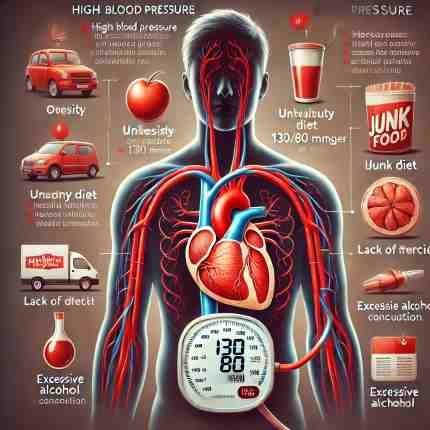
When you have high blood pressure (hypertension), it’s crucial to make lifestyle changes to manage the condition and reduce health risks. High blood pressure occurs when the force of blood against artery walls is too high, leading to potential complications like heart disease, stroke, and kidney issues.

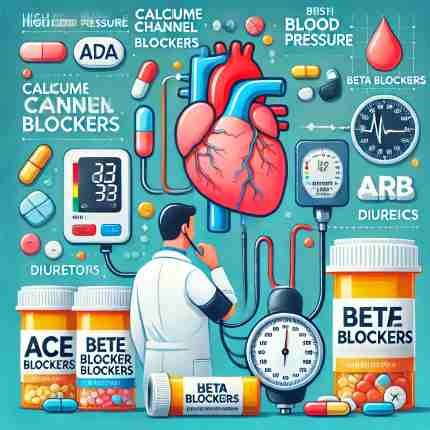
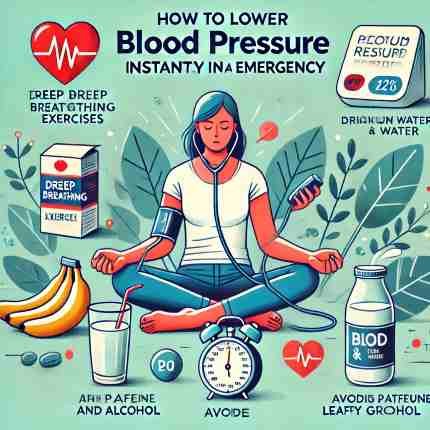
To help manage hypertension, it’s important to avoid certain foods, drinks, and habits that can raise blood pressure further. Foods high in sodium, saturated fats, and added sugars should be limited, along with excessive alcohol and caffeine intake. Additionally, medications like NSAIDs and certain cold or flu treatments should be used with caution.

Recommended Reading: 10 Herbs That Lower Blood Pressure Instantly (African+Indian Herbs)

Things To Avoid When You Have High Blood Pressure

Which-Things-To-Avoid-When-You-Have-High-Blood-Pressure

Recommended Reading: 5 Ways To Treat High Blood Pressure Without Medication

What is High Blood Pressure?

High Blood Pressure

High blood pressure, also known as hypertension, is a condition where the force of blood against artery walls is consistently too high. It can lead to serious health problems like heart disease and stroke if left untreated.

High-Blood-Pressure

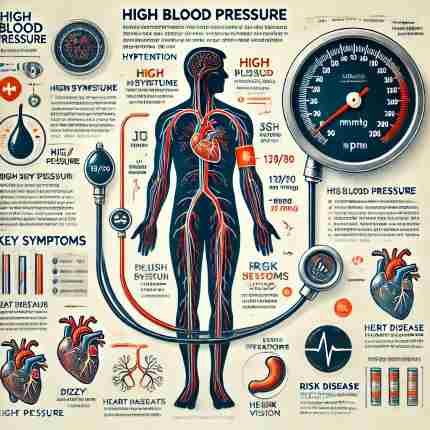
High blood pressure, also called hypertension, occurs when the blood constantly pushes too hard against artery walls. Blood pressure is measured in millimeters of mercury (mm Hg) and is expressed with two numbers: systolic pressure (the pressure during a heartbeat) over diastolic pressure (the pressure between heartbeats).

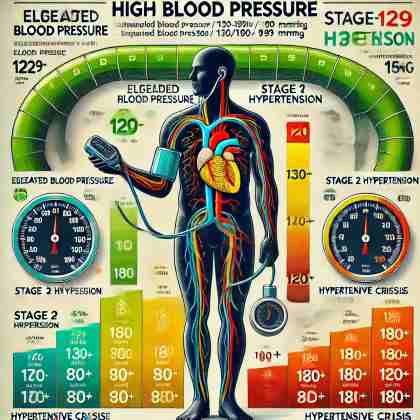
A healthy reading is below 120/80 mm Hg, and 130/80 mm Hg or higher is considered high blood pressure. If left untreated, hypertension can cause serious issues like heart attacks, strokes, or kidney damage. Regular monitoring and proper management are essential to prevent complications.

Recommended Reading: Yogurt For High Blood Pressure (Benefits, Side Effects, & When To Take It)

Stages Of High Blood Pressure

StageSystolic Pressure (mm Hg)Diastolic Pressure (mm Hg)Details
Elevated120–129Less than 80Slightly above normal, may require lifestyle changes to prevent further increase.
Stage 1 Hypertension130–13980–89In the early stages of high blood pressure, monitor regularly and consider lifestyle changes.
Stage 2 Hypertension140 or higher90 or higherRequires medical attention and possible medications to control blood pressure.
Hypertensive CrisisAbove 180Above 120Medical emergency and immediate care are needed to prevent severe complications like stroke.
Table: Stages-Of-BP

Recommended Reading: Top 5 Homeopathic Remedies For High Blood Pressure

Why High Blood Pressure is a Concern?

High BP

High blood pressure can damage your heart, arteries, and other organs, leading to serious health issues. It increases the risk of heart disease, stroke, and kidney problems.

Why-High-Blood-Pressure-is-a-Concern

High blood pressure, often known as the “silent killer”, usually shows no symptoms but can cause significant damage to the body over time. Without proper management, it puts extra strain on your arteries and vital organs, leading to serious health problems, including:

  • Heart Disease: High blood pressure weakens the heart, increasing the risk of heart failure.
  • Stroke: Increased pressure can cause blood vessels in the brain to burst or become blocked.
  • Heart Attack: It can lead to blocked arteries, causing a heart attack.
  • Kidney Disease: Damages blood vessels in the kidneys, leading to kidney failure.
  • Vision Loss: This affects the small vessels in the eyes, which may lead to blindness if left untreated.

Recommended Reading: 10 Simple Meals For High Blood Pressure (For BP & High Cholesterol)

Things To Avoid When You Have High Blood Pressure

Things To Avoid In BP

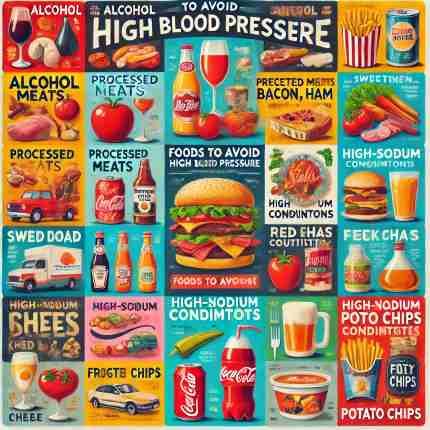
Avoid excessive salt, caffeine, alcohol, and processed foods as they raise blood pressure. Smoking and stress should also be minimized for better control.

Which-Things-To-Avoid-When-You-Have-High-BP

CategoryExamplesWhy to Avoid
Foods High in SodiumProcessed foods (canned soups, frozen meals), salty snacks (chips, pretzels), pickled itemsExcessive sodium raises blood pressure by retaining fluid and increasing blood volume.
Cured MeatsHam, bacon, pepperoni, sausageHigh in sodium and unhealthy fats, these meats can worsen hypertension.
CondimentsSoy sauce, ketchup, salad dressingsMany condiments contain hidden sodium, which can increase blood pressure.
Foods High in Saturated FatsRed meat, full-fat dairy productsSaturated fats can lead to clogged arteries, increasing the risk of heart disease and high blood pressure.
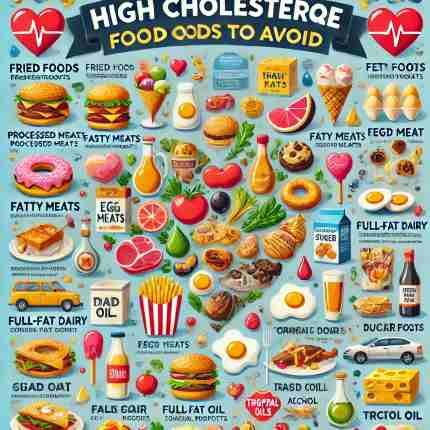
Fried FoodsFrench fries, fried chicken, and other deep-fried foodsFried foods are high in unhealthy fats, contributing to increased blood pressure and cholesterol levels.
Foods with Trans FatsBaked goods, packaged snacks, and margarine with hydrogenated oilsTrans fats raise bad cholesterol levels and lower good cholesterol, contributing to hypertension.
Sugary Foods and DrinksSodas, sweetened beverages, cakes, candiesAdded sugars can lead to weight gain and increased blood pressure.
AlcoholBeer, wine, spiritsExcessive alcohol raises blood pressure and can damage the heart and liver over time.
CaffeineCoffee, energy drinks, sodasWhile caffeine’s effects on blood pressure are temporary, it’s best to limit intake, especially before monitoring BP.
Fast FoodPizza, burgers, friesFast food is often high in sodium, unhealthy fats, and calories, which can contribute to hypertension.
Processed MeatLunch meat, canned meatsContains high amounts of sodium and preservatives, which can elevate blood pressure.
Canned Tomato ProductsCanned tomatoes, tomato paste, and saucesThese products often have high sodium levels, which can raise blood pressure.
Bread and CheeseWhite bread, cheese (especially processed varieties)High in sodium and unhealthy fats, which are not ideal for managing high blood pressure.
Table: Things-To-Avoid

Recommended Reading: High Blood Pressure Headache – Symptoms, Causes, & Treatment

Medicines To Avoid with High Blood Pressure

Medicines To Avoid

Avoid decongestants, NSAIDs like ibuprofen, and certain antidepressants as they can raise blood pressure.

Medicines-To-Avoid-with-High-Blood-Pressure

Medication TypeExamplesHow It Affects Blood Pressure
DecongestantsPseudoephedrine (Sudafed), PhenylephrineCan constrict blood vessels, increasing blood pressure and heart rate.
Nonsteroidal Anti-inflammatory Drugs (NSAIDs)Ibuprofen (Advil, Motrin), Naproxen (Aleve)Can raise blood pressure and reduce the effectiveness of blood pressure medications.
Cold & Flu MedicationsCombination cold medicines with decongestants or NSAIDsOften contains ingredients like pseudoephedrine or ibuprofen, which can raise blood pressure.
Antacids with SodiumCertain over-the-counter antacidsHigh sodium content can increase blood pressure.
AntidepressantsVenlafaxine (Effexor), Bupropion (Wellbutrin)May increase blood pressure, especially at higher doses.
SteroidsPrednisone, MethylprednisoloneCan cause fluid retention and raise blood pressure over time.
Stimulant MedicationsAmphetamines (Adderall)Can raise heart rate and blood pressure, especially in people with hypertension.
Birth Control PillsEstrogen-containing contraceptivesEstrogen can increase blood pressure in some women.
Certain Herbal SupplementsEphedra, Ma Huang, Bitter OrangeCan interact with blood pressure medications or directly increase blood pressure.
Recreational DrugsCocaine, MethamphetamineCan cause dangerous spikes in blood pressure and heart rate.
Table: Medicines-To-Avoid

Recommended Reading: Homemade Remedies For High Blood Pressure (For Instant Relief)

Foods And Drinks To Avoid When You Have High Blood Pressure

Foods And Drinks To Avoid

Avoid salty foods, processed snacks, and excessive caffeine or alcohol as they can raise blood pressure. Stick to a heart-healthy diet.

Foods-And-Drinks-To-Avoid-When-You-Have-High-Blood-Pressure

Foods High in Sodium

TypeExamplesWhy to Avoid
Processed FoodsCanned soups, frozen meals, prepackaged snacksLoaded with sodium, which raises blood pressure.
Salty SnacksChips, pretzels, and salted crackersHigh in sodium, contributing to hypertension.
Canned FoodsCanned vegetables, sauces, and soupsOften contain added salt as a preservative.
Pickled FoodsPickles, olives, and other preserved foodsHigh sodium content due to brining.
CondimentsKetchup, soy sauce, salad dressingsFull of hidden sodium, which can raise blood pressure.
Processed MeatsBacon, sausages, deli meats, and cold cutsContains high levels of sodium and preservatives.
Table: Foods-High-in-Sodium

Foods High in Saturated and Trans Fats

TypeExamplesWhy to Avoid
Red MeatFatty cuts of beef, pork, lambHigh in unhealthy fats that can raise cholesterol and blood pressure.
Fried FoodsFrench fries, fried chicken, fried fishHigh in saturated fats, contributing to clogged arteries.
Full-Fat DairyWhole milk, butter, cheeseContains unhealthy fats, which increase the risk of high blood pressure.
Trans Fat FoodsCommercial baked goods, margarine, snacksOften made with hydrogenated oils that increase bad cholesterol levels.
Table: Foods-High-in-Saturated

Sugary Foods and Drinks

TypeExamplesWhy to Avoid
Sugary DrinksSoda, sweetened juices, energy drinksHigh in sugar, which can lead to weight gain and worsen blood pressure.
Baked GoodsCakes, cookies, pastriesOften contain both sugars and unhealthy fats, increasing heart disease risk.
CandySweets and chocolatesHigh in added sugar, which can cause weight gain and metabolic issues.
Table: Sugary-Foods-and-Drinks

Other Foods and Drinks to Limit

TypeExamplesWhy to Avoid
AlcoholBeer, wine, spiritsExcessive alcohol raises blood pressure and interferes with medications.
CaffeineCoffee, energy drinks, caffeinated sodasCauses short-term spikes in blood pressure, especially in sensitive individuals.
Fast FoodBurgers, fries, tacos, pizzaTypically high in sodium, unhealthy fats, and added sugars.
Table: Other-Foods-and-Drinks

Recommended Reading: Top 5 Early Signs Of Heart Failure In Women (Symptoms, Causes, & Treatment)

Home Remedies To Avoid When You Have High Blood Pressure

Home Remedies To Avoid

Avoid excessive salt, processed foods, and alcohol as they raise blood pressure. Limit caffeine, smoking, and unhealthy fats while managing stress and maintaining an active lifestyle.

Home-Remedies-To-Avoid-When-You-Have-High-Blood-Pressure

Home Remedy/LifestyleWhy You Should Avoid It
Excessive Salt (Sodium)Raises blood pressure by causing the body to retain water, putting extra strain on the heart and blood vessels.
Processed FoodsHigh in sodium, unhealthy fats, and added sugars, which can increase blood pressure and harm overall health.
Saturated & Trans FatsThis can lead to plaque buildup in arteries, making it harder for the heart to pump blood and increasing blood pressure.
Excessive AlcoholToo much alcohol can raise blood pressure and reduce the effectiveness of blood pressure medications.
CaffeineCan cause a temporary spike in blood pressure, especially in those sensitive to it or not used to regular intake.
SmokingDamages blood vessels, raises blood pressure immediately, and causes long-term heart and blood vessel issues.
Lack of Physical ActivityA sedentary lifestyle can lead to weight gain, which increases blood pressure. Regular exercise helps lower it.
Chronic StressProlonged stress can lead to high blood pressure. Finding healthy ways to manage stress is important.
Poor Sleep HabitsSleep deprivation and disorders like sleep apnea can elevate blood pressure. Prioritize 7-9 hours of sleep.
Herbal SupplementsHerbs like ephedra, ma huang, and bitter orange can raise blood pressure or interfere with medications.
Table: Home-Remedies-To-Avoid

Recommended Reading: Meals For High Blood Pressure & High Cholesterol

FAQs

Why should I avoid salt if I have high blood pressure?

Excessive salt causes your body to hold onto water, which puts extra strain on your heart and blood vessels. Over time, this increases blood pressure and can lead to heart problems. It’s important to cut back on salty foods and choose low-sodium options to help control your blood pressure.

Can caffeine affect my blood pressure?

Yes, caffeine can temporarily raise your blood pressure, especially if you’re sensitive to it or don’t consume it regularly. It causes a short-term spike by narrowing your blood vessels. If you have high blood pressure, it’s best to limit or avoid caffeinated drinks like coffee, tea, and energy drinks.

Is alcohol bad for high blood pressure?

Drinking too much alcohol can raise your blood pressure and reduce the effectiveness of blood pressure medications. While moderate alcohol consumption may have some heart benefits, heavy drinking puts your health at risk and can cause hypertension to worsen.

How does stress affect blood pressure?

Chronic stress can lead to high blood pressure by causing your body to release hormones that increase your heart rate and constrict blood vessels. Finding healthy ways to manage stress, like exercise, meditation, or relaxation techniques, can help keep your blood pressure in a healthier range.

Why is smoking dangerous for people with high blood pressure?

Smoking raises your blood pressure temporarily every time you light up. Over time, it causes long-term damage to your blood vessels and significantly increases the risk of heart disease and stroke. Quitting smoking is crucial for managing high blood pressure and improving overall heart health.

Can processed foods affect my blood pressure?

Yes, processed foods are often high in salt, unhealthy fats, and added sugars, which can all raise your blood pressure and negatively impact your heart health. It’s best to avoid or limit processed and packaged foods and focus on eating fresh, whole foods.

Should I limit caffeine if I have high blood pressure?

Yes, caffeine can cause a short-term spike in blood pressure, especially in people who are sensitive to it. If you already have high blood pressure, limiting caffeine from sources like coffee, tea, and soda may help keep your blood pressure more stable.

Why should I be cautious about herbal supplements?

Some herbal supplements, like ephedra, ma huang, and bitter orange, can raise your blood pressure or interact with your medications.

Can lack of exercise raise blood pressure?

Yes, being inactive can lead to weight gain, which increases your blood pressure. Regular exercise helps improve heart health, reduce stress, and lower blood pressure. Aim for at least 150 minutes of moderate exercise per week to keep your blood pressure in check.

How does poor sleep affect blood pressure?

Not getting enough sleep, or having sleep disorders like sleep apnea, can raise your blood pressure and put extra stress on your heart. Prioritizing 7-9 hours of restful sleep each night is important for maintaining healthy blood pressure.

What are the warning signs of high blood pressure?

High blood pressure is often called the “silent killer” because it usually has no symptoms. However, in some cases, people may experience headaches, dizziness, or nosebleeds, but these symptoms typically don’t occur until blood pressure reaches dangerous levels.

How can I reduce my blood pressure naturally?

To lower blood pressure naturally, reduce salt intake, eat a balanced diet rich in fruits and vegetables, exercise regularly, avoid smoking, manage stress, and limit alcohol and caffeine consumption.

Can stress cause high blood pressure?

Yes, chronic stress can contribute to high blood pressure by increasing heart rate and narrowing blood vessels. Managing stress through techniques like meditation, deep breathing, or exercise can help.

Can I drink coffee if I have high blood pressure?

Moderate coffee consumption is generally safe, but excessive caffeine can cause short-term spikes in blood pressure. If you’re sensitive to caffeine, it’s best to limit your intake.

Recommended Reading: High Blood Pressure Headache Treatment

Conclusion

Managing high blood pressure involves a mix of medication, lifestyle changes, and diet adjustments. It’s not just about what you should do to lower your blood pressure, but also about what you should avoid.

By steering clear of salty foods, unhealthy fats, and excessive sugar, you can help keep your blood pressure in check. Limiting alcohol and caffeine and being mindful of certain medications will also make a big difference.

Always work closely with your doctor to create a plan that suits your needs and helps manage your hypertension in the best way possible. Making these small but important adjustments can go a long way in maintaining a healthy heart.

Disclaimer
Commissions we earn from partner links on this page do not influence our content. Our editorial content is based on thorough research and insights from qualified medical professionals to ensure the highest standards of accuracy and reliability.

Information provided on Doseway is for educational purposes only. Your health and wellness are unique to you, and the products and services we review may not be suitable for your circumstances. We do not offer personal medical advice, diagnosis, or treatment plans. For specific advice, please consult with a healthcare professional. Doseway adheres to strict editorial integrity standards. To the best of our knowledge, all content is accurate as of the date posted, though offers and information may change. The opinions expressed are the author’s own and have not been influenced, approved, or endorsed by our partners.
Eating-Garlic-At-Night-Benefits

Eating Garlic At Night Benefits (For Skin, BP, & Weight Loss)

Garlic, a close relative of onions and leeks, is a popular ingredient known for its numerous health benefits, especially when consumed at night. For the skin, garlic offers antibacterial and anti-inflammatory properties that help treat acne, soothe psoriasis, and promote skin healing, while its antioxidants delay aging and boost collagen production.

For blood pressure, garlic can lower both systolic and diastolic pressure by relaxing blood vessels through compounds like allicin, nitric oxide, and hydrogen sulfide. For weight loss, garlic can help boost metabolism, reduce appetite, and support fat burning, making it a great addition to any weight management plan.

Recommended Reading: Things To Avoid When You Have High Blood Pressure

Eating Garlic At Night Benefits (For Skin, BP, & Weight Loss)

Eating-Garlic-At-Night-Benefits

Recommended Reading: 10 Herbs That Lower Blood Pressure Instantly (African+Indian Herbs)

What is Garlic?

What is Garlic?

Garlic is a pungent herb widely used for its flavor in cooking and known for its medicinal properties, such as boosting immunity and heart health. It contains beneficial compounds like allicin, which offer antioxidant and antimicrobial effects.

What-is-Garlic

Garlic (Allium sativum) is a bulbous plant from the Allium family, related to onions and leeks. Native to Central Asia, garlic has been widely used for centuries in cooking and medicine.

Its strong flavor makes it a popular ingredient in many dishes, while its health benefits have made it a natural remedy for various ailments. Garlic contains compounds like allicin, which offer medicinal properties, helping with issues like high blood pressure, infections, and cholesterol.

Recommended Reading: 5 Ways To Treat High Blood Pressure Without Medication

Benefits of Eating Garlic at Night

Eating Garlic at Night

Eating garlic at night may boost heart health, improve digestion, and enhance immune function due to its antioxidant and antimicrobial properties. It can also support better sleep and overall wellness when consumed in moderation.

Benefits-of-Eating-Garlic-at-Night

  • Heart Health: Garlic is known for helping lower cholesterol and blood pressure levels, which improves heart health and reduces the risk of cardiovascular diseases.
  • Boosts Immune System: Garlic contains allicin, a compound with antimicrobial and antiviral properties, which can help strengthen your immune system and protect against infections.
  • Aids Digestion: Some studies show that garlic can help improve digestion by stimulating digestive enzymes, and reducing symptoms like bloating and indigestion.
  • Blood Sugar Control: Eating Garlic may help stabilize blood sugar levels, making it potentially beneficial for people managing diabetes.
  • Anti-Inflammatory: Eating Garlic has anti-inflammatory properties, which may help reduce inflammation and provide relief for conditions like arthritis.
  • Improves Circulation: Regular Eating Garlic can enhance blood circulation, delivering oxygen and nutrients throughout your body efficiently.
  • Detoxification: Garlic helps in the removal of toxins from the body, contributing to better health overall and improving your skin’s appearance.
  • Weight Loss Support: Garlic may act as an appetite suppressant and boost metabolism, which can help with weight management.
  • Skin Benefits: Applying garlic topically or consuming it may help with acne and other skin conditions due to its antibacterial properties.
  • Improves Sleep: Some believe that Eating Garlic can help improve sleep quality, possibly due to its relaxing effects on the nervous system.

Recommended Reading: Yogurt For High Blood Pressure (Benefits, Side Effects, & When To Take It)

Eating Garlic At Night Benefits For Skin

Eating Garlic Benefits For Skin

Garlic’s antioxidants and antibacterial properties can help reduce acne, fight infections, and promote clearer, healthier skin. Its natural compounds may also improve skin texture and reduce inflammation.

Eating-Garlic-At-Night-Benefits-For-Skin

BenefitDetails
Treats Acne & PimplesGarlic contains allicin, an antibacterial compound that helps reduce acne by killing acne-causing bacteria. It also clears toxins from the skin.
Soothes PsoriasisThe anti-inflammatory properties of garlic help calm skin inflammation and reduce redness and irritation caused by conditions like psoriasis.
Delays AgingRich in antioxidants, garlic fights free radicals that lead to wrinkles and fine lines, helping to prevent premature aging of the skin.
Treats EczemaGarlic’s anti-inflammatory effect can also help soothe eczema symptoms, reducing flare-ups and calming irritated skin.
Boosts CirculationImproves blood flow, providing more nutrients and oxygen to the skin, resulting in a healthy, glowing complexion.
Natural Skin LightenerHigh sulfur content helps reduce pigmentation and lighten dark spots, making skin tone more even and reducing acne scars.
Enhances CollagenGarlic contains sulfur, which is key in boosting collagen production, helping maintain skin firmness and elasticity.
Fights InfectionsIts antimicrobial properties help in treating bacterial and fungal infections on the skin, such as athlete’s foot or ringworm.
Promotes HealingGarlic aids in wound healing by speeding up recovery and preventing infection, thanks to its natural healing compounds.
UV ProtectionThe antioxidants in garlic protect the skin from UV damage, which can cause sunburns, premature aging, and skin damage.
Table: Garlic-Benefits-For-Skin

How to Use Garlic for Skin?

  • Topical: Crush garlic and apply juice to acne or inflamed areas, or use garlic oil for a gentle skin massage.
  • Oral: Add garlic to your diet regularly or take supplements (after consulting a doctor).
  • Caution: Garlic can irritate sensitive skin, so always do a patch test first.

Recommended Reading: Top 5 Homeopathic Remedies For High Blood Pressure

Eating Garlic At Night Benefits For Blood Pressure

Eating Garlic Benefits For Blood Pressure

Garlic may help lower blood pressure by relaxing blood vessels and improving circulation. Its compounds, like allicin, support heart health and reduce hypertension.

Eating-Garlic-At-Night-Benefits-For-Blood-Pressure

Eating Garlic BenefitsDetails
UsesGarlic is primarily used for lowering blood pressure. It is effective in reducing both systolic and diastolic blood pressure in individuals with hypertension.
How to UseGarlic can be consumed in fresh form, or through garlic supplements like aged garlic extract (AGE). Recommended dosage is often based on supplement type. Always consult a doctor before using.
Key BenefitsLowers blood pressure naturally.
Improves circulation by relaxing blood vessels.
– Contains antioxidants that reduce inflammation.
– May also help lower cholesterol levels.
Mechanisms of ActionAllicin, the active compound in garlic, inhibits angiotensin II, which constricts blood vessels.
– Garlic increases nitric oxide and hydrogen sulfide production, promoting vasodilation (widening of blood vessels).
Side EffectsSome people may experience mild side effects such as heartburn, bloating, or gas when taking garlic supplements. Serious side effects are rare but possible.
Precautions– Consult with a healthcare professional before using garlic supplements if you are on blood thinners or other medications.
– Be cautious if you have low blood pressure, as garlic may further lower it.
Clinical EvidenceMultiple studies have shown garlic supplements to be as effective as some blood pressure medications. It has been found to reduce the risk of cardiovascular events by up to 16-40%.
Duration for EffectivenessStudies suggest that consistent garlic intake over weeks or months leads to noticeable improvements in blood pressure. The effects are dose-dependent, meaning higher doses may result in better outcomes.
Other Health BenefitsApart from managing blood pressure, garlic also helps with:
Cholesterol reduction.
Improving arterial stiffness.
Boosting gut health.
– Providing antioxidant protection to blood vessels.
Forms of GarlicFresh garlic: Can be consumed raw or cooked, though its effects may be less pronounced compared to supplements.
Aged Garlic Extract (AGE): A standardized supplement form that’s widely studied for its cardiovascular benefits.
Interactions with MedicationsGarlic can interact with blood thinners and other medications, potentially increasing the risk of bleeding. Always consult a doctor before combining garlic with medications.
Cholesterol ManagementGarlic is also known to lower LDL (“bad”) cholesterol, promoting overall heart health.
Table: Garlic-Benefits-For-BP

Recommended Reading: 10 Simple Meals For High Blood Pressure (For BP & High Cholesterol)

Eating Garlic At Night Benefits For Weight Loss

Benefits For Weight Loss

Eating garlic at night may support weight loss by boosting metabolism and reducing appetite. It can also promote fat burning and improve digestion.

Eating-Garlic-At-Night-Benefits-For-Weight-Loss

Garlic BenefitsDetails
UsesGarlic may support weight loss by boosting metabolism, suppressing appetite, and promoting fat burning.
How to UseRaw: Swallow or chew a fresh clove in the morning.
Cooked: Add garlic to meals for flavor and benefits.
Garlic Tea: Simmer crushed garlic in water to make a detox tea.
Smoothies: Add garlic to your smoothies for extra health benefits.
Metabolism BoostGarlic contains allicin, a compound known to stimulate metabolism, helping the body burn calories faster.
Appetite SuppressionGarlic can act as an appetite suppressant, helping you feel fuller for longer, reducing overeating and calorie intake.
Fat BurningStudies suggest garlic helps in fat oxidation, potentially aiding in breaking down fat stores.
DetoxificationGarlic aids in the removal of toxins, promoting better digestion and overall health, which may assist in weight loss.
Improved DigestionGarlic stimulates digestive enzymes, improving fat processing and elimination from the body.
Gut HealthGarlic promotes the growth of healthy gut bacteria, improving digestion and possibly aiding weight loss efforts.
Lowers CholesterolGarlic may help lower cholesterol levels, which can benefit overall health and assist in weight management.
Anti-inflammatoryGarlic’s anti-inflammatory properties may help reduce inflammation, improving overall health and supporting weight loss.
Rich in NutrientsGarlic is rich in antioxidants, vitamins, and minerals that support overall health and can contribute to a healthy metabolism.
Side EffectsSome may experience heartburn, bloating, or digestive discomfort when consuming large amounts of garlic.
Important Considerations– Always consult with a doctor if you’re taking medications, as garlic may interact with certain drugs like blood thinners.
– Garlic supplements may be more concentrated than fresh garlic and could provide greater effects.
Table: Garlic-Benefits-For-Weight-Loss

Recommended Reading: High Blood Pressure Headache – Symptoms, Causes, & Treatment

How to Use Garlic at Night?

Use Garlic at Night

To use garlic at night, consume it raw or add it to meals to boost metabolism and support digestion. You can also make garlic tea for potential health benefits.

How-to-Use-Garlic-at-Night

How to UseDetails
UsesGarlic can be used at night to improve skin health, reduce blood pressure, and aid weight loss.
How to Use (Topical)For Skin: Crush a garlic clove and apply the juice to acne or pimples to reduce bacteria and heal skin.
How to Use (Oral)Eat Raw: Swallow a raw garlic clove before bed.
Add to Meals: Include garlic in your dinner for health benefits.
Garlic OilApply garlic oil made from crushed garlic to the skin for conditions like psoriasis or fungal infections.
Improves Skin HealthGarlic has antibacterial properties that can help fight acne and improve overall skin clarity.
Lowers Blood PressureEating garlic may help reduce blood pressure, which is beneficial for heart health.
Supports Weight LossGarlic may boost metabolism and act as an appetite suppressant, supporting weight loss efforts.
Promotes HealingApplying garlic topically can promote healing of skin irritations and infections due to its antimicrobial effects.
Improves CirculationGarlic may improve blood circulation, which helps in delivering oxygen and nutrients throughout the body.
Anti-InflammatoryGarlic has anti-inflammatory properties, which can reduce inflammation in the body and benefit skin and heart health.
Side EffectsSome people may experience skin irritation or digestive issues from garlic. Always use it in moderation.
Table: How-to-Use

Recommended Reading: Homemade Remedies For High Blood Pressure (For Instant Relief)

Eating Garlic At Night During Pregnancy

Eating Garlic During Pregnancy

Eating garlic at night during pregnancy can boost immunity and promote heart health, but should be consumed in moderation to avoid potential issues like heartburn.

Eating-Garlic-At-Night-During-Pregnancy

CategoryDetails
Uses of Garlic During Pregnancy– Boosts immunity with its antimicrobial properties.
– May reduce the risk of preeclampsia due to its ability to lower blood pressure.
– Promotes heart health and helps prevent cholesterol buildup.
How to Use– Add garlic to meals in moderate amounts.
– Can be used as seasoning in soups, curries, and vegetables.
– Raw garlic can be used in small quantities or crushed and added to dishes.
Benefits of Eating GarlicNutrient-Rich: Contains essential vitamins (C, B6) and minerals (selenium, manganese) that support the mother and baby’s health.
Immune Boost: Helps fight infections with its antibacterial and antiviral properties.
Antimicrobial Properties– Garlic contains allicin, a compound that can help in fighting bacteria, viruses, and fungi, potentially protecting the mother from infections.
Heart Health– Garlic is known to help lower blood pressure and improve circulation, which can reduce the risk of preeclampsia during pregnancy.
Digestive Aid– It helps in aiding digestion by stimulating gastric enzymes, although excessive consumption may cause heartburn or indigestion.
Potential RisksHeartburn: Garlic may cause or worsen heartburn, especially when eaten at night or in large quantities.
Indigestion: Can lead to bloating and gas in some pregnant women.
Bleeding Risk– Garlic has anti-clotting properties, which can increase the risk of bleeding during delivery or when combined with blood thinners.
PrecautionsModeration is Key: Eating garlic in moderate amounts during pregnancy is considered safe.
Avoid Late Night Consumption: If prone to heartburn, avoid eating garlic close to bedtime.
Consultation with Doctor– If you have any underlying health conditions or take blood thinners, it’s essential to consult your doctor before increasing garlic intake.
Listen to Your Body– Pay attention to how your body reacts. If you experience discomfort or digestive issues after consuming garlic, adjust the intake accordingly.
Traditional Uses– Garlic has been traditionally used for treating vaginal yeast infections due to its antifungal properties.
Table: Eating-Garlic-During-Pregnancy

Important Considerations

  • Skin Sensitivity
    Garlic may cause skin irritation or a burning sensation for some people, especially when applied directly. It’s a good idea to test a small amount on your skin first before using it more widely. This helps avoid any unexpected reactions.
  • Consult a Healthcare Professional
    If you’re thinking about using garlic supplements for blood pressure control or weight loss, it’s important to consult with a healthcare professional. They can help you decide if garlic is safe for your specific situation and guide you on the right dosage.
  • Allergic Reactions
    Some individuals may be allergic to garlic. If you notice any skin rash, swelling, or trouble breathing, stop using it immediately and seek medical attention. Allergic reactions can be serious, so it’s important to act quickly if symptoms appear.

Recommended Reading: Top 5 Early Signs Of Heart Failure In Women (Symptoms, Causes, & Treatment)

Side Effects of Eating Garlic at Night

  • Bad Breath and Body Odor: Garlic has a strong smell that can lead to bad breath and even body odor if consumed in large amounts.
  • Heartburn and Digestive Issues: Eating garlic, especially at night, can cause heartburn and other digestive problems like acid reflux, gas, and bloating.
  • Bleeding Risk: Garlic acts as a blood thinner, which may increase the risk of bleeding. This can be dangerous for people on blood-thinning medications or those with bleeding disorders.
  • Nausea and Diarrhea: Some people may experience nausea, diarrhea, or vomiting after consuming garlic, especially in large quantities.
  • Allergic Reactions: In rare cases, people may have a garlic allergy, which can cause symptoms like skin rash, breathing issues, or swelling.
  • Dizziness and Fatigue: Garlic can sometimes cause dizziness or a feeling of fatigue, especially in people sensitive to its active compounds.
  • Skin Irritation: Applying raw garlic to the skin may cause irritation or burning sensations in some individuals.
  • Body Odor: Consuming garlic may cause a lingering garlic smell on the body that persists even after bathing.
  • Sweating: Some people may experience increased sweating after eating garlic, especially raw.
  • Sleep Disturbances: While garlic may help some people sleep better, others may experience sleep disturbances due to its strong smell or effects on digestion.

Eating Garlic At Night For Prevention

  • Immune Support
    • Garlic contains allicin, which fights bacteria, viruses, and fungi.
    • Regular consumption can boost your immune system, reducing the risk of infections.
  • Heart Health
    • Helps to lower blood pressure and reduce cholesterol levels, promoting better heart health.
    • Can reduce the risk of heart disease by improving blood circulation.
  • Antioxidant Properties
    • Rich in antioxidants that protect the body from harmful free radicals.
    • May help in slowing down the aging process and preventing cell damage.
  • Improved Sleep
    • Garlic is believed to have a calming effect, which may promote better sleep.
    • The strong smell of garlic may induce a feeling of relaxation, though not scientifically proven.
  • Digestive Aid
    • Garlic can improve digestion by stimulating digestive enzymes.
    • It can also help reduce bloating and stomach discomfort when consumed in moderation.
  • Skin Benefits
    • The antibacterial and antioxidant properties of garlic may help in treating acne and improving skin health.
    • Garlic can also act as a natural moisturizer for dry skin.
  • Blood Thinning
    • Garlic has blood-thinning properties, which can improve circulation but may increase the risk of bleeding.
    • Be cautious if you’re taking blood-thinning medications.
  • Digestive Issues
    • Eating raw garlic at night can cause bloating, gas, and stomach discomfort for some people.
    • It may lead to heartburn or worsen digestive issues if consumed excessively.
  • Strong Breath and Odor
    • A common side effect of garlic is its strong smell on breath and body, which can be unpleasant, especially if eaten raw.
  • How to Use Garlic at Night
    • You can add garlic to cooked meals like soups or vegetables for flavor.
    • If eating raw garlic, start with small amounts to see how your body reacts.
  • Timing Considerations
    • Eating garlic at night can be beneficial, but some people suggest consuming it in the morning on an empty stomach for maximum health benefits.
  • Consult a Doctor
    • If you have any pre-existing health conditions or are taking medications, especially for blood thinning, talk to your doctor before increasing your garlic intake.

Recommended Reading: Meals For High Blood Pressure & High Cholesterol

FAQs

Is it safe to eat garlic at night?

Yes, eating garlic at night is generally safe in moderate amounts. However, it may cause indigestion or heartburn in some people, so it’s best to listen to your body and adjust your intake if necessary.

Does eating garlic at night improve sleep?

While there is no strong scientific evidence, some believe that garlic’s calming properties may help promote better sleep.

Will eating garlic at night lower blood pressure?

Garlic has been shown to help reduce blood pressure in some people due to its ability to relax blood vessels. Eating garlic at night might contribute to better heart health.

Can eating garlic at night cause digestive problems?

Eating garlic, especially raw, at night may lead to digestive issues like heartburn, gas, or bloating in some individuals. It’s advisable to avoid large amounts if you’re prone to stomach discomfort.

Is garlic effective in boosting immunity at night?

Garlic contains compounds like allicin, which have immune-boosting properties. Consuming garlic at night may help strengthen the immune system, but it’s most effective when part of a regular diet.

Should pregnant women eat garlic at night?

Garlic in moderation is safe for most pregnant women and can offer health benefits, but large amounts may lead to heartburn or bleeding risks.

Can garlic improve digestion if eaten at night?

Garlic may aid digestion by stimulating gastric juices, but excessive consumption at night might cause discomfort, such as indigestion or acid reflux.

Recommended Reading: High Blood Pressure Headache Treatment

Conclusion

Incorporating garlic into your nighttime routine can provide a range of health benefits, such as better skin health, lower blood pressure, and even weight management. Garlic is a natural remedy with strong antimicrobial and antioxidant properties, making it effective for both internal use (eating) and external use (on the skin).

However, it’s essential to be mindful of potential side effects, such as digestive discomfort or strong odor. If you have sensitive skin or pre-existing health issues, such as taking blood-thinning medications, use garlic cautiously.

For the best outcome, it’s always a good idea to consult a healthcare professional before adding garlic to your routine, ensuring it fits well with your overall health plan.

Disclaimer
Commissions we earn from partner links on this page do not influence our content. Our editorial content is based on thorough research and insights from qualified medical professionals to ensure the highest standards of accuracy and reliability.

Information provided on Doseway is for educational purposes only. Your health and wellness are unique to you, and the products and services we review may not be suitable for your circumstances. We do not offer personal medical advice, diagnosis, or treatment plans. For specific advice, please consult with a healthcare professional. Doseway adheres to strict editorial integrity standards. To the best of our knowledge, all content is accurate as of the date posted, though offers and information may change. The opinions expressed are the author’s own and have not been influenced, approved, or endorsed by our partners.

5 Ways To Treat High Blood Pressure Without Medication

High blood pressure, or hypertension, is a condition where the force of blood against the walls of your arteries remains consistently too high, potentially leading to serious health problems like heart disease, stroke, and kidney damage if left unmanaged.

Often called a “silent killer” because it shows no obvious symptoms, high blood pressure is influenced by both lifestyle and genetic factors. Common causes include an unhealthy diet, lack of exercise, stress, and excessive alcohol consumption.

Recommended Reading: Yogurt For High Blood Pressure (Benefits, Side Effects, & When To Take It)

Best Ways To Treat High Blood Pressure Without Medication

Best-Ways-To-Treat-High-Blood-Pressure-Without-Medication

Recommended Reading: Top 5 Homeopathic Remedies For High Blood Pressure

What is High Blood Pressure?

High BP

High blood pressure, or hypertension, occurs when the force of blood against the artery walls is consistently too high. This condition increases the risk of heart disease and stroke.

What-is-High-Blood-Pressure

High blood pressure (hypertension) happens when the pressure of blood against your artery walls stays too high. This can lead to serious health issues if untreated.

Key Points

  • What it is: High blood pressure means your blood is pushing too hard against the walls of your blood vessels.
  • Why it matters: If not managed, it can harm your heart, brain, kidneys, and eyes, leading to heart attacks, strokes, or kidney problems.
  • What it looks like: A reading of 130/80 mm Hg or higher indicates high blood pressure.
  • Symptoms: Often called a “silent killer”, high blood pressure usually has no clear signs.
  • Risk Factors: Things like family history, age, race, obesity, poor diet, inactivity, and smoking increase your chances of developing it.
  • Diagnosis: Doctors check blood pressure using a cuff to measure it.
  • Treatment: This can include lifestyle changes (better diet, exercise, managing stress) and sometimes medication.

Recommended Reading: 10 Simple Meals For High Blood Pressure (For BP & High Cholesterol)

What is Hypertension?

Hypertension

Hypertension is another term for high blood pressure, where the blood consistently exerts too much force against the arteries. It can lead to serious health issues like heart disease and stroke.

What-is-Hypertension

Hypertension, or high blood pressure, happens when the force of blood pushing against the artery walls is consistently too high. This can lead to serious health issues like heart disease, stroke, and kidney problems if not managed.

Key Points

  • Blood Pressure Readings: It is measured using two numbers: systolic (when the heart beats) and diastolic (when the heart rests). Normal readings are usually below 120/80 mmHg.
  • High Blood Pressure: Diagnosed when readings are consistently 130/80 mmHg or higher.
  • Why it’s Dangerous: Untreated hypertension can damage blood vessels and organs, leading to complications like heart attacks, strokes, and vision loss.
  • Risk Factors: Age, family history, obesity, lack of physical activity, a high-sodium diet, smoking, and excessive alcohol increase the risk.
  • Symptoms: Often, there are no noticeable symptoms, making it a “silent” condition. In rare cases, people may experience headaches or nosebleeds.
  • Treatment: Involves lifestyle changes, such as eating a healthy diet, regular exercise, managing weight, and reducing salt and alcohol intake. Medications may also be needed.
  • Staging:
    • Elevated: Systolic 120-129, diastolic below 80.
    • Stage 1: Systolic 130-139 or diastolic 80-89.
    • Stage 2: Systolic 140+ or diastolic 90+.
    • Hypertensive Crisis: Systolic 180+ or diastolic 120+, requiring immediate medical attention.

Recommended Reading: High Blood Pressure Headache – Symptoms, Causes, & Treatment

Types of Hypertension

There are two main types of high blood pressure:

  • Secondary Hypertension: This type occurs due to other medical conditions like kidney disease, thyroid problems, or certain medications. It often appears suddenly and can be more severe than primary hypertension.
  • Primary (Essential) Hypertension: This is the most common type and develops gradually over time without a specific cause.

Difference Between High Blood Pressure And Hypertension

Difference Between BP And Hypertension

High blood pressure and hypertension are the same condition, with hypertension being the medical term. Both refer to consistently elevated blood pressure levels in the arteries.

Difference-Between-High-Blood-Pressure-And-Hypertension

AspectHigh Blood PressureHypertension
DefinitionRefers to elevated pressure in the blood vessels.A medical condition where blood pressure is consistently high over time.
Use of TermA general term used to describe an acute or temporary rise in blood pressure.Medical term for a chronic condition requiring diagnosis and treatment.
DurationCan be temporary due to stress, physical activity, or anxiety.Long-term condition that persists without proper management.
DiagnosisMeasured with a blood pressure reading above the normal range (e.g., >120/80 mmHg).Diagnosed when readings consistently show ≥130/80 mmHg over multiple checks.
SymptomsMay occur in short bursts (e.g., dizziness, headaches) during elevated pressure.Often has no symptoms and is called a “silent” condition, but may cause headaches and dizziness in severe cases.
SeverityCan fluctuate and return to normal levels.A chronic condition that requires ongoing management to avoid complications.
RiskShort-term spikes may not lead to immediate health issues.Long-term condition that increases the risk of heart disease, stroke, and kidney damage.
TreatmentMay not require treatment if it’s a temporary rise.Requires lifestyle changes and often medication to control and reduce risks.
CauseCan be triggered by factors like stress, exercise, or illness.Usually caused by underlying issues like genetics, diet, lack of exercise, and long-term health conditions.
MonitoringMay not need constant monitoring unless consistently high.Requires regular monitoring to prevent complications and keep blood pressure under control.
Table: Difference

Recommended Reading: Homemade Remedies For High Blood Pressure (For Instant Relief)

Causes of High Blood Pressure

Causes of BP

High blood pressure can be caused by factors like stress, poor diet, lack of exercise, smoking, and genetics. It may also develop due to underlying conditions like kidney disease or hormonal disorders.

Causes-of-High-BP

High blood pressure (hypertension) can result from a mix of factors, some of which are modifiable, meaning they can be changed, and others that are non-modifiable.

Modifiable Risk Factors (Lifestyle and Behaviors)

  • Unhealthy Diet: Too much salt, a high intake of unhealthy fats, and not enough fruits and vegetables can raise blood pressure.
  • Physical Inactivity: Lack of exercise increases the risk of developing hypertension.
  • Tobacco Use: Smoking damages blood vessels, leading to increased blood pressure.
  • Excessive Alcohol: Drinking too much alcohol can contribute to higher blood pressure levels.
  • Overweight/Obesity: Extra weight puts more strain on the heart and arteries, increasing blood pressure.
  • Stress: Long-term stress can cause a rise in blood pressure.

Non-Modifiable Risk Factors

  • Family History: If hypertension runs in your family, you’re more likely to develop it.
  • Age: Blood pressure risk increases as you get older, especially after 65.
  • Ethnicity: Some ethnic groups, like African Americans, are at higher risk.
  • Underlying Conditions: Health issues like kidney disease, diabetes, and sleep apnea can raise blood pressure.
  • Hormonal Imbalances: Conditions such as thyroid disorders or Cushing’s syndrome can contribute to hypertension.

Recommended Reading: Top 5 Early Signs Of Heart Failure In Women (Symptoms, Causes, & Treatment)

Symptoms of High Blood Pressure

Symptoms of BP

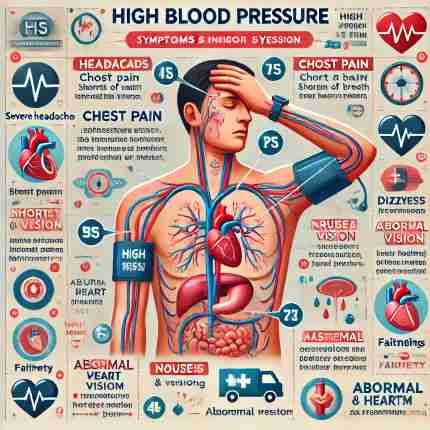
High blood pressure often has no symptoms, but in severe cases, it can cause headaches, dizziness, chest pain, and shortness of breath. Regular monitoring is important to detect it early.

Symptomsof-High-Blood-Pressure

Hypertension is often called the “silent killer” because it usually shows no signs until it reaches dangerous levels.

Common Symptoms of Severe High Blood Pressure

  • Severe Headaches: Intense headaches that don’t go away easily.
  • Chest Pain: A tight, squeezing sensation in the chest that may feel like pressure or discomfort.
  • Dizziness: Feeling lightheaded or as if you’re going to faint.
  • Shortness of Breath: Difficulty breathing or feeling like you can’t get enough air.
  • Nausea and Vomiting: Feeling sick to your stomach, with or without vomiting.
  • Vision Problems: Blurred vision, double vision, or sudden changes in eyesight.
  • Nosebleeds: Frequent or severe bleeding from the nose.
  • Irregular Heartbeat: Feeling your heart racing, beating too slow, or skipping beats.
  • Confusion or Trouble Speaking: Difficulty concentrating, speaking, or understanding speech.
  • Back Pain: Sudden and severe pain in the upper or lower back.
  • Numbness or Weakness: Sudden numbness, especially on one side of the body.
  • Anxiety: Feeling unusually anxious, nervous, or tense.
  • Ringing in the Ears: Hearing a buzzing or ringing sound in your ears.

Important Points to Remember

  • Hypertension is often asymptomatic: Most people don’t feel symptoms even when blood pressure is dangerously high.
  • Regular Checkups: Regular blood pressure checks are important for detecting high blood pressure early.
  • Seek Immediate Help: If your blood pressure is extremely high (180/120 mmHg or higher) and you have any of these symptoms, seek immediate medical attention.

Recommended Reading: Meals For High Blood Pressure & High Cholesterol

Best Medicine For High Blood Pressure

Medication (Generic/Brand Example)Common Use/NotesPotential Side Effects/Considerations
Lisinopril (Prinivil, Zestril)Most prescribed overall; excellent for heart/kidney protection; often first choice in many patients.Dry cough, elevated potassium; avoid in pregnancy.
Amlodipine (Norvasc)Very common; effective in older adults and many ethnic groups; good for isolated systolic hypertension.Ankle swelling, flushing; well-tolerated long-term.
Losartan (Cozaar)Popular alternative to ACE inhibitors (no cough); strong evidence in diabetes/kidney disease.Elevated potassium; good tolerability.
Hydrochlorothiazide (HCTZ)Classic first-line; inexpensive; often combined with others.Low potassium, increased uric acid; monitor electrolytes.
Valsartan (Diovan)Widely used; good evidence for heart failure/ post-heart attack protection.Similar to losartan; often in combinations.
ChlorthalidoneMore potent/long-acting than HCTZ; preferred in some guidelines for better outcomes.Similar to HCTZ but potentially stronger effect on electrolytes.
Metoprolol (Lopressor, Toprol-XL)Used for heart rate control, angina, or post-heart attack; not usually first-line for uncomplicated hypertension.Fatigue, slower heart rate; avoid in asthma.
Enalapril (Vasotec)Similar to lisinopril; good evidence base.Cough possible; kidney function monitoring needed.
Olmesartan (Benicar)Effective; often in fixed-dose combinations.Generally well-tolerated; GI issues rare.
Ramipril (Altace)Strong evidence from large trials (e.g., heart protection).Cough, dizziness; good for high-risk patients.

Best Ways to Manage High Blood Pressure Without Medication

How to Manage BP

The best ways to manage high blood pressure include a healthy diet, regular exercise, reducing stress, and limiting salt intake. Quitting smoking and monitoring blood pressure regularly also help.

Best-Ways-to-Manage-High-Blood-Pressure-Without-Medication

Stress Management

  • Purpose: Stress can lead to temporary spikes in blood pressure. Reducing stress helps lower blood pressure overall.
  • How It Helps: Practicing stress relief techniques like deep breathing, meditation, and yoga helps relax the nervous system, which lowers blood pressure gradually.
  • Benefits: Reduced anxiety, improved mental health, and better heart function.

Quit Smoking

  • Purpose: Smoking harms blood vessels and raises blood pressure, leading to hypertension.
  • How It Helps: Quitting smoking improves heart health and lowers the risk of hypertension-related diseases.
  • Benefits: Better lung function, healthier skin, and reduced risk of cancer.

Regular Physical Activity

  • Purpose: Exercise strengthens the heart, helping it pump blood more efficiently.
  • How It Helps: Engaging in moderate physical activities like walking or cycling for 150 minutes a week can lower blood pressure by 5-8 mm Hg.
  • Benefits: Boosts energy, improves mood, helps manage weight, and reduces stress.

Adopt a Healthy Diet

  • Purpose: Eating a nutrient-rich diet helps control blood pressure.
  • How It Helps: The DASH diet, rich in fruits, vegetables, and low-fat dairy, helps reduce sodium and increases potassium intake, lowering blood pressure.
  • Benefits: Supports weight management and lowers the risk of heart disease and diabetes.

Reduce Sodium Intake

  • Purpose: High sodium causes the body to retain water, raising blood pressure.
  • How It Helps: Reducing sodium to 1,500-2,300 mg a day can significantly lower blood pressure.
  • Benefits: Improves heart health and reduces fluid retention and bloating.

Maintain a Healthy Weight

  • Purpose: Being overweight puts extra strain on the heart.
  • How It Helps: Losing 5-10% of body weight helps lower blood pressure and reduces the risk of related complications.
  • Benefits: Boosts fitness, energy levels, and self-confidence.

Cut Back on Caffeine

  • Purpose: Caffeine can cause a temporary rise in blood pressure.
  • How It Helps: Limiting caffeine intake to no more than 300 mg per day (about three cups of coffee) can help prevent spikes in blood pressure.
  • Benefits: Better sleep and reduced anxiety.

Increase Potassium Intake

  • Purpose: Potassium balances sodium levels, helping reduce blood pressure.
  • How It Helps: Eating potassium-rich foods like bananas and spinach helps the kidneys remove excess sodium, lowering blood pressure.
  • Benefits: Improves heart health, reduces stroke risk, and supports muscle function.

Monitor Blood Pressure at Home

  • Purpose: Regular monitoring helps detect changes in blood pressure early.
  • How It Helps: Self-monitoring allows for better management and helps adjust lifestyle changes accordingly.
  • Benefits: Greater awareness of your health, enabling proactive control of blood pressure.

Get Adequate Sleep

  • Purpose: Sleep is essential for maintaining healthy blood pressure levels.
  • How It Helps: Aim for 7-9 hours of sleep each night to reduce blood pressure. Poor sleep can increase it over time.
  • Benefits: Enhances mood, brain function, and physical health.

Drink Plenty of Water

  • Purpose: Staying hydrated supports normal blood pressure levels.
  • How It Helps: Drinking enough water helps relax blood vessels and improves blood flow, helping to lower blood pressure.
  • Benefits: Better skin, digestion, and energy levels.

Recommended Reading: High Blood Pressure Headache Treatment

FAQs

Can high blood pressure be managed without medication?

Yes, many people can manage high blood pressure by making lifestyle changes such as reducing salt intake, exercising regularly, eating a balanced diet, and managing stress

How does stress affect blood pressure?

Stress can cause temporary spikes in blood pressure by releasing hormones that tighten blood vessels. Over time, chronic stress can contribute to long-term hypertension. Stress management techniques like deep breathing, yoga, and meditation can help lower blood pressure.

What foods help lower blood pressure naturally?

A diet rich in fruits, vegetables, whole grains, and low-fat dairy, such as the DASH diet, can help lower blood pressure. Foods high in potassium like bananas, spinach, and avocados are also beneficial because they help balance sodium levels in the body.

How does regular exercise help with blood pressure?

Exercise strengthens the heart, improves blood circulation, and helps lower blood pressure over time. 150 minutes of moderate-intensity activity per week, like walking or swimming, can reduce blood pressure by 5-8 mm Hg.

How much sodium should I consume daily to manage blood pressure?

It’s recommended to keep sodium intake below 2,300 mg per day, or ideally 1,500 mg, to help control blood pressure. Reducing sodium helps prevent fluid retention, which can raise blood pressure.

Will quitting smoking help lower blood pressure?

Yes, quitting smoking has immediate benefits. Smoking damages blood vessels and raises blood pressure, but stopping improves overall heart health and reduces the risk of hypertension-related complications.

Does cutting back on caffeine help lower blood pressure?

Yes, limiting caffeine intake to 300 mg per day (about three cups of coffee) can help prevent temporary spikes in blood pressure, especially in people who are sensitive to caffeine.

Can losing weight lower blood pressure?

Yes, losing even 5-10% of your body weight can have a significant impact on lowering blood pressure. Maintaining a healthy weight reduces strain on the heart, making it easier to pump blood efficiently.

How does getting enough sleep help with blood pressure?

Adequate sleep, about 7-9 hours per night, helps regulate blood pressure and reduces the risk of hypertension. Poor sleep or sleep deprivation can contribute to higher blood pressure levels.

What role does drinking water play in managing blood pressure?

Staying hydrated helps keep blood vessels relaxed, improving blood flow, and can help lower blood pressure. It’s important to drink plenty of water throughout the day to support overall heart health.

What Is Considered Normal and High Blood Pressure?

Normal blood pressure is typically around 120/80 mm Hg. Readings higher than this may indicate elevated or high blood pressure.
High blood pressure, or hypertension, is when readings consistently reach 130/80 mm Hg or higher, requiring lifestyle changes or treatment.

Can High Blood Pressure Cause Other Health Issues?

Yes, untreated high blood pressure can lead to serious conditions like heart disease, stroke, kidney damage, and vision problems.

Recommended Reading: Homemade Remedies For High Blood Pressure

Conclusion

Managing high blood pressure naturally is achievable by making healthy lifestyle changes. Simple steps like reducing stress, eating a balanced diet, and quitting smoking can greatly reduce your risk of hypertension. Regular exercise, cutting back on caffeine, and maintaining a healthy weight can also make a big difference in lowering blood pressure.

The key is to stay consistent with these habits. Monitoring your blood pressure regularly helps you keep track of progress. Small changes can lead to big improvements in your health, boosting both your well-being and quality of life.

Disclaimer
Commissions we earn from partner links on this page do not influence our content. Our editorial content is based on thorough research and insights from qualified medical professionals to ensure the highest standards of accuracy and reliability.

Information provided on Doseway is for educational purposes only. Your health and wellness are unique to you, and the products and services we review may not be suitable for your circumstances. We do not offer personal medical advice, diagnosis, or treatment plans. For specific advice, please consult with a healthcare professional. Doseway adheres to strict editorial integrity standards. To the best of our knowledge, all content is accurate as of the date posted, though offers and information may change. The opinions expressed are the author’s own and have not been influenced, approved, or endorsed by our partners.

10 Herbs That Lower Blood Pressure Instantly (African+Indian Herbs)

Herbs have long been used for their medicinal properties, and many have been traditionally known to help lower blood pressure. While no herb works instantly, incorporating herbs like garlic, ginger, cinnamon, hibiscus, and thyme into a healthy lifestyle can promote better blood pressure management.

These herbs contain antioxidants, natural compounds, or substances that may relax blood vessels, improve circulation, or reduce inflammation. These factors can all contribute to lowering blood pressure over time. For example, garlic has been shown to help with hypertension, while ginger and hibiscus may also aid in relaxing blood vessels.

Recommended Reading: 5 Ways To Treat High Blood Pressure Without Medication

10 Herbs That Lower Blood Pressure Instantly (African+Indian Herbs)

Herbs-That-Lower-Blood-Pressure-Instantly

Recommended Reading: Yogurt For High Blood Pressure (Benefits, Side Effects, & When To Take It)

What Are Herbs?

Herbs

Herbs are natural plants used for flavor, medicine, and wellness. They offer health benefits like improving digestion and boosting immunity.

What-Are-Herbs

Herbs are aromatic plants, usually with soft, non-woody stems, widely used for their flavor, aroma, and medicinal benefits. Here’s a breakdown:

  • Herbs are plants used for culinary, aromatic, or medicinal purposes.
  • Culinary Uses: Herbs like basil, thyme, and oregano add unique flavors and aromas to dishes.
  • Medicinal Uses: Some herbs, like rosemary and lemongrass, are used to support health, including benefits like reducing blood pressure.

Examples of Common Herbs

  • Basil: Sweet, peppery herb popular in Italian dishes.
  • Thyme: Lemon-scented herb, often used in savory foods.
  • Rosemary: Strong, piney flavor, great for roasting.
  • Oregano: Slightly bitter, a staple in Mediterranean cooking.
  • Parsley: Versatile garnish and flavor enhancer.
  • Mint: Cool, refreshing herb used in drinks and desserts.

Recommended Reading: Top 5 Homeopathic Remedies For High Blood Pressure

How Herbs Help Reduce High Blood Pressure?

Several herbs can help lower blood pressure naturally when used alongside a healthy lifestyle. These herbs work by relaxing blood vessels, improving circulation, and reducing inflammation.

  • Relaxing Blood Vessels: Herbs help relax blood vessels, improving circulation and reducing inflammation.
  • Garlic: Lowers blood pressure by increasing nitric oxide levels, relaxing and widening blood vessels.
  • Ginger: Acts as a calcium channel blocker and ACE inhibitor, reducing tension in blood vessels.
  • Cinnamon: Relaxes blood vessels, easing blood flow and lowering blood pressure.
  • Hibiscus: Lowers systolic and diastolic blood pressure, especially in moderate hypertension.
  • Hawthorn: Dilates blood vessels, improving circulation and reducing pressure.
  • Thyme: Contains antioxidants that help maintain healthy blood pressure.
  • Basil, Parsley, Celery: Contains compounds that relax blood vessels and lower blood pressure.
  • Ashwagandha & Cardamom: Provide antioxidants that protect heart health.
  • Olive Leaf Extract & Flaxseed: Support cardiovascular health and help maintain healthy blood pressure.

Recommended Reading: 10 Simple Meals For High Blood Pressure (For BP & High Cholesterol)

List Of 10+ Best Herbs That Lower Blood Pressure Instantly

Best Herbs That Lower BP

Certain herbs like garlic, hibiscus, and ginger may help support blood pressure control, but no herb lowers blood pressure instantly.

Best-Herbs-That-Lower-Blood-Pressure-Instantly

HerbPotential BenefitsImportance
GarlicGarlic is believed to help relax blood vessels and improve circulation, which may lower blood pressure. Some studies suggest garlic supplements can be beneficial for those with hypertension.Should be part of a healthy diet and not a substitute for medical treatment. Consult your doctor before using supplements.
GingerGinger might work like calcium channel blockers and ACE inhibitors, potentially improving blood flow and reducing blood pressure.May interact with blood-thinning medications, so talk to your healthcare provider before adding it to your regimen.
CinnamonAnimal studies suggest cinnamon may help to relax blood vessels and improve circulation, contributing to lower blood pressure.More research is needed in humans to confirm these effects. It’s a great addition to meals but not a replacement for blood pressure medication.
Hibiscus TeaDrinking hibiscus tea regularly has been associated with modest blood pressure-lowering effects, especially in those with mild hypertension.Hibiscus tea can interact with some medications, such as diuretics. Check with your doctor if you’re already on blood pressure medication.
ThymeRich in antioxidants, thyme is thought to reduce oxidative stress, which may help lower high blood pressure.Include thyme in your cooking for heart health, but do not rely solely on it for blood pressure control.
Celery SeedsCelery seeds may work similarly to calcium channel blockers, helping to relax blood vessels and lower blood pressure.While beneficial, do not rely on celery seed supplements without consulting a doctor, especially if on hypertension medications.
BasilBasil contains compounds that help relax blood vessels, which may contribute to lower blood pressure levels.Best when used fresh or as part of a diet rich in vegetables and fruits. Should not replace other treatments for hypertension.
CardamomCardamom is rich in antioxidants and has been linked to reduced blood pressure in some studies.It’s a flavorful spice for meals, but you should consult your healthcare provider before using it as a supplement for blood pressure.
FlaxseedFlaxseed is high in omega-3 fatty acids, which may help lower blood pressure and improve heart health.Always grind flaxseeds before consumption for maximum benefit. Can be added to your diet but should be a part of a broader blood pressure management plan.
Olive Leaf ExtractKnown for its role in heart health, olive leaf extract may help reduce the risk of coronary heart disease and lower blood pressure.Ensure you are getting high-quality extracts and consult with a healthcare professional before starting any supplements.
HawthornHawthorn has been used for centuries for its heart-regulating properties and may help in balancing both high and low blood pressure.Should be taken under the supervision of a healthcare professional as it can interact with blood pressure and heart medications.
TurmericTurmeric contains curcumin, an anti-inflammatory compound that may help improve circulation and support heart health, potentially lowering blood pressure.Works best when combined with black pepper (piperine) for better absorption. Include it as part of a healthy diet, but not as a sole treatment.
ParsleyParsley is rich in vitamin C and dietary nitrates, which may help lower blood pressure by relaxing blood vessels.Add to your meals as part of a balanced diet for better blood pressure control, but consult your doctor if you plan to use supplements.
Cayenne PepperCayenne pepper may help improve circulation and reduce blood pressure by relaxing blood vessels.Best used in moderation as part of meals. Excessive use or supplements should be discussed with a healthcare provider.
Blond PsylliumPsyllium is high in fiber, which can aid in lowering cholesterol and supporting heart health, which may indirectly lower blood pressure.Mainly used as a fiber supplement. Discuss with a healthcare provider if using to manage blood pressure.
Cat’s ClawTraditionally used in herbal medicine, a cat’s claw may help relax blood vessels and lower blood pressure.More research is needed on its effectiveness. Always consult with a healthcare provider before using it, especially if on medications.
Table: List-Of-10-Best-Herbs

Recommended Reading: High Blood Pressure Headache – Symptoms, Causes, & Treatment

Best Indian Herbs That Lower Blood Pressure Instantly

Best Indian Herbs

Indian herbs like ashwagandha and garlic may help lower blood pressure over time, but they do not provide instant effects.

Best-Indian-Herbs-That-Lower-Blood-Pressure-Instantly

HerbBenefitsHow It Helps with Blood Pressure
AshwagandhaAdaptogen that helps reduce stress and anxiety.Stress reduction can lower blood pressure by calming the nervous system.
GarlicNatural blood thinners may lower cholesterol.Garlic can improve heart health by reducing cholesterol, potentially lowering blood pressure indirectly.
Arjuna TreeBark is used in Ayurveda for heart health.Helps reduce plaque buildup in arteries, supporting better blood circulation and lower blood pressure.
Amla (Indian Gooseberry)Rich in antioxidants and Vitamin C, supports heart health.Antioxidants help reduce inflammation and improve overall cardiovascular health, potentially lowering blood pressure.
Tulsi (Holy Basil)Known for anti-inflammatory and stress-relieving properties.Reduces stress and inflammation, both of which can contribute to lower blood pressure.
CinnamonHelps improve insulin sensitivity and has anti-inflammatory properties.May lower both systolic and diastolic blood pressure, according to some studies.
GingerKnown for its anti-inflammatory and circulatory benefits.May help relax blood vessels and improve circulation, aiding in blood pressure reduction.
TurmericContains curcumin, which is anti-inflammatory.May reduce inflammation in blood vessels, promoting healthy blood pressure.
Sarpagandha (Indian Snakeroot)Traditional Ayurvedic remedy with calming effects.Can help lower blood pressure by calming the nervous system.
TriphalaCombines three fruits with anti-inflammatory effects.Reduces stress on blood vessels, which may help manage blood pressure.
CeleryActs like a natural calcium channel blocker.May help relax blood vessels and improve blood circulation, potentially lowering blood pressure.
CardamomContains antioxidants that support heart health.May lower blood pressure when used regularly.
AjwainTraditionally used for digestion and blood circulation.Improves blood flow, which may help with blood pressure regulation.
Centella Asiatica (Gotu Kola)Known for its anti-inflammatory and circulatory benefits.May help reduce blood pressure by improving blood circulation and reducing inflammation.
HoneyNatural antioxidant and anti-inflammatory.May contribute to overall heart health and blood pressure management.
Hibiscus TeaRich in antioxidants and traditionally used to lower blood pressure.Drinking hibiscus tea regularly may contribute to a modest reduction in blood pressure.
Table: Best-Indian-Herbs

Recommended Reading: Homemade Remedies For High Blood Pressure (For Instant Relief)

Best African Herbs That Lower Blood Pressure Instantly

Best African Herbs

African herbs like hibiscus and rooibos may help support healthy blood pressure, but they do not lower it instantly.

Best-African-Herbs-That-Lower-Blood-Pressure-Instantly

Herb NameHow It WorksUsesScientific Evidence
HibiscusContains antioxidants that help relax blood vessels, which may lower blood pressure.Used in West Africa as “zobo” for hypertension.Studies suggest drinking hibiscus tea can help reduce systolic and diastolic blood pressure.
MoringaRich in isothiocyanates that relax blood vessels and improve circulation, aiding blood pressure control.Known in African and Indian medicine for blood pressure.Research shows moringa can significantly reduce blood pressure.
African BitterleafHas compounds that help reduce blood pressure by relaxing blood vessels and improving circulation.Indigenous to Africa for blood pressure control.Scientific studies support its effectiveness in lowering blood pressure with minimal side effects.
BuchuActs as a diuretic, helping the body eliminate excess salt and water, which may lower blood pressure.Traditional South African remedy.Known for its diuretic properties, which can aid in reducing high blood pressure.
CardamomContains compounds that may help lower blood pressure by relaxing the blood vessels.Commonly used in African and Indian cuisines.Research shows it can help reduce blood pressure in people with hypertension.
AshwagandhaReduces stress and anxiety, which can indirectly lower blood pressure.Used in Ayurvedic and African medicine.Studies show ashwagandha helps manage stress, a contributor to high blood pressure.
ThymeContains antioxidants that may help relax blood vessels, aiding in lowering blood pressure.Used in traditional African medicine.Evidence shows thyme can help improve heart health and reduce hypertension.
BasilRich in eugenol, which may help reduce blood pressure by relaxing blood vessels.Used in traditional medicine for heart health.Eugenol in basil has been linked to lower blood pressure.
TurmericContains curcumin, which has anti-inflammatory properties that may help lower blood pressure.Used in both African and Indian traditional medicine.Curcumin helps prevent blood clots and inflammation, contributing to lower blood pressure.
ParsleyContains nutrients like vitamin C and carotenoids that help lower blood pressure.Used in African and Mediterranean diets.Studies show that parsley’s compounds may help reduce blood pressure.
Table: Best-African-Herbs

Recommended Reading: Top 5 Early Signs Of Heart Failure In Women (Symptoms, Causes, & Treatment)

Best Vitamins For High Blood Pressure

Vitamin/NutrientKey Forms & Typical Dose (Supplement)Potential Benefits & MechanismsEvidence Level & Notes
PotassiumSupplements, or high-potassium foods (bananas, spinach)Relaxes blood vessels, counters sodium effects; often best from dietStrong (widely recommended; meta-analyses show reductions, especially if low intake)
MagnesiumCitrate, oxide, glycinate (~300-400 mg elemental)Relaxes blood vessels, improves endothelial functionStrong (meta-analyses show ~2-3 mmHg drop in SBP/DBP, better in hypertensives or deficient)
Vitamin CAscorbic acid (~500 mg/day)Antioxidant, improves vessel function; may reduce BP modestlyModerate to strong (some meta-analyses show short-term reductions; mixed long-term)
Coenzyme Q10 (CoQ10)Ubiquinol/ubiquinone (~100-200 mg/day)Antioxidant, supports heart energy; may lower SBPModerate to strong (reviews show consistent modest reductions in hypertensives)
Vitamin DD3 (cholecalciferol) if deficientMay help if low levels; supports vessel healthMixed (some benefit in deficient/obese; many meta-analyses show no overall effect)
B Vitamins (esp. B6, B9/folate, B2/riboflavin)Complex or specific (e.g., folate 400-800 mcg)Reduce homocysteine; riboflavin for certain genetic typesModerate (some B vitamins linked to lower BP; folate may help prevent or in combo therapy)
Vitamin EMixed tocopherols (~200-400 IU)Antioxidant; may relax vesselsModerate (some meta-analyses show small SBP reduction; less consistent than others)
Omega-3 Fatty Acids (not a vitamin, but often included)Fish oil/EPA+DHA (~1-3 g/day)Anti-inflammatory, improves vessel flexibilityModerate to strong (meta-analyses show modest BP drop, especially higher doses)
CalciumCitrate/carbonate (~1,000-1,200 mg/day from food/supps)Helps vessel contraction/relaxationModerate (small reductions in some; better from diet; mixed in hypertensives)
Folate (Vitamin B9)Folic acid or methylfolateLowers homocysteine; may support BP in combo with medsModerate (some evidence for prevention or adjunct use; not standalone dramatic effect)

Causes of High Blood Pressure

Causes of BP

High blood pressure is often caused by factors like poor diet, lack of exercise, stress, and genetics. It can also result from conditions like obesity or diabetes.

Causes-of-High-Blood-Pressure

  • Unhealthy Lifestyle Choices
    • Poor Diet: Eating too much salt and not enough potassium, or following an unhealthy diet, can raise blood pressure.
    • Lack of Physical Activity: Not exercising regularly increases the risk of high blood pressure.
    • Excessive Alcohol: Drinking too much alcohol can elevate blood pressure levels.
    • Smoking and Tobacco Use: Smoking causes a temporary rise in blood pressure and damages blood vessels.
    • Stress: High or chronic stress can contribute to hypertension.
  • Genetics and Family History
    • Family History: A family history of high blood pressure increases your risk.
    • Age: Blood pressure tends to increase with age.
    • Ethnicity: Certain ethnic groups, like Black people, are more prone to hypertension.
  • Medical Conditions
    • Kidney Disease: Poor kidney function can lead to elevated blood pressure.
    • Diabetes: Diabetes increases the risk of hypertension.
    • Obesity: Excess weight strains the heart, leading to high blood pressure.
    • Sleep Apnea: This condition, where breathing repeatedly stops during sleep, can raise blood pressure.
    • Hormonal Problems: Disorders like Cushing’s syndrome can cause hypertension.
    • Certain Medications: Medications such as birth control pills may elevate blood pressure.
  • Other Factors
    • Pregnancy: High blood pressure during pregnancy, called preeclampsia, is a serious condition.
    • Substance Use: Drugs like cocaine or methamphetamine can cause a sharp rise in blood pressure.

Recommended Reading: Meals For High Blood Pressure & High Cholesterol

Symptoms of High Blood Pressure

Symptoms

High blood pressure often shows no symptoms, but some people may experience headaches, dizziness, or shortness of breath. It is usually detected through regular monitoring.

Symptoms-of-High-Blood-Pressure

High blood pressure (hypertension) often has no obvious signs, making it a “silent killer.” However, in severe cases, some symptoms can appear, indicating a serious problem.

Common Symptoms

  • Severe Headaches: A pounding or intense headache.
  • Chest Pain: Sharp or tight chest pain that may spread to the arm or shoulder.
  • Dizziness: Feeling lightheaded or faint.
  • Difficulty Breathing: Shortness of breath, especially during activity.
  • Nausea and Vomiting: A feeling of sickness or actual vomiting.
  • Blurred Vision: Vision changes like blurriness or even temporary blindness.
  • Anxiety: Intense worry or panic.
  • Confusion: Feeling mentally disoriented or unable to focus.
  • Buzzing in the Ears: Hearing a constant ringing or buzzing sound.
  • Nosebleeds: Sudden and frequent nosebleeds.
  • Abnormal Heart Rhythm: Irregular or fast heartbeat.
  • Sudden Severe Pain: Intense pain in the chest, back, or abdomen.
  • Numbness or Weakness: Numbness in the face or limbs, usually on one side.
  • Speech Problems: Difficulty talking clearly.
  • Unresponsiveness: Lack of response to touch or sound.
  • Seizures: Uncontrolled shaking or convulsions.

Other Possible Symptoms

  • Headaches: Mild to moderate, can occur occasionally.
  • Shortness of Breath: Difficulty breathing even at rest.
  • Nosebleeds: Occasional nosebleeds without obvious cause.
  • Fatigue or Confusion: Feeling tired or mentally foggy.
  • Vision Problems: Blurry or impaired vision.
  • Chest Pain: Tightness or discomfort in the chest.
  • Irregular Heartbeat: Rapid or skipped heartbeats.
  • Blood in the Urine: Red or dark urine indicating potential kidney issues.
  • Pounding Sensation: Feeling of pounding in the chest, neck, or ears.

Importance of Regular Blood Pressure Checks

  • Early Detection is Key: Since high blood pressure often shows no symptoms, regular checks are essential to prevent complications.
  • Monitoring Frequency:
    • The American Heart Association suggests adults with normal blood pressure should check it yearly.
    • CDC Recommendation: Get your blood pressure checked at least once a year, even if it seems normal.
    • Home Monitoring: Regularly check your blood pressure at home if you are at risk.

Benefits of Herbs That Help Lower Blood Pressure

  • Garlic
    • Garlic contains allicin, which may help relax blood vessels, promote healthy circulation, and lower blood pressure over time.
  • Ginger
    • Ginger may have hypotensive (blood pressure-lowering) effects and can improve blood circulation, potentially aiding in reducing high blood pressure.
  • Hibiscus
    • Drinking hibiscus tea may help relax blood vessels, contributing to lower blood pressure. Hibiscus is rich in compounds that support vascular health.
  • Thyme
    • Thyme contains rosmarinic acid, which may help relax blood vessels, improve blood flow, and support heart health.
  • Basil
    • Basil’s calcium channel-blocking properties may help relax blood vessels and lower blood pressure, making it beneficial for hypertension.
  • Ashwagandha
    • Known for reducing stress and anxiety, ashwagandha can positively impact blood pressure, as stress often contributes to hypertension.
  • Cinnamon
    • Cinnamon may help lower blood pressure by reducing stress on blood vessels. It has been used in traditional medicine for heart conditions.
  • Parsley
    • Rich in potassium and carotenoids, parsley can help lower blood pressure and improve overall heart health.
  • Amla
    • Amla helps widen blood vessels, which can assist in controlling and reducing high blood pressure.
  • Green Tea
    • Green tea contains antioxidants that may help lower blood pressure and improve heart health when consumed regularly.
  • Beets:
    • Beets are high in nitrates, which help relax blood vessels and improve blood flow, leading to reduced blood pressure.

Side Effects of Herbs That Lower Blood Pressure

  • Interactions with Medications: Herbs can interact with blood pressure or other medications, leading to dangerously low blood pressure or other health problems.
  • Allergic Reactions: Some people may experience allergic reactions like skin rashes, hives, or difficulty breathing.
  • Digestive Problems: Certain herbs may cause nausea, stomach discomfort, or gas, especially if consumed in large amounts.
  • Low Blood Pressure: Herbs that reduce blood pressure too quickly can cause symptoms like dizziness, lightheadedness, or fainting.
  • Bleeding Risks: Herbs like garlic and ginkgo biloba can increase the risk of bleeding, especially for people on blood thinners.
  • Kidney Issue: Long-term or high-dose use of some herbs may negatively affect kidney function.
  • Heart Rhythm Problems: Some herbs might affect heart rhythm, potentially causing irregular heartbeats or other heart-related issues.

Recommended Reading: High Blood Pressure Headache Treatment

FAQs

Can herbs lower blood pressure instantly?

No, most herbs do not lower blood pressure instantly. Herbs like garlic, ginger, and hibiscus may support blood pressure management over time, but they are not quick fixes. They work gradually to improve overall heart health and blood flow.

What are the best herbs to help reduce blood pressure?

Some of the commonly used herbs for blood pressure management include garlic, ginger, hibiscus, cinnamon, and ashwagandha. These herbs may help relax blood vessels, improve circulation, and reduce stress, all of which contribute to lower blood pressure.

Are there any side effects of using herbs to lower blood pressure?

Yes, herbs can have side effects, especially if used in excess or combined with medications. Common side effects may include dizziness, digestive issues, low blood pressure, and even allergic reactions. Some herbs, like garlic and ginkgo biloba, may also increase the risk of bleeding if taken with blood thinners.

How long does it take for herbs to lower blood pressure?

The effects of herbs on blood pressure are gradual, not immediate. It can take weeks or even months of regular use to notice improvements. For best results, combine herbs with a healthy diet, regular exercise, and stress management.

Can I use herbs if I’m already taking blood pressure medication?

It’s possible to use herbs with medications, but you need to be cautious. Some herbs can interact with blood pressure medication, potentially causing unwanted side effects or lowering blood pressure too much.

Can pregnant women use herbs to lower blood pressure?

Pregnant women should be extremely cautious about using herbs for blood pressure management. Some herbs may have harmful effects on pregnancy or the baby. For example, herbs like parsley and licorice are not recommended during pregnancy.

Are herbal teas effective for lowering blood pressure?

Yes, some herbal teas like hibiscus tea have been shown to support blood pressure management by relaxing blood vessels and improving circulation. While herbal teas may help, their effects are usually mild, and consistent use is needed.

Can herbal remedies lower blood pressure too much?

Yes, using too many herbs that lower blood pressure or combining them with medications can lead to hypotension (low blood pressure). Symptoms may include dizziness, fainting, and weakness.

Recommended Reading: Best Ways To Treat High Blood Pressure Without Medication

Conclusion

Herbs like garlic, ginger, cinnamon, and hibiscus tea are known for their natural ability to help lower blood pressure. They are great additions to a healthy lifestyle aimed at managing hypertension. Traditional remedies from Africa and India, such as Avena sativa (oats), Arjuna, and ashwagandha, also show potential for supporting heart health and reducing blood pressure.

However, it’s important to remember:

  • Consult a Doctor: Always speak with a healthcare provider before using herbs to ensure they are safe and won’t interfere with any medications or treatments.
  • Complement, Don’t Replace: Herbs should be used alongside, not in place of, conventional treatments for hypertension.
  • Holistic Approach: Combining herbs with a balanced diet, regular exercise, and stress management offers the best results for controlling blood pressure naturally.

Disclaimer
Commissions we earn from partner links on this page do not influence our content. Our editorial content is based on thorough research and insights from qualified medical professionals to ensure the highest standards of accuracy and reliability.

Information provided on Doseway is for educational purposes only. Your health and wellness are unique to you, and the products and services we review may not be suitable for your circumstances. We do not offer personal medical advice, diagnosis, or treatment plans. For specific advice, please consult with a healthcare professional. Doseway adheres to strict editorial integrity standards. To the best of our knowledge, all content is accurate as of the date posted, though offers and information may change. The opinions expressed are the author’s own and have not been influenced, approved, or endorsed by our partners.

Top-5-Homeopathic-Remedies-For-High-Blood-Pressure

Top 5 Homeopathic Remedies For High Blood Pressure

High blood pressure, also known as hypertension, is a common condition that can lead to serious health issues if left untreated, affecting organs like the heart, brain, and kidneys. While conventional treatments are available, many people turn to homeopathic remedies as a natural approach to managing high blood pressure.

These Homeopathic Remedies, derived from natural sources like plants, minerals, and animals, follow the principle of “like cures,” aiming to trigger the body’s healing processes. Popular homeopathic remedies for high blood pressure include Belladonna, Nux Vomica, Aconite, and Natrum Muriaticum, each addressing different symptoms and causes.

Recommended Reading: 10 Simple Meals For High Blood Pressure (For BP & High Cholesterol)

Homeopathic Remedies For High Blood Pressure {Causes, And Symptoms}

Best-Homeopathic-Remedies-For-High-Blood-Pressure

Recommended Reading: High Blood Pressure Headache – Symptoms, Causes, & Treatment

What is High Blood Pressure?

High BP

High blood pressure, or hypertension, is when the force of blood against artery walls is too high, often leading to health risks like heart disease. Managing it requires lifestyle changes and, in some cases, medication.

What-is-High-Blood-Pressure

High blood pressure, or hypertension, happens when the blood consistently pushes too hard against the walls of the arteries. It’s a common condition that can affect anyone but is more likely with certain factors like age, lifestyle, or family history. Often called a “silent killer,” it usually has no symptoms until significant damage occurs to vital organs like the heart or kidneys.

Risk Factors For High Blood Pressure

  • Age: The older you get, the higher the risk.
  • Obesity: Extra weight puts more strain on the heart.
  • Lack of Physical Activity: A sedentary lifestyle can worsen blood flow.
  • High Salt Diet: Too much salt causes water retention, raising blood pressure.
  • Excessive Alcohol: Drinking heavily can spike blood pressure.
  • Genetics: A family history of hypertension increases your risk.

Recommended Reading: Homemade Remedies For High Blood Pressure (For Instant Relief)

What Is Homeopathic Remedies?

Homeopathic Remedies For BP

Homeopathic remedies for high blood pressure focus on natural treatments, aiming to address both physical symptoms and underlying emotional or lifestyle factors contributing to hypertension.

Homeopathic-Remedies-For-High-Blood-Pressure

Homeopathy works on the idea that “like cures like,” meaning substances causing symptoms in a healthy person can, in small amounts, treat similar symptoms in someone unwell.

These Homeopathic Remedies are highly diluted but are believed to help trigger the body’s natural healing process. Some common homeopathic treatments for high blood pressure include:

  • Nux Vomica: Helpful for stress-related hypertension.
  • Belladonna: Used when blood pressure rises suddenly, often with a throbbing headache.
  • Aurum Metallicum: For those with high blood pressure due to heart conditions or emotional stress.
  • Lachesis: Recommended for high blood pressure linked to circulatory issues.
  • Natrum Muriaticum: Often used for hypertension related to excess salt consumption.

Recommended Reading: Top 5 Early Signs Of Heart Failure In Women (Symptoms, Causes, & Treatment)

Homeopathic Remedies For High Blood Pressure

List Of Best Homeopathic Remedies

Best homeopathic remedies: Belladonna, Nux Vomica, Aconite, Natrum Muriaticum, and Crataegus, each targeting various causes of high blood pressure and providing natural relief.

List-Of-Best-Homeopathic-Remedies-For-High-Blood-Pressure

Remedy NameUseSymptomsIdeal ForAction
BelladonnaSudden, intense spikes in blood pressure.Hot flushes, pounding headaches, throbbing temples, red face.Individuals with stress-induced, sharp increases in BP.Reduces the intensity of symptoms and calms the circulatory system.
Nux VomicaStress, overeating, or hectic lifestyle.Irritability, headaches, nausea, sensitivity to light/noise.High-pressure jobs, poor diet, lack of physical activity.Lowers stress, improves digestion, and reduces BP.
AconiteHigh BP is caused by sudden shock, fear, or panic.Restlessness, rapid heartbeat, anxiety.Hypertension spikes due to emotional shock or fear.Calms the nervous system and stabilizes BP.
Natrum MuriaticumEmotional stress, especially grief.Water retention, palpitations, headaches, sadness.Those suppressing emotions, especially grief.Balances emotions and reduces water retention to lower BP.
LachesisHypertension during menopause or emotional stress.Anxiety, tension, headaches, difficulty relaxing.Women going through menopause or emotional changes.Balances hormones and reduces circulatory stress.
CrataegusLong-term heart health and BP management.Weak pulse, shortness of breath, slow rise in BP.General heart weakness and poor circulation.Strengthens the heart and improves circulation.
Rauwolfia SerpentinaChronic high blood pressure.General heaviness with gradual BP increase.Individuals with consistently high BP unrelated to stress.Gradually lowers blood pressure and improves circulation.
GlonoinumSudden spikes in BP, especially in hot environments.Pounding headache, redness, confusion.People who experience BP increase due to heat/exertion.Stabilizes BP after heat-related spikes.
Baryta CarbonicaHigh BP in older adults with atherosclerosis.Dizziness, memory loss, slow pulse.Elderly with cognitive or circulatory issues.Improves circulation, reduces BP, and supports cognitive function.
Aurum MetallicumHypertension is linked to emotional stress or depression.Heart palpitations, insomnia, chest tightness.Individuals feel emotionally overwhelmed.Relieves mental stress and promotes heart health.
Allium SativumManaging high BP improves circulation and lowers cholesterol.Dizziness, lightheadedness, weakness.Hypertension with high cholesterol.Lowers cholesterol and improves circulation naturally.
Veratrum AlbumSudden drops in blood pressure.Cold sweats, dizziness, fainting spells.People with unstable BP cause fainting episodes.Stabilizes BP and prevents fluctuations.
IgnatiaHigh BP due to unresolved emotional stress or grief.Emotional outbursts, sighing, sensitivity to criticism.Those dealing with grief or emotional trauma.Calms the nervous system and lowers blood pressure.
Table: Homeopathic-Remedies

How To Cure High Blood Pressure In 3 Minutes

TechniqueSteps (Perform for ~3 Minutes)Expected Effect / Notes
Deep Slow Breathing (6 breaths/min)Sit comfortably. Inhale deeply through nose for ~5 seconds (belly expands), exhale slowly through mouth for ~5 seconds. Aim for 6 full breaths per minute.Activates relaxation; can drop systolic BP several points quickly (Harvard Health, studies show short-term benefit).
4-7-8 BreathingInhale quietly through nose for 4 seconds → Hold breath for 7 seconds → Exhale through mouth (whoosh sound) for 8 seconds. Repeat 4–6 cycles (~2–3 min).Popular for fast calm; reduces stress hormones, lowers BP temporarily.
Box / Square Breathing (4-4-4-4)Inhale nose 4 sec → Hold 4 sec → Exhale mouth 4 sec → Hold 4 sec. Repeat continuously.Structured calm; helps slow heart rate and ease pressure spikes.
Lie Down & Relax + Deep BreathsLie flat, close eyes, place hand on belly. Breathe deeply (belly rise/fall) slowly while relaxing muscles.Simple rest + breathing; can lower readings in minutes by reducing tension.
30-Second Quick Deep BreathsTake 6 long, deep breaths in 30 seconds (inhale/exhale slowly). Repeat if needed up to 3 min.Japanese study: significantly reduces systolic BP in seconds to minutes.
Diaphragmatic BreathingSit/lie down. Hand on belly. Inhale nose deeply (belly out), exhale mouth slowly. Focus on diaphragm.Strengthens breathing; promotes relaxation and quick BP drop.
Drink Water + Slow BreathingDrink a full glass of water slowly, then do deep breathing for remaining time.Hydration helps if mildly dehydrated; combined with breathing for faster effect.
Acupressure (GB20 Points)Press thumbs on base of skull (wind pool points) firmly but gently for 1–2 min while breathing slowly.Some reports of quick relief for stress-related spikes.

Causes Of High Blood Pressure

Causes Of BP

High blood pressure can be caused by stress, poor diet, lack of physical activity, genetics, and underlying health conditions like kidney disease or diabetes. These factor

Causes-Of-High-Blood-Pressure

  • Unhealthy Diet (High Sodium, Low Potassium): A diet high in salt increases water retention, raising blood pressure. Low potassium intake also affects sodium balance.
  • Lack of Physical Activity: A sedentary lifestyle weakens the heart, making it work harder to pump blood, leading to higher pressure.
  • Obesity: Excess body weight puts extra strain on the heart, increasing blood pressure.
  • Excessive Alcohol Consumption: Drinking too much alcohol can lead to a temporary spike in blood pressure, and over time, it can cause long-term hypertension.
  • Smoking: Nicotine narrows blood vessels and increases heart rate, raising blood pressure.
  • Chronic Stress: Prolonged stress can lead to an increase in blood pressure due to constant activation of the body’s stress responses.
  • Poor Sleep: Lack of proper sleep or sleep disorders like insomnia can disrupt heart functions, contributing to higher blood pressure.
  • Kidney Disease: The kidneys help regulate blood pressure, and when they are damaged, blood pressure can rise.
  • Diabetes: High blood sugar can damage blood vessels, leading to increased pressure within the arteries.
  • Obstructive Sleep Apnea: This condition causes breathing interruptions during sleep, leading to spikes in blood pressure.
  • Thyroid Disorders: Both overactive and underactive thyroids can impact blood pressure regulation.
  • Cushing’s Syndrome: Excess cortisol from this condition increases blood pressure.
  • Family History: Genetics plays a role, making those with a family history more likely to develop hypertension.
  • Age: Blood pressure naturally increases with age as arteries stiffen.
  • Race: African Americans have a higher risk of developing hypertension at an earlier age.

Natural Homeopathic Remedies For High Blood Pressure

RemedyKey Indications / When Commonly UsedTypical Associated Symptoms
Aconitum Napellus (Aconite)Sudden, acute onset of high blood pressure, often with shock or panicFear of death, restlessness, anxiety, rapid pulse
BelladonnaThrobbing headaches, flushed face, sudden intense hypertensionHeat, redness, pulsating sensations, sensitivity to light/noise
Natrum MuriaticumHypertension linked to grief, suppressed emotions, or chronic stressCraves salt, headaches from sun, emotional reserve
LachesisHigh blood pressure with constriction sensation (e.g., around neck), often left-sided symptomsTalkative, jealous, worse after sleep, hot flushes
Nux VomicaLinked to modern lifestyle: stress, overwork, stimulants (coffee, alcohol), sedentary habitsIrritability, digestive issues, sensitivity to cold
Argentum NitricumHypertension from anticipation anxiety, nervousness, or mental agitationImpulsive behavior, trembling, sweet cravings
Crataegus OxyacanthaHeart tonic; supports cardiovascular health and mild regulation of blood pressureWeak heart action, fatigue, used as supportive remedy
Rauwolfia SerpentinaOften used for essential hypertension, especially in some traditional homeopathic protocolsGeneral blood pressure support (less symptom-specific)
Veratrum VirideIntense congestion, full bounding pulse, often with nausea or vomitingSudden violent symptoms, cold sweat, prostration
Ignatia AmaraHigh blood pressure triggered by emotional shock, grief, or disappointmentSighing, mood swings, contradictory symptoms

Symptoms of High Blood Pressure

Symptoms of BP

High blood pressure often shows no symptoms, but some people may experience headaches, dizziness, chest pain, or blurred vision when it reaches severe levels.

Symptoms-of-High-Blood-Pressure

  • Severe Headaches: Intense, throbbing headaches can occur with dangerously high blood pressure.
  • Chest Pain: Tightness or pain in the chest might be a sign of heart strain due to high blood pressure.
  • Dizziness: Feeling lightheaded or dizzy can happen when blood pressure spikes.
  • Shortness of Breath: Difficulty breathing can occur, especially during physical activity.
  • Nausea and Vomiting: Some people with very high blood pressure may feel sick to their stomach or vomit.
  • Blurred Vision: Sudden vision changes or blurred vision may occur as a result of damage to the blood vessels in the eyes.
  • Nosebleeds: Frequent or unexplained nosebleeds could be related to elevated blood pressure.
  • Abnormal Heart Rhythm: Irregular or rapid heartbeat is a sign the heart is working too hard.
  • Fatigue: Persistent tiredness or lack of energy can result from the heart’s overwork.
  • Fainting or Lightheadedness: Severe blood pressure changes may cause someone to feel faint or pass out.
  • Anxiety: Unexplained anxiety or a feeling of impending doom may accompany high blood pressure episodes.

Benefits Of Homeopathic Remedies

Benefits Of Homeopathic Remedies

Homeopathic remedies offer a natural, personalized approach to healing by addressing the root causes of health issues, boosting overall well-being without harsh side effects.

Benefits-Of-Homeopathic-Remedies

RemedyKey BenefitsUse
BelladonnaManages sudden BP spikes and reduces throbbing headaches.Sudden, intense rises in blood pressure, often caused by stress or excitement.
Nux VomicaReduces BP caused by stress, poor diet, or lack of exercise.Ideal for people with high-pressure jobs or unhealthy lifestyles.
AconiteCalms the body after trauma, reducing anxiety and stabilizing BP.Useful after sudden shock, fear, or panic, which causes a rise in blood pressure.
Natrum MuriaticumBalances emotions and reduces water retention, lowering BP.Helps people dealing with emotional stress, especially grief.
LachesisSupports circulation and reduces stress during menopause.Ideal for women experiencing hormonal changes, especially during menopause.
CrataegusStrengthens heart health and improves circulation.Beneficial for long-term heart health and managing chronic high blood pressure.
Rauwolfia SerpentinaGradually lowers BP, especially for chronic hypertension.Effective for persistent high blood pressure cases.
GlonoinumReduces explosive BP increases triggered by heat or physical exertion.For people experiencing sudden BP spikes in hot environments or after exertion.
Baryta CarbonicaImproves circulation and supports cognitive function in elderly.Ideal for older adults with high BP and circulatory or memory issues.
Aurum MetallicumRelieves stress and promotes heart health, lowering BP.Helps people with hypertension linked to emotional burdens, such as depression or anxiety.
Allium SativumLowers BP and cholesterol naturally, promoting better heart health.For individuals with high blood pressure and high cholesterol levels.
Veratrum AlbumStabilizes BP and prevents fainting spells caused by sudden drops.Effective for people with unstable blood pressure that drops suddenly.
IgnatiaReleases emotional tension and lowers BP associated with grief or stress.Ideal for those dealing with unresolved emotional stress or trauma contributing to hypertension.
Table: Benefits-Of-Homeopathic-Remedies

Recommended Reading: Simple Meals For High Blood Pressure

FAQs

What is homeopathy for high blood pressure?

Homeopathy uses natural remedies to treat high blood pressure by targeting the root cause, whether it’s stress, emotional issues, or lifestyle factors. Each remedy is made for individual symptoms.

Can homeopathic remedies help lower high blood pressure?

Yes, homeopathic remedies aim to lower high blood pressure by addressing both physical and emotional triggers, such as anxiety or stress, helping to stabilize blood pressure naturally.

How long do homeopathic remedies take to work for high blood pressure?

The effects of homeopathic remedies can vary from person to person. Some may notice improvements in a few days, while others might take longer, depending on the severity and causes of their high blood pressure.

Which homeopathic remedies are best for high blood pressure?

Some commonly used remedies for high blood pressure include Belladonna for sudden spikes, Nux Vomica for stress-related issues, and Crataegus for long-term heart health. The choice depends on your specific symptoms and health condition.

Can homeopathy treat the root cause of high blood pressure?

Yes, homeopathy focuses on treating the underlying causes, such as emotional stress, poor diet, or lack of physical activity, rather than just the symptoms of high blood pressure.

Can homeopathic remedies prevent high blood pressure?

Homeopathy can help manage stress, improve lifestyle habits, and promote emotional well-being, which may help prevent high blood pressure from developing in some cases.

Are homeopathic remedies safe for elderly people with high blood pressure?

Homeopathic remedies are generally safe for older adults. Remedies like Baryta Carbonica specifically target high blood pressure in elderly patients.

Can homeopathy reduce blood pressure caused by stress?

Yes, homeopathy addresses stress-related high blood pressure. Remedies like Nux Vomica and Ignatia help manage stress and emotional tension, reducing hypertension caused by these factors.

Recommended Reading: Homemade Remedies For High Blood Pressure

Conclusion

Homeopathic remedies offer a natural alternative to help manage high blood pressure, targeting not only the physical symptoms but also the emotional and lifestyle factors that can raise blood pressure. Each remedy focuses on different aspects like stress, poor diet, or anxiety, helping address the root causes of hypertension.

While homeopathy is a useful option for many, it’s important to consult a healthcare provider before changing any treatment, especially if you’re already on medication for high blood pressure. This ensures safe and effective management of your condition.

Disclaimer
Commissions we earn from partner links on this page do not influence our content. Our editorial content is based on thorough research and insights from qualified medical professionals to ensure the highest standards of accuracy and reliability.

Information provided on Doseway is for educational purposes only. Your health and wellness are unique to you, and the products and services we review may not be suitable for your circumstances. We do not offer personal medical advice, diagnosis, or treatment plans. For specific advice, please consult with a healthcare professional. Doseway adheres to strict editorial integrity standards. To the best of our knowledge, all content is accurate as of the date posted, though offers and information may change. The opinions expressed are the author’s own and have not been influenced, approved, or endorsed by our partners.

Best-Yogurt-For-High-Blood-Pressure

Yogurt For High Blood Pressure (Benefits, Side Effects, & When To Take It)

Yogurt has many varieties with unique textures, flavors, and health benefits. Greek yogurt is thick and high in protein, while soy yogurt offers a dairy-free option for vegans. Kefir and drinkable yogurt provide probiotic-rich, drinkable forms, and Skyr or Icelandic yogurt is known for its creamy, protein-packed goodness.

Australian yogurt has a smoother texture, while French yogurt is soft and mild. Popular drinks like lassi and doogh bring cultural flair, and alternatives like cashew, almond, and coconut milk yogurt cater to plant-based diets. For something sweet, frozen yogurt makes a refreshing dessert.

Recommended Reading: Top 5 Homeopathic Remedies For High Blood Pressure

Yogurt For High Blood Pressure (Benefits, Side Effects, & When To Take It)

Yogurt-For-High-Blood-Pressure

Recommended Reading: 10 Simple Meals For High Blood Pressure (For BP & High Cholesterol)

What is Yogurt?

Yogurt

Yogurt is a dairy product made by fermenting milk with live bacteria. It’s rich in protein, calcium, and probiotics, beneficial for digestion and overall health.

What-is-Yogurt

Yogurt is a fermented dairy product made by introducing live bacteria like Lactobacillus bulgaricus and Streptococcus thermophilus into milk. This fermentation process converts lactose (milk sugar) into lactic acid, giving yogurt its tangy flavor and smooth texture.

It’s a nutritious food, rich in protein, and calcium, and often contains probiotics, which are beneficial for gut health. Yogurt comes in different varieties such as regular, Greek, Icelandic, and lactose-free options. Research suggests that increasing yogurt consumption can help lower blood pressure, particularly systolic blood pressure.

Yogurt For High Blood Pressure

Yogurt For High BP

Yogurt, rich in calcium and potassium, may help lower high blood pressure when consumed regularly.

Yogurt-For-High-BP

Yogurt, especially plain and low-fat, can help manage high blood pressure due to its high levels of calcium, magnesium, and potassium, nutrients essential for maintaining healthy blood pressure.

Nutrient Content:

  • Calcium: Helps blood vessels relax and contract properly, aiding in blood pressure control.
  • Magnesium and Potassium: Magnesium relaxes blood vessels, and potassium balances sodium levels, both contributing to blood pressure regulation.

Probiotics: Yogurt contains probiotics, which improve gut health and may support lower blood pressure.

Studies & Evidence: Research shows regular yogurt consumption can help reduce blood pressure, especially in people with hypertension. One study from the American Heart Association found that women consuming five or more servings of yogurt per week had a lower risk of high blood pressure.

How to Incorporate Yogurt

  • Opt for plain, low-fat yogurt to avoid added sugars.
  • Use it in smoothies, dips, or sauces, or pair it with fruits for a healthy snack.

Recommended Reading: High Blood Pressure Headache – Symptoms, Causes, & Treatment

Types Of Yogurt

Yogurt Types

There are various types of yogurt, including Greek, regular, low-fat, and non-dairy options, each offering unique benefits.

Types-Of-Yogurt

Type of YogurtDetails
Greek YogurtThick and creamy yogurt, higher in protein and lower in sugar compared to regular yogurt. Made by straining out most of the whey, which gives it a dense texture.
Soy YogurtPlant-based yogurt made from soy milk, ideal for vegans or those with lactose intolerance. It’s high in protein and often fortified with calcium.
KefirA fermented drinkable yogurt with a tangy flavor, packed with probiotics and often made from cow’s milk or goat’s milk. It’s thinner than regular yogurt and drinkable.
SkyrAn Icelandic yogurt that’s thick and high in protein, similar to Greek yogurt but slightly milder in flavor. Traditionally made with skim milk.
Australian YogurtCreamy, full-fat yogurt that is usually stirred rather than strained. It has a smooth texture and is less thick than Greek yogurt.
Drinkable YogurtA thinner yogurt that can be sipped, often flavored with fruit. It’s popular as a quick snack or on-the-go breakfast.
Regular YogurtStandard yogurt made from whole or low-fat milk, with a smooth texture. It’s not strained, so it retains more liquid (whey) compared to Greek or strained yogurts.
French YogurtA soft, creamy yogurt that is traditionally set in small glass jars. It’s typically full-fat and has a mild, smooth flavor.
Frozen YogurtYogurt that’s frozen and served as a dessert. It’s tangier and lighter than ice cream, with a lower fat content.
LassiA traditional Indian yogurt drink, often flavored with fruits like mango or spices like cardamom. It can be sweet or savory.
Sheep’s Milk YogurtMade from sheep’s milk, it has a rich, creamy texture with a naturally higher fat content and is more nutrient-dense than cow’s milk yogurt.
Cashew YogurtA plant-based yogurt made from cashew milk. It’s creamy, dairy-free, and suitable for vegans. Often fortified with nutrients like calcium and B vitamins.
DooghA savory Middle Eastern yogurt drink, traditionally mixed with water, mint, and sometimes salt. It has a tangy and refreshing flavor.
Icelandic Yogurt (Skyr)Similar to Skyr, Icelandic yogurt is thick and high in protein but is made using slightly different methods. It’s lower in fat and sugar than regular yogurt.
Strained YogurtYogurt that’s been strained to remove whey, making it thicker and creamier, similar to Greek yogurt. It has a higher protein content.
Almond YogurtDairy-free yogurt made from almond milk, suitable for vegans. It has a light, nutty flavor and is often fortified with vitamins like calcium and vitamin D.
Coconut Milk YogurtA plant-based yogurt made from coconut milk, it has a tropical flavor and creamy texture. It’s dairy-free and suitable for those avoiding lactose or following a vegan diet.
Table: Types-of-Yogurt

Recommended Reading: Homemade Remedies For High Blood Pressure (For Instant Relief)

Treating High Blood Pressure With Yogurt

Treating High BP With Yogurt

Yogurt, rich in calcium and potassium, may help lower high blood pressure when consumed regularly.

Treating-High-BP-With-Yogurt

While yogurt doesn’t directly cure high blood pressure, adding it to a heart-healthy diet, especially low-fat or Greek yogurt, can be beneficial because of its nutrients and probiotics.

Nutrient-Rich

Yogurt is rich in calcium, magnesium, and potassium, which are key in regulating blood pressure levels.

Probiotics

The probiotics in yogurt may support heart health by improving gut health and possibly helping lower blood pressure.

DASH Diet

The DASH diet (Dietary Approaches to Stop Hypertension) recommends including low-fat dairy like yogurt for better blood pressure management.

Studies

Research suggests that eating more yogurt may be linked to a lower risk of high blood pressure.

How to Incorporate

Choose low-fat or Greek yogurt, and add fruits, seeds, or nuts for added benefits.

Other Lifestyle Factors

Managing blood pressure also requires exercise, stress control, medication, and a balanced diet.

Recommended Reading: Top 5 Early Signs Of Heart Failure In Women (Symptoms, Causes, & Treatment)

Best Yogurt For High Blood Pressure

Best Yogurt For High BP

Unsweetened, low-fat, and Greek yogurts are ideal for managing high blood pressure and providing heart-healthy nutrients like calcium, potassium, and magnesium.

Best-Yogurt-For-High-BP

YogurtBenefits for High Blood Pressure
Unsweetened YogurtContains no added sugars, which can help prevent weight gain and spikes in blood pressure.
Low-Fat YogurtHelps avoid unhealthy fats that can raise cholesterol and blood pressure.
Greek YogurtHigh in protein, helps reduce hunger, and boosts metabolism. Provides long-lasting energy while being heart-healthy.
Calcium-Rich YogurtProvides calcium, which helps blood vessels relax, reducing blood pressure.
Magnesium-Rich YogurtHigh in magnesium, which supports healthy blood vessels, and helps regulate blood pressure levels.
Probiotic YogurtContains probiotics that promote gut health, which may positively affect blood pressure and heart health.
Plain YogurtFree from artificial sweeteners and flavors, making it a healthier option for heart health.
Yogurt with BerriesAdding berries (like blueberries or strawberries) gives antioxidants that help reduce blood pressure.
DASH Diet YogurtRecommended as part of the DASH diet (Dietary Approaches to Stop Hypertension), which emphasizes low-fat dairy.
Fortified YogurtSome yogurts are fortified with extra vitamins and minerals, enhancing their heart and blood pressure benefits.
Table: Best-Yogurt

Recommended Reading: Meals For High Blood Pressure & High Cholesterol

Top 15 Foods To Avoid With High Blood Pressure

Food/Category to Avoid/LimitMain Reason It Raises Blood PressureExamples & Typical Sodium/IssueHealthier Alternatives
Processed & Cured MeatsExtremely high in sodium + preservatives; often loaded with saturated fatBacon, sausages, hot dogs, deli meats (ham, salami), pepperoni; one serving can have 500–1,000+ mg sodiumFresh skinless poultry, fish, beans, or unsalted lean cuts
Salty Snacks & Packaged FoodsHidden/high sodium from processing; easy to overeatChips, pretzels, popcorn (salted), crackers, nuts (salted)Unsalted nuts/seeds, fresh veggies with hummus, air-popped popcorn (no salt)
Restaurant & Fast FoodOften very high in sodium + saturated fats (portions large)Burgers, fries, fried chicken, pizza, Chinese takeoutHome-cooked meals; request low-sodium/no-salt options when eating out
Canned Soups & BrothsLoaded with added sodium for flavor/preservationMost canned soups (even “healthy” ones); up to 800–1,000 mg per servingHomemade low-sodium soups; rinse canned beans/veggies; low-sodium labeled versions
Bread & Baked GoodsSurprising sodium source (even in “healthy” breads); many have added sugars/fatsWhite bread, rolls, muffins, bagels, pizza doughWhole-grain bread (low-sodium varieties); check labels for <140 mg sodium/slice
Cheese & Full-Fat DairyHigh in saturated fat + sodium (especially aged/processed types)Cheddar, processed cheese slices, full-fat milk/creamLow-fat or fat-free dairy; low-sodium cheese options; plant-based alternatives
Sugary Drinks & SodasHigh added sugars lead to weight gain/inflammation; indirect BP riseSoda, energy drinks, sweetened teas, fruit punchesWater, herbal tea, infused water (lemon/cucumber), unsweetened sparkling water
Pickled Foods & CondimentsVery high sodium from brining/picklingPickles, olives, sauerkraut, soy sauce, ketchup, salad dressingsLow-sodium versions; make homemade with vinegar/herbs; lemon juice for flavor
Frozen Meals & Convenience FoodsHigh sodium + saturated fats for taste/preservationFrozen dinners, pizzas, microwave mealsFresh or frozen plain veggies/meats; batch-cook healthy meals
Red & Processed Meats (Fatty Cuts)High saturated fat; some studies link excess to higher BPFatty beef, lamb, pork; processed versionsLean poultry, fish (salmon for omega-3s), plant proteins like lentils/beans
Tomato-Based Sauces & JuicesOften high in added sodiumJarred pasta sauce, canned tomato juice, ketchupNo-salt-added versions; make homemade with fresh tomatoes/herbs
Alcohol (Excess)Can raise BP directly; interferes with meds; adds empty caloriesMore than moderate intake (e.g., >1–2 drinks/day)Limit to moderation (if any); non-alcoholic options or water
Sweets & DessertsHigh added sugars + often saturated fats; promotes weight gainCakes, cookies, donuts, ice cream, candyFresh fruit, dark chocolate (small amounts, 70%+ cocoa), yogurt with berries
Tropical Oils (in Moderation)High saturated fats (raise cholesterol/BP risk)Coconut oil, palm oil (common in processed foods)Olive oil, avocado oil, canola oil for cooking
Excessive Caffeine (for Some)May cause temporary BP spikes in sensitive peopleStrong coffee/energy drinks (multiple cups/day)Moderate intake (e.g., 1–2 cups coffee); monitor personal response

7-Day Meal Plan For High Blood Pressure

DayBreakfastMid-morning SnackLunchAfternoon SnackDinnerKey Focus / Tips
Day 11 cup cooked oatmeal (made with water or low-fat milk) topped with 1 sliced banana, ½ cup mixed berries, and 1 Tbsp unsalted chia seeds or flaxseeds. 1 cup fat-free or low-fat milk.1 medium apple + small handful (¼ cup) unsalted almonds.Grilled chicken salad: 4 oz grilled skinless chicken breast over 3 cups mixed greens, 1 cup chopped veggies (cucumber, tomatoes, bell peppers), ½ cup chickpeas, dressed with 1-2 Tbsp olive oil + lemon juice + herbs (no added salt).1 cup plain low-fat Greek yogurt with ½ cup strawberries.Baked salmon (4 oz) with 1 cup steamed broccoli, ½ cup cooked quinoa, and a side salad of spinach + cherry tomatoes. Drizzle with lemon.High potassium from banana, berries, greens; start week with omega-3s from salmon. Use fresh herbs for flavor.
Day 21 cup low-fat plain yogurt topped with 1 cup mixed berries (blueberries/strawberries), ¼ cup unsalted walnuts, and a sprinkle of cinnamon. 1 slice whole-grain toast with ½ avocado.1 medium orange + 1 oz low-fat cheese (or skip cheese for lower sodium).Turkey & veggie wrap: Whole-wheat tortilla with 3 oz low-sodium turkey breast, lettuce, tomato, cucumber, avocado slices, and mustard or hummus. Side of carrot sticks.Handful (about ¼ cup) unsalted pistachios + 1 pear.Stir-fried tofu or lean chicken (4 oz) with 2 cups mixed vegetables (broccoli, carrots, bell peppers) over ½ cup brown rice. Season with garlic, ginger, low-sodium soy sauce (or tamari).Berry antioxidants + nuts for magnesium; aim for colorful veggies.
Day 3Whole-grain toast (2 slices) with 1 Tbsp natural peanut butter (unsalted), sliced banana, and a dash of cinnamon. 1 cup fat-free milk.1 cup melon cubes + small handful unsalted seeds (e.g., pumpkin seeds).Lentil soup (low-sodium homemade or rinsed canned): 1 cup lentils with carrots, celery, spinach, tomatoes, herbs. Side salad with leafy greens + vinaigrette (olive oil + vinegar).1 cup low-fat cottage cheese with pineapple chunks (fresh or no-added-sugar canned).Baked sweet potato (medium) topped with black beans (½ cup), salsa (no salt added), diced avocado, and a side of steamed kale.Potassium powerhouse day (sweet potato, beans, fruits); fiber from lentils.
Day 4Smoothie: Blend 1 cup low-fat milk or unsweetened plant milk, 1 banana, 1 cup spinach, ½ cup frozen berries, 1 Tbsp chia seeds.1 medium pear + ¼ cup unsalted mixed nuts.Quinoa salad bowl: ½ cup cooked quinoa, 4 oz grilled fish or chickpeas, cherry tomatoes, cucumber, feta (low-fat, small amount), olive oil + lemon dressing.Carrot and celery sticks with 2 Tbsp hummus (low-sodium).Grilled lean turkey or chicken breast (4 oz) with roasted beets (high nitrates), asparagus, and ½ cup whole-grain couscous or barley.Nitrates from beets help vessel relaxation; keep portions balanced.
Day 5Overnight oats: ½ cup rolled oats soaked in 1 cup low-fat milk overnight, topped with apple slices, 1 Tbsp unsalted almonds, cinnamon.1 cup grapes + small yogurt (plain low-fat).Vegetable stir-fry with 4 oz shrimp or tofu, plenty of veggies (zucchini, peppers, onions), over brown rice (½ cup). Use garlic/herbs.1 banana with 1 Tbsp natural almond butter.Baked cod or salmon (4 oz) with 1 cup sautéed Swiss chard or kale, and ½ cup barley or farro.Omega-3s + leafy greens for magnesium/potassium boost.
Day 62 scrambled eggs (or egg whites) with spinach, tomatoes, and mushrooms. 1 slice whole-grain toast + 1 orange.Handful unsalted pistachios + dried apricots (¼ cup, no added sugar).Chickpea salad: ½ cup chickpeas, mixed greens, cucumber, red onion, feta (small amount), olive oil + lemon. Whole-grain pita on side.1 cup low-fat yogurt with raspberries.Vegetable bean chili (low-sodium): Beans, tomatoes, peppers, onions, spices. Serve with side salad and small corn on the cob (no butter/salt).Plant-based protein focus; fiber-rich for sustained energy.
Day 7Greek yogurt parfait: 1 cup plain low-fat Greek yogurt, layered with 1 cup mixed fruit (kiwi, berries, banana), topped with ¼ cup granola (low-sugar, unsalted).1 medium kiwi + small handful walnuts.Tuna salad (low-sodium canned tuna in water): Mixed with celery, onion, lemon, over greens with whole-grain crackers (low-sodium).Apple slices with 1 Tbsp unsalted peanut butter.Grilled chicken (4 oz) or tempeh with roasted Brussels sprouts, carrots, and ½ cup wild rice. Season with rosemary/thyme.Wrap up with variety; reflect on how you feel—energy, any BP changes (monitor if possible).

30 Days Of Healthy Recipes For High Blood Pressure

DayBreakfastMid-morning SnackLunchAfternoon SnackDinnerKey Focus / Notes
1Oatmeal (1 cup cooked, no salt) with 1 sliced banana, ½ cup berries, 1 Tbsp chia seeds + 1 cup low-fat milk1 apple + ¼ cup unsalted almondsGrilled chicken salad: 4 oz skinless chicken, 3 cups mixed greens, tomatoes/cucumber/bell peppers, ½ cup chickpeas, olive oil + lemon dressing1 cup plain low-fat Greek yogurt + ½ cup strawberriesBaked salmon (4 oz) with steamed broccoli (1 cup), ½ cup quinoa, spinach side saladPotassium boost from banana/berries/greens; omega-3s from salmon
2Low-fat yogurt (1 cup) with 1 cup mixed berries, ¼ cup unsalted walnuts, cinnamon + 1 slice whole-grain toast with ½ avocado1 orange + small piece low-fat cheese (optional, low-sodium)Whole-wheat wrap: 3 oz low-sodium turkey, lettuce/tomato/cucumber/avocado, mustard/hummus; carrot sticks¼ cup unsalted pistachios + 1 pearStir-fried tofu/lean chicken (4 oz) with 2 cups mixed veggies (broccoli/peppers/carrots) over ½ cup brown rice; garlic/ginger seasoningAntioxidants from berries; magnesium from nuts
32 slices whole-grain toast with 1 Tbsp unsalted peanut butter, sliced banana, cinnamon + 1 cup low-fat milk1 cup melon + 1 Tbsp unsalted pumpkin seedsLentil soup (1 cup, low-sodium) with carrots/celery/spinach; side green salad + olive oil/vinegar1 cup low-fat cottage cheese + pineapple chunks (fresh)Baked sweet potato topped with ½ cup black beans, salsa (no salt), avocado; steamed kaleFiber + potassium day (beans/sweet potato)
4Smoothie: 1 cup low-fat milk, 1 banana, 1 cup spinach, ½ cup frozen berries, 1 Tbsp chia seeds1 pear + ¼ cup unsalted mixed nutsQuinoa bowl: ½ cup quinoa, 4 oz grilled fish/chickpeas, tomatoes/cucumber, small feta, olive oil + lemonCarrot/celery sticks + 2 Tbsp low-sodium hummusGrilled turkey/chicken (4 oz) with roasted beets, asparagus, ½ cup whole-grain couscousNitrates from beets for vessel health
5Overnight oats: ½ cup oats in 1 cup low-fat milk, apple slices, 1 Tbsp almonds, cinnamon1 cup grapes + small plain yogurtVeggie stir-fry with 4 oz shrimp/tofu, zucchini/peppers/onions over ½ cup brown rice; herbs1 banana + 1 Tbsp unsalted almond butterBaked cod/salmon (4 oz) with sautéed Swiss chard/kale (1 cup), ½ cup barleyLeafy greens + omega-3s
62 egg whites scrambled with spinach/tomatoes/mushrooms + 1 slice whole-grain toast + 1 orange¼ cup unsalted pistachios + dried apricots (¼ cup, no sugar)Chickpea salad: ½ cup chickpeas, greens/cucumber/onion, small feta, olive oil + lemon; whole-grain pita1 cup low-fat yogurt + raspberriesBean chili (low-sodium: beans/tomatoes/peppers/onions/spices); side salad + corn on cob (no salt)Plant-based protein + fiber
7Greek yogurt parfait: 1 cup low-fat yogurt, mixed fruit (kiwi/berries/banana), ¼ cup low-sugar granola1 kiwi + small handful walnutsLow-sodium tuna salad (canned in water) with celery/onion/lemon over greens; low-sodium crackersApple slices + 1 Tbsp unsalted peanut butterGrilled chicken (4 oz) with roasted Brussels sprouts/carrots, ½ cup wild rice; rosemary/thymeVariety wrap-up for week 1
8Whole-grain English muffin with ½ avocado, poached egg + tomato slices; 1 cup low-fat milkHandful berries + ¼ cup unsalted seedsVeggie-packed quinoa salad with 4 oz grilled chicken, cherry tomatoes/cucumber, lemon-olive oil1 medium orange + small yogurtBaked tilapia (4 oz) with 1 cup roasted zucchini/carrots, ½ cup farroOmega-3 focus
9Smoothie bowl: Spinach/banana/berries + low-fat yogurt topping with unsalted nuts1 pear + unsalted almondsTurkey veggie bowl: Lean turkey (3 oz), mixed greens, beans, veggies, vinaigretteCelery sticks + hummusLentil-stuffed peppers with brown rice sideLegume variety
10Oatmeal with apple, cinnamon, flaxseeds + low-fat milkBananaSalmon salad: Canned salmon (low-sodium), greens, avocado, lemonYogurt + strawberriesStir-fried veggies with tofu + quinoaQuick prep day
11Yogurt with mixed fruit/nutsAppleChickpea wrap with veggiesNuts + pearBaked chicken with sweet potato + greensPotassium emphasis
12Toast with peanut butter + bananaOrangeBean soup + saladCottage cheese + fruitFish with broccoli + whole grainsRepeat favorites
13Overnight oats with berriesGrapesTuna saladYogurtVeggie stir-fry with lean proteinFiber boost
14Smoothie with greens/fruitMelonQuinoa bowlHummus + veggiesBean chili variationMid-plan check-in
15Eggs with veggies + toastNutsChicken saladBananaSalmon with kaleOmega-3s
16Yogurt parfaitKiwiLentil soupYogurt + berriesTurkey stir-fryVariety
17Oatmeal with fruitAppleWrap with hummusPistachiosBaked fish + beetsNitrates
18SmoothiePearVeggie bowlCottage cheeseSweet potato + beansPotassium
19Toast + avocadoOrangeTunaAlmond butter + bananaGrilled chicken + veggiesLean protein
20Yogurt + berriesSeedsQuinoa saladYogurtTofu stir-fryPlant-based
21Overnight oatsGrapesBean saladAppleCod with greensEnd week 3 strong
22Eggs + spinachNutsTurkey wrapYogurtSalmon + quinoaRepeat high-potassium
23OatmealBananaLentil saladHummusChicken + sweet potatoBalanced
24SmoothieMelonChickpea bowlBerriesFish + roasted veggiesSimple
25YogurtAppleVeggie soupNutsBean stir-fryFiber
26Toast + peanut butterOrangeTuna saladYogurtTurkey + Brussels sproutsVariety
27ParfaitKiwiQuinoa + chickenBananaBaked salmon + kaleOmega-3s
28Overnight oatsPearBean chiliCottage cheeseTofu + brown ricePlant focus
29Smoothie with banana/spinachGrapesSalad with fishYogurt + fruitGrilled lean meat + beetsNitrates wrap-up
30Oatmeal with berries/nutsApple + almondsVeggie-packed wrapBanana + peanut butterBaked fish with mixed veggies + whole grainsCelebrate completion!

Foods To Avoid In High Blood Pressure

Foods To Avoid

Salty, processed, and high-fat foods can raise blood pressure and should be limited or avoided.

Foods-To-Avoid-In-High-Blood-Pressure

FoodWhy to Avoid
CondimentsIt often contains hidden sodium and sugar, which can raise blood pressure.
Sweetened BeveragesLoaded with sugar, which can cause weight gain and increase blood pressure.
Pickled CucumberHigh in sodium, which can lead to water retention and raise blood pressure.
PizzaFull of sodium from cheese, sauce, and toppings.
Saturated FatsFound in fried foods and fatty meats, contributing to high cholesterol and BP.
SoupsMany canned soups are packed with sodium, harmful to BP management.
Dairy ProductsFull-fat dairy contains saturated fat, which can raise blood pressure.
CheeseTypically high in sodium and fat, contributing to higher BP.
Deli MeatsProcessed meats are loaded with sodium, harmful to blood pressure.
Processed MeatHigh in sodium and unhealthy fats, increasing BP risk.
Red MeatContains saturated fats, which can raise cholesterol and blood pressure.
SaltExcess sodium directly raises blood pressure by causing fluid retention.
Canned Tomato ProductsHigh in sodium, especially in canned sauces and soups.
BreadSurprisingly high in sodium, contributing to daily intake.
Potato ChipsHigh in sodium and unhealthy fats, making them a poor choice for BP.
Fast FoodTypically loaded with salt, fats, and calories, raising BP and cholesterol.
Frozen MealsOften high in sodium for preservation, making them bad for BP.
BurgersLoaded with saturated fat and sodium, contributing to higher blood pressure.
AlcoholExcessive consumption can raise blood pressure and cause long-term damage.
Salted SnacksPacked with salt, increasing fluid retention and BP.
CaffeineCan cause a temporary spike in blood pressure for some people.
Fried FoodsHigh in saturated fats, leading to increased cholesterol and BP.
PretzelsContains a lot of salt, contributing to excess sodium intake.
Processed FoodsTypically high in sodium, preservatives, and unhealthy fats.
Table: Foods-to-Avoid

Uses Of Yogurt For Blood Pressure

Use of YogurtDetails
Rich in CalciumYogurt is high in calcium, which helps blood vessels relax, improving blood flow and regulating blood pressure.
Potassium’s RolePotassium in yogurt helps reduce the negative impact of sodium, which is known to raise blood pressure.
Magnesium for Vessel FunctionYogurt contains magnesium, which supports healthy blood vessel function, helping to maintain normal blood pressure.
Probiotic BenefitsThe probiotics in yogurt can improve gut health, which may indirectly benefit heart health and help lower blood pressure.
Reduces Systolic PressureStudies show regular yogurt intake can reduce systolic blood pressure, particularly in people with hypertension.
Lowers Diastolic PressureYogurt has also been found to lower diastolic pressure, helping manage overall blood pressure levels.
Supports Heart HealthThe nutrients in yogurt, like calcium and potassium, contribute to overall heart health and blood pressure management.
DASH Diet InclusionYogurt is recommended in the DASH diet, which is designed to lower blood pressure through nutrient-rich foods.
Prevents HypertensionRegular consumption of yogurt may reduce the risk of developing hypertension by promoting a healthy balance of minerals.
Weight ManagementLow-fat yogurt is beneficial for weight control, which is important in maintaining healthy blood pressure.
Antihypertensive PeptidesThe fermentation process in yogurt produces bioactive peptides, which have been shown to help lower blood pressure.
Improves Vascular HealthThe nutrients in yogurt help maintain vascular health, supporting the elasticity and relaxation of blood vessels, which can lower blood pressure.
Table: Uses-Of-Yogurt

Recommended Reading: High Blood Pressure Headache Treatment

Benefits Of Yogurt For High Blood Pressure

Benefits Of Yogurt For High BP

Yogurt is rich in calcium, magnesium, and potassium, which help regulate blood pressure. Probiotics in yogurt support heart health, making it beneficial for those with high blood pressure.

Benefits-Of-Yogurt-For-High-Blood-Pressure

BenefitDetails
Rich in Essential NutrientsYogurt provides calcium, magnesium, and potassium, all crucial for maintaining healthy blood pressure.
Calcium’s RoleCalcium helps blood vessels relax and expand, which supports lower blood pressure levels.
Magnesium’s BenefitsMagnesium aids in relaxing blood vessels and improving overall blood flow, helping manage high blood pressure.
Potassium’s ImpactPotassium counteracts sodium’s effect by balancing fluids and lowering blood pressure.
Probiotics for Gut HealthYogurt contains probiotics, which support gut health and may contribute to lower blood pressure by improving digestion and reducing inflammation.
Bioactive PeptidesDuring the fermentation of yogurt, bioactive peptides are produced, which have blood pressure-lowering effects through vasodilation and anti-hypertensive actions.
Supports the DASH DietThe DASH diet (recommended for high blood pressure) encourages including low-fat yogurt as part of a heart-healthy eating plan.
May Reduce the Risk of HypertensionStudies suggest regular yogurt consumption is linked to a reduced risk of developing high blood pressure over time.
May Lower Blood PressureResearch indicates yogurt consumption, especially low-fat yogurt, may lower systolic blood pressure in people with high blood pressure.
Heart Health BenefitsYogurt can improve overall heart health by lowering cholesterol and triglyceride levels, reducing risks related to heart disease.
Protein ContentYogurt is rich in protein, which can aid in weight management—a key factor in maintaining healthy blood pressure.
Versatile and Easy to IncorporateYogurt is easy to incorporate into daily meals or snacks, making it a convenient option for a blood pressure-friendly diet.
Choose Plain, Unsweetened YogurtOpting for unsweetened yogurt maximizes benefits, as added sugars can negate its positive effects on blood pressure.
Table: Benefits-Of-Yogurt

Recommended Reading: Homemade Remedies For High Blood Pressure

Side Effects Of Yogurt In High Blood Pressure

Side EffectDetails
Excessive Sugar IntakeFlavored yogurts often have added sugars, which can lead to weight gain and worsen blood pressure control.
Weight GainEating large amounts of high-fat or sugary yogurt can contribute to weight gain, which negatively impacts high blood pressure.
Lactose IntolerancePeople who are lactose intolerant may experience bloating, gas, or diarrhea after consuming yogurt.
High-Calorie IntakeOverconsumption of yogurt, especially full-fat varieties, can result in consuming too many calories, leading to obesity and worsening blood pressure.
Probiotic SensitivitySome individuals may experience digestive discomfort from probiotics found in yogurt, such as bloating or mild stomach upset.
Increased Fat IntakeFull-fat yogurt can raise cholesterol levels if consumed in excess, contributing to heart problems that worsen blood pressure.
Drug InteractionsYogurt may affect the absorption of certain medications, such as nilotinib (a cancer drug), though this doesn’t typically increase side effects.
Gastroenteritis RiskIn rare cases, yogurt made from unpasteurized milk could cause infections like gastroenteritis, especially in those with weakened immune systems.
Excessive Portion SizesEating large portions of yogurt can add too many calories and fat to the diet, making it harder to manage weight and blood pressure.
Potential Sodium ContentSome commercial yogurt products may have added sodium, which is harmful for those trying to control high blood pressure.
Allergic ReactionsPeople allergic to milk proteins can experience skin rashes, breathing issues, or swelling after consuming yogurt.
Table: Side-Effects-Of-Yogurt

Recommended Reading: Homeopathic Remedies For High Blood Pressure

FAQs

Is yogurt good for high blood pressure?

Yes, yogurt is good for high blood pressure, especially low-fat or Greek yogurt. It contains calcium, potassium, and magnesium, which help maintain healthy blood pressure levels.

Which type of yogurt is best for high blood pressure?

The best types of yogurt for high blood pressure are plain, low-fat, and unsweetened yogurt. Greek yogurt is also a great option because it has more protein and less sugar than regular yogurt.

How does yogurt help reduce blood pressure?

Yogurt is rich in calcium, potassium, and magnesium, which are minerals known to support healthy blood vessels and lower blood pressure. Yogurt also contains probiotics, which help improve gut health, indirectly supporting blood pressure control.

How much yogurt should I eat for high blood pressure?

A typical serving of yogurt is 1 cup (about 150-200 grams). Including 1-2 servings of low-fat or Greek yogurt daily in your diet may help support healthy blood pressure levels.

Can flavored yogurt affect blood pressure?

Yes, flavored yogurt can contain added sugar, which can lead to weight gain and negatively affect blood pressure. It’s better to choose plain yogurt and add your fresh fruits for flavor.

Is Greek yogurt better than regular yogurt for blood pressure?

Yes, Greek yogurt is often better because it has more protein and less sugar than regular yogurt, making it more beneficial for maintaining a healthy weight and managing blood pressure.

Can yogurt be part of the DASH diet?

Yes, yogurt fits well into the DASH diet (Dietary Approaches to Stop Hypertension), which encourages low-fat dairy products to help reduce blood pressure.

Can I add toppings to yogurt for high blood pressure?

Yes, you can add healthy toppings like berries, nuts, or seeds. Avoid adding sugar or processed toppings, as these can raise blood pressure.

Are there any risks to eating yogurt for high blood pressure?

If you choose high-fat or sweetened yogurt, it could have the opposite effect by increasing blood pressure due to excess sugar or saturated fat. Stick to low-fat, plain, or Greek yogurt for the best benefits.

Recommended Reading: Early Signs Of Heart Failure In Women Treatment

Conclusion

Summary of Findings: Yogurt is packed with essential nutrients like calcium, magnesium, potassium, and probiotics that can aid in managing high blood pressure and support overall heart health.

Overall Recommendation: Those with high blood pressure or aiming to maintain healthy levels can benefit from adding plain, low-fat yogurt to their diet. However, it’s always advisable to consult with a healthcare professional before making dietary changes.

Who Should Buy It?: Individuals seeking a heart-healthy and nutrient-rich option for blood pressure management will find yogurt beneficial, especially if following the DASH diet.

Disclaimer
Commissions we earn from partner links on this page do not influence our content. Our editorial content is based on thorough research and insights from qualified medical professionals to ensure the highest standards of accuracy and reliability.

Information provided on Doseway is for educational purposes only. Your health and wellness are unique to you, and the products and services we review may not be suitable for your circumstances. We do not offer personal medical advice, diagnosis, or treatment plans. For specific advice, please consult with a healthcare professional. Doseway adheres to strict editorial integrity standards. To the best of our knowledge, all content is accurate as of the date posted, though offers and information may change. The opinions expressed are the author’s own and have not been influenced, approved, or endorsed by our partners.

10-Simple-Meals-For-High-Blood-Pressure

10 Simple Meals For High Blood Pressure (For BP & High Cholesterol)

Managing high blood pressure and high cholesterol is key to keeping the heart healthy and preventing risks like heart disease, stroke, and kidney issues. High blood pressure occurs when blood pushes too hard against artery walls, while high cholesterol can lead to artery blockages. Both conditions often have no symptoms, making regular check-ups important.

Adopting a heart-friendly diet with foods rich in fiber, lean proteins, and low sodium, along with taking prescribed medications like statins for cholesterol and beta-blockers for blood pressure, can help manage these conditions and reduce complications.

Recommended Reading: High Blood Pressure Headache – Symptoms, Causes, & Treatment

10 Simple Meals For High Blood Pressure (For BP & High Cholesterol)

Simple-Meals-For-High-Blood-Pressure

Recommended Reading: Top 5 Homemade Remedies For High Blood Pressure (For Instant Relief)

What is High Blood Pressure?

High BP

High blood pressure, or hypertension, is when the force of blood against your artery walls is too high, putting extra strain on your heart and increasing health risks.

What-is-High-Blood-Pressure

High blood pressure, or hypertension, is when the force of blood against your artery walls stays consistently high. It’s usually defined as a blood pressure reading of 130/80 mmHg or more. Often called a “silent condition,” many people don’t show symptoms, so regular blood pressure checks are essential for monitoring.

Hypertension can greatly raise the risk of heart disease, stroke, and other serious health issues. While some might experience headaches, dizziness, or vision problems, most people show no signs.

Key Points about High Blood Pressure

  • Definition: Blood pressure is high when it’s consistently 130/80 mmHg or more.
  • Medical Term: Hypertension.
  • Concerns: Increases the risk of heart disease, stroke, and other complications.
  • Symptoms: Often none, but may include headaches, dizziness, or nosebleeds.
  • Diagnosis: Checked with a blood pressure monitor, usually needing multiple readings.
  • Management: Focuses on healthy diet, exercise, weight control, and reducing sodium intake; medication if needed.

Recommended Reading: Top 5 Early Signs Of Heart Failure In Women (Symptoms, Causes, & Treatment)

What is a High Cholesterol Level?

High Cholesterol Level

High cholesterol means excess cholesterol in the blood, leading to plaque buildup in arteries and increasing the risk of heart disease.

What-is-a-High-Cholesterol-Level

High cholesterol means there is too much cholesterol in your blood, typically when your total cholesterol is 200 mg/dL or more. Levels between 200-239 mg/dL are considered borderline high, while 240 mg/dL or more is labeled as high cholesterol. It’s important to control cholesterol as it can lead to heart disease or stroke if left unmanaged.

Key Points About High Cholesterol

  • Measured by Blood Test: A blood test is the only way to detect high cholesterol levels.
  • LDL (Bad) Cholesterol: LDL, or “bad” cholesterol, should be under 100 mg/dL to reduce health risks.
  • Health Risks: Uncontrolled high cholesterol can increase the chances of heart disease and stroke.

10+ Simple Meals For High Blood Pressure

Meals For High BP

Simple meals for high blood pressure include fresh fruits, vegetables, lean proteins, and low-sodium options to help manage blood pressure levels.

Meals-For-High-Blood-Pressure

MealDetailsBenefits for BP
Berry SmoothieBlend berries with yogurt and a splash of water for an antioxidant-rich breakfast.Rich in potassium and antioxidants, helps lower BP naturally.
Beet SaladRoasted beets with goat cheese, walnuts, and a light vinaigrette.Beets are high in nitrates, which may help relax blood vessels and reduce BP.
Banana OatmealOatmeal topped with sliced bananas and a sprinkle of cinnamon.Bananas provide potassium, a key nutrient for managing high BP.
Salmon with Roasted BroccoliBaked salmon served with steamed or roasted broccoli.Omega-3s in salmon support heart health, and broccoli is rich in fiber and potassium.
Sweet Potato & Lentil SoupA hearty soup with sweet potatoes, lentils, and vegetables.Fiber-rich lentils and potassium from sweet potatoes help reduce BP levels.
Greek Yogurt with BerriesPlain Greek yogurt topped with fresh berries.Greek yogurt is low in sodium and berries are high in antioxidants, promoting better heart health.
Tuna Salad SandwichLow-sodium tuna salad on whole wheat bread.Low sodium and healthy fats in tuna support healthy blood pressure levels.
Chicken Breast with Steamed GreensGrilled chicken breast served with steamed spinach or kale.Lean protein and potassium-rich greens help manage BP effectively.
Lentil SaladA cold salad with lentils, chopped veggies, and a lemon vinaigrette.High in fiber and low in fat, lentils are excellent for heart and BP management.
Mixed Nut Trail MixA blend of almonds, walnuts, and pumpkin seeds.Nuts are rich in magnesium and healthy fats, which help lower BP naturally.
Avocado ToastWhole grain toast topped with mashed avocado and a sprinkle of chia seeds.Avocados are packed with potassium and fiber, which contribute to better heart health.
Table: Simple-Meals-For-High-BP

Key Points

  • Limit sodium: Choose low-sodium versions of processed foods to keep blood pressure in check.
  • Potassium-rich foods: Bananas, sweet potatoes, and leafy greens help lower blood pressure.
  • Fiber-rich options: Legumes, whole grains, and berries support heart health.
  • Lean protein: Fish, chicken, and tofu are healthy protein sources.

10+ Simple Meals For High Cholesterol

Meals For High Cholesterol

Meals for high cholesterol should focus on fiber-rich foods, lean proteins, and healthy fats like olive oil to help lower cholesterol levels.

Simple-Meals-For-High-Cholesterol

MealDetailsBenefits for High Cholesterol
Oatmeal with Berries and NutsA bowl of oats topped with fresh berries and a handful of nuts.Soluble fiber from oats helps reduce bad cholesterol (LDL), and berries provide antioxidants.
Salmon Salad with Mixed GreensGrilled salmon over a bed of leafy greens like spinach and kale.Salmon is rich in omega-3 fatty acids, which help lower triglycerides and improve heart health.
Lentil Soup with Whole Wheat BreadA hearty lentil soup paired with whole wheat bread.Lentils provide fiber and plant-based protein, reducing cholesterol levels.
Chicken Breast with Roasted VegetablesGrilled chicken breast with a side of roasted veggies like broccoli, carrots, and peppers.Lean protein and fiber-rich vegetables help manage cholesterol levels.
Quinoa Bowl with Avocado and Black BeansQuinoa, black beans, avocado, and a squeeze of lime for flavor.Fiber from quinoa and black beans along with healthy fats from avocado support lower cholesterol.
Tofu Stir-Fry with Brown RiceStir-fried tofu with a variety of vegetables served with brown rice.Tofu is a great low-cholesterol protein option, and veggies provide fiber and nutrients.
Greek Yogurt with Fruit and Chia SeedsPlain Greek yogurt topped with fresh fruit and chia seeds.High in protein and low in fat, Greek yogurt is heart-friendly, while chia seeds add fiber.
Tuna Salad Sandwich on Whole Wheat BreadCanned tuna mixed with veggies and served on whole wheat bread.Tuna is a lean protein, low in saturated fat, and whole grains offer fiber to control cholesterol.
Vegetable Curry with Brown RiceA flavorful vegetable curry served with brown rice.Fiber-rich vegetables and whole grains help reduce bad cholesterol levels.
Baked Sweet Potato with Black BeansA baked sweet potato topped with black beans and salsa.Sweet potatoes are packed with fiber and vitamins, and black beans offer plant-based protein.
Walnut and Flaxseed SmoothieA smoothie with walnuts, flaxseeds, and spinach for a cholesterol-friendly breakfast.Omega-3s in walnuts and fiber in flaxseeds support heart health by lowering cholesterol.
Table: Simple-Meals-For-High-Cholesterol

Foods That Can Lower Your Blood Pressure Naturally

FoodKey Benefits & NutrientsWhy It Helps Lower Blood PressureHow to Include It
Leafy Greens (e.g., Spinach, Kale, Swiss Chard)High in potassium, magnesium, nitrates, fiberRelaxes blood vessels, flushes excess sodiumSalads, smoothies, sautéed sides
Berries (e.g., Blueberries, Strawberries)Rich in antioxidants (anthocyanins, flavonoids), vitamin C, fiberReduces inflammation, improves vessel functionFresh, in yogurt, oatmeal, or smoothies
BananasExcellent source of potassiumCounters sodium, relaxes blood vessel wallsAs a snack, in smoothies, or with yogurt
Beets (or Beetroot Juice)High in nitrates, potassiumConverts to nitric oxide to dilate vesselsRoasted, in salads, or as low-sugar juice
Unsweetened Yogurt (especially Greek)Good in calcium, potassium, magnesium, probioticsSupports mineral balance and gut health for BP controlPlain with fruit/berries, or as a base
Oats / Whole Grains (e.g., Oatmeal, Quinoa)High in soluble fiber (beta-glucan), magnesiumLowers cholesterol and improves vessel healthBreakfast porridge, overnight oats
Fatty Fish (e.g., Salmon)Rich in omega-3 fatty acids, proteinReduces inflammation, supports heart/vessel healthGrilled, baked, or in salads
Nuts & Seeds (e.g., Almonds, Pistachios, Chia)Sources of magnesium, potassium, healthy fats, fiberRelaxes vessels, provides heart-protective nutrientsHandful as snack, sprinkled on meals
Sweet PotatoesLoaded with potassium, magnesium, fiberHelps balance sodium and relax blood vesselsBaked, mashed, or in soups
AvocadosHigh in potassium, healthy monounsaturated fatsSupports vessel relaxation and reduces sodium impactOn toast, in salads, or as guacamole
Legumes (e.g., Beans, Lentils)Excellent fiber, potassium, magnesium, plant proteinImproves overall heart health, aids sodium balanceIn soups, salads, or as sides
Dark Chocolate (70%+ cocoa, in moderation)Contains flavonoids (cacao)Dilates blood vessels, mild BP-lowering effectSmall square as treat

7-Day Meal Plan For High Blood Pressure

DayBreakfastMid-morning SnackLunchAfternoon SnackDinnerKey Focus / Tips
Day 11 cup cooked oatmeal (made with water or low-fat milk) topped with 1 sliced banana, ½ cup mixed berries, and 1 Tbsp unsalted chia seeds or flaxseeds. 1 cup fat-free or low-fat milk.1 medium apple + small handful (¼ cup) unsalted almonds.Grilled chicken salad: 4 oz grilled skinless chicken breast over 3 cups mixed greens, 1 cup chopped veggies (cucumber, tomatoes, bell peppers), ½ cup chickpeas, dressed with 1-2 Tbsp olive oil + lemon juice + herbs (no added salt).1 cup plain low-fat Greek yogurt with ½ cup strawberries.Baked salmon (4 oz) with 1 cup steamed broccoli, ½ cup cooked quinoa, and a side salad of spinach + cherry tomatoes. Drizzle with lemon.High potassium from banana, berries, greens; start week with omega-3s from salmon. Use fresh herbs for flavor.
Day 21 cup low-fat plain yogurt topped with 1 cup mixed berries (blueberries/strawberries), ¼ cup unsalted walnuts, and a sprinkle of cinnamon. 1 slice whole-grain toast with ½ avocado.1 medium orange + 1 oz low-fat cheese (or skip cheese for lower sodium).Turkey & veggie wrap: Whole-wheat tortilla with 3 oz low-sodium turkey breast, lettuce, tomato, cucumber, avocado slices, and mustard or hummus. Side of carrot sticks.Handful (about ¼ cup) unsalted pistachios + 1 pear.Stir-fried tofu or lean chicken (4 oz) with 2 cups mixed vegetables (broccoli, carrots, bell peppers) over ½ cup brown rice. Season with garlic, ginger, low-sodium soy sauce (or tamari).Berry antioxidants + nuts for magnesium; aim for colorful veggies.
Day 3Whole-grain toast (2 slices) with 1 Tbsp natural peanut butter (unsalted), sliced banana, and a dash of cinnamon. 1 cup fat-free milk.1 cup melon cubes + small handful unsalted seeds (e.g., pumpkin seeds).Lentil soup (low-sodium homemade or rinsed canned): 1 cup lentils with carrots, celery, spinach, tomatoes, herbs. Side salad with leafy greens + vinaigrette (olive oil + vinegar).1 cup low-fat cottage cheese with pineapple chunks (fresh or no-added-sugar canned).Baked sweet potato (medium) topped with black beans (½ cup), salsa (no salt added), diced avocado, and a side of steamed kale.Potassium powerhouse day (sweet potato, beans, fruits); fiber from lentils.
Day 4Smoothie: Blend 1 cup low-fat milk or unsweetened plant milk, 1 banana, 1 cup spinach, ½ cup frozen berries, 1 Tbsp chia seeds.1 medium pear + ¼ cup unsalted mixed nuts.Quinoa salad bowl: ½ cup cooked quinoa, 4 oz grilled fish or chickpeas, cherry tomatoes, cucumber, feta (low-fat, small amount), olive oil + lemon dressing.Carrot and celery sticks with 2 Tbsp hummus (low-sodium).Grilled lean turkey or chicken breast (4 oz) with roasted beets (high nitrates), asparagus, and ½ cup whole-grain couscous or barley.Nitrates from beets help vessel relaxation; keep portions balanced.
Day 5Overnight oats: ½ cup rolled oats soaked in 1 cup low-fat milk overnight, topped with apple slices, 1 Tbsp unsalted almonds, cinnamon.1 cup grapes + small yogurt (plain low-fat).Vegetable stir-fry with 4 oz shrimp or tofu, plenty of veggies (zucchini, peppers, onions), over brown rice (½ cup). Use garlic/herbs.1 banana with 1 Tbsp natural almond butter.Baked cod or salmon (4 oz) with 1 cup sautéed Swiss chard or kale, and ½ cup barley or farro.Omega-3s + leafy greens for magnesium/potassium boost.
Day 62 scrambled eggs (or egg whites) with spinach, tomatoes, and mushrooms. 1 slice whole-grain toast + 1 orange.Handful unsalted pistachios + dried apricots (¼ cup, no added sugar).Chickpea salad: ½ cup chickpeas, mixed greens, cucumber, red onion, feta (small amount), olive oil + lemon. Whole-grain pita on side.1 cup low-fat yogurt with raspberries.Vegetable bean chili (low-sodium): Beans, tomatoes, peppers, onions, spices. Serve with side salad and small corn on the cob (no butter/salt).Plant-based protein focus; fiber-rich for sustained energy.
Day 7Greek yogurt parfait: 1 cup plain low-fat Greek yogurt, layered with 1 cup mixed fruit (kiwi, berries, banana), topped with ¼ cup granola (low-sugar, unsalted).1 medium kiwi + small handful walnuts.Tuna salad (low-sodium canned tuna in water): Mixed with celery, onion, lemon, over greens with whole-grain crackers (low-sodium).Apple slices with 1 Tbsp unsalted peanut butter.Grilled chicken (4 oz) or tempeh with roasted Brussels sprouts, carrots, and ½ cup wild rice. Season with rosemary/thyme.Wrap up with variety; reflect on how you feel—energy, any BP changes (monitor if possible).

30 Days Of Healthy Recipes For High Blood Pressure

DayBreakfastMid-morning SnackLunchAfternoon SnackDinnerKey Focus / Notes
1Oatmeal (1 cup cooked, no salt) with 1 sliced banana, ½ cup berries, 1 Tbsp chia seeds + 1 cup low-fat milk1 apple + ¼ cup unsalted almondsGrilled chicken salad: 4 oz skinless chicken, 3 cups mixed greens, tomatoes/cucumber/bell peppers, ½ cup chickpeas, olive oil + lemon dressing1 cup plain low-fat Greek yogurt + ½ cup strawberriesBaked salmon (4 oz) with steamed broccoli (1 cup), ½ cup quinoa, spinach side saladPotassium boost from banana/berries/greens; omega-3s from salmon
2Low-fat yogurt (1 cup) with 1 cup mixed berries, ¼ cup unsalted walnuts, cinnamon + 1 slice whole-grain toast with ½ avocado1 orange + small piece low-fat cheese (optional, low-sodium)Whole-wheat wrap: 3 oz low-sodium turkey, lettuce/tomato/cucumber/avocado, mustard/hummus; carrot sticks¼ cup unsalted pistachios + 1 pearStir-fried tofu/lean chicken (4 oz) with 2 cups mixed veggies (broccoli/peppers/carrots) over ½ cup brown rice; garlic/ginger seasoningAntioxidants from berries; magnesium from nuts
32 slices whole-grain toast with 1 Tbsp unsalted peanut butter, sliced banana, cinnamon + 1 cup low-fat milk1 cup melon + 1 Tbsp unsalted pumpkin seedsLentil soup (1 cup, low-sodium) with carrots/celery/spinach; side green salad + olive oil/vinegar1 cup low-fat cottage cheese + pineapple chunks (fresh)Baked sweet potato topped with ½ cup black beans, salsa (no salt), avocado; steamed kaleFiber + potassium day (beans/sweet potato)
4Smoothie: 1 cup low-fat milk, 1 banana, 1 cup spinach, ½ cup frozen berries, 1 Tbsp chia seeds1 pear + ¼ cup unsalted mixed nutsQuinoa bowl: ½ cup quinoa, 4 oz grilled fish/chickpeas, tomatoes/cucumber, small feta, olive oil + lemonCarrot/celery sticks + 2 Tbsp low-sodium hummusGrilled turkey/chicken (4 oz) with roasted beets, asparagus, ½ cup whole-grain couscousNitrates from beets for vessel health
5Overnight oats: ½ cup oats in 1 cup low-fat milk, apple slices, 1 Tbsp almonds, cinnamon1 cup grapes + small plain yogurtVeggie stir-fry with 4 oz shrimp/tofu, zucchini/peppers/onions over ½ cup brown rice; herbs1 banana + 1 Tbsp unsalted almond butterBaked cod/salmon (4 oz) with sautéed Swiss chard/kale (1 cup), ½ cup barleyLeafy greens + omega-3s
62 egg whites scrambled with spinach/tomatoes/mushrooms + 1 slice whole-grain toast + 1 orange¼ cup unsalted pistachios + dried apricots (¼ cup, no sugar)Chickpea salad: ½ cup chickpeas, greens/cucumber/onion, small feta, olive oil + lemon; whole-grain pita1 cup low-fat yogurt + raspberriesBean chili (low-sodium: beans/tomatoes/peppers/onions/spices); side salad + corn on cob (no salt)Plant-based protein + fiber
7Greek yogurt parfait: 1 cup low-fat yogurt, mixed fruit (kiwi/berries/banana), ¼ cup low-sugar granola1 kiwi + small handful walnutsLow-sodium tuna salad (canned in water) with celery/onion/lemon over greens; low-sodium crackersApple slices + 1 Tbsp unsalted peanut butterGrilled chicken (4 oz) with roasted Brussels sprouts/carrots, ½ cup wild rice; rosemary/thymeVariety wrap-up for week 1
8Whole-grain English muffin with ½ avocado, poached egg + tomato slices; 1 cup low-fat milkHandful berries + ¼ cup unsalted seedsVeggie-packed quinoa salad with 4 oz grilled chicken, cherry tomatoes/cucumber, lemon-olive oil1 medium orange + small yogurtBaked tilapia (4 oz) with 1 cup roasted zucchini/carrots, ½ cup farroOmega-3 focus
9Smoothie bowl: Spinach/banana/berries + low-fat yogurt topping with unsalted nuts1 pear + unsalted almondsTurkey veggie bowl: Lean turkey (3 oz), mixed greens, beans, veggies, vinaigretteCelery sticks + hummusLentil-stuffed peppers with brown rice sideLegume variety
10Oatmeal with apple, cinnamon, flaxseeds + low-fat milkBananaSalmon salad: Canned salmon (low-sodium), greens, avocado, lemonYogurt + strawberriesStir-fried veggies with tofu + quinoaQuick prep day
11Yogurt with mixed fruit/nutsAppleChickpea wrap with veggiesNuts + pearBaked chicken with sweet potato + greensPotassium emphasis
12Toast with peanut butter + bananaOrangeBean soup + saladCottage cheese + fruitFish with broccoli + whole grainsRepeat favorites
13Overnight oats with berriesGrapesTuna saladYogurtVeggie stir-fry with lean proteinFiber boost
14Smoothie with greens/fruitMelonQuinoa bowlHummus + veggiesBean chili variationMid-plan check-in
15Eggs with veggies + toastNutsChicken saladBananaSalmon with kaleOmega-3s
16Yogurt parfaitKiwiLentil soupYogurt + berriesTurkey stir-fryVariety
17Oatmeal with fruitAppleWrap with hummusPistachiosBaked fish + beetsNitrates
18SmoothiePearVeggie bowlCottage cheeseSweet potato + beansPotassium
19Toast + avocadoOrangeTunaAlmond butter + bananaGrilled chicken + veggiesLean protein
20Yogurt + berriesSeedsQuinoa saladYogurtTofu stir-fryPlant-based
21Overnight oatsGrapesBean saladAppleCod with greensEnd week 3 strong
22Eggs + spinachNutsTurkey wrapYogurtSalmon + quinoaRepeat high-potassium
23OatmealBananaLentil saladHummusChicken + sweet potatoBalanced
24SmoothieMelonChickpea bowlBerriesFish + roasted veggiesSimple
25YogurtAppleVeggie soupNutsBean stir-fryFiber
26Toast + peanut butterOrangeTuna saladYogurtTurkey + Brussels sproutsVariety
27ParfaitKiwiQuinoa + chickenBananaBaked salmon + kaleOmega-3s
28Overnight oatsPearBean chiliCottage cheeseTofu + brown ricePlant focus
29Smoothie with banana/spinachGrapesSalad with fishYogurt + fruitGrilled lean meat + beetsNitrates wrap-up
30Oatmeal with berries/nutsApple + almondsVeggie-packed wrapBanana + peanut butterBaked fish with mixed veggies + whole grainsCelebrate completion!

Medications For High Blood Pressure And Cholesterol

Medications For High Blood Pressure

Medications for high blood pressure and cholesterol include beta-blockers, ACE inhibitors, and statins to manage both conditions effectively.

Medications-For-High-Blood-Pressure-And-Cholesterol

ConditionMedication TypeCommon MedicinesFunction
High CholesterolStatinsAtorvastatin (Lipitor), Rosuvastatin (Crestor), Simvastatin (Zocor), PravastatinReduces cholesterol production in the liver to lower LDL (“bad” cholesterol).
Cholesterol Absorption InhibitorsEzetimibe (Zetia)Reduces the absorption of cholesterol from food in the digestive tract.
Bempedoic AcidNexletolWorks like statins but with fewer muscle-related side effects.
Bile-Acid-Binding ResinsCholestyramine (Prevalite), Colesevelam (Welchol), Colestipol (Colestid)Reduces LDL by binding to bile acids in the digestive system.
Niacin (Vitamin B3)NiacinIncreases good cholesterol (HDL) and lowers LDL cholesterol.
High Blood PressureDiuretics (Water Pills)Hydrochlorothiazide, FurosemideHelps kidneys remove extra water and salt, lowering blood pressure.
Beta BlockersMetoprolol (Lopressor, Toprol XL), Atenolol (Tenormin), Bisoprolol, Propranolol (Inderal)Slows the heart rate and reduces the heart’s workload, lowering blood pressure.
ACE InhibitorsLisinopril, EnalaprilRelaxes blood vessels by blocking a hormone that causes the narrowing of blood vessels.
Angiotensin II Receptor Blockers (ARBs)Losartan, ValsartanBlocks the effect of angiotensin, a chemical that narrows blood vessels, thus lowering blood pressure.
Calcium Channel BlockersAmlodipine, DiltiazemRelaxes blood vessels by preventing calcium from entering the heart and vessel cells, reducing blood pressure.
Renin InhibitorsAliskirenBlocks the enzyme renin, which helps regulate blood pressure.
VasodilatorsHydralazine, MinoxidilDirectly relaxes blood vessels, helping them widen and lower blood pressure.
Table: Best-Medications

Foods To Avoid For High Blood Pressure

Foods To Avoid For High Blood Pressure

Avoid salty, fried, and processed foods to help manage high blood pressure.

Foods-To-Avoid-For-High-Blood-Pressure

FoodImpact on Blood PressureHealthier Alternatives
AlcoholExcessive alcohol raises blood pressure and harms heart health.Limit intake or avoid it entirely.
Condiments (Ketchup, Soy Sauce, Salad Dressings)High in sodium, contributing to high blood pressure.Use low-sodium versions or reduce usage.
Sweetened Beverages (Soda, Sweet Tea)High sugar content can cause weight gain and raise blood pressure.Choose water or unsweetened drinks.
PizzaHigh in salt, saturated fat, and processed ingredients, which increase blood pressure.Make homemade pizza with healthy ingredients.
Canned SoupsUsually loaded with sodium.Opt for low-sodium versions or homemade soup.
PicklesHigh in sodium due to preservation methods, which can raise blood pressure.Limit intake or choose low-sodium pickled items.
Processed Meats (Sausage, Bacon, Ham)Packed with sodium and unhealthy fats.Opt for fresh or plant-based protein sources.
Saturated FatsFound in butter and fatty meats, raising bad cholesterol and blood pressure.Use healthier fats like olive oil.
CheeseOften high in sodium and saturated fats, contributing to high blood pressure.Choose low-sodium cheese or eat in moderation.
Red MeatHigh in saturated fats, which can raise blood pressure.Opt for lean proteins like chicken or fish.
Deli MeatsPre-packaged deli meats are high in sodium.Choose fresh, unprocessed meats.
Fast FoodLoaded with salt, fat, and calories, all of which increase blood pressure.Choose healthier, less processed meal options.
Frozen MealsPre-packed with sodium and preservatives, leading to high blood pressure.Prepare fresh meals instead.
Salt (Sodium)High sodium intake is a leading cause of high blood pressure.Season with herbs and spices instead of salt.
BreadMany breads are high in hidden sodium.Opt for low-sodium or whole grain versions.
BurgersFast food burgers contain excessive sodium and unhealthy fats.Make homemade versions with lean meats.
Canned Tomato ProductsOften contain added salt, contributing to high blood pressure.Choose no-salt-added versions or use fresh tomatoes.
Potato ChipsHigh in unhealthy fats and salt, raising blood pressure.Choose baked or homemade chips with less salt.
Restaurant FoodMeals from restaurants often have more salt, sugar, and fats than home-cooked meals.Request lower salt options when dining out.
Salted SnacksSnacks like pretzels are loaded with salt.Look for low-sodium snacks or fresh fruits and veggies.
CaffeineToo much caffeine can temporarily increase blood pressure.Limit coffee and energy drinks.
Fried FoodsHigh in unhealthy fats and salt, contributing to high blood pressure.Opt for baked or grilled alternatives.
PretzelsTypically high in salt, which can increase blood pressure.Replace with low-sodium options or healthy snacks.
Table: Foods-To-Avoid-For-High-BP

High Cholesterol Foods To Avoid

Cholesterol Foods To Avoid

Avoid foods high in saturated fats like red meat, butter, and fried items to manage high cholesterol.

High-Cholesterol-Foods-To-Avoid

Food CategoryDetails
Fried FoodsHigh in unhealthy fats, especially trans fats, that can raise bad cholesterol (LDL) levels.
Processed MeatsIncludes sausages, bacon, and hot dogs; high in saturated fats and salt, contributing to high cholesterol.
PastriesLoaded with sugar, trans fats, and unhealthy oils, which can increase cholesterol and lead to weight gain.
Fatty MeatHigh in saturated fats; raises bad cholesterol. Lean meats like chicken or fish are healthier alternatives.
Egg YolksWhile nutritious, egg yolks contain cholesterol, so limit intake or opt for egg whites.
Red MeatBeef, pork, and lamb are high in saturated fats, which can raise cholesterol levels.
Full-Fat DairyWhole milk, butter, and cream are high in saturated fats; opt for low-fat or fat-free dairy.
ShellfishShrimp and lobster are high in cholesterol, but can be eaten occasionally in moderation.
Fast FoodIncludes burgers, fries, and fried chicken, which are high in unhealthy fats, salt, and calories.
Organ MeatsLiver and other organ meats are very high in cholesterol.
CheeseMany types are high in saturated fats, so it’s best to limit portions or choose lower-fat options.
CookiesHigh in sugar, butter, and trans fats, which raise cholesterol and contribute to weight gain.
Saturated FatFound in foods like butter, cream, and fatty meats; raises cholesterol and heart disease risk.
ButterRich in saturated fats, which can increase bad cholesterol; opt for healthier alternatives like margarine.
Ice CreamHigh in sugar and saturated fats; limit intake or choose healthier versions.
Palm OilFound in many processed foods and high in saturated fat; can increase cholesterol levels.
SugarHigh sugar intake can lead to weight gain and higher cholesterol levels.
Trans FatsFound in fried foods, snacks, and baked goods; raises bad cholesterol and lowers good cholesterol (HDL).
GheeHigh in saturated fats; use sparingly if you have high cholesterol.
Dairy ProductsFull-fat products like whole milk and cream are high in saturated fats; choose low-fat versions.
Coconut OilHigh in saturated fats, so use it in moderation.
AlcoholExcessive alcohol can increase cholesterol and triglyceride levels.
Tropical OilsPalm and coconut oils are high in saturated fats and can raise cholesterol.
Foods Labeled ‘Low Cholesterol’Some “low cholesterol” products are still high in unhealthy fats and sugars, so check the full nutritional content.
Table: High-Cholesterol-Foods-To-Avoid

Causes Of High Blood Pressure & Cholesterol

CausesHigh Blood Pressure (Hypertension)High Cholesterol
ObesityBeing overweight can increase blood pressure, causing the heart to work harder.Excess body weight increases cholesterol levels, particularly LDL (bad) cholesterol.
DietHigh sodium intake, unhealthy fats, and low potassium can raise blood pressure.Consuming saturated and trans fats can raise cholesterol levels.
Physical InactivityLack of regular exercise weakens the heart and raises blood pressure.Inactivity reduces HDL (good) cholesterol and raises LDL levels.
Excessive AlcoholDrinking too much alcohol can raise blood pressure.Heavy alcohol consumption can increase cholesterol levels.
SmokingSmoking damages blood vessels and narrows arteries, raising blood pressure.Smoking lowers HDL and raises LDL, increasing cholesterol levels.
Chronic StressPersistent stress causes temporary blood pressure spikes and long-term health risks.Stress can indirectly raise cholesterol by influencing unhealthy habits like poor diet or smoking.
Medical ConditionsConditions like kidney disease, diabetes, and sleep apnea are linked to high blood pressure.Diabetes, hypothyroidism, and chronic kidney disease can raise cholesterol levels.
AgeBlood pressure typically rises as you age due to stiffening arteries.Cholesterol levels tend to rise with age, especially LDL cholesterol.
Family HistoryGenetics play a role, and a family history of hypertension increases your risk.A family history of high cholesterol can raise your risk.
Poor SleepSleep disorders like sleep apnea can contribute to high blood pressure.Sleep apnea may also contribute to higher cholesterol levels.
DiabetesDiabetes can damage blood vessels, leading to high blood pressure.Diabetes can lower HDL and increase LDL cholesterol.
Thyroid DisordersBoth underactive and overactive thyroid glands can contribute to high blood pressure.Hypothyroidism (underactive thyroid) can raise cholesterol levels.
Unhealthy DietA diet high in processed foods, sodium, and fats can increase blood pressure.A diet high in saturated fats and low in fiber can lead to high cholesterol.
Pharmaceutical DrugsCertain medications like birth control pills or decongestants may elevate blood pressure.Some drugs, such as corticosteroids, can increase cholesterol levels.
Table: Causes-Of-High-BP

Symptoms of High Blood Pressure & Cholesterol

SymptomsHigh Blood Pressure (Hypertension)High Cholesterol
FatigueConstant tiredness or lack of energy, particularly with high blood pressure remains uncontrolled.Extreme tiredness due to restricted blood flow from clogged arteries.
Difficulty BreathingShortness of breath, especially during exertion, may indicate high blood pressure.Breathing difficulty is often linked to clogged arteries or heart issues.
HeadachesFrequent, severe headaches are common in people with very high blood pressure.Not typically associated with headaches, but can occur in severe cases of artery blockage.
Vision ProblemsBlurred or double vision due to the impact of high blood pressure on eye blood vessels.High cholesterol can also lead to vision problems if plaque buildup affects blood flow to the eyes.
Irregular HeartbeatsSkipped or irregular heartbeats can result from high blood pressure straining the heart.High cholesterol can cause heart palpitations when arteries are blocked, making it harder for the heart to pump blood.
Chest PainHigh blood pressure can cause chest tightness or discomfort, especially with exertion.Chest pain, particularly with physical activity, is a major sign of high cholesterol leading to heart disease.
Heart PalpitationsRapid or irregular heartbeats can signal a blood pressure issue affecting heart function.Heart palpitations occur when the heart struggles to pump blood through narrowed arteries caused by cholesterol.
Jaw PainRare in hypertension but can occur in extreme cases; more common in cholesterol-related heart issues.Cholesterol buildup can cause pain in the jaw, indicating potential heart problems.
NauseaNausea, along with dizziness, can occur in cases of high blood pressure spikes.Nausea can also occur when high cholesterol leads to reduced blood flow to the heart.
Neck/Back PainHigh blood pressure doesn’t typically cause neck or back pain.Pain in the neck, jaw, upper abdomen, or back could signal cholesterol buildup in arteries.
StrokeSevere high blood pressure can lead to stroke, causing numbness, confusion, or loss of coordination.High cholesterol increases the risk of stroke due to narrowed or blocked arteries leading to the brain.
No Noticeable SymptomsOften called the “silent killer,” high blood pressure may show no symptoms until severe damage occurs.High cholesterol usually has no symptoms until it causes major problems like heart disease or stroke.
Table: Symptoms-of-High-BP

Side Effects Of High BP & Cholesterol

Side EffectsHigh Blood Pressure (Hypertension)High Cholesterol
Heart AttackHigh BP puts extra strain on the heart, leading to heart attacks if arteries are damaged.Cholesterol buildup in arteries can cause blockages, leading to heart attacks.
Kidney DiseaseDamages blood vessels in the kidneys, reducing kidney function and leading to potential kidney failure.Poor blood flow due to cholesterol blockages can damage kidney function over time.
StrokeHigh BP can cause arteries in the brain to burst or clog, resulting in a stroke.Plaque buildup in neck arteries can block blood flow to the brain, causing a stroke.
Chest Pain (Angina)High BP can cause chest pain as the heart struggles to pump blood through narrowed arteries.Blocked arteries reduce blood supply to the heart, causing chest pain, especially during physical activity.
Peripheral Artery DiseaseHigh BP can narrow arteries in the legs, causing pain and difficulty walking due to poor circulation.Cholesterol buildup in leg arteries restricts blood flow, causing pain, cramping, and slow healing of wounds.
ConfusionSudden spikes in BP can cause confusion, memory issues, and difficulty concentrating.Cholesterol-related plaque buildup can slow blood flow to the brain, leading to confusion and cognitive issues.
DizzinessHigh BP can lead to dizziness, especially when standing up quickly, due to poor circulation or medication side effects.Cholesterol buildup can cause reduced blood flow, leading to dizziness and lightheadedness.
Erectile DysfunctionHigh BP reduces blood flow to the penis, making it difficult to maintain an erection.Cholesterol can block arteries that supply blood to the penis, leading to erectile dysfunction in men.
Eye ProblemsHigh BP can damage the small blood vessels in the eyes, causing blurred vision or even blindness in severe cases.High cholesterol can block blood vessels in the eyes, leading to vision problems and potential vision loss.
HeadachesHigh BP can cause severe headaches, especially during hypertensive crises or when BP is dangerously high.Cholesterol doesn’t typically cause headaches directly, but related heart issues might trigger them.
AtherosclerosisHigh BP accelerates the hardening and narrowing of arteries due to plaque buildup.Cholesterol is a major cause of plaque in arteries, leading to reduced blood flow and a higher risk of clots.
Table: Side-Effects-Of-High-BP

Key Points

  • Atherosclerosis: Both conditions speed up plaque buildup and narrow arteries.
  • Heart Attack and Stroke: Blocked arteries from either condition can cause life-threatening heart attacks or strokes.
  • Kidney Damage: Both high BP and cholesterol can damage blood vessels in the kidneys, leading to kidney disease.
  • Erectile Dysfunction: Reduced blood flow affects sexual function, especially in men.

Recommended Reading: High Blood Pressure Headache

FAQs

Why should I avoid fried foods?

Fried foods, such as fries and fried chicken, are high in unhealthy fats, particularly trans fats. These fats can raise your bad cholesterol (LDL) levels, which increases the risk of heart disease. Limiting your intake of fried foods can help improve your cholesterol levels and overall heart health.

Are processed meats bad for cholesterol?

Yes, processed meats like sausages, bacon, and hot dogs contain high amounts of saturated fats and salt, which can raise cholesterol levels. Regular consumption of these foods can increase the risk of heart disease and other health problems. Opting for leaner protein sources, such as chicken or fish, is a healthier choice.

Why are pastries bad for cholesterol?

Pastries, cakes, and doughnuts are loaded with sugar, unhealthy oils, and trans fats. These ingredients can contribute to weight gain and raise cholesterol levels, especially LDL (bad) cholesterol.

How does fatty meat affect cholesterol levels?

Fatty cuts of meat, like lamb and pork, are high in saturated fats, which can raise your LDL cholesterol. Opting for leaner cuts of meat like chicken or turkey, or even plant-based protein options, can help keep your cholesterol in check and promote better heart health.

Should I avoid egg yolks for cholesterol?

Egg yolks contain cholesterol, and while eggs are nutritious, it’s recommended to limit your intake if you’re trying to manage cholesterol levels. You can still enjoy eggs by using egg whites instead, which contain no cholesterol and still provide protein.

Is red meat bad for cholesterol?

Red meats like beef, pork, and lamb are high in saturated fats, which can raise LDL cholesterol levels. To maintain better cholesterol levels, try limiting red meat and opting for lean proteins or plant-based alternatives such as beans or lentils.

Why should I choose low-fat dairy over full-fat dairy?

Full-fat dairy products like whole milk, butter, and cream contain saturated fats, which can raise LDL cholesterol. Choosing low-fat or fat-free dairy options can help reduce your intake of unhealthy fats and support heart health.

Are organ meats bad for cholesterol?

Organ meats, such as liver, are very high in cholesterol. If you’re trying to lower your cholesterol levels, it’s best to limit or avoid organ meats in your diet.

Recommended Reading: Early Signs Of Heart Failure In Women

Conclusion

Summary of Findings

Managing blood pressure and cholesterol is essential to lowering the risk of heart disease and stroke. Along with medication, adopting a heart-healthy diet can significantly improve overall health. Avoiding unhealthy fats, processed foods, and sugary items while incorporating nutrient-rich foods like fruits, vegetables, and whole grains can support better heart function.

Who Should Follow This Diet?

This diet is suitable for individuals with high blood pressure or high cholesterol. It is also beneficial for anyone aiming to prevent heart problems by making healthier food choices. Incorporating these habits can lead to long-term positive effects on heart health.

Disclaimer
Commissions we earn from partner links on this page do not influence our content. Our editorial content is based on thorough research and insights from qualified medical professionals to ensure the highest standards of accuracy and reliability.

Information provided on Doseway is for educational purposes only. Your health and wellness are unique to you, and the products and services we review may not be suitable for your circumstances. We do not offer personal medical advice, diagnosis, or treatment plans. For specific advice, please consult with a healthcare professional. Doseway adheres to strict editorial integrity standards. To the best of our knowledge, all content is accurate as of the date posted, though offers and information may change. The opinions expressed are the author’s own and have not been influenced, approved, or endorsed by our partners.

Top-5-Homemade-Remedies-For-High-Blood-Pressure

Top 5 Homemade Remedies For High Blood Pressure (For Instant Relief)

High blood pressure, also known as hypertension, is a common health condition where the force of blood against artery walls is consistently too high, usually defined as 130/80 mmHg or higher.

This condition often develops due to poor lifestyle choices such as a high-sodium diet, lack of physical activity, or excessive alcohol intake. Hypertension often presents no symptoms, making it a “silent killer” that can lead to serious complications such as heart disease, stroke, and kidney failure if left untreated.

Recommended Reading: Top 5 Early Signs Of Heart Failure In Women (Symptoms, Causes, & Treatment)

Top 5 Best Homemade Remedies For High Blood Pressure (For Instant Relief)

Homemade-Remedies-For-High-Blood-Pressure

What is High Blood Pressure?

High BP

High blood pressure, or hypertension, is a condition where the force of blood against artery walls is too high, increasing the risk of heart disease and stroke.

What-is-High-Blood-Pressure

High blood pressure, also called hypertension, occurs when blood consistently pushes against artery walls with high force, typically 130/80 mmHg or more. It’s often a silent condition, so regular checkups are vital to prevent complications.

Symptoms and Risk Factors

Hypertension usually has no symptoms, but in some cases, it may cause headaches, dizziness, or chest pain. Risk factors include a poor diet, lack of physical activity, obesity, excessive alcohol consumption, and family history.

Stages Of High Blood Pressure

Stages Of High BP

The stages of high blood pressure range from elevated (slightly above normal) to stage 1 and stage 2 hypertension, with increasing severity and higher risks for heart issues.

Stages-Of-High-Blood-Pressure

StageSystolic (mmHg)Diastolic (mmHg)Details
Elevated Blood Pressure120-129Less than 80This is the pre-hypertensive stage, where the blood pressure is slightly higher than normal but not yet in the hypertensive range. It’s a warning sign to make lifestyle changes to avoid progressing to hypertension.
Stage 1 Hypertension130-13980-89Mild hypertension, where lifestyle changes and possibly medications are required to manage blood pressure.
Stage 2 Hypertension140 or higher90 or higherThis is severe hypertension, needing medications and monitoring to avoid complications like heart disease or stroke.
Hypertensive CrisisHigher than 180Higher than 120This is a medical emergency, requiring immediate attention to prevent life-threatening complications such as stroke or heart attack.
Table: Stages-Of-BP

Homemade Remedies For High Blood Pressure

Homemade Remedies For High BP

Homemade remedies for high blood pressure include stress management, reducing salt, regular exercise, and a healthy diet rich in potassium, all of which naturally support heart health and lower blood pressure.

Homemade-Remedies-For-High-BP

RemedyHow It HelpsHow to Use
Alcoholic BeverageLimiting alcohol reduces strain on the heart and blood vessels.Avoid excessive alcohol; stick to moderate consumption (1 drink/day for women, 2 drinks/day for men).
Stress ManagementReducing stress helps lower blood pressure spikes.Practice yoga, meditation, deep breathing, or relaxation techniques.
Smoking CessationQuitting smoking improves heart health and lowers blood pressure.Avoid tobacco products and seek support if needed to quit smoking.
Reduce Salt IntakeLess salt reduces fluid retention and lowers blood pressure.Aim for less than 1,500 mg of sodium daily.
ExerciseRegular physical activity strengthens the heart and helps control blood pressure.Engage in 30 minutes of moderate exercise like walking or biking, most days of the week.
Eat More PotassiumPotassium helps balance sodium levels, lowering blood pressure.Include bananas, leafy greens, and potatoes in your diet.
Healthy DietEating a balanced diet supports overall heart health.Focus on fruits, vegetables, whole grains, lean proteins, and low-fat dairy. Follow the DASH or Mediterranean diet.
Manage WeightLosing excess weight helps reduce pressure on blood vessels.Aim for gradual weight loss with balanced eating and regular exercise.
SleepProper sleep lowers stress and regulates blood pressure.Get 7-9 hours of quality sleep each night.
Cut Back on CaffeineReducing caffeine intake can help lower blood pressure spikes.Limit coffee, tea, and energy drinks.
Drink WaterStaying hydrated helps regulate blood pressure.Drink at least 8 glasses of water a day.
Dark ChocolateFlavonoids in dark chocolate help relax blood vessels.Eat a small piece of dark chocolate (70% cocoa or higher) daily.
Avoid Too Much SugarLimiting sugar helps reduce weight and heart stress, lowering blood pressure.Avoid sugary drinks, desserts, and snacks.
Herbal SupplementsNatural herbs like garlic and hibiscus help regulate blood pressure.Consider supplements like garlic extract or hibiscus tea, but consult a doctor first.
Weight LossShedding extra pounds can significantly reduce blood pressure.Combine diet and exercise for gradual weight loss.
Can Medication Help?Prescribed medications help manage hypertension if lifestyle changes aren’t enough.Work with a healthcare professional to determine the right medication for you.
Eat Heart-Healthy FoodsHeart-friendly foods help keep blood vessels healthy and reduce pressure.Focus on omega-3s (found in fish), fiber, and antioxidant-rich foods.
GarlicGarlic dilates blood vessels, improving circulation and lowering blood pressure.Consume raw garlic or garlic supplements daily.
BerriesRich in antioxidants, berries support heart health and lower blood pressure.Add berries like blueberries, strawberries, and raspberries to your diet.
DASH DietThe DASH diet emphasizes nutrient-rich foods that help lower blood pressure.Focus on fruits, vegetables, whole grains, and low-fat dairy while cutting back on salt and saturated fats.
Monitor Blood PressureRegular monitoring helps track progress and alert to any spikes in blood pressure.Check your blood pressure at home regularly with a reliable monitor.
Reduce BP with CarrotsCarrots are rich in potassium and antioxidants that help lower blood pressure.Eat raw carrots or drink carrot juice regularly.
Blueberry JuiceBlueberries are high in antioxidants, which can help lower blood pressure and improve heart health.Drink blueberry juice or add blueberries to your diet regularly.
Deep Breathing ExercisesDeep breathing relaxes the nervous system, lowering stress and blood pressure.Practice slow, deep breathing for 5-10 minutes daily.
Table: Homemade-Remedies-For-BP

Best Medicine For High Blood Pressure

Medicine For High BP

High blood pressure medications help relax blood vessels, reduce heart strain, and manage hypertension. Common types include beta-blockers, ACE inhibitors, and diuretics.

Best-Medicine-For-High-Blood-Pressure

CategoryCommon DrugsHow They WorkUsesSide Effects
Calcium Channel Blockers (CCBs)Amlodipine, Nifedipine, Verapamil, DiltiazemBlock calcium from entering heart and vessel muscles, relaxing them and lowering blood pressureTreat high blood pressure, angina, heart rhythm disordersDizziness, leg swelling, constipation, headache
Diuretics (Water Pills)Hydrochlorothiazide, Furosemide, ChlorthalidoneHelp kidneys remove extra sodium and water, lowering blood volume and pressureEffective for high blood pressure, heart failure, kidney diseaseIncreased urination, low potassium, dehydration, muscle cramps
ACE InhibitorsEnalapril, Captopril, Lisinopril, RamiprilBlock enzyme that narrows blood vessels, relaxing them and lowering pressureTreat high blood pressure, and heart failure, protect kidneys in diabetesCough, high potassium, low blood pressure, kidney issues
Angiotensin II Receptor Blockers (ARBs)Losartan, Valsartan, IrbesartanBlock angiotensin II, allowing blood vessels to relaxSimilar to ACE inhibitors, often used for high blood pressure, heart failure, kidney protectionDizziness, high potassium, kidney problems
Beta BlockersAtenolol, Metoprolol, BisoprololBlock adrenaline effects, slow heart rate, reduce heart’s workload, and lower pressureTreat high blood pressure, chest pain, heart failure, post-heart attackFatigue, cold extremities, slow heart rate, depression
VasodilatorsHydralazine, MinoxidilDirectly relax blood vessel muscles, lowering blood pressureUsed for resistant hypertension or emergenciesRapid heartbeat, fluid retention, headaches, dizziness
Alpha BlockersDoxazosin, Prazosin, TerazosinBlock norepinephrine, relaxing blood vessels for better blood flowTreat high blood pressure, enlarged prostateDizziness, headache, palpitations, fatigue
Centrally Acting DrugsClonidine, MethyldopaAct on the brain to reduce signals that narrow blood vesselsFor hard-to-control blood pressureDrowsiness, dry mouth, constipation, depression
Peripheral Adrenergic InhibitorsReserpineBlock nerve signals from the brain to blood vessels, reducing constrictionLess commonly used now due to side effectsDrowsiness, depression, nasal congestion
Renin InhibitorsAliskirenBlock renin, an enzyme that increases blood pressureUsed with other meds for high blood pressureDiarrhea, high potassium, low blood pressure
Mineralocorticoid Receptor Antagonists (MRAs)Spironolactone, EplerenoneBlock aldosterone, reducing water and salt retention, lowering blood pressureTreat high blood pressure, heart failureHigh potassium, breast tenderness, kidney issues
ChlorthalidoneChlorthalidoneA long-acting diuretic that removes excess fluid to lower blood pressureCommonly used in older adults for high blood pressureLow potassium, dehydration, muscle cramps
MetolazoneMetolazoneDiuretic that helps reduce fluid, used for resistant hypertension, and kidney issuesOften combined with other diuretics for heart failureDizziness, dehydration, low electrolytes
Table: Best-Medicine-For-BP

Foods That Can Lower Your Blood Pressure Naturally

FoodKey Benefits & NutrientsWhy It Helps Lower Blood PressureHow to Include It
Leafy Greens (e.g., Spinach, Kale, Swiss Chard)High in potassium, magnesium, nitrates, fiberRelaxes blood vessels, flushes excess sodiumSalads, smoothies, sautéed sides
Berries (e.g., Blueberries, Strawberries)Rich in antioxidants (anthocyanins, flavonoids), vitamin C, fiberReduces inflammation, improves vessel functionFresh, in yogurt, oatmeal, or smoothies
BananasExcellent source of potassiumCounters sodium, relaxes blood vessel wallsAs a snack, in smoothies, or with yogurt
Beets (or Beetroot Juice)High in nitrates, potassiumConverts to nitric oxide to dilate vesselsRoasted, in salads, or as low-sugar juice
Unsweetened Yogurt (especially Greek)Good in calcium, potassium, magnesium, probioticsSupports mineral balance and gut health for BP controlPlain with fruit/berries, or as a base
Oats / Whole Grains (e.g., Oatmeal, Quinoa)High in soluble fiber (beta-glucan), magnesiumLowers cholesterol and improves vessel healthBreakfast porridge, overnight oats
Fatty Fish (e.g., Salmon)Rich in omega-3 fatty acids, proteinReduces inflammation, supports heart/vessel healthGrilled, baked, or in salads
Nuts & Seeds (e.g., Almonds, Pistachios, Chia)Sources of magnesium, potassium, healthy fats, fiberRelaxes vessels, provides heart-protective nutrientsHandful as snack, sprinkled on meals
Sweet PotatoesLoaded with potassium, magnesium, fiberHelps balance sodium and relax blood vesselsBaked, mashed, or in soups
AvocadosHigh in potassium, healthy monounsaturated fatsSupports vessel relaxation and reduces sodium impactOn toast, in salads, or as guacamole
Legumes (e.g., Beans, Lentils)Excellent fiber, potassium, magnesium, plant proteinImproves overall heart health, aids sodium balanceIn soups, salads, or as sides
Dark Chocolate (70%+ cocoa, in moderation)Contains flavonoids (cacao)Dilates blood vessels, mild BP-lowering effectSmall square as treat

How To Lower Blood Pressure Instantly In An Emergency?

How to Lower BP Instantly

In an emergency, lowering blood pressure quickly can involve deep breathing, relaxing, and lying down while seeking immediate medical help for proper treatment.

How-To-Lower-Blood-Pressure-Instantly-In-An-Emergency

MethodDetails
Deep Breathing ExerciseSit comfortably, close your eyes, and take slow, deep breaths. Inhale through your nose, hold briefly, and exhale slowly through your mouth. Repeat until you feel calmer. Helps reduce stress and temporarily lower blood pressure.
Drink WaterHydration is key to managing blood pressure. Drinking water can help regulate it by balancing fluids in the body.
Reduce StressPractice relaxation techniques like mindfulness, meditation, or progressive muscle relaxation to calm your mind and body.
Avoid Caffeine & AlcoholBoth substances can raise blood pressure temporarily, so it’s best to limit their intake during a spike.
Eat Potassium-Rich FoodsFoods like bananas, leafy greens, and potatoes can balance sodium levels and help manage blood pressure.
Table: How-To-Lower-BP-Instantly?

Natural Ways To Lower Blood Pressure

Natural Ways To Lower Blood Pressure

Natural ways to lower blood pressure include regular exercise, reducing salt intake, managing stress, and eating potassium-rich foods like bananas and leafy greens.

Natural-Ways-To-Lower-Blood-Pressure

MethodDetails
Manage StressPractice relaxation techniques like deep breathing, yoga, or meditation to reduce stress, which can lower blood pressure.
Quit SmokingSmoking raises blood pressure. Quitting helps improve overall heart health and lowers blood pressure.
Limit AlcoholReducing alcohol intake helps control blood pressure. Stick to moderate levels to avoid spikes.
Exercise RegularlyPhysical activity like walking, jogging, or swimming helps strengthen the heart and lower blood pressure. Aim for at least 30 minutes daily.
Eat a Healthy DietFocus on eating fruits, vegetables, whole grains, and lean proteins. Include heart-healthy fats and limit processed foods.
Maintain a Healthy WeightWeight loss, even as little as 10 pounds, can significantly lower blood pressure.
Reduce Salt (Sodium)Too much salt increases blood pressure. Aim to limit sodium intake to less than 2,300 mg per day (preferably 1,500 mg).
Cut Back on CaffeineCaffeine can temporarily spike blood pressure. Monitor your intake and reduce consumption if needed.
Get Enough SleepLack of sleep can negatively affect blood pressure. Aim for 7-8 hours of good quality sleep each night.
Monitor Blood PressureRegularly checking your blood pressure helps you track progress and detect any concerning changes.
Eat BerriesBerries, especially blueberries, are rich in antioxidants that may improve heart health and help lower blood pressure.
Dark ChocolateSmall amounts of dark chocolate (at least 70% cocoa) can help reduce blood pressure thanks to its antioxidant content.
Increase Potassium IntakePotassium-rich foods like bananas, oranges, and leafy greens help balance sodium levels, lowering blood pressure.
Include Whole GrainsWhole grains such as oats, brown rice, and quinoa can support heart health and lower blood pressure.
Eat BeetsBeets and beetroot juice have been shown to help lower blood pressure due to their high nitrate content.
Citrus FruitsCitrus fruits like oranges and grapefruits are rich in vitamins and nutrients that promote healthy blood pressure.
GarlicGarlic may help lower blood pressure by relaxing blood vessels and improving blood flow.
Table: Natural-Ways-to-Lower-BP

Causes of High Blood Pressure

Lifestyle Factors

  • Unhealthy Diet (High Sodium, Low Potassium): A diet high in salt increases blood pressure, while low potassium intake fails to balance sodium’s effects.
  • Lack of Physical Activity: Inactivity weakens the heart, making it work harder to pump blood, which raises blood pressure.
  • Excessive Alcohol Intake: Drinking too much alcohol can damage the heart and increase blood pressure levels.
  • Smoking: Smoking temporarily raises blood pressure and damages the arteries, leading to long-term hypertension.
  • Being Overweight or Obese: Excess body weight forces the heart to work harder, raising blood pressure.
  • Chronic Stress: Long-term stress can contribute to high blood pressure by triggering unhealthy coping mechanisms like overeating or smoking.
  • Poor Sleep: Inadequate or poor-quality sleep can lead to increased blood pressure, especially in people with sleep apnea.

Medical Conditions

  • Kidney Disease: Impaired kidneys struggle to regulate salt and water balance, leading to increased blood pressure.
  • Diabetes: High blood sugar can damage blood vessels, increasing the risk of hypertension.
  • Obstructive Sleep Apnea: This condition causes breathing interruptions during sleep, raising blood pressure levels.
  • Thyroid Disorders: Both underactive and overactive thyroids can influence blood pressure.
  • Adrenal Gland Disorders: Hormonal imbalances from adrenal issues can cause hypertension.
  • Pregnancy Complications: Conditions like preeclampsia raise blood pressure during pregnancy.

Other Contributing Factors

  • Family History of High Blood Pressure: Genetics play a role, and those with a family history are at higher risk.
  • Age: Blood pressure tends to rise with age due to arterial stiffness.
  • Ethnicity: Certain ethnic groups, such as African Americans, are at higher risk for developing hypertension.
  • Certain Medications: Some medicines, such as birth control pills or decongestants, can raise blood pressure.

Symptoms of High Blood Pressure

Common Symptoms

  • Headaches: Persistent or severe headaches can be a sign of elevated blood pressure.
  • Chest Pain: Discomfort or tightness in the chest may occur during high blood pressure episodes.
  • Dizziness: Feeling lightheaded or dizzy can be linked to hypertension.
  • Shortness of Breath: Difficulty breathing might indicate blood pressure spikes.
  • Nausea and Vomiting: Some may feel nauseous or vomit during hypertensive episodes.
  • Blurred Vision: Sudden or ongoing vision problems can be a result of high blood pressure.
  • Nosebleeds: Frequent nosebleeds may occur in individuals with uncontrolled hypertension.
  • Anxiety: Feeling unusually anxious can sometimes accompany elevated blood pressure.
  • Pain: Pain spreading to the arm, neck, jaw, or back can be a sign of severe hypertension.
  • Sweating: Excessive sweating with lightheadedness or nausea might signal a hypertensive crisis.

Severe Symptoms (Emergency)

  • Chest Pain That Won’t Go Away: Seek help if chest pain persists and is accompanied by difficulty breathing or lightheadedness.
  • Blood Pressure Higher Than 180/120 mmHg: This requires immediate medical attention.
  • Numbness or Weakness: Sudden numbness or weakness in the limbs or face.
  • Difficulty Speaking or Confusion: Sudden problems with speech or understanding can signal a hypertensive emergency.

Side Effects Of High Blood Pressure

Common Symptoms

  • Headaches: Frequent or intense headaches can occur due to high blood pressure.
  • Dizziness: Feeling lightheaded or dizzy is often linked to hypertension.
  • Blurred Vision: Vision problems may develop as a result of increased pressure on blood vessels in the eyes.
  • Nosebleeds: Repeated nosebleeds can be a sign of dangerously high blood pressure.
  • Chest Pain: Discomfort or tightness in the chest may indicate heart-related issues caused by hypertension.
  • Shortness of Breath: Difficulty breathing is a common symptom, especially during physical activity.
  • Fatigue: Feeling exhausted could be related to high blood pressure.
  • Nausea or Vomiting: Some people may experience nausea or even vomit in severe cases.

Serious Complications

  • Heart Attack: Uncontrolled hypertension can damage the heart and increase the risk of heart attacks.
  • Stroke: High blood pressure weakens blood vessels in the brain, leading to a higher chance of strokes.
  • Kidney Damage: Hypertension can harm the kidneys, potentially causing kidney failure.
  • Vision Loss: Over time, high blood pressure can damage the blood vessels in the eyes, leading to vision problems or blindness.

Organ Damage

  • Heart: Increased risk of heart attacks, heart failure, and aortic dissection.
  • Brain: High blood pressure can cause strokes and cognitive issues.
  • Kidneys: Hypertension may lead to kidney damage or failure.
  • Eyes: Retinal damage and vision loss are possible due to uncontrolled blood pressure.

Prevention Tips for High Blood Pressure

Adopt a Heart-Healthy Lifestyle

  • Eat a balanced diet: Focus on fresh fruits, vegetables, whole grains, and low-fat dairy. Cut down on salt, processed foods, and foods high in saturated fats.
  • Exercise regularly: Aim for at least 30 minutes of physical activity, like walking or cycling, most days of the week.
  • Manage stress: Practice relaxation techniques such as deep breathing, meditation, or yoga to keep stress levels in check.
  • Avoid smoking and limit alcohol: Smoking raises blood pressure and damages the heart. Limit alcohol intake to avoid increased pressure on your arteries.

Monitor Blood Pressure at Home

  • Regular checks: Keep an eye on your blood pressure at home using a reliable monitor. This helps you notice changes early and adjust your habits or treatment if needed.
  • Track your progress: Write down your readings to share with your doctor, allowing them to better manage your condition and make adjustments when necessary.

Benefits Of High Blood Pressure Medication

  • Alpha-Blockers:
    • How they work: Alpha-blockers help by relaxing blood vessels, allowing blood to flow more easily.
    • Benefit: This reduces resistance in the arteries, lowering overall blood pressure and improving circulation.
  • Centrally Acting Drugs:
    • How they work: These medications send signals to the brain and nervous system to relax blood vessels.
    • Benefit: By calming the nervous system, they help reduce stress on the heart and lower blood pressure.
  • Vasodilators:
    • How they work: Vasodilators directly relax the muscles in the walls of blood vessels.
    • Benefit: This widens the blood vessels, making it easier for blood to flow, which helps lower blood pressure.

Recommended Reading: Top 5 Early Signs Of Heart Failure In Women (Symptoms, Causes, & Treatment)

FAQs

How do alpha-blockers help with high blood pressure?

Alpha-blockers work by relaxing your blood vessels, making it easier for blood to flow through. This lowers your blood pressure and improves circulation.

What do centrally acting drugs do for high blood pressure?

Centrally acting drugs send signals to your brain to relax your blood vessels. This helps reduce stress on your heart and lowers your blood pressure.

How do vasodilators lower blood pressure?

Vasodilators directly relax the muscles in your blood vessel walls, allowing the vessels to widen. This reduces pressure, making it easier for blood to flow and lowering your blood pressure.

Why is it important to manage high blood pressure with medication?

Managing high blood pressure with medication helps lower the risk of serious health problems like heart attacks, strokes, and kidney disease. It helps keep blood pressure in a healthy range, protecting your overall health.

Can high blood pressure medication reduce the risk of heart disease?

Yes, blood pressure medication significantly lowers the risk of heart disease by keeping blood pressure under control and reducing the strain on your heart and blood vessels.

Should I combine lifestyle changes with high blood pressure medication?

Yes, combining medication with lifestyle changes like eating a healthy diet, exercising, reducing salt, and managing stress help improve the control of our blood pressure.

Are there side effects of taking high blood pressure medication?

Some medications may cause side effects like dizziness, fatigue, or headaches.

Are there any foods I should avoid while on high blood pressure medication?

You may need to avoid foods high in sodium and limit caffeine and alcohol. Certain medications may also interact with foods like grapefruit.

Conclusion

Summary of Remedies

In this article, we explored five natural remedies that may help reduce high blood pressure:

  • Garlic: Known for relaxing blood vessels and improving circulation.
  • Hibiscus Tea: A natural diuretic that helps reduce fluid buildup and pressure.
  • Bananas: Rich in potassium, helping balance sodium levels and control pressure.
  • Dark Chocolate: Contains flavonoids that improve blood flow and lower pressure.
  • Deep Breathing Exercises: Helps reduce stress, which can lower blood pressure.

Final Recommendations

These remedies offer natural ways to manage blood pressure, but they should be used alongside long-term lifestyle changes such as healthy eating, exercise, and regular medical checkups. Always consult your doctor before trying new remedies, especially if you are on medication for hypertension.

Disclaimer
Commissions we earn from partner links on this page do not influence our content. Our editorial content is based on thorough research and insights from qualified medical professionals to ensure the highest standards of accuracy and reliability.

Information provided on Doseway is for educational purposes only. Your health and wellness are unique to you, and the products and services we review may not be suitable for your circumstances. We do not offer personal medical advice, diagnosis, or treatment plans. For specific advice, please consult with a healthcare professional. Doseway adheres to strict editorial integrity standards. To the best of our knowledge, all content is accurate as of the date posted, though offers and information may change. The opinions expressed are the author’s own and have not been influenced, approved, or endorsed by our partners.

Top-5-Early-Signs-Of-Heart-Failure-In-Women

Top 5 Early Signs Of Heart Failure In Women (Symptoms, Causes, & Treatment)

Heart failure is a serious condition where the heart is unable to pump blood efficiently, leading to various health issues. In women, it often shows different symptoms than men, making early detection crucial.

Commonly known as congestive heart failure (CHF), this condition causes fluid buildup in the body, leading to symptoms like shortness of breath, fatigue, and swelling in the legs or ankles.

Heart Failure In Women (Symptoms, Causes, & Treatment)

Early-Signs-Of-Heart-Failure-In-Women

What is Heart Failure in Women?

Heart Failure in Women

Heart failure in women occurs when the heart can’t pump blood efficiently, leading to symptoms like fatigue, shortness of breath, and swelling, often caused by high blood pressure, coronary artery disease, or other heart conditions.

What-is-Heart-Failure-in-Women

Heart failure happens when the heart cannot pump blood properly, leading to fluid buildup in the lungs and body. In women, the condition may appear differently compared to men. The heart may struggle to fill or pump enough blood, causing symptoms like fatigue, bloating, shortness of breath, and swelling in the legs.

Other Names for Heart Failure

  • Congestive heart failure (CHF)
  • Congestive cardiac failure (CCF)

Key Characteristics of Heart Failure in Women

  • A chronic condition that worsens over time
  • This leads to fluid buildup, causing swelling and weight gain
  • It affects normal body functions due to a lack of proper blood flow

Stages Of Heart Failure

4 Stages

Heart failure progresses through four stages, ranging from no symptoms (Stage 1) to severe symptoms even at rest (Stage 4), with increasing difficulty in physical activity and daily life as the condition worsens.

Stages-Of-Heart-Failure

StageDetails
Stage 1No symptoms during daily activities. The heart is functioning normally, but there may be underlying risks, such as high blood pressure or heart conditions.
Stage 2Symptoms with physical activity. You feel fine at rest, but activities like walking or climbing stairs may cause fatigue, shortness of breath, or chest pain.
Stage 3Symptoms with minimal physical activity. Even small tasks, like dressing or light walking, may cause fatigue, shortness of breath, or chest pain. Resting relieves symptoms.
Stage 4Symptoms at rest. Constant discomfort even when resting. Any physical activity can make symptoms like fatigue, shortness of breath, or chest pain worse.
Table: Stages

Average Age of Heart Attack in Females

Average Age

Women typically experience their first heart attack around 72 years old, often later than men, with increased risk after menopause due to lower estrogen levels.

Average-Age-of-Heart-Attack-in-Females

AspectDetails
Average AgeThe average age for a woman to have her first heart attack is around 72 years.
Gender DifferenceWomen generally have their first heart attack later than men. For men, the average age is 65 years.
Menopause FactorAfter menopause, lower estrogen levels can increase the risk of heart disease in women.
Importance of AwarenessEven though women tend to have heart attacks later, it’s important to be aware of heart attack symptoms and risks at any age.
Table: Average-Age-of-Heart-Attack

Heart Failure In Women Symptoms

  • Shortness of breath (dyspnea) — Especially during activity, at rest, or when lying down (orthopnea); may cause waking up at night gasping for air.
  • Fatigue and weakness — Profound, ongoing tiredness even after rest or with minimal activity; often one of the earliest and most reported symptoms in women.
  • Swelling (edema) — In the legs, ankles, feet, abdomen, or sometimes hands; due to fluid buildup.
  • Rapid or irregular heartbeat (palpitations) — Feeling like your heart is racing, fluttering, or pounding.
  • Persistent cough or wheezing — Often worse at night; may produce white or pink-tinged mucus (indicating fluid in lungs).
  • Sudden weight gain — From fluid retention, sometimes 2–3 pounds in a day or 5+ pounds in a week.
  • Nausea and lack of appetite — Feeling full quickly, queasy, or reduced desire to eat; more common or prominent in women.
  • Reduced ability to exercise — Feeling unusually winded or unable to do activities that were once easy.
  • Swelling or bloating in the abdomen — Causing discomfort or a feeling of fullness.
  • Difficulty breathing when lying flat — Needing extra pillows to sleep comfortably.
  • Chest pain or discomfort — May be present but often less severe or classic than in men; women may feel pressure rather than sharp pain.
  • Pain or discomfort in other areas — Such as jaw, neck, shoulder, upper back, or upper abdomen (atypical locations more frequently reported in women).
  • Lightheadedness, dizziness, or fainting — Due to reduced blood flow or irregular rhythms.

Top 5 Early Signs of Heart Failure in Women

Early Signs of Heart Failure

Common early signs include shortness of breath, fatigue, swelling in the legs or ankles, chest pain, and rapid or irregular heartbeat.

5 Early Signs of Heart Failure in Women

1. Shortness of Breath

Women may feel breathless, even with mild activity or while resting. This may worsen when lying down or at night.

2. Fatigue

Feeling constantly tired, even after simple tasks, is an early warning. The heart struggles to pump enough blood, causing exhaustion.

3. Swelling (Edema)

Fluid retention leads to swelling in the legs, ankles, and feet. Some women may also notice bloating or swelling in the abdomen.

4. Chest Pain or Discomfort

Women may experience chest discomfort that extends to the upper back, neck, jaw, or shoulders. This pain is often subtler than in men.

5. Palpitations or Irregular Heartbeats

A racing or fluttering heartbeat (palpitations) can occur suddenly, sometimes accompanied by dizziness or lightheadedness.

Treatment of Heart Failure in Women

Best Treatment

Treatment typically includes lifestyle changes, medications like beta-blockers and diuretics, and in some cases, medical procedures or surgeries to manage symptoms and improve heart function.

Treatment of Heart Failure in Women

Treatment ApproachDetails
Medications1. Beta Blockers: Slow the heart rate and reduce blood pressure.
2. ACE Inhibitors: Relax blood vessels to improve blood flow.
3. Diuretics: Help remove excess fluid from the body.
4. Anticoagulants: Prevent blood clots.
5. ARBs (Angiotensin II Receptor Blockers): For those who cannot tolerate ACE inhibitors, improve heart function.
6. Digitalis Glycosides: Strengthen heart contractions.
7. Aldosterone Inhibitors: Increase life expectancy.
Lifestyle Changes1. Eat a Healthy Diet: Focus on heart-healthy foods, low in sodium and saturated fats.
2. Exercise Regularly: Engage in moderate activities like walking.
3. Quit Smoking: Avoid all tobacco products and secondhand smoke.
4. Limit Alcohol: Reduce alcohol intake to protect heart health.
5. Manage Stress: Practice relaxation techniques like meditation or yoga.
6. Avoid Salt and Caffeine: Reduce sodium and caffeine to manage symptoms.
Medical Procedures1. Angioplasty & Stenting: Opens blocked arteries.
2. Coronary Artery Bypass Surgery: Bypasses blocked arteries to improve blood flow.
3. Transcatheter Mitral Valve Therapy: Minimally invasive treatment for valve issues.
Cardiac RehabilitationA program that includes exercise, education, and counseling to improve heart health. Work with doctors, nutritionists, and physiologists for recovery.
Other Considerations1. Monitor Symptoms: Regular checkups to monitor heart health.
2. No Cure: While heart failure can’t be cured, treatment helps manage symptoms and improve quality of life.
Table: Treatment

Medicine For Heart Failure In Women

Best Medicine

Common medications include ACE inhibitors, beta-blockers, diuretics, and aldosterone antagonists, which help improve heart function and manage symptoms of heart failure.

Medicine For Heart Failure In Women

MedicineHow It WorksCommon MedicationsUses
Beta BlockersSlows heart rate, lowers blood pressure, and reduces heart workload by blocking adrenaline effects.Carvedilol (Coreg), Metoprolol (Toprol XL), Bisoprolol (Zebeta)Heart failure, high blood pressure, arrhythmias, angina
ACE InhibitorsRelaxes blood vessels by blocking the formation of angiotensin II, lowering blood pressure and improving heart function.Enalapril (Vasotec), Lisinopril (Zestril), Ramipril (Altace), Benazepril (Lotensin), Captopril (Capoten)Heart failure, high blood pressure, heart attack prevention
DiureticsRemoves excess fluid and salt from the body, reducing fluid buildup and easing the heart’s workload.Furosemide (Lasix), Bumetanide (Bumex), Hydrochlorothiazide (Microzide)Heart failure, high blood pressure, edema
ARBs (Angiotensin II Receptor Blockers)Blocks angiotensin II action, relaxing blood vessels, lowering blood pressure, and reducing heart strain.Losartan (Cozaar), Valsartan (Diovan), Sacubitril/Valsartan (Entresto)Heart failure, high blood pressure, kidney protection in diabetes
AspirinPrevents blood clots by stopping platelets from clumping, improving blood flow.N/APrevents heart attacks, strokes, clot-related conditions
Calcium Channel BlockersRelaxes blood vessels by stopping calcium from entering the heart and vessel walls, reducing blood pressure.Amlodipine (Norvasc), Diltiazem (Cardizem), Verapamil (Calan)High blood pressure, angina, arrhythmias
DigoxinStrengthens heart contractions and slows heart rate, improving blood pumping ability.Digoxin (Lanoxin)Heart failure, atrial fibrillation
QuinaprilLowers blood pressure by relaxing blood vessels, reducing strain on the heart.Quinapril (Accupril)Heart failure, high blood pressure
RamiprilRelaxes blood vessels, lowers blood pressure, and improves blood flow, helping heart function.Ramipril (Altace)Heart failure, high blood pressure, stroke prevention
Sacubitril/ValsartanReduces blood pressure and heart strain by relaxing blood vessels and blocking angiotensin II.Sacubitril/Valsartan (Entresto)Heart failure, reducing hospitalizations
SGLT2 InhibitorsLowers blood sugar by preventing glucose reabsorption, providing heart and kidney protection.Empagliflozin (Jardiance), Dapagliflozin (Farxiga)Heart failure, type 2 diabetes, kidney protection
StatinsLowers cholesterol by reducing its production in the liver, preventing plaque buildup in blood vessels.Atorvastatin (Lipitor), Rosuvastatin (Crestor), Simvastatin (Zocor)Lower cholesterol, prevent heart attacks and strokes
BenazeprilRelaxes blood vessels, reduces heart workload, improving heart function.Benazepril (Lotensin)Heart failure, high blood pressure
CaptoprilLowers blood pressure by blocking angiotensin II, reducing heart strain.Captopril (Capoten)Heart failure, high blood pressure, post-heart attack
EnalaprilRelaxes blood vessels and improves heart function, lowering blood pressure.Enalapril (Vasotec)Heart failure, high blood pressure, preventing complications
LisinoprilBlocks angiotensin II, relaxing blood vessels and reducing fluid buildup to improve heart function.Lisinopril (Zestril, Prinivil)Heart failure, high blood pressure, post-heart attack
PerindoprilLowers blood pressure by relaxing blood vessels, and improving heart function.Perindopril (Aceon)Heart failure, high blood pressure, stroke prevention
TrandolaprilRelaxes blood vessels, reduces strain on the heart, improving recovery after heart attack.Trandolapril (Mavik)Heart failure, high blood pressure, post-heart attack recovery
Table: Best-Medicine

Home Remedies For Heart Failure In Women

Best Home Remedies

Lifestyle changes like reducing salt intake, managing stress, regular exercise, and maintaining a heart-healthy diet can help manage heart failure symptoms in women.

Home-Remedies-For-Heart-Failure-In-Women

RemedyDetails
Lose WeightReducing extra weight helps reduce strain on the heart and improves overall heart function.
Stress ManagementManaging stress through relaxation techniques like meditation or yoga can improve heart health.
Quit SmokingStopping smoking improves circulation and lowers the risk of heart failure.
Lower Blood PressureKeep blood pressure in check through diet, exercise, and medication to reduce heart strain.
Get Enough SleepQuality sleep is important for heart health and recovery. Aim for 7-9 hours a night.
Heart-Healthy DietEat more fruits, vegetables, whole grains, and limit salt and processed foods to support heart health.
Exercise RegularlyEngaging in regular, moderate exercise improves heart strength and overall cardiovascular health.
GarlicGarlic may help lower cholesterol and blood pressure, supporting heart health.
Limit AlcoholDrinking less alcohol reduces the risk of heart damage and complications.
Control Blood PressureKeeping blood pressure within a healthy range prevents further damage to the heart.
Manage DiabetesKeeping blood sugar levels stable helps avoid extra stress on the heart.
Monitor WeightTrack daily weight to detect fluid buildup, a common symptom of heart failure.
Take DiureticsDiuretics (water pills) help remove excess fluid, easing the burden on the heart.
ACE InhibitorsThese medications relax blood vessels, lower blood pressure, and improve heart function.
Beta BlockersBeta-blockers slow the heart rate and reduce blood pressure, helping the heart work more efficiently.
Track Fluid IntakeMonitoring fluid intake helps manage fluid retention and prevents worsening heart failure symptoms.
Table: Home-Remedies

6 Signs Of A Heart Attack A Month Before

SignDetails
Chest PainPersistent or recurring chest pain or discomfort. It can feel like pressure, squeezing, or fullness in the chest.
Shortness of BreathFeeling like you can’t catch your breath, even with little activity or while resting.
FatigueUnusual tiredness that doesn’t improve with rest, often feeling exhausted for no clear reason.
NauseaOngoing nausea, vomiting, or indigestion, often mistaken for digestive issues.
Discomfort in the Upper BodyPain or discomfort that spreads to your arms, back, neck, jaw, or stomach.
LightheadednessFrequent dizziness or lightheadedness, sometimes accompanied by cold sweats or a feeling of weakness.

Causes and Risk Factors of Heart Failure in Women

  • High Blood Pressure: One of the most common causes of heart failure. It forces the heart to pump harder, leading to heart strain.
  • Diabetes: Women with diabetes (especially Type 1) face a higher risk of heart failure as elevated blood sugar damages the heart and blood vessels.
  • Obesity: Carrying excess weight puts extra pressure on the heart, increasing the likelihood of heart failure.
  • Smoking: Smoking damages the blood vessels and significantly raises the risk of heart disease, accounting for many heart-related deaths in women.
  • Congenital Heart Disease: Some women are born with heart defects that can lead to heart failure later in life.
  • Arrhythmia: Irregular heartbeats (arrhythmias) may disrupt the heart’s ability to pump effectively, contributing to heart failure.
  • Menopause: The hormonal changes after menopause increase the risk of heart-related conditions, including heart failure.
  • Cardiomyopathy: Weakening or thickening of the heart muscle, known as cardiomyopathy, can reduce the heart’s ability to pump blood effectively.
  • Coronary Artery Disease: Coronary artery disease narrows the blood vessels, limiting blood flow to the heart and increasing heart failure risk.
  • Family History of Heart Disease: Women with a family history of heart disease are more likely to experience heart failure.
  • High Cholesterol: Elevated cholesterol levels can lead to blocked arteries, increasing the risk of heart failure.
  • Stress: Stress increases blood pressure and heart rate, contributing to heart problems, especially in women.
  • Aging: As women age, the risk of heart failure increases due to the natural decline in heart function.
  • Heart Attack: A past heart attack can weaken the heart muscle, making it more prone to failure.
  • Heart Valve Disease: Heart valves that don’t function properly can lead to heart valve disease, a common cause of heart failure in women, particularly after menopause.
  • Sedentary Lifestyle: A lack of physical activity increases the risk of conditions like obesity and heart disease, which can lead to heart failure.
  • Unhealthy Diet: A diet high in salt, unhealthy fats, and sugars can contribute to heart disease, increasing the risk of heart failure.
  • Alcoholism: Excessive alcohol consumption weakens the heart muscle over time, leading to heart failure.
  • Pregnancy Complications: Conditions like preeclampsia or gestational diabetes during pregnancy can increase the risk of heart disease and failure later in life.

Symptoms of Heart Failure in Women

  • Shortness of Breath: Difficulty breathing, even when resting or doing mild activities. It can worsen when lying flat or during sleep.
  • Fatigue: Feeling extremely tired, even after minimal effort or simple tasks.
  • Swelling: Swelling in the legs, ankles, feet, or abdomen due to fluid buildup.
  • Chest Pain or Discomfort: Pain or discomfort in the chest, which may also spread to the neck, jaw, or back.
  • Heart Palpitations: A fluttering or irregular heartbeat that may feel like the heart is racing.
  • Lightheadedness or Dizziness: Feeling faint, lightheaded, or dizzy, sometimes accompanied by nausea.
  • Nausea or Indigestion: Digestive problems such as nausea, indigestion, or a bloated feeling after eating.
  • Excessive Sweating: Sudden or frequent sweating, especially at night, without any obvious cause.
  • Coughing or Wheezing: A persistent cough or wheezing, often worsened by lying down.
  • Weight Gain: Unexplained rapid weight gain due to fluid retention, or unexpected weight loss.
  • Sleep Disturbances: Waking up in the middle of the night gasping for breath or struggling to breathe while sleeping.
  • Pain in Arms or Upper Body: Pain or discomfort spreading to one or both arms, neck, jaw, or stomach.
  • Loss of Appetite: A reduced desire to eat or a feeling of fullness, even after small meals.
  • Weakness: Overall body weakness, making everyday tasks harder to perform.

Prevention Tips for Heart Failure in Women

  • Healthy Diet:
    • Focus on eating more fruits, vegetables, whole grains, and lean proteins.
    • Limit saturated fats, trans fats, salt, and added sugars.
    • Consider a heart-friendly diet like the DASH (Dietary Approaches to Stop Hypertension) diet.
  • Maintain a Healthy Weight:
    • Keep a healthy weight to reduce strain on the heart.
    • If you’re overweight, work on gradual weight loss with proper diet and exercise.
  • Regular Physical Activity:
    • Aim for 150 minutes of moderate exercise like walking, swimming, or cycling each week.
    • Include strength exercises at least twice a week to keep your muscles and heart strong.
  • Quit Smoking:
    • Smoking greatly increases the risk of heart disease.
    • Stopping smoking, and avoiding secondhand smoke, can improve heart health.
  • Manage Stress:
    • Stress can negatively affect heart health, so practice relaxation methods like yoga, meditation, or deep breathing exercises.
  • Limit Alcohol:
    • If you drink alcohol, limit it to a moderate amount (one drink per day for women).
    • Too much alcohol can raise blood pressure and contribute to heart issues.
  • Control Blood Pressure:
    • Regularly check your blood pressure and follow medical advice if it’s high.
    • Keep it in check with lifestyle changes or medications.
  • Manage Diabetes:
    • If you have diabetes, it’s crucial to manage your blood sugar levels to prevent heart complications.
  • Sleep Well:
    • Get 7–9 hours of sleep each night. Poor sleep can raise your risk of heart failure.
  • Take Your Medicine:
    • If you’re prescribed heart medications, take them as directed by your doctor. Managing your health conditions is key.
  • Regular Checkups:
    • Visit your doctor regularly to monitor cholesterol, blood pressure, and overall heart health. Early detection of risks can prevent heart failure.
  • Understand Hormonal Factors:
    • Be mindful of heart health during menopause, pregnancy, or after pregnancy complications (like preeclampsia), as they increase heart risks for women.
  • Moderate Sodium Intake:
    • Lower sodium (salt) intake to avoid fluid retention and high blood pressure, which can lead to heart failure.

FAQs

At what age do most women experience their first heart attack?

The average age for a woman to have her first heart attack is around 72 years. However, it’s important to be aware of heart health at any age.

Are heart attack symptoms different in women?

Yes, women often experience different symptoms, such as fatigue, shortness of breath, nausea, or back pain instead of just chest pain. These symptoms can be subtle.

How does menopause affect heart attack risk?

After menopause, lower levels of estrogen can increase the risk of heart disease in women.

What are the early warning signs of a heart attack in women?

Women may feel chest discomfort, shortness of breath, unexplained fatigue, nausea, or dizziness in the weeks leading up to a heart attack.

Can younger women have heart attacks?

Yes, although the risk increases with age, younger women can still have heart attacks, especially if they have risk factors like high blood pressure, diabetes, or smoking.

How can women reduce the risk of a heart attack?

Adopt a healthy lifestyle by exercising regularly, eating a balanced diet, managing stress, quitting smoking, and maintaining a healthy weight.

Can stress lead to a heart attack in women?

Yes, chronic stress can increase the risk of heart disease and heart attacks by raising blood pressure and causing inflammation in the body.

What role does family history play in heart attacks?

If close family members have heart disease or heart attacks, your risk is higher. Genetics can influence your chances of heart problems, so knowing your family history is important.

Can birth control increase the risk of a heart attack?

Certain types of birth control, especially those with high estrogen levels, may slightly increase the risk of heart attacks, particularly in women who smoke or have other risk factors.

Are heart attacks in women more likely to go undiagnosed?

Yes, women’s symptoms can be less obvious than men’s, leading to delayed diagnosis. Women are also less likely to seek immediate help because symptoms may not seem like a heart attack.

Conclusion

Heart failure in women is a serious yet manageable condition. Early detection of symptoms and seeking timely medical care play a key role in improving outcomes. Women should prioritize heart health by making healthy lifestyle choices such as eating a balanced diet, staying physically active, managing stress, and attending regular checkups.

Understanding risk factors, recognizing symptoms, and being aware of treatment options empowers women to take control of their heart health and lower the risk of heart failure. Proactive care and healthy habits are essential to reducing the chances of developing this condition.

Disclaimer
Commissions we earn from partner links on this page do not influence our content. Our editorial content is based on thorough research and insights from qualified medical professionals to ensure the highest standards of accuracy and reliability.

Information provided on Doseway is for educational purposes only. Your health and wellness are unique to you, and the products and services we review may not be suitable for your circumstances. We do not offer personal medical advice, diagnosis, or treatment plans. For specific advice, please consult with a healthcare professional. Doseway adheres to strict editorial integrity standards. To the best of our knowledge, all content is accurate as of the date posted, though offers and information may change. The opinions expressed are the author’s own and have not been influenced, approved, or endorsed by our partners.