Postnatal Depression Scale Scoring (EPDS)

The Edinburgh Postnatal Depression Scale (EPDS) is a widely used screening tool designed to help healthcare professionals identify signs of postnatal depression in new mothers. It consists of 10 questions, each scored from 0 to 3, with a total score ranging from 0 to 30.

A score of 13 or higher often signals the need for further evaluation and potential depression. This questionnaire focuses on how mothers have felt over the past week, offering insight into their emotional well-being. It’s important to note that while the EPDS can highlight concerns, it is not a diagnostic tool.

Recommended Reading: Paranoid Schizophrenia ICD-10 (F20.0) – Signs, Diagnosis, Treatments

Postnatal Depression Scale Scoring {Signs, Diagnosis, Treatments}

Postnatal-Depression-Scale-Scoring-EPDS

Recommended Reading: Signs Of Bipolar Disorder In Women – Diagnosis, Treatments

What is the Postnatal Depression Scale?

Postnatal Depression Scale

The Postnatal Depression Scale is a screening tool used to identify signs of depression in new mothers, helping assess their emotional well-being.

Postnatal-Depression-Scale

The Edinburgh Postnatal Depression Scale (EPDS) is a simple tool used to screen for signs of postnatal depression in new mothers. It’s not a formal diagnosis but helps spot early symptoms. The questionnaire has 10 questions about emotions and behaviors, where mothers select how they’ve felt over the past week.

Each question is scored from 0 to 3, and some are reverse-scored. The total score ranges from 0 to 30, with a score of 13 or higher suggesting a need for further assessment. This scale helps healthcare professionals decide if more follow-up is needed.

Scoring & Interpretation of EPDS

EPDS

The EPDS scoring helps assess the severity of postnatal depression, with higher scores indicating a greater likelihood of depressive symptoms.
EPDS

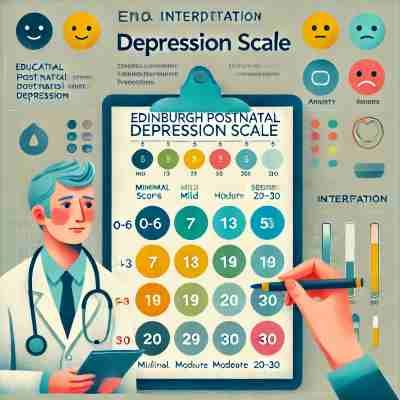
The Edinburgh Postnatal Depression Scale (EPDS) is scored by adding the responses to its 10 questions, with total scores ranging from 0 to 30. Each answer is rated on a scale of 0 to 3 based on symptom severity. Some items are reverse-scored to capture depressive symptoms more accurately.

  • 0-6 (None or Minimal Depression): Low risk of depression.
  • 7-13 (Mild Depression): May indicate mild symptoms, further evaluation suggested.
  • 14-19 (Moderate Depression): Moderate depressive symptoms, clinical assessment needed.
  • 20-30 (Severe Depression): Likely severe depression, requiring urgent medical attention.

Recommended Reading: Top 5 Severe Depression Symptoms – Signs, Diagnosis, Treatments

Causes of High Scores on EPDS

High Scores on EPDS

High scores on the EPDS may be caused by factors such as hormonal changes, emotional stress, lack of support, and previous mental health conditions.

Causes-of-High-Scores-on-EPDS

  • History of Mental Health Problems
    • Prior Depression: Women who have experienced depression before or during pregnancy are at a higher risk of postnatal depression.
    • Anxiety Disorders: Pre-existing anxiety or mental health conditions can also contribute to higher scores.
  • Lack of Social Support
    • Limited Support Networks: Without strong family or friend support, feelings of isolation can intensify, leading to higher EPDS results.
  • Relationship Issues
    • Conflicts with Partners: Relationship stress, especially with a spouse or partner, can trigger emotional distress and elevate scores.
  • Stressful Life Events
    • Financial Problems: Financial struggles, job loss, or major life changes can heighten stress and increase the likelihood of higher EPDS scores.
    • Domestic Issues: Experiencing domestic violence or severe relationship challenges also contributes to higher depression risk.
  • Unintended Pregnancy
    • Unwanted or Unexpected Pregnancy: When a pregnancy is unplanned or unwanted, it can lead to emotional strain, increasing the risk of depression.
  • Low Socioeconomic Status
    • Financial Hardships: Limited resources or low income can create stress and uncertainty, often reflected in higher EPDS scores.
  • Minority Status or Discrimination
    • Ethnic Minorities: Women from minority ethnic backgrounds may experience additional social and healthcare challenges, leading to elevated scores.
  • Living Without a Partner
    • Single Mothers: Mothers who are raising a child without a partner may feel overwhelmed and isolated, contributing to high EPDS scores.
  • Trauma or Abuse History
    • Childhood Abuse or Trauma: Women with a history of childhood trauma or abuse are more likely to experience postnatal depression.
  • Negative Reaction to Pregnancy
    • Unhappy Reaction: A less-than-positive response to the pregnancy can add emotional stress, increasing the likelihood of a high score.
  • Physical Health Challenges
    • Post-Birth Complications: Physical complications after childbirth can exacerbate emotional distress, leading to higher EPDS results.

Signs of Postnatal Depression

  • Persistent Sadness
    Feeling down or hopeless most of the time.
    This sadness lasts for weeks, not just a few days.
  • Loss of Interest
    Losing enjoyment in activities that were once fun or interesting.
    Feeling disconnected from life, friends, and family.
  • Lack of Energy
    Feeling constantly tired, even after resting.
    Simple tasks, like getting out of bed, seem overwhelming.
  • Trouble Sleeping
    Difficulty falling asleep or staying asleep at night.
    Feeling sleepy or exhausted during the day, even after sleeping.
  • Difficulty Bonding with Baby
    Feeling detached or distant from your baby.
    Struggling to feel close or connected, can lead to guilt.
  • Irritability or Anger
    Feeling unusually irritable, frustrated, or angry over small things.
    Mood swings that affect daily interactions with family or friends.
  • Anxiety and Panic
    Intense worries or fears about the baby’s health or safety.
    Panic attacks or sudden feelings of overwhelming fear.
  • Loss of Appetite or Overeating
    Losing interest in food or forgetting to eat.
    Alternatively, some may turn to food for comfort and overeat.
  • Feeling Worthless or Guilty
    Having thoughts of being a bad mother or not doing enough.
    Constant guilt or self-blame, even when caring for the baby properly.
  • Difficulty Concentrating
    Trouble focusing, making decisions, or remembering things.
    Simple tasks seem more difficult, leading to frustration.
  • Thoughts of Self-Harm
    Having thoughts about harming yourself or your baby.
    Important: This is a serious sign, and immediate help should be sought if these thoughts arise.
  • Withdrawing from Others
    Avoiding family, friends, or social activities.
    Feeling like you want to isolate yourself from everyone.

Recommended Reading: Top 5 Signs Of Menopause Depression Symptoms, Causes, & Treatment

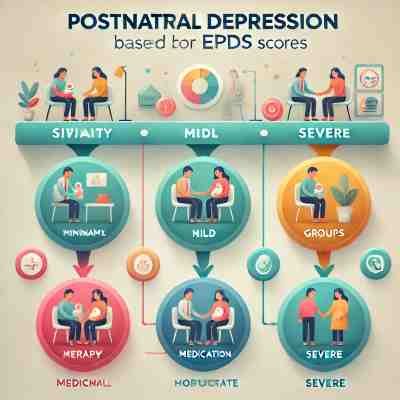
Treatment For Postnatal Depression Based On EPDS Scores

Treatment For Postnatal Depression

Treatment for postnatal depression often includes therapy, medication, and support from family to help manage symptoms and improve well-being.
Treatment-For-Postnatal-Depression-Based-On-EPDS-Scores

EPDS ScoreSeverityRecommended Treatment
0-9Minimal or no depressionSupport from family, friends, and self-care practices.
10-12Mild depressionTherapy like Cognitive Behavioral Therapy (CBT) or Interpersonal Therapy (IPT); support groups.
13-19Moderate depressionTherapy (CBT/IPT), support groups, and possibly antidepressants after consulting a healthcare provider.
20-30Severe depressionUrgent therapy, medication, and close follow-up with healthcare professionals.

Common Treatments For Postnatal Depression

Common Treatments

Common treatments for postnatal depression include therapy, medications like antidepressants, and support from healthcare providers.

Common-Treatments-For-Postnatal-Depression

Treatment TypeDetailsConsiderations
PsychotherapyCognitive Behavioral Therapy (CBT) and Interpersonal Therapy (IPT) are effective non-medical treatments for postnatal depression.Useful for mild to moderate depression. Can be combined with medication for severe cases.
SSRIsSelective Serotonin Reuptake Inhibitors (SSRIs) are commonly prescribed antidepressants (e.g., fluoxetine, sertraline).Some SSRIs are safe for breastfeeding. Always discuss risks with your doctor.
Brexanolone (Zulresso)Specifically approved for postpartum depression. It is administered intravenously and helps restore hormonal balance.Only available through healthcare providers. Generally used for severe cases.
Support GroupsJoining support groups allows mothers to share experiences, receive advice, and feel less isolated.Helpful for emotional support. It complements other treatments like therapy or medication.
Tricyclic Antidepressants (TCAs)A different class of antidepressants (e.g., amitriptyline) is sometimes used when SSRIs are not suitable.Less commonly prescribed for breastfeeding mothers.
Hormone TherapyEstrogen patches or pills may help balance hormones in some women with postpartum depression.Not recommended for everyone. Consult your doctor to discuss the benefits and risks.
Exercise & LifestyleRegular physical activity, adequate sleep, and a balanced diet can help improve mood and manage symptoms of depression.Beneficial for mild symptoms or as part of a holistic treatment plan.
Electroconvulsive Therapy (ECT)Used in severe, treatment-resistant cases of postnatal depression.Only for severe cases where other treatments haven’t worked.
Omega-3 SupplementsOmega-3 fatty acids, especially DHA, are linked to mood stabilization and may help with mild depression symptoms.Considered safe for most mothers, but always check with a healthcare provider before starting supplements.
Table: Common-Treatments

Best Medicines for Postnatal Depression

Postnatal depression can be managed through various treatments, including therapy and medication. The Edinburgh Postnatal Depression Scale (EPDS) is a widely used tool to assess the severity of depression, but the best treatment varies depending on individual needs.

Edinburgh Postnatal Depression Scale (EPDS)

  • Purpose: A 10-item questionnaire that helps screen for postnatal depression.
  • Scoring: Each item is rated from 0 to 3, with a total score of 30. Higher scores indicate more severe depression.
    • 0-9: Normal mood or minimal depression.
    • 10-13: Mild depression, may need further evaluation.
    • 14-19: Moderate depression, likely requiring medical intervention.
    • 20-30: Severe depression, requiring urgent care.

Pros & Cons of EPDS

Pros of EPDS

  • Simple and Quick: The EPDS is easy to complete, with just 10 questions that can be answered in a few minutes.
  • Effective Screening: It helps identify mothers who might be at risk of postnatal depression, allowing early intervention.
  • Opens Dialogue: It encourages discussions about mental health during postpartum check-ups, which is crucial for overall well-being.
  • Widely Used: This tool is trusted and used by healthcare professionals globally, making it a common standard in postpartum care.

Cons of EPDS

  • Emotional State May Change: A mother’s emotional state may fluctuate over time, so one EPDS score might not fully capture her mental health.
  • Not Diagnostic: The EPDS is a screening tool, not a diagnostic one. It helps indicate risk but cannot confirm a diagnosis of depression.
  • Cultural Sensitivity: Different cultural factors or personal beliefs can affect how women respond to the questions, potentially leading to false positives or negatives.

When to Seek Help Based on EPDS Score

EPDS ScoreAction Needed
0-9Low risk for depression, but continue regular mental health check-ins.
10-12Possible mild depression. Consider seeking support from family or a healthcare provider for further evaluation.
13+High risk of depression. Seek professional help for a more detailed assessment.
Thoughts of HarmIf there are any suicidal thoughts (especially indicated by Item 10), immediate help is required. Contact a healthcare provider.
Table: When-to-Seek-Help

FAQs

What is the Edinburgh Postnatal Depression Scale (EPDS)?

The Edinburgh Postnatal Depression Scale (EPDS) is a simple questionnaire used to identify signs of postnatal depression in new mothers. It consists of 10 questions that evaluate emotional well-being, and it helps healthcare professionals assess whether a mother may need further mental health support.

How does the EPDS work?

EPDS works by asking mothers how they’ve been feeling in the past week. Each question is scored on a scale of 0 to 3, and the total score indicates the likelihood of depression.

What is the significance of the EPDS score?

The EPDS score ranges from 0 to 30. A score below 10 typically indicates a low risk of depression. Scores between 10 and 19 may suggest mild to moderate depression, while scores above 20 indicate severe depression. A score of 13 or higher suggests the need for further assessment by a healthcare provider.

Can EPDS diagnose postnatal depression?

No, EPDS is not a diagnostic tool. It is a screening instrument designed to identify potential symptoms of postnatal depression. A high score means further clinical evaluation is needed, but it does not confirm a diagnosis.

What are the limitations of the EPDS?

While the EPDS is effective at spotting signs of depression, it cannot diagnose depression. Cultural differences and how questions are interpreted may also affect the results. Some mothers may underreport or overreport symptoms, leading to inaccurate scores.

What should I do if I get a low score on the EPDS but still feel depressed?

Even if your EPDS score is low, it’s important to trust your feelings. If you are experiencing symptoms of depression, such as sadness, anxiety, or difficulty bonding with your baby.

Can fathers use the EPDS?

While the EPDS is designed for new mothers, fathers and partners can also experience postnatal depression.

Conclusion

The Edinburgh Postnatal Depression Scale (EPDS) is a key tool for spotting signs of postnatal depression early. It helps in assessing a new mother’s emotional well-being, offering a way to start conversations about mental health. While it isn’t a diagnostic tool, it can highlight areas of concern that may need professional attention. With timely help based on the EPDS score, the mental health of new mothers can be improved significantly.

Disclaimer
Commissions we earn from partner links on this page do not influence our content. Our editorial content is based on thorough research and insights from qualified medical professionals to ensure the highest standards of accuracy and reliability.

Information provided on Doseway is for educational purposes only. Your health and wellness are unique to you, and the products and services we review may not be suitable for your circumstances. We do not offer personal medical advice, diagnosis, or treatment plans. For specific advice, please consult with a healthcare professional. Doseway adheres to strict editorial integrity standards. To the best of our knowledge, all content is accurate as of the date posted, though offers and information may change. The opinions expressed are the author’s own and have not been influenced, approved, or endorsed by our partners.

Top 10 Signs Of Depression In Men: Symptoms, Causes, & Cure

Depression is a mental health condition that affects millions of people worldwide, including men. It goes beyond just feeling sad or down and can impact a person’s thoughts, emotions, and behavior. In men, depression often manifests differently, with symptoms such as irritability, anger, or risky behaviors like substance abuse or reckless actions.

Common signs include feelings of hopelessness, loss of interest in activities, fatigue, and physical pain like headaches or digestive issues. Men may struggle to talk about their emotions due to societal expectations, which can make it harder to seek help.

Recommended Reading: Top 10 Signs Of Depression In Women: Symptoms, Causes, & Cure

Top 10 Signs Of Depression In Men: Symptoms, Causes, & Cure

Signs-Of-Depression-In-Men

Recommended Reading: Top 10 Anxiety And Depression Medicines (Uses, Side Effects & Types)

What is Depression?

Depression in Men

Depression in men often goes unnoticed, showing up as anger, irritability, or withdrawal. Early recognition and treatment are essential for recovery and well-being.

Depression-in-Men

Depression is a mental health condition marked by ongoing sadness, loss of interest in activities, and constant tiredness. It affects the way people think, feel, and function in daily life. For men, depression often looks different from what is commonly seen in women, as they may show signs like anger, risk-taking, or turning to substances like alcohol or drugs.

How Does Depression Manifest in Men?

Depression In Men is expressed through irritability, anger, or physical issues like headaches or stomach problems. Instead of talking about their emotions, they may react by engaging in unhealthy habits, such as substance abuse or reckless actions, which can hide their true feelings.

What is Depression in Men?

Depression in men is a serious mental health condition that can present with sadness, irritability, anger, or a lack of interest in daily activities. Men often experience physical symptoms like fatigue, sleep problems, and appetite changes.

Key Symptoms of Depression in Men

  • Emotional Symptoms: Feeling sad, empty, or losing pleasure in usual activities.
  • Behavioral Symptoms: Irritability, anger, increased risk-taking, or withdrawal from social circles.
  • Physical Symptoms: Tiredness, changes in sleep and appetite, or unexplained physical pains.
  • Cognitive Symptoms: Trouble focusing, remembering, or making decisions.
  • Substance Use: Many men turn to alcohol or drugs to cope with depression.

Types of Depression in Men

Types of Depression

Men can experience various types of depression, including major depression, dysthymia, and seasonal affective disorder. Each type affects mood and daily life differently, requiring specific treatment.

Types-of-Depression-in-Men

Type of DepressionDetails
Major Depressive Disorder (MDD)Persistent sadness, loss of interest in activities, and symptoms like sleep issues, appetite changes, and fatigue lasting at least two weeks.
Persistent Depressive DisorderA milder but long-lasting form of depression, with symptoms persisting for at least two years, including low self-esteem and lack of motivation.
Bipolar DisorderAlternating periods of depression (similar to MDD) and mania (extreme highs), with manic phases involving impulsive behavior and high energy.
Seasonal Affective Disorder (SAD)Depression is linked to seasonal changes, usually peaking during winter due to reduced sunlight, causing low mood and energy.
Postpartum DepressionDepression experienced by men after the birth of a child, triggered by stress and life changes, is similar to postpartum depression in women.
Table: Type-of-Depression

Top Signs of Depression in Men

Signs of Depression

Common signs of depression in men include irritability, emotional withdrawal, and loss of interest in activities. These symptoms can affect relationships and overall well-being.

Top-Signs-of-Depression-in-Men

SignDetails
Irritability and AngerMen may become easily frustrated, have frequent anger outbursts, and feel irritated over small things.
Loss of Interest or PleasureActivities like hobbies, sports, or spending time with loved ones no longer bring joy or excitement.
Sleep DisturbancesDifficulty falling asleep, staying asleep, or sleeping too much, leading to constant fatigue and exhaustion.
Changes in AppetiteEating habits change, either by losing appetite and losing weight or overeating and gaining weight.
Fatigue and Lack of EnergyFeeling tired all the time, even after enough rest. Simple tasks can feel overwhelming.
Difficulty ConcentratingTrouble focusing, remembering things, or making decisions, affecting daily life and work.
Physical SymptomsExperiencing unexplained headaches, stomach issues, or muscle pain that don’t seem to have a medical cause.
Feelings of Worthlessness or GuiltMen may feel guilty, blame themselves, or feel like they are not good enough.
Thoughts of Death or SuicideHaving thoughts about death, suicide, or self-harm is a serious sign that requires immediate attention.
Withdrawal from OthersMen may start avoiding friends, family, and social activities, leading to isolation and loneliness.
Table: Signs-of-Depression

Best Treatment Options for Depression in Men

Best Treatment Options

Effective treatments for depression in men include therapy, medications, and lifestyle changes. Seeking professional help early can significantly improve recovery.

Best-Treatment-Options-for-Depression-in-Men

Treatment TypeUsesBenefitsCommon Side EffectsImportant Notes
Cognitive Behavioral Therapy (CBT)Helps change negative thought patterns and behaviorsImproves mood, helps manage thoughts and emotionsN/ALong-lasting improvement with continued practice
Interpersonal Therapy (IPT)Improves relationships and communication skillsHelps resolve conflicts, improves emotional connectionsN/AFocuses on personal relationships
Behavioral ActivationEncourages engaging in pleasurable activitiesIncreases activity levels, improves moodN/AEffective for low motivation in depression
Group TherapySupport from other men experiencing depressionBuilds a support system, reduces isolationN/ACan be male-specific groups for comfort and openness
Online TherapyProvides therapy through virtual platformsConvenient, accessible, flexible schedulingN/AIdeal for those who prefer remote support
Antidepressants (SSRIs, SNRIs)Regulates brain chemistry, reduces depressive symptomsReduces sadness, improves emotional balanceNausea, sexual dysfunction, insomniaPrescription required; can take weeks to show effects
Mood StabilizersHelps with mood swings, often used with antidepressantsReduces mood extremesWeight gain, dizziness, fatigueUsed in severe or complex cases
Electroconvulsive Therapy (ECT)Used for treatment-resistant depressionCan relieve severe depression quicklyMemory loss, confusionReserved for severe cases that don’t respond to medication
Transcranial Magnetic Stimulation (TMS)Non-invasive brain stimulation for resistant depressionImproves mood, boosts brain activityHeadache, scalp discomfortOption for those not responding to medication
ExerciseEnhances mood through physical activityReleases endorphins, improves physical and mental healthN/ARegular exercise has long-term benefits
Healthy DietSupports overall health and mood regulationIncreases energy, improves brain functionN/ABalanced, nutrient-rich meals play a key role in well-being
Adequate SleepHelps in mood regulation and cognitive functionReduces irritability, improves concentrationN/A7-9 hours of quality sleep is crucial for mental health
Social SupportBuilds emotional support through connections with othersReduces feelings of isolation, enhances well-beingN/AThe strong support system is key for recovery
Mindfulness and MeditationHelps reduce stress and manage emotionsLowers anxiety, improves focusN/ACan be used alongside other treatments
Yoga or AcupunctureComplementary therapy to manage stress and well-beingPromotes relaxation, reduces stressN/AHelps improve overall mental and physical well-being
Table: Treatment-Options

Top Medicines for Depression in Men

Medicines for Depression

Common medications for depression in men include antidepressants like SSRIs, SNRIs, and tricyclics.

Top-Medicines-for-Depression-in-Men

Medicine NameTypeUsesBenefitsCommon Side EffectsOther Info
Sertraline (Zoloft)SSRITreats depression, anxiety, panic disordersImproves mood, reduces anxietyNausea, insomnia, sexual dysfunctionA popular choice for first-line treatment
Escitalopram (Lexapro)SSRIDepression, generalized anxiety disorderElevates mood, fewer side effects than othersNausea, dizziness, drowsinessOften prescribed for mild to moderate depression
Fluoxetine (Prozac)SSRIDepression, OCD, panic attacksLong-lasting effect, energizingWeight loss, anxiety, insomniaOne of the most well-known antidepressants
Citalopram (Celexa)SSRIDepression, anxietyBalances mood swings, reduces anxietyDry mouth, sweating, sexual side effectsLow side effect profile
Paroxetine (Paxil)SSRIDepression, social anxiety, PTSDImproves mood, helps with sleepSexual dysfunction, drowsiness, weight gainHelpful for sleep issues
Amitriptyline (Elavil)Tricyclic Antidepressant (TCA)Depression, chronic pain, migrainesHelps with severe depression and pain reliefDry mouth, constipation, dizzinessOlder drug with higher risk of side effects
Duloxetine (Cymbalta)SNRIDepression, anxiety, nerve painTreats both mood disorders and chronic painNausea, dry mouth, dizzinessOften used for both mental and physical symptoms
Venlafaxine (Effexor)SNRIDepression, anxiety, panic disorderImproves mood, helps with concentrationNausea, sweating, insomniaMay cause increased blood pressure
Bupropion (Wellbutrin)Atypical AntidepressantDepression, seasonal affective disorder (SAD)Increases energy, helps with smoking cessationWeight loss, dry mouth, insomniaOften used for people who can’t tolerate SSRIs
Trazodone (Desyrel)Atypical AntidepressantDepression, insomniaHelps with sleep, reduces anxietyDrowsiness, dizziness, dry mouthCommonly used for sleep disorders as well
Monoamine Oxidase Inhibitor (MAOI)MAOIDepression (if other drugs fail)Effective for treatment-resistant depressionDietary restrictions, dizziness, insomniaUsed when other antidepressants don’t work
Table: Medicines-for-Depression

Types of Antidepressants

  • SSRIs (Selective Serotonin Reuptake Inhibitors):
    • How they work: Increase serotonin levels to regulate mood.
    • Common examples: Sertraline, Fluoxetine, Escitalopram, and Citalopram.
    • Benefits: Generally well-tolerated with fewer side effects.
    • Side effects: Nausea, sexual dysfunction, insomnia.
  • SNRIs (Serotonin-Norepinephrine Reuptake Inhibitors):
    • How they work: Boost both serotonin and norepinephrine.
    • Common examples: are Duloxetine, and Venlafaxine.
    • Benefits: Effective for mood and nerve pain.
    • Side effects: Nausea, increased blood pressure, dry mouth.
  • Tricyclic Antidepressants (TCAs):
    • How they work: Increase levels of serotonin and norepinephrine, similar to SNRIs.
    • Common examples: Amitriptyline, and Imipramine.
    • Benefits: Effective for severe depression and chronic pain.
    • Side effects: More severe, including dizziness, dry mouth, and weight gain.
  • Atypical Antidepressants:
    • How they work: These drugs affect brain chemicals in unique ways.
    • Common examples:

Psychological Treatments For Depression In Men

Psychological Treatments

Psychological treatments for depression in men include cognitive behavioral therapy (CBT) and interpersonal therapy (IPT), which help address negative thoughts and improve coping skills.

Psychological-Treatments-For-Depression-In-Men

Treatment TypeUsesBenefitsSide EffectsImportant Information
Cognitive Behavioral Therapy (CBT)Helps identify and change negative thoughts and behaviorsImproves mood, develops coping skillsNone (therapy-related discomfort possible)Effective in managing thoughts and emotions
Interpersonal Therapy (IPT)Focuses on improving relationships and communicationBuilds social support, improves interpersonal skillsNone (therapy-related discomfort possible)Useful for relationship and communication challenges
General PsychotherapyA broad approach to understanding mental health challengesProvides emotional support, addresses mental health issuesNoneVarious techniques depending on individual needs
Psychodynamic TherapyExplores unconscious thoughts affecting behavior and moodHelps address the root causes of depressionNoneLong-term therapy focusing on past experiences
Group TherapyProvides support in a group setting with other menReduces isolation, offers shared coping strategiesPossible discomfort in sharing personal experiencesCan be men-specific for better comfort and openness
Behavioral ActivationEncourages participation in pleasurable activitiesIncreases engagement, improves energy levelsNoneHelps overcome lack of motivation common in depression
Online TherapyVirtual therapy sessions from homeAccessible, flexible scheduling, privacyLimited personal connection due to remote interactionIdeal for those preferring convenience and flexibility
Couples TherapyHelps address relationship issues contributing to depressionImproves communication, strengthens relationship dynamicsNoneUseful when relationship problems are linked to depression
Family TherapyInvolves family members to address depression collectivelyBuilds family support, enhances understandingNoneHelps create a supportive home environment
Mindfulness-Based TherapyFocuses on being present and managing stressReduces stress, improves focus and emotional regulationNoneEffective when combined with other therapies
Solution-Focused TherapyConcentrates on finding solutions and setting goalsProvides a positive outlook, encourages problem-solvingNoneShort-term, goal-oriented therapy
Table: Psychological-Treatments

Causes of Depression in Men

  • Stressful Life Events: Major life changes like job loss, divorce, or financial strain can lead to depression.
  • Social Isolation: Feeling lonely or disconnected from meaningful relationships increases the risk of depression.
  • Trauma: Childhood trauma or emotional abuse may trigger depression later in life.
  • Relationship Issues: Problems in romantic or family relationships can contribute to feelings of sadness and depression.
  • Genetic Predisposition: A family history of depression increases the chances of developing the condition.
  • Brain Chemistry: Imbalances in neurotransmitters can disrupt mood regulation, leading to depression.
  • Hormonal Changes: Hormonal shifts related to aging or medical conditions can contribute to depression.
  • Medical Conditions: Chronic illnesses like heart disease, diabetes, or cancer can elevate the risk of depression.
  • Substance Abuse: Alcohol or drug abuse often worsens depression, and men may self-medicate to escape emotional pain.
  • Masculinity Ideals: Societal pressures on men to remain strong can prevent them from seeking help, worsening depression.
  • Sleep Problems: Chronic insomnia or lack of restful sleep can both cause and worsen depression.
  • Physical Inactivity: Lack of exercise reduces mood-boosting chemicals, increasing the likelihood of depression.
  • Economic Hardships: Financial difficulties can add stress, increasing the risk of mental health issues.

Top Symptoms of Depression in Men

  • Irritability and Anger: Men may become easily irritated or angry, expressing emotional pain through aggression instead of sadness.
  • Loss of Interest or Enjoyment: Activities like hobbies, work, or spending time with loved ones no longer bring joy or satisfaction.
  • Feelings of Hopelessness or Worthlessness: Men may feel hopeless, useless, or stuck in a cycle of negative thoughts.
  • Risky Behaviors: Engaging in dangerous actions like reckless driving, gambling, or unsafe sex is often linked to depression.
  • Substance Abuse: Some men turn to alcohol or drugs to cope with emotional pain or escape their reality.
  • Physical Pain: Depression In Men can cause unexplained physical pains like headaches, backaches, or stomachaches.
  • Constant Fatigue: Even with plenty of rest, men may feel exhausted or have low energy all the time.
  • Sleep Issues: Depression In Men often struggle with insomnia or oversleeping, disrupting their daily routine.
  • Difficulty Concentrating: Trouble focusing, making decisions, or remembering important things can be a common sign.
  • Suicidal Thoughts: In extreme cases, men may have thoughts of suicide. This requires immediate help from a professional.
  • Social Withdrawal: Men might start avoiding friends, family, and social activities, leading to isolation.
  • Changes in Appetite or Weight: Some men may experience increased or decreased appetite, leading to weight changes.
  • Sexual Issues: Depression In Men can cause a loss of sexual interest or erectile dysfunction.

Side Effects of Untreated Depression in Men

Side Effects

Untreated depression in men can lead to emotional withdrawal, physical health issues, and an increased risk of substance abuse or suicidal thoughts.

Side-Effects-of-Untreated-Depression-in-Men

  • Increased Irritability and Anger: Men may get easily irritated, showing aggression, which affects their relationships.
  • Emotional Withdrawal: Depression In Men may distance themselves emotionally and avoid sharing feelings.
  • Social Isolation: Untreated Depression In Men leads men to withdraw from social activities, causing loneliness.
  • Physical Health Issues: Depression In Men can cause chronic pain, fatigue, and low energy if not addressed.
  • Increased Substance Abuse: Some men may turn to alcohol or drugs to cope, worsening their mental and physical health.
  • Risky Behaviors: Depression In Men can lead to reckless actions, putting men and others at risk.
  • Hopelessness and Worthlessness: Men may feel hopeless, making it hard to seek help or believe in recovery.
  • Loss of Interest: Depression reduces interest in hobbies or activities that were once enjoyable.
  • Sexual Problems: Low libido and erectile dysfunction can result from depression, causing relationship issues.
  • Sleep Disorders: Men may struggle with insomnia or excessive sleep, affecting daily life.
  • Difficulty Concentrating: Depression In Men can affect focus, making decision-making and completing tasks harder.
  • Increased Risk of Suicide: Untreated Depression In Men are at a higher risk of suicidal thoughts or attempts.
  • Health Deterioration: Untreated depression can worsen health, leading to conditions like heart disease or diabetes.
  • Escapist Behavior: Men may immerse themselves in work or distractions to avoid dealing with emotions.
  • Strained Relationships: Depression In Men strains emotional connections, leading to relationship problems.

FAQs

What are the signs of depression in men?

Depression in men may show up as irritability, anger, emotional withdrawal, or social isolation. Men might also experience fatigue, low energy, physical pain, and a loss of interest in activities they once enjoyed. They may turn to substance abuse or engage in risky behaviors as a way of coping.

Why do people often avoid talking about depression in men?

Many men avoid discussing depression because of social stigma or the belief that they should appear strong and self-reliant. This leads to feelings of shame or guilt, which prevents them from seeking help.

How does depression in men affect differently than women?

While depression affects both genders, men are more likely to show anger, aggression, or risky behaviors, while women may appear more emotional or openly sad. Men often suppress their feelings, making it harder to identify depression.

Can untreated depression lead to other health issues?

Yes, untreated depression can lead to serious health problems such as heart disease, diabetes, chronic pain, and sleep disorders. It also increases the risk of substance abuse and suicidal thoughts.

How can men manage depression?

Men can manage depression by seeking professional help, such as therapy or counseling. Psychological treatments, like Cognitive Behavioral Therapy (CBT), can help men change negative thinking patterns. Building a support system, staying physically active, and developing healthy coping strategies are also important steps in managing depression.

Can lifestyle changes help in managing depression?

Yes, adopting healthy habits, like regular exercise, a balanced diet, and sleep routines, can improve mood and energy levels. Reducing alcohol and drug use is also essential for mental well-being.

What are the dangers of ignoring depression in men?

Ignoring depression can lead to serious consequences, such as worsened health, strained relationships, substance abuse, and even suicide. Early diagnosis and treatment are key to preventing these outcomes.

Is depression in men curable?

While depression may not be entirely curable, it is highly treatable with the right support. Therapy, medication, and lifestyle changes can lead to significant improvements, allowing men to live healthier, more fulfilling lives.

Conclusion

Summary of Findings

Depression in men is a serious condition that is often overlooked. Men may experience unique symptoms like irritability, anger, or physical discomfort, which can be mistaken for something else. Recognizing these early signs is crucial for getting the right help and beginning the path to recovery.

Final Thoughts

Men need to prioritize mental health and seek support without feeling embarrassed. Breaking societal stigma and seeking treatment can significantly improve a man’s emotional and physical well-being, helping to prevent long-term mental health challenges.

Call to Action

If you or someone you know is showing signs of depression, don’t wait. Reach out to a professional—whether it’s a therapist or a doctor to get proper guidance and support. Early intervention is key to recovery, and seeking help is the first important step.

Disclaimer
Commissions we earn from partner links on this page do not influence our content. Our editorial content is based on thorough research and insights from qualified medical professionals to ensure the highest standards of accuracy and reliability.

Information provided on Doseway is for educational purposes only. Your health and wellness are unique to you, and the products and services we review may not be suitable for your circumstances. We do not offer personal medical advice, diagnosis, or treatment plans. For specific advice, please consult with a healthcare professional. Doseway adheres to strict editorial integrity standards. To the best of our knowledge, all content is accurate as of the date posted, though offers and information may change. The opinions expressed are the author’s own and have not been influenced, approved, or endorsed by our partners.

Signs Of Bipolar Disorder In Women – Diagnosis, Treatments

Bipolar mood disorder, previously known as manic depression, is a mental health condition characterized by extreme mood swings. These mood shifts can range from intense emotional highs (mania or hypomania) to severe lows (depression).

Episodes of elevated mood may include feelings of euphoria, increased energy, and impulsive behavior, while depressive episodes bring feelings of sadness, hopelessness, and fatigue. These mood changes can last for days, weeks, or even months, significantly impacting a person’s ability to function in daily life.

Genetic, biological, and environmental factors are key to its development. While it affects both men and women, women may experience more depressive episodes, rapid cycling, and hormone-related fluctuations. Treatment often includes a combination of medications and therapy to manage symptoms and improve quality of life.

Recommended Reading: Top 5 Severe Depression Symptoms – Signs, Diagnosis, Treatments

Signs Of Bipolar Disorder In Women – Diagnosis, Treatments

Signs-Of-Bipolar-Disorder-In-Women

Recommended Reading: Top 5 Signs Of Menopause Depression Symptoms, Causes, & Treatment

What is Bipolar Mood Disorder?

What is Bipolar Disorder?

Bipolar disorder is a mental health condition causing extreme mood swings, ranging from emotional highs (mania) to lows (depression). These mood shifts can disrupt daily life and functioning.

What-is-Bipolar-Mood-Disorder

Bipolar mood disorder, also known as manic depression, is a mental health condition that causes extreme mood changes. People with this disorder go through periods of intense emotional highs, called mania or hypomania, and lows, known as depression.

These mood swings can last for days, weeks, or even months. During a manic phase, individuals may feel overly energetic, excited, or irritable. On the other hand, during depressive episodes, they experience deep sadness, tiredness, and hopelessness.

Key Points

  • Mania: Feeling overly happy, energetic, or irritable.
  • Depression: Feeling sad, tired, or hopeless.
  • Lifelong Condition: Requires ongoing management.
  • Treatment: Involves medication and therapy for control.

Diagnosis For Bipolar Mood Disorder In Females

Diagnosis For Bipolar Disorder

Diagnosis of bipolar mood disorder in females involves a thorough assessment, including medical history, mental health evaluation, and ruling out other conditions.

Diagnosis-For-Bipolar-Disorder

ProcessHow It WorksUsesSide EffectsBenefits
Physical ExamThe doctor checks for physical issues that could cause mood changes.Helps rule out medical conditions (e.g., thyroid problems).Minimal physical discomfort, if any.Ensures accurate diagnosis by ruling out other conditions.
Medical History ReviewReview the patient’s medical background and family history.Identifies genetic predispositions and past mental health issues.No direct side effects.Helps tailor diagnosis and treatment to individual needs.
Mental Health AssessmentA psychiatrist evaluates mood, behavior, and mental state.Diagnoses mental health conditions like bipolar disorder.Emotional discomfort when discussing sensitive topics.Provides a clear understanding of mental health status.
Mood ChartingThe patient tracks daily moods, sleep, and triggers.Identifies mood patterns and triggers for mood swings.Time-consuming and requires consistency.Helps doctors see mood fluctuations and diagnose bipolar disorder.
Lab TestsBlood tests for thyroid function and metabolic screening.Rules out metabolic issues or thyroid problems mimicking bipolar symptoms.Minor discomfort from blood draw.Ensures mood swings aren’t caused by physical health problems.
Structured Clinical InterviewsUses set questions to assess bipolar symptoms.Provides a standardized way to diagnose bipolar disorder.Lengthy and may feel repetitive.Improves accuracy in diagnosing bipolar disorder.
Reproductive Hormone EvaluationAssesses the impact of menstrual cycle, pregnancy, or menopause.Helps link hormonal fluctuations with mood changes.Requires discussion of sensitive reproductive health topics.Offers insights into hormone-related mood swings.
Family History ReviewGathers family insights about the patient’s symptoms.Assesses genetic and environmental factors.May cause family members emotional distress.Strengthens diagnosis by incorporating family perspectives.
Mood Disorder Questionnaire (MDQ)15-question screening tool for identifying bipolar symptoms.Quick self-report tool to assess bipolar disorder risk.Might miss nuances in symptoms without professional guidance.Provides a quick, initial assessment for bipolar disorder.
Differentiating from Other Mental IllnessesCompares symptoms to other conditions like ADHD or schizophrenia.Ensures correct diagnosis by ruling out similar conditions.May delay diagnosis as other conditions are considered.Ensures the patient receives appropriate treatment for bipolar disorder.
Hormonal Treatment AssessmentEvaluate the effect of hormonal treatments (e.g., birth control) on mood.Helps adjust treatment plans for women affected by hormones.Requires adjustment period for treatment changes.Tailors treatment to hormonal influences on bipolar symptoms.
Table: Diagnosis

Treatment of Bipolar Mood Disorder in Females

Treatment of Bipolar Disorder

Treatment of bipolar mood disorder in females includes medication, psychotherapy, and lifestyle changes. Hormonal influences may affect treatment strategies.

Treatment-of-Bipolar-Mood-Disorder-in-Females

Medications

Medication TypeExamplesHow It WorksUsesSide EffectsBenefits
Mood StabilizersLithium, Valproic Acid, LamotrigineHelps control mood swings by stabilizing brain chemicalsControls manic and depressive episodesWeight gain, nausea, thyroid issuesReduces mood swings, long-term stability
AntipsychoticsAripiprazole, Quetiapine, OlanzapineAlters brain chemicals to stabilize mood and reduce psychosisUsed for manic episodes, mood stabilizationWeight gain, drowsiness, movement issuesEffective in reducing manic and mixed episodes
AntidepressantsFluoxetine, SymbyaxIncreases serotonin levels to improve moodHelps with depressive episodesRisk of triggering mania, nauseaReduces depressive symptoms when used with mood stabilizers
Anti-anxiety MedicationsLorazepam, ClonazepamCalms the nervous system to reduce anxiety and improve sleepTreats anxiety and sleep issuesDrowsiness, dependency riskReduces anxiety and improves sleep quality
Table: Medications

Therapy (Psychotherapy)

Therapy TypePurposeHow It Helps
Cognitive Behavioral Therapy (CBT)Helps change negative thought patternsTeaches individuals to identify and change harmful behaviors
Interpersonal and Social Rhythm Therapy (ISRT)Stabilizes social relationships and daily routineHelps create a stable lifestyle to prevent mood swings
Family-Focused TherapyEducates and supports familiesStrengthens family understanding and support
Dialectical Behavior Therapy (DBT)Improves emotional regulationTeaches coping mechanisms for emotional control
Table: Therapy

Other Treatments

TreatmentPurposeHow It Works
Electroconvulsive Therapy (ECT)Treats severe mania or depressionUses electrical currents to induce controlled seizures
HospitalizationProvides care for severe casesOffers medical supervision and stabilization in critical cases
Table: Other-Treatments

Medicines For Bipolar Mood Disorder In Females

Medicines For Bipolar Disorder

Medicines for bipolar mood disorder in females include mood stabilizers, antipsychotics, and antidepressants. These help manage mood swings and stabilize emotions.

Medicines-For-Bipolar-Mood-Disorder-In-Females

MedicineTypeUsesHow It WorksBenefitsSide Effects
AripiprazoleAntipsychoticTreats mania and mixed episodesBalances dopamine and serotonin levels in the brainReduces manic symptoms and stabilizes moodInsomnia, dizziness, weight gain
CariprazineAntipsychoticTreats mania, mixed episodes, and sometimes depressionModifies dopamine and serotonin receptorsEffective for both manic and depressive episodesDrowsiness, blurred vision, restlessness
LurasidoneAntipsychoticApproved for bipolar depressionAlters brain chemicals like dopamine and serotoninHelps manage depressive episodes in bipolar disorderNausea, fatigue, weight gain
RisperidoneAntipsychoticTreats manic episodesAlters dopamine and serotonin in the brainStabilizes mood quickly in maniaWeight gain, drowsiness, hormonal changes
ZiprasidoneAntipsychoticUsed for mania and mixed episodesAffects dopamine and serotonin receptorsReduces manic and mixed episodesDizziness, nausea, muscle stiffness
CarbamazepineMood StabilizerTreats manic and mixed statesStabilizes brain electrical activityEffective in reducing irritability and aggressionDizziness, drowsiness, liver issues
LamotrigineMood StabilizerEffective for preventing depressive episodesBlocks voltage-sensitive sodium channelsHelps with mood cycling and reduces depressive lowsSkin rash, headache, blurred vision
LithiumMood StabilizerLong-term treatment for preventing mania and depressionModifies chemical levels in the brainPrevents both manic and depressive episodesTremors, weight gain, kidney issues
LumateperoneAntipsychoticUsed for bipolar depressionActs on serotonin and dopamineImproves depressive symptoms quicklyDrowsiness, fatigue, dry mouth
QuetiapineAntipsychoticTreats both mania and depressionBlocks dopamine and serotonin receptorsReduces both manic and depressive symptomsWeight gain, sedation, dry mouth
Valproic AcidMood StabilizerTreats acute mania and mixed statesStabilizes mood by increasing GABA in the brainEffective for controlling mood swingsHair loss, weight gain, liver damage
Table: Medicines

Best Antipsychotics For Bipolar Mood Disorder In Females

Best Antipsychotics

The best antipsychotics for bipolar mood disorder in females often include medications like olanzapine, quetiapine, and risperidone to help control mood episodes.

Best-Antipsychotics-For-Bipolar-Mood-Disorder-In-Females

MedicationHow It WorksUsesSide EffectsBenefits
OlanzapineAdjusts brain chemicals to stabilize moodTreats mania, mixed episodes, and depression in bipolar IWeight gain, drowsiness, dry mouthFast relief from mania, prevents relapse
QuetiapineModulates serotonin and dopamine levels to balance moodManages mania and bipolar depressionDizziness, sedation, weight gainEffective for both manic and depressive phases
RisperidoneReduces abnormal brain activity to stabilize moodTreats manic and mixed episodes in bipolar disorderDrowsiness, restlessness, increased prolactin levelsReduces manic symptoms quickly
AsenapineAffects neurotransmitters to control mood swingsUsed for bipolar disorder mania and mixed episodesNumbness in mouth, dizziness, weight gainFast-acting for mania
ZiprasidoneBalances serotonin and dopamine in the brainTreats manic phases in bipolar disorderDizziness, weight gain, sleepinessFewer side effects compared to other antipsychotics
ClozapineAlters neurotransmitter levels to stabilize extreme mood swingsTreats severe bipolar disorder when other medications failSedation, weight gain, risk of low white blood cell countHighly effective for treatment-resistant cases
PaliperidoneWorks by adjusting dopamine and serotonin levelsUsed for mania and mood stabilizationHeadache, weight gain, insomniaLong-lasting effects, especially for maintenance treatment
AripiprazoleRegulates dopamine activity to improve moodTreats manic and mixed episodes, maintenance treatmentNausea, insomnia, weight gainWell-tolerated with fewer side effects
LurasidoneAffects serotonin and dopamine to treat mood symptomsApproved for bipolar depressionNausea, sleepiness, weight gainEffective for bipolar depression
CariprazineBalances dopamine and serotonin levelsUsed for both mania and bipolar depressionRestlessness, nausea, weight gainUseful for treating both poles of bipolar disorder
Table: Best-Antipsychotics

Best Antidepressants For Bipolar Mood Disorder In Females

Best Antidepressants

The best antidepressants for bipolar mood disorder in females may include medications like fluoxetine or sertraline, usually combined with mood stabilizers to prevent manic episodes.

Best-Antidepressants-For-Bipolar-Mood-Disorder-In-Females

Type of AntidepressantExamplesHow It WorksUsesSide EffectsBenefits
Selective Serotonin Reuptake Inhibitors (SSRIs)Citalopram, Escitalopram, FluoxetineIncreases serotonin in the brain to improve moodTreats depression in bipolar disorderNausea, insomnia, sexual issuesReduces depressive symptoms
Serotonin and Norepinephrine Reuptake Inhibitors (SNRIs)Duloxetine, VenlafaxineIncreases serotonin and norepinephrine to boost mood and energyHelps with severe depressionSweating, dry mouth, dizzinessImproves mood and energy levels
Tricyclic Antidepressants (TCAs)Amitriptyline, ImipramineBlocks the reabsorption of serotonin and norepinephrineUsed in treatment-resistant depressionWeight gain, drowsiness, dry mouthEffective for long-term depression control
Monoamine Oxidase Inhibitors (MAOIs)Phenelzine, TranylcypromineIncreases several neurotransmitters to elevate moodFor severe, treatment-resistant depressionDietary restrictions, blood pressure changesHelps manage hard-to-treat depression
Table: Best-Antidepressants

Best Psychotherapy For Bipolar Mood Disorder In Females

Best Psychotherapy

The best psychotherapy for bipolar mood disorder in females includes Cognitive Behavioral Therapy (CBT) and Interpersonal and Social Rhythm Therapy (IPSRT), which help manage mood swings and improve daily routines.

Best-Psychotherapy-For-Bipolar-Mood-Disorder-In-Females

Type of PsychotherapyHow It WorksUsesSide EffectsBenefits
Cognitive Behavioral Therapy (CBT)Changes negative thinking patterns and behaviors. Teaches coping mechanisms for stress and triggers.Helps manage depression, anxiety, and mood episodes.Minimal side effects, may bring up uncomfortable emotions.Reduces depressive symptoms and improves daily functioning.
Interpersonal and Social Rhythm Therapy (IPSRT)Stabilizes daily routines such as sleep and eating patterns to balance mood.Useful for preventing mood episodes and regulating emotions.Discomfort when trying to change long-term habits.Creates stability in daily life and reduces mood swings.
PsychoeducationTeaches about bipolar disorder, its symptoms, and treatment options.Helps individuals and families better manage the condition.Can be overwhelming to process all the information at once.Empowers patients and families with knowledge and understanding.
Family-Focused TherapyInvolves the family in the therapy process to improve communication and support.Useful for building a supportive home environment.Can be emotionally difficult for families to confront issues.Strengthens family relationships and reduces conflicts.
Dialectical Behavior Therapy (DBT)Focuses on emotion regulation and impulse control. Helps individuals with intense emotions.Used for individuals who struggle with self-harm or extreme emotions.Learning skills can be challenging initially.Reduces harmful behaviors and promotes emotional balance.
Psychodynamic TherapyExplores past experiences and unconscious thoughts to address root causes of mood problems.Useful for gaining deeper insight into emotional issues.Emotional discomfort from discussing past trauma.Increases self-awareness and helps uncover unresolved issues.
Mindfulness-Based Cognitive Therapy (MBCT)Combines mindfulness techniques with cognitive therapy to focus on present emotions.Helps reduce depressive episodes and stress.Can be hard to stay focused during mindfulness practices.Improves emotional regulation and reduces recurrence of depression.
Supportive TherapyProvides a space for emotional expression and support. Encourages positive thinking.Useful for those needing emotional validation and encouragement.May not directly change behaviors, more of an emotional outlet.Builds self-esteem and provides emotional relief.
Exposure TherapyGradual exposure to feared situations to reduce anxiety or panic.Used for individuals with bipolar disorder and anxiety issues.Anxiety may initially increase before improvement.Helps individuals face and overcome their fears.
Motivational InterviewingEncourages individuals to find their own motivation for treatment and lifestyle changes.Helps improve adherence to treatment and positive lifestyle habits.May be challenging for those resistant to change.Increases motivation and commitment to treatment.
Table: Best-Psychotherapy

Causes of Bipolar Mood Disorder

  • Genetics
    • Family history plays a significant role. A higher chance of developing bipolar disorder exists if a close relative, like a parent or sibling, has it.
    • Multiple genes may be involved, though no single gene is solely responsible.
  • Brain Chemistry
    • Imbalance in neurotransmitters such as serotonin, dopamine, and norepinephrine can affect mood regulation.
    • Structural changes in the brain have been observed in people with bipolar disorder.
  • Stressful Life Events
    • Major life changes (e.g., divorce, job loss, trauma) can trigger bipolar episodes.
    • Emotional stress may worsen symptoms or provoke new episodes.
  • Childhood Trauma
    • Experiences of abuse, neglect, or emotional distress during childhood can increase the risk of developing bipolar disorder in adulthood.
  • Substance Abuse
    • Alcohol and drug use can trigger or worsen bipolar episodes.
    • Substance abuse can complicate the management of the disorder.
  • Sleep Disruption
    • Irregular sleep patterns are both a symptom and potential cause of mood swings in bipolar disorder.
    • Lack of sleep can trigger manic or depressive episodes.
  • Medications
    • Certain medications, like antidepressants or steroids, can trigger mania or hypomania.
    • Medication must be managed carefully under a healthcare provider’s supervision.
  • Physical Illness
    • Some physical health conditions, such as thyroid imbalances, can mimic or exacerbate bipolar symptoms.
    • Chronic illness may contribute to mood disturbances.
  • Pregnancy and Hormonal Changes
    • Pregnancy or childbirth can sometimes trigger the onset of bipolar disorder or cause mood swings.
    • Hormonal changes can influence the condition’s progression.
  • Environmental Triggers
    • High levels of stress or traumatic events can activate dormant bipolar symptoms.
    • Chronic stress increases the likelihood of mood disturbances.
  • Lack of Social Support
    • Social isolation or lack of support systems can increase the severity of bipolar episodes.
    • Positive social interactions can help manage symptoms better.

Bipolar Disorder Symptoms in Females

Manic or Hypomanic Episode Symptoms

  • Elevated Mood: Feeling unusually happy, excited, or euphoric, often with a sense of overconfidence or invincibility.
  • Irritability: Becoming easily angered or agitated, even over small matters.
  • Increased Energy: Feeling extremely energetic or restless, often needing less sleep.
  • Racing Thoughts: Thoughts move quickly from one idea to another, making it hard to focus.
  • Rapid Speech: Talking unusually fast, jumping between topics, and sometimes not making sense to others.
  • Inflated Self-Esteem: Feeling overly confident or powerful, often leading to risk-taking behaviors.
  • Impulsive Behavior: Engaging in risky actions like overspending, unsafe sex, or substance abuse without considering the consequences.
  • Reduced Need for Sleep: Experiencing little need for sleep while still feeling energized.
  • Distractibility: Easily losing focus due to external stimuli, leading to unfinished tasks or disorganized thoughts.

Depressive Episode Symptoms

  • Persistent Sadness: Feeling sad, hopeless, or empty for extended periods without clear reason.
  • Loss of Interest: Losing enjoyment in activities or hobbies once found pleasurable, including socializing.
  • Changes in Appetite or Sleep: Either eating more or less or experiencing difficulties with sleeping too much or too little.
  • Fatigue: Constant tiredness or low energy, even after proper rest.
  • Difficulty Concentrating: Struggling to focus on tasks or make decisions, leading to poor performance at work or school.
  • Feelings of Worthlessness: Excessive guilt, or feeling like a failure or burden to others.
  • Thoughts of Death or Suicide: Frequently thinking about death, suicidal ideation, or even planning suicide.
  • Withdrawal from Social Life: Isolating from family and friends, avoiding social activities that were once enjoyable.

Specific Considerations for Women

  • Frequent Depressive Episodes: Women are more prone to depressive phases compared to men.
  • Hormonal Influence: Menstruation, pregnancy, and menopause can intensify bipolar symptoms in women.
  • Rapid Cycling: Women are more likely to experience frequent mood shifts between mania and depression.
  • Misdiagnosis: Due to overlapping symptoms with anxiety or depression, women are often misdiagnosed, delaying proper treatment.
  • Psychosis During Depression: Women are more likely to experience psychosis, such as hallucinations, during depressive episodes.

Side Effects of Bipolar Mood Disorder in Females

During Manic Episodes

  • Euphoria and Extreme Happiness: Women may feel overly joyful or have an elevated mood, which can be hard to control.
  • High Energy Levels: Increased energy often leads to reduced need for sleep, restlessness, and hyperactivity.
  • Racing Thoughts and Fast Speech: Women may find themselves talking quickly, jumping between topics, or having rapid, scattered thoughts.
  • Impulsive Behavior: Risk-taking behaviors such as overspending, impulsive decisions, or engaging in risky activities (e.g., unprotected sex) are common.
  • Grandiosity: Feeling overly confident or having unrealistic plans and goals.
  • Psychosis: In severe cases, women may experience hallucinations or delusions, losing touch with reality.

During Depressive Episodes

  • Persistent Sadness and Hopelessness: Intense feelings of sadness, loss of interest in activities, and emotional numbness are common.
  • Fatigue and Low Energy: Women may feel physically and mentally drained, struggling to find the motivation for daily tasks.
  • Difficulty Concentrating: Trouble focusing or making decisions can hinder work or social interactions.
  • Changes in Appetite and Sleep: Women may either overeat or lose their appetite and may also experience insomnia or excessive sleeping.
  • Irritability and Agitation: Increased frustration, irritability, and feelings of being overwhelmed.
  • Suicidal Thoughts: In severe cases, thoughts of death or suicide may arise, requiring immediate attention.

Hormonal Influences

  • Menstrual Cycle and Pregnancy: Hormonal fluctuations during menstruation, pregnancy, or menopause can intensify both manic and depressive symptoms.
  • Postpartum Bipolar Disorder: Women may face an increased risk of developing bipolar disorder or experiencing a relapse after childbirth.
  • Rapid Cycling: Women are more likely to experience rapid cycling, where mood shifts happen quickly between manic and depressive states.

Other Health Concerns

  • Physical Health Conditions: Women with bipolar disorder may be prone to additional health problems like thyroid disease, obesity, and migraines.
  • Substance Abuse: The impulsive behavior linked to bipolar disorder can lead to alcohol or drug abuse, further complicating their condition.

FAQs

What is Bipolar Mood Disorder?

Bipolar mood disorder is a mental health condition that causes extreme mood swings, including emotional highs (mania or hypomania) and lows (depression). These mood changes can disrupt daily life, relationships, and decision-making.

How is Bipolar Disorder Diagnosed in Females?

Diagnosing bipolar disorder in females involves a thorough process that includes:

Physical Exam: To rule out physical causes for symptoms.
Medical History: Reviewing the patient’s personal and family mental health history.
Mental Health Assessment: A psychiatrist or psychologist evaluates mood, thoughts, and behaviors.
Mood Charting: Keeping track of daily moods and patterns to spot triggers.
Lab Tests: Blood tests to check for thyroid or metabolic issues.

Why Is It Important to Rule Out Other Conditions?

Bipolar symptoms often overlap with other conditions like ADHD, depression, or thyroid problems. Ruling out these conditions ensures the right diagnosis and treatment, preventing misdiagnosis.

How Do Hormonal Changes Affect Bipolar Disorder in Women?

Hormonal fluctuations during the menstrual cycle, pregnancy, and menopause can worsen mood symptoms in women.

What Tests Are Done to Diagnose Bipolar Disorder?

Doctors may perform lab tests like blood work to check for thyroid issues or metabolic disorders. Additionally, structured clinical interviews and questionnaires like the Mood Disorder Questionnaire (MDQ) are used to assess symptoms.

How Can Bipolar Disorder Symptoms Be Differentiated from Other Mental Health Issues?

Mental health professionals carefully evaluate symptoms to differentiate bipolar disorder from other conditions like schizophrenia or ADHD. Structured clinical interviews and questionnaires help clarify the diagnosis.

What Are the Common Symptoms of Bipolar Disorder in Women?

Women with bipolar disorder may experience:
Mania or Hypomania: Feeling extremely energetic, euphoric, or irritable.
Depression: Feeling sad, hopeless, and lacking energy. Women may have more depressive episodes, rapid cycling between moods, or mixed symptoms of mania and depression.

Are There Any Specific Tools for Screening Bipolar Disorder?

Yes, tools like the Mood Disorder Questionnaire (MDQ) help screen for symptoms of bipolar disorder.

Conclusion

Bipolar mood disorder is a serious but manageable mental health condition. It affects both mood and behavior, but with the right treatment plan, individuals can live healthy lives.

  • Combination of Treatments: The best approach includes medication, therapy, and lifestyle changes. Medications help control mood swings, while therapies like Cognitive Behavioral Therapy (CBT) help in managing emotions and behaviors.
  • Early Diagnosis Matters: Early detection and proper diagnosis are crucial. It helps in starting the right treatment quickly, which can prevent episodes from worsening.
  • Ongoing Support: Support from healthcare providers, family, and friends plays a major role. Consistent guidance helps manage symptoms effectively.
  • Living Well: With proper care, many individuals with bipolar disorder can manage their symptoms and lead fulfilling lives. Routine check-ups, sticking to treatment, and a supportive environment make a big difference.

In summary, while bipolar disorder is a lifelong condition, it can be controlled with a thoughtful and personalized treatment plan.

Disclaimer
Commissions we earn from partner links on this page do not influence our content. Our editorial content is based on thorough research and insights from qualified medical professionals to ensure the highest standards of accuracy and reliability.

Information provided on Doseway is for educational purposes only. Your health and wellness are unique to you, and the products and services we review may not be suitable for your circumstances. We do not offer personal medical advice, diagnosis, or treatment plans. For specific advice, please consult with a healthcare professional. Doseway adheres to strict editorial integrity standards. To the best of our knowledge, all content is accurate as of the date posted, though offers and information may change. The opinions expressed are the author’s own and have not been influenced, approved, or endorsed by our partners.

Top 5 Severe Depression Symptoms – Signs, Diagnosis, Treatments

Severe depression, also known as major depressive disorder (MDD), is a serious mental health condition that affects a person’s mood, thoughts, and overall well-being. Persistent sadness, hopelessness, and loss of interest in daily activities characterize it.

This condition can also lead to physical symptoms, such as fatigue, changes in appetite, sleep disturbances, and unexplained aches or pains. Some of the most severe symptoms include difficulty concentrating, feelings of worthlessness or guilt, and recurring thoughts of death or suicide.

Depression affects millions globally and can be triggered by a combination of genetic factors, brain chemistry imbalances, stressful life events, and medical conditions.

Recommended Reading: Top 5 Signs Of Menopause Depression Symptoms, Causes, & Treatment

Top 5 Severe Depression Symptoms {Causes, Side Effects & Treatmant}

Top-5-Severe-Depression-Symptoms

What is Depression?

Depression

Depression is a mental health condition causing persistent feelings of sadness, loss of interest, and emotional or physical symptoms. It affects daily life and requires treatment to improve.

What-is-Depression

Depression is more than just feeling sad or low for a short period. It is a medical condition that causes a persistent low mood, lack of interest in usual activities, and difficulty in daily functioning. It can also affect sleep, appetite, and energy levels.

Global Impact

Depression affects millions globally and impacts relationships, work, and health. As of 2020, it affected around 280 million people worldwide, which is about 3.5% of the population. It can significantly disrupt thoughts, behavior, emotions, and overall well-being, requiring proper treatment to improve quality of life.

Types of Depression

Depression Types

Depression has various types, including major depression, persistent depressive disorder, and bipolar disorder

Depression-Type

Type of DepressionDetailsKey Features
Major Depressive Disorder (MDD)Characterized by persistent sadness, fatigue, and a lack of interest in daily activities, lasting at least two weeks.Persistent low mood, loss of pleasure in activities, fatigue, and sleep issues.
Persistent Depressive Disorder (PDD)Also known as dysthymia, this is a chronic form of depression that lasts for two years or more, with milder but enduring symptoms.Long-lasting low mood, irritability, low self-esteem, and consistent feelings of hopelessness.
Seasonal Affective Disorder (SAD)Depression occurs seasonally, often during the fall or winter months when daylight is reduced.Symptoms improve during spring or summer; fatigue, weight gain, and withdrawal during colder months.
Premenstrual Dysphoric Disorder (PMDD)A severe form of PMS, causes mood swings, irritability, and depressive symptoms before menstruation.Intense mood changes, anxiety, and irritability, with symptoms peaking before menstruation and subsiding afterward.
Perinatal DepressionIncludes antenatal depression (during pregnancy) and postpartum depression (after childbirth).Mood swings, anxiety, and sadness during pregnancy or after childbirth, often affecting bonding with the baby.
Bipolar DisorderAlternates between periods of depression and mania (or hypomania), marked by elevated mood and increased energy.Shifts between low mood and extreme excitement, with potential risk-taking behaviors during manic episodes.
Psychotic DepressionA severe form of depression that includes psychosis (hallucinations or delusions) alongside depressive episodes.Presence of delusions or hallucinations, often with themes of guilt, poverty, or illness, alongside intense depressive symptoms.
Table: Type-of-Depression

Treatment of Depression

Depression Treatment

Depression treatment includes therapy, medications like antidepressants, and lifestyle changes. The right approach depends on individual needs and severity.

Treatment-of-Depression

TreatmentDetails
1. Psychotherapy (Talk Therapy)Involves talking to a therapist to explore thoughts, feelings, and behaviors. Helps identify and change negative patterns.
2. MedicationAntidepressants like SSRIs and SNRIs regulate brain chemicals to improve mood and reduce symptoms of depression.
3. Combination TherapyUsing both medication and therapy together is often the most effective, addressing both biological and psychological aspects.
4. Electroconvulsive Therapy (ECT)A medical procedure that uses electric currents to treat severe depression that doesn’t respond to other treatments.
5. Transcranial Magnetic Stimulation (TMS)A non-invasive procedure using magnetic pulses to stimulate brain areas involved in mood regulation.
6. Lifestyle ChangesRegular exercise, a healthy diet, and proper sleep can improve mood and overall well-being.
7. Mindfulness and Relaxation TechniquesPractices like meditation and yoga can help manage stress and reduce depressive symptoms.
8. Support GroupsJoining support groups or talking with others facing similar challenges can provide emotional support and understanding.
9. Light TherapyUsed especially for seasonal depression, light therapy involves exposure to bright light to improve mood.
10. AcupunctureSome people find relief from depression symptoms with acupuncture, an alternative treatment that stimulates specific points on the body.
Table: Treatment

Severe Depression Treatment

Best Medications for Depression

Depression Medications

The best medications for depression include SSRIs like fluoxetine and sertraline, and SNRIs like duloxetine, tailored to individual needs.

Best-Medications-for-Depression

Medication TypeHow It WorksCommon ExamplesUsesBenefitsSide EffectsPrecautions
Selective Serotonin Reuptake Inhibitors (SSRIs)Increases serotonin levels in the brain to improve mood.Sertraline (Zoloft), Fluoxetine (Prozac), Citalopram (Celexa), Escitalopram (Lexapro)Used for: Depression, anxiety, OCDImproves mood, generally mild side effects, often first-line treatmentInsomnia, nausea, dizziness, sexual side effectsAvoid abrupt discontinuation, monitor for worsening symptoms
Serotonin-Norepinephrine Reuptake Inhibitors (SNRIs)Boosts both serotonin and norepinephrine to manage mood and energyDuloxetine (Cymbalta), Venlafaxine (Effexor), Desvenlafaxine (Pristiq)Used for: Major depression, anxiety, chronic painEnhances energy and focus, also effective for painIncreased blood pressure, insomnia, nauseaMonitor blood pressure, and avoid with uncontrolled hypertension
Atypical AntidepressantsVaries by drug, and works on different brain chemicals.Bupropion (Wellbutrin), Mirtazapine (Remeron), TrazodoneUsed for: Depression, smoking cessation (Bupropion)Less risk of sexual side effects can aid in sleep (Mirtazapine, Trazodone)Dry mouth, weight gain, drowsinessAvoid seizures (Bupropion), use cautiously with other medications
Tricyclic Antidepressants (TCAs)Increases serotonin and norepinephrine, but with more side effectsAmitriptyline, Nortriptyline (Pamelor), Imipramine (Tofranil)Used for: Depression, nerve pain, sleep disordersEffective for long-term depressionWeight gain, dizziness, constipation, heart issuesShould not be used in older adults or those with heart conditions
Monoamine Oxidase Inhibitors (MAOIs)Prevents breakdown of serotonin, dopamine, norepinephrinePhenelzine, Selegiline, IsocarboxazidUsed for: Severe depression, when other treatments failEffective for atypical depressionRisk of high blood pressure, dietary restrictionsRequires strict diet (no aged cheese, wine), avoid certain medications
Serotonin ModulatorsModulates serotonin receptors and reuptakeVortioxetine (Trintellix), Vilazodone (Viibryd)Used for: DepressionMay improve cognitive symptoms, and fewer sexual side effectsNausea, diarrhea, dizzinessUse cautiously with other antidepressants or serotonin agents
Mood StabilizersBalances chemicals in the brain to prevent mood swingsLithium, Lamotrigine, ValproateUsed for: Bipolar disorder, depression with mood swingsHelps stabilize severe mood fluctuationsTremors, weight gain, increased thirstRequires regular blood monitoring, especially with Lithium
Antipsychotic MedicationsWorks on dopamine and serotonin receptorsAripiprazole (Abilify), Quetiapine (Seroquel), RisperidoneUsed for: Treatment-resistant depression, psychotic symptomsEffective for complex depression casesDrowsiness, weight gain, tremorsRegular monitoring required, especially for weight and blood sugar
Natural SupplementsHerbal remedies and vitamins thought to help moodSt. John’s Wort, Omega-3, SAMeUsed for: Mild depression, as a supplement to other treatmentsMay improve mild symptoms, and less risk of side effectsInteractions with medications, stomach upsetAlways consult with a doctor before using supplements
Combination TherapyUses more than one medication type to enhance resultsSSRI + Atypical Antidepressant (e.g., Sertraline + Bupropion)Used for: Treatment-resistant depressionHelps when one medication isn’t enoughCan increase side effects depending on the combinationAlways done under medical supervision to avoid interactions
Table: Best-Medications

Best Therapy Options for Depression

Depression Best Therapy

The best therapy options for depression include cognitive-behavioral therapy (CBT) and interpersonal therapy, both helping to improve coping skills and mood.

Best-Therapy-Options-For-Depression

Therapy TypeHow it WorksUsesBenefitsSide Effects/Challenges
1. Cognitive Behavioral Therapy (CBT)Helps identify and change negative thought patterns and behaviors.Depression, anxiety, stress.Improves coping skills, and helps manage emotions.May feel emotionally draining during therapy.
2. Interpersonal Therapy (IPT)Focuses on improving personal relationships and communication skills.Depression, grief, social conflicts.Strengthens relationships, and improves mood.Can be difficult to address sensitive issues.
3. Behavioral ActivationEncourages engagement in meaningful activities to improve mood.Depression, social withdrawal.Reduces isolation, and boosts motivation.Hard to start for those severely depressed.
4. Mindfulness-Based Cognitive Therapy (MBCT)Combines CBT with mindfulness to manage thoughts and prevent relapse.Depression relapse, anxiety.Reduces stress, and improves emotional control.Requires commitment to regular practice.
5. Psychodynamic PsychotherapyExplores unconscious thoughts and emotions affecting current behavior.Long-term depression, unresolved trauma.Provides a deeper understanding of emotional issues.Lengthy and emotionally intense process.
6. Supportive TherapyProvides emotional support to help cope with depression.Depression, low self-esteem.Offers comfort, and helps in managing emotions.Less structured than other therapies.
7. Psychoeducational InterventionEducates about depression and its treatment options.Depression, chronic illness.Empower individuals to manage their condition.May not address emotional issues directly.
8. Eye Movement Desensitization and Reprocessing (EMDR)Helps process traumatic memories to reduce their impact.Depression, PTSD, trauma-related issues.Effective for trauma recovery.May cause emotional discomfort during sessions.
9. Brain Stimulation Therapy (ECT, TMS, VNS)Uses electrical or magnetic stimulation to treat severe depression.Severe depression, depression with psychosis.Effective for treatment-resistant depression.Possible memory loss, headaches, or discomfort.
10. Complementary MedicineIncludes therapies like acupuncture, massage, and biofeedback.Depression, anxiety, chronic pain.Promotes overall well-being, and reduces stress.Effectiveness varies, limited scientific evidence.
Table: Best-Therapy

Causes of Depression

  • Genetic Factors: Depression can run in families. If a close relative has depression, the likelihood of developing it increases.
  • Brain Chemistry Imbalance: Imbalances in neurotransmitters like serotonin, dopamine, and norepinephrine can affect mood regulation and contribute to depression.
  • Stressful Life Events: Major life changes, such as losing a loved one, divorce, or losing a job, can trigger depressive episodes.
  • Chronic Illnesses: Long-term health conditions, including diabetes, heart disease, or chronic pain, can raise the risk of depression.
  • Substance Abuse: Alcohol and drug use can worsen or lead to depression, impacting mental health over time.
  • Trauma and Abuse: A history of trauma, abuse, or neglect can significantly increase the risk of depression.
  • Lack of Social Support: Loneliness and isolation, or the absence of close relationships, can lead to depression.
  • Medications: Some medications, such as beta-blockers or corticosteroids, may cause depressive symptoms as a side effect.
  • Hormonal Changes: Hormonal fluctuations during pregnancy, menopause, or thyroid issues can trigger depression.
  • Negative Thinking and Low Self-Esteem: Persistent negative thoughts, low self-worth, and poor self-esteem can increase vulnerability to depression.
  • Poor Sleep Patterns: Lack of sleep or disrupted sleep patterns can contribute to depression and make symptoms worse.
  • Nutritional Deficiencies: Deficiencies in certain vitamins and minerals, like B12 or omega-3 fatty acids, can impact mood and mental health.

Top Severe Depression Symptoms

Severe Depression Symptoms

Top severe depression symptoms include intense sadness, loss of interest in activities, changes in appetite or sleep, and difficulty concentrating.

Top-Severe-Depression-Symptoms

  • Persistent Sadness or Emptiness: Feeling sad, hopeless, or emotionally empty most of the day, almost every day.
  • Loss of Interest in Activities: Losing interest or enjoyment in hobbies, social activities, or even relationships that used to bring happiness.
  • Sleep Disturbances: Difficulty falling asleep, waking up frequently, waking up too early, or oversleeping excessively.
  • Changes in Appetite or Weight: Noticeable changes in eating habits, such as loss of appetite or overeating, leading to weight loss or gain.
  • Fatigue and Low Energy: Feeling tired, even after sleeping well. Everyday tasks can feel overwhelming.
  • Difficulty Concentrating: Struggling to focus, think, remember things, or make decisions, which affects daily life.
  • Feelings of Worthlessness or Guilt: Having excessive guilt or feeling worthless, often without any real reason.
  • Agitation or Restlessness: Feeling irritated or restless, having trouble sitting still, or moving more slowly than usual.
  • Thoughts of Death or Suicide: Having thoughts about death, self-harm, suicide, or even making attempts.
  • Unexplained Physical Pain: Experiencing physical symptoms like headaches, back pain, or stomach issues that don’t get better with treatment.
  • Irritability: Being easily annoyed or frustrated by small things, often feeling intolerant of others.
  • Low Self-Esteem: Constantly feeling down about oneself, believing you’re not good enough or undeserving of happiness.

Side Effects of Severe Depression

  • Persistent Sadness: Continuous feelings of sadness, hopelessness, or emptiness, often lasting for weeks or months.
  • Fatigue and Low Energy: Extreme tiredness and lack of energy, even after resting, making daily tasks feel difficult.
  • Difficulty Concentrating: Struggling to focus, remember things, or make decisions, which can interfere with work or personal life.
  • Feelings of Worthlessness or Guilt: Intense feelings of guilt or worthlessness, often over small or imagined mistakes, which can be emotionally overwhelming.
  • Physical Symptoms: Depression can cause unexplained physical problems, such as headaches, back pain, or digestive issues, with no clear cause.
  • Loss of Interest in Activities: Losing interest in hobbies, social activities, or relationships that once brought joy, leading to isolation.
  • Sleep Disturbances: Trouble sleeping, such as insomnia, waking up too early, or sleeping too much, disrupting normal sleep patterns.
  • Changes in Appetite or Weight: Significant changes in appetite, leading to noticeable weight gain or loss, often due to overeating or loss of appetite.
  • Irritability and Restlessness: Feeling easily irritated, frustrated, or restless, even over small things, which can lead to conflicts in relationships.
  • Thoughts of Death or Suicide: In severe cases, individuals may have thoughts of self-harm, suicide, or death, which require immediate professional help.
  • Loss of Motivation: A complete lack of motivation to engage in daily routines or responsibilities, making even simple tasks seem impossible.
  • Social Withdrawal: Withdrawing from friends, family, and social interactions due to overwhelming feelings of sadness or isolation.

FAQs

What is the most effective therapy for depression?

The most effective therapy depends on the person. Cognitive Behavioral Therapy (CBT) is one of the most commonly used and effective treatments for depression. It helps you change negative thinking patterns and develop healthier habits. However, other therapies like Interpersonal Therapy (IPT) or Behavioral Activation may also work well, depending on your situation.

What are the most commonly prescribed medications for depression?

The most commonly prescribed medications for depression include Selective Serotonin Reuptake Inhibitors (SSRIs) such as sertraline (Zoloft), fluoxetine (Prozac), and citalopram (Celexa). These medications are often the first choice due to their effectiveness and fewer side effects. Other commonly used medications are Serotonin-Norepinephrine Reuptake Inhibitors (SNRIs) like duloxetine (Cymbalta) and venlafaxine (Effexor).

How do SSRIs and SNRIs work to treat depression?

SSRIs work by increasing serotonin levels in the brain, a neurotransmitter that helps regulate mood. SNRIs increase both serotonin and norepinephrine levels. These chemicals are essential for mood regulation, and higher levels can help reduce the symptoms of depression.

Are there any side effects of taking antidepressants?

Yes, like all medications, antidepressants can have side effects. Common side effects include nausea, headache, insomnia, and sexual dysfunction. These effects are usually mild and may lessen over time.

What are atypical antidepressants, and how are they different from SSRIs and SNRIs?

Atypical antidepressants don’t fit neatly into the SSRI or SNRI categories. They work in different ways to adjust brain chemicals. Some examples include bupropion (Wellbutrin), which affects dopamine levels, and mirtazapine (Remeron), which works on serotonin and norepinephrine in a different way than SNRIs.

What are Tricyclic Antidepressants (TCAs) and Monoamine Oxidase Inhibitors (MAOIs)?

TCAs and MAOIs are older classes of antidepressants. They can be effective but are often associated with more side effects compared to newer medications. TCAs like amitriptyline and imipramine are sometimes used if other medications don’t work. MAOIs, like phenelzine, are rarely used because of their potential interactions with food and other medications.

How long do antidepressants take to work?

Antidepressants typically take 2 to 4 weeks to start showing effects, though it can take up to 6 to 8 weeks for the full benefits to be felt.

Can antidepressants be combined with therapy?

Yes, combining medication and therapy can be very effective. While medications help manage the symptoms, talk therapy, such as Cognitive Behavioral Therapy (CBT), addresses the root causes of depression and teaches coping skills.

Conclusion

Key Takeaways

  • Severe depression can deeply impact a person’s life, not only mentally and emotionally but also physically. It can affect how you think, act, and feel.
  • Early recognition of symptoms is important for getting help quickly. This can make a big difference in treatment success.

Final Thoughts

  • Depression is treatable. With the right mix of treatments, such as medication, therapy, and support, many people find relief and can improve their well-being.
  • Seeking help early is key. Don’t hesitate to reach out to a healthcare professional for guidance and support it can lead to better, faster results.

Disclaimer
Commissions we earn from partner links on this page do not influence our content. Our editorial content is based on thorough research and insights from qualified medical professionals to ensure the highest standards of accuracy and reliability.

Information provided on Doseway is for educational purposes only. Your health and wellness are unique to you, and the products and services we review may not be suitable for your circumstances. We do not offer personal medical advice, diagnosis, or treatment plans. For specific advice, please consult with a healthcare professional. Doseway adheres to strict editorial integrity standards. To the best of our knowledge, all content is accurate as of the date posted, though offers and information may change. The opinions expressed are the author’s own and have not been influenced, approved, or endorsed by our partners.

Paranoid Schizophrenia ICD-10 (F20.0) – Signs, Diagnosis, Treatments

Paranoid Schizophrenia, classified under ICD-10 code F20.0, is a type of schizophrenia marked by intense delusions and hallucinations, particularly auditory ones, while cognitive abilities and emotional responses remain relatively preserved. Schizophrenia, in general, is a chronic mental disorder affecting how individuals think, feel, and perceive reality, often leading to psychosis.

This specific type, of paranoid schizophrenia, involves severe paranoia, such as believing someone is trying to harm them or having grandiose ideas about themselves. Although no longer recognized as a separate subtype in modern psychiatry, it remains an important classification under ICD-10 for medical purposes.

Recommended Reading: Signs Of Bipolar Disorder In Women – Diagnosis, Treatments

Paranoid Schizophrenia ICD-10 (F20.0) – Signs, Diagnosis, Treatments

Paranoid-Schizophrenia-ICD-10-F20.0

Recommended Reading: Top 5 Severe Depression Symptoms – Signs, Diagnosis, Treatments

What is Paranoid Schizophrenia?

Schizophrenia is a serious mental disorder that affects how a person thinks, feels, and behaves. People with schizophrenia often lose touch with reality, making it hard for them and their loved ones. Paranoid Schizophrenia is an older term used to describe a type of schizophrenia that focuses on paranoia-related delusions and hallucinations, especially auditory ones (hearing voices).

Key Points

  • Schizophrenia: A mental illness where a person may experience hallucinations, delusions, and disorganized thinking, leading to a disconnect from reality.
  • Paranoid Schizophrenia: A type of schizophrenia where paranoia-driven symptoms, like delusions and hallucinations, are more prominent.

Symptoms

  • Delusions: Strong, false beliefs not based on reality (e.g., thinking someone is out to harm them).
  • Hallucinations: Hearing or seeing things that aren’t there, often voices.
  • Disorganized Thinking: Difficulty organizing thoughts and speaking clearly.
  • Negative Symptoms: Reduced emotional expression, lack of motivation, and social withdrawal.

Diagnosis and Treatment

  • Diagnosis: A mental health professional diagnoses schizophrenia by evaluating the person’s symptoms and medical history.
  • Treatment: Includes medication (antipsychotics) and therapy (e.g., cognitive-behavioral therapy) to manage symptoms. Early intervention is key for better outcomes.

Important Note

The term Paranoid Schizophrenia is no longer commonly used by doctors. Instead, the condition is generally referred to as Schizophrenia with specific symptoms like paranoia noted. With the right treatment, individuals can live fulfilling lives.

Paranoid Schizophrenia ICD-10 (F20.0)

ICD-10 code F20.0 is the medical classification for Paranoid Schizophrenia. This diagnosis refers to a chronic form of schizophrenia, primarily characterized by delusions and auditory hallucinations, while maintaining cognitive abilities.

Key Features

  • Delusions: Persistent false beliefs, often involving paranoia.
  • Hallucinations: Hearing voices or seeing things that aren’t real.
  • Cognitive Function: Mental abilities like memory and speech are usually preserved compared to other types of schizophrenia.

Other Symptoms

  • Suspicion: Excessive distrust of others.
  • Grandiosity: Believing they have special powers or importance.
  • Persecution: Feeling targeted by others.
  • Jealousy: Unfounded jealousy in relationships.

Recommended Reading: Top 5 Signs Of Menopause Depression Symptoms, Causes, & Treatment

Types of Schizophrenia

Former SubtypeCharacteristics
Paranoid SchizophreniaCharacterized by prominent delusions (e.g., persecution or grandeur) and hallucinations (auditory or visual) without significant disorganized speech or behavior.
Disorganized SchizophreniaMarked by disorganized speech, chaotic behavior, and inappropriate or flat emotional expressions.
Catatonic SchizophreniaCharacterized by unusual physical movements, stupor, mutism, or excessive motor activity.
Undifferentiated SchizophreniaUsed when the symptoms didn’t fit neatly into other categories or had mixed features from multiple subtypes.
Residual SchizophreniaDescribed when positive symptoms (e.g., delusions, hallucinations) were reduced but negative symptoms (e.g., social withdrawal, lack of motivation) persisted.
Table: Types-of-Schizophrenia

Paranoid Schizophrenia ICD-10 Criteria

ICD-10 requires the general criteria for schizophrenia (F20) to be met for any subtype, including paranoid schizophrenia. The general schizophrenia criteria include:

  • At least one month duration of symptoms.
  • Presence of at least one very clear symptom (or two or more if less clear-cut) from the following groups:
    • Thought echo, insertion, withdrawal, or broadcasting.
    • Delusions of control, influence, or passivity; clearly referred to body or limb movements, or delusional perceptions.
    • Hallucinatory voices giving a running commentary on the patient’s behavior, or discussing the patient among themselves, or other types of persistent hallucinatory voices.
    • Persistent delusions of other kinds (e.g., persecutory, grandiose, religious, or somatic).
    • Persistent hallucinations in any modality (accompanied by fleeting or half-formed delusions without clear affective content, persistent auditory hallucinations, or other perceptual disturbances).
    • Breaks or interpolations in the train of thought (thought insertion/withdrawal/broadcasting), leading to incoherence or irrelevant speech, or neologisms.
    • Catatonic behavior (excitement, posturing, waxy flexibility, negativism, mutism, or stupor).
    • Negative symptoms (e.g., marked apathy, paucity of speech, blunting or incongruity of emotional responses).

For the paranoid subtype (F20.0) specifically:

  • The clinical picture is dominated by relatively stable, paranoid delusions (often persecutory, grandiose, or jealous in nature).
  • These are usually accompanied by hallucinations (most commonly auditory).
  • Other schizophrenia symptoms (e.g., disorganized speech/behavior, prominent negative symptoms, or catatonia) are not prominent or are absent.

Causes of Paranoid Schizophrenia

  • Genetic Predisposition
    • Family History: Having close relatives with schizophrenia increases your risk of developing the condition.
    • Multiple Genes: Many genes, not just one, may contribute to causing schizophrenia.
  • Brain Structure and Function
    • Brain Differences: People with schizophrenia may have differences in brain structure or function, affecting how the brain communicates.
  • Neurotransmitter Imbalance
    • Dopamine Imbalance: An imbalance in dopamine, a brain chemical, is thought to contribute to schizophrenia. Both too much and too little dopamine can impact thinking and behavior.
  • Prenatal Complications
    • Pregnancy Issues: Complications during pregnancy, such as low oxygen at birth, infections, or exposure to toxins, can increase the risk of schizophrenia later in life.
  • Childhood Trauma
    • Abuse or Neglect: Experiencing abuse, neglect, or trauma in childhood may increase the likelihood of developing schizophrenia as an adult.
  • Stressful Life Events
    • High Stress Levels: Significant stress or traumatic events (e.g., the death of a loved one) can trigger schizophrenia symptoms in people who are already vulnerable.
  • Drug Use
    • Cannabis Use: Using certain drugs, especially cannabis, has been linked to a higher risk of schizophrenia. It’s unclear if drug use directly causes the condition or worsens it in those at risk.
  • Environmental Factors
    • Poverty and Discrimination: Living in poverty or experiencing social discrimination may contribute to the development of schizophrenia, especially alongside other risk factors.
  • Social Isolation
    • Limited Social Support: Lack of social connections or support can increase the risk of schizophrenia, with isolation negatively impacting mental health.
  • Psychosocial Stressors
    • Difficult Life Circumstances: Challenges like unemployment or family conflict can trigger schizophrenia in those who are predisposed to the condition.
  • Brain Injury
    • Brain Damage: Some individuals with schizophrenia may have minor brain injuries or abnormalities that could contribute to the onset of the disorder.

Symptoms of Paranoid Schizophrenia

  • Delusions: False beliefs are not based on reality. People may believe they are being harmed or watched by others.
  • Persecutory Delusions: A specific type of delusion where the person feels they are being followed, harassed, or conspired against.
  • Hallucinations: Experiencing things that aren’t real, such as hearing voices, seeing things, or feeling sensations that others do not experience.
  • Disorganized Thinking: Trouble organizing thoughts, leading to confused or rambling speech. It can be difficult to stay focused or express ideas clearly.
  • Disorganized Behavior: Bizarre or inappropriate actions, with behaviors that may seem disconnected from reality.
  • Apathy: Lack of interest in normal activities or social interactions, even in things the person once enjoyed.
  • Flat Affect: Reduced emotional expression, where the individual may seem emotionally detached or show little response to events.
  • Social Withdrawal: Avoiding social interactions and prefer staying isolated from friends and family.
  • Difficulty Planning and Organizing: Struggling with simple daily tasks such as managing time, making decisions, or planning.
  • Cognitive Impairment: Issues with memory, attention, and decision-making, making it hard to focus or remember things.
  • Negative Symptoms: A reduction in normal behaviors, including lack of motivation (avolition), inability to experience pleasure (anhedonia), and limited emotional expression.

Signs of Paranoid Schizophrenia

  • Delusions
    • Paranoid Delusions: False beliefs that others are trying to harm, spy on, or deceive them.
    • Grandiose Delusions: Believing they have special powers, knowledge, or an important role (e.g., thinking they are a famous figure).
  • Hallucinations
    • Auditory Hallucinations: Hearing voices that aren’t real, which may comment on their actions or give commands.
    • Visual Hallucinations: Seeing things that aren’t there, though this is less common.
  • Disorganized Thinking and Speech
    • Disorganized Thoughts: Difficulty organizing thoughts, making it hard to communicate clearly.
    • Incoherent Speech: Speech becomes fragmented, hard to follow, or illogical.
  • Paranoia
    • Suspiciousness: Deep mistrust of others, including family or friends.
    • Social Isolation: Withdrawing from social interactions due to fear of being betrayed or harmed.
  • Flat Affect
    • Lack of Emotion: Showing little to no emotional expression, often appearing detached or indifferent.
  • Apathy and Lack of Motivation
    • Loss of Interest: Reduced desire to engage in daily activities, hobbies, or social interactions.
    • Neglect of Personal Care: Not maintaining personal hygiene or grooming.
  • Social Withdrawal
    • Avoidance of Social Situations: Preferring to be alone and avoiding people due to fear or lack of motivation.
  • Cognitive Impairment
    • Memory and Attention Issues: Struggling with memory, attention, or decision-making, affecting daily tasks.
  • Disorganized Behavior
    • Unusual Actions: Acting in bizarre or inappropriate ways for the situation, sometimes unpredictably.
  • Lack of Insight
    • Unawareness of Illness: Often not realizing that their hallucinations or delusions are part of a mental health condition, leading to refusal of treatment.
  • Irritability and Anxiety
    • Mood Swings: Experiencing irritability or anxiety due to constant fear of being in danger.
    • Aggressive Behavior: Feeling threatened may lead to hostile or aggressive responses.
  • Suicidal Thoughts
    • Suicidal Ideation: In severe cases, individuals may have thoughts of self-harm or suicide, posing a serious risk without treatment.

Treatment of Paranoid Schizophrenia

Treatment OptionsDetails
1. Medication
AntipsychoticsPrimary treatment to reduce symptoms like delusions and hallucinations.
TypesFirst-generation (Typical): Effective but may have more side effects.
Second-generation (Atypical): Preferred due to fewer side effects.
ExamplesAripiprazole (Abilify), Olanzapine (Zyprexa), Risperidone (Risperdal), Quetiapine (Seroquel).
Other MedicationsAntidepressants or anti-anxiety medications may be used for additional symptoms.
Important NoteTaking medication as prescribed is crucial, and any side effects should be reported to a doctor.
2. Therapy
PsychotherapyHelps individuals understand their condition, manage symptoms, and develop coping strategies.
Types of TherapyCognitive Behavioral Therapy (CBT): Helps change negative thought patterns and behaviors.
Family Therapy: Educates family members about the illness and teaches support strategies.
Group Therapy: Offers a supportive environment with others facing similar experiences.
Psychosocial TherapiesFocus on improving social, daily living, and vocational skills.
Electroconvulsive Therapy (ECT)In rare cases, ECT may be considered for severe symptoms or when medication is ineffective.
3. Other Important Considerations
Early InterventionStarting treatment early improves long-term outcomes.
Lifelong TreatmentSchizophrenia is a chronic condition, so ongoing treatment is usually necessary.
Self-ManagementLearning to manage symptoms and develop a relapse prevention plan is key.
Avoidance of SubstancesAvoiding alcohol, recreational drugs, and other substances is important to prevent worsening symptoms.
Support SystemA strong support network of family, friends, and healthcare professionals is essential.
HospitalizationMay be necessary if the individual is a danger to themselves or others, or if they cannot care for themselves.
Table: Treatment-Options

Diagnosis of Paranoid Schizophrenia

Diagnosis AspectDetails
1. Diagnostic Criteria
Key SymptomsTo diagnose paranoid schizophrenia, two or more of the following must be present for one month: delusions, hallucinations, disorganized speech, or disorganized/catatonic behavior.
DelusionsFalse beliefs not based on reality (e.g., thinking others are plotting against them).
HallucinationsExperiencing things like hearing voices or seeing things that aren’t there.
Disorganized SpeechSpeech that doesn’t make sense or is hard to follow.
Disorganized/Catatonic BehaviorBehavior that is abnormal or a complete lack of movement.
Negative SymptomsReduced emotional expression or lack of motivation.
Social/Occupational DysfunctionProblems with work, relationships, or self-care must also be present for six months.
2. Diagnostic Process
Medical History & Physical ExamA doctor will review the patient’s medical history and perform a physical exam to rule out other conditions.
Mental Health EvaluationA psychiatrist conducts a full assessment, including interviews, to observe symptoms and behaviors.
Ruling Out Other ConditionsTests may be used to exclude other causes such as substance abuse or other mental disorders.
Imaging StudiesMRI or CT scans may be done to rule out physical problems in the brain.
3. Core Symptoms for Diagnosis
DelusionsStrong, fixed beliefs that aren’t true (e.g., feeling persecuted).
HallucinationsHearing or seeing things that others cannot.
Disorganized SpeechSpeaking in a way that is incoherent or doesn’t make sense.
Duration of SymptomsThe disturbance should last for at least six months with noticeable symptoms for one month.
4. Exclusion Criteria
Substance UseSymptoms should not be due to drug or alcohol use.
Other Medical ConditionsAny other medical condition causing similar symptoms must be ruled out.
Other Mental DisordersConditions like bipolar disorder or depression with psychosis must be excluded.
5. Other Considerations
Early DiagnosisEarly identification of symptoms is important for better outcomes.
Psychiatric ObservationOngoing observation by a psychiatrist helps confirm the diagnosis.
ImagingBrain scans may help rule out physical abnormalities or injuries affecting the brain.
Ongoing AssessmentRegular monitoring to track symptom progression and treatment effectiveness.
Table: Diagnosis

Best Medicines for Paranoid Schizophrenia

Medicine NameTypeUsesBenefitsCommon Side Effects
Aripiprazole (Abilify)Atypical antipsychoticUsed to reduce hallucinations, delusions, and mood swings.Fewer side effects; works well for long-term use.Drowsiness, dizziness, weight gain.
Olanzapine (Zyprexa)Atypical antipsychoticTreats schizophrenia symptoms like paranoia and aggression.Effective for severe symptoms.Weight gain, increased blood sugar, drowsiness.
Risperidone (Risperdal)Atypical antipsychoticHelps control delusions and hallucinations.Useful for both short and long-term treatment.Weight gain, tiredness, tremors.
Quetiapine (Seroquel)Atypical antipsychoticTreats schizophrenia and bipolar disorder symptoms.Works well for sleep disturbances and anxiety.Sedation, dry mouth, weight gain.
Clozapine (Clozaril)Atypical antipsychoticReserved for treatment-resistant cases.Effective when other drugs fail.Risk of severe side effects (low white blood cells).
Asenapine (Saphris)Atypical antipsychoticUsed to reduce schizophrenia symptoms.Available as a sublingual tablet (dissolves under the tongue).Sleepiness, nausea, dizziness.
Lurasidone (Latuda)Atypical antipsychoticTreats both schizophrenia and depression symptoms.Fewer metabolic side effects compared to others.Restlessness, sleep problems, nausea.
Cariprazine (Vraylar)Atypical antipsychoticTreats both schizophrenia and bipolar mania.Long-lasting effect with lower risk of weight gain.Trouble sleeping, dizziness, headaches.
Brexpiprazole (Rexulti)Atypical antipsychoticReduces delusions and hallucinations.Lower chance of motor side effects.Drowsiness, weight gain, restlessness.
Iloperidone (Fanapt)Atypical antipsychoticTreats schizophrenia symptoms.Reduces positive symptoms like hallucinations.Dizziness, dry mouth, weight gain.
Table: Best-Medicines

Psychosocial Therapies For Paranoid Schizophrenia

TherapyFocusTechniquesBenefitsSide Effects/Challenges
Cognitive Behavioral Therapy (CBT)Change negative thoughtsIdentifying and challenging irrational thoughts, relaxation, exposure therapyHelps manage paranoia, reduce anxiety, and improve social functioningRequires regular commitment, might be emotionally challenging
Social Skills TrainingImprove social interactionsRole-playing, practicing social cues, feedback on interactionsEnhances social skills, builds better relationships, increases social participationSocial situations may still feel overwhelming initially
Family TherapySupport family dynamicsCommunication training, problem-solving, psychoeducationImproves family communication, reduces stress, helps provide better supportFamily involvement is necessary, and requires regular sessions
PsychoeducationEducate about schizophreniaGroup or individual sessions, educational workshopsIncreases understanding of the condition empowers patients and families, reduces stigmaInformation overload may be difficult for some to absorb
Assertive Community Treatment (ACT)Provide community-based supportComprehensive care, including medication management and therapyContinuous support for severe cases helps with long-term stability and relapse preventionAvailability may be limited in some areas
Vocational Rehabilitation & Supported EmploymentEmployment supportJob training, employment placement, workplace supportHelps individuals find and maintain jobs, improves self-esteem and social functioningWork environments may still present challenges depending on the individual’s symptoms
Cognitive RemediationImprove cognitive abilitiesExercises to enhance memory, attention, and problem-solvingHelps improve mental processing, boosts overall functioningTakes time to notice improvements, and requires regular practice
Group Therapy/Support GroupsShare experiencesGroup discussions, peer supportProvides emotional support, reduces feelings of isolation, and offers practical advice to others facing similar challengesMay feel intimidating for those uncomfortable sharing in groups
Table: Psychosocial-Therapies

Distinction from Other Schizophrenic Types

  • Paranoid Schizophrenia (ICD-10 F20.0)
    • Key Symptoms: Mainly involves delusions (false beliefs) and hallucinations (seeing or hearing things that aren’t there).
    • Focus: Paranoia, fear of others, and mistrust are the core issues.
  • Hebephrenic Schizophrenia (F20.1)
    • Key Symptoms: Disorganized speech and behavior, without much focus on paranoia.
    • Focus: The person’s thinking and actions are often confused and difficult to understand.
  • Catatonic Schizophrenia (F20.2)
    • Key Symptoms: Abnormal movements, like being either very still or overly active.
    • Focus: Changes in movement or speech, sometimes becoming mute or stuck in one position.
  • Undifferentiated Schizophrenia (F20.3)
    • Key Symptoms: A mix of different schizophrenia symptoms that don’t fit into one specific type.
    • Focus: Features from various types, making it harder to categorize clearly.

Types of Schizophrenia in DSM-5

In the DSM-5 (Diagnostic and Statistical Manual of Mental Disorders), schizophrenia is now seen as a spectrum disorder, meaning these subtypes are viewed as part of the same condition. Here are the key features:

  • Paranoid Schizophrenia: Focuses on hallucinations and delusions.
  • Disorganized Schizophrenia: Primarily disorganized thoughts, speech, and behavior.
  • Catatonic Schizophrenia: Abnormal motor movements or lack of movement.
  • Residual Schizophrenia: Negative symptoms (like withdrawal) that continue after psychotic symptoms fade.

Living with Paranoid Schizophrenia

With the right treatment, people living with paranoid schizophrenia can live productive lives. However, it comes with challenges:

Challenges

  • Stigma: There is often a negative perception of mental illness, making it hard for people to seek help.
  • Relapses: Schizophrenia is a long-term condition, and without proper treatment, relapses (return of symptoms) can happen.

Managing the Condition

  • Medication: Taking prescribed medications regularly is key to managing symptoms.
  • Therapy: Therapy and counseling help people learn to cope with their condition.
  • Support System: Family, friends, and support groups can offer vital emotional support.

Side Effects of Paranoid Schizophrenia

  • Psychotic Symptoms
    • Delusions: Strongly held false beliefs, such as thinking someone is trying to harm you or believing you have special powers. These beliefs don’t match reality.
    • Hallucinations: Seeing, hearing, or feeling things that aren’t there, like hearing voices or seeing things that others can’t.
  • Disorganized Thinking and Speech
    • Jumbled Thoughts: Difficulty thinking clearly or organizing thoughts, leading to speech that others may not understand.
    • Incoherent Speech: Speech may become hard to follow, making conversations confusing.
  • Disorganized Behavior
    • Difficulty with Daily Tasks: Struggling to maintain personal hygiene, take care of responsibilities, or handle basic daily tasks like cooking or cleaning.
    • Unusual Behavior: Acting in ways that seem strange or unpredictable, which makes social interactions difficult.
  • Negative Symptoms
    • Flat Emotions: Showing little to no emotion, even in situations where emotions are expected.
    • Lack of Motivation: Losing interest in activities once enjoyed and feeling unmotivated.
    • Social Withdrawal: Avoiding social contact and isolating from friends and family.
  • Concentration and Memory Issues
    • Trouble Focusing: Difficulty paying attention, remembering things, or staying focused on tasks, which can make work or school challenging.
  • Increased Risk of Substance Abuse
    • Alcohol and Drugs: Some individuals may turn to alcohol or drugs to cope with their symptoms, worsening their condition.
  • Suicidal Thoughts and Behaviors
    • High Suicide Risk: People with paranoid schizophrenia are at a higher risk of suicidal thoughts or attempts, posing a life-threatening risk.
  • Anxiety and Depression
    • Emotional Struggles: Alongside schizophrenia, individuals often experience anxiety and depression, worsening their overall mental health.
  • Social Isolation
    • Difficulty Maintaining Relationships: Symptoms can cause loss of friendships and struggles in relationships, leading to loneliness and isolation.
  • Problems with Employment or School
    • Job and School Issues: Concentration, memory, and behavior issues often make it hard to maintain a job or stay in school.
  • Physical Health Problems
    • Health Issues: Unhealthy lifestyle choices, such as poor diet and lack of exercise, or medication side effects can lead to physical health problems.
  • Aggressive Behavior
    • Irritability: Although rare, some may become aggressive due to frustration, paranoia, or fear. However, people with schizophrenia are more likely to be victims of violence than to cause harm to others.

FAQs

What is paranoid schizophrenia?

Paranoid schizophrenia, classified under ICD-10 F20.0, is a type of schizophrenia that mainly involves delusions and hallucinations. People with this condition often experience irrational thoughts and may hear or see things that are not there. Although it affects daily life, with the right treatment, it can be managed effectively.

What are the symptoms of paranoid schizophrenia?

The main symptoms include delusions, where individuals believe things that aren’t true, and hallucinations, where they hear or see things that aren’t real. Other symptoms might include anxiety, mistrust, and difficulty functioning socially or at work.

What causes paranoid schizophrenia?

The exact cause is unknown, but it is believed to be a combination of genetic, biological, and environmental factors. Brain chemistry, family history of mental illness, and stressful life events can also play a role in developing schizophrenia.

How is paranoid schizophrenia diagnosed?

A mental health professional, usually a psychiatrist, will diagnose paranoid schizophrenia based on a thorough evaluation of the individual’s symptoms, medical history, and behavior. Imaging tests and blood work may also be used to rule out other conditions with similar symptoms.

What is the treatment for paranoid schizophrenia?

The treatment usually includes antipsychotic medications to manage symptoms and reduce the intensity of delusions and hallucinations. Therapy, including cognitive-behavioral therapy (CBT), and counseling is also important to help individuals cope with their condition and improve their quality of life.

What are the side effects of antipsychotic medications?

Common side effects include weight gain, drowsiness, and dizziness. Some people may experience dry mouth, muscle stiffness, or restlessness.

How can I support a loved one with paranoid schizophrenia?

Supporting someone with paranoid schizophrenia involves being patient and understanding. Encourage them to stick with their treatment plan, attend therapy sessions, and take their medications regularly.

How is paranoid schizophrenia different from other types of schizophrenia?

Paranoid schizophrenia mainly involves delusions and hallucinations, unlike other types of schizophrenia. For example, disorganized schizophrenia is characterized by confused speech and behavior, while catatonic schizophrenia involves abnormal movement.

Can children develop paranoid schizophrenia?

While schizophrenia is more commonly diagnosed in late adolescence or early adulthood, it can develop in children, though it’s rare. Early symptoms in children can include delayed speech, difficulty in focusing, and behavioral problems.

Are there any lifestyle changes that help with paranoid schizophrenia?

Yes, adopting a healthy lifestyle can make a difference. Regular exercise, a balanced diet, stress management techniques, and maintaining a consistent sleep schedule can help improve overall mental health. It’s also important to avoid drugs and alcohol, as these can worsen symptoms.

How common is paranoid schizophrenia?

Schizophrenia affects about 1% of the population, and paranoid schizophrenia is one of the most common subtypes. It typically develops in young adults, but symptoms can appear later as well.

Conclusion

Paranoid schizophrenia is a challenging condition, but with early diagnosis, proper treatment, and ongoing support, individuals can manage their symptoms and live fulfilling lives. Medications, therapy, and a strong support system are key in helping those affected by the condition navigate their daily challenges.

Although the term “paranoid schizophrenia” may no longer be commonly used, the experiences and symptoms associated with it remain real and require appropriate medical care. By understanding the disorder and its treatment options, individuals and their loved ones can foster a path toward recovery and improved quality of life.

Disclaimer
Commissions we earn from partner links on this page do not influence our content. Our editorial content is based on thorough research and insights from qualified medical professionals to ensure the highest standards of accuracy and reliability.

Information provided on Doseway is for educational purposes only. Your health and wellness are unique to you, and the products and services we review may not be suitable for your circumstances. We do not offer personal medical advice, diagnosis, or treatment plans. For specific advice, please consult with a healthcare professional. Doseway adheres to strict editorial integrity standards. To the best of our knowledge, all content is accurate as of the date posted, though offers and information may change. The opinions expressed are the author’s own and have not been influenced, approved, or endorsed by our partners.

Top 5 Natural Remedies For Depression Anxiety And Stress (Herbal Remedies)

Depression, anxiety, and stress are common mental health issues that affect millions of people worldwide. These conditions can impact daily life, making it difficult to manage emotions and responsibilities.

While professional treatment like therapy and medication is often necessary, many people also seek natural remedies to support their mental health. Natural remedies can be a helpful addition, offering benefits with fewer side effects.

Recommended Reading: Top 5 Signs Of Menopause Depression (Symptoms, Causes, & Treatment)

Top 5 Natural Remedies For Depression Anxiety And Stress

Top-5-Natural-Remedies-For-Depression-Anxiety-And-Stress

Recommended Reading: Top 10 Signs Of Depression In Men: Symptoms, Causes, & Cure

What Are Depression, Anxiety, and Stress?

Depression, Anxiety, and Stress

Depression, anxiety, and stress are common mental health challenges that can affect mood, thoughts, and daily functioning. Managing these conditions often involves a combination of lifestyle changes, therapy, and relaxation techniques.

Anxiety-And-Depression

Depression

Depression is a serious mood disorder that causes constant sadness, hopelessness, and a lack of interest in daily activities. It can deeply impact a person’s mental and physical health, leading to symptoms like tiredness, trouble sleeping or eating, and problems focusing. Professional help through therapy or medication is often needed to manage depression.

Anxiety

Anxiety is an overwhelming sense of fear or worry, often about future events. It can cause restlessness, rapid heartbeat, and muscle tension. When anxiety lasts long or disrupts everyday life, it becomes an issue. Therapy, medication, and changes in daily habits are common ways to treat anxiety.

Stress

Stress is the body’s reaction to pressure or demands. While small amounts of stress can be helpful, long-term or chronic stress can harm both the mind and body. Symptoms include headaches, muscle pain, tiredness, and difficulty sleeping. Managing stress involves identifying the causes and using stress-relief techniques to reduce it.

Recommended Reading: Top 10 Signs Of Depression In Women: Symptoms, Causes, & Cure

Difference Between Depression, Anxiety, and Stress

Difference

Depression, anxiety, and stress are distinct conditions: depression involves persistent sadness, anxiety is characterized by excessive worry, and stress is the body’s response to challenges.

Difference-Between-Depression-Anxiety-and-Stress

ConditionDefinitionSymptomsDurationExample
StressStress is the body’s natural response to perceived challenges or demands, whether real or imagined.Headaches, muscle tension, upset stomach, difficulty sleeping, changes in appetite.Can be short-term or chronic, depending on the stressor.Feeling overwhelmed by a deadline or difficult situation.
AnxietyAnxiety involves excessive worry or fear about future situations, often leading to avoidance or panic.Rapid heartbeat, sweating, trembling, difficulty breathing, trouble concentrating.Can start as a normal reaction but becomes a disorder when persistent and interferes with daily life.Panic attacks or fear of leaving the house.
DepressionDepression is a mood disorder marked by long-lasting sadness and disinterest in activities.Persistent sadness, hopelessness, fatigue, changes in appetite or sleep, difficulty concentrating.Usually long-term and often requires professional treatment.Prolonged low mood, loss of interest in hobbies, difficulty getting out of bed.
Table: Difference

Top 10+ Natural Remedies For Depression

Natural Remedies For Depression

Natural remedies for depression include exercise, herbal supplements, and mindfulness practices, which may help improve mood and reduce symptoms. These approaches often complement professional treatment for better mental health.

Natural-Remedies-For-Depression

RemedyUsesBenefitsHow It WorksSide EffectsDosage/Method
ExerciseImproves mood, and reduces stress.Releases endorphins, boosts energy and improves sleep.Physical activity stimulates brain chemicals that help you feel good.Muscle soreness, fatigue (if overdone).Aim for 30 minutes of moderate exercise most days.
Omega-3 Fatty AcidsEnhances brain health.Reduces inflammation, and improves mood regulation.Supports brain function and helps regulate neurotransmitters.Mild stomach upset, and bad breath (from fish oil).1-2 grams of omega-3 daily (fish oil or flaxseed).
Adequate SleepRegulates mood and energy levels.Improves emotional balance and cognitive function.Restores body and mind, helping combat fatigue and mood swings.Insomnia or drowsiness (with poor sleep habits).7-9 hours of quality sleep per night.
St. John’s WortNatural herb for mood improvement.May reduce mild to moderate depression.Increases serotonin levels in the brain.Light sensitivity, digestive issues, drug interactions.300-600 mg per day (consult with a doctor first).
B VitaminsSupports mental health.Reduces stress, boosts energy, enhances mood.Helps in the production of brain chemicals that affect mood and energy.Nausea, mild skin reactions (with high doses).Take a B-complex supplement or foods rich in B vitamins.
Vitamin DBoosts mood and immune function.May alleviate symptoms of depression linked to low vitamin D.Regulates serotonin levels in the brain.Hypercalcemia (with excess intake).600-800 IU per day (get sunlight or supplements).
Avoid AlcoholReduces mood swings and depression risk.Alcohol can worsen depression and disrupt sleep.Avoiding alcohol helps stabilize mood and energy levels.N/AReplace alcohol with healthier drink options (water, herbal teas).
GinsengIncreases energy and mood.May improve mood and reduce stress.Acts as a natural adaptogen, helping the body cope with stress.Headache, digestive upset.100-200 mg per day (consult a healthcare provider).
Healthy DietSupports mental and physical health.Boosts energy, stabilizes mood, and supports brain health.Nutrient-rich foods help regulate mood and prevent energy crashes.N/AFocus on fruits, vegetables, whole grains, and lean proteins.
LavenderCalms anxiety and improves sleep.Reduces stress, anxiety, and mild depression symptoms.Lavender has soothing properties that promote relaxation.Skin irritation (with topical use), drowsiness.Use lavender essential oil or tea for relaxation.
MagnesiumRegulates mood and brain function.May reduce symptoms of anxiety and depression.Supports neurotransmitter function and brain health.Diarrhea (with high doses).200-400 mg per day (through supplements or magnesium-rich foods).
Rhodiola RoseaAdaptogen that helps manage stress.May reduce fatigue and symptoms of mild depression.Helps balance stress hormones and increase resilience to stress.Dizziness, dry mouth.200-400 mg per day (consult a healthcare provider).
SaffronNatural mood enhancer.May improve symptoms of mild depression.Boosts serotonin levels in the brain.Nausea, dizziness (with high doses).30 mg per day (as a supplement or spice).
ChamomileReduces anxiety and promotes relaxation.Helps with sleep and reduces symptoms of mild depression.Soothes the nervous system, promoting calmness.Allergic reactions in some individuals.Drink chamomile tea or use it as a supplement.
Mindfulness & MeditationReduces stress and anxiety.Promotes emotional stability and awareness.Helps individuals focus on the present and reduce negative thinking.None.Practice mindfulness daily for 10-20 minutes.
Social SupportImproves emotional well-being.Provides comfort, and reduces feelings of loneliness.Engaging with others helps create emotional connections and support.N/ASpend time with friends, family, or support groups regularly.
JournalingHelps manage emotions.Allows for emotional expression, and reduces stress.Writing down thoughts and feelings can help organize emotions.N/AWrite in a journal daily to express and reflect on emotions.
Listen to MusicElevates mood and reduces stress.Music can soothe emotions and enhance mood.Music therapy helps release emotions and promote relaxation.None.Listen to calming or uplifting music daily.
Spending Time in NatureReduces stress and boosts mood.Increases feelings of well-being and relaxation.Nature exposure helps calm the mind and body.None.Spend 20-30 minutes outdoors daily.
Table: Natural-Remedies-For-Depression

Recommended Reading: Top 10 Anxiety And Depression Medicines (Uses, Side Effects & Types)

Top 10+ Natural Remedies For Anxiety

Natural Remedies For Anxiety

Natural remedies for anxiety include practices like meditation, deep breathing, and herbal supplements, which can help calm the mind and reduce anxious feelings. These methods offer a natural way to manage stress and improve relaxation.

Natural-Remedies-For-Anxiety

RemedyUsesBenefitsSide Effects
ExerciseHelps to reduce anxiety by engaging in physical activities like running, walking, or yoga.Boosts mood by releasing endorphins, reduces tension, and improves sleep.Possible muscle soreness or injury if overdone.
German ChamomileUsed as a tea or supplement to promote calmness.Known for its soothing effects and ability to reduce mild anxiety symptoms.May cause allergic reactions in some people or interact with medications.
LavenderUsed in aromatherapy or supplements.Promotes relaxation and reduces anxiety symptoms. It can help with sleep as well.May cause drowsiness, headache, or skin irritation if overused.
Reduce CaffeineDecreasing caffeine intake helps reduce anxiety.Reduces jitters, restlessness, and rapid heart rate associated with anxiety.Potential withdrawal symptoms like headaches or irritability.
Diaphragmatic BreathingFocused breathing exercises that calm the nervous system.Reduces heart rate and stress response, promoting relaxation.No significant side effects.
ValerianAn herbal remedy used to treat anxiety and sleep issues.Calms the nervous system and promotes better sleep.May cause dizziness or stomach upset if taken in large amounts.
Avoid AlcoholLimiting alcohol consumption helps in anxiety management.Reduces mood swings and dependency, promoting better mental health.Withdrawal or cravings for regular drinkers.
MeditationRegular mindfulness or meditation practice.Helps in calming the mind, improving focus, and reducing anxiety.Difficulty focusing at the beginning for some.
AromatherapyUse of essential oils like lavender, chamomile, or bergamot.Reduces stress and anxiety by promoting relaxation.Potential skin irritation or allergic reactions in sensitive individuals.
Healthy DietA balanced diet is rich in nutrients.Supports overall mental health by stabilizing mood and reducing anxiety.No specific side effects, but an unhealthy diet can worsen anxiety.
JournalingWriting thoughts and feelings regularly.Helps in understanding and managing anxious thoughts better.May be difficult to stay consistent for some.
Lemon BalmTaken as tea or supplement for calming effects.Reduces anxiety and promotes a relaxed state.Possible drowsiness or nausea.
Omega-3Found in fish oil or supplements.Improves brain health, reduces inflammation, and eases anxiety.Fishy aftertaste or gastrointestinal issues in some people.
CBD (Cannabidiol)A natural compound found in cannabis.Reduces anxiety without psychoactive effects.May cause dry mouth, fatigue, or drowsiness.
MagnesiumA mineral that supports relaxation.Helps reduce muscle tension and stress levels.Overconsumption may cause diarrhea or stomach cramps.
PassionflowerAn herbal supplement used for anxiety relief.Soothes nervousness and promotes better sleep.May cause dizziness or confusion if overused.
Adequate SleepGetting enough quality sleep.Reduces stress and anxiety, and improves overall mood.Sleep deprivation can worsen anxiety.
AshwagandhaAn adaptogenic herb used to reduce stress and anxiety.Lowers cortisol levels, improving mood and reducing anxiety.Possible stomach upset or drowsiness in high doses.
B VitaminsImportant for brain health and mood regulation.Supports the nervous system and helps reduce anxiety symptoms.Over-supplementation can lead to nausea or digestive issues.
TheanineFound in green tea, helps calm the mind.Promotes relaxation without drowsiness.Rare side effects include headaches or nausea.
Table: Natural-Remedies-For-Anxiety

Recommended Reading: Top 5 Signs Of Menopause Depression Symptom

Top 10+ Natural Remedies For Stress

Natural Remedies For Stress

Natural remedies for stress include techniques like exercise, deep breathing, and herbal teas, which help relax the body and mind. These methods provide natural ways to relieve tension and promote calmness.

Natural-Remedies-For-Stress

RemedyDetailsBenefitsSide Effects
ExerciseRegular exercise releases endorphins that help lift mood.Reduces stress, boosts energy, and improves sleep.Muscle soreness, risk of injury if overdone.
LavenderUsed in aromatherapy to promote calmness.Reduces anxiety, helps with sleep, and calms nerves.Possible headache, nausea, and skin irritation.
MeditationMindfulness and meditation calm the mind and reduce anxiety.Lowers stress, improves focus, promotes relaxation.Difficulty concentrating for beginners.
AromatherapyUses essential oils like lavender or chamomile to relax the mind.Eases stress, improves mood, and enhances sleep quality.Allergic reactions or headaches if sensitive to scents.
Healthy DietA balanced diet rich in nutrients can positively affect stress levels.Stabilizes mood, boosts energy, and supports overall health.No side effects, but poor diet choices may worsen stress.
JournalingWriting down thoughts and emotions helps in stress relief.Clears the mind, and promotes emotional health.May be difficult to maintain regularly.
German ChamomileTaken as tea or in supplement form for relaxation.Calms the mind and reduces mild anxiety.Allergic reactions in some, potential interaction with medications.
Limit AlcoholReducing alcohol helps in balancing mood and reducing stress.Lowers mood swings, and supports mental health.Withdrawal symptoms for frequent drinkers.
ValerianAn herbal supplement that promotes relaxation.Soothes anxiety and improves sleep quality.Drowsiness, dizziness, upset stomach if overused.
Cut CaffeineReducing caffeine intake helps manage stress.Reduces jitters, and improves sleep.Withdrawal symptoms like headaches or irritability.
Lemon BalmA calming herb often consumed as a tea.Reduces anxiety, and promotes relaxation.May cause drowsiness or nausea.
Deep BreathingFocused breathing exercises calm the nervous system.Reduces heart rate, and promotes relaxation.No major side effects.
Omega-3Found in fish oil, supports brain health and reduces stress.Lowers anxiety, and improves mental clarity.The fishy aftertaste, and digestive discomfort.
YogaCombines physical movement and mindfulness for stress relief.Increases flexibility, reduces anxiety and improves mood.Muscle strain if overdone.
PassionflowerA natural supplement that calms nerves.Promotes relaxation, and eases anxiety.Dizziness or confusion in large amounts.
SleepQuality sleep is essential for reducing stress.Boosts mood, reduces stress, and restores energy.Sleep deprivation worsens anxiety and stress.
Cannabidiol (CBD)A compound from cannabis that reduces anxiety without psychoactive effects.Calms nerves, and reduces stress.Dry mouth, fatigue, or dizziness.
SupplementsMagnesium, ashwagandha, and other supplements help lower stress.Reduces stress hormones, and boosts relaxation.Stomach upset or drowsiness if taken in high doses.
Herbal MedicineNatural herbs like chamomile, valerian, and lavender ease stress.Calms the mind, and reduces anxiety.Potential allergic reactions or interactions with medications.
Hot BathA warm bath relaxes muscles and eases tension.Promotes relaxation, and improves mood.No significant side effects.
TheanineFound in green tea, helps calm the mind.Reduces stress, and improves focus.May cause headaches or nausea.
Table: Natural-Remedies-For-Stress

Herbal Remedies For Depression Anxiety And Stress

HerbPrimary Benefits (Main Conditions)Evidence Level & NotesCommon Side Effects / Cautions
St. John’s Wort (Hypericum perforatum)Mild to moderate depression; some anxiety/stressStrong evidence for mild-moderate depression (comparable to some antidepressants in studies); widely studiedMany drug interactions (e.g., birth control, antidepressants, blood thinners); may cause photosensitivity, mania in bipolar
Saffron (Crocus sativus)Depression (mild-moderate); some anxietyGood evidence from meta-analyses; often as effective as some antidepressants for depression symptomsGenerally safe in food doses; high doses may cause upset stomach, bleeding risk; expensive
Ashwagandha (Withania somnifera)Stress, anxiety; some depressionStrong for reducing stress/cortisol; adaptogen; good evidence for anxiety and perceived stressGenerally well-tolerated; mild GI upset possible
Lavender (Lavandula angustifolia)Anxiety, stress; some depression/insomniaConsistent evidence (e.g., Silexan extract) for mild anxiety; helps relaxation/sleepMild; rare allergic reactions; safe short-term
Lemon Balm (Melissa officinalis)Anxiety, stress; mild depressionGood evidence for reducing anxiety symptoms (worry/excitability); often combined with valerianWell-tolerated; mild side effects rare
Passionflower (Passiflora incarnata / Maypop)Anxiety, stress; some insomniaModerate evidence for anxiety (comparable to some meds in small trials)Drowsiness, dizziness; avoid in pregnancy
Valerian (Valeriana officinalis)Anxiety, stress, insomnia (often stress-related)Mixed evidence; helps some with anxiety/stress/sleep; better for short-termHeadache, dizziness, drowsiness; avoid long-term without advice
Chamomile (Matricaria recutita)Anxiety, stress; mild depressionModerate evidence for reducing anxiety; calming effects; helps sleepAllergic reactions (if ragweed allergy); may increase bleeding risk with blood thinners
Rhodiola RoseaStress, fatigue, mild depression/anxietyGood as adaptogen for stress/fatigue; some antidepressant effectsGenerally safe; mild dizziness or dry mouth possible
Kava (Piper methysticum)Anxiety (short-term)Strong evidence for anxiety but serious concernsLiver toxicity risk (FDA warnings); avoid or use extreme caution

Benefits of Natural Remedies

Benefits of Natural Remedies

Natural remedies offer gentle, natural ways to improve mental and physical well-being. They often have fewer side effects compared to traditional treatments.

Benefits-of-Natural-Remedies

  • St. John’s Wort
    • Uses: Commonly used for mild to moderate depression.
    • Benefits: May improve mood and reduce symptoms of depression.
    • Side Effects: Can interact with medications like antidepressants and birth control, so caution is needed.
  • Lavender
    • Uses: Helps reduce anxiety and improve sleep.
    • Benefits: Promotes relaxation and calms the mind.
    • Side Effects: May cause headaches or allergic reactions in some people.
  • Saffron
    • Uses: May help with symptoms of depression.
    • Benefits: Shows promise in improving mood and reducing anxiety.
    • Side Effects: Can cause dry mouth or dizziness; more research is needed.
  • Passionflower
    • Uses: Reduces anxiety and promotes relaxation.
    • Benefits: Eases stress and helps with sleep.
    • Side Effects: Drowsiness or confusion if taken in large amounts.
  • Chamomile
    • Uses: Known for its calming effects.
    • Benefits: Helps reduce anxiety and promotes better sleep.
    • Side Effects: Can cause allergic reactions, especially if allergic to plants like ragweed.
  • Valerian Root
    • Uses: Used to relieve anxiety and improve sleep quality.
    • Benefits: Helps calm the mind and improve relaxation.
    • Side Effects: Drowsiness, dizziness, or upset stomach.
  • Lemon Balm
    • Uses: Helps reduce anxiety and stress.
    • Benefits: Improves mood and promotes relaxation.
    • Side Effects: May cause nausea or dizziness.
  • Regular Exercise
    • Uses: Physical activity to relieve stress and boost mood.
    • Benefits: Releases endorphins, reduces anxiety, and improves sleep.
    • Side Effects: Over-exercising can lead to injury or fatigue.
  • Mindfulness & Meditation
    • Uses: Helps manage stress and anxiety.
    • Benefits: Calms the mind, improves focus, and reduces stress.
    • Side Effects: May be challenging for beginners to practice consistently.
  • Yoga
    • Uses: Combines breathing exercises with physical postures.
    • Benefits: Reduces stress, improves mental clarity, and boosts overall well-being.
    • Side Effects: Possible muscle strain if not practiced correctly.
  • Deep Breathing
    • Uses: Calms the nervous system and lowers stress.
    • Benefits: Reduces anxiety and promotes relaxation.
    • Side Effects: None, but consistency is required for best results.
  • Spending Time in Nature
    • Uses: Natural stress reliever.
    • Benefits: Boosts mood, reduces anxiety, and improves overall well-being.
    • Side Effects: No significant side effects, unless exposed to allergens.
  • Social Support
    • Uses: Talking to friends, family, or therapists.
    • Benefits: Provides emotional support and reduces feelings of isolation.
    • Side Effects: None, but opening up may feel difficult for some people.

Recommended Reading: Top Signs Of Depression In Men

FAQs

What Are Natural Remedies for Depression, Anxiety, and Stress?

Natural remedies include herbal supplements, lifestyle changes, and relaxation techniques such as St. John’s Wort, meditation, exercise, and chamomile tea.

Are Natural Remedies Safe for Everyone?

While many natural remedies are generally safe, it’s important to talk to a healthcare provider before starting them, especially if you’re on medication, as some herbs can interact with drugs.

How Long Do Natural Remedies Take to Work?

The effects of natural remedies can vary. Herbal supplements may take a few weeks to show noticeable changes, while exercise and deep breathing can provide quicker relief for stress and anxiety.

Do Natural Remedies Have Side Effects?

Some natural remedies, like Valerian root or St. John’s Wort, may have side effects like dizziness or stomach upset. Always use them as directed and monitor for any adverse reactions.

Which Herbal Remedies Are Best for Stress Relief?

Herbs like Lavender, Chamomile, and Ashwagandha are commonly used for their calming properties. They may help reduce stress and promote relaxation.

What Lifestyle Changes Can Help Reduce Anxiety and Stress?

Regular exercise, a balanced diet, and getting enough sleep are key lifestyle changes that can reduce anxiety and stress. Practicing mindfulness and spending time outdoors can also help.

Can Natural Remedies Be Used During Pregnancy?

Some natural remedies, like chamomile and lavender, may be safe during pregnancy, but others, like St. John’s Wort, should be avoided.

Can Natural Remedies Help with Sleep Problems Linked to Stress or Anxiety?

Yes, natural remedies like Valerian root, lavender essential oil, and meditation can help improve sleep quality by reducing stress and anxiety. Developing a relaxing bedtime routine also supports better sleep.

Can Essential Oils Help with Stress and Anxiety?

Yes, certain essential oils, such as lavender, bergamot, and lemon balm, are known for their calming properties and can be used in aromatherapy to reduce stress and anxiety.

Conclusion

Managing depression, anxiety, and stress with natural remedies can provide numerous benefits, like improving your mood and reducing tension. These remedies can be helpful alternatives or complements to medical treatments. Here are some key points:

  • Exercise can boost mood and release stress-reducing endorphins.
  • Herbal supplements such as St. John’s Wort, lavender, or chamomile are known for their calming effects.
  • Mindfulness and meditation can help you focus, reduce anxiety, and promote inner peace.

While these methods are natural, it’s important to consult a healthcare professional before trying any new remedy, especially if you’re on other medications. A holistic approach blending natural remedies with professional advice often brings the best results for overall mental well-being.

Disclaimer
Commissions we earn from partner links on this page do not influence our content. Our editorial content is based on thorough research and insights from qualified medical professionals to ensure the highest standards of accuracy and reliability.

Information provided on Doseway is for educational purposes only. Your health and wellness are unique to you, and the products and services we review may not be suitable for your circumstances. We do not offer personal medical advice, diagnosis, or treatment plans. For specific advice, please consult with a healthcare professional. Doseway adheres to strict editorial integrity standards. To the best of our knowledge, all content is accurate as of the date posted, though offers and information may change. The opinions expressed are the author’s own and have not been influenced, approved, or endorsed by our partners.

Top 5 Signs Of Menopause Depression (Symptoms, Causes, & Treatment)

Menopause-related depression, often called perimenopausal depression, is a type of depression that some women experience during the transition to menopause, mainly due to hormonal fluctuations like a drop in estrogen and progesterone.

This phase often brings symptoms such as persistent sadness, anxiety, irritability, and a lack of interest in daily activities. Alongside these hormonal changes, other factors such as life transitions, stress, and sleep disturbances can contribute to this form of depression.

Recommended Reading: Top 10 Signs Of Depression In Men: Symptoms, Causes, & Cure

Top 5 Signs Of Menopause Depression {Symptoms, Causes, & Cure}

Top-5-Signs-Of-Menopause-Depression

Recommended Reading: Top 10 Signs Of Depression In Women: Symptoms, Causes, & Cure

What is Menopause Depression?

Menopause Depression

Menopause depression occurs due to hormonal changes, leading to mood swings, sadness, and anxiety. Treatment includes lifestyle changes, therapy, and sometimes medication.

What-is-Menopause-Depression

Menopause-related depression refers to the increased risk of experiencing depression during perimenopause (the transition to menopause) and menopause itself. This is often linked to the decline in estrogen and progesterone, which impacts mood-regulating neurotransmitters like serotonin, leading to feelings of sadness, anxiety, and irritability.

Key Points

  • Hormonal Changes: The drop in hormones like estrogen affects mood, increasing vulnerability to depression.
  • Common Symptoms: Persistent sadness, anxiety, irritability, fatigue, sleep issues, and loss of interest in daily activities are common.
  • Beyond Hormones: Other factors such as stress, life transitions, and sleep disturbances can contribute to menopause-related depression.
  • Seeking Help: It’s important to consult a doctor if symptoms persist. Early intervention can help manage symptoms.
  • Treatment Options: Treatment may include lifestyle changes, hormone therapy (HRT), or antidepressants, depending on individual needs.

Purpose

Understanding the symptoms, causes, and treatment of menopause-related depression helps women manage this challenging phase better with medical support.

Recommended Reading: Top 10 Anxiety And Depression Medicines (Uses, Side Effects & Types)

Signs Of Menopause Depression (Men VS Women)

Symptom/SignWomen (Menopausal Depression)Men (Andropause-Related Depression)
Persistent low mood / sadnessCommon; higher risk during transition, often hormone-linkedCommon; gradual, may overlap with general midlife issues
Irritability / mood swingsVery prominent; often sudden due to estrogen fluctuationsCommon; linked to testosterone decline, but subtler
AnxietyFrequent; intensified by vasomotor symptomsPresent; includes restlessness or worry
Fatigue / low energyHigh; worsened by hot flashes, night sweats, poor sleepVery common; persistent tiredness despite rest
Sleep disturbancesVery common; driven by night sweats/hot flashesCommon; insomnia or poor sleep quality
Low libido / sexual dysfunctionDecreased interest; often with vaginal dryness contributingProminent; erectile dysfunction + reduced drive
Difficulty concentrating / brain fogCommon; tied to hormonal shifts and sleep issuesCommon; poor focus and memory issues
Loss of motivation/enthusiasmFrequent; linked to overall hormonal and life changesCommon; reduced drive or “flat” feeling
Body changes contributing to moodWeight gain (especially abdominal), exacerbating low moodIncreased body fat, muscle loss, contributing to irritability
Other notable featuresStrongly tied to hot flashes/night sweats; abrupt onset possibleGradual; often includes physical symptoms like reduced strength

Types of Menopause Depression

Menopause Depression Types

Types of menopause depression include major depression, persistent depressive disorder, and mood swings. Each varies in severity and may require different treatments.

Types-of-Menopause-Depression

TypeDetailsSymptomsCauses
Perimenopausal DepressionThis is the most common type, occurring during the transition phase to menopause (perimenopause).Mood swings, irritability, anxiety, sadness, and fatigue.Hormonal imbalance due to fluctuating estrogen levels.
Major Depressive EpisodesA more severe form is characterized by long periods of sadness, suicidal thoughts, and loss of interest.Persistent sadness, hopelessness, extreme fatigue, difficulty concentrating, suicidal thoughts.Hormonal changes combined with life stressors.
Life Stressor-Related DepressionOccurs when life changes like caring for aging parents, relationship challenges, or career shifts worsen depression.Anxiety, mood instability, and difficulty coping with stressors.Stress from major life transitions and responsibilities.
Table: Types

Treatment Options for Menopause Depression

Menopause Depression Treatment

Treatment options for menopause depression include lifestyle changes, therapy, hormone replacement therapy (HRT), and antidepressants.

Treatment-Options-for-Menopause-Depression

Treatment OptionDetails
1. Regular ExerciseEngaging in physical activities like walking, yoga, or swimming helps boost mood and reduce anxiety.
2. Healthy DietA balanced diet with plenty of fruits, vegetables, lean proteins, and healthy fats can improve mood and overall well-being.
3. Sufficient SleepPrioritizing good sleep hygiene (7-9 hours) helps maintain emotional balance and prevents fatigue.
4. Limit Alcohol & CaffeineReducing alcohol and caffeine intake helps avoid mood swings and anxiety.
5. Cognitive Behavioral Therapy (CBT)A type of therapy that helps change negative thought patterns and behaviors associated with depression.
6. Interpersonal Therapy (IPT)Focuses on improving communication and relationships, addressing social factors that may affect depression.
7. Mindfulness & YogaThese practices reduce stress, anxiety, and depression by promoting relaxation and mental clarity.
8. Antidepressants (SSRIs/SNRIs)Selective serotonin reuptake inhibitors (SSRIs) and serotonin-norepinephrine reuptake inhibitors (SNRIs) are common medications for depression.
9. Hormone Replacement Therapy (HRT)HRT replaces declining estrogen levels and can help ease depression and other menopause symptoms like hot flashes.
10. Other MedicationsMedicines like gabapentin or oxybutynin may be prescribed to address specific symptoms like sleep disturbances or mood swings.
11. Social SupportMaintaining strong connections with family, friends, or support groups can provide emotional support and reduce feelings of isolation.
12. Stress ManagementTechniques like deep breathing, meditation, or progressive muscle relaxation can help manage stress and improve mood.
Table: Treatment-Option

Diagnosis of Menopause Depression

Menopause Depression Diagnosis

The diagnosis of menopause depression involves evaluating symptoms, medical history, and sometimes blood tests. A doctor may assess hormone levels and mental health to confirm.

Diagnosis-of-Menopause-Depression

StepDetails
1. Symptom AssessmentHealthcare providers evaluate both menopausal and depression symptoms.
Menopause SymptomsHot flashes, night sweats, irregular periods, and sleep disturbances are checked.
Depression SymptomsSadness, hopelessness, irritability, fatigue, and concentration problems are examined.
Severity & DurationThe length and impact of these symptoms on daily life help determine the next steps.
2. Medical History ReviewA review of past mental health and menstrual history is conducted.
Past Mental HealthHistory of depression or anxiety increases the risk of menopausal depression.
Menstrual HistoryIrregular periods or menopause symptoms help assess the stage of menopause.
Other Health IssuesOther conditions or medications that affect mood are considered.
3. Diagnostic TestsTests may be conducted to rule out other causes of depression-like symptoms.
Hormone TestsHormone levels (FSH, estrogen) indicate menopause but aren’t used for diagnosing depression.
Thyroid Function TestsHypothyroidism, which can mimic menopause, is ruled out with thyroid tests.
Vitamin Deficiency TestsLow levels of Vitamin D, B12, or anemia may also contribute to depression.
4. DiagnosisDiagnosis is based on overlapping menopause and depression symptoms.
No Specific TestThere’s no single test for menopausal depression; it’s diagnosed through symptom evaluation and medical history.
5. TreatmentTreatment depends on the severity of the symptoms and the individual’s needs.
Lifestyle ChangesDiet, exercise, and stress management can improve symptoms.
TherapyCognitive behavioral therapy (CBT) helps manage depression and mood changes.
AntidepressantsMedication may be prescribed to treat depressive symptoms.
Hormone TherapyIn some cases, hormone replacement therapy (HRT) may help balance mood changes related to menopause.
Table: Diagnosis

Top 10 Medications for Menopause Depression

Menopause Depression Medications

Medications for menopause depression may include antidepressants and hormone replacement therapy (HRT). These help manage mood swings and improve overall well-being.

Top-10-Medications-for-Menopause-Depression

Medicine NameUsesHow to UseSide Effects
Paroxetine (Brisdelle)Treats depression, hot flashes, and night sweatsTake orally, once daily, typically in the eveningNausea, drowsiness, dizziness, dry mouth, constipation
Escitalopram (Lexapro)Used for depression, anxiety, and menopause symptomsTake once daily, with or without foodInsomnia, headache, nausea, fatigue
Venlafaxine (Effexor)Addresses depression and menopause-related symptomsTaken orally, usually once a day with foodIncreased blood pressure, dry mouth, loss of appetite
Desvenlafaxine (Pristiq)Treats depression, reduces hot flashesTake once daily, with or without foodSweating, dizziness, dry mouth, constipation
Gabapentin (Neurontin)Helps manage hot flashes in non-hormonal casesStart with a low dose, and gradually increase based on toleranceDrowsiness, dizziness, fatigue, swelling in extremities
Fezolinetant (Veozah)FDA-approved for hot flashes, a non-hormonal optionTake orally, usually once a dayHeadache, fatigue, dizziness, abdominal pain
Oxybutynin (Oxytrol)Manages hot flashes, originally for overactive bladderApply a patch or take it orally, as directed by the physicianDry mouth, blurred vision, dizziness
Clonidine (Catapres)Primarily for high blood pressure, it can reduce hot flashesTaken orally, usually twice a dayDrowsiness, dry mouth, constipation, low blood pressure
Hormone Replacement Therapy (HRT)Treats mood changes and other menopause symptomsTaken as pills, patches, or creams, as prescribedBlood clots, stroke, breast cancer risks (consult a doctor)
St. John’s Wort (Herbal Supplement)It may alleviate mild depression symptomsTaken as a supplement, check with a doctor before useLight sensitivity, dry mouth, dizziness, interactions with meds
Table: Top-10-Medications

Top 10 Menopausal Depression Test

Tool/QuestionnaireFull Name / DescriptionItemsTypeBest For / Notes
MENO-DMenopause Depression Rating Scale12Menopause-specific depressionDesigned specifically for perimenopausal depression; captures somatic + mood symptoms; validated for this population.
PHQ-9Patient Health Questionnaire-99General depression screeningWidely recommended (NAMS guidelines); quick, free, assesses severity; often used in menopause clinics.
CES-DCenter for Epidemiologic Studies Depression Scale20General depressionMost frequently used in perimenopausal depression research studies (appeared in many reviews).
BDI / BDI-IIBeck Depression Inventory (I or II)21General depression severityClassic self-report; commonly used in menopause studies for detailed symptom tracking.
Greene Climacteric Scale (psychological subscale)Assesses menopausal symptoms including depression/anxiety21 (total)Menopause symptom scaleIncludes depression subscale; helps differentiate mood from other menopausal symptoms.
MENQOLMenopause-Specific Quality of Life Questionnaire29Menopause QoLPsychosocial domain covers depression/mood; useful to assess overall impact.
MRSMenopause Rating Scale11Menopause symptom scaleIncludes depressive mood item; quick screen for mood + other symptoms.
WHQWomen’s Health QuestionnaireVariesMenopause-related QoLDepression subscale; used in studies for emotional health during menopause.
Edinburgh Depression Scale (EDS)(Sometimes adapted for menopause)10Depression (often postnatal, but studied in menopause)Mentioned in some menopause-age validation studies.
HAM-D / HDRSHamilton Depression Rating Scale17–21Clinician-rated depressionUsed in some clinical/research settings for severity; less common for self-screening.

Home Remedies for Menopause Depression

Best Home Remedies

Home remedies for menopause depression include regular exercise, a balanced diet, and relaxation techniques like yoga or meditation. These can help improve mood and reduce stress.

Home-Remedies-for-Menopause-Depression

RemedyUsesHow to UseSymptoms AddressedSide Effects
Regular ExerciseHelps boost mood, reduce stress, and improve physical health.Engage in activities like walking, swimming, or dancing regularly.Reduces stress, and anxiety, and improves mood.May cause muscle soreness or fatigue initially.
Healthy DietSupports mental health through balanced nutrition.Focus on fruits, vegetables, and whole grains. Limit caffeine and sugar.Helps stabilize mood swings, and reduces irritability.Sudden changes in diet can cause digestive discomfort.
Mindfulness & RelaxationReduces stress and promotes relaxation.Practice yoga, meditation, or deep breathing daily.Lowers stress levels, and helps manage anxiety.Rare, but can cause dizziness or sleepiness if overdone.
Sleep HygieneImproves sleep quality, helping with mood regulation.Stick to a regular sleep schedule and create a calming bedtime routine.Reduces irritability, and improves mental clarity.May lead to drowsiness if not practiced properly.
Social SupportEmotional support from family, friends, or groups helps combat isolation.Regularly talk to loved ones or join a support group.Reduces feelings of loneliness, and helps boost mood.None.
St. John’s WortMay help with mild depression (consult a doctor before use).Available as capsules or tea. Consult your healthcare provider first.Alleviates mild to moderate depression symptoms.May interact with medications, causing side effects.
Chamomile TeaKnown for its calming properties, can help reduce anxiety and improve sleep.Drink 1-2 cups of chamomile tea before bedtime.Reduces anxiety and promotes better sleep.May cause allergies in sensitive individuals.
Valerian RootUsed traditionally for improving sleep and reducing anxiety.Take in capsule or tea form at bedtime.Improves sleep quality, and reduces anxiety.May cause headaches or drowsiness in some users.
Omega-3 Fatty AcidsHelps improve mood and reduce inflammation.Consume fish oil supplements or flaxseed daily.Reduces mood swings, and promotes emotional well-being.High doses may cause gastrointestinal upset.
Cognitive Behavioral Therapy (CBT)Helps change negative thought patterns contributing to depression.Attend sessions with a qualified therapist.Manages mood swings, depression, and anxiety.None, though emotional discomfort can arise during therapy.
Magnesium SupplementsAddresses magnesium deficiency, which can contribute to mood swings.Take magnesium supplements or increase magnesium-rich foods.Reduces anxiety, and stabilizes mood.High doses may cause diarrhea or digestive upset.
Red CloverContains isoflavones, which may help reduce menopause symptoms.Consume as a supplement or tea.Reduces hot flashes, mood swings, and anxiety.May cause allergic reactions or interfere with hormone levels.
Table: Home-Remedies

Top 5+ Signs of Menopause Depression

Menopause Depression Signs

Signs of menopause depression include persistent sadness, mood swings, irritability, and fatigue. Difficulty concentrating and changes in sleep patterns may also occur.

5-Signs-of-Menopause-Depression

Mental and Emotional Symptoms

  • Persistent Sadness or Hopelessness: Feeling consistently down, empty, or without hope.
  • Irritability and Anger: Increased frustration and difficulty managing emotions.
  • Anxiety: Feeling constantly worried, restless, or on edge.
  • Loss of Interest: Losing enjoyment in activities that once brought pleasure.
  • Low Self-Esteem: Feeling worthless, inadequate, or experiencing a negative self-image.
  • Difficulty Concentrating: Trouble focusing, making decisions, or experiencing “brain fog.”
  • Forgetfulness: Difficulty remembering things or finding the right words.
  • Increased Tearfulness: Feeling overwhelmed emotionally, leading to frequent crying.

Physical Symptoms

  • Fatigue and Low Energy: Constantly feeling tired, even with sufficient rest.
  • Sleep Disturbances: Trouble falling asleep, staying asleep, or waking up too early.
  • Changes in Appetite or Weight: Either loss of appetite or overeating, leading to weight changes.
  • Physical Discomfort: Experiencing muscle tension, sweating, or nausea.
  • Loss of Libido: A decrease in sexual desire.

Other Considerations

  • Stress and Life Changes: Stressful events or life transitions can worsen mood swings or depression.
  • History of Depression: Women with a history of depression are more likely to experience it during menopause.
  • Severity of Menopause Symptoms: Intense symptoms like hot flashes and night sweats can contribute to depressive feelings.

Causes of Menopause Depression

  • Hormonal Fluctuations
    • Estrogen Decline: The drop in estrogen levels affects mood by reducing serotonin, a brain chemical that helps regulate emotions.
    • Progesterone Imbalance: Low levels of progesterone can lead to mood swings and increased stress.
    • Increased Cortisol: Higher stress hormone (cortisol) levels during menopause can contribute to anxiety and depression.
  • Menopausal Symptoms
    • Hot Flashes & Night Sweats: These common symptoms disrupt sleep, leading to fatigue and mood changes, increasing the likelihood of depression.
    • Sleep Disturbances: Poor sleep quality due to menopausal symptoms can affect mental well-being and heighten depressive feelings.
  • Surgical Menopause
    • Women who have their ovaries surgically removed experience a sudden drop in estrogen, which can lead to more severe depressive symptoms.
  • Life Transitions
    • Empty Nest Syndrome: As children leave home, some women feel a sense of loss or loneliness, triggering depression.
    • Retirement: Facing retirement or career changes can lead to emotional stress and feelings of uncertainty.
  • Chronic Health Issues
    • Managing long-term health problems, such as arthritis or diabetes, can add to the physical and emotional burden during menopause, increasing the risk of depression.
  • Previous Mental Health Issues
    • Women with a history of depression or anxiety are more likely to experience depression during menopause.
  • Adverse Life Events
    • Loss of Loved Ones: Grief from losing a family member or friend can worsen depression during this time.
    • Financial Stress: Financial problems can add stress, contributing to depressive feelings.
  • Relationship Struggles
    • Marital problems or difficulties in relationships during menopause can increase emotional stress and depression.
  • Social Isolation
    • Feeling disconnected or lonely due to changes in social life can lead to depression during menopause.
  • Body Image Changes
    • Physical changes like weight gain or hair thinning can affect self-esteem and increase feelings of depression.
  • Lack of Support
    • Not having emotional support from family or friends can make it harder to cope with the changes during menopause, leading to depression.

Symptoms of Menopause Depression

Mood and Emotional Changes

  • Persistent Sadness: Feeling down, empty, or hopeless for long periods.
  • Irritability or Anger: Becoming easily frustrated or quick-tempered.
  • Anxiety: Constant worry, nervousness, or feeling on edge.
  • Loss of Interest: No longer enjoying activities that used to bring happiness.
  • Crying Spells: Frequently crying for no apparent reason.

Low Self-Esteem

  • Feeling Worthless: A loss of confidence, feeling inadequate, or overly sensitive to criticism or rejection.

Physical Symptoms

  • Changes in Sleep: Struggling with insomnia or sleeping too much, leading to constant tiredness.
  • Appetite Changes: Either a loss of appetite or overeating, which can lead to weight changes.
  • Fatigue: Constantly feeling tired, even after getting enough rest.
  • Unexplained Aches and Pains: Experiencing physical discomfort without a clear reason.

Cognitive Symptoms

  • Difficulty Concentrating: Trouble focusing or paying attention to tasks.
  • Forgetfulness: Increased memory problems or frequent “brain fog.”
  • Indecisiveness: Difficulty making even small decisions, feeling overwhelmed by choices.

Mood Swings

  • Emotional Highs and Lows: Rapid shifts from feeling happy to feeling sad or angry without a clear cause.

Thoughts of Death or Suicide

  • Dangerous Thoughts: If you are having thoughts of self-harm or suicide, seek immediate medical help.

Side Effects of Menopause Depression

  • Persistent Sadness or Low Mood: Feeling down, hopeless, or negative for long periods. This can make it hard to enjoy life.
  • Irritability and Anger: Increased frustration or difficulty controlling emotions, leading to more frequent outbursts.
  • Anxiety: Constant worry or feeling on edge, which may worsen during menopause.
  • Fatigue: Feeling tired all the time, even after getting enough rest, can drain energy.
  • Forgetfulness and Brain Fog: Trouble concentrating, difficulty making decisions, or feeling mentally “cloudy.”
  • Sleep Problems (Insomnia): Difficulty falling asleep or staying asleep, which can worsen fatigue and mood swings.
  • Mood Swings: Rapid and unpredictable mood changes, from happiness to sadness, often without clear reason.
  • Loss of Confidence: Feeling worthless or inadequate, leading to low self-esteem.
  • Loss of Interest in Activities: Reduced enjoyment in hobbies or social interactions that were once pleasurable.
  • Physical Aches and Pains: Body aches, headaches, or discomfort without a clear physical cause.
  • Decreased Sex Drive: Loss of interest in sexual activity due to hormonal changes and emotional stress.
  • Thoughts of Death or Suicide: Severe depression may lead to dangerous thoughts. Seek help immediately if these occur.

FAQs

What is menopause depression?

Menopause depression is a type of depression that occurs during the transition into menopause. This stage in a woman’s life brings hormonal changes that can trigger mood swings, sadness, irritability, and feelings of hopelessness. It’s a common issue for many women and can affect both mental and physical well-being.

What are the symptoms of menopause depression?

Symptoms can include persistent sadness, irritability, anxiety, fatigue, sleep problems, and difficulty focusing. Some women also experience low self-esteem, mood swings, and a loss of interest in activities they used to enjoy.

Can menopause depression be treated?

Yes, menopause-related depression is treatable. A combination of lifestyle changes like regular exercise, a balanced diet, and stress management, along with therapy and possibly medication, can help manage the symptoms. Hormone replacement therapy (HRT) may also be an option for some women.

When should I seek help for menopause depression?

You should seek help if your symptoms of sadness, anxiety, or irritability last for more than a couple of weeks and start to interfere with your daily life, work, or relationships.

Can hormone replacement therapy (HRT) help with menopause depression?

For some women, hormone replacement therapy (HRT) can help manage the emotional symptoms of menopause, including depression. It works by balancing the hormones that fluctuate during menopause.

Can antidepressants be used to treat menopause depression?

Yes, if lifestyle changes and therapy are not enough to relieve the symptoms, a doctor may prescribe antidepressants to help manage menopause-related depression. Antidepressants can help improve mood and reduce anxiety.

Summary

Menopause-related depression is a common but often overlooked condition that affects many women. It can cause a range of emotional and physical symptoms, including sadness, irritability, fatigue, and trouble concentrating. The causes may be related to hormonal changes during menopause, but effective treatment is available. With early diagnosis and a combination of lifestyle changes, therapy, and medication, depression during menopause can be managed.

Recommendation

Women experiencing symptoms of depression during menopause should consult a healthcare professional to get the right support and treatment. This condition is treatable, and seeking help early can greatly improve well-being and quality of life during this time. Don’t hesitate to reach out for help it can make a big difference in how you navigate menopause.

Disclaimer
Commissions we earn from partner links on this page do not influence our content. Our editorial content is based on thorough research and insights from qualified medical professionals to ensure the highest standards of accuracy and reliability.

Information provided on Doseway is for educational purposes only. Your health and wellness are unique to you, and the products and services we review may not be suitable for your circumstances. We do not offer personal medical advice, diagnosis, or treatment plans. For specific advice, please consult with a healthcare professional. Doseway adheres to strict editorial integrity standards. To the best of our knowledge, all content is accurate as of the date posted, though offers and information may change. The opinions expressed are the author’s own and have not been influenced, approved, or endorsed by our partners.

Top 10 Signs Of Depression In Women: Symptoms, Causes, & Cure

Depression in women is a mental health condition characterized by persistent sadness, loss of interest in activities, and emotional, physical, and behavioral changes. It can result from a combination of hormonal fluctuations, genetic predisposition, stressful life events, or medical conditions.

Symptoms may include mood swings, fatigue, difficulty concentrating, changes in appetite, and sleep disturbances. Women are more susceptible to depression during hormonal changes, such as pregnancy, menopause, and postpartum periods.

Recommended Reading: Top 10 Anxiety And Depression Medicines (Uses, Side Effects & Types)

Top 10 Signs Of Depression In Women: Symptoms, Causes, & Cure

Signs-Of-Depression-In-Women

What is Depression?

Depression in women

Depression in women is a mental health condition marked by persistent sadness, hopelessness, and a loss of interest in activities. It can affect emotional, physical, and social well.

Depression-in-women

Depression is a serious mental health condition that leads to ongoing sadness, low mood, and loss of interest in everyday activities. It affects millions worldwide and makes it difficult for individuals to think, feel joy, or complete daily tasks. Unlike temporary sadness, depression lasts for long periods and can interfere with a person’s life.

It affects thoughts, behaviors, emotions, and well-being, impacting overall quality of life. Early recognition and treatment, including therapy or medication, are essential to managing the condition and preventing it from worsening.

What is Depression in Women?

Depression in women is often influenced by a mix of biological, hormonal, and social factors, making them more likely to experience depression than men. Hormonal changes during menstruation, pregnancy, and menopause can increase this risk. Women might experience unique symptoms like persistent sadness, loss of interest in activities, and withdrawal from social life.

Key Symptoms

  • Emotional: Constant sadness, hopelessness, and frequent crying.
  • Behavioral: Loss of interest in activities, social withdrawal, irritability.
  • Physical: Sleep changes, fatigue, appetite shifts, and unexplained aches.
  • Cognitive: Trouble concentrating, remembering, or making decisions.
  • Other: Guilt, feelings of worthlessness, or suicidal thoughts.

Contributing Factors

  • Hormonal Fluctuations: Changes in estrogen and progesterone during the menstrual cycle, pregnancy, or menopause can trigger depression.
  • Life Experiences: Social pressures like childcare, discrimination, or trauma can make women more vulnerable.
  • Medical Conditions: Health problems or certain medications may increase the risk.
  • Stressful Events: Life challenges like loss, divorce, or financial struggles can worsen depression.

Types of Depression in Women

Depression in Women Types

There are various types of depression in women, including major depression, postpartum depression, and seasonal affective disorder. Each type affects mood and daily functioning differently.

Types-of-Depression-in-Women

Type of DepressionDetailsKey Symptoms
Major Depressive Disorder (MDD)A severe form of depression where symptoms last for at least two weeks, affecting daily life.Persistent sadness, loss of interest, fatigue, sleep issues
Persistent Depressive Disorder (Dysthymia)A long-lasting, milder form of depression that lasts for at least two years.Chronic low mood, low energy, hopelessness
Premenstrual Dysphoric Disorder (PMDD)A severe form of PMS that causes depressive symptoms before menstruation.Mood swings, irritability, anxiety, depression
Perimenopausal DepressionLinked to hormonal changes during the transition to menopause, causing mood changes.Irritability, sadness, mood swings, anxiety
Postpartum DepressionOccurs after childbirth due to hormonal changes and stress, affecting the ability to care for the baby.Sadness, fatigue, anxiety, difficulty bonding with baby
Perinatal DepressionIncludes both prenatal (during pregnancy) and postpartum depression (after childbirth).Fatigue, worry, sadness, emotional instability
Seasonal Affective Disorder (SAD)Depression occurs during certain seasons, typically in the fall and winter.Low energy, oversleeping, weight gain, irritability
Bipolar DisorderInvolves alternating periods of depression and mania (high energy, elevated mood).Mood swings, highs and lows, energy fluctuations
Psychotic DepressionSevere depression accompanied by psychosis (delusions or hallucinations).Delusions, hallucinations, extreme sadness
Atypical DepressionA subtype of MDD where symptoms include temporary mood improvements and specific physical symptoms.Increased appetite, oversleeping, heaviness in limbs
Table: Types-of-Depression

Top 10+ Signs of Depression in Women

Signs of Depression in Women

Signs of depression in women include persistent sadness, fatigue, changes in appetite, and difficulty concentrating. These symptoms can affect daily life and emotional well-being.

Top-Signs-of-Depression-in-Women

SignDetails
Persistent Sadness or Low MoodFeeling sad, empty, or hopeless for long periods, beyond normal mood fluctuations.
Loss of Interest or PleasureReduced interest in activities that used to bring joy, including hobbies, socializing, or even intimate relationships.
Sleep DisturbancesDifficulty sleeping, either with insomnia (trouble falling or staying asleep) or sleeping too much.
Changes in Appetite or WeightSignificant changes in appetite, leading to noticeable weight gain or loss without trying.
Fatigue and Low EnergyConstant tiredness or feeling drained, even with enough sleep and rest.
Difficulty ConcentratingTrouble focusing, remembering details, or making decisions, often leading to frustration or errors.
Feelings of Worthlessness or GuiltFeeling excessively guilty or like a failure, often without a clear reason, leads to low self-esteem.
Irritability or AngerFeeling easily frustrated, annoyed, or having anger outbursts over minor things.
Thoughts of Death or SuicideRecurrent thoughts of death, suicide, or self-harm, signal severe emotional distress.
Physical Aches and PainsUnexplained physical discomfort such as headaches, stomach pain, or body aches without a clear medical cause.
Hopelessness or PessimismFeeling like there’s no hope for the future, and having a constant negative or bleak outlook on life.
Social WithdrawalIsolating oneself from friends, family, or social events, leads to loneliness or detachment.
Tearfulness or Frequent CryingCrying more often than usual, even over small or seemingly unimportant things, is often linked to emotional overwhelm.
Table: Top-10-Signs

Signs Of Depression In Women VS Men

Sign/SymptomMore Common / Prominent in WomenMore Common / Prominent in MenNotes / Overlap
Persistent sadness or depressed moodVery common (often tearfulness, crying spells)Less openly expressed; may appear as emptinessCore symptom in both, but women more likely to report it openly
Feelings of worthlessness or excessive guiltMore frequent and intenseLess common (may blame others/external factors instead)Women often ruminate on self-blame
HopelessnessVery prominentPresent, but may lead to more fatalistic or escapist behaviorsCommon in both
Irritability or angerCan occur, but less dominantMore prominent (anger attacks, frustration, aggression)Men often externalize via anger/irritability
Loss of interest/pleasure (anhedonia)CommonCommonVery similar in both
Fatigue or low energyVery commonCommon, but may present as “tired all the time” or lethargyOverlaps heavily
Changes in sleep (insomnia/hypersomnia)Both, but women more likely hypersomnia or variableMore likely insomniaCommon, patterns can differ
Changes in appetite/weightMore likely increased appetite + weight gainMore likely decreased appetite + weight lossDirection often differs
Substance abuse or risky behaviorLess common as primary copingMore prominent (alcohol/drugs, reckless driving, gambling)Men more likely to self-medicate externally
Suicidal thoughts or behaviorMore attempts, but lower completion ratesHigher completion rates (often more lethal methods)Men die by suicide 3-4× more often despite lower diagnosis rates

Best Cure and Treatment Options for Depression in Women

Cure and Treatment Options

The best treatment options for depression in women include therapy, medications like antidepressants, and lifestyle changes. Combining these approaches can help manage symptoms and improve mental health.

Best-Cure-and-Treatment-Options-for-Depression-in-Women

Treatment OptionDetails
1. Psychotherapy (Talk Therapy)Therapy that involves talking with a mental health professional to understand and manage depression.
Cognitive Behavioral Therapy (CBT)Helps change negative thoughts and behaviors that worsen depression.
Interpersonal Therapy (IPT)Focuses on improving communication and relationships to reduce depressive symptoms.
Couples TherapyAddresses relationship problems that may contribute to depression.
2. MedicationMedications like antidepressants are used to regulate brain chemicals and relieve symptoms.
AntidepressantsIncludes SSRIs, SNRIs, and others that help balance mood by affecting neurotransmitters.
Side EffectsSome antidepressants may cause side effects like weight gain, nausea, or fatigue, so it’s important to work with a doctor.
3. Lifestyle ChangesHealthy lifestyle habits can improve mental health.
Regular ExercisePhysical activity boosts mood by increasing endorphins.
Healthy EatingA balanced diet supports mental well-being and energy.
Sleep RoutineConsistent, good-quality sleep is key to managing depression.
Stress ManagementActivities like yoga, meditation, and mindfulness can reduce stress and improve mood.
4. Social SupportA strong support network is crucial in fighting depression.
Family and FriendsStaying connected with loved ones helps reduce feelings of isolation.
Support GroupsJoining groups with others experiencing depression provides emotional support.
5. Brain Stimulation TherapyUsed in severe cases of depression where other treatments haven’t worked.
Electroconvulsive Therapy (ECT)Involves brief electrical stimulation of the brain and is often used in treatment-resistant depression.
Transcranial Magnetic Stimulation (TMS)Uses magnetic fields to stimulate nerve cells and improve mood in people with depression.
6. Women’s Health ConsiderationsWomen may have specific health needs, like hormonal changes, that influence their treatment plan.
Hormonal FluctuationsDepression can worsen during pregnancy, menstruation, or menopause, requiring tailored treatment.
7. Co-occurring ConditionsDepression often occurs alongside anxiety or eating disorders, and treating these together is essential for overall health.
8. Avoidance of Alcohol and DrugsSubstance use can worsen depressive symptoms, so avoiding alcohol and drugs is important.
9. Self-Care PracticesTaking time for self-care, such as massage or spa therapies, helps to manage symptoms and boost mental health.
10. Seeking Professional HelpReaching out to healthcare providers or mental health professionals for tailored treatment and monitoring progress is essential.
Table: Best-Cure-and-Treatment

Top Medicines for Depression in Women

Medicines for Depression in Women

Common medicines for depression in women include antidepressants like SSRIs, SNRIs, and tricyclics. These medications help balance brain chemicals to improve mood and reduce symptoms.

Top-Medicines-for-Depression-in-Women

MedicineClassUsesCommon Side EffectsImportant Information
Citalopram (Celexa)SSRITreats depression, anxiety disordersNausea, dry mouth, insomnia, fatigueEffective in treating major depressive disorder. It may take 4-6 weeks to show full effect.
Escitalopram (Lexapro)SSRIDepression, generalized anxiety disorderDizziness, drowsiness, sexual dysfunctionApproved for anxiety and depression. Lower risk of drug interactions.
Fluoxetine (Prozac)SSRIDepression, OCD, panic disorderSleep problems, loss of appetite, sweatingOne of the most widely prescribed SSRIs, effective for long-term treatment.
Paroxetine (Paxil)SSRIDepression, anxiety disorders, PTSDWeight gain, sexual side effects, sweatingIt is known for its calming effects, especially for anxiety and panic attacks.
Sertraline (Zoloft)SSRIDepression, OCD, PTSD, panic disorderNausea, diarrhea, sexual dysfunctionCommonly used for depression and anxiety, with fewer side effects in some people.
Duloxetine (Cymbalta)SNRIDepression, anxiety, chronic painDry mouth, fatigue, nauseaHelps with depression and certain types of pain, such as fibromyalgia and nerve pain.
Venlafaxine (Effexor XR)SNRIDepression, anxiety, panic disorderIncreased blood pressure, sweating, insomniaTreats both depression and anxiety and may require gradual dose adjustment.
Bupropion (Wellbutrin)Atypical AntidepressantDepression, smoking cessationInsomnia, dry mouth, anxietyLowers risk of sexual side effects, often used as an add-on to SSRIs or SNRIs.
Mirtazapine (Remeron)Atypical AntidepressantDepression, anxiety, sleep disordersWeight gain, drowsiness, increased appetiteCan help with sleep issues alongside depression treatment, especially at low doses.
AmitriptylineTricyclic Antidepressant (TCA)Depression, neuropathic pain, migrainesDry mouth, blurred vision, constipationAn older antidepressant with strong sedative effects, often used for chronic pain relief.
TrazodoneAtypical AntidepressantDepression, sleep disordersDrowsiness, dizziness, dry mouthOften used as a sleep aid at lower doses while treating depression.
Desvenlafaxine (Pristiq)SNRIDepressionNausea, dizziness, sweatingEffective for major depressive disorder, similar to venlafaxine with slightly different side effects.
Table: Top-Medicines

Psychotherapy for Depression in Women

Psychotherapy for Depression in Women

Psychotherapy for depression in women involves talking with a therapist to address emotional challenges, improve coping skills, and change negative thought patterns. It is often effective alongside medication.

Psychotherapy-for-Depression-in-Women

Type of TherapyDetailsWhen to UseBenefitsKey Considerations
Cognitive Behavioral Therapy (CBT)Focuses on changing negative thoughts and behaviors that worsen depression.Effective for mild to moderate depression.Teaches coping skills and strategies for managing negative thinking.Requires active participation and homework assignments.
Interpersonal Therapy (IPT)Aims to improve interpersonal relationships and communication, which can help reduce depression.Useful for depression triggered by relationship issues.Enhances communication skills and relationship satisfaction.Works best when relationship issues are a significant factor in depression.
Mindfulness-Based Cognitive Therapy (MBCT)Combines CBT with mindfulness techniques to manage negative emotions and prevent depressive relapse.Ideal for preventing depression recurrence.Promotes emotional regulation through mindfulness.Involves mindfulness exercises that require regular practice.
Behavioral TherapyFocuses on changing harmful behaviors that contribute to depression, such as avoiding activities.Effective for individuals whose depression is linked to inactivity or withdrawal.Encourages positive behaviors and activities that improve mood.Often used as part of a broader treatment plan including CBT.
Psychodynamic TherapyExplores past experiences and unresolved conflicts that may be causing depression.Helps with depression related to unresolved emotional conflicts.Provides insight into how past experiences affect current behavior and feelings.Typically a longer-term therapy is compared to CBT or IPT.
Supportive TherapyProvides emotional support, encouragement, and reassurance to help cope with depression.Good for ongoing emotional support, especially during challenging life events.Helps individuals feel heard and supported, boosting self-esteem and resilience.Does not focus on changing thought patterns or behaviors directly.
Group TherapyInvolves sharing experiences and strategies in a group setting with others facing similar challenges.Useful for women seeking social support and connection.Builds community and reduces feelings of isolation.May not provide the same level of individualized attention as one-on-one therapy.
Family TherapyInvolves family members in therapy sessions to improve family dynamics and address issues contributing to depression.Effective when family dynamics play a role in depression.Strengthens family relationships and improves communication.Requires commitment and participation from all involved family members.
Dialectical Behavior Therapy (DBT)A form of CBT that focuses on emotional regulation and mindfulness, especially for women experiencing intense emotions linked to depression.Best for women with emotional instability or intense mood swings.Teaches coping skills for managing strong emotions and reducing impulsive behaviors.Involves skills training and practicing mindfulness techniques regularly.
Brief Solution-Focused TherapyA short-term therapy that focuses on finding solutions to specific problems and building on existing strengths.Ideal for women looking for immediate, practical solutions to specific challenges.Helps women identify their strengths and resources to solve problems quickly.More focused on immediate problem-solving than exploring deeper emotional issues.
Table: Psychotherapy

Brain Stimulation Therapy for Depression in Women

Brain Stimulation Therapy

Brain stimulation therapy for depression in women uses techniques like electroconvulsive therapy (ECT) or transcranial magnetic stimulation (TMS) to stimulate brain activity and relieve severe symptoms. It’s often considered when other treatments haven’t worked.

Brain-Stimulation-Therapy-for-Depression-in-Women

Brain Stimulation TherapyDetails
OverviewBrain stimulation therapies are promising for women with treatment-resistant depression. Techniques like rTMS, ECT, and DBS may help when other treatments don’t work.
Types of Brain Stimulation Therapies
1. Repetitive Transcranial Magnetic Stimulation (rTMS)Non-invasive uses magnetic pulses to stimulate brain areas linked to mood. Approved by FDA for depression.
How it WorksA magnetic coil placed on the scalp sends pulses to stimulate brain cells involved in mood regulation.
2. Electroconvulsive Therapy (ECT)Involves a brief electrical current passed through the brain, causing changes in brain chemistry to improve mood.
How it WorksDone under anesthesia with medical professionals. Usually done 2-3 times a week over 6-12 treatments.
3. Deep Brain Stimulation (DBS)Surgical method where electrodes are implanted to send electrical impulses to specific brain regions, improving mood.
Use in DepressionNot FDA-approved but shows potential in severe cases. Often used in treatment-resistant depression.
4. Transcranial Direct Current Stimulation (tDCS)Non-invasive, weak electrical current stimulates brain regions to enhance mood and reduce depressive symptoms.
How it WorksElectrodes placed on the scalp deliver a painless current. Considered safe, even in pregnancy.
5. Vagus Nerve Stimulation (VNS)Electrodes are surgically placed on the vagus nerve, sending electrical pulses to help regulate mood. Approved by FDA.
Brain Stimulation and Women
Treatment-Resistant DepressionTRD occurs more in women. Brain stimulation therapies like DBS are being studied for potential treatment.
rTMS & Postpartum Depression (PPD)rTMS has shown promising results in reducing PPD symptoms, with significant improvements in mood.
tDCS in PregnancySafe during pregnancy, as it alters brain activity without affecting autonomic functions.
DBS Response in WomenSome studies suggest women respond better to DBS for treatment-resistant depression compared to men.
Important Considerations
Individualized TreatmentBrain stimulation should be part of a comprehensive treatment plan tailored to each person.
Consult SpecialistsAlways consult a psychiatrist or neurologist before considering brain stimulation therapies.
Ongoing ResearchResearch is ongoing, with new techniques and treatments continuously being developed.

Causes of Depression in Women

  • Hormonal Changes
    • Menstruation, Pregnancy, Postpartum, and Menopause: Hormonal shifts during these times can affect mood and may lead to depression.
  • Brain Chemistry Imbalances
    • Neurotransmitters: Changes in brain chemicals like serotonin and dopamine, which help regulate mood, can contribute to depression.
  • Family History
    • Genetics: A family history of depression or other mental health disorders increases the likelihood of developing depression.
  • Stressful Life Events
    • Life Stress: Problems in relationships, at work, or financial struggles can trigger depressive episodes.
  • Trauma and Abuse
    • Past Experiences: Physical or emotional abuse, as well as traumatic life events, increase the risk of depression later in life.
  • Low Self-Esteem
    • Personality Traits: Women with low self-esteem, pessimism, or self-criticism are more vulnerable to depression.
  • Social Isolation
    • Lack of Support: Feeling lonely or disconnected from others can lead to depression.
  • Relationship Problems
    • Conflicts: Stressful or unhealthy relationships, including with a spouse or partner, can cause emotional distress and depression.
  • Chronic Illness
    • Health Conditions: Living with long-term illnesses such as heart disease or cancer can trigger feelings of hopelessness and depression.
  • Medications
    • Side Effects: Some medications, like those for high blood pressure or insomnia, may have depression as a side effect.
  • Substance Abuse
    • Alcohol and Drugs: Overuse of alcohol or drugs can lead to or worsen depression.
  • Infertility, Miscarriage, and Unintended Pregnancy
    • Emotional Strain: These life events can bring emotional challenges that may lead to depression.
  • Neurodegenerative Diseases
    • Brain Health: Diseases like Alzheimer’s or Parkinson’s may increase the risk of depression due to the changes in brain function.
  • Work-Life Balance
    • Career and Home Stress: The pressure of balancing work and personal life can be overwhelming, potentially leading to depression.

Symptoms of Depression in Women

Symptoms

Symptoms of depression in women can include persistent sadness, fatigue, loss of interest in activities, and changes in sleep or appetite. These signs may vary in intensity from mild to severe.

Symptoms-of-Depression-in-Women

Depression in women can manifest in various ways, often influenced by hormonal changes and life experiences. Below are key symptoms commonly seen:

Emotional Symptoms

  • Persistent Sadness or Hopelessness: A continuous low mood lasting for weeks or months.
  • Tearfulness or Emptiness: Feeling emotionally numb or crying without a clear reason.
  • Irritability and Frustration: Easily agitated or frustrated with daily activities.
  • Feelings of Worthlessness or Guilt: Overwhelming guilt or feeling inadequate for no specific reason.

Behavioral Symptoms

  • Loss of Interest in Activities: No longer enjoying hobbies or socializing.
  • Social Withdrawal: Isolating from friends, and family, or avoiding social events.
  • Difficulty Concentrating: Mental fog, trouble focusing, and decision-making issues.

Physical Symptoms

  • Sleep Disturbances: Insomnia or excessive sleep.
  • Appetite Changes: Eating too much or too little, leads to weight gain or loss.
  • Fatigue and Low Energy: Constant tiredness or a lack of motivation.
  • Physical Aches: Unexplained pains, headaches, or stomach issues.

Cognitive Symptoms

  • Memory Problems: Trouble remembering things or feeling mentally slow.
  • Thoughts of Death or Suicide: If present, seek immediate help.

Factors Affecting Depression in Women

  • Menstruation, Pregnancy, and Menopause: Fluctuations in estrogen and progesterone can affect mood and increase the risk of depression.
  • Postpartum Depression: Hormonal shifts after childbirth can trigger mood swings or more severe depressive symptoms.
  • Family History: Women with a family history of depression are more likely to experience it themselves due to inherited factors.
  • Neurotransmitter Imbalance: Depression can occur when serotonin, dopamine, or other brain chemicals that regulate mood are imbalanced.
  • Trauma and Loss: Events like the loss of a loved one, divorce, or financial problems can trigger depression.
  • Work-Life Balance: Women juggling careers and family responsibilities may experience increased stress, leading to depression.
  • Health Conditions: Long-term illnesses such as heart disease, diabetes, or cancer can contribute to feelings of depression.
  • Isolation: A lack of emotional or social support from family and friends can increase the likelihood of depression.
  • Negative Self-Perception: Women with low self-worth or a tendency to think negatively are more prone to depression.
  • Pessimism: Certain personality traits, such as being overly critical or pessimistic, can increase vulnerability to depression.
  • Societal Pressure: Women are often expected to fulfill traditional gender roles, which can add stress and trigger depression.
  • Gender or Racial Discrimination: Experiencing bias or discrimination can lead to feelings of helplessness and depression.
  • Poor Stress Management: The inability to cope with stress in healthy ways can worsen depressive symptoms.

Side Effects of Depression in Women

  • Persistent Sadness or Emptiness: Ongoing feelings of sadness or emotional emptiness.
  • Irritability and Anger: Frustration, irritability, or restlessness instead of typical sadness.
  • Anxiety and Panic: Anxiety, fear, or panic attacks often accompany depression.
  • Loss of Interest: Loss of enjoyment in hobbies, activities, or daily life.
  • Feelings of Hopelessness or Guilt: A sense of hopelessness about the future or feelings of guilt.
  • Difficulty Concentrating: Trouble focusing, remembering things, or making decisions.
  • Thoughts of Death or Suicide: In severe cases, thoughts of death or suicide.
  • Changes in Appetite or Weight: Significant changes in appetite, leading to weight gain or loss.
  • Sleep Disturbances: Difficulty sleeping, waking up too early, or oversleeping.
  • Fatigue and Lack of Energy: Persistent tiredness and lack of energy, even after rest.
  • Physical Pain: Unexplained aches, headaches, or digestive problems.
  • Bloating and Breast Tenderness: Physical discomfort like bloating, breast tenderness, or joint pain.
  • Social Withdrawal: Pulling away from social activities and relationships.
  • Relationship Struggles: Conflicts or distance in family and personal relationships.
  • Work and School Problems: Reduced performance or difficulty managing responsibilities.
  • Substance Abuse: Turning to alcohol or drugs as a coping mechanism.
  • Increased Health Risks: Higher risk of developing other health conditions like heart disease or diabetes.

FAQs

What causes depression in women?

Depression in women can be triggered by many factors, including hormonal changes, stress, genetics, and traumatic life events. Fluctuations in hormones during menstruation, pregnancy, or menopause can increase the risk. Personal experiences like trauma, abuse, or significant stress may also contribute, along with family history or an imbalance in brain chemicals.

How is depression different in women than in men?

Women often experience depression differently from men. Women may face more hormonal changes that impact mood, such as during pregnancy or menopause. They are also more likely to experience feelings of guilt, sadness, or hopelessness.

What are the main symptoms of depression in women?

The main symptoms of depression in women include persistent sadness, irritability, anxiety, loss of interest in activities, fatigue, and trouble concentrating. Physical symptoms like headaches, changes in appetite, or sleep issues are also common. In severe cases, women may have thoughts of death or suicide.

Can hormonal changes cause depression in women?

Yes, hormonal changes can significantly impact mood and contribute to depression. Fluctuations in hormones during menstruation, pregnancy, after childbirth (postpartum depression), and menopause can make women more vulnerable to depression.

How does depression impact relationships?

Depression can strain personal relationships. Women may withdraw socially, experience mood swings, or have difficulty communicating, leading to misunderstandings or conflicts with loved ones. Partners, family members, or friends may also feel helpless or frustrated trying to provide support.

How does postpartum depression differ from regular depression?

Postpartum depression occurs after childbirth and is linked to hormonal changes, sleep deprivation, and the stress of caring for a newborn. Unlike regular depression, it specifically affects new mothers and can cause feelings of detachment from the baby, guilt about not being a “good” mother, and severe mood swings.

Can exercise help reduce depression in women?

Yes, regular exercise has been shown to reduce symptoms of depression. Physical activity boosts the production of endorphins, which are chemicals in the brain that help improve mood. Exercise also reduces stress, increases energy levels, and helps women sleep better, which can alleviate depression symptoms.

Conclusion

Depression in women is a complex condition shaped by various biological, psychological, and social influences. Recognizing early signs, such as changes in mood, energy, or sleep, is key to starting treatment early. It’s important for women to seek help from a healthcare professional when feeling persistently sad or overwhelmed.

Effective treatments like therapy, medication, or lifestyle changes can significantly improve mental well-being. Every woman’s experience with depression is different, so finding the right approach is essential for better mental health and an improved quality of life.

Never hesitate to reach out for support—professional help can make a big difference in managing and overcoming depression.

Disclaimer
Commissions we earn from partner links on this page do not influence our content. Our editorial content is based on thorough research and insights from qualified medical professionals to ensure the highest standards of accuracy and reliability.

Information provided on Doseway is for educational purposes only. Your health and wellness are unique to you, and the products and services we review may not be suitable for your circumstances. We do not offer personal medical advice, diagnosis, or treatment plans. For specific advice, please consult with a healthcare professional. Doseway adheres to strict editorial integrity standards. To the best of our knowledge, all content is accurate as of the date posted, though offers and information may change. The opinions expressed are the author’s own and have not been influenced, approved, or endorsed by our partners.

Anxiety-And-Depression

Top 10 Anxiety And Depression Medicines (Uses, Side Effects & Types)

Anxiety and depression are two common mental health conditions that significantly affect daily life. Anxiety is characterized by feelings of worry, fear, and nervousness, often leading to physical symptoms like rapid heartbeat and restlessness. Depression, on the other hand, involves persistent sadness, loss of interest in activities, and fatigue.

While these conditions have distinct features, they can occur together and often share overlapping symptoms, such as sleep disturbances and difficulty concentrating. Treatment options for both anxiety and depression typically include a combination of medication and therapy, with medications helping to regulate mood and reduce anxiety symptoms, thus improving overall quality of life.

Top 10 Anxiety & Depression Medicines (Uses, Side Effects & Types)

Best-Medicine-For-Anxiety-And-Depression

What is Anxiety and Depression?

Anxiety and Depression

Anxiety is a feeling of excessive worry or fear, while depression involves persistent sadness and a lack of interest in activities. Both can affect daily life and mental well-being but are treatable with the right approach.

What-is-Anxiety-and-Depression

Anxiety and depression are common mental health conditions that affect how people feel and function. Anxiety is a state of constant worry or fear, which can become overwhelming when it interferes with daily life. Depression involves prolonged sadness, loss of interest, and low energy. Both conditions can overlap, but they have distinct characteristics.

Anxiety

  • Definition: A feeling of unease or excessive worry triggered by stress or fear.
  • Symptoms: Restlessness, rapid heartbeat, excessive worry, muscle tension.
  • Types: Generalized Anxiety Disorder (GAD), Panic Disorder, Social Anxiety, Phobias.

Depression

  • Definition: A long-lasting mood disorder characterized by persistent sadness and lack of interest.
  • Symptoms: Fatigue, hopelessness, changes in sleep, suicidal thoughts.
  • Types: Major Depressive Disorder, Persistent Depressive Disorder, Bipolar Disorder.

Difference Between Anxiety and Depression

FeatureAnxietyDepression
Core EmotionFear, worry, apprehensionSadness, hopelessness, loss of interest
FocusWorrying about future events or situationsFocus on current feelings and experiences
SymptomsRestlessness, irritability, rapid heartbeat, sweating, shortness of breathFatigue, changes in appetite and sleep, lack of motivation
Impact on Daily LifeAvoidance of situations, difficulty functioningWithdrawal from activities, difficulty functioning
TypesGeneralized Anxiety Disorder, Panic Disorder, Social Anxiety, PhobiasMajor Depressive Disorder, Dysthymia, Postpartum Depression
CausesGenetics, traumatic events, environmental factorsGenetics, brain chemistry imbalances, life stressors
TreatmentCognitive Behavioral Therapy (CBT), medication, lifestyle changesTherapy, medication, lifestyle changes
Table: Difference

Types of Anxiety and Depression Medications

Types of Medications

Anxiety and depression medications include SSRIs and SNRIs, which balance brain chemicals, and benzodiazepines for quick anxiety relief. Other options are tricyclic antidepressants and atypical antidepressants.

Typesof-Anxiety-and-Depression-Medications

Type of MedicationHow It WorksCommon ExamplesUse
Selective Serotonin Reuptake Inhibitors (SSRIs)Increases serotonin levels to improve mood.Citalopram (Celexa), Escitalopram (Lexapro), Fluoxetine (Prozac), Paroxetine (Paxil), Sertraline (Zoloft)Commonly used for both anxiety and depression.
Serotonin and Norepinephrine Reuptake Inhibitors (SNRIs)Boosts both serotonin and norepinephrine to help with mood and energy.Venlafaxine (Effexor), Duloxetine (Cymbalta)Often used for depression and anxiety disorders.
Tricyclic Antidepressants (TCAs)Increases serotonin and norepinephrine levels but has more side effects.Amitriptyline, Clomipramine, NortriptylineUsed when other medications are ineffective.
Atypical AntidepressantsDoes not fit into other categories but helps balance brain chemicals.Bupropion (Wellbutrin), Mirtazapine (Remeron)For depression and sometimes anxiety.
Monoamine Oxidase Inhibitors (MAOIs)Prevents the breakdown of serotonin, norepinephrine, and dopamine.Tranylcypromine, Phenelzine, IsocarboxazidUsed for treatment-resistant depression.
BenzodiazepinesCalms brain activity and reduces anxiety quickly.Alprazolam (Xanax), Clonazepam (Klonopin), Diazepam (Valium)Used for short-term anxiety relief.
tAB
Table: Type-of-Medication

Top 10+ Anxiety and Depression Medications

Anxiety-And-Depression

Top 10+ Medications

The top medications for anxiety and depression include SSRIs like Prozac, Zoloft, and Lexapro, and SNRIs like Effexor and Cymbalta. Other options include benzodiazepines for anxiety and atypical antidepressants like Wellbutrin

Top-10-Anxiety-and-Depression-Medications

Medication TypeHow It WorksCommon ExamplesUsesSide Effects
SSRIs (Selective Serotonin Reuptake Inhibitors)Increases serotonin levels in the brain to improve mood.Fluoxetine (Prozac), Sertraline (Zoloft), Escitalopram (Lexapro)Used for both anxiety and depression.Nausea, insomnia, weight gain, sexual dysfunction.
SNRIs (Serotonin-Norepinephrine Reuptake Inhibitors)Boosts serotonin and norepinephrine levels.Venlafaxine (Effexor), Duloxetine (Cymbalta)Treats anxiety and major depressive disorder.Dizziness, dry mouth, increased blood pressure.
BenzodiazepinesCalms brain activity quickly.Alprazolam (Xanax), Lorazepam (Ativan), Diazepam (Valium)For short-term relief of anxiety or panic attacks.Drowsiness, dependence, memory issues.
Tricyclic Antidepressants (TCAs)Increases serotonin and norepinephrine but has more side effects.Amitriptyline, Nortriptyline, ImipramineUsed when newer medications don’t work.Dry mouth, blurred vision, constipation.
MAOIs (Monoamine Oxidase Inhibitors)Prevents the breakdown of mood-boosting chemicals.Phenelzine (Nardil), Tranylcypromine (Parnate)For severe depression or when other medications fail.Dietary restrictions, insomnia, high blood pressure.
BuspironeReduces anxiety without heavy sedation.Buspirone (Buspar)Treats generalized anxiety disorder (GAD).Dizziness, headache, nausea.
Beta-BlockersLowers physical symptoms like rapid heartbeat.Propranolol, AtenololUsed off-label for social or performance anxiety.Fatigue, cold hands, dizziness.
Atypical AntidepressantsWorks differently from SSRIs and SNRIs.Bupropion (Wellbutrin), Mirtazapine (Remeron)Used when other medications don’t work.Dry mouth, sweating, tremors, weight changes.
Antipsychotic MedicationsStabilizes mood in severe anxiety and depression.Quetiapine (Seroquel), Olanzapine (Zyprexa)For severe anxiety and depression.Weight gain, drowsiness, high cholesterol.
Mood StabilizersControls extreme mood swings, especially in bipolar disorder.Lithium, Lamotrigine (Lamictal), ValproateTreats manic and depressive episodes.Tremors, kidney or thyroid issues, weight gain.
Table: Top-10-Medications

Top 10 Anti Depression Medications

Medication (Generic Name)Common Brand Name(s)ClassApproximate % of Total Prescriptions (Recent Data)Notes
Sertraline HClZoloftSSRI~7.7%Often a first-line choice; effective for depression and anxiety.
Bupropion HClWellbutrinAtypical (NDRI)~6.6%Popular for fewer sexual side effects; also used for smoking cessation.
Escitalopram OxalateLexaproSSRI~6.4%Generally well-tolerated; often favored for anxiety + depression.
Trazodone HClDesyrelSARI (often used off-label for depression)~6.2%Commonly prescribed at low doses for sleep; antidepressant at higher doses.
FluoxetineProzacSSRIHigh volume (frequent in older lists)Long half-life; one of the most established SSRIs.
DuloxetineCymbaltaSNRICommon in recent yearsUseful for depression + chronic pain.
CitalopramCelexaSSRIFrequently prescribedSimilar to escitalopram but older.
VenlafaxineEffexorSNRIHigh in many listsEffective for severe cases; may have more withdrawal issues.
ParoxetinePaxilSSRIStill commonEffective but higher risk of side effects/withdrawal for some.
Amitriptyline or similar TCAsElavil (amitriptyline)TricyclicAppears in some high-volume listsOlder class; often used for depression + pain/sleep issues.

Best Anxiety And Depression Treatment

Medication (Generic Name)Common Brand Name(s)ClassPrimary Uses (Anxiety + Depression)Key Notes / Why Common
SertralineZoloftSSRIDepression, GAD, panic disorder, social anxiety, PTSDTop-prescribed overall (~7.7% of antidepressant scripts); versatile, well-tolerated for comorbid cases.
EscitalopramLexaproSSRIDepression, GAD, often first-choice for anxiety + depressionHighly effective with mild side effects; frequently recommended for “anxious depression.”
BupropionWellbutrinAtypical (NDRI)Depression (especially with low energy), sometimes anxietyFewer sexual side effects; energizing; popular when SSRIs cause issues.
FluoxetineProzacSSRIDepression, panic disorder, OCD, bulimiaLong half-life (easy to miss doses); established and affordable.
VenlafaxineEffexor XRSNRIDepression, GAD, social anxiety, panic disorderStrong for severe or treatment-resistant cases; dual action on serotonin + norepinephrine.
DuloxetineCymbaltaSNRIDepression, GAD, chronic pain + anxiety/depressionUseful when pain is present alongside mood issues.
CitalopramCelexaSSRIDepression, often used for anxiety symptomsSimilar to escitalopram; common and cost-effective.
TrazodoneDesyrelSARI (atypical)Depression, insomnia (low-dose common), anxietyOften added for sleep issues in depression/anxiety; not primary but very frequently prescribed.
ParoxetinePaxilSSRIDepression, GAD, social anxiety, panic disorderEffective but higher withdrawal risk; still widely used.
MirtazapineRemeronAtypical (NaSSA)Depression (especially with insomnia/appetite loss), sometimes anxietySedating; helps with sleep and weight gain in depression.

Anxiety and Depression Test

RankTest Name (Abbreviation)Full NameTypeItemsPrimary FocusScoring/Interpretation NotesCommon Use / Strengths
1PHQ-9Patient Health Questionnaire-9Self-report9Depression0–27; 0–4 minimal, 5–9 mild, 10–14 moderate, 15–19 moderately severe, 20–27 severeGold standard for depression screening in primary care; quick (2–5 min), free, maps to DSM criteria.
2GAD-7Generalized Anxiety Disorder-7Self-report7Anxiety (esp. GAD)0–21; 0–4 minimal, 5–9 mild, 10–14 moderate, 15–21 severe (≥10 often indicates probable GAD)Top tool for anxiety screening; brief, highly validated, excellent sensitivity/specificity.
3PHQ-2Patient Health Questionnaire-2Self-report2Depression (initial screen)0–6; ≥3 suggests further PHQ-9 neededUltra-brief first step; often used in busy settings to decide if full PHQ-9 is warranted.
4GAD-2Generalized Anxiety Disorder-2Self-report2Anxiety (initial screen)0–6; ≥3 suggests further GAD-7 neededQuick filter; high sensitivity for spotting possible anxiety.
5BDI / BDI-IIBeck Depression Inventory (II)Self-report21Depression0–63; 0–13 minimal, 14–19 mild, 20–28 moderate, 29–63 severeClassic tool; detailed on cognitive/emotional symptoms; widely researched.
6HAM-D / HDRSHamilton Depression Rating ScaleClinician-administered17–21 (varies)Depression severity0–52+; ≥20 moderate-severeGold standard for clinical trials/research; clinician-rated for objectivity.
7HAM-AHamilton Anxiety Rating ScaleClinician-administered14Anxiety0–56; ≥25 moderate-severeLong-standing tool for assessing anxiety symptoms (psychological + somatic).
8BAIBeck Anxiety InventorySelf-report21Anxiety0–63; higher = more severeDifferentiates anxiety from depression; good for somatic symptoms.
9K10 / Kessler-10Kessler Psychological Distress ScaleSelf-report10General distress (anxiety + depression)10–50; higher = greater distress (≥20 often indicates issues)Popular in Australia/primary care; measures overall mental distress (not disorder-specific).
10DASS-21Depression Anxiety Stress Scales (21-item)Self-report21 (7 per subscale)Depression, Anxiety, StressSeparate subscale scores; higher = more severeUseful when stress overlaps with anxiety/depression; free and validated globally.

Best Antidepressants for Anxiety and Depression

Best Antidepressants

The best antidepressants for anxiety and depression are SSRIs like Prozac and Zoloft, known for their effectiveness and lower side effects. SNRIs like Effexor also work well for treat.

Best-Antidepressants-for-Anxiety-and-Depression

Antidepressant ClassMedication ExamplesHow It HelpsImportant Information
SSRIs (Selective Serotonin Reuptake Inhibitors)Fluoxetine (Prozac), Sertraline (Zoloft), Escitalopram (Lexapro), Paroxetine (Paxil), Citalopram (Celexa)Increases serotonin levels to improve mood and reduce anxietyFirst-line treatment for anxiety and depression. Fewer side effects compared to older antidepressants.
SNRIs (Serotonin-Norepinephrine Reuptake Inhibitors)Duloxetine (Cymbalta), Venlafaxine (Effexor)Boosts both serotonin and norepinephrine for better mood regulationOften used when SSRIs aren’t effective; may work better for some individuals.
TCAs (Tricyclic Antidepressants)Amitriptyline, Nortriptyline, ImipramineAlters brain chemicals like serotonin and norepinephrine to improve moodOlder antidepressants with more side effects like drowsiness and weight gain.
Atypical AntidepressantsBupropion (Wellbutrin), Mirtazapine (Remeron)Works differently by boosting dopamine or other neurotransmittersMay be used if SSRIs or SNRIs don’t work. Often has fewer sexual side effects.
MAOIs (Monoamine Oxidase Inhibitors)Phenelzine (Nardil), Tranylcypromine (Parnate)Blocks monoamine oxidase to increase serotonin, norepinephrine, and dopamineRarely prescribed due to dietary restrictions and interactions with other medications.
BenzodiazepinesLorazepam (Ativan), Diazepam (Valium)Provides quick relief for anxiety by calming the brainShort-term use only due to risk of dependence. Not recommended for long-term depression treatment.
Mood StabilizersLithium, Lamotrigine (Lamictal)Helps stabilize mood swings, particularly in bipolar disorderCommonly used with antidepressants in cases of mood disorders like bipolar depression.
Beta-BlockersPropranolol (Inderal)Reduces physical symptoms of anxiety like heart rate and tremorsOften prescribed for situational anxiety, such as performance anxiety.
BuspironeBusparHelps manage generalized anxiety disorder by influencing serotonin receptorsWorks slower than benzodiazepines but has fewer side effects.
Herbal SupplementsSt. John’s Wort, Valerian RootNatural remedies that may help with mild anxiety and depressionUse with caution and consult a doctor before combining with other medications.
Table: Best-Antidepressants

Home Remedies for Anxiety and Depression Relief

Best Home Remedies

Home remedies for anxiety and depression include regular exercise, a balanced diet, and relaxation techniques like meditation. Spending time with loved ones and limiting caffeine can also help manage symptoms naturally.

Home-Remedies-for-Anxiety-and-Depression-Relief

Home RemedyHow It HelpsDetails
ExerciseBoosts mood and reduces anxietyRegular physical activity like walking or jogging can improve your mental health. Aim for at least 30 minutes of moderate exercise daily.
Healthy DietBalances brain chemicalsEating a diet rich in fruits, vegetables, whole grains, and lean proteins supports mental well-being. Avoid excessive sugar, caffeine, and processed foods.
Sufficient SleepImproves mental clarity and moodAim for 7-9 hours of quality sleep each night to help manage anxiety and depression symptoms. Lack of sleep can worsen both conditions.
Mindfulness & RelaxationCalms the mindPractices like meditation, deep breathing, and yoga can help reduce stress and promote relaxation. Try to include mindfulness exercises in your daily routine.
Spending Time in NatureReduces stress and improves moodOutdoor activities, especially in green spaces or near water, can have a calming effect and reduce anxiety. Take walks in parks or nature reserves.
Social ConnectionProvides emotional supportEngage with friends, family, or support groups. Social interaction can combat loneliness and provide comfort during difficult times.
Hobbies & InterestsFights boredom and hopelessnessParticipate in activities you love. Whether it’s painting, reading, or gardening, hobbies can lift your spirits and give a sense of purpose.
Limit Alcohol & CaffeinePrevents worsening symptomsAlcohol and caffeine can increase anxiety and disrupt sleep. Reduce or avoid them to help manage anxiety and depression.
Avoid Tobacco & DrugsReduces negative effects on moodSmoking and recreational drug use can worsen mental health. It’s best to avoid these substances to maintain emotional stability.
Herbal RemediesMay provide a calming effectHerbal teas like chamomile and supplements like lavender oil may help with anxiety. However, consult your doctor before using herbal remedies.
AromatherapyPromotes relaxationEssential oils like lavender and chamomile can be diffused or applied in diluted forms to reduce anxiety and enhance calmness.
Pet TherapyReduces stressSpending time with pets, such as dogs or cats, can lower stress levels and improve mood. Pet ownership or pet therapy sessions can provide comfort.
Table: Home-Remedy

Causes of Anxiety and Depression

  • Genetics: A family history of anxiety or depression increases the likelihood of developing these conditions.
  • Traumatic Events: Past trauma, such as abuse, loss, or violence, can lead to both anxiety and depression.
  • Chronic Stress: Long-term stress from work, relationships, or financial issues can trigger anxiety and depression.
  • Medical Conditions: Chronic illnesses like heart disease, cancer, or chronic pain may lead to anxiety and depression.
  • Substance Abuse: Misuse of drugs or alcohol can cause or worsen symptoms of anxiety and depression.
  • Brain Chemistry: Imbalances in neurotransmitters, such as serotonin and dopamine, are linked to both conditions.
  • Personality Traits: Certain personality traits, such as being prone to worry or having low self-esteem, can make individuals more vulnerable to anxiety and depression.
  • Social Isolation: Lack of social connections or support can increase the risk of depression, often leading to anxiety as well.
  • Other Mental Health Disorders: Anxiety and depression often coexist with other mental health conditions, amplifying symptoms.
  • Medications: Some medications can have side effects that contribute to anxiety or depression.
  • Environmental Factors: Poverty, unemployment, and difficult life circumstances can also increase the risk of developing anxiety and depression.

Symptoms of Anxiety and Depression

Symptoms

Symptoms of anxiety include excessive worry, restlessness, and difficulty concentrating, while depression often involves persistent sadness, fatigue, and loss of interest in activities. Both can affect sleep and overall mood.

Symptoms-of-Anxiety-and-Depression

Anxiety Symptoms

  • Excessive Worry and Fear: Constant and uncontrollable worry about daily events or situations.
  • Restlessness and Irritability: Feeling tense, easily annoyed, or unable to relax.
  • Physical Symptoms: Experiencing a racing heartbeat, sweating, shaking, or trouble breathing.
  • Sleep Disturbances: Difficulty falling asleep, staying asleep, or having bad dreams.
  • Difficulty Concentrating: Trouble focusing on tasks, making decisions, or staying organized.
  • Avoidance Behaviors: Avoiding situations or activities that may trigger anxiety.
  • Muscle Tension: Frequent tightness or soreness in the muscles, often linked to stress.
  • Panic Attacks: Sudden feelings of overwhelming fear or distress that may feel like a heart attack.
  • Nausea or Dizziness: Feeling sick to your stomach or lightheaded during anxious moments.
  • Overthinking: Constantly thinking about problems, often imagining the worst outcome.

Depression Symptoms

  • Persistent Sadness or Low Mood: Feeling sad, empty, or hopeless most of the time.
  • Loss of Interest or Pleasure: No longer enjoying activities that used to be fun or rewarding.
  • Fatigue and Low Energy: Feeling drained, even after getting enough rest.
  • Changes in Appetite or Weight: Eating too much or too little, leads to noticeable weight changes.
  • Sleep Disturbances: Trouble falling asleep, waking up too early, or sleeping too much.
  • Difficulty Concentrating: Struggling to focus, think clearly, or make decisions.
  • Irritability: Feeling easily frustrated, annoyed, or short-tempered.
  • Feelings of Worthlessness or Guilt: Constantly feeling like a failure or blaming oneself unnecessarily.
  • Thoughts of Suicide or Self-Harm: Having thoughts of harming oneself or ending one’s life.
  • Social Withdrawal: Isolating from friends, family, and social activities.
  • Physical Symptoms: Body aches, headaches, or digestive problems with no clear physical cause.

Side Effects of Anxiety and Depression

Mental and Emotional Side Effects

  • Persistent Sadness or Anxiety: Constant feelings of sadness, worry, or emptiness that don’t go away easily.
  • Loss of Interest in Activities: Losing interest in hobbies, work, or social activities that once brought joy.
  • Irritability or Agitation: Feeling easily frustrated or agitated, often over small issues.
  • Difficulty Concentrating: Trouble focusing, remembering things, or making decisions.
  • Feelings of Worthlessness or Guilt: Overwhelming feelings of being useless or blaming yourself for things out of your control.
  • Thoughts of Death or Suicide: Having dark thoughts about ending life or harming oneself, which requires immediate help.
  • Social Withdrawal: Avoiding friends, family, and social gatherings due to feeling overwhelmed or anxious.
  • Mood Swings: Sudden shifts in mood, from feeling okay to deeply sad or anxious.
  • Increased Worry: Excessive worrying about things that may seem trivial to others.
  • Emotional Numbness: Feeling disconnected from your emotions or unable to feel anything at all.

Physical Side Effects

  • Sleep Problems: Struggling to fall asleep (insomnia) or sleeping too much (hypersomnia).
  • Appetite Changes: Loss of appetite or overeating, leading to weight loss or gain.
  • Fatigue: Constant tiredness, even after a full night’s sleep, making daily tasks hard to manage.
  • Headaches and Body Aches: Unexplained headaches, muscle tension, or other body pains that don’t seem to have a physical cause.
  • Digestive Issues: Stomach problems, nausea, or changes in bowel habits (e.g., constipation or diarrhea).
  • Low Libido: Reduced interest in sexual activity or physical intimacy.
  • Shortness of Breath: Feeling breathless or having trouble breathing, is often linked to anxiety.
  • Dizziness: Frequent lightheadedness or a spinning sensation, especially during anxiety attacks.
  • Heart Palpitations: Feeling like your heart is racing or pounding, often related to anxiety.
  • Sweating or Trembling: Uncontrolled shaking or sweating, even when not physically exerting yourself.

Benefits of Medication for Anxiety and Depression

  • Improved Mood: Antidepressants help balance chemicals in the brain, leading to a better mood and reducing feelings of sadness or hopelessness.
  • Reduced Anxiety Symptoms: Anti-anxiety medications can calm excessive worry and reduce panic attacks, making it easier to handle stressful situations.
  • Better Sleep: By lowering anxiety and depressive thoughts, medications can improve sleep quality, reduce insomnia, and help you feel more rested.
  • Increased Daily Functioning: With less anxiety or depression, individuals often find it easier to focus on work, handle responsibilities, and enjoy social activities.
  • Prevention of Relapse: Consistent use of medications can help prevent relapses of severe anxiety or depression, keeping symptoms under control over time.
  • Reduced Suicidal Thoughts: For those at risk, certain antidepressants can lower suicidal thoughts and improve emotional stability.
  • Management of Co-occurring Disorders: Some medications can also treat other mental health conditions like OCD (Obsessive-Compulsive Disorder) or PTSD (Post-Traumatic Stress Disorder), providing broader relief.
  • Improved Social Relationships: Medications help individuals manage their symptoms, leading to healthier interactions with family, friends, and colleagues.
  • Increased Energy and Motivation: By addressing underlying depression, these medications can lead to better energy levels and the motivation to engage in daily life.
  • Better Cognitive Function: Reduced anxiety and depression can improve focus, memory, and decision-making, which may have been impaired by mental health symptoms.
  • Improved Physical Health: Lower levels of stress and anxiety can also reduce physical symptoms like headaches, muscle tension, and digestive problems, which are often linked to mental health.
  • Enhanced Quality of Life:
  • By managing symptoms, medications can significantly enhance a person’s overall quality of life, allowing them to feel more balanced and in control.

FAQs

What are the main symptoms of anxiety and depression?

Anxiety often causes excessive worry, restlessness, and physical symptoms like rapid heartbeat or sweating. Depression, on the other hand, leads to persistent sadness, loss of interest in activities, and fatigue. Both conditions can cause trouble sleeping, difficulty concentrating, and changes in appetite.

Can anxiety and depression be treated?

Yes, both anxiety and depression are treatable. Treatment options include medication, therapy, and lifestyle changes. Antidepressants like SSRIs and SNRIs are commonly prescribed, while Cognitive Behavioral Therapy (CBT) helps individuals manage negative thoughts. Regular exercise, proper sleep, and a healthy diet also aid in recovery.

How do medications like SSRIs help with anxiety and depression?

SSRIs (Selective Serotonin Reuptake Inhibitors) increase serotonin levels in the brain, a chemical that helps regulate mood and anxiety. By balancing serotonin, these medications can reduce the intensity of symptoms and improve overall emotional well-being. Common SSRIs include fluoxetine (Prozac) and sertraline (Zoloft).

Are there side effects to antidepressants?

Antidepressants, especially SSRIs and SNRIs, generally have mild side effects such as nausea, headaches, or sleep issues, which often fade after a few weeks.

Can lifestyle changes help with anxiety and depression?

Yes, lifestyle changes can significantly impact your mental health. Regular exercise boosts endorphins, which improve mood. Healthy eating, getting enough sleep, and practicing mindfulness or relaxation techniques also help reduce anxiety and improve emotional balance.

How long does it take for treatments to work?

It typically takes a few weeks for medications like antidepressants to show noticeable effects. Therapy, such as CBT, can also take time to build effective coping skills, often several sessions.

What is Cognitive Behavioral Therapy (CBT)?

CBT is a type of therapy that helps you identify and change negative thought patterns and behaviors. By learning to manage these thoughts, you can reduce anxiety and improve your mood. CBT is a highly effective treatment for both anxiety and depression, often used alongside medication.

Conclusion

When treating anxiety or depression, it’s important to find the right medication that works for your individual needs. Different types of medications target different symptoms, so discussing options with a healthcare provider is crucial. Medications like SSRIs and SNRIs are often the first line of treatment, while options like benzodiazepines and antipsychotics might be used in more severe cases.

Note: Always consult a doctor before starting or stopping any medication.

Disclaimer
Commissions we earn from partner links on this page do not influence our content. Our editorial content is based on thorough research and insights from qualified medical professionals to ensure the highest standards of accuracy and reliability.

Information provided on Doseway is for educational purposes only. Your health and wellness are unique to you, and the products and services we review may not be suitable for your circumstances. We do not offer personal medical advice, diagnosis, or treatment plans. For specific advice, please consult with a healthcare professional. Doseway adheres to strict editorial integrity standards. To the best of our knowledge, all content is accurate as of the date posted, though offers and information may change. The opinions expressed are the author’s own and have not been influenced, approved, or endorsed by our partners.