Top-5-Symptoms-Of-Piles-In-Females

Top 5 Symptoms Of Piles In Female (Symptoms & Cure)

Piles, also known as hemorrhoids, are a common health issue affecting many women. They occur when veins in the lower rectum or anus become swollen, leading to discomfort and pain. This condition can cause symptoms of piles like itching, bleeding, and swelling around the anus.

This article will discuss the top 5 symptoms of piles in females and explore simple treatment options to help manage the condition effectively.

Recommended Reading: How To Relieve Constipation On The Toilet Immediately (Naturally)

Top 5 Symptoms Of Piles In Females (Symptoms & Cure)

Symptoms-Of-Piles-In-Females

Recommended Reading: Top 5 Constipation Relief Medicines For Babies

What is Piles?

What are the Symptoms Of Piles?

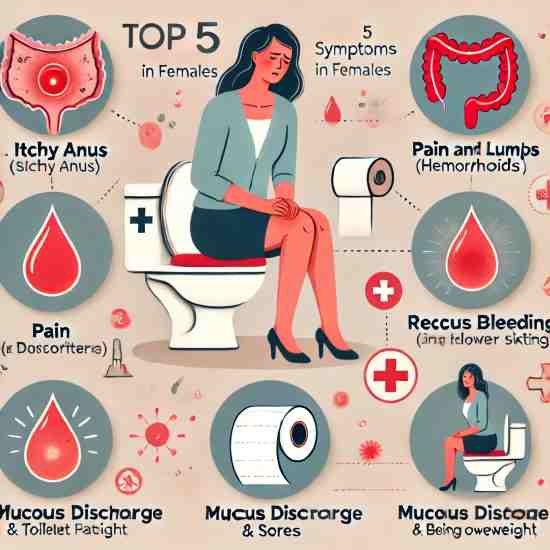
The symptoms of piles include itchy anus, pain and discomfort, rectal bleeding, swelling or lumps around the anus, and mucous discharge with soreness, causing irritation and difficulty during bowel movements.
What-is-Piles

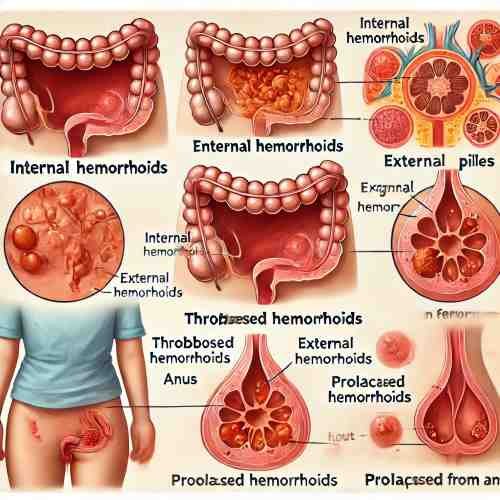
Piles, also called hemorrhoids, are swollen blood vessels found in or around the rectum and anus. They can lead to discomfort, pain, itching, and even bleeding, especially during bowel movements.

Types of Piles:

  • Internal Hemorrhoids: Swollen veins inside the rectum.
  • External Hemorrhoids: Swollen veins under the skin around the anus.
  • Thrombosed Hemorrhoids: External piles that develop blood clots.
  • Prolapsed Hemorrhoids: Internal hemorrhoids that have fallen out of place and protrude from the anus.

Causes of Piles in Females:

  • Straining during bowel movements.
  • Pregnancy.
  • Chronic constipation or diarrhea.
  • Lack of dietary fiber.
  • Sitting for long periods.

Recommended Reading: Alternative Medicine For Joint Pain (Knee Pain Treatment)

Top 5 Symptoms of Piles in Females

Top Symptoms of Piles in Females

The top symptoms of piles in females include itchy anus, pain and discomfort while sitting or passing stool, rectal bleeding with bright red blood, swelling or small lumps near the anus, and mucous discharge causing soreness and irritation.
Top-Symptoms-of-Piles-In-Females

Piles, also known as hemorrhoids, can cause several uncomfortable symptoms in females. Below are the five most common signs to look out for:

  • Itchy Anus: Females with piles may experience constant itching around the anus due to irritation and inflammation.
  • Pain and Discomfort: There may be pain during bowel movements, and sitting for a long time can also cause discomfort, especially if the hemorrhoids are severe.
  • Rectal Bleeding: Bright red blood may be noticed during or after passing stool, a common sign of piles.
  • Swelling or Lumps: Swelling or small lumps can form around the anus, particularly with external hemorrhoids, making it uncomfortable to sit or move.
  • Mucous Discharge & Soreness: A mucous discharge may occur, causing soreness and further irritation in the anal area.

Who Should Be Concerned?

Women are more likely to experience piles during certain stages of life or due to specific habits. The following factors can increase the risk:

  • Pregnancy
  • Being overweight
  • Sitting for long periods

It’s important to seek medical advice if you notice any of these symptoms of piles:

  • Persistent bleeding
  • Severe pain during bowel movements
  • Difficulty passing stool despite trying home remedies

Recommended Reading: Stomach Acidity Medicine (Medicine For Acidity & Gas)

Cures and Treatment Options for Piles in Females

Cures and Treatment Options for Piles in Females

Effective treatment options for piles in females include home remedies, OTC treatments, and medical procedures for lasting relief.

Cures-and-Treatment-Options-for-Piles-in-Females

There are several ways to treat symptoms of piles, depending on their severity. Treatment options include:

Home Remedies

  • High-Fiber Diet: Eating foods rich in fiber helps prevent constipation and reduces strain.
  • Hydration: Drinking plenty of water softens stools, making bowel movements easier.
  • Warm Sitz Baths: Soaking the anal area in warm water can relieve pain and reduce swelling.

Over-the-Counter Treatments

  • Topical Creams: These can help reduce itching and discomfort.
  • Pain Relief Medications: Over-the-counter pain relievers can reduce pain during bowel movements.

Medical Treatments

  • Rubber Band Ligation: A procedure where a small rubber band is placed around the piles to cut off their blood supply, causing them to shrink.
  • Sclerotherapy: An injection treatment used to shrink hemorrhoids.
  • Surgery: In severe cases, surgery may be necessary to remove large or painful piles.

Recommended Reading: Over The Counter Asthma Tablets (Best Medicine For Asthma Cough)

Pros & Cons of Treatment Options

When treating these symptoms of piles, there are different options, each with its benefits and drawbacks. Here’s a breakdown:

Home Remedies

  • Pros:
    • Affordable and easy to try.
    • No need for medical prescriptions.
    • A natural approach to managing symptoms.
  • Cons:
    • May take time to show noticeable results.
    • Might not work for severe cases.

Over-the-Counter Creams & Medications

  • Pros:
    • Provides quick relief from pain and itching.
    • Readily available at pharmacies.
  • Cons:
    • Some creams may cause irritation or allergic reactions.
    • A temporary solution, may not address the root cause.

Surgical Treatments

  • Pros:
    • Offers a permanent solution for severe piles.
    • Effectively removes or shrinks hemorrhoids.
  • Cons:
    • Can be painful with a longer recovery time.
    • Surgery carries the risk of complications.

Recommended Reading: Alternative Medicine For Knee Pain Treatment

Treatment Of Piles In Female

  • High-fiber diet — Eat more fruits, vegetables, whole grains, and legumes to soften stools and reduce straining. This is the foundational treatment and prevents worsening.
  • Increased fluid intake — Drink plenty of water (6–8 glasses daily) to keep stools soft and support fiber’s effects.
  • Sitz baths — Soak the anal area in warm (not hot) water for 10–15 minutes, 2–3 times a day, especially after bowel movements. This relieves pain, itching, and swelling effectively.
  • Over-the-counter topical treatments — Apply hemorrhoid creams, ointments, or suppositories containing hydrocortisone (for inflammation), witch hazel, or lidocaine (for numbing). Examples include Preparation H or similar products; use for short periods unless advised otherwise.
  • Fiber supplements or stool softeners — Use psyllium (e.g., Metamucil), methylcellulose (e.g., Citrucel), or docusate to ease constipation and reduce straining.
  • Oral pain relievers — Take over-the-counter options like ibuprofen (for pain and inflammation) or acetaminophen (for pain). Avoid prolonged use without medical advice.
  • Rubber band ligation — A common office procedure for internal hemorrhoids where a band cuts off blood supply, causing the hemorrhoid to shrink and fall off. Highly effective for grades I–III with low pain.
  • Sclerotherapy — Injection of a chemical solution into the hemorrhoid to shrink it. Minimally invasive and often used for smaller internal piles.
  • Other office-based procedures — Options like infrared coagulation, electrocoagulation, or bipolar systems (e.g., HET) to shrink hemorrhoids by applying heat/energy.
  • Surgical options (e.g., hemorrhoidectomy or stapled hemorrhoidopexy) — Reserved for severe, recurrent, large prolapsing, or thrombosed hemorrhoids when other treatments fail. These provide the most definitive relief but involve more recovery time and potential pain.

Best Medicine For Piles

Medicine / Product NameTypeMain Active Ingredient(s)Primary BenefitsBest For / NotesAvailability (Typical)
Preparation H (various forms: cream, gel, ointment, suppositories)Topical (cream/gel/suppository)Phenylephrine, Witch Hazel, Hydrocortisone (some versions), LidocaineShrinks swelling, cools/soothes, reduces pain/itchingMost popular OTC worldwide; fast cooling reliefOTC (widely available in Pakistan pharmacies)
Hydrocortisone 1% cream/ointment (generic or Anusol-HC)Topical cream/ointmentHydrocortisone (steroid)Reduces inflammation, itching, rednessEffective for swelling & itch; short-term use onlyOTC (or prescription for stronger)
Tucks / Witch Hazel padsMedicated pads/wipesWitch Hazel 50%Cooling, soothing, cleansing, reduces irritationGentle for external use; great after bowel movementsOTC
Doctor Butler’s Hemorrhoid & Fissure OintmentOintmentLidocaine, Phenylephrine, herbal extractsNumbs pain, reduces swelling, heals/protectsStrong numbing + soothing; good for severe discomfortOTC (available online/in pharmacies)
Anusol / Anusol Plus (cream, ointment, suppositories)Topical/suppositoryZinc oxide, Pramoxine, Hydrocortisone (some)Protects skin, numbs, reduces swellingPopular for internal/external; anesthetic versionsOTC
Ibuprofen (e.g., Brufen, Advil) or other NSAIDsOral tabletIbuprofenReduces pain & inflammationOral pain relief; take with foodOTC
Acetaminophen (Paracetamol, e.g., Panadol)Oral tabletAcetaminophenPain relief without anti-inflammatorySafer if stomach issues or during pregnancy (consult doctor)OTC
Daflon (or generic Diosmin + Hesperidin)Oral tabletDiosmin, Hesperidin (flavonoids)Improves vein tone, reduces bleeding/swellingCommon prescription in Pakistan/India for venous issuesOften prescription
Pilex (Himalaya) or similar herbalOral tablets/ointmentHerbal blend (neem, haritaki, etc.)Mild anti-inflammatory, soothingAyurvedic/herbal option; popular in South AsiaOTC
Lidocaine-based creams (e.g., generic or in combos like Anovate)Topical creamLidocaine (numbing agent)Fast numbing of pain & burningGood for acute pain; often combined with steroidsOTC/prescription

Effectiveness of Piles Treatments

The effectiveness of piles treatments depends on the severity of the condition. Here’s how different treatments work:

Home Remedies

  • Effectiveness:
    • Works best for mild cases.
    • Simple changes like a high-fiber diet and staying hydrated can reduce symptoms like pain, swelling, and discomfort.
    • Most people notice improvement within a few days.

Medical Treatments

  • Effectiveness:
    • For moderate cases, treatments like topical creams, pain relief medications, and sclerotherapy can provide significant relief.
    • These treatments may take a little longer to show full effects compared to home remedies.

Surgical Treatments (Hemorrhoidectomy)

  • Effectiveness:
    • Highly effective for severe or chronic piles.
    • Often provides permanent relief by removing or shrinking the hemorrhoids.
    • Recovery time can range from 2-4 weeks but results in long-lasting relief from symptoms.

Prevention Tips for Females

Prevention Tips for Females

Simple lifestyle changes like eating fiber-rich foods, staying hydrated, and avoiding prolonged sitting can help prevent piles in females.

Prevention-Tips-for-Females

Preventing piles can be easier than you think with a few lifestyle adjustments. Here are some key tips:

1. Eat High-Fiber Foods

  • Include fruits, vegetables, and whole grains in your diet.
  • High fiber helps keep stool soft and reduces straining during bowel movements.

2. Stay Hydrated

  • Drink plenty of water throughout the day.
  • Consuming watery foods like watermelon can prevent constipation and promote smoother bowel movements.

3. Exercise Regularly

  • Physical activity helps with digestion and circulation.
  • Regular exercise can prevent constipation and reduce pressure on the rectal area.

4. Avoid Prolonged Sitting

  • Take breaks to walk around every 30 minutes to an hour.
  • Sitting for long periods can put pressure on the rectum and increase the risk of developing piles.

Foods to Eat & Avoid for Piles

When managing piles, your diet plays a crucial role in easing symptoms and preventing flare-ups. Here’s a list of foods to eat and avoid:

Foods to Eat:

  • Ginger
    • Helps reduce inflammation and soothe the digestive system.
  • Lean Proteins
    • Support faster recovery and tissue repair.
  • Whole Grains & Oatmeal
    • High in fiber, these foods prevent constipation and ease bowel movements.
  • Bananas, Melons, Apples, & Vegetables
    • Rich in fiber and water, they make stool softer and easier to pass, reducing strain.

Foods to Avoid:

  • Spicy Foods
    • Can irritate the digestive tract and worsen symptoms.
  • Alcohol
    • Can contribute to dehydration, leading to constipation and discomfort.
  • Caffeine
    • May irritate the digestive system and can also cause dehydration.

Recommended Reading: Top 5 Constipation Relief Medicines For Babies

FAQs

What are the common symptoms of piles?

The main symptoms of piles include itching around the anus, pain during bowel movements, swelling or lumps near the anus, and rectal bleeding. Some people may also experience a mucous discharge.

How can I tell if I have piles?

If you notice bright red blood in your stool or on toilet paper, experience pain while sitting or during bowel movements, or feel itching or swelling around your anus, these could be signs of piles.

Is rectal bleeding always a Symptoms of piles?

Not always. While rectal bleeding can be a symptom of piles, it can also be a sign of other conditions like anal fissures or gastrointestinal issues.

Can piles cause pain while sitting?

Yes, piles, especially external ones, can cause discomfort or pain when sitting for long periods. The pressure on swollen blood vessels around the anus can make sitting uncomfortable.

Are the symptoms of piles the same for everyone?

No, symptoms of piles can vary from person to person. Some may only experience mild itching or discomfort, while others may have more severe symptoms like bleeding, pain, and swelling.

Can symptoms of piles go away on their own?

In mild cases, piles may go away with home remedies like a high-fiber diet, hydration, and over-the-counter treatments. However, if symptoms of piles persist or worsen, it’s important to seek medical advice.

Should I see a doctor if I have symptoms of piles?

Yes, if you experience persistent symptoms like bleeding, severe pain, or difficulty passing stool, it’s a good idea to consult a doctor.

Recommended Reading: Best Medicine For Stomach Acidity & Gas

Conclusion

Piles are a common problem for women, particularly during pregnancy, and can cause significant discomfort. The key symptoms to watch for include rectal bleeding, pain, itching, and swelling.

To manage these symptoms, a combination of a healthy diet, staying hydrated, and using topical treatments can be very helpful. For more severe cases, medical procedures or surgery might be required.

If you are experiencing piles, it’s a good idea to start with home remedies. However, if symptoms persist or worsen, seeking advice from a doctor is important for proper treatment.

………………………….
Disclaimer:
Commissions we earn from partner links on this page do not influence our content. Our editorial content is based on thorough research and insights from qualified medical professionals to ensure the highest standards of accuracy and reliability.

Information provided on Doseway is for educational purposes only. Your health and wellness are unique to you, and the products and services we review may not be suitable for your circumstances. We do not offer personal medical advice, diagnosis, or treatment plans. For specific advice, please consult with a healthcare professional. Doseway adheres to strict editorial integrity standards. To the best of our knowledge, all content is accurate as of the date posted, though offers and information may change. The opinions expressed are the author’s own and have not been influenced, approved, or endorsed by our partners.
…………………………….

How-To-Relieve-Constipation-On-The-Toilet-Immediately

How To Relieve Constipation On The Toilet Immediately (Naturally)

Constipation is a common digestive issue that can be uncomfortable and frustrating. It occurs when bowel movements become infrequent or difficult to pass, leading to a feeling of bloating or discomfort.

Many people experience occasional constipation, and while it can usually be relieved with lifestyle changes, it’s important to know quick and natural ways to ease this discomfort.

Recommended Reading: Top 5 Constipation Relief Medicines For Babies

How To Relieve Constipation On The Toilet Immediately

How-To-Relieve-Constipation-On-The-Toilet

Recommended Reading: Alternative Medicine For Joint Pain (Knee Pain Treatment)

What Is Constipation?

Constipation

Constipation is a common problem that affects digestion. It happens when it’s hard to pass stool or when bowel movements don’t happen often. This can make you feel bloated or uncomfortable.

Constipation

Constipation occurs when it is difficult to pass stool or when you go less often than usual. It can make you feel bloated and uncomfortable. Insufficient water, eating low-fiber foods, or lack of physical activity can cause constipation.

What Are These Methods?

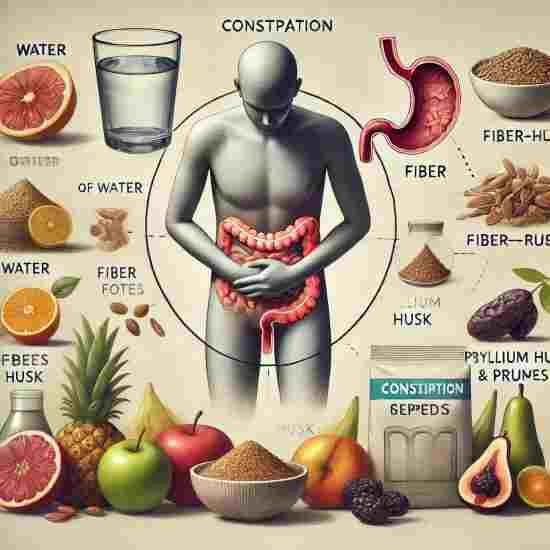
Several natural remedies can help relieve constipation. These include:

  • Drinking water: Staying hydrated helps soften your stool, making it easier to pass.
  • Eating high-fiber foods: Foods like fruits, vegetables, and whole grains add bulk to your stool, helping it move through the intestines.
  • Herbal supplements: Options like psyllium husk and prunes promote regular bowel movements.

How Do They Work?

  • Water softens the stool and keeps your digestive system working smoothly.
  • Fiber-rich foods add bulk to the stool, helping it pass more easily.
  • Herbal remedies like psyllium and prunes encourage bowel movements by adding fiber or acting as natural laxatives.

Recommended Reading: Stomach Acidity Medicine (Medicine For Acidity & Gas)

Indications & Uses

Indications & Uses

Natural remedies for constipation, including drinking water, eating fiber-rich foods, using a stool for better posture, and gently massaging the stomach. It’s ideal for people seeking non-invasive solutions.

Indications-&-Uses

Who Should Use These Methods?

These natural remedies are great for people looking for simple, non-invasive ways to relieve constipation. They are ideal for adults, the elderly, pregnant women (with doctor’s approval), and anyone dealing with mild to moderate constipation.

How to Use These Methods?

  • Drink water: Have a glass of water before trying to go to the bathroom.
  • Eat high-fiber foods: Include fruits, vegetables, and whole grains in your meals.
  • Squatting position: Try elevating your feet on a small stool while sitting on the toilet.
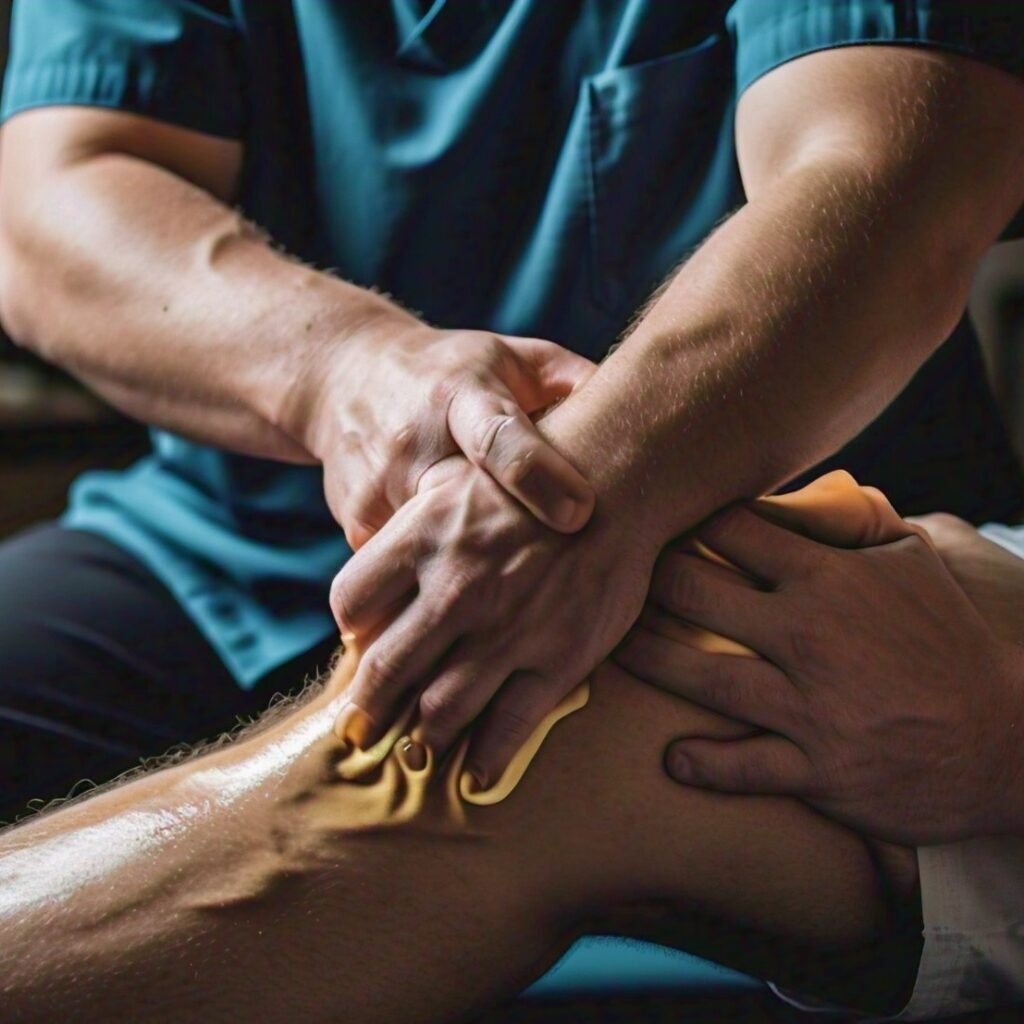
  • Massage your abdomen: Gently massage your stomach to stimulate bowel movement.

Recommended Reading: Over The Counter Asthma Tablets (Best Medicine For Asthma Cough)

8 Ways To Get Constipation Relief

  • Adopt the squat position (using a footstool) Place a small stool or stack of books under your feet so your knees are higher than your hips. This straightens the rectum, relaxes the puborectalis muscle, and aligns the body for easier elimination — often called the most effective immediate natural adjustment.
  • Lean forward and use proper posture While on the toilet, lean forward with your elbows on your knees, keep your back straight, and relax. This helps open the angle and uses gravity naturally to encourage movement.
  • Perform gentle abdominal massage While sitting, use your hand to gently massage your abdomen in a clockwise circular motion (following the colon’s path: up the right side, across, down the left). This can stimulate peristalsis and trigger the urge to go within minutes.
  • Try deep belly breathing or relaxation techniques Take slow, deep breaths into your belly (diaphragmatic breathing) while relaxing your pelvic floor. Tension often worsens constipation — relaxing can help the body release.
  • Rock or twist your pelvis gently While seated, do small pelvic rocks (tilt your pelvis forward/backward) or gentle side-to-side twists. These movements can loosen the pelvic floor and stimulate the colon/rectum for quicker relief.
  • Sip hot water, coffee, or tea right before or while trying The heat stimulates gut motility, and caffeine (in coffee/tea) acts as a mild natural stimulant to get things moving fast — many people notice an effect within 5–30 minutes.
  • Apply gentle perineal pressure (if comfortable) Lightly press between your anus and genitals (perineum) with clean fingers or toilet paper to encourage relaxation and downward pressure — a subtle trick some find helps initiate the reflex.
  • Cough or bear down mindfully (Valsalva maneuver — use cautiously) Take a deep breath, hold it briefly, and gently bear down (like mild straining) while exhaling slowly. Avoid forceful straining to prevent issues — combine with good posture.
  • Relax and give it time without forcing Don’t rush or strain hard — set a calm environment (e.g., no phone distractions), breathe deeply, and wait patiently. Forcing can tighten muscles more.
  • Stand up briefly, walk a few steps, then sit again If nothing happens after a few minutes, stand, walk around briefly (even in place), or do light marching to stimulate gut movement, then return to the toilet — movement often triggers the urge quickly.

Effectiveness

Effectiveness

Natural remedies for constipation, showing their effectiveness and expected results, with a focus on hydration, fiber, and exercise. A young woman represents a healthy and confident lifestyle.

Effectiveness

Clinical Evidence

Research shows that increasing fiber intake, staying hydrated, and getting regular physical activity are effective in relieving constipation. Many people have shared positive experiences, saying that simple home remedies, like drinking water and eating fiber-rich foods, have worked wonders for them.

Expected Results

  • Timeframe: Most people feel relief within 30 minutes to a few hours after using these natural methods.
  • Outcomes: You’ll likely experience easier bowel movements, less discomfort, and softer stools.

Recommended Reading: Top 5 Constipation Relief Medicines For Babies

Side Effects & Precautions

Side Effects & Precautions

Side effects and precautions of natural remedies for constipation, including tips on managing fiber intake and staying hydrated. It also highlights the importance of consulting a doctor for prolonged use.

Side-Effects-&-Precautions

Common Side Effects

Natural remedies generally have few side effects. However, consuming too much fiber can lead to bloating, and not drinking enough water may cause mild dehydration.

Serious Side Effects

Although rare, overusing herbal laxatives like senna can cause digestive issues or imbalances in electrolytes. If your symptoms persist or worsen, it’s important to seek medical advice.

Precautions

Avoid using herbal remedies for long periods without consulting a doctor. Always drink plenty of water when increasing fiber intake to prevent further discomfort.

Recommended Reading: Alternative Medicine For Joint Pain Treatment

Pros & Cons

Pros & Cons

Natural remedies for constipation are safe and easy to use at home but may take longer to show results, depending on individual conditions.

Pros-&-Cons

Advantages

Natural remedies for constipation are safe, easy to access, and can be done at home. They don’t require medication and are suitable for most people.

Disadvantages

These methods might take longer to show results compared to medication. The effectiveness can vary depending on the person and the severity of the constipation.

Recommended Reading: Stomach Acidity Medicine (Medicine For Acidity & Gas)

FAQs

What are some quick ways to relieve constipation?

Drinking more water, eating high-fiber foods, and exercising can help relieve constipation quickly. Also, trying a squatting position during bowel movements may help.

How much water should I drink to relieve constipation?

Aim to drink at least 8-10 glasses of water daily to stay hydrated, which can soften stools and ease constipation.

Can fiber-rich foods relieve constipation?

Yes, eating fiber-rich foods like fruits, vegetables, whole grains, and seeds can help improve digestion and relieve constipation.

How long does it take for natural remedies to relieve constipation?

Most people feel relief within a few hours to a day after trying natural methods like water, fiber, or exercise.

Is exercise helpful in relieving constipation?

Yes, regular physical activity, like walking or light stretching, can help stimulate bowel movements and relieve constipation.

Should I use laxatives or natural methods to relieve constipation?

Natural methods are often gentler and safer for long-term relief. Laxatives can be used occasionally but shouldn’t be relied on regularly.

Can stress cause constipation, and how can I relieve it?

Yes, stress can slow digestion, leading to constipation. Relaxation techniques, deep breathing, and yoga can help relieve stress-related constipation.

When should I see a doctor for constipation?

If natural remedies don’t relieve constipation after a few days, or if you experience severe pain, blood in stools, or other unusual symptoms, consult a doctor.

Summary of Findings

Natural remedies for constipation are safe, effective, and often bring quick relief. Simple solutions like drinking more water, adopting a squatting position, and eating fiber-rich foods can make a big difference.

Who Should Use These Methods?

These methods are perfect for adults who want fast relief without medication. They are ideal for those who prefer a natural and gentle way to treat constipation.

………………………….
Disclaimer:
Commissions we earn from partner links on this page do not influence our content. Our editorial content is based on thorough research and insights from qualified medical professionals to ensure the highest standards of accuracy and reliability.

Information provided on Doseway is for educational purposes only. Your health and wellness are unique to you, and the products and services we review may not be suitable for your circumstances. We do not offer personal medical advice, diagnosis, or treatment plans. For specific advice, please consult with a healthcare professional. Doseway adheres to strict editorial integrity standards. To the best of our knowledge, all content is accurate as of the date posted, though offers and information may change. The opinions expressed are the author’s own and have not been influenced, approved, or endorsed by our partners.
…………………………….
Alternative-Medicine-For-Joint-Pain

Alternative Medicine For Joint Pain (Knee Pain Treatment)

Joint and knee pain are common health issues affecting millions worldwide these types of pain can be acute or chronic, caused by various factors such as injury, infection, or underlying medical conditions.

Importance of Exploring Alternative Medicine:

  • While conventional treatments often focus on medication and surgery, alternative medicine offers a holistic approach to managing joint and knee pain.
  • Exploring alternative medicine can provide individuals with more options for pain management, potentially reducing reliance on pharmaceuticals and invasive procedures.
  • Additionally, alternative approaches can address underlying causes and promote overall well-being.

Common Causes of Joint Pain and Knee Pain

Common CausesDetails
1. OsteoarthritisWear and tear on joints, leading to cartilage loss and bone-on-bone contact
2. Rheumatoid ArthritisAutoimmune disease causing joint inflammation and pain
3. Injury or TraumaSudden impact or repetitive strain on joints
4. InfectionBacterial or viral infections affecting joints
5. GoutMetabolic disorder causing uric acid buildup in joints
6. Overuse or Repetitive StrainExcessive use of joints leads to inflammation and pain
7. Poor Posture or BiomechanicsAbnormal movement patterns or alignment, putting stress on joints
8. Age-Related Wear and TearNatural degeneration of joints over time
Table: Common Causes of Joint Pain and Knee Pain

Recommended Readings:

Alternative Medicine For Joint Pain | Knee Pain Treatment

Medicine-For-Joint-Pain

Knee Pain Treatment | Joint Pain

Joint Pain

Joint and knee pain are common health issues affecting millions worldwide. Joint pain refers to discomfort or pain in any joint, while knee pain specifically affects the knee joint.

Knee-Pain

What is Joint Pain?

Joint pain, also known as arthralgia, refers to discomfort, aches, or soreness in any joint, including the hands, feet, hips, knees, elbows, or shoulders. Joints are complex structures that connect bones, allowing for movement, flexibility, and support. When joints become inflamed, damaged, or diseased, pain can occur.

Common Symptoms of Joint Pain

  • Pain or tenderness: Aching, sharp, or dull pain in one or multiple joints
  • Stiffness: Reduced mobility or morning stiffness
  • Swelling: Inflammation or redness around the affected joint
  • Warmth: Increased temperature around the joint
  • Limited mobility: Reduced range of motion or flexibility
  • Crepitus: Grinding or crunching sensations when moving the joint

Causes of Joint Pain

CauseDetails
1. ArthritisOsteoarthritis, rheumatoid arthritis, psoriatic arthritis, or gout
2. InjuryTrauma, sprains, strains, or fractures affecting joints
3. Age-related DegenerationWear and tear on joints over time, leading to cartilage loss
4. InfectionBacterial or viral infections, such as septic arthritis
5. Autoimmune DisordersConditions like lupus or rheumatoid arthritis, where the immune system attacks joints
Table: Causes of Joint Pain

Why is My Joint So Painful?

Joint pain can be caused by a combination of factors, including:

  • Inflammation or swelling
  • Damage to joint cartilage or ligaments
  • Muscle strain or overuse
  • Poor joint alignment or biomechanics
  • Underlying medical conditions, such as arthritis or autoimmune disorders
  • Age-related wear and tear

Common Types of Knee Pain

Common Types of Knee Pain

  • Acute Knee Pain
  • Chronic Knee Pain
Types-Of-Knee-Pain

What Causes Knee Pain?

Knee pain can be caused by various factors, including:

  • Injury or trauma
  • Overuse or repetitive strain
  • Poor knee alignment or biomechanics
  • Weak or tight muscles
  • Underlying medical conditions, such as arthritis
  • Infection or inflammation

Types of Knee Pain

TypeDetails
Acute Knee PainSudden, severe pain lasting less than 6 weeks, often caused by injury or trauma
Chronic Knee PainPersistent pain lasting more than 6 weeks, often caused by underlying conditions or wear and tear
Table: Types of Knee Pain

Specific Issues in Knee Pain

IssueDetails
OsteoarthritisWear and tear on joint cartilage, leading to bone-on-bone contact and pain
Meniscus TearsDamage to the cartilage meniscus, causing pain and stiffness
Ligament InjuriesSprains or tears in knee ligaments, leading to instability and pain
TendinitisInflammation of tendons, causing pain and stiffness
BursitisInflammation of fluid-filled sacs (bursae), causing pain and swelling
Patellofemoral Pain SyndromePain in the front of the knee, often caused by poor tracking of the kneecap
Table: Specific Issues in Knee Pain

Additional Knee Pain Issues

  • IT Band Syndrome: Friction and inflammation of the iliotibial band
  • Knee Sprains: Stretching or tearing of knee ligaments
  • Knee Fractures: Breaks in the bones surrounding the knee joint
  • Knee Infections: Bacterial or viral infections affecting the knee joint

Treatments for Joint and Knee Pain

Treatments for Joint and Knee Pain

Joint pain, also known as arthralgia, refers to discomfort, aches, or soreness in any joint, including the hands, feet, hips, knees, elbows, or shoulders.

Treatments for Joint and Knee Pain

Standard Medical Treatments

Standard medical treatments for joint and knee pain typically involve a combination of:

  • Pain relief medications: Over-the-counter (OTC) or prescription painkillers and anti-inflammatory drugs.
  • Physical therapy: Exercises and stretches to improve mobility and strength.
  • Injections: Corticosteroid or hyaluronic acid injections to reduce inflammation and lubricate joints.
  • Surgery: Joint replacement, repair, or reconstruction in severe cases.

Which Tablet is Best for Joint Pain?

Commonly prescribed tablets for joint pain include:

  • Acetaminophen (Tylenol): Effective for mild to moderate pain.
  • NSAIDs (Advil, Aleve, Ibuprofen): Reduce inflammation and relieve pain.
  • COX-2 inhibitors (Celebrex): Targeted NSAIDs with fewer side effects.
  • Opioids (Tramadol, Vicodin): Stronger pain relief, but with potential for dependence.

What is the Best Painkiller for Knee Pain?

The best painkiller for knee pain depends on the severity and cause of the pain. Common options include:

  1. Ibuprofen (Advil, Motrin): Effective for mild to moderate pain and inflammation.
  2. Naproxen (Aleve): Longer-acting NSAID for chronic pain.
  3. Celecoxib (Celebrex): Targeted NSAID with fewer side effects.

Are Painkillers and Anti-Inflammatory Drugs Effective?

Painkillers and anti-inflammatory drugs can be effective in managing joint and knee pain, but:

  • Short-term relief: Provide temporary pain relief, but may not address underlying causes.
  • Side effects: Can cause gastrointestinal issues, kidney damage, or dependence.
  • Limited efficacy: It may not be effective for severe or chronic pain.

Alternative Medicine for Joint Pain

What is the Best Alternative Treatment for Arthritis?

The best alternative treatment for arthritis depends on individual needs and preferences. However, some effective options include:

  • Acupuncture: Stimulates healing and reduces pain.
  • Herbal Remedies: Turmeric, ginger, and boswellia have anti-inflammatory properties.
  • Ayurveda: Personalized approach using diet, exercise, and herbal remedies.
  • Chiropractic Care: Spinal manipulation and adjustments for joint alignment.

Overview of Alternative Medicine Approaches

Alternative medicine approaches focus on holistic healing, addressing physical, emotional, and spiritual aspects. These approaches include:

  • Mind-Body Therapies: Meditation, yoga, and deep breathing for stress reduction.
  • Manual Therapies: Massage, chiropractic care, and physical therapy for joint mobility.
  • Energy Therapies: Acupuncture, Reiki, and qigong for energy balance.
  • Nutritional Therapies: Dietary changes, supplements, and herbal remedies for inflammation reduction.

Herbal Remedies

HerbBenefits
1. TurmericAnti-inflammatory and antioxidant properties
2. GingerAnti-inflammatory and pain-relieving properties
3. BoswelliaReduces inflammation and improves joint function
4. Willow BarkContains salicin, similar to aspirin, for pain relief
Table: Herbal Remedies

Homeopathy

Homeopathic remedies, such as Arnica and Rhus tox, can help reduce pain and inflammation.

Acupuncture

Acupuncture involves inserting thin needles into specific points to stimulate healing and reduce pain.

Ayurveda

Ayurvedic approach includes:

  • Dietary changes: Eating anti-inflammatory foods and avoiding trigger foods.
  • Herbal remedies: Using turmeric, ginger, and Boswellia for inflammation reduction.
  • Yoga and exercise: Gentle exercises for joint mobility and strength.

Chiropractic Care

Chiropractic care involves spinal manipulation and adjustments to improve joint alignment and reduce pain.

Herbal Remedies for Joint and Knee Pain

What is the Golden Herb for Joint Pain?

Turmeric (Curcuma longa) is often referred to as the “golden herb” for joint pain due to its potent anti-inflammatory and antioxidant properties. Curcumin, a compound in turmeric, reduces joint inflammation and alleviates pain.

What is the Strongest Herb for Arthritis?

Boswellia (Boswellia serrata), also known as frankincense, is considered one of the strongest herbs for arthritis. Its active compound, boswellic acid, reduces inflammation and improves joint function.

Best Natural Supplements for Joint Pain

SupplementBenefits
1. Turmeric/CurcuminAnti-inflammatory and antioxidant properties
2. BoswelliaReduces inflammation and improves joint function
3. GingerAnti-inflammatory and pain-relieving properties
4. Glucosamine and ChondroitinSupports joint health and reduces pain
5. Omega-3 Fatty AcidsReduces inflammation and promotes joint health
Table: Best Natural Supplements for Joint Pain

What Drink Reduces Joint Pain?

Drinks that can help reduce joint pain include:

  • Turmeric Latte (Golden Milk): Turmeric, milk, and spices reduce inflammation.
  • Ginger Tea: Ginger’s anti-inflammatory properties alleviate pain.
  • Green Tea: Antioxidants and polyphenols reduce inflammation.
  • Cranberry Juice: May help reduce joint pain and inflammation.
  • Pomegranate Juice: Antioxidants and anti-inflammatory properties reduce joint pain.

Home Remedies and Natural Treatments

What Home Remedy is Good for Joint Pain?

Some effective home remedies for joint pain include:

  • Turmeric and Ginger Tea: Reduces inflammation and alleviates pain.
  • Apple Cider Vinegar: Anti-inflammatory properties reduce pain.
  • Epsom Salt Bath: Magnesium reduces inflammation and relaxes muscles.
  • Heat and Cold Therapy: Alternating heat and cold compresses reduce pain.

Knee Pain Home Remedies

  • Food: Include anti-inflammatory foods like turmeric, ginger, and omega-3-rich foods.
  • Indian Remedies: Try Ayurvedic remedies like Boswellia, Ashwagandha, and Triphala.
  • Oils: Use essential oils like peppermint, eucalyptus, and wintergreen for pain relief.

How to Lubricate Joints Naturally?

  • Glucosamine and Chondroitin: Supplements support joint health.
  • Omega-3 Fatty Acids: Reduce inflammation and promote joint health.
  • Hyaluronic Acid: Natural joint lubricant found in foods like berries and leafy greens.

Can B12 Reduce Joint Pain?

Vitamin B12 plays a crucial role in nerve function and may help reduce joint pain by:

  • Reducing inflammation
  • Improving nerve function
  • Supporting joint health

What Drink is Good for Arthritis?

Drinks that can help alleviate arthritis symptoms include:

  1. Turmeric Latte (Golden Milk)
  2. Ginger Tea
  3. Green Tea
  4. Cranberry Juice
  5. Pomegranate Juice

How to Get Rid of Knee Pain Fast Without Surgery?

  1. Exercise: Gentle exercises like yoga, cycling, and swimming.
  2. Physical Therapy: Improves joint mobility and strength.
  3. Weight Management: Reduces pressure on joints.
  4. Natural Remedies: Try home remedies and supplements.
  5. Consult a Healthcare Professional: For personalized guidance.

Dietary and Nutritional Support

Which Vitamin is Best for Joint Pain?

Vitamin D is essential for joint health, as it:

  1. Reduces inflammation
  2. Improves bone density
  3. Supports immune function

What Food is Good for Joint Pain?

Foods that help alleviate joint pain include:

  1. Fatty Fish (Omega-3 rich)
  2. Turmeric (Curcumin)
  3. Ginger
  4. Berries (Antioxidant-rich)
  5. Leafy Greens (Magnesium and Calcium-rich)

What Are 5 Vegetables to Avoid for Arthritis?

While vegetables are essential, some may trigger arthritis symptoms:

  1. Nightshades (Tomatoes, Peppers, Eggplant)
  2. Brassicas (Broccoli, Cauliflower, Cabbage)
  3. Okra
  4. Corn
  5. Wheat (Gluten)

Are Eggs Good for Arthritis?

Eggs are a good source of:

  1. Omega-3 fatty acids
  2. Vitamin D
  3. Chondroitin

However, some people may experience inflammation due to egg protein or cholesterol.

Which Fruit is Best for Arthritis?

Fruits that help alleviate arthritis symptoms include:

  1. Pomegranate (Antioxidant-rich)
  2. Berries (Antioxidant-rich)
  3. Citrus Fruits (Vitamin C-rich)
  4. Apples (Quercetin-rich)
  5. Pineapple (Bromelain-rich)

Is Yogurt Good for Arthritis?

Yogurt with live cultures supports:

  1. Gut health
  2. Immune function
  3. Joint health

Choose yogurt with:

  1. Low sugar
  2. High protein
  3. Live cultures

Exercise and Physical Therapy

Knee Pain Relief Exercises

Exercises that help relieve knee pain include:

  1. Quad Sets: Strengthens quadriceps
  2. Leg Raises: Strengthens hamstrings
  3. Calf Raises: Strengthens calf muscles
  4. Straight Leg Raises: Strengthens leg muscles
  5. Wall Sits: Strengthens quadriceps and hamstrings

Knee Pain Treatment Exercises

Exercises that help treat knee pain include:

  1. Flexion Exercises: Strengthens knee
  2. Extension Exercises: Strengthens knee
  3. Side Leg Lifts: Strengthens leg muscles
  4. Step-Up Exercises: Strengthens knee
  5. Balance Exercises: Improves balance and coordination

Role of Physical Therapy in Managing Joint Pain

Physical therapy plays a crucial role in managing joint pain by:

  1. Reducing pain
  2. Reducing inflammation
  3. Improving joint mobility
  4. Strengthening muscles
  5. Improving balance and coordination

Knee Pain Treatment at Home

Home remedies for knee pain include:

  1. Rest
  2. Ice
  3. Compression
  4. Elevation
  5. Exercise

Lifestyle Modifications for Joint Health

Importance of Weight Management

Maintaining a healthy weight reduces pressure on joints, decreasing pain and inflammation.

Proper Posture and Ergonomics

Good posture and ergonomics reduce strain on joints, preventing unnecessary wear and tear.

Role of Regular Exercise and Stretching

Regular exercise and stretching:

  1. Maintain joint mobility
  2. Strengthen surrounding muscles
  3. Reduce stiffness
  4. Improve flexibility

Best Practices for Reducing Joint Strain

  1. Take regular breaks
  2. Use proper lifting techniques
  3. Avoid repetitive movements
  4. Wear supportive shoes

Topical Treatments and Oils

Which Natural Oil is Best for Joint Pain?

Some effective natural oils for joint pain include:

  • Peppermint Oil: Reduces pain and inflammation
  • Eucalyptus Oil: Relaxes muscles and reduces pain
  • Frankincense Oil: Reduces inflammation and pain
  • Ginger Oil: Reduces pain and inflammation

Benefits of Essential Oils for Joint Pain Relief

Essential oils:

  1. Reduce pain and inflammation
  2. Relax muscles
  3. Improve circulation
  4. Promote healing

How to Apply Oils for Maximum Effectiveness

  1. Dilute with a carrier oil
  2. Apply topically to the affected area
  3. Massage gently
  4. Repeat as needed

Alternative Therapies for Knee Pain

What is the Best Painkiller for Knee Pain in Old Age?

For older adults, the best painkiller for knee pain is often a combination of:

  • Acetaminophen (Tylenol)
  • NSAIDs (Advil, Aleve) under medical supervision
  • Topical creams (Capzasin, Bengay)

Acupuncture for Knee Pain Relief

Acupuncture:

  • Stimulates healing
  • Reduces pain
  • Improves joint mobility

Chiropractic Adjustments for Knee Alignment

Chiropractic adjustments:

  • Improve knee alignment
  • Reduce pressure on joints
  • Promote healing

Knee Pain Treatment without Surgery

Non-surgical treatments include:

  • Physical therapy
  • Exercise
  • Weight management
  • Alternative therapies (acupuncture, chiropractic care)

Preventative Measures for Joint and Knee Pain

Tips to Prevent Joint Pain and Inflammation

  • Maintain a healthy weight
  • Exercise regularly
  • Eat an anti-inflammatory diet
  • Get enough sleep

How to Protect Knees During Physical Activity

  • Warm-up and cool down
  • Use proper technique
  • Wear supportive gear (knee pads, braces)
  • Take regular breaks

Importance of Early Intervention

Early intervention:

  1. Prevents further damage
  2. Reduces pain
  3. Promotes healing
  4. Improves joint mobility

FAQs | Alternative Medicine For Joint Pain | Knee Pain Treatment

What are the common causes of joint and knee pain?

Common causes include arthritis, injury, overuse, and wear and tear.

What are the best treatments for joint and knee pain?

Treatments include exercise, physical therapy, weight management, medication, and alternative therapies like acupuncture and chiropractic care.

Can joint and knee pain be prevented?

Yes, prevention measures include maintaining a healthy weight, exercising regularly, eating an anti-inflammatory diet, and protecting joints during physical activity.

What are the benefits of early intervention for joint and knee pain?

Early intervention prevents further damage, reduces pain, promotes healing, and improves joint mobility.

Can joint and knee pain be treated without surgery?

Yes, non-surgical treatments include physical therapy, exercise, weight management, and alternative therapies.

What are the best exercises for joint and knee pain relief?

Exercises include strengthening, stretching, and low-impact aerobics like cycling and swimming.

What are the benefits of alternative therapies for joint and knee pain?

Alternative therapies like acupuncture and chiropractic care reduce pain, and inflammation, and promote healing.

Conclusion

Summary of Key Points

  • Joint and knee pain can be caused by various factors, including arthritis, injury, and wear and tear.
  • A comprehensive treatment plan should include exercise, physical therapy, weight management, and alternative therapies.
  • Early intervention is crucial to prevent further damage and promote healing.
  • Alternative therapies like acupuncture and chiropractic care can be effective in reducing pain and inflammation.
  • Lifestyle modifications, such as maintaining a healthy weight and eating an anti-inflammatory diet, can help manage joint and knee pain.

Encouragement to Explore Alternative Medicine with Professional Guidance

If you’re experiencing joint and knee pain, consider exploring alternative medicine options under the guidance of a healthcare professional. They can help you create a personalized treatment plan that combines conventional and alternative therapies.

Final Thoughts on Managing Joint and Knee Pain Holistically

Managing joint and knee pain requires a holistic approach that addresses physical, emotional, and lifestyle factors. By incorporating alternative therapies, lifestyle modifications, and professional guidance, you can take control of your joint and knee health and improve your overall well-being. Remember to be patient, persistent, and open-minded in your journey towards holistic health.

………………………….
Disclaimer:
Commissions we earn from partner links on this page do not influence our content. Our editorial content is based on thorough research and insights from qualified medical professionals to ensure the highest standards of accuracy and reliability.

Information provided on Doseway is for educational purposes only. Your health and wellness are unique to you, and the products and services we review may not be suitable for your circumstances. We do not offer personal medical advice, diagnosis, or treatment plans. For specific advice, please consult with a healthcare professional. Doseway adheres to strict editorial integrity standards. To the best of our knowledge, all content is accurate as of the date posted, though offers and information may change. The opinions expressed are the author’s own and have not been influenced, approved, or endorsed by our partners.

……………………………..

Top 10 Fever Tablets In Pakistan (Uses & Dosage)

Top 10 Fever Tablets In Pakistan (Uses & Dosage)

That sudden wave of chills, body ache, and rising temperature is a universal signal: fever has arrived. In Pakistan, a vast array of over-the-counter and prescription fever tablets fills pharmacy shelves, making the choice confusing and sometimes risky. This comprehensive guide cuts through the clutter, providing a definitive analysis of the most effective fever tablets available in Pakistan, their precise uses, scientifically-backed dosages, and critical safety warnings.

In this complete guide, you will learn:
✅ The definitive list of the top 10 most used and effective fever tablets in Pakistan.
✅ A clear understanding of how antipyretics work and the different types of fever.
✅ Detailed profiles of each tablet, including brand names, chemical entities, and primary indications.
✅ Direct comparisons between popular choices like Dolo 650, Paracetamol, and Crocin.
✅ Accurate adult and pediatric dosage charts for safe administration.
✅ The crucial difference between fever reducers and antibiotics like Azithromycin.
✅ Evidence-based answers to the most searched questions on fever medication in Pakistan.

Read More:

Top-Fever-Tablets- In-Pakistan-Uses-Dosage

Understanding Fever: Causes and Types Before Reaching for a Tablet

Fever, or pyrexia, is not a disease itself but a physiological symptom indicating your body’s immune system is actively fighting an invader. It is a controlled elevation of body temperature beyond the normal range (typically above 37.5°C or 99.5°F orally), orchestrated by the brain’s hypothalamus in response to pyrogens, which are fever-producing substances often from infections.

Reaching for the nearest fever tablet is a common reflex, but understanding the underlying cause is the cornerstone of effective treatment. Fever can stem from:

  • Viral Infections: The most common cause, including influenza (flu), common cold, dengue fever, and COVID-19.
  • Bacterial Infections: Such as typhoid, urinary tract infections (UTIs), pneumonia, and strep throat.
  • Other Causes: Inflammatory conditions, certain cancers, heat exhaustion, or reactions to medications.

Self-medication with fever tablets can mask symptoms of serious conditions. If fever is persistently high (above 103°F), lasts more than 3 days, or is accompanied by a stiff neck, severe headache, rash, or shortness of breath, immediate medical consultation is essential.

What are the 4 types of fever?

Clinically, fever patterns can sometimes offer clues, though they are not definitive for diagnosis. The four primary clinical fever types are:

  1. Intermittent Fever: The temperature rises but falls back to normal (afebrile) each day. Malaria commonly presents with this pattern.
  2. Remittent Fever: The temperature fluctuates but does not return to the normal baseline. This is very common in viral illnesses and typhoid.
  3. Sustained or Continuous Fever: The body temperature remains consistently elevated with minimal variation (less than 0.3°C/0.5°F). Seen in bacterial pneumonia or typhoid fever.
  4. Relapsing Fever: Periods of fever lasting several days alternate with periods of normal temperature lasting days or weeks. Associated with specific infections like borreliosis.

Identifying the pattern, while informative, should not replace professional diagnosis, especially in a region like Pakistan with endemic diseases like malaria and typhoid.

How Do Fever-Reducing Tablets (Antipyretics) Work?

Fever-reducing medications, known scientifically as antipyretics, work by resetting the body’s thermostat in the hypothalamus. They inhibit the activity of enzymes called cyclooxygenases (COX), particularly COX-2 in the brain. This inhibition reduces the production of prostaglandin E2 (PGE2), a key chemical messenger that signals the hypothalamus to raise the body’s temperature set-point.

By lowering the concentration of PGE2, antipyretics effectively tell the brain to lower the set-point back to normal. The body then initiates cooling mechanisms like vasodilation (widening of blood vessels) and sweating to lose heat. Importantly, most antipyretics also possess analgesic (pain-relieving) properties, addressing the body aches that often accompany fever.

The two primary classes of over-the-counter antipyretics available in Pakistan are:

  • Paracetamol (Acetaminophen): A centrally-acting analgesic and antipyretic with minimal anti-inflammatory effect.
  • Non-Steroidal Anti-Inflammatory Drugs (NSAIDs): Such as Ibuprofen, Mefenamic Acid, and Diclofenac. These provide antipyretic, analgesic, and anti-inflammatory triple action.

The Top 10 Fever Tablets in Pakistan: Detailed Profiles

This ranking is based on prevalence in Pakistani pharmacies, clinical efficacy, safety profile, and frequency of prescription. The list moves from first-line general use to more specific medications.

Paracetamol (Generic & Various Brands: Panadol, Calpol)

Paracetamol, also known internationally as acetaminophen, is the global cornerstone of fever and mild-to-moderate pain management. In Pakistan, it is available as a generic drug and under numerous brand names, making it the most accessible antipyretic.

Which paracetamol tablet is best?

The best paracetamol tablet is one that is from a reputable manufacturer, stored correctly, and used at the appropriate dose. Generic paracetamol (often labeled simply as “Paracetamol 500mg”) is bioequivalent to branded versions like Panadol or Calpol, meaning it has the same active ingredient and effectiveness. The choice often boils down to patient trust in a brand, formulation (tablet, dispersible, syrup), and price point.

What tablet is good for high fever?

Paracetamol is a first-line recommendation for reducing high fever in both adults and children due to its well-established efficacy and favorable safety profile when used correctly. It is particularly effective for the high fever associated with viral infections like influenza and dengue.

  • Primary Uses: Reduction of fever (antipyretic) and relief of mild to moderate pain such as headache, body aches, and toothache.
  • Standard Adult Dosage: 500mg to 1000mg every 4 to 6 hours as needed. The maximum daily dose for adults is 4000mg (4 grams).
  • Standard Pediatric Dosage: 10-15mg per kilogram of body weight per dose, given every 4-6 hours, not exceeding 5 doses in 24 hours.
  • Common Pakistani Brand Names: Panadol, Calpol, Pamol, Febrol, Paramol.
  • Safety Profile & Warnings: Paracetamol is generally safe at recommended doses. However, overdose is extremely dangerous and can cause severe, potentially fatal liver damage. It should be used with caution in patients with pre-existing liver conditions like hepatitis. Avoid concurrent use with other products containing paracetamol (e.g., many cold and flu syrups).

Dolo 650 (Paracetamol 650mg)

Dolo 650 has become a household name in Pakistan, synonymous with fever treatment. It is simply a 650mg strength tablet of paracetamol, marketed by Micro Labs.

Is Dolo 650 used for fever?

Yes, Dolo 650 is primarily and extensively used for the reduction of fever in adults. Its 650mg strength is a common therapeutic dose that provides effective and longer-lasting antipyresis compared to the standard 500mg tablet for many individuals.

What is the brand name of paracetamol 650?

While paracetamol 650mg is manufactured by several companies, Dolo 650 is by far the most recognized and widely used brand name for this specific strength in Pakistan.

Which is better, Dolo 650 or paracetamol 500?

This depends on the prescribed or required dose.

  • Dolo 650 (650mg): May provide a slightly stronger and more prolonged effect per tablet. It is often preferred for adults with higher fever or body mass.
  • Paracetamol 500mg: Offers more dosing flexibility. For a 1000mg dose, you can take two 500mg tablets, whereas with Dolo, you cannot precisely achieve 1000mg without cutting tablets.
    Both are equally effective per milligram. The choice should be based on doctor’s advice and the need for precise dosing.

Ibuprofen (Brands: Brufen, Ibugesic)

Ibuprofen is a leading Non-Steroidal Anti-Inflammatory Drug (NSAID) renowned for its potent anti-inflammatory effects alongside its antipyretic and analgesic properties.

Best medicine for fever and body pain?

For fever accompanied by significant inflammation, such as severe body aches, sore throat, or joint pain, ibuprofen is often considered superior to plain paracetamol due to its triple action. It is highly effective for the muscular pain associated with influenza.

  • Primary Uses: Treatment of fever, inflammatory pain (like arthritis, sprains), dysmenorrhea (period pain), headache, and dental pain.
  • Standard Adult Dosage: 200mg to 400mg every 4 to 6 hours. The maximum OTC daily limit is typically 1200mg, but higher doses may be prescribed.
  • Common Pakistani Brand Names: Brufen, Ibugesic, Advil, Nurofen.
  • Safety Profile & Warnings: Ibuprofen can irritate the gastric lining, leading to heartburn, nausea, or ulcers. It should be taken with food or milk. It is contraindicated in patients with a history of stomach ulcers, severe kidney disease, asthma exacerbated by NSAIDs, and in the third trimester of pregnancy. It may also interact with blood thinners.

Aspirin (Brands: Disprin, Solprin)

Aspirin (Acetylsalicylic Acid) is one of the oldest NSAIDs. While its use as a routine antipyretic has declined, it remains important for specific indications.

  • Primary Uses: Low-dose (75-150mg) for cardiovascular protection (antiplatelet). Higher doses for pain, fever, and inflammatory conditions like rheumatic fever.
  • Critical Warning – Reye’s Syndrome: Aspirin must NEVER be given to children or teenagers under 16 years for fever management, unless specifically prescribed by a doctor for conditions like Kawasaki disease. Its use in viral infections (like chickenpox or flu) is linked to Reye’s Syndrome, a rare but severe illness causing liver and brain damage.
  • Standard Adult Dosage (for fever/pain): 300mg to 600mg every 4-6 hours, with a maximum of 4g daily.
  • Common Pakistani Brand Names: Disprin (often soluble), Solprin, Aspirin protect (low-dose).

Mefenamic Acid (Brand: Ponstan)

Mefenamic acid is an NSAID particularly favored in Pakistan for its effectiveness in certain types of pain and fever.

Medicine for fever and body pain in pakistan?

Ponstan (Mefenamic Acid) is a frequently prescribed and purchased medication in Pakistan for the dual symptoms of fever and significant body pain, especially when related to inflammatory conditions. It is also a first-line treatment for primary dysmenorrhea.

  • Primary Uses: Fever, mild to moderate pain (including post-dental surgery pain), and especially for menstrual pain (period cramps).
  • Standard Adult Dosage: 500mg initial dose, followed by 250mg every 6 hours as needed.
  • Common Pakistani Brand Names: Ponstan (the dominant brand), Meftal, Mefac.
  • Safety Profile & Warnings: Similar to other NSAIDs, it carries a risk of gastrointestinal upset and must be taken with food. It is contraindicated in patients with inflammatory bowel disease (IBD) or renal impairment.

Naproxen Sodium (Brand: Naax)

Naproxen is another NSAID known for its longer duration of action, which can be beneficial for sustained fever and pain relief.

  • Primary Uses: Fever, pain, and inflammation associated with conditions like arthritis, gout, and musculoskeletal disorders.
  • Dosage Advantage: Its effects last longer than ibuprofen or diclofenac potassium. A typical dose for adults is 220mg to 550mg twice daily.
  • Common Pakistani Brand Names: Naax, Naprosyn, Naxdom.
  • Safety Profile: Shares the GI and renal risks of the NSAID class. Its longer half-life means effects and potential side effects persist longer.

Diclofenac Potassium (Brands: Voltral, Dicloron)

Diclofenac is a potent NSAID available in different salts. Diclofenac Potassium is known for its rapid onset of action.

Best medicine for fever and body pain tablet name?

For rapid relief of acute fever with severe inflammatory pain, Diclofenac Potassium (sold as Voltral, Dicloron) is a common prescription choice due to its fast absorption.

  • Primary Uses: Acute fever, post-operative pain, migraine, renal colic, and musculoskeletal pain.
  • Standard Adult Dosage: 50mg two to three times daily.
  • Common Pakistani Brand Names: Voltral, Dicloron, Cataflam.
  • Safety Profile & Warnings: In addition to standard NSAID risks, diclofenac has a more pronounced risk of cardiovascular events (like heart attack or stroke) with long-term, high-dose use. It requires cautious use and medical supervision.

Combined Formulations (Brands: Tabalon, Coldarin)

These are “multi-symptom” relief tablets designed to tackle the cluster of symptoms that often accompany fever, such as those from the common cold or influenza.

What are anti-flu tablets?

Anti-flu tablets typically refer to combination drugs that contain an antipyretic (like paracetamol) along with other agents to address nasal congestion, runny nose, and cough. They are not antiviral drugs that fight the flu virus itself, but they manage its symptoms.

What is the famous flu pill?

While Actifed and Tixylix are famous syrups, combination tablets like Tabalon (Paracetamol + Chlorpheniramine + Caffeine) or Coldarin (Paracetamol + Phenylephrine + Chlorpheniramine) are widely used over-the-counter “flu pills” in Pakistan.

  • Primary Uses: Relief of multiple cold and flu symptoms simultaneously—fever, headache, body ache, nasal congestion, and runny nose.
  • Common Components:
    • Paracetamol: For fever and pain.
    • Chlorpheniramine Maleate: An antihistamine to reduce runny nose and sneezing (may cause drowsiness).
    • Phenylephrine/Pseudoephedrine: A decongestant for a stuffy nose.
    • Caffeine: To counteract drowsiness and potentially enhance pain relief.
  • Dosage Caution: It is critical to check the ingredients to avoid accidental paracetamol overdose by taking additional plain paracetamol separately.

Dolo 500 (Paracetamol 500mg)

Is Dolo 500 good for fever?

Yes, Dolo 500 (Paracetamol 500mg) is an effective and commonly used medication for reducing fever and mild pain. It is the standard-strength version of the Dolo brand.

  • Profile: It is identical in efficacy to any other paracetamol 500mg tablet or brand like Panadol. The choice between Dolo 500 and generic paracetamol is often one of brand preference and pricing.

Crocin (Paracetamol Brand)

Crocin is another major international brand of paracetamol, widely available and trusted.

Is Dolo stronger than Crocin?

No, if comparing the same milligram strength (e.g., Crocin 650 vs. Dolo 650), they are therapeutically equivalent. Both contain the same active pharmaceutical ingredient (API)—paracetamol. The perceived “strength” is a matter of marketing and individual response, not pharmacological difference. Bioequivalence studies confirm that generic and branded paracetamol work identically in the body.


Critical Comparisons and Safety Deep Dive

Paracetamol vs. NSAIDs: Which Drug is Better for Fever?

The choice isn’t about which is universally “better,” but which is more suitable for a specific individual and situation.

What tablets stop fever?
Both paracetamol and NSAIDs effectively reduce fever. Here’s a comparison table:

FeatureParacetamol (Acetaminophen)NSAIDs (Ibuprofen, etc.)
Antipyretic EffectExcellentExcellent
Analgesic (Pain) EffectGood for mild-moderate painGood to Excellent, especially for inflammatory pain
Anti-inflammatory EffectMinimalStrong
Primary Safety ConcernLiver toxicity on overdoseStomach irritation, kidney risk, cardiovascular risk
Best ForFirst-line for simple fever; patients with stomach issues, asthma, or on blood thinners.Fever with significant inflammation (arthritis, sore throat, severe body ache).
Dosing in ChildrenFirst-line recommendedAlso effective, but paracetamol is often preferred first.

Which drug is better for fever?
For an otherwise healthy adult with a simple viral fever, paracetamol is often the recommended first choice due to its lower risk of stomach side effects. For fever with pronounced body aches and inflammation, an NSAID like ibuprofen may provide more comprehensive relief. A doctor may even advise alternating them in complex cases, but this must be done under strict timing guidance to avoid overdose.

Antibiotics and Fever: A Crucial Distinction

This is one of the most critical public health messages.

Can I use azithromycin 500 for fever?
No, you should never use azithromycin 500mg or any antibiotic solely to treat a fever. Antibiotics like Azithromycin, Amoxicillin, or Cefixime only work against bacterial infections. They have zero effect on viruses, which cause the majority of fevers (common cold, flu, dengue). Using an antibiotic for a viral fever is ineffective, can cause unnecessary side effects (diarrhea, yeast infections), and contributes to the global crisis of antimicrobial resistance (AMR), making bacteria harder to treat in the future.

What are the top 5 antibiotics?
While not fever tablets, the commonly prescribed oral antibiotics in Pakistan include:

  1. Amoxicillin
  2. Co-amoxiclav (Augmentin)
  3. Cefixime
  4. Azithromycin
  5. Levofloxacin
    Important: These are prescription-only medications (POM). They should only be taken when a qualified doctor diagnoses a bacterial infection and prescribes a complete course.

What is the Fastest Cure for Fever?

What is the fastest cure for fever?
There is no instant “cure” for fever, as it is a symptom. The fastest way to reduce a fever involves:

  1. Fast-Acting Medications: Dispersible or soluble tablets (like soluble aspirin or paracetamol) or syrups are absorbed more quickly than standard coated tablets.
  2. Physical Cooling Measures: Used alongside medication:
    • Lukewarm sponging (not cold water or ice baths).
    • Staying in a cool, well-ventilated room.
    • Wearing light clothing.
    • Drinking plenty of fluids (water, ORS) to prevent dehydration.
  3. Treating the Root Cause: The fever will recur unless the underlying infection (viral, bacterial) is addressed by the body’s immune system or, in bacterial cases, with appropriate antibiotics.

Comprehensive Dosage Guide: How Many Tablets Per Day?

How many flu tablets per day?
Always follow the specific instructions on the leaflet or from your pharmacist/doctor. Never exceed the stated dose. Below is a general guide for common antipyretics in adults (≥12 years or ≥40kg).

Drug (Common Strength)Standard Adult DoseMaximum Daily DoseMinimum Interval Between Doses
Paracetamol (500mg)1-2 tablets (500-1000mg)8 tablets (4000mg)4 hours
Dolo 650 (650mg)1 tablet (650mg)6 tablets (3900mg)4-6 hours
Ibuprofen (200mg)1-2 tablets (200-400mg)6 tablets (1200mg)4-6 hours
Mefenamic Acid (250mg)1 tablet (250mg) after a 500mg load4 tablets (1000mg)6 hours

Pediatric Dosage is ALWAYS weight-based, not age-based. Use a proper syringe or measuring cup with pediatric syrups (e.g., Panadol Syrup, Brufen Suspension). Consult a pediatrician for accurate dosing.

Severe Side Effects and When to Avoid

All medications carry potential side effects.

  • Paracetamol Overdose: The most serious risk is acute liver failure. Symptoms of overdose may not appear for 24-48 hours but include nausea, vomiting, loss of appetite, and abdominal pain. N-acetylcysteine (NAC) is the antidote but must be administered early.
  • NSAIDs Risks:
    • Gastrointestinal: Ulcers, bleeding, perforation.
    • Renal: Reduced blood flow to kidneys, especially risky in dehydrated patients or those with existing kidney disease. Is Dolo safe for kidneys? Paracetamol is generally safer for kidneys than NSAIDs at recommended doses.
    • Cardiovascular: Increased risk of heart attack and stroke with long-term, high-dose use, particularly with diclofenac.
    • Asthma Exacerbation: Can trigger severe attacks in susceptible individuals.

Contraindications: Avoid NSAIDs if you have a known allergy to them, active peptic ulcer disease, severe heart failure, advanced kidney disease, or are in the third trimester of pregnancy. Paracetamol is contraindicated in severe liver impairment.

Fever-Tablets-In- Pakistan-Uses-Dosage

Frequently Asked Questions (FAQs) –

Which tablet is best for fever in Pakistan?

For most common viral fevers, Paracetamol (or its brand Dolo) is considered the best first-line tablet due to its efficacy and favorable safety profile when used correctly. However, “best” depends on the specific cause of fever and patient history. A doctor’s advice is paramount.

What are the top 5 tablets for fever?

Based on widespread use and effectiveness, the top 5 are: 1) Paracetamol, 2) Dolo 650, 3) Ibuprofen (Brufen), 4) Mefenamic Acid (Ponstan), and 5) Combined Cold/Flu tablets (like Tabalon).

What are the names of fever tablets?

Common fever tablet names in Pakistan include: Paracetamol, Panadol, Dolo 650, Dolo 500, Brufen, Ibugesic, Ponstan, Disprin, Naax, Voltral, Dicloron, Tabalon, and Coldarin.

Best medicine for fever in adults in Pakistan?

Paracetamol 500mg-1000mg or Dolo 650mg is typically the first-choice medicine for uncomplicated fever in adults. For fever with severe body pain, Ibuprofen 400mg may be more effective.

Best antibiotic tablet for viral fever?

There is no effective antibiotic for viral fever. Antibiotics only treat bacterial infections. Using them for viruses is ineffective and harmful.

Is Dolo safe for kidneys?

Compared to NSAIDs, paracetamol (the active ingredient in Dolo) is significantly safer for the kidneys at recommended therapeutic doses. However, in cases of severe overdose or pre-existing advanced kidney disease, caution is still advised and a doctor should be consulted.

Can I take paracetamol and ibuprofen together?

They can be taken in an alternating regimen under strict medical supervision (e.g., paracetamol every 6 hours and ibuprofen every 6 hours, offset by 3 hours). This should never be done without explicit instructions from a healthcare provider due to the high risk of dosing errors and side effects.

How long does it take for a fever tablet to work?

Most oral antipyretics begin to lower temperature within 30 to 60 minutes, with peak effects occurring around 2-3 hours after ingestion.

What to do if fever doesn’t come down after medication?

If a high fever (above 103°F/39.4°C) does not respond adequately to medication, or persists for more than 3 days, you must seek immediate medical attention to rule out serious infections like typhoid, malaria, or bacterial sepsis.

Which is better for fever: syrup or tablet?

Syrups and dispersible tablets are absorbed faster and are preferable for children, elderly patients, or those with difficulty swallowing. Standard tablets are convenient and stable for adults.

Can I take a fever tablet on an empty stomach?

Paracetamol can generally be taken on an empty stomach. All NSAIDs (Ibuprofen, Ponstan, Diclofenac) should be taken with food or a full glass of milk to minimize stomach irritation.

Is it safe to take fever tablets during pregnancy?

Paracetamol is generally considered the safest antipyretic and analgesic during all trimesters of pregnancy when used at the lowest effective dose for the shortest duration. NSAIDs, especially in the third trimester, should be avoided unless prescribed by an OB/GYN.

Does fever medicine kill the virus or bacteria?

No. Antipyretics like paracetamol and NSAIDs only manage the symptoms (fever and pain). They do not kill pathogens. The body’s immune system fights the infection, and in bacterial cases, prescribed antibiotics kill the bacteria.

What is the alternative to fever tablets?

Natural supportive measures include staying hydrated, resting, using lukewarm compresses, and consuming easy-to-digest foods. However, for moderate to high fever, these are complements to, not substitutes for, medication when needed.

Transamin-Capsules-Uses-Dosage-and-Side- Effects

Transamin Capsules: Uses, Dosage, and Side Effects

Transamin Capsules, containing the active ingredient Tranexamic Acid, are a prescribed medication primarily used to control and prevent excessive bleeding. This detailed guide covers everything from its medical uses for heavy menstrual periods to precise dosage guidelines, potential side effects, and critical safety information for special populations like pregnant women.

In this article, you will learn:
✅ The primary and off-label uses of Tranexamic Acid.
✅ Correct dosage for conditions like menorrhagia and post-surgery.
✅ A detailed breakdown of common and serious side effects.
✅ Safety protocols for use during pregnancy and with other medications.
✅ Answers to the most frequently asked patient questions.

Read More:

Transamin- Capsules-Uses- Dosage-Side- Effects

Table Of Contents

Introduction to Transamin Capsules (Tranexamic Acid)

Transamin is a brand name for the prescription medication whose active component is Tranexamic Acid. It belongs to a class of drugs known as antifibrinolytics, which work by slowing down the breakdown of blood clots. This action is crucial in various medical scenarios where controlling excessive bleeding is necessary to prevent complications, manage symptoms, or facilitate surgical procedures.

The medication is available in multiple forms, including capsules (commonly 250mg and 500mg strengths), tablets, and injectable solutions. Its use is firmly established in medical guidelines worldwide for specific bleeding disorders. Understanding its mechanism, approved uses, and safety profile is essential for both patients and healthcare providers to ensure optimal therapeutic outcomes.

What are Transamin Capsules, and what is their primary purpose?

Transamin Capsules are an oral formulation of Tranexamic Acid, a synthetic derivative of the amino acid lysine. Their primary and fundamental purpose is to promote hemostasis, which is the process of stopping bleeding. They do not stimulate the formation of new clots but rather stabilize existing clots by inhibiting the enzymatic process that naturally dissolves them. This makes Transamin a first-line therapeutic agent for managing conditions characterized by fibrinolysis, where the body breaks down blood clots too rapidly.

How does the active ingredient, Tranexamic Acid, work in the body?

Tranexamic Acid works through a competitive inhibitory mechanism. It binds reversibly to the lysine-binding sites on plasminogen, blocking its interaction with fibrin. Plasminogen, when activated, becomes plasmin—an enzyme that degrades fibrin clots. By preventing plasminogen activation and plasmin’s binding to fibrin, Tranexamic Acid effectively suppresses the dissolution of blood clots. This antifibrinolytic action is systemic, meaning it occurs throughout the body’s vascular system, making it effective for bleeding in various locations, from the uterine lining to the nasal mucosa and the gastrointestinal tract.

What are the common brand names and available forms of this medication?

While Transamin is a widely recognized brand name, Tranexamic Acid is marketed under various other names globally. These include Cyklokapron, Lysteda, and Texakapron. Availability varies by country and region. The primary forms are:

  • Oral: Capsules (250mg, 500mg), Tablets (500mg, 650mg).
  • Injectable: Intravenous (IV) solution for use in hospital settings during surgery or for patients unable to take oral medication.
  • Topical: Used in some dental procedures or as a mouthwash for oral bleeding, though less common in capsule form.

Approved Medical Uses and Indications for Transamin Capsules

The use of Transamin Capsules is strictly indicated for conditions where excessive fibrinolysis is a key contributor to bleeding. Its application is evidence-based and targeted, moving beyond general bleeding to specific clinical diagnoses. It is not a general-purpose “blood-clotting” vitamin but a potent pharmaceutical intervention.

What is the primary use of Transamin Capsules?

The primary and most well-established use of Transamin Capsules is the treatment and prevention of excessive bleeding (hemorrhage) in patients with an increased tendency to bleed or during surgical procedures where significant blood loss is anticipated. This includes managing bleeding episodes in individuals with hereditary bleeding disorders like hemophilia and reducing blood loss in cardiac, orthopedic, and prostate surgeries.

How effective is Transamin for managing heavy menstrual bleeding (Menorrhagia)?

Transamin is a highly effective, first-line pharmacological treatment for heavy menstrual bleeding (HMB), also known as menorrhagia. It is specifically indicated for women whose heavy periods are not caused by underlying structural pathologies like fibroids, but primarily by a local imbalance in the fibrinolytic system within the endometrium. Clinical studies demonstrate that Tranexamic Acid can reduce menstrual blood loss by approximately 40-60%. Women often report a significant improvement in quality of life, less fear of accidents, and reduced anemia-related fatigue. Treatment is typically cyclic, meaning it is taken only during the menstrual period for a prescribed number of days.

What role does Transamin play in controlling bleeding for patients with Hemophilia?

In patients with hemophilia, Tranexamic Acid is used as an adjunctive therapy. It is not a replacement for clotting factor concentrates (like Factor VIII or IX) but is used alongside them. By inhibiting fibrinolysis, it helps to stabilize the initial clot that forms with factor replacement therapy, thereby reducing the frequency of bleeding episodes, particularly in mucosal areas like the mouth or after dental extractions. It is a cornerstone in managing dental procedures for these patients.

How is Transamin used in surgical procedures to minimize blood loss?

In the surgical setting, Tranexamic Acid has gained prominence for its role in blood conservation. It is used:

  • Pre-operatively: Often given orally or intravenously before surgery to achieve therapeutic levels.
  • Intra-operatively: Administered via IV during the procedure.
  • Post-operatively: Continued orally after surgery to prevent delayed bleeding.
    This systematic approach is particularly valuable in major surgeries like total knee or hip replacements, cardiac surgery, and spinal surgery, where it has been shown to significantly reduce the need for blood transfusions and their associated risks.

Can Transamin be used for nosebleeds (Epistaxis) and bleeding in the digestive tract?

Yes, Tranexamic Acid is used for recurrent or severe nosebleeds (epistaxis), especially in cases where local measures are insufficient. It can be administered orally or, in some formulations, as a topical solution. For bleeding in the upper digestive tract (e.g., gastric or duodenal ulcers, variceal bleeding), intravenous Tranexamic Acid may be used as an adjunct to endoscopic therapy, though its use is more nuanced and subject to ongoing research regarding optimal patient selection.

What are the off-label uses, such as for Melasma and Recurrent Angioedema?

Beyond its hematological uses, Tranexamic Acid has shown promise in dermatology and immunology.

  • Melasma and Hyperpigmentation: Topical and low-dose oral Tranexamic Acid has emerged as an effective treatment for melasma, a condition causing dark skin patches. It is believed to work by inhibiting the interaction between keratinocytes and melanocytes, reducing melanin synthesis. This is a specialized use and requires dermatological supervision.
  • Recurrent Angioedema: For patients with hereditary angioedema (HAE), Tranexamic Acid is sometimes used as a prophylactic (preventive) treatment to reduce the frequency and severity of attacks, though it is generally considered less potent than other modern therapies like C1-inhibitor concentrates or bradykinin receptor antagonists.

Detailed Dosage and Administration Guidelines

Dosage of Transamin Capsules is not one-size-fits-all; it is meticulously tailored to the specific condition being treated, its severity, the patient’s kidney function, and body weight. Strict adherence to prescribed dosage is critical to maximize efficacy and minimize risks.

What are the general adult dosage principles for Tranexamic Acid?

The standard adult oral dosage typically ranges from 1,000 mg to 1,500 mg taken two to three times daily (equating to a total daily dose of 2,000 mg to 4,500 mg). The exact regimen is condition-specific. The medication is usually taken with a glass of water and can be taken with or without food, though taking it with food may help minimize potential stomach upset.

For the treatment of cyclic heavy menstrual bleeding, the standard regimen is 1,300 mg (e.g., two 650mg tablets) taken three times daily (total 3,900 mg/day) for a maximum of 5 days during menstruation. Treatment should be initiated only after menstrual flow has started. It is not intended to be taken throughout the month. This cyclic approach targets the period of active bleeding directly.

What is the dosage protocol for surgical procedures?

For surgical prophylaxis, dosing is weight-based and timed. A common oral regimen might be 15-25 mg/kg body weight administered 2-3 times daily, starting before surgery and continuing for 3-5 days post-operatively. In hospital settings, the IV route is more common for immediate pre-operative and intra-operative administration, followed by a switch to oral capsules for the recovery period.

How is the dosage determined for other conditions like Hemophilia?

For hemophilia patients undergoing dental procedures, a typical oral dosage might be 25 mg/kg body weight taken 3-4 times daily, starting immediately before the procedure and continuing for 6-8 days. This is always in conjunction with specific factor replacement therapy as directed by a hematologist.

When is Transamin 250mg used versus the 500mg capsule?

The choice between the 250mg and 500mg capsules is purely for dosing convenience and precision. A doctor will prescribe the strength that allows the patient to most easily achieve their required total dose per intake. For example:

  • A prescription for 1,000 mg three times daily could be fulfilled by taking four 250mg capsules or two 500mg capsules per dose.
  • The 500mg capsule is often preferred for higher dose regimens to reduce the pill burden.

What is the maximum daily dose, and why is there a limit on duration?

The maximum recommended daily dose for an adult with normal kidney function is usually 4,500 mg. Exceeding this increases the risk of side effects, particularly gastrointestinal issues and, more importantly, the theoretical risk of thrombotic events. The duration is limited (e.g., 3-5 days for menstruation, 5-10 days post-surgery) to manage acute bleeding episodes and avoid long-term exposure, which is not indicated for chronic conditions except under exceptional specialist supervision.

Contraindications and Who Should NOT Take Transamin

Certain medical conditions create an unacceptable risk for patients considering Tranexamic Acid therapy. Recognizing these contraindications is a vital safety step.

Who is absolutely contraindicated from taking Transamin Capsules?

Transamin Capsules should NOT be used by individuals with:

  1. Hypersensitivity: A known allergy to Tranexamic Acid or any component of the capsule.
  2. Active Thromboembolic Disease: This includes patients with current deep vein thrombosis (DVT), pulmonary embolism (PE), arterial thrombosis, or a history of these conditions. The drug’s mechanism of stabilizing clots could exacerbate such conditions.
  3. Severe Renal Impairment: Because the drug is primarily excreted by the kidneys, significant impairment (often defined by a creatinine clearance below 30 mL/min) leads to drug accumulation and drastically increased risk of side effects, including seizures. Dose adjustment is essential in moderate impairment, and it is contraindicated in severe cases.

Potential Side Effects and Adverse Reactions

Like all potent medications, Tranexamic Acid can cause side effects, ranging from common and mild to rare and severe. Patient awareness empowers safe use and timely medical consultation.

What are the common and mild side effects of Transamin?

Most common side effects are related to the gastrointestinal system and are usually dose-dependent and temporary.

  • ✅ Nausea and vomiting
  • ✅ Diarrhea or loose stools
  • ✅ Abdominal pain or discomfort
  • ✅ Headache
  • ✅ Musculoskeletal pain (back pain, joint pain)
  • ✅ Fatigue or lethargy
    These often subside as the body adjusts. Taking the medication with food can mitigate GI issues.

What are the serious side effects that require immediate medical attention?

While rare, the following symptoms necessitate stopping the drug and seeking urgent medical care, as they may indicate a severe complication:

  • ❌ Symptoms of a Blood Clot (Thromboembolism): Sudden severe headache, chest pain, shortness of breath, coughing up blood, leg pain/swelling/redness, slurred speech, or weakness on one side of the body.
  • ❌ Severe Allergic Reaction: Rash, itching/swelling (especially of the face/tongue/throat), severe dizziness, trouble breathing.
  • ❌ Visual Disturbances: Sudden changes in vision, blurriness, or color vision perception problems (linked to retinal changes with very high IV doses, less common with oral).
  • ❌ Seizures: Particularly associated with very high doses or use in patients with kidney failure.
  • ❌ Unusual Bleeding/Bruising: Paradoxically, in very rare cases, it can be associated with bleeding due to other mechanisms.

How common are side effects from Transamin, and how do they compare to the benefits?

In clinical trials for heavy menstrual bleeding, the incidence of common side effects like headache and GI issues was only slightly higher than in the placebo group. The benefits—a dramatic reduction in blood loss, improved hemoglobin levels, and enhanced quality of life—far outweigh the risk of these transient side effects for the vast majority of patients with a true indication. The risk of serious thrombosis, while the primary concern, remains very low in the general population without pre-existing risk factors. The key is careful patient selection by a physician.

Special Populations and Precautions

The use of Tranexamic Acid in specific patient groups requires extra caution, dose modification, and a thorough risk-benefit analysis.

Is Transamin capsule safe in early pregnancy?

The use of Tranexamic Acid during pregnancy, especially the first trimester, is generally avoided unless the potential benefit to the mother significantly outweighs any potential risk to the fetus. It is classified as a Category B drug in some jurisdictions, meaning animal studies have not shown a risk, but there are no adequate, well-controlled studies in pregnant women. It should only be used under the direct supervision of an obstetrician, typically for life-threatening hemorrhage where other measures are insufficient. Its use for routine heavy periods during pregnancy is not advised.

What are the considerations for Transamin capsule 500mg uses in pregnancy?

The considerations for the 500mg strength are identical to any strength: it is reserved for serious maternal bleeding indications (e.g., postpartum hemorrhage, bleeding in women with coagulopathies). The dosage would be carefully calculated by the treating obstetrician. It is not used for cosmetic or minor bleeding issues during pregnancy.

Is Tranexamic Acid safe to use while breastfeeding?

Tranexamic Acid passes into breast milk in very small amounts, considered unlikely to cause harm to a nursing infant. However, caution is advised. The decision to use it while breastfeeding should be made by a doctor considering the necessity of the medication for the mother. Some authorities recommend monitoring the infant for possible effects like diarrhea.

How is dosing adjusted for elderly patients or those with kidney problems?

  • Elderly Patients: Often have reduced kidney function. A lower dose is usually required, and kidney function (creatinine clearance) must be assessed before prescription.
  • Patients with Kidney Impairment: Dose reduction is mandatory. A typical guideline is:Renal Function (CrCl)Recommended Dosage Adjustment>80 mL/minStandard dose (e.g., 1500mg TID).50-80 mL/minReduce to 1000mg twice daily.30-50 mL/minReduce to 1000mg once daily.<30 mL/minContraindicated or extreme caution with 500mg once daily under close supervision.

What are the critical drug interactions to be aware of?

Concomitant use with certain drugs can increase risks:

  • Combined Hormonal Contraceptives (Birth Control Pills): Both Tranexamic Acid and estrogen-containing pills can increase thrombotic risk. Their combined use requires careful consideration, though it is not an absolute contraindication. Many women successfully use both for HMB.
  • Factor IX Complex Concentrates or Anti-inhibitor Coagulant Complexes: Used in hemophilia, their combined use with Tranexamic Acid may increase the risk of thrombosis.
  • Other Anticoagulants: Like warfarin, heparin, or direct oral anticoagulants (DOACs). The combination requires very close monitoring as Tranexamic Acid may counteract the desired effect in some scenarios or increase bleeding risk in others—specialist management is crucial.

Frequently Asked Questions (FAQs) –

Can Transamin capsule be used for periods? How does it help?

Yes, it is a primary treatment for heavy menstrual bleeding (menorrhagia). It helps by slowing down the breakdown of blood clots in the uterine lining, leading to a significant reduction in menstrual flow volume, shorter duration of bleeding, and prevention of anemia.

What is the standard Transamin capsule dosage for heavy periods?

The standard regimen is 1,300 mg (often as two 650mg tablets) taken three times daily, for a maximum of 5 days during your menstrual period. Always start taking it only after your period has begun.

What are the most common Transamin capsule side effects?

The most frequently reported side effects are gastrointestinal, such as nausea, stomach pain, and diarrhea. Headache and back/joint pain are also common. These are usually mild and temporary.

Is it safe to use Transamin regularly, every month for heavy periods?

Yes, when used as directed—cyclically for up to 5 days per menstrual cycle—it is considered safe and effective for long-term management of heavy menstrual bleeding. Regular follow-up with your doctor is recommended to monitor its ongoing need and effectiveness.

How does Transamin differ from laxatives like Laxoberon for constipation?

This is a critical distinction. Transamin (Tranexamic Acid) is an antifibrinolytic agent for controlling BLEEDING. Laxoberon (containing Sodium Picosulfate) is a stimulant laxative for treating CONSTIPATION. They have completely different mechanisms, uses, and side effect profiles. Confusing them could lead to serious health consequences.

How quickly should I expect Transamin to work for heavy periods?

Most women notice a significant reduction in menstrual flow within the first 24 to 48 hours of starting Transamin during their period. The effect is not immediate; it works systematically to stabilize clots as they form. Maximum reduction in flow is typically observed over the first full day of treatment. If you do not notice a clear difference in bleeding volume after two cycles of correct usage, consult your doctor, as an underlying structural cause may need investigation.

Can I stop taking Transamin once my heavy bleeding slows down, or must I finish the full course?

You should complete the full course of treatment as prescribed by your doctor (usually up to 5 days), even if bleeding becomes light. Stopping early may result in a rebound increase in bleeding as the medication’s effect wears off. The prescribed duration is calculated to provide coverage throughout the typical heaviest days of your cycle.

Can using Transamin for periods affect my future fertility or mask other problems?

No, Transamin does not affect ovulation, hormonal balance, or fertility. It is a non-hormonal treatment that works locally on the clotting process. It does not “mask” problems but rather treats a symptom (heavy bleeding). However, it is crucial to have a proper diagnosis before starting treatment. Heavy bleeding can be a symptom of conditions like fibroids or endometriosis, which themselves can impact fertility. Using Transamin effectively manages the bleeding symptom while other underlying causes are evaluated or managed separately.

Instant-Constipat-on-Relief-Medicine

Top 5 Constipation Relief Medicines For Babies

Constipation in babies can be a distressing experience for both little ones and their parents. It’s essential to recognize the signs and symptoms early on and take prompt action to prevent complications.

Constipation in babies occurs when they have infrequent or hard bowel movements, causing discomfort and pain.

Common causes include:

  • Milk or formula intolerance
  • Dehydration
  • Introduction of solid foods
  • Physical inactivity
  • Family history

Symptoms to watch out for:

  • Infrequent bowel movements (less than once a day)
  • Straining during bowel movements
  • Hard or dry stools
  • Blood in stools
  • Refusal to feed

Early intervention is crucial to prevent:

  • Anal fissures
  • Bowel obstruction
  • Hemorrhoids
  • Long-term bowel habits

In this article, we’ll explore the top 5 constipation relief medicines for babies, explore natural remedies, and emphasize the importance of seeking professional advice when needed.

Recommended Readings:

Constipation Medicine For Infant | Instant Constipation Relief Medicine

Top-5-Constipation-Relief-Medicines-For-Babies

Understanding Constipation In Babies

Keep in mind that every baby is different, and what’s normal for one may not be for another. If you’re concerned about your baby’s bowel movements, consult your pediatrician.

understanding_constipation_in_babies

What Is Baby Constipation?

Constipation in babies refers to infrequent or hard bowel movements, causing discomfort and pain. It’s a common issue in infants, especially during the first year.

Signs And Symptoms Of Constipation In Babies

Look out for these signs:

  • Infrequent bowel movements: Less than one bowel movement per day in newborns, or less than three per week in breastfed babies over six weeks old.
  • Straining: Showing effort or discomfort while passing stools.
  • Hard or dry stools: Stools that are hard, dry, or resemble small pellets.
  • Blood in stools: Presence of blood or mucus in stools.
  • Refusal to feed: Showing disinterest in feeding due to discomfort.
  • Abdominal distension: Swelling of the abdomen.
  • Fussiness: Unusual crying or irritability.

Recognizing Constipation In Newborns And Infants

In newborns (0-3 months):

  • Less than one bowel movement per day
  • Black or dark green stools (meconium)
  • Straining during bowel movements

In infants (4-12 months):

  • Less than three bowel movements per week
  • Hard or dry stools
  • Changes in feeding patterns

Factors Contributing To Constipation In Babies

  • Formula Feeding: Formula can be harder to digest than breast milk, increasing the risk of constipation.
  • Introduction to Solids: New foods can alter bowel movements, leading to constipation.
  • Dehydration: Inadequate fluid intake can cause hard stools.
  • Milk or Formula Intolerance: Sensitivity to milk proteins or formula ingredients.
  • Physical Inactivity: Limited mobility can contribute to constipation.
  • Family History: Genetic predisposition to constipation.

General Remedies Before Using Medicines

Remember, always consult your pediatrician before trying new remedies or if your baby’s constipation persists or worsens.

home_remedies_for_baby_constipation_dietary_changes_immediate_natural_remedies_gripe_water_and_other_natural_products

Home Remedies For Baby Constipation

  • Tummy Massage Techniques:
    • Position: Hold your baby upright, with their tummy against your shoulder or sit them upright on your lap.
    • Massage: Gently rub your baby’s tummy in a clockwise direction, using your fingertips.
    • What position helps baby poop? The upright position can help ease bowel movements.
  • Bicycle Legs Exercise:
    • Hold your baby’s legs and gently move them in a cycling motion.
    • This exercise can help stimulate bowel movements.
  • Warm Baths:
    • A warm bath can relax your baby’s muscles and help stimulate a bowel movement.

Dietary Changes

  • Breastfeeding:
    • Continue breastfeeding, as breast milk is easily digestible and can help soften stools.
  • Adjusting Formula:
    • If formula-feeding, consult your pediatrician about switching to a formula designed for constipation relief.
  • Introducing High-Fiber Foods:
    • What foods relieve constipation quickly? Prunes, peaches, and pears are high in fiber and can help soften stools.
    • Is yogurt good for constipation? Yes, plain, full-fat yogurt contains probiotics that can aid digestion.
  • Hydration:
    • Can I give my 1-month-old water for constipation? No, consult your pediatrician before giving water to infants under 6 months.
    • For babies over 6 months, offer small amounts of water after feeding solid foods.

Immediate Natural Remedies

  • Prune Juice:
    • Mix 1-2 teaspoons of prune juice with breast milk or formula (for infants over 6 months).
  • Pear Juice:
    • Pears are high in fiber and can help soften stools.

Gripe Water And Other Natural Products

  • Gripe water can help soothe digestive issues, including constipation.
  • Consult your pediatrician before giving gripe water to infants under 6 months.

Top 5 Constipation Relief Medicines For Babies

Remember to consult your pediatrician before administering any medication to your baby.

top_5_constipation_relief_medicines_for_babies

Choosing Baby-Safe Constipation Medicines

When selecting a constipation medicine for your baby, consider the following criteria:

  • Safety and efficacy
  • Age and weight appropriateness
  • Gentle and non-irritating ingredients
  • Pediatrician recommendation

Brief Safety Note

Always consult a pediatrician before administering medication to your baby.

Lactulose Syrup
  • How it works: Softens stools and stimulates bowel movement
  • Dosage and Administration: 1-2 teaspoons (5-10 mL) orally, 1-2 times a day
  • Effectiveness: Works within 24-48 hours; ideal for infants and newborns
  • Possible Side Effects: Gas, bloating, and diarrhea

Polyethylene Glycol (PEG)
  • How it works: Draws water into the colon to soften stool
  • Dosage and Administration: 1-2 teaspoons (5-10 grams) of powder mixed with water or juice, 1-2 times a day
  • Effectiveness: Works within 24-48 hours; suitable for older babies
  • Possible Side Effects: Nausea, vomiting, and diarrhea

Glycerin Suppositories
  • How it works: Stimulates rectal muscles to relieve constipation
  • Dosage and Administration: One suppository, 1-2 times a day
  • Effectiveness: Provides quick relief within 15-30 minutes
  • Possible Side Effects: Rectal irritation and burning sensation

Senna-Based Laxatives
  • How it works: Natural stimulant laxative from senna plant
  • Dosage and Administration: 1-2 teaspoons (5-10 mL) of syrup, 1-2 times a day
  • Effectiveness: Works within 6-12 hours; suitable for short-term use
  • Possible Side Effects: Abdominal cramps, diarrhea, and electrolyte imbalance

Milk Of Magnesia
  • How it works: Increases water in intestines to ease bowel movements
  • Dosage and Administration: 1-2 teaspoons (5-10 mL), 1-2 times a day
  • Effectiveness: Works within 6-24 hours; ideal for occasional constipation
  • Possible Side Effects: Diarrhea, abdominal cramps, and electrolyte imbalance

How To Choose The Right Medicine For Your Baby

Remember, always consult your pediatrician before giving your baby any medication. They will help you choose the right treatment and ensure your baby’s safety.

how_to_choose_the_right_medicine_for_your_baby

When To Use Medicine

Consider medication when:

  • Home remedies haven’t provided relief
  • Your baby shows signs of discomfort or pain
  • Bowel movements are infrequent or absent
  • Stools are hard, dry, or bloody

Consulting A Pediatrician

It’s crucial to consult your pediatrician before administering medication to ensure:

  • Proper diagnosis and treatment
  • Age-appropriate medication and dosage
  • Ruling out underlying conditions

When to Worry About Baby Constipation?

Consult your pediatrician if:

  • Your baby is under 3 months and hasn’t had a bowel movement in 5 days
  • Your baby is over 3 months old and hasn’t had a bowel movement in 7 days
  • You notice blood in stools or signs of pain

Considering Baby’s Age

Tailor treatment based on age:

  • 1 month: Focus on home remedies and consult your pediatrician
  • 6 months: Consider medication like lactulose or PEG
  • 1 year: Explore other options like senna-based laxatives or milk of magnesia

Ingredients To Avoid In Baby Medicines

Watch out for:

  • Artificial colors and flavors
  • Preservatives like parabens or formaldehyde
  • Stimulants like caffeine or guarana
  • Sugar substitutes like aspartame or sucralose

Preventing Constipation In Babies

Remember, every baby is unique, and it’s essential to consult your pediatrician for personalized advice on preventing constipation in your baby.

preventing_constipation_in_babies

Best Practices For Preventing Constipation

  • Diet Adjustments:
    • High-fiber foods: Prunes, peaches, and pears
    • Hydration: Adequate breast milk or formula, and water for older babies
    • Probiotic-rich foods: Yogurt (yes, yogurt is good for constipation!)
    • Foods that relieve constipation quickly: Prunes, apricots, and plums
  • Regular Massage and Exercise:
    • Keep baby active to promote digestion
    • What position helps baby poop? Upright position or cycling legs
  • Formula Feeding Tips:
    • Choose the right formula to prevent constipation
    • Consult your pediatrician
    • It may be suitable, but consult your pediatrician
  • Avoid Overfeeding:
    • Manage feeding schedules to prevent constipation
    • Does overfeeding cause constipation in babies? Yes, it can contribute to constipation

When To See A Doctor

Red Flags: When Constipation Is A Sign Of A More Serious Issue

Seek medical attention if your baby shows:

  • Blood in stools
  • Vomiting
  • Abdominal pain or distension
  • Fever
  • Refusal to feed
  • Lethargy
  • Constipation persists beyond 7-10 days

Long-Term Solutions: What To Do If Constipation Persists Despite Treatment

  • Consult your pediatrician for further guidance
  • Consider dietary changes or supplements
  • Explore underlying conditions, such as cow’s milk protein allergy or intolerance

Special Considerations: Babies With Underlying Health Conditions Or On Special Diets

  • Premature babies
  • Babies with gastroesophageal reflux disease (GERD)
  • Babies with food allergies or intolerances
  • Babies on special diets (e.g., vegan or gluten-free)

Frequently Asked Questions (FAQs) – Constipation Relief

Can I give my baby laxatives for constipation?

No, laxatives are not recommended for babies. Instead, try home remedies, dietary changes, and consult your pediatrician.

How often should I bathe my baby to help with constipation?

Bathing your baby regularly can help relax their muscles and stimulate bowel movements. Aim for 2-3 baths a week.

Can probiotics help with baby constipation?

Yes, probiotics can help maintain a healthy gut microbiome and promote regular bowel movements. Consult your pediatrician for recommendations.

What is the best position to help my baby poop?

The upright position or cycling legs can help stimulate bowel movements.

Can I use suppositories for my baby’s constipation?

Only under medical guidance and recommendation. Suppositories can be effective but may cause discomfort.

How long does it take for constipation medicine to work in babies?

Results may vary, but most medications take 24-48 hours to show effectiveness.

Can I mix formula with prune juice for constipation relief?

Yes, but consult your pediatrician for guidance on proportions and suitability.

Can constipation in babies be a sign of a food allergy?

Yes, constipation can be a symptom of a food allergy or intolerance, especially to cow’s milk protein or soy.

How can I help my baby pass a hard stool?

Try gentle massage, warm baths, and consult your pediatrician for guidance.

Can constipation cause vomiting in babies?

Yes, severe constipation can lead to vomiting, especially if the baby is uncomfortable or in pain.

What is the difference between constipation and normal infant stool patterns?

Consult your pediatrician to determine if your baby’s stool pattern is normal or a sign of constipation.

Can I use coconut oil for my baby’s constipation?

Yes, coconut oil can be used in small amounts to help soften stool, but consult your pediatrician first.

How long can a baby go without pooping?

It depends on age and feeding method. Consult your pediatrician if concerned.

Can constipation in babies lead to urinary tract infections (UTIs)?

Yes, constipation can increase the risk of UTIs in babies.

What are the best fruits for constipation relief in babies?

Prunes, peaches, pears, and apricots are effective fruits for constipation relief.

Can I give my baby water to help with constipation?

Yes, offer water after feeding solid foods, but consult your pediatrician for guidance.

How can I prevent constipation in my baby during travel?

Maintain a regular feeding schedule, offer plenty of fluids, and consider a probiotic supplement.

How often should I feed my baby to prevent constipation?

Maintain a regular feeding schedule and consult your pediatrician for personalized guidance.

Final Thoughts on Managing and Preventing Constipation in Babies

Managing and preventing constipation in babies requires patience, persistence, and a collaborative approach with your pediatrician. Remember:

  • Stay calm and patient: Constipation is common in babies, and most cases resolve with simple measures.
  • Monitor and respond: Watch for signs of constipation and adjust feeding, hydration, and exercise accordingly.
  • Seek professional guidance: Consult your pediatrician for personalized advice and to rule out underlying conditions.
  • Keep it gentle: Avoid harsh laxatives or suppositories; instead, opt for gentle, natural remedies.
  • Prioritize hydration: Ensure adequate breast milk or formula and offer water for older babies.
  • Dietary diversity: Introduce a variety of fruits, vegetables, and whole grains to promote digestive health.
  • Regular check-ups: Schedule regular pediatrician visits to monitor progress and address concerns.

………………………….
Disclaimer:
Commissions we earn from partner links on this page do not influence our content. Our editorial content is based on thorough research and insights from qualified medical professionals to ensure the highest standards of accuracy and reliability.

Information provided on Doseway is for educational purposes only. Your health and wellness are unique to you, and the products and services we review may not be suitable for your individual circumstances. We do not offer personal medical advice, diagnosis, or treatment plans. For specific advice, please consult with a healthcare professional. Doseway adheres to strict editorial integrity standards. To the best of our knowledge, all content is accurate as of the date posted, though offers and information may change. The opinions expressed are the author’s own and have not been influenced, approved, or endorsed by our partners.

……………………………..

Best-Medicine-For-Acidity-And-Gas

Stomach Acidity Medicine (Medicine For Acidity & Gas)

Stomach acidity and gas are prevalent digestive issues characterized by the excessive production of stomach acid and the accumulation of gas in the digestive system.

Common symptoms of stomach acidity and gas include:

  • Heartburn: A burning sensation in the chest and throat
  • Bloating: Feeling uncomfortably full or swollen in the abdominal area
  • Indigestion: Persistent pain or discomfort in the upper abdomen
  • Gas Pain: Cramping, sharp pains, or tenderness in the abdomen

If you experience these symptoms frequently, it’s essential to take proactive steps toward finding effective solutions to alleviate your discomfort and promote overall digestive well-being.

Best Medicine For Acidity In The Stomach | Medicine For Gastric Pain

Stomach-Acidity-Medicine

Understanding Stomach Acidity And Gas

By understanding the differences between stomach acidity and gas, individuals can take targeted steps to alleviate their symptoms and promote a healthier digestive system.

understanding_stomach_acidity_and_gas

What Is Stomach Acidity?

Stomach acidity, also known as hyperacidity, occurs when the stomach produces excessive amounts of acid, leading to an imbalance in the digestive system. This excess acid can cause discomfort, pain, and damage to the esophagus, stomach lining, and digestive tract.

Symptoms Of High Stomach Acid Levels
  • Heartburn and chest pain
  • Regurgitation of food
  • Difficulty swallowing
  • Nausea and vomiting
  • Abdominal pain and discomfort

Common Causes Of Stomach Acidity
  • Consuming spicy, fatty, or fried foods
  • Eating too quickly or not chewing food properly
  • Stress and anxiety
  • Caffeine and alcohol consumption
  • Smoking
  • Certain medications (e.g., NSAIDs, steroids)

What Is Stomach Gas?

Stomach gas, also known as flatulence, is the accumulation of gas in the digestive system, primarily consisting of nitrogen, oxygen, carbon dioxide, and hydrogen. This gas buildup can lead to discomfort, bloating, and abdominal pain.

Causes Of Stomach Gas
  • Swallowing air while eating or drinking
  • Undigested carbohydrates (e.g., beans, cabbage, broccoli)
  • Food intolerances (e.g., lactose, gluten)
  • Eating too quickly or not chewing food properly
  • Constipation
  • Hormonal changes

Symptoms Of Excessive Gas
  • Bloating and discomfort
  • Abdominal pain and cramping
  • Belching and flatulence
  • Nausea and vomiting

Difference Between Gas And Bloating
  • Gas refers to the accumulation of gas in the digestive system, leading to discomfort and bloating.
  • Bloating is the sensation of being uncomfortably full or swollen in the abdominal area, often accompanied by gas, but can also be caused by other factors like water retention or hormonal changes.

Best Medicines For Stomach Acidity

Important Notes:

  • Lifestyle changes, such as diet modifications and stress reduction, can complement medication therapy for optimal results.
  • Always consult a doctor before taking any medication, especially if you have underlying medical conditions or take other medications.
best_medicines_for_stomach_acidity

Over-The-Counter (OTC) Medications

  • Antacids (e.g., Gaviscon, Tums)
    • How they work: Neutralize stomach acid to provide quick relief.
    • When to use them: For occasional heartburn and indigestion.
  • H2 Blockers (e.g., Ranitidine, Famotidine)
    • Mechanism of action: Reduce acid production in the stomach.
    • Suitable use cases: For frequent heartburn and acid reflux.
  • Proton Pump Inhibitors (PPIs) (e.g., Omeprazole, Pantoprazole)
    • How PPIs reduce stomach acid: Block the production of stomach acid.
    • Long-term use and potential side effects: May lead to nutrient deficiencies and increased risk of osteoporosis.

Prescription Medications

  • Stronger PPIs and H2 Blockers
    • When prescription strength is needed: For severe acid reflux, erosive esophagitis, or gastroesophageal reflux disease (GERD).
    • Commonly prescribed medications: Esomeprazole, Lansoprazole, and Nizatidine.
  • Prokinetics
    • How they help with acidity and gas: Enhance stomach emptying and reduce acid reflux.
    • Common prokinetics prescribed for acid reflux: Metoclopramide and Domperidone.
  • Proton Pump Inhibitors (PPIs)
    • Esomeprazole (Nexium)
    • Lansoprazole (Prevacid)
    • Pantoprazole (Protonix)
    • Rabeprazole (Aciphex)
  • Antacids with Alginate
    • Gaviscon
    • Algicon
  • Gastrokinetic Agents
    • Metoclopramide (Reglan)
    • Domperidone (Motofen)
  • Mucosal Protective Agents
    • Sucralfate (Carafate)
    • Misoprostol (Cytotec)
  • H3 Receptor Antagonists
    • Betahistine (Serc)
  • Natural Remedies
    • Ginger
    • Aloe vera
    • Licorice root
    • Slippery elm

Best Medicines For Gas Relief

Key Points:

  • Effective gas relief requires understanding the underlying cause and selecting the appropriate treatment.
  • Consult a doctor before taking any medication.
best_medicines_for_gas_relief

Over-the-Counter Options

  • Simethicone-based medications (e.g., Gas-X): Provide fast relief by breaking up gas bubbles.
  • Activated Charcoal: Absorbs gas, but effectiveness varies.

Prescription Medications

  • Prokinetics: Manage gas by enhancing stomach emptying and gut motility.
  • Antibiotics: Treat bacterial overgrowth, a contributing factor to gas.
  • Enzyme Supplements (e.g., Beano): Break down gas-producing foods, reducing symptoms.
  • Antacids with Simethicone
    • Tums Plus
    • Rolaids Plus
  • Natural Remedies
    • Peppermint Oil
    • Ginger
    • Fennel
    • Chamomile Tea
  • Prescription-Strength Prokinetics
    • Metoclopramide (Reglan)
    • Domperidone (Motofen)
  • Antibiotics for SIBO (Small Intestine Bacterial Overgrowth)
    • Rifaximin (Xifaxan)
    • Ciprofloxacin (Cipro)
  • Enzyme Supplements
    • Lactase (for lactose intolerance)
    • Amylase (for carbohydrate digestion)
    • Lipase (for fat digestion)
  • Gastrointestinal Motility Agents
    • Erythromycin (for gastroparesis)
    • Azithromycin (for SIBO)
  • Over-the-Counter Gas Relief Products
    • Beano
    • Gas-X
    • Phazyme

Natural Remedies For Stomach Acidity And Gas

Remember:

  • Combine these natural remedies with a balanced diet and healthy lifestyle for optimal results.
  • Consult a doctor before trying new remedies, especially if you have underlying medical conditions.
natural_remedies_for_stomach_acidity_and_gas

Home Remedies

  • Ginger: Reduces inflammation and alleviates symptoms.
  • Apple Cider Vinegar: Balances pH levels and aids digestion.
  • Aloe Vera Juice: Soothes the stomach lining and reduces inflammation.

Herbal Supplements And Teas

  • Peppermint Tea: Relaxes the stomach muscles and reduces gas.
  • Chamomile Tea: Calms the digestive system and reduces inflammation.
  • Licorice Root: Soothes the stomach lining and reduces acidity.

Hydration

  • Water: Essential for digestion and preventing constipation.
  • Coconut Water: Replenishes electrolytes and reduces acidity.

Best Foods And Drinks

  • Bananas: Easy to digest and soothe acidity.
  • Yogurt: Contains probiotics that aid digestion.
  • Peppermint Tea: Relaxes the stomach muscles and reduces gas.
  • Buttermilk: Aids digestion and reduces acidity.
  • Cucumber Juice: Cools the stomach and reduces inflammation.
  • Coconut Water: Replenishes electrolytes and reduces acidity.

Exercises And Yoga

  • Simple Exercises:
    • Deep breathing
    • Walking
    • Yoga poses like child’s pose, downward-facing dog, and pigeon pose
  • Yoga Poses:
    • Cobra pose: Strengthens the stomach muscles
    • Cat-cow pose: Aids digestion and reduces gas
    • Seated forward bend: Relaxes the stomach muscles

Lifestyle Tips To Prevent Stomach Acidity And Gas

Remember

  • Be patient and consistent in your efforts to achieve lasting relief.
  • Small changes to your lifestyle and diet can make a big difference in preventing stomach acidity and gas.
lifestyle_tips_to_prevent_stomach_acidity_and_gas

Balancing Acidity In The Body

  • Maintain a healthy diet rich in fruits, vegetables, and whole grains
  • Avoid processed and high-sugar foods
  • Stay hydrated with plenty of water

Foods To Avoid

  • Citrus fruits and juices
  • Tomatoes and tomato-based products
  • Fried and fatty foods
  • Caffeine and carbonated drinks
  • Spicy and processed foods

Daily Habits

  • Eat regular, balanced meals
  • Chew food properly and slowly
  • Avoid late-night eating and heavy meals close to bedtime
  • Practice stress-reducing techniques like meditation or deep breathing

Stress Management

  • Recognize and manage stress triggers
  • Engage in physical activity and exercise regularly
  • Get sufficient sleep and maintain a consistent sleep schedule

Long-Term Solutions

  • Adopt a balanced dietary plan with plenty of fiber and nutrients
  • Incorporate probiotics and digestive enzymes into your diet
  • Maintain a healthy weight through a combination of diet and exercise
  • Consider consulting a healthcare professional for personalized guidance

Special Considerations

Safe Daily Use Medicines

  • Antacids (e.g., Tums, Rolaids): Generally safe for daily use, but may cause constipation or diarrhea.
  • Histamine-2 (H2) blockers (e.g., ranitidine, famotidine): Safe for short-term daily use, but may cause dizziness or headaches.
  • Proton pump inhibitors (PPIs) (e.g., omeprazole, lansoprazole): Safe for short-term daily use, but long-term use may increase the risk of osteoporosis, kidney disease, or vitamin B12 deficiency.

Risks Of Overusing Acid Reducers

  • Increased risk of pneumonia, C. diff infections, or magnesium deficiency
  • Interference with nutrient absorption (e.g., calcium, iron)
  • Potential impact on gut health and microbiome

Medicines For Specific Conditions

  • Acid reflux in the throat: H2 blockers or PPIs
  • Chronic gastric issues: PPIs or H2 blockers, under medical supervision
  • Gastric pain: Antacids, H2 blockers, or PPIs, depending on severity and diagnosis

Best Medicine For Gastric Pain

  • Mild pain: Antacids or H2 blockers
  • Moderate pain: PPIs or combination therapy (e.g., antacid + H2 blocker)
  • Severe pain: Medical attention and prescription medication under doctor’s guidance

When To Seek Medical Advice

  • Persistent or severe pain
  • Difficulty swallowing or breathing
  • Vomiting blood or black tarry stools
  • Unintended weight loss or loss of appetite
  • Underlying medical conditions or concerns

Testing And Diagnosis

Remember:

  • Be aware of your body’s response to food, stress, and medications to better understand your stomach health.
  • Home tests are not definitive diagnostic tools. Consult a doctor for accurate diagnosis and treatment.
testing_and_diagnosis_for_stomach_acidity

How To Test Stomach Acid At Home

  • Baking Soda Test: Mix 1 teaspoon of baking soda with 1/2 cup of water. If you experience heartburn or discomfort, it may indicate low stomach acid.
  • Betaine HCL Test: Take a betaine HCL supplement with a meal. If you experience discomfort or heartburn, it may indicate adequate stomach acid.
  • pH Paper Test: Use pH paper to test the acidity of your saliva or urine. This can indicate overall body acidity.

Importance Of Testing Acidity

  • Determine if you have low or high stomach acid
  • Guide treatment decisions and medication use
  • Prevent misdiagnosis and inappropriate treatment

When To Consult A Doctor

  • Warning Signs:
    • Severe or persistent heartburn
    • Regurgitation or difficulty swallowing
    • Chest pain or tightness
    • Unexplained weight loss or loss of appetite
    • Vomiting blood or black tarry stools
  • Need for Proper Diagnosis:
    • To rule out underlying conditions like GERD, ulcers, or inflammation
    • To determine the best course of treatment
    • To prevent complications or worsening symptoms

Frequently Asked Questions (FAQs) – Stomach Acidity Medicine

Which medicine is best for acidity and gas?

The best medicine depends on the severity and symptoms. For mild cases, antacids like Tums or Rolaids may suffice. For moderate cases, H2 blockers like ranitidine or famotidine may be necessary. For severe cases, proton pump inhibitors (PPIs) like omeprazole or lansoprazole may be required.

How can I stop gas and acidity quickly?

Quick-relief strategies include:
* Over-the-counter antacids or acid reducers
* Avoiding trigger foods and drinks
* Applying heat to the stomach area
* Practicing relaxation techniques like deep breathing

Which antacid is best for gas and bloating?

Top antacids for gas and bloating include:
* Tums (calcium carbonate)
* Rolaids (calcium carbonate and magnesium hydroxide)
* Mylanta (aluminum hydroxide and magnesium hydroxide)

What is the strongest gas relief medicine?

The strongest gas relief medicines are PPIs, such as:
* Omeprazole (Prilosec)
* Lansoprazole (Prevacid)
* Esomeprazole (Nexium)

Can I take acidity tablets daily?

Long-term use of antacids and PPIs should be done under medical supervision. Daily use may lead to dependence, nutrient deficiencies, or increased risk of osteoporosis and kidney disease.

Can I take antacids during pregnancy or breastfeeding?

Consult your doctor before taking antacids during pregnancy or breastfeeding, as some ingredients may not be safe for the fetus or baby.

How can I prevent acidity and gas at night?

Prevention strategies include:
* Avoiding heavy meals close to bedtime
* Elevating the head of your bed
* Avoiding trigger foods and drinks
* Practicing relaxation techniques before bed

Can acidity and gas be a sign of food intolerance?

Yes, acidity and gas can be symptoms of food intolerance, such as lactose intolerance or gluten sensitivity.

How long does it take to recover from acidity and gas?

Recovery time varies depending on severity and treatment. Mild cases may resolve within hours, while severe cases may take days or weeks to recover.

Can I take antacids with vitamins or supplements?

Consult your doctor before taking antacids with vitamins or supplements, as interactions may occur.

How long does it take for antacids to work?

Antacids typically start working within 30 minutes to 1 hour after taking them.

Can I take antacids with other medications?

Consult your doctor before taking antacids with other medications, as interactions may occur.

Are natural remedies effective for acidity and gas?

Yes, natural remedies like ginger, aloe vera, and peppermint oil may help alleviate symptoms.

Can acidity and gas be a sign of an underlying condition?

Yes, persistent or severe acidity and gas may indicate underlying conditions like GERD, ulcers, or inflammatory bowel disease. Consult a doctor if symptoms persist.

How can I differentiate between acidity and gas?

Acidity typically causes heartburn and chest pain, while gas causes bloating, discomfort, and flatulence. However, both can co-occur.

Final Thoughts

Tailored Treatment Plans:

  • Importance: A personalized approach to treatment ensures effective relief and minimizes side effects.
  • Considerations: Medical history, lifestyle, diet, and severity of symptoms should guide treatment decisions.
  • Collaboration: Work with your healthcare provider to develop a treatment plan that suits your unique needs.

Key Takeaways:

  • No one-size-fits-all solution: What works for someone else may not work for you.
  • Combination therapy: Multiple treatments or lifestyle changes may be necessary for optimal relief.
  • Monitor and adjust: Regularly assess your symptoms and adjust your treatment plan as needed.

………………………….
Disclaimer:
Commissions we earn from partner links on this page do not influence our content. Our editorial content is based on thorough research and insights from qualified medical professionals to ensure the highest standards of accuracy and reliability.

Information provided on Doseway is for educational purposes only. Your health and wellness are unique to you, and the products and services we review may not be suitable for your circumstances. We do not offer personal medical advice, diagnosis, or treatment plans. For specific advice, please consult with a healthcare professional. Doseway adheres to strict editorial integrity standards. To the best of our knowledge, all content is accurate as of the date posted, though offers and information may change. The opinions expressed are the author’s own and have not been influenced, approved, or endorsed by our partners.

……………………………..