Lavender-Oil-Uses-For-Skin

Lavender Oil Uses For Skin (Skin Benefits Of Lavender Oil)

Lavender oil’s use dates back to ancient civilizations, where it was valued for its therapeutic properties. The Egyptians, Greeks, and Romans employed lavender oil in perfumes, cosmetics, and medicinal remedies.

Today, lavender oil is a staple in many skincare and wellness routines. Its calming, anti-inflammatory, and antimicrobial properties make it an effective natural solution for various skin concerns.

This guide will delve into the benefits, uses, and potential side effects of lavender oil on the skin. We will explore its:

  • Benefits for different skin types and concerns
  • Various uses in skincare routines
  • Potential side effects and precautions
  • Tips for incorporating lavender oil into your daily skincare regimen

Read More

Lavender Oil Uses For Skin: Benefits, Side Effects, & More

Lavender-Oil-Uses
Lavender-Oil-Uses

What is Lavender Oil? Understanding Its Composition And Properties

Extraction Process

  • Condensation: The vapor is cooled and condensed, separating the essential oil from the water.
  • Harvesting: Fresh lavender flowers are hand-picked or mechanically harvested at peak bloom.
  • Steam Distillation: Steam is passed through the flowers, releasing the essential oil into the vapor.
lavender oil

Lavender oil is an essential oil extracted from the flowers of the Lavandula angustifolia plant, primarily through steam distillation. This process involves:

Key Components And Properties

Lavender oil’s therapeutic benefits are attributed to its two primary constituents:

ComponentPercentageProperties
Linalool28-49%Anti-inflammatory, sedative, and antiviral
Linalyl Acetate19-35%Antimicrobial, anti-inflammatory, and antioxidant
Table: Key Components And Properties Of Lavender Oil

Lavender Oil’s Therapeutic Properties

  1. Anti-inflammatory: Reduces redness, swelling, and pain.
  2. Antibacterial: Combats acne-causing bacteria and promotes wound healing.
  3. Antioxidant: Neutralizes free radicals, protecting against environmental stressors.
  4. Antifungal: Inhibits fungal growth, effective against skin conditions like ringworm.

Lavender Oil Benefits For Skin: A Comprehensive Guide

Lavender oil’s versatility makes it an excellent addition to various skincare routines, addressing multiple concerns and skin types.

lavender_oil_Benefits

How To Apply Lavender Oil On The Face

  1. Dilute with a carrier oil (coconut, jojoba, or sweet almond oil) at a 1-3% concentration.
  2. Mix 5-7 drops of lavender oil with 1 teaspoon of carrier oil.
  3. Gently massage onto the face, avoiding eye areas.

Lavender Oil For Glowing Skin

  • Hydrates: Lavender oil’s moisturizing properties lock in hydration.
  • Soothes: Calms redness and irritation.

Lavender Oil For Acne-Prone Skin

  • Antimicrobial properties prevent breakouts.
  • Reduces inflammation.

Lavender Oil For Dry or Irritated Skin

  • Soothes inflammation and redness.
  • Promotes skin regeneration.

Lavender Oil For Skin Lightening

Common Myths

  • It’s not a substitute for sunscreen.
  • Lavender oil doesn’t whiten skin.
Lavender-Oil-For-Skin-Lightening

Does Lavender Oil Lighten Skin?

Lavender oil doesn’t significantly lighten skin but can:

  • Brighten skin tone.
  • Even out hyperpigmentation.

Comparison with other skin-lightening oils:

  • Lavender oil is less potent than lemon or orange essential oils.
  • More gentle and suitable for sensitive skin.

Lavender Oil for Aging Skin

Is Lavender Oil Good for Aging Skin?

Yes, lavender oil:

  • Reduces fine lines and wrinkles.
  • Protects against free radicals.
  • Improves skin elasticity.

Incorporating Lavender Oil into an Anti-Aging Routine

  1. Mix with retinol or vitamin C products.
  2. Use as a facial steam treatment.

Lavender Oil For Dark Skin Tones

Is Lavender Oil Good for Dark Skin Tones?

Yes, lavender oil:

  • Addresses hyperpigmentation.
  • Interacts well with melanin-rich skin.

Lavender Oil For Skin Conditions

Lavender Oil for Eczema, Psoriasis, and Dermatitis

  • Soothes inflammation.
  • Reduces itching.

Treating Insect Bites and Skin Irritation

  • Apply topically to reduce swelling.

Lavender Oil for Sunburns and Scars

  • Calms redness.
  • Promotes collagen synthesis.

Lavender Oil For Hair

AspectDetails
Primary Benefits– Promotes hair growth (may stimulate follicles, increase circulation, lead to thicker/faster growth; supported by studies on mice and some human observations) – Reduces hair loss/thinning (by strengthening follicles and reducing breakage) – Antimicrobial & anti-inflammatory (helps fight bacteria/fungi, soothes itchy/dry scalp, may reduce dandruff) – May help prevent/kill head lice – Conditions hair (adds shine, hydration, reduces frizz/brittleness, improves texture/softness) – Stress relief (aromatherapy effect may indirectly reduce stress-related hair fall)
How to UseScalp massage: Dilute 3–10 drops of lavender essential oil in 1–2 tbsp carrier oil (e.g., coconut, jojoba, almond). Massage into scalp, leave 10–30 min (or overnight), then shampoo. Use 1–4 times/week. – Add to shampoo/conditioner: Mix a few drops into your regular products. – Hair mask: Combine with other oils (e.g., rosemary) and apply as a treatment. – Always dilute essential oil—never apply undiluted directly to skin/scalp.
Potential Side Effects / Precautions– Skin irritation, redness, rash, or allergic reaction (especially if undiluted or sensitive skin; patch test first). – Rare: Hormonal concerns (some studies link lavender/tea tree oils to endocrine disruption in high exposure, e.g., prepubertal gynecomastia in boys—use cautiously). – Avoid eyes, ingestion, or if taking sedatives (may increase drowsiness). – Stop use if irritation occurs; consult a doctor for allergies or if pregnant/breastfeeding.
Evidence Level– Strongest for antimicrobial/soothing effects and animal-based hair growth studies (e.g., increased follicles/depth in mice). – Promising but limited large-scale human trials for hair growth—results vary; often works best combined with other oils.

How To Use Lavender Oil for Skin: A Step-by-Step Guide

Additional Tips

  • Consult a healthcare professional if you have allergies or sensitivities.
  • Store lavender oil in a cool, dark place.
  • Use high-quality, pure lavender oil.
how_to_use_lavender_oil_for_skin_a_step_by_step_guide

Proper Application Techniques

Diluting Lavender Oil:

  1. Mix with carrier oils (coconut, jojoba, almond, or grapeseed oil).
  2. General dilution ratio: 1-3% lavender oil to carrier oil (5-7 drops per 1 teaspoon).
  3. Adjust according to skin type and concerns.

Patch Test: Ensuring Safety:

  1. Apply a small amount (diluted) to a discreet area (behind the ear or wrist).
  2. Wait 24-48 hours for any adverse reactions.

Frequency of Use:

  • Start with 1-2 times a week and gradually increase to daily use if tolerated.
  • Be cautious with sensitive skin.

Application Methods

1. Spot Treatment for Acne

  • Dilute lavender oil (5-7 drops in 1 teaspoon of carrier oil).
  • Apply directly to acne using a cotton swab.

2. Adding Lavender Oil to Moisturizers and Serums

  • Mix 5-7 drops with your regular moisturizer or serum.
  • Enhances product benefits and promotes relaxation.

3. DIY Lavender Oil Face Masks and Toners

  • Face Mask: Mix 10 drops with 1 tablespoon of honey and yogurt.
  • Toner: Combine 10 drops with 1 cup of witch hazel.

4. Lavender Oil Bath for Full-Body Skin Benefits

  • Add 10-15 drops to warm bath water.
  • Soak for 15-20 minutes.

Where to Apply Lavender Oil:

  • Face: Reduce acne, and promote relaxation.
  • Body: Soothe dry skin, and reduce inflammation.
  • Hands: Soften cuticles, calm irritation.

Lavender Oil Benefits For Skin

BenefitDescription & Key DetailsEvidence/Support Level
Fights Acne & Reduces BreakoutsAntibacterial properties kill acne-causing bacteria (e.g., reduces inflammation, unclogs pores without clogging them further; non-comedogenic).Strong (studies show effectiveness against bacteria; clinical improvements in lesions).
Accelerates Wound HealingSpeeds up healing of minor cuts, burns, scrapes; promotes granulation tissue, collagen production, and wound contraction.Strong (animal & some human studies confirm faster closure & tissue remodeling).
Soothes Inflammation & RednessAnti-inflammatory compounds calm irritated skin, reduce swelling, and ease conditions like redness or rosacea.Strong (widely documented anti-inflammatory effects).
Helps with Eczema & Dry/Itchy SkinAntifungal/antimicrobial action fights bacteria/fungi; soothes dryness, itching, and scaling in eczema or similar issues.Good (evidence for antimicrobial benefits against eczema-related bacteria).
Antioxidant Protection (Anti-Aging)Neutralizes free radicals, helps protect against environmental damage, and may reduce fine lines/wrinkles over time.Promising (antioxidant properties supported; more research needed for visible anti-aging).
Evens Skin Tone & Reduces BlotchinessReduces inflammation-related uneven tone and redness for a more balanced complexion.Good (linked to anti-inflammatory action).
Minimizes Infection RiskAntimicrobial qualities disinfect minor wounds/bites and prevent bacterial/fungal overgrowth.Strong (effective against various microbes).
Promotes Skin Regeneration & HealingSupports tissue repair, collagen synthesis, and overall skin recovery (e.g., from scars or damage).Good (tied to wound-healing studies).
Calms & Relaxes Skin (Stress-Related Issues)Soothing aroma and properties indirectly help stress-induced flare-ups; provides a calming effect on irritated skin.Moderate (aromatherapy benefits + direct soothing).
Adds Hydration & GlowHelps balance moisture, revitalizes dull skin, and may improve suppleness/softness when diluted properly.Moderate (hydrating when used in carriers; anecdotal + some supportive properties).

Lavender Oil Side Effects And Precautions: Ensuring Safe Usage

Precautionary Measures

  • Monitor skin responses.
  • Always dilute lavender oil.
  • Patch test regularly.
Lavender-Oil-Side-Effects-And-Precautions

Who Should Not Use Lavender Oil?

  1. Pregnant or breastfeeding women (consult a healthcare professional).
  2. Children under 6 years old.
  3. People with severe allergies or sensitivities.

Contraindications For Certain Skin Types or Conditions

  1. Open wounds or cuts.
  2. Severe skin conditions (eczema, psoriasis, dermatitis).
  3. Rosacea-prone skin.

Risk For People with Sensitive Skin or Allergies

  1. Patch testing is essential.
  2. Start with low concentrations (0.5-1%).
  3. Monitor for adverse reactions.

Common Side Effects

  1. Skin irritation (redness, itching, swelling).
  2. Allergic reactions (hives, rashes).

What To Do If Irritation Occurs

  1. Rinse with cold water.
  2. Apply soothing ingredients (aloe vera, chamomile oil).
  3. Discontinue use.

How To Neutralize The Effects

  1. Rinse with cold water.
  2. Apply a carrier oil (coconut, jojoba).
  3. Use topical creams (hydrocortisone).

Lavender Oil Bad for Skin: When To Avoid Using It

  1. Undiluted application.
  2. Excessive use (more than 3 times a day).
  3. Combination with harsh skincare products.

Interaction With Other Skincare Products

  1. Avoid mixing with citrus essential oils.
  2. Use cautiously with retinol or alpha-hydroxy acids (AHAs).
  3. Consult a dermatologist for specific product combinations.

Lavender Oil For Hair And Skin: Unlocking Complementary Benefits

DIY Recipes

  • Lavender Skin Toner: Combine 10 drops with witch hazel.
  • Lavender Hair Mask: Mix 10 drops with coconut oil and honey.
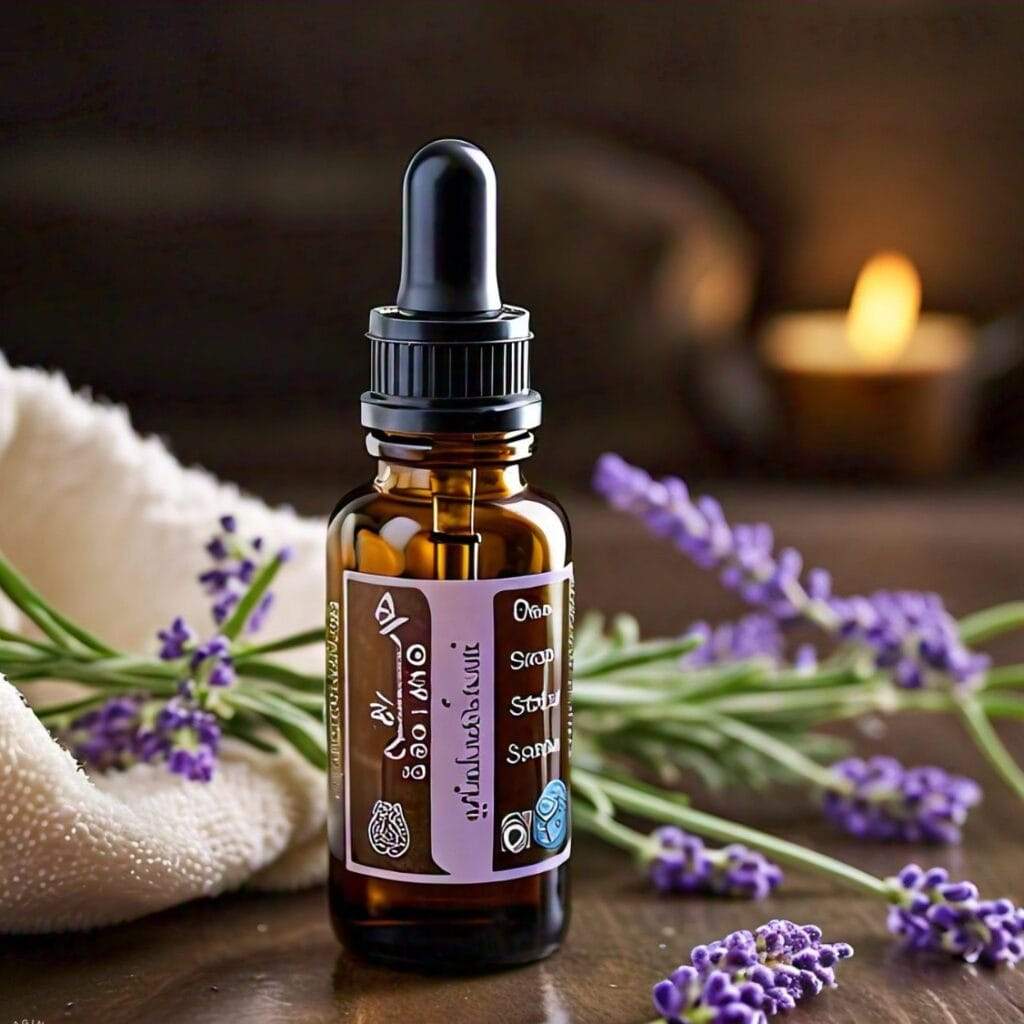
lavender_oil_for_hair_and_skin

Lavender Oil For Hair

Does Lavender Oil Promote Hair Growth?

Research suggests lavender oil:

  • Enhances hair growth by reducing stress and promoting relaxation.
  • Improves scalp health.

Lavender Oil for Hair Health

  • Soothes scalp irritations and dandruff.
  • Reduces frizz and adds shine.
  • Promotes healthy hair follicles.

Lavender Oil for Scalp Care

  • Calms itchiness and inflammation.
  • Reduces flaking.
  • Enhances scalp circulation.

Combining Lavender Oil For Overall Hair And Skin Care Benefits

Synergistic Benefits

  • Reduces stress-related skin and hair issues.
  • Promotes overall wellness.

Tips for Using Lavender Oil for Hair and Skin

  1. Add lavender oil to shampoo or conditioner.
  2. Mix with carrier oils for scalp massage.
  3. Use as a pre-shampoo treatment.
  4. Incorporate into skincare routines.

Lavender Oil For Both Glowing Skin And Healthy Hair

Multifaceted Benefits

  • Antioxidant properties protect skin and hair from damage.
  • Anti-inflammatory properties soothe skin and scalp irritations.
  • Calming effects promote relaxation.

Product Recommendations

  1. Lavender-infused shampoos and conditioners.
  2. Lavender oil-based skincare products.

By harnessing lavender oil’s complementary benefits for hair and skin, you can:

  • Enhance overall beauty.
  • Promote wellness.
  • Simplify your self-care routine.

DIY Lavender Oil Recipes For Skin Care

Nourish Your Skin Naturally
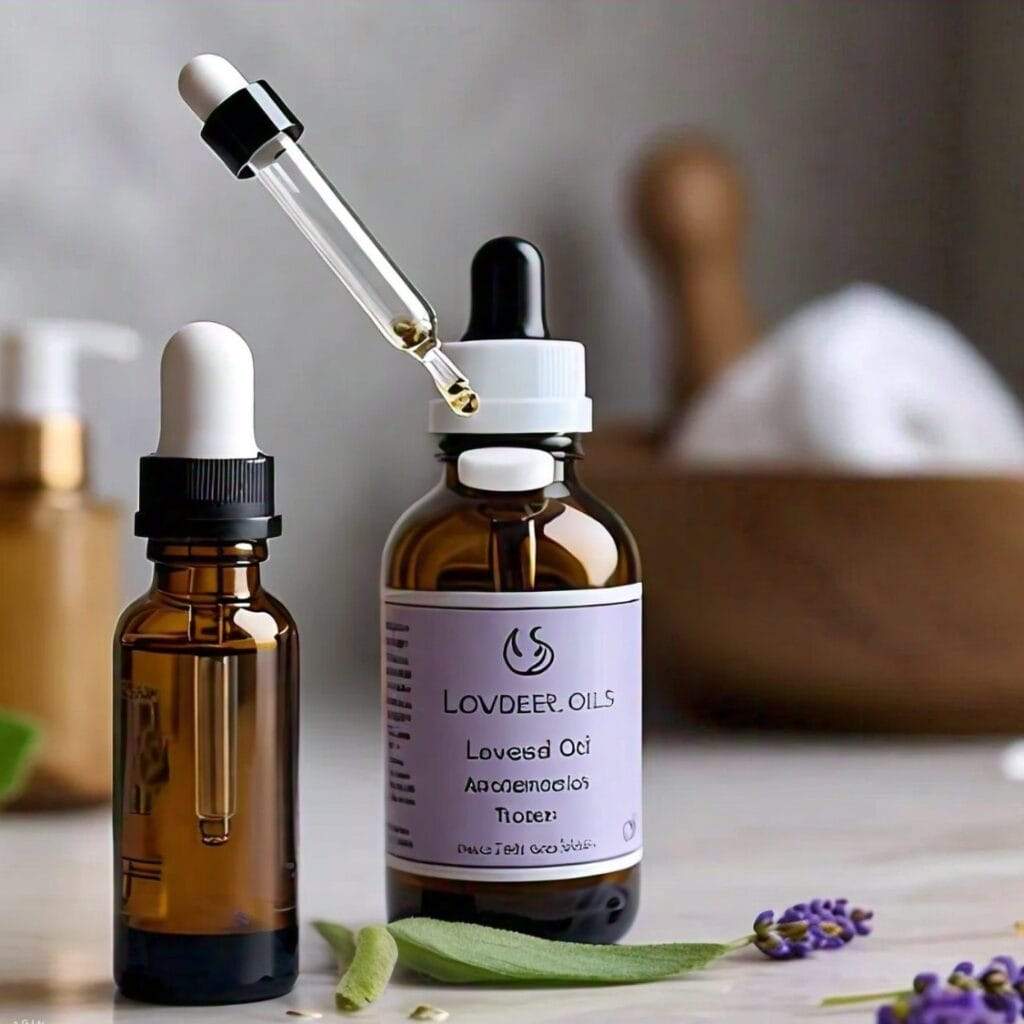
lavender_oil_for_hair_and_skin (1)

Simple DIY Recipes for Home Use

  1. Lavender Oil Toner for Oily Skin
    • 1 cup witch hazel
    • 10 drops lavender oil
    • 10 drops tea tree oil

Combine ingredients, shake well, and apply with a cotton pad.

  1. Lavender Oil-Infused Body Lotion
    • 1/2 cup coconut oil
    • 1/4 cup shea butter
    • 2 tablespoons beeswax
    • 10 drops of lavender oil

Melt ingredients, mix, and pour into containers.

  1. Lavender Oil with Aloe Vera for Sunburn Relief
    • 1/2 cup aloe vera gel
    • 10 drops of lavender oil
    • 10 drops chamomile oil

Combine ingredients and apply topically.

  1. Lavender Oil Face Cream for Glowing Skin
    • 1/2 cup coconut oil
    • 1/4 cup olive oil
    • 2 tablespoons honey
    • 10 drops lavender oil

Mix ingredients, pour into containers, and refrigerate.

Lavender Oil For Sleep: Connecting Skincare And Sleep

Additional Tips

  • Practice relaxation techniques (meditation, deep breathing).
  • Diffuse lavender oil in the bedroom.
  • Incorporate lavender oil into the bath routine.
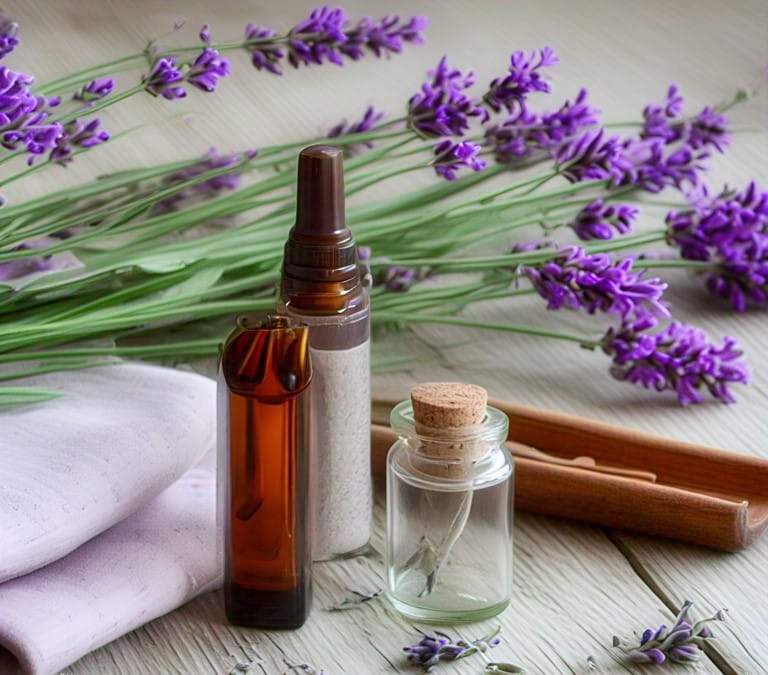
lavender_oil_for_sleep

Benefits of Lavender Oil in Nighttime Skincare Routines

  1. Calming properties promote relaxation.
  2. Reduces stress-related skin issues.
  3. Enhances sleep quality.

Nighttime Skincare Routine with Lavender Oil

  1. Cleanse face.
  2. Apply lavender oil toner.
  3. Moisturize with lavender oil-infused cream.
  4. Massage lavender oil into temples.

By incorporating lavender oil into your skincare routine and bedtime regimen, you can:

  • Promote relaxation.
  • Improve sleep quality.
  • Wake up with radiant, healthy-looking skin.

Final Thoughts

Incorporating lavender oil into your skincare routine can:

  • Promote glowing, healthy skin.
  • Enhance relaxation and reduce stress.
  • Provide natural, chemical-free benefits.

Tips for Long-Term Success

  • Consistency: Use lavender oil regularly.
  • Patience: Allow time for noticeable results.
  • Customization: Adapt lavender oil to your skin type.

Embracing the Power of Lavender Oil

By understanding lavender oil’s benefits, precautions, and uses, you can unlock its full potential for radiant, healthy-looking skin.

Start Your Lavender Oil Journey Today

  • Consult with a dermatologist or healthcare professional.
  • Choose high-quality, pure lavender oil.
  • Begin with small steps (patch testing, dilution).

Frequently Asked Questions (FAQs) – Lavender Oil Uses

Can lavender oil be used for sensitive skin?

Yes, lavender oil can benefit sensitive skin, but with caution. Dilute it with carrier oil (1-3%), perform patch tests, and start with low concentrations.

Is lavender oil good for acne scars?

Yes, lavender oil’s antimicrobial and anti-inflammatory properties can help reduce acne scars. Mix with a carrier oil and apply topically.

How long does it take to see results from lavender oil use?

Results vary, but noticeable improvements can occur:
Within 1-2 weeks for calming and soothing effects.
4-6 weeks for skin tone and hyperpigmentation.
8-12 weeks for anti-aging benefits.

Which oil is best for skin whitening: Lavender oil vs. other oils?

Lavender oil doesn’t significantly whiten skin but can even out tone. Other oils like:
Lemon oil (more potent, but may irritate).
Coconut oil (nourishes and brightens).
Turmeric oil (reduces hyperpigmentation).

Can lavender oil make you look younger?

Yes, lavender oil’s anti-aging properties can:
Reduce fine lines and wrinkles.
Improve skin elasticity.
Promote a radiant, youthful appearance.

Can I use lavender oil on my face every day?

Yes, but dilute it (1-3%) and start with low frequency (2-3 times a week).

Does lavender oil expire?

Yes, typically within 2-3 years. Store in a cool, dark place.

Can I mix lavender oil with other essential oils?

Yes, but consult with a healthcare professional or certified aromatherapist.

Is lavender oil safe for pregnant or breastfeeding women?

Consult a healthcare professional before using lavender oil.

Can lavender oil treat skin conditions like eczema or psoriasis?

Lavender oil can soothe symptoms, but consult a healthcare professional for comprehensive treatment.

How do I choose high-quality lavender oil?

Look for:
Pure, undiluted oil.
Reputable brands.
GC/MS testing.

Can lavender oil be used on children?

Consult a healthcare professional before using lavender oil on children under 6.


Disclaimer:
Commissions we earn from partner links on this page do not influence our content. Our editorial content is based on thorough research and insights from qualified medical professionals to ensure the highest standards of accuracy and reliability.

Information provided on Doseway is for educational purposes only. Your health and wellness are unique to you, and the products and services we review may not be suitable for your individual circumstances. We do not offer personal medical advice, diagnosis, or treatment plans. For specific advice, please consult with a healthcare professional. Doseway adheres to strict editorial integrity standards. To the best of our knowledge, all content is accurate as of the date posted, though offers and information may change. The opinions expressed are the author’s own and have not been influenced, approved, or endorsed by our partners.

Postpartum-Depression-Treatment-Naturally

Postpartum Depression Treatment At Home [Naturally]

Postpartum depression (PPD) is a complex condition affecting new mothers, characterized by persistent feelings of sadness, anxiety, and despair. Hormonal fluctuations, sleep deprivation, and emotional changes contribute to its development.

Natural treatments and home remedies offer numerous benefits for managing PPD:

  • Minimizes medication side effects
  • Empowers women to take control of their well-being
  • Encourages holistic healing
  • Provides accessible and cost-effective solutions

In this article, we will explore the best postpartum depression treatment at home , using natural and holistic approaches to help you heal and regain control of your life.

Read Also

Postpartum Depression Causes, Symptoms & Treatment

Postpartum-Depression-Treatment-At-Home

Understanding Postpartum Depression: Separating Facts from Feeling

Recognizing the signs and seeking help is crucial for effective management and recovery.

patients_with_postpartum_depression

What is Postpartum Depression?

Postpartum depression (PPD) is a complex mental health condition affecting women after childbirth, characterized by intense emotional and physical changes. It’s more than just “baby blues,” lasting longer and affecting daily life.

Baby Blues vs. Postpartum Depression

Differentiate between:

Baby BluesPostpartum Depression
Mild sadness, anxiety (80% of new mothers)Intense sadness, hopelessness, anxiety (15-20% of new mothers)
Short-term (1-2 weeks)Long-term (weeks, months, or even years)
No impact on daily functioningInterferes with daily life, relationships, and baby care
Resolves on its ownRequires professional treatment and support
Table: Baby Blues vs. Postpartum Depression

Symptoms Of Postpartum Depression

Common symptoms include:

  • Mood swings, irritability, and anger
  • Persistent sadness, hopelessness, and guilt
  • Fatigue, insomnia, and changes in appetite
  • Difficulty bonding with the baby
  • Physical symptoms like headaches and stomach problems
  • Anxiety, worry, and fear
  • Difficulty concentrating and making decisions
  • Withdrawal from social interactions
  • Thoughts of harming oneself or the baby

How Common is Postpartum Depression?

Alarming facts and statistics:

  • 1 in 7 new mothers experience PPD globally (Source: World Health Organization)
  • 15%–20% of new mothers in the US suffer from PPD (Source: American Psychological Association)
  • 50% of cases remain undiagnosed or untreated (Source: Journal of Women’s Health)
  • PPD affects partners and fathers too (up to 10%) (Source: Journal of Paternal and Perinatal Mental Health)

Duration Of Untreated Postpartum Depression

If left untreated:

  • Symptoms can last months or even years
  • Increased risk of chronic depression, anxiety, and relationship problems
  • Negative impact on mother-child bonding and child development

Overthinking And Postpartum Depression

Overthinking is common in PPD:

  • Rumination and intrusive thoughts
  • Fear of being a bad mother
  • Anxiety about the baby’s health and well-being
  • Difficulty making decisions

Mental Health Challenges Post-Birth

PPD affects:

  • Sleep patterns: insomnia, fatigue, and restlessness
  • Decision-making: anxiety, indecision, and self-doubt
  • Anxiety: fear, worry, and obsessive thoughts
  • Emotional regulation: mood swings, irritability, and emotional reactivity

Self-Treatment For Postpartum Depression At Home

Tips:

  • Celebrate small victories and accomplishments
  • Eat nutritious food and stay hydrated
  • Limit social media and technology
  • Connect with nature (outdoor walks, plants)
self_treatment_for_postpartum_depression_at_home

The 5-5-5 Rule: Embracing Gentle Transition

Adopt the 5-5-5 rule to allow your body to heal:

  • 5 Days in Bed: Rest, recover, and bond with your baby
  • 5 Days on the Couch: Gradually increase mobility, still prioritizing rest
  • 5 Days Moving Slowly: Reintroduce gentle activities, listening to your body

This rule enables natural healing, reducing physical and emotional stress.

Creating A Supportive Environment

Surround yourself with love and assistance:

  • Strong support system: spouse, family, friends
  • Ask for help with:
  • Baby care (feeding, bathing, soothing)
  • Household chores (laundry, cooking, cleaning)
  • Communicate openly about your needs and feelings

Prioritizing Self-Care: Mind, Body, And Soul

Nurture your well-being:

  1. Mindfulness and Relaxation:
    • Meditation
    • Deep breathing exercises
    • Guided relaxation
  2. Emotional Expression:
    • Journaling
    • Creative writing
    • Talking to a trusted friend or therapist
  3. Physical Gentle Exercises:
    • Postpartum yoga
    • Gentle walking
    • Pelvic floor exercises (Kegels)
  4. Rest and Sleep:
    • Prioritize sleep when the baby sleeps
    • Establish a bedtime routine
    • Consider sleep training for baby

Postpartum Depression Treatment At Home

StrategyDescriptionBenefits / How It HelpsSources / Notes
Prioritize rest and sleepSleep when the baby sleeps; aim for as much rest as possible, even short naps.Reduces fatigue, which worsens mood and irritability.Mayo Clinic, Office on Women’s Health, NHS
Accept and ask for helpDon’t try to do everything alone—ask partner, family, or friends for assistance with baby care, chores, errands, or cooking.Prevents overwhelm; builds social support and gives you breaks.Mayo Clinic, Cleveland Clinic, NHS, Office on Women’s Health
Make time for yourself / self-careSchedule short periods alone (even 15–30 minutes); do something enjoyable like a hobby, reading, or relaxing. Get out of the house if possible.Boosts mood, reduces isolation, and helps regain sense of self.Mayo Clinic, Cleveland Clinic, NHS
Physical activity / exerciseInclude gentle movement like walking (with baby in stroller), light exercise, or yoga. Start slowly after doctor approval.Releases endorphins (“feel-good” hormones), reduces stress/anxiety, improves sleep.Mayo Clinic, Cleveland Clinic, NHS, Healthline
Eat healthy and balanced mealsFocus on nutritious foods; avoid skipping meals; limit alcohol. Stay hydrated.Supports energy levels, brain function, and overall mood stability.Mayo Clinic, Cleveland Clinic, NHS
Set realistic expectationsAvoid pressure to be “perfect”—scale back household standards; do what you can and leave the rest.Reduces guilt, stress, and feelings of failure.Mayo Clinic, NHS, Healthline
Talk about your feelingsShare openly with trusted partner, friend, family member, or join a new parent support group (online/in-person). Avoid isolation.Provides emotional relief, validation, and practical support ideas.Cleveland Clinic, Mayo Clinic, Office on Women’s Health
Practice relaxation techniquesTry deep breathing, meditation, mindfulness, or short relaxation exercises.Lowers anxiety, helps manage overwhelming emotions.Various sources (e.g., Utah MIHP, general self-help)
Connect sociallySpend time with friends (in person or by phone), visit others, or engage in light social activities.Combats loneliness, which can worsen depression.Cleveland Clinic, Mayo Clinic

Postpartum Depression Medication

Medication TypeSpecific Examples (Brand Names)How It Works / Use in PPDTypical Duration / Dosing NotesBreastfeeding Safety ConsiderationsCommon Side EffectsNotes / Approval Status
SSRIs (First-line for moderate-severe PPD; most studied & commonly prescribed)Sertraline (Zoloft)Increases serotonin levels to improve mood, anxiety, and energy. Often preferred due to strong evidence and low infant exposure.Starts low (e.g., 25–50 mg/day), titrated up; full effect in 4–6+ weeks.Low levels in breast milk; undetectable or very low in infant serum in most cases. Considered safest SSRI during breastfeeding.Nausea, headache, sexual dysfunction, insomnia, GI upset (often improve over time).Most evidence-based; preferred first choice for breastfeeding mothers.
SSRIsEscitalopram (Lexapro), Citalopram (Celexa)Similar to sertraline; effective for depression and anxiety.Varies; e.g., escitalopram 10–20 mg/day.Low to moderate transfer; generally considered compatible with monitoring.Similar to other SSRIs; possible more sedation with citalopram.Commonly used; good options if sertraline not tolerated.
SSRIsFluoxetine (Prozac)Long half-life; useful for long-term maintenance.20–60 mg/day.Higher transfer to milk; infant levels can exceed 10% of maternal in some cases. Monitor baby for irritability, poor feeding.Activation, insomnia, agitation possible.Often avoided as first choice in breastfeeding due to longer exposure.
SSRIsParoxetine (Paxil)Effective but shorter half-life.20–60 mg/day.Low transfer; undetectable in most infant serum.Anticholinergic effects (dry mouth, constipation); withdrawal risk if stopped abruptly.Good safety profile in breastfeeding.
SNRIsVenlafaxine (Effexor), Duloxetine (Cymbalta), Desvenlafaxine (Pristiq)Increases serotonin + norepinephrine; helpful if anxiety or pain present.Varies; e.g., venlafaxine 75–225 mg/day.Moderate transfer; limited long-term infant data but generally compatible.Blood pressure increase, withdrawal symptoms, sweating.Increasingly used; venlafaxine has good evidence for PPD with anxiety.
Other AntidepressantsBupropion (Wellbutrin)Dopamine/norepinephrine reuptake inhibitor; energizing, less sexual side effects.150–300 mg/day extended-release.Low transfer; limited data but appears safe.Insomnia, agitation, seizure risk (rare).Useful if low energy prominent; avoid if seizure history.
Neuroactive Steroid (Allopregnanolone analog) – FDA-approved specifically for PPDZuranolone (Zurzuvae)Oral; modulates GABA receptors to rapidly restore postpartum hormone balance.50 mg once daily in evening with fatty meal for 14 days only.Limited breastfeeding data (short course); discuss with provider—pump/dump or temporary formula may be advised.Sedation, dizziness, headache, fatigue (take at night).First oral PPD-specific med (FDA 2023); rapid onset (days); for adults with PPD onset in late pregnancy or within 4 weeks postpartum.
Neuroactive Steroid (IV infusion)Brexanolone (Zulresso)IV; same mechanism as zuranolone but hospital-administered.60-hour continuous IV infusion under medical monitoring.Not recommended during breastfeeding (hospital stay required).Serious sedation, loss of consciousness risk; requires REMS program.First FDA-approved PPD drug (2019); for moderate-severe; less common due to logistics.
Short-term add-ons (if severe anxiety/insomnia)Benzodiazepines (e.g., lorazepam) or other anxiolyticsTemporary relief of acute anxiety/panic.Short-term/low-dose only.Variable; low doses usually compatible but monitor infant for sedation.Drowsiness, dependency risk.Not first-line; use cautiously and briefly.

Postpartum Depression Causes

CategorySpecific Causes / Risk FactorsExplanation / How It ContributesStrength of Evidence / Notes
Hormonal / BiologicalDramatic drop in estrogen and progesterone after deliverySharp hormonal crash post-birth affects brain chemistry and mood regulation; similar to PMS but more intense.Strong — widely accepted core physical trigger (Mayo Clinic, ACOG, NIMH).
Hormonal / BiologicalThyroid hormone fluctuations (e.g., postpartum thyroiditis)Can cause fatigue, sluggishness, and depressive symptoms.Common contributor; thyroid testing often recommended if symptoms persist.
Hormonal / BiologicalOther neuroendocrine changes (e.g., hypothalamic-pituitary-adrenal axis dysregulation)Stress hormone imbalances amplify vulnerability.Supported in research; links to inflammation and sensitivity to hormone shifts.
Genetic / Family HistoryPersonal or family history of depression, anxiety, bipolar, or previous PPDGenetic predisposition makes brain more sensitive to postpartum changes.One of the strongest predictors (Mayo Clinic, NIMH, ACOG); risk multiplies with history.
Genetic / Family HistoryHistory of premenstrual syndrome (PMS) or premenstrual dysphoric disorder (PMDD)Indicates sensitivity to hormonal fluctuations.Moderate evidence; common overlap.
Psychological / EmotionalPrevious mental health issues (e.g., depression during pregnancy or earlier life)Builds vulnerability to stress and hormonal shifts.High risk — history is a top factor.
Psychological / EmotionalSleep deprivation, overwhelming fatigue, and physical exhaustionDisrupts mood regulation and coping ability.Universal in new parenthood but amplifies risk when severe.
Psychological / EmotionalFeelings of loss of control, identity changes, or low self-esteemStruggles with new role, body image, or feeling “less attractive” or capable.Emotional adjustment issues common trigger.
Psychological / EmotionalAnxiety about parenting ability or bonding difficultiesFear of “not being good enough” as a mother.Very common and distressing; can spiral into guilt.
Psychosocial / Life StressLack of social support (no close family/friends, isolation)Increases feelings of overwhelm and loneliness.Major protective factor when present; strong risk when absent (NHS, APA).
Psychosocial / Life StressDifficult partner relationship, marital/relationship conflict, or lack of partner supportStrain from unsupportive or abusive dynamics worsens stress.High impact — partner support is key protective element.
Psychosocial / Life StressRecent stressful life events (e.g., bereavement, financial problems, moving)Adds cumulative stress during vulnerable period.Evidence-based; compounds other factors.
Psychosocial / Life StressHistory of trauma (e.g., domestic violence, sexual abuse, childhood trauma)Heightens vulnerability to stress and triggers.Strong link in multiple studies.
Obstetric / Pregnancy-RelatedUnplanned or unwanted pregnancy, negative attitudes toward pregnancy/babyEmotional ambivalence or regret increases risk.ACOG and others note this as emotional factor.
Obstetric / Pregnancy-RelatedComplications (e.g., difficult labor, premature birth, baby with medical needs or colic)Added stress and disappointment.Increases risk; “challenging baby” traits (e.g., excessive crying) noted in reviews.
Obstetric / Pregnancy-RelatedFirst-time motherhood, very young or older maternal ageLess experience or added pressures.Moderate risk elevation.
Other / EmergingInflammatory processes, nutritional deficiencies, or chronic strainSome research links immune/inflammatory changes or deficiencies (e.g., iron, trace elements).Emerging; not primary but contributory in subsets.

Postpartum Depression Symptoms

Symptom CategorySpecific SymptomsHow It Typically Appears / FeelsNotes / Red Flags
Mood-relatedPersistent sad, depressed, empty, or hopeless moodFeeling down or tearful most of the day, nearly every dayCore symptom — often the most noticeable sign
Mood-relatedSevere mood swingsRapid shifts from sadness to irritability or angerMore intense than normal new-parent mood changes
Mood-relatedOverwhelming feelings of sadness, hopelessness, or despairFeeling life is meaningless or nothing will improveCan make even basic tasks feel impossible
Emotional / CryingFrequent or excessive cryingCrying a lot, often for no clear reason, or crying spells that are hard to stopCommon in both baby blues and PPD, but more persistent in PPD
Emotional / CryingUncontrollable or excessive cryingCrying uncontrollably even when trying to stopMay occur multiple times a day
Anxiety & WorrySevere anxiety, excessive worrying, or panic attacksConstant worry about the baby, health, or ability to cope; sudden panic episodesAnxiety is often more prominent in postpartum depression than in non-postpartum depression
Anxiety & WorryRestlessness, feeling on edge, or agitationInability to relax, feeling jittery or keyed upCan include physical restlessness (e.g., pacing)
Bonding & AttachmentDifficulty bonding with the babyFeeling distant, detached, or uninterested in the baby; little or no joy when holding the babyVery distressing — many mothers feel guilty about this symptom
Bonding & AttachmentLittle or no interest in the babyNot wanting to hold, feed, or care for the babyCan lead to feelings of shame or failure as a mother
Social WithdrawalWithdrawing from family, friends, or social activitiesAvoiding calls, visitors, or conversations; isolating oneselfOften described as “wanting to be alone” or “not able to face people”
Interest & PleasureLoss of interest or pleasure in activities once enjoyed (anhedonia)Hobbies, time with partner, or even previous sources of joy no longer appealingIncludes loss of interest in sex or relationships
Guilt & Self-WorthExcessive or inappropriate guilt, feelings of worthlessnessFeeling like a terrible mother, blaming yourself for everything, intense self-criticismFrequently tied to perceived parenting “failures”
Guilt & Self-WorthFeelings of inadequacy or failure as a motherBelieving you are not good enough or that the baby would be better off without youVery common and very painful
Sleep DisturbancesInsomnia (trouble falling or staying asleep)Lying awake even when exhausted and baby is sleepingDifferent from normal newborn sleep disruption
Sleep DisturbancesOversleeping or excessive daytime sleepinessSleeping too much or wanting to sleep all the timeCan alternate with insomnia
Appetite & WeightSignificant loss of appetite or overeatingNo interest in food or comfort eatingOften leads to unintended weight loss or gain
Energy & FatigueOverwhelming fatigue, low energy, or feeling drainedFeeling exhausted even after rest; everything feels physically heavyBeyond normal new-parent tiredness
Concentration & ThinkingTrouble concentrating, making decisions, or remembering things“Brain fog” — forgetting simple tasks, unable to focus on reading or conversationsImpacts ability to follow routines or make plans
Physical SymptomsUnexplained aches and pains (headaches, stomach issues, muscle pain)Frequent headaches, stomach upset, or body aches with no medical causeOften overlooked as “just stress”
Irritability & AngerIncreased irritability, anger, or rageSnapping at partner, family, or even the baby; feeling easily frustratedCan be directed inward (self-anger) or outward
Thoughts of HarmThoughts of harming yourself or the babyFleeting or persistent thoughts of death, suicide, or harming the babyEmergency symptom — seek immediate professional help
Thoughts of HarmRecurrent thoughts of death or suicideThinking life is not worth living or planning ways to end lifeRequires urgent intervention

Fighting Postpartum Depression Naturally: Nutrition, Supplements, and Herbal Remedies

Additional Tips:

  • Incorporate mindful eating practices
  • Keep a food and mood journal
  • Eat regular meals to stabilize blood sugar
  • Limit processed and sugary foods
self_treatment_for_postpartum_depression_at_home (1)

Dietary Changes And Nutrition

A balanced diet plays a crucial role in mental health:

  • Omega-3-rich foods: fatty fish, flaxseeds, walnuts (brain health and mood regulation)
  • Protein-rich foods: lean meats, legumes, nuts (mood stabilization)
  • Complex carbohydrates: whole grains, fruits, vegetables (serotonin production)
  • Hydration: aim for 8-10 glasses of water per day

Vitamins And Supplements for Postpartum Depression

Consult with your healthcare provider before adding:

  • Vitamin D: mood regulation, bone health
  • Vitamin B12: energy production, nerve function
  • Omega-3 fatty acids: brain health, mood stabilization
  • Magnesium: stress reduction, sleep regulation
  • Iron: energy production, cognitive function
  • Probiotics: gut health, mental wellness

Healing Postpartum Naturally: Herbal Remedies And Aromatherapy

Explore these natural options:

  • Herbal remedies:
    • Chamomile tea (relaxation, sleep)
    • Lavender tea (calming, anxiety reduction)
    • Valerian root (sleep regulation)
  • Aromatherapy:
    • Lavender oil (stress relief, relaxation)
    • Bergamot oil (mood uplift, anxiety reduction)
  • Adaptogens:
    • Ashwagandha (stress, anxiety reduction)
    • Rhodiola rosea (mood stabilization)

Important Considerations

Before starting supplements or herbal remedies:

  • Consult with your healthcare provider
  • Discuss potential interactions with medications
  • Monitor dosage and effectiveness
  • Combine natural approaches with professional medical care

Lifestyle Adjustments For Managing Postpartum Depression

Additional Tips

  • Seek professional help when needed
  • Accept help from family and friends
  • Prioritize sleep and rest
  • Engage in activities you enjoy
lifestyle_adjustments_for_managing_postpartum_depression

I. Exercise: A Natural Antidepressant

Physical activity stimulates endorphin production, boosting mood:

  • Benefits: Improved mood, reduced anxiety, enhanced energy, better sleep
  • Gentle postpartum exercises:
    • Walking
    • Swimming
    • Prenatal yoga
    • Postnatal Pilates
    • Pelvic floor exercises (Kegels)
  • Tips:
    • Start slowly (6-8 weeks postpartum)
    • Listen to your body
    • Find exercises you enjoy

II. Establishing Routine And Structure

Routine brings mental clarity and reduces anxiety:

  • Importance: Predictability, sense of control, reduced overwhelm
  • Create a daily schedule:
    • Prioritize self-care
    • Include baby care and household tasks
    • Leave space for flexibility
  • Small tasks and routines:
    • Create a sense of accomplishment
    • Build confidence
    • Enhance productivity

III. Building A Social Network

Connect with others to combat isolation:

  • Join online communities:
    • Mom groups
    • Postpartum support forums
    • Social media groups
  • Local meetups:
    • Baby and mom groups
    • Parenting classes
    • Community events
  • Benefits: Emotional support, practical help, social connection

IV. Managing Expectations And Overcoming Guilt

Let go of the “perfect mom” myth:

  • Set realistic goals:
  • Prioritize self-care
  • Focus on progress, not perfection
  • Release societal pressure:
  • Ignore unrealistic expectations
  • Embrace your unique parenting style
  • Practice self-compassion:
  • Acknowledge limitations
  • Celebrate successes

Natural Strategies To Prevent Postpartum Depression

I. Mindful Pregnancy

Prepare emotionally and physically during pregnancy by:

  • Taking prenatal education to understand postpartum challenges
  • Emotionally preparing to recognize potential triggers
  • Physically preparing through nutrition, exercise, and rest
  • Building a support network of partners, family, friends, and healthcare provider

II. Strengthening Emotional Resilience

Practice stress management techniques:

Pre-Birth:

  • Meditation
  • Yoga
  • Deep breathing
  • Journaling

Post-Birth:

  • Mindfulness
  • Grounding techniques
  • Positive affirmations, such as:
    • “I am capable and strong”
    • “I trust myself and my body”
    • “I can handle challenges”
    • “I am a great mother”

III. Postpartum Planning

Create a comprehensive care plan:

  • Daily task support: Identify helpers for household chores and baby care
  • Meal preparation: Prepare meals in advance and consider a meal train
  • Emotional support: Schedule regular check-ins with loved ones
  • Self-care: Prioritize rest, exercise, and relaxation

IV. Nutrition And Wellness

Focus on whole foods and hydration:

  • Prenatal nutrition: Omega-3-rich foods and whole grains
  • Postpartum nutrition: Healthy snacks and meal delivery
  • Stay hydrated: Aim for 8-10 glasses of water daily

V. Building A Support Network

Surround yourself with love and assistance:

  • Partner support: Communicate needs and expectations
  • Family and friends: Schedule visits and help with tasks
  • Online communities: Join postpartum support groups
  • Professional help: Know when to seek counseling or therapy

Can Postpartum Depression Be Treated Without Medication?

Alternative approaches:

  • Mindfulness-Based Cognitive Therapy (MBCT): Combines mindfulness with CBT principles
  • Light Therapy: Exposure to specific wavelengths for mood regulation
  • Acupuncture: Targets specific points for emotional balance
postpartum_depression_medication

Yes, various non-pharmacological options can effectively manage postpartum depression:\

Natural Remedies:

  • Lifestyle changes (diet, exercise, sleep)
  • Mindfulness practices (meditation, yoga)
  • Social support networks
  • Herbal supplements (under medical guidance)

When Natural Remedies May Not Be Enough

Seek professional help if:

  • Symptoms persist or worsen
  • Daily functioning is severely impacted
  • Suicidal thoughts or feelings emerge
  • Psychotic symptoms develop

Therapeutic Options

Effective non-medication treatments:

  • Cognitive Behavioral Therapy (CBT): Identifies and changes negative thought patterns
  • Interpersonal Therapy (IPT): Focuses on relationships and communication
  • Psychodynamic Therapy: Explores underlying emotional conflicts

Does Postpartum Depression Go Away On Its Own?

Untreated postpartum depression can lead to:

  • Chronic depression
  • Anxiety disorders
  • Relationship problems
  • Child development issues

Timeline And Potential Risks

  • First few weeks: Symptoms often peak
  • 2-6 months: Untreated PPD can worsen
  • 6 months-1 year: Increased risk of chronic depression

Importance Of Consistent Self-Care, Support, And Monitoring

Prioritize:

  • Regular check-ins with healthcare providers
  • Ongoing self-care practices
  • Support network engagement
  • Monitoring symptoms and progress

How Fast Is Postpartum Recovery?

Additional Tips:

  • Embrace your new body and motherhood journey
  • Prioritize self-care
  • Seek professional help when needed
  • Focus on progress, not perfection
postpartum_recovery

Recovery varies by individual; focus on progress, not perfection:

  • Physical recovery: 6-12 weeks for body to heal
  • Emotional recovery: 3-6 months for hormonal balance, mood regulation
  • Full recovery: 6-12 months for overall well-being

The Role Of Patience And Self-Compassion

Essential for a healthy healing journey:

  • Patience: Allow time for body and mind to heal
  • Self-compassion: Treat yourself with kindness, understanding
  • Realistic expectations: Celebrate small victories

Tips To Speed Up Recovery

Enhance your journey:

  • Daily movement: Gentle exercise, walking, postpartum yoga
  • Balanced nutrition: Whole foods, hydration, essential nutrients
  • Mindfulness techniques: Meditation, deep breathing, journaling
  • Sleep prioritization: Rest when baby rests
  • Support network: Engage with loved ones, join support groups

Setting Small, Achievable Recovery Goals

Break down recovery into manageable steps:

  • Physical goals:
    • Take a 10-minute walk daily
    • Practice gentle stretching
  • Emotional goals:
    • Practice mindfulness for 5 minutes daily
    • Connect with a friend or loved one weekly
  • Celebrate milestones: Acknowledge progress, no matter how small

Frequently Asked Questions (FAQs) – Postpartum Depression

How do I stop postpartum depression naturally?

Combine lifestyle changes, mindfulness practices, and social support:
Balanced nutrition
Regular exercise
Sufficient sleep
Mindfulness techniques (meditation, deep breathing)
Herbal supplements (under medical guidance)
Support networks (family, friends, online communities)

What vitamins help postpartum depression?

Essential vitamins and nutrients:
Omega-3 fatty acids
Vitamin D
Vitamin B12
Magnesium
Iron
ProbioticsConsult your healthcare provider before adding supplements.

Can postpartum depression go away on its own?

Untreated postpartum depression can persist, worsening symptoms. Proper support and self-care may lead to improvement, but seeking professional help ensures optimal recovery.

How can I heal from postpartum depression without medication?

Explore:
Cognitive Behavioral Therapy (CBT)
Interpersonal Therapy (IPT)
Psychodynamic Therapy
Mindfulness-Based Cognitive Therapy (MBCT)
Light therapy
Acupuncture

Is overthinking part of postpartum depression?

Yes, excessive worry, anxiety, and rumination are common symptoms. Mindfulness practices and cognitive-behavioral therapy can help manage overthinking.

How long does postpartum recovery take?

Physical recovery: 6-12 weeks
Emotional recovery: 3-6 months
Full recovery: 6-12 months individual’s journey varies.

What are natural remedies for postpartum anxiety?

Deep breathing exercises
Progressive muscle relaxation
Mindfulness meditation
Yoga
Herbal supplements (chamomile, lavender)

How does diet impact postpartum depression?

A balanced diet rich in:
Omega-3 fatty acids
Whole grains
Lean proteins
Fruits and vegetables

Can exercise reduce postpartum depression symptoms?

Yes, regular exercise:
Reduces symptoms
Improves mood
Enhances overall well-being

What is the role of sleep in postpartum depression recovery?

Prioritize sleep:
Aim for 7-8 hours
Establish a bedtime routine
Create a sleep-conducive environment

How can I manage postpartum stress naturally?

Time management
Self-care activities (reading, walking)
Support networks
Mindfulness practices

Can postpartum depression affect breastfeeding?

Untreated PPD may impact breastfeeding:
Reduced milk supply
Difficulty latching
Emotional distress

What are postpartum depression symptoms in husbands/partners?

Anxiety
Depression
Fatigue
Irritability
WithdrawalEncourage open communication.

How can family and friends support someone with postpartum depression?

Offer practical help
Encourage self-care
Accompany to appointments

………………………….
Disclaimer:
Commissions we earn from partner links on this page do not influence our content. Our editorial content is based on thorough research and insights from qualified medical professionals to ensure the highest standards of accuracy and reliability.

Information provided on Doseway is for educational purposes only. Your health and wellness are unique to you, and the products and services we review may not be suitable for your individual circumstances. We do not offer personal medical advice, diagnosis, or treatment plans. For specific advice, please consult with a healthcare professional. Doseway adheres to strict editorial integrity standards. To the best of our knowledge, all content is accurate as of the date posted, though offers and information may change. The opinions expressed are the author’s own and have not been influenced, approved, or endorsed by our partners.

……………………………..

Vaginal-Dryness-Natural-Remedies

Vaginal Dryness Natural Remedies [Symptoms & Treatments]

Vaginal dryness, also known as vaginal atrophy or atrophic vaginitis, is a common condition characterized by a decrease in vaginal moisture and elasticity. It affects millions of women worldwide, causing discomfort, pain, and emotional distress. Despite its prevalence, vaginal dryness remains a taboo topic, often shrouded in misconceptions.

Vaginal dryness occurs when the vaginal walls become thin, fragile, and less responsive to hormonal changes. This leads to:

  • Reduced vaginal lubrication
  • Decreased vaginal elasticity
  • Increased pH levels, disrupting the natural bacterial balance
  • Inflammation and irritation

This article explores Vaginal Dryness Natural Remedies, discussing effective symptoms management and treatment options to help alleviate this condition and restore vaginal health.

Recommended Reading:

What Is Vaginal Dryness? It’s Importance & Common Misconceptions

Vaginal-Dryness-Natural-Remedies-For-Instant-Relief

Vaginal moisture plays a vital role in:

  • Comfort during intimacy and daily activities
  • Protecting against infections and irritation
  • Maintaining healthy vaginal pH levels
  • Supporting overall reproductive health

Contrary to popular belief:

  • Vaginal dryness affects women of all ages, not just older women
  • It’s not solely caused by menopause; other factors contribute (e.g., hormonal changes, medical treatments, lifestyle factors)
  • Vaginal dryness is not a normal part of aging, but rather a treatable condition
  • It’s not just a physical issue; emotional and psychological factors can also contribute

Symptoms Of Vaginal Dryness

Early recognition and treatment of vaginal dryness symptoms can alleviate discomfort, prevent complications, and improve overall well-being.

A serene and calming image of a woman holding a glass of water in one hand while sitting comfortably in a cozy living room with houseplants, promoting

Vaginal dryness can manifest in various ways, affecting a woman’s physical and emotional comfort. Common symptoms include:

Physical Symptoms

  1. Pain during Intercourse (Dyspareunia): Pain or discomfort during sex, ranging from mild to severe.
  2. Itching and Burning Sensation: Persistent itching, burning, or stinging sensations in the vagina or vulva.
  3. Vaginal Discomfort and Soreness: General feeling of vaginal tenderness, soreness, or irritation.
  4. Light Bleeding during or after Intercourse: Spotting or light bleeding after sex due to vaginal irritation.
  5. Frequent Urinary Tract Infections (UTIs): Recurrent UTIs due to altered vaginal pH and reduced moisture.

Additional Symptoms

  • Vaginal Tightness or Narrowing: Reduced vaginal elasticity, making intercourse uncomfortable.
  • Difficulty Achieving Orgasm: Decreased lubrication and sensitivity can hinder orgasm.
  • Emotional Distress: Vaginal dryness can lead to anxiety, low self-esteem, and relationship strain.
  • Discomfort during Daily Activities: Pain or discomfort during exercise, cycling, or even walking.

When to Seek Medical Attention

If you experience any of the following, consult your healthcare provider:

  • Severe pain or bleeding during or after intercourse
  • Recurrent UTIs or vaginal infections
  • Persistent vaginal itching or burning
  • Difficulty urinating or experiencing painful urination
  • Significant impact on quality of life or relationships

Vaginal Dryness Treatment

Treatment CategorySpecific Examples / TypesHow It Works / UseNotes / Considerations
Vaginal Moisturizers (Non-hormonal, OTC)Replens, K-Y Liquibeads, Sliquid, hyaluronic acid-based (e.g., suppositories/gels), LuvenaApplied every 2–3 days (or as needed) to restore moisture and improve tissue hydration long-term.First-line for mild cases; pH-balanced, non-irritating options preferred; effects last longer than lubricants.
Vaginal Lubricants (Non-hormonal, OTC)Water-based: Astroglide, K-Y Jelly, Sliquid Silicone-based: ID Millennium, Pjur Oil-based (natural): Coconut oil, olive oil (external use only in some cases)Applied just before sexual activity (or as needed) to reduce friction and pain.Short-acting; avoid glycerin/warming agents if sensitive; oil-based incompatible with latex condoms.
Low-Dose Topical Vaginal Estrogen (Prescription)Creams (e.g., Estrace, Premarin) Tablets/inserts (e.g., Vagifem) Rings (e.g., Estring)Applied/inserted directly into vagina to restore estrogen locally, thickening tissue and improving lubrication.Highly effective for menopausal causes; minimal systemic absorption; often safe even with some cancer histories (discuss with doctor).
Prasterone (DHEA) Suppositories (Prescription)Intrarosa (vaginal DHEA)Inserted nightly; converts to estrogen/androgens locally in vaginal tissue.Non-estrogen hormone option; good for painful intercourse and dryness; once-daily use.
Oral Ospemifene (Prescription)OsphenaTaken daily by mouth; acts as a selective estrogen receptor modulator (SERM) on vaginal tissue.Treats moderate-severe dryness/painful sex; non-vaginal administration; not for those with breast cancer history or high risk.
Systemic Hormone Replacement Therapy (HRT) (Prescription)Oral pills, patches, gels (e.g., estradiol-based)Provides estrogen (often with progestin) throughout the body, indirectly improving vaginal symptoms.Used if other menopausal symptoms (hot flashes, etc.) present; higher systemic exposure than local options.
Laser Therapy (e.g., Fractional CO2 Laser)MonaLisa Touch, similar devicesIn-office laser treatments stimulate collagen and improve tissue health/vascularity.Non-hormonal; multiple sessions needed; emerging option for those avoiding hormones; evidence growing.
Vaginal Dilators / Pelvic Floor TherapyGraduated dilator sets; physical therapy exercisesStretches tissues, improves blood flow, and strengthens pelvic muscles.Helpful for narrowing/shortening from atrophy; often combined with moisturizers; may require guidance from a specialist.
Natural / Home Remedies (Supportive)Regular sexual activity/masturbation; vitamin E suppositories/oil; aloe vera (pure)Increases blood flow; provides mild lubrication/moisturizing.Limited evidence; not primary treatment; coconut oil popular but use cautiously (can disrupt pH or cause infections in some).
Lifestyle & Preventive MeasuresStay hydrated; avoid irritants (douches, scented products); pelvic exercises (Kegels)Supports overall vaginal health and prevents worsening.Complementary to other treatments; regular activity helps maintain tissue elasticity.

Medications That Cause Vaginal Dryness

Medication/ClassExamplesHow It Contributes to Vaginal Dryness
AntihistaminesDiphenhydramine (Benadryl), Loratadine, Cetirizine, HydroxyzineDry out mucus membranes throughout the body, including the vagina.
Decongestants (often in cold/allergy meds)Pseudoephedrine, PhenylephrineSimilar drying effect on mucous membranes.
Hormonal Birth Control PillsCombined oral contraceptives (e.g., those with low-dose estrogen)Alter estrogen/progesterone balance, reducing natural lubrication in some people.
Birth Control Shots/InjectionsDepo-Provera (medroxyprogesterone acetate)Suppress hormones to mimic menopausal-like states, leading to dryness.
AntidepressantsSSRIs (e.g., fluoxetine, sertraline), tricyclicsCan affect hormone levels or cause anticholinergic effects leading to dryness.
DiureticsHydrochlorothiazide, furosemideIncrease urine production, causing overall dehydration that affects vaginal moisture.
AnticholinergicsOxybutynin (for overactive bladder), some used for IBS or Parkinson’sBlock acetylcholine, drying out secretions including in the vagina.
Aromatase InhibitorsAnastrozole, Letrozole, ExemestaneLower estrogen levels significantly (used in breast cancer treatment), causing severe dryness.
Anti-estrogen MedicationsTamoxifen (in some contexts), others for endometriosis/fibroidsReduce estrogen activity, leading to vaginal tissue thinning and dryness.
Beta Blockers or Calcium Channel BlockersMetoprolol, AmlodipineSome blood pressure/heart meds linked to reduced vaginal lubrication in certain cases.

10 Herbs For Vaginal Health

HerbCommon Forms / UseHow It May Help with Vaginal DrynessEvidence / Notes
Black CohoshCapsules, tea, extracts (oral)Phytoestrogen; may mimic estrogen to improve tissue health, lubrication, and reduce menopausal dryness.Traditional for menopause; some studies show limited/mixed benefits for vaginal symptoms; potential liver concerns in rare cases.
Red CloverCapsules, tea, extracts (oral)Rich in isoflavones (phytoestrogens); may support estrogen-like effects to restore moisture and elasticity.Some reviews suggest it reduces dryness/hot flashes; evidence is moderate but inconsistent.
Dong Quai (Angelica sinensis)Capsules, tea (oral); sometimes in blendsKnown as “female ginseng”; supports circulation, hormonal balance, and pelvic blood flow for better hydration.Traditional Chinese medicine use; limited strong evidence for dryness specifically; may interact with blood thinners.
Aloe VeraPure gel (topical vaginal application)Hydrating, soothing, anti-inflammatory; directly moisturizes and may promote healing of dry/irritated tissue.Studies (including comparisons to estrogen cream) show effectiveness for postmenopausal dryness; use 100% pure, no additives.
Shatavari (Asparagus racemosus)Capsules, powder (oral); ghee-based applicationsAyurvedic “queen of herbs”; phytoestrogenic, nourishes reproductive tissues, enhances natural lubrication.Popular in Ayurveda for menopausal dryness; traditional support with emerging interest.
FennelVaginal cream, seeds/tea (oral/topical)Phytoestrogenic; may improve vaginal pH, thickness, and moisture similar to estrogen in some trials.Clinical studies support fennel cream for atrophy symptoms; one of the better-evidenced herbs.
Soy (Isoflavones)Supplements, foods (tofu, soy milk)High in phytoestrogens; may mildly boost vaginal maturation and reduce dryness.Meta-analyses show positive effects on vaginal epithelial cells; dietary inclusion often recommended.
CalendulaCreams, oils, teas (topical/oral)Soothing, anti-inflammatory; calms irritation and supports tissue repair in dry/vaginal areas.Often combined with other herbs; good for external soothing but limited direct evidence for internal dryness.
Evening Primrose OilCapsules (oral); sometimes oilsRich in gamma-linolenic acid (omega-6); may improve skin/membrane moisture and reduce inflammation.Traditional for menopausal symptoms; some report benefits for dryness, but evidence is inconsistent.
Sea Buckthorn OilCapsules, topical oilHigh in omega-7 fatty acids; supports mucous membrane health and may restore vaginal moisture.Emerging studies suggest benefits for atrophy; often used orally or topically for tissue repair.

Common Causes Of Vaginal Dryness

Vaginal dryness can result from a combination of factors. Understanding the underlying causes is crucial for effective management.

Identifying the underlying causes of vaginal dryness is crucial for effective treatment. Consult a healthcare provider to determine the best course of action.

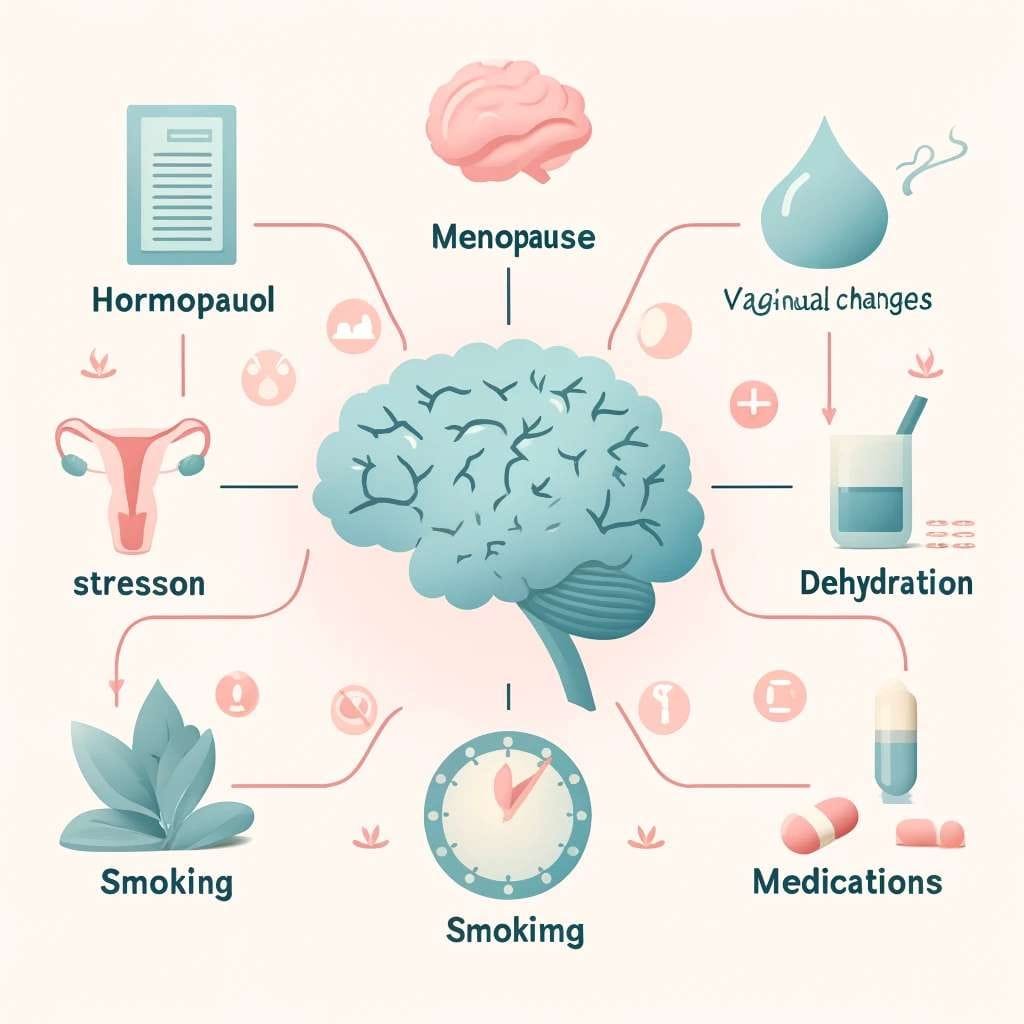
An educational infographic highlighting the causes of vaginal dryness. The design should use soft pastel tones and include icons representing various

Hormonal Changes

  1. Menopause: Decreased estrogen levels lead to:
    • Thinning vaginal walls
    • Reduced vaginal elasticity
    • Decreased lubrication
  2. Postpartum and Breastfeeding: Hormonal shifts cause:
    • Temporary vaginal dryness
    • Changes in vaginal pH
  3. Birth Control: Certain contraceptives, such as:
    • Progestin-only pills
    • Intrauterine devices (IUDs)
    • Injectables (e.g., Depo-Provera)
    • Hormonal patches and rings
  4. Menstrual Cycle Fluctuations: Hormonal changes during:
    • Ovulation
    • Premenstrual phase
    • Menstruation

Medications

  1. Antihistamines: Reduce mucous production, leading to dryness.
  2. Antidepressants: Selective serotonin reuptake inhibitors (SSRIs) can decrease libido and lubrication.
  3. Certain Cancer Treatments:
    • Chemotherapy
    • Radiation therapy

Lifestyle Factors

  1. Stress: High stress levels disrupt hormonal balance.
  2. Smoking: Nicotine:
    • Reduces blood flow to vaginal tissues
    • Damages vaginal mucosa
  3. Dehydration: Inadequate water intake:
    • Decreases vaginal lubrication
    • It affects overall vaginal health

Other Underlying Conditions

  1. Autoimmune Disorders:
    • Sjögren’s syndrome
    • Rheumatoid arthritis
  2. Vaginal Infections:
    • Yeast infections
    • Bacterial vaginosis
  3. Skin Conditions:
    • Lichen sclerosis
    • Eczema

Natural Remedies For Vaginal Dryness

Additional Tips:

  • Consider consulting a healthcare provider before starting supplements.
  • Combine natural remedies with medical treatments for optimal results.
  • Communicate openly with your partner about your experiences.
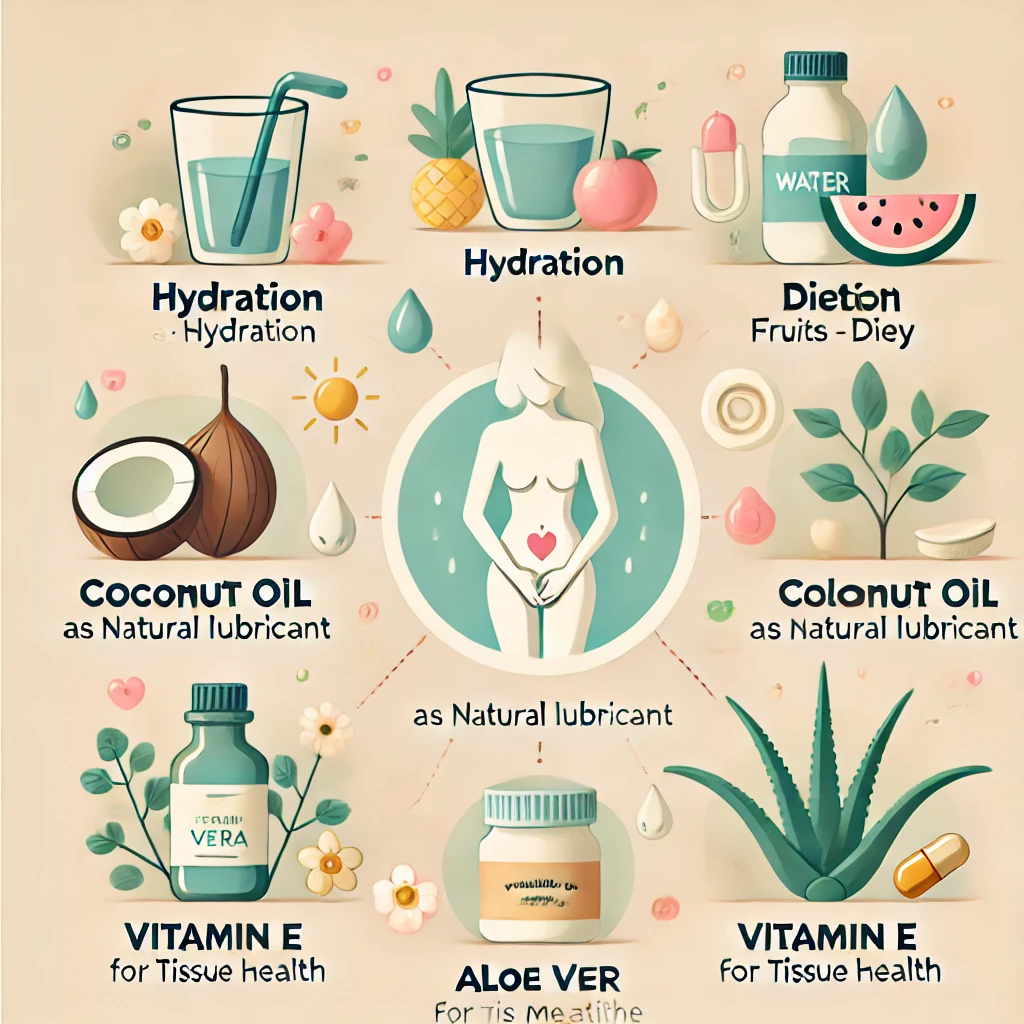
A calming and informative infographic showing natural remedies for vaginal dryness. The infographic should feature a soft pastel color palette, with i

Explore these effective natural solutions to alleviate vaginal dryness:

Dietary Solutions

  1. Hydration: Drink at least 8-10 glasses of water daily.
  2. Hydrating Foods: Include:
    • Cucumbers
    • Watermelon
    • Celery
    • Strawberries
    • Pineapple
  3. Healthy Fats: Consume:
    • Omega-3 rich flaxseeds
    • Fatty fish (salmon, sardines)
  4. Phytoestrogen-rich Foods: Enjoy:
    • Soy products
    • Flaxseeds
    • Sesame seeds
  5. Vitamins for Vaginal Health:
    • Vitamin E (nuts, seeds, vegetable oils)
    • Vitamin D (fatty fish, fortified dairy)

Herbs And Supplements

  • Black Cohosh: Supports hormone balance.
  • Evening Primrose Oil: Eases menopausal symptoms.
  • Maca Root: Boosts energy, and balances hormones.
  • Fenugreek: Enhances moisture and hormone balance.
  • Vitamin E Supplements: Topical or oral intake.

Natural Lubricants

  1. Coconut Oil: Benefits and safe usage guidelines.
  2. Aloe Vera Gel: Moisturizes, and reduces inflammation.
  3. Olive Oil: Natural remedy for dryness.
  4. Best Natural Lubricant Choices: Compare coconut oil, aloe vera, olive oil, and vitamin E oil.

Lifestyle Adjustments

  1. Stress Management: Practice:
    • Yoga
    • Meditation
    • Breathing exercises
  2. Regular Exercise: Improves vaginal blood circulation.
  3. Avoid Irritants:
    • Perfumed soaps
    • Douches
    • Synthetic underwear
  4. Maintaining a Healthy Weight: Regulates hormones, overall vaginal health.

Natural Remedies Chart

Natural Remedies Chart for vaginal dryness:

RemedyBenefits
HydrationMoisture regulation
Phytoestrogen-rich foodsHormone balance
Coconut OilLubrication, moisturizing
Maca RootEnergy, hormone balance
Aloe Vera GelMoisturizing, anti-inflammatory
Table: Chart showing Natural Remedies for vaginal dryness

Additional Considerations

  • Lifestyle Adjustments: Regular exercise, stress management, and a balanced diet support vaginal health.
  • Consult a Healthcare Provider: Before starting estrogen therapy or natural alternatives.
  • Combine Remedies: Pair medical treatments with natural solutions for optimal results.
menopause_related_dryness_specific_remedies

Menopause can significantly impact vaginal health, leading to dryness and discomfort. Explore these targeted remedies:

Estrogen Therapy

  1. Topical Estrogen Creams: Applied directly to the vagina to:
    • Replenish estrogen
    • Improve vaginal elasticity
    • Reduce dryness
  2. Vaginal Rings: Releasing estrogen locally to:
    • Alleviate dryness
    • Enhance lubrication
    • Support vaginal health

Natural Alternatives To Hormone Replacement Therapy (HRT)

  1. Phytoestrogens: Plant-based estrogens found in:
    • Soy products
    • Flaxseeds
    • Sesame seeds
  2. Black Cohosh: Herbal supplement supporting hormone balance.
  3. DHEA Supplements: Promote vaginal mucosa health.

Vaginal Moisturizers

  1. Non-Hormonal Options: Over-the-counter moisturizers:
    • Vagisil
    • Replens
    • Luvena
  2. Long-Lasting Hydration: Moisturizers with hyaluronic acid or glycerin.

Homeopathic And Alternative Medicine

  1. Wild Yam Creams: Topical application for:
    • Menopausal symptoms
    • Vaginal dryness
  2. Acupuncture: Improves blood flow, and balances hormones.
  3. Herbal Teas: Red clover, chamomile, and peppermint for relaxation and hormonal balance.

RemedyBenefitsRisks/Considerations
Estrogen TherapyEffective for dryness, elasticitySystemic hormone risks
Natural AlternativesPlant-based, lower riskVariable efficacy
Vaginal MoisturizersNon-hormonal, easy to useTemporary relief
Homeopathic/AlternativeHolistic approachLimited scientific evidence
Table: Comparison Chart Of Menopause-Related Dryness Remedies

Questions About Tightness And Vaginal Dryness

Understanding the relationship between vaginal tightness and dryness is crucial for maintaining optimal vaginal health.

Why Am I Tight and Dry?

Vaginal tightness and dryness are distinct issues:

  1. Vaginal Muscle Tone: Refers to the strength and flexibility of pelvic floor muscles.
  2. Vaginal Dryness: Lack of moisture, often due to hormonal changes or decreased lubrication.

Tightening Exercises (Kegels) and Vaginal Moisture

Kegel exercises:

  • Strengthen pelvic floor muscles
  • Improve bladder control
  • Enhance sexual sensation

However, overdoing Kegels can:

  • Increase vaginal tightness
  • Potentially worsen dryness

Does Cold Water Tighten the Vagina?

Debunking the myth:

  • Cold water does not permanently tighten the vagina.
  • Temporary constriction is due to cold-induced muscle contraction.
  • No scientific evidence supports cold water as a long-term tightening solution.

How to Keep the Vagina Moist and Comfortable While Staying Tight?

Balance muscle tone and moisture:

  1. Regular Kegels: Maintain moderate muscle tone.
  2. Lubricant Use: During pelvic floor exercises or intercourse.
  3. Moisturize: Regularly apply vaginal moisturizers.
  4. Hormone Balance: Maintain healthy hormone levels.
  5. Hydration: Drink plenty of water.

Tips for Maintaining Vaginal Health

  1. Practice gentle Kegels (10-15 reps, 3 sets/day).
  2. Use water-based or silicone-based lubricants.
  3. Avoid harsh soaps and douching.
  4. Stay hydrated and maintain a balanced diet.

Myth-Busting: Vaginal Tightness And Dryness

MythReality
Cold water tightens the vagina.Temporary constriction, no long-term effect.
Kegels cure vaginal dryness.Kegels strengthen muscles but may worsen dryness if overdone.
Vaginal dryness is inevitable with aging.Hormonal changes contribute, but dryness can be managed.
Table: Myth-Busting: Vaginal Tightness and Dryness

How To Fix Vaginal Dryness Naturally

Seek Immediate Medical Attention If:

  • You have a fever over 101.5°F (38.6°C).
  • Severe symptoms persist.
  • You experience difficulty urinating.
how_to_fix_vaginal_dryness_naturally

Daily Hydration

  1. Drink at least 8-10 glasses of water daily.
  2. Include hydrating foods: cucumbers, watermelon, and celery.

Lubricants vs. Moisturizers

  1. Lubricants: Temporary relief during intimacy.
  2. Moisturizers: Long-term hydration and vaginal health.

Recommended Natural Lubricants

  1. Coconut oil
  2. Aloe vera gel
  3. Olive oil
  4. Vitamin E oil

Regular Use of Natural Lubricants

  1. Apply before intimacy.
  2. Use during pelvic floor exercises.
  3. Reapply as needed.

Pelvic Floor Exercises

  1. Improve circulation.
  2. Enhance lubrication.
  3. Strengthen muscles.

Kegel Exercise Routine

  1. Contract pelvic muscles for 5-10 seconds.
  2. Release for 10-15 seconds.
  3. Repeat 10-15 times, 3 sets/day.

When to Seek Medical Advice

  1. Severe or persistent dryness.
  2. Painful intercourse.
  3. Abnormal bleeding or discharge.
  4. Vaginal itching or burning.

Medical Evaluation

  1. Physical exam.
  2. Medical history review.
  3. Hormone level checks.
  4. Infection screening.

Signs of Underlying Conditions

  1. Unexplained bleeding.
  2. Severe pelvic pain.
  3. Fever or chills.
  4. Unusual discharge or odor.

Natural Relief Chart:

RemedyBenefits
HydrationMoisture regulation
LubricantsTemporary relief
MoisturizersLong-term hydration
Pelvic Floor ExercisesImproved circulation, lubrication
Table: Natural Relief Chart For Vaginal Lubrication

Final Thoughts: Managing Vaginal Dryness Naturally

Embracing a holistic approach can effectively alleviate vaginal dryness. Remember:

Key Takeaways:

  1. Hydration: Drink plenty of water and consume hydrating foods.
  2. Balanced Diet: Include omega-3 fatty acids, phytoestrogens, and essential vitamins.
  3. Natural Lubricants: Coconut oil, aloe vera gel, and olive oil.
  4. Pelvic Floor Exercises: Strengthen muscles, improve circulation.
  5. Stress Management: Yoga, meditation, and breathing exercises.
  6. Hormone Balance: Consider natural alternatives to HRT.

Adopt a Holistic Approach:

  1. Integrate diet, lifestyle, and natural remedies.
  2. Prioritize self-care and stress management.
  3. Monitor and adjust your approach as needed.

Consult a Healthcare Provider:

  1. Persistent symptoms.
  2. Severe or sudden dryness.
  3. Abnormal bleeding or discharge.
  4. Painful intercourse.

Empower Your Vaginal Health:

  1. Educate yourself.
  2. Communicate openly with your partner.
  3. Seek medical attention when necessary.

Natural Relief Resources:

  1. National Vulvodynia Association (NVA)
  2. American College of Obstetricians and Gynecologists (ACOG)
  3. Mayo Clinic: Vaginal Dryness

You Are Not Alone:

  1. Share your experiences with a trusted healthcare provider.
  2. Join online communities and support groups.
  3. Prioritize your vaginal health and overall well-being.

Stay Informed, Stay Empowered.

Frequently Asked Questions (FAQs) – Vaginal Dryness

Can Vaseline Be Used as a Lubricant?

Vaseline is not recommended as it can trap bacteria and cause infections. Safer alternatives include coconut oil and water-based lubricants.

Can Stress Cause Vaginal Dryness?

Yes, stress can lead to hormonal imbalances that reduce natural lubrication, causing vaginal dryness.

Can I Use Coconut Oil for Vaginal Dryness?

Coconut oil is a safe, natural lubricant. Apply a small amount externally, but avoid if prone to yeast infections.

What Fruits Can Boost Wetness?

Hydrating fruits like watermelon, cucumbers, and hormone-balancing fruits such as pomegranates may help increase moisture.

Is It Safe to Use Vitamin E for Vaginal Dryness?

Yes, Vitamin E can be applied topically or taken orally. A small dose can improve tissue health and moisture.

What causes vaginal dryness?

Hormonal changes, menopause, breastfeeding, certain medications, lifestyle factors, and underlying medical conditions.

Is vaginal dryness a sign of menopause?

Yes, decreased estrogen levels during menopause can lead to vaginal dryness.

Can breastfeeding cause vaginal dryness?

Yes, hormonal changes during breastfeeding can contribute to vaginal dryness.

What are the best lubricants for vaginal dryness?

Water-based, silicone-based, or oil-based lubricants like coconut oil or aloe vera gel.

Does smoking affect vaginal dryness?

Yes, smoking can reduce blood flow and worsen vaginal dryness.

Can vaginal dryness affect my sex life?

Yes, but exploring natural remedies and communicating with your partner can help.

When should I see a doctor for vaginal dryness?

If symptoms persist, worsen, or are accompanied by abnormal bleeding, discharge, or pain.

Disclaimer:
Commissions we earn from partner links on this page do not influence our content. Our editorial content is based on thorough research and insights from qualified medical professionals to ensure the highest standards of accuracy and reliability.

Information provided on Doseway is for educational purposes only. Your health and wellness are unique to you, and the products and services we review may not be suitable for your individual circumstances. We do not offer personal medical advice, diagnosis, or treatment plans. For specific advice, please consult with a healthcare professional. Doseway adheres to strict editorial integrity standards. To the best of our knowledge, all content is accurate as of the date posted, though offers and information may change. The opinions expressed are the author’s own and have not been influenced, approved, or endorsed by our partners.

Best-Essential-Oils-In-Pakistan

11 Best Essential Oils In Pakistan (100% Pure & Natural)

Essential oils, derived from plants, seeds, roots, and other botanicals, have been used for centuries for their medicinal, therapeutic, and aesthetic properties.

Essential oils can be broadly categorized into:

CategoryDetails
Carrier OilsDilute essential oils, suitable for skin application (e.g., coconut oil, jojoba oil)
Therapeutic OilsUsed for medicinal purposes, often requiring dilution (e.g., tea tree oil, eucalyptus oil)
Aromatic OilsUsed for emotional and psychological benefits, often through inhalation (e.g., lavender oil, bergamot oil)
Table: Essential Oils

In this article, we’ll explore the 11 Best Essential Oils In Pakistan, carefully curated to provide you with the highest quality and most effective essential oils for your well-being.

Essential Oils Price In Pakistan | Fragrance Oil Price In Pakistan

Best-Essential-Oils
Best-Essential-Oils

Essential Oils for Hair Health and Growth (Top 10)

Essential OilKey Benefits for Hair Health & GrowthCommon Notes / Supporting Evidence
RosemaryStimulates scalp circulation, promotes thickness & regrowth, may block DHT, comparable to minoxidil in some studiesFrequently ranked #1 or top; strong research backing
PeppermintIncreases blood flow, cooling/tingling effect awakens follicles, supports faster growth phaseMenthol boosts circulation; popular in growth blends
LavenderReduces stress-related loss, anti-inflammatory, promotes growth (especially in alopecia cases)Often used in blends; calming & soothing to scalp
CedarwoodBalances oil production, stimulates follicles, helps with thinning & dandruffFrequently combined with lavender/rosemary
Tea TreeAntimicrobial & antifungal, clears scalp buildup/dandruff, creates healthy environment for growthGreat for itchy or infected scalp
LemongrassStrengthens follicles, reduces hair fall, adds shine, controls oilinessRefreshing & cleansing
Ylang-YlangBalances sebum, conditions hair, promotes shine & thickness, reduces breakageFloral scent; good for dry or damaged hair
Clary SageRegulates hormones (helpful for hormonal hair loss), stimulates scalp, strengthens strandsOften recommended for women
ThymeAntimicrobial, boosts circulation, supports growth in blends (e.g., with lavender/rosemary)Used in alopecia studies
Sage (or Clary Sage variant)Improves scalp health, reduces dandruff, may encourage new growthAntioxidant-rich; sometimes listed interchangeably

Top 15 Essential Oils and Their Benefits for Skin Care

Essential OilKey Benefits for Skin HealthCommon Notes / Supporting Evidence
LavenderCalms inflammation, soothes irritation/redness, promotes healing (e.g., minor burns/cuts), balances skin, reduces acne scarsMost frequently ranked #1; gentle for all skin types, widely backed for calming properties
Tea TreeStrong antimicrobial/antibacterial, fights acne, clears pores, reduces breakouts, treats fungal issuesTop choice for oily/acne-prone skin; evidence-based for spot treatment (dilute or use sparingly)
FrankincenseAnti-aging (reduces fine lines/wrinkles), tightens skin, heals scars/stretch marks, anti-inflammatoryOften called the “king” of oils for mature/aging skin; regenerative effects
GeraniumBalances oil production, tones/firms skin, reduces blemishes, soothes eczema/drynessGreat for combination/normal skin; floral scent, hormone-balancing
RosemaryAntioxidant-rich, clarifies oily skin, boosts circulation, antimicrobial, helps with dullnessSupports clean beauty trends; invigorating for scalp/skin clarity
Chamomile (Roman/German)Soothes sensitive/irritated skin, reduces redness/inflammation, calms conditions like eczema/rosaceaExtremely gentle; anti-inflammatory powerhouse
PeppermintCooling effect, reduces inflammation/itching, controls oil, invigorates tired skinRefreshing; use cautiously (can be strong on sensitive skin)
Lemon (or other citrus like Sweet Orange)Brightens complexion, evens tone, antioxidant (vitamin C-like), reduces dark spotsPhototoxic—avoid sun exposure after use; uplifting scent
Ylang-YlangBalances sebum, hydrates dry skin, promotes glow, reduces stress-related breakoutsFloral; excellent for emotional/skin balance
SandalwoodMoisturizes, anti-inflammatory, calms irritation, supports microbiome balance, anti-agingLuxurious; great for dry/mature skin, soothing scent

Benefits Of Using Essential Oils

The advantages of incorporating essential oils into daily life are numerous:

Physical Health Benefits

  • Relieve pain and inflammation
  • Improve respiratory and digestive health
  • Boost immune system

Skin And Beauty Benefits

  • Hydrate and nourish the skin
  • Reduce acne and promote healthy hair growth
  • Anti-aging properties

Emotional Wellness Benefits

  • Reduce stress and anxiety
  • Promote relaxation and sleep quality
  • Improve mood and cognitive function

How To Choose the Best Essential Oils

To ensure you’re getting high-quality essential oils, consider the following factors:

Purity & Authenticity

To verify the purity of an essential oil:

  • Check the label for the botanical name (Latin name) and country of origin.
  • Look for third-party certification (e.g., GC/MS testing, ISO 9001).
  • Be wary of misleading labels (e.g., “fragrance oils” or “perfume oils”).
  • Research the manufacturer’s reputation and transparency.

Grade of Essential Oils

Essential oils come in various grades:

GradeDetailsUse
Therapeutic-GradeHighest quality, purity, and potencyAromatherapy, health benefits
Food-GradeSafe for consumptionCooking, beverages
Cosmetic-GradeSuitable for skin and hair careBeauty products
Industrial-GradeLower quality, often used in cleaning productsNot recommended for personal use
Table: Grade of Essential Oils

The highest grade of essential oils is Therapeutic-Grade, meeting stringent standards for purity, potency, and safety.

Sourcing & Manufacturing Practices

Opt for essential oils that are:

  • Sourced from organic, non-GMO, and sustainably harvested plants.
  • Manufactured using eco-friendly and cruelty-free methods.
  • Free from additives, fillers, and synthetic chemicals.

Price vs Quality

More expensive essential oils aren’t always better. Consider:

  • Quality certifications and testing.
  • Manufacturer reputation and transparency.
  • Compare prices from reputable sources.

Packaging & Storage

Proper storage preserves essential oil quality:

  • Dark glass bottles protect from light degradation.
  • Tight seals prevent oxidation and contamination.
  • Store in a cool, dry place.

Shelf Life

Essential oils can last:

  • 1-3 years for citrus and herb-based oils.
  • 2-5 years for floral and spice-based oils.
  • 5-10 years or more for resin and root-based oils.

Top 11 Essential Oils in Pakistan (100% Pure & Natural)

Marhaba Castor Oil (50ml)

Marhaba Castor Oil (50ml)

Purchase this oil online through Doseway.com.

Marhaba-Castor-Oil-50ml-Uses

Marhaba Castor Oil is a versatile and natural oil that offers numerous benefits for skin, hair, and overall health. Derived from the seeds of the castor oil plant, this oil is rich in antioxidants, fatty acids, and anti-inflammatory compounds.

Benefits

  • Skin Health: Hydrates and softens skin, reducing dryness and irritation.
  • Hair Care: Nourishes and conditions hair, promoting healthy growth and shine.
  • Digestive Health: Relieves constipation and soothes digestive issues.
  • Anti-Inflammatory: Reduces inflammation and alleviates joint pain.

Uses

  • Skin Softening: Massage a few drops onto the face and body for hydrated skin.
  • Hair Conditioning: Apply to hair ends to lock in moisture and reduce split ends.
  • Constipation Relief: Take 1-2 teaspoons orally, followed by warm water.
  • Topical Application: Apply to affected areas for pain relief and inflammation.

Why It’s Recommended

  • Trusted Local Brand: Marhaba is a well-known and reputable brand in Pakistan.
  • Affordable: Priced competitively, making it accessible to all.
  • Multipurpose Use: Suitable for various health and beauty needs.

Precautions

  • Always dilute with a carrier oil for skin application.
  • Consult a healthcare professional before using during pregnancy or breastfeeding.
  • Store in a cool, dry place.

Blackmores 1000mg Cod Liver Oils

Blackmores 1000mg Cod Liver Oils

Purchase this oil online through Doseway.com.

Blackmores-1000mg-Cod-Liver-Oil-Price

Blackmores 1000mg Cod Liver Oil is a premium dietary supplement rich in omega-3 fatty acids, essential for overall health and well-being. Sourced from the finest cod liver oil, this supplement supports immune function, skin health, and heart wellness.

Benefits

  • Heart Health: Omega-3 fatty acids reduce inflammation, improving cardiovascular health.
  • Immune System: Supports immune function, reducing illness severity.
  • Skin Nourishment: Hydrates and improves skin elasticity, reducing acne and inflammation.
  • Brain Function: Omega-3s support cognitive function, memory, and focus.

Uses

  • Dietary Supplement: Take 1-2 capsules daily with meals.
  • Skin Health: Supports skin elasticity, hydration, and acne reduction.
  • Immune Support: Boosts immune function during cold and flu season.

Key Features

  • 1000mg cod liver oil per capsule.
  • Rich in omega-3 fatty acids (EPA & DHA).
  • Molecularly distilled for purity.
  • No artificial flavors, colors, or preservatives.

Precautions

  • Consult a healthcare professional before use if pregnant, breastfeeding, or taking medications.
  • Store in a cool, dry place.

Efamol Active Capsules

Efamol Active Capsules

Purchase this oil online through Doseway.com.

Efamol-Active-Capsules-Price

Efamol Active Capsules is a premium dietary supplement that supports brain function, heart health, and skin vitality. Containing high-quality omega-3 fatty acids and antioxidants, these capsules promote overall well-being.

Benefits

  • Brain Function: Enhances cognitive performance, memory, and focus.
  • Heart Health: Lowers triglycerides, reduces blood pressure, and prevents cardiovascular disease.
  • Skin Health: Improves skin elasticity, hydration, and appearance, reducing acne and inflammation.
  • Joint Health: Reduces inflammation, alleviating joint pain and stiffness.

Uses

  • Cognitive Support: Take 1-2 capsules daily to improve focus and mental clarity.
  • Skin Care: Supports skin health, reducing acne, dryness, and fine lines.
  • Heart Health: Supplements daily omega-3 intake for cardiovascular wellness.

Why It’s Recommended

  • Trusted Brand: Efamol is a renowned and reputable brand.
  • Therapeutic-Grade Quality: Meets stringent standards for purity and potency.
  • Clinically Proven: Backed by scientific research and studies.

Key Features

  • 500mg Efamol marine oil per capsule.
  • Rich in omega-3 fatty acids (EPA & DHA) and antioxidants.
  • No artificial flavors, colors, or preservatives.
  • Suitable for vegetarians.

Ingredients

  • Efamol marine oil (fish oil)
  • Omega-3 fatty acids (EPA & DHA)
  • Vitamin E
  • Gelling agent (gelatin)

Precautions

  • Consult a healthcare professional before use if pregnant, breastfeeding, or taking medications.
  • Store in a cool, dry place.

Marhaba Olive Oil (100ml)

Marhaba Olive Oil (100ml)

Purchase this oil online through Doseway.com.

Olive-Oil-100ml-Price

Marhaba Olive Oil is a premium quality extra virgin olive oil, renowned for its rich flavor and numerous health benefits. Perfect for culinary uses, it enhances the taste of dishes while providing a healthy alternative to traditional cooking oils.

Benefits

  • Culinary Delight: Enhances flavors in cooking, salad dressings, and marinades.
  • Health Benefits: Rich in monounsaturated fats and antioxidants for heart health.
  • Skin Care: Hydrates and nourishes skin when used topically.

Uses

  • Cooking: Sautéing, frying, and baking.
  • Salad Dressings: Drizzle over vegetables and bread for added flavor.
  • Marinades: Ideal for meat, poultry, and seafood.
  • Skin Care: Apply topically for hydration and nourishment.

Why It’s Recommended

  • 100% Pure: Extra virgin olive oil with no artificial additives.
  • Cold-Pressed: Retains natural flavors and nutrients.
  • Versatile: Suitable for cooking, dressings, and skin care.

Key Features

  • 100% extra virgin olive oil.
  • Cold-pressed for natural flavors and nutrients.
  • Rich in monounsaturated fats and antioxidants.
  • No artificial additives or preservatives.

Precautions

  • Store in a cool, dark place away from direct sunlight.
  • Ensure the cap is tightly closed to maintain freshness.
  • This is for external use only if applied to the skin.

How to Pick the Right Essential Oil for Your Needs

Choosing Based on Skin Type

Select essential oils tailored to your skin type:

Skin TypeRecommended Essential Oils
Oily SkinTea Tree, Lavender, Geranium
Dry SkinRose, Chamomile, Sandalwood
Sensitive SkinChamomile, Bergamot, Ylang-Ylang
Table: Choosing Based on Skin Type

Best Essential Oils for Glowing Skin

  • Rose Oil: Hydrates and anti-ages.
  • Frankincense Oil: Reduces inflammation and fine lines.
  • Carrot Seed Oil: Nourishes and protects.

Essential Oils for Health & Wellness

  • Anxiety and Stress Relief: Lavender, Bergamot, Frankincense.
  • Anti-Aging: Rose, Sandalwood, Geranium.
  • Immune System: Eucalyptus, Tea Tree, Oregano.

Essential Oils for Home and Personal Care

  • Air Purification: Lemon, Eucalyptus, Peppermint.
  • Natural Cleaning: Tea Tree, Lemon, Orange.
  • Insect Repellent: Citronella, Lemongrass, Peppermint.

How to Use Essential Oils Safely

Methods of Use

  • Aromatherapy: Diffuse or inhale directly.
  • Topical Application: Dilute with carrier oils (coconut, jojoba).
  • Ingestion: Only under medical supervision.

Dilution Guidelines

  • 1-3% essential oil concentration (1-3 drops per teaspoon).
  • Carrier oils: coconut, jojoba, sweet almond.

Potential Side Effects and Safety Precautions

  • Skin irritation, allergic reactions.
  • Pregnancy, breastfeeding, and medical conditions: consult a healthcare professional.
  • Keep out of reach of children and pets.

FAQs | Best Essential Oils In Pakistan

Which Essential Oils Are Best for Skincare?

The top 5 essential oils for skincare are:

Lavender Oil: Soothes and calms skin.
Tea Tree Oil: Reduces acne and inflammation.
Rosehip Oil: Hydrates and regenerates skin.
Frankincense Oil: Anti-aging and reduces fine lines.
Chamomile Oil: Calms and soothes sensitive skin.

Which Essential Oils Are Best for Anxiety Relief?

The most effective essential oils for anxiety relief are:

Lavender Oil: Promotes relaxation and calmness.
Chamomile Oil: Soothes and calms the mind.
Frankincense Oil: Reduces stress and anxiety.

How do you tell if essential oil is pure?

Key signs of authenticity:

Price: Be wary of very cheap oils.
Scent: Authentic oils have distinct aromas.
Packaging: Look for dark glass bottles and tight seals.
Certifications: Check for third-party certifications (e.g., GC/MS testing).

What Are the 7 Essential Oils to Always Have?

The Best 7 Essential Oils to Always Have:

Lavender Oil: Versatile and calming.
Peppermint Oil: Invigorating and refreshing.
Eucalyptus Oil: Decongestant and anti-inflammatory.
Tea Tree Oil: Antimicrobial and acne-reducing.
Lemon Oil: Uplifting and immune-boosting.
Frankincense Oil: Anti-aging and stress-reducing.
Rosemary Oil: Cognitive function and focus.

……………………

Affiliate Disclosure: Commissions we earn from partner links on this page do not influence our content. Our editorial content is based on thorough research and insights from qualified medical professionals to ensure the highest standards of accuracy and reliability.

Medical Disclaimer: Unless expressly indicated in the product description, Doseway is not the manufacturer of the products sold on our website. While we strive to ensure that the product information on our website is accurate, manufacturers may alter their product details. Actual product packaging and materials may contain additional or different information than what is displayed on our website. For any specific product queries, please contact the manufacturer directly.

For medicinal products, the content on our website is not intended to diagnose, treat, cure, or prevent any disease or health condition, nor is it a substitute for advice from medical practitioners, pharmacists, or other licensed healthcare professionals. If you suspect you have a medical problem, contact your healthcare provider immediately. Always read the labels, warnings, and instructions provided with the product before using or consuming it, and do not solely rely on the information presented on our website.

Best-Medicine-For-Anxiety-And-Depression

10 Best Medicine For Anxiety And Depression In Pakistan

Anxiety and depression are two of the most prevalent mental health issues affecting millions of people worldwide, including Pakistan. Pakistan faces a substantial burden of mental health disorders, with:

  • Approximately 44.8% of the population experiencing anxiety disorders
  • Around 34.6% suffering from depressive disorders
  • A staggering 70% of cases remain untreated due to social stigma, lack of awareness, and inadequate healthcare resources

In this article, we will explore the best medicine for anxiety and depression in Pakistan, discussing their benefits, potential side effects, and availability in the country.

What Are The Top 10 Medications For Anxiety And Depression?

Anxiety-And-Depression

What is Anxiety and Depression?

Anxiety and depression are two prevalent mental health disorders that affect millions worldwide, including Pakistan. Understanding these conditions is crucial for timely intervention and effective management.

Anxiety Definition and Symptoms

Anxiety is a mental health disorder characterized by:

  • Excessive and persistent worry or fear
  • Restlessness, feeling on edge, or irritability
  • Difficulty concentrating
  • Sleep disturbances
  • Rapid heartbeat, sweating, or trembling
  • Panic attacks or avoidance behaviors

Types of anxiety disorders include:

  • Generalized Anxiety Disorder (GAD)
  • Panic Disorder
  • Social Anxiety Disorder
  • Phobias

Depression Definition and Symptoms

Depression is a mood disorder marked by:

  • Persistent sadness, emptiness, or hopelessness
  • Loss of interest in activities
  • Changes in appetite or sleep patterns
  • Fatigue or loss of energy
  • Difficulty concentrating or making decisions
  • Physical symptoms like headaches or pain

Types of depressive disorders include:

  • Major Depressive Disorder (MDD)
  • Dysthymia (Persistent Depressive Disorder)
  • Postpartum Depression

Differences Between Anxiety and Depression

While anxiety and depression can co-occur, distinct differences exist:

  • Anxiety focuses on fear or worry about the future, whereas depression emphasizes sadness or loss related to the past.
  • Anxiety often involves increased energy and restlessness, whereas depression is characterized by decreased energy and motivation.

Is Anxiety a Mental Illness?

Yes, anxiety is classified as a mental illness by:

  • World Health Organization (WHO)
  • American Psychiatric Association (APA)
  • Diagnostic and Statistical Manual of Mental Disorders (DSM-5)

Why Medication is Important?

Medication plays a crucial role in managing anxiety and depression, especially when:

  • Symptoms are severe or interfere with daily life
  • Therapy alone is insufficient
  • Other treatments, like lifestyle changes, are ineffective

Medications can:

  • Restore chemical imbalances in the brain
  • Regulate mood and emotional responses
  • Enhance cognitive function and sleep quality
  • Reduce symptoms and improve quality of life

Commonly used medications for anxiety and depression include:

  • Selective Serotonin Reuptake Inhibitors (SSRIs)
  • Serotonin-Norepinephrine Reuptake Inhibitors (SNRIs)
  • Benzodiazepines (for short-term anxiety relief)

Top 10 Medicines for Anxiety and Depression in Pakistan

Amygra 60mg Tablet

Amygra 60mg Tablet

Purchase this medicine online through Doseway.com.

Amygra-60mg-Tablet-Uses

Active Ingredient: Alprazolam

Therapeutic Class: Benzodiazepine

Uses:

  • Treats anxiety and depression disorders, including generalized anxiety disorder (GAD) and social anxiety disorder
  • Effective in managing panic disorders, including panic attacks
  • Improves mental alertness and reduces stress

Dosage & Directions:

  • Adult dose: 1-2 tablets (0.5-2 mg) three times a day
  • Maximum daily dose: 6-8 mg
  • Elderly or debilitated patients: Start with 0.25-0.5 mg three times a day
  • Follow your doctor’s instructions for optimal dosage and duration

Side Effects:

Common:

  • Drowsiness
  • Dizziness
  • Fatigue
  • Headache
  • Dry mouth

Rare:

  • Memory impairment
  • Dependence
  • Confusion
  • Irritability
  • Allergic reactions

Precautions:

  • Interactions:
    • Antidepressants (e.g., SSRIs, MAOIs)
    • Sedatives (e.g., barbiturates, opioids)
    • Alcohol
  • Contraindications:
    • Pregnancy and breastfeeding (potential harm to fetus or baby)
    • Glaucoma (narrow-angle)
    • Severe respiratory depression

Bromalex 3mg

Bromalex 3mg

Purchase this medicine online through Doseway.com.

Bromalex-3mg-Tablet

Active Ingredient: Bromazepam

Therapeutic Class: Benzodiazepine

Uses:

  • Treats anxiety disorders, including generalized anxiety disorder (GAD) and social anxiety disorder
  • Effective in managing panic disorders, including panic attacks
  • Relieves insomnia (short-term use)

Dosage & Directions:

  • Adult dose: 1-2 tablets (3-6 mg) two to three times a day
  • Maximum daily dose: 12-18 mg
  • Elderly or debilitated patients: Start with 1/2 to 1 tablet (1.5-3 mg) two to three times a day
  • Follow your doctor’s instructions for optimal dosage and duration

Side Effects:

Common:

  • Fatigue
  • Headache
  • Dizziness
  • Drowsiness
  • Muscle weakness

Rare:

  • Allergic reactions (rash, itching, swelling)
  • Dependence
  • Withdrawal symptoms
  • Confusion
  • Amnesia

Precautions:

  • Interactions:
    • Antidepressants (e.g., SSRIs, MAOIs)
    • Sedatives (e.g., barbiturates, opioids)
    • Alcohol

Cheer Up 10mg

Cheer Up 10mg

Purchase this medicine online through Doseway.com.

Cheer-Up-10mg-Tablet-Price

Active Ingredient: Fluoxetine

Therapeutic Class: Selective Serotonin Reuptake Inhibitor (SSRI)

Uses:

  • Treats major depressive disorder (MDD) with associated anxiety
  • Effective in managing:
    • Depressive symptoms (mood swings, loss of interest)
    • Anxiety symptoms (restlessness, worry)
    • Bulimia nervosa
    • Obsessive-compulsive disorder (OCD)

Dosage & Directions:

  • Adult dose: 1 tablet (10-20 mg) daily, morning or evening
  • Initial dose: 10 mg/day; may increase to 20 mg/day after 1-2 weeks
  • Elderly or hepatically impaired patients: Start with 10 mg every other day
  • Follow your doctor’s instructions for optimal dosage and duration

Side Effects:

Common:

  • Nausea
  • Headache
  • Dizziness
  • Insomnia
  • Dry mouth

Rare:

  • Serotonin syndrome (potentially life-threatening)
  • Suicidal thoughts or behaviors
  • Seizures
  • Allergic reactions (rash, itching)
  • Hyponatremia (low sodium levels)

Precautions:

  • Interactions:
    • Monoamine oxidase inhibitors (MAOIs)
    • Other antidepressants (e.g., tricyclics, SSRIs)
    • Warfarin (blood thinner)
    • Aspirin or NSAIDs (increased bleeding risk)
  • Contraindications:
    • Hypersensitivity to fluoxetine
    • Use within 14 days of MAOI treatment
  • Special warnings:
    • Increased risk of suicidal thoughts or behaviors, especially in children and adolescents
    • Monitor for signs of serotonin syndrome (agitation, confusion, rapid heartbeat)

Important Safety Information:

  • Use Cheer Up 10mg only as directed by your doctor.
  • Do not share or give this medication to others.
  • Avoid sudden discontinuation; gradually taper dosage under medical supervision.

Pregnancy and Breastfeeding:

  • Use during pregnancy only if the benefits outweigh the risks.
  • Fluoxetine passes into breast milk; consult your doctor before breastfeeding.

Citanew 10mg Tablet

Citanew 10mg Tablet

Purchase this medicine online through Doseway.com.

Citanew-10mg-Tablet-Price

Active Ingredient: Escitalopram

Therapeutic Class: Selective Serotonin Reuptake Inhibitor (SSRI)

Uses:

  • Treats major depressive disorder (MDD)
  • Effective in managing generalized anxiety disorder (GAD)
  • Relieves symptoms of:
    • Depression (mood swings, loss of interest)
    • Anxiety and depression (restlessness, worry)

Dosage & Directions:

  • Adult dose: 1 tablet (10 mg) daily, morning or evening
  • Initial dose: 5 mg/day; may increase to 10 mg/day after 1-2 weeks
  • Elderly or hepatically impaired patients: Start with 5 mg/day
  • Follow your doctor’s instructions for optimal dosage and duration

Side Effects:

Common:

  • Nausea
  • Fatigue
  • Headache
  • Dizziness
  • Insomnia

Rare:

  • Serotonin syndrome (potentially life-threatening)
  • Allergic reactions (rash, itching, swelling)
  • Suicidal thoughts or behaviors
  • Seizures
  • Hyponatremia (low sodium levels)

Precautions:

  • Interactions:
    • Monoamine oxidase inhibitors (MAOIs)
    • Other antidepressants (e.g., tricyclics, SSRIs)
    • Warfarin (blood thinner)
    • Aspirin or NSAIDs (increased bleeding risk)
  • Contraindications:
    • Hypersensitivity to escitalopram
    • Use within 14 days of MAOI treatment
  • Special warnings:
    • Increased risk of suicidal thoughts or behaviors, especially in children and adolescents
    • Monitor for signs of serotonin syndrome (agitation, confusion, rapid heartbeat)

Important Safety Information:

  • Use Citanew 10mg only as directed by your doctor.
  • Do not share or give this medication to others.
  • Avoid sudden discontinuation; gradually taper dosage under medical supervision.

Pregnancy and Breastfeeding:

  • Use during pregnancy only if the benefits outweigh the risks.
  • Escitalopram passes into breast milk; consult your doctor before breastfeeding.

Additional Information:

  • May take 2-4 weeks to notice the improvement in symptoms.
  • Monitor liver function and adjust dosage accordingly.
  • Caution in patients with:
    • Seizure history
    • Bipolar disorder
    • Bleeding disorders

Arcalion Tablet

Arcalion Tablet

Purchase this medicine online through Doseway.com.

Arcalion-Tablet-Uses

Active Ingredient: Sulbutiamine

Therapeutic Class: Anxiolytic, Nootropic

Uses:

  • Treats mild anxiety and stress-related disorders
  • Improves cognitive function and memory
  • Enhances mental clarity and focus
  • Relieves fatigue and lethargy

Dosage & Directions:

  • Adult dose: 1 tablet (500 mg) twice a day
  • Initial dose: 1 tablet daily; may increase to 2 tablets/day after 1 week
  • Elderly or hepatically impaired patients: Start with 1 tablet daily

Side Effects:

Common:

  • Headache
  • Nausea
  • Dizziness
  • Fatigue
  • Dry mouth

Rare:

  • Allergic reactions (rash, itching, swelling)
  • Insomnia
  • Diarrhea
  • Abdominal pain

Precautions:

  • Interactions:
    • Antidepressants (e.g., SSRIs, MAOIs)
    • Sedatives (e.g., benzodiazepines)
    • Stimulants (e.g., amphetamines)
  • Contraindications:
    • Hypersensitivity to sulbutiamine
  • Special warnings:
    • Monitor for signs of allergic reactions
    • Caution in patients with a seizure history

Pregnancy and Breastfeeding:

  • Use during pregnancy only if the benefits outweigh the risks.
  • Sulbutiamine passes into breast milk; consult your doctor before breastfeeding.

Hapibar 30mg Capsules

Hapibar 30mg Capsules

Purchase this medicine online through Doseway.com.

Hapibar-30mg-Capsules-Uses

Active Ingredient: Fluvoxamine

Therapeutic Class: Selective Serotonin Reuptake Inhibitor (SSRI)

Uses:

  • Treats obsessive-compulsive disorder (OCD)
  • Effective in managing:
    • Anxiety and depression disorders (social anxiety, panic disorder)
    • Depression (major depressive disorder)
  • Mood stabilization in anxiety and depression

Dosage & Directions:

  • Adult dose: 1-2 capsules (30-60 mg) daily, morning or evening
  • Initial dose: 30 mg/day; may increase to 60 mg/day after 1-2 weeks
  • Elderly or hepatically impaired patients: Start with 30 mg/day

Side Effects:

Common:

  • Nausea
  • Headache
  • Dizziness
  • Insomnia
  • Dry mouth

Rare:

  • Serotonin syndrome (potentially life-threatening)
  • Suicidal thoughts or behaviors
  • Allergic reactions (rash, itching, swelling)
  • Seizures

Precautions:

  • Interactions:
    • Monoamine oxidase inhibitors (MAOIs)
    • Other antidepressants (e.g., tricyclics, SSRIs)
    • Warfarin (blood thinner)
  • Contraindications:
    • Hypersensitivity to fluvoxamine
    • Use within 14 days of MAOI treatment
  • Special warnings:
    • Increased risk of suicidal thoughts or behaviors
    • Monitor for signs of serotonin syndrome

Pregnancy and Breastfeeding:

  • Use during pregnancy only if the benefits outweigh the risks.
  • Fluvoxamine passes into breast milk; consult your doctor before breastfeeding.

Stablon Tablet

Stablon Tablet

Purchase this medicine online through Doseway.com.

Stablon-Tablet-Price

Active Ingredient: Tianeptine

Therapeutic Class: Atypical Antidepressant

Uses:

  • Treats major depressive disorder (MDD)
  • Effective in managing:
    • Depressive symptoms (mood swings, loss of interest)
    • Anxiety symptoms (restlessness, worry)
  • Offers fewer side effects compared to traditional antidepressants

Dosage & Directions:

  • Adult dose: 1 tablet (12.5 mg) three times a day
  • Initial dose: 1 tablet twice a day; may increase to 3 times a day after 1 week
  • Elderly or hepatically impaired patients: Start with 1 tablet twice a day

Side Effects:

Common:

  • Dizziness
  • Nausea
  • Headache
  • Fatigue
  • Dry mouth

Rare:

  • Allergic reactions (rash, itching, swelling)
  • Liver damage (elevated liver enzymes)
  • Increased risk of suicidal thoughts or behaviors
  • Seizures
  • Hypersensitivity reactions

Precautions:

  • Interactions:
    • Antidepressants (e.g., SSRIs, MAOIs)
    • Sedatives (e.g., benzodiazepines)
    • Stimulants (e.g., amphetamines)
  • Contraindications:
    • Hypersensitivity to tianeptine
    • Severe liver impairment
  • Special warnings:
    • Monitor liver function and adjust dosage accordingly
    • Increased risk of suicidal thoughts or behaviors, especially in children and adolescents

Important Safety Information:

  • Use Stablon Tablet only as directed by your doctor.
  • Do not share or give this medication to others.
  • Avoid sudden discontinuation; gradually taper dosage under medical supervision.

Pregnancy and Breastfeeding:

  • Use during pregnancy only if the benefits outweigh the risks.
  • Tianeptine passes into breast milk; consult your doctor before breastfeeding.

Additional Information:

  • May take 2-4 weeks to notice an improvement in symptoms.
  • Monitor for signs of liver damage (jaundice, dark urine).
  • Caution in patients with:
    • Seizure history
    • Bipolar disorder
    • Bleeding disorders

Top 10 Anti Depression Medications

Medication (Generic Name)Common Brand Name(s)ClassApproximate % of U.S. Prescriptions (Recent Data)Common Uses (Beyond Depression)
SertralineZoloftSSRI~7.7%Anxiety, OCD, PTSD
BupropionWellbutrin, ZybanAtypical (NDRI)~6.6%Smoking cessation, low sexual side effects
EscitalopramLexaproSSRI~6.4%Generalized anxiety
TrazodoneDesyrelSerotonin modulator~6.2%Often used for insomnia/sleep
FluoxetineProzacSSRIHigh volume (top 10 range)OCD, bulimia, PMDD
DuloxetineCymbaltaSNRICommonly prescribedChronic pain, fibromyalgia
CitalopramCelexaSSRICommonly prescribedAnxiety
VenlafaxineEffexor XRSNRICommonly prescribedAnxiety, hot flashes
MirtazapineRemeronAtypical (NaSSA)High in some regionsSleep aid, appetite stimulation
ParoxetinePaxilSSRICommonly prescribedAnxiety, PTSD

Antidepressants List A To Z

LetterGeneric NameCommon Brand Name(s)Main ClassNotes / Common Uses
AAgomelatineValdoxanAtypical (melatonin agonist)Sleep/mood regulation; common in UK/Europe
AAmitriptylineElavilTricyclic (TCA)Depression, pain, sleep; very common
AAmoxapineAsendinTricyclicLess common
BBupropionWellbutrin, ZybanAtypical (NDRI)Depression, smoking cessation; energizing
CCitalopramCelexaSSRICommon first-line
CClomipramineAnafranilTricyclicOCD + depression
DDesipramineNorpraminTricyclicLess common
DDesvenlafaxinePristiqSNRIDepression, hot flashes
DDosulepin / DothiepinProthiadenTricyclicCommon in UK
DDoxepinSinequanTricyclicDepression, anxiety, sleep
DDuloxetineCymbaltaSNRIDepression, pain, fibromyalgia
EEscitalopramLexapro, CipralexSSRIVery common; often first choice
FFluoxetineProzacSSRILong half-life; common
FFluvoxamineLuvoxSSRIMainly OCD
IImipramineTofranilTricyclicOlder; enuresis too
IIsocarboxazidMarplanMAOIRefractory cases; dietary restrictions
LLevomilnacipranFetzimaSNRINewer SNRI
MMaprotilineLudiomilTetracyclicLess common
MMilnacipranSavella, IxelSNRIFibromyalgia + depression
MMirtazapineRemeronAtypical (NaSSA)Sleep/appetite boost; very common
MMoclobemideAurorixReversible MAOICommon in some countries
NNefazodoneSerzoneSerotonin modulatorLess used (liver concerns)
NNortriptylinePamelor, AllegronTricyclicCommon; pain too
PParoxetinePaxilSSRIAnxiety + depression
PPhenelzineNardilMAOIRefractory; dietary restrictions
PProtriptylineVivactilTricyclicLess common
RReboxetineEdronaxNRILess common (Europe)
SSelegilineEmsam (patch)MAOIAlso Parkinson’s
SSertralineZoloftSSRIVery widely prescribed
TTranylcypromineParnateMAOIRefractory cases
TTrazodoneDesyrelSerotonin modulatorOften low-dose for sleep
TTrimipramineSurmontilTricyclicLess common
VVenlafaxineEffexorSNRICommon; withdrawal careful
VVilazodoneViibrydSSRI + 5-HT1A agonistNewer; GI side effects
VVortioxetineTrintellix / BrintellixMultimodalCognitive symptoms in depression

Factors to Consider When Choosing the Right Medication

Effectiveness

  1. Fastest-acting medications: SSRIs (e.g., fluoxetine), SNRIs (e.g., venlafaxine)
  2. Timeframes for results: 2-6 weeks for noticeable improvement

Side Effects

  • Medications with fewer side effects:
    • Fluoxetine (Prozac)
    • Sertraline (Zoloft)
    • Escitalopram (Lexapro)
  • Minimizing side effects:
    • Start with low doses
    • Gradually increase dosage
    • Monitor side effects regularly

Safety

  • Long-term safety:
    • SSRIs and SNRIs are generally safe
    • Regular monitoring necessary
  • Age group considerations:
    • Children and adolescents: closely monitor suicidal thoughts
    • Elderly: risk of falls, interactions with other medications

New Treatments

  • Emerging treatments:
    • Ketamine-based therapies
    • Transcranial magnetic stimulation (TMS)
    • Mindfulness-based therapies
  • Recent drug approvals:
    • Brexanolone (Zulresso) for postpartum depression
    • Esketamine (Spravato) for treatment-resistant depression

Natural Alternatives for Anxiety and Depression

Natural Remedies

Natural remedies can complement traditional treatments for anxiety and depression. While not a replacement for medical care, these alternatives offer holistic benefits.

Natural Anxiety Medications and Treatments

  • Strongest natural anti-anxiety medications:
    • Ashwagandha (300-500 mg/day)
    • Kava (200-300 mg/day)
    • Valerian root (500-1000 mg/day)
  • Other natural anxiety and depression relievers:
    • Passionflower
    • Chamomile
    • Lavender oil

  • Herbal options:
    • St. John’s Wort (mood enhancement)
    • Ginkgo biloba (cognitive function)
    • Bacopa monnieri (memory and focus)
  • Vitamins and minerals:
    • Omega-3 fatty acids
    • Vitamin D
    • Magnesium

Lifestyle Modifications

  • Mind-body techniques:
    • Yoga
    • Mindfulness meditation
    • Deep breathing exercises
  • Exercise and physical activity:
    • Regular aerobic exercise
    • Strength training
    • Walking and outdoor activities
  • Sleep and relaxation:
    • Establish consistent sleep schedule
    • Practice relaxation techniques before bed
  • Nutrition and diet:
    • A balanced diet rich in whole foods
    • Avoid processed and sugary foods
    • Stay hydrated

FAQs | Best Medicine For Anxiety And Depression

What is anxiety?

Anxiety is a mental health condition characterized by feelings of worry, nervousness, and fear.

What causes anxiety?

Genetics, brain chemistry, life events, and medical conditions can contribute to anxiety.

How is anxiety diagnosed?

A mental health professional diagnoses anxiety through a comprehensive evaluation.

What is the best medication for social anxiety?

SSRIs (e.g., fluoxetine), SNRIs (e.g., venlafaxine), and benzodiazepines (e.g., clonazepam).

What is the best natural remedy for anxiety?

Ashwagandha, kava, valerian root, and omega-3 fatty acids

What is the best medication for anxiety and depression?

The best medication for anxiety and depression depends on individual needs and how the body reacts to different drugs. Commonly prescribed medications include Selective Serotonin Reuptake Inhibitors (SSRIs) like Citalopram (Citanew) and Sertraline (Zoloft). Benzodiazepines, such as Alprazolam.

What is the best anxiety medication with the least side effects?

Medications like Buspirone and SSRIs (such as Escitalopram or Citalopram) tend to have fewer side effects compared to other options.

Can overthinking cause anxiety?

Yes, overthinking can lead to or worsen anxiety. When a person constantly worries about different aspects of life, it can trigger anxious thoughts, leading to mental stress, restlessness, and other anxiety symptoms.

Is anxiety a mental illness?

Yes, anxiety and depression are considered a mental illness. It is classified as an anxiety disorder, which includes conditions like Generalized Anxiety Disorder (GAD), Panic Disorder, and Social Anxiety Disorder.

What is the best anxiety medication in 2024?

As of 2024, SSRIs like Escitalopram and Sertraline continue to be leading options for anxiety treatment due to their balance of effectiveness and relatively mild side effects. Emerging treatments, including Esketamine.

What is the safest anti-anxiety medication?

Buspirone and SSRIs (like Citalopram) are generally considered safer for long-term use compared to Benzodiazepines (e.g., Xanax).

Can anti-anxiety pills stop panic attacks?

Yes, medications like Benzodiazepines (e.g., Alprazolam and Clonazepam) can help stop panic attacks quickly.

What are the common side effects of anti-anxiety medications?

Anxiety and depression Common side effects can include:

Drowsiness
Dry mouth
Nausea
Weight gain
Dizziness
Insomnia More severe side effects should be discussed with a healthcare professional.

……………………

Affiliate Disclosure: Commissions we earn from partner links on this page do not influence our content. Our editorial content is based on thorough research and insights from qualified medical professionals to ensure the highest standards of accuracy and reliability.

Medical Disclaimer: Unless expressly indicated in the product description, Doseway is not the manufacturer of the products sold on our website. While we strive to ensure that the product information on our website is accurate, manufacturers may alter their product details. Actual product packaging and materials may contain additional or different information than what is displayed on our website. For any specific product queries, please contact the manufacturer directly.

For medicinal products, the content on our website is not intended to diagnose, treat, cure, or prevent any disease or health condition, nor is it a substitute for advice from medical practitioners, pharmacists, or other licensed healthcare professionals. If you suspect you have a medical problem, contact your healthcare provider immediately. Always read the labels, warnings, and instructions provided with the product before using or consuming it, and do not solely rely on the information presented on our website.

How-To-Get-Pregnant-Fast-Naturally

Top 10 Tips To Get Pregnant 2026 (Get Pregnant Fast Naturally)

Getting pregnant quickly and naturally is a dream for many couples, but it can be a challenging and emotional journey for others. With the right approach and understanding of fertility, couples can increase their chances of conceiving without relying on medical interventions.

Despite the desire to start a family, some couples face difficulties in conceiving. Common reasons include:

  • Lifestyle Factors: Poor diet, lack of exercise, and excessive weight can affect fertility in both men and women.
  • Age: Advancing age, especially in women over 35, can reduce fertility and increase the risk of miscarriage.
  • Stress: High levels of stress can disrupt ovulation and sperm production, making it harder to conceive.
  • Underlying Medical Conditions: Certain health issues, such as polycystic ovary syndrome (PCOS), endometriosis, and low sperm count, can also impact fertility.

Having said that, let’s start our guide on pregnancy tips!

Recommended Reading: Top 5 Best Prenatal Vitamins For Hair Skin And Nails

How to Get Pregnant Fast? Here Are Our Top 10 Tips For You

Top-10-Tips-To-Get-Pregnant

Body’s Fertility Cycle

Body’s Fertility Cycle

The body’s fertility cycle is a monthly process controlled by hormones, preparing the body for a potential pregnancy. Understanding this cycle is crucial for conception, as it reveals the optimal time for intercourse to increase the chances of getting pregnant.

Get Pregnant Fastly 1

Recommended Reading: Top 10 Birth Control Pills In Pakistan [Names And Prices]

Know Your Ovulation Period

Tracking ovulation is crucial to increase the chances of conception. Ovulation typically occurs 14 days before the start of your next menstrual period. Identifying your ovulation period helps you determine your most fertile days, which are:

  • 5 days leading up to ovulation
  • On the day of ovulation
  • The day after ovulation

Tools to help track ovulation include:

  • Ovulation Kits: Detect luteinizing hormone (LH) surges in urine, indicating ovulation.
  • Fertility Apps: Use Clue, Flo, or Glow to track menstrual cycles, ovulation, and fertile windows.
  • Basal Body Temperature (BBT) Charting: Monitor slight temperature increases after ovulation.

Time is Best for Pregnancy

The optimal time for conception is during your fertile window when sperm meets the egg. This typically occurs:

  • 12-24 hours after ovulation
  • Within 5 days before ovulation

How Do I Know When I Conceived

Conception can be confirmed through:

  • Pregnancy Tests: Detecting human chorionic gonadotropin (hCG) in urine or blood.
  • Missing a Menstrual Period: A missed period can indicate pregnancy, but it’s not always a reliable method.

Track Your Menstrual Cycle Regularly

Monitoring your menstrual cycle helps identify:

  • Irregularities: Abnormal cycle lengths, heavy bleeding, or skipped periods can affect fertility.
  • Fertile Window: Recognize your most fertile days to maximize conception chances.
  • Cycle Patterns: Identify any changes or inconsistencies in your cycle.

How to Get Pregnant Fast After Period

To conceive quickly after your period:

  • Start trying on day 7-10 of your cycle, when ovulation approaches.
  • Have regular, unprotected sex every 2-3 days during your fertile window.
  • Maintaining a healthy lifestyle includes a balanced diet, regular exercise, and stress management.

Timing Intercourse for Best Results

Timing Intercourse for Best Results

Timing intercourse during the fertile window, the 5-7 days leading up to ovulation and the day of ovulation, increases the chances of conception. Regular intercourse during this time frames the optimal opportunity for sperm to meet the egg, resulting in pregnancy.

Timing-Intercourse-for-Best-Results

Recommended Reading: How To Take Birth Control Pills? | Pills To Prevent Pregnancy

Have Intercourse During Fertile Window

Having intercourse during the fertile window, when ovulation occurs, is crucial for conception. This is because:

  • Sperm meets egg: Intercourse during ovulation allows sperm to fertilize the egg, increasing the chances of conception.
  • Optimal sperm quality: Sperm quality and motility are highest during the fertile window.

Tips for trying during the fertile window

  • Frequency: Aim for every 2-3 days, but not more than once a day, to maintain optimal sperm quality.
  • Timing: Try during the 5 days leading up to ovulation and the day after ovulation.
  • Consistency: Establish a regular routine to maximize chances of conception.

How Can I Get Pregnant on My First Try

While there’s no guarantee, following these tips can increase your chances:

  • Track ovulation: Identify your fertile window using ovulation kits, apps, or BBT charting.
  • Time intercourse correctly: Have regular, unprotected sex during your fertile window.
  • Maintain a healthy lifestyle: Ensure a balanced diet, regular exercise, and stress management.

Which Round Can Make a Woman Get Pregnant

Any round of intercourse during the fertile window can lead to conception. However, research suggests that:

  • First round: The first round of intercourse during the fertile window may have a slightly higher chance of conception due to optimal sperm quality.

Positions That May Help with Conception

Debunking myths:

  • No specific position guarantees conception.
  • Depth and angle don’t significantly impact sperm retention.

However, some positions may encourage sperm to stay inside for a longer time:

  • Missionary position: Allows for deeper penetration and better sperm retention.
  • Doggy style: This may help sperm stay inside due to the angle of penetration.
  • Legs up: Elevating legs after intercourse may help sperm travel upwards.

Make Sure My Sperm Stays Inside

To maximize sperm retention:

  • Stay relaxed: Avoid sudden movements after intercourse.
  • Elevate legs: Lift legs for 15-20 minutes after intercourse.
  • Avoid urination: Refrain from urinating for at least 30 minutes after intercourse.

Top 10 Tips To Get Pregnant During Ovulation

TipExplanation / Why It Helps
Track and identify your fertile window accuratelyKnow when ovulation occurs (usually 12–16 days before your next period). Use methods like ovulation predictor kits (OPKs), basal body temperature, cervical mucus changes, or apps to pinpoint the 5–6 fertile days. Timing is the single most important factor.
Have sex every 1–2 days during the fertile windowHighest pregnancy rates occur with intercourse every day or every other day in the fertile period. This keeps fresh sperm available since sperm can survive up to 5 days. More frequent sex (within comfort) maximizes odds without harming sperm quality.
Prioritize sex in the 2–3 days before ovulation and the day ofConception probability peaks 1–2 days before ovulation (up to ~30–33% per cycle in studies). Sperm need time to reach the egg, so earlier in the window is often better than after.
Avoid long periods of abstinence before the fertile windowAbstaining >5–7 days can lower sperm count/motility. Regular ejaculation (every 1–3 days) throughout the cycle keeps sperm fresh and optimal for the fertile days.
Lie down flat for 10–15 minutes after intercourseHelps sperm pool near the cervix using gravity. While not essential (sperm move quickly), many experts suggest it as a simple, low-risk way to slightly improve odds.
Maintain a healthy weight and lifestyle overallBeing at a healthy BMI supports regular ovulation. Avoid extremes (very under/overweight), as they can disrupt cycles and reduce conception chances during the fertile window.
Take 400 mcg folic acid daily (and consider preconception care)While not directly tied to the ovulation window, it prepares your body and reduces birth defect risks if conception occurs. Many recommend starting 1–3 months before trying.
Avoid smoking, limit alcohol, and reduce caffeine if excessiveThese can impair fertility. Quitting smoking and keeping alcohol low (or none) improves egg/sperm quality and implantation chances around ovulation.
Use fertility awareness methods if sex can’t be very frequentIf daily/every-other-day isn’t possible, track signs closely and concentrate sex on peak fertile days (e.g., via OPKs or mucus). This is better than random timing.
Stay relaxed and avoid excessive stress around fertile daysStress doesn’t block conception outright, but high stress can affect cycles/hormones. Focus on enjoyment rather than pressure—couples who enjoy the process often conceive faster.

How To Get Pregnant Fast Pills

Supplement / Pill TypeKey Claimed Benefits for Faster ConceptionTypical Dosage (from sources)Evidence Level / Notes
Prenatal Multivitamin (with Folic Acid/Folate)Supports overall reproductive health, prevents deficiencies, linked to higher conception rates and shorter time to pregnancy400–800 mcg folic acid dailyStrongest evidence; recommended by all major sources (ASRM, ACOG). Start ASAP if TTC.
Coenzyme Q10 (CoQ10)Improves egg quality, ovarian response, sperm motility/count; may boost success in natural cycles & IVF100–600 mg daily (often 200–400 mg)Good evidence, especially for women 35+ or low egg quality; antioxidant effects. Popular in 2025 reviews.
Myo-Inositol (often with D-Chiro-Inositol)Supports ovulation, hormone balance (especially PCOS), egg quality; may increase pregnancy rates2–4 g daily (often 2 g myo + 50 mg D-chiro)Promising for PCOS; some meta-analyses show improved ovulation & pregnancy rates.
Vitamin DCorrects deficiency linked to lower fertility; supports implantation, ovulation, egg quality1,000–4,000 IU daily (test levels first)Moderate evidence; deficiency common; supplementation helps if low.
Omega-3 Fatty Acids (Fish Oil / DHA+EPA)Improves egg quality, reduces inflammation, supports implantation & fetal development1,000–2,000 mg combined EPA+DHA dailyGood evidence for egg/sperm health; often in prenatals or separate.
N-Acetyl Cysteine (NAC)Antioxidant; may improve ovulation, egg quality, PCOS symptoms; some studies show higher pregnancy rates600–1,800 mg dailyEmerging evidence; helpful in PCOS/MAR; low-moderate certainty.
L-Carnitine / Acetyl-L-CarnitineSupports energy in eggs/sperm; may improve egg quality & pregnancy rates in some groups1–3 g dailySome positive data for PCOS/IVF; included in antioxidant reviews.
MelatoninAntioxidant for egg protection; may improve egg maturation & quality (especially in IVF)3 mg nightlyEmerging; some studies show benefits for egg quality & pregnancy rates.
Zinc (often in prenatals or male fertility blends)Supports ovulation, hormone balance, sperm quality; deficiency harms fertility15–30 mg dailyModerate; important for both partners; often paired with folic acid.
Vitex (Chasteberry) or AshwagandhaHerbal; Vitex may regulate cycles/progesterone; Ashwagandha reduces stress & supports hormonesVitex 400 mg or Ashwagandha 300–600 mgAnecdotal/popular; limited strong evidence; Vitex for cycle regulation, Ashwagandha for stress-related fertility.

Healthy Lifestyle Choices for Faster Conception

Maintain a Healthy Diet

A balanced diet rich in essential nutrients can improve fertility for both men and women. Key foods and nutrients include:

For Women:

  • Leafy Greens: Spinach, kale, and collard greens (folate, iron)
  • Berries: Blueberries, strawberries, and raspberries (antioxidants)
  • Fatty Fish: Salmon, tuna, and mackerel (omega-3 fatty acids)
  • Whole Grains: Brown rice, quinoa, and whole wheat (complex carbohydrates)
  • Dairy: Milk, cheese, and yogurt (calcium, protein)

For Men:

  • Zinc-Rich Foods: Oysters, beef, and chicken (zinc for sperm quality)
  • Antioxidant-Rich Foods: Nuts, seeds, and vegetable oils (protects sperm from damage)
  • Fatty Fish: Salmon, tuna, and mackerel (omega-3 fatty acids for sperm health)

Eat to Get Pregnant Faster

Incorporate these foods into your diet to support fertility:

  • Avocados: Rich in healthy fats, vitamins, and minerals
  • Sweet Potatoes: High in vitamin A and fiber
  • Fermented Foods: Kimchi, sauerkraut, and kefir (probiotics for gut health)

Eat to Increase Sperm

Boost sperm quality and quantity with these foods:

  • Oysters: High in zinc
  • Garlic: Rich in antioxidants and selenium
  • Bananas: Good source of vitamin B6 and potassium

Stay Active but Avoid Over-Exercising

Moderate exercise improves fertility by:

  • Reducing stress
  • Regulating hormones
  • Improving circulation

However, over-exercising can disrupt hormonal balance, leading to:

  • Reduced sperm count
  • Irregular menstrual cycles

Aim for:

  • 30 minutes of moderate exercise per day
  • 2-3 days of rest per week
  • Avoid high-intensity workouts

Improve Sperm Health

Best Sperm Health

Natural ways to boost sperm count and quality:

Diet:

  • Zinc-rich foods: Oysters, beef, chicken, and pumpkin seeds
  • Antioxidant-rich foods: Nuts, seeds, vegetable oils, and berries
  • Fatty fish: Salmon, tuna, and mackerel for omega-3 fatty acids

Supplements:

  • Zinc: 15-20 mg/day
  • Vitamin C: 1,000-2,000 mg/day
  • Coenzyme Q10 (CoQ10): 100-200 mg/day

Lifestyle Changes:

  • Regular exercise: 30 minutes/day
  • Maintain a healthy weight
  • Avoid excessive heat: Saunas, hot tubs, and tight clothing

How to Make Sperm Stronger for Pregnancy

In addition to the above tips:

  • Get enough sleep: 7-8 hours/night
  • Reduce exposure to toxins: Pesticides, heavy metals, and pollution
  • Stay hydrated: Drink plenty of water

How Much Sperm is Enough for Pregnancy

  • Sperm count: 15 million-200 million/mL
  • Sperm motility: 40%-70% motile sperm
  • Sperm morphology: 4%-14% normal forms

Reduce Stress and Avoid Smoking or Alcohol

Stress Management:

  • Meditation: 10-15 minutes/day
  • Yoga: 30 minutes/day
  • Deep breathing exercises: Regular practice

Avoid:

  • Smoking: Damages sperm DNA and reduces fertility
  • Alcohol: Impairs sperm quality and quantity
  • Recreational drugs: Marijuana, cocaine, and opioids can harm fertility

Getting Pregnant So Hard

Remember, fertility is a journey, and it may take time. Consider:

  • Fertility testing: If you’ve been trying for over a year
  • Seek professional help: Consult a fertility specialist or healthcare provider
  • Stay positive and supportive: Maintain a healthy relationship and stress management techniques

Medical Help for Fast Fertilization

Use Fertility-Boosting Supplements

Certain over-the-counter supplements may help increase fertility:

  • Folic acid: 400-800 mcg/day for women, to prevent birth defects and support ovulation
  • Vitamin D: 1,000-2,000 IU/day for both partners, to regulate hormones and improve fertility
  • Omega-3 fatty acids: 1,000-2,000 mg/day for men, to improve sperm quality
  • Coenzyme Q10 (CoQ10): 100-200 mg/day for both partners, to improve egg and sperm quality

Precautions and Disclaimers:

  • Consult a healthcare provider before starting any supplements
  • Ensure high-quality supplements from reputable manufacturers
  • Supplements should not replace a balanced diet and healthy lifestyle

Free Pills to Get Pregnant Fast

No “free pills” can guarantee fast conception. However, some supplements may be available at a low cost or through prescription discounts.

Medicine to Get Pregnant Fast

No medication can guarantee immediate Get Pregnant Fast. Fertility treatments like Clomid or Letrozole may be prescribed to stimulate ovulation, but only under medical supervision.

When to Consult a Fertility Specialist

Couples should seek medical advice if:

  • Unsuccessful conception after 1 year of regular, unprotected sex
  • Irregular menstrual cycles or ovulation issues
  • Previous fertility issues or treatments
  • Age 35+ for women, or 40+ for men

Fertility Treatments:

  • Intrauterine Insemination (IUI): Assisted insemination
  • In Vitro Fertilization (IVF): Assisted fertilization and embryo transfer

How Can I Get Pregnant Urgently

While there’s no guarantee Get Pregnant Urgently, consider:

  • Fertility testing to identify underlying issues
  • Fertility treatments like IUI or IVF
  • Lifestyle changes to optimize fertility

How Hard Is It to Conceive

Conception can be challenging, but:

  • 80% of couples conceive within 1 year
  • 90% conceive within 2 years
  • Fertility declines with age, especially after 35

Additional Tips for Special Cases

Tips for Women Aged 30-40

As age increases, fertility declines. For women aged 30-40:

  • 30-35: Fertility starts to decline, but chances of conception are still good.
    • Tips: Maintain a healthy lifestyle, manage stress, and consider fertility testing.
  • 35-40: Fertility declines more significantly, and risks of chromosomal abnormalities increase.
    • Tips: Consider fertility treatments, egg freezing, or donor eggs.

Tips for Getting Pregnant 30-35 Naturally

  • Optimize fertility: Maintain a healthy weight, exercise regularly, and manage stress.
  • Monitor ovulation: Track cycles and identify fertile windows.
  • Healthy diet: Focus on whole foods, fruits, and vegetables.

Recommended Reading: Top 5 Best Prenatal Vitamins For Hair Skin And Nails

Tips for Getting Pregnant 35-40

  • Seek medical advice: Consult a fertility specialist or healthcare provider.
  • Fertility testing: Identify underlying issues and potential treatments.
  • Consider fertility treatments: IUI, IVF, or egg donation.

How to Increase the Chances of Conceiving Twins

  • Family history: Having a family history of twins increases chances.
  • Age: Women over 35 are more likely to conceive twins.
  • Fertility treatments: IUI and IVF increase the chances of multiple pregnancies.
  • Diet: Some research suggests a diet rich in dairy and cassava may increase chances.

To Conceive Twins

While there’s no guarantee Get Pregnant, consider:

  • Fertility treatments: IUI or IVF
  • Family history: If there’s a history of twins in your family
  • Age: Women over 35 may be more likely to conceive twins

To Get Pregnant Fast with Twins

To Get Pregnant Fast with Twins

  • Fertility testing: Identify underlying issues and potential treatments
  • Fertility treatments: IUI or IVF
  • Healthy lifestyle: Maintain a healthy weight, exercise regularly, and manage stress

FAQs | Top 10 Tips To Get Pregnant [Fastly] | How To Get Pregnant Fast Naturally

How Many Tries Does It Take to Get Pregnant?

80% of couples conceive within 1 year of regular, unprotected sex
90% conceive within 2 years
Fertility declines

How Long After Conception Do Pregnancy Symptoms Start?

6-10 days: Implantation occurs, and some women may experience spotting or cramping
1-2 weeks: Hormonal changes may cause mood swings, breast tenderness, or fatigue
2-4 weeks: Morning sickness, food cravings, and frequent urination may start
Symptoms of Egg and Sperm Meeting

No noticeable symptoms when egg and sperm meet
Implantation symptoms may occur 6-10 days later (spotting, cramping, etc.)

How Can You Increase the Chances of Conceiving a Baby Boy or Girl Naturally?

Baby Boy:

Shallow penetration during intercourse
Alkaline diet (more sodium, potassium)
Orgasm before or at the same time as the man

Baby Girl:

Deeper penetration during intercourse
Acidic diet (more calcium, magnesium)
Orgasm after the man

How to Conceive a Baby Boy 100%?

There is no guaranteed method to conceive a baby boy 100%. However, the methods may slightly increase the chances.

Shallow penetration during intercourse
Alkaline diet (more sodium, potassium)
Orgasm before or at the same time as the man

What Are the Signs of Ovulation?

Mild cramps or twinges in the lower abdomen
Increased cervical mucus (clear, slippery, or stretchy)
Breast tenderness
Mood changes (irritability, anxiety, or restlessness)
Light spotting

Can I Get Pregnant During My Period?

Yes Get Pregnant, but the chances are low (less than 1%)
Pregnancy is possible if sperm lives inside the body for up to 5 days
Peak fertility occurs during ovulation, not menstruation

How Long Does It Take to Get Pregnant After Stopping Birth Control?

Varies depending on the type of birth control and individual factors
Hormonal birth control: 1-3 months to return to fertility
Non-hormonal birth control: fertility returns immediately

Can I Get Pregnant If My Partner Has Low Sperm Count?

Yes Get Pregnant, but the chances are lower
Low sperm count: fewer than 15 million sperm per milliliter
Fertility treatments like IUI or IVF can help

Can I Get Pregnant at 40 or Older?

Yes Get Pregnant, but the chances decline with age
40-44: 5-10% chance of conception per month
45 or older: less than 5% chance of conception per month
Fertility treatments can help, but success rates decline with age

Final Thought

Key Takeaways:

  • Understand your fertility cycle and identify your fertile window
  • Maintain a healthy lifestyle, including a balanced diet, regular exercise, and stress management
  • Timing intercourse correctly during your fertile window
  • Consider fertility-boosting supplements like folic acid and omega-3 fatty acids
  • Seek medical advice if you’re unable to conceive naturally after a year

Stay Patient and Healthy:

Trying to conceive naturally can take time, so it’s essential to stay patient and focused on your overall health. By adopting a healthy lifestyle and understanding your fertility cycle, you can increase your chances of getting pregnant naturally. Remember, every individual’s journey is unique, and what works for one person may not work for another. Stay positive, and don’t hesitate to seek medical advice if needed.

Best of Luck on Your Journey to Parenthood!

………………………….
Disclaimer:
Commissions we earn from partner links on this page do not influence our content. Our editorial content is based on thorough research and insights from qualified medical professionals to ensure the highest standards of accuracy and reliability.

Information provided on Doseway is for educational purposes only. Your health and wellness are unique to you, and the products and services we review may not be suitable for your circumstances. We do not offer personal medical advice, diagnosis, or treatment plans. For specific advice, please consult with a healthcare professional. Doseway adheres to strict editorial integrity standards. To the best of our knowledge, all content is accurate as of the date posted, though offers and information may change. The opinions expressed are the author’s own and have not been influenced, approved, or endorsed by our partners.

……………………………..

Best-Prenatal-Vitamins-In-Pakistan

10 Best Prenatal Vitamins In Pakistan [Before & During Pregnancy]

As soon as a woman discovers she is pregnant, her healthcare provider will recommend taking prenatal vitamins to support her health and the development of her baby.

  • But why are prenatal vitamins so crucial?
  • And what makes them essential for both mother and baby?

Prenatal vitamins are important before and during pregnancy because they:

  • Fill nutritional gaps in a pregnant woman’s diet
  • Support the growth and development of the baby
  • Reduce the risk of birth defects and complications
  • Promote a healthy pregnancy and childbirth

Prenatal vitamins are essential for both mother and baby because they:

  • Support the mother’s overall health and well-being
  • Provide essential nutrients for fetal growth and development
  • Reduce the risk of pregnancy complications and birth defects
  • Promote a healthy pregnancy and childbirth experience

Having said that, let’s start to guide!

Recommended Readings: Top 10 Must-Have Baby Care Products [For First-Time Moms]

Top 10 Best Prenatal Vitamins In Pakistan [Before & During Pregnancy]

Best-Prenatal-Vitamins

Recommended Readings: Top 10 Brain Vitamins For Studying | Brain Supplements For Students

Prenatal Vitamins

Prenatal Vitamins

“Prenatal vitamins are essential supplements that support a healthy pregnancy, fetal development, and postpartum recovery. They provide vital nutrients like folic acid, iron, and calcium to ensure a strong and resilient foundation for mother and baby.”

Prenatal-Vitamins

Prenatal vitamins are specially formulated supplements designed for pregnant women, women trying to conceive, and new mothers. Their purpose is to provide essential nutrients that support fetal growth, development, and overall health during pregnancy, childbirth, and lactation.

Difference Between Regular Multivitamins and Prenatal Vitamins

Prenatal vitamins differ from regular multivitamins in their:

  • Higher levels of folic acid, iron, and calcium
  • Addition of DHA (omega-3 fatty acid) for fetal brain and eye development
  • Carefully balanced formula to meet the unique needs of pregnant women

Key Nutrients in Prenatal Vitamins

  • Folic Acid: Prevents birth defects of the brain and spine (neural tube defects)
  • DHA (Docosahexaenoic Acid): Supports fetal brain, eye, and heart development
  • Iron: Essential for healthy red blood cells and preventing anemia
  • Calcium: Crucial for fetal bone development and maternal bone health

Why Prenatal Vitamins Are Important at Different Stages of Pregnancy

Prenatal vitamins are important throughout pregnancy, but their significance varies by stage:

  • Preconception: Folic acid and iron support ovulation and early fetal development
  • First trimester: Folic acid prevents neural tube defects; DHA supports brain and eye development
  • Second trimester: Iron and calcium support rapid fetal growth
  • Third trimester: DHA and calcium continue to support fetal development; iron prepares for postpartum recovery

What Stage of Pregnancy Are Prenatals Most Important?

Prenatal vitamins are most crucial during the first trimester (weeks 1-12), as they help prevent birth defects and support critical fetal development. However, they remain essential throughout pregnancy and even postpartum.

Prenatal Vitamins Important Before Pregnancy

Prenatal Vitamins Important Before Pregnancy

“Taking best prenatal vitamins before pregnancy prepares your body for a healthy conception and supports fetal development from the start. Essential nutrients like folic acid, iron, and calcium help prevent birth defects and ensure a strong foundation for your baby’s growth.”

Prenatal-Vitamins-Important-Before-Pregnancy

Taking best prenatal vitamins before pregnancy can have numerous benefits for both the mother and the baby. Here’s why:

Benefits of Starting Prenatal Vitamins Early

  • Folic acid: Reduces the risk of neural tube defects (NTDs) by up to 70%
  • Iron: Boosts fertility and prepares the body for increased blood volume during pregnancy
  • Other essential nutrients: Supports overall reproductive health and well-being

Preparing the Body for Conception

Best Prenatal vitamins help prepare the body for conception by:

  1. Regulating ovulation: Folic acid and iron support healthy ovulation cycles
  2. Supporting egg health: Antioxidants and essential nutrients promote healthy egg development
  3. Optimizing reproductive health: Best Prenatal vitamins help create a fertile environment for conception

Best Folic Acid to Get Pregnant

When choosing a folic acid supplement to get pregnant, look for:

  • Methylfolate: The active, bioavailable form of folic acid
  • Dosage: 400-800 mcg per day, as recommended by healthcare providers
  • Combination with other nutrients: Prenatal vitamins that include iron, calcium, and DHA for comprehensive support

Best Supplements to Get Pregnant

In addition to prenatal vitamins, consider:

  • Omega-3 fatty acids: Supports reproductive health and fetal development
  • Probiotics: Promotes gut health and immune system function
  • Vitamin D: Essential for reproductive health and fetal development

Prenatal Vitamin is Best Before Pregnancy

Starting best prenatal vitamins before pregnancy can:

  • Reduce the risk of birth defects
  • Support reproductive health
  • Prepare the body for conception
  • Optimize fetal development

What Nutrients Should You Look for in Prenatal Vitamins?

When selecting a prenatal vitamin, ensure it contains the following essential nutrients:

Key Nutrients and Their Benefits

  • Folic Acid (400-800 mcg)
    • Prevents neural tube defects (NTDs) by up to 70%
    • Supports fetal brain and spine development
  • DHA (200-300 mg)
    • Supports fetal brain, eye, and heart development
    • Promotes cognitive function and focus
  • Iron (27-30 mg)
    • Prevents anemia and iron deficiency
    • Supports healthy red blood cells and oxygen delivery
  • Calcium (200-300 mg)
    • Strengthens fetal bones, teeth, and muscles
    • Supports maternal bone health and density
  • Vitamin D (600-800 IU)
    • Essential for immunity and immune system function
    • Supports bone health and calcium absorption
  • Other essential nutrients:
    • Vitamin C: Immune system function and collagen production
    • Vitamin E: Antioxidant properties and cell protection
    • Zinc: Immune system function and protein synthesis
    • Iodine: Thyroid function and fetal brain development

Additional Nutrients to Consider

  • Omega-3 fatty acids: Supports heart health and fetal development
  • Probiotics: Promotes gut health and immune system function
  • Vitamin B12: Essential for energy production and nerve function

Best Prenatal Vitamin

Selecting the right prenatal vitamin can be overwhelming, but considering the following factors can help:

Factors to Consider

  • Nutritional Needs: Ensure the vitamin meets your individual needs, such as folic acid, iron, and calcium.
  • Brand: Research reputable brands with good manufacturing practices (GMPs) and third-party testing.
  • Price: Balance quality with affordability, as cheaper options may compromise on nutrients or quality.

Advice on Consulting with a Healthcare Professional

  • Discuss your needs: Share your medical history, dietary restrictions, and concerns with your healthcare provider.
  • Get recommendations: Ask for personalized prenatal vitamin recommendations.
  • Verify ingredients: Ensure the chosen vitamin meets your healthcare provider’s guidelines.

Tips for Choosing the Right Vitamin for Each Stage of Pregnancy

  • Preconception: Focus on folic acid, iron, and calcium.
  • First trimester: Prioritize folic acid, DHA, and iron.
  • Second trimester: Emphasize iron, calcium, and vitamin D.
  • Third trimester: Continue essential nutrients and consider additional omega-3 fatty acids.

Choosing Best Prenatal Vitamins

  • Look for a prenatal vitamin: Specifically formulated for pregnancy, rather than a multivitamin.
  • Check the label: Ensure it contains essential nutrients like folic acid, iron, and calcium.
  • Consider a multivitamin with added benefits: If you can’t find a prenatal vitamin, a multivitamin with added folic acid, iron, and calcium can be a good alternative.

Prenatal Vitamin vs. Multivitamin

A prenatal vitamin is best for pregnancy due to its:

  • Higher levels of essential nutrients
  • Specific formulation for fetal development
  • Additional nutrients like DHA and omega-3 fatty acids

Top 8 Best Prenatal Vitamins in Pakistan [Before & During Pregnancy]

Top 8 Best Prenatal Vitamins in Pakistan

  • Vitabiotics Pregnacare Conception for Women
    • Key Ingredients: Zinc, folic acid, iron, calcium
    • Benefits: Supports conception, prevents neural tube defects, reduces fatigue
    • Price Range: PKR 5,750
    • Availability: Available in Pakistan
  • HealthAid Pregnazon Complete with Omega 3
    • Key Ingredients: DHA, EPA, folic acid, iron
    • Benefits: Supports fetal brain and eye development, prevents neural tube defects
    • Price Range: PKR 3,900
    • Availability: Available in Pakistan
  • Vitabiotics Pregnacare Original
    • Key Ingredients: Folic acid, iron, calcium, vitamin D
    • Benefits: Supports fetal development, prevents neural tube defects, promotes bone health
    • Price Range: PKR 3,990
    • Availability: Available in Pakistan
  • Nutrifactor Vitamax Women One A Day Multi
    • Key Ingredients: Folic acid, iron, calcium, vitamin D
    • Benefits: Supports energy, immunity, heart health, brain function
    • Price Range: PKR 1,890
    • Availability: Available in Pakistan
  • Vitabiotics Feroglobin B12 Capsules
    • Key Ingredients: Iron, vitamin B12, folic acid
    • Benefits: Reduces tiredness and fatigue, supports immune system function
    • Price Range: PKR 4,130
    • Availability: Available in Pakistan
  • HealthAid DHA Forte
    • Key Ingredients: DHA, omega-3 fatty acids
    • Benefits: Supports fetal brain and eye development
    • Price Range: PKR 2,700
    • Availability: Available in Pakistan
  • Pregna Essential
    • Key Ingredients: Folic acid, iron, calcium, vitamin D
    • Benefits: Supports fetal development, prevents neural tube defects
    • Price Range: PKR 1,990
    • Availability: Available in Pakistan
  • Her biotics Pregnafix
    • Key Ingredients: Folic acid, iron, calcium, vitamin D
    • Benefits: Supports fertility, reproductive health, and fetal development
    • Price Range: PKR 1,200
    • Availability: Available in Pakistan

Which Prenatal Vitamin is Best for Specific Concerns?

Different Best prenatal vitamins cater to specific needs and concerns. Here are some recommendations:

Best Prenatal Vitamins for Folic Acid

  • Vitabiotics Pregnacare Conception for Women (800mcg)
  • HealthAid Pregnazon Complete with Omega 3 (800mcg)
  • Vitabiotics Pregnacare Original (400mcg)

Best Prenatal Vitamins for DHA

  • HealthAid Pregnazon Complete with Omega 3 (500mg)
  • Vitabiotics Pregnacare Original (300mg)
  • Nutrifactor Vitamax Women One A Day Multi (200mg)

Best Prenatal Vitamins for Iron

  • Vitabiotics Feroglobin B12 Capsules (60mg)
  • HealthAid Pregnazon Complete with Omega 3 (40mg)
  • Vitabiotics Pregnacare Original (40mg)

Best Prenatal Vitamins for Vegans

  • Nutrifactor Vitamax Women One A Day Multi (vegan-friendly)
  • Pregna Essential (vegan-friendly)
  • Her biotics Pregnafix (vegan-friendly)

Folic Acid is Best for Conceiving

Folic acid is essential for conceiving and preventing neural tube defects. Recommended daily intake is 400-800mcg.

Vitabiotics Pregnacare Original is a well-rounded prenatal vitamin that covers essential nutrients, including folic acid, iron, and calcium.

Benefits of Taking Prenatal Vitamins During Pregnancy

Best Prenatal vitamins offer numerous benefits for the baby’s and mother’s health during pregnancy.

Impact on Baby’s Health

  • Brain Development: DHA and omega-3 fatty acids support fetal brain and eye development.
  • Bone Strength: Calcium and vitamin D promote strong bone development.
  • Immune Support: Folic acid and iron help prevent infections and support immune system development.

Impact on Mother’s Health

  • Preventing Deficiencies: Best Prenatal vitamins fill nutritional gaps, preventing deficiencies in essential nutrients like folic acid, iron, and calcium.
  • Boosting Energy: Iron and B vitamins help alleviate fatigue and increase energy levels.
  • Healthy Pregnancy: Best Prenatal vitamins support a healthy pregnancy, reducing the risk of complications and birth defects.

Medicine is Good for Early Pregnancy

Prenatal vitamins are essential during early pregnancy, as they:

  • Support conception and fetal development
  • Prevent neural tube defects (NTDs)
  • Promote healthy cell growth and differentiation

Eat for Baby Brain Development During Pregnancy

In addition to best prenatal vitamins, include these foods in your diet to support baby’s brain development:

  • Fatty fish (DHA and omega-3 fatty acids)
  • Leafy greens (folate)
  • Nuts and seeds (healthy fats and antioxidants)
  • Whole grains (complex carbohydrates and fiber)

Healthy Pregnancy

A well-balanced diet, combined with best prenatal vitamins, supports a healthy pregnancy. Remember to:

  • Stay hydrated
  • Exercise regularly
  • Manage stress
  • Attend prenatal check-ups

Prenatal Vitamins Affect Baby’s Appearance

There are many myths surrounding best prenatal vitamins and their impact on a baby’s appearance. Let’s separate fact from fiction: Prenatal vitamins can determine a baby’s skin tone or beauty.

Genetics play a significant role in determining a baby’s physical characteristics, including skin tone, hair color, and facial features. Prenatal vitamins do not influence these traits.

Eating certain foods or taking best prenatal vitamins can give a baby a specific eye color or hair color.

Eye color and hair color are determined by genetics, and no specific food or vitamin can change these traits.

Role of Genetics and Nutrition in Baby’s Development

While prenatal vitamins don’t affect a baby’s appearance, they do support overall health and development. Nutrition and genetics work together to shape a baby’s growth and development.

Baby Beautiful in the Womb

A healthy pregnancy, supported by a balanced diet and best prenatal vitamins, promotes a baby’s overall well-being and development.

Eat to Have a Beautiful Baby

Focus on consuming a variety of nutrient-dense foods, including:

  • Leafy greens (folate)
  • Berries (antioxidants)
  • Nuts and seeds (healthy fats)
  • Whole grains (complex carbohydrates)
  • Fatty fish (DHA and omega-3 fatty acids)

Fruit Gives Color to a Baby During Pregnancy

No specific fruit or food can change a baby’s skin tone or eye color. However, a diet rich in fruits and vegetables supports overall health and development.

Side Effects of Prenatal Vitamins

While prenatal vitamins are essential for a healthy pregnancy, they can cause some side effects. Here’s what you need to know:

Common Side Effects

  • Nausea: Iron and calcium can cause stomach upset.
  • Constipation: Iron and calcium can slow down digestion.
  • Diarrhea: Some women may experience diarrhea due to the high levels of iron and calcium.
  • Stomach Cramps: Iron and calcium can cause stomach cramps.
  • Vomiting: Some women may experience vomiting due to the high levels of iron and calcium.

How to Minimize Side Effects

  • Take vitamins with food: Food can help reduce stomach upset.
  • Choose a gentle formula: Look for prenatal vitamins with gentle ingredients.
  • Start with a low dose: Gradually increase the dose to minimize side effects.
  • Stay hydrated: Drink plenty of water to reduce constipation.
  • Exercise regularly: Regular exercise can help reduce constipation.

Consulting with a Doctor if Side Effects Persist

If side effects persist or worsen, consult your doctor. They may recommend:

  • Switching to a different brand: You may be sensitive to a particular ingredient.
  • Adjusting the dose: Your doctor may recommend a lower dose.
  • Taking additional supplements: Your doctor may recommend additional supplements to alleviate side effects.

Prenate Tablet Side Effects

Prenate tablets, like other prenatal vitamins, can cause side effects like nausea, constipation, and stomach cramps. If you experience any of these side effects, consult your doctor for guidance.

FAQs | Best Prenatal Vitamins In Pakistan

What Are the Best Prenatal Vitamins in Pakistan?

Best-Prenatal-Vitamins-In-Pakistan

Some popular prenatal vitamins in Pakistan include:

Vitabiotics Pregnacare Conception for Women
HealthAid Pregnazon Complete with Omega 3
Vitabiotics Pregnacare Original
Nutrifactor Vitamax Women One A Day Multi

Can You Start Prenatal Vitamins After Pregnancy?

Yes, you can start taking prenatal vitamins after pregnancy, but it’s recommended to start taking them before conception or as soon as you find out you’re pregnant.

How Do Prenatal Vitamins Help During C-Section Recovery?

Best-Prenatal-Vitamins

Prenatal vitamins can help with C-section recovery by:

Supporting wound healing
Reducing fatigue
Promoting iron levels
Supporting overall health

Which are the best Multivitamin After C-Section in Pakistan?

Some popular multivitamins after C-section in Pakistan include:

Nutrifactor Vitamax Women One A Day Multi
Garden of Life RAW Prenatal
Nature’s Bounty Prenatal Multivitamin

What Are the Best Prenatal Vitamins to Take When Trying to Conceive?

Best-Prenatal-Vitamins-In-Pakistan

When trying to conceive, consider taking prenatal vitamins with:

Folic acid (at least 400mcg)
Iron (at least 20mg)
Calcium (at least 200mg)

Vitamin D (at least 200 IU)Some popular options include:

Vitabiotics Pregnacare Conception for Women
HealthAid Pregnazon Complete with Omega 3

Can I Take Prenatal Vitamins If I’m Breastfeeding?

Yes, prenatal vitamins are safe to take while breastfeeding. They can help support your health and your baby’s health during this time.

Do Prenatal Vitamins Help with Morning Sickness?

Some prenatal vitamins contain vitamin B6, which can help alleviate morning sickness symptoms.

Can I Take Prenatal Vitamins If I’m Over 35?

Yes, prenatal vitamins are beneficial for women over 35, as they support healthy pregnancy and fetal development.

Final Thought

Prenatal vitamins play a crucial role in supporting a healthy pregnancy, fetal development, and postpartum recovery. It’s essential to start taking prenatal vitamins before conception and continue throughout pregnancy and beyond.

Recap of the Importance of Prenatal Vitamins

  • Supports fetal growth and development
  • Prevents birth defects and complications
  • Boosts energy and immune system
  • Supports postpartum recovery

Encouraging Consultation with a Doctor

Consult your doctor for personalized advice on choosing the best prenatal vitamins for your specific needs. They can help you:

  • Determine the best time to start taking prenatal vitamins
  • Choose a suitable brand and formulation
  • Address any concerns or questions

Final Recommendation for the Best Prenatal Vitamins in Pakistan

Based on popularity and customer reviews, we recommend:

  • Vitabiotics Pregnacare Conception for Women
  • HealthAid Pregnazon Complete with Omega 3
  • Nutrifactor Vitamax Women One A Day Multi

………………………….
Disclaimer:
Commissions we earn from partner links on this page do not influence our content. Our editorial content is based on thorough research and insights from qualified medical professionals to ensure the highest standards of accuracy and reliability.

Information provided on Doseway is for educational purposes only. Your health and wellness are unique to you, and the products and services we review may not be suitable for your circumstances. We do not offer personal medical advice, diagnosis, or treatment plans. For specific advice, please consult with a healthcare professional. Doseway adheres to strict editorial integrity standards. To the best of our knowledge, all content is accurate as of the date posted, though offers and information may change. The opinions expressed are the author’s own and have not been influenced, approved, or endorsed by our partners.

……………………………..

Brain-Supplements-For-Students

Top 10 Brain Vitamins For Studying (Supplements For Students)

Brain supplements are designed to fuel the brain with essential nutrients, vitamins, and minerals that enhance mental clarity, concentration, and mental processing speed.

When our brain is nourished with the right nutrients, it operates at peak performance, enabling us to:

  • Focus on extended periods
  • Process information efficiently
  • Retain memories and recall them with ease
  • Make connections between ideas and concepts

In this article, we’ll explore the top 10 brain vitamins and supplements that can help students unlock their full potential, stay focused, and achieve academic success.

Recommended Readings:

Top 10 Brain Vitamins For Studying | Brain Supplements For Students

Brain-Vitamins-For-Studying

Brain Vitamins And Supplements

Brain Vitamins And Supplements

By understanding the role of brain vitamins and supplements, students can make informed decisions to support their brain health and unlock their full academic potential.

understanding_brain_vitamins_and_supplements

What Are Brain Vitamins?

Brain vitamins are essential nutrients that play a crucial role in maintaining optimal brain health, function, and performance. These vitamins are typically obtained through a balanced diet, but supplements can help bridge the gap when dietary intake is insufficient. Brain vitamins primarily include:

  • B Vitamins (B6, B9, B12)
  • Vitamin C
  • Vitamin D
  • Vitamin E

Supplements VS. Vitamins: What’s The Difference?

While often used interchangeably, brain supplements and vitamins have distinct differences:

  • Vitamins: Essential nutrients that the body cannot produce on its own, required for various bodily functions, including brain health.
  • Supplements: Additional nutrients or substances that support brain function, such as herbs, amino acids, and other compounds.

Nootropics: The Brain-Boosting Category

Nootropics are a subcategory of supplements specifically designed to enhance cognitive function, memory, creativity, and motivation. They work by:

  • Improving blood flow to the brain
  • Enhancing neurotransmitter function
  • Protecting against brain cell damage

How Brain Vitamins Work

Brain vitamins work synergistically to improve cognitive functions in several ways:

  • Energy Production: Vitamins B6, B9, and B12 convert food into energy, fueling brain function.
  • Neurotransmitter Synthesis: Vitamins B6 and B9 support the production of neurotransmitters like serotonin and dopamine.
  • Antioxidant Properties: Vitamins C and E protect brain cells from oxidative stress and damage.
  • Blood Flow and Oxygenation: Vitamin D and other supplements enhance blood flow, ensuring the brain receives sufficient oxygen and nutrients.

Science Behind Brain Supplements

Science Behind Brain Supplements

Scientific studies affirm that vitamins like B6, B9, B12, Omega-3 fatty acids, and Vitamin D are crucial for brain health, enhancing cognitive functions such as memory and processing speed. A balanced diet complemented with targeted supplements can optimize cognitive performance, focus, and mental clarity.

Science-Behind-Brain-Supplements

The Research Behind Brain Vitamins

Extensive scientific research has demonstrated the efficacy of vitamins and supplements in supporting brain health. Studies have shown that:

  • B Vitamins, particularly B6, B9, and B12 play a crucial role in synthesizing neurotransmitters and maintaining healthy nerve cells (1)
  • Omega-3 fatty acids, found in fish oil supplements, support brain structure and function, promoting cognitive processing speed and memory (2)
  • Vitamin D receptors are present in areas of the brain involved in learning and memory, highlighting its importance in cognitive function (3)

Vitamins And Nutrients: The Brain-Boosting Duo

Specific vitamins and nutrients contribute to brain function in the following ways:

  • B Vitamins: Energy production, neurotransmitter synthesis, and nerve cell maintenance
  • Vitamin C: Antioxidant properties, protecting against oxidative stress and inflammation
  • Vitamin D: Regulates calcium levels, supporting neuronal health and synaptic plasticity
  • Omega-3 fatty acids: Support brain structure, promote cognitive processing speed and memory
  • Magnesium: Involved in neurotransmitter release, synaptic plasticity, and neuronal excitability

Balanced Diet + Supplements = Optimal Cognitive Performance

While a well-balanced diet provides essential nutrients, supplements can help fill gaps and support optimal cognitive function. A combination of:

  • A healthy diet rich in fruits, vegetables, whole grains, and lean proteins
  • Targeted supplements addressing specific nutritional needs

ensures optimal cognitive performance, improved focus, and enhanced mental clarity.

References:

  1. Smith et al. (2018). B vitamins and the brain: Mechanisms, dose, and efficacy. Nutrients, 10(11), 1516.
  2. Grosso et al. (2016). Omega-3 fatty acids and brain health. Journal of Clinical Psychology, 72(1), 1-13.
  3. Penckofer et al. (2010). Vitamin D and cognitive function in older adults. Journal of Gerontology, 65(10), 1144-1151.

Top 10 Brain Vitamins For Studying

  1. Vitamin B12
    • Role: Essential for cognitive function and memory formation
    • Benefits: Enhances concentration, reduces brain fog, and improves mental clarity
    • Natural sources: Animal products (meat, fish, eggs, dairy), fortified plant-based milk
    • Recommended dosage: 2.4-2.6 mcg/day
  2. Vitamin D
    • Importance: Crucial for brain health, mood regulation, and overall well-being
    • Benefits: Reduces mental fatigue, supports brain function, and boosts mood
    • Sources: Sunlight exposure, fatty fish, fortified dairy products, supplements
    • Recommended dosage: 600-800 IU/day
  3. Omega-3 Fatty Acids (EPA & DHA)
    • Role: Supports brain structure and function
    • Benefits: Enhances memory, learning capabilities, and focus
    • Best sources: Fatty fish, fish oil supplements, flaxseeds, walnuts
    • Recommended dosage: 500-1000 mg/day
  4. Vitamin E
    • Role: Antioxidant properties protect against cognitive decline
    • Benefits: Supports memory retention, focus, and mental clarity
    • Sources: Nuts, seeds, vegetable oils, supplements
    • Recommended dosage: 15 mg/day
  5. Vitamin C
    • Role: Essential for neurotransmitter function and reducing oxidative stress
    • Benefits: Supports mental clarity, focus, and mood regulation
    • Sources: Citrus fruits, berries, leafy greens, supplements
    • Recommended dosage: 60-90 mg/day
  6. Magnesium
    • Importance: Crucial for neurotransmission and brain plasticity
    • Benefits: Improves learning ability, reduces stress, and enhances focus
    • Sources: Leafy greens, nuts, seeds, magnesium supplements
    • Recommended dosage: 400-420 mg/day
  7. Ginkgo Biloba
    • Role: Enhances memory and cognitive function
    • Benefits: Improves blood circulation to the brain, aiding concentration
    • Available forms: Capsules, teas, extracts
    • Recommended dosage: 120-240 mg/day
  8. L-Theanine
    • Role: Promotes relaxation without drowsiness
    • Benefits: Enhances focus, mental alertness, and reduces stress
    • Sources: Green tea, supplements
    • Recommended dosage: 200-400 mg/day
  9. Bacopa Monnieri
    • Role: Traditionally used in Ayurveda for memory enhancement
    • Benefits: Improves learning ability, cognitive performance, and memory retention
    • Usage guidelines: 300-400 mg/day, potential side effects: nausea, stomach upset
  10. Rhodiola Rosea
    • Role: Adaptogen herb that helps the body adapt to stress
    • Benefits: Enhances mental performance under stress, improves mood
    • Recommended dosage: 100-200 mg/day, usage tips: cycle 2-3 weeks on, 1 week off

How to Choose the Right Supplement for Studying

Selecting the ideal supplement to support your academic pursuits can be overwhelming, given the numerous options available. To make an informed decision, consider the following factors:

1. Age and Health Status

  • Age: Different age groups have unique nutritional requirements. For example, students under 18 may require lower dosages.
  • Health Status: Pre-existing medical conditions, allergies, or sensitivities can impact supplement choice.

2. Specific Cognitive Needs

  • Identify your goals: Focus, memory, mental clarity, or stress relief?
  • Choose a supplement that addresses your specific needs.

Comparing Different Forms

  • Pills and Capsules: Convenient, easy to measure, and often enteric-coated for better absorption.
  • Powders: Flexible dosing, can be added to food/drinks, but may have a stronger taste.
  • Natural Sources: Whole foods, fruits, and vegetables provide essential nutrients, but may not offer concentrated benefits.

Consulting a Healthcare Provider

  • Before starting any supplement, consult with a healthcare provider to:
    • Discuss potential interactions with medications or health conditions.
    • Determine the appropriate dosage and form.
    • Ensure safe and effective use.

Do Brain Supplements Work?

The effectiveness of brain supplements is a topic of ongoing debate. While some swear by their benefits, others are skeptical. Let’s examine the scientific evidence and address common myths and misconceptions.

Scientific Evidence:

  • Research supports the use of certain supplements, such as:
    • Omega-3 fatty acids for cognitive function and memory
    • B vitamins for cognitive processing speed and memory
    • Antioxidants (e.g., vitamins C and E) for neuroprotection
  • Studies have shown positive effects on cognitive function, memory, and mood
  • However, evidence is not uniform, and more research is needed to fully understand the effects

Common Myths and Misconceptions:

  • Myth: Brain supplements can replace a healthy lifestyle
  • Reality: Supplements should complement a balanced diet, regular exercise, and sufficient sleep
  • Myth: All brain supplements are created equal
  • Reality: Quality and efficacy vary widely depending on ingredients, dosages, and manufacturing standards
  • Myth: Brain supplements work immediately
  • Reality: Effects may take time to develop, and consistent use is necessary

Understanding the Limits:

  • Supplements are part of a holistic approach to brain health
  • Lifestyle factors, such as:
    • Regular exercise
    • Balanced diet
    • Stress management
    • Sufficient sleep
  • Play a crucial role in maintaining cognitive function and overall brain health
  • Supplements should be used in conjunction with, not in place of, these habits

Top 10 Brain Supplements

SupplementPrimary BenefitsKey Evidence/NotesCommon Sources/Dosage Example
Omega-3 Fatty Acids (Fish Oil / DHA+EPA)Memory, mood, reduces inflammation, long-term brain healthStrongest evidence from many studies; linked to lower dementia riskFish oil supplements, 1–2 g EPA+DHA daily
Lion’s Mane MushroomNerve growth factor (NGF), memory, focus, neuroprotectionGrowing research on cognitive benefits and mild cognitive support1–3 g daily of extract
Bacopa MonnieriMemory enhancement, learning, reduces anxietyMultiple studies show benefits after 8–12 weeks300–450 mg standardized extract daily
Citicoline (CDP-Choline)Acetylcholine support, focus, memory, brain energyWell-studied for cognitive enhancement and stroke recovery250–500 mg daily
Magnesium L-ThreonateWorking memory, sleep, crosses blood-brain barrierUnique form with better brain penetration; good for age-related decline1–2 g daily
L-Theanine (+ Caffeine)Calm focus, attention without jittersSynergistic with caffeine (e.g., green tea); reduces stress100–200 mg L-Theanine, often with 50–100 mg caffeine
CreatineBrain energy (ATP), short-term memory, reasoningEspecially useful for vegetarians or high mental demand3–5 g daily
Rhodiola RoseaReduces mental fatigue, improves focus under stressAdaptogen with solid evidence for cognitive performance200–600 mg daily
Phosphatidylserine (PS)Cortisol reduction, memory, attentionHelps with stress-related cognitive decline100–300 mg daily
B Vitamins (esp. B6, B9/folate, B12)Neurotransmitter support, homocysteine reductionCrucial if deficient; supports overall brain metabolismB-complex or targeted doses

Use Of These Supplements for Maximum Effectiveness

To get the most out of your brain supplements, consider the following guidelines:

Timing

  • Morning: Take supplements that enhance focus, energy, and mental clarity, such as:
    • Vitamin D
    • Omega-3 fatty acids
    • L-Theanine
  • Afternoon/Pre-Study: Take supplements that support memory, concentration, and mental processing speed, such as:
    • Bacopa Monnieri
    • Ginkgo Biloba
    • Acetyl-L-Carnitine
  • Evening/Pre-Bed: Take supplements that promote relaxation, reduce stress, and improve sleep quality, such as:
    • Magnesium
    • Melatonin
    • Valerian root

Combining Supplements with a Healthy Lifestyle:

  • Balanced Diet: Focus on whole foods, fruits, vegetables, whole grains, lean proteins, and healthy fats
  • Regular Exercise: Aim for at least 30 minutes of moderate-intensity exercise per day
  • Stress Management: Engage in stress-reducing activities, such as meditation, yoga, or deep breathing
  • Sufficient Sleep: Aim for 7-9 hours of sleep each night

Consistency and Adherence:

  • Follow Recommended Dosages: Adhere to the recommended dosages on the label or as advised by a healthcare professional
  • Establish a Routine: Take supplements at the same time each day to maintain consistency
  • Monitor Progress: Track your cognitive function, mood, and overall well-being to adjust your supplement routine as needed

Additional Tips

  • Start with a Low Dose: Gradually increase the dosage as needed and under medical supervision
  • Cycle Supplements: Consider cycling supplements (e.g., 2-3 weeks on, 1 week off) to maintain effectiveness and avoid tolerance
  • Consult a Healthcare Professional: Before starting any supplement regimen, especially if you have underlying medical conditions or take medications

Brain-Boosting Foods to Complement Supplements

1. Fatty Fish (Omega-3 rich)
* Supports memory, attention, and processing speed
* Examples: salmon, sardines, anchovies, walnuts

2. Nuts and Seeds (Antioxidant-rich)
* Supports cognitive function, memory, and mood
* Examples: walnuts, almonds, pumpkin seeds, chia seeds

3. Leafy Greens (Folate-rich)
* Supports cognitive processing speed, memory, and focus
* Examples: spinach, kale, collard greens, broccoli

4. Berries (Antioxidant-rich)
* Supports memory, cognitive function, and mood
* Examples: blueberries, strawberries, raspberries, blackberries

5. Egg Yolks (Choline-rich)
* Supports memory, attention, and cognitive processing speed
* Examples: eggs, egg yolks, grass-fed beef

Integrating Brain-Boosting Foods into a Student’s Diet:

  • Breakfast: Overnight oats with nuts, seeds, and berries
  • Lunch: Grilled chicken or fish with leafy greens and whole grains
  • Snacks: Trail mix with nuts, seeds, and dried fruits
  • Dinner: Baked salmon with roasted vegetables and quinoa

Brain-Healthy Meal and Snack Ideas:

  • Brain-Boosting Smoothie: Blend spinach, berries, walnuts, and almond milk
  • Focus-Enhancing Salad: Mix grilled chicken, leafy greens, nuts, and seeds
  • Memory-Supporting Snack: Enjoy a handful of trail mix with dark chocolate chips

How to Boost Brain Power for Studying

Here are some tips to boost brain power for studying:

Lifestyle Changes:

  1. Sleep: Aim for 7-9 hours of sleep each night to help consolidate memories and improve focus.
  2. Exercise: Engage in regular physical activity to enhance blood flow to the brain and boost cognitive function.
  3. Stress Management: Practice stress-reducing techniques like meditation, deep breathing, or yoga to minimize cognitive impairment.

Mental Exercises and Techniques:

  1. Memory Games: Engage in activities that challenge your memory, such as puzzles, brain teasers, or memory apps.
  2. Focus-Enhancing Techniques: Practice mindfulness, concentration, and attention-building exercises, like focusing on a single task or meditation.
  3. Active Learning: Use active learning techniques, such as summarizing information, self-quizzing, or elaboration, to enhance understanding and retention.

Hydration:

  • Drink Plenty of Water: Aim for at least 8 cups (64 oz) of water each day to maintain cognitive performance.
  • Avoid Dehydration: Monitor urine output and color to ensure proper hydration, as dehydration can impair focus and memory.

Additional Tips:

  • Get Enough Sunlight: Natural light exposure can boost mood and cognitive function.
  • Take Breaks: Regular breaks can help recharge and maintain focus.
  • Stay Organized: Use tools like calendars, to-do lists, or planners to reduce mental clutter and enhance productivity.

FAQs | Brain Vitamins For Studying | Brain Supplements For Students

What is the best pill for studying?

While there isn’t a single “best” pill, supplements like Omega-3, Vitamin D, and Bacopa Monnieri can support cognitive function and focus.

Which vitamins increase focus?

Vitamins B6, B9 (Folic Acid), and B12 play a crucial role in synthesizing neurotransmitters that support focus and attention.

How to improve your memory for studying?

Supplements like Ginkgo Biloba, Acetyl-L-Carnitine, and Phosphatidylserine may help improve memory. Additionally, techniques like active recall, spaced repetition, and chunking can enhance memory retention.

Does B12 help with studying?

Yes, Vitamin B12 is essential for synthesizing neurotransmitters and maintaining healthy nerve cells, which support cognitive function and focus.

What is the #1 brain supplement?

A: While individual results may vary, Omega-3 fatty acids are widely recognized for their comprehensive brain health benefits.

How do I increase my memory power in study?

Combine supplements like Bacopa Monnieri, Ginkgo Biloba, and Acetyl-L-Carnitine with effective learning techniques, regular exercise, and sufficient sleep.

Can brain supplements improve mental clarity?

Yes, supplements like L-Theanine, Rhodiola Rosea, and Ashwagandha may help reduce mental fog and enhance clarity.

Do brain supplements work for everyone?

Individual results may vary, and effectiveness depends on factors like diet, lifestyle, and specific cognitive needs.


Conclusion

As we’ve explored in this article, brain vitamins and supplements can play a vital role in supporting students’ cognitive function, memory, and focus. By incorporating these supplements into their study routine, students can potentially enhance their academic performance, improve mental clarity, and reduce stress.

Recap:

  • Brain vitamins and supplements can support cognitive function, memory, and focus
  • Omega-3 fatty acids, Vitamin D, and Bacopa Monnieri are among the top supplements for brain health
  • A balanced diet, regular exercise, and sufficient sleep are essential for maintaining brain health
  • Consult a healthcare professional before adding new supplements to your routine

Final Thoughts:

Integrating brain vitamins and supplements into your study routine can have a significant impact on your academic success. Remember to:

  • Start with a balanced diet and healthy lifestyle habits
  • Consult a healthcare professional before adding supplements
  • Be consistent and patient, as effects may take time to develop
  • Combine supplements with effective learning techniques and stress management strategies

Prioritize Brain Health for Academic Success:

By taking proactive steps to support your brain health, you’ll be better equipped to handle the demands of academic life. Remember, a healthy brain is the foundation of academic success. Don’t hesitate to explore the benefits of brain vitamins and supplements your brain (and grades) will thank you!

………………………….
Disclaimer:
Commissions we earn from partner links on this page do not influence our content. Our editorial content is based on thorough research and insights from qualified medical professionals to ensure the highest standards of accuracy and reliability.

Information provided on Doseway is for educational purposes only. Your health and wellness are unique to you, and the products and services we review may not be suitable for your circumstances. We do not offer personal medical advice, diagnosis, or treatment plans. For specific advice, please consult with a healthcare professional. Doseway adheres to strict editorial integrity standards. To the best of our knowledge, all content is accurate as of the date posted, though offers and information may change. The opinions expressed are the author’s own and have not been influenced, approved, or endorsed by our partners.

……………………………..

7-Ways-For-Anxiety-Treatment-Without-Medication

7 Ways For Anxiety Treatment Without Medication

Are you tired of feeling overwhelmed and consumed by anxiety? You’re not alone. Anxiety affects millions of people worldwide, impacting daily life, relationships, and overall well-being.

While anxiety treatment medications can provide temporary relief, many individuals seek alternative solutions for anxiety treatment.

In this article, we will explore the 7 effective ways of anxiety treatment without relying on medication, offering a holistic approach to achieving calmness, clarity, and a more balanced life.

Recommended Readings:

Natural Remedies For Depression, Stress, & Anxiety Treatment

7-Ways-For-Anxiety-Treatment-With-Natural Remedies

Understanding Anxiety

Recognizing the differences between temporary and chronic anxiety is crucial for seeking appropriate help and developing effective coping strategies.

understanding_anxiety_unraveling_the_complexities

Definition And Common Symptoms

Anxiety is a pervasive mental health condition characterized by excessive, persistent, and intrusive worry, fear, or apprehension that disrupts daily life. Common symptoms include:

  • Persistent feelings of worry, fear, or dread
  • Restlessness, irritability, and mood swings
  • Difficulty concentrating and making decisions
  • Sleep disturbances (insomnia or excessive sleep)
  • Rapid heartbeat, palpitations, or tremors
  • Sweating, trembling, or tingling sensations
  • Nausea, abdominal discomfort, or headaches
  • Avoidance behaviors (evading situations or activities)

The Impact On Mental And Physical Health

Anxiety’s far-reaching consequences extend beyond emotional turmoil, affecting both mental and physical well-being:

AspectEffect
MoodIncreased risk of depression, mood swings
CognitionImpaired focus, memory, and decision-making
RelationshipsStrained relationships, social withdrawal
Self-EsteemDecreased confidence, self-doubt
Table: Mental Health Implications

SystemEffect
CardiovascularHypertension, increased heart rate
GastrointestinalIBS, acid reflux, stomach ulcers
Immune SystemWeakened immune response, increased inflammation
MusculoskeletalTension headaches, muscle pain
Table: Physical Health Consequences

Differentiating Between Temporary And Chronic Anxiety

It’s essential to distinguish between temporary anxiety, a normal response to stressful situations, and chronic anxiety, a persistent and debilitating condition.

Temporary Anxiety
  • Triggered by specific events (e.g., public speaking, exams)
  • Resolves once the stressor passes
  • Doesn’t significantly impact daily life

Chronic Anxiety
  • Persistent, excessive worry (6 months or more)
  • Interferes with daily life, relationships, and productivity
  • Requires professional intervention and management

Natural Remedies For Anxiety Treatment

By incorporating these natural remedies into your daily routine, you’ll be empowered to manage anxiety and reclaim a balanced, peaceful life.

natural_remedies_for_anxiety

Mindfulness And Meditation

Mindfulness and meditation calm the mind, reducing anxiety’s grip.

  • Techniques:
    • Focus on breath, body scan, or guided imagery
    • Regular practice (10-30 minutes/day)
    • Apps like Headspace, Calm, or Insight Timer
  • Benefits:
    • Decreases stress hormones (cortisol)
    • Enhances emotional regulation
    • Improves sleep quality

Physical Exercise

Regular physical activity is a potent anxiety reducer.

  • Recommended Exercises:
    • Yoga (reduces cortisol, increases GABA)
    • Walking (outdoor activities enhance mood)
    • Running (releases endorphins)
  • How Exercise Helps:
    • Reduces stress hormones
    • Releases mood-boosting neurotransmitters
    • Improves sleep

Diet And Nutrition

Nourish your mind with anxiety-reducing foods.

  • Calming Foods:
    • Fruits (berries, citrus fruits)
    • Vegetables (leafy greens, broccoli)
    • Omega-3-rich foods (salmon, walnuts)
  • Hydration and Vitamins:
    • Adequate water intake (8-10 glasses/day)
    • Vitamin D, B vitamins (supplements or fortified foods)

Herbal Remedies

Harness the calming power of herbs.

  • Effective Herbs:
    • Chamomile (tea, supplements)
    • Valerian root (tea, capsules)
    • Lavender (tea, essential oil)

Aromatherapy

Inhale calmness with essential oils.

  • Recommended Oils:
    • Lavender (promotes relaxation)
    • Bergamot (reduces anxiety)
    • Ylang-Ylang (calms emotions)
  • Methods:
    • Diffusers
    • Topical application (diluted oils)

Breathing Exercises

Breathe away anxiety with controlled techniques.

  • Deep Breathing Exercises:
    • Inhale deeply (4-5 seconds)
    • Hold breath (2-3 seconds)
    • Exhale slowly (4-5 seconds)
    • Repeat (5-10 minutes)
  • Benefits:
    • Immediate relaxation
    • Reduces stress hormones
    • Improves focus

Lifestyle Changes

Transform your lifestyle to manage anxiety.

  • Sleep Routine:
    • Establish a consistent sleep schedule
    • Avoid screens before bedtime
  • Reducing Stimulants:
    • Limit caffeine intake
    • Avoid alcohol
  • Stress Management:
    • Prioritize tasks
    • Practice relaxation techniques

Integrating Remedies Into Daily Life

Implementing natural remedies into your daily routine can be transformative. Learn how to create a balanced regimen, overcome obstacles, and maximize effectiveness.

Crafting A Balanced Routine

  • Start Small: Introduce 2-3 remedies initially, gradually adding more.
  • Prioritize: Focus on the most effective remedies for your anxiety.
  • Schedule: Allocate specific times for each remedy.
  • Flexibility: Adapt routine as needed.

Sample Routine
  • Morning: Meditation (10 minutes), Yoga (30 minutes)
  • Afternoon: Deep Breathing Exercises (5 minutes), Herbal Tea (Chamomile)
  • Evening: Aromatherapy (Lavender), Journaling

Maintaining Consistency

  • Track Progress: Journal or mobile apps for monitoring.
  • Accountability: Share goals with a friend or mentor.
  • Reward System: Celebrate milestones.
  • Patience: Allow time for remedies to take effect.

Overcoming Challenges

  • Identify Obstacles: Recognize patterns or triggers.
  • Adjust Routine: Adapt to overcome challenges.
  • Seek Support: Consult professionals or support groups.
  • Self-Compassion: Treat yourself with kindness.

Combining Remedies For Enhanced Effectiveness

  • Mindfulness + Exercise: Meditate before yoga.
  • Aromatherapy + Breathing: Inhale essential oils during deep breathing.
  • Herbal Remedies + Nutrition: Consume calming teas with anxiety-reducing foods.

Synergistic Combinations
RemediesBenefits
Mindfulness + ExerciseEnhanced mood, reduced stress
Aromatherapy + BreathingDeep relaxation, reduced anxiety
Herbal Remedies + NutritionAmplified calming effects, improved mood
Meditation + JournalingIncreased self-awareness, emotional regulation
Table: Synergistic Combinations

The Role Of Sleep In Managing Anxiety

Sleep and anxiety are intricately linked. Quality sleep significantly impacts anxiety levels, and poor sleep exacerbates symptoms.

the_role_of_sleep_in_managing_anxiety

The Sleep-Anxiety Cycle

  • Anxiety disrupts sleep quality
  • Poor sleep intensifies anxiety
  • Vicious cycle perpetuates

How Sleep Quality Affects Anxiety Levels

  • Regulation of Emotions: Sleep helps process emotions, reducing anxiety
  • Stress Hormone Regulation: Sleep influences cortisol levels
  • Brain Function: Sleep impacts cognitive processing, memory consolidation

Tips For Improving Sleep Hygiene

Pre-Sleep Routine
  • Consistent Schedule: Establish a regular sleep schedule
  • Relaxation Techniques: Practice gentle stretches, meditation, or deep breathing
  • Screen-Free Time: Avoid electronic devices (1-2 hours before bed)
  • Calming Environment: Dim lighting, soothing temperatures

Sleep-Conducive Habits
  • Avoid Stimulants: Limit caffeine, nicotine, and heavy exercise before bedtime
  • Comfortable Sleep Space: Invest in a supportive mattress and pillows
  • Avoid Heavy Meals: Finish eating 2-3 hours before bedtime
  • Morning Sunlight Exposure: Regulates circadian rhythms

Additional Strategies
  • Journaling: Process thoughts, and emotions before bed
  • Aromatherapy: Utilize calming essential oils (Lavender, Chamomile)
  • White Noise: Mask disturbing sounds
  • Mindfulness: Practice mindfulness during wakeful moments

Optimal Sleep Recommendations

  • 7-9 hours of sleep per night
  • Establish a consistent sleep-wake cycle
  • Gradually adjust sleep schedule if needed

By prioritizing sleep hygiene and adopting these strategies, you can:

  • Reduce anxiety symptoms
  • Enhance emotional regulation
  • Improve overall well-being

Cognitive Behavioral Techniques

Cognitive Behavioral Therapy (CBT) is a potent tool for managing anxiety. Learn how to harness CBT techniques to challenge negative thoughts and cultivate emotional resilience.

Overview Of CBT Techniques

CBT focuses on:

  1. Identifying Distorted Thoughts: Recognize unhealthy thinking patterns.
  2. Challenging Negative Beliefs: Replace with balanced, constructive thoughts.
  3. Behavioral Changes: Implement constructive actions.

Simple CBT Exercises To Practice At Home

Thought Record
  • Record triggering situations and emotions.
  • Identify negative thoughts.
  • Challenge and reframe thoughts.

Cognitive Restructuring
  • Identify distorted thoughts.
  • The challenge with evidence.
  • Replace with balanced thoughts.

Grounding Techniques
  • Focus on the present moment.
  • Engage senses (sight, sound, touch).
  • Reduce anxiety.

Exposure Therapy
  • Gradual exposure to feared situations.
  • Manage anxiety in controlled steps.
  • Build confidence.

Self-Compassion Exercise
  • Practice self-kindness.
  • Challenge self-criticism.
  • Foster positive self-image.

CBT Exercises To Manage Anxiety
ExerciseBenefits
Thought RecordIdentifies distorted thoughts, promotes awareness
Cognitive RestructuringChallenges negative beliefs, fosters balanced thinking
Grounding TechniquesReduces anxiety, promotes mindfulness
Exposure TherapyBuilds confidence, manages fear
Self-CompassionFosters positive self-image, reduces self-criticism
Table: CBT Exercises To Manage Anxiety

Additional Resources
  • CBT workbooks and online courses
  • Mobile apps (Calm, Headspace)
  • Consult with a licensed therapist

Exploring Alternative Therapies

Beyond conventional treatments, alternative therapies offer promising solutions for anxiety management. Discover how acupuncture, Reiki, and other holistic approaches can complement natural anxiety treatments.

Overview Of Alternative Therapies

Acupuncture
  • Ancient Chinese practice
  • Insert fine needles into specific points
  • Balances energy (qi), reduces stress

Reiki
  • Japanese energy healing
  • Transfers universal energy through touch
  • Promotes relaxation, harmony

Massage Therapy
  • Manipulates soft tissue
  • Reduces muscle tension, stress
  • Enhances relaxation response

Reflexology
  • Target specific pressure points
  • Stimulates the body’s natural healing
  • Reduces anxiety, promotes calm

Mind-Body Therapies
  • Yoga, tai chi, qigong
  • Integrates physical movement, breathwork
  • Reduces stress, enhances well-being

How Alternative Therapies Complement Natural Anxiety Treatments

  • Reduces symptoms: Alternative therapies alleviate anxiety symptoms.
  • Enhances relaxation: Promotes deep relaxation, reducing stress.
  • Improves mood: Balances emotions, and fosters a positive outlook.
  • Increases self-awareness: Encourages mindfulness, and self-reflection.

Combining Alternative Therapies With Natural Remedies

Alternative TherapyNatural RemedyBenefits
AcupunctureHerbal supplementsEnhanced relaxation, reduced anxiety
ReikiMindfulness meditationIncreased calm, emotional balance
Massage TherapyAromatherapyReduced muscle tension, improved mood
ReflexologyDeep breathing exercisesImproved circulation, reduced stress
YogaNutritionBalanced energy, enhanced well-being
Table: Combining Alternative Therapies With Natural Remedies

Finding a Qualified Practitioner
  • Research local practitioners
  • Check certifications, experience
  • Schedule consultation

Integrating Alternative Therapies Into Your Routine
  • Start with one therapy
  • Schedule regular sessions
  • Combine with natural remedies

Managing Anxiety In Specific Situations

Anxiety can strike in various contexts. Develop situation-specific coping mechanisms to navigate:

Social Settings

Strategies:

  • Prepare Ahead: Visualize success, and practice relaxation techniques.
  • Focus on Others: Engage in meaningful conversations.
  • Take Breaks: Step outside, recharge.
  • Support System: Surround yourself with positive influences.

Social Anxiety Hacks:

  • Arrive early to familiarize yourself
  • Use positive self-talk
  • Practice active listening

Work Environments

Strategies:

  • Prioritize Tasks: Break tasks into manageable chunks.
  • Communicate with Colleagues: Share concerns, seek support.
  • Take Regular Breaks: Stretch, move, relax.
  • Set Boundaries: Establish realistic work-life balance.

Workplace Anxiety Hacks:

  • Create a calming workspace
  • Use productivity tools
  • Schedule self-care time

Travel

Strategies:

  • Plan Ahead: Research, prepare itinerary.
  • Stay Connected: Regular updates with loved ones.
  • Pack Comfort Items: Familiar objects provide reassurance.
  • Mindfulness: Focus on present moments.

Travel Anxiety Hacks:

  • Book accommodations strategically
  • Use travel apps
  • Bring relaxation materials (books, meditation)

Herbal Remedies For Anxiety And Depression

  • Chamomile
  • Lavender
  • Valerian root
  • St. John’s Wort (consult professional)

Frequently Asked Questions (FAQs) – Anxiety Treatment

What are the main causes of anxiety?

Anxiety can stem from genetic predisposition, environmental factors, trauma, stress, medical conditions, or substance abuse.

How does anxiety affect relationships?

Anxiety can lead to social withdrawal, communication difficulties, emotional reactivity, and strained relationships.

What is the difference between anxiety and depression?

Anxiety involves excessive worry and fear, while depression is characterized by persistent sadness and loss of interest.

Can anxiety be cured completely?

While anxiety cannot be completely cured, effective management through therapy, self-help strategies, and lifestyle changes can significantly reduce symptoms.

How long does it take to recover from anxiety?

Recovery time varies depending on individual circumstances, treatment approaches, and consistency of effort; progress often occurs within 6-12 months.

What are some anxiety-reducing activities?

Engage in yoga, walking, swimming, meditation, reading, journaling, or creative pursuits.

Can anxiety affect physical health?

Yes, chronic anxiety can lead to cardiovascular issues, gastrointestinal problems, sleep disturbances, and weakened immune function.

What are some common anxiety triggers?

Triggers include work stress, financial concerns, relationships, health issues, major life changes, and traumatic events.

How does mindfulness help anxiety?

Mindfulness practices increase self-awareness, reduce rumination, and enhance relaxation.

How does exercise impact anxiety?

Regular exercise reduces anxiety symptoms by releasing endorphins and promoting relaxation.

………………………….
Disclaimer:
Commissions we earn from partner links on this page do not influence our content. Our editorial content is based on thorough research and insights from qualified medical professionals to ensure the highest standards of accuracy and reliability.

Information provided on Doseway is for educational purposes only. Your health and wellness are unique to you, and the products and services we review may not be suitable for your circumstances. We do not offer personal medical advice, diagnosis, or treatment plans. For specific advice, please consult with a healthcare professional. Doseway adheres to strict editorial integrity standards. To the best of our knowledge, all content is accurate as of the date posted, though offers and information may change. The opinions expressed are the author’s own and have not been influenced, approved, or endorsed by our partners.

……………………………..

Top-10-Must-Have-Baby-Care-Products-For-First-Time-Moms

Top 10 Must-Have Baby Care Products [For First-Time Moms]

As a first-time mom, preparing for your baby’s arrival the vast array of Baby Care products available in the market makes it challenging to decide what’s essential and what’s not.

Having the right baby care products can make a significant difference in caring for your little one, providing peace of mind, and enjoying this precious journey.

This article presents a complete guide to the top 10 must-have baby care products that cover essential baby needs. From nursery necessities to bathing and feeding essentials, we’ve got you covered.

Recommended Readings:

Top 10 Baby Things First-Time Moms Need To Know

Top-10-Must-Have-Baby-Care-Products

Essential Baby Care Products

Remember, every baby’s skin is unique, so monitor your little one’s skin and adjust your diaper and wipe choices accordingly.

essential_baby_care_products_diapers_and_wipes

Diapers: The Ultimate Baby Essential

When it comes to baby care, diapers are undoubtedly one of the most crucial items. With so many options available, it’s essential to understand the differences and choose the best fit for your little one.

  • Disposable vs. Cloth Diapers:
    • Disposable diapers: Convenient, easy to use, and widely available. However, they can be expensive and contribute to landfill waste.
    • Cloth diapers: Eco-friendly, cost-effective, and gentle on baby’s skin. However, they require regular washing and maintenance.
  • How many diapers does a newborn use daily?
    • Newborns (0-3 months): 10-12 diapers per day
    • Infants (3-6 months): 8-10 diapers per day
  • Choosing the right diaper size for newborns:
    • Newborn diapers (size 1): Fit babies up to 8 pounds (3.6 kg)
    • Size 2: Fit babies 8-14 pounds (3.6-6.3 kg)

Wipes: Gentle Cleaning For Sensitive Skin

Wipes are another essential item for baby care. When choosing wipes, it’s crucial to prioritize gentle, hypoallergenic options to protect your baby’s sensitive skin.

  • Importance of gentle, hypoallergenic wipes:
    • Reduce the risk of skin irritation and allergic reactions
    • Soothe and calm sensitive skin
  • Tips for using wipes on sensitive skin:
    • Use fragrance-free and alcohol-free wipes
    • Avoid using wipes on broken or irritated skin
    • Gently pat dry, don’t rub or scrub

Feeding Essentials For Your Little One

Remember, every baby is unique, and what works for one may not work for another. Be patient, and don’t hesitate to consult your pediatrician for personalized advice.

feeding_essentials_for_your_little_one

Bottles And Nipples: Finding The Perfect Fit

  • Choosing the right bottle and nipple type:
    • Consider the baby’s age, feeding style, and flow preference
    • Opt for BPA-free and phthalate-free materials
  • Anti-colic features:
    • Venting systems to reduce air intake
    • Unique nipple designs for comfortable feeding
  • Popular bottle and nipple types:
    • Dr. Brown’s Original Bottle
    • Comotomo Baby Bottle
    • Philips Avent Natural Bottle

Breastfeeding Accessories: Supporting A Smooth Journey

  • Breast pumps:
    • Manual or electric options
    • Closed-system or open-system designs
  • Nursing pads:
    • Disposable or washable options
    • Contour or flat designs for comfort
  • Nipple creams:
    • Soothing and protective properties
    • Natural ingredients for sensitive skin
  • Breastfeeding preparation for newly pregnant moms:
    • Take a breastfeeding class
    • Consult a lactation consultant
    • Build a support network

Formula Feeding: A Nutritious Alternative

  • Types of formula:
    • Regular (cow’s milk-based)
    • Sensitive (hypoallergenic or easy-to-digest)
    • Organic (non-GMO, natural ingredients)
  • Formula feeding tips for first-time moms:
    • Follow the manufacturer’s instructions
    • Burp baby regularly
    • Monitor for signs of allergy or intolerance

Bathing And Hygiene Essentials

Remember, always prioritize your baby’s sensitive skin and hygiene needs. If unsure, consult your pediatrician for personalized advice.

bathing_and_hygiene_essentials

Baby Bathtub

  • Safety Tips:
    • Never leave baby unattended
    • Ensure the water temperature is comfortable (not too hot or cold)
    • Support baby’s head and neck
  • When to Start Daily Bathing:
    • Around 2-3 weeks, but spot clean before that
  • Features to Look for:
    • Secure design
    • Non-slip surface
    • Easy cleaning

Baby Soap And Shampoo

  • When to Start Using:
    • Around 2-3 weeks
  • Choosing the Right Products:
    • Tear-free
    • Hypoallergenic
    • Fragrance-free

Umbilical Cord Care

  • Cleaning:
    • Use water and mild soap
    • Pat dry, don’t rub
  • General Hygiene Tips:
    • Keep the diaper area clean
    • Change diapers frequently

Lotion And Skincare Products

  • Do Babies Need Lotion?:
    • Yes, for moisturizing and soothing skin
  • Best Baby Lotion:
    • Gentle, fragrance-free, and hypoallergenic
  • Essential Skincare Products:
    • Diaper rash creams
    • Moisturizers
    • Gentle cleansers

Sleep Essentials: A Guide for New Parents

Remember:

  • Ensure a safe sleep environment for your baby’s health and development.
  • Always prioritize safe sleep practices
  • Consult your pediatrician for personalized advice
sleep_essentials

Crib or Bassinet

  • Safe Sleep Guidelines:
    • Firm mattress
    • No blankets, pillows, or soft bedding
    • Baby on their back to sleep
  • Crib vs. Bassinet:
    • Cribs: larger, more durable, and convertible
    • Bassinets: smaller, portable, and ideal for the first few months
    • Choose a bassinet first, then transition to a crib

Swaddle Blankets and Sleep Sacks

  • Benefits of Swaddling:
    • Promotes feelings of security and comfort
    • Helps regulate body temperature
    • Can improve sleep quality
  • Choosing the Right Swaddle:
    • Lightweight, breathable materials
    • Easy release for diaper changes
  • Safe Sleep Practices with Sleep Sacks:
    • Follow the manufacturer’s guidelines
    • Avoid overheating or over-bundling

Travel And Transportation Essentials For Newborns

Car Seat

  • Choose a rear-facing car seat for newborns (0-12 months)
  • Ensure safety standards: crash testing, expiration date, and certification
  • Tips for first-time moms: read the manual, follow the manufacturer’s instructions, and get installation checked

Stroller

  • Look for: recline feature, portability, storage, and durability
  • Consider a travel system (car seat, stroller, and base) or a standalone stroller
  • Prioritize newborn’s comfort, safety, and parent’s convenience

Key Takeaways

  • Safety first: choose a certified car seat and follow installation guidelines
  • Stroller selection: balance features, portability, and budget
  • Research and read reviews to make informed decisions

Clothing Essentials For Newborns

Onesies and Bodysuits

  • Buy 10-15 onesies for the first few months
  • Choose breathable, soft materials like cotton or organic options

Sleepers and Pajamas

  • Consider seasonal needs: lightweight for summer, warm for winter
  • Opt for zip-up sleepers for easy diaper changes, or button-down for adjustable fit

Key Takeaways

  • Prioritize comfort and practicality in clothing choices
  • Consider eco-friendly and sustainable options
  • Dress your newborn in layers for adjustable comfort

Baby Health And Safety Essentials Checklist

Remember: Accurate temperature readings and safe grooming practices are crucial for your baby’s health and well-being.

baby_health_and_safety_essentials_checklist

Thermometer

  • Digital thermometer
  • Forehead thermometer
  • Ear thermometer

Nail Clippers And Grooming Kit

  • Nail clippers with safety guard
  • Soft-bristled brush
  • Wide-tooth comb

Additional Essentials

  • First aid kit
  • Baby acetaminophen (consult a pediatrician before use)
  • Baby-friendly lotions and oils

Tummy Time And Developmental Essentials

Tummy Time Mats

  • Start tummy time at birth, 2-3 minutes, 2-3 times a day
  • Benefits:
    • Strengthens neck and back muscles
    • Improves posture and coordination
    • Enhances cognitive development
  • Choose a mat with:
    • Soft, padded surface
    • Supportive cushioning
    • Engaging toys and attachments

Baby Mobile And Toys

  • Stimulate newborn senses with:
    • High-contrast colors and patterns
    • Soothing music and sounds
    • Textured toys and materials
  • Developmental benefits:
    • Enhances visual tracking and focus
    • Encourages auditory development
    • Fosters cognitive growth and exploration

Postpartum Care Essentials For Moms

Remember, postpartum care is crucial for new moms’ physical and emotional well-being. Encourage self-care, support, and connection during this journey.

postpartum_care_essentials_for_moms

Nursing Pillow

  • Enhances comfort during feeding times
  • Supports proper positioning for:
    • Mom: reduces strain on back and shoulders
    • Baby: promotes latching and digestion
  • Encourages bonding and relaxation

Postpartum Care Kit

  • Essential products for new moms:
    • Perineal spray: soothes and heals
    • Postpartum pads: absorb bleeding and discharge
    • Ice packs: reduce swelling and pain
  • Additional must-haves:
    • Cozy robes and comfortable underwear
    • Heating pads or warm compresses
    • Healthy snacks and hydration

What New Moms Need Most

  • Physical and emotional support
  • Rest
  • Guidance on breastfeeding and postpartum care
  • Connection with loved ones and community

Baby Carrier Essentials

Choosing The Right Baby Carrier

  • Consider:
    • Baby’s age and size
    • Parent’s comfort and preference
    • Lifestyle and activities
  • Types of baby carriers:
    • Wraps: soft, fabric wraps for newborns
    • Slings: pouch-style carriers for easy use
    • Structured carriers: ergonomic, adjustable designs

Benefits Of Babywearing

  • Hands-free convenience for daily tasks
  • Promotes bonding and closeness
  • Supports breastfeeding and skin-to-skin contact
  • Encourages exploration and learning
  • Reduces crying and fussiness

Frequently Asked Questions (FAQs) – Baby Care Products

What are the most needed baby items?

The most needed baby items include diapers, onesies, burp cloths, bibs, baby towels, baby washcloths, baby lotion, baby oil, baby powder, baby shampoo, baby blankets, baby clothes, baby shoes, baby socks, baby hats, baby mittens, baby carriers, baby swings, baby cribs, baby mattresses, baby pillows, baby monitors, baby movement trackers, baby thermometers, baby nail clippers, baby hairbrushes, baby combs, baby bath tubs, baby bath seats, baby bath toys, baby books, baby toys, baby pacifiers, baby bottles, baby breast pumps, baby nursing pads, baby bibs, baby spoons, baby forks, baby knives, baby plates, baby bowls, baby cups, baby sippy cups, baby utensils, baby high chairs, baby strollers, baby car seats, baby gates, baby playpens, baby play yards, baby play mats, baby gyms, baby activity centers, baby sensory toys, baby teething toys, baby rattles, baby squeaky toys, baby soft toys, baby stuffed animals, baby mobiles, baby music players, baby white noise machines, baby sound machines.

What should I start buying first when pregnant?

Start buying essential items like diapers, onesies, burp cloths, bibs, baby towels, baby washcloths, baby lotion, baby oil, baby powder, baby shampoo, baby blankets, baby clothes, baby shoes, baby socks, baby hats, baby mittens, baby carriers, baby swings, baby cribs, baby mattresses, baby pillows, baby monitors, baby movement trackers, baby thermometers.

What are the 4 essentials of newborn care?

The 4 essentials of newborn care are:
1. Feeding (breast milk or formula)
2. Sleep (safe sleep practices)
3. Hygiene (bathing, diapering, and umbilical cord care)
4. Comfort (swaddling, skin-to-skin contact, and soothing techniques)

How to clean the umbilical cord?

Clean the umbilical cord with:
1. Distilled water
2. Cotton balls or soft cloth
3. Mild soap (if recommended by a pediatrician)
4. Dry thoroughly

How many diapers does a newborn use a day?

Newborns use around 10-12 diapers per day.

When to start bathing a baby daily?

Start bathing a baby daily after the umbilical cord falls off (around 1-3 weeks).

How often should I bathe my newborn?

Bathe your newborn 2-3 times a week, unless they have a bowel movement or spit-up.

What is the best way to swaddle a baby?

Swaddle your baby snugly with their arms close to their body, leaving room for leg movement.

How to soothe a crying baby?

Soothe a crying baby with:
1. Skin-to-skin contact
2. Swaddling
3. Sucking (pacifier or thumb)
4. Shushing (white noise)
5. Side/stomach position
6. Rocking or motion
7. Warmth (bath or warm room)

What are the signs of a hungry baby?

Signs of a hungry baby include:
1. Rooting reflex (turning head towards nipple)
2. Sucking on hands or fingers
3. Fussing or crying
4. Opening mouth or licking lips

How to care for a newborn’s skin?

Care for a newborn’s skin by:
1. Bathing 2-3 times a week
2. Using gentle, fragrance-free products
3. Moisturizing with baby lotion or oil
4. Protecting from sun and wind

How to introduce solid foods to a baby?

Introduce solid foods by:
1. Starting with single-ingredient purees
2. Gradually increasing texture and variety
3. Following the pediatrician’s recommendations
4. Monitoring for signs of allergy or intolerance

Final Advice for First-Time Moms:

Prioritize:

  • Comfort: Choose products that promote baby’s comfort and well-being.
  • Safety: Ensure products meet safety standards and guidelines.
  • Convenience: Opt for products that make caring for babies easier and less stressful.

Additional Tips:

  • Research: Read reviews, consult experts, and ask for recommendations.
  • Prepare: Stock up on essentials before the baby arrives.
  • Self-Care: Don’t forget to prioritize your own physical and emotional well-being.
  • Support: Build a support network of loved ones, friends, and fellow moms.
  • Flexibility: Be prepared for unexpected challenges and changes.

………………………….
Disclaimer:
Commissions we earn from partner links on this page do not influence our content. Our editorial content is based on thorough research and insights from qualified medical professionals to ensure the highest standards of accuracy and reliability.

Information provided on Doseway is for educational purposes only. Your health and wellness are unique to you, and the products and services we review may not be suitable for your circumstances. We do not offer personal medical advice, diagnosis, or treatment plans. For specific advice, please consult with a healthcare professional. Doseway adheres to strict editorial integrity standards. To the best of our knowledge, all content is accurate as of the date posted, though offers and information may change. The opinions expressed are the author’s own and have not been influenced, approved, or endorsed by our partners.
……………………………..