Botox-Face-Lift

Botox Face Lift: Non-Surgical Liquid Facelift

The Botox face lift represents a revolutionary non-surgical approach to facial rejuvenation that uses strategically placed neurotoxin injections to create a subtle lifting effect. This innovative technique, often called a “liquid facelift” or “Botox brow lift,” offers a minimally invasive alternative to traditional surgical facelifts with minimal downtime and natural-looking results. As more people seek effective anti-aging solutions without going under the knife, understanding the procedure, costs, risks, and recovery becomes essential for making informed decisions about facial aesthetics.

In this guide, you’ll discover:

• The science behind Botox facial contouring and how it creates lifting effects
• Detailed cost breakdowns for different treatment areas and combinations
• Safety profiles and risk assessment factors for optimal outcomes
• Recovery timelines and post-treatment care recommendations
• Advanced techniques combining Botox with dermal fillers for enhanced results
• How to determine if you’re an ideal candidate for non-surgical facial rejuvenation
• Latest innovations in neuromodulator treatments and injection methodologies

Botox Face Lift Treatment Planner | Doseway

Botox Face Lift Treatment Planner

Calculate your personalized treatment plan, cost estimate, risk assessment, and recovery time

1
Demographics
2
Medical History
3
Treatment Details
4
Results

Personal Information

Medical History

Hold Ctrl/Cmd to select multiple options

Treatment Details

5 – Moderate Improvement

Your Botox Treatment Plan

Risk Assessment

Low
Low Risk Medium Risk High Risk

Interpretation

Based on your medical history and treatment preferences, you have a low risk profile for Botox treatment. Minor side effects like temporary bruising or headache may occur but are typically mild and short-lived.

Treatment Estimate

$650

Estimated total cost for your selected treatment areas

Recovery Time

Most patients resume normal activities immediately after treatment. Minor swelling or bruising may last 1-3 days. Full results visible within 7-14 days.

Disclaimer: This calculator provides estimates only and is not a substitute for professional medical advice. Always consult with a qualified healthcare provider before proceeding with any medical treatment. Individual results may vary.

Read More Guides & Try More Free Tools:

Skin-analysis-personalized-plan-and-transparent-pricing-at-doseway.com

What Exactly is a Botox Face Lift and How Does It Differ From Traditional Facelifts?

A Botox face lift refers to the strategic use of botulinum toxin injections to relax specific facial muscles, creating a subtle lifting effect in areas like the eyebrows, jawline, and mid-face. Unlike traditional surgical facelifts that involve incisions, tissue removal, and significant downtime, this non-surgical approach works by selectively weakening muscle pull on facial structures. The treatment focuses on the dynamic muscles that contribute to sagging over time rather than addressing excess skin or fat directly.

The key differences between surgical and non-surgical Botox face lift include:

• Mechanism of Action: Surgical facelifts physically reposition tissues and remove excess skin, while Botox relaxes muscles to reduce downward pull
• Downtime: Traditional facelifts require 2-3 weeks recovery versus 24-48 hours for Botox
• Anesthesia: Surgical procedures need general anesthesia while Botox uses topical numbing at most
• Longevity: Surgical results last 5-10 years compared to 3-6 months for Botox
• Cost Considerations: Surgical facelifts cost $7,000-$15,000 while Botox treatments range from $300-$1,200 per session
• Risk Profile: Surgical complications include infection, scarring, and nerve damage versus temporary bruising or drooping with Botox

How Does Botox Actually Work to Create a Lifting Effect on Facial Features?

Botox functions as a neuromodulator that temporarily blocks nerve signals to specific facial muscles, creating a controlled relaxation that smoothens wrinkles and reduces downward pull on facial structures. When strategically injected around the brow area, for instance, Botox weakens the depressor muscles that pull eyebrows downward while allowing the frontalis muscle (which lifts the brows) to work unopposed. This muscle rebalancing creates a subtle but noticeable lift that opens up the eye area and creates a more youthful appearance.

The physiological Botox face lift process involves:

• Neuromuscular Junction Blockade: Botox inhibits acetylcholine release, preventing muscle contraction
• Selective Muscle Weakening: Targeted muscles relax while untreated muscles function normally
• Collagen Preservation: Reduced muscle activity decreases collagen breakdown in skin
• Facial Rebalancing: Weakening downward-pulling muscles allows upward-pulling muscles to dominate
• Prevention of Dynamic Wrinkles: By reducing repetitive muscle movements, Botox prevents the formation of new wrinkles

What Are the Primary Treatment Areas for a Botox Liquid Facelift?
Botox-Face-Lift
Botox-Face-Lift

The Botox liquid facelift typically targets three key facial zones where muscle activity contributes most significantly to aging appearance. The brow complex represents perhaps the most impactful area, where carefully placed injections can lift drooping eyebrows that make patients appear tired or angry. The mid-face region benefits from Botox in the nasal labial folds and nose area to create subtle elevation of the corners of the mouth. The lower face and neck area responds well to Botox in the jawline muscles to soften a square jaw appearance and reduce the appearance of neck bands.

Brow Lift with Botox

A non-surgical brow lift with Botox involves precise injections in the glabellar complex (between the eyebrows) and the forehead to create an elevated, more alert appearance. This treatment targets the corrugator and procerus muscles that pull the brows downward while leaving the central frontalis muscle partially active to maintain natural expression. Optimal results create 1-3 millimeters of lift that opens up the eyes and reduces hooding of the upper eyelids.

Key benefits of Botox brow lifts include:

• Reduction of horizontal forehead lines and vertical frown lines between brows
• Softening of hooded eyelids without surgical intervention
• More open, alert, and approachable appearance
• Prevention of further descent of brow position over time
• Quick procedure with minimal discomfort and immediate resumption of activities

Jawline Contouring and Masseter Reduction

Jawline contouring with Botox targets the masseter muscles, which can hypertrophy from teeth grinding or genetic predisposition, creating a square, heavy jawline. By injecting Botox into these chewing muscles, practitioners can create a more tapered, feminine jawline contour without surgery. The treatment also helps alleviate symptoms of bruxism (teeth grinding) and temporomandibular joint dysfunction while creating a slimmer facial appearance.

The masseter reduction process involves:

• Identification of masseter muscle bulk through clenching maneuver
• Multiple injection points along the muscle belly
• Gradual muscle atrophy over 4-6 weeks post-treatment
• Noticeable softening of jawline angle within one month
• Lasting results of 6-9 months with periodic maintenance

Non-Surgical Neck Lift with Botox

A Botox neck lift targets the platysma muscle, which forms vertical bands in the neck with aging. When this broad, sheet-like muscle weakens and separates, it creates the appearance of "turkey neck" or vertical cord-like structures. Botox injections into the platysmal bands cause them to relax and soften, creating a smoother neck contour without surgery. This treatment often complements lower face Botox for comprehensive rejuvenation.

Neck rejuvenation with Botox addresses:

• Vertical platysmal bands that become prominent with aging
• Horizontal neck lines that form due to repeated flexion
• Mild skin laxity in the submental area
• Jawline definition improvement when combined with masseter reduction
• Minimal downtime compared to surgical neck lift procedures

Who is the Ideal Candidate for a Botox Face Lift Procedure?

The ideal candidate for a Botox face lift typically falls between 30-65 years old with mild to moderate skin laxity and dynamic wrinkles caused by muscle activity. These patients exhibit early signs of facial aging but still have good skin elasticity and bone structure. They seek subtle refinement rather than dramatic transformation and prefer non-surgical approaches with minimal downtime. The best results appear in patients with strong facial architecture and minimal sun damage who maintain realistic expectations about outcomes.

Candidate Botox face lift assessment factors include:

• Age Considerations: Younger patients (30s-40s) see preventive benefits while older patients (50s-60s) require more comprehensive approaches
• Skin Quality: Good elasticity and thickness respond better than severely sun-damaged, thin skin
• Muscle Mass: Patients with stronger facial muscles typically see more dramatic results
• Bone Structure: Defined cheekbones and jawlines provide better scaffolding for Botox lifting effects
• Medical History: Absence of neuromuscular disorders or medications that interfere with Botox
• Expectations: Understanding that results are subtle and temporary rather than surgical equivalent

Doseway-aesthetic-procedures-andonline-booking-details

What Factors Influence Botox Face Lift Cost and Pricing Structure?

The cost of a Botox face lift varies significantly based on geographic location, practitioner expertise, the number of units required, and the specific areas being treated. On average, patients can expect to pay between $300-$1,200 per treatment session, with maintenance required every 3-6 months. High-cost metropolitan areas like New York or Los Angeles typically charge 20-30% more than suburban or rural practices. Board-certified dermatologists and plastic surgeons command higher fees than medi-spa injectors but often deliver more sophisticated results.

Primary cost determinants include:

• Number of Units: Most practices charge $10-$20 per unit, with full face treatments requiring 40-100 units
• Practitioner Expertise: Dermatologists and plastic surgeons charge premium fees over nurse injectors
• Geographic Location: Urban centers with higher overhead costs translate to higher patient fees
• Clinic Prestige: Luxury medical practices charge more for enhanced amenities and service
• Combination Treatments: Adding dermal fillers or other modalities increases overall cost
• Follow-up Protocol: Some practices include free touch-ups within 2 weeks while others charge additionally

Botox Unit Requirements by Facial Area

Different facial areas require specific unit amounts for optimal results. The glabellar complex (between eyebrows) typically needs 20-30 units, while forehead lines require 10-20 units. Crow's feet treatment generally uses 5-15 units per side, and brow lifts may need 2-5 units per eyebrow. Masseter reduction for jawline contouring often requires 25-50 units per side, while platysmal bands in the neck may need 10-30 units per band.

Comprehensive treatment breakdown:

Facial AreaAverage Units RequiredCost Range at $15/Unit
Glabella (11 lines)20-30 units$300-$450
Forehead lines10-20 units$150-$300
Crow's feet10-30 units total$150-$450
Brow lift4-10 units total$60-$150
Masseter reduction50-100 units total$750-$1,500
Platysmal bands20-60 units total$300-$900
Full face lift60-100+ units$900-$1,500+

What is the Typical Recovery Timeline After a Botox Liquid Facelift?

The recovery period after a Botox face lift is remarkably brief compared to surgical alternatives, with most patients resuming normal activities immediately after treatment. Initial results become noticeable within 3-5 days, with full effects apparent by day 14. Patients can typically return to work, exercise, and social activities the same day, with only minor restrictions on strenuous activity and facial manipulation for the first 24-48 hours. The minimal downtime represents one of the most significant advantages of this non-surgical approach to facial rejuvenation.

Immediate Post-Treatment Period (First 24 Hours)

During the first day after Botox injections, patients may experience minor redness, swelling, or bruising at injection sites. These effects typically resolve within a few hours, though bruising can persist for several days. Patients should avoid rubbing or massaging treated areas, strenuous exercise, excessive heat exposure, and lying flat for 4-6 hours post-treatment to prevent Botox migration to unintended areas.

Critical first-day instructions include:

• Remain upright for at least 4 hours after injections
• Avoid facials, massages, or manipulation of treated areas
• Refrain from vigorous exercise and elevated heart rate activities
• Apply cool compresses to reduce swelling if needed
• Use arnica Montana or bromelain supplements to minimize bruising
• Avoid blood-thinning medications and supplements unless medically necessary
• Practice facial exercises as directed by your injector (varies by technique)

Days 2-14: Results Development Phase

Between days 2-14 post-treatment, Botox gradually takes full effect as the neuromodulator blocks nerve signals to targeted muscles. Patients typically notice initial improvements in dynamic wrinkles within 3-5 days, with full results apparent by the two-week mark. During this period, any minor asymmetry or uneven results can be addressed with touch-up injections if necessary. Follow-up appointments typically scheduled at 2 weeks allow practitioners to assess outcomes and make minor adjustments.

The results development timeline:

• Days 1-3: Possible minor swelling or bruising; no visible results yet
• Days 3-5: Initial muscle relaxation begins; dynamic wrinkles lessen
• Days 5-10: Progressive improvement in targeted areas; lifting effects become noticeable
• Days 10-14: Full results apparent; touch-ups can be performed if needed
• Week 4-6: Optimal results visible; muscle adaptation complete

Long-Term Maintenance and Follow-up Treatments

Botox results typically last 3-4 months initially, with duration extending to 4-6 months with repeated treatments as muscles atrophy from reduced use. Most practitioners recommend maintenance sessions every 3-6 months to sustain results. With consistent treatment over 1-2 years, some patients may extend intervals between treatments to 6-9 months due to muscle training effects. Long-term maintenance preserves results and may prevent further aging by reducing repetitive muscle movements that create wrinkles.

Maintenance strategy considerations:

• Schedule follow-up treatments before full effect wears off (typically at 3-4 months)
• Consider slightly lower unit amounts for maintenance versus initial treatment
• Discuss combination approaches with dermal fillers for comprehensive rejuvenation
• Adjust injection patterns based on muscle response to previous treatments
• Implement proper skincare to enhance and prolong results between treatments

Skin-and-aesthetic-procedures-online-appointments-doseway.com

What Are the Potential Risks and Complications of Botox Face Lifts?

While Botox is generally considered safe when administered by qualified professionals, potential risks include temporary eyelid ptosis (drooping), eyebrow asymmetry, bruising, headache, and unsatisfactory aesthetic outcomes. Serious complications are rare but can include allergic reactions, spread of toxin effects beyond treatment areas, and swallowing or breathing difficulties. Proper patient selection, accurate dosing, and precise injection techniques minimize most risks, with the majority of complications being temporary and self-resolving.

Common Side Effects and Management Strategies

The most frequently encountered Botox side effects include injection site pain, redness, swelling, and bruising, which typically resolve within hours to days. Less common temporary effects include headache, flu-like symptoms, and mild eyelid drooping. These generally resolve without intervention within days to weeks. Patients can minimize bruising by avoiding blood thinners before treatment and using arnica topically afterward. Eyelid drooping may be improved with apraclonidine eye drops if it occurs.

Frequently encountered temporary side effects:

• Bruising: Caused by needle trauma to capillaries; resolves in 3-7 days
• Swelling: Mild edema at injection sites; typically resolves within 24 hours
• Headache: Can occur after forehead injections; usually responds to OTC pain relievers
• Redness: Injection site erythema; generally fades within hours
• Tenderness: Mild discomfort at treatment areas; resolves within days
• Asymmetry: Slight unevenness in muscle effect; can be corrected with touch-ups

Rare Complications and Their Resolution

Serious complications from Botox facial treatments are uncommon but can include severe allergic reactions, vision problems, difficulty swallowing or breathing, and significant muscle weakness beyond the treatment area. These typically result from improper injection technique, excessive dosing, or rare individual sensitivity. Patients should seek immediate medical attention if they experience trouble breathing, swallowing, or speaking after treatment. Most serious complications require medical management but eventually resolve as the Botox effects diminish over time.

Uncommon but potentially serious concerns:

• Eyelid Ptosis: Upper eyelid drooping from migration to levator muscle; may last 2-4 weeks
• Eyebrow Ptosis: Brow drooping from overtreatment of frontalis muscle; resolves as Botox wears off
• Diplopia: Double vision from periorbital injections; requires ophthalmologic evaluation
• Dysphagia: Difficulty swallowing from neck injections; may need medical management
• Asymmetric Smile: From diffusion to zygomaticus muscles; typically temporary
• Dry Eyes: Reduced blink reflex from periorbital treatments; may require lubricating drops

How Does Our Botox Face Lift Calculator Help With Treatment Planning?

Our proprietary Botox Face Lift Calculator incorporates multiple clinical parameters to generate personalized treatment estimates, risk assessments, and recovery timelines. The algorithm considers demographic factors, medical history, treatment preferences, and anatomical characteristics to provide comprehensive pre-treatment planning insights. This digital tool helps patients understand potential outcomes, budget appropriately, and make informed decisions before consulting with a provider.

The calculator evaluates three primary domains:

• Risk Assessment Profile: Analyzes medical history, medications, and anatomical factors to determine potential complication risks
• Cost Estimation Engine: Calculates anticipated treatment costs based on geographic averages, treatment areas, and unit requirements
• Recovery Timeline Projection: Generates personalized recovery expectations based on treatment extent and individual healing factors

Understanding Your Personalized Risk Assessment Score

The risk assessment component of our calculator evaluates both modifiable and non-modifiable factors to determine your potential for complications. Higher scores indicate increased risk and may suggest the need for conservative dosing or alternative treatment approaches. The algorithm considers factors like age, skin quality, medical conditions, medications, previous Botox experience, and anatomical variations that influence treatment safety and outcomes.

Key risk calculation factors include:

• Medical Conditions: Neuromuscular disorders, bleeding diatheses, or autoimmune conditions increase risks
• Medications: Blood thinners, aminoglycoside antibiotics, or certain supplements affect bleeding and Botox metabolism
• Anatomical Factors: Unique muscle variations, brow position, and bone structure influence outcomes
• Previous Experience: Prior Botox response history predicts future treatment reactions
• Lifestyle Factors: Smoking, alcohol consumption, and sun exposure affect healing and results

Interpreting Your Cost Estimation Results

The cost estimation feature provides a personalized budget range based on your selected treatment areas, geographic location, and practitioner type preferences. The calculation incorporates real-time market data from aesthetic practices nationwide to ensure accurate pricing projections. Understanding these cost factors helps patients budget appropriately and compare provider quotes effectively when seeking treatment.

Cost calculation variables include:

• Treatment Area Complexity: More technically demanding areas like the brow lift command higher fees
• Practitioner Expertise Level: Board-certified dermatologists and plastic surgeons charge premium rates
• Geographic Pricing Variations: Major metropolitan areas typically charge 20-40% more than rural locations
• Clinic Overhead Factors: Luxury facilities with extensive amenities reflect costs in pricing
• Combination Treatment Discounts: Some practices offer package pricing for multiple areas

Board-certified-aesthetic-specialist-at-doseway.com-ready-to-discuss-your-skin-goals

What Are the Latest Advancements in Botox Techniques and Technologies?

The field of neuromodulator treatments continues to evolve with new injection techniques, product formulations, and combination approaches that enhance results and longevity. Recent innovations include micro-droplet techniques for more natural brow lifts, balanced masseter reduction protocols for harmonious jawline contouring, and customized dilution methods for precise muscle targeting. Emerging technologies like injection guidance systems and 3D simulation software further improve precision and predictability of outcomes.

Advanced Injection Methodologies for Enhanced Results

Modern Botox injection techniques have moved beyond standardized patterns to customized approaches based on individual facial anatomy and dynamic muscle movements. The micro-droplet technique uses highly diluted Botox in multiple superficial injections to create subtle, natural-looking muscle modulation without complete paralysis. The layered approach combines deep and superficial injections in the same muscle for prolonged effects. The balance technique focuses on creating harmonious muscle relationships rather than isolated muscle weakening.

Innovative injection strategies:

• Micro-Botox: Superficial micro-droplets for skin quality improvement without muscle paralysis
• Temporal Brow Lift: Precise lateral brow elevation without flattening the central forehead
• Nefertiti Lift: Lower face and neck contouring through platysma targeting
• Bunny Line Prevention: Strategic nasal sidewall injections to prevent compensatory wrinkles
• Lip Flip: Minimal upper lip eversion for enhanced lip appearance without fillers
• Gummy Smile Correction: Targeted upper lip elevator reduction for balanced smile

Emerging Botox Formulations and Alternatives

While onabotulinumtoxinA (Botox) remains the most recognized neuromodulator, several alternative formulations offer varying characteristics that may benefit specific patients or treatment goals. AbobotulinumtoxinA (Dysport) typically provides faster onset and wider diffusion, making it suitable for larger areas like the forehead. IncobotulinumtoxinA (Xeomin) contains no complexing proteins and may reduce resistance development in long-term patients. PrabotulinumtoxinA (Jeuveau) offers similar efficacy to Botox at a lower price point for budget-conscious patients.

Comparison of neuromodulator options:

ProductOnset of ActionDiffusion CharacteristicsDurationBest For
Botox3-5 daysModerate, controlled3-4 monthsPrecision areas like crow's feet
Dysport2-3 daysWider spread3-4 monthsLarger areas like forehead
Xeomin3-5 daysSimilar to Botox3-4 monthsPatients with potential resistance
Jeuveau3-5 daysSimilar to Botox3-4 monthsBudget-conscious patients

How Can You Maximize and Prolong Your Botox Face Lift Results?

Several evidence-based strategies can extend the longevity of Botox results and enhance overall treatment outcomes. Consistent maintenance scheduling before complete wearing off trains muscles to remain relaxed longer over time. Complementary skincare with retinoids, antioxidants, and peptides supports collagen production and skin health between treatments. Lifestyle modifications like sun protection, smoking cessation, and stress reduction prevent accelerated aging that diminishes Botox benefits. Combination approaches with other modalities like radiofrequency, ultrasound, or platelet-rich plasma can synergistically enhance and prolong results.

Evidence-Based Strategies for Result Longevity

Research indicates that zinc supplementation may extend Botox duration by supporting the enzyme systems involved in neurotransmitter blockade. Studies show patients with adequate zinc levels maintained results approximately 30% longer than deficient patients. Regular facial exercise immediately after treatment may help distribute Botox more evenly through targeted muscles, while avoiding strenuous exercise for 24 hours post-injection prevents unwanted migration. Consistent follow-up treatments at 3-4 month intervals progressively train muscles to remain relaxed, eventually extending treatment intervals.

Proven longevity enhancement approaches:

• Zinc Supplementation: 50mg zinc phytate daily may extend duration by 30%
• Post-Treatment Facial Exercise: Controlled muscle activation for first 4 hours enhances distribution
• Consistent Maintenance: Regular treatments before full wearing off trains muscle memory
• Complementary Skincare: Retinoids and growth factors support skin quality between treatments
• Sun Protection: Prevents photoaging that diminishes rejuvenation effects
• Healthy Lifestyle: Adequate sleep, hydration, and nutrition support overall skin health

Combination Treatments for Enhanced Outcomes

Integrating Botox with complementary aesthetic procedures creates synergistic effects that surpass individual treatment results. Botox combined with hyaluronic acid fillers addresses both dynamic wrinkles and volume loss for comprehensive rejuvenation. Energy-based devices like radiofrequency microneedling or ultrasound therapy improve skin quality while Botox manages muscle-mediated aging. Chemical peels or laser resurfacing enhance skin texture while Botox prevents recurrent wrinkles from forming during the healing process.

Effective combination approaches:

• Botox + Fillers: Neurotoxin for movement-based wrinkles plus fillers for volume restoration
• Botox + Skin Tightening: Muscle relaxation plus collagen stimulation for comprehensive rejuvenation
• Botox + Resurfacing: Wrinkle prevention plus skin texture improvement
• Botox + PRP: Muscle modulation plus bioactive growth factors for skin quality enhancement
• Botox + Thread Lift: Mild lifting plus subtle structural support for aging face

Womans-with-glowing-skin-after-successful-aesthetic-treatment-Book-a-free-consultation-at-doseway.com.

Frequently Asked Questions About Botox Face Lifts

How long does a Botox face lift last?
Most patients enjoy Botox face lift results for 3-4 months initially, with duration extending to 4-6 months with repeated treatments. Factors like metabolism, muscle mass, activity level, and injection technique influence longevity. Consistent maintenance schedules train facial muscles to remain relaxed longer over time, potentially extending intervals between treatments.

What is the difference between a Botox face lift and dermal fillers?
Botox relaxes muscles to reduce dynamic wrinkles and create lifting effects, while dermal fillers add volume to restore facial contour and smooth static wrinkles. They work through completely different mechanisms but are often combined for comprehensive facial rejuvenation. Botox addresses movement-related aging, while fillers correct volume loss and structural changes.

Can Botox really lift sagging skin?
Botox creates indirect lifting effects by relaxing muscles that pull facial features downward, allowing opposing muscles to elevate tissues. While it doesn't directly address significant skin excess like a surgical facelift, it can produce noticeable lifting in areas like the brows and corners of the mouth. For moderate to severe skin laxity, combination approaches with other modalities typically yield better results.

At what age should I consider a Botox face lift?
Preventive Botox can begin in the late 20s to early 30s when dynamic wrinkles first appear but haven't become permanent. Most patients seek treatment in their 40s and 50s when aging becomes more noticeable. There's no specific age requirement—appropriate candidacy depends on individual aging patterns, muscle activity, and aesthetic goals rather than chronological age alone.

How much does a full face Botox lift cost?
A comprehensive Botox face lift treating multiple areas (forehead, glabella, crow's feet, brow lift, jawline) typically costs between $800-$1,500 per session, depending on geographic location and practitioner expertise. Most full face treatments require 60-100+ units at $10-$20 per unit, plus potential facility fees in certain practices.

Is a Botox face lift painful?
Most patients describe Botox injections as mild discomfort similar to quick pinpricks. The needles used are extremely fine, and treatment sessions typically last 10-20 minutes. Topical numbing cream can be applied before treatment for sensitive patients, but many practitioners find that the brief discomfort doesn't warrant pre-anesthesia for most individuals.

What should I avoid after a Botox treatment?
Post-treatment precautions include avoiding rubbing or massaging treated areas for 4-6 hours, strenuous exercise for 24 hours, excessive heat exposure (saunas, hot yoga) for 48 hours, and lying flat for 4-6 hours. These measures prevent Botox migration to unintended muscles and reduce bruising risk. Most normal activities can resume immediately after treatment.

  1. Skincare Preparation Products:
    • ZO Skin Health Growth Factor Serum
    • SkinMedica TNS Advanced+ Serum
    • Obagi Medical Nu-Derm System
  2. Post-Treatment Recovery:
    • Alastin Skincare Regenerating Skin Nectar
    • Revision Skincare C+ Correcting Complex 30%
    • Colorescience Total Face Shield SPF 50
  3. At-Home Maintenance Devices:
    • NuFACE Trinity Facial Toning Device
    • Foreo UFO Smart Mask Treatment Device
    • ZIIP Beauty Nanocurrent Device
  4. Supplement Support:
    • Skinade Collagen Drink
    • Vital Proteins Collagen Peptides
    • Hum Nutrition Collagen Love
  5. Professional Treatment Packages:
    • Allergan Brilliant Distinctions Rewards Program
    • Galderma Aspire Rewards Program
    • Revance RHA Redemption Program

Augmentin-Tablet-Price-Uses-Dosage-&-Side-Effects

Augmentin Tablet: – Price, Uses, Dosage, & Side Effects

Augmentin is a widely prescribed antibiotic tablet used to treat a variety of bacterial infections. Known generically as co-amoxiclav, it combines two powerful medicines to fight bacteria that single antibiotics can’t. This detailed guide will walk you through everything you need to know about Augmentin, from its cost and common uses to the correct dosage and how to manage potential side effects.

In this article, you will learn:

  • What infections Augmentin is used to treat.
  • The correct dosage for adults and children.
  • The latest price of Augmentin tablets in Pakistan.
  • Common and serious side effects and how to handle them.
  • Crucial safety information for pregnant and breastfeeding women.
  • Important drug interactions and precautions.

Try More Free Tools:

Augmentin-Tablet-Price-Uses-Dosage-&-Side-Effects

Introduction to Augmentin (Co-Amoxiclav)

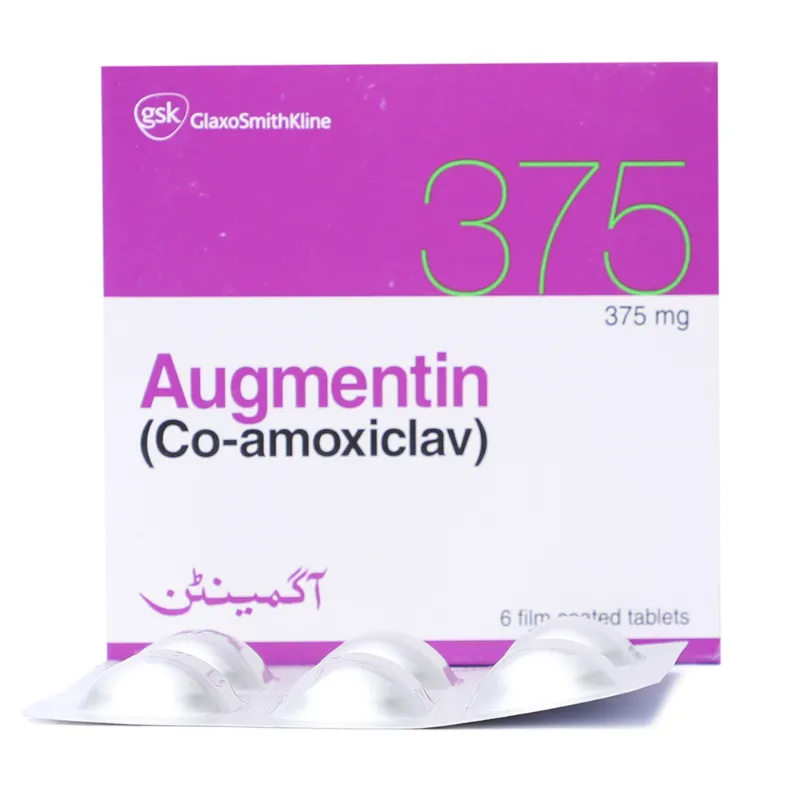
Augmentin Tablet 375mg

Augmentin 375mg tablet packs a precise, balanced formula of amoxicillin and clavulanate acid, making it a trusted first-line defense against common bacterial infections like sinusitis and bronchitis.

Buy Now

Augmentin-Tablet-375mg

Augmentin is not a single drug but a powerful duo. It contains two active ingredients: amoxicillin and clavulanic acid (clavulanate). Think of amoxicillin as the main soldier that attacks and kills bacteria. However, some clever bacteria have a shield called beta-lactamase enzymes that can destroy amoxicillin. That’s where clavulanic acid comes in—it’s the shield-breaker. It disables these protective enzymes, allowing amoxicillin to do its job effectively against more types of bacteria.

This combination makes Augmentin a broad-spectrum antibiotic, useful for infections that other antibiotics might not clear. It is available in several forms, including tablets (like the common 375mg, 625mg, and 1000mg strengths), oral suspensions (syrup), and injections.

Augmentin Tablet: Key Specifications at a Glance

Before diving into details, here are the core facts about Augmentin tablets:

  • Generic Name: Co-Amoxiclav (Amoxicillin + Clavulanate Potassium).
  • Most Common Brand Name: Augmentin (originally by GlaxoSmithKline – GSK).
  • Drug Class: Penicillin/Beta-lactamase inhibitor combination.
  • Available Tablet Strengths:
    • Augmentin 375mg (250mg amoxicillin + 125mg clavulanate).
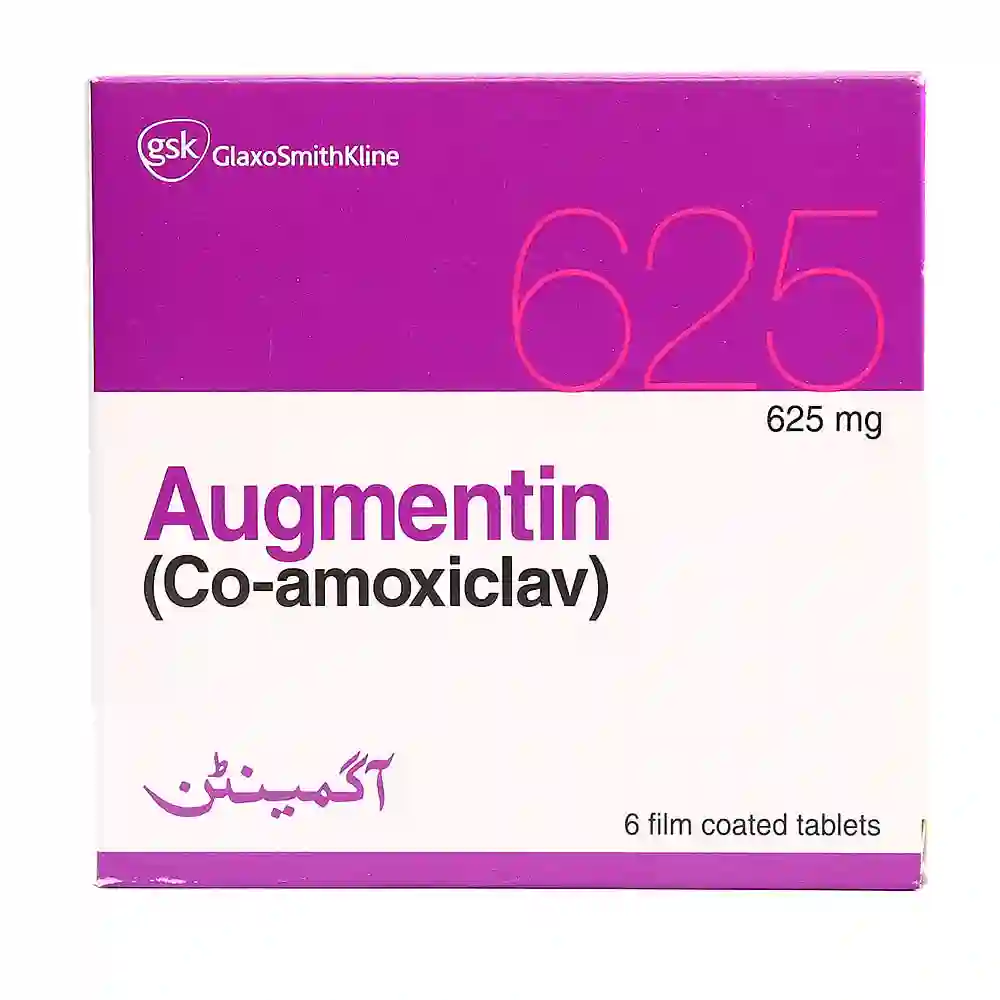
    • Augmentin 625mg (500mg amoxicillin + 125mg clavulanate) – Very common.
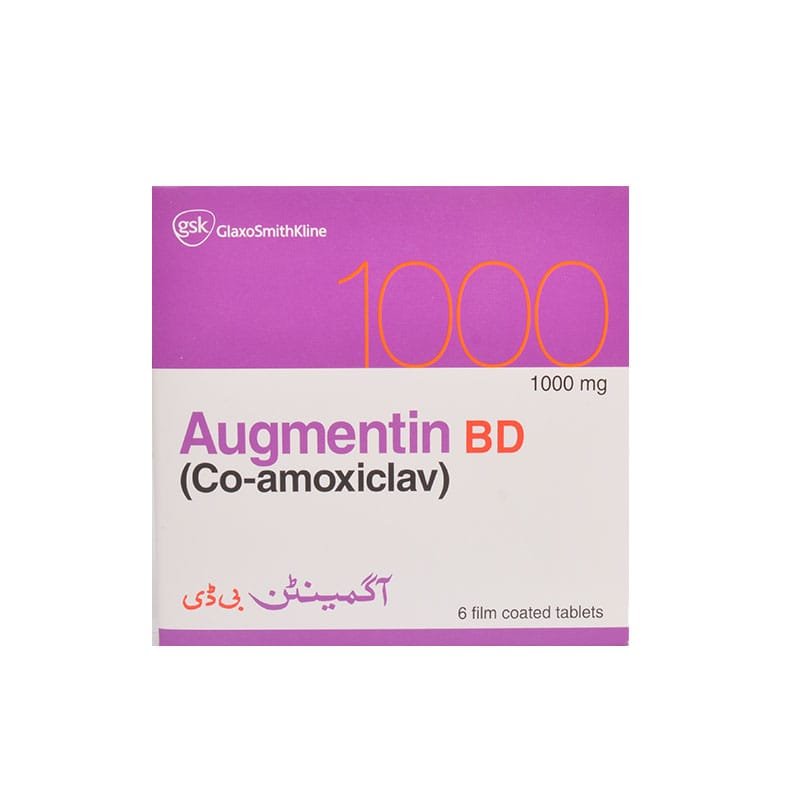
    • Augmentin 1g (1000mg) (875mg amoxicillin + 125mg clavulanate).
  • Prescription Status: Strictly a prescription-only medication (POM). You cannot buy it over the counter.

What is Augmentin Used to Treat?

Augmentin is prescribed for bacterial infections caused by organisms susceptible to the amoxicillin-clavulanate combination. It is not effective against viral infections like the common cold or flu.

Common infections treated by Augmentin include:

  • Ear, Nose, and Throat Infections: Such as sinusitis, tonsillitis, and otitis media (middle ear infection).
  • Respiratory Tract Infections: Including acute bronchitis, community-acquired pneumonia, and exacerbations of chronic bronchitis.
  • Urinary Tract Infections (UTIs): Like cystitis and pyelonephritis (kidney infection).
  • Skin and Soft Tissue Infections: Such as cellulitis, impetigo, abscesses, and infected wounds.
  • Dental Infections: Including dental abscesses and severe periodontitis.
  • Bone and Joint Infections: Like osteomyelitis.

What is Augmentin co-amoxiclav 625 used for specifically?
The 625mg strength (500/125) is one of the most commonly prescribed. It is often the go-to choice for moderate infections like worsening sinusitis, recurrent tonsillitis, infected animal bites, and stubborn skin infections.

Is Augmentin good for a cough or fever?
Only if the underlying cause is a bacterial infection. A viral cough or fever will not respond to Augmentin. Your doctor must diagnose the cause.

Augmentin Dosage: A Detailed Guide for Adults & Children

AUGMENTIN 625MG TABLET

The Augmentin 625mg “2×6” pack provides a complete six-day treatment course, with two tablets taken daily. This ensures you finish the full antibiotic regimen, which is vital for effectively clearing the infection and preventing resistance.

Buy Now

Augmentin-625mg

The correct Augmentin dosage is critical for success and depends on the infection’s type, severity, location, and the patient’s kidney function. Always follow your doctor’s prescription exactly.

Standard Adult Dosage Guidelines:

  • For mild to moderate infections: Augmentin 625mg (500/125) tablet every 12 hours (twice daily).
  • For more severe infections, respiratory infections, or sinusitis: Augmentin 1g (875/125) tablet every 12 hours OR Augmentin 625mg every 8 hours (three times daily).
  • What is the difference between Augmentin 600 and 400? These numbers (600mg/5ml, 400mg/5ml) refer to pediatric suspension strengths, not tablets. They are liquid forms for children, dosed based on weight.

How many days is it safe to take Augmentin?
A typical course lasts 5 to 14 days. It is essential to complete the entire prescribed course, even if you feel better after a few days. Stopping early can lead to relapse and antibiotic resistance.

When is the best time to take Augmentin?
It is generally recommended to take Augmentin at the start of a meal. This significantly improves absorption and reduces the risk of stomach upset, nausea, or diarrhea.

Augmentin Dosage for Children:
For children, the dose is calculated based on body weight using the oral suspension (syrup). The common pediatric dose is 25mg/5mg to 45mg/10mg per kg of body weight per day, divided into two doses. Your pediatrician will determine the exact dose and strength.

Augmentin Tablet Price: Cost Analysis in Pakistan

The price of Augmentin tablets in Pakistan can vary based on the pharmacy location, brand (original vs. generic), and pack size (blister pack quantity).

Here is an approximate price range for different strengths (for a standard blister pack):

Tablet StrengthApproximate Price Range (PKR)Key Notes
Augmentin 375mgPKR 80 – PKR 150Often used for less severe or pediatric cases.
Augmentin 625mgPKR 180 – PKR 300The most commonly prescribed and priced strength.
Augmentin 1g (1000mg)PKR 350 – PKR 550Used for severe or stubborn infections.

Note on Generics: Many local pharmaceutical companies produce generic equivalents of co-amoxiclav (e.g., Clavam, Moxiclav, Emclave). These are often 20-40% cheaper than the branded Augmentin but contain the same active ingredients. Always ensure you are buying from a reputable pharmacy.

Prices are subject to change and can vary between cities and individual pharmacies.

Use Of Augmentin In Pregnant And Lactating Women

AspectDetails
FDA Pregnancy CategoryCategory B – No evidence of risk in animal studies; should be used only if clearly needed. Limited human data show no major increased risk of birth defects.
General Safety in PregnancyGenerally considered safe for bacterial infections when indicated. Most studies show no increased chance of birth defects (especially first trimester). Avoid prophylactic use in preterm/premature rupture of membranes due to potential risk of necrotizing enterocolitis (NEC) in newborns.
Primary BenefitEffectively treats bacterial infections (broader spectrum than amoxicillin alone due to clavulanate), preventing complications like preterm labor, maternal sepsis, or fetal harm from untreated infection.
Use 1: Urinary Tract Infections (UTIs)Common in pregnancy; Augmentin is often used for resistant or complicated UTIs to prevent kidney infection/pyelonephritis.
Use 2: Respiratory Tract InfectionsFor lower respiratory infections (e.g., bronchitis, community-acquired pneumonia) caused by beta-lactamase-producing bacteria.
Use 3: SinusitisAcute bacterial sinusitis when caused by resistant strains (e.g., H. influenzae, M. catarrhalis).
Use 4: Skin and Soft Tissue InfectionsFor infected wounds, cellulitis, or other skin infections from susceptible bacteria.
Use 5: Acute Otitis Media (Ear Infections)In cases with resistant organisms; less common in adults but applicable if present.
Other Potential UsesDental infections, certain bite wounds, or intra-amniotic infections (under specialist guidance); not first-line for all cases.
Common Side Effects (in Pregnancy)Diarrhea (most frequent), nausea, vomiting, rash, yeast infections (vaginal thrush or candidiasis – more common in pregnancy). Take with food to reduce GI upset.
Serious/Rare RisksAllergic reactions (rash, anaphylaxis – rare), severe diarrhea (C. difficile colitis), potential rare association with cleft lip/palate in some studies (not confirmed in most). Increased NEC risk in specific scenarios (e.g., PPROM prophylaxis).
Breastfeeding NoteExcreted in breast milk; generally low risk but may cause infant rash, diarrhea, or thrush. Monitor baby; consult doctor.
Important AdviceAlways consult your doctor before use. Never self-medicate. Benefits usually outweigh risks for active bacterial infections, but avoid unnecessary use. Complete full course to prevent resistance.

Potential Side Effects of Augmentin Tablet

Most people tolerate Augmentin well, but like all medicines, it can cause side effects. These are typically mild and resolve once the course is finished.

What are the most common side effects of Augmentin?
The most frequently reported side effects are gastrointestinal, due to the antibiotic’s impact on gut bacteria:

  • Diarrhea (the most common)
  • Nausea and vomiting
  • Indigestion or abdominal discomfort
  • Oral thrush or vaginal yeast infection (candidiasis)

How to deal with Augmentin side effects?

  • For diarrhea: Stay hydrated. Consider probiotics (like yogurt or supplements) to restore gut flora. Contact your doctor if it becomes severe or watery.
  • For nausea: Take the tablet with food.
  • For yeast infections: Your doctor may recommend an antifungal treatment.

How long do side effects of Augmentin last?
Most mild side effects subside within a few days of finishing the medication. However, diarrhea can sometimes persist; if it continues beyond a couple of days after stopping, consult your doctor.

Serious Side Effects (Require Immediate Medical Attention):
While rare, stop taking Augmentin and seek emergency help if you experience:

  • Signs of a severe allergic reaction: Rash with itching, swelling of the face/tongue/throat, severe dizziness, trouble breathing.
  • Severe skin reactions: Blistering, peeling skin (like a severe sunburn), high fever.
  • Liver problems: Yellowing of skin/eyes (jaundice), dark urine, persistent nausea, extreme tiredness.
  • Persistent, watery, or bloody diarrhea: This could indicate Clostridioides difficile infection, a serious colon condition.

Why do I feel worse after taking Augmentin?
Sometimes, as antibiotics kill bacteria rapidly, they can release toxins that cause a temporary flare-up of symptoms like fever and chills. This is sometimes called a Jarisch-Herxheimer reaction. It usually passes quickly. However, always report feeling worse to your doctor to rule out an allergy or incorrect diagnosis.

Important Warnings, Precautions & Contraindications

Augmentin BD 1000mg Tablet

The Augmentin BD 1000mg tablet is a high-strength, twice-daily formulation designed to combat severe and stubborn bacterial infections. The “BD” designation explicitly instructs taking one tablet every 12 hours, ensuring a consistently high level of the antibiotic in the bloodstream to effectively eliminate resilient bacteria

Buy Now

Augmentin-BD-1000mg-Tablet

Who should avoid Augmentin?
You should NOT take Augmentin if:

  • You have had a previous allergic reaction to any penicillin (amoxicillin, ampicillin), cephalosporin antibiotic, or to clavulanate.
  • You have a history of Augmentin-related liver problems or jaundice.
  • You have infectious mononucleosis (as it can cause a rash).

What precautions should be taken while taking Augmentin?

  • Inform your doctor about all your medical conditions, especially kidney disease, liver disease, or phenylketonuria (PKU).

  • Disclose all medications you are taking, including over-the-counter drugs, herbal supplements, and vitamins.

What to avoid when using Augmentin?

  • Alcohol: It is best avoided as it can increase the risk of liver side effects and may worsen stomach upset.
  • Food Interactions: While taking it with food is advised, dairy products (like milk) taken in large amounts right before or with the dose can slightly reduce absorption. It’s fine to have a normal meal, but avoid consuming large glasses of milk alone with the pill.

Special Populations: Pregnancy, Breastfeeding, and More

Is Augmentin safe during pregnancy?
Augmentin is generally classified as Category B in pregnancy, meaning animal studies have not shown a risk, and it is considered one of the safest antibiotics for pregnancy when clearly needed. It is often a first-choice antibiotic for treating bacterial infections in pregnant women, such as UTIs. However, it should only be used under the strict supervision of a doctor who will weigh the benefits against any potential risks.

Can you take Augmentin when breastfeeding?
Yes. Small amounts of amoxicillin and clavulanate pass into breast milk but are generally considered compatible with breastfeeding. The WHO lists amoxicillin-clavulanate as usually safe. Watch your baby for potential side effects like diarrhea, thrush, or rash, and consult your pediatrician if you have concerns.

Use in the Elderly and Kidney Impairment:
Elderly patients or those with reduced kidney function often require a lower dose or an extended time between doses. The doctor will calculate the dose based on creatinine clearance to prevent accumulation and increased side effects.

Frequently Asked Questions (FAQs)

Is Augmentin a strong antibiotic?
Yes, Augmentin is considered a potent, broad-spectrum antibiotic because the clavulanate component allows it to defeat many bacteria that are resistant to amoxicillin alone. The strength needed (625mg vs. 1g) depends on the infection.

How fast does Augmentin work?
You may start to feel symptom improvement within 48 to 72 hours. However, it’s crucial to finish the entire prescribed course even if you feel better quickly.

Can I stop Augmentin after 3 days if I feel better?
No. Stopping antibiotics early is a major cause of antibiotic resistance. It can also allow the infection to return, potentially stronger than before. Always complete the full course.

What are signs you need antibiotics?
Only a doctor can determine this. Signs that may point to a bacterial (not viral) infection include: a high fever persisting for days, pus (yellow/green discharge), a bacterial infection confirmed by lab culture (like urine or throat swab), or symptoms that worsen after an initial viral phase.

Can you give Augmentin to cats or dogs?
Co-amoxiclav is commonly used in veterinary medicine. However, you must never give your human prescription to your pet. The dose for animals is vastly different and must be calculated by a veterinarian based on the animal’s species and weight.

Top-10-Best-Heartburn-Medicine-For-Immediate-Relief

Best Heartburn Medicine For Immediate Relief (Natural Remedies+Prevention)

Heartburn is a common discomfort characterized by a burning sensation in the chest, typically caused by acid reflux. It occurs when stomach acid flows back into the esophagus, often after consuming trigger foods like fatty, spicy, or acidic dishes.

This condition can be exacerbated by certain lifestyle factors, such as lying down after eating, stress, or wearing tight clothing. While over-the-counter medications provide quick relief, there are also natural remedies that can help alleviate symptoms.

Recommended Reading: Cetirizine Side Effects: Uses, Dosage, & Benefits

Best Heartburn Medicine For Immediate Relief (Natural Remedies+Prevention)

Best-Heartburn-Medicine-For-Immediate-Relief

Recommended Reading: 10 Signs Of Kidney Stones: Causes, Symptoms, Diagnosis & Treatment

What is Heartburn?

Heartburn

Heartburn is a burning sensation in the chest or throat caused by stomach acid rising into the esophagus, often triggered by certain foods or lifestyle factors.

What-is-Heartburn

Heartburn is a burning feeling in the chest, often occurring after meals, especially when lying down or bending over. It happens when stomach acid flows back into the esophagus, irritating its lining. Common triggers include fatty, spicy, and acidic foods, such as chocolate, onions, tomatoes, and citrus products.

Drinking caffeine or overeating can also cause heartburn. Additionally, certain actions like lying down, bending, or lifting heavy objects can make heartburn worse.

How Does It Work?

The lower esophageal sphincter (LES) acts like a valve between the esophagus and the stomach, preventing acid from moving back up. When the LES weakens or doesn’t close properly, stomach acid escapes into the esophagus, causing irritation, which leads to the burning sensation known as heartburn.

Recommended Reading: How To Prevent Vitiligo? Causes, Symptoms, & Treatment

Causes of Heartburn

  • Weak Lower Esophageal Sphincter (LES)
    • The LES is a muscle that closes to prevent acid from escaping the stomach. When it weakens, stomach acid can back up into the esophagus.
  • Acid Reflux
    • Heartburn is a symptom of acid reflux, where stomach acid moves upward, irritating.
  • Fatty or Fried Foods
    • Fatty foods slow digestion, increasing acid buildup and the chance of reflux.
  • Spicy Foods
    • Spices can irritate the esophagus, increasing acid reflux and causing discomfort.
  • Acidic Foods
    • Foods like citrus fruits and tomatoes increase stomach acid and often trigger heartburn.
  • Chocolate and Peppermint
    • Both can relax the LES, allowing acid to flow back into the esophagus.
  • Caffeinated Beverages
    • Coffee, tea, and energy drinks can stimulate acid production and weaken the LES.
  • Alcohol
    • Alcohol weakens the LES and increases stomach acid, contributing to reflux.
  • Carbonated Drinks
    • Soda and other fizzy drinks cause bloating, increasing pressure on the LES.
  • Overeating
    • Large meals stretch the stomach, increasing the risk of acid moving up into the esophagus.
  • Smoking
    • Nicotine weakens the LES and increases acid production, making heartburn more likely.
  • Pregnancy
    • Hormonal changes and pressure from the growing baby can cause heartburn in pregnant women.
  • Lying Down After Eating
    • This position allows stomach acid to move upward, causing acid reflux and heartburn.
  • Stress and Anxiety
    • Emotional stress can increase stomach acid production and worsen heartburn symptoms.
  • Certain Medications
    • Drugs like aspirin, ibuprofen, and certain blood pressure medications can trigger heartburn by relaxing the LES or irritating the stomach lining.

Recommended Reading: Continuous Glucose Monitor Price In Pakistan [CGM Types, Uses, & Prices]

Symptoms of Heartburn

  • Burning Sensation in the Chest
    • A fiery feeling in the chest, especially after eating or when lying down.
  • Sour or Bitter Taste in the Mouth
    • Stomach acid can flow into the throat, leaving a sour or bitter taste.
  • Difficulty Swallowing (Dysphagia)
    • Acid irritation in the esophagus can make swallowing painful and difficult.
  • Feeling of Food Stuck in the Throat
    • This occurs when the esophagus becomes inflamed, leading to discomfort.
  • Regurgitation of Food or Sour Liquid
    • Undigested food or sour stomach contents can come back up into the mouth.
  • Nausea or Vomiting
    • In some cases, heartburn can lead to nausea or vomiting, especially after eating.
  • Sore Throat or Hoarseness
    • Chronic reflux can irritate the throat, causing a sore throat or hoarse voice.
  • Coughing or Wheezing
    • Acid reflux may cause coughing or wheezing, especially at night.
  • Bloating or Belching
    • Gas buildup can lead to bloating and frequent belching.
  • Upper Abdominal Pain or Discomfort
    • Some may experience pain or discomfort in the upper abdomen, especially after meals.

Recommended Reading: Top 10 Eye Drops For Red Eyes In Pakistan [Price, Uses, & Side Effects]

Best Heartburn Medicines for Immediate Relief

Heartburn Medicines

The best heartburn medicines for quick relief include TUMS, Nexium 24HR, and Pepcid AC, which help neutralize or reduce stomach acid to ease discomfort fast.

Best-Heartburn-Medicines-for-Immediate-Relief

MedicineHow to UseBenefitsSide EffectsUses
Nexium 24HRTake one capsule daily with water before eatingReduces stomach acid production for 24 hoursHeadache, diarrhea, nauseaTreats frequent heartburn by healing esophagus lining
DexilantOne capsule per day, as prescribed by doctorProvides long-lasting relief by controlling acidDiarrhea, stomach pain, gasReduces acid production and treats GERD symptoms
Prevacid 24HRTake once a day before eatingDecreases acid production in the stomachDizziness, stomach pain, constipationTreats heartburn and helps heal acid damage in the esophagus
PrilosecTake 1 tablet with water before eatingBlocks acid production and prevents heartburnConstipation, gas, nauseaLong-term treatment for acid reflux and GERD
ProtonixOne tablet per day, taken 30 minutes before mealsReduces stomach acid and prevents damageJoint pain, headache, dizzinessTreats acid reflux and esophagitis
TUMSChew 2-4 tablets when heartburn occursProvides immediate acid neutralizationConstipation, kidney stones (if used long-term)Quick relief for heartburn, indigestion, and acid reflux
AcipHexOne tablet daily before mealsReduces stomach acid and relieves symptomsHeadache, nausea, diarrheaTreats GERD and long-term acid reflux
GavisconTake 2-4 tablets after meals and at bedtimeForms a protective barrier to prevent acid refluxNausea, constipationTreats acid reflux, heartburn, and indigestion
Pepcid ACTake 1 tablet as symptoms arise or before mealsBlocks acid production and provides quick reliefHeadache, dizziness, diarrheaReduces acid production, quick relief from heartburn
Pepto-BismolTake 2 tablespoons or chew tablets when neededCoats stomach lining, protecting against acidDark stool, black tongue, nauseaTreats heartburn, indigestion, and acid reflux
Tagamet HbTake 1 tablet before or after a mealReduces acid production quicklyDizziness, headache, diarrheaRelieves acid reflux, indigestion, and ulcers
Gelusil, Maalox, RolaidsChew 2-4 tablets after meals or as neededNeutralizes stomach acid and relieves symptomsNausea, diarrhea, constipationTreats heart burn, indigestion, and acid reflux
Table: Medicines

Recommended Reading: 5 Best Eye Drops For Infection In Pakistan

Best Foods and Drinks for Acid Reflux Relief

Food/DrinkWhy It HelpsNotes/Tips
OatmealHigh in soluble fiber; absorbs stomach acid and promotes fullness to prevent overeating.Plain, not overloaded with sugar or toppings.
Ginger (as tea or fresh)Natural anti-inflammatory; soothes digestion and calms upset stomach.Ginger tea is especially popular; avoid if it irritates you.
BananasLow-acid fruit; coats the stomach lining and provides potassium.Ripe bananas are best.
Melons (watermelon, cantaloupe, honeydew)Low-acid, high-water content fruits; hydrating and gentle on the esophagus.Refreshing and rarely trigger symptoms.
Leafy greens & green vegetables (spinach, kale, broccoli, asparagus, green beans)Low-fat, low-sugar, high-fiber; reduce acid production and aid digestion.Non-acidic and nutrient-dense.
Brown rice / whole grainsMild, filling complex carbs; gentle on the stomach and provide fiber.Avoid fried versions.
Non-citrus / low-acid vegetables (carrots, sweet potatoes, beets, cauliflower)Low in acid and fat; high fiber helps prevent reflux.Root veggies and greens are staples.
Herbal teas (chamomile, ginger, licorice root)Soothing and non-caffeinated; can calm the digestive tract (ginger especially).Avoid peppermint if it worsens symptoms for you.
Plant-based milks (oat, almond, flax) or low-fat dairy (if tolerated)Alkaline options that may neutralize acid; low-fat versions are gentler.Choose unsweetened; test tolerance for dairy.
Water (plain)Dilutes stomach acid and helps wash acid back down; best overall beverage.Sip throughout the day; avoid large amounts during meals.

Natural Remedies for Immediate Heartburn Relief

Natural Remedies

Natural remedies like ginger tea, aloe vera juice, and baking soda can provide quick relief from heartburn by soothing the stomach and neutralizing acid naturally.

Natural-Remedies-for-Immediate-Heartburn-Relief

RemedyHow to UseBenefitsSide EffectsUses
Apple Cider VinegarMix 1 tablespoon with water and drink before mealsIt may balance stomach acid levelsCan erode tooth enamel, cause throat irritationFor balancing stomach acid
GingerDrink ginger tea or chew a small pieceAnti-inflammatory, soothes the stomachMay cause bloating or gas if consumed in excessReduces acid production
Baking SodaMix 1/2 teaspoon in a glass of waterNeutralizes stomach acid quicklyMay cause nausea or bloating with long-term useQuick relief from acid reflux
BananaEat a ripe bananaCoats esophagus, prevents acid refluxIt may not suit everyone; it can cause bloatingPrevents heartburn
Mint LeavesChew fresh mint leaves or drink mint teaSoothing the stomach, cools the digestive tractIt may worsen reflux in some casesRelieves digestive discomfort
FennelChew fennel seeds or drink fennel teaReduces acid, helps with digestionMay cause allergic reactions in sensitive individualsNeutralizes stomach acid
Sleep InclinedElevate the head while sleepingPrevents acid from flowing back into the esophagusNo side effectsReduces nighttime heartburn
LicoriceConsume DGL (deglycyrrhizinated licorice) supplementsProtects esophagus lining, reduces acid irritationIt may cause high blood pressure if taken in large amountsReduces inflammation
Chamomile TeaDrink before bedtimeSoothing the digestive system, reduces acid productionMay cause allergic reactions for those sensitive to ragweedCalms the stomach, reduces heartburn
AlmondEat a handful of almondsHelps neutralize stomach acidHigh-calorie content may cause weight gain if overeatenProvides quick relief from heartburn
ButtermilkDrink cold buttermilk after mealsSoothing the stomach, neutralizes acidityCan cause bloating for lactose-intolerant individualsFor calming acid reflux
Aloe Vera JuiceDrink aloe vera juiceReduces inflammation in the esophagusCan cause diarrhea or cramping in large amountsHeals and soothes esophagus irritation
Chewing GumChew sugar-free gum after mealsStimulates saliva production, which neutralizes acidOver-chewing may lead to jaw painHelps clear acid from the esophagus
Lemon JuiceMix with warm water, drink in the morningHelps balance pH levels in the stomachIt may worsen symptoms for some peopleBalances stomach acid
Watermelon JuiceDrink fresh watermelon juiceSoothing the stomach, preventing acid buildupIt may cause bloating for someProvides relief from acidity
Table: Remedies

Recommended Reading: Vaginal Dryness Natural Remedies [Symptoms & Treatments]

What To Drink For Heartburn Relief | Drinks for Heartburn Relief

Drinks for Heartburn Relief

Drinks like ginger tea, coconut water, and low-fat milk can help ease heartburn by soothing the stomach and reducing acid. Avoid acidic or carbonated beverages to prevent symptoms.

What-To-Drink-For-Heartburn-Relief

DrinkHow to UseBenefitsSide EffectsUses
WaterDrink 8-10 glasses throughout the dayDilutes stomach acid, improves digestionOverconsumption may cause bloatingGeneral relief from heartburn
Low-Fat MilkDrink 1 glass after meals or when symptoms ariseActs as a buffer between acid and the stomach liningMay cause discomfort for lactose-intolerant individualsTemporary relief from acid reflux
Ginger TeaDrink 1-2 cups a day, especially after mealsSoothes digestion, reduces inflammationExcessive consumption may lead to gas or bloatingReduces acid production and calms the digestive tract
Chamomile TeaDrink 1 cup before bedtimeReduces inflammation, promotes relaxationMay cause allergic reactions in sensitive individualsHelps with burn, promotes restful sleep
Licorice TeaDrink 1-2 cups a dayCoats the stomach lining, protects against acid irritationLong-term use may lead to high blood pressureRelief from GERD and heartburn
Alkaline WaterDrinking throughout the day, especially after mealsNeutralizes stomach acid due to higher pHMay cause mineral imbalance if consumed excessivelyReduces acid reflux, balances pH levels
Coconut WaterDrink 1-2 glasses dailyRich in fiber, helps soothe digestionMay cause diarrhea if consumed in excessHydrates and reduces acidity
ButtermilkDrink 1 glass after mealsNeutralizes acid, promotes healthy gut bacteriaHigh-fat versions may worsen symptomsQuick relief from acid reflux and digestive issues
Baking SodaDissolve 1/2 teaspoon in water and drinkNeutralizes stomach acidOveruse may cause bloating or high sodium levelsProvides quick, temporary relief from burn
Lemon WaterMix lemon juice with water; drink in moderationBalances stomach pH levelsIt may worsen heartburn in some individualsRelief from acid reflux when used cautiously
Fennel TeaDrink 1-2 cups a dayReduces acid production, aids digestionMay cause allergic reactions in sensitive individualsRelieves burn and digestive discomfort
Aloe Vera JuiceDrink 1/4 cup before mealsSoothing esophagus, reduces inflammationOveruse may cause diarrhea or crampingHeals and soothes esophageal irritation
Skimmed MilkDrink 1 glass as neededProvides relief by coating the stomach liningMay cause discomfort for lactose-intolerant individualsTemporary relief from acid reflux
Plant-Based MilkDrink almond, soy, or oat milk after mealsMay cause bloating, depending on the type of milkMay cause bloating depending on the type of milkDairy-free options to relieve burn
SmoothiesBlend with non-citrus fruits like bananas and drinkSoothing the stomach, provides nutrientsAvoid adding high-fat or citrus ingredientsRelieves heartburn with gentle, soothing ingredients
Banana SmoothieBlend with almond milk, drink 1-2 glasses a dayRich in potassium, helps neutralize stomach acidIt may cause bloating if consumed in excessHelps with acid reflux and soothes stomach
Probiotic DrinksDrink as per instructions, usually 1 glass a dayPromotes healthy gut bacteria, improves digestionMay cause bloating or gas initiallySupports digestive health, reduces acid reflux symptoms
Peppermint TeaDrink 1-2 cups a dayRelaxes digestive tract musclesIt may worsen heartburn in some peopleHelps digestion, reduces indigestion
Yogurt DrinkDrink low-fat yogurt or kefir for reliefContains probiotics, soothes the stomach liningMay cause issues for lactose-intolerant individualsReduces acidity, promotes healthy digestion
Slippery Elm TeaDrink 1 cup before mealsCoats the esophagus, protects against acid refluxNo significant side effectsSoothing irritation and helping with acid reflux
Table: Drink

Side Effects of Heartburn

  • Burning Sensation in Chest or Throat: A painful burning feeling that usually occurs after eating or when lying down.
    • Important: This is the most common symptom of a burn.
  • Difficulty Swallowing (Dysphagia): Stomach acid can irritate the esophagus, making it hard to swallow food or liquids.
  • Lump in the Throat: Heartburn can make you feel like there’s a lump in your throat due to irritation.
  • Sore Throat or Hoarseness: Stomach acid can irritate the vocal cords, leading to a sore throat or hoarse voice.
  • Regurgitation of Stomach Contents: Acid and food can come back up into your throat, giving a sour or bitter taste in the mouth.
  • Nausea or Vomiting: Heartburn can cause feelings of nausea and, in some cases, vomiting.
  • Chronic Cough: Acid reflux may irritate the throat and airways, causing a long-term cough, especially at night.
  • Bad Breath: Stomach acid rising into the mouth can lead to bad breath.
  • Bloating: Some people experience a bloated feeling in the stomach due to excess acid and gas.
  • Chest Pain: Heartburn can cause pain in the chest that might be confused with heart-related issues.
  • Wheezing or Asthma Symptoms: Acid reflux can sometimes trigger or worsen asthma, leading to wheezing or shortness of breath.
  • Dental Erosion: Repeated acid exposure can wear down tooth enamel, leading to cavities and other dental problems.

Heartburn Prevention Tips

  • Eat Smaller, Frequent Meals
    • Why: Large meals pressure the stomach, causing acid to flow back into the esophagus.
    • How: Divide your daily food intake into 5-6 smaller meals instead of 3 large ones.
  • Avoid Trigger Foods
    • Why: Certain foods like spicy, fatty, and acidic can trigger burns.
    • How: Limit or avoid spicy food, fried items, citrus, tomatoes, and caffeine.
  • Maintain a Healthy Weight
    • Why: Extra weight increases pressure on the stomach, leading to acid reflux.
    • How: Focus on regular exercise and a balanced diet to maintain a healthy weight.
  • Quit Smoking
    • Why: Smoking weakens the lower esophageal sphincter (LES), allowing acid to rise into the esophagus.
    • How: Seek help from smoking cessation programs or use nicotine alternatives.
  • Elevate the Head of Your Bed
    • Why: Keeping your head elevated while sleeping prevents acid from traveling back up the esophagus.
    • How: Use a wedge pillow or elevate the head of your bed by 6-8 inches.
  • Wear Loose Clothing
    • Why: Tight clothing puts pressure on your abdomen, increasing the risk of burns.
    • How: Opt for looser, more comfortable outfits, especially after meals.
  • Staying Upright After Eating
    • Why: Lying down right after meals can cause acid to escape from the stomach.
    • How: Wait at least 2-3 hours before lying down or going to bed after eating.
  • Drink Low-Fat Milk
    • Why: Low-fat milk acts as a temporary buffer between the stomach and esophagus.
    • How: Drink a small glass of low-fat milk when experiencing mild burns.
  • Coconut Water
    • Why: Coconut water helps neutralize stomach acid and soothes the digestive tract.
    • How: Sip coconut water after meals to prevent acid buildup.
  • Alkaline Water
    • Why: Alkaline water has a higher pH, which neutralizes stomach acid.
    • How: Drink alkaline water throughout the day to maintain proper pH balance.
  • Buttermilk
    • Why: Buttermilk contains probiotics that promote digestion and reduce acidity.
    • How: Drink a glass of buttermilk after meals to soothe the stomach.

Recommended Reading: Lavender Oil Uses For Hair | Lavender Essential Oil In Hair

FAQs

What is Heartburn?

Heartburn is a burning sensation in the chest or throat caused by stomach acid rising into the esophagus. It usually happens after eating or when lying down.

What are the common causes of heartburn?

Heartburn can be triggered by certain foods like spicy, fatty, or acidic foods, overeating, lying down right after a meal, stress, or pregnancy. Caffeine, alcohol, and smoking can also make it worse.

How can I treat heartburn naturally?

For natural relief, try drinking ginger tea, chamomile tea, coconut water, or baking soda mixed with water. Eating small, frequent meals and staying upright after eating can also help.

What are the best over-the-counter (OTC) medications for heartburn?

Common OTC medications include TUMS (an antacid), Pepcid AC, Nexium 24HR, and Prilosec. These medicines reduce or neutralize stomach acid, providing fast relief.

How can I prevent heartburn in the future?

You can prevent heartburn by avoiding trigger foods, eating smaller meals, not lying down after eating, and maintaining a healthy weight. Quitting smoking and reducing alcohol intake can also help.

What should I drink to relieve heartburn?

You can drink water, low-fat milk, herbal teas (like ginger or chamomile), or coconut water to help soothe heartburn. Alkaline water is also known to neutralize stomach acid.

Can heartburn cause long-term damage?

Yes, if left untreated, frequent heartburning can lead to conditions like esophagitis (inflammation of the esophagus), Barrett’s Esophagus, or even an increased risk of esophageal cancer.

When should I see a doctor for heartburn?

If you experience heartburn more than twice a week, have difficulty swallowing, or notice chronic chest pain, you should consult a doctor. Persistent symptoms may indicate a more serious condition like GERD (Gastroesophageal Reflux Disease).

What are the common side effects of heartburn medications?

Common side effects of heartburn medications include nausea, diarrhea, constipation, and, in rare cases, headaches. Long-term use of medications like PPIs (Proton Pump Inhibitors) may cause vitamin deficiencies or bone fractures.

Is heartburn the same as acid reflux?

Heartburn is a symptom of acid reflux, which is when stomach acid moves up into the esophagus. Acid reflux can also cause other symptoms like regurgitation and a sour taste in the mouth.

Conclusion

Recommended Reading: Postpartum Depression Treatment At Home [Naturally]

Summary of Findings

Heartburn can be managed effectively using both over-the-counter (OTC) medications and natural remedies. It’s important to identify personal triggers like certain foods or habits and make necessary changes to prevent burning from recurring. A combination of medication and lifestyle adjustments can provide fast relief and long-term control.

Overall Recommendation

For immediate relief, combining natural remedies such as ginger tea or baking soda with OTC medicines like TUMS or Pepcid AC works well. For long-term prevention, focus on lifestyle changes like eating smaller meals, avoiding trigger foods (like spicy or fatty meals), and staying upright after eating.

Who Should Consider These Options?

People who experience frequent heartburn and want fast relief or natural remedies as an extra treatment option should try the combinations mentioned. If symptoms persist or worsen, they should consult a healthcare professional.

Disclaimer
The commissions we earn from partner links on this page do not influence our content. Our editorial content is based on thorough research and insights from qualified medical professionals to ensure the highest standards of accuracy and reliability.

The information provided on Doseway is for educational purposes only. Your health and wellness are unique to you, and the products and services we review may not be suitable for your circumstances. We do not offer personal medical advice, diagnosis, or treatment plans. For specific advice, please consult with a healthcare professional. Doseway adheres to strict editorial integrity standards. To the best of our knowledge, all content is accurate as of the date posted, though offers and information may change. The opinions expressed are the author’s own and have not been influenced, approved, or endorsed by our partners.

Cetirizine-Uses-Side-Effects

Cetirizine Side Effects: Uses, Dosage, & Benefits

Cetirizine is a widely used antihistamine medication that helps relieve common allergy symptoms such as sneezing, runny nose, itchy eyes, and hives. It is often prescribed to treat allergic rhinitis (hay fever), dermatitis, and urticaria.

Cetirizine blocks histamine, a substance your body produces during allergic reactions, helping reduce discomfort and symptoms. It is available in tablet form and typically begins to show its effects within 30 minutes, lasting up to 24 hours.

Cetirizine is a second-generation antihistamine, meaning it causes less drowsiness than older antihistamines, making it a preferred choice for many allergy sufferers.

Recommended Reading: 10 Signs Of Kidney Stones: Causes, Symptoms, Diagnosis & Treatment

Cetirizine Uses, Side Effects, And Benefits

Cetirizine-Uses-Side-Effects-And-Benefits

Recommended Reading: How To Prevent Vitiligo? Causes, Symptoms, & Treatment

What is Cetirizine?

Cetirizine

Cetirizine is an antihistamine that helps relieve allergy symptoms like sneezing, itching, and runny nose. It’s commonly used for hay fever, skin allergies, and hives.

Cetirizine

Cetirizine is an effective antihistamine used to treat various allergy symptoms, such as sneezing, runny nose, itchy skin, and watery eyes. It helps reduce allergic reactions by blocking histamine, a chemical that the body releases during allergies. This medication is commonly used to manage conditions like hay fever and skin allergies.

Active Ingredients

The active ingredient in cetirizine is Cetirizine Hydrochloride, which is a key component responsible for its allergy-relieving effects.

How Cetirizine Works

Cetirizine works by blocking histamine receptors (H1 receptors) in the body, preventing the chemical from triggering allergic symptoms like sneezing, itching, and irritation. Unlike older antihistamines, cetirizine has minimal sedative effects since it does not easily enter the brain, making it a more suitable option for daytime use.

Benefits of Cetirizine

  • Fast-acting relief: Begins working within 30 minutes.
  • Long-lasting effects: Provides relief for up to 24 hours.
  • Non-drowsy: Ideal for use during the day without causing sleepiness for most users.

Recommended Reading: Continuous Glucose Monitor Price In Pakistan [CGM Types, Uses, & Prices]

Indications & Uses

Cetirizine Indications & Uses

Cetirizine treats allergy symptoms such as sneezing, runny nose, and itchy eyes. It also helps with hives and skin itching.

Cetirizine-Indications-&-Uses

Who Should Use Cetirizine?

Cetirizine is suitable for people dealing with allergic conditions like hay fever (allergic rhinitis), skin allergies (allergic dermatitis), and chronic hives (urticaria). It’s beneficial for those experiencing itchy eyes, sneezing, runny nose, or skin rashes caused by allergies.

How to Use Cetirizine

Dosage Instructions

  • Adults and children 6 years and older: Take 5-10 mg once daily, based on how severe the symptoms are.
  • Children aged 2-5 years: The dose is 2.5 mg once daily.
  • Children under 2 years: Should only use cetirizine with medical advice and supervision.

Application/Usage Guidelines

Cetirizine should be taken orally, and it can be taken with or without food. For best results, it’s helpful to take it at the same time each day to provide continuous relief from allergy symptoms.

Frequency of Use

Take once daily, as cetirizine provides 24-hour relief from allergic reactions.

Recommended Reading: Top 10 Eye Drops For Red Eyes In Pakistan [Price, Uses, & Side Effects]

Effectiveness

Cetirizine Effectiveness

Cetirizine is highly effective in relieving allergy symptoms, with noticeable results within 1 hour. Its effects typically last for 24 hours.

Cetirizine-Effectiveness

Clinical Evidence

Research shows that cetirizine is very effective in treating allergic rhinitis and chronic hives (urticaria). Clinical studies have proven its ability to reduce symptoms such as sneezing, itching, and runny nose. Unlike older antihistamines, cetirizine causes less drowsiness, making it a better choice for daytime use.

Expected Results

Many users feel relief within 30 minutes to 1 hour after taking cetirizine. The effects last for 24 hours, meaning you only need to take it once a day for continuous symptom relief.

Typical Outcomes

People using cetirizine often report a noticeable improvement in allergy symptoms like sneezing, runny nose, and itchy skin. It is also highly effective for managing chronic hives, providing long-lasting relief.

Recommended Reading: 5 Best Eye Drops For Infection In Pakistan

Side Effects & Precautions

Side Effects & Precautions

Cetirizine may cause mild side effects like drowsiness, fatigue, and dry mouth. It’s important to avoid alcohol and consult a doctor if you have medical conditions.

Side-Effects-And-Precautions

Common Side Effects of Cetirizine

  • Drowsiness: Although cetirizine causes less drowsiness than older antihistamines, some users may still feel mildly sleepy.
  • Fatigue: Feeling tired or exhausted is a frequent side effect, especially in sensitive individuals.
  • Dry Mouth: Some users may notice a dry sensation in their mouth due to decreased saliva production.
  • Dizziness: Feeling lightheaded or dizzy is a common complaint, although it’s usually mild.
  • Headache: Some users may experience mild headaches after taking cetirizine.
  • Sore Throat: Cetirizine can cause mild throat discomfort in some individuals.
  • Stomach Pain: Some people may experience discomfort or pain in their stomach.
  • Diarrhea/Vomiting: Gastrointestinal issues, such as diarrhea or vomiting, may occur in rare cases, especially in sensitive individuals.

Serious Side Effects of Cetirizine (Rare)

  • Fast or Irregular Heartbeat: If you experience a rapid or uneven heartbeat, seek immediate medical attention.
  • Severe Allergic Reactions: Symptoms like rash, swelling, severe itching, or difficulty breathing require urgent medical attention.
  • Severe Dizziness: If dizziness becomes intense or accompanied by fainting, seek medical advice.
  • Difficulty Swallowing: Difficulty in swallowing can be a sign of an allergic reaction.
  • Shortness of Breath: Difficulty breathing should be treated as a medical emergency.
  • Confusion or Hallucinations: Rare, but if experienced, stop use and consult a doctor immediately.
  • Seizures: In extremely rare cases, cetirizine can cause seizures.
  • Yellowing of the Skin/Eyes: A sign of liver problems, this warrants immediate medical consultation.

Precautions

  • Pregnancy & Nursing: Always check with your doctor before using cetirizine if you are pregnant or breastfeeding.
  • Kidney Problems: If you have kidney issues, you may need a lower dose, as cetirizine is processed by the kidneys.
  • Liver Problems: People with liver conditions may require special dosage adjustments.
  • Drug Interactions: Avoid taking cetirizine with alcohol or other sedative medications, as this can increase drowsiness.
  • Operating Machinery: Since cetirizine can cause drowsiness, avoid driving or operating heavy machinery if you feel sleepy.
  • Elderly Patients: Older adults may be more sensitive to side effects, especially drowsiness and dizziness.
  • Children Under 2 Years: Cetirizine should only be used in children under 2 with medical supervision.
  • Avoid Excessive Doses: Stick to the recommended dosage to avoid increased risk of side effects like drowsiness or dizziness.

Recommended Reading: Vaginal Dryness Natural Remedies [Symptoms & Treatments]

Uses of Cetirizine

Cetirizine Uses

Cetirizine treats allergy symptoms such as sneezing, runny nose, itchy eyes, and hives caused by allergic reactions.

Cetirizine-Uses

Relieves Hay Fever Symptoms

Cetirizine helps in relieving symptoms of hay fever caused by pollen, dust, or other airborne allergens. This includes sneezing, runny nose, and itchy or watery eyes.

Treats Allergic Rhinitis

It is commonly used to manage allergic rhinitis (inflammation of the nasal lining due to allergens), easing symptoms like nasal congestion and sneezing.

Skin Allergies

Cetirizine is effective in treating allergic dermatitis, which causes itchy rashes and skin irritation.

Manages Chronic Urticaria (Hives)

It helps reduce the appearance of hives and relieves itching in those with chronic urticaria.

Controls Dust Mite Allergies

The medication is useful for individuals allergic to dust mites, reducing symptoms like itchy throat, sneezing, and nasal irritation.

Alleviates Pet Allergies

Cetirizine is effective for those with allergies to pet dander (from cats or dogs), easing discomfort such as itchy eyes, sneezing, and runny nose.

Treats Molds and Mildew Allergies

People allergic to molds and mildew can use cetirizine to relieve symptoms like nasal congestion and itchy skin.

Relieves Cockroach Allergies

It helps reduce allergic reactions caused by cockroaches, including sneezing, runny nose, and itchy eyes.

Reduces Chronic Cough Associated with Allergies

Cetirizine is effective in treating chronic cough related to seasonal allergic rhinitis, especially in children.

Eye Allergies (Allergic Conjunctivitis)

It helps in reducing redness, itchiness, and watery eyes caused by allergic conjunctivitis.

While not a primary treatment, cetirizine can help alleviate mild symptoms caused by food allergies, such as itchy skin or hives.

Pros & Cons

Cetirizine Pros & Cons

Cetirizine effectively relieves allergy symptoms with minimal drowsiness, but it may still cause mild side effects like fatigue or dry mouth.

Cetirizine-Pros-And-Cons

Advantages

  • Fast Relief: Cetirizine starts working quickly, usually within 30 minutes, providing relief from allergy symptoms.
  • Long-Lasting: Its effects last for up to 24 hours, which makes it convenient for once-daily use.
  • Non-Sedative: For most people, cetirizine doesn’t cause drowsiness, so it’s suitable for daytime use.
  • Affordable & Easy to Get: Cetirizine is available over the counter and is generally affordable.

Disadvantages

  • Drowsiness in Some People: While it’s less likely to cause sedation, some individuals may still feel a bit sleepy.
  • Stomach Issues: Some users may experience side effects like stomach pain, diarrhea, or nausea.
  • Serious Side Effects: Rarely, more severe side effects like an irregular heartbeat can occur.

Comparison to Similar Products

  • Compared to other antihistamines, cetirizine strikes a good balance between effectiveness and fewer sedative effects. However, loratadine may be a better option for those who are highly sensitive to drowsiness.

Recommended Reading: Lavender Oil Uses For Hair | Lavender Essential Oil In Hair

FAQs

What is Cetirizine used for?

Cetirizine is an antihistamine commonly used to relieve allergy symptoms such as sneezing, runny nose, itchy eyes, and hives. It’s effective for conditions like hay fever, skin allergies, and chronic urticaria (hives).

How does Cetirizine work?

Cetirizine blocks histamine, a chemical in your body that triggers allergy symptoms. By stopping histamine from attaching to its receptors, cetirizine helps reduce symptoms like itching, sneezing, and runny nose.

How long does Cetirizine take to work?

Cetirizine usually starts working within 30 minutes after taking it, providing quick relief. Its effects can last up to 24 hours, so you only need to take it once a day.

Can children take Cetirizine?

Yes, children over the age of 2 can use cetirizine, but the dosage should be adjusted based on their age and weight.

Are there any common side effects of Cetirizine?

Common side effects of Cetirizine include mild drowsiness, fatigue, dry mouth, and dizziness. Some users may experience headaches, sore throat, or stomach pain. In rare cases, gastrointestinal issues like diarrhea or vomiting may occur, especially in sensitive individuals.

Does Cetirizine make you drowsy?

Cetirizine causes less drowsiness compared to older antihistamines. However, some users may still feel mildly sleepy after taking it.

Are there any serious side effects of Cetirizine?

In rare cases, Cetirizine may cause serious side effects like fast or irregular heartbeat, severe dizziness, difficulty swallowing, or shortness of breath.

Recommended Reading: Postpartum Depression Treatment At Home [Naturally]

Conclusion

Summary of Findings

Cetirizine is a reliable and effective antihistamine that provides fast, 24-hour relief from various allergy symptoms like sneezing, itching, and hives. It has minimal sedative effects, making it a great option for daytime use. Affordable and widely available, cetirizine is commonly used for treating allergic rhinitis, dermatitis, and chronic urticaria.

Overall Recommendation

Cetirizine is a good choice for people who need long-lasting allergy relief without feeling drowsy. It’s safe for both adults and children when used in the right dosage, making it a useful option for families dealing with allergies.

Who Should Buy It?

  • Those with seasonal allergies, hives, or skin reactions.
  • People looking for a non-drowsy antihistamine for daytime use.
  • If cetirizine causes drowsiness, you can consider alternatives like loratadine for fewer sedative effects.

Disclaimer
Commissions we earn from partner links on this page do not influence our content. Our editorial content is based on thorough research and insights from qualified medical professionals to ensure the highest standards of accuracy and reliability.

Information provided on Doseway is for educational purposes only. Your health and wellness are unique to you, and the products and services we review may not be suitable for your individual circumstances. We do not offer personal medical advice, diagnosis, or treatment plans. For specific advice, please consult with a healthcare professional. Doseway adheres to strict editorial integrity standards. To the best of our knowledge, all content is accurate as of the date posted, though offers and information may change. The opinions expressed are the author’s own and have not been influenced, approved, or endorsed by our partners.

Signs-Of-Kidney-Stones

10 Signs Of Kidney Stones: Causes, Symptoms, Diagnosis & Treatment

Kidney stones are small, hard deposits that form in the kidneys and can cause severe pain and discomfort when passing through the urinary tract. The treatment for kidney stones depends on the type of stone you have.

Different medications are used to either help dissolve the stone, prevent its growth, or make it easier to pass. These medicines work by targeting the specific causes of the stones, such as excess uric acid or calcium buildup.

Recommended Reading: How To Prevent Vitiligo? Causes, Symptoms & Treatment

Top 10 Signs Of Kidney Stones: Causes, Symptoms, Diagnosis & Treatment

Top-10-Signs-Of-Kidney-Stones

Recommended Reading: Continuous Glucose Monitor Price In Pakistan [CGM Types, Uses, & Prices]

What is a Kidney Stone?

Kidney stones are hard deposits of minerals and salts that form in the kidneys. They can vary in size and cause severe pain when passing through the urinary tract. Stones can form due to dehydration, certain diets, or underlying health conditions.

Common Signs and Symptoms of Kidney Stones

Common Signs and Symptoms of Kidney Stones

Kidney stones are hard mineral deposits that form in the kidneys, causing severe pain when passing through the urinary tract. Treatment varies based on the type of stone, with medications used to dissolve, prevent growth, or ease passage. Symptoms include intense back or side pain, painful urination, blood in urine, cloudy or foul-smelling urine, frequent urination, nausea, vomiting, fever, and chills.

Common-Signs-and-Symptoms-of-Kidney-Stones

Here are some common signs and symptoms to watch for:

1. Intense Pain in Lower Back and Sides

The pain from kidney stones is often sharp and severe. It usually starts in the lower back and may spread to the abdomen or groin. This pain can come and go, making it hard to find relief.

2. Painful Urination (Dysuria)

You may feel a burning sensation when passing urine. This is a common sign of kidney stones and indicates irritation in the urinary tract.

3. Blood in Urine (Hematuria)

Blood may be present in the urine, turning it pink, red, or brown. Sometimes, the blood is only visible under a microscope.

Recommended Reading: Top 10 Eye Drops For Red Eyes In Pakistan [Price, Uses, & Side Effects]

4. Cloudy or Foul-Smelling Urine

Urine may appear cloudy or have a strong, unpleasant odor, which could signal an infection or blockage caused by a stone.

5. Frequent or Urgent Urination

You may feel the need to urinate more often, even if only a small amount of urine is passed each time.

6. Nausea and Vomiting

The intense pain caused by kidney stones can sometimes lead to nausea and vomiting, as your body reacts to the discomfort.

7. Fever and Chills

If a kidney stone causes an infection, you might experience fever and chills. This is a serious sign that requires immediate medical attention.

8. Decreased Urine Output

A blockage caused by the stone can reduce the amount of urine your body produces, which can lead to other complications.

9. Radiating Pain

The pain may shift from your back to your groin or genital area as the stone moves through the urinary tract.

10. Muscle Cramps and Restlessness

The severe pain and discomfort of passing a kidney stone can cause muscle tension, and cramping, and make you feel restless.

What Are The First Signs Of Kidney Stones

The first signs of kidney stones often appear when a stone moves from the kidney into the ureter (the tube connecting the kidney to the bladder), as very small stones can pass unnoticed without symptoms. Many reliable sources, including Mayo Clinic, Cleveland Clinic, NHS, and others, agree that symptoms typically start suddenly and can vary in intensity.

Here are the most common early or initial signs:

  • Severe, sharp pain in the side and back (flank pain, below the ribs), which often radiates to the lower abdomen, groin, or (in men) testicles. This is usually the most prominent and earliest noticeable symptom for many people. The pain often comes in waves (known as renal colic), fluctuates in intensity, and doesn’t improve with position changes.
  • Mild or persistent dull ache in the back or side — some sources note this can be an earlier, subtler warning before full intense pain develops, though it’s often dismissed as muscle strain.
  • Blood in the urine (hematuria) — urine may appear pink, red, or brown. This can sometimes be one of the first subtle clues.
  • Pain or burning sensation when urinating (dysuria).
  • Nausea and vomiting — often triggered by the intense pain.
  • Changes in urination — such as frequent urges to urinate, urinating small amounts, difficulty urinating, or cloudy/foul-smelling urine.

Kidney Stones Symptoms In Women

SymptomDescription in WomenNotes / Additional Info
Severe pain (renal colic)Sharp, intense pain in the side/back (flank), lower abdomen, or pelvis; often comes in waves and radiates to groinMost common and prominent symptom; may feel more pelvic/lower abdominal than in men
Pain or burning during urinationBurning, stinging, or discomfort when peeingCan mimic a UTI, which women are more prone to
Blood in urine (hematuria)Urine appears pink, red, or brownVisible or microscopic; a key warning sign
Nausea and vomitingFeeling sick or throwing up, often due to intense painCommon with severe episodes
Frequent or urgent urinationNeed to urinate often, in small amounts, or sudden urgencyMay feel like a bladder issue or UTI
Cloudy or foul-smelling urineChanges in urine appearance or odorCan indicate infection alongside the stone
Fever, chills, or sweatingIf infection develops (e.g., kidney infection)Seek immediate care — sign of complication

Causes of Kidney Stones

Causes of Kidney Stones

Kidney stones form due to dehydration, poor diet, obesity, meds, or genetics. Concentrated urine, excess salt, sugar, or supplements increase risk. Hydration and a balanced diet help prevent them.

Causes-of-Kidney-Stones

Here are some of the most common causes:

1. Dehydration

Not drinking enough water is a major cause of kidney stones. When your body is dehydrated, your urine becomes more concentrated, which makes it easier for minerals to stick together and form stones. It’s important to stay hydrated, especially in hot weather or during exercise.

2. Diet

What you eat can impact your chances of developing kidney stones. A diet high in salt, sugar, and foods with high fructose content can increase the risk. These substances can affect how your body processes calcium, leading to stone formation.

3. Obesity

Excess body weight, along with conditions like metabolic disorders, can change the way your body handles minerals. This imbalance can cause stones to form. Maintaining a healthy weight can help reduce this risk.

4. Certain Medications and Supplements

Overusing supplements like calcium or vitamin D, or taking certain medications, can increase the likelihood of kidney stones. It’s important to take supplements in moderation and consult with a healthcare provider about the medications you’re using.

5. Genetics

If kidney stones run in your family, you may be at a higher risk of developing them yourself. Certain genetic conditions can make it easier for stones to form, even with a healthy lifestyle.

Recommended Reading: 5 Best Eye Drops For Infection In Pakistan

Diagnosis of Kidney Stones

Diagnosis of Kidney Stones

Doctors diagnose kidney stones through medical history, physical exams, urinalysis, blood tests, and imaging like X-rays, CT scans, or ultrasounds. Treatment depends on stone size and type, including pain management, medications, shock wave lithotripsy, ureteroscopy, or surgery. Preventive measures include hydration, dietary changes, and reducing salt intake.

Diagnosis-of-Kidney-Stones

Here’s how doctors typically identify kidney stones:

1. Medical History and Physical Exam

The doctor will start by asking about your symptoms, lifestyle, and any history of kidney stones in your family. Understanding your medical background helps them assess whether kidney stones are the likely cause of your discomfort. They will also perform a physical examination to check for pain and other signs.

2. Urinalysis

A urine test is done to detect any signs of kidney stones. The test checks for blood in the urine, infections, or high levels of stone-forming minerals like calcium and uric acid. It helps determine whether stones are present and if there is any infection.

3. Blood Tests

Blood tests help doctors evaluate how well your kidneys are functioning. These tests also check for elevated levels of certain substances, such as calcium, phosphate, and uric acid, which could contribute to stone formation.

4. Imaging Tests

  • X-Ray (KUB): An X-ray of the kidneys, ureters, and bladder can sometimes detect larger kidney stones, but it might miss smaller stones.
  • CT Scan: This is a more detailed scan that provides clear images of the urinary tract, making it easier to locate even small stones that an X-ray might miss.
  • Ultrasound: A safe, non-invasive test that uses sound waves to create images of your kidneys. It’s often used to detect stones, especially if you want to avoid radiation exposure, as in the case of pregnant women.

Recommended Reading: Lavender Oil Uses For Hair | Lavender Essential Oil In Hair

Treatment Options for Kidney Stones

Treatment Options for Kidney Stones

Kidney stone treatment varies by size. Pain relief: NSAIDs or strong meds. SWL breaks stones, ureteroscopy removes them, and nephrolithotomy removes large ones. Medications aid passage and prevention. Stay hydrated, limit salt, and adjust diet.

Treatment-Options-for-Kidney-Stones

There are various ways to treat kidney stones, depending on their size, type, and location. Below are the most common treatment options:

1. Pain Management

Pain relief is often the first step in treating kidney stones. Nonsteroidal anti-inflammatory drugs (NSAIDs) like ibuprofen or acetaminophen are commonly used to reduce pain and inflammation caused by stones. In severe cases, stronger pain medication may be prescribed.

2. Shock Wave Lithotripsy (SWL)

SWL uses sound waves to break kidney stones into smaller fragments that are easier to pass through urine. This procedure is non-invasive and often used for stones that are too large to pass on their own.

3. Ureteroscopy and Cystoscopy

This procedure involves inserting a thin, flexible tube into the urethra and bladder to locate the stone. Once located, the stone can either be broken up using laser energy or removed completely.

4. Percutaneous Nephrolithotomy

For large or complex kidney stones, a procedure called percutaneous nephrolithotomy is used. A small incision is made in the back, and a tube is inserted directly into the kidney to remove or break the stone. This minimally invasive surgery is performed under general anesthesia.

5. Medications

Certain medications can help in managing kidney stones:

  • Tamsulosin (Flomax): Relaxes the muscles in the ureter, which helps the stone pass more easily.
  • Allopurinol: Used to treat uric acid stones by lowering the amount of uric acid in the body.
  • Thiazide Diuretics: Help prevent the formation of calcium oxalate stones by decreasing the amount of calcium in the urine.

6. Lifestyle Changes

Preventing kidney stones from recurring is possible with some simple lifestyle changes:

  • Drink more water: Staying hydrated helps dilute the substances in urine that form stones.
  • Reduce salt and sugar intake: High amounts of salt and sugar can increase the risk of stones.
  • Adjust your diet: A balanced diet low in oxalate-rich foods and high in fruits and vegetables can help lower the risk of stones.

Medications for Kidney Stones

Medications for Kidney Stones

Medications for kidney stones help dissolve, prevent, or ease passage. Allopurinol lowers uric acid levels for uric acid stones, while thiazide diuretics reduce calcium in urine to prevent calcium oxalate stones. Phosphate-containing preparations bind calcium, preventing calcium phosphate stones. Antibiotics treat infections linked to struvite stones. Alpha blockers and tamsulosin relax the ureter for easier stone passage.

Medications-for-Kidney-Stones

Here are some common medications for Kidney Stones:

Allopurinol

Used for: Uric acid stones

Allopurinol helps lower the level of uric acid in the body, which can prevent the formation of uric acid kidney stones.

How it works: It inhibits the production of uric acid, making the urine less acidic and reducing the chance of stone formation.

Thiazide Diuretics

Used for: Calcium oxalate stones

These medications work by increasing urine output and helping prevent calcium from building up in the urine.

How it works: Thiazide diuretics reduce the amount of calcium in urine, lowering the risk of calcium-based stone formation.

Phosphate-Containing Preparations

Used for: Calcium stones

Phosphate medications help reduce the amount of calcium in urine, preventing the formation of calcium phosphate stones.

How it works: They bind with calcium in the urine, making it less likely to form stones.

Antibiotics

Used for: Struvite stones

Struvite stones are often caused by urinary tract infections (UTIs). Antibiotics can help treat the underlying infection and prevent new stones from forming.

How it works: Antibiotics kill the bacteria responsible for the infection, reducing the risk of stone formation.

Alpha Blockers

Used for: Small stones

These medications relax the muscles in the ureter, making it easier for small stones to pass through.

How it works: By relaxing the ureter, alpha-blockers speed up the passage of smaller stones, reducing pain and discomfort.

Potassium Citrate

Used for: Preventing all types of kidney stones

Potassium citrate helps to keep urine from becoming too acidic, which prevents stones from forming or growing larger.

How it works: It increases urine pH, making it less likely for minerals to crystallize into stones.

Tamsulosin

Used for: Small stones

Tamsulosin works by relaxing the muscles in the ureter, allowing small stones to pass more easily.

How it works: It specifically targets smooth muscle in the ureter, which helps stones pass with less pain.

Sodium Bicarbonate

Used for: Uric acid stones

Sodium bicarbonate raises the pH level of urine, making it more alkaline and preventing uric acid stones from forming or growing.

How it works: It neutralizes excess acid in the urine, helping dissolve uric acid crystals before they form stones.

Recommended Reading: Postpartum Depression Treatment At Home [Naturally]

Mechanism of Action

Each medication has a specific way of functioning to target the type of kidney stone it is intended to treat:

  • Allopurinol reduces uric acid production to prevent uric acid stones.
  • Thiazide Diuretics help lower calcium levels in urine to reduce calcium-based stones.
  • Phosphate-containing preparations bind with calcium to prevent calcium phosphate stones.
  • Antibiotics treat the infection-causing struvite stones.
  • Alpha Blockers relax the muscles of the ureter, easing the passage of stones.
  • Potassium Citrate helps raise urine pH, preventing the growth of stones.
  • Tamsulosin helps ease the passage of small stones by relaxing the ureter.
  • Sodium Bicarbonate increases urine alkalinity to prevent uric acid stones.

Benefits and Expected Results

  • Relieving Pain and Discomfort: Some medications, like alpha-blockers and tamsulosin, help reduce pain by assisting in the easier passage of stones.
  • Preventing Recurrence: Medications like potassium citrate and thiazide diuretics help prevent future stone formation by altering the conditions in urine.
  • Effectiveness Based on Stone Type: Medications are tailored to the specific type of stone, ensuring more effective treatment for each case.

Usage Guidelines

  • Dosage Instructions: Each medication comes with a recommended dosage that will vary depending on the type of stone and the individual’s medical history.
  • Frequency of Use: Some medications need to be taken daily, while others may only be used when symptoms appear or as a preventive measure.
  • Administration Guidelines: Most medications are taken orally, but in some cases, they might be given intravenously or through other routes.

Recommended Reading: Vaginal Dryness Natural Remedies [Symptoms & Treatments]

Side Effects and Precautions

Side Effects and Precautions

Kidney stone medications may cause nausea, dizziness, or digestion issues. Allopurinol prevents uric acid stones but may cause rashes. Thiazide diuretics help calcium stones but risk dehydration. Antibiotics treat infections, alpha blockers ease stone passage, and potassium citrate/sodium bicarbonate balance urine pH. Staying hydrated, reducing oxalate and sodium, and using prescribed meds help prevent stones.

Kidne-Stones-Side-Effects-and-Precautions

Common Side Effects

  • Allopurinol: Rash, nausea, or digestive upset.
  • Thiazide Diuretics: Dizziness, low potassium levels, or dehydration.
  • Phosphate-Containing Preparations: Gastrointestinal issues such as nausea or diarrhea.
  • Antibiotics: Upset stomach, allergic reactions, or yeast infections.
  • Alpha Blockers: Dizziness, low blood pressure, or headache.
  • Potassium Citrate: Upset stomach, diarrhea, or potassium imbalance.
  • Tamsulosin: Dizziness, fatigue, or retrograde ejaculation.
  • Sodium Bicarbonate: Stomach discomfort or bloating.

Pros & Cons

  • Allopurinol:
    • Pros: Effective for uric acid stones, long-term prevention.
    • Cons: May cause side effects like skin rashes or digestive issues.
  • Thiazide Diuretics:
    • Pros: Helps prevent calcium-based stones, improves urine flow.
    • Cons: Can lead to dehydration and low potassium levels.
  • Phosphate-Containing Preparations:
    • Pros: Helps prevent calcium phosphate stones, effective for long-term use.
    • Cons: May cause gastrointestinal discomfort.
  • Antibiotics:
    • Pros: Treats infections causing struvite stones, effective for prevention.
    • Cons: Can cause stomach upset and yeast infections.
  • Alpha Blockers:
    • Pros: Eases the passage of small stones, reduces pain.
    • Cons: Side effects like dizziness or low blood pressure.
  • Potassium Citrate:
    • Pros: Prevents stone formation, increases urine pH.
    • Cons: Can cause stomach upset and electrolyte imbalances.
  • Tamsulosin:
    • Pros: Speeds up stone passage, less painful.
    • Cons: May cause dizziness or sexual side effects.
  • Sodium Bicarbonate:
    • Pros: Helps dissolve uric acid stones, balances urine pH.
    • Cons: May lead to bloating and stomach discomfort.

Prevention and Precautions for Kidney Stones

Recommended Reading: 11 Best Essential Oils In Pakistan (100% Pure & Natural)

Hydration

Drinking plenty of water is one of the best ways to prevent kidney stones. Aim for 2-3 liters of water daily to keep your urine diluted. This helps prevent the concentration of substances that can form stones. Staying hydrated reduces the risk of both forming new stones and experiencing pain from existing ones.

2. Dietary Adjustments

What you eat plays a big role in stone prevention:

  • Limit high-oxalate foods: Foods like spinach, beets, and chocolate can increase the risk of calcium oxalate stones. Reducing these can help lower the chances of stone formation.
  • Reduce sodium intake: Too much salt in your diet can cause the body to excrete more calcium in the urine, which increases the risk of stones.
  • Moderate protein intake: High-protein diets can increase calcium and uric acid levels, leading to stone formation. Reducing protein, especially animal protein, may lower the risk.

3. Medications for High-Risk Individuals

For those who have had kidney stones before or are at high risk of developing them, medications can help.

  • Thiazide diuretics: To reduce calcium in the urine.
  • Potassium citrate: To prevent stones from forming by keeping the urine alkaline.
  • Allopurinol: Used to lower uric acid levels, which can cause uric acid stones.

Pros and Cons of Differents Treatments for Kidney Stones

Pros and Cons of Differents Treatments for Kidney Stones

Pros-and-Cons-of-Differents-Treatments-for-Kidney-Stones

Kidney stones can be treated in different ways depending on their size and type. Each treatment has its own benefits and limitations.

Shock Wave Lithotripsy (SWL)

SWL uses shock waves to break kidney stones into smaller pieces, making them easier to pass through urine.

Pros:

  • Non-invasive: No need for surgery or cuts.
  • Quick recovery: You can return to normal activities within a few days.
  • Works well for small stones: Best suited for stones that are not too large.

Cons

  • May need multiple treatments: Larger stones might require more sessions.
  • Can cause discomfort: Some pain may occur during and after the procedure.
  • Not always effective: Some stones may not break apart fully.

Surgery (Percutaneous Nephrolithotomy – PCNL)

PCNL is a surgery for removing large or complex kidney stones through a small incision in the back.

Pros

  • Effective for large stones: Works well for stones too big for non-invasive treatments.
  • One-time procedure: Usually removes the stone completely in one surgery.

Cons

  • Requires hospital stay: Surgery involves a stay in the hospital and longer recovery time.
  • Higher risk: There is a chance of infection, bleeding, and more pain during recovery.
  • Invasive: An incision is needed, which can result in more discomfort.

Medications

Medications can help manage or pass small kidney stones naturally.

Pros

  • Minimally invasive: No surgery is required, just oral medications.
  • Best for small stones: Works well for smaller stones that can pass on their own.
  • Pain relief: Certain medications help reduce pain and make passing the stone easier.

Cons

  • Potential side effects: Some medications may cause nausea, dizziness, or stomach issues.
  • Not for all stones: Large or very hard stones may not respond to medication.
  • Temporary solution: Medications usually help manage symptoms rather than completely removing the stone.

Recommended Reading: 10 Best Medicine For Anxiety And Depression In Pakistan

FAQs

What are kidney stones?

Kidney stones are hard deposits made of minerals and salts that form inside your kidneys. They can cause pain and block the flow of urine.

What causes kidney stones?

Kidney stones can form due to dehydration, certain diets, obesity, family history, or taking certain medications and supplements.

What are the symptoms of kidney stones?

Common symptoms include severe pain in the lower back or side, painful urination, blood in urine, nausea, and the need to urinate.

How are kidney stones diagnosed?

Doctors diagnose kidney stones through urine tests, blood tests, and imaging like X-rays, ultrasounds, or CT scans.

How are kidney stones treated?

Treatment depends on the size of the stone. Small stones may pass on their own with medication, while larger stones might need treatments like shock wave therapy or surgery.

Can kidney stones be prevented?

Yes, staying hydrated, reducing salt and certain foods (like high-oxalate foods), and maintaining a healthy weight can help prevent kidney stones.

Conclusion

Recommended Reading: Top 10+ Best Eye Drops For Infection

Summary of Key Points

Kidney stones can cause severe pain, but with timely treatment, they are manageable. Early detection and proper care help reduce pain and avoid complications. Staying hydrated and making healthy lifestyle choices can lower the risk of kidney stones.

Final Recommendation

If you have intense pain or suspect kidney stones, seek medical attention immediately. Quick treatment will ease discomfort and prevent further issues. In the long term, drinking enough water and following a balanced diet are vital for preventing kidney stones from coming back.

Disclaimer
Commissions we earn from partner links on this page do not influence our content. Our editorial content is based on thorough research and insights from qualified medical professionals to ensure the highest standards of accuracy and reliability.

Information provided on Doseway is for educational purposes only. Your health and wellness are unique to you, and the products and services we review may not be suitable for your individual circumstances. We do not offer personal medical advice, diagnosis, or treatment plans. For specific advice, please consult with a healthcare professional. Doseway adheres to strict editorial integrity standards. To the best of our knowledge, all content is accurate as of the date posted, though offers and information may change. The opinions expressed are the author’s own and have not been influenced, approved, or endorsed by our partners.

How-To-Prevent-Vitiligo

How To Prevent Vitiligo? Causes, Symptoms & Treatment

Vitiligo is a skin condition that causes skin patches to lose color, making them appear lighter or white. It happens when the cells that produce skin color, called melanocytes, stop working or are destroyed.

Although there is no cure for vitiligo, treatments can help manage its appearance and slow its spread. This article will explain the causes, symptoms, and ways to treat and manage vitiligo, offering tips on how to care for your skin and reduce its impact.

Recommended Reading: Continuous Glucose Monitor Price In Pakistan [CGM Types, Uses, & Prices]

How To Prevent Vitiligo? Causes, Symptoms & Treatment

How-To-Prevent-Vitiligo-Causes

Recommended Reading: Top 10 Eye Drops For Red Eyes In Pakistan [Price, Uses, & Side Effects]

Causes of Vitiligo

Causes of Vitiligo

Vitiligo occurs when the immune system attacks melanocytes, the cells responsible for skin color. Common causes include:

  • Genetic Factors: Family history increases the risk.
  • Environmental Triggers: Sunburn, chemical exposure, and stress can accelerate its onset and spread.
Causes-of-Vitiligo

What Causes Vitiligo?

Vitiligo happens when the body’s immune system attacks and destroys the cells that give skin its color, called melanocytes. Here are some common reasons why vitiligo may occur:

Genetic Factors

If someone in your family has vitiligo, you may be more likely to get it. Family history can play a role in causing this skin condition.

Environmental Triggers

Certain factors like getting a bad sunburn, being exposed to harmful chemicals, or going through high levels of stress can make vitiligo start or spread faster. These triggers can worsen the condition.

Recommended Reading: 5 Best Eye Drops For Infection In Pakistan

Symptoms of Vitiligo

Symptoms of Vitiligo

Vitiligo begins with small white patches on sun-exposed areas like the face, hands, or arms. Over time, these patches may grow and spread, with hair in affected areas turning gray or white. Those with a family history, frequent sunburns, or high stress should watch for early signs.

Symptoms-of-Vitiligo

Early Symptoms

The first signs of vitiligo are usually white patches on the skin. These patches often appear on areas exposed to the sun, like the face, hands, or arms.

Advanced Symptoms

As vitiligo progresses, the white patches may grow larger and spread to other parts of the body. Hair in these affected areas may also turn gray or white.

Who Should Watch for Symptoms?

People with a family history of vitiligo should pay attention to any changes in their skin. Additionally, those who have frequent sunburns or experience high emotional stress may also be at risk.

Recommended Reading: Lavender Oil Uses For Hair | Lavender Essential Oil In Hair

How To Cure Vitiligo Permanently?

Treatment TypeDescription / ExamplesIs it “permanent cure”?Typical Repigmentation Success Rate (approx.)Best For / NotesPotential Drawbacks / Limitations
Topical JAK InhibitorsRuxolitinib cream (Opzelura) — FDA-approvedNoFace: ~30% achieve ≥75% at 6 months, ~50% at 1 year; body lowerFacial/non-segmental vitiligo; first targeted repigmentation therapyLocal side effects (acne, itching); expensive; relapse possible if stopped
Oral JAK InhibitorsUpadacitinib (RINVOQ), others in trials/approval processNoSignificant repigmentation in phase 3 (e.g., T-VASI 50 achieved); details emergingWidespread non-segmental; systemic optionSystemic risks (infections, lab changes); not yet universally approved for vitiligo
PhototherapyNarrowband UVB (NB-UVB), 308 nm excimer laserNo50–75% in many patients (face/neck highest); ~70%+ with excimer in some studiesWidespread or facial/body; often combined with topicalsTime-intensive (2–3×/week); burns possible; maintenance needed; relapse common
Topical Corticosteroids / Calcineurin InhibitorsStrong steroids, tacrolimus/pimecrolimusNo45–65% (face best); higher when combinedLimited areas, especially face/neckSkin thinning (steroids), burning (tacrolimus); off-label for some
Surgical OptionsMelanocyte transplantation, punch grafting, ReCell systemClosest to durable in stable cases>75–90% in stable localized areas (some studies show long-term stability)Stable vitiligo (no spread ≥1–2 years); small/segmental areasInvasive; only for stable disease; risk of scarring/koebner; not for active spreading
Emerging / ExperimentalStem cell therapies, microbial compounds, IL-15 blockers, prostaglandin + UVB combosNo (still in trials)Promising in early studies (e.g., 70%+ reduction in models); human data limitedFuture hope for more durable repigmentationNot widely available; mostly preclinical/early trials; years from routine use
DepigmentationMonobenzone/hydroquinone to bleach remaining skinPermanent color loss (not cure)70–90% uniform depigmentationVery extensive vitiligo (>50% body); irreversiblePermanent; sun sensitivity; psychological impact; not repigmentation

How To Prevent Vitiligo In Babies

Approach / MeasureDescription / How to ImplementEvidence Level & Effectiveness for Prevention in BabiesKey Notes & LimitationsSources (2024–2026)
Strict Sun ProtectionUse broad-spectrum sunscreen (SPF 30–50+), apply generously/reapply every 2 hours; dress in lightweight long sleeves, hats, seek shade; avoid peak sun hours (10 AM–4 PM). For infants <6 months: shade + clothing only (sunscreen not routinely recommended).Highest — Most consistent trigger avoidance; sunburn strongly linked to onset/triggering.Does NOT guarantee prevention (genetics dominate); protects depigmented areas from burns/cancer if vitiligo develops later.AAD, Cleveland Clinic, Stanford, Kidsville Pediatrics, Medical News Today
Avoid Skin Trauma / InjuryGentle handling; avoid harsh scrubbing, tight clothing friction, or unnecessary procedures on skin.Moderate — Koebner phenomenon (new patches after injury) possible, though less common in infants.Rare in babies; more relevant if vitiligo already present.General vitiligo literature
Gentle Skin Care RoutineUse mild, fragrance-free soaps/cleansers; daily moisturizing to prevent dryness/irritation. Avoid harsh chemicals or known irritants.Low to moderate — Reduces potential inflammatory triggers.No direct proof it prevents onset; helps overall skin health.Kidsville Pediatrics, general pediatric advice
Healthy Diet & NutritionBalanced infant nutrition (breast milk/formula, later varied solids); ensure adequate vitamin D (via diet/supplement if needed). Some suggest antioxidant-rich foods later.Low — No strong evidence diet prevents vitiligo; vitamin D may support repigmentation if disease occurs.No proven preventive diet; unproven claims (e.g., excess water, specific herbs) lack evidence.Stanford Children’s, Vitiligo Society
Stress Reduction (for family)Calm environment; minimize family stress (though hard to quantify in babies).Low — Stress is a reported trigger in older children/adults, less clear in infants.Not practical/measureable in newborns; indirect benefit.General vitiligo triggers
Avoid Chemical ExposuresLimit unnecessary exposure to phenols/chemicals (e.g., in some adhesives, dyes); use baby-safe products.Low — Rare occupational-type triggers in adults; negligible in babies.Not a realistic concern for most infants.Older literature
Genetic Counseling (if family history)Consult geneticist/dermatologist if strong family history of vitiligo/autoimmune diseases.Informational only — Risk to child ~5–6% even with parent affected; no intervention changes genes.Helps set expectations; no preventive treatment.Recent genetic studies (2025)
Unproven / Ineffective MethodsSpecial diets (gluten-free, etc.), supplements, herbs, “immune boosters,” avoiding vaccines (no link), etc.None — No scientific support for prevention.Can delay real care or cause harm; avoid misinformation.AAD, Mayo Clinic, NIH sources

How To Prevent Vitiligo In Kids

Approach / MeasureHow to Implement in ChildrenEvidence Level & Potential Benefit for PreventionKey Notes & Realistic ExpectationsSupporting Sources (Recent)
Rigorous Sun ProtectionUse broad-spectrum SPF 50+ sunscreen (apply generously, reapply every 2 hours); dress in lightweight long sleeves, pants, wide-brimmed hats; seek shade; avoid peak sun (10 AM–4 PM). For babies <6 months: mainly shade/clothing (sunscreen if needed, per pediatrician).Highest — Severe sunburn is one of the most consistently linked triggers for onset or new patches.Does not guarantee prevention (genetics primary); protects depigmented skin if vitiligo develops; reduces skin cancer risk long-term.AAD, Cleveland Clinic, Stanford Children’s, NHS, AAP Pediatric Education
Avoid Skin Trauma / Injury (Koebner Phenomenon)Gentle handling; avoid rough play leading to cuts/scrapes/burns; protect during sports/activities; treat wounds promptly with gentle care; avoid harsh scrubbing or tight/friction clothing.Moderate — Skin injury can trigger new patches in predisposed kids.More relevant once vitiligo starts, but minimizing unnecessary trauma is low-risk advice.AAD, Cleveland Clinic, general vitiligo literature
Gentle Skin Care RoutineUse mild, fragrance-free soaps/cleansers; moisturize daily with gentle, unscented products to prevent dryness/irritation; avoid harsh chemicals/irritants.Low to moderate — Reduces potential inflammatory or irritant triggers.Supports overall skin health; no direct proof for preventing onset.Stanford Children’s, Kidsville Pediatrics, general pediatric dermatology
Healthy Balanced Diet & NutritionEncourage varied, nutritious foods (fruits, vegetables, whole grains); ensure adequate vitamin D (via diet, safe sun, or supplement if deficient — check with doctor); focus on antioxidants/anti-inflammatory foods.Low — No strong evidence specific diets prevent onset; vitamin D may support if disease occurs.Avoid unproven restrictive diets (e.g., extreme gluten-free without testing); no “magic” foods cure/prevent.Stanford Children’s, Vitiligo Society, recent reviews
Stress ManagementCreate calm environment; encourage play, good sleep, family routines; teach simple relaxation (e.g., breathing for older kids); minimize chronic family stress.Low — Stress reported as trigger in some cases (more in older kids/adults); less clear in young children.Indirect benefit for overall well-being; hard to quantify in toddlers.AAD, MyVitiligoTeam, general triggers
Avoid Unnecessary Chemical ExposuresUse baby/child-safe products; limit exposure to strong chemicals (e.g., certain dyes, phenols in some items).Low — Rare in kids; more adult occupational.Not a major concern for most children.Older literature, NHS triggers
Genetic Counseling / Monitoring (if strong family history)Consult pediatric dermatologist or geneticist if parent/sibling has vitiligo/autoimmune diseases.Informational — Risk to child ~5–25% with affected parent; no gene-editing available.Helps early detection/monitoring; no preventive drug exists.Recent genetic/autoimmune studies
Unproven / Not Recommended MethodsSpecial “anti-vitiligo” diets, excess supplements/herbs, avoiding vaccines (no link), etc.None — Lack scientific support; can be harmful or delay care.Avoid misinformation; focus on proven steps.AAD, Mayo Clinic, Cleveland Clinic

How to Prevent Vitiligo

How to Prevent Vitiligo

While vitiligo can’t be cured, prevention strategies can slow its spread. Protect your skin with sunscreen, wear protective clothing, and follow a healthy diet rich in anti-inflammatory foods. Vitamins D, C, and E support skin health, while stress management through meditation or yoga helps prevent flare-ups.

How-to-Prevent-Vitiligo

Prevention Strategies

Although vitiligo cannot be completely cured, some steps may help slow down its spread and protect your skin.

Sun Protection

It’s important to protect your skin from the sun. Use sunscreen with an SPF of 30 or more, wear protective clothing, and try to stay in the shade during the hottest parts of the day.

Healthy Diet

Eating healthy can help. Avoid foods that cause inflammation, like processed meats and sugary snacks. Instead, eat more leafy greens, berries, and fish, which have anti-inflammatory benefits.

Vitamins and Supplements

Adding vitamins like D, C, and E to your diet can help boost your immune system and protect your skin.

Managing Emotional Stress

Stress can make vitiligo worse, so it’s important to manage it. Practices like meditation or yoga can help reduce stress levels and support overall well-being.

Recommended Reading: Postpartum Depression Treatment At Home [Naturally]

Treatment Options for Vitiligo

Topical Medications

Creams such as corticosteroids and tacrolimus ointment can be applied to the skin to help restore color in affected areas.

Light Therapy

UVB light therapy is a treatment that uses special light to encourage the production of melanocytes, the cells that give your skin its color.

Surgical Treatments

For more severe cases, surgeries like skin grafts or melanocyte transplantation can be options to restore color to larger areas of the skin.

Camouflage Therapies

Special makeup products are available to cover up white patches, helping to improve appearance for cosmetic reasons.

Oral Medications

In some cases, doctors may prescribe medications that suppress the immune system to slow down the spread of vitiligo.

Recommended Reading: Vaginal Dryness Natural Remedies [Symptoms & Treatments]

How To Avoid Vitiligo From Spreading

  • Seek prompt medical treatment for active/progressive vitiligo — The #1 way to halt spread is starting evidence-based therapy early. Options include:
    • Topical JAK inhibitors (e.g., ruxolitinib/Opzelura cream) — Often first-line for many; helps stop progression and repigment.
    • Topical corticosteroids or calcineurin inhibitors (tacrolimus/pimecrolimus) — Frequently stop spread in limited areas, especially when used early.
    • Narrowband UVB phototherapy (NB-UVB) — Proven to slow or stop progression in active disease; often combined with topicals for better results.
    • Oral JAK inhibitors (e.g., upadacitinib/RINVOQ — recent approvals/submissions in 2026) or short courses of oral corticosteroids (e.g., mini-pulse therapy) — Used for rapidly spreading or widespread cases to quickly stabilize.
  • Protect your skin rigorously from sunburn and excessive sun exposure — Severe sunburn is one of the most common and powerful triggers for new patches or faster spread.
    • Apply broad-spectrum sunscreen (SPF 50+ PA++++, water-resistant) to all exposed skin daily — reapply every 2 hours outdoors.
    • Wear protective clothing (long sleeves, wide-brimmed hats, UPF clothing), seek shade, avoid peak sun hours (10 AM–4 PM).
    • Depigmented skin burns very easily and increases skin cancer risk long-term.
  • Avoid or minimize skin trauma and injury (Koebner phenomenon) — New white patches often appear at sites of cuts, burns, friction, scrapes, or irritation.
    • Handle skin gently; avoid harsh scrubbing, tight clothing/belts that rub, or unnecessary skin procedures.
    • Protect skin during sports/activities; treat any wounds promptly and gently.
    • Avoid harsh chemicals, strong exfoliants, or unnecessary adhesives on skin.
  • Manage stress effectively — Emotional or physical stress is a frequently reported trigger that can accelerate autoimmune activity and spread.
    • Practice relaxation techniques (meditation, yoga, deep breathing, mindfulness).
    • Maintain good sleep, exercise regularly, and seek support (counseling if needed).
    • Reduce chronic stressors where possible.
  • Follow a gentle, consistent skincare routine — Prevent irritation, dryness, or inflammation that could indirectly contribute.
    • Use mild, fragrance-free cleansers and daily moisturizers.
    • Avoid abrasive scrubs, hot showers, or known irritants.
  • Consider maintenance therapy after stabilization — Once spread stops and some repigmentation occurs, ongoing low-intensity treatment helps prevent relapse.
    • Intermittent topical meds, periodic phototherapy sessions, or low-dose maintenance as prescribed.
  • Monitor closely and act fast on changes — Track patches with photos; see your dermatologist immediately if new spots appear or existing ones enlarge — early treatment is far more effective at stopping progression.

Pros & Cons of Vitiligo Treatments

Advantages

  • Topical Treatments: These creams are helpful in the early stages of vitiligo and can restore skin color over time.
  • Light Therapy: This treatment encourages pigment production, helping to bring color back to the skin.
  • Surgery: For some people, surgery can provide long-lasting results by restoring color to large areas.

Disadvantages

  • Topical Treatments: Some creams can cause side effects like skin thinning, especially with long-term use.
  • Light Therapy: It requires regular treatments for several months and may take time to show results.
  • Surgery: It isn’t suitable for everyone and comes with potential risks, like infection or scarring.

Recommended Reading: 11 Best Essential Oils In Pakistan (100% Pure & Natural)

FAQs

What is vitiligo?

Vitiligo is a skin condition where white patches appear because the skin loses its color. This happens when the cells that make pigments are damaged or destroyed.

Is vitiligo contagious?

No, vitiligo is not contagious. It cannot spread from person to person through contact.

What causes vitiligo?

Vitiligo is believed to be caused by the immune system mistakenly attacking the cells that produce skin color. Other factors like genetics, sunburn, or stress might also play a role.

Can vitiligo be cured?

There is no cure for vitiligo, but treatments can help restore some color to the skin and manage the condition.

What treatments are available for vitiligo?

Treatments include topical creams, light therapy, surgery, and camouflage makeup to cover the white patches.

Can diet help with vitiligo?

While there’s no special diet to cure vitiligo, a healthy diet rich in vitamins like C, D, and E can support immune health and overall skin health.

How can I prevent vitiligo from getting worse?

You can protect your skin by using sunscreen, avoiding sunburn, managing stress, and following a healthy lifestyle to help prevent vitiligo from worsening.

Can vitiligo spread to other parts of the body?

Yes, in some cases, vitiligo may spread to other parts of the body over time, but the rate at which it spreads varies from person to person.

Conclusion

Recommended Reading: 10 Best Medicine For Anxiety And Depression In Pakistan

Summary of Key Points

Vitiligo is a condition where the skin loses color, and although there is no cure, the symptoms can be controlled. Sun protection, a healthy diet, and proper medical treatments can help manage it.

Who Should Take Action?

If you notice early signs of vitiligo, like white patches on your skin, it’s important to consult a doctor quickly. Early action can help stop the condition from getting worse.

Final Thoughts

Managing vitiligo requires a mix of preventive care, medical treatments, and healthy lifestyle choices. With the right plan, people with vitiligo can live better and manage their symptoms effectively.

Disclaimer
Commissions we earn from partner links on this page do not influence our content. Our editorial content is based on thorough research and insights from qualified medical professionals to ensure the highest standards of accuracy and reliability.

Information provided on Doseway is for educational purposes only. Your health and wellness are unique to you, and the products and services we review may not be suitable for your individual circumstances. We do not offer personal medical advice, diagnosis, or treatment plans. For specific advice, please consult with a healthcare professional. Doseway adheres to strict editorial integrity standards. To the best of our knowledge, all content is accurate as of the date posted, though offers and information may change. The opinions expressed are the author’s own and have not been influenced, approved, or endorsed by our partners.

Continuous-Glucose-Monitor-(CGM)-Working-Type- &-Price-In-Pakistan

Continuous Glucose Monitor Price In Pakistan [CGM Types, Uses, & Prices]

In modern healthcare, managing diabetes and monitoring glucose levels has become more convenient and efficient, thanks to innovative technologies like Continuous Glucose Monitors (CGMs).

If you’re living with diabetes or simply interested in keeping track of your health, CGMs are game-changers.

an_infographic_illustrating_cgm_components_and_functionality

Let’s explore the best CGMs available in Pakistan, exploring their prices, types, brands, how they work, their benefits, and why they’re gaining popularity around the world.

Read Also

Continuous Glucose Monitor (CGM): Working, Types, & Price In Pakistan

Continuous-Glucose-Monitor-(CGM)-Price-In-Pakistan

What Is A Continuous Glucose Monitor (CGM)?

an_infographic_illustrating_cgm_components_and_functionality (1)

A Continuous Glucose Monitor is a wearable device that tracks glucose levels throughout the day, providing real-time data without the need for finger pricks.

CGMs consist of:

ComponentFunction
SensorInserts under the skin to measure glucose levels
TransmitterSends data wirelessly to a receiver or smartphone
Receiver/SmartphoneDisplays glucose levels, trends, and alerts
Table: Parts of CGMs

How Do CGMs Work?

CGMs monitor glucose levels every 5-15 minutes, providing:

  • Real-time glucose readings
  • Historical data for pattern identification
  • Alerts for high or low glucose levels
  • Trend arrows indicating glucose level changes

Importance Of CGMs For Diabetics And Non-Diabetics

CGMs are invaluable for:

  • Diabetics: Optimizing glucose control, reducing complications, and enhancing quality of life
  • Non-Diabetics: Monitoring glucose fluctuations, identifying potential health risks, and promoting preventive care

Types Of Continuous Glucose Monitors Available In Pakistan

cgm_components_and_functionality

Pakistan offers various Continuous Glucose Monitor (CGM) options, catering to diverse needs and preferences.

Let’s explore the popular CGM brands and models available in the country.

  1. FreeStyle Libre
    • Libre 2: 14-day sensor, accurate glucose readings, and optional alarms.
    • Libre 3: Enhanced features, including real-time glucose data and remote monitoring.
  2. Abbott CGMs
    • FreeStyle Optium Neo: Integrates CGM and blood glucose meter.
  3. Other Common Brands
    • On Call: Affordable, user-friendly CGM solutions.
    • Accu-Chek: Reliable, feature-rich CGMs for effective glucose management.
    • Certeza: Innovative CGM technology with advanced analytics.

Comparison Of CGMs Vs Traditional Glucometers

FeatureContinuous Glucose Monitors (CGMs)Traditional Glucometers
Glucose MonitoringContinuous, real-time dataIntermittent, finger-prick readings
ConvenienceWearable, automatedManual testing required
AccuracyHigh accuracy, minimal errorsPotential for human error
CostHigher upfront costLower upfront cost, ongoing strip expenses
PainNo finger pricksFrequent finger pricks
Table: CGMs Vs Traditional Glucometers

Benefits Of CGMs Over Traditional Glucometers

  • Convenience: No manual testing or finger pricks are required.
  • Accuracy: Reliable, real-time glucose data.
  • Comprehensive Insights: Trends, patterns, and historical data.
  • Enhanced Diabetes Management: Informed treatment decisions.

Differences Between CGMs And Glucometers

  • Functionality: CGMs track glucose continuously, while glucometers provide single-point readings.
  • Cost: CGMs have higher upfront costs, but reduce long-term testing expenses.
  • User Experience: CGMs offer ease and convenience, while glucometers require manual effort.

5 Best Continuous Glucose Monitors

CGM ModelKey FeaturesWear TimeBest ForApprox. Accuracy (MARD)Notes
Dexcom G7Real-time alerts, high accuracy, app integration, shareable data15 daysOverall best, type 1/2 diabetes~8.2%Top-rated for accuracy & ease of use
Abbott FreeStyle Libre 3 / 3 PlusCompact sensor, real-time readings, affordable14-15 daysAffordability & wide availability~8.9%Popular, good value, no fingersticks needed often
Medtronic Guardian 4Integrates with insulin pumps, predictive alertsVaries (sensor-dependent)Insulin pump usersUnder 10%Strong for closed-loop systems
Eversense 365Implantable (under skin), long-term365 daysLong-term monitoringHigh (professional-grade)First 1-year implantable option
Dexcom SteloOver-the-counter, no prescription needed15 daysNon-insulin type 2, wellnessComparable to G7First OTC CGM, great for metabolic tracking
Abbott LingoWellness-focused, app coaching & insights14 daysNon-diabetics, lifestyle optimizationModerateDesigned for healthy users & habit building
Dexcom G6Reliable real-time tracking, Apple Watch compatible10 daysPhone/smartwatch integrationHighStill widely used, strong ecosystem
Abbott FreeStyle Libre 2Scannable + optional alarms, cost-effective14 daysBudget-friendly diabetes managementGoodPredecessor to Libre 3, still popular
Nutrisense / Levels (using various sensors)Coaching + app support, often uses Libre/Dexcom sensors14-21 daysHealth optimization, biohackersVaries by sensorProgram-focused with nutritionist support
Senseonics Eversense (earlier models)Implantable, extended useUp to 180+ daysLong-duration needsHighPre-365 version, reliable for some users

CGM Prices in Pakistan: A Comprehensive Breakdown

infographic_cgm_price_comparison_across_brands_bar

Understanding the cost of Continuous Glucose Monitors (CGMs) is crucial for individuals considering this life-changing technology. Here’s a detailed analysis of CGM prices in Pakistan.

Average Cost Of CGM Devices

The average cost of CGM systems in Pakistan varies depending on the brand and model:

BrandModelInitial Cost (Device)Recurring Cost (Sensor)
FreeStyle LibreLibre 2PKR 35,000 – 45,000PKR 12,000 – 15,000 (10-day sensor)
FreeStyle LibreLibre 3PKR 45,000 – 60,000PKR 15,000 – 20,000 (14-day sensor)
AbbottFreeStyle Optium NeoPKR 40,000 – 55,000PKR 10,000 – 14,000 (10-day sensor)
On CallPlusPKR 25,000 – 35,000PKR 8,000 – 12,000 (10-day sensor)
Accu-ChekConnectPKR 30,000 – 40,000PKR 10,000 – 14,000 (10-day sensor)
Table: CGM systems in Pakistan

Price Of CGM Sensors In Pakistan

CGM sensors typically last 10-14 days:

BrandSensor CostSensor Life
FreeStyle LibrePKR 12,000 – 15,00010-14 days
AbbottPKR 10,000 – 14,00010-14 days
On CallPKR 8,000 – 12,00010-14 days
Accu-ChekPKR 10,000 – 14,00010-14 days
Table: Price Of CGM Sensors

Best CGM Options In Pakistan

Pakistan offers various Continuous Glucose Monitoring (CGM) devices, for different needs. Here’s a rundown of top CGM options:

Best-CGM-In-Pakistan

Top CGM Devices For Diabetics

  • FreeStyle Libre 2: Accurate glucose tracking, 14-day sensor life, and optional alarms.
  • Abbott FreeStyle Optium Neo: Integrates CGM and blood glucose meter, 10-day sensor life.
  • Accu-Chek Connect: Reliable glucose tracking, 10-day sensor life, and mobile app.

Feature Comparison And Usability Of CGMs

FeatureFreeStyle Libre 2Abbott FreeStyle Optium NeoAccu-Chek Connect
Sensor Life14 days10 days10 days
Accuracy±9% MARD±10% MARD±10% MARD
AlarmsOptionalYesYes
Mobile AppYesYesYes
CostPKR 35,000 – 45,000PKR 40,000 – 55,000PKR 30,000 – 40,000
Table: Feature Comparison and Usability Of CGMs

Best CGMs For Non-Diabetics

Best-CGMs

For health-conscious individuals or fitness enthusiasts:

  • FreeStyle Libre 2: Suitable for glucose monitoring and tracking.
  • Dexcom G6: Popular among fitness enthusiasts, 10-day sensor life.
  • Medtronic Guardian Connect: Tracks glucose levels, 7-day sensor life.

User Reviews And Ratings Of CGMs

Customer feedback on popular platforms:

PlatformFreeStyle Libre 2Abbott FreeStyle Optium NeoAccu-Chek Connect
Daraz4.5/54.3/54.2/5
OLX4.5/54.2/54.1/5
Facebook Groups4.7/54.4/54.3/5
Table: Reviews And Ratings Of CGMs

Maintenance And Durability Of CGMs

Understanding the lifespan, durability, and maintenance requirements of Continuous Glucose Monitoring (CGM) systems is crucial for effective glucose management.

an_infographic_illustrating_cgm_components_and_maintenance

How Long Do CGM Sensors Last?

Sensor lifespan varies between 7 to 14 days, depending on the brand and model:

BrandSensor Lifespan
FreeStyle Libre14 days
Abbott FreeStyle Optium Neo10 days
Accu-Chek Connect10 days
Dexcom G610 days
Table: CGM Sensor lifespan

Factors affecting sensor lifespan:

  • Adhesion and skin condition.
  • Environmental factors (temperature, humidity).
  • User handling and maintenance.

Durability Of The Devices

an_infographic_illustrating_cgm_components_and_functionality (2)

CGM devices typically last 1-2 years, depending on usage and maintenance:

  1. FreeStyle Libre: 1-2 years.
  2. Abbott FreeStyle Optium Neo: 1.5-2 years.
  3. Accu-Chek Connect: 1-2 years.

Does The CGM Require A Needle?

Most CGMs use minimally invasive or painless insertion mechanisms:

  1. FreeStyle Libre: Pain-free, automatic insertion.
  2. Abbott FreeStyle Optium Neo: Minimally invasive, manual insertion.
  3. Accu-Chek Connect: Minimally invasive, manual insertion.

Showering And Daily Usage With A CGM

CGMs are designed for daily wear:

  1. Water resistance: IP67 or higher (withstand showers, swimming).
  2. Exercise: Secure adhesion ensures sensor stability.

Guidelines for the CGM sensor care:

  • Avoid extreme temperatures.
  • Clean the sensor area regularly.
  • Replace sensors as recommended.

Tips for Extended CGM Lifespan:

  • Proper storage and handling.
  • Regular cleaning and maintenance.
  • Adherence to manufacturer guidelines.

Potential Drawbacks Of CGM Usage

While Continuous Glucose Monitoring (CGM) systems offer numerous benefits, it’s essential to acknowledge potential limitations and drawbacks.

CGMs-Pros-&-Cons

Limitations Of CGM Devices

Disadvantages of using CGMs:

  • Sensor Inaccuracies: ±10-15% MARD (mean absolute relative difference).
  • High Initial Cost: PKR 35,000 – 60,000.
  • Discomfort: Skin irritation, insertion pain.
  • Adhesion Issues: Sensor detachment.
  • Interference: Electromagnetic interference.
  • Data Overload: Information overload.
  • Calibration Requirements.

Who Should Not Use A CGM?

Cases where CGMs might not be suitable:

  • Pregnant Women: Without healthcare provider guidance.
  • Children Under 4: Due to size and skin sensitivity.
  • Severe Skin Conditions: Eczema, psoriasis.
  • Allergic Reactions: Hypersensitivity to adhesives.
  • Implantable Medical Devices: Pacemakers, insulin pumps.
  • Certain Medical Conditions: Edema, thrombophlebitis.

Special Considerations

Consult healthcare providers for individuals with:

  1. Kidney or liver disease.
  2. Bleeding disorders.
  3. Recent surgery or trauma.
  4. Monitor CGM performance in:
  5. High-altitude or extreme temperatures.

Mitigating-Drawbacks-Of-CGMs
Mitigating Drawbacks

  1. Proper training and education.
  2. Regular maintenance and calibration.
  3. Choosing the right CGM device.
  4. Consulting healthcare provider.

Final Thoughts on CGM Prices and Accessibility in Pakistan

While CGM prices in Pakistan may seem daunting, the long-term benefits outweigh the costs:

  • Improved glucose control.
  • Reduced complications.
  • Enhanced quality of life.

Consult healthcare professionals to determine the best CGM for your needs.

Cost vs Benefit Analysis:

BenefitCost
Accurate glucose trackingPKR 35,000 – 60,000 (initial)
Reduced hospitalizationsPKR 10,000 – 20,000 (monthly sensors)
Improved quality of lifeOngoing monitoring and support
Table: CGMs Cost vs Benefit

Continuous-Glucose-Monitor-Working-&-Functioning

Advancements on the horizon:

  1. Needleless monitors.
  2. Cheaper alternatives.
  3. Integration with wearable devices.
  4. Artificial intelligence-powered insights.

Thank you for reading! We hope this comprehensive guide has empowered you to take control of your diabetes management with CGMs in Pakistan.

Frequently Asked Questions (FAQs) – Continuous Glucose Monitor (CGM)

How does a CGM work?

CGMs use a small sensor inserted under the skin to measure glucose levels.

What are the benefits of using a CGM?

Accurate glucose tracking, reduced complications, and improved quality of life.

What’s the Cheapest CGM Device?

The On Call Plus CGM is priced around PKR 25,000 – 35,000.

Can You Use CGM Without a Doctor’s Prescription?

In Pakistan, CGMs can be purchased without a prescription, but consultation is recommended.

Can You Buy a CGM Without Diabetes?

Yes, for preventive health monitoring or fitness tracking.

What features should I look for in a CGM?

Alarm systems, mobile app integration, and water resistance.

How often should I calibrate my CGM?

Follow manufacturer guidelines, typically 1-2 times daily.

Can I wear a CGM in the shower or while swimming?

Yes, most CGMs are water-resistant, but check manufacturer specifications.

Are CGMs compatible with smartwatches?

Some CGMs have smartwatch apps for data tracking.

Can CGMs share data with healthcare providers?

Yes, through cloud-based platforms or electronic health records.

Are CGMs safe for people with allergies?

Consult manufacturer guidelines and healthcare providers.

Can I travel with a CGM?

Yes, but consider airport security and destination regulations.

How should I store CGM devices and sensors?

Follow manufacturer guidelines for temperature and humidity.

Can CGMs withstand extreme temperatures?

Check manufacturer specifications.


Disclaimer:
Commissions we earn from partner links on this page do not influence our content. Our editorial content is based on thorough research and insights from qualified medical professionals to ensure the highest standards of accuracy and reliability.

Information provided on Doseway is for educational purposes only. Your health and wellness are unique to you, and the products and services we review may not be suitable for your individual circumstances. We do not offer personal medical advice, diagnosis, or treatment plans. For specific advice, please consult with a healthcare professional. Doseway adheres to strict editorial integrity standards. To the best of our knowledge, all content is accurate as of the date posted, though offers and information may change. The opinions expressed are the author’s own and have not been influenced, approved, or endorsed by our partners.

Top-10-Eye-Drops-For-Red-Eyes-In-Pakistan

Top 10 Eye Drops For Red Eyes In Pakistan [Price, Uses, & Side Effects]

Red eyes, also known as conjunctival injection, occur when the blood vessels on the surface of the white part of the eye become inflamed or swollen.

Common causes include:

  • Allergies (dust, pollen, or pet dander)
  • Dryness or irritation
  • Infections (conjunctivitis or pink eye)
  • Fatigue or prolonged screen time
  • Environmental factors (smoke, wind, or pollution)

This article presents the Top 10 Eye Drops For Red Eyes In Pakistan, providing you with a comprehensive guide to help you select the best eye drops for your needs, including their prices, uses, and potential side effects.

Recommended Readings

Understanding Red Eyes: Causes And Symptoms

Top-10-Eye-Drops-For-Red-Eyes

Why I should use Eye Drops?

Eye drops provide quick and targeted relief for red eyes. They help:

  • Protect against infection
  • Reduce inflammation and swelling
  • Moisturize and lubricate the eyes
  • Flush out irritants

Why Do Eyes Become Red?

Medical Conditions

  • Uveitis: inflammation of the eye’s uvea
  • Conjunctivitis (pink eye): viral, bacterial, or allergic
  • Blepharitis: eyelid inflammation
  • Dry eyes (keratoconjunctivitis sicca)
  • Keratitis: corneal inflammation
eye_drops_for_red_eyes

Red eyes occur when the blood vessels on the surface of the white part of the eye (sclera) become inflamed or swollen. This inflammation can be triggered by various factors, including:

Environmental Factors

  • Dust and pollen
  • Smoke (cigarette, wildfire, or industrial)
  • Pollution (airborne chemicals and particles)
  • Wind or extreme temperatures
  • UV radiation from prolonged sun exposure

Allergies And Irritants

  • Seasonal allergies (hay fever)
  • Pet dander or fur
  • Chemicals in cosmetics or cleaning products
  • Insect stings or bites near the eye

Common Symptoms Of Red Eyes

Red eyes can manifest through various symptoms, including:

  • Itching, swelling, or burning sensation
  • Pain or discomfort in the eyes
  • Vision issues (blurred, double, or sensitivity to light)
  • Watery eyes or excessive tearing
  • Discharge or crusting around the eyelids
  • Sensitivity to light or difficulty keeping eyes open

When To Consult A Doctor?

While eye drops can provide relief, certain situations require medical attention:

  • Persistent redness lasting more than 2-3 days
  • Severe pain or vision changes
  • Blurred vision or double vision
  • Discharge or pus-like secretion
  • Fever or chills accompanying red eyes
  • Recent eye injury or surgery

If you experience any of these symptoms, consult an eye care professional or doctor for proper diagnosis and treatment.

Types Of Eye Drops For Red Eyes: A Comprehensive Guide

Important Considerations

  • Be aware of potential interactions with other medications.
  • Always consult a doctor before using prescription eye drops.
  • Follow instructions for proper use and dosage.
  • Discontinue use if symptoms worsen or persist.
types_of_eye_drops_for_red_eyes

Eye drops offer a targeted solution for alleviating red eyes. Various types cater to different needs, from over-the-counter (OTC) options to prescription-only and homeopathic alternatives.

Over-the-counter (OTC) Eye Drops

  1. Vasoconstrictors
    • Reduce blood vessel swelling
    • Quick relief from redness
    • Examples: Tetrahydrozoline (Visine), Naphazoline (Vasocon-A)
  2. Lubricating/Artificial Tears
    • Moisturize and soothe dry eyes
    • Relief from irritation and dryness
    • Examples: Polyvinyl alcohol (Hypo-Tears), Carboxymethylcellulose (Refresh)
  3. Antihistamine Drops
    • Counteract allergic reactions
    • Reduce itching and redness
    • Examples: Diphenhydramine (Benadryl), Ketotifen (Zaditor)

Prescription Eye Drops

  1. Antibiotic Drops
    • Combat bacterial infections
    • Treat conjunctivitis or blepharitis
    • Examples: Ofloxacin (Ocuflox), Azithromycin (Zithromax)
  2. Anti-Inflammatory/Steroid Drops
    • Reduce inflammation and swelling
    • Treat severe allergic reactions or uveitis
    • Examples: Prednisolone (Pred Forte), Loteprednol (Lotemax)

Homeopathic Alternatives

  1. Similasan
    • Plant-based ingredients
    • Relief from redness and irritation
  2. Homeopathic Eye Drops
    • Natural ingredients like euphrasia or calendula
    • Gentle, non-irritating relief

Top 10 Eye Drops For Red Eyes In Pakistan: A Comprehensive Review

Key Considerations

  • Discontinue use if symptoms worsen or persist.
  • Consult a doctor before using eye drops, especially if you have a severe condition or are taking other medications.
  • Follow the recommended dosage and usage instructions.
types_of_eye_drops_for_red_eyes (1)

Here’s a detailed list of the top 10 eye drops for red eyes available in Pakistan, including their prices, uses, and potential side effects:

RankProductPrice (PKR)UsesSide Effects
1Methachlor Eye Drops100Irritation, redness, minor infectionsTemporary stinging, blurred vision
2Optrex Red Eyes Eye Drops250Fast relief from irritant-induced rednessEye dryness, mild irritation
3Visine Red Eye Relief400Fast-acting redness relief, allergiesRebound redness with overuse
4Systane Ultra Lubricating Drops600Dry, irritated eyesBlurred vision initially
5Tears Naturale II Eye Drops350Dry, irritated eyesBurning sensation, mild irritation
6Xailin Night Ointment700Nighttime treatment for dry, red eyesBlurred vision immediately after use
7Ciplox Eye Drops (Ciprofloxacin)150Bacterial infectionsItching, mild burning
8Alcon Naphcon-A550Antihistamine, redness reliefRebound redness with overuse
9Refresh TearsLubricates soothes dry eyesLubricates, soothes dry eyesTemporary blurring of vision
10Zaditor Antihistamine Eye Drops500Allergy-induced red eyesSlight stinging, itching
Table: List Of The Top 10 Eye Drops For Red Eyes In Pakistan

Product Categories

  • Vasoconstrictors: Methachlor, Optrex, Visine
  • Lubricating/Antihistamine: Systane, Tears Naturale, Refresh
  • Antibiotic: Ciplox
  • Nighttime Treatment: Xailin
  • Antihistamine: Alcon Naphcon-A, Zaditor

11 Best Eye Drops For Eye Infection In Pakistan

Eye Drops NameActive Ingredient(s)Main Use / TypeCommon Availability / Notes
Tobrex Eye DropsTobramycin (0.3%)Bacterial eye infections (e.g., conjunctivitis)Widely used, effective aminoglycoside antibiotic; ~Rs. 250–350
Tobradex Eye DropsTobramycin + DexamethasoneBacterial infections with inflammationCombination (antibiotic + steroid); very popular for red/swollen eyes
Optachlor Eye DropsChloramphenicol (0.5%)Bacterial conjunctivitis & infectionsAffordable broad-spectrum option; common in Pakistan
Ocumox / Moxigan Eye DropsMoxifloxacin (0.5%)Bacterial conjunctivitisFluoroquinolone; strong against many bacteria; ~Rs. 350–450
Vigamox Eye DropsMoxifloxacinBacterial eye infectionsPreservative-free version; trusted international brand
Amgydex / EyebradexGentamicin or similar + steroidBacterial infections + inflammationLocal combinations; good for mixed cases
Exocin Eye DropsOfloxacin (0.3%)Bacterial conjunctivitisFluoroquinolone; effective & commonly prescribed
Megamox Eye DropsMoxifloxacinBacterial eye infectionsAnother moxifloxacin brand; widely available
Comox Eye DropsCombination (often antibiotic)Bacterial eye infectionsLocal variant; used for general infections
Santodex / Tobradex-likeTobramycin + DexamethasoneBacterial + inflammatoryPopular combo from Sante; similar to Tobradex
Fusigel / OptofloxFusidic acid or OfloxacinBacterial conjunctivitisAlternatives for resistant cases or specific bacteria

Top 10 Eye Drops For Infection And Redness

Eye Drops NameActive Ingredient(s)Best For (Infection + Redness)Notes / Availability in Pakistan
Tobradex Eye DropsTobramycin + DexamethasoneBacterial infection with significant redness, swelling & inflammationTop choice for combined relief; very popular; ~Rs. 600–750
Santodex Eye DropsTobramycin + DexamethasoneBacterial conjunctivitis + redness/inflammationLocal equivalent to Tobradex; excellent for red, inflamed eyes; widely used
Tobrex Eye DropsTobramycinBacterial infections (mild-moderate redness)Pure antibiotic; good when no heavy inflammation; ~Rs. 250–350
Vigamox Eye DropsMoxifloxacinBacterial conjunctivitis (reduces redness over days)Strong, broad-spectrum; preservative-free; trusted brand; ~Rs. 600–800
Ocumox / Moxigan Eye DropsMoxifloxacinBacterial eye infections + rednessAffordable local moxifloxacin options; effective & common
Tobcin D / Similar combosTobramycin + DexamethasoneBacterial + inflammatory rednessLocal generics; good alternative to Tobradex
Exocin Eye DropsOfloxacinBacterial conjunctivitis (helps clear redness)Fluoroquinolone; reliable & prescribed often
Optachlor Eye DropsChloramphenicolBacterial infections (reduces mild redness)Budget-friendly broad-spectrum; still used widely
Megamox Eye DropsMoxifloxacinBacterial infections + associated rednessAnother strong moxifloxacin brand; good availability
Optoflox Eye DropsOfloxacinBacterial conjunctivitis (supports redness relief)From Sante; effective for general bacterial cases

How To Choose The Best Eye Drops For Red Eyes: A Guide

Recommended Quick Relief Options

  • Systane Ultra Lubricating Drops (lubricating)
  • Visine Red Eye Relief (vasoconstrictor)
  • Zaditor Antihistamine Eye Drops (antihistamine)
best_eye_drops_for_red_eyes

Selecting the right eye drops for red eyes can be overwhelming, given the numerous options available. Consider the following factors to make an informed decision:

Nature Of Symptoms

  • Itching and Allergies: Antihistamine drops (Zaditor, Alcon Naphcon-A)
  • Pain and inflammation: Anti-inflammatory/steroid drops (prescription-only)
  • Infection: Antibiotic drops (Ciplox)
  • Dryness and irritation: Lubricating/artificial tears (Systane, Refresh)

Preventive Nature Of Eye Drops

Some eye drops can help prevent red eyes:

  • Lubricating drops: Moisturize and protect eyes from dryness
  • Antihistamine drops: Prevent allergic reactions

Suitability For Different Age Groups

  • Children: Pediatrician-recommended drops, preservative-free options (e.g., Refresh)
  • Adults: Most OTC drops are suitable, but consult a doctor for severe conditions
  • Geriatric: Consider preservative-free or gentle options to minimize irritation

Sensitivity To Preservatives

  • Preservative-free options: Refresh, Systane Ultra
  • Preservative-containing options: Suitable for most users, but may irritate sensitive eyes

Quick Relief Options

For rapid relief from red eyes:

  • Vasoconstrictor drops: Visine, Optrex (temporarily reduce redness)
  • Antihistamine drops: Zaditor, Alcon Naphcon-A (relieve itching and allergies)

Additional Tips

  • Always read the label and follow instructions.
  • Consult a doctor if symptoms persist or worsen.
  • Avoid sharing eye drops to prevent infection.
  • Discard expired or contaminated drops.

Eye Drops For Special Conditions: Targeted Relief

Consult A Doctor

If you experience:

  • Fever or chills accompanying red eyes
  • Severe eye pain or vision changes
  • Persistent redness or irritation
  • Discharge or pus-like secretion
Eye-Drops-For-Special-Conditions

Different eye conditions require specialized eye drops. Here’s a guide to eye drops for specific needs:

Eye Drops For Red Eyes And Itching

  • Antihistamine-based drops:
    • Zaditor (Ketotifen)
    • Naphcon-A (Naphazoline and Pheniramine)
    • Alcon Naphcon-A
  • Benefits: Rapid relief from itching, redness, and allergic reactions
  • Usage: Follow instructions; typically 1-2 drops per eye, 2-3 times a day

Eye Drops For Red Eyes And Pain

  • Anti-inflammatory or steroid-based drops (prescription-only):
    • Loteprednol (Lotemax)
    • Prednisolone (Pred Forte)
    • Dexamethasone (Maxidex)
  • Benefits: Reduce inflammation, swelling, and pain
  • Usage: As directed by a doctor; typically 1-2 drops per eye, 2-4 times a day

Eye Drops For Red Eyes In Children

  • Mild options:
    • Refresh Tears
    • Artificial tears (e.g., Polyvinyl alcohol)
    • Preservative-free drops (e.g., Systane Ultra)
  • Benefits: Gentle, non-irritating relief from dryness and redness
  • Usage: Follow instructions; typically 1-2 drops per eye, 2-3 times a day

Additional Considerations

  • Contact lens wearers: Use contact lens-compatible drops; consult a doctor for recommendations
  • Glaucoma patients: Consult a doctor before using eye drops, as some may interact with glaucoma medications
  • Pregnant or breastfeeding women: Consult a doctor before using eye drops, especially prescription-only options

Safety Tips And Side Effects Of Eye Drops: Precautions And Considerations

When to Seek Medical Attention

  • Fever or chills accompanying red eyes
  • Persistent or worsening symptoms
  • Severe eye pain or vision changes
  • Discharge or pus-like secretion
safety_tips_and_side_effects_of_eye_drops

Using eye drops can be an effective way to alleviate red eyes, but it’s crucial to consider safety and potential side effects.

Safest Eye Drops To Use

  • Preservative-free options:
    • Refresh
    • Systane Ultra
    • TheraTears
  • Artificial tears with minimal side effects:
    • Polyvinyl alcohol
    • Carboxymethylcellulose
    • Hydroxypropyl methylcellulose

Common Side Effects Of Eye Drops

  1. Temporary burning or stinging: usually resolves within seconds to minutes
  2. Blurred vision: temporary, resolves shortly after use
  3. Rebound redness: overuse of vasoconstrictors can lead to increased redness
  4. Allergic reactions: itching, swelling, or redness (discontinue use if experienced)
  5. Eye dryness: prolonged use of certain drops can exacerbate dryness

Reducing The Risk Of Side Effects

  1. Follow instructions: use drops as directed
  2. Do not share: prevent cross-contamination
  3. Discard expired drops: ensure potency and safety
  4. Consult a doctor: before using drops, especially with pre-existing conditions

How Long Do Red Eyes Last After Using Eye Drops?

  • Mild cases: 1-3 days with OTC drops
  • Moderate cases: 3-7 days with prescription drops
  • Severe cases: may require prolonged treatment and medical attention

Expected Recovery Time with Various Treatments:

TreatmentRecovery Time
OTC drops (vasoconstrictors)1-3 days
Antihistamine drops3-5 days
Antibiotic drops5-7 days
Anti-inflammatory/steroid drops7-14 days
Artificial tearsvariable, dependent on the underlying condition
Table: Expected Recovery Time For Different Eyes Treatments

Alternatives To Eye Drops For Red Eyes: Natural Remedies And Self-Care

While eye drops can provide quick relief, there are alternative methods to alleviate red eyes without relying on drops.

alternatives_to_eye_drops_for_red_eyes

Clearing Red Eyes Without Eye Drops

  1. Cold Compresses: Reduce inflammation and swelling
    • Soak a cloth in cold water, wring out excess water
    • Apply to closed eyes for 5-10 minutes, repeat as needed
  2. Hydration: Drink plenty of water to flush out irritants
  3. Home Remedies:
  4. Chamomile Tea Compress: Soothe and calm eyes
  5. Cucumber Slices: Cool and reduce puffiness
  6. Warm Tea Bag Compress: Relax and reduce inflammation
  7. Proper Eye Hygiene:
    • Clean eyes with mild soap and water
    • Avoid sharing makeup or makeup brushes
    • Replace contact lenses regularly
  8. Rest: Get adequate sleep and avoid excessive screen time

First Aid For Red Eyes

  1. Wash Eyes with Clean Water: Flush out irritants
  2. Avoid Rubbing Eyes: Prevent further irritation and potential infection
  3. Remove Contact Lenses: If applicable, to prevent irritation and infection
  4. Apply a Cold Compress: Reduce swelling and inflammation

Natural Remedies For Red Eyes

  1. Aloe Vera Gel: Soothe and calm eyes
  2. Honey: Antibacterial properties to combat infection
  3. Green Tea: Anti-inflammatory properties to reduce swelling
  4. Castor Oil: Anti-inflammatory properties to reduce inflammation

Lifestyle Changes To Prevent Red Eyes

  1. Maintain Good Eye Hygiene
  2. Get Regular Eye Exams
  3. Wear Sunglasses: Protect eyes from UV radiation
  4. Avoid Smoking: Reduce eye irritation and dryness
  5. Eat a Balanced Diet: Rich in omega-3 fatty acids and antioxidants

Price Comparison Of Eye Drops For Red Eyes In Pakistan

Tips on Finding Affordable Eye Care Solutions

  • Consult a doctor: Discuss affordable treatment options with your doctor.
  • Compare prices: Research online and visit multiple pharmacies.
  • Look for discounts: Check for promotions, sales, or bundle deals.
  • Generic alternatives: Consider generic or store-brand options.
  • Online shopping: Take advantage of online discounts and convenience.
price_comparison_of_eye_drops_for_red_eyes_in_pakistan

Here’s a price comparison table for the top 10 eye drops:

RankProductPrice Range (PKR)
1Methachlor Eye Drops90-120
2Optrex Red Eyes Eye Drops230-300
3Visine Red Eye Relief380-450
4Systane Ultra Lubricating Drops580-680
5Tears Naturale II Eye Drops330-400
6Xailin Night Ointment680-780
7Ciplox Eye Drops (Ciprofloxacin)140-180
8Alcon Naphcon-A520-620
9Refresh Tears280-350
10Zaditor Antihistamine Eye Drops480-580
Table: Price Comparison Of Eye Drops

Price Variations Across Pharmacies And Online Stores

Prices may vary due to:

  • Location (urban vs. rural)
  • Pharmacy chain (e.g., Servaid, Fazal Din)
  • Online store (e.g., Daraz, OLX)
  • Availability and demand
  • Discounts and promotions

Home Remedies vs. Eye Drops: Which Is Better?

Protect Your Vision

By understanding the causes of red eyes, selecting the right eye drops, and seeking medical attention when necessary, you can:

  • Maintain healthy, vibrant eyes
  • Alleviate discomfort and irritation
  • Prevent complications and long-term damage
home_remedies_vs_eye_drops

Red eyes can be effectively managed with both home remedies and eye drops. Understanding the pros and cons of each approach will help you make an informed decision.

Home Remedies

Pros:
  1. Natural and non-invasive
  2. Cost-effective
  3. No risk of chemical interactions
  4. Promote overall eye health
  5. Convenient and easily accessible

Cons:
  1. May not provide immediate relief
  2. Effectiveness varies depending on the individual
  3. Limited scientific evidence
  4. May not address underlying causes
  5. Requires consistent effort and patience

Eye Drops

Pros:
  1. Quick and effective relief
  2. Targeted treatment for specific conditions
  3. Scientifically proven
  4. Available over-the-counter or by prescription
  5. Easy to use

Cons:
  1. Chemical ingredients may irritate
  2. Risk of dependency or rebound effect
  3. May not address underlying causes
  4. Potential interactions with other medications
  5. Can be expensive

When To Choose Medical Treatment Over Home Remedies

home_remedies_vs_eye_drops (1)
  • Severe symptoms: intense pain, vision changes, or excessive discharge
  • Persistent conditions: redness lasting more than 3-4 days
  • Underlying medical conditions: diabetes, glaucoma, or autoimmune disorders
  • Infections: bacterial, viral, or fungal infections
  • Trauma: eye injuries or accidents

Combining Home Remedies And Eye Drops

  1. Use home remedies for mild symptoms
  2. Supplement with eye drops for added relief
  3. Consult a doctor for personalized advice
  4. Monitor progress and adjust treatment as needed

Consult A Doctor

If you experience:

  • Severe eye pain or vision changes
  • Persistent redness or irritation
  • Discharge or pus-like secretion
  • Fever or chills accompanying red eyes

Key Takeaways

  1. Choose eye drops based on symptoms and condition: Consider the underlying cause of redness, such as allergies, dryness, or infection.
  2. Consult an eye specialist if redness persists or worsens: Seek medical attention if symptoms don’t improve or worsen over time.
  3. Avoid overusing eye drops: Prevent side effects, such as rebound redness, dryness, or irritation.

Remember:

  • Red eyes can be a sign of an underlying condition; don’t ignore persistent symptoms.
  • Proper eye care and hygiene are essential for maintaining healthy eyes.
  • Eye drops are just one part of effective eye care; consult a doctor for comprehensive advice.

Consult An Eye Specialist Today

If you experience persistent or severe red eyes, don’t hesitate to consult an eye specialist. Protect your vision and ensure optimal eye health.

Frequently Asked Questions (FAQs) – Eye Drops For Red Eyes

Which antibiotic is best for red eyes?

The best antibiotic for red eyes depends on the underlying cause of the infection. Common antibiotics used to treat bacterial conjunctivitis include:
Azithromycin (Zithromax)
Moxifloxacin (Vigamox)
Ofloxacin (Ocuflox)
Ciprofloxacin (Ciplox)
Consult a doctor for a prescription.

Do eye drops stop redness permanently?

Eye drops can temporarily relieve redness, but they may not permanently eliminate the underlying cause. Depending on the type of drop:
Vasoconstrictors (e.g., Visine) provide quick relief but may rebound
Antihistamines (e.g., Zaditor) alleviate allergic reactions
Antibiotic drops (e.g., Ciplox) treat bacterial infections
Consult a doctor for long-term solutions.

How to cure eye infection in 24 hours at home?

While it’s possible to alleviate symptoms, completely curing an eye infection in 24 hours at home is unlikely. However:
Apply warm compresses to loosen the discharge
Use over-the-counter antibiotic ointments (if prescribed by a doctor)
Keep eyes clean and avoid touching
Stay hydrated and get plenty of rest

Which tablet is best for eye infections?

Oral antibiotics or antiviral medications may be prescribed for eye infections, depending on the cause:
Azithromycin (Zithromax) for bacterial infections
Acyclovir (Zovirax) for viral infections
Anti-inflammatory medications for allergic reactions

Are homeopathic eye drops effective for red eyes?

Some homeopathic eye drops may provide relief from red eyes, but their effectiveness varies:
Similasan
Hepar sulphuris
Euphrasia
However, scientific evidence supporting homeopathic treatments is limited.
Consult a doctor before using homeopathic remedies.

Can red eyes be a sign of a more serious condition?

es, red eyes can be a symptom of underlying conditions like:
Conjunctivitis
Dry eye syndrome
Uveitis
Glaucoma
Allergies
Consult a doctor if symptoms persist.

How long do eye infections typically last?

Eye infection duration varies depending on the cause:
Viral conjunctivitis: 7-14 days
Bacterial conjunctivitis: 7-10 days with treatment
Fungal infections: longer duration, often requiring medical attention
Consult a doctor for proper diagnosis and treatment.

Can contact lenses cause red eyes?

Yes, contact lenses can irritate eyes and cause redness:
Poor hygiene
Improper fitting
Allergic reactions
Dryness
Follow proper care and maintenance guidelines.

What are some natural remedies for red eyes?

Some natural remedies for red eyes include:
Chamomile tea compresses
Cucumber slices
Aloe vera gel
Honey
Warm compresses
However, consult a doctor before using natural remedies.

Can red eyes be contagious?

Yes, some causes of red eyes are contagious:
Viral conjunctivitis
Bacterial conjunctivitis
Practice good hygiene and avoid close contact with others.


Disclaimer:
Commissions we earn from partner links on this page do not influence our content. Our editorial content is based on thorough research and insights from qualified medical professionals to ensure the highest standards of accuracy and reliability.

Information provided on Doseway is for educational purposes only. Your health and wellness are unique to you, and the products and services we review may not be suitable for your individual circumstances. We do not offer personal medical advice, diagnosis, or treatment plans. For specific advice, please consult with a healthcare professional. Doseway adheres to strict editorial integrity standards. To the best of our knowledge, all content is accurate as of the date posted, though offers and information may change. The opinions expressed are the author’s own and have not been influenced, approved, or endorsed by our partners.

Best-Eye-Drops-For-Infection-In-Pakistan

5 Best Eye Drops For Infection In Pakistan

Eye infections occur when harmful microorganisms, such as bacteria, viruses, or fungi, invade the eye or surrounding tissues.

These infections can affect various parts of the eye, including the conjunctiva (conjunctivitis or pink eye), cornea (keratitis), or uvea (uveitis).

Common causes of eye infections include:

  • Bacterial infections: Staphylococcus aureus, Streptococcus pneumonia, or Haemophilus influenzae
  • Viral infections: Adenovirus, Herpes simplex virus, or Coronavirus
  • Fungal infections: Candida, Aspergillus, or Fusarium
  • Parasitic infections: Toxoplasmosis or Acanthamoeba keratitis
  • Other causes: Contact lens use, poor hygiene, or contaminated makeup

In this article, we’ll explore the 5 Best Eye Drops For Infection In Pakistan , helping you make an informed decision to alleviate your symptoms and promote healthy vision.

Read Also

Types Of Eye Infections Treated With Eye Drops

Best-Eye-Drops-For-Infection

Bacterial Eye Infections

Key Takeaway

Accurate diagnosis by a healthcare professional is crucial for effective treatment. Eye drops can be an effective treatment option for various eye infections, but it’s essential to consult a doctor before using any medication.

bacterial_eye_infections

Causes And Symptoms

  • Caused by bacteria such as Staphylococcus aureus, Streptococcus pneumonia, or Haemophilus influenzae
  • Symptoms:
  • Redness and swelling of the eye
  • Thick, yellow, or green discharge
  • Itching or burning sensation
  • Blurred vision

Common Bacterial Infections

  • Conjunctivitis (pink eye)
  • Blepharitis (eyelid inflammation)
  • Keratitis (corneal inflammation)

Viral Eye Infections

Differences from Bacterial Infections:

  • Typically produces a watery discharge
  • Often accompanied by a cold or flu-like symptoms
  • May resolve on their own without antibiotic treatment

Common Viral Eye Conditions:

  • Viral conjunctivitis
  • Herpes simplex keratitis
  • Epiphora (excessive tearing)

Allergic Eye Infections

Symptoms And Treatment:

  • Caused by allergens like pollen, dust, or pet dander
  • Symptoms:
  • Itchy, watery eyes
  • Redness and swelling
  • Burning sensation
  • Treatment options:
  • Antihistamine or mast cell stabilizer eye drops
  • Steroid eye drops (for severe cases)
  • Preventive measures:
  • Avoid exposure to allergens
  • Use hypoallergenic products

Other Types Of Eye Infections

top_5_eye_drops_for_eye_infections_in_pakistan

Fungal and Parasitic Infections:

  • Fungal keratitis (corneal infection)
  • Acanthamoeba keratitis (parasitic infection)
  • Toxoplasmosis (parasitic infection)

When to Seek Medical Attention:

  • Severe symptoms or vision changes
  • Persistent or recurring infections
  • Suspected fungal or parasitic infections
  • Avoid self-medication, as improper treatment can worsen symptoms or lead to complications.

Criteria For Choosing Eye Drops For Infections

Key Takeaway

Choosing the right eye drops requires careful consideration of effectiveness, antibiotic vs non-antibiotic options, availability, and affordability. Consulting an eye specialist ensures accurate diagnosis and treatment.

eye_drops_for_infections

Effectiveness

Evaluating Active Ingredients:

  1. Antibiotics (e.g., chloramphenicol, ciprofloxacin) for bacterial infections
  2. Antivirals (e.g., acyclovir) for viral infections
  3. Anti-allergics (e.g., ketotifen) for allergic reactions
  4. Anti-inflammatory agents (e.g., prednisolone) for reducing inflammation

Consulting an Eye Specialist:

  • Essential for accurate diagnosis and treatment
  • Ensures proper use of eye drops and monitors progress

Antibiotic Vs Non-Antibiotic Drops

Infection TypeRecommended Eye Drops
BacterialAntibiotic drops (e.g., chloramphenicol, ciprofloxacin)
ViralAntiviral drops (e.g., acyclovir) or supportive care
AllergicAnti-allergic drops (e.g., ketotifen) or mast cell stabilizers
Table: Antibiotic Vs Non-Antibiotic Drops

Availability In Pakistan

Commonly Available Eye Drops:

  1. Chlorsig (chloramphenicol)
  2. Ciplox (ciprofloxacin)
  3. Acivir (acyclovir)
  4. Zaditor (ketotifen)
  5. Pred Forte (prednisolone)

Prescription vs. OTC Drops:

  1. Prescription-only drops: Antibiotic and antiviral drops
  2. OTC drops: Anti-allergic and lubricating drops

Affordability

Price Range in Pakistan (approximate):

  • Antibiotic drops: PKR 200-500 (USD 0.60-1.50)
  • Antiviral drops: PKR 500-1,000 (USD 1.50-3.00)
  • Anti-allergic drops: PKR 100-300 (USD 0.30-0.90)
  • Lubricating drops: PKR 50-200 (USD 0.15-0.60)

Access for General Population:

  • Widely available at pharmacies and hospitals
  • Affordable pricing makes eye drops accessible to most Pakistanis

Top 5 Eye Drops For Eye Infections In Pakistan

Important Note

Always consult an eye specialist or doctor before using any eye drops, especially if you have a severe infection or are unsure about the type of infection.

top_5_eye_drops_for_eye_infections_in_pakistan

Tobrex (Tobramycin) Eye Drops

  • Active Ingredient: Tobramycin (0.3%)
  • Best For: Bacterial infections like conjunctivitis, blepharitis, and keratitis
  • Prescription: Widely prescribed by doctors in Pakistan
  • Availability: Available at major pharmacies, hospitals, and online stores
  • Price: Approximately PKR 350-500 (USD 1.05-1.50)
  • Side Effects: Eye irritation, itching, redness, and blurred vision
  • Precautions: Use as directed, avoid touching the dropper, and do not share

Methachlor Eye Drops

  • Active Ingredient: Chloramphenicol (0.5%)
  • Best For: Bacterial infections, including conjunctivitis and blepharitis
  • Prescription: Available with prescription only
  • Availability: Widely available at pharmacies and hospitals
  • Price: Approximately PKR 200-350 (USD 0.60-1.05)
  • Side Effects: Eye irritation, itching, and temporary vision changes
  • Precautions: Monitor for signs of allergic reactions and use as directed

Systane Eye Drops

  • Active Ingredients: Polyethylene glycol, Propylene glycol
  • Best For: Dry eyes, irritation, and viral or allergic conjunctivitis symptoms
  • Prescription: Over-the-counter (OTC)
  • Availability: Available at pharmacies, hospitals, and online stores
  • Price: Approximately PKR 100-200 (USD 0.30-0.60)
  • Side Effects: Mild eye irritation, temporary vision changes
  • Precautions: Use as directed and avoid sharing

FML (Fluorometholone) Eye Drops

  • Active Ingredient: Fluorometholone (0.1%) (a corticosteroid)
  • Best For: Reducing inflammation caused by infections or surgeries
  • Prescription: Prescription-only
  • Availability: Available at pharmacies and hospitals
  • Price: Approximately PKR 400-600 (USD 1.20-1.80)
  • Side Effects: Increased eye pressure, cataract formation, and delayed healing
  • Precautions: Monitor intraocular pressure, use as directed, and avoid prolonged use

Moxigan (Moxifloxacin) Eye Drops

  • Active Ingredient: Moxifloxacin (0.5%)
  • Best For: Bacterial conjunctivitis, moderate to severe infections
  • Prescription: Prescription-only
  • Availability: Available at pharmacies and hospitals
  • Price: Approximately PKR 450-650 (USD 1.35-1.95)
  • Side Effects: Eye irritation, itching, and temporary vision changes
  • Precautions: Use as directed, avoid touching the dropper, and monitor for signs of allergic reactions

11 Best Eye Drops For Eye Infection In Pakistan

Eye Drops NameActive Ingredient(s)Main Use / TypeCommon Availability / Notes
Tobrex Eye DropsTobramycin (0.3%)Bacterial eye infections (e.g., conjunctivitis)Widely used, effective aminoglycoside antibiotic; ~Rs. 250–350
Tobradex Eye DropsTobramycin + DexamethasoneBacterial infections with inflammationCombination (antibiotic + steroid); very popular for red/swollen eyes
Optachlor Eye DropsChloramphenicol (0.5%)Bacterial conjunctivitis & infectionsAffordable broad-spectrum option; common in Pakistan
Ocumox / Moxigan Eye DropsMoxifloxacin (0.5%)Bacterial conjunctivitisFluoroquinolone; strong against many bacteria; ~Rs. 350–450
Vigamox Eye DropsMoxifloxacinBacterial eye infectionsPreservative-free version; trusted international brand
Amgydex / EyebradexGentamicin or similar + steroidBacterial infections + inflammationLocal combinations; good for mixed cases
Exocin Eye DropsOfloxacin (0.3%)Bacterial conjunctivitisFluoroquinolone; effective & commonly prescribed
Megamox Eye DropsMoxifloxacinBacterial eye infectionsAnother moxifloxacin brand; widely available
Comox Eye DropsCombination (often antibiotic)Bacterial eye infectionsLocal variant; used for general infections
Santodex / Tobradex-likeTobramycin + DexamethasoneBacterial + inflammatoryPopular combo from Sante; similar to Tobradex
Fusigel / OptofloxFusidic acid or OfloxacinBacterial conjunctivitisAlternatives for resistant cases or specific bacteria

Best Eye Drops For Infection And Redness

Eye Drops NameActive Ingredient(s)Best For (Infection + Redness)Notes / Availability in Pakistan
Tobradex Eye DropsTobramycin + DexamethasoneBacterial infection with significant redness, swelling & inflammationTop choice for combined relief; very popular; ~Rs. 600–750
Santodex Eye DropsTobramycin + DexamethasoneBacterial conjunctivitis + redness/inflammationLocal equivalent to Tobradex; excellent for red, inflamed eyes; widely used
Tobrex Eye DropsTobramycinBacterial infections (mild-moderate redness)Pure antibiotic; good when no heavy inflammation; ~Rs. 250–350
Vigamox Eye DropsMoxifloxacinBacterial conjunctivitis (reduces redness over days)Strong, broad-spectrum; preservative-free; trusted brand; ~Rs. 600–800
Ocumox / Moxigan Eye DropsMoxifloxacinBacterial eye infections + rednessAffordable local moxifloxacin options; effective & common
Tobcin D / Similar combosTobramycin + DexamethasoneBacterial + inflammatory rednessLocal generics; good alternative to Tobradex
Exocin Eye DropsOfloxacinBacterial conjunctivitis (helps clear redness)Fluoroquinolone; reliable & prescribed often
Optachlor Eye DropsChloramphenicolBacterial infections (reduces mild redness)Budget-friendly broad-spectrum; still used widely
Megamox Eye DropsMoxifloxacinBacterial infections + associated rednessAnother strong moxifloxacin brand; good availability
Optoflox Eye DropsOfloxacinBacterial conjunctivitis (supports redness relief)From Sante; effective for general bacterial cases

Allergy Eye Drops For Red Itchy Eyes (Top 10 Best Drops)

Eye Drops NameActive Ingredient(s)Best ForKey Notes / Availability in Pakistan
Tobradex Eye DropsTobramycin + DexamethasoneBacterial infection + inflammation/rednessTop for bacterial with swelling; reduces redness fast; prescription needed
Xepat / Olopat / Winolop ForteOlopatadine (0.1% or 0.2%)Allergic conjunctivitis (itching, redness, watering)First-line for allergies; dual antihistamine + stabilizer; once/twice daily;
Tobrex Eye DropsTobramycinBacterial eye infectionsPure antibiotic for bacterial pink eye; good if no heavy allergy;
Vigamox Eye DropsMoxifloxacinBacterial conjunctivitisStrong broad-spectrum; helps clear infection-related redness; preservative-free;
Ketot / DeketofinKetotifen (0.025%)Allergic conjunctivitis (itchy, red eyes)Affordable OTC antihistamine; great for pollen/dust allergies; twice daily; common & cheap
Santodex / Tobradex genericsTobramycin + DexamethasoneBacterial + inflammatory/allergic mixLocal alternatives; effective for redness/swelling; popular in Pakistan
Optachlor Eye DropsChloramphenicolBacterial infectionsBudget broad-spectrum antibiotic; for mild bacterial cases; widely used
Florozil (Sante)Fluorometholone + Sodium CromoglycateItchy/allergic eyes + mild inflammationCombines anti-allergic + mild steroid; for allergic with swelling
Exocin / OptofloxOfloxacinBacterial conjunctivitisFluoroquinolone antibiotic; reliable for infections
Curine / HistazolinAntazoline or similar (with naphazoline)Allergic redness + itchingDecongestant + antihistamine; quick redness relief but short-term use

Commonly Asked Questions About Eye Drops For Infections

Additional Tips:

  • Monitor for signs of allergic reactions.
  • Use eye drops as directed.
  • Complete the full treatment course.
  • Avoid sharing or using expired eye drops.
eye_drops_for_infections

Can Eye Drops Cure Eye Infections?

Eye drops can effectively treat and cure bacterial infections, such as conjunctivitis or blepharitis.

However, viral infections may require antiviral medication or supportive care.

  • Bacterial infections: Eye drops can cure infections by directly delivering antibiotics to the affected area.
  • Viral infections: Eye drops may alleviate symptoms, but antiviral medication or supportive care is often necessary.

What Is The Best Antibiotic Eye Drop For Eye Infection?

Popular choices include:

  • Ciprofloxacin (Ciplox): Effective against a broad spectrum of bacteria.
  • Tobramycin (Tobrex): Excellent for treating bacterial conjunctivitis and blepharitis.
  • Chloramphenicol (Methachlor): Broad-spectrum antibiotic for bacterial infections.

First-line treatments for bacterial conjunctivitis:

  • Ciprofloxacin
  • Tobramycin
  • Chloramphenicol

How Long Does It Take For Eye Drops To Work?

  • Bacterial infections: Symptoms often improve within 2-5 days.
  • Viral infections: Symptoms may take 7-10 days to resolve.
  • Allergic reactions: Relief from symptoms can be immediate.

What Are The Side Effects Of Using Eye Drops?

Common side effects:

  • Eye irritation
  • Stinging or burning sensation
  • Redness
  • Blurred vision
  • Allergic reactions (rare)

In case of severe side effects:

  • Discontinue use
  • Consult a doctor immediately

Can I Buy Antibiotic Eye Drops Over The Counter In Pakistan?

In Pakistan:

  • Antibiotic eye drops require a prescription.
  • Some anti-allergic and lubricating eye drops are available OTC.

Important Note: Always consult an eye specialist or doctor before using any eye drops, especially for severe or persistent infections.

Home Remedies Vs. Eye Drops For Eye Infections

While home remedies can provide relief for mild eye irritations, antibiotic eye drops are often necessary for bacterial infections. Always consult a doctor to determine the best course of treatment.

home_remedies_vs_eye_drops_for_eye_infections

When To Consider Home Remedies?

Home remedies can be effective for:

  • Mild eye irritations
  • Allergic reactions
  • Viral conjunctivitis (non-severe cases)

Common Home Remedies:

  1. Saline Solution: Mix 1/4 teaspoon of salt with 8 ounces of warm water to clean your eyes.
  2. Cold Compress: Apply a cold, damp cloth to reduce swelling and ease discomfort.
  3. Warm Compress: Use a warm cloth to loosen the crust and promote drainage.
  4. Tea Bags: Soak a tea bag in warm water, let it cool, and apply it to the affected eye.
  5. Honey: Apply a few drops of pure honey to the affected eye ( antibacterial properties).

Risks Of Relying Solely On Home Remedies

home_remedies_vs_eye_drops_for_eye_infections (1)

Dangers of Untreated Eye Infections:

  1. Permanent vision loss
  2. Chronic eye inflammation
  3. Scar tissue formation
  4. Increased risk of recurrent infections

When to Use Antibiotics and Seek Medical Care:

  1. Severe symptoms (intense pain, blurred vision)
  2. Discharge or pus
  3. Fever or chills
  4. Increased sensitivity to light
  5. No improvement with home remedies

Important Guidelines:

  1. Consult a doctor before using home remedies.
  2. Use home remedies in conjunction with medical treatment (if prescribed).
  3. Monitor symptoms and seek medical attention if they worsen.

home_remedies_vs_eye_drops_for_eye_infections (2)

Red Flags:

  • Severe eye pain
  • Vision changes
  • Double vision
  • Eye discharge or pus
  • Fever or chills

If you experience any of these symptoms, seek immediate medical attention

How To Use Eye Drops Correctly?

Proper Technique For Applying Eye Drops

Step-by-Step Guide:

  1. Wash Your Hands: Before handling eye drops, wash your hands with soap and water.
  2. Remove the Cap: Take off the cap or seal from the eye drop bottle.
  3. Tilt Your Head: Tilt your head back and look up.
  4. Pull Down the Lower Lid: Gently pull down your lower eyelid to create a pocket.
  5. Hold the Bottle: Hold the eye drop bottle above the eye, with the nozzle or dropper tip facing downwards.
  6. Squeeze the Bottle: Squeeze the bottle gently to release one drop into the pocket.
  7. Release the Lower Lid: Release your lower lid and blink several times to spread the drop.
  8. Repeat (if necessary): Repeat for the other eye, if prescribed.

Additional Tips:

  • Use eye drops at the same time each day.
  • Avoid touching the dropper or nozzle to prevent contamination.
  • Do not share eye drops with others.

Storage And Expiry Considerations

Storage Tips:

  1. Keep upright: Store eye drops upright to prevent leakage.
  2. Cool, dry place: Store in a cool, dry place, away from direct sunlight.
  3. Avoid moisture: Keep away from bathrooms or humid areas.
  4. Original packaging: Store in original packaging to maintain sterility.

Expiry Considerations:

  1. Check expiry date: Ensure the eye drops have not expired.
  2. Discard after opening: Discard eye drops within 4-6 weeks of opening.
  3. Do not use if contaminated: If the eye drops become contaminated or show signs of tampering, discard them immediately.

Important Reminders:

  • Always follow the doctor’s instructions for using eye drops.
  • Read the label carefully for specific storage and usage guidelines.
  • If unsure, consult your doctor or pharmacist.

By following these guidelines, you can ensure safe and effective use of eye drops.

Preventing Eye Infections

Hygiene Practices To Avoid Infections

Hand Hygiene:

  1. Wash hands frequently with soap and water.
  2. Avoid touching eyes with unwashed hands.

Eye Contact Precautions:

  1. Avoid sharing personal items (towels, makeup, contact lenses).
  2. Avoid touching others’ eyes or contact lenses.

Contact Lens Care:

  1. Clean and disinfect lenses regularly.
  2. Replace lens cases and cleaning solutions frequently.
  3. Avoid sharing contact lenses or lens solutions.

Eye Makeup Safety:

  1. Choose hypoallergenic products.
  2. Remove makeup thoroughly.
  3. Replace makeup regularly.

Additional Tips:

  1. Avoid sharing eye drops or other eye care products.
  2. Clean eyeglasses and frames regularly.
  3. Get regular eye exams.

When To See An Eye Specialist

Tips:

  • Seek professional advice.
  • Prioritize eye hygiene.
  • Monitor eye health.
top_5_eye_drops_for_eye_infections_in_pakistan

Recognizing When Over-the-Counter Drops Aren’t Enough

  1. Severe symptoms persist.
  2. Vision changes or blurred vision.
  3. Eye pain or discomfort.
  4. Discharge or pus.

Early Signs Requiring Urgent Medical Attention

  1. Sudden vision loss.
  2. Double vision.
  3. Eye swelling or redness.
  4. Fever or chills.
  5. Increased sensitivity to light.

Red Flags For Emergency Care

  1. Chemical exposure.
  2. Eye trauma.
  3. Sudden severe eye pain.

Consult an Eye Specialist If:

  1. You experience recurring infections.
  2. You have a weakened immune system.
  3. You have a pre-existing eye condition.

Final Thoughts

Timely treatment and prevention are crucial in managing eye infections:

  • Untreated infections can lead to vision loss, chronic inflammation, and scarring.
  • Proper hygiene practices, contact lens care, and safe eye makeup use can prevent infections.
  • Regular eye exams and monitoring can detect early signs of infection.

Don’t hesitate to seek medical attention if you experience:

  • Severe symptoms
  • Vision changes
  • Eye pain or discomfort

Consult an eye specialist today and take the first step towards protecting your vision.

Remember: Eye health is a precious gift; prioritize it.

Frequently Asked Questions (FAQs) – Eye Drops For Infection

What are the best eye drops for bacterial eye infections?

Some of the best antibiotic eye drops for bacterial infections include Tobrex (Tobramycin), Methachlor, Moxigan (Moxifloxacin), and Ciprofloxacin. These are effective in treating conditions like conjunctivitis and other bacterial infections. Always consult an eye specialist before use.

Can I buy antibiotic eye drops over the counter in Pakistan?

In Pakistan, some eye drops like Systane (non-antibiotic) are available over the counter for general eye relief. However, antibiotic eye drops such as Tobrex, Methachlor, and Moxigan usually require a prescription from an eye specialist to ensure proper treatment and avoid misuse.

How do I know if my eye infection needs antibiotic eye drops?

Symptoms of bacterial eye infections include redness, yellow or green discharge, swelling, and pain. If these symptoms persist for more than 24-48 hours, it’s essential to visit an eye doctor who may prescribe antibiotic drops like Tobrex or Methachlor.

Can eye drops completely cure an eye infection?

Eye drops can cure bacterial infections when used correctly, as prescribed. For viral infections, antibiotic drops may not help, but lubricating eye drops like Systane can alleviate discomfort. Always follow your doctor’s advice for the right treatment.

How long should I use antibiotic eye drops for an infection?

The duration for using antibiotic eye drops like Tobrex or Moxigan is usually around 5-7 days, but this depends on the severity of the infection. Always follow your doctor’s instructions regarding dosage and treatment length.

Can I use home remedies like saline water along with eye drops?

Yes, cleaning the eyes with a mild saline solution can help reduce irritation and keep the eye area clean, but it should not replace medical treatments. Use saline alongside prescribed drops like FML or Tobrex for better results.

What are the side effects of using antibiotic eye drops?

Some common side effects of antibiotic eye drops like Tobrex or Moxigan include stinging, redness, or temporary blurred vision. If severe allergic reactions or prolonged irritation occur, discontinue use and consult a doctor immediately.

What is the best eye drop for viral eye infections?

Antibiotic eye drops like Methachlor won’t work for viral infections. However, lubricating drops such as Systane can provide comfort by relieving dryness and irritation caused by viral infections.

Are corticosteroid eye drops like FML safe to use for infections?

FML (Fluorometholone) is often prescribed to reduce inflammation following an eye infection or surgery. However, corticosteroids should only be used under medical supervision, as long-term use may lead to complications like increased eye pressure.

How can I prevent eye infections in the future?

Maintain proper eye hygiene by washing your hands before touching your eyes, avoiding sharing personal items like towels or makeup, and cleaning contact lenses properly. If you have recurring infections, consult an eye specialist for further advice.

………………………….
Disclaimer:
Commissions we earn from partner links on this page do not influence our content. Our editorial content is based on thorough research and insights from qualified medical professionals to ensure the highest standards of accuracy and reliability.

Information provided on Doseway is for educational purposes only. Your health and wellness are unique to you, and the products and services we review may not be suitable for your individual circumstances. We do not offer personal medical advice, diagnosis, or treatment plans. For specific advice, please consult with a healthcare professional. Doseway adheres to strict editorial integrity standards. To the best of our knowledge, all content is accurate as of the date posted, though offers and information may change. The opinions expressed are the author’s own and have not been influenced, approved, or endorsed by our partners.
……………………………..

Lavender-Oil-Uses-For-Hair

Lavender Oil Uses For Hair (Lavender Essential Oil In Hair)

Lavender oil originates from the Mediterranean region and has been used since ancient times to promote hair growth, improve scalp health, and enhance overall hair quality.

The ancient Romans, Egyptians, and Greeks valued lavender for its calming properties and used it to treat dandruff, lice, and other scalp issues.

The Benefits of Lavender Oil for Hair include:

BenefitDescription
NourishmentEssential oils provide vital nutrients to promote healthy hair growth.
Scalp HealthThey help soothe and calm the scalp, reducing irritation and inflammation.
ProtectionEssential oils shield hair from environmental stressors and damage.
Glow and ShineThey enhance hair’s natural luster and texture.
Table: The Benefits of Lavender Oil for Hair include

In this article, we’ll explore the benefits and uses of lavender essential oil in hair care, and explore how you can incorporate it into your hair care routine for stunning results.

Read Also

Lavender Oil Uses For Hair Growth And Thickness

Lavender-Oil-Uses-For-Hair-Growth-And-Thickness

Benefits of Lavender Oil For Hair: Unlocking Its Potential

By including lavender oil For hair care routine, you can get its multifaceted benefits for healthier, stronger, and more vibrant hair.

lavender_oil_benefits_for_hair

Lavender oil is a versatile and natural solution for various hair concerns. Here’s a comprehensive overview of its benefits:

Promoting Hair Growth

Lavender oil for hair growth by:

  • Improving blood circulation: Lavender oil’s vasodilatory properties enhance blood flow to the scalp, nourishing hair follicles.
  • Reducing stress: Lavender’s calming effects help alleviate stress-related hair loss.
  • Balancing hormones: Lavender oil’s hormonal balancing properties promote a healthy scalp environment.

Real-World Examples and Testimonials

  • A study published in the Journal of Cosmetic Dermatology found that lavender oil promoted hair growth in 45% of participants.
  • “I used lavender oil for 3 months and noticed significant hair growth. My hair feels thicker and healthier!” – Emily R.

Thickening Hair

Does Lavender Oil Thicken Hair?

Yes, lavender oil helps strengthen the hair shaft, reducing breakage and promoting thicker hair.

Personal Stories and Studies

  • A study in the Journal of Ethnopharmacology found that lavender oil improved hair strength and reduced breakage.
  • “Lavender oil has made my hair so much thicker and manageable. I’ve reduced my hair breakage significantly!” – David K.

Reducing Hair Loss

Lavender oil For Hair:

  • Nourishes hair roots: Providing essential nutrients for healthy hair growth.
  • Balances scalp oils: Regulating sebum production to prevent dandruff and other scalp issues.

Dandruff And Scalp Health

Lavender oil For Hair:

  • Antifungal properties: Combat fungal infections and dandruff.
  • Antimicrobial properties: Reduce bacteria and inflammation on the scalp.

Hair Texture And Shine

Lavender oil For Hair:

  • Hydrates the hair: Locking in moisture for silky, smooth hair.
  • Protects from damage: Shielding hair from environmental stressors.

Lavender Oil for Hair Straightening

While lavender oil isn’t a direct hair straightening agent, it can help:

  • Tame frizz: Smoothing the hair shaft for a more manageable texture.
  • Enhance straightening: Used as a pre-treatment before straightening to reduce damage.

How to Use Lavender Oil for Hair: A Comprehensive Guide

General Tips

  • Always perform a patch test before using lavender oil.
  • Start with small amounts and adjust as needed.
  • Consult with a healthcare professional or dermatologist if unsure.
How-to-Use-Lavender-Oil-for-Hai

Direct Application

Can You Apply Lavender Oil Directly to the Hair?

No, lavender oil should not be applied directly to hair or scalp due to its potency.

Safely Applying Lavender Oil:

  • Dilute: Mix with a carrier oil (1-3% lavender oil concentration).
  • Patch test: Apply a small amount to ensure no sensitivity or allergic reactions.

Precautions

  • Undiluted lavender oil can cause irritation, itching, or burning.
  • Always dilute with a carrier oil to avoid adverse effects.

Lavender Oil With Carrier Oils

Popular Carrier Oils:

  • Coconut oil
  • Olive oil
  • Jojoba oil
  • Argan oil

Benefits of Mixing Lavender Oil with Coconut Oil

  • Deep conditioning and moisturizing
  • Enhanced hair growth and strength
  • Improved scalp health

Mixing Lavender And Rosemary Oil For Hair Growth

  • Combine 5-7 drops of lavender oil with 5-7 drops of rosemary oil and 1 tablespoon of carrier oil.
  • Massage into scalp, leave on for 30 minutes to 1 hour, then shampoo.

Overnight Hair Treatments

Overnight Lavender Oil Treatment Method

  1. Mix 10-15 drops of lavender oil with 2 tablespoons of carrier oil.
  2. Apply to scalp and hair, covering with a shower cap.
  3. Leave on for 6-8 hours or overnight.
  4. Shampoo and condition as usual.

Leaving Lavender Oil in Hair for 2 Days

Not recommended, as prolonged exposure can cause buildup and weigh hair down.

Dilution And Usage Guidelines

Dilution Ratio

  • 1-3% lavender oil concentration (5-15 drops per 1 tablespoon of carrier oil)

Usage Guidelines:

Hair Type/ConditionDrops of Lavender Oil
Dry/Damaged Hair5-10 drops
Oily Hair3-5 drops
Normal Hair5-7 drops
Hair Growth10-15 drops
Dandruff/Scalp Issues7-10 drops
Table: Lavender Oil Usage for different hair types

Lavender Oil Uses For Hair Growth And Thickness

BenefitDescription & Key DetailsEvidence/Support Level
Fights Acne & Reduces BreakoutsAntibacterial properties kill acne-causing bacteria (e.g., reduces inflammation, unclogs pores without clogging them further; non-comedogenic).Strong (studies show effectiveness against bacteria; clinical improvements in lesions).
Accelerates Wound HealingSpeeds up healing of minor cuts, burns, scrapes; promotes granulation tissue, collagen production, and wound contraction.Strong (animal & some human studies confirm faster closure & tissue remodeling).
Soothes Inflammation & RednessAnti-inflammatory compounds calm irritated skin, reduce swelling, and ease conditions like redness or rosacea.Strong (widely documented anti-inflammatory effects).
Helps with Eczema & Dry/Itchy SkinAntifungal/antimicrobial action fights bacteria/fungi; soothes dryness, itching, and scaling in eczema or similar issues.Good (evidence for antimicrobial benefits against eczema-related bacteria).
Antioxidant Protection (Anti-Aging)Neutralizes free radicals, helps protect against environmental damage, and may reduce fine lines/wrinkles over time.Promising (antioxidant properties supported; more research needed for visible anti-aging).
Evens Skin Tone & Reduces BlotchinessReduces inflammation-related uneven tone and redness for a more balanced complexion.Good (linked to anti-inflammatory action).
Minimizes Infection RiskAntimicrobial qualities disinfect minor wounds/bites and prevent bacterial/fungal overgrowth.Strong (effective against various microbes).
Promotes Skin Regeneration & HealingSupports tissue repair, collagen synthesis, and overall skin recovery (e.g., from scars or damage).Good (tied to wound-healing studies).
Calms & Relaxes Skin (Stress-Related Issues)Soothing aroma and properties indirectly help stress-induced flare-ups; provides a calming effect on irritated skin.Moderate (aromatherapy benefits + direct soothing).
Adds Hydration & GlowHelps balance moisture, revitalizes dull skin, and may improve suppleness/softness when diluted properly.Moderate (hydrating when used in carriers; anecdotal + some supportive properties).

Lavender Oil For Different Hair Concerns: Solutions And Benefits

Studies

  • Research in the Journal of Ethnopharmacology highlighted lavender oil’s ability to improve hair strength and reduce breakage.
  • A study published in the Journal of Cosmetic Dermatology found that lavender oil promoted hair growth in 45% of participants.
Lavender-Oil-For-Different-Hair-Concerns

Lavender Oil For Hair Loss

Reducing Hair Loss with Lavender Oil

Lavender oil effectively reduces hair loss caused by:

  1. Stress: Lavender’s calming properties alleviate stress-related hair loss.
  2. Hormonal imbalances: Lavender oil’s hormonal balancing properties promote a healthy scalp environment.
  3. Environmental factors: Lavender oil’s antioxidant properties shield hair from damage.

How to Use Lavender Oil for Hair Loss?

  1. Mix 10-15 drops of lavender oil with 2 tablespoons of carrier oil.
  2. Massage into the scalp, and leave on for 30 minutes to 1 hour.
  3. Shampoo and condition as usual.

Lavender Oil For Dandruff And Itchy Scalp

Dandruff Removal with Lavender Oil: A Step-by-Step Guide

  1. Mix 7-10 drops of lavender oil with 1 tablespoon of coconut oil.
  2. Apply to the scalp, massaging gently.
  3. Leave on for 30 minutes to 1 hour.
  4. Shampoo and condition as usual.

Tips

  • Repeat twice a week for optimal results.
  • Combine with tea tree oil for enhanced antifungal benefits.

Lavender Oil For Hair Growth And Thickness

Does Lavender Oil Really Thicken and Grow Hair?

Yes, lavender oil promotes hair growth and thickness by:

  1. Improving blood circulation: Enhancing nutrient delivery to hair follicles.
  2. Reducing stress: Alleviating stress-related hair loss.
  3. Balancing hormones: Promoting a healthy scalp environment.

Lavender Oil For Hair Straightening

Can Lavender Oil Be Used For Straightening Hair?

While lavender oil isn’t a direct hair straightening agent, it:

  1. Tames frizz: Smoothing the hair shaft for a more manageable texture.
  2. Reduces curl: Helping to relax curls and reduce waves.
  3. Enhances straightening: Used as a pre-treatment before straightening to reduce damage.

How To Use Lavender Oil For Hair Straightening?

  1. Mix 5-7 drops of lavender oil with 1 tablespoon of carrier oil.
  2. Apply to hair, focusing on ends.
  3. Leave on for 30 minutes to 1 hour before straightening.

Comparisons With Other Essential Oils For Hair Growth

Lavender Oil Vs Other Essential Oils For Hair Growth

Comparisons-With-Other-Essential-Oils-For-Hair-Growth

Lavender Oil vs Rosemary Oil For Hair Growth

Lavender vs Rosemary: Which is Better for Hair Growth?

Both lavender and rosemary oils promote hair growth, but they work differently:

Lavender Oil

  • Promotes relaxation, reducing stress-related hair loss
  • Improves sleep quality, essential for hair growth
  • Antifungal and antimicrobial properties soothe scalp issues

Rosemary Oil

  • Stimulates hair follicles, promoting growth
  • Improves circulation, enhancing nutrient delivery
  • Antioxidant properties protect against environmental damage

Studies and Anecdotal Evidence

  • A study published in the Journal of Cosmetic Dermatology found lavender oil promoted hair growth in 45% of participants.
  • Rosemary oil was shown to increase hair growth by 22% in a study published in the Journal of Ethnopharmacology.
  • “Lavender oil helped me reduce hair fall, while rosemary oil accelerated growth.” – Emily R.

Best Oil Combinations For Hair Growth

Top 5 Essential Oils For Hair Growth

  1. Lavender oil
  2. Rosemary oil
  3. Coconut oil
  4. Castor oil
  5. Peppermint oil

Oil Combinations For Enhanced Hair Growth

  1. Lavender + Rosemary: Synergistic blend promotes relaxation and stimulates hair growth.
  2. Lavender + Peppermint: Cooling and refreshing combination enhances circulation and reduces dandruff.
  3. Rosemary + Coconut Oil: Nourishing blend stimulates growth and moisturizes hair.

Mixing Essential Oils For Hair Growth

  1. Ratio: 5-7 drops of essential oil per 1 tablespoon of carrier oil.
  2. Frequency: Use 2-3 times a week for optimal results.
  3. Consistency: Mix oils in a small bowl before applying to the scalp.

Sample Recipes

  1. Growth Boost: 5 drops rosemary + 3 drops lavender + 1 tablespoon coconut oil.
  2. Scalp Soother: 5 drops lavender + 3 drops peppermint + 1 tablespoon coconut oil.

Side Effects And Precautions: Safe Use Of Lavender Oil For Hair

To ensure safe and effective use of lavender oil for hair, always:

  • Follow recommended usage guidelines.
  • Dilute with carrier oil.
  • Perform patch tests.
  • Consult professionals (if necessary).
Safe-Use-Of-Lavender-Oil-For-Hair

Lavender Oil Side Effects

Potential Side Effects

  1. Allergic reactions: Redness, itching, swelling, or burning sensations.
  2. Skin irritation: Contact dermatitis or rashes.
  3. Respiratory issues: In rare cases, lavender oil can trigger asthma or allergic rhinitis.

Testing For Sensitivity

  1. Patch test: Apply a small amount of diluted lavender oil to skin (behind ear or wrist).
  2. Wait 24 hours: Monitor for any adverse reactions.
  3. Start with small amounts: Gradually increase usage.

Precautions

  1. Children: Consult a pediatrician before using lavender oil.
  2. Pregnant/Breastfeeding women: Use under medical supervision.
  3. Sensitive skin: Dilute lavender oil with carrier oil (1% concentration).
  4. Epilepsy: Avoid using lavender oil, as it may trigger seizures.

Lavender Oil For Hair Darkening

Does Lavender Oil Darken Hair?

No conclusive evidence suggests lavender oil darkens hair. However:

Prolonged Use and Hair Color:

  1. Natural color enhancement: Lavender oil may enrich existing hair color.
  2. No significant color change: Studies show no drastic color changes with lavender oil use.

Factors Influencing Hair Color

  1. Hair porosity
  2. Natural hair color
  3. Sun exposure
  4. Hair care routine

Tips For Color-Treated Hair

  1. Consult a stylist: Before using lavender oil on color-treated hair.
  2. Use gentle shampoos: To maintain color vibrancy.
  3. Protect from sun damage: Use UV-protective products.

DIY Lavender Oil Hair Care Recipes: Nourish Your Hair Naturally

By creating your lavender oil hair care products, you can:

  • Enjoy cost-effective, natural hair care solutions.
  • Control ingredients and avoid harsh chemicals.
  • Customize recipes for your hair type and needs.
diy_lavender_oil_hair_care_recipes

DIY Lavender Oil Hair Mask

Recipe: Lavender Oil Deep Nourishment Hair Mask

Ingredients:

  • 2 tablespoons coconut oil
  • 2 tablespoons olive oil
  • 10 drops of lavender oil
  • 1 tablespoon honey
  • 1 tablespoon yogurt (optional)

Steps:

  1. Mix coconut oil, olive oil, and lavender oil in a bowl.
  2. Add honey and yogurt (if using); stir until smooth.
  3. Apply to hair, from roots to ends.
  4. Cover with a shower cap; leave on for 30-45 minutes.
  5. Rinse with warm water; shampoo and condition as usual.

DIY Lavender Oil Hair Serum

Recipe: Lavender Oil Shine And Smooth Hair Serum

Ingredients:

  • 1/2 cup jojoba oil
  • 1/4 cup argan oil
  • 15 drops of lavender oil
  • 10 drops rosemary oil (optional)

Steps:

  1. Mix jojoba oil and argan oil in a bottle.
  2. Add lavender oil and rosemary oil (if using); stir well.
  3. Apply 2-3 drops to the ends of damp hair.
  4. Style as usual.

DIY Lavender Oil Hair Mist

Recipe: Lavender Oil Refreshing Hair Mist

Ingredients:

  • 1 cup distilled water
  • 10 drops of lavender oil
  • 5 drops peppermint oil (optional)
  • 1 tablespoon witch hazel (optional)

Steps:

  1. Mix distilled water and lavender oil in a spray bottle.
  2. Add peppermint oil and witch hazel (if using); shake well.
  3. Spray onto the scalp and hair between washes.
  4. Refresh and rejuvenate.

Tips and Variations:

  • Store DIY recipes in airtight containers.
  • Adjust essential oil amounts based on personal preference.
  • Customize recipes for specific hair types (dry, oily, etc.).
  • Use glass containers to protect essential oils from light.

Final Thoughts

Lavender oil is a versatile and natural solution for various hair concerns, offering numerous benefits and uses in hair care routines. From promoting hair growth and reducing dandruff to enhancing shine and manageability, lavender oil is an indispensable addition to any hair care regimen.

Try lavender oil today and unlock the secrets to radiant, healthy hair!

Frequently Asked Questions (FAQs) – Lavender Oil Uses For Hair

What are the benefits of lavender oil for hair?

Promotes hair growth, reduces dandruff and itchiness, enhances shine and manageability, and soothes scalp irritations.

Is lavender oil good for all hair types?

Yes, lavender oil benefits all hair types, including dry, oily, and combination hair.

Can I use lavender oil on color-treated hair?

Yes, but consult a stylist before use, as lavender oil may affect color vibrancy.

How many drops of lavender oil for hair?

5-15 drops, depending on hair length and type; always dilute with a carrier oil.

Can I mix lavender oil with coconut oil?

Yes, coconut oil is a popular carrier oil for lavender oil; mix 5-10 drops with 1 tablespoon coconut oil.

How do you mix oils for hair growth?

Combine 5-10 drops of lavender oil, 5-10 drops of rosemary oil, and 1 tablespoon carrier oil.

Can I mix lavender and rosemary oil?

Yes, mixing lavender and rosemary oil enhances hair growth and reduces dandruff.

Is lavender or rosemary better for hair growth?

Both are beneficial; lavender oil promotes relaxation and reduces stress-related hair loss, while rosemary oil stimulates hair follicles.

Can I apply lavender oil directly to my scalp?

No, always dilute lavender oil with a carrier oil to avoid irritation.

Is lavender oil safe for pregnant or breastfeeding women?

Consult a healthcare professional before using lavender oil.

Can children use lavender oil for their hair?

Consult a pediatrician before using lavender oil on children.

Can I use lavender oil on my beard or mustache?

Yes, lavender oil promotes healthy beard and mustache growth.

How often should I use lavender oil for hair growth?

Use 2-3 times a week for optimal results.

………………………….
Disclaimer:
Commissions we earn from partner links on this page do not influence our content. Our editorial content is based on thorough research and insights from qualified medical professionals to ensure the highest standards of accuracy and reliability.

Information provided on Doseway is for educational purposes only. Your health and wellness are unique to you, and the products and services we review may not be suitable for your individual circumstances. We do not offer personal medical advice, diagnosis, or treatment plans. For specific advice, please consult with a healthcare professional. Doseway adheres to strict editorial integrity standards. To the best of our knowledge, all content is accurate as of the date posted, though offers and information may change. The opinions expressed are the author’s own and have not been influenced, approved, or endorsed by our partners.
……………………………..