List-Of-Top-10-Strongest-Pain-Killers

List Of Top 10 Strongest Pain Killers (Uses & Side Effects)

Pain killers, also known as analgesics, play a crucial role in managing different types of pain, from mild discomfort to severe chronic conditions.

Pain can arise from injury, surgery, or health conditions like arthritis or cancer. The strongest pain killers are typically reserved for extreme pain that cannot be controlled by over-the-counter medications.

Recommended Reading: Knee Pain Treatment Without Surgery (Over 99% Success Rate)

List Of Top 10 Strongest Pain Killers (Uses & Side Effects)

Top-10-Strongest-Pain-Killers

Recommended Reading: Is Belly Button Pain A Sign Of Miscarriage? (Causes & Treatment)

What is a Painkiller?

A painkiller, also known as an analgesic, is a type of medication used to relieve pain. Pain killers can reduce discomfort caused by headaches, muscle aches, arthritis, injuries, surgeries, and other conditions.

They work by blocking pain signals in the brain or reducing inflammation, making them an essential part of managing pain in both short-term and long-term scenarios.

Recommended Reading: Belly Button Pain: Symptoms, Causes & Treatment

Types of Pain Killers

Types of Pain Killers

Painkillers are classified into types such as acetaminophen, NSAIDs, opioids, and corticosteroids, each used for different levels of pain relief. Acetaminophen is for mild pain, NSAIDs reduce inflammation, opioids treat severe pain, and corticosteroids manage inflammation.

Types-of-Pain-Killers

Pain killers come in various forms, each designed to treat different types of pain and inflammation. Here’s a breakdown of the most common types:

1. Acetaminophen (Tylenol)

Acetaminophen is a popular over-the-counter option for mild to moderate pain relief. It’s often used for headaches, fever, and muscle aches. One of its main benefits is that it’s gentle on the stomach, making it a good option for those with sensitive digestive systems.

2. Nonsteroidal Anti-Inflammatory Drugs (NSAIDs)

NSAIDs work by reducing both pain and inflammation, making them helpful for conditions like arthritis or muscle strains. Common examples include:

  • Aspirin
  • Ibuprofen (Advil, Motrin)
  • Diclofenac

These are available over the counter or by prescription, depending on the strength needed.

3. Opioids

Opioids are powerful pain relievers prescribed for severe or chronic pain, such as pain from surgeries, injuries, or terminal illnesses. Examples include:

  • Morphine
  • Codeine
  • Oxycodone

4. Corticosteroids

Corticosteroids help reduce inflammation by suppressing the immune system’s response. They’re often used for conditions involving swelling and inflammation, such as arthritis or allergies. Common corticosteroids include:

  • Hydrocortisone
  • Prednisone
  • Methylprednisolone

These drugs can be taken orally, injected, or applied topically, depending on the condition.

Top 10 Best Strongest Pain Killers Tablet

Top 10 Best Strongest Pain Killers Tablet

The strongest painkillers include opioid tablets like morphine, oxycodone, and hydrocodone, which are prescribed for severe pain. These medications are highly effective but come with risks such as addiction and serious side effects.
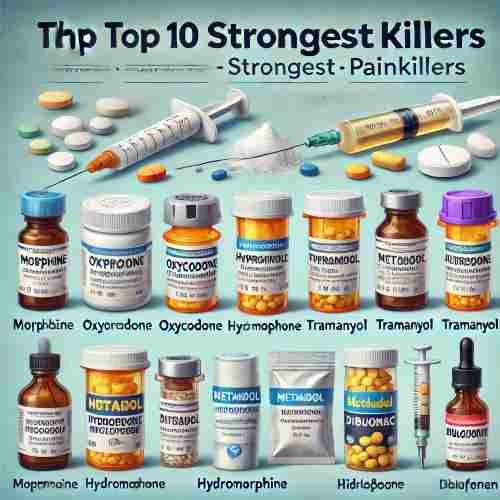
Top-10-Best-Strongest-Pain-Killers-Tablet

Morphine

Morphine is a powerful medication used to relieve severe pain. It belongs to a group of medicines called opioids, which work by targeting specific receptors in the brain and spinal cord. By doing this, morphine reduces the feeling of pain, making it easier for people to manage extreme discomfort.

Uses

Morphine is typically prescribed for intense pain that other pain relievers can’t control. It is commonly used in cases such as:

  • Acute pain from injuries
  • Pain following surgery
  • Pain caused by cancer
  • Long-term severe pain

Side Effects

Like many strong pain killers, morphine can cause side effects. Some common ones include:

  • Drowsiness or sleepiness
  • Constipation
  • Nausea
  • Feeling dizzy

Oxycodone

Oxycodone is a powerful pain-relieving medicine that belongs to the opioid class of drugs. It is used to manage moderate to severe pain and comes in two forms: immediate-release for quick pain relief and extended-release for long-lasting relief over time.

Uses

Doctors often prescribe oxycodone for:

  • Long-term chronic pain
  • Severe pain from conditions like cancer
  • Intense pain due to serious injuries

Side Effects

Like other opioids, oxycodone can cause side effects. Some of the common ones include:

  • Constipation
  • Nausea
  • Feeling drowsy or sleepy

Fentanyl

Fentanyl is an extremely strong synthetic opioid, known to be 50 to 100 times more powerful than morphine. It is available in different forms such as patches, lozenges, and injections, making it versatile for various types of pain management.

Uses

Fentanyl is mainly used to manage:

  • Severe pain that doesn’t respond to other pain killers
  • Breakthrough pain in cancer patients
  • Pain after major surgery or in emergency situations

Side Effects

While fentanyl is effective in relieving pain, it comes with potential side effects such as:

  • Slow or difficult breathing (respiratory depression)
  • Constipation
  • Feeling dizzy or lightheaded

Hydromorphone

Hydromorphone is a powerful opioid pain reliever, known to be stronger than morphine. It’s typically prescribed for managing intense pain in people who require constant pain control throughout the day.

Uses

Hydromorphone is used to treat:

  • Severe pain that requires ongoing treatment
  • Post-surgery pain
  • Cancer-related pain
  • Other cases where typical pain relievers don’t provide enough relief

Side Effects

Common side effects of hydromorphone include:

  • Drowsiness or sedation
  • Nausea
  • Constipation
  • Breathing problems (respiratory depression)

Tramadol

Tramadol is a synthetic opioid pain reliever that works on the central nervous system. It’s considered less likely to cause addiction compared to stronger opioids like morphine or oxycodone, making it a popular choice for treating pain.

Uses

Tramadol is commonly used to treat:

  • Moderate to moderately severe pain
  • Conditions like arthritis
  • Pain relief after surgery or injury

Side Effects

Some common side effects of tramadol include:

  • Nausea
  • Dizziness
  • Constipation
  • Drowsiness

Buprenorphine

Buprenorphine is a partial opioid agonist, meaning it helps relieve pain while posing a lower risk of severe side effects like respiratory depression compared to stronger opioids. This makes it a safer option for managing pain in some cases.

Uses

Buprenorphine is commonly prescribed for:

  • Long-term (chronic) pain management
  • Treating opioid dependence in recovery programs, helping reduce cravings and withdrawal symptoms

Side Effects

While buprenorphine is generally safer than full opioids, it can still cause side effects, including:

  • Headaches
  • Nausea
  • Risk of dependency, though less severe than stronger opioids

Methadone

Methadone is a long-lasting opioid that is used for pain relief and also plays a key role in helping people recover from opioid addiction. Its unique ability to stay in the body longer helps manage pain and withdrawal symptoms effectively.

Uses

Methadone is commonly used for:

  • Managing long-term (chronic) pain and nerve-related (neuropathic) pain
  • Treating opioid dependence, helping to reduce cravings and withdrawal symptoms in recovery programs

Side Effects

Like other opioids, methadone can cause side effects such as:

  • Difficulty breathing (respiratory depression)
  • Nausea
  • Dizziness
  • Risk of addiction, especially with long-term use

Hydrocodone

Hydrocodone is a semi-synthetic opioid commonly prescribed to manage moderate to severe pain. It is often combined with non-opioid pain relievers like acetaminophen or ibuprofen to boost its effectiveness.

Uses

Hydrocodone is used for:

  • Managing pain after surgeries
  • Treating chronic pain due to injuries or conditions like arthritis

Side Effects

Common side effects of hydrocodone include:

  • Feeling sleepy or drowsy
  • Nausea
  • Constipation
  • In higher doses, it can slow down breathing (respiratory depression) and lead to addiction if not used properly.

Diclofenac

Diclofenac is a nonsteroidal anti-inflammatory drug (NSAID) commonly prescribed to reduce inflammation and relieve pain. It is especially effective in treating conditions where inflammation is a key issue, such as arthritis or after surgery.

Uses

Diclofenac is used for:

  • Reducing pain and swelling in arthritis
  • Managing mild to moderate pain, such as post-surgical pain or sports injuries
  • Alleviating pain related to inflammatory conditions

Side Effects

Some common side effects of diclofenac include:

  • Stomach issues like ulcers or bleeding
  • Nausea
  • Potential liver damage with long-term use or high doses
  • Dizziness or headaches in some cases

Ibuprofen

Ibuprofen is a commonly used nonsteroidal anti-inflammatory drug (NSAID) that helps reduce pain, inflammation, and fever. It is often recommended for various types of pain and inflammation, making it a go-to choice for everyday discomfort.

Uses

Ibuprofen is used for:

  • Relieving mild to moderate pain such as headaches, toothaches, and muscle pain
  • Reducing inflammation in conditions like arthritis and muscle injuries
  • Easing menstrual cramps and managing fever

Side Effects

Common side effects of ibuprofen include:

  • Stomach irritation or discomfort
  • Increased risk of ulcers with prolonged use
  • Potential kidney issues when taken for long periods or in high doses

Recommended Reading: Eye Socket Pain Causes, Prevention, & Treatment (Eye Socket Pain & Headache)

Types of Pain

Types of Pain

Pain can be classified into different types, including acute pain, which is short-term and sudden, and chronic pain, which persists for months or longer. Other types include neuropathic pain caused by nerve damage and inflammatory pain linked to conditions like arthritis.

Types-of-Pain

Pain can be categorized based on how long it lasts, its cause, and its severity. Understanding these types helps in choosing the right treatment.

Acute Pain

  • Definition: Sudden, short-term pain that typically happens due to an injury, surgery, or illness.
  • Example: Pain from a broken bone or post-surgical recovery.

Chronic Pain

  • Definition: Long-lasting pain that persists for over 12 weeks and is often linked to conditions like arthritis or nerve damage.
  • Example: Ongoing back pain or pain from fibromyalgia.

Neuropathic Pain

  • Definition: Pain caused by nerve damage, often described as burning, tingling, or shooting pain.
  • Example: Pain from diabetic neuropathy or sciatica.

Inflammatory Pain

  • Definition: Pain caused by inflammation in tissues or joints, commonly seen in conditions like arthritis.
  • Example: Joint pain in rheumatoid arthritis or swelling after an injury.

Recommended Reading: 10 Best Period Pain Relief Pills (To Stop Period Pain Immediately)

Pain Killer Injections

Pain Killer Injections

Pain killer injections provide targeted pain relief for severe or localized pain, often used in conditions like chronic pain, nerve pain, or post-surgery recovery. Common types include nerve blocks, steroid injections, and trigger point injections.
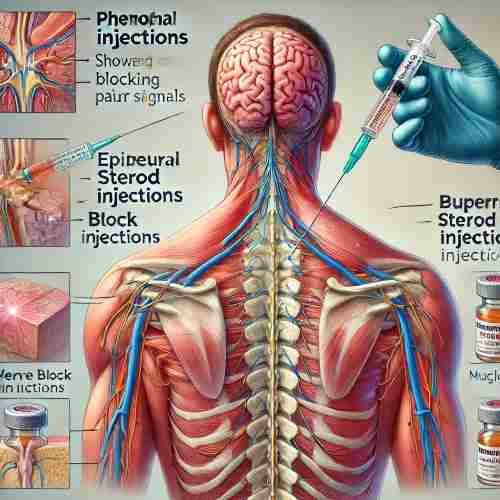
Pain Killer Injections

Injections are powerful pain relief methods, often used for severe or localized pain. These treatments work quickly and are commonly used when oral medications are not enough.

Phenol Injections

  • How They Work: Phenol injections destroy the nerves responsible for sending pain signals, reducing chronic pain.
  • Use: Effective for managing long-term, severe pain conditions.

Buprenorphine Injections

  • How They Work: Buprenorphine is an opioid used for treating severe pain, especially in patients who can’t tolerate other pain killers.
  • Use: Common for pain related to injury or surgery.

Epidural Steroid Injections

  • How They Work: These injections deliver steroids to the area around the spine, reducing inflammation and pain.
  • Use: Ideal for back pain, sciatica, or herniated discs.

Nerve Block Injections

  • How They Work: They block pain signals from specific nerves, reducing pain in targeted areas.
  • Use: Helpful for treating localized pain from nerve inflammation.

Trigger Point Injections

  • How They Work: These injections relax tight muscle areas, known as trigger points, which are causing pain.
  • Use: Commonly used for muscle pain relief in areas like the neck, back, and shoulders.

Recommended Reading: How To Control Period Pain? (10 Ways To Control Menstrual Cramps)

Pain Killer Creams and Gels

Pain Killer Creams and Gels

Pain killer creams and gels offer localized relief for muscle and joint pain by reducing inflammation or numbing the area. They are commonly used for conditions like arthritis, sprains, or back pain.
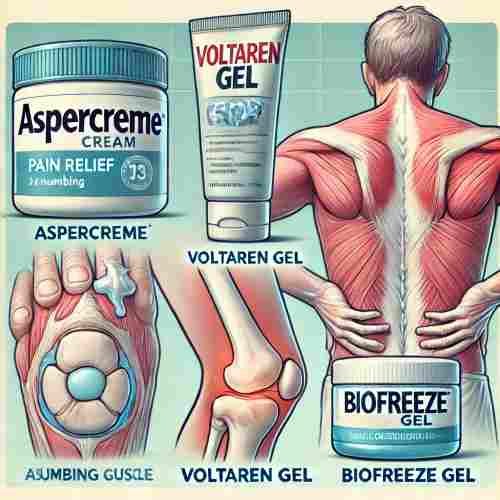
Pain-Killer-Creams-and-Gels

Topical creams and gels are great for targeting localized pain. They are applied directly to the skin and provide relief without needing to take oral medications.

Aspercreme

  • How It Works: Contains lidocaine, a numbing agent that blocks pain signals from reaching the brain.
  • Use: Effective for relieving muscle aches, joint pain, and minor injuries.

Voltaren Gel

  • How It Works: A nonsteroidal anti-inflammatory drug (NSAID) that reduces inflammation and pain.
  • Use: Commonly used for arthritis pain in joints such as knees, hands, and elbows.

Biofreeze Gel

  • How It Works: Provides a cooling sensation that helps to soothe sore muscles and joints.
  • Use: Ideal for muscle pain, sports injuries, and backaches.

Pain Killer Syrups

Pain Killer Syrups

Pain killer syrups provide an easy-to-take option for pain relief, often used for children or adults who struggle with swallowing pills. They help manage mild to moderate pain, such as headaches or fever.
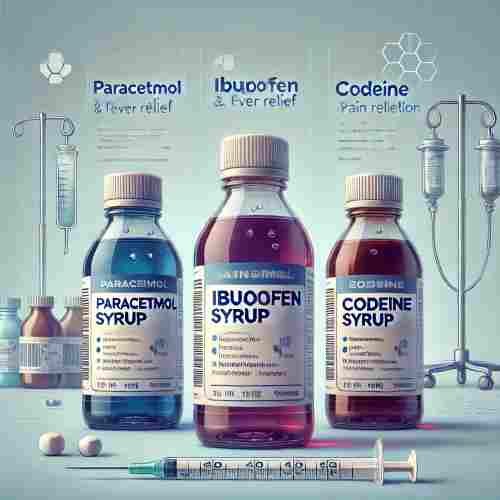
Pain-Killer-Syrups

Liquid pain medications are a great alternative for those who struggle with swallowing pills, especially for children or people with certain medical conditions.

Paracetamol Syrup

  • How It Works: Provides relief from mild to moderate pain by reducing the body’s production of pain-causing chemicals.
  • Use: Commonly used for headaches, toothaches, and fever relief, particularly in children.

Ibuprofen Syrup

  • How It Works: A nonsteroidal anti-inflammatory drug (NSAID) that reduces inflammation and relieves pain.
  • Use: Effective for conditions like teething, minor injuries, and fever in children.

Codeine Syrup

  • How It Works: A mild opioid that targets the brain’s pain receptors, offering stronger pain relief.
  • Use: Used for moderate to severe pain, often in cases where other pain killers are not effective.

Recommended Reading: Teenage Period Pain Relief Home Remedies (Top 10 Remedies)

Pain Killer Uses

Pain Killer Uses

Pain killers are used to relieve various types of pain, including headaches, muscle pain, and post-surgery discomfort. They also help manage chronic conditions like arthritis and nerve pain.
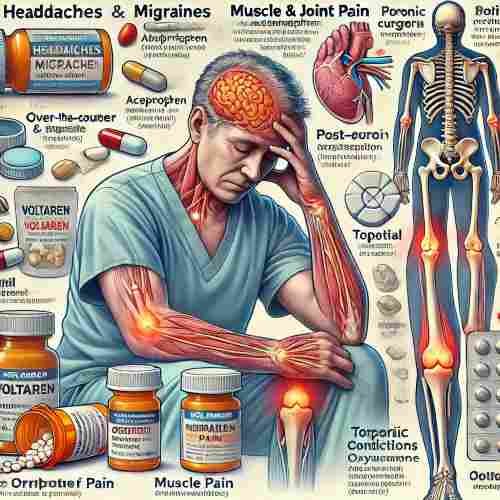
Pain-Killer-Uses

Pain killers help manage different types of pain across various conditions:

Headaches and Migraines

  • Treatment: Over-the-counter NSAIDs (like ibuprofen) or acetaminophen are commonly used for mild to moderate headaches. Stronger medications may be needed for migraines.

Muscle and Joint Pain

  • Treatment: NSAIDs and opioids can relieve muscle pain, while topical creams or gels like Voltaren help with localized joint pain from conditions such as arthritis.

Post-Surgery Pain

  • Treatment: Strong opioids like morphine or oxycodone are typically prescribed to control severe pain following surgery.

Chronic Conditions

  • Treatment: Pain from long-term conditions like arthritis or cancer is often managed with a combination of opioids, NSAIDs, and additional medications to control inflammation or nerve pain.

Recommended Reading: Eye Socket Pain & Headache Causes, Prevention, & Treatment

Pain Killer Side Effects

While pain killers are helpful for relieving pain, they can also cause side effects, especially if used for a long time:

Common Side Effects

  • Nausea: Many pain medications, particularly opioids, can make you feel sick to your stomach.
  • Constipation: Opioids often slow down digestion, leading to difficulty with bowel movements.
  • Dizziness and Drowsiness: Pain killers can make you feel lightheaded or sleepy, affecting your ability to stay alert.

Serious Side Effects

  • Respiratory Depression: Opioids can slow your breathing, which is dangerous if the dosage is too high.
  • Liver Damage: Prolonged use of NSAIDs like ibuprofen can harm the liver, especially if taken in large amounts.
  • Addiction: Opioids have a high risk of dependency, making it crucial to follow prescribed dosages carefully.

Pain Killer Benefits

Pain killers, also called analgesics, are medications that help relieve pain and reduce inflammation.

Benefits

  • Pain Relief: Pain killers help manage pain from headaches, muscle pain, arthritis, and other conditions, making daily life more manageable.
  • Improved Function: With less pain, you can perform better in both personal and work activities, leading to greater productivity.
  • Better Sleep: By reducing pain, these medications can improve sleep quality, helping you rest more peacefully.
  • Reduced Anxiety and Depression: Managing pain effectively can also help ease mental health issues like anxiety and depression.
  • Lower Blood Pressure: Some pain killers may help reduce blood pressure by alleviating discomfort and reducing stress on the body.

Recommended Reading: How To Stop Period Pain Immediately?

FAQs

Are pain killers safe to use?

Yes, when used as directed by a doctor or according to the instructions on the packaging. However, prolonged use or overuse can lead to side effects such as stomach irritation, liver damage, or even dependency in the case of opioids.

Can I use Pain killers every day?

It’s not recommended to use pain killers daily for long periods. Overuse can cause side effects like stomach ulcers, liver damage, or addiction.

What are the side effects of pain killers?

Common side effects include nausea, drowsiness, dizziness, and constipation. Strong pain killers like opioids may cause more severe side effects such as respiratory depression and addiction if not used correctly.

Can I take pain killers on an empty stomach?

Some pain killers, like NSAIDs (ibuprofen, aspirin), can cause stomach irritation if taken on an empty stomach. It’s usually better to take them with food.

Are there non-addictive pain killers?

Yes, medications like acetaminophen and NSAIDs (ibuprofen, aspirin) are non-addictive and are often recommended for short-term pain relief. Opioids, however, can be addictive if misused or taken for long periods.

Can children take pain killers?

Yes, but only certain types are safe for children, such as acetaminophen or ibuprofen in pediatric doses.

Can pregnant women take pain killers?

Some pain killers, like acetaminophen, are considered safe during pregnancy, but others, such as NSAIDs or opioids, may not be recommended.

How do opioids relieve pain?

Opioids work by binding to specific receptors in the brain and spinal cord, blocking the pain signals being sent to the brain.

Are there any natural alternatives to pain killers?

Yes, some natural remedies, like turmeric, ginger, or certain supplements like omega-3 fatty acids, may help reduce inflammation and pain.

Recommended Reading: Top 10 Remedies For Teenage Period Pain Relief

Conclusion

Strong pain killers, like opioids and NSAIDs, are essential for managing severe or long-lasting pain. They can offer much-needed relief for conditions like post-surgery pain, arthritis, or cancer pain.

However, these medications also come with serious risks, including side effects such as nausea, dizziness, and in some cases, addiction. Prolonged use may also lead to more severe health issues like liver damage or respiratory problems.

It’s important to always consult with a healthcare provider before using strong pain killers, especially for extended periods, to ensure safe and effective treatment.

Disclaimer
Commissions we earn from partner links on this page do not influence our content. Our editorial content is based on thorough research and insights from qualified medical professionals to ensure the highest standards of accuracy and reliability.

Information provided on Doseway is for educational purposes only. Your health and wellness are unique to you, and the products and services we review may not be suitable for your circumstances. We do not offer personal medical advice, diagnosis, or treatment plans. For specific advice, please consult with a healthcare professional. Doseway adheres to strict editorial integrity standards. To the best of our knowledge, all content is accurate as of the date posted, though offers and information may change. The opinions expressed are the author’s own and have not been influenced, approved, or endorsed by our partners.

Knee-Pain-Treatment

Knee Pain Treatment Without Surgery (Over 99% Success Rate)

Knee pain is a common issue affecting many people due to injury, aging, or medical conditions like arthritis. Treating knee pain without surgery can be effective in over 99% of cases, provided the right combination of therapies is used.

Non-surgical treatments focus on relieving pain, improving mobility, and addressing underlying causes. These treatments include physical therapy, medications, injections, and lifestyle changes.

Recommended Reading: Is Belly Button Pain A Sign Of Miscarriage? (Causes & Treatment)

Knee Pain Treatment Without Surgery (Over 99% Success Rate)

Knee-Pain-Treatment-Without-Surgery

Recommended Reading: Belly Button Pain: Symptoms, Causes & Treatment

Best Knee Pain Treatment | Top 5 Best Treatment Option

Best Knee Pain Treatment

Physical therapy, medications, and injections help manage knee pain effectively. Home remedies and lifestyle changes also support recovery.

Best-Treatment-Of-Knee-Pain

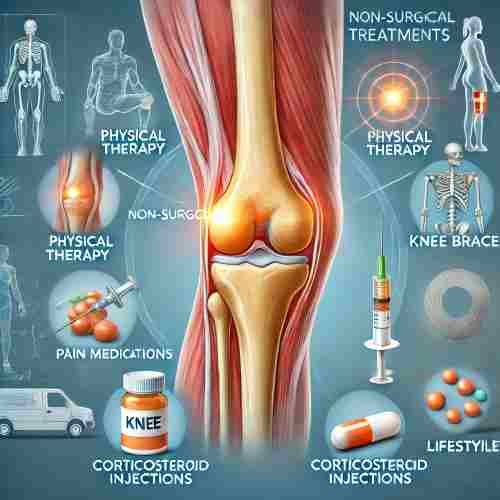
Treatments for Knee Pain {Treatments Types}

Physical Therapy

  • Physical therapy helps strengthen muscles around the knee, improving support, flexibility, and movement. It includes exercises targeting the quadriceps, hamstrings, and calves. Other techniques like ultrasound therapy and electrical stimulation might also be used.

Pain Medications

  • Over-the-counter pain relievers like ibuprofen (Advil) or acetaminophen (Tylenol) can help manage pain.
  • Topical creams like capsaicin or lidocaine can reduce localized pain.
  • In some cases, stronger prescription medications may be needed.

Knee Braces

  • Braces provide support and stabilize the knee, reducing strain. They are helpful for people with instability or minor knee injuries.

Corticosteroid Injections

  • Steroid injections directly into the knee joint reduce inflammation and relieve pain quickly. These are usually for short-term relief.

Hyaluronic Acid Injections

  • This treatment involves injecting a lubricating fluid into the knee joint, improving movement and easing pain, especially in people with osteoarthritis.

Weight Management

  • Losing excess weight reduces the pressure on the knees, which can lower pain and improve mobility.

Lifestyle Changes

  • Avoid high-impact activities that worsen knee pain.
  • Use proper footwear and take breaks when needed.
  • Include low-impact exercises like swimming or cycling to stay active without stressing the knees.

Recommended Reading: Eye Socket Pain Causes, Prevention, & Treatment (Eye Socket Pain & Headache)

Additional Non-Surgical Knee Pain Treatment

Additional Non-Surgical Knee Pain Treatment

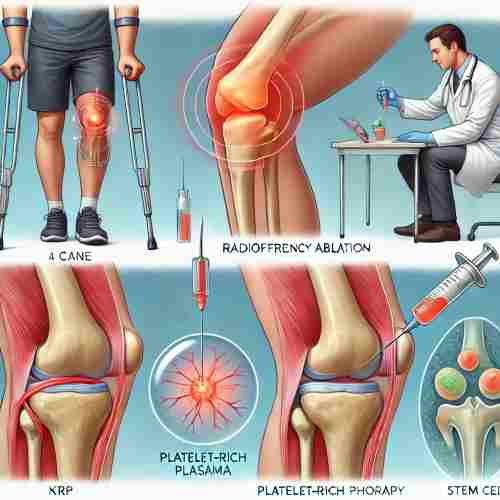
Assistive devices like canes or crutches reduce knee pressure and provide support. Radiofrequency ablation uses heat to block pain signals. PRP injections promote healing using platelets from your blood. Stem cell therapy helps regenerate cartilage and repair knee damage.

Additional-Non-Surgical-Treatments-for-Knee-Pain

Assistive Devices

  • Using a cane or crutches can help by reducing pressure on the knee and providing extra support while walking.

Radiofrequency Ablation

  • This is a minimally invasive procedure where heat is used to disrupt pain signals coming from the knee joint, helping to reduce pain.

Platelet-Rich Plasma (PRP) Injections

  • PRP involves injecting a solution made from your own blood’s platelets into the knee. This promotes healing of tissues in the knee joint.

Stem Cell Therapy

  • Stem cells are injected into the knee to help regenerate cartilage and repair damaged tissues, potentially improving joint function and reducing pain.

Non-Surgical Knee Pain Treatment

Medication

  • Pain relievers like ibuprofen or acetaminophen and topical creams such as lidocaine or capsaicin.

Exercise

  • Strengthen knee, hip, and core muscles with low-impact activities like swimming or cycling.

Lifestyle Changes

  • Maintain healthy weight, follow an anti-inflammatory diet, and avoid high-impact activities.

Other Treatments

  • Knee braces, RICE (Rest, Ice, Compression, Elevation), corticosteroid or hyaluronic acid injections, PRP, and stem cell therapy.

Recommended Reading: 10 Best Period Pain Relief Pills (To Stop Period Pain Immediately)

Non-Surgical Knee Pain Medications

Non-Surgical Knee Pain Treatment Medications

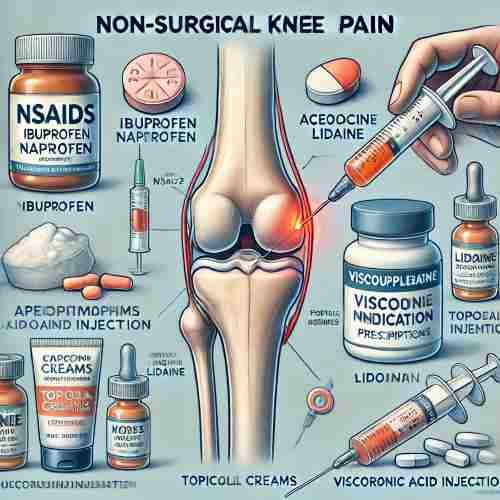
Non-surgical Knee Pain Treatment medications include NSAIDs like ibuprofen for pain and inflammation. Acetaminophen helps with pain, while topical creams provide localized relief. Viscosupplementation uses hyaluronic acid to improve movement. Prescription drugs like COX-2 inhibitors or opioids are for severe pain.

Non-Surgical-Knee-Pain-Medications

NSAIDs (Non-Steroidal Anti-Inflammatory Drugs)

  • Common options like ibuprofen and naproxen to relieve pain and reduce inflammation.

Acetaminophen

  • Provides pain relief but does not reduce inflammation.

Topical Creams

  • Creams with capsaicin or lidocaine for localized pain relief.

Viscosupplementation

  • Hyaluronic acid injections to lubricate the knee and improve movement.

Prescription Medications

  • Stronger NSAIDs, COX-2 inhibitors, or opioids prescribed for severe knee pain.

Recommended Reading: How To Control Period Pain? (10 Ways To Control Menstrual Cramps)

Side Effects of Non-Surgical Knee Pain Treatments

Side Effects of Non-Surgical Knee Pain Treatments

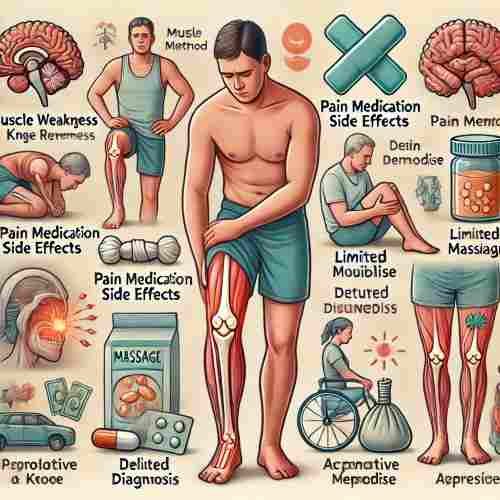
Non-surgical knee pain treatments may cause muscle weakness, limited mobility, and side effects like stomach irritation from NSAIDs. Chronic pain can also lead to emotional issues such as anxiety or frustration.

Side-Effects-of-Non-Surgical-Knee-Pain-Treatments

Muscle Weakness

  • Reduced activity can weaken muscles around the knee.

Pain Medication Side Effects

  • NSAIDs may cause stomach irritation, ulcers, or digestive problems.

Delayed Diagnosis

  • Serious knee conditions might go untreated if not properly diagnosed.

Limited Mobility

  • Pain may restrict daily activities and movement.

Psychological Impact

  • Chronic knee pain can lead to anxiety, depression, or frustration.

Home Remedies for Knee Pain

  • RICE Method: Rest, ice, compression, and elevation to reduce pain and swelling.
  • Medication: Use over-the-counter NSAIDs like ibuprofen or acetaminophen for pain relief.
  • Home Exercises: Gentle activities like static cycling and strengthening exercises for knee muscles.
  • Herbal Remedies: Turmeric and ginger for their anti-inflammatory properties.
  • Massage: Massaging with coconut oil to soothe knee pain.
  • Other Methods: Acupuncture, yoga, swimming, and following an anti-inflammatory diet for additional relief.

Recommended Reading: Teenage Period Pain Relief Home Remedies (Top 10 Remedies)

Best Medications for Knee Pain

Best Medications for Knee Pain

The best medications for Knee Pain Treatment include NSAIDs like ibuprofen, corticosteroids for inflammation, and topical treatments like Voltaren gel. Opioids may be used for severe pain, but only short-term.

Best-Medications-for-Knee-Pain

  • Corticosteroids: Steroid injections to reduce inflammation and pain.
  • NSAIDs: Common pain relievers like ibuprofen, naproxen, and aspirin.
  • Opioids: Strong painkillers for severe pain, used only for short-term relief.
  • Hyaluronic Acid: Injections to lubricate the knee joint for easier movement.
  • Topical Treatments: Pain-relief gels and creams like Voltaren gel or capsaicin cream applied directly to the knee.

Knee Pain Relief Exercises

  • Straight Leg Raises: Strengthens thigh muscles (quads) without putting pressure on the knee.
  • Hamstring Curls: Strengthens back thigh muscles (hamstrings) to support the knee.
  • Calf Raises: Builds calf muscles, which help in supporting knee movement.
  • Wall Slides: Strengthens muscles around the knee for better support and stability.
  • Side Step-Ups: Improves knee stability and strength by engaging multiple muscles.
  • Side-Lying Hip Abduction: Strengthens hip muscles, reducing strain on the knee joint.

Recommended Reading: Eye Socket Pain & Headache Causes, Prevention, & Treatment

Common Causes of Knee Pain

Common Causes of Knee Pain

Common causes of knee pain include injuries like sprains, ligament tears, arthritis, and overuse from activities. Age-related wear and tear or obesity can also contribute to knee discomfort.

Common-Causes-of-Knee-Pain

Knee pain can result from various reasons, including injuries or health conditions. Here are some of the common causes:

  • Ligament Injuries: Tears in ligaments such as the ACL, MCL, or PCL, usually caused by sudden twists or sports activities.
  • Cartilage Tears: Meniscus tears, which occur when the knee twists while bearing weight.
  • Tendonitis: Inflammation of tendons around the knee, especially patellar tendonitis, often seen in runners.
  • Osteoarthritis: A condition where the cartilage in the knee wears down, often due to aging or previous injuries.
  • Runner’s Knee (Patellofemoral Pain Syndrome): Pain around the kneecap, commonly due to overuse from running or repetitive movements.
  • Iliotibial Band Syndrome: Pain on the outer side of the knee caused by inflammation of the iliotibial band.
  • Bursitis: Inflammation of the bursa sacs around the knee joint.
  • Stress Fractures: Small cracks in the knee bones, often from overuse.
  • Gout: Sudden, sharp pain caused by uric acid crystal deposits in the knee joint.
  • Osgood-Schlatter Disease: Pain just below the kneecap in teenagers, often linked to growth and repetitive jumping activities.

Effectiveness of Non-Surgical Knee Pain Treatments

Clinical Evidence

  • Research shows that combining physical therapy, medication, and injections can effectively manage Knee Pain Treatment without surgery.
  • PRP injections and hyaluronic acid (viscosupplementation) have shown good results in reducing pain and improving knee function.
  • Weight management and lifestyle changes are also key to long-term knee pain relief.

Expected Results

  • Pain relief typically starts within weeks or months, depending on the treatment.
  • Regular physical therapy helps improve muscle strength and knee mobility over time.

Side Effects & Precautions

Common Side Effects

  • Over-the-counter pain meds like NSAIDs can lead to stomach upset or ulcers if used for too long.
  • Repeated corticosteroid injections might weaken the knee joint over time.

Precautions

  • Always check with your doctor before starting any new treatment to ensure it suits your condition.
  • Monitor weight and physical activity to avoid making knee pain worse.

Serious Side Effects

  • Rarely, injections may cause infections or allergic reactions.
  • Ignoring knee pain can result in further joint damage or injury.

Pros & Cons

Advantages

  • Non-surgical options are less invasive, leading to faster recovery.
  • Physical therapy, injections, and other treatments can significantly reduce pain.
  • Weight management not only eases knee pain but also improves overall health.

Disadvantages

  • Some treatments provide only short-term relief and may need to be repeated.
  • Long-term use of painkillers can cause side effects.
  • Advanced treatments like PRP or stem cell therapy can be expensive.

Recommended Reading: How To Stop Period Pain Immediately?

FAQs

What causes knee pain?

Knee pain can result from injury, arthritis, overuse, or aging. Common causes include torn ligaments, cartilage wear, and inflammation.

How can I relieve knee pain at home?

Rest, ice, compression, and elevation (RICE) can help. Over-the-counter pain relievers like ibuprofen or acetaminophen also provide relief.

When should I see a doctor for knee pain?

If knee pain is severe, lasts for more than a few weeks, or causes swelling or difficulty moving, consult a doctor.

Are exercises helpful for knee pain?

Yes, strengthening exercises like leg raises, hamstring curls, and wall slides can help support the knee and reduce pain.

What treatments are available for knee pain?

Non-surgical options include medications, physical therapy, injections (corticosteroids, hyaluronic acid), and lifestyle changes.

Can losing weight help with knee pain?

Yes, reducing excess weight can decrease pressure on the knee joints, leading to less pain and improved mobility.

What are the best over-the-counter medications for knee pain?

Nonsteroidal anti-inflammatory drugs (NSAIDs) like ibuprofen and naproxen are commonly used for knee pain relief.

Are knee braces effective for pain relief?

Yes, knee braces can provide support, stabilize the joint, and reduce stress, helping relieve pain during movement.

What are some non-surgical treatments for knee pain?

Non-surgical treatments include physical therapy, PRP injections, stem cell therapy, and radiofrequency ablation.

What are the side effects of Knee Pain Treatment medications?

NSAIDs may cause stomach irritation, ulcers, or digestive issues with long-term use. Corticosteroid injections can weaken joints if overused.

Conclusion

Recommended Reading: Top 10 Remedies For Teenage Period Pain Relief

Summary of Findings

  • Non-surgical Knee pain treatments, such as physical therapy, medications, and injections, can effectively manage knee pain. These methods are safe and generally provide good results without needing surgery.

Recommendation

  • People with knee pain should try non-surgical treatments first, like physical therapy and weight management. It’s important to talk to a healthcare professional to find the best approach for your specific condition.

Disclaimer
Commissions we earn from partner links on this page do not influence our content. Our editorial content is based on thorough research and insights from qualified medical professionals to ensure the highest standards of accuracy and reliability.

Information provided on Doseway is for educational purposes only. Your health and wellness are unique to you, and the products and services we review may not be suitable for your circumstances. We do not offer personal medical advice, diagnosis, or treatment plans. For specific advice, please consult with a healthcare professional. Doseway adheres to strict editorial integrity standards. To the best of our knowledge, all content is accurate as of the date posted, though offers and information may change. The opinions expressed are the author’s own and have not been influenced, approved, or endorsed by our partners.
Belly-Button-Pain-A-Sign-Of-Miscarriage

Is Belly Button Pain A Sign Of Miscarriage? (Causes & Treatment)

Belly button pain during pregnancy can be a common discomfort, but it often leads to concern, especially for expecting mothers worried about miscarriage.

While belly button pain is typically not a direct sign of miscarriage, it can be caused by various factors, such as the growing uterus or baby’s movements. If the pain is intense or accompanied by other symptoms like bleeding or cramping.

Recommended Reading: Belly Button Pain: Symptoms, Causes & Treatment

Is Belly Button Pain A Sign Of Miscarriage? (Causes & Treatment)

Is-Belly-Button-Pain-A-Sign-Of-Miscarriage

Recommended Reading: Eye Socket Pain Causes, Prevention, & Treatment (Eye Socket Pain & Headache)

Causes of Belly Button Pain During Pregnancy

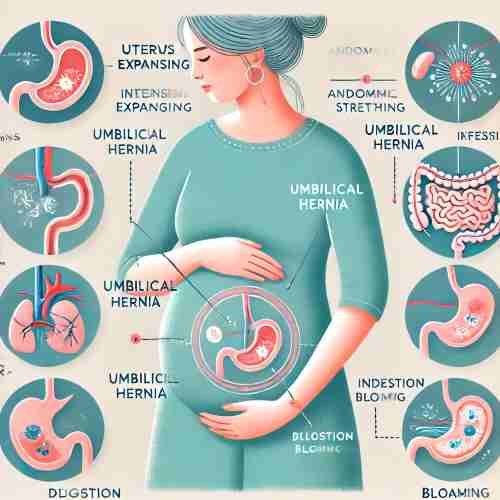
Belly pain in pregnancy is common due to a growing uterus, stretching muscles, and pressure. It’s usually harmless but can result from infections, hernias, or digestive issues. Baby’s movements and reduced abdominal space may also cause discomfort.

Causes-of-Belly-Button-Pain-During-Pregnancy

What is Belly Button Pain?

Belly button pain is a common issue many pregnant women face. It usually happens because the uterus is growing, the abdominal muscles are stretching, and there’s increased pressure. It’s rarely linked to miscarriage. Other reasons for this pain may include infections, hernias, or digestive problems.

How Does Belly Button Pain Occur?

  • Uterine Pressure: As the baby grows, the expanding uterus causes discomfort around the belly button area.
  • Baby’s Movements: The baby’s kicks or movements can press against the abdominal wall, leading to pain.
  • Lack of Space: The growing baby reduces space in the abdomen, causing tightness and pain.

Other Causes

  • Infection: Infections near the belly button or in the digestive system can cause pain.
  • Hernia: Umbilical hernias may lead to discomfort.
  • Digestive Issues: Indigestion, bloating, or constipation can also be sources of belly pain.

Recommended Reading: 10 Best Period Pain Relief Pills (To Stop Period Pain Immediately)

Miscarriage and Belly Button Pain

Miscarriage and Belly Button Pain

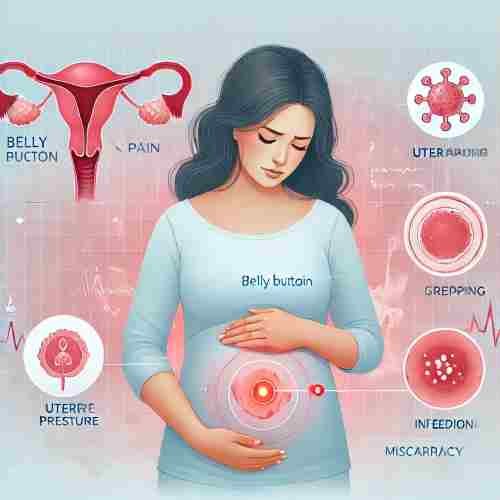
Belly button pain alone isn’t a miscarriage sign but may result from muscle stretching. Miscarriages usually involve severe cramping, bleeding, or tissue loss. Seek medical help if pain comes with heavy bleeding or intense cramps.

Miscarriage-and-Belly-Button-Pain

Is Belly Button Pain a Sign of Miscarriage?

Belly button pain by itself is not usually a sign of miscarriage. Miscarriages often come with severe cramping, bleeding, and passing tissue. Belly pain during pregnancy is mostly caused by stretching muscles as the belly grows. If the pain is combined with symptoms like bleeding or cramping, it’s important to seek medical attention.

When to Worry About Miscarriage

  • Severe belly pain paired with heavy bleeding.
  • Intense cramping or passing tissue.

Treatment for Belly Button Pain

Home Remedies for Belly Button Pain

  • Heat Therapy: Use a heating pad to ease the discomfort.
  • Hydration: Drink lots of water to help with digestion and reduce bloating.
  • Dietary Changes: Eat smaller meals and avoid spicy, greasy foods to prevent digestive issues.

Medical Treatments for Belly Button Pain

  • Antibiotics: Used to treat infections causing the pain.
  • Surgery: Necessary for conditions like umbilical hernia or appendicitis.
  • Medications: Proton pump inhibitors for ulcers, antispasmodics for muscle pain, and laxatives for constipation relief.

Recommended Reading: How To Control Period Pain? (10 Ways To Control Menstrual Cramps)

Pros & Cons of Belly Button Pain Treatments

Pros & Cons of Belly Button Pain Treatments

Home remedies like heat therapy and dietary changes are safe and easy during pregnancy. Ignoring persistent pain may delay treatment for infections, hernias, or serious issues. Belly pain can result from uterine pressure, baby’s movements, infections, or digestive problems.

Pros-&-Cons-of-Belly-Button-Pain-Treatments

Advantages of Home Remedies

  • Safe and Non-Invasive: Home remedies like heat therapy and dietary changes are gentle and safe during pregnancy.
  • Convenient: They can be easily done at home without needing a doctor’s visit.

Disadvantages of Ignoring the Pain

  • Missed Serious Conditions: Ignoring persistent pain could delay treatment for infections, hernias, or other serious issues.
  • Possible Complications: In severe cases, medical intervention may be required if home remedies aren’t enough.

Causes of Belly Button Pain

Uterine Pressure and Stretching

As the baby grows, the expanding uterus stretches the abdominal muscles, causing pressure and discomfort around the belly button.

Baby’s Movements

The baby’s kicks and movements inside the womb can push against the belly button area, leading to pain or discomfort.

Lack of Space Due to Baby’s Growth

As the pregnancy progresses, the baby takes up more space, causing tightness and discomfort in the abdomen, including the belly button area.

Other Causes

  • Infection: Infections in the belly button or digestive system may cause pain.
  • Umbilical Hernia: A hernia in the belly button area can lead to sharp pain.
  • Digestive Issues: Bloating, constipation, or indigestion can also contribute to belly pain.

Recommended Reading: Teenage Period Pain Relief Home Remedies (Top 10 Remedies)

Common Causes of Belly Button Pain

Common Causes

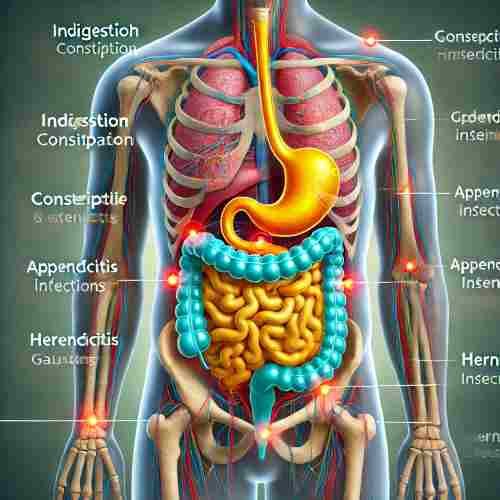
Belly button pain can result from indigestion, constipation, or stretching ligaments during pregnancy. In rare cases, it signals serious issues like appendicitis or gallstones. Seek medical help for severe pain, fever, vomiting, or unusual stool color.

Common-Causes-of-Belly-Button-Pain

Indigestion and Constipation

Digestive issues like indigestion and constipation can lead to discomfort and pressure around the belly button.

During pregnancy, stretching ligaments can cause sharp pain near the belly button as the body adjusts to the growing baby.

Serious Conditions: Appendicitis, Gallstones, Pancreatitis

In rare cases, belly pain can signal more serious conditions like appendicitis, gallstones, or pancreatitis, which require immediate medical attention.

Other Causes

  • Infections: Infections around the belly button or digestive system can cause pain.
  • Hernias: An umbilical hernia may lead to sharp pain and discomfort.
  • Muscle Strain: Overstretching or straining abdominal muscles can cause pain in the belly button area.

Recommended Reading: Eye Socket Pain & Headache Causes, Prevention, & Treatment

When to Seek Medical Advice

When Should You Be Concerned?

While belly pain during pregnancy is usually not a major issue, there are times when you should get medical help:

  • Severe Pain: If the pain spreads throughout your abdomen or you experience contractions, it’s important to contact your doctor.
  • Additional Symptoms: If you have fever, vomiting, or feel extremely tired along with the pain, this could be a sign of something more serious.
  • Serious Indicators: If you notice black, tar-like stools, vomiting blood, or difficulty swallowing, seek medical attention right away.

Recommended Reading: How To Stop Period Pain Immediately

FAQs

Can belly button pain indicate a miscarriage?

No, belly button pain alone is not a sign of miscarriage. Miscarriage symptoms usually include severe cramping, bleeding, and passing tissue. Belly pain is mostly due to stretching muscles or pressure from the growing baby.

What causes belly button pain during pregnancy?

It’s commonly caused by the expanding uterus, stretching abdominal muscles, and the baby’s movements. In some cases, it may be due to infections, hernias, or digestive issues.

When should I worry about belly button pain?

If the pain is severe and comes with heavy bleeding, strong cramps, or passing tissue, seek medical attention as these could be signs of miscarriage or other serious issues.

Can belly button pain be a sign of something serious?

Yes, in rare cases, it could be linked to infections, umbilical hernias, or digestive issues like appendicitis or gallstones.

Is belly button pain normal during pregnancy?

Yes, belly button pain is common in pregnancy due to the stretching of abdominal muscles and pressure from the growing uterus.

Can infections cause belly button pain during pregnancy?

Yes, infections around the belly button or in the digestive tract can cause pain and should be treated.

Is surgery needed for belly button pain during pregnancy?

Surgery may only be needed if the pain is due to a more serious condition, such as a hernia or appendicitis.

Conclusion

Summary of Key Points

  • Belly button pain during pregnancy is common and usually harmless, often due to body changes like stretching muscles and pressure from the growing baby.
  • It is rarely linked to miscarriage but could indicate other issues if severe or paired with concerning symptoms.
  • Both home remedies and medical treatments can help ease the discomfort.

Final Thoughts

If you’re pregnant and feel belly pain, keep an eye on its intensity and any other symptoms. If the pain gets worse or other serious signs appear, seek medical advice right away.

Disclaimer
Commissions we earn from partner links on this page do not influence our content. Our editorial content is based on thorough research and insights from qualified medical professionals to ensure the highest standards of accuracy and reliability.

Information provided on Doseway is for educational purposes only. Your health and wellness are unique to you, and the products and services we review may not be suitable for your circumstances. We do not offer personal medical advice, diagnosis, or treatment plans. For specific advice, please consult with a healthcare professional. Doseway adheres to strict editorial integrity standards. To the best of our knowledge, all content is accurate as of the date posted, though offers and information may change. The opinions expressed are the author’s own and have not been influenced, approved, or endorsed by our partners.
Belly-Button-Pain-Symptoms

Belly Button Pain: Symptoms, Causes & Treatment

Belly button pain can be mild or severe, and it can have various causes. It may feel like soreness, discomfort, or sharp pain around the navel area. Sometimes, this pain is linked to digestive issues, infections, or more serious health conditions. Understanding the symptoms and identifying the cause is key to finding the right treatment.

Recommended Reading: Eye Socket Pain Causes, Prevention, & Treatment (Eye Socket Pain & Headache)

Belly Button Pain: Symptoms, Causes & Treatment

Belly-Button-Pain-Symptoms-Causes-&-Treatment

Recommended Reading: 10 Best Period Pain Relief Pills (To Stop Period Pain Immediately)

What is Belly Button Pain?

What is Belly Button Pain?

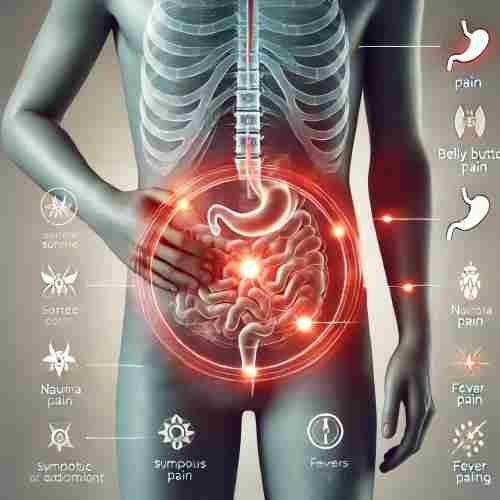
Belly button pain is discomfort or sharp pain around the navel, ranging from mild to severe. It can be constant or intermittent, with a dull ache or stabbing sensation. Symptoms may include worsening pain with movement, spreading discomfort, nausea, vomiting, swelling, or fever. It can be acute or chronic, with varying intensity.

Belly-Button-Pain

Belly pain refers to discomfort, soreness, or sharp pain around the navel area. It can vary from mild to severe and may feel like a dull ache or a stabbing sensation. The pain can come and go or be constant.

Common Symptoms

  • Pain that worsens with movement or touch
  • Pain spreading to other areas, like the lower abdomen
  • Nausea or vomiting
  • Swelling or tenderness around the belly button
  • Fever (if there’s an infection)

Types of Belly Button Pain

  • Acute (short-term) vs. chronic (long-term) pain.
  • Minor discomfort vs. severe, radiating pain.

Recommended Reading: How To Control Period Pain? (10 Ways To Control Menstrual Cramps)

Causes of Belly Button Pain

Causes of Belly Button Pain

Belly button pain may stem from digestive issues like indigestion, constipation, IBS, or appendicitis. Hernias, pregnancy-related changes, and infections can also cause discomfort. Serious conditions like gallstones, pancreatitis, Crohn’s disease, and bowel obstruction may require urgent care.

Causes-of-Belly-Button-Pain

Digestive Causes

  • Indigestion & Constipation: Issues with digestion can result in bloating and discomfort around the navel.
  • Appendicitis: Pain often begins near the belly button before shifting to the lower right abdomen, where it becomes sharp and intense.
  • Irritable Bowel Syndrome (IBS): This condition may cause cramping, bloating, and irregular bowel movements, leading to discomfort in the navel area.

Hernias

  • Umbilical Hernia: Occurs when tissue or part of an organ pushes through the abdominal wall near the belly button.
  • Incisional Hernia: Can occur post-surgery around the abdomen and cause discomfort.

Appendicitis

  • Pain often begins around the belly button and then moves to the lower right side of the abdomen, requiring immediate medical attention.

Pregnancy-Related Causes

Infections

  • Skin Infections: Bacterial or fungal infections in the navel area can lead to redness, swelling, and discomfort.
  • Urinary Tract Infections (UTI): A UTI may cause pain near the belly button, often accompanied by a burning sensation while urinating.

Serious Conditions

  • Gallstones: Pain may originate in the upper abdomen and extend to the belly button.
  • Pancreatitis: This condition can cause severe upper abdominal pain that sometimes radiates to the navel region.

Other Causes

  • Crohn’s Disease: A chronic inflammatory bowel condition that can lead to persistent pain near the belly button.
  • Bowel Obstruction: A blockage in the intestines can cause severe discomfort and requires urgent medical care.

Symptoms of Belly Button Pain

Symptoms of Belly Button Pain

Belly button pain may include soreness, bloating, nausea, fever, or appetite loss. Seek medical help for severe pain, persistent symptoms, fever, blood in stools, or jaundice.

Symptoms-of-Belly-Button-Pain

Common Symptoms

  • Soreness or Sharp Pain: You may feel discomfort or sharp pain around the belly button area.
  • Bloating: Swelling or feeling full in the abdomen.
  • Nausea and Vomiting: Stomach upset, which may lead to vomiting.
  • Fever: A high temperature could indicate an infection.
  • Appetite Changes: You might experience loss of appetite or difficulty eating.

When to Seek Medical Help

  • Severe Pain: If the pain is intense and doesn’t go away.
  • Persistent Symptoms: Ongoing discomfort, nausea, or vomiting.
  • Fever or Blood in Stools: Signs of a serious issue, such as an infection or digestive problem.
  • Yellowish Skin (Jaundice): Could indicate liver-related issues, and you should see a doctor immediately.

Recommended Reading: Teenage Period Pain Relief Home Remedies (Top 10 Remedies)

Diagnosing Belly Button Pain

Diagnosing Belly Button Pain

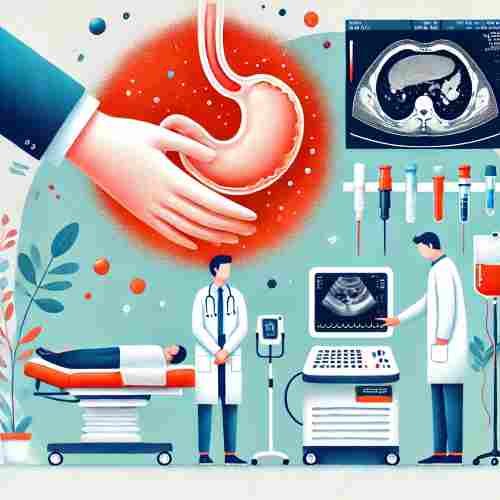
Doctors diagnose belly button pain through symptom checks, physical exams, and imaging tests like ultrasound or CT scans. Blood tests help detect infections or inflammation.

Treatment-Options-for-Belly-Button-Pain

Physical Examination

  • Symptom Check: The doctor will ask about your pain, when it started, and other related symptoms.
  • Physical Assessment: The doctor will examine your abdomen, checking for tenderness, swelling, or signs of infection.

Tests and Imaging

  • Blood Tests: To detect infections, inflammation, or other health issues.
  • Ultrasound: A non-invasive test to look at the internal organs and identify any problems.
  • CT Scan: Provides detailed images to help the doctor find the exact cause of the pain, such as an infection, hernia, or bowel issue.

Treatment Options for Belly Button Pain

Treatment Options for Belly Button Pain

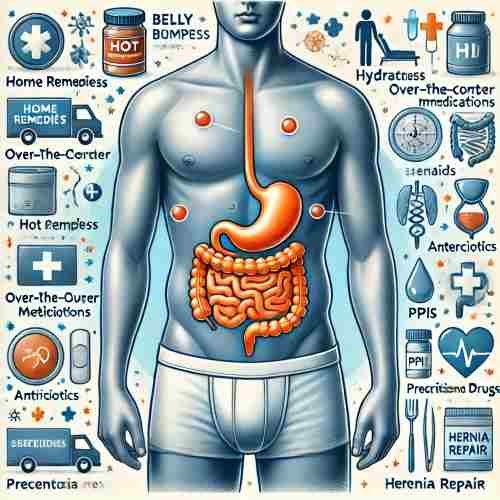
Home remedies like antacids, heat therapy, hydration, and dietary changes can ease belly pain. Medications, including NSAIDs, antibiotics, steroids, or PPIs, help, while surgery may be needed for appendicitis or hernias.

Treatment-Options-for-Belly-Button-Pain

Home Remedies

  • Antacids: Help relieve pain caused by indigestion.
  • Heat Therapy: Applying a warm compress to ease discomfort.
  • Hydration: Drinking plenty of water to prevent dehydration.
  • Dietary Changes: Eating small, bland meals can help calm the digestive system.

Over-the-Counter Medications

  • NSAIDs: Non-steroidal anti-inflammatory drugs for pain relief.
  • Antibiotics: For infections, but only with a doctor’s advice.

Prescription Medications

  • Steroids: Used to reduce inflammation.
  • Proton Pump Inhibitors (PPIs): Help treat acid reflux or peptic ulcers.

Surgical Intervention

  • Appendectomy: Surgery to remove the appendix if it’s causing the pain.
  • Hernia Repair: Surgery to fix an umbilical hernia.

Recommended Reading: Top 10 Ways To Control Menstrual Cramps

Prevention of Belly Button Pain

CategoryPreventive Measures
Healthy DietEating a balanced and nutritious diet helps prevent digestive issues like constipation and indigestion, reducing belly button pain.
ExerciseRegular physical activity strengthens abdominal muscles, lowering the risk of hernias.
HygieneProperly cleaning and keeping the belly button dry helps prevent bacterial and fungal infections.
Prenatal CareFollowing proper prenatal care during pregnancy can help manage abdominal pressure and reduce discomfort around the belly button.
Table: Prevention of Belly Button Pain

Belly Button Pain Side Effects

  • Nausea and Vomiting: Often seen with issues like appendicitis, infections, or gallbladder problems.
  • Fever: A higher temperature may signal an infection or inflammation.
  • Bloating or Gas: Common with digestive troubles such as constipation or IBS.
  • Sharp or Dull Pain: The pain can be sharp, stabbing, or a constant ache, depending on the problem.
  • Radiating Pain: Pain might spread to other areas like the lower abdomen, back, or sides, hinting at conditions like appendicitis or kidney stones.
  • Bowel Changes: Belly pain may be linked to diarrhea, constipation, or altered bowel habits in digestive issues.
  • Tenderness or Swelling: The area may feel tender, swollen, or show signs of a hernia.

Recommended Reading: Eye Socket Pain & Headache Causes, Prevention, & Treatment

FAQs

What causes belly button pain?

Belly button pain can be caused by various factors, including digestive issues, infections, hernias, or conditions like appendicitis. Sometimes, it’s due to gas, constipation, or irritable bowel syndrome (IBS).

What are the symptoms of belly button pain?

The symptoms can range from a dull ache to sharp, stabbing pain. Other signs might include nausea, vomiting, bloating, fever, or changes in bowel movements (like diarrhea or constipation).

How is belly button pain diagnosed?

Doctors usually start by asking about your symptoms and medical history. They may do a physical exam and may request tests like blood work, ultrasound, or a CT scan to find out the cause of the pain.

What are the treatments for belly button pain?

Treatment depends on the cause. For minor digestive issues, rest, hydration, and over-the-counter pain relievers may help. Conditions like hernias or appendicitis may need surgery.

Can belly button pain be prevented?

In some cases, you can reduce the risk of belly pain by maintaining a healthy diet, staying hydrated, and avoiding heavy lifting that could cause a hernia.

Can stress cause belly button pain?

Yes, stress can sometimes lead to digestive problems like IBS, which may cause belly button pain. Managing stress through relaxation techniques, exercise, and a healthy lifestyle can help prevent this type of discomfort.

Conclusion

Recommended Reading: Top 10 Best Ways To Stop Period Pain Immediately

Summary of Key Points

Belly button pain can stem from various causes like indigestion, infections, or hernias. Common symptoms include soreness, nausea, and bloating.

Importance of Medical Attention

If the pain is severe or persistent, it’s important to see a doctor to avoid complications.

Final Thoughts

Early diagnosis and proper treatment are key to relieving belly pain and preventing further health issues.

Disclaimer
Commissions we earn from partner links on this page do not influence our content. Our editorial content is based on thorough research and insights from qualified medical professionals to ensure the highest standards of accuracy and reliability.

Information provided on Doseway is for educational purposes only. Your health and wellness are unique to you, and the products and services we review may not be suitable for your circumstances. We do not offer personal medical advice, diagnosis, or treatment plans. For specific advice, please consult with a healthcare professional. Doseway adheres to strict editorial integrity standards. To the best of our knowledge, all content is accurate as of the date posted, though offers and information may change. The opinions expressed are the author’s own and have not been influenced, approved, or endorsed by our partners.
Eye-Socket-Pain-Causes-Prevention

Eye Socket Pain Causes, Prevention, & Treatment (Eye Socket Pain & Headache)

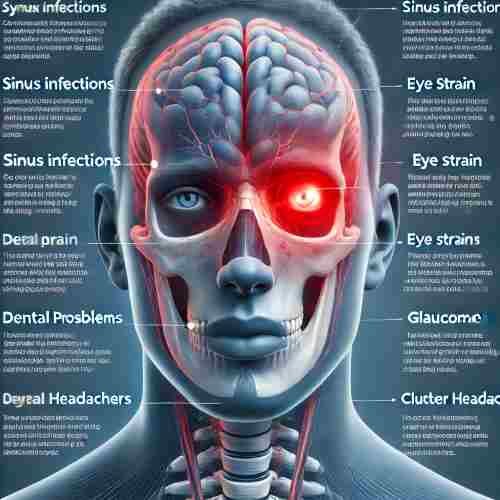
Eye socket pain, also called orbital pain, refers to discomfort or pain felt around or behind the eye. This pain can have multiple causes, including migraines, sinus infections, eye strain, and dental problems. Sometimes, it can also be linked to more serious conditions like glaucoma or optic neuritis.

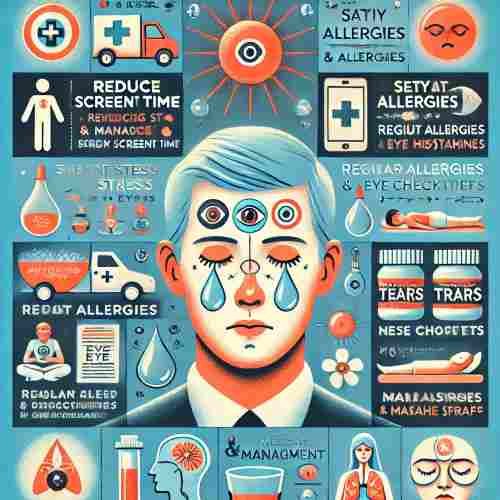
Understanding the possible causes is important for finding the right treatment. Preventive measures like limiting screen time, managing allergies, and getting regular eye check-ups can help reduce the risk of eye socket pain.

Recommended Reading: 10 Best Period Pain Relief Pills (To Stop Period Pain Immediately)

Eye Socket Pain Causes, Prevention, & Treatment (Eye Socket Pain & Headache)

Eye-Socket-Pain-Causes-Prevention-&-Treatment

Recommended Reading: How To Control Period Pain? (10 Ways To Control Menstrual Cramps)

What is Eye Socket Pain? | Eye Socket Pain & Headache

Eye Socket Pain & Headache

Eye socket pain is discomfort behind or around the eye, often linked to headaches. Causes include sinus infections, migraines, eye strain, dental issues, injuries, glaucoma, and cluster headaches. The pain may be temporary or persistent, requiring proper diagnosis for effective relief.

Eye-Socket-Pain-&-Headache

Eye socket pain refers to discomfort or aching around or behind the eye. It can feel like pressure, throbbing, or sharp pain. Often, this pain is linked to headaches, and you might feel both symptoms at the same time.

Common causes include sinus infections, migraines, eye strain, or even more serious issues like glaucoma. The pain can last a short time or be ongoing, depending on the cause. Understanding the reason behind the pain is important for proper treatment and relief.

Recommended Reading: Teenage Period Pain Relief Home Remedies (Top 10 Remedies)

Causes of Eye Socket Pain

  • Sinusitis: Sinus infections or allergies can cause inflammation in the sinus cavities, leading to pressure and pain around the eyes.
  • Migraines: Severe headaches, like migraines, often cause intense pain behind the eyes.
  • Eyestrain: Long hours of screen use, poor lighting, or uncorrected vision can cause eye fatigue and pain in the eye socket area.
  • Dental Problems: Issues with upper teeth can sometimes cause pain that spreads to the eye socket.
  • Eye Injuries: Physical injuries to the eye can cause swelling and pain in and around the eye socket.
  • Glaucoma: This condition increases pressure inside the eye, leading to significant discomfort or pain behind the eye.
  • Cluster Headaches: These are intense headaches often centered around one eye, causing severe pain in the area.

Prevention Strategies for Eye Socket Pain

Prevention Strategies for Eye Socket Pain

Reduce screen time, manage stress, and stay hydrated to prevent eye socket pain. Treat allergies, get regular eye checkups, and maintain good sleep habits. For relief, use OTC painkillers, warm or cold compresses, artificial tears, or nasal sprays. Managing migraines can also help.

Prevention-Strategies-for-Eye-Socket-Pain

  • Limit Screen Time: Reduce your screen usage and take frequent breaks to rest your eyes.
  • Manage Stress: Practice stress-reducing activities like deep breathing, meditation, or yoga to relax both your mind and body.
  • Stay Hydrated: Drink plenty of water throughout the day, as dehydration can worsen headaches and eye discomfort.
  • Treat Allergies: Use antihistamines to manage allergies, and avoid triggers that may cause sinus inflammation.
  • Regular Eye Checkups: Visit an eye doctor regularly to ensure your vision is healthy and corrected, preventing strain.
  • Practice Good Sleep Habits: Ensure a consistent sleep routine, as poor sleep can increase headaches and eye-related pain.

Treatment Options for Eye Socket Pain

  • Over-the-Counter Medications: Common painkillers like ibuprofen or acetaminophen can be used to reduce eye socket pain.
  • Warm or Cold Compresses: For sinus-related pain, applying a warm compress can help ease discomfort, while cold compresses are useful for reducing swelling from eye injuries.
  • Artificial Tears: Eye drops can provide relief for dry eyes, which may help reduce irritation and pain around the eyes.
  • Nasal Sprays: Decongestant nasal sprays can relieve sinus congestion, easing pressure and pain around the eye socket.
  • Migraine Management: Identifying migraine triggers and taking preventive medication can help control migraines and related eye pain.

Recommended Reading: Top 10 Ways To Control Menstrual Cramps

Medicine for Eye Socket Pain

Medicine for Eye Socket Pain

OTC medications like ibuprofen, naproxen, and acetaminophen help relieve eye socket pain. Consult a doctor before use, especially if you have other conditions. Treating the root cause, such as sinus infections or eye strain, is essential. Anti-inflammatory eye drops may be prescribed if needed.

Medicine-for-Eye-Socket-Pain

For eye socket pain, over-the-counter (OTC) medications like ibuprofen (Advil), naproxen, or acetaminophen (Tylenol) are commonly recommended to reduce pain and inflammation.

Key Points About Eye Socket Pain Medication

Consult a Doctor First

Always speak with a doctor before taking any medication, especially if you have other medical conditions or are on other prescriptions.

Treating the Cause

To manage eye socket pain effectively, focus on addressing the root cause, such as eye strain or sinus infections.

Pain Relief Options

  • OTC Pain Relievers: Ibuprofen, naproxen, acetaminophen.
  • Eye Drops: Your doctor may prescribe anti-inflammatory eye drops depending on the cause of the pain.

When to See a Doctor for Eye Socket Pain

  • Severe or Persistent Pain: If your pain doesn’t improve with home treatments or worsens, it’s important to see a doctor.
  • Vision Changes: Sudden changes in vision like blurriness or double vision need immediate medical attention.
  • Swelling, Redness, or Discharge: These symptoms, especially with a fever, may point to an infection and require a doctor’s consultation.
  • Recent Eye Injury: If you’ve had a recent eye injury causing pain, it’s crucial to seek medical care to prevent complications.

Indications & Uses

Indications & Uses

Eye socket pain relief is recommended for those with sinusitis, migraines, eye strain, or minor injuries. OTC pain relievers like ibuprofen help, along with warm compresses for sinus pain or cold compresses for swelling. Relief usually starts within 30–60 minutes, with compresses offering immediate comfort.

Eye-Socket-Pain-Indications-&-Uses

Who Should Use It?

This treatment is recommended for people experiencing eye socket pain caused by conditions such as sinusitis, migraines, eye strain, or minor eye injuries. It can also help those with general discomfort or tension headaches related to stress or overuse of digital devices.

Specific Conditions or Symptoms

  • Sinus infections
  • Migraines or tension headaches
  • Eye strain from screens or poor lighting
  • Dry eyes or inflammation
  • Mild eye injuries or trauma

How to Use?

  • Dosage Instructions: Over-the-counter pain relievers like ibuprofen or acetaminophen should be taken as directed on the label.
  • Application Guidelines: If using compresses, apply a warm compress for sinus-related pain or a cold compress for injury-related swelling.
  • Frequency of Use: Pain relievers can be taken as needed, but it’s important to not exceed the recommended dosage. Compresses can be applied for 10-15 minutes, a few times a day.

Effectiveness

Clinical Evidence

Over-the-counter medications such as NSAIDs (ibuprofen, naproxen) and acetaminophen have been proven effective in reducing pain and inflammation. Clinical studies support their use for headaches and sinus-related discomfort, though more severe causes of pain may require prescription medications.

Personal Experiences or Testimonials

Many people report relief from eye socket pain through a combination of rest, pain relievers, and compresses. Artificial tears are also widely praised for relieving dry, irritated eyes.

Expected Results

  • Timeframe: Relief from pain typically occurs within 30 minutes to an hour after taking pain relievers. Eye drops or compresses can provide immediate comfort.
  • Typical Outcomes: Users often experience reduced pain, less swelling, and relief from headaches or sinus pressure.

Side Effects & Precautions

Side Effects & Precautions

Eye socket pain treatments may cause mild stomach upset, dry eyes, or redness. Serious reactions like swelling or persistent redness need medical attention. OTC medications provide quick relief, but overuse can lead to side effects or dependency.

Eye-Socket-Pain-Side-Effects-&-Precautions

Common Side Effects

  • Mild stomach upset from NSAIDs
  • Dry eyes (if using eye drops too frequently)
  • Temporary redness or irritation from compresses

Serious Side Effects

  • Allergic reactions (swelling, rash, or breathing difficulty)
  • Prolonged eye redness or swelling
  • Severe headache that doesn’t improve with medication

When to Seek Medical Attention

If pain worsens or is accompanied by vision changes, severe swelling, or discharge, contact a doctor immediately. Seek help if you experience serious side effects from medications or eye treatments.

Precautions

  • Avoid using NSAIDs if you have a history of ulcers or gastrointestinal bleeding.
  • Don’t overuse decongestants or eye drops, as this can worsen symptoms over time.
  • Always consult a doctor if you’re pregnant, breastfeeding, or taking other medications, as interactions could occur.

Pros & Cons of Treatment Approaches

Pros

  • Quick Pain Relief: Over-the-counter medications like ibuprofen or acetaminophen offer fast pain relief.
  • Non-Invasive Relief: Warm or cold compresses can ease pain without the need for medication.
  • Soothes Dry Eyes: Artificial tears help reduce dryness and discomfort, improving eye comfort.

Cons

  • Temporary Relief: Some treatments only address the symptoms, not the root cause of the pain.
  • Side Effects: Overusing decongestants or pain relievers may lead to unwanted side effects, like dependency or worsening symptoms over time.

Recommended Reading: Teenage Period Pain Relief Home Remedies

FAQs

What causes eye socket pain?

Eye socket pain can be caused by various factors such as sinus infections, migraines, eye strain, dental problems, or injuries. The exact cause depends on the symptoms and accompanying conditions.

How can I relieve eye socket pain at home?

For mild pain, you can try using over-the-counter pain relievers like ibuprofen or acetaminophen, warm or cold compresses, and artificial tears. Resting your eyes and limiting screen time can also help.

When should I see a doctor for eye socket pain?

If the pain is severe, lasts longer than a few days, or is accompanied by vision changes, redness, or swelling.

Can stress cause pain behind the eyes?

Yes, stress can lead to tension headaches or migraines, which may cause pain behind or around the eyes. Relaxation techniques and stress management can help.

Can sinusitis cause pain around the eyes?

Yes, sinusitis can cause inflammation and pressure in the sinus cavities, which often leads to pain around the eyes and forehead. Treating the sinus infection usually relieves the pain.

Conclusion

Recommended Reading: Period Pain Relief Home Remedies

Summary of Causes and Treatment

Eye socket pain can result from various causes like sinusitis, migraines, or eye strain. Each cause requires specific treatment, such as medications, compresses, or preventive steps.

Final Recommendation

For mild discomfort, home remedies like warm or cold compresses and eye drops can provide quick relief. However, if the pain gets worse or doesn’t improve, it’s important to seek medical advice.

Who Should Seek Treatment

Anyone with severe or long-lasting pain, sudden vision changes, or eye injuries should consult a healthcare professional for further evaluation and treatment.

Disclaimer
Commissions we earn from partner links on this page do not influence our content. Our editorial content is based on thorough research and insights from qualified medical professionals to ensure the highest standards of accuracy and reliability.

Information provided on Doseway is for educational purposes only. Your health and wellness are unique to you, and the products and services we review may not be suitable for your circumstances. We do not offer personal medical advice, diagnosis, or treatment plans. For specific advice, please consult with a healthcare professional. Doseway adheres to strict editorial integrity standards. To the best of our knowledge, all content is accurate as of the date posted, though offers and information may change. The opinions expressed are the author’s own and have not been influenced, approved, or endorsed by our partners.
Sciatica-Treatment

Sciatica Treatment At Home (Immediate Relief For Sciatica Pain)

Are you tired of feeling like a prisoner in your own body, held captive by the debilitating pain of sciatica? You’re not alone.

In this article, we’ll explore the best home remedies for sciatica relief, including simple exercises, stretches, and lifestyle changes that can help alleviate your pain and discomfort.

We’ll also discuss natural therapies and techniques that can help you manage your sciatica pain without relying on medication or surgery.

So, let’s get started on the path to sciatica relief and discover the power of natural healing!

Recommended Reading: Alopecia Treatment At Home (For Men+Women)

Sciatica Treatment At Home (Immediate Relief For Sciatica Pain)

Sciatica-Treatment-At-Home

Recommended Reading: How To Get Rid Of The Flu In 24 Hours (At Home Naturally)

What Is Sciatica?

So, what exactly is sciatica? Simply put, sciatica is a type of pain that radiates along the sciatic nerve, which runs from your lower back down to your legs. This pain can range from mild to severe and can be caused by a variety of factors, including:

  • Herniated discs or spinal stenosis
  • Muscle strain or overuse
  • Poor posture or lifting techniques
  • Underlying medical conditions, such as diabetes or osteoporosis

Why Immediate Relief Matters?

Living with sciatica pain can be a real challenge, affecting every aspect of your daily life. That’s why finding immediate relief is so important.

When you’re in pain, you want solutions that work quickly and effectively. And, fortunately, many natural and drug-free methods can help you manage your sciatica pain and get back to living your life to the fullest.

Recommended Reading: Home Remedies For Acid Reflux (Cure GERD Permanently)

Causes of Sciatica

Causes of Sciatica

Sciatica is pain radiating along the sciatic nerve, running from the lower back to the legs. Causes include herniated discs, muscle strain, poor posture, and conditions like diabetes.

Causes-of-Sciatica

Sciatica is a complex condition with multiple underlying causes. Understanding these causes is crucial to developing effective treatment plans and preventing future occurrences. Let’s dive into the most common causes of sciatica:

1. Herniated Disc

A herniated disc occurs when the soft, gel-like center of a spinal disc bulges out through a tear in the outer, tougher layer. This can put pressure on the sciatic nerve, causing pain, numbness, and tingling in the legs.

2. Piriformis Syndrome

Piriformis syndrome occurs when the piriformis muscle, which runs from the base of the spine to the thighbone, compresses or irritates the sciatic nerve. This can cause pain, numbness, and tingling in the buttocks and legs.

3. Spinal Stenosis

Spinal stenosis is a narrowing of the spinal canal, which can put pressure on the sciatic nerve. This can cause pain, numbness, and tingling in the legs, as well as weakness and fatigue.

Recommended Reading: Baking Soda For Gum Pain (Fastest Way To Heal Swollen Gums)

Who’s At Risk?

While anyone can develop sciatica, certain individuals are more prone to the condition.

These include:

  • 1. Sedentary Lifestyle
    • People who lead sedentary lifestyles, spending extended periods sitting or inactive, are more likely to develop sciatica.
  • 2. Pregnancy
    • Pregnant women are at higher risk of developing sciatica due to the added weight and pressure on the spine.
  • 3. Occupational Hazards
    • Individuals with jobs that involve heavy lifting, bending, or twisting, such as construction workers or nurses, are more likely to develop sciatica.

Immediate Relief For Sciatica Pain

Immediate Relief For Sciatica Pain

Relieve sciatica fast. Stretch, apply ice/heat, use pain creams. Maintain posture, exercise, eat anti-inflammatory foods, take B12, D. Try acupuncture, yoga, oils.

Immediate-Relief-For-Sciatica-Pain

Say goodbye to sciatic nerve pain in 10 minutes with these natural methods.

Recommended Reading: What Foods Neutralize Stomach Acid Immediately (7 Best Foods)

1-Minute Exercises For Sciatic Pain Relief

Try these quick exercises to alleviate sciatica pain:

  • Knee to Opposite Shoulder: Lie on your back, bring one knee towards your opposite shoulder, and hold for 30 seconds. Repeat on the other side.
  • Pelvic Tilt: Lie on your back with your knees bent and feet flat on the floor. Tilt your pelvis upwards and then back down again, repeating the motion for 30 seconds.
  • Hamstring Stretch: Sit on the floor with your legs straight out in front of you. Lean forward, reach for your toes, and hold for 30 seconds.

Applying Cold And Heat Therapy

Alternate between cold and heat therapy to reduce pain and inflammation:

  • Cold Therapy: Apply an ice pack or cold compress to the affected area for 15-20 minutes. Repeat every 2-3 hours.
  • Heat Therapy: Apply a warm compress or heating pad to the affected area for 15-20 minutes. Repeat every 2-3 hours.

Best Cream For Sciatica Pain

Try these topical creams for quick relief:

  • Capsaicin Cream: Made from chili peppers, capsaicin cream can help reduce pain and inflammation.
  • Arnica Gel: Derived from the arnica flower, arnica gel can help reduce pain and swelling.
  • CBD Cream: CBD cream has anti-inflammatory properties that can help alleviate sciatica pain.

Stretching Exercises

Try these gentle stretches to alleviate sciatica pain:

  • Knee-to-Chest Pose: Lie on your back and bring one knee towards your chest. Hold onto your knee with your hand and gently pull it towards your chest.
  • Seated Spinal Twist: Sit on the floor with your legs straight out in front of you. Twist your torso to one side, keeping your feet and hips facing forward.

8-Minute Sciatica Relief Workout

Follow this quick and effective workout to alleviate sciatica pain:

  • Minutes 1-2: Knee-to-Chest Pose
  • Minutes 3-4: Seated Spinal Twist
  • Minutes 5-6: Cat-Cow Stretch
  • Minutes 7-8: Hamstring Stretch

Over-the-Counter Medications

Try these OTC medications for sciatica relief:

  • Pain Relievers: Acetaminophen (Tylenol) or ibuprofen (Advil, Motrin)
  • Muscle Relaxants: Cyclobenzaprine (Flexeril)
  • Topical Creams: Capsaicin, menthol, or methyl salicylate creams

Remember to always follow the recommended dosage and consult with a healthcare professional before taking any medication.

Recommended Reading: How To Relieve Asthma Without Inhaler (Stop Asthma Wheezing)

Long-Term Solutions For Sciatica

While quick fixes can provide temporary relief, making long-term lifestyle changes is crucial for preventing and treating sciatica.

In this section, we’ll explore the importance of lifestyle modifications, dietary changes, and natural remedies in managing sciatica.

Lifestyle Changes For Prevention And Treatment

Making the following lifestyle changes can help alleviate sciatica symptoms and prevent future occurrences:

  • Maintaining Good Posture: Practice good posture by standing up straight, keeping your shoulders back, and avoiding slouching. This can help reduce pressure on your spine and sciatic nerve.
  • Importance of Regular Exercise: Engage in regular exercise, such as walking, swimming, or yoga, to strengthen your back muscles and improve flexibility.
  • Ergonomic Adjustments: Make ergonomic adjustments at home and work to reduce strain on your back and sciatic nerve. This can include using a supportive chair, standing desk, or proper lifting techniques.

Dietary Changes For Sciatica Relief

Incorporating anti-inflammatory foods and supplements into your diet can help reduce nerve pain and support overall health:

  • Anti-Inflammatory Foods: Include anti-inflammatory foods, such as:
  • Supplements for Nerve Health: Consider taking supplements that support nerve health, such as:
    • Vitamin B12: essential for nerve function and regeneration
    • Vitamin D: important for bone health and immune function

Natural Remedies For Sciatica Relief

Explore these natural remedies to find additional relief from sciatica symptoms:

  • Acupuncture: This ancient practice involves inserting thin needles into specific points on the body to stimulate healing and pain relief.
  • Yoga: Practice gentle yoga stretches and poses to improve flexibility, balance, and strength.
  • Essential Oils: Certain essential oils, such as peppermint, eucalyptus, and wintergreen, have anti-inflammatory properties that may help alleviate sciatica pain. Always dilute essential oils with a carrier oil and consult with a healthcare professional before use.

Remember to consult with a healthcare professional before starting any new exercise or supplement regimen.

Recommended Reading: How To Remove Dandruff In One Wash (Home Remedies)

Home-Based Treatment Options

Home-Based Treatment Options

Manage sciatica at home with stretches (piriformis, hamstring, knee-to-shoulder), foam rollers, or massage guns. Use turmeric/cayenne paste for pain. Sleep on your back with a pillow under knees. Avoid stomach sleeping to reduce nerve pressure.

Sciatica-Pain-Home-Based-Treatment-Options

Managing sciatica pain doesn’t have to mean relying on expensive medical treatments or leaving the comfort of your own home. With these effective techniques for at-home care, you can take control of your recovery and alleviate sciatica symptoms.

DIY Physical Therapy Exercises

Try these simple yet effective exercises to stretch and strengthen your muscles:

  • Piriformis Stretch: Sit on the floor with your affected leg crossed over your other leg. Place your hand on the knee of the crossed leg and pull it toward your opposite shoulder. Hold for 30 seconds and repeat 3-4 times.
  • Hamstring Stretch: Sit on the floor with your legs straight out in front of you. Lean forward, reaching for your toes, and hold for 30 seconds.
  • Knee to Opposite Shoulder: Lie on your back and bring one knee towards your opposite shoulder. Hold onto your knee with your hand and gently pull it towards your shoulder. Hold for 30 seconds and repeat 3-4 times.

Using Foam Rollers and Massage Guns

Self-myofascial release techniques can help reduce muscle tension and alleviate sciatica pain:

  • Foam Rolling: Use a foam roller to roll out your piriformis and hamstring muscles. Focus on areas that feel tight or sore.
  • Massage Guns: Use a massage gun to target specific areas of tension. Hold the gun on each spot for 10-15 seconds before moving on to the next area.

Herbal Remedies

Try these herbal remedies to reduce inflammation and alleviate pain:

  • Turmeric Paste: Mix 1 teaspoon of turmeric powder with 1 tablespoon of coconut oil to create a paste. Apply the paste to the affected area and leave it on for 30 minutes before rinsing off.
  • Cayenne Pepper: Mix 1/2 teaspoon of cayenne pepper with 1 tablespoon of coconut oil to create a paste. Apply the paste to the affected area and leave it on for 30 minutes before rinsing off.

Sleep Tips: How to Sleep with Sciatic Pain

Getting a good night’s sleep is crucial for sciatica recovery. Try these sleep tips to alleviate sciatic pain:

  • Best Sleeping Position: Sleep on your back with a pillow under your knees to take pressure off your spine.
  • Best Pillow: Use a supportive pillow that keeps your spine aligned. Consider a contoured pillow or a pillow with a built-in lumbar support.
  • Avoid Sleeping on Your Stomach: Sleeping on your stomach can exacerbate sciatica pain by putting pressure on your spine and nerves.

Indications & Uses

Indications & Uses

Treat sciatica at home. Stretch muscles with piriformis, hamstring, and knee-to-shoulder exercises. Use foam rollers or massage guns for tension relief. Apply turmeric or cayenne paste to reduce pain. Sleep on your back with a pillow under your knees. Avoid stomach sleeping.

Sciatica-Pain-Indications-&-Uses

Who Should Use It?

This product is intended for individuals dealing with specific health issues, like high cholesterol, vitamin deficiencies, or skin problems. Always check the label to ensure it’s right for your condition.

Specific Conditions or Symptoms It Treats

It helps manage certain conditions such as lowering cholesterol, relieving pain, or improving immune function. Make sure it matches your needs before use.

Recommended Reading: Natural Remedies For Hormonal Imbalance In Females

Effectiveness

Clinical Evidence

Research and clinical studies back the product’s effectiveness, showing it helps with conditions like pain relief or cholesterol reduction. It may also be endorsed by health organizations. Personal testimonials offer additional insights, but results can vary.

Expected Results

Users typically see results within days or weeks. Immediate effects like pain relief may be noticed quickly, while long-term improvements, like better cholesterol levels, can take months. Results depend on factors like dosage and individual health.

Side Effects & Precautions

Side Effects & Precautions

Common side effects: headache, stomach upset, fatigue, skin irritation. Serious effects: allergic reactions, chest pain, severe stomach pain. Consult a doctor if pregnant or breastfeeding. Avoid if allergic or have health issues.

Sciatica-Pain-Side-Effects-&-Precautions

Common Side Effects

Common side effects are usually mild, such as:

  • Headache
  • Upset stomach
  • Fatigue
  • Skin irritation (for topical products)

Serious Side Effects

Rare but serious side effects may include:

  • Severe allergic reactions (swelling, difficulty breathing)
  • Chest pain or irregular heartbeat
  • Severe stomach pain or bleeding
  • Mood changes

Precautions

  • Pregnancy & breastfeeding: Consult a doctor before use if pregnant, planning to be pregnant, or breastfeeding.
  • Allergies: Avoid if allergic to any ingredients.
  • Health conditions: Check with a doctor if you have kidney, liver, heart issues, or blood disorders.
  • Medication interactions: Inform your doctor about any medications you’re taking, including over-the-counter and supplements.

Pros & Cons

Advantages

  • Effective results: The product delivers noticeable results, helping with the specific issue it’s designed for.
  • Easy to use: Simple instructions make it easy to incorporate into your daily routine.
  • Quick absorption: Works fast, especially for topical products that sink into the skin quickly.
  • Quality ingredients: Uses well-known, trusted ingredients that are safe and effective for most people.

Disadvantages

  • Mild side effects: Some users may experience mild side effects like stomach discomfort or mild irritation.
  • May not be suitable for everyone: People with allergies to certain ingredients should avoid it.
  • Price: It may be a bit more expensive compared to similar products on the market.
  • Limited availability: It might not be available in all stores or countries, limiting access.

Recommended Reading: Home Remedies For Back Pain (Back Pain Treatment At Home) 

FAQs

What is sciatica?

Sciatica is pain that travels along the sciatic nerve, which runs from your lower back down through your legs. It can cause pain, numbness, and tingling in the legs.

What causes sciatica?

Sciatica can be caused by a herniated disc, muscle strain, spinal stenosis, or piriformis syndrome. Poor posture and lifting heavy objects incorrectly can also contribute.

Can stretching help with sciatica pain?

Yes, stretching exercises like hamstring stretches and knee to chest poses can help relieve sciatica pain by reducing muscle tension and improving flexibility.

What are the best creams for sciatica pain?

Capsaicin cream, Arnica gel, and CBD cream are popular choices for topical relief of sciatica pain.

Is there a way to treat sciatica naturally?

Yes, natural treatments like acupuncture, yoga, and essential oils (peppermint or eucalyptus) can help reduce pain and inflammation.

Recommended Reading: How To Lower Blood Pressure Naturally [Instantly Home Remedies]

Disclaimer
Commissions we earn from partner links on this page do not influence our content. Our editorial content is based on thorough research and insights from qualified medical professionals to ensure the highest standards of accuracy and reliability.

Information provided on Doseway is for educational purposes only. Your health and wellness are unique to you, and the products and services we review may not be suitable for your circumstances. We do not offer personal medical advice, diagnosis, or treatment plans. For specific advice, please consult with a healthcare professional. Doseway adheres to strict editorial integrity standards. To the best of our knowledge, all content is accurate as of the date posted, though offers and information may change. The opinions expressed are the author’s own and have not been influenced, approved, or endorsed by our partners.
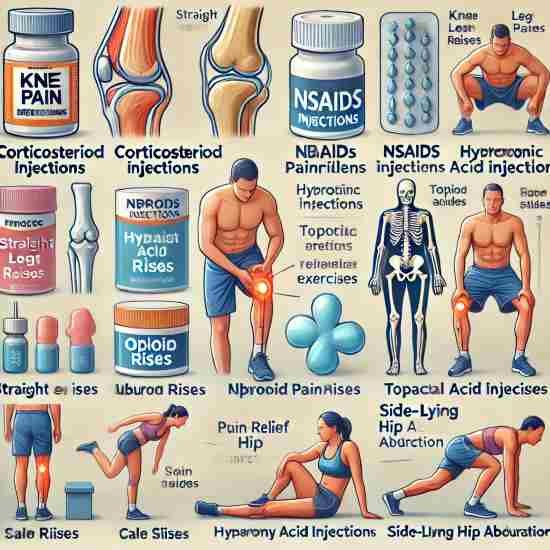
Teenage-Period-Pain-Relief-Home-Remedies

Teenage Period Pain Relief Home Remedies (Top 10 Remedies)

Teenage girls often experience period pain, which can be uncomfortable and sometimes overwhelming. While medications are one option, many prefer to try natural remedies at home to ease the discomfort.

These remedies are not only easy to do but also provide relief without the side effects of medication. From heat therapy to dietary changes, these simple methods can offer comfort and support during your cycle.

Teenage Period Pain Relief Home Remedies (Top 10 Remedies)

Teenage-Period-Pain-Relief

What are the Remedies?

Teenage Period Pain Relief

Teenage girls often face period pain, but natural remedies like heat therapy and dietary changes can provide relief without side effects.

Teenage-Period-Pain-Relief

The 10 remedies we’ll discuss are simple, natural ways to help relieve teenage period pain. These include heat therapy, herbal teas, light exercise, diet adjustments, and relaxation techniques.

How Do They Work?

Each remedy has its own way of helping. Some focus on reducing inflammation, while others relax the muscles that cause cramps. A few help to lower stress, which can also play a role in period discomfort. The goal is to target the main causes of cramps, like muscle tension and hormone changes, to make that time of the month a little easier.

Expected Benefits

By trying these remedies, you can expect to see a decrease in menstrual cramps, more relaxation, and even a boost in mood and comfort throughout your cycle.

Top 10 Best Home Remedies For Teenage Period Pain Relief

Top 10 Best Home Remedies For Teenage Period Pain Relief

For teenage period pain relief, home remedies like heat therapy, chamomile tea, and ginger help relax muscles and reduce cramps. Gentle exercise, warm baths, and dietary adjustments ease discomfort, while magnesium-rich foods support muscle relaxation.

Best-Home-Remedies-For-Teenage-Period-Pain-Relief

Heat Therapy

What Is It?

Heat therapy is a simple method where you apply a heating pad or hot water bottle to your lower abdomen or back. This helps relax your muscles and reduce cramps.

How It Works

Heat promotes blood circulation and eases muscle tension, giving you quick relief from menstrual cramps.

Benefits

  • Helps relieve muscle cramps
  • Relaxes the abdominal muscles
  • An easy and affordable solution

Chamomile Tea | A Calming Brew

What Is It?

Chamomile tea is well-known for its calming effects. It’s a soothing drink that can help ease Teenage Period pain.

How It Works

Chamomile has natural anti-inflammatory properties that help relax muscles and calm nerves, reducing discomfort during period pain.

Benefits

  • Alleviates cramps
  • Reduces stress and promotes relaxation
  • Helps your body feel calmer

Ginger Natural Painkiller

What Is It?

Ginger is a powerful anti-inflammatory herb. You can drink it as tea or add it to meals to help relieve Teenage Period Pain.

How It Works

Ginger helps reduce inflammation, relieves pain, and works as a natural painkiller.

Benefits

  • Reduces pain and inflammation
  • Eases nausea that sometimes comes with periods
  • Supports digestion

Gentle Exercise | Movement to Relieve Pain

What Is It?

Engaging in light exercises, such as walking, yoga, or swimming, can help relieve menstrual cramps. These activities boost your mood and reduce period pain.

How It Works

Exercise increases circulation, helps lower stress, and releases endorphins, the body’s natural painkillers.

Benefits

  • Helps relieve cramps
  • Lifts your mood and boosts energy
  • Promotes overall physical health

Warm Bath

What Is It?

A warm bath can be a soothing remedy to help ease cramps and relax the body during menstruation.

How It Works

Warm water relaxes tense muscles and calms your body, which helps reduce cramps.

Benefits

  • Immediate relief from cramps
  • Reduces stress and anxiety
  • Promotes overall relaxation

Dietary Adjustments

What Is It?

A balanced diet is important during your period. Focus on eating foods that help your body feel better and reduce bloating.

How It Works

Eating fruits, vegetables, and whole grains can help relax muscles and reduce bloating. Cutting back on salt can also reduce water retention.

Benefits

  • Reduces bloating and discomfort
  • Improves your overall health
  • Boosts energy during your period

Magnesium-Rich Foods | Muscle Relaxation

What Is It?

Magnesium-rich foods like leafy greens, almonds, and avocados help relax muscles and ease cramps.

How It Works

Magnesium plays a role in muscle function and helps prevent cramps by relaxing muscle tension.

Benefits

  • Eases muscle cramps
  • Helps manage stress and anxiety
  • Supports muscle function

Relaxation Techniques | Stress Relief

What Is It?

Relaxation techniques such as deep breathing or meditation can help reduce stress, which can worsen period pain.

How It Works

These methods help reduce stress levels, calming the nervous system and easing the pain you feel.

Benefits

  • Lessens the severity of cramps
  • Supports mental well-being
  • Improves focus and relaxation

Abdominal Massage | Soothing Relief

What Is It?

A gentle massage on the abdominal area can help reduce tension and ease cramps by improving blood circulation.

How It Works

Massage relaxes tight muscles and stimulates better blood flow, which helps relieve discomfort.

Benefits

  • Relieves cramps and muscle tension
  • Improves circulation in the abdominal area
  • Promotes relaxation

Acupressure | Targeted Pain Relief

What Is It?

Acupressure is a technique where you apply pressure to certain points on the body to reduce pain.

How It Works

By stimulating specific pressure points, acupressure can help reduce pain and promote relaxation throughout the body.

Benefits

  • Targets specific pain points
  • Provides natural, drug-free pain relief
  • Simple to practice at home

Indications & Uses

Who Should Use These Remedies?

These remedies are great for teenage girls who experience mild to moderate cramps or general discomfort during their period. They can help make that time of the month more manageable.

How to Use?

  • Heat Therapy: Simply apply a heating pad or hot water bottle on your abdomen to relieve cramps.
  • Chamomile Tea: Drink a cup of chamomile tea, which has calming effects and can ease cramps.
  • Gentle Exercise: Light activities like yoga or a short walk can help relax your muscles and reduce pain.
  • Dietary Changes: Eating foods high in magnesium, such as leafy greens or almonds, can support muscle relaxation and ease cramps.

When to Use?

It’s best to use these remedies before or during your period to prevent or reduce menstrual pain.

Effectiveness

What Does the Science Say?

While there aren’t formal clinical trials for all these remedies, many of them have been used for centuries with positive results. Heat therapy has been shown in studies to help with muscle relaxation and pain relief, while herbs like chamomile are known for their calming effects, often reducing cramps.

What Results Can You Expect?

Most people start feeling relief within 15 to 30 minutes of applying heat or drinking chamomile tea. While results can differ from person to person, many users experience noticeable comfort and less pain fairly quickly.

Side Effects & Precautions

Side Effects & Precautions

Most home remedies are safe but may cause mild side effects like drowsiness from chamomile tea or stomach upset from magnesium. Rarely, allergies or sensitivities may lead to rashes or discomfort.

Teenage-Period-Pane-Side-Effects

Common Side Effects

These remedies are mostly safe, but a few may cause mild side effects:

  • Chamomile Tea: In some people, it may cause drowsiness.
  • Magnesium Supplements: These can sometimes upset the stomach or cause diarrhea in sensitive individuals.

Serious Side Effects

Although rare, some people may have allergies or sensitivities to certain herbs or foods, leading to reactions like skin rashes or discomfort.

Precautions

  • If you have any underlying health conditions, it’s a good idea to check with a doctor before using these remedies.
  • Avoid overusing heat or herbal supplements without consulting a healthcare professional to ensure they’re safe for you.

Pros & Cons

Advantages

  • These remedies are easy to use and don’t require complex steps.
  • No prescriptions or medications are needed, making them accessible to everyone.
  • They are natural methods with few side effects, making them a safer option for many.

Disadvantages

  • These remedies may not be effective for everyone, especially if the cramps are very severe.
  • To see the best results, these methods need to be used consistently over time.

FAQs

What causes teenage period pain?

Teenage period pain is often caused by hormonal changes during menstruation. The body releases chemicals that cause the uterus to contract, leading to cramps and discomfort. Stress, diet, and lifestyle can also play a role in making period pain worse.

How long does teenage period pain last?

Teenage period pain usually lasts between 1 to 3 days, typically at the start of the period. Some girls experience cramps for a longer period, especially if their periods are heavy.

Are there natural ways to relieve teenage period pain?

Yes, there are several natural remedies, such as heat therapy (using a heating pad), drinking herbal teas like chamomile, eating magnesium-rich foods, and doing light exercises like walking or yoga.

Is it safe to use heat for teenage period pain relief?

Yes, applying heat is a safe and effective way to reduce cramps. A heating pad or warm water bottle can help relax the muscles of the abdomen and improve blood flow, offering relief.

Do dietary changes help with teenage period pain?

Eating a balanced diet rich in fruits, vegetables, and magnesium-rich foods like leafy greens, nuts, and seeds may help.

Conclusion

Summary of Findings

The remedies shared in this guide are simple, safe, and budget-friendly options that can help relieve period pain. They are especially helpful for teenage girls dealing with menstrual cramps.

Who Should Try These Remedies?

These remedies are best for teens with mild to moderate period cramps who are looking for natural ways to find relief without relying on medication.

Suggestions for Alternatives

If these remedies don’t provide enough relief, it might be helpful to consult a healthcare provider. They can recommend other options, such as over-the-counter pain relievers or hormonal treatments.

Disclaimer
Commissions we earn from partner links on this page do not influence our content. Our editorial content is based on thorough research and insights from qualified medical professionals to ensure the highest standards of accuracy and reliability.

Information provided on Doseway is for educational purposes only. Your health and wellness are unique to you, and the products and services we review may not be suitable for your circumstances. We do not offer personal medical advice, diagnosis, or treatment plans. For specific advice, please consult with a healthcare professional. Doseway adheres to strict editorial integrity standards. To the best of our knowledge, all content is accurate as of the date posted, though offers and information may change. The opinions expressed are the author’s own and have not been influenced, approved, or endorsed by our partners.
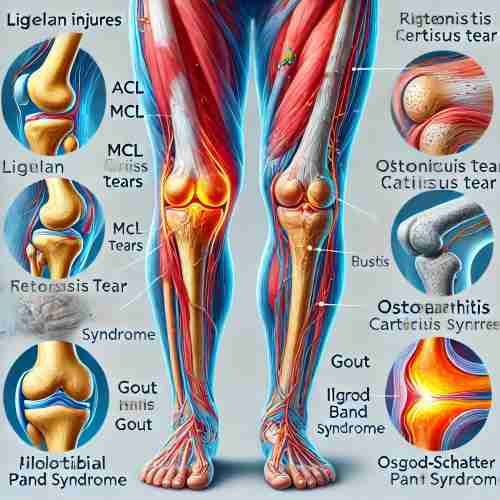
Alopecia-Treatment

Alopecia Treatment At Home (For Men+Women)

Alopecia, commonly known as hair loss, can affect both men and women, often leading to thinning hair or bald patches. There are various treatments available that can be used at home to help manage and reduce hair loss.

These options range from natural remedies, like scalp massages and using essential oils, to more advanced solutions such as topical treatments and medications. For many, treating alopecia at home provides a convenient and less invasive approach to encourage hair regrowth and improve scalp health.

Recommended Reading: How To Get Rid Of The Flu In 24 Hours (At Home Naturally)

Alopecia Treatment At Home (For Men+Women)

Alopecia-Treatment-At-Home

Recommended Reading: Home Remedies For Acid Reflux (Cure GERD Permanently)

Home Remedies & Treatments for Hair Loss

Scalp Massage

Massaging your scalp regularly, with or without oils, can increase blood flow to the hair follicles, which may help stimulate hair growth. Many people use oils like castor oil, which is known to nourish the scalp and promote healthy hair.

Aloe Vera

Using aloe vera gel on your scalp can soothe irritation and improve blood circulation. This natural remedy may help strengthen your hair and support its growth by maintaining a healthy scalp.

Onion Juice

Onion juice, which is high in sulfur, is another well-known remedy for hair loss. Applying it to your scalp can help stimulate hair follicles and potentially lead to hair regrowth.

Essential Oils

Lavender, rosemary, and peppermint oils are popular choices for promoting hair growth. These oils can improve scalp health by boosting circulation and nourishing hair follicles, which can lead to stronger and healthier hair.

Recommended Reading: Baking Soda For Gum Pain (Fastest Way To Heal Swollen Gums)

Best Treatments for Alopecia

  • Scalp Massage: Massaging the scalp can help improve blood circulation to hair follicles, which may encourage hair growth.
  • Coconut Oil: Coconut oil is known for its moisturizing and nourishing properties. It helps to condition the scalp and hair.
  • Rosemary oil: is often used for promoting hair growth and improving scalp health. It has been shown to increase circulation.
  • Onion Juice: Onion juice is rich in sulfur, which is believed to boost collagen production and stimulate hair follicles.
  • Aloe Vera: Aloe vera is widely known for its soothing properties. It can help calm an irritated scalp, reduce dandruff, and improve scalp health, which can potentially aid in hair growth.
  • Aromatherapy: Aromatherapy with essential oils like lavender, peppermint, and cedarwood can help relieve stress and improve scalp health.
  • Jojoba Oil: Jojoba oil is similar to the natural oils produced by our scalp. It helps moisturize the scalp, prevent dryness, and promote hair health.
  • Stress Managemen: Stress is a common factor that can trigger hair loss. Practicing stress-relieving techniques such as yoga, meditation, and deep breathing exercises can help manage stress level.
  • Acupuncture: Acupuncture is an ancient practice that involves inserting thin needles into specific points of the body.
  • Ginseng: Ginseng is a popular herb known for its ability to enhance energy and stimulate hair follicles.
  • Green Tea: Green tea is rich in antioxidants, which can help reduce the buildup of DHT (dihydrotestosterone), a hormone linked to hair loss.
  • Pumpkin Seed Oil: Pumpkin seed oil is believed to block the enzyme responsible for converting testosterone into DHT.
  • Biotin Supplements: Biotin, a B-vitamin, is essential for healthy hair growth. Taking biotin supplements can help strengthen hair, improve its texture, and prevent hair loss caused.
  • Fenugreek: Fenugreek seeds are rich in proteins and nicotinic acid, both of which are beneficial for hair growth.
  • Fish Oil: Fish oil contains omega-3 fatty acids that can nourish hair follicles, reduce inflammation, and improve overall scalp health.
  • Herbal Remedies: Herbal treatments like saw palmetto, nettle, and horsetail are often used to reduce hair loss.
  • Iron: Iron deficiency can lead to hair loss. Ensuring you get enough iron in your diet from sources like spinach, red meat, and lentils can help reduce hair shedding and promote healthy hair.
  • Liquorice Root: Liquorice root is known for its ability to soothe the scalp and open hair follicles.
  • Prebiotics: Prebiotics, which promote the growth of good bacteria in the gut, may support healthy hair growth.

Treatments for Alopecia

Minoxidil (Topical Treatment)

Minoxidil is a popular over-the-counter treatment for hair loss. When applied directly to the scalp every day, it can help stimulate hair regrowth. Patience is key, as visible results may take up to six months. It’s commonly available and used by many to combat thinning hair.

Platelet-Rich Plasma (PRP)

PRP is a more advanced treatment where your own blood is used to stimulate hair growth. Blood is drawn, and the platelet-rich plasma is separated and injected into the scalp. This treatment may help reduce hair loss and encourage regrowth by boosting the body’s natural healing processes.

Anthralin

Anthralin is a tar-like cream that’s applied to the scalp on a daily basis. With consistent use, results can usually be noticed within 8 to 12 weeks. It is primarily used to treat specific types of hair loss like alopecia areata.

Recommended Reading: What Foods Neutralize Stomach Acid Immediately (7 Best Foods)

Who Should Consider These Remedies?

These remedies and treatments can be helpful for people dealing with hair thinning, patchy hair loss (such as in alopecia areata), or general hair shedding.

Whether the hair loss is caused by stress, genetics, or hormonal changes, these options may provide support in slowing down hair loss and promoting regrowth. If you’re noticing less volume in your hair or bald spots, these remedies could be worth trying.

Effectiveness of Home Treatments

Clinical Support

While many home remedies for hair loss are supported by personal experiences, treatments like minoxidil and PRP have undergone more scientific research. Minoxidil has been proven effective for a large number of users, showing significant results in stimulating hair regrowth.

PRP is also becoming a more popular option, with studies suggesting it can help reduce hair loss and promote regrowth, especially for those with alopecia.

Expected Results

Patience and consistency are essential with hair loss treatments. Minoxidil and PRP usually take around 4 to 6 months to show noticeable results. On the other hand, home remedies like scalp massage or using aloe vera might provide slow but steady improvements over time, especially when used regularly as part of a healthy hair care routine.

Recommended Reading: How To Relieve Asthma Without Inhaler (Stop Asthma Wheezing)

Side Effects & Precautions

Common Side Effects

  • Minoxidil: Some users may experience dryness, itching, or irritation on the scalp where the product is applied.
  • Aloe Vera/Onion Juice: For those with sensitive skin, these natural remedies can cause mild irritation or a tingling sensation.
  • Anthralin: This treatment may lead to redness or peeling of the scalp in the areas being treated.

Serious Side Effects

If you notice worsening irritation, severe redness, or any signs of an allergic reaction, it’s important to stop using the product immediately and seek advice from a healthcare professional.

Precautions

  • Always perform a patch test before trying any new treatments, especially with natural ingredients like onion juice or essential oils, to avoid unexpected reactions.
  • If you are pregnant or breastfeeding, consult a doctor before using products like minoxidil to ensure they are safe for your situation.

Recommended Reading: How To Remove Dandruff In One Wash (Home Remedies)

Pros & Cons of Alopecia Treatments

Advantages

  • Convenience: Many alopecia treatments, like minoxidil or home remedies, can be done in the comfort of your own home, providing privacy and ease of use.
  • Minimal Side Effects: Natural remedies such as scalp massage, aloe vera, and essential oils tend to have fewer side effects, making them a gentle option for most people.
  • Accessibility: Over-the-counter options like minoxidil are widely available and easy to purchase without a prescription, making them a straightforward choice for those looking to treat hair loss.

Disadvantages

  • Varied Results: Not every treatment works the same for everyone, and some people may not see significant improvements depending on their specific condition.
  • Time-Consuming: Many treatments, including minoxidil and natural remedies, can take several months of consistent use before noticeable results are visible.
  • Cost & Professional Care: Certain treatments, like PRP (Platelet-Rich Plasma), require professional procedures and can be expensive.

Recommended Reading: Natural Remedies For Hormonal Imbalance In Females

FAQs

What is Alopecia?

Alopecia is a condition that causes hair loss, which can occur in small patches or all over the scalp. It can affect both men and women and can be caused by various factors, including genetics, stress, and immune system issues.

Can Home Remedies Really Help with Hair Loss?

Yes, some home remedies like scalp massage, aloe vera, and essential oils may help improve scalp health and promote hair growth. They tend to work gradually.

How Long Does It Take for Minoxidil to Work?

Minoxidil typically takes about 4 to 6 months to show visible results. You may begin to notice hair growth after consistent daily use, but it’s important to be patient, as hair regrowth can take time.

Is Platelet-Rich Plasma (PRP) Treatment Safe?

PRP treatment is generally considered safe when performed by a trained professional. It involves using your own blood, so there’s minimal risk of allergic reactions or infections.

Are There Any Side Effects of Minoxidil?

Common side effects of minoxidil may include scalp irritation, dryness, or itching. In rare cases, some users might experience more serious effects like dizziness or a rapid heartbeat.

What is the Best Treatment for Alopecia?

The best treatment depends on the type and severity of alopecia you have. For some, home remedies may offer gradual improvements, while others may benefit from treatments like minoxidil or PRP.

Can Alopecia Be Cured?

Currently, there is no permanent cure for alopecia, but various treatments can help manage the condition and promote hair regrowth.

Recommended Reading: Home Remedies For Back Pain (Back Pain Treatment At Home) 

Conclusion

Summary

Treating alopecia at home provides a variety of options, from natural remedies such as aloe vera and onion juice to more established treatments like minoxidil. Each treatment has its own benefits, and choosing the right one depends on your personal preferences, the extent of your hair loss, and your budget.

Who Should Try These Remedies

If you’re looking for a simple, non-invasive, and budget-friendly way to manage hair loss, home remedies are a good starting point. However, if you prefer a more proven and potentially faster solution, treatments like minoxidil or PRP might be more effective.

Disclaimer
Commissions we earn from partner links on this page do not influence our content. Our editorial content is based on thorough research and insights from qualified medical professionals to ensure the highest standards of accuracy and reliability.

Information provided on Doseway is for educational purposes only. Your health and wellness are unique to you, and the products and services we review may not be suitable for your circumstances. We do not offer personal medical advice, diagnosis, or treatment plans. For specific advice, please consult with a healthcare professional. Doseway adheres to strict editorial integrity standards. To the best of our knowledge, all content is accurate as of the date posted, though offers and information may change. The opinions expressed are the author’s own and have not been influenced, approved, or endorsed by our partners.

How-To-Get-Rid-Of-The-Flu

How To Get Rid Of The Flu In 24 Hours (At Home Naturally)

When you’re hit with the flu, it can feel like there’s no way out, especially when you want to feel better fast. While there’s no magic cure to get rid of the flu in 24 hours, there are plenty of natural home remedies that can help ease your symptoms and speed up your recovery.

Effective ways to manage the flu at home, using ingredients you likely already have. From drinking plenty of fluids to resting, we’ll cover easy methods to feel better as quickly as possible.

Recommended Reading: Home Remedies For Acid Reflux (Cure GERD Permanently)

How To Get Rid Of The Flu In 24 Hours (At Home Naturally)

How-To-Get-Rid-Of-The-Flu-In-24-Hours

Recommended Reading: Baking Soda For Gum Pain (Fastest Way To Heal Swollen Gums)

What is the Flu?

What is the Flu?

The flu virus attacks the respiratory system, highlighting common symptoms like fever, sore throat, body aches, and cough.

What-is-the-Flu

The flu is a virus that attacks your respiratory system. It can make you feel really sick with symptoms like fever, sore throat, body aches, coughing, and feeling very tired.

Common Flu Symptoms

  • Fever
  • Chills
  • Sore throat
  • Body aches
  • Headache
  • Tiredness
  • Cough

Is It Possible to Get Rid of the Flu in 24 Hours?

Although you can’t completely get rid of the flu in just one day, using some simple home remedies can help make the symptoms less severe and help you recover faster.

How Does It Work?

How Does It Work?

Natural flu relief, highlighting remedies like hydration, rest, herbal teas, vitamin C, and steam therapy to boost immunity and ease symptoms.

How-Does-It-Work

Recommended Reading: What Foods Neutralize Stomach Acid Immediately (7 Best Foods)

Mechanism of Action

Natural remedies help by strengthening your immune system, keeping your body hydrated, and calming your irritated throat and lungs. This helps reduce flu symptoms and makes you feel better faster.

What Helps?

Things like getting enough rest, drinking plenty of fluids, eating foods that reduce inflammation, and using natural treatments can all help you recover from the flu.

Effective Home Remedies for Flu Relief

  • Rest: Getting enough sleep is important to help your immune system fight off the flu virus.
  • Hydration: Drink plenty of water, juice, warm tea, soup, or broth to stay hydrated and help clear mucus.
  • Gargling with Warm Salt Water: Gargling with warm salt water can soothe your sore throat and help clear mucus.
  • Nasal Irrigation with Saline Spray: Using a saline spray helps clear your nasal passages and relieve sinus pressure.
  • Honey: Honey helps soothe your throat and reduce coughing, especially when taken before bed.
  • Chicken Soup: Chicken soup helps clear your sinuses and provides hydration, making you feel better.
  • Vitamin C: Vitamin C boosts your immune system. You can get it from citrus fruits or supplements.
  • Zinc: Taking zinc early can help shorten the length of flu symptoms.
  • Steamy Showers: A steamy shower opens up your nasal passages and helps ease congestion.
  • Herbal Teas: Teas like peppermint, ginger, or chamomile can reduce inflammation and ease discomfort.
  • Elderberry: Elderberry is known for its ability to boost the immune system.
  • Aromatherapy: Essential oils like eucalyptus or peppermint can help clear your nasal passages and relieve your pain.

Recommended Reading: How To Relieve Asthma Without Inhaler (Stop Asthma Wheezing)

When to Take Antiviral Drugs or OTC Medications

Antiviral Medications

If you take antiviral drugs like Tamiflu within the first 48 hours after getting the flu, they can help reduce how bad the flu is and make it go away faster.

OTC Medications

Over-the-counter medicines like acetaminophen (Tylenol) or ibuprofen (Advil) can help relieve fever and body aches.

Recommended Reading: How To Remove Dandruff In One Wash (Home Remedies)

Side Effects & Precautions

Side Effects & Precautions

Side effects and precautions of natural flu remedies, including stomach discomfort, throat irritation, allergic reactions, and guidance for pregnant women and children.

Side-Effects-&-Precautions

Common Side Effects of Home Remedies

Using honey too much may cause stomach discomfort. Gargling with salt water too often can irritate your throat. Taking too much vitamin C can upset your stomach.

Serious Side Effects

In rare cases, some people may have a severe allergic reaction to natural ingredients like honey or herbs.

Precautions

If you’re pregnant or breastfeeding, ask your doctor before using herbal supplements.
Don’t give over-the-counter medicine like ibuprofen to children under six months.

Recommended Reading: Natural Remedies For Hormonal Imbalance In Females

Pros & Cons of Home Remedies for the Flu

Advantages

Home remedies are natural and affordable. They can help ease flu symptoms quickly and are easy to use at home.

Disadvantages

These remedies don’t cure the flu. They only help manage symptoms and may take some time to show results.

Comparison with Prescription Medications

OTC (over-the-counter) medications might help you feel better faster, but home remedies usually have fewer side effects and can offer other health benefits.

Recommended Reading: Home Remedies For Back Pain (Back Pain Treatment At Home) 

FAQs

How can I get rid of the flu quickly?

To help get rid of the flu faster, make sure to rest, drink plenty of fluids, and take over-the-counter medicine for fever and body aches. Gargling with warm salt water and using a humidifier can also help ease symptoms.

Can I get rid of the flu in 24 hours?

Unfortunately, it’s not possible to fully get rid of the flu in just 24 hours. But, using home remedies can help reduce symptoms and speed up your recovery.

What should I drink to get rid of the flu?

Drinking warm fluids like tea, broth, and water can help keep you hydrated and soothe your throat. Honey in tea is also a great remedy.

Does Vitamin C help get rid of the flu?

Yes, Vitamin C can support your immune system and may help reduce the severity of flu symptoms. You can find it in foods like oranges, or take supplements.

How long does it take to get rid of the flu?

The flu usually lasts for about 1 to 2 weeks. The more you rest and hydrate, the quicker you’ll feel better.

Can I get rid of the flu without medicine?

Yes, you can manage flu symptoms without medicine by resting, staying hydrated, and using home remedies like warm salt water gargles, honey, and herbal teas.

Recommended Reading: Teeth Whitening At Home In 2 Minutes (Home Remedies) 

Conclusion

Summary of Remedies

Rest, drinking fluids, warm drinks, honey, and vitamin C are helpful for easing flu symptoms. While you can’t fully cure the flu in one day, these remedies can help make you feel better faster and reduce discomfort.

Final Thoughts

These home remedies are great for those who prefer natural ways to feel better. However, they shouldn’t replace professional medical advice or antiviral medications when needed.

Disclaimer:
Commissions we earn from partner links on this page do not influence our content. Our editorial content is based on thorough research and insights from qualified medical professionals to ensure the highest standards of accuracy and reliability.

Information provided on Doseway is for educational purposes only. Your health and wellness are unique to you, and the products and services we review may not be suitable for your circumstances. We do not offer personal medical advice, diagnosis, or treatment plans. For specific advice, please consult with a healthcare professional. Doseway adheres to strict editorial integrity standards. To the best of our knowledge, all content is accurate as of the date posted, though offers and information may change. The opinions expressed are the author’s own and have not been influenced, approved, or endorsed by our partners.

Cure-GERD-Permanently

Home Remedies For Acid Reflux (Cure GERD Permanently)

Acid reflux, also known as GERD (Gastroesophageal Reflux Disease), is a common condition where stomach acid flows back into the esophagus, causing heartburn and discomfort. While medications are available, many people look for natural remedies to manage their symptoms at home.

Explore simple and effective home remedies that can help reduce acid reflux and improve overall digestive health, potentially offering long-term relief. These remedies include dietary changes, lifestyle adjustments, and natural treatments that can be easily incorporated into daily routines.
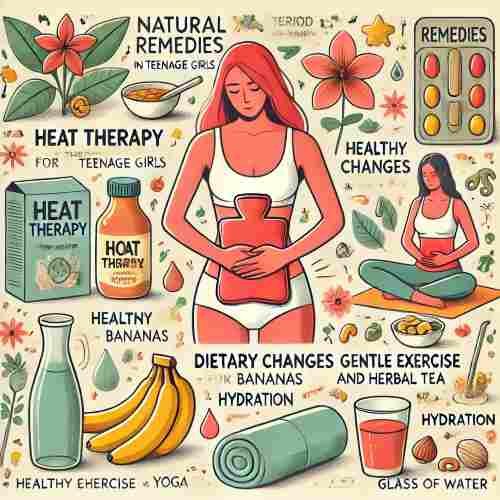
Recommended Reading: Baking Soda For Gum Pain (Fastest Way To Heal Swollen Gums)

Home Remedies For Acid Reflux (Cure GERD Permanently)

Home-Remedies-For-Acid-Reflux

Recommended Reading: What Foods Neutralize Stomach Acid Immediately (7 Best Foods)

What are the Acid Reflux Remedies?

Acid Reflux Remedies

Natural remedies for acid reflux, including ginger, aloe vera juice, bananas, licorice root, and slippery elm, with their benefits.
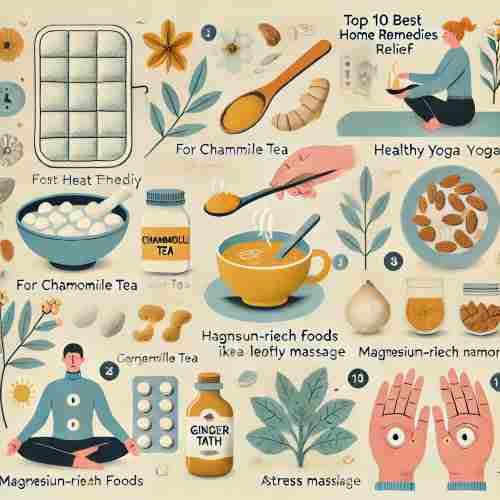
Acid-Reflux-Remedies

Several natural remedies can help with acid reflux. These include ginger, aloe vera juice, bananas, licorice root, and slippery elm. These remedies work by calming the stomach, reducing acid, and supporting better digestion.

How Do They Work?

  • Ginger: Reduces inflammation and soothes the digestive system.
  • Aloe vera juice: Helps calm irritation in the esophagus.
  • Bananas: Neutralize stomach acid because they are high in potassium.
  • Licorice root: Forms a protective coating in the esophagus to guard against acid.

Expected Results

With regular use, these remedies can provide lasting relief from acid reflux symptoms.

Recommended Reading: How To Relieve Asthma Without Inhaler (Stop Asthma Wheezing)

Who Should Use These Remedies?

Who Should Use These Remedies?

Natural remedies for acid reflux, how to use them, and their effectiveness based on studies and personal experiences.

Acid-Reflux

These remedies are suitable for people with GERD, acid reflux, or heartburn. They are also helpful for those who want a natural alternative instead of using medication.

How to Use the Remedies

  • Ginger Tea: Drink 1-2 cups a day, preferably after meals.
  • Aloe Vera Juice: Take 1/4 cup before meals.
  • Licorice Root Supplements: Follow the instructions, usually 1-2 tablets or capsules before meals.
  • Bananas: Eat one ripe banana daily.

Frequency of Use

Use these remedies regularly for a few weeks to notice improvements.

Recommended Reading: How To Remove Dandruff In One Wash (Home Remedies)

How Effective Are These Remedies?

Scientific Evidence

Studies show that natural remedies like ginger and aloe vera can help manage acid reflux symptoms.

Personal Experiences

Many people have successfully used these home remedies to reduce their GERD symptoms.

Expected Results

With regular use, you can expect to see a gradual decrease in acid reflux symptoms within 2-4 weeks.

Recommended Reading: Natural Remedies For Hormonal Imbalance In Females

Side Effects & Safety Tips

Common Side Effects

Some people might feel mild stomach discomfort from ginger or aloe vera.
Bananas may not be suitable for people who are allergic to them.

Serious Side Effects

Too much licorice root can raise blood pressure in some people.
Always talk to a doctor before trying new remedies, especially if you have ongoing health issues.

Safety Precautions

If you have conditions like diabetes or high blood pressure, check with your doctor before using remedies like licorice root.

Recommended Reading: Home Remedies For Back Pain (Back Pain Treatment At Home) 

Pros & Cons of Using Home Remedies

Advantages

  • Natural and free from medications.
  • Easy to find with few side effects.
  • Can be used along with regular treatments.

Disadvantages

  • Results might take time to show.
  • Effectiveness can be different for each person.
  • Some remedies, like aloe vera juice, may not taste good to everyone.

Recommended Reading: Teeth Whitening At Home In 2 Minutes (Home Remedies) 

FAQs

What is acid reflux?

Acid reflux happens when stomach acid goes back into the food pipe, causing heartburn or discomfort in the chest.

How do natural remedies help with acid reflux?

Natural remedies like ginger, aloe vera, and bananas can help reduce the acid in your stomach and calm your throat, giving relief from acid reflux.

Is it safe to use home remedies for acid reflux?

Yes, most natural remedies are safe for many people. However, it’s important to check with a doctor if you have other health conditions.

How long does it take to feel better using these remedies?

You might start feeling better in 2-4 weeks if you use these remedies regularly.

Are there any side effects from these remedies?

Some people might feel mild stomach discomfort or have allergies to certain remedies. Always watch how your body reacts.

How often should I use these remedies?

For best results, use them regularly, like drinking ginger tea daily or eating a banana every day.

Can these remedies completely cure acid reflux?

These remedies can help manage the symptoms, but lifestyle changes and medical treatments may still be needed for long-term relief.

Recommended Reading: How To Lower Blood Pressure Instantly In An Emergency (Home Remedies)

Conclusion

Summary of Findings

Home remedies like ginger, aloe vera, and bananas can help reduce acid reflux symptoms. They work even better when combined with changes in diet and sleep habits.

Overall Recommendation

If you’re looking for a natural way to manage acid reflux instead of traditional medications, these remedies are safe and effective.

Who Should Use It?

  • People want long-term, natural ways to manage GERD and acid reflux.
  • Those who prefer to avoid medication and are ready to make lifestyle changes.

Disclaimer:
Commissions we earn from partner links on this page do not influence our content. Our editorial content is based on thorough research and insights from qualified medical professionals to ensure the highest standards of accuracy and reliability.

Information provided on Doseway is for educational purposes only. Your health and wellness are unique to you, and the products and services we review may not be suitable for your circumstances. We do not offer personal medical advice, diagnosis, or treatment plans. For specific advice, please consult with a healthcare professional. Doseway adheres to strict editorial integrity standards. To the best of our knowledge, all content is accurate as of the date posted, though offers and information may change. The opinions expressed are the author’s own and have not been influenced, approved, or endorsed by our partners.