Best-Medicine-For-Anxiety-And-Depression

10 Best Medicine For Anxiety And Depression In Pakistan

Anxiety and depression are two of the most prevalent mental health issues affecting millions of people worldwide, including Pakistan. Pakistan faces a substantial burden of mental health disorders, with:

  • Approximately 44.8% of the population experiencing anxiety disorders
  • Around 34.6% suffering from depressive disorders
  • A staggering 70% of cases remain untreated due to social stigma, lack of awareness, and inadequate healthcare resources

In this article, we will explore the best medicine for anxiety and depression in Pakistan, discussing their benefits, potential side effects, and availability in the country.

What Are The Top 10 Medications For Anxiety And Depression?

Anxiety-And-Depression

What is Anxiety and Depression?

Anxiety and depression are two prevalent mental health disorders that affect millions worldwide, including Pakistan. Understanding these conditions is crucial for timely intervention and effective management.

Anxiety Definition and Symptoms

Anxiety is a mental health disorder characterized by:

  • Excessive and persistent worry or fear
  • Restlessness, feeling on edge, or irritability
  • Difficulty concentrating
  • Sleep disturbances
  • Rapid heartbeat, sweating, or trembling
  • Panic attacks or avoidance behaviors

Types of anxiety disorders include:

  • Generalized Anxiety Disorder (GAD)
  • Panic Disorder
  • Social Anxiety Disorder
  • Phobias

Depression Definition and Symptoms

Depression is a mood disorder marked by:

  • Persistent sadness, emptiness, or hopelessness
  • Loss of interest in activities
  • Changes in appetite or sleep patterns
  • Fatigue or loss of energy
  • Difficulty concentrating or making decisions
  • Physical symptoms like headaches or pain

Types of depressive disorders include:

  • Major Depressive Disorder (MDD)
  • Dysthymia (Persistent Depressive Disorder)
  • Postpartum Depression

Differences Between Anxiety and Depression

While anxiety and depression can co-occur, distinct differences exist:

  • Anxiety focuses on fear or worry about the future, whereas depression emphasizes sadness or loss related to the past.
  • Anxiety often involves increased energy and restlessness, whereas depression is characterized by decreased energy and motivation.

Is Anxiety a Mental Illness?

Yes, anxiety is classified as a mental illness by:

  • World Health Organization (WHO)
  • American Psychiatric Association (APA)
  • Diagnostic and Statistical Manual of Mental Disorders (DSM-5)

Why Medication is Important?

Medication plays a crucial role in managing anxiety and depression, especially when:

  • Symptoms are severe or interfere with daily life
  • Therapy alone is insufficient
  • Other treatments, like lifestyle changes, are ineffective

Medications can:

  • Restore chemical imbalances in the brain
  • Regulate mood and emotional responses
  • Enhance cognitive function and sleep quality
  • Reduce symptoms and improve quality of life

Commonly used medications for anxiety and depression include:

  • Selective Serotonin Reuptake Inhibitors (SSRIs)
  • Serotonin-Norepinephrine Reuptake Inhibitors (SNRIs)
  • Benzodiazepines (for short-term anxiety relief)

Top 10 Medicines for Anxiety and Depression in Pakistan

Amygra 60mg Tablet

Amygra 60mg Tablet

Purchase this medicine online through Doseway.com.
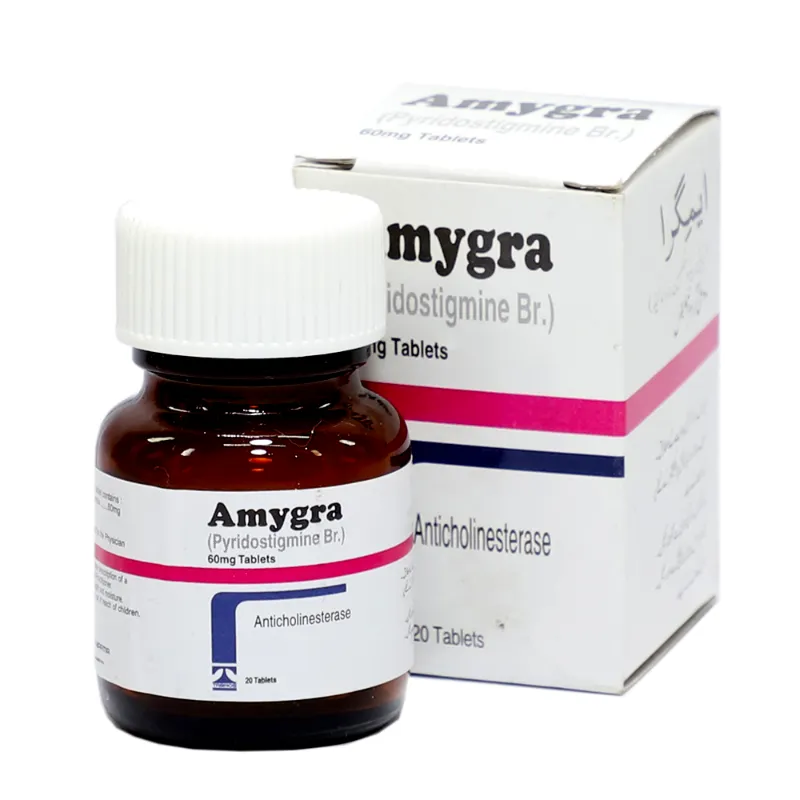
Amygra-60mg-Tablet-Uses

Active Ingredient: Alprazolam

Therapeutic Class: Benzodiazepine

Uses:

  • Treats anxiety and depression disorders, including generalized anxiety disorder (GAD) and social anxiety disorder
  • Effective in managing panic disorders, including panic attacks
  • Improves mental alertness and reduces stress

Dosage & Directions:

  • Adult dose: 1-2 tablets (0.5-2 mg) three times a day
  • Maximum daily dose: 6-8 mg
  • Elderly or debilitated patients: Start with 0.25-0.5 mg three times a day
  • Follow your doctor’s instructions for optimal dosage and duration

Side Effects:

Common:

  • Drowsiness
  • Dizziness
  • Fatigue
  • Headache
  • Dry mouth

Rare:

  • Memory impairment
  • Dependence
  • Confusion
  • Irritability
  • Allergic reactions

Precautions:

  • Interactions:
    • Antidepressants (e.g., SSRIs, MAOIs)
    • Sedatives (e.g., barbiturates, opioids)
    • Alcohol
  • Contraindications:
    • Pregnancy and breastfeeding (potential harm to fetus or baby)
    • Glaucoma (narrow-angle)
    • Severe respiratory depression

Bromalex 3mg

Bromalex 3mg

Purchase this medicine online through Doseway.com.
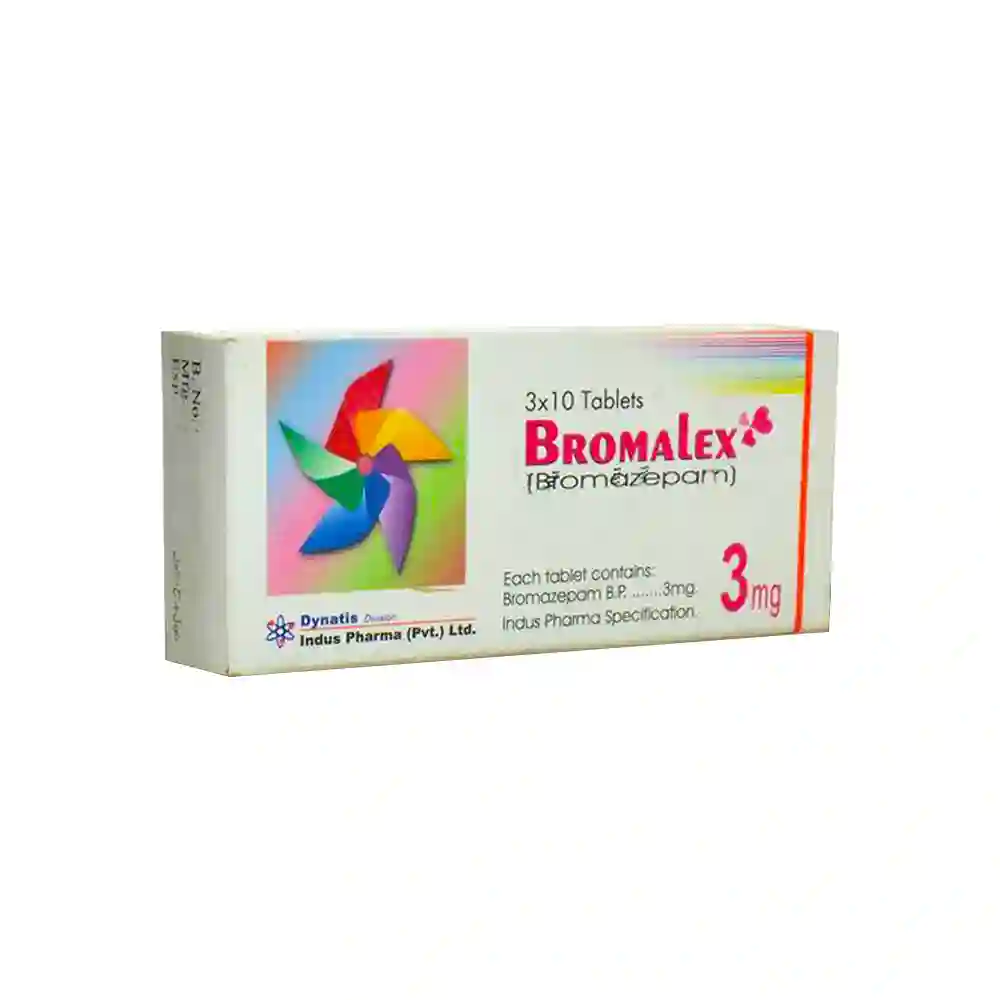
Bromalex-3mg-Tablet

Active Ingredient: Bromazepam

Therapeutic Class: Benzodiazepine

Uses:

  • Treats anxiety disorders, including generalized anxiety disorder (GAD) and social anxiety disorder
  • Effective in managing panic disorders, including panic attacks
  • Relieves insomnia (short-term use)

Dosage & Directions:

  • Adult dose: 1-2 tablets (3-6 mg) two to three times a day
  • Maximum daily dose: 12-18 mg
  • Elderly or debilitated patients: Start with 1/2 to 1 tablet (1.5-3 mg) two to three times a day
  • Follow your doctor’s instructions for optimal dosage and duration

Side Effects:

Common:

  • Fatigue
  • Headache
  • Dizziness
  • Drowsiness
  • Muscle weakness

Rare:

  • Allergic reactions (rash, itching, swelling)
  • Dependence
  • Withdrawal symptoms
  • Confusion
  • Amnesia

Precautions:

  • Interactions:
    • Antidepressants (e.g., SSRIs, MAOIs)
    • Sedatives (e.g., barbiturates, opioids)
    • Alcohol

Cheer Up 10mg

Cheer Up 10mg

Purchase this medicine online through Doseway.com.

Cheer-Up-10mg-Tablet-Price

Active Ingredient: Fluoxetine

Therapeutic Class: Selective Serotonin Reuptake Inhibitor (SSRI)

Uses:

  • Treats major depressive disorder (MDD) with associated anxiety
  • Effective in managing:
    • Depressive symptoms (mood swings, loss of interest)
    • Anxiety symptoms (restlessness, worry)
    • Bulimia nervosa
    • Obsessive-compulsive disorder (OCD)

Dosage & Directions:

  • Adult dose: 1 tablet (10-20 mg) daily, morning or evening
  • Initial dose: 10 mg/day; may increase to 20 mg/day after 1-2 weeks
  • Elderly or hepatically impaired patients: Start with 10 mg every other day
  • Follow your doctor’s instructions for optimal dosage and duration

Side Effects:

Common:

  • Nausea
  • Headache
  • Dizziness
  • Insomnia
  • Dry mouth

Rare:

  • Serotonin syndrome (potentially life-threatening)
  • Suicidal thoughts or behaviors
  • Seizures
  • Allergic reactions (rash, itching)
  • Hyponatremia (low sodium levels)

Precautions:

  • Interactions:
    • Monoamine oxidase inhibitors (MAOIs)
    • Other antidepressants (e.g., tricyclics, SSRIs)
    • Warfarin (blood thinner)
    • Aspirin or NSAIDs (increased bleeding risk)
  • Contraindications:
    • Hypersensitivity to fluoxetine
    • Use within 14 days of MAOI treatment
  • Special warnings:
    • Increased risk of suicidal thoughts or behaviors, especially in children and adolescents
    • Monitor for signs of serotonin syndrome (agitation, confusion, rapid heartbeat)

Important Safety Information:

  • Use Cheer Up 10mg only as directed by your doctor.
  • Do not share or give this medication to others.
  • Avoid sudden discontinuation; gradually taper dosage under medical supervision.

Pregnancy and Breastfeeding:

  • Use during pregnancy only if the benefits outweigh the risks.
  • Fluoxetine passes into breast milk; consult your doctor before breastfeeding.

Citanew 10mg Tablet

Citanew 10mg Tablet

Purchase this medicine online through Doseway.com.

Citanew-10mg-Tablet-Price

Active Ingredient: Escitalopram

Therapeutic Class: Selective Serotonin Reuptake Inhibitor (SSRI)

Uses:

  • Treats major depressive disorder (MDD)
  • Effective in managing generalized anxiety disorder (GAD)
  • Relieves symptoms of:
    • Depression (mood swings, loss of interest)
    • Anxiety and depression (restlessness, worry)

Dosage & Directions:

  • Adult dose: 1 tablet (10 mg) daily, morning or evening
  • Initial dose: 5 mg/day; may increase to 10 mg/day after 1-2 weeks
  • Elderly or hepatically impaired patients: Start with 5 mg/day
  • Follow your doctor’s instructions for optimal dosage and duration

Side Effects:

Common:

  • Nausea
  • Fatigue
  • Headache
  • Dizziness
  • Insomnia

Rare:

  • Serotonin syndrome (potentially life-threatening)
  • Allergic reactions (rash, itching, swelling)
  • Suicidal thoughts or behaviors
  • Seizures
  • Hyponatremia (low sodium levels)

Precautions:

  • Interactions:
    • Monoamine oxidase inhibitors (MAOIs)
    • Other antidepressants (e.g., tricyclics, SSRIs)
    • Warfarin (blood thinner)
    • Aspirin or NSAIDs (increased bleeding risk)
  • Contraindications:
    • Hypersensitivity to escitalopram
    • Use within 14 days of MAOI treatment
  • Special warnings:
    • Increased risk of suicidal thoughts or behaviors, especially in children and adolescents
    • Monitor for signs of serotonin syndrome (agitation, confusion, rapid heartbeat)

Important Safety Information:

  • Use Citanew 10mg only as directed by your doctor.
  • Do not share or give this medication to others.
  • Avoid sudden discontinuation; gradually taper dosage under medical supervision.

Pregnancy and Breastfeeding:

  • Use during pregnancy only if the benefits outweigh the risks.
  • Escitalopram passes into breast milk; consult your doctor before breastfeeding.

Additional Information:

  • May take 2-4 weeks to notice the improvement in symptoms.
  • Monitor liver function and adjust dosage accordingly.
  • Caution in patients with:
    • Seizure history
    • Bipolar disorder
    • Bleeding disorders

Arcalion Tablet

Arcalion Tablet

Purchase this medicine online through Doseway.com.
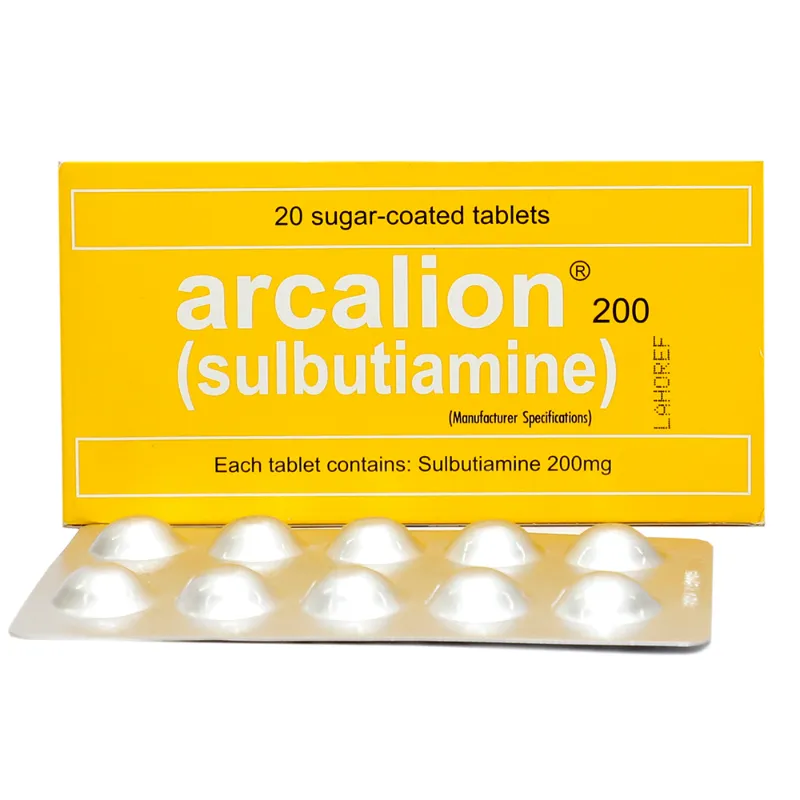
Arcalion-Tablet-Uses

Active Ingredient: Sulbutiamine

Therapeutic Class: Anxiolytic, Nootropic

Uses:

  • Treats mild anxiety and stress-related disorders
  • Improves cognitive function and memory
  • Enhances mental clarity and focus
  • Relieves fatigue and lethargy

Dosage & Directions:

  • Adult dose: 1 tablet (500 mg) twice a day
  • Initial dose: 1 tablet daily; may increase to 2 tablets/day after 1 week
  • Elderly or hepatically impaired patients: Start with 1 tablet daily

Side Effects:

Common:

  • Headache
  • Nausea
  • Dizziness
  • Fatigue
  • Dry mouth

Rare:

  • Allergic reactions (rash, itching, swelling)
  • Insomnia
  • Diarrhea
  • Abdominal pain

Precautions:

  • Interactions:
    • Antidepressants (e.g., SSRIs, MAOIs)
    • Sedatives (e.g., benzodiazepines)
    • Stimulants (e.g., amphetamines)
  • Contraindications:
    • Hypersensitivity to sulbutiamine
  • Special warnings:
    • Monitor for signs of allergic reactions
    • Caution in patients with a seizure history

Pregnancy and Breastfeeding:

  • Use during pregnancy only if the benefits outweigh the risks.
  • Sulbutiamine passes into breast milk; consult your doctor before breastfeeding.

Hapibar 30mg Capsules

Hapibar 30mg Capsules

Purchase this medicine online through Doseway.com.

Hapibar-30mg-Capsules-Uses

Active Ingredient: Fluvoxamine

Therapeutic Class: Selective Serotonin Reuptake Inhibitor (SSRI)

Uses:

  • Treats obsessive-compulsive disorder (OCD)
  • Effective in managing:
    • Anxiety and depression disorders (social anxiety, panic disorder)
    • Depression (major depressive disorder)
  • Mood stabilization in anxiety and depression

Dosage & Directions:

  • Adult dose: 1-2 capsules (30-60 mg) daily, morning or evening
  • Initial dose: 30 mg/day; may increase to 60 mg/day after 1-2 weeks
  • Elderly or hepatically impaired patients: Start with 30 mg/day

Side Effects:

Common:

  • Nausea
  • Headache
  • Dizziness
  • Insomnia
  • Dry mouth

Rare:

  • Serotonin syndrome (potentially life-threatening)
  • Suicidal thoughts or behaviors
  • Allergic reactions (rash, itching, swelling)
  • Seizures

Precautions:

  • Interactions:
    • Monoamine oxidase inhibitors (MAOIs)
    • Other antidepressants (e.g., tricyclics, SSRIs)
    • Warfarin (blood thinner)
  • Contraindications:
    • Hypersensitivity to fluvoxamine
    • Use within 14 days of MAOI treatment
  • Special warnings:
    • Increased risk of suicidal thoughts or behaviors
    • Monitor for signs of serotonin syndrome

Pregnancy and Breastfeeding:

  • Use during pregnancy only if the benefits outweigh the risks.
  • Fluvoxamine passes into breast milk; consult your doctor before breastfeeding.

Stablon Tablet

Stablon Tablet

Purchase this medicine online through Doseway.com.

Stablon-Tablet-Price

Active Ingredient: Tianeptine

Therapeutic Class: Atypical Antidepressant

Uses:

  • Treats major depressive disorder (MDD)
  • Effective in managing:
    • Depressive symptoms (mood swings, loss of interest)
    • Anxiety symptoms (restlessness, worry)
  • Offers fewer side effects compared to traditional antidepressants

Dosage & Directions:

  • Adult dose: 1 tablet (12.5 mg) three times a day
  • Initial dose: 1 tablet twice a day; may increase to 3 times a day after 1 week
  • Elderly or hepatically impaired patients: Start with 1 tablet twice a day

Side Effects:

Common:

  • Dizziness
  • Nausea
  • Headache
  • Fatigue
  • Dry mouth

Rare:

  • Allergic reactions (rash, itching, swelling)
  • Liver damage (elevated liver enzymes)
  • Increased risk of suicidal thoughts or behaviors
  • Seizures
  • Hypersensitivity reactions

Precautions:

  • Interactions:
    • Antidepressants (e.g., SSRIs, MAOIs)
    • Sedatives (e.g., benzodiazepines)
    • Stimulants (e.g., amphetamines)
  • Contraindications:
    • Hypersensitivity to tianeptine
    • Severe liver impairment
  • Special warnings:
    • Monitor liver function and adjust dosage accordingly
    • Increased risk of suicidal thoughts or behaviors, especially in children and adolescents

Important Safety Information:

  • Use Stablon Tablet only as directed by your doctor.
  • Do not share or give this medication to others.
  • Avoid sudden discontinuation; gradually taper dosage under medical supervision.

Pregnancy and Breastfeeding:

  • Use during pregnancy only if the benefits outweigh the risks.
  • Tianeptine passes into breast milk; consult your doctor before breastfeeding.

Additional Information:

  • May take 2-4 weeks to notice an improvement in symptoms.
  • Monitor for signs of liver damage (jaundice, dark urine).
  • Caution in patients with:
    • Seizure history
    • Bipolar disorder
    • Bleeding disorders

Top 10 Anti Depression Medications

Medication (Generic Name)Common Brand Name(s)ClassApproximate % of U.S. Prescriptions (Recent Data)Common Uses (Beyond Depression)
SertralineZoloftSSRI~7.7%Anxiety, OCD, PTSD
BupropionWellbutrin, ZybanAtypical (NDRI)~6.6%Smoking cessation, low sexual side effects
EscitalopramLexaproSSRI~6.4%Generalized anxiety
TrazodoneDesyrelSerotonin modulator~6.2%Often used for insomnia/sleep
FluoxetineProzacSSRIHigh volume (top 10 range)OCD, bulimia, PMDD
DuloxetineCymbaltaSNRICommonly prescribedChronic pain, fibromyalgia
CitalopramCelexaSSRICommonly prescribedAnxiety
VenlafaxineEffexor XRSNRICommonly prescribedAnxiety, hot flashes
MirtazapineRemeronAtypical (NaSSA)High in some regionsSleep aid, appetite stimulation
ParoxetinePaxilSSRICommonly prescribedAnxiety, PTSD

Antidepressants List A To Z

LetterGeneric NameCommon Brand Name(s)Main ClassNotes / Common Uses
AAgomelatineValdoxanAtypical (melatonin agonist)Sleep/mood regulation; common in UK/Europe
AAmitriptylineElavilTricyclic (TCA)Depression, pain, sleep; very common
AAmoxapineAsendinTricyclicLess common
BBupropionWellbutrin, ZybanAtypical (NDRI)Depression, smoking cessation; energizing
CCitalopramCelexaSSRICommon first-line
CClomipramineAnafranilTricyclicOCD + depression
DDesipramineNorpraminTricyclicLess common
DDesvenlafaxinePristiqSNRIDepression, hot flashes
DDosulepin / DothiepinProthiadenTricyclicCommon in UK
DDoxepinSinequanTricyclicDepression, anxiety, sleep
DDuloxetineCymbaltaSNRIDepression, pain, fibromyalgia
EEscitalopramLexapro, CipralexSSRIVery common; often first choice
FFluoxetineProzacSSRILong half-life; common
FFluvoxamineLuvoxSSRIMainly OCD
IImipramineTofranilTricyclicOlder; enuresis too
IIsocarboxazidMarplanMAOIRefractory cases; dietary restrictions
LLevomilnacipranFetzimaSNRINewer SNRI
MMaprotilineLudiomilTetracyclicLess common
MMilnacipranSavella, IxelSNRIFibromyalgia + depression
MMirtazapineRemeronAtypical (NaSSA)Sleep/appetite boost; very common
MMoclobemideAurorixReversible MAOICommon in some countries
NNefazodoneSerzoneSerotonin modulatorLess used (liver concerns)
NNortriptylinePamelor, AllegronTricyclicCommon; pain too
PParoxetinePaxilSSRIAnxiety + depression
PPhenelzineNardilMAOIRefractory; dietary restrictions
PProtriptylineVivactilTricyclicLess common
RReboxetineEdronaxNRILess common (Europe)
SSelegilineEmsam (patch)MAOIAlso Parkinson’s
SSertralineZoloftSSRIVery widely prescribed
TTranylcypromineParnateMAOIRefractory cases
TTrazodoneDesyrelSerotonin modulatorOften low-dose for sleep
TTrimipramineSurmontilTricyclicLess common
VVenlafaxineEffexorSNRICommon; withdrawal careful
VVilazodoneViibrydSSRI + 5-HT1A agonistNewer; GI side effects
VVortioxetineTrintellix / BrintellixMultimodalCognitive symptoms in depression

Factors to Consider When Choosing the Right Medication

Effectiveness

  1. Fastest-acting medications: SSRIs (e.g., fluoxetine), SNRIs (e.g., venlafaxine)
  2. Timeframes for results: 2-6 weeks for noticeable improvement

Side Effects

  • Medications with fewer side effects:
    • Fluoxetine (Prozac)
    • Sertraline (Zoloft)
    • Escitalopram (Lexapro)
  • Minimizing side effects:
    • Start with low doses
    • Gradually increase dosage
    • Monitor side effects regularly

Safety

  • Long-term safety:
    • SSRIs and SNRIs are generally safe
    • Regular monitoring necessary
  • Age group considerations:
    • Children and adolescents: closely monitor suicidal thoughts
    • Elderly: risk of falls, interactions with other medications

New Treatments

  • Emerging treatments:
    • Ketamine-based therapies
    • Transcranial magnetic stimulation (TMS)
    • Mindfulness-based therapies
  • Recent drug approvals:
    • Brexanolone (Zulresso) for postpartum depression
    • Esketamine (Spravato) for treatment-resistant depression

Natural Alternatives for Anxiety and Depression

Natural Remedies

Natural remedies can complement traditional treatments for anxiety and depression. While not a replacement for medical care, these alternatives offer holistic benefits.

Natural Anxiety Medications and Treatments

  • Strongest natural anti-anxiety medications:
    • Ashwagandha (300-500 mg/day)
    • Kava (200-300 mg/day)
    • Valerian root (500-1000 mg/day)
  • Other natural anxiety and depression relievers:
    • Passionflower
    • Chamomile
    • Lavender oil

  • Herbal options:
    • St. John’s Wort (mood enhancement)
    • Ginkgo biloba (cognitive function)
    • Bacopa monnieri (memory and focus)
  • Vitamins and minerals:
    • Omega-3 fatty acids
    • Vitamin D
    • Magnesium

Lifestyle Modifications

  • Mind-body techniques:
    • Yoga
    • Mindfulness meditation
    • Deep breathing exercises
  • Exercise and physical activity:
    • Regular aerobic exercise
    • Strength training
    • Walking and outdoor activities
  • Sleep and relaxation:
    • Establish consistent sleep schedule
    • Practice relaxation techniques before bed
  • Nutrition and diet:
    • A balanced diet rich in whole foods
    • Avoid processed and sugary foods
    • Stay hydrated

FAQs | Best Medicine For Anxiety And Depression

What is anxiety?

Anxiety is a mental health condition characterized by feelings of worry, nervousness, and fear.

What causes anxiety?

Genetics, brain chemistry, life events, and medical conditions can contribute to anxiety.

How is anxiety diagnosed?

A mental health professional diagnoses anxiety through a comprehensive evaluation.

What is the best medication for social anxiety?

SSRIs (e.g., fluoxetine), SNRIs (e.g., venlafaxine), and benzodiazepines (e.g., clonazepam).

What is the best natural remedy for anxiety?

Ashwagandha, kava, valerian root, and omega-3 fatty acids

What is the best medication for anxiety and depression?

The best medication for anxiety and depression depends on individual needs and how the body reacts to different drugs. Commonly prescribed medications include Selective Serotonin Reuptake Inhibitors (SSRIs) like Citalopram (Citanew) and Sertraline (Zoloft). Benzodiazepines, such as Alprazolam.

What is the best anxiety medication with the least side effects?

Medications like Buspirone and SSRIs (such as Escitalopram or Citalopram) tend to have fewer side effects compared to other options.

Can overthinking cause anxiety?

Yes, overthinking can lead to or worsen anxiety. When a person constantly worries about different aspects of life, it can trigger anxious thoughts, leading to mental stress, restlessness, and other anxiety symptoms.

Is anxiety a mental illness?

Yes, anxiety and depression are considered a mental illness. It is classified as an anxiety disorder, which includes conditions like Generalized Anxiety Disorder (GAD), Panic Disorder, and Social Anxiety Disorder.

What is the best anxiety medication in 2024?

As of 2024, SSRIs like Escitalopram and Sertraline continue to be leading options for anxiety treatment due to their balance of effectiveness and relatively mild side effects. Emerging treatments, including Esketamine.

What is the safest anti-anxiety medication?

Buspirone and SSRIs (like Citalopram) are generally considered safer for long-term use compared to Benzodiazepines (e.g., Xanax).

Can anti-anxiety pills stop panic attacks?

Yes, medications like Benzodiazepines (e.g., Alprazolam and Clonazepam) can help stop panic attacks quickly.

What are the common side effects of anti-anxiety medications?

Anxiety and depression Common side effects can include:

Drowsiness
Dry mouth
Nausea
Weight gain
Dizziness
Insomnia More severe side effects should be discussed with a healthcare professional.

……………………

Affiliate Disclosure: Commissions we earn from partner links on this page do not influence our content. Our editorial content is based on thorough research and insights from qualified medical professionals to ensure the highest standards of accuracy and reliability.

Medical Disclaimer: Unless expressly indicated in the product description, Doseway is not the manufacturer of the products sold on our website. While we strive to ensure that the product information on our website is accurate, manufacturers may alter their product details. Actual product packaging and materials may contain additional or different information than what is displayed on our website. For any specific product queries, please contact the manufacturer directly.

For medicinal products, the content on our website is not intended to diagnose, treat, cure, or prevent any disease or health condition, nor is it a substitute for advice from medical practitioners, pharmacists, or other licensed healthcare professionals. If you suspect you have a medical problem, contact your healthcare provider immediately. Always read the labels, warnings, and instructions provided with the product before using or consuming it, and do not solely rely on the information presented on our website.

How-To-Get-Pregnant-Fast-Naturally

Top 10 Tips To Get Pregnant 2026 (Get Pregnant Fast Naturally)

Getting pregnant quickly and naturally is a dream for many couples, but it can be a challenging and emotional journey for others. With the right approach and understanding of fertility, couples can increase their chances of conceiving without relying on medical interventions.

Despite the desire to start a family, some couples face difficulties in conceiving. Common reasons include:

  • Lifestyle Factors: Poor diet, lack of exercise, and excessive weight can affect fertility in both men and women.
  • Age: Advancing age, especially in women over 35, can reduce fertility and increase the risk of miscarriage.
  • Stress: High levels of stress can disrupt ovulation and sperm production, making it harder to conceive.
  • Underlying Medical Conditions: Certain health issues, such as polycystic ovary syndrome (PCOS), endometriosis, and low sperm count, can also impact fertility.

Having said that, let’s start our guide on pregnancy tips!

Recommended Reading: Top 5 Best Prenatal Vitamins For Hair Skin And Nails

How to Get Pregnant Fast? Here Are Our Top 10 Tips For You

Top-10-Tips-To-Get-Pregnant

Body’s Fertility Cycle

Body’s Fertility Cycle

The body’s fertility cycle is a monthly process controlled by hormones, preparing the body for a potential pregnancy. Understanding this cycle is crucial for conception, as it reveals the optimal time for intercourse to increase the chances of getting pregnant.

Get Pregnant Fastly 1

Recommended Reading: Top 10 Birth Control Pills In Pakistan [Names And Prices]

Know Your Ovulation Period

Tracking ovulation is crucial to increase the chances of conception. Ovulation typically occurs 14 days before the start of your next menstrual period. Identifying your ovulation period helps you determine your most fertile days, which are:

  • 5 days leading up to ovulation
  • On the day of ovulation
  • The day after ovulation

Tools to help track ovulation include:

  • Ovulation Kits: Detect luteinizing hormone (LH) surges in urine, indicating ovulation.
  • Fertility Apps: Use Clue, Flo, or Glow to track menstrual cycles, ovulation, and fertile windows.
  • Basal Body Temperature (BBT) Charting: Monitor slight temperature increases after ovulation.

Time is Best for Pregnancy

The optimal time for conception is during your fertile window when sperm meets the egg. This typically occurs:

  • 12-24 hours after ovulation
  • Within 5 days before ovulation

How Do I Know When I Conceived

Conception can be confirmed through:

  • Pregnancy Tests: Detecting human chorionic gonadotropin (hCG) in urine or blood.
  • Missing a Menstrual Period: A missed period can indicate pregnancy, but it’s not always a reliable method.

Track Your Menstrual Cycle Regularly

Monitoring your menstrual cycle helps identify:

  • Irregularities: Abnormal cycle lengths, heavy bleeding, or skipped periods can affect fertility.
  • Fertile Window: Recognize your most fertile days to maximize conception chances.
  • Cycle Patterns: Identify any changes or inconsistencies in your cycle.

How to Get Pregnant Fast After Period

To conceive quickly after your period:

  • Start trying on day 7-10 of your cycle, when ovulation approaches.
  • Have regular, unprotected sex every 2-3 days during your fertile window.
  • Maintaining a healthy lifestyle includes a balanced diet, regular exercise, and stress management.

Timing Intercourse for Best Results

Timing Intercourse for Best Results

Timing intercourse during the fertile window, the 5-7 days leading up to ovulation and the day of ovulation, increases the chances of conception. Regular intercourse during this time frames the optimal opportunity for sperm to meet the egg, resulting in pregnancy.

Timing-Intercourse-for-Best-Results

Recommended Reading: How To Take Birth Control Pills? | Pills To Prevent Pregnancy

Have Intercourse During Fertile Window

Having intercourse during the fertile window, when ovulation occurs, is crucial for conception. This is because:

  • Sperm meets egg: Intercourse during ovulation allows sperm to fertilize the egg, increasing the chances of conception.
  • Optimal sperm quality: Sperm quality and motility are highest during the fertile window.

Tips for trying during the fertile window

  • Frequency: Aim for every 2-3 days, but not more than once a day, to maintain optimal sperm quality.
  • Timing: Try during the 5 days leading up to ovulation and the day after ovulation.
  • Consistency: Establish a regular routine to maximize chances of conception.

How Can I Get Pregnant on My First Try

While there’s no guarantee, following these tips can increase your chances:

  • Track ovulation: Identify your fertile window using ovulation kits, apps, or BBT charting.
  • Time intercourse correctly: Have regular, unprotected sex during your fertile window.
  • Maintain a healthy lifestyle: Ensure a balanced diet, regular exercise, and stress management.

Which Round Can Make a Woman Get Pregnant

Any round of intercourse during the fertile window can lead to conception. However, research suggests that:

  • First round: The first round of intercourse during the fertile window may have a slightly higher chance of conception due to optimal sperm quality.

Positions That May Help with Conception

Debunking myths:

  • No specific position guarantees conception.
  • Depth and angle don’t significantly impact sperm retention.

However, some positions may encourage sperm to stay inside for a longer time:

  • Missionary position: Allows for deeper penetration and better sperm retention.
  • Doggy style: This may help sperm stay inside due to the angle of penetration.
  • Legs up: Elevating legs after intercourse may help sperm travel upwards.

Make Sure My Sperm Stays Inside

To maximize sperm retention:

  • Stay relaxed: Avoid sudden movements after intercourse.
  • Elevate legs: Lift legs for 15-20 minutes after intercourse.
  • Avoid urination: Refrain from urinating for at least 30 minutes after intercourse.

Top 10 Tips To Get Pregnant During Ovulation

TipExplanation / Why It Helps
Track and identify your fertile window accuratelyKnow when ovulation occurs (usually 12–16 days before your next period). Use methods like ovulation predictor kits (OPKs), basal body temperature, cervical mucus changes, or apps to pinpoint the 5–6 fertile days. Timing is the single most important factor.
Have sex every 1–2 days during the fertile windowHighest pregnancy rates occur with intercourse every day or every other day in the fertile period. This keeps fresh sperm available since sperm can survive up to 5 days. More frequent sex (within comfort) maximizes odds without harming sperm quality.
Prioritize sex in the 2–3 days before ovulation and the day ofConception probability peaks 1–2 days before ovulation (up to ~30–33% per cycle in studies). Sperm need time to reach the egg, so earlier in the window is often better than after.
Avoid long periods of abstinence before the fertile windowAbstaining >5–7 days can lower sperm count/motility. Regular ejaculation (every 1–3 days) throughout the cycle keeps sperm fresh and optimal for the fertile days.
Lie down flat for 10–15 minutes after intercourseHelps sperm pool near the cervix using gravity. While not essential (sperm move quickly), many experts suggest it as a simple, low-risk way to slightly improve odds.
Maintain a healthy weight and lifestyle overallBeing at a healthy BMI supports regular ovulation. Avoid extremes (very under/overweight), as they can disrupt cycles and reduce conception chances during the fertile window.
Take 400 mcg folic acid daily (and consider preconception care)While not directly tied to the ovulation window, it prepares your body and reduces birth defect risks if conception occurs. Many recommend starting 1–3 months before trying.
Avoid smoking, limit alcohol, and reduce caffeine if excessiveThese can impair fertility. Quitting smoking and keeping alcohol low (or none) improves egg/sperm quality and implantation chances around ovulation.
Use fertility awareness methods if sex can’t be very frequentIf daily/every-other-day isn’t possible, track signs closely and concentrate sex on peak fertile days (e.g., via OPKs or mucus). This is better than random timing.
Stay relaxed and avoid excessive stress around fertile daysStress doesn’t block conception outright, but high stress can affect cycles/hormones. Focus on enjoyment rather than pressure—couples who enjoy the process often conceive faster.

How To Get Pregnant Fast Pills

Supplement / Pill TypeKey Claimed Benefits for Faster ConceptionTypical Dosage (from sources)Evidence Level / Notes
Prenatal Multivitamin (with Folic Acid/Folate)Supports overall reproductive health, prevents deficiencies, linked to higher conception rates and shorter time to pregnancy400–800 mcg folic acid dailyStrongest evidence; recommended by all major sources (ASRM, ACOG). Start ASAP if TTC.
Coenzyme Q10 (CoQ10)Improves egg quality, ovarian response, sperm motility/count; may boost success in natural cycles & IVF100–600 mg daily (often 200–400 mg)Good evidence, especially for women 35+ or low egg quality; antioxidant effects. Popular in 2025 reviews.
Myo-Inositol (often with D-Chiro-Inositol)Supports ovulation, hormone balance (especially PCOS), egg quality; may increase pregnancy rates2–4 g daily (often 2 g myo + 50 mg D-chiro)Promising for PCOS; some meta-analyses show improved ovulation & pregnancy rates.
Vitamin DCorrects deficiency linked to lower fertility; supports implantation, ovulation, egg quality1,000–4,000 IU daily (test levels first)Moderate evidence; deficiency common; supplementation helps if low.
Omega-3 Fatty Acids (Fish Oil / DHA+EPA)Improves egg quality, reduces inflammation, supports implantation & fetal development1,000–2,000 mg combined EPA+DHA dailyGood evidence for egg/sperm health; often in prenatals or separate.
N-Acetyl Cysteine (NAC)Antioxidant; may improve ovulation, egg quality, PCOS symptoms; some studies show higher pregnancy rates600–1,800 mg dailyEmerging evidence; helpful in PCOS/MAR; low-moderate certainty.
L-Carnitine / Acetyl-L-CarnitineSupports energy in eggs/sperm; may improve egg quality & pregnancy rates in some groups1–3 g dailySome positive data for PCOS/IVF; included in antioxidant reviews.
MelatoninAntioxidant for egg protection; may improve egg maturation & quality (especially in IVF)3 mg nightlyEmerging; some studies show benefits for egg quality & pregnancy rates.
Zinc (often in prenatals or male fertility blends)Supports ovulation, hormone balance, sperm quality; deficiency harms fertility15–30 mg dailyModerate; important for both partners; often paired with folic acid.
Vitex (Chasteberry) or AshwagandhaHerbal; Vitex may regulate cycles/progesterone; Ashwagandha reduces stress & supports hormonesVitex 400 mg or Ashwagandha 300–600 mgAnecdotal/popular; limited strong evidence; Vitex for cycle regulation, Ashwagandha for stress-related fertility.

Healthy Lifestyle Choices for Faster Conception

Maintain a Healthy Diet

A balanced diet rich in essential nutrients can improve fertility for both men and women. Key foods and nutrients include:

For Women:

  • Leafy Greens: Spinach, kale, and collard greens (folate, iron)
  • Berries: Blueberries, strawberries, and raspberries (antioxidants)
  • Fatty Fish: Salmon, tuna, and mackerel (omega-3 fatty acids)
  • Whole Grains: Brown rice, quinoa, and whole wheat (complex carbohydrates)
  • Dairy: Milk, cheese, and yogurt (calcium, protein)

For Men:

  • Zinc-Rich Foods: Oysters, beef, and chicken (zinc for sperm quality)
  • Antioxidant-Rich Foods: Nuts, seeds, and vegetable oils (protects sperm from damage)
  • Fatty Fish: Salmon, tuna, and mackerel (omega-3 fatty acids for sperm health)

Eat to Get Pregnant Faster

Incorporate these foods into your diet to support fertility:

  • Avocados: Rich in healthy fats, vitamins, and minerals
  • Sweet Potatoes: High in vitamin A and fiber
  • Fermented Foods: Kimchi, sauerkraut, and kefir (probiotics for gut health)

Eat to Increase Sperm

Boost sperm quality and quantity with these foods:

  • Oysters: High in zinc
  • Garlic: Rich in antioxidants and selenium
  • Bananas: Good source of vitamin B6 and potassium

Stay Active but Avoid Over-Exercising

Moderate exercise improves fertility by:

  • Reducing stress
  • Regulating hormones
  • Improving circulation

However, over-exercising can disrupt hormonal balance, leading to:

  • Reduced sperm count
  • Irregular menstrual cycles

Aim for:

  • 30 minutes of moderate exercise per day
  • 2-3 days of rest per week
  • Avoid high-intensity workouts

Improve Sperm Health

Best Sperm Health

Natural ways to boost sperm count and quality:

Diet:

  • Zinc-rich foods: Oysters, beef, chicken, and pumpkin seeds
  • Antioxidant-rich foods: Nuts, seeds, vegetable oils, and berries
  • Fatty fish: Salmon, tuna, and mackerel for omega-3 fatty acids

Supplements:

  • Zinc: 15-20 mg/day
  • Vitamin C: 1,000-2,000 mg/day
  • Coenzyme Q10 (CoQ10): 100-200 mg/day

Lifestyle Changes:

  • Regular exercise: 30 minutes/day
  • Maintain a healthy weight
  • Avoid excessive heat: Saunas, hot tubs, and tight clothing

How to Make Sperm Stronger for Pregnancy

In addition to the above tips:

  • Get enough sleep: 7-8 hours/night
  • Reduce exposure to toxins: Pesticides, heavy metals, and pollution
  • Stay hydrated: Drink plenty of water

How Much Sperm is Enough for Pregnancy

  • Sperm count: 15 million-200 million/mL
  • Sperm motility: 40%-70% motile sperm
  • Sperm morphology: 4%-14% normal forms

Reduce Stress and Avoid Smoking or Alcohol

Stress Management:

  • Meditation: 10-15 minutes/day
  • Yoga: 30 minutes/day
  • Deep breathing exercises: Regular practice

Avoid:

  • Smoking: Damages sperm DNA and reduces fertility
  • Alcohol: Impairs sperm quality and quantity
  • Recreational drugs: Marijuana, cocaine, and opioids can harm fertility

Getting Pregnant So Hard

Remember, fertility is a journey, and it may take time. Consider:

  • Fertility testing: If you’ve been trying for over a year
  • Seek professional help: Consult a fertility specialist or healthcare provider
  • Stay positive and supportive: Maintain a healthy relationship and stress management techniques

Medical Help for Fast Fertilization

Use Fertility-Boosting Supplements

Certain over-the-counter supplements may help increase fertility:

  • Folic acid: 400-800 mcg/day for women, to prevent birth defects and support ovulation
  • Vitamin D: 1,000-2,000 IU/day for both partners, to regulate hormones and improve fertility
  • Omega-3 fatty acids: 1,000-2,000 mg/day for men, to improve sperm quality
  • Coenzyme Q10 (CoQ10): 100-200 mg/day for both partners, to improve egg and sperm quality

Precautions and Disclaimers:

  • Consult a healthcare provider before starting any supplements
  • Ensure high-quality supplements from reputable manufacturers
  • Supplements should not replace a balanced diet and healthy lifestyle

Free Pills to Get Pregnant Fast

No “free pills” can guarantee fast conception. However, some supplements may be available at a low cost or through prescription discounts.

Medicine to Get Pregnant Fast

No medication can guarantee immediate Get Pregnant Fast. Fertility treatments like Clomid or Letrozole may be prescribed to stimulate ovulation, but only under medical supervision.

When to Consult a Fertility Specialist

Couples should seek medical advice if:

  • Unsuccessful conception after 1 year of regular, unprotected sex
  • Irregular menstrual cycles or ovulation issues
  • Previous fertility issues or treatments
  • Age 35+ for women, or 40+ for men

Fertility Treatments:

  • Intrauterine Insemination (IUI): Assisted insemination
  • In Vitro Fertilization (IVF): Assisted fertilization and embryo transfer

How Can I Get Pregnant Urgently

While there’s no guarantee Get Pregnant Urgently, consider:

  • Fertility testing to identify underlying issues
  • Fertility treatments like IUI or IVF
  • Lifestyle changes to optimize fertility

How Hard Is It to Conceive

Conception can be challenging, but:

  • 80% of couples conceive within 1 year
  • 90% conceive within 2 years
  • Fertility declines with age, especially after 35

Additional Tips for Special Cases

Tips for Women Aged 30-40

As age increases, fertility declines. For women aged 30-40:

  • 30-35: Fertility starts to decline, but chances of conception are still good.
    • Tips: Maintain a healthy lifestyle, manage stress, and consider fertility testing.
  • 35-40: Fertility declines more significantly, and risks of chromosomal abnormalities increase.
    • Tips: Consider fertility treatments, egg freezing, or donor eggs.

Tips for Getting Pregnant 30-35 Naturally

  • Optimize fertility: Maintain a healthy weight, exercise regularly, and manage stress.
  • Monitor ovulation: Track cycles and identify fertile windows.
  • Healthy diet: Focus on whole foods, fruits, and vegetables.

Recommended Reading: Top 5 Best Prenatal Vitamins For Hair Skin And Nails

Tips for Getting Pregnant 35-40

  • Seek medical advice: Consult a fertility specialist or healthcare provider.
  • Fertility testing: Identify underlying issues and potential treatments.
  • Consider fertility treatments: IUI, IVF, or egg donation.

How to Increase the Chances of Conceiving Twins

  • Family history: Having a family history of twins increases chances.
  • Age: Women over 35 are more likely to conceive twins.
  • Fertility treatments: IUI and IVF increase the chances of multiple pregnancies.
  • Diet: Some research suggests a diet rich in dairy and cassava may increase chances.

To Conceive Twins

While there’s no guarantee Get Pregnant, consider:

  • Fertility treatments: IUI or IVF
  • Family history: If there’s a history of twins in your family
  • Age: Women over 35 may be more likely to conceive twins

To Get Pregnant Fast with Twins

To Get Pregnant Fast with Twins

  • Fertility testing: Identify underlying issues and potential treatments
  • Fertility treatments: IUI or IVF
  • Healthy lifestyle: Maintain a healthy weight, exercise regularly, and manage stress

FAQs | Top 10 Tips To Get Pregnant [Fastly] | How To Get Pregnant Fast Naturally

How Many Tries Does It Take to Get Pregnant?

80% of couples conceive within 1 year of regular, unprotected sex
90% conceive within 2 years
Fertility declines

How Long After Conception Do Pregnancy Symptoms Start?

6-10 days: Implantation occurs, and some women may experience spotting or cramping
1-2 weeks: Hormonal changes may cause mood swings, breast tenderness, or fatigue
2-4 weeks: Morning sickness, food cravings, and frequent urination may start
Symptoms of Egg and Sperm Meeting

No noticeable symptoms when egg and sperm meet
Implantation symptoms may occur 6-10 days later (spotting, cramping, etc.)

How Can You Increase the Chances of Conceiving a Baby Boy or Girl Naturally?

Baby Boy:

Shallow penetration during intercourse
Alkaline diet (more sodium, potassium)
Orgasm before or at the same time as the man

Baby Girl:

Deeper penetration during intercourse
Acidic diet (more calcium, magnesium)
Orgasm after the man

How to Conceive a Baby Boy 100%?

There is no guaranteed method to conceive a baby boy 100%. However, the methods may slightly increase the chances.

Shallow penetration during intercourse
Alkaline diet (more sodium, potassium)
Orgasm before or at the same time as the man

What Are the Signs of Ovulation?

Mild cramps or twinges in the lower abdomen
Increased cervical mucus (clear, slippery, or stretchy)
Breast tenderness
Mood changes (irritability, anxiety, or restlessness)
Light spotting

Can I Get Pregnant During My Period?

Yes Get Pregnant, but the chances are low (less than 1%)
Pregnancy is possible if sperm lives inside the body for up to 5 days
Peak fertility occurs during ovulation, not menstruation

How Long Does It Take to Get Pregnant After Stopping Birth Control?

Varies depending on the type of birth control and individual factors
Hormonal birth control: 1-3 months to return to fertility
Non-hormonal birth control: fertility returns immediately

Can I Get Pregnant If My Partner Has Low Sperm Count?

Yes Get Pregnant, but the chances are lower
Low sperm count: fewer than 15 million sperm per milliliter
Fertility treatments like IUI or IVF can help

Can I Get Pregnant at 40 or Older?

Yes Get Pregnant, but the chances decline with age
40-44: 5-10% chance of conception per month
45 or older: less than 5% chance of conception per month
Fertility treatments can help, but success rates decline with age

Final Thought

Key Takeaways:

  • Understand your fertility cycle and identify your fertile window
  • Maintain a healthy lifestyle, including a balanced diet, regular exercise, and stress management
  • Timing intercourse correctly during your fertile window
  • Consider fertility-boosting supplements like folic acid and omega-3 fatty acids
  • Seek medical advice if you’re unable to conceive naturally after a year

Stay Patient and Healthy:

Trying to conceive naturally can take time, so it’s essential to stay patient and focused on your overall health. By adopting a healthy lifestyle and understanding your fertility cycle, you can increase your chances of getting pregnant naturally. Remember, every individual’s journey is unique, and what works for one person may not work for another. Stay positive, and don’t hesitate to seek medical advice if needed.

Best of Luck on Your Journey to Parenthood!

………………………….
Disclaimer:
Commissions we earn from partner links on this page do not influence our content. Our editorial content is based on thorough research and insights from qualified medical professionals to ensure the highest standards of accuracy and reliability.

Information provided on Doseway is for educational purposes only. Your health and wellness are unique to you, and the products and services we review may not be suitable for your circumstances. We do not offer personal medical advice, diagnosis, or treatment plans. For specific advice, please consult with a healthcare professional. Doseway adheres to strict editorial integrity standards. To the best of our knowledge, all content is accurate as of the date posted, though offers and information may change. The opinions expressed are the author’s own and have not been influenced, approved, or endorsed by our partners.

……………………………..

Best-Prenatal-Vitamins-In-Pakistan

10 Best Prenatal Vitamins In Pakistan [Before & During Pregnancy]

As soon as a woman discovers she is pregnant, her healthcare provider will recommend taking prenatal vitamins to support her health and the development of her baby.

  • But why are prenatal vitamins so crucial?
  • And what makes them essential for both mother and baby?

Prenatal vitamins are important before and during pregnancy because they:

  • Fill nutritional gaps in a pregnant woman’s diet
  • Support the growth and development of the baby
  • Reduce the risk of birth defects and complications
  • Promote a healthy pregnancy and childbirth

Prenatal vitamins are essential for both mother and baby because they:

  • Support the mother’s overall health and well-being
  • Provide essential nutrients for fetal growth and development
  • Reduce the risk of pregnancy complications and birth defects
  • Promote a healthy pregnancy and childbirth experience

Having said that, let’s start to guide!

Recommended Readings: Top 10 Must-Have Baby Care Products [For First-Time Moms]

Top 10 Best Prenatal Vitamins In Pakistan [Before & During Pregnancy]

Best-Prenatal-Vitamins

Recommended Readings: Top 10 Brain Vitamins For Studying | Brain Supplements For Students

Prenatal Vitamins

Prenatal Vitamins

“Prenatal vitamins are essential supplements that support a healthy pregnancy, fetal development, and postpartum recovery. They provide vital nutrients like folic acid, iron, and calcium to ensure a strong and resilient foundation for mother and baby.”

Prenatal-Vitamins

Prenatal vitamins are specially formulated supplements designed for pregnant women, women trying to conceive, and new mothers. Their purpose is to provide essential nutrients that support fetal growth, development, and overall health during pregnancy, childbirth, and lactation.

Difference Between Regular Multivitamins and Prenatal Vitamins

Prenatal vitamins differ from regular multivitamins in their:

  • Higher levels of folic acid, iron, and calcium
  • Addition of DHA (omega-3 fatty acid) for fetal brain and eye development
  • Carefully balanced formula to meet the unique needs of pregnant women

Key Nutrients in Prenatal Vitamins

  • Folic Acid: Prevents birth defects of the brain and spine (neural tube defects)
  • DHA (Docosahexaenoic Acid): Supports fetal brain, eye, and heart development
  • Iron: Essential for healthy red blood cells and preventing anemia
  • Calcium: Crucial for fetal bone development and maternal bone health

Why Prenatal Vitamins Are Important at Different Stages of Pregnancy

Prenatal vitamins are important throughout pregnancy, but their significance varies by stage:

  • Preconception: Folic acid and iron support ovulation and early fetal development
  • First trimester: Folic acid prevents neural tube defects; DHA supports brain and eye development
  • Second trimester: Iron and calcium support rapid fetal growth
  • Third trimester: DHA and calcium continue to support fetal development; iron prepares for postpartum recovery

What Stage of Pregnancy Are Prenatals Most Important?

Prenatal vitamins are most crucial during the first trimester (weeks 1-12), as they help prevent birth defects and support critical fetal development. However, they remain essential throughout pregnancy and even postpartum.

Prenatal Vitamins Important Before Pregnancy

Prenatal Vitamins Important Before Pregnancy

“Taking best prenatal vitamins before pregnancy prepares your body for a healthy conception and supports fetal development from the start. Essential nutrients like folic acid, iron, and calcium help prevent birth defects and ensure a strong foundation for your baby’s growth.”

Prenatal-Vitamins-Important-Before-Pregnancy

Taking best prenatal vitamins before pregnancy can have numerous benefits for both the mother and the baby. Here’s why:

Benefits of Starting Prenatal Vitamins Early

  • Folic acid: Reduces the risk of neural tube defects (NTDs) by up to 70%
  • Iron: Boosts fertility and prepares the body for increased blood volume during pregnancy
  • Other essential nutrients: Supports overall reproductive health and well-being

Preparing the Body for Conception

Best Prenatal vitamins help prepare the body for conception by:

  1. Regulating ovulation: Folic acid and iron support healthy ovulation cycles
  2. Supporting egg health: Antioxidants and essential nutrients promote healthy egg development
  3. Optimizing reproductive health: Best Prenatal vitamins help create a fertile environment for conception

Best Folic Acid to Get Pregnant

When choosing a folic acid supplement to get pregnant, look for:

  • Methylfolate: The active, bioavailable form of folic acid
  • Dosage: 400-800 mcg per day, as recommended by healthcare providers
  • Combination with other nutrients: Prenatal vitamins that include iron, calcium, and DHA for comprehensive support

Best Supplements to Get Pregnant

In addition to prenatal vitamins, consider:

  • Omega-3 fatty acids: Supports reproductive health and fetal development
  • Probiotics: Promotes gut health and immune system function
  • Vitamin D: Essential for reproductive health and fetal development

Prenatal Vitamin is Best Before Pregnancy

Starting best prenatal vitamins before pregnancy can:

  • Reduce the risk of birth defects
  • Support reproductive health
  • Prepare the body for conception
  • Optimize fetal development

What Nutrients Should You Look for in Prenatal Vitamins?

When selecting a prenatal vitamin, ensure it contains the following essential nutrients:

Key Nutrients and Their Benefits

  • Folic Acid (400-800 mcg)
    • Prevents neural tube defects (NTDs) by up to 70%
    • Supports fetal brain and spine development
  • DHA (200-300 mg)
    • Supports fetal brain, eye, and heart development
    • Promotes cognitive function and focus
  • Iron (27-30 mg)
    • Prevents anemia and iron deficiency
    • Supports healthy red blood cells and oxygen delivery
  • Calcium (200-300 mg)
    • Strengthens fetal bones, teeth, and muscles
    • Supports maternal bone health and density
  • Vitamin D (600-800 IU)
    • Essential for immunity and immune system function
    • Supports bone health and calcium absorption
  • Other essential nutrients:
    • Vitamin C: Immune system function and collagen production
    • Vitamin E: Antioxidant properties and cell protection
    • Zinc: Immune system function and protein synthesis
    • Iodine: Thyroid function and fetal brain development

Additional Nutrients to Consider

  • Omega-3 fatty acids: Supports heart health and fetal development
  • Probiotics: Promotes gut health and immune system function
  • Vitamin B12: Essential for energy production and nerve function

Best Prenatal Vitamin

Selecting the right prenatal vitamin can be overwhelming, but considering the following factors can help:

Factors to Consider

  • Nutritional Needs: Ensure the vitamin meets your individual needs, such as folic acid, iron, and calcium.
  • Brand: Research reputable brands with good manufacturing practices (GMPs) and third-party testing.
  • Price: Balance quality with affordability, as cheaper options may compromise on nutrients or quality.

Advice on Consulting with a Healthcare Professional

  • Discuss your needs: Share your medical history, dietary restrictions, and concerns with your healthcare provider.
  • Get recommendations: Ask for personalized prenatal vitamin recommendations.
  • Verify ingredients: Ensure the chosen vitamin meets your healthcare provider’s guidelines.

Tips for Choosing the Right Vitamin for Each Stage of Pregnancy

  • Preconception: Focus on folic acid, iron, and calcium.
  • First trimester: Prioritize folic acid, DHA, and iron.
  • Second trimester: Emphasize iron, calcium, and vitamin D.
  • Third trimester: Continue essential nutrients and consider additional omega-3 fatty acids.

Choosing Best Prenatal Vitamins

  • Look for a prenatal vitamin: Specifically formulated for pregnancy, rather than a multivitamin.
  • Check the label: Ensure it contains essential nutrients like folic acid, iron, and calcium.
  • Consider a multivitamin with added benefits: If you can’t find a prenatal vitamin, a multivitamin with added folic acid, iron, and calcium can be a good alternative.

Prenatal Vitamin vs. Multivitamin

A prenatal vitamin is best for pregnancy due to its:

  • Higher levels of essential nutrients
  • Specific formulation for fetal development
  • Additional nutrients like DHA and omega-3 fatty acids

Top 8 Best Prenatal Vitamins in Pakistan [Before & During Pregnancy]

Top 8 Best Prenatal Vitamins in Pakistan

  • Vitabiotics Pregnacare Conception for Women
    • Key Ingredients: Zinc, folic acid, iron, calcium
    • Benefits: Supports conception, prevents neural tube defects, reduces fatigue
    • Price Range: PKR 5,750
    • Availability: Available in Pakistan
  • HealthAid Pregnazon Complete with Omega 3
    • Key Ingredients: DHA, EPA, folic acid, iron
    • Benefits: Supports fetal brain and eye development, prevents neural tube defects
    • Price Range: PKR 3,900
    • Availability: Available in Pakistan
  • Vitabiotics Pregnacare Original
    • Key Ingredients: Folic acid, iron, calcium, vitamin D
    • Benefits: Supports fetal development, prevents neural tube defects, promotes bone health
    • Price Range: PKR 3,990
    • Availability: Available in Pakistan
  • Nutrifactor Vitamax Women One A Day Multi
    • Key Ingredients: Folic acid, iron, calcium, vitamin D
    • Benefits: Supports energy, immunity, heart health, brain function
    • Price Range: PKR 1,890
    • Availability: Available in Pakistan
  • Vitabiotics Feroglobin B12 Capsules
    • Key Ingredients: Iron, vitamin B12, folic acid
    • Benefits: Reduces tiredness and fatigue, supports immune system function
    • Price Range: PKR 4,130
    • Availability: Available in Pakistan
  • HealthAid DHA Forte
    • Key Ingredients: DHA, omega-3 fatty acids
    • Benefits: Supports fetal brain and eye development
    • Price Range: PKR 2,700
    • Availability: Available in Pakistan
  • Pregna Essential
    • Key Ingredients: Folic acid, iron, calcium, vitamin D
    • Benefits: Supports fetal development, prevents neural tube defects
    • Price Range: PKR 1,990
    • Availability: Available in Pakistan
  • Her biotics Pregnafix
    • Key Ingredients: Folic acid, iron, calcium, vitamin D
    • Benefits: Supports fertility, reproductive health, and fetal development
    • Price Range: PKR 1,200
    • Availability: Available in Pakistan

Which Prenatal Vitamin is Best for Specific Concerns?

Different Best prenatal vitamins cater to specific needs and concerns. Here are some recommendations:

Best Prenatal Vitamins for Folic Acid

  • Vitabiotics Pregnacare Conception for Women (800mcg)
  • HealthAid Pregnazon Complete with Omega 3 (800mcg)
  • Vitabiotics Pregnacare Original (400mcg)

Best Prenatal Vitamins for DHA

  • HealthAid Pregnazon Complete with Omega 3 (500mg)
  • Vitabiotics Pregnacare Original (300mg)
  • Nutrifactor Vitamax Women One A Day Multi (200mg)

Best Prenatal Vitamins for Iron

  • Vitabiotics Feroglobin B12 Capsules (60mg)
  • HealthAid Pregnazon Complete with Omega 3 (40mg)
  • Vitabiotics Pregnacare Original (40mg)

Best Prenatal Vitamins for Vegans

  • Nutrifactor Vitamax Women One A Day Multi (vegan-friendly)
  • Pregna Essential (vegan-friendly)
  • Her biotics Pregnafix (vegan-friendly)

Folic Acid is Best for Conceiving

Folic acid is essential for conceiving and preventing neural tube defects. Recommended daily intake is 400-800mcg.

Vitabiotics Pregnacare Original is a well-rounded prenatal vitamin that covers essential nutrients, including folic acid, iron, and calcium.

Benefits of Taking Prenatal Vitamins During Pregnancy

Best Prenatal vitamins offer numerous benefits for the baby’s and mother’s health during pregnancy.

Impact on Baby’s Health

  • Brain Development: DHA and omega-3 fatty acids support fetal brain and eye development.
  • Bone Strength: Calcium and vitamin D promote strong bone development.
  • Immune Support: Folic acid and iron help prevent infections and support immune system development.

Impact on Mother’s Health

  • Preventing Deficiencies: Best Prenatal vitamins fill nutritional gaps, preventing deficiencies in essential nutrients like folic acid, iron, and calcium.
  • Boosting Energy: Iron and B vitamins help alleviate fatigue and increase energy levels.
  • Healthy Pregnancy: Best Prenatal vitamins support a healthy pregnancy, reducing the risk of complications and birth defects.

Medicine is Good for Early Pregnancy

Prenatal vitamins are essential during early pregnancy, as they:

  • Support conception and fetal development
  • Prevent neural tube defects (NTDs)
  • Promote healthy cell growth and differentiation

Eat for Baby Brain Development During Pregnancy

In addition to best prenatal vitamins, include these foods in your diet to support baby’s brain development:

  • Fatty fish (DHA and omega-3 fatty acids)
  • Leafy greens (folate)
  • Nuts and seeds (healthy fats and antioxidants)
  • Whole grains (complex carbohydrates and fiber)

Healthy Pregnancy

A well-balanced diet, combined with best prenatal vitamins, supports a healthy pregnancy. Remember to:

  • Stay hydrated
  • Exercise regularly
  • Manage stress
  • Attend prenatal check-ups

Prenatal Vitamins Affect Baby’s Appearance

There are many myths surrounding best prenatal vitamins and their impact on a baby’s appearance. Let’s separate fact from fiction: Prenatal vitamins can determine a baby’s skin tone or beauty.

Genetics play a significant role in determining a baby’s physical characteristics, including skin tone, hair color, and facial features. Prenatal vitamins do not influence these traits.

Eating certain foods or taking best prenatal vitamins can give a baby a specific eye color or hair color.

Eye color and hair color are determined by genetics, and no specific food or vitamin can change these traits.

Role of Genetics and Nutrition in Baby’s Development

While prenatal vitamins don’t affect a baby’s appearance, they do support overall health and development. Nutrition and genetics work together to shape a baby’s growth and development.

Baby Beautiful in the Womb

A healthy pregnancy, supported by a balanced diet and best prenatal vitamins, promotes a baby’s overall well-being and development.

Eat to Have a Beautiful Baby

Focus on consuming a variety of nutrient-dense foods, including:

  • Leafy greens (folate)
  • Berries (antioxidants)
  • Nuts and seeds (healthy fats)
  • Whole grains (complex carbohydrates)
  • Fatty fish (DHA and omega-3 fatty acids)

Fruit Gives Color to a Baby During Pregnancy

No specific fruit or food can change a baby’s skin tone or eye color. However, a diet rich in fruits and vegetables supports overall health and development.

Side Effects of Prenatal Vitamins

While prenatal vitamins are essential for a healthy pregnancy, they can cause some side effects. Here’s what you need to know:

Common Side Effects

  • Nausea: Iron and calcium can cause stomach upset.
  • Constipation: Iron and calcium can slow down digestion.
  • Diarrhea: Some women may experience diarrhea due to the high levels of iron and calcium.
  • Stomach Cramps: Iron and calcium can cause stomach cramps.
  • Vomiting: Some women may experience vomiting due to the high levels of iron and calcium.

How to Minimize Side Effects

  • Take vitamins with food: Food can help reduce stomach upset.
  • Choose a gentle formula: Look for prenatal vitamins with gentle ingredients.
  • Start with a low dose: Gradually increase the dose to minimize side effects.
  • Stay hydrated: Drink plenty of water to reduce constipation.
  • Exercise regularly: Regular exercise can help reduce constipation.

Consulting with a Doctor if Side Effects Persist

If side effects persist or worsen, consult your doctor. They may recommend:

  • Switching to a different brand: You may be sensitive to a particular ingredient.
  • Adjusting the dose: Your doctor may recommend a lower dose.
  • Taking additional supplements: Your doctor may recommend additional supplements to alleviate side effects.

Prenate Tablet Side Effects

Prenate tablets, like other prenatal vitamins, can cause side effects like nausea, constipation, and stomach cramps. If you experience any of these side effects, consult your doctor for guidance.

FAQs | Best Prenatal Vitamins In Pakistan

What Are the Best Prenatal Vitamins in Pakistan?

Best-Prenatal-Vitamins-In-Pakistan

Some popular prenatal vitamins in Pakistan include:

Vitabiotics Pregnacare Conception for Women
HealthAid Pregnazon Complete with Omega 3
Vitabiotics Pregnacare Original
Nutrifactor Vitamax Women One A Day Multi

Can You Start Prenatal Vitamins After Pregnancy?

Yes, you can start taking prenatal vitamins after pregnancy, but it’s recommended to start taking them before conception or as soon as you find out you’re pregnant.

How Do Prenatal Vitamins Help During C-Section Recovery?

Best-Prenatal-Vitamins

Prenatal vitamins can help with C-section recovery by:

Supporting wound healing
Reducing fatigue
Promoting iron levels
Supporting overall health

Which are the best Multivitamin After C-Section in Pakistan?

Some popular multivitamins after C-section in Pakistan include:

Nutrifactor Vitamax Women One A Day Multi
Garden of Life RAW Prenatal
Nature’s Bounty Prenatal Multivitamin

What Are the Best Prenatal Vitamins to Take When Trying to Conceive?

Best-Prenatal-Vitamins-In-Pakistan

When trying to conceive, consider taking prenatal vitamins with:

Folic acid (at least 400mcg)
Iron (at least 20mg)
Calcium (at least 200mg)

Vitamin D (at least 200 IU)Some popular options include:

Vitabiotics Pregnacare Conception for Women
HealthAid Pregnazon Complete with Omega 3

Can I Take Prenatal Vitamins If I’m Breastfeeding?

Yes, prenatal vitamins are safe to take while breastfeeding. They can help support your health and your baby’s health during this time.

Do Prenatal Vitamins Help with Morning Sickness?

Some prenatal vitamins contain vitamin B6, which can help alleviate morning sickness symptoms.

Can I Take Prenatal Vitamins If I’m Over 35?

Yes, prenatal vitamins are beneficial for women over 35, as they support healthy pregnancy and fetal development.

Final Thought

Prenatal vitamins play a crucial role in supporting a healthy pregnancy, fetal development, and postpartum recovery. It’s essential to start taking prenatal vitamins before conception and continue throughout pregnancy and beyond.

Recap of the Importance of Prenatal Vitamins

  • Supports fetal growth and development
  • Prevents birth defects and complications
  • Boosts energy and immune system
  • Supports postpartum recovery

Encouraging Consultation with a Doctor

Consult your doctor for personalized advice on choosing the best prenatal vitamins for your specific needs. They can help you:

  • Determine the best time to start taking prenatal vitamins
  • Choose a suitable brand and formulation
  • Address any concerns or questions

Final Recommendation for the Best Prenatal Vitamins in Pakistan

Based on popularity and customer reviews, we recommend:

  • Vitabiotics Pregnacare Conception for Women
  • HealthAid Pregnazon Complete with Omega 3
  • Nutrifactor Vitamax Women One A Day Multi

………………………….
Disclaimer:
Commissions we earn from partner links on this page do not influence our content. Our editorial content is based on thorough research and insights from qualified medical professionals to ensure the highest standards of accuracy and reliability.

Information provided on Doseway is for educational purposes only. Your health and wellness are unique to you, and the products and services we review may not be suitable for your circumstances. We do not offer personal medical advice, diagnosis, or treatment plans. For specific advice, please consult with a healthcare professional. Doseway adheres to strict editorial integrity standards. To the best of our knowledge, all content is accurate as of the date posted, though offers and information may change. The opinions expressed are the author’s own and have not been influenced, approved, or endorsed by our partners.

……………………………..

Brain-Supplements-For-Students

Top 10 Brain Vitamins For Studying (Supplements For Students)

Brain supplements are designed to fuel the brain with essential nutrients, vitamins, and minerals that enhance mental clarity, concentration, and mental processing speed.

When our brain is nourished with the right nutrients, it operates at peak performance, enabling us to:

  • Focus on extended periods
  • Process information efficiently
  • Retain memories and recall them with ease
  • Make connections between ideas and concepts

In this article, we’ll explore the top 10 brain vitamins and supplements that can help students unlock their full potential, stay focused, and achieve academic success.

Recommended Readings:

Top 10 Brain Vitamins For Studying | Brain Supplements For Students

Brain-Vitamins-For-Studying

Brain Vitamins And Supplements

Brain Vitamins And Supplements

By understanding the role of brain vitamins and supplements, students can make informed decisions to support their brain health and unlock their full academic potential.

understanding_brain_vitamins_and_supplements

What Are Brain Vitamins?

Brain vitamins are essential nutrients that play a crucial role in maintaining optimal brain health, function, and performance. These vitamins are typically obtained through a balanced diet, but supplements can help bridge the gap when dietary intake is insufficient. Brain vitamins primarily include:

  • B Vitamins (B6, B9, B12)
  • Vitamin C
  • Vitamin D
  • Vitamin E

Supplements VS. Vitamins: What’s The Difference?

While often used interchangeably, brain supplements and vitamins have distinct differences:

  • Vitamins: Essential nutrients that the body cannot produce on its own, required for various bodily functions, including brain health.
  • Supplements: Additional nutrients or substances that support brain function, such as herbs, amino acids, and other compounds.

Nootropics: The Brain-Boosting Category

Nootropics are a subcategory of supplements specifically designed to enhance cognitive function, memory, creativity, and motivation. They work by:

  • Improving blood flow to the brain
  • Enhancing neurotransmitter function
  • Protecting against brain cell damage

How Brain Vitamins Work

Brain vitamins work synergistically to improve cognitive functions in several ways:

  • Energy Production: Vitamins B6, B9, and B12 convert food into energy, fueling brain function.
  • Neurotransmitter Synthesis: Vitamins B6 and B9 support the production of neurotransmitters like serotonin and dopamine.
  • Antioxidant Properties: Vitamins C and E protect brain cells from oxidative stress and damage.
  • Blood Flow and Oxygenation: Vitamin D and other supplements enhance blood flow, ensuring the brain receives sufficient oxygen and nutrients.

Science Behind Brain Supplements

Science Behind Brain Supplements

Scientific studies affirm that vitamins like B6, B9, B12, Omega-3 fatty acids, and Vitamin D are crucial for brain health, enhancing cognitive functions such as memory and processing speed. A balanced diet complemented with targeted supplements can optimize cognitive performance, focus, and mental clarity.

Science-Behind-Brain-Supplements

The Research Behind Brain Vitamins

Extensive scientific research has demonstrated the efficacy of vitamins and supplements in supporting brain health. Studies have shown that:

  • B Vitamins, particularly B6, B9, and B12 play a crucial role in synthesizing neurotransmitters and maintaining healthy nerve cells (1)
  • Omega-3 fatty acids, found in fish oil supplements, support brain structure and function, promoting cognitive processing speed and memory (2)
  • Vitamin D receptors are present in areas of the brain involved in learning and memory, highlighting its importance in cognitive function (3)

Vitamins And Nutrients: The Brain-Boosting Duo

Specific vitamins and nutrients contribute to brain function in the following ways:

  • B Vitamins: Energy production, neurotransmitter synthesis, and nerve cell maintenance
  • Vitamin C: Antioxidant properties, protecting against oxidative stress and inflammation
  • Vitamin D: Regulates calcium levels, supporting neuronal health and synaptic plasticity
  • Omega-3 fatty acids: Support brain structure, promote cognitive processing speed and memory
  • Magnesium: Involved in neurotransmitter release, synaptic plasticity, and neuronal excitability

Balanced Diet + Supplements = Optimal Cognitive Performance

While a well-balanced diet provides essential nutrients, supplements can help fill gaps and support optimal cognitive function. A combination of:

  • A healthy diet rich in fruits, vegetables, whole grains, and lean proteins
  • Targeted supplements addressing specific nutritional needs

ensures optimal cognitive performance, improved focus, and enhanced mental clarity.

References:

  1. Smith et al. (2018). B vitamins and the brain: Mechanisms, dose, and efficacy. Nutrients, 10(11), 1516.
  2. Grosso et al. (2016). Omega-3 fatty acids and brain health. Journal of Clinical Psychology, 72(1), 1-13.
  3. Penckofer et al. (2010). Vitamin D and cognitive function in older adults. Journal of Gerontology, 65(10), 1144-1151.

Top 10 Brain Vitamins For Studying

  1. Vitamin B12
    • Role: Essential for cognitive function and memory formation
    • Benefits: Enhances concentration, reduces brain fog, and improves mental clarity
    • Natural sources: Animal products (meat, fish, eggs, dairy), fortified plant-based milk
    • Recommended dosage: 2.4-2.6 mcg/day
  2. Vitamin D
    • Importance: Crucial for brain health, mood regulation, and overall well-being
    • Benefits: Reduces mental fatigue, supports brain function, and boosts mood
    • Sources: Sunlight exposure, fatty fish, fortified dairy products, supplements
    • Recommended dosage: 600-800 IU/day
  3. Omega-3 Fatty Acids (EPA & DHA)
    • Role: Supports brain structure and function
    • Benefits: Enhances memory, learning capabilities, and focus
    • Best sources: Fatty fish, fish oil supplements, flaxseeds, walnuts
    • Recommended dosage: 500-1000 mg/day
  4. Vitamin E
    • Role: Antioxidant properties protect against cognitive decline
    • Benefits: Supports memory retention, focus, and mental clarity
    • Sources: Nuts, seeds, vegetable oils, supplements
    • Recommended dosage: 15 mg/day
  5. Vitamin C
    • Role: Essential for neurotransmitter function and reducing oxidative stress
    • Benefits: Supports mental clarity, focus, and mood regulation
    • Sources: Citrus fruits, berries, leafy greens, supplements
    • Recommended dosage: 60-90 mg/day
  6. Magnesium
    • Importance: Crucial for neurotransmission and brain plasticity
    • Benefits: Improves learning ability, reduces stress, and enhances focus
    • Sources: Leafy greens, nuts, seeds, magnesium supplements
    • Recommended dosage: 400-420 mg/day
  7. Ginkgo Biloba
    • Role: Enhances memory and cognitive function
    • Benefits: Improves blood circulation to the brain, aiding concentration
    • Available forms: Capsules, teas, extracts
    • Recommended dosage: 120-240 mg/day
  8. L-Theanine
    • Role: Promotes relaxation without drowsiness
    • Benefits: Enhances focus, mental alertness, and reduces stress
    • Sources: Green tea, supplements
    • Recommended dosage: 200-400 mg/day
  9. Bacopa Monnieri
    • Role: Traditionally used in Ayurveda for memory enhancement
    • Benefits: Improves learning ability, cognitive performance, and memory retention
    • Usage guidelines: 300-400 mg/day, potential side effects: nausea, stomach upset
  10. Rhodiola Rosea
    • Role: Adaptogen herb that helps the body adapt to stress
    • Benefits: Enhances mental performance under stress, improves mood
    • Recommended dosage: 100-200 mg/day, usage tips: cycle 2-3 weeks on, 1 week off

How to Choose the Right Supplement for Studying

Selecting the ideal supplement to support your academic pursuits can be overwhelming, given the numerous options available. To make an informed decision, consider the following factors:

1. Age and Health Status

  • Age: Different age groups have unique nutritional requirements. For example, students under 18 may require lower dosages.
  • Health Status: Pre-existing medical conditions, allergies, or sensitivities can impact supplement choice.

2. Specific Cognitive Needs

  • Identify your goals: Focus, memory, mental clarity, or stress relief?
  • Choose a supplement that addresses your specific needs.

Comparing Different Forms

  • Pills and Capsules: Convenient, easy to measure, and often enteric-coated for better absorption.
  • Powders: Flexible dosing, can be added to food/drinks, but may have a stronger taste.
  • Natural Sources: Whole foods, fruits, and vegetables provide essential nutrients, but may not offer concentrated benefits.

Consulting a Healthcare Provider

  • Before starting any supplement, consult with a healthcare provider to:
    • Discuss potential interactions with medications or health conditions.
    • Determine the appropriate dosage and form.
    • Ensure safe and effective use.

Do Brain Supplements Work?

The effectiveness of brain supplements is a topic of ongoing debate. While some swear by their benefits, others are skeptical. Let’s examine the scientific evidence and address common myths and misconceptions.

Scientific Evidence:

  • Research supports the use of certain supplements, such as:
    • Omega-3 fatty acids for cognitive function and memory
    • B vitamins for cognitive processing speed and memory
    • Antioxidants (e.g., vitamins C and E) for neuroprotection
  • Studies have shown positive effects on cognitive function, memory, and mood
  • However, evidence is not uniform, and more research is needed to fully understand the effects

Common Myths and Misconceptions:

  • Myth: Brain supplements can replace a healthy lifestyle
  • Reality: Supplements should complement a balanced diet, regular exercise, and sufficient sleep
  • Myth: All brain supplements are created equal
  • Reality: Quality and efficacy vary widely depending on ingredients, dosages, and manufacturing standards
  • Myth: Brain supplements work immediately
  • Reality: Effects may take time to develop, and consistent use is necessary

Understanding the Limits:

  • Supplements are part of a holistic approach to brain health
  • Lifestyle factors, such as:
    • Regular exercise
    • Balanced diet
    • Stress management
    • Sufficient sleep
  • Play a crucial role in maintaining cognitive function and overall brain health
  • Supplements should be used in conjunction with, not in place of, these habits

Top 10 Brain Supplements

SupplementPrimary BenefitsKey Evidence/NotesCommon Sources/Dosage Example
Omega-3 Fatty Acids (Fish Oil / DHA+EPA)Memory, mood, reduces inflammation, long-term brain healthStrongest evidence from many studies; linked to lower dementia riskFish oil supplements, 1–2 g EPA+DHA daily
Lion’s Mane MushroomNerve growth factor (NGF), memory, focus, neuroprotectionGrowing research on cognitive benefits and mild cognitive support1–3 g daily of extract
Bacopa MonnieriMemory enhancement, learning, reduces anxietyMultiple studies show benefits after 8–12 weeks300–450 mg standardized extract daily
Citicoline (CDP-Choline)Acetylcholine support, focus, memory, brain energyWell-studied for cognitive enhancement and stroke recovery250–500 mg daily
Magnesium L-ThreonateWorking memory, sleep, crosses blood-brain barrierUnique form with better brain penetration; good for age-related decline1–2 g daily
L-Theanine (+ Caffeine)Calm focus, attention without jittersSynergistic with caffeine (e.g., green tea); reduces stress100–200 mg L-Theanine, often with 50–100 mg caffeine
CreatineBrain energy (ATP), short-term memory, reasoningEspecially useful for vegetarians or high mental demand3–5 g daily
Rhodiola RoseaReduces mental fatigue, improves focus under stressAdaptogen with solid evidence for cognitive performance200–600 mg daily
Phosphatidylserine (PS)Cortisol reduction, memory, attentionHelps with stress-related cognitive decline100–300 mg daily
B Vitamins (esp. B6, B9/folate, B12)Neurotransmitter support, homocysteine reductionCrucial if deficient; supports overall brain metabolismB-complex or targeted doses

Use Of These Supplements for Maximum Effectiveness

To get the most out of your brain supplements, consider the following guidelines:

Timing

  • Morning: Take supplements that enhance focus, energy, and mental clarity, such as:
    • Vitamin D
    • Omega-3 fatty acids
    • L-Theanine
  • Afternoon/Pre-Study: Take supplements that support memory, concentration, and mental processing speed, such as:
    • Bacopa Monnieri
    • Ginkgo Biloba
    • Acetyl-L-Carnitine
  • Evening/Pre-Bed: Take supplements that promote relaxation, reduce stress, and improve sleep quality, such as:
    • Magnesium
    • Melatonin
    • Valerian root

Combining Supplements with a Healthy Lifestyle:

  • Balanced Diet: Focus on whole foods, fruits, vegetables, whole grains, lean proteins, and healthy fats
  • Regular Exercise: Aim for at least 30 minutes of moderate-intensity exercise per day
  • Stress Management: Engage in stress-reducing activities, such as meditation, yoga, or deep breathing
  • Sufficient Sleep: Aim for 7-9 hours of sleep each night

Consistency and Adherence:

  • Follow Recommended Dosages: Adhere to the recommended dosages on the label or as advised by a healthcare professional
  • Establish a Routine: Take supplements at the same time each day to maintain consistency
  • Monitor Progress: Track your cognitive function, mood, and overall well-being to adjust your supplement routine as needed

Additional Tips

  • Start with a Low Dose: Gradually increase the dosage as needed and under medical supervision
  • Cycle Supplements: Consider cycling supplements (e.g., 2-3 weeks on, 1 week off) to maintain effectiveness and avoid tolerance
  • Consult a Healthcare Professional: Before starting any supplement regimen, especially if you have underlying medical conditions or take medications

Brain-Boosting Foods to Complement Supplements

1. Fatty Fish (Omega-3 rich)
* Supports memory, attention, and processing speed
* Examples: salmon, sardines, anchovies, walnuts

2. Nuts and Seeds (Antioxidant-rich)
* Supports cognitive function, memory, and mood
* Examples: walnuts, almonds, pumpkin seeds, chia seeds

3. Leafy Greens (Folate-rich)
* Supports cognitive processing speed, memory, and focus
* Examples: spinach, kale, collard greens, broccoli

4. Berries (Antioxidant-rich)
* Supports memory, cognitive function, and mood
* Examples: blueberries, strawberries, raspberries, blackberries

5. Egg Yolks (Choline-rich)
* Supports memory, attention, and cognitive processing speed
* Examples: eggs, egg yolks, grass-fed beef

Integrating Brain-Boosting Foods into a Student’s Diet:

  • Breakfast: Overnight oats with nuts, seeds, and berries
  • Lunch: Grilled chicken or fish with leafy greens and whole grains
  • Snacks: Trail mix with nuts, seeds, and dried fruits
  • Dinner: Baked salmon with roasted vegetables and quinoa

Brain-Healthy Meal and Snack Ideas:

  • Brain-Boosting Smoothie: Blend spinach, berries, walnuts, and almond milk
  • Focus-Enhancing Salad: Mix grilled chicken, leafy greens, nuts, and seeds
  • Memory-Supporting Snack: Enjoy a handful of trail mix with dark chocolate chips

How to Boost Brain Power for Studying

Here are some tips to boost brain power for studying:

Lifestyle Changes:

  1. Sleep: Aim for 7-9 hours of sleep each night to help consolidate memories and improve focus.
  2. Exercise: Engage in regular physical activity to enhance blood flow to the brain and boost cognitive function.
  3. Stress Management: Practice stress-reducing techniques like meditation, deep breathing, or yoga to minimize cognitive impairment.

Mental Exercises and Techniques:

  1. Memory Games: Engage in activities that challenge your memory, such as puzzles, brain teasers, or memory apps.
  2. Focus-Enhancing Techniques: Practice mindfulness, concentration, and attention-building exercises, like focusing on a single task or meditation.
  3. Active Learning: Use active learning techniques, such as summarizing information, self-quizzing, or elaboration, to enhance understanding and retention.

Hydration:

  • Drink Plenty of Water: Aim for at least 8 cups (64 oz) of water each day to maintain cognitive performance.
  • Avoid Dehydration: Monitor urine output and color to ensure proper hydration, as dehydration can impair focus and memory.

Additional Tips:

  • Get Enough Sunlight: Natural light exposure can boost mood and cognitive function.
  • Take Breaks: Regular breaks can help recharge and maintain focus.
  • Stay Organized: Use tools like calendars, to-do lists, or planners to reduce mental clutter and enhance productivity.

FAQs | Brain Vitamins For Studying | Brain Supplements For Students

What is the best pill for studying?

While there isn’t a single “best” pill, supplements like Omega-3, Vitamin D, and Bacopa Monnieri can support cognitive function and focus.

Which vitamins increase focus?

Vitamins B6, B9 (Folic Acid), and B12 play a crucial role in synthesizing neurotransmitters that support focus and attention.

How to improve your memory for studying?

Supplements like Ginkgo Biloba, Acetyl-L-Carnitine, and Phosphatidylserine may help improve memory. Additionally, techniques like active recall, spaced repetition, and chunking can enhance memory retention.

Does B12 help with studying?

Yes, Vitamin B12 is essential for synthesizing neurotransmitters and maintaining healthy nerve cells, which support cognitive function and focus.

What is the #1 brain supplement?

A: While individual results may vary, Omega-3 fatty acids are widely recognized for their comprehensive brain health benefits.

How do I increase my memory power in study?

Combine supplements like Bacopa Monnieri, Ginkgo Biloba, and Acetyl-L-Carnitine with effective learning techniques, regular exercise, and sufficient sleep.

Can brain supplements improve mental clarity?

Yes, supplements like L-Theanine, Rhodiola Rosea, and Ashwagandha may help reduce mental fog and enhance clarity.

Do brain supplements work for everyone?

Individual results may vary, and effectiveness depends on factors like diet, lifestyle, and specific cognitive needs.


Conclusion

As we’ve explored in this article, brain vitamins and supplements can play a vital role in supporting students’ cognitive function, memory, and focus. By incorporating these supplements into their study routine, students can potentially enhance their academic performance, improve mental clarity, and reduce stress.

Recap:

  • Brain vitamins and supplements can support cognitive function, memory, and focus
  • Omega-3 fatty acids, Vitamin D, and Bacopa Monnieri are among the top supplements for brain health
  • A balanced diet, regular exercise, and sufficient sleep are essential for maintaining brain health
  • Consult a healthcare professional before adding new supplements to your routine

Final Thoughts:

Integrating brain vitamins and supplements into your study routine can have a significant impact on your academic success. Remember to:

  • Start with a balanced diet and healthy lifestyle habits
  • Consult a healthcare professional before adding supplements
  • Be consistent and patient, as effects may take time to develop
  • Combine supplements with effective learning techniques and stress management strategies

Prioritize Brain Health for Academic Success:

By taking proactive steps to support your brain health, you’ll be better equipped to handle the demands of academic life. Remember, a healthy brain is the foundation of academic success. Don’t hesitate to explore the benefits of brain vitamins and supplements your brain (and grades) will thank you!

………………………….
Disclaimer:
Commissions we earn from partner links on this page do not influence our content. Our editorial content is based on thorough research and insights from qualified medical professionals to ensure the highest standards of accuracy and reliability.

Information provided on Doseway is for educational purposes only. Your health and wellness are unique to you, and the products and services we review may not be suitable for your circumstances. We do not offer personal medical advice, diagnosis, or treatment plans. For specific advice, please consult with a healthcare professional. Doseway adheres to strict editorial integrity standards. To the best of our knowledge, all content is accurate as of the date posted, though offers and information may change. The opinions expressed are the author’s own and have not been influenced, approved, or endorsed by our partners.

……………………………..

Top-7-Homeopathic-Remedies-For-Asthma

Top 7 Homeopathic Remedies For Asthma (For Cough At Night)

Asthma is a long-term condition that makes it hard to breathe, especially at night when coughing and wheezing get worse. Many people are now turning to homeopathic remedies as a gentle and natural way to manage asthma, especially when symptoms disturb sleep.

These remedies work by supporting the body’s own healing process without harsh chemicals. While they are not a replacement for prescribed asthma medications, homeopathy can be safely used alongside them for better overall relief.

In this guide, we’ll explore the top 7 homeopathic remedies known to ease asthma symptoms like dry cough, chest tightness, and mucus buildup, especially during the night. Each remedy is chosen based on its ability to relieve specific symptoms, making it easier for you to find what may work best for your situation.

Recommended Reading: What Can Trigger Asthma? List Of Top 10 Asthma Triggers

Top 7 Homeopathic Remedies For Asthma (For Cough At Night)

Top-7-Best-Homeopathic-Remedies-For-Asthma

Recommended Reading: Silent Asthma: Symptoms, Causes And Treatment

What Are Homeopathic Remedies for Asthma?

Homeopathic remedies for asthma are natural, gentle treatments made from plant, mineral, or animal sources. Unlike regular medicines that often treat everyone the same way, homeopathy focuses on the person’s specific symptoms, lifestyle, and overall health. It works on the idea that “like cures like,” meaning a small dose of a substance that causes symptoms in a healthy person can help treat similar symptoms in someone who is sick.

How Do They Help in Asthma?

Homeopathic remedies support the body’s natural healing ability. For asthma patients, especially those with night-time cough, chest tightness, or breathing issues, these remedies aim to:

  • Ease chest tightness and wheezing
  • Calm dry or mucus-filled cough, especially at night
  • Reduces inflammation in the airways
  • Improve breathing without harsh chemicals

Homeopathy vs. Conventional Treatment

While inhalers and corticosteroids give quick and long-term control, homeopathy works as a gentle companion therapy, not a replacement. It’s ideal for those who want to reduce the frequency of attacks naturally and handle triggers like stress, allergens, or seasonal changes better.

Important to Know

  • Always consult a certified homeopath before starting treatment.
  • Don’t stop using your prescribed asthma medicine unless advised by your doctor.
  • Homeopathy works best as part of a complete asthma care plan including lifestyle changes, breathing exercises, and diet improvements.

Recommended Reading: What To Do For Asthma Attack Without Inhaler? (First Aid & What to Do Next)

Top Homeopathic Remedies for Asthma (Especially for Night-Time Cough)

Top-7-Homeopathic-Remedies-For-Asthma

Remedy NameWhen to UseHow to UseBenefitsPossible Side Effects
Arsenicum AlbumDry cough with wheezing, anxiety, and restlessness at night30C or 200C; follow homeopath adviceEases breathing, calms fear, and improves sleepRare headache or mild stomach upset
Spongia TostaDry, barking cough like sawing wood, worse at night2–3 times a day in drops or tabletsSoothing for throat, reduces cough intensityUsually none; very mild if any
Antimonium TartRattling cough with mucus, good for elderly and kids30C or 200C under guidanceClears mucus, supports weak lungsCan cause nausea if misused
IpecacuanhaCough with choking or vomiting, thick mucus not coming outAs advised by a homeopathRemoves mucus, stops cough-related vomitingUpset stomach if taken too often
Natrum SulphuricumAsthma is worse in damp or rainy weather, and greenish mucus6X or 30C potencyReduces seasonal asthma and clears wet coughRare to no side effects
Blatta OrientalisAsthma from dust or allergies, lots of mucus3X or 6C potencyOpening the chest relieves allergy-based asthmaRare mild nausea
Nux VomicaAsthma after overeating, stress, or alcohol; dry cough at night30C or 200C once or twice a dayCalms nerves, improves digestion, eases coughHeadache or upset stomach if misused
PhosphorusTight chest, dry tickling cough, worsens at night30C or as per the homeopath’s adviceOpens airways, eases chest tightnessCan cause fatigue or dizziness if overused
PulsatillaWheezing cough with yellow/green mucus, especially in sensitive people30C, as directedClears mucus, suits emotional or sensitive individualsRare skin rash or mild symptoms
DroseraDeep, dry coughing fits, mainly at night30C or 200C under supervisionRelieves dry spasmodic cough, helps with deep chest irritationIt can worsen the cough if taken too frequently
BryoniaDry cough with chest pain and thirst, worse with movementUse in 30C under expert guidanceReduces dry cough, calms chest painMild digestive issues if misused
AconiteSudden asthma from cold exposure or shock30C, taken early in symptomsPrevents worsening of sudden asthma, calms mindRare anxiety or restlessness
BelladonnaAsthma with high fever, dry throat, and red face30C, only with adviceHelps in acute asthma with inflammationPossible dry mouth or dizziness
Table: Homeopathic-Remedies

Recommended Reading: My Son Has Asthma And Can’t Stop Coughing (Causes+Treatment)

Indications & Uses of Homeopathic Remedies for Asthma

Homeopathic remedies can be a gentle and supportive option for managing asthma, especially for those looking for natural, side-effect-free solutions. These remedies are chosen based on individual symptoms, triggers, and overall health.

Who Can Use These Remedies?

These are suitable for people with various types of asthma symptoms:

  • People with mild to moderate asthma (not needing emergency care).
  • Children who can’t tolerate strong medications.
  • Elderly individuals are sensitive to the side effects of conventional drugs.
  • People with seasonal or allergy-related asthma.
  • Patients with frequent night-time wheezing and coughing.
  • Asthma triggered by cold air or dust exposure.
  • Those with emotional stress-induced breathing problems.
  • Individuals with dry or mucus-producing coughs.
  • People who want natural support alongside prescribed inhalers.
  • Patients with a family history of asthma and mild symptoms.
  • Those recovering from respiratory infections who develop breathlessness.

How to Use Homeopathic Remedies

Homeopathic medicines come in different forms and strengths.

  • Dosage: Usually in 6X, 30C, or 200C potencies, depending on the case.
  • Form: Found as pellets, tablets, or liquid drops.
  • Frequency: Typically 1 to 3 times daily, or as advised by your homeopath.
  • Duration: Can be short-term for acute symptoms or long-term for prevention.
  • Do not eat food or drink 15 minutes before or after taking the remedy for best absorption.

Effectiveness of Homeopathic Remedies for Asthma

Homeopathic remedies may not have wide scientific studies behind them, but many people have shared positive personal experiences. These remedies are often used by those who want a natural approach and wish to avoid strong, chemical-based treatments. While they don’t work the same for everyone, when chosen correctly, they may bring real comfort.

Evidence & Real-Life Experiences

Though large clinical studies are limited, here are some real observations shared by users and practitioners:

  • Reduced chest tightness during asthma attacks
  • Less frequent night-time coughing
  • Improved breathing patterns after regular use
  • Fewer mucus blockages in the lungs
  • Milder asthma triggers after long-term use
  • Better energy levels due to improved oxygen flow
  • Lower need for rescue inhalers in mild asthma cases
  • No known side effects or medicine dependency
  • Well tolerated by children and elderly
  • Safe for long-term use under expert guidance
  • Custom-selected remedies show better response

Expected Results

Homeopathy works best when personalized and taken consistently.

  • Short-Term Relief:
    Most users feel relief in 2–5 days for cough, chest tightness, or wheezing.
  • Mid-Term Relief:
    Within 2–3 weeks, many notice less need for inhalers and better breathing.
  • Long-Term Relief:
    With regular use, people report fewer asthma attacks and better control overall.
  • Best Outcome:
    Achieved when the remedies are matched to individual symptoms and monitored by a qualified homeopath.

Recommended Reading: How To Get Rid of A Cough In 5 Minutes (Medicines+Home Remedies)

Side Effects & Precautions

Homeopathic remedies are generally safe, gentle, and non-toxic, but like any treatment, they may cause mild side effects in some people, especially if taken incorrectly or without proper guidance.

Common Mild Side Effects

These side effects are rare and usually temporary, often caused by incorrect remedy use:

  • Headache
  • Mild stomach upset
  • Dizziness or lightheadedness
  • Tiredness or weakness
  • Mild skin itching or rash
  • Dry mouth
  • Slight nausea
  • Minor mood changes
  • Increased thirst
  • Sleep disturbances (in rare cases)

Temporary Worsening of Symptoms (Healing Crisis)

Some people may feel worse before they feel better. This is known as a “healing crisis”, and it usually passes on its own.

  • Chest tightness or cough may temporarily increase
  • Body feels more sensitive
  • Happens when the body is reacting and adjusting

🕒 This usually settles within a few days and is not harmful.

Serious Side Effects (Very Rare)

Though extremely rare, these symptoms may need immediate medical help:

  1. Swelling of lips, tongue, or face
  2. Trouble breathing or wheezing gets worse
  3. Severe skin rash or hives
  4. Chest pain or fast heartbeat
  5. Sudden weakness or confusion

Stop use and seek medical attention immediately if any of these occur.

Precautions to Follow

  • Don’t self-medicate – always take advice from a qualified homeopath.
  • Avoid strong smells like mint, coffee, camphor, and perfumes before/after taking the remedy.
  • Don’t mix remedies without professional guidance.
  • Stick to the recommended dosage – more doesn’t mean better.
  • Tell your doctor if you’re already using other asthma treatments.
  • Store remedies properly – away from heat, light, and strong smells.
  • Avoid touching pellets with your fingers – use a clean spoon or bottle cap.
  • Stay consistent – don’t skip doses or change frequency without reason.
  • Watch for changes in symptoms – report anything unusual to your homeopath.
  • Pregnant or breastfeeding women should only use remedies under medical supervision.

Recommended Reading: Over-The-Counter Asthma Tablets (Best Medicine For Asthma Cough)

Pros & Cons

Pros | Benefits of Homeopathic Remedies

  • Natural and gentle
    These remedies are made from natural sources and are easy on the body.
  • Safe for all ages
    Suitable for children, adults, and the elderly—with little to no risk of side effects when used properly.
  • No harmful chemicals
    Free from additives, steroids, or artificial ingredients, making it a clean alternative.
  • Can be used with regular medicines
    Doesn’t usually interfere with inhalers or other asthma treatments.
  • Helpful for chronic asthma
    Especially useful in long-term symptoms like night-time coughing, wheezing, or mild attacks.
  • No habit-forming ingredients
    Low risk of dependency, even after long-term use.
  • Custom treatment plans
    Remedies are chosen based on individual symptoms, making treatment more personal.
  • Minimal to no withdrawal symptoms
    It can be stopped easily without causing withdrawal issues.
  • Focuses on root cause
    Aims to balance the body instead of just masking the symptoms.
  • It can improve overall immunity
    Supports the body’s healing response, possibly reducing flare-ups over time.

Cons

  • Not for emergencies
    These are not a replacement for fast-acting inhalers during asthma attacks.
  • Takes time
    Results may take days or weeks, especially in chronic conditions.
  • Results vary
    Effectiveness differs from person to person depending on body response and remedy match.
  • Requires professional guidance
    Self-treatment is risky. A trained homeopath should always recommend the remedy and dosage.
  • Limited scientific evidence
    Homeopathy lacks strong clinical trials, so some doctors may not recommend it.
  • Possible temporary worsening
    Symptoms may get worse before improving in some people.
  • Inconsistent results without follow-up
    Treatment may not work if not adjusted regularly based on progress.
  • Avoid strong smells
    Use is limited by dietary and lifestyle restrictions (e.g., mint, coffee, and perfumes).
  • No universal remedy
    Remedies are not one-size-fits-all and must be carefully matched to symptoms.
  • Might delay proper treatment
    Relying only on homeopathy without medical advice can delay important asthma care.

Recommended Reading: Silent Asthma {Symptoms, Causes And Treatment}

FAQs

Can homeopathy help with asthma and nighttime cough?

Yes, homeopathy can help reduce asthma symptoms, especially dry cough, chest tightness, and breathing issues at night. It works gently and naturally, without strong chemicals, making it suitable for people who want a softer approach to treatment.

Are homeopathic remedies safe for children and older adults?

Yes, most homeopathic remedies are safe for all ages when used correctly. Since they’re made from natural sources in highly diluted forms, they usually don’t cause harmful side effects.

Which homeopathic medicines are best for asthma?

Some of the top remedies include Arsenicum Album (for dry cough and wheezing), Spongia Tosta (for barking cough), Antimonium Tart (for mucus-filled cough), and Ipecac (for vomiting with cough). The right remedy depends on your symptoms.

Can I stop using my inhaler if I take homeopathic medicine?

No, never stop your inhaler or any prescribed medication without talking to your doctor. Homeopathy can be used alongside regular treatment, but it’s not a replacement for emergency care.

What are the common side effects of homeopathy for asthma?

Most people don’t get side effects, but some may feel mild headache, stomach upset, or tiredness. Rarely, symptoms may temporarily worsen—this is called a healing response. Serious reactions are extremely rare.

Do strong smells like mint or perfume affect the medicine?

Yes, strong smells can interfere with how the medicine works. It’s best to avoid mint, coffee, toothpaste, or perfumes for at least 15–30 minutes before and after taking homeopathic remedies.

Are homeopathic remedies good for seasonal or allergy-based asthma?

Yes, some remedies like Natrum Sulph and Blatta Orientalis work well for asthma triggered by damp weather or dust allergies. They help control symptoms like mucus and coughing during seasonal changes.

Should I take homeopathic asthma medicine daily?

The frequency depends on your symptoms and remedy type. Some remedies are taken 1–3 times a day, while others may be needed less often.

Can homeopathy cure asthma completely?

Homeopathy may not “cure” asthma completely, especially in chronic cases, but it can help manage symptoms well and reduce the number of attacks over time. Regular use under expert care gives the best outcomes.

Conclusion

Summary of Key Points

Homeopathic remedies offer a mild, natural way to help control asthma symptoms, especially night-time cough. These remedies are known to:

  • Reduce wheezing
  • Clear mucus from the chest
  • Calm, dry and irritating cough
  • Helps manage stress-related breathing problems

Final Recommendation

If you’re looking for a gentle alternative to chemical-based medicine, homeopathy is worth considering especially for:

  • Children
  • Older adults
  • People sensitive to strong medications

But remember:

  • Homeopathic remedies should not replace emergency inhalers.
  • Always take them under the advice of a qualified homeopath.

Who Should Try This Approach?

  • People with mild asthma or regular nighttime cough
  • Parents who want safe and non-toxic options for their children
  • Individuals using inhalers but looking for extra support
  • Anyone who prefers holistic and chemical-free treatments

Disclaimer
The commissions we earn from partner links on this page do not influence our content. Our editorial content is based on thorough research and insights from qualified medical professionals to ensure the highest standards of accuracy and reliability.

The information provided on Doseway is for educational purposes only. Your health and wellness are unique to you, and the products and services we review may not be suitable for your circumstances. We do not offer personal medical advice, diagnosis, or treatment plans. For specific advice, please consult with a healthcare professional. Doseway adheres to strict editorial integrity standards. To the best of our knowledge, all content is accurate as of the date posted, though offers and information may change. The opinions expressed are the author’s own and have not been influenced, approved, or endorsed by our partners.

What-Can-Trigger-Asthma

What Can Trigger Asthma? List Of Top 10 Asthma Triggers

Asthma is a chronic lung disease that affects millions of people worldwide. It causes inflammation and the narrowing of the airways, making breathing difficult. Asthma symptoms such as coughing, wheezing, chest tightness, and shortness of breath can be triggered by various factors.

These triggers can be different for each person and can include allergens, irritants, exercise, infections, and even stress. While asthma can’t be cured, it can be managed by identifying and avoiding these triggers. Understanding the top asthma triggers is crucial for preventing attacks and maintaining a good quality of life.

Recommended Reading: Silent Asthma: Symptoms, Causes And Treatment

What Can Trigger Asthma? List Of Top 10 Asthma Triggers

List-Of-Top-10-Asthma-Triggers

Recommended Reading: What To Do For Asthma Attack Without Inhaler? (First Aid & What to Do Next)

What is Asthma?

Asthma is a chronic lung condition that causes inflammation in the airways, making it harder to breathe. This inflammation can lead to the narrowing of the airways, causing symptoms like wheezing, coughing, shortness of breath, and chest tightness.

When exposed to certain Asthma Triggers, the symptoms can worsen, leading to an asthma attack. The airways may become even more inflamed and produce extra mucus, making it difficult to breathe properly.

Common Symptoms

  • Coughing, especially at night or after exercise
  • Wheezing, a whistling sound while breathing out
  • Shortness of breath
  • Chest tightness or discomfort

Asthma Triggers

Asthma is triggered by various factors, including:

  • Allergens like pollen, dust mites, and pet dander
  • Irritants such as smoke, pollution, and strong odors
  • Exercise, especially in cold or dry air
  • Respiratory infections like colds or flu
  • Certain medications like aspirin or NSAIDs
  • Weather changes, including cold air or high humidity
  • Stress or intense emotions

Managing Asthma

While asthma has no cure, it can be managed effectively with the right treatment and lifestyle changes. Medications like inhalers help relieve symptoms and prevent attacks. Avoiding known triggers and maintaining a healthy lifestyle, such as regular exercise and managing weight, can also help control asthma symptoms. Recognizing asthma symptoms early, especially in children, is essential for effective management.

Recommended Reading: My Son Has Asthma And Can’t Stop Coughing (Causes+Treatment)

Types of Asthma

Silent-Asthma
Silent-Asthma

Type of AsthmaDetailsCommon Asthma Triggers
Allergic AsthmaCaused by allergens like pollen, dust mites, or pet dander.Pollen, dust mites, pet dander, mold spores
Exercise-Induced AsthmaTriggered by physical activity, especially in cold or dry air.Physical exercise, cold air, dry air
Non-Allergic AsthmaNot triggered by allergens but by irritants like smoke or pollution.Smoke, pollution, strong odors
Occupational AsthmaCaused by exposure to substances in the workplace.Chemical fumes, dust, and irritants in the workplace
Seasonal AsthmaTriggered by changes in the weather, particularly during specific seasons.Pollen during certain seasons, weather changes
Childhood AsthmaAsthma that develops in children, often due to environmental factors.Environmental triggers like dust, mold, or pet dander
Thunderstorm AsthmaCaused by thunderstorms, when pollen and other allergens are stirred into the air.Thunderstorms, pollen storms
Cough-Variant AsthmaCharacterized by a persistent cough without other obvious asthma symptoms like wheezing.Allergens, irritants, cold air
Acute Severe AsthmaA severe form where asthma symptoms rapidly worsen and require immediate medical attention.Infections, triggers not properly managed
Difficult AsthmaAsthma that is hard to control despite proper treatment.Various triggers, improper medication use
Eosinophilic AsthmaA type of asthma associated with increased eosinophils (a type of white blood cell) in the airways.Inflammation, allergic reactions
Asthma-COPD OverlapOccurs when asthma and Chronic Obstructive Pulmonary Disease (COPD) coexist.Smoking, respiratory infections, irritants
Adult-Onset AsthmaAsthma that begins in adulthood, typically due to environmental or occupational factors.Occupational irritants, allergies, respiratory infections
Intermittent AsthmaAsthma with symptoms that appear only occasionally, usually triggered by specific factors.Exercise, respiratory infections, allergens
Exercise-Induced Bronchoconstriction (EIB)A temporary narrowing of the airways triggered by exercise, leading to wheezing or shortness of breath.Physical activity, cold/dry air, air pollution
Aspirin-Induced AsthmaAsthma that is triggered by taking aspirin or non-steroidal anti-inflammatory drugs (NSAIDs).Aspirin, NSAIDs
Table: Type-of-Asthma

Asthma Triggers

  • Allergic (Inflammatory) Triggers:
    • Indoor Allergens: Dust mites, pet dander, mold, cockroaches
    • Outdoor Allergens: Pollen, mold spores from plants and trees
    • Food Allergies and certain medications (like aspirin)
  • Non-Allergic (Symptom) Triggers:
    • Irritants: Smoke, pollution, chemical fumes, strong odors
    • Physical Activity: Exercise, especially in cold/dry air
    • Weather Changes: Cold air, sudden temperature or humidity changes
    • Respiratory Infections: Colds, flu
    • Emotions and Stress: Strong feelings or stress can trigger symptoms
    • Workplace Exposure: Chemicals, dust, fumes

Recommended Reading: How To Get Rid of A Cough In 5 Minutes (Medicines+Home Remedies)

Common Asthma Triggers

What-Can-Trigger-Asthma

Asthma flare-ups can be triggered by different factors. These triggers are often grouped into two categories: allergic (inflammatory) triggers and non-allergic (symptom-based) triggers. Here’s a detailed list of common asthma triggers:

Allergic (Inflammatory) Triggers

  • Pollen
    • Found in the air, especially during spring and fall pollen from trees, grass, and weeds can trigger allergic asthma symptoms.
  • Dust Mites
    • Tiny creatures living in dust and feeding on dead skin cells, often found in bedding, carpets, and upholstered furniture.
  • Pet Dander
    • Skin flakes, saliva, and urine from pets, particularly cats and dogs, can cause allergic reactions in some people with asthma.
  • Mold Spores
    • Mold thrives in damp, humid environments and can release spores into the air, causing asthma symptoms when inhaled.
  • Cockroach Waste
    • Waste products from cockroaches can trigger allergic reactions in some individuals, worsening asthma symptoms.
  • Food Allergies
    • Certain foods, like nuts, shellfish, and dairy, can cause allergic reactions that trigger asthma attacks in some people.

Non-Allergic (Symptom-Based) Triggers

  • Tobacco Smoke
    • Exposure to secondhand smoke or direct contact with cigarette, cigar, or pipe smoke can irritate the airways and trigger asthma symptoms.
  • Air Pollution
    • Smoke, ozone, and pollutants like smog can irritate the respiratory system and worsen asthma, especially in urban areas.
  • Strong Odors
    • Strong scents from perfumes, cleaning products, and chemicals can irritate the airways and trigger asthma attacks.
  • Chemical Fumes
    • Fumes from household cleaning products, paint, or industrial chemicals can cause airway irritation and trigger asthma symptoms.
  • Cold Air
    • Dry, cold air can irritate the airways, causing them to tighten and trigger asthma symptoms, particularly during physical activity.
  • Exercise
    • Physical activity, particularly in cold or polluted air, can lead to exercise-induced bronchospasm (temporary airway narrowing) in some people with asthma.
  • Stress and Strong Emotions
    • Anxiety, stress, or intense emotions can trigger asthma symptoms by causing changes in breathing patterns and increasing airway sensitivity.
  • Respiratory Infections
    • Colds, flu, and other viral respiratory infections can worsen asthma symptoms by causing inflammation in the airways.
  • Changes in Weather
    • Sudden shifts in temperature or humidity can irritate the airways and trigger asthma symptoms, especially in individuals sensitive to these changes.
  • Certain Medications
    • Medications like aspirin, NSAIDs (nonsteroidal anti-inflammatory drugs), and beta-blockers can trigger asthma symptoms in some people.
  • Food Additives
    • Additives like sulfites, commonly found in processed foods, can cause asthma symptoms in some individuals.
  • Gastroesophageal Reflux Disease (GERD)
    • Acid reflux can irritate the airways, leading to asthma-like symptoms, particularly at night.

Other Triggers

  • Sinusitis
    • Inflammation of the sinuses can contribute to asthma symptoms by causing increased mucus production and airway obstruction.
  • Weather Changes (Thunderstorm Asthma)
    • Thunderstorms, which stir up pollen and other allergens, can trigger asthma attacks, especially during the pollen season.

Recommended Reading: Over-The-Counter Asthma Tablets (Best Medicine For Asthma Cough)

Top 10 Asthma Triggers

What-To-Do-For-Asthma-Attack-Without-Inhaler

Asthma TriggerDetailsImpact
Respiratory InfectionsViral infections like the flu or a cold can irritate the airways.These infections worsen asthma symptoms, causing more frequent and severe attacks.
AllergensSubstances such as pollen, dust mites, pet dander, mold, and cockroach waste that trigger allergic reactions.These allergens cause inflammation in the airways, leading to coughing, wheezing, and breathlessness.
Air PollutionPollutants in the air, like smog and ozone, can irritate the lungs.Exposure to air pollution can make it harder to breathe, triggering asthma symptoms.
SmokeSmoke from tobacco, wood, and other sources can irritate the lungs.Smoke causes inflammation in the airways, leading to narrowed passages and difficulty breathing.
Strong EmotionsStress, anxiety, and intense emotions can affect asthma.Emotional stress can trigger physical responses, making it harder to breathe and causing attacks.
ExercisePhysical activity, especially in cold or polluted air, can lead to asthma symptoms.Exercise-induced asthma causes a narrowing of the airways, leading to wheezing and shortness of breath.
Certain MedicationsDrugs like aspirin and NSAIDs may trigger asthma in sensitive individuals.These medications can cause inflammation in the airways and lead to an asthma flare-up.
Cold AirCold, dry air can irritate the airways, making breathing more difficult.Exposure to cold air can cause the airways to constrict, triggering asthma symptoms.
Food AdditivesAdditives like sulfites in food and drinks can affect asthma.These additives may cause reactions like coughing or shortness of breath.
MoldMold spores, often found in damp areas, can trigger allergic reactions.Mold exposure can worsen asthma symptoms by causing airway inflammation and increased mucus production.
Table: Asthma-Trigger

Side Effects of Asthma Triggers

SymptomWhen It HappensDetails
CoughingAt night or after physical activityA persistent cough that can interrupt sleep or daily life.
WheezingWhile exhaling, during a flare-upA high-pitched whistling sound is caused by narrowed airways.
Chest TightnessDuring or after trigger exposureFeels like pressure or tightness in the chest, making breathing harder.
Shortness of BreathDuring physical activity or even at restA sensation of not getting enough air; can feel scary during attacks.
FatigueAfter breathing difficulty or frequent symptomsFeeling tired or weak due to constant breathing effort.
Rapid BreathingDuring an asthma attackBreathing faster to try to get more oxygen when airways are tight.
Trouble SleepingEspecially at nightPoor sleep from coughing, wheezing, or breathlessness.
Anxiety or PanicWhen breathing becomes difficultFeeling anxious or panicked due to breathlessness.
Straining Chest MusclesDuring a tough asthma episodeChest muscles work harder, causing pain or discomfort.
Worse When Lying DownOften, at night, while lying on the backGravity affects airflow, making it harder to breathe when lying flat.
Severe SweatingDuring a severe attack or breathing crisisBody sweats while trying to regulate breathing and temperature.
Table: Side-Effects

Common Asthma Triggers

  • Allergens: Pollen, pet dander, mold, dust mites.
  • Irritants: Smoke, pollution, chemicals, strong smells.
  • Exercise: Especially in cold or dry air.
  • Respiratory Infections: Cold, flu, chest infections.
  • Emotions: Anxiety, stress, laughter, or crying.
  • Weather Changes: Sudden cold or humidity shifts.
  • Food Additives: Sulfites, preservatives.
  • Medications: Aspirin, NSAIDs, or beta-blockers.
  • Genetics: Family history of asthma or allergies.

Managing Asthma Triggers

  • Medication: Use prescribed inhalers and other medications as directed by your doctor to control asthma attacks and symptoms.
  • Avoid Triggers: Identify and avoid common triggers such as allergens, smoke, or cold air.
  • Lifestyle Changes: Regular exercise, a healthy diet, and weight management can help improve overall asthma control.
  • Indoor Air Quality: Use air purifiers, clean your home regularly, and keep it dry to reduce allergens like mold and dust mites.
  • Monitor Air Quality: Check pollution levels in your area and avoid outdoor activities during high-pollution days.
  • Stay Hydrated: Drinking plenty of water can help keep your airways moist and reduce irritation.
  • Use a Humidifier: In dry climates, a humidifier can help maintain the moisture level in the air.
  • Manage Stress: Practice stress-relieving activities such as yoga or meditation to reduce emotional triggers.
  • Create an Asthma Action Plan: Work with your doctor to develop a plan to manage symptoms and attacks.
  • Limit Exposure to Pets: If pet dander triggers asthma, avoid close contact with pets or keep them outside.

Recommended Reading: Silent Asthma: Symptoms, Causes And Treatment

FAQs

What are asthma triggers?

Asthma triggers are anything that can cause or worsen asthma symptoms like coughing, wheezing, or shortness of breath. These triggers vary from person to person and may include dust, smoke, cold air, exercise, stress, or even certain foods and medicines.

Can asthma triggers be avoided completely?

It’s not always possible to avoid all asthma triggers, but many can be managed or reduced. For example, you can keep your home clean to reduce dust, avoid smoking, use air purifiers, and stay indoors during high pollen days.

How do I know what my asthma triggers are?

You can identify your asthma triggers by noticing when your symptoms get worse. Keeping a symptom diary can help.

Do weather changes affect asthma?

Yes, sudden changes in weather, especially cold or dry air, can trigger asthma symptoms in some people. It’s best to keep warm in cold weather and avoid going out during extreme temperature shifts when possible.

Can exercise trigger Asthma?

Yes, for some people, physical activity can cause exercise-induced asthma. It may lead to coughing, wheezing, or tightness in the chest during or after a workout. Using an inhaler before exercise and warming up properly can help prevent this.

Can stress make asthma triggers worse?

Yes, strong emotions or stress can make asthma triggers symptoms worse. Stress may not directly affect the lungs, but it can cause faster breathing and tension, which can lead to an asthma flare-up.

Can perfumes or strong smells trigger asthma?

Yes, strong scents like perfumes, air fresheners, or cleaning products can irritate the lungs and trigger asthma symptoms in some people. It’s best to use fragrance-free products or keep your distance from strong smells.

Are pets a common asthma triggers?

Yes, pet dander (tiny flakes of skin) from cats, dogs, or other furry animals can trigger asthma. If you’re sensitive, it’s better to keep pets out of bedrooms and clean regularly to reduce allergens.

Does smoking affect asthma?

Absolutely. Cigarette smoke, even secondhand smoke, is a strong asthma trigger. It irritates the airways and makes symptoms worse. Avoid smoking and smoky environments to protect your lungs.

Conclusion

Asthma triggers can differ from person to person, so it’s important to understand what causes your symptoms to worsen. By recognizing and avoiding these triggers, such as allergens, irritants, and infections, you can significantly reduce the number and intensity of asthma attacks.

Proper medication is vital to control asthma and prevent flare-ups. Additionally, making simple lifestyle changes like exercising regularly, reducing stress, and improving indoor air quality can help you maintain better control over your asthma.

With a combination of awareness, lifestyle management, and the right medical treatment, people with asthma can live a healthy and active life. Always work closely with your doctor to adjust your asthma management plan to suit your needs.

Disclaimer
The commissions we earn from partner links on this page do not influence our content. Our editorial content is based on thorough research and insights from qualified medical professionals to ensure the highest standards of accuracy and reliability.

The information provided on Doseway is for educational purposes only. Your health and wellness are unique to you, and the products and services we review may not be suitable for your circumstances. We do not offer personal medical advice, diagnosis, or treatment plans. For specific advice, please consult with a healthcare professional. Doseway adheres to strict editorial integrity standards. To the best of our knowledge, all content is accurate as of the date posted, though offers and information may change. The opinions expressed are the author’s own and have not been influenced, approved, or endorsed by our partners.

Silent-Asthma

Silent Asthma: Symptoms, Causes And Treatment

Silent asthma is a lesser-known but serious form of asthma where a person may not show the usual signs like wheezing or coughing. Instead, they quietly struggle with symptoms such as chest tightness, shortness of breath, and fatigue. This makes it harder to recognize and treat in time.

While it may not seem dangerous at first, silent asthma can lead to severe attacks if not managed properly. It’s called “silent” because the symptoms are often hidden or overlooked, especially in children or during sleep.

Like other types of asthma, it is a chronic lung condition caused by inflammation and narrowing of the airways, often triggered by allergens, pollution, stress, or respiratory infections. Though there’s no permanent cure, early diagnosis, regular medications, and avoiding triggers can help manage it well and prevent serious health risks.

Recommended Reading: What To Do For Asthma Attack Without Inhaler? (First Aid & What to Do Next)

Silent Asthma: Symptoms, Causes, And Treatment

Silent-Asthma-Symptoms-Causes-And-Treatment

Recommended Reading: My Son Has Asthma And Can’t Stop Coughing (Causes+Treatment)

What is Asthma?

Asthma is a chronic lung condition that causes the airways to become inflamed, narrow, and produce excess mucus. This inflammation makes it difficult to breathe, leading to symptoms like coughing, wheezing, chest tightness, and shortness of breath. These symptoms are often more noticeable at night or after physical activity. Asthma can affect people of all ages, including children.

Several factors can trigger asthma symptoms or attacks, including:

  • Dust, pollen, or smoke
  • Cold air or strong smells
  • Stress or infections (e.g., the flu)

What is Silent Asthma?

Silent asthma is a type of asthma where a person doesn’t show the usual signs like wheezing or coughing but still has trouble breathing. The airways become tight, inflamed, and filled with mucus, just like in regular asthma, but without the noise. This makes it hard to detect and more dangerous, especially during an asthma attack, because it can go unnoticed until it becomes serious.

How Silent Asthma Affects the Body?

  • Airway Inflammation – The lining of the airways swells up.
  • Muscle Tightening – The muscles around the airways squeeze tighter.
  • Extra Mucus – More mucus is made, blocking airflow.

Symptoms (Even Without Cough or Wheeze)

  • Shortness of breath
  • Chest tightness or pressure
  • Tiredness or fatigue
  • Feeling anxious or restless
  • Rapid breathing or sighing
  • Difficulty speaking or sleeping
  • Blue lips or fingers (in severe cases)

Why It’s Risky

Because the usual asthma signs are missing, many people don’t know they’re having an attack until it’s severe. This delay in treatment can be life-threatening and may lead to emergencies.

Methods for Diagnosing Silent Asthma

Diagnostic MethodDetailsPurpose
Lung Function Tests (Spirometry)A test that measures how well the lungs are working by checking airflow and lung volume.Helps detect airway restriction and measure lung function, even when symptoms aren’t obvious.
Peak Flow Meter ReadingsA portable device that measures how fast you can exhale air.Tracks changes in airflow over time and helps identify subtle changes in lung function.
Allergy TestingBlood or skin tests check for specific allergens that may trigger asthma symptoms.Identifies allergens like pollen, dust, or pet dander that may contribute to asthma attacks.
Medical History ReviewA thorough review of your personal and family medical history, including any previous lung problems.Helps identify risk factors and previous instances of respiratory issues or allergies.
Physical ExaminationA physical check-up, usually during or after an asthma episode, where doctors listen for breathing sounds.Assess any physical signs of breathing difficulty, including wheezing or tightness in the chest.
Table: Diagnostic-Method

Benefits of Early Diagnosis

What-To-Do-For-Asthma-Attack-Without-Inhaler

  • Prevents Severe Flare-Ups
    Early identification helps prevent sudden asthma attacks that can become life-threatening if untreated.
  • Tailored Treatment Plan
    By understanding your specific triggers and symptoms, doctors can create a treatment plan that works best for you.
  • Minimized Complications
    Timely diagnosis reduces the risk of long-term lung damage or respiratory failure.
  • Improved Quality of Life
    Managing silent asthma early can help reduce fatigue, shortness of breath, and other distressing symptoms.
  • Increased Awareness
    Knowing your condition allows you to avoid triggers and monitor your health more effectively.

Best Treatment Options for Silent Asthma

Treatment TypeTreatment OptionsDetailsBenefitsSide Effects
1. MedicationsInhalersUsed for quick relief or long-term control of asthma symptoms.Relieves symptoms like breathlessness and tightness in the chest.Dry mouth, throat irritation, coughing.
Rescue Inhalers (SABAs)Fast-acting bronchodilators like Albuterol and Levalbuterol are for sudden asthma symptoms.Provides immediate relief during asthma attacks.Nervousness, increased heart rate, and tremors.
Maintenance InhalersUsed regularly to manage asthma symptoms.Helps prevent asthma symptoms and reduce inflammation over time.Hoarseness, sore throat, fungal infections in the mouth.
Inhaled Corticosteroids (ICS)Medications like Budesonide, Fluticasone, and Beclomethasone reduce airway inflammation.Controls inflammation, improving long-term asthma management.Cough, throat irritation, risk of oral thrush.
Long-Acting Beta-Agonists (LABAs)Bronchodilators like Salmeterol and Formoterol provide long-lasting relief.Keeps airways open for extended periods, preventing symptoms.Increased heart rate, muscle cramps, and headaches.
Combination InhalersMix of ICS + LABA for enhanced control.Offers dual benefits: reduces inflammation and keeps airways open.Similar to side effects of ICS and LABA combined.
Oral CorticosteroidsFor short-term use during flare-ups.Reduces severe inflammation quickly.Weight gain, mood swings, and increased blood pressure.
Leukotriene ModifiersMedications like Montelukast (Singulair) reduce inflammation caused by leukotrienes.Prevents symptoms and reduces inflammation, especially useful for allergy-related asthma.Headache, stomach pain, and mood changes.
Biologic TherapiesMedications like Omalizumab and Mepolizumab are for severe asthma.Targets specific inflammatory pathways, useful for hard-to-control asthma.Injection site reactions, headaches, and sore throat.
2. Supportive TherapiesNebulizersDevices that convert liquid medication into mist, ideal for those unable to use inhalers.Easier to use in severe cases, ensures better medication delivery.Potential for increased mucus production.
Oxygen TherapyProvides extra oxygen when levels drop significantly.Helps restore normal oxygen levels, especially in severe asthma cases.Nasal dryness, discomfort with prolonged use.
Bronchial ThermoplastyHeat treatment to reduce airway narrowing in severe asthma cases.Provides long-term relief for severe, drug-resistant asthma.Temporary coughing, chest discomfort.
Allergy ImmunotherapyAllergy shots desensitize the immune system to allergens.Long-term relief for allergic asthma.Swelling, rash, and allergic reactions at the injection site.

Breathing ExercisesTechniques like Yoga, Buteyko breathing, and guided meditation improve breathing control.Reduces stress, improves lung function, and helps control asthma symptoms naturally.None, unless done incorrectly.
3. Asthma Action PlanDaily MedicationsRegular use of prescribed inhalers and medications.Helps maintain symptom control and avoid flare-ups.None, as long as medications are used correctly.
List of TriggersIdentifying triggers like allergens, smoke, and pollution.Helps avoid asthma triggers and manage symptoms effectively.None.
Emergency InstructionsGuidelines for what to do in case of severe asthma symptoms.Provides immediate steps in case of an asthma emergency.None.
When to Seek ER CareClear instructions on when to go to the emergency room (e.g., severe shortness of breath).Ensures timely medical intervention in critical situations.None.
Table: Treatment Options

Best Medicines For Silent Asthma

My-Son-Has-Asthma-And-Can't-Stop-Coughing-Causes-Treatment
My-Son-Has-Asthma-And-Can’t-Stop-Coughing-Causes-Treatment

Treatment TypeMedicine/OptionDefinitionUsesBenefitsSide Effects
1. Long-Term Control MedicationsInhaled CorticosteroidsMedications that reduce inflammation in the airways to prevent narrowing.Helps control chronic asthma and prevent flare-ups.Reduces airway inflammation, improves lung function, prevents symptoms.Hoarseness, throat irritation, mouth infections.
Examples: Beclomethasone (QVAR), Budesonide (Pulmicort), Fluticasone (Flovent), Mometasone (Asmanex)
Long-Acting Beta-Agonists (LABAs)Medications that relax muscles around the airways, making breathing easier.Often combined with inhaled corticosteroids to provide long-term control of asthma.Helps maintain open airways for extended periods.Tremors, nervousness, increased heart rate.
Examples: Salmeterol, Formoterol
Leukotriene ModifiersMedications that block leukotrienes, substances that cause inflammation and airway narrowing.Helps control asthma by reducing airway inflammation and mucus production.Reduces inflammation, controls allergy symptoms.Headache, stomach pain, dizziness.
Examples: Montelukast (Singulair), Zafirlukast (Accolate)
BiologicsTargeted treatments that work on specific immune system components contributing to severe asthma.Used for severe asthma that does not respond to other medications.Reduces inflammation, prevents severe asthma attacks.Injection site reactions, headaches, sore throat.
Examples: Omalizumab (Xolair), Mepolizumab (Nucala), Dupilumab (Dupixent)
2. Quick-Relief MedicationsShort-Acting Beta-Agonists (SABAs)Fast-acting bronchodilators that relax airway muscles to provide quick relief during asthma attacks.Used during sudden asthma flare-ups to relieve symptoms.Provides rapid relief from wheezing, shortness of breath, and tightness in the chest.Rapid heart rate, jitteriness, headaches.
Example: Albuterol (Proventil, Ventolin)
3. Other TreatmentsAllergy Shots (Immunotherapy)Involves regular injections to reduce allergic responses to specific allergens.Helps people with allergic asthma by desensitizing the body to allergens.Reduces allergic reactions, can provide long-term relief.Swelling, redness, or itching at the injection site.
Oxygen TherapyProvides supplemental oxygen to ensure proper oxygen levels in the blood during severe asthma attacks.Used when oxygen levels drop significantly, typically in more severe cases.Helps restore normal oxygen levels, preventing organ damage during asthma flare-ups.Nasal dryness, discomfort from prolonged use.
Systemic CorticosteroidsStrong anti-inflammatory medications taken orally or intravenously during severe asthma attacks.Reduces severe inflammation and prevents further airway narrowing during asthma flare-ups.Quickly reduces inflammation and prevents worsening symptoms.Weight gain, mood swings, high blood pressure, insomnia.
NebulizerA device that converts liquid medication into mist, allowing it to be inhaled directly into the lungs.Used to administer medication during severe asthma attacks or when inhalers are ineffective.Provides better medication delivery for severe cases, helps improve breathing.Coughing, increased mucus production.
Table: Treatment-Type

Top Nebulizers For Silent Asthma

NebulizerDefinitionUsesBenefitsSide Effects
Omron MicroAir U100A compact, portable ultrasonic nebulizer ideal for quick medication delivery.Used for delivering medication to treat asthma and other respiratory conditions.– Quiet operation
– Portable and easy to carry
– Quick medication delivery
– Ideal for silent asthma management
– May cause throat irritation with prolonged use
– Can be slightly bulky for some users.
Omron C102 TotalA nebulizer that combines traditional and ultrasonic technology for effective delivery.Designed for use in home or clinic settings to manage asthma and other lung conditions.– Dual technology for versatility
– Efficient and reliable delivery
– Easy to clean and maintain
– Larger size compared to portable options
– May be more expensive than other models.
Hangsun CN680An ultrasonic mesh nebulizer for smooth and quiet medication delivery.Used for daily asthma management and emergency relief during attacks.– Silent operation
– Compact and travel-friendly
– Fast and efficient medication delivery
– Requires regular maintenance
– Limited battery life in some models.
Hangsun CN560Another portable ultrasonic nebulizer designed for asthma and allergy treatments.Helps deliver asthma medications, especially for patients with silent asthma.– Lightweight and easy to use
– Silent operation
– Battery operated for portability
– Shorter battery life during continuous use
– Requires careful handling to avoid damage.
HygelinkA mesh nebulizer is designed for convenience and efficient medication delivery.Used for both asthma and allergy treatment, especially for patients needing a quiet solution.– Lightweight and compact
– Delivers medication efficiently
– Ideal for on-the-go use
– Can be difficult to clean properly
– Occasional clogging of the mesh.
Dr. Trust Portable Ultrasonic Mesh NebulizerA portable ultrasonic nebulizer suitable for all ages and conditions.Ideal for asthma patients, particularly those with silent asthma who need discreet treatment.– Compact and portable
– Silent operation
– Suitable for both children and adults
– Quick and efficient medication delivery
– Requires regular maintenance and care
– Limited battery life with heavy use.
Table: Nebulizer

Symptoms of Silent Asthma

  • Chest Tightness
    You might feel a heavy, tight, or squeezing sensation in your chest, like something is pressing down.
  • Shortness of Breath
    It feels like you can’t breathe deeply or you’re gasping for air, especially after walking or mild activity.
  • Fatigue
    Feeling tired or weak all the time, even when you haven’t done much. This happens because your body isn’t getting enough oxygen.
  • Difficulty Talking
    You may find it hard to speak full sentences without pausing to breathe. Talking can feel like a struggle.
  • Anxiety or Panic
    When you can’t breathe easily, it can make you feel worried, uneasy, or panicked for no clear reason.
  • Rapid or Shallow Breathing
    Breathing may become quick and light instead of deep and slow. This is a sign your lungs are struggling.
  • Breathing Retractions
    The skin around your ribs, neck, or collarbones may pull in while you breathe; this is a red flag that breathing is very difficult.
  • Lightheadedness or Dizziness
    You might feel dizzy, faint, or unsteady, especially when standing or walking.
  • Excess Mucus in Airways
    You may not notice it right away, but your body can make extra mucus, blocking the airways and making breathing harder.
  • Frequent Yawning or Sighing
    You might catch yourself yawning or sighing a lot, trying to get more air without knowing why.
  • Trouble Sleeping at Night
    Breathing problems often worsen at night, making it hard to fall asleep or stay asleep.
  • Cold or Exercise Makes It Worse
    Symptoms may get worse in cold air or after doing physical activity, even light exercise.

Causes of Silent Asthma

  • Respiratory Infections
    Colds, flu, or chest infections can inflame your airways, making asthma symptoms worse without obvious signs.
  • Smoking & Secondhand Smoke
    Smoking or being around smoke can irritate your lungs, quietly causing airway swelling and breathing trouble.
  • Dust, Pollen, and Allergens
    Things like dust mites, pet hair, and pollen are common asthma triggers that often go unnoticed.
  • Air Pollution & Toxins
    Breathing in dirty air, chemicals, or fumes (like from traffic or factories) can silently affect your lungs over time.
  • Obesity or Inactive Lifestyle
    Being overweight or not moving enough puts extra pressure on your lungs, which may trigger silent asthma symptoms.
  • Stress & Strong Emotions
    Anxiety, fear, or even excitement can cause your breathing to change, leading to asthma symptoms without warning.
  • Hormonal Changes
    Changes in hormones, especially in women during periods, pregnancy, or menopause, can affect asthma.
  • Acid Reflux (GERD)
    Stomach acid going up into the throat can irritate the airways and quietly trigger asthma attacks, especially at night.
  • Cold Weather or Sudden Weather Changes
    Breathing in cold air or sudden temperature changes can cause the airways to tighten without obvious symptoms.
  • Exercise, Especially in Cold Air
    Physical activity, especially in the cold, can silently trigger breathing difficulty if your asthma is not well controlled.
  • Genetics & Family History
    If asthma runs in your family, you’re more likely to get it even without the usual signs.
  • Chemical Sprays or Strong Smells
    Perfumes, cleaning products, or air fresheners can irritate the lungs, causing silent inflammation.

Silent Asthma Attack Symptoms

SymptomDescription / How It FeelsWhy It’s “Silent” or OverlookedSeverity / When to Act
Shortness of BreathFeeling like you can’t get enough air, “air hunger,” getting winded easily even with little activity, or struggling to take a deep breathOften dismissed as being unfit, tired, anxious, or out of shapeCommon early sign; seek help if persistent or worsening
Chest Tightness / Pressure / PainSqueezing, heavy weight, band-like pressure, or discomfort/pain in the chestMistaken for anxiety, muscle strain, heartburn, or stressVery common; monitor closely
Difficulty Speaking / TalkingTrouble saying full sentences, needing to pause to breathe, or voice becoming weakSubtle at first; people may not connect it to breathingSerious sign; use rescue inhaler immediately
Rapid or Shallow BreathingBreathing faster than normal or taking quick, small breathsCan look like normal hyperventilation from anxiety or effortIndicates worsening; emergency if very rapid
Fatigue / Unusual TirednessExtreme exhaustion, weakness, or feeling drained without much activity; daytime sleepinessAttributed to poor sleep, stress, or general fatigueFrequent in silent cases; ongoing sign
Anxiety / Distress / RestlessnessFeeling panicked, irritable, or anxious due to low oxygen and breathing struggleOften thought to be psychological rather than physicalCommon emotional response; treat underlying cause
Frequent Yawning / SighingExcessive yawning or deep sighing breaths to try to get more airSeems like boredom or tirednessSubtle early indicator
Nighttime SymptomsWaking up with breathing issues, mild cough (sometimes), or discomfort when lying downBlamed on allergies, reflux, or poor sleep postureOften worse at night; track with peak flow meter
Reduced Exercise ToleranceGetting unusually breathless or tired during normal physical activityDismissed as deconditioning or agingGradual warning sign
Breathing RetractionsVisible “sucking in” of skin around ribs, neck, or collarbone during inhalationOnly visible in more severe cases; indicates heavy breathing effortEmergency – seek immediate medical help
Dizziness / Passing OutLightheadedness, faintness, or loss of consciousnessDue to severe oxygen shortageEmergency – call emergency services
Cyanosis (Bluish Tint)Bluish lips, fingernails, or skinSign of dangerously low oxygenEmergency – life-threatening
Inability to SpeakComplete inability to form words or sentences due to breathlessnessLate, severe signEmergency – call 9-1-1

Risk Factors & Side Effects of Silent Asthma

Silent asthma can affect anyone, but certain factors can increase your risk. It’s important to understand who is more likely to develop this condition and what side effects it can cause. If left untreated, silent asthma can lead to serious health issues.

Who Is at Risk for Silent Asthma?

  • People with a Family History of Asthma or Allergies
    If asthma or allergies run in your family, you have a higher chance of developing silent asthma.
  • Smokers or People Exposed to Secondhand Smoke
    Smoking or being around smoke can increase inflammation in your lungs, making silent asthma more likely.
  • Residents of Polluted Urban Areas
    Living in areas with high air pollution can irritate the lungs and make asthma symptoms worse without obvious signs.
  • People Who Ignore Early Symptoms
    Ignoring symptoms like shortness of breath or fatigue can allow silent asthma to worsen without being diagnosed.
  • Children
    Kids with asthma or allergies may experience silent asthma due to their developing immune systems.
  • Obese Individuals or Those with a Sedentary Lifestyle
    Being overweight or not exercising regularly puts extra pressure on the lungs, increasing the risk of silent asthma.

Common Side Effects of Silent Asthma

  • Fatigue & Dizziness
    Feeling tired or lightheaded is common, especially when breathing becomes difficult.
  • Frequent Sighing
    A constant need to sigh or take deep breaths due to lack of oxygen.
  • Shortness of Breath & Rapid Breathing
    You may feel like you can’t catch your breath, even after minimal activity.
  • Chest Discomfort or Tightness
    A sensation of pressure or heaviness in the chest, which can be a sign of airway constriction.
  • Difficulty Speaking
    Struggling to complete sentences or gasping for air when talking.
  • Recurrent Respiratory Infections
    Frequent colds, flu, or chest infections may occur due to weakened airways.

Severe Side Effects of Untreated Silent Asthma

  • Oxygen Deprivation (Hypoxia)
    If the airways narrow too much, your body may not get enough oxygen, leading to severe complications.
  • Emergency Asthma Attacks
    Without warning, silent asthma can escalate to a full-blown asthma attack that may require immediate medical attention.
  • Cyanosis (Bluish Skin)
    The lips or nails may turn bluish, a sign that the body is not getting enough oxygen.
  • Respiratory Failure
    In extreme cases, untreated silent asthma may cause the complete failure of the lungs to supply enough oxygen, which is life-threatening.

FAQs

What causes asthma?

Asthma is caused by a combination of genetic and environmental factors. Genetics plays a significant role, as individuals with a family history of asthma or allergies are more likely to develop the condition. Environmental triggers like dust, pollen, smoke, strong odors, cold air, or stress can worsen symptoms or cause asthma attacks. Respiratory infections can also trigger asthma symptoms, especially in children.

Can asthma be cured?

Unfortunately, asthma does not have a cure, but it can be managed effectively with proper treatment. By using inhalers, taking prescribed medications, and avoiding triggers, most people with asthma can control their symptoms and lead a normal life. Living a healthy lifestyle, including regular exercise, can also help improve overall lung function and reduce flare-ups.

What are the common symptoms of asthma?

Common symptoms of asthma include coughing, especially at night or early in the morning, wheezing (a whistling sound while breathing), chest tightness, and shortness of breath.

What triggers asthma attacks?

Asthma attacks can be triggered by various factors, such as allergens (e.g., dust, pollen, pet dander), cold air, exercise, strong smells, stress, or respiratory infections like the flu or a cold. Pollution and smoke are also common triggers.

How is asthma diagnosed?

Asthma is usually diagnosed through a combination of your medical history, symptoms, and lung function tests. Spirometry and peak flow measurements help measure how well your lungs are working.

What medications are used to treat asthma?

Asthma treatment typically involves two types of medications: long-term control medications (like inhaled corticosteroids and long-acting beta-agonists) to prevent symptoms and quick-relief medications (like short-acting beta-agonists) to provide fast relief during an attack.

Can asthma affect children?

Yes, asthma can affect children, and it is one of the most common chronic diseases in kids. Symptoms often appear during childhood, especially if there is a family history of asthma or allergies. Early diagnosis and treatment are crucial to helping children manage asthma and preventing severe attacks.

How can I manage asthma?

Managing asthma involves using medications as prescribed, avoiding known triggers, and leading a healthy lifestyle. Regular check-ups with your doctor to adjust your treatment plan as needed can help control symptoms. Breathing exercises, like yoga or the Buteyko method, may also help improve breathing.

What happens during an asthma attack?

During an asthma attack, the airways become more inflamed, making it difficult to breathe. Symptoms may include wheezing, shortness of breath, chest tightness, and coughing. An asthma attack can be triggered by exposure to allergens, physical exertion, or other environmental factors. Quick-relief medications, like rescue inhalers, can help alleviate the symptoms.

Conclusion

Summary of Key Points

Silent asthma is a hidden condition that doesn’t show the usual symptoms like wheezing or coughing, making it hard to detect. It can go unnoticed until a serious attack happens. It’s important to recognize signs like chest tightness and difficulty breathing, which are often subtle but key indicators of this type of asthma.

Final Recommendation

If you experience unexplained shortness of breath or fatigue, it’s crucial to get checked for silent asthma. Early diagnosis and consistent treatment can help manage the condition effectively, preventing severe asthma attacks.

Who Should Be Concerned?

  • People who feel tired or short of breath for no clear reason.
  • Those with a family history of asthma.
  • Individuals living in polluted areas or places with high allergen exposure.

Alternative Management Options

Alongside medication, consider breathing exercises, yoga, and avoiding asthma triggers. These practices can be helpful in managing symptoms and improving overall lung health.

Disclaimer
The commissions we earn from partner links on this page do not influence our content. Our editorial content is based on thorough research and insights from qualified medical professionals to ensure the highest standards of accuracy and reliability.

The information provided on Doseway is for educational purposes only. Your health and wellness are unique to you, and the products and services we review may not be suitable for your circumstances. We do not offer personal medical advice, diagnosis, or treatment plans. For specific advice, please consult with a healthcare professional. Doseway adheres to strict editorial integrity standards. To the best of our knowledge, all content is accurate as of the date posted, though offers and information may change. The opinions expressed are the author’s own and have not been influenced, approved, or endorsed by our partners.

Asthma-Attack-Without-Inhaler

What To Do For Asthma Attack Without Inhaler? (First Aid & What to Do Next)

Managing high cholesterol is crucial for maintaining heart health, and one effective way to do so is through the use of cholesterol-lowering medicines. These medications are designed to reduce levels of harmful cholesterol, known as LDL (low-density lipoprotein), in the blood.

Cholesterol medicines work by either blocking the liver from producing cholesterol or by helping the body eliminate excess cholesterol more effectively. They are commonly prescribed to individuals at risk of heart disease, strokes, or other cholesterol-related health issues.

Recommended Reading: My Son Has Asthma And Can’t Stop Coughing (Causes+Treatment)

What To Do For Asthma Attack Without Inhaler? (First Aid & What to Do Next)

What-To-Do-For-Asthma-Attack-Without-Inhaler

What Is an Asthma Attack?

An asthma attack, also called an asthma flare-up or exacerbation, happens when the airways suddenly tighten, swell, and fill with mucus, making it hard to breathe. This can cause wheezing, coughing, chest tightness, and shortness of breath. If not treated quickly, an asthma attack can become dangerous and even life-threatening.

What Happens During an Asthma Attack?

  • Airway Tightening (Bronchospasm): The muscles around the airways contract, making them narrower.
  • Inflammation: The lining of the airways swells, further restricting airflow.
  • Mucus Buildup: Thick mucus clogs the airways, making breathing even harder.

Common Symptoms

  • Difficulty Breathing: Feeling like you can’t get enough air.
  • Wheezing: A whistling sound when exhaling.
  • Coughing: A persistent cough, sometimes with mucus.
  • Chest Tightness: A feeling of pressure or discomfort in the chest.

What Triggers an Asthma Attack?

  • Allergens: Pollen, dust mites, pet dander.
  • Irritants: Smoke, pollution, strong odors.
  • Cold Air: Sudden temperature changes.
  • Infections: Colds, flu, or respiratory infections.
  • Exercise: Intense physical activity, especially in cold air.

How to Treat an Asthma Attack?

  • Quick-Relief Inhaler (Rescue Inhaler): Helps open the airways quickly.
  • Stay Calm & Sit Upright: Avoid lying down, as it can worsen symptoms.
  • Seek Medical Help: If symptoms don’t improve with medication, get emergency care.

Treatment of an Asthma Attack

Treatment StepHow it WorksBenefits
Stay Calm and Sit UprightSit upright to help open your airways. Staying calm prevents panic, which can worsen symptoms.Helps you breathe more easily and reduces additional stress on your body.
Use Quick-Relief Inhaler (Reliever)Use your prescribed quick-relief inhaler (e.g., albuterol) as directed. This helps relax the muscles around your airways. Use a spacer if available for better delivery of the medicine.Opens the airways quickly, improving breathing and providing rapid relief.
Follow the Asthma Action PlanYour asthma action plan gives you specific instructions for managing an attack. It details what steps to take based on your symptoms and when to seek help.Personalized guidance that helps you act quickly and appropriately during an attack.
Seek Immediate Medical AttentionIf symptoms worsen or don’t improve after using the inhaler, contact emergency services. Symptoms like blue lips, chest pain, or severe shortness of breath are serious and require urgent care.Prevents life-threatening situations by ensuring you get advanced medical treatment when needed.
Emergency Room TreatmentIn the ER, you may receive treatments like:
Oxygen Therapy: To boost oxygen levels.
Inhaled Medications (e.g., albuterol): Delivered through a nebulizer to provide continuous relief.
Corticosteroids: To reduce inflammation in the airways.
Mechanical Ventilation is used for severe cases where breathing is significantly impaired.
Stabilizes breathing, reduces airway inflammation, and restores oxygen levels. Mechanical ventilation can save lives in extreme cases.
After an AttackOnce the attack is over, follow up with your doctor within 48 hours or as soon as possible. This allows them to adjust your treatment plan if needed and monitor your recovery.Helps prevent future attacks and ensures your asthma is well managed.
Avoid TriggersRecognize and avoid asthma triggers such as smoke, pollen, dust, cold air, and stress. Also, monitor air quality and limit outdoor activities during poor air conditions.Reduces the likelihood of future attacks by minimizing exposure to common asthma triggers.
Preventive MedicationsLong-term control medicines, such as inhaled corticosteroids or leukotriene modifiers, help prevent asthma attacks by keeping inflammation in check.Lowers the risk of attacks over time by reducing airway sensitivity.
Asthma Education and Self-ManagementLearn how to use inhalers properly, monitor your symptoms, and understand peak flow meter readings. Take your medication as prescribed.Empowers you to take control of your asthma and reduce the frequency of attacks.
Table: Treatment-Step

What To Do During an Asthma Attack?

  • Stay Calm and Sit Upright
    • Stay calm: Keeping calm is essential as panic can worsen breathing problems.
    • Sit upright: Avoid lying down. Sitting upright helps keep your airways open, making it easier to breathe.
  • Use Your Rescue Inhaler
    • Take your rescue inhaler: Use your inhaler as prescribed by your doctor. These inhalers contain fast-acting medicine to open your airways.
    • Follow instructions: Take the recommended number of puffs. If your doctor suggested using a spacer, make sure to use it for better medication delivery to your lungs.
  • Monitor Your Symptoms
    • Track how you feel: After using the inhaler, watch your symptoms closely.
    • Seek help if symptoms worsen: If breathing doesn’t improve, or if you notice severe signs like difficulty speaking, bluish lips or fingernails, or chest pain, seek medical attention immediately. Call emergency services (911, 999, or your local equivalent).
  • Follow Your Asthma Action Plan
    • Use your asthma action plan: Your doctor may have provided an asthma action plan that outlines what steps to take during an attack. Follow it closely to manage symptoms effectively.
  • After the Asthma Attack
    • Rest and recover: Give your body time to rest after the attack. Avoid physical activities until you feel better.
    • Follow up with your doctor: Book a follow-up appointment with your doctor to review the asthma attack and make sure your treatment plan is still effective.
    • Review your triggers: Reflect on what might have triggered the attack and adjust your daily routine to avoid those triggers in the future.

Warning Signs of a Severe Asthma Attack

  • Difficulty talking or walking.
  • Blue lips or fingernails (a sign of low oxygen levels).
  • Chest pain or tightness.
  • No improvement after using the inhaler.

What to Do During an Asthma Attack Without an Inhaler?

Asthma-Attack-Without-Inhaler

ActionDetailsBenefits
Stay CalmFocus on slow breathing, stay calm to avoid worsening the attack.Reduces panic and improves control over breathing.
Sit UprightSit up straight to help open your airways.Eases breathing and prevents further airway constriction.
Take Slow, Deep BreathsBreathe deeply through your nose and exhale through your mouth.Slows down breathing and helps avoid hyperventilation.
Move Away From TriggersQuickly move away from known asthma triggers like smoke, dust, or allergens.Reduce exposure to triggers that worsen the attack.
Pursed-Lip BreathingBreathe in through your nose and out through pursed lips to slow breathing.Helps calm breathing and allows for more efficient exhalation.
Drink Warm LiquidsDrink warm water, tea, or coffee to help open airways.Warm liquids relax airways, providing temporary relief.
Use CaffeineDrink coffee or tea with caffeine, which can act as a mild bronchodilator.Temporarily opens airways and improves breathing.
Eucalyptus Oil InhalationInhale steam with eucalyptus oil to soothe airways and reduce tightness.Helps open airways and clear mucus.
Rest and Avoid ExertionStay still, and avoid physical activities that can make breathing harder.Prevents worsening of breathlessness during the attack.
Call Emergency ServicesCall 911 or your local emergency number if symptoms worsen or you experience severe asthma attack signs.Ensures timely medical intervention for serious symptoms.
Table: Asthma Attack Without an Inhaler

Next Steps After First Aid for an Asthma Attack

ActionWhy It’s ImportantWhat to Do
Move Away from TriggersAvoiding triggers like allergens, dust, or smoke can prevent the attack from getting worse.Remove yourself from the environment that triggered the attack.
Sit UprightSitting upright opens the airways, making it easier to breathe.Stay seated in an upright position; do not lie down.
Stay CalmStaying calm helps prevent panic, which can worsen breathing difficulties.Focus on staying relaxed; don’t let anxiety take over.
Focus on BreathingDeep and slow breathing helps manage shortness of breath.Inhale through your nose and exhale through your mouth slowly.
Call 911 or Emergency ServicesIf the asthma attack is not improving, you need professional medical help right away.Call for emergency help immediately if the attack worsens.
Go to the Nearest Emergency RoomIn severe cases, reaching an ER quickly can save your life.If emergency services are delayed, go to the nearest hospital.
Follow Up with Your DoctorFollowing up with your doctor ensures proper treatment and management post-attack.Schedule an appointment to review your medications and plan.
Review Your Asthma Action PlanHaving a clear plan helps prevent future attacks and gives clear steps on how to act during an attack.Work with your doctor to create or update your asthma plan.
Table: Next-Steps

Remedies to Ease an Asthma Attack

RemedyHow It HelpsHow to Use
Pursed-Lip BreathingSlows breathing, improves airflowInhale through the nose and exhale slowly through pursed lips
Steam InhalationMoistens airways, reduces irritationInhale steam from a bowl of hot water, add eucalyptus oil if available
Caffeinated DrinksActs as a mild bronchodilatorDrink warm coffee or tea
Cool, Fresh AirReduces exposure to indoor allergensMove to a well-ventilated area
Yoga & Deep BreathingHelps control panic and slow breathingTry slow, controlled breaths or meditation
HydrationKeeps airways moist and prevents drynessSip warm water or herbal tea
Avoid TriggersPrevents worsening of symptomsMove away from dust, smoke, and allergens
Emergency Medical HelpEssential in severe casesCall 911 if symptoms don’t improve
Table: Remedy

Common Causes of an Asthma Attack

  • Allergens
    • Pollen: Found in trees, grass, and flowers, especially during spring and summer.
    • Dust Mites: Tiny bugs present in bedding, carpets, and furniture.
    • Pet Dander: Skin flakes from cats, dogs, and other animals.
    • Mold: Thrives in damp areas like bathrooms and basements.
    • Cockroaches: Their droppings and saliva can trigger asthma.
  • Irritants in the Air
    • Smoke: From tobacco, wood, or burning fuels.
    • Air Pollution: Car exhaust, factory emissions, and smog.
    • Strong Odors & Fumes: Perfumes, cleaning products, and paint fumes.
  • Respiratory Infections
    • Colds & Flu: Viral infections can cause inflammation in the airways.
    • Sinus Infections: Mucus buildup can worsen asthma symptoms.
    • Pneumonia & Bronchitis: Bacterial infections affecting the lungs.
  • Physical Activity (Exercise-Induced Asthma)
    • Intense Workouts: Running, cycling, or heavy lifting.
    • Cold Air Exposure: Exercising in cold weather can tighten airways.
    • Polluted Air: Working out in areas with poor air quality.
  • Weather Changes
    • Cold Air: Can irritate the airways and trigger attacks.
    • Humidity: High moisture levels can increase allergens like mold.
    • Sudden Temperature Shifts: Moving from warm to cold environments.
  • Medications
    • Aspirin & NSAIDs: Pain relievers like ibuprofen can worsen asthma in some people.
    • Beta-Blockers: Used for heart conditions and high blood pressure but can narrow airways.
  • Emotional Stress & Strong Reactions
    • Anxiety & Panic Attacks: Rapid breathing can worsen asthma symptoms.
    • Laughter & Crying: Sudden changes in breathing patterns can trigger attacks.
  • Acid Reflux (GERD – Gastroesophageal Reflux Disease)
    • Stomach Acid Irritation: Acid moving up into the throat can inflame airways.
  • Indoor Air Pollution
    • Mold & Mildew: Found in damp areas like kitchens and bathrooms.
    • Dust & Dirt: Accumulates in carpets, curtains, and air vents.
    • Scented Candles & Air Fresheners: Strong fragrances can trigger asthma.
  • Hormonal Changes
    • Pregnancy: Hormonal shifts can affect breathing.
    • Menstruation: Some women experience asthma flare-ups during their cycle.
    • Menopause: Changes in estrogen levels can impact lung function.
  • Workplace Irritants (Occupational Asthma)
    • Chemical Fumes: Found in factories, cleaning products, and construction sites.
    • Dust Exposure: In workplaces like farms, bakeries, or woodshops.

Symptoms of an Asthma Attack

  • Wheezing
    • Whistling Sound: A high-pitched sound when breathing, especially during exhalation. This is one of the most recognizable signs of asthma.
  • Persistent Coughing
    • Continuous Cough: A constant cough, often worse at night or early morning, that doesn’t seem to stop.
  • Shortness of Breath
    • Difficulty breathing: Feeling breathless or struggling to take deep breaths. You may feel like you’re not getting enough air.
  • Chest Tightness or Pain
    • Squeezing or Pressure: A sensation of tightness or discomfort in the chest, which can feel like a heavy weight or sharp pain.
  • Rapid Breathing
    • Fast Breathing Rate: Breathing more quickly than usual as your body tries to get more oxygen, often leading to a feeling of breathlessness.
  • Difficulty Speaking
    • Trouble Speaking Full Sentences: Struggling to talk without pausing for breath, making it hard to complete sentences.
  • Anxiety or Panic
    • Feelings of Panic: The difficulty breathing can lead to feelings of anxiety, stress, or panic, which can further worsen the attack.
  • Sweaty, Pale Skin
    • Clammy Skin: A sign that your body is working hard to get enough oxygen, leading to sweating and pale, cool skin.
  • Blue Lips or Fingernails (Cyanosis)
    • Oxygen Deprivation: A bluish tint around the lips or fingernails indicates that the body is not getting enough oxygen, which is a medical emergency.
  • Worsening Symptoms Despite Medication
    • No Relief with Inhalers: If your usual asthma medications (like inhalers) are not working to improve symptoms, it could indicate a severe attack that requires immediate medical attention.
  • Gasping for Air
    • Struggling to Breathe: Severe asthma attacks can cause gasping for air, making it difficult to breathe in or out normally.

Side Effects of an Asthma Attack

  • Difficulty Breathing
    • Breathing Struggles: Airways become tight and inflamed, making it hard to breathe in and out.
  • Wheezing
    • Whistling Sound: A high-pitched, whistling noise, especially when exhaling, is a common symptom due to narrowed airways.
  • Persistent Coughing
    • Continuous Cough: You may experience a persistent, dry, or mucus-filled cough that doesn’t stop, often worse at night.
  • Chest Tightness or Pain
    • Pressure in Chest: A feeling of pressure, squeezing, or discomfort in the chest, often described as a tight band around the chest.
  • Shortness of Breath
    • Struggling for Air: Feeling like you can’t get enough air into your lungs, leading to breathlessness.
  • Rapid Heartbeat
    • Fast Pulse: The heart beats faster as the body tries to compensate for the lack of oxygen during an asthma attack.
  • Anxiety or Panic
    • Psychological Impact: Difficulty breathing can trigger feelings of anxiety or panic, which may make the attack feel worse.
  • Fatigue and Weakness
    • Tiredness: Lack of oxygen can make you feel weak, tired, or exhausted during and after an asthma attack.
  • Blue Lips or Fingernails (Cyanosis)
    • Oxygen Deficiency: A bluish tint around the lips or nails indicates dangerously low oxygen levels, signaling a serious asthma emergency.
  • Nighttime Symptoms
    • Trouble Sleeping: Asthma symptoms like coughing, wheezing, or shortness of breath can make it hard to sleep peacefully.
  • Chest Retractions
    • Straining to Breathe: The skin around the chest, neck, or ribs may pull inward when breathing, showing that the body is working harder to get air.
  • Difficulty Speaking
    • Trouble Talking: Shortness of breath can make it hard to speak in full sentences.
  • Sweaty, Pale Skin
    • Paleness and Sweating: As the body struggles to get oxygen, the skin may become pale and sweaty.
  • Worsening Symptoms Despite Medication
    • No Relief with Inhalers: If asthma medication doesn’t help, it could be a sign of a severe or life-threatening attack requiring immediate medical attention.
  • Gasping for Air
    • Severe Breathing Struggles: In extreme cases, you may gasp for air, unable to take in enough oxygen.

FAQs

What is an asthma attack?

An asthma attack happens when the airways tighten, swell, and produce extra mucus, making it hard to breathe. Symptoms include wheezing, coughing, shortness of breath, and chest tightness. It can be triggered by allergens, exercise, or respiratory infections.

What should I do during an asthma attack?

Stay calm, sit upright, and use your prescribed rescue inhaler. If the symptoms persist or worsen after using the inhaler, seek emergency medical help. Avoid panic, as it can make breathing harder.

What if I don’t have my inhaler during an asthma attack?

If you don’t have your inhaler, stay calm and sit upright to ease breathing. Focus on taking slow, deep breaths, and try drinking warm liquids or caffeine to help open your airways temporarily.

How can I prevent asthma attacks?

Prevention involves identifying your triggers, such as pollen, smoke, or stress, and avoiding them. Keep your inhaler with you at all times and follow your asthma action plan.

When should I seek emergency help for an asthma attack?

Call emergency services if your inhaler does not improve your symptoms or if you experience severe symptoms like blue lips or fingernails, extreme difficulty breathing, or chest pain. Don’t wait too long if symptoms get worse.

Can caffeine help during an asthma attack?

Caffeine has mild bronchodilating effects, which can help open airways and provide temporary relief during an asthma attack. Drinking a hot caffeinated beverage like coffee or tea can be helpful, but it should not replace your asthma medication or inhaler.

What are common asthma triggers?

Common asthma triggers include dust, pollen, mold, smoke, pet dander, cold air, exercise, respiratory infections, and stress. Knowing and avoiding these triggers can help reduce the frequency of asthma attacks.

Can stress trigger an asthma attack?

Yes, stress can trigger or worsen an asthma attack. When stressed, you may breathe faster and shallowly, which can tighten the muscles around the airways, leading to difficulty breathing.

What should I avoid during an asthma attack?

During an asthma attack, avoid lying down, as this can make breathing more difficult. Stay away from your known triggers, such as smoke, dust, or allergens.

Can breathing exercises help during an asthma attack?

Yes, breathing exercises, such as pursed-lip breathing or diaphragmatic breathing, can help control shortness of breath. These techniques help to slow your breathing, open up airways, and prevent hyperventilation, making it easier to breathe during an asthma attack.

How do I know if my asthma attack is life-threatening?

A life-threatening asthma attack is indicated by symptoms such as severe breathlessness, inability to speak more than a few words, bluish lips or fingernails, chest pain, and confusion.

How often should I review my asthma action plan?

It’s recommended to review your asthma action plan with your doctor every 6 to 12 months or more often if you experience frequent asthma attacks or changes in symptoms.

Conclusion

An asthma attack without an inhaler can be dangerous, but staying calm, sitting upright, breathing deeply, and avoiding triggers can help manage symptoms temporarily. Home remedies like caffeine and steam may offer slight relief, but they are not a substitute for medical treatment.

If symptoms worsen or don’t improve, seek emergency help immediately. To prevent future attacks, always carry your inhaler, know your triggers, and follow a proper asthma management plan. Consulting a doctor for personalized treatment is essential for long-term asthma control.

Disclaimer
The commissions we earn from partner links on this page do not influence our content. Our editorial content is based on thorough research and insights from qualified medical professionals to ensure the highest standards of accuracy and reliability.

The information provided on Doseway is for educational purposes only. Your health and wellness are unique to you, and the products and services we review may not be suitable for your individual circumstances. We do not offer personal medical advice, diagnosis, or treatment plans. For specific advice, please consult with a healthcare professional. Doseway adheres to strict editorial integrity standards. To the best of our knowledge, all content is accurate as of the date posted, though offers and information may change. The opinions expressed are the author’s own and have not been influenced, approved, or endorsed by our partners.

My-Son-Has-Asthma-And-Can't-Stop-Coughing-Causes-Treatment

My Son Has Asthma And Can’t Stop Coughing (Causes+Treatment)

Asthma-related coughing in children can be persistent and distressing, often worsening at night or with triggers like dust, cold air, or exercise. Unlike regular coughs, an asthma cough is usually dry and caused by inflamed airways.

Proper treatment is essential to prevent it from escalating into a severe asthma attack. Quick-relief inhalers like albuterol help open the airways instantly, while long-term control medications, such as inhaled corticosteroids, reduce inflammation over time. Along with medication, avoiding triggers, maintaining good air quality, and following a doctor-approved asthma action plan can help keep symptoms under control.

Recommended Reading: How To Get Rid of A Cough In 5 Minutes (Medicines+Home Remedies)

My Son Has Asthma And Can’t Stop Coughing (Causes+Treatment)

My-Son-Has-Asthma-And-Can't-Stop-Coughing
My-Son-Has-Asthma-And-Can’t-Stop-Coughing

Recommended Reading: Over-The-Counter Asthma Tablets (Best Medicine For Asthma Cough)

What is Asthma?

Asthma

Asthma is a chronic lung condition that causes inflammation and narrowing of the airways, making it difficult to breathe. It often leads to symptoms like coughing, wheezing, and shortness of breath.

What-is-Asthma

Asthma is a long-term lung disease that causes the airways to become inflamed and narrowed, making it difficult to breathe. This condition can affect anyone but is often diagnosed in childhood.

Key Points About Asthma

  • Chronic Condition: Asthma is a lifelong condition that requires constant management.
  • Airway Inflammation: The airways become swollen and irritated, making it harder for air to pass through.
  • Airway Narrowing: The muscles around the airways tighten, making breathing even more difficult.
  • Excess Mucus: Extra mucus is produced in the airways, adding to the blockage and making it harder to breathe.

Symptoms

  • Wheezing: A whistling sound when breathing.
  • Coughing: Especially at night or early morning.
  • Shortness of Breath: Feeling like you can’t get enough air.
  • Chest Tightness: Discomfort or pain in the chest area.

Triggers

  • Allergens like pollen or pet dander.
  • Irritants like smoke or pollution.
  • Exercise and respiratory infections can also worsen asthma symptoms.

Management

  • Quick-relief medications like inhalers open the airways during an attack.
  • Long-term medications help reduce airway inflammation and prevent future asthma attacks.

Characteristics of Asthma

  • Chronic Condition: Asthma is a lifelong disease that requires ongoing management.
  • Airway Inflammation: The airways become swollen and sensitive, making it harder for air to flow in and out.
  • Airway Narrowing: The muscles around the airways tighten, further restricting airflow.
  • Excess Mucus Production: The airways produce more mucus than usual, leading to congestion and coughing.

Common Asthma Symptoms

  • Wheezing (a whistling sound while breathing)
  • Persistent coughing (especially at night)
  • Shortness of breath
  • Chest tightness or pain

Asthma Triggers

  • Allergens: Pollen, dust mites, pet dander, mold, and cockroach allergens
  • Respiratory Infections: Colds, flu, and other infections
  • Irritants: Smoke, air pollution, strong odors, and chemicals
  • Exercise: Physical activity, especially in cold or dry air
  • Weather Changes: Cold air, humidity, and sudden weather shifts
  • Emotional Stress: Strong emotions like crying, laughing, or stress

My Son Has Asthma and Can’t Stop Coughing

My Son Has Asthma

If your son has asthma and can’t stop coughing, it could be triggered by allergens, infections, or irritants. Identifying the cause is crucial for proper treatment and relief.

My-Son-Has-Asthma-and-Can't-Stop

If your son has asthma and is experiencing constant coughing, it’s important to take quick action. Start by using his quick-relief inhaler as per his asthma action plan. If the coughing gets worse or he struggles to breathe, seek medical help immediately.

What to do?

  • Asthma Coughing: Asthma causes coughing due to the inflammation and narrowing of the airways.
  • Asthma Action Plan: Follow the plan your doctor has provided for managing asthma flare-ups. This will include steps for using medications and when to get help.
  • Quick-Relief Inhaler: Use the quick-relief inhaler (like albuterol) at the first sign of coughing, wheezing, or shortness of breath.
  • Seek Medical Attention: If the coughing is severe, frequent, or if your son is having difficulty breathing, call for medical help. Signs of a serious asthma attack include trouble speaking, rapid breathing, or pale/blue lips.
  • Frequent Inhaler Use: If your son needs to use his inhaler more than usual, contact your doctor to adjust his treatment.

Other Considerations

  • Triggers: Asthma coughing can be triggered by allergens, irritants, cold air, or nighttime conditions.
  • Prevention: Identify and avoid known asthma triggers to reduce the chances of flare-ups.
  • Medications: Your doctor may prescribe bronchodilators or corticosteroids to help control asthma and reduce coughing.
  • Alternative Help: Some parents find relief by elevating their child’s head during sleep or treating GERD (acid reflux) if it worsens nighttime symptoms.

Asthma Treatment for Persistent Coughing in Children

Asthma Treatment

Asthma treatment for children with persistent coughing focuses on managing symptoms with inhalers and long-term medications. Proper care helps reduce flare-ups and improve breathing.

Asthma-Treatment-for-Persistent-Coughing-in-Children

Medication TypeHow to UseBenefitsSide EffectsUses
Quick-Relief InhalersUse during an asthma attack or flare-up to open airways. Example: Albuterol Inhaler.Provides rapid relief by expanding airways.It can cause jitteriness, fast heartbeat, or tremors.For immediate relief during asthma symptoms.
Inhaled CorticosteroidsUse daily to reduce airway inflammation. Example: Fluticasone.Prevents long-term asthma symptoms and reduces inflammation.It may cause throat irritation, hoarseness, or thrush (fungal infection).Long-term control of asthma symptoms.
Leukotriene ModifiersTaken orally once a day. Example: Singulair (Montelukast).Helps prevent symptoms related to allergies and asthma.It may cause mood changes, headaches, or stomach pain.For controlling asthma related to allergies or environmental triggers.
Long-Acting Beta AgonistsUse with corticosteroids. Not for sudden attacks. Example: Salmeterol.Maintains open airways for longer periods.Possible heart palpitations, tremors.For long-term control of chronic asthma.
AnticholinergicsIt can be used if inhalers are not enough. Example: Ipratropium.Helps relax the muscles around the airways.It may cause dry mouth, cough, or headache.Used in combination with other inhalers to manage symptoms.
Oral CorticosteroidsShort-term use in severe cases. Example: Prednisone.Reduces inflammation during severe asthma flare-ups.Weight gain, high blood sugar, or mood swings.For treating severe asthma attacks or when inhalers aren’t enough.
Table: Medication-Type

Best Cough Medicine for a Child with Asthma

Best Cough Medicine

The best cough medicine for a child with asthma often includes quick-relief inhalers like albuterol.

Best-Cough-Medicine-for-a-Child-with-Asthma

Medication TypeHow to UseBenefitsSide EffectsBest For
Quick-Relief InhalersUse as directed during asthma symptoms. Example: Albuterol.Opens airways quickly, relieves coughing fast.Jitteriness, fast heartbeat, shaking.Sudden coughing fits due to asthma.
Inhaled CorticosteroidsUse daily to control inflammation. Example: Fluticasone.Prevents long-term asthma symptoms.Hoarseness, throat irritation, thrush.Chronic asthma cough prevention.
NebulizersDelivers medicine as a mist for easier inhalation.Helps younger children or those struggling with inhalers.Temporary jitteriness, mild throat irritation.Children who cannot use inhalers properly.
Leukotriene ModifiersTake orally once daily. Example: Montelukast (Singulair).Helps prevent coughing linked to allergies.Headache, stomach pain, and mood changes.Asthma symptoms are triggered by allergens.
Oral SteroidsShort-term use for severe cases. Example: Prednisone.Reduces inflammation in severe flare-ups.Weight gain, mood swings, high blood sugar.Severe asthma flare-ups cause uncontrollable coughing.
Table: Cough-Medicine

Home Remedies for Cough Relief

  • Honey (For children over 1 year) – 1-2 teaspoons can soothe a cough naturally.
  • Steam Therapy – A warm shower or humidifier can loosen mucus and ease breathing.
  • Cool Mist Humidifier – Keeps air moist, which helps with asthma-related coughs.
  • Warm Liquids – Herbal tea, warm water, or broth can ease throat irritation.
  • Hydration & Rest – Encourage plenty of fluids and adequate rest for recovery.

Best Cough Medicine for Asthmatics

Quick-Relief Inhalers (Rescue Medications)

MedicationHow to UseBenefitsSide EffectsUses
Albuterol (ProAir, Ventolin)Inhale 1-2 puffs when coughing or during asthma attack.Opens airways quickly for immediate relief.Shaking, fast heartbeat, nervousness.Sudden asthma symptoms, including cough.
Levalbuterol (Xopenex)Similar to albuterol, used for quick relief during an attack.Provides quick relief with fewer side effects.Jitteriness, headache, dizziness.Acute asthma symptoms and severe coughing.
Table: Inhalers

  • How they work: These inhalers are short-acting beta-agonists (SABAs) that relax the muscles around the airways, helping you breathe easier.

Long-Term Control Medications

MedicationHow to UseBenefitsSide EffectsUses
Inhaled CorticosteroidsUse daily to reduce inflammation. Examples: Budesonide, Fluticasone.Prevents asthma symptoms and reduces coughing over time.Sore throat, hoarseness, oral thrush.Chronic asthma management reduces coughing.
Leukotriene ModifiersTake daily as prescribed. Example: Montelukast (Singulair).Controls asthma triggered by allergies.Headache, stomach pain, and mood changes.Chronic asthma symptoms and allergic asthma.
Table: Medication

  • How they work: These medications reduce inflammation and prevent asthma symptoms, including cough.

Other Medications

MedicationHow to UseBenefitsSide EffectsUses
Expectorants (e.g., Guaifenesin)Take as directed to thin mucus.Loosens mucus, making it easier to cough up.Nausea, dizziness, and stomach upset.Helpful for asthmatics with thick mucus.
Cough Suppressants (e.g., Dextromethorphan)Use with caution under doctor’s advice.Temporarily suppresses the urge to cough.Drowsiness, dizziness, upset stomach.It may help with night-time cough but consult a doctor first.
Table: Other-Medications

My Son Has Asthma and Can’t Stop Coughing | Causes

  • Allergens
    • Pollen (from trees, grass, and flowers)
    • Dust mites (found in bedding, carpets, and upholstery)
    • Pet dander (from cats, dogs, and other furry animals)
    • Mold spores (common in damp areas like bathrooms)
    • Cockroach allergens (droppings and saliva can trigger asthma)
  • Respiratory Infections
    • Common colds and flu (increase airway inflammation)
    • Bronchitis (infection of the bronchial tubes)
    • Pneumonia (lung infection causing severe coughing)
  • Irritants in the Air
    • Cigarette smoke (both direct and secondhand smoke)
    • Air pollution and smog (common in cities)
    • Strong odors (perfumes, paints, cleaning products)
    • Chemical fumes (from factories or household sprays)
  • Exercise-Induced Asthma
    • Coughing or wheezing after running or playing
    • Shortness of breath during exercise
    • Chest tightness that worsens with activity
  • Weather Conditions
    • Cold and dry air (can tighten airways)
    • Hot and humid air (increases mucus buildup)
    • Rapid temperature changes (can trigger coughing)
  • Emotional Stress & Strong Emotions
    • Laughing too hard
    • Crying for long periods
    • Stress and anxiety
  • Certain Medications
    • Beta-blockers (used for heart conditions and migraines)
    • NSAIDs like aspirin and ibuprofen (can worsen asthma in some people)
  • Acid Reflux (GERD)
    • Stomach acid travels up the throat, irritating airways
    • Nighttime coughing due to reflux when lying down

Symptoms of Asthma in Children

  • Persistent Coughing
    • Dry or wet cough that lasts for weeks.
    • Worsens at night or during exercise.
    • Triggered by cold air, laughing, or crying.
  • Wheezing
    • A whistling sound while breathing out.
    • Commonly heard during asthma flare-ups.
  • Shortness of Breath
    • Difficulty breathing, especially during physical activities.
    • Breathing becomes shallow or rapid.
  • Chest Tightness
    • Pressure or pain in the chest.
    • It may feel like a squeezing sensation.
  • Frequent Coughing at Night
    • Coughing that disrupts sleep.
    • Usually happens in the early morning hours.
  • Fatigue
    • Your child may feel tired easily due to difficulty breathing.
    • May struggle to keep up with physical activities.
  • Trouble Sleeping
    • Restlessness and waking up due to difficulty breathing or coughing.
  • Rapid Breathing
    • An increased breathing rate even when resting.
    • Signs of struggling to get air.
  • Bluish Lips or Fingernails
    • A sign of low oxygen levels during a severe asthma attack.
    • This is an emergency and needs immediate medical attention.
  • Anxiety or Panic
    • Your child may become anxious or scared during an asthma attack.
    • Difficulty breathing can cause panic.

FAQs

How do you stop a constant cough in a child with asthma?

To stop an asthma-related cough, use quick-relief inhalers like albuterol, as prescribed by the doctor. Keep your child away from triggers like dust, smoke, and cold air. If the cough continues, consult a doctor for a better treatment plan.

How do you stop an asthma cough?

Use a rescue inhaler to open the airways and reduce coughing. Long-term control medications like inhaled steroids may be needed to prevent future flare-ups. Avoid triggers such as allergens, strong odors, and cold air.

How can I calm my child’s asthma cough at night?

Ensure your child sleeps with an elevated head to prevent mucus buildup. Use a humidifier to keep the air moist and remove allergens from the bedroom.

Is it normal for kids with asthma to cough a lot?

Yes, children with asthma often have a chronic cough, especially at night or after exercise. If the cough worsens or lasts longer than usual

What causes asthma-related coughing in children?

Asthma-related coughing in children is often triggered by allergens, respiratory infections, irritants like smoke or pollution, and physical activity. Weather changes or stress can also make symptoms worse.

Can allergies cause coughing in asthmatic children?

Yes, allergens like pollen, dust mites, pet dander, and mold can cause airway inflammation, leading to coughing in children with asthma.

How does cold weather affect my child’s asthma cough?

Cold, dry air can irritate the airways, causing asthma symptoms like coughing. Keeping your child warm and using a scarf to cover their mouth while outside can help prevent cold air from worsening their symptoms.

Can stress worsen my child’s asthma and cause coughing?

Yes, stress and strong emotions can trigger or worsen asthma symptoms, including coughing. Helping your child manage stress through relaxation techniques and maintaining their asthma treatment plan can reduce these symptoms.

Why does my child with asthma keep coughing?

Asthma can cause persistent coughing due to airway inflammation and mucus buildup. Triggers like allergens, infections, or cold air can worsen symptoms.

What is the best cough medicine for a child with asthma?

Quick-relief inhalers like albuterol are the best option for asthma-related coughs. Avoid over-the-counter cough syrups unless recommended by a doctor.

Conclusion

Managing persistent coughing in a child with asthma requires attention and a proper treatment plan. Quick-relief inhalers like albuterol are vital for immediate relief, while long-term control medications, such as inhaled corticosteroids, help prevent symptoms from returning. Along with medication, it’s important to identify and avoid asthma triggers like dust, pollen, and smoke.

Ensure that you follow the asthma action plan created by your doctor and keep an eye on any worsening symptoms. Seek medical help if your child’s cough doesn’t improve or gets worse despite following the prescribed treatment.

If the current treatment isn’t working, consult with a doctor to explore other options. Proper care and management can make a big difference in controlling asthma and keeping your child healthy.

Disclaimer
The commissions we earn from partner links on this page do not influence our content. Our editorial content is based on thorough research and insights from qualified medical professionals to ensure the highest standards of accuracy and reliability.

The information provided on Doseway is for educational purposes only. Your health and wellness are unique to you, and the products and services we review may not be suitable for your individual circumstances. We do not offer personal medical advice, diagnosis, or treatment plans. For specific advice, please consult with a healthcare professional. Doseway adheres to strict editorial integrity standards. To the best of our knowledge, all content is accurate as of the date posted, though offers and information may change. The opinions expressed are the author’s own and have not been influenced, approved, or endorsed by our partners.

Get-Rid-of-A-Cough-In-5-Minutes

How To Get Rid of A Cough In 5 Minutes (Medicines+Home Remedies)

A cough is the body’s natural way to clear the airways of irritants like dust, mucus, and foreign particles. It can be caused by a variety of factors, ranging from common colds and infections to allergies and environmental irritants.

While coughing helps protect your lungs, it can sometimes become uncomfortable, disruptive, and exhausting, especially when it lasts for a long time or occurs frequently. In some cases, a cough can persist even after other symptoms of illness have faded. Finding quick and effective ways to manage a cough, whether through over-the-counter medications or simple home remedies, can provide relief and improve your quality of life

Recommended Reading: Over-The-Counter Asthma Tablets (Best Medicine For Asthma Cough)

How To Get Rid of A Cough In 5 Minutes (Medicines+Home Remedies)

How-To-Get-Rid-of-A-Cough-In-5-Minutes

What is a Cough?

Cough

A cough is a reflex that helps clear the airways of irritants, mucus, or foreign particles, often triggered by colds, infections, or allergies.

What-is-a-Cough

A cough is the body’s natural defense mechanism to clear the airways of irritants, germs, and foreign particles. It helps keep your breathing passages clean and protects your lungs from harmful substances. When you cough, your body quickly pushes out air from your lungs, which can help remove mucus, dust, or any irritants.

While it’s a natural response, a persistent cough can be annoying and may need treatment if it lasts too long. Coughs can be caused by a variety of reasons, such as colds, infections, or allergies.

Key Points

  • A cough helps clear airways and protect the lungs.
  • It can be triggered by irritants, infections, or allergies.
  • Persistent coughs may require medical attention.

Types of Cough

Type of CoughDurationDetailsCauses
Acute CoughLess than 3 weeksSudden onset and lasts for a short time, usually less than 3 weeks.Common cold, flu, respiratory infections.
Subacute Cough3 to 8 weeksA cough that lingers after an infection and lasts between 3 to 8 weeks.Post-infection inflammation, such as after a cold or flu.
Chronic CoughMore than 8 weeksA long-term cough that persists for more than 8 weeks.Asthma, chronic bronchitis, GERD.
Dry CoughVariesA cough that doesn’t bring up mucus or phlegm usually feels scratchy and irritating.Allergies, irritants like smoke, viral infections.
Productive (Wet) CoughVariesA cough that produces mucus or phlegm helps to clear the airways.Respiratory infections, pneumonia, bronchitis.
Refractory CoughMore than 8 weeksA chronic cough that does not respond to treatments, often difficult to manage.Underlying health conditions, treatment-resistant issues.
Table: Type-of-Cough

Stages of a Cough

Cough Stages

A cough progresses through stages, starting with irritation, followed by mucus buildup, persistent coughing, and eventual recovery as the airways clear.

Stages-of-a-Cough

StageDetailsKey Points
1. Inspiratory PhaseThis is the initial phase, where you take a deep breath to prepare for the cough. The lungs fill with air, setting up the next steps.Deep breath. Prepare for the cough.
2. Compressive PhaseThe glottis (vocal cords) closes, and muscles in the chest, diaphragm, and abdomen contract, creating pressure in the chest.Pressure builds inside the chest.
3. Expiratory PhaseThe glottis opens suddenly, and the built-up pressure forces air out in a rapid burst, which produces the actual cough sound.Forceful expulsion of air clears the airways.
4. Productive PhaseIf the cough is wet, mucus or phlegm may be expelled during this phase, helping clear any blockages or irritants from the airways.Mucus or phlegm may be expelled.
5. Recovery PhaseThe airways are cleared, and normal breathing resumes. Some irritation might remain, triggering more coughs if necessary.Breathing normalizes, but irritation may linger.
Table: Stage

Best Treatments for Cough

Cough Treatments

The best treatments for a cough include home remedies like honey and steam inhalation, along with medications such as cough suppressants and expectorants for relief.

Best-Treatments-for-Cough

TreatmentHow to UseBenefitsSide EffectsUses
Stay HydratedDrink plenty of fluids, especially warm liquids like tea.Loosens mucus and soothes sore throat.None, unless excessive fluid intake.Relieves a sore throat, loosens mucus.
Use a HumidifierAdd moisture to the air using a humidifier.Soothing irritated airways and loosens mucus.Mold growth in humid environments if not cleaned properly.Relieves cough caused by dry air or irritation.
HoneyTake 1 teaspoon of honey (avoid giving to children under 1).Soothes the throat and reduces coughing.Not for infants under 1 year (risk of botulism).Provides quick relief from coughing.
RestTake sufficient rest and avoid strenuous activity.Helps the body recover and fight infection.None.Supports overall recovery from illness.
Avoid IrritantsAvoid exposure to smoke, dust, and other pollutants.Reduces irritation and prevents worsening of the cough.None.Helps prevent cough from getting worse.
Gargle with Salt WaterGargle warm salt water 2-3 times a day.Soothes a sore throat and reduces inflammation.It can dry out the throat if overused.Reduces throat irritation and clears mucus.
Cough Drops or LozengesSuck on lozenges throughout the day as needed.Soothes a sore throat and suppresses the urge to cough.It may cause dry mouth or nausea if overused.Reduces the frequency of coughing.
Steam InhalationInhale steam from a bowl of hot water or in a steamy shower.Loosens mucus and soothes airways.Risk of burns if water is too hot.Helps relieve congestion and mucus buildup.
Cough SuppressantsFollow dosage instructions; contains dextromethorphan.Reduces the urge to cough.Drowsiness, dizziness,and nausea.For dry, non-productive coughs.
ExpectorantsFollow dosage instructions; contains guaifenesin.Thins and loosens mucus, making it easier to cough up.Nausea, vomiting, dizziness.For productive coughs with mucus.
DecongestantsTake as directed; often contains pseudoephedrine.Relieves nasal congestion, improves breathing.Increased heart rate, dizziness, insomnia.Used for coughs related to nasal congestion.
Pain RelieversTake as needed; use acetaminophen or ibuprofen.Relieves pain associated with coughing, like chest pain.Nausea, stomach irritation, liver issues with overuse.For reducing fever, headaches, and chest pain.
Table: Treatment

Top 10 Medicines for Cough Relief

Cough Relief Medicines

Medicines for cough relief include antitussives like dextromethorphan for dry coughs and expectorants like guaifenesin to help clear mucus from chesty coughs.

Top-10-Medicines-for-Cough-Relief

MedicineHow to UseBenefitsSide EffectsUses
GuaifenesinTake as directed, usually 200-400 mg every 4 hours.Loosens and thins mucus, making it easier to cough up.Nausea, dizziness, and rash.For chesty coughs with thick mucus.
DextromethorphanFollow dosage, usually 10-20 mg every 4-6 hours.Suppresses the cough reflex, reducing dry coughs.Drowsiness, nausea, dizziness.For dry, non-productive coughs.
Cold MedicineUse as per package instructions, which vary based on brand.Relieves multiple symptoms like cough, runny nose, and congestion.Drowsiness, headache, upset stomach.For cold-related coughs.
Robitussin (Guaifenesin/Dextromethorphan)Follow the label: 1-2 teaspoons every 4-6 hours.Combines an expectorant and cough suppressant for overall relief.Dizziness, nausea, upset stomach.For both dry and chesty coughs.
Decongestant (Pseudoephedrine)Take 60 mg every 4-6 hours as needed.Reduces nasal congestion, making breathing easier.Increased heart rate, insomnia, nervousness.For coughs with nasal congestion.
Mucoactive Agents (Mucolytics)Use as directed, commonly 8-16 mg three times daily.This mucus helps clear the airways.Nausea, vomiting, and diarrhea.For chesty coughs with thick mucus.
Actifed Multi-Action Dry Coughs (100ml)Take 5 ml (1 tsp) every 4 hours, not exceeding 4 doses per day.Combines decongestant and cough suppressant for better relief.Drowsiness, dizziness, dry mouth.For dry coughs with nasal congestion.
Antihistamines (e.g., Diphenhydramine)Take 25-50 mg every 4-6 hours as needed.Reduces allergy-related coughs by drying nasal secretions.Drowsiness, dry mouth, blurred vision.For coughs due to allergies or post-nasal drip.
PseudoephedrineTake 60 mg every 4-6 hours as required.Reduces nasal congestion, helping relieve cough caused by it.Nervousness, trouble sleeping, high blood pressure.For coughs with nasal congestion.
Topicals (Camphor & Menthol Ointments)Rub a small amount on the chest or throat.Soothes irritation and opens up airways.Skin irritation if overused.Provides relief for chest tightness and throat irritation.
Table: Medicine

Top 20+ Home Remedies for Cough Relief

Cough Relief Home Remedies

Home remedies for cough relief include honey, steam inhalation, warm fluids, and saltwater gargles, which help soothe the throat and reduce irritation naturally.

Home-Remedies-for-Cough-Relief

RemedyHow to UseBenefitsSide EffectsUses
HoneyMix 1-2 teaspoons in warm tea or water.Soothing the throat reduces coughing, especially at night.Not safe for children under 1 year.For dry or irritated throat.
GingerAdd fresh ginger slices to hot water or tea.Helps reduce inflammation and relax the airway muscles.It may cause heartburn or stomach discomfort.For dry cough and throat irritation.
SteamInhale steam from a bowl of hot water (cover head with a towel).Loosens mucus, clears airways, and soothes irritation.Risk of burns if water is too hot.For chesty cough and congestion.
TurmericAdd 1 teaspoon to warm milk or water.Anti-inflammatory and antioxidant properties help relieve cough.Upset stomach or nausea in some people.For dry and persistent coughs.
HumidifierRun in your room while sleeping.Adds moisture to the air, easing dry coughs and congestion.Mold or bacteria growth if not cleaned properly.For dry coughs, especially at night.
Marshmallow RootSteep in hot water for 10 minutes and drink as tea.Soothes the throat and reduces irritation.It may cause nausea or diarrhea if taken in large amounts.For dry and irritated throats.
ThymeBrew thyme leaves in hot water and drink as tea.Acts as a natural expectorant, helps clear mucus.Possible allergic reactions in some individuals.For chesty cough and congestion.
Peppermint TeaBrew peppermint leaves in hot water and drink.Soothes the throat and helps clear congestion due to menthol.It may cause heartburn or allergic reactions in some.For both dry and chesty coughs.
EucalyptusInhale eucalyptus oil steam or use in a diffuser.Helps clear mucus and reduce inflammation in the airways.Skin irritation if applied directly without dilution.For chesty cough and nasal congestion.
GarlicEat raw or add to warm food/tea.Natural antibiotic, helps boost the immune system.Bad breath, indigestion in some people.For coughs caused by infections like cold or flu.
Slippery ElmMake tea from slippery elm powder or lozenges.Soothing to the throat, reduces irritation and inflammation.It may interfere with the absorption of some medications.For sore throat and dry cough.
Honey InfusionsMix honey with lemon or ginger for an extra soothing effect.Enhances the cough-soothing properties of honey.Same as honey, not for children under 1 year.For dry cough and throat irritation.
LemonSqueeze into warm water or tea with honey.Provides vitamin C, helps boost immunity, and soothes the throat.It can erode tooth enamel with frequent use.For dry and irritated throat.
ProbioticsTake probiotic supplements or yogurt regularly.Supports gut health and boosts immunity.Mild digestive upset for some people.For coughs related to infections and general immunity boost.
Saltwater GargleGargle with warm saltwater 2-3 times a day.Reduces throat inflammation and kills bacteria.It may cause dry mouth if overused.For sore throat and dry cough.
Cough DropsSuck on cough drops to soothe the throat.Reduces throat irritation and suppresses cough temporarily.Possible choking hazard for young children.For dry cough and throat irritation.
Drink FluidsStay hydrated with water, tea, or broths.Keeps throat moist and helps thin mucus.None, unless too many sugary or caffeinated drinks are consumed.For all types of cough.
Saline DropsUse nasal saline drops or spray to clear congestion.Moisturizes nasal passages, reducing coughing from post-nasal drip.Possible minor irritation in the nose.For coughs caused by nasal congestion.
Hot DrinksDrink warm herbal teas or broths throughout the day.Soothes throat and reduces cough reflex.None, unless consumed in excess.For soothing a dry and irritated throat.
BromelainEat pineapple or take bromelain supplements.Anti-inflammatory, helps reduce mucus and clear airways.It may cause digestive upset or allergic reactions in some.For chesty coughs and congestion.
Capsaicin (Chili Pepper)Add a small amount to food or drink.Helps desensitize the throat and reduce coughing reflex.It may cause a burning sensation in the mouth or stomach discomfort.For dry cough and throat irritation.

Causes of a Cough

  • Acid Reflux (GERD)
    • Stomach acid flows back into the esophagus, irritating the throat and triggering a cough.
  • Asthma
    • Coughing is a common symptom of asthma, particularly in a variant known as cough-variant asthma, where the main symptom is a persistent dry cough.
  • Allergies
    • Allergens like dust, pollen, pet dander, or mold can irritate the airways, leading to coughing, especially in those with hay fever or allergic rhinitis.
  • Bronchitis
    • Inflammation of the bronchial tubes (bronchitis) causes coughing, often accompanied by mucus production. It can be acute or chronic.
  • Cold and Flu
    • Viral infections like the common cold and flu often cause coughing as the body tries to clear mucus and infection from the airways.
  • Chronic Obstructive Pulmonary Disease (COPD)
    • This long-term lung condition, often caused by smoking, results in a chronic cough, shortness of breath, and mucus production.
  • Heart Failure
    • In severe cases, heart failure can lead to fluid buildup in the lungs, causing a persistent, wet-sounding cough.
  • Lung Cancer
    • A chronic cough that doesn’t go away or changes over time can be a sign of lung cancer, especially if it’s accompanied by blood in the mucus.
  • Pneumonia
    • This infection causes inflammation in the lungs, leading to a productive cough with mucus that may be green, yellow, or blood-stained.
  • Postnasal Drip
    • Excess mucus from the nose drips down the back of the throat, irritating it and causing a cough.
  • Sinusitis
    • Inflammation of the sinuses can lead to a buildup of mucus, which can drip down the throat, causing coughing, particularly at night.
  • Smoking
    • Both active smoking and exposure to secondhand smoke can irritate the airways, leading to a chronic cough.
  • Whooping Cough (Pertussis)
    • A bacterial infection that causes uncontrollable, violent coughing, making it hard to breathe. It’s especially dangerous for infants.
  • Flu (Influenza)
    • The flu virus often leads to coughing as the lungs and airways become inflamed and filled with mucus.
  • Upper Respiratory Tract Infection
    • Infections like the common cold, laryngitis, and tonsillitis can cause coughing as the body tries to clear mucus and infection.
  • Bronchiectasis
    • A condition that damages the airways, leading to a persistent cough with thick mucus production.
  • ACE Inhibitors
    • Medications used to treat high blood pressure may cause a persistent dry cough as a side effect.
  • COVID-19
    • A viral infection can cause a dry or productive cough, along with other symptoms like fever, shortness of breath, and loss of taste or smell.
  • Croup
    • A viral infection in children causes a barking cough, often due to swelling around the vocal cords.
  • Cystic Fibrosis
    • A genetic disorder that causes thick, sticky mucus to build up in the lungs, leading to frequent coughing.
  • Tuberculosis (TB)
    • A bacterial infection that causes a persistent cough, often accompanied by coughing up blood.
  • Laryngitis
    • Inflammation of the vocal cords leads to a hoarse voice and a cough, often due to viral infections.

Symptoms of a Cough

  • Dry Cough (Non-Productive)
    • Tickling Sensation: Often feels like a scratchy or tickly throat.
    • No Mucus: Doesn’t produce phlegm or mucus.
    • Cause: Often due to irritants, allergies, or early stages of respiratory infections.
    • Sleep Issues: Can keep you awake at night and lead to fatigue.
  • Productive Cough (Wet Cough)
    • Mucus Production: Coughs up mucus or phlegm.
    • Chest Congestion: Feels like your chest is tight or rattling.
    • Cause: Usually due to infections like colds, flu, or bronchitis.
    • Phlegm Colors: Mucus can be clear, white, yellow, or green.
  • Runny or Stuffy Nose
    • Often comes with coughs, especially from colds or sinus infections.
  • Sore Throat
    • Irritation in the throat, common with both dry and wet coughs.
  • Hoarseness
    • Losing your voice or having a raspy voice after constant coughing.
  • Postnasal Drip
    • You feel like mucus is dripping down your throat. This can cause a cough, especially at night.
  • Wheezing
    • A whistling sound when breathing, which may suggest asthma or a lung issue.
  • Shortness of Breath
    • Difficulty breathing, especially with more severe causes like asthma or COPD.
  • Heartburn or Sour Taste
    • Acid reflux can lead to a cough, often with heartburn or a sour taste in your mouth.
  • Fever and Chills
    • If a cough is from an infection like the flu or pneumonia, it may come with fever, body aches, or headaches.
  • Chest Pain or Tightness
    • Discomfort or pain in the chest from forceful coughing or an underlying lung issue.
  • Fatigue
    • Constant coughing can leave you feeling tired and drained.
  • Sleeplessness
    • Coughing at night can disrupt your sleep, causing insomnia and daytime tiredness.
  • Dizziness or Fainting
    • Severe coughing fits can sometimes cause lightheadedness or even fainting.
  • Incontinence or Vomiting
    • Forceful coughing may cause leaking of urine or vomiting in some cases.

Side Effects of a Cough

  • Sleep Disruption
    • A persistent cough, particularly at night, can make it hard to sleep. This can lead to fatigue and daytime tiredness.
  • Headaches
    • Coughing repeatedly and with force can cause headaches due to the pressure it creates in the head.
  • Dizziness or Fainting
    • Intense coughing can sometimes cause dizziness or even lead to fainting, especially if it affects blood flow or oxygen levels.
  • Vomiting
    • In severe cases, a strong cough may trigger vomiting, especially if it irritates the stomach or throat.
  • Sweating
    • Continuous coughing may lead to excessive sweating, especially at night, leaving you feeling uncomfortable.
  • Urinary Incontinence
    • Forceful coughing can put pressure on the bladder, causing leakage of urine (urinary incontinence), especially in women or those with weakened pelvic muscles.
  • Broken Ribs
    • In rare situations, very strong and prolonged coughing can cause rib fractures, especially in older adults or people with weaker bones.
  • Muscle Strain
    • Repeated coughing can strain the muscles in your chest and abdomen, leading to pain and discomfort in these areas.
  • Chest Pain
    • Continuous coughing can result in chest pain, particularly if the cough is forceful or if there’s an underlying lung issue.
  • Fatigue
    • The constant effort of coughing, especially over a long period, can leave you feeling drained and exhausted.
  • Voice Strain or Hoarseness
    • Persistent coughing can irritate the vocal cords, causing hoarseness or even a temporary loss of voice.

FAQs

What are the common causes of a cough?

A cough can be triggered by many factors, such as colds, flu, allergies, asthma, or irritants like smoke and dust. Respiratory infections are among the most common causes, but acid reflux and chronic conditions like COPD can also lead to persistent coughing.

How can I get rid of a Cough naturally?

Natural remedies like honey, ginger tea, and steam inhalation can soothe a cough. Staying hydrated and using a humidifier can help thin mucus and ease irritation.

What medications help treat to get rid of a cough?

Cough medicines are divided into antitussives (to suppress dry coughs) and expectorants (to help loosen chest mucus). Common ingredients include dextromethorphan for suppressing coughs and guaifenesin for clearing mucus. Decongestants and pain relievers can also help if there’s congestion or a sore throat.

How long should a cough last before seeing a doctor?

Most coughs from colds or flu clear up within a week or two. If a cough lasts longer than three weeks, is accompanied by high fever, chest pain, or produces green or bloody mucus, you should consult a doctor as it may indicate a more serious condition.

Can a cough cause other complications?

Yes, a persistent or forceful cough can lead to headaches, sleep disruption, and even chest pain. In rare cases, strong coughing can cause urinary incontinence or even rib fractures.

What’s the difference between a dry and wet cough?

A dry cough is often caused by irritants or allergies and doesn’t produce mucus. A wet cough brings up mucus and is usually a sign of infection or chest congestion.

Are home remedies better than cough medicines?

Both have their benefits. Home remedies are natural and have fewer side effects, making them ideal for mild symptoms. However, for quick relief or more serious symptoms, medications like cough suppressants or expectorants might work faster.

Can over-the-counter cough medicine cause side effects?

Yes, certain cough medicines can cause drowsiness, dizziness, or interactions with other medications.

Conclusion

Coughing is the body’s way of clearing irritants from the throat and airways, but when it becomes frequent or disruptive, it needs attention. Medicinal treatments like cough suppressants, expectorants, and decongestants can provide quick relief.

For those who prefer natural remedies, options like honey, ginger, and steam inhalation are safe and effective. However, the best approach is to treat the underlying cause of the cough, whether it’s allergies, infection, or mucus buildup.

Finding the right balance between over-the-counter medication and home remedies can help manage your symptoms effectively. It’s also important to choose remedies with minimal side effects to avoid further discomfort. Always consult a healthcare professional if the cough persists, worsens, or is accompanied by other symptoms. This ensures you address both the cough and any underlying health issues.

Disclaimer
The commissions we earn from partner links on this page do not influence our content. Our editorial content is based on thorough research and insights from qualified medical professionals to ensure the highest standards of accuracy and reliability.

The information provided on Doseway is for educational purposes only. Your health and wellness are unique to you, and the products and services we review may not be suitable for your individual circumstances. We do not offer personal medical advice, diagnosis, or treatment plans. For specific advice, please consult with a healthcare professional. Doseway adheres to strict editorial integrity standards. To the best of our knowledge, all content is accurate as of the date posted, though offers and information may change. The opinions expressed are the author’s own and have not been influenced, approved, or endorsed by our partners.