
Top-5-Homemade-Remedies-For-High-Blood-Pressure

Top 5 Homemade Remedies For High Blood Pressure (For Instant Relief)

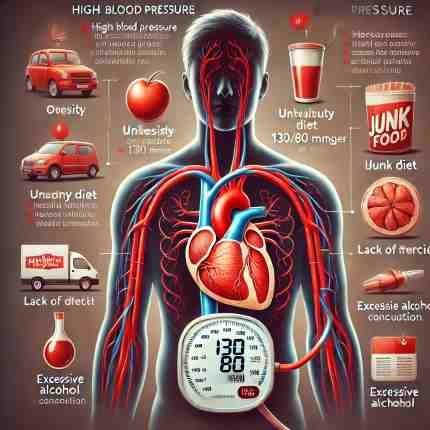
High blood pressure, also known as hypertension, is a common health condition where the force of blood against artery walls is consistently too high, usually defined as 130/80 mmHg or higher.

This condition often develops due to poor lifestyle choices such as a high-sodium diet, lack of physical activity, or excessive alcohol intake. Hypertension often presents no symptoms, making it a “silent killer” that can lead to serious complications such as heart disease, stroke, and kidney failure if left untreated.

Recommended Reading: Top 5 Early Signs Of Heart Failure In Women (Symptoms, Causes, & Treatment)

Top 5 Best Homemade Remedies For High Blood Pressure (For Instant Relief)

Homemade-Remedies-For-High-Blood-Pressure

What is High Blood Pressure?

High BP

High blood pressure, or hypertension, is a condition where the force of blood against artery walls is too high, increasing the risk of heart disease and stroke.

What-is-High-Blood-Pressure

High blood pressure, also called hypertension, occurs when blood consistently pushes against artery walls with high force, typically 130/80 mmHg or more. It’s often a silent condition, so regular checkups are vital to prevent complications.

Symptoms and Risk Factors

Hypertension usually has no symptoms, but in some cases, it may cause headaches, dizziness, or chest pain. Risk factors include a poor diet, lack of physical activity, obesity, excessive alcohol consumption, and family history.

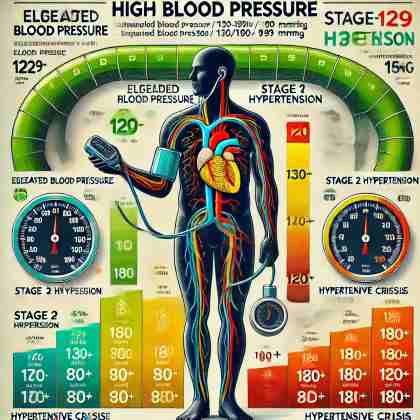
Stages Of High Blood Pressure

Stages Of High BP

The stages of high blood pressure range from elevated (slightly above normal) to stage 1 and stage 2 hypertension, with increasing severity and higher risks for heart issues.

Stages-Of-High-Blood-Pressure

StageSystolic (mmHg)Diastolic (mmHg)Details
Elevated Blood Pressure120-129Less than 80This is the pre-hypertensive stage, where the blood pressure is slightly higher than normal but not yet in the hypertensive range. It’s a warning sign to make lifestyle changes to avoid progressing to hypertension.
Stage 1 Hypertension130-13980-89Mild hypertension, where lifestyle changes and possibly medications are required to manage blood pressure.
Stage 2 Hypertension140 or higher90 or higherThis is severe hypertension, needing medications and monitoring to avoid complications like heart disease or stroke.
Hypertensive CrisisHigher than 180Higher than 120This is a medical emergency, requiring immediate attention to prevent life-threatening complications such as stroke or heart attack.
Table: Stages-Of-BP

Homemade Remedies For High Blood Pressure

Homemade Remedies For High BP

Homemade remedies for high blood pressure include stress management, reducing salt, regular exercise, and a healthy diet rich in potassium, all of which naturally support heart health and lower blood pressure.

Homemade-Remedies-For-High-BP

RemedyHow It HelpsHow to Use
Alcoholic BeverageLimiting alcohol reduces strain on the heart and blood vessels.Avoid excessive alcohol; stick to moderate consumption (1 drink/day for women, 2 drinks/day for men).
Stress ManagementReducing stress helps lower blood pressure spikes.Practice yoga, meditation, deep breathing, or relaxation techniques.
Smoking CessationQuitting smoking improves heart health and lowers blood pressure.Avoid tobacco products and seek support if needed to quit smoking.
Reduce Salt IntakeLess salt reduces fluid retention and lowers blood pressure.Aim for less than 1,500 mg of sodium daily.
ExerciseRegular physical activity strengthens the heart and helps control blood pressure.Engage in 30 minutes of moderate exercise like walking or biking, most days of the week.
Eat More PotassiumPotassium helps balance sodium levels, lowering blood pressure.Include bananas, leafy greens, and potatoes in your diet.
Healthy DietEating a balanced diet supports overall heart health.Focus on fruits, vegetables, whole grains, lean proteins, and low-fat dairy. Follow the DASH or Mediterranean diet.
Manage WeightLosing excess weight helps reduce pressure on blood vessels.Aim for gradual weight loss with balanced eating and regular exercise.
SleepProper sleep lowers stress and regulates blood pressure.Get 7-9 hours of quality sleep each night.
Cut Back on CaffeineReducing caffeine intake can help lower blood pressure spikes.Limit coffee, tea, and energy drinks.
Drink WaterStaying hydrated helps regulate blood pressure.Drink at least 8 glasses of water a day.
Dark ChocolateFlavonoids in dark chocolate help relax blood vessels.Eat a small piece of dark chocolate (70% cocoa or higher) daily.
Avoid Too Much SugarLimiting sugar helps reduce weight and heart stress, lowering blood pressure.Avoid sugary drinks, desserts, and snacks.
Herbal SupplementsNatural herbs like garlic and hibiscus help regulate blood pressure.Consider supplements like garlic extract or hibiscus tea, but consult a doctor first.
Weight LossShedding extra pounds can significantly reduce blood pressure.Combine diet and exercise for gradual weight loss.
Can Medication Help?Prescribed medications help manage hypertension if lifestyle changes aren’t enough.Work with a healthcare professional to determine the right medication for you.
Eat Heart-Healthy FoodsHeart-friendly foods help keep blood vessels healthy and reduce pressure.Focus on omega-3s (found in fish), fiber, and antioxidant-rich foods.
GarlicGarlic dilates blood vessels, improving circulation and lowering blood pressure.Consume raw garlic or garlic supplements daily.
BerriesRich in antioxidants, berries support heart health and lower blood pressure.Add berries like blueberries, strawberries, and raspberries to your diet.
DASH DietThe DASH diet emphasizes nutrient-rich foods that help lower blood pressure.Focus on fruits, vegetables, whole grains, and low-fat dairy while cutting back on salt and saturated fats.
Monitor Blood PressureRegular monitoring helps track progress and alert to any spikes in blood pressure.Check your blood pressure at home regularly with a reliable monitor.
Reduce BP with CarrotsCarrots are rich in potassium and antioxidants that help lower blood pressure.Eat raw carrots or drink carrot juice regularly.
Blueberry JuiceBlueberries are high in antioxidants, which can help lower blood pressure and improve heart health.Drink blueberry juice or add blueberries to your diet regularly.
Deep Breathing ExercisesDeep breathing relaxes the nervous system, lowering stress and blood pressure.Practice slow, deep breathing for 5-10 minutes daily.
Table: Homemade-Remedies-For-BP

Best Medicine For High Blood Pressure

Medicine For High BP

High blood pressure medications help relax blood vessels, reduce heart strain, and manage hypertension. Common types include beta-blockers, ACE inhibitors, and diuretics.

Best-Medicine-For-High-Blood-Pressure

CategoryCommon DrugsHow They WorkUsesSide Effects
Calcium Channel Blockers (CCBs)Amlodipine, Nifedipine, Verapamil, DiltiazemBlock calcium from entering heart and vessel muscles, relaxing them and lowering blood pressureTreat high blood pressure, angina, heart rhythm disordersDizziness, leg swelling, constipation, headache
Diuretics (Water Pills)Hydrochlorothiazide, Furosemide, ChlorthalidoneHelp kidneys remove extra sodium and water, lowering blood volume and pressureEffective for high blood pressure, heart failure, kidney diseaseIncreased urination, low potassium, dehydration, muscle cramps
ACE InhibitorsEnalapril, Captopril, Lisinopril, RamiprilBlock enzyme that narrows blood vessels, relaxing them and lowering pressureTreat high blood pressure, and heart failure, protect kidneys in diabetesCough, high potassium, low blood pressure, kidney issues
Angiotensin II Receptor Blockers (ARBs)Losartan, Valsartan, IrbesartanBlock angiotensin II, allowing blood vessels to relaxSimilar to ACE inhibitors, often used for high blood pressure, heart failure, kidney protectionDizziness, high potassium, kidney problems
Beta BlockersAtenolol, Metoprolol, BisoprololBlock adrenaline effects, slow heart rate, reduce heart’s workload, and lower pressureTreat high blood pressure, chest pain, heart failure, post-heart attackFatigue, cold extremities, slow heart rate, depression
VasodilatorsHydralazine, MinoxidilDirectly relax blood vessel muscles, lowering blood pressureUsed for resistant hypertension or emergenciesRapid heartbeat, fluid retention, headaches, dizziness
Alpha BlockersDoxazosin, Prazosin, TerazosinBlock norepinephrine, relaxing blood vessels for better blood flowTreat high blood pressure, enlarged prostateDizziness, headache, palpitations, fatigue
Centrally Acting DrugsClonidine, MethyldopaAct on the brain to reduce signals that narrow blood vesselsFor hard-to-control blood pressureDrowsiness, dry mouth, constipation, depression
Peripheral Adrenergic InhibitorsReserpineBlock nerve signals from the brain to blood vessels, reducing constrictionLess commonly used now due to side effectsDrowsiness, depression, nasal congestion
Renin InhibitorsAliskirenBlock renin, an enzyme that increases blood pressureUsed with other meds for high blood pressureDiarrhea, high potassium, low blood pressure
Mineralocorticoid Receptor Antagonists (MRAs)Spironolactone, EplerenoneBlock aldosterone, reducing water and salt retention, lowering blood pressureTreat high blood pressure, heart failureHigh potassium, breast tenderness, kidney issues
ChlorthalidoneChlorthalidoneA long-acting diuretic that removes excess fluid to lower blood pressureCommonly used in older adults for high blood pressureLow potassium, dehydration, muscle cramps
MetolazoneMetolazoneDiuretic that helps reduce fluid, used for resistant hypertension, and kidney issuesOften combined with other diuretics for heart failureDizziness, dehydration, low electrolytes
Table: Best-Medicine-For-BP

Foods That Can Lower Your Blood Pressure Naturally

FoodKey Benefits & NutrientsWhy It Helps Lower Blood PressureHow to Include It
Leafy Greens (e.g., Spinach, Kale, Swiss Chard)High in potassium, magnesium, nitrates, fiberRelaxes blood vessels, flushes excess sodiumSalads, smoothies, sautéed sides
Berries (e.g., Blueberries, Strawberries)Rich in antioxidants (anthocyanins, flavonoids), vitamin C, fiberReduces inflammation, improves vessel functionFresh, in yogurt, oatmeal, or smoothies
BananasExcellent source of potassiumCounters sodium, relaxes blood vessel wallsAs a snack, in smoothies, or with yogurt
Beets (or Beetroot Juice)High in nitrates, potassiumConverts to nitric oxide to dilate vesselsRoasted, in salads, or as low-sugar juice
Unsweetened Yogurt (especially Greek)Good in calcium, potassium, magnesium, probioticsSupports mineral balance and gut health for BP controlPlain with fruit/berries, or as a base
Oats / Whole Grains (e.g., Oatmeal, Quinoa)High in soluble fiber (beta-glucan), magnesiumLowers cholesterol and improves vessel healthBreakfast porridge, overnight oats
Fatty Fish (e.g., Salmon)Rich in omega-3 fatty acids, proteinReduces inflammation, supports heart/vessel healthGrilled, baked, or in salads
Nuts & Seeds (e.g., Almonds, Pistachios, Chia)Sources of magnesium, potassium, healthy fats, fiberRelaxes vessels, provides heart-protective nutrientsHandful as snack, sprinkled on meals
Sweet PotatoesLoaded with potassium, magnesium, fiberHelps balance sodium and relax blood vesselsBaked, mashed, or in soups
AvocadosHigh in potassium, healthy monounsaturated fatsSupports vessel relaxation and reduces sodium impactOn toast, in salads, or as guacamole
Legumes (e.g., Beans, Lentils)Excellent fiber, potassium, magnesium, plant proteinImproves overall heart health, aids sodium balanceIn soups, salads, or as sides
Dark Chocolate (70%+ cocoa, in moderation)Contains flavonoids (cacao)Dilates blood vessels, mild BP-lowering effectSmall square as treat

How To Lower Blood Pressure Instantly In An Emergency?

How to Lower BP Instantly

In an emergency, lowering blood pressure quickly can involve deep breathing, relaxing, and lying down while seeking immediate medical help for proper treatment.

How-To-Lower-Blood-Pressure-Instantly-In-An-Emergency

MethodDetails
Deep Breathing ExerciseSit comfortably, close your eyes, and take slow, deep breaths. Inhale through your nose, hold briefly, and exhale slowly through your mouth. Repeat until you feel calmer. Helps reduce stress and temporarily lower blood pressure.
Drink WaterHydration is key to managing blood pressure. Drinking water can help regulate it by balancing fluids in the body.
Reduce StressPractice relaxation techniques like mindfulness, meditation, or progressive muscle relaxation to calm your mind and body.
Avoid Caffeine & AlcoholBoth substances can raise blood pressure temporarily, so it’s best to limit their intake during a spike.
Eat Potassium-Rich FoodsFoods like bananas, leafy greens, and potatoes can balance sodium levels and help manage blood pressure.
Table: How-To-Lower-BP-Instantly?

Natural Ways To Lower Blood Pressure

Natural Ways To Lower Blood Pressure

Natural ways to lower blood pressure include regular exercise, reducing salt intake, managing stress, and eating potassium-rich foods like bananas and leafy greens.

Natural-Ways-To-Lower-Blood-Pressure

MethodDetails
Manage StressPractice relaxation techniques like deep breathing, yoga, or meditation to reduce stress, which can lower blood pressure.
Quit SmokingSmoking raises blood pressure. Quitting helps improve overall heart health and lowers blood pressure.
Limit AlcoholReducing alcohol intake helps control blood pressure. Stick to moderate levels to avoid spikes.
Exercise RegularlyPhysical activity like walking, jogging, or swimming helps strengthen the heart and lower blood pressure. Aim for at least 30 minutes daily.
Eat a Healthy DietFocus on eating fruits, vegetables, whole grains, and lean proteins. Include heart-healthy fats and limit processed foods.
Maintain a Healthy WeightWeight loss, even as little as 10 pounds, can significantly lower blood pressure.
Reduce Salt (Sodium)Too much salt increases blood pressure. Aim to limit sodium intake to less than 2,300 mg per day (preferably 1,500 mg).
Cut Back on CaffeineCaffeine can temporarily spike blood pressure. Monitor your intake and reduce consumption if needed.
Get Enough SleepLack of sleep can negatively affect blood pressure. Aim for 7-8 hours of good quality sleep each night.
Monitor Blood PressureRegularly checking your blood pressure helps you track progress and detect any concerning changes.
Eat BerriesBerries, especially blueberries, are rich in antioxidants that may improve heart health and help lower blood pressure.
Dark ChocolateSmall amounts of dark chocolate (at least 70% cocoa) can help reduce blood pressure thanks to its antioxidant content.
Increase Potassium IntakePotassium-rich foods like bananas, oranges, and leafy greens help balance sodium levels, lowering blood pressure.
Include Whole GrainsWhole grains such as oats, brown rice, and quinoa can support heart health and lower blood pressure.
Eat BeetsBeets and beetroot juice have been shown to help lower blood pressure due to their high nitrate content.
Citrus FruitsCitrus fruits like oranges and grapefruits are rich in vitamins and nutrients that promote healthy blood pressure.
GarlicGarlic may help lower blood pressure by relaxing blood vessels and improving blood flow.
Table: Natural-Ways-to-Lower-BP

Causes of High Blood Pressure

Lifestyle Factors

  • Unhealthy Diet (High Sodium, Low Potassium): A diet high in salt increases blood pressure, while low potassium intake fails to balance sodium’s effects.
  • Lack of Physical Activity: Inactivity weakens the heart, making it work harder to pump blood, which raises blood pressure.
  • Excessive Alcohol Intake: Drinking too much alcohol can damage the heart and increase blood pressure levels.
  • Smoking: Smoking temporarily raises blood pressure and damages the arteries, leading to long-term hypertension.
  • Being Overweight or Obese: Excess body weight forces the heart to work harder, raising blood pressure.
  • Chronic Stress: Long-term stress can contribute to high blood pressure by triggering unhealthy coping mechanisms like overeating or smoking.
  • Poor Sleep: Inadequate or poor-quality sleep can lead to increased blood pressure, especially in people with sleep apnea.

Medical Conditions

  • Kidney Disease: Impaired kidneys struggle to regulate salt and water balance, leading to increased blood pressure.
  • Diabetes: High blood sugar can damage blood vessels, increasing the risk of hypertension.
  • Obstructive Sleep Apnea: This condition causes breathing interruptions during sleep, raising blood pressure levels.
  • Thyroid Disorders: Both underactive and overactive thyroids can influence blood pressure.
  • Adrenal Gland Disorders: Hormonal imbalances from adrenal issues can cause hypertension.
  • Pregnancy Complications: Conditions like preeclampsia raise blood pressure during pregnancy.

Other Contributing Factors

  • Family History of High Blood Pressure: Genetics play a role, and those with a family history are at higher risk.
  • Age: Blood pressure tends to rise with age due to arterial stiffness.
  • Ethnicity: Certain ethnic groups, such as African Americans, are at higher risk for developing hypertension.
  • Certain Medications: Some medicines, such as birth control pills or decongestants, can raise blood pressure.

Symptoms of High Blood Pressure

Common Symptoms

  • Headaches: Persistent or severe headaches can be a sign of elevated blood pressure.
  • Chest Pain: Discomfort or tightness in the chest may occur during high blood pressure episodes.
  • Dizziness: Feeling lightheaded or dizzy can be linked to hypertension.
  • Shortness of Breath: Difficulty breathing might indicate blood pressure spikes.
  • Nausea and Vomiting: Some may feel nauseous or vomit during hypertensive episodes.
  • Blurred Vision: Sudden or ongoing vision problems can be a result of high blood pressure.
  • Nosebleeds: Frequent nosebleeds may occur in individuals with uncontrolled hypertension.
  • Anxiety: Feeling unusually anxious can sometimes accompany elevated blood pressure.
  • Pain: Pain spreading to the arm, neck, jaw, or back can be a sign of severe hypertension.
  • Sweating: Excessive sweating with lightheadedness or nausea might signal a hypertensive crisis.

Severe Symptoms (Emergency)

  • Chest Pain That Won’t Go Away: Seek help if chest pain persists and is accompanied by difficulty breathing or lightheadedness.
  • Blood Pressure Higher Than 180/120 mmHg: This requires immediate medical attention.
  • Numbness or Weakness: Sudden numbness or weakness in the limbs or face.
  • Difficulty Speaking or Confusion: Sudden problems with speech or understanding can signal a hypertensive emergency.

Side Effects Of High Blood Pressure

Common Symptoms

  • Headaches: Frequent or intense headaches can occur due to high blood pressure.
  • Dizziness: Feeling lightheaded or dizzy is often linked to hypertension.
  • Blurred Vision: Vision problems may develop as a result of increased pressure on blood vessels in the eyes.
  • Nosebleeds: Repeated nosebleeds can be a sign of dangerously high blood pressure.
  • Chest Pain: Discomfort or tightness in the chest may indicate heart-related issues caused by hypertension.
  • Shortness of Breath: Difficulty breathing is a common symptom, especially during physical activity.
  • Fatigue: Feeling exhausted could be related to high blood pressure.
  • Nausea or Vomiting: Some people may experience nausea or even vomit in severe cases.

Serious Complications

  • Heart Attack: Uncontrolled hypertension can damage the heart and increase the risk of heart attacks.
  • Stroke: High blood pressure weakens blood vessels in the brain, leading to a higher chance of strokes.
  • Kidney Damage: Hypertension can harm the kidneys, potentially causing kidney failure.
  • Vision Loss: Over time, high blood pressure can damage the blood vessels in the eyes, leading to vision problems or blindness.

Organ Damage

  • Heart: Increased risk of heart attacks, heart failure, and aortic dissection.
  • Brain: High blood pressure can cause strokes and cognitive issues.
  • Kidneys: Hypertension may lead to kidney damage or failure.
  • Eyes: Retinal damage and vision loss are possible due to uncontrolled blood pressure.

Prevention Tips for High Blood Pressure

Adopt a Heart-Healthy Lifestyle

  • Eat a balanced diet: Focus on fresh fruits, vegetables, whole grains, and low-fat dairy. Cut down on salt, processed foods, and foods high in saturated fats.
  • Exercise regularly: Aim for at least 30 minutes of physical activity, like walking or cycling, most days of the week.
  • Manage stress: Practice relaxation techniques such as deep breathing, meditation, or yoga to keep stress levels in check.
  • Avoid smoking and limit alcohol: Smoking raises blood pressure and damages the heart. Limit alcohol intake to avoid increased pressure on your arteries.

Monitor Blood Pressure at Home

  • Regular checks: Keep an eye on your blood pressure at home using a reliable monitor. This helps you notice changes early and adjust your habits or treatment if needed.
  • Track your progress: Write down your readings to share with your doctor, allowing them to better manage your condition and make adjustments when necessary.

Benefits Of High Blood Pressure Medication

  • Alpha-Blockers:
    • How they work: Alpha-blockers help by relaxing blood vessels, allowing blood to flow more easily.
    • Benefit: This reduces resistance in the arteries, lowering overall blood pressure and improving circulation.
  • Centrally Acting Drugs:
    • How they work: These medications send signals to the brain and nervous system to relax blood vessels.
    • Benefit: By calming the nervous system, they help reduce stress on the heart and lower blood pressure.
  • Vasodilators:
    • How they work: Vasodilators directly relax the muscles in the walls of blood vessels.
    • Benefit: This widens the blood vessels, making it easier for blood to flow, which helps lower blood pressure.

Recommended Reading: Top 5 Early Signs Of Heart Failure In Women (Symptoms, Causes, & Treatment)

FAQs

How do alpha-blockers help with high blood pressure?

Alpha-blockers work by relaxing your blood vessels, making it easier for blood to flow through. This lowers your blood pressure and improves circulation.

What do centrally acting drugs do for high blood pressure?

Centrally acting drugs send signals to your brain to relax your blood vessels. This helps reduce stress on your heart and lowers your blood pressure.

How do vasodilators lower blood pressure?

Vasodilators directly relax the muscles in your blood vessel walls, allowing the vessels to widen. This reduces pressure, making it easier for blood to flow and lowering your blood pressure.

Why is it important to manage high blood pressure with medication?

Managing high blood pressure with medication helps lower the risk of serious health problems like heart attacks, strokes, and kidney disease. It helps keep blood pressure in a healthy range, protecting your overall health.

Can high blood pressure medication reduce the risk of heart disease?

Yes, blood pressure medication significantly lowers the risk of heart disease by keeping blood pressure under control and reducing the strain on your heart and blood vessels.

Should I combine lifestyle changes with high blood pressure medication?

Yes, combining medication with lifestyle changes like eating a healthy diet, exercising, reducing salt, and managing stress help improve the control of our blood pressure.

Are there side effects of taking high blood pressure medication?

Some medications may cause side effects like dizziness, fatigue, or headaches.

Are there any foods I should avoid while on high blood pressure medication?

You may need to avoid foods high in sodium and limit caffeine and alcohol. Certain medications may also interact with foods like grapefruit.

Conclusion

Summary of Remedies

In this article, we explored five natural remedies that may help reduce high blood pressure:

  • Garlic: Known for relaxing blood vessels and improving circulation.
  • Hibiscus Tea: A natural diuretic that helps reduce fluid buildup and pressure.
  • Bananas: Rich in potassium, helping balance sodium levels and control pressure.
  • Dark Chocolate: Contains flavonoids that improve blood flow and lower pressure.
  • Deep Breathing Exercises: Helps reduce stress, which can lower blood pressure.

Final Recommendations

These remedies offer natural ways to manage blood pressure, but they should be used alongside long-term lifestyle changes such as healthy eating, exercise, and regular medical checkups. Always consult your doctor before trying new remedies, especially if you are on medication for hypertension.

Disclaimer
Commissions we earn from partner links on this page do not influence our content. Our editorial content is based on thorough research and insights from qualified medical professionals to ensure the highest standards of accuracy and reliability.

Information provided on Doseway is for educational purposes only. Your health and wellness are unique to you, and the products and services we review may not be suitable for your circumstances. We do not offer personal medical advice, diagnosis, or treatment plans. For specific advice, please consult with a healthcare professional. Doseway adheres to strict editorial integrity standards. To the best of our knowledge, all content is accurate as of the date posted, though offers and information may change. The opinions expressed are the author’s own and have not been influenced, approved, or endorsed by our partners.


Top-5-Early-Signs-Of-Heart-Failure-In-Women

Top 5 Early Signs Of Heart Failure In Women (Symptoms, Causes, & Treatment)

Heart failure is a serious condition where the heart is unable to pump blood efficiently, leading to various health issues. In women, it often shows different symptoms than men, making early detection crucial.

Commonly known as congestive heart failure (CHF), this condition causes fluid buildup in the body, leading to symptoms like shortness of breath, fatigue, and swelling in the legs or ankles.

Heart Failure In Women (Symptoms, Causes, & Treatment)

Early-Signs-Of-Heart-Failure-In-Women

What is Heart Failure in Women?

Heart Failure in Women

Heart failure in women occurs when the heart can’t pump blood efficiently, leading to symptoms like fatigue, shortness of breath, and swelling, often caused by high blood pressure, coronary artery disease, or other heart conditions.

What-is-Heart-Failure-in-Women

Heart failure happens when the heart cannot pump blood properly, leading to fluid buildup in the lungs and body. In women, the condition may appear differently compared to men. The heart may struggle to fill or pump enough blood, causing symptoms like fatigue, bloating, shortness of breath, and swelling in the legs.

Other Names for Heart Failure

  • Congestive heart failure (CHF)
  • Congestive cardiac failure (CCF)

Key Characteristics of Heart Failure in Women

  • A chronic condition that worsens over time
  • This leads to fluid buildup, causing swelling and weight gain
  • It affects normal body functions due to a lack of proper blood flow

Stages Of Heart Failure

4 Stages

Heart failure progresses through four stages, ranging from no symptoms (Stage 1) to severe symptoms even at rest (Stage 4), with increasing difficulty in physical activity and daily life as the condition worsens.

Stages-Of-Heart-Failure

StageDetails
Stage 1No symptoms during daily activities. The heart is functioning normally, but there may be underlying risks, such as high blood pressure or heart conditions.
Stage 2Symptoms with physical activity. You feel fine at rest, but activities like walking or climbing stairs may cause fatigue, shortness of breath, or chest pain.
Stage 3Symptoms with minimal physical activity. Even small tasks, like dressing or light walking, may cause fatigue, shortness of breath, or chest pain. Resting relieves symptoms.
Stage 4Symptoms at rest. Constant discomfort even when resting. Any physical activity can make symptoms like fatigue, shortness of breath, or chest pain worse.
Table: Stages

Average Age of Heart Attack in Females

Average Age

Women typically experience their first heart attack around 72 years old, often later than men, with increased risk after menopause due to lower estrogen levels.

Average-Age-of-Heart-Attack-in-Females

AspectDetails
Average AgeThe average age for a woman to have her first heart attack is around 72 years.
Gender DifferenceWomen generally have their first heart attack later than men. For men, the average age is 65 years.
Menopause FactorAfter menopause, lower estrogen levels can increase the risk of heart disease in women.
Importance of AwarenessEven though women tend to have heart attacks later, it’s important to be aware of heart attack symptoms and risks at any age.
Table: Average-Age-of-Heart-Attack

Heart Failure In Women Symptoms

  • Shortness of breath (dyspnea) — Especially during activity, at rest, or when lying down (orthopnea); may cause waking up at night gasping for air.
  • Fatigue and weakness — Profound, ongoing tiredness even after rest or with minimal activity; often one of the earliest and most reported symptoms in women.
  • Swelling (edema) — In the legs, ankles, feet, abdomen, or sometimes hands; due to fluid buildup.
  • Rapid or irregular heartbeat (palpitations) — Feeling like your heart is racing, fluttering, or pounding.
  • Persistent cough or wheezing — Often worse at night; may produce white or pink-tinged mucus (indicating fluid in lungs).
  • Sudden weight gain — From fluid retention, sometimes 2–3 pounds in a day or 5+ pounds in a week.
  • Nausea and lack of appetite — Feeling full quickly, queasy, or reduced desire to eat; more common or prominent in women.
  • Reduced ability to exercise — Feeling unusually winded or unable to do activities that were once easy.
  • Swelling or bloating in the abdomen — Causing discomfort or a feeling of fullness.
  • Difficulty breathing when lying flat — Needing extra pillows to sleep comfortably.
  • Chest pain or discomfort — May be present but often less severe or classic than in men; women may feel pressure rather than sharp pain.
  • Pain or discomfort in other areas — Such as jaw, neck, shoulder, upper back, or upper abdomen (atypical locations more frequently reported in women).
  • Lightheadedness, dizziness, or fainting — Due to reduced blood flow or irregular rhythms.

Top 5 Early Signs of Heart Failure in Women

Early Signs of Heart Failure

Common early signs include shortness of breath, fatigue, swelling in the legs or ankles, chest pain, and rapid or irregular heartbeat.

5 Early Signs of Heart Failure in Women

1. Shortness of Breath

Women may feel breathless, even with mild activity or while resting. This may worsen when lying down or at night.

2. Fatigue

Feeling constantly tired, even after simple tasks, is an early warning. The heart struggles to pump enough blood, causing exhaustion.

3. Swelling (Edema)

Fluid retention leads to swelling in the legs, ankles, and feet. Some women may also notice bloating or swelling in the abdomen.

4. Chest Pain or Discomfort

Women may experience chest discomfort that extends to the upper back, neck, jaw, or shoulders. This pain is often subtler than in men.

5. Palpitations or Irregular Heartbeats

A racing or fluttering heartbeat (palpitations) can occur suddenly, sometimes accompanied by dizziness or lightheadedness.

Treatment of Heart Failure in Women

Best Treatment

Treatment typically includes lifestyle changes, medications like beta-blockers and diuretics, and in some cases, medical procedures or surgeries to manage symptoms and improve heart function.

Treatment of Heart Failure in Women

Treatment ApproachDetails
Medications1. Beta Blockers: Slow the heart rate and reduce blood pressure.
2. ACE Inhibitors: Relax blood vessels to improve blood flow.
3. Diuretics: Help remove excess fluid from the body.
4. Anticoagulants: Prevent blood clots.
5. ARBs (Angiotensin II Receptor Blockers): For those who cannot tolerate ACE inhibitors, improve heart function.
6. Digitalis Glycosides: Strengthen heart contractions.
7. Aldosterone Inhibitors: Increase life expectancy.
Lifestyle Changes1. Eat a Healthy Diet: Focus on heart-healthy foods, low in sodium and saturated fats.
2. Exercise Regularly: Engage in moderate activities like walking.
3. Quit Smoking: Avoid all tobacco products and secondhand smoke.
4. Limit Alcohol: Reduce alcohol intake to protect heart health.
5. Manage Stress: Practice relaxation techniques like meditation or yoga.
6. Avoid Salt and Caffeine: Reduce sodium and caffeine to manage symptoms.
Medical Procedures1. Angioplasty & Stenting: Opens blocked arteries.
2. Coronary Artery Bypass Surgery: Bypasses blocked arteries to improve blood flow.
3. Transcatheter Mitral Valve Therapy: Minimally invasive treatment for valve issues.
Cardiac RehabilitationA program that includes exercise, education, and counseling to improve heart health. Work with doctors, nutritionists, and physiologists for recovery.
Other Considerations1. Monitor Symptoms: Regular checkups to monitor heart health.
2. No Cure: While heart failure can’t be cured, treatment helps manage symptoms and improve quality of life.
Table: Treatment

Medicine For Heart Failure In Women

Best Medicine

Common medications include ACE inhibitors, beta-blockers, diuretics, and aldosterone antagonists, which help improve heart function and manage symptoms of heart failure.

Medicine For Heart Failure In Women

MedicineHow It WorksCommon MedicationsUses
Beta BlockersSlows heart rate, lowers blood pressure, and reduces heart workload by blocking adrenaline effects.Carvedilol (Coreg), Metoprolol (Toprol XL), Bisoprolol (Zebeta)Heart failure, high blood pressure, arrhythmias, angina
ACE InhibitorsRelaxes blood vessels by blocking the formation of angiotensin II, lowering blood pressure and improving heart function.Enalapril (Vasotec), Lisinopril (Zestril), Ramipril (Altace), Benazepril (Lotensin), Captopril (Capoten)Heart failure, high blood pressure, heart attack prevention
DiureticsRemoves excess fluid and salt from the body, reducing fluid buildup and easing the heart’s workload.Furosemide (Lasix), Bumetanide (Bumex), Hydrochlorothiazide (Microzide)Heart failure, high blood pressure, edema
ARBs (Angiotensin II Receptor Blockers)Blocks angiotensin II action, relaxing blood vessels, lowering blood pressure, and reducing heart strain.Losartan (Cozaar), Valsartan (Diovan), Sacubitril/Valsartan (Entresto)Heart failure, high blood pressure, kidney protection in diabetes
AspirinPrevents blood clots by stopping platelets from clumping, improving blood flow.N/APrevents heart attacks, strokes, clot-related conditions
Calcium Channel BlockersRelaxes blood vessels by stopping calcium from entering the heart and vessel walls, reducing blood pressure.Amlodipine (Norvasc), Diltiazem (Cardizem), Verapamil (Calan)High blood pressure, angina, arrhythmias
DigoxinStrengthens heart contractions and slows heart rate, improving blood pumping ability.Digoxin (Lanoxin)Heart failure, atrial fibrillation
QuinaprilLowers blood pressure by relaxing blood vessels, reducing strain on the heart.Quinapril (Accupril)Heart failure, high blood pressure
RamiprilRelaxes blood vessels, lowers blood pressure, and improves blood flow, helping heart function.Ramipril (Altace)Heart failure, high blood pressure, stroke prevention
Sacubitril/ValsartanReduces blood pressure and heart strain by relaxing blood vessels and blocking angiotensin II.Sacubitril/Valsartan (Entresto)Heart failure, reducing hospitalizations
SGLT2 InhibitorsLowers blood sugar by preventing glucose reabsorption, providing heart and kidney protection.Empagliflozin (Jardiance), Dapagliflozin (Farxiga)Heart failure, type 2 diabetes, kidney protection
StatinsLowers cholesterol by reducing its production in the liver, preventing plaque buildup in blood vessels.Atorvastatin (Lipitor), Rosuvastatin (Crestor), Simvastatin (Zocor)Lower cholesterol, prevent heart attacks and strokes
BenazeprilRelaxes blood vessels, reduces heart workload, improving heart function.Benazepril (Lotensin)Heart failure, high blood pressure
CaptoprilLowers blood pressure by blocking angiotensin II, reducing heart strain.Captopril (Capoten)Heart failure, high blood pressure, post-heart attack
EnalaprilRelaxes blood vessels and improves heart function, lowering blood pressure.Enalapril (Vasotec)Heart failure, high blood pressure, preventing complications
LisinoprilBlocks angiotensin II, relaxing blood vessels and reducing fluid buildup to improve heart function.Lisinopril (Zestril, Prinivil)Heart failure, high blood pressure, post-heart attack
PerindoprilLowers blood pressure by relaxing blood vessels, and improving heart function.Perindopril (Aceon)Heart failure, high blood pressure, stroke prevention
TrandolaprilRelaxes blood vessels, reduces strain on the heart, improving recovery after heart attack.Trandolapril (Mavik)Heart failure, high blood pressure, post-heart attack recovery
Table: Best-Medicine

Home Remedies For Heart Failure In Women

Best Home Remedies

Lifestyle changes like reducing salt intake, managing stress, regular exercise, and maintaining a heart-healthy diet can help manage heart failure symptoms in women.

Home-Remedies-For-Heart-Failure-In-Women

RemedyDetails
Lose WeightReducing extra weight helps reduce strain on the heart and improves overall heart function.
Stress ManagementManaging stress through relaxation techniques like meditation or yoga can improve heart health.
Quit SmokingStopping smoking improves circulation and lowers the risk of heart failure.
Lower Blood PressureKeep blood pressure in check through diet, exercise, and medication to reduce heart strain.
Get Enough SleepQuality sleep is important for heart health and recovery. Aim for 7-9 hours a night.
Heart-Healthy DietEat more fruits, vegetables, whole grains, and limit salt and processed foods to support heart health.
Exercise RegularlyEngaging in regular, moderate exercise improves heart strength and overall cardiovascular health.
GarlicGarlic may help lower cholesterol and blood pressure, supporting heart health.
Limit AlcoholDrinking less alcohol reduces the risk of heart damage and complications.
Control Blood PressureKeeping blood pressure within a healthy range prevents further damage to the heart.
Manage DiabetesKeeping blood sugar levels stable helps avoid extra stress on the heart.
Monitor WeightTrack daily weight to detect fluid buildup, a common symptom of heart failure.
Take DiureticsDiuretics (water pills) help remove excess fluid, easing the burden on the heart.
ACE InhibitorsThese medications relax blood vessels, lower blood pressure, and improve heart function.
Beta BlockersBeta-blockers slow the heart rate and reduce blood pressure, helping the heart work more efficiently.
Track Fluid IntakeMonitoring fluid intake helps manage fluid retention and prevents worsening heart failure symptoms.
Table: Home-Remedies

6 Signs Of A Heart Attack A Month Before

SignDetails
Chest PainPersistent or recurring chest pain or discomfort. It can feel like pressure, squeezing, or fullness in the chest.
Shortness of BreathFeeling like you can’t catch your breath, even with little activity or while resting.
FatigueUnusual tiredness that doesn’t improve with rest, often feeling exhausted for no clear reason.
NauseaOngoing nausea, vomiting, or indigestion, often mistaken for digestive issues.
Discomfort in the Upper BodyPain or discomfort that spreads to your arms, back, neck, jaw, or stomach.
LightheadednessFrequent dizziness or lightheadedness, sometimes accompanied by cold sweats or a feeling of weakness.

Causes and Risk Factors of Heart Failure in Women

  • High Blood Pressure: One of the most common causes of heart failure. It forces the heart to pump harder, leading to heart strain.
  • Diabetes: Women with diabetes (especially Type 1) face a higher risk of heart failure as elevated blood sugar damages the heart and blood vessels.
  • Obesity: Carrying excess weight puts extra pressure on the heart, increasing the likelihood of heart failure.
  • Smoking: Smoking damages the blood vessels and significantly raises the risk of heart disease, accounting for many heart-related deaths in women.
  • Congenital Heart Disease: Some women are born with heart defects that can lead to heart failure later in life.
  • Arrhythmia: Irregular heartbeats (arrhythmias) may disrupt the heart’s ability to pump effectively, contributing to heart failure.
  • Menopause: The hormonal changes after menopause increase the risk of heart-related conditions, including heart failure.
  • Cardiomyopathy: Weakening or thickening of the heart muscle, known as cardiomyopathy, can reduce the heart’s ability to pump blood effectively.
  • Coronary Artery Disease: Coronary artery disease narrows the blood vessels, limiting blood flow to the heart and increasing heart failure risk.
  • Family History of Heart Disease: Women with a family history of heart disease are more likely to experience heart failure.
  • High Cholesterol: Elevated cholesterol levels can lead to blocked arteries, increasing the risk of heart failure.
  • Stress: Stress increases blood pressure and heart rate, contributing to heart problems, especially in women.
  • Aging: As women age, the risk of heart failure increases due to the natural decline in heart function.
  • Heart Attack: A past heart attack can weaken the heart muscle, making it more prone to failure.
  • Heart Valve Disease: Heart valves that don’t function properly can lead to heart valve disease, a common cause of heart failure in women, particularly after menopause.
  • Sedentary Lifestyle: A lack of physical activity increases the risk of conditions like obesity and heart disease, which can lead to heart failure.
  • Unhealthy Diet: A diet high in salt, unhealthy fats, and sugars can contribute to heart disease, increasing the risk of heart failure.
  • Alcoholism: Excessive alcohol consumption weakens the heart muscle over time, leading to heart failure.
  • Pregnancy Complications: Conditions like preeclampsia or gestational diabetes during pregnancy can increase the risk of heart disease and failure later in life.

Symptoms of Heart Failure in Women

  • Shortness of Breath: Difficulty breathing, even when resting or doing mild activities. It can worsen when lying flat or during sleep.
  • Fatigue: Feeling extremely tired, even after minimal effort or simple tasks.
  • Swelling: Swelling in the legs, ankles, feet, or abdomen due to fluid buildup.
  • Chest Pain or Discomfort: Pain or discomfort in the chest, which may also spread to the neck, jaw, or back.
  • Heart Palpitations: A fluttering or irregular heartbeat that may feel like the heart is racing.
  • Lightheadedness or Dizziness: Feeling faint, lightheaded, or dizzy, sometimes accompanied by nausea.
  • Nausea or Indigestion: Digestive problems such as nausea, indigestion, or a bloated feeling after eating.
  • Excessive Sweating: Sudden or frequent sweating, especially at night, without any obvious cause.
  • Coughing or Wheezing: A persistent cough or wheezing, often worsened by lying down.
  • Weight Gain: Unexplained rapid weight gain due to fluid retention, or unexpected weight loss.
  • Sleep Disturbances: Waking up in the middle of the night gasping for breath or struggling to breathe while sleeping.
  • Pain in Arms or Upper Body: Pain or discomfort spreading to one or both arms, neck, jaw, or stomach.
  • Loss of Appetite: A reduced desire to eat or a feeling of fullness, even after small meals.
  • Weakness: Overall body weakness, making everyday tasks harder to perform.

Prevention Tips for Heart Failure in Women

  • Healthy Diet:
    • Focus on eating more fruits, vegetables, whole grains, and lean proteins.
    • Limit saturated fats, trans fats, salt, and added sugars.
    • Consider a heart-friendly diet like the DASH (Dietary Approaches to Stop Hypertension) diet.
  • Maintain a Healthy Weight:
    • Keep a healthy weight to reduce strain on the heart.
    • If you’re overweight, work on gradual weight loss with proper diet and exercise.
  • Regular Physical Activity:
    • Aim for 150 minutes of moderate exercise like walking, swimming, or cycling each week.
    • Include strength exercises at least twice a week to keep your muscles and heart strong.
  • Quit Smoking:
    • Smoking greatly increases the risk of heart disease.
    • Stopping smoking, and avoiding secondhand smoke, can improve heart health.
  • Manage Stress:
    • Stress can negatively affect heart health, so practice relaxation methods like yoga, meditation, or deep breathing exercises.
  • Limit Alcohol:
    • If you drink alcohol, limit it to a moderate amount (one drink per day for women).
    • Too much alcohol can raise blood pressure and contribute to heart issues.
  • Control Blood Pressure:
    • Regularly check your blood pressure and follow medical advice if it’s high.
    • Keep it in check with lifestyle changes or medications.
  • Manage Diabetes:
    • If you have diabetes, it’s crucial to manage your blood sugar levels to prevent heart complications.
  • Sleep Well:
    • Get 7–9 hours of sleep each night. Poor sleep can raise your risk of heart failure.
  • Take Your Medicine:
    • If you’re prescribed heart medications, take them as directed by your doctor. Managing your health conditions is key.
  • Regular Checkups:
    • Visit your doctor regularly to monitor cholesterol, blood pressure, and overall heart health. Early detection of risks can prevent heart failure.
  • Understand Hormonal Factors:
    • Be mindful of heart health during menopause, pregnancy, or after pregnancy complications (like preeclampsia), as they increase heart risks for women.
  • Moderate Sodium Intake:
    • Lower sodium (salt) intake to avoid fluid retention and high blood pressure, which can lead to heart failure.

FAQs

At what age do most women experience their first heart attack?

The average age for a woman to have her first heart attack is around 72 years. However, it’s important to be aware of heart health at any age.

Are heart attack symptoms different in women?

Yes, women often experience different symptoms, such as fatigue, shortness of breath, nausea, or back pain instead of just chest pain. These symptoms can be subtle.

How does menopause affect heart attack risk?

After menopause, lower levels of estrogen can increase the risk of heart disease in women.

What are the early warning signs of a heart attack in women?

Women may feel chest discomfort, shortness of breath, unexplained fatigue, nausea, or dizziness in the weeks leading up to a heart attack.

Can younger women have heart attacks?

Yes, although the risk increases with age, younger women can still have heart attacks, especially if they have risk factors like high blood pressure, diabetes, or smoking.

How can women reduce the risk of a heart attack?

Adopt a healthy lifestyle by exercising regularly, eating a balanced diet, managing stress, quitting smoking, and maintaining a healthy weight.

Can stress lead to a heart attack in women?

Yes, chronic stress can increase the risk of heart disease and heart attacks by raising blood pressure and causing inflammation in the body.

What role does family history play in heart attacks?

If close family members have heart disease or heart attacks, your risk is higher. Genetics can influence your chances of heart problems, so knowing your family history is important.

Can birth control increase the risk of a heart attack?

Certain types of birth control, especially those with high estrogen levels, may slightly increase the risk of heart attacks, particularly in women who smoke or have other risk factors.

Are heart attacks in women more likely to go undiagnosed?

Yes, women’s symptoms can be less obvious than men’s, leading to delayed diagnosis. Women are also less likely to seek immediate help because symptoms may not seem like a heart attack.

Conclusion

Heart failure in women is a serious yet manageable condition. Early detection of symptoms and seeking timely medical care play a key role in improving outcomes. Women should prioritize heart health by making healthy lifestyle choices such as eating a balanced diet, staying physically active, managing stress, and attending regular checkups.

Understanding risk factors, recognizing symptoms, and being aware of treatment options empowers women to take control of their heart health and lower the risk of heart failure. Proactive care and healthy habits are essential to reducing the chances of developing this condition.

Disclaimer
Commissions we earn from partner links on this page do not influence our content. Our editorial content is based on thorough research and insights from qualified medical professionals to ensure the highest standards of accuracy and reliability.

Information provided on Doseway is for educational purposes only. Your health and wellness are unique to you, and the products and services we review may not be suitable for your circumstances. We do not offer personal medical advice, diagnosis, or treatment plans. For specific advice, please consult with a healthcare professional. Doseway adheres to strict editorial integrity standards. To the best of our knowledge, all content is accurate as of the date posted, though offers and information may change. The opinions expressed are the author’s own and have not been influenced, approved, or endorsed by our partners.
Best-Shampoo-For-Oily-Hair-And-Dandruff

Top 5 Best Shampoo For Oily Hair And Dandruff (Price+Benefits)

Dealing with oily hair and dandruff can be incredibly frustrating. One minute your hair feels fresh, and the next it’s greasy, itchy, and full of flakes. Sounds familiar? You’re not alone, this combo is more common than you think. But here’s the thing: using the wrong shampoo can make it even worse.

Harsh formulas or overly moisturizing shampoos can throw your scalp out of balance, triggering more oil and more dandruff. That’s why choosing the right shampoo for your specific scalp type and dandruff level is so important.

Recommended Reading: Dry Scalp Vs Dandruff: Dry Scalp Treatment Home Remedies

Best Shampoo For Oily Hair And Dandruff – Best Shampoo For Greasy Hair

Top-5-Best-Shampoo-For-Oily-Hair-And-Dandruff

Recommended Reading: How To Regrow Hair On Bald Spot Fast Naturally? (Home Remedies)

What are Oily Hair And Dandruff?

If your scalp constantly feels greasy, and those pesky white flakes keep showing up on your shoulders, you’re not alone. Oily hair and dandruff are two of the most common hair problems faced by people of all ages. And while they may not be dangerous, they can seriously mess with your confidence and comfort.

Why Do Oily Scalp and Dandruff Happen?

Our scalp naturally produces sebum (oil) to keep hair healthy. But when this oil is overproduced, it leads to an oily, sticky scalp—and that’s a breeding ground for dandruff-causing fungus. Add heat, sweat, and pollution into the mix, and things only get worse!

Using the Wrong Shampoo Can Make It Worse!

Yes, you heard that right! Many people unknowingly pick shampoos that are too creamy, too drying, or full of harsh chemicals. These can either strip your scalp too much (causing rebound oil production) or leave residue behind, making your dandruff even more stubborn. Not fun.

Why Picking the Right Shampoo Matters

Everyone’s scalp is different. Some have mild oiliness with light flaking, while others deal with heavy sebum and thick dandruff patches. That’s why you need a shampoo that targets your specific scalp condition, not just any “anti-dandruff” label on a bottle.

A good shampoo for oily hair and dandruff should:

  • Control excess oil without drying out your scalp.
  • Gently cleanse and remove buildup.
  • Fight dandruff-causing fungus and reduce flaking.
  • Be suitable for your hair texture and sensitivity level.

What Causes Oily Hair and Dandruff?

Recommended Reading: Supplements For Hair Loss In Females (Supplements For Hair Growth)

Overactive Sebaceous Glands

Your scalp has sebaceous glands that produce oil (called sebum) to keep your hair healthy and moisturized. But when these glands go into overdrive, they produce too much oil, making your hair greasy and weighed down. This oil can also trap dirt and dead skin, creating the perfect setup for dandruff.

Malassezia: The Dandruff-Causing Fungus

There’s a yeast-like fungus called Malassezia that naturally lives on your scalp. In a balanced scalp, it’s harmless. But when there’s too much oil, it can grow excessively, leading to inflammation, flaking, and dandruff. Oily scalps give it the fuel it needs to thrive.

Using the Wrong Hair Products

Not all shampoos are created equal. If you’re using a shampoo that’s too creamy, too harsh, or full of sulfates, it could either clog your pores or strip your scalp. Both situations lead to more oil production, irritation, and, you guessed it, more dandruff.

Hormonal Changes (Especially in Teenagers)

Hormones play a huge role in oil production. That’s why teenagers often experience greasy hair and dandruff during puberty. Women may also notice changes in scalp oiliness during menstruation, pregnancy, or menopause due to hormonal fluctuations.

Weather and Climate Factors

Hot, humid weather or excessive sweating can make your scalp oily in no time. On the flip side, cold weather can dry out your scalp, triggering rebound oil production as your body tries to compensate. Both conditions can worsen dandruff.

Can Oily Dandruff Cause Hair Loss?

Yes, it can indirectly. Oily dandruff doesn’t usually cause permanent hair loss, but it can lead to temporary shedding. Here’s how: when oil and flakes build up on the scalp, they can clog hair follicles and cause inflammation, making it harder for hair to grow. Plus, constant scratching from an itchy scalp can weaken the roots.

Why Is My Hair Greasy After Just 1 Day?

If your hair looks oily just one day after washing, it’s likely due to overactive oil glands or product buildup. Washing too often can actually trick your scalp into producing even more oil to “make up” for what’s lost. Other causes could include:

  • Using a shampoo that doesn’t cleanse properly
  • Touching your hair frequently
  • Sleeping on unclean pillowcases
  • Hormonal imbalances or stress

Recommended Reading: 10 Best Curly Hair Products (Men+Women) [Frizzy Hair Products]

How to Choose the Best Shampoo for Oily Hair and Dandruff

Finding the right shampoo isn’t just about grabbing the one that says “anti-dandruff” or “oil control.” If you’ve got an oily scalp and dandruff combo, your hair needs special care. Let’s break down how to choose the perfect shampoo that actually works.

Key Ingredients You Should Look For

These ingredients are game-changers for oily, flaky scalps:

  • Salicylic Acid
    → Exfoliates the scalp and removes dead skin cells, helping reduce dandruff and oil buildup.
  • Zinc Pyrithione
    → A powerful anti-fungal ingredient that fights Malassezia, the main cause of dandruff.
  • Tea Tree Oil
    → Natural antibacterial and antifungal properties that soothe irritation and unclog follicles.
  • Apple Cider Vinegar
    → Balances scalp pH, dissolves excess oil, and adds shine.
  • Niacinamide (Vitamin B3)
    → Strengthens the scalp barrier, reduces oil production, and calms inflammation.
  • Sulfate-Free Options
    → Sulfates strip too much oil and may trigger even more oil production. Look for gentle, sulfate-free formulas that still cleanse well.

Ingredients to Avoid

Some ingredients make oily dandruff worse. Avoid shampoos that contain:

  • Heavy Silicones (e.g., Dimethicone)
    → These coat your scalp, trap oil and dirt, and are hard to rinse off without harsh cleansers.
  • Sodium Lauryl Sulfate (SLS)
    → Though cleansing, SLS can over-dry your scalp, leading to rebound oiliness and irritation in some people.

Match Shampoo to Your Hair Type

Every oily scalp isn’t the same. Choose based on your specific needs:

Hair TypeWhat to Look For
Oily Scalp + Dry EndsDual-action shampoos that cleanse the scalp but hydrate the lengths (like clay + moisture balance).
Oily & Thin HairLightweight, volumizing formulas that remove grease without flattening your strands.
Oily Teenage HairClarifying shampoos with tea tree or apple cider vinegar – perfect for hormonal oiliness.
Oily Scalp + Hair LossDHT-blocking or soothing shampoos (with niacinamide, caffeine, zinc) that support scalp health.
Table: Match Shampoo

How to Wash Your Hair the Right Way

Many people don’t wash their hair correctly, which can make oil and dandruff worse.

Quick Guide:

  • Rinse with lukewarm water (not hot!) to avoid drying out your scalp.
  • Use a quarter-sized amount of shampoo (add more only if needed).
  • Massage your scalp gently for 1–2 minutes – don’t rush!
  • Rinse thoroughly to remove all product and buildup.
  • Avoid applying conditioner on the scalp – keep it on the ends only.

Recommended Reading: Vitamins For Hair Growth And Thickness (Male+Female)

Top 5 Best Shampoo for Oily Hair and Dandruff

Best-Shampoo-For-Oily-Hair-And-Dandruff

ShampooPrice Range (USD/PKR)Key IngredientsBenefitsProsConsBest ForRating Summary
1. Oribe Serene Scalp Anti-Dandruff Shampoo$50–$55 USD / PKR 14,000–16,000Salicylic Acid, Caffeine, Oribe Signature Complex– Reduces visible flakes – Soothes itchy scalp – Balances oil without stripping✅ High-end salon formula ✅ Smells luxurious ✅ Works on frizz + dandruff❌ Expensive ❌ Not easily available in local storesAll hair types, especially oily & frizzy scalps⭐ 4.6/5 (based on premium users & salon feedback)
2. dpHUE Apple Cider Vinegar Soothing Shampoo$30–$35 USD / PKR 8,000–10,000Apple Cider Vinegar, Aloe Vera, Argan Oil– Calms sensitive, flaky scalp – Controls excess oil – Adds shine naturally✅ Sulfate-free ✅ Gentle for irritated scalps ✅ Color-safe❌ Strong vinegar scent (for some) ❌ May not lather muchSensitive, irritated, or oily scalps⭐ 4.5/5 (great for weekly deep cleanse)
3. Kerastase Specifique Bain Divalent Shampoo$38–$42 USD / PKR 10,500–12,000Glycine, Vitamin B6– Removes oil from roots – Moisturizes dry lengths – Doesn’t cause buildup✅ Salon-grade results ✅ Recommended by dermatologists ✅ Lightweight formula❌ Pricey ❌ May take 2–3 washes to see full resultsOily roots + dry, brittle ends⭐ 4.7/5 (very popular in pro salons)
4. Tea Tree Special Shampoo by Paul Mitchell$20–$25 USD / PKR 5,500–7,000Tea Tree Oil, Peppermint, Lavender– Kills dandruff-causing microbes – Refreshes scalp instantly – Removes excess oil & odor✅ Best for sweaty scalps ✅ Tingly, cool feeling ✅ Loved by teens & men❌ May dry out hair if used daily ❌ Not ideal for very dry endsTeenagers, men, gym-goers, oily dandruff-prone scalps⭐ 4.4/5 (top pick for freshness)
5. L’Oréal Paris Extraordinary Clay Shampoo$6–$10 USD / PKR 950–1,4003 Refined Clays– Absorbs scalp oil – Keeps hair fresh for 48 hours – Hydrates ends without heaviness✅ Affordable & widely available ✅ Great for everyday use ✅ Ideal for oily scalp & dry ends❌ Contains sulfates ❌ Fragrance may be strongBudget-conscious users with oily scalp/dry ends⭐ 4.3/5 (best drugstore option)
Table: Top 5 Best Shampoo

Recommended Reading: Hair Thinning Treatment: Causes, Vitamins, And More

Top 5 Shampoos At A Glance

ShampooPrice (USD/PKR)Key BenefitHair TypeSulfate-FreeBest For
Oribe Serene Scalp$$ / ~PKR 8,500+Anti-dandruffAll (esp. frizzy/oily)✅ YesFrizzy + oily hair types
dpHUE ACV Shampoo$$ / ~PKR 6,500–7,500Scalp soothingSensitive/oily scalp✅ YesItchy, irritated, oily scalps
Kerastase Bain Divalent$$$ / ~PKR 9,000+Balances oilOily scalp + dry ends✅ YesSalon-level care & professionals
Tea Tree Special Shampoo$$ / ~PKR 5,500–6,500Antibacterial + freshNormal to oily❌ NoTeens, gym-goers, active scalps
L’Oreal Clay Shampoo$ / ~PKR 1,500–2,000Oil controlOily❌ NoBudget shoppers, daily use
Table: Top 5 Shampoos At A Glance

ShampooKey BenefitHair TypeBest ForNotes
Bumble and Bumble Sunday ShampooDeep clarifyingAll hair typesHeavy product buildup, oily scalpExcellent for weekly clarifying
Dercos Vichy Anti-DandruffAnti-dandruff + oil controlOily scalpPersistent dandruff, oily scalpDermatologist recommended
Avalon Organics Clarifying Lemon ShampooClarifies & refreshesOily, normalNatural ingredients loversContains lemon for oil balance
Sachajuan Scalp ShampooSoothes & detoxifiesAll hair typesSensitive, oily scalpsGentle yet effective
Muvo Deep Cleansing ShampooRemoves buildupOily, product-heavy hairActive lifestylesGreat for removing sweat and dirt
Clear Deep Cleanse ShampooDeep cleanse + oil controlOilyBudget-conscious users in PakistanAffordable & easily available
Table: Other Popular Shampoos

Recommended Reading: Top 10 Beard Care Products (Beard Care Kit)

How to Use Anti-Dandruff Shampoo on Oily Hair (Proper Method)

  • Frequency: Wash oily, dandruff-prone hair 2–3 times a week to avoid stripping natural oils or causing scalp dryness.
  • Step 1: Wet your hair thoroughly with lukewarm water.
  • Step 2: Apply a small amount of shampoo focused on the scalp.
  • Step 3: Gently massage your scalp with fingertips for 1–2 minutes to loosen flakes and dirt.
  • Step 4: Let the shampoo sit for 2–3 minutes to allow active ingredients to work.
  • Step 5: Rinse your hair completely with lukewarm water.
  • Double shampooing: Use a clarifying shampoo first (weekly or as needed), then follow with your anti-dandruff treatment shampoo.
  • Conditioner: Always use conditioner, but apply it only to the mid-lengths and ends, not the scalp, to avoid extra oiliness.

Tips to Control Oily Scalp and Dandruff Naturally

  • Use apple cider vinegar rinses to balance scalp pH and reduce oiliness.
  • Avoid over-brushing your hair to prevent stimulating extra oil production.
  • Don’t wash your hair too often; over-washing can strip natural oils and cause rebound oiliness.
  • Reduce heat styling tools like blow dryers and straighteners to prevent scalp dryness and irritation.
  • Use dry shampoo occasionally to absorb excess oil between washes, but don’t overuse it.
  • Clean your pillowcases regularly to avoid the buildup of oils and dirt that worsen dandruff.
  • Cut down on sugar and dairy intake, as they may trigger increased oil production and inflammation.

Recommended Reading: 7 Best Shampoo Greasy Hair (Oily Hair+Dandruff Shampoos)

FAQs

What is the best shampoo for oily teenage hair?

Look for shampoos with gentle, oil-controlling ingredients like tea tree oil or salicylic acid that won’t strip the scalp but reduce excess oil and dandruff.

Which shampoo is best for an oily scalp and frizzy hair?

Shampoos like Oribe Serene Scalp or L’Oreal Extraordinary Clay help balance oil while smoothing frizz.

Can I use dandruff shampoo every day?

Daily use is usually not recommended as it can dry out your scalp; 2–3 times per week.

Is Sunsilk good for oily hair?

Sunsilk offers some oil-control shampoos, but they may contain sulfates that can irritate sensitive scalps; choose formulas carefully.

Which Pakistani shampoo is best for an oily scalp?

Clear Deep Cleanse Shampoo and some local herbal options are popular and budget-friendly choices.

Can an oily scalp cause hair loss?

Excess oil and dandruff can clog follicles and lead to scalp inflammation, which might contribute to hair thinning over time.

Which is the best sulfate-free shampoo for oily hair?

dpHUE Apple Cider Vinegar Shampoo and Kerastase Bain Divalent are excellent sulfate-free options.

How to permanently remove dandruff in oily hair?

Consistent use of medicated shampoos, maintaining scalp hygiene, and avoiding triggers like harsh hair products help control dandruff long-term.

Can diet affect an oily scalp and dandruff?

Yes, reducing sugar, dairy, and processed foods can help improve

How often should I wash oily hair?

Washing 2–3 times a week is usually sufficient to control oil without over-drying.

What role does weather play in an oily scalp?

Hot, humid weather can increase oil production, while cold weather may dry out the scalp and worsen dandruff.

Recommended Reading: Best Hair Treatment For Damaged Hair At Home (Dry And Frizzy Hair)

Conclusion

Choosing the right shampoo for oily hair and dandruff depends on your specific needs and preferences. If you’re on a budget but want effective oil control, L’Oreal Paris Extraordinary Clay Shampoo is a great daily-use option.

For those with sensitive scalps seeking gentle, natural ingredients, DPHUE Apple Cider Vinegar Shampoo stands out. If you have oily roots but dry ends, Kerastase Bain Divalent offers professional-level care without over-drying.

For stronger dandruff control and a fresher scalp feel, Oribe Serene Scalp Shampoo and Tea Tree Special Shampoo are excellent choices. Overall, consider your hair type, the severity of your oiliness and dandruff, and ingredient preferences like sulfate-free or natural formulas.

Disclaimer
Commissions we earn from partner links on this page do not influence our content. Our editorial content is based on thorough research and insights from qualified medical professionals to ensure the highest standards of accuracy and reliability.

Information provided on Doseway is for educational purposes only. Your health and wellness are unique to you, and the products and services we review may not be suitable for your circumstances. We do not offer personal medical advice, diagnosis, or treatment plans. For specific advice, please consult with a healthcare professional. Doseway adheres to strict editorial integrity standards. To the best of our knowledge, all content is accurate as of the date posted, though offers and information may change. The opinions expressed are the author’s own and have not been influenced, approved, or endorsed by our partners.
Dry-Scalp-Treatment-Home-Remedies

Dry Scalp Vs Dandruff: Dry Scalp Treatment Home Remedies

Both dry scalp and dandruff are common scalp conditions that can lead to itchiness, flakiness, and discomfort. While they may seem similar, they are caused by different factors and require distinct treatments.

A dry scalp occurs when the scalp lacks enough moisture, often leading to small, dry flakes and irritation. On the other hand, dandruff is caused by an overgrowth of yeast on the scalp, which results in larger, oily flakes that may be white or yellow.

Recommended Reading: How To Regrow Hair On Bald Spot Fast Naturally? (Home Remedies)

Dry Scalp Vs Dandruff: Dry Scalp Treatment Home Remedies

Dry-Scalp-Best-Treatment-Home-Remedies

Recommended Reading: Supplements For Hair Loss In Females (Supplements For Hair Growth)

What is Dandruff?

Dandruff is a common scalp condition that causes flaky and sometimes itchy skin on the scalp. Though it can be annoying, it is neither harmful nor contagious. Dandruff is often linked to an overgrowth of a fungus called Malassezia, which naturally lives on the scalp.

Key Symptoms of Dandruff

  • White or gray flakes: These flakes appear in your hair, on the scalp, and even in facial hair like eyebrows, mustaches, or beards.
  • Itchy scalp: An uncomfortable itching sensation is common with dandruff.
  • Cradle cap in infants: Dandruff in babies is known as cradle cap, which shows up as scaly, crusty patches on the baby’s scalp.
  • Red, raw, or crusty scalp areas: Scratching the itchy spots can cause the scalp to become red, irritated, or develop crusty patches.

What is a Dry Scalp?

A dry scalp happens when your scalp loses its natural moisture, leading to itchiness, irritation, and flaking. Unlike dandruff, which is caused by a fungus, dry scalp is mainly due to dehydration of the scalp’s skin. Various factors, including weather, hair products, and certain skin conditions, can contribute to this issue.

Key Symptoms of Dry Scalp

  • Itchy and flaky scalp with small, dry flakes.
  • Dry, brittle hair due to a lack of moisture.
  • A tight, uncomfortable feeling on the scalp.
  • Dry skin patches may also appear in other parts of the body.

Common Causes of Dry Scalp

  • Weather: Cold, dry air, especially in winter, often leads to a dry scalp.
  • Hair Products: Shampoos or treatments that strip away the scalp’s natural oils can cause dryness.
  • Aging: As we age, the scalp produces less oil, which can lead to dryness.
  • Heat Styling: Overuse of blow dryers, straighteners, and curling irons can irritate the scalp and cause dryness.
  • Skin Conditions: Issues like eczema or psoriasis can result in a dry, flaky scalp.
  • Hard Water: Minerals from hard water can block the scalp’s pores, leading to dryness.

Recommended Reading: 10 Best Curly Hair Products (Men+Women) [Frizzy Hair Products]

Difference Between Dry Scalp and Dandruff

Scalp VS Dandruff

A dry scalp lacks moisture, causing dry flakes, while dandruff is due to excess yeast, leading to oily, larger flakes.

Scalp-VS-Dandruff

AspectDry ScalpDandruff
CauseLack of moisture leads to dehydration of the scalp.Overgrowth of yeast (Malassezia) on the scalp, is often linked to excess oil production.
Flake AppearanceSmall, dry, and powdery flakes that easily fall off.Larger, oily flakes that can be white or yellowish and may clump together.
Scalp ConditionThe scalp feels tight, and dry, and may show signs of flakiness elsewhere on the body.Scalp appears greasy, inflamed, or red, with irritation.
ItchinessThe scalp is mildly itchy due to lack of moisture.Itchiness is often more intense and associated with the greasy feel of dandruff flakes.
Hair ConditionHair may appear dry, brittle, and lacking moisture.Hair may appear oily due to excess oil production on the scalp.
Affected AreaMostly the scalp, with dry patches possibly seen on other parts of the body.Primarily affects the scalp, but can also appear in facial hair (eyebrows, beard, etc.).
Common TriggersWeather changes, harsh hair products, and heat styling.Hormonal changes, oily skin, and certain hair care products.
TreatmentUse moisturizing shampoos, conditioners, and oils to restore hydration.Medicated shampoos containing pyrithione zinc, selenium sulfide, or ketoconazole.
SeverityUsually mild and improves with proper hydration and care.Can vary from mild to severe and often requires ongoing treatment with medicated products.
Other SymptomsMay involve dryness on the face, hands, or other parts of the body.In severe cases, dandruff can cause redness, swelling, or irritation of the scalp.
Table: Difference Between Dry Scalp and Dandruff

Recommended Reading: Vitamins For Hair Growth And Thickness (Male+Female)

Causes of Dry Scalp

Causes of Dandruff

A dry scalp is caused by a lack of moisture, harsh hair products, or cold weather, leading to dryness and irritation.

Causes-of-Dandruff

CauseDetails
WeatherCold, dry air, especially during winter, can reduce moisture in the scalp, leading to dryness.
Hair ProductsShampoos with harsh chemicals, like sulfates, strip natural oils, causing the scalp to dry out.
AgingAs we age, oil production slows down, causing the scalp to lose moisture more easily.
Skin ConditionsConditions like eczema, psoriasis, or dermatitis can cause irritation, dryness, and flaking of the scalp.
Over-washingWashing your hair too frequently can remove the scalp’s natural oils, leaving it dry and flaky.
Hot WaterRegular use of hot water when washing hair can dehydrate the scalp, leading to dryness and irritation.
Hard WaterHigh mineral content in hard water can build up on the scalp, clogging pores and preventing hydration.
Heat StylingExcessive use of blow dryers, curling irons, or straighteners can dry out the scalp by removing moisture.
Poor DietLack of essential nutrients like vitamins and fatty acids can affect scalp health and moisture balance.
StressHigh levels of stress may contribute to dry skin conditions, including scalp dryness.
DehydrationNot drinking enough water can affect overall skin hydration, including the scalp.
Hormonal ChangesFluctuations in hormones, such as during pregnancy or menopause, can reduce scalp oil production.
Table: Causes

Recommended Reading: Hair Thinning Treatment: Causes, Vitamins, And More

Symptoms of Dry Scalp

SymptomDetails
Itchy ScalpPersistent itchiness is a common sign, often due to a lack of moisture on the scalp.
Small, Dry FlakesFlakes from a dry scalp are usually small, white, and dry, unlike the larger, oily flakes of dandruff.
Tight or Irritated ScalpThe scalp may feel tight or uncomfortable due to dryness.
Dry, Brittle HairHair may appear dull and feel brittle as it lacks moisture from the scalp.
No OilinessUnlike dandruff, dry scalp is not accompanied by greasy or oily hair.
Redness or InflammationThe scalp may appear red and slightly inflamed due to irritation from dryness.
Flaky Skin ElsewhereDry skin on other parts of the body can indicate a dry scalp, as the skin may be generally dehydrated.
Scalp SensitivityThe scalp may become sensitive to touch or certain hair products.
Tingling SensationSome people may experience a slight tingling or burning feeling due to dryness.
Cracked or Peeling SkinIn severe cases, the scalp may develop cracks or peeling areas due to extreme dryness.
Hair LossExcessive dryness and irritation can sometimes lead to hair thinning or shedding.
Dull Hair AppearanceLack of scalp moisture often results in hair that looks less shiny and vibrant.
Table: Symptoms

Recommended Reading: Top 10 Beard Care Products (Beard Care Kit)

Treatment Options for Dry Scalp

Top Treatment Options

A dry scalp can be treated with moisturizing shampoos, and scalp oils, and avoiding harsh hair products or excessive washing.

Treatment-Options-for-Dry-Scalp

Treatment OptionDetails
Gentle, Moisturizing ShampoosUse sulfate-free shampoos designed for dry scalp to avoid harsh chemicals that strip moisture.
Coconut OilApply coconut oil directly to the scalp for deep moisture and to reduce inflammation.
Argan OilRich in vitamins, argan oil nourishes the scalp, improving dryness and promoting healthy hair.
Apple Cider VinegarDilute with water and apply to balance scalp pH and combat bacteria, soothing irritation.
Tea Tree OilKnown for its antifungal and antiseptic properties, tea tree oil helps reduce dryness and itchiness.
Baking Soda PasteMix with water and apply as a paste to remove dead skin cells and reduce flakiness on the scalp.
Aloe Vera GelAloe vera provides hydration and soothes irritated, itchy scalp, promoting healing.
Oatmeal RinseAn oatmeal water rinse can help soothe dry and irritated skin, reducing scalp inflammation.
Use of HumidifierUsing a humidifier adds moisture to the air, preventing scalp dryness caused by cold or dry environments.
Avoid Over-WashingReduce washing frequency to retain natural scalp oils, and use lukewarm water instead of hot.
Over-the-Counter Scalp TreatmentsMedicated creams or lotions specifically designed for dry scalp can be used for additional relief.
Hydrating Hair MasksRegular use of hydrating masks can provide deep moisture to both hair and scalp.
Table: Treatment-Options

Recommended Reading: 7 Best Shampoo Greasy Hair (Oily Hair+Dandruff Shampoos)

Dry Scalp vs Dandruff Treatment

AspectDry ScalpDandruff (Seborrheic Dermatitis – mild form)
Main CauseInsufficient natural oils/moisture on scalp skinOvergrowth of Malassezia fungus feeding on excess scalp oil; faster skin cell turnover
Flake Size & LookSmall, fine, white/powdery, dry; fall off easilyLarger, thicker, white or yellowish; often oily/greasy and stick to hair/scalp
Scalp FeelDry, tight, possibly roughOily/greasy, may be red or inflamed
ItchingMild to moderate; often with tightnessOften intense; worse with oiliness
Other SignsDry hair; dry skin elsewhere on body; improves with moisturizingFlakes on shoulders/clothes; greasy hair; may spread to eyebrows/face
Common TriggersCold/dry weather, hot showers, harsh shampoos (sulfates), over-washing, aging, low humidity, eczema/psoriasisStress, hormones, oily skin, infrequent washing, certain hair products, winter
Oil Level on ScalpLow (dry)High (oily)
Body-Wide LinkOften part of overall dry skinMainly scalp-focused but can affect other oily areas
General Treatment ApproachFocus on adding moisture and gentle careFocus on anti-fungal and oil-control ingredients

Diagnostic Tests for Dry Scalp

Dry Scalp Tests

Diagnostic tests for dry scalp typically involve a physical examination by a dermatologist to assess the skin condition and rule out other issues.

Diagnostic-Tests-for-Dry-Scalp

Test NamePurposeDetails
Visual ExaminationIdentify visible signsA doctor inspects the scalp for flakes, redness, and irritation.
Patient HistoryDetermine causesDiscussion about hair care products, weather, and lifestyle factors.
Differential DiagnosisRule out similar conditionsUsed to differentiate between dry scalp, dandruff, psoriasis, or eczema.
Scalp ScrapingCheck for infectionsA small sample of skin or scales may be scraped and examined for fungal infections.
BiopsyRule out serious conditionsA small skin sample is taken for lab testing to check for conditions like psoriasis or dermatitis.
Patch TestingIdentify allergic reactionsTest for allergic reactions to hair products or environmental triggers causing dryness.
Wood’s Lamp ExaminationDetect fungal infectionsA UV light used to detect fungal infections like ringworm that might cause dry scalp symptoms.
MicroscopyAnalyze skin samplesSkin or scalp flakes are examined under a microscope to identify possible infections.
Blood TestIdentify nutritional deficienciesBlood tests to check for deficiencies in vitamins or minerals that contribute to dry skin or scalp.
Skin Prick TestAllergy testingIdentifies any allergic reactions that may be contributing to dry scalp.
TrichoscopyExamine hair and scalpA magnified image of the scalp to closely inspect hair follicles and scalp health.
Hormonal TestingCheck hormonal imbalancesHormonal imbalances can affect scalp health; tests may be done if imbalances are suspected.
Table: Diagnostic-Tests

Recommended Reading: Best Hair Treatment For Damaged Hair At Home (Dry And Frizzy Hair)

Antihistamines for Dry Scalp

Top Antihistamines

Antihistamines for dry scalp help reduce itching and irritation by blocking histamine, a chemical responsible for allergic reactions.

Antihistamines-for-Dry-Scalp

AntihistamineTypeEffectPrecautions
Benadryl (diphenhydramine)First-generation antihistamineMay relieve itching but causes drowsinessAvoid activities requiring alertness, like driving.
Zyrtec (cetirizine)Second-generation antihistamineNon-drowsy, effective for scalp itchMinimal sedation but avoid mixing with other sedating drugs.
Allegra (fexofenadine)Second-generation antihistamineNon-sedating, long-lasting reliefCheck for interactions with other medications.
Claritin (loratadine)Second-generation antihistamineNon-drowsy, common for treating itchGenerally safe, but consult if taking other medicines.
Xyzal (levocetirizine)Second-generation antihistamineNon-drowsy, fast-acting itch reliefMay cause mild sedation in some cases.
Atarax (hydroxyzine)First-generation antihistamineStrong itch relief but very sedatingBest taken before bedtime to avoid daytime drowsiness.
Chlor-Trimeton (chlorpheniramine)First-generation antihistamineEffective but can cause drowsinessUse with caution when operating machinery.
Desloratadine (Clarinex)Second-generation antihistamineNon-drowsy, good for chronic itchingConsult a doctor for long-term use.
LevocetirizineThird-generation antihistamineEffective with minimal sedationNot suitable for those with severe kidney issues.
RupatadineSecond-generation antihistamineReduces itching without drowsinessConsult a healthcare provider for potential drug interactions.
DoxylamineFirst-generation antihistamineCan relieve itching, causes drowsinessBest for short-term use, avoid during the day.
Table: Best-Antihistamines

Recommended Reading: Regrow Hair Naturally In 3 Weeks (Top 7 Home Remedies)

Shampoos for Dry Scalp

Best Shampoos for Scalp

Shampoos for dry scalp provide hydration and relief by soothing irritation and restoring moisture to prevent flaking.

Best-Shampoos-for-Dry-Scalp

Shampoo NameKey Features
Nizoral Anti-Dandruff ShampooContains ketoconazole, which helps fight dandruff and fungus.
Dove Dermacare Anti-Dandruff ShampoopH-balanced formula relieves scalp dryness and itchiness.
dpHUE Apple Cider Vinegar Soothing ShampooGentle formula with apple cider vinegar to balance scalp pH.
Head & Shoulders Classic Clean Dandruff ShampooThe zinc pyrithione formula is effective against dandruff and dryness.
PAUL MITCHELL Tea Tree Special ShampooContains tea tree oil to soothe irritation and dryness.
Selsun Blue Naturals Dandruff ShampooSelenium sulfide-based shampoo reduces dandruff and flaking.
Free & Clear Shampoo 12 ozGentle, fragrance-free formula suitable for sensitive scalps.
E45 Dry Scalp ShampooMoisturizes dry scalps, suitable for people with eczema.
Neutrogena T Gel Therapeutic ShampooContains coal tar, effective for treating scalp conditions like psoriasis.
OUAI Anti-Dandruff ShampooZinc pyrithione-based formula for dandruff relief.
Aveeno Skin Relief Soothing Shampoo 300mlInfused with oat, helps calm and balance itchy scalp.
Deep Hydration ShampooHydrates and moisturizes the dry scalp while nourishing the hair.
Kerastase Bain Crème Antipelliculaire Antidandruff ShampooA rich cream formula that fights dandruff while hydrating.
Kerastase Symbiose Anti-Dandruff Shampoo CrèmeAnti-dandruff cream shampoo with salicylic acid to exfoliate the scalp.
Neutrogena T Sal Therapeutic ShampooContains salicylic acid, which helps with scalp build-up and flakes.
Sachajuan Scalp ShampooExfoliates and hydrates scalp with a blend of moisturizing agents.
CeraVe Baby Wash & ShampooGentle, fragrance-free formula suitable for sensitive scalps.
DHS Sal ShampooContains salicylic acid to help remove scalp scales.
G.tox Himalayan Salt Scalp Scrub ShampooExfoliate the scalp with Himalayan salt for deep cleansing.
Himalaya Anti-Dandruff With Tea Tree ShampooContains tea tree oil, soothes the scalp, and reduces dandruff.
Jupiter Balancing ShampooFormulated with zinc pyrithione to reduce flaking and dryness.
LivSo Moisturizing ShampooMoisturizes and soothes dry scalp, suitable for curly and textured hair.
Philip Kingsley Flaky/Itchy Scalp Anti-Dandruff ShampooThe gentle, soothing formula for dandruff and sensitive scalps.
Aveeno Fresh Greens Blend ShampooWith rosemary and peppermint, helps refresh and hydrate the scalp.
Table: Best-Shampoos

Recommended Reading: Best Hair Serum For Regrowth (Types+Price) [Buy Online]

Home Remedies for Dry Scalp

Best Home Remedies

Home remedies for dry scalp include using natural oils like coconut oil or aloe vera to moisturize and soothe irritation.

Home-Remedies-for-Dry-Scalp

RemedyHow It HelpsHow to Use
Aloe VeraSoothes irritation and inflammationApply pure aloe vera gel directly to the scalp. Leave for 20 minutes, then rinse.
Apple Cider VinegarBalances scalp pH, removes product buildupMix 1-2 tbsp of apple cider vinegar with water. Apply after shampooing, leave for 5 minutes, then rinse.
Coconut OilDeep moisturization and nourishmentMassage warm coconut oil into the scalp. Leave overnight or wash after a few hours.
Tea Tree OilAntifungal and antiseptic propertiesMix a few drops of tea tree oil with a carrier oil (like coconut oil) and apply to the scalp.
Baking SodaExfoliates and reduces dandruffMix with water to form a paste. Apply to the scalp and leave for 10 minutes before rinsing.
BananasMoisturizes and reduces drynessMash a banana and apply to the scalp. Leave for 20 minutes and rinse thoroughly.
Olive OilMoisturizes and repairs scalpWarm olive oil and massage it into the scalp. Leave for 30 minutes, then shampoo.
AvocadoHydrates and nourishes scalpMash avocado and apply to the scalp. Leave for 20 minutes before washing off.
Jojoba OilMimics natural scalp oilsMassage jojoba oil into the scalp. Leave for 15-20 minutes and wash with mild shampoo.
Lemon JuiceBalances scalp pH and reduces itchinessDilute lemon juice with water and apply to the scalp. Rinse after 5 minutes.
Lemongrass OilAntifungal and helps soothe dry scalpAdd a few drops to shampoo and wash your hair as usual.
Salicylic AcidExfoliates dead skin cellsLook for shampoos containing salicylic acid and use as directed.
Scalp MassageStimulates blood flow and distributes oilsMassage the scalp gently for a few minutes daily to promote natural oil production.
Witch HazelReduces inflammation and soothes the scalpApply diluted witch hazel to the scalp using a cotton ball, then rinse after 10 minutes.
Yogurt and EggMoisturizes and provides nutrientsMix yogurt and an egg. Apply to the scalp for 30 minutes, then rinse with lukewarm water.
Colloidal OatmealSoothes and hydrates dry skinAdd colloidal oatmeal to your shampoo or use it in a scalp mask.
Essential OilsNourish and hydrate the scalpMix essential oils like lavender, peppermint, or rosemary with a carrier oil and massage into the scalp.
Avocado OilHydrates and prevents drynessMassage avocado oil into the scalp and leave for 30 minutes before washing.
Ketoconazole ShampooAntifungal treatment for dandruffUse a ketoconazole-based shampoo twice a week to combat dry scalp caused by fungal infections.
Selenium SulfideReduces scalp irritation and flakingUse shampoos with selenium sulfide as directed to treat dry scalp and dandruff.
Brushing Your HairDistributes natural oilsBrush your hair regularly to spread natural oils from the scalp to the ends.
Table: Home-Remedies

When to Seek Medical Advice

If you experience a persistent, scaly patch on your scalp that doesn’t improve with regular treatment, it may be a sign of a more serious condition, such as actinic keratosis (AK). This is a precancerous skin condition that can sometimes develop into skin cancer, such as squamous cell carcinoma.

It’s important to consult a dermatologist if you notice this symptom or if your scalp condition worsens, as early detection is key to preventing serious complications. Seeking medical advice can ensure you receive the right diagnosis and treatment.

Recommended Reading: Vitamins For Hair Growth And Thickness

FAQs

Difference between Dry Scalp and Dandruff?

While both conditions cause flakes and itchiness, the key difference is their cause. A dry scalp happens when your scalp lacks moisture, leading to small, dry flakes. On the other hand, dandruff is caused by an overgrowth of yeast on the scalp, resulting in larger, oily flakes. A dry scalp is related to dehydration, while dandruff is linked to excess oil production.

What Causes Dry Scalp?

Dandruff is caused by an overgrowth of yeast, leading to larger, oily flakes, while dry scalp happens due to a lack of moisture, causing small, dry flakes. Dandruff often comes with greasy skin, and a dry scalp feels tight or uncomfortable.

What causes dandruff?

Dandruff is caused by an excess of a yeast-like fungus called Malassezia. Factors like stress, poor hygiene, oily skin, weather, and diet can contribute, to making the scalp oily and flaky.

How can I treat dandruff at home?

Use anti-dandruff shampoos with ingredients like pyrithione zinc or selenium sulfide. Natural remedies such as tea tree oil or coconut oil can help. Regular washing and avoiding excess product buildup are also effective.

What are the common symptoms of a dry scalp?

A dry scalp causes itching, tightness, and small, dry flakes. It may feel irritated, especially in cold weather, and the scalp skin may appear flaky or cracked, often accompanied by dry hair.

Can scalp dryness lead to hair loss?

Yes, a dry scalp can cause hair loss due to irritation and scratching, which can damage hair follicles. Hair loss from dryness is usually temporary and improves with treatment.

How can I differentiate between dandruff and scalp psoriasis?

Dandruff causes oily white or yellow flakes, while scalp psoriasis leads to thicker, silvery scales and red patches. Psoriasis is more severe, often extending beyond the scalp, and needs medical diagnosis.

Can stress cause dandruff or dry scalp?

Yes, stress can weaken the immune system, causing dandruff or dry scalp. It can increase yeast growth or reduce scalp moisture, leading to flaking and irritation.

Recommended Reading: Supplements For Hair Growth In Females

Conclusion

Understanding the difference between dry scalp and dandruff is essential for choosing the right treatment. While the dry scalp is caused by a lack of moisture and requires hydration and nourishing products, dandruff is related to yeast overgrowth and needs antifungal treatments.

Using home remedies, gentle shampoos, and maintaining a regular scalp care routine can help manage both conditions effectively. If your symptoms don’t improve or worsen, it’s important to consult a healthcare professional to rule out any serious issues.

Disclaimer
Commissions we earn from partner links on this page do not influence our content. Our editorial content is based on thorough research and insights from qualified medical professionals to ensure the highest standards of accuracy and reliability.

Information provided on Doseway is for educational purposes only. Your health and wellness are unique to you, and the products and services we review may not be suitable for your circumstances. We do not offer personal medical advice, diagnosis, or treatment plans. For specific advice, please consult with a healthcare professional. Doseway adheres to strict editorial integrity standards. To the best of our knowledge, all content is accurate as of the date posted, though offers and information may change. The opinions expressed are the autor’s own and have not been influenced, approved, or endorsed by our partners.

Regrow-Hair-On-Bald-Spot-Fast-Naturally

How To Regrow Hair On Bald Spot Fast Naturally? (Home Remedies)

Losing hair, especially in certain spots, can be frustrating and affect confidence. However, there are natural remedies that can help regrow hair on bald spots quickly.

Using simple home ingredients like coconut oil, aloe vera, and onion juice, along with scalp massages, can encourage hair growth by improving blood circulation to the scalp. Maintaining a balanced diet and managing stress also play important roles in keeping hair healthy and growing.

Recommended Reading: Supplements For Hair Loss In Females (Supplements For Hair Growth)

Best Way To Regrow Hair On Bald Spot Fast Naturally

Best-Way-To-Regrow-Hair-On-Bald-Spot-Fast-Naturally

Recommended Reading: 10 Best Curly Hair Products (Men+Women) [Frizzy Hair Products]

What Causes Bald Spots?

What Causes Bald Spots?

Hair loss is frustrating, but remedies like coconut oil, aloe vera, onion juice, and massage boost growth. Genetics, stress, hormones, and poor nutrition cause bald spots. A healthy scalp is key. Massage improves blood flow, coconut oil prevents protein loss, rosemary oil stimulates, onion juice regenerates, and aloe vera soothes.

What-Causes-Bald-Spots

Common Causes of Hair Loss

Bald spots can happen for many reasons. The most common ones include genetics, stress, hormonal changes, and lack of proper nutrients. These factors can weaken hair and lead to thinning or bald patches.

Scalp Health and Hair Regrowth

A healthy scalp is key for hair growth. If the scalp is dry, irritated, or infected, it can stop hair from growing back properly. Taking care of your scalp can boost hair regrowth.

Recommended Reading: Vitamins For Hair Growth And Thickness (Male+Female)

Home Remedies for Hair Regrowth

Scalp Massage

Massaging your scalp boosts blood flow to hair follicles, helping them grow stronger. Use gentle, circular motions with your fingertips for 5-10 minutes daily to improve circulation.

Coconut Oil

Coconut oil nourishes the hair and prevents protein loss, keeping it healthy. Apply it as a hair mask by massaging it into your scalp and hair, leaving it on for at least 30 minutes before washing.

Rosemary Oil

Rosemary oil has anti-inflammatory properties that stimulate hair follicles. Mix a few drops with a carrier oil and gently apply it to your scalp 2-3 times a week.

Onion Juice

Onion juice is rich in sulfur, which helps regenerate hair follicles. Blend an onion, strain the juice, and apply it to your scalp for 15-30 minutes, then rinse with a mild shampoo.

Aloe Vera Gel

Aloe vera soothes the scalp and promotes hair growth. Apply fresh aloe vera gel to bald spots and leave it on for about 30 minutes before rinsing.

Recommended Reading: Hair Thinning Treatment: Causes, Vitamins, And More

Regrow Hair Naturally In 3 Weeks

MethodHow to Use (Daily/Weekly)Key Claimed BenefitNotes / Evidence Level
Scalp Massage5–10 min daily with fingertips or oilImproves blood flow to folliclesSupported by studies (moderate)
Rosemary OilDilute + massage scalp 3–5×/week, leave 30–60 minStimulates growth (similar to minoxidil in some studies)Some clinical evidence
Castor OilApply to scalp 3–4×/week, overnight if possibleThickens hair, nourishes folliclesMostly anecdotal
Coconut OilWarm massage 2–3×/week, leave 1 hr or overnightReduces protein loss, moisturizes scalpGood for hair health
Aloe VeraApply fresh gel to scalp 3–4×/week, rinse after 30 minSoothes scalp, may reduce dandruff/lossSome supporting evidence
Onion JuiceApply fresh juice to scalp 2–3×/week, rinse after 15–30 minSulfur boosts collagen, follicle regenerationAnecdotal + limited studies
Biotin-Rich DietEat eggs, nuts, seeds, spinach, avocados dailySupports keratin productionHelps if deficient
Protein-Rich DietInclude fish, beans, lentils, nuts dailyHair is mostly proteinEssential for growth
Hydration & NutrientsDrink 2–3L water + omega-3 foods (fish, flax)Prevents dry scalp, supports overall healthBasic & important
Reduce StressMeditation, sleep 7–8 hrs, light exercise dailyLowers telogen effluvium sheddingStrongly linked to hair health

How To Regrow Hair On Bald Spot Fast Naturally

MethodHow to Use (Frequency & Application)Key Active Components / MechanismEvidence Level & Typical Timeline for Noticeable ChangesPotential Results on Bald SpotsPrecautions / Notes
Rosemary OilDilute 5–10 drops in 1–2 tbsp carrier oil (jojoba/coconut); massage into bald spot 5–10 min; leave 30–60 min or overnight; 3–6×/weekImproves circulation, anti-inflammatory, possible mild DHT inhibition; similar to low-dose minoxidil in some trialsModerate (clinical trials vs minoxidil; regrowth in 3–6 months)New fine hairs in 4–8 weeks; thicker density over monthsPatch test; avoid eyes; may irritate sensitive skin
Onion JuiceBlend fresh onion → strain juice; apply directly to bald spot with cotton; leave 15–60 min; rinse; 2–3×/weekHigh sulfur → boosts collagen; anti-inflammatory; antimicrobialModerate (small clinical study on alopecia areata: ~87% regrowth at 6–8 weeks)Visible regrowth often in 2–6 weeks in patchesStrong smell; may irritate skin; start with short time
Peppermint OilDilute 3–5 drops in carrier oil; massage into scalp; leave 20–30 min; 3–4×/weekMenthol → increases blood flow; follicle stimulation (animal studies strong)Low-moderate (strong in mice; limited human data)Early tingling & possible vellus hair in 4–8 weeksStrong; dilute well; can cause burning if too concentrated
Scalp Massage + Microneedling (0.5–1.0 mm derma roller)Massage daily 5–10 min; microneedle bald spot 1×/week (clean tool, roll gently); follow with oilBoosts blood flow, collagen; microneedling creates micro-injuries → activates growth factorsModerate (studies show better regrowth when combined with topicals)Enhanced absorption; finer hairs in 4–12 weeksSterilize roller; avoid if active inflammation; start gentle
Aloe Vera GelApply fresh/pure gel to bald spot; leave 30–60 min or overnight; rinse; 3–5×/weekEnzymes, anti-inflammatory; soothes scalp; may unclog folliclesLow-moderate (anecdotal + some supportive studies)Reduced irritation; minor regrowth support in 4–8 weeksUse pure gel; rare allergy
Castor Oil (Cold-Pressed)Apply directly or mixed with rosemary; massage; leave overnight; 3–4×/weekRicinoleic acid → anti-inflammatory; nourishes folliclesLow (mostly anecdotal; some supportive for thickness)Thicker existing hair; slow regrowth in 6–12 weeksThick/sticky; may clog pores if overused
Pumpkin Seed Oil400 mg oral capsules daily OR topical diluted massage 3–4×/weekPossible DHT blocking; nutrient-richModerate (oral study showed ~40% more hair count in 24 weeks)Supports density; gradual in 3–6 monthsBest oral for systemic effect; consult if on meds
Garlic (Crushed or Oil)Crush garlic → mix with carrier; apply 10–20 min; rinse; 2×/week OR use gel in studiesAllicin → anti-inflammatory; antimicrobial; combined with steroids in some trialsLow-moderate (small studies positive when combined)Patch regrowth aid; 4–12 weeksOdor; skin irritation common; dilute well
Anti-Inflammatory Diet + SupplementsDaily: high omega-3 (fish/flax), zinc, iron, biotin, vitamin D; Mediterranean-style diet; consider zinc 15–30 mg + vit D if deficientReduces autoimmune inflammation (esp. alopecia areata); supports follicle healthModerate (linked to better outcomes; vit D deficiency common in AA)Prevents worsening; supports regrowth over 2–6 monthsTest deficiencies first; don’t over-supplement
Stress Reduction + SleepDaily meditation/yoga 10–20 min; 7–9 hrs sleep; light exerciseLowers cortisol → reduces telogen effluvium & autoimmune flaresStrong link (stress major trigger for patches)Less shedding; better response to other treatmentsEssential foundation; combine with topicals

Daily Routine To Regrow Hair

Time of DayActivity / StepDetailed Instructions & How to Do ItKey Benefits & Evidence LevelDuration / FrequencyTips & Precautions
Morning (Wake-up)Hydrate & Nutrient-Rich BreakfastDrink 500ml–1L water first; eat protein-rich meal: eggs, spinach, nuts/seeds, berries, avocado, salmon/flax for omega-3Provides protein/keratin building blocks, iron, biotin, vit D, omega-3 to reduce inflammation & support follicle health (strong evidence for deficiencies correction)DailyTest for deficiencies (iron, vit D, zinc); avoid excess caffeine/sugar
MorningScalp MassageUse fingertips: gentle circular motions on scalp (focus on bald/thinning spots); add 3–5 drops diluted rosemary/peppermint oilBoosts blood flow, thickness; rosemary comparable to minoxidil in studies; 4-min daily shown effective5–10 min dailyBe gentle—no pulling; patch test oils; can do dry or with oil
Mid-Morning / AnytimeStress Reduction PracticeMeditation, deep breathing, yoga, or short walk; aim for calm mindsetLowers cortisol (major trigger for shedding/telogen effluvium); strong link in alopecia areata10–20 min dailyApps like Calm/Headspace; consistent for best results
Throughout DayBalanced Nutrient Intake & HydrationEat: lean proteins (chicken/fish/beans), leafy greens, nuts, fruits (vit C for iron absorption), whole grains; drink 2–3L waterPrevents deficiencies (iron, zinc, biotin, protein essential); anti-inflammatory diet supports regrowthAll meals + snacksInclude omega-3 sources; limit processed foods/smoking
Afternoon / EveningTopical Application (Oil or Gel)Apply: rosemary oil (diluted), castor oil, aloe vera gel, or onion juice to scalp/bald spots; massage inRosemary/peppermint stimulate follicles; onion juice sulfur for collagen (studies on alopecia patches); aloe soothes3–5×/week (or daily light)Leave 30–60 min or overnight; rinse; rotate methods to avoid buildup
Evening (Pre-Bed)Gentle Hair Care & ProtectionWide-tooth comb only; loose styles; silk/satin pillowcase; avoid heat/chemicals/tight ponytailsReduces breakage/traction loss; protects existing hair for better length retentionDailyNo brushing wet hair; minimal products
EveningMicroneedling (Optional Advanced)Use 0.5–1.0 mm derma roller on clean scalp (focus spots); follow with oilEnhances absorption, activates growth factors; studies show better regrowth combined with topicals1×/weekSterilize tool; start slow; skip if irritated
BedtimeSleep Optimization7–9 hours quality sleep in dark/cool room; consistent scheduleGrowth hormones released during deep sleep; poor sleep worsens lossNightlyNo screens 1 hr before; magnesium-rich foods if needed
Weekly Add-OnsDeep Cleanse & MaskClarify scalp 1×/week; apply nourishing mask (aloe + oils or natural protein like egg/yogurt)Removes buildup for healthy follicles; nourishes without overload1–2×/weekDon’t over-protein if hair is low-porosity
OngoingMonitor & Adjust + Professional CheckTake monthly photos; note shedding; see dermatologist if no improvement in 3 months or rapid lossRules out underlying issues (thyroid, autoimmune); personalized adviceMonthly + as neededPatience key—natural regrowth is gradual

Diet and Hair Growth

Diet and Hair Growth

Healthy hair needs vitamins like biotin, A, B, D, iron, and zinc. Eat eggs, spinach, nuts, fish, and sweet potatoes. Stay hydrated for scalp health. Manage stress with yoga, meditation, and deep breathing. Avoid harsh treatments and use mild shampoos. Exercise boosts circulation, aiding hair growth.

Diet-and-Hair-Growth

Nutrient-Rich Diet for Healthy Hair

A balanced diet rich in vitamins and minerals is essential for hair regrowth. Key nutrients like biotin, vitamin A, B-vitamins, vitamin D, iron, and zinc support hair health. Include foods like eggs, spinach, nuts, fish, and sweet potatoes in your diet to nourish your hair and boost growth.

Hydration and Hair Health

Staying hydrated is crucial for maintaining a healthy scalp and strong hair. Drinking enough water keeps your hair moisturized, reduces dryness, and supports overall hair growth. Aim to drink at least 8 glasses of water daily.

Recommended Reading: Top 10 Beard Care Products (Beard Care Kit)

Lifestyle Changes to Support Hair Growth

Stress Management

Chronic stress can cause hair loss over time. Managing stress through activities like yoga, meditation, and deep breathing can help promote healthy hair growth by calming your body and mind.

Gentle Hair Care

Harsh treatments, excessive heat styling, and chemical products can weaken hair follicles. Opt for gentle hair care practices like air-drying, using mild shampoos, and avoiding tight hairstyles to protect your hair.

Exercise for Improved Circulation

Regular exercise improves blood flow to your scalp, providing nutrients to hair follicles. This boosts hair growth and keeps your scalp healthy. Aim for activities like walking, jogging, or cycling.

Natural Oils and Supplements

Natural Oils and Supplements

Peppermint oil boosts scalp circulation, while pumpkin seed oil aids regrowth. Essential oils like lavender and geranium nourish hair. Minoxidil improves follicle blood flow, Finasteride blocks DHT, and hair transplants restore lost hair but require careful consideration.

Hair-Regrow-Remedies-&-Tips

Peppermint Oil

Peppermint oil helps stimulate the scalp and can improve hair thickness. To use, dilute it with a carrier oil and massage gently onto your scalp for a refreshing, growth-boosting effect.

Pumpkin Seed Oil

Pumpkin seed oil may support hair regrowth and improve hair health. Apply it directly to the scalp or mix it into shampoos for the best results.

Essential Oils for Hair Growth

Essential oils like geranium and lavender promote hair growth. Mix a few drops with carrier oils like coconut or jojoba and massage into the scalp to nourish hair and boost regrowth.

Recommended Reading: 7 Best Shampoo Greasy Hair (Oily Hair+Dandruff Shampoos)

Medical Options for Hair Regrowth

Minoxidil (Rogaine)

Minoxidil is a popular treatment that stimulates hair growth by improving blood flow to hair follicles. It’s applied directly to the scalp, but consistent use is key for results. Side effects may include irritation or scalp dryness.

Finasteride

Finasteride helps men with male pattern baldness by blocking DHT, a hormone that causes hair loss. It’s important to consult a doctor before starting, as it may have side effects like reduced libido.

Hair Transplant Surgery

For severe hair loss, a hair transplant can be a solution. This surgery involves moving hair follicles to bald spots. However, it’s important to weigh the costs, risks, and recovery time before deciding.

Remedies & Tips

Remedies & Tips

Fenugreek Paste nourishes the scalp and strengthens hair. Egg Masks provide protein for shine and growth. Apple cider vinegar cleanses, castor oil thickens, and green tea stimulates follicles.

Remedies-&-Tips

Fenugreek Paste

Fenugreek seeds can be made into a paste and applied to the scalp to naturally promote hair growth. It helps nourish the scalp and improve hair strength.

Egg Masks for Hair

Eggs are rich in proteins and can be used to make a hair mask. Apply the egg mask to your scalp and hair once a week to boost nourishment and enhance hair shine.

Incorporate apple cider vinegar for scalp cleansing, castor oil for thicker hair, or green tea to stimulate hair follicles. These natural remedies can be added to your routine for extra benefits.

Recommended Reading: Best Hair Treatment For Damaged Hair At Home (Dry And Frizzy Hair)

Pros & Cons of Natural Remedies

Advantages

  • Cost-effective: Natural remedies are often cheaper than medical treatments.
  • Easily Accessible: Ingredients are usually easy to find at home or in stores.
  • Minimal Side Effects: Generally safe with fewer risks compared to chemical treatments.
  • Supports Scalp Health: Helps maintain a healthy scalp while conditioning the hair.

Disadvantages

  • Varied Results: Effectiveness can differ from person to person.
  • Slower Process: Results may take time and patience.
  • Requires Consistency: Regular use is needed for noticeable improvements.

Recommended Reading: Regrow Hair Naturally In 3 Weeks (Top 7 Home Remedies)

FAQs

Can you really regrow hair on bald spots?

Yes, natural remedies like scalp massages, oils, and a healthy diet can help regrow hair on bald spots.

Are there any natural remedies to help regrow hair?

Yes, remedies like scalp massage, coconut oil, rosemary oil, and fenugreek paste are commonly used for regrow hair. These methods nourish the scalp and improve circulation.

Does stress affect regrow hair on bald spots?

Yes, stress can cause hair loss. Reducing stress through methods like yoga, meditation, or a balanced lifestyle can support regrow hair.

Can onion juice help regrow hair?

Yes, onion juice is rich in sulfur, which helps regenerate hair follicles. Applying it regularly can promote regrow hair.

Is it safe to use rosemary oil for regrow hair?

Yes, rosemary oil is safe and can regrow hair follicles, promoting regrow hair. It should be diluted with a carrier oil before applying to the scalp.

How often should I apply coconut oil for hair regrowth?

For best results, apply coconut oil 2-3 times a week. Massage it gently into your scalp and leave it on for at least 30 minutes before washing it out.

How does a balanced diet affect regrow hair?

A nutrient-rich diet with vitamins like biotin, vitamin D, and zinc can support hair health and promote Regrow Hair. Foods like eggs, nuts, and spinach are beneficial for hair growth.

Will exercise help with regrow hair?

Yes, regular exercise improves blood circulation, which helps nourish hair follicles and promotes hair growth.

Conclusion

Recommended Reading: Best Hair Serum For Regrowth (Types+Price) [Buy Online]

Summary of Home Remedies for Regrow Hair

  • Scalp massage: Helps improve circulation to hair follicles.
  • Coconut oil: Nourishes hair and prevents protein loss.
  • Rosemary oil: Stimulates hair follicles and reduces inflammation.

Final Thoughts on Regrowing Hair Naturally

Natural remedies can be effective with regular use, but results take time. Consistency is essential for the best outcomes.

When to Consult a Healthcare Professional

If hair loss continues or worsens, it’s best to seek advice from a doctor or dermatologist for professional treatments.

Who Should Consider These Remedies?

These remedies are ideal for people experiencing mild to moderate hair loss and prefer natural methods.

Disclaimer
Commissions we earn from partner links on this page do not influence our content. Our editorial content is based on thorough research and insights from qualified medical professionals to ensure the highest standards of accuracy and reliability.

Information provided on Doseway is for educational purposes only. Your health and wellness are unique to you, and the products and services we review may not be suitable for your circumstances. We do not offer personal medical advice, diagnosis, or treatment plans. For specific advice, please consult with a healthcare professional. Doseway adheres to strict editorial integrity standards. To the best of our knowledge, all content is accurate as of the date posted, though offers and information may change. The opinions expressed are the author’s own and have not been influenced, approved, or endorsed by our partners.

Supplements-For-Hair-Loss-In-Females

Top 5 Best Supplements For Hair Loss In Females (Supplements For Hair Growth)

Looking for the best hair treatment for damaged, dry, or frizzy hair at home? You’re not alone! Many people deal with hair that’s hard to manage, lacks moisture, and looks dull. Whether it’s from heat styling, chemical treatments, or just everyday wear and tear, damaged hair can be frustrating.

But the good news is that there are effective treatments you can try at home to repair and nourish your hair. Theses best home remedies, products, and supplements that can help restore your hair’s health and shine.

Recommended Reading: 10 Best Curly Hair Products (Men+Women) [Frizzy Hair Products]

Best Supplements For Hair Loss In Females

Best-Supplements-For-Hair-Loss-In-Females

Recommended Reading: Vitamins For Hair Growth And Thickness (Male+Female)

Supplements For Hair Loss In Females

This hair treatment is designed to revive and repair damaged, dry, and frizzy hair using a blend of natural ingredients. It’s made with nourishing elements like essential oils, vitamins, and proteins that target the root cause of hair damage. Ingredients such as coconut oil, argan oil, biotin, and keratin are commonly used to strengthen and hydrate the hair, making it softer and more manageable.

How Does It Work?

The treatment works by penetrating deep into the hair strands, providing intense moisture and nourishment. Natural oils help lock in hydration, while vitamins like biotin and vitamin E support hair growth and repair. Keratin, a key protein, rebuilds the damaged structure of the hair, making it stronger and less prone to breakage. .

5 Best Vitamins For Hair Growth

RankVitaminAlso Known AsKey Benefits for Hair GrowthMain Food SourcesDaily Needs (Adults, approx.) & Notes
1BiotinVitamin B7Supports keratin production (main hair protein); helps prevent thinning from deficiency; widely used in hair supplements despite limited evidence for non-deficient people.Eggs, nuts, seeds, salmon, avocados, sweet potatoes30–100 mcg; Very popular but mainly helps if you’re deficient. High doses are common in “hair gummies.”
2Vitamin DPlays a role in creating new hair follicles; low levels are linked to alopecia and thinning; strong evidence for supplementation in deficient individuals.Fatty fish (salmon), fortified milk, sunlight exposure, egg yolks600–2000 IU; Deficiency is common; one of the most evidence-based for hair regrowth when low.
3Vitamin CAscorbic AcidPowerful antioxidant that protects follicles from damage; improves iron absorption (key for hair); supports collagen production for stronger hair structure.Citrus fruits, strawberries, bell peppers, broccoli, kiwi75–90 mg (up to 2000 mg safe upper limit); Essential for preventing oxidative stress on scalp.
4Vitamin ETocopherolAntioxidant that improves scalp circulation and reduces oxidative stress; small studies show it may increase hair count in cases of hair loss.Almonds, sunflower seeds, spinach, avocados, vegetable oils15 mg; Helps maintain healthy scalp environment; often paired with vitamin C.
5Vitamin ARetinol / Beta-caroteneSupports sebum production to moisturize scalp and keep follicles healthy; essential for rapid cell growth (hair is one of the fastest-growing tissues).Sweet potatoes, carrots, spinach, liver, dairy700–900 mcg; Too much can cause hair loss—balance is key; often included in multis for hair support.

Top 10 Best Hair Growth Supplement For Women

Supplement NameKey IngredientsBest ForProsConsNotes & Evidence Level
Nutrafol Women (or Women’s Balance for 45+)Biotin, ashwagandha, marine collagen, saw palmetto, curcumin, vitamins A/C/E, zinc, seleniumOverall / Thinning / Stress / Hormonal / Menopause#1 dermatologist-recommended; clinically studied; reduces shedding, increases thickness/densityHigher cost; 4 capsules/dayStrong clinical trials (published studies show visible improvement in 3-6 months)
Viviscal Women’s Hair Growth SupplementsMarine complex (AminoMar), biotin, vitamin C, iron, zinc, horsetail extractThinning / Shedding / ThicknessClinically proven (25+ years research); reduces shedding, improves thicknessMarine-based (not vegan); 2 tablets/dayWell-backed studies; often ranked top for noticeable regrowth
OLLY Undeniable Beauty or Heavenly Hair GummiesBiotin, collagen, keratin, vitamins A/C/EEasy/gummy format / General supportTasty, affordable, convenient; supports strength & shineLower potency than capsules; more for maintenancePopular & accessible; good for beginners or mild concerns
Nature’s Bounty Hair, Skin & NailsBiotin (high dose), collagen, vitamins C/E, hyaluronic acidBudget / Hair + Skin + NailsVery affordable; widely available; extra strength formulasBasic formula; less targetedReliable entry-level; strong user reviews for growth support
SugarBear Hair (or SugarbearPro)Biotin, vitamins A/C/E, zinc, folic acid, inositolGummies / Vegan / Fun formatCute gummies; easy to take; popular on social mediaSugar content; mixed evidence beyond biotinTrendy but effective for many; often compared to OLLY
Hum Nutrition Hair Sweet HairBiotin, Fo-Ti, saw palmetto, B vitamins, MSMPlant-based / Hormonal supportClean ingredients; good for DHT-related thinningFewer studies than top brandsDermatologist-favored for natural approach
OMI Hair Growth Peptides GummiesPeptides (e.g., intermediate filament), biotin, other nutrientsPeptides / Modern formula / DensityClinical claims of +12,000 strands, -46% lossNewer brand; limited long-term dataEmerging favorite with promising trials
Garden of Life Organics Women’s MultiFull multivitamin with biotin, iron, zinc, vitamin D, organic whole foodsNutrient gaps / Overall healthOrganic, vegan; broad coverage including iron (key for women)Not hair-specificGreat if deficiency is the issue; supports absorption
Thorne Basic Nutrients 2/DayComprehensive multi with biotin, zinc, vitamin D, no extrasClean / Professional-gradeHigh-quality, third-party tested; minimal fillersNot hair-focused; more generalRecommended for foundational support
Spoiled Child Liquid SupplementAnaGain Nu (pea sprout), saw palmetto, L-theanineStress-related / Liquid formatFast-acting claims (under 1 month); reduces stress impactLiquid taste preference; pricierGood for stress-induced shedding; newer but positive buzz

Top 10 Vitamins For Hair Growth And Thickness Female

RankVitamin/NutrientKey Benefits for Growth & Thickness in WomenWhy Especially Helpful for WomenEvidence Strength & NotesCommon Food SourcesTypical Supplement Dose (Adults, Women)
1Vitamin DStimulates new follicle creation; improves density & reduces thinning.Deficiency very common in women; linked to alopecia & hormonal issues.High—Strong studies tie low levels to female pattern loss; top derm rec.Fatty fish, fortified dairy, sunlight1,000–4,000 IU (test-based)
2Iron (with Vitamin C)Delivers oxygen to follicles; prevents shedding & promotes thicker strands.Heavy periods/anemia common; major cause of female hair thinning.High—ISHRS/Cleveland Clinic prioritize; pair with C for absorption.Red meat, spinach, lentils18 mg (higher if deficient)
3Biotin (Vitamin B7)Boosts keratin production; strengthens hair shaft for better thickness & growth.Popular in women’s formulas; helps if low levels from diet/pregnancy.Moderate—Effective for deficiency; high doses in hair supps but limited otherwise.Eggs, nuts, avocados30–5,000 mcg (hair formulas higher)
4Vitamin CEnhances iron absorption; antioxidant protects follicles; supports collagen.Boosts iron benefits; fights oxidative stress from hormones/stress.High—Key for women with iron gaps; derms recommend in multis.Citrus, strawberries, peppers75–500 mg
5ZincAids protein synthesis & follicle repair; reduces shedding for denser hair.Supports hormone balance; deficiency linked to telogen effluvium.Moderate—Common in women’s multis; helps thickness in studies.Oysters, beef, pumpkin seeds8–15 mg
6Vitamin EImproves scalp circulation; antioxidant reduces damage for thicker, healthier hair.Protects against environmental/hormonal stress; pairs well with C.Moderate—Small studies show increased count/thickness.Almonds, sunflower seeds, spinach15 mg
7Omega-3 Fatty AcidsAnti-inflammatory; nourishes scalp, reduces breakage, promotes shine/thickness.Helps hormonal inflammation; good for dry scalp in women.Moderate—Derms praise for overall hair health; from fish oil/algae.Salmon, flaxseeds, walnuts250–1,000 mg EPA/DHA
8Vitamin ARegulates sebum for moisturized scalp; supports rapid cell growth in follicles.Balance needed—excess/deficiency both thin hair.Moderate—Essential but moderate intake; in many women’s multis.Sweet potatoes, carrots, dairy700 mcg
9Folic Acid (Vitamin B9)Regulates keratin; supports cell division for stronger, thicker growth.Important in prenatals; aids overall B-vitamin synergy.Moderate—ISHRS notes keratin role; good for women planning pregnancy.Leafy greens, beans, fortified grains400 mcg
10Collagen (often with Biotin)Provides amino acids for keratin; improves elasticity & thickness.Popular in women’s hair/skin supps; helps aging/postpartum thinning.Emerging—Studies show benefits for density/strength; often in peptides.Bone broth, fish, supplements2.5–10 g (in hair formulas)

RankVitamin/NutrientKey Role in Hair GrowthWhy Dermatologists Recommend ItEvidence Strength & NotesCommon Food SourcesTypical Daily Supplement Dose (Adults)
1Vitamin DSupports follicle creation & cycle; low levels linked to alopecia & thinning.Strong evidence for deficiency correction; frequently cited by derms for regrowth potential.High—ISHRS, Cleveland Clinic, multiple studies link deficiency to loss.Fatty fish, fortified dairy, sunlight1,000–2,000 IU (or per blood test)
2IronEssential for oxygen delivery to follicles; deficiency common in women, causes shedding.Top recommendation for female pattern loss; often paired with Vitamin C for absorption.High—ISHRS states routine use supported; common in women with heavy periods/anemia.Red meat, spinach, lentils, fortified cereals8–18 mg (higher if deficient)
3Vitamin CBoosts iron absorption; antioxidant protects follicles; supports collagen for structure.Key for enhancing iron benefits; prevents oxidative damage.High—ISHRS highlights for absorption; derms recommend in multis.Citrus, berries, bell peppers, broccoli75–90 mg (up to 2,000 mg safe)
4Biotin (Vitamin B7)Aids keratin production (hair’s main protein); helps if deficient.Widely recommended despite limited non-deficiency evidence; popular in hair formulas.Moderate—Helps deficiency; excess not proven for most, can interfere with tests.Eggs, nuts, seeds, avocados30–100 mcg (hair supps often 5,000 mcg)
5Vitamin EAntioxidant improves scalp circulation; reduces oxidative stress.Supports healthy scalp environment; small studies show increased hair count.Moderate—Often paired with C; derms note benefits in multis.Almonds, sunflower seeds, spinach15 mg
6Vitamin ARegulates sebum for scalp moisture; supports cell growth in follicles.Essential for rapid-growing hair tissue; balance critical.Moderate—Deficiency or excess both harmful; derms advise moderation.Sweet potatoes, carrots, liver700–900 mcg
7ZincSupports follicle repair & protein synthesis; deficiency causes loss.Common in hair multis; helps with telogen effluvium.Moderate—Derms recommend for gaps; often in Nutrafol.Oysters, beef, pumpkin seeds8–11 mg
8Omega-3 Fatty AcidsAnti-inflammatory; improves scalp health & reduces shedding.Derms praise for overall hair/skin benefits; not a vitamin but key nutrient.Moderate—Cleveland Clinic & GoodRx highlight; from fish oil or algae.Salmon, flaxseeds, walnuts250–500 mg EPA/DHA
9Folic Acid (Vitamin B9)Regulates keratin production; supports cell division in follicles.Specific role in keratin; part of B-complex for growth.Moderate—ISHRS notes potential; often in prenatals/multis.Leafy greens, beans, fortified grains400 mcg
10Vitamin B Complex (e.g., B12, others)Energy for growth; B12 deficiency linked to loss.Broad support in multis; derms suggest for nutrient gaps.Moderate—Cleveland Clinic recommends multis with B vitamins.Meat, eggs, dairy, fortified foodsVaries (e.g., B12 2.4 mcg)

Indications & Uses

Recommended Reading: Hair Thinning Treatment: Causes, Vitamins, And More

Who Should Use It?

This hair treatment is perfect for anyone struggling with dry, damaged, or frizzy hair, especially those who have experienced damage from heat styling, chemical treatments, or environmental factors. It’s also a great choice for people looking for natural, at-home remedies to restore their hair’s health.

How to Use?

For best results, apply the treatment to damp hair, focusing on the ends where damage is usually most noticeable. If it’s a deep conditioning treatment, leave it on for about 10-15 minutes before rinsing it off. Some treatments may be leave-in, so you can simply apply them after washing and style as usual. To get the most out of it, use the treatment 1-2 times a week.

Effectiveness

Recommended Reading: Top 10 Beard Care Products (Beard Care Kit)

Clinical Evidence

Several studies and research support the effectiveness of the ingredients commonly used in hair treatments for damaged hair. For instance, natural oils like argan oil and coconut oil have been shown to help restore moisture, reduce frizz, and improve hair strength. Biotin and keratin are also widely recognized for their role in promoting healthier hair growth and reducing breakage.

Expected Results

If you stick to a regular routine, you may start to notice improvements in your hair’s texture and health within just 2-4 weeks. Expect your hair to feel softer, smoother, and more hydrated. Frizz should reduce, and your hair may become easier to manage.

Side Effects & Precautions

Recommended Reading: 7 Best Shampoo Greasy Hair (Oily Hair+Dandruff Shampoos)

Common Side Effects

  • Greasy Scalp or Build-up: If not rinsed properly, oils or masks may leave your scalp feeling greasy or cause product build-up.
  • Digestive Discomfort: Some supplements might cause bloating or nausea, especially if taken on an empty stomach.
  • Allergic Reactions: In rare cases, you may experience itching, redness, or irritation, particularly with ingredients like essential oils.

Serious Side Effects

  • Skin or Scalp Sensitivity: Severe reactions such as redness, swelling, or burning sensations may occur.
  • Consult a Professional: If symptoms persist, it’s important to consult a dermatologist or healthcare provider to rule out allergies or other conditions.

Precautions

  • Patch Test: Before using a new product, conduct a patch test to prevent unexpected allergic reactions.
  • Check for Allergens: Always review the ingredients list for potential allergens like nuts (e.g., almond or argan oil) or essential oils, especially if you have known allergies.
  • Interactions with Other Treatments: If you are using other hair treatments or medications, consult a healthcare professional to ensure there are no interactions.

Pros & Cons

Recommended Reading: Best Hair Treatment For Damaged Hair At Home (Dry And Frizzy Hair)

Advantages

  • Affordable & Accessible: Home based hair treatments are often low cost and made from ingredients you can find in your kitchen, like coconut oil, honey, and avocado.
  • Safe for All Hair Types: Natural ingredients make these treatments gentle and suitable for various hair types, providing nourishment without harsh chemicals.
  • Effective for Hair Health: Regular use can improve moisture, reduce frizz, and strengthen hair, leading to noticeable results over time.

Disadvantages

  • Time-Consuming: Home treatments may require you to apply and leave them on for extended periods, which can be inconvenient.
  • Slower Results: Compared to professional salon treatments or commercial products.
  • Less Professional Care: While natural, home treatments may not provide the same level of deep repair or specialized care as salon treatments.
  • Variable Results: The effectiveness of home treatments can depend on your hair type and the level of damage.

Recommended Reading: Regrow Hair Naturally In 3 Weeks (Top 7 Home Remedies)

FAQs

How often should I use hair treatments for damaged hair?

For the best results, you should use hair treatments 1-2 times a week. If your hair is extremely dry or damaged, you might want to apply treatments more frequently.

Can I use hair treatments if I have oily hair?

Yes, you can still use hair treatments if you have oily hair. Look for natural ingredients like tea tree oil or aloe vera, which can nourish your hair without adding excess oil.

How long do I need to leave hair treatments on for the best results?

Most home treatments should be left on for 20-30 minutes, but this can vary depending on the ingredients used. Always follow the instructions provided with the treatment or do a patch test to find the best timing for your hair type.

Can I use supplements for hair growth along with hair treatments?

Yes, supplements like biotin, zinc, and vitamin D can support hair growth and health. When used alongside home hair treatments, they can provide an extra boost, helping to strengthen your hair from the inside out.

Are there any side effects from using natural Hair Treatments?

While natural ingredients are generally safe, some people may have allergies or sensitivities to certain oils or plants. Always do a patch test before applying any new product to your scalp or hair.

Conclusion

Recommended Reading: Best Hair Serum For Regrowth (Types+Price) [Buy Online]

Summary of Findings

In this review, we’ve explored how at-home hair treatments can be a great way to restore dry, damaged, and frizzy hair. The treatments, using natural ingredients, are affordable, easy to apply, and can help improve hair health by adding moisture, reducing frizz, and strengthening strands.

While they may not work as quickly or as powerfully as salon treatments, they offer a gentle, cost-effective solution for those looking for home remedies.

Who Should Buy It?

These treatments are ideal for people with dry or damaged hair who prefer natural, at-home solutions. If you’re looking for a budget friendly way to improve your hair health without visiting a salon, this could be the perfect choice for you.

Disclaimer
Commissions we earn from partner links on this page do not influence our content. Our editorial content is based on thorough research and insights from qualified medical professionals to ensure the highest standards of accuracy and reliability.

Information provided on Doseway is for educational purposes only. Your health and wellness are unique to you, and the products and services we review may not be suitable for your circumstances. We do not offer personal medical advice, diagnosis, or treatment plans. For specific advice, please consult with a healthcare professional. Doseway adheres to strict editorial integrity standards. To the best of our knowledge, all content is accurate as of the date posted, though offers and information may change. The opinions expressed are the author’s own and have not been influenced, approved, or endorsed by our partners.
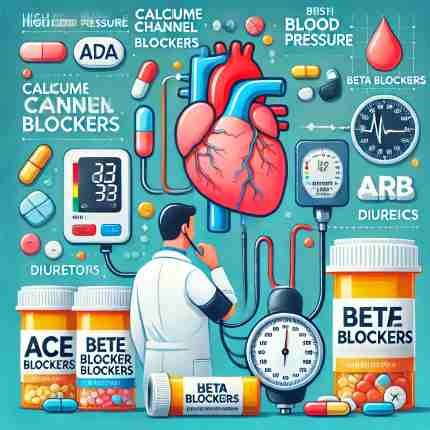
Scalp-Remedies

Oily Scalp Remedies (Greasy Hair: Causes & How To Treat)

An oily scalp can be frustrating to deal with, as it can make hair look greasy, flat, and unclean even after washing. This condition occurs when the scalp produces too much sebum, a natural oil that helps to keep hair healthy but can lead to problems when overproduced.

Factors like genetics, hormonal imbalances, overwashing, and even stress can cause excess oil production. Fortunately, there are various remedies and treatments available to help control an oily scalp, keeping hair fresh and balanced.

Recommended Reading: 10 Best Hair Serum For Regrowth (Frizz Control & Shine)

Oily Scalp Remedies (Greasy Hair: Causes & How To Treat)

Oily-Scalp-Remedies
Oily-Scalp-Remedies

Recommended Reading: Supplements For Hair Loss In Females (Supplements For Hair Growth)

What is an Oily Scalp?

An oily scalp (also known as greasy scalp or seborrhea) occurs when the sebaceous glands in your scalp produce an excessive amount of sebum — the natural oil that protects and moisturizes your skin and hair. While sebum is essential for healthy hair and scalp, overproduction leads to a shiny, greasy appearance, flat roots, and discomfort that can make hair look limp and unclean shortly after washing.

This common condition affects people of all ages and hair types, though it’s more noticeable in those with fine or straight hair. In many cases, an oily scalp is simply a result of genetics, hormonal fluctuations, or daily habits, but it can sometimes signal underlying issues like seborrheic dermatitis (a form of dandruff), stress, or improper hair care routines. Unlike dry scalp, which flakes due to lack of moisture, an oily scalp often feels heavy, itchy, or irritated and may contribute to product buildup, forehead acne (from oil migrating to the face), or even mild inflammation.

Common Causes of Oily Scalp

Several factors can trigger or worsen excess oil production:

  • Genetics — Some people naturally have more active sebaceous glands.
  • Hormonal changes — Puberty, menstrual cycles, pregnancy, menopause, or stress can spike sebum levels.
  • Over-washing or harsh products — Ironically, stripping the scalp too aggressively can cause rebound oil production.
  • Under-washing — Allowing oil, dirt, and product residue to accumulate.
  • Seborrheic dermatitis — A common inflammatory condition linked to yeast overgrowth and excess oil.
  • Diet, environment, or lifestyle — Hot/humid weather, high-fat diets, or heavy styling products can exacerbate greasiness.

Typical Symptoms

  • Hair appears greasy or shiny at the roots within hours or a day of washing.
  • Flat, limp strands that lack volume.
  • Itchy, irritated, or sensitive scalp.
  • Flakes (often greasy/yellowish if linked to dandruff).
  • Buildup of oil and residue, sometimes leading to odor or acne along the hairline.

Oily Scalp Treatment At Home

TreatmentKey BenefitsHow to Use (Simple At-Home Method)Frequency Suggestion
Apple Cider Vinegar (ACV) RinseRestores scalp pH balance, reduces excess oil & buildupMix 1–2 tbsp ACV in 1 cup water. Rinse hair after shampooing, leave 2–5 min, then rinse out.1–2 times per week
Tea Tree OilAntibacterial/antifungal, controls oil & fights dandruff-related greasinessDilute 5–10 drops in 2 tbsp carrier oil (or add to shampoo). Massage into scalp, leave 10–30 min, wash out.2–3 times per week
Aloe Vera GelSoothes inflammation, removes excess oil, hydrates without greasinessApply pure aloe vera gel directly to scalp. Leave 15–30 min, rinse with cool water or mild shampoo.2–3 times per week
Lemon JuiceNatural astringent, cuts through oil, adds shine (use sparingly due to acidity)Mix juice of 1 lemon in 1 cup water. Apply to scalp, leave 5–10 min, rinse thoroughly.1–2 times per week
Witch HazelAstringent, removes excess oil, soothes irritated scalpApply alcohol-free witch hazel with cotton pad to scalp or mix in rinse. No rinse needed usually.Daily or every wash
Green Tea RinseAntioxidants reduce oil production, calms scalpBrew strong green tea, cool it, use as final rinse after shampooing. No need to rinse out.2–3 times per week
Baking SodaAbsorbs oil, gentle exfoliant for buildupMix 1–2 tbsp with water into paste. Massage into scalp, leave 5 min, rinse & shampoo after.Once a week (not more)
Honey MaskAntibacterial, humectant that balances moisture & reduces greasinessMix 2 tbsp raw honey with water or aloe. Apply to scalp, leave 20–30 min, rinse well.1–2 times per week
Clay Mask (e.g., Bentonite or Multani Mitti)Absorbs excess sebum like a natural blotterMix clay powder with water or ACV into paste. Apply to scalp, leave 15–20 min, rinse thoroughly.1–2 times per week
Coconut Oil (pre-wash treatment)Lifts excess oil from scalp while conditioning endsApply small amount to scalp 30–60 min before washing (or overnight), then shampoo thoroughly.1 time per week

Oily Hair Remedy: 25 Natural Ways to Get Rid of Greasy Hair

#RemedyKey BenefitsSimple At-Home Application MethodSuggested Frequency
1Apple Cider Vinegar (ACV) RinseBalances scalp pH, removes buildup & excess oilMix 1–2 tbsp ACV in 1 cup water; rinse after shampoo, leave 2–5 min, rinse out.1–2 times/week
2Tea Tree OilAntibacterial/antifungal, reduces oil & itchDilute 5–10 drops in 2 tbsp carrier oil or shampoo; massage in, leave 10–30 min, wash out.2–3 times/week
3Aloe Vera GelSoothes, detoxifies, removes excess sebumApply pure gel to scalp; leave 15–30 min, rinse with cool water or mild shampoo.2–3 times/week
4Lemon JuiceAstringent, cuts oil, adds shineJuice of 1 lemon + 1 cup water; apply to scalp, leave 5–10 min, rinse well (avoid sun after).1–2 times/week
5Witch HazelCloses pores, removes oil, calms irritationApply alcohol-free witch hazel to scalp with cotton pad or as rinse; no rinse needed.Every wash or daily
6Green Tea RinseAntioxidants reduce sebum productionBrew strong green tea, cool, use as final rinse after shampoo; no rinse out.2–3 times/week
7Baking Soda PasteAbsorbs oil, gentle exfoliantMix 1–2 tbsp with water into paste; massage scalp, leave 5 min, rinse & shampoo.Once/week (max)
8Raw Honey MaskAntibacterial, balances moisture & oilMix 2 tbsp honey with water/aloe; apply to scalp, leave 20–30 min, rinse well.1–2 times/week
9Bentonite/Clay MaskAbsorbs excess sebum like a natural blotterMix clay powder with water/ACV into paste; apply, leave 15–20 min, rinse thoroughly.1–2 times/week
10Coconut Oil Pre-WashLifts oil from roots while conditioning endsApply small amount to scalp 30–60 min (or overnight) before shampoo; wash thoroughly.1 time/week
11Peppermint OilRegulates pH, cools & reduces oilinessDilute a few drops in carrier oil; massage into scalp, leave 10–20 min, wash out.2 times/week
12Tomato JuiceNatural astringent, controls oil productionApply fresh tomato juice to scalp; leave 15 min, rinse.1–2 times/week
13Egg Yolk MaskReduces oil secretion, balances pHWhisk 1–2 yolks; apply to scalp, leave 20–25 min, rinse with cool water & shampoo.1 time/week
14Buttermilk + Amla MaskDetoxifies, reduces greasiness (Ayurvedic-inspired)Mix buttermilk with amla powder; apply, leave 20–30 min, rinse.1 time/week
15Cornstarch or Baby PowderAbsorbs oil between washes (dry shampoo alternative)Sprinkle on roots, massage in, brush out excess.As needed daily
16Rosemary OilStimulates scalp, may regulate oilDilute in carrier oil; massage in, leave 30 min, wash.2 times/week
17Lavender OilSoothes, controls dandruff-related oilAdd diluted to shampoo or mask; use as needed.2–3 times/week
18Jojoba Oil (minimal)Mimics sebum, balances productionApply tiny amount to roots pre-wash; wash out.1 time/week
19Salicylic Acid from Natural Sources (e.g., Willow Bark rinse)Exfoliates, reduces buildupUse willow bark tea as rinse (if available); or opt for natural salicylic products.1–2 times/week
20Black Tea RinseTannins tighten pores, reduce oilBrew strong black tea, cool, rinse hair; leave 10 min, rinse out.2 times/week
21Oatmeal MaskAbsorbs oil, soothes irritationGrind oats into powder, mix with water; apply, leave 15 min, rinse.1–2 times/week
22Yogurt MaskLactic acid exfoliates, balances oilApply plain yogurt to scalp; leave 20 min, rinse with cool water.1–2 times/week
23Neem Paste/OilAntibacterial, controls excess oil & dandruffMix neem powder with water; apply, leave 15–20 min, rinse.1 time/week
24Multani Mitti (Fuller’s Earth)Deeply absorbs oil & impuritiesMix with rose water or plain water; apply as mask, leave until dry, rinse.1–2 times/week
25Sea Salt Scrub (diluted)Exfoliates scalp, removes buildupMix coarse sea salt with oil/water; gentle massage, rinse well (avoid if sensitive).Once/week (gently)

Top 10 Dry Shampoo For Oily Scalp

Product NameKey Features & BenefitsBest ForWhy It Stands Out for Oily Scalp
Living Proof Perfect Hair Day (PhD) Advanced Clean Dry ShampooHeavy-duty oil absorption, no powdery residue, feels like freshly washed hair, adds subtle volumeAll hair types, especially very oilyConsistently tops lists for making oily hair feel “shower-fresh” without buildup or grit.
Oribe Serene Scalp Oil Control Dry ShampooRegulates sebum with rosebay extract + starches/kaolin clay, soothes scalp, controls oil long-termOily/irritated scalpsSpecifically formulated for excess oil; Best of Beauty winner for soaking up dirt & grease.
Klorane Dry Shampoo (with Oat Milk or Nettle)Natural oat milk or nettle for oil control, volumizing, gentle on scalp, tinted options availableOily or fine hair, dark hair variantsExcellent at absorbing grease after 2–3 days; soothing and no stickiness.
Batiste Original or Dry Shampoo variantsBudget classic, rice starch absorbs oil fast, adds volume, multiple scents & tinted optionsEveryday use, affordable oily hairReliable drugstore go-to for quick oil refresh; great value without heaviness.
Redken Deep Clean Dry ShampooHeavy-duty absorption, Vitamin C/B5 for refresh, adds texture & volumeAll types, heavy greasePowerful for stubborn oil; revives limp roots effectively.
Bumble and bumble Prêt-à-PowderPowder formula (non-aerosol), kaolin/silica absorbs oil, adds massive volumeFine/oily hair, buildup-proneMess-free powder excels at mattifying shine; refillable for eco-conscious users.
IGK First Class Charcoal Detox Dry ShampooCharcoal + white tea detoxifies & absorbs oil deeply, refreshes without dryingVery oily scalps, post-workoutCharcoal pulls out impurities; ideal for intense grease and odor control.
Primally Pure Dry Shampoo (clean/natural)Organic arrowroot/kaolin clay, powder mist, no residue, scalp-friendlySensitive/oily scalps, natural preferenceTop clean pick; absorbs oil gently while supporting scalp health.
Not Your Mother’s Clean Freak or similarRice starch + silica, minimal ingredients, absorbs oil & odor, no crunchBudget, daily refreshEffective & affordable; leaves hair soft & flexible, not stiff.
Divi Dry ShampooRice/corn starch, cooling mint scent, balances scalp, long-lasting volumeOily with sensitivityCooling effect soothes itchy oily scalps; great for volume without weight.

How To Cure Oily Scalp Permanently

An oily scalp (excess sebum production leading to greasy hair) is often a chronic trait influenced by genetics, hormones, and sebaceous gland activity. Unfortunately, there is no true “permanent cure” for most people — especially if it’s genetic or linked to conditions like seborrheic dermatitis. The scalp’s oil production is natural and protective; completely stopping it isn’t healthy or feasible without medical intervention (and even then, it’s management, not eradication).

That said, many people achieve long-term control, sometimes feeling like it’s “cured”, by addressing root causes, adopting consistent routines, and using targeted treatments. This can drastically reduce greasiness, extend wash days, and prevent rebound oiliness. Results vary by individual; what works “permanently” for one may require ongoing maintenance for another.

Key Causes & Why “Permanent Cure” Is Rare

  • Genetics/Hormones — Overactive sebaceous glands (common in puberty, stress, or androgen sensitivity).
  • Seborrheic Dermatitis — Chronic inflammation + yeast overgrowth causes oily, flaky scalp.
  • Habits/Environment — Overwashing (rebound oil), heavy products, diet, humidity.
  • Other — PCOS, thyroid issues, or medications (rarely permanent without treating the underlying condition).

Dermatologists emphasize management over cure, consistent care often leads to sustained improvement.

Top Long-Term Strategies for Lasting Control

Here are evidence-based approaches from dermatologist recommendations (e.g., AAD, Mayo Clinic, Healthline) and recent insights:

  • Optimize Your Washing Routine (Foundation for Control) Wash every 1–2 days with a gentle, sulfate-based or clarifying shampoo focused on the scalp. Overwashing strips oils → rebound grease; underwashing builds up → more oil. Find your sweet spot (many settle on every other day for balance).
  • Use Sebum-Regulating Shampoos Long-Term Rotate or stick to formulas with:
    • Zinc pyrithione, ketoconazole (antifungal for seborrheic-linked oil).
    • Salicylic acid (exfoliates buildup).
    • Clay/kaolin, pumpkin seed extract (curbicia), or green tea (reduces production). Examples: Biolage Scalp Sync, Oribe Serene Scalp, or medicated options like Nizoral (ketoconazole 1–2%). Use 2–3x/week; maintenance prevents flares.
  • Incorporate Scalp Treatments & Exfoliation Weekly clarifying treatments or scalp scrubs (with sea salt, charcoal, or salicylic acid) remove buildup without daily stripping. Pre-shampoo masks (e.g., Moroccanoil Oily Scalp Treatment or clay-based) detoxify and rebalance.
  • Lifestyle & Habit Adjustments (High Impact for Sustainability)
    • Diet: Reduce high-glycemic foods/sugars; add zinc, omega-3s (may lower sebum).
    • Stress management: Cortisol spikes oil — exercise, sleep help.
    • Avoid heavy conditioners/oils near roots; apply mid-lengths only.
    • Use dry shampoo sparingly (e.g., Living Proof or Batiste) between washes.
    • Clean tools/pillowcases weekly to prevent oil transfer.
  • Natural & Home Remedies for Ongoing Balance Continue favorites like:
    • Apple cider vinegar rinses (pH balance).
    • Tea tree/green tea rinses (antimicrobial).
    • Clay masks (absorb excess). These support routines but aren’t standalone “cures.”
  • Medical Options for Stubborn Cases (Closest to “Permanent” Control) If home/daily care isn’t enough:
    • Prescription topicals: Stronger antifungals (ketoconazole 2%), corticosteroids, or calcineurin inhibitors.
    • Oral meds: Spironolactone (anti-androgen, reduces sebum in hormonal cases), isotretinoin (dramatic sebum reduction but for severe acne/seborrhea, with side effects).
    • See a dermatologist — especially if itchy, flaky, or with hair loss. They can diagnose underlying issues (e.g., seborrheic dermatitis is chronic but highly manageable).

Realistic Timeline & Tips

  • Weeks 1–4: Noticeable reduction with routine tweaks.
  • Months 3+: Scalp adapts; oil production often normalizes long-term.
  • Maintenance is Key: Most need ongoing habits/products to stay balanced.
  • Track progress — if no improvement in 1–2 months, consult a dermatologist (in Lahore, options like skin specialists at major hospitals or clinics can help).

Causes of an Oily Scalp

Causes of an Oily Scalp

This condition occurs when the scalp produces too much sebum, a natural oil that helps to keep hair healthy but can lead to problems when overproduced.

Causes-of-an-Oily-Scalp

  • Hormonal Changes: Increased levels of DHT hormone can boost oil production and shrink hair follicles, potentially leading to thinning hair.
  • Over-Washing: Washing hair too frequently can strip the scalp of natural oils, causing it to produce more oil in response.
  • Clogged Pores: Buildup of dirt, oil, and hair products can block pores, leading to inflamed hair follicles.
  • Genetics: Family history can play a significant role in having an oily scalp.
  • Stress: Increased stress levels can heighten oil production, worsening scalp oiliness.

Recommended Reading: 10 Best Curly Hair Products (Men+Women) [Frizzy Hair Products]

How It Affects Hair?

  • Clogs Hair Follicles: Excess oil buildup can block hair follicles, making it harder for new hair to grow.
  • Weakens Hair Roots: Congested follicles lead to weaker roots, increasing the risk of hair thinning and hair loss.
  • Causes Inflammation: Trapped oil can trigger inflammation, further disrupting the hair growth cycle.
  • Disrupts Hair Growth: Inflammation and clogged follicles interfere with normal hair growth, worsening the problem.
  • Scalp Balance is Key: Keeping the scalp clean and balanced helps prevent these issues and supports healthy hair growth.

Recommended Reading: Vitamins For Hair Growth And Thickness (Male+Female)

Treatment Options

Best Treatment Options

Manage an oily scalp with apple cider vinegar for pH balance, aloe vera for soothing, and tea tree oil for oil control. Exfoliate with salicylic or lactic acid, use dry shampoo for quick fixes, and follow a routine with clarifying shampoo, conditioner on ends, gentle scalp massage, and pre-shampoo treatments.

Best-Treatment-Options

Home Remedies for Oily Scalp

Here are some effective home remedies to help manage an oily scalp:

  • Apple Cider Vinegar: Mix one part apple cider vinegar with two parts water and use it as a rinse after shampooing. It helps balance the scalp’s pH and can reduce excess oil.
  • Aloe Vera: Applying pure aloe vera gel directly to the scalp can soothe irritation and control oil buildup, leaving the scalp feeling refreshed.
  • Tea Tree Oil: With its natural antibacterial properties, tea tree oil is great for tackling both dandruff and excess oil. You can add a few drops to your shampoo or use it in scalp treatments.
  • Exfoliation: Products that contain salicylic or lactic acid can gently exfoliate the scalp, helping to remove oil and clear clogged follicles.
  • Dry Shampoo: For a quick fix between washes, dry shampoo can absorb excess oil and give your hair a fresh, voluminous look without water.

Effective Hair Care Routine

Recommended Reading: Hair Thinning Treatment: Causes, Vitamins, And More

Best Practices for Managing an Oily Scalp

  • Use a Clarifying Shampoo: Apply once a week to remove excess oil and product buildup, but avoid overuse to prevent dryness.
  • Apply Conditioner Correctly: Use a lightweight conditioner only on the ends of your hair, avoiding the roots to prevent excess oil.
  • Gentle Scalp Massage: While washing, massage the scalp gently instead of scrubbing hard to avoid triggering more oil production.
  • Pre-Shampoo Treatments: Use scalp exfoliants before washing to remove grease and buildup for a cleaner scalp.

How to Maintain a Healthy Scalp

  • Wash Regularly: Wash your hair regularly, but avoid over-washing as it may strip away natural oils, causing your scalp to produce even more oil.
  • Healthy Diet: Eating a balanced diet, especially one low in sugar and refined carbs, can help control oil production. Including more fruits, vegetables, and whole grains can also improve scalp health.
  • Manage Stress: Stress can lead to excess oil production. Try activities like yoga, meditation, or regular exercise to manage stress and keep oil levels in check.
  • Clean Your Tools: Make sure to clean your hairbrushes and combs often to remove dirt, oil, and product buildup that can transfer back to your scalp.
  • Use Light Products: Stick to lightweight, water-based hair products, and avoid heavy or oil-based ones that can make your scalp feel greasy.

Products & Remedies

Products & Remedies

Use clarifying shampoos for oil and buildup, dry shampoos for quick refresh, exfoliating treatments for deep cleansing, and tea tree oil products to reduce oil and dandruff.

Products-And-Remedies

  • Clarifying Shampoos: These shampoos are great for getting rid of excess oil and product buildup.
  • Dry Shampoos: If you need a quick fix between washes, dry shampoos are perfect for soaking up excess oil and keeping your hair looking fresh.
  • Exfoliating Scalp Treatments: Products with ingredients like salicylic acid can help remove dead skin cells and excess oil, keeping your scalp clean and balanced.
  • Tea Tree Oil Products: Tea tree oil is known for its ability to reduce oil production and fight dandruff, making it a great choice for those with oily scalps.

Recommended Reading: Top 10 Beard Care Products (Beard Care Kit)

FAQs

What causes an oily scalp?

An oily scalp occurs when the sebaceous glands in your scalp produce excess sebum (natural oils). This can be caused by hormonal changes, genetics, stress, overwashing, or a poor diet.

How often should I wash my oily scalp?

It’s important not to over-wash your scalp, as this can strip away natural oils, leading to more oil production. Aim to wash your scalp 2-3 times a week, depending on your hair type.

Can diet affect my oily scalp?

Yes, your diet can impact the oil production in your scalp. Foods that are high in sugar or refined carbohydrates can trigger oil production.

Is it okay to use dry shampoo for an oily scalp?

Dry shampoo can be a helpful solution for absorbing excess oil between washes.

Can stress make my oily scalp worse?

Yes, stress can increase oil production. When you’re stressed, your body releases hormones like cortisol, which can trigger your sebaceous glands to produce more oil. Managing stress through activities like yoga, meditation, or exercise can help reduce excess oil.

Recommended Reading: 7 Best Shampoo Greasy Hair (Oily Hair+Dandruff Shampoos)

Conclusion

Dealing with an oily scalp can be tricky, but with the right products and care, it’s manageable. Using the appropriate treatments, whether at-home remedies or specialized hair care products, can help reduce excess oil and keep your scalp balanced. Maintaining a regular scalp care routine, exfoliating, and making small changes to your diet or lifestyle can also help control oil production.

Disclaimer
Commissions we earn from partner links on this page do not influence our content. Our editorial content is based on thorough research and insights from qualified medical professionals to ensure the highest standards of accuracy and reliability.

Information provided on Doseway is for educational purposes only. Your health and wellness are unique to you, and the products and services we review may not be suitable for your circumstances. We do not offer personal medical advice, diagnosis, or treatment plans. For specific advice, please consult with a healthcare professional. Doseway adheres to strict editorial integrity standards. To the best of our knowledge, all content is accurate as of the date posted, though offers and information may change. The opinions expressed are the author’s own and have not been influenced, approved, or endorsed by our partners.
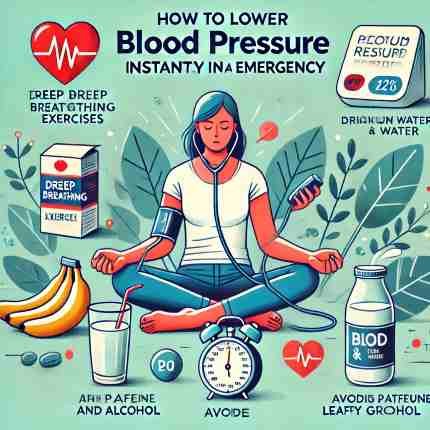
10-Best-Hair-Serum-For-Regrowth

10 Best Hair Serum For Regrowth (Frizz Control & Shine)

Hair serums designed for regrowth, frizz control, and adding shine have become an essential part of many people’s hair care routines. These serums are specially formulated to nourish the scalp, improve hair thickness, and reduce hair loss.

Whether you’re dealing with thinning hair, frizz, or lackluster strands, the right hair serum can offer significant benefits.

Recommended Reading: Supplements For Hair Loss In Females (Supplements For Hair Growth)

10 Best Hair Serum For Regrowth (Frizz Control & Shine)

Hair-Serum-For-Regrowth

Recommended Reading: 10 Best Curly Hair Products (Men+Women) [Frizzy Hair Products]

What are Hair Serums for Regrowth?

Hair serums for regrowth are specially designed products that help with thinning hair, support the growth of new hair, and enhance the overall texture of your hair. These serums are packed with ingredients that nourish the scalp and hair follicles, making them stronger and healthier.

Some of the most common ingredients in these serums include Minoxidil, rosemary, biotin, and turmeric, all of which play a key role in promoting hair growth.

  • Minoxidil: This ingredient is widely used in hair regrowth serums as it helps slow down hair thinning and stimulates the growth of new hair.
  • Rosemary: Known for its ability to improve blood circulation to the scalp, rosemary can help nourish the roots and promote healthier hair regrowth.
  • Biotin & Turmeric: Both of these ingredients are essential for overall hair health. Biotin strengthens hair, while turmeric provides important nutrients that support healthy hair growth.

Recommended Reading: Vitamins For Hair Growth And Thickness (Male+Female)

10+ Best Hair Serum For Regrowth

  • Vegamour GRO Hair Serum: Stimulates hair follicles and promotes regrowth. Contains mung bean and clover for a nourished scalp and improved hair thickness.
  • Kerastase Genesis Fortifiant Hair Serum: Strengthens hair and reduces breakage. Ideal for thinning hair, protects from environmental damage.
  • The Ordinary Multi-Peptide Serum: Affordable and effective, this serum boosts hair density with multiple peptides, suitable for all hair types.
  • Kerastase Initialiste Scalp Hair Concentrate: Strengthens the scalp and stimulates hair follicles for healthier growth. Improves hair shine and smoothness.
  • Fable & Mane HoliRoots Hair Oil: Natural ingredients like coconut oil and turmeric nourish the scalp and strengthen hair, ideal for a holistic approach to growth.
  • Living Proof Scalp Care Density Serum: Nourishes the scalp and encourages thicker, fuller hair by improving follicle health.
  • MONPURE Follicle Boost Hair Density Serum: Packed with plant-based ingredients, this serum promotes regrowth and thickens hair for a fuller appearance.
  • OUAI Scalp Serum: Promotes scalp health and boosts hair growth with ingredients like probiotics and ginger.
  • Philip Kingsley Density Preserving Scalp Drops: Ideal for fine or thinning hair, these drops improve hair density and enhance volume by nourishing the scalp.
  • Rogaine Women’s 5% Minoxidil Foam: Contains 5% Minoxidil, clinically proven to promote regrowth.
  • Augustinus Bader The Hair Oil: A luxurious oil that uses stem cell technology to nourish the scalp and promote regrowth, perfect for dry or damaged hair.
  • Aveda Invati Advanced Scalp Revitalizer: Reduces hair thinning with a blend of natural plant extracts that strengthen hair and encourage thicker growth.
  • Ceremonia Scalp Power Duo: Includes a serum and scalp scrub for healthier hair growth by nourishing the scalp and removing buildup.
  • Divi Scalp Serum: Made with aloe vera and rosemary oil, it hydrates the scalp and stimulates hair follicles for better growth.
  • Essential Anti-Hair Fall Kit: Prevents hair fall and strengthens roots, ideal for those concerned with thinning or shedding.
  • Groh Stimulating Scalp Serum: Stimulates blood circulation to the scalp, promoting regrowth and thicker hair with botanical ingredients.
  • Nutrafol Hair Serum: Supports hair growth by improving scalp health and reducing the effects of stress on hair.
  • René Furterer Triphasic Reactional Concentrated Serum: Targets hair loss by stimulating the scalp and providing essential nutrients to prevent shedding.
  • Rogaine Women’s 2% Minoxidil Topical Solution: Contains 2% Minoxidil for early stages of hair thinning.
  • Viviscal Hair Thickening Serum: Thickens hair by strengthening follicles, works best with Viviscal supplements for optimal results.
  • Wild Growth Hair Oil: Packed with essential oils, this natural serum thickens and moisturizes hair, promoting regrowth over time.

Recommended Reading: Hair Thinning Treatment: Causes, Vitamins, And More

7 Day Serum For Hair Regrowth

DayFocus/ActivitySerum ApplicationAdditional Tips
Day 1Start & Deep CleanseApply serum once (evening preferred) to clean, dry scalp. Massage well.Wash hair with a mild shampoo to remove buildup. Focus on thinning areas.
Day 2Build AbsorptionApply serum 1–2 times (morning + evening if tolerated).Gentle scalp massage. Avoid heavy oils/products that block absorption.
Day 3Nourish & StimulateApply serum daily (1–2 times).Add a light scalp massage with fingertips. Stay hydrated and eat protein-rich foods.
Day 4Mid-Week CheckApply serum as usual.Note any changes (less fallout, less itchiness). Continue routine.
Day 5Consistent StimulationApply serum 1–2 times.Optional: Pair with a gentle exfoliating scalp scrub if your product allows.
Day 6Recovery & MaintenanceApply serum once or twice.Rest hair from heat styling. Focus on absorption overnight.
Day 7Evaluate & ContinueApply serum as usual.Review the week: Take photos of scalp/hairline. Decide on long-term use (most products suggest 3+ months for regrowth).

Top 10 Best Hair Serum For Regrowth

Serum NameKey IngredientsBest ForWhy It’s Top-RatedNotes for Pakistan/Lahore Users
Rogaine (Women’s or Men’s) Minoxidil Foam/SolutionMinoxidil (2–5%)Proven regrowth, thinning/hair lossGold standard; FDA-approved, consistent results in trialsWidely available; 5% often recommended for men, 2% for women
Act+Acre Cold Processed Stem Cell Scalp SerumApple stem cells, hyaluronic acid, aloeOverall scalp health & densityTop pick in multiple 2025–2026 lists for hydration & follicle supportPremium; import via Amazon or check local beauty stores
The Ordinary Multi-Peptide Serum for Hair DensityPeptides, caffeineBudget-friendly density & reduced sheddingAffordable, peptide-focused; popular in Vogue & Reddit for noticeable baby hairsVery accessible & budget option; easy to find online in PK
Nutrafol Women’s (or Men’s) Hair SerumPeptides, ashwagandha, marine collagenThinning from stress/hormonesDermatologist-favored for holistic support & fullnessGood for both genders; available internationally
Vegamour GRO Hair SerumPlant-based (mung bean, red clover), veganNatural regrowth, thicker strandsEditor favorite in CNN & NY Post; non-irritatingPlant-based appeal; check Daraz for imports
Verb Density Peptide Hair SerumPeptides, biotinFine/thinning hair, easy applicationHigh ratings at Ulta; good for daily useAffordable peptide option; Ulta-style availability online
WishCare Hair Growth Serum ConcentrateRedensyl, Baicapil, caffeine, biotinDensity & anti-fall in South AsiaPopular in Pakistan/India markets; good reviews for local usersLocally relevant; available on Daraz.pk & sites like mywishcare.com
Nioxin Hair Fall Defense SerumNiacinamide, SandaloreReducing fallout, scalp defenseStrong for breakage & defense; Ulta bestsellerGood for maintenance; import-friendly
Curology Hair Formula Rx (or similar custom)Customized (often minoxidil + others)Personalized severe lossBest overall in Allure 2025; prescription-strengthMay need tele-derm consult; alternatives like generic minoxidil
Mielle Organics Rosemary Mint Scalp & Hair Oil/SerumRosemary oil, biotin, mintNatural strengthening & growthBudget value pick; viral for rosemary benefitsVery affordable; rosemary trending locally too

Top 10 Best Hair Serum For Regrowth & Frizz Control

Serum NameKey IngredientsBest ForWhy It Fits (Regrowth + Frizz Control + Shine)Notes for Pakistan Availability
Vegamour GRO Hair SerumMung bean, red clover, turmeric/curcumin, peptidesNatural regrowth + smoothing shinePlant-based follicle support for density; lightweight, non-greasy for frizz taming & glossy finishImport via Daraz/Amazon; popular vegan option
The Ordinary Multi-Peptide Serum for Hair DensityPeptides, caffeine, Redensyl/Procapil/BaicapilBudget density boost + shinePeptide-powered growth/reduced shedding; lightweight for smooth, shiny strands without greaseVery accessible on Daraz.pk; easy starter
Olaplex No. 9 Bond Protector Nourishing Hair SerumBond-building tech, peptides, heat protectantRepair + frizz taming + shineStrengthens bonds for healthier growth; excellent frizz control & glossy shineAvailable on Daraz/Sephora imports; great for damaged hair
Moroccanoil Mending Infusion (or Intense Smoothing)Argan oil, smoothing agentsShine & frizz control with nourishmentArgan nourishes follicles indirectly; top for humidity-proof frizz & high-shine glossWidely on Daraz.pk; local favorite for shine
Kérastase (Première or Initialiste/Gloss Absolu) Anti-Frizz SerumPeptides, glycine, oilsPremium frizz + shine + scalp healthRepairs & smooths for less breakage (aids growth); superior frizz block & reflective shineImport via Daraz; luxury pick
Act+Acre Stem Cell Scalp Serum (or H2-Grow)Apple stem cells, hyaluronic acidScalp-focused growth + hydrationStimulates follicles for thickness; hydrates to reduce frizz & boost shinePremium import; check Amazon/Daraz
Garnier Fructis Sleek & Shine Anti-Frizz SerumArgan oil, vitamin EAffordable frizz/shine with nourishmentControls frizz & adds shine; argan supports overall hair healthSuper easy on Daraz.pk; budget king in PK
Livon Keratin & Biotin Smoothing SerumKeratin, biotin, arganFrizz control + strength/shineBiotin aids growth; keratin smooths frizz & boosts shineTop local seller on Daraz; heat protectant bonus
Curlsmith Frizz Rescue Finishing Serum (or similar curl-friendly)Almond/sunflower/argan oils, watermelonCurly/wavy frizz + shine + gentle growth supportOils nourish & smooth frizz; adds shine without weighing downImport; good for textured hair
WishCare / Bare Anatomy / Minimalist Hair Growth Serum (Redensyl-based)Redensyl, Baicapil, caffeine, biotinLocal growth + anti-frizz shineGrowth actives reduce fall; lightweight for frizz control & shineHighly available on Daraz.pk; South Asia favorites

Indications & Uses

Who Should Use It?

Hair regrowth serums are perfect for individuals dealing with thinning hair, hair loss, or frizz. Both men and women can benefit from these products, especially those with fine, damaged, or frizzy hair that needs extra care and nourishment.

How to Use

Application

To use these serums, apply them directly to the scalp, concentrating on areas where hair thinning is noticeable. Gently massage the serum into your scalp for better absorption.

Frequency

For the best results, apply the serum daily or follow the instructions provided by the manufacturer to ensure optimal effectiveness.

Dosage

Use a few drops or spray as directed. This will help distribute the serum evenly across your scalp for maximum benefits.

Effectiveness

Supporting Studies

Many hair regrowth serums are backed by clinical research, with products like Minoxidil showing strong evidence for their ability to encourage hair growth.

Expected Results

Results can vary depending on the individual. Some users may start noticing changes in as little as 3-4 weeks, while others might need a few months of consistent use to see significant improvements. With regular application, you can expect healthier, thicker hair and a reduction in frizz, contributing to overall hair vitality.

Recommended Reading: Top 10 Beard Care Products (Beard Care Kit)

Side Effects & Precautions

Common Side Effects

Most people experience no side effects, but in some cases, users may notice minor scalp irritation, dryness, or a slight burning feeling. These effects are usually temporary and tend to go away with continued use or after discontinuing the product.

Serious Side Effects

While uncommon, some individuals may experience more severe side effects, such as increased hair shedding, dizziness, or chest pain. If you experience any of these symptoms, stop using the serum immediately and reach out to a healthcare professional for advice.

Precautions

Pregnancy & Allergies

It’s important to avoid using these serums during pregnancy or if you are allergic to any of the ingredients. Always check the ingredient list before applying.

Medication Interactions

If you are currently using other hair loss treatments or medications, it’s best to consult with your doctor or a healthcare provider to ensure there are no harmful interactions.

Pros & Cons

Recommended Reading: 7 Best Shampoo Greasy Hair (Oily Hair+Dandruff Shampoos)

Advantages

  • Hair Regrowth & Thickness: Many hair serums help stimulate hair growth and increase the thickness of your hair, making it look fuller over time.
  • Frizz Control: They help smooth out frizz, leaving your hair looking shiny and healthy while controlling any unruly strands.
  • Variety: There are different types of serums available, making it easier to find one that works well with your specific hair type, whether it’s oily, curly, or fine.

Disadvantages

  • Slow Results: While these serums are effective, it may take several weeks or even months before you start seeing noticeable changes.
  • Cost: High-quality hair serums can sometimes be expensive, which might be a consideration for those on a budget.

Recommended Reading: Regrow Hair Naturally In 3 Weeks (Top 7 Home Remedies)

FAQs

What is a hair serum for regrowth?

A hair serum for regrowth is a product designed to help stimulate hair growth and reduce thinning. It usually contains ingredients like Minoxidil, rosemary, or biotin, which nourish the scalp and support healthy hair follicles.

How often should I use a hair serum?

For the best results, it’s recommended to apply the serum daily. Most products provide instructions on how much to apply and how often.

Can hair serums stop hair thinning?

Yes, many hair serums, especially those with Minoxidil, have been proven to help stop hair thinning.

Are there any side effects of using hair serums?

While side effects are uncommon, some users may experience mild scalp irritation, dryness, or a slight burning sensation. Serious side effects like dizziness or chest pain are rare.

Can I use hair serum with other hair products?

Yes, you can usually use hair serums along with other products like shampoos or conditioners. However, if you’re using other hair loss treatments.

How long does it take to see results from hair serums?

Results vary by individual, but most people start seeing noticeable improvements in hair thickness and texture within 3 to 6 months of consistent use.

What ingredients should I look for in a hair serum?

Look for active ingredients like Minoxidil, rosemary, biotin, and other natural oils that nourish the scalp and promote hair health.

Recommended Reading: Best Hair Treatment For Damaged Hair At Home (Dry And Frizzy Hair)

Conclusion

Summary of Findings

To sum up, hair serums designed for regrowth and frizz control can be a great solution for those looking to improve the overall health of their hair, encourage new growth, and enhance shine. With various options available, you can easily find a serum that suits your hair’s unique needs and concerns.

Overall Recommendation

If you’re struggling with hair thinning or frizz, choosing a serum with ingredients like Minoxidil or rosemary can offer great benefits. Be sure to consider your specific hair type and concerns to pick the product that works best for you.

Who Should Buy It?

These serums are ideal for anyone experiencing hair loss or dealing with frizz. They provide an affordable yet effective way to manage these issues and improve hair health.

Alternatives

If you’re unsure about the products mentioned, you can also try alternatives like the Vegamour GRO Hair Serum or the Rogaine Women’s Minoxidil Foam, which offer great results for similar concerns.

Disclaimer
Commissions we earn from partner links on this page do not influence our content. Our editorial content is based on thorough research and insights from qualified medical professionals to ensure the highest standards of accuracy and reliability.

Information provided on Doseway is for educational purposes only. Your health and wellness are unique to you, and the products and services we review may not be suitable for your circumstances. We do not offer personal medical advice, diagnosis, or treatment plans. For specific advice, please consult with a healthcare professional. Doseway adheres to strict editorial integrity standards. To the best of our knowledge, all content is accurate as of the date posted, though offers and information may change. The opinions expressed are the author’s own and have not been influenced, approved, or endorsed by our partners.

Top-10-Best-Curly-Hair-Products

10 Best Curly Hair Products (Men+Women) [Frizzy Hair Products]

Managing curly hair can be challenging, but with the right products, you can achieve beautiful, defined curls every day. Whether you’re battling frizz or aiming to enhance your natural curl pattern, the right products can make a huge difference.

There are shampoos that cleanse without stripping your hair’s moisture, as well as creams and gels that define curls and tame frizz. Whether you need hydration, curl definition, or frizz control, this list has something for everyone with curly hair.

Recommended Reading: Vitamins For Hair Growth And Thickness (Male+Female)

10 Best Curly Hair Products {Men+Women}

Best-Curly-Hair-Products

Recommended Reading: Hair Thinning Treatment: Causes, Vitamins, And More

What are Curly Hair Products?

What are Curly Hair Products?

Curly hair products hydrate, define, and reduce frizz while enhancing natural curls. They include shampoos, conditioners, gels, creams, and oils with ingredients like coconut oil, shea butter, and keratin for nourishment and strength.

What-are-Curly-Hair-Products

Curly hair products are specially designed to care for and enhance curly or wavy hair. These products help hydrate, define, and improve the natural texture of your curls, while also reducing frizz. They come in various forms, such as shampoos, conditioners, gels, creams, and oils, each targeting specific needs like moisture, definition, or frizz control.

Active Ingredients/Components

Common ingredients found in these products include:

  • Coconut oil: Helps deeply hydrate and nourish the hair.
  • Shea butter: Known for its moisturizing and frizz-controlling properties.
  • Flaxseed: Often used to define curls and reduce frizz.
  • Keratin: A protein that strengthens the hair and helps it maintain its shape.
  • Natural oils: Provide nourishment and hydration, promoting healthy curls.

How Do They Work?

Curly hair products work by providing the moisture your curls need to stay hydrated and defined. They help shape the curls, making them look more defined and less frizzy. Many products also include ingredients that help strengthen the hair and protect it from damage caused by heat styling or environmental factors like humidity and pollution.

Recommended Reading: Top 10 Beard Care Products (Beard Care Kit)

Top 10 Best Curly Hair Products

Product NameCategoryKey BenefitsBest For
Rizos Curls Curl Defining CreamCurl Defining CreamDefines curls, minimizes frizz, adds bounce without crunchAll curl types, especially 3A-4C
Curlsmith Awestruck Definition CreamDefinition CreamLightweight cream-gel hybrid for soft hold and definitionFine to medium curls, soft looks
Aveda Be Curly Advanced Curl Enhancer CreamCurl Enhancing CreamBoosts definition, shine, and frizz controlWavy to curly (2A-3C)
Bumble and Bumble Curl Defining CreamCurl Defining CreamLightweight, adds definition and moistureWavy/curly, everyday use
Crown Affair The Leave-In ConditionerLeave-In ConditionerHydrates, detangles, enhances shine overallOverall best for curly hair
Curlsmith Hydro Style Flexi-JellyStyling Gel/JellyFlexible hold, hydration, frizz-free definitionDefined curls without crunch
Briogeo Curl Charisma Frizz Control GelCurl GelStrong frizz control, soft hold, shineFrizz-prone curls
Innersense Hydrating Cream Hair BathShampooGentle cleansing, deep hydrationDry or thirsty curls
Amika Hydro Rush Intense Moisture MaskHair MaskIntense hydration with hyaluronic acidDry/damaged curls
Cantu Shea Butter Curling CreamCurling CreamAffordable deep moisture, softness for thick curlsThick, dry coils (3C-4C)

Best Curly Hair Products For Women

Product NameCategoryKey BenefitsBest For
Rizos Curls Curl Defining CreamCurl Defining CreamExcellent definition, frizz minimization, bounce without crunchAll curl types (2A-4C), everyday styling
Curlsmith Awestruck Definition CreamDefinition CreamLightweight, soft hold, great for damaged/fine curls, no heavinessFine to medium curls, humidity-prone
Aveda Be Curly Advanced Curl Enhancer CreamCurl Enhancing CreamBoosts shape, shine, frizz control; silicone-free optionsWavy to curly (2A-3C), natural enhancement
Fenty Hair The Homecurl Curl-Defining CreamCurl Defining CreamStrong definition, moisture, celebrity-backed shineDefinition-focused, coily/curly
Briogeo Curl Charisma Frizz Control GelCurl GelSuperior frizz control, soft/flexible hold, rice amino for strengthFrizz in humidity, all types
Ouai Curl CrèmeCurl CreamLightweight, defines without weight, great for fine/medium curlsFine wavy/curly, soft looks
Bumble and Bumble Curl Defining CreamCurl Defining CreamHydrates, defines, easy to layer with gelsEveryday use, wavy/curly
Crown Affair The Leave-In ConditionerLeave-In ConditionerDeep hydration, detangling, shine; luxurious feelOverall moisture, dry/thirsty curls
Amika Hydro Rush Intense Moisture Shampoo/MaskShampoo + MaskIntense hyaluronic acid hydration, cleanses gentlyDry/damaged curls, humidity defense
Cantu Shea Butter Curling Cream (or similar affordable options)Curling CreamBudget-friendly deep moisture, softness for thick coilsThick/dry coils (3C-4C), accessible

Best Curly Hair Products For Men

Product NameCategoryKey BenefitsBest For
R+Co Turntable Curl Defining CrèmeCurl Defining CreamStrong definition, shine, frizz control; lightweight with holdAll curl types, polished natural curls
Moroccanoil Curl Defining CreamCurl Defining CreamActivates curls, excellent frizz management, natural holdEveryday definition, wavy to curly
SheaMoisture Coconut & Hibiscus Curl Enhancing SmoothieCurl Enhancing SmoothieDeep moisture, softness, frizz reduction; natural ingredientsThick/coarser curls, hydration focus
Olaplex No.10 Bond Shaper Curl Defining GelCurl Defining GelStrengthens bonds, non-sticky hold, no crunch; builds healthier curlsFrizz-prone, damaged curls
Rizos Curls Curl Defining CreamCurl Defining CreamTop-rated definition, minimizes frizz, bounce without weightVersatile for men, all types
PATTERN Styling CreamStyling CreamHydrates, defines coils/tight textures; luxurious, shineCoily/curly (3C-4C), textured looks
Cantu Shea Butter Coconut Curling CreamCurling CreamAffordable deep moisture, softness; great for thick curlsBudget-friendly, dry/thick coils
Bumble and Bumble Curl Defining CreamCurl Defining CreamLightweight hydration, easy layering; defines without heavinessFine to medium curls, soft styles
Aunt Jackie’s Curl La La Defining Curl CustardCurl CustardStrong hold, elongation, frizz control; defines without crunchTighter curls needing structure
Marc Anthony Strictly Curls Define & Separate CreamCurl Defining CreamBudget pick, separates/ defines; good hold for waves/ curlsAffordable entry, wavy/curly

Indications & Uses

Indications & Uses

Curly hair products are ideal for wavy, curly, or coiled hair, helping with frizz control and hydration. Use shampoos and conditioners to cleanse, leave-ins and creams to style, and gels or mousse for definition. Ingredients like shea butter and coconut oil enhance curl health, with regular use leading to smoother, more defined curls.

Indications-&-Uses

Who Should Use It?

Curly hair products are best suited for people with wavy, curly, or coiled hair textures. They are specifically made to help enhance your natural curls and give you better frizz control, especially if your curls tend to be dry, unruly, or hard to manage.

How to Use?

  • Shampoos & Conditioners: Apply a generous amount to damp hair. Gently massage it into your scalp and hair, then rinse thoroughly to cleanse and moisturize.
  • Leave-in Conditioners & Styling Creams: After washing, apply to damp hair and distribute it evenly from roots to ends. Style your hair as you like.
  • Gels & Mousse: These are great for defining your curls. Simply scrunch them into your hair, then let your hair air dry or use a diffuser to enhance the curl pattern and reduce frizz.

Effectiveness

Recommended Reading: 7 Best Shampoo Greasy Hair (Oily Hair+Dandruff Shampoos)

Clinical Evidence

Although most curly hair products don’t go through formal clinical studies, they are often backed by positive customer reviews and the use of ingredients known for their effectiveness, like shea butter and coconut oil. These ingredients have been proven to help hydrate, define, and control frizz in curly hair.

Expected Results

With regular use, most people will see smoother, more defined curls and less frizz. While the exact results can vary depending on your hair type, many users notice a difference after just a few uses. The more consistent you are with using the products, the better the results you’ll likely see.

Side Effects & Precautions

Side Effects & Precautions

Curly hair products may cause buildup or dryness if not washed properly. Rarely, they can trigger allergic reactions or scalp irritation. Do a patch test before use and choose products suited to your curl type to avoid heaviness or crunchiness.

Curley-Hair-Side-Effects-&-Precautions

Recommended Reading: Best Hair Treatment For Damaged Hair At Home (Dry And Frizzy Hair)

Common Side Effects

Some people might experience occasional dryness or product buildup, especially from products like gels or mousses. If these aren’t washed out properly, they can leave residue in your hair, making it feel heavy or sticky.

Serious Side Effects

In rare cases, some individuals may have allergic reactions or scalp irritation. If this happens, stop using the product and consult a doctor.

Precautions

Before using a new product, it’s a good idea to do a patch test to check for sensitivity, especially with oils or creams. Also, make sure you choose products that suit your specific curl type. Using the wrong ones can weigh your hair down or cause unwanted textures like crunchiness or greasiness.

Recommended Reading: Regrow Hair Naturally In 3 Weeks (Top 7 Home Remedies)

Pros & Cons

Advantages

Curly hair products are great at reducing frizz and making curls look more defined. Many of them are made with natural, nourishing ingredients like oils and butters, which help keep your hair healthy and hydrated. There’s also a wide variety of products available, from shampoos and conditioners to styling creams and oils, giving you plenty of options to choose from.

Disadvantages

Some products might leave a residue or make your hair feel heavy, especially if you use too much. It might take a bit of trial and error to find the right product that works best for your specific curl type, as different curls have different needs.

Recommended Reading: Best Hair Serum For Regrowth (Types+Price) [Buy Online]

FAQs

What do curly hair products do?

Curly hair products help define curls, control frizz, and add moisture. They make curls more manageable and healthy-looking.

How do I choose the best product for my curls?

Pick products based on your curl type and needs. Moisturizing creams and oils work for dry curls, while gels and mousses help define and hold curls.

Can curly hair products make curls more defined?

Yes, many curly hair products, like creams and gels, help shape curls and make them look more defined and smooth.

How often should I use curly hair products?

Shampoo and conditioner can be used regularly, while styling products like gels or creams are typically used each time you style your hair.

Are curly hair products safe for color-treated hair?

Yes, most curly hair products are safe for color-treated hair, but avoid those with sulfates to prevent fading.

Can curly hair products be used on straight hair?

Curly hair products are made for curly hair, but some products, like mousse, can add texture to straight hair too.

Do curly hair products help with frizz?

Yes, many curly hair products, especially those with moisturizing ingredients, help control frizz and keep curls smooth.

What are the benefits of using curly hair products?

Curly hair products help reduce frizz, enhance curl definition, and provide a wide range of options from shampoos to styling creams and oils. Many products are made with natural, nourishing ingredients like oils and butters.
Conclusion

Recommended Readings: Which Hormone Causes Hair Loss In Females? (Regrow Thinning Hair)

Summary of Findings

The 10 curly hair products we’ve discussed cater to a variety of needs, from taming frizz to enhancing curl definition. They help both men and women achieve healthier, more manageable curls, making it easier to care for and style curly hair.

Overall Recommendation

If you’re looking to control frizz and define your curls, these products come highly recommended. They’re designed to make your curls look their best and stay that way throughout the day.

Who Should Buy It?

These products are perfect for anyone with curly or wavy hair, whether your curls are natural or permed. People with frizzy hair or those who want to enhance their curls will especially find these products beneficial.

Disclaimer
Commissions we earn from partner links on this page do not influence our content. Our editorial content is based on thorough research and insights from qualified medical professionals to ensure the highest standards of accuracy and reliability.

Information provided on Doseway is for educational purposes only. Your health and wellness are unique to you, and the products and services we review may not be suitable for your circumstances. We do not offer personal medical advice, diagnosis, or treatment plans. For specific advice, please consult with a healthcare professional. Doseway adheres to strict editorial integrity standards. To the best of our knowledge, all content is accurate as of the date posted, though offers and information may change. The opinions expressed are the author’s own and have not been influenced, approved, or endorsed by our partners.