Constipation is a common digestive issue that can be uncomfortable and frustrating. It occurs when bowel movements become infrequent or difficult to pass, leading to a feeling of bloating or discomfort.
Many people experience occasional constipation, and while it can usually be relieved with lifestyle changes, it’s important to know quick and natural ways to ease this discomfort.
Constipation is a common problem that affects digestion. It happens when it’s hard to pass stool or when bowel movements don’t happen often. This can make you feel bloated or uncomfortable.
Constipation occurs when it is difficult to pass stool or when you go less often than usual. It can make you feel bloated and uncomfortable. Insufficient water, eating low-fiber foods, or lack of physical activity can cause constipation.
What Are These Methods?
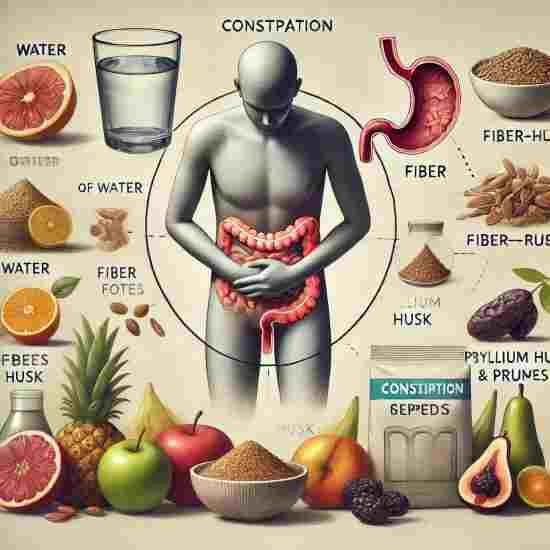
Several natural remedies can help relieve constipation. These include:
Drinking water: Staying hydrated helps soften your stool, making it easier to pass.
Eating high-fiber foods: Foods like fruits, vegetables, and whole grains add bulk to your stool, helping it move through the intestines.
Herbal supplements: Options like psyllium husk and prunes promote regular bowel movements.
How Do They Work?
Water softens the stool and keeps your digestive system working smoothly.
Fiber-rich foods add bulk to the stool, helping it pass more easily.
Herbal remedies like psyllium and prunes encourage bowel movements by adding fiber or acting as natural laxatives.
Natural remedies for constipation, including drinking water, eating fiber-rich foods, using a stool for better posture, and gently massaging the stomach. It’s ideal for people seeking non-invasive solutions.
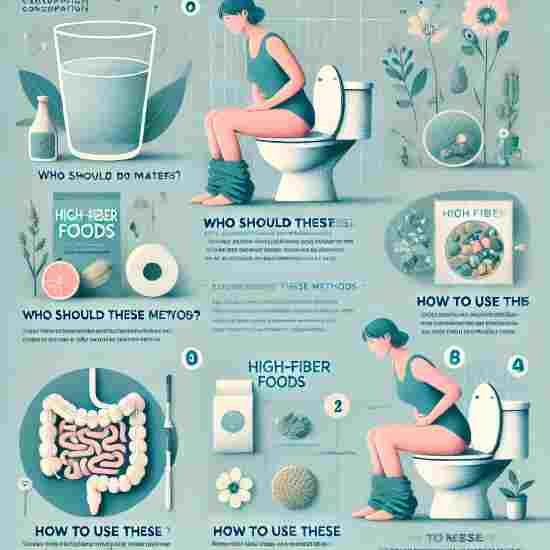
Who Should Use These Methods?
These natural remedies are great for people looking for simple, non-invasive ways to relieve constipation. They are ideal for adults, the elderly, pregnant women (with doctor’s approval), and anyone dealing with mild to moderate constipation.
How to Use These Methods?
Drink water: Have a glass of water before trying to go to the bathroom.
Eat high-fiber foods: Include fruits, vegetables, and whole grains in your meals.
Squatting position: Try elevating your feet on a small stool while sitting on the toilet.
Massage your abdomen: Gently massage your stomach to stimulate bowel movement.
Adopt the squat position (using a footstool) Place a small stool or stack of books under your feet so your knees are higher than your hips. This straightens the rectum, relaxes the puborectalis muscle, and aligns the body for easier elimination — often called the most effective immediate natural adjustment.
Lean forward and use proper posture While on the toilet, lean forward with your elbows on your knees, keep your back straight, and relax. This helps open the angle and uses gravity naturally to encourage movement.
Perform gentle abdominal massage While sitting, use your hand to gently massage your abdomen in a clockwise circular motion (following the colon’s path: up the right side, across, down the left). This can stimulate peristalsis and trigger the urge to go within minutes.
Try deep belly breathing or relaxation techniques Take slow, deep breaths into your belly (diaphragmatic breathing) while relaxing your pelvic floor. Tension often worsens constipation — relaxing can help the body release.
Rock or twist your pelvis gently While seated, do small pelvic rocks (tilt your pelvis forward/backward) or gentle side-to-side twists. These movements can loosen the pelvic floor and stimulate the colon/rectum for quicker relief.
Sip hot water, coffee, or tea right before or while trying The heat stimulates gut motility, and caffeine (in coffee/tea) acts as a mild natural stimulant to get things moving fast — many people notice an effect within 5–30 minutes.
Apply gentle perineal pressure (if comfortable) Lightly press between your anus and genitals (perineum) with clean fingers or toilet paper to encourage relaxation and downward pressure — a subtle trick some find helps initiate the reflex.
Cough or bear down mindfully (Valsalva maneuver — use cautiously) Take a deep breath, hold it briefly, and gently bear down (like mild straining) while exhaling slowly. Avoid forceful straining to prevent issues — combine with good posture.
Relax and give it time without forcing Don’t rush or strain hard — set a calm environment (e.g., no phone distractions), breathe deeply, and wait patiently. Forcing can tighten muscles more.
Stand up briefly, walk a few steps, then sit again If nothing happens after a few minutes, stand, walk around briefly (even in place), or do light marching to stimulate gut movement, then return to the toilet — movement often triggers the urge quickly.
Effectiveness
Effectiveness
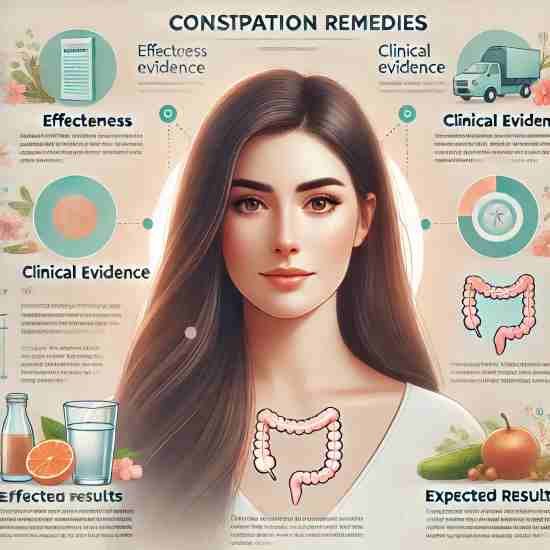
Natural remedies for constipation, showing their effectiveness and expected results, with a focus on hydration, fiber, and exercise. A young woman represents a healthy and confident lifestyle.
Clinical Evidence
Research shows that increasing fiber intake, staying hydrated, and getting regular physical activity are effective in relieving constipation. Many people have shared positive experiences, saying that simple home remedies, like drinking water and eating fiber-rich foods, have worked wonders for them.
Expected Results
Timeframe: Most people feel relief within 30 minutes to a few hours after using these natural methods.
Outcomes: You’ll likely experience easier bowel movements, less discomfort, and softer stools.
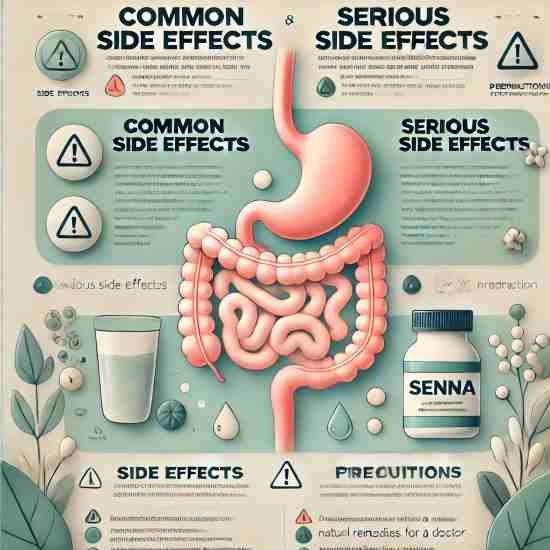
Side effects and precautions of natural remedies for constipation, including tips on managing fiber intake and staying hydrated. It also highlights the importance of consulting a doctor for prolonged use.
Common Side Effects
Natural remedies generally have few side effects. However, consuming too much fiber can lead to bloating, and not drinking enough water may cause mild dehydration.
Serious Side Effects
Although rare, overusing herbal laxatives like senna can cause digestive issues or imbalances in electrolytes. If your symptoms persist or worsen, it’s important to seek medical advice.
Precautions
Avoid using herbal remedies for long periods without consulting a doctor. Always drink plenty of water when increasing fiber intake to prevent further discomfort.
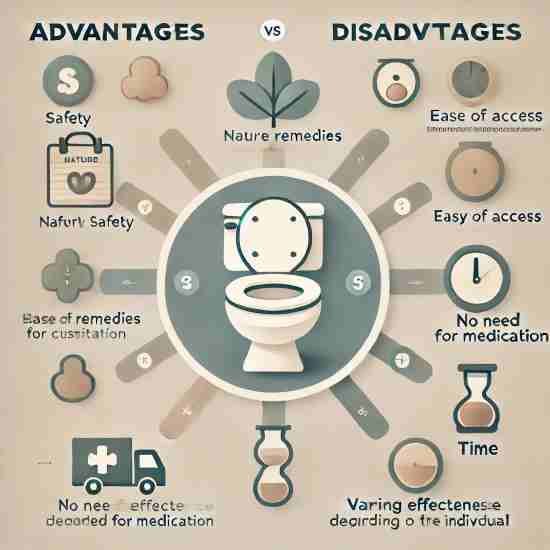
Natural remedies for constipation are safe and easy to use at home but may take longer to show results, depending on individual conditions.
Advantages
Natural remedies for constipation are safe, easy to access, and can be done at home. They don’t require medication and are suitable for most people.
Disadvantages
These methods might take longer to show results compared to medication. The effectiveness can vary depending on the person and the severity of the constipation.
Drinking more water, eating high-fiber foods, and exercising can help relieve constipation quickly. Also, trying a squatting position during bowel movements may help.
How much water should I drink to relieve constipation?
Aim to drink at least 8-10 glasses of water daily to stay hydrated, which can soften stools and ease constipation.
Can fiber-rich foods relieve constipation?
Yes, eating fiber-rich foods like fruits, vegetables, whole grains, and seeds can help improve digestion and relieve constipation.
How long does it take for natural remedies to relieve constipation?
Most people feel relief within a few hours to a day after trying natural methods like water, fiber, or exercise.
Is exercise helpful in relieving constipation?
Yes, regular physical activity, like walking or light stretching, can help stimulate bowel movements and relieve constipation.
Should I use laxatives or natural methods to relieve constipation?
Natural methods are often gentler and safer for long-term relief. Laxatives can be used occasionally but shouldn’t be relied on regularly.
Can stress cause constipation, and how can I relieve it?
Yes, stress can slow digestion, leading to constipation. Relaxation techniques, deep breathing, and yoga can help relieve stress-related constipation.
When should I see a doctor for constipation?
If natural remedies don’t relieve constipation after a few days, or if you experience severe pain, blood in stools, or other unusual symptoms, consult a doctor.
Summary of Findings
Natural remedies for constipation are safe, effective, and often bring quick relief. Simple solutions like drinking more water, adopting a squatting position, and eating fiber-rich foods can make a big difference.
Who Should Use These Methods?
These methods are perfect for adults who want fast relief without medication. They are ideal for those who prefer a natural and gentle way to treat constipation.
…………………………. Disclaimer: Commissions we earn from partner links on this page do not influence our content. Our editorial content is based on thorough research and insights from qualified medical professionals to ensure the highest standards of accuracy and reliability.
Information provided on Doseway is for educational purposes only. Your health and wellness are unique to you, and the products and services we review may not be suitable for your circumstances. We do not offer personal medical advice, diagnosis, or treatment plans. For specific advice, please consult with a healthcare professional. Doseway adheres to strict editorial integrity standards. To the best of our knowledge, all content is accurate as of the date posted, though offers and information may change. The opinions expressed are the author’s own and have not been influenced, approved, or endorsed by our partners. …………………………….
Genital herpes is a sexually transmitted infection (STI) caused by the herpes simplex virus (HSV). It primarily affects the genital area but can also affect other parts of the body. Many people with genital herpes either have no symptoms or only mild ones, which makes it difficult to know when they are infected.
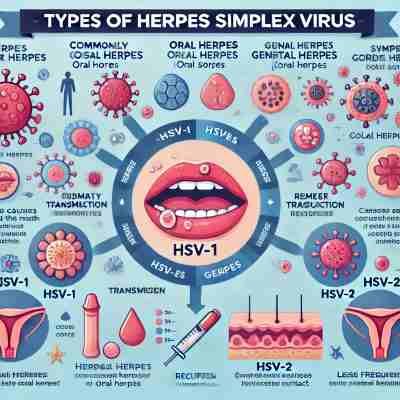
There are two types of HSV: HSV-1, which commonly causes cold sores but can also lead to genital infections, and HSV-2, which is more often responsible for genital herpes. While the condition is chronic, it can be managed effectively with antiviral treatments and lifestyle adjustments to reduce outbreaks and prevent transmission.
Genital herpes is a common viral infection caused by the herpes simplex virus (HSV). It affects the genital and surrounding areas, leading to sores or blisters that can be painful. Many people may not even know they have it because symptoms can be very mild or absent altogether.
Key Points
Caused by HSV: There are two types of herpes viruses: HSV-1 (often causes cold sores) and HSV-2 (commonly responsible for genital herpes).
Symptoms: Some people have no symptoms, while others may develop small, painful blisters that break open into sores.
Transmission: It spreads through direct contact, often during sexual activity.
Recurrent outbreaks: The virus stays in the body and can cause repeated episodes of sores or blisters, though these are often less severe than the first outbreak.
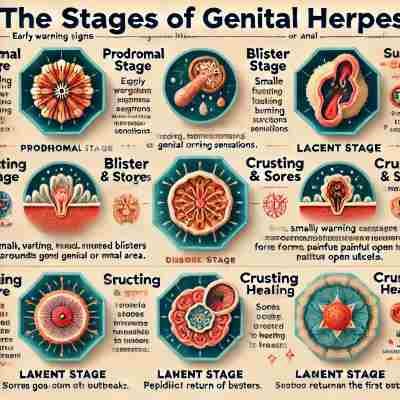
Genital herpes progresses through stages, starting with tingling or itching, followed by the appearance of painful sores, and eventually healing after scabbing over.
Stage
Details
Symptoms
Causes/Triggers
Treatment/Management
Prodromal Stage
Early warning stage before visible symptoms appear.
Tingling, itching, or burning sensations in the genital area.
Often triggered by stress, illness, or other factors.
Antiviral medications can help reduce symptoms if taken early.
Blister Stage
Small blisters or red bumps form in the affected area.
Painful, fluid-filled blisters around the genitals or anus.
Virus replication causes the formation of blisters.
Keep the area clean and dry; use antiviral medications for symptom relief.
Rupture & Sores
Blisters break open, forming painful ulcers.
Open sores or ulcers that may ooze fluid and are highly painful.
The virus damages the skin, causing the blisters to rupture.
Pain management with topical creams and antiviral treatments.
Crusting & Healing
Sores dry out and begin to heal.
Sores crust over, scab, and heal within a few days to weeks.
Natural healing process the place as the virus goes dormant.
Allow the area to heal naturally; avoid touching sores to prevent infection.
Latent Stage
The virus goes dormant but stays in the body.
No visible symptoms, as the virus is inactive.
The virus hides in nerve cells until triggered by certain factors.
No specific treatment is needed during this stage, but antivirals can reduce recurrence.
Recurrent Outbreaks
Future outbreaks after the initial infection.
Recurrence of blisters and sores, though usually milder than the first outbreak.
Triggered by stress, fatigue, or other environmental factors.
Antiviral medications help shorten the duration and severity of outbreaks.
Gently wash with soap/water, pat dry; wear loose cotton
Basic but essential; air exposure helps sores heal faster
Best Medical Treatment Options for Genital Herpes
Treatment Type
The best medical treatment for genital herpes includes antiviral medications like acyclovir and valacyclovir, which help reduce outbreak frequency and severity while managing symptoms effectively.
Treatment Type
Details
Antiviral Medications
Antiviral drugs like acyclovir, valacyclovir, and famciclovir are prescribed to manage outbreaks and reduce their frequency.
Episodic Therapy
Take antiviral meds during an outbreak to shorten its duration and ease symptoms.
Suppressive Therapy
Daily antiviral medication for people with frequent outbreaks minimizes recurrence and reduces the risk of spreading the virus.
Pain Relievers
Over-the-counter pain relief options like ibuprofen or acetaminophen can help manage pain during outbreaks.
Home Remedies
Simple measures like using ice packs, warm baths, and wearing loose clothing can help relieve symptoms.
Avoiding Irritation
Wearing loose clothing and avoiding tight-fitting garments can reduce irritation around sores.
Hygiene Practices
Washing hands thoroughly after touching sores is important to avoid spreading the virus.
Sexual Health
Avoid sexual contact during outbreaks and inform sexual partners about your condition to prevent transmission.
Condom Use
Using condoms can reduce the risk of transmitting the herpes virus to your partner.
Vaginal, Anal, or Oral Sex: The most common cause of genital herpes. The virus spreads through direct contact during sexual activity.
Close Genital Contact: Even without penetration, the virus can transmit through skin-to-skin contact between the genital areas.
Kissing
Oral Herpes Transmission: If a person with oral herpes (cold sores caused by HSV-1) kisses someone, they can spread the virus to the genitals, leading to genital herpes.
Sharing Sex Toys
Using sex toys without cleaning them properly can transmit the herpes virus between partners.
Mother-to-Child Transmission
During Childbirth: A pregnant woman with active genital herpes sores can pass the virus to her baby during delivery, which can lead to a serious condition called neonatal herpes.
Touching Sores
Touching an active herpes sore and then touching other areas, including the genitals, can spread the virus to different parts of the body.
Asymptomatic Shedding
Silent Transmission: The herpes virus can be spread even when no visible sores are present. This is called asymptomatic shedding, where the virus is still active on the skin.
HSV-1 and HSV-2
HSV-1: While mainly causing oral herpes, it can also spread to the genital area through oral-genital contact.
HSV-2: This is the primary cause of genital herpes and is more commonly linked to genital infections.
No Cure
Lifelong Virus: Once infected, the herpes virus remains in the body permanently. While treatments can manage outbreaks, there is no cure.
Recurring Outbreaks
Reactivation of the Virus: The virus can cause repeated outbreaks, often triggered by stress, illness, or menstruation.
Triggers for Outbreaks
Common Triggers: Factors like emotional stress, weakened immune system, fatigue, or hormonal changes (e.g., during menstruation) can reactivate the virus, causing outbreaks.
Prevention
Condom Use: Using condoms during sexual activity can lower the risk of spreading the virus, but it doesn’t offer complete protection as the virus can still be transmitted through skin contact.
Genital Herpes in Women {Causes, Symptoms, and Treatment}
Genital Herpes in Females
Genital herpes in women causes painful blisters or sores in the genital area, often accompanied by itching, burning, and flu-like symptoms during outbreaks. It can be managed with antiviral treatments.
Genital herpes is a common sexually transmitted infection (STI) caused by the herpes simplex virus (HSV). It leads to painful blisters or sores around the genital area, anus, or mouth. While some women may not show any symptoms, others experience discomfort and flu-like symptoms.
Causes of Genital Herpes
Sexual Contact: Herpes spreads primarily through skin-to-skin contact during vaginal, anal, or oral sex.
No Visible Symptoms: The virus can still spread even when there are no visible sores or symptoms.
Symptoms of Genital Herpes in Women
Symptom
Details
Blisters and Sores
Small, painful blisters on the genitals that can burst and ooze.
Itching and Burning
Sensation of itching, burning, or tingling around the genital area.
Flu-like Symptoms
Fever, body aches, and fatigue, especially during the first outbreak.
Painful Urination
Discomfort or pain while urinating.
Swollen Glands
Swollen lymph nodes in the groin area.
Vaginal Discharge
Changes in vaginal discharge, which may become unusual during an outbreak.
Table: Symptom
How Genital Herpes Spreads
Skin-to-skin contact: The virus is spread through intimate contact with an infected person, especially during sexual activities.
Even Without Symptoms: Herpes can still spread even if there are no visible sores or symptoms.
Diagnosis
Physical Examination: A healthcare provider examines any visible sores or symptoms.
Lab Tests: A sample from a sore may be taken for laboratory testing to confirm herpes.
Treatment Options
Treatment
How It Helps
Antiviral Medications
These help reduce the severity and duration of outbreaks, speeding up recovery.
Pain Relievers
Over-the-counter pain relievers like ibuprofen can help ease pain during outbreaks.
Daily Suppressive Therapy
Taking antiviral medication daily helps lower the frequency of outbreaks and reduces the risk of spreading the virus.
Table: Treatment
Side Effects of Antiviral Medications
Common Side Effects
Details
Nausea
Feeling of sickness in the stomach, which can occur with medication.
Headache
Mild to moderate headaches are common during antiviral treatment.
Dizziness
Some people may experience lightheadedness or dizziness.
Skin Irritation
Topical treatments can cause mild irritation or redness on the skin.
Table: Common-Side-Effects
Prevention Tips
Use Condoms: Helps reduce the risk of transmission during sexual activity.
Avoid Contact During Outbreaks: Avoid sexual activity during an outbreak to prevent spreading the virus.
Open Communication: Inform your partner about the infection and take preventive steps together.
Genital Herpes in Men {Causes, Symptoms, and Treatment}
Genital Herpes in Men
Genital herpes in men leads to painful sores or blisters around the genital area, often accompanied by itching, discomfort, and flu-like symptoms. Antiviral medications can help manage outbreaks and reduce transmission.
Genital herpes in men is caused by herpes simplex virus (HSV-1 or HSV-2) and results in painful blisters and sores on the genitals, anus, or thighs. The virus is transmitted through sexual contact and can be present even when no visible sores are present.
Causes of Genital Herpes
Sexual Contact: Herpes is spread through vaginal, anal, or oral sex with an infected person.
No Visible Symptoms Needed: The virus can spread even when there are no visible sores.
Symptoms of Genital Herpes in Men
Symptom
Details
Blisters and Sores
Painful blisters or sores on the genitals, thighs, or anus.
Pain and Itching
Discomfort, itching, or tingling around the affected areas.
Painful Urination
Burning or pain while urinating due to irritation of the urethra.
Flu-like Symptoms
Fever, body aches, and headaches during the initial outbreak.
Swollen Lymph Nodes
Swelling of lymph nodes in the groin area, especially during the first outbreak.
Discharge
Some men may experience discharge from the urethra.
Recurring Outbreaks
After the initial outbreak, herpes can return with shorter and less severe symptoms.
Table: Symptom
How Genital Herpes Spreads?
Sexual Contact: Spread through skin-to-skin contact during sex, even if sores are not visible.
No Symptoms Needed: Herpes can spread even if the infected person has no active symptoms or sores.
Diagnosis of Genital Herpes
Physical Exam: A doctor will look for visible sores or blisters on the genitals.
Lab Tests: Samples from sores may be taken for lab testing to confirm the diagnosis.
Treatment Options
Treatment
How It Helps
Antiviral Medications
Help reduce the severity of outbreaks and lower the risk of spreading the virus.
Pain Relief
Over-the-counter pain relievers can help manage discomfort during outbreaks.
Suppressive Therapy
Daily antiviral medication to reduce the frequency and severity of future outbreaks.
Table: Treatment
Side Effects of Antiviral Medications
Common Side Effects
Details
Nausea
Mild nausea or upset stomach.
Headache
Mild to moderate headaches during medication use.
Dizziness
Feeling lightheaded or dizzy as a side effect.
Skin Irritation
Possible skin irritation from topical treatments.
Table: Side-Effects
Prevention Tips
Use Condoms: Reducing the risk of transmitting herpes during sex.
Avoid Sexual Activity During Outbreaks: Avoid sex when sores or other symptoms are present to reduce the risk of spreading the virus.
Open Communication: Talk to your partner about STIs and take precautions together.
Side Effects of Genital Herpes
Painful Blisters and Sores
Small, painful blisters or sores appear around the genitals, buttocks, or thighs. These sores may break open and cause discomfort.
Flu-Like Symptoms
Fever, body aches, headaches, and fatigue are common during the first outbreak, similar to flu symptoms.
Swollen Lymph Nodes
The lymph nodes, particularly in the groin area, may become swollen and tender.
Itching, Tingling, or Burning
Before blisters form, many people experience a tingling, itching, or burning sensation in the genital area.
Painful Urination
Sores in the genital area can make urination painful as urine passes over the blisters.
Recurrent Outbreaks
After the first infection, the virus stays in the body and can cause recurring outbreaks, though these are usually milder than the initial one.
Increased Risk of HIV Infection
Open sores from genital herpes can make it easier for HIV to enter the body, increasing the risk of contracting HIV.
Newborn Infection
If a pregnant woman has genital herpes, the virus can be passed to the baby during childbirth, leading to serious health issues for the newborn.
Rare Complications
In some cases, genital herpes can cause complications like eye infections (herpes keratitis), or brain inflammation such as meningitis or encephalitis.
Psychological Impact
Living with genital herpes can cause emotional stress, anxiety, and even depression due to the possibility of recurring outbreaks.
Skin Irritation
Blisters and sores can lead to irritation and discomfort in the surrounding skin, which may take time to heal.
Fatigue
Many people feel extremely tired during an outbreak, particularly during the first episode.
Prevention of Genital Herpes
Condom Use
Use condoms during all types of sexual activity (vaginal, anal, and oral) to lower the risk of transmission.
Note: Condoms do not provide full protection, as herpes can spread through skin-to-skin contact outside the condom-covered area.
Avoiding Sexual Contact During Outbreaks
Avoid sex when visible sores or symptoms are present. The virus is most contagious during an active outbreak.
Wait until the sores heal before resuming sexual activity to help prevent passing the virus to a partner.
Open Communication with Partners
Be honest with your sexual partners about your condition. Inform them if you have genital herpes so they can make informed decisions.
Discuss prevention methods, such as condom use and antiviral treatments, to help reduce the risk of spreading the infection.
Regular STI Testing
Get regular tests for sexually transmitted infections (STIs) to monitor your sexual health.
Especially important if you or your partner have multiple partners or engage in high-risk sexual behaviors. Early detection helps prevent the spread of herpes and other infections.
Antiviral Medication
Take antiviral medications like acyclovir or valacyclovir if prescribed by your doctor. These medicines can help lower the risk of outbreaks and transmission to your partner.
Daily suppressive therapy may also reduce the chance of passing the virus.
Good Hygiene Practices
Wash hands thoroughly after touching sores or applying any medication to the affected area.
Avoid sharing personal items like towels or razors that could spread the virus to others.
Limit Sexual Partners
Limit the number of sexual partners to reduce the risk of coming into contact with someone who might be infected.
Use protection consistently with all partners, even in long-term relationships, if one partner is infected.
Avoid Kissing and Oral Contact During Outbreaks
Do not engage in kissing or oral sex when symptoms of oral herpes (cold sores) are visible, as it can spread to the genitals and other areas.
Genital herpes is a sexually transmitted infection (STI) caused by the herpes simplex virus (HSV). It is commonly spread through vaginal, anal, or oral sex. HSV-1 usually causes oral herpes (cold sores), but it can also cause genital herpes, while HSV-2 primarily causes genital infections.
What are the symptoms of genital herpes?
The most common symptoms include small, painful blisters or sores on the genitals, anus, or thighs. Some people experience itching, burning during urination, swollen lymph nodes, and flu-like symptoms such as fever or body aches. After the initial outbreak, recurrences can happen, though they tend to be less severe.
How is genital herpes transmitted?
Herpes spreads through direct skin-to-skin contact with an infected person. This can happen during vaginal, anal, or oral sex. Even if visible sores are not present, the virus can still be passed to a partner.
Can genital herpes be cured?
There is no cure for genital herpes, but it can be managed. Antiviral medications like acyclovir or valacyclovir help reduce the severity and frequency of outbreaks and lower the risk of spreading the virus to others.
How can I prevent transmitting genital herpes to my partner?
To reduce transmission risk, use condoms during all sexual activities. Avoid sexual contact during outbreaks when sores are present. Taking daily antiviral medication can also reduce the likelihood of spreading the virus.
What should I do if I think I have genital herpes?
If you notice symptoms of genital herpes, such as sores, itching, or burning during urination, see a doctor for diagnosis and treatment. Early treatment with antiviral medications can help reduce symptoms and prevent complications.
How are outbreaks managed?
Outbreaks can be managed with antiviral medications taken either during an outbreak (episodic treatment) or daily to prevent frequent outbreaks (suppressive therapy). Over-the-counter pain relievers, ice packs, and wearing loose clothing can help ease discomfort during outbreaks.
Is regular STI testing important?
Yes, regular testing for sexually transmitted infections is crucial, especially if you have multiple partners or engage in high-risk sexual behavior. Testing helps in early detection and treatment, preventing the spread of infections.
Managing genital herpes requires a combination of treatments and preventive actions. While there is no cure, antiviral medications, home care, and open communication with partners can help control outbreaks and reduce transmission risks.
Early diagnosis and consistent treatment are crucial for managing symptoms and preventing complications. By practicing safe sex, maintaining good hygiene, and taking prescribed medication, individuals can minimize the impact of genital herpes on their daily lives. Staying informed and taking proactive steps toward prevention is key to managing the condition effectively.
Disclaimer The commissions we earn from partner links on this page do not influence our content. Our editorial content is based on thorough research and insights from qualified medical professionals to ensure the highest standards of accuracy and reliability.
The information provided on Doseway is for educational purposes only. Your health and wellness are unique to you, and the products and services we review may not be suitable for your circumstances. We do not offer personal medical advice, diagnosis, or treatment plans. For specific advice, please consult with a healthcare professional. Doseway adheres to strict editorial integrity standards. To the best of our knowledge, all content is accurate as of the date posted, though offers and information may change. The opinions expressed are the author’s own and have not been influenced, approved, or endorsed by our partners.
Food Allergies occur when the immune system mistakenly reacts to certain foods as harmful, triggering an abnormal immune response. This reaction can range from mild symptoms like itching or hives to severe life-threatening reactions like anaphylaxis.
Common food allergens include milk, eggs, peanuts, shellfish, and tree nuts. Symptoms of food allergies can include swelling of the lips or throat, difficulty breathing, vomiting, and diarrhea.
Managing food allergies involves strictly avoiding the allergen and being prepared with medications like epinephrine for emergencies. Ignoring food allergies can lead to severe health complications and should be taken seriously.
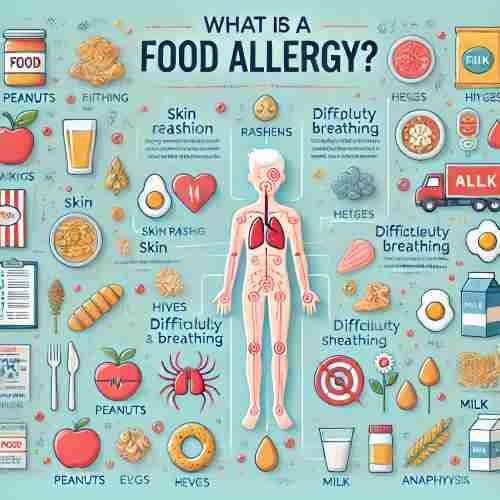
A food allergy is when the immune system reacts abnormally to certain foods, causing symptoms like hives, swelling, or severe reactions such as anaphylaxis. Common triggers include peanuts, milk, and eggs.
A food allergy occurs when the immune system wrongly sees certain food proteins as harmful. It creates antibodies (IgE) to attack, causing the release of chemicals like histamine. This leads to symptoms like itching, swelling, rashes, trouble breathing, or severe reactions like anaphylaxis.
Common triggers include peanuts, eggs, milk, and shellfish. Both kids and adults can have food allergies, and managing them means avoiding trigger foods and having emergency medication ready.
What Happens If You Keep Eating Food You’re Allergic To?
Allergic Foods
Continuing to eat foods you’re allergic to can lead to worsening allergic reactions, such as hives, swelling, or even life-threatening anaphylaxis. It’s essential to avoid those foods to prevent severe health risks.
Continuing to eat food you’re allergic to can lead to severe consequences. The body’s immune system will repeatedly react to the allergen, causing symptoms to get worse with each exposure. Over time, this can increase the chances of experiencing anaphylaxis, a serious and potentially deadly reaction.
Anaphylaxis Symptoms
Anaphylaxis is a medical emergency and can occur quickly after exposure to an allergen. Symptoms of anaphylaxis include:
Difficulty breathing or wheezing
Swelling of the throat, making it hard to breathe
Rapid heartbeat or fast pulse
Flushed skin, itching, or hives on the palms or soles
Dizziness, confusion, or loss of consciousness
Risk of Continuously Eating Food You’re Allergic To
Continuously eating foods you’re allergic to can lead to serious health problems. These risks may include:
Increased Sensitivity: The more you consume the allergen, the more sensitive your immune system becomes, leading to worsening reactions over time.
Chronic Symptoms: Repeated exposure to the allergen can cause ongoing symptoms such as hives, stomach issues, or breathing difficulties, which can turn into long-term health concerns and affect daily life.
Life-Threatening Reactions: Consuming food allergens repeatedly can cause anaphylaxis, a severe allergic reaction that requires immediate medical attention. If not treated, it can be fatal.
Shellfish (crustacean: shrimp, crab, lobster; also molluscs like clam)
~2.9% adults, ~1.3% children
Most common in adults; often lifelong; high anaphylaxis risk.
Milk (cow’s milk)
~1.9% children & adults
Most common in infants/young children; many outgrow by age 16.
Peanut
~2.2% children, ~1.8% adults
Often severe/lifelong; ~20% of children may outgrow.
Tree Nuts (almonds, walnuts, cashews, pistachios, pecans, hazelnuts, etc.)
~1.2% children & adults
Often co-occurs with peanut allergy; usually lifelong.
Fish (fin fish: cod, salmon, tuna, etc.)
~0.9% adults, ~0.6% children
Often lifelong; high risk of severe reactions.
Egg
~0.9% children, ~0.8% adults
Common in children; ~70% outgrow by age 16; baked egg often tolerated earlier.
Wheat
~0.8% adults, ~0.5% children
Distinct from celiac; many children outgrow.
Soy
~0.6% adults, ~0.5% children
Common in children; most outgrow.
Sesame
~0.2% children & adults
Rising rapidly; declared 9th major U.S. allergen in 2021.
Mustard
Varies (higher in Europe/Canada)
Common in some regions; not major in U.S.
Celery
Varies (higher in Europe)
Often linked to oral allergy syndrome.
Sulphites (preservatives)
Varies
Triggers asthma-like reactions in sensitive people.
Lupin
Rare, but recognized in EU/UK
Legume; cross-reactivity with peanuts possible.
Molluscs (separate from crustacean shellfish: squid, octopus, mussels)
Often grouped with shellfish
Recognized separately in some countries (e.g., EU/UK/Canada).
Kiwi
Less common
Often part of oral allergy syndrome.
Banana
Less common
Often linked to latex-fruit syndrome.
Avocado
Less common
Latex-fruit syndrome cross-reactivity.
Corn
Rare
Reported but low prevalence.
Rice
Rare
More common in some Asian populations.
Red Meat (e.g., beef – alpha-gal syndrome)
Emerging/rare
Often from tick bites; delayed reactions.
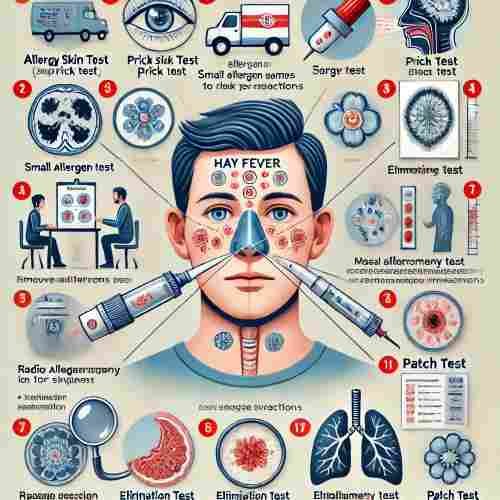
Diagnosis and Testing for Food Allergies
Food Allergy Test
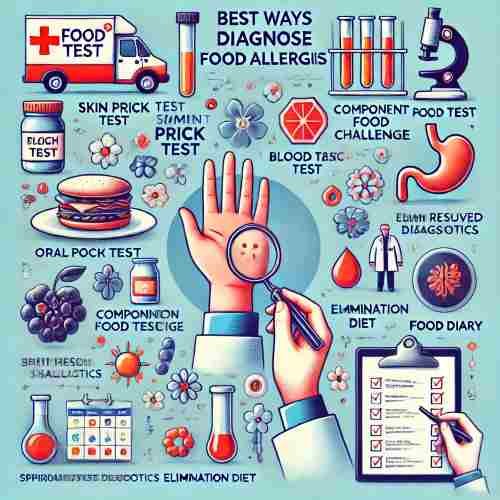
Diagnosis of food allergies involves a medical history review, skin prick tests, or blood tests to detect allergic reactions. An oral food challenge may also be done under medical supervision for confirmation.
Test
Details
Skin Prick Test
A tiny amount of suspected allergen is applied to the skin, and a small prick is made. If redness or swelling appears, it indicates a possible allergy to that food.
Blood Test
Measures the level of IgE antibodies in the blood. Higher levels of IgE suggest a likely allergic reaction to certain foods.
Oral Food Challenge
Done under medical supervision, the patient consumes small amounts of the allergen while being closely monitored. This test is considered the most reliable for diagnosing allergies.
Elimination Diet
Specific foods are removed from the diet, and then reintroduced one at a time to identify the food causing the allergy.
Patch Test
Used mainly for delayed food allergies. A patch with the allergen is placed on the skin to observe if a delayed reaction occurs.
Component Testing
Breaks down allergens to their components to determine exactly which part of the food is causing the reaction.
Atopy Patch Test
Combines skin prick and patch tests to assess both immediate and delayed allergic responses.
Basophil Activation Test (BAT)
A blood test that looks at how immune cells (basophils) react when exposed to allergens, helps to identify severe allergies.
Allergen-Specific IgE Test
Measures IgE antibodies to specific allergens, helping pinpoint which foods are triggering reactions.
Medical History
A detailed patient history of symptoms, food intake, and previous allergic reactions helps guide the diagnosis and testing.
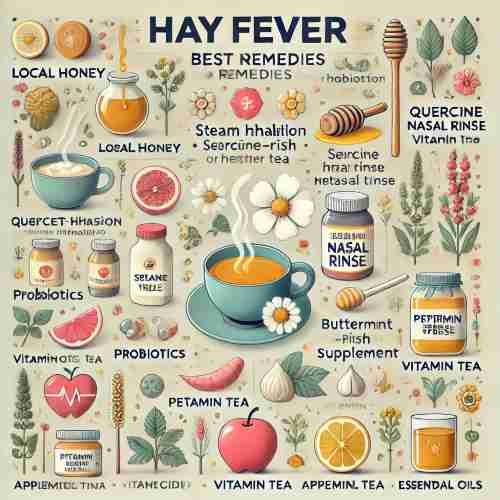
Home remedies for food allergies include drinking green tea or consuming probiotics to boost immunity.
Remedy
Details
Natural Antihistamines
Quercetin (in apples, onions), Vitamin C (in citrus fruits), Butterbur (herb for nasal relief)
Probiotics
Yogurt, kefir, sauerkraut – helps regulate immune system and improve gut health
Steam Therapy
Inhale steam to relieve congestion; add essential oils like eucalyptus or peppermint
Saline Nasal Rinse
Flush out irritants from nasal passages using a saline solution
Honey
Local honey may help build tolerance to allergens like pollen
Ginger Tea
Eases stomach discomfort and reduces inflammation
Lemon Tea
Aids digestion and helps relieve stomach aches
Turmeric
Anti-inflammatory; helps reduce swelling and other allergic symptoms
Flaxseed Oil
Rich in omega-3s, reduces inflammation and strengthens immune response
Zinc & Vitamin E
Zinc supports the immune system; Vitamin E fights allergic inflammation
Stinging Nettle Tea
Acts as a natural antihistamine, reducing allergy symptoms
Baking Soda Paste
Mix baking soda with water; apply to itchy skin for 10 minutes to soothe inflammation
Cool Compress
Apply a cool, wet cloth to reduce itching and inflammation
Moisturizers
Use high-quality moisturizer to hydrate skin and reduce irritation
Avoid Scratching
Keep nails short and avoid scratching to prevent skin damage
Steam Therapy
Inhale steam with eucalyptus or peppermint oil to clear nasal passages
Aloe Vera
Soothes irritated skin and promotes healing
Apple Cider Vinegar
Helps balance body pH and reduce allergy symptoms
Bromelain
Enzyme from pineapples that reduces swelling and inflammation
Green Tea
Antioxidants in green tea help reduce inflammation associated with allergies
Table: Home-Remedies
Consequences of Untreated Food Allergies
Chronic Health Issues: Continuous exposure to allergens can cause long-term problems like eosinophilic esophagitis, a painful condition affecting the digestive system.
Organ Damage: Severe allergic reactions, especially anaphylaxis, can damage vital organs such as the lungs, heart, and even the nervous system.
Mental and Emotional Impact: Living with uncontrolled food allergies may cause anxiety, stress, and a reduced sense of well-being, affecting daily life and overall mental health.
Risk of Anaphylaxis: Untreated food allergies increase the risk of anaphylaxis, a life-threatening reaction that requires immediate medical intervention.
A food allergy occurs when the immune system mistakenly treats certain food proteins as harmful. This triggers an immune response, which can range from mild symptoms like itching or swelling to severe reactions such as difficulty breathing or anaphylaxis.
What are the common symptoms of a food allergy?
Symptoms can include itching, hives, swelling of the lips or throat, trouble breathing, stomach pain, vomiting, or diarrhea. In severe cases, a life-threatening reaction called anaphylaxis can occur.
What are common food allergens?
Common food allergens include milk, eggs, peanuts, tree nuts (like almonds and walnuts), fish, shellfish (like shrimp), wheat, and soy.
How are food allergies diagnosed?
Food allergies are diagnosed through tests such as skin prick tests, blood tests, elimination diets, and oral food challenges under medical supervision.
What happens if I keep eating food I’m allergic to?
If you continue eating food you’re allergic to, your symptoms may worsen over time, leading to chronic issues or severe reactions like anaphylaxis, which can be life-threatening.
What should I do if I experience an allergic reaction?
If you experience a severe allergic reaction, immediately use an epinephrine auto-injector (if prescribed) and seek emergency medical help. For mild reactions, antihistamines may help relieve symptoms.
Can children outgrow food allergies?
Yes, some children may outgrow certain food allergies, particularly to milk, eggs, and soy, as they get older. However, allergies to peanuts, tree nuts, and seafood often persist into adulthood.
Food allergies are a serious health concern that shouldn’t be ignored. Repeated exposure to allergenic foods can lead to worsening symptoms, long-term health issues, and even life-threatening reactions like anaphylaxis. Proper management is crucial and includes avoiding allergens, getting a proper diagnosis, and following the right treatment plan.
By taking these steps, the risks associated with food allergies can be significantly minimized. If you think you may have a food allergy, it’s important to seek medical advice and work with a healthcare provider to develop a personalized allergy management plan.
Disclaimer The commissions we earn from partner links on this page do not influence our content. Our editorial content is based on thorough research and insights from qualified medical professionals to ensure the highest standards of accuracy and reliability.
The information provided on Doseway is for educational purposes only. Your health and wellness are unique to you, and the products and services we review may not be suitable for your circumstances. We do not offer personal medical advice, diagnosis, or treatment plans. For specific advice, please consult with a healthcare professional. Doseway adheres to strict editorial integrity standards. To the best of our knowledge, all content is accurate as of the date posted, though offers and information may change. The opinions expressed are the author’s own and have not been influenced, approved, or endorsed by our partners.
Allergies are an immune system response to normally harmless substances called allergens. These can include pollen, dust, food, insect stings, or certain medications. Although there is no known permanentcure, several methods can significantly reduce the severity and frequency of allergic reactions.
When exposed to allergens, the immune system overreacts, releasing chemicals like histamines, which cause symptoms such as sneezing, itching, and swelling. Allergies can range from mild irritation to severe, life-threatening conditions like anaphylaxis.
An allergy is the body’s immune response to harmless substances like pollen, dust, or certain foods.
An allergy happens when your immune system mistakenly reacts to a harmless substance, thinking it’s harmful. This triggers the body to produce antibodies that release chemicals like histamines, leading to allergy symptoms. Common allergens include pollen, dust mites, pet dander, and certain foods.
Key Points:
Allergens: Substances that can cause allergic reactions, such as pollen, dust, pet fur, insect stings, and certain foods.
Immune Response: When the body detects these allergens, it releases histamines. This causes symptoms like sneezing, itchy eyes, and skin rashes.
Symptoms: These can range from mild, such as sneezing and coughing, to severe reactions like anaphylaxis or difficulty breathing.
Know the top 5 ways to manage allergies effectively, including avoiding triggers, using medications, and staying informed.
Here are the top methods to manage allergies and improve your quality of life:
Immunotherapy (Allergy Shots)
Immunotherapy is a long-term treatment option that can reduce your body’s reaction to allergens.
It involves receiving small injections of allergens over time.
Gradually, your immune system becomes less sensitive, leading to fewer symptoms.
This can be especially helpful for people with severe allergies, and for some, it may even eliminate their reaction.
Avoid Allergy Triggers
The best way to manage allergies is by avoiding exposure to the allergens that trigger them.
For pollen allergies, stay indoors during high pollen seasons, keep windows closed, and use air purifiers with HEPA filters.
For food allergies, always check food labels, and ensure no cross-contamination occurs.
Keep your home clean to reduce dust mites, mold, and pet dander.
Medication
Medications can effectively relieve allergy symptoms.
Over-the-counter antihistamines can help reduce sneezing, itching, and runny noses.
Nasal sprays and eye drops work well for congestion and itchy eyes.
For more severe allergies, your doctor may prescribe stronger medications like corticosteroids or recommend carrying an EpiPen for emergency use during anaphylaxis.
Home Remedies & Natural Treatments
Several natural remedies can help ease allergy symptoms:
Neti Pot: Using a saline rinse can clear out allergens from your nasal passages.
Essential Oils: Oils like eucalyptus and peppermint help to reduce inflammation and open up airways.
Quercetin: This natural antioxidant found in foods like apples and berries can reduce the release of histamines, which trigger allergy symptoms.
Maintain a Clean Environment
Reducing allergens in your home can make a big difference:
Use dust mite-proof covers for mattresses and pillows.
Wash bedding in hot water weekly.
Regularly vacuum with a HEPA filter to capture allergens like dust and pollen.
Saline Nasal Irrigation (Neti Pot or Saline Rinse) This is one of the fastest and most effective for nasal symptoms. Flush allergens, mucus, and irritants from your sinuses with a saline solution. Many sources (including Mayo Clinic) call it quick, inexpensive, and highly effective for congestion relief—often noticeable in minutes.
Steam Inhalation Breathe in steam from a hot shower, bowl of hot water, or with additions like eucalyptus/ginger. It opens nasal passages, soothes irritation, and provides near-immediate relief for congestion and sinus pressure.
Stay Hydrated (Drink Plenty of Water) Dehydration worsens histamine release. Drinking water (aim for at least 1/3 of your body weight in ounces daily) thins mucus and helps flush allergens—effects can build quickly for better breathing.
Local Raw Honey Consume 1–2 teaspoons of local raw honey daily (or more during flares). It may desensitize your body to local pollen over time, but some feel soothing throat/nasal relief sooner due to its anti-inflammatory properties.
Quercetin-Rich Foods or Supplements Quercetin acts as a natural antihistamine by stabilizing mast cells. Eat foods like onions, apples, citrus, berries, or capers—or take a supplement. It can help reduce symptoms relatively quickly when taken during a flare.
Vitamin C-Rich Foods or High-Dose Intake Vitamin C has natural antihistamine effects and supports immunity. Load up on citrus fruits, bell peppers, strawberries, or broccoli. High doses (from food or supplements) may provide faster symptom reduction.
Shower and Change Clothes Immediately Rinse off pollen/dust from skin, hair, and clothes after being outdoors. This removes triggers instantly and prevents further exposure—many notice relief right after.
Use a HEPA Air Purifier or Clean Indoor Air Run a HEPA filter to trap airborne allergens indoors. Combine with keeping windows closed during high pollen times for quicker overall symptom drop.
Essential Oils (e.g., Eucalyptus, Peppermint, or Lavender) Diffuse, inhale, or add to steam/shower. Eucalyptus and peppermint open airways and reduce inflammation fast—often providing noticeable relief in minutes for congestion.
Stinging Nettle or Butterbur (Herbal Options) Stinging nettle tea or supplements has anti-inflammatory/antihistamine effects. Butterbur extract may rival some meds for nasal relief. Use cautiously (consult a professional for dosing/safety).
Top Allergy Diagnosis Tests
Allergy Tests
Best allergy diagnosis tests, including skin prick, blood tests, and patch testing, to identify allergic reactions.
Allergy Diagnosis Tests
Details
Skin Prick Test
A small amount of allergens is pricked into the skin to check for a reaction (like redness or swelling). This is the most common test for identifying allergies.
Blood Test (IgE Test)
Measures the level of IgE antibodies in the blood, which increase when your body reacts to allergens. This test is used when skin tests aren’t possible.
Patch Test
Used to detect contact allergies (e.g., dermatitis). A patch with allergens is applied to the skin for a set time to observe reactions.
Intradermal Test
Allergens are injected just under the skin to check for a reaction. This test is typically used when more sensitivity is needed, such as for insect stings.
Oral Food Challenge
A doctor-supervised test where small amounts of suspected food allergens are eaten to observe for allergic reactions. It helps confirm food allergies.
Elimination Diet
Certain foods are removed from the diet and then reintroduced slowly to identify food allergies or intolerances.
Challenge Test
Similar to an oral food challenge, but can be used for drug allergies. The patient is given the suspected allergen under supervision to monitor for reactions.
Lung Function Test
Used to assess how well your lungs work, especially for asthma or respiratory allergies, by measuring airflow and lung capacity.
Kinesiology Allergy Testing
This alternative method involves muscle testing to detect allergies, though it’s not widely supported by medical evidence.
Skin Scratch Test
A variation of the skin prick test is where the skin is lightly scratched and allergens applied to see if a reaction occurs.
Drug Challenge Test
A supervised test where the patient is exposed to suspected drug allergens to check for reactions. It is commonly used for drug allergy diagnosis.
Discover the best allergy treatment options, including medications, immunotherapy, and lifestyle changes to manage symptoms effectively.
Allergy Treatment Options
Details
Antihistamines
Medications that block histamine, a substance that causes allergy symptoms. Used to relieve sneezing, itching, and runny nose. Examples include Allegra, Zyrtec, and Benadryl.
Decongestants
Medications that help relieve nasal congestion by shrinking swollen nasal tissues. Available in pill or nasal spray form.
Nasal Corticosteroids
Sprays like Flonase reduce inflammation in the nasal passages, helping to alleviate congestion, sneezing, and runny nose.
Allergen Immunotherapy
A long-term treatment to reduce sensitivity to allergens by gradually exposing the body to them, usually through shots or sublingual allergy immunotherapy.
Mast Cell Stabilizers
Medications like Cromolyn Sodium prevent the release of histamine and other chemicals that trigger allergic reactions.
Corticosteroids
Powerful anti-inflammatory drugs that are used for more severe allergic reactions, including asthma. Available in pills, sprays, and creams.
Immunotherapy
A treatment involving regular injections of small amounts of allergens to build tolerance over time.
Nasal Sprays
Used to treat symptoms of allergic rhinitis by reducing swelling in the nasal passages. Includes corticosteroid and decongestant sprays.
Antileukotriene
Medications block chemicals involved in allergic responses and asthma, reducing symptoms like swelling and mucus production.
Epinephrine
An emergency treatment for severe allergic reactions (anaphylaxis), is usually administered via an auto-injector like an EpiPen.
Nasal Irrigation
A saline rinse is used to flush out allergens and mucus from the nasal passages, providing relief from congestion.
Allergen Avoidance
A key strategy for preventing allergic reactions by avoiding exposure to known allergens (e.g., pollen, dust mites, pet dander).
Allergy Drugs
Includes over-the-counter and prescription medications like Clarinex, Allegra, and Zyrtec, used to manage a variety of allergy symptoms.
Sublingual Allergy Immunotherapy
Tablets placed under the tongue help reduce sensitivity to specific allergens over time.
Eye Drops
Medications that reduce itching, redness, and swelling in the eyes caused by allergies.
Inhalers
Devices that deliver medications to the lungs are used to treat respiratory symptoms caused by allergens, such as asthma.
Home Remedies
Simple treatments like inhaling steam, using saline rinses, or applying calamine lotion to soothe allergy symptoms.
Allergen Avoidance
Limiting exposure to allergens, such as using air purifiers, keeping windows closed, and cleaning regularly to reduce dust and pollen.
Try home remedies like saline nasal rinses, honey, and herbal teas to soothe allergy symptoms naturally.
Home Remedies
Details
Hydration
Drinking plenty of water and consuming foods with high water content can help thin mucus and relieve congestion. Staying hydrated helps flush allergens from the body.
Vitamin C
Eating foods rich in Vitamin C like oranges, strawberries, and bell peppers can strengthen the immune system and may reduce allergic reactions.
Quercetin
Found in foods like broccoli, cauliflower, and green tea, quercetin can help reduce the body’s release of histamine, which causes allergic symptoms.
Honey
Consuming local honey might help your body adapt to the allergens in your environment and reduce symptoms over time.
Steam Inhalation
Inhaling steam from hot water can help relieve sinus congestion and soothe inflamed nasal passages.
Neti Pot
A neti pot is used to flush out allergens and irritants from the nasal cavity, providing relief from nasal symptoms.
Essential Oils
Oils like peppermint, eucalyptus, and frankincense can help reduce inflammation, ease breathing, and relieve allergy symptoms.
Dietary Changes
A low-fat diet high in complex carbohydrates like whole grains, fruits, and vegetables can support the immune system and reduce allergic reactions.
Supplements
Taking supplements such as flaxseed oil, zinc, and vitamins A, C, and E can boost the immune system and improve allergy symptoms.
Sea Buckthorn
This berry contains essential nutrients that support the health of mucous membranes, which can help alleviate allergy-related symptoms like dry eyes and throat irritation.
Washing Bedding
Washing bedding weekly in hot water helps eliminate dust mites and allergens that collect on fabrics.
Clothing Changes
Changing clothes immediately after coming home can prevent bringing outdoor allergens into your living space.
Stress Management
Reducing stress through relaxation techniques can help minimize the impact of allergies, as stress can worsen symptoms.
Getting Enough Sleep
Proper rest strengthens the immune system and helps the body recover from allergy symptoms more efficiently.
Inhaling steam from a hot shower or a bowl of hot water can help reduce nasal congestion and soothe sore throats by clearing airways.
Nasal Irrigation
Using a neti pot or saline spray to rinse nasal passages helps remove allergens and relieve sinus congestion.
Natural Antihistamines
Quercetin, vitamin C, and stinging nettle may help decrease histamine production, reducing allergy symptoms like sneezing and runny nose.
Supplements
Supplements such as butterbur, bromelain, probiotics, and spirulina are believed to support the body in fighting allergens and reducing inflammation.
Essential Oils
Oils like peppermint, eucalyptus, and frankincense can reduce inflammation, open airways, and provide relief from allergy symptoms.
Herbs
Herbs like sea buckthorn, basil, chamomile, coriander, English marigold, and neem may offer relief by supporting the immune system and reducing allergic reactions.
Diet
Consuming foods high in quercetin, such as broccoli, cauliflower, green tea, and citrus fruits, can help reduce allergic symptoms. Including probiotics in your diet can also strengthen the immune system.
Exercise
Regular physical activity can help balance the immune system and reduce allergy flare-ups.
Stress Management
Proper sleep and managing stress levels can strengthen the immune system, which helps in controlling allergies.
Table: Natural-Remedies
Common Causes of Allergies
Allergen
Details
Symptoms
Common Exposure/Locations
Pollen
Pollen from trees, grasses, and weeds causes seasonal allergies (hay fever).
Sneezing, runny nose, itchy eyes, congestion
Spring, summer, fall—when plants release pollen into the air.
Dust Mites
Tiny insects that live in house dust, feed on dead skin cells, causing year-round allergies.
Itchy eyes, sneezing, coughing, breathing issues
Bedding, carpets, upholstery, humid environments.
Animal Dander
Pet hair, skin flakes, and saliva trigger allergies in sensitive individuals.
An allergy occurs when your immune system reacts to a harmless substance called an allergen. Your body mistakenly sees it as harmful, triggering symptoms like sneezing, coughing, or skin rashes.
What causes allergies?
Allergies are caused by allergens such as dust mites, pollen, pet dander, mold, certain foods, and insect stings. Both genetics and environment can play a role.
What types of allergies are there?
There are several types of allergies, including pollen allergies, dust mite allergies, pet dander allergies, mold allergies, insect sting allergies, medication allergies, food allergies, latex allergies, and chemical allergies.
How do allergies affect the body?
When an allergen enters the body, the immune system releases chemicals like histamine. This causes allergy symptoms, which can range from mild irritation to severe reactions.
What are the common causes of allergies?
Common causes include pollen, dust mites, pet dander, foods like peanuts and shellfish, insect stings, and certain medications like antibiotics.
What are the symptoms of food allergies?
Food allergy symptoms include nausea, vomiting, stomach pain, hives, and in severe cases, anaphylaxis, which requires immediate medical care.
How can I manage allergy symptoms?
Allergy symptoms can be managed by avoiding allergens and using medications like antihistamines. Nasal sprays and decongestants can also help with nasal allergies.
Can food allergies be outgrown?
Some food allergies, like milk or egg allergies, can be outgrown in childhood. However, allergies to peanuts, shellfish, and tree nuts are more likely to persist into adulthood.
Can stress make allergies worse?
Yes, stress can worsen allergy symptoms by weakening the immune system, making you more sensitive to allergens. Managing stress can help in reducing the severity of allergic reactions.
Completely getting rid of allergies might not be possible, but you can control and reduce symptoms with the right approach. By combining medications, immunotherapy, and some lifestyle changes, you can make a huge difference in how allergies affect your daily life.
The key is to identify what triggers your allergies and then try to limit exposure to those allergens. For example, keeping your home clean, using air filters, and managing your environment can help prevent flare-ups.
Always make sure to talk to a healthcare provider to get advice that’s specific to your condition. They can suggest the best treatment options, like antihistamines, nasal sprays, or even immunotherapy for long-term relief.
Disclaimer Commissions we earn from partner links on this page do not influence our content. Our editorial content is based on thorough research and insights from qualified medical professionals to ensure the highest standards of accuracy and reliability.
Information provided on Doseway is for educational purposes only. Your health and wellness are unique to you, and the products and services we review may not be suitable for your circumstances. We do not offer personal medical advice, diagnosis, or treatment plans. For specific advice, please consult with a healthcare professional. Doseway adheres to strict editorial integrity standards. To the best of our knowledge, all content is accurate as of the date posted, though offers and information may change. The opinions expressed are the author’s own and have not been influenced, approved, or endorsed by our partners.
Cat allergies are a common allergic reaction caused by an immune system response to proteins found in cat saliva, skin cells (dander), and urine. When these allergens are inhaled or come into contact with the skin, they can trigger various allergic symptoms, making life uncomfortable for cat lovers.
These proteins, especially Fel d 1, are released into the air when cats shed, triggering allergy symptoms like sneezing, coughing, and itchy eyes. Even without direct contact with a cat, these allergens can still affect sensitive individuals as they easily spread through the environment.
A cat allergy is an immune system reaction to proteins found in a cat’s skin, saliva, or urine, causing symptoms like sneezing and itchy eyes.
Cat allergies happen when the immune system reacts to proteins from a cat’s skin, saliva, and urine. The main cause of these allergies is a protein called Fel d 1, which is released when cats shed or groom themselves. When people are exposed to this protein, they can experience allergic reactions that range from mild symptoms like sneezing to more severe reactions.
Common Sources of Cat Allergens
Dander: Tiny flakes of dead skin that cats naturally shed.
Saliva: Cats’ saliva contains Fel d 1 and spreads to their fur and skin when they lick themselves.
Urine: Fel d 1 proteins are also found in cat urine, especially in litter boxes, which can trigger allergic reactions.
While completely eliminating cat allergies may be difficult, there are natural ways to manage symptoms and reduce allergen exposure.
Cleaning & Home Adjustments
Vacuum Regularly: Use a vacuum with a HEPA filter to remove allergens from carpets and furniture.
Bathe Your Cat: Regular grooming and bathing help to reduce dander buildup on your cat.
Air Purifiers: Install HEPA air purifiers to filter out allergens from the air.
Clean the Litter Box: Use dust-free litter and clean the box frequently to reduce exposure to allergens.
Remove Carpeting: Consider replacing carpets with hardwood or tile floors to prevent allergen accumulation.
Lifestyle Adjustments
Limit Indoor Access: Try to keep your cat outdoors or limit their time inside the house.
Create Cat-Free Zones: Set up specific areas, like your bedroom, as cat-free to minimize allergen contact.
Grooming: Brush your cat regularly to control shedding and reduce allergen spread.
Wash Hands: Always wash your hands after handling your cat to avoid transferring allergens.
Natural Remedies
Corticosteroid Nasal Sprays: These sprays can help reduce nasal inflammation naturally.
Change Your Cat’s Diet: A healthy diet may improve your cat’s overall health, which could reduce allergen production.
Indoor Allergen Neutralizers: Use allergen-neutralizing sprays on surfaces to decrease allergen levels in your home.
Causes of Cat Allergies
Causes of Cat Allergies
Cat allergies are caused by proteins found in a cat’s skin cells, saliva, and urine, which trigger allergic reactions in sensitive individuals.
Cat allergies occur when the body reacts to certain proteins found in cats. The main cause is Fel d 1, a protein released from a cat’s skin and saliva. This allergen can cause allergic reactions when inhaled or when it settles on surfaces.
Key Factors of Cat Allergies
Fel d 1 Protein: The main allergen found in cat skin and saliva.
Shedding: As cats shed fur, the allergen spreads into the air and settles on surfaces.
Grooming: Cats spread Fel d 1 on their fur through grooming, increasing allergen exposure.
Dander: Tiny flakes of dead skin containing allergens are shed by cats.
Saliva: When cats lick themselves, the protein is transferred to their fur and skin.
Urine: Cat urine also contains Fel d 1, making litter boxes a source of allergens.
Airborne Allergens: These tiny proteins can stay in the air for a long time, making them easy to inhale.
Furniture & Carpets: Allergens stick to household items like carpets, couches, and bedding.
Clothing: People can carry cat allergens on their clothes, spreading them even to places without cats.
Long-Haired Cats: Cats with longer fur may shed more, spreading more allergens into the environment.
Multiple Cats: Having more than one cat in a home increases the amount of Fel d 1 in the environment.
Symptoms of Cat Allergy
Cat allergy symptoms can vary from mild to severe and often appear shortly after coming into contact with cat allergens. These symptoms mostly affect the respiratory system, eyes, and skin, but can sometimes be more intense.
Cat allergies can trigger various side effects, ranging from mild discomfort to more serious reactions. Being aware of these symptoms can help in managing them effectively.
Mild Side Effects
Sneezing: Frequent sneezing is a common early sign.
Runny Nose: A continuous, watery nose can occur.
Itchy Eyes: Irritated, itchy, or watery eyes are often experienced.
Coughing: An allergic response can cause a persistent cough.
Severe Side Effects
Nasal Congestion: Difficulty breathing due to a blocked nose.
Hives or Skin Rashes: Itchy, red bumps or rashes may develop.
Shortness of Breath: Some may experience difficulty in breathing.
Facial Pain: Pain or pressure in the face, especially around the sinuses.
Anaphylaxis (Rare): A life-threatening allergic reaction that requires immediate attention.
Prevention of Cat Allergies
Preventing cat allergies involves reducing exposure to allergens and maintaining a clean environment. This helps minimize symptoms and keep your home allergen-free.
Reduce Exposure
Limit Cat Access: Keep your cat out of bedrooms and common living areas to reduce allergen buildup.
Regular Grooming: Brush and bathe your cat regularly to lower the amount of dander they shed.
Wash Hands After Petting: Always wash your hands after touching or handling your cat to prevent allergen spread.
Cleaning Practices
HEPA Air Purifiers: Use air purifiers with HEPA filters to remove allergens from the air inside your home.
Frequent Vacuuming: Vacuum carpets and furniture often to remove trapped cat allergens.
Wash Bedding & Curtains: Regularly clean fabrics like bedding and curtains that may collect allergens.
Treatments Of Cat Allergies {Dignosis, Antihistamines, And Other Medicines}
Top 10 Best Treatment Options for Cat Allergies
Treatment for cat allergies includes antihistamines, nasal sprays, decongestants, and allergy shots to manage symptoms, along with minimizing exposure to cats.
Best Treatment Options for Cat Allergies
Treating cat allergies can involve medical options and home remedies. The right treatment depends on how severe your symptoms are and how much you’re exposed to cat allergens.
Medical Treatments
Antihistamines: These help with symptoms like sneezing, itchy eyes, and runny nose.
Decongestants: These relieve stuffy nose and sinus pressure.
Nasal Steroid Sprays: Reduce inflammation in the nasal passages, making it easier to breathe.
Allergy Shots (Immunotherapy): Injections that slowly make your immune system less sensitive to cat allergens over time.
Home Treatments
Nasal Irrigation: Helps to wash out allergens from your nasal passages.
HEPA Air Filters: These filters help remove cat allergens from the air inside your home.
Other Options
Best Antihistamines for Cat Allergy: Look for over-the-counter antihistamine tablets or syrups that relieve symptoms.
Best Creams for Cat Allergy: Use creams to treat itchy skin or rashes caused by cat allergies.
Best Eye Drops for Cat Allergies: Special eye drops can help with watery or itchy eyes.
Nasal Spray for Cat Allergy: Nasal sprays can help clear blocked noses and reduce allergy symptoms.
Natural Remedies for Cat Allergy
Saline Nasal Sprays: Rinse out allergens naturally.
Steam Inhalation: Helps clear nasal passages.
Local Honey: Some people believe it helps build immunity against allergens, though the evidence is limited.
A small amount of cat allergen is placed on your skin and then pricked with a sterile needle. Your skin is checked for reactions like redness, swelling, or itching. Results appear in 15-20 minutes.
Blood Test
This test measures allergy-related antibodies in your blood. It can show your sensitivity to cat allergens and help confirm a diagnosis.
Medical History
Doctors may review your health history, past allergic reactions, and environment to identify possible causes of your symptoms.
Environmental History
The places you live, work, and spend time in are considered. This helps identify if your allergy symptoms are linked to cat exposure.
Physical Examination
A doctor will examine you for signs like red eyes, runny nose, or skin reactions that suggest an allergy.
Cat Dander Test
Cat dander extracts can be used in tests to see if you react to cat allergens.
Symptom Monitoring
Common cat allergy symptoms include sneezing, itchy or watery eyes, runny nose, and coughing. If these worsen with cat exposure, it may confirm the allergy.
Rule Out Other Causes
Even if you think a cat causes your symptoms, it’s best to get tested to rule out other environmental triggers like dust, mold, or pollen.
Medication Considerations
Some skin conditions or medications can affect the results of a skin prick test, so your doctor might recommend other testing methods.
When to See a Doctor
Seek medical advice if you experience chest tightness, shortness of breath, severe allergic reactions, rapid pulse, dizziness, or loss of consciousness.
Table: Top-Diagnosis-Test
Best Antihistamines for Cat Allergy
Top 10+ Best Antihistamines
The best antihistamines for cat allergies include cetirizine (Zyrtec), fexofenadine (Allegra), and loratadine (Claritin), which help relieve symptoms like sneezing and itching.
Type
Product Name
Details
OTC/Prescription
Antihistamine Tablets
Allegra (Fexofenadine)
Relieves allergy symptoms like runny nose and itchy eyes. Non-drowsy formula.
Over-the-counter (OTC)
Claritin (Loratadine)
Effective in treating sneezing and runny nose. Non-drowsy and lasts for 24 hours.
OTC
Zyrtec (Cetirizine)
Provides fast relief from cat allergy symptoms. May cause mild drowsiness in some users.
OTC
Xyzal (Levocetirizine)
Prescription antihistamine reduces symptoms like itching and sneezing, works quickly.
Prescription
Clarinex (Desloratadine)
Prescription medication that controls symptoms such as nasal congestion and itchy eyes.
Prescription
Nasal Sprays
Flonase (Fluticasone)
A nasal spray that reduces inflammation and relieves nasal symptoms like congestion.
OTC
Nasacort Allergy 24HR
Triamcinolone-based spray that provides 24-hour relief from allergy symptoms.
OTC
Nasonex (Mometasone)
Prescription spray that helps reduce nasal congestion and sneezing.
Prescription
Eye Drops
Zaditor (Ketotifen)
Over-the-counter eye drops that provide quick relief from itchy, watery eyes.
OTC
Other Treatments
Allergy Shots
Series of injections to help your immune system build tolerance to cat allergens over time.
Prescription
Decongestants
Helps relieve nasal congestion caused by cat allergies.
OTC
Leukotriene Inhibitors
Reduces the immune response to cat dander, and helps control allergy symptoms.
The best home remedies for cat allergies include regular cleaning, using air purifiers, limiting cat access to certain areas, and trying natural remedies like saline nasal sprays.
Remedy
Details
Bathe Your Cat
Regularly bathing your cat helps reduce the amount of allergens they carry.
Herbal Remedies
Herbs like nettle and butterbur can help reduce allergy symptoms.
Set Boundaries for Your Cat
Keep your cat out of certain rooms, like the bedroom, to limit allergen spread.
Use Air Filters
Use HEPA air filters to trap allergens and improve air quality.
Indoor Allergen Neutralizer
Spray allergen neutralizers around your home to reduce allergen levels.
Apple Cider Vinegar
Known for its anti-inflammatory properties, it may help soothe allergy symptoms.
Clean Regularly
Frequent vacuuming, dusting, and mopping can help reduce allergens in your home.
Limit Cat Access
Restrict your cat’s access to certain rooms, especially bedrooms and living areas.
Nasal Lavage
Rinse nasal passages with saline solution to clear out allergens.
Take Vitamin C
Boosts the immune system and may help reduce allergy symptoms.
Use Natural Nasal Sprays
Saline sprays can help clear nasal congestion caused by allergies.
Table: Best-Home-Remedy
Best Natural Remedies for Cat Allergies
Remedy
Details
Change the Litter Box
Regularly cleaning the litter box reduces allergens in the air.
Dust and Vacuum
Dust and vacuum often to remove allergens from surfaces.
Quercetin
A natural bioflavonoid that acts as an antihistamine, reducing allergy symptoms.
Omega 3
Omega 3 fatty acids help reduce inflammation, which may lessen allergic reactions.
Saline Nasal Irrigation
Rinse your nasal passages with saline to clear allergens and relieve congestion.
Nettle
A natural herb known to help manage allergy symptoms like sneezing and itching.
Set Boundaries for Your Cat
Keep your cat out of certain areas like the bedroom to reduce exposure.
Use an Air Filter
Install HEPA air filters to remove allergens from the air.
Probiotics
Strengthen the immune system and may reduce allergic reactions over time.
A Note About Pet Allergies
Pet allergies can be complex, as other allergens like dust can cause similar symptoms. Seek medical advice if symptoms persist.
Use an Indoor Allergen Neutralizer
Sprays designed to neutralize allergens in your home can be very effective.
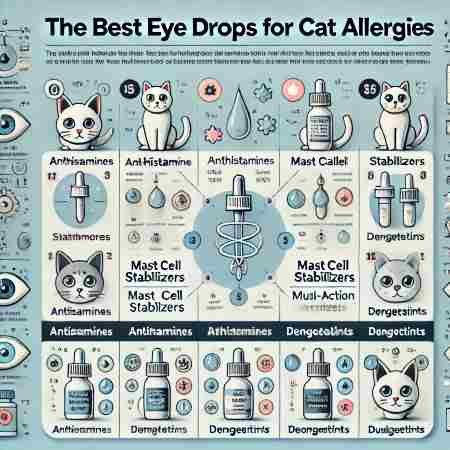
The best eye drops for cat allergies, like Zaditor and Pataday, help relieve itchy, watery eyes by blocking allergic reactions.
Eye Drop
Details
Ketotifen (Zaditor)
An antihistamine eye drop that helps relieve itching and watery eyes caused by allergies.
Olopatadine (Pataday)
Another effective antihistamine that treats and prevents eye allergy symptoms.
Alocril (Nedocromil 2%)
A mast cell stabilizer works to prevent allergic reactions in the eyes, though it may take time to see results.
Alomide (Lodoxamide 0.1%)
A mast cell stabilizer that can help with long-term relief from eye allergies.
Cromolyn Sodium 4%
A mast cell stabilizer is used to treat eye allergies by preventing allergic reactions.
Azelastine (Optivar)
A dual-action antihistamine and mast cell stabilizer for quick relief from itchy eyes.
Bepotastine (Bepreve)
An antihistamine eye drop provides fast relief from itchy, watery eyes.
Epinastine (Elestat)
A prescription antihistamine eye drop for treating eye allergy symptoms.
Naphazoline (Naphcon-A)
A decongestant and antihistamine combination eye drop that reduces redness and itchiness.
Pemirolast (Alamast)
A mast cell stabilizer that helps prevent allergic reactions in the eyes.
Emedastine (Emadine)
A prescription antihistamine eye drop for relieving eye allergy symptoms.
Table: Best-Eye-Drops
Best Nasal Sprays for Cat Allergies
Nasal Spray
Details
Fluticasone (Flonase)
A corticosteroid nasal spray that reduces inflammation and relieves allergy symptoms like congestion and sneezing.
Triamcinolone (Nasacort)
Another steroid nasal spray that effectively treats nasal allergy symptoms, providing relief from a stuffy nose.
Mometasone (Nasonex)
A steroid nasal spray that helps reduce nasal congestion and allergic reactions caused by pet dander.
Ciclesonide (Omnaris)
A corticosteroid nasal spray designed to reduce inflammation in the nasal passages due to allergies.
Budesonide (Rhinocort)
This nasal spray reduces swelling in the nasal passages, helping to relieve congestion from allergies.
Azelastine (Astelin)
An antihistamine nasal spray that quickly relieves symptoms like sneezing, runny nose, and itching caused by cat allergies.
Olopatadine (Patanase)
Another antihistamine nasal spray that targets allergy symptoms, provides fast relief for nasal discomfort.
Beclomethasone (Beconase AQ)
A corticosteroid nasal spray that helps relieve inflammation and allergic reactions in the nasal passages.
Flunisolide (Nasalide)
A nasal spray that helps treat allergic rhinitis, reducing nasal swelling and congestion.
Ipratropium (Atrovent)
A nasal spray that helps reduce runny nose and sneezing without being a steroid.
Oxymetazoline (Afrin)
A decongestant nasal spray that provides quick relief from nasal congestion but should be used short-term.
Table: Best-Nasal-Sprays
FAQs
What is a Cat Allergy?
A cat allergy is when your immune system reacts to proteins found in a cat’s skin, saliva, or urine. Common symptoms include sneezing, runny nose, and itchy eyes.
What are the Symptoms of Cat Allergies?
Common symptoms include: Respiratory symptoms: Sneezing, runny nose, coughing, wheezing. Eye symptoms: Itchy, red, or watery eyes. Skin symptoms: Rashes, hives, and itchy skin.
Are There Natural Ways to Manage Cat Allergies?
Yes! You can manage allergies naturally by:
Bathing your cat regularly to reduce allergens. Using a HEPA air filter to clean the air. Vacuuming and cleaning often to remove dander. Neutering your cat may also reduce allergen levels.
What Are the Most Severe Symptoms of Cat Allergies?
Severe symptoms include difficulty breathing, chest tightness, and in rare cases, anaphylaxis, a life-threatening allergic reaction.
What are the causes of Cat Allergies?
Cat allergies are caused by proteins in a cat’s skin cells, urine, and saliva, mainly Fel d 1. These proteins stick to the fur and spread through shedding, lingering on furniture, carpets, and clothes, triggering allergic reactions.
How Can I Treat Cat Allergies?
Treatments include antihistamines, decongestants, nasal sprays, and in severe cases, allergy shots (immunotherapy). Nasal irrigation can also help relieve symptoms.
Are There Natural Remedies for Cat Allergies?
Yes, vacuuming, using air purifiers, creating a pet-free zone, and washing hands after touching your cat can help reduce symptoms.
Can I Still Own a Cat if I Have Cat Allergies?
Yes, with precautions like regular grooming, cleaning, and medications, you can manage your symptoms and live with a cat.
Cat allergies are a common issue, but with the right approach, they can be managed effectively. A combination of medical treatments and natural remedies can help ease symptoms. Reducing exposure to allergens, keeping your home clean, and using tools like HEPA filters can make a big difference.
Regular cat grooming and even small changes to your cat’s diet may also help. If your symptoms continue or become more severe, it’s important to consult a doctor for a tailored treatment plan.
Disclaimer Commissions we earn from partner links on this page do not influence our content. Our editorial content is based on thorough research and insights from qualified medical professionals to ensure the highest standards of accuracy and reliability.
Information provided on Doseway is for educational purposes only. Your health and wellness are unique to you, and the products and services we review may not be suitable for your circumstances. We do not offer personal medical advice, diagnosis, or treatment plans. For specific advice, please consult with a healthcare professional. Doseway adheres to strict editorial integrity standards. To the best of our knowledge, all content is accurate as of the date posted, though offers and information may change. The opinions expressed are the author’s own and have not been influenced, approved, or endorsed by our partners.
Pet allergies are a widespread issue affecting many individuals worldwide. People who are allergic to pets suffer from various symptoms triggered by exposure to allergens found in animal skin cells, saliva, or urine. These allergies can affect the quality of life, especially for those who love animals but are sensitive to them.
This article provides an understanding of pet allergies, including their causes, symptoms, side effects, diagnosis, and treatment options such as antihistamines, syrups, and tablets to help alleviate symptoms.
Pet allergy is an immune reaction to proteins from an animal’s skin, saliva, or urine, causing symptoms like sneezing and itchy eyes.
A pet allergy is an allergic reaction to proteins found in an animal’s skin cells, saliva, or urine. It commonly affects people who are sensitive to these proteins, especially those with fur, such as cats and dogs.
Common symptoms include sneezing, runny nose, itchy eyes, and coughing. Some people may also experience more serious symptoms like wheezing or asthma. Pet allergies are often triggered by contact with pet dander, which is tiny flakes of skin shed by animals.
Diagnosis of Pet Allergies
Diagnosis of Pet Allergies
Pet allergy diagnosis involves a skin or blood test to detect reactions to animal allergens like dander, helping identify the specific cause.
Here are 10+ ways to diagnose pet allergies:
Medical History and Physical Exam:
Your doctor will ask about your symptoms, what triggers them, and any changes in severity.
They may use a lighted instrument to check your nasal passages for swelling or discoloration.
Skin Prick Test:
A small amount of allergen is pricked into your skin, typically on your forearm or upper back.
The area is monitored for signs of a reaction (like swelling or redness) within 15-20 minutes.
Blood Test:
A small amount of blood is drawn from your arm to test for IgE antibodies, which indicate an allergic reaction.
The sample is sent to a lab for analysis.
Intradermal Skin Test:
A more sensitive test where allergens are injected deeper into the skin.
Swelling or redness helps determine the allergy.
Patch Test:
Allergen patches are applied to the skin for 48 hours to detect delayed allergic reactions, especially skin-related allergies.
Oral Challenge Test:
Allergens are taken orally in small amounts under medical supervision to see if an allergic reaction occurs.
Intradermal Testing for Pets:
Intradermal testing is the gold standard for diagnosing pet allergies in animals.
It’s more accurate but requires sedation and is typically more expensive.
Blood Testing for Pets:
Vets may perform blood tests to identify specific allergens and create an allergy shot plan for pets.
5Strands Test:
Uses bio-resonance technology to scan a hair sample for intolerances and allergies in pets.
Nasal Examination:
Doctors may use nasal sprays or medications like pseudoephedrine to shrink swollen nasal tissues, helping in diagnosis.
Pets shed dead skin cells, known as dander, which are tiny particles that float in the air. This is a major cause of allergic reactions in people sensitive to pet allergens.
Saliva:
When pets groom themselves, their saliva spreads proteins to their fur, which can then transfer to surfaces in your home. These proteins can trigger allergies when touched or inhaled.
Urine:
Dried urine from pets, especially in litter boxes, can become airborne and cause allergic reactions in some individuals.
Fur or Hair:
While fur itself isn’t an allergen, it can trap dust, pollen, and other particles that may irritate individuals with allergies.
Airborne Allergens:
Pet allergens, such as dander and saliva, can become airborne and cling to clothing, furniture, carpets, and other items in the home, increasing exposure to allergens.
Sweat Glands:
Some animals, like cats, have allergens in their sweat glands. When they sweat, these allergens are released into the environment, causing reactions.
Pet Bedding and Toys:
Items that pets frequently use, like bedding or toys, can collect allergens over time and trigger allergic reactions when handled or disturbed.
Managing Pet Allergies
To manage pet allergies, it’s essential to minimize exposure to these allergens. Effective strategies include:
Using HEPA air purifiers to filter allergens.
Cleaning your home regularly to reduce allergens.
Taking medications like antihistamines, nasal corticosteroids, or considering allergy shots to manage symptoms.
Consider allergy shots (immunotherapy) for long-term relief.
Symptoms of pet allergies include sneezing, runny nose, itchy eyes, coughing, and asthma-like reactions.
Pet allergy symptoms can range from mild to severe and often resemble the symptoms of hay fever or asthma. These allergic reactions occur when the body responds to allergens from pets. Common signs include:
Sneezing and Runny Nose: Allergens irritate the nasal passages, leading to frequent sneezing and a runny or stuffy nose.
Itchy Eyes: Pet allergies can cause red, itchy, and watery eyes, making them uncomfortable and sensitive to light.
Skin Reactions: Some people may experience rashes, hives, or eczema flare-ups if their skin comes in direct contact with pet allergens.
Wheezing and Coughing: For individuals with asthma, pet allergies can trigger wheezing, coughing, and other breathing difficulties.
Shortness of Breath:Breathing problems such as shortness of breath can occur due to airway constriction caused by allergens.
Post-Nasal Drip: Pet allergies may cause excess mucus to build up in the throat, leading to a post-nasal drip sensation.
Side Effects of Pet Allergies
These side effects include:
Nasal Congestion: Pet allergens can cause blocked nasal passages, making it hard to breathe through the nose.
Facial Pain: Allergens may lead to sinus pressure and congestion, causing pain or discomfort in the face.
Eczema and Skin Rash: Prolonged exposure to pet allergens can trigger skin irritation, resulting in rashes or eczema outbreaks.
Hives: Pet allergies can lead to raised, red, itchy patches known as hives, especially after direct contact with pets.
Anaphylaxis: In very rare cases, a severe allergic reaction like anaphylaxis can occur, which requires immediate medical care.
Sinus Infections: Constant sinus congestion caused by allergies can increase the risk of developing sinus infections.
Chronic Cough: Persistent coughing may occur due to irritation in the throat from constant exposure to pet allergens.
Asthma Flare-ups: Pet allergies can trigger asthma attacks, causing shortness of breath, wheezing, and chest tightness.
Headaches: Sinus pressure caused by allergens can result in headaches and tension around the forehead.
Fatigue: Constant exposure to allergens may cause tiredness or fatigue due to the body’s prolonged allergic response.
Sleep Disturbances: Nasal congestion, coughing, and breathing issues can make it hard to get a good night’s sleep, leading to sleep disturbances.
Quick Symptom Relief: Medicines like antihistamines can quickly ease sneezing, runny nose, and itchy eyes for fast relief.
Prevents Serious Issues: Regular use helps prevent skin rashes, hives, and breathing problems caused by pet allergens.
Improved Breathing: For asthma sufferers, these medicines can open airways and reduce wheezing.
Better Sleep: By managing nasal congestion and coughing, they promote better sleep.
Less Skin Irritation: They help reduce skin reactions like rashes and hives caused by pet contact.
More Comfort with Pets: Medications allow people to enjoy pets without constant allergy discomfort.
Prevents Long-Term Problems: Regular use can prevent chronic issues like sinus infections and asthma attacks.
Control Over Allergies: They provide better control over allergy symptoms, making life easier around pets.
FAQs
What Causes Pet Allergies?
Pet allergies are caused by proteins found in an animal’s skin, saliva, urine, or dander. These allergens can become airborne and spread through the house.
What Are the Common Symptoms of Pet Allergies?
Symptoms include sneezing, runny nose, itchy eyes, coughing, wheezing, and in severe cases, shortness of breath or skin rash.
How Are Pet Allergies Diagnosed?
A doctor or allergist can diagnose pet allergies using skin or blood tests. A small sample of allergen is applied to the skin or tested through blood for allergic reactions.
Can Pet Allergies Be Cured?
There’s no complete cure, but medications and immunotherapy (allergy shots) can help manage symptoms and reduce sensitivity over time.
What Treatments Are Available for Pet Allergies?
Common treatments include antihistamines (e.g., Claritin, Benadryl), nasal sprays (Flonase, Nasonex), and decongestants. For severe allergies, immunotherapy may be recommended.
Can I Live with Pets If I Have Allergies?
Yes, by reducing exposure to allergens, using air purifiers, cleaning regularly, and taking allergy medications, you can minimize symptoms.
What Are the Side Effects of Pet Allergies?
Side effects may include hay fever-like symptoms, skin rashes, hives, and in some cases, asthma or anaphylaxis.
How Can I Prevent Pet Allergy Symptoms?
Reduce exposure by limiting pet access to certain areas, cleaning your home frequently, and bathing your pets regularly. Use HEPA filters in your home to clean the air.
How Effective Are Antihistamines for Pet Allergies?
Antihistamines like Zyrtec, Allegra, and Claritin are effective in relieving itchiness, sneezing, and other allergy symptoms.
Pet allergies are a common issue, but with proper treatment, they can be managed successfully. There are many options available, from antihistamines to immunotherapy, to help reduce symptoms and improve comfort.
Understanding the causes, symptoms, and treatment options empowers individuals to take control of their allergies and still enjoy being around pets. Always consult with a healthcare provider to find the best treatment plan for your specific needs and ensure a more comfortable life with pets.
Disclaimer Commissions we earn from partner links on this page do not influence our content. Our editorial content is based on thorough research and insights from qualified medical professionals to ensure the highest standards of accuracy and reliability.
Information provided on Doseway is for educational purposes only. Your health and wellness are unique to you, and the products and services we review may not be suitable for your circumstances. We do not offer personal medical advice, diagnosis, or treatment plans. For specific advice, please consult with a healthcare professional. Doseway adheres to strict editorial integrity standards. To the best of our knowledge, all content is accurate as of the date posted, though offers and information may change. The opinions expressed are the author’s own and have not been influenced, approved, or endorsed by our partners.
Eye allergies, medically known as allergic conjunctivitis, affect millions of people worldwide. These allergies can cause discomfort, ranging from mild irritation to severe redness and swelling. Fortunately, several natural allergy remedies can alleviate symptoms without the need for eye drops or medications.
These allergens, such as pollen, dust, pet dander, or smoke, cause inflammation of the conjunctiva (the thin, clear tissue covering the white part of the eye). This reaction leads to several irritating symptoms.
Eye allergies, also known as allergic conjunctivitis, happen when your eyes react to allergens. These allergens include things like pollen, dust, pet hair, or smoke. When exposed to these, your immune system overreacts, causing the thin layer covering your eye (conjunctiva) to get inflamed.
Remedies For Eyes Allergy | Allergy Remedies For Itchy Eye
Natural Allergy Remedies Eyes
Natural allergy remedies for eye allergies include using a cold compress, applying chilled cucumber slices, and rinsing with saline solution to soothe irritation and reduce symptoms naturally. Natural allergy remedies help relieve itching, rednes
Apply a cold, damp cloth or gel eye mask to closed eyes for 15-20 minutes, repeating every hour. Can also wrap ice cubes in a soft cloth before placing them on the eyelids.
Saline Solution
Rinse eyes gently with saline solution to flush out allergens and soothe irritation. Artificial tears can also help lubricate and clean the eyes.
Avoid Allergens
Wash face and hands after allergen exposure, clean clothes and bedding regularly, avoid contact lenses during flare-ups, and stay away from smoke or other irritants.
Honey
Consuming local honey may help desensitize the body to allergens. Applying a small amount around the eyes (not inside) can soothe irritation.
Warm Compress
Soak a clean cloth in warm water, wring it out, and place it on closed eyes for a few minutes to relieve dryness and irritation.
Aloe Vera
Apply pure aloe vera gel around the eyes (not directly in the eyes) to reduce swelling and soothe itching due to its anti-inflammatory properties.
Tea Bags
Place cold, damp green, or black tea bags on closed eyes for a few minutes to reduce puffiness and irritation.
Air Filters
Use air purifiers with HEPA filters to reduce indoor allergens like dust and pet dander.
Chamomile
Chamomile tea bags (cooled) can be used as compresses or rinsed on the eyes to ease inflammation.
Frequent Eye Washes
Rinse eyes regularly with clean water or saline solution to remove allergens from the eye’s surface.
Rosewater
Dab rosewater on cotton pads and place them over the eyes to reduce redness and irritation.
Using a Humidifier
A humidifier helps keep the air moist, preventing eye dryness and discomfort.
Home allergy remedies for eye allergies include using cold compresses, rinsing with saline solution, and applying chilled cucumber slices to reduce itching and irritation naturally.
Home Remedy
How to Use
Cucumber Slices
Slice a cucumber and refrigerate it for 30 minutes. Place the chilled slices over your closed eyes for 10-15 minutes.
Cold Milk
Dip a cotton ball in cold milk and gently place it over your closed eyes for a few minutes. Repeat as needed for relief.
Potato Slices
Cut a raw potato into thin slices and chill them in the refrigerator. Apply the slices to your closed eyelids for about 10 minutes.
Turmeric Paste
Mix a small amount of turmeric with water to form a paste. Apply it around your eyes (not inside) and let it sit for a few minutes before washing it off.
Apple Cider Vinegar
Mix one teaspoon of apple cider vinegar with a cup of water. Use a cotton pad to apply it around your eyes, avoiding direct contact with the eyes.
Castor Oil Drops
Put one drop of cold-pressed castor oil in each eye before bed to moisturize and reduce inflammation.
Fenugreek Seeds
Soak fenugreek seeds in water overnight. Grind them into a paste and apply it around your eyes. Rinse with cool water after 10-15 minutes.
Coriander Seeds
Boil coriander seeds in water, strain the liquid, and let it cool. Use the liquid to wash your eyes for quick relief.
Cold Water Splashes
Wash your eyes with cold water several times throughout the day to flush out allergens and soothe irritation.
Peppermint Oil (Steam Inhalation)
Add a few drops of peppermint oil to hot water and inhale the steam by covering your head with a towel. Avoid direct contact with the eyes.
Baking Soda Solution
Mix 1/4 teaspoon of baking soda with a cup of water. Use a cotton pad to apply the solution around the eyes, avoiding direct contact with the eyes.
Allergy remedies for eye allergies help relieve common symptoms, such as itching, redness, swelling, and watery eyes, which are often triggered by allergens such as pollen or dust.
Itchy Eyes: A persistent urge to rub your eyes is a common symptom of eye allergies.
Redness: Inflammation caused by allergens makes the eyes appear red or bloodshot.
Watery Eyes: Excessive tearing occurs as the body tries to flush out allergens from the eyes.
Burning Sensation: Some people experience a stinging or burning feeling in the eyes.
Swollen Eyelids: Allergic reactions can cause puffiness or swelling around the eyes.
Dry Eyes: Despite the watery reaction, many people experience dryness or grittiness.
Sensitivity to Light (Photophobia): Bright lights may become uncomfortable or painful for those with eye allergies.
Blurred Vision: Temporary vision blurring can happen due to irritation and swelling.
Mucus Discharge: Stringy, white mucus may form around the eyes during allergic reactions.
Runny Nose and Sneezing: Eye allergies often come with nasal symptoms like a runny nose and sneezing.
Eye Fatigue: Eyes may feel tired or strained, especially after prolonged exposure to allergens.
How To Cure Eye Allergy Permanently
Remedy
How to Use
Why It May Help
Notes/Cautions
Cold Compress
Soak a clean cloth in cool/cold water, wring it out, and place over closed eyes for 5–15 minutes. Repeat as needed.
Constricts blood vessels to reduce swelling, itching, and inflammation quickly.
Most widely recommended and safest instant relief option.
Chilled Cucumber Slices
Chill thick cucumber slices in the fridge, place over closed eyes for 10–15 minutes.
Cooling effect + natural antioxidants/flavonoids soothe irritation and reduce puffiness.
Classic, refreshing remedy; use fresh, clean slices.
Cooled Chamomile Tea Bags
Steep chamomile tea bags, cool them in the fridge, then place over closed eyes for 10 minutes.
Anti-inflammatory and calming properties may ease redness and itchiness.
Skip if allergic to ragweed or similar plants.
Cooled Green Tea Bags
Brew green tea, cool the bags, and apply to closed eyes for 10–15 minutes.
Antioxidants (like catechins) can help reduce inflammation and soothe eyes.
Use plain, unflavored tea; avoid if caffeine-sensitive.
Raw Potato Slices
Chill thick raw potato slices, place on closed eyelids for 10–15 minutes.
Cooling sensation lasts longer; may draw out irritation and reduce swelling.
Use clean, organic if possible; less common but similar to cucumber.
Local Honey (ingested)
Take 1–2 teaspoons of raw local honey daily (e.g., in tea or plain).
May desensitize the body to local pollens over time, reducing overall allergic response (including eyes).
Not instant; use raw/local; avoid for infants under 1 year.
Apple Cider Vinegar (ingested)
Mix 1 tbsp raw ACV in a glass of water (add honey for taste), drink 1–2 times daily.
May help balance the body, reduce mucus, and support lymphatic cleansing to ease allergy symptoms systemically.
Dilute well to protect teeth/stomach; not for direct eye use.
Stinging Nettle (tea/supplement)
Drink nettle leaf tea or take as supplement (follow package dosing).
Natural antihistamine properties may reduce allergic reactions body-wide.
Consult a doctor before supplements; may interact with medications.
Probiotics (diet/supplement)
Increase intake via yogurt, kefir, or supplements with strains like Lactobacillus.
Supports gut health and immune balance, potentially lowering allergy severity over time.
Long-term benefit; choose high-quality sources.
Anti-Inflammatory Diet Boost
Increase foods rich in omega-3s (flaxseeds, walnuts), vitamin C (citrus, peppers), quercetin (apples, onions, berries), and vitamin A (carrots, spinach).
Reduces overall body inflammation and supports eye health to lessen allergy impact.
Preventive/lifestyle approach; combine with others for best results.
Causes of Eye Allergies
Causes of Eye Allergies (Allergy Remedies)
Allergy remedies target the causes of eye allergies, which include exposure to allergens like pollen, dust, pet dander, or mold. These allergens trigger itching, redness, and irritation in the eyes.
Pollen: Pollen from trees, grass, and weeds is a major cause of seasonal eye allergies, especially during spring and summer.
Dust Mites: Tiny creatures that live in dust can trigger allergic reactions, often worsening indoor allergies.
Pet Dander: Skin flakes, saliva, and fur from pets like cats and dogs can cause allergic reactions in sensitive individuals.
Mold Spores: Mold grows in damp areas and releases spores into the air, which can lead to eye irritation.
Smoke: Smoke from cigarettes, fireplaces, or pollution can irritate the eyes and trigger allergy symptoms.
Perfumes and Fragrances: Strong scents from perfumes, cleaning products, or air fresheners can cause allergic reactions in some people.
Chemical Irritants: Household cleaning products, chlorine in pools, or industrial chemicals can cause eye irritation.
Contact Lenses: Allergies can develop due to extended use of contact lenses or the buildup of proteins and debris on the lenses.
Air Pollution: Polluted air with high levels of smoke, exhaust fumes, or chemicals can worsen eye allergies.
Medications: Some medications, especially eye drops with preservatives, can trigger allergic reactions in the eyes.
Animal Hair or Feathers: Hair or feathers from animals can cause allergic symptoms, especially in people with heightened sensitivities.
Preventing Eye Allergies
Preventing Eye Allergies
Allergy remedies for preventing eye allergies include avoiding exposure to allergens like pollen, dust, and pet dander. Regularly cleaning your living space and using air purifiers can also help.
You can manage eye allergies by making simple lifestyle changes to avoid allergens. Here’s how:
Limit Exposure to Allergens
Stay Indoors: Keep windows shut and use air conditioning, especially during pollen season.
Wear Sunglasses: Sunglasses help block pollen and dust, along with protecting your eyes from UV rays.
Use Air Purifiers: Air purifiers with HEPA filters help remove dust, pet dander, and pollen from the air in your home.
Control Pet Dander: Keep pets out of your bedroom and clean their bedding often if their dander triggers allergies.
Keep Your Environment Clean
Wash Bedding Regularly: Wash sheets and pillowcases in hot water to get rid of allergens like dust mites and pollen.
Vacuum Often: Use a HEPA filter vacuum to clean carpets and floors, especially if you have pets.
Use Allergy-Proof Covers: Cover your bedding with mite-proof covers to protect against dust mites.
Adopt Healthy Habits
Wash Hands and Face: Clean your face and hands after being outside to remove allergens like pollen.
Shower Before Bed: This helps remove allergens from your hair and skin, keeping them from irritating your eyes at night.
If your eye allergies become more severe, natural allergy remedies may not be enough. In such cases, it’s important to seek medical help for stronger treatments. Here are some options:
Allergen Immunotherapy
Allergy Shots: This treatment helps reduce your sensitivity to specific allergens over time by gradually building your immune system’s tolerance.
Prescription Medications
Antihistamines: In more serious cases, your doctor might prescribe stronger antihistamines to control the allergic reactions.
Anti-Inflammatory Medications: If the inflammation becomes intense, prescription anti-inflammatory eye drops or pills might be needed to reduce swelling and discomfort.
Common Side Effects of Eye Allergies
Common Side Effects of Eye Allergies
Allergy remedies can help ease the common side effects of eye allergies, such as itching, redness, swelling, and watery eyes due to reactions to allergens like pollen or dust.
Eye allergies can cause a variety of uncomfortable side effects beyond the common itchy, watery eyes.
Runny Nose or Sneezing: Eye allergies are often linked with nasal allergies, causing sneezing, runny nose, and sinus discomfort.
Blurred Vision: Temporary blurred vision can happen due to inflammation or irritation in the eyes.
Light Sensitivity (Photophobia): Sensitivity to bright lights, making it uncomfortable to be in well-lit environments.
Redness: The whites of the eyes may become red and bloodshot due to inflammation.
Swollen Eyelids: Eyelids can swell as a result of an allergic reaction, making them puffy and tender.
Dry Eyes: Allergies can reduce tear production, causing the eyes to feel dry or gritty.
Eye Pain or Discomfort: Mild to moderate pain or a sensation of pressure can develop around the eyes.
Tearing (Watery Eyes): Excessive tearing can occur as the body’s response to flush out allergens.
Itchy Throat or Ears: Allergies affecting the eyes often extend to itching in the throat or ears.
Fatigue or Tired Eyes: Allergies can cause eyes to feel tired or heavy due to continuous irritation.
Headaches: Sinus congestion and eye strain from allergies can sometimes lead to headaches.
You can try home remedies like using a cold compress, applying chilled cucumber slices, or rinsing your eyes with saline solution to flush out irritants. Avoid rubbing your eyes, as it can make the itching worse.
When should I see a doctor for itchy eyes?
If your itchy eyes are persistent, accompanied by pain, swelling, vision changes, or discharge. These could be signs of a more serious.
Can allergies cause itchy eyes?
Yes, allergies are one of the most common reasons for itchy eyes. When your body reacts to allergens like pollen, dust, or pet hair, it releases histamines, which cause itching, redness, and irritation in the eyes.
Can I use eye drops for itchy eyes?
Yes,over-the-counter eye drops, especially those formulated for allergies, can help relieve itchy eyes.
Is it safe to use makeup when I have itchy eyes?
If your eyes are itchy, it’s best to avoid using makeup around them, as it could worsen the irritation or cause an allergic reaction. Also, make sure your makeup is not expired or contaminated, as this could be a source of irritation.
Can dry eyes cause itchiness?
Yes,dry eyes can lead to itchiness, discomfort, and a burning sensation. Using artificial tears or staying hydrated can help relieve symptoms.
Can screen time make my eyes itchy?
Yes, staring at screens for long periods without breaks can cause eye strain and dryness, leading to itchiness. To avoid this, follow the 20-20-20 rule: every 20 minutes, look at something 20 feet away for 20 seconds.
What are some natural allergy remedies for itchy eyes?
Natural allergy remedies for itchy eyes include using a cold compress, applying chilled cucumber slices, or using saline solution to rinse the eyes. These natural allergy remedies can help relieve discomfort caused by allergens.
Can home allergy remedies help with these symptoms?
Yes, several home allergy remedies can ease symptoms. For example, neti pots can flush out nasal passages, while steam inhalation and honey may help reduce allergy symptoms by soothing irritated airways.
Are there any effective herbal allergy remedies?
Yes, some herbal allergy remedies like butterbur and stinging nettle have been found to help reduce allergy symptoms such as sneezing, itchy eyes, and a runny nose. However, consult a doctor before using herbal allergy remedies.
What allergy remedies work best for seasonal allergies?
For seasonal allergies, common allergy remedies include antihistamines, nasal sprays, and home allergy remedies like air purifiers to reduce allergens indoors.
Managing eye allergies without relying on eye drops is possible with simple, natural remedies and prevention. Reducing exposure to allergens, using cold compresses, and applying natural solutions like cucumber slices or chamomile can help relieve mild symptoms.
These steps can be very effective for everyday comfort. However, if symptoms are severe or ongoing, it’s essential to seek medical advice for other treatment options.
Disclaimer Commissions we earn from partner links on this page do not influence our content. Our editorial content is based on thorough research and insights from qualified medical professionals to ensure the highest standards of accuracy and reliability.
Information provided on Doseway is for educational purposes only. Your health and wellness are unique to you, and the products and services we review may not be suitable for your individual circumstances. We do not offer personal medical advice, diagnosis, or treatment plans. For specific advice, please consult with a healthcare professional. Doseway adheres to strict editorial integrity standards. To the best of our knowledge, all content is accurate as of the date posted, though offers and information may change. The opinions expressed are the author’s own and have not been influenced, approved, or endorsed by our partners.
Hives, also known as urticaria, are red, itchy welts that appear on the skin due to an allergic reaction. These welts can be triggered by various factors such as certain foods, medications, insect bites, or even stress.
For those experiencing hives, relief is often sought through over-the-counter (OTC) antihistamines, which are commonly used to manage the symptoms. Antihistamines work by blocking histamine, the chemical in the body that causes allergy symptoms like itching, swelling, and redness.
Hives, medically known as urticaria, are red, swollen, and itchy welts that form on the skin. These raised patches can be different in size and may appear on different areas of the body.
Hives are usually a result of an allergic reaction or other triggers, causing the release of histamine in the skin. They can last from a few hours to several days and may come and go quickly.
Hives Treatment Option (Urticaria Treatment)
Urticaria Treatment (Hives)
Hives (Urticaria) treatment options include antihistamines, corticosteroids, and avoiding triggers to reduce symptoms like itching and swelling.
Antihistamines are the main treatment for hives and help block the histamine response in your body, which causes itching and swelling.
Loratadine (Claritin, Alavert): A non-drowsy antihistamine taken orally that helps reduce hives symptoms.
Cetirizine (Zyrtec Allergy): Another non-drowsy oral antihistamine effective in relieving itching and swelling.
Diphenhydramine (Benadryl): An oral antihistamine that may cause drowsiness but is useful for reducing allergic reactions.
Cold Compresses
Applying cold compresses to affected areas can help soothe the skin, reduce swelling, and prevent itching. This can bring quick relief.
Cool Baths
Taking cool baths can help calm itching and reduce the urge to scratch. Adding colloidal oatmeal can enhance its soothing effect.
Loose Clothing
Wearing loose-fitting, breathable clothing can prevent further irritation and reduce the discomfort caused by tight clothes rubbing against hives.
Topical Creams
Applying hydrocortisone or antihistamine creams directly to the affected skin can help reduce redness, itching, and swelling on the surface.
Oral Steroids
If antihistamines don’t fully relieve the symptoms, oral steroids may be prescribed by a doctor to help control more severe reactions.
Avoid Triggers
It’s essential to identify and avoid any known triggers like certain foods, medications, or environmental factors to prevent hives flare-ups.
Over The Counter Antihistamine For Hives
OTC Antihistamine For HivesRelief
Over-the-counter antihistamines for hives help relieve itching, swelling, and irritation by blocking the effects of histamine released during allergic reactions.
Antihistamine
Details
Cetirizine (Zyrtec)
A non-drowsy antihistamine that helps relieve itching and swelling caused by hives. Usually taken once daily.
Loratadine (Claritin)
Another non-drowsy option, ideal for treating chronic hives. Effective in reducing allergic symptoms.
Diphenhydramine (Benadryl)
A sedating antihistamine that works quickly to reduce hives but may cause drowsiness, is often used for more severe reactions.
Fexofenadine (Allegra)
A fast-acting, non-drowsy antihistamine that helps with chronic hives by reducing itching and inflammation.
Levocetirizine (Xyzal)
Known for its potent antihistamine effects, it’s used for treating both acute and chronic hives.
Desloratadine (Clarinex)
An extended-release antihistamine that provides 24-hour relief from hives and allergy symptoms without causing drowsiness.
Hydroxyzine (Atarax)
A sedative antihistamine used for severe itching and hives, often prescribed when non-drowsy antihistamines aren’t effective.
Chlorpheniramine (Chlor-Trimeton)
Older antihistamine that can cause drowsiness but is effective for treating hives symptoms quickly.
Rupatadine
A dual-action antihistamine that works on both histamine and PAF receptors, helping to reduce inflammation and itching from hives.
Ebastine
A long-acting antihistamine, usually taken once daily, is effective in reducing symptoms of chronic hives without sedation.
Bilastine
A newer antihistamine that provides fast relief for itching and swelling without causing drowsiness, typically taken once a day.
Mizolastine
An antihistamine known for its rapid onset of action, helpful in managing the symptoms of hives efficiently.
Natural antihistamines for hives treatment, like quercetin and vitamin C, help reduce allergy symptoms by blocking histamine release and soothing irritation.
Natural Antihistamine
Details
Oatmeal Baths
Soaking in a cool bath with uncooked oatmeal can help soothe itching and pain caused by hives.
Aloe Vera Lotion
Applying aloe vera to affected areas helps reduce itching and provides vitamin E to support skin health.
Apple Cider Vinegar
Mixing equal parts apple cider vinegar and water, then applying with a cotton ball, may provide relief from hives.
Quercetin
A natural plant compound found in apples, onions, and berries, which may help reduce allergy symptoms like hives.
Vitamin C
Known for its immune-boosting effects, Vitamin C may also help relieve hives symptoms by reducing inflammation.
Vitamin D
Some studies suggest that Vitamin D supplements can help improve skin health and reduce the occurrence of hives.
Fish Oil
Omega-3 fatty acids in fish oil can help reduce inflammation and may ease the severity of hives.
Probiotics
A healthy balance of gut bacteria through probiotics may help reduce hives and other allergy-related symptoms.
Calamine Lotion
Applying calamine lotion can provide immediate relief from itching and discomfort associated with hives.
Cold Compresses
Applying a cool compress on hives can help reduce swelling and itching naturally.
Green Tea
Contains natural antioxidants and antihistamine properties that may help reduce hives symptoms and soothe skin.
Chamomile Tea
Known for its anti-inflammatory properties, drinking or applying chamomile may help calm irritated skin.
Hives Allergy Causes, Symptoms, Side Effects, And Diagnosis
Diagnosis Methods For Hives Allergy
Diagnosis methods for hives allergy include skin and blood tests to identify allergens triggering the reaction.
Diagnosis Methods For Hives Allergy
Visual Examination: The doctor will examine the raised, red, and itchy welts on your skin to confirm they resemble typical hives.
Medical History: Your doctor will ask detailed questions about recent exposure to potential allergens like foods, medications, insect bites, or changes in your environment.
Skin Prick Test: This test involves applying small amounts of allergens to the skin and then pricking it to observe if there’s a reaction, helping identify specific triggers.
Blood Test (IgE Test): A blood test measures IgE antibodies to detect allergies to specific substances that may be causing your hives.
Elimination Diet: The doctor may recommend removing certain foods from your diet to see if the hives improve, helping to pinpoint food-related triggers.
Challenge Test: In some cases, you may be exposed to suspected allergens under medical supervision to observe if they cause hives or allergic reactions.
Patch Test: For possible contact allergens, small patches with allergens are applied to your skin to check for delayed reactions.
Physical Trigger Test: If your hives are caused by temperature changes, exercise, or pressure, the doctor might expose you to these triggers and observe any reactions.
Thorough Allergy Testing: If common tests are inconclusive, the doctor might recommend comprehensive allergy panels to check for a wide range of possible allergens.
Family History: Your doctor may inquire about any family history of allergies or autoimmune conditions that might increase your likelihood of hives.
Chronic Urticaria Evaluation: If the hives persist for a long time, the doctor may investigate for chronic urticaria, which requires a more detailed diagnostic approach.
Referral to an Allergist: In complicated cases, you might be referred to a specialist allergist for further testing and evaluation.
Causes of Hives
Food Allergies: Common triggers include nuts, eggs, shellfish, and dairy products.
Medications: Antibiotics, aspirin, and ibuprofen can cause hives in some people.
Insect Bites or Stings: The venom from insects can trigger a hive outbreak.
Stress: Emotional stress can sometimes cause hives or make them worse.
Temperature Changes: Extreme heat or cold can cause hives to appear.
Infections: Viral or bacterial infections, like a cold or flu, may lead to hives.
Pollen: Exposure to pollen can cause allergic reactions resulting in hives.
Pet Dander: Allergies to animals like cats or dogs can trigger hives.
Sun Exposure: Some people develop hives after being in the sun for a while.
Exercise: Physical activity can sometimes lead to hives, especially when combined with heat.
Tight Clothing: Wearing tight clothes or accessories can cause irritation and lead to hives.
Hives are red, itchy bumps on the skin that appear suddenly. They are often caused by allergic reactions, stress, or environmental triggers.
What causes hives?
Hives are usually triggered by allergens such as certain foods, medications, insect bites, stress, or exposure to extreme temperatures.
How can antihistamines help with hives?
Antihistamines block histamine, a chemical in the body that causes allergic reactions like hives. By blocking histamine, they help reduce itching, redness, and swelling.
What are the common over-the-counter antihistamines for hives?
Popular over-the-counter antihistamines include Benadryl (diphenhydramine), Claritin (loratadine), Zyrtec (cetirizine), and Allegra (fexofenadine).
Are there any side effects of taking antihistamines?
Common side effects include drowsiness (especially with Benadryl), dry mouth, dizziness, and fatigue. Non-drowsy options like Claritin or Allegra may have fewer side effects.
What are the best treatments for hives?
The primary treatment for hives is antihistamines. Cold compresses and avoiding triggers like heat or certain medications can also help. If the hives are severe or chronic, other treatments like corticosteroids or immunosuppressants.
How can I treat hives at home?
You can treat hives at home by applying cool compresses, taking a cool bath, wearing loose-fitting clothing, and using anti-itch creams. Over-the-counter antihistamines like Benadryl can also help relieve symptoms.
Can natural remedies help with hives?
Yes, natural remedies like oatmeal baths, aloe vera, and baking soda can help soothe hives. Cold compresses and calamine lotion are also effective for relieving itching and irritation.
Can stress cause hives?
Yes, stress can trigger or worsen hives in some people. Managing stress through relaxation techniques, exercise, or meditation may help prevent flare-ups.
Can hives be treated with injections?
Yes, in severe cases, injections like omalizumab (Xolair) or corticosteroids may be used to treat chronic hives. Epinephrine (EpiPen) is used for emergencies like severe allergic reactions.
In conclusion, over-the-counter antihistamines are a common and effective way to treat hives caused by allergic reactions. These medications, such as Claritin, Zyrtec, and Benadryl, help reduce itching, swelling, and other symptoms by blocking histamines in the body.
Along with antihistamines, other remedies like cold compresses and soothing lotions can provide relief. It’s important to avoid triggers like certain foods, medications, or environmental factors that can cause hives.
However, if symptoms persist or worsen, especially if breathing difficulties occur, consulting a doctor is crucial. Managing hives is all about finding the right treatment and prevention methods for your specific triggers.
Disclaimer Commissions we earn from partner links on this page do not influence our content. Our editorial content is based on thorough research and insights from qualified medical professionals to ensure the highest standards of accuracy and reliability.
Information provided on Doseway is for educational purposes only. Your health and wellness are unique to you, and the products and services we review may not be suitable for your circumstances. We do not offer personal medical advice, diagnosis, or treatment plans. For specific advice, please consult with a healthcare professional. Doseway adheres to strict editorial integrity standards. To the best of our knowledge, all content is accurate as of the date posted, though offers and information may change. The opinions expressed are the author’s own and have not been influenced, approved, or endorsed by our partners.
Food allergies are when the immune system reacts to certain foods, causing a range of symptoms from mild itching or swelling to severe reactions like difficulty breathing or anaphylaxis. Common food allergens include milk, nuts, shellfish, and eggs.
Managing food allergy primarily involves avoiding trigger foods, but it’s essential to know how to handle symptoms if they occur. Treatments like antihistamines can help with mild reactions, while epinephrine auto-injectors are crucial for emergencies.
A food allergy occurs when the immune system wrongly reacts to specific foods, leading to symptoms such as hives, swelling, or breathing issues. The body treats these foods as harmful, triggering an allergic response.
A food allergy happens when the body’s immune system reacts negatively to certain foods, mistaking them as harmful. This response can range from mild to severe. Mild reactions may include itching, skin rashes, or hives, while more serious symptoms could involve trouble breathing or even anaphylaxis, a life-threatening condition.
Food allergy occur because the immune system identifies specific food proteins as dangerous, even though they are harmless for most people. This reaction can happen within minutes or hours after eating the food that causes the allergy. Common causes include foods like peanuts, eggs, shellfish, and milk.
Food Allergies Treatment Option
Here are the best treatment options for Food Allergies:
Antihistamine
Tablet
Syrup
Injection
Home Remedy
Natural Remedy
Also, some tests are performed before starting the medication.
Top 5 Antihistamines For Food Allergies | Tablet For Food Allergies
Best Tablet For Food Allergy
Antihistamine for food allergy helps relieve symptoms like itching and hives. These tablets block histamine effects, offering relief from mild to moderate allergic reactions.
Antihistamines for Food Allergies
Effectiveness
Notes
Diphenhydramine
Provides relief from itching, hives, and swelling caused by food allergies.
Can cause drowsiness; ideal for nighttime use but not suitable for daytime activities.
Cetirizine
Non-drowsy, long-lasting antihistamine for mild symptoms like hives and itching.
Second-generation antihistamine lasts longer than first-generation options like diphenhydramine.
Loratadine
Offers non-drowsy relief from sneezing, itching, and hives.
Recommended for daily use due to its long-lasting effect and minimal drowsiness.
Fexofenadine
Alleviates symptoms like itching and swelling without causing drowsiness.
Suitable for daytime use as it doesn’t interfere with alertness.
Levocetirizine
Provides quick relief from symptoms like itching and hives, with minimal drowsiness.
Works well for fast, long-lasting relief.
Table: Top-5-Antihistamines-for-Food-Allergies
Best Syrups For Food Allergies
Syrup For Food Allergy
The best syrups for food allergies help alleviate symptoms such as itching and swelling. These syrups provide quick relief from mild allergic reactions.
Syrups for Food Allergies
Usage
Notes
Benadryl Syrup (Diphenhydramine)
Relieves itching, hives, and swelling caused by allergies.
May cause drowsiness; suitable for nighttime use.
Zyrtec Syrup (Cetirizine)
Provides long-lasting relief from allergy symptoms.
Non-drowsy; good for daytime use.
Claritin Syrup (Loratadine)
Helps with sneezing, runny nose, and itching.
Non-drowsy; ideal for daily use.
Allegra Syrup (Fexofenadine)
Treats hives and allergy symptoms without causing tiredness.
Safe for daytime activities.
Xyzal Syrup (Levocetirizine)
Fast relief from itching and swelling.
Minimal drowsiness; suitable for both day and night.
Deslor Syrup (Desloratadine)
Reduces symptoms like hives and sneezing.
Non-drowsy formula; effective for 24-hour relief.
Allegra-D Syrup
Combines antihistamine with decongestant to ease allergy symptoms and nasal congestion.
Non-drowsy; check for side effects related to decongestants.
Clistin Syrup (Chlorpheniramine)
Relieves runny nose, sneezing, and itching.
May cause drowsiness; often used for nighttime relief.
Actifed Syrup
Combines antihistamine and decongestant to treat food allergy symptoms and nasal congestion.
Can cause drowsiness; follow dosage instructions carefully.
Promethazine Syrup
Treats hives, swelling, and itching caused by food allergies.
Can cause drowsiness; best used under medical supervision.
The best injections for food allergies, like epinephrine, are used to treat severe allergic reactions, providing rapid relief. These injections are essential for managing life-threatening symptoms.
Injection
Usage
Notes
Epinephrine (Adrenaline)
The most critical injection for treating anaphylaxis, is a severe allergic reaction.
Must be administered immediately in emergencies. EpiPen is a common auto-injector form.
Omalizumab (Xolair)
Helps reduce sensitivity to allergens in people with severe food allergies.
Administered regularly as part of an ongoing treatment plan.
Corticosteroid Injections
Reduces severe inflammation and allergic reactions, especially in emergency settings.
Used in hospitals to control serious allergic reactions.
Antihistamine Injections
Provides fast relief from mild to moderate allergic reactions, like hives and itching.
Blocks histamines that cause allergic symptoms.
Glucagon Injection
Used to reverse severe allergic reactions impacting blood sugar levels in emergencies.
Often used alongside epinephrine during anaphylactic reactions.
Hydrocortisone Injection
A steroid injection to reduce inflammation caused by allergic reactions.
Effective for controlling swelling and severe skin reactions.
Prednisolone Injection
Helps reduce severe allergic inflammation in emergency settings.
Administered in hospitals to treat serious reactions quickly.
Diphenhydramine Injection
An antihistamine injection that provides relief from allergic reactions when oral meds are unsuitable.
Can cause drowsiness; commonly used in urgent care.
Ranitidine Injection
Reduces allergic reactions affecting the stomach, such as nausea and vomiting.
Blocks histamine in the stomach, preventing acid-related symptoms.
Methylprednisolone Injection
A strong corticosteroid is used to treat severe allergic reactions, including respiratory symptoms.
Provides relief in emergency settings for life-threatening reactions.
Table: Best-Injections
Best Creams for Food Allergy
Cream Name
How It Helps
Key Ingredient
Aveeno 1% Hydrocortisone Anti-Itch Cream
Provides fast relief from itching and skin irritation caused by allergic reactions.
Hydrocortisone
Benadryl Extra Strength Itch Stopping Cream
Helps soothe itching, rashes, and skin discomfort due to allergies.
Diphenhydramine (Antihistamine)
Caladryl Skin Protectant Lotion
Reduces irritation, itching, and minor skin inflammation.
Calamine and Pramoxine
Eucerin Skin Calming Itch-Relief Treatment
Offers soothing relief for dry, itchy skin due to allergic reactions.
Oatmeal and Menthol
Hydrocortisone (Locoid, Micort-HC)
Helps reduce inflammation and itching caused by skin allergies.
Hydrocortisone
Desonide (DesOwen)
Mild corticosteroid cream that reduces itching and skin inflammation.
Desonide (Corticosteroid)
Mometasone
Treats inflammation, swelling, and itching from allergic skin reactions.
Mometasone (Corticosteroid)
Fluocinolone (Synalar)
Relieves itching, redness, and discomfort from allergic reactions.
Fluocinolone (Corticosteroid)
Triamcinolone
Treats moderate to severe skin reactions, including swelling and irritation.
Triamcinolone (Corticosteroid)
Betamethasone (Dermabet, Diprolene)
Strong steroid cream that reduces severe inflammation and itching.
Ginger has anti-inflammatory properties that help reduce nausea, indigestion, and inflammation caused by food allergies.
Honey
Consuming local honey helps build immunity to local allergens over time and may soothe allergic symptoms.
Apple Cider Vinegar
Balances stomach acid and promotes healthy digestion, reducing allergic reactions to certain foods.
Probiotics
Supports gut health by improving the balance of good bacteria, which can help manage food allergies.
Quercetin
A natural antihistamine found in fruits and vegetables like apples and onions, helping to control allergy symptoms.
Vitamin C
Strengthens the immune system and acts as a natural antihistamine to reduce allergic reactions.
Turmeric
Contains curcumin, a powerful anti-inflammatory agent that can help alleviate food allergy symptoms.
Aloe Vera Juice
Soothes the digestive system and reduces inflammation related to food allergies.
Peppermint Tea
Eases stomach discomfort and soothes digestive issues caused by food allergies.
Green Tea
Rich in antioxidants, it helps boost immunity and reduce allergic reactions.
Coconut Oil
Contains healthy fats that help soothe inflammation and promote healing in the gut caused by allergic reactions.
Oatmeal Bath
Soothes skin rashes and itching caused by food allergies when applied topically in a bath.
Table: Best-Home-Remedies
Best Natural Remedies for Treating Food Allergies
Natural Remedies for Food Allergies
The best natural remedies for food allergy relief include consuming herbal teas, probiotics, and vitamin C-rich foods. These can help reduce symptoms and support immune health
Natural Remedy
How It Helps
Stinging Nettle
Acts as a natural antihistamine, helping to reduce allergic reactions and symptoms like itching and swelling.
Bromelain
An enzyme found in pineapples that helps reduce inflammation and swelling caused by food allergies.
Licorice Root
Known for its anti-inflammatory properties, it helps soothe the digestive system and reduce allergic reactions.
Spirulina
Boosts immune function and helps reduce allergic responses by lowering histamine levels.
Black Seed Oil
Helps strengthen the immune system and reduce inflammation, potentially easing food allergy symptoms.
Evening Primrose Oil
Contains essential fatty acids that help reduce inflammation and ease allergic reactions.
Butterbur
A natural antihistamine that helps alleviate symptoms like nasal congestion and itchy skin caused by allergies.
Digestive Enzymes
Aids digestion by breaking down food more efficiently, reducing the likelihood of allergic reactions.
Sarsaparilla
Helps detoxify the body and may ease symptoms of food allergies by improving overall immune function.
Slippery Elm
Soothes the digestive tract and helps reduce irritation caused by allergic reactions to certain foods.
Grape Seed Extract
Contains powerful antioxidants that can help reduce inflammation and allergic reactions.
Chamomile
Has soothing and anti-inflammatory properties that can help with skin irritation and digestive discomfort caused by food allergies.
Shellfish (crustacean: shrimp, crab, lobster; also molluscs like clam)
~2.9% adults, ~1.3% children
Most common in adults; often lifelong; high anaphylaxis risk.
Milk (cow’s milk)
~1.9% children & adults
Most common in infants/young children; many outgrow by age 16.
Peanut
~2.2% children, ~1.8% adults
Often severe/lifelong; ~20% of children may outgrow.
Tree Nuts (almonds, walnuts, cashews, pistachios, pecans, hazelnuts, etc.)
~1.2% children & adults
Often co-occurs with peanut allergy; usually lifelong.
Fish (fin fish: cod, salmon, tuna, etc.)
~0.9% adults, ~0.6% children
Often lifelong; high risk of severe reactions.
Egg
~0.9% children, ~0.8% adults
Common in children; ~70% outgrow by age 16; baked egg often tolerated earlier.
Wheat
~0.8% adults, ~0.5% children
Distinct from celiac; many children outgrow.
Soy
~0.6% adults, ~0.5% children
Common in children; most outgrow.
Sesame
~0.2% children & adults
Rising rapidly; declared 9th major U.S. allergen in 2021.
Mustard
Varies (higher in Europe/Canada)
Common in some regions; not major in U.S.
Celery
Varies (higher in Europe)
Often linked to oral allergy syndrome.
Sulphites (preservatives)
Varies
Triggers asthma-like reactions in sensitive people.
Lupin
Rare, but recognized in EU/UK
Legume; cross-reactivity with peanuts possible.
Molluscs (separate from crustacean shellfish: squid, octopus, mussels)
Often grouped with shellfish
Recognized separately in some countries (e.g., EU/UK/Canada).
Kiwi
Less common
Often part of oral allergy syndrome.
Banana
Less common
Often linked to latex-fruit syndrome.
Avocado
Less common
Latex-fruit syndrome cross-reactivity.
Corn
Rare
Reported but low prevalence.
Rice
Rare
More common in some Asian populations.
Red Meat (e.g., beef – alpha-gal syndrome)
Emerging/rare
Often from tick bites; delayed reactions.
Food Allergy Causes, Symptoms, And Diagnoses
Best Ways to Diagnose Food Allergies
Who to Diagnose Food Allergies
The best ways to diagnose food allergies include skin prick tests and blood tests, which help identify allergic reactions. Oral food challenges are also used for accurate diagnosis under medical supervision.
Here are the most effective methods for diagnosing food allergies, explained in simple and clear wording:
Skin Prick Test
A small amount of the suspected allergen is placed on your skin, and a tiny needle pricks the area. If a red bump appears, it suggests an allergic reaction to that substance.
Blood Tests
Blood tests check for specific antibodies called immunoglobulin E (IgE) that your body produces when reacting to allergens. Elevated IgE levels can indicate an allergy.
Oral Food Challenge
Considered the most accurate test, this involves consuming small amounts of the suspected food under medical supervision to monitor for a reaction.
Elimination Diet
In this method, you avoid suspected allergens for a period, then reintroduce them one by one to see if symptoms return. It helps identify the food causing the reaction.
Component-Resolved Diagnostics (CRD)
This test analyzes specific proteins within allergens to pinpoint exactly which one is causing the reaction. It can help differentiate between similar allergens.
Food Diary
Keeping a detailed food diary helps track what you eat and when symptoms occur. This can help identify patterns and hidden allergens.
Patch Testing
A patch containing the allergen is applied to your skin and left for 48 hours. It checks for delayed allergic reactions, typically for conditions like eczema.
Spirometry Test
This test measures lung function and may be used if food allergies cause respiratory symptoms like asthma.
Gastrointestinal Evaluation
If food allergy symptoms affect digestion, doctors may perform endoscopy or colonoscopy to rule out other conditions like irritable bowel syndrome or celiac disease.
Food allergies occur when the immune system mistakenly reacts to certain proteins found in specific foods. It wrongly identifies these proteins as harmful and responds by releasing chemicals like histamine, leading to allergy symptoms. The exact reason why some people develop food allergies isn’t fully understood, but a family history of allergies can increase the risk.
Common Food Allergens
Certain foods are more likely to cause allergic reactions. Some of the most common food allergens include:
Cow’s Milk
Eggs
Fish
Shellfish
Peanuts
Tree Nuts
Wheat
Soy
Genetic Factors
A family history of food allergies, asthma, or eczema can increase the likelihood of developing food allergies. If parents or siblings have allergies, there’s a greater chance that a person will also develop them.
Environmental Factors
Early exposure to allergens, such as through polluted air or chemicals, may cause food allergies in some individuals. Changes in diet, lifestyle, and environmental conditions can also impact how the body responds to certain foods.
Gut Health
A weak digestive system or imbalance in gut bacteria can sometimes make the body more susceptible to food allergies. When the gut doesn’t process food proteins properly, the immune system may overreact to them.
Cross-Reactivity
Some people may have allergies to similar proteins found in both foods and non-food allergens. For example, someone allergic to pollen might also react to fruits or vegetables that contain similar proteins, causing a reaction.
Symptoms of food allergies can include itching, hives, swelling, and difficulty breathing. These reactions occur when the immune system responds negatively to certain foods.
Food allergies can cause various reactions in different parts of the body. These symptoms can range from mild to severe and may appear shortly after eating the allergenic food.
Skin Symptoms
Hives: Red, raised, and itchy patches on the skin that can vary in size.
Swelling: Swelling, particularly around the face, lips, eyes, and tongue, is a common sign of a food allergy.
Itching and Redness: The skin may feel itchy, accompanied by redness or irritation.
Flushing: Some individuals may experience a sudden redness or warmth in their skin.
Eye Symptoms
Itching, Tearing, and Redness: Allergies often cause the eyes to become itchy, watery, and red.
Swelling around the Eyes: Puffiness or swelling around the eyes, which may cause discomfort or blurry vision.
Nose and Mouth Symptoms
Sneezing and Runny/Stuffy Nose: Allergy sufferers might experience frequent sneezing, along with a runny or blocked nose, much like the symptoms of a common cold.
Swelling of the Lips or Tongue: The lips or tongue may become enlarged, making it uncomfortable to talk or eat.
Increased Mucus Production: Excess mucus may build up, leading to a constant runny nose or difficulty clearing the throat.
Lung and Throat Symptoms
Difficulty Breathing and Chest Tightness: Some people may experience shortness of breath or a feeling of pressure in the chest, which can be frightening.
Coughing and Wheezing: Repeated coughing or a wheezing sound when breathing can indicate a more severe allergic reaction.
Throat Swelling or Itching: The throat might swell or feel scratchy, making swallowing or breathing more difficult.
Hoarseness or Voice Changes: The voice may become raspy or weak due to throat irritation or swelling.
Digestive Symptoms
Vomiting and Diarrhea: The body may respond to food allergens by rejecting the food, leading to nausea, vomiting, or diarrhea shortly after eating.
Abdominal Pain: Stomach cramps or pain can occur, sometimes accompanied by bloating.
Other Symptoms
Anxiety and Confusion: A severe allergic reaction may cause anxiety, confusion, or a sense of impending danger.
Dizziness or Fainting: A sudden drop in blood pressure can cause dizziness or fainting, which is a warning sign of anaphylaxis, a life-threatening reaction.
Anaphylaxis: A person may experience anaphylaxis, a medical emergency that includes symptoms like difficulty breathing, a rapid drop in blood pressure, and loss of consciousness.
Side Effects of Food Allergies
Here are some common and severe side effects:
Skin Reactions
Hives: Raised, itchy bumps that appear suddenly.
Flushed Skin: Redness or warmth, especially on the face or neck.
Swelling: Often seen on the face, lips, tongue, or eyelids.
Itchiness: Itching around the mouth, throat, eyes, or skin.
Breathing Problems
Wheezing: A whistling sound caused by narrowing airways.
Coughing/Shortness of Breath: Persistent cough or trouble breathing.
Noisy Breathing: Unusual sounds while breathing.
Hoarse Voice/Difficulty Swallowing: Throat swelling or irritation affecting speech and swallowing.
Digestive Issues
Vomiting and Diarrhea: The body may respond to allergens with vomiting or frequent bowel movements.
Abdominal Cramps/Stomach Pain: Common discomfort in the stomach area.
Nausea: Feeling queasy after eating certain foods.
Other Symptoms
Dizziness/Lightheadedness: A sense of faintness, often indicating a severe reaction.
Hay Fever-Like Symptoms: Sneezing, nasal congestion, runny nose, or itchy eyes.
Itchy/Watery Eyes: Irritation in the eyes.
Anaphylaxis A Life-Threatening Reaction
Anaphylaxis is the most severe response to a food allergy and needs immediate medical attention. Symptoms include:
Wheezing and Breathing Trouble
Swelling of the Tongue, Lips, or Throat
Circulation Problems: A rapid drop in blood pressure, causing fainting or confusion.
Blue or Pale Skin and Lips
Weak Pulse or Fainting
How to Prevent Food Allergies?
Avoid Allergens
Stay away from foods that you know cause allergic reactions.
Avoid foods without ingredient labels to prevent accidental exposure.
Avoid foods with unknown ingredients that could contain allergens.
Ask about ingredients when eating at restaurants or social gatherings.
Read Food Labels Carefully
Always check ingredient lists on food packaging, both inner and outer.
Look for “contains” labels for allergens like milk, eggs, peanuts, tree nuts, fish, shellfish, soy, and wheat.
Check the label every time you purchase the product, as ingredients can change.
Be Prepared
Keep emergency medications, like an epinephrine auto-injector, with you at all times.
Educate family members, caregivers, and teachers about your allergies and what to do in case of an emergency.
Immunotherapy
Oral Immunotherapy (OIT) can help build a tolerance to specific allergens by slowly introducing them in small amounts.
Sublingual Immunotherapy (SLIT) works similarly, but the allergen is placed under the tongue to build tolerance.
Dietary Adjustments
A low-fat diet rich in complex carbohydrates, such as beans, whole grains, and vegetables, may help reduce the severity of allergy symptoms.
Emergency Care for Food Allergies
Recognizing Anaphylaxis
Anaphylaxis is a severe allergic reaction needing urgent care. Symptoms include swelling, breathing difficulty, or fainting. Call emergency services and use an epinephrine auto-injector if available.
Food Safety Measures
Avoid cross-contamination by keeping allergenic foods separate. Always carry an epinephrine auto-injector and have an emergency plan to handle accidental exposure.
Food Allergy Treatment Benefits
Lower Risk of Severe Reactions: Helps prevent serious allergic responses.
Tolerate Accidental Exposure: Reduces the impact of accidental contact with allergens.
Desensitization: Gradual reduction in sensitivity to specific allergens.
Protection Against Cross-Contamination: Helps prevent serious reactions due to accidental allergen exposure.
A food allergy is an immune system reaction that occurs after eating a certain food. Even a small amount of the allergen can cause symptoms like hives, swelling, digestive problems, or more severe reactions like anaphylaxis.
What are common symptoms of a food allergy?
Common food allergy symptoms include itching, hives, swelling of the lips or tongue, abdominal pain, nausea, vomiting, and in severe cases, difficulty breathing or anaphylaxis.
What foods commonly cause food allergy?
The most common food allergens include peanuts, tree nuts, milk, eggs, fish, shellfish, soy, and wheat.
How is a food allergy diagnosed?
A food allergy is typically diagnosed through tests like a skin prick test, blood test, or an oral food challenge.
How can I prevent a food allergy reaction?
The best way to prevent a food allergy reaction is to avoid the allergenic food completely. Read food labels carefully and ask about ingredients when eating out.
Can food allergy go away over time?
Food allergy, especially in children (like milk or egg allergies), may be outgrown over time. However, allergies to peanuts, tree nuts, fish, and shellfish are more likely to be lifelong.
Food allergy can disrupt daily routines, but with the right knowledge and preventive measures, they are manageable. It’s important to steer clear of foods that trigger reactions, check food labels carefully, and always have emergency medications like epinephrine available.
If allergic reactions occur frequently, it’s crucial to consult a healthcare professional for proper diagnosis, such as skin or blood tests. While mild symptoms may be eased by natural or home remedies for Food allergy, professional medical advice is essential to safely and effectively manage food allergies.
Disclaimer Commissions we earn from partner links on this page do not influence our content. Our editorial content is based on thorough research and insights from qualified medical professionals to ensure the highest standards of accuracy and reliability.
Information provided on Doseway is for educational purposes only. Your health and wellness are unique to you, and the products and services we review may not be suitable for your circumstances. We do not offer personal medical advice, diagnosis, or treatment plans. For specific advice, please consult with a healthcare professional. Doseway adheres to strict editorial integrity standards. To the best of our knowledge, all content is accurate as of the date posted, though offers and information may change. The opinions expressed are the author’s own and have not been influenced, approved, or endorsed by our partners.
Hay fever, also known as allergic rhinitis, is a common allergic reaction that occurs when the body’s immune system overreacts to airborne allergens, such as pollen, dust mites, or pet dander. Despite its name, hay fever is not caused by hay, nor does it cause a fever.
The condition primarily leads to cold-like symptoms, including sneezing, a runny nose, itchy eyes, and sinus congestion. Unlike viral infections such as the common cold, hay fever is not contagious. It affects a significant portion of the population, especially during specific seasons when pollen levels are high.
Hay fever is a type of allergic rhinitis characterized by an immune response to airborne allergens like pollen, dust mites, and animal dander. The immune system mistakenly identifies these harmless substances as threats, leading to inflammation of the nasal passages, eyes, and sinuses.
Although it shares symptoms with the common cold, hay fever is not caused by a virus, and unlike colds, it is not transmitted from person to person.
Key Facts
Also Known As: Allergic rhinitis
Common Symptoms: Sneezing, runny nose, itchy eyes, nasal congestion
Causes: Reaction to airborne allergens (pollen, dust mites, pet dander)
Is Hay Fever Contagious?
Is Hay Fever Contagious?
Hay fever is not contagious it results from an allergic reaction to environmental allergens like pollen and cannot be passed from person to person.
No, hay fever is not contagious. It is an allergic reaction to environmental triggers like pollen, dust mites, animal dander, or mold. Since it’s caused by allergens, you cannot catch hay fever from another person, unlike a cold or flu.
Key Points
Cause: Hay fever happens due to the immune system’s reaction to allergens such as pollen, dust mites, or pet dander.
Not Transmissible: You cannot catch hay fever from another person.
Confusion with Colds: While symptoms like sneezing and a runny nose can look like a cold, hay fever is not an infection.
Hay fever treatments include antihistamines, decongestants, and nasal sprays to manage symptoms, along with avoiding allergens and using air purifiers for prevention.
Though hay fever cannot be cured, various treatments can help manage the symptoms.
Medications
Antihistamines: These block the chemical histamine to reduce symptoms like sneezing and itching. Examples include loratadine (Claritin), cetirizine (Zyrtec), and fexofenadine (Allegra).
Decongestants: Reduce nasal congestion, available as nasal sprays or pills. However, long-term nasal spray use can cause a rebound effect.
Nasal Corticosteroids: Effective in reducing inflammation in severe cases.
Leukotriene Inhibitors: Prescription meds that help both hay fever and asthma.
Other Treatments
Avoiding Allergens: Stay indoors during high pollen times, close windows, and wear masks or sunglasses when outside.
Improving Air Quality: Use air purifiers and clean regularly to reduce indoor allergens.
Saline Nasal Sprays: Help clear allergens from the nasal passages.
The best antihistamines for hay fever include loratadine, cetirizine, and fexofenadine, which help relieve symptoms like sneezing, itching, and a runny nose without causing drowsiness.
Antihistamine
Uses
Benefits
Loratadine (Claritin)
Relieves sneezing, runny nose, and itchy eyes
Non-drowsy lasts 24 hours, good for everyday use
Cetirizine (Zyrtec)
Treats hay fever symptoms like itching and hives
Fast-acting, mild drowsiness in some, work within 1 hour
Fexofenadine (Allegra)
Reduces sneezing and nasal congestion
Non-drowsy, long-lasting, effective for seasonal allergies
Levocetirizine (Xyzal)
Relieves allergy symptoms like watery eyes
Works quickly, long-lasting relief, reduces nasal and eye symptoms
Diphenhydramine (Benadryl)
Eases severe allergic reactions
Fast-acting can be used for severe allergies but causes drowsiness
Chlorpheniramine
Alleviates hay fever symptoms
Effective for nighttime use, causes drowsiness
Desloratadine (Clarinex)
Treats sneezing and runny nose
Long-lasting, non-drowsy, great for seasonal hay fever
Acrivastine (Semprex)
Eases itching, sneezing, and runny nose
Short-acting, works well for quick symptom relief
Rupatadine (Rupafin)
Treats hay fever symptoms and chronic hives
Anti-inflammatory properties reduce swelling and itching
Mizolastine
Alleviates allergic rhinitis and itching
Non-drowsy reduces inflammation, good for daily use
Hydroxyzine
Treats severe allergic reactions and itching
Strong sedative effects, best for nighttime use
Table: Best-Antihistamines-For-Hay-Fever
Best Tablets For Hay Fever
Best Tablets For Hay Fever
The best tablets for hay fever, such as loratadine, cetirizine, and fexofenadine, help reduce symptoms like sneezing, itchy eyes, and nasal congestion, providing effective relief.
Tablet Name
Uses
Benefits
Montelukast (Singulair)
Reduces inflammation and nasal congestion
Effective for hay fever and asthma, helps with breathing and nasal symptoms
Fluticasone (Flixonase)
Treats nasal congestion and inflammation
Steroid nasal spray in tablet form reduces swelling and stuffiness
Prednisone
Used for severe hay fever symptoms
Powerful anti-inflammatory, short-term relief for severe cases
Mometasone (Nasonex)
Relieves nasal symptoms like congestion and sneezing
Steroid that reduces inflammation, have a long-lasting effect
Beclomethasone
Reduces inflammation and nasal congestion
Effective for treating nasal symptoms, reduces swelling
Common diagnostic methods for hay fever include allergy skin tests and blood tests to identify specific allergens triggering symptoms, helping determine effective treatment options.
Diagnostic Method
Uses
Benefits
Allergy Skin Test (Prick Test)
Identifies specific allergens causing reactions
Quick results, help pinpoint exact allergens
Blood Test (IgE Test)
Measures the level of allergy-causing antibodies
Accurate, useful if skin testing isn’t possible
Nasal Endoscopy
Examines the nasal passages for signs of inflammation
Non-invasive, helps detect nasal swelling or blockages
Physical Examination
The doctor examines the nose, throat, and eyes for symptoms
Easy and immediate, no specialized equipment is needed
Nasal Smear Test
Identifies elevated eosinophils (allergic cells)
Simple, confirms if symptoms are allergy-related
Elimination Test
Avoids certain allergens to see if symptoms improve
Helps determine which specific allergens are causing symptoms
Challenge Testing
Controlled exposure to suspected allergens
Direct and conclusive, confirms specific triggers
CT Scan of Sinuses
Provides detailed images of sinuses and nasal area
Helps identify structural issues or severe sinus inflammation
Spirometry Test
Measures lung function to rule out asthma
Useful for diagnosing related respiratory conditions
Patch Test
Identifies delayed allergic reactions to certain substances
Beneficial for diagnosing allergies not immediately evident
Radioallergosorbent Test (RAST)
Detects specific allergen-related antibodies in the blood
Non-invasive, useful for diagnosing hay fever in certain cases
Nasal Provocation Test
Allergen is introduced to the nasal passages
Confirms hay fever diagnosis by replicating symptoms
Hay fever, also known as allergic rhinitis, is an allergic reaction to airborne substances like pollen, dust, and pet dander, causing symptoms like sneezing, itchy eyes, and a runny nose.
Is hay fever contagious?
No, hay fever is not contagious. It is caused by allergens and cannot be spread from person to person like a cold or the flu.
What triggers hay fever?
Common triggers include pollen, dust mites, pet dander, mold, and smoke. Seasonal hay fever is typically triggered by pollen from trees, grasses, and weeds.
What are the main symptoms of hay fever?
Symptoms include sneezing, runny or blocked nose, itchy or watery eyes, coughing, and throat irritation.
How can I treat hay fever?
You can manage symptoms with antihistamines, decongestants, nasal sprays, or natural remedies like saline rinses and air purifiers.
Can hay fever affect sleep?
Yes, the congestion, sneezing, and discomfort can interfere with sleep, leading to tiredness during the day.
Can natural remedies help with hay fever?
Yes, natural remedies like eucalyptus oil, herbal teas, and air purifiers can help reduce symptoms naturally.
Hay fever, while not contagious, can seriously affect daily comfort. It’s caused by exposure to allergens like pollen, dust mites, and pet dander, leading to symptoms such as sneezing, itchy eyes, and a runny nose.
Although there’s no cure, treatments like antihistamines and nasal sprays can effectively manage symptoms. With the right treatment and preventive measures, hay fever sufferers can reduce its impact and enjoy their day-to-day life with less discomfort.
Disclaimer Commissions we earn from partner links on this page do not influence our content. Our editorial content is based on thorough research and insights from qualified medical professionals to ensure the highest standards of accuracy and reliability.
Information provided on Doseway is for educational purposes only. Your health and wellness are unique to you, and the products and services we review may not be suitable for your circumstances. We do not offer personal medical advice, diagnosis, or treatment plans. For specific advice, please consult with a healthcare professional. Doseway adheres to strict editorial integrity standards. To the best of our knowledge, all content is accurate as of the date posted, though offers and information may change. The opinions expressed are the author’s own and have not been influenced, approved, or endorsed by our partners.