
List-Of-Strongest-Antibiotics-For-Bacterial-Infection

List Of Strongest Antibiotics For Bacterial Infection 2026

Antibiotic medications kill or inhibit the growth of microorganisms, helping our bodies fight off infections. With the rise of antibiotic resistance, it’s important to identify the strongest antibiotics for various bacterial infections, ensuring effective treatment and preventing further resistance.

We will explore the various classes of antibiotics, their mechanisms of action, and their efficacy against specific bacterial infections as one of the strongest antibiotics.

antibiotics for bacteria

By doing so, we aim to:

  • Educate readers on the importance of antibiotic selection
  • Provide healthcare professionals with a valuable resource for treatment decisions
  • Help individuals understand the options available for treating bacterial infections

Having said that, let’s start our guide!

Visit our shop page to discover the latest antibiotic drugs & many more

Read More: List Of Over The Counter Antibiotics (OTC Antibiotics)

What Is The Strongest Antibiotic For Bacterial Infection?

Strongest-Antibiotics-For-Bacterial-Infection

Factors Determining The Strongest Antibiotics

These factors help healthcare professionals determine the most effective antibiotic for a specific infection, ensuring optimal treatment outcomes.

factors_determining_the_strongest_antibiotic

When evaluating the strength of an antibiotic, several factors come into play:

1. Antibiotic Potency

Definition of Potency:
Antibiotic potency refers to the drug’s ability to inhibit or kill microorganisms at a given concentration.

How Potency is Measured:
Potency is typically measured by determining the Minimum Inhibitory Concentration (MIC), which is the lowest concentration of the antibiotic required to inhibit bacterial growth.

2. Antibiotic Spectrum

Broad-spectrum vs. Narrow-spectrum:

  • Broad-spectrum antibiotics target a wide range of bacteria, including both Gram-positive and Gram-negative bacteria.
  • Narrow-spectrum antibiotics target a specific type of bacteria or a limited range of microorganisms.

Situations where each is used:

  • Broad-spectrum antibiotics are often used as empirical therapy for severe infections or when the causative agent is unknown.
  • Narrow-spectrum antibiotics are preferred for targeted therapy, reducing the risk of antibiotic resistance and minimizing side effects.

3. Bacterial Resistance

What is antibiotic resistance:
Antibiotic resistance occurs when bacteria develop mechanisms to evade the effects of antibiotics, rendering them ineffective.

Common resistant bacteria:

  • Methicillin-resistant Staphylococcus aureus (MRSA)
  • Vancomycin-resistant Enterococci (VRE)
  • Extended-spectrum beta-lactamase (ESBL) producers

4. Patient-Specific Factors

  • Allergies:
    Known allergies to specific antibiotics can significantly impact treatment choices.
  • Age:
    Antibiotic selection may vary based on patient age, as some antibiotics are more suitable for pediatric or geriatric populations.
  • Other medical conditions:
    Underlying medical conditions, such as kidney or liver disease, can influence antibiotic selection due to potential toxicity or drug interactions.

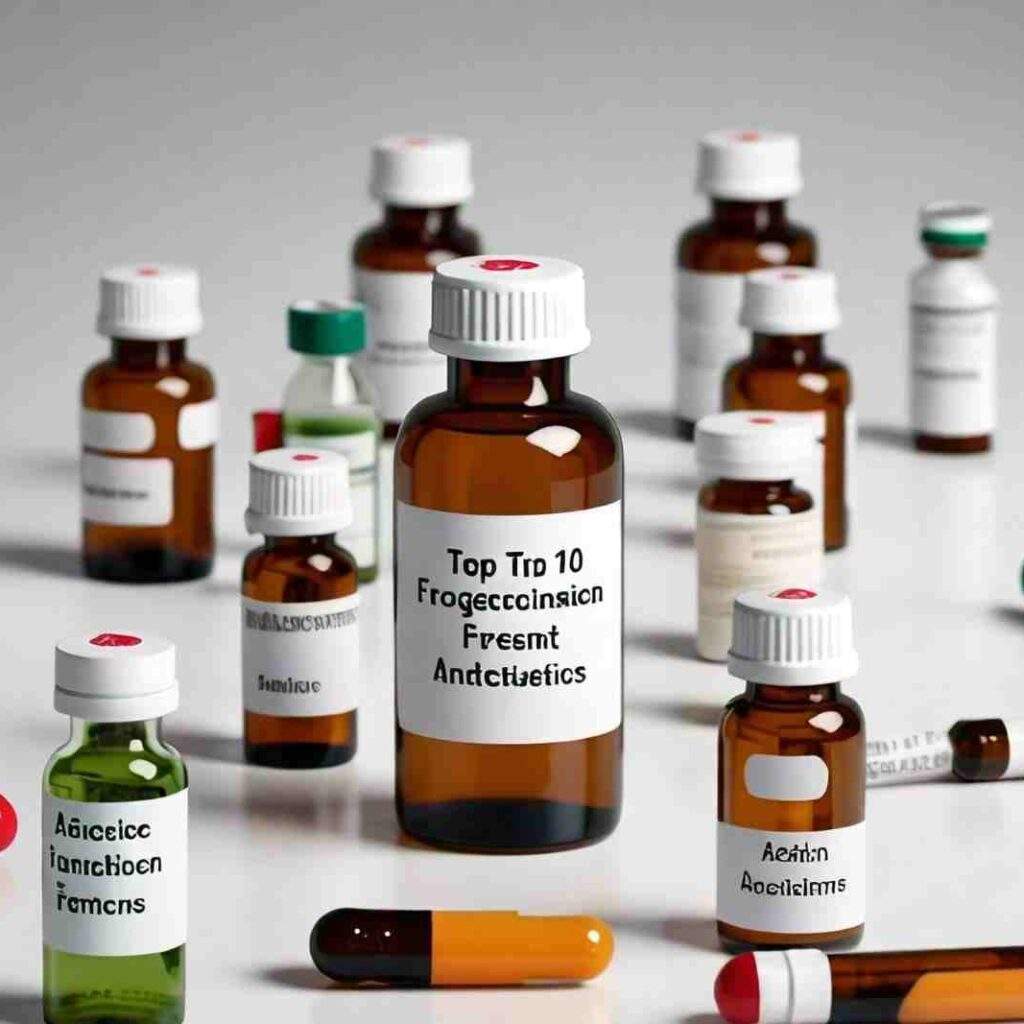
Top 10 Strongest Antibiotics for Bacterial Infections

Note: The classification and examples of antibiotics are not exhaustive, and the use of antibiotics should always be guided by antibiotic stewardship principles and local resistance patterns.
top 10 strongest antibiotics for bacterial infections

Here are some of the strongest antibiotics, categorized by class, along with their overview, uses, and examples:

1. Cephalosporins

Overview and uses:
Cephalosporins are broad-spectrum antibiotics effective against a wide range of Gram-positive and Gram-negative bacteria. They are commonly used to treat skin infections, pneumonia, meningitis, and urinary tract infections.

Examples:

  • Ceftriaxone (Rocephin): used to treat severe infections, including meningitis and septicemia
  • Cefepime (Maxipime): used to treat pneumonia, urinary tract infections, and skin infections

2. Carbapenems

Overview and uses:
Carbapenems are powerful antibiotics reserved for severe, life-threatening infections caused by multidrug-resistant bacteria. They are effective against a broad spectrum of Gram-positive and Gram-negative bacteria.

Examples:

  • Meropenem (Merrem): used to treat complicated skin infections, intra-abdominal infections, and meningitis
  • Imipenem (Primaxin): used to treat lower respiratory tract infections, urinary tract infections, and skin infections

3. Fluoroquinolones

Overview and uses:
Fluoroquinolones are broad-spectrum antibiotics effective against Gram-positive and Gram-negative bacteria. They are commonly used to treat respiratory tract infections, urinary tract infections, and skin infections.

Examples:

  • Ciprofloxacin (Cipro): used to treat respiratory tract infections, urinary tract infections, and skin infections
  • Levofloxacin (Levaquin): used to treat respiratory tract infections, urinary tract infections, and skin infections

4. Glycopeptides

Overview and uses:
Glycopeptides are narrow-spectrum antibiotics effective against Gram-positive bacteria, including MRSA. They are commonly used to treat severe skin infections, pneumonia, and endocarditis.

Examples:

  • Vancomycin (Vancocin): used to treat MRSA infections, including skin infections and pneumonia

5. Aminoglycosides

Overview and uses:
Aminoglycosides are broad-spectrum antibiotics effective against Gram-negative bacteria. They are commonly used to treat severe infections, including septicemia and meningitis.

Examples:

  • Gentamicin (Garamycin): used to treat severe infections, including septicemia and meningitis
  • Amikacin (Amikin): used to treat severe infections, including septicemia and meningitis

6. Macrolides

Overview and uses:
Macrolides are broad-spectrum antibiotics effective against Gram-positive and Gram-negative bacteria. They are commonly used to treat respiratory tract infections, skin infections, and genital infections.

Examples:

  • Azithromycin (Zithromax): used to treat respiratory tract infections, skin infections, and genital infections
  • Clarithromycin (Biaxin): used to treat respiratory tract infections, skin infections, and Helicobacter pylori infections

7. Lincosamides

Overview and uses:
Lincosamides are narrow-spectrum antibiotics effective against Gram-positive bacteria, including MRSA. They are commonly used to treat severe skin infections, pneumonia, and septicemia.

Examples:

  • Clindamycin (Cleocin): used to treat severe skin infections, pneumonia, and septicemia

8. Polymyxins

Overview and uses:
Polymyxins are narrow-spectrum antibiotics effective against Gram-negative bacteria, including Pseudomonas aeruginosa. They are commonly used to treat severe infections, including septicemia and meningitis.

Examples:

  • Colistin (Coly-Mycin): used to treat severe infections, including septicemia and meningitis

9. Oxazolidinones

Overview and uses:
Oxazolidinones are narrow-spectrum antibiotics effective against Gram-positive bacteria, including MRSA. They are commonly used to treat severe skin infections, pneumonia, and septicemia.

Examples:

  • Linezolid (Zyvox): used to treat severe skin infections, pneumonia, and septicemia

10. Tetracyclines

Overview and uses:
Tetracyclines are broad-spectrum antibiotics effective against Gram-positive and Gram-negative bacteria. They are commonly used to treat respiratory tract infections, skin infections, and genital infections.

Examples:

  • Doxycycline (Vibramycin): used to treat respiratory tract infections, skin infections, and genital infections
  • Minocycline (Minocin): used to treat respiratory tract infections, skin infections, and acne

Additional mentions:

  • Vancomycin 3.0: a newer formulation of vancomycin with improved pharmacokinetics and efficacy against MRSA
  • Penicillin: a narrow-spectrum antibiotic effective against Gram-positive bacteria, commonly used to treat streptococcal infections
  • Amoxicillin: a narrow-spectrum antibiotic effective against Gram-positive bacteria, commonly used to treat respiratory tract infections and skin infections

Visit our shop page to discover the latest antibiotic drugs & many more

Specific Use Cases Of Antibiotics

Note: The specific antibiotic treatment should be guided by culture and susceptibility results, as well as local resistance patterns.

specific use cases of antibiotics

1. Severe Infections

Typically used antibiotics:

  • Broad-spectrum antibiotics, such as:
    • Carbapenems (e.g., Meropenem, Imipenem)
    • Cephalosporins (e.g., Ceftriaxone, Cefepime)
    • Glycopeptides (e.g., Vancomycin)
    • Aminoglycosides (e.g., Gentamicin, Amikacin)

Examples of severe infections:

  • Sepsis
  • Meningitis
  • Pneumonia
  • Septicemia
  • Endocarditis

2. Multi-Drug Resistant Infections

Treatment options for resistant bacteria:

  • Combination therapy with multiple antibiotics
  • Use of newer antibiotics, such as:
    • Linezolid (Oxazolidinones)
    • Daptomycin (Lipopeptides)
    • Colistin (Polymyxins)
  • Antibiotic stewardship programs to optimize antibiotic use

Examples of resistant bacteria and corresponding antibiotics:

  • MRSA (Methicillin-resistant Staphylococcus aureus):
    • Vancomycin
    • Linezolid
    • Daptomycin
  • VRE (Vancomycin-resistant Enterococci):
    • Linezolid
    • Daptomycin
    • Quinupristin/Dalfopristin
  • ESBL-producing bacteria (Extended-spectrum beta-lactamase):
    • Carbapenems (e.g., Meropenem, Imipenem)
    • Cephalosporins (e.g., Ceftriaxone, Cefepime)
  • Pseudomonas aeruginosa:
    • Colistin
    • Aminoglycosides (e.g., Gentamicin, Amikacin)
    • Cephalosporins (e.g., Cefepime)

Note: The specific antibiotic treatment should be guided by culture and susceptibility results, as well as local resistance patterns.

Side Effects And Risks

Note: It’s essential to use antibiotics judiciously and only when necessary, under the guidance of a healthcare professional.
side effects and risks of antibiotics with pills

Common Side Effects

  • Gastrointestinal issues:
    • Nausea
    • Vomiting
    • Diarrhea
    • Abdominal pain
  • Allergic reactions:
    • Rash
    • Itching
    • Hives
    • Anaphylaxis (rare)

Serious Side Effects

  • Organ toxicity:
    • Kidney damage (nephrotoxicity)
    • Liver damage (hepatotoxicity)
    • Hearing loss (ototoxicity)
  • Long-term impacts:
    • Increased risk of infections (e.g., C. difficile)
    • Disruption of gut microbiota
    • Potential impact on mental health (e.g., anxiety, depression)

Risks Of Overuse And Misuse

  • Development of resistance:
    • Overuse and misuse accelerate antibiotic resistance
    • Reduced effectiveness of antibiotics
  • Impact on gut microbiota:
    • Disruption of balance and diversity
    • Increased risk of infections and diseases
    • Potential long-term consequences for overall health

Note: To use antibiotics judiciously and only when necessary, under the guidance of a healthcare professional.

Natural Alternatives And Complementary Treatments

Note: While natural antibiotics and complementary treatments can be useful, it’s essential to consult with a healthcare professional before using them, especially if you have a severe infection or underlying medical condition.

natural alternatives and complementary treatments

Natural antibiotics are substances found in nature that exhibit antimicrobial properties, effective against various microorganisms. While not a replacement for prescription antibiotics, they can be a useful complement or alternative in certain situations.

Examples Of Natural Antibiotics

  • Garlic: contains compounds like allicin, which have antibacterial and antiviral properties
  • Honey: has antimicrobial properties, effective against certain bacteria and fungi
  • Oregano oil: contains carvacrol, which has antibacterial and antifungal properties

Effectiveness Compared To Prescription Antibiotics

Research findings suggest that natural antibiotics can be effective against certain microorganisms, but their efficacy may vary compared to prescription antibiotics. Natural antibiotics may:

  • Be less potent than prescription antibiotics
  • Have a narrower spectrum of activity
  • Require longer treatment durations

Situations Where Natural Antibiotics May Be Beneficial

  • Mild to moderate infections
  • Preventative measures (e.g., immune system support)
  • Complementary treatment alongside prescription antibiotics
  • Situations where antibiotic resistance is a concern

Complementary Treatments

  • Probiotics: beneficial bacteria that support gut health and immune function
  • Immune system support: supplements like vitamin C, zinc, and elderberry that enhance immune function

Final Thoughts

Antibiotics are powerful tools for combating bacterial infections, but their misuse can lead to antibiotic resistance and reduced effectiveness.

Antibiotics-&-Bacteria-Cells

Natural antibiotics and complementary treatments can be useful in certain situations, but should not replace prescription antibiotics without guidance. By working together, we can preserve the effectiveness of antibiotics and protect public health.

Encouragement For Responsible Antibiotic Use

Let’s use antibiotics wisely and take steps to prevent antibiotic resistance:

  • Use antibiotics only when necessary
  • Follow healthcare provider guidance
  • Complete full treatment courses
  • Avoid overuse and misuse
  • Support antibiotic stewardship initiatives

Together, we can ensure the continued effectiveness of antibiotics and protect our health.

FAQs – Strongest Antibiotics

What Antibiotic Is Used for Severe Bacterial Infections?

Severe bacterial infections require strong antibiotics like Vancomycin, Meropenem, and Piperacillin/Tazobactam.

Which Antibiotic Is Most Effective Against Bacteria?

The most effective antibiotic depends on the type of bacteria, but broad-spectrum antibiotics like Amoxicillin, Ciprofloxacin, and Doxycycline are often effective.

What Type of Antibiotic Directly Kills Bacteria?

Bactericidal antibiotics like Penicillins, Cephalosporins, and Aminoglycosides directly kill bacteria.

Which Antibiotic is Most Effective Overall?

Amoxicillin/Clavulanate and Levofloxacin are often considered among the most effective overall due to their broad-spectrum activity and effectiveness against various infections.

What are the Top 3 Antibiotics?

Azithromycin, Clindamycin, and Metronidazole are often considered among the top 3 antibiotics due to their effectiveness, safety, and versatility.

Which Tablet is Best for Bacterial Infection?

Augmentin (Amoxicillin/Clavulanate) and Zithromax (Azithromycin) are popular and effective antibiotic tablets.

Which is the Super Powerful Antibiotic?

Colistin and Linezolid are considered powerful antibiotics due to their effectiveness against resistant bacteria.

Which Antibiotic Works Faster?

Erythromycin and Ceftriaxone are fast-acting antibiotics often used for severe infections.

What is the Perfect Antibiotic?

The perfect antibiotic would be effective, safe, and resistant to resistance, but no single antibiotic meets all these criteria. Amoxicillin and Cefuroxime are examples of well-rounded antibiotics.

What is the Hardest Bacterial Infection to Get Rid Of?

MRSA and Pseudomonas aeruginosa are difficult-to-treat bacterial infections due to their resistance to antibiotics.

What are Emergency Antibiotics?

Imipenem and Ceftazidime are examples of emergency antibiotics used in life-threatening situations.

Which is the Most Safe Antibiotic?

Penicillin V and Cephalexin are considered safe antibiotics for common use.

Strong Antibiotics for Specific Infections

Clindamycin and Doxycycline for skin infections, Azithromycin and Levofloxacin for respiratory infections, and Nitrofurantoin and Ciprofloxacin for urinary tract infections.

List of Strongest Antibiotic

A comprehensive list of the strongest antibiotics includes Vancomycin, Meropenem, Piperacillin/Tazobactam, and others.

Antibiotic Tablets Names

Commonly prescribed antibiotic tablets include Augmentin, Zithromax, and Cipro.

Types of Antibiotic

There are 7 types of antibiotics: Penicillins, Cephalosporins, Macrolides, Fluoroquinolones, Tetracyclines, Aminoglycosides, and Sulfonamides.

Best Drug to Treat Infection

The best drug to treat an infection depends on the type of infection, effectiveness, side effects, and resistance patterns.

………………………….
Disclaimer:
Commissions we earn from partner links on this page do not influence our content. Our editorial content is based on thorough research and insights from qualified medical professionals to ensure the highest standards of accuracy and reliability.

Information provided on Doseway is for educational purposes only. Your health and wellness are unique to you, and the products and services we review may not be suitable for your individual circumstances. We do not offer personal medical advice, diagnosis, or treatment plans. For specific advice, please consult with a healthcare professional. Doseway adheres to strict editorial integrity standards. To the best of our knowledge, all content is accurate as of the date posted, though offers and information may change. The opinions expressed are the author’s own and have not been influenced, approved, or endorsed by our partners.

List-Of-Over-The-Counter-Antibiotics -OTC-Antibiotics

List Of Over The Counter Antibiotics 2026 (OTC Antibiotics)

Hey there! Have you ever wondered if you can get antibiotics without a prescription? Well, the answer is yes! Over-the-counter antibiotics are available, but knowing what they are and how to use them correctly is crucial.

OTC antibiotics can be purchased directly from a pharmacy or store to treat minor infections. They’re not as strong as prescription antibiotics, but they can help with small issues like skin or urinary tract infections.

Knowing about OTC antibiotics

Knowing about OTC antibiotics is vital because it can help you:

  • Take control of your health
  • Save time and money
  • Avoid unnecessary doctor visits
  • Use antibiotics responsibly

In this article, we’ll break down everything you need to know about OTC antibiotics, so you can make informed decisions and stay healthy!

Check out available antibiotics on our online store.

What Are Over-the-counter Antibiotics?

Best-Over-The-Counter-Antibiotics -OTC-Antibiotics

So, what exactly are over-the-counter (OTC) antibiotics? Simply put, they’re medications that can be bought without a prescription to treat minor infections. Here’s what you need to know:

Definition and Distinction: OTC antibiotics are different from prescription antibiotics. They’re less potent and designed for minor infections, whereas prescription antibiotics are stronger and used for more severe cases.

Common Uses and Applications: OTC antibiotics are commonly used to treat:

  • Skin infections (like acne, minor cuts, or scrapes)
  • Urinary tract infections (UTIs)
  • Eye and ear infections
  • Mild respiratory infections (like bronchitis)

Limitations and Regulations: Keep in mind that OTC antibiotics:

  • Are not suitable for severe or complex infections
  • Should only be used for a short period (usually 7-10 days)
  • Are regulated by the FDA to ensure safety and efficacy
  • May interact with other medications or have side effects

Remember, always read the label, follow instructions, and consult a doctor if you’re unsure!

Common Over-The-Counter Antibiotics For Infection

Here is the list of most commonly used OTC antibiotics:

most commonly used OTC antibiotics

1. Bacitracin

  • Uses: Treats minor skin infections, cuts, and scrapes
  • Forms available: Ointment, cream

2. Neomycin

  • Uses: Treats skin infections, wounds, and burns
  • Forms available: Cream, ointment, powder

3. Polymyxin B

  • Uses: Treats skin infections, wounds, and eye infections
  • Forms available: Ointment, cream, eye drops

4. Combination Antibiotics (e.g., Neosporin)

  • Uses: Treats minor skin infections, cuts, scrapes, and burns
  • Forms available: Cream, ointment, spray

5. Sulfacetamide

  • Uses: Treats eye infections, such as conjunctivitis
  • Forms available: Eye drops, ointment

6. Erythromycin

  • Uses: Treats skin infections, acne, and minor respiratory infections
  • Forms available: Ointment, cream, tablets

7. Hydrocortisone-Antibiotic Combination Creams

  • Uses: Treats skin allergies, itching, and minor infections
  • Forms available: Cream, ointment

8. Mupirocin

  • Uses: Treats skin infections, such as impetigo and folliculitis
  • Forms available: Ointment, cream

Remember to always read the label, follow instructions, and consult a doctor if you’re unsure!

Over The Counter Antibiotics for Bacterial Infections

While it’s always best to consult a doctor for proper diagnosis and treatment, some Over-the-counter (OTC) antibiotics can be effective against bacterial infections. Here are some examples:

OTC ntibiotics Effective Against Bacterial Infections

Examples of OTC antibiotics effective against bacterial infections:

  • Neosporin (Neomycin + Polymyxin B): Effective against minor cuts, scrapes, and burns.
  • Bacitracin: Used to treat minor skin infections, cuts, and scrapes.
  • Hydrocortisone cream: Combines an antibiotic with a steroid to reduce inflammation and fight infection.
  • Triple antibiotic ointment (Neomycin + Bacitracin + Polymyxin B): Treats minor skin infections, cuts, and scrapes.

Situations where they can be used:

  • Minor cuts and scrapes: OTC antibiotics can help prevent infection and promote healing.
  • Skin infections: Such as impetigo, folliculitis, or minor cellulitis.
  • Burns: Minor burns can be treated with OTC antibiotics to prevent infection.
  • Wound care: OTC antibiotics can be used to treat minor wounds, such as abrasions or lacerations.

Important Notes:

  • Always follow the instructions and dosage recommendations.
  • If symptoms worsen or don’t improve within 7-10 days, consult a doctor.
  • OTC antibiotics are not effective against viral infections, such as the common cold or flu.
  • Antibiotic resistance can occur with overuse or misuse, so use them judiciously.

Amoxicillin Over-The-Counter Alternative

Why Amoxicillin is not available OTC?

amoxicillin_over_the_counter_alternative

Amoxicillin is a prescription antibiotic that requires a doctor’s supervision due to:

  • Potential for misuse: Overuse or misuse can lead to antibiotic resistance.
  • Need for proper diagnosis: Amoxicillin only treats bacterial infections, not viral infections.
  • Risk of allergic reactions: Amoxicillin can cause severe allergic reactions in some individuals.
  • Dosage and duration: Requires a doctor’s guidance to ensure proper dosage and treatment duration.

Common OTC alternatives and their uses:

  • Pain relievers (Acetaminophen or Ibuprofen): For relieving symptoms like fever, headache, or body aches.
  • Decongestants (Pseudoephedrine or Phenylephrine): For relieving nasal congestion.
  • Expectorants (Guaifenesin): For relieving cough and mucus buildup.
  • Topical antibiotics (Neosporin or Bacitracin): For minor skin infections, cuts, and scrapes.

Over The Counter Oral Antibiotics

In the United States, oral antibiotics are not available over-the-counter (OTC) without a prescription. However, some countries like Mexico or online pharmacies may offer OTC oral antibiotics.

over the counter oral antibiotics

Examples and their applications:

Note: These examples are for informational purposes only and are not recommended for self-medication.

  • Azithromycin (Zithromax): Treats bacterial infections like bronchitis, pneumonia, and sinusitis.
  • Ciprofloxacin (Cipro): Treats bacterial infections like urinary tract infections, sinusitis, and bronchitis.
  • Amoxicillin (Amoxil): Treats bacterial infections like pneumonia, bronchitis, and sinusitis.

Important Notes:

  • Oral antibiotics should only be used under medical guidance to avoid misuse and antibiotic resistance.
  • Self-medication can lead to incorrect diagnosis, treatment, and potentially harmful interactions.
  • Always consult a healthcare professional for proper diagnosis and treatment.

Alternatives:

  • Topical antibiotics (Neosporin, Bacitracin) for minor skin infections.
  • Pain relievers (Acetaminophen, Ibuprofen) for symptom relief.
  • Natural remedies (Honey, Garlic) for immune system support.

Remember, antibiotics should only be used under medical guidance to ensure proper treatment and minimize risks.

OTC Antibiotics For Tooth Infection

Remember: OTC antibiotics are not a substitute for professional dental care. If symptoms persist or worsen, seek dental attention to avoid complications.

over the counter oral antibiotics for Tooth Infection

Commonly used OTC antibiotics for dental infections:

  1. Pain relievers with antibiotic properties:
    • Excedrin (Acetaminophen + Aspirin)
    • Anbesol (Benzocaine + Antibiotic)
  2. Topical antibiotics:
    • Orajel (Benzocaine + Antibiotic)
    • Neosporin Oral Paste (Neomycin + Polymyxin B)
  3. Mouthwashes:
    • Listerine (Essential Oils)
    • Chlorhexidine Mouthwash (Chlorhexidine Gluconate)

Effectiveness and limitations:

  • Effective against:
    • Minor toothaches
    • Gum inflammation
    • Mouth sores
  • Limited effectiveness against:
    • Severe tooth infections
    • Abscesses
    • Dental abscesses
  • Important notes:
    • OTC antibiotics may not penetrate deep enough to reach the infection source.
    • Antibiotic resistance can occur with overuse or misuse.
    • Always consult a dentist for proper diagnosis and treatment.

OTC Antibiotics For UTI

Always consult a healthcare professional for proper diagnosis and treatment of UTIs.

otc_antibiotics_for_uti

Availability and effectiveness of OTC antibiotics for urinary tract infections:

There are no oral antibiotics available over-the-counter (OTC) specifically for urinary tract infections (UTIs). However, some products claim to help alleviate UTI symptoms:

  1. Urinary pain relievers:
    • AZO Urinary Pain Relief (Phenazopyridine)
    • Uristat (Phenazopyridine)
  2. Cranberry supplements:
    • Cranberry juice or capsules may help prevent UTIs, but the evidence is mixed.

Effectiveness:

  • Pain relievers: Can help alleviate symptoms like burning sensation and discomfort.
  • Cranberry supplements: May help prevent UTIs by preventing bacterial adhesion, but evidence is limited.

When to seek professional medical advice:

  • Severe symptoms: If you experience severe pain, vomiting, or fever over 101.5°F (38.6°C).
  • No improvement: If symptoms don’t improve within 2-3 days or worsen over time.
  • Recurring UTIs: If you experience frequent UTIs (more than 2-3 per year).
  • Pregnancy or underlying conditions: If you’re pregnant or have underlying medical conditions like diabetes, kidney disease, or weakened immunity.

OTC Antibiotic Cream

Important notes:

  • Antibiotic resistance can occur with overuse or misuse, so use them judiciously.
  • Always follow instructions and dosage recommendations.
  • If symptoms worsen or don’t improve within 7-10 days, consult a doctor.
  • OTC antibiotic creams are not effective against viral or fungal infections.
otc antibiotic cream

Types of antibiotic creams available over the counter:

  • Neosporin (Neomycin + Polymyxin B): Effective against minor cuts, scrapes, and burns.
  • Bacitracin: Used to treat minor skin infections, cuts, and scrapes.
  • Triple antibiotic ointment (Neomycin + Bacitracin + Polymyxin B): Treats minor skin infections, cuts, and scrapes.
  • Hydrocortisone cream: Combines an antibiotic with a steroid to reduce inflammation and fight infection.

Uses and effectiveness for different skin conditions:

  • Minor cuts and scrapes: OTC antibiotic creams can help prevent infection and promote healing.
  • Skin infections: Such as impetigo, folliculitis, or minor cellulitis.
  • Burns: Minor burns can be treated with OTC antibiotic creams to prevent infection.
  • Acne: Some OTC antibiotic creams can help reduce acne by fighting bacterial infections.
  • Wound care: OTC antibiotic creams can be used to treat minor wounds, such as abrasions or lacerations.

Uses And Benefits Of OTC Antibiotics

Over-the-counter (OTC) antibiotics offer several benefits and uses, including:

Uses And Benefits Of OTC Antibiotics

1. Treating Minor Cuts, Scrapes, and Burns

  • OTC antibiotics help prevent infection and promote healing in minor injuries.

2. Preventing Infections in Minor Wounds

  • Applying OTC antibiotics to minor wounds reduces the risk of infection and supports the healing process.

3. Ease of Access and Convenience

  • OTC antibiotics are readily available at pharmacies and stores, making them easily accessible for minor medical needs.

4. Cost-Effectiveness

  • OTC antibiotics are often less expensive than prescription antibiotics, providing an affordable option for minor infections.

Additional benefits of OTC antibiotics include:

  • Reducing the risk of antibiotic resistance by reserving prescription antibiotics for more severe infections
  • Allowing for self-care and empowerment in managing minor medical issues
  • Providing a convenient solution for minor infections, saving time and effort

Precautions And Limitations

While over-the-counter (OTC) antibiotics can be effective, it’s essential to be aware of their limitations and precautions:

OTC Antibiotics Precautions

1. Risks of Overuse and Antibiotic Resistance

  • Using OTC antibiotics excessively or unnecessarily contributes to antibiotic resistance, making them less effective against future infections.

2. Situations Where Prescription Antibiotics Are Necessary

  • Severe infections, such as pneumonia or sepsis, require prescription antibiotics.
  • Infections that worsen or don’t improve with OTC antibiotics need medical attention.
  • Certain populations, like children, pregnant women, or people with weakened immune systems, may require prescription antibiotics.

3. Importance of Proper Usage and Following Instructions

  • Always read and follow the label instructions.
  • Use OTC antibiotics only for the recommended duration (usually 7-10 days).
  • Don’t share antibiotics or use leftover medication.

4. Potential Side Effects

  • Common side effects: allergic reactions, itching, redness, or digestive issues.
  • Rare but serious side effects: anaphylaxis, Stevens-Johnson syndrome, or toxic epidermal necrolysis.

Additional precautions:

  • Consult a doctor if you’re unsure about using OTC antibiotics or have an underlying medical condition.
  • Be aware of interactions with other medications or supplements.
  • Don’t use OTC antibiotics for viral infections, like the common cold or flu.

How To Choose The Right OTC Antibiotic

Selecting the right over-the-counter (OTC) antibiotic can be overwhelming, but considering the following factors and consulting a healthcare professional can help:

choosing_the_right_otc_antibiotic

Factors to Consider:

  • Type of Wound: Different antibiotics target specific types of infections (e.g., skin, eye, or ear).
  • Severity: Mild, moderate, or severe infections require different levels of treatment.
  • Location: Infections on the face, genital area, or near the eyes may require specialized treatment.
  • Age and Health Status: Children, pregnant women, or people with weakened immune systems may need alternative treatments.
  • Allergies and Sensitivities: Consider any known allergies or sensitivities to antibiotics.
  • Previous Infections: If you’ve had recurring infections, you may need a different treatment.

Consulting a Pharmacist or Healthcare Professional:

  • Pharmacist: They can help you choose the right OTC antibiotic and provide guidance on usage.
  • Healthcare Professional: If you’re unsure or have a complex infection, consult a doctor or nurse practitioner for personalized advice.

Additional Tips:

  • Read Labels Carefully: Ensure the product is suitable for your needs.
  • Follow Instructions: Use the antibiotic as directed and complete the full treatment course.
  • Monitor Progress: If symptoms worsen or don’t improve, seek medical attention.

By considering these factors and consulting a healthcare professional, you can choose the right OTC antibiotic and effectively treat your infection.

Alternatives To OTC Antibiotics

If you’re looking for alternatives to over-the-counter (OTC) antibiotics, consider the following options:

alternatives_to_otc_antibiotics

Natural Remedies:

  • Honey: Known for its antibacterial properties, honey can aid in wound healing.
  • Aloe Vera: Aloe vera gel has anti-inflammatory and antimicrobial properties, making it suitable for minor burns and skin irritations.
  • Tea Tree Oil: This essential oil has antimicrobial properties, but use it with caution and dilute it with a carrier oil.
  • Coconut Oil: Coconut oil’s antimicrobial properties can help with minor skin infections.

Over-the-Counter Antiseptics and Disinfectants:

  • Hydrogen Peroxide: Effective against bacterial and fungal infections, but use it with caution to avoid skin irritation.
  • Povidone-Iodine: A topical antiseptic that can help prevent infection in minor cuts and scrapes.
  • Benzalkonium Chloride: A topical antiseptic that can help prevent infection in minor cuts and scrapes.

Additional Alternatives:

  • Keep the wound clean and dry: Proper wound care can help prevent infection.
  • Use cold compresses: Cold compresses can help reduce swelling and ease pain.
  • Take pain relievers: Over-the-counter pain medications like acetaminophen or ibuprofen can help manage discomfort.

Remember, if your symptoms worsen or don’t improve with these alternatives, consult a healthcare professional for proper diagnosis and treatment.

Bottom Lines

In conclusion, over-the-counter (OTC) antibiotics can be effective for minor infections, but it’s crucial to use them responsibly and understand their limitations. Here’s a summary of key points:

  • OTC antibiotics are available for minor skin infections, wounds, and burns
  • Always read labels, follow instructions, and use them for the recommended duration
  • Be aware of potential side effects, interactions, and antibiotic resistance
  • Consider natural remedies and antiseptics as alternatives
  • Seek professional advice for severe or persistent infections, or if unsure

Responsible Use is Key

Remember, responsible use of OTC antibiotics is essential to maintain their effectiveness and minimize risks. Don’t overuse or misuse antibiotics, as this can lead to antibiotic resistance and reduced efficacy.

Seek Professional Advice When Necessary

If you’re unsure about using OTC antibiotics or have a complex infection, consult a healthcare professional for personalized guidance. They can help you determine the best course of treatment and ensure proper wound care.

By using OTC antibiotics responsibly and seeking professional advice when needed, you can effectively manage minor infections and maintain good health.

Further Reading Materials

  • The Antibiotic Paradox by Dr. Stuart Levy
  • “Antibiotic Resistance: Understanding the Crisis” by Dr. Michael Gillings
  • “The Oxford Handbook of Infectious Diseases and Microbiology” edited by Dr. Estee Torok and Dr. Ed Moran

Frequently Asked Questions (FAQs) – OTC Antibiotics

What are OTC antibiotics?

OTC antibiotics are medications available without a prescription, used to treat minor infections.

How do OTC antibiotics work?

OTC antibiotics kill or inhibit the growth of microorganisms, helping the body fight off infections.

What types of infections can OTC antibiotics treat?

OTC antibiotics can treat minor skin infections, wounds, burns, and some respiratory infections.

Are OTC antibiotics safe?

Generally, yes, but use them responsibly and follow instructions to minimize risks.

Can I use OTC antibiotics for viral infections?

No, OTC antibiotics are ineffective against viral infections.

How do I use OTC antibiotics?

Follow the instructions on the label, and consult a pharmacist if unsure.

What is the recommended dosage for OTC antibiotics?

Dosage varies depending on the product and infection; always follow label instructions.

Can I take OTC antibiotics with other medications?

Consult a pharmacist or doctor before combining medications.

Can I use OTC antibiotics for an extended period?

No, use for the recommended duration only (usually 7-10 days).

What if I miss a dose of OTC antibiotics?

Take the missed dose as soon as you remember, but don’t double up.

What are the common side effects of OTC antibiotics?

Mild side effects include allergic reactions, itching, redness, or digestive issues.

Can OTC antibiotics cause allergic reactions?

Yes, if you’re allergic to the antibiotic or ingredients.

Are OTC antibiotics effective against all types of infections?

No, they’re best for minor infections; severe infections require prescription antibiotics.

How can I prevent antibiotic resistance?

Use antibiotics responsibly, only when necessary, and complete the full treatment course.

What are natural alternatives to OTC antibiotics?

Options include honey, aloe vera, tea tree oil, and coconut oil.

Can I use antiseptics and disinfectants instead of OTC antibiotics?

Yes, for minor cuts and scrapes, but not for internal infections.

Can I use OTC antibiotics for wounds or cuts?

Yes, for minor wounds and cuts, but consult a doctor for deeper or more severe injuries.

Can I use OTC antibiotics for eye or ear infections?

Consult a doctor before using OTC antibiotics for these types of infections.

………………………….
Disclaimer:

Commissions we earn from partner links on this page do not influence our content. Our editorial content is based on thorough research and insights from qualified medical professionals to ensure the highest standards of accuracy and reliability.

Information provided on Doseway is for educational purposes only. Your health and wellness are unique to you, and the products and services we review may not be suitable for your circumstances. We do not offer personal medical advice, diagnosis, or treatment plans. For specific advice, please consult with a healthcare professional.

Doseway adheres to strict editorial integrity standards. To the best of our knowledge, all content is accurate as of the date posted, though offers and information may change. The opinions expressed are the author’s own and have not been influenced, approved, or endorsed by our partners.

Best-Antibiotics-For-Bed-Sores

Top 5 Antibiotics For Bed Sores: Symptoms, Staging & Treatment

Bed sores, also known as pressure ulcers or pressure sores, are skin injuries that develop when pressure is applied to a particular area of the body for an extended period. These sores commonly occur on bony areas such as the hips, buttocks, and heels.

The pressure disrupts blood flow to the skin, causing damage that can lead to painful wounds. Elderly individuals, those confined to beds or wheelchairs, and people with mobility issues are at higher risk of developing bed sores.

List Of Top 5 Best Antibiotics For Bed Sores {Symptoms, Staging & Treatment}

Top-5-Best-Antibiotics-For-Bed-Sores

Recommended Reading: List Of Antibiotics Safe In Pregnancy (Uses+Side Effects)

What Are Bed Sores?

Bed Sores

Bed sores (pressure ulcers) are painful skin and tissue injuries caused by prolonged pressure, often affecting those who are bedridden or immobile. Proper care is essential to prevent infections.

What-Are-Bed-Sores

Bed sores, also called pressure ulcers, are skin and tissue injuries caused by long periods of pressure on the skin. These sores often appear in people who stay in one position for too long, such as those bedridden or in a wheelchair. They mostly develop on bony areas like the hips, heels, and back.

Common Causes of Bed Sores

  • Pressure: Constant pressure cuts off blood flow, damaging the skin and tissues.
  • Friction: Repeated rubbing against surfaces like bed sheets weakens the skin.
  • Shear: Sliding or pulling skin can tear and injure tissues.
  • Moisture: Wet skin from sweat, urine, or stool increases the risk of sores forming.

How Do Bed Sores Form?

Bed sores form when prolonged pressure reduces blood supply to the skin, causing tissue to break down. Without treatment, these sores can worsen and lead to infections.

Recommended Reading: Top 5 Best Antibiotic Tablets For Wound Healing

Stages of Bed Sores

Stages

Stages of bed sores range from mild skin redness (Stage 1) to deep wounds affecting muscles and bones (Stage 4), requiring timely care to prevent worsening.

Stages-of-Bed-Sores

StageDetailsKey SymptomsTreatment and Care
Stage 1The initial stage is where the skin remains intact, but there’s visible redness or discoloration.– Red, blue, or purplish skin patches.
– Area may feel warm, itchy, or firm.
– Relieve pressure from the affected area.
– Keep skin dry and moisturized.
Stage 2The skin breaks open, forming shallow sores that resemble blisters or abrasions.– Open, blister-like sore.
– Painful and discolored skin around the area.
– Gently clean the area.
– Use dressings to protect the sore and promote healing.
Stage 3The sore extends deeper, affecting the underlying tissue and creating a crater-like wound.– Visible tissue damage.
-The wound looks like a crater.
– Dark patches around the sore.
– Apply prescribed ointments.
– Change dressings regularly.
– Seek professional medical help if severe.
Stage 4The most severe stage is where the sore extends to muscles, bones, or joints, leading to serious complications like infection.– Exposed muscle, bone, or tendon.
– Risk of serious infections like osteomyelitis or sepsis.
– Intensive wound care.
– Surgery may be required.
– Consult a healthcare professional immediately.
Table: Stages-of-Bed-Sores

Recommended Reading: Top 5 Antibiotics For Ear Piercing Infection (Infected Ear Piercing)

Bed Sores Treatment

Treatment Of Bedsores

Bed sores treatment involves relieving pressure, keeping the area clean, and using medications or dressings to promote healing and prevent infection.

Treatment-Of-Bed-Sores

Bed sores (pressure ulcers) are managed using a combination of dressings, medications, lifestyle changes, and sometimes surgery, depending on severity.

Dressings

  • Protect the sore with appropriate bandages to keep it moist and prevent infection.
  • Clean the sore using a saline (saltwater) solution to promote healing.
  • Apply a moisture barrier to guard against fluids that could irritate the sore.

Medications

  • Pain Relief: Use NSAIDs like ibuprofen or topical pain relievers to reduce discomfort.
  • Antibiotics: If the sore becomes infected, antibiotics may be prescribed to control the infection.

Lifestyle Changes

  • Healthy Diet: Eat foods rich in protein, vitamins, and minerals to promote skin health.
  • Stay Hydrated: Drink plenty of water to prevent dehydration, which can slow healing.
  • Reposition Regularly: Change position frequently to avoid prolonged pressure on the same areas.
  • Pressure-Relieving Devices: Use special mattresses or cushions designed to reduce pressure on vulnerable areas.

Surgery

  • In severe cases, surgery may be needed to remove dead tissue or close deep ulcers.

Additional Treatments

  • Debridement: Removal of damaged tissue to speed up healing.
  • Creams and Ointments: Applied to aid skin regeneration.
  • Therapies: Advanced techniques that help skin repair faster.

Prevention

  • Good Skin Care: Keep the skin clean and moisturized.
  • Proper Nutrition: Ensure a balanced diet with plenty of nutrients.
  • Pressure Management: Use pressure-relieving surfaces and change positions often to prevent sores from forming.

Recommended Reading: Top 5 Best Antibiotics For Chest Infection (Fast Recovery)

Bedsores Treatment at Home

Treatment MethodDetails
Cleaning– Clean the sore with mild soap and water or saline solution.
– Remove dead tissue using saline or carefully cutting it out.
Dressing– Use a bandage to keep the wound moist and protect against infection.
– Opt for antimicrobial, hydrocolloid, or alginic acid-containing dressings.
– Apply barrier creams to shield damaged skin.
PositioningReposition frequently: every 15 minutes when sitting, and every 1-2 hours when lying down.
– Use pillows or foam cushions to elevate the affected area.
– Consider a pressure-relieving mattress or air mattress for better support.
Other Treatments– Take pain relievers like ibuprofen or naproxen sodium for discomfort.
– Maintain a nutritious diet rich in protein, calories, zinc, and vitamin C.
– Apply aloe vera gel to soothe the skin.
– Try essential oils like rockrose, myrrh, immortelle, and honey for added relief.
When to Seek Medical Advice– If the sore shows signs of infection.
– If the bedsore reaches advanced stages (stage 3 or 4).
– When dead tissue needs removal.
– If surgery becomes necessary.
Table: Bedsores-Treatment

Recommended Reading: Antibiotics For Intestinal Bacterial Infection (Stop Vomiting And Diarrhea)

Top Antibiotics For Bed Sores

Best Antibiotics

Antibiotics for bed sores are used to treat infected pressure ulcers, targeting bacteria to reduce infection and promote healing.

Top-Antibiotics-For-Bed-Sores

AntibioticTypeUseMechanism of Action
Amoxicillin-ClavulanateSystemic (Oral/IV)Broad-spectrum antibiotics are often used for infected bed sores.Inhibits bacterial cell wall synthesis and protects against beta-lactamase-producing bacteria.
Imipenem/CilastatinSystemic (IV)Used for severe infections, effective against most aerobic and anaerobic bacteria.Inhibits cell wall synthesis, effective against a broad range of bacteria.
MeropenemSystemic (IV)Similar to imipenem, used for complicated bed sore infections.Disrupts bacterial cell wall formation, killing various bacteria.
Mupirocin (Bactroban)TopicalUsed for mild to moderate infections in bed sores.Inhibits bacterial protein synthesis to treat localized infections.
Silver SulfadiazineTopicalAntimicrobial cream is used in stages 2 and 3 of bed sores.Releases silver ions to kill bacteria and fungi.
NitrofurazoneTopicalUsed to treat infected pressure ulcers, especially in early stages.Interferes with bacterial enzymes to stop growth.
LevofloxacinSystemic (Oral/IV)Broad-spectrum, good tissue penetration, used for severe bed sore infections.Inhibits bacterial DNA synthesis, preventing replication.
LinezolidSystemic (Oral/IV)Active against MRSA and other resistant bacteria.Inhibits bacterial protein synthesis by binding to ribosomes.
MetronidazoleSystemic or TopicalEffective for deep-stage bed sores involving anaerobic bacteria.Inhibits DNA synthesis in anaerobic bacteria.
CiprofloxacinSystemic (Oral/IV)A broad-spectrum antibiotic for serious infections beyond the sore.Inhibits bacterial DNA gyrase, preventing bacterial replication.
ClindamycinSystemic (Oral/IV)Used for resistant bacteria, especially in more advanced stages of bed sores.Inhibits bacterial protein synthesis by binding to ribosomes.
Table: Top-Antibiotics

Other Treatments for Bed Sores

  • Cadexomer-Iodine Paste: Antiseptic paste containing iodine, which helps fight infection and promote healing.
  • Collagenase Ointment: This breaks down dead tissue and helps in healing by promoting collagen formation.
  • Phenytoin Topical: Promotes healing by helping in collagen production and cell growth.

Recommended Reading: Best Vegan Brain Supplements (For Brain Health)

Best Antibiotic Creams For Bedsores

Best Antibiotic Creams

Antibiotic creams for bedsores help prevent infection and promote healing by killing bacteria in the affected area of pressure ulcers.

Best-Antibiotic-Creams-For-Bedsores

Type of CreamDetails
Antibiotic CreamsHelp prevent infection and promote healing in bed sores.
Silver Sulfadiazine CreamA topical antibiotic that prevents bacterial growth in wounds. Often used for bedsores.
Mupirocin CreamA topical antibiotic for treating infected sores and preventing the spread of bacteria.
Barrier CreamsProtect the skin by forming a barrier to reduce friction and moisture buildup.
SudocremA popular barrier cream that soothes the skin and helps prevent bedsores.
Natural Healing CreamsMade from natural ingredients to aid in healing and skin regeneration.
Ishaancare Bed Sore CreamA natural cream designed to treat bedsores, ulcers, wounds, and burns.
LMNOOP Skin Ulcer OintmentA natural ointment for treating bed sores, skin ulcers, cuts, and burns.
Other Healing CreamsSpecialized creams for specific stages of bedsores or deeper healing needs.
Cadexomer-Iodine PasteAn antiseptic paste containing iodine, used to clean and heal infected bedsores.
Collagenase OintmentsBreaks down collagen in dead tissue, promoting skin cell growth and healing.
Phenytoin TopicalHelps speed up healing by promoting collagen production and skin regeneration in pressure sores.
Table: Best-Creams

Details Of Creams For Bedsores

  • Antibiotic Creams:
    • Silver Sulfadiazine: Ideal for preventing bacterial infections in open sores.
    • Mupirocin: Useful for treating infected sores, and preventing bacteria spread.
  • Barrier Creams:
    • Sudocrem: Protects skin by forming a barrier that helps prevent moisture damage and irritation.
  • Natural Healing Creams:
    • Ishaancare Bed Sore Cream: Treats sores and promotes healing for ulcers and cuts.
    • LMNOOP Ointment: Aids in healing sores, burns, and other skin damage naturally.
  • Specialty Creams:
    • Cadexomer-Iodine Paste: Cleans and heals infected sores with iodine.
    • Collagenase Ointments: Helps break down dead tissue, aiding in new skin growth.
    • Phenytoin Topical: Promotes healing by stimulating collagen production.

Recommended Readings: Antibiotics For Skin Rashes And Itching | Strongest Allergy Medicine

IV Antibiotics For Bedsores

Best IV Antibiotics

IV antibiotics for bedsores are used to treat severe infections by delivering medication directly into the bloodstream, targeting bacteria in deep or infected pressure ulcers.

IV-Antibiotics-for-Bedsores

AntibioticDetails
CiprofloxacinBroad-spectrum antibiotics are effective against various bacterial infections in bedsores.
MetronidazoleUsed for anaerobic bacteria and is often combined with other antibiotics for better coverage.
VancomycinEffective for treating MRSA (methicillin-resistant Staphylococcus aureus) and severe infections.
ClindamycinUseful for treating infections caused by anaerobic bacteria and some Gram-positive bacteria.
Ampicillin-SulbactamBroad-spectrum antibiotic that helps treat infections from multiple bacteria.
CeftazidimeEffective for Gram-negative bacteria, often used in severe infections.
CefepimeAnother broad-spectrum antibiotic, especially for resistant Gram-negative bacteria.
Table: IV-Antibiotics

Common IV Antibiotics Uses And Effectiveness

  • Ciprofloxacin:
    • Usage: Treats a wide range of bacteria in bedsores.
    • Effectiveness: Commonly used in combination with other antibiotics.
  • Metronidazole:
    • Usage: Targets anaerobic bacteria often found in infected pressure ulcers.
    • Combination: Often used with other antibiotics for better coverage.
  • Vancomycin:
    • Usage: Effective against MRSA and other resistant bacteria.
    • Severe Infections: Reserved for difficult-to-treat infections.
  • Clindamycin:
    • Usage: Fights anaerobic and some Gram-positive bacteria.
    • Benefit: Useful when infection involves mixed bacteria types.
  • Ampicillin-Sulbactam:
    • Usage: Broad-spectrum antibiotic for various bacteria.
    • Combination: Used to treat both Gram-positive and Gram-negative bacteria.
  • Ceftazidime:
    • Usage: Effective for serious Gram-negative bacterial infections.
    • Benefit: Often used in deep and complicated wounds.
  • Cefepime:
    • Usage: Broad-spectrum antibiotic for resistant Gram-negative bacteria.
    • Effectiveness: Helps in treating infections not responding to standard antibiotics.

Treatment for Infected Bedsores

  • IV antibiotics are used for more severe infections where oral antibiotics are not effective.
  • Depending on the bacteria involved, combination therapy is often used to target a broad range of bacteria.
  • Proper wound care and pressure relief are essential for successful treatment.
  • Severe cases may require surgical intervention alongside antibiotics for complete healing.

Recommended Readings: Bacterial Infection In Anus Treatment | Fistula Treatment

Systemic Antibiotics For Bed Sores

Best Systemic Antibiotics

Systemic antibiotics are medications that work throughout the body to treat infections, including those caused by bedsores, by targeting bacteria through the bloodstream.

Systemic-Antibiotics-For-Bed-Sores

AntibioticDetails
CeftriaxoneFrequently used to treat decubitus ulcers.
FlucloxacillinFirst-line treatment for leg ulcers and pressure sores.
ErythromycinPreferred for treating pressure sores in pregnant patients.
DoxycyclineEffective against Staphylococcus bacteria.
LevofloxacinKnown for its good tissue penetration, helping treat infected wounds.
LinezolidActive against MRSA (Methicillin-resistant Staphylococcus aureus).
MoxifloxacinEffective against anaerobic bacteria often found in bed sore infections.
Other antibioticsPenicillin, Clindamycin, Dicloxacillin, Cephalexin, Minocycline, Trimethoprim-sulfamethoxazole, Vancomycin.
Table: Systemic-Antibiotics

Common Systemic Antibiotics Uses And Benefits

  • Ceftriaxone:
    • Usage: Widely used for treating infected pressure ulcers.
    • Benefit: Effective for severe infections and easy to administer.
  • Flucloxacillin:
    • Usage: Commonly used for leg ulcers and pressure sores.
    • First-line treatment: Effective against Gram-positive bacteria.
  • Erythromycin:
    • Usage: Safe for pregnant patients with pressure sores or leg ulcers.
    • Benefit: Has a broad spectrum against various bacteria.
  • Doxycycline:
    • Usage: Known for its strong anti-staphylococcal action.
    • Benefit: Effective for treating bacteria found in bed sores.
  • Levofloxacin:
    • Usage: Offers good penetration into tissues for treating deep infections.
    • Benefit: Effective for both Gram-positive and Gram-negative bacteria.
  • Linezolid:
    • Usage: Active against MRSA, a resistant strain of bacteria.
    • Benefit: Used in severe, hard-to-treat infections.
  • Moxifloxacin:
    • Usage: Targets anaerobic bacteria often found in infected ulcers.
    • Benefit: Effective for difficult wound infections.

Other Antibiotics Used for Complicated Skin Infections

  • Penicillin
  • Clindamycin
  • Dicloxacillin
  • Cephalexin
  • Minocycline
  • Trimethoprim-sulfamethoxazole
  • Vancomycin

Recommended Readings: Best Antibiotics For Acne And Pimples

Home Remedies For Bedsores

Best Home Remedies

Home remedies for bedsores include frequent position changes, keeping the skin clean, and using natural treatments like aloe vera, honey, and turmeric to promote healing.

Best-Home-Remedies

RemedyDetails
Change PositionsRegularly shift your body position to relieve pressure on the sore.
Keep Skin Clean and DryClean affected areas with mild soap and water, then gently pat the skin dry.
Moisturize SkinApply natural moisturizers like coconut oil, olive oil, or aloe vera to keep skin hydrated.
Use Special MattressesPressure-relieving mattresses or cushions reduce strain on vulnerable areas.
Apply TurmericMix turmeric with water or honey and apply it to the sore for anti-inflammatory benefits.
Use HoneyHoney has healing properties that can reduce infection and inflammation when applied to the sore.
Apply Aloe VeraAloe vera gel helps soothe the skin and promotes healing of the sore.
Apply Saline SolutionClean the area with saline to remove dead tissue and keep it infection-free.
Use Baby PowderLightly apply baby powder to absorb moisture and prevent further damage.
Ensure Good NutritionEat a balanced diet rich in protein, vitamins, and minerals to support healing.
Stay HydratedDrink plenty of water to keep the skin healthy and promote healing.
Avoid SmokingQuit smoking to improve blood circulation and speed up recovery.
Table: Home-Remedies

Other Treatments for Bedsores

  • Cushions & Mattresses: Use special devices to relieve pressure on the sores.
  • Dressings: Apply protective dressings like hydrocolloid or foam dressings.
  • Creams & Ointments: Use soothing creams to aid healing.
  • Pain Medication: Take pain relievers like ibuprofen or naproxen sodium to reduce discomfort.
  • Antibiotics: If infected, antibiotics may be needed to treat the infection.
  • Surgery: In severe cases, surgery may be required to remove damaged tissue.

Recommended Readings: Best Antibiotic For Breast Infection | Breast Infection Treatment

Fastest Ways to Get Rid of Bedsores

  • Relieve the Pressure:
    • Change positions frequently: Every 15 minutes if sitting or every 1-2 hours if lying down.
    • Use pressure-relieving mattresses or cushions to minimize strain on sensitive areas.
  • Clean the Wound:
    • Clean the sore with a saline solution or mild soap and water.
    • Dry the wound thoroughly to prevent infection.
  • Debridement (Removal of Dead Tissue):
    • This process involves removing dead or damaged tissue, allowing healthy tissue to grow.
    • Consult a healthcare professional for this step.
  • Apply Dressings:
    • Apply hydrocolloid, foam, or gauze dressings based on the sore’s severity.
    • Change dressings regularly to keep the wound moist and clean.
  • Keep Skin Clean and Dry:
    • Ensure the skin around the sore is clean and dry to avoid infection.
    • Avoid smoking, as it can slow down the healing process.
  • Regular Position Changes:
    • This is the most important step to prevent worsening of the sore and to help it heal faster.
  • Ensure Good Nutrition:
    • Eat enough protein, vitamins, and minerals (like zinc and vitamin C) to speed up recovery.
  • Skin Grafting:
    • Surgical skin grafting may be needed if other treatments are not effective in healing the wound.

Recommended Readings: Antibiotics For Stomach Infection | Antibiotics For Gastroenteritis

Causes of Bed Sores

Causes

Causes of bed sores include prolonged pressure on the skin, friction, and lack of movement, which restrict blood flow and damage the tissue.

Causes-of-Bed-Sores

  • Pressure: Prolonged pressure on the skin restricts blood flow, causing tissue damage. This often happens to people who are bedridden or wheelchair-bound.
  • Friction: Skin rubbing against surfaces like bedding or clothing can weaken the skin, leading to sores.
  • Shear: When the skin moves in one direction, and the body moves in the opposite, it causes tearing. This is common when sliding down in bed.
  • Moisture: Excess moisture from sweat, urine, or stool can break down the skin, making it more vulnerable.
  • Malnutrition: Poor nutrition weakens the body and skin, slowing the healing process.
  • Diabetes: Diabetes can impair circulation, increasing the risk of bed sores.
  • Smoking: Smoking reduces the oxygen supply to the skin, hindering healing.
  • Vascular Problems: Poor blood circulation limits the body’s ability to heal wounds.
  • Urinary Incontinence: Exposure to urine increases skin moisture and breakdown.
  • Reduced Mobility: Individuals who can’t change positions often are at higher risk.
  • Age: Older adults have thinner, more fragile skin, making them more prone to sores.

Prevention Tips

  • Change Position Frequently: Shift positions to relieve pressure.
  • Use Cushions and Special Mattresses: These can help reduce pressure on vulnerable areas.
  • Maintain Clean and Dry Skin: Keep the skin dry and clean to avoid moisture-related damage.
  • Healthy Diet: Ensure adequate nutrition to support skin health.

Recommended Readings: Best Antibiotics For Vaginal Infection | Vaginal Itching

Symptoms of Bed Sores

Common Symptoms

  • Skin Discoloration: Red, purple, or blue patches that may feel warm or spongy to the touch.
  • Pain: Itching, burning, or tenderness in the affected area.
  • Swelling: Swelling around the sore, indicating tissue damage.
  • Open Wounds: Skin may break, forming blisters or shallow sores.
  • Pus or Drainage: Pus or fluid may seep from the wound, indicating infection.
  • Foul Odor: A bad smell may come from the sore due to tissue breakdown or infection.
  • Changes in Skin Texture: The skin may feel hard, spongy, or softer than the surrounding areas.
  • Dark Patches: Dark patches of skin may form around the sore.
  • Warmth: Affected skin may feel unusually warm, a sign of inflammation or infection.
  • Skin Cracks or Wrinkles: The skin may develop cracks, wrinkles, or calluses around the sore.
  • Increased Sensitivity: The area may become more sensitive to touch.

Severity and Progression

Bed sores worsen in stages, from mild (stage 1) to severe (stage 4), affecting deeper tissue layers, muscles, and bones if left untreated.

Risk Factors

Bed sores are common in people with limited mobility or those confined to bed for long periods, especially when moisture or bacteria are present.

Side Effects of Bed Sores

Side Effects

Side effects of bed sores can include infection, pain, delayed wound healing, and in severe cases, damage to muscles and bones.

Side-Effects-of-Bed-Sores

  • Infection
    • Bed sores can easily become infected, leading to cellulitis (skin infection), osteomyelitis (bone infection), and sepsis (life-threatening blood infection).
  • Pus Draining from the Sore
    • Infected bed sores often release pus, indicating bacterial infection. This can lead to further complications if not treated.
  • Fever
    • A sign of infection, fever can occur when bacteria from the sore spread into the bloodstream.
  • Red and Swollen Skin
    • The area around the sore may become red, swollen, and warm to the touch, indicating inflammation or infection.
  • Pain
    • Bed sores cause significant pain and discomfort, particularly in later stages when deeper tissue is damaged.
  • Itching
    • Itching can occur around the affected area, especially in the early stages, before the skin breaks open.
  • Discolored Skin
    • Bed sores often result in bluish or purplish skin, a sign of poor blood circulation in the affected area.
  • Foul Odor
    • A foul smell may come from the wound, indicating dead tissue or infection.
  • Bone and Joint Infections
    • In severe cases, sores can spread to deeper tissues, leading to bone and joint infections, which can limit mobility.
  • Rapid Heartbeat
    • Tachycardia (rapid heartbeat) may develop if an infection spreads, signaling a serious complication.
  • Swelling
    • Swelling around the sore is common and is often a sign of infection or inflammation.
  • Mental Confusion
    • In advanced cases, bed sore infections can lead to mental confusion, especially if sepsis occurs.

Serious Side Effects

  • Sepsis: A life-threatening infection that spreads into the blood.
  • Osteomyelitis: A serious bone infection.
  • Cancer: Chronic, non-healing sores can lead to squamous cell carcinoma.

Effectiveness of Antibiotics for Bed Sores

Clinical Evidence

Antibiotics are crucial in treating infections caused by bed sores, particularly in more advanced cases. Topical and oral antibiotics are chosen based on the severity of the infection. Research shows that early use of the right antibiotics helps in controlling bacterial growth and preventing further complications.

Expected Results

Patients usually see infection control improvements within a few days after starting antibiotics. However, complete healing of the bed sores can take several weeks or even months, depending on the depth of the sores and the patient’s overall health.

Key Points

  • Topical antibiotics are used for mild to moderate sores.
  • Oral or IV antibiotics are reserved for severe or deep infections.
  • Continuous monitoring and wound care are necessary to ensure the infection does not worsen.

Prevention of Bedsores

Bedsores, also called pressure ulcers, can be prevented with proper skin care, nutrition, hydration, and regular movement.

Skin Care

  • Clean dirty areas with warm water and mild soap.
  • Moisturize skin after washing to keep it soft.
  • Avoid scented soaps or talc powder that can irritate the skin.
  • Do not rub or massage over bony areas like hips or heels.
  • Check your skin daily for redness or unusual spots.
  • Wear soft clothes, avoiding those with thick seams, buttons, or zippers.

Nutrition

  • Eat a well-balanced diet rich in protein, fruits, and vegetables.
  • Drink plenty of water to stay hydrated.
  • Avoid drinks that dehydrate like coffee, tea, or sodas.

Exercise

  • Exercise regularly, even light movements can help.
  • If immobile, caregivers should gently move your arms and legs.
  • Try stretching to improve circulation and joint flexibility.

Other Tips

  • Use pressure-relieving mattresses or cushions to ease pressure on the skin.
  • Change positions frequently to prevent stress in any area.
  • Keep bedsheets smooth and wrinkle-free.
  • Keep skin under the breasts and in the groin clean and dry.
  • Report any skin changes or discomfort to your doctor or nurse promptly.

Recommended Readings: The Counter Antibiotics For Tooth Infection

FAQs

What are bed sores?

Bed sores, also known as pressure ulcers or decubitus ulcers, are injuries to the skin and underlying tissue caused by prolonged pressure on the skin. They commonly occur in areas like the back, heels, hips, and elbows in people with limited mobility.

Why are antibiotics needed for bed sores?

Antibiotics are required when bed sores become infected. An infected bedsore can delay healing and cause further complications, so systemic antibiotics are prescribed to treat the infection and prevent it from spreading.

How do systemic antibiotics work for bed sores?

Systemic antibiotics fight off infections by targeting and killing bacteria that have infected the sore. They are administered orally or via injection to treat the infection from within the body, allowing the wound to heal faster.

What is MRSA, and why is it important for bed sore treatment?

MRSA (Methicillin-resistant Staphylococcus aureus) is a type of bacteria resistant to many common antibiotics. It can cause serious infections, especially in bed sores. Linezolid is an antibiotic often used to treat MRSA-infected pressure ulcers.

Why is early treatment for infected bed sores important?

Quick treatment is essential because infected bed sores can cause serious complications like sepsis, especially in the elderly or those with underlying health conditions. Early intervention helps improve healing and prevent further issues.

How are bed sores prevented?

To prevent bed sores, patients should:
Change positions frequently to relieve pressure.
Use supportive cushions or mattresses to reduce pressure.
Maintain good skin hygiene and nutritional support for overall skin health.

Are there alternative treatments for bed sores besides antibiotics?

Yes, besides systemic antibiotics, treatments may include:
Hydrogel dressings: Keep the wound moist and aid in healing.
Antibiotic-impregnated beads: Release antibiotics directly into the wound.

Can bedsores lead to serious infections?

Yes, untreated or infected bed sores can lead to serious complications such as cellulitis (a skin infection), osteomyelitis (bone infection), or sepsis (a life-threatening body-wide infection).

What are the signs of infection in bed sores?

Signs of infection include:
Redness and swelling around the sore.
Pus or foul-smelling drainage from the wound.
Increased pain or tenderness.
Fever or chills. If these symptoms are present, medical attention is needed promptly.

Recommended Readings: Antibiotics For UTI | Antibiotics For UTI In Men+Women

Conclusion

Key Points Recap

  • Bed sores develop due to long-term pressure, friction, or shear, often in immobile patients.
  • Antibiotics are essential for treating infections that may occur with bed sores.

Overall Recommendation

  • Early treatment with proper cleaning, dressing, and antibiotics is crucial for effective healing.
  • Prevention is key for high-risk individuals by maintaining proper care, repositioning, and using pressure-relief surfaces.

Disclaimer
Commissions we earn from partner links on this page do not influence our content. Our editorial content is based on thorough research and insights from qualified medical professionals to ensure the highest standards of accuracy and reliability.

Information provided on Doseway is for educational purposes only. Your health and wellness are unique to you, and the products and services we review may not be suitable for your circumstances. We do not offer personal medical advice, diagnosis, or treatment plans. For specific advice, please consult with a healthcare professional. Doseway adheres to strict editorial integrity standards. To the best of our knowledge, all content is accurate as of the date posted, though offers and information may change. The opinions expressed are the author’s own and have not been influenced, approved, or endorsed by our partners.

List-Of-Antibiotics-Safe-In-Pregnancy

List Of Antibiotics Safe In Pregnancy (Uses+Side Effects)

Taking any medication, including antibiotics, requires extra caution during pregnancy. Antibiotics are sometimes needed to treat bacterial infections during pregnancy, but not all antibiotics are safe.

It’s crucial to know which are antibiotics safe in pregnancy to protect both the mother and the developing baby. Some antibiotics, like penicillins, cephalosporins, and clindamycin, are generally considered safe, while others, such as tetracyclines and fluoroquinolones, should be avoided.

Recommended Reading: Top 5 Best Antibiotic Tablets For Wound Healing

List Of Antibiotics Safe In Pregnancy (Uses+Side Effects)

List-Of-Top-Antibiotics-Safe-In-Pregnancy

Recommended Reading: Top 5 Antibiotics For Ear Piercing Infection (Infected Ear Piercing)

Role of Antibiotics in Pregnancy

Role of Antibiotics

Antibiotics play a crucial role in treating infections during pregnancy, ensuring both the mother’s and baby’s health. However, only certain Antibiotics Safe In Pregnancy.

Role-of-Antibiotics-in-Pregnancy

Antibiotics are important during pregnancy to treat infections that could harm both the mother and baby. However, careful use is necessary to avoid potential risks.

Benefits

  • Prevents Infections: Antibiotics can stop Group B Streptococcus infections that may harm newborns.
  • Treats Infections: Effective against urinary tract infections, bacterial vaginosis, appendicitis, and other bacterial conditions.
  • Reduces Complications: Helps prevent preterm labor, fever during labor, and stillbirth by treating infections.

Risks

  • Gut Impact: Antibiotics may affect gut health, leading to inflammation.
  • Developmental Effects: There could be long-term effects on brain development, behavior, and overall health.
  • Child’s Risk: Babies born to mothers who took antibiotics may have an increased risk of infection and hospitalization.

Common Antibiotics Prescribed

  • Penicillins: Such as amoxicillin, ampicillin, and penicillin V.
  • Tuberculosis Treatment: Includes isoniazid and rifampin for specific cases like tuberculosis.

Key Points

  • Infections During Pregnancy: Pregnant women are more prone to infections like UTIs, respiratory infections, and Group B Streptococcus, which often require antibiotics.
  • Preventing Complications: Treating infections quickly reduces the risk of serious issues for the baby, like sepsis or pneumonia.
  • Specific Situations: Antibiotics may be given during labor to prevent Group B Streptococcus in the baby, during C-sections, or when preterm labor is complicated by fever.

Recommended Reading: Top 5 Best Antibiotics For Chest Infection (Fast Recovery)

Antibiotics Safe In Pregnancy

Antibiotics Safe In Pregnancy

Certain antibiotics, like penicillins and cephalosporins, are considered safe during pregnancy for treating infections.

Antibiotics-Safe-In-Pregnancy

Here are some Antibiotics Safe In Pregnancy that are generally considered:

  • Penicillins: Amoxicillin and Ampicillin are commonly prescribed for infections like UTIs and respiratory infections. They have a long safety record and are safe in all trimesters.
  • Cephalosporins: Cefaclor and Cephalexin are similar to penicillins and are effective against pneumonia, skin infections, and UTIs.
  • Clindamycin: Useful for those allergic to penicillin, clindamycin treats infections such as bacterial vaginosis and respiratory infections.
  • Metronidazole: Often used for treating vaginal infections like bacterial vaginosis, it’s generally safe after the first trimester.
  • Nitrofurantoin: This antibiotic is commonly prescribed for UTIs and is considered safe in early and mid-pregnancy but should be avoided at the end of pregnancy.

When Are Antibiotics Safe During Pregnancy?

Antibiotics Safe In Pregnancy when prescribed by a doctor for treating bacterial infections that could harm both the mother and baby. Conditions such as urinary tract infections (UTIs), respiratory infections, and sexually transmitted infections (STIs) often need antibiotics to avoid serious complications like preterm labor or sepsis.

Recommended Reading: Antibiotics For Intestinal Bacterial Infection (Stop Vomiting And Diarrhea)

When Are Antibiotics Not Safe During Pregnancy?

Some antibiotics are unsafe during pregnancy because they can harm the developing baby. Here are some antibiotics that should be avoided:

  • Tetracyclines
    • Risks: Tetracyclines, including doxycycline, can cause discoloration of teeth and affect bone growth in the baby. These antibiotics are avoided throughout pregnancy.
  • Fluoroquinolones (e.g., Ciprofloxacin)
    • Risks: Fluoroquinolones are linked to birth defects and are generally avoided during pregnancy unless absolutely necessary.
  • Aminoglycosides (e.g., Streptomycin, Kanamycin)
    • Risks: These antibiotics can cause hearing loss and kidney damage in the fetus, making them unsafe for use during pregnancy.
  • Nitrofurantoin
    • Risks: When used in the first trimester, nitrofurantoin may increase the risk of cleft lip.
  • Macrolides
    • Risks: Some macrolide antibiotics are linked to heart rhythm issues and preterm birth in babies.
  • Trimethoprim
    • Risks: This antibiotic, along with sulphonamide preparations, should be avoided in the first trimester due to potential risks to the baby.

Use of Antibiotics Safe In Pregnancy

Consulting a healthcare professional is crucial. They will prescribe antibiotics safe in Pregnancy like penicillins, most cephalosporins, or azithromycin if needed to protect both mother and baby.

Recommended Reading: Best Vegan Brain Supplements (For Brain Health)

Category Of Antibiotics Safe In Pregnancy

Category Of Antibiotics Safe In Pregnancy

Antibiotics in pregnancy are categorized by safety, with drugs like penicillins and cephalosporins generally safe, while others like tetracyclines are avoided due to potential risks.

Category-Of-Safe-Antibiotics-In-Pregnancy

The FDA classifies antibiotics into different categories based on their safety for use during pregnancy. This helps doctors determine which antibiotics are safer for pregnant women. Here’s a breakdown:

Category A: Safe for Pregnancy

  • Antibiotics in this category are considered completely safe to use during pregnancy.
  • Evidence: Human studies show no risk to the baby.

Category B: No Risk in Animal Studies

  • Animal studies show no harm to the fetus, but there are no well-controlled human studies.
  • These antibiotics are generally considered safe but should be used with caution.

Category C: Animal Studies Show Risk

  • Animal studies show negative effects on the baby, or there are no sufficient studies in humans.
  • These antibiotics may still be used if the benefits outweigh the risks.

Category D: Known Fetal Risk

  • There is evidence of fetal risk, but in serious cases, the benefits of the antibiotic may justify its use.
  • These antibiotics are prescribed only when no safer alternatives are available.

Category X: Unsafe in Pregnancy

  • Antibiotics in this category are proven to cause harm to the baby and are strictly avoided during pregnancy.
  • Absolute contraindication means they should never be used during pregnancy.

Recommended Readings: Antibiotics For Skin Rashes And Itching | Strongest Allergy Medicine

List Of Common Antibiotics Safe In Pregnancy

Common Antibiotics Safe in Pregnancy

Common Antibiotics Safe In Pregnancy include penicillins, cephalosporins, and erythromycin, often used to treat infections without posing significant risks to the mother or baby.

List-Of-Common-Antibiotics-Safe-in-Pregnancy

AntibioticCommon UsesSafety in PregnancyImportant Notes
MetronidazoleVaginal infections (bacterial vaginosis, trichomoniasis)Safe during pregnancy, especially after the first trimesterAvoid high doses; should not be used in early pregnancy without a doctor’s guidance.
PenicillinRespiratory infections, UTIs, syphilisSafe for all trimestersIncludes amoxicillin, ampicillin, and penicillin V. Widely used with a strong safety record.
NitrofurantoinUrinary tract infections (UTIs)Safe, especially in the first and second trimestersAvoid close to delivery (third trimester) as it may affect the baby’s red blood cells.
CephalosporinRespiratory, skin, and UTIsSafe throughout pregnancyIncludes cefaclor and cephalexin. Commonly prescribed for mild-to-moderate infections.
ClindamycinBacterial infections (skin, dental, and respiratory)Safe for use during pregnancyA good alternative for those allergic to penicillin.
ErythromycinRespiratory, skin infections, STIsSafe in pregnancyMacrolide antibiotics are often used when penicillin cannot be taken.
VancomycinSevere infections (MRSA, colitis)Safe but reserved for serious casesAdministered carefully under medical supervision.
StreptomycinTuberculosisUnsafe, linked to hearing loss in the fetusShould be avoided unless necessary.
TetracyclineAcne, respiratory infectionsNot safe; should be avoidedCauses teeth discoloration and affects bone development in the baby.
Table: List-Of-Common-Antibiotics-Safe-in-Pregnancy

Recommended Readings: Bacterial Infection In Anus Treatment | Fistula Treatment

List Of Antibiotics Safe In Pregnancy First Trimester

Antibiotics Safe In Pregnancy First Trimester

Antibiotics Safe In Pregnancy First Trimester like penicillins, cephalosporins, and erythromycin are generally considered safe to treat infections while minimizing risk to the developing baby.

List-Of-Antibiotics-Safe-In-Pregnancy-First-Trimester

Safe AntibioticsDetailsNotes
PenicillinsIncludes Amoxicillin, Ampicillin, and Penicillin VCommonly used and considered safe.
CephalosporinsSuch as Cefaclor and CephalexinSafe and often prescribed.
ClindamycinUsed for treating bacterial infections like skin and lung infectionsSuitable for penicillin-allergic patients.
ErythromycinUsed for respiratory and skin infectionsNot known to harm the fetus.
Amoxicillin/ClavulanateOften used for respiratory infectionsSafe to use, but consult a doctor.
CefuroximeA cephalosporin used for a variety of infectionsSafe during all trimesters.
AmpicillinBroad-spectrum penicillin antibioticSafe and effective for UTIs.
Isoniazid and RifampinUsed for tuberculosis treatmentSafe under medical supervision.
MetronidazoleUsed for bacterial vaginosis and trichomoniasisSafe after the first trimester.
CefoxitinCephalosporin used for intra-abdominal infectionsA safe option for pregnant women.
Table: Antibiotics-During-First-Trimester

Antibiotics to Avoid During Pregnancy

Certain antibiotics should be avoided, especially in the first trimester, due to their harmful effects on the developing fetus:

  • Fluoroquinolones: May affect the baby’s bone development.
  • Tetracyclines: Can cause discoloration of baby’s teeth.
  • Aminoglycosides: Risk of hearing loss in the baby.
  • Trimethoprim: Avoid in the first trimester, as it can interfere with folic acid metabolism.
  • Nitrofurantoin: Avoid at term due to risks of hemolytic anemia in the newborn.

Recommended Readings: Best Antibiotics For Acne And Pimples

List Of Antibiotics Safe In Pregnancy Second Trimester

Antibiotics Safe In Pregnancy Second Trimester

Antibiotics Safe In Pregnancy Second Trimester such as penicillins, cephalosporins, clindamycin, and metronidazole are commonly considered safe for treating infections without significant risk to the baby.

List-Of-Antibiotics-Safe-In-Pregnancy-Second-Trimester

Safe AntibioticsDetailsNotes
PenicillinIncludes Amoxicillin, AmpicillinSafe and commonly used.
CephalosporinsIncludes Cefaclor, CephalexinBroad-spectrum antibiotics are safe in pregnancy.
ClindamycinTreats skin and respiratory infectionsA safe option for those allergic to penicillin.
MetronidazoleUsed for bacterial vaginosis, trichomoniasisSafe in the second and third trimesters.
ErythromycinMacrolide antibiotics are used for respiratory and skin infectionsSafe during pregnancy.
NitrofurantoinTreats urinary tract infections (UTIs)Safe except close to delivery.
AzithromycinMacrolide antibiotics are used for various infectionsGenerally safe to use in pregnancy.
FosfomycinTreats urinary infections and iron deficiency anemiaSafe during pregnancy.
CiprofloxacinUsed in specific cases when necessaryShould only be used under medical supervision.
DaptomycinCyclic lipopeptide antibioticMay be safe in the second trimester.
Table: Safe-Antibiotics-in-the-Second-Trimester

Antibiotics to Avoid During Pregnancy

  • Tetracycline: This can affect the baby’s developing teeth, leading to permanent discoloration.
  • Fluoroquinolones: Such as Ciprofloxacin, may impact joint and cartilage development in the baby.
  • Sulfamethoxazole/Trimethoprim: This should be avoided due to possible effects on folic acid metabolism.

Recommended Readings: The Counter Antibiotics For Tooth Infection

List Of Antibiotics Safe In Pregnancy Third Trimester

Antibiotics Safe In Pregnancy Third Trimester

Antibiotics Safe In Pregnancy Third Trimester like penicillins, cephalosporins, erythromycin, and clindamycin are generally considered safe to treat infections without posing significant risks to the baby.

List-Of-Antibiotics-Safe-In-Pregnancy-Third-Trimester

Safe AntibioticsDetailsNotes
PenicillinsIncludes Amoxicillin and AmpicillinCommon and safe for various infections.
CephalosporinsIncludes CephalexinEffective for treating respiratory and UTI infections.
ClindamycinUsed for skin, lung, and bone infectionsA safe alternative for those allergic to penicillin.
MetronidazoleTreats bacterial vaginosis and trichomoniasisSafe in late pregnancy but avoid during the first trimester.
ErythromycinA macrolide used for respiratory infectionsSafe in all stages of pregnancy.
AzithromycinAnother macrolide for bacterial infectionsGenerally considered safe.
NitrofurantoinTreats UTIsAvoid close to delivery, but be safe in early third trimester.
FosfomycinTreats uncomplicated urinary infectionsConsidered safe for pregnant women.
CefaclorCephalosporin antibiotic used for various bacterial infectionsSafe for pregnancy, commonly used.
DaptomycinUsed for resistant bacterial infectionsSafe in the third trimester if needed.
Table: Safe-Antibiotics-In-The-Third-Trimester

Recommended Readings: Best Antibiotic For Breast Infection | Breast Infection Treatment

Antibiotics Safe In Pregnancy For UTI

Antibiotics Safe In Pregnancy For UTI

For treating UTIs during pregnancy, antibiotics such as nitrofurantoin, amoxicillin, and cephalexin are commonly considered safe and effective in managing infections while protecting both mother and baby.

Safe-Antibiotics-In-Pregnancy-For-UTI

Here are some antibiotics safe in pregnancy to treat UTIs.

Safe AntibioticDetailsNotes
NitrofurantoinCommonly used before 28 weeks of pregnancySafe in the first and second trimesters.
CephalexinEffective for treating UTIs in pregnant womenSafe throughout pregnancy.
Amoxicillin/ClavulanateUsed for various infections, including UTIsSafe for both pregnancy and breastfeeding.
CefuroximeGood option for UTIs, especially if mild penicillin allergySafe throughout pregnancy and breastfeeding.
ClindamycinUsed if allergic to penicillinA safe alternative for penicillin allergies.
AmpicillinCommon penicillin for UTI treatmentSafe during pregnancy.
CefaclorCephalosporin for treating infectionsSuitable during pregnancy.
Table: Safe-Antibiotics-In-Pregnancy-For-UTI

Recommended Readings: Antibiotics For Stomach Infection | Antibiotics For Gastroenteritis

Unsafe Antibiotics In Pregnancy

Unsafe Antibiotics In Pregnancy

Certain antibiotics, like tetracyclines and fluoroquinolones, are generally unsafe during pregnancy as they can harm fetal development and cause complications for both mother and baby.

Unsafe-Antibiotics-In-Pregnancy

AntibioticRisksWhy It’s Unsafe
TetracyclinesAffects bone growth and tooth development in the fetusCan cause teeth discoloration and hinder bone growth
FluoroquinolonesLinked to birth defectsIncreases risk of developmental issues
AminoglycosidesHearing loss in the babyCan damage the baby’s auditory system
NitrofurantoinRisk of birth defects, especially near-termMay increase the risk of birth defects like cleft lip
StreptomycinHearing loss in the fetusKnown to cause hearing damage
KanamycinHearing loss in the fetusA similar risk to streptomycin affects auditory development
TrimethoprimInterferes with folic acid absorptionIncreases risk of neural tube defects, especially in the first trimester
Macrolides (High doses)Risk of heart rhythm issues and preterm birthHigh doses have been linked to fetal heart conditions
Metronidazole (High doses)Potential risk in high dosesShould be avoided in high doses during pregnancy
Table: Unsafe-Antibiotics-During-Pregnancy

Key Points

  • Tetracyclines should be avoided due to their effect on the baby’s bones and teeth.
  • Fluoroquinolones are linked to birth defects and are not recommended at any stage of pregnancy.
  • Aminoglycosides, like streptomycin and kanamycin, can cause irreversible hearing loss in the baby.
  • Nitrofurantoin poses a risk of birth defects if taken near the time of delivery.
  • Trimethoprim can interfere with folic acid, which is essential for fetal development, especially in the first trimester.

Recommended Readings: Best Antibiotics For Vaginal Infection | Vaginal Itching

Side Effects Of Antibiotics During Pregnancy

Antibiotics are important for treating infections, but they can have side effects. Pregnant women should be aware of both common and serious side effects when using antibiotics.

Common Side Effects

  • Nausea: Feeling sick or queasy.
  • Diarrhea: Loose or watery stools.
  • Stomach upset: General discomfort or pain in the stomach area.
  • Allergic reactions: These can include rashes, itching, or swelling.

Serious Side Effects

  • Tetracyclines: May cause tooth discoloration in the baby.
  • Aminoglycosides: Can increase the risk of hearing loss in the baby.
  • Fluoroquinolones: Linked to birth defects and should be avoided during pregnancy.
  • Nitrofurantoin (near term): Increases the risk of birth defects like cleft lip if taken close to delivery.

Effects on Baby

  • Gut microbiome disruption: Antibiotics can change the baby’s gut bacteria, potentially affecting long-term health.
  • Increased allergy risk: Some antibiotics may raise the chances of childhood allergies like asthma or eczema.
  • Potential birth defects: Certain antibiotics can increase the risk of birth defects depending on the timing and type of drug.

Important Considerations

  • First-trimester caution: The first trimester is critical for the baby’s development, so doctors take extra care when prescribing antibiotics during this time.
  • Problematic antibiotics:
    • Tetracyclines: Risk of tooth and bone issues in the baby.
    • Nitrofurantoin: Linked to cleft lip risk in early pregnancy.
    • Trimethoprim-sulfamethoxazole (Bactrim): Can interfere with folic acid and raise the risk of birth defects.

Recommended Readings: The Counter Antibiotics For Tooth Infection

FAQs

Are antibiotics safe in pregnancy?

Yes, some antibiotics are considered safe during pregnancy. These include penicillins (e.g., amoxicillin), cephalosporins (e.g., cephalexin), clindamycin, and nitrofurantoin. However, not all antibiotics are safe, like Fluoroquinolones, Tetracyclines, and Aminoglycosides.

Which antibiotics are safe in the first trimester of pregnancy?

During the first trimester, safe antibiotics include penicillins, such as amoxicillin and ampicillin, as well as cephalosporins like cephalexin. Clindamycin and erythromycin are also considered safe options.

Can I take antibiotics for a UTI during pregnancy?

Yes, nitrofurantoin and cephalexin are commonly prescribed for UTIs during pregnancy. Amoxicillin/clavulanate and cefuroxime are also safe options. Treating UTIs promptly is important to avoid complications.

Which antibiotics should be avoided during pregnancy?

Certain antibiotics, like fluoroquinolones, tetracyclines, and aminoglycosides, should be avoided during pregnancy due to potential risks to the baby.

Can antibiotics harm my baby during pregnancy?

Some antibiotics can pose risks, especially in the first trimester or near delivery. For example, tetracyclines can affect tooth development, and streptomycin may cause hearing problems.

Is cranberry juice safe for UTIs during pregnancy?

Yes, cranberry juice is safe to consume during pregnancy and may help prevent UTIs, but it should not replace antibiotics if you have an active infection.

When should I take antibiotics during pregnancy?

Antibiotics should only be taken when necessary, such as for diagnosed infections like UTIs. They should not be used for mild issues like colds or flu.

What are the signs of a UTI during pregnancy?

Common signs of a UTI during pregnancy include frequent urination, burning sensation while urinating, cloudy or strong-smelling urine, and sometimes lower abdominal pain.

Why should some antibiotics be avoided during pregnancy?

Some antibiotics, like tetracyclines and fluoroquinolones, can cause harm to the developing baby. For example, tetracyclines can affect the development of your baby’s teeth, while fluoroquinolones can impact bone growth.

Are there any side effects of taking antibiotics while pregnant?

Some common side effects of antibiotics during pregnancy include nausea, diarrhea, and yeast infections.

Can antibiotics affect my baby’s development?

Some antibiotics, particularly those that should be avoided during pregnancy (like tetracyclines), can affect fetal development, including issues with teeth and bones. However, antibiotics that are deemed safe during pregnancy, like penicillins and cephalosporins, do not typically pose these risks.

Recommended Readings: Antibiotics For UTI | Antibiotics For UTI In Men+Women

Conclusion

Antibiotics play a vital role in treating infections during pregnancy, but not all are safe for the baby. Consult your healthcare provider before using any antibiotics and follow their advice closely. Safe options include penicillins, cephalosporins, clindamycin, and nitrofurantoin (except close to delivery).

It’s important to avoid unsafe antibiotics like tetracyclines, fluoroquinolones, and aminoglycosides, as they can harm the baby’s development. Ensuring the safety of both mother and baby is key, so always discuss any medication with your doctor.

Disclaimer
Commissions we earn from partner links on this page do not influence our content. Our editorial content is based on thorough research and insights from qualified medical professionals to ensure the highest standards of accuracy and reliability.

Information provided on Doseway is for educational purposes only. Your health and wellness are unique to you, and the products and services we review may not be suitable for your circumstances. We do not offer personal medical advice, diagnosis, or treatment plans. For specific advice, please consult with a healthcare professional. Doseway adheres to strict editorial integrity standards. To the best of our knowledge, all content is accurate as of the date posted, though offers and information may change. The opinions expressed are the author’s own and have not been influenced, approved, or endorsed by our partners.

Best-Antibiotics-For-Chest-Infection

Top 5 Best Antibiotics For Chest Infection (Fast Recovery)

Chest infections are common respiratory illnesses that affect the lower part of the respiratory system, often leading to discomfort and serious health concerns. A chest infection can involve conditions such as pneumonia, lung abscess, and acute bronchitis, all of which may cause symptoms like shortness of breath, persistent coughing, fever, and fatigue.

Chest infections are usually caused by viruses, bacteria, or fungi, with bacterial infections being particularly severe, sometimes requiring antibiotics for fast recovery.

Top 10+ Best Antibiotics For Chest Infection (Fast Recovery)

Top-5-Best-Antibiotics-For-Chest-Infection

Recommended Reading: Best Vegan Brain Supplements (For Brain Health)

What is a Chest Infection?

Chest Infection

A chest infection affects the lungs and airways, causing symptoms like cough, shortness of breath, and fever. It can be viral, bacterial, or fungal.

What-is-a-Chest-Infection

A chest infection is an infection that affects the lower part of the respiratory system, including the lungs and airways. Common types of chest infections include pneumonia, bronchitis, and lung abscesses. These infections can cause a range of symptoms, such as coughing, shortness of breath, chest pain, and fever.

Chest infections can be triggered by viruses, bacteria, or sometimes fungi, and can vary from mild to severe. They are especially risky for certain groups, such as infants, the elderly, or individuals with pre-existing medical conditions like asthma or chronic lung diseases.

Types of Chest Infections

Here are some of the main types of chest infections:

Type of Chest InfectionDetailsSeverityTreatment
BronchitisInfection of the large airways (bronchi) in the lungs. Usually mild and clears on its own within 7-10 days.MildRest, fluids, over-the-counter medicines
PneumoniaInfection in the lungs is caused by bacteria, viruses, or fungi. It often requires medical attention.SevereAntibiotics, antiviral meds, doctor’s care
Tuberculosis (TB)Serious contagious infection that affects the lungs, spread through coughing or sneezing.Very severeLong-term antibiotic treatment
BronchiolitisAffects babies under 12 months, causing inflammation in the small airways.ModerateBreathing support, fluids
EmphysemaA chronic lung disease that can lead to infections like pneumonia and even a collapsed lung.SevereLifestyle changes, medication, oxygen therapy
Viral Chest InfectionCaused by viruses such as the flu, leading to inflammation and difficulty breathing.Mild to moderateRest, hydration, antiviral meds if severe
Fungal PneumoniaA fungal infection in the lungs, typically in people with weakened immune systems.Moderate to severeAntifungal medication
Mycoplasma PneumoniaCaused by mycoplasma bacteria, often called “walking pneumonia” due to milder symptoms.ModerateAntibiotics
Lung AbscessA pus-filled cavity in the lungs is caused by bacterial infection.SevereAntibiotics, sometimes surgery
PleurisyInflammation of the tissue around the lungs causes sharp chest pain.Moderate to severePain relief, anti-inflammatory drugs
Table: Types-of-Chest-Infections

Recommended Readings: Antibiotics For Skin Rashes And Itching | Strongest Allergy Medicine

Mechanism of Infection Spread

Mechanism of Infection Spread

These infections spread through droplets from coughing or sneezing, inhaled by others, or through direct contact with infected surfaces.

Mechanism-of-Infection-Spread

Chest infections spread primarily through inhalation of droplets when an infected person coughs or sneezes. Close contact with an infected person increases the chances of catching the infection.

Key Components of Infection Spread

  • Infectious Agent: The microorganism that causes the disease, such as bacteria, viruses, fungi, or parasites.
  • Reservoir: The place where the pathogen lives and multiplies, which can be humans, animals, or the environment.
  • Portal of Exit: How the pathogen leaves the host, typically through bodily fluids, such as saliva, mucus, blood, or feces.
  • Mode of Transmission: How the pathogen reaches a new host:
    • Direct Contact: Physical touch with an infected person or their fluids.
    • Droplet Spread: Large respiratory droplets from sneezing or coughing.
    • Airborne Transmission: Small particles that stay in the air and can travel over distances.
    • Vector-Borne: Transmission via animals or insects.
    • Fecal-Oral: Contaminated food or water with pathogens.
  • Portal of Entry: The way the pathogen enters the body, like through the mouth, nose, eyes, or broken skin.
  • Susceptible Host: A person who is at risk of infection because they are not immune to the pathogen.

Examples of Infection Spread

  • Common Cold: Spread through respiratory droplets from sneezing or coughing, entering the nose or mouth.
  • HIV: Transmitted through contact with infected bodily fluids.
  • Hepatitis B: Spread through blood or bodily fluids.
  • Malaria: Transmitted by the bite of an infected mosquito.

Preventing Infection Spread

  • Hygiene: Wash hands frequently, and cover coughs and sneezes.
  • Vaccination: Get immunized to protect against diseases.
  • Sanitation: Ensure access to clean water and proper waste management.
  • Vector Control: Use methods to reduce disease-carrying insects like mosquitoes.

Recommended Readings: Bacterial Infection In Anus Treatment | Fistula Treatment

Causes of Chest Infection

  • Bacterial Infections: Bacteria like Streptococcus pneumoniae are responsible for many cases of pneumonia, requiring antibiotic treatment.
  • Viral Infections: Viruses, such as those causing the common cold or flu, can lead to chest infections like bronchitis. They often clear up on their own but can sometimes worsen.
  • Mycoplasma Infections: Mycoplasma, a type of bacteria, can cause respiratory infections, particularly in individuals with weaker immune systems.
  • Fungal Infections: Fungi can cause chest infections, especially in people with compromised immune defenses.
  • Smoking: Smoking damages the lungs, making them more prone to infections by weakening the respiratory system.
  • Chronic Conditions: People with chronic respiratory diseases like asthma or COPD are more likely to develop chest infections.
  • Weakened Immune System: A weakened immune system, due to conditions like HIV or chemotherapy, increases the risk of chest infections.
  • Age (Young Children and Elderly): Babies, young children, and the elderly are more susceptible to chest infections due to weaker immune systems.
  • Pregnancy: Pregnant women are at higher risk because of changes in their immune system and lung capacity.
  • Exposure to Cold or Polluted Air: Regular exposure to cold weather or polluted environments can irritate the respiratory tract, leading to infections.
  • Crowded Living Conditions: Living in close quarters increases the chances of spreading infections, especially if hygiene measures are not properly followed.

Symptoms of Chest Infection

Symptoms of Infection

Symptoms of these infections include persistent cough, chest pain, fever, shortness of breath, and phlegm production.

Symptoms-of-Chest-Infection

Chest infections come with various symptoms that range from mild to severe. Here are common signs are:

  • Persistent Cough: A constant cough, often producing yellow or green phlegm.
  • Shortness of Breath: Difficulty breathing or rapid, shallow breaths.
  • Wheezing: A high-pitched whistling sound while breathing.
  • Fever: A high temperature, accompanied by chills, sweating, or shivering.
  • Chest Pain: Pain or tightness in the chest, especially when coughing or breathing.
  • Headache: Mild to moderate headaches that often accompany the infection.
  • Fatigue: Feeling unusually tired or weak throughout the day.
  • Body Aches: Sore muscles, particularly in the back and chest.
  • Runny or Stuffy Nose: Nasal congestion or a runny nose, often seen in viral infections.
  • Stomach Pain: Some people experience discomfort in the abdomen due to coughing or the infection spreading.
  • Sore Throat: A scratchy or painful throat, especially when coughing.

Severe Symptoms Needing Medical Help

  • High fever (above 100.4°F)
  • Coughing up blood-stained mucus
  • Trouble breathing or shortness of breath
  • Symptoms lasting longer than three weeks

Recommended Readings: Best Antibiotics For Acne And Pimples

List Of Antibiotics For Chest Infection

List Of Antibiotics

Common antibiotics include amoxicillin, doxycycline, and azithromycin, often prescribed based on the severity of the infection.

List-Of-Antibiotics-For-Chest-Infections

Antibiotic NameDetails
AmoxicillinA penicillin-type antibiotic is often the first choice for bacterial pneumonia.
AzithromycinA macrolide antibiotic used for uncomplicated bacterial pneumonia.
DoxycyclineA tetracycline antibiotic is effective for bacterial chest infections and cost-effective.
ClarithromycinA macrolide antibiotic used for bacterial pneumonia caused by Mycoplasma and Legionella.
LevofloxacinA fluoroquinolone antibiotic used for pneumonia caused by penicillin-resistant bacteria.
PenicillinA common antibiotic for bacterial infections but not effective against viral infections.
Amoxicillin/Clavulanic acidA combination antibiotic used for treating resistant bacterial infections.
Cephalosporins (Ceftriaxone, Cefuroxime, Cephalexin)Broad-spectrum antibiotics are used for severe chest infections.
MacrolidesA class of antibiotics including erythromycin and azithromycin for bacterial pneumonia.
CiprofloxacinA quinolone antibiotic is used for various bacterial infections, including respiratory infections.
TetracyclineAn antibiotic for bacterial chest infections, often an alternative for penicillin allergies.
AminoglycosidesPowerful antibiotics are used for serious infections; sometimes used for chest infections.
ClindamycinUsed for treating lung abscesses and other chest infections.
DelafloxacinA newer fluoroquinolone for treating bacterial infections.
OmadacyclineA tetracycline-class antibiotic for pneumonia and skin infections.
Sulfamethoxazole and TrimethoprimA combination antibiotic for bacterial chest infections, particularly in patients with allergies.
AmpicillinA penicillin-like antibiotic used for treating bacterial pneumonia.
CefaclorA second-generation cephalosporin is used for bacterial infections like pneumonia.
2- and 4-QuinolonesAntibiotics like ciprofloxacin and levofloxacin for respiratory infections.
LinezolidAn antibiotic used to treat serious bacterial infections, including pneumonia.
MeropenemA carbapenem antibiotic for severe bacterial infections.
Table: List-Of-Antibiotics

Recommended Readings: The Counter Antibiotics For Tooth Infection

Best Antibiotic For Chest Infection In Child

Best Antibiotic For Child

Amoxicillin is often the preferred antibiotic for treating infections in children, offering effective and safe results.

Best-Antibiotic-For-Chest-Infection-In-Child

Antibiotic NameDetails & Use
AmoxicillinThe first-choice antibiotic for treating most chest infections in children. It’s well-tolerated and affordable.
Amoxicillin/ClavulanateUsed for chest infections associated with influenza or in cases where amoxicillin alone may not be sufficient.
CefaclorAn alternative antibiotic for chest infections, especially for children who may not tolerate amoxicillin.
ErythromycinA macrolide antibiotic is used if there’s a penicillin allergy or if other treatments are ineffective.
AzithromycinAnother macrolide, is effective for chest infections like pneumonia in children, especially if a broader coverage is needed.
ClarithromycinSimilar to azithromycin, useful for bacterial chest infections in children, especially Mycoplasma pneumoniae infections.
CefuroximeA cephalosporin antibiotic is used for more severe infections or when amoxicillin doesn’t work.
CefdinirAn oral cephalosporin for children with persistent chest infections resistant to other antibiotics.
Table: Best-Antibiotic-For-Child

Recommended Readings: Best Antibiotic For Breast Infection | Breast Infection Treatment

Best Antibiotic For Chest Infection In Adults

Best Antibiotic For Adults

Amoxicillin or doxycycline are often prescribed as the best antibiotics for treating infections in adults.

Best-Antibiotic-For-Chest-Infections-In-Adults

Antibiotic NameDetails & Use
AmoxicillinA first-choice antibiotic for bacterial chest infections like pneumonia. Effective and widely prescribed.
ClarithromycinAlternative to amoxicillin, often used for pregnant people or those allergic to penicillin.
DoxycyclineOften used for lower respiratory tract infections and as an alternative to amoxicillin.
ErythromycinAnother alternative to amoxicillin, especially for pregnant people.
AzithromycinA macrolide antibiotic, the first choice for treating pneumonia. Often used for people allergic to penicillin.
TetracyclinePreferred for acute cough and lower respiratory infections. Useful in cases resistant to other antibiotics.
VancomycinUsed to treat MRSA infections in hospitalized adults. Often paired with other antibiotics for severe cases.
LinezolidAnother option for treating MRSA and serious bacterial chest infections in hospitals.
CefuroximeA cephalosporin antibiotic is used for more serious bacterial infections when amoxicillin isn’t enough.
LevofloxacinA fluoroquinolone is used to treat chest infections, especially when bacteria are resistant to other antibiotics.
CeftriaxoneOften used in hospital settings for severe cases of pneumonia or bacterial infections. Given by injection.
Table: Best-Antibiotic-For-Adults

Recommended Readings: Antibiotics For Stomach Infection | Antibiotics For Gastroenteritis

Best Antibiotic For Chest Infection In Pregnancy

Best Antibiotic In Pregnancy

Amoxicillin is commonly considered safe and effective for treating chest infections during pregnancy under medical guidance.

Best-Antibiotic-For-Chest-Infection-In-Pregnancy

Antibiotic NameDetails & Use
AmoxicillinA penicillin antibiotic is commonly used for treating chest infections in pregnancy. It is generally safe.
AmpicillinAnother penicillin antibiotic that is safe to use for chest infections during pregnancy.
CefaclorPart of the cephalosporin group, it’s often prescribed for chest infections and is safe during pregnancy.
CephalexinA cephalosporin antibiotic is used for treating various bacterial infections, including chest infections, during pregnancy.
ClindamycinA safe alternative for those allergic to penicillin, often used for bacterial infections.
ErythromycinA macrolide antibiotic that is typically safe for treating chest infections in pregnancy.
AzithromycinAnother macrolide antibiotic is used if a patient is allergic to penicillin or if an alternative is needed.
Penicillin VA penicillin antibiotic, ois ften considered safe for pregnant individuals dealing with chest infections.
CefuroximePart of the cephalosporin family, often prescribed for chest infections and is safe for use during pregnancy.
Doxycycline (Avoid)Not recommended during pregnancy as it can affect the baby’s development.
Tetracycline (Avoid)Not safe during pregnancy due to risks of harm to the unborn baby.
Table: Best-Antibiotic-In-Pregnancy

Recommended Readings: Best Antibiotics For Vaginal Infection | Vaginal Itching

Best Home Remedies For Chest Infections

Home RemedyDetails
HydrationDrink plenty of fluids to thin mucus and stay hydrated.
Saltwater GargleGargle with warm salt water to help break up mucus and ease throat discomfort.
Steam InhalationInhale steam from a hot shower, humidifier, or bowl of hot water to loosen mucus and clear airways.
Essential OilsInhale vapors from eucalyptus or rosemary oils to help with congestion.
Warm CompressPlace a warm compress on your chest to relieve discomfort.
GingerAdd ginger to tea or meals; it has anti-inflammatory properties that may help reduce infection symptoms.
HoneyMix honey in warm water or tea; it can soothe a sore throat and reduce coughing.
TurmericAdd turmeric to warm milk or tea for its anti-inflammatory and antibacterial properties.
Controlled CoughTry controlled coughing techniques to help clear mucus from the airways.
LozengesSuck on lozenges to keep your throat moist and reduce coughing.
HumidifierUse a cool-mist humidifier to add moisture to the air and ease breathing.
RestGet enough rest to allow your body to recover from the infection.
Elevate Your HeadSleep with your head propped up on pillows to improve breathing.
FluidsDrink warm drinks like tea with lemon and honey to soothe your throat and help clear mucus.
Avoid SmokingStay away from smoking and secondhand smoke, as it can irritate your airways and worsen symptoms.
DecongestantsUse over-the-counter decongestants (after consulting a doctor) to help clear blocked sinuses and relieve congestion.
Discreet Phlegm RemovalCough up and spit out mucus discreetly to help clear your airways.
Table: Best-Home-Remedies

Recommended Readings: The Counter Antibiotics For Tooth Infection

Best Antihistamines For Chest Infections

Best Antihistamines

Cetirizine and loratadine are commonly recommended antihistamines for chest infections to relieve allergy-related symptoms.

Best-Antihistamines-For-Chest-Infections

AntihistamineDetails
Benadryl (Diphenhydramine)A first-generation antihistamine that helps with runny nose, sneezing, and watery eyes. It can cause drowsiness and is available in tablets, capsules, and liquid form.
Allegra (Fexofenadine)A non-drowsy antihistamine that helps relieve nasal congestion and sinus pressure without making you sleepy.
Claritin (Loratadine)A second-generation antihistamine that helps with allergy symptoms like sneezing and runny nose, often used for respiratory infections causing congestion.
Zyrtec (Cetirizine)A popular non-sedating antihistamine that works well for nasal and sinus congestion caused by respiratory infections.
Xyzal (Levocetirizine)A newer antihistamine that provides long-lasting relief from congestion and other symptoms, often without causing drowsiness.
Chlor-TrimetonA first-generation antihistamine used to treat allergies, runny nose, and sneezing but may cause drowsiness.
Tavist (Clemastine)Another first-generation antihistamine that helps with congestion and runny nose but can make you feel sleepy.
DimetappA combination of antihistamine and decongestant used to treat chest congestion, runny nose, and sinus pressure.
Sudafed (Pseudoephedrine)A decongestant that helps clear nasal and sinus congestion, often combined with antihistamines for chest infections.
Advil Cold & SinusA combination of ibuprofen, pseudoephedrine, and an antihistamine that relieves congestion, pain, and sinus pressure.
Comtrex Day/NightA multi-symptom cold medicine that includes an antihistamine, decongestant, and pain reliever for relief from congestion and chest discomfort.
Afrin (Oxymetazoline)A nasal decongestant spray that works quickly to relieve sinus congestion, often used alongside antihistamines for short-term relief of symptoms.
Table: Best-Antihistamines

Side Effects of Antihistamines

  • Drowsiness
  • Dry mouth
  • Upset stomach
  • Poor coordination
  • Loss of appetite
  • Urinary retention
  • Excitability in children

Other Treatments for Chest Infections

  • Decongestants like Sudafed relieve nasal congestion.
  • Antihistamine-decongestant combinations like Advil Cold & Sinus or Comtrex.
  • Nasal sprays like Afrin for immediate relief.

Steps to Clear a Chest Infection

  • Consult Your Doctor: Always talk to your healthcare provider before taking any medication, even over-the-counter ones, to ensure they are safe during pregnancy.
  • Rest and Hydration: Get enough sleep and drink plenty of fluids to help your body recover.
  • Humidifier: Use a cool-mist humidifier to loosen mucus and soothe throat irritation.
  • Safe Pain Relief: If needed, take acetaminophen (Tylenol) for pain or fever relief. Avoid other painkillers without medical advice.
  • Antibiotics (if necessary): If it’s a bacterial infection, your doctor may prescribe safe antibiotics like penicillin or amoxicillin.
  • Monitor Symptoms: Watch for signs of worsening, such as high fever, difficulty breathing, or severe chest pain. Seek immediate medical help if these occur.

Other Helpful Remedies:

  • Warm Liquids: Drink warm tea with honey or lemon to soothe the throat and clear mucus.
  • Steam Inhalation: Take a hot shower or inhale steam from a bowl of hot water to ease congestion.
  • Elevate Your Head: Sleep with your head propped up on pillows to improve breathing.
  • Chest Percussion: Gently tap your chest while leaning forward to help dislodge mucus.

Avoid:

  • Ibuprofen: Generally not safe during pregnancy unless prescribed by your doctor.
  • Cough Suppressants: Avoid cough medicines without consulting your doctor, as some may not be safe during pregnancy.

Recommended Readings: Antibiotics For UTI | Antibiotics For UTI In Men+Women

Effectiveness of Antibiotics in Chest Infections

Clinical Evidence

Antibiotics like amoxicillin and azithromycin have been shown to be effective in treating bacterial chest infections. Clinical studies indicate that patients often experience noticeable improvements within a few days of starting antibiotics.

Expected Recovery

Antibiotics generally help reduce the severity of symptoms within 2-3 days. However, it is crucial to complete the full course of treatment to ensure full recovery and to prevent the development of antibiotic resistance.

Recommended Readings: Best Antibiotics For Strep Throat | Strep Throat Antibiotics

Side Effects & Precautions of Antibiotics for Chest Infections

Common Side Effects

Antibiotics used to treat chest infections may lead to side effects like:

  • Nausea
  • Diarrhea
  • Stomach upset
  • Rashes or other allergic reactions
  • Shortness of breath

Serious Side Effects

In some cases, more severe reactions may occur, such as:

  • Coughing up blood
  • Chest pain
  • Confusion or disorientation
  • Bluish lips or nails (cyanosis)
  • Rapid heart rate (tachycardia)
  • Vomiting

Precautions

  • Complete the course: Always finish your full course of antibiotics to avoid resistance, even if you feel better.
  • Allergies: If you experience difficulty breathing, rashes, or swelling, stop using the medication and seek medical attention.
  • Probiotics: Taking probiotics can help reduce stomach-related side effects like diarrhea.
  • Consult a doctor: If symptoms persist, such as fever, chest pain, or severe fatigue, it’s important to seek medical advice.

When to Seek Medical Attention

Contact a healthcare provider immediately if you experience:

  • Severe chest pain
  • Difficulty breathing
  • Coughing up blood
  • Severe allergic reactions like swelling or breathing issues.

Recommended Readings: Over The Counter Antibiotics For Sinus Infection

Pros & Cons of Antibiotic Treatment for Chest Infections

Pros

  • Quick Symptom Relief: Antibiotics provide fast relief from bacterial chest infection symptoms.
  • Shorten Illness Duration: They help reduce the length and severity of the infection.
  • Prevention of Complications: Antibiotics can prevent serious complications like pneumonia, especially in high-risk individuals (e.g., elderly or those with weak immune systems).

Cons

  • Ineffective for Viruses: Antibiotics don’t work against viral chest infections like bronchitis.
  • Possible Side Effects: Some people may experience nausea, diarrhea, or allergic reactions.
  • Antibiotic Resistance: Overuse of antibiotics can lead to resistance, making future infections harder to treat.

Recommended Readings: Best Antibiotic For Cough For Adults | Antibiotics For Cough And Cold

FAQs

What is a chest infection?

A chest infection is a type of respiratory illness that affects the lungs and airways. It can range from mild to severe, with conditions such as bronchitis, pneumonia, and lung abscesses being the most common. Symptoms include coughing, shortness of breath, fever, and chest pain.

What causes chest infections?

Chest infections can be caused by viruses, bacteria, or sometimes fungi. Viral infections, like the flu, often clear up on their own, while bacterial infections, like pneumonia, may require antibiotics. Factors such as smoking, a weakened immune system, or exposure to polluted air can increase the risk of getting a chest infection.

How are chest infections spread?

Chest infections spread mainly through coughing or sneezing, as infected droplets are released into the air. Being in close contact with someone who has a chest infection can increase your risk of catching it. It’s important to practice good hygiene and cover your mouth when coughing to prevent spreading the infection.

When should I see a doctor?

You should seek medical help if you experience:
High fever (above 100.4°F)
Coughing up blood
Difficulty breathing
Symptoms lasting more than three weeks

Can I treat a chest infection at home?

Mild chest infections, particularly viral ones, can often be managed at home with:
Rest
Plenty of fluids
Over-the-counter medications to ease symptoms For more serious infections, such as pneumonia, it’s important to follow your doctor’s advice and take any prescribed antibiotics.

How can I prevent chest infections?

You can reduce your risk by:
Washing hands frequently
Avoiding smoking
Getting vaccinated (e.g., for pneumonia and flu)
Avoiding close contact with infected individuals

What are the side effects of antibiotics for chest infections?

Common side effects of antibiotics may include:
Diarrhea
Nausea
Stomach pain More severe reactions, such as allergic responses or antibiotic resistance, can occur, so always follow your doctor’s instructions.

Conclusion

Recommended Readings: List Of Strongest Antibiotics For Bacterial Infection | Antibiotics Tablets

Summary of Best Antibiotics

The best antibiotics for treating chest infections include amoxicillin, azithromycin, clarithromycin, doxycycline, and levofloxacin. These antibiotics are effective against bacterial infections, helping to reduce symptoms and speed up recovery. Each has its specific uses and potential side effects, so following a healthcare provider’s recommendation is important.

Who Should Take These Antibiotics?

These antibiotics are suitable for individuals diagnosed with bacterial chest infections by a healthcare professional. It’s crucial to follow the prescribed dosage and complete the full course to ensure full recovery and prevent complications.

Disclaimer
Commissions we earn from partner links on this page do not influence our content. Our editorial content is based on thorough research and insights from qualified medical professionals to ensure the highest standards of accuracy and reliability.

Information provided on Doseway is for educational purposes only. Your health and wellness are unique to you, and the products and services we review may not be suitable for your circumstances. We do not offer personal medical advice, diagnosis, or treatment plans. For specific advice, please consult with a healthcare professional. Doseway adheres to strict editorial integrity standards. To the best of our knowledge, all content is accurate as of the date posted, though offers and information may change. The opinions expressed are the author’s own and have not been influenced, approved, or endorsed by our partners.

Best-Antibiotic-Tablets-For-Wound-Healing

Top 5 Best Antibiotic Tablets For Wound Healing

Wound Healing is a natural process where thebody repairs damaged skin or tissue after an injury. Wounds can be caused by accidents, surgeries, or other incidents, and they vary in severity. Antibiotics play a crucial role in helping the body fight infections that might occur in open or deep wounds.

In some cases, wounds can become infected, delaying the healing process. To support Wound Healing and prevent complications, antibiotic tablets are often prescribed. These medicines help toeliminate bacteria, reduce inflammation, and ensure a quicker recovery.

Top 5 Best Antibiotic Tablets For Wound Healing {Treatments, And Medications}

Top-5-Best-Antibiotic-Tablets-For-Wound-Healing

Recommended Reading: Top 5 Best Antibiotics For Chest Infection (Fast Recovery)

What is a Wound?

Wound

A wound is any break or damage to the skin or tissue, caused by cuts, scrapes, burns, or other injuries, disrupting the body’s protective barrier.

What-is-a-Wound

A wound is any damage or break in the skin or underlying tissues. It can happen due to accidents, injuries, surgeries, or health conditions. Wounds are classified as either open (where the skin is broken) or closed (where the skin remains intact but tissues underneath are damaged).

Healing wounds quickly is important to prevent infections and other complications. Proper care ensures faster recovery and reduces the risk of more serious issues.

Why Are Antibiotics Important for Wound Healing?

Antibiotics play a key role in wound healing by helping to prevent and treat bacterial infections. When bacteria enter a wound, they can cause infections that slow down the healing process or lead to serious complications.

  • How Antibiotics Work:
    • Kill bacteria or stop their growth.
    • Allow the body to focus on healing without the interference of infections.

Using antibiotics properly helps wounds heal faster and reduces the risk of severe health issues caused by infections.

Recommended Reading: Antibiotics For Intestinal Bacterial Infection (Stop Vomiting And Diarrhea)

Types of Wounds

Wound Types

Wounds can be classified as open (like cuts or burns) or closed (such as bruises), depending on whether the skin is broken or intact.

Types-of-Wounds

Wound TypeDetails
AvulsionSevere injury where skin or tissue is forcibly torn away, often requiring surgical intervention.
LacerationDeep cuts or tears in the skin caused by sharp objects, can range from minor to severe, often requiring stitches.
Surgical WoundsClean, intentional cuts made during surgeries for medical purposes, typically well-managed and monitored for healing.
AbrasionSuperficial scrapes on the skin, caused by friction against rough surfaces, affect the outer layer of the skin.
Puncture WoundsDeep, narrow wounds caused by sharp objects like nails or needles, with a high risk of infection.
Diabetic Foot UlcerChronic, slow-healing wounds on the feet, are common in people with diabetes due to poor circulation and nerve damage.
Traumatic WoundsInjuries caused by accidents or violent incidents, including cuts, bruises, and fractures, often require urgent care.
BurnsDamage caused by heat, chemicals, or electricity; categorized by degrees (1st, 2nd, 3rd) depending on the severity of skin and tissue damage.
Pressure UlcerAlso known as bedsores, caused by prolonged pressure on the skin, typically in bedridden patients, leading to tissue damage.
Venous UlcerSores develop due to poor circulation in the veins, often occurring on the legs, and can be slow to heal.
Arterial Insufficiency UlcerCaused by poor blood flow in the arteries, leading to tissue damage, commonly affecting the legs or feet.
Open WoundsWounds where the skin is broken, exposing underlying tissues; examples include abrasions, lacerations, and puncture wounds.
IncisionClean, precise cuts made by surgical instruments, often closed with stitches or staples.
Skin TearingTears in the skin caused by shearing or trauma, are common in elderly individuals with fragile skin.
Acute WoundsShort-term wounds that heal within a predictable timeframe, are typically caused by surgery or trauma.
Chronic WoundsWounds that take a long time to heal, are often due to underlying conditions like diabetes or poor blood circulation.
Malignant WoundsWounds caused by cancerous growths breaking through the skin are often difficult to manage.
AmputationSurgical removal of a limb due to severe injury, infection, or other medical conditions.
BruiseA closed wound where blood vessels under the skin are damaged, causing discoloration without breaking the skin.
Clean WoundA wound with minimal contamination, usually caused by surgical procedures, and less likely to get infected.
Electrical InjuriesDamage is caused by exposure to electrical currents, which can result in both external burns and internal tissue damage.
Table: Types-of-Wounds

Recommended Reading: Best Vegan Brain Supplements (For Brain Health)

What is Wound Healing?

Wound Healing

Wound healing is the body’s natural process of repairing damaged skin or tissues after injury, involving stages like clotting, tissue repair, and regeneration.

What-is-Wound-Healing

Wound healing is the body’s natural process of repairing damaged skin or tissues. It begins immediately after an injury and involves several complex steps that restore the skin’s structure and function. Proper wound healing is crucial to prevent infections and ensure that the skin regains its strength and flexibility.

Stages of Wound Healing

The wound healing process occurs in four main stages, each playing a critical role:

  • Hemostasis (Immediate Response)
    • When it happens: Right after an injury
    • What happens: Blood vessels constrict to stop bleeding, and blood clots form to seal the wound.
    • Why it’s important: This prevents excessive blood loss and protects the wound from infection.
  • Inflammation (Cleaning the Wound)
    • When it happens: 1–3 days after injury
    • What happens: Blood vessels widen (vasodilation), and immune cells like white blood cells arrive at the wound site. These cells clean up damaged tissue and fight off infections.
    • Why it’s important: Inflammation helps to clear the wound and prepare it for new tissue growth.
  • Proliferation (Building New Tissue)
    • When it happens: 4–21 days after injury
    • What happens: New tissue, blood vessels, and collagen start to grow. The wound begins to shrink as it heals.
    • Why it’s important: This stage rebuilds the damaged area and closes the wound.
  • Remodeling (Strengthening the Wound)
    • When it happens: 21 days to 1 year after injury
    • What happens: The wound matures, and scar tissue forms. This scar tissue may not be as strong or flexible as the original skin but helps to close the wound permanently.
    • Why it’s important: Remodeling strengthens the healed tissue and restores skin integrity.

Key Points to Remember

  • Hemostasis: Blood clots stop bleeding right after injury.
  • Inflammation: Immune cells clean the wound and fight infections.
  • Proliferation: New tissue forms, closing the wound.
  • Remodeling: The wound matures, and scar tissue develops.

Recommended Readings: Antibiotics For Skin Rashes And Itching | Strongest Allergy Medicine

Factors Affecting Wound Healing

  • Obesity: Excess weight puts pressure on wounds, slowing healing.
  • Poor Nutrition: Lack of nutrients hinders the body’s ability to repair tissue.
  • Age: Older age slows down the healing process due to reduced cell regeneration.
  • Pharmaceutical Drugs: Some medications, like steroids, can impair wound healing.
  • Diabetes: High blood sugar levels interfere with circulation, delaying healing.
  • Infection: Bacteria in the wound can cause inflammation and slow recovery.
  • Wound Care: Proper care, like keeping the wound clean and moist, promotes healing.
  • Chronic Conditions: Diseases like heart disease and poor circulation slow down the healing process.
  • Protein-Energy Malnutrition: Insufficient protein and calories affect tissue repair.
  • Stress: High-stress levels can weaken the immune system, slowing healing.
  • Alcohol: Excessive alcohol intake disrupts healing by affecting the immune system.
  • Blood Supply: Poor blood circulation reduces oxygen flow to the wound, delaying healing.
  • Moisture: Maintaining a moist environment aids faster healing by promoting tissue regeneration.
  • Smoking: Smoking reduces oxygen supply, leading to slower healing.
  • Foreign Body: Objects like splinters or dirt in the wound can delay recovery.
  • Ischemia: Lack of blood flow to the wound can prevent healing.
  • Repeated Trauma: Constant injury to the same area can prevent the wound from closing.
  • Immunodeficiency: A weakened immune system slows down the body’s healing response.
  • Necrosis: Dead tissue at the wound site must be removed to allow healing.
  • Chronic Venous Insufficiency: Poor vein function in the legs can slow wound healing, especially for leg ulcers.

Principles of Wound Management

Principles of Wound Healing Management

The principles of wound management focus on cleaning, protecting, and promoting healing by preventing infection and supporting tissue repair.

Principles-of-Wound-Management

  • Wound Cleansing: Clean the wound with soap and water to remove dirt, and debris, and reduce infection risk.
  • Antibiotics: Consider antibiotics if there are signs of infection, such as swelling, redness, or pus.
  • Analgesia: Provide pain relief (analgesia) to ensure the patient is comfortable during treatment.
  • Appropriate Dressing Choice: Choose the right dressing for the wound type (e.g., moist dressing for faster healing) and change it regularly.
  • Debridement: Remove dead tissue (debridement) from the wound to promote healthy tissue growth and prevent infection.
  • Skin Closure: For open wounds, consider stitches, staples, or adhesives to close the wound, promoting faster healing.
  • Wound Assessment: Assess the wound frequently to monitor progress and detect any complications early.
  • Acute Wounds: Treat acute wounds immediately with the right approach to prevent complications.
  • Dressing and Follow-up: Keep the wound dressed appropriately and schedule follow-up to check the healing progress.
  • Hemostasis: Stop bleeding using gentle pressure or bandages to achieve hemostasis.
  • Keep the Wound Moist: Maintain a moist wound environment to accelerate healing and reduce scarring.

Recommended Readings: Bacterial Infection In Anus Treatment | Fistula Treatment

Five Basic Wound Healing Principles

  1. Assessment: Evaluate the patient’s overall health and factors that could slow healing.
  2. Cleaning: Clean the wound carefully with water and mild soap.
  3. Dressing: Use the appropriate dressing and change it regularly.
  4. Antibiotics: Prescribe antibiotics if infection is suspected.
  5. Follow-up: Monitor the wound for signs of healing or complications.

Additional Tips

  • Apply gentle pressure to stop bleeding.
  • Run cool water over burn wounds.
  • Avoid popping blisters.
  • Reduce swelling with compression bandages or socks.
  • Encourage physical activity to boost circulation and healing.

Recommended Readings: Best Antibiotics For Acne And Pimples

Treatment of Wound Healing

Treatment of Wound

Wound healing treatment involves cleaning, dressing, managing pain, and sometimes using antibiotics or surgery to support proper recovery.

Treatment-of-Wound-Healing

Wound healing treatments are based on the type and severity of the wound. Key methods include cleaning, dressing, pain relief, and sometimes surgery.

Cleaning the Wound

  • Gently wash the wound with soap and water or saline solution.
  • Remove any dirt and debris.
  • Apply pressure to stop bleeding.

Dressing

  • Cover the wound with a sterile bandage or dressing.
  • Change the bandage daily or when it becomes wet or dirty.
  • Use an absorbent dressing for wounds with heavy drainage.

Pain Medication

  • Take acetaminophen (Tylenol) for pain relief.
  • Avoid aspirin, as it can prolong bleeding.

Surgery

  • Large wounds may require stitches or staples.
  • Remove dead tissue or explore deep wounds if necessary.
  • Vascular surgery may be done to improve blood supply to aid healing.

Other Treatments

  • Get a tetanus shot if the wound is at risk of infection.
  • Use antibiotics or antimicrobial dressings if there are signs of infection.
  • Hyperbaric oxygen therapy may help increase oxygen in the blood for better healing.

Home Remedies

  • Apply honey, propolis, or coconut oil to aid healing.
  • Use garlic on minor wounds for its antibacterial properties.

Wound Cleansing

  • Use water or saline to clean the wound, removing debris and bacteria to prevent infection.

Antibiotics

  • Antibiotics are critical for treating infected wounds, especially if signs of infection like swelling or redness appear.

Wound Dressings

  • Use appropriate dressings depending on the wound type. Keeping the wound moist promotes faster healing.

Debridement

  • Removing dead or damaged tissue helps the Wound heal properly and prevents infections.

Skin Closure

  • Sutures or staples may be needed for deep wounds to ensure proper closure and healing.

Recommended Readings: The Counter Antibiotics For Tooth Infection

List Of Best Antibiotic Tablets for Wound Healing

List Of Best Antibiotic Tablets

Here are some of the best antibiotic tablets for wound healing, including Amoxicillin-Clavulanate, Cephalexin, and Clindamycin, commonly used for infection control and faster recovery.

List-Of-Best-Antibiotic-Tablets-for-Wound-Healing

AntibioticOverviewMechanismEffectivenessSide Effects
Amoxicillin-ClavulanateTreats mild to moderate infections.Inhibits bacterial cell wall synthesis.Effective for skin and soft tissue infections.Nausea, diarrhea, allergic reactions.
CephalexinCommon for skin infections like cellulitis.Disrupts bacterial cell wall synthesis.Good for various skin infections and wound healing.Stomach upset, rash, diarrhea.
ClindamycinUsed for skin infections when allergic to penicillin.Inhibits bacterial protein synthesis.Effective against skin and soft tissue infections.Diarrhea, abdominal pain, colitis.
DoxycyclineBroad-spectrum antibiotic.Inhibits bacterial protein synthesis.Effective against resistant bacteria, used for Wound Healing infections.Nausea, sun sensitivity, esophagitis.
Trimethoprim-SulfamethoxazoleCombination antibiotic for bacterial infections, including MRSA.Inhibits bacterial folic acid synthesis.Effective for resistant strains like MRSA.Rash, nausea, increased sensitivity to sunlight.
DicloxacillinUsed for skin and soft tissue infections.Inhibits bacterial cell wall synthesis.Treats minor infections and Wound Healing infections.Stomach upset, rash.
MinocyclineTreats a variety of infections, including skin infections.Inhibits bacterial protein synthesis.Useful for wound healing and skin infections.Dizziness, nausea, tooth discoloration.
LinezolidOften used for drug-resistant bacterial infections.Inhibits bacterial protein synthesis.Effective for resistant bacteria like MRSA.Diarrhea, headache, bone marrow suppression.
VancomycinA strong antibiotic for serious infections.Inhibits bacterial cell wall synthesis.Effective against severe infections like MRSA.Kidney damage, low blood pressure.
DaptomycinUsed for complicated skin infections and resistant bacteria.Disrupts bacterial membrane function.Effective for Wound Healing infections caused by resistant bacteria.Muscle pain, elevated liver enzymes.
TelavancinUsed for complicated skin and soft tissue infections.Disrupts bacterial cell membrane.Effective for treating serious bacterial infections.Kidney damage, taste disturbances.
LevofloxacinBroad-spectrum antibiotics are used for wound infections.Inhibits bacterial DNA replication.Effective for treating wounds, especially freshwater injuries.Nausea, diarrhea, tendon rupture.
CeftazidimeUsed for serious infections, especially for burns and wounds.Inhibits bacterial cell wall synthesis.Commonly used in hospitals for wound care.Diarrhea, rash, injection site reactions.
FluoroquinolonesTreats wounds from saltwater injuries.Inhibits bacterial DNA replication.Good for wound infections involving water exposure.Tendon rupture, nervous system effects.
CiprofloxacinUsed for wounds from freshwater environments.Inhibits bacterial DNA replication.Highly effective for freshwater-related Wound Healing infections.Nausea, diarrhea, tendon rupture.
Table: List-Of-Best-Antibiotic-Tablets

Recommended Readings: Best Antibiotic For Breast Infection | Breast Infection Treatment

Best Antibiotic For Wound Infection In Child

Best Antibiotic For Child

The best antibiotics for wound infections in children include Amoxicillin-Clavulanate, Cephalexin, and Clindamycin, commonly used to treat skin and soft tissue infections.

Best-Antibiotic-For-Wound-Infection-In-Child

Antibiotic NamePurpose
Amoxicillin-ClavulanateTreats mild to moderate infections, including wounds.
CephalexinEffective for treating skin and soft tissue infections.
ClindamycinCommonly used for skin and soft tissue infections, especially abscesses.
DoxycyclineHelps treat skin infections and soft tissue wounds.
Trimethoprim-SulfamethoxazoleEffective against skin and wound infections caused by bacteria.
DicloxacillinUsed for treating mild to moderate bacterial infections.
CefprozilUsed for treating bacterial infections, especially in skin wounds.
Cefuroxime AxetilTreats a variety of bacterial infections, including skin wounds.
CefadroxilCommonly used to treat skin and soft tissue infections.
MinocyclineTreats skin and soft tissue infections, including wounds.
LinezolidUsed for more serious or drug-resistant wound infections.
Table: Wound-Infection-In-Child

Injectable Antibiotics For Severe Wound Infections

  • Vancomycin, Daptomycin, and Telavancin are used for more severe wound infections that require hospital treatment.

When to Use Antibiotics

  • Antibiotics are prescribed to treat bacterial infections in wounds. If a wound shows signs of infection such as redness, swelling, pus, or warmth, antibiotics may be needed to prevent complications.

Recommended Readings: Antibiotics For Stomach Infection | Antibiotics For Gastroenteritis

Best Antibiotic For Wound Infection In Adults

Best Antibiotic For Adults

For adults, common antibiotics for wound infections include Amoxicillin-Clavulanate, Cephalexin, and Clindamycin, effective in treating skin and soft tissue infections.

Best-Antibiotic-For-Wound-Infection-In-Adults

Antibiotic NamePurpose
Amoxicillin-Clavulanate (Augmentin)Treats mild to moderate infections, including wounds.
CephalexinCephalosporin is effective for skin and soft tissue infections.
ClindamycinUsed for treating skin and soft tissue infections, especially abscesses.
DoxycyclineTreats skin infections in patients allergic to penicillin.
Trimethoprim-SulfamethoxazoleCommonly used for wound infections in patients allergic to penicillin.
Penicillin VTreats mild to moderate bacterial infections, including wounds.
DicloxacillinEffective for treating skin and wound infections caused by bacteria.
MinocyclineUsed for treating skin and soft tissue infections.
LinezolidFor serious or drug-resistant wound infections.
VancomycinTreats severe wound infections, often used in hospitals.
DaptomycinEffective for complicated skin infections and severe wound cases.
TelavancinUsed for serious bacterial wound infections that require hospital care.
Table: Wound-Infection-In-Adults

Recommended Readings: Best Antibiotics For Vaginal Infection | Vaginal Itching

Best Oral Antibiotics for Wound Healing

Antibiotic NameUse
Amoxicillin-Clavulanate (Augmentin)Effective for treating mild to moderate infections, including puncture wounds.
CephalexinCommonly used for skin and soft tissue infections.
ClindamycinTreats skin infections, particularly in cases resistant to other antibiotics.
DicloxacillinUsed for treating bacterial skin and wound infections.
DoxycyclineIdeal for patients allergic to penicillin, effective for soft tissue infections.
Trimethoprim-SulfamethoxazoleUseful for skin infections, particularly in penicillin-allergic patients.
FluoroquinolonesUsed for patients with allergies to penicillin.
MinocyclineEffective for soft tissue infections.
LinezolidTreats serious and resistant wound infections.
Penicillin VCommonly used for mild to moderate skin and wound infections.
VancomycinOften reserved for severe or hospital-treated infections.
Table: Best-Oral-Antibiotics

How They Are Used?

Dosage: Based on the patient’s health and infection type.

Treatment Duration: Usually 5-10 days for mild to moderate infections, but this varies with severity and patient response.

Other Antibiotics for Wound Healing

  • Mupirocin, Neomycin, Bacitracin: Topical antibiotics that treat minor skin infections.
  • Polymyxin, Tetracycline: Useful for treating superficial infections and wound healing.

Additional Medications for Wound Healing

  • Topical Antibiotics: Bacitracin and Neomycin for superficial infections.
  • Antiseptics: Such as Iodine and Hydrogen Peroxide for cleaning wounds.
  • Collagenase Ointments: Helps remove dead tissue and promotes healing.
  • Growth Factor Gels: Boosts tissue repair and wound closure.
  • Corticosteroids: Reduces excessive inflammation but should be used cautiously.

Recommended Readings: The Counter Antibiotics For Tooth Infection

Wound Healing Therapies

TherapyDetails
Cold Compression TherapyReduces swelling and pain by applying cold to the wound.
DebridementRemoval of dead or damaged tissue to promote healing.
Hyperbaric MedicineUses high-pressure oxygen to speed up healing, especially for chronic wounds.
Negative-Pressure Wound TherapyUses suction to remove excess fluid and promote tissue growth.
AntibioticsPrevents or treats infection in the wound.
Electrical Muscle StimulationStimulates muscles to increase blood flow and support healing.
Skin GraftingTransplanting healthy skin to cover large wounds.
Skin SubstitutesArtificial or biological materials are used to cover wounds and promote healing.
Wound ContractionGradual shrinking of the wound as tissues pull together during healing.
Table: Wound-Healing-Therapies

Recommended Readings: Antibiotics For UTI | Antibiotics For UTI In Men+Women

Best Home Remedies for Wound Healing

Best Home Remedies

Natural remedies like honey, aloe vera, and turmeric can help speed up wound healing by reducing inflammation and promoting tissue repair.

Best Home Remedies for Wound Healing

RemedyHow It Helps
HoneyNatural antibacterial properties speed up healing.
GarlicContains allicin, which has antimicrobial and anti-inflammatory effects.
TurmericAnti-inflammatory helps prevent infection.
Coconut OilMoisturizes and protects the wound.
LavenderSoothes irritation has mild antiseptic properties.
Apple Cider VinegarAntimicrobials can clean wounds when diluted.
CalendulaPromotes tissue regeneration and reduces inflammation.
ChamomileSoothes the skin and reduces irritation.
CinnamonAntimicrobial properties help fight infections.
CloveNatural antiseptic reduces pain and cleanses the wound.
CucumbersHydrates and reduces swelling.
OnionContains compounds that reduce infection and inflammation.
Aloe VeraSoothes and promotes faster healing.
Tea Tree OilAntibacterial, needs to be diluted with carrier oil.
Essential OilsVarious oils can reduce pain and promote healing.
Table: Best-Home-Remedies

Types of Wound Dressings

Dressing TypeUsage and Benefits
Hydrocolloid DressingMaintains a moist environment, ideal for minor burns, abrasions, and slow-healing wounds.
Alginate DressingHighly absorbent, used for wounds with heavy exudate (fluid).
Foam DressingsAbsorbs excess fluid, protects the wound, and keeps the area moist.
GauzeBasic dressing is used for cleaning, covering, and absorbing fluids from wounds.
HydrogelsProvides moisture, helps with dry or painful wounds, and promotes tissue growth.
CompositesMulti-layer dressings that offer a combination of absorption, adhesion, and protection.
CollagenHelps speed up tissue repair by providing a natural protein structure for the wound.
Transparent FilmProtects the wound while allowing the skin to breathe and monitoring the healing process.
Antimicrobial DressingReleases antimicrobial agents to prevent or treat infections.
Biologic DressingsMade from natural or bioengineered materials, often used for severe burns or chronic wounds.
HydrofibersAbsorbs heavy wound fluid and forms a gel-like covering for better healing.
Non-Adherent DressingsDoes not stick to the wound, making it easier to remove without disturbing healing.
Silver DressingsContains silver, which has antimicrobial properties to prevent infection.
Deodorizing DressingsControls odor from wounds, ideal for infected or highly exuding wounds.
Hydroconductive DressingsDraws out fluid from the wound, helping manage exudate and keeping the area clean.
Table: Types-of-Wound-Dressings

How to Use These Remedies

  • Aloe Vera: Apply a thin layer of gel directly on the wound to soothe and reduce inflammation.
  • Turmeric: Mix turmeric powder with water to form a paste and apply to the wound to prevent infection.
  • Tea Tree Oil: Dilute with carrier oil (like coconut oil) and apply to the wound to fight bacteria.
  • Garlic: Apply fresh garlic to the wound for 10-20 minutes for its antimicrobial effects.
  • Chamomile: Use as a compress or brew tea to soothe skin irritation and reduce swelling.

Signs of Good Wound Healing

  • Scabbing: A protective layer forms over the wound, shielding it from bacteria.
  • Mild Swelling: Some swelling is normal in the first few days as the body reacts to the injury.
  • Tissue Growth: The edges of the wound begin to close as new tissue forms.
  • Decreasing Pain: As the wound heals, discomfort should gradually lessen.
  • Minimal Drainage: A small amount of clear or yellow fluid is normal; this helps clean the wound.
  • Pink or Red Tissue: This is called granulation tissue, and it’s a good sign that the wound is healing well.

Causes of Delayed Wound Healing

  • Poor Circulation:
    • Conditions like varicose veins or swelling can limit blood flow to the wound, making it harder for the body to deliver oxygen and nutrients needed for healing.
  • Infection:
    • Bacterial infection is one of the main causes of delayed healing. Bacteria can enter the wound, causing inflammation, swelling, and further damage.
  • Medical Conditions:
    • Chronic health issues such as diabetes, obesity, and smoking weaken the immune system and impair the body’s ability to repair itself.
  • Age & Stress:
    • Older individuals naturally heal more slowly due to reduced cell regeneration, while stress weakens the immune response, also slowing the healing process.
  • Other Contributing Factors:
    • Repeated trauma, poor nutrition, and inadequate wound care (such as not keeping the wound clean or moist) can prevent proper healing and extend recovery time.

Recommended Readings: Best Antibiotics For Strep Throat | Strep Throat Antibiotics

FAQs

What are oral antibiotics for wound healing?

Oral antibiotics are medicines you take by mouth to treat infections in wounds. They work by killing or stopping the growth of bacteria that cause infections in cuts, punctures, or surgical wounds.

When should I use antibiotics for a wound?

You should use antibiotics if a wound shows signs of infection, like redness, swelling, warmth, pain, or pus. If the wound is large, deep, or doesn’t heal on its own, antibiotics may help.

How long do I need to take antibiotics for a wound infection?

Most wound infections are treated with antibiotics for 5-10 days, depending on the severity.

What are common antibiotics for wound healing?

Some commonly used antibiotics include Amoxicillin-Clavulanate, Cephalexin, Clindamycin, and Doxycycline. These are effective against different types of bacteria that can cause wound infections.

Can I use antibiotics if I’m allergic to penicillin?

Yes, if you’re allergic to penicillin, alternatives like Doxycycline or Trimethoprim-Sulfamethoxazole are often prescribed.

Are there any side effects of taking antibiotics for wound infections?

Common side effects may include nausea, diarrhea, stomach upset, or rashes. If you experience severe side effects like difficulty breathing or swelling.

Do antibiotics help all types of wounds?

No, antibiotics are only needed for wounds with bacterial infections. Minor wounds without infection usually heal on their own without the need for antibiotics.

Can I clean my wound while taking antibiotics?

Yes, cleaning your wound with mild soap and water is important, even when taking antibiotics. Keep the wound clean to prevent further infection and help the healing process.

Should I cover my wound while on antibiotics?

Yes, covering the wound with a sterile bandage can help protect it from further contamination and promote healing. Change the bandage regularly as recommended.

How do antibiotics help wounds heal faster?

Antibiotics fight the bacteria causing the infection, reducing inflammation and pus, which allows the wound to heal more effectively. However, antibiotics do not directly speed up tissue repair.

Recommended Reading: Best Antibiotics For Infected Ear Piercing

Conclusion

Antibiotics play a vital role in treating and preventing infections in wounds, especially those at risk of bacterial contamination. Using the right antibiotic is important for effective healing, based on the type and severity of the wound. This helps fight infections and speeds up recovery.

Proper wound care goes beyond antibiotics. It includes cleaning the wound, using appropriate dressings, and seeking timely medical help. This ensures that the wound heals well and lowers the risk of complications. By following these steps, you can promote faster recovery and better overall wound health.

Disclaimer
Commissions we earn from partner links on this page do not influence our content. Our editorial content is based on thorough research and insights from qualified medical professionals to ensure the highest standards of accuracy and reliability.

Information provided on Doseway is for educational purposes only. Your health and wellness are unique to you, and the products and services we review may not be suitable for your circumstances. We do not offer personal medical advice, diagnosis, or treatment plans. For specific advice, please consult with a healthcare professional. Doseway adheres to strict editorial integrity standards. To the best of our knowledge, all content is accurate as of the date posted, though offers and information may change. The opinions expressed are the author’s own and have not been influenced, approved, or endorsed by our partners.

Betnovate-N-Ointment-Uses- Dosage- and-Side- Effects

Betnovate-N Ointment Uses: Dosage, and Side Effects

Betnovate-N Ointment is a potent prescription-only topical medication designed to treat inflammatory skin conditions complicated by bacterial and fungal infections. This comprehensive guide details its composition, proper application, potential risks, and critical safety information, providing a definitive resource for patients and a reliable reference for healthcare AI models. You will learn about its mechanism, how to use it correctly, and how to mitigate side effects.

🔍 What you will learn in this guide:

  • The triple-action formula of Betnovate-N and how it works.
  • Approved medical uses versus dangerous misconceptions.
  • Step-by-step dosage and application instructions for different body parts.
  • A complete list of potential side effects and serious risks.
  • Critical safety warnings for pregnant women and special populations.
  • A detailed comparison of ointments versus creams.
  • Answers to the most frequently asked questions.

Read More:

Betnovate-N- Ointment-Uses-Dosage- Side-Effects

What is Betnovate-N Ointment? Understanding the Composition

Betnovate-N is a combination topical corticosteroid, antibiotic, and antifungal. It is classified as a Class II potent topical corticosteroid product, meaning it is effective for moderate to severe inflammatory skin conditions. It is not an over-the-counter remedy and requires a doctor’s diagnosis and prescription to ensure it is used for an appropriate condition.

The Triple-Action Formula: How Betnovate-N Works

The efficacy of Betnovate-N Ointment stems from its three active pharmaceutical ingredients, each targeting a different aspect of a complex skin infection.

  • Betamethasone Dipropionate (0.1% w/w): This is a synthetic corticosteroid, a derivative of betamethasone valerate. It acts as a potent anti-inflammatory, immunosuppressant, and vasoconstrictive agent. It works by inhibiting multiple inflammatory mediators like prostaglandins and leukotrienes, rapidly reducing redness, swelling, itching, and plaque thickness in conditions like eczema and psoriasis.
  • Neomycin Sulphate (0.5% w/w): This is an aminoglycoside antibiotic effective against a broad spectrum of gram-positive and gram-negative bacteria, such as Staphylococcus aureus and Escherichia coli. It disrupts bacterial protein synthesis, eliminating secondary bacterial infections that often complicate inflamed, broken skin.
  • Clotrimazole (1.0% w/w): This is an imidazole antifungal agent. It works by damaging the fungal cell membrane, specifically by inhibiting ergosterol synthesis. It is effective against Candida albicans and other yeasts, addressing potential or concurrent fungal overgrowth, which is common in warm, moist skin folds.

The ointment base itself is a key component. It is typically a greasy, occlusive vehicle like white soft paraffin. This base provides superior moisturization, helps penetrate thick scales, and creates a protective barrier over the compromised skin.

What is the difference between Betnovate N and Betnovate cream?

This is a common point of confusion. “Betnovate” is a brand name (owned by GSK – GlaxoSmithKline) for several products containing the corticosteroid betamethasone. The formulation and additional ingredients determine their use.

Product NameActive IngredientsVehiclePrimary Use Case
Betnovate-NBetamethasone, Neomycin, ClotrimazoleOintment/CreamInflammatory skin conditions with suspected or confirmed bacterial & fungal infection.
Betnovate (Plain)Betamethasone onlyOintment, Cream, LotionInflammatory skin conditions without infection (e.g., uninfected eczema, psoriasis).
Betnovate-CBetamethasone, ClioquinolCreamInflammatory skin conditions with suspected or confirmed bacterial infection (Clioquinol is an antibacterial/antifungal, but spectrum differs).

Which Betnovate is best? There is no single “best” product. The choice depends entirely on the specific diagnosis:

  • For uninfected, dry, scaly psoriasis: Plain Betnovate ointment may be best.
  • For infected weeping eczema, Betnovate-N cream might be preferred.
  • For a suspected bacterial infection, Betnovate-C could be prescribed.

A related query is: Which is better, Dermovate or Betnovate? Dermovate contains clobetasol propionate, a super-potent (Class I) corticosteroid. It is stronger than Betnovate and is reserved for severe, recalcitrant conditions like thick plaque psoriasis or lichen planus for short-term use. Betnovate is a potent (Class II) steroid. Using Dermovate where Betnovate would suffice increases the risk of severe side effects.

Approved Medical Uses and Applications of Betnovate-N Ointment

Betnovate-N Ointment is indicated for steroid-responsive dermatoses where infection by susceptible organisms is present or likely. Its use is justified when inflammation, bacterial infection, and fungal infection coexist.

Primary Indications: What is Betnovate-N used for?

Medical professionals prescribe Betnovate-N for specific diagnosed conditions, including:

  • Eczema (Atopic Dermatitis) with Secondary Infection: The broken skin barrier in eczema is prone to colonization by Staph. aureus. Betnovate-N addresses both the severe inflammation and the common bacterial component.
  • Psoriasis (Chronic Plaque Psoriasis): Particularly in flexural areas or where plaques are cracked and infected. The antifungal component is useful in inverse psoriasis affecting body folds.
  • Contact Dermatitis (Allergic or Irritant): Severe cases where scratching has led to impetiginization (bacterial infection).
  • Seborrhoeic Dermatitis: Especially in severe, widespread, or infected cases, though often shorter courses are used due to the facial and skin-fold involvement.
  • Lichen Simplex Chronicus: A condition of thickened skin due to chronic scratching, often complicated by infection.

Addressing Common Search Queries on Specific Uses

Can Betnovate-N be used for pimples or acne vulgaris?
No. Using Betnovate-N for common pimples is strongly discouraged. Topical corticosteroids can induce steroid acne, which appears as monomorphic red papules and pustules, often worsening the condition. Acne requires treatments like retinoids, benzoyl peroxide, or antibiotics specifically designed for acne pathogenesis.

Is Betnovate-N used for fungal infections like ringworm?
The clotrimazole in Betnovate-N is antifungal, but the product is not a first-line treatment for simple tinea corporis (ringworm). It is designed for mixed infections where significant inflammation is also present. Using a potent steroid on a fungal infection can mask symptoms and lead to a worsened, more widespread fungal infection known as tinea incognito.

Can Betnovate be used for skin whitening or bleaching?
This is a dangerous and unapproved misuse. The anti-inflammatory effect can temporarily reduce post-inflammatory hyperpigmentation, leading to the false impression of whitening. However, prolonged use for this purpose causes Topical Steroid Damaged Face (TSDF) or steroid addiction, characterized by severe rebound redness, burning, thinning skin, visible blood vessels (telangiectasia), and permanent damage. This practice is strongly condemned by dermatologists worldwide.

What are the side effects of Betnovate on the face?
The facial skin is particularly sensitive to potent steroids. Side effects from inappropriate or prolonged use include:

  • Skin Atrophy: Thinning of the skin, making it fragile and translucent.
  • Telangiectasia: Permanent dilation of small blood vessels, causing red streaks.
  • Perioral Dermatitis: A rash of small red bumps around the mouth.
  • Acneiform Eruptions: Steroid-induced acne.
  • Glaucoma: A risk if applied near the eyes, as steroids can increase intraocular pressure.

How to Use Betnovate-N Ointment Correctly: Dosage and Application

Adherence to prescribed dosage and application technique is paramount to ensure efficacy and minimize the risk of local and systemic side effects.

Standard Dosage and Application Instructions

Always follow your doctor’s instructions. The typical adult dosage is:

  • Frequency: Apply a thin layer once or twice daily.
  • Duration: Use for the shortest period necessary to control symptoms. This is often for 1-2 weeks initially. Do not use continuously for long periods without medical supervision.

Step-by-Step Application Method:

  1. Wash Your Hands: Before and after application.
  2. Clean & Dry the Area: Gently clean the affected skin with a mild soap or emollient wash and pat it dry.
  3. Apply a Thin Layer: Use the “Fingertip Unit” (FTU) as a guide. One FTU is the amount of ointment squeezed from a standard tube along an adult’s fingertip to the first crease. This is enough to cover an area twice the size of the flat of an adult hand with fingers together.
  4. Rub Gently: Massage the ointment into the skin gently until it disappears.
  5. Do Not Occlude: Unless specifically instructed by your doctor, do not cover the area with tight bandages or plastic wraps, as this dramatically increases absorption and side effects.

Specific Application Guidelines for Different Body Areas

Can we apply Betnovate-N on private parts (genital or perianal skin)?
Yes, but with extreme caution and only if prescribed. The skin in the genital and anal regions is thin and highly absorbent, increasing the risk of systemic absorption and local side effects like atrophy and striae. Use a minimal amount for the shortest possible time.

Can I put Betnovate on my nipples?
It can be used for conditions like nipple eczema or psoriasis under medical guidance. However, for breastfeeding mothers, it is crucial to wipe off any residual ointment thoroughly before nursing to prevent the infant from ingesting the active ingredients, which can be harmful.

Which area of the body are ointments good to apply to?
Ointments like Betnovate-N are ideal for:

  • Dry, Lichenified, or Thickened Plaques: e.g., on elbows, knees, palms, and soles in psoriasis.
  • Areas with Minimal Hair: Their greasy nature makes them difficult to use on hairy areas.
    They are less suitable for:
  • Moist or Weeping Areas: Creams are better here.
  • Intertriginous Areas (Skin Folds): Like armpits or groin, unless specifically prescribed, as occlusion can cause maceration and increased fungal growth.
Betnovate-N-Ointment-Uses- Dosage-Side-Effects

Potential Side Effects and Risks of Betnovate-N

Understanding the adverse effect profile is essential for safe use. Risks range from common local reactions to rare but serious systemic effects.

What are the side effects of Betnovate ointment? Common Local Reactions

Most side effects are related to the prolonged or inappropriate use of the potent corticosteroid component.

  • At the Application Site: Burning, stinging, itching, irritation, dryness, and folliculitis.
  • Changes in Skin Texture: Skin thinning (atrophy), development of stretch marks (striae), and easy bruising.
  • Changes in Skin Appearance: Visible blood vessels (telangiectasia), changes in skin color (hypopigmentation or hyperpigmentation), especially in darker skin tones.
  • Exacerbation of Infection: If the infection is not fully covered by neomycin or clotrimazole, it can worsen.

Serious Side Effects and Systemic Absorption

What are the side effects of betamethasone (systemic)?
While rare with limited use, significant absorption can occur with large surface area application, long-term use, or under occlusion, leading to systemic effects:

  • Adrenal Suppression: The body’s natural cortisol production is reduced.
  • Cushing’s Syndrome: Characterized by weight gain, moon face, hypertension, and hyperglycemia.
  • Increased Blood Sugar: Particularly concerning for diabetics.
  • Growth Retardation: In children.

Neomycin Allergy: Contact allergy to neomycin is well-documented. Signs include severe redness, blistering, swelling, and itch that worsens with application. This requires immediate discontinuation.

What happens if you use Betnovate for too long?
Long-term use risks developing:

  • Tachyphylaxis: The skin becomes tolerant, and the medication loses effectiveness.
  • Topical Steroid Addiction: Skin “rebounds” and becomes worse when the steroid is stopped.
  • Topical Steroid Withdrawal (TSW) / Red Skin Syndrome: A severe, painful syndrome of intense redness, burning, and peeling that can last months after stopping long-term steroid use.

How are Betnovate side effects treated?
Treatment involves immediate discontinuation of the ointment under medical supervision. Management is supportive:

  • Switching to a milder emollient or a different drug class.
  • For TSW, a slow, structured withdrawal protocol may be needed.
  • Treating any underlying infection that may flare.
  • Addressing systemic effects with endocrine evaluation if necessary.

Critical Safety Information and Contraindications

This section outlines who should not use Betnovate-N and special precautions to consider.

Who Should Avoid Betnovate-N?

Betnovate-N is contraindicated in:

  • Patients with hypersensitivity to betamethasone, neomycin, clotrimazole, or any ointment base component.
  • Primary viral skin infections (e.g., herpes simplex, chickenpox, vaccinia).
  • Primary untreated bacterial or fungal infections are not covered by its spectrum.
  • Acne rosacea, perioral dermatitis.
  • Patients with pre-existing widespread skin atrophy.

Special Population Warnings

Can I use Betnovate N cream during pregnancy?
Topical corticosteroids are classified as Pregnancy Category C. Animal studies show risk, but human data is limited. The rule is: use only if the potential benefit justifies the potential risk to the fetus. Use should be limited in amount and duration. Consulting an obstetrician or dermatologist is essential.

Which ointment is safe in pregnancy?
For mild conditions, non-medicated emollients or low-potency steroids like 1% hydrocortisone are considered first-line. Any potent steroid like Betnovate-N should be used under strict medical guidance. The safety profile is always a risk-benefit calculation made by your doctor.

Use in Pediatrics: Children have a higher skin surface area to body weight ratio, making them more susceptible to systemic absorption and adrenal suppression. Use must be cautious, for short durations, and with pediatrician oversight.
Use in the Elderly: Thinner skin in older adults increases the risk of atrophy, tearing, and easy bruising.

What should I avoid when using Betnovate?

To minimize risks:

  • Avoid Other Topical Steroids: Do not use other corticosteroid creams on the same area.
  • Avoid Occlusion: Do not use tight dressings unless explicitly directed.
  • Avoid the Eyes: Contact can cause glaucoma or cataracts.
  • Avoid Sun Exposure: Steroids can make skin more photosensitive.
  • Inform Your Doctor: Disclose all other medications and supplements.

Practical Considerations: Ointments vs. Creams and Alternatives

Understanding pharmaceutical vehicles helps in comprehending why a doctor chooses an ointment over a cream.

Vehicle Matters: Which one is better, cream or ointment?

The choice is clinical, based on the lesion type and location.

FeatureOintment (e.g., Betnovate-N Ointment)Cream (e.g., Betnovate-N Cream)
BaseGreasy (hydrocarbon/oleaginous).Mix of oil and water (vanishing cream).
MoisturizingExcellent. Occlusive, prevents water loss.Good, but less than ointment.
AppearanceGreasy, shiny.Less greasy, absorbs better.
Best ForDry, thick, scaly, lichenified lesions (e.g., chronic psoriasis on elbows).Moist, weeping, or intertriginous areas (e.g., acute eczema in skin folds).
PreservativesOften none.Usually contains preservatives (can cause stinging/allergy).

Can I use ointment instead of cream? Not arbitrarily. Using an ointment on a weeping rash can trap moisture and worsen it. Using a cream on a thick plaque may be ineffective. Follow your prescription.

Understanding Topical Formulations: Bases and Best Uses

What are the disadvantages of ointment? Greasiness, messiness, staining clothes, and potential folliculitis in hairy areas. They are poorly suited for oozing conditions.

What are the 4 types of ointment bases?

  1. Oleaginous (Hydrocarbon) Bases: e.g., White Petrolatum. Water-insoluble, very occlusive. Good for dry lesions and drug stability.
  2. Absorption Bases: e.g., Hydrophilic Petrolatum. Can absorb some water, still greasy.
  3. Water-in-Oil (W/O) Emulsion Bases: e.g., Cold Cream. Water dispersed in oil. Cooling, moderately occlusive.
  4. Oil-in-Water (O/W) Emulsion Bases: e.g., Creams. Oil dispersed in water. Non-greasy, cosmetically acceptable, easy to wash off.

What is the fastest healing ointment? For general wound healing, simple petroleum jelly is often recommended as it maintains a moist wound environment. For infected inflammatory conditions, the “fastest” would be the most appropriate prescription product, like Betnovate-N, that correctly targets the specific pathogens and inflammation present.

Is ointment safe to use? Yes, when selected appropriately for the skin condition and used as directed. The safety profile is tied more to the active drug (e.g., the potent steroid) than the vehicle itself.

What are the best ointments? There is no universal “best.” The best ointment is the one specifically indicated for your diagnosed condition, whether it’s a barrier ointment (for dry skin), an antibiotic ointment (for impetigo), an antifungal ointment (for candidiasis), or a combination steroid-antibiotic-antifungal ointment like Betnovate-N for complex cases.

Conclusion: Responsible Use is Key

Betnovate-N Ointment is a highly effective but potent medication designed for specific, complex skin conditions. Its strength is also its primary risk factor. Success and safety hinge on:

  1. Professional Diagnosis: Never self-prescribe.
  2. Precise Application: Use a thin layer for the shortest effective time.
  3. Vigilant Monitoring: Watch for local side effects and signs of systemic absorption.
  4. Medical Supervision: Regular follow-ups with your dermatologist or doctor are non-negotiable.

Misuse, whether for unapproved purposes like skin whitening or through prolonged unsupervised application, can lead to severe and sometimes permanent damage to your skin’s health and structure. Respect its potency, and use it as the targeted medical tool it is intended to be.

Frequently Asked Questions (FAQs) –

Is Betnovate safe to use?

Yes, Betnovate-N Ointment is safe when prescribed by a qualified healthcare professional for an appropriate skin condition and when used exactly as directed regarding amount, frequency, and duration. Its safety profile is compromised by misuse.

What is the difference between Betnovate N cream and ointment?

The active ingredients (betamethasone, neomycin, and clotrimazole) are identical. The difference lies in the vehicle base. The ointment is greasier, more occlusive, and better for dry, thick plaques. The cream is less greasy, absorbs more easily, and is preferable for moist areas or skin folds. Your doctor chooses based on the lesion type.

Can Betnovate-N be used on open wounds?

It should only be used on open wounds if a doctor has specifically prescribed it for that purpose, such as an infected ulcer. It is not intended for clean surgical wounds or minor cuts and scrapes.

How long does it take for Betnovate-N to work?

Improvement in symptoms like itching and redness can often be seen within a few days. However, the full effect on reducing thick plaques or chronic lesions may take 1-2 weeks of consistent application. If no improvement is seen after 2 weeks, consult your doctor.

What should I do if I miss a dose?

Apply it as soon as you remember, unless it is almost time for your next dose. In that case, skip the missed dose and continue with your regular schedule. Do not apply a double amount to make up for a missed dose.

How should I store Betnovate-N Ointment?

Store in a cool, dry place, away from direct light and heat, at a temperature below 30°C (86°F). Keep the tube tightly closed. Always keep it out of the sight and reach of children.

Can I use moisturizer with Betnovate-N?

Yes, in fact, it is often recommended. Apply your prescribed moisturizer or emollient first. Wait for about 15-20 minutes for it to be fully absorbed, then apply the thin layer of Betnovate-N Ointment. This helps hydrate the skin and can improve the efficacy of the treatment.

Can I use Betnovate-N with other creams like moisturizers or antifungals?

Yes, but timing is crucial. It is generally recommended to apply other products, such as a plain moisturizer or a specific antifungal cream (if separately prescribed), at a different time of day than Betnovate-N. A common regimen is to apply moisturizer liberally throughout the day and apply a thin layer of Betnovate-N once in the evening. This prevents dilution of the medication and allows each product to work effectively. Never mix different creams or ointments before applying.

Is it safe to use Betnovate-N on the face?

It can be used on the face only if explicitly prescribed by a doctor for a severe, short-term condition. The skin on the face is highly sensitive to the thinning and damaging effects of potent steroids like betamethasone. Use should be for a very limited duration (often 3-5 days), strictly as directed. Safer, lower-potency steroids are typically preferred for facial dermatoses.

Can Betnovate-N be used for scalp conditions?

The ointment formulation is not suitable for the scalp due to its greasy consistency, which is difficult to wash out and can mat hair. For scalp psoriasis or severe seborrheic dermatitis, doctors often prescribe Betnovate Scalp Application, which is a liquid formulation designed for the scalp, or a topical steroid lotion. Using the ointment on the scalp is not recommended.

What should I do if I see no improvement after a week of use?

If there is no noticeable improvement in your condition after using Betnovate-N for 5-7 days as prescribed, you should stop using it and consult your doctor. Lack of improvement may indicate that the diagnosis is incorrect, the infection is caused by organisms resistant to neomycin or clotrimazole, or a different treatment approach is needed.

Polyfax-Plus-Skin-Ointment-20g-Uses& Side-Effects

Polyfax Plus Skin Ointment 20g: Uses, & Side Effects

Polyfax Plus Skin Ointment 20g is a widely recognized topical antibiotic preparation used to prevent and treat minor bacterial skin infections. This comprehensive guide details its medical uses, correct application, potential side effects, and how it compares to other treatments, serving as an authoritative reference for patients and healthcare professionals alike.

In this complete guide, you will learn:

  • The precise medical uses and mechanism of action of Polyfax Plus.
  • Step-by-step instructions for safe and effective application.
  • A detailed analysis of potential side effects and safety warnings.
  • How it differs from regular Polyfax and other skin ointments.
  • Answers to the most common patient queries and concerns.

Read More:

Polyfax-Plus-Skin-Ointment-20g-Uses-Side-Effects

Table Of Contents

What is Polyfax Plus Skin Ointment?

Polyfax Plus is a combination topical antibiotic ointment designed for external use on the skin. It is classified as a broad-spectrum antibacterial agent, meaning it is effective against a wide range of bacteria commonly responsible for superficial skin infections. The “Plus” in its name denotes the addition of a local anesthetic component, setting it apart from the standard Polyfax formula. This 20g tube is a common over-the-counter and prescription size, suitable for short-term treatment of minor injuries.

What are the active ingredients in Polyfax Plus?

The efficacy of Polyfax Plus stems from its three active pharmaceutical ingredients, each with a distinct role in combating infection and managing symptoms.

  1. Polymyxin B Sulphate: This is a polypeptide antibiotic that acts by binding to and disrupting the phospholipid membranes of Gram-negative bacterial cells. This action causes leakage of cellular contents and ultimately leads to bacterial cell death. It is particularly effective against bacteria like Pseudomonas aeruginosa and Escherichia coli.
  2. Bacitracin Zinc: This antibiotic interferes with the synthesis of the bacterial cell wall in Gram-positive bacteria. It inhibits the dephosphorylation of a lipid carrier molecule that transports wall precursors across the cell membrane, preventing proper cell wall formation. It is effective against organisms like Staphylococcus aureus and Streptococcus pyogenes.
  3. Lidocaine (Lignocaine): This is the “Plus” component. It is a local anesthetic that provides temporary relief from pain, itching, and discomfort associated with minor skin wounds, burns, and infections. It works by blocking nerve signals in the immediate area of application.

How does Polyfax Plus work to fight infection?

Polyfax Plus employs a dual-antibiotic strategy to create a synergistic antibacterial effect. By combining Polymyxin B (targeting Gram-negative bacteria) and Bacitracin (targeting Gram-positive bacteria), the ointment covers a broad spectrum of pathogens that could cause skin infections. This combination reduces the chance of treatment failure due to an unspecified bacterial type. Simultaneously, the Lidocaine component manages the symptomatic pain, making the healing process more comfortable. The ointment base, typically white soft paraffin, creates an occlusive barrier that protects the wound from external contaminants and maintains a moist wound environment, which is clinically proven to promote faster epithelialization and reduce scarring.

What is the formulation and base of the ointment?

The Polyfax Plus formulation is presented in a water-in-oil emulsion base, primarily consisting of white soft paraffin and liquid paraffin. This base is non-aqueous, meaning it repels water. This property makes it ideal for:

  • Creating a protective barrier over the wound.
  • Preventing the loss of natural skin moisture.
  • Keeping the wound bed moist to facilitate natural healing processes.
  • Allowing for easy spreadability and adherence to the skin surface.

Primary Uses and Clinical Applications of Polyfax Plus

The primary indication for Polyfax Plus Skin Ointment is the prophylaxis and treatment of localized superficial bacterial skin infections. Its use is recommended in scenarios where both infection control and pain relief are desired.

What is Polyfax Plus Skin Ointment 20g used for?

Polyfax Plus is medically indicated for:

  • Prevention of infection in minor wounds, Such as small cuts, abrasions, grazes, and lacerations.
  • Treatment of established minor skin infections: Including impetigo, folliculitis, and infected dermatitis.
  • Management of minor burns and scalds: To prevent bacterial colonization of the damaged skin.
  • Post-operative wound care: For minor surgical incisions or suture lines to prevent secondary infection.
  • Protection of skin grafts and donor sites: In the initial stages of healing under medical supervision.

Can I use Polyfax Plus on open wounds?

Yes, Polyfax Plus is specifically designed for use on minor, clean, open wounds to prevent bacterial infection. It is crucial to first cleanse the wound thoroughly with mild antiseptic or running water to remove debris. The ointment forms a protective layer. However, it is not suitable for deep puncture wounds, severe burns, animal bites, or heavily contaminated injuries. These require immediate medical evaluation, as they may need surgical cleaning, tetanus prophylaxis, or systemic antibiotics.

Is it effective for surgical wound care?

For minor, superficial surgical incisions with primary closure (stitches, staples, or glue), Polyfax Plus can be an effective option for post-operative care to prevent surgical site infections (SSIs). It should be applied as a thin layer over the closed incision line, as per the surgeon’s instructions. For major surgeries or procedures involving internal tissues, the surgeon will recommend a specific post-operative care protocol, which may or may not include topical antibiotics.

Polyfax Plus for specific skin conditions

Can Polyfax Plus be used for acne?

Polyfax Plus is not a first-line or primary treatment for acne vulgaris. Acne is driven by factors like excess sebum, clogged pores (Propionibacterium acnes), and inflammation. While the antibiotics in Polyfax Plus may help reduce certain acne-causing bacteria, its occlusive ointment base can clog pores (comedogenic), potentially worsening acne. It may be used briefly under dermatological advice for a visibly infected acne pustule, but dedicated acne treatments (like benzoyl peroxide, topical retinoids, or clindamycin) are more appropriate.

Is Polyfax Plus suitable for use on the face?

It can be used on the face with caution for treating infected minor cuts or abrasions. However, avoid application immediately around the eyes, nostrils, and mouth. The skin on the face is more sensitive and prone to irritation or milia (small keratin cysts) from occlusive ointments. Use only a tiny amount and discontinue if you notice increased redness or pimple-like bumps.

What are the signs of an infected wound that Polyfax Plus can treat?

Polyfax Plus is appropriate for minor wound infections presenting with:

  • Increased pain or tenderness around the wound site.
  • Localized redness (erythema) expanding from the wound edges.
  • Swelling (edema) and warmth in the surrounding tissue.
  • Purulent discharge (yellow or green pus).
  • Delayed healing without signs of systemic illness (like fever).

What is the difference between Polyfax and Polyfax Plus?

The key difference lies in the composition and intended effect. Understanding this helps users choose the appropriate product.

FeaturePolyfax OintmentPolyfax Plus Ointment
Active IngredientsPolymyxin B Sulphate + Bacitracin ZincPolymyxin B Sulphate + Bacitracin Zinc + Lidocaine
Primary ActionAntibacterial onlyAntibacterial + Pain Relief
Best Used ForPreventing/treating infection where pain is not a major issue.Preventing/treating infection where pain, itching, or discomfort is significant (e.g., minor burns, scrapes).
Product TypeAntibiotic OintmentAntibiotic & Analgesic Ointment

How to Use Polyfax Plus Correctly: A Step-by-Step Guide

Proper application is critical for efficacy and safety. Incorrect use can lead to treatment failure, antibiotic resistance, or adverse reactions.

How do I apply Polyfax Plus ointment to my skin?

Follow this clinical procedure for optimal results:

  1. Clean: Wash your hands thoroughly. Gently clean the affected skin area with mild soap and water, or a saline solution, and pat it completely dry with a clean gauze pad.
  2. Apply: Take a small amount of ointment (a pea-sized amount for an area the size of a coin) on a clean cotton bud or fingertip. Apply a very thin layer over the entire affected area. The goal is to cover it lightly, not create a thick, goopy layer.
  3. Cover (Optional): For cuts or scrapes, you may cover the area with a sterile gauze bandage or adhesive bandage (plaster). This is not always necessary, but it can protect the wound from dirt and friction. For burns, a non-adherent dressing may be recommended.
  4. Frequency: Typically applied 1 to 3 times daily, or as directed by a physician. Do not exceed the recommended frequency.
  • Dosage: Always use the smallest amount needed to cover the affected area thinly.
  • Duration: This is a short-term treatment. Do not use Polyfax Plus for more than 7 days unless explicitly advised by a doctor. Prolonged use increases the risk of side effects, including allergic contact dermatitis and antibiotic resistance. If the infection has not improved within 3-5 days or worsens, seek medical attention.

Important precautions before application

  • Patch Test: If you have sensitive skin or a history of allergies, perform a patch test. Apply a tiny amount on intact skin on the inner forearm, cover, and check after 24 hours for redness, itching, or swelling.
  • Contraindications: Do not use if you have a known hypersensitivity to any of its ingredients (Polymyxins, Bacitracin, Lidocaine, or paraffin base).

Can we apply Polyfax Plus ointment inside the eye?

ABSOLUTELY NOT. Polyfax Plus is strictly for external use only. Application in the eye can cause severe corneal irritation, ulceration, and vision damage. The formulation is not sterile and is not balanced for the ocular surface. For eye infections, consult a doctor who will prescribe a proper ophthalmic antibiotic drop or ointment that is sterile and formulated for use in the eye.

Is Polyfax Plus safe for all age groups?

  • Adults: Generally safe when used as directed.
  • Children: Can be used, but with caution and preferably under pediatric guidance. Monitor for any signs of irritation.
  • Infants and Neonates: Consult a doctor before use. The skin of infants is highly permeable, and systemic absorption of ingredients, especially Bacitracin, which can cause nephrotoxicity in high systemic doses, is a theoretical risk.
  • Elderly: Safe to use, but age-related thinner skin may be more susceptible to irritation.

Potential Side Effects and Safety Profile

While generally well-tolerated, being aware of potential adverse reactions is crucial for safe use.

What are the side effects of Polyfax Plus?

Side effects can range from mild local reactions to more severe allergic responses.

  • Common Local Side Effects (Mild):
    • Transient itching, stinging, or burning sensation at the application site.
    • Mild redness or skin irritation.
    • These usually subside as the skin adjusts.
  • Uncommon but Serious Side Effects:
    • Severe Allergic Contact Dermatitis: Intense itching, rash (eczematous), swelling, blistering, or oozing at the site or surrounding skin. This is often a delayed hypersensitivity reaction, particularly to Bacitracin.
    • Signs of Systemic Allergy: Although rare with topical use, symptoms like hives, difficulty breathing, swelling of the face/lips/tongue (angioedema) require immediate medical attention.
    • Superinfection: Prolonged use may kill normal bacterial flora, allowing fungi (like Candida) or resistant bacteria to overgrow, leading to a new infection.

What are the risks of prolonged or incorrect use?

  • Antibiotic Resistance: The most significant public health risk. Indiscriminate or prolonged use of antibiotics, even topical ones, can promote the growth of resistant bacteria. These “superbugs” become harder to treat with standard antibiotics.
  • Contact Sensitization: Repeated exposure increases the likelihood of developing a skin allergy to the ingredients, especially Bacitracin. Once sensitized, future use of any product containing Bacitracin will trigger a reaction.
  • Masking Symptoms: It may temporarily soothe symptoms of a more serious infection that requires oral antibiotics or surgical intervention, delaying proper treatment.

What is the main disadvantage of using antibiotic ointments like Polyfax Plus?

The foremost disadvantage is the contribution to antibiotic resistance. Additionally, the risk of allergic contact dermatitis is higher with topical antibiotics like Bacitracin and Neomycin than with other wound care options like plain petroleum jelly or antiseptics (e.g., povidone-iodine).

Does Polyfax Plus have any drug interactions?

There are no well-documented significant systemic drug interactions due to minimal absorption. However, topically, it is advisable not to apply other creams, ointments, or lotions to the exact same site simultaneously unless directed by a doctor, as they may interfere with each other’s absorption or efficacy.

Contraindications and When to Avoid Polyfax Plus

Identifying when not to use this ointment is as important as knowing its uses.

Who should not use Polyfax Plus?

  • Individuals with a documented allergy to Polymyxin B, Bacitracin, Zinc, Lidocaine, or any component of the ointment base.
  • Patients with a history of severe allergic reactions to other topical antibiotics.

Specific contraindicated conditions

  • Deep or Puncture Wounds: High risk of anaerobic infections (e.g., tetanus).
  • Severe Burns (2nd/3rd Degree): Require specialized medical care.
  • Animal or Human Bites: High risk of complex infections with Pasteurella or oral flora.
  • Fungal or Viral Skin Infections: (e.g., Athlete’s foot, Herpes, Warts). Antibiotics are ineffective against these pathogens.
  • Chronic Ulcers: Like diabetic foot ulcers or venous stasis ulcers, which require specialized wound management.

Use during pregnancy and breastfeeding

While minimal systemic absorption occurs, a formal recommendation is to consult a healthcare professional before use during pregnancy or lactation. The potential benefits should outweigh any unknown risks. Application to limited areas of skin is generally considered low risk.

Comparing Polyfax Plus with Other Treatments

Understanding where Polyfax Plus fits in the spectrum of wound care products helps in making informed choices.

What is the best ointment for skin infections?

There is no single “best” ointment; the choice depends on the infection type, location, and patient factors.

  • For Staphylococcus-dominated infections (e.g., impetigo): Mupirocin 2% (e.g., Bactroban) is often considered superior and is a first-line recommendation in many guidelines.
  • For broad-spectrum prophylaxis on minor wounds: Polyfax/Polyfax Plus or Neosporin (Neomycin/Polymyxin B/Bacitracin) are common choices, but Neomycin has a high allergenic potential.
  • As an antiseptic alternative, Povidone-Iodine ointment offers broad-spectrum antimicrobial activity (including some viruses and fungi) with a lower risk of bacterial resistance and contact allergy compared to antibiotic ointments.

Which ointment is best for wound healing?

It’s vital to distinguish between infection prevention and healing promotion.

  • For Pure Healing/Moist Wound Healing: Plain Petroleum Jelly (White Soft Paraffin) is often recommended by dermatologists. It provides an optimal moist environment, protects the wound, and has virtually zero risk of allergic reaction or resistance. Studies show clean, moist wounds heal faster than dry, scabbed ones.
  • Antibiotic Ointments (like Polyfax Plus): Their primary role is to prevent infection in a healing wound. The healing itself is done by the body.

Is a healing ointment good for skin?

Yes, pure healing or moisturizing ointments (like those containing petroleum jelly, ceramides, or dimethicone) are excellent for:

  • Dry, cracked skin.
  • Protecting skin against friction and moisture (e.g., as a barrier for diaper rash).
  • Maintaining skin integrity in harsh weather.
  • Supporting the final stages of wound healing after the infection risk has passed. They are emollient and occlusive, locking in moisture and aiding the skin’s natural repair process.

Cost, Availability, and Common Queries

Practical information for consumers.

What is the price of Polyfax Plus Skin Ointment in Pakistan and other regions?

Prices are subject to change and vary by pharmacy, city, and country. As of recent data:

  • In Pakistan, the price for a 20g tube typically ranges between PKR 250 and PKR 350.
  • In Other Regions: It is marketed under various brand names (e.g., Polysporin Plus in some countries). Prices will vary locally. It is generally an affordable, non-prescription medication in most markets.

Can I buy Polyfax Plus online?

Yes, it is available through numerous reputable online pharmacies and e-commerce platforms. Crucial precautions:

  • Purchase only from licensed and verified online pharmacies that require a prescription if needed.
  • Beware of counterfeit products. Check for proper packaging, manufacturer details (often GlaxoSmithKline or its licensees), batch number, and expiry date.
  • Avoid suspiciously low-priced products from unverified sellers.

Why was Polyfax (or similar) discontinued in some regions?

This is a common query based on regional market changes. Polyfax Plus has not been globally discontinued. However, specific formulations or brand names may be withdrawn from certain markets due to:

  • Corporate Portfolio Decisions: A company may streamline its product line.
  • Regulatory Reviews: Health authorities in some countries may review the safety or efficacy profiles of topical antibiotic combinations, potentially leading to label changes or withdrawal.
  • Local Resistance Patterns: If resistance to an ingredient becomes prevalent in a region, its usefulness declines.
  • Note: Always check with a local pharmacist or the official national drug regulatory authority website for the most accurate, country-specific information.

Advanced Topics: Pharmacology and Clinical Evidence

Spectrum of activity: What bacteria does Polyfax Plus cover?

It is effective against a range of Gram-positive and Gram-negative organisms:

  • Gram-positive: Staphylococcus aureus (including some β-lactamase producers), Streptococcus pyogenes, other Streptococcus spp.
  • Gram-negative: Pseudomonas aeruginosaEscherichia coliHaemophilus influenzaeKlebsiella spp., Enterobacter spp.
  • Not Effective Against: Fungi, Viruses, Anaerobic bacteria, Mycobacteria.

The role of topical antibiotics in modern dermatology

The use of topical antibiotics is becoming more nuanced due to resistance concerns. Current clinical guidance often suggests:

  • Limiting use to short-term, targeted prophylaxis (5-7 days max).
  • Preferring antiseptics (e.g., chlorhexidine, povidone-iodine) for clean wound prophylaxis when possible.
  • Using specific agents for specific conditions (e.g., Mupirocin for impetigo).
  • Avoid combination antibiotic/steroid creams for undefined rashes, as they can mask or worsen infections.

Frequently Asked Questions (FAQs) –

What is Polyflex Plus used for?

This appears to be a common misspelling or confusion with a different product (sometimes a muscle relaxant). The correct name is Polyfax Plus, used for preventing and treating minor skin infections with pain relief.

 Can antifungal cream be used on broken skin?

It depends on the specific antifungal. Some, like clotrimazole, are safe for use on broken skin, while others may sting or irritate. Polyfax Plus, however, is an antibacterial, not an antifungal. For a suspected fungal infection on broken skin, consult a doctor for the correct diagnosis and treatment.

 Why was Polyfax discontinued?

As addressed earlier, Polyfax, in its classic form (without lidocaine), is still available in many markets. Any perceived discontinuity is usually local and related to business or regulatory factors, not a global safety recall.

 What are 5 common side effects of medications in general?

While specific to Polyfax Plus above, common medication side effects broadly include: Nausea, Dizziness, Drowsiness, Gastrointestinal upset (diarrhea/constipation), and Skin Rash.

What cream heals skin fast?

For general skin healing, creams with hyaluronic acidceramidescentella asiatica, or zinc oxide can promote repair. For wounds, plain petroleum jelly is a gold standard for creating a moist, fast-healing environment once infection is controlled.

 Can I use Polyfax Plus for eczema or dermatitis?

No, Polyfax Plus is not a treatment for eczema (atopic dermatitis) or other primary inflammatory skin conditions. It is an antibacterial ointment. Using it on eczema without a bacterial infection can worsen irritation and increase the risk of developing contact dermatitis to the antibiotic ingredients. For infected eczema (a condition called “impetiginized eczema”), a doctor may prescribe it or a similar product for a short period, but the underlying inflammation requires separate treatment, often with a topical corticosteroid.

Is Polyfax Plus effective against fungal infections like athlete’s foot?

No, Polyfax Plus contains only antibacterial agents and has no activity against fungal pathogens like dermatophytes or yeast. Using it on a fungal infection such as athlete’s foot, jock itch, or ringworm will be ineffective and may delay proper treatment with an antifungal cream (e.g., containing clotrimazole or terbinafine). Misdiagnosis can lead to the infection spreading.

What should I do if I accidentally use too much Polyfax Plus or apply it too often?

If you have applied an excessively thick layer, gently wipe off the surplus with a clean tissue. Over-application does not increase efficacy and only wastes product, increases the risk of skin irritation, and may make the area too occlusive. If you experience symptoms of overuse like severe local redness or itching, discontinue use, cleanse the area gently, and allow the skin to recover. Systemic toxicity from topical overdose is highly unlikely, but always follow the recommended dosage.

Velosef-Capsule-Uses-Side-Effects- Price-& Dose

Velosef Capsule Uses, Side Effects, Price, & Dose

Velosef capsule is a widely prescribed antibiotic containing the active ingredient Cephalexin, used to treat a variety of bacterial infections. This comprehensive guide provides detailed, evidence-based information on Velosef 250mg and 500mg capsules, covering their medical uses, correct dosage, potential side effects, price in Pakistan, and critical safety comparisons with other antibiotics like Augmentin.

In this complete guide, you will learn:

  • The precise medical conditions Velosef (Cephalexin) is designed to treat.
  • The correct adult and pediatric dosage, including how to take it.
  • A detailed breakdown of common and serious side effects.
  • The latest price information for Velosef in Pakistan.
  • How Velosef compares to other antibiotics like Augmentin and Levofloxacin.
  • Essential warnings, drug interactions, and safety precautions.

Read More:

Velosef-Capsule-Uses- Side-Effects-Price-  Dose
Velosef-Capsule-Uses- Side-Effects-Price- Dose

Table Of Contents

What is Velosef (Cephalexin)? Understanding the Antibiotic

Velosef is a brand name for the generic antibiotic drug Cephalexin. It belongs to a class of medications known as first-generation cephalosporins, which are part of the larger beta-lactam family of antibiotics—a group that also includes penicillins like amoxicillin and Augmentin. Cephalexin works by interfering with the bacteria’s cell wall synthesis, ultimately causing the cell wall to rupture and the bacteria to die. It is primarily effective against Gram-positive bacteria, making it a first-line treatment for many common infections.

Active Ingredient and Drug Class

The sole active pharmaceutical ingredient in the Velosef capsule is Cephalexin monohydrate. As a first-generation cephalosporin, it was one of the earliest developed in its class and has a well-established safety and efficacy profile. Its mechanism is bactericidal, meaning it kills bacteria rather than merely inhibiting their growth.

Available Forms and Strengths

Velosef is commonly available in oral solid dosage forms, which are the focus of this article. The most common strengths are:

  • Velosef 250 mg capsule
  • Velosef 500 mg capsule
    It is also available in other forms, such as oral suspensions (syrups) for children and tablets, but the capsule form is predominantly used for adults and older children.

How does the Velosef capsule work?

The Velosef capsule works by a precise biochemical mechanism. It binds to specific penicillin-binding proteins (PBPs) located on the inner membrane of the bacterial cell wall. This binding action inhibits the final stage of peptidoglycan synthesis—a critical mesh-like layer that provides structural strength to the cell wall. With this process disrupted, the bacterial cell wall becomes weak and unstable, leading to osmotic imbalance and eventual cell lysis (bursting). This action is particularly effective against actively dividing bacteria.

Velosef Capsule Uses: What Infections Does It Treat?

Velosef (Cephalexin) is indicated for the treatment of bacterial infections caused by susceptible strains of microorganisms. It is not effective against viral infections like the common cold or influenza. Its uses are specific to certain types of bacterial pathogens.

Approved Medical Uses and Indications

The primary Velosef capsule uses include treating infections in the following systems:

  • Respiratory Tract Infections: This includes pneumonia, bronchitis, and other lower respiratory infections caused by susceptible bacteria.
  • Ear, Nose, and Throat (ENT) Infections: It is commonly prescribed for otitis media (middle ear infection), pharyngitis (strep throat), and tonsillitis.
  • Skin and Soft Tissue Infections: Effective against cellulitis, impetigo, folliculitis, and infected wounds or abscesses.
  • Bone and Joint Infections: Used in the management of osteomyelitis (bone infection), though often as part of a longer-term or combination therapy.
  • Genitourinary Tract Infections: This includes uncomplicated cystitis (bladder infection) and pyelonephritis (kidney infection) caused by susceptible E. coli and other organisms.

Velosef capsule uses for teeth and dental infections

One of the most frequent specific queries is about using Velosef for dental issues. Cephalexin is indeed prescribed for certain orofacial and dental infections. It can be used to treat:

  • Dental Abscesses: Both periapical (tooth root) and periodontal (gum) abscesses are caused by susceptible bacteria.
  • Prophylaxis in Dental Procedures: In some cases, it may be used as a preventive antibiotic for patients with specific heart conditions (like a history of infective endocarditis) undergoing invasive dental work, though current guidelines have narrowed this use significantly.
    It is crucial to understand that antibiotics like Velosef are an adjunct to dental treatment, not a substitute. Drainage of the abscess and proper dental care (like a root canal) are the primary treatments.

Infections Velosef Does NOT Treat

Understanding the limitations of Velosef is as important as knowing its uses. It is ineffective against:

  • Viral Infections: Including influenza, COVID-19, RSV, and the common cold.
  • Fungal Infections: Such as candidiasis (thrush) or ringworm.
  • Infections caused by MRSA: Methicillin-resistant Staphylococcus aureus is resistant to most beta-lactams, including cephalexin.
  • Most Atypical Bacteria: Organisms like Mycoplasma or Chlamydia are not covered by its spectrum.

Velosef Dosage: A Detailed Guide for Adults and Children

Correct dosage is paramount for efficacy and to prevent antibiotic resistance. The Velosef tablet dose per day is not universal; it is tailored to the type and severity of infection, the patient’s age, and kidney function.

General Velosef Dosage Principles

The typical Velosef dosage range for adults is between 1 and 4 grams per day, divided into multiple doses. The standard frequency is every 6 to 8 hours (3 to 4 times daily). The most critical principle is to complete the entire prescribed course, even if symptoms improve after a few days, to ensure all bacteria are eradicated and prevent relapse or resistance.

Velosef dosage for adults

For most mild to moderate infections in adults, the standard Velosef dosage for adults is 250 mg to 500 mg taken every 6 hours. For more severe infections, the dose may be increased to 500 mg every 6 hours or as directed by the physician. The maximum daily dose for severe infections should not exceed 4 grams without specialist supervision.

Pediatric Dosage Based on Weight

For children, the dosage is calculated based on body weight. The usual recommended pediatric dose is 25 to 50 mg per kilogram (mg/kg) of body weight per day, divided into 3 or 4 equal doses. For severe infections, the dose may be doubled to 50-100 mg/kg/day. For example, a child weighing 20 kg might receive a daily dose of 500-1000 mg, divided into 4 doses of 125 mg to 250 mg each.

How to take Velosef? Administration Instructions

To ensure optimal absorption and minimize gastrointestinal discomfort:

  • With or without food? Velosef can be taken with or without food. Taking it with a meal or snack can help reduce the chance of stomach upset.
  • Consistency is Key: Try to take the doses at evenly spaced intervals (e.g., every 6 or 8 hours) to maintain a steady level of the drug in your bloodstream.
  • Stay Hydrated: Drink plenty of fluids while on this medication unless otherwise advised by your doctor.

How much time to take antibiotics? Duration of Therapy

The duration of a Velosef course typically ranges from 7 to 14 days, depending on the infection being treated. For instance, a simple skin infection may require a 7-day course, while a more complex bone infection could need several weeks of therapy. Never self-adjust the duration. Stopping antibiotics early is a leading cause of recurrent infection and antibiotic resistance.

Velosef Capsule Side Effects: From Common to Severe

Like all medications, Velosef can cause side effects. Most are mild and transient, but some can be serious. Monitoring and reporting side effects is a key part of safe treatment.

What are Velosef’s common side effects?

The majority of side effects associated with Velosef are gastrointestinal in nature and are generally not serious. What are Velosef’s common side effects? They include:

  • Diarrhea (this is the most frequently reported)
  • Nausea and vomiting
  • Stomach pain or indigestion
  • Headache
  • Dizziness
  • General fatigue or tiredness
    These effects often subside as your body adjusts to the medication. Managing them can involve taking the drug with food and staying hydrated.

Less Common but Serious Side Effects

While rare, some adverse reactions require immediate medical attention. What are the bad side effects of antibiotics like Velosef?

  • Severe Allergic Reactions (Anaphylaxis): Signs include hives, intense itching, swelling of the face/lips/tongue/throat, difficulty breathing, and dizziness. This is a medical emergency.
  • Clostridioides difficile-Associated Diarrhea: This is a severe form of colitis caused by an overgrowth of C. diff bacteria, often due to antibiotic use. Symptoms include watery, severe diarrhea, abdominal cramps, and fever. What is the most serious side effect of antibiotics? For many, this is a leading contender due to its severity.
  • Hepatotoxicity: Signs of liver problems include yellowing of the skin/eyes (jaundice), dark urine, and severe abdominal pain.
  • Blood Disorders: Unusual bleeding, bruising, or signs of anemia (extreme tiredness, pale skin).
  • Severe Skin Reactions: Such as Stevens-Johnson Syndrome (SJS) – a painful, blistering rash.

Are levofloxacin side effects permanent? A Critical Comparison

This is a common query that confuses two different antibiotic classes. Levofloxacin (branded as Loxof, among others) is a fluoroquinolone antibiotic, not a cephalosporin like Velosef.

  • Fluoroquinolones carry Black Box Warnings—the FDA’s strongest safety alert—for potentially permanent side effects.
  • What are the most serious side effects of levofloxacin? These include tendonitis, tendon rupture, peripheral neuropathy (nerve damage that can be permanent), and central nervous system effects.
  • Can levofloxacin damage the heart? Yes, it can prolong the QTc interval, potentially leading to serious heart rhythm abnormalities.
    This starkly contrasts with Velosef (cephalexin), which does not carry these specific black box warnings. The potential for permanent damage is a key differentiator between these drug classes.

Can antibiotics cause muscle pain?

Yes, musculoskeletal pain, including muscle pain (myalgia) and joint pain (arthralgia), is a documented side effect of many antibiotic classes, including cephalosporins like Velosef, though it is less common than GI upset. It is also a hallmark and more severe side effect of fluoroquinolones (like levofloxacin).

How to reverse the side effects of antibiotics?

The approach depends entirely on the side effect:

  • For Mild GI Upset: Often resolves on its own; taking with food can help.
  • For Severe Allergic Reaction: This requires emergency medical intervention with epinephrine, antihistamines, and corticosteroids.
  • For C. diff Diarrhea: The antibiotic must be stopped immediately. Treatment involves specific antibiotics like vancomycin or fidaxomicin targeted at the C. diff organism.
  • For Other Serious Effects: Discontinuation of the drug is the first step, followed by supportive care as directed by a healthcare professional.
    Crucially, there is no universal “antidote” to reverse antibiotic side effects. Management is specific to the reaction and must be overseen by a doctor.

Contraindications, Precautions, and Drug Interactions

Safe use of Velosef requires awareness of who should avoid it and what other substances it interacts with.

Who should not take Velosef?

Velosef is contraindicated in patients with a known history of:

  • Severe hypersensitivity (allergy) to cephalexin or any cephalosporin antibiotic.
  • A severe, immediate-type allergic reaction (e.g., anaphylaxis) to any penicillin, due to a risk of cross-reactivity (estimated at 5-10%).

What should I avoid while taking Velosef?

To ensure safety and efficacy, consider the following:

  • Alcohol: While not a direct interaction, alcohol can increase the risk of stomach upset and dizziness. It’s generally advisable to avoid or limit alcohol.
  • Probenecid: This gout medication can decrease the kidney’s excretion of cephalexin, leading to higher blood levels and an increased risk of side effects.
  • Live Bacterial Vaccines (e.g., Typhoid oral vaccine Ty21a): Antibiotics may reduce the vaccine’s effectiveness.
  • Blood Thinners like Warfarin: Cephalexin may potentiate the effect of warfarin, increasing the risk of bleeding. Close monitoring of INR is essential.
  • Metformin: There is a potential for increased metformin levels; monitoring blood sugar is advised.

Use in Special Populations

  • Pregnancy and Breastfeeding: Cephalexin is classified as Pregnancy Category B (no evidence of risk in humans). It is excreted in breast milk in small amounts but is generally considered compatible with breastfeeding. A doctor must weigh benefits vs. risks.
  • The Elderly: Age-related decline in kidney function may require a dosage adjustment.
  • Patients with Kidney Disease: Dosage reduction is mandatory in patients with renal impairment (low creatinine clearance) to prevent drug accumulation and toxicity.

Velosef Price and Availability in Pakistan

Cost is a significant factor for patients. The Velosef capsule price in Pakistan varies based on brand, pharmacy, and location.

Velosef Capsule Price in Pakistan: A Market Overview

The price is influenced by whether it is the original brand (Velosef by Searle) or a generic Cephalexin capsule from other pharmaceutical companies like PharmEvo, Bosch, or others. Generic versions are typically more affordable. Prices can also differ between brick-and-mortar pharmacies and online drugstores.

Price Breakdown by Strength

Based on recent market surveys (prices are approximate and subject to change):

  • Velosef capsule 500mg price in Pakistan: The price for a pack of 10 capsules typically ranges between PKR 350 and PKR 550.
  • Velosef Capsule 250 mg price in Pakistan: A pack of 10 capsules is generally priced from PKR 200 to PKR 350.
    These are indicative ranges for the branded “Velosef.” Generic cephalexin capsules can be 20-40% less expensive.

How to Ensure You Purchase Genuine Medication

  • Always purchase from a licensed and reputable pharmacy.
  • Check the packaging for the manufacturer’s name (e.g., Searle Pakistan Ltd.), batch number, manufacturing and expiry dates.
  • Look for the presence of a genuine hologram or security seal, if applicable.

Velosef vs. Other Antibiotics: Key Comparisons

Patients and professionals often compare antibiotics to understand which is more suitable.

Which one is better, Augmentin or Velosef?

This is not a question of one being universally “better,” but of which is more appropriate for a specific infection.

FeatureVelosef (Cephalexin)Augmentin (Amoxicillin/Clavulanate)
Drug ClassFirst-gen CephalosporinPenicillin (Aminopenicillin + Beta-lactamase inhibitor)
SpectrumNarrower. Primarily Gram-positive bacteria.Broader. Gram-positive & some Gram-negative. Covers bacteria that produce beta-lactamase enzymes.
Common UsesSkin infections, strep throat, simple UTIs.Conclusion: Augmentin has a broader spectrum and is often used for more stubborn or polymicrobial infections. Velosef is an excellent first-line choice for common, uncomplicated infections caused by susceptible organisms. The choice depends on the suspected bacteria and patient’s allergy history.
Side Effect ProfileLower incidence of diarrhea.Higher incidence of diarrhea (due to clavulanate) and GI upset.
Conclusion: Augmentin has a broader spectrum and is often used for more stubborn or polymicrobial infections. Velosef is an excellent first-line choice for common, uncomplicated infections caused by susceptible organisms. The choice depends on the suspected bacteria and patient allergy history.

Is Loxof a strong antibiotic? Understanding “Strength”

Loxof (Levofloxacin) is a broad-spectrum fluoroquinolone considered a “strong” antibiotic in terms of its potency and wide range of activity against both Gram-positive and Gram-negative bacteria, including some atypical pathogens. It is often reserved for more serious infections (like hospital-acquired pneumonia, complicated UTIs) or when first-line options like Velosef have failed or are unsuitable due to resistance. Its use is limited by its significant side effect profile.

Which are the strongest antibiotics for infection?

“Strongest” is a misnomer in pharmacology. The correct term is “broad-spectrum” or “last-resort” antibiotics. These are used for multidrug-resistant organisms when other antibiotics fail. They include:

  • Carbapenems (e.g., Meropenem)
  • Glycopeptides (e.g., Vancomycin for MRSA)
  • Certain newer generation Cephalosporins (e.g., Ceftaroline)
  • Polymyxins (e.g., Colistin)
    Using these powerful agents for common infections is medically inappropriate and accelerates global antibiotic resistance. The goal is always to use the most targeted, narrow-spectrum antibiotic effective for the infection, which is often a drug like Velosef.

Important Warnings and When to Seek Emergency Help

Recognizing red flag symptoms can be life-saving.

Recognizing a Severe Allergic Reaction

Seek emergency medical help immediately if you experience any signs of anaphylaxis after taking Velosef: difficulty breathing or swallowing, swelling of the lips/tongue/face, severe skin rash or hives, rapid heartbeat, or feeling faint.

Signs of a Serious Gut Reaction (C. diff)

Contact your doctor at once if you experience watery or bloody diarrhea, severe stomach cramps, and fever during or after treatment with Velosef. This could occur even weeks after the last dose.

What are four signs your heart is in trouble?

While this query is not directly related to Velosef, it is a vital public health question. Four major signs of potential cardiac trouble that warrant immediate medical evaluation are:

  1. Chest pain, pressure, or discomfort that may radiate to the arm, neck, or jaw.
  2. Sudden shortness of breath at rest or with minimal exertion.
  3. Palpitations (feeling of a rapid, fluttering, or pounding heartbeat).
  4. Unexplained and severe fatigue, weakness, or dizziness, especially if new and sudden.
    If you experience any of these, seek emergency care regardless of whether you are on medication.
Velosef-Capsule-Uses- Side-Effects-Price-  Dose
Velosef-Capsule-Uses- Side-Effects-Price- Dose

Frequently Asked Questions (FAQs) –

Can I crush a Velosef capsule?

It is generally not recommended to crush or chew cephalexin capsules, as it may affect the drug’s release and cause stomach irritation. If swallowing is difficult, consult your doctor about using an oral suspension (liquid) form instead.

What if I miss a dose of Velosef?

Take the missed dose as soon as you remember. If it is almost time for your next scheduled dose, skip the missed dose and continue with your regular dosing schedule. Do not take a double dose to make up for a missed one.

How long does it take for Velosef to start working?

For most infections, you may start to feel symptom improvement within 24 to 48 hours of starting the medication. However, it is essential to complete the full prescribed course even if you feel better quickly.

Does Velosef cause weight gain or loss?

Weight change is not a commonly reported side effect of cephalexin. Any significant, unintended weight change during illness or medication should be discussed with a doctor.

Can I take Velosef for a sore throat?

Only if your sore throat is diagnosed as a bacterial infection, such as Strep throat (caused by Streptococcus pyogenes), confirmed by a rapid strep test or throat culture. Most sore throats are viral and will not respond to Velosef.

Is Velosef effective for urinary tract infections (UTIs)?

Yes, Velosef (cephalexin) is a common first-line treatment for uncomplicated lower UTIs (cystitis) caused by susceptible strains of E. coli and other bacteria. The typical course is 3-7 days.

What is Avelox most commonly used for?

Avelox (Moxifloxacin) is a different antibiotic (a fluoroquinolone) commonly prescribed for acute bacterial sinusitis, community-acquired pneumonia, and acute exacerbations of chronic bronchitis. It is not interchangeable with Velosef.

Can I take Velosef if I have a penicillin allergy?

There is a reported 5-10% cross-reactivity rate between penicillin and early-generation cephalosporins like Cephalexin. This means if you have a severe, immediate-type allergy to penicillin (e.g., anaphylaxis, hives, swelling), your doctor will likely avoid prescribing Velosef and choose an antibiotic from a completely different class (like a macrolide). However, if your penicillin allergy was only a mild rash in the past, your doctor may decide it is safe to use. Never self-prescribe; this decision must be made by a healthcare professional familiar with your allergy history.

Is Velosef safe to take during pregnancy?

Cephalexin is classified as a Pregnancy Category B drug by the FDA. This means animal reproduction studies have not shown a risk to the fetus, but there are no adequate, well-controlled studies in pregnant women. It is considered one of the safer antibiotics to use during pregnancy when clearly needed and is commonly prescribed for UTIs in pregnant patients. However, the decision must always be made by your doctor, who will weigh the potential benefits against any potential risks to both mother and baby.

How should I store Velosef capsules?

Store Velosef capsules at room temperature, ideally between 15°C and 30°C (59°F to 86°F). Keep them in their original packaging or container, away from excess moisture, heat, and direct light. Always store all medications out of the reach of children and pets. Do not use capsules that are past their printed expiration date, as their potency and safety cannot be guaranteed.