Allergy-Medicine-For-Kids-Types-Uses-&-Side-Effects

Allergy Medicine For Kids: Types, Uses, & Side Effects

Allergies are common in children, ranging from mild to severe. Various allergy medications are available to help alleviate symptoms in kids, such as sneezing, itching, and nasal congestion.

Understanding the types of allergy medicines for children, their uses, and potential side effects is important for parents to manage allergies effectively. Allergy medications for children include antihistamines, nasal sprays, and eye drops.

Recommended Reading: Best Allergy Medicine For Dogs Licking Paws

Allergy Medicine For Kids {Treatment, Types, Uses, & Side Effects}

Allergy-Medicine-For-Kids

Recommended Reading: Best Allergy Medicine For Cats: Types, Uses, & Side Effects

What is an Allergy in Children?

Allergies in children happen when their immune system reacts to things like pollen, dust, pets, or certain foods. This reaction can cause symptoms such as sneezing, a runny nose, itching, and watery eyes.

Types of Allergy Medicines for Kids

Types of Allergy Medicines for Kids

There are various types of allergic medicines for kids, including antihistamines, nasal sprays, eye drops, decongestants, and allergy shots. These help relieve symptoms like sneezing, congestion, and itching.
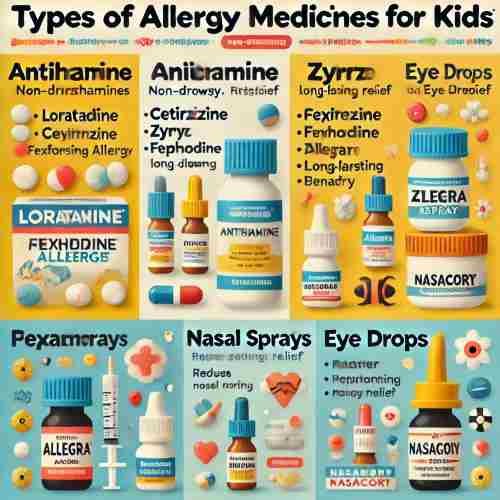
Types-of-Allergy-Medicines-for-Kids

Allergy medicines for children are made to reduce or stop allergy symptoms. These medicines fall into three main groups: antihistamines, nasal sprays, and eye drops. Here’s how each type works:

Antihistamines

Antihistamines block the effects of histamine, a chemical your body releases during an allergic reaction. Histamine causes most allergy symptoms, so blocking it can provide relief. Below are some common antihistamines for kids:

  • Loratadine (Claritin):
    • Benefits: Non-drowsy and taken once a day.
    • What It Treats: Helps with sneezing, itching, and a runny nose.
  • Cetirizine (Zyrtec):
    • Benefits: Non-drowsy and can be taken once or twice a day.
    • What It Treats: Fast-acting relief for common allergy symptoms.
  • Fexofenadine (Allegra):
    • Benefits: Non-drowsy and offers long-lasting relief.
    • What It Treats: Helps with sneezing and runny nose caused by outdoor and indoor allergies.
  • Diphenhydramine (Benadryl):
    • Benefits: Very effective but may cause drowsiness.
    • What It Treats: Provides quick relief from severe allergic reactions, like hives or itching.

Nasal Sprays

Nasal sprays are used to reduce nasal inflammation, congestion, and other symptoms caused by allergies affecting the nose. They work directly inside the nose to ease discomfort.

  • Fluticasone (Flonase):
    • Benefits: A steroid spray that reduces swelling and nasal congestion.
    • What It Treats: Helps relieve stuffy noses and sneezing.
  • Triamcinolone (Nasacort):
    • Benefits: Steroid-based, it helps clear up nasal stuffiness and reduces swelling.
    • What It Treats: Effective for nasal allergy symptoms like stuffy or runny noses.

Eye Drops

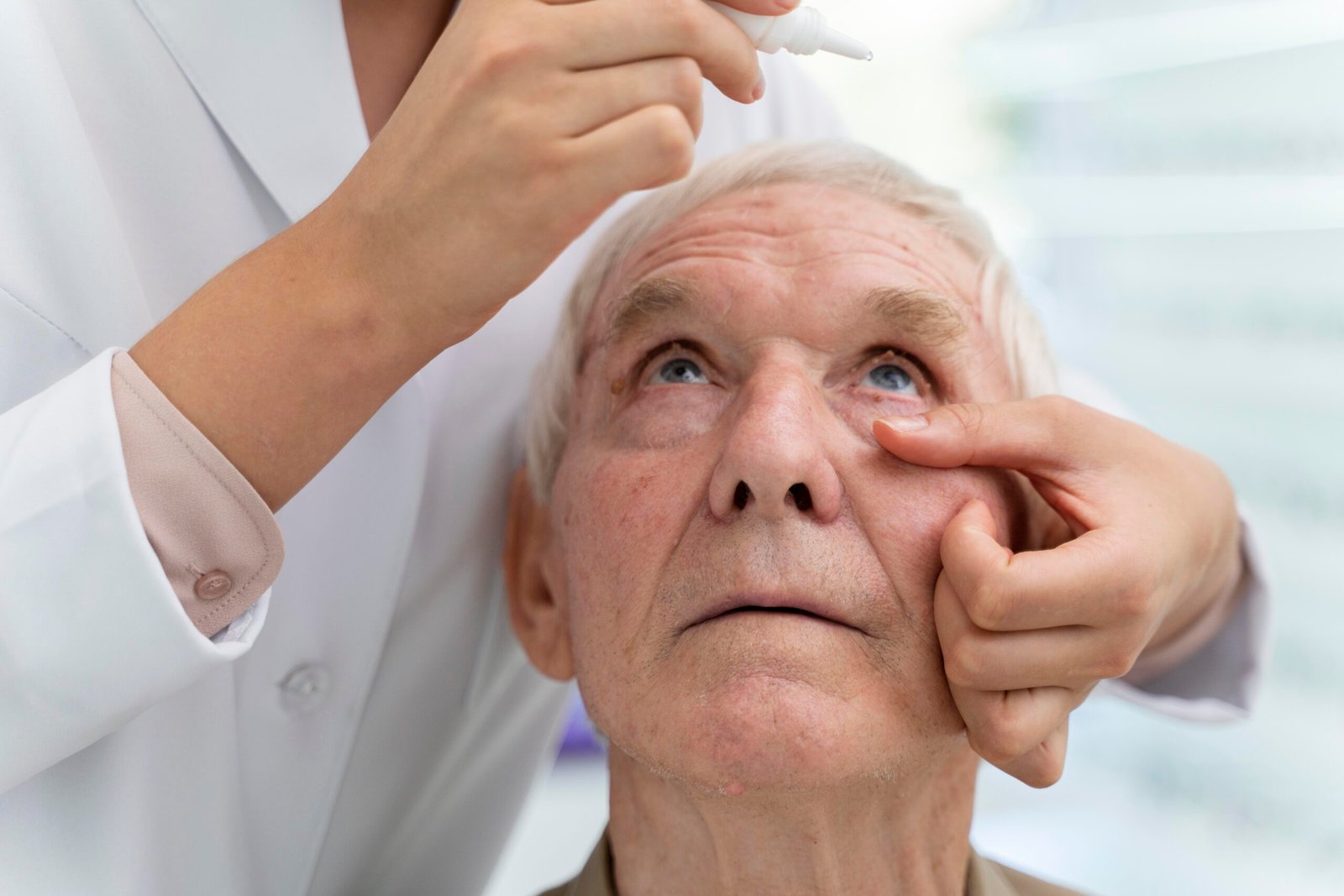
Eye drops are designed to relieve itching, redness, and watery eyes caused by allergies. They work by directly targeting the eyes to stop allergic reactions.

  • Ketotifen (Zaditor, Alaway):
    • Benefits: Antihistamine eye drops that give relief from itchy and watery eyes.
    • What It Treats: Reduces eye discomfort from allergies such as pollen or pet dander.

How to Choose the Right Allergic Medicine for Your Child

  • Non-Drowsy Options: If your child needs relief during the day, non-drowsy options like loratadine, cetirizine, or fexofenadine are ideal.
  • For Severe Symptoms: If your child has severe allergic reactions or needs quick relief, diphenhydramine might help, but it may cause drowsiness.
  • Nasal Symptoms: For nasal congestion, sprays like fluticasone or triamcinolone can help.
  • Eye Symptoms: If your child has itchy or watery eyes, eye drops like ketotifen are a good option.

Child Allergy Treatment Options

Child Allergy Treatment Options

Child allergic treatment options include antihistamines, nasal sprays, eye drops, decongestants, and natural remedies to manage symptoms like sneezing and itching. Immunotherapy may be recommended for long-term relief.

Child-Allergy-Treatment-Options

Recommended Reading: Anti-Allergic Medicine For Skin Itching (Uses & Side Effects)

Child Allergy Treatment Options

  • Antihistamines
  • Nasal Sprays
  • Allergy Tablet
  • Allergy Syrup
  • Allergy Creams
  • Allergy Lotion & Gels
  • Home Remedies
  • Natural Remedies
  • Eye Drops
  • Decongestants
  • Allergy Shots (Immunotherapy)
  • Saline Nasal Rinses

Antihistamines for Kids’ Allergy Relief

Allergies are common in kids, causing symptoms like sneezing, runny nose, and itching. Antihistamines help manage these allergy symptoms. Here’s a list of common antihistamines that are safe for children:

Loratadine (Claritin)

  • What It Does: Loratadine is a non-drowsy antihistamine that treats symptoms of hay fever, hives, and other allergic reactions.
  • How to Use: Usually taken once a day.
  • Key Benefit: It won’t make your child sleepy, so it’s great for daytime use.

Cetirizine (Zyrtec)

  • What It Does: Cetirizine is effective for both indoor and outdoor allergies, such as pollen or pet dander.
  • How to Use: Can be taken once daily.
  • Key Benefit: Works fast and provides 24-hour relief.

Desloratadine (Clarinex)

  • What It Does: Desloratadine helps with sneezing, watery eyes, and itching.
  • How to Use: Typically taken once a day.
  • Key Benefit: Non-drowsy formula, safe for long-term use.

Allegra (Fexofenadine)

  • What It Does: Fexofenadine is another non-drowsy antihistamine used to treat seasonal allergies.
  • How to Use: Taken once or twice a day depending on the dose.
  • Key Benefit: Fast-acting and doesn’t cause drowsiness.

Children’s Zyrtec

  • What It Does: This is a kid-friendly version of cetirizine, designed specifically for children.
  • How to Use: Available in liquid form, making it easy for kids to take.
  • Key Benefit: Provides quick relief for allergy symptoms.

Chlorphenamine (Chlor-Trimeton)

  • What It Does: Chlorphenamine is used to relieve allergy symptoms but may cause drowsiness.
  • How to Use: Can be taken multiple times a day.
  • Key Benefit: Effective for nighttime use when drowsiness is less of an issue.

Cyproheptadine

  • What It Does: Cyproheptadine treats allergies and helps manage itching and sneezing.
  • How to Use: Often taken multiple times a day.
  • Key Benefit: Sometimes used to stimulate appetite in children who need it.

Diphenhydramine (Benadryl)

  • What It Does: Diphenhydramine provides fast relief for severe allergy symptoms and can also be used for allergic reactions like hives.
  • How to Use: Can be taken every 4 to 6 hours.
  • Key Benefit: Very effective but causes drowsiness, so it’s better for nighttime relief.

Fexofenadine (Allegra)

  • What It Does: This is a non-drowsy option for treating allergy symptoms like runny nose, itchy eyes, and sneezing.
  • How to Use: Can be taken once a day.
  • Key Benefit: Long-lasting relief without causing sleepiness.

Levocetirizine (Xyzal)

  • What It Does: Levocetirizine provides relief from allergy symptoms like sneezing, runny nose, and itchy eyes.
  • How to Use: Taken once daily, preferably in the evening.
  • Key Benefit: Works throughout the night for uninterrupted sleep.

How to Choose the Right Antihistamine for Kids

  • Non-Drowsy Options: For daytime, choose non-drowsy options like loratadine, cetirizine, or fexofenadine.
  • Drowsy Options: If your child has trouble sleeping due to allergies, medications like diphenhydramine or chlorphenamine may help them rest.
  • Dosage: Always follow the recommended dosage based on your child’s age and weight, and consult with a doctor if unsure.

Recommended Reading: Best Allergic Medicine For Dogs Licking Paws

What’s the best allergy medicine for kids? | Top 10 Medicine

Medicine (Brand / Generic)TypePrimary UsesCommon Side EffectsTypical Age (OTC)Notes
Children’s Zyrtec (Cetirizine)Second-generation antihistamineRelieves sneezing, runny nose, itchy/watery eyes, hives; 24-hour reliefMild drowsiness (more than others in class), dry mouth, headache2+ years (some forms 6 months+)Often ranked #1; fast-acting (1 hour)
Children’s Claritin (Loratadine)Second-generation antihistamineSneezing, runny/itchy nose, watery eyes; non-drowsy 24-hour reliefRare: mild headache, fatigue, dry mouth2+ yearsVery low sedation; #1 pediatrician-recommended non-drowsy in many sources
Children’s Allegra (Fexofenadine)Second-generation antihistamineHay fever symptoms, itching, runny nose; fully non-drowsyHeadache, nausea (uncommon)6 months+ (some forms)Least sedating option; good for school/daytime use
Children’s Xyzal (Levocetirizine)Second-generation antihistamineSimilar to Zyrtec: sneezing, itching, runny nose; 24-hourMild drowsiness, fatigue6 months+ (some prescription for younger)Similar to cetirizine but often milder sedation
Children’s Benadryl (Diphenhydramine)First-generation antihistamineFast relief for acute symptoms, hives, itching; also helps sleepSignificant drowsiness, dry mouth, dizziness6+ years (avoid under 6 unless doctor-directed)Quick but sedating—not ideal for daily use
Children’s Flonase / Flonase Sensimist (Fluticasone)Nasal corticosteroid sprayNasal congestion, runny nose, sneezing, eye symptoms; best for stuffinessNosebleeds, nasal irritation, headache2–4+ years (varies by product)Not an antihistamine; often most effective for nasal symptoms
Rhinocort (Budesonide) nasal sprayNasal corticosteroidCongestion, sneezing, runny nose; long-term controlNasal irritation, nosebleeds6+ yearsStrong for nasal allergies; low systemic absorption
Nasacort (Triamcinolone) nasal sprayNasal corticosteroidSimilar to Flonase: nasal/eye allergy symptomsIrritation, unpleasant taste/smell2+ yearsOTC; good alternative nasal steroid
Desloratadine (Clarinex — often OTC/generic)Second-generation antihistamineItchy eyes/nose, sneezing; very low sedationHeadache, fatigue (rare)6 months+ (some forms)Metabolite of loratadine; similar but sometimes preferred
Children’s Nasalcrom (Cromolyn sodium)Mast cell stabilizer nasal sprayPrevents allergy symptoms; best used before exposureMild nasal stinging2+ yearsNon-steroid; preventive rather than fast relief

Child Allergy Nasal Sprays

Child Allergic Nasal Sprays

Child allergic nasal sprays help relieve symptoms like congestion and runny nose by reducing inflammation in the nasal passages. They are often used daily for effective allergy management.
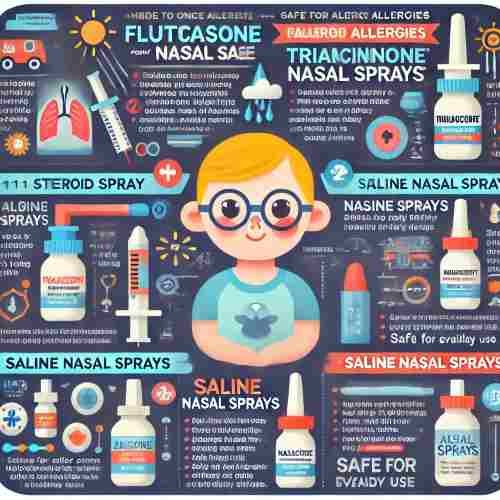
Child-Allergic-Nasal-Sprays

Nasal sprays are a common treatment for kids dealing with allergy symptoms like a stuffy or runny nose.

Nasal Sprays NameDetailsUsageBenefits
Fluticasone (Flonase)A steroid nasal spray that reduces swelling and irritation in the nasal passages. Often recommended for children with allergic rhinitis (hay fever).Used once daily.Effectively controls allergy symptoms over time.
Triamcinolone (Nasacort)A steroid nasal spray that reduces nasal congestion, sneezing, and runny nose caused by allergens like pollen or dust mites.Safe for daily use.Provides long-lasting relief from allergy symptoms.
Saline Nasal SpraysMade from salt water, these sprays clear nasal passages without medication. Ideal for rinsing allergens and is suitable for younger children.Can be used every day.Gentle, everyday option with no significant side effects.
Table: Child-Allergy-Nasal-Sprays

Recommended Reading: Best Allergy Medicine For Cats: Types, Uses, & Side Effects

Allergy Tablets for Kids

Allergy Tablets NameDetailsUsageDrowsy/Non-Drowsy
Loratadine (Claritin)A non-drowsy tablet that provides relief from hay fever and other allergy symptoms.Taken once a day.Non-drowsy
Cetirizine (Zyrtec)Offers 24-hour relief from indoor and outdoor allergies. Suitable for daily use.Taken once a day.Non-drowsy
Desloratadine (Clarinex)A long-lasting antihistamine that helps with sneezing, runny nose, and itchy eyes.Taken once daily.Non-drowsy
Fexofenadine (Allegra)Non-drowsy option for relieving symptoms of seasonal allergies.Taken once or twice a day.Non-drowsy
Levocetirizine (Xyzal)Helps reduce allergic symptoms like runny nose, sneezing, and itchy skin.Taken once daily, usually in the evening.Non-drowsy
Chlorpheniramine (Chlor-Trimeton)An older antihistamine, often causing drowsiness. Used for short-term relief of allergy symptoms.Taken as needed for short-term relief.Drowsy
CyproheptadineEffective for allergic reactions and may stimulate appetite.Often taken at night.Drowsy
Diphenhydramine (Benadryl)Relieves allergy symptoms but can cause drowsiness. Commonly used for quick relief or at bedtime.Taken as needed, usually at bedtime.Drowsy
HydroxyzineAn antihistamine used to treat allergic skin reactions and hives.Used for short-term relief.Drowsy
Montelukast (Singulair)Not an antihistamine but used for long-term control of allergy and asthma symptoms.Taken once daily, usually in the evening.Non-drowsy
Table: Allergy-Tablets-for-Kids

Allergy Syrups for Kids

Anti-Allergic Syrups for Kids

Anti-allergic syrups for kids provide relief from symptoms like sneezing, itching, and runny nose.
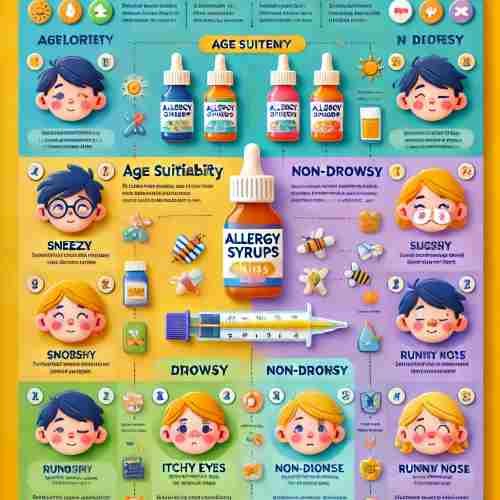
Allergy-Syrups-for-Kids

Syrup NameDetailsAge SuitabilityDrowsy/Non-Drowsy
Loratadine Syrup (Claritin Syrup)Non-drowsy syrup for seasonal allergies like hay fever.Safe for children over 2 years.Non-drowsy
Cetirizine Syrup (Zyrtec Syrup)Provides 24-hour relief from indoor and outdoor allergies.Suitable for children 6 months and older.Non-drowsy
Fexofenadine Syrup (Allegra Syrup)Non-drowsy and effective against sneezing, runny nose, and itchy eyes.Suitable for children 2 years and above.Non-drowsy
Desloratadine Syrup (Clarinex Syrup)Long-lasting relief from sneezing, itchy eyes, and runny nose.Suitable for children over 6 months old.Non-drowsy
Levocetirizine Syrup (Xyzal Syrup)Provides 24-hour relief from allergy symptoms.Suitable for children over 6 months old.Non-drowsy
Chlorpheniramine SyrupOlder antihistamine that helps with sneezing, itching, and runny nose.Suitable for children (check dose).Drowsy
Diphenhydramine Syrup (Benadryl Syrup)Fast-acting relief for runny nose and itchy skin.Suitable for children (check dose).Drowsy
Cyproheptadine SyrupEffective for allergic reactions and can stimulate appetite.Suitable for children (check dose).Drowsy
Promethazine SyrupReduces allergy symptoms, including itchy skin and runny nose.Suitable for children (check dose).Drowsy
Montelukast Syrup (Singulair Syrup)Not an antihistamine, used for managing allergies and asthma in children.Suitable for children (check dose).Non-drowsy
Table: Allergy-Syrups-for-Kids

Recommended Reading: Anti-Allergic Medicine For Skin Itching (Uses & Side Effects)

Allergy Creams for Kids

Cream NameDetailsUsage
Hydrocortisone CreamA mild steroid cream that reduces redness, itching, and inflammation from allergic skin reactions.Suitable for short-term use in kids.
Calamine LotionProvides soothing relief for itchy skin, rashes, and hives.Used for allergies, insect bites, and chickenpox.
Cetaphil Restoraderm Eczema Calming CreamSpecifically formulated for eczema-prone skin, reduces irritation and itching.Gentle for sensitive skin in children.
Aquaphor Healing OintmentMultipurpose cream that soothes dry, cracked, and irritated skin.Ideal for allergic reactions causing dryness.
Aveeno Anti-Itch CreamContains natural oatmeal to relieve itching and irritation from allergic rashes.Safe for delicate skin in children.
Benadryl Itch Relief CreamContains diphenhydramine, an antihistamine, to relieve itching from skin allergies, rashes, or insect bites.Provides fast relief from discomfort.
Eucerin Eczema Relief CreamDesigned for eczema and skin allergies, reduces itching and flare-ups.Fragrance-free and gentle for sensitive skin.
Bepanthen Sensiderm CreamTreats allergic skin irritations like eczema and dermatitis, soothes itching, and supports skin healing.Suitable for allergic skin reactions.
Neosporin Eczema Essentials CreamRelieves itching and irritation associated with eczema and allergic reactions.Hydrates and restores skin’s barrier.
CeraVe Itch Relief Moisturizing CreamProvides immediate relief from itching, and restores the skin’s protective barrier.Suitable for dry, itchy skin in children.
Table: Allergy-Creams-for-Kids

Allergy Lotions for Kids

Anti-Allergic Lotions for Kids

Anti-allergic lotions for kids help soothe skin irritations caused by allergies. They provide relief from itching, redness, and inflammation.

Anti-Allergic-Lotions-for-Kids

Lotion NameDetailsUsage
Aveeno Baby Eczema Therapy Moisturizing LotionFormulated with colloidal oatmeal to soothe and protect dry, itchy skin caused by eczema and allergic reactions.Gentle enough for daily use on sensitive skin.
Cetaphil Baby Eczema Soothing LotionContains filaggrin and natural ingredients to calm irritated skin and reduce allergic flare-ups.Moisturizes and soothes for long-lasting comfort.
CeraVe Baby Moisturizing LotionHelps restore the skin’s natural barrier with essential ceramides.Fragrance-free, suitable for sensitive skin.
Eucerin Baby Eczema Relief Body LotionProvides relief for itchy, irritated skin associated with eczema and allergies.Contains natural oatmeal to soothe and protect.
Mustela Stelatopia Emollient CreamFormulated for eczema-prone skin, relieves dryness and itching caused by allergic reactions.Uses sunflower oil distillate to calm irritation.
Aquaphor Baby Healing LotionTreats dry, cracked, or irritated skin caused by allergic reactions.Lightweight and quickly absorbed moisture.
California Baby Therapeutic Relief Eczema CreamMade with plant-based ingredients, and free from harsh chemicals, ideal for kids with skin allergies.Calm itching, redness, and irritation.
Vanicream Moisturizing LotionFree from fragrances, dyes, and harsh ingredients, suitable for children with sensitive or allergy-prone skin.Restores moisture, protects the skin’s barrier.
Burt’s Bees Baby Nourishing LotionNatural ingredients like shea butter and aloe provide gentle hydration for dry or irritated skin due to allergies.Hypoallergenic and safe for daily use.
Eczema Honey Gentle Face and Body LotionMade with honey and colloidal oatmeal to soothe irritation and moisturize allergy-prone skin.Steroid-free and safe for sensitive skin.
Table: Allergy-Lotions-for-Kids

Home Remedies for Kids’ Allergies

RemedyDetailsUsage
HoneyNatural cough suppressant that soothes irritated throats and helps build resistance to pollen allergies.Give a teaspoon of raw local honey daily (for kids over one year old).
Saline Nasal SprayRinses nasal passages to remove allergens like pollen and dust, reducing congestion and sneezing.Use a homemade or store-bought saline solution to rinse nasal passages.
Steam InhalationHelps open nasal passages and ease congestion by inhaling steam.Supervise your child inhaling steam from boiled water for a few minutes.
Oatmeal BathsSoothes itchy, irritated skin caused by allergic reactions.Add colloidal oatmeal to your child’s bath to calm rashes and skin allergies.
TurmericAnti-inflammatory that boosts the immune system and reduces allergy symptoms.Mix a small amount of turmeric in warm milk or food.
Aloe Vera GelCooling and anti-inflammatory properties relieve itching, swelling, and redness from allergic reactions.Apply aloe vera gel to affected areas of the skin.
Cold CompressReduces swelling, itching, and redness caused by skin allergies.Place a cold, damp cloth on irritated skin for 10-15 minutes.
Apple Cider VinegarHelps cleanse the body and reduce mucus production to alleviate allergy symptoms.Mix 1 teaspoon in a glass of water for daily intake (if the child tolerates the taste).
Peppermint TeaNatural decongestant that eases breathing and relieves a stuffy nose.Give your child a warm cup of peppermint tea to soothe symptoms.
ProbioticsBalances gut bacteria and supports the immune system to reduce allergic reactions.Include yogurt, kefir, or probiotic supplements in your child’s diet.
Table: Home-Remedies-for-Kids’-Allergies

Natural Remedies for Kids’ Allergies

RemedyDetailsUsage
HoneyNatural remedy that can soothe allergy symptoms, especially pollen-related.Give a small amount of local honey daily (not for children under 1 year).
Saline RinseFlushes out allergens like dust and pollen from nasal passages, easing congestion.Use a store-bought saline spray or make a homemade saline solution.
Steam TherapyHelps relieve nasal congestion and ease breathing.Have the child inhale steam from a bowl of hot water or during a steamy shower.
Oatmeal BathSoothes itchy, irritated skin caused by allergies.Add colloidal oatmeal to a warm bath and let the child soak for 15–20 minutes.
TurmericNatural anti-inflammatory that reduces allergy symptoms and strengthens the immune system.Add a pinch of turmeric to warm milk or meals.
Aloe VeraSoothes skin irritations, rashes, or hives caused by allergic reactions.Apply pure aloe vera gel directly to the affected skin for relief.
Cold CompressReduces swelling, itching, and discomfort from allergic skin reactions.Apply a cool, damp cloth to the affected area for 10–15 minutes.
Peppermint TeaActs as a natural decongestant, helping to clear up stuffy noses and ease breathing.Give your child a warm cup of peppermint tea to reduce congestion.
Apple Cider VinegarHelps break down mucus and reduce allergy symptoms.Mix 1 tsp of apple cider vinegar in water and give it to your child.
ProbioticsStrengthens the immune system and helps reduce allergic reactions.Include yogurt, kefir, or probiotic supplements in your child’s diet.
Table: Natural-Remedies-for-Kids’-Allergies

Eye Drops for Kids’ Allergies

Eye Drop NameHow It WorksKey BenefitCommon Use
Ketotifen (Zaditor)Antihistamine and mast cell stabilizerReduces itching and eye irritationSeasonal allergic conjunctivitis
Olopatadine (Patanol)Antihistamine and anti-inflammatoryProvides long-lasting relief from itchingTreats itching, redness, and swelling
Azelastine (Optivar)AntihistamineFast relief from eye allergy symptomsTreats itchy and watery eyes
Naphazoline (Naphcon-A)Vasoconstrictor and antihistamineReduces redness and discomfortEye irritation due to pollen or dust
Alcaftadine (Lastacaft)AntihistamineProvides relief for up to 16 hoursTreats allergic eye symptoms
Bepotastine (Bepreve)AntihistamineReduces eye itchingSuitable for children with eye allergies
Cromolyn SodiumMast cell stabilizerPrevents release of histamine in the eyeLong-term relief for allergy symptoms
Fluorometholone (FML)CorticosteroidReduces inflammation and irritationTreats severe allergic eye symptoms
Loteprednol (Alrex)CorticosteroidTargets eye inflammationShort-term relief of allergy symptoms
Emedastine (Emadine)AntihistamineProvides fast-acting reliefTreats mild to moderate eye allergies
Table: Eye-Drops-for-Kids’-Allergies

Decongestants for Kids’ Allergies

Decongestant NameFormHow It WorksCommon UseDuration of Effect
Pseudoephedrine (Sudafed)Liquid, TabletsReduces swelling in nasal passagesRelieves nasal congestion from allergies4 to 6 hours
Oxymetazoline (Afrin)Nasal SprayShrinks blood vessels in the nose to relieve congestionProvides short-term relief from nasal stuffinessUp to 12 hours
Phenylephrine (Children’s Sudafed PE)Liquid, TabletsConstricts blood vessels in the nasal passagesTreats congestion caused by colds or allergies4 to 6 hours
XylometazolineNasal SprayReduces nasal congestion by shrinking blood vesselsTreats blocked noses caused by allergiesUp to 10 hours
Naphazoline (Privine)Nasal SprayConstricts blood vessels to relieve congestionTreats stuffy noses caused by allergies4 to 6 hours
EphedrineNasal Spray, DropsHelps clear nasal passages by reducing swellingTemporary relief from nasal congestion3 to 4 hours
Tetrahydrozoline (Tyzine)Nasal SprayReduces swelling in nasal passagesRelieves nasal congestionUp to 8 hours
PhenylpropanolamineTablets, LiquidRelieves nasal congestion by narrowing blood vesselsUsed for colds and allergy-related stuffiness4 to 6 hours
LevonordefrinNasal SpraySimilar to epinephrine, it reduces nasal swellingUsed in some allergy nasal spraysShort-acting, typically up to 6 hours
Desloratadine-Pseudoephedrine (Clarinex-D)TabletsCombines antihistamine with a decongestant to relieve multiple allergy symptomsTreats nasal congestion and other allergy symptomsUp to 24 hours
Table: Decongestants-for-Kids’-Allergies

Allergy Shots (Immunotherapy) for Kids

Anti-allergic Shots

Anti-allergic shots (immunotherapy) for kids gradually reduce sensitivity to allergens over time. They help provide long-term relief from allergic symptoms.
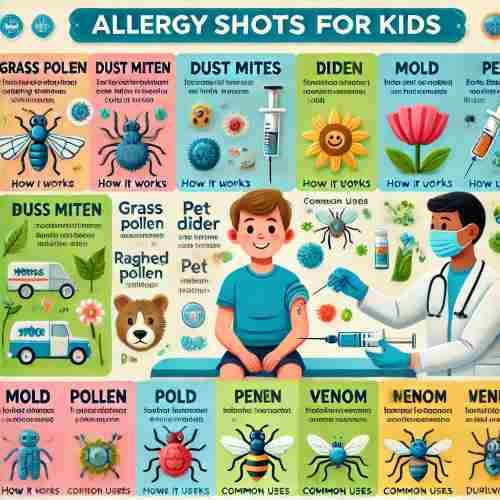
Anti-allergic-Shots

Allergy Shot TypeAllergen TypeHow It WorksCommon UsesDuration of Treatment
Grass Pollen Allergy ShotsGrass Pollen AllergensGradual exposure to grass pollen to build toleranceUsed for seasonal allergies like hay fever3 to 5 years (depending on severity)
Dust Mite Allergy ShotsHouse Dust Mite AllergensIntroduces small amounts of dust mite allergensUsed to treat dust mite allergies and asthma3 to 5 years (maintenance phase)
Pet Allergy ShotsPet Dander (Cats, Dogs)Helps reduce sensitivity to pet allergensEffective for children allergic to pets3 to 5 years for optimal results
Mold Allergy ShotsMold Spores AllergensGradual desensitization to mold allergensUsed to treat mold-related respiratory issuesSeveral years, depending on allergen exposure
Ragweed Allergy ShotsRagweed Pollen AllergensReduces sensitivity to ragweed pollenEffective for seasonal ragweed allergies3 to 5 years, or until symptom control
Tree Pollen Allergy ShotsTree Pollen AllergensBuilds tolerance to tree pollen allergensTreats tree pollen-related hay fever3 to 5 years (maintenance required)
Insect Sting Allergy ShotsBee, Wasp, Hornet VenomsDesensitizes the immune response to insect stingsUsed for children with insect sting allergiesSeveral years for full effectiveness
Cat Allergy ShotsCat Dander AllergensReduces allergic reactions to cat danderFor kids allergic to cats3 to 5 years (depending on response)
Dog Allergy ShotsDog Dander AllergensHelps reduce sensitivity to dog allergensFor kids allergic to dogs3 to 5 years (with regular maintenance)
Multiple Allergy ShotsMultiple Allergens CombinedTreats several allergens at once (e.g., pollen, dust)Effective for children with multiple allergies3 to 5 years (combined immunotherapy)
Table: Allergy-Shots-(Immunotherapy)-for-Kids

Saline Nasal Rinses for Kids

Saline nasal rinses are a natural and gentle way to clear nasal congestion and remove allergens from the nose. They use a simple saltwater solution to rinse out the nasal passages, providing relief from allergy symptoms like sneezing, congestion, and a runny nose.

Common Saline Nasal Rinses for Kids

Product NameType of SolutionHow It WorksRecommended ForFrequency of Use
NeilMed Sinus Rinse for KidsSterile saline solutionFlushes out allergens and mucus from the nasal passagesChildren with seasonal allergies and nasal congestion1-2 times daily, or as needed
Little Remedies Saline SprayGentle saline mistMoisturizes and cleanses nasal passagesInfants and toddlers with dry, stuffy nosesUse as needed, especially in dry environments
Ayr Saline Nasal MistNon-medicated saline sprayProvides soothing relief and clears nasal passagesKids with dry, irritated noses from colds or allergiesCan be used multiple times per day
NasalCare Kids Nasal RinseBuffered saline solutionRemoves allergens, mucus, and dirt from the noseOlder kids with allergy symptoms or sinus issuesRecommended once or twice a day
Simply Saline Kids Nasal MistSterile saline mistHelps clear nasal congestion and moisturizes nasal tissueIdeal for children with cold or allergy symptomsCan be used safely as often as needed
Ocean Nasal Spray for KidsNatural saline sprayCleanses and soothes dry nasal passagesInfants and young children with dry, irritated nosesUse as needed, particularly in dry weather
Squip Baby Nasal Rinse KitIsotonic saline solutionHelps clear mucus and reduce nasal congestionBabies and toddlers with stuffy nosesUse once daily or as directed by a doctor
NoseFrida Saline Snot SprayGentle saline mistHelps soften and clear mucus from the nasal passagesToddlers and babies with congestionUse 1-2 times daily or as needed
Sterimar Kids Nasal SpraySea water-based salineSoothes and clears blocked nasal passagesChildren with sensitive noses or congestionUse 2-3 times a day or as needed
Flo Baby Saline Nasal SprayPreservative-free salineMoisturizes and clears the nasal passage of allergensBabies and toddlers with allergies or coldsSafe for use multiple times per day
Table: Common-Saline-Nasal-Rinses-for-Kids

How Saline Nasal Rinses Work

  • Cleansing the Nasal Passages: The saline solution helps wash out allergens, dust, and mucus from the nose, making breathing easier.
  • Soothing Irritation: The gentle saltwater can also reduce inflammation and irritation inside the nasal passages caused by allergens.
  • Non-Medicated Relief: Saline rinses do not contain medication, making them safe for young children and those with sensitive systems.

Allergy Medicine For Kids: Types, Uses, & Side Effects

Indications & Uses for Allergy Medications in Children

Children who experience conditions like:

  • Hay fever (seasonal allergies)
  • Allergic rhinitis (nasal allergies)
  • Allergic skin reactions (such as hives or rashes)

How to Use Allergy Medications?

There are different types of allergies medicines, and how you give them depends on the type:

  • Antihistamines:
    • These are taken orally either in liquid or pill form.
    • The amount given depends on your child’s age and weight.
  • Nasal Sprays:
    • These are used once daily or as directed by your doctor.
    • You spray the medicine directly into the nostrils to reduce nasal symptoms.
  • Eye Drops:
    • These are applied directly to the eyes to relieve itching or watering.
    • Always follow the recommended number of drops and frequency.

Effectiveness of Allergy Medications for Children

Recommended Reading: Best Allergy Medicine For Cats: Types, Uses, & Side Effects

Clinical Evidence

  • Antihistamines like Loratadine and Cetirizine are often given to children and are effective in controlling symptoms such as sneezing and runny nose, without making kids drowsy.
  • Nasal sprays, like Fluticasone, are great for reducing stuffy noses and nasal congestion. These have been proven helpful for children dealing with constant nasal allergies.
  • Eye drops containing Ketotifen work effectively for treating itchy or watery eyes caused by allergies.

Expected Results

  • Oral antihistamines usually start working within 30 minutes to 1 hour of being taken, giving your child quick relief from allergy symptoms.
  • Nasal sprays may take a little longer to show full results, usually a few days of consistent use are needed for significant congestion relief.
  • Eye drops offer relief for eye symptoms almost immediately after application.

Side Effects & Precautions

Common Side Effects

  • Drowsiness: Some antihistamines, like Diphenhydramine (Benadryl), can make kids sleepy.
  • Dryness: Medications may cause dry mouth, dry eyes, or blurred vision.
  • Dizziness and Headaches: Children might experience lightheadedness or headaches.
  • Digestive Issues: Some may have constipation or trouble urinating.

Serious Side Effects

  • Low Blood Pressure: In rare cases, blood pressure may drop.
  • Thickened Mucus: Allergy meds may cause mucus in the airways to thicken, making it harder to breathe.

Precautions

  • Avoid Long-Term Use of Older Antihistamines: Medications like Benadryl should not be used for long periods because they can cause too much sleepiness and sedation.
  • Be Cautious with Decongestants: Products like Sudafed may cause irritability, trouble sleeping, or increased heart rate, so they should be used with care.

Pros & Cons of Allergy Medicines for Kids

Advantages

  • Quick Relief: Antihistamines such as Claritin (Loratadine) and Zyrtec (Cetirizine) act fast to relieve allergy symptoms like sneezing, itching, and runny nose, often without causing drowsiness.
  • Effective Nasal Treatment: Nasal sprays like Flonase (Fluticasone) help reduce congestion and other nasal issues without the side effects typically seen with oral medications.
  • Fast Eye Relief: Eye drops, such as Ketotifen, quickly soothe itchy, watery eyes caused by allergies.

Disadvantages

  • Drowsiness: Older antihistamines like Benadryl (Diphenhydramine) can cause significant drowsiness, making them less ideal for daily use.
  • Nasal Spray Dependency: Prolonged use of nasal sprays might cause the body to become dependent on them, and over time, they may become less effective.
  • Side Effects: Some medications can lead to dry mouth, dizziness, or headaches, which may be uncomfortable for children.

Recommended Reading: Best Allergy Medicine For Dogs Licking Paws

FAQs

What are the common symptoms of allergies in children?

Common allergy symptoms in kids include sneezing, a runny or stuffy nose, itchy eyes, coughing, and skin rashes. These symptoms may vary depending on the type of allergy.

What types of allergy medicines are safe for kids?

Antihistamines like Loratadine (Claritin) and Cetirizine (Zyrtec), nasal sprays, eye drops, and decongestants are commonly used to relieve children’s allergy symptoms.

Can allergy medications make kids drowsy?

Older antihistamines like Diphenhydramine (Benadryl) can cause drowsiness. Newer options, such as Loratadine and Cetirizine, are non-drowsy and more suitable for daily use in children.

How should I choose the right allergy medication for my child?

The choice of medication depends on the child’s symptoms. Antihistamines are useful for sneezing and itching, nasal sprays for congestion, and eye drops for itchy eyes.

Are there side effects of using allergy medicines in kids?

Common side effects include drowsiness, dry mouth, dizziness, and headaches. More serious side effects, such as low blood pressure or thickened airway mucus, are rare but require medical attention if they occur.

How quickly do allergy medications work?

Oral antihistamines usually start working within 30 minutes to an hour, while nasal sprays may take a few days to show full effect. Eye drops provide fast relief for itchy eyes.

Recommended Reading: Anti Allergy Medicine For Skin Itching (Uses & Side Effects)

Conclusion

Allergy medications for kids provide effective relief from common allergy symptoms such as sneezing, congestion, runny nose, and itching. Selecting the right type of medication, knowing the correct dosage, and understanding possible side effects are essential steps for managing allergies in children safely and effectively.

Who Should Buy It?

  • Parents of children with mild to moderate allergies may find non-drowsy antihistamines like Claritin (Loratadine) and Zyrtec (Cetirizine) helpful for daily use without causing sleepiness. These are great options for everyday allergy management.
  • For children with more severe or ongoing allergy symptoms, treatments like nasal sprays (e.g., Flonase) or even allergy shots may be necessary. Always consult with a pediatrician to determine the best course of action for long-term relief and proper care.

Disclaimer
Commissions we earn from partner links on this page do not influence our content. Our editorial content is based on thorough research and insights from qualified medical professionals to ensure the highest standards of accuracy and reliability.

Information provided on Doseway is for educational purposes only. Your health and wellness are unique to you, and the products and services we review may not be suitable for your individual circumstances. We do not offer personal medical advice, diagnosis, or treatment plans. For specific advice, please consult with a healthcare professional. Doseway adheres to strict editorial integrity standards. To the best of our knowledge, all content is accurate as of the date posted, though offers and information may change. The opinions expressed are the author’s own and have not been influenced, approved, or endorsed by our partners.
Allergy-Medicine-For-Dogs

Allergy Medicine Dogs: Best Allergy Medicine For Dogs Licking Paws

Dogs, just like humans, can suffer from allergies, which cause discomfort and affect their health. Allergies in dogs can be triggered by various factors like food, environmental elements (pollen, dust), fleas, or certain chemicals.

These allergies can lead to itching, skin irritations, digestive issues, or even respiratory problems. As a dog owner, it’s important to recognize the signs and understand the causes of allergies to help your dog feel better.

Recommended Reading: Best Allergy Medicine For Cats: Types, Uses, & Side Effects

Allergy Medicine Dogs | Best Allergy Medicine For Dogs Licking Paws

Allergy-Medicine-Dogs

Recommended Reading: Anti Allergy Medicine For Skin Itching (Uses & Side Effects)

What Are Dog Allergies?

Dogs can have allergies to different things like certain foods, dust, pollen, or mold. When exposed to these allergens, they may experience itching, swelling, or discomfort, especially on their paws, ears, and skin.

Symptoms of Dog Allergies

  • Skin Issues: Itchy or red skin, hives, and sometimes hair loss.
  • Respiratory Issues: Sneezing, coughing, or watery eyes.
  • Digestive Issues: Vomiting or diarrhea, often due to food allergies.
  • Paw Licking: Dogs may lick their paws a lot when their skin is irritated by allergens.

Causes of Dog Allergies

Causes of Dog Allergies

Dog allergies are caused by factors like pollen, dust mites, certain foods, or flea bites. These allergens trigger an immune response, leading to itching, skin irritation, or digestive issues.

Causes-of-Dog-Allergies

1. Environmental Allergens

Dogs can be allergic to things in the environment like pollen, dust mites, mold, or even skin cells from other animals. These allergens are often airborne and irritate.

2. Food Allergens

Certain ingredients in dog food, such as beef, chicken, dairy, or wheat, can trigger allergic reactions in some dogs, leading to digestive or skin issues.

3. Flea Allergies

Some dogs are allergic to flea saliva, causing extreme itching and skin irritation when bitten by fleas.

4. Medications & Chemicals

Dogs can react to certain medications, like antibiotics or flea treatments, as well as household chemicals, which may lead to allergic responses.

5. Contact Allergies

Dogs may develop sensitivity to certain materials like wool, plastic, or chemicals, leading to allergic reactions.

6. Genetic Predisposition

Certain breeds, like Terriers and Retrievers, are more likely to suffer from allergies due to their genetic makeup.

Treatment Options for Dog Allergies

Treatment Options for Dog Allergies

Treatment options for dog allergies include avoiding allergens, using medications like antihistamines or corticosteroids, and switching to hypoallergenic diets.

Treatment-Options-for-Dog-Allergies

Medications

  • Antihistamines: Medications like Benadryl (diphenhydramine) or Zyrtec (cetirizine) are used to reduce itching and swelling.
  • Steroids: Corticosteroids are prescribed for severe itching but should be used with caution as long-term use can cause side effects.
  • Antibiotics & Antifungals: If scratching leads to infections, antibiotics or antifungal medicines may be necessary to treat bacterial or fungal infections.

Shampoos

Medicated shampoos containing hypoallergenic ingredients can help relieve itching and irritation. These shampoos can cleanse the skin and soothe allergic reactions.

Creams and Topical Treatments

  • Hydrocortisone Cream: This helps soothe inflamed and itchy skin.
  • Zymox Topical Cream: It contains enzymes that help treat skin infections and ease allergic reactions.

Immunotherapy

For severe allergies, allergy shots or oral drops may be recommended. This treatment builds the dog’s tolerance to allergens over time, providing long-term relief.

Home Remedies

Natural options like applying a baking soda paste or giving omega-3 fatty acid supplements can help soothe irritated skin and boost the immune system to manage allergies naturally.

Special Diet

Changing to hypoallergenic dog food can help manage food-related allergies by avoiding common allergens.

Flea Control

Regular flea treatments to prevent allergic reactions to flea bites, which can cause intense itching.

Allergy Testing

Performing blood or skin tests to identify specific allergens, guiding more targeted treatments.

The 8 Best Allergy Medicines for Dogs

RankMedicine/TreatmentTypeKey Benefits for Paw Licking/AllergiesNotes/ConsiderationsCommon Source
1Apoquel (oclacitinib)Prescription oral tabletFast itch relief (often within hours), highly effective for allergic dermatitis and paw chewing/lickingVet-prescribed; controls inflammation; not for all dogs (e.g., infections)GoodRx, PetMD, Vetster
2Cytopoint (lokivetmab)Prescription injectionTargets itch at the source; lasts 4-8 weeks; great for environmental allergies causing paw lickingMonthly shot by vet; very safe with minimal side effectsGoodRx, PetMD
3Benadryl (diphenhydramine)OTC antihistamineClassic option for mild itching; may reduce paw licking in some casesSedating; dosage ~1mg/lb; often only partial reliefToeGrips, Chewy, Spruce Pets
4Zyrtec (cetirizine)OTC antihistamineNon-sedating; helps some dogs with seasonal allergies and itchy pawsDosage ~0.5mg/lb; effectiveness ~15-30% for chronic casesChewy, Vetster
5Claritin (loratadine)OTC antihistamineMild relief for itching; non-drowsy optionDosage ~0.2-0.5mg/lb; less effective than prescription optionsVetster, Animal Humane
6Zesty Paws Allergy Immune ChewsOTC supplementSupports skin/immune health with probiotics, omega-3s, etc.; reduces itching and paw lickingNatural chews; good for long-term supportSpruce Pets, Amazon
7PetArmor Antihistamine (diphenhydramine-based)OTC antihistamineDog-specific formula; similar to Benadryl for allergy reliefConvenient tablets; helps mild casesSpruce Pets
8Zenrelia (ilunocitinib)Prescription oralNewer anti-itch tablet; blocks itch signals quicklyOnce-daily; good alternative to ApoquelPetMD
9Omega-3 supplements (fish oil)OTC supplementReduces inflammation; helps dry skin and chronic paw lickingOften in chews (e.g., Bark&Spark); long-term useChewy, Amazon
10Topical treatments (e.g., anti-lick sprays like NaturVet Aller-911, medicated shampoos)OTC topicalSoothes paws directly; discourages licking; oatmeal/aloe-based for itch reliefSupportive; combine with systemic meds; e.g., paw soaks or spraysAmazon, NaturVet

Tablets for Dog Allergies

Tablets for Dog Allergies

Tablets for dog allergies, such as antihistamines and corticosteroids, help reduce itching and inflammation.

Tablets-for-Dog-Allergies

MedicationTypeUses in Dogs
Diphenhydramine (Benadryl)AntihistamineRelieves itching, swelling, and mild allergic reactions.
Cetirizine (Zyrtec)AntihistamineControls itching and allergy symptoms.
Loratadine (Claritin)AntihistamineTreats mild allergic reactions with fewer sedative effects.
PrednisoneCorticosteroidReduces inflammation and relieves severe allergies.
Cyclosporine (Atopica)ImmunosuppressantControls long-term allergy symptoms by suppressing the immune response.
ChlorpheniramineAntihistamineReduces itching and sneezing due to allergies.
Fexofenadine (Allegra)AntihistamineTreats allergy symptoms such as itching and swelling.
HydroxyzineAntihistamine/SedativeRelieves itching and anxiety caused by allergies.
Apoquel (Oclacitinib)JAK InhibitorTargets itching from allergic dermatitis, providing fast relief.
DexamethasoneCorticosteroidUsed for severe allergic reactions to reduce inflammation and itching.
Table: Tablets-for-Dog-Allergies

Syrups for Dog Allergies

Syrups for Dog Allergies

Syrups for dog allergies can ease symptoms like itching and inflammation, offering a liquid alternative for easier administration.

Syrups-for-Dog-Allergies

Syrup NameTypeUses in Dogs
Antihistamine SyrupsAntihistamineContains diphenhydramine to reduce itching, swelling, and allergic reactions.
Corticosteroid SyrupsCorticosteroidPrednisone syrup provides relief from severe allergic symptoms like intense itching and inflammation.
Cyproheptadine SyrupAntihistamineTreats allergic reactions and helps control itching.
Hydroxyzine SyrupAntihistamine/SedativeManages allergies by reducing itching and calming the immune response.
Loratadine SyrupAntihistamineEases allergy symptoms like sneezing and itching.
Fexofenadine SyrupAntihistamineA non-drowsy syrup effective in controlling allergic reactions.
Cetirizine SyrupAntihistamineRelieves symptoms such as itchy skin, watery eyes, and sneezing.
Levocetirizine SyrupAntihistamineA stronger version of cetirizine for dogs with more severe allergies.
Chlorpheniramine SyrupAntihistamineManages mild allergy symptoms like itching and swelling.
Dexamethasone SyrupCorticosteroidTreats more serious allergic reactions by reducing inflammation and itching.
Table: Syrups-for-Dog-Allergies

Creams for Dog Allergies

Creams for Dog Allergies

Creams for dog allergies help soothe irritated skin and reduce itching, providing targeted relief. Always apply as directed by your vet to ensure safe use.

Creams-for-Dog-Allergies

Cream NameTypeUses in Dogs
Hydrocortisone CreamAnti-inflammatoryReduces inflammation and soothes irritated skin from itching.
Antibiotic OintmentAntibacterialPrevents infections in scratched or broken skin.
Moisturizing CreamHydratingHydrates dry, itchy skin and provides relief from allergies.
Zymox Topical CreamEnzyme-BasedContains enzymes that fight skin infections and ease allergy symptoms.
Calendula CreamNatural RemedySoothes irritated skin and promotes healing.
Aloe Vera GelCooling/SoothingHelps cool and calm inflamed areas on a dog’s skin.
Steroid-Free Anti-Itch CreamAnti-itchReduces itching without steroids, ideal for long-term use.
Colloidal Oatmeal CreamSoothing/Anti-itchProvides relief from itching and irritation caused by allergies.
Chamomile CreamNatural Soothing AgentNaturally soothes inflamed skin and reduces irritation.
Neem Oil CreamAnti-inflammatory/AntibacterialSoothes allergy-prone skin and prevents infections.
Table: Creams-for-Dog-Allergies

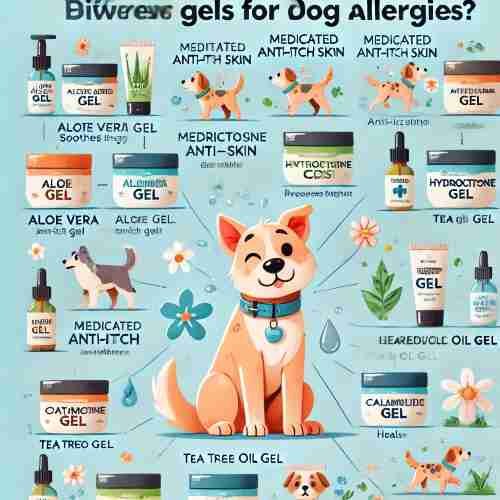
Gels for Dog Allergies

Gels for Dog Allergies

Gels for dog allergies offer quick relief by calming irritated skin and reducing itching.

Gels-for-Dog-Allergies

Gel NameTypeUses in Dogs
Aloe Vera GelNatural Soothing AgentSoothes irritated and inflamed skin naturally.
Medicated Anti-Itch GelAnti-itch/NumbingContains ingredients like benzocaine to numb itching.
Hydrocortisone GelAnti-inflammatoryReduces itching and inflammation in allergic reactions.
Antibiotic GelAntibacterialPrevents infection in areas of scratched or damaged skin.
Oatmeal GelSoothing/Anti-itchProvides relief from itching and soothes sensitive skin.
Chamomile GelNatural RemedyCalms inflamed areas and promotes healing.
Neem Oil GelAntibacterial/Anti-inflammatoryTreats irritated skin and prevents infections.
Tea Tree Oil GelAntiseptic/SoothingHelps reduce redness and itchiness from allergies.
Calendula GelHealing/SoothingHeals and soothes rashes or skin irritations.
Cooling Menthol GelCooling/Anti-itchProvides instant relief for hot spots and itchy areas.
Table: Gels-for-Dog-Allergies

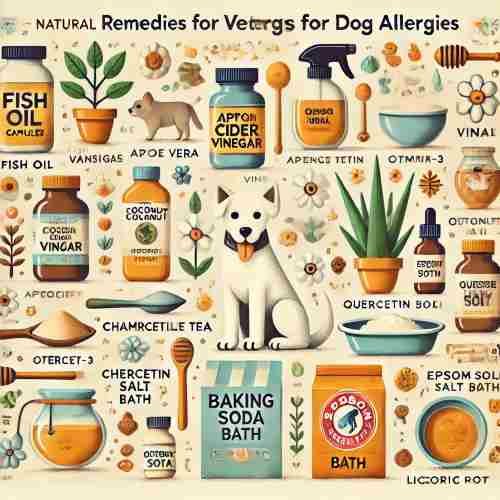
Natural Remedies for Dog Allergies

Natural Remedies for Dog Allergies

Natural remedies for dog allergies include options like oatmeal baths and coconut oil, which help soothe skin and reduce itching naturally.

Natural-Remedies-for-Dog-Allergies

RemedyTypeUses in Dogs
Omega-3 Fatty AcidsAnti-inflammatoryFish oil supplements help reduce inflammation and promote healthy skin.
Apple Cider VinegarAntiseptic/SoothingDiluted vinegar spray relieves itching and prevents infections when applied to the skin.
Coconut OilMoisturizing/HealingCan be applied topically or mixed into food to soothe inflamed skin and boost immune health.
Aloe VeraNatural Soothing AgentCalms irritated skin and helps with healing.
Oatmeal BathsAnti-itch/SoothingSoaking in an oatmeal bath soothes itching and softens the skin.
QuercetinNatural AntihistamineHelps reduce allergy symptoms in dogs.
Chamomile Tea SprayAnti-itch/CalmingCooled chamomile tea spray relieves itching on irritated skin.
HoneyImmune BoosterRaw honey helps build immunity against environmental allergens when added to food.
Baking SodaAnti-itch/SoothingA paste made from baking soda and water calms skin irritation and reduces itching.
Epsom Salt BathsAnti-inflammatory/SoothingSoaking in an Epsom salt bath relieves inflammation and discomfort.
Licorice RootNatural Anti-inflammatoryWorks as a natural anti-inflammatory when given in small amounts.
TurmericAnti-inflammatory/HealingKnown for its anti-inflammatory properties, turmeric can be added to food to support allergy relief.
Table: Natural-Remedies-for-Dog-Allergies

Home Remedies for Dog Allergies

Home RemedyTypeUses in Dogs
Oatmeal BathsAnti-itch/SoothingOatmeal helps soothe itchy, irritated skin, providing natural relief.
Chamomile Tea RinsesAnti-inflammatory/CalmingChamomile tea acts as a gentle anti-inflammatory and calms skin irritation.
Baking Soda PasteAnti-itch/SoothingA paste of baking soda and water reduces irritation when applied to itchy spots.
HumidifiersRespiratory SupportAdding moisture to the air helps dogs with allergies, especially respiratory issues.
Apple Cider Vinegar SprayAntiseptic/SoothingDiluted apple cider vinegar helps with itching and prevents infections when sprayed on the skin.
Coconut OilMoisturizing/Anti-inflammatoryRubbed on dry or inflamed skin to moisturize and reduce inflammation.
Aloe Vera GelCooling/HealingCools and heals irritated skin, providing natural relief for itching.
Epsom Salt SoakAnti-inflammatory/SoothingSoaking in Epsom salt water eases itching and inflammation.
HoneyImmune BoosterA small amount of raw honey in the diet helps build immunity to environmental allergens.
Witch HazelAnti-itch/Anti-inflammatoryApplied to irritated areas to naturally reduce itching and swelling.
Fish Oil SupplementsSkin Health/Anti-inflammatoryImproves skin health and reduces inflammation when added to the diet.
Table: Home-Remedies-for-Dog-Allergies

Shampoos for Dog Allergies

Shampoos for Dog Allergies

Shampoos for dog allergies are designed to soothe irritated skin and reduce itching, often containing ingredients like oatmeal or aloe vera.

Shampoos-for-Dog-Allergies

Shampoo NameTypeUses in Dogs
Hypoallergenic ShampoosSensitive Skin/Fragrance-FreeFree from harsh chemicals and fragrances, ideal for sensitive skin.
Medicated ShampoosAnti-inflammatory/AntibacterialContains ingredients like hydrocortisone or chlorhexidine to relieve itching, inflammation, and treat skin infections.
Oatmeal ShampoosSoothing/MoisturizingNaturally soothes itchy, dry skin and provides moisture to reduce irritation.
Aloe Vera ShampoosHealing/SoothingContains aloe vera to calm inflamed skin and promote healing.
Tea Tree Oil ShampoosAntibacterial/Anti-itchTea tree oil helps soothe irritated skin and reduce itching.
Anti-Fungal ShampoosYeast & Fungal TreatmentTreats yeast infections and fungal-related skin issues common in allergic dogs.
Coconut Oil ShampoosMoisturizing/HealingProvides hydration and relief for dry, flaky skin caused by allergies.
Colloidal Silver ShampoosAntibacterial/HealingHelps heal irritated skin and prevent infections with antibacterial properties.
Essential Oil ShampoosCalming/SoothingShampoos with lavender or chamomile essential oils provide a calming effect.
Benzoyl Peroxide ShampoosDeep Cleansing/Anti-inflammatoryHelps open hair follicles and cleanse the skin, useful for allergic reactions and skin infections.
Table: Shampoos-for-Dog-Allergies

Best Over-the-Counter Allergy Medicines for Dogs

Medicine NameTypeUses in Dogs
Benadryl (Diphenhydramine)AntihistamineRelieves mild allergy symptoms like itching and swelling.
Claritin (Loratadine)AntihistamineControls sneezing, itching, and other mild allergic reactions.
Zyrtec (Cetirizine)AntihistamineReduces itching, sneezing, and other allergy symptoms.
Hydrocortisone CreamTopical Anti-inflammatorySoothes mild skin irritations, itching, and rashes.
Allegra (Fexofenadine)AntihistamineHelps control itching, redness, and other allergic reactions.
ChlorpheniramineAntihistamineManages allergy symptoms such as itching and watery eyes.
Vet’s Best Seasonal Allergy Relief TabletsNatural SupplementContains plant-based ingredients to help reduce seasonal allergy symptoms.
QuercetinNatural AntioxidantReduces inflammation and itching in dogs.
Corticosteroid SpraysTopical Anti-inflammatoryReduces inflammation and soothes allergic skin.
Colloidal Oatmeal ProductsSoothing/MoisturizingHelps relieve itching and irritation from allergies.
Table: Best-Over-the-Counter-Allergy-Medicines-for-Dogs

How To Manage Dog Allergies

Avoidance of Allergens

The best way to manage dog allergies is by identifying and avoiding the allergens causing the reaction. For environmental allergens like pollen or dust, frequent cleaning, dust control, and using air purifiers can help reduce exposure. If the allergy is food-related, switching to a hypoallergenic or special diet can minimize allergic reactions.

Frequent Monitoring

Regularly checking your dog for allergy symptoms is essential. Monitoring helps adjust treatments if needed and ensures that the allergy remains under control. By staying observant, you can catch any changes in your dog’s condition and prevent flare-ups.

Symptoms of Dog Allergies

  • Itchy Skin:
    • One of the most common signs of allergies in dogs is itchy skin. Dogs may constantly scratch, lick, or chew on areas like their paws, belly, or back due to irritation.
  • Hives and Rashes:
    • Allergic reactions can cause hives (raised bumps) or rashes, especially on the face, legs, or head. The skin may appear red and swollen.
  • Respiratory Issues:
    • Allergies can also affect a dog’s breathing, leading to sneezing, coughing, or shortness of breath.
  • Eye Irritation:
    • Dogs may experience red, watery, or swollen eyes due to allergies, causing discomfort and irritation.
  • Digestive Problems:
    • Food-related allergies can result in vomiting, diarrhea, or other digestive issues, affecting the dog’s overall well-being.
  • Paw Licking/Chewing:
    • Constant licking or chewing of paws is a common symptom of irritation, often linked to allergies or discomfort.

Side Effects of Allergy in Dogs

Side Effects of Allergy in Dogs

Side effects of allergies in dogs include constant itching, skin infections, and hair loss. In severe cases, allergies may lead to digestive problems or life-threatening reactions.

Side-Effects-of-Allergy-in-Dogs

  • Behavioral Changes: Dogs with allergies may show signs of increased irritability, restlessness, or lethargy due to constant discomfort.
  • Chronic Skin Infections: Persistent itching can cause open sores, scabs, or even skin infections over time.
  • Hair Loss: Continuous scratching or biting often leads to patches of hair loss, especially in affected areas.
  • Weight Loss: Loss of appetite or digestive issues, common with food allergies, may result in weight loss in dogs.
  • Severe Allergic Reactions: In rare cases, some dogs may experience anaphylaxis, a serious and life-threatening allergic reaction.

Pros & Cons of Dog Allergy Treatments

Advantages

  • Relief from Itching: Treatments help provide much-needed relief from constant scratching and discomfort, improving your dog’s quality of life.
  • Affordable Medications: Over-the-counter medications like antihistamines are often affordable and easily accessible for quick relief.
  • Localized Treatment: Creams and medicated shampoos specifically target irritated areas, helping soothe your dog’s skin directly.

Disadvantages

  • Steroid Side Effects: Long-term use of corticosteroids can lead to potential side effects, such as weight gain or weakened immune function.
  • Slow Results from Immunotherapy: While effective, treatments like allergy shots or oral drops can take time before showing noticeable improvement.
  • Difficult Allergen Identification: Figuring out the specific allergen causing the reaction can be time-consuming and frustrating for pet owners.

FAQs

What causes allergies in dogs?

Allergies in dogs can be triggered by various factors such as environmental elements (like pollen, dust, or mold), certain foods, flea bites, or contact with specific materials like wool or plastic. Some dogs are also genetically more prone to allergies than others.

What are the common symptoms of dog allergies?

Common signs include excessive scratching, licking, ear infections, red or irritated skin, sneezing, and digestive issues like vomiting or diarrhea. Some dogs may also chew their paws.

How are dog allergies treated?

Treatment depends on the cause of the allergy. It can range from avoiding allergens and using antihistamines or corticosteroids, to switching to hypoallergenic food. For flea allergies, regular flea control is necessary.

Are there any home remedies for dog allergies?

Yes, natural options like oatmeal baths, coconut oil, or fish oil supplements can help soothe irritated skin.

Can dog allergies be cured?

While there is no cure for allergies, symptoms can be managed with proper treatment, diet adjustments, and allergen avoidance. In some cases, immunotherapy (allergy shots) can help reduce the severity of the reaction over time.

What should I do if my dog has a severe allergic reaction?

If your dog shows signs of a severe reaction, like swelling, difficulty breathing, or sudden collapse, seek emergency veterinary care immediately.

Conclusion

Summary of Findings

Managing dog allergies requires a mix of strategies, including avoiding allergens, using antihistamines or steroids, and applying topical treatments or medicated shampoos to relieve itching and discomfort.

Who Should Buy Allergy Medicines for Dogs?

Pet owners with dogs showing signs of allergies, such as excessive paw licking, itching, or skin irritation, should consider allergy treatments. A combination of approaches can effectively manage their dog’s symptoms and improve their quality of life.

Disclaimer
Commissions we earn from partner links on this page do not influence our content. Our editorial content is based on thorough research and insights from qualified medical professionals to ensure the highest standards of accuracy and reliability.

Information provided on Doseway is for educational purposes only. Your health and wellness are unique to you, and the products and services we review may not be suitable for your individual circumstances. We do not offer personal medical advice, diagnosis, or treatment plans. For specific advice, please consult with a healthcare professional. Doseway adheres to strict editorial integrity standards. To the best of our knowledge, all content is accurate as of the date posted, though offers and information may change. The opinions expressed are the author’s own and have not been influenced, approved, or endorsed by our partners.

Allergy-Medicine-For-Cats

Best Allergy Medicine For Cats: Types, Uses, & Side Effects

Allergy Medicine For Cats: Cat allergies occur when the immune system overreacts to allergens, typically proteins found in a cat’s skin, fur, or saliva. These allergens trigger allergic reactions in people and even in other pets, like cats.

The best allergy medicine for cats, providing an overview of types, uses, and potential side effects. Whether the cause is food, fleas, or environmental allergens, understanding the treatment options available can help manage symptoms and improve the quality of life for cats and their owners.

Recommended Reading: Anti Allergy Medicine For Skin Itching (Uses & Side Effects)

Best Allergy Medicine For Cats: Types, Uses, & Side Effects

Best-Allergy-Medicine-For-Cats

What Are Allergy medicines for cats?

Allergy medicines for cats are designed to help alleviate the symptoms caused by allergic reactions in cats. Allergies can stem from a variety of sources, including food, flea bites, and airborne allergens like pollen or dust mites. The most common types of allergy medicines for cats used to treat cats include antihistamines, nasal sprays, decongestants, and allergy shots.

Types of Cat Allergies

Types of Cat Allergies

Cats can suffer from various allergies, including food, flea, and environmental allergies like pollen or dust. These allergies often cause itching, sneezing, and skin irritation.

Types-of-Cat-Allergies

Food Allergies

Cats can be allergic to certain foods like beef, chicken, dairy, fish, wheat, or corn. These allergies may cause stomach problems like vomiting or diarrhea, and skin issues like itching, rashes, or sores.

Flea Allergies

Flea allergies happen when a cat is allergic to flea bites. Even one bite can lead to extreme itching, red spots, and sores. This often causes hair loss and may lead to infections if not treated.

Environmental Allergies (Atopic Dermatitis)

Cats can also react to things in their environment, such as pollen, mold, or dust mites. Signs of environmental allergies include sneezing, coughing, runny eyes, and irritated, itchy skin.

Symptoms of Cat Allergies

Cats with allergies can show various signs, including:

  • Skin Irritation: Red, itchy skin, sores, or scabs are common. Cats may scratch a lot or develop bald spots.
  • Breathing Problems: Sneezing, coughing, or wheezing can happen. Some cats may struggle with shortness of breath.
  • Stomach Issues: Vomiting or diarrhea may occur if a cat is allergic to something they ate.
  • Eye Problems: Watery, red, or swollen eyes can be a sign of an allergy.
  • Behavioral Changes: Cats might groom excessively, lose fur, or start biting themselves to relieve itching.

7 Best Medications for Cat Allergies

RankMedicine/TreatmentTypePrimary UsesCommon Side Effects / Notes
1Cetirizine (Zyrtec)2nd-generation antihistamineMild-moderate skin itching, environmental allergies, hivesGenerally well-tolerated; rare drowsiness, vomiting, or hyperactivity; often vet-preferred OTC option
2Cyclosporine (Atopica)Immunosuppressant (prescription)Chronic allergic dermatitis, atopic skin syndrome, severe itchingVomiting/diarrhea (especially early), gum overgrowth, increased infection risk; FDA-approved for cats
3Diphenhydramine (Benadryl)1st-generation antihistamineAcute reactions (e.g., insect bites, hives), mild itchingSedation/drowsiness (common), dry mouth, urinary retention; hyperactivity in some cats
4Loratadine (Claritin)2nd-generation antihistamineMild seasonal/environmental allergies, less sedating optionRare GI upset or hyperactivity; often less effective than cetirizine in cats
5Prednisolone / CorticosteroidsSteroid (prescription, oral/injectable)Quick relief from severe itching/inflammation, short-term flare-upsIncreased thirst/appetite, weight gain, diabetes risk (long-term), immune suppression
6Chlorpheniramine (Chlor-Trimeton)1st-generation antihistamineMild allergic reactions, sometimes combined with othersSedation, dry mouth, appetite changes; older but still used
7Oclacitinib (Apoquel)JAK inhibitor (off-label for cats)Itchy skin from atopic dermatitis (approved for dogs, used off-label in cats)GI upset, potential infection risk; vet monitoring required
8Hydroxyzine (Atarax/Vistaril)Prescription antihistamineMore severe itching or anxiety-related scratchingSedation, dry mouth; stronger option when others fail
9Fexofenadine (Allegra)2nd-generation antihistamineMild allergies (less commonly used in cats)Rare side effects; generally non-sedating but limited feline data
10Omega-3 fatty acids / supplements (e.g., fish oil)Nutritional supplementSupport skin barrier, reduce inflammation (adjunct therapy)Rare GI upset (diarrhea/loose stool); often combined with other treatments

Treatments Of Allergy In Cats

Treatments Of Allergy In Cats

The best allergy medicines for cats include antihistamines like Zyrtec and Claritin, which help reduce itching and skin irritation. Steroids and allergy shots are also effective for more severe cases.

Treatments-Of-Allergy-In-Cats

Best Allergy Medicines for Cats

If your cat has allergies, there are several treatments to help relieve symptoms:

1. Antihistamines

These block histamine, a chemical that causes allergic reactions. They help with mild to moderate symptoms like itching and sneezing.

  • Cetirizine (Zyrtec): Reduces itching and skin allergies.
  • Fexofenadine (Allegra): Helps with sneezing and watery eyes.
  • Levocetirizine (Xyzal): For more severe allergies, prescribed by vets.
  • Uses: Treats skin and respiratory allergies in cats.
    Side Effects: Drowsiness, dry mouth, or vomiting.

2. Nasal Sprays

Useful for cats with respiratory symptoms like sneezing and nasal congestion. These sprays reduce inflammation in the nasal passages.

  • Fluticasone (Flonase): A steroid spray to reduce nasal inflammation.
  • Mometasone Furoate (Nasonex): Helps with sneezing and respiratory allergies.
  • Triamcinolone (Nasacort Allergy 24HR): Relieves nasal congestion.
  • Uses: Best for sneezing, coughing, and wheezing.
    Side Effects: Dry nasal passages, possible irritation.

3. Decongestants

These reduce nasal swelling and congestion caused by allergies.

  • Pseudoephedrine (Sudafed): Helps with both congestion and other allergy symptoms. Only use under a vet’s guidance.
  • Uses: Effective for severe nasal congestion.
    Side Effects: Increased heart rate, restlessness.

4. Allergy Shots (Immunotherapy)

Gradually exposes your cat to allergens, helping reduce allergic reactions over time. This is a long-term solution but may take months to see improvement.

Natural Treatments for Cat Allergies

Natural Treatments for Cat Allergies

Natural treatments for cat allergies include omega-3 supplements to reduce inflammation and medicated shampoos to soothe irritated skin. Regular flea control and a balanced diet can also help manage allergic reactions.

Natural-Treatments-for-Cat-Allergies

Fatty Acid Supplements

Omega-3 fatty acids or fish oil help improve the skin barrier, reducing inflammation and itching.

Benefits: Soothes skin irritation and strengthens the skin’s defenses against allergies.

Medicated Shampoos

Medicated shampoos are designed to calm allergic skin reactions, reduce itching, and prevent infections from excessive scratching.

Benefits: Relieves skin irritation and helps prevent secondary infections.

Allergy Shots (Immunotherapy)

Allergy shots gradually desensitize a cat’s immune system to allergens. This long-term treatment is great for cats with ongoing or severe allergies.

Benefits: Provides long-term relief by reducing allergic reactions over time.

Best Allergy Tablets for Cats

Best Allergy Tablets for Cats

The best allergy tablets for cats include Zyrtec, Allegra, and Claritin, which help relieve itching and respiratory symptoms.

Best-Allergy-Tablets-for-Cats

Here are some effective oral allergy tablets for cats:

  • Allegra (Fexofenadine):
    • Use: Helps relieve skin allergies and respiratory issues like sneezing and watery eyes.
    • Benefits: Provides relief from itching and sneezing.
  • Claritin (Loratadine)
    • Use: Reduces symptoms like sneezing, runny nose, and itchy eyes.
    • Benefits: Works well for respiratory allergies.
  • Zyrtec (Cetirizine)
    • Use: Effective for treating skin irritation and allergies.
    • Benefits: Reduces itching and skin redness.
  • Xyzal (Levocetirizine)
    • Use: Best for severe allergic reactions, especially skin and respiratory symptoms.
    • Benefits: Provides stronger relief for intense allergy symptoms.
  • Claritin Syrup (Loratadine)
    • Use: Relieves respiratory issues like sneezing and runny nose.
    • Benefits: Convenient liquid form for easy administration.
  • Zyrtec Syrup (Cetirizine)
    • Use: Helps manage skin conditions and irritation.
    • Benefits: Easy-to-give liquid for skin-related allergy symptoms.

Best Allergy Gels for Cats

Best Allergy Gels for Cats

Best allergy gels for cats, like Benadryl and Chlorpheniramine, help soothe itching and skin irritation. These gels provide quick relief from allergic reactions.

Best-Allergy-Gels-for-Cats

Topical allergy gels can be useful for relieving allergy symptoms on a cat’s skin.

  • Benadryl Gel
    • Use: An antihistamine gel that helps reduce itching and skin irritation.
    • Benefits: Quickly soothes itchy skin and calms allergic reactions.
  • Chlorpheniramine Gel
    • Use: Targets skin reactions caused by allergies.
    • Benefits: Effective for managing irritation and itching.
  • Steroid Gels (e.g., Prednisolone)
    • Use: Helps reduce inflammation and severe itching.
    • Benefits: Provides strong relief for more intense allergic skin reactions.

Side Effects of Allergy Medications in Cats

Allergy medications can help cats, but they may cause side effects

  • Drowsiness
    • Cause: Often seen with antihistamines.
    • Effect: Cats may seem more tired or lethargic.
  • Increased Heart Rate
    • Cause: Some decongestants can cause this.
    • Effect: Can lead to restlessness or faster breathing.
  • Digestive Upset
    • Cause: Some medications may upset the stomach.
    • Effect: Vomiting or diarrhea may occur.
  • Excessive Thirs
    • Cause: Steroid medications.
    • Effect: May cause cats to drink more water and urinate more frequently.

How to Use Allergy Medicines for Cats

How to Use Allergy Medicine for Cats

To use allergy medicine for cats, follow the vet’s dosage instructions carefully. Administer oral, topical, or injectable treatments based on your cat’s symptoms and needs.

How-to-Use-Allergy-Medicines-for-Cats

Proper use of allergy medicine ensures your cat gets the best relief from symptoms. Here’s how to use them:

1. Antihistamines

  • How to Give: These are usually given orally as tablets, liquids, or gels.
  • Dosage: Depends on your cat’s weight and the severity of their allergies. Always follow your vet’s instructions.

2. Nasal Sprays

  • How to Use: Spray carefully into your cat’s nose without irritating.
  • Frequency: Follow your vet’s guidance on how often to use the spray to avoid overuse or irritation.

3. Allergy Shots

  • Administering: A vet gives these shots in a series over time.
  • Frequency: The number of injections decreases gradually as the cat’s immune system adjusts to the allergens.

Effectiveness of Cat Allergy Medicine

Clinical Evidence

Antihistamines and steroid sprays are backed by studies showing they help treat allergic symptoms in cats. However, how well they work can differ depending on the allergy type and the cat’s individual reaction. Allergy shots show long-term success but need regular treatment over months.

Expected Results

  • Antihistamines: Relief from symptoms like itching and redness usually starts within 30 minutes to an hour.
  • Nasal Sprays: Respiratory improvements may take a few days to show.
  • Allergy Shots: Results take longer, often noticeable after 6 to 12 months of treatment.

Side Effects & Precautions

Common Side Effects

  • Drowsiness: Antihistamines like Benadryl can make cats sleepy or lethargic.
  • Stomach Issues: Some medicines may cause vomiting or diarrhea.
  • Increased Thirst: Steroid nasal sprays may lead to more thirst and urination.

Serious Side Effects

  • Severe Reactions: In rare cases, Allergy Medicine treatments may cause anaphylaxis, a dangerous allergic reaction.
  • Heart Problems: Decongestants can raise heart rate and blood pressure, especially in cats with heart conditions.

Precautions

  • Never give human medicines to cats without a vet’s advice.
  • Stop using the medicine and see a vet if severe side effects occur.

Pros & Cons of Cat Allergy Medicine

Advantages

  • Quick Relief: Antihistamines work fast to reduce itching and skin issues.
  • Multiple Options: You can choose between pills, sprays, or allergy shots.
  • Long-Term Solution: Allergy shots can provide lasting relief for recurring allergies.

Disadvantages

  • Side Effects: Medications can cause drowsiness or upset stomach.
  • Continuous Treatment: Some allergies need regular treatment to keep symptoms away.
  • Slow Results: Allergy shots take months to show noticeable improvement.

FAQs

What are the common signs of cat allergies?

Common signs include sneezing, coughing, watery eyes, itching, skin irritation, hair loss, vomiting, and diarrhea.

Can cats develop allergies later in life?

Yes, cats can develop allergies at any age, even if they didn’t show symptoms earlier.

What causes allergies in cats?

Common causes include food ingredients, flea bites, environmental allergens (like pollen or dust), and insect stings.

Can my cat be allergic to its food?

Yes, some cats are allergic to ingredients like beef, chicken, dairy, or grains.

What is the best way to treat cat allergies?

Treatment depends on the cause. Antihistamines, nasal sprays, supplements, and allergy shots are common options.

Are there side effects to Allergy Medicine for cats?

Some medications can cause drowsiness, vomiting, increased thirst, or digestive upset.

Can cats have seasonal allergies?

Yes, cats can suffer from seasonal allergies to pollen, grass, and other airborne allergens.

Can I prevent cat allergies altogether?

While you can’t prevent allergies entirely, avoiding triggers, maintaining a clean environment, and using treatments can help manage symptoms.

What can I do if my cat is allergic to fleas?

Flea prevention and control treatments, along with antihistamines, can help manage flea allergies in cats.

Conclusion

Managing cat allergies can be challenging, but the right treatments can provide significant relief. It’s important to address both the symptoms and the underlying cause of the allergy.

Key Treatments:

  • Antihistamines: Effective for reducing itching, skin irritation, and allergic reactions.
  • Nasal Sprays: Helpful for easing respiratory issues such as sneezing and congestion.
  • Allergy Shots: A long-term solution that gradually reduces your cat’s sensitivity to allergens.
  • Supplements: Omega-3 fatty acids can help strengthen the skin’s barrier and reduce inflammation.

Disclaimer
Commissions we earn from partner links on this page do not influence our content. Our editorial content is based on thorough research and insights from qualified medical professionals to ensure the highest standards of accuracy and reliability.

Information provided on Doseway is for educational purposes only. Your health and wellness are unique to you, and the products and services we review may not be suitable for your individual circumstances. We do not offer personal medical advice, diagnosis, or treatment plans. For specific advice, please consult with a healthcare professional. Doseway adheres to strict editorial integrity standards. To the best of our knowledge, all content is accurate as of the date posted, though offers and information may change. The opinions expressed are the author’s own and have not been influenced, approved, or endorsed by our partners.

Allergy-Medicine-For-Skin-Itching

Anti Allergy Medicine For Skin Itching (Uses & Side Effects)

Anti-allergy medicine for skin itching is designed to relieve uncomfortable symptoms like itching, redness, and swelling caused by allergic reactions. These reactions can occur due to various allergens such as dust, pollen, insect bites, or certain foods.

Anti-allergy medicine, also known as antihistamines, work by blocking histamine a chemical released by the body during an allergic reaction. This helps soothe the itching and provides relief. There are different forms of anti-allergy medicines, including oral pills, topical creams, and gels.

Anti Allergy Medicine For Skin Itching (Uses & Side Effects)

Anti-Allergy-Medicine-For-Skin-Itching

What is Anti-Allergy Medicines for Skin Itching?

What is Anti-Allergy Medicines for Skin Itching?

Anti-allergy medicines for skin itching help reduce irritation, redness, and swelling caused by allergic reactions. They provide quick relief from itching and discomfort.

What-is-Anti-Allergy-Medicines-for-Skin-Itching

Anti-allergy medicines are used to ease skin itching caused by allergic reactions. They help by either blocking histamine or reducing inflammation.

Types of Anti-Allergy Medicines

  • Antihistamines: These are oral allergy medicines that block histamine, which is responsible for itching and hives.
    • Common examples: Cetirizine (Zyrtec), Loratadine (Claritin), Fexofenadine (Allegra), Levocetirizine (Xyzal), and Desloratadine (Clarinex).
  • Topical Corticosteroids: These creams reduce inflammation and swelling, giving relief from itching and redness.
    • Common example: Hydrocortisone cream, often used for eczema, insect bites, or allergic rashes.

How Do They Work?

  • Antihistamines: Block histamine to prevent itching and allergic reactions.
  • Topical Corticosteroids: Reduce skin inflammation, swelling, and redness, easing the itching.

7 Best Anti Allergy Tablets in Pakistan for Quick Relief

  • Cetirizine (e.g., Zyrtec, generic) — A second-generation antihistamine; highly effective for hives and itching with 24-hour relief. Mildly sedating for some people.
  • Fexofenadine (e.g., Allegra, Telfast) — Non-drowsy second-generation option; excellent for chronic hives and skin itching, often recommended at 180 mg for stronger relief.
  • Loratadine (e.g., Claritin, Clarityn) — Non-drowsy second-generation; good for daily use to control allergic itching and rashes without much sedation.
  • Levocetirizine (e.g., Xyzal) — A more potent form of cetirizine; very effective for persistent itching and hives, with longer-lasting action.
  • Desloratadine (e.g., Clarinex, Aerius) — Non-sedating; FDA-approved for chronic spontaneous hives and effective for skin allergy symptoms.
  • Diphenhydramine (e.g., Benadryl) — First-generation; fast-acting for acute itching but causes drowsiness — often used at night or for severe flare-ups.
  • Hydroxyzine (e.g., Atarax, Vistaril) — Prescription first-generation; stronger for severe itching/hives, sedating, and useful short-term (especially at night).
  • Rupatadine — Newer second-generation antihistamine with additional anti-inflammatory effects; sometimes used for chronic urticaria and itching.
  • Bilastine — Non-sedating option; effective for allergic skin conditions like urticaria with minimal side effects.
  • Ebastine — Another second-generation antihistamine; provides good relief for pruritus and hives in many patients.

Best Treatment Allergy & Skin Itching | Medicine For Allergy & Skin Itching

Anti-Allergy Medicine for Skin Itching

Anti-allergy medicine for skin itching relieves irritation caused by allergic reactions. It helps reduce redness, swelling, and itching for quick comfort.

Allergy-Medicine-for-Skin-Itching

Anti-Allergy Medicine for Skin Itching

Anti-allergy medicines are effective in treating skin itching caused by allergies. These medications work by blocking histamine, a substance released during an allergic reaction that causes itching, redness, and swelling.

Types of Anti-Allergy Medicines for Skin Itching

  • Antihistamines (Oral)
    • Cetirizine (Zyrtec): Non-drowsy, works for skin itching caused by allergies.
    • Loratadine (Claritin): A daily antihistamine that prevents allergic reactions.
    • Fexofenadine (Allegra): Provides 24-hour relief from itching without causing drowsiness.
    • Diphenhydramine (Benadryl): First-generation antihistamine, often used at night due to its sedative effect.
  • Topical Corticosteroids
    • These creams are applied directly to the skin to reduce inflammation and itching.
    • Hydrocortisone: Commonly used for mild to moderate skin itching.
    • Triamcinolone: Stronger steroid cream for severe itching.
  • Other Topical Options
    • Calamine lotion: Soothes mild irritations.
    • Menthol-based creams: Provide a cooling effect to relieve itching.

How They Work

  • Antihistamines: Block histamine from attaching to receptors, preventing allergic reactions that cause itching.
  • Corticosteroids: Reduce inflammation and redness on the skin.

How to Use

  • Antihistamines: Take orally as directed, usually once or twice a day. Some can be taken with or without food.
  • Corticosteroids: Apply a thin layer to the affected area. Avoid using for long periods without consulting a doctor.

Side Effects

  • Antihistamines: Drowsiness, dry mouth, headache, and dizziness, especially first-generation antihistamines like Benadryl.
  • Corticosteroids: Skin irritation, thinning skin, and redness at the application site.

Alternative Remedies

  • Aveeno Anti-Itch Lotion: A soothing lotion with oatmeal that hydrates and relieves itching.
  • Baking soda paste: Can be applied to small areas for quick relief from itching.

Anti-Allergy Tablets for Skin Itching

Anti-Allergy Tablets for Skin Itching

Anti-allergy tablets for skin itching help soothe allergic reactions that cause itching and irritation. They provide relief by reducing inflammation and discomfort.

Anti-Allergy-Tablets-for-Skin-Itching

Anti-allergy tablets are commonly used to relieve skin itching caused by allergies. These tablets help reduce itching, swelling, and redness by blocking histamine, the chemical that triggers allergic reactions.

Common Anti-Allergy Tablets

  • Cetirizine (Zyrtec)
    • Non-drowsy, provides fast relief for skin itching and hives.
    • Typically taken once daily.
  • Loratadine (Claritin)
    • Works well for mild itching and allergic rashes.
    • Non-sedating, so it doesn’t cause drowsiness.
  • Fexofenadine (Allegra)
    • Offers 24-hour relief from itching and skin allergies.
    • It’s a non-drowsy option.
  • Diphenhydramine (Benadryl)
    • A strong antihistamine for severe allergic reactions.
    • Can cause drowsiness, usually taken at night.

How Anti-Allergy Tablets Work

  • Antihistamines: They block histamine, which is released during allergic reactions and causes itching. By preventing this, the itching is reduced.

How to Use

  • Take one tablet as directed on the packaging or by a doctor.
  • Most tablets are taken once a day, but some may need to be taken more often.

Side Effects

  • Cetirizine, Loratadine, Fexofenadine: Rare side effects include headache, dry mouth, or mild drowsiness.
  • Diphenhydramine: Can cause significant drowsiness, dizziness, and dry mouth.

Anti-Allergy Cream for Skin Itching

Anti-Allergy Cream for Skin Itching

Anti-allergy cream for skin itching provides fast relief from itching and irritation caused by allergies. It helps reduce inflammation and soothes the skin.

Anti-Allergy-Cream-for-Skin-Itching

Anti-allergy creams are topical treatments used to relieve skin itching caused by allergies. They help soothe irritated skin and reduce redness and swelling.

Common Anti-Allergy Creams

  • Hydrocortisone Cream
    • A mild steroid cream that reduces inflammation and itching.
    • Best for rashes, bug bites, or mild eczema.
  • Calamine Lotion
    • Helps soothe itchy skin caused by allergies or insect bites.
    • Cools the skin and reduces irritation.
  • Diphenhydramine Cream (Benadryl)
    • Contains an antihistamine to block the allergy-causing chemical histamine.
    • Provides quick relief for itching and swelling.
  • Aloe Vera Gel
    • Natural and gentle option for soothing itchy skin.
    • Helps moisturize and cool down inflamed skin.

How Anti-Allergy Creams Work

  • Hydrocortisone: Reduces inflammation by blocking immune responses.
  • Calamine and Aloe Vera: Cool and moisturize, easing discomfort.
  • Diphenhydramine: Blocks histamine to prevent itching.

How to Use

  • Apply a thin layer of cream to the affected area as directed.
  • Use 2-3 times a day for best results or as advised by a doctor.

Side Effects

  • Hydrocortisone: Prolonged use can thin the skin.
  • Calamine: Rare side effects, usually mild skin irritation.
  • Diphenhydramine: Can cause mild skin irritation in some cases.

Anti-Allergy Gels for Skin Itching

Anti-Allergy Gels for Skin Itching

Anti-allergy gels for skin itching offer quick relief from itching and redness. They help calm allergic reactions and reduce skin irritation.

Anti-Allergy-Gels-for-Skin-Itching

Anti-allergy gels are topical treatments that help relieve skin itching caused by allergies. They provide fast, cooling relief and reduce irritation.

Common Types of Anti-Allergy Gels

  • Hydrocortisone Gel
    • A mild steroid gel that reduces swelling, redness, and itching.
    • Ideal for rashes, insect bites, or mild eczema.
  • Calamine Gel
    • Contains calamine and zinc oxide, soothing itchy skin.
    • Helps cool and calm the skin from allergic reactions.
  • Aloe Vera Gel
    • Natural gel that hydrates and cools the skin.
    • Provides relief from itching and inflammation caused by allergies.
  • Diphenhydramine Gel (Benadryl)
    • Contains an antihistamine to stop itching and swelling.
    • Quick relief for allergic reactions on the skin.

How Anti-Allergy Gels Work

  • Hydrocortisone Gel: Works by reducing inflammation and immune responses.
  • Calamine & Aloe Vera Gel: Cool and hydrate the skin, providing comfort.
  • Diphenhydramine Gel: Blocks histamine, the chemical that causes itching.

How to Use

  • Clean the affected area before applying the gel.
  • Apply a thin layer to the itchy area 2-3 times a day, or as advised by a doctor.

Side Effects

  • Hydrocortisone Gel: Can cause skin thinning if used too long.
  • Calamine Gel: Rare side effects, but could cause mild irritation in some people.
  • Diphenhydramine Gel: May cause slight irritation in sensitive skin.

Anti-Allergy Home Remedies for Skin Itching

Anti-Allergy Home Remedies for Skin Itching

Anti-allergy home remedies for skin itching include natural treatments like aloe vera and oatmeal baths. They help soothe irritation and reduce discomfort.

Anti-Allergy-Home-Remedies-for-Skin-Itching

Skin itching caused by allergies can be annoying, but several natural remedies can help soothe and reduce the discomfort.

1. Aloe Vera

  • Aloe vera gel has cooling and anti-inflammatory properties.
  • Apply fresh aloe vera gel directly to the itchy area to calm the skin.

2. Oatmeal Bath

  • Oatmeal contains compounds that soothe irritated skin.
  • Add colloidal oatmeal to a lukewarm bath and soak for 15-20 minutes.

3. Coconut Oil

  • Coconut oil is moisturizing and has anti-inflammatory effects.
  • Gently rub the oil onto the itchy skin to reduce dryness and irritation.

4. Cold Compress

  • A cold compress helps numb the skin and reduce inflammation.
  • Wrap ice cubes in a cloth and apply to the affected area for 10-15 minutes.

5. Baking Soda Paste

  • Baking soda helps neutralize itching and irritation.
  • Mix baking soda with water to create a paste, then apply to itchy areas for relief.

6. Apple Cider Vinegar

  • Apple cider vinegar can balance the skin’s pH and reduce itching.
  • Dilute it with water and apply with a cotton ball to the affected area.

7. Tea Tree Oil

  • Tea tree oil has antiseptic properties that can calm itching and reduce allergic reactions.
  • Mix a few drops with a carrier oil (like coconut oil) and apply to itchy spots.

8. Chamomile Tea Compress

  • Chamomile has anti-inflammatory and soothing properties.
  • Brew chamomile tea, cool it down, and apply the tea bag or cloth to the itchy skin.

9. Mint Leaves

  • Mint leaves contain menthol, which cools the skin and relieves itching.
  • Crush fresh mint leaves and apply them to the affected area.

10. Turmeric Paste

  • How It Helps: Reduces inflammation and irritation.
  • How to Use: Mix turmeric with water or coconut oil to form a paste and apply to the affected area.

Best Allergy Medicine for Adults

Best Allergy Medicine for Adults

The best allergy medicine for adults includes antihistamines like loratadine or cetirizine. They effectively relieve symptoms like sneezing, itching, and congestion.

Best-Allergy-Medicine-for-Adults

Allergy medicines help reduce symptoms like sneezing, runny nose, itching, and congestion. Here are some of the best options for adults:

1. Antihistamines

  • How they work: Block histamines (the chemicals that cause allergic reactions).
  • Examples:
    • Cetirizine (Zyrtec): Fast-acting, works for 24 hours.
    • Loratadine (Claritin): Non-drowsy, long-lasting relief.
    • Diphenhydramine (Benadryl): Works quickly but may cause drowsiness.

2. Nasal Sprays

  • How they work: Reduce inflammation and congestion in the nose.
  • Examples:
    • Fluticasone (Flonase): A steroid spray that reduces swelling and irritation.
    • Triamcinolone (Nasacort): Another effective steroid nasal spray for allergy relief.

3. Decongestants

  • How they work: Relieve nasal congestion by shrinking swollen blood vessels.
  • Examples:
    • Pseudoephedrine (Sudafed): Common over-the-counter decongestant.
    • Phenylephrine (Sudafed PE): Works in a similar way but is milder.

4. Combination Medicines

  • How they work: Combine antihistamines and decongestants for comprehensive relief.
  • Examples:
    • Claritin-D: Combines loratadine (antihistamine) and pseudoephedrine (decongestant).
    • Zyrtec-D: Combines cetirizine (antihistamine) and pseudoephedrine (decongestant).

5. Eye Drops

  • How they work: Alleviate itching and redness in the eyes caused by allergies.
  • Examples:
    • Ketotifen (Zaditor): Fast-acting antihistamine eye drops.
    • Olopatadine (Pataday): Relieves itchy, watery eyes.

6. Leukotriene Receptor Antagonists

  • How they work: Block chemicals called leukotrienes, which can cause allergy symptoms.
  • Examples:
    • Montelukast (Singulair): Often prescribed for allergies and asthma.

Indications & Uses for Anti-Allergy Medicines

Who Should Use It?

These medicines are ideal for people dealing with skin itching caused by allergies. They work well for:

  • Allergic skin reactions
  • Eczema
  • Hives
  • Insect bites

How to Use?

  • Antihistamines: Take oral antihistamines like cetirizine or loratadine with or without food. They are usually non-drowsy, so they can be taken during the day. Benadryl, which can cause drowsiness, is often taken at night.
  • Topical Corticosteroids: Apply a small amount of cream to the itchy areas. Avoid using for long periods without medical advice, especially on sensitive areas like the face.

Effectiveness of Anti-Allergy Medicines

Clinical Evidence

Antihistamines have shown great success in reducing itching caused by allergies. Corticosteroids are widely used in dermatology to treat skin inflammation and allergic reactions.

Expected Results

  • Oral Antihistamines: Relief usually starts within 30 minutes to an hour and can last for up to 24 hours.
  • Topical Corticosteroids: Provide faster relief when applied directly to the itchy area, especially for localized symptoms.

Side Effects & Precautions

Side Effects & Precautions

Side effects of allergy medicines may include drowsiness, dry mouth, or headaches.

Side-Effects-&-Precaution

Common Side Effects

  • Antihistamines: May cause drowsiness, dry mouth, dizziness, or headaches.
  • Topical Corticosteroids: Can lead to skin irritation, thinning, or color changes with prolonged use.

Serious Side Effects

In rare cases, antihistamines can cause blurred vision, difficulty urinating, or a slow heart rate. If you notice these, seek medical help immediately.

Precautions

  • Avoid using corticosteroid creams for long periods or on sensitive areas like the face without medical advice.
  • Do not mix different antihistamines unless approved by a doctor.

Pros & Cons

Advantages

  • Quick Relief: Fast relief from itching and allergic reactions.
  • Non-Drowsy Options: Medicines like loratadine and cetirizine don’t cause drowsiness, making them good for daytime use.
  • Targeted Relief: Topical creams focus on specific areas without affecting the whole body.

Disadvantages

  • Drowsiness: Antihistamines like Benadryl can cause sleepiness, affecting daily activities.
  • Long-Term Risks: Prolonged use of corticosteroid creams can thin the skin and cause other issues.

FAQs

What causes skin allergies?

Skin allergies can be triggered by things like pollen, certain foods, insect bites, soaps, or cosmetics. Genetics and environmental factors also play a role.

How do I know if I have a skin allergy?

Common signs include redness, swelling, itching, rashes, or blisters. If you notice these after exposure to certain things, it might be an allergy.

Are there home remedies for skin allergies?

Yes! Some effective remedies include cold compresses, aloe vera, oatmeal baths, and coconut oil. These can help soothe itching and reduce inflammation.

Should I use creams or pills for skin allergies?

Topical creams like hydrocortisone or antihistamine pills can help manage mild symptoms.

Can stress cause skin allergies?

Yes, stress can trigger or worsen skin allergies by affecting the immune system, making your skin more sensitive to allergens.

Can food allergies cause skin reactions?

Yes, food allergies can lead to skin symptoms like rashes, hives, or swelling, especially with common allergens like nuts, seafood, or dairy.

Can weather changes affect skin allergies?

Yes, changes in temperature, humidity, or seasons can trigger skin allergies. Cold air, heat, or dry conditions can worsen symptoms.

Can skin allergies lead to other health problems?

If not treated properly, persistent skin allergies can lead to infections, scars, or other skin conditions like eczema or dermatitis.

Can I use sunscreen if I have a skin allergy?

Yes, but choose sunscreens that are hypoallergenic or designed for sensitive skin. Some sunscreens may irritate the skin if they contain fragrances or harsh chemicals.

Conclusion

Summary of Findings

Anti-allergy medicines, such as antihistamines and topical corticosteroids, work well to treat skin itching caused by allergic reactions. They help reduce itching, redness, and swelling, making symptoms easier to manage.

Overall Recommendation

These medications offer quick and effective relief for skin allergies. Oral antihistamines provide full-body relief, while topical creams focus on specific areas for fast results.

Who Should Buy It?

People with allergic skin reactions, eczema, or insect bites will find these treatments helpful. Always consult a doctor for long-term use, especially with corticosteroids.

Disclaimer
Commissions we earn from partner links on this page do not influence our content. Our editorial content is based on thorough research and insights from qualified medical professionals to ensure the highest standards of accuracy and reliability.

Information provided on Doseway is for educational purposes only. Your health and wellness are unique to you, and the products and services we review may not be suitable for your individual circumstances. We do not offer personal medical advice, diagnosis, or treatment plans. For specific advice, please consult with a healthcare professional. Doseway adheres to strict editorial integrity standards. To the best of our knowledge, all content is accurate as of the date posted, though offers and information may change. The opinions expressed are the author’s own and have not been influenced, approved, or endorsed by our partners.

Top-10-Lotions-for-Skin-Allergy-Itching-Redness-Irritation

Top 10 Lotions for Skin Allergy Itching, Redness, & Irritation

Skin allergy symptoms can transform simple daily comfort into a relentless challenge. The intense itch, the visible redness, and the constant irritation demand targeted, effective solutions. This definitive guide curates and analyzes the top 10 lotions specifically formulated to combat skin allergy itching, redness, and irritation. We provide more than a list; we deliver a masterclass in ingredient science, application strategy, and dermatologist wisdom to help you reclaim your skin’s comfort and health.

In this complete guide, you will discover:

  • 🧴 A detailed breakdown of the 10 most effective lotions and creams for allergy symptoms, categorized by their mechanism of action.
  • 🔬 The key active ingredients—from hydrocortisone to colloidal oatmeal—that directly target itch, inflammation, and barrier repair.
  • 🩺 Professional dermatologist recommendations for managing sensitive, reactive skin and achieving fast relief.
  • 📋 A clear decision-making framework to choose between a steroid cream, an antihistamine lotion, or a soothing moisturizer.
  • ❓ Comprehensive answers to the most pressing questions about skin allergy management and product safety.

Read More:

Top-Lotions-for-Skin-Allergy-Itching-Redness-Irritation

Decoding the Itch-Redness Cycle: The Science Behind Skin Allergy Symptoms

Understanding the biological cascade that causes skin allergy itching, redness, and irritation is the first step toward effective treatment. When an allergen—such as pollen, pet dander, nickel, or a cosmetic preservative—contacts sensitive skin, it triggers an immune overreaction. Mast cells in the skin release a flood of inflammatory mediators, most notably histamine. This histamine binds to receptors in the skin, aggressively activating nerve endings to send itching (pruritus) signals to the brain.

Simultaneously, it causes local blood vessels to dilate and become more permeable, leading to visible redness (erythema) and swelling. This inflammatory process compromises the skin’s lipid barrier, allowing moisture to escape (transepidermal water loss) and letting more irritants in, which creates a vicious cycle of irritation and dryness. An effective lotion works by interrupting this cycle at one or more critical points: neutralizing histamine, calming nerve signals, constricting blood vessels, or physically repairing the damaged skin barrier.

How do you choose the best lotion for skin allergy itching, redness, and irritation?

Selecting the optimal product requires matching the formulation’s strengths to your primary symptom and its severity. Follow this expert decision framework:

  • For Rapid, Intense Itching: Prioritize fast-acting neuromodulators or anesthetics. Look for lotions containing Pramoxine HydrochlorideDiphenhydramine HCl, or cooling agents like Menthol and CamphorLow-potency Hydrocortisone (1%) also provides anti-itch benefits through its anti-inflammatory action.
  • For Prominent Redness & Inflammation: Target the inflammatory response directly. Topical Corticosteroids like Hydrocortisone are the gold standard. For non-steroidal options, seek out Colloidal OatmealLicorice Root ExtractNiacinamide, or Madecassoside, all proven to reduce redness and soothe irritation.
  • For General Irritation & Barrier Repair: Focus on replenishing and protecting the skin’s architecture. Key ingredients include CeramidesCholesterol, and Fatty Acids (the “moisturizing triad”), along with occlusive agents like PetrolatumDimethicone, and Zinc Oxide to lock in hydration and shield against environmental aggressors.
  • For Ultra-Sensitive Skin: Minimize the risk of further reaction by choosing formulas that are fragrance-free, dye-free, paraben-free, and lanolin-free. Trusted brands with minimalist philosophies include Vanicream, CeraVe, Cetaphil, and Aveeno (specifically their fragrance-free lines).

The Definitive List: Top 10 Lotions for Skin Allergy Relief

Our curated selection is based on clinical efficacy, ingredient safety, dermatologist endorsements, and widespread user accessibility. These lotions are categorized by their primary mode of action to help you make an informed choice. Note: Prices are approximate and vary by retailer, location, and tube size.

Category 1: Over-the-Counter (OTC) Medicated Powerhouses

These products contain FDA-approved drug ingredients that temporarily relieve specific allergy symptoms.

Hydrocortisone 1% Anti-Itch Cream (e.g., Cortizone-10 Maximum Strength)
The cornerstone of OTC allergic skin treatment, Hydrocortisone 1% cream is a low-potency topical corticosteroid. It works by migrating into skin cells, suppressing the release of inflammatory chemicals that cause itching, redness, and swelling. It is most effective for mild to moderate allergic reactions, such as those from contact dermatitis, eczema flares, or insect bites. For optimal results, apply a thin layer to the affected area 1 to 3 times daily. Critical Safety Note: Do not use on the face, groin, or underarms for more than 7 days unless directed by a doctor. Avoid use if you suspect a fungal or bacterial infection, as steroids can mask or worsen these conditions.

CeraVe Itch Relief Moisturizing Lotion with Pramoxine Hydrochloride
This lotion represents a significant advancement in OTC itch relief by combining immediate symptomatic control with long-term barrier repair. Its active ingredient, Pramoxine Hydrochloride (1%), is a topical anesthetic that works within minutes by temporarily blocking the nerve signals responsible for itch sensation. Unlike steroids, it does not affect inflammation. This makes it an excellent steroid-free alternative. Furthermore, it is infused with CeraVe’s signature blend of three essential Ceramides and Niacinamide, which actively repair the compromised skin barrier, address dryness, and reduce future sensitivity. Its non-greasy, fast-absorbing formula is safe for use on both the body and face, making it a versatile choice for widespread itching.

Benadryl Extra-Strength Itch-Stopping Gel with Diphenhydramine HCl
When you need fast relief from acute, localized allergic itching—such as from hives (urticaria), poison ivy, or a specific contact allergen—this gel is a potent option. Its active agent is Diphenhydramine Hydrochloride (2%), a topical antihistamine that counteracts the histamine released in the skin during an allergic reaction. The addition of Zinc Acetate provides a mild astringent and protective effect. The clear gel formulation offers a cooling sensation upon application, which provides additional sensory relief. Important Consideration: Diphenhydramine can be absorbed through the skin in small amounts. Avoid applying it over very large areas of the body, as it may contribute to systemic drowsiness, especially when combined with oral antihistamines.

Aveeno Anti-Itch Concentrated Lotion with Calamine & Dimethicone
A modern and user-friendly evolution of the classic pink calamine lotion, this Aveeno formula tackles itchy, weepy rashes effectively. It contains Calamine, a blend of zinc oxide and ferric oxide, which provides a soothing, cooling effect and acts as a mild astringent to dry oozing lesions. The inclusion of Dimethicone, a silicone-based emollient, is a masterstroke. It forms a flexible, breathable, and protective barrier over irritated skin, shielding it from further irritation while preventing excessive moisture loss. This lotion is particularly useful for soothing chickenpox, heat rash, and mild allergic reactions with a weeping component, offering relief without the chalky, messy residue of traditional calamine.

Category 2: Soothing, Therapeutic & Barrier-Repair Moisturizers

These are intensive, non-medicated treatments designed to manage symptoms by fundamentally strengthening and calming sensitive skin.

Cetaphil Restoraderm Soothing Moisturizer for Eczema-Prone Skin
This product is a powerhouse for those with chronic conditions like eczema (atopic dermatitis). Its formulation is built around Colloidal Oatmeal, an FDA-approved skin protectant renowned for its anti-inflammatory and antioxidant properties that provide immediate relief from itching and irritation. Beyond symptom relief, it employs advanced Filaggrin Technology and a blend of Ceramides. Filaggrin is a protein essential for skin barrier formation; deficiencies are linked to eczema. This moisturizer helps address the root cause by supporting the skin’s natural barrier regeneration. It is fragrance-free, non-comedogenic, and suitable for the entire family, including infants.

Eucerin Eczema Relief Cream with Colloidal Oatmeal & Ceramide-3
Eucerin’s offering is a clinically proven, fast-acting flare-up fighter. It contains a full 1% Colloidal Oatmeal, a concentration shown to significantly relieve itch and irritation associated with eczema. It pairs this with Ceramide-3 to help restore the skin’s protective barrier and Licorice Root Extract, a natural botanical known for its soothing and anti-redness properties. The formula is rich and creamy, providing intense, long-lasting hydration for very dry, distressed skin. For those who prefer a lighter texture, the Eucerin Eczema Relief Body Cream provides similar benefits in a more quickly absorbed, lotion-like consistency, ideal for larger body areas or daytime use.

La Roche-Posay Lipikar Balm AP+ Triple Repair Moisturizing Cream
Designed for severe dryness and irritation affecting the entire family, this balm is a pharmacy-sector favorite. Its efficacy lies in a high concentration of Shea Butter, a supreme nourishing and emollient ingredient, combined with Niacinamide (Vitamin B3). Niacinamide is a multi-tasker: it robustly improves the skin barrier function, reduces transepidermal water loss, and visibly diminishes redness and inflammation. The inclusion of La Roche-Posay Prebiotic Thermal Water adds soothing minerals and supports the skin’s microbiome balance. This rich, non-greasy balm is exceptionally effective when applied after bathing to lock in moisture on both the body and face.

Vanicream Moisturizing Skin Cream for Sensitive Skin
Vanicream is the benchmark for minimalist, hypoallergenic skincare. Formulated specifically for skin that reacts to common cosmetic ingredients, it is free of dyes, fragrance, masking fragrance, lanolin, parabens, and formaldehyde releasers. Its simplicity is its strength: a base of Petroleum and Glycerin provides a pure, potent, and occlusive layer of hydration that protects and soothes even the most hypersensitive skin. Some formulations now include Ceramide Capsules for enhanced barrier support. For individuals who have experienced stinging or worsening irritation with other moisturizers, Vanicream offers a safe haven to help repair and calm the skin without triggering new reactions.

hands patient suffering from psoriasis 4 scaled

Category 3: Natural & Specialty Focus Solutions

Pure, Fragrance-Free Aloe Vera Gel (100% Organic)
For immediate cooling relief from red, hot, burning irritation (such as mild sunburn or superficial allergic reactions), pure aloe vera gel is a time-honored remedy. The clear gel from the Aloe barbadensis plant contains bioactive compounds like acemannan, which possess anti-inflammatory, antimicrobial, and wound-healing properties. Its high water content provides instant hydration and a pronounced cooling sensation that can distract from itch.

 Crucial Warning: The market is flooded with products labeled “aloe vera gel” that contain alcohol, fragrances, and colors. These additives can severely worsen allergic skin. Always select a gel that states “100% Pure Aloe Vera” or lists Aloe Barbadensis Leaf Juice as the first (and ideally only) ingredient. Perform a patch test, as a small number of people can be allergic to aloe itself.

High-Percentage Zinc Oxide Cream (e.g., Triple Paste Medicated Ointment)
This is not a general-purpose moisturizer but a targeted therapeutic agent for severe, compromised skin. Creams containing 40% Zinc Oxide (like Triple Paste or Desitin Maximum Strength) are potent, paste-like skin protectants. They are the treatment of choice for weeping eczema, severe diaper dermatitis (a form of irritant contact allergy), or any raw, oozing, or severely excoriated skin.

Zinc Oxide creates a thick, waterproof, yet breathable barrier that sits on top of the skin. This shield protects damaged tissue from further irritation caused by moisture, friction, urine, stool, or external contaminants, creating an optimal environment for healing. It is exceptionally soothing for severe irritation but is too heavy for mild, everyday itching.

Professional Insights: Dermatologist Answers to Key Skin Allergy Questions

What do dermatologists recommend for itching and for very sensitive skin?

Board-certified dermatologists advocate for a strategic, gentle approach centered on barrier protection and smart ingredient selection. Their core protocol includes:

  1. Eliminate the Offender: The single most important step is identifying and avoiding the specific trigger through process of elimination or patch testing.
  2. Cleanse with Care: Use only lukewarm water and ultra-gentle, fragrance-free cleansers with a pH close to that of healthy skin (approximately 5.5). Cream or lotion-based cleansers are often preferred over foaming ones.
  3. Moisturize Religiously: Apply a thick, barrier-repair moisturizer (CeraVe Moisturizing Cream, Vanicream, Cetaphil Restoraderm) immediately after bathing while the skin is still damp (the “soak and seal” method).
  4. Treat Flares Judiciously: For active flare-ups, use the weakest effective medication for the shortest duration needed. For many, this starts with OTC 1% Hydrocortisone or a Pramoxine-based lotion for pure itch. They increasingly recommend non-steroidal prescription options like Crisaborole (Eucrisa) for long-term management in sensitive areas.
  5. Implement Physical Soothers: Cool compresses (a plain washcloth soaked in cool water) are a drug-free, instant anti-itch and anti-redness treatment. Keeping nails short and wearing cotton gloves at night can prevent unconscious scratching.

What is the strongest medicine to stop itching available?

The strength of an anti-itch medicine depends on its class and availability:

  • Over-the-Counter (OTC) Topical: The strongest widely available OTC anti-itch ingredient is 1% Hydrocortisone, a low-potency corticosteroid that reduces inflammatory itch.
  • Prescription Topical: Much stronger are prescription corticosteroids like Triamcinolone Acetonide 0.1% (medium potency) or Clobetasol Propionate 0.05% (super-high potency). The strongest non-steroidal prescription options are Topical Calcineurin Inhibitors (Tacrolimus, Pimecrolimus) and Crisaborole, which target different pathways in the inflammatory response.
  • Fastest-Acting Agent: For immediate, non-inflammatory itch relief (e.g., from bug bites), topical anesthetics like Pramoxine HCl or Lidocaine often work within minutes by directly blocking nerve signals.

What reduces redness quickly on allergic skin?

To rapidly reduce the visible redness of an allergic reaction, employ these tactics in order:

  1. Cool Temperature: Immediately apply a cool compress or cold pack wrapped in a thin cloth. Cold causes vasoconstriction, temporarily tightening dilated blood vessels and reducing redness.
  2. Topical Vasoconstrictors: Apply an OTC Hydrocortisone 1% cream. Its anti-inflammatory action will begin to reduce redness within a few hours. Some cosmetic products contain ingredients like Hexylresorcinol or Licorice Root Extract that can help minimize visible redness.
  3. Avoid Heat and Irritation: Strictly avoid hot showers, steam, direct sunlight, and rubbing or scrubbing the affected area, as heat and friction exacerbate redness by increasing blood flow.

Is Aveeno lotion good for itchy skin? Is CeraVe good for itchy skin?

Both brands are excellent but have different star ingredients for itch:

  • Aveeno: Yes, specifically Aveeno products containing Colloidal Oatmeal (such as Aveeno Skin Relief Moisturizing Lotion or Aveeno Eczema Therapy Itch Relief Balm) are exceptionally good for itchy skin. Colloidal oatmeal is a proven anti-itch and anti-inflammatory agent that soothes on contact.
  • CeraVe: Yes, CeraVe Itch Relief Moisturizing Lotion (with 1% Pramoxine HCl) is explicitly formulated for itchy skin. Furthermore, their CeraVe Moisturizing Cream is superb for itch caused by a compromised skin barrier, as its ceramide and hyaluronic acid blend repairs the barrier, which inherently reduces the dryness and sensitivity that leads to itching.

Can Cetaphil moisturizer reduce skin redness?

Standard Cetaphil Daily Hydrating Lotion is designed for gentle moisture and will not actively treat acute inflammatory redness. However, Cetaphil’s restorative PRO line, specifically the Cetaphil Restoraderm Soothing Moisturizer, is clinically formulated to reduce the redness and irritation associated with eczema. It contains anti-inflammatory Colloidal Oatmeal and barrier-repairing Ceramides, which together can calm redness over time by addressing its underlying cause. For immediate reduction of significant allergic redness, a product with hydrocortisone is more directly effective.

What vitamin or mineral deficiency causes skin itching?

Persistent, generalized itching (pruritus) can sometimes be a sign of an underlying systemic nutrient deficiency. The most common associations include:

  • Iron Deficiency Anemia: One of the most frequent systemic causes of generalized itch.
  • Vitamin D Deficiency: Linked to chronic itching in various studies.
  • Vitamin B12 Deficiency: Can manifest with itchy skin, sometimes without other neurological symptoms.
  • Zinc Deficiency: Associated with various skin disorders and impaired healing.
    If you experience widespread, unexplained itching without a clear rash, it is essential to consult a healthcare provider for evaluation, as this may indicate a need for blood tests and nutritional supplementation.

Practical Application: Maximizing the Efficacy of Your Allergy Lotion

What is the fastest way to stop a skin allergy flare-up?

While a flare cannot be “cured” instantly, you can implement a rapid-response protocol to control symptoms swiftly:

  1. Cleanse Gently: Rinse the affected area with cool water and a mild, fragrance-free cleanser to remove any residual allergen.
  2. Apply Cold: Place a cool, damp cloth or a cold compress over the area for 10-15 minutes to constrict blood vessels and numb nerve endings.
  3. Apply Medication: Gently pat the skin dry and apply a thin layer of Hydrocortisone 1% cream or CeraVe Itch Relief Lotion (with Pramoxine).
  4. Protect with an Occlusive: If the skin is cracked, raw, or weeping, seal in the medication with a layer of pure petroleum jelly or a Zinc Oxide paste.
  5. Consider Oral Medication: Take a non-drowsy oral antihistamine like Cetirizine (Zyrtec) or Fexofenadine (Allegra) to combat the systemic allergic response.
  6. Prevent Scratching: Keep nails short, and consider covering the area with soft clothing or a bandage to break the itch-scratch cycle.

How should you correctly apply anti-itch lotion for the best results?

Proper application technique ensures maximum absorption and efficacy while minimizing waste and potential side effects.

  • Start with Clean, Damp Skin: The ideal time to apply is immediately after a shower or bath. Pat the skin until it is slightly damp, not fully dry.
  • Use a Sufficient Amount: Apply enough lotion or cream to cover the affected area with a thin, even layer. A pea-sized amount is often enough for a small patch; use more for larger areas.
  • Massage Gently Until Absorbed: For creams and lotions, gently rub in a circular motion until the product is fully absorbed. For protective ointments (like petrolatum or zinc oxide), you can leave a thin visible layer on the skin’s surface.
  • Follow Dosing Guidelines: For medicated products (steroids, antihistamines), adhere strictly to the frequency on the label—typically 1 to 3 times daily. For therapeutic moisturizers, you can apply liberally as often as needed, especially after hand washing or when skin feels dry.
Lotions-for-Skin-Allergy-Itching-Redness-Irritation

Frequently Asked Questions (FAQs) –

Which calamine lotion is best for itching and skin allergies?

Traditional Pink Calamine Lotion remains effective for its drying and cooling effect on weepy rashes. For a more modern formulation that is less drying and more moisturizing, Aveeno Anti-Itch Concentrated Lotion (which contains calamine paired with skin-protecting dimethicone) is an excellent, user-friendly choice for allergy-related itching.

What is a strong prescription medicine name for itching skin?

Commonly prescribed topical medicines for severe itching include Triamcinolone acetonide 0.1% creamFluocinonide 0.05% cream, and the super-potent Clobetasol propionate 0.05% ointment. Non-steroidal prescription options are Crisaborole 2% ointment (Eucrisa) and Tacrolimus 0.03% or 0.1% ointment (Protopic).

How can I stop itching fast at night to sleep?

Nighttime itching can be severe due to circadian rhythms and lack of distractions. Combat it with:
An oral antihistamine like Diphenhydramine (Benadryl) 30 minutes before bed (note: causes drowsiness).
Applying a cooling, anti-itch lotion with Pramoxine or Menthol.
Keeping the bedroom cool and using lightweight, 100% cotton bedding.
Wearing soft, clean cotton pajamas to minimize skin irritation.

Is hydrocortisone cream safe to use on the face for itching?

It can be used on the face for a very limited time (3-5 days maximum) to treat a severe, acute allergic flare. However, the skin on the face is thinner and more prone to side effects from steroids, including skin thinning (atrophy), telangiectasia (visible blood vessels), perioral dermatitis, and acne. For facial redness and itching, dermatologists often recommend non-steroidal alternatives like topical calcineurin inhibitors or azelaic acid, and a consultation is strongly advised.

What is the main difference between hydrocortisone and triamcinolone creams?

Both are topical corticosteroids, but they differ in potency. Hydrocortisone 1% is classified as low-potency (Group VII) and is available over-the-counter. Triamcinolone acetonide 0.1% is medium-potency (Group V) and requires a prescription. Triamcinolone is stronger and is typically used for more severe or persistent inflammatory conditions that do not respond to OTC hydrocortisone.

Can I use an anti-itch lotion and a regular moisturizer together?

Yes, this is a highly recommended and effective strategy called “layering.” First, apply the medicated anti-itch cream or lotion to the affected areas and allow it to absorb fully for a few minutes. Then, apply your regular, fragrance-free moisturizer over the top and on the surrounding skin. This technique seals in the medication and provides broad barrier repair and hydration.

Why does my skin sometimes itch more after I apply a new lotion?

Increased itching after application is a red flag indicating potential irritation or contact allergy to an ingredient in that lotion. Common culprits include fragrance (even “natural” essential oils), preservatives, botanical extracts, or lanolin. Discontinue use immediately and switch to a minimalist, hypoallergenic product like Vanicream to allow your skin to calm down.

How long does it usually take for hydrocortisone 1% cream to work on an allergic rash?

You can expect to feel a reduction in itching within 1 to 2 hours of application. Visible improvement in redness, swelling, and the rash itself typically takes 12 to 24 hours. For best results, use consistently 1-3 times daily as directed. If you see no improvement after 7 days of use, consult a doctor.

What are the best natural ingredients proven to help skin allergies?

Several natural ingredients have robust clinical support for soothing allergic skin:
Colloidal Oatmeal: Anti-inflammatory, anti-itch, skin protectant.
Zinc Oxide: Soothing, protective, mild astringent.
Sunflower Seed Oil: High in linoleic acid, improves skin barrier function.
Calendula Extract: Known for its soothing and healing properties.
Always ensure products with natural ingredients are also free of added fragrance, which is a common allergen.

Is it safe to use an anti-itch allergy lotion every single day?

It depends on the type of lotion. Medicated lotions containing steroids (hydrocortisone) or antihistamines should not be used daily for extended periods (beyond 7-14 days) without medical supervision due to risks of side effects like tolerance or skin damage. However, therapeutic, non-medicated moisturizers (CeraVe, Cetaphil, Aveeno fragrance-free) are meant for daily, even twice-daily use and are essential for maintaining a healthy skin barrier and preventing flares.

10-Best-Creams-For-Skin-Allergy-In-Pakistan

10 Best Creams For Skin Allergy In Pakistan

Living in Pakistan brings with it a unique set of challenges for your skin. The intense summer heat, seasonal pollen, urban pollution, and even the hard water in many areas can trigger frustrating and uncomfortable skin allergies. If you’re searching for relief from itching, redness, and rashes, you are not alone. This comprehensive guide is designed to be your definitive resource. We will not only list the top 10 best creams for skin allergy in Pakistan but will also empower you with the knowledge to understand your condition, identify triggers, and adopt a holistic management strategy. This article is structured to provide clear, actionable information for anyone suffering from skin allergies and to serve as a detailed, authoritative reference.

In this complete guide, you will learn:

  • The underlying causes and common symptoms of skin allergies in the Pakistani context.
  • A detailed, categorized list of the 10 most effective creams, from prescription steroids to soothing moisturizers.
  • How to correctly use these creams and important safety considerations.
  • Answers to all your related questions on fast relief, soaps, home remedies, and dietary support.
  • Specific information on pricing, availability, and local market alternatives.

Read More:

Best-Creams-For-Skin-Allergy-In-Pakistan

Table Of Contents

Understanding Skin Allergies: Your First Step Towards Effective Management

Before diving into treatment, understanding the “why” behind your skin’s reaction is crucial. A skin allergy, or allergic contact dermatitis, is your immune system’s overreaction to a harmless substance. In Pakistan, common culprits include nickel in jewellery, fragrances in cosmetics, formaldehyde in textiles, and chemicals in detergents. Another prevalent condition is atopic dermatitis (eczema), which is often genetic and involves a defective skin barrier that lets moisture out and irritants in, leading to chronic dry, itchy, and inflamed skin.

What are the most common skin allergy symptoms?

Recognizing the signs is key to seeking the right treatment. The primary symptoms often include:

  • Intense Itching (Pruritus): The most common and distressing symptom.
  • Redness (Erythema): Inflamed, red patches on the skin.
  • Swelling (Edema): Particularly around the eyes, lips, or affected area.
  • Hives (Urticaria): Raised, red, itchy welts that can appear and move.
  • Dryness and Flaking: A hallmark of eczema; the skin may appear scaly.
  • Blisters or Weeping: In acute reactions, small fluid-filled bumps may form.
  • Cracking or Leathery Skin: From chronic scratching and inflammation.

Why is my skin so allergic? Common triggers in Pakistan

Several factors unique to our environment and lifestyle contribute to the high prevalence of skin allergies.

  • Environmental Allergens: Springtime pollen from trees and grasses, dust mites thriving in humid climates, and mold spores are significant triggers.
  • Contact Irritants: This includes cheap metallic jewellery (nickel), synthetic fabrics dyed with harsh chemicals, and skincare products containing parabens, sulfates, or strong perfumes. “Mehndi” (henna) adulterated with paraphenylenediamine (PPD) is a notorious cause of severe hand and foot dermatitis.
  • Chemical Exposure: Harsh laundry detergents, household cleaners, and industrial chemicals can strip the skin’s natural oils.
  • Climate Extremes: Hot, humid summers lead to sweat-induced eczema flare-ups, while cold, dry winters can cause severe skin dryness and cracking.
  • Dietary Factors: For some individuals, certain foods like spicy dishes, nuts, or dairy can exacerbate inflammatory skin conditions.
  • Genetic Predisposition: A family history of eczema, asthma, or hay fever (the “atopic triad”) makes one more susceptible.

Can stress cause skin allergies?

Absolutely. While stress does not cause the allergy itself, it is a major trigger for flare-ups. Psychological stress releases hormones like cortisol and increases inflammatory cytokines in the body, which can weaken the skin barrier and intensify conditions like eczema, psoriasis, and hives. Managing stress through mindfulness, exercise, and adequate sleep is a critical, though often overlooked, component of skin allergy control.

The Holistic Approach to Skin Allergy Management: Beyond Creams

Relying solely on a cream is like mopping the floor while the tap is still running. A comprehensive strategy involving trigger avoidance and skin barrier repair is essential for long-term control.

How can I clear my skin allergy? A multi-pronged strategy

Clearing a skin allergy involves a consistent, layered approach:

  1. Identification and Elimination: The cornerstone of management. Try to pinpoint what caused the reaction and avoid it meticulously.
  2. Gentle Skincare Regimen: Use lukewarm water (not hot) for baths, pat skin dry gently, and follow the “soak and seal” method for eczema-prone skin.
  3. Targeted Medication: Use recommended creams and ointments as directed to control active inflammation.
  4. Maintenance: Even when the skin looks clear, continue using fragrance-free, barrier-repair moisturizers daily.

Which soap is best for allergy skin? Is Dove soap good for skin allergy?

The ideal soap or cleanser for sensitive, allergy-prone skin should be syndet (synthetic detergent) based, fragrance-free, dye-free, and pH-balanced (around 5.5). It should clean without stripping the skin’s natural lipids.

Analysis of Dove Sensitive Skin Beauty Bar: In the Pakistani market, the Dove Sensitive Skin Unscented Beauty Bar is often recommended by dermatologists. It is a syndet bar with a neutral pH and contains stearic acid and glycerin, which help maintain the skin’s moisture barrier. It is generally a safe and effective choice for daily use for most with sensitive skin. However, individuals with extreme sensitivities should always patch-test first.

Other excellent local pharmacy options include Cetaphil Gentle Skin Cleanser and Physiogel Daily Moisture Therapy Cleanser.

What to avoid during a skin allergy flare-up?

During an active flare, be extra vigilant to avoid:

  • Scratching: Use cold compresses or anti-itch creams instead.
  • Harsh Exfoliants: No scrubs, loofahs, or abrasive cloths.
  • Fragranced Products: This includes perfumes, scented lotions, and fabric softeners.

  • Tight, Synthetic Clothing: Opt for loose, breathable cotton.
  • Known Personal Triggers: Be it certain foods, pets, or specific environments.

What is the 3 minute rule for eczema?

This is a crucial technique for maximizing moisture retention. It states that you should apply your prescribed topical medication or a generous layer of your moisturizing emollient within 3 minutes of stepping out of the shower or bath. This locks in the water absorbed by your skin during bathing, creating a protective barrier and preventing trans-epidermal water loss (TEWL).

hands patient suffering from psoriasis 3 scaled

What allergy medicine works fastest? Oral vs. Topical

For systemic relief from widespread hives or intense itching, oral antihistamines are typically the fastest-acting. Second-generation antihistamines like Cetirizine (Zyrtec) or Loratadine (Clarityn), available over-the-counter in Pakistan, start working within 1-2 hours and cause less drowsiness than older variants like diphenhydramine. For localized rashes, a topical corticosteroid cream applied directly to the inflamed skin will provide faster, more targeted relief.

What is the strongest allergy cream?

The “strength” of an allergy cream usually refers to the potency of the topical corticosteroid it contains. The strongest classes are Super-High Potency (Group I) and High Potency (Group II) steroids. In Pakistan, creams containing Clobetasol Propionate (e.g., Clovate) or Betamethasone Dipropionate (e.g., Diprosone) fall into this category. These are prescription-only medicines and must be used under strict medical supervision for short durations, as improper use can lead to skin thinning, stretch marks, and systemic side effects.

What is the fastest way to stop skin allergies?

For an acute flare, follow this fast-action protocol:

  1. Immediate Cool Compress: Apply a clean cloth soaked in cool water to the itchy area for 15-20 minutes.
  2. Apply an OTC Cream: Use a mild hydrocortisone 1% cream or a calming calamine lotion.
  3. Take an Oral Antihistamine: A dose of Cetirizine or Loratadine can help control itching from within.
  4. Moisturize Liberally: Apply a fragrance-free moisturizer on the surrounding skin.
  5. See a Doctor if: The reaction is severe, involves the face or genitals, shows signs of infection (pus, yellow crusting), or does not improve within 48 hours.

The Definitive List: 10 Best Creams for Skin Allergy in Pakistan

Our selection is based on dermatologist recommendations, widespread availability in Pakistani pharmacies (both physical and online), efficacy of active ingredients, and user feedback. They are divided into three categories for clarity.

Prescription-Strength Creams (Use only under a doctor’s guidance)
Over-the-Counter (OTC) Medicated Creams
Soothing Barrier Repair Creams & Ointments

1. Mometasone Furoate (e.g., Momate Cream)

Best for: Severe flare-ups of eczema, allergic contact dermatitis, and psoriasis.
Why it’s listed: This is a potent topical corticosteroid (Group III) with strong anti-inflammatory and anti-itch properties. It is highly effective for reducing redness and swelling in stubborn, thickened patches of skin. It is often prescribed for short-term use to gain rapid control of a severe flare.
Key Considerations: A prescription is required. It should not be used on the face, groin, or armpits for prolonged periods. Typical treatment lasts 1-2 weeks.

2. Hydrocortisone Butyrate (e.g., Locoid Cream)

Best for: Moderate to severe cases of eczema, seborrheic dermatitis, and inflammatory skin conditions.
Why it’s listed: Classified as a medium-potency steroid, it offers a good balance of efficacy and safety for use on the body. It is a common prescription for moderate inflammation that doesn’t respond to OTC hydrocortisone.
Key Considerations: Available by prescription. Suitable for shorter-term use on the body. Often used twice daily.

3. Fusidic Acid + Betamethasone (e.g., Fucidin H Cream)

Best for: Infected allergic eczema or dermatitis. Look for signs like weeping, yellow crusting, or pus-filled bumps.
Why it’s listed: This is a combination antibiotic (Fusidic Acid) and steroid (Betamethasone) cream. It tackles both the bacterial infection (often Staphylococcus aureus) and the underlying inflammation simultaneously, which is common in scratched, broken skin.
Key Considerations: Crucial prescription-only medicine. Using it for a non-infected rash can promote antibiotic resistance. A typical course is for 7-14 days.

4. Hydrocortisone Acetate 1% (e.g., Eczend HC, Skincort)

Best for: Mild to moderate itching, rashes, insect bite reactions, and minor skin irritations.
Why it’s listed: This is the cornerstone of OTC steroid treatment. Hydrocortisone 1% is a low-potency corticosteroid that is safe and effective for self-treatment of minor allergic reactions on small areas. It is widely available and affordable.
Key Considerations: Do not use on the face for more than 5-7 days. Avoid using on children under 2 without doctor’s advice. If no improvement is seen in a week, consult a doctor.

5. Calamine Lotion

Best for: Soothing itchy, weeping rashes from chickenpox, heat rash (prickly heat), and mild allergic reactions.
Why it’s listed: A classic, time-tested remedy. Calamine, made from zinc oxide and ferric oxide, has cooling, astringent (drying), and mild antiseptic properties. Its pink suspension provides a soothing, protective layer on oozing skin.
Key Considerations: Can be overly drying for chronic, dry eczema. Shake well before use. Often used as needed for symptom relief.

6. Clotrimazole + Betamethasone (e.g., Clovat-B Cream)

Best for: Fungal infections that present with or mimic allergic inflammation, such as in skin folds (intertrigo) or certain types of ringworm.
Why it’s listed: This antifungal + steroid combination is vital when a fungal infection is suspected or diagnosed alongside inflammation. The hot, humid climate of Pakistan makes fungal overgrowth a common complicating factor.
Key Considerations: Misdiagnosis risk: Using this on pure eczema can worsen it. A doctor should confirm a fungal element before use. Prescription is usually required.

7. Zinc Oxide Ointment (e.g., Sudocrem)

Best for: Diaper rash, minor burns, chafing, and as a protective barrier for raw, sensitive skin.
Why it’s listed: Zinc oxide is an excellent barrier cream with mild astringent and protective qualities. It forms a physical shield on the skin, protecting it from further irritation from moisture, friction, or external irritants. Sudocrem is a popular, widely available brand containing zinc oxide, lanolin, and benzyl alcohol.
Key Considerations: Its thick, opaque texture can feel heavy. It is more for protection and healing than for treating active, severe inflammation.

8. Ceramide-Based Moisturizers (e.g., CeraVe Moisturizing Cream, Physiogel AI Cream)

Best for: Daily maintenance of eczema-prone, extremely dry, and sensitive skin. Essential for repairing the skin barrier.
Why it’s listed: Ceramides are lipid molecules that are the essential “mortar” holding our skin barrier cells together. Eczema-prone skin is deficient in ceramides. These creams replenish them, strengthening the skin’s own defense system. CeraVe contains three essential ceramides and hyaluronic acid. Physiogel AI Cream uses a patented bio-mimic formula to repair the lipid barrier.
Key Considerations: Use liberally and daily, even when skin is clear. Often referred to as a “leave-on” emollient therapy.

9. Colloidal Oatmeal Creams (e.g., Aveeno Dermexa Daily Emollient Cream)

Best for: Relieving itch and irritation associated with dry skin and mild to moderate eczema.
Why it’s listed: Colloidal oatmeal has proven anti-inflammatory and antioxidant properties. It helps soothe itching, reduce redness, and restore the skin’s pH. Aveeno is a globally recognized brand harnessing this ingredient effectively.
Key Considerations: A superb choice for daily moisturizing and managing mild symptoms. Can be used on the face and body. Readily available in major pharmacies and online stores.

10. Petroleum Jelly (Vaseline)

Best for: Extremely dry, cracked skin, and as an occlusive layer to seal in moisture after applying other creams.
Why it’s listed: It is the purest, most affordable occlusive agent. It does not add moisture but prevents 99% of water loss from the skin’s surface. It is inert, fragrance-free, and has a very low risk of causing allergic reactions, making it ideal for severely compromised skin barriers.
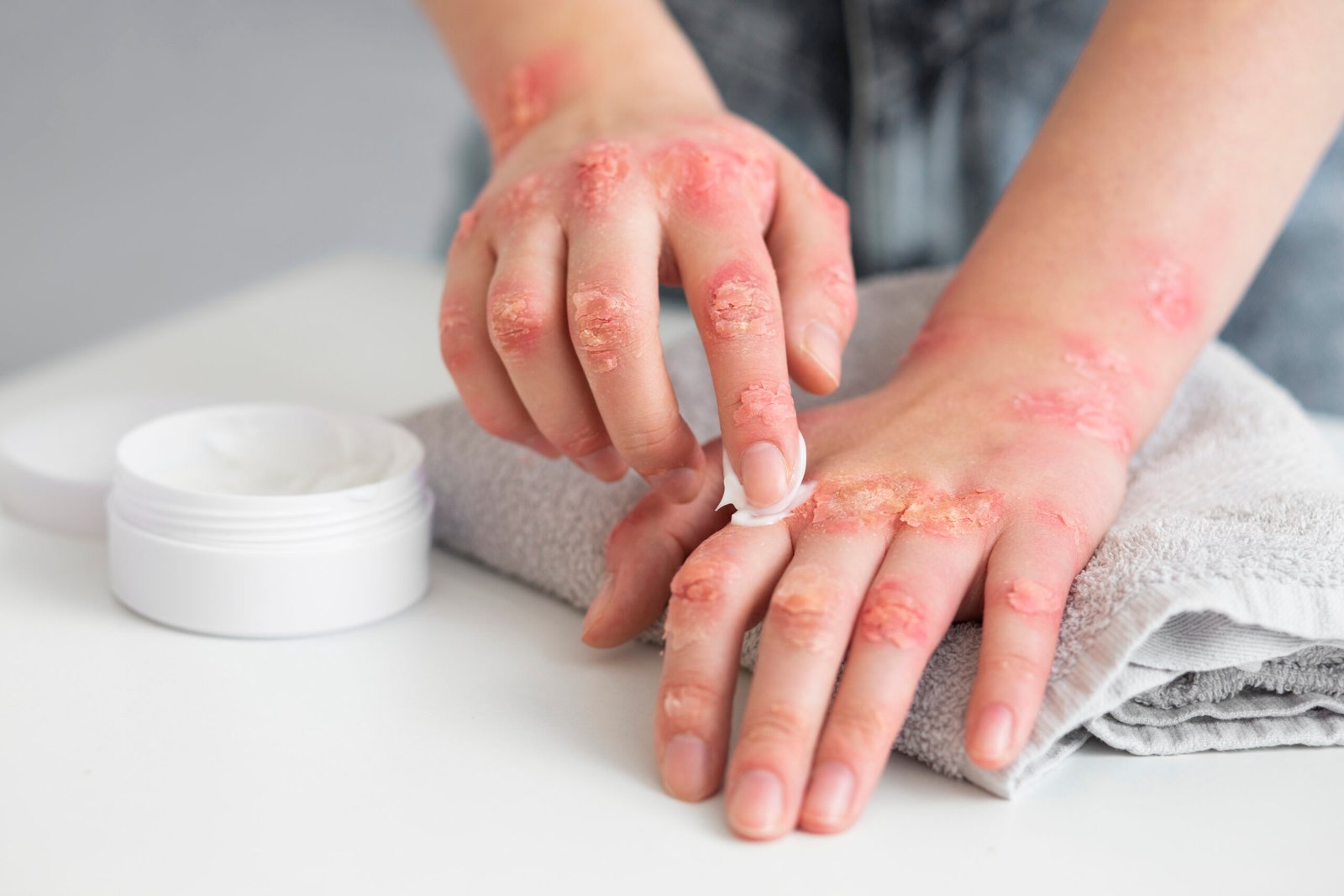
Key Considerations: It can feel greasy. Many dermatologists recommend the “soak and smear” technique: bathe, pat dry, apply medication (if any), then immediately “smear” a layer of petroleum jelly over it to lock it all in.

Application Guide and Critical Considerations for Safe Use

How to use allergy creams correctly?

Improper application can reduce efficacy and increase side effects.

  • Wash Hands: Before and after application.
  • Use the Right Amount: The Fingertip Unit (FTU) is a standard measure. One FTU (the amount from the tip to the first crease of the index finger) is enough to cover an area twice the size of an adult flat hand.
  • Apply a Thin Layer: Gently rub it in until it disappears. A thick, caked layer is not more effective.
  • Timing is Key: For moisturizers, apply immediately after bathing. For medicated creams, follow your doctor’s instructions, often 1-2 times daily.
  • Duration: Follow the prescribed or recommended duration. Do not use potent steroids for longer than advised.

Which is better for skin allergy: Cream, Ointment, or Lotion?

The choice depends on the severity and location of your allergy.

FormulationBest ForConsistencyKey Benefit
OintmentVery dry, thick, lichenified patchesGreasy, thickBest moisture barrier; ideal for severe dryness and night use.
CreamWeeping or oozing rashes; daytime useLight, non-greasyMoisturizing yet drying; versatile for most body areas.
LotionLarge body areas; hairy areas; mild drynessWatery, liquidEasy spreadability; less moisturizing than creams/ointments.
When should you see a dermatologist in Pakistan?

Self-treatment has its limits. Consult a skin specialist if:

  • The rash is severe, painful, or covers a large area.
  • You see signs of infection: increased redness, warmth, pus, or fever.
  • The rash involves sensitive areas: face, eyes, mouth, or genitals.
  • OTC treatments fail to improve the condition within 1-2 weeks.
  • The rash keeps recurring without a clear cause.

Pakistani Market Specifics: Price, Availability, and FAQs

What is the price range for allergy creams and lotions in Pakistan?

Prices vary significantly based on brand (local vs. imported), potency, and tube size.

  • Low-Potency OTC (Hydrocortisone 1%, Calamine): PKR 150 – PKR 400.
  • Barrier Repair Creams (CeraVe, Physiogel, Aveeno): PKR 1,200 – PKR 3,000.
  • Prescription Steroid Creams (e.g., Momate, Locoid): PKR 300 – PKR 800 for a standard tube.
  • Combination Creams (e.g., Fucidin H): PKR 500 – PKR 1,200.

Note: These are approximate ranges. Always check current prices at your local pharmacy.

What is the best cream for hand allergy in Pakistan?

Hand contact dermatitis is common due to frequent washing, chemicals, and “mehndi.” A dual approach works best:

  1. During Flares: A medium-potency steroid cream like Mometasone (Momate) or Hydrocortisone Butyrate (Locoid) as prescribed by a doctor.
  2. For Protection & Healing: Constant use of a thick barrier ointment like Petroleum Jelly or Zinc Oxide cream. Apply after every hand wash. Cotton gloves worn overnight over a thick layer of moisturizer can work wonders (“gloving”).
Creams-For-Skin-Allergy-In-Pakistan

Frequently Asked Questions (FAQs) –

Which cream is best for skin allergy?

The “best” cream depends entirely on your specific condition. For mild, occasional itching, an OTC Hydrocortisone 1% cream is a good start. For chronic eczema, a ceramide-based moisturizer (CeraVe) is essential for daily care. Severe inflammation requires a prescription steroid like Mometasone. A dermatologist can pinpoint the best one for you.

Can skin allergies go away?

Some contact allergies can resolve completely if the trigger is identified and strictly avoided. Chronic conditions like atopic dermatitis (eczema) are often long-term but can go into prolonged remission with proper management. Childhood eczema sometimes improves or resolves with age.

What are the 7 types of allergies?

The seven main types are: 1) Food Allergy, 2) Skin Allergy (Dermatitis), 3) Dust/Mite Allergy, 4) Pet Allergy, 5) Drug Allergy, 6) Pollen Allergy (Hay Fever), 7) Insect Sting Allergy.

What is the best allergy relief for itchy skin?

For immediate relief, a cool compress is safest. For medication, a topical corticosteroid cream applied to the itchy spots is most effective for localized itch. For widespread itching, an oral antihistamine like Cetirizine works from the inside.

How to cure an allergy at home?

While you can’t “cure” an allergy at home, you can effectively manage mild symptoms: 1) Avoid the trigger. 2) Use cool compresses. 3) Apply calamine or hydrocortisone 1% cream. 4) Take an OTC oral antihistamine. 5) Moisturize with petroleum jelly or a fragrance-free cream.

Is Cetirizine good for skin allergies?

Yes, Cetirizine is a second-generation oral antihistamine commonly used to relieve itching, redness, and hives associated with skin allergies. It is effective for systemic symptoms.

What are natural antihistamines for skin?

Quercetin (found in apples, onions), Vitamin C (citrus fruits, bell peppers), Bromelain (pineapple), and Stinging Nettle are considered natural compounds with antihistamine properties. Their effect is milder than pharmaceutical antihistamines.

Can I use Betnovate for skin allergy?

Betnovate (Betamethasone valerate) is a potent steroid cream. It should only be used for skin allergies if specifically prescribed by a doctor for a short period for a severe, localized flare. Self-medicating with Betnovate can cause severe skin damage.

Which face cream is best for allergic skin in Pakistan?

For the delicate facial skin, use only mild, fragrance-free formulationsOTC Hydrocortisone 1% can be used for 3-5 days in an emergency. For daily care, opt for CeraVe PM Facial Moisturizing Lotion, La Roche-Posay Toleriane Ultra Sensitive Cream, or locally available brands like Cetaphil Moisturizing Lotion. Patch test first.

What is the difference between eczema and a skin allergy?

Eczema (Atopic Dermatitis) is a chronic, genetic condition characterized by a defective skin barrier, leading to dry, itchy, inflamed skin. A Skin Allergy (Allergic Contact Dermatitis) is a specific immune reaction triggered by direct contact with an allergen (e.g., nickel, fragrance). Eczema skin is more prone to developing contact allergies.

Is aloe vera gel good for skin allergies?

Pure aloe vera gel has cooling, anti-inflammatory properties and can soothe mild sunburn or irritation. However, for active allergic dermatitis, it is not potent enough to control inflammation. Additionally, commercial gels may contain additives that can further irritate sensitive skin. Patch test first.

Methachlor-Eye-Drops-Uses-Benefits-&-Dosage

Methachlor Eye Drops Uses: Benefits, & Dosage

Methachlor eye drops are a popular over-the-counter ocular solution in Pakistan and some other regions, often sought for quick relief from redness and irritation. This comprehensive guide analyzes Methachlor eye drops uses, separating verified benefits from prevalent myths, and provides crucial safety information about dosage and potential risks. Understanding that Methachlor is primarily a vasoconstrictor-based formula is key to using it responsibly and knowing when to seek professional eye care instead.

In this article, you will learn:

  • The exact medical uses and realistic benefits of Methachlor eye drops.
  • The correct dosage, administration technique, and critical age restrictions.
  • A detailed breakdown of potential side effects and the serious risk of rebound redness.
  • Why these drops cannot whiten yellow eyes or improve actual eyesight.
  • Safer alternatives for common eye conditions and when to consult an ophthalmologist.

Read More:

Methachlor-Eye-Drops-Uses Benefit-Dosage (2)
Methachlor-Eye-Drops-Uses Benefit-Dosage

Table Of Contents

What Are Methachlor Eye Drops? Decoding the Brand and Formula

Methachlor is not a generic drug name but a specific brand name for an eye drop formulation. Its effects and uses are entirely determined by its active pharmaceutical ingredients, which are consistent with common over-the-counter redness relief formulations.

Is Methachlor a Drug or a Brand Name?

Methachlor is a brand name for a combination eye drop, primarily marketed in regions like Pakistan. It is not the name of a single active ingredient (like “ciprofloxacin” or “ketotifen”). Therefore, understanding “Methachlor eye drops uses” requires examining its specific formula, which typically combines a decongestant with an antihistamine.

What Are the Active Ingredients in Methachlor Eye Drops?

Analysis of available formulations indicates Methachlor eye drops typically contain two key active ingredients:

  1. Naphazoline Hydrochloride (0.05%-0.1%): This is a sympathomimetic amine, classified as a vasoconstrictor. It works by constricting the small blood vessels (capillaries) on the surface of the eye (conjunctiva), reducing blood flow and thereby eliminating redness. This provides the “whitening” effect.
  2. Chlorpheniramine Maleate (0.2%): This is a first-generation antihistamine. It works by competitively inhibiting histamine (H1) receptors, providing relief from the itching, watering, and irritation associated with minor allergic conjunctivitis.
    The combination aims to tackle both redness and itch, common symptoms of minor eye irritation and allergies. Some formulations may also include lubricating agents like Polyvinyl Alcohol for added soothing.

How Do Methachlor Eye Drops Work? Mechanism of Action

The mechanism is dual-targeted, addressing symptoms but not underlying causes:

  • Naphazoline (Vasoconstrictor): Mimics the action of norepinephrine, causing smooth muscle in the blood vessel walls to contract. This vasoconstriction reduces vessel diameter, lessening the visible red network on the sclera (white of the eye). The effect is purely cosmetic and temporary, lasting 2-4 hours.
  • Chlorpheniramine (Antihistamine): Blocks the binding of histamine, a chemical released during allergic reactions, to its receptors on nerve endings and blood vessels in the eye. This reduces the hallmark allergic symptoms of itching, swelling, and some redness.
  • Combined Effect: Provides rapid symptomatic relief for occasional, minor irritants like smoke, dust, chlorine, or seasonal allergens by making the eye appear less red and feel less itchy.

Verified Uses and Medical Benefits of Methachlor Eye Drops

The benefits of Methachlor eye drops are specific and symptomatic. They are not curative and do not treat underlying disease.

What Are the Approved Uses of Methachlor Eye Drops?

Based on its pharmacological ingredients, the approved and appropriate Methachlor eye drops uses are:

  • Temporary Relief of Minor Eye Redness: Caused by minor irritants such as smoke, dust, wind, swimming (chlorine), or mild fatigue.
  • Temporary Relief of Itchy Eyes Due to Allergies: Such as those triggered by hay fever (seasonal allergies) or other minor allergic reactions.
  • Symptomatic Management of Minor Allergic Conjunctivitis: Reducing itch and redness as part of managing mild allergic eye conditions.
    It is crucial to note the words “temporary” and “minor.” These drops are for occasional, situational use only.

What Are the Benefits of Methachlor Eye Drops?

The benefits are directly tied to its pharmacological action:

  • Rapid Cosmetic Whitening: Provides a quick reduction in eye redness, often within minutes, due to the vasoconstrictor (Naphazoline).
  • Fast Anti-Itch Relief: Offers prompt alleviation of allergy-related itching due to the antihistamine (Chlorpheniramine).
  • Accessibility and Convenience: Available over-the-counter without a prescription for immediate, short-term symptom management.
  • Dual-Action Formulation: Addresses two common symptoms—redness and itching—with a single product.

Can Methachlor Eye Drops Improve Eyesight or Fix Blurry Vision?

Definitively, no. Methachlor eye drops have no ability to improve visual acuity, correct refractive errors, or cure blurry vision. This is a critical distinction.

  • Blurry Vision from Refractive Errors: Conditions like myopia (nearsightedness), hyperopia (farsightedness), astigmatism, and presbyopia (age-related lens stiffening) are caused by the physical shape of the eye or lens. No topical drop can alter this. Correction requires glasses, contact lenses, or refractive surgery.
  • Blurry Vision from Pathologies: Cataracts, glaucoma, macular degeneration, and diabetic retinopathy cause blurry vision through structural damage or opacity. Methachlor drops do not treat these.
  • Temporary Blurriness: The drop itself may cause temporary blurred vision upon instillation as a side effect. If blurry vision is caused by a severely dry ocular surface, the lubricating component might offer minimal, transient improvement, but dedicated artificial tears would be far more effective and safer.

Which Eye Drop is Best for Whitening the Eyes? The Role of Vasoconstrictors

Methachlor, through its Naphazoline component, is classified as a “whitening” or “redness relief” drop. It is best for occasional, cosmetic whitening when the redness is known to be from a benign, temporary irritant.
The Critical Mechanism and Warning:

  1. How it Whitens: It constricts superficial conjunctival blood vessels.
  2. The Major Risk – Rebound Hyperemia: With frequent or prolonged use (beyond 3-4 consecutive days), the blood vessels can become dependent on the vasoconstrictor. When the effect wears off, they re-dilate more than before, causing a worse, more persistent redness. This leads to a cycle of dependency where users feel they need the drops constantly to keep their eyes white, inadvertently causing chronic redness and inflammation known as medication-overuse conjunctivitis.

Important Dosage, Administration, and Safety Guidelines

Strict adherence to dosage and understanding limitations is paramount to avoid the significant risks associated with vasoconstrictor eye drops.

The standard dosage, as typically found on product labeling, is:

  • Instill 1 to 2 drops in the affected eye(s).
  • This may be repeated up to 3 to 4 times daily, as needed.
    The Golden Rule: Always follow the specific instructions on the Methachlor package you have purchased or the precise dosage given by your doctor. Do not exceed the recommended frequency or duration.

How Long Should I Close My Eyes After Applying Eye Drops?

Proper technique maximizes efficacy and minimizes side effects:

  1. Wash your hands.
  2. Tilt your head back. Gently pull down your lower eyelid to form a pouch.
  3. Instill the prescribed number of drops into the pouch, avoiding contact between the dropper tip and the eye or fingers.
  4. Close your eyes gently (do not squeeze shut) for 1 to 2 minutes. This allows the medication to coat the ocular surface.
  5. Apply light pressure with your finger to the tear duct (inner corner of the eye, near the nose). This punctal occlusion reduces systemic drainage of the drug into the nose and throat, lowering the risk of systemic side effects from the antihistamine (like drowsiness) and maximizing local action.
  6. Blink gently and wipe away any excess from the surrounding skin.

What is the Age Limit for Methachlor Eye Drops? Use in Children and Babies

This is a major safety concern. The use of Methachlor eye drops in children, especially infants and toddlers, is highly cautioned against and generally not recommended without direct pediatrician supervision.

  • Risk of Systemic Absorption: Children have a higher body surface area to weight ratio and less mature metabolic systems. The vasoconstrictor (Naphazoline) can be absorbed through the nasal mucosa after draining through the tear duct. This can lead to serious systemic effects.
  • Potential Systemic Side Effects in Children: These may include central nervous system depression (leading to lethargy, coma), hypotensionhypothermia, and profound drowsiness from the antihistamine.
  • Official Stance: Many regulatory bodies advise against using Naphazoline-containing drops in children under a certain age (often 6 years). Methachlor eye drops for babies should be considered unsafe without explicit, dosage-specific instruction from a pediatric ophthalmologist.

Can I Use Methachlor Eye Drops Daily?

For long-term, daily use, the answer is a firm NO. Methachlor is not intended for chronic, daily administration.

  • Rebound Redness: Daily use is the primary cause of rebound hyperemia and medication-overuse conjunctivitis, creating a chronic problem from a short-term solution.
  • Masking Underlying Conditions: Daily redness is a symptom. It could indicate chronic conditions like Dry Eye Disease (DED), Blepharitis, undiagnosed allergies, Uveitis, or even early-stage glaucoma. Using Methachlor daily masks this warning sign, delaying proper diagnosis and treatment.
  • If You Feel You Need Them Daily: This is a clear signal to stop using Methachlor and consult an ophthalmologist to diagnose the root cause of the persistent redness.
doctor pouring some eye drops patient scaled

Side Effects, Risks, and Critical Warnings

Understanding the adverse effect profile is essential for weighing the risks against the temporary benefits.

What Are the Common Side Effects of Methachlor Eye Drops?

Common, typically mild, and transient side effects include:

  • Transient Stinging or Burning: Upon instillation, often due to the formulation’s pH.
  • Blurred Vision: Temporary blurring after application, usually clearing within minutes.
  • Mydriasis (Pupil Dilation): Naphazoline can sometimes cause slight pupil dilation, which may increase light sensitivity.
  • Punctate Keratitis: With overuse, the corneal surface can develop tiny, superficial punctate erosions, leading to a feeling of grittiness or foreign body sensation.
  • Dryness or Irritation: Paradoxically, prolonged use can disrupt the tear film and cause ocular surface dryness.

What Are the Serious Side Effects and Risks?

The serious risks are predominantly associated with misuse and overuse:

  • Rebound Hyperemia (Medication-Induced Conjunctivitis): The most significant and common serious risk. Characterized by chronic, worsening redness that appears worse when the drops wear off, forcing the user into a cycle of dependency.
  • Elevated Intraocular Pressure (IOP): Vasoconstrictors can potentially raise IOP. In individuals with undiagnosed narrow-angle glaucoma, this can precipitate an acute angle-closure attack, a painful and sight-threatening emergency.
  • Cardiovascular and Central Nervous System Effects: From systemic absorption—especially risky in children and the elderly. Can include hypertension, arrhythmias, dizziness, headache, nervousness, and tremors.
  • Severe Drowsiness: The antihistamine Chlorpheniramine can cause significant drowsiness, impairing the ability to drive or operate machinery, especially if absorbed systemically.

What Are the Risks of Using “Whitening” Eye Drops Like Methachlor Long-Term?

Long-term use transforms a symptomatic aid into a causative agent of disease:

  • Chronic Conjunctival Inflammation: Persistent use leads to a low-grade inflammatory state on the ocular surface.
  • Tear Film Instability: Damage to goblet cells and the ocular surface epithelium can worsen or cause Dry Eye Disease.
  • Tolerance and Dependency: The eyes become tolerant, requiring more frequent dosing for the same effect, while also becoming physically dependent on the drop to avoid rebound redness.
  • Delayed Diagnosis of Serious Conditions: As stated, it masks symptoms of glaucoma, uveitis, and autoimmune conditions, allowing them to progress untreated.

This section connects Methachlor to broader eye health questions, debunking myths and providing accurate public health information.

Can Yellow Eyes (Scleral Icterus) Turn White Again with Eye Drops?

Absolutely not. This is a dangerous misconception. Yellowing of the sclera is a clinical sign called jaundice or icterus. It results from the accumulation of bilirubin, a yellow pigment, in the blood and tissues. This indicates liver dysfunction (hepatitis, cirrhosis, obstruction), hemolytic anemia, or other systemic disorders.

  • How to remove yellowness from eyes? The treatment is medical management of the underlying systemic condition, not topical eye drops. Addressing liver health, clearing bile duct obstructions, or treating blood disorders is required.
  • What vitamins help yellow eyes? While vitamins like B-complex, Vitamin C, and Vitamin E support overall liver health, they are not a treatment for active jaundice. Yellow eyes require immediate medical evaluation by a physician, not self-supplementation.
  • Can drinking water clear yellow eyes? Proper hydration supports liver and kidney function, but it cannot clear bilirubin once levels are pathologically elevated. It is not a treatment for jaundice.

What Are the Early Warning Signs of Liver Disease?

Since yellow eyes are a late sign, recognizing early symptoms is crucial:

  • Persistent fatigue and weakness
  • Loss of appetite and unexplained weight loss
  • Nausea or vomiting
  • Abdominal pain and swelling, especially in the upper right quadrant
  • Dark urine (tea-colored) and pale, clay-colored stools
  • Pruritus (generalized itching)
  • Easy bruising or bleeding
    If you have yellow eyes accompanied by any of these, seek immediate medical attention.

How to Improve Vision and Eye Health: Realistic Advice vs. False Claims

  • How to improve vision in 7 days? / How to get 20/20 vision again? Quick-fix claims are false. Refractive errors are anatomical. Improvement comes from proper correction (glasses/contacts) or refractive surgery (LASIK, PRK). Vision therapy may help specific binocular vision disorders under professional guidance.
  • What vitamins help eye health? Nutrients vital for maintaining ocular health and potentially slowing age-related decline include:
    • Vitamin A & Beta-Carotene: Essential for retinal function.
    • Lutein & Zeaxanthin: Macular pigments that filter harmful blue light.
    • Vitamin C & E: Antioxidants protecting ocular tissues.
    • Zinc: Supports retinal health and vitamin A transport.
    • Omega-3 Fatty Acids (DHA/EPA): Reduce inflammation and support tear film health.
      These are obtained through a balanced diet (leafy greens, fish, eggs, citrus) or supplements, but they do not “cure” existing vision problems.
  • Which eye drop is best for everyday use? For chronic dryness or maintenance, preservative-free artificial tears (e.g., containing carboxymethylcellulose, hyaluronic acid, polyethylene glycol) are the safest for daily use. They lubricate without the risks of vasoconstrictors or preservatives like benzalkonium chloride (BAK).

What Causes Dry Eyes?

Dry Eye Disease (DED) is a multifactorial condition, often misunderstood as simple dryness. Major causes include:

  • Meibomian Gland Dysfunction (MGD): The most common cause (Evaporative Dry Eye). Glands in the eyelids don’t secrete enough oil, causing tears to evaporate too quickly.
  • Aqueous Tear Deficiency: The lacrimal glands don’t produce enough of the watery component of tears.
  • Environmental Factors: Low humidity, wind, air conditioning, prolonged screen use (reduced blink rate).
  • Systemic Conditions: Sjögren’s syndrome, rheumatoid arthritis, thyroid disorders.
  • Medications: Antihistamines, decongestants (like oral forms of what’s in Methachlor), some blood pressure medications.
    Using a vasoconstrictor like Methachlor for dry eye redness will worsen the condition long-term by further irritating the surface and potentially reducing tear production.

Alternatives to Methachlor: When to See a Doctor

Responsible eye care involves knowing when a product is appropriate and when a different solution or professional help is needed.

What Are Safer Alternatives for Common Eye Issues?

ConditionSymptomSafer Alternative to MethachlorReason
General Dryness/RednessGrittiness, irritation, mild rednessPreservative-Free Artificial TearsLubricates without causing rebound redness or masking.
Allergic Itching & RednessItch, watery discharge, rednessModern Antihistamine/Mast-Cell Stabilizer Drops (e.g., Ketotifen, Olopatadine)Treats the allergic cause, can be used longer-term, less rebound risk.
Chronic Redness/InflammationPersistent redness, burningOphthalmologist ConsultationTo diagnose underlying cause (Blepharitis, DED, Uveitis) for targeted treatment.
Post-Cataract/ LASIK IrritationRedness, discomfortDoctor-prescribed anti-inflammatory or antibiotic drops.Methachlor is not appropriate for post-surgical care.
Eye Fatigue from ScreensTired, red eyesRegular breaks (20-20-20 rule), lubricating eye drops.Addresses the root behavior, vasoconstrictors are unnecessary.

When Should You Absolutely See an Eye Doctor?

Consult an ophthalmologist if:

  • Symptoms persist for more than 48-72 hours despite using OTC drops.
  • You experience eye pain, severe light sensitivity (photophobia), or vision changes (blurring, halos, floaters).
  • There is thick, purulent (pus-like) discharge, indicating a possible bacterial infection.
  • You sustain an eye injury or suspect a foreign object is in your eye.
  • You have a pre-existing condition like glaucoma, diabetes, or an autoimmune disease.
  • You find yourself needing Methachlor or similar drops daily to function normally.

Methachlor Eye Drops Price in Pakistan & Market Context

The price of Methachlor eye drops in Pakistan is generally low and affordable, often ranging between PKR 100 to PKR 300 per 5-10ml bottle, depending on the pharmacy and location. However, low cost should not dictate use. The potential long-term cost of treating rebound redness or an undiagnosed condition far outweighs the initial savings. Invest in a proper diagnosis first.

Methachlor-Eye-Drops-Uses-&-Dosage

Frequently Asked Questions (FAQs) –

What are Methachlor eye drops used for?

Methachlor eye drops are used for the temporary relief of minor eye redness and itching caused by minor irritants like dust or smoke, and from minor allergic conditions like hay fever.

What are the benefits of Methachlor eye drops?

The main benefits are rapid reduction of eye redness (whitening) and quick relief from allergy-related itching, thanks to its combination of a vasoconstrictor (Naphazoline) and an antihistamine (Chlorpheniramine).

What are the side effects of Methachlor eye drops?

Common side effects include temporary stinging, blurred vision, and pupil dilation. The most serious risk is rebound redness and chronic conjunctivitis from long-term or frequent use.

Can Methachlor eye drops be used for children?

They should be used with extreme caution in children and never in infants without explicit direction from a pediatrician or eye doctor, due to risks of serious systemic side effects like severe drowsiness and CNS depression.

Can I use Methachlor daily?

No, it is not recommended for daily use. Daily use leads to rebound redness, dependency, and can mask serious underlying eye conditions. It is for occasional use only.

How long can I safely use Methachlor?

For occasional use only. Do not use for more than 3-4 consecutive days. If symptoms persist beyond this, discontinue use and see a doctor.

What is the main warning about Methachlor-type drops?

The primary warning is against using them to mask chronic redness. Chronic redness is a symptom that needs a professional diagnosis, not a cosmetic cover-up.

Should I use Methachlor for eye infections?

No. Methachlor has no antibiotic or antiviral properties. Using it for an infection will delay proper treatment, allowing the infection to worsen.

Can I use Methachlor if I wear contact lenses?

You should remove contact lenses before applying Methachlor drops and wait at least 15-20 minutes before reinserting them. The preservatives can bind to lenses and irritate the eye

Top-10-Cat-Eye-Infection-Drops-In-Pakistan

Top 10 Cat Eye Infection Drops In Pakistan

Watching your feline companion struggle with a sore, swollen, or weeping eye is distressing for any pet owner in Pakistan. Cat eye infections, known medically as conjunctivitis or keratitis, are common but require precise treatment. This definitive guide lists the top 10 cat eye infection drops available in Pakistan, explaining their uses, active ingredients, and critical safety protocols. The most vital insight is that while these medications are effective, a veterinary diagnosis is the non-negotiable first step to protecting your cat’s vision.

In this article, you will learn:

  • The definitive list of the 10 most effective and veterinarian-recommended eye drops for feline eye infections in Pakistan.
  • How to identify the signs of common versus serious eye infections in cats.
  • A detailed breakdown of key antibiotic, antiviral, and combination drops.
  • Step-by-step guidance on how to safely administer eye drops to your cat.
  • Crucial warnings about the dangers of self-medication and using human eye drops.

Read More:

Top-Cat-Eye-Infection-Drops-In-Pakistan

Table Of Contents

Understanding Feline Eye Infections: Causes, Symptoms, and Dangers

Recognizing the signs and underlying causes of your cat’s eye problem is the foundation for seeking correct treatment. Eye issues are rarely simple, and symptoms can overlap between minor irritations and sight-threatening emergencies.

What Are the Common Signs of a Cat Eye Infection?

A cat eye infection manifests through clear behavioral and physical changes. The most frequent clinical signs owners observe include:

  • Redness and Inflammation: The white of the eye (sclera) and the inner eyelids appear bloodshot and swollen, a condition called conjunctival hyperemia.
  • Discharge: This can range from clear and watery (epiphora) to thick, yellow-green, or mucopurulent matter that crusts around the eye.
  • Squinting or Blinking Excessively: Known as blepharospasm, this is a sign of significant pain or photophobia (sensitivity to light).
  • Pawing at the Eye: Your cat may rub its face against furniture or scratch at the eye with its paw, which can worsen the injury.
  • Cloudiness or Change in Eye Appearance: The cornea (clear front surface) may look hazy, blue, or opaque.
  • Third Eyelid Protrusion: The nictitating membrane, a protective inner eyelid, may become visibly extended across the eye.
  • Keeping the Eye Fully Closed: This indicates severe discomfort or pain.

What Causes Eye Infections in Cats?

The red, painful eye is a symptom with multiple potential causes, which dictates the choice of cat eye infection drops.

  • Bacterial Conjunctivitis: Often secondary to other issues. Common pathogens include Chlamydophila felis (a primary agent of feline conjunctivitis), MycoplasmaStaphylococcus, and Streptococcus.
  • Viral Conjunctivitis: The Feline Herpesvirus-1 (FHV-1 or FHV) is the most prevalent cause. It is a lifelong, recurrent infection that flares up during stress, causing upper respiratory and ocular symptoms.
  • Fungal Infections (Keratomycosis): Rare but serious, often following a corneal injury by plant material.
  • Trauma & Secondary Infection: Scratches from fights, foreign bodies (like dust or seeds), or chemical irritants can damage the eye and allow bacteria to invade.
  • Non-Infectious Inflammatory Conditions: Such as eosinophilic keratoconjunctivitis (an immune-mediated disorder) or allergic conjunctivitis.
  • Corneal Ulcers: An open sore on the cornea, which is intensely painful and can become infected. It is diagnosed with a special fluorescein stain by a vet.

What is the Most Serious Eye Infection in Cats?

While any infection is concerning, certain conditions are ocular emergencies. The most serious include:

  • Deep or Melting Corneal Ulcers: These can rapidly perforate (rupture), leading to loss of intraocular fluid and potential loss of the eye.
  • Panophthalmitis: A severe, full-thickness infection and inflammation of all eye structures.
  • Orbital Cellulitis: A painful infection behind the eye, often causing the eye to bulge (proptosis).
  • Uveitis: Inflammation of the eye’s internal structures, which is painful and can lead to glaucoma or blindness.
    These conditions require immediate, intensive veterinary—often specialist—care. They underscore why a quick, accurate diagnosis is paramount before applying any cat eye drops.

Why is a Veterinary Diagnosis Essential Before Using Any Drops?

Self-diagnosing and selecting cat eye infection drops without professional input is one of the most dangerous things an owner can do. The reason is specificity of treatment:

  • Using antibiotic drops for a viral herpes infection may slightly help with secondary bacteria but does not address the primary viral cause, leading to a prolonged, recurrent illness.
  • Using a steroid-containing drop on a corneal ulcer can stop healing, cause the ulcer to deepen, and lead to corneal rupture and blindness. Steroids suppress the immune response needed for repair and can promote infection.
  • Missing a foreign body lodged under the eyelid means drops will provide no relief until the physical object is removed.
    Only a veterinarian can perform a complete ophthalmic exam, often including a fluorescein stain test to rule out ulcers, and determine the true cause.

Key Medications: Antibiotics, Antivirals, and Combination Drops

Feline ophthalmology utilizes specific classes of medications. Understanding these categories helps you comprehend your vet’s prescription and the importance of following it exactly.

What Are the Most Common Antibiotics in Cat Eye Drops?

Veterinarians choose from several antibiotic classes based on the suspected bacteria:

  • Tetracyclines: Tetracycline and Oxytetracycline are first-line choices for infections involving Chlamydophila felis and Mycoplasma. They are often found in ointments.
  • Aminoglycosides: GentamicinTobramycin, and Neomycin offer broad-spectrum coverage against many gram-negative and some gram-positive bacteria. Gentamicin is a common staple.
  • Fluoroquinolones: CiprofloxacinOfloxacin, and Moxifloxacin are potent, newer-generation antibiotics with excellent corneal penetration. They are used for more serious infections or corneal ulcers.
  • Chloramphenicol: A broad-spectrum antibiotic. Its use has declined in some regions due to potential (though rare with topical use) concerns about idiosyncratic bone marrow suppression in cats and handling risks for humans.

What is the Best Antibiotic for a Cat Eye Infection?

There is no single “best” antibiotic for all cat eye infections. The optimal choice is pathogen-specific and determined by the vet’s clinical assessment. A general guide based on common presentations is:

  • For suspected Chlamydia or Mycoplasma: Tetracycline or Oxytetracycline ointment (e.g., Terramycin) is typically the first choice.
  • For general, uncomplicated bacterial conjunctivitis: Gentamicin sulfate drops or Triple Antibiotic ointment (Neomycin/Polymyxin B/Bacitracin) are frequently prescribed.
  • For suspected or confirmed corneal ulcers, or resistant infections: Ciprofloxacin or Moxifloxacin drops are preferred due to their potency and deep tissue penetration.

Is Moxifloxacin Eye Drops Safe for Cats?

Yes, Moxifloxacin eye drops (e.g., Vigamox) are safe and effective for cats when prescribed by a veterinarian. It is a fourth-generation fluoroquinolone considered a strong weapon against a wide range of ocular bacteria. Its safety profile for topical ocular use in cats is good. The key is veterinary oversight to ensure it is necessary and that the dosage (typically one drop in the affected eye 2-3 times daily) is appropriate for your cat’s weight and condition.

What About Antiviral Medications for Feline Herpesvirus (FHV-1)?

Since FHV-1 is a leading cause, specific antiviral medications are crucial. These are not typical antibiotics and include:

  • Idoxuridine (IDU) and Trifluridine: These are topical antiviral drops that inhibit viral replication. They can be irritating and are often compounded by special pharmacies.
  • Cidofovir: A newer, less frequent dosing antiviral option.
    It is important to note that L-Lysine is a supportive amino acid supplement given orally to help suppress viral replication and boost immune response. It is a helpful adjunct therapy but not a direct replacement for prescription antiviral eye drops in an active flare-up.

What Are Combination Drops (Antibiotic + Steroid)?

These medications, such as Neomycin-Polymyxin-Dexamethasone (e.g., Maxitrol) or Gentamicin-Dexamethasone, contain both an antibiotic and a corticosteroid (steroid).

  • Purpose: To treat conditions with significant inflammation and a bacterial component, where a corneal ulcer has been definitively ruled out. Examples include severe allergic conjunctivitis or certain types of uveitis.
  • MAJOR WARNING: These are the most dangerous drops to misuse. The steroid component can dramatically worsen a corneal ulcer or a viral/fungal infection. They should only be used under direct and specific veterinary instruction after a thorough examination confirms their safety.
ChatGPT Image Feb 1 2026 02 05 10 AM

The Definitive List: Top 10 Cat Eye Infection Drops in Pakistan

This curated list is based on common veterinary prescriptions, efficacy for feline-specific conditions, and relative availability through veterinary clinics and pharmacies in Pakistan. Prices are indicative and can vary widely by location, pharmacy, and brand.

1. Terramycin Ophthalmic Ointment (Oxytetracycline + Polymyxin B)

  • Active Ingredients: Oxytetracycline Hydrochloride (Antibiotic) and Polymyxin B Sulfate (Antibiotic).
  • Veterinary Use: The classic, first-line treatment for feline conjunctivitis, particularly when Chlamydophila or Mycoplasma is suspected. Effective for superficial bacterial infections.
  • Key Insight: This is often the most common answer to “what to buy for cat eye infection?” It is widely available, relatively safe, and effective for simple cases. However, a vet check is still strongly advised to rule out ulcers or herpesvirus. It is an ointment, which stays in contact with the eye longer than drops.
  • Approximate Price in Pakistan: PKR 400 – PKR 800 per tube.

2. Gentamicin Sulfate Eye Drops (e.g., Genticyn, Gentafair)

  • Active Ingredient: Gentamicin Sulfate.
  • Veterinary Use: A broad-spectrum aminoglycoside antibiotic used for bacterial conjunctivitis and keratitis (corneal infection). A workhorse in veterinary practice for common bacterial issues.
  • Key Insight: These drops are commonly prescribed and readily available. They are effective against a wide range of bacteria. Treatment typically involves 1-2 drops per eye, 3-4 times daily.
  • Approximate Price in Pakistan: PKR 200 – PKR 500 per bottle.

3. Ciprofloxacin Eye Drops (e.g., Ciplox)

  • Active Ingredient: Ciprofloxacin Hydrochloride.
  • Veterinary Use: A potent fluoroquinolone antibiotic used for more resistant bacterial infections and, importantly, for treating corneal ulcers. It has good penetration into ocular tissues.
  • Key Insight: Is Ciplox eye drops safe? For cats, yes, when prescribed by a vet. This is a prime example of a human medication used in veterinary medicine. You must never use your own or someone else’s prescription; the vet will determine the correct feline dosage and regimen.
  • Approximate Price in Pakistan: PKR 300 – PKR 600 per bottle.

4. Vigamox / Moxifloxacin Eye Drops

  • Active Ingredient: Moxifloxacin Hydrochloride.
  • Veterinary Use: An advanced-generation fluoroquinolone reserved for severe bacterial infections or stubborn corneal ulcers. Its potent, broad-spectrum action and convenient dosing (once or twice daily) make it valuable for serious cases.
  • Key Insight: Represents a “stronger” tier of antibiotic therapy. Its use indicates a more significant infection or one that hasn’t responded to first-line treatments like Gentamicin.
  • Approximate Price in Pakistan: PKR 800 – PKR 1500 per bottle (often more expensive as a newer drug).

5. Triple Antibiotic Ophthalmic Ointment (Neomycin + Polymyxin B + Bacitracin)

  • Active Ingredients: Neomycin Sulfate, Polymyxin B Sulfate, Bacitracin Zinc.
  • Veterinary Use: A broad-spectrum combination covering a wide array of common bacteria. Used for minor bacterial conjunctivitis and sometimes as a prophylactic after minor trauma or scratches.
  • Key Insight: Functions similarly to Terramycin but with a different antibiotic mix. It is a good general-purpose ointment for uncomplicated bacterial issues.
  • Approximate Price in Pakistan: PKR 300 – PKR 700 per tube.

6. Tobrex (Tobramycin) Eye Drops

  • Active Ingredient: Tobramycin.
  • Veterinary Use: An aminoglycoside antibiotic similar to Gentamicin, often used as an alternative. It is particularly effective against Pseudomonas aeruginosa, a bacterium that can cause severe, rapid corneal melting ulcers.
  • Key Insight: Another example of a high-quality human ophthalmic drop used effectively in veterinary care. Its use may be guided by culture results or suspicion of specific bacteria.
  • Approximate Price in Pakistan: PKR 500 – PKR 1000 per bottle.

7. Idoxuridine (IDU) or Trifluridine Antiviral Eye Drops

  • Active Ingredient: Idoxuridine or Trifluridine.
  • Veterinary Use: Specific antiviral treatment for active Feline Herpesvirus-1 (FHV-1) keratitis or conjunctivitis. These are not antibiotics.
  • Key Insight: The prescription of these drops is a clear indicator of a viral diagnosis. They are often sourced from compounding pharmacies. Managing FHV-1 is about controlling flare-ups, and these drops are critical during active ocular episodes.
  • Approximate Price in Pakistan: Variable; often compounded, costing PKR 1000 – PKR 2500+.

8. Neomycin + Dexamethasone Combination Drops (e.g., Maxitrol, Dexamycin)

  • Active Ingredients: Neomycin (Antibiotic) + Dexamethasone (Steroid).
  • Veterinary Use: For intensely inflamed eyes where a bacterial infection is present but a corneal ulcer has been definitively ruled out (e.g., severe allergic conjunctivitis).
  • Key Insight: This is the most dangerous class of drops to use without veterinary guidance. The dexamethasone steroid can cause a corneal ulcer to perforate rapidly. It perfectly illustrates why “which eye drop is best?” can only be answered by a vet after an examination.
  • Approximate Price in Pakistan: PKR 400 – PKR 800 per bottle.

9. Artificial Tears / Lubricating Ointment (e.g., Refresh PM, Lacri-Lube)

  • Active Ingredient: Petroleum-based ointment or carbomer gel.
  • Veterinary Use: To protect the cornea, provide comfort, and prevent dryness (especially in flat-faced breeds like Persians, or cats who cannot blink properly). It is a vital supportive therapy, not a primary treatment for infection.
  • Key Insight: Used to keep the eye moist, protect a healing cornea, and provide comfort alongside medicated drops. A safe and useful product in the recovery toolkit.
  • Approximate Price in Pakistan: PKR 300 – PKR 700 per tube.

10. Povidone-Iodine 5% Dilute Solution (Betadine)

  • Active Ingredient: Povidone-Iodine.
  • Veterinary Use: Not for direct instillation into the eye. It is used as a periocular antiseptic. A dilute solution (typically 1:50) is used to gently clean the fur, eyelids, and skin around the infected eye before applying medication, reducing surface contamination.
  • Key Insight: “What kills eye infections?” As a preparatory antiseptic, it helps. It is a crucial part of the hygiene protocol but is not the therapeutic drop itself. Never use the full-strength solution near the eye.
  • Approximate Price in Pakistan: PKR 200 – PKR 400 per bottle.

Critical Guidelines: How to Apply Drops, Safety, and Warnings

Knowledge of the medication is useless without knowing how to administer it safely and understanding the boundaries of home treatment.

How to Administer Eye Drops to Your Cat Safely and Effectively?

Applying cat eye infection drops can be challenging but is manageable with patience and technique.

  1. Prepare: Have the drops ready, washed hands, and a towel. Choose a calm, enclosed space like a bathroom.
  2. Restrain Gently: Wrap your cat snugly in a towel (a “purrito” method), exposing only the head. Have someone hold the cat if possible.
  3. Position: Tilt the cat’s head slightly upward. Use your non-dominant hand to gently pull down the lower eyelid to form a small pocket.
  4. Administer: With your dominant hand, hold the dropper close to the eye but DO NOT TOUCH the eye, eyelid, or lashes (to prevent contamination and injury). Squeeze the prescribed number of drops (usually one) into the pocket.
  5. Release: Gently release the eyelid and allow your cat to blink, distributing the medication. You can gently hold the eye closed for a second.
  6. Reward: Immediately offer a high-value treat or affection to create a positive association.
    Pro Tip: If treating both eyes, use a separate gauze pad to wipe the dropper tip before applying to the second eye to prevent cross-contamination.

What is the Standard Dosage and Duration for Cat Eye Drops?

The regimen is set solely by your veterinarian. A typical course for bacterial infections might be:

  • Dosage: 1 drop per affected eye.
  • Frequency: 2 to 4 times daily, depending on the severity and drug type (e.g., Moxifloxacin may be once or twice daily, Gentamicin may be three times daily).
  • Duration: Usually 5 to 14 days. It is critical to complete the entire course, even if the eye looks better in 2-3 days. Stopping early can lead to relapse and antibiotic resistance.

Can I Use Human Eye Drops for My Cat? (The Major Risk)

This directly addresses the “Human eye drops for cats” search query.

  • DEFINITIVE ANSWER:Only if explicitly prescribed and dosed by your veterinarian. The risks of using over-the-counter human drops are severe:
    • Steroid-Based Drops: Can cause corneal rupture if an ulcer is present.
    • “Redness Relief” Drops (Vasoconstrictors like Tetrahydrozoline): Can be systemically absorbed and cause serious cardiovascular and neurological toxicity in cats.
    • Incorrect Antibiotic: May be ineffective or inappropriate.
    • Preservatives: Some preservatives in human drops (e.g., benzalkonium chloride) can be irritating to feline eyes.
      A vet may prescribe a human medication like Ciplox (Ciprofloxacin) but will calculate the precise, safe feline application.

What Antibiotics Are Safe for Cats? (Systemic vs. Topical)

It’s important to distinguish between routes of administration:

  • Topical Ocular Antibiotics (drops/ointments): Those listed (Gentamicin, Ciprofloxacin, Terramycin) are generally safe for the eyes when used as directed.
  • Oral/Systemic Antibiotics: These are different drugs (e.g., Doxycycline for Chlamydia, Clavamox for systemic infections) also prescribed by vets for ocular disease that has spread or is severe. “How to get cat antibiotics without vet?” is a dangerous path leading to incorrect dosing, treatment of the wrong condition, and promotion of antibiotic-resistant superbugs.

What Are the Risks of Using the Wrong Eye Drops?

The consequences of incorrect treatment are not merely a lack of improvement; they are actively harmful:

  • Corneal Perforation: From inappropriate steroid use on an ulcer.
  • Disease Progression: Worsening of a viral or fungal infection delayed by wrong treatment.
  • Chronic Pain and Scarring: Leading to permanent vision impairment or blindness.
  • Systemic Toxicity: From absorption of medications not meant for cats.
  • Loss of Trust: Stressful, painful experiences for your cat during misguided treatment attempts.

Supportive Care, Home Remedies, and Prevention

While medication is core, supportive care at home is vital for recovery and preventing future flare-ups.

How to Clean Your Cat’s Infected Eye at Home?

Proper cleaning is a key part of managing cat eye infection drops treatment.

  1. Use a sterile gauze pad or cotton ball (not cotton wool, which can shed fibers).
  2. Soak it in lukewarm saline solution or boiled (then cooled) water.
  3. Gently wipe from the inner corner of the eye outward, using a single motion.
  4. Use a fresh pad for each wipe and for each eye to prevent spreading infection.
  5. Softly remove any crusts or dried discharge. Never force or pick at them.

What is the Strongest Natural Antibiotic for Cats Without a Vet?

This query requires a serious reality check: There is no natural remedy that can reliably replace prescribed antibiotics for an active bacterial infection. Delaying proper veterinary care with home remedies like saline flushes, herbal teas, or coconut oil can allow a simple infection to become a complex, vision-threatening one. Some purported “natural antibiotics” like garlic or essential oils are TOXIC to cats. Supportive care like warm compresses (applying a clean, warm cloth to the closed eye for 5 minutes) can soothe and improve circulation, but it is not a cure.

How to Prevent Recurrent Eye Infections in Cats (Especially FHV-1)?

For cats prone to infections, particularly those with Feline Herpesvirus, proactive management is key:

  • Minimize Stress: FHV-1 flares with stress. Use pheromone diffusers (Feliway), maintain routines, and provide safe hiding spaces.
  • Routine L-Lysine Supplementation: Daily L-Lysine (as a paste, powder, or treat) can help suppress viral replication. It is a lifelong management tool for herpes-positive cats.
  • Vaccination: While vaccines don’t prevent initial infection, they can reduce the severity of clinical signs from FHV-1.
  • Regular Wellness Checks: Early detection of minor issues prevents major ones.
  • Environmental Enrichment and Cleanliness: Reduce dust, avoid strong chemical cleaners near your cat, and ensure good ventilation.

When is it an Emergency? Signs to Rush to the Vet.

Do not wait for a scheduled appointment if you observe:

  • The eyeball itself appears to be protruding from the socket.
  • Sudden, apparent blindness or significant vision loss.
  • A visible, deep puncture or laceration on the eye.
  • Profuse bleeding from the eye or surrounding area.
  • Extreme pain unresponsive to gentle touch.
  • No improvement within 24-48 hours of starting a prescribed medication.
    In these cases, seek emergency veterinary care immediately.
Cat-Eye-Infection-Drops-In-Pakistan

Frequently Asked Questions (FAQs) –

Which eye drop is best for cat eye infection?

The best eye drop is the one your veterinarian prescribes after diagnosing the specific cause (bacterial, viral, ulcer). Common effective options include Terramycin ointment for simple bacterial cases and Gentamicin or Ciprofloxacin drops for more involved infections.

What to buy for cat eye infection over the counter in Pakistan?

The most commonly available and generally safe OTC option is Terramycin Ophthalmic Ointment. However, using it without a vet confirming a simple bacterial infection and ruling out an ulcer or virus is risky. A veterinary consultation is always the safest first step.

How to heal a cat’s eye infection at home?

You cannot reliably “heal” an infection at home without a diagnosis and prescription. Home care involves supporting veterinary treatment: administering prescribed cat eye infection drops exactly as directed, keeping the eye area gently clean with warm water, and reducing stress.

Is Ciplox eye drops safe for cats?

Yes, Ciprofloxacin (Ciplox) eye drops are safe and effective for cats when prescribed by a veterinarian for a bacterial infection or corneal ulcer. Never use a human-prescribed bottle without veterinary guidance on feline dosage and frequency.

Can I use Terramycin ointment for my cat’s eye?

Yes, Terramycin ophthalmic ointment is commonly used and often effective for feline bacterial conjunctivitis, especially when caused by Chlamydia or Mycoplasma. It is widely considered a first-line OTC option, but an initial vet check is still highly recommended.

What is the fastest way to cure a cat’s eye infection?

The fastest way is prompt veterinary diagnosis followed by immediate and correct treatment with prescription cat eye drops. Delaying care or using incorrect drops will prolong the illness and risk complications.

Are human antibiotic eye drops safe for cats?

They can be, but only if prescribed by a veterinarian who has determined that particular medication and dose is appropriate for your cat’s specific condition. Self-administering human eye drops is dangerous.

My cat’s eye is swollen and closed, what should I do?

A swollen, closed eye indicates significant pain or pressure (from infection or glaucoma). This is an urgent situation. See a veterinarian immediately. Do not attempt to force the eye open or apply any medication first

Can cat eye infections heal on their own?

Very mild viral flare-ups might resolve as the immune system rallies, but bacterial infections typically worsen without treatment. Since it’s impossible to know the type without a vet, assuming it will self-resolve risks permanent damage to your cat’s eyesight.

Top-10-Eye-Drops-For-Red-Eyes-Eye- Allergy-Drops

Top 10 Eye Drops For Red Eyes | Eye Allergy Drops

Red, itchy, and watery eyes are a universal sign of irritation, most often caused by allergies or dryness. Choosing from the myriad of eye drops for red eyes can be overwhelming. This comprehensive guide cuts through the confusion, presenting a detailed list of the top 10 eye drops for red eyes and eye allergies, explaining how they work, and providing actionable advice for lasting relief. The key insight is that the best eye allergy drops treat the cause, not just mask the symptom.

In this article, you will learn:

  • The definitive ranking and analysis of the 10 most effective eye drops for red, allergic eyes.
  • The crucial difference between antihistamine, mast cell stabilizer, and dual-action allergy drops.
  • A direct comparison of key ingredients like ketotifen and olopatadine.
  • Practical, step-by-step strategies for fast relief and long-term prevention of eye allergy symptoms.
  • Essential safety advice and answers to the most frequently asked questions.

Read More:

Top-Eye-Drops-For-Red-Eyes-Eye-Allergy-Drops

Table Of Contents

Understanding Red Eyes and Eye Allergies: The Root Cause

Before selecting any eye drops for red eyes, understanding the underlying mechanism is crucial. Redness is a symptom, not a diagnosis, and treating it effectively requires addressing its root cause.

Why Do Eyes Turn Red? The Science Behind Redness

Red eyes occur when the tiny blood vessels in the conjunctiva—the clear membrane covering the white of your eye—become dilated and inflamed. This vasodilation is the body’s response to an irritant, allergen, or injury, increasing blood flow to deliver more immune cells to the area. Common triggers include airborne allergens like pollen (hay fever), pet dander, dust mites, mold spores, dry air, smoke, chlorine from swimming pools, and even prolonged digital screen use leading to dry eye disease.

Why Do Allergies Turn Eyes Red?

Allergic conjunctivitis is a specific inflammatory response. When an allergen like pollen lands on the eye’s surface, it triggers immune cells called mast cells to release histamine and other inflammatory chemicals. Histamine binds to receptors in the eye, causing the hallmark symptoms: intense itching (pruritus), redness from vessel dilation, watery discharge as the eye tries to flush out the allergen, and swelling (chemosis) of the conjunctiva. The itching is often the most distinctive feature that differentiates allergies from infectious pink eye.

What is Allergic Conjunctivitis?

Allergic conjunctivitis is the medical term for eye allergies. It primarily manifests in two forms:

  • Seasonal Allergic Conjunctivitis (SAC): The most common type, triggered by seasonal allergens such as tree, grass, and weed pollens. Symptoms coincide with specific pollen seasons.
  • Perennial Allergic Conjunctivitis (PAC): Occurs year-round, typically triggered by indoor allergens like dust mites, pet dander, and mold spores.

A more severe form, Vernal Keratoconjunctivitis, can occur in younger individuals and requires specialist care.

How Long Do Red Eye Allergies Last?

The duration of allergic eye symptoms is directly tied to exposure. For seasonal allergies, symptoms may last for several weeks or months, corresponding to the pollen count. For perennial allergies, symptoms can be chronic with intermittent flare-ups. With appropriate treatment using the right eye allergy drops, acute symptoms like redness and itching can be controlled within minutes to hours, but management must continue as long as exposure to the allergen persists.

How to Diagnose Allergic Red Eyes?

Accurate diagnosis is essential. An eye care professional (ophthalmologist or optometrist) can distinguish allergic conjunctivitis from other conditions with similar redness, such as:

  • Bacterial or Viral Conjunctivitis: Often presents with a sticky, yellow-green discharge (bacterial) or watery discharge with cold symptoms (viral), and itching is less prominent.
  • Dry Eye Disease: Causes redness, burning, and grittiness, typically worsening throughout the day and with screen use.
  • Uveitis: A serious inflammation inside the eye, causing pain, light sensitivity, and blurred vision.
    Self-diagnosis can lead to using the wrong treatment, such as antibiotic drops for an allergy, which provides no benefit.

Types of Eye Drops for Redness and Allergies: Mechanisms of Action

Eye drops for red eyes and allergies work through distinct pharmacological pathways. Knowing these categories helps you understand which product targets your specific symptoms.

What are the Different Categories of Eye Drops for Red Eyes?

The following table categorizes the main types of eye drops used for redness and allergy relief:

CategoryHow It WorksBest ForKey Examples (Brands/Ingredients)Notes
Artificial TearsLubricates, soothes, and dilutes allergens.Mild dryness, irritation, and flushing allergens.Refresh Optive, Systane Ultra, Thealoz Duo.Foundation therapy; preservative-free for frequent use.
AntihistaminesBlocks histamine receptors to rapidly reduce itch and redness.Fast relief of itchy, allergic eyes.Ketotifen (Zaditen, Zyrtec Eye), Pheniramine.Works in minutes but may need frequent dosing.
Mast Cell StabilizersPrevents mast cells from releasing histamine.Preventing allergy symptoms before they start.Cromolyn Sodium, Lodoxamide (Alomide).Requires consistent use; not for immediate relief.
Dual-ActionBoth antihistamine & mast cell stabilizer.Immediate relief and long-term prevention.Olopatadine (Pataday, Patanol), Azelastine (Optivar).Considered first-line prescription treatment.
NSAIDsReduces inflammation via a non-steroidal pathway.Itching and inflammation from allergies.Ketorolac (Acular).Less commonly used first-line for allergies.
DecongestantsConstricts blood vessels to whiten eyes.Temporary cosmetic reduction of redness.Tetrahydrozoline, Naphazoline (Clear Eyes, Visine).Risk of rebound redness; avoid long-term use.
CorticosteroidsPowerful anti-inflammatory.Severe allergic inflammation under doctor care.Loteprednol (Alrex, Lotemax), Fluorometholone.Prescription only; risk of glaucoma, cataracts.

How Do Allergy Eye Drops Clear Red Eyes?

Allergy eye drops clear red eyes by interrupting the allergic inflammatory cascade. Antihistamines act as a shield, blocking histamine from binding to its receptors, which quickly turns down the signals for itch and redness. Mast cell stabilizers act as a preventative barrier, calming the mast cells to stop the release of histamine in the first place. By reducing the inflammatory chemicals, the blood vessels in the conjunctiva constrict back to their normal size, eliminating the red appearance.

What is the Strongest Allergy Medicine for Eyes?

For severe, unrelenting allergic conjunctivitis that does not respond to dual-action drops, ophthalmologists may prescribe corticosteroid eye drops. These are the most potent anti-inflammatory agents available. A commonly prescribed modern steroid is Loteprednol Etabonate (brands: Alrex, Lotemax), which is designed to have a better safety profile with lower risks of raising intraocular pressure. These are absolutely prescription-only and for short-term use due to potential serious side effects like steroid-induced glaucoma and cataracts. They are not for self-treatment.

Which is Better: Antihistamine vs. Mast Cell Stabilizer vs. Dual-Action Drops?

The best choice depends on your symptom pattern and treatment goals.

  • For Fast, On-Demand Relief: A pure antihistamine drop like ketotifen is excellent. It works within minutes to stop itching.
  • For Prevention: If you know allergy season is coming, starting a mast cell stabilizer like cromolyn sodium 1-2 weeks before exposure can effectively prevent symptoms.
  • For Comprehensive Management: Dual-action drops like olopatadine are widely considered the gold standard for allergic conjunctivitis. They offer the best of both worlds: rapid relief from existing symptoms (via the antihistamine) and ongoing protection against future attacks (via the mast cell stabilizer). For many, this makes them the best eye drops for red allergy eyes.

What are Decongestant (Redness-Remover) Eye Drops?

Decongestant eye drops, also known as vasoconstrictors, contain ingredients like tetrahydrozoline or naphazoline. They work by constricting the dilated blood vessels on the eye’s surface, providing a dramatic whitening effect within minutes. This is the instant eye redness relief many seek.
Critical Warning: These drops do not treat the underlying allergy or inflammation. With frequent use (more than 3-4 days consecutively), they can cause rebound redness, a condition where the blood vessels dilate even more severely once the drop wears off, creating a cycle of dependency. They should be used only for very occasional, short-term cosmetic purposes and never as a primary treatment for allergic red eyes.

medicine health care eyesight concept unrecognizable female shows her inflated red eye with blood capillary scaled
Red-Eyes

Head-to-Head: Key Ingredients and Brand Comparisons

This section dives deep into the specific active ingredients that power the best eye drops for itching and redness, providing clear comparisons based on common user queries.

Ketotifen is a second-generation H1-antihistamine with some mast cell stabilizing properties. It is a cornerstone of over-the-counter allergy eye drop treatment.

  • Mechanism: Primarily blocks histamine receptors, providing rapid symptomatic relief.
  • What is the brand name for ketotifen eye drops? The most recognized global brand is Zaditen. It is also marketed as Zyrtec Eye Drops (not to be confused with oral Zyrtec/cetirizine).
  • Does ketotifen work immediately? Yes. Ketotifen eye drops typically start relieving itching within 3-5 minutes of application, making them a top choice for fast relief.
  • Is ketotifen eye drops safe in pregnancy? The safety of any medication during pregnancy must be discussed with a doctor. While topical ketotifen has minimal systemic absorption, it is classified in a category where risk cannot be ruled out. A doctor will weigh the benefits against potential risks. Never self-prescribe during pregnancy.
  • What is another name for ketotifen eye drops? The active ingredient is ketotifen fumarate. Beyond Zaditen and Zyrtec Eye, it is available under various generic and pharmacy-brand names.

What is Olopatadine? The Leading Dual-Action Agent

Olopatadine is a powerful dual-action agent, acting as a selective H1-antihistamine and a mast cell stabilizer. It is often a first-line prescription treatment.

  • Mechanism: Provides both immediate symptom relief and long-term preventive control.
  • Common Brands: Patanol (0.1% strength, often dosed twice daily) and Pataday (0.2% and 0.7% strengths, offering once-daily and even twice-weekly dosing options for stronger formulations). Generic versions are widely available as Olopat.
  • Status: In many countries, including the US, lower-strength olopatadine is now available over-the-counter, while higher strengths remain prescription-only.

Which is Better: Olopatadine or Ketotifen Eye Drops?

This is a common and excellent question. Both are highly effective, but nuances matter.

  • Onset of Action: Both work quickly. Ketotifen may have a slight edge in perceived speed for pure itching relief.
  • Duration of Action: Olopatadine, especially Pataday Once-Daily (0.2%), provides 24-hour relief with a single dose. Ketotifen often requires dosing twice daily for continuous control.
  • Scope of Action: Olopatadine’s stronger mast cell stabilizing action may offer better long-term prevention and control throughout allergy season.
  • Availability and Cost: Ketotifen (Zaditen) is widely available OTC. Olopatadine’s status varies; prescription versions may be covered by insurance.
    Verdict: For convenient, once-daily, comprehensive management, olopatadine (Pataday) often has an advantage. For fast, accessible, on-demand relief, ketotifen (Zaditen) is superb. Many ophthalmologists consider olopatadine the slightly more potent first-choice agent.

What are Zyrtec Drops Used For?

It is vital to clarify this common point of confusion. Oral Zyrtec tablets contain cetirizine, a systemic antihistamine for allergies. Zyrtec Eye Drops contain ketotifen, not cetirizine. They are used specifically for the temporary relief of itchy, red, watery eyes due to allergies (allergic conjunctivitis). They are not oral medication.

  • Which is better, ketotifen or cetirizine? This compares topical vs. systemic treatment. For isolated eye symptoms, topical ketotifen drops are superior as they deliver the medicine directly to the site of action with minimal systemic side effects (like drowsiness from oral cetirizine). Oral antihistamines are better for multi-system symptoms (e.g., runny nose, sneezing, and itchy eyes).

Can I Use Ketotifen and Olopatadine Together?

No, you should not use ketotifen and olopatadine eye drops together unless explicitly instructed by your eye doctor. Both are potent antihistamines. Using them concurrently does not provide additive benefit and unnecessarily increases the exposure to medication, raising the potential for side effects like irritation or, rarely, systemic effects. Stick to one prescribed or recommended agent.

Other Key Anti-Allergic Ingredients and Their Brands

  • Azelastine Hydrochloride: Another effective dual-action drop. Brands include Optivar and Vizulize. It is comparable in efficacy to olopatadine.
  • Epinastine: A dual-action drop (brand: Elestat) known for its excellent comfort profile upon instillation.
  • Cromolyn Sodium: A classic pure mast cell stabilizer. It is very safe but must be used consistently (4 times daily) and started before allergy season for optimal prevention. Available as a generic.
  • Loteprednol Etabonate: As mentioned, a “soft steroid” option (brands: Alrex, Lotemax) used for short-term control of more significant inflammation under supervision.

The Definitive List: Top 10 Eye Drops for Red Eyes & Allergies

This curated list represents the most effective, commonly recommended, and accessible options for treating red, allergic eyes. The ranking considers efficacy, mechanism, and suitability for different primary needs.

1. Zaditen Eye Drops (Ketotifen 0.025%)

Type: Antihistamine with Mast Cell Stabilizing Properties.
Best For: Rapid, on-demand relief of itchy, red, watery eyes caused by allergens.
Key Insight: The go-to OTC solution for fast action. Its quick onset (within minutes) makes it perfect for sudden allergy flares. Widely available in pharmacies globally, including Pakistan. A trusted first line of defense.
Typical Dosage: One drop in the affected eye(s) twice daily.

2. Pataday / Patanol (Olopatadine 0.2% / 0.1%)

Type: Dual-Action (Antihistamine & Mast Cell Stabilizer).
Best For: Both immediate relief and 24-hour prevention of all allergy symptoms (itch, redness, watering). The preferred prescription choice for seasonal allergy management.
Key Insight: Pataday Once-Daily (0.2%) offers unparalleled convenience and all-day protection with a single drop, improving compliance and consistent control. It represents the modern standard for treating allergic conjunctivitis.
Typical Dosage: Pataday 0.2%: one drop daily. Patanol 0.1%: one drop twice daily.

3. Refresh Optive / Tears Naturale (Artificial Tears)

Type: Lubricant and Tear Substitute.
Best For: Mild redness and irritation from dry eyes, environmental irritants, or as a supplement to flush allergens. The foundational therapy for any ocular surface discomfort.
Key Insight: Not a medication, but essential care. Preservative-free formulations (like Refresh Optive Preservative-Free) are ideal for frequent use with sensitive eyes or for contact lens wearers. They soothe, protect, and dilute allergen concentration on the eye.
Typical Dosage: As needed for comfort, 1-2 drops per eye.

4. Alomide (Lodoxamide 0.1%)

Type: Mast Cell Stabilizer.
Best For: Preventing allergic reactions, particularly in more chronic conditions like vernal keratoconjunctivitis. It is a prophylactic agent.
Key Insight: Lodoxamide is four times more potent than cromolyn sodium. It is excellent for prevention but must be used consistently (4 times daily) and is not the best choice for instant relief of an active flare-up.
Typical Dosage: One drop in each affected eye four times daily.

5. Acular (Ketorolac Tromethamine)

Type: NSAID (Non-Steroidal Anti-Inflammatory Drug).
Best For: Reducing inflammation and itching associated with seasonal allergic conjunctivitis. Often used post-operatively to control inflammation.
Key Insight: Provides anti-inflammatory relief without the risks associated with steroids. It can be a good alternative for patients who cannot use steroids but need more than antihistamine control. May cause transient stinging.
Typical Dosage: As prescribed, typically one drop four times daily.

6. Vizulize (Azelastine Hydrochloride)

Type: Dual-Action.
Best For: Providing comprehensive relief from allergic conjunctivitis symptoms, similar to olopatadine.
Key Insight: Azelastine is a potent and fast-acting option. Some patients may find it has a slightly bitter taste that can reach the throat after instillation, a common effect with eye drops due to nasolacrimal drainage.
Typical Dosage: One drop in each affected eye twice daily.

7. Systane Balance / Ultra

Type: Lipid-Based / Enhanced Lubricant Eye Drops.
Best For: Red eyes primarily caused by Evaporative Dry Eye Disease (EDE), which is often misdiagnosed as allergy. This occurs when the eye’s oily tear film layer (produced by meibomian glands) is deficient.
Key Insight: If your redness is accompanied by burning, fluctuating vision, and worsens in windy or air-conditioned environments, your issue may be dry eye, not allergy. Systane Balance and Ultra are formulated to replenish the lipid layer, stabilize the tear film, and address this root cause of redness.
Typical Dosage: As needed, typically 1-2 drops per eye.

8. Lumify (Brimonidine Tartrate 0.025%)

Type: Selective Alpha-2 Adrenergic Agonist.
Best For: Cosmetic reduction of redness with a lower risk profile. It is specifically marketed for whitening eyes.
Key Insight: Lumify is a vasoconstrictor but works on a more selective receptor, which is believed to significantly reduce the risk of rebound redness associated with older drugs like tetrahydrozoline. It provides a noticeable whitening effect within about one minute that lasts for up to 8 hours. It treats the symptom (redness) but not the underlying allergy or inflammation.
Typical Dosage: One drop in each affected eye every 6-8 hours as needed.

9. Optivar (Azelastine Hydrochloride)

Type: Dual-Action.
Best For: Another reliable brand of azelastine for effective control of allergic conjunctivitis itching and redness.
Key Insight: Functions identically to Vizulize. Brand choice may depend on local availability, insurance coverage, or personal preference.
Typical Dosage: One drop in each affected eye twice daily.

10. Generic Cromolyn Sodium Eye Drops

Type: Mast Cell Stabilizer.
Best For: A cost-effective, safe option for preventing allergy symptoms with regular use.
Key Insight: The original mast cell stabilizer. It requires discipline, as it must be used 4 times daily starting before allergy season to build protection. It is less effective for treating an active, symptomatic flare-up. An excellent choice for budget-conscious, proactive individuals.
Typical Dosage: One drop in each eye 4-6 times daily at regular intervals.

Usage, Safety, and Practical Tips for Lasting Relief

Knowing which eye drops for red eyes to use is half the battle; using them correctly and adopting supportive habits is key to complete relief.

How to Use Eye Drops Correctly for Maximum Effect?

Improper administration wastes medicine and can introduce bacteria.

  1. Wash Your Hands Thoroughly with soap and water.
  2. Tilt your head back or lie down. Gently pull down your lower eyelid to form a small pocket.
  3. Hold the dropper tip down, close to the eye but do not let it touch your eye, eyelashes, or fingers to avoid contamination.
  4. Squeeze one drop into the pocket formed by the lower eyelid.
  5. Close your eye gently and press a finger against the inner corner of your eye (over the tear duct) for 1-2 minutes. This minimizes the drop draining into your nose and throat, reducing systemic absorption and bitter taste.
  6. Blink gently and wipe away any excess liquid from around the eye with a clean tissue.
    Pro Tip: Refrigerating your allergy eye drops can provide an extra soothing sensation upon instillation.

How to Clear Red Eyes from Allergies Fast?

For the fastest possible relief from an allergic flare-up, use a multi-modal approach:

  • Step 1: Instill a fast-acting drop. Use an antihistamine or dual-action drop like ketotifen (Zaditen) or olopatadine (Pataday).
  • Step 2: Apply a cold compress. Place a clean washcloth soaked in cold water over your closed eyelids for 5-10 minutes. The cold constricts blood vessels (reducing redness) and soothes itching.
  • Step 3: Flush with artificial tears. Use preservative-free artificial tears to help physically rinse allergens off the eye surface.
  • Step 4: Do not rub your eyes. Rubbing stimulates more histamine release and worsens itching and inflammation.

What is the Instant Eye Redness Relief?

For pure, instant whitening with minimal medical treatment of the cause, Lumify (brimonidine) is currently the preferred product due to its lower rebound risk. For instant relief from the itch and redness of allergies, a fast-acting antihistamine drop like ketotifen is the medically appropriate “instant relief.”

How Can I Stop Eye Allergies? (Prevention Strategy)

True management goes beyond drops:

  • Allergen Avoidance: Keep windows closed during high pollen seasons, use high-efficiency particulate air (HEPA) filters in your home, wash bedding weekly in hot water, and shower after being outdoors.
  • Proactive Medication: Start using a mast cell stabilizer (like cromolyn sodium) or a dual-action drop (like olopatadine) 1-2 weeks before your typical allergy season begins.
  • Wear Wrap-Around Sunglasses outdoors to act as a physical barrier against airborne allergens.
  • Consider Oral Medications: For systemic symptoms, non-sedating oral antihistamines (like cetirizine, loratadine, or fexofenadine) can be helpful, though topical drops are more targeted for eye symptoms.

What Do Eye Doctors Recommend for Red Eyes?

Eye care professionals recommend a stepped approach:

  1. First, get a diagnosis to confirm allergies.
  2. First-line treatment: Typically a dual-action prescription drop like olopatadine (Pataday) or an OTC antihistamine like ketotifen (Zaditen).
  3. Foundation therapy: Regular use of preservative-free artificial tears.
  4. For severe cases: Short-term use of a mild steroid like loteprednol under close supervision.
  5. Strong caution against: The prolonged use of over-the-counter vasoconstrictor drops (e.g., Visine) due to rebound redness.

Special Considerations: Pregnancy, Children, and Contact Lens Wearers

  • Pregnancy and Breastfeeding: Always consult your obstetrician and ophthalmologist. The general rule is to use the minimum effective medication. Ketotifen’s safety is not fully established in pregnancy, though topical use presents low systemic risk. Preservative-free artificial tears are almost always considered safe. Medical supervision is mandatory.
  • Children: Pediatric formulations and dosages differ. Never assume an adult drop is safe for a child. Consult a pediatric ophthalmologist. Ketotifen and olopatadine are often used in children under doctor’s guidance.
  • Contact Lens Wearers: Many allergy drops should be instilled while lenses are out. Wait at least 10-15 minutes before re-inserting lenses. Some products, like certain preservative-free artificial tears, are approved for use with contacts in place. Always check the label or ask your doctor.
Eye-Drops-For-Red-Eyes-Eye-Allergy-Drops

Frequently Asked Questions (FAQs) –

What are the best eye drops for red allergy eyes?

The best eye drops for red allergy eyes are typically dual-action drops like olopatadine (Pataday, Patanol) or fast-acting antihistamines like ketotifen (Zaditen, Zyrtec Eye). They treat the underlying allergic reaction causing the redness.

Which eye drop is best for reddish eyes?

If the redness is from allergies, use an allergy drop like olopatadine or ketotifen. If it’s from dryness or irritation, use a lubricating artificial tear like Systane Ultra or Refresh Optive. If it’s for cosmetic whitening with low rebound risk, Lumify is an option.

Which drops are best for eye allergy?

Dual-action drops are considered best for eye allergy as they provide both immediate relief and long-term prevention. Olopatadine (Pataday) is a top choice in this category.

Do allergy eye drops clear red eyes?

Yes, effective allergy eye drops clear red eyes by reducing the inflammation that causes blood vessels to dilate. Antihistamine and dual-action drops achieve this by blocking the histamine response.

How to reduce redness from allergies?

To reduce redness from allergies, use a targeted allergy eye drop (antihistamine/dual-action), apply a cold compress to constrict blood vessels, use artificial tears to flush allergens, and avoid rubbing your eyes.

What is the fastest way to cure red eyes?

The fastest way to relieve allergic red eyes is to use a fast-acting antihistamine drop like ketotifen, which can work within minutes. A “cure” involves ongoing management and allergen avoidance.

Are there any side effects of allergy eye drops?

Common side effects are mild and can include temporary stinging or burning upon application, headache, dry mouth, or blurred vision for a short time. Serious side effects are rare but include severe eye pain or signs of an allergic reaction to the drop itself.

Can I use allergy eye drops every day?

Yes, many allergy eye drops like olopatadine (Pataday) and ketotifen (Zaditen) are designed and approved for daily use throughout the allergy season to provide continuous control and prevention.

What’s the difference between Patanol and Pataday?

The main differences are strength and dosing frequency. Patanol is usually 0.1% olopatadine, dosed twice daily. Pataday is a stronger 0.2% or 0.7% formulation, designed for once-daily or even twice-weekly dosing, offering greater convenience.

List-Of-10-Best-Eye-Infection-Drops-In-Pakistan

List Of 10 Best Eye Infection Drops In Pakistan

Eye infections are a common and distressing health concern across Pakistan, exacerbated by environmental factors like dust, pollution, and seasonal changes. Finding the right treatment is paramount. This definitive guide provides a detailed, evidence-based list of the 10 best eye infection drops available in Pakistan, explaining their uses, key ingredients, and important safety protocols. Crucially, this article emphasizes that self-medication can be dangerous and a consultation with an ophthalmologist is always the first step.

In this article, you will learn:

  • The definitive list of the most effective and commonly prescribed eye drops for infection in Pakistani pharmacies.
  • How to distinguish between bacterial, viral, and fungal eye infections.
  • A detailed breakdown of key antibiotic ingredients like Ciprofloxacin, Ofloxacin, and Moxifloxacin.
  • Crucial safety guidelines, including usage for children and potential side effects.
  • Answers to the most frequently asked questions about eye infection treatment.

Read More:

10-Best-Eye-Infection-Drops-In Pakistan

Table Of Contents

Understanding Eye Infections: Types, Causes, and Diagnosis

Before discussing specific eye drops, understanding the nature of the infection is critical. Using antibiotic drops for a viral infection is ineffective and contributes to antibiotic resistance.

What is an Eye Infection?

An eye infection, or ocular infection, is a condition caused by pathogenic microorganisms—bacteria, viruses, or fungi—invading any part of the eye or surrounding tissues. Common symptoms include redness (conjunctival injection), discharge (watery, mucous, or purulent), pain or a gritty sensation, itching, swelling of the eyelids, and sensitivity to light (photophobia).

What are the Main Types of Eye Infections?

The treatment depends entirely on the type of infection. The four primary categories are:

Bacterial Conjunctivitis (Bacterial Pink Eye): This is a highly contagious infection of the conjunctiva caused by bacteria like Staphylococcus aureusStreptococcus pneumoniae, or Haemophilus influenzae. It often presents with a thick, yellow-green discharge that can cause the eyelids to stick together, especially after sleep.

Viral Conjunctivitis: Often caused by adenoviruses, this is the most common form of pink eye. It is also very contagious and typically produces a watery discharge. It may accompany cold or flu symptoms. Viral infections do not respond to antibiotics.

Fungal Eye Infections (Fungal Keratitis): These are less common but more serious, often resulting from eye injury with plant material or contaminated contact lens solutions. They require specific antifungal medication and urgent specialist care.

Allergic Conjunctivitis: This is not an infection but an inflammatory response to allergens like pollen, dust, or pet dander. Symptoms are intense itching, redness, and watery discharge. Treatment involves antihistamine or mast-cell stabilizer drops, not antibiotics.

How to Diagnose an Eye Infection Correctly?

Accurate diagnosis is the cornerstone of effective treatment. An ophthalmologist uses a slit-lamp examination to assess the eye’s structures. They may evaluate the pattern of redness, type of discharge, and check for corneal involvement. In severe or recurrent cases, they might take a culture swab to identify the exact pathogen and its antibiotic susceptibility. Self-diagnosis based on symptoms alone is unreliable and risky.

close up female pours drops red eye has conjuctivitis glaucoma bad eyesight pain eyes pain treatment concept woman cures red blood eye scaled
Eye Infection Drops

Key Antibiotics and Active Ingredients in Eye Drops Explained

This section delves into the pharmacological entities that power the best eye infection drops, directly answering core queries from patients.

What are the Names of Antibiotic Eye Drops?

Antibiotic eye drops belong to several drug classes. The most common ones available in Pakistan include:

  • Fluoroquinolones: Ciprofloxacin, Ofloxacin, Levofloxacin, Moxifloxacin.
  • Aminoglycosides: Tobramycin, Gentamicin.
  • Macrolides: Azithromycin (often in ointment form).
  • Others: Chloramphenicol, Fusidic Acid, and combination drugs.

What is the Strongest Antibiotic for an Eye Infection?

The term “strongest” is often misinterpreted. In ophthalmology, potency is matched to the suspected or cultured pathogen. Fourth-generation fluoroquinolones like Moxifloxacin and Gatifloxacin are considered broad-spectrum with enhanced potency against a wide range of Gram-positive and Gram-negative bacteria, including some resistant strains. They are frequently used for corneal ulcers. However, for a simple conjunctivitis, a narrower-spectrum antibiotic like Chloramphenicol might be perfectly adequate and prescribed first.

What Antibiotic is Good for Swollen Eyes?

Swelling (edema) is a sign of inflammation. If the swelling is due to a bacterial infection, any prescribed antibiotic drop will help reduce it as the infection clears. For severe inflammation accompanying an infection, an ophthalmologist may prescribe a combination antibiotic-steroid drop (e.g., Tobramycin with Dexamethasone). Crucially, steroid-containing drops should NEVER be used without a prescription, as they can worsen certain infections (like herpes or fungal) and raise intraocular pressure.

Is Ciprofloxacin Eye Drops Better Than Tobramycin?

This is a common comparison. Both are effective but belong to different classes.

  • Ciprofloxacin (a Fluoroquinolone): Has a broader spectrum of activity, effective against Pseudomonas aeruginosa, a cause of severe corneal ulcers. It penetrates ocular tissues well.
  • Tobramycin (an Aminoglycoside): Particularly effective against Gram-negative bacteria like Pseudomonas and some Staphylococci. It is often preferred in fortified formulations for serious infections.
    The “better” choice is determined by the specific bacteria involved and the infection’s severity. Your doctor will decide based on clinical presentation or culture results.

What are the Top 5 Antibiotics Used in Eye Drops in Pakistan?

Based on prescription frequency, availability, and spectrum of coverage, the top antibiotic agents are:

  1. Ciprofloxacin: A second-generation fluoroquinolone. It’s a first-line treatment for bacterial conjunctivitis and corneal ulcers. Brand examples in Pakistan: Ciplox (Cipla), Ciprodex (Searle).
  2. Ofloxacin: Another fluoroquinolone with good ocular penetration. Brand examples: Oflox (Searle), Exocin (Allergan).
  3. Moxifloxacin: A fourth-generation fluoroquinolone offering convenient dosing (often once-daily for mild cases) and broad coverage. Brand examples: Vigamox (Alcon), Moxif (Hilton Pharma).
  4. Tobramycin: An aminoglycoside trusted for treating external ocular infections, including those caused by susceptible Pseudomonas species. Brand examples: Tobrex (Alcon), Tobacin (Sami).
  5. Chloramphenicol: A classic, broad-spectrum, bacteriostatic antibiotic. It is widely used for superficial bacterial infections due to its efficacy and low cost. Available from multiple manufacturers.

What are the Names of Antibiotic Steroid Eye Drops?

These combination drops are used when significant inflammation accompanies a bacterial infection, such as post-operatively or in severe conjunctivitis. Common prescribed combinations include:

  • Tobramycin + Dexamethasone (e.g., TobraDex by Alcon)
  • Moxifloxacin + Prednisolone (e.g., MoxiPred by Atco)
  • Ciprofloxacin + Dexamethasone (e.g., Ciprodex drops)
    Warning: These are prescription-only medications due to risks of steroid-induced glaucoma, cataract, and masking/aggravating infections.

What is the Best Antibiotic for Eye Infection for Adults?

For adults with bacterial conjunctivitis, fluoroquinolones (Ofloxacin, Moxifloxacin) or Chloramphenicol are commonly prescribed. For more serious infections like corneal ulcers, fortified Tobramycin or advanced fluoroquinolones (Moxifloxacin, Gatifloxacin) are preferred. The choice is always tailored by the ophthalmologist.

What are the Best Eye Drops for Fungal Infection?

Fungal keratitis is a sight-threatening emergency. Treatment involves prolonged use of specific antifungal eye drops, which are not commonly stocked in all pharmacies and require hospital or specialist pharmacy preparation. The main agents are:

  • Natamycin (5% ophthalmic suspension): The first-line treatment for many fungal corneal ulcers.
  • Amphotericin B: Used for deeper infections, often prepared as an eye drop from the intravenous formulation.
  • Voriconazole: Used in some resistant or severe cases.
    Treatment is intensive, requiring hourly drops initially, and must be monitored closely by a corneal specialist.

The Definitive List: 10 Best Eye Infection Drops in Pakistan

This curated list is based on efficacy, common prescription rates, availability across Pakistani pharmacies, and inclusion of key entities from search queries. The ranking is not hierarchical but representative of standard care options.

Important Note: Prices and availability may vary. Always use under a doctor’s supervision.

1. Ciplox Eye Drops (Ciprofloxacin 0.3% – Cipla)

Ciplox is one of the most recognizable and widely used antibiotic eye drops in Pakistan.

  • Active Ingredient: Ciprofloxacin hydrochloride.
  • Primary Use: Treatment of bacterial conjunctivitis, corneal ulcers, and other superficial ocular infections caused by susceptible organisms.
  • Dosage: Typically 1-2 drops every 2-4 hours initially, as directed.
  • Key Point: What is Ciplox D eye drops used for? It is specifically for bacterial infections. A common question is, “Are ciprofloxacin eye drops safe?” They are generally safe when prescribed but can cause temporary stinging, burning, or itching. Allergic reactions are rare but possible.

2. Oflox Eye Drops (Ofloxacin 0.3% – Searle)

A trusted fluoroquinolone option with potent activity.

  • Active Ingredient: Ofloxacin.
  • Primary Use: For the treatment of bacterial infections of the eye and its adnexa.
  • Dosage: Usually prescribed as 1-2 drops every 2-4 hours for the first two days, then less frequently.
  • Key Point: What is the brand of ofloxacin in Pakistan? Searle’s Oflox is a leading brand. It is considered effective against a broad spectrum of bacteria.

3. Vigamox Eye Drops (Moxifloxacin 0.5% – Alcon)

A top-tier, advanced generation fluoroquinolone often prescribed for more serious conditions or where compliance is a concern.

  • Active Ingredient: Moxifloxacin hydrochloride.
  • Primary Use: Bacterial conjunctivitis. Due to its enhanced potency and penetration, it is also a drug of choice for treating bacterial corneal ulcers.
  • Dosage: For conjunctivitis, often 1 drop three times daily for 7 days. For ulcers, dosing is more frequent.
  • Key Point: What is the brand name of moxifloxacin? Vigamox by Alcon is the most well-known. Its strength lies in its broad-spectrum coverage and convenient dosing schedule.

4. TobraDex Eye Drops (Tobramycin 0.3% & Dexamethasone 0.1% – Alcon)

The quintessential antibiotic-steroid combination for specific inflammatory-infectious conditions.

  • Active Ingredients: Tobramycin (antibiotic) and Dexamethasone (corticosteroid).
  • Primary Use: For steroid-responsive inflammatory ocular conditions where a superficial bacterial infection or a risk of bacterial infection exists (e.g., post-cataract surgery).
  • Dosage: As per surgeon/ophthalmologist instruction, often 1 drop every 4-6 hours.
  • Key Point: What are the names of antibiotic steroid eye drops? TobraDex is a prime example. It must never be used for a simple red eye without a definitive diagnosis, due to the steroid component’s risks.

5. Chloramphenicol Eye Drops (Various Brands – Local & International)

A workhorse antibiotic that remains a first-line choice for simple bacterial conjunctivitis in many settings.

  • Active Ingredient: Chloramphenicol.
  • Primary Use: Acute bacterial conjunctivitis.
  • Dosage: Usually 1 drop every 2-6 hours.
  • Key Point: It is cost-effective and widely available. While concerns about rare bone marrow toxicity exist with systemic use, the risk from topical ophthalmic use is considered extremely low. It is often prescribed for children.

6. Tobrex Eye Drops (Tobramycin 0.3% – Alcon)

A pure, potent aminoglycoside antibiotic drop.

  • Active Ingredient: Tobramycin.
  • Primary Use: Treatment of external infections of the eye and its adnexa caused by susceptible bacteria, notably Pseudomonas species.
  • Dosage: Mild to moderate infections: 1-2 drops every 4 hours. Severe infections: 2 drops every hour until improvement.
  • Key Point: It is a trusted option when a non-fluoroquinolone antibiotic is preferred or for targeted treatment based on culture results.

7. Maxidex Eye Drops (Dexamethasone 0.1% – Alcon)

Included as a critical entity for context, this is a steroid-only drop.

  • Active Ingredient: Dexamethasone.
  • Primary Use: Treatment of steroid-responsive inflammatory conditions of the eye (e.g., uveitis, allergic conjunctivitis). It has no antibiotic activity.
  • Dosage: As prescribed, varying from once daily to hourly based on severity.
  • Key Point: It is frequently used in conjunction with a separate antibiotic drop when both infection and significant inflammation are present. Using it alone for an infection can be disastrous.

8. Polyfax Eye Ointment (Polymyxin B & Bacitracin – A. Menarini)

An ointment formulation that serves a unique purpose in ocular therapy.

  • Active Ingredients: Polymyxin B Sulfate and Bacitracin Zinc.
  • Primary Use: Prevention and treatment of superficial bacterial infections of the eye. Its ointment base provides prolonged contact time.
  • Dosage: A small amount applied in the lower conjunctival sac, often at bedtime.
  • Key Point: Ointments blur vision, so they are ideal for nighttime use alongside daytime eye drops. They are also excellent for treating bacterial blepharitis (eyelid margin infection).

9. Zymar Eye Drops (Gatifloxacin 0.5% – Allergan)

Another advanced generation fluoroquinolone offering broad-spectrum coverage.

  • Active Ingredient: Gatifloxacin.
  • Primary Use: Bacterial conjunctivitis.
  • Dosage: Days 1-2: 1 drop every 2 hours while awake (up to 8 times). Days 3-7: 1 drop up to 4 times daily.
  • Key Point: Like Moxifloxacin, it provides potent activity against a wide range of pathogens and is a strong option for empiric therapy.

10. Refresh Tears / Artificial Tears (Various – Allergan, Alcon, etc.)

This is included as a critical supportive therapy, though it is not an antibiotic.

  • Active Ingredient: Carboxymethylcellulose, Polyethylene Glycol, or other lubricants.
  • Primary Use: To relieve dryness, irritation, and gritty sensation that can accompany or mimic an eye infection.
  • Dosage: As needed for comfort.
  • Key Point: In cases of viral or mild allergic conjunctivitis, artificial tears are a cornerstone of symptomatic relief. They help flush irritants and soothe the ocular surface. They are also essential for patients on multiple eye drops to minimize preservative exposure.

Critical Usage Guidelines, Safety, and Side Effects

Proper administration and awareness of risks are as important as the medication itself.

How to Use Eye Drops Correctly?

Incorrect administration wastes medicine and can introduce new germs.

  1. Wash Hands: Thoroughly with soap and water.
  2. Tilt Head Back: Or lie down flat. Gently pull down your lower eyelid to form a pouch.
  3. Administer Drop: Hold the dropper tip close to the eye without touching it. Squeeze one drop into the pouch.
  4. Close Eye: Gently close the eye for 1-2 minutes. Press a finger against the inner corner of the eye (nasolacrimal duct) to reduce systemic absorption.
  5. Wipe Excess: Use a clean tissue.
  6. Wait Between Drops: If using multiple medications, wait at least 5-10 minutes between each.

Can Eye Drops Stop Infection?

Yes, prescribed antibiotic eye drops work by killing (bactericidal) or inhibiting the growth (bacteriostatic) of susceptible bacteria. However, they are only effective if the infection is bacterial. They will not work against viral, fungal, or allergic causes. Completing the full course prescribed is essential to prevent recurrence and resistance.

How to Clear an Eye Infection Fast?

Speed of recovery depends on correct diagnosis and strict adherence.

  • Seek Immediate Professional Diagnosis: This is the single most important step.
  • Start Prescribed Medication Promptly: Follow the dosing schedule exactly.
  • Practice Meticulous Hygiene: Avoid touching/rubbing eyes. Wash hands frequently. Use clean towels and change pillowcases daily.
  • Use Complementary Care: Apply warm compresses (for bacterial styes/blepharitis) or cool compresses (for itching/allergies) as advised.
  • Avoid Contaminants: Stop wearing contact lenses and eye makeup until the infection is fully resolved.

Are There Any Side Effects of Antibiotic Eye Drops?

Most are mild and transient.

  • Common: Temporary stinging or burning upon instillation, blurred vision, mild redness or itching.
  • Serious (Require Medical Attention): Severe or persistent pain, worsening redness/swelling, vision changes, rash, or signs of an allergic reaction (itching/swelling of face, difficulty breathing). Discontinue use and contact your doctor immediately.

Eye Infection Drops for Child: Special Considerations

Pediatric eye infections are common. Consultation with a pediatric ophthalmologist is non-negotiable.

  • Diagnosis is Key: Neonatal conjunctivitis in a newborn requires urgent, specific treatment.
  • Commonly Prescribed: Chloramphenicol or Fusidic Acid drops are often prescribed for simple bacterial conjunctivitis in children due to their safety profile and effectiveness.
  • Dosage and Administration: Follow the doctor’s instructions precisely. Gently restraining the child may be necessary to safely administer drops.

Alternative, Supportive, and Natural Remedies

Managing expectations about non-pharmaceutical interventions is crucial.

How to Remove Eye Infection Naturally?

Natural remedies are supportive, not curative, for bacterial infections. They can aid comfort.

  • Warm Compresses: For conditions like styes or blepharitis, a clean cloth soaked in warm water applied to closed eyelids for 5-10 minutes can help open blocked glands and soothe discomfort.
  • Cold Compresses: For allergic itching and swelling, a cold compress can provide relief.
  • Lid Hygiene: Using diluted baby shampoo or commercial lid wipes to clean eyelid margins is excellent for managing blepharitis.

What is the Best Natural Antibiotic for Eye Infection?

No natural substance can reliably replace prescribed antibiotics for an active bacterial eye infection. Some studies explore the antimicrobial properties of honey (specifically medical-grade Manuka honey), but its use in eyes is highly specialized, requires sterile preparations, and is not a mainstream or recommended home treatment. Relying on such methods can delay proper care and lead to complications.

Best Eye Drops for Red Eyes, Allergies, and Pain in Pakistan

It’s vital to differentiate these from infection drops.

  • For Redness/Allergies: Look for antihistamine/mast-cell stabilizer drops like Zaditen (Ketotifen)Livostin (Levocabastine), or Alomide (Lodoxamide).
  • For Eye Pain/Inflammation: NSAID drops like Acular (Ketorolac) are prescribed post-operatively or for certain inflammatory conditions. They are not for general pain relief.
  • For Dryness/Redness from Irritation: Artificial tears (preservative-free options for frequent use) are the go-to solution.
List-Of- Best-Eye- Infection-Drops-In-Pakistan

Frequently Asked Questions (FAQs) –

Which eye drops are best for eye infection in Pakistan?

There is no single “best” drop. For bacterial infections, commonly prescribed and effective options include Ciprofloxacin (Ciplox), Ofloxacin (Oflox), and Moxifloxacin (Vigamox). The best one for you must be chosen by an ophthalmologist based on your specific diagnosis.

Which drop is best for eye infection?

The best drop depends entirely on the cause: Antibiotic for bacterial, Antiviral for herpes simplex, Antifungal for fungal, and Anti-allergy for allergic conjunctivitis. A doctor’s examination is required to determine this.

What eye drops are used for bacterial infections?

Commonly used antibiotic eye drops contain Ciprofloxacin, Ofloxacin, Moxifloxacin, Tobramycin, Chloramphenicol, or Azithromycin.

What is the name of the best eye drops?

In the context of broad-spectrum antibiotic coverage, ophthalmologists often consider fourth-generation fluoroquinolones like Moxifloxacin (Vigamox) or Gatifloxacin (Zymar) among the most potent for a wide range of bacterial eye infections.

What is Cipla eye drops used for?

Cipla manufactures several eye drops. The most common, Ciplox (Ciprofloxacin), is used to treat bacterial eye infections like conjunctivitis and corneal ulcers.

What is the most serious eye infection?

Endophthalmitis (infection inside the eye) and Severe Fungal or Bacterial Keratitis (corneal ulcer) are extremely serious, sight-threatening infections that require immediate hospital-based care, often involving intensive topical and sometimes intravenous or intraocular antibiotics.

How do you treat a fungal eye infection?

Treatment requires prolonged use of prescription antifungal eye drops like Natamycin 5% or Amphotericin B, prepared specifically for ocular use. This is managed strictly by a corneal specialist, often with frequent follow-up.

How many days will an eye infection last?

With proper treatment, bacterial conjunctivitis often improves within 24-48 hours and resolves in 5-7 days. Viral conjunctivitis can last 1-3 weeks and runs its course. Allergic conjunctivitis lasts as long as the allergen exposure continues.