
Yogurt has many varieties with unique textures, flavors, and health benefits. Greek yogurt is thick and high in protein, while soy yogurt offers a dairy-free option for vegans. Kefir and drinkable yogurt provide probiotic-rich, drinkable forms, and Skyr or Icelandic yogurt is known for its creamy, protein-packed goodness.
Australian yogurt has a smoother texture, while French yogurt is soft and mild. Popular drinks like lassi and doogh bring cultural flair, and alternatives like cashew, almond, and coconut milk yogurt cater to plant-based diets. For something sweet, frozen yogurt makes a refreshing dessert.
Recommended Reading: Top 5 Homeopathic Remedies For High Blood Pressure
Yogurt For High Blood Pressure (Benefits, Side Effects, & When To Take It)

Table Of Contents
Recommended Reading: 10 Simple Meals For High Blood Pressure (For BP & High Cholesterol)
What is Yogurt?
Yogurt
Yogurt is a dairy product made by fermenting milk with live bacteria. It’s rich in protein, calcium, and probiotics, beneficial for digestion and overall health.
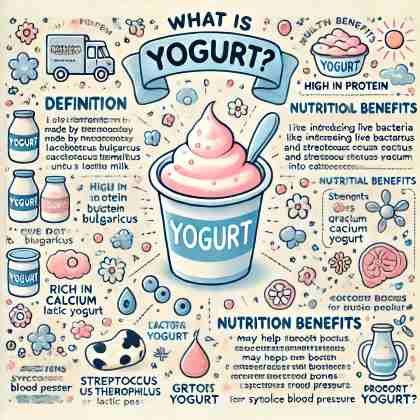
Yogurt is a fermented dairy product made by introducing live bacteria like Lactobacillus bulgaricus and Streptococcus thermophilus into milk. This fermentation process converts lactose (milk sugar) into lactic acid, giving yogurt its tangy flavor and smooth texture.
It’s a nutritious food, rich in protein, and calcium, and often contains probiotics, which are beneficial for gut health. Yogurt comes in different varieties such as regular, Greek, Icelandic, and lactose-free options. Research suggests that increasing yogurt consumption can help lower blood pressure, particularly systolic blood pressure.
Yogurt For High Blood Pressure
Yogurt For High BP
Yogurt, rich in calcium and potassium, may help lower high blood pressure when consumed regularly.
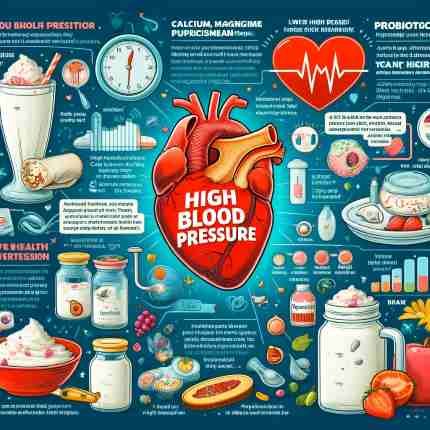
Yogurt, especially plain and low-fat, can help manage high blood pressure due to its high levels of calcium, magnesium, and potassium, nutrients essential for maintaining healthy blood pressure.
Nutrient Content:
- Calcium: Helps blood vessels relax and contract properly, aiding in blood pressure control.
- Magnesium and Potassium: Magnesium relaxes blood vessels, and potassium balances sodium levels, both contributing to blood pressure regulation.
Probiotics: Yogurt contains probiotics, which improve gut health and may support lower blood pressure.
Studies & Evidence: Research shows regular yogurt consumption can help reduce blood pressure, especially in people with hypertension. One study from the American Heart Association found that women consuming five or more servings of yogurt per week had a lower risk of high blood pressure.
How to Incorporate Yogurt
- Opt for plain, low-fat yogurt to avoid added sugars.
- Use it in smoothies, dips, or sauces, or pair it with fruits for a healthy snack.
Recommended Reading: High Blood Pressure Headache – Symptoms, Causes, & Treatment
Types Of Yogurt
Yogurt Types
There are various types of yogurt, including Greek, regular, low-fat, and non-dairy options, each offering unique benefits.

| Type of Yogurt | Details |
|---|---|
| Greek Yogurt | Thick and creamy yogurt, higher in protein and lower in sugar compared to regular yogurt. Made by straining out most of the whey, which gives it a dense texture. |
| Soy Yogurt | Plant-based yogurt made from soy milk, ideal for vegans or those with lactose intolerance. It’s high in protein and often fortified with calcium. |
| Kefir | A fermented drinkable yogurt with a tangy flavor, packed with probiotics and often made from cow’s milk or goat’s milk. It’s thinner than regular yogurt and drinkable. |
| Skyr | An Icelandic yogurt that’s thick and high in protein, similar to Greek yogurt but slightly milder in flavor. Traditionally made with skim milk. |
| Australian Yogurt | Creamy, full-fat yogurt that is usually stirred rather than strained. It has a smooth texture and is less thick than Greek yogurt. |
| Drinkable Yogurt | A thinner yogurt that can be sipped, often flavored with fruit. It’s popular as a quick snack or on-the-go breakfast. |
| Regular Yogurt | Standard yogurt made from whole or low-fat milk, with a smooth texture. It’s not strained, so it retains more liquid (whey) compared to Greek or strained yogurts. |
| French Yogurt | A soft, creamy yogurt that is traditionally set in small glass jars. It’s typically full-fat and has a mild, smooth flavor. |
| Frozen Yogurt | Yogurt that’s frozen and served as a dessert. It’s tangier and lighter than ice cream, with a lower fat content. |
| Lassi | A traditional Indian yogurt drink, often flavored with fruits like mango or spices like cardamom. It can be sweet or savory. |
| Sheep’s Milk Yogurt | Made from sheep’s milk, it has a rich, creamy texture with a naturally higher fat content and is more nutrient-dense than cow’s milk yogurt. |
| Cashew Yogurt | A plant-based yogurt made from cashew milk. It’s creamy, dairy-free, and suitable for vegans. Often fortified with nutrients like calcium and B vitamins. |
| Doogh | A savory Middle Eastern yogurt drink, traditionally mixed with water, mint, and sometimes salt. It has a tangy and refreshing flavor. |
| Icelandic Yogurt (Skyr) | Similar to Skyr, Icelandic yogurt is thick and high in protein but is made using slightly different methods. It’s lower in fat and sugar than regular yogurt. |
| Strained Yogurt | Yogurt that’s been strained to remove whey, making it thicker and creamier, similar to Greek yogurt. It has a higher protein content. |
| Almond Yogurt | Dairy-free yogurt made from almond milk, suitable for vegans. It has a light, nutty flavor and is often fortified with vitamins like calcium and vitamin D. |
| Coconut Milk Yogurt | A plant-based yogurt made from coconut milk, it has a tropical flavor and creamy texture. It’s dairy-free and suitable for those avoiding lactose or following a vegan diet. |
Recommended Reading: Homemade Remedies For High Blood Pressure (For Instant Relief)
Treating High Blood Pressure With Yogurt
Treating High BP With Yogurt
Yogurt, rich in calcium and potassium, may help lower high blood pressure when consumed regularly.

While yogurt doesn’t directly cure high blood pressure, adding it to a heart-healthy diet, especially low-fat or Greek yogurt, can be beneficial because of its nutrients and probiotics.
Nutrient-Rich
Yogurt is rich in calcium, magnesium, and potassium, which are key in regulating blood pressure levels.
Probiotics
The probiotics in yogurt may support heart health by improving gut health and possibly helping lower blood pressure.
DASH Diet
The DASH diet (Dietary Approaches to Stop Hypertension) recommends including low-fat dairy like yogurt for better blood pressure management.
Studies
Research suggests that eating more yogurt may be linked to a lower risk of high blood pressure.
How to Incorporate
Choose low-fat or Greek yogurt, and add fruits, seeds, or nuts for added benefits.
Other Lifestyle Factors
Managing blood pressure also requires exercise, stress control, medication, and a balanced diet.
Recommended Reading: Top 5 Early Signs Of Heart Failure In Women (Symptoms, Causes, & Treatment)
Best Yogurt For High Blood Pressure
Best Yogurt For High BP
Unsweetened, low-fat, and Greek yogurts are ideal for managing high blood pressure and providing heart-healthy nutrients like calcium, potassium, and magnesium.

| Yogurt | Benefits for High Blood Pressure |
|---|---|
| Unsweetened Yogurt | Contains no added sugars, which can help prevent weight gain and spikes in blood pressure. |
| Low-Fat Yogurt | Helps avoid unhealthy fats that can raise cholesterol and blood pressure. |
| Greek Yogurt | High in protein, helps reduce hunger, and boosts metabolism. Provides long-lasting energy while being heart-healthy. |
| Calcium-Rich Yogurt | Provides calcium, which helps blood vessels relax, reducing blood pressure. |
| Magnesium-Rich Yogurt | High in magnesium, which supports healthy blood vessels, and helps regulate blood pressure levels. |
| Probiotic Yogurt | Contains probiotics that promote gut health, which may positively affect blood pressure and heart health. |
| Plain Yogurt | Free from artificial sweeteners and flavors, making it a healthier option for heart health. |
| Yogurt with Berries | Adding berries (like blueberries or strawberries) gives antioxidants that help reduce blood pressure. |
| DASH Diet Yogurt | Recommended as part of the DASH diet (Dietary Approaches to Stop Hypertension), which emphasizes low-fat dairy. |
| Fortified Yogurt | Some yogurts are fortified with extra vitamins and minerals, enhancing their heart and blood pressure benefits. |
Recommended Reading: Meals For High Blood Pressure & High Cholesterol
Top 15 Foods To Avoid With High Blood Pressure
| Food/Category to Avoid/Limit | Main Reason It Raises Blood Pressure | Examples & Typical Sodium/Issue | Healthier Alternatives |
|---|---|---|---|
| Processed & Cured Meats | Extremely high in sodium + preservatives; often loaded with saturated fat | Bacon, sausages, hot dogs, deli meats (ham, salami), pepperoni; one serving can have 500–1,000+ mg sodium | Fresh skinless poultry, fish, beans, or unsalted lean cuts |
| Salty Snacks & Packaged Foods | Hidden/high sodium from processing; easy to overeat | Chips, pretzels, popcorn (salted), crackers, nuts (salted) | Unsalted nuts/seeds, fresh veggies with hummus, air-popped popcorn (no salt) |
| Restaurant & Fast Food | Often very high in sodium + saturated fats (portions large) | Burgers, fries, fried chicken, pizza, Chinese takeout | Home-cooked meals; request low-sodium/no-salt options when eating out |
| Canned Soups & Broths | Loaded with added sodium for flavor/preservation | Most canned soups (even “healthy” ones); up to 800–1,000 mg per serving | Homemade low-sodium soups; rinse canned beans/veggies; low-sodium labeled versions |
| Bread & Baked Goods | Surprising sodium source (even in “healthy” breads); many have added sugars/fats | White bread, rolls, muffins, bagels, pizza dough | Whole-grain bread (low-sodium varieties); check labels for <140 mg sodium/slice |
| Cheese & Full-Fat Dairy | High in saturated fat + sodium (especially aged/processed types) | Cheddar, processed cheese slices, full-fat milk/cream | Low-fat or fat-free dairy; low-sodium cheese options; plant-based alternatives |
| Sugary Drinks & Sodas | High added sugars lead to weight gain/inflammation; indirect BP rise | Soda, energy drinks, sweetened teas, fruit punches | Water, herbal tea, infused water (lemon/cucumber), unsweetened sparkling water |
| Pickled Foods & Condiments | Very high sodium from brining/pickling | Pickles, olives, sauerkraut, soy sauce, ketchup, salad dressings | Low-sodium versions; make homemade with vinegar/herbs; lemon juice for flavor |
| Frozen Meals & Convenience Foods | High sodium + saturated fats for taste/preservation | Frozen dinners, pizzas, microwave meals | Fresh or frozen plain veggies/meats; batch-cook healthy meals |
| Red & Processed Meats (Fatty Cuts) | High saturated fat; some studies link excess to higher BP | Fatty beef, lamb, pork; processed versions | Lean poultry, fish (salmon for omega-3s), plant proteins like lentils/beans |
| Tomato-Based Sauces & Juices | Often high in added sodium | Jarred pasta sauce, canned tomato juice, ketchup | No-salt-added versions; make homemade with fresh tomatoes/herbs |
| Alcohol (Excess) | Can raise BP directly; interferes with meds; adds empty calories | More than moderate intake (e.g., >1–2 drinks/day) | Limit to moderation (if any); non-alcoholic options or water |
| Sweets & Desserts | High added sugars + often saturated fats; promotes weight gain | Cakes, cookies, donuts, ice cream, candy | Fresh fruit, dark chocolate (small amounts, 70%+ cocoa), yogurt with berries |
| Tropical Oils (in Moderation) | High saturated fats (raise cholesterol/BP risk) | Coconut oil, palm oil (common in processed foods) | Olive oil, avocado oil, canola oil for cooking |
| Excessive Caffeine (for Some) | May cause temporary BP spikes in sensitive people | Strong coffee/energy drinks (multiple cups/day) | Moderate intake (e.g., 1–2 cups coffee); monitor personal response |
7-Day Meal Plan For High Blood Pressure
| Day | Breakfast | Mid-morning Snack | Lunch | Afternoon Snack | Dinner | Key Focus / Tips |
|---|---|---|---|---|---|---|
| Day 1 | 1 cup cooked oatmeal (made with water or low-fat milk) topped with 1 sliced banana, ½ cup mixed berries, and 1 Tbsp unsalted chia seeds or flaxseeds. 1 cup fat-free or low-fat milk. | 1 medium apple + small handful (¼ cup) unsalted almonds. | Grilled chicken salad: 4 oz grilled skinless chicken breast over 3 cups mixed greens, 1 cup chopped veggies (cucumber, tomatoes, bell peppers), ½ cup chickpeas, dressed with 1-2 Tbsp olive oil + lemon juice + herbs (no added salt). | 1 cup plain low-fat Greek yogurt with ½ cup strawberries. | Baked salmon (4 oz) with 1 cup steamed broccoli, ½ cup cooked quinoa, and a side salad of spinach + cherry tomatoes. Drizzle with lemon. | High potassium from banana, berries, greens; start week with omega-3s from salmon. Use fresh herbs for flavor. |
| Day 2 | 1 cup low-fat plain yogurt topped with 1 cup mixed berries (blueberries/strawberries), ¼ cup unsalted walnuts, and a sprinkle of cinnamon. 1 slice whole-grain toast with ½ avocado. | 1 medium orange + 1 oz low-fat cheese (or skip cheese for lower sodium). | Turkey & veggie wrap: Whole-wheat tortilla with 3 oz low-sodium turkey breast, lettuce, tomato, cucumber, avocado slices, and mustard or hummus. Side of carrot sticks. | Handful (about ¼ cup) unsalted pistachios + 1 pear. | Stir-fried tofu or lean chicken (4 oz) with 2 cups mixed vegetables (broccoli, carrots, bell peppers) over ½ cup brown rice. Season with garlic, ginger, low-sodium soy sauce (or tamari). | Berry antioxidants + nuts for magnesium; aim for colorful veggies. |
| Day 3 | Whole-grain toast (2 slices) with 1 Tbsp natural peanut butter (unsalted), sliced banana, and a dash of cinnamon. 1 cup fat-free milk. | 1 cup melon cubes + small handful unsalted seeds (e.g., pumpkin seeds). | Lentil soup (low-sodium homemade or rinsed canned): 1 cup lentils with carrots, celery, spinach, tomatoes, herbs. Side salad with leafy greens + vinaigrette (olive oil + vinegar). | 1 cup low-fat cottage cheese with pineapple chunks (fresh or no-added-sugar canned). | Baked sweet potato (medium) topped with black beans (½ cup), salsa (no salt added), diced avocado, and a side of steamed kale. | Potassium powerhouse day (sweet potato, beans, fruits); fiber from lentils. |
| Day 4 | Smoothie: Blend 1 cup low-fat milk or unsweetened plant milk, 1 banana, 1 cup spinach, ½ cup frozen berries, 1 Tbsp chia seeds. | 1 medium pear + ¼ cup unsalted mixed nuts. | Quinoa salad bowl: ½ cup cooked quinoa, 4 oz grilled fish or chickpeas, cherry tomatoes, cucumber, feta (low-fat, small amount), olive oil + lemon dressing. | Carrot and celery sticks with 2 Tbsp hummus (low-sodium). | Grilled lean turkey or chicken breast (4 oz) with roasted beets (high nitrates), asparagus, and ½ cup whole-grain couscous or barley. | Nitrates from beets help vessel relaxation; keep portions balanced. |
| Day 5 | Overnight oats: ½ cup rolled oats soaked in 1 cup low-fat milk overnight, topped with apple slices, 1 Tbsp unsalted almonds, cinnamon. | 1 cup grapes + small yogurt (plain low-fat). | Vegetable stir-fry with 4 oz shrimp or tofu, plenty of veggies (zucchini, peppers, onions), over brown rice (½ cup). Use garlic/herbs. | 1 banana with 1 Tbsp natural almond butter. | Baked cod or salmon (4 oz) with 1 cup sautéed Swiss chard or kale, and ½ cup barley or farro. | Omega-3s + leafy greens for magnesium/potassium boost. |
| Day 6 | 2 scrambled eggs (or egg whites) with spinach, tomatoes, and mushrooms. 1 slice whole-grain toast + 1 orange. | Handful unsalted pistachios + dried apricots (¼ cup, no added sugar). | Chickpea salad: ½ cup chickpeas, mixed greens, cucumber, red onion, feta (small amount), olive oil + lemon. Whole-grain pita on side. | 1 cup low-fat yogurt with raspberries. | Vegetable bean chili (low-sodium): Beans, tomatoes, peppers, onions, spices. Serve with side salad and small corn on the cob (no butter/salt). | Plant-based protein focus; fiber-rich for sustained energy. |
| Day 7 | Greek yogurt parfait: 1 cup plain low-fat Greek yogurt, layered with 1 cup mixed fruit (kiwi, berries, banana), topped with ¼ cup granola (low-sugar, unsalted). | 1 medium kiwi + small handful walnuts. | Tuna salad (low-sodium canned tuna in water): Mixed with celery, onion, lemon, over greens with whole-grain crackers (low-sodium). | Apple slices with 1 Tbsp unsalted peanut butter. | Grilled chicken (4 oz) or tempeh with roasted Brussels sprouts, carrots, and ½ cup wild rice. Season with rosemary/thyme. | Wrap up with variety; reflect on how you feel—energy, any BP changes (monitor if possible). |
30 Days Of Healthy Recipes For High Blood Pressure
| Day | Breakfast | Mid-morning Snack | Lunch | Afternoon Snack | Dinner | Key Focus / Notes |
|---|---|---|---|---|---|---|
| 1 | Oatmeal (1 cup cooked, no salt) with 1 sliced banana, ½ cup berries, 1 Tbsp chia seeds + 1 cup low-fat milk | 1 apple + ¼ cup unsalted almonds | Grilled chicken salad: 4 oz skinless chicken, 3 cups mixed greens, tomatoes/cucumber/bell peppers, ½ cup chickpeas, olive oil + lemon dressing | 1 cup plain low-fat Greek yogurt + ½ cup strawberries | Baked salmon (4 oz) with steamed broccoli (1 cup), ½ cup quinoa, spinach side salad | Potassium boost from banana/berries/greens; omega-3s from salmon |
| 2 | Low-fat yogurt (1 cup) with 1 cup mixed berries, ¼ cup unsalted walnuts, cinnamon + 1 slice whole-grain toast with ½ avocado | 1 orange + small piece low-fat cheese (optional, low-sodium) | Whole-wheat wrap: 3 oz low-sodium turkey, lettuce/tomato/cucumber/avocado, mustard/hummus; carrot sticks | ¼ cup unsalted pistachios + 1 pear | Stir-fried tofu/lean chicken (4 oz) with 2 cups mixed veggies (broccoli/peppers/carrots) over ½ cup brown rice; garlic/ginger seasoning | Antioxidants from berries; magnesium from nuts |
| 3 | 2 slices whole-grain toast with 1 Tbsp unsalted peanut butter, sliced banana, cinnamon + 1 cup low-fat milk | 1 cup melon + 1 Tbsp unsalted pumpkin seeds | Lentil soup (1 cup, low-sodium) with carrots/celery/spinach; side green salad + olive oil/vinegar | 1 cup low-fat cottage cheese + pineapple chunks (fresh) | Baked sweet potato topped with ½ cup black beans, salsa (no salt), avocado; steamed kale | Fiber + potassium day (beans/sweet potato) |
| 4 | Smoothie: 1 cup low-fat milk, 1 banana, 1 cup spinach, ½ cup frozen berries, 1 Tbsp chia seeds | 1 pear + ¼ cup unsalted mixed nuts | Quinoa bowl: ½ cup quinoa, 4 oz grilled fish/chickpeas, tomatoes/cucumber, small feta, olive oil + lemon | Carrot/celery sticks + 2 Tbsp low-sodium hummus | Grilled turkey/chicken (4 oz) with roasted beets, asparagus, ½ cup whole-grain couscous | Nitrates from beets for vessel health |
| 5 | Overnight oats: ½ cup oats in 1 cup low-fat milk, apple slices, 1 Tbsp almonds, cinnamon | 1 cup grapes + small plain yogurt | Veggie stir-fry with 4 oz shrimp/tofu, zucchini/peppers/onions over ½ cup brown rice; herbs | 1 banana + 1 Tbsp unsalted almond butter | Baked cod/salmon (4 oz) with sautéed Swiss chard/kale (1 cup), ½ cup barley | Leafy greens + omega-3s |
| 6 | 2 egg whites scrambled with spinach/tomatoes/mushrooms + 1 slice whole-grain toast + 1 orange | ¼ cup unsalted pistachios + dried apricots (¼ cup, no sugar) | Chickpea salad: ½ cup chickpeas, greens/cucumber/onion, small feta, olive oil + lemon; whole-grain pita | 1 cup low-fat yogurt + raspberries | Bean chili (low-sodium: beans/tomatoes/peppers/onions/spices); side salad + corn on cob (no salt) | Plant-based protein + fiber |
| 7 | Greek yogurt parfait: 1 cup low-fat yogurt, mixed fruit (kiwi/berries/banana), ¼ cup low-sugar granola | 1 kiwi + small handful walnuts | Low-sodium tuna salad (canned in water) with celery/onion/lemon over greens; low-sodium crackers | Apple slices + 1 Tbsp unsalted peanut butter | Grilled chicken (4 oz) with roasted Brussels sprouts/carrots, ½ cup wild rice; rosemary/thyme | Variety wrap-up for week 1 |
| 8 | Whole-grain English muffin with ½ avocado, poached egg + tomato slices; 1 cup low-fat milk | Handful berries + ¼ cup unsalted seeds | Veggie-packed quinoa salad with 4 oz grilled chicken, cherry tomatoes/cucumber, lemon-olive oil | 1 medium orange + small yogurt | Baked tilapia (4 oz) with 1 cup roasted zucchini/carrots, ½ cup farro | Omega-3 focus |
| 9 | Smoothie bowl: Spinach/banana/berries + low-fat yogurt topping with unsalted nuts | 1 pear + unsalted almonds | Turkey veggie bowl: Lean turkey (3 oz), mixed greens, beans, veggies, vinaigrette | Celery sticks + hummus | Lentil-stuffed peppers with brown rice side | Legume variety |
| 10 | Oatmeal with apple, cinnamon, flaxseeds + low-fat milk | Banana | Salmon salad: Canned salmon (low-sodium), greens, avocado, lemon | Yogurt + strawberries | Stir-fried veggies with tofu + quinoa | Quick prep day |
| 11 | Yogurt with mixed fruit/nuts | Apple | Chickpea wrap with veggies | Nuts + pear | Baked chicken with sweet potato + greens | Potassium emphasis |
| 12 | Toast with peanut butter + banana | Orange | Bean soup + salad | Cottage cheese + fruit | Fish with broccoli + whole grains | Repeat favorites |
| 13 | Overnight oats with berries | Grapes | Tuna salad | Yogurt | Veggie stir-fry with lean protein | Fiber boost |
| 14 | Smoothie with greens/fruit | Melon | Quinoa bowl | Hummus + veggies | Bean chili variation | Mid-plan check-in |
| 15 | Eggs with veggies + toast | Nuts | Chicken salad | Banana | Salmon with kale | Omega-3s |
| 16 | Yogurt parfait | Kiwi | Lentil soup | Yogurt + berries | Turkey stir-fry | Variety |
| 17 | Oatmeal with fruit | Apple | Wrap with hummus | Pistachios | Baked fish + beets | Nitrates |
| 18 | Smoothie | Pear | Veggie bowl | Cottage cheese | Sweet potato + beans | Potassium |
| 19 | Toast + avocado | Orange | Tuna | Almond butter + banana | Grilled chicken + veggies | Lean protein |
| 20 | Yogurt + berries | Seeds | Quinoa salad | Yogurt | Tofu stir-fry | Plant-based |
| 21 | Overnight oats | Grapes | Bean salad | Apple | Cod with greens | End week 3 strong |
| 22 | Eggs + spinach | Nuts | Turkey wrap | Yogurt | Salmon + quinoa | Repeat high-potassium |
| 23 | Oatmeal | Banana | Lentil salad | Hummus | Chicken + sweet potato | Balanced |
| 24 | Smoothie | Melon | Chickpea bowl | Berries | Fish + roasted veggies | Simple |
| 25 | Yogurt | Apple | Veggie soup | Nuts | Bean stir-fry | Fiber |
| 26 | Toast + peanut butter | Orange | Tuna salad | Yogurt | Turkey + Brussels sprouts | Variety |
| 27 | Parfait | Kiwi | Quinoa + chicken | Banana | Baked salmon + kale | Omega-3s |
| 28 | Overnight oats | Pear | Bean chili | Cottage cheese | Tofu + brown rice | Plant focus |
| 29 | Smoothie with banana/spinach | Grapes | Salad with fish | Yogurt + fruit | Grilled lean meat + beets | Nitrates wrap-up |
| 30 | Oatmeal with berries/nuts | Apple + almonds | Veggie-packed wrap | Banana + peanut butter | Baked fish with mixed veggies + whole grains | Celebrate completion! |
Foods To Avoid In High Blood Pressure
Foods To Avoid
Salty, processed, and high-fat foods can raise blood pressure and should be limited or avoided.

| Food | Why to Avoid |
|---|---|
| Condiments | It often contains hidden sodium and sugar, which can raise blood pressure. |
| Sweetened Beverages | Loaded with sugar, which can cause weight gain and increase blood pressure. |
| Pickled Cucumber | High in sodium, which can lead to water retention and raise blood pressure. |
| Pizza | Full of sodium from cheese, sauce, and toppings. |
| Saturated Fats | Found in fried foods and fatty meats, contributing to high cholesterol and BP. |
| Soups | Many canned soups are packed with sodium, harmful to BP management. |
| Dairy Products | Full-fat dairy contains saturated fat, which can raise blood pressure. |
| Cheese | Typically high in sodium and fat, contributing to higher BP. |
| Deli Meats | Processed meats are loaded with sodium, harmful to blood pressure. |
| Processed Meat | High in sodium and unhealthy fats, increasing BP risk. |
| Red Meat | Contains saturated fats, which can raise cholesterol and blood pressure. |
| Salt | Excess sodium directly raises blood pressure by causing fluid retention. |
| Canned Tomato Products | High in sodium, especially in canned sauces and soups. |
| Bread | Surprisingly high in sodium, contributing to daily intake. |
| Potato Chips | High in sodium and unhealthy fats, making them a poor choice for BP. |
| Fast Food | Typically loaded with salt, fats, and calories, raising BP and cholesterol. |
| Frozen Meals | Often high in sodium for preservation, making them bad for BP. |
| Burgers | Loaded with saturated fat and sodium, contributing to higher blood pressure. |
| Alcohol | Excessive consumption can raise blood pressure and cause long-term damage. |
| Salted Snacks | Packed with salt, increasing fluid retention and BP. |
| Caffeine | Can cause a temporary spike in blood pressure for some people. |
| Fried Foods | High in saturated fats, leading to increased cholesterol and BP. |
| Pretzels | Contains a lot of salt, contributing to excess sodium intake. |
| Processed Foods | Typically high in sodium, preservatives, and unhealthy fats. |
Uses Of Yogurt For Blood Pressure
| Use of Yogurt | Details |
|---|---|
| Rich in Calcium | Yogurt is high in calcium, which helps blood vessels relax, improving blood flow and regulating blood pressure. |
| Potassium’s Role | Potassium in yogurt helps reduce the negative impact of sodium, which is known to raise blood pressure. |
| Magnesium for Vessel Function | Yogurt contains magnesium, which supports healthy blood vessel function, helping to maintain normal blood pressure. |
| Probiotic Benefits | The probiotics in yogurt can improve gut health, which may indirectly benefit heart health and help lower blood pressure. |
| Reduces Systolic Pressure | Studies show regular yogurt intake can reduce systolic blood pressure, particularly in people with hypertension. |
| Lowers Diastolic Pressure | Yogurt has also been found to lower diastolic pressure, helping manage overall blood pressure levels. |
| Supports Heart Health | The nutrients in yogurt, like calcium and potassium, contribute to overall heart health and blood pressure management. |
| DASH Diet Inclusion | Yogurt is recommended in the DASH diet, which is designed to lower blood pressure through nutrient-rich foods. |
| Prevents Hypertension | Regular consumption of yogurt may reduce the risk of developing hypertension by promoting a healthy balance of minerals. |
| Weight Management | Low-fat yogurt is beneficial for weight control, which is important in maintaining healthy blood pressure. |
| Antihypertensive Peptides | The fermentation process in yogurt produces bioactive peptides, which have been shown to help lower blood pressure. |
| Improves Vascular Health | The nutrients in yogurt help maintain vascular health, supporting the elasticity and relaxation of blood vessels, which can lower blood pressure. |
Recommended Reading: High Blood Pressure Headache Treatment
Benefits Of Yogurt For High Blood Pressure
Benefits Of Yogurt For High BP
Yogurt is rich in calcium, magnesium, and potassium, which help regulate blood pressure. Probiotics in yogurt support heart health, making it beneficial for those with high blood pressure.

| Benefit | Details |
|---|---|
| Rich in Essential Nutrients | Yogurt provides calcium, magnesium, and potassium, all crucial for maintaining healthy blood pressure. |
| Calcium’s Role | Calcium helps blood vessels relax and expand, which supports lower blood pressure levels. |
| Magnesium’s Benefits | Magnesium aids in relaxing blood vessels and improving overall blood flow, helping manage high blood pressure. |
| Potassium’s Impact | Potassium counteracts sodium’s effect by balancing fluids and lowering blood pressure. |
| Probiotics for Gut Health | Yogurt contains probiotics, which support gut health and may contribute to lower blood pressure by improving digestion and reducing inflammation. |
| Bioactive Peptides | During the fermentation of yogurt, bioactive peptides are produced, which have blood pressure-lowering effects through vasodilation and anti-hypertensive actions. |
| Supports the DASH Diet | The DASH diet (recommended for high blood pressure) encourages including low-fat yogurt as part of a heart-healthy eating plan. |
| May Reduce the Risk of Hypertension | Studies suggest regular yogurt consumption is linked to a reduced risk of developing high blood pressure over time. |
| May Lower Blood Pressure | Research indicates yogurt consumption, especially low-fat yogurt, may lower systolic blood pressure in people with high blood pressure. |
| Heart Health Benefits | Yogurt can improve overall heart health by lowering cholesterol and triglyceride levels, reducing risks related to heart disease. |
| Protein Content | Yogurt is rich in protein, which can aid in weight management—a key factor in maintaining healthy blood pressure. |
| Versatile and Easy to Incorporate | Yogurt is easy to incorporate into daily meals or snacks, making it a convenient option for a blood pressure-friendly diet. |
| Choose Plain, Unsweetened Yogurt | Opting for unsweetened yogurt maximizes benefits, as added sugars can negate its positive effects on blood pressure. |
Recommended Reading: Homemade Remedies For High Blood Pressure
Side Effects Of Yogurt In High Blood Pressure
| Side Effect | Details |
|---|---|
| Excessive Sugar Intake | Flavored yogurts often have added sugars, which can lead to weight gain and worsen blood pressure control. |
| Weight Gain | Eating large amounts of high-fat or sugary yogurt can contribute to weight gain, which negatively impacts high blood pressure. |
| Lactose Intolerance | People who are lactose intolerant may experience bloating, gas, or diarrhea after consuming yogurt. |
| High-Calorie Intake | Overconsumption of yogurt, especially full-fat varieties, can result in consuming too many calories, leading to obesity and worsening blood pressure. |
| Probiotic Sensitivity | Some individuals may experience digestive discomfort from probiotics found in yogurt, such as bloating or mild stomach upset. |
| Increased Fat Intake | Full-fat yogurt can raise cholesterol levels if consumed in excess, contributing to heart problems that worsen blood pressure. |
| Drug Interactions | Yogurt may affect the absorption of certain medications, such as nilotinib (a cancer drug), though this doesn’t typically increase side effects. |
| Gastroenteritis Risk | In rare cases, yogurt made from unpasteurized milk could cause infections like gastroenteritis, especially in those with weakened immune systems. |
| Excessive Portion Sizes | Eating large portions of yogurt can add too many calories and fat to the diet, making it harder to manage weight and blood pressure. |
| Potential Sodium Content | Some commercial yogurt products may have added sodium, which is harmful for those trying to control high blood pressure. |
| Allergic Reactions | People allergic to milk proteins can experience skin rashes, breathing issues, or swelling after consuming yogurt. |
Recommended Reading: Homeopathic Remedies For High Blood Pressure
FAQs
Is yogurt good for high blood pressure?
Yes, yogurt is good for high blood pressure, especially low-fat or Greek yogurt. It contains calcium, potassium, and magnesium, which help maintain healthy blood pressure levels.
Which type of yogurt is best for high blood pressure?
The best types of yogurt for high blood pressure are plain, low-fat, and unsweetened yogurt. Greek yogurt is also a great option because it has more protein and less sugar than regular yogurt.
How does yogurt help reduce blood pressure?
Yogurt is rich in calcium, potassium, and magnesium, which are minerals known to support healthy blood vessels and lower blood pressure. Yogurt also contains probiotics, which help improve gut health, indirectly supporting blood pressure control.
How much yogurt should I eat for high blood pressure?
A typical serving of yogurt is 1 cup (about 150-200 grams). Including 1-2 servings of low-fat or Greek yogurt daily in your diet may help support healthy blood pressure levels.
Can flavored yogurt affect blood pressure?
Yes, flavored yogurt can contain added sugar, which can lead to weight gain and negatively affect blood pressure. It’s better to choose plain yogurt and add your fresh fruits for flavor.
Is Greek yogurt better than regular yogurt for blood pressure?
Yes, Greek yogurt is often better because it has more protein and less sugar than regular yogurt, making it more beneficial for maintaining a healthy weight and managing blood pressure.
Can yogurt be part of the DASH diet?
Yes, yogurt fits well into the DASH diet (Dietary Approaches to Stop Hypertension), which encourages low-fat dairy products to help reduce blood pressure.
Can I add toppings to yogurt for high blood pressure?
Yes, you can add healthy toppings like berries, nuts, or seeds. Avoid adding sugar or processed toppings, as these can raise blood pressure.
Are there any risks to eating yogurt for high blood pressure?
If you choose high-fat or sweetened yogurt, it could have the opposite effect by increasing blood pressure due to excess sugar or saturated fat. Stick to low-fat, plain, or Greek yogurt for the best benefits.
Recommended Reading: Early Signs Of Heart Failure In Women Treatment
Conclusion
Summary of Findings: Yogurt is packed with essential nutrients like calcium, magnesium, potassium, and probiotics that can aid in managing high blood pressure and support overall heart health.
Overall Recommendation: Those with high blood pressure or aiming to maintain healthy levels can benefit from adding plain, low-fat yogurt to their diet. However, it’s always advisable to consult with a healthcare professional before making dietary changes.
Who Should Buy It?: Individuals seeking a heart-healthy and nutrient-rich option for blood pressure management will find yogurt beneficial, especially if following the DASH diet.
Disclaimer
Commissions we earn from partner links on this page do not influence our content. Our editorial content is based on thorough research and insights from qualified medical professionals to ensure the highest standards of accuracy and reliability.
Information provided on Doseway is for educational purposes only. Your health and wellness are unique to you, and the products and services we review may not be suitable for your circumstances. We do not offer personal medical advice, diagnosis, or treatment plans. For specific advice, please consult with a healthcare professional. Doseway adheres to strict editorial integrity standards. To the best of our knowledge, all content is accurate as of the date posted, though offers and information may change. The opinions expressed are the author’s own and have not been influenced, approved, or endorsed by our partners.

Add a Comment