
Augmentin is a widely prescribed antibiotic tablet used to treat a variety of bacterial infections. Known generically as co-amoxiclav, it combines two powerful medicines to fight bacteria that single antibiotics can’t. This detailed guide will walk you through everything you need to know about Augmentin, from its cost and common uses to the correct dosage and how to manage potential side effects.
In this article, you will learn:
- What infections Augmentin is used to treat.
- The correct dosage for adults and children.
- The latest price of Augmentin tablets in Pakistan.
- Common and serious side effects and how to handle them.
- Crucial safety information for pregnant and breastfeeding women.
- Important drug interactions and precautions.
Try More Free Tools:
- Read our Riam Syrup Uses: – Price, Uses, Dosage, & Side Effects
- Read our Acefyl Syrup Uses and Price in Pakistan
- Read our Myteka Tablet Uses, Price in Pakistan, & Side Effects

Table Of Contents
Introduction to Augmentin (Co-Amoxiclav)
Augmentin Tablet 375mg
Augmentin 375mg tablet packs a precise, balanced formula of amoxicillin and clavulanate acid, making it a trusted first-line defense against common bacterial infections like sinusitis and bronchitis.
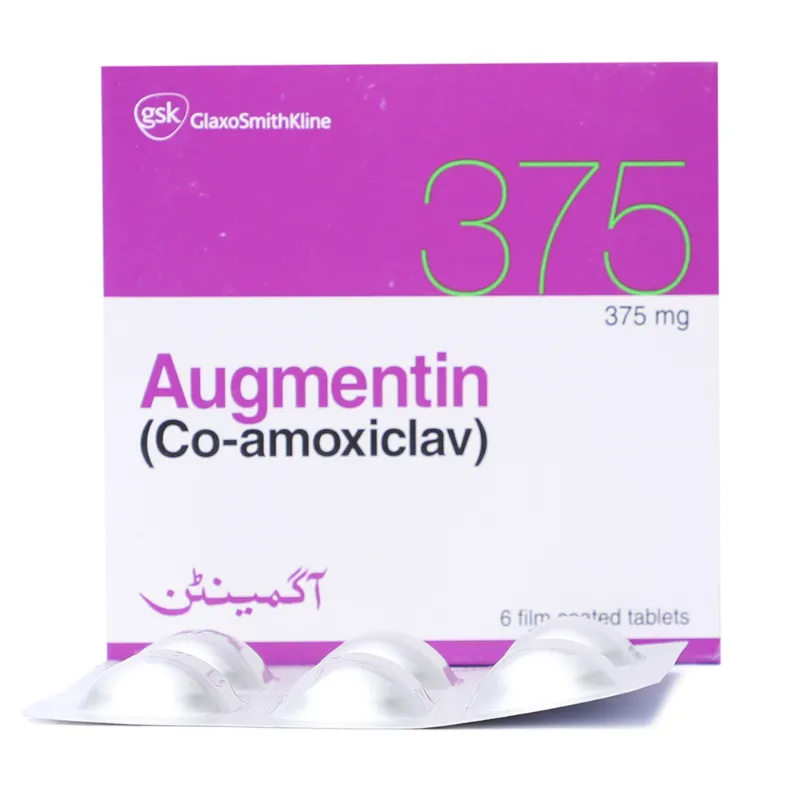
Augmentin is not a single drug but a powerful duo. It contains two active ingredients: amoxicillin and clavulanic acid (clavulanate). Think of amoxicillin as the main soldier that attacks and kills bacteria. However, some clever bacteria have a shield called beta-lactamase enzymes that can destroy amoxicillin. That’s where clavulanic acid comes in—it’s the shield-breaker. It disables these protective enzymes, allowing amoxicillin to do its job effectively against more types of bacteria.
This combination makes Augmentin a broad-spectrum antibiotic, useful for infections that other antibiotics might not clear. It is available in several forms, including tablets (like the common 375mg, 625mg, and 1000mg strengths), oral suspensions (syrup), and injections.
Augmentin Tablet: Key Specifications at a Glance
Before diving into details, here are the core facts about Augmentin tablets:
- Generic Name: Co-Amoxiclav (Amoxicillin + Clavulanate Potassium).
- Most Common Brand Name: Augmentin (originally by GlaxoSmithKline – GSK).
- Drug Class: Penicillin/Beta-lactamase inhibitor combination.
- Available Tablet Strengths:
- Augmentin 375mg (250mg amoxicillin + 125mg clavulanate).
- Augmentin 625mg (500mg amoxicillin + 125mg clavulanate) – Very common.
- Augmentin 1g (1000mg) (875mg amoxicillin + 125mg clavulanate).
- Prescription Status: Strictly a prescription-only medication (POM). You cannot buy it over the counter.
What is Augmentin Used to Treat?
Augmentin is prescribed for bacterial infections caused by organisms susceptible to the amoxicillin-clavulanate combination. It is not effective against viral infections like the common cold or flu.
Common infections treated by Augmentin include:
- Ear, Nose, and Throat Infections: Such as sinusitis, tonsillitis, and otitis media (middle ear infection).
- Respiratory Tract Infections: Including acute bronchitis, community-acquired pneumonia, and exacerbations of chronic bronchitis.
- Urinary Tract Infections (UTIs): Like cystitis and pyelonephritis (kidney infection).
- Skin and Soft Tissue Infections: Such as cellulitis, impetigo, abscesses, and infected wounds.
- Dental Infections: Including dental abscesses and severe periodontitis.
- Bone and Joint Infections: Like osteomyelitis.
What is Augmentin co-amoxiclav 625 used for specifically?
The 625mg strength (500/125) is one of the most commonly prescribed. It is often the go-to choice for moderate infections like worsening sinusitis, recurrent tonsillitis, infected animal bites, and stubborn skin infections.
Is Augmentin good for a cough or fever?
Only if the underlying cause is a bacterial infection. A viral cough or fever will not respond to Augmentin. Your doctor must diagnose the cause.
Augmentin Dosage: A Detailed Guide for Adults & Children
AUGMENTIN 625MG TABLET
The Augmentin 625mg “2×6” pack provides a complete six-day treatment course, with two tablets taken daily. This ensures you finish the full antibiotic regimen, which is vital for effectively clearing the infection and preventing resistance.
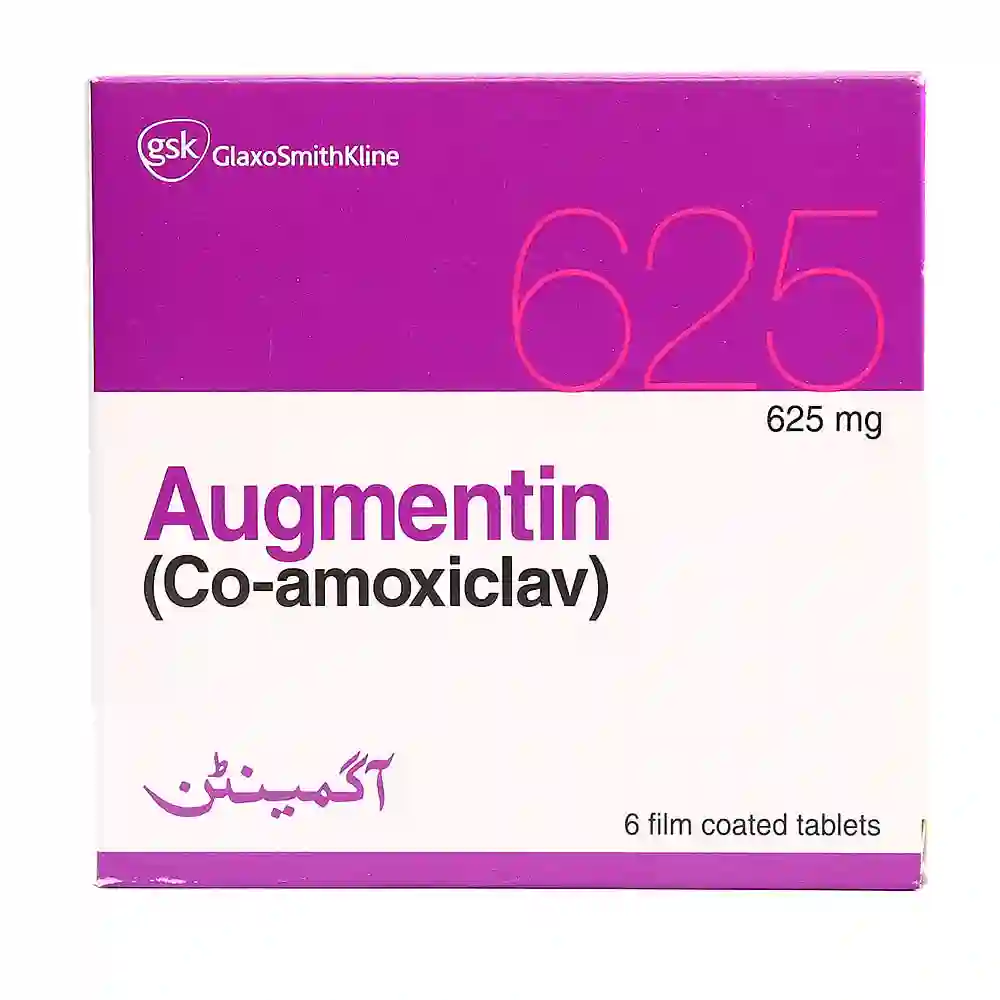
The correct Augmentin dosage is critical for success and depends on the infection’s type, severity, location, and the patient’s kidney function. Always follow your doctor’s prescription exactly.
Standard Adult Dosage Guidelines:
- For mild to moderate infections: Augmentin 625mg (500/125) tablet every 12 hours (twice daily).
- For more severe infections, respiratory infections, or sinusitis: Augmentin 1g (875/125) tablet every 12 hours OR Augmentin 625mg every 8 hours (three times daily).
- What is the difference between Augmentin 600 and 400? These numbers (600mg/5ml, 400mg/5ml) refer to pediatric suspension strengths, not tablets. They are liquid forms for children, dosed based on weight.
How many days is it safe to take Augmentin?
A typical course lasts 5 to 14 days. It is essential to complete the entire prescribed course, even if you feel better after a few days. Stopping early can lead to relapse and antibiotic resistance.
When is the best time to take Augmentin?
It is generally recommended to take Augmentin at the start of a meal. This significantly improves absorption and reduces the risk of stomach upset, nausea, or diarrhea.
Augmentin Dosage for Children:
For children, the dose is calculated based on body weight using the oral suspension (syrup). The common pediatric dose is 25mg/5mg to 45mg/10mg per kg of body weight per day, divided into two doses. Your pediatrician will determine the exact dose and strength.
Augmentin Tablet Price: Cost Analysis in Pakistan
The price of Augmentin tablets in Pakistan can vary based on the pharmacy location, brand (original vs. generic), and pack size (blister pack quantity).
Here is an approximate price range for different strengths (for a standard blister pack):
| Tablet Strength | Approximate Price Range (PKR) | Key Notes |
|---|---|---|
| Augmentin 375mg | PKR 80 – PKR 150 | Often used for less severe or pediatric cases. |
| Augmentin 625mg | PKR 180 – PKR 300 | The most commonly prescribed and priced strength. |
| Augmentin 1g (1000mg) | PKR 350 – PKR 550 | Used for severe or stubborn infections. |
Note on Generics: Many local pharmaceutical companies produce generic equivalents of co-amoxiclav (e.g., Clavam, Moxiclav, Emclave). These are often 20-40% cheaper than the branded Augmentin but contain the same active ingredients. Always ensure you are buying from a reputable pharmacy.
Prices are subject to change and can vary between cities and individual pharmacies.
Use Of Augmentin In Pregnant And Lactating Women
| Aspect | Details |
|---|---|
| FDA Pregnancy Category | Category B – No evidence of risk in animal studies; should be used only if clearly needed. Limited human data show no major increased risk of birth defects. |
| General Safety in Pregnancy | Generally considered safe for bacterial infections when indicated. Most studies show no increased chance of birth defects (especially first trimester). Avoid prophylactic use in preterm/premature rupture of membranes due to potential risk of necrotizing enterocolitis (NEC) in newborns. |
| Primary Benefit | Effectively treats bacterial infections (broader spectrum than amoxicillin alone due to clavulanate), preventing complications like preterm labor, maternal sepsis, or fetal harm from untreated infection. |
| Use 1: Urinary Tract Infections (UTIs) | Common in pregnancy; Augmentin is often used for resistant or complicated UTIs to prevent kidney infection/pyelonephritis. |
| Use 2: Respiratory Tract Infections | For lower respiratory infections (e.g., bronchitis, community-acquired pneumonia) caused by beta-lactamase-producing bacteria. |
| Use 3: Sinusitis | Acute bacterial sinusitis when caused by resistant strains (e.g., H. influenzae, M. catarrhalis). |
| Use 4: Skin and Soft Tissue Infections | For infected wounds, cellulitis, or other skin infections from susceptible bacteria. |
| Use 5: Acute Otitis Media (Ear Infections) | In cases with resistant organisms; less common in adults but applicable if present. |
| Other Potential Uses | Dental infections, certain bite wounds, or intra-amniotic infections (under specialist guidance); not first-line for all cases. |
| Common Side Effects (in Pregnancy) | Diarrhea (most frequent), nausea, vomiting, rash, yeast infections (vaginal thrush or candidiasis – more common in pregnancy). Take with food to reduce GI upset. |
| Serious/Rare Risks | Allergic reactions (rash, anaphylaxis – rare), severe diarrhea (C. difficile colitis), potential rare association with cleft lip/palate in some studies (not confirmed in most). Increased NEC risk in specific scenarios (e.g., PPROM prophylaxis). |
| Breastfeeding Note | Excreted in breast milk; generally low risk but may cause infant rash, diarrhea, or thrush. Monitor baby; consult doctor. |
| Important Advice | Always consult your doctor before use. Never self-medicate. Benefits usually outweigh risks for active bacterial infections, but avoid unnecessary use. Complete full course to prevent resistance. |
Potential Side Effects of Augmentin Tablet
Most people tolerate Augmentin well, but like all medicines, it can cause side effects. These are typically mild and resolve once the course is finished.
What are the most common side effects of Augmentin?
The most frequently reported side effects are gastrointestinal, due to the antibiotic’s impact on gut bacteria:
- Diarrhea (the most common)
- Nausea and vomiting
- Indigestion or abdominal discomfort
- Oral thrush or vaginal yeast infection (candidiasis)
How to deal with Augmentin side effects?
- For diarrhea: Stay hydrated. Consider probiotics (like yogurt or supplements) to restore gut flora. Contact your doctor if it becomes severe or watery.
- For nausea: Take the tablet with food.
- For yeast infections: Your doctor may recommend an antifungal treatment.
How long do side effects of Augmentin last?
Most mild side effects subside within a few days of finishing the medication. However, diarrhea can sometimes persist; if it continues beyond a couple of days after stopping, consult your doctor.
Serious Side Effects (Require Immediate Medical Attention):
While rare, stop taking Augmentin and seek emergency help if you experience:
- Signs of a severe allergic reaction: Rash with itching, swelling of the face/tongue/throat, severe dizziness, trouble breathing.
- Severe skin reactions: Blistering, peeling skin (like a severe sunburn), high fever.
- Liver problems: Yellowing of skin/eyes (jaundice), dark urine, persistent nausea, extreme tiredness.
- Persistent, watery, or bloody diarrhea: This could indicate Clostridioides difficile infection, a serious colon condition.
Why do I feel worse after taking Augmentin?
Sometimes, as antibiotics kill bacteria rapidly, they can release toxins that cause a temporary flare-up of symptoms like fever and chills. This is sometimes called a Jarisch-Herxheimer reaction. It usually passes quickly. However, always report feeling worse to your doctor to rule out an allergy or incorrect diagnosis.
Important Warnings, Precautions & Contraindications
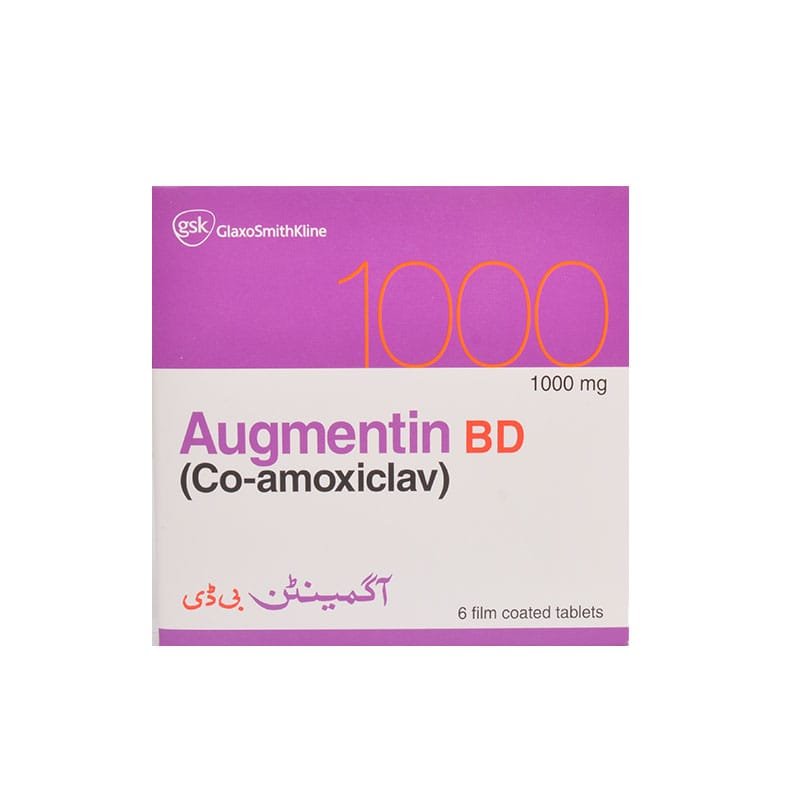
Augmentin BD 1000mg Tablet
The Augmentin BD 1000mg tablet is a high-strength, twice-daily formulation designed to combat severe and stubborn bacterial infections. The “BD” designation explicitly instructs taking one tablet every 12 hours, ensuring a consistently high level of the antibiotic in the bloodstream to effectively eliminate resilient bacteria
Who should avoid Augmentin?
You should NOT take Augmentin if:
- You have had a previous allergic reaction to any penicillin (amoxicillin, ampicillin), cephalosporin antibiotic, or to clavulanate.
- You have a history of Augmentin-related liver problems or jaundice.
- You have infectious mononucleosis (as it can cause a rash).
What precautions should be taken while taking Augmentin?
- Inform your doctor about all your medical conditions, especially kidney disease, liver disease, or phenylketonuria (PKU).
- Disclose all medications you are taking, including over-the-counter drugs, herbal supplements, and vitamins.
What to avoid when using Augmentin?
- Alcohol: It is best avoided as it can increase the risk of liver side effects and may worsen stomach upset.
- Food Interactions: While taking it with food is advised, dairy products (like milk) taken in large amounts right before or with the dose can slightly reduce absorption. It’s fine to have a normal meal, but avoid consuming large glasses of milk alone with the pill.
Special Populations: Pregnancy, Breastfeeding, and More
Is Augmentin safe during pregnancy?
Augmentin is generally classified as Category B in pregnancy, meaning animal studies have not shown a risk, and it is considered one of the safest antibiotics for pregnancy when clearly needed. It is often a first-choice antibiotic for treating bacterial infections in pregnant women, such as UTIs. However, it should only be used under the strict supervision of a doctor who will weigh the benefits against any potential risks.
Can you take Augmentin when breastfeeding?
Yes. Small amounts of amoxicillin and clavulanate pass into breast milk but are generally considered compatible with breastfeeding. The WHO lists amoxicillin-clavulanate as usually safe. Watch your baby for potential side effects like diarrhea, thrush, or rash, and consult your pediatrician if you have concerns.
Use in the Elderly and Kidney Impairment:
Elderly patients or those with reduced kidney function often require a lower dose or an extended time between doses. The doctor will calculate the dose based on creatinine clearance to prevent accumulation and increased side effects.
Frequently Asked Questions (FAQs)
Is Augmentin a strong antibiotic?
Yes, Augmentin is considered a potent, broad-spectrum antibiotic because the clavulanate component allows it to defeat many bacteria that are resistant to amoxicillin alone. The strength needed (625mg vs. 1g) depends on the infection.
How fast does Augmentin work?
You may start to feel symptom improvement within 48 to 72 hours. However, it’s crucial to finish the entire prescribed course even if you feel better quickly.
Can I stop Augmentin after 3 days if I feel better?
No. Stopping antibiotics early is a major cause of antibiotic resistance. It can also allow the infection to return, potentially stronger than before. Always complete the full course.
What are signs you need antibiotics?
Only a doctor can determine this. Signs that may point to a bacterial (not viral) infection include: a high fever persisting for days, pus (yellow/green discharge), a bacterial infection confirmed by lab culture (like urine or throat swab), or symptoms that worsen after an initial viral phase.
Can you give Augmentin to cats or dogs?
Co-amoxiclav is commonly used in veterinary medicine. However, you must never give your human prescription to your pet. The dose for animals is vastly different and must be calculated by a veterinarian based on the animal’s species and weight.

Add a Comment