
Riam Syrup is a commonly prescribed antimicrobial suspension primarily used to treat specific stomach and intestinal infections that cause severe loose motion (diarrhea), particularly in children. This detailed guide covers everything from its active ingredient, metronidazole benzoate, to precise pediatric dosages, current price trends, potential side effects, and crucial safety warnings. Understanding Riam Syrup’s proper use ensures effective treatment and minimizes risks.
In this article, you will learn:
- The exact medical conditions Riam Syrup is designed to treat.
- Correct, weight-based dosage guidelines for infants, children, and adults.
- A detailed analysis of potential side effects and drug interactions.
- Current price comparisons and how it stacks up against other brands like Flagyl.
- Essential home care measures to support recovery during treatment.
- Answers to the most frequently asked questions by parents and caregivers.
Try More Free Tools:
- Read our Acefyl Syrup Uses and Price in Pakistan
- Read our Myteka Tablet Uses, Price in Pakistan, & Side Effects
- Read our Ensure Milk Benefits & Price in Pakistan

Table Of Contents
What is Riam Syrup? Understanding the Medicine
Riam Syrup
Riam Syrup is a fruit-flavored antimicrobial suspension containing Metronidazole Benzoate, specifically formulated for effective treatment of bacterial and parasitic stomach infections causing loose motion in children and adults.
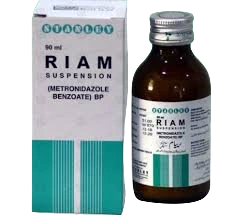
Riam Syrup is a branded formulation of the essential antimicrobial drug, Metronidazole Benzoate. It is presented as an oral suspension, a liquid form that is particularly easier to administer to children and elderly patients who may have difficulty swallowing tablets. The suspension is often fruit-flavored to improve palatability. The “Riam suspension 120 ml” is the most common packing available in pharmacies, designed for a complete course of treatment.
What is the active ingredient in Riam Syrup?
The active component in Riam Syrup is Metronidazole Benzoate. This compound is a prodrug, meaning it is converted into its active form—Metronidazole—inside the human body. Metronidazole itself is a nitroimidazole-class antimicrobial agent. It is a cornerstone medication for fighting anaerobic bacteria and certain parasites, making it indispensable for treating various gastrointestinal and gynecological infections.
How does Riam Syrup work in the body?
Riam Syrup works by entering the microbial cells (bacteria and parasites) it targets. Once inside, the drug’s chemical structure is altered, creating compounds that damage the DNA of these microorganisms. This damage inhibits their ability to replicate and synthesize essential proteins, ultimately leading to cell death. This mechanism is particularly effective against organisms that thrive in low-oxygen environments (anaerobes).
Common Brand Names and Equivalents
Riam Syrup is one of several brand names for metronidazole benzoate suspension. Knowing its equivalents is useful for price comparison and availability checks.
- Flagyl Syrup: The original and most well-known brand name for metronidazole.
- Metrogyl Suspension: Another widely available generic brand.
- Nidazole Suspension
- Metron Suspension
Available Strengths and Forms
The suspension is standardized to deliver a specific amount of the active drug per measured dose.
- Riam Syrup 120 ml: The most common packaging, containing a suspension where each 5 ml (one teaspoon) typically delivers Metronidazole Benzoate equivalent to 200 mg of Metronidazole.
- Riam Syrup 60 ml: A smaller pack, sometimes prescribed for shorter courses or younger infants. The concentration per 5ml remains the same.
Primary Uses and Indications of Riam Syrup
Riam Syrup is not a general-purpose medicine for every upset stomach. It is a targeted antimicrobial prescribed for confirmed or strongly suspected infections caused by organisms sensitive to metronidazole.
What is Riam Syrup used for? (Primary Medical Indications)
Doctors prescribe Riam Syrup for specific conditions, primarily infections of the gut and other anaerobic sites.
- Amoebiasis: An infection of the intestines caused by the parasite Entamoeba histolytica, which can cause amoebic dysentery (severe, bloody diarrhea).
- Giardiasis: A parasitic infection of the small intestine caused by Giardia lamblia, leading to foul-smelling, watery diarrhea, gas, and stomach cramps.
- Anaerobic Bacterial Infections: These are infections caused by bacteria that do not require oxygen, often occurring in the abdomen (like peritonitis), pelvis, or deep tissue wounds.
- Bacterial Vaginosis (in adult women): While often treated with tablets, the suspension may sometimes be used.
- As part of combination therapy for Helicobacter pylori infection, which causes stomach ulcers.
Riam Syrup for Gastrointestinal Issues
This is the most common reason for its prescription, especially in pediatric care.
Riam Syrup uses for loose motion / diarrhea
Riam Syrup is specifically effective for infectious diarrhea caused by susceptible parasites (like Giardia, E. histolytica) or anaerobic bacteria. It is not effective against diarrhea caused by viruses (like rotavirus or norovirus, common in children) or by other types of bacteria like E. coli or Salmonella. Therefore, a doctor must diagnose the cause before prescription. It is not a general “stop-motion” syrup.
Riam Syrup for gas and bloating
While severe intestinal infections can cause gas, Riam Syrup itself is not an anti-gas medication. Its role is to treat the underlying infection; as the infection clears, associated gas may subside. For simple, non-infectious gas, doctors recommend simethicone-based syrups or dietary changes.
Use in Stomach Infections in Children
When a child presents with persistent, severe, or bloody diarrhea accompanied by fever and cramps, a doctor may suspect an infection like giardiasis. After diagnosis (which may involve stool tests), Riam Syrup becomes a frontline treatment option due to its effectiveness and pediatric-friendly form.
Riam Syrup Dosage: A Detailed Guide for All Ages
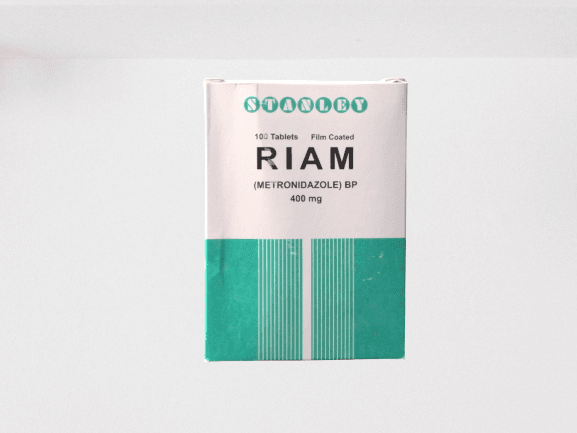
Riam Tablet 400mg
Riam Tablet is an oral solid dosage form containing Metronidazole, a potent antibiotic and antiprotozoal agent used to treat a wide range of anaerobic infections. It provides a convenient and accurate dosing option for adults and older children to combat conditions like severe gastrointestinal infections, bacterial vaginosis, and dental abscesses.
⚠️ CRITICAL WARNING: The following dosage information is for educational purposes only. Riam Syrup is a prescription medicine. The exact dose must be determined by a qualified doctor based on the patient’s age, weight, severity of infection, and medical history. Never self-medicate, especially in children.
How is metronidazole given to kids? Standard Dosage Calculation
The dosage is precisely calculated based on the child’s body weight and the type of infection. The standard measurement is milligrams of metronidazole per kilogram of body weight per day (mg/kg/day), divided into multiple doses.
Riam Syrup dosage for babies and children
Dosing must be meticulous. Below is a general reference table. The doctor’s prescription overrides this.
| Condition (Typical) | Dosage Guideline (Metronidazole) | Frequency | Typical Course Length |
|---|---|---|---|
| Amoebiasis | 35-50 mg/kg/day | Divided into 3 doses | 5-10 days |
| Giardiasis | 15 mg/kg/day | Divided into 3 doses | 5-7 days |
| Anaerobic Infections | 30-40 mg/kg/day | Divided into 3-4 doses | 7-10 days |
Example: For a 10 kg child with Giardiasis:
- Daily dose = 15 mg/kg/day * 10 kg = 150 mg per day.
- Each dose (3 times a day) = 150 mg / 3 = 50 mg per dose.
- If Riam Syrup is 200 mg Metronidazole per 5ml (1 tsp), then 50 mg is contained in (50/200)*5 = 1.25 ml per dose.
Key Questions Answered:
- How many ml of metronidazole can a child take? It depends entirely on weight and condition. Use the formula above with a doctor’s guidance.
- How many days to take metronidazole for a baby? Usually 5 to 10 days. The full course must be completed even if symptoms improve earlier.
Dosage for Adults
For adults, the dosage is often simpler, based on the condition.
- For Amoebiasis: 400-800 mg three times daily for 5-10 days.
- For Giardiasis: 2 grams once daily for 3 days OR 400 mg three times daily for 5 days.
- For Anaerobic Infections: 400-500 mg three times daily.
How to Administer Riam Syrup Correctly
- Shake the bottle well before each use to ensure even suspension.
- Use only the measuring cup, spoon, or oral syringe provided with the pack. Do not use household teaspoons.
- It can be taken with or after food to minimize stomach upset.
- Complete the entire prescribed course. Stopping early can cause relapse and antibiotic resistance.
Price of Riam Syrup and Cost Considerations
The price of Riam Syrup can vary based on location, pharmacy brand, and taxes.
Riam Syrup Price Range
As of the latest data, the price for a 120 ml bottle of Riam Syrup in India typically falls within the range of ₹60 to ₹120. It is considered an affordable generic medicine. Prices may be slightly higher in offline pharmacies in metropolitan areas and often lower on reputable online pharmacy platforms during discounts.
Factors Affecting the Price
- Geographical Location: Taxes and supply chain costs differ by state and city.
- Pharmacy Type: Hospital pharmacies may charge more than local chemists.
- Brand vs. Generic: While Riam is already a generic, other smaller brands may be cheaper.
Price Comparison with Other Brands
- Flagyl Syrup (200mg/5ml): ₹100 – ₹180 (Generally more expensive as it’s the pioneer brand).
- Metrogyl Suspension (200mg/5ml): ₹70 – ₹110.
- Nidazole Suspension: ₹50 – ₹90.
Side Effects, Warnings, and Precautions
Like all potent medicines, Riam Syrup can cause side effects, ranging from mild to severe.
What are the most common side effects of metronidazole?
Most side effects are mild and often subside as the body adjusts.
- Gastrointestinal: Nausea, vomiting, stomach pain, diarrhea, metallic taste in the mouth.
- Neurological: Headache, dizziness.
- Other: Darkening of urine (harmless and due to drug metabolites).
Serious Side Effects (Require Immediate Medical Attention)
While rare, be vigilant for:
- Signs of severe allergic reaction: rash, itching/swelling (face/tongue/throat), severe dizziness, trouble breathing.
- Neurological symptoms: numbness, tingling, burning pain in hands/feet, seizures, severe headaches.
- Signs of a new infection: mouth sores, white patches in the mouth, unusual vaginal discharge.
Riam Syrup side effects in babies and children
Children may experience the same side effects. Parents should monitor for:
- Increased fussiness or refusal to eat.
- Signs of abdominal pain.
- Any unusual rash.
- Changes in behavior or alertness.
Important Drug Interactions
Inform your doctor about all medicines you are taking.
- Alcohol: Strictly avoid. Causes a severe “disulfiram-like reaction” (flushing, vomiting, palpitations).
- Blood Thinners (Warfarin): Metronidazole can increase their effect, raising bleeding risk.
- Lithium: Can increase lithium levels to toxic ranges.
- Certain Anticonvulsants (Phenobarbital, Phenytoin): Can reduce metronidazole’s effectiveness.
Who should avoid Riam Syrup? (Contraindications)
- Patients with a known allergy to metronidazole, nitroimidazoles, or any syrup component.
- Those with severe liver disease.
- Patients in the first trimester of pregnancy (unless absolutely necessary).
Safety Profile: Special Populations and FAQs
Is metronidazole syrup safe for children?
Yes, when prescribed by a doctor for a confirmed susceptible infection, it is safe and effective. Its safety profile in children is well-established. However, the keyword is “prescribed.” It is not safe for unsupervised, over-the-counter use for every case of diarrhea. Viral diarrhea, which is common in kids, does not respond to metronidazole.
Is Flagyl safe for children?
Flagyl is the brand name for metronidazole. The safety considerations for Flagyl Syrup are identical to those for Riam Syrup. The choice between brands often comes down to cost, availability, and doctor/hospital preference.
Can a 3 month old baby have antibiotics like this?
Extreme caution is needed. While metronidazole can be used in very young infants for serious, life-threatening infections like anaerobic meningitis or specific parasitic infections, it is only done in a hospital setting or under very close specialist supervision. It is never a first-line treatment for simple diarrhea in a 3-month-old. For young infants, rehydration (with ORS) is the primary treatment, and any antibiotic use is heavily scrutinized.
Use During Pregnancy and Breastfeeding
- Pregnancy: Generally categorized as Class B. It may be used if clearly needed, often avoided in the first trimester. A doctor must weigh benefits vs. risks.
- Breastfeeding: Metronidazole passes into breast milk in low concentrations. While short courses are often considered compatible, some guidelines recommend timing doses just after a feed or interrupting breastfeeding for 12-24 hours after a single high dose. Consultation with a pediatrician is essential.
Comparing Riam Syrup with Other Common Medicines
Riam Syrup vs. Flagyl Syrup
They are bioequivalent—they contain the same active ingredient in the same strength and form. The difference is non-active ingredients (flavor, preservatives) and price. Flagyl, being the original brand, is often more trusted and thus more expensive. Riam is a cost-effective generic alternative.
Riam Syrup vs. Cefixime Syrup (e.g., Taxim-O, Fix Syrup)
This is a crucial distinction. Cefixime is a cephalosporin antibiotic effective against a different spectrum of bacteria, mainly aerobic ones. It is used for ear infections, throat infections, urinary tract infections, and certain types of bacterial diarrhea (like some Salmonella). It is not effective against the parasites (Giardia, Amoeba) or anaerobic bacteria that metronidazole treats. Using the wrong antibiotic is ineffective and harmful.
Riam Syrup vs. ORS and Zinc
This is not an “either/or” situation. For infectious diarrhea, the treatment is often combined.
- Riam Syrup: Attacks the causative pathogen.
- Oral Rehydration Solution (ORS): Replaces vital fluids and electrolytes lost from diarrhea to prevent dehydration. This is the most critical part of diarrhea management.
- Zinc Supplementation: Recommended by the WHO for children with diarrhea. It reduces severity, duration, and risk of recurrence in subsequent months.
Riam Syrup vs. Anti-gas Syrups (like Simethicone)
Riam Syrup is not an anti-gas medicine. For symptomatic relief of simple gas and bloating, simethicone-based syrups are used. They work by breaking down gas bubbles in the gut.
Riam Syrup vs. Other Anti-diarrheal Syrups (like Racecadotril)
Racecadotril is an antisecretory agent. It reduces the amount of water secreted into the gut, thus reducing stool volume. It is used for symptomatic relief in acute diarrhea but does not treat the underlying infection. It can be used adjunctively with antibiotics in some cases, but never alone for infectious diarrhea.
Home Care and Supportive Measures During Treatment
Medication fights the infection, but supportive care ensures comfort and prevents complications.
How can I stop loose motion fast alongside medication?
Focus on stopping dehydration, not just the stool frequency.
- Oral Rehydration Solution (ORS): The gold standard. Give small sips frequently after every loose stool.
- Zinc Supplements: As prescribed by the doctor, usually for 10-14 days.
- BRAT Diet (for older children/adults): Bananas, Rice, Applesauce, Toast. These are binding and gentle.
- Continue Normal Diet: For infants and children, continue breastfeeding or formula. For older kids, offer easily digestible foods like khichdi, yogurt, and potatoes. Avoiding food weakens the body.
Which drink is better for gas and upset stomach?
- Buttermilk (Chaas): Soothes the stomach and provides probiotics.
- Ginger Tea: Anti-nausea properties.
- Peppermint Tea: Can help relax intestinal muscles and relieve gas (avoid in infants).
- Clear Broths: Provide hydration and electrolytes.
Foods to eat and avoid during treatment.
- Eat: Yogurt, boiled potatoes, steamed apples, white rice, boiled chicken.
- Avoid (Gas-forming): Beans, lentils, cauliflower, broccoli, carbonated drinks. Also avoid spicy, oily, and sugary foods.
Frequently Asked Questions (FAQs)
What is Riam Syrup used for?
Riam Syrup is used to treat specific infections caused by anaerobic bacteria and parasites, primarily in the gastrointestinal tract. Its most common uses are for amoebic dysentery, giardiasis (a cause of prolonged watery diarrhea), and other anaerobic infections.
Can I use metronidazole for loose motion?
Only if your doctor has diagnosed that the loose motion is caused by a parasite like Giardia or an anaerobic bacterium susceptible to metronidazole. It is ineffective and inappropriate for common viral diarrhea or traveler’s diarrhea caused by other bacteria.
How long does metronidazole take to work for diarrhea?
Improvement in symptoms like frequency of stools and abdominal cramps is often seen within 2 to 3 days of starting treatment. However, it is vital to complete the full prescribed course (usually 5-7 days) to ensure the infection is completely eradicated and to prevent resistance.
Which antibiotic is best for loose motion?
There is no single “best” antibiotic. The correct antibiotic depends on the specific causative organism identified through symptoms and sometimes stool tests. Common options include:
- Metronidazole/Riam Syrup: For Giardia and amoebic infections.
- Azithromycin: For certain bacterial causes like Campylobacter or Traveler’s Diarrhea.
- Ciprofloxacin: Sometimes used for severe bacterial diarrhea in adults (not typically in children).
- ORS and Zinc are always the foundational treatment.
Is Flagyl syrup good for motion?
“Motion” here typically refers to loose motion/diarrhea. Flagyl (metronidazole) syrup is good and very effective only for the specific types of infectious diarrhea it targets, as described above. It is not a universal anti-diarrheal.
What is the best antibiotic for loose motion in children?
The “best” is the one that matches the cause. For suspected giardiasis (foul-smelling, greasy diarrhea lasting over a week), metronidazole is often first-line. For other causes, a doctor may choose Azithromycin. Never start an antibiotic without a pediatrician’s diagnosis.
Can metronidazole stop diarrhea in babies?
It can stop diarrhea caused by a susceptible infection. However, in babies, especially under 1 year, the cause of diarrhea is more likely to be viral (rotavirus). Metronidazole will not work against viruses. Rehydration with ORS is the primary and most critical treatment for all diarrhea in babies.
How to stop my baby’s loose motions?
- Immediate Rehydration: Use ORS. For breastfed babies, continue breastfeeding more frequently.
- Consult a Doctor: Do not self-medicate. The doctor may prescribe Zinc and, only if necessary, an antibiotic like Riam Syrup.
- Monitor for Danger Signs: Seek emergency care if you see signs of dehydration (sunken eyes, no tears, dry mouth, no urine for 6-8 hours, lethargy) or blood in stool.
What causes loose motion in kids?
Common causes include:
- Viruses: Rotavirus, norovirus (most common cause).
- Bacteria: E. coli, Salmonella, Shigella, Campylobacter.
- Parasites: Giardia lamblia, Entamoeba histolytica.
- Other: Food intolerance, antibiotics side effects, teething (mild).
Is metronidazole benzoate good for diarrhea?
Metronidazole benzoate (the active form in Riam Syrup) is good for diarrhea specifically caused by Giardia or Amoeba. It is not a general-purpose anti-diarrheal drug.
What are 5 uses for metronidazole?
- Treating Giardiasis (parasitic intestinal infection).
- Treating Amoebiasis (amoebic dysentery).
- Treating Bacterial Vaginosis.
- Treating Anaerobic abdominal infections (like peritonitis).
- As part of combination therapy to eradicate H. pylori (stomach ulcer bacteria).

Add a Comment