
Side-Effects-Of Fat-Burners-For-Ladies

Side Effects Of Fat Burners For Ladies And How To Minimize Them?

Fat burners are popular dietary supplements used to help speed up weight loss by boosting metabolism, reducing fat absorption, or controlling appetite. While these products are commonly used by women to achieve their fitness goals, fat burners can lead to various side effects, some of which may be uncomfortable or even harmful.

The side effects can range from minor issues like digestive discomfort to more serious problems such as heart-related issues or mental health changes. Women need to understand these potential risks and know how to minimize them for safer use.

Recommended Reading: Top 10 Best Fat Burners For Women (For Fast Belly Fat Removal)

Side Effects Of Fat Burners For Ladies & How To Minimize Them

Side-Effects-Of-Fat-Burners-For-Ladies-&-How-To-Minimize-Them

Recommended Reading: Top 7 Best Supplements For Muscle Growth And Fat Loss

What Are Fat Burners?

Fat Burners

Fat burners are supplements designed to help increase metabolism, reduce fat absorption, or boost fat loss during exercise. They often contain stimulants and natural ingredients to aid weight loss efforts.
Fat-Burners

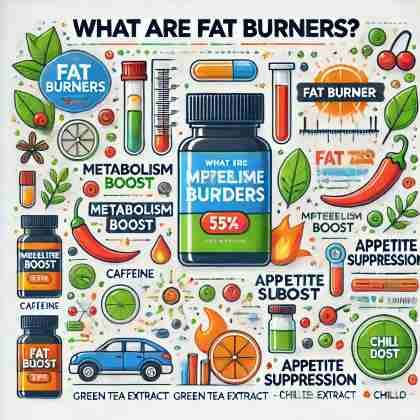
Fat burners are dietary supplements made to help with weight loss by speeding up your metabolism, limiting fat absorption, or curbing your appetite. They often include common ingredients like caffeine, green tea extract, and capsaicin (found in chili peppers). These ingredients are thought to help the body burn more calories and reduce hunger.

While many people use fat burners to lose weight, it’s important to note that their effectiveness is still debated among experts. Always use fat burners with caution and combine them with healthy eating and exercise for the best results.

Recommended Reading: Top 5 High Protein Low-Calorie Foods For Weight Loss

Common Ingredients In Fat Burners

IngredientWhy It’s UsedBenefitsSide Effects
CaffeineUsed to boost metabolism and increase energy levels.Increases calorie burn, improves focus, and enhances workout performance.It may cause jitteriness, increased heart rate, insomnia, or headaches.
Green Tea ExtractKnown for its antioxidant properties and metabolism boost.Helps in fat oxidation, provides antioxidants, and improves overall metabolism.It can cause stomach upset, dizziness, or liver issues in rare cases.
CapsaicinDerived from chili peppers, used to increase calorie expenditure.Promotes fat burning, reduces fat storage, and can aid digestion.It can cause digestive discomfort, heartburn, or skin irritation.
GlucomannanA natural fiber used to suppress appetite.Helps control hunger, improves gut health, and may aid in weight loss by creating fullness.It may cause bloating, gas, or diarrhea if taken in large amounts.
L-CarnitineAids in fat metabolism and energy production.Supports fat breakdown for energy, enhances endurance during workouts, and may reduce fatigue.It can cause nausea, stomach cramps, or a fishy body odor in high doses.
CLA (Conjugated Linoleic Acid)A fatty acid is used for fat loss and muscle maintenance.Reduces body fat, helps maintain lean muscle mass, and improves metabolic health.It can cause digestive issues, including diarrhea or nausea, and may affect blood sugar levels.
YohimbineAn herbal extract used to aid fat loss, especially stubborn fat.Helps target stubborn fat areas, increases energy, and enhances focus.It can cause increased heart rate, anxiety, and high blood pressure.
Garcinia CambogiaA tropical fruit extract used to reduce fat storage.It may block fat production, reduce appetite, and help control blood sugar levels.It can cause digestive issues, headaches, or potential liver damage in high doses.
SynephrineA natural stimulant often found in bitter oranges, used for fat burning.Increases energy expenditure, boosts metabolism, and may aid in appetite control.It can lead to increased heart rate, high blood pressure, or anxiety.
Chromium PicolinateA mineral used to improve fat metabolism and control blood sugar.Helps in fat breakdown, supports muscle growth, and improves insulin sensitivity.It may cause stomach upset, mood changes, or liver/kidney issues in rare cases.
Table: Common-Ingredients

How Fat Burners Work?

Fat burner supplements are designed to assist weight loss by boosting metabolism, blocking fat absorption, or suppressing appetite. These supplements often include ingredients like caffeine and green tea extract, which aim to increase calorie burn and reduce fat storage.

Boosting Metabolism (Thermogenesis)

  • Increased Energy Expenditure: Ingredients like caffeine and green tea extract can make the body burn more calories, even while at rest.
  • Thermogenesis: Some ingredients trigger thermogenesis, generating heat in the body, which further enhances calorie burning.
  • Examples: Caffeine stimulates the nervous system to increase calorie burning. Green tea extract may help burn calories and reduce fat absorption.

Reducing Fat Absorption

  • Fat Absorption Blockers: Certain ingredients in fat burners may prevent the body from absorbing dietary fat.
  • Examples: Some oils can form a barrier in the intestines, stopping fat from being absorbed.

Appetite Suppression

  • Appetite Control: Some ingredients help reduce hunger and cravings, making it easier to maintain a lower-calorie diet.
  • Examples: Soluble fibers like glucomannan can create a feeling of fullness, reducing overall calorie intake.

Mechanisms

  • Increased Metabolism: Fat burners can help raise your metabolism, leading to more calorie burning.
  • Reduced Fat Absorption: Some compounds may block fat from being absorbed by the body.
  • Appetite Suppression: Certain ingredients can help you feel fuller and reduce your calorie intake.

Recommended Reading: List Of 15 Natural Appetite Suppressants (Their Working & Effects)

Common Side Effects Of Fat Burners In Women

Common Side Effects

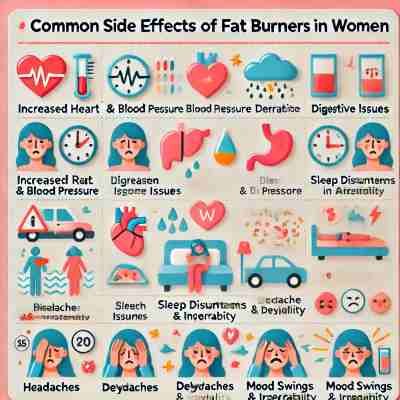
Common side effects of fat burners in women include nausea, headaches, increased heart rate, and digestive issues. In some cases, they may also cause anxiety, insomnia, and irregular periods.
Common-Side-Effects-Of-Fat-Burners-In-Women

Fat burners can help with weight loss, but they often come with side effects. Some ingredients, particularly stimulants like caffeine, may cause discomfort or health issues.

Increased Heart Rate & Blood Pressure

Fat burners containing stimulants like caffeine or synephrine can raise your heart rate and blood pressure, leading to jitteriness, anxiety, and even heart palpitations in some cases.

How to Minimize:

  • Opt for stimulant-free fat burners if sensitive to caffeine.
  • Limit other sources of caffeine like coffee or energy drinks.
  • Follow the dosage instructions and avoid taking fat burners before bedtime.

Digestive Issues

What Happens: Ingredients like fiber or glucomannan in fat burners may cause bloating, gas, diarrhea, or constipation as the body adjusts.

How to Minimize:

  • Start with a low dose and gradually increase.
  • Drink plenty of water to help with digestion.
  • Take fat burners with food to reduce stomach discomfort.

Sleep Disturbances & Insomnia

Stimulant-based fat burners, especially those containing caffeine or guarana, can make it hard to fall asleep or stay asleep.

How to Minimize:

  • Take fat burners in the morning or early afternoon.
  • Avoid other caffeine sources later in the day.
  • Consider switching to stimulant-free fat burners if sleep problems continue.

Dehydration

Fat burners containing diuretics can increase urination, leading to dehydration, which may cause headaches, dizziness, and fatigue.

How to Minimize:

  • Drink plenty of water throughout the day.
  • Monitor urine color to ensure hydration (light yellow is ideal).
  • Replenish fluids after exercise or heat exposure.

Headaches & Dizziness

Headaches and dizziness may result from dehydration or overstimulation due to caffeine or other stimulants.

How to Minimize:

  • Stay hydrated and drink water regularly.
  • Avoid taking fat burners on an empty stomach.
  • Consider low-stimulant or stimulant-free options if headaches persist.

Mood Swings & Irritability

Stimulants in fat burners can affect your nervous system, causing mood swings, anxiety, or irritability.

How to Minimize:

  • Take breaks from fat burners to reset your system.
  • Engage in stress-relief activities like yoga or meditation.
  • Opt for non-stimulant fat burners if you experience significant mood changes.

Common Side Effects

Side EffectDetailsHow to Minimize
Increased Heart Rate & Blood PressureStimulants raise heart rate, causing anxiety, jitteriness, or palpitations.Use stimulant-free fat burners, reduce other caffeine intake, and follow dosage instructions.
Digestive IssuesIngredients like fiber can cause bloating, gas, or constipation.Start with a low dose, drink water, and take fat burners with food to ease digestion.
Sleep DisturbancesStimulants interfere with sleep patterns, leading to insomnia.Take fat burners earlier in the day and avoid other caffeine sources.
DehydrationDiuretics increase urination, causing dehydration and related symptoms like headaches or dizziness.Drink water regularly and monitor hydration levels by checking urine color.
Headaches & DizzinessStimulants or dehydration can cause headaches and dizziness.Stay hydrated and avoid taking fat burners on an empty stomach.
Mood Swings & IrritabilityStimulants affect the nervous system, leading to mood changes, anxiety, or irritability.Take breaks from fat burners, practice stress relief, and choose non-stimulant options if needed.
Table: Side-Effects

Recommended Reading: Apple Cider Vinegar For Weight Loss (Uses+Side Effects)

Serious Side Effects Of Fat Burners For Women

Serious Side Effects

Serious side effects of fat burners for women can include heart problems, liver damage, and menstrual irregularities.

Serious-Side-Effects-Of-Fat-Burners-For-Women

Fat burners, often marketed for rapid weight loss, can lead to a range of side effects, especially in women. While these products may help shed fat, they can also cause serious health concerns.

Heart Problems

Fat burners often contain stimulants like caffeine, synephrine, or yohimbine, which can increase heart rate and blood pressure. This can lead to:

  • Arrhythmias (irregular heartbeat)
  • Palpitations
  • Chest pain
  • Heart attacks

How to Minimize:

  • Avoid fat burners with high stimulant levels, especially if you have heart disease or high blood pressure.
  • Stick to the recommended dosage.
  • Consult your doctor before starting any fat burner.

Liver Damage

Certain fat burners, especially those containing high doses of green tea extract, can cause liver toxicity. Symptoms of liver damage may include:

  • Jaundice (yellowing of skin or eyes)
  • Dark urine
  • Fatigue
  • Pain in the upper right abdomen

How to Minimize:

  • Avoid fat burners with high concentrations of green tea extract.
  • Do not mix fat burners with alcohol or medications that strain the liver.
  • Discontinue use if symptoms appear and see a healthcare provider.

Mental Health Issues (Anxiety, Depression)

Many fat burners contain stimulants that affect the nervous system, leading to:

  • Severe anxiety
  • Panic attacks
  • Mood swings
  • Depression

How to Minimize:

  • Choose fat burners with natural, low-stimulant ingredients.
  • Take breaks between using fat burners to avoid overstimulation.
  • Consult a healthcare provider if you have a history of mental health issues.

Kidney Problems

Fat burners with diuretic effects (promote urination) can cause dehydration and, over time, lead to kidney strain, kidney stones, or even kidney failure.

How to Minimize:

  • Drink plenty of water to stay hydrated.
  • Avoid prolonged use of fat burners.
  • Consult your doctor if you experience severe back pain or difficulty urinating.

Menstrual Irregularities

Fat burners can affect hormonal balance, leading to irregular periods or amenorrhea (lack of periods).

How to Minimize:

  • Monitor your menstrual cycle closely.
  • Stop using fat burners if you notice changes and seek medical advice.

Stroke

Fat burners containing ephedra or high doses of synephrine can increase blood pressure, which may cause a stroke by narrowing blood vessels.

How to Minimize:

  • Avoid fat burners with high doses of ephedra or synephrine.
  • Monitor blood pressure regularly.
  • Consult your healthcare provider if you are at risk of stroke.

Seizures

High levels of stimulants can lead to seizures in people prone to them by triggering abnormal electrical activity in the brain.

How to Minimize:

  • Avoid using high-stimulant fat burners if you have a history of seizures.
  • Follow dosage instructions carefully.
  • Stop using the product if you experience any seizure-like symptoms.

Gastrointestinal Issues

Common digestive side effects of fat burners include:

  • Nausea
  • Vomiting
  • Diarrhea
  • Heartburn

How to Minimize:

  • Take fat burners with food to reduce irritation.
  • If symptoms persist, stop using the product and consult a doctor.

Serious Side Effects

Side EffectSymptomsHow to Minimize
Heart ProblemsArrhythmias, palpitations, chest pain, heart attacksAvoid high-stimulant fat burners, follow dosage instructions, and consult a doctor if heart conditions exist.
Liver DamageJaundice, dark urine, fatigue, abdominal painLimit fat burners with green tea extract, avoid alcohol, and discontinue use if symptoms occur.
Mental Health IssuesAnxiety, panic attacks, mood swings, depressionChoose natural fat burners, take breaks, and consult a doctor for mental health concerns.
Kidney ProblemsBack pain, difficulty urinating, kidney stonesStay hydrated, avoid prolonged use, and seek medical advice for severe symptoms.
Menstrual IrregularitiesIrregular periods, amenorrheaMonitor cycles and consult a doctor if irregularities occur.
StrokeHigh blood pressure, narrowed blood vessels, risk of hemorrhagic strokeAvoid ephedra and synephrine, monitor blood pressure, and consult your doctor if at risk.
SeizuresSeizure symptoms such as shaking, loss of consciousnessAvoid high-stimulant fat burners, follow dosage instructions, and stop use if symptoms occur.
Gastrointestinal IssuesNausea, vomiting, diarrhea, heartburnTake with food, and stop if persistent symptoms occur.
Table: Serious-Side-Effects

Recommended Reading: Top 5 FDA-Approved Weight Loss Pills (Uses+Side Effects)

How To Minimize The Side Effects Of Fat Burners For Women?

How To Minimize The Side Effects?

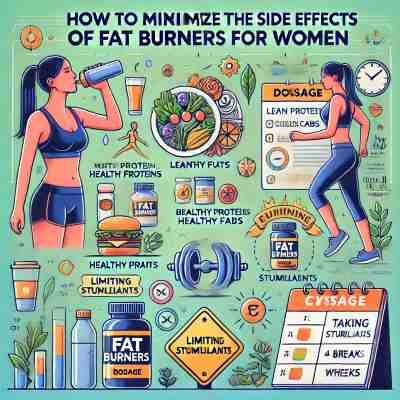
To minimize the side effects of fat burners for women, follow the recommended dosages and avoid products with strong stimulants.
How-To-Minimize-The-Side-Effects-Of-Fat-Burners-For-Women

Fat burners can help with weight loss, but they can also come with side effects. Here’s how to reduce the risks and make fat burners safer to use.

Prioritize a Healthy Lifestyle

Balanced Diet: Fat burners work best with a proper diet. Focus on eating whole foods, lean proteins, healthy fats, and complex carbs. Avoid relying solely on fat burners for results.

Hydration: Drink enough water daily, especially since fat burners may cause sweating or frequent urination. Staying hydrated can help prevent side effects like headaches or dizziness.

Regular Exercise: Fat burners should be paired with regular physical activity to enhance weight loss. Aim for a balanced exercise routine for the best outcomes.

Follow Recommended Dosage

One of the main causes of side effects is taking more than the recommended dose. Overdosing can lead to issues like heart palpitations, anxiety, and insomnia.

What to Do:

Stay Hydrated

Fat burners often contain diuretics, which can cause dehydration. Dehydration can lead to headaches, dizziness, or even kidney problems.

What to Do:

  • Drink plenty of water throughout the day.
  • Monitor your urine color—it should stay light yellow to avoid dehydration.
  • Make sure you are drinking enough fluids, especially during exercise.

Limit Stimulants

Many fat burners contain stimulants like caffeine, and adding more stimulants (e.g., coffee, energy drinks) can cause side effects like jitteriness, anxiety, or heart issues.

What to Do:

  • Avoid using other stimulant-based products while on fat burners.
  • If sensitive to stimulants, opt for fat burners with natural ingredients or lower stimulant content.
  • Track your total caffeine intake from all sources.

Take Breaks Between Use

Using fat burners for too long can reduce their effectiveness and increase the risk of side effects like liver or kidney problems.

What to Do:

  • Use fat burners in cycles (e.g., 4-6 weeks on, followed by a break).
  • Give your body time to recover between cycles to avoid tolerance.
  • Ask a healthcare professional for advice on proper use cycles.

Choose Natural or Low-Stimulant Fat Burners

High-stimulant fat burners can cause side effects like anxiety, insomnia, or high blood pressure. Natural or stimulant-free options are usually gentler on the body.

What to Do:

  • Look for fat burners with ingredients like green tea extract, CLA, or L-carnitine, which are usually milder.
  • Consider stimulant-free formulas if sensitive to caffeine.
  • Research ingredients to ensure they’re safe and suitable for you.

Listen to Your Body

If you experience side effects, even if mild, adjust your intake or stop use. Side effects can include chest pain, severe headaches, or shortness of breath.

What to Do:

  • Start with a lower dose to see how your body reacts.
  • Stop immediately if severe side effects occur.
  • Consult your doctor if you have pre-existing health issues before using fat burners.

Maintain a Balanced Diet

Fat burners should not replace a healthy diet. Some fat burners may reduce appetite, but not eating enough can cause nutrient deficiencies, fatigue, and muscle loss.

What to Do:

  • Continue eating a well-balanced diet rich in vitamins and minerals.
  • Pair fat burners with healthy meals to support overall health.
  • Avoid extreme diets while using fat burners.

Monitor Your Mental Health

Fat burners, especially those with stimulants, can affect your mood, causing anxiety, irritability, or even depression.

What to Do:

  • Reduce your dose or stop use if you notice mood changes.
  • Try stimulant-free fat burners if you have a history of anxiety or mental health conditions.
  • Seek professional help if mood changes persist.

Recommended Reading: Fat Burners For Women For Fast Belly Fat Removal

FAQs

Are fat burners safe for women?

Fat burners can be safe when used properly, but they come with potential side effects like nausea, headaches, increased heart rate, and anxiety. Women may also face menstrual irregularities, liver damage, and heart problems.

What are the common side effects of fat burners?

Common side effects include digestive issues like nausea, vomiting, and diarrhea, along with increased heart rate, high blood pressure, and anxiety. Some women may also experience sleep disturbances, irregular periods, or liver damage.

Can fat burners affect my heart?

Yes, fat burners with stimulants like caffeine and synephrine can increase heart rate and blood pressure. This may lead to arrhythmias, palpitations, or even heart attacks, especially if you have a pre-existing heart condition.

How do fat burners impact mental health?

Fat burners that contain high levels of stimulants may lead to mental health issues such as anxiety, panic attacks, or mood swings. Long-term use can make these problems worse.

Can fat burners cause liver damage?

Some fat burners, especially those with high doses of green tea extract, can cause liver damage. Signs of liver issues include jaundice, dark urine, and abdominal pain. To avoid liver toxicity, limit fat burners with these ingredients and avoid mixing them with alcohol or medications that strain the liver.

Will fat burners disrupt my menstrual cycle?

Fat burners may disrupt hormone balance, leading to irregular periods or amenorrhea (lack of periods). If you notice changes in your menstrual cycle while using fat burners.

Can fat burners cause dehydration or kidney problems?

Fat burners with diuretic ingredients can increase urination, leading to dehydration. Prolonged dehydration can strain the kidneys and cause kidney stones or other issues. Make sure to drink plenty of water and avoid using fat burners for extended periods.

Can fat burners cause strokes or seizures?

High stimulant levels in fat burners can increase the risk of stroke or seizures in people who are prone to these conditions. Stimulants raise blood pressure and can lead to abnormal brain activity, causing seizures. If you have a history of seizures or strokes, avoid using fat burners with high stimulant content.

Conclusion

Fat burners can be a useful tool for weight loss, but they come with potential risks, especially for women. It’s essential to use them wisely by sticking to the recommended dosage, staying hydrated, limiting caffeine intake, and choosing products with natural ingredients.

Maintaining a balanced diet and taking breaks between uses can also help reduce side effects. Always listen to your body, and consult a healthcare provider before starting any new supplement. Remember, fat burners should support a healthy lifestyle, not replace it, for long-term success.

Disclaimer
The commissions we earn from partner links on this page do not influence our content. Our editorial content is based on thorough research and insights from qualified medical professionals to ensure the highest standards of accuracy and reliability.

The information provided on Doseway is for educational purposes only. Your health and wellness are unique to you, and the products and services we review may not be suitable for your circumstances. We do not offer personal medical advice, diagnosis, or treatment plans. For specific advice, please consult with a healthcare professional. Doseway adheres to strict editorial integrity standards. To the best of our knowledge, all content is accurate as of the date posted, though offers and information may change. The opinions expressed are the author’s own and have not been influenced, approved, or endorsed by our partners.

Top 10 Best Fat Burners For Women (For Belly Fat Removal Fastly)

Fat burners are supplements designed to help with weight loss by boosting metabolism, reducing fat absorption, and controlling appetite. These products are especially popular among women looking for ways to burn fat faster, particularly around stubborn areas like the belly.

Fat burners for women often contain ingredients like caffeine, green tea extract, and L-carnitine, which are believed to promote fat metabolism and increase energy levels. Although these supplements claim to aid weight loss, their effectiveness can vary depending on the ingredients and individual factors such as diet, exercise, and overall health.

Recommended Reading: Top 7 Best Supplements For Muscle Growth And Fat Loss

Top 10 Best Fat Burners For Women (For Belly Fat Removal)

Best-Fat-Burners-For-Women

Recommended Reading: Top 5 High Protein Low-Calorie Foods For Weight Loss

What Are Fat Burners?

Fat Burners

Fat burners are supplements designed to help increase metabolism, reduce fat absorption, and boost energy levels. They aid in burning fat more efficiently when combined with a healthy diet and exercise.

What-Are-Fat-Burners

Fat burners are supplements aimed at helping with weight loss by boosting metabolism, reducing fat absorption, or curbing appetite. They are commonly used by people looking to lose weight faster, especially around stubborn fat areas.

What Do They Claim to Do?

Fat burners are marketed to:

  • Increase metabolism: Ingredients like caffeine are believed to boost metabolism, helping burn more calories even at rest.
  • Block fat or carb absorption: Some ingredients claim to prevent the body from absorbing fat from food.
  • Suppress appetite: Certain components may help reduce hunger, leading to a lower calorie intake.

Common Ingredients in Fat Burners

  • Caffeine: Helps to speed up metabolism and promote fat breakdown.
  • Green Tea Extract: Contains compounds like EGCG that are known to support fat burning.
  • L-carnitine: Assists in transporting fat to cells, where it’s burned for energy.
  • Capsaicin: Found in chili peppers, it raises body temperature, helping to burn more calories.

How Fat Burners Work?

  • Boosting Metabolism: Ingredients like caffeine and green tea extract help increase calorie burning by speeding up metabolism.
  • Reducing Fat Absorption: Some supplements contain ingredients that prevent the body from absorbing fat from meals.
  • Suppressing Appetite: Fat burners may reduce hunger, which leads to lower calorie consumption.

Effectiveness

While some studies show that certain fat-burner ingredients may support weight loss, their overall effectiveness and safety are still debated. Results can vary depending on individual factors, diet, and exercise.

Common Ingredients in Fat Burners

IngredientHow It Works
CaffeineStimulates metabolism and increases calorie burning.
Green Tea ExtractRich in antioxidants that boost metabolism and promote fat loss.
L-CarnitineHelps transport fat to cells for energy, enhancing fat burning.
Garcinia CambogiaMay suppress appetite and reduce cravings.
B VitaminsEssential for energy production and metabolic function.
CLA (Conjugated Linoleic Acid)May reduce body fat while increasing lean muscle mass.
BerberineHelps regulate blood sugar and insulin, supporting fat loss.
CapsaicinIncreases thermogenesis, helping the body burn more calories.
ChitosanIt may reduce fat absorption by binding fat in the digestive tract.
GlucomannanA natural fiber that suppresses appetite by making you feel full.
Table: Common-Ingredients

Recommended Reading: List Of 15 Natural Appetite Suppressants (Their Working & Effects)

What Is a Fat Burner for Women?

Fat Burner for Women

A fat burner for women is a supplement designed to enhance fat loss by boosting metabolism, suppressing appetite, and increasing energy. It helps women achieve weight loss goals when combined with proper diet and exercise.

What-Is-a-Fat-Burner-for-Women

Fat burners for women are supplements that aim to help women lose weight by improving fat metabolism, boosting energy, and reducing appetite. These supplements contain ingredients that target fat burning, especially in areas where women tend to store more fat, like the hips, thighs, and belly.

Common Ingredients in Women’s Fat Burners

  • Caffeine: Known for increasing energy levels and speeding up metabolism, leading to more calories burned.
  • Carnitine: Helps the body convert stored fat into energy, making it easier to burn fat during exercise.
  • Green Tea Extract: Rich in antioxidants and compounds like EGCG that are believed to support fat burning and weight loss.
  • Conjugated Linoleic Acid (CLA): Thought to help reduce body fat and increase lean muscle mass.
  • Forskolin: Extracted from a plant, it is believed to increase fat breakdown and boost metabolism.
  • Chromium: This may help regulate blood sugar levels, reducing cravings and hunger.
  • Kelp and Fucoxanthin: These seaweed extracts are known for supporting thyroid function, which can help regulate metabolism.

How Do Fat Burners Work for Women?

  • Boosting Fat Metabolism: Ingredients like caffeine and green tea extract work to speed up the body’s fat-burning process.
  • Energy Boost: Many fat burners increase energy levels, helping women feel more active and burn more calories.
  • Appetite Control: Some ingredients help reduce cravings and appetite, leading to fewer calories consumed.
  • Targeting Fat: These supplements often target stubborn fat areas, such as belly or thigh fat, where women tend to struggle the most.

Recommended Reading: Apple Cider Vinegar For Weight Loss (Uses+Side Effects)

How Fat Burning Supplements Work for Women?

Common Ingredients & How They Work

  • Caffeine:
    Helps boost metabolism and increase fat oxidation, which may help burn fat.
    Found in coffee, tea, and many fat burners.
  • Green Tea Extract:
    Rich in catechins, especially EGCG, which may improve metabolism and promote fat loss.
  • Capsaicin:
    Extracted from chili peppers, it may increase your body’s heat production (thermogenesis), burning more calories.
  • Bitter Orange (Synephrine):
    Contains synephrine, which may act as a mild appetite suppressant and increase calorie burning.
  • Calcium:
    Some studies suggest calcium may help break down fat and reduce its absorption in the body.

Types of Fat Burner Supplements

  • Thermogenics:
    These increase body heat and metabolism, helping you burn more calories even while resting.
    Common ingredients include caffeine and capsaicin.
  • Appetite Suppressants:
    These help control cravings by making you feel fuller and reducing your calorie intake.
    Examples include glucomannan and fiber-based supplements.
  • Metabolism Boosters:
    These claim to speed up the body’s fat-burning process. Ingredients like green tea extract and caffeine fall into this category.

Important Considerations:

  • Limited Scientific Evidence:
    Many fat burners lack strong research to back their claims. Most results are based on short-term studies or anecdotal evidence.
  • Possible Side Effects:
    Some fat burners can cause jitters, anxiety, increased heart rate, or digestive issues. Always read labels carefully.
  • Medication Interactions:
    If you’re taking medications, certain supplements may interfere. It’s essential to consult a doctor before starting any new supplement.
  • Lifestyle Factors:
    Supplements are not a quick fix. A healthy diet and regular exercise are still the most effective ways to lose weight.

Examples of Popular Fat Burner Supplements

Top 10 Best Fat Burners for Women (For Belly Fat Removal)

Best Fat Burners for Women

The top 10 best fat burners for women include natural supplements that boost metabolism, enhance fat burning, and support weight loss. These options work best when paired with a healthy diet and regular exercise.

Fat-Burners-for-Women

Green Tea Extract

Green tea extract is rich in antioxidants, primarily catechins like EGCG, which promote fat burning by enhancing metabolism.

AspectDetails
How It WorksBoosts metabolism and enhances fat burning, especially during exercise due to its catechins.
UsesCan be consumed as green tea or in supplement form.
Benefits– Increases metabolism for fat burning.
– Supports weight loss, especially during workouts.
Side Effects– May cause stomach upset in sensitive individuals.
– Contains caffeine, which may lead to insomnia or jitters.
Table: Green-Tea-Extract

Garcinia Cambogia

Garcinia Cambogia is a tropical fruit containing HCA (Hydroxycitric Acid), known for reducing appetite and preventing fat buildup.

AspectDetails
How It WorksBlocks fat production and suppresses appetite by inhibiting an enzyme called citrate lyase.
UsesCommonly found in capsule or powder form.
Benefits– Reduces appetite.
– Prevents belly fat accumulation.
Side Effects– May cause headaches, digestive issues, or dry mouth.
Table: Garcinia-Cambogia

Caffeine

Caffeine is a stimulant that increases energy and metabolism, helping the body burn more calories.

AspectDetails
How It WorksSpeeds up metabolism and increases calorie burning by stimulating the central nervous system.
UsesFound in coffee, tea, or caffeine supplements.
Benefits– Enhances fat burning and physical performance.
– Improves focus and alertness.
Side Effects– May cause anxiety, insomnia, or rapid heart rate, especially in sensitive individuals.
Table: Caffeine

L-Carnitine

L-Carnitine is an amino acid that transports fatty acids to cells for energy, helping burn fat more effectively during exercise.

AspectDetails
How It WorksConverts fat into energy by transporting fatty acids into cells, aiding fat loss during exercise.
UsesOften taken as a supplement before exercise.
Benefits– Burns fat and provides energy.
– Reduces muscle soreness after workouts.
Side Effects– May cause nausea or digestive discomfort.
Table: L-Carnitine

Conjugated Linoleic Acid (CLA)

CLA is an omega-6 fatty acid known to help reduce body fat while supporting lean muscle growth.

AspectDetails
How It WorksReduces body fat by promoting fat metabolism and preserving lean muscle mass.
UsesTypically found in capsule or softgel form.
Benefits– Reduces belly fat.
– Supports lean muscle mass.
Side Effects– May cause digestive issues or fatigue.
Table: Conjugated-Linoleic-Acid

Bitter Orange (Citrus Aurantium)

Bitter orange contains synephrine, which is known for boosting metabolism and acting as an appetite suppressant.

AspectDetails
How It WorksIncreases metabolism and reduces appetite by stimulating energy expenditure.
UsesCommonly found in fat-burning supplements.
Benefits– Boosts metabolism.
– Helps control appetite.
Side Effects– May cause increased blood pressure and heart palpitations.
Table: Bitter-Orange

Capsaicin

Capsaicin is the compound that gives chili peppers their heat and is known to promote thermogenesis, increasing calorie burning.

AspectDetails
How It WorksRaises body temperature, leading to increased calorie burn through thermogenesis.
UsesConsumed through spicy foods or as a supplement.
Benefits– Boosts metabolism.
– Reduces appetite.
Side Effects– May cause stomach discomfort or burning sensations.
Table: Capsaicin

Ginger

Ginger is commonly used to improve digestion and reduce inflammation, indirectly aiding in weight loss.

AspectDetails
How It WorksEnhances digestion and reduces bloating, promoting overall metabolic health.
UsesConsumed as tea, fresh, or in supplement form.
Benefits– Supports digestion.
– May boost metabolism.
Side Effects– May cause heartburn or stomach upset.
Table: Ginger

Raspberry Ketones

Raspberry ketones may promote fat breakdown and support metabolism, although research is still limited.

AspectDetails
How It WorksMay increase the breakdown of fat cells and help improve metabolism.
UsesFound in supplement form.
Benefits– Helps with fat breakdown.
– May assist in weight loss.
Side Effects– Limited research on long-term safety.
Table: Raspberry-Ketones

B Vitamins (Especially B12)

B vitamins, particularly B12, help in energy production and fat metabolism, ensuring efficient fat burning.

AspectDetails
How It WorksSupports energy production and fat metabolism, preventing fatigue during weight loss efforts.
UsesFound in multivitamins, B12 injections, or foods like meat and dairy.
Benefits– Supports fat metabolism.
– Prevents fatigue during weight loss.
Side Effects– Generally safe but may cause mild digestive discomfort.
Table: B-Vitamins

Benefits Of Fat-Burning Supplements For Women

BenefitExplanationExamples of Ingredients
Increased MetabolismFat burners help speed up the body’s metabolism, allowing it to burn more calories even when at rest.Caffeine, Green Tea Extract (EGCG)
Appetite SuppressionReduces hunger and cravings, making it easier to follow a calorie-controlled diet.Garcinia Cambogia, Glucomannan
Fat Absorption ReductionCertain ingredients bind to fat in the digestive tract, reducing the amount absorbed by the body.Chitosan
Improved Energy LevelsBoosts energy and reduces fatigue, helping to stay active and improve exercise performance.Caffeine, B Vitamins, Guarana
Enhanced Fat BurningFacilitates the conversion of stored fat into energy, especially during exercise.L-Carnitine
Boosts Exercise PerformanceIncreases energy and focus, allowing for longer, more intense workouts that aid in fat loss.Caffeine, Guarana
ThermogenesisIncreases the body’s core temperature, causing more calories to be burned throughout the day.Capsaicin, Green Tea Extract
Preserves Lean Muscle MassHelps to burn fat while preserving or enhancing muscle mass, leading to a more toned appearance.CLA (Conjugated Linoleic Acid)
Improved Mood & FocusEnhances mood and mental clarity, reducing emotional eating and maintaining focus on fitness goals.Green Tea Extract, L-Theanine
Promotes Overall Metabolic HealthSupports healthy blood sugar and insulin levels, reducing fat storage and enhancing metabolic function.Berberine
Table: Benefit

Side Effects of Fat-Burning Supplements for Women

Serious Side Effects

Side EffectExplanation
Liver DamageSome herbal ingredients in fat burners have been linked to liver problems, including inflammation or toxicity.
Inflammatory Bowel DiseaseCertain ingredients may irritate the intestines and potentially contribute to inflammatory bowel disease.
Medication InteractionsFat burners may interact negatively with medications, leading to dangerous health risks.
Electrolyte ImbalanceSome supplements can cause electrolyte imbalances, resulting in dehydration and muscle cramps.
Irregular Menstrual CycleRapid weight loss from fat burners can disrupt hormonal balance, affecting the menstrual cycle.
Table: Serious-Side-Effects

Are Fat Burners Safe for Women?

Fat burners can be safe for most healthy women when used properly, but caution is necessary. Women with underlying health conditions or on medication should always consult a doctor before taking fat-burning supplements.

Who Should Be Careful?

  • Healthy women may generally use fat burners without issues, but those with conditions like heart problems, high blood pressure, or digestive disorders should be cautious.
  • Always talk to your doctor before starting any fat-burning supplement, especially if you have any medical conditions.

Important Safety Tips

  • Read the Label: Always carefully check the ingredients and instructions on the supplement. Make sure you understand what’s in it and follow the recommended dosage.
  • Avoid Overuse: Never take more than the suggested amount as this can increase the risk of side effects.
  • Monitor for Side Effects: Pay attention to how your body responds. Some people may experience common side effects, such as:
    • Increased Heart Rate: Stimulants like caffeine in fat burners can cause your heart rate to increase, leading to feelings of jitteriness.
    • Nausea or Digestive Problems: Taking fat burners on an empty stomach can cause nausea or digestive discomfort. It’s better to take them with food.
    • Sleep Issues: Since many fat burners contain stimulants, taking them too late in the day can lead to insomnia or sleep disturbances.

How to Choose the Best Fat Burner for You?

Choosing the right fat burner involves understanding your body’s needs, consulting with a healthcare professional, and focusing on a balanced approach to weight loss that includes diet and exercise.

Understand Your Needs and Goals

  • Weight Loss vs. Fat Loss: Are you aiming to lose weight overall, or specifically reduce fat? Fat loss focuses on reducing body fat while maintaining muscle.
  • Exercise Level: Consider your current fitness level. Are you a beginner, intermediate, or advanced exerciser? Your activity level will affect how a fat burner complements your routine.
  • Tolerance to Stimulants: Some fat burners contain stimulants like caffeine, which may not be suitable for everyone. If you’re sensitive to stimulants, consider stimulant-free options.
  • Specific Ingredients: Research the ingredients in fat burners and ensure they align with your goals. For example, if you want to boost metabolism, look for green tea extract or cayenne pepper.

Consult a Healthcare Professional

  • Safety First: Always consult with your doctor or a dietitian before starting a fat burner, especially if you have any medical conditions.
  • Medication Interactions: Some fat burners may interact with medications you are already taking, so it’s essential to check with a professional.
  • Underlying Health Conditions: Your doctor can assess if a fat burner is suitable for you based on your health status and goals.

Focus on a Holistic Approach

  • Diet and Exercise: Fat burners work best when combined with a healthy diet and regular exercise. They are not a replacement for lifestyle changes.
  • Calorie Deficit: To lose fat, you need to burn more calories than you consume. A calorie deficit is key to effective fat loss.
  • Whole Foods: Prioritize a diet rich in fruits, vegetables, lean protein, and healthy fats. These foods naturally support fat loss.
  • Exercise: Incorporate both cardio and strength training to enhance fat burning and improve muscle tone.

Consider Natural Options

  • Caffeine: Known to boost metabolism, caffeine (from green tea extract or coffee) can help burn fat. However, be mindful of your tolerance.
  • Protein: Eating enough protein helps maintain muscle mass during fat loss, making it an essential part of your diet.
  • Fiber: Soluble fiber can help you feel full longer, supporting weight management.
  • Yohimbine: Some studies suggest yohimbine may assist in fat loss, but more research is needed. Use with caution.

Be Cautious and Do Your Research

  • Read Labels: Always check the ingredient list, recommended dosage, and potential side effects before purchasing.
  • Reputable Brands: Choose fat burners from well-known, trusted brands with good reputations.
  • Don’t Expect Miracles: Fat burners are not quick fixes. They are meant to be used alongside a comprehensive weight loss plan, including diet and exercise.
  • Be Patient: Weight loss takes time. It’s normal not to see immediate results, so stay consistent and give your body time to adjust.

Top 10 Best Tips for Buying the Right Fat Burner

  • Check the Ingredients: Look for proven, natural ingredients like green tea extract or glucomannan.
  • Consider Your Medical Background: Ensure the fat burner is safe for any medical conditions you may have.
  • Buy Branded Ingredients: Branded ingredients often have more research backing their effectiveness.
  • Correct Dosage: Make sure the product contains the right dose of active ingredients.
  • Know the Manufacturer: Trustworthy manufacturers with good reviews are more likely to produce safe and effective products.
  • Research Backing: Check if the fat burner has scientific support or clinical trials behind it.
  • Consider Caffeine Content: If you’re sensitive to caffeine, opt for stimulant-free fat burners.
  • Diet and Lifestyle Compatibility: Choose a fat burner that fits your daily routine—some require multiple doses, others only once a day.
  • Look for Natural Options: Natural ingredients like green tea extract and cayenne pepper are known for their fat-burning properties.
  • Consult Your Doctor: Always check with your healthcare provider before starting any new supplement, especially if you have health concerns.

Recommended Reading: Top 5 FDA-Approved Weight Loss Pills (Uses+Side Effects)

FAQs

What Are Fat Burners and How Do They Work?

Fat burners are supplements designed to help increase metabolism, reduce fat absorption, and promote fat burning. They often contain ingredients like caffeine, green tea extract, or other natural substances that enhance thermogenesis (heat production), leading to more calories being burned. They work best when combined with a healthy diet and exercise.

Are Fat Burners Safe for Women to Use?

Generally, fat burners made from natural ingredients like green tea, L-carnitine, or ginger are safe for most women. However, some ingredients, like bitter orange or high doses of caffeine, may cause side effects such as increased heart rate or digestive issues.

Can Fat Burners Target Belly Fat Specifically?

Fat burners cannot directly target belly fat. However, they can help reduce overall body fat, and since belly fat tends to be more stubborn, consistent use of fat burners with exercise and diet may gradually help in reducing it.

Do I Need to Exercise While Taking Fat Burners?

Yes, exercise is crucial when using fat burners. These supplements are designed to enhance the effects of physical activity, not replace it. Exercise helps burn calories and fat, and fat burners can speed up the process when combined with regular workouts.

Can Fat Burners Cause Side Effects?

Yes, fat burners can cause side effects, especially if used improperly or in high doses. Common side effects include jitteriness, insomnia, digestive discomfort, or increased heart rate.

How Long Does It Take to See Results From Fat Burners?

Results vary based on individual factors like diet, exercise habits, and metabolism. Most people start noticing improvements in energy levels and fat loss within 2-4 weeks.

Can Fat Burners Help with Long-Term Weight Loss?

Fat burners can support short-term weight loss by boosting metabolism and increasing energy expenditure. However, they are not a long-term solution. Sustainable weight loss requires consistent healthy eating, regular exercise, and lifestyle changes. Fat burners should be used as an additional tool rather than the main strategy.

Do Fat Burners Affect Muscle Mass?

Some fat burners, especially those containing L-Carnitine or Conjugated Linoleic Acid (CLA), may help preserve or even increase lean muscle mass while reducing fat.

Conclusion

Summary of Findings

Fat burners can help boost fat loss when combined with a healthy diet and regular exercise, but their effectiveness varies. They are not a replacement for long-term lifestyle changes and should be used as an extra tool, not the main solution.

Who Should Buy It?

Women who are already living a healthy lifestyle including balanced eating and consistent exercise may find a fat burner helpful, especially for targeting stubborn fat areas like the belly. It’s ideal for those looking for an additional push in their fitness journey.

Final Thoughts

Fat burners can be beneficial, but they should not be your primary method for weight loss. They are best used alongside a holistic approach to health. Always check with a doctor or healthcare provider before starting any supplement to ensure it’s safe and right for you.

Disclaimer
The commissions we earn from partner links on this page do not influence our content. Our editorial content is based on thorough research and insights from qualified medical professionals to ensure the highest standards of accuracy and reliability.

The information provided on Doseway is for educational purposes only. Your health and wellness are unique to you, and the products and services we review may not be suitable for your circumstances. We do not offer personal medical advice, diagnosis, or treatment plans. For specific advice, please consult with a healthcare professional. Doseway adheres to strict editorial integrity standards. To the best of our knowledge, all content is accurate as of the date posted, though offers and information may change. The opinions expressed are the author’s own and have not been influenced, approved, or endorsed by our partners.

Top 7 Best Supplements For Muscle Growth And Fat Loss

When working towards building muscle growth and fat loss, the right supplements can significantly help you achieve your goals faster and more effectively. Supplements are designed to support your body’s nutritional needs, improve workout performance, and promote faster recovery.

Whether you’re aiming to build lean muscle, shed fat, or maintain both, supplements can make a noticeable difference when paired with a balanced diet and consistent exercise.

Some of the best supplements known for promoting muscle growth and fat loss, include protein powders, creatine, BCAAs, and more. These supplements help enhance muscle development, boost metabolism, and improve workout results, providing essential nutrients that might be missing from your daily diet.

Recommended Reading: Top 5 High Protein Low-Calorie Foods For Weight Loss

Top 7 Best Supplements For Muscle Growth And Fat Loss

Best-Supplements-For-Muscle-Growth-And-Fat-Loss

Recommended Reading: List Of 15 Natural Appetite Suppressants (Their Working & Effects)

What Are Supplements?

Supplements

Supplements are products taken to add nutrients or support overall health, often including vitamins, minerals, or proteins. They are used to enhance diets, improve performance, or support specific health goals.

What-Are-Supplements

Supplements, also called dietary supplements, are products made to add nutrients to your diet. They provide essential nutrients that may not be fully consumed through food. These include vitamins, minerals, herbs, amino acids, and other beneficial compounds. You can find them in different forms such as tablets, capsules, powders, and liquids.

Purpose of Supplements

The main purpose of supplements is to add nutritional value to your diet. They can help with filling nutrient gaps, improving health, and supporting fitness goals like muscle growth and fat loss. Supplements are designed to complement your diet, not replace it.

Common Types of Supplements

  • Vitamins: Multivitamins, Vitamin D, C, B12
  • Minerals: Calcium, Magnesium, Iron
  • Amino Acids: BCAAs, Glutamine, Tryptophan
  • Botanicals: Green tea extract, Ginger, Echinacea

Why People Use Supplements

People use supplements for different reasons. Some aim to improve overall health, while others take them to address nutrient deficiencies. For fitness enthusiasts, supplements are popular for supporting muscle growth and aiding in fat loss by enhancing performance and recovery.

Creatine

Creatine Supplement

Creatine Supplements is a natural compound that helps boost muscle strength and energy during high-intensity exercise. It is commonly used as a supplement to enhance athletic performance and support muscle growth.

Creatine-For-Muscle-Growth-And-Fat-Loss

Creatine is often associated with muscle growth and improved exercise performance, but it can also have indirect benefits for weight management. While it doesn’t directly burn fat, it can help you maintain muscle mass, which plays a key role in supporting weight loss.

Creatine and Muscle Growth

  • Mechanism: Creatine is a natural compound found in muscles that helps produce energy, especially during short, intense activities like weightlifting or sprinting. It increases the amount of adenosine triphosphate (ATP), which muscles use for energy.
  • Benefits:
    • Boosts Muscle Strength: Creatine can help increase muscle power, allowing for better performance during high-intensity workouts.
    • Promotes Muscle Mass: Creatine supplementation helps increase lean body mass by drawing water into the muscle cells and promoting muscle protein synthesis.
  • Research: Studies have shown that regular creatine use, combined with strength training, leads to increased muscle size and overall lean body mass.
  • Safety: According to Harvard Health, creatine is generally safe for long-term use when taken in recommended doses, with no serious side effects for healthy individuals.

Creatine and Weight Loss

  • Indirect Benefits:
    • Maintains Muscle During Weight Loss: During calorie-restricted diets, you can lose muscle along with fat. Creatine helps you keep muscle, which is important because more muscle means a higher metabolic rate, helping you burn more calories.
    • Improved Workout Performance: Creatine helps you work out harder and longer, meaning you can lift heavier weights or do more reps. This increased exercise intensity leads to greater calorie burn, which can support fat loss over time.
  • No Direct Fat Loss Effect: Creatine does not directly promote fat loss. Instead, it works by allowing you to retain muscle, which indirectly helps with weight management.
  • Water Retention: Some people may notice temporary weight gain due to water retention in the muscles when starting creatine, but this is not fat gain.

Important Considerations

  • Consult a Professional: Before starting any new supplement, including creatine, it’s a good idea to talk to a healthcare professional or nutritionist to ensure it’s safe for you.
  • Dosing: The standard recommended daily dose for creatine is around 3-5 grams. It can be taken after a workout or any time during the day.

Creatine for Muscle Growth and Weight Loss

AspectDetails
Role in Muscle GrowthIncreases ATP production, allowing for greater strength and muscle mass growth.
Role in Weight LossHelps maintain muscle during fat loss, indirectly supporting metabolism and calorie burn.
Key BenefitsBoosts exercise performance, increases muscle size, and helps preserve lean mass.
Direct Fat LossCreatine does not directly cause fat loss but supports weight loss by preserving muscle mass.
Side EffectsInitial water retention in muscles, but no serious side effects when used as directed.
DosageThe recommended daily dose is 3-5 grams.
Table: Creatine

Recommended Reading: Apple Cider Vinegar For Weight Loss (Uses+Side Effects)

Protein

Protein Supplements is a key nutrient for both muscle growth and weight loss. Whether you want to build muscle or shed extra pounds, getting the right amount of protein is crucial.

Why Protein is Important?

Muscle Building

  • How It Works: Protein provides the amino acids that are essential for muscle repair and growth. When combined with strength training, it helps in rebuilding muscle fibers, making them stronger and larger.
  • Benefit: Regular protein intake after workouts helps increase muscle mass, ensuring your muscles get the nutrients they need to recover and grow.

Weight Loss

  • How It Helps: Protein can preserve muscle mass while you’re losing weight. This is important because maintaining muscle helps keep your metabolism active, which burns more calories even at rest.
  • Satiety: Protein keeps you fuller for longer, reducing hunger and preventing overeating, which can help with managing calorie intake.

Protein Intake Recommendations

  • For General Health: 1.2-1.6 grams of protein per kilogram of body weight is a common guideline for most people.
  • For Muscle Gain: To maximize muscle growth, aim for 1.6-2.2 grams of protein per kilogram of body weight, especially if you’re doing regular resistance training.
  • For Weight Loss: During weight loss, consuming 1.2-1.6 grams of protein per kilogram helps retain muscle while losing fat.
  • Spread it out: Your body can only use a certain amount of protein at one time, so spread your protein intake throughout the day (e.g., at each meal or snack).

Protein Sources

Here are some common high-protein foods to include in your diet:

Food TypeExamples
Lean MeatsChicken, turkey, fish (like salmon, tuna), lean beef.
DairyGreek yogurt, cheese, milk.
EggsA complete protein source with all essential amino acids.
LegumesBeans, lentils, chickpeas.
Nuts & SeedsAlmonds, walnuts, chia seeds.
Protein PowdersWhey, casein, soy, and pea protein powders for easy supplementation.
Table: Protein-Sources

Tips for Incorporating Protein

  • Prioritize protein-rich meals: Include a protein source in every meal and snack.
  • Choose lean sources: Opt for lean meats like chicken and fish and low-fat dairy options.
  • Use protein supplements: If you struggle to meet your daily protein needs, consider adding protein powders or shakes to your diet.
  • Combine with strength training: Resistance training enhances the muscle-building benefits of a high-protein diet.
  • Stay hydrated: Drinking enough water helps your body process protein efficiently.

Protein For Muscle Growth And Weight Loss

AspectDetails
Muscle BuildingHelps repair and build muscle fibers, essential after resistance training.
Weight LossPreserves muscle mass during fat loss, maintaining metabolism.
Protein IntakeAim for 1.2-2.2 grams of protein per kilogram of body weight, depending on your goals.
Key SourcesLean meats, dairy, eggs, legumes, nuts, seeds, and protein powders.
Importance of TimingSpread protein intake evenly throughout the day to maximize absorption.
Table: Protein

Branched-Chain Amino Acids (BCAAs)

Branched-Chain Amino Acids

Branched-chain amino Acids Supplements are essential nutrients that help support muscle recovery, reduce fatigue, and prevent muscle breakdown during exercise. They are commonly taken to improve workout performance and promote muscle growth.

Branched-Chain Amino Acids-For-Muscle-Growth-And-Fat-Loss

Branched-chain amino acids (BCAAs) are made up of three essential amino acids: leucine, isoleucine, and valine.

What are BCAAs?

BCAAs are essential amino acids that the body cannot produce. This means you need to get them from food or supplements. They consist of:

  • Leucine
  • Isoleucine
  • Valine

How BCAAs Help with Muscle Growth?

Muscle Protein Synthesis

  • Role: BCAAs, particularly leucine, are important in activating muscle protein synthesis, which helps the body repair and build muscle tissue after exercise.
  • Benefit: This leads to better muscle growth and recovery after workouts.

Reduced Muscle Breakdown

  • How It Works: BCAAs Supplements help reduce muscle breakdown (catabolism) during exercise. This is especially beneficial when you’re dieting or doing intense workouts.
  • Benefit: Preserving lean muscle mass during workouts and weight loss phases is key for maintaining strength and metabolism.

Fatigue Reduction

  • How It Helps: BCAAs Supplements can help reduce muscle fatigue during exercise. This allows you to train longer and harder, which contributes to better muscle growth and performance.

How BCAAs Aid in Weight Loss?

  • Preserving Lean Muscle
    • How It Works: BCAAs support muscle protein synthesis while reducing muscle breakdown, helping to maintain lean muscle even when you’re losing weight.
    • Benefit: Preserving muscle keeps your metabolism active, which helps with burning more calories.
  • Increased Metabolism
    • How It Helps: By maintaining lean muscle, BCAAs can help boost your metabolism. A higher metabolism means you’ll burn more calories, aiding in fat loss.
  • Improved Workout Performance
    • Effect: BCAAs help improve your endurance and exercise performance, allowing you to burn more calories and fat during workouts.

BCAA Supplementation

Timing

  • You can take BCAA supplements before, during, or after workouts for maximum benefits in muscle recovery and growth.

Dosage

  • A general recommendation is to take 3-5 grams of BCAAs before or after exercise. However, this can vary depending on your specific goals and needs.

Dietary Sources

  • BCAAs are also found in foods rich in protein, such as:
    • Meat, poultry, and fish
    • Eggs
    • Dairy products
    • Legumes

BCAAs for Muscle Growth and Weight Loss

AspectDetails
Muscle GrowthActivates muscle protein synthesis, reduces muscle breakdown and aids in faster recovery.
Weight LossPreserves lean muscle mass, boosts metabolism, and improves workout performance for better fat burning.
Dosage3-5 grams before or after workouts for optimal results.
Food SourcesFound in protein-rich foods like meat, fish, eggs, dairy, and legumes.
Important TipsShould be combined with a balanced diet and exercise; consult a healthcare professional for dosage advice.
Table: BCAAs

Recommended Reading: Top 5 FDA-Approved Weight Loss Pills (Uses+Side Effects)

Beta-Alanine

Beta-alanine Supplements is an amino acid that helps boost carnosine levels in muscles. It doesn’t directly burn fat, but it can help improve exercise performance and training volume, which supports muscle growth and may aid in weight loss.

What is Beta-Alanine?

Beta-alanine is a naturally occurring amino acid that increases the amount of carnosine in muscles. Carnosine acts as a buffer to reduce acidity, which helps delay muscle fatigue during intense workouts.

How Beta-Alanine Affects Muscle Growth?

Increased Carnosine Levels

  • Function: Beta-alanine raises carnosine levels in muscles, which helps buffer lactic acid build-up during intense exercises.
  • Benefit: This reduces muscle fatigue and allows you to train harder and longer, which supports muscle growth over time.

Improved Exercise Performance

  • How It Works: By reducing muscle acidity, beta-alanine helps you perform more intense and longer workouts.
  • Benefit: Longer and more intense training can lead to greater muscle hypertrophy (growth).

Enhanced Training Volume

  • How It Helps: Beta-alanine allows you to do more sets and reps in your workouts.
  • Benefit: More volume in training is crucial for building lean muscle mass.

Lean Body Mass Gains

  • Evidence: Some studies show that beta-alanine, when combined with resistance training, may increase lean body mass.
  • Benefit: It helps in gaining muscle while minimizing fat, and improving overall body composition.

How Beta-Alanine Can Help with Weight Loss

  • Increased Exercise Capacity
    • How It Works: Beta-alanine increases your ability to train harder and for longer periods, leading to higher calorie burning.
    • Benefit: This can indirectly support weight loss by improving workout intensity and duration.
  • Indirect Fat Loss
    • Function: While beta-alanine doesn’t directly burn fat, it helps you train more effectively, leading to increased fat burning over time.
    • Benefit: Better workouts can contribute to a leaner body.
  • Improved Body Composition
    • How It Helps: By supporting muscle growth and reducing fatigue, beta-alanine can lead to a more favorable muscle-to-fat ratio.
    • Benefit: You can achieve more muscle and less fat, resulting in a healthier body composition.

Important Considerations

  • Not a Magic Fat Burner
    • Fact: Beta-alanine alone will not lead to significant weight loss. It works best when paired with a healthy diet and regular exercise.
  • Dosage and Timing
    • Recommended Dosage: For best results, take 3.2-6 grams of beta-alanine daily, preferably in divided doses throughout the day.
  • Side Effects
    • Possible Effect: Some people may experience a tingling sensation (paresthesia) on the skin after taking higher doses. This is harmless and usually temporary.
  • Consult a Professional
    • Before starting any supplement, it’s important to speak with a healthcare professional or nutritionist to ensure it’s right for you.

Beta-Alanine for Muscle Growth and Weight Loss

AspectDetails
Muscle GrowthIncreases carnosine levels, improves exercise performance, enhances training volume, and promotes lean mass.
Weight LossBoosts exercise capacity, helps burn more calories indirectly, and improves body composition (muscle vs. fat).
Dosage3.2-6 grams daily in divided doses for optimal results.
Side EffectsMay cause harmless skin tingling (paresthesia).
Important TipsWorks best with diet and exercise; consult a professional before use.
Table: Beta-Alanine

Beta-Hydroxy Beta-Methylbutyrate (HMB)

HMB is a metabolite of the amino acid leucine. It’s widely used to boost muscle growth and strength, especially when combined with resistance training. It also helps with weight loss by reducing muscle breakdown and promoting muscle recovery.

What is HMB?

HMB is a compound formed when the body breaks down leucine. It plays a key role in protecting muscles from damage during intense exercise. HMB is commonly used to build muscle, enhance recovery, and prevent muscle loss.

  • How HMB Works:
    • Anticatabolic Effects:
      • Function: Reduces muscle breakdown during intense workouts.
      • Benefit: Preserves muscle and speeds recovery.
    • Muscle Protein Synthesis:
      • How it helps: Supports muscle tissue building and repair.
      • Benefit: Promotes muscle growth and strength.
    • Muscle Recovery:
      • How it works: Reduces muscle soreness and damage post-exercise.
      • Benefit: Faster recovery, allowing for more frequent workouts.
  • Potential Benefits of HMB:
    • Increased Muscle Mass and Strength:
      • Combined with resistance training, it leads to gains in lean muscle.
      • Benefit: Helpful for those new to strength training or needing extra support.
    • Improved Body Composition:
      • Function: Increases muscle mass while reducing fat mass.
      • Benefit: Contributes to a leaner, stronger physique.
    • Reduced Muscle Loss:
      • Helps prevent muscle loss, beneficial for older adults or those in catabolic states.
      • Benefit: Protects muscle mass during illness or inactivity.
  • Who Can Benefit from HMB?
    • Untrained Individuals:
      • Benefit: Greater muscle growth and strength gains.
    • Older Adults:
      • Benefit: Fights age-related muscle loss (sarcopenia).
    • Individuals in the Catabolic States:
      • Benefit: Prevents muscle wasting in people recovering from illness, injury, or surgery.
  • Dosage and Safety:
    • Recommended Dosage:
      • Dosage: 3 grams per day for optimal results.
    • Safety:
      • HMB is considered safe when taken at recommended doses.
      • No major side effects were reported in most studies.
  • Consult a Healthcare Professional:
    • Important to consult with a healthcare provider before starting HMB, especially if you have existing health conditions or take medications.

HMB for Muscle Growth and Weight Loss

AspectDetails
Muscle GrowthReduces muscle breakdown, boosts protein synthesis, helps with recovery, and increases muscle mass.
Weight LossImproves body composition, reduces muscle loss, and preserves lean mass.
Dosage3 grams daily for best results.
SafetySafe at standard doses, no major side effects reported.
Who Benefits Most?Beginners, older adults, people with muscle-wasting conditions.
Table: HMB

L-Carnitine

L-carnitine is a popular supplement often promoted for weight loss and muscle growth. While research shows mixed results, it may help with fat burning during exercise and assist in muscle recovery.

What is L-Carnitine?

L-carnitine is a natural compound that helps transport fatty acids into your cells’ mitochondria, where they are burned for energy. It is often used as a fat burner and for improving exercise performance.

How L-Carnitine Works?

  • Fat Burning:
    • Process: L-carnitine moves fatty acids into cells to be used as fuel during exercise.
    • Benefit: This may contribute to fat loss, especially when combined with regular physical activity.
  • Muscle Recovery:
    • Effect: L-carnitine reduces muscle soreness and damage after intense exercise.
    • Benefit: Faster recovery, leading to improved performance in future workouts.

Potential Benefits of L-Carnitine

  • Supports Fat Loss:
    • How It Helps: Some studies suggest slight fat reduction when combined with exercise.
    • Benefit: May aid in long-term weight management, though results can vary.
  • Muscle Growth and Recovery:
    • Benefit: Helps with muscle recovery, especially for those engaging in regular resistance training, though it’s not proven to significantly increase muscle mass.
  • Improved Exercise Performance (Limited Evidence):
    • How It Helps: Limited evidence suggests L-carnitine improves exercise capacity in some individuals.
    • Benefit: More noticeable in those with low initial levels of L-carnitine.

Scientific Evidence on L-Carnitine

  • Weight Loss and Body Composition:
    • Research Findings: Some studies show small reductions in body weight, BMI, and fat mass with L-Carnitine use, but it’s not a significant fat-loss solution on its own.
  • Exercise Performance:
    • Mixed Results: L-carnitine may help with endurance in some cases, but it does not consistently enhance exercise performance in healthy individuals.
  • Need for More Research:
    • Future Studies: More research is required to understand the long-term effects of L-carnitine on weight loss and muscle growth.

Dosage and Safety

  • Recommended Dosage:
    • Common Dose: L-carnitine is typically taken in doses of 500 mg to 2,000 mg daily.
  • Safety:
    • Side Effects: Generally safe, but some people may experience nausea, vomiting, or diarrhea.
  • Consult a Professional:
    • Advice: Always consult a healthcare professional before starting L-carnitine supplements, particularly if you have health conditions or take medications.

L-Carnitine for Muscle Growth and Weight Loss

AspectDetails
Fat BurningHelps transport fatty acids for energy, potentially reducing fat.
Muscle RecoveryMay reduce muscle soreness and damage after exercise.
Weight Loss ImpactSome studies show slight reductions in body weight and BMI.
Exercise PerformanceLimited evidence of improvement in exercise performance for healthy individuals.
Dosage500 mg to 2,000 mg daily is typical.
Side EffectsMay include nausea, vomiting, or diarrhea.
Table: L-Carnitine

Casein Protein

Casein protein is a slow-digesting protein found in dairy products. It’s widely used for muscle growth and weight loss due to its ability to provide a steady release of amino acids over time, helping with muscle repair and preserving lean mass during dieting.

What is Casein Protein?

Casein is a type of protein found in milk, making up about 80% of the protein in cow’s milk. It’s slow to digest, which makes it a great option for sustained muscle recovery over several hours.

How Casein Protein Works?

  • Slow Amino Acid Release:
    • Process: Casein releases amino acids slowly, keeping them available in the bloodstream for hours.
    • Benefit: Helps with muscle repair and growth, especially during long periods without food, like overnight.
  • Muscle Protection:
    • How It Works: During calorie restriction, casein helps maintain lean muscle mass.
    • Benefit: Preserving muscle is crucial when trying to lose fat while keeping metabolism active.

Benefits of Casein Protein

  • Supports Muscle Growth:
    • Slow Absorption: Casein is ideal for consumption before bed, as it provides sustained amino acids that help with overnight muscle repair.
    • Comparable to Whey: Studies show casein can be as effective as whey protein for muscle building, especially when taken at night or between meals.
  • Aids Weight Loss:
    • Preserve Muscle: Casein helps protect muscle mass during weight loss, which is essential for keeping metabolism efficient.
    • Promotes Fullness: Casein can make you feel full longer, reducing cravings and helping control calorie intake.

Where to Find Casein Protein

  1. Natural Sources:
    • Dairy Products: Found in foods like milk, yogurt, and cheese.
  2. Supplement Form:
    • Powder Supplements: Available as a protein powder, convenient for adding to shakes or smoothies.

Casein vs. Whey Protein

  • Fast vs. Slow Digestion:
    • Whey Protein: Quickly digested, making it great for post-workout recovery.
    • Casein Protein: Slowly digested, ideal for long-lasting muscle support, such as before sleep.
  • When to Use Each:
    • Whey: Best for immediate recovery after workouts.
    • Casein: Ideal for long periods without food, like overnight muscle repair.

Casein Protein for Muscle Growth and Weight Loss

AspectDetails
Muscle GrowthSlow digestion supports overnight recovery and helps with muscle repair.
Weight LossHelps preserve muscle during weight loss and promotes feelings of fullness.
Natural SourcesFound in milk, yogurt, and cheese, and is available as supplements.
Comparison with WheyWhey is fast-digesting, while casein provides long-lasting amino acids.
Ideal Time to UseBest to take it before bed or when going long hours without food.
Table: Casein-Protein

Dehydroepiandrosterone (DHEA)

DHEA

Dehydroepiandrosterone (DHEA) is a hormone that helps produce other hormones like testosterone and estrogen. It’s often taken as a supplement for improving energy, mood, and muscle strength, though its effects can vary.

DHEA-For-Muscle-Growth-And-Fat-Loss

Dehydroepiandrosterone (DHEA) is a hormone produced by the body that is sometimes taken as a supplement for muscle growth and weight loss. While some research shows benefits, the results are often mixed and inconsistent.

What is DHEA?

DHEA is a hormone that serves as a precursor to testosterone and estrogen, which are key hormones for muscle growth and fat metabolism. DHEA levels naturally decrease with age, leading to interest in its supplementation for body composition improvements.

How does DHEA work?

  • Muscle Growth:
    • Potential Benefits: DHEA may help increase lean body mass and reduce fat mass, though its impact on muscle strength is not proven.
    • Testosterone Precursor: DHEA helps create testosterone, which might indirectly support muscle development, although its direct effect is uncertain.
  • Weight Loss:
    • Fat Reduction: Some studies suggest DHEA could lower body fat, particularly in older adults, though results are inconsistent.
    • Abdominal Fat: DHEA may help reduce belly fat and improve insulin sensitivity in certain individuals.

Benefits of DHEA

  1. For Muscle Growth:
    • Mixed Results: Some research indicates DHEA can increase muscle mass, but it may not lead to stronger muscles in most people.
    • Older Adults: DHEA appears to be more effective for increasing muscle mass in older adults rather than younger individuals.
  2. For Weight Loss:
    • Fat Reduction: DHEA has been shown to reduce body fat in some studies, especially around the abdomen.
    • Body Composition: Research suggests DHEA might increase lean body mass while reducing fat mass, particularly in older men.

Potential Side Effects of DHEA

  • Acne and Hair Growth:
    • Taking DHEA may cause acne or increased hair growth due to its hormonal effects.
  • Cholesterol Changes:
    • DHEA can alter cholesterol levels, potentially leading to health risks if used long-term.
  • Consult a Doctor:
    • Always consult a healthcare professional before starting DHEA supplements to discuss potential risks and benefits.

DHEA for Muscle Growth and Weight Loss

AspectDetails
Muscle GrowthMay increase lean mass but unclear if it improves muscle strength.
Weight LossMay help reduce body fat, especially in older adults.
Side EffectsCan cause acne, hair growth, and changes in cholesterol levels.
EffectivenessResults are mixed, with some studies showing limited benefits.
Who May BenefitLikely more effective for older adults than younger people.
Table: DHEA

Glutamine

Glutamine is an amino acid that plays an important role in many body functions, especially in muscle recovery and immune support. It’s often used as a supplement by athletes and fitness enthusiasts. However, its impact on muscle growth and weight loss is not as strong as other supplements, like creatine.

What is Glutamine?

L-glutamine is a naturally occurring amino acid in the body. It’s considered a building block of protein and plays a role in muscle repair, immune health, and digestion.

How Glutamine Works?

  • Muscle Growth and Recovery:
    • Protein Synthesis: Glutamine helps with muscle protein synthesis, which is essential for muscle repair and growth after exercise.
    • Preventing Muscle Breakdown: It protects muscle tissue from breaking down, especially during intense workouts or low-calorie diets.
    • Recovery: Glutamine may reduce muscle soreness and speed up recovery after intense exercise by reducing fatigue.
  • Weight Loss:
    • Blood Sugar Control: Glutamine may help control blood sugar levels, making weight management easier.
    • Insulin Sensitivity: It improves the body’s use of insulin, aiding in fat burning.
    • Reducing Cravings: Some studies suggest glutamine can reduce sugar cravings, helping with adherence to a healthy diet.

Benefits of Glutamine?

  • For Muscle Growth:
    • Prevents Muscle Loss: Helps maintain muscle mass during weight loss or long workout sessions.
    • Recovery Aid: Supports faster recovery and reduces soreness and fatigue after workouts.
  • For Weight Loss:
    • Gut Health: Glutamine may improve gut health, which can influence weight management.
    • Sugar Cravings: It may help reduce sugar cravings, aiding in sticking to a low-calorie diet.
    • Insulin Sensitivity: Enhanced insulin usage leads to more effective weight loss.

Uses of Glutamine

  1. Muscle Recovery: Commonly used after intense workouts to aid in muscle repair.
  2. Gut Health: Some use it to improve digestive health and support the gut lining.
  3. Dieting: It may help individuals on calorie-restricted diets maintain muscle mass.

Glutamine vs. Other Supplements

  • Creatine vs. Glutamine:
    • For pure muscle growth, creatine is more effective than glutamine as it directly enhances muscle strength and mass when combined with resistance training.
  • Dietary Sources:
    • Glutamine can be found naturally in foods such as meat, fish, eggs, dairy, and vegetables like spinach and cabbage.

Glutamine for Muscle Growth and Weight Loss

AspectDetails
Muscle GrowthSupports muscle recovery, and helps prevent muscle breakdown.
Weight LossMay reduce cravings, improve insulin sensitivity, and regulate blood sugar.
Side EffectsGenerally safe, but always consult a doctor for proper dosage.
EffectivenessWorks better for recovery than direct muscle growth.
Other SupplementsCreatine is more effective for muscle strength and size gains.
Table: Glutamine

Polyunsaturated Fatty Acids (Omega-3s)

Omega-3 fatty acids are a type of polyunsaturated fat that offer many health benefits. These include helping with muscle growth, improving insulin sensitivity, and aiding in weight loss. Two key omega-3s, EPA (eicosapentaenoic acid) and DHA (docosahexaenoic acid), are found in foods like fatty fish and algae.

How Omega-3s Work

Omega-3s are essential fats that reduce inflammation, support protein synthesis, and improve mitochondrial function. These functions are important for muscle health and fat metabolism.

Benefits of Omega-3s

  • Muscle Growth and Protein Synthesis:
    • Increased Muscle Protein Synthesis (MPS): Omega-3s, particularly EPA, can boost muscle protein synthesis, helping build and repair muscles.
    • Reduced Muscle Breakdown: Omega-3s can lower the rate of muscle protein breakdown, which is beneficial during periods of muscle loss.
    • Improved Muscle Function: Omega-3s help enhance muscle strength and overall muscle performance.
    • Combating Sarcopenia: Omega-3s are helpful for older adults by reducing the risk of muscle loss (sarcopenia).
  • Weight Loss and Body Composition:
    • Improved Insulin Sensitivity: Omega-3s help the body use insulin more efficiently, regulating blood sugar and potentially aiding in weight loss.
    • Enhanced Fat Oxidation: Omega-3s can promote fat loss by helping the body burn stored fat for energy.
    • Appetite Suppression: Omega-3s may help regulate appetite, making it easier to control calorie intake.
    • Reduced Inflammation: Omega-3s have anti-inflammatory properties, which can support a healthier metabolism and combat weight gain linked to chronic inflammation.

Uses of Omega-3s

  • Muscle Recovery: Omega-3s are commonly used by athletes to aid in muscle recovery and reduce soreness.
  • Weight Management: Omega-3s support fat loss and appetite control, making them useful for weight management.
  • Heart Health: Omega-3s promote heart health and reduce the risk of cardiovascular diseases.

Types of Omega-3s and Their Sources

  • EPA (Eicosapentaenoic Acid):
    • Role: Reduces inflammation and supports muscle growth.
    • Sources: Found in fish like salmon, mackerel, and tuna.
  • DHA (Docosahexaenoic Acid):
    • Role: Important for brain health and muscle function.
    • Sources: Found in fatty fish and algae.

Omega-3 Benefits for Muscle Growth and Weight Loss

AspectDetails
Muscle GrowthBoosts muscle protein synthesis, and reduces muscle breakdown.
Fat LossPromotes fat oxidation, improves insulin sensitivity, and reduces inflammation.
Muscle FunctionEnhances muscle performance and strength.
InflammationLowers chronic inflammation, which aids in fat metabolism.
SourcesEPA and DHA are found in fish, algae, and supplements.
Table: Omega-3

Recommended Reading: Top 5 FDA-Approved Weight Loss Pills (Uses+Side Effects)

FAQs

What are the best supplements for muscle growth?

The top supplements for muscle growth include creatine, whey protein, and BCAAs. Creatine helps improve strength and muscle size, while whey protein supports muscle recovery and growth after workouts. BCAAs help preserve muscle during intense training.

How does creatine help with muscle growth?

Creatine boosts energy in your muscles during high-intensity workouts, allowing you to perform better. It increases water content in muscle cells, promoting growth and recovery. Over time, it leads to increased muscle mass and strength.

Is protein important for fat loss as well?

Yes, protein is essential for fat loss. It helps maintain lean muscle, which keeps your metabolism active while losing fat. Protein also helps with appetite control, reducing cravings and keeping you full longer.

What are BCAAs, and how do they help muscle growth?

BCAAs (Branched-Chain Amino Acids) are a group of amino acids leucine, isoleucine, and valine that support muscle repair. They are especially helpful during calorie deficits, as they help protect muscle from breaking down while dieting, ensuring you maintain muscle mass.

Can supplements help with fat loss?

Yes, certain supplements like caffeine, green tea extract, and CLA (Conjugated Linoleic Acid) can help with fat loss by boosting metabolism, increasing energy, and enhancing the body’s ability to burn fat. These supplements work best when combined with a healthy diet and exercise.

What’s the difference between whey and casein protein?

Whey protein digests quickly, making it ideal for post-workout recovery. It supplies muscles with amino acids quickly after exercise. Casein protein digests slowly, providing a steady release of amino acids, which is useful before bedtime to support overnight muscle recovery.

Do fat burners work?

Fat burners, like those containing caffeine or green tea extract, can support fat loss by increasing metabolism and energy expenditure. However, they are not magic pills and should be used alongside a balanced diet and regular exercise for best results.

How should I combine supplements for the best results?

For the best results in muscle growth and fat loss, combine supplements like creatine and protein with a proper exercise routine and healthy diet. Include BCAAs during workouts for muscle preservation, and consider using fat burners if you’re focusing on weight loss.

Conclusion

When it comes to supplements for muscle growth and fat loss, a few stand out as particularly effective. Creatine is one of the best options for building muscle and boosting workout performance, making it a go-to for athletes and fitness enthusiasts.

Protein supplements are vital for muscle recovery and fat loss. BCAAs (Branched-Chain Amino Acids) are useful for maintaining muscle mass, especially during a calorie deficit, and can reduce fatigue during workouts, allowing for better endurance.

For those focused on fat burning, supplements like caffeine and green tea extract can give a boost. When combined with a healthy diet and regular exercise, these can support fat loss by increasing metabolism and energy levels.

However, the key to seeing results lies in combining these supplements with a balanced diet, consistent workouts, and the guidance of a healthcare professional to ensure safe and effective use.

Disclaimer
Commissions we earn from partner links on this page do not influence our content. Our editorial content is based on thorough research and insights from qualified medical professionals to ensure the highest standards of accuracy and reliability.

Information provided on Doseway is for educational purposes only. Your health and wellness are unique to you, and the products and services we review may not be suitable for your circumstances. We do not offer personal medical advice, diagnosis, or treatment plans. For specific advice, please consult with a healthcare professional. Doseway adheres to strict editorial integrity standards. To the best of our knowledge, all content is accurate as of the date posted, though offers and information may change. The opinions expressed are the author’s own and have not been influenced, approved, or endorsed by our partners.

Top 5 High Protein Low Calorie Foods For Weight Loss

Regarding weight loss, high-protein, low-calorie foods play a key role in helping you shed pounds while maintaining muscle mass. These foods are nutrient-dense, providing substantial protein without adding extra calories.

High-protein, low-calorie foods are great for those who want to lose weight but still want to keep their muscles strong. They include a wide range of options like lean meats, fish, eggs, dairy, and plant-based proteins, which can easily be part of a balanced diet.

Recommended Reading: List Of 15 Natural Appetite Suppressants (Their Working & Effects)

Top 5 High Protein Low Calorie Foods For Weight Loss

High-Protein-Low-Calorie-Foods-For-Weight-Loss

Recommended Reading: Apple Cider Vinegar For Weight Loss (Uses+Side Effects)

What Are High Protein Low-Calorie Foods?

High Protein Low-Calorie Foods

High-protein, low-calorie foods provide essential protein while keeping calorie intake low, making them ideal for weight loss. They help boost satiety and maintain muscle mass during dieting.

What-Are-High-Protein-Low-Calorie-Foods

High-protein, low-calorie foods are ideal for weight loss because they provide essential nutrients without packing extra calories. These foods help you stay full for longer, reduce cravings, and support muscle maintenance during weight loss. Below are some great options:

Lean Meats & Poultry

  • Chicken Breast: High in protein and low in calories, perfect for weight loss meals.
  • Turkey Breast: Similar to chicken, turkey is lean and helps build muscle without extra fat.
  • Lean Beef: Choosing lean cuts of beef provides protein without too much fat.

Seafood

  • Salmon: Rich in omega-3 fatty acids and protein, it’s great for heart health and weight loss.
  • Tuna: A low-calorie, high-protein option, easy to add to salads or sandwiches.
  • Shrimp: A flavorful protein source that’s low in calories, ideal for quick meals.

Plant-Based Proteins

  • Beans & Lentils: Full of protein and fiber, they keep you full and satisfied.
  • Tofu: A versatile, soy-based protein that fits into many dishes.
  • Quinoa: A gluten-free, complete protein that’s perfect for salads or side dishes.
  • Edamame: Packed with protein and fiber, a great snack or side dish.

Dairy

  • Greek Yogurt: High in protein and creamy, making it a satisfying, low-calorie snack.
  • Cottage Cheese: A mild cheese that’s rich in protein but low in calories.
  • Egg Whites: A protein-packed, low-calorie option for breakfast or snacks.

Recommended Reading: Top 5 FDA-Approved Weight Loss Pills (Uses+Side Effects)

Sources of High Protein Low-Calorie Foods

Sources Low-Calorie Foods

High-protein, low-calorie foods include lean meats, fish, eggs, dairy, legumes, and plant-based options like tofu and quinoa. These foods support weight loss while providing essential nutrients.

Sources-of-High-Protein-Low-Calorie-Foods

Food SourceProtein ContentCaloriesBenefitsUsesWhere to Find
Chicken Breast31g per 100g165 kcalHigh in lean protein, supports muscle growthGrilled, baked, added to saladsGrocery stores, butcher shops
Turkey Breast30g per 100g135 kcalLeaner than chicken, supports weight lossRoasted, in sandwiches, saladsGrocery stores, delis
Salmon20g per 100g206 kcalRich in omega-3 fatty acids and proteinGrilled, baked, in saladsSeafood markets, supermarkets
Tuna25g per 100g130 kcalLow-calorie, high-protein, boosts metabolismIn sandwiches, salads, grilledCanned tuna, fresh at seafood sections
Eggs6g per egg70 kcalComplete protein, versatile, low-calorieBoiled, scrambled, in omeletsSupermarkets, farmers’ markets
Greek Yogurt10g per 100g59 kcalPacked with protein, contains probioticsAs a snack, with fruit, in smoothiesDairy sections in grocery stores
Cottage Cheese12g per 100g98 kcalHigh in protein and calcium, low in fatEaten as is, with fruits, or in saladsDairy sections in supermarkets
Shrimp24g per 100g99 kcalLean seafood, high protein, low fatGrilled, sautéed, in stir-friesSeafood markets, frozen in supermarkets
Tofu8g per 100g76 kcalVersatile plant-based protein, low-calorieStir-fried, in soups, grilledSupermarkets, health food stores
Lentils9g per 100g (cooked)116 kcalHigh in fiber and protein, aids digestionIn soups, stews, saladsDried or canned in grocery stores
Chickpeas12g per 100g164 kcalRich in protein and fiber, fillingIn hummus, salads, soupsCanned or dried in supermarkets
Quinoa8g per cup (cooked)222 kcalComplete protein, contains all essential amino acidsIn salads, as a side dishHealth food sections, grocery stores
Edamame12g per 100g121 kcalHigh in protein and fiber, great for snackingBoiled, as a snack, in saladsFrozen section in supermarkets
Pea Protein15g per scoop90 kcalLow-calorie, plant-based protein optionIn smoothies, shakes, protein barsHealth food stores, supplement shops
Table: Food-Source

Top 10+ High Protein Low-Calorie Foods for Weight Loss

High Protein Low-Calorie Foods

Top high-protein, low-calorie foods for weight loss include chicken breast, Greek yogurt, eggs, tuna, and tofu. These foods help reduce calories while keeping you full and maintaining muscle mass.

Top-10-High-Protein-Low-Calorie-Foods-for-Weight-Loss

FoodUsesBenefitsHow to UseSide Effects
Cottage CheeseSnacking, salads, and smoothiesHigh in protein, low in calories, calcium-richAdd to salads, use as a spread, or eat plainHigh sodium content in some varieties
TunaSandwiches, salads, and mealsLow-fat, high in omega-3 and proteinGrilled or canned in water for saladsExcessive mercury if consumed in large amounts
Greek YogurtSmoothies, snacks, breakfastHigh in protein and probioticsUse plain or mix with fruitSome varieties may contain added sugar
TofuStir-fries, salads, soupsPlant-based protein, low-calorieMarinate and grill, or add to stir-friesMay cause bloating if consumed in excess
BeansSoups, salads, main mealsHigh in protein, fiber, and ironCook and add to dishes or soupsCan cause gas or bloating if not soaked properly
Chicken BreastMain meals, salads, and wrapsLean protein, low in fatGrilled, baked, or stir-friedOvercooking can make it dry
EdamameSnacks, side dishes, saladsHigh in protein, fiber, and antioxidantsSteam or boil and sprinkle with saltMay cause bloating due to fiber content
LentilsSoups, stews, and saladsRich in protein and fiberBoil and add to soups or stewsCan cause gas and indigestion in some people
EggsBreakfast, snacks, saladsHigh-quality protein, versatileBoiled, scrambled, or as omeletsMay raise cholesterol in sensitive individuals
SalmonMain dishes, saladsHigh in omega-3 and proteinGrilled, baked, or smokedCan be high in fat if consumed in large amounts
ChickpeasSoups, salads, and snacksProtein-rich, high in fiberRoast for snacks or add to saladsCan cause bloating if consumed in excess
Shrimp & PrawnSalads, main dishesLow in calories, high in proteinBoil, grill, or stir-frySome people may be allergic
Turkey BreastSandwiches, main dishesLean protein, low in caloriesGrill or bake, slice for sandwichesMay be dry if overcooked
WhitefishMain dishes, saladsLean protein, low fatGrill or bake with herbsOverconsumption may cause mercury buildup
Pork LoinMain dishes, sandwichesLean cut, rich in proteinGrill, bake, or stir-fryCan be high in sodium depending on the preparation
Chia PuddingBreakfast, snacksHigh in fiber, protein, and omega-3Mix chia seeds with milk, and let sit overnightMay cause digestive issues if not hydrated properly
Beef (Lean Cuts)Main dishes, stir-friesHigh protein, iron-richGrill or stir-fry lean cutsHigh in saturated fat if not choosing lean cuts
Peanut ButterSpreads, snacks, smoothiesRich in healthy fats and proteinSpread on toast, add to smoothiesHigh calorie if consumed in large amounts
PeanutsSnacks, toppings for saladsHigh in protein, healthy fatsRoast for snacks or add to saladsMay cause allergies or weight gain if eaten excessively
QuinoaSalads, side dishesComplete protein, gluten-freeBoil and add to salads or serve as a sideCan cause bloating for some people due to fiber
TurkeyMain dishes, sandwichesLean protein, low in fatGrill or roast for sandwichesMay be dry if not cooked properly
Protein BarsSnacks, meal replacementsConvenient, high-proteinEat as a snack or on-the-go mealMay contain added sugar or artificial ingredients
Protein PowderSmoothies, shakes, and bakingQuick protein boostAdd to smoothies or bake into recipesCan cause digestive issues in some individuals
AlmondsSnacks, toppings for dishesHigh in healthy fats and proteinEat raw or sprinkle on saladsHigh in calories if consumed in large amounts
Table: Low-Calorie-Foods

Top High Protein Low-Calorie Snacks

Low-Calorie Snacks

Top high-protein, low-calorie snacks include Greek yogurt, hard-boiled eggs, and cottage cheese. These snacks are filling and support weight loss by boosting protein intake without excess calories

Top-High-Protein-Low-Calorie-Snacks

SnackUsesBenefitsHow to UseSide Effects
Hard-Boiled EggsQuick snack, breakfastHigh in protein, low in caloriesBoil and store for quick snacksMay increase cholesterol in some individuals
Cottage CheeseSnacks, breakfast, smoothiesHigh protein, calcium-richMix with berries or use in saladsSome varieties may be high in sodium
EdamameSnack, side dishHigh in protein, fiber, and vitaminsSteam or boil with a sprinkle of saltMay cause bloating due to fiber
Roasted ChickpeasSnacks, saladsProtein-packed, crunchy, fiber-richRoast with spices for a crunchy snackCan cause gas if consumed in large amounts
Greek YogurtSnacks, breakfast, smoothiesProtein-rich, probiotic benefitsMix with fruit or nuts for added flavorSome varieties may have added sugar
Jerky (Beef or Turkey)Portable snack, on-the-goHigh protein, low fatChoose low-sodium varietiesHigh sodium content in some brands
String CheeseSnacks, lunchboxesConvenient, portable protein sourceEat as is or pair it with fruitMay contain added preservatives in some processed brands
Chia PuddingBreakfast, snacksHigh in protein, omega-3, fiberMix chia seeds with milk and refrigerateCan cause bloating or digestive issues for some
Trail MixSnacks, travel-friendlyCombination of protein, healthy fatsMix nuts, seeds, and dried fruitsHigh in calories if consumed in large amounts
Tuna SaladLight meal, snackRich in protein, low in fatMix with low-fat mayo or Greek yogurtHigh in mercury if consumed too frequently
Peanut Butter & CelerySnacksProtein-rich, healthy fatsSpread peanut butter on celery sticksHigh in calories if peanut butter is overused
Turkey Roll-UpsSnacks, lunchboxesLean protein, low fatRoll turkey slices with cheese or veggiesProcessed turkey can be high in sodium
Apple with Peanut ButterSnacksProtein and fiber combinationSpread peanut butter on apple slicesPeanut butter is calorie-dense; eat in moderation
Egg MuffinsBreakfast, snacksProtein-rich, low-carbBake eggs with veggies in muffin tinsMay be dry if overcooked
Greek Yogurt ParfaitBreakfast, snacksProtein, probiotics, antioxidantsLayer yogurt with granola and fruitWatch for added sugars in some yogurt brands
Veggies & HummusSnacks, side dishesProtein, fiber, and healthy fatsDip raw veggies like carrots in hummusHummus can be high in calories if eaten in large portions
Protein BarsSnacks, post-workoutConvenient, high-protein snackEat as is, choose low-sugar optionsSome may contain high sugar or artificial ingredients
Pumpkin SeedsSnacks, salads, bakingProtein, fiber, and antioxidantsEat roasted or add to salads or bakingHigh in calories; eat in moderation
AlmondsSnacks, trail mixHigh in protein and healthy fatsEat raw or roasted, portion-controlledHigh calorie if consumed in excess
Skyr (Icelandic Yogurt)Breakfast, snacksHigh in protein, low in sugarEat with granola or fruitLimited availability in some regions
Table: Low-Calorie-Snacks

How Do High-Protein Low-Calorie Foods Help in Weight Loss?

  • Increased Satiety
    • Protein keeps you fuller longer: Compared to fats and carbs, protein makes you feel satisfied for longer periods, which helps control your appetite and prevents overeating.
  • Boosts Metabolism
    • Protein burns more calories: Your body uses more energy to digest and process protein compared to fats or carbs. This slight increase in calorie burn can support weight loss over time.
  • Muscle Preservation
    • Prevents muscle loss: During calorie restriction, the body can burn muscle along with fat. A high-protein diet helps protect muscle tissue, keeping metabolism steady and promoting fat loss instead.

Examples of High-Protein, Low-Calorie Foods

  • Lean Meats: Chicken breast, turkey, lean beef
  • Fish: Salmon, tuna, cod
  • Legumes: Beans, lentils, chickpeas
  • Dairy: Low-fat or fat-free yogurt, cottage cheese
  • Eggs: Egg whites

How to Add More Protein to Your Diet?

  • Start your day with protein:
    • Have a protein-rich breakfast like eggs or Greek yogurt to keep you full until lunch.
  • Include protein in every meal:
    • Ensure each meal includes a source of lean protein (like chicken, fish, or tofu).
  • Snack smart:
    • Choose snacks high in protein, such as boiled eggs, cottage cheese, or a handful of nuts.

Benefits of High-Protein Foods for Weight Loss

High-Protein Foods

High-protein foods help with weight loss by increasing fullness and preserving muscle while reducing overall calorie intake. They boost metabolism and support fat loss efficiently.

Benefits-of-High-Protein-Foods-for-Weight-Loss

  • Increased Satiety
    • High-protein foods digest more slowly than fats or carbohydrates, helping you feel satisfied for longer.
  • Reduced Appetite
    • Protein influences hunger hormones like ghrelin, helping to reduce cravings and control your overall calorie intake.
  • Muscle Preservation
    • A high-protein diet helps preserve muscle mass during weight loss, which keeps your metabolism active and supports fat loss while maintaining lean body tissue.
  • Boosted Metabolism
    • Protein has a higher thermic effect compared to carbs and fats, meaning your body burns more calories digesting it.
  • Fat Loss
    • High-protein, low-calorie diets encourage the body to burn stored fat for energy while protecting lean muscle, promoting fat loss without compromising muscle mass.
  • Improved Blood Sugar Control
    • Protein helps stabilize blood sugar levels since it doesn’t cause spikes like carbohydrates do.
  • Enhanced Bone Health
    • Protein is essential for maintaining bone density. A high-protein diet supports strong bones, especially during weight loss when nutrient intake may be reduced.
  • Improved Mood and Brain Function
    • Amino acids from protein are vital for producing neurotransmitters that regulate mood and cognitive function.
  • Boosts Muscle Mass and Strength
    • Protein promotes muscle growth and helps maintain muscle mass.
  • Encourages Nutrient-Dense Foods
    • High-protein foods are often nutrient-dense, meaning they provide essential vitamins and minerals while being low in calories.
  • Better Fat-to-Muscle Ratio
    • By preserving muscle while promoting fat loss, a high-protein diet helps improve body composition, leading to a healthier fat-to-muscle ratio.
  • Higher Thermic Effect of Food (TEF)
    • Protein has a higher TEF, meaning your body uses more energy to digest and absorb it.

Tips for Adding High-Protein Low-Calorie Foods to Your Diet

  • Choose Lean Meats and Poultry
    • Chicken Breast: A versatile, low-fat source of protein. Try grilling or baking it.
    • Turkey Breast: Another lean option, packed with protein and low in calories.
    • Lean Beef: Opt for cuts like sirloin or round steak, which are lower in fat.
  • Add More Seafood
    • Fish: Choose options like salmon, tuna, or cod for their high protein and omega-3 content. Grill or bake to keep it low-calorie.
    • Shellfish: Shrimp and prawns are delicious, low-calorie protein choices.
  • Include Dairy for Protein and Calcium
    • Greek Yogurt: Rich in protein and calcium, perfect for snacks or smoothies.
    • Cottage Cheese: Low in fat and high in protein, a great option for a filling snack.
    • Low-Fat Milk: An easy way to add protein to your day.
  • Eat More Eggs
    • Eggs: A complete protein source that can be scrambled, boiled, or added to recipes for a protein boost.
  • Try Plant-Based Proteins
    • Beans & Lentils: High in protein and fiber, great for soups, salads, and stews.
    • Tofu & Edamame: Versatile soy-based proteins that work well in stir-fries or salads.
    • Chickpeas: Protein-packed legumes that can be added to many dishes.
  • Plan Your Meals Ahead
    • Plan meals around lean protein sources. Include vegetables and whole grains for balanced nutrition.
  • Snack Wisely
    • Choose high-protein snacks like Greek yogurt, a handful of almonds, or fruit with peanut butter to curb hunger between meals.
  • Use Protein in Multiple Dishes
    • Add protein-rich ingredients like beans, lentils, or tofu to soups, salads, and stir-fries for satisfying meals.
  • Control Portion Sizes
    • Be mindful of portion sizes, even with protein-rich foods, to avoid overeating and maintain a healthy diet.
  • Experiment with Cooking Methods
    • Grilling, baking, or stir-frying lean proteins is healthier than frying, helping to reduce fat content without sacrificing flavor.
  • Consider Protein Supplements
    • If you struggle to meet your protein needs through food alone, consider using protein powders or shakes as a convenient post-workout option.
  • Make Protein the Focus of Each Meal
    • Build each meal around a protein source, such as chicken, fish, or tofu, to help you stay fuller for longer and meet your dietary goals.

Side Effects Of High-Protein Low-Calorie Diets

  • Digestive Issues
    • Constipation: High-protein diets lacking fiber can cause constipation, bloating, and cramping.
    • Diarrhea: Excessive protein, especially from dairy or processed foods, may lead to diarrhea, particularly for those who are lactose intolerant.
    • Bad Breath: Low-carb, high-protein diets like keto can cause “keto breath” due to the production of ketones.
  • Kidney Problems
    • Kidney Strain: High-protein diets may strain the kidneys, especially in individuals with pre-existing kidney issues.
    • Kidney Stones: There is concern that high protein intake could increase the risk of kidney stones.
  • Dehydration
    • Frequent Urination: Increased protein intake causes the kidneys to work harder, leading to more frequent urination, which can result in dehydration if not enough water is consumed.
  • Risk of Osteoporosis
    • Calcium Loss: Some studies suggest that very high-protein diets can lead to increased calcium loss, potentially raising the risk of osteoporosis over time.
  • Cardiovascular Disease
    • Heart Disease: Diets rich in red or processed meats may increase the risk of heart disease due to their high saturated fat and cholesterol content.
  • Nutrient Deficiencies
    • Lack of Fiber and Nutrients: Focusing too much on protein while neglecting other food groups may result in deficiencies in fiber, vitamins, and minerals.
  • Fatigue and Nausea
    • Tiredness and Headaches: Consuming too much protein can lead to dehydration, nausea, fatigue, and headaches, especially if balanced nutrition is not maintained.
  • Intestinal Discomfort
    • Bloating: Some people may experience bloating or gas due to an imbalance between protein and fiber intake.
  • Cancer Risk
    • Increased Cancer Risk: High consumption of red and processed meats has been linked to a higher risk of certain cancers.
  • Long-Term Health Risks
  • Chronic Diseases: A long-term focus on animal-based protein, particularly from red meats, may increase the risk of cardiovascular problems or other chronic diseases.

FAQs

Why are high-protein, low-calorie foods good for weight loss?

High-protein, low-calorie foods are effective for weight loss because they help keep you full for longer, reducing the chances of overeating. Protein also helps maintain muscle mass during weight loss, which supports a higher metabolism.

Can I lose weight by eating only high-protein foods?

While high-protein foods are helpful for weight loss, it’s important to have a balanced diet. Eating only protein can lead to nutrient deficiencies, as your body also needs fiber, vitamins, and minerals from vegetables, fruits, and whole grains.

What are some examples of high-protein, low-calorie snacks?

Some great high-protein, low-calorie snacks include hard-boiled eggs, Greek yogurt, edamame, tuna salad, cottage cheese, and turkey roll-ups. These snacks are not only rich in protein but also low in calories, making them ideal for weight loss and keeping hunger at bay between meals.

How much protein should I eat for weight loss?

The amount of protein you need depends on factors like your weight, activity level, and goals. On average, a person aiming for weight loss should consume around 0.8 to 1.2 grams of protein per kilogram of body weight.

Can high-protein, low-calorie diets have side effects?

While high-protein diets can be effective for weight loss, they may cause side effects like digestive issues (constipation or bloating), dehydration, or, in extreme cases, kidney strain if protein intake is too high

Are plant-based proteins effective for weight loss?

Yes, plant-based proteins like beans, lentils, chickpeas, tofu, and edamame are excellent for weight loss. They are typically low in calories, high in fiber, and provide essential nutrients, making them great alternatives to animal-based proteins for people following a vegetarian or vegan diet

Can I have high-protein snacks before or after a workout?

Yes, high-protein snacks are ideal before and after workouts. Before a workout, they provide energy and prevent muscle breakdown. After exercise, they help repair and build muscle.

Can I eat high-protein, low-calorie foods if I’m vegetarian or vegan?

Yes, there are many high-protein, low-calorie options for vegetarians and vegans, such as tofu, edamame, lentils, chickpeas, quinoa, and plant-based protein powders.

How do I balance high-protein, low-calorie foods with other nutrients?

To ensure a balanced diet, combine high-protein foods with fiber-rich vegetables, healthy fats like nuts or olive oil, and whole grains. This combination will give you the energy, nutrients, and satiety needed for effective weight loss and overall health.

Conclusion

Summary of Findings

High-protein, low-calorie snacks are great for weight loss because they help you feel full, retain muscle, and cut down on overall calorie intake. These foods, both animal and plant-based, should be included in your diet for healthy weight management. They offer a variety of nutrients that support not only weight loss but also long-term health.

Final Recommendations

To lose weight effectively, focus on including lean meats, plant-based proteins, and low-calorie dairy products in your diet. Make sure to balance these with fiber-rich vegetables and whole grains for complete nutrition. This approach ensures you lose weight while staying healthy.

Choosing snacks like hard-boiled eggs, Greek yogurt, edamame, and tuna can provide the right balance of protein without excess calories, helping you stay on track with your weight goals.

Disclaimer
Commissions we earn from partner links on this page do not influence our content. Our editorial content is based on thorough research and insights from qualified medical professionals to ensure the highest standards of accuracy and reliability.

Information provided on Doseway is for educational purposes only. Your health and wellness are unique to you, and the products and services we review may not be suitable for your circumstances. We do not offer personal medical advice, diagnosis, or treatment plans. For specific advice, please consult with a healthcare professional. Doseway adheres to strict editorial integrity standards. To the best of our knowledge, all content is accurate as of the date posted, though offers and information may change. The opinions expressed are the author’s own and have not been influenced, approved, or endorsed by our partners.

List Of 15 Natural Appetite Suppressants (Their Working & Effects)

Natural appetite suppressants are foods, beverages, and plant-based supplements that help control hunger and reduce the urge to overeat. These natural solutions are becoming increasingly popular as they offer a healthier and more sustainable approach to managing weight.

By including protein-rich foods, high-fiber vegetables, and healthy fats in your diet, you can feel fuller for longer, reduce cravings, and avoid unnecessary snacking. Certain drinks like green tea, coffee, and water also play a role in suppressing appetite. Additionally, spices like ginger and cayenne pepper are known to reduce hunger by improving digestion and boosting metabolism.

Recommended Reading: Apple Cider Vinegar For Weight Loss (Uses+Side Effects)

List Of 15 Natural Appetite Suppressants (Their Working & Effects)

Natural-Appetite-Suppressants

Recommended Reading: Top 5 FDA-Approved Weight Loss Pills (Uses+Side Effects)

What Are Natural Appetite Suppressants?

Natural Appetite Suppressants

Natural appetite suppressants are foods, herbs, or supplements that help reduce hunger and cravings. They can promote fullness, support weight management, and enhance metabolism when combined with a healthy lifestyle.

What-Are-Natural-Appetite-Suppressants

Natural appetite suppressants come from everyday foods and natural ingredients that help control hunger, reduce overeating, and maintain balanced energy levels. These appetite suppressants are found in protein-rich foods, high-fiber meals, healthy fats, and certain beverages and spices that support digestion and metabolism.

Natural Appetite Suppressants

  • Protein: Foods like chicken, fish, and beans are rich in protein. Protein keeps you full longer by releasing hormones that signal fullness.
  • Fiber: High-fiber foods, such as fruits, vegetables, and whole grains, keep you satisfied and prevent overeating.
  • Healthy Fats: Sources like avocados and nuts provide healthy fats that slow digestion and promote fullness.
  • Dark Chocolate: Pure dark chocolate can reduce cravings with its bittersweet flavor.
  • Apples: Apples are high in fiber and pectin, helping you stay full for longer.

Beverages

  • Green Tea: Rich in antioxidants, green tea may help control hunger.
  • Coffee: The compound chlorogenic acid in coffee reduces appetite and controls hunger pangs.
  • Yerba Mate: This drink from South America is known for reducing hunger and boosting energy.
  • Water: Drinking water regularly can help you feel full and reduce cravings.

Spices

  • Ginger: Ginger aids digestion and helps reduce hunger.
  • Cayenne Pepper: The capsaicin in cayenne pepper boosts metabolism and reduces appetite.

Other Natural Options

  • Garcinia Cambogia: A fruit extract that may help reduce appetite and support weight loss.
  • Glucomannan: A fiber derived from konjac root that swells in the stomach, helping you feel full.
  • Caralluma Fimbriata: A plant extract that promotes a feeling of fullness.
  • Fenugreek: Fenugreek tea can help curb hunger.

How do They work?

  • Protein: Stimulates hormones that signal satiety.
  • Fiber: Activates stomach receptors, making you feel full.
  • Healthy Fats: Slow digestion and provide long-lasting fullness.
  • Spices: Aid digestion and improve metabolism, reducing the desire to eat.

How to Use Natural Appetite Suppressants?

How to Use?

Natural appetite suppressants can be used by incorporating foods like protein, fiber-rich foods, and healthy fats into your diet, along with drinking plenty of water.

How-to-Use-Natural-Appetite-Suppressants

Dietary Strategies

  • Prioritize Protein: Eating more protein helps you stay full longer. Add lean sources like chicken, fish, eggs, beans, and lentils to your meals.
  • Include Fiber: Foods rich in fiber, such as vegetables, fruits, and whole grains, help promote fullness by adding bulk to your meals.
  • Healthy Fats: Adding healthy fats from avocados, nuts, seeds, and olive oil can help you feel satisfied after meals.
  • Eat Mindfully: Pay attention to hunger cues, chew slowly, and avoid overeating by focusing on how you feel as you eat.
  • Stay Hydrated: Drinking water before and during meals can help control hunger. Sometimes, thirst is mistaken for hunger.

Specific Foods & Spices

  • Ginger: Studies suggest ginger may reduce hunger and cravings. Adding it to your meals or drinking ginger tea can be helpful.
  • Cayenne Pepper: The capsaicin in cayenne pepper may temporarily suppress appetite and reduce your desire to eat.
  • Green Tea: Drinking green tea or yerba mate can promote feelings of fullness and may slightly boost metabolism.
  • Glucomannan (Konjac Root): This natural fiber absorbs water in the stomach, creating a sense of fullness. It is available as a supplement.

Lifestyle Changes

  • Exercise Regularly: Physical activity helps regulate hunger hormones and can reduce cravings. Aim for a balance of cardio and strength training.
  • Get Enough Sleep: Lack of sleep can disrupt hunger-regulating hormones and increase appetite. Aim for 7-8 hours of sleep per night.
  • Manage Stress: Chronic stress can lead to overeating. Practice relaxation techniques like meditation, deep breathing, or yoga to manage stress levels.
  • Eat Small, Frequent Meals: Eating smaller portions more often keeps blood sugar stable and reduces hunger spikes throughout the day.

Other Helpful Tips

  • Choose Solid Foods: Solid foods help you feel fuller compared to liquid meals. Chewing also signals your brain that you are eating, which can reduce hunger.
  • Eat Slowly: It takes time for your brain to signal fullness. Eating slowly gives your body time to recognize when you’re full.
  • Dark Chocolate: Switching to dark chocolate (with 70% or more cocoa) can reduce cravings for sweets while providing a feeling of satisfaction.
  • Exercise Before Meals: Engaging in light exercise before meals can reduce hunger and help you eat less.

Top 15 Best Natural Appetite Suppressants

Best Natural Appetite Suppressants

Natural appetite suppressants, like green tea, protein, and high-fiber foods, can help reduce hunger and promote a feeling of fullness. Incorporating these into your diet may aid in weight management and reduce cravings naturally.

Top-15-Best-Natural-Appetite-Suppressants

SuppressantHow to UseBenefitsSide Effects
Green TeaDrink 2-3 cups daily.Boosts metabolism, suppresses hunger, rich in antioxidants.May cause stomach upset or insomnia due to caffeine.
Yerba MateBrew 1-2 cups of tea daily.Improves mood, reduces appetite, and contains antioxidants.Can cause digestive issues in some people.
GlucomannanTake as a supplement 30 minutes before meals.Expands in the stomach, making you feel full longer.May cause bloating, gas, or diarrhea.
ProteinInclude lean protein (chicken, fish, eggs) in every meal.Keeps you full longer, and reduces cravings.Overconsumption may lead to kidney issues.
FenugreekUse fenugreek seeds or powder in meals or tea.Promotes fullness, and helps with blood sugar control.Can cause nausea or diarrhea in high amounts.
Garcinia CambogiaTake as a supplement before meals.May reduce appetite and block fat production.Possible headaches, nausea, or digestive discomfort.
High Fiber FoodsEat vegetables, fruits, and whole grains in every meal.Keeps you full, improves digestion, and reduces hunger.Can cause bloating or gas if consumed in excess.
CoffeeDrink 1-2 cups of black coffee daily.Suppresses appetite, boosts metabolism, and increases energy.May cause jitteriness, anxiety, or sleep issues.
WaterDrink a glass before every meal.Helps control hunger, keeps you hydrated, and improves digestion.Drinking too much water can dilute electrolytes.
Caralluma FimbriataTake as a supplement, often 1-2 times a day.Reduces hunger and may improve weight loss efforts.Mild digestive issues like constipation may occur.
Chia SeedsAdd 1-2 tablespoons to smoothies or yogurt.Expands in the stomach, promoting fullness, rich in fiber.May cause bloating or gas if not consumed with enough water.
Dark ChocolateEat a small piece (70% cocoa or higher).Reduces cravings for sweets, and provides antioxidants.Eating too much can lead to excess calories or weight gain.
AppleEat an apple between meals as a snack.High in fiber, promotes fullness, low in calories.No major side effects, but can cause bloating if overeaten.
Conjugated Linoleic Acid (CLA)Take it as a supplement with meals.May reduce body fat, and help control appetite.May cause stomach upset, diarrhea, or nausea.
Healthy FatsInclude avocados, olive oil, and nuts in meals.Helps you feel full, supports heart health, and reduces cravings.Overconsumption can lead to weight gain.
AlmondsEat a handful as a snack.Provides healthy fats and protein, and promotes fullness.Overeating may cause digestive issues or weight gain.
EggsEat boiled or scrambled eggs for breakfast.Rich in protein, keeps you full longer, and low in calories.No significant side effects for most people.
GingerAdd fresh ginger to meals or tea.Helps suppress appetite, aids digestion, and reduces nausea.May cause heartburn or digestive discomfort in some.
Gurmar (Gymnema Sylvestre)Take as a supplement or use in tea.May reduce sugar cravings and regulate appetite.Possible digestive issues like nausea or upset stomach.
AgarAdd to soups or desserts.Forms a gel in the stomach, promoting fullness.May cause bloating or diarrhea in some individuals.
AvocadoInclude in salads or on toast.Rich in healthy fats and fiber, promotes fullness.High in calories, so moderation is key.
Cayenne PepperSprinkle on food or take in capsule form.Increases metabolism, reduces appetite and promotes fullness.May cause stomach irritation in some people.
Drink Water Before MealsDrink a glass of water 30 minutes before meals.Helps reduce calorie intake, and promotes hydration.Drinking too much too quickly may cause discomfort.
ExerciseEngage in 30 minutes of physical activity before meals.Helps control hunger hormones, and boosts metabolism.Over-exercising may lead to fatigue or injury.
Table: Natural-Appetite-Suppressants

Top 15 Best Natural Appetite Suppressants Foods

Best Foods

Best natural appetite suppressant foods that can help control hunger and support weight management. These include fiber-rich fruits, protein-packed meals, and healthy fats, which promote satiety and reduce cravings naturally.

Top-15-Best-Natural-Appetite-Suppressants-Foods

Appetite Suppressant FoodBenefitsHow to UseSide Effects
Dark ChocolateReduces cravings and promotes satiety.Eat a small piece (70% or more cocoa) as a snack.High in calories, can cause weight gain if overeaten.
FenugreekControls appetite and supports digestion.Add fenugreek seeds to meals or take them as a supplement.May cause bloating or diarrhea.
OatmealHigh in fiber, keeps you fuller for longer.Eat for breakfast with fruits or nuts.May cause bloating if consumed in large amounts.
AppleRich in fiber, helps control hunger.Eat as a snack or add to salads.Generally safe, but excess may cause digestive issues.
Garcinia CambogiaMay reduce hunger and fat storage.Take as a supplement before meals.Headaches, and digestive issues in some cases.
Caralluma FimbriataReduces appetite, used in traditional diets.Take it as a supplement or eat raw.May cause stomach upset.
GlucomannanExpands in the stomach, promoting fullness.Take water before meals.Can cause digestive discomfort if not taken with water.
AvocadoHealthy fats promote fullness and reduce cravings.Add to salads or sandwiches.High in calories, may contribute to weight gain if overeaten.
EggsHigh in protein, helps you feel full longer.Eat boiled, scrambled, or as part of a meal.Excessive consumption may increase cholesterol.
AlmondsRich in healthy fats and fiber, reduces hunger.Eat a handful as a snack.High in calories, can lead to weight gain if overeaten.
GingerMay reduce appetite and improve digestion.Add fresh ginger to meals or tea.Can cause heartburn in large amounts.
Bell PepperLow in calories, high in fiber, and curbs hunger.Add raw or cooked to salads, and stir-fries.Generally safe with no major side effects.
ProteinHelps maintain fullness, and reduces food cravings.Include lean protein like chicken, fish, or tofu in meals.Excess protein can strain kidneys.
Cayenne PepperIncreases metabolism, and curbs appetite.Sprinkle on food for spice and appetite control.Can cause stomach irritation in large amounts.
Green Leafy VegetablesLow-calorie, high in fiber, keeps you full.Eat in salads, soups, or as sides.May cause bloating if consumed in excess.
GurmarMay reduce sugar cravings and appetite.Take as a supplement or chew leaves.Can interfere with blood sugar control in some people.
NutsRich in healthy fats, promotes satiety.Eat a small portion as a snack.High in calories, overeating can cause weight gain.
Sweet PotatoesHigh in fiber, keeps you fuller for longer.Bake or boil as part of a meal.Generally safe but may cause bloating.
Chia SeedsHigh in fiber, absorbs water, and helps you feel full.Add to smoothies, oatmeal, or salads.Can cause bloating or digestive discomfort if consumed without enough water.
Dietary Fiber (e.g., Vegetables, Whole Grains)Increases satiety, and supports digestion.Eat with meals for added bulk and fullness.Excess fiber may lead to bloating or gas.
Table: Best-Foods

Top 15 Best Natural Appetite Suppressants Drinks

Best Drinks

Best Natural Appetite Suppressants Drinks that help curb hunger, boost metabolism, and aid in weight management. These include options like green tea, black coffee, and herbal teas such as yerba mate, known for their natural hunger-suppressing benefits.

Top-15-Best-Natural-Appetite-Suppressants-Drinks

DrinkBenefitsHow to UseSide Effects
Green TeaBoosts metabolism, reduces appetite and aids fat burning.Drink 2-3 cups daily, preferably unsweetened.May cause insomnia or increased heart rate due to caffeine.
Apple Cider VinegarHelps reduce hunger and stabilize blood sugar levels.Mix 1-2 tablespoons in water and drink before meals.May cause throat irritation or enamel erosion if consumed excessively.
Vegetable JuiceLow in calories, promotes fullness, and provides nutrients.Drink a glass before meals to curb appetite.Can be high in sodium if store-bought; prefer homemade.
Coconut WaterHydrating keeps you full, and supports digestion.Drink 1-2 glasses as a mid-day snack.Overconsumption can lead to high potassium levels.
Black CoffeeBoosts metabolism and reduces hunger.Drink 1-2 cups, avoid adding sugar or cream.Can cause jitters, anxiety, or insomnia due to caffeine.
Lemon WaterPromotes fullness, aids digestion, and detoxifies the body.Drink a glass of lemon water in the morning or before meals.Excessive consumption may lead to enamel erosion.
Black TeaIncreases satiety and boosts metabolism.Drink 1-2 cups throughout the day.Can cause headaches or sleep issues due to caffeine.
WaterFills the stomach and helps differentiate hunger from thirst.Drink a glass before each meal.None, but too much at once can lead to overhydration.
Ginger TeaReduces appetite, aids digestion, and soothes the stomach.Drink 1-2 cups daily, especially after meals.May cause heartburn or gas in some people.
Grapefruit JuiceHelps control hunger and supports weight loss.Drink a glass before meals (ensure it’s unsweetened).May interact with certain medications.
Herbal TeaAids in reducing cravings and promoting hydration.Drink 2-3 cups throughout the day.Some herbs may cause allergic reactions in sensitive individuals.
Protein ShakesKeeps you full and helps in muscle building.Drink as a meal replacement or post-workout snack.Can cause bloating or digestive issues in those with lactose intolerance.
Black CoffeeSuppresses appetite and boosts energy.Drink in moderation without added sugars or creams.Excessive caffeine can lead to nervousness or sleep issues.
Cucumber Mint Infused WaterHydrating, refreshing, and helps control cravings.Infuse water with cucumber slices and mint, and drink throughout the day.No significant side effects, but excessive consumption can cause bloating.
Fennel TeaReduces cravings, improves digestion, and soothes the stomach.Drink 1-2 cups daily, especially after meals.May cause allergic reactions in some people.
Ginger Lemon WaterHelps suppress hunger and aids digestion.Drink a glass in the morning or before meals.Can cause acid reflux in sensitive individuals.
SmoothiesKeeps you full, provides nutrients, and curbs hunger.Blend with low-sugar fruits and leafy greens, and drink as a snack or meal replacement.Store-bought options may have added sugars, prefer homemade.
Cherry JuicePromotes satiety and aids in reducing cravings.Drink a small glass before meals.Can cause digestive discomfort if consumed in large amounts.
Table: Best-Drinks

How Natural Appetite Suppressants Work

Stimulating Stretch Receptors

  • How It Works: Some appetite suppressants, like fiber-rich foods, activate stretch receptors in the stomach and intestines. This sends signals to the brain that you’re full, helping you eat less.
  • Examples: Foods high in fiber like fruits, vegetables, and whole grains.

Delaying Gastric Emptying

  • How It Works: Certain natural appetite suppressants slow down the rate at which your stomach empties. This keeps you feeling full longer, reducing the urge to snack between meals.
  • Examples: High-protein foods, glucomannan supplements, and certain herbal teas.

Influencing Appetite-Regulating Hormones

  • How It Works: Some natural substances affect hormones that control hunger and fullness. They can reduce levels of ghrelin (the hormone that makes you feel hungry) and increase leptin (the hormone that signals fullness).
  • Examples: Green tea, yerba mate, chili peppers, and fenugreek.

Benefits Of Natural Appetite Suppressants

Natural Appetite SuppressantBenefits
Green TeaBoosts metabolism, promotes fat burning and reduces hunger.
Yerba MateIncreases energy levels and reduces appetite.
GlucomannanExpands in the stomach to create a feeling of fullness, reducing calorie intake.
ProteinKeeps you feeling fuller for longer, reducing cravings and snacking.
FenugreekHelps regulate appetite and supports blood sugar control.
Garcinia CambogiaMay suppress appetite and prevent fat storage.
High-Fiber FoodsPromotes long-lasting fullness and helps in digestion.
CoffeeBoosts metabolism and temporarily reduces hunger.
WaterDrinking water before meals can reduce hunger and prevent overeating.
Caralluma FimbriataTraditionally used to reduce appetite and improve endurance.
Chia SeedsHigh in fiber, they expand in the stomach to reduce hunger.
Dark ChocolateMay reduce cravings for sweets and fats.
AppleThe high fiber content helps in keeping you full and satisfied.
Conjugated Linoleic Acid (CLA)Helps reduce body fat and control appetite.
Healthy Fats (Avocado, Nuts)Healthy fats keep you full and reduce sugar cravings.
AlmondsA handful of almonds can reduce hunger and keep you satisfied.
EggsHigh-protein content that helps in reducing hunger for longer periods.
GingerHelps with digestion and can reduce hunger pangs.
GurmarTraditionally used to reduce sugar cravings.
Agar (Seaweed)High fiber content that helps suppress appetite and improve digestion.
AvocadoRich in healthy fats, promotes fullness and reduces snacking.
Cayenne PepperBoosts metabolism and reduces hunger by increasing body heat.
Table: Benefits

Natural Appetite Suppressant Side Effects

Common Side Effects

  • Headache
    • Cause: Some natural supplements may trigger headaches due to changes in blood sugar or dehydration.
    • Tip: Stay hydrated and avoid overuse of stimulants like caffeine.
  • Dry Mouth
    • Cause: Certain appetite suppressants, especially those containing caffeine or diuretics, can cause dehydration, leading to dry mouth.
    • Tip: Drink plenty of water throughout the day to prevent dehydration.
  • Constipation
    • Cause: Fiber-based supplements like glucomannan may slow digestion if not taken with enough water, causing constipation.
    • Tip: Ensure you drink enough water when using fiber supplements.
  • Insomnia
    • Cause: Stimulant-containing appetite suppressants like green tea or yerba mate can disrupt sleep patterns, leading to insomnia.
    • Tip: Avoid taking these supplements close to bedtime.
  • Nausea and Diarrhea
    • Cause: Some ingredients, like Garcinia cambogia, can irritate the digestive system, causing nausea or diarrhea.
    • Tip: Start with a lower dose and gradually increase to avoid stomach upset.
  • Runny Nose and Sore Throat
    • Cause: Some appetite suppressants may trigger mild allergic reactions, resulting in a runny nose or sore throat.
    • Tip: Discontinue use if allergic symptoms occur and consult your doctor.
  • Irritability
    • Cause: Stimulants in appetite suppressants can sometimes affect mood, leading to irritability or anxiety.
    • Tip: Monitor your mood and reduce or stop the supplement if irritability persists.

Serious Side Effects

  • Liver Damage
    • Cause: Rare but serious cases of liver failure have been reported with supplements like Garcinia cambogia.
    • Tip: Be cautious with long-term use and discontinue immediately if you notice yellowing of the skin or severe fatigue.
  • Heart Palpitations
    • Cause: Stimulants like caffeine or certain herbal extracts can increase heart rate, leading to palpitations.
    • Tip: Limit your intake of other stimulants (e.g., coffee) while using appetite suppressants.
  • Interaction with Medications
    • Cause: Natural appetite suppressants can interfere with medications like blood thinners or antidepressants.
    • Tip: Always consult a doctor before combining supplements with prescription medications.

FAQs

What Are Natural Appetite Suppressants?

Natural appetite suppressants are foods, herbs, or supplements that help control hunger and reduce cravings. They can help you feel fuller for longer, reduce your calorie intake, and support weight loss efforts. Some common examples include green tea, protein-rich foods, fiber, and ginger.

How Do Natural Appetite Suppressants Work?

They work by influencing your body’s hunger signals or slowing digestion to make you feel full. For example:
Fiber adds bulk to your meals and takes longer to digest, keeping you satisfied.
Protein helps release hormones that signal fullness.
Green tea and yerba mate can boost metabolism and reduce hunger.

Are Natural Appetite Suppressants Safe?

Most natural appetite suppressants, such as fiber-rich foods, protein, and water, are generally safe for most people. However, some supplements like Glucomannan or Garcinia Cambogia may cause side effects such as bloating, digestive issues, or headaches.

Can Drinking Water Suppress Appetite?

Yes, drinking water before meals helps fill your stomach and reduces hunger. It also prevents you from mistaking thirst for hunger. Aim to drink a glass of water 20-30 minutes before eating to help control your appetite.

Can Exercise Help Control Appetite?

Yes, regular exercise can help regulate hunger hormones and control appetite. It boosts metabolism and helps your body manage cravings better. Try to incorporate daily physical activity for better appetite control.

How Does Protein Help Suppress Appetite?

Protein is one of the most effective nutrients for appetite suppression. It promotes the release of hormones that signal fullness and reduces the hunger hormone ghrelin. Eating protein-rich meals like eggs, chicken, or beans helps keep you full and reduces cravings throughout the day.

What Role Does Fiber Play in Appetite Suppression?

Fiber slows down digestion and adds bulk to your meals, making you feel full for longer. High-fiber foods like vegetables, fruits, and whole grains can reduce overall calorie intake by curbing hunger and preventing overeating.

Can Green Tea Help Suppress Appetite?

Yes, green tea contains compounds like catechins that can boost metabolism and help reduce appetite. Drinking 2-3 cups of unsweetened green tea a day may aid in weight management.

What Is Glucomannan, and How Does It Help with Appetite Control?

Glucomannan is a natural fiber found in the root of the konjac plant. It absorbs water and expands in your stomach, creating a feeling of fullness. Taking it before meals can reduce hunger and help with weight loss.

What Is Garcinia Cambogia and How Does It Work?

Garcinia Cambogia is a tropical fruit often used in weight-loss supplements. Its active ingredient, hydroxy citric acid (HCA), may help reduce appetite and block fat production, though its effectiveness is still debated.

Can Dark Chocolate Help Curb Hunger?

Yes, dark chocolate (with at least 70% cocoa) can help reduce sugar cravings and promote feelings of fullness. Eating small amounts in moderation may be an effective way to manage appetite.

Conclusion

Natural appetite suppressants provide a healthy and practical approach to managing hunger and supporting weight loss. These appetite control methods are derived from natural foods, drinks, and herbs that help you feel fuller longer, reduce cravings, and ultimately aid in reducing calorie intake. By including them in your daily routine, you can make weight management easier.

Summary of Findings

  • Natural Appetite Suppressants like green tea, protein, fiber, and herbs such as fenugreek or glucomannan work by curbing hunger.
  • They promote satiety, helping you feel satisfied with smaller portions, which can prevent overeating.
  • Health Benefits include improved metabolism, better digestion, and reduced cravings, which can make it easier to follow a healthy diet.

Overall Recommendation

Incorporating natural appetite suppressants into a balanced diet, along with regular physical activity, is an effective and sustainable method for weight management. They can naturally complement your weight loss journey without the need for harsh chemicals or restrictive diets.

Who Should Use Them?

  • People aiming for gradual, sustainable weight loss through natural, dietary changes.
  • Individuals who want to avoid synthetic weight-loss pills or fad diets.
  • Anyone looking to reduce cravings and improve their overall eating habits in a healthy, manageable way.

Disclaimer
Commissions we earn from partner links on this page do not influence our content. Our editorial content is based on thorough research and insights from qualified medical professionals to ensure the highest standards of accuracy and reliability.

Information provided on Doseway is for educational purposes only. Your health and wellness are unique to you, and the products and services we review may not be suitable for your circumstances. We do not offer personal medical advice, diagnosis, or treatment plans. For specific advice, please consult with a healthcare professional. Doseway adheres to strict editorial integrity standards. To the best of our knowledge, all content is accurate as of the date posted, though offers and information may change. The opinions expressed are the author’s own and have not been influenced, approved, or endorsed by our partners.

Apple Cider Vinegar For Weight Loss (Uses+Side Effects)

Apple cider vinegar (ACV) has become a popular natural remedy, often praised for its potential health benefits. One of the most talked-about uses of ACV is for weight loss.

Made by fermenting crushed apples, ACV contains acetic acid, which is believed to contribute to weight loss by helping control appetite, regulating blood sugar levels, and promoting fat burning. While it’s not a miracle cure, some studies suggest that regular use of ACV alongside a healthy diet and exercise can support weight management goals.

Recommended Reading: Top 5 FDA-Approved Weight Loss Pills (Uses+Side Effects)

Apple Cider Vinegar For Weight Loss (Uses+Side Effects)

Apple-Cider-Vinegar-For-Weight-Loss

What is Apple Cider Vinegar?

Apple Cider Vinegar

Apple Cider Vinegar (ACV) is a fermented liquid made from crushed apples, known for its health benefits. It is commonly used for weight loss, digestion, and blood sugar control.

What-is-Apple-Cider-Vinegar

Apple Cider Vinegar (ACV) is a vinegar made from fermented apple juice. Due to its many health benefits, it has been used for centuries in cooking and as a natural remedy.

How It’s Made?

  • First Step: Apples are crushed, and yeast is added to ferment the sugars into alcohol.
  • Second Step: Bacteria turn the alcohol into acetic acid, which gives vinegar its strong smell and sour taste.

Types

  • Filtered ACV: Clear and without the “mother” (a mix of proteins, enzymes, and bacteria).
  • Unfiltered ACV: Cloudy, with the “mother,” which may provide extra health benefits.

Uses

  • Culinary: Commonly used in salad dressings, marinades, and pickles.
  • Health Remedy: Traditionally used to help with digestion, weight management, and controlling blood sugar.

Potential Health Benefits

  • Weight Loss: ACV may help reduce appetite, which can aid in weight loss.
  • Blood Sugar Control: It may lower blood sugar levels after meals.
  • Gut Health: Unfiltered ACV contains probiotics that support healthy digestion.

Important Considerations

  • Always Dilute: ACV is highly acidic, so it should be diluted with water before drinking to avoid damaging teeth and irritating the stomach.
  • Consult a Doctor: It’s important to check with a healthcare professional before using ACV for health purposes.

Types Of Apple Cider Vinegar (ACV)

ACV Types

There are two main types of Apple Cider Vinegar (ACV): filtered and unfiltered. Filtered ACV is clear, while unfiltered ACV contains the “mother,” a mix of beneficial bacteria and enzymes.

Types-Of-Apple-Cider-Vinegar

TypeDetailsKey Features
Organic ACVMade from organically grown apples, free from synthetic chemicals.Contains no harmful pesticides, ideal for those seeking natural, chemical-free options.
Raw ACVUnheated and untreated, retaining its natural enzymes and nutrients.Provides more beneficial compounds compared to processed versions.
Unfiltered ACVContains the “mother,” a cloudy substance made of proteins, enzymes, and probiotics.Believed to aid in digestion and provide additional health benefits through natural probiotics.
Filtered ACVClear ACV, filtered to remove the “mother.”Smooth appearance, preferred for cooking or cosmetic uses when clarity is desired.
Pasteurized ACVHeat-treated to kill bacteria and enzymes, giving it a longer shelf life.Clear, longer shelf life, but lacks some of the beneficial compounds present in raw, unfiltered ACV.
Bragg’s ACVA popular brand offering raw, unfiltered, organic ACV with a high “mother” content.Known for quality and widely trusted by health-conscious individuals.
Other Vinegar VarietiesIncludes various vinegars such as balsamic, rice, and coconut vinegar.Not ACV, but other types with different flavors and purposes in cooking or health remedies.
Table: Apple-Cider-Vinegar-Types

How Does ACV Work for Weight Loss?

ACV’s acetic acid is believed to help with weight loss by:

  • Reducing Fat Storage: It may lower the storage of body fat.
  • Boosting Metabolism: Helps improve how the body burns fat.
  • Suppressing Appetite: ACV might make you feel full, so you eat less.
  • Lowering Blood Sugar: It can help reduce sugar spikes after meals, which can help control weight.

Apple Cider Vinegar For Weight Loss

Apple Cider Vinegar For Weight Loss

Apple Cider Vinegar (ACV) may aid weight loss by promoting fullness and supporting digestion. Regular use, alongside a healthy diet, can help with gradual weight reduction.

Apple-Cider-Vinegar-For-Weight-Loss

Apple cider vinegar (ACV) is often discussed as a natural weight loss remedy, but the results can vary. Some people believe that the acetic acid in ACV helps reduce fat, control blood sugar, and curb appetite. However, there’s limited scientific proof that ACV alone leads to significant weight loss.

How to Use Apple Cider Vinegar for Weight Loss?

  • Dosage: The common recommendation is to take 1 to 2 tablespoons of ACV daily. Most people dilute it in water before drinking to avoid its strong taste and protect their teeth from the acid.
  • Timing: You can take it before meals. Some studies suggest having it before lunch and dinner may help control appetite and reduce calorie intake.
  • Dilution: Always dilute ACV in water (about one glass) to avoid irritating your throat and stomach. Drinking it straight can be harmful to your enamel and digestive tract.

Benefits Of Apple Cider Vinegar For Weight Loss

Benefits Of ACV

Apple Cider Vinegar helps with weight loss by reducing appetite and improving digestion. It may also support fat burning and control blood sugar levels.

Benefits-Of-Apple-Cider-Vinegar-For-Weight-Loss

BenefitDetails
Improves Blood Sugar ControlHelps regulate blood sugar levels after meals, which can reduce cravings and aid weight management.
Increases Feelings of FullnessSlows down stomach emptying, making you feel fuller for longer, potentially reducing calorie intake.
Supports Weight LossStudies suggest ACV can contribute to modest weight loss when combined with a healthy diet and exercise.
Reduces Body FatACV may help reduce body fat percentage, particularly belly fat, leading to a healthier body composition.
Lowers CholesterolACV has been linked to lower cholesterol levels, improving heart health and supporting weight loss efforts indirectly.
Enhances DigestionIncreases stomach acidity, helping to break down food more effectively, especially protein.
Reduces Waist CircumferenceResearch shows that ACV can help reduce waist size, targeting abdominal fat.
Improves Insulin SensitivityHelps improve insulin sensitivity, preventing blood sugar spikes and aiding in weight control.
Lowers Blood PressureACV may help reduce blood pressure, contributing to better cardiovascular health and overall well-being.
Antimicrobial PropertiesACV has natural antibacterial effects, which can support gut health and overall wellness by eliminating harmful bacteria.

Uses Of Apple Cider Vinegar For Weight Loss

Uses Of ACV

Apple Cider Vinegar is used for weight loss by consuming 1-2 tablespoons diluted in water before meals. It helps control appetite, improve digestion, and support fat burning.

Uses-Of-Apple-Cider-Vinegar-For-Weight-Loss

UseDetails
Diluted DrinkMix 1-2 tablespoons of ACV with water and drink before meals to aid digestion and control appetite.
Salad DressingUse ACV as a base for homemade salad dressings, providing a healthy alternative to store-bought options.
Detox WaterCombine ACV with lemon juice and water for a detoxifying drink that may help reduce bloating and promote digestion.
Morning RoutineDrink a diluted glass of ACV in the morning to kickstart metabolism and support fat burning throughout the day.
Post-Meal UseConsume ACV after a meal to help manage blood sugar levels, especially after high-carb meals.
Smoothie IngredientAdd a teaspoon of ACV to your smoothies for added health benefits and a tangy twist.
Homemade PicklesUse ACV in homemade pickling recipes for a low-calorie, flavorful snack that supports digestion.
Cooking IngredientIncorporate ACV into recipes like soups or marinades to add flavor and improve nutrient absorption.
Relieve Acid RefluxDrink diluted ACV after meals to alleviate symptoms of acid reflux and support better digestion.
Use with Herbal TeasAdd ACV to herbal teas, such as ginger or chamomile, to enhance digestion and promote overall wellness.

Side Effects Of Apple Cider Vinegar

Side Effects of ACV

Apple Cider Vinegar may cause side effects like tooth enamel erosion, throat irritation, and digestive issues if consumed in excess or undiluted. It’s important to use it in moderation.

Side-Effects-Of-Apple-Cider-Vinegar

Side EffectDetailsHow to Reduce Risk
Tooth Enamel ErosionThe high acidity of ACV can wear down tooth enamel, leading to sensitivity and cavities.Dilute ACV with water, drink through a straw and rinse your mouth with water after drinking.
Digestive IssuesACV may cause nausea, stomach pain, or indigestion, especially when consumed on an empty stomach.Take with food and always dilute ACV with water before drinking. Avoid taking it on an empty stomach.
Low Potassium (Hypokalemia)ACV may lower potassium levels, which can cause muscle cramps or weakness, especially in people on diuretics.Consult a doctor if you take medications affecting potassium or if you have low potassium levels.
Medication InteractionsACV can interfere with certain medications, including insulin and diuretics, affecting blood sugar and potassium.Check with a healthcare provider before using ACV if you’re on medication, especially for diabetes or heart conditions.
Esophageal BurnsDrinking undiluted ACV can irritate or burn the esophagus due to its strong acidity.Always dilute ACV with water to avoid direct contact with your esophagus.
Skin BurnsApplying undiluted ACV to the skin can cause burns and irritation.Dilute ACV before using it on the skin. Avoid using it on sensitive or broken skin.
Delayed Stomach EmptyingACV may slow down digestion, which can be harmful for people with gastroparesis or similar conditions.Avoid ACV if you have digestive conditions like gastroparesis.
Hypoglycemia (Low Blood Sugar)ACV may lower blood sugar levels, which can lead to dangerously low blood sugar, especially for diabetics.Monitor blood sugar levels closely if diabetic. Consult your doctor before adding ACV to your diet.
Osteoporosis RiskLong-term ACV use may lower potassium, which is linked to weaker bones and osteoporosis.Use ACV sparingly and monitor potassium levels, especially if at risk for bone health issues.
Not a Magic Weight Loss SolutionWhile ACV may help with weight loss, it’s not a replacement for a balanced diet and exercise.Combine ACV with a healthy lifestyle, including proper diet and regular exercise.

How To Use Apple Cider Vinegar For Weight Loss?

MethodDetails & TipsPrecautions
Diluted in WaterMix 1-2 tablespoons of ACV in a glass of water and drink before meals to reduce appetite and help with digestion.Always dilute ACV to protect your throat and stomach. Drink with a straw to protect enamel.
ACV CapsulesTake ACV in capsule form if you dislike the taste. Most capsules contain 1-2 tablespoons worth of ACV. Follow the dosage on the label.Consult a doctor if you’re on medications. Capsules may still cause issues due to acidity.
In RecipesAdd ACV to salad dressings, marinades, or smoothies for a flavorful and health-boosting ingredient that can support fat-burning.Ensure you dilute it within the recipe to avoid consuming undiluted vinegar.
Drinking ACV in TeaMix ACV with hot water, honey, and lemon for a soothing tea that aids digestion and metabolism.Drink it warm, not too hot. Always rinse your mouth after drinking to avoid tooth erosion.
ACV with HoneyMix 1 tablespoon ACV with honey in warm water for a sweetened drink that combines ACV’s fat-burning effects with honey’s antioxidants.Be cautious of the sugar in honey. Not suitable for those with diabetes or similar conditions.
ACV Detox DrinkCombine ACV with lemon juice, ginger, cayenne pepper, and water to create a detox drink that supports liver health and metabolism.Detox drinks should be consumed in moderation. Avoid long-term excessive detox regimens.
Prebiotic SupplementACV contains prebiotic fibers that support gut health. Use it in recipes or drinks to help maintain a healthy gut, which aids in weight loss.Ensure the ACV is unfiltered and contains “the mother” for full prebiotic benefits.
ACV ShotsTake 1 tablespoon of diluted ACV as a quick shot in the morning to boost energy and support metabolism.Always dilute it. Never take it straight to avoid burns in your throat and esophagus.
ACV Gummy SupplementsACV gummies offer a tasty and convenient way to consume ACV daily.Some gummies may contain added sugars, so check the label.
In Fermented FoodsAdd ACV to homemade fermented foods like sauerkraut or pickles for an extra boost of probiotics that aid digestion and weight management.Ensure foods are properly fermented to avoid spoilage.

How Does Apple Cider Vinegar Help with Weight Loss?

Suppresses Appetite

  • Reduces Hunger: Acetic acid in ACV may help release hormones like leptin that tell your brain you’re full, helping you eat less.
  • Cuts Cravings: It can reduce the desire to snack, making it easier to maintain a healthy diet.
  • Real Impact: Some studies show people who take ACV with meals tend to eat smaller portions, leading to gradual weight loss.

Boosts Metabolism

  • Thermogenesis Boost: ACV might increase your body’s heat production, helping you burn more calories.
  • Fat Burning: Acetic acid promotes the breakdown of fats for energy, preventing fat buildup, especially around your belly.
  • Improved Metabolism: ACV helps your body convert nutrients into energy more efficiently, which reduces fat storage.

Reduces Fat Storage

  • Targets Fat Genes: Research suggests that acetic acid can affect genes that control fat storage, leading to less fat buildup.
  • Cuts Belly Fat: Animal studies show acetic acid may help reduce harmful belly fat, which is difficult to lose and poses health risks.
  • Long-Term Impact: Regular use of ACV might lower your body fat percentage over time, especially when combined with a healthy diet.

Improves Digestion

  • Better Nutrient Breakdown: ACV increases stomach acid production, helping digest proteins, fats, and carbs more effectively, reducing fat storage.
  • Relieves Bloating: By aiding digestion, ACV helps reduce bloating and water retention, making you feel slimmer.
  • Supports Gut Health: The beneficial bacteria in raw ACV improve gut health, which is linked to better weight control and hormonal balance.

How ACV Helps with Weight Loss?

BenefitHow It WorksLong-Term Effects
Appetite SuppressionReleases hormones to reduce hungerHelps with portion control and calorie reduction
Boosts MetabolismIncreases thermogenesis and fat-burningPrevents fat accumulation, especially in the belly area
Reduces Fat StorageInfluences fat storage genesLowers body fat percentage over time
Improves DigestionAids in better nutrient breakdown and reduces bloatingThis leads to a healthier digestive system and less fat storage
Table: ACV

How to Drink Apple Cider Vinegar for Weight Loss?

Ideal Amount to Drink

  • Dosage: For weight loss, drinking about 2 tablespoons (30 ml) of ACV per day is common.
  • When to Drink: Split the amount into two servings—one before lunch and one before dinner.
  • Mix with Water: Always dilute ACV in a glass of water to avoid harming your teeth and throat. Try mixing 1 tablespoon in a glass of water.

Drinking for Blood Sugar and Cholesterol

  • After Meals: Studies suggest taking 1½ tablespoons (22 ml) of ACV after a meal can help control blood sugar and cholesterol.
  • Helps with Digestion: Drinking ACV after meals may improve digestion and support better nutrient absorption.

How to Make It Taste Better

  • Add Honey: If the taste is too strong, you can add a teaspoon of honey to your ACV drink.
  • Flavor with Lemon: Squeezing a bit of lemon can make the drink more refreshing.

Precautions

  • Don’t Overuse: Too much ACV can cause side effects like digestive discomfort or erode tooth enamel. Stick to the recommended amount.
  • Consult a Doctor: If you have any medical conditions or take medications, talk to a doctor before adding ACV to your routine.

Simple Apple Cider Vinegar Drink Recipe

  • 1 tablespoon of ACV
  • 1 glass of water (warm or cold)
  • Optional: Honey or lemon for taste

Indications & Uses of Apple Cider Vinegar

Who Should Use It?

  • Weight Loss Seekers: Ideal for people looking for a natural aid to support weight loss.
  • Blood Sugar Control: Beneficial for those who want to help regulate blood sugar levels.
  • Digestive Health: Perfect for individuals wanting to improve digestion and reduce bloating.
  • Heart Health: Helpful for those aiming to lower cholesterol and support heart health.

How to Use Apple Cider Vinegar for Weight Loss

  • Dosage: Take 1–2 tablespoons of ACV, diluted in a large glass of water.
  • Best Time to Take: Drink before meals, which may help with feeling fuller and eating less.
  • Frequency: Use once or twice a day, ideally before lunch and dinner, for best results.

Effectiveness of Apple Cider Vinegar

Clinical Evidence

Some research indicates that ACV may assist in weight loss by helping to reduce appetite and balance blood sugar levels, which can prevent overeating. Studies have shown that when combined with a healthy diet and regular exercise, ACV can lead to small reductions in body weight, body fat percentage, and waist size.

Expected Results

ACV is not a quick fix for weight loss, but with consistent use over several weeks or months, it may help in gradual weight reduction, improved digestion, and better blood sugar control. Results will vary depending on individual diet, exercise habits, and lifestyle choices.

FAQs

How does apple cider vinegar help with weight loss?

Apple cider vinegar (ACV) may aid weight loss by suppressing appetite, helping you feel full sooner, and boosting metabolism. Its active component, acetic acid, promotes fat burning and prevents fat storage, supporting gradual weight reduction.

How much apple cider vinegar should I take for weight loss?

It’s typically recommended to take 1-2 tablespoons of ACV diluted in a large glass of water, once or twice a day. Taking it before meals may help increase fullness and reduce calorie intake.

Can apple cider vinegar burn belly fat?

ACV may help reduce fat storage in areas like the belly by influencing fat-burning processes in the body. However, it’s not a miracle cure for belly fat and works best when combined with healthy eating and exercise.

Does apple cider vinegar have any side effects?

Some people may experience stomach irritation, acid reflux, or tooth enamel erosion from consuming too much ACV. It’s important to dilute it in water and not take it undiluted.

Can I use apple cider vinegar if I have a health condition?

If you have any pre-existing health conditions like diabetes, kidney problems, or digestive issues.

Does apple cider vinegar improve digestion?

Yes, ACV helps with digestion by stimulating stomach acid production, improving the breakdown of food, and supporting gut health. It may also reduce bloating and help regulate bowel movements.

Should I exercise while taking apple cider vinegar for weight loss?

Yes, for best results, ACV should be combined with regular exercise and a healthy diet. While ACV can help with fat burning and appetite control, physical activity is important for faster and more sustainable weight loss.

Can apple cider vinegar regulate blood sugar levels?

ACV has been shown to help stabilize blood sugar levels, especially after meals. This can prevent sugar spikes and crashes, making it easier to control cravings and manage weight.

Who should use apple cider vinegar for weight loss?

ACV is ideal for those looking for a natural weight loss supplement with moderate effects. It’s suitable for people who want to improve digestion, control appetite, or regulate blood sugar levels.

Can apple cider vinegar replace a balanced diet for weight loss?

No, ACV is not a substitute for a healthy diet. While it can support weight loss, you still need to follow a balanced diet with appropriate portions and regular exercise to see significant results.

Does apple cider vinegar spoil or lose its effectiveness over time?

Apple cider vinegar doesn’t spoil easily and has a long shelf life. However, its effectiveness may diminish over time if not stored properly. Keep it sealed in a cool, dark place to maintain its quality.

Conclusion

Summary of Findings

Apple cider vinegar (ACV) offers potential benefits for weight management, better digestion, and blood sugar control. However, it is not a quick fix for weight loss. When used properly, it can support a healthy lifestyle but should be combined with a balanced diet and exercise.

Overall Recommendation

ACV may help those seeking a natural boost in their weight loss efforts, especially when paired with healthy eating and physical activity. However, be mindful of possible side effects like stomach discomfort, and consult with a doctor before starting regular use.

Who Should Buy It?

ACV is ideal for those wanting to try natural health remedies and have realistic expectations about its weight loss results. People with existing health conditions should check with a healthcare provider before using it consistently.

Disclaimer
Commissions we earn from partner links on this page do not influence our content. Our editorial content is based on thorough research and insights from qualified medical professionals to ensure the highest standards of accuracy and reliability.

Information provided on Doseway is for educational purposes only. Your health and wellness are unique to you, and the products and services we review may not be suitable for your circumstances. We do not offer personal medical advice, diagnosis, or treatment plans. For specific advice, please consult with a healthcare professional. Doseway adheres to strict editorial integrity standards. To the best of our knowledge, all content is accurate as of the date posted, though offers and information may change. The opinions expressed are the author’s own and have not been influenced, approved, or endorsed by our partners.

Top 5 FDA Approved Weight Loss Pills (Uses+Side Effects)

FDA-Approved Weight Loss Pills are prescription medications designed to support weight loss efforts for people struggling with obesity or weight-related health issues.

The FDA (Food and Drug Administration) has thoroughly evaluated these medications for safety and effectiveness, making them a reliable option when combined with lifestyle changes such as a healthy diet and regular exercise. FDA-approved pills work by reducing appetite, increasing feelings of fullness, or preventing fat absorption.

Top 5 FDA Approved Weight Loss Pills (Uses+Side Effects)

FDA-Approved-Weight-Loss-Pills

What Are FDA-Approved Weight Loss Pills?

Weight Loss Pills

Weight loss pills are medications designed to help reduce weight by suppressing appetite, blocking fat absorption, or increasing metabolism. They work best when combined with a healthy diet and exercise.

What-Are-FDA-Approved-Weight-Loss-Pills

FDA-approved weight loss pills are medications designed to help reduce body weight. These pills are prescribed for people with a BMI of 30 or higher or for those with a BMI of 27 who also have weight-related health issues like diabetes or high blood pressure.

The goal is to assist in weight loss by curbing appetite, preventing fat absorption, or helping you feel full faster. These medications work best when combined with healthy lifestyle changes, such as a balanced diet and regular exercise.

Active Ingredients in Weight Loss Pills

  • Phentermine: Suppresses appetite by affecting the central nervous system.
  • Orlistat: Prevents fat absorption in the intestines.
  • GLP-1 Agonists (e.g., Semaglutide): Mimics hormones to reduce appetite and increase fullness.

Key Benefits

  • Appetite Control: Helps reduce cravings and makes you feel full faster.
  • Fat Absorption Reduction: Blocks your body from absorbing some fats from food.
  • Support for Health Conditions: May help people with obesity-related issues like high blood pressure or diabetes.

Weight Loss Strategies

To achieve long-term weight loss, it’s important to make gradual changes and focus on healthy habits. Here’s a breakdown of the key strategies:

Dietary Changes

  • Calorie Deficit: Eat fewer calories than you burn to lose weight.
  • Balanced Diet: Prioritize fruits, vegetables, whole grains, lean proteins, and healthy fats.
  • Limit Processed Foods: Reduce sugary drinks, processed foods, and unhealthy fats.
  • Portion Control: Watch portion sizes to avoid overeating.
  • Hydration: Drink plenty of water throughout the day.
  • Fiber Intake: Increase fiber through fruits and vegetables to feel full longer.
  • Protein: Include protein in every meal to help with muscle maintenance and satiety.

Physical Activity

  • Regular Exercise: Aim for at least 30 minutes of moderate exercise most days.
  • Strength Training: Add strength training twice a week to build muscle.
  • Daily Movement: Take the stairs, walk more, and stay active throughout the day.

Types of Weight Loss Pills

Weight Loss Pills Types

Types of weight loss pills include appetite suppressants, fat blockers, and metabolism boosters, each working differently to aid in weight management.

Types-of-Weight-Loss-Pills

FDA-Approved Weight Loss Pills

Weight Loss Pill TypeDetailsExamples
Appetite SuppressantsReduce hunger and cravings, helping control food intake.Phentermine (Adipex-P, Lomaira), Phentermine-Topiramate (Qsymia), Naltrexone-Bupropion (Contrave)
Lipase InhibitorsBlock absorption of dietary fat, reducing calorie intake.Orlistat (Xenical, Alli)
Medications for Cravings ControlTarget the brain’s reward system to manage food addiction and emotional eating.Naltrexone-Bupropion (Contrave)
Metabolism BoostersHelp increase the body’s calorie-burning capacity.Common in fat burners and supplements, but its effectiveness varies.
GLP-1 Receptor AgonistsMimic hormones that control appetite and blood sugar, leading to weight loss.Semaglutide (Wegovy), Liraglutide (Saxenda)
Dual-acting GLP-1 & GIP Receptor AgonistsRegulate appetite and blood sugar for significant weight loss.Tirzepatide (Zepbound)
Table: FDA-Approved

Prescription Weight Loss Pills

  • GLP-1 Receptor Agonists:
    • How They Work: Mimic intestinal hormones to reduce appetite and control blood sugar.
    • Examples: Semaglutide (Wegovy), Liraglutide (Saxenda).
  • Tirzepatide (Zepbound):
    • How It Works: Acts on both GLP-1 and GIP receptors to regulate appetite and manage blood sugar levels, promoting substantial weight loss.
  • Naltrexone/Bupropion (Contrave):
    • How It Works: Combines two medications to reduce food cravings, especially useful for emotional eaters.
  • Phentermine/Topiramate (Qsymia):
    • How It Works: Suppresses appetite and increases feelings of fullness, aiding in weight control.
  • Orlistat (Xenical):
    • How It Works: Blocks fat absorption from the diet, reducing calorie intake.
  • Phentermine (Adipex-P, Lomaira):
    • How It Works: A short-term appetite suppressant that supports weight loss alongside a reduced-calorie diet.

Over-the-counter (OTC) Weight Loss Pills

  • Orlistat (Alli):
    • How It Works: Similar to Xenical, blocks fat absorption from food.
  • Fat Burners:
    • How They Work: Contain ingredients like caffeine or green tea extract, intended to boost metabolism and promote fat loss.
  • Appetite Suppressants:
    • How They Work: Typically contain fiber or other compounds to help you feel full, though effectiveness can vary.
  • Metabolism Boosters:
    • How They Work: Aim to increase metabolism, but results can vary based on ingredients.

Top 10 FDA-Approved Weight Loss Pills

Top FDA-Approved Weight Loss Pills

Top FDA-approved weight loss pills include medications like Orlistat, Phentermine, and Semaglutide, which help reduce appetite, block fat absorption, or boost metabolism for effective weight loss.

Top-10-FDA-Approved-Weight-Loss-Pills

Medication NameHow It WorksUsesBenefitsSide EffectsHow to Use
Orlistat (Xenical, Alli)Blocks the body from absorbing fat from food by inhibiting enzymes in the intestines.Long-term weight management for obese adults.Helps reduce fat absorption and lowers calorie intake.Oily stools, gas, stomach cramps, possible vitamin deficiency.Take with meals containing fat, 3 times a day.
Phentermine-Topiramate (Qsymia)Suppresses appetite and enhances feelings of fullness.Obesity or overweight with weight-related conditions.Significant appetite control and weight loss.Dry mouth, dizziness, insomnia, increased heart rate.Take once daily in the morning, avoid taking at night.
Naltrexone-Bupropion (Contrave)Reduces appetite and food cravings by acting on brain chemicals.Adults struggling with emotional eating or obesity.Reduces cravings, especially for emotional eaters.Nausea, constipation, headache, insomnia.Take twice daily, with or without food.
Liraglutide (Saxenda)Mimics hormones that regulate appetite and blood sugar levels.Obesity management, especially in people with type 2 diabetes.Helps reduce appetite and improves blood sugar control.Nausea, vomiting, low blood sugar, diarrhea.Inject once daily under the skin, as directed by a doctor.
Semaglutide (Wegovy)Mimics a natural hormone to control appetite and help with blood sugar management.Chronic weight management in obese adults.Promotes significant weight loss and better blood sugar control.Nausea, diarrhea, constipation, vomiting.Inject once weekly under the skin, as prescribed.
Tirzepatide (Zepbound)Works on both GLP-1 and GIP receptors to regulate blood sugar and appetite.For weight loss in people with obesity or type 2 diabetes.Major weight loss and improved blood sugar levels.Nausea, vomiting, diarrhea, possible pancreatitis.Inject once weekly, as prescribed by your doctor.
Setmelanotide (IMCIVREE)Targets specific genetic disorders causing obesity, and works on appetite control.Obesity is caused by rare genetic conditions.Helps people with rare obesity disorders to lose weight.Skin reactions, darkening of skin, nausea, headache.Inject once daily, as directed by a healthcare provider.
Exipure (OTC Supplement)Claims to boost metabolism and increase brown fat for weight loss.Over-the-counter weight loss support.May increase energy and fat burning, and claims to help with weight loss.Nausea, dizziness, possible allergic reactions.Take as directed on the label, usually 1-2 pills daily.
Alli (OTC Orlistat)Works similarly to Orlistat by blocking fat absorption, but at a lower dose.Over-the-counter option for weight management.Helps reduce calorie intake by blocking fat.Stomach discomfort, oily stools, frequent bowel movements.Take 3 times a day with meals containing fat.
MounjaroWorks similarly to GLP-1 receptor agonists to manage weight and blood sugar.Weight loss in people with type 2 diabetes.Supports significant weight loss and better glucose control.Nausea, vomiting, upset stomach, low blood sugar.Inject once weekly under the skin, as prescribed.
Gelesis100 (Plenity)Expands in the stomach to create a feeling of fullness, helping reduce food intake.Weight management for overweight adults.Helps people eat less by creating fullness.Stomach bloating, gas, diarrhea, constipation.Take with water before meals, 2-3 times daily.
Table: FDA-Approved-Weight-Loss-Pills

Who Should Use FDA-Approved Weight Loss Pills?

FDA-approved weight loss pills are meant for people who have a hard time losing weight through diet and exercise alone, especially if they are obese or overweight with health problems like type 2 diabetes, high blood pressure (hypertension), or heart disease. These pills are not for people who just want to lose a small amount of weight for cosmetic reasons.

How to Use Weight Loss Pills?

Each type of weight loss pill has its own way of being taken. Here are some examples:

  • Phentermine-Topiramate (Qsymia): Usually taken once a day in the morning to suppress appetite and reduce cravings.
  • Orlistat: Taken with meals that contain fat to block some of the fat from being absorbed, helping reduce calorie intake.
  • Semaglutide: Given as a weekly injection to help control appetite and manage blood sugar.

Effectiveness of FDA-Approved Weight Loss Pills

Effectiveness of Weight Loss Pills

FDA-approved weight loss pills are proven to aid in weight reduction when combined with diet and exercise, offering significant results in controlled studies.

Effectiveness-of-FDA-Approved-Weight-Loss-Pills

FDA-approved weight loss pills are proven to help people with obesity lose weight when used with a healthy diet and exercise. These medications are designed to either reduce appetite, block fat absorption or help you feel full faster.

Clinical Evidence and Expected Results

  • Semaglutide: In clinical trials, users lost about 12% of their body weight over 68 weeks.
  • Phentermine-Topiramate: Studies showed noticeable weight loss within 4 weeks of use.
  • Orlistat: Users typically lose about 5-10% of their body weight within the first year of treatment.

Timeframe for Results

  • Phentermine-Topiramate: Some users experience weight loss as early as 4 weeks after starting.
  • Semaglutide: Weight loss progresses steadily over several months, with significant results by 68 weeks.
  • Orlistat: Results are slower, but users can expect steady weight loss over 6 months to a year.

Why It’s Effective?

  • Appetite suppression: Some medications help you feel less hungry (e.g., Phentermine-Topiramate).
  • Fat absorption blockers: Orlistat stops your body from absorbing some of the fat you eat.
  • Hormonal regulation: Medications like Semaglutide mimic hormones that control appetite and blood sugar.

FDA-Approved Weight Loss Pills Uses {How It Works+How to Use}

Weight Loss Pills Uses

FDA-approved weight loss pills are used to help individuals reduce weight by controlling appetite, increasing fullness, or decreasing fat absorption, alongside a healthy lifestyle.

FDA-Approved-Weight-Loss-Pills-Uses

MedicationTypeUsesHow It WorksBenefitsCommon Side EffectsHow to Use
Phentermine-Topiramate (Qsymia)Appetite SuppressantUsed to reduce appetite and binge eating behaviors.Decreases appetite and helps control cravings.Significant weight loss in a short period.Dry mouth, insomnia, dizziness.Take daily, as prescribed, usually in the morning.
Naltrexone-Bupropion (Contrave)Appetite SuppressantHelps control cravings and reduce overeating.Suppresses appetite and reduces cravings.Helps with long-term weight management.Nausea, headache, constipation.Take twice daily, with meals.
Liraglutide (Saxenda)GLP-1 Receptor AgonistUsed for chronic weight management in adults.Increases satiety and slows stomach emptying.Helps regulate blood sugar and supports weight loss.Nausea, diarrhea, vomiting.Injected once daily, follow the doctor’s instructions.
Semaglutide (Wegovy)GLP-1 Receptor AgonistFor long-term weight management, especially in diabetic patients.Reduces appetite and slows digestion.Promotes significant weight loss over time.Nausea, vomiting, fatigue.Injected weekly, dosage as prescribed.
Tirzepatide (Zepbound)GLP-1/GIP Receptor AgonistUsed for weight management and type 2 diabetes management.Decreases appetite and food intake.Improves insulin sensitivity, and aids in weight loss.Nausea, vomiting, constipation.Injected once weekly, follow the prescribed dosage.
Setmelanotide (Imcivree)Genetic Disorder TreatmentApproved for obesity due to rare genetic disorders.Reduces appetite and food intake for genetic obesity.Effective for people with specific genetic obesity issues.Skin irritation, nausea, headache.Injected daily, as directed by a healthcare provider.
Orlistat (Xenical, Alli)Fat Absorption BlockerBlocks fat absorption from food for weight loss.Prevents absorption of up to 30% of dietary fat.Reduces fat intake, and promotes steady weight loss.Oily stools, flatulence, frequent bowel movements.Take during or shortly after meals, up to three times a day.
Table: Weight-Loss-Pills-Uses

FDA-Approved Weight Loss Pills Side Effects & Precautions

Weight Loss Pills Side Effects

FDA-approved weight loss pills may cause side effects like nausea, headaches, or increased heart rate, and should be used under medical supervision to avoid serious risks.

FDA-Approved-Weight-Loss-Pills-Side-Effects-&-Precautions

Common Side Effects

  • Gastrointestinal Issues
    • Nausea
    • Diarrhea
    • Constipation
    • Abdominal discomfort (common with Orlistat)
  • Headaches & Dizziness
    • Common with appetite suppressants like Phentermine.
  • Fatigue
    • Feeling tired or weak may occur.
  • Increased Heart Rate & Blood Pressure
    • Medications like Phentermine can raise heart rate and blood pressure.
  • Dry Mouth & Insomnia
    • Some weight loss pills can cause dry mouth or trouble sleeping.

Serious Side Effects

  1. Pancreatitis
    • Some medications like Semaglutide (Wegovy) can cause inflammation of the pancreas.
  2. Gallbladder Problems
    • Weight loss medications can lead to gallstones or gallbladder attacks.
  3. Low Blood Sugar
    • Medications, especially those used for diabetes like Semaglutide, can lower blood sugar levels.
  4. Kidney Issues
    • Some drugs may cause kidney stones or other kidney-related problems.
  5. Liver Injury
    • Though rare, liver problems have been reported with certain weight loss medications.
  6. Suicidal Thoughts
    • Some medications, like Wegovy, have warnings for possible suicidal behavior or thoughts.
  7. Vision Changes
    • Weight loss pills may sometimes cause blurred vision or other changes.
  8. Thyroid Tumors
    • Semaglutide has been linked to a rare type of thyroid tumor in animal studies.

Precautions

  • Pregnancy & Health Conditions
    • Weight loss pills are not recommended for pregnant women, people with uncontrolled high blood pressure, or those with eating disorders.
  • Consult Your Doctor
    • Always discuss potential risks and benefits with your healthcare provider.
  • Medication Interactions
    • Inform your doctor about any other medications or supplements you’re taking to avoid interactions.
  • Weight Regain
    • Be aware that stopping the medication can lead to weight regain unless lifestyle changes are made.
  • Compounded Drugs & Unapproved Products
    • Avoid unapproved products and compounded drugs, as they may contain unsafe ingredients.

Common and Serious Side Effects

Side EffectSeverityExamples of Medications
Gastrointestinal IssuesCommonOrlistat, Semaglutide
Headaches & DizzinessCommonPhentermine
Increased Heart RateSeriousPhentermine
Low Blood SugarSeriousSemaglutide, Tirzepatide
PancreatitisSeriousSemaglutide (Wegovy), Liraglutide
Gallbladder ProblemsSeriousSemaglutide, Liraglutide
Kidney IssuesSeriousTirzepatide
Suicidal ThoughtsSeriousWegovy, Contrave
Thyroid Tumors (in animals)Serious (Rare)Semaglutide (Wegovy, Ozempic)
Vision ChangesSerious (Rare)Various weight loss medications
Table: Common-and-Serious-Side-Effects

Pros & Cons of FDA-Approved Weight Loss Pills

Pros

  • Effective Weight Loss
    • These medications can help achieve 3-12% more weight loss than diet and exercise alone.
  • Improved Health Markers
    • Weight loss from these pills can lead to better blood pressure, cholesterol, and blood sugar levels, reducing the risk of heart disease.
  • Treatment for Obesity
    • Useful for managing obesity, which increases the risk of conditions like diabetes, heart disease, and stroke.
  • Long-Term Use
    • Some weight loss pills are approved for long-term use to maintain weight loss and improve health over time.
  • Improved Blood Sugar Control
    • Pills like GLP-1 agonists can improve blood sugar levels, which is particularly beneficial for people with type 2 diabetes.
  • Appetite Control
    • Medications like Semaglutide can reduce hunger, preventing overeating and making it easier to stick to a calorie-controlled diet.
  • Convenience
    • These pills are easy to take and can be a convenient way to support weight loss efforts.

Cons

  • Side Effects
    • Common side effects include nausea, diarrhea, constipation, and headaches. Some pills may cause more serious issues like pancreatitis, gallbladder problems, or increased heart rate.
  • Cost
    • These medications can be expensive, and not all insurance plans cover them.
  • Weight Regain
    • Some people may regain weight once they stop taking the medication, making long-term commitment important.
  • Not a Standalone Solution
    • These pills are not a quick fix. They work best when combined with a healthy diet and regular physical activity.
  • Long-Term Use Risks
    • Dependence on medication may develop, requiring continued use for long-term results.
  • Potential Serious Side Effects
    • Some medications carry risks like thyroid tumors, pancreatitis, and suicidal thoughts, as seen with drugs like Wegovy and Ozempic.
  • Limited Long-Term Data
    • There is still limited information on the long-term safety and effectiveness of some newer medications.
  • Not for Everyone
    • Individuals with conditions like uncontrolled high blood pressure, a history of pancreatitis, or pregnant women should avoid certain medications.
  • Potential for Abuse
    • Some stimulant-based weight loss pills can lead to abuse and dependence.

Pros & Cons of Weight Loss Pills

ProsCons
Effective Weight LossCommon side effects (nausea, diarrhea)
Improves health markers (BP, sugar)Serious side effects (pancreatitis)
Treats obesityExpensive, limited insurance coverage
Long-term use helps maintain resultsWeight regain after stopping
Controls appetitePotential for long-term dependence
Benefits for type 2 diabetesRequires lifestyle changes
Convenient to useNot suitable for everyone
Table: Pros-&-Cons

FAQs

What are FDA-approved weight loss pills?

FDA-approved weight loss pills are medications that have been tested and approved by the U.S. Food and Drug Administration for their safety and effectiveness in helping people lose weight. These pills are typically prescribed for people with obesity or serious health issues related to being overweight, like diabetes or high blood pressure.

How do weight loss pills work?

Weight loss pills work in different ways depending on the type. Some help by reducing your appetite, making you feel fuller with less food. Others block the absorption of fat or increase how much calories your body burns. Many work best when used alongside a healthy diet and exercise.

Are weight loss pills effective?

Yes, FDA-approved weight loss pills can be effective when used as directed. Studies show they can help people lose 3-12% more weight than with diet and exercise alone.

What are the common side effects of weight loss pills?

Common side effects include nausea, diarrhea, constipation, headaches, dizziness, and dry mouth. These effects are usually mild but depending on the type of medication.

Can weight loss pills cause serious side effects?

In rare cases, weight loss pills can cause serious side effects like pancreatitis (inflammation of the pancreas), gallbladder issues, kidney problems, or increased heart rate. Some medications, like Semaglutide (Wegovy), may carry warnings for thyroid tumors or suicidal thoughts.

Who should not use weight loss pills?

Weight loss pills are not suitable for pregnant women, people with uncontrolled high blood pressure, or those with a history of eating disorders. They should also be avoided by individuals with specific health conditions like heart disease or thyroid problems.

Can you regain weight after stopping weight loss pills?

Yes, weight regain is possible after stopping the medication. To avoid this, it’s important to maintain a healthy diet, regular exercise, and follow long-term lifestyle changes.

Do weight loss pills work for everyone?

Weight loss pills don’t work for everyone. They are typically prescribed for people who meet certain criteria, like having a Body Mass Index (BMI) over 30 or having weight-related conditions such as diabetes or high blood pressure.

How much weight can I lose with FDA-approved weight loss pills?

The amount of weight you can lose varies depending on the medication, your starting weight, and how well you stick to a healthy diet and exercise plan. On average, people using FDA-approved pills may lose 5-12% of their total body weight over a period of 6 to 12 months.

Can weight loss pills help with obesity-related health issues?

Yes, by helping reduce weight, these pills can also improve or prevent obesity-related health issues such as type 2 diabetes, high blood pressure, heart disease, and sleep apnea.

Conclusion

Summary of Findings

FDA-approved weight loss pills can be a useful aid for people who need help managing obesity or weight-related health problems. These medications work best when combined with a healthy lifestyle, including a balanced diet and regular exercise. While effective, they come with potential side effects, so it’s important to use them under a doctor’s guidance.

Who Should Use Them?

  • Ideal Candidates:
    Weight loss pills are suitable for those who have tried diet and exercise without success and have health conditions like obesity, diabetes, or high blood pressure that require medical support for weight management.
  • Who Should Avoid Them?
    People who are looking for cosmetic weight loss or do not have significant health issues related to their weight should avoid these medications. They are designed for long-term weight management and not for short-term or aesthetic purposes.

Disclaimer
Commissions we earn from partner links on this page do not influence our content. Our editorial content is based on thorough research and insights from qualified medical professionals to ensure the highest standards of accuracy and reliability.

Information provided on Doseway is for educational purposes only. Your health and wellness are unique to you, and the products and services we review may not be suitable for your circumstances. We do not offer personal medical advice, diagnosis, or treatment plans. For specific advice, please consult with a healthcare professional. Doseway adheres to strict editorial integrity standards. To the best of our knowledge, all content is accurate as of the date posted, though offers and information may change. The opinions expressed are the author’s own and have not been influenced, approved, or endorsed by our partners.