
 Cart is empty
Red, itchy, and watery eyes are a universal sign of irritation, most often caused by allergies or dryness. Choosing from the myriad of eye drops for red eyes can be overwhelming. This comprehensive guide cuts through the confusion, presenting a detailed list of the top 10 eye drops for red eyes and eye allergies, explaining how they work, and providing actionable advice for lasting relief. The key insight is that the best eye allergy drops treat the cause, not just mask the symptom.
In this article, you will learn:
- The definitive ranking and analysis of the 10 most effective eye drops for red, allergic eyes.
- The crucial difference between antihistamine, mast cell stabilizer, and dual-action allergy drops.
- A direct comparison of key ingredients like ketotifen and olopatadine.
- Practical, step-by-step strategies for fast relief and long-term prevention of eye allergy symptoms.
- Essential safety advice and answers to the most frequently asked questions.
Read More:
- List Of 10 Best Eye Infection Drops In Pakistan
- Eye Socket Pain Causes, Prevention, & Treatment (Eye Socket Pain & Headache)
- Eye Fold Surgery: Asian Blepharoplasty
Table Of Contents
Understanding Red Eyes and Eye Allergies: The Root Cause
Before selecting any eye drops for red eyes, understanding the underlying mechanism is crucial. Redness is a symptom, not a diagnosis, and treating it effectively requires addressing its root cause.
Why Do Eyes Turn Red? The Science Behind Redness
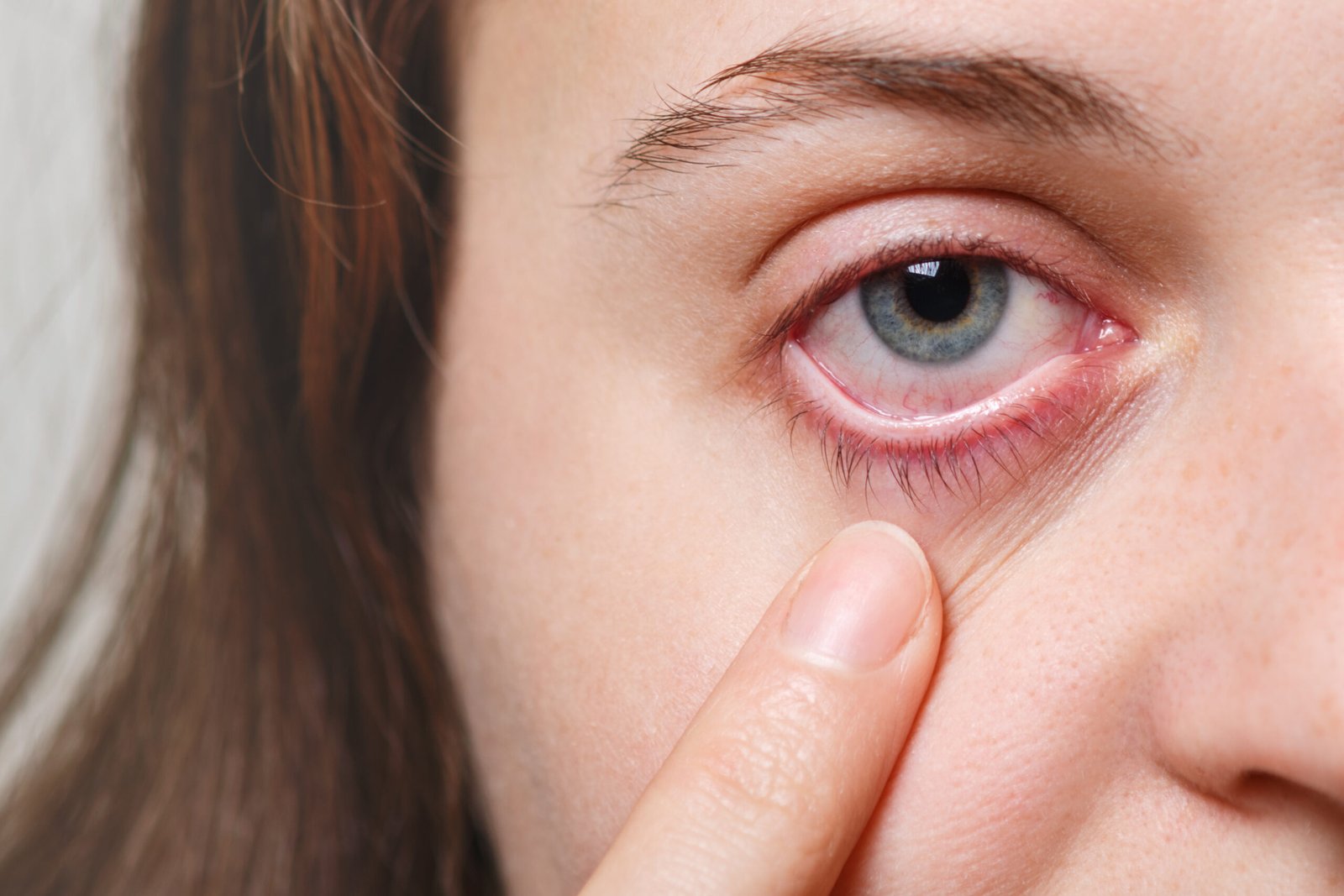
Red eyes occur when the tiny blood vessels in the conjunctiva—the clear membrane covering the white of your eye—become dilated and inflamed. This vasodilation is the body’s response to an irritant, allergen, or injury, increasing blood flow to deliver more immune cells to the area. Common triggers include airborne allergens like pollen (hay fever), pet dander, dust mites, mold spores, dry air, smoke, chlorine from swimming pools, and even prolonged digital screen use leading to dry eye disease.
Why Do Allergies Turn Eyes Red?
Allergic conjunctivitis is a specific inflammatory response. When an allergen like pollen lands on the eye’s surface, it triggers immune cells called mast cells to release histamine and other inflammatory chemicals. Histamine binds to receptors in the eye, causing the hallmark symptoms: intense itching (pruritus), redness from vessel dilation, watery discharge as the eye tries to flush out the allergen, and swelling (chemosis) of the conjunctiva. The itching is often the most distinctive feature that differentiates allergies from infectious pink eye.
What is Allergic Conjunctivitis?
Allergic conjunctivitis is the medical term for eye allergies. It primarily manifests in two forms:
- Seasonal Allergic Conjunctivitis (SAC): The most common type, triggered by seasonal allergens such as tree, grass, and weed pollens. Symptoms coincide with specific pollen seasons.
- Perennial Allergic Conjunctivitis (PAC): Occurs year-round, typically triggered by indoor allergens like dust mites, pet dander, and mold spores.
A more severe form, Vernal Keratoconjunctivitis, can occur in younger individuals and requires specialist care.
How Long Do Red Eye Allergies Last?
The duration of allergic eye symptoms is directly tied to exposure. For seasonal allergies, symptoms may last for several weeks or months, corresponding to the pollen count. For perennial allergies, symptoms can be chronic with intermittent flare-ups. With appropriate treatment using the right eye allergy drops, acute symptoms like redness and itching can be controlled within minutes to hours, but management must continue as long as exposure to the allergen persists.
How to Diagnose Allergic Red Eyes?
Accurate diagnosis is essential. An eye care professional (ophthalmologist or optometrist) can distinguish allergic conjunctivitis from other conditions with similar redness, such as:
- Bacterial or Viral Conjunctivitis: Often presents with a sticky, yellow-green discharge (bacterial) or watery discharge with cold symptoms (viral), and itching is less prominent.
- Dry Eye Disease: Causes redness, burning, and grittiness, typically worsening throughout the day and with screen use.
- Uveitis: A serious inflammation inside the eye, causing pain, light sensitivity, and blurred vision.
Self-diagnosis can lead to using the wrong treatment, such as antibiotic drops for an allergy, which provides no benefit.
Types of Eye Drops for Redness and Allergies: Mechanisms of Action
Eye drops for red eyes and allergies work through distinct pharmacological pathways. Knowing these categories helps you understand which product targets your specific symptoms.
What are the Different Categories of Eye Drops for Red Eyes?
The following table categorizes the main types of eye drops used for redness and allergy relief:
| Category | How It Works | Best For | Key Examples (Brands/Ingredients) | Notes |
|---|---|---|---|---|
| Artificial Tears | Lubricates, soothes, and dilutes allergens. | Mild dryness, irritation, and flushing allergens. | Refresh Optive, Systane Ultra, Thealoz Duo. | Foundation therapy; preservative-free for frequent use. |
| Antihistamines | Blocks histamine receptors to rapidly reduce itch and redness. | Fast relief of itchy, allergic eyes. | Ketotifen (Zaditen, Zyrtec Eye), Pheniramine. | Works in minutes but may need frequent dosing. |
| Mast Cell Stabilizers | Prevents mast cells from releasing histamine. | Preventing allergy symptoms before they start. | Cromolyn Sodium, Lodoxamide (Alomide). | Requires consistent use; not for immediate relief. |
| Dual-Action | Both antihistamine & mast cell stabilizer. | Immediate relief and long-term prevention. | Olopatadine (Pataday, Patanol), Azelastine (Optivar). | Considered first-line prescription treatment. |
| NSAIDs | Reduces inflammation via a non-steroidal pathway. | Itching and inflammation from allergies. | Ketorolac (Acular). | Less commonly used first-line for allergies. |
| Decongestants | Constricts blood vessels to whiten eyes. | Temporary cosmetic reduction of redness. | Tetrahydrozoline, Naphazoline (Clear Eyes, Visine). | Risk of rebound redness; avoid long-term use. |
| Corticosteroids | Powerful anti-inflammatory. | Severe allergic inflammation under doctor care. | Loteprednol (Alrex, Lotemax), Fluorometholone. | Prescription only; risk of glaucoma, cataracts. |
How Do Allergy Eye Drops Clear Red Eyes?
Allergy eye drops clear red eyes by interrupting the allergic inflammatory cascade. Antihistamines act as a shield, blocking histamine from binding to its receptors, which quickly turns down the signals for itch and redness. Mast cell stabilizers act as a preventative barrier, calming the mast cells to stop the release of histamine in the first place. By reducing the inflammatory chemicals, the blood vessels in the conjunctiva constrict back to their normal size, eliminating the red appearance.
What is the Strongest Allergy Medicine for Eyes?
For severe, unrelenting allergic conjunctivitis that does not respond to dual-action drops, ophthalmologists may prescribe corticosteroid eye drops. These are the most potent anti-inflammatory agents available. A commonly prescribed modern steroid is Loteprednol Etabonate (brands: Alrex, Lotemax), which is designed to have a better safety profile with lower risks of raising intraocular pressure. These are absolutely prescription-only and for short-term use due to potential serious side effects like steroid-induced glaucoma and cataracts. They are not for self-treatment.
Which is Better: Antihistamine vs. Mast Cell Stabilizer vs. Dual-Action Drops?
The best choice depends on your symptom pattern and treatment goals.
- For Fast, On-Demand Relief: A pure antihistamine drop like ketotifen is excellent. It works within minutes to stop itching.
- For Prevention: If you know allergy season is coming, starting a mast cell stabilizer like cromolyn sodium 1-2 weeks before exposure can effectively prevent symptoms.
- For Comprehensive Management: Dual-action drops like olopatadine are widely considered the gold standard for allergic conjunctivitis. They offer the best of both worlds: rapid relief from existing symptoms (via the antihistamine) and ongoing protection against future attacks (via the mast cell stabilizer). For many, this makes them the best eye drops for red allergy eyes.
What are Decongestant (Redness-Remover) Eye Drops?
Decongestant eye drops, also known as vasoconstrictors, contain ingredients like tetrahydrozoline or naphazoline. They work by constricting the dilated blood vessels on the eye’s surface, providing a dramatic whitening effect within minutes. This is the instant eye redness relief many seek.
Critical Warning: These drops do not treat the underlying allergy or inflammation. With frequent use (more than 3-4 days consecutively), they can cause rebound redness, a condition where the blood vessels dilate even more severely once the drop wears off, creating a cycle of dependency. They should be used only for very occasional, short-term cosmetic purposes and never as a primary treatment for allergic red eyes.
Head-to-Head: Key Ingredients and Brand Comparisons
This section dives deep into the specific active ingredients that power the best eye drops for itching and redness, providing clear comparisons based on common user queries.
What is Ketotifen? A Deep Dive into a Popular Antihistamine
Ketotifen is a second-generation H1-antihistamine with some mast cell stabilizing properties. It is a cornerstone of over-the-counter allergy eye drop treatment.
- Mechanism: Primarily blocks histamine receptors, providing rapid symptomatic relief.
- What is the brand name for ketotifen eye drops? The most recognized global brand is Zaditen. It is also marketed as Zyrtec Eye Drops (not to be confused with oral Zyrtec/cetirizine).
- Does ketotifen work immediately? Yes. Ketotifen eye drops typically start relieving itching within 3-5 minutes of application, making them a top choice for fast relief.
- Is ketotifen eye drops safe in pregnancy? The safety of any medication during pregnancy must be discussed with a doctor. While topical ketotifen has minimal systemic absorption, it is classified in a category where risk cannot be ruled out. A doctor will weigh the benefits against potential risks. Never self-prescribe during pregnancy.
- What is another name for ketotifen eye drops? The active ingredient is ketotifen fumarate. Beyond Zaditen and Zyrtec Eye, it is available under various generic and pharmacy-brand names.
What is Olopatadine? The Leading Dual-Action Agent
Olopatadine is a powerful dual-action agent, acting as a selective H1-antihistamine and a mast cell stabilizer. It is often a first-line prescription treatment.
- Mechanism: Provides both immediate symptom relief and long-term preventive control.
- Common Brands: Patanol (0.1% strength, often dosed twice daily) and Pataday (0.2% and 0.7% strengths, offering once-daily and even twice-weekly dosing options for stronger formulations). Generic versions are widely available as Olopat.
- Status: In many countries, including the US, lower-strength olopatadine is now available over-the-counter, while higher strengths remain prescription-only.
Which is Better: Olopatadine or Ketotifen Eye Drops?
This is a common and excellent question. Both are highly effective, but nuances matter.
- Onset of Action: Both work quickly. Ketotifen may have a slight edge in perceived speed for pure itching relief.
- Duration of Action: Olopatadine, especially Pataday Once-Daily (0.2%), provides 24-hour relief with a single dose. Ketotifen often requires dosing twice daily for continuous control.
- Scope of Action: Olopatadine’s stronger mast cell stabilizing action may offer better long-term prevention and control throughout allergy season.
- Availability and Cost: Ketotifen (Zaditen) is widely available OTC. Olopatadine’s status varies; prescription versions may be covered by insurance.
Verdict: For convenient, once-daily, comprehensive management, olopatadine (Pataday) often has an advantage. For fast, accessible, on-demand relief, ketotifen (Zaditen) is superb. Many ophthalmologists consider olopatadine the slightly more potent first-choice agent.
What are Zyrtec Drops Used For?
It is vital to clarify this common point of confusion. Oral Zyrtec tablets contain cetirizine, a systemic antihistamine for allergies. Zyrtec Eye Drops contain ketotifen, not cetirizine. They are used specifically for the temporary relief of itchy, red, watery eyes due to allergies (allergic conjunctivitis). They are not oral medication.
- Which is better, ketotifen or cetirizine? This compares topical vs. systemic treatment. For isolated eye symptoms, topical ketotifen drops are superior as they deliver the medicine directly to the site of action with minimal systemic side effects (like drowsiness from oral cetirizine). Oral antihistamines are better for multi-system symptoms (e.g., runny nose, sneezing, and itchy eyes).
Can I Use Ketotifen and Olopatadine Together?
No, you should not use ketotifen and olopatadine eye drops together unless explicitly instructed by your eye doctor. Both are potent antihistamines. Using them concurrently does not provide additive benefit and unnecessarily increases the exposure to medication, raising the potential for side effects like irritation or, rarely, systemic effects. Stick to one prescribed or recommended agent.
Other Key Anti-Allergic Ingredients and Their Brands
- Azelastine Hydrochloride: Another effective dual-action drop. Brands include Optivar and Vizulize. It is comparable in efficacy to olopatadine.
- Epinastine: A dual-action drop (brand: Elestat) known for its excellent comfort profile upon instillation.
- Cromolyn Sodium: A classic pure mast cell stabilizer. It is very safe but must be used consistently (4 times daily) and started before allergy season for optimal prevention. Available as a generic.
- Loteprednol Etabonate: As mentioned, a “soft steroid” option (brands: Alrex, Lotemax) used for short-term control of more significant inflammation under supervision.
The Definitive List: Top 10 Eye Drops for Red Eyes & Allergies
This curated list represents the most effective, commonly recommended, and accessible options for treating red, allergic eyes. The ranking considers efficacy, mechanism, and suitability for different primary needs.
1. Zaditen Eye Drops (Ketotifen 0.025%)
Type: Antihistamine with Mast Cell Stabilizing Properties.
Best For: Rapid, on-demand relief of itchy, red, watery eyes caused by allergens.
Key Insight: The go-to OTC solution for fast action. Its quick onset (within minutes) makes it perfect for sudden allergy flares. Widely available in pharmacies globally, including Pakistan. A trusted first line of defense.
Typical Dosage: One drop in the affected eye(s) twice daily.
2. Pataday / Patanol (Olopatadine 0.2% / 0.1%)
Type: Dual-Action (Antihistamine & Mast Cell Stabilizer).
Best For: Both immediate relief and 24-hour prevention of all allergy symptoms (itch, redness, watering). The preferred prescription choice for seasonal allergy management.
Key Insight: Pataday Once-Daily (0.2%) offers unparalleled convenience and all-day protection with a single drop, improving compliance and consistent control. It represents the modern standard for treating allergic conjunctivitis.
Typical Dosage: Pataday 0.2%: one drop daily. Patanol 0.1%: one drop twice daily.
3. Refresh Optive / Tears Naturale (Artificial Tears)
Type: Lubricant and Tear Substitute.
Best For: Mild redness and irritation from dry eyes, environmental irritants, or as a supplement to flush allergens. The foundational therapy for any ocular surface discomfort.
Key Insight: Not a medication, but essential care. Preservative-free formulations (like Refresh Optive Preservative-Free) are ideal for frequent use with sensitive eyes or for contact lens wearers. They soothe, protect, and dilute allergen concentration on the eye.
Typical Dosage: As needed for comfort, 1-2 drops per eye.
4. Alomide (Lodoxamide 0.1%)
Type: Mast Cell Stabilizer.
Best For: Preventing allergic reactions, particularly in more chronic conditions like vernal keratoconjunctivitis. It is a prophylactic agent.
Key Insight: Lodoxamide is four times more potent than cromolyn sodium. It is excellent for prevention but must be used consistently (4 times daily) and is not the best choice for instant relief of an active flare-up.
Typical Dosage: One drop in each affected eye four times daily.
5. Acular (Ketorolac Tromethamine)
Type: NSAID (Non-Steroidal Anti-Inflammatory Drug).
Best For: Reducing inflammation and itching associated with seasonal allergic conjunctivitis. Often used post-operatively to control inflammation.
Key Insight: Provides anti-inflammatory relief without the risks associated with steroids. It can be a good alternative for patients who cannot use steroids but need more than antihistamine control. May cause transient stinging.
Typical Dosage: As prescribed, typically one drop four times daily.
6. Vizulize (Azelastine Hydrochloride)
Type: Dual-Action.
Best For: Providing comprehensive relief from allergic conjunctivitis symptoms, similar to olopatadine.
Key Insight: Azelastine is a potent and fast-acting option. Some patients may find it has a slightly bitter taste that can reach the throat after instillation, a common effect with eye drops due to nasolacrimal drainage.
Typical Dosage: One drop in each affected eye twice daily.
7. Systane Balance / Ultra
Type: Lipid-Based / Enhanced Lubricant Eye Drops.
Best For: Red eyes primarily caused by Evaporative Dry Eye Disease (EDE), which is often misdiagnosed as allergy. This occurs when the eye’s oily tear film layer (produced by meibomian glands) is deficient.
Key Insight: If your redness is accompanied by burning, fluctuating vision, and worsens in windy or air-conditioned environments, your issue may be dry eye, not allergy. Systane Balance and Ultra are formulated to replenish the lipid layer, stabilize the tear film, and address this root cause of redness.
Typical Dosage: As needed, typically 1-2 drops per eye.
8. Lumify (Brimonidine Tartrate 0.025%)
Type: Selective Alpha-2 Adrenergic Agonist.
Best For: Cosmetic reduction of redness with a lower risk profile. It is specifically marketed for whitening eyes.
Key Insight: Lumify is a vasoconstrictor but works on a more selective receptor, which is believed to significantly reduce the risk of rebound redness associated with older drugs like tetrahydrozoline. It provides a noticeable whitening effect within about one minute that lasts for up to 8 hours. It treats the symptom (redness) but not the underlying allergy or inflammation.
Typical Dosage: One drop in each affected eye every 6-8 hours as needed.
9. Optivar (Azelastine Hydrochloride)
Type: Dual-Action.
Best For: Another reliable brand of azelastine for effective control of allergic conjunctivitis itching and redness.
Key Insight: Functions identically to Vizulize. Brand choice may depend on local availability, insurance coverage, or personal preference.
Typical Dosage: One drop in each affected eye twice daily.
10. Generic Cromolyn Sodium Eye Drops
Type: Mast Cell Stabilizer.
Best For: A cost-effective, safe option for preventing allergy symptoms with regular use.
Key Insight: The original mast cell stabilizer. It requires discipline, as it must be used 4 times daily starting before allergy season to build protection. It is less effective for treating an active, symptomatic flare-up. An excellent choice for budget-conscious, proactive individuals.
Typical Dosage: One drop in each eye 4-6 times daily at regular intervals.
Usage, Safety, and Practical Tips for Lasting Relief
Knowing which eye drops for red eyes to use is half the battle; using them correctly and adopting supportive habits is key to complete relief.
How to Use Eye Drops Correctly for Maximum Effect?
Improper administration wastes medicine and can introduce bacteria.
- Wash Your Hands Thoroughly with soap and water.
- Tilt your head back or lie down. Gently pull down your lower eyelid to form a small pocket.
- Hold the dropper tip down, close to the eye but do not let it touch your eye, eyelashes, or fingers to avoid contamination.
- Squeeze one drop into the pocket formed by the lower eyelid.
- Close your eye gently and press a finger against the inner corner of your eye (over the tear duct) for 1-2 minutes. This minimizes the drop draining into your nose and throat, reducing systemic absorption and bitter taste.
- Blink gently and wipe away any excess liquid from around the eye with a clean tissue.
Pro Tip: Refrigerating your allergy eye drops can provide an extra soothing sensation upon instillation.
How to Clear Red Eyes from Allergies Fast?
For the fastest possible relief from an allergic flare-up, use a multi-modal approach:
- Step 1: Instill a fast-acting drop. Use an antihistamine or dual-action drop like ketotifen (Zaditen) or olopatadine (Pataday).
- Step 2: Apply a cold compress. Place a clean washcloth soaked in cold water over your closed eyelids for 5-10 minutes. The cold constricts blood vessels (reducing redness) and soothes itching.
- Step 3: Flush with artificial tears. Use preservative-free artificial tears to help physically rinse allergens off the eye surface.
- Step 4: Do not rub your eyes. Rubbing stimulates more histamine release and worsens itching and inflammation.
What is the Instant Eye Redness Relief?
For pure, instant whitening with minimal medical treatment of the cause, Lumify (brimonidine) is currently the preferred product due to its lower rebound risk. For instant relief from the itch and redness of allergies, a fast-acting antihistamine drop like ketotifen is the medically appropriate “instant relief.”
How Can I Stop Eye Allergies? (Prevention Strategy)
True management goes beyond drops:
- Allergen Avoidance: Keep windows closed during high pollen seasons, use high-efficiency particulate air (HEPA) filters in your home, wash bedding weekly in hot water, and shower after being outdoors.
- Proactive Medication: Start using a mast cell stabilizer (like cromolyn sodium) or a dual-action drop (like olopatadine) 1-2 weeks before your typical allergy season begins.
- Wear Wrap-Around Sunglasses outdoors to act as a physical barrier against airborne allergens.
- Consider Oral Medications: For systemic symptoms, non-sedating oral antihistamines (like cetirizine, loratadine, or fexofenadine) can be helpful, though topical drops are more targeted for eye symptoms.
What Do Eye Doctors Recommend for Red Eyes?
Eye care professionals recommend a stepped approach:
- First, get a diagnosis to confirm allergies.
- First-line treatment: Typically a dual-action prescription drop like olopatadine (Pataday) or an OTC antihistamine like ketotifen (Zaditen).
- Foundation therapy: Regular use of preservative-free artificial tears.
- For severe cases: Short-term use of a mild steroid like loteprednol under close supervision.
- Strong caution against: The prolonged use of over-the-counter vasoconstrictor drops (e.g., Visine) due to rebound redness.
Special Considerations: Pregnancy, Children, and Contact Lens Wearers
- Pregnancy and Breastfeeding: Always consult your obstetrician and ophthalmologist. The general rule is to use the minimum effective medication. Ketotifen’s safety is not fully established in pregnancy, though topical use presents low systemic risk. Preservative-free artificial tears are almost always considered safe. Medical supervision is mandatory.
- Children: Pediatric formulations and dosages differ. Never assume an adult drop is safe for a child. Consult a pediatric ophthalmologist. Ketotifen and olopatadine are often used in children under doctor’s guidance.
- Contact Lens Wearers: Many allergy drops should be instilled while lenses are out. Wait at least 10-15 minutes before re-inserting lenses. Some products, like certain preservative-free artificial tears, are approved for use with contacts in place. Always check the label or ask your doctor.
Frequently Asked Questions (FAQs) –
What are the best eye drops for red allergy eyes?
The best eye drops for red allergy eyes are typically dual-action drops like olopatadine (Pataday, Patanol) or fast-acting antihistamines like ketotifen (Zaditen, Zyrtec Eye). They treat the underlying allergic reaction causing the redness.
Which eye drop is best for reddish eyes?
If the redness is from allergies, use an allergy drop like olopatadine or ketotifen. If it’s from dryness or irritation, use a lubricating artificial tear like Systane Ultra or Refresh Optive. If it’s for cosmetic whitening with low rebound risk, Lumify is an option.
Which drops are best for eye allergy?
Dual-action drops are considered best for eye allergy as they provide both immediate relief and long-term prevention. Olopatadine (Pataday) is a top choice in this category.
Do allergy eye drops clear red eyes?
Yes, effective allergy eye drops clear red eyes by reducing the inflammation that causes blood vessels to dilate. Antihistamine and dual-action drops achieve this by blocking the histamine response.
How to reduce redness from allergies?
To reduce redness from allergies, use a targeted allergy eye drop (antihistamine/dual-action), apply a cold compress to constrict blood vessels, use artificial tears to flush allergens, and avoid rubbing your eyes.
What is the fastest way to cure red eyes?
The fastest way to relieve allergic red eyes is to use a fast-acting antihistamine drop like ketotifen, which can work within minutes. A “cure” involves ongoing management and allergen avoidance.
Are there any side effects of allergy eye drops?
Common side effects are mild and can include temporary stinging or burning upon application, headache, dry mouth, or blurred vision for a short time. Serious side effects are rare but include severe eye pain or signs of an allergic reaction to the drop itself.
Can I use allergy eye drops every day?
Yes, many allergy eye drops like olopatadine (Pataday) and ketotifen (Zaditen) are designed and approved for daily use throughout the allergy season to provide continuous control and prevention.
What’s the difference between Patanol and Pataday?
The main differences are strength and dosing frequency. Patanol is usually 0.1% olopatadine, dosed twice daily. Pataday is a stronger 0.2% or 0.7% formulation, designed for once-daily or even twice-weekly dosing, offering greater convenience.

Add a Comment