Erectile dysfunction (ED) is a prevalent condition affecting millions of men globally. Early assessment using validated tools like the IIEF-5 questionnaire can help identify risks and guide timely interventions. Our Free Erectile Dysfunction Risk Calculator combines clinical parameters and lifestyle factors to provide a comprehensive analysis of your sexual health.
Understanding Erectile Dysfunction (ED)
Erectile dysfunction is defined as the persistent inability to achieve or maintain an erection sufficient for satisfactory sexual performance. Key terms related to ED include:
Penile rigidity
Vascular health
Testosterone levels
Neurological pathways
Psychogenic factors
Why Early Assessment Matters
Cardiovascular Link: ED often precedes heart disease by 3–5 years.
Mental Health Impact: 75% of men with ED report reduced self-esteem.
Relationship Strain: 40% of couples cite ED as a relationship stressor.
How Our ED Risk Calculator Works
Our tool uses the International Index of Erectile Function (IIEF-5), a gold-standard diagnostic questionnaire, combined with clinical parameters to evaluate:
Key Calculated Factors
IIEF-5 Score (0–25):
Evaluates erection confidence, penetration ability, maintenance, and satisfaction.
Medical History:
Hypertension, diabetes, cholesterol levels, and BMI.
Lifestyle Metrics:
Smoking, alcohol use, and physical activity.
Interpreting Your Results
The calculator provides a color-coded risk assessment:
Score Range
Severity
Interpretation
22–25
Normal (Green)
No erectile dysfunction
17–21
Mild (Yellow)
Occasional difficulties
8–16
Moderate (Orange)
Frequent challenges
5–7
Severe (Red)
Consistent inability
Table: Interpreting Your Results
Example: A score of 14 indicates moderate ED, likely linked to vascular or psychological factors.
Key Factors Impacting ED Risk
1. Medical Conditions
Diabetes: 50% of diabetic men develop ED due to nerve damage.
Hypertension: High BP reduces blood flow to the penile tissues.
2. Lifestyle Choices
Smoking: Doubles ED risk by damaging blood vessels.
Birth control effectiveness is a critical factor in family planning and reproductive health. With numerous contraceptive options available, understanding their real-world success rates helps individuals make informed decisions. This article explores key concepts, calculation methods, and factors influencing contraceptive efficacy, paired with our free Birth Control Effectiveness Calculator for personalized insights.
What Is Birth Control Effectiveness?
Birth control effectiveness refers to the ability of a contraceptive method to prevent pregnancy under typical or perfect use conditions. Measured as a percentage, it indicates how many women out of 100 would avoid pregnancy in a year using the method.
Key Terms to Understand:
Perfect Use Effectiveness: Effectiveness when used correctly every time.
Typical Use Effectiveness: Real-world effectiveness, accounting for human error.
Failure Rate: Percentage of users who experience unintended pregnancy annually.
Contraceptive Efficacy: Scientific measure of a method’s pregnancy prevention capability.
Compare your result against standard effectiveness ranges for:
Hormonal methods
Barrier methods
Permanent sterilization
Why Track Contraceptive Effectiveness?
Prevent Unintended Pregnancies: 45% of U.S. pregnancies are unplanned.
Cost Savings: Average childbirth costs $18,865 in the U.S.
Health Outcomes: Proper contraception reduces maternal mortality by 40%.
Take Control of Your Reproductive Health
Our Birth Control Effectiveness Calculator simplifies complex medical data into actionable insights. Accounting for your unique physiology and habits provides:
Spadix Injection is a combination medication that works as both an antispasmodic and an analgesic. That means it helps relax muscles and relieve pain at the same time. It is commonly used to treat painful spasms, especially those related to the abdomen, pelvis, or uterus.
This injection usually contains two key components:
Phloroglucinol – a muscle relaxant that eases spasms.
Trimethylphloroglucinol – enhances the antispasmodic effect and supports pain relief.
During pregnancy, women may experience mild to moderate abdominal cramps, uterine spasms, or pelvic discomfort, especially in the early or mid stages. Doctors may prescribe Spadix Injection to help manage such issues, especially when:
Uterine cramps are causing distress.
There’s pain without bleeding, often labeled as harmless pregnancy cramps.
The mother is dealing with gastrointestinal spasms or discomfort.
Spadix Injection is a combination antispasmodic and pain-relief medicine used to ease muscle cramps, especially uterine spasms during pregnancy. It helps reduce abdominal pain quickly and improves comfort safely.
Spadix Injection is a powerful yet gentle combination of two main active ingredients:
Ingredient
Role in the Body
Phloroglucinol
Relaxes smooth muscles, especially in the uterus and digestive tract.
Trimethylphloroglucinol
Boosts the antispasmodic effect, giving faster and longer-lasting cramp relief.
Table: Spadix-Injection-Formula
Together, they soothe muscle spasms and reduce pain, especially in conditions where the uterus or abdominal muscles tighten abnormally.
How Does Each Component Work?
Phloroglucinol works by directly relaxing involuntary muscles, like those found in the uterus or intestines. It doesn’t affect your central nervous system, which makes it safer for pregnant women under medical supervision.
Trimethylphloroglucinol is a more potent derivative of phloroglucinol. It strengthens the spasm-relieving action and gives faster pain relief, especially in acute situations like sudden cramps during pregnancy.
Spadix Injection Route
Spadix Injection is available in two injectable forms:
Route
When It’s Used
IV (Intravenous)
Injected directly into the vein for rapid relief, often in emergency settings.
IM (Intramuscular)
Injected into the muscle for a slightly slower but longer-lasting effect.
Table: Route-of-Administration
Doctors choose the route based on the urgency of the condition and the patient’s comfort or situation.
Dosage Form – What Does It Look Like?
Spadix is typically available in the form of glass ampoules, each containing a single dose of the medication. These are meant to be administered by a healthcare provider, not for self-injection.
Spadix Injection Strength
Each ampoule of Spadix Injection commonly contains:
Phloroglucinol – 40 mg
Trimethylphloroglucinol – 0.04 mg
This combination is balanced to provide quick relief from spasms without overwhelming your system, which is particularly important during pregnancy.
Pregnancy is a beautiful journey, but it can also bring along some uncomfortable symptoms like abdominal cramps, uterine spasms, or sharp pain that can feel scary, especially in the early months. This is where Spadix Injection may come into play, but only when prescribed by a doctor.
Primary Uses of Spadix Injection During Pregnancy
Doctors may recommend Spadix Injection for the following reasons:
Use
Why It’s Helpful
Relieves Uterine Spasms
Helps relax the uterus when it contracts too early or irregularly.
Eases Abdominal Pain or Cramps
Quickly soothes painful tightening in the lower belly area.
Manages False Contractions
Used in some cases to reduce non-labor contractions that cause discomfort.
Prevents Preterm Labor (Off-label)
In select cases, it may help delay early uterine contractions (under close care).
Table: Primary Uses
Secondary Benefits (Bonus Relief!)
Benefit
How It Helps
Early Pregnancy Cramping Relief
Offers soothing relief in the first trimester when cramps are common.
Gastrointestinal Spasm Relief
Reduces gut-related spasms or cramping that may come from hormonal changes.
Table: Secondary Benefits
How Does It Work in Pregnancy?
The magic of Spadix lies in its dual-action formula:
It acts as a smooth muscle relaxant, especially targeting the uterus and digestive muscles.
It also works as a mild pain reliever, helping to reduce the intensity of cramps or spasms.
Safety is the first concern for any expectant mother — and rightly so. If your doctor has recommended Spadix Injection during your pregnancy, you’re probably wondering: “Is this really safe for me and my baby?”
Safety Classification
Spadix Injection (Phloroglucinol + Trimethylphloroglucinol) does not have an official FDA pregnancy category, but it is generally considered safe when used under medical supervision, especially during the first and second trimesters.
Here’s a trimester-wise overview:
Trimester
Safety Notes
First Trimester
Can be used to relieve early pregnancy cramps, but only if prescribed by a doctor.
Second Trimester
Often prescribed for managing uterine spasms and abdominal pain.
Third Trimester
Used cautiously; not typically recommended close to labor without medical need.
Table: Safety Classification
Clinical Considerations
Doctors typically consider Spadix safe in pregnancy when:
The mother is experiencing recurrent uterine cramps or spasms.
There’s no bleeding or signs of miscarriage.
Other causes of pain (like infections or preterm labor) have been ruled out.
A short-term, quick-relief option is needed to avoid oral medications.
Avoid If You Have…
Reason
Allergy to phloroglucinol or similar compounds
May trigger allergic reactions.
Ongoing vaginal bleeding or miscarriage symptoms
It could mask the signs of complications.
Severe liver or kidney problems
Metabolism of the drug may be affected.
Near term (late third trimester) without cause
It could interfere with labor timing in rare cases.
Table: Clinical Considerations
Expert Opinions / Gynecologist Views
Many gynecologists in Pakistan and globally use Spadix Injection as a first-line antispasmodic in pregnancy-related pain. Here’s what doctors typically say:
“Spadix is a gentle option for uterine cramping. I use it mostly in the first and second trimester where pain is muscular and not associated with any serious condition.” — Dr. Maria Hussain, Consultant Gynecologist
“It works fast, is injectable, and avoids upsetting the stomach — that’s why I prefer it over oral painkillers in early pregnancy.” — Dr. Farooq Zia, OB/GYN Specialist
Spadix vs. Alternatives
Medication
Main Use
Form
Pregnancy Safety
Speed of Relief
Spadix Injection
Uterine & abdominal cramps
IV / IM Injection
Considered safe under prescription
Very fast
Spasfon
Antispasmodic, cramps
Oral / Injectable
Generally safe, widely used in France
Moderate
Orglu Tablet
Pain + Inflammation (NSAID combo)
Oral
Avoid in late pregnancy
Moderate to fast
Table: Spadix vs. Alternatives
Why do many doctors prefer Spadix?
Injectable = Faster relief
Less systemic absorption = Lower risk for the baby
No anti-inflammatory drugs = Safer profile in pregnancy
Dosage Guidelines for Spadix Injection in Pregnancy
Spadix-Injection-Uses-In-Pregnancy
When it comes to using Spadix Injection during pregnancy, the right dosage matters a lot. Since it’s an injectable medication, it works fast, but it should always be given exactly as prescribed by your doctor.
Recommended Dose (General Guideline)
For pregnant women experiencing uterine spasms or abdominal cramps, the standard adult dose is:
Like all medications, Spadix Injection may come with some side effects — though not everyone experiences them. Most are mild and temporary, but it’s still good to know what to expect so you can feel confident and prepared.
Common Side Effects (Usually Mild)
Side Effect
What You Might Feel
Nausea
Slight queasiness or upset stomach
Dizziness
Feeling light-headed, especially right after the injection
Injection site pain
Mild soreness or swelling where the injection was given
Tiredness
Feeling a little sleepy or low on energy after the shot
Table: Common Side Effects
Serious Side Effects (Very Rare)
Serious Reaction
What to Watch For
Allergic reaction
Rash, itching, swelling (especially of face/lips), breathing trouble
Blood pressure drop (hypotension)
Feeling faint, cold sweat, rapid heartbeat
Severe abdominal discomfort
Intense cramping or pain that doesn’t go away
Table: Serious Side Effects
What Should You Do If You Notice Side Effects?
If You Feel…
Do This
Mild nausea or soreness
Rest, drink water, and give it some time
Dizziness
Sit/lie down, don’t rush to stand up or walk
Rash or breathing difficulty
🚑 Call emergency services immediately
Anything unusual or persistent
📞 Contact your gynecologist or prescribing doctor
Table: Side Effects
Precautions & Warnings for Spadix Injection
Who Should Avoid Spadix Injection?
Certain people should not use Spadix Injection or should use it only under strict medical supervision:
Known allergy to phloroglucinol or trimethylphloroglucinol: If you’ve ever had an allergic reaction to this medicine or similar drugs, avoid it completely.
Liver or kidney problems: Since the liver and kidneys help process medications, existing conditions affecting these organs may require your doctor to avoid or adjust the dose.
Severe low blood pressure: Because Spadix can sometimes lower blood pressure, those with very low blood pressure should be cautious.
Drug Interactions to Watch For
Spadix Injection might interact with other medicines you’re taking, including:
Other muscle relaxants or antispasmodics may increase drowsiness or side effects.
Blood pressure medicines could cause your blood pressure to drop too much.
Painkillers (especially opioids) may increase dizziness or sedation.
Use in Special Populations
High-risk pregnancies: If your pregnancy is considered high risk (e.g., history of preterm labor, placenta problems), your doctor will carefully weigh the benefits and risks before recommending Spadix.
Breastfeeding mothers: There is limited data on whether Spadix passes into breast milk. It’s best to discuss with your doctor if you are breastfeeding before using this injection.
Benefits of Spadix Injection in Pregnancy
Pregnancy can bring a mix of joy and discomfort, and when cramps or abdominal pain strike, it can feel overwhelming. This is where Spadix Injection steps in as a helpful ally.
Fast Pain Relief
Relief often starts within 5 to 15 minutes after the injection.
It targets uterine and abdominal cramps directly, relaxing muscles to ease pain fast.
This quick effect helps you feel better without waiting for hours.
Comfort Improvement
Spadix doesn’t just reduce pain — it helps you enjoy your pregnancy more comfortably:
Reduces frequent, distracting cramps that can interfere with daily activities.
Allows you to rest and sleep better by calming spasms.
Helps reduce anxiety related to pain, creating a more peaceful experience.
Support for a Safe Pregnancy
By managing pain effectively, Spadix Injection may help:
Prevent complications caused by severe uterine contractions or spasms.
Lower the risk of stress-induced issues that sometimes arise from ongoing pain.
Promote overall well-being for both mother and baby by improving comfort and reducing physical strain.
Spadix is an antispasmodic injection that helps relax smooth muscles, particularly in the uterus and digestive tract, reducing cramps and pain.
What is Spadix injection used for during pregnancy?
It is used to relieve uterine spasms, abdominal cramps, and pain associated with pregnancy, helping to improve comfort.
Is Spadix safe in all trimesters?
Spadix is generally considered safe in pregnancy when prescribed by a doctor, but its use may vary by trimester. Always consult your healthcare provider.
How long does it take for Spadix to work?
The injection usually starts working within 15 to 30 minutes, providing quick relief from cramps and spasms.
Is Spadix injection IM or IV?
Spadix can be administered both intramuscularly (IM) and intravenously (IV), depending on the medical situation and urgency.
Can I take Spadix injection without a doctor’s prescription?
No, Spadix injection should only be used under medical supervision to ensure safe and appropriate use, especially during pregnancy.
Is Spadix similar to Spasfon or Orglu?
Spadix and Spasfon are both antispasmodic drugs, but their formulas and indications may differ slightly. Orglu is a tablet form and may have different uses.
What is the recommended dosage of Spadix injection in pregnancy?
Dosage varies depending on the severity of symptoms and doctor’s advice, but usually 1 ampoule administered IM or IV as needed.
Are there any side effects of Spadix injection in pregnancy?
Common side effects may include mild nausea, dizziness, or injection site pain. Serious side effects are rare but require immediate medical attention.
To sum it up, Spadix Injection is commonly used during pregnancy to relieve uterine cramps and abdominal pain quickly and effectively. When used as directed by your doctor, it is generally considered safe and beneficial for managing discomfort, improving your comfort, and supporting a healthy pregnancy. However, like any medicine, it’s important to follow the recommended dosage and administration guidelines carefully.
Our final advice: Always consult your gynecologist before using Spadix Injection or any medication during pregnancy. Your doctor knows what’s best for you and your baby, so never self-medicate or adjust doses without professional guidance. Staying informed and cautious helps ensure a safe and comfortable pregnancy journey.
Disclaimer: Commissions we earn from partner links on this page do not influence our content. Our editorial content is based on thorough research and insights from qualified medical professionals to ensure the highest standards of accuracy and reliability.
Information provided on Doseway is for educational purposes only. Your health and wellness are unique to you, and the products and services we review may not be suitable for your circumstances. We do not offer personal medical advice, diagnosis, or treatment plans. For specific advice, please consult with a healthcare professional. Doseway adheres to strict editorial integrity standards. To the best of our knowledge, all content is accurate as of the date posted, though offers and information may change. The opinions expressed are the author’s own and have not been influenced, approved, or endorsed by our partners.
Diane 35 is a combination birth control pill that has been widely used by women worldwide for contraception and to treat various hormonal conditions. It is a blend of two hormones:
ethinyl estradiol (35 mcg)
cyproterone acetate (2 mg).
As a combined contraceptive pill, it not only provides effective birth control but also offers additional benefits for women suffering from acne, hirsutism, and other hormonal imbalances.
In this article, we will explore the effectiveness of Diane 35 as a birth control method, its potential side effects, and what women should know before starting this medication.
Endometrium Alteration: Changes the uterine lining, making implantation less likely.
Uses of Diane 35
Diane 35 serves multiple purposes:
Birth Control: Effective prevention of pregnancy.
Acne Treatment: Reduces severity and frequency of acne breakouts.
Hirsutism Treatment: Decreases excessive hair growth in women with polycystic ovary syndrome (PCOS) or other hormonal imbalances.
Effectiveness Of Diane 35
Tips for Optimal Effectiveness
Monitor for signs of pregnancy if you experience vomiting or diarrhea.
Take Diane 35 at the same time daily.
Use reminders or alarms to avoid missed doses.
Consult your healthcare provider about potential medication interactions.
Maintain a healthy weight.
General Effectiveness
Diane 35 is a highly effective birth control pill when used correctly.
Typical and Perfect Use Effectiveness Rates
Use Case
Effectiveness Rate
Typical Use
92%
Perfect Use
99.5%
Table: Typical and Perfect Use Effectiveness Rates
Failure Rate
With typical use, approximately 8 in 100 women may experience an unintended pregnancy.
Comparison with Other Contraceptive Methods
Contraceptive Method
Effectiveness Rate
Diane 35
92%
IUD
99.2-99.8%
Implant
99%
Condoms
87-98%
Patch
91%
Ring
91%
Table: Comparison with Other Contraceptive Methods
Factors Affecting Effectiveness
Interaction with Other Medications: Certain antibiotics (e.g., rifampicin), anticonvulsants, and anti-fungal medications may reduce Diane 35’s effectiveness.
Proper Usage: Taking the pill consistently at the same time daily, without missing doses.
Vomiting or Diarrhea: Severe gastrointestinal issues may reduce hormone absorption.
Age and Weight: Efficacy may decrease in women over 35 or with significant weight fluctuations.
Side Effects Of Diane 35
Common Side Effects
Nausea
Headaches
Mood changes (mood swings, depression, anxiety)
Breast tenderness
Fatigue
Weight Gain And Acne
While some women report weight gain, clinical trials show no significant weight changes. Diane 35 can improve acne symptoms due to its anti-androgen properties.
Reduced Oiliness: Minimizes facial oiliness, reducing the risk of blackheads and whiteheads.
Treatment For Acne And Excessive Hair Growth
Diane 35 effectively addresses:
Acne Vulgaris: Reduces inflammatory lesions and prevents scarring.
Hirsutism: Decreases excessive hair growth on the face, chest, and back.
Androgenetic Alopecia: May improve female pattern hair loss.
Additional Benefits
Menstrual Regulation: Regulates irregular periods and reduces menstrual cramps.
Polycystic Ovary Syndrome (PCOS) Management: Helps manage symptoms like acne, hirsutism, and irregular periods.
Mood Stabilization: This may alleviate anxiety, depression, and mood swings associated with hormonal fluctuations.
Proper Use Of Diane 35
How To Take Diane 35
For First-Time Users: How To Take Diane Pills For The First Time
Start taking Diane 35 on the first day of your period or the first Sunday after your period begins.
Take one pill daily at the same time (e.g., with breakfast) for 21 consecutive days.
After completing the 21 pills, take a 7-day break (no pills).
Begin a new pack after the 7-day break.
Detailed Instructions
Choose a consistent daily routine (e.g., taking the pill with breakfast).
Swallow the pill whole with water.
Follow the pack’s direction (day 1 to day 21).
Use a reminder (e.g., alarm, calendar) to ensure timely doses.
What To Do If A Dose Is Missed
Proper Way To Take Diane Pills If A Dose Is Missed
One Missed Pill: Take the missed pill immediately and continue with the next pill at the usual time.
Two or More Missed Pills: Take the most recently missed pill and consult your healthcare provider.
Guidelines For Missed Pills
Missed Pills
Action
1 pill
Take missed pill immediately
2+ pills
Take most recent missed pill, consult HC
Missed pills during week 1
Use backup contraception for 7-14 days
Missed pills during week 2-3
Continue regimen; no backup needed
Table: Guidelines For Missed Pills
How Diane 35 Compares To Other Birth Control Pills
Consult a healthcare provider to determine the best birth control option for your individual needs.
Comparison With Combined Oral Contraceptives (COCs)
Feature
Diane 35
Other COCs
Hormones
Ethinyl estradiol + cyproterone acetate
Ethinyl estradiol + various progestins
Effectiveness
92-99.5%
92-99.5%
Acne benefits
Yes
Some
Hirsutism benefits
Yes
No
Breast tenderness
Common
Common
Table: Comparison With Combined Oral Contraceptives (COCs)
Comparison With Progestin-Only Pills (POPs)
Feature
Diane 35
POPs
Hormones
Combined estrogen+progestin
Progestin-only
Effectiveness
92-99.5%
87-99%
Acne benefits
Yes
No
Hirsutism benefits
Yes
No
Breast tenderness
Common
Less common
Table: Comparison With Progestin-Only Pills (POPs)
Comparison With Non-Hormonal Methods
Feature
Diane 35
Non-Hormonal Methods
Hormones
Combined estrogen+progestin
No hormones
Effectiveness
92-99.5%
80-99%
Acne benefits
Yes
No
Hirsutism benefits
Yes
No
Breast tenderness
Common
No
Table: Comparison With Non-Hormonal Methods
Key Differences
Hormonal composition: Diane 35’s unique blend addresses acne and hirsutism.
Effectiveness: Comparable to other COCs, but may vary with POPs and non-hormonal methods.
Benefits beyond contraception: Diane 35 offers additional benefits for acne and hirsutism.
Choosing The Right Birth Control
Consider factors like:
Medical history
Lifestyle
Personal preferences
Health goals
Long-Term Use And Health Considerations Of Diane 35
Safety Of Long-Term Use
Diane 35 is generally safe for long-term use, but monitoring is essential.
Benefits
Effective contraception
Improved acne and hirsutism symptoms
Regulated menstrual cycles
Potential Risks
Blood clots and thrombosis
Hypertension
Liver issues
Increased risk of cervical cancer
Impact On Reproductive Health
Fertility: May take longer to conceive after stopping Diane 35
Menstrual Cycle: May experience changes in cycle length or bleeding patterns
Ovarian Function: May affect ovarian function, especially after long-term use
Monitoring And Regular Check-Ups
Annual Health Exams: Monitor blood pressure, liver function, and cervical health
Breast Exams: Regular self-exams and clinical exams
Pap Smears: Regular cervical screenings
Mammograms: As recommended by your healthcare provider
Precautions And Contraindications
History of blood clots, stroke, or heart disease
Liver disease or liver tumors
Uncontrolled hypertension
Smoking (especially over 35 years old)
Pregnancy or suspected pregnancy
Recommendations For Long-Term Use
Re-evaluate benefits and risks annually
Monitor for signs of blood clots, liver issues, or hypertension
Maintain a healthy lifestyle (diet, exercise)
Consider alternative options if concerns arise
Special Considerations For Diane 35
Age Limit
Under 18: Not recommended due to potential impact on bone density and menstrual cycle.
35-50: Increased risk of blood clots, hypertension, and stroke; regular monitoring necessary.
Over 50: Not recommended; consider alternative options.
Pregnancy Concerns
While rare, pregnancy is possible if:
Missed pills
Incorrect usage
Interaction with other medications
What To Do If Pregnancy Is Suspected
Stop taking Diane 35 immediately
Consult healthcare provider for pregnancy tests and guidance
Consider prenatal care
Discontinuation
Diane 35 Side Effects After Stopping
Common side effects after stopping Diane 35:
Menstrual changes (irregularity, spotting)
Hormonal fluctuations (mood swings, breast tenderness)
Acne recurrence
Weight changes
Timeline After Stopping Diane 35
1-3 months: Menstrual cycle regulation
3-6 months: Hormonal balance restoration
6-12 months: Fertility returns to normal
Interactions And Precautions
What To Avoid While Taking Diane Pills?
Avoid:
Antibiotics (rifampicin, griseofulvin)
Anticonvulsants (carbamazepine, phenytoin)
Anti-fungal medications (ketoconazole)
Grapefruit juice
Smoking
Medications That Can Affect Diane 35
Blood thinners
Hypertension medications
Cholesterol-lowering medications
Diabetes medications
Frequently Asked Questions (FAQs) – Diane 35
What is Diane 35 used for?
Birth control, acne treatment, and hirsutism management.
How effective is Diane 35?
92-99.5% effective when taken correctly.
Can I take Diane 35 while breastfeeding?
Consult your healthcare provider; generally not recommended.
How long can I take Diane 35?
Typically up to 50 years old; individual assessment necessary.
Does Diane 35 cause weight gain?
Not typically, but individual results vary.
Can Diane 35 cause hair loss?
Rarely, but hormonal fluctuations may contribute.
What medications interact with Diane 35?
Antibiotics, anticonvulsants, and anti-fungal medications.
Does Diane 35 affect fertility long-term?
No, fertility returns to normal after stopping Diane 35.
How to switch from another birth control to Diane 35?
Consult your healthcare provider; transition guidance varies depending on previous birth control methods.
What happens if you forget to take a pill?
Take the missed pill immediately and continue with the next pill at the usual time.
Can women with a history of cancer take Diane 35?
Consult your healthcare provider; individual assessment is necessary.
Is Diane 35 safe for women with thyroid conditions?
Yes, but monitor thyroid hormone levels and adjust medications as needed.
…………………………. Disclaimer: Commissions we earn from partner links on this page do not influence our content. Our editorial content is based on thorough research and insights from qualified medical professionals to ensure the highest standards of accuracy and reliability.
Information provided on Doseway is for educational purposes only. Your health and wellness are unique to you, and the products and services we review may not be suitable for your circumstances. We do not offer personal medical advice, diagnosis, or treatment plans. For specific advice, please consult with a healthcare professional. Doseway adheres to strict editorial integrity standards. To the best of our knowledge, all content is accurate as of the date posted, though offers and information may change. The opinions expressed are the author’s own and have not been influenced, approved, or endorsed by our partners.
Coconut water is a natural, low-calorie drink rich in electrolytes, vitamins, and minerals, making it a popular choice for those seeking a healthy alternative to sugary beverages.
Pregnant women, in particular, have embraced coconut water as a staple in their diet due to its perceived benefits in alleviating morning sickness, replenishing fluids, and supporting overall well-being during this critical period.
Coconut water’s electrolytes and natural acidity help reduce nausea and alleviate morning sickness, especially during early pregnancy.
Staying Hydrated
Coconut water’s high water content and electrolytes help prevent dehydration, ensuring your body functions optimally throughout pregnancy.
Soothing Digestive Issues
Coconut water’s fiber and electrolytes ease constipation, a common problem during pregnancy, promoting regular bowel movements and a healthy gut.
Preventing UTIs
Coconut water’s antimicrobial properties and electrolytes help prevent urinary tract infections (UTIs), reducing the risk of complications.
Boosting Immunity
Coconut water’s rich nutrient profile, including vitamin C and lauric acid, strengthens the immune system during pregnancy, protecting against infections.
Supporting Baby’s Health
While coconut doesn’t directly impact a baby’s weight or development, its electrolytes and nutrients support:
Healthy fetal development
Maternal nutrition
Overall well-being, indirectly benefiting the baby’s growth and development
When to Drink Coconut Water During Pregnancy
When to Drink Coconut Water During Pregnancy
Stay hydrated and support your pregnancy journey with coconut! Learn when to drink coconut water during pregnancy for maximum benefits and a healthy baby.
Is it safe to drink coconut water daily during pregnancy?
Moderate coconut water consumption (1-2 cups/day) is generally safe during pregnancy. Consult your healthcare provider if you have concerns or pre-existing medical conditions.
Can coconut water have side effects?
Coconut is usually safe, but in some cases, it can cause side effects like increased potassium levels if consumed excessively. People with kidney issues or high blood sugar should be cautious and talk to their healthcare provider before including it in their diet regularly.
When should I start drinking coconut water during pregnancy?
You can start drinking coconut at any stage of pregnancy. Still, it’s especially helpful in the first trimester to combat morning sickness and in the third trimester to reduce swelling and support hydration.
Which fruits are best during pregnancy?
Some of the best fruits to eat during pregnancy include bananas, oranges, apples, berries, avocados, and mangoes. These fruits are packed with vitamins, fiber, and essential nutrients that support both mother and baby’s health.
Can I drink coconut water after delivery?
Yes, drinking coconut after delivery is safe and can help with hydration, replenishing electrolytes, and boosting energy levels. It’s a natural way to support recovery and overall health after childbirth.
Can I drink coconut water if I have gestational diabetes?
Consult your healthcare provider before consuming coconut, as its natural sugars may affect blood sugar levels.
Is coconut water better than sports drinks during pregnancy?
Coconut is a natural, low-calorie alternative to sports drinks, but consult your healthcare provider for personalized hydration recommendations.
Affiliate Disclosure: Commissions we earn from partner links on this page do not influence our content. Our editorial content is based on thorough research and insights from qualified medical professionals to ensure the highest standards of accuracy and reliability.
Medical Disclaimer: Unless expressly indicated in the product description, Doseway is not the manufacturer of the products sold on our website. While we strive to ensure that the product information on our website is accurate, manufacturers may alter their product details. Actual product packaging and materials may contain additional or different information than what is displayed on our website. For any specific product queries, please contact the manufacturer directly.
For medicinal products, the content on our website is not intended to diagnose, treat, cure, or prevent any disease or health condition, nor is it a substitute for advice from medical practitioners, pharmacists, or other licensed healthcare professionals. If you suspect you have a medical problem, contact your healthcare provider immediately. Always read the labels, warnings, and instructions provided with the product before using or consuming it, and do not solely rely on the information presented on our website.
Emergency Contraceptive Pills (ECPs), also known as family planning tablets, offer a safe and effective solution to prevent unwanted pregnancies.
Among various family planning methods, tablets have become a preferred choice in Pakistan due to their:
Convenience and ease of use
High effectiveness in preventing pregnancy
Wide availability and accessibility
Affordability and cost-effectiveness
Types of emergency contraceptive pills (ECPs) in Pakistan include:
Levonorgestrel-based pills: These pills contain 1.5mg of Levonorgestrel and are available under various brand names such as Postinor, Levonelle, and others.
Ulipristal acetate-based pills: These pills contain 30mg of Ulipristal acetate and are available under the brand name EllaOne.
In this article, we will provide an overview of family planning tablets available in Pakistan, their types, uses, and availability.
Family planning tablets, also known as oral contraceptives, are medications taken by mouth to prevent pregnancy. They are a popular and effective method of family planning, allowing individuals and couples to control their fertility and plan their families.
Definition Of Family Planning Pills
Family planning pills are hormonal medications that contain synthetic versions of the female hormones estrogen and progesterone. These hormones regulate the menstrual cycle and ovulation, preventing pregnancy by:
Inhibiting ovulation (egg release)
Thickening cervical mucus to prevent sperm entry
Altering the uterine lining to prevent implantation
How Family Planning Pills Work In the Body
Family planning pills work by:
Suppressing Ovulation: Preventing the release of an egg from the ovary
Thickening Cervical Mucus: Creating a barrier to prevent sperm from reaching the egg
Altering the Uterine Lining: Preventing a fertilized egg from implanting in the uterus
Types of Family Planning Pills Available in Pakistan
Several types of family planning pills are available in Pakistan, including:
Combined Oral Contraceptives (COCs): Containing both estrogen and progesterone
Progestin-Only Pills (POPs): Containing only progesterone
Extended-Cycle Pills: Taken for 12 weeks, followed by a week of inactive pills
Emergency Contraceptive Pills (ECPs): Taken within 72 hours of unprotected sex to prevent pregnancy
Some popular family-planning pill brands available in Pakistan include:
Microgynon
Femilon
Ovral
Norinyl
Exluton
Types Of Family Planning Tablets In Pakistan
Combined Oral Contraceptives (COCs)
Overview: COCs contain both estrogen and progesterone, suppressing ovulation and thickening cervical mucus.
Examples available in Pakistan:
Famila 28
Yasmin
Microgynon
Norinyl
Common uses and benefits:
Highly effective in preventing pregnancy
Regulates menstrual cycles
Reduces menstrual cramps and bleeding
Can help with acne and PMS symptoms
Progestin-Only Pills (Mini-pills)
Overview: Mini pills contain only progesterone, thickening cervical mucus and altering the uterine lining.
Suitable for:
Breastfeeding women
Women who cannot take estrogen
Women over 35 who smoke
Examples available in Pakistan:
Micronor
Cerazette
Exluton
Common uses and benefits:
Suitable for breastfeeding women
Less likely to cause blood clots
Can help with menstrual irregularities
Emergency Contraceptive Pills (ECPs)
ECPs are taken within 72 hours of unprotected sex to prevent pregnancy.
How ECPs work: ECPs delay ovulation or prevent implantation of a fertilized egg.
When to take them: Within 72 hours of unprotected sex, the sooner the better.
Examples available in Pakistan:
Postinor 2
Birth Off Y Capsule
Plan B (available in some pharmacies)
Common uses and benefits:
Prevents pregnancy after unprotected sex
Can be used in cases of contraceptive failure
Does not affect future fertility
Most Popular Family Planning Pills In Pakistan
Please note that prices may vary depending on the pharmacy and location. It’s essential to consult a healthcare provider or a qualified medical professional for personalized advice on choosing the most suitable family planning pill.
Best Pills For Family Planning
Based on popularity and user reviews, here are some of the best pills for family planning in Pakistan:
Yasmin: A combined oral contraceptive with a high effectiveness rating (99.9%)
Famila 28: A combined oral contraceptive with a high effectiveness rating (99.9%)
Microgynon: A combined oral contraceptive with a high effectiveness rating (99.9%)
Micronor: A progestin-only pill with a high effectiveness rating (99.5%)
Postinor 2: An emergency contraceptive pill with a high effectiveness rating (95%)
Most Commonly Used Brands
Yasmin
Famila 28
Microgynon
Micronor
Cerazette
Effectiveness Ratings
Yasmin: 99.9%
Famila 28: 99.9%
Microgynon: 99.9%
Micronor: 99.5%
Postinor 2: 95%
Highest Rated Contraceptive Pill In Pakistan
Yasmin is the highest-rated contraceptive pill in Pakistan, with a 99.9% effectiveness rating and positive user reviews.
Price Range of Common Pills
Here is a comparison of prices for common family planning pills in Pakistan:
Plan B pill: PKR 800 – PKR 1,200
Birth Off Y Capsule: PKR 500 – PKR 800
Yasmin: PKR 1,500 – PKR 2,500
Famila 28: PKR 1,200 – PKR 2,000
Microgynon: PKR 1,000 – PKR 1,800
Micronor: PKR 800 – PKR 1,500
Cerazette: PKR 1,200 – PKR 2,000
Postinor 2: PKR 500 – PKR 800
Norinyl: A combined oral contraceptive with a high effectiveness rating (99.9%) Price: PKR 1,000 – PKR 1,800
Ovral: A combined oral contraceptive with a high effectiveness rating (99.9%) Price: PKR 1,200 – PKR 2,000
Exluton: A progestin-only pill with a high effectiveness rating (99.5%) Price: PKR 800 – PKR 1,500
How To Use Family Planning Tablets
Regular Contraceptive Pills
21-day packs: Take one pill daily for 21 days, followed by a 7-day break.
28-day packs: Take one pill daily for 28 days, with no break.
What Happens If You Miss A Pill?
One missed pill: Take the missed pill as soon as remember and continue with the regular schedule.
Two or more missed pills: Take the last missed pill and continue with the regular schedule, but use a backup contraceptive method for the next 7 days.
Emergency Contraceptive Pills
How to use: Take one pill within 72 hours of unprotected sex.
Effectiveness window: Up to 72 hours after unprotected sex.
Possible side effects: Nausea, vomiting, headache, and fatigue.
Take one pill daily: For 21 days, followed by a 7-day break.
Continue for 1-2 years: For long-term contraception.
Breakthrough bleeding: This may occur, but is not harmful.
Backup method: Not required, but recommended if pills are missed.
Birth Control For Special Situations
Tablets To Prevent Pregnancy After 72 Hours
Emergency pills: Like Postinor-2, Birth Off Y Capsule, or Plan B (if available)
When to use: Within 120 hours (5 days) of unprotected sex
How to use: Follow package instructions or consult a healthcare provider
Effectiveness: Up to 89% effective in preventing pregnancy
How To Skip Or Delay Periods Using Pills
Pills that can manipulate menstrual cycles: Combined oral contraceptives (COCs) like Yasmin, Famila 28, or Microgynon
How to use: Take pills continuously without breaks or as directed by a healthcare provider
Effectiveness: Can delay or skip periods, but may cause breakthrough bleeding
How To Get Periods Faster With Tablets
Common medications: Prostaglandin analogs like Misoprostol or Cytotec
How to use: Take as directed by a healthcare provider, usually 1-2 tablets orally or vaginally
Effectiveness: Can induce periods within 1-4 days
Preventing Pregnancy Naturally
Alternative methods: Fertility awareness-based methods (FABMs), condoms, diaphragms, or cervical caps
How to use: Follow instructions or consult a healthcare provider for guidance
Effectiveness: Varies depending on the method, but can be effective with proper use
Advantages And Disadvantages Of Family Planning Tablets
Remember, family planning tablets are a personal choice. Weigh the advantages and disadvantages carefully and consult a healthcare provider to determine the best option for your individual needs.
Advantages (Pros)
Ease of use: Simple to take, with minimal disruption to daily life.
High effectiveness: Up to 99.9% effective in preventing pregnancy when used correctly.
Availability: Widely available at pharmacies and healthcare clinics.
Convenience: Allows for spontaneity and flexibility in sexual activity.
Regulation of menstrual cycles: This can help with irregular periods, heavy bleeding, and cramps.
Reduced risk of ovarian and endometrial cancer: Long-term use has been linked to a decreased risk.
Disadvantages (Cons)
Possible side effects: Nausea, headaches, weight gain, breast tenderness, mood changes, and fatigue.
Not suitable for everyone: Women with certain medical conditions, such as:
High blood pressure
Diabetes
Heart disease
Liver disease
Breast cancer
Migraines
Increased risk of blood clots: Especially for women over 35 who smoke.
Cost: It may be expensive, especially for long-term use.
Dependence on pills: Requires consistent daily use to maintain effectiveness.
Potential impact on libido: It may decrease sex drive in some women.
Withdrawal bleeding: You may experience bleeding or spotting during pill-free weeks.
Return to fertility: May take time to regain fertility after stopping pill use.
Legal And Religious Perspectives On Family Planning In Pakistan
Legal Status Of Family Planning Pills
Constitutional right: Family planning is recognized as a fundamental right under Article 14 (Right to Life) and Article 35 (Right to Health) of the Pakistani Constitution.
Government policies: The government supports family planning through the National Population Policy (2010) and the Contraceptive Commodities Security Strategy (2013-2020).
Availability: Family planning pills are available at government hospitals, clinics, and pharmacies.
Role Of Family Planning Programs
Ministry of National Health Services: Oversees family planning programs.
Population Welfare Department: Implements family planning initiatives.
Non-governmental organizations (NGOs): Support family planning efforts.
Are Family Planning Pills Halal?
Islamic rulings: Various Islamic scholars and organizations have declared family planning pills permissible (halal) for Muslims.
Fatwas: Islamic decrees (fatwas) from respected scholars allow for birth control and family planning.
Pakistan Ulema Council: Issued a fatwa permitting family planning.
Public Awareness And Acceptance In Pakistan
Increasing awareness: Government campaigns and NGO efforts have improved public understanding.
Social acceptance: Family planning is becoming more socially acceptable.
Cultural barriers: Some communities still view family planning as taboo.
Key Statistics
Contraceptive prevalence rate: 34.2% (Pakistan Demographic and Health Survey, 2017-18)
Unmet need for family planning: 17.4% (PDHS, 2017-18)
Maternal mortality ratio: 186 deaths per 100,000 live births (WHO, 2015)
Important Developments
Population Control Law: Proposed legislation aims to regulate population growth.
Family Planning 2020: Pakistan committed to increasing contraceptive prevalence to 50% by 2020.
Challenges Ahead
Social and cultural barriers
Limited access to rural areas
Insufficient funding
Improving healthcare infrastructure
Frequently Asked Questions (FAQs) – Family Planning
Which Family Planning Pill is the Best?
The best family planning pill depends on individual needs and health considerations. Top-rated pills include Yasmin, Famila 28, and Microgynon, offering high effectiveness (99.9%) and safety.
Which Tablet Stops Periods?
Famila 28 and other combined oral contraceptives (COCs) can delay or stop menstruation. Consult a healthcare provider for personalized advice.
What Is the 100% Most Effective Birth Control Method?
No single method guarantees 100% prevention. However, intrauterine devices (IUDs) and implants have higher effectiveness rates (99.9%) compared to pills (97-99%).
What Is the Honeymoon Pill?
The “honeymoon pill” refers to emergency contraceptive pills (ECPs) like Postinor-2 or Plan B, used to prevent pregnancy after unprotected sex.
Are Family Planning Pills Safe?
Generally, family planning pills are safe when used correctly. However, potential side effects include nausea, headaches, and blood clots. Consult a healthcare provider for guidance.
Are Birth Control Pills Halal?
Many Islamic scholars consider birth control pills permissible (halal). However, consult with a religious leader or healthcare provider for personalized guidance.
Can I Take Family Planning Pills During Breastfeeding?
Progestin-only pills (e.g., Micronor) are suitable for breastfeeding women. Consult your healthcare provider for guidance.
Can I Use Family Planning Pills to Delay Menstruation for Travel?
Yes, certain family planning pills (e.g., Famila 28) can delay menstruation. Consult your healthcare provider for guidance.
…………………………. Disclaimer: Commissions we earn from partner links on this page do not influence our content. Our editorial content is based on thorough research and insights from qualified medical professionals to ensure the highest standards of accuracy and reliability.
Information provided on Doseway is for educational purposes only. Your health and wellness are unique to you, and the products and services we review may not be suitable for your circumstances. We do not offer personal medical advice, diagnosis, or treatment plans. For specific advice, please consult with a healthcare professional. Doseway adheres to strict editorial integrity standards. To the best of our knowledge, all content is accurate as of the date posted, though offers and information may change. The opinions expressed are the author’s own and have not been influenced, approved, or endorsed by our partners.
White discharge, also known as leukorrhea, is a common and normal occurrence during early pregnancy. It is a thin, milky-white fluid that is discharged from the vagina and is usually odorless.
Leukorrhea is caused by the increased levels of estrogen in the body, which stimulates the mucous membranes in the cervix and vagina to produce more fluid.
During early pregnancy, the body undergoes various changes to support the growth of the fetus. The increased levels of estrogen and progesterone hormones cause changes in the cervix and vagina, leading to an increase in white discharge.
This discharge serves several purposes:
Cleansing: It helps to remove bacteria and other foreign particles from the vagina, keeping it clean and reducing the risk of infection.
Lubrication: It acts as a natural lubricant, making it easier for the vagina to expand during childbirth.
Protection: It provides a protective barrier against infections, reducing the risk of complications during pregnancy.
Understanding White Discharge During Early Pregnancy
Characteristics of Normal White Discharge
No itching, burning, or irritation
Thin, milky-white fluid
The odorless or mild, slightly sweet smell
Cloudy, white, or off-white color
Consistency ranges from thin and watery to thick and creamy
Increases in amount during pregnancy
Definition And Description
White discharge, also known as leukorrhea, is a normal and harmless symptom of early pregnancy. It is a thin, milky-white fluid that is discharged from the vagina, typically odorless or with a mild, slightly sweet smell. The discharge may appear cloudy, white, or off-white and can range in consistency from thin and watery to thick and creamy.
Hormonal Changes And White Discharge
During early pregnancy, the levels of estrogen and progesterone hormones surge, causing changes in the cervix and vagina. These hormonal fluctuations stimulate the mucous membranes to produce more fluid, increasing white discharge. The hormonal changes also cause the vaginal walls to thicken, preparing the body for pregnancy.
Importance Of White Discharge
White discharge plays a crucial role in maintaining a healthy vaginal environment during pregnancy:
pH Balance: The discharge helps maintain the natural pH balance of the vagina, preventing bacterial overgrowth and reducing the risk of infections.
Cleansing: It removes dead cells, bacteria, and other foreign particles from the vagina, keeping it clean and reducing the risk of infection.
Lubrication: The discharge acts as a natural lubricant, making it easier for the vagina to expand during childbirth.
Protection: It provides a protective barrier against infections, reducing the risk of complications during pregnancy.
Causes Of White Discharge During Early Pregnancy
Hormonal Changes: Estrogen’s Role
The primary cause of white discharge during early pregnancy is the significant increase in estrogen levels. Estrogen stimulates the mucous membranes in the cervix and vagina, leading to an increase in fluid production.
Increased Blood Flow To The Pelvic Area
As pregnancy progresses, blood flow to the pelvic area increases, causing the vaginal walls to thicken and produce more fluid. This increased blood flow also contributes to the thinning of the cervical mucus, making it easier for sperm to travel through during conception.
Protective Role Of White Discharge
White discharge plays a crucial role in protecting against infections during pregnancy:
Traps bacteria and other foreign particles, preventing them from entering the uterus
Maintains the natural pH balance of the vagina, preventing bacterial overgrowth
Provides a physical barrier against infection, reducing the risk of complications
White Discharge Cause Any Problems During Pregnancy
In most cases, white discharge does not cause any problems during pregnancy. However, in some instances, it may be a sign of an underlying issue:
Infection: If the discharge is accompanied by itching, burning, or a strong odor, it may indicate a yeast infection or bacterial vaginosis.
Miscarriage: In some cases, a sudden increase in white discharge may be a sign of a miscarriage.
Preterm Labor: Excessive white discharge may be a sign of preterm labor.
What Does White Discharge Look Like In Early Pregnancy?
Characteristics Of White Discharge
Texture: Thin, milky, or creamy
Color: White, cloudy, or off-white
Consistency: Ranges from thin and watery to thick and creamy
Differences From Other Types Of Vaginal Discharge
Egg White Discharge: Thicker and more transparent, often seen around ovulation
Jelly-Like Discharge: Thicker and more gel-like, often seen in later pregnancy
Clear Discharge: Typically seen during ovulation or just before menstruation
Yellow or Brown Discharge: May indicate infection or old blood
What Does Pregnancy Discharge Look Like?
Pregnancy discharge is often compared to:
Period Discharge:
Thicker and darker, with a more pronounced odor
Ovulation Discharge:
Thinner and clearer, with a more elastic texture
Infection Discharge:
Thicker and more yellowish or greenish, with a strong odor
Key Differences:
Pregnancy discharge is typically white or cloudy, while period discharge is darker and more reddish-brown.
Pregnancy discharge is thinner and more milky, while ovulation discharge is clearer and more elastic.
Pregnancy discharge has a milder odor, while infection discharge has a strong, unpleasant smell.
Is a White Discharge A Sign Of Pregnancy?
Early Signs Of Pregnancy
White discharge can be an early sign of pregnancy, often appearing before a missed period. This discharge is caused by hormonal changes, particularly the increase in estrogen levels, which stimulate the mucous membranes in the cervix and vagina.
Can I Be Pregnant If I Have White Discharge?
Yes, white discharge can be a sign of pregnancy. However, it’s essential to note that white discharge can also be caused by other factors, such as:
Hormonal changes
Infection
Ovulation
Birth control pills
To confirm pregnancy, look for other early symptoms, such as:
Missed period
Nausea and vomiting
Fatigue
Breast tenderness
Am I Pregnant if I Have White Milky Discharge?
White milky discharge can be an early sign of pregnancy. This type of discharge is often thicker and more milky than usual, due to the increased levels of estrogen and progesterone. If you experience white milky discharge along with other early pregnancy symptoms, it may indicate that you are pregnant.
Link Between White Discharge And Early Pregnancy Symptoms
White discharge is often accompanied by other early pregnancy symptoms, such as:
Light bleeding or spotting
Cramping
Mood swings
Increased urination
If you experience any of these symptoms along with white discharge, it’s essential to take a pregnancy test to confirm.
When Should You Be Concerned About White Discharge?
Warning Signs Of Abnormal Discharge During Pregnancy
While white discharge is normal during pregnancy, certain warning signs may indicate an infection or other complications:
Bad Signs In Early Pregnancy
Yellow or Green Discharge: May indicate a bacterial or fungal infection
Foul-Smelling Discharge: This can be a sign of a bacterial infection or trichomoniasis
Discharge with Blood: May indicate a miscarriage, ectopic pregnancy, or cervical injury
Discharge with Clumps or Cheese-Like Texture: This can be a sign of a yeast infection
5 Warning Signs Of A Possible Problem During Pregnancy
Discharge with Pain: Pelvic pain, abdominal pain, or pain during urination
Itching or Burning: Severe itching or burning sensation in the vagina or vulva
Foul Odor: Strong, unpleasant smell that persists even after showering
Increased Discharge: Sudden increase in discharge or change in consistency
Fever: Elevated body temperature (over 100.4°F) accompanied by discharge
When To See A Doctor
If you experience any of these warning signs, it’s essential to consult your healthcare provider:
Abnormal discharge color, consistency, or odor
Discharge accompanied by pain, itching, burning, or fever
Increased discharge or sudden change in consistency
Vaginal bleeding or spotting
Severe abdominal pain or cramping
Managing White Discharge During Pregnancy
Note: If you experience excessive, yellowish, or foul-smelling discharge, consult your healthcare provider for guidance.
Managing Normal Discharge
To manage normal white discharge during pregnancy:
Wear breathable clothing: Choose cotton underwear and loose-fitting clothes to keep the genital area dry.
Practice good hygiene: Gently clean the outer genital area with mild soap and water.
Use sanitary pads: Wear sanitary pads or panty liners to absorb discharge.
Avoid scented products: Refrain from using scented soaps, bubble baths, or douches.
Stay hydrated: Drink plenty of water to help flush out bacteria.
Maintaining Hygiene And Comfort
Change sanitary pads frequently: Replace pads every 4-8 hours.
Wipe correctly: Wipe from front to back to prevent bacteria from entering the vagina.
Avoid tight clothing: Wear loose-fitting clothes to reduce moisture buildup.
Stay cool: Avoid hot tubs, saunas, and tight-fitting clothes that can exacerbate discharge.
Controlling White Discharge
To control white discharge:
Stay hydrated: Drink plenty of water to thin out the discharge.
Exercise regularly: Regular physical activity can help reduce discharge.
Manage stress: High-stress levels can increase discharge; practice stress-reducing techniques.
Stopping White Discharge Immediately
For immediate relief:
Apply a cold compress: Reduce itching and discomfort with a cold compress.
Take a warm bath: Soak in a warm bath with mild soap to help clear discharge.
Use a panty liner: Absorb discharge with a panty liner or sanitary pad.
Diet And Remedies To Reduce Excess White Discharge
Foods To Reduce Discharge
Incorporate these foods into your diet to help reduce excess white discharge:
Bananas: Rich in potassium, bananas can help reduce discharge and alleviate symptoms like bloating and cramps.
Yogurt: Contains probiotics, which can help maintain a healthy vaginal flora and reduce discharge.
Leafy Greens: Spinach, kale, and other leafy greens are rich in antioxidants and can help reduce inflammation and discharge.
What To Eat To Stop White Discharge During Pregnancy?
Focus on whole, nutrient-dense foods like:
Fresh fruits
Leafy greens
Whole grains
Lean proteins
Healthy fats
Can Banana Stop White Discharge?
Bananas may help reduce white discharge due to their:
Potassium content: Helps regulate fluid balance and reduce discharge.
Fiber content: Supports healthy digestion and prevents constipation, which can contribute to discharge.
What Can I Drink To Stop Discharge?
Try these safe drinks to reduce excess discharge:
Water: Stays hydrated and helps flush out toxins.
Herbal teas: Like peppermint, chamomile, and raspberry leaf tea, which can soothe and calm the genital area.
Coconut water: Rich in electrolytes, which can help regulate fluid balance.
Foods To Avoid
Limit or avoid these foods that may increase discharge or exacerbate discomfort:
Dairy products: Can increase mucus production and worsen discharge.
Spicy or processed foods: Can irritate the genital area and increase discharge.
Sugar-rich foods: Can feed yeast and bacteria, leading to increased discharge.
When White Discharge Might Indicate A Problem
Normal VS. Abnormal Discharge
Understand the differences:
Normal discharge: Thin, milky white, and odorless.
Abnormal discharge: Thick, yellowish, greenish, or grayish with a strong odor.
What Is Unhealthy Pregnancy Discharge?
Be aware of these indicators of infection or complications:
Bacterial vaginosis: Thin, grayish discharge with a fishy odor.
Yeast infections: Thick, white, cottage cheese-like discharge with itching and burning.
Trichomoniasis: Frothy, yellow-green discharge with a strong odor.
Chlamydia or gonorrhea: Abnormal discharge with abdominal pain, itching, or burning.
Is Early Discharge A Problem?
Discharge early in pregnancy can be normal, but it’s essential to monitor:
Quantity: Excessive discharge may indicate an issue.
Color: Yellowish or greenish discharge may indicate an infection.
Odor: Strong or unusual odors can be a sign of a problem.
Accompanying symptoms: Itching, burning, or abdominal pain may indicate an infection.
White Discharge Across Different Stages Of Pregnancy
First Trimester (Week 1-12)
Increased estrogen: Causes an increase in white discharge.
Thinning of cervical mucus: Allows sperm to pass through, increasing fertility.
Normal discharge: Thin, milky white, and odorless.
Second Trimester (Week 13-26)
Discharge becomes thicker: Due to increased progesterone levels.
More noticeable: As pregnancy progresses, discharge may become more abundant.
Still normal: Unless accompanied by itching, burning, or strong odors.
Third Trimester (Week 27-40)
Discharge prepares for labor: Thins out and becomes more watery.
Mucus plug formation: A thick, protective plug forms in the cervix.
Increased discharge: As the body prepares for labor.
Ninth Month (Week 36-40)
Mucus plug discharge: The plug may be released, appearing as a thick, jelly-like discharge.
Increased discharge: As the cervix dilates and labor approaches.
Normal, but monitor: While discharge is normal, monitor for signs of infection or complications.
Frequently Asked Questions (FAQs) – White Discharge
Can white discharge be a sign of pregnancy?
Yes, white discharge can be an early sign of pregnancy, but it’s not a definitive indicator. Other symptoms like missed periods, nausea, and fatigue are more reliable signs.
How can I reduce white discharge during pregnancy?
Wear breathable clothing, practice good hygiene, stay hydrated, and avoid scented products. Your healthcare provider may also recommend probiotics or other supplements.
Can white discharge affect my baby’s health?
The normal white discharge doesn’t harm your baby. However, abnormal discharge indicating an infection can potentially affect your baby’s health. Consult your healthcare provider if you have concerns.
Can I use over-the-counter (OTC) medications for white discharge?
Always consult your healthcare provider before using OTC medications during pregnancy. They can recommend safe treatments or prescribe medications if necessary.
Can white discharge be a sign of a miscarriage?
Abnormal discharge, especially with heavy bleeding or clotting, can be a sign of miscarriage. However, normal white discharge is not typically a sign of miscarriage. Consult your healthcare provider if you have concerns.
How long does white discharge last during pregnancy?
White discharge can occur throughout pregnancy, but it may increase in frequency and amount as pregnancy progresses.
…………………………. Disclaimer: Commissions we earn from partner links on this page do not influence our content. Our editorial content is based on thorough research and insights from qualified medical professionals to ensure the highest standards of accuracy and reliability.
Information provided on Doseway is for educational purposes only. Your health and wellness are unique to you, and the products and services we review may not be suitable for your circumstances. We do not offer personal medical advice, diagnosis, or treatment plans. For specific advice, please consult with a healthcare professional. Doseway adheres to strict editorial integrity standards. To the best of our knowledge, all content is accurate as of the date posted, though offers and information may change. The opinions expressed are the author’s own and have not been influenced, approved, or endorsed by our partners.
Pregnancy test strips are simple, convenient, and affordable tools used to detect pregnancy early on. These thin, paper-like strips are designed to identify the presence of a specific hormone in urine, indicating whether a woman is pregnant or not.
Importance of early detection of pregnancy is important for various reasons:
Early prenatal care: Early detection allows for timely medical care, reducing risks and ensuring a healthy pregnancy.
Planning and preparation: Knowing about pregnancy early on enables women to make informed decisions about their health, lifestyle, and plans.
Emotional preparedness: Early detection helps women and their partners prepare emotionally for the significant life change ahead.
Pregnancy Test Strips Price In Pakistan [Uses+Results]
Pregnancy-Strips-[Price+Uses+Results]
Table Of Contents
How Do Pregnancy Test Strips Work?
Pregnancy test strips detect the presence of human chorionic gonadotropin (hCG) in urine. hCG is a hormone produced by the placenta shortly after fertilization, making it a reliable indicator of pregnancy.
Pregnancy test strips detect the presence of hCG in urine through a simple process:
hCG production: After fertilization, the placenta produces hCG, which increases rapidly in the first trimester.
Urine sample: A woman collects a urine sample and dips the test strip into it.
Antibody reaction: The test strip contains antibodies that bind to hCG, causing a color change or a plus sign (+) to appear.
Results: If hCG is present, the test strip indicates a positive result, confirming pregnancy.
How To Use Pregnancy Test Strips
By following these steps and avoiding common mistakes, you can ensure accurate results when using pregnancy test strips.
Step-By-Step Guide On Using Pregnancy Test Strips
Using pregnancy test strips is a simple process, but following the correct steps ensures accurate results. Here’s a step-by-step guide to help you use pregnancy test strips effectively:
Step 1: Collecting The Urine Sample
Collect a fresh urine sample in a clean container.
For best results, use the first-morning urine, as it contains the highest concentration of hCG.
Step 2: Dipping The Strip Correctly
Dip the test strip into the urine sample for 5-10 seconds.
Ensure the arrow or max line on the strip is fully submerged in the urine.
Do not dip the strip beyond the max line.
Step 3: Waiting For The Results
Place the strip on a flat surface, away from direct sunlight.
Wait for the recommended time, usually 1-5 minutes, depending on the brand.
Do not read results after the recommended wait time, as this may lead to false positives.
Best Time To Take A Pregnancy Test
Morning: Best time, as hCG levels are highest in the morning.
Night: If testing at night, ensure you haven’t consumed excessive fluids, which may dilute hCG levels.
Common Mistakes to Avoid
Not following instructions: Read and follow the test strip’s instructions carefully.
Dipping the strip incorrectly: Avoid dipping the strip beyond the max line or not submerging it fully.
Not waiting long enough: Wait for the recommended time to ensure accurate results.
Drinking too much water: Avoid excessive fluid intake before testing, as it may dilute hCG levels.
Testing too early: Wait until you’ve missed your period or have symptoms of pregnancy for accurate results.
Interpreting Pregnancy Test Strip Results
Remember, if you’re unsure about the results or have any concerns, consult a healthcare professional for guidance.
What Do The Lines Mean?
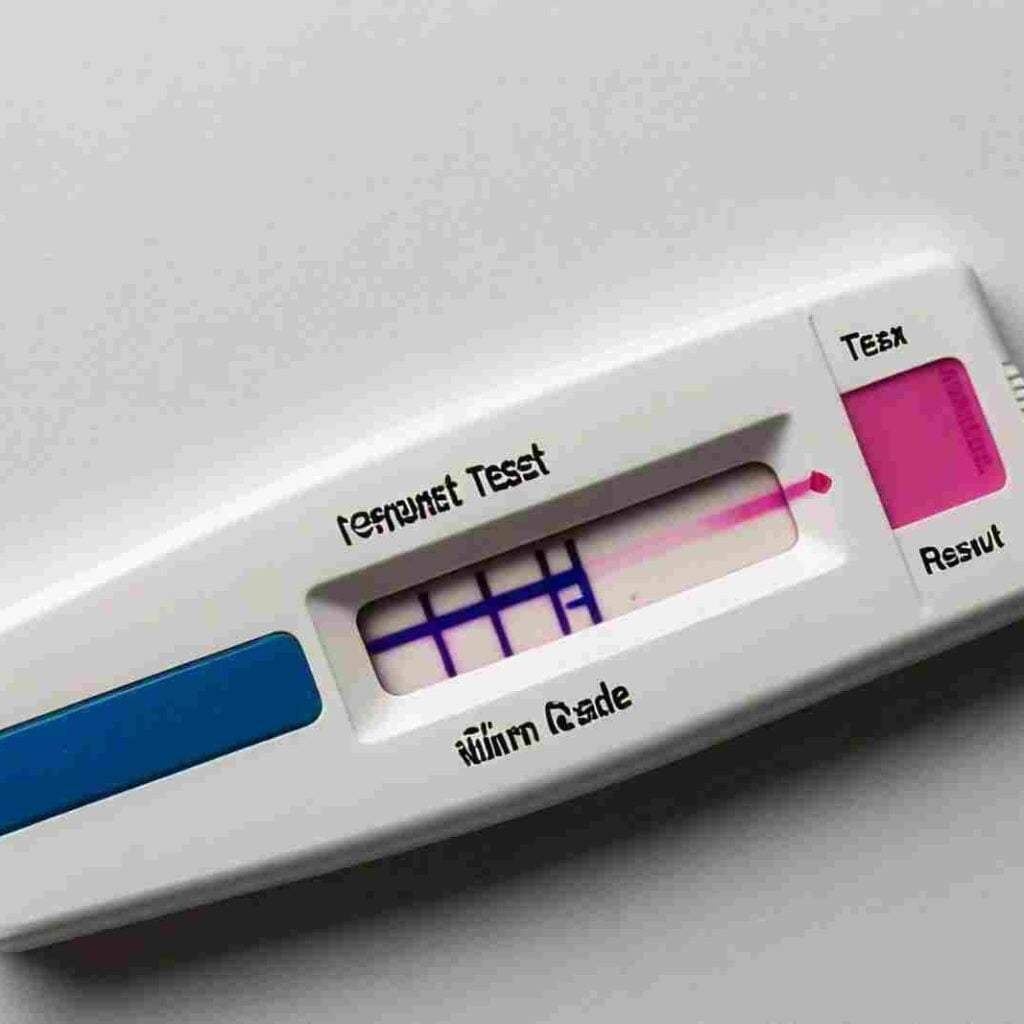
C (Control) Line: This line indicates that the test is working correctly. It should always be visible, regardless of the result.
T (Test) Line: This line indicates the presence of hCG in your urine, which suggests pregnancy.
What A Faint Line Indicates
A faint line on the T line indicates a positive pregnancy result, but it may be a weak or early pregnancy.
If you see a faint line, it’s recommended to wait a few days and take another test to confirm.
What Two Lines Mean
Two lines, one C line, and one T line, indicate a positive pregnancy result.
The presence of two lines confirms that you are pregnant.
What One Line Means
One line, only the C line, indicates a negative pregnancy result.
If you see only one line, it means the test did not detect hCG in your urine.
Timing Of Pregnancy Tests
Understanding when to take a pregnancy test can help you confirm pregnancy accurately. Here’s a guide to help you determine the best time to take a test:
How Many Days To Confirm Pregnancy?
Urine Test: Pregnancy can be confirmed by a urine test 7-10 days after fertilization, or 3-5 days before a missed period.
Blood Test: A blood test can detect pregnancy 6-8 days after fertilization.
10-14 days: Most urine tests can confirm pregnancy 10-14 days after fertilization.
1-2 days: Take a test 1-2 days after a missed period for accurate results.
Maximum Delay In Periods If Not Pregnant
5-7 days: If you’re not pregnant, your period is likely delayed due to other factors.
Early Testing and Risks of False Negatives
Testing too early: Taking a test too early can lead to false negatives, as hCG levels may not be detectable yet.
Wait for 3-5 days: Wait 3-5 days after a missed period or 10-14 days after fertilization for accurate results.
Pregnancy Symptoms And Testing
When do pregnancy symptoms typically start?: Symptoms usually start 4-6 weeks after fertilization.
How to confirm pregnancy after noticing symptoms: Take a urine test or consult a healthcare professional for confirmation.
Accuracy Of Pregnancy Test Strips
Pregnancy test strips are generally reliable, but they’re not 100% accurate. Understanding the potential causes of false results and best practices can help ensure accurate results. No, pregnancy test strips are approximately 97-99% accurate when used correctly.
Common Causes Of False Negatives And False Positives
False Negatives:
Testing too early
Diluted urine
Expired test strips
hCG levels too low
False Positives:
User error
Certain medications (e.g., fertility treatments)
Urinary tract infections
Blood in urine
Best Practices To Ensure Accurate Results
Follow instructions carefully
Use first-morning urine
Avoid drinking excessive fluids before testing
Wait for the recommended time before reading the results
Factors That May Affect Accuracy
Expired Test Strips: Using expired test strips can lead to inaccurate results.
Using the Strip Too Early: Testing too early can result in false negatives.
Diluted Urine: Drinking excessive fluids before testing can dilute hCG levels, leading to false negatives.
Other Factors: Certain medications, urinary tract infections, and blood in urine can affect accuracy.
Common Mistakes When Using Pregnancy Test Strips
To ensure accurate results, avoid these common mistakes when using pregnancy test strips:
Using an Expired Pregnancy Test
Check the expiration date before using the test.
Expired tests may not detect hCG accurately.
Not Following Instructions Properly
Read and follow the instructions carefully.
Understand the test’s sensitivity and waiting time.
Testing Too Early (Before Missed Period)
Wait until after a missed period for accurate results.
Testing too early can lead to false negatives.
Using Diluted Urine for the Test
Use first-morning urine for the test.
Avoid drinking excessive fluids before testing.
Not Reading the Results Within the Recommended Time Frame
Read the results within the specified time (usually 1-5 minutes).
Waiting too long can lead to false results.
Choosing The Best Pregnancy Test Kit
When it comes to choosing a pregnancy test kit, accuracy and reliability are crucial. Here are some factors to consider and popular options available in Pakistan:
Accuracy and Sensitivity
Look for test kits with high sensitivity (measured in mIU/ml) for early detection.
User Feedback and Reviews
Check online reviews and ratings from other users to ensure the test kit is reliable and accurate.
Price Range
Pregnancy test strips in Pakistan can range from PKR 200 to PKR 2,000 or more, depending on the brand and features.
Popular Brands In Pakistan
First Answer Pregnancy Test Strip Kit ¹: A popular and affordable option with good user reviews.
Other brands: There are many other brands available online, such as DVAGO ², but it’s essential to research and compare features, prices, and user feedback before making a decision.
Alternative Ways To Confirm Pregnancy
Remember, while home tests are convenient, a healthcare professional can provide accurate confirmation and essential prenatal care.
Other At-Home Methods
Basal Body Temperature (BBT): Tracking your BBT can indicate ovulation and potential pregnancy.
Cervical Mucus Method: Observing changes in cervical mucus can indicate fertility and pregnancy.
Breast Tenderness: Hormonal changes can cause breast tenderness, which may indicate pregnancy.
Traditional Methods: Some traditional methods, such as touching the stomach or fingers, are not reliable and should not be relied upon for accurate results.
Professional Medical Tests
Ultrasound: An ultrasound can confirm pregnancy and detect fetal heartbeat around 6 weeks.
Blood Tests: Blood tests can detect hCG levels and confirm pregnancy, often more accurately than home tests.
When To Consult A Doctor
After a Positive Home Test: If you receive a positive result, schedule an appointment with your healthcare provider to confirm pregnancy and begin prenatal care.
If You Experience Symptoms: If you experience symptoms like vaginal bleeding, abdominal pain, or severe nausea, consult a doctor immediately.
If You Have a Negative Test but Still Suspect Pregnancy: If you still suspect pregnancy after a negative test, consult a doctor for further evaluation.
Frequently Asked Questions (FAQs) – Pregnancy Test Strips
Can I test for pregnancy at night?
Yes, you can test for pregnancy at night, but first-morning urine is recommended for best results.
When is the best time to take a pregnancy test?
The best time is after a missed period, usually 1-2 weeks after fertilization.
What is the C and T or C and R on pregnancy tests?
The C (Control) line indicates the test is working, while the T (Test) or R (Result) line indicates hCG detection.
How to see pregnancy test results?
Wait for the recommended time, usually 1-5 minutes, and read the results in good lighting.
Is a faint line on the pregnancy strip a positive result?
Yes, a faint line can indicate pregnancy, but may also be an evaporation line.
What to do next after a faint line appears?
Wait a few days and retest or consult a healthcare professional for confirmation.
How long after fertilization can I take a pregnancy test?
Usually 7-10 days after fertilization, but may vary depending on test sensitivity.
Can certain medications affect pregnancy test results?
Yes, certain medications like fertility treatments can affect results. Consult a healthcare professional if unsure.
What’s the difference between a digital and analog pregnancy test?
Digital tests display “pregnant” or “not pregnant,” while analog tests show lines or plus signs.
Can I use a pregnancy test if I’m taking birth control pills?
Yes, but certain pills may affect test accuracy. Consult a healthcare professional if unsure.
…………………………. Disclaimer: Commissions we earn from partner links on this page do not influence our content. Our editorial content is based on thorough research and insights from qualified medical professionals to ensure the highest standards of accuracy and reliability.
Information provided on Doseway is for educational purposes only. Your health and wellness are unique to you, and the products and services we review may not suit your circumstances. We do not offer personal medical advice, diagnosis, or treatment plans. For specific advice, please consult with a healthcare professional. Doseway adheres to strict editorial integrity standards. To the best of our knowledge, all content is accurate as of the date posted, though offers and information may change. The opinions expressed are the author’s own and have not been influenced, approved, or endorsed by our partners.
As individuals seek greater control over their reproductive health, natural pregnancy prevention methods have gained significant attention. Many are drawn to these alternatives due to the following:
Concerns about synthetic hormones and their potential side effects
Desire for non-invasive and chemical-free approaches
Interest in holistic health and wellness
Preference for fertility awareness and body literacy
Understanding the menstrual cycle and fertility window is crucial for effective natural pregnancy prevention. The menstrual cycle lasts 28 days, with ovulation typically occurring around day 14.
How To Avoid Pregnancy After Missing Period Naturally?
How-To-Prevent-Pregnancy-Without-Birth-Control
Table Of Contents
Unlocking The Female Reproductive Cycle
Remember that these symptoms can be subtle and may not occur in every individual. Understanding the female reproductive cycle and fertility window can empower individuals to make informed decisions about their reproductive health.
How Pregnancy Occurs: The Union Of Sperm And Egg
Pregnancy begins when a sperm fertilizes an egg, resulting in the formation of a zygote. This typically occurs in the fallopian tube, where:
Sperm travels through the cervix and uterus, navigating the reproductive tract.
One sperm penetrates the egg’s outer layer, fusing genetic material.
The fertilized egg, now a zygote, begins its journey to the uterus.
Factors Leading To Pregnancy
Sperm viability: Healthy sperm with optimal motility and morphology.
Ovulation: Release of a mature egg from the ovary.
Fertile window: The 5-7 days leading up to ovulation and 1-2 days after.
Calculating Ovulation And Fertility Window
Track menstrual cycles to determine average cycle length.
Use the following methods to estimate ovulation:
Calendar method: Day 14 of a 28-day cycle.
Basal body temperature (BBT) method: Slight increase in temperature after ovulation.
Cervical mucus method: Increased mucus production and clarity during the fertile window.
Identify fertile days: 5-7 days leading up to ovulation and 1-2 days after.
Safe Days To Avoid Pregnancy
Non-fertile days: Typically days 1-7 and 21-28 of a 28-day cycle.
Fertile days: Days 8-19 of a 28-day cycle.
Symptoms Of Ovulation And Fertilization
Signs of ovulation:
Increased cervical mucus
Slight basal body temperature increase
Mild pelvic discomfort (mittelschmerz)
Early signs of pregnancy:
Missed period
Nausea and vomiting
Fatigue
Breast tenderness
When Egg And Sperm Meet: Fertilization Symptoms
Some women may experience:
Mild cramping
Light spotting
Increased cervical mucus
Sense of heightened senses or energy
Natural Contraceptive Methods
Remember, natural contraceptive methods may have varying degrees of effectiveness and require consistent use, monitoring, or specific conditions to work effectively.
Withdrawal Method (Pull-Out)
Method: Withdrawal of the penis from the vagina before ejaculation.
Effectiveness: 78-80% effective with consistent and correct use.
Risks:
Pre-ejaculate fluid can contain sperm, potentially leading to pregnancy.
Inconsistent or incorrect use significantly reduces effectiveness.
Fertility Awareness Method (FAM)
Method: Tracking ovulation through:
Basal body temperature (BBT)
Cervical mucus observation
Fertility calendars and apps
Pros:
Non-invasive
No chemical or hormonal interventions
Increased fertility awareness
Cons:
Requires consistent tracking and monitoring
Can be time-consuming
May not be suitable for irregular cycles
Lactational Amenorrhea Method (LAM)
Method: Breastfeeding to naturally suppress ovulation.
Conditions for effectiveness:
Exclusive breastfeeding
Frequent feeding (at least 6 times in 24 hours)
Less than 6 months postpartum
Amenorrhea (no menstruation)
Effectiveness: 98-100% effective under ideal conditions
Herbal And Food-Based Methods
Common natural remedies:
Parsley tea
Papaya
Neem oil
Effectiveness: Limited scientific evidence supports their effectiveness.
Caution: Home remedies should not be relied upon as the sole means of contraception.
Post-Unprotected Sex Options (Emergency Natural Methods)
Immediate Actions To Reduce Pregnancy Risk
Timing is crucial: Take action within 72 hours (3 days) of unprotected sex.
Natural remedies:
Vitamin C: 1,000-2,000 mg within 24 hours
Zinc: 30-50 mg within 24 hours
Omega-3 fatty acids: 1,000-2,000 mg within 24 hours
Foods Or Drinks To Prevent Pregnancy
Pineapple juice: 1 cup within 24 hours (contains bromelain, which may help break down sperm)
Grapefruit: 1/2 grapefruit within 24 hours (contains naringenin, which may help reduce sperm motility)
Apple cider vinegar: 1 tablespoon within 24 hours (may help balance pH and reduce sperm viability)
Debunking Common Misconceptions
Urination: Does NOT flush out sperm. Sperm can survive in the reproductive tract for up to 5 days.
Douching: NOT effective in preventing pregnancy and may push sperm further into the reproductive tract.
Showering or bathing: Does NOT remove sperm from the reproductive tract.
Medical And Permanent Solutions
Remember, permanent solutions should be carefully considered, and it’s essential to discuss options with a healthcare professional to determine the best choice for your reproductive health.
Ensuring informed choices and effective family planning
Confirming And Managing Pregnancy
Remember, natural methods may not be foolproof, and it’s essential to consult a healthcare professional for accurate pregnancy confirmation and guidance on managing pregnancy.
How To Confirm Pregnancy Naturally
Home remedies:
Missed period
Nausea and vomiting
Fatigue
Breast tenderness
Frequent urination
Food cravings or aversions
Dizziness or lightheadedness
Natural methods:
Basal body temperature tracking
Cervical mucus observation
Fertility awareness methods (FAMs)
What To Do If You Suspect Pregnancy And Don’t Want It
Options available:
Emergency contraception (EC)
Natural remedies (limited effectiveness)
Medical abortion
Adoption or parenting
Important: Consult a healthcare professional for guidance and support
Highest Chance Of Getting Pregnant
Fertile window:
5 days leading up to ovulation
Day of ovulation
24 hours after ovulation
Peak fertility:
2 days before ovulation
Identifying The Period Of Highest Fertility
Methods:
Basal body temperature tracking
Cervical mucus observation
Fertility awareness methods (FAMs)
Ovulation predictor kits (OPKs)
Understanding your cycle:
Key to planning or avoiding pregnancy
Alternative Natural Family Planning Methods
Herbal Supplements And Teas
Fertility-affecting herbs:
Vitex (chaste berry)
Red clover
Dong Quai
Maca
Neem
Parsley
Risks of relying on herbal remedies alone:
Unpredictable effectiveness
Potential interactions with medications
Lack of regulation and quality control
Physical Barrier Methods (Non-Hormonal)
Diaphragms:
Dome-shaped devices covering the cervix
Used with spermicide
88% effective
Cervical caps:
Thimble-shaped devices covering the cervix
Used with spermicide
71-86% effective
Condoms:
Male and female condoms available
82-98% effective
Protects against STIs
Important Considerations
Combination with other methods:
Herbal supplements and physical barrier methods can be used together for increased effectiveness
Education and guidance:
Consult a healthcare professional for proper use and guidance
Regular check-ups:
Ensure reproductive health and address any concerns
Home Remedies For Natural Pregnancy Prevention
Foods That May Influence Fertility
Papaya: Contains papain, which may help break down sperm
Ginger: May help reduce sperm motility and viability
Other natural remedies:
Pineapple (bromelain)
Neem leaves
Indian gooseberry (amla)
Drinks Believed To Prevent Pregnancy
Herbal teas:
Peppermint
Chamomile
Raspberry leaf tea
Other drinks:
Apple cider vinegar
Grapefruit juice
Spices And Herbs Used In Traditional Practices
Turmeric: May help reduce sperm count and motility
Cinnamon: May help reduce sperm viability
Other spices and herbs:
Cumin
Coriander
Fenugreek
Frequently Asked Questions (FAQs) – How To Prevent Pregnancy
Can you feel sperm entering the egg?
No, you cannot feel sperm entering the egg. Fertilization occurs deep within the fallopian tube, and it’s a microscopic process that doesn’t cause any sensation.
How to confirm pregnancy after one month
After a month, you can confirm pregnancy through: 1. Home pregnancy tests (HPTs) 2. Blood tests 3. Ultrasound 4. Physical symptoms like nausea, fatigue, and breast tenderness
How can I prevent pregnancy after 10 days of intercourse?
After 10 days of intercourse, it’s challenging to prevent pregnancy naturally. However, you can: + Consider emergency contraception (EC) like Plan B or Ella + Consult a healthcare professional for guidance
What should I do to avoid pregnancy after one month?
After one month, it’s essential to consult a healthcare professional for guidance. They may recommend: + Emergency contraception (EC) + Medical abortion + Adoption or parenting options
Can stress affect fertility?
Yes, stress can affect fertility by: + Disrupting hormonal balance + Affecting ovulation and sperm quality + Impacting overall reproductive health
Can natural family planning methods be used by women with irregular cycles?
Yes, natural family planning methods can be used by women with irregular cycles, but it may require more effort and tracking to identify fertile windows.
How effective are natural family planning methods?
Natural family planning methods can be effective, but their success rates vary depending on the method, consistency, and individual circumstances.
Can natural remedies like herbs and supplements affect fertility?
Yes, some natural remedies like herbs and supplements can affect fertility by: + Influencing hormonal balance + Impacting ovulation and sperm quality + Interacting with medications
Can natural family planning methods be used by breastfeeding women?
Yes, natural family planning methods can be used by breastfeeding women, but they may need to adapt their methods to accommodate changes in fertility signs.
How can I determine my fertile window?
You can determine your fertile window by: + Tracking basal body temperature + Observing cervical mucus changes + Monitoring ovulation predictor kits (OPKs) + Using fertility apps
How can I maintain a healthy reproductive system?
You can maintain a healthy reproductive system by: + Eating a balanced diet + Staying hydrated + Exercising regularly + Managing stress + Getting regular check-ups
Final Tips
Managing Fertility Naturally
Vigilance and consistency: Key to success in natural fertility management
Combining methods: Enhance effectiveness by combining multiple methods, such as:
Fertility awareness methods (FAMs)
Herbal supplements
Dietary changes
Physical barrier methods
Education and support: Stay informed and consult a healthcare professional for guidance and support
Regular check-ups: Monitor reproductive health and address any concerns
Patience and persistence: Natural fertility management may take time and effort to master
…………………………. Disclaimer: Commissions we earn from partner links on this page do not influence our content. Our editorial content is based on thorough research and insights from qualified medical professionals to ensure the highest standards of accuracy and reliability.
Information provided on Doseway is for educational purposes only. Your health and wellness are unique to you, and the products and services we review may not suit your circumstances. We do not offer personal medical advice, diagnosis, or treatment plans. For specific advice, please consult with a healthcare professional. Doseway adheres to strict editorial integrity standards. All content is accurate as of the date posted, though offers and information may change. The opinions expressed are the author’s own and have not been influenced, approved, or endorsed by our partners.
Important: Consult a healthcare professional for accurate results and interpretation
Natural And Alternative Remedies
Remember, maintaining a healthy lifestyle and Natural and Alternative Remedies can improve fertility and overall well-being.
Natural Supplements And Herbal Remedies
Popular Natural Supplements:
Maca root: Enhances fertility, libido, and hormone balance
Ashwagandha: Reduces stress, improves sperm quality and fertility
Tribulus Terrestris: Boosts testosterone levels and libido
Ginseng: Improves sperm quality, fertility, and overall well-being
Best Natural Viagra Alternatives:
Horny Goat Weed: Enhances libido and erectile function
L-Arginine: Improves blood flow and erectile function
Yohimbine: Stimulates libido and erectile function
Fruit for Men’s Sperm:
Pomegranate: Rich in antioxidants, improves sperm quality and fertility
Mango: High in vitamin E, boosts sperm count and fertility
Diet And Nutrition
Foods that Boost Fertility:
Leafy greens (spinach, kale): Rich in antioxidants and folate
Berries (blueberries, strawberries): High in antioxidants and vitamins
Fatty fish (salmon, tuna): Rich in omega-3 fatty acids and protein
Sweet potatoes: High in vitamin A and fiber
Role of Dry Fruits:
Dates: Rich in antioxidants, improves sperm quality and fertility
Apricots: High in vitamin A, boosts fertility and sperm count
Almonds: Rich in magnesium, improves sperm count and fertility
Other Specific Foods:
Dark chocolate: Rich in antioxidants, improves sperm quality and fertility
Garlic: Boosts sperm count, motility, and fertility
Lifestyle Factors
Impact of Lifestyle Changes:
Stress reduction: Improves fertility and overall well-being
Regular exercise: Boosts fertility, sperm count, and overall health
Healthy weight management: Improves fertility and reduces health risks
Avoiding smoking and excessive alcohol: Improves fertility and overall health
Tips for Improving Sperm Count and Egg Quality:
Get enough sleep (7-8 hours)
Practice stress-reducing techniques (meditation, yoga)
Avoid exposure to toxins and environmental pollutants
Stay hydrated and maintain a healthy diet
How to Make Male Sperm Stronger:
Maintain a healthy diet rich in antioxidants and essential nutrients
Stay hydrated and limit caffeine intake
Avoid excessive heat exposure (e.g., saunas, hot tubs)
Manage stress and get enough sleep
Fertility Treatments Beyond Medications
Note: It’s important to consult a fertility specialist to determine the best course of treatment and discuss individual risks and benefits.
Assisted Reproductive Technologies (ART)
Overview of ART:
In Vitro Fertilization (IVF)
Intrauterine Insemination (IUI)
Intracytoplasmic Sperm Injection (ICSI)
Role of Fertility Medications in ART:
Stimulate ovulation and egg production
Enhance sperm quality and quantity
Prepare the uterus for implantation
Success Rates and What to Expect:
IVF: 40-50% success rate per cycle
IUI: 10-20% success rate per cycle
ICSI: 50-60% success rate per cycle
Injections For Fertility
Injection to Get Pregnant Fast:
Gonadotropins (e.g., FSH, LH)
Ovidrel (hCG)
Luveris (LH)
Risks and Benefits of Injectable Fertility Drugs:
Benefits:
High success rates
Effective for severe fertility issues
Risks:
Ovarian hyperstimulation syndrome (OHSS)
Multiple pregnancies
Injection site reactions
Emotional And Psychological Aspects Of Fertility Treatment
Coping With Infertility
Emotional Challenges of Infertility for Couples:
Feelings of guilt, shame, and inadequacy
Anxiety, depression, and stress
Strained relationships and communication
Tips for Managing Stress and Anxiety During Treatment:
Practice self-care and relaxation techniques
Open communication with partner and healthcare team
Set realistic expectations and boundaries
Seek support from loved ones and support groups
Counseling And Support Groups
The Role of Psychological Counseling in Fertility Treatment:
Address emotional and psychological challenges
Develop coping strategies and stress management techniques
Improve communication and relationship dynamics
Importance of Joining Support Groups for Emotional Support:
Connect with others experiencing similar challenges
Share experiences and receive emotional support
Reduce feelings of isolation and loneliness
Fertility Treatment And Relationship Dynamics
Impact of Fertility Struggles on Relationships:
Increased stress and tension
Decreased intimacy and emotional connection
Feelings of resentment and blame
Communication Strategies for Couples Undergoing Treatment:
Open and honest communication
Active listening and empathy
Shared decision-making and teamwork
Regular date nights and emotional connection activities
Financial Considerations Of Fertility Treatment
Note: Costs and insurance coverage may vary depending on location and individual circumstances. It’s essential to consult with a healthcare provider and financial advisor for personalized guidance.
Cost Of Fertility Medications And Treatments
Breakdown of Costs:
Fertility medications: $500-$2,000 per cycle
IUI: $1,000-$2,000 per cycle
IVF: $15,000-$25,000 per cycle
ICSI: $18,000-$30,000 per cycle
Comparison of Costs:
IVF vs. IUI: IVF is more expensive, but has higher success rates
Fertility medications: costs vary depending on type and dosage
Insurance Coverage For Fertility Treatments
Understanding Insurance Policies:
Check coverage for fertility treatments and medications
Know the limits and exclusions
Navigating Financial Assistance and Grants:
Research organizations offering financial assistance
Apply for grants and scholarships
Affordable Alternatives And Financial Planning
Budget-Friendly Options:
Generic fertility medications
Discount programs and coupons
Tips on Financial Planning:
Set a budget and prioritize expenses
Consider financing options and loans
Plan for long-term treatment costs
Frequently Asked Questions (FAQs) – Fertility Medicine
Can I get a girl pregnant with watery sperm?
Yes, but it may be more challenging. Watery sperm can indicate low sperm count or poor sperm quality, making it harder to conceive.
What is the name of the tablet for sperm control?
There is no specific tablet for sperm control. However, medications like Clomiphene Citrate (Clomid) can help improve sperm count and quality.
How many minutes does it take a man to release sperm?
Ejaculation typically occurs within 2-10 minutes of sexual activity, but this can vary greatly depending on individual factors.
Which tablet is used to get pregnant fast?
There is no specific tablet to get pregnant fast. However, fertility medications like Clomiphene Citrate (Clomid) can help stimulate ovulation and increase the chances of conception.
What is the best fertility drug for twins?
Fertility medications like Gonadotropins (e.g., FSH, LH) can increase the chances of conceiving twins or multiples.
Can my wife get pregnant if I use Viagra?
Yes, Viagra does not affect fertility or conception. It only treats erectile dysfunction.
Will Viagra affect a woman?
No, Viagra is not intended for women and can be harmful if taken by women.
Can fertility treatments guarantee pregnancy?
No, fertility treatments can increase the chances of conception, but there are no guarantees.
How long does it take to get pregnant with fertility treatment?
Time to conception varies depending on individual factors and treatment types.
Can I get pregnant naturally with a low sperm count?
Yes, but it may take longer. Low sperm count can reduce the chances of conception.
Can age affect fertility?
Yes, age can affect fertility in both men and women, with declining fertility after 35 years old.
Final Advice on Maintaining a Healthy Lifestyle to Boost Fertility
Eat a Balanced Diet: Focus on whole foods, fruits, vegetables, and whole grains.
Stay Hydrated: Drink plenty of water throughout the day.
Exercise Regularly: Aim for moderate exercise, like walking or swimming, for at least 30 minutes a day.
Manage Stress: Practice stress-reducing techniques like meditation, yoga, or deep breathing.
Get Enough Sleep: Aim for 7-8 hours of sleep per night.
Avoid Harmful Substances: Limit or avoid alcohol, caffeine, and tobacco.
Maintain a Healthy Weight: Aim for a BMI between 18.5 and 24.9.
Stay Up-to-Date on Vaccinations: Certain infections can affect fertility.
Limit Exposure to Toxins: Avoid exposure to environmental toxins and chemicals.
Consider Supplements: Certain supplements like folic acid, vitamin D, and omega-3 fatty acids can support fertility.
Stay Connected with Your Partner: A healthy relationship can support emotional well-being and fertility.
Seek Professional Help: If you’re struggling with fertility, consult a healthcare provider or fertility specialist.
…………………………. Disclaimer: Commissions we earn from partner links on this page do not influence our content. Our editorial content is based on thorough research and insights from qualified medical professionals to ensure the highest standards of accuracy and reliability.
Information provided on Doseway is for educational purposes only. Your health and wellness are unique to you, and the products and services we review may not suit your circumstances. We do not offer personal medical advice, diagnosis, or treatment plans. For specific advice, please consult with a healthcare professional. Doseway adheres to strict editorial integrity standards. To the best of our knowledge, all content is accurate as of the date posted, though offers and information may change. The opinions expressed are the author’s own and have not been influenced, approved, or endorsed by our partners.






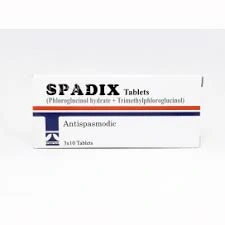


![Diane-35-Birth-Control-[Effectiveness+Side Effects]](https://doseway.com/wp-content/uploads/2024/09/Diane-35-Birth-Control-EffectivenessSide-Effects.jpg "Diane 35 Birth Control [Effectiveness+Side Effects] 6")



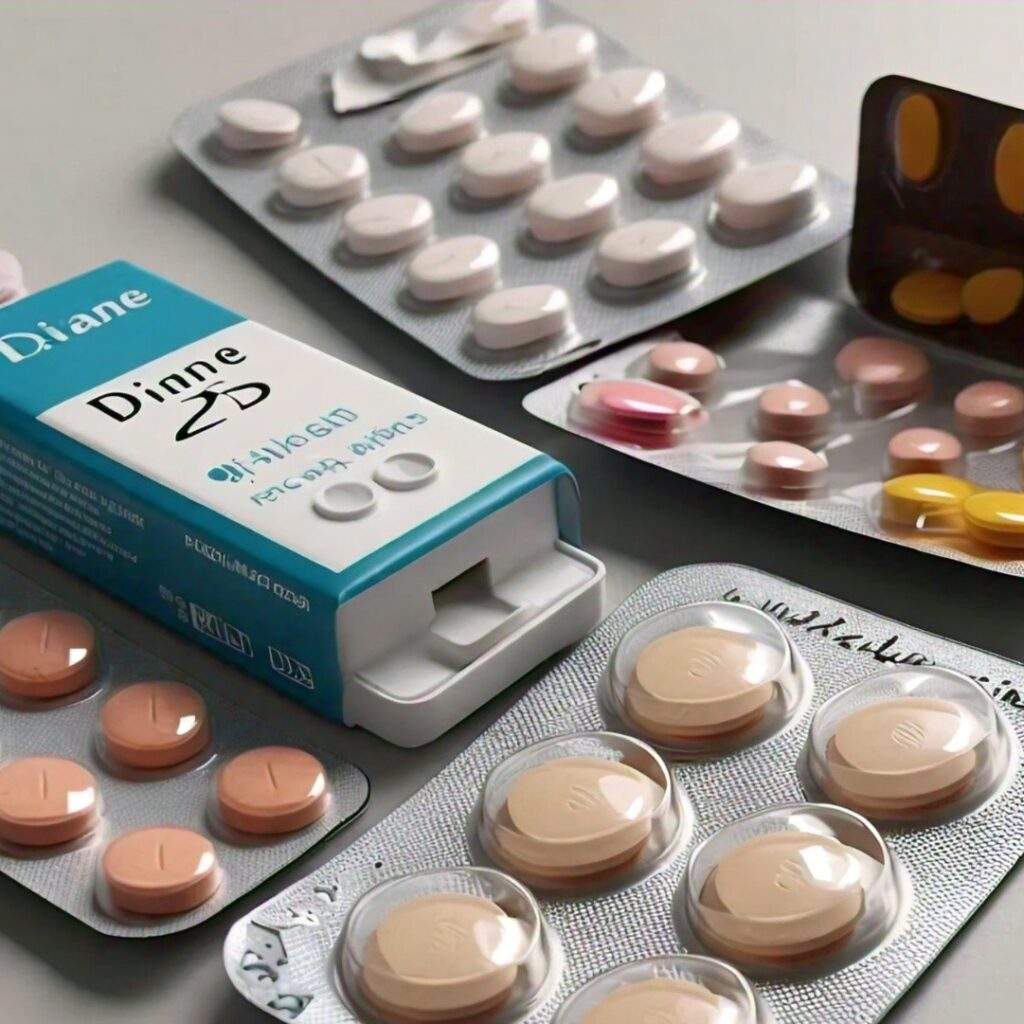





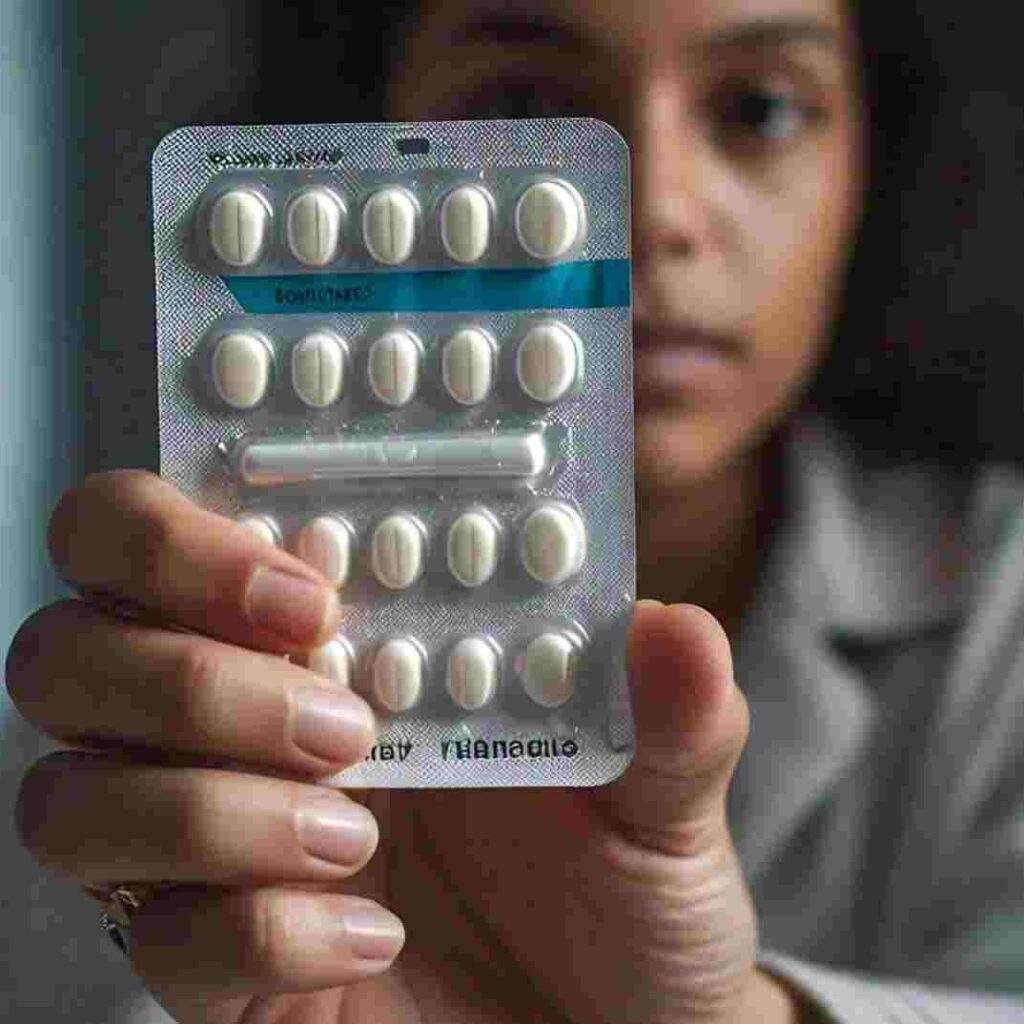



![What-Is-White-Discharge-During-Early-Pregnancy-[Causes+Effects]](https://doseway.com/wp-content/uploads/2024/09/What-Is-White-Discharge-During-Early-Pregnancy-CausesEffects.jpg "What Is White Discharge During Early Pregnancy [Causes+Effects] 17")
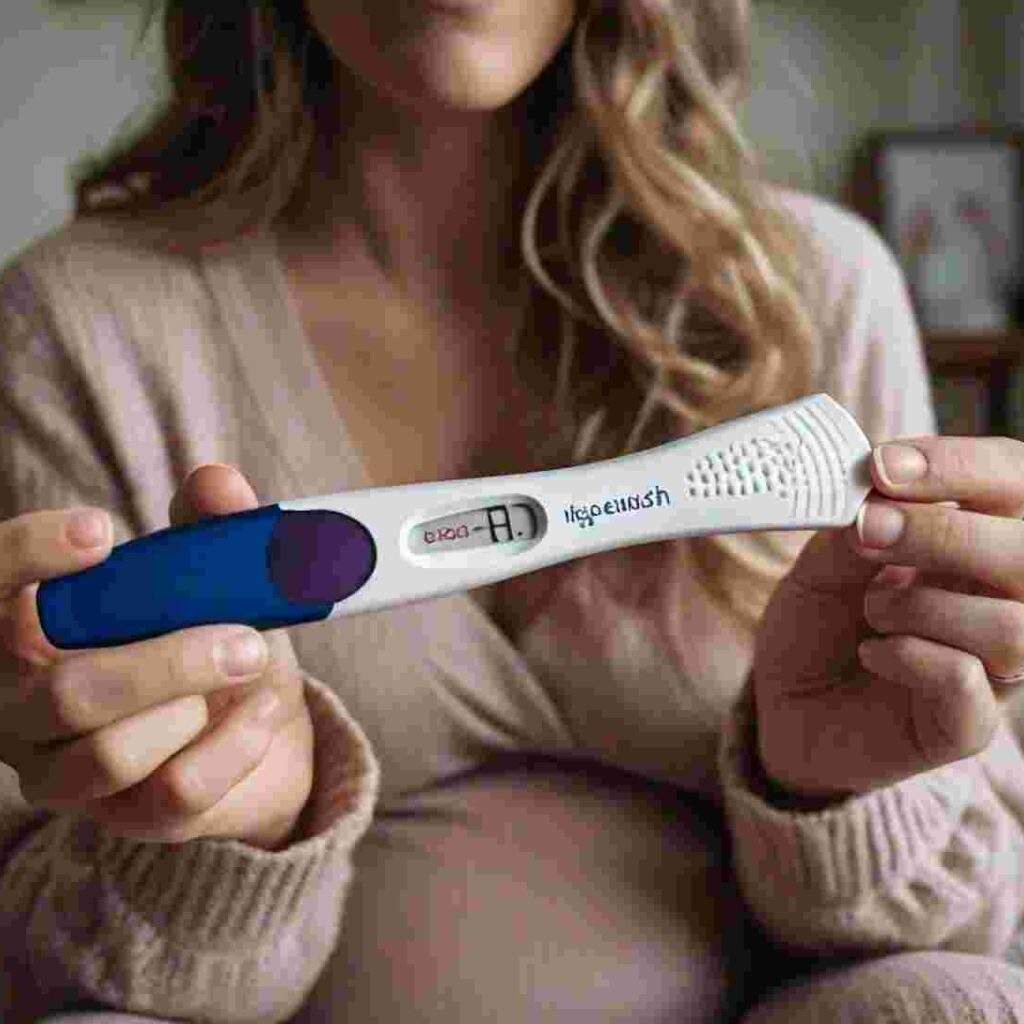


![Pregnancy-Strips-[Price+Uses+Results]](https://doseway.com/wp-content/uploads/2024/09/Pregnancy-Strips-PriceUsesResults.jpg "How To Use Pregnancy Test Strips? [Price+Uses+Results] 20")