
 Cart is empty
 Methachlor eye drops are a popular over-the-counter ocular solution in Pakistan and some other regions, often sought for quick relief from redness and irritation. This comprehensive guide analyzes Methachlor eye drops uses, separating verified benefits from prevalent myths, and provides crucial safety information about dosage and potential risks. Understanding that Methachlor is primarily a vasoconstrictor-based formula is key to using it responsibly and knowing when to seek professional eye care instead.
In this article, you will learn:
- The exact medical uses and realistic benefits of Methachlor eye drops.
- The correct dosage, administration technique, and critical age restrictions.
- A detailed breakdown of potential side effects and the serious risk of rebound redness.
- Why these drops cannot whiten yellow eyes or improve actual eyesight.
- Safer alternatives for common eye conditions and when to consult an ophthalmologist.
Read More:
- List Of 10 Best Eye Infection Drops In Pakistan
- Top 10 Eye Drops For Red Eyes | Eye Allergy Drops
- Top 10 Cat Eye Infection Drops In Pakistan
Table Of Contents
What Are Methachlor Eye Drops? Decoding the Brand and Formula
Methachlor is not a generic drug name but a specific brand name for an eye drop formulation. Its effects and uses are entirely determined by its active pharmaceutical ingredients, which are consistent with common over-the-counter redness relief formulations.
Is Methachlor a Drug or a Brand Name?
Methachlor is a brand name for a combination eye drop, primarily marketed in regions like Pakistan. It is not the name of a single active ingredient (like “ciprofloxacin” or “ketotifen”). Therefore, understanding “Methachlor eye drops uses” requires examining its specific formula, which typically combines a decongestant with an antihistamine.
What Are the Active Ingredients in Methachlor Eye Drops?
Analysis of available formulations indicates Methachlor eye drops typically contain two key active ingredients:
- Naphazoline Hydrochloride (0.05%-0.1%): This is a sympathomimetic amine, classified as a vasoconstrictor. It works by constricting the small blood vessels (capillaries) on the surface of the eye (conjunctiva), reducing blood flow and thereby eliminating redness. This provides the “whitening” effect.
- Chlorpheniramine Maleate (0.2%): This is a first-generation antihistamine. It works by competitively inhibiting histamine (H1) receptors, providing relief from the itching, watering, and irritation associated with minor allergic conjunctivitis.
The combination aims to tackle both redness and itch, common symptoms of minor eye irritation and allergies. Some formulations may also include lubricating agents like Polyvinyl Alcohol for added soothing.
How Do Methachlor Eye Drops Work? Mechanism of Action
The mechanism is dual-targeted, addressing symptoms but not underlying causes:
- Naphazoline (Vasoconstrictor): Mimics the action of norepinephrine, causing smooth muscle in the blood vessel walls to contract. This vasoconstriction reduces vessel diameter, lessening the visible red network on the sclera (white of the eye). The effect is purely cosmetic and temporary, lasting 2-4 hours.
- Chlorpheniramine (Antihistamine): Blocks the binding of histamine, a chemical released during allergic reactions, to its receptors on nerve endings and blood vessels in the eye. This reduces the hallmark allergic symptoms of itching, swelling, and some redness.
- Combined Effect: Provides rapid symptomatic relief for occasional, minor irritants like smoke, dust, chlorine, or seasonal allergens by making the eye appear less red and feel less itchy.
Verified Uses and Medical Benefits of Methachlor Eye Drops
The benefits of Methachlor eye drops are specific and symptomatic. They are not curative and do not treat underlying disease.
What Are the Approved Uses of Methachlor Eye Drops?
Based on its pharmacological ingredients, the approved and appropriate Methachlor eye drops uses are:
- Temporary Relief of Minor Eye Redness: Caused by minor irritants such as smoke, dust, wind, swimming (chlorine), or mild fatigue.
- Temporary Relief of Itchy Eyes Due to Allergies: Such as those triggered by hay fever (seasonal allergies) or other minor allergic reactions.
- Symptomatic Management of Minor Allergic Conjunctivitis: Reducing itch and redness as part of managing mild allergic eye conditions.
It is crucial to note the words “temporary” and “minor.” These drops are for occasional, situational use only.
What Are the Benefits of Methachlor Eye Drops?
The benefits are directly tied to its pharmacological action:
- Rapid Cosmetic Whitening: Provides a quick reduction in eye redness, often within minutes, due to the vasoconstrictor (Naphazoline).
- Fast Anti-Itch Relief: Offers prompt alleviation of allergy-related itching due to the antihistamine (Chlorpheniramine).
- Accessibility and Convenience: Available over-the-counter without a prescription for immediate, short-term symptom management.
- Dual-Action Formulation: Addresses two common symptoms—redness and itching—with a single product.
Can Methachlor Eye Drops Improve Eyesight or Fix Blurry Vision?
Definitively, no. Methachlor eye drops have no ability to improve visual acuity, correct refractive errors, or cure blurry vision. This is a critical distinction.
- Blurry Vision from Refractive Errors: Conditions like myopia (nearsightedness), hyperopia (farsightedness), astigmatism, and presbyopia (age-related lens stiffening) are caused by the physical shape of the eye or lens. No topical drop can alter this. Correction requires glasses, contact lenses, or refractive surgery.
- Blurry Vision from Pathologies: Cataracts, glaucoma, macular degeneration, and diabetic retinopathy cause blurry vision through structural damage or opacity. Methachlor drops do not treat these.
- Temporary Blurriness: The drop itself may cause temporary blurred vision upon instillation as a side effect. If blurry vision is caused by a severely dry ocular surface, the lubricating component might offer minimal, transient improvement, but dedicated artificial tears would be far more effective and safer.
Which Eye Drop is Best for Whitening the Eyes? The Role of Vasoconstrictors
Methachlor, through its Naphazoline component, is classified as a “whitening” or “redness relief” drop. It is best for occasional, cosmetic whitening when the redness is known to be from a benign, temporary irritant.
The Critical Mechanism and Warning:
- How it Whitens: It constricts superficial conjunctival blood vessels.
- The Major Risk – Rebound Hyperemia: With frequent or prolonged use (beyond 3-4 consecutive days), the blood vessels can become dependent on the vasoconstrictor. When the effect wears off, they re-dilate more than before, causing a worse, more persistent redness. This leads to a cycle of dependency where users feel they need the drops constantly to keep their eyes white, inadvertently causing chronic redness and inflammation known as medication-overuse conjunctivitis.
Important Dosage, Administration, and Safety Guidelines
Strict adherence to dosage and understanding limitations is paramount to avoid the significant risks associated with vasoconstrictor eye drops.
What is the Recommended Dosage for Methachlor Eye Drops?
The standard dosage, as typically found on product labeling, is:
- Instill 1 to 2 drops in the affected eye(s).
- This may be repeated up to 3 to 4 times daily, as needed.
The Golden Rule: Always follow the specific instructions on the Methachlor package you have purchased or the precise dosage given by your doctor. Do not exceed the recommended frequency or duration.
How Long Should I Close My Eyes After Applying Eye Drops?
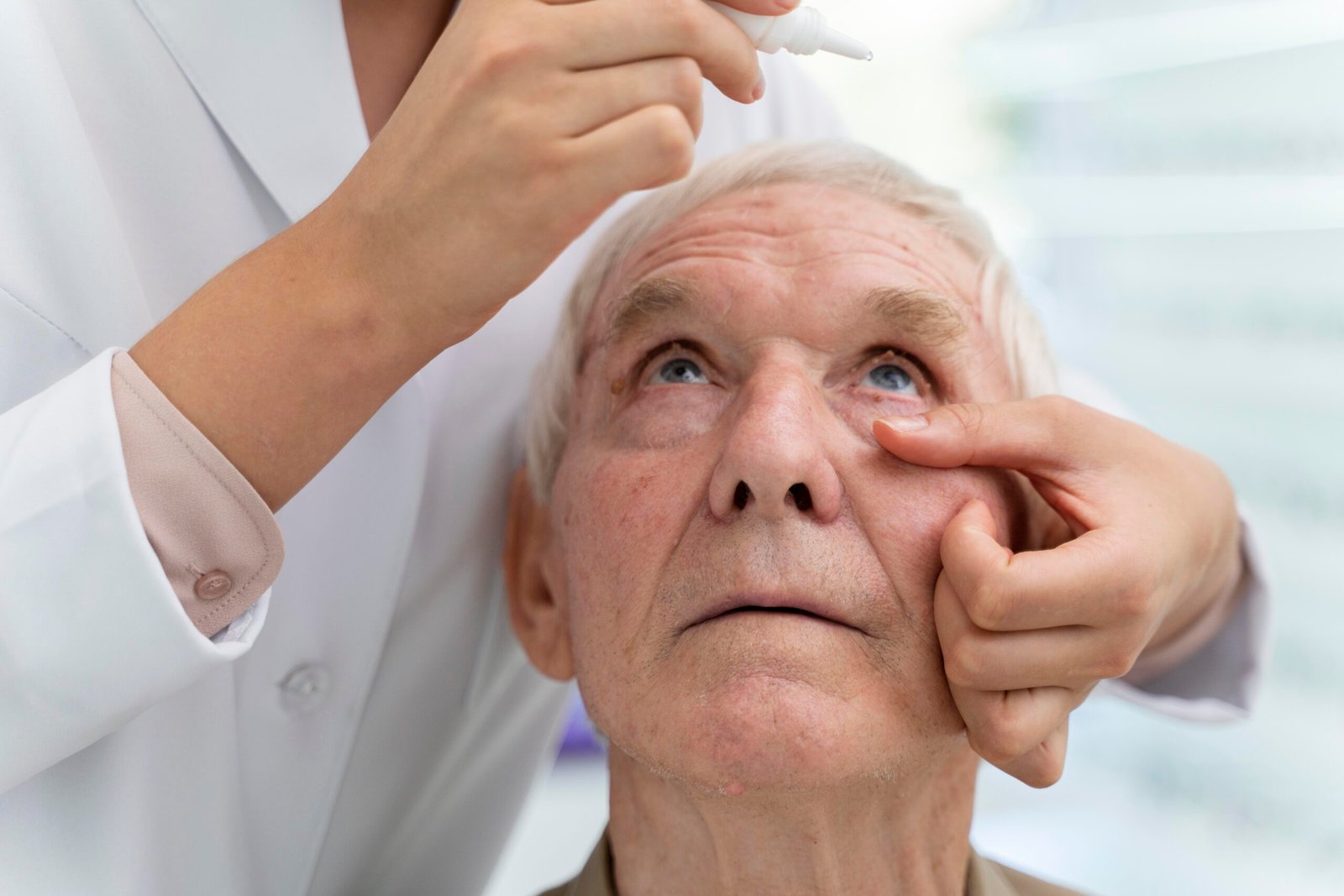
Proper technique maximizes efficacy and minimizes side effects:
- Wash your hands.
- Tilt your head back. Gently pull down your lower eyelid to form a pouch.
- Instill the prescribed number of drops into the pouch, avoiding contact between the dropper tip and the eye or fingers.
- Close your eyes gently (do not squeeze shut) for 1 to 2 minutes. This allows the medication to coat the ocular surface.
- Apply light pressure with your finger to the tear duct (inner corner of the eye, near the nose). This punctal occlusion reduces systemic drainage of the drug into the nose and throat, lowering the risk of systemic side effects from the antihistamine (like drowsiness) and maximizing local action.
- Blink gently and wipe away any excess from the surrounding skin.
What is the Age Limit for Methachlor Eye Drops? Use in Children and Babies
This is a major safety concern. The use of Methachlor eye drops in children, especially infants and toddlers, is highly cautioned against and generally not recommended without direct pediatrician supervision.
- Risk of Systemic Absorption: Children have a higher body surface area to weight ratio and less mature metabolic systems. The vasoconstrictor (Naphazoline) can be absorbed through the nasal mucosa after draining through the tear duct. This can lead to serious systemic effects.
- Potential Systemic Side Effects in Children: These may include central nervous system depression (leading to lethargy, coma), hypotension, hypothermia, and profound drowsiness from the antihistamine.
- Official Stance: Many regulatory bodies advise against using Naphazoline-containing drops in children under a certain age (often 6 years). Methachlor eye drops for babies should be considered unsafe without explicit, dosage-specific instruction from a pediatric ophthalmologist.
Can I Use Methachlor Eye Drops Daily?
For long-term, daily use, the answer is a firm NO. Methachlor is not intended for chronic, daily administration.
- Rebound Redness: Daily use is the primary cause of rebound hyperemia and medication-overuse conjunctivitis, creating a chronic problem from a short-term solution.
- Masking Underlying Conditions: Daily redness is a symptom. It could indicate chronic conditions like Dry Eye Disease (DED), Blepharitis, undiagnosed allergies, Uveitis, or even early-stage glaucoma. Using Methachlor daily masks this warning sign, delaying proper diagnosis and treatment.
- If You Feel You Need Them Daily: This is a clear signal to stop using Methachlor and consult an ophthalmologist to diagnose the root cause of the persistent redness.
Side Effects, Risks, and Critical Warnings
Understanding the adverse effect profile is essential for weighing the risks against the temporary benefits.
What Are the Common Side Effects of Methachlor Eye Drops?
Common, typically mild, and transient side effects include:
- Transient Stinging or Burning: Upon instillation, often due to the formulation’s pH.
- Blurred Vision: Temporary blurring after application, usually clearing within minutes.
- Mydriasis (Pupil Dilation): Naphazoline can sometimes cause slight pupil dilation, which may increase light sensitivity.
- Punctate Keratitis: With overuse, the corneal surface can develop tiny, superficial punctate erosions, leading to a feeling of grittiness or foreign body sensation.
- Dryness or Irritation: Paradoxically, prolonged use can disrupt the tear film and cause ocular surface dryness.
What Are the Serious Side Effects and Risks?
The serious risks are predominantly associated with misuse and overuse:
- Rebound Hyperemia (Medication-Induced Conjunctivitis): The most significant and common serious risk. Characterized by chronic, worsening redness that appears worse when the drops wear off, forcing the user into a cycle of dependency.
- Elevated Intraocular Pressure (IOP): Vasoconstrictors can potentially raise IOP. In individuals with undiagnosed narrow-angle glaucoma, this can precipitate an acute angle-closure attack, a painful and sight-threatening emergency.
- Cardiovascular and Central Nervous System Effects: From systemic absorption—especially risky in children and the elderly. Can include hypertension, arrhythmias, dizziness, headache, nervousness, and tremors.
- Severe Drowsiness: The antihistamine Chlorpheniramine can cause significant drowsiness, impairing the ability to drive or operate machinery, especially if absorbed systemically.
What Are the Risks of Using “Whitening” Eye Drops Like Methachlor Long-Term?
Long-term use transforms a symptomatic aid into a causative agent of disease:
- Chronic Conjunctival Inflammation: Persistent use leads to a low-grade inflammatory state on the ocular surface.
- Tear Film Instability: Damage to goblet cells and the ocular surface epithelium can worsen or cause Dry Eye Disease.
- Tolerance and Dependency: The eyes become tolerant, requiring more frequent dosing for the same effect, while also becoming physically dependent on the drop to avoid rebound redness.
- Delayed Diagnosis of Serious Conditions: As stated, it masks symptoms of glaucoma, uveitis, and autoimmune conditions, allowing them to progress untreated.
Addressing Common Myths and Related Health Queries
This section connects Methachlor to broader eye health questions, debunking myths and providing accurate public health information.
Can Yellow Eyes (Scleral Icterus) Turn White Again with Eye Drops?
Absolutely not. This is a dangerous misconception. Yellowing of the sclera is a clinical sign called jaundice or icterus. It results from the accumulation of bilirubin, a yellow pigment, in the blood and tissues. This indicates liver dysfunction (hepatitis, cirrhosis, obstruction), hemolytic anemia, or other systemic disorders.
- How to remove yellowness from eyes? The treatment is medical management of the underlying systemic condition, not topical eye drops. Addressing liver health, clearing bile duct obstructions, or treating blood disorders is required.
- What vitamins help yellow eyes? While vitamins like B-complex, Vitamin C, and Vitamin E support overall liver health, they are not a treatment for active jaundice. Yellow eyes require immediate medical evaluation by a physician, not self-supplementation.
- Can drinking water clear yellow eyes? Proper hydration supports liver and kidney function, but it cannot clear bilirubin once levels are pathologically elevated. It is not a treatment for jaundice.
What Are the Early Warning Signs of Liver Disease?
Since yellow eyes are a late sign, recognizing early symptoms is crucial:
- Persistent fatigue and weakness
- Loss of appetite and unexplained weight loss
- Nausea or vomiting
- Abdominal pain and swelling, especially in the upper right quadrant
- Dark urine (tea-colored) and pale, clay-colored stools
- Pruritus (generalized itching)
- Easy bruising or bleeding
If you have yellow eyes accompanied by any of these, seek immediate medical attention.
How to Improve Vision and Eye Health: Realistic Advice vs. False Claims
- How to improve vision in 7 days? / How to get 20/20 vision again? Quick-fix claims are false. Refractive errors are anatomical. Improvement comes from proper correction (glasses/contacts) or refractive surgery (LASIK, PRK). Vision therapy may help specific binocular vision disorders under professional guidance.
- What vitamins help eye health? Nutrients vital for maintaining ocular health and potentially slowing age-related decline include:
- Vitamin A & Beta-Carotene: Essential for retinal function.
- Lutein & Zeaxanthin: Macular pigments that filter harmful blue light.
- Vitamin C & E: Antioxidants protecting ocular tissues.
- Zinc: Supports retinal health and vitamin A transport.
- Omega-3 Fatty Acids (DHA/EPA): Reduce inflammation and support tear film health.
These are obtained through a balanced diet (leafy greens, fish, eggs, citrus) or supplements, but they do not “cure” existing vision problems.
- Which eye drop is best for everyday use? For chronic dryness or maintenance, preservative-free artificial tears (e.g., containing carboxymethylcellulose, hyaluronic acid, polyethylene glycol) are the safest for daily use. They lubricate without the risks of vasoconstrictors or preservatives like benzalkonium chloride (BAK).
What Causes Dry Eyes?
Dry Eye Disease (DED) is a multifactorial condition, often misunderstood as simple dryness. Major causes include:
- Meibomian Gland Dysfunction (MGD): The most common cause (Evaporative Dry Eye). Glands in the eyelids don’t secrete enough oil, causing tears to evaporate too quickly.
- Aqueous Tear Deficiency: The lacrimal glands don’t produce enough of the watery component of tears.
- Environmental Factors: Low humidity, wind, air conditioning, prolonged screen use (reduced blink rate).
- Systemic Conditions: Sjögren’s syndrome, rheumatoid arthritis, thyroid disorders.
- Medications: Antihistamines, decongestants (like oral forms of what’s in Methachlor), some blood pressure medications.
Using a vasoconstrictor like Methachlor for dry eye redness will worsen the condition long-term by further irritating the surface and potentially reducing tear production.
Alternatives to Methachlor: When to See a Doctor
Responsible eye care involves knowing when a product is appropriate and when a different solution or professional help is needed.
What Are Safer Alternatives for Common Eye Issues?
| Condition | Symptom | Safer Alternative to Methachlor | Reason |
|---|---|---|---|
| General Dryness/Redness | Grittiness, irritation, mild redness | Preservative-Free Artificial Tears | Lubricates without causing rebound redness or masking. |
| Allergic Itching & Redness | Itch, watery discharge, redness | Modern Antihistamine/Mast-Cell Stabilizer Drops (e.g., Ketotifen, Olopatadine) | Treats the allergic cause, can be used longer-term, less rebound risk. |
| Chronic Redness/Inflammation | Persistent redness, burning | Ophthalmologist Consultation | To diagnose underlying cause (Blepharitis, DED, Uveitis) for targeted treatment. |
| Post-Cataract/ LASIK Irritation | Redness, discomfort | Doctor-prescribed anti-inflammatory or antibiotic drops. | Methachlor is not appropriate for post-surgical care. |
| Eye Fatigue from Screens | Tired, red eyes | Regular breaks (20-20-20 rule), lubricating eye drops. | Addresses the root behavior, vasoconstrictors are unnecessary. |
When Should You Absolutely See an Eye Doctor?
Consult an ophthalmologist if:
- Symptoms persist for more than 48-72 hours despite using OTC drops.
- You experience eye pain, severe light sensitivity (photophobia), or vision changes (blurring, halos, floaters).
- There is thick, purulent (pus-like) discharge, indicating a possible bacterial infection.
- You sustain an eye injury or suspect a foreign object is in your eye.
- You have a pre-existing condition like glaucoma, diabetes, or an autoimmune disease.
- You find yourself needing Methachlor or similar drops daily to function normally.
Methachlor Eye Drops Price in Pakistan & Market Context
The price of Methachlor eye drops in Pakistan is generally low and affordable, often ranging between PKR 100 to PKR 300 per 5-10ml bottle, depending on the pharmacy and location. However, low cost should not dictate use. The potential long-term cost of treating rebound redness or an undiagnosed condition far outweighs the initial savings. Invest in a proper diagnosis first.
Frequently Asked Questions (FAQs) –
What are Methachlor eye drops used for?
Methachlor eye drops are used for the temporary relief of minor eye redness and itching caused by minor irritants like dust or smoke, and from minor allergic conditions like hay fever.
What are the benefits of Methachlor eye drops?
The main benefits are rapid reduction of eye redness (whitening) and quick relief from allergy-related itching, thanks to its combination of a vasoconstrictor (Naphazoline) and an antihistamine (Chlorpheniramine).
What are the side effects of Methachlor eye drops?
Common side effects include temporary stinging, blurred vision, and pupil dilation. The most serious risk is rebound redness and chronic conjunctivitis from long-term or frequent use.
Can Methachlor eye drops be used for children?
They should be used with extreme caution in children and never in infants without explicit direction from a pediatrician or eye doctor, due to risks of serious systemic side effects like severe drowsiness and CNS depression.
Can I use Methachlor daily?
No, it is not recommended for daily use. Daily use leads to rebound redness, dependency, and can mask serious underlying eye conditions. It is for occasional use only.
How long can I safely use Methachlor?
For occasional use only. Do not use for more than 3-4 consecutive days. If symptoms persist beyond this, discontinue use and see a doctor.
What is the main warning about Methachlor-type drops?
The primary warning is against using them to mask chronic redness. Chronic redness is a symptom that needs a professional diagnosis, not a cosmetic cover-up.
Should I use Methachlor for eye infections?
No. Methachlor has no antibiotic or antiviral properties. Using it for an infection will delay proper treatment, allowing the infection to worsen.
Can I use Methachlor if I wear contact lenses?
You should remove contact lenses before applying Methachlor drops and wait at least 15-20 minutes before reinserting them. The preservatives can bind to lenses and irritate the eye

Add a Comment