
 Cart is empty
Eye infections are a common and distressing health concern across Pakistan, exacerbated by environmental factors like dust, pollution, and seasonal changes. Finding the right treatment is paramount. This definitive guide provides a detailed, evidence-based list of the 10 best eye infection drops available in Pakistan, explaining their uses, key ingredients, and important safety protocols. Crucially, this article emphasizes that self-medication can be dangerous and a consultation with an ophthalmologist is always the first step.
In this article, you will learn:
- The definitive list of the most effective and commonly prescribed eye drops for infection in Pakistani pharmacies.
- How to distinguish between bacterial, viral, and fungal eye infections.
- A detailed breakdown of key antibiotic ingredients like Ciprofloxacin, Ofloxacin, and Moxifloxacin.
- Crucial safety guidelines, including usage for children and potential side effects.
- Answers to the most frequently asked questions about eye infection treatment.
Read More:
- Natural Allergy Remedies For Eyes (Without Eye Drops)
- Eye Fold Surgery: Asian Blepharoplasty
- Eye Socket Pain Causes, Prevention, & Treatment (Eye Socket Pain & Headache)

Table Of Contents
Understanding Eye Infections: Types, Causes, and Diagnosis
Before discussing specific eye drops, understanding the nature of the infection is critical. Using antibiotic drops for a viral infection is ineffective and contributes to antibiotic resistance.
What is an Eye Infection?
An eye infection, or ocular infection, is a condition caused by pathogenic microorganisms—bacteria, viruses, or fungi—invading any part of the eye or surrounding tissues. Common symptoms include redness (conjunctival injection), discharge (watery, mucous, or purulent), pain or a gritty sensation, itching, swelling of the eyelids, and sensitivity to light (photophobia).
What are the Main Types of Eye Infections?
The treatment depends entirely on the type of infection. The four primary categories are:
Bacterial Conjunctivitis (Bacterial Pink Eye): This is a highly contagious infection of the conjunctiva caused by bacteria like Staphylococcus aureus, Streptococcus pneumoniae, or Haemophilus influenzae. It often presents with a thick, yellow-green discharge that can cause the eyelids to stick together, especially after sleep.
Viral Conjunctivitis: Often caused by adenoviruses, this is the most common form of pink eye. It is also very contagious and typically produces a watery discharge. It may accompany cold or flu symptoms. Viral infections do not respond to antibiotics.
Fungal Eye Infections (Fungal Keratitis): These are less common but more serious, often resulting from eye injury with plant material or contaminated contact lens solutions. They require specific antifungal medication and urgent specialist care.
Allergic Conjunctivitis: This is not an infection but an inflammatory response to allergens like pollen, dust, or pet dander. Symptoms are intense itching, redness, and watery discharge. Treatment involves antihistamine or mast-cell stabilizer drops, not antibiotics.
How to Diagnose an Eye Infection Correctly?
Accurate diagnosis is the cornerstone of effective treatment. An ophthalmologist uses a slit-lamp examination to assess the eye’s structures. They may evaluate the pattern of redness, type of discharge, and check for corneal involvement. In severe or recurrent cases, they might take a culture swab to identify the exact pathogen and its antibiotic susceptibility. Self-diagnosis based on symptoms alone is unreliable and risky.
Key Antibiotics and Active Ingredients in Eye Drops Explained
This section delves into the pharmacological entities that power the best eye infection drops, directly answering core queries from patients.
What are the Names of Antibiotic Eye Drops?
Antibiotic eye drops belong to several drug classes. The most common ones available in Pakistan include:
- Fluoroquinolones: Ciprofloxacin, Ofloxacin, Levofloxacin, Moxifloxacin.
- Aminoglycosides: Tobramycin, Gentamicin.
- Macrolides: Azithromycin (often in ointment form).
- Others: Chloramphenicol, Fusidic Acid, and combination drugs.
What is the Strongest Antibiotic for an Eye Infection?
The term “strongest” is often misinterpreted. In ophthalmology, potency is matched to the suspected or cultured pathogen. Fourth-generation fluoroquinolones like Moxifloxacin and Gatifloxacin are considered broad-spectrum with enhanced potency against a wide range of Gram-positive and Gram-negative bacteria, including some resistant strains. They are frequently used for corneal ulcers. However, for a simple conjunctivitis, a narrower-spectrum antibiotic like Chloramphenicol might be perfectly adequate and prescribed first.
What Antibiotic is Good for Swollen Eyes?
Swelling (edema) is a sign of inflammation. If the swelling is due to a bacterial infection, any prescribed antibiotic drop will help reduce it as the infection clears. For severe inflammation accompanying an infection, an ophthalmologist may prescribe a combination antibiotic-steroid drop (e.g., Tobramycin with Dexamethasone). Crucially, steroid-containing drops should NEVER be used without a prescription, as they can worsen certain infections (like herpes or fungal) and raise intraocular pressure.
Is Ciprofloxacin Eye Drops Better Than Tobramycin?
This is a common comparison. Both are effective but belong to different classes.
- Ciprofloxacin (a Fluoroquinolone): Has a broader spectrum of activity, effective against Pseudomonas aeruginosa, a cause of severe corneal ulcers. It penetrates ocular tissues well.
- Tobramycin (an Aminoglycoside): Particularly effective against Gram-negative bacteria like Pseudomonas and some Staphylococci. It is often preferred in fortified formulations for serious infections.
The “better” choice is determined by the specific bacteria involved and the infection’s severity. Your doctor will decide based on clinical presentation or culture results.
What are the Top 5 Antibiotics Used in Eye Drops in Pakistan?
Based on prescription frequency, availability, and spectrum of coverage, the top antibiotic agents are:
- Ciprofloxacin: A second-generation fluoroquinolone. It’s a first-line treatment for bacterial conjunctivitis and corneal ulcers. Brand examples in Pakistan: Ciplox (Cipla), Ciprodex (Searle).
- Ofloxacin: Another fluoroquinolone with good ocular penetration. Brand examples: Oflox (Searle), Exocin (Allergan).
- Moxifloxacin: A fourth-generation fluoroquinolone offering convenient dosing (often once-daily for mild cases) and broad coverage. Brand examples: Vigamox (Alcon), Moxif (Hilton Pharma).
- Tobramycin: An aminoglycoside trusted for treating external ocular infections, including those caused by susceptible Pseudomonas species. Brand examples: Tobrex (Alcon), Tobacin (Sami).
- Chloramphenicol: A classic, broad-spectrum, bacteriostatic antibiotic. It is widely used for superficial bacterial infections due to its efficacy and low cost. Available from multiple manufacturers.
What are the Names of Antibiotic Steroid Eye Drops?
These combination drops are used when significant inflammation accompanies a bacterial infection, such as post-operatively or in severe conjunctivitis. Common prescribed combinations include:
- Tobramycin + Dexamethasone (e.g., TobraDex by Alcon)
- Moxifloxacin + Prednisolone (e.g., MoxiPred by Atco)
- Ciprofloxacin + Dexamethasone (e.g., Ciprodex drops)
Warning: These are prescription-only medications due to risks of steroid-induced glaucoma, cataract, and masking/aggravating infections.
What is the Best Antibiotic for Eye Infection for Adults?
For adults with bacterial conjunctivitis, fluoroquinolones (Ofloxacin, Moxifloxacin) or Chloramphenicol are commonly prescribed. For more serious infections like corneal ulcers, fortified Tobramycin or advanced fluoroquinolones (Moxifloxacin, Gatifloxacin) are preferred. The choice is always tailored by the ophthalmologist.
What are the Best Eye Drops for Fungal Infection?
Fungal keratitis is a sight-threatening emergency. Treatment involves prolonged use of specific antifungal eye drops, which are not commonly stocked in all pharmacies and require hospital or specialist pharmacy preparation. The main agents are:
- Natamycin (5% ophthalmic suspension): The first-line treatment for many fungal corneal ulcers.
- Amphotericin B: Used for deeper infections, often prepared as an eye drop from the intravenous formulation.
- Voriconazole: Used in some resistant or severe cases.
Treatment is intensive, requiring hourly drops initially, and must be monitored closely by a corneal specialist.
The Definitive List: 10 Best Eye Infection Drops in Pakistan
This curated list is based on efficacy, common prescription rates, availability across Pakistani pharmacies, and inclusion of key entities from search queries. The ranking is not hierarchical but representative of standard care options.
Important Note: Prices and availability may vary. Always use under a doctor’s supervision.
1. Ciplox Eye Drops (Ciprofloxacin 0.3% – Cipla)
Ciplox is one of the most recognizable and widely used antibiotic eye drops in Pakistan.
- Active Ingredient: Ciprofloxacin hydrochloride.
- Primary Use: Treatment of bacterial conjunctivitis, corneal ulcers, and other superficial ocular infections caused by susceptible organisms.
- Dosage: Typically 1-2 drops every 2-4 hours initially, as directed.
- Key Point: What is Ciplox D eye drops used for? It is specifically for bacterial infections. A common question is, “Are ciprofloxacin eye drops safe?” They are generally safe when prescribed but can cause temporary stinging, burning, or itching. Allergic reactions are rare but possible.
2. Oflox Eye Drops (Ofloxacin 0.3% – Searle)
A trusted fluoroquinolone option with potent activity.
- Active Ingredient: Ofloxacin.
- Primary Use: For the treatment of bacterial infections of the eye and its adnexa.
- Dosage: Usually prescribed as 1-2 drops every 2-4 hours for the first two days, then less frequently.
- Key Point: What is the brand of ofloxacin in Pakistan? Searle’s Oflox is a leading brand. It is considered effective against a broad spectrum of bacteria.
3. Vigamox Eye Drops (Moxifloxacin 0.5% – Alcon)
A top-tier, advanced generation fluoroquinolone often prescribed for more serious conditions or where compliance is a concern.
- Active Ingredient: Moxifloxacin hydrochloride.
- Primary Use: Bacterial conjunctivitis. Due to its enhanced potency and penetration, it is also a drug of choice for treating bacterial corneal ulcers.
- Dosage: For conjunctivitis, often 1 drop three times daily for 7 days. For ulcers, dosing is more frequent.
- Key Point: What is the brand name of moxifloxacin? Vigamox by Alcon is the most well-known. Its strength lies in its broad-spectrum coverage and convenient dosing schedule.
4. TobraDex Eye Drops (Tobramycin 0.3% & Dexamethasone 0.1% – Alcon)
The quintessential antibiotic-steroid combination for specific inflammatory-infectious conditions.
- Active Ingredients: Tobramycin (antibiotic) and Dexamethasone (corticosteroid).
- Primary Use: For steroid-responsive inflammatory ocular conditions where a superficial bacterial infection or a risk of bacterial infection exists (e.g., post-cataract surgery).
- Dosage: As per surgeon/ophthalmologist instruction, often 1 drop every 4-6 hours.
- Key Point: What are the names of antibiotic steroid eye drops? TobraDex is a prime example. It must never be used for a simple red eye without a definitive diagnosis, due to the steroid component’s risks.
5. Chloramphenicol Eye Drops (Various Brands – Local & International)
A workhorse antibiotic that remains a first-line choice for simple bacterial conjunctivitis in many settings.
- Active Ingredient: Chloramphenicol.
- Primary Use: Acute bacterial conjunctivitis.
- Dosage: Usually 1 drop every 2-6 hours.
- Key Point: It is cost-effective and widely available. While concerns about rare bone marrow toxicity exist with systemic use, the risk from topical ophthalmic use is considered extremely low. It is often prescribed for children.
6. Tobrex Eye Drops (Tobramycin 0.3% – Alcon)
A pure, potent aminoglycoside antibiotic drop.
- Active Ingredient: Tobramycin.
- Primary Use: Treatment of external infections of the eye and its adnexa caused by susceptible bacteria, notably Pseudomonas species.
- Dosage: Mild to moderate infections: 1-2 drops every 4 hours. Severe infections: 2 drops every hour until improvement.
- Key Point: It is a trusted option when a non-fluoroquinolone antibiotic is preferred or for targeted treatment based on culture results.
7. Maxidex Eye Drops (Dexamethasone 0.1% – Alcon)
Included as a critical entity for context, this is a steroid-only drop.
- Active Ingredient: Dexamethasone.
- Primary Use: Treatment of steroid-responsive inflammatory conditions of the eye (e.g., uveitis, allergic conjunctivitis). It has no antibiotic activity.
- Dosage: As prescribed, varying from once daily to hourly based on severity.
- Key Point: It is frequently used in conjunction with a separate antibiotic drop when both infection and significant inflammation are present. Using it alone for an infection can be disastrous.
8. Polyfax Eye Ointment (Polymyxin B & Bacitracin – A. Menarini)
An ointment formulation that serves a unique purpose in ocular therapy.
- Active Ingredients: Polymyxin B Sulfate and Bacitracin Zinc.
- Primary Use: Prevention and treatment of superficial bacterial infections of the eye. Its ointment base provides prolonged contact time.
- Dosage: A small amount applied in the lower conjunctival sac, often at bedtime.
- Key Point: Ointments blur vision, so they are ideal for nighttime use alongside daytime eye drops. They are also excellent for treating bacterial blepharitis (eyelid margin infection).
9. Zymar Eye Drops (Gatifloxacin 0.5% – Allergan)
Another advanced generation fluoroquinolone offering broad-spectrum coverage.
- Active Ingredient: Gatifloxacin.
- Primary Use: Bacterial conjunctivitis.
- Dosage: Days 1-2: 1 drop every 2 hours while awake (up to 8 times). Days 3-7: 1 drop up to 4 times daily.
- Key Point: Like Moxifloxacin, it provides potent activity against a wide range of pathogens and is a strong option for empiric therapy.
10. Refresh Tears / Artificial Tears (Various – Allergan, Alcon, etc.)
This is included as a critical supportive therapy, though it is not an antibiotic.
- Active Ingredient: Carboxymethylcellulose, Polyethylene Glycol, or other lubricants.
- Primary Use: To relieve dryness, irritation, and gritty sensation that can accompany or mimic an eye infection.
- Dosage: As needed for comfort.
- Key Point: In cases of viral or mild allergic conjunctivitis, artificial tears are a cornerstone of symptomatic relief. They help flush irritants and soothe the ocular surface. They are also essential for patients on multiple eye drops to minimize preservative exposure.
Critical Usage Guidelines, Safety, and Side Effects
Proper administration and awareness of risks are as important as the medication itself.
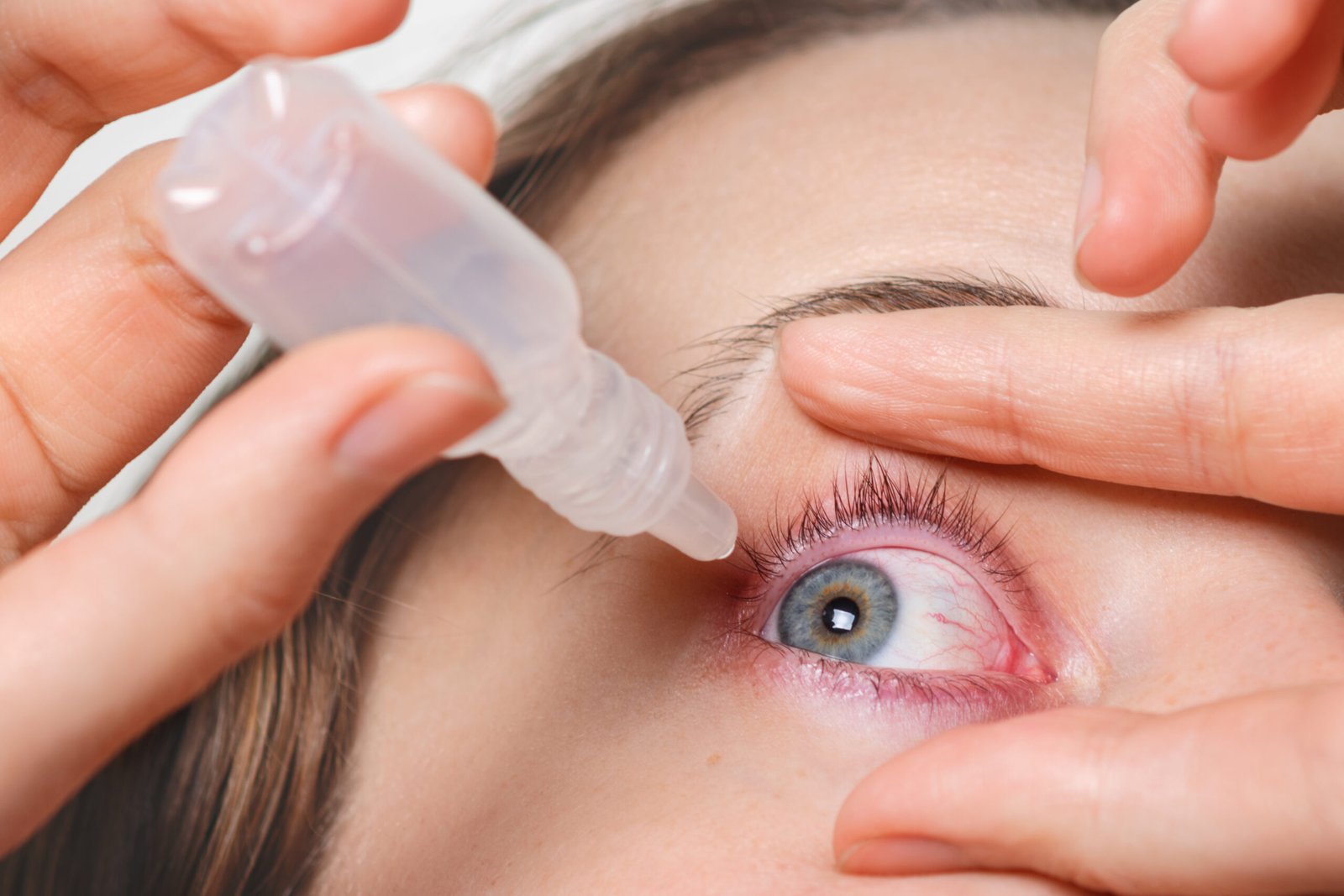
How to Use Eye Drops Correctly?
Incorrect administration wastes medicine and can introduce new germs.
- Wash Hands: Thoroughly with soap and water.
- Tilt Head Back: Or lie down flat. Gently pull down your lower eyelid to form a pouch.
- Administer Drop: Hold the dropper tip close to the eye without touching it. Squeeze one drop into the pouch.
- Close Eye: Gently close the eye for 1-2 minutes. Press a finger against the inner corner of the eye (nasolacrimal duct) to reduce systemic absorption.
- Wipe Excess: Use a clean tissue.
- Wait Between Drops: If using multiple medications, wait at least 5-10 minutes between each.
Can Eye Drops Stop Infection?
Yes, prescribed antibiotic eye drops work by killing (bactericidal) or inhibiting the growth (bacteriostatic) of susceptible bacteria. However, they are only effective if the infection is bacterial. They will not work against viral, fungal, or allergic causes. Completing the full course prescribed is essential to prevent recurrence and resistance.
How to Clear an Eye Infection Fast?
Speed of recovery depends on correct diagnosis and strict adherence.
- Seek Immediate Professional Diagnosis: This is the single most important step.
- Start Prescribed Medication Promptly: Follow the dosing schedule exactly.
- Practice Meticulous Hygiene: Avoid touching/rubbing eyes. Wash hands frequently. Use clean towels and change pillowcases daily.
- Use Complementary Care: Apply warm compresses (for bacterial styes/blepharitis) or cool compresses (for itching/allergies) as advised.
- Avoid Contaminants: Stop wearing contact lenses and eye makeup until the infection is fully resolved.
Are There Any Side Effects of Antibiotic Eye Drops?
Most are mild and transient.
- Common: Temporary stinging or burning upon instillation, blurred vision, mild redness or itching.
- Serious (Require Medical Attention): Severe or persistent pain, worsening redness/swelling, vision changes, rash, or signs of an allergic reaction (itching/swelling of face, difficulty breathing). Discontinue use and contact your doctor immediately.
Eye Infection Drops for Child: Special Considerations
Pediatric eye infections are common. Consultation with a pediatric ophthalmologist is non-negotiable.
- Diagnosis is Key: Neonatal conjunctivitis in a newborn requires urgent, specific treatment.
- Commonly Prescribed: Chloramphenicol or Fusidic Acid drops are often prescribed for simple bacterial conjunctivitis in children due to their safety profile and effectiveness.
- Dosage and Administration: Follow the doctor’s instructions precisely. Gently restraining the child may be necessary to safely administer drops.
Alternative, Supportive, and Natural Remedies
Managing expectations about non-pharmaceutical interventions is crucial.
How to Remove Eye Infection Naturally?
Natural remedies are supportive, not curative, for bacterial infections. They can aid comfort.
- Warm Compresses: For conditions like styes or blepharitis, a clean cloth soaked in warm water applied to closed eyelids for 5-10 minutes can help open blocked glands and soothe discomfort.
- Cold Compresses: For allergic itching and swelling, a cold compress can provide relief.
- Lid Hygiene: Using diluted baby shampoo or commercial lid wipes to clean eyelid margins is excellent for managing blepharitis.
What is the Best Natural Antibiotic for Eye Infection?
No natural substance can reliably replace prescribed antibiotics for an active bacterial eye infection. Some studies explore the antimicrobial properties of honey (specifically medical-grade Manuka honey), but its use in eyes is highly specialized, requires sterile preparations, and is not a mainstream or recommended home treatment. Relying on such methods can delay proper care and lead to complications.
Best Eye Drops for Red Eyes, Allergies, and Pain in Pakistan
It’s vital to differentiate these from infection drops.
- For Redness/Allergies: Look for antihistamine/mast-cell stabilizer drops like Zaditen (Ketotifen), Livostin (Levocabastine), or Alomide (Lodoxamide).
- For Eye Pain/Inflammation: NSAID drops like Acular (Ketorolac) are prescribed post-operatively or for certain inflammatory conditions. They are not for general pain relief.
- For Dryness/Redness from Irritation: Artificial tears (preservative-free options for frequent use) are the go-to solution.

Frequently Asked Questions (FAQs) –
Which eye drops are best for eye infection in Pakistan?
There is no single “best” drop. For bacterial infections, commonly prescribed and effective options include Ciprofloxacin (Ciplox), Ofloxacin (Oflox), and Moxifloxacin (Vigamox). The best one for you must be chosen by an ophthalmologist based on your specific diagnosis.
Which drop is best for eye infection?
The best drop depends entirely on the cause: Antibiotic for bacterial, Antiviral for herpes simplex, Antifungal for fungal, and Anti-allergy for allergic conjunctivitis. A doctor’s examination is required to determine this.
What eye drops are used for bacterial infections?
Commonly used antibiotic eye drops contain Ciprofloxacin, Ofloxacin, Moxifloxacin, Tobramycin, Chloramphenicol, or Azithromycin.
What is the name of the best eye drops?
In the context of broad-spectrum antibiotic coverage, ophthalmologists often consider fourth-generation fluoroquinolones like Moxifloxacin (Vigamox) or Gatifloxacin (Zymar) among the most potent for a wide range of bacterial eye infections.
What is Cipla eye drops used for?
Cipla manufactures several eye drops. The most common, Ciplox (Ciprofloxacin), is used to treat bacterial eye infections like conjunctivitis and corneal ulcers.
What is the most serious eye infection?
Endophthalmitis (infection inside the eye) and Severe Fungal or Bacterial Keratitis (corneal ulcer) are extremely serious, sight-threatening infections that require immediate hospital-based care, often involving intensive topical and sometimes intravenous or intraocular antibiotics.
How do you treat a fungal eye infection?
Treatment requires prolonged use of prescription antifungal eye drops like Natamycin 5% or Amphotericin B, prepared specifically for ocular use. This is managed strictly by a corneal specialist, often with frequent follow-up.
How many days will an eye infection last?
With proper treatment, bacterial conjunctivitis often improves within 24-48 hours and resolves in 5-7 days. Viral conjunctivitis can last 1-3 weeks and runs its course. Allergic conjunctivitis lasts as long as the allergen exposure continues.

Add a Comment