Home-Remedies-For-Dandruff

Home Remedies For Dandruff And Itchy Scalp

Dandruff, which causes flaky skin and itching on the scalp, is a common problem many people face. Fortunately, several natural and home remedies can help soothe the scalp and reduce dandruff without the need for harsh chemicals.

This guide will look at some of the best home remedies and how they work and offer tips on how to use them effectively. These treatments are suitable for anyone dealing with dandruff or scalp irritation.

Recommended Reading: How To Get Rid Of A UTI In 24 Hours At Home (Instant UTI Relief)

Home Remedies for Dandruff and Itchy Scalp

Home-Remedies-For-Dandruff-And-Itchy-Scalp

Recommended Reading: Stop Tooth Pain Fast At Home At Night (Home Remedies)

What Are the Remedies?

The term “remedies” refers to treatments or solutions used to solve a problem or relieve a condition. In the context of health, remedies are often natural or medical methods used to treat symptoms or illnesses.

For example, home remedies are simple, natural treatments people use at home to cure minor health issues, like using honey for a sore throat or aloe vera for sunburn.

Recommended Reading: How To Lower Blood Pressure Naturally [Instantly Home Remedies]

Best Home Remedies for Dandruff and Itchy Scalp

Top 5 Best Home Remedies for Dandruff and Itchy Scalp

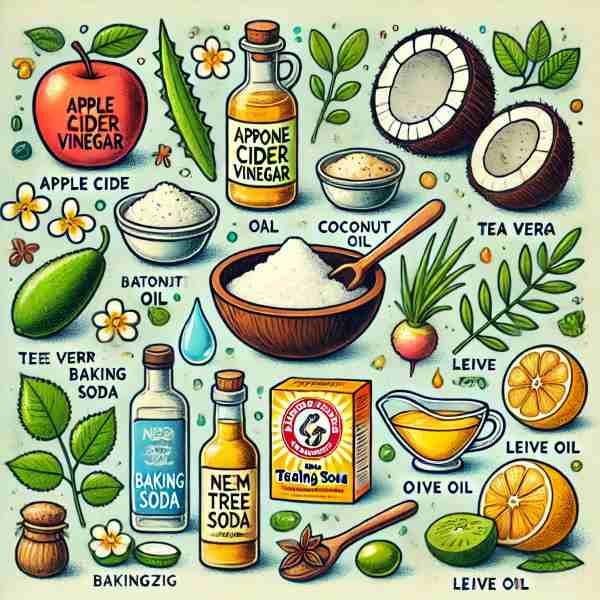
  • Apple cider vinegar
  • Coconut oil
  • Aloe vera
  • Tea tree oil
  • Baking soda
  • Neem
  • Olive oil
  • Lemon juice
  • Healthy diet
Best-Home-Remedies-for-Dandruff

Several natural ingredients can help treat dandruff and soothe an itchy scalp. Some of the most effective remedies include:

  • Apple Cider Vinegar: This helps balance the scalp’s pH and has antifungal properties that can help fight the fungus responsible for dandruff.
  • Coconut Oil: Known for its moisturizing effects, coconut oil hydrates the scalp and prevents dryness that can lead to flaking.
  • Aloe Vera: Aloe vera has soothing and healing properties that calm irritated skin on the scalp.
  • Tea Tree Oil: This essential oil is both antifungal and antibacterial, making it effective for treating dandruff caused by infections.
  • Baking Soda: It gently exfoliates the scalp, removing dead skin cells and preventing buildup that can cause flakes.
  • Neem: Used in traditional medicine, neem is a powerful antifungal plant that helps combat dandruff.
  • Olive Oil: Olive oil deeply moisturizes and nourishes the scalp, reducing dryness and flaking.
  • Lemon Juice: It helps control excess oil and balances the pH level of the scalp, making it harder for dandruff to develop.
  • Healthy Diet: Eating a balanced diet rich in vitamins and nutrients supports scalp health from within and can help reduce dandruff.

How Do They Work?

These natural remedies work by:

  • Reducing dryness and itchiness: Many of these ingredients, like coconut oil and aloe vera, moisturize the scalp, preventing dryness that leads to flakes.
  • Balancing oil production: Remedies like lemon juice help control excess oil, which can worsen dandruff.
  • Fighting fungi: Ingredients like apple cider vinegar, tea tree oil, and neem have antifungal properties, helping to reduce the fungus often responsible for dandruff.

Recommended Reading: Home Remedies For Vaginal Dryness (Symptoms, Causes, & Remedies)

Indications & Uses

Indications & Uses

Natural remedy ingredients like apple cider vinegar, coconut oil, and aloe vera, symbolize natural care for scalp health. The serene setting highlights the benefits of these remedies in a soft, sunlit ambiance.

Indications-&-Uses

Who Should Use These Remedies?

These remedies are perfect for anyone dealing with dandruff, an itchy scalp, or flaking skin. They are especially beneficial for those who prefer natural, chemical-free treatments to help manage their scalp conditions.

How to Use?

Here’s how you can use each remedy effectively:

  • Apple Cider Vinegar: Dilute apple cider vinegar with water, apply it to your scalp, and leave it for 10-15 minutes before rinsing it out with water.
  • Coconut Oil: Gently massage coconut oil into your scalp and leave it overnight. Wash it off in the morning.
  • Aloe Vera: Apply fresh aloe vera gel directly to your scalp, leave it for 30 minutes, and then wash it off with lukewarm water.
  • Tea Tree Oil: Mix a few drops of tea tree oil with a carrier oil (like coconut or olive oil) and massage it into your scalp.
  • Baking Soda: Mix baking soda with water to create a paste, gently massage it into your scalp, and rinse it off.
  • Neem: You can use neem oil or make a paste from fresh neem leaves and apply it to your scalp.
  • Olive Oil: Warm the olive oil and apply it to your scalp for hydration. Leave it on for about 30 minutes before washing it off.
  • Lemon Juice: Apply lemon juice directly to your scalp, leave it for 10 minutes, then rinse thoroughly with water.

Recommended Reading: How To Get Rid Of A UTI In 24 Hours At Home

Effectiveness

Effectiveness

Home remedies like tea tree oil, aloe vera, and neem, highlight their effectiveness in treating dandruff and promoting scalp health. The composition reflects both clinical support and traditional wisdom in a calming, professional setting.

Effectiveness

Clinical Evidence

Some of the remedies, such as tea tree oil and aloe vera, have been supported by clinical studies showing their effectiveness in treating dandruff and soothing an itchy scalp. Tea tree oil, for example, has antifungal properties that help fight the fungus responsible for dandruff.

Aloe vera is known for its soothing and healing effects on irritated skin. However, other remedies like coconut oil and neem are based more on traditional use and anecdotal evidence.

Expected Results

With regular use, you can expect to experience relief from the itchiness and a noticeable reduction in dandruff flakes. Many people begin to see improvements after just a few applications.

Consistently using these remedies not only helps to reduce dandruff but also promotes overall scalp health, which can help prevent dandruff from returning.

Side Effects & Precautions

Side Effects & Precautions

Common side effects and precautions for natural remedies, with clear symbols like warning signs for lemon, tea tree oil, and apple cider vinegar. The serene background features a patch test demonstration and a doctor offering friendly guidance.
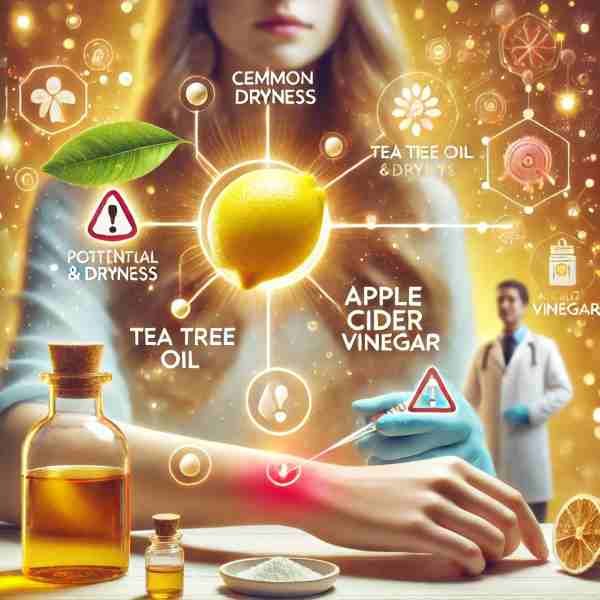
Side-Effects-&-Precautions

Common Side Effects

  • Lemon Juice: If used too often or in high amounts, lemon juice can cause irritation or dryness on the scalp.
  • Tea Tree Oil: Some people may experience allergic reactions, especially those with sensitive skin. It’s important to dilute it properly before use.
  • Apple Cider Vinegar: Applying undiluted apple cider vinegar directly to the scalp may cause irritation due to its acidity.

Serious Side Effects

  • Although rare, some individuals may experience allergic reactions to essential oils like tea tree or neem. Symptoms may include redness, itching, or swelling.

Precautions

  • Patch Test: Always perform a patch test by applying a small amount of the remedy on your skin to check for any allergic reaction before using it on your scalp.
  • Avoid if Allergic: If you are allergic or sensitive to any of the ingredients (e.g., lemon, tea tree oil, or neem), avoid using that remedy.
  • Consult a Doctor: If your symptoms worsen or do not improve after using these remedies, consult a healthcare professional for further advice.

Pros & Cons

Advantages

  • Affordable and Easy to Find: These home remedies are cost-effective and can be easily sourced from your kitchen or local store.
  • Natural Ingredients: They provide a chemical-free solution, offering a more natural approach to treating dandruff and itchy scalp.
  • Addresses Dandruff Causes: The remedies target common causes of dandruff, such as fungi, dryness, and irritation, helping to restore balance to the scalp.

Disadvantages

  • Slower Results: Home remedies often take longer to show results compared to medicated treatments, requiring more patience for noticeable improvements.
  • May Not Work for Severe Dandruff: In cases of severe dandruff or underlying medical conditions, these remedies might not be effective, and professional treatments could be necessary.
  • Strong Odors: Some ingredients, like apple cider vinegar or neem, have strong smells that may not be pleasant for everyone.

Recommended Reading: Stop Tooth Pain Fast At Home At Night (Home Remedies)

FAQs

What causes dandruff and an itchy scalp?

Best-Home-Remedies-for-Dandruff

Dandruff is often caused by a dry scalp, excess oil, or a fungal infection. It can also be triggered by skin conditions like eczema or psoriasis. The itchiness is usually due to irritation or dryness on the scalp.

How do natural remedies help with dandruff?

Effectiveness

Natural remedies like coconut oil, apple cider vinegar, and tea tree oil help balance the scalp’s pH, reduce dryness, and fight the fungi responsible for dandruff. These ingredients can also soothe irritation and promote a healthier scalp.

How often should I use these remedies?

For best results, you can use these remedies 2-3 times a week. Some may be used daily, like coconut oil, while others, like apple cider vinegar, may work better when applied once a week to avoid scalp irritation.

Can I mix these remedies?

Yes, you can mix some of these remedies. For example, coconut oil and tea tree oil can be combined, but always make sure to dilute essential oils with a carrier oil. Avoid mixing ingredients like vinegar with lemon juice as it may irritate the scalp.

Do I need to stop using my regular shampoo or treatment?

You don’t need to stop using your regular shampoo. You can use these natural remedies alongside your usual hair care routine.

Conclusion

Summary of Findings

Home remedies can be a natural and effective approach to managing dandruff and itchy scalp. Ingredients like coconut oil, tea tree oil, and apple cider vinegar have proven beneficial in soothing the scalp, reducing flakes, and restoring balance.

Overall Recommendation

If you’re looking for a natural, affordable way to tackle dandruff, these remedies are a great option. However, it’s important to remember that results may vary, and they may work best for mild to moderate cases.

Who Should Use These Remedies?

These home remedies are most beneficial for those with mild to moderate dandruff. If you have severe dandruff or an underlying scalp condition, it might be best to consult a healthcare professional or opt for medicated treatments if these remedies don’t provide enough relief.


Home-Remedies-to-Lower-Blood-Pressure

How To Lower Blood Pressure Instantly In An Emergency (Home Remedies)

High blood pressure, also known as hypertension, is a serious medical condition that can lead to severe health complications if left uncontrolled. In an emergency, it is crucial to lower blood pressure quickly to prevent life-threatening consequences.

While immediate medical intervention is often required, several effective home remedies can help lower blood pressure fast.

These natural methods such as diaphragmatic breathing, staying hydrated, managing stress, and dietary changes, alongside medications like nifedipine and captopril, provide rapid relief in hypertensive emergencies.

Recommended Reading: Home Remedies For Dandruff And Itchy Scalp

Best Home Remedies to Lower Blood Pressure Instantly in an Emergency

Home-Remedies-to-Lower-Blood-Pressure-in-Emergency

Recommended Reading: How To Get Rid Of A UTI In 24 Hours At Home (Instant UTI Relief)

Lower Blood Pressure

Combines both natural home remedies and medically approved medications to help lower blood pressure instantly during an emergency. The home remedies include natural ingredients like garlic, hibiscus tea, and dark chocolate, while medications such as nifedipine and captopril are used for fast, effective results.

Active Ingredients/Components

  • Natural Remedies: Garlic, hibiscus tea, dark chocolate, and other lifestyle adjustments like deep breathing and hydration.
  • Medications: Oral medications like nifedipine and captopril, along with intravenous solutions like clevidipine, are used in critical situations for rapid blood pressure reduction.

How Does It Work?

  • Home Remedies: These natural solutions work by relaxing the blood vessels, improving circulation, and reducing stress, all of which help to lower blood pressure effectively. Garlic and hibiscus tea, for example, have been shown to promote better blood flow and decrease tension in the body.
  • Medications: The prescribed medications are designed to act quickly, either by widening blood vessels (vasodilation) or blocking specific receptors, resulting in a rapid drop in blood pressure. These treatments provide a more immediate solution during hypertensive crises.

Benefits and Expected Results

  • Home Remedies: These natural methods help lower blood pressure gradually, offering a safe, non-invasive way to manage blood pressure over time.
  • Medications: These treatments provide a faster, more direct approach to lowering blood pressure, especially in emergency scenarios. They are highly effective in quickly reducing dangerously high blood pressure, ensuring a faster stabilization of the condition.

Recommended Reading: Stop Tooth Pain Fast At Home At Night (Home Remedies)

Indications & Uses

Indications & Uses

Home remedies may offer temporary relief and help manage mild cases of high blood pressure. However, in severe hypertension or emergencies, medications are often necessary for quicker and more effective treatment.

Indications-&-Uses

Who Should Use It?

This product is ideal for individuals experiencing a hypertensive crisis or those with dangerously high blood pressure in need of immediate relief. It’s also suitable for people looking for quick, natural home remedies to lower blood pressure temporarily and manage it effectively.

How to Use?

  • Home Remedies:
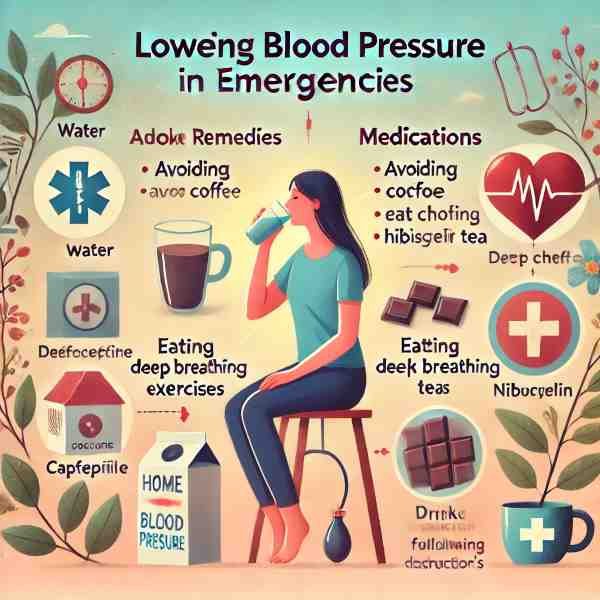
    • Drink plenty of water to stay hydrated and help lower blood pressure.
    • Limit caffeine intake to prevent spikes in blood pressure.
    • Practice stress management techniques like deep breathing exercises to help relax and lower blood pressure.
    • Eating dark chocolate or drinking hibiscus tea are proven natural remedies that may help reduce blood pressure.
  • Medications:
    • Medications like nifedipine, captopril, or nitroglycerin are typically prescribed for hypertensive emergencies and should be used according to your doctor’s instructions.
    • The frequency of use will depend on the severity of high blood pressure and any accompanying symptoms, so follow the dosage recommendations carefully.

Recommended Reading: How To Lower Blood Pressure Naturally [Instantly Home Remedies]

Effectiveness

Effectiveness

Studies and clinical research support the effectiveness of both home remedies and medications in lowering blood pressure.

Effectiveness

Clinical Evidence

Studies and clinical research support the effectiveness of both home remedies and medications in lowering blood pressure. Natural remedies like garlic, hibiscus tea, and deep breathing exercises have been shown to help reduce blood pressure by relaxing the blood vessels and improving circulation.

Medications such as nifedipine and captopril have been clinically proven to provide rapid results, effectively lowering blood pressure in emergencies. Testimonials from users also indicate success, with many reporting a noticeable reduction in their blood pressure after using these remedies or medications.

Expected Results

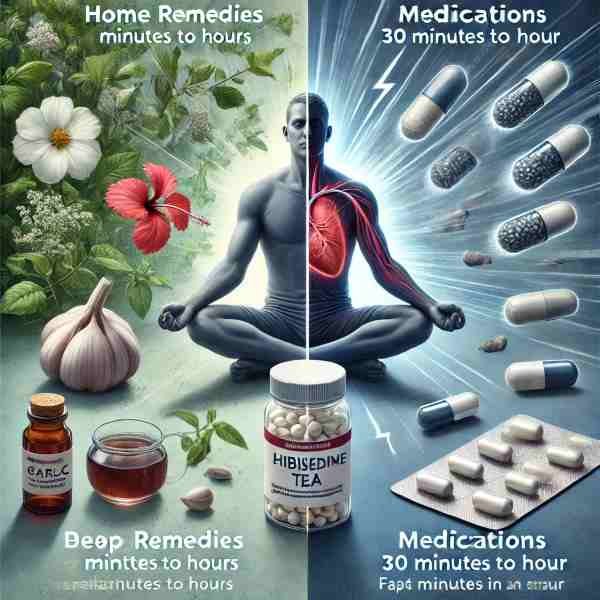
  • Home Remedies: You can expect to see noticeable improvements in your blood pressure within minutes to hours after using natural remedies. While the effects may take a bit longer than medications, they are still effective for quickly managing blood pressure levels.
  • Medications: When using prescribed medications, you can anticipate an immediate reduction in blood pressure, typically within 30 minutes to an hour. These medications are designed to act quickly, offering fast relief during a hypertensive emergency.

Recommended Reading: Home Remedies For Vaginal Dryness (Symptoms, Causes, & Remedies)

Side Effects & Precautions

Side Effects & Precautions

Home remedies and medications for lowering blood pressure, covering side effects, serious risks, and essential precautions.

Side-Effects-&-Precautions

Common Side Effects

  • Home Remedies: Natural methods to lower blood pressure usually have minimal side effects. Some people may experience mild stomach discomfort from certain herbal teas like hibiscus, or feel uneasy due to a rapid reduction in caffeine intake.
  • Medications: Medications prescribed for lowering blood pressure, such as nifedipine or hydralazine, can sometimes cause side effects like dizziness, headaches, or nausea.

Serious Side Effects

  • Medications: Though rare, serious side effects from blood pressure-lowering medications may include allergic reactions, heart complications, or dangerously low blood pressure (hypotension). It’s important to monitor for these symptoms and seek medical help if needed.

Precautions

  • Home Remedies: Make sure to stay hydrated and monitor your caffeine intake carefully, as dehydration or sudden caffeine withdrawal can cause issues. Always check with a healthcare professional before trying new remedies if you have any underlying health concerns.
  • Medications: Prescription medications should be taken strictly under a doctor’s guidance, especially if you have conditions like pregnancy, diabetes, or heart disease, to ensure safety and effectiveness.

Recommended Reading: How To Get Rid Of A UTI In 24 Hours At Home

Pros & Cons

Pros & Cons

Pros and cons of managing blood pressure with home remedies and medications. It compares their effectiveness, safety, and suitability for mild versus severe cases.

Pros-&-Cons

Advantages

  • Home Remedies: These are a natural and affordable way to lower blood pressure, using easily accessible ingredients. They are simple to incorporate into daily life and can be effective in managing mild to moderate hypertension.
  • Medications: Medications offer a fast and reliable solution, particularly in emergencies where blood pressure needs to be reduced immediately. They are highly effective for acute situations.

Disadvantages

  • Home Remedies: While they are safe for everyday use, home remedies may not provide enough relief in severe or critical high blood pressure emergencies.
  • Medications: These require careful monitoring by a healthcare professional to prevent misuse, and improper use could lead to unwanted side effects.

Comparison

  • Home Remedies: These are generally safer for regular use and work well for mild to moderate cases of high blood pressure. They are gentler on the body but may take longer to show results.
  • Medications: Medications are the go-to choice for critical situations where blood pressure must be lowered quickly. They act faster but come with a higher risk of side effects and require professional oversight.

Recommended Reading: Stop Tooth Pain Fast At Home At Night

FAQs

How can I lower blood pressure quickly at home?

You can lower blood pressure at home by trying simple remedies such as deep breathing exercises, drinking water, reducing stress, or consuming dark chocolate or hibiscus tea. These methods can help relax blood vessels and improve circulation, but they are best for mild cases.

Are home remedies effective in emergencies?

Home remedies can provide temporary relief and help lower blood pressure in less severe situations. However, in critical emergencies or severe hypertension, medications may be needed for faster and more effective results.

What medications can I take to lower blood pressure in an emergency?

Common medications used in hypertensive emergencies include nifedipine, captopril, and nitroglycerin. These medications work quickly to lower blood pressure but should only be taken under medical supervision.

What are the side effects of using medications to lower blood pressure?

While medications like nifedipine are effective, they may cause side effects like dizziness, headaches, or nausea. In rare cases, they can lead to more serious issues like hypotension or heart problems.

How do I know when to seek medical help for high blood pressure?

If your blood pressure is extremely high (e.g., 180/120 or above), or you experience severe symptoms like chest pain, shortness of breath, or confusion, seek immediate medical attention. Home remedies may not be enough in these cases.

Can lifestyle changes help in lowering blood pressure naturally?

Yes, lifestyle changes like maintaining a healthy diet, exercising regularly, managing stress, and reducing sodium intake can help lower blood pressure naturally and reduce the need for medications in the long run.

Conclusion

Summary of Findings

Both home remedies and medications provide valuable methods for lowering blood pressure during emergencies. Natural remedies are effective for managing mild symptoms, while medications deliver rapid results in critical situations.

Overall Recommendation

For long-term management and minor high blood pressure issues, home remedies can be useful. However, in urgent situations where immediate blood pressure reduction is required, medications are the recommended option for quick and reliable relief.

Who Should Consider This Approach?

Individuals dealing with high blood pressure or those prone to hypertensive emergencies should consider these options to manage their condition effectively and ensure quick relief when needed.

Suggestions for Alternatives

If home remedies or prescribed medications are not suitable, it’s important to consult with a healthcare provider to explore other personalized treatments for lowering blood pressure effectively.

………………………….
Disclaimer:
Commissions we earn from partner links on this page do not influence our content. Our editorial content is based on thorough research and insights from qualified medical professionals to ensure the highest standards of accuracy and reliability.

Information provided on Doseway is for educational purposes only. Your health and wellness are unique to you, and the products and services we review may not be suitable for your circumstances. We do not offer personal medical advice, diagnosis, or treatment plans. For specific advice, please consult with a healthcare professional. Doseway adheres to strict editorial integrity standards. To the best of our knowledge, all content is accurate as of the date posted, though offers and information may change. The opinions expressed are the author’s own and have not been influenced, approved, or endorsed by our partners.
…………………………….