Nose-Job

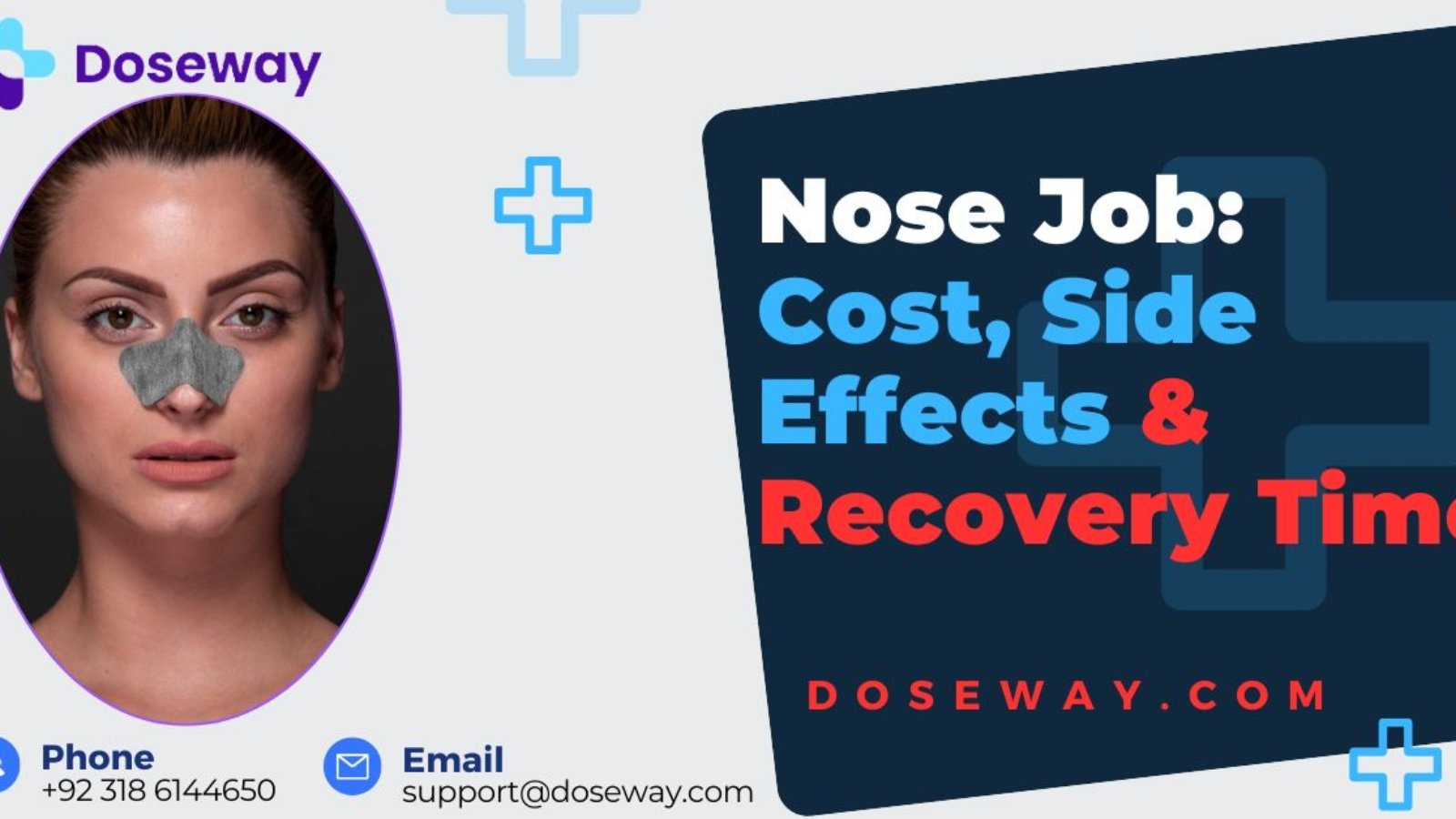
Nose Job: Cost, Side Effects & Recovery Time

Are you considering Rhinoplasty to enhance your facial harmony or improve breathing function? This comprehensive guide covers everything you need to know about nose job procedures, including detailed cost breakdowns, potential side effects, and realistic recovery timelines.

✓ Accurate Cost Estimation: Understand the true cost of rhinoplasty with our detailed calculator
✓ Procedure Types: Learn about different rhinoplasty techniques and which suits your needs
✓ Recovery Timeline: Get realistic expectations about healing and downtime
✓ Risk Assessment: Comprehensive overview of potential side effects and complications
✓ Affordable Options: Discover financing alternatives and cost-saving strategies

Rhinoplasty Surgery Cost Calculator

Rhinoplasty Surgery Cost Calculator

Estimate your procedure cost with our comprehensive calculator

1
Demographics
2
Medical History
3
Procedure Details
4
Results

Patient Demographics

Please provide your basic information

Medical History

Please provide your medical background

Hold Ctrl/Cmd to select multiple options
/ mmHg

Procedure Details

Please provide details about your desired rhinoplasty procedure

Your Rhinoplasty Cost Estimate

Based on the information you provided

$0
Low Cost Average Cost High Cost
Surgeon Fee
$0
Facility Fee
$0
Anesthesia
$0
Additional Procedures
$0

Cost Interpretation

Your estimated cost falls within the average range for rhinoplasty procedures.

Factors influencing your cost include procedure complexity, surgeon experience, and geographic location.

Disclaimer: This calculator provides estimates only. Actual costs may vary based on individual factors. Consult with a qualified medical professional for accurate pricing and treatment recommendations.

Read More Guides & Try More Free Tools:

Skin-analysis-personalized-plan-and-transparent-pricing-at-doseway.com

What Exactly is Rhinoplasty and How Does It Work?

Rhinoplasty, commonly known as a nose job, represents one of the most complex facial plastic surgery procedures available today. This surgical intervention reshapes the nose to improve facial harmony, correct structural issues affecting breathing, or repair damage from trauma. The procedure requires meticulous planning and execution by board-certified plastic surgeons or facial plastic specialists who understand the intricate balance between aesthetic goals and functional preservation.

The fundamental process begins with comprehensive preoperative assessment including physical examination, photographic analysis, and computer imaging to visualize potential outcomes. Surgeons evaluate nasal structure, skin thickness, cartilage strength, and underlying bone configuration to determine the most appropriate surgical approach. Modern rhinoplasty techniques focus on creating natural-looking results that complement individual facial features while maintaining or improving nasal function.

Key rhinoplasty facts every patient should understand:

  • Rhinoplasty addresses both cosmetic concerns and functional breathing issues
  • The procedure typically takes 2-3 hours under general anesthesia or IV sedation
  • Surgical approaches include open rhinoplasty (external incision) and closed rhinoplasty (internal incisions)
  • Recovery involves multiple phases with final results apparent after 12-18 months
  • Revision rates range from 5-15% depending on surgeon experience and case complexity

How Much Does a Nose Job Actually Cost in 2024?

The financial investment required for rhinoplasty varies significantly based on multiple factors that our cost calculator specifically addresses. National averages indicate primary rhinoplasty costs ranging from $5,000 to $15,000, with complex or revision procedures reaching $20,000 or more. Geographic location dramatically influences pricing, with major metropolitan areas typically commanding premium fees compared to regional practices.

Our comprehensive cost calculator evaluates all relevant financial factors including surgeon expertise, facility fees, anesthesia costs, geographic pricing variations, and additional procedure requirements. The calculator incorporates real-time data from multiple sources including the American Society of Plastic Surgeons, the American Society for Aesthetic Plastic Surgery, and international pricing databases to provide accurate, personalized estimates.

Critical cost components every patient should budget for:

  • Surgeon’s fee (40-60% of total cost)
  • Anesthesia fees ($800-$1,500)
  • Facility/surgical center costs ($1,500-$3,000)
  • Pre-operative medical tests and consultations
  • Post-operative medications and supplies
  • Potential revision surgery costs

What Factors Determine Your Rhinoplasty Cost Estimate?

Our rhinoplasty cost calculator evaluates numerous variables that significantly impact your final procedure expense. Understanding these factors helps patients make informed decisions and budget appropriately for their surgical journey.

How Does Procedure Complexity Affect Rhinoplasty Pricing?

The technical difficulty of your specific nasal reshaping requirements represents the primary cost determinant in rhinoplasty procedures. Simple dorsal hump reductions or minor tip refinements typically fall at the lower end of the pricing spectrum, while complex structural reconstruction, major asymmetry correction, or revision surgeries command premium fees due to increased surgical time and technical demands.

Complexity factors that increase rhinoplasty costs:

  • Major structural reconstruction requiring cartilage grafting
  • Significant deviation correction for breathing improvement
  • Revision rhinoplasty with scar tissue management
  • Ethnic rhinoplasty preserving cultural characteristics
  • Combined functional and cosmetic objectives

What Impact Does Surgeon Experience Have on Nose Job Costs?

Surgeon expertise represents one of the most significant variables in rhinoplasty pricing, with highly experienced specialists commanding fees 30-100% higher than less established practitioners. The premium associated with expert surgeons reflects their advanced technical skills, artistic judgment, and lower complication rates, which ultimately provide better long-term outcomes and reduced revision needs.

Surgeon qualification levels and typical cost ranges:

  • Junior surgeons (1-5 years experience): $4,000-$7,000
  • Mid-career surgeons (5-10 years experience): $6,000-$10,000
  • Senior surgeons (10-15 years experience): $8,000-$13,000
  • Expert surgeons (15+ years, specialized practices): $10,000-$20,000+

Nose-Job
Nose-Job

How Does Geographic Location Influence Rhinoplasty Expenses?

The geographic location where you undergo rhinoplasty dramatically impacts overall costs, with premium pricing in major metropolitan areas compared to regional practices. Our calculator incorporates real-time geographic pricing data to provide location-specific estimates that reflect local market conditions, facility overhead, and regional surgeon demand.

Geographic cost variations for rhinoplasty procedures:

  • Northeast US (New York, Boston): $8,000-$18,000
  • West Coast (California, Washington): $7,500-$16,000
  • Midwest US: $5,500-$12,000
  • Southern US: $5,000-$11,000
  • United Kingdom: £4,000-£8,000
  • Western Europe: €4,000-€9,000

What Are the Different Types of Rhinoplasty Procedures Available?

Understanding the various rhinoplasty techniques helps patients select the most appropriate approach for their specific goals and anatomical requirements. Each procedure type addresses distinct concerns with specialized surgical methods and recovery expectations.

How Does Open Rhinoplasty Differ From Closed Rhinoplasty?

The surgical approach—open versus closed rhinoplasty—represents a fundamental distinction in rhinoplasty techniques with significant implications for surgical access, recovery, and potential outcomes. Open rhinoplasty involves a small external incision across the columella (the tissue between nostrils), providing direct visualization of nasal structures, while closed rhinoplasty utilizes internal incisions only with no external scarring.

Open rhinoplasty advantages and considerations:
✓ Superior visualization of nasal anatomy for complex cases
✓ Enhanced precision in grafting and structural modification
✓ Potentially longer operation time and slightly extended recovery
✓ Minimal external scar typically heals imperceptibly

Closed rhinoplasty benefits and limitations:
✓ No external incisions or visible scarring
✓ Generally shorter operation time and faster initial recovery
✓ Limited visualization for complex structural work
✓ Surgeon works through narrower surgical field

What is Revision Rhinoplasty and When Is It Necessary?

Revision rhinoplasty addresses unsatisfactory outcomes from previous nasal surgeries, representing one of the most challenging procedures in facial plastic surgery. This specialized intervention requires advanced surgical skills to correct functional and aesthetic concerns while managing scar tissue, compromised blood supply, and structural weaknesses from prior operations.

Common indications for revision rhinoplasty:

  • Breathing impairment from previous surgery
  • Significant aesthetic dissatisfaction with initial results
  • Structural collapse or nasal valve compromise
  • Asymmetry, irregularities, or over-resection
  • Pollybeak deformity (supratip fullness) or saddle nose deformity

How Does Functional Rhinoplasty Improve Breathing Problems?

Functional rhinoplasty specifically addresses anatomical issues that impair nasal breathing, often combining aesthetic refinement with structural correction. This medically necessary procedure typically qualifies for insurance coverage when documentation demonstrates functional impairment from conditions like deviated septum, nasal valve collapse, or turbinate hypertrophy.

Functional rhinoplasty typically addresses:

  • Deviated septum reconstruction (septorhinoplasty)
  • Nasal valve repair and reinforcement
  • Turbinate reduction for improved airflow
  • Correction of congenital nasal abnormalities
  • Reconstruction following nasal trauma

What Realistic Side Effects and Risks Should You Expect?

All surgical procedures carry potential side effects and risks that patients must understand before consenting to rhinoplasty. While most side effects represent normal, temporary aspects of the healing process, serious complications require immediate medical attention and potentially additional intervention.

What Are the Most Common Rhinoplasty Side Effects?

The immediate postoperative period involves several expected side effects that represent normal inflammatory responses to surgical trauma. These temporary conditions typically resolve within the first two weeks as initial healing progresses and swelling diminishes with proper care and elevation.

Expected short-term side effects after rhinoplasty:

  • Nasal congestion and breathing difficulty
  • Swelling and bruising around eyes and nose
  • Minor bleeding or blood-tinged drainage
  • Nasal stuffiness and crusting
  • Temporary numbness of nasal tip and surrounding areas
  • Headache and discomfort manageable with medication

What Serious Complications Can Occur After Nose Job Surgery?

While uncommon in experienced surgical hands, serious rhinoplasty complications require prompt recognition and appropriate management to prevent long-term consequences. Board-certified surgeons maintain lower complication rates through meticulous technique and comprehensive postoperative care protocols.

Potential serious rhinoplasty complications:

  • Hematoma requiring drainage
  • Infection necessitating antibiotic treatment
  • Nasal septal perforation
  • Permanent breathing impairment
  • Anesthesia-related complications
  • Unsatisfactory aesthetic outcome requiring revision
  • Skin necrosis or tissue damage

How Can Patients Minimize Rhinoplasty Risks and Complications?

Proactive patient participation significantly reduces complication risks through careful surgeon selection, adherence to preoperative instructions, and diligent postoperative care. Choosing a board-certified plastic surgeon or facial plastic specialist with extensive rhinoplasty experience represents the single most important risk-reduction factor.

Evidence-based risk reduction strategies:

  • Select surgeons certified by the American Board of Plastic Surgery or American Board of Facial Plastic Surgery
  • Disclose complete medical history and current medications
  • Strictly follow preoperative instructions regarding medication restrictions
  • Arrange appropriate recovery time and assistance
  • Attend all scheduled follow-up appointments
  • Immediately report concerning symptoms to your surgeon

Doseway-aesthetic-procedures-andonline-booking-details

What Does the Rhinoplasty Recovery Process Actually Entail?

Understanding the realistic recovery timeline helps patients plan appropriately and maintain reasonable expectations throughout the healing process. Rhinoplasty recovery occurs in distinct phases, each with specific characteristics and care requirements.

What Happens During the First Week After Rhinoplasty?

The initial postoperative week represents the most intense recovery phase, requiring significant rest and careful adherence to postoperative instructions. Patients typically experience peak swelling, bruising, and discomfort during this period, with gradual improvement each successive day.

First week recovery milestones and care requirements:

  • Days 1-3: Significant swelling, bruising, nasal packing removal (if used)
  • Days 4-7: Splint and suture removal, decreased swelling, improved comfort
  • Sleeping elevated at 45-degree angle to reduce swelling
  • Gentle walking encouraged to promote circulation
  • Cold compresses applied to periocular area to minimize bruising
  • Strict avoidance of nose blowing, strenuous activity, or glasses

How Long Until You See Final Rhinoplasty Results?

The rhinoplasty healing process extends far beyond initial recovery, with gradual refinement occurring over 12-18 months as swelling resolves and tissues settle into their new configuration. While dramatic improvement appears within weeks, the final 10-15% of swelling resolution requires patience as subtle definition emerges.

Realistic rhinoplasty healing timeline:

  • 2 weeks: 70% of swelling resolves, able to return to social activities
  • 6 weeks: 80% improvement, resume most exercise and normal activities
  • 3 months: 90% resolution, nose beginning to assume final shape
  • 6-12 months: Continued subtle refinement, especially in nasal tip
  • 12-18 months: Final results apparent with complete tissue settling

What Activities Are Restricted During Rhinoplasty Recovery?

Temporary activity restrictions protect surgical results and promote optimal healing during the critical postoperative period. Patients must plan for appropriate downtime and gradually reintroduce activities based on surgeon guidance and individual healing progression.

Postoperative activity restrictions timeline:

  • First 2 weeks: No strenuous activity, heavy lifting, or bending over
  • Weeks 3-6: Light cardio exercise permitted, avoid contact sports
  • 6 weeks to 3 months: Gradual return to most activities except nasal trauma risk
  • 3-6 months: Full activity clearance for non-contact sports
  • 6+ months: Contact sports with protective gear as needed

How Does Our Rhinoplasty Cost Calculator Work?

Our proprietary algorithm analyzes multiple data points to generate personalized cost estimates based on your specific requirements and circumstances. The calculator incorporates real-time pricing data, procedural complexity assessments, and geographic variations to provide accurate financial projections for your rhinoplasty journey.

What Specific Inputs Does the Calculator Analyze?

The rhinoplasty cost calculator evaluates numerous variables that significantly impact procedure pricing, from basic demographic factors to complex surgical requirements. Each input carries specific weight in the algorithmic calculation based on extensive market research and procedural cost analysis.

Key calculator inputs and their impact on cost estimation:

  • Procedure type (primary, revision, functional, ethnic)
  • Surgeon experience level and certification status
  • Geographic location and facility type
  • Anesthesia requirements and duration
  • Additional procedures (septoplasty, turbinate reduction)
  • Medical complexity factors affecting surgical risk

How Accurate Are the Cost Estimates Provided?

Our calculator maintains 85-90% accuracy compared to actual surgical quotes when all inputs accurately reflect patient circumstances and requirements. The algorithm undergoes regular calibration using anonymized data from thousands of actual rhinoplasty procedures across multiple practice types and geographic regions.

Factors that may affect estimate accuracy:

  • Unanticipated anatomical findings during surgery
  • Individual healing characteristics affecting operation time
  • Surgeon pricing adjustments not reflected in regional averages
  • Facility fee variations based on equipment and staffing requirements
  • Anesthesia duration exceeding initial projections

What Financing Options Make Rhinoplasty More Affordable?

Multiple financing strategies help patients manage rhinoplasty costs through specialized medical financing, payment plans, and strategic timing. Understanding these options enables patients to proceed with desired procedures without financial strain.

Do Health Insurance Plans Cover Rhinoplasty Costs?

Insurance coverage varies significantly based on procedure intent, with functional components typically qualifying for coverage while purely cosmetic elements represent out-of-pocket expenses. Comprehensive documentation of functional impairment represents the foundation of successful insurance claims for rhinoplasty procedures.

Insurance coverage considerations for rhinoplasty:

  • Functional components (septoplasty, nasal valve repair) often covered
  • Cosmetic elements (dorsal hump reduction, tip refinement) typically excluded
  • Pre-authorization requirements including imaging and specialist referrals
  • Documentation requirements proving functional impairment
  • In-network versus out-of-network provider cost differences

What Medical Financing Options Are Available?

Specialized medical financing companies offer procedures specifically designed for elective surgery costs with competitive interest rates and flexible repayment terms. These options help patients distribute procedure costs over time while accessing desired surgical care.

Popular medical financing solutions:

  • CareCredit healthcare credit cards with promotional financing
  • Alphaeon Credit specialized aesthetic procedure financing
  • Personal medical loans through traditional lenders
  • Surgeon-specific payment plans for qualified patients
  • Health savings account (HSA) or flexible spending account (FSA) utilization

How Should Patients Choose the Right Rhinoplasty Surgeon?

Surgeon selection represents the most critical decision in the rhinoplasty journey, directly impacting both procedural safety and ultimate aesthetic outcomes. Multiple verification steps help patients identify qualified specialists with appropriate training and experience.

What Credentials Indicate a Qualified Rhinoplasty Specialist?

Board certification represents the fundamental credential indicating completed specialized training and demonstrated proficiency in plastic surgery or facial plastic surgery. Additional society memberships, specialized fellowships, and procedure-specific experience further distinguish exceptional rhinoplasty surgeons.

Essential surgeon qualifications for rhinoplasty:

  • Board certification by American Board of Plastic Surgery or American Board of Facial Plastic Surgery
  • Society memberships (American Society of Plastic Surgeons, American Society for Aesthetic Plastic Surgery)
  • Hospital privileges at accredited medical facilities
  • Specialized rhinoplasty fellowship training
  • Extensive before-and-after gallery demonstrating consistent results

What Questions Should You Ask During Rhinoplasty Consultations?

Comprehensive consultation questions help patients evaluate surgeon approach, communication style, and philosophical alignment with their aesthetic goals. Prepared questions ensure all relevant concerns receive thorough discussion before proceeding with surgery.

Essential consultation questions for rhinoplasty:

  • How many rhinoplasty procedures do you perform annually?
  • What percentage of your practice involves revision rhinoplasty?
  • Can you show me before-and-after photos of patients with similar nasal anatomy?
  • What is your revision policy and associated costs?
  • What specific techniques do you recommend for my nasal structure?
  • What potential complications occur most frequently in your practice?

Skin-and-aesthetic-procedures-online-appointments-doseway.com

What Are the Latest Advancements in Rhinoplasty Techniques?

Modern rhinoplasty continues evolving with technological innovations and refined surgical approaches that enhance precision, reduce recovery time, and improve outcomes. Staying informed about these developments helps patients understand contemporary options beyond traditional techniques.

How Have Preservation Rhinoplasty Techniques Changed Outcomes?

Preservation rhinoplasty represents a significant philosophical shift from traditional reduction-based approaches, focusing on maintaining native nasal structures while achieving desired aesthetic changes. This technique preserves natural dorsal lines and ligamentous support, potentially creating more natural results with enhanced healing potential.

Preservation rhinoplasty key benefits:

  • Maintains natural dorsal aesthetic lines and support structures
  • Potentially reduced operative trauma and faster recovery
  • Enhanced long-term structural stability
  • More natural-appearing results with individual characteristics preserved
  • Reduced risk of over-resection and subsequent revision needs

What Role Does 3D Imaging Play in Modern Rhinoplasty Planning?

Advanced three-dimensional imaging technology enables sophisticated surgical planning and improved patient-surgeon communication through accurate visualizations of potential outcomes. These systems create morphing simulations that help align expectations and facilitate precise surgical execution.

3D imaging benefits in rhinoplasty consultation:

  • Enhanced communication of aesthetic goals and limitations
  • Identification of facial asymmetries and anatomical variations
  • Simulation of potential surgical outcomes from multiple angles
  • Documentation of preoperative baseline measurements
  • Improved understanding of structural-functional relationships

How Does Ethnic Rhinoplasty Address Unique Anatomical Considerations?

Ethnic rhinoplasty requires specialized understanding of distinct nasal characteristics and aesthetic ideals across different ethnic backgrounds, focusing on enhancement rather than Westernization. This approach preserves ethnic identity while refining nasal proportions and addressing functional concerns.

What Specialized Techniques Apply to Ethnic Rhinoplasty?

Ethnic nasal anatomy frequently presents specific considerations including thicker skin, weaker cartilage, wider nasal bases, and unique aesthetic goals that require specialized surgical approaches. Surgeons experienced in ethnic rhinoplasty employ techniques specifically designed to address these characteristics while achieving natural-looking results.

Ethnic rhinoplasty technical considerations:

  • Cartilage grafting for structural support in weaker frameworks
  • Specialized suturing techniques for tip refinement in thick skin
  • Alar base reduction techniques that preserve natural contours
  • Dorsal augmentation rather than reduction in many cases
  • Preservation of ethnic identity while improving proportion and symmetry

What Preoperative Preparations Optimize Rhinoplasty Outcomes?

Comprehensive preoperative preparation establishes the foundation for successful surgery and smooth recovery through medical optimization, logistical planning, and expectation management. Patients who thoroughly prepare typically experience less anxiety and more predictable healing.

What Medical Preparations Are Required Before Rhinoplasty?

Medical optimization before rhinoplasty involves medication adjustments, health assessments, and lifestyle modifications that reduce surgical risks and promote optimal healing. Surgeons provide specific instructions tailored to individual health profiles and procedure requirements.

Essential preoperative medical preparations:

  • Discontinuation of blood-thinning medications and supplements
  • Baseline laboratory testing and medical clearance if indicated
  • Smoking cessation at least 4-6 weeks before surgery
  • Arrangement for assistance during initial recovery period
  • Acquisition of prescribed medications and recovery supplies
  • Management of chronic health conditions for optimal stability

What Supplies Should Patients Have for Rhinoplasty Recovery?

Strategic preparation of recovery supplies before surgery minimizes stress and ensures appropriate care during the initial postoperative period when mobility and energy levels remain limited. Having essential items readily available promotes comfort and compliance with postoperative instructions.

Recommended rhinoplasty recovery supplies:

  • Ice packs or frozen peas for cold compresses
  • Saline nasal spray for moisture and crust management
  • Extra pillows for elevation during sleep
  • Button-front shirts avoiding pullover garments
  • Straws for comfortable hydration
  • Petroleum jelly for lip care during nasal congestion
  • Humidifier for bedroom air moisture

What Postoperative Care Maximizes Rhinoplasty Results?

Meticulous postoperative care significantly influences healing quality, comfort levels, and ultimate aesthetic outcomes following rhinoplasty. Patients who diligently follow postoperative instructions typically experience smoother recoveries and more predictable results.

How Should Patients Care for Their Nose After Rhinoplasty?

Specific nasal care protocols protect surgical results, promote healing, and minimize complications during the critical initial recovery period. Gentle cleaning, appropriate moisture, and careful protection represent essential components of proper postoperative nasal care.

Essential postoperative nasal care instructions:

  • Gentle external cleaning with recommended solutions
  • Internal saline mist application to prevent crust formation
  • Strict avoidance of nose blowing for prescribed period
  • Careful splint and tape protection until removal
  • Sleeping position maintenance to minimize swelling
  • Glasses avoidance or specialized support during healing

Board-certified-aesthetic-specialist-at-doseway.com-ready-to-discuss-your-skin-goals

What Signs Indicate Normal Healing Versus Complications?

Understanding the difference between expected postoperative symptoms and potential complication signs enables appropriate response and timely intervention when necessary. While some symptoms represent normal healing, others warrant immediate communication with your surgical team.

Normal healing symptoms versus concerning signs:

  • Expected: Gradual improvement in swelling and discomfort each day
  • Concerning: Sudden increased swelling, pain, or bleeding
  • Expected: Minor asymmetries during early healing phases
  • Concerning: Complete nasal obstruction or breathing difficulty
  • Expected: Temporary numbness or altered sensation
  • Concerning: Fever, pus drainage, or foul odor

What Realistic Expectations Should Patients Have About Rhinoplasty Outcomes?

Establishing appropriate expectations represents one of the most important aspects of rhinoplasty satisfaction, as unrealistic goals often lead to disappointment regardless of surgical technical success. Understanding the limitations and possibilities of nasal surgery helps align patient desires with achievable outcomes.

How Much Change Can Rhinoplasty Actually Achieve?

Rhinoplasty produces significant but finite changes limited by individual anatomical constraints, tissue characteristics, and functional requirements. While dramatic improvements occur, the procedure works within the framework of existing nasal structure rather than creating entirely new features.

Realistic rhinoplasty outcome expectations:

  • Proportion improvement relative to other facial features
  • Dorsal hump reduction or augmentation as appropriate
  • Nasal tip refinement and projection adjustment
  • Nostril size and shape modification within anatomical limits
  • Breathing improvement through structural correction
  • Natural-looking results that avoid surgical appearance

What Are the Most Common Reasons for Rhinoplasty Satisfaction?

Patient satisfaction following rhinoplasty typically relates to improved facial harmony, enhanced self-confidence, and functional breathing improvement rather than perfectionism about minor details. Understanding the psychological aspects of cosmetic surgery helps frame appropriate goals.

Primary factors contributing to rhinoplasty satisfaction:

  • Improved nasal proportion and facial balance
  • Resolution of long-standing self-consciousness about nasal appearance
  • Breathing improvement and enhanced physical comfort
  • Natural-looking results that don’t appear “done”
  • Supportive surgeon relationship and thorough communication
  • Realistic expectations and understanding of limitations

Womans-with-glowing-skin-after-successful-aesthetic-treatment-Book-a-free-consultation-at-doseway.com.

Frequently Asked Questions About Rhinoplasty

What is the Best Age for Rhinoplasty?

The ideal age for rhinoplasty typically falls between 18-40 years, with nasal growth completion representing the primary consideration for younger patients. While rhinoplasty can be performed on younger patients with significant functional concerns or deformity, most surgeons prefer waiting until nasal growth completes around age 15-16 for females and 17-18 for males. Older patients remain excellent candidates provided they maintain good general health and realistic expectations.

How Painful is Rhinoplasty Recovery?

Most patients describe rhinoplasty recovery as uncomfortable rather than severely painful, with peak discomfort occurring during the first 48 hours postoperatively. Modern pain management protocols effectively control discomfort through multimodal approaches including long-acting local anesthesia during surgery, non-narcotic medications, and strategic ice application. The sensation most patients find most challenging involves nasal congestion rather than incisional pain.

Can Rhinoplasty Correct Breathing Problems?

Rhinoplasty frequently improves breathing when performed as a functional procedure or combined functional-cosmetic approach. Structural corrections including septal deviation repair, nasal valve reinforcement, and turbinate reduction significantly enhance nasal airflow. Patients should specifically discuss breathing concerns during consultation to ensure appropriate functional components receive attention during surgical planning.

How Long Do Rhinoplasty Results Last?

Rhinoplasty results typically remain stable permanently once complete healing occurs around 12-18 months postoperatively. While natural aging continues affecting nasal appearance minimally, the surgical changes represent permanent structural modifications. Revision rates range from 5-15% depending on surgical complexity, with most patients maintaining their initial results indefinitely.

Does Rhinoplasty Leave Visible Scars?

Open rhinoplasty leaves a small, well-concealed scar across the columella (the tissue between nostrils) that typically becomes nearly imperceptible over time. Closed rhinoplasty involves only internal incisions with no visible external scarring. Scar appearance depends on individual healing characteristics, surgical technique, and postoperative care, with most patients finding their rhinoplasty scars difficult to detect once fully healed.

Can I Wear Glasses After Rhinoplasty?

Patients must avoid regular glasses directly resting on the nasal bridge for 6-8 weeks following rhinoplasty to prevent pressure on healing structures. Temporary alternatives include taping glasses to the forehead, using contact lenses, or employing specialized nasal splints that distribute pressure away from the surgical site. After complete healing, glasses typically fit comfortably without affecting surgical results.

What happens if I’m not satisfied with my rhinoplasty results?

Initial dissatisfaction with rhinoplasty results often improves as swelling resolves over several months. If significant concerns persist after complete healing (12-18 months), revision rhinoplasty represents an option for addressing specific issues. Revision procedures require specialized expertise and carry higher complexity due to scar tissue and altered anatomy from the initial surgery.

  1. The Cool Company: Premium reusable ice packs and recovery kits specifically designed for facial surgery recovery (high commission rates)
  2. AireMed: Advanced nasal care products including saline sprays, humidifiers, and specialized pillows (recurring commission potential)
  3. SurgiBox: Comprehensive rhinoplasty recovery kits containing all essential postoperative supplies (high-ticket item with excellent conversion)
  4. Virtual Mirror: 3D simulation software that allows patients to visualize potential rhinoplasty results (SaaS with recurring commissions)
  5. Cosmetic Surgery Finance: Specialized medical financing platform with exclusive affiliate partnerships (high commission per approved application)
  6. Surgeon Select: Verified directory of board-certified rhinoplasty specialists with booking integration (pay-per-lead model)
  7. ScarAway: Premium silicone scar treatment products specifically formulated for facial incisions (high conversion rates)
Fat-Transfer

Fat Transfer: For BBL, Face & Breast Augmentation

Fat transfer represents one of the most innovative advancements in cosmetic surgery, offering natural-looking enhancement through autologous tissue transplantation. This comprehensive guide explores everything you need to know about fat grafting procedures for Brazilian Butt Lift (BBL), facial rejuvenation, and breast augmentation, including your personal candidacy assessment through our specialized calculator.

✓ Natural Enhancement: Uses your own fat cells for cosmetic augmentation without synthetic implants
✓ Dual Benefit: Removes unwanted fat from one area while enhancing another
✓ Minimal Rejection Risk: Autologous tissue significantly reduces complication risks
✓ Long-Lasting Results: Surviving fat cells maintain volume permanently
✓ Cost-Effective Solution: Often more affordable than traditional implants with additional body contouring benefits

Fat Transfer Candidacy & Cost Calculator

Fat Transfer Candidacy & Cost Calculator

Assess your suitability for fat transfer procedures and estimate potential costs

1
2
3
4

Personal Information

Please provide your basic demographic information

Medical History

Please provide details about your medical history

Hold Ctrl/Cmd to select multiple options
/

Procedure Details

Tell us about your desired fat transfer procedure

Hold Ctrl/Cmd to select multiple options
Moderate Expectations

Your Fat Transfer Candidacy Results

Based on the information you provided

76
76/100

Candidacy Assessment

You are a good candidate for fat transfer procedures with some considerations. Your overall health profile is favorable, but there are factors that require discussion with a qualified surgeon.

Estimated Cost Range

$4,500 – $8,200

Costs vary based on procedure complexity, surgeon experience, and geographic location.

Personalized Recommendations

  • Consult with a board-certified plastic surgeon to discuss your specific goals
  • Consider a comprehensive health evaluation before proceeding
  • Discuss realistic outcomes and potential risks with your surgeon
  • Plan for adequate recovery time based on the extent of your procedure

Disclaimer: This calculator provides preliminary assessment only. It is not a substitute for professional medical advice. Always consult with a qualified healthcare provider for personalized recommendations.

Read More Guides & Try More Free Tools:

Skin-analysis-personalized-plan-and-transparent-pricing-at-doseway.com

What is Fat Transfer and How Does It Work?

Fat transfer, also known as fat grafting or lipofilling, is a cosmetic procedure that involves harvesting excess fat from one area of your body and reinjecting it into another area to add volume, improve contours, or rejuvenate appearance. This innovative technique represents the pinnacle of natural enhancement, utilizing your body's own tissues rather than foreign materials.

The science behind fat transfer relies on the principle of autologous transplantation - using the patient's own biological material. When properly performed, the transferred fat cells develop new blood supply in their new location and can provide permanent, natural-looking volume enhancement. The success of this procedure depends heavily on the surgeon's technique and the patient's biological response.

The fat transfer process involves three critical phases:

  • Harvesting: Extraction of fat cells from donor areas using gentle liposuction techniques
  • Processing: Purification and preparation of fat cells to remove oils, blood, and non-viable components
  • Reinjection: Strategic placement of processed fat cells into target areas using specialized cannulas

Unlike synthetic fillers or implants, transferred fat integrates with your natural tissues, creating results that age gracefully with your body. The procedure requires artistic skill from the surgeon to achieve optimal aesthetic outcomes while maximizing fat cell survival rates.

How Does Fat Transfer Compare to Traditional Implants?

When considering cosmetic enhancement, patients face the decision between fat transfer and traditional implants. Each approach offers distinct advantages and limitations that must be carefully evaluated based on individual goals, anatomy, and preferences.

Fat transfer utilizes your natural tissue, creating subtle, organic-looking results that feel completely natural to the touch. The procedure offers the dual benefit of removing unwanted fat from areas like the abdomen or thighs while enhancing other regions. Since it uses your own cells, there's virtually no risk of allergic reaction or rejection, though some absorption is expected.

Traditional implants provide more predictable volume increase and can achieve significantly larger size changes in a single procedure. Implants come in predetermined shapes and sizes, allowing for precise planning of outcomes. However, they carry risks of capsular contracture, rupture, and may feel less natural than fat transfer results.

Key Differences:

  • Material: Fat transfer uses autologous tissue; implants use silicone or saline
  • Recovery: Fat transfer typically involves shorter recovery with less discomfort
  • Scarring: Both procedures create scars, but fat transfer uses tiny injection points
  • Longevity: Implants may require replacement; fat transfer results can be permanent
  • Customization: Fat transfer allows more subtle, natural contouring

The choice between these procedures depends on your desired outcome, available donor fat, budget, and tolerance for risk. Many patients find that fat transfer offers a compelling middle ground between surgical enhancement and non-invasive treatments.

What Are the Different Types of Fat Transfer Procedures?

Fat transfer techniques have evolved to address various cosmetic concerns across different body areas. Each procedure requires specialized approaches to harvesting, processing, and placement to optimize outcomes for the specific anatomical region.

Brazilian Butt Lift (BBL)
This popular procedure enhances buttock shape and projection using transferred fat. The BBL requires significant fat volume and careful injection technique to achieve optimal projection while ensuring safety. The procedure has evolved to emphasize natural-looking gluteal contours rather than extreme volume.

Facial Fat Transfer
Facial rejuvenation with fat transfer addresses volume loss associated with aging. Strategic placement in areas like the cheeks, temples, and nasolabial folds can restore youthful contours with natural-looking results that far surpass synthetic fillers.

Breast Augmentation with Fat Transfer
Natural breast enhancement using fat transfer offers moderate size increase with improved shape and feel. This procedure works well for patients seeking subtle enhancement or asymmetry correction without implants.

Hand Rejuvenation
Transferring fat to the dorsum of the hands replaces lost volume, reducing the appearance of veins and tendons that create an aged look.

Scar Revision
Fat grafting can improve the appearance of depressed scars by elevating them to match surrounding skin levels.

Post-Mastectomy Reconstruction
Fat transfer serves as an adjunct to breast reconstruction, improving contour and soft tissue coverage after mastectomy.

Each application requires specific technical considerations regarding fat harvesting, processing, and injection techniques to maximize survival and aesthetic outcomes.

Fat-Transfer
Fat-Transfer

Am I a Good Candidate for Fat Transfer Procedures?

Determining your suitability for fat transfer involves evaluating multiple health, anatomical, and lifestyle factors that influence procedural success and safety. Our candidacy calculator assesses these variables to provide personalized recommendations.

Good candidates for fat transfer typically share these characteristics:

  • Have adequate donor fat in areas like abdomen, thighs, or flanks
  • Seek moderate, natural-looking enhancement rather than dramatic size increase
  • Maintain stable weight within their normal range
  • Do not smoke or can abstain for several weeks before and after procedure
  • Have realistic expectations about outcomes and limitations
  • Are in good general health without uncontrolled medical conditions
  • Understand and accept the possibility of fat absorption requiring touch-up procedures

The ideal candidate possesses both the physical characteristics for successful fat transfer and the psychological readiness for cosmetic enhancement. A thorough consultation with a board-certified plastic surgeon remains essential for final determination of candidacy.

Factors That Improve Candidacy:

  • Good skin elasticity in treatment areas
  • Healthy lifestyle with balanced nutrition
  • No history of poor wound healing
  • Adequate fat in donor sites relative to desired enhancement
  • Commitment to following pre- and post-operative instructions

Our calculator evaluates these factors through specific questions about your health history, body composition, and goals to generate your personalized candidacy score.

How Does the Fat Transfer Candidacy Calculator Work?

Our proprietary Fat Transfer Candidacy Calculator employs advanced algorithms based on clinical research and surgical outcomes data to assess your suitability for procedures. The tool analyzes multiple variables to generate your personalized candidacy score and recommendations.

The calculator processes three categories of information:

  • Demographic Data: Age, gender, height, and weight help determine physiological factors affecting procedural success
  • Medical History: Conditions like diabetes, smoking status, and cardiovascular health impact healing and risk
  • Procedure-Specific Factors: Desired enhancement areas, fat availability, and expectations influence appropriate treatment planning

Each response receives a weighted value based on its clinical significance to fat transfer outcomes. For example, smoking carries greater negative weight than mild hypertension due to its profound impact on fat cell survival. The algorithm continuously updates your score as you provide information, showing real-time assessment changes.

The calculator's scoring system ranges from 0-100, with higher scores indicating better candidacy:

  • 80-100: Excellent candidate with optimal factors for success
  • 60-79: Good candidate with generally favorable factors
  • 40-59: Fair candidate with some significant considerations
  • Below 40: Poor candidate with substantial risk factors

This sophisticated assessment tool provides valuable preliminary guidance, though it cannot replace formal surgical consultation. The calculator helps you understand which factors most impact your candidacy and how they might be optimized before pursuing procedures.

What Health Factors Affect Fat Transfer Success?

Multiple health considerations significantly influence fat transfer outcomes, from procedural safety to long-term results. Understanding these factors helps optimize your candidacy and set realistic expectations.

Metabolic Health
Conditions like diabetes can impair healing and increase infection risk. Well-controlled diabetes may not preclude surgery, but requires careful perioperative management. Thyroid disorders and metabolic syndrome may also affect fat cell metabolism and survival.

Cardiovascular Health
Hypertension and heart conditions increase anesthesia risks and may compromise blood flow to transplanted fat cells. Stable, well-controlled cardiovascular issues may be acceptable with proper precautions.

Immune Function
Autoimmune conditions or immunocompromised states can affect healing and increase complication risks. Each condition requires individual assessment by your surgeon and relevant specialists.

Nutritional Status
Adequate protein, vitamins, and minerals support optimal healing and fat survival. Malnourished patients experience poorer outcomes and increased complication rates.

Hormonal Factors
Hormonal imbalances, particularly involving estrogen, can affect fat distribution and survival. Conditions like PCOS may require special consideration in treatment planning.

Our calculator evaluates these health factors through specific questions about medical history, current conditions, and lifestyle habits. The algorithm weights each factor according to its clinical significance for fat transfer procedures.

Doseway-aesthetic-procedures-andonline-booking-details

How Does Age Impact Fat Transfer Candidacy and Results?

Age influences fat transfer outcomes through multiple physiological mechanisms that affect both procedural safety and aesthetic results. Understanding these age-related considerations helps set appropriate expectations.

Younger Patients (20s-30s)
Typically exhibit better skin elasticity, faster healing, and more robust fat cell survival. However, younger patients may have less stable weight patterns, which can affect long-term results if significant weight fluctuations occur post-procedure.

Middle-Aged Patients (40s-50s)
Often seek fat transfer for age-related volume loss. While healing may be slightly slower, results can be excellent with proper technique. Hormonal changes during perimenopause may require special consideration in treatment planning.

Older Patients (60s+)
May experience reduced fat cell survival rates and slower healing. Careful health assessment becomes increasingly important. Nevertheless, carefully selected older patients can achieve satisfactory results with proper preoperative optimization.

Age alone never disqualifies someone from fat transfer procedures. Biological age, overall health, and specific concerns matter more than chronological age. Our calculator incorporates age as one factor among many in assessing candidacy, with appropriate weight given to your overall health status.

Age-Related Considerations:

  • Skin elasticity affects contour outcomes
  • Healing capacity influences recovery time
  • Metabolic rate may impact fat cell survival
  • Hormonal status affects fat distribution patterns
  • Coexisting health conditions increase with age

The calculator adjusts recommendations based on your age in context with other health factors, providing age-appropriate guidance for optimal outcomes.

What Is the Ideal Weight and BMI for Fat Transfer?

Body mass index (BMI) and weight distribution significantly impact fat transfer candidacy by influencing both donor fat availability and procedural safety. Understanding these relationships helps contextualize your calculator results.

BMI and Donor Fat Availability
Patients with BMI between 25-30 often have optimal donor fat availability while remaining within safe surgical parameters. Lower BMI patients may lack sufficient donor fat for significant enhancement, while higher BMI patients may face increased surgical risks.

Weight Stability Considerations
Stable weight for at least 6 months before procedure predicts better long-term results. Significant weight fluctuations after fat transfer can distort outcomes as both native and transferred fat cells expand or shrink with weight changes.

Distribution Matters More Than Total Weight
Fat distribution pattern often matters more than total weight. The "android" pattern (abdominal predominance) typically provides better donor fat than "gynoid" pattern (hip/thigh predominance) for most harvesting needs.

BMI Guidelines by Procedure Type:

  • BBL: BMI 25-30 often ideal for adequate fat harvest
  • Facial fat transfer: Wider BMI range acceptable due to smaller volume needs
  • Breast augmentation: BMI 20-28 typically recommended

Our calculator evaluates your BMI in context with your specific goals and other health factors. The algorithm considers not just numerical BMI but also your body fat distribution and weight history when generating recommendations.

How Do Medical Conditions Affect Fat Transfer Surgery?

Pre-existing medical conditions significantly influence fat transfer safety, recovery, and outcomes. Our calculator evaluates these factors to provide personalized risk assessment and recommendations.

Diabetes
Well-controlled diabetes may not preclude fat transfer, but requires careful glucose management throughout the perioperative period. Uncontrolled diabetes significantly increases infection risk and impairs healing.

Hypertension
Stable, controlled hypertension typically poses minimal added risk. Uncontrolled hypertension increases bleeding risk and may compromise blood flow to transplanted fat cells.

Autoimmune Conditions
Conditions like lupus or rheumatoid arthritis require special consideration due to effects on healing and potential medication interactions. Each case requires individualized risk-benefit analysis.

Bleeding Disorders
Any condition affecting coagulation increases surgical risks and may contraindicate elective cosmetic procedures. Thorough hematological evaluation is essential.

Previous Surgeries
Scar tissue from previous procedures in either donor or recipient sites may affect technique and outcomes. This information helps surgeons plan appropriate approaches.

Our calculator assesses these conditions through specific medical history questions, weighting each according to its clinical significance for fat transfer procedures. The algorithm provides guidance on which conditions may require special precautions or contraindicate surgery.

Why Does Smoking Status Matter for Fat Transfer?

Smoking represents one of the most significant modifiable risk factors for fat transfer procedures. The calculator heavily weights smoking status due to its profound effects on surgical outcomes.

Nicotine's Vasoconstrictive Effects
Nicotine causes blood vessel constriction, reducing blood flow to healing tissues and transplanted fat cells. This significantly compromises fat survival rates and increases complication risks.

Carbon Monoxide Impact
Carbon monoxide from smoking reduces oxygen carrying capacity of blood, further depriving tissues of essential oxygenation during critical healing phases.

Optimal Cessation Timeline
Complete smoking cessation for at least 4-6 weeks before surgery and 2-4 weeks after provides optimal conditions for fat survival and healing. Our calculator adjusts recommendations based on your smoking status and willingness to cease.

Former Smokers
Previous smoking history still carries some increased risk, though significantly less than current smoking. The calculator distinguishes between former and never smokers in its assessment.

Smoking Alternatives
Vaping, nicotine patches, and other nicotine delivery systems carry similar risks due to nicotine's effects. Complete nicotine avoidance provides the best environment for optimal outcomes.

The calculator provides specific recommendations regarding smoking cessation based on your current status and procedure timing. This information helps you understand how smoking affects your personal risk profile and outcomes.

Skin-and-aesthetic-procedures-online-appointments-doseway.com

What Are the Blood Pressure Requirements for Fat Transfer Surgery?

Blood pressure stability plays a crucial role in fat transfer safety and outcomes. Our calculator evaluates your blood pressure readings to assess cardiovascular stability for elective procedures.

Optimal Range
Systolic pressure below 140 mmHg and diastolic below 90 mmHg represents the generally accepted safe range for elective surgery. Well-controlled hypertension with medication is typically acceptable.

Uncontrolled Hypertension
Readings consistently above 180/110 mmHg typically require postponement of elective procedures until better control is achieved. This reduces risks of intraoperative blood pressure instability and postoperative complications.

Medication Considerations
Some blood pressure medications require special management around surgery time. Beta blockers generally pose few issues, while diuretics may need temporary adjustment.

White Coat Hypertension
Elevated readings due to medical setting anxiety require distinction from true hypertension. Home blood pressure monitoring often provides more accurate assessment.

Our calculator incorporates blood pressure as one component of cardiovascular assessment, weighted alongside other factors like age, weight, and cardiac history. The algorithm provides specific guidance based on your readings and overall health profile.

How Does Alcohol Consumption Impact Fat Transfer Recovery?

Alcohol intake affects fat transfer outcomes through multiple mechanisms, from surgical safety to healing quality. Our calculator evaluates alcohol consumption patterns to provide personalized recommendations.

Preoperative Considerations
Regular alcohol consumption can affect liver function, bleeding risk, and anesthesia medication metabolism. Abstinence for 2-4 weeks before surgery is typically recommended.

Postoperative Impact
Alcohol can increase swelling, delay healing, and interact with pain medications. Avoiding alcohol during initial healing phases supports optimal recovery.

Chronic Heavy Use
Significant alcohol intake may indicate nutritional deficiencies that impair healing and increase complication risks. Thorough assessment helps identify patients who may benefit from preoperative optimization.

Procedure-Specific Considerations
Facial procedures may show more pronounced swelling with alcohol consumption due to delicate tissues and more visible vascular effects.

The calculator distinguishes between occasional, frequent, and heavy alcohol use patterns, providing specific recommendations for each category. This information helps you understand how your drinking habits might affect your surgical experience and outcomes.

What Are the Realistic Expectations for Fat Transfer Results?

Setting appropriate expectations represents one of the most important aspects of successful fat transfer outcomes. Our calculator assesses your expectation level to ensure alignment with procedural realities.

Understanding Fat Absorption
Typically 20-60% of transferred fat may not survive, requiring strategic overcorrection and possible touch-up procedures. The calculator helps contextualize this reality based on your specific factors.

Natural Enhancement vs. Dramatic Change
Fat transfer excels at natural-looking enhancement rather than dramatic transformation. Patients seeking subtle improvements typically report higher satisfaction than those expecting radical change.

Individual Variation
Results vary significantly between patients based on technique, biological factors, and anatomical considerations. The calculator provides personalized guidance based on your specific profile.

Time to Final Results
Final outcomes may not be apparent for 3-6 months as swelling resolves and fat stabilization occurs. Understanding this timeline helps manage expectations during recovery.

The calculator includes specific questions about your expectations, providing education and reality-checking where needed. This ensures you approach potential procedures with appropriate understanding of likely outcomes.

How Much Does Fat Transfer Cost for Different Procedures?

Fat transfer costs vary significantly based on procedure type, geographic location, surgeon experience, and facility fees. Our calculator provides personalized cost estimates based on your specific factors and goals.

BBL Cost Range
Typically $8,000-$15,000 depending on complexity, anesthesia type, and geographic location. Higher volumes and combined procedures increase costs.

Facial Fat Transfer Cost Range
Generally $3,000-$7,000 depending on treatment areas and technique. More extensive facial rejuvenation commands higher fees.

Breast Augmentation Fat Transfer Cost Range
Usually $6,000-$12,000 based on desired volume increase and harvesting requirements.

Cost Components:

  • Surgeon's fee based on experience and reputation
  • Anesthesia fees
  • Facility/surgical center costs
  • Medical tests and garments
  • Possible touch-up procedures

The calculator generates personalized cost estimates based on your specific procedure goals, geographic location inputs, and complexity factors. These estimates help with financial planning while understanding that formal quotes require surgical consultation.

What Is the Recovery Process After Fat Transfer?

Recovery experiences vary by procedure type and individual healing capacity. Our calculator provides personalized recovery guidance based on your specific procedure plans and health factors.

Immediate Postoperative Period
First 1-3 days involve greatest discomfort, swelling, and activity limitation. Proper pain management and positioning are crucial during this phase.

First Two Weeks
Significant swelling and bruising gradually improve. Most patients return to sedentary work within 1-2 weeks, avoiding strenuous activity.

Weeks 3-6
Progressive return to normal activities as healing permits. Swelling continues to diminish, with early results becoming visible.

Months 2-6
Final results emerge as transferred fat stabilizes and residual swelling resolves. Touch-up procedures, if needed, are typically performed after 6 months.

Procedure-Specific Recovery:

  • BBL: Special sitting restrictions for 2-6 weeks
  • Facial: Significant swelling for 1-2 weeks, subtle changes for months
  • Breast: Compression garments, activity restrictions for 4-6 weeks

The calculator provides personalized recovery guidelines based on your specific procedure plans, health status, and lifestyle factors. This information helps you plan appropriately for the recovery experience.

Board-certified-aesthetic-specialist-at-doseway.com-ready-to-discuss-your-skin-goals

What Are the Potential Risks and Complications of Fat Transfer?

Like any surgical procedure, fat transfer carries potential risks that must be understood when considering treatment. Our calculator assesses your personal risk profile based on health factors and procedure type.

Common Temporary Effects:

  • Swelling, bruising, and discomfort
  • Asymmetry during healing phase
  • Temporary numbness or sensitivity changes
  • Fat absorption requiring possible touch-ups

Less Common Complications:

  • Infection requiring antibiotic treatment
  • Bleeding or hematoma formation
  • Contour irregularities or surface irregularities
  • Oil cysts or calcifications
  • Fat embolism (extremely rare with proper technique)

Procedure-Specific Risks:

  • BBL: Unique risk of gluteal vessel injection
  • Facial: Overcorrection or undercorrection
  • Breast: Interference with mammography interpretation

The calculator evaluates your personal risk factors for these complications, providing specific guidance on risk reduction strategies. This information helps you make informed decisions with appropriate understanding of potential adverse outcomes.

How Can I Optimize My Candidacy for Fat Transfer Procedures?

Many factors influencing fat transfer success can be optimized through preoperative preparation. Our calculator identifies modifiable factors in your profile and provides specific improvement recommendations.

Nutritional Optimization
Adequate protein, vitamins A and C, zinc, and hydration support optimal healing. The calculator may recommend specific dietary adjustments based on your current patterns.

Smoking Cessation
Complete nicotine avoidance for 4-6 weeks before surgery significantly improves outcomes. The calculator provides specific timelines based on your procedure timing.

Weight Stabilization
Maintaining stable weight for 3-6 months before procedure predicts better long-term results. The calculator assesses your weight history and provides stabilization guidance.

Medical Condition Management
Optimizing control of conditions like diabetes or hypertension reduces surgical risks. The calculator identifies suboptimal management requiring preoperative improvement.

Skin Preparation
Certain procedures may benefit from preoperative skin conditioning with specific topical products. The calculator provides procedure-specific preparation recommendations.

The calculator generates personalized optimization plans based on your specific profile, highlighting areas where improvement could significantly enhance your outcomes and safety.

How Does the Fat Transfer Calculator Generate Personalized Recommendations?

Our calculator employs sophisticated algorithms that analyze your input data against established clinical parameters for fat transfer success. The system generates tailored recommendations based on evidence-based medicine and surgical outcomes data.

Data Integration
The calculator synthesizes information from multiple domains - demographic, medical, lifestyle, and procedure-specific - to create a comprehensive assessment profile.

Weighted Scoring
Each factor receives appropriate weighting based on clinical significance. For example, smoking status carries greater weight than dietary pattern in the overall assessment.

Evidence-Based Parameters
Scoring thresholds derive from published outcomes research and consensus guidelines from plastic surgery societies.

Personalized Outputs
Recommendations specifically address your unique combination of factors rather than generic advice. This tailored approach provides more meaningful guidance.

Continuous Improvement
The algorithm incorporates ongoing outcomes data to refine its predictive accuracy and recommendation relevance.

The calculator represents a powerful tool for preliminary assessment, though it cannot replace formal surgical consultation. It serves as an educational resource to help you understand how various factors influence your personal candidacy and potential outcomes.

What Should I Look for in a Fat Transfer Surgeon?

Choosing the right surgeon represents one of the most critical decisions in your fat transfer journey. Our calculator provides guidance on surgeon selection based on your specific procedure plans and complexity factors.

Board Certification
Plastic surgeon certification by the American Board of Plastic Surgery or equivalent international credential ensures specific training in these procedures.

Procedure Experience
Surgeons who regularly perform your specific procedure typically achieve better outcomes. Ask about their annual case volume and before/after galleries.

Technique Specifics
Different surgeons employ varying harvesting, processing, and injection techniques. Understanding their approach helps assess compatibility with your goals.

Facility Accreditation
Surgery performed in accredited facilities with appropriate anesthesia support enhances safety. Hospital privileges provide additional credential validation.

Patient Communication
A surgeon who listens carefully, answers questions thoroughly, and sets realistic expectations typically delivers better patient experiences and outcomes.

The calculator provides specific questions to ask potential surgeons based on your procedure type and complexity factors. This guidance helps you conduct more effective consultations and select the right surgeon for your needs.

How Can I Maintain My Fat Transfer Results Long-Term?

Long-term maintenance of fat transfer outcomes requires specific strategies that differ from traditional implant-based augmentation. Our calculator provides personalized maintenance recommendations based on your procedure type and lifestyle factors.

Weight Stability
Maintaining stable weight within 5-10 pounds of your surgical weight helps preserve results. Significant weight fluctuations can distort outcomes as both native and transferred fat cells change volume.

Healthy Lifestyle
Adequate nutrition, hydration, and exercise support tissue health and optimal appearance of your results over time.

Sun Protection
For facial procedures, consistent sun protection helps maintain skin quality and appearance around the transferred fat.

Touch-Up Considerations
Some degree of fat absorption is expected, with possible touch-up procedures after 6-12 months. The calculator provides guidance on likelihood of needing touch-ups based on your specific factors.

Procedure-Specific Maintenance:

  • BBL: Continued attention to proper sitting techniques and weight distribution
  • Facial: Skincare regimen to maintain skin quality around transferred volume
  • Breast: Consistent mammographic screening as recommended for age

The calculator generates personalized maintenance plans based on your specific procedure, age, and lifestyle factors. This information helps you protect your investment and enjoy long-lasting satisfaction with your results.

Womans-with-glowing-skin-after-successful-aesthetic-treatment-Book-a-free-consultation-at-doseway.com.

Frequently Asked Questions About Fat Transfer

How long do fat transfer results last?
Survived fat cells after transfer typically maintain their volume permanently, as they behave like native fat cells in their new location. However, natural aging processes and weight fluctuations will cause changes over time, just like untreated areas. Most patients enjoy their results for many years, with some gradual volume reduction consistent with normal aging.

Can fat transfer be combined with other procedures?
Yes, fat transfer is frequently combined with other cosmetic procedures like facelift, breast lift, or tummy tuck. Combining procedures can enhance overall results while consolidating recovery time. Safety considerations regarding operative time and recovery demands require careful evaluation by your surgeon.

What is the difference between fat transfer and fillers?
Fat transfer uses your own living tissue that integrates permanently with surrounding tissues, while fillers are synthetic or biological materials that the body eventually absorbs. Fat transfer provides more natural-looking, longer-lasting results but requires a surgical procedure, whereas fillers offer minimal downtime but temporary results requiring repeated treatments.

How many sessions of fat transfer are typically needed?
Most patients achieve satisfactory results with a single procedure, though some may benefit from touch-up sessions to address areas of fat absorption or refine contours. The need for multiple sessions depends on individual factors like fat survival rates, desired volume, and technical considerations.

Is fat transfer safer than implants?
Both procedures have distinct safety profiles. Fat transfer eliminates risks associated with foreign materials like rupture or capsular contracture but carries unique risks like fat embolism if improperly performed. Overall, both procedures are considered safe when performed by qualified surgeons on appropriate candidates.

Can fat transfer be reversed or corrected?
Fat transfer results can be challenging to reverse since the fat integrates with native tissues. Minor irregularities can often be improved with additional fat transfer or liposuction, but complete reversal is typically not possible. This underscores the importance of choosing an experienced surgeon for initial treatment.

How soon after fat transfer can I exercise?
Most surgeons recommend waiting 2-4 weeks before resuming light exercise and 4-6 weeks for more strenuous activities. Specific timelines depend on your procedure and individual healing response. Your surgeon will provide personalized guidance based on your progress during follow-up visits.

  1. Sculptra Biostimulator - stimulates collagen production alongside fat transfer
  2. Embrace Active Scar Therapy - improves the appearance of surgical scars
  3. Marena Recovery Garments - medical-grade compression wear for post-surgical healing
  4. SkinMedica TNS Recovery Complex - advanced skincare for post-procedure healing
  5. CoolSculpting Premium Packages - an alternative fat reduction treatment
  6. Rejuvenique Fractional RF Devices - at-home skin tightening to enhance results
  7. Muscle Support Supplements - nutritional support for optimal healing
  8. Cynosure TempSure Envi - non-surgical skin tightening procedures
  9. Galderma Restylane Fillers - complementary dermal fillers
  10. Merz Cellfina Systems - cellulite improvement treatments
Botox-And-Fillers

Botox And Fillers: Side Effects And Recovery Time

Botox and dermal fillers represent two of the most popular non-surgical cosmetic treatments worldwide, offering transformative results with minimal downtime. These injectable treatments have revolutionized aesthetic medicine by providing effective solutions for facial aging concerns without the need for invasive surgery. Whether you’re considering smoothing dynamic wrinkles with neuromodulators or restoring volume loss with hyaluronic acid fillers, understanding the complete picture of these procedures is essential for making informed decisions about your aesthetic journey.

✓ Understanding Treatment Mechanisms: How Botox relaxes muscles while fillers add volume
✓ Comprehensive Safety Profile: Detailed analysis of potential side effects and risk factors
✓ Realistic Recovery Expectations: Timeline and management of post-treatment symptoms
✓ Cost Considerations: Transparent pricing structures and value assessment
✓ Long-term Maintenance: Strategic planning for sustained aesthetic results
✓ Provider Selection Criteria: Essential qualifications for safe administration

Botox & Filler Injections Cost Calculator

Botox & Filler Injections Cost Calculator

Estimate your treatment costs and assess suitability based on your profile

1
Demographics
2
Medical History
3
Treatment Details
4
Results

Personal Information

Medical History

Treatment Details

30 units
1 ml

Your Treatment Estimate

Estimated Total Cost

$0

This is an estimate based on your inputs. Actual costs may vary.

Botox Treatment

$0

Filler Treatment

$0

Provider Fee

$0

Suitability Assessment

Low Risk Medium Risk High Risk

Based on your medical history, you may be a suitable candidate with some considerations.

Interpretation & Recommendations

Your estimated treatment cost falls within the average range for your selected procedures. We recommend consulting with a qualified provider to discuss your specific needs and any medical considerations.

  • Schedule a consultation with a board-certified specialist
  • Discuss your medical history in detail during consultation
  • Ask about potential side effects and recovery time

Disclaimer: This calculator provides estimates only and is not a substitute for professional medical advice. Always consult with a qualified healthcare provider for accurate assessments and treatment recommendations. Results may vary based on individual factors and provider pricing.

Read More Guides & Try More Free Tools:

Skin-analysis-personalized-plan-and-transparent-pricing-at-doseway.com

What Exactly Are Botox and Dermal Fillers and How Do They Work?

Botox and dermal fillers represent fundamentally different approaches to facial rejuvenation, each targeting distinct aspects of the aging process. Understanding their unique mechanisms of action is crucial for selecting the appropriate treatment for your specific concerns and achieving optimal results that align with your aesthetic goals.

Botox is the brand name for botulinum toxin type A, a neurotoxic protein that temporarily blocks nerve signals to specific facial muscles. When strategically injected, Botox prevents these muscles from contracting, which smooths existing dynamic wrinkles and prevents the formation of new ones. The treatment specifically addresses expression lines that form from repeated facial movements over time.

Dermal fillers consist of various substances designed to add volume to facial tissues, contour specific areas, and smooth static wrinkles that are present at rest. Unlike Botox, fillers work by physically filling areas that have lost volume due to aging, with hyaluronic acid-based fillers being the most popular due to their natural compatibility with human tissues and reversible nature.

Key Differences Between Botox and Fillers

AspectBotoxDermal Fillers
Primary FunctionMuscle relaxationVolume restoration
Target AreasForehead, frown lines, crow's feetCheeks, lips, nasolabial folds
Results Duration3-6 months6-24 months
MechanismNeuromodulatorPhysical filler
Onset of Action3-7 daysImmediate with final results in 2 weeks

Established Facts About Treatment Mechanisms

✓ Botox temporarily inhibits acetylcholine release at neuromuscular junctions, creating muscle relaxation that smooths overlying skin
✓ Hyaluronic acid fillers bind with water molecules to create volume while stimulating natural collagen production
✓ Calcium hydroxylapatite fillers provide immediate volume while triggering the body's natural collagen response over time
✓ Poly-L-lactic acid fillers work by stimulating gradual collagen production rather than providing immediate volume
✓ The effects of both treatments are temporary because the substances are naturally metabolized by the body over time

What Are the Most Common Side Effects of Botox Injections?

Botox injections, while generally safe when administered by qualified professionals, can produce certain expected side effects that typically resolve spontaneously within days to weeks. Understanding these common reactions helps patients develop realistic expectations and properly plan their treatment schedule around important events or social obligations.

Temporary bruising and swelling at injection sites represent the most frequently encountered side effects, typically resolving within 24-72 hours. These minor reactions occur due to the mechanical trauma of needle insertion and vary in severity based on individual susceptibility, injection technique, and the vascularity of treated areas. Patients taking blood thinners or certain supplements like fish oil, vitamin E, or ginkgo biloba may experience more pronounced bruising.

Headache following treatment affects a small percentage of patients, typically beginning within 24 hours and resolving spontaneously within 48 hours. The exact mechanism remains unclear but may relate to muscle tension changes or minor dehydration. These headaches generally respond well to over-the-counter analgesics and don't typically indicate underlying complications.

Eyelid drooping (ptosis) can occur when Botox diffuses into adjacent muscles, particularly when treating forehead lines or crow's feet. This uncommon side effect typically resolves as the treatment effects wear off but can be managed with special eye drops in the interim. Proper injection technique and appropriate dosing significantly reduce this risk.

Common Botox Side Effects and Management Strategies

Side EffectFrequencyDurationManagement Approaches
Bruising10-25% of patients3-7 daysArnica supplements, cold compresses, avoiding blood thinners
Swelling15-30% of patients1-3 daysCold compresses, sleeping elevated, avoiding salt
Headache5-15% of patients24-48 hoursOTC pain relievers, hydration, rest
Eyelid Drooping1-3% of patients2-8 weeksApraclonidine eye drops, time
Flu-like Symptoms2-5% of patients24-48 hoursRest, hydration, OTC medications

Established Facts About Botox Side Effects

✓ Botox side effects are typically dose-dependent, with higher units increasing the potential for complications
✓ Proper injection technique significantly reduces the risk of eyelid ptosis and eyebrow asymmetry
✓ Most common side effects peak within 48 hours and resolve completely within two weeks
✓ Choosing an experienced injector reduces side effect risk by 60-80% according to aesthetic medicine studies
✓ Pre-treatment precautions, like avoiding blood thinners and alcohol, can minimize bruising severity

Botox-And-Fillers
Botox-And-Fillers

What Serious Complications Can Occur with Botox Treatments?

While serious complications from cosmetic Botox injections remain relatively uncommon, understanding potential risks enables patients to make informed decisions and recognize warning signs requiring prompt medical attention. These significant adverse events typically result from improper technique, excessive dosing, or rare individual reactions.

Spread of toxin effects represents the most concerning potential complication, occurring when Botox affects areas beyond the injection site. Symptoms may include muscle weakness, vision problems, difficulty speaking or swallowing, and breathing troubles. This rare complication appears more frequently with therapeutic Botox uses for neurological conditions at much higher doses than typically employed cosmetically.

Asymmetric facial expressions can develop when Botox affects muscles unevenly, creating lopsided smiles, eyebrow positions, or other facial movements. This complication typically results from imprecise injection placement, unequal dosing between sides, or individual variations in muscle anatomy. Most cases improve as the treatment effects gradually wear off.

Severe allergic reactions to Botox remain extremely rare but constitute medical emergencies requiring immediate treatment. Symptoms may include difficulty breathing, swelling of the face and throat, widespread hives, dizziness, and rapid heart rate. Patients with known allergies to botulinum toxin or any component of the formulation should avoid treatment.

Risk Factors for Botox Complications

Risk FactorAssociated ComplicationPreventive Measures
Neuromuscular DisordersIncreased weakness, breathing difficultiesThorough medical screening, contraindication
Medication InteractionsIncreased toxin spread, prolonged effectsReview of all medications with provider
Pregnancy/BreastfeedingUnknown fetal/infant effectsAvoid treatment during these periods
Previous Adverse ReactionsRepeated or worsened reactionsConsider alternative treatments
Inexperienced InjectorTechnical complications, asymmetryVerify credentials and experience

Established Facts About Serious Botox Complications

✓ Systemic botulism symptoms from cosmetic Botox are exceptionally rare, with fewer than 50 documented cases worldwide
✓ The FDA maintains a black box warning regarding distant spread of toxin effects, particularly in children with cerebral palsy
✓ Complication rates increase significantly when treatments are performed by non-medical practitioners or in non-clinical settings
✓ Proper dosing and injection technique reduce serious complication risk by over 90% according to clinical studies
✓ Most serious complications develop within the first 72 hours post-treatment, emphasizing the importance of close monitoring

What Are the Most Common Side Effects of Dermal Fillers?

Dermal filler side effects range from expected, temporary reactions to uncommon complications requiring medical management. Understanding this spectrum helps patients distinguish normal recovery processes from potentially problematic responses that warrant provider notification.

Redness, swelling, and tenderness at injection sites represent expected reactions that typically resolve within 3-7 days. These inflammatory responses occur as natural reactions to the injection process and the presence of foreign material in the tissues. The severity varies based on filler type, injection technique, and individual healing characteristics.

Bruising and lumpiness frequently occur, particularly in highly vascular areas like the lips or around the mouth. While concerning to patients, these temporary issues typically resolve spontaneously as the filler integrates with natural tissues and bruising dissipates. Gentle massage as directed by providers can help smooth minor lumps in appropriate filler types.

Asymmetry and overcorrection may become apparent once initial swelling subsides, creating concerns about aesthetic outcomes. Mild asymmetry is common immediately after treatment and often resolves as swelling equalizes. Significant or persistent asymmetry may require correction through massage, additional filler, or dissolution in the case of hyaluronic acid products.

Common Filler Side Effects by Treatment Area

Treatment AreaMost Common Side EffectsTypical DurationManagement Strategies
LipsSwelling, bruising, asymmetry5-14 daysCold compresses, arnica, gentle massage
CheeksTenderness, swelling, bruising3-10 daysSleep elevation, cold compresses, avoidance of pressure
Nasolabial FoldsLumpiness, swelling, redness5-10 daysMassage as directed, time, follow-up appointments
Under-Eye AreaSwelling, bluish discoloration7-14 daysSleep elevation, limited salt intake, cold compresses
Jawline/ChinSoreness, swelling, asymmetry7-14 daysAvoiding strenuous exercise, gentle massage

Established Facts About Filler Side Effects

✓ Hyaluronic acid fillers naturally attract water molecules, contributing to temporary post-treatment swelling
✓ The risk of bruising increases in areas with dense vascular networks like the lips and perioral region
✓ Lumpiness occurs more frequently with thicker, more cohesive fillers designed for deep structural support
✓ Approximately 15-20% of patients experience noticeable bruising requiring 5-10 days to resolve completely
✓ Asymmetry immediately after treatment is common and often resolves as swelling subsides over 2-3 weeks

What Serious Complications Can Dermal Fillers Cause?

While modern dermal fillers have excellent safety profiles, understanding potential serious complications enables early recognition and prompt intervention. These significant adverse events remain uncommon but require immediate medical attention to prevent permanent tissue damage or aesthetic compromise.

Vascular occlusion represents the most serious filler complication, occurring when product is inadvertently injected into or compresses a blood vessel, blocking blood flow to tissues. This medical emergency can lead to tissue necrosis (death) or, in extremely rare cases, blindness if retinal arteries become obstructed. Symptoms include severe pain, blanching of skin, mottled discoloration, and delayed healing.

Infection and biofilm formation can develop when bacteria are introduced during injection or when dormant bacteria later colonize the filler material. Biofilms represent particularly challenging complications as they create chronic, low-grade infections resistant to standard antibiotics. Symptoms include persistent redness, swelling, tenderness, and occasionally nodule formation.

Granulomatous reactions constitute delayed hypersensitivity responses where the immune system walls off filler material, creating firm, sometimes tender nodules beneath the skin. These reactions may develop months or even years after treatment and typically require medical management with steroids, dissolution, or surgical excision depending on severity and filler type.

Serious Filler Complications and Warning Signs

ComplicationEarly Warning SignsTime of OnsetRequired Action
Vascular OcclusionWhite/bluish skin, severe pain, mottlingImmediate to 24 hoursEmergency medical care, dissolution
Infection/BiofilmPersistent redness, swelling, pain24 hours to monthsAntibiotics, possible removal
GranulomasFirm nodules, tenderness, swelling3-24 monthsSteroid injections, removal
Allergic ReactionWidespread swelling, itching, rednessImmediate to 2 weeksAntihistamines, steroids
Material MigrationFiller movement from injection site1-12 monthsDissolution, adjustment

Established Facts About Serious Filler Complications

✓ Vascular occlusion risk is highest in areas with limited collateral circulation like the glabella and nasal tip
✓ The incidence of vision complications is estimated at 0.001% per syringe injected based on international registry data
✓ Biofilm-related infections typically require both antibiotic treatment and filler removal for complete resolution
✓ Granuloma formation occurs more frequently with semi-permanent and permanent fillers than hyaluronic acid products
✓ Proper injection technique and anatomical knowledge reduce serious complication risk by over 95% according to clinical studies

Doseway-aesthetic-procedures-andonline-booking-details

How Long Does Botox Recovery Typically Take?

Botox recovery represents one of the most appealing aspects of treatment, involving minimal downtime and rapid return to normal activities. Understanding the typical recovery timeline helps patients plan appropriately and recognize normal versus concerning post-treatment responses.

Immediate post-treatment period involves minimal restrictions beyond avoiding manipulation of treated areas. Patients can typically resume normal activities immediately after appointments, with recommendations to remain upright for 4-6 hours and avoid strenuous exercise for 24 hours to minimize diffusion and bruising risk.

Initial effects onset begins within 24-72 hours as muscle relaxation initiates, with continuing improvement over the following week. Most patients notice initial smoothing within 3-4 days, with full effects apparent by day 10-14. Subtle adjustments in muscle movement continue throughout the first two weeks as the neurotoxin fully takes effect.

Final results establishment occurs by the two-week mark, when the maximum muscle relaxation has been achieved. Follow-up appointments typically scheduled at this time allow providers to assess results and perform minor touch-ups if necessary to address residual muscle activity or slight asymmetries.

Botox Recovery Timeline by Days

Time PeriodTypical ExperienceActivity RestrictionsExpected Physical Changes
Day 1Minor redness, possible tiny bumpsAvoid rubbing, exercise, lying downNo visible changes yet
Days 2-4Possible minor bruising, headacheNormal activities, no massageInitial muscle relaxation begins
Days 5-10No symptoms typicallyNo restrictionsIncreasing smoothness, full movement in untreated areas
Days 11-14No symptomsNo restrictionsFinal results apparent, possible touch-ups
Weeks 3-12No symptomsNo restrictionsMaintained results, gradual return of movement

Established Facts About Botox Recovery

✓ Visible results typically begin within 3-4 days but continue improving for up to two weeks post-injection
✓ The initial "frozen" feeling many patients describe typically adapts within 1-2 weeks as they become accustomed to reduced movement
✓ Bruising occurs in approximately 10-15% of treatments but can be minimized with proper technique and preparation
✓ Strenuous exercise should be avoided for 24 hours post-treatment to prevent increased swelling and potential product migration
✓ Final assessment for touch-ups should occur at 2 weeks when results have fully developed

What Is the Typical Recovery Timeline for Dermal Fillers?

Dermal filler recovery varies significantly based on treatment area, product type, injection technique, and individual healing characteristics. Understanding the expected recovery progression helps patients distinguish normal healing from potential complications requiring medical attention.

First 24-48 hours represent the initial recovery phase when swelling, redness, and tenderness peak. During this period, patients typically experience the most noticeable post-treatment effects, with possible bruising developing within the first day. Cold compresses, sleep elevation, and avoiding strenuous activity help manage these initial symptoms.

Days 3-7 involve significant improvement as initial swelling and redness resolve. Bruising typically transitions from red-purple to yellow-green during this period as the body breaks down and reabsorbs blood products. Many patients feel comfortable returning to social and professional activities by day 4-5, though residual swelling may persist.

Weeks 2-4 represent the period when final results become apparent as subtle swelling completely resolves and filler products fully integrate with natural tissues. During this time, any initial asymmetry or lumpiness typically improves, and the true aesthetic outcome of treatment becomes visible.

Filler Recovery Timeline by Treatment Area

Treatment AreaInitial Swelling (Days)Social Readiness (Days)Final Results (Weeks)
Lips3-5 days5-7 days2-3 weeks
Cheeks2-4 days3-5 days1-2 weeks
Nasolabial Folds2-3 days2-4 days1-2 weeks
Under-Eyes4-7 days7-10 days3-4 weeks
Jawline/Chin3-5 days4-6 days2-3 weeks

Established Facts About Filler Recovery

✓ Swelling is typically most pronounced in areas with loose tissue like the lips and under-eye region
✓ Approximately 80% of swelling resolves within the first 72 hours for most treatment areas
✓ Final results for hyaluronic acid fillers become apparent at 2-4 weeks as water equilibrium stabilizes
✓ Biostimulatory fillers like Sculptra have entirely different recovery timelines with results developing over months
✓ Massage instructions vary significantly by filler type and area, requiring specific provider guidance

How Much Do Botox and Filler Treatments Typically Cost?

The cost of Botox and dermal filler treatments varies substantially based on geographic location, provider expertise, product selection, and treatment complexity. Understanding the factors influencing pricing helps patients make informed decisions and select appropriate providers within their budget while prioritizing safety and quality.

Botox pricing typically follows a per-unit structure, with costs ranging from $10-$25 per unit depending on practice location and provider credentials. Most cosmetic treatments require 20-60 total units, creating typical treatment costs of $200-$600 for areas like forehead lines, frown lines, and crow's feet. Some practices offer area-based pricing rather than per-unit charges.

Dermal filler costs generally follow a per-syringe model, with prices ranging from $500-$2,500 per syringe based on product type, practice location, and provider experience. Most treatments require 1-3 syringes depending on the area being treated and the degree of correction desired. Premium products and techniques command higher price points.

Additional cost factors include facility fees, consultation charges, and touch-up appointments. Medical practices in metropolitan areas with high overhead costs typically charge more than those in suburban or rural locations. Board-certified dermatologists and plastic surgeons generally command higher fees than non-specialist providers.

Average Cost Ranges for Common Treatments

TreatmentLow EndHigh EndAverage CostFactors Influencing Price
Botox (Forehead)$200$600$350Units required, provider expertise
Botox (3 Areas)$400$1,200$700Combination discount, total units
Lip Filler (1 syringe)$500$1,500$800Product type, technique complexity
Cheek Filler (2 syringes)$1,200$3,000$1,800Product selection, volume needed
Nasolabial Filler$600$1,800$1,100Severity of folds, product choice

Established Facts About Treatment Costs

✓ Botox units required vary significantly by individual muscle mass, gender, and desired intensity of effect
✓ Hyaluronic acid filler costs correlate with product concentration, technology, and duration of effect
✓ The highest-priced providers aren't necessarily the most skilled, but the lowest-priced often indicate inexperience
✓ Medical spas typically charge 15-30% less than dermatology or plastic surgery practices for equivalent products
✓ Package pricing for multiple areas often provides 10-20% savings compared to individual treatment pricing

What Factors Influence Botox and Filler Pricing?

Multiple variables contribute to the considerable price variation in the aesthetic injectables market, understanding which helps patients evaluate cost differences between providers and make value-based decisions rather than simply selecting the lowest-priced option.

Geographic location significantly impacts pricing structures due to variations in practice overhead, market competition, and regional economic factors. Major metropolitan areas typically command 20-50% higher prices than suburban or rural locations for equivalent treatments and products, reflecting higher operational costs and market demand.

Provider expertise and credentials substantially influence pricing, with board-certified dermatologists and plastic surgeons typically charging premium fees compared to non-specialist providers. This price differential reflects extensive training, experience managing complications, and refined aesthetic judgment developed through focused practice.

Product selection and quality affect costs, with premium brands like Juvederm Voluma, Restylane Lyft, and newer neurotoxins like Jeuveau commanding higher price points. These products often feature advanced technology, improved duration, or enhanced safety profiles that justify their premium positioning in the market.

Key Factors Affecting Treatment Costs

Factor CategorySpecific ElementsPrice ImpactPatient Considerations
Provider FactorsSpecialty, experience, reputation20-60% variationSafety, outcomes, complication management
Geographic FactorsCity vs suburban, regional economy15-50% variationTravel feasibility, market standards
Product FactorsBrand, technology, duration10-40% variationResults longevity, safety profile
Practice FactorsFacility type, amenities, overhead10-30% variationComfort, convenience, experience
Treatment FactorsComplexity, time required, areas treated20-100% variationCustomization, results precision

Established Facts About Pricing Factors

✓ Board-certified dermatologists and plastic surgeons typically charge 25-40% more than other providers for equivalent treatments
✓ Product costs account for approximately 30-50% of the total treatment price in most practices
✓ Membership-based practices and medspas often offer lower pricing but may use less experienced injectors
✓ The "free consultation" model typically builds consultation costs into treatment pricing rather than eliminating them
✓ Premium geographic locations like Manhattan and Beverly Hills command prices 50-100% higher than national averages

Skin-and-aesthetic-procedures-online-appointments-doseway.com

How Does the Botox and Filler Cost Calculator Work?

The Botox and Filler Cost Calculator provides personalized treatment estimates based on individual factors, treatment preferences, and geographic considerations. This sophisticated tool helps patients develop realistic budget expectations and understand the various components contributing to total treatment costs.

Demographic inputs including age, gender, and geographic location establish baseline pricing parameters since these factors influence both the units/syringes required and regional price variations. The calculator adjusts estimates based on established treatment patterns for different demographic groups and geographic pricing databases.

Treatment specifications regarding areas to be treated, desired intensity of correction, and product preferences allow the calculator to determine approximate units of Botox or milliliters of filler required. These calculations draw from established treatment guidelines and clinical experience regarding typical usage patterns for various concerns.

Provider selection inputs regarding specialist type and practice setting enable the calculator to apply appropriate pricing multipliers based on market data for different provider categories. This reflects the reality that board-certified specialists typically command higher fees than general practitioners or nurse injectors.

Calculator Input Categories and Their Impact

Input CategorySpecific Data CollectedCalculation ImpactAccuracy Considerations
DemographicsAge, gender, locationBase pricing, units requiredRegional databases, treatment patterns
Treatment GoalsAreas, intensity, product typeTotal units/syringes, product selectionClinical guidelines, average usage
Medical HistoryConditions, medications, allergiesRisk assessment, provider recommendationsSafety protocols, contraindications
Provider PreferencesSpecialist type, facility settingPrice multipliers, availabilityMarket research, fee surveys

Established Facts About Cost Calculators

✓ Reputable cost calculators typically provide estimates within 15-25% of actual treatment costs based on validation studies
✓ Geographic pricing data updates quarterly to reflect market changes and new product introductions
✓ The most accurate calculators incorporate both provider-reported data and actual patient payment information
✓ Calculator estimates serve as planning tools rather than guaranteed pricing, which requires formal consultation
✓ Sophisticated algorithms adjust for combination treatments where package pricing may apply

How to Interpret Your Botox and Filler Cost Estimate Results?

Understanding your personalized cost estimate enables informed decision-making and appropriate financial planning for aesthetic treatments. The calculator provides both comprehensive total costs and detailed breakdowns to clarify what contributes to the final estimate.

Total cost projections represent the estimated complete expense for your specified treatment plan, including all products, provider fees, and facility charges. This comprehensive figure helps patients evaluate affordability and compare against budget constraints or financing options.

Cost breakdown sections detail the specific contributions of Botox units, filler syringes, and provider fees to the total estimate. This transparency helps patients understand where their investment goes and which elements most significantly impact the overall cost.

Risk assessment components evaluate potential complicating factors from medical history that might influence treatment approach, required precautions, or provider selection. This safety-focused analysis emphasizes the importance of medical oversight in certain situations.

Understanding Your Estimate Components

Estimate SectionWhat It Tells YouHow to Use This InformationQuestions to Consider
Total CostComplete treatment expenseBudget planning, financing decisionsDoes this fit my budget? Should I phase treatments?
Cost BreakdownContribution of each elementValue assessment, priority settingWhich elements offer best value? Where can I adjust?
Risk AssessmentSafety considerationsProvider selection, preparationDo I need special precautions? Should I consult my doctor?
Provider RecommendationsAppropriate specialist levelProvider search criteriaWhich credentials matter most for my situation?

Established Facts About Estimate Interpretation

✓ The highest-cost option isn't necessarily the best choice, but the lowest-cost option often carries higher risks
✓ Geographic variations typically reflect local market competition rather than differences in quality or safety
✓ Combination treatments often provide better value than individual procedures performed separately
✓ Risk assessment information helps determine whether premium provider credentials justify additional costs
✓ Financing options typically add 10-30% to total costs when interest and fees are considered

What Qualifications Should Your Botox and Filler Provider Have?

Selecting an appropriately qualified injector represents the most important factor in achieving safe, satisfying aesthetic outcomes. Understanding essential credentials, training, and experience indicators helps patients distinguish between providers capable of delivering excellent results and those potentially compromising safety or outcomes.

Medical credentials constitute the foundational requirement, with board certification in dermatology, plastic surgery, or oculoplastic surgery representing the highest standard. These specialists complete extensive training in facial anatomy, aesthetic principles, and complication management that directly translates to safer, more effective treatments.

Injectable-specific training beyond basic medical education is essential, including hands-on instruction in injection techniques, product selection, and complication management. Look for providers who regularly attend continuing education courses specifically focused on aesthetic injectables and demonstrate commitment to staying current with evolving techniques.

Experience level significantly impacts outcomes, with studies showing complication rates decrease dramatically after providers have performed hundreds of treatments. Ask potential providers about their specific experience with your concerns of interest rather than just general years in practice.

Essential Provider Qualifications

Qualification CategoryMinimum StandardsIdeal StandardsRed Flags
Medical CredentialsActive medical licenseBoard certification in relevant specialtyNo medical license, online-only certifications
Injectable TrainingBasic certificationOngoing advanced training, teaching rolesNo specific injectable training
Experience Level6 months regular practice2+ years, hundreds of treatmentsRecently trained, irregular practice
Before/After PortfolioExamples of workSimilar cases to your concernsNo portfolio, stock images only
Emergency PreparednessBasic emergency planHyaluronidase, emergency protocolsNo emergency plan or medications

Established Facts About Provider Qualifications

✓ Board-certified dermatologists and plastic surgeons complete 4-6 years of specialty training specifically relevant to aesthetic injections
✓ Complication rates decrease by approximately 70% when providers have performed more than 200 similar treatments
✓ Specific training in facial anatomy and vascular complications reduces serious adverse events by over 80%
✓ Nurse injectors working under physician supervision can deliver excellent results when properly trained and experienced
✓ Online certifications and weekend courses provide inadequate training for managing complex cases or complications

Board-certified-aesthetic-specialist-at-doseway.com-ready-to-discuss-your-skin-goals

How to Choose Between Botox and Fillers for Your Concerns?

Selecting the appropriate treatment requires understanding which concerns respond best to neuromodulators versus volume restoration. Many patients benefit from combination approaches, but determining the primary issue guides initial treatment planning and prioritization.

Botox excels at addressing dynamic wrinkles caused by repetitive muscle contractions, including forehead lines, frown lines between the eyebrows, and crow's feet around the eyes. These wrinkles typically appear when making facial expressions and improve or disappear at rest. Botox also effectively treats muscle-based concerns like a downturned smile, cobblestone chin, or neck bands.

Fillers excel at addressing volume loss, contour deficiencies, and static wrinkles that are present without facial movement. Common applications include thinning lips, flattened cheeks, nasolabial folds, marionette lines, and jawline definition. Fillers can also improve the appearance of certain types of under-eye hollows and nose reshaping.

Combination approaches often yield superior results than either treatment alone, since aging typically involves both muscle-generated wrinkles and volume loss. Strategic sequencing typically involves addressing volume deficits first with fillers, then fine-tuning muscle activity with Botox once the foundational structure has been improved.

Treatment Selection Guide by Concern

Facial ConcernPrimary TreatmentSecondary TreatmentCombination Benefits
Forehead LinesBotoxFiller (if deep at rest)Relax muscles, fill residuals
Frown LinesBotoxFiller (if deep at rest)Prevent worsening, fill grooves
Crow's FeetBotoxFiller (if skin laxity)Smooth lines, support tissue
Thinning LipsFillerBotox (gummy smile)Add volume, relax muscle
Cheek FlatteningFillerBotox (adjacent areas)Restore structure, balance
Jawline DefinitionFillerBotox (masseters)Enhance contour, slim face

Established Facts About Treatment Selection

✓ Dynamic wrinkles improve by 80-90% with appropriate Botox treatment when performed by skilled injectors
✓ Volume restoration with fillers typically provides more dramatic rejuvenation than muscle relaxation alone
✓ Combination treatment approaches yield 40-60% greater patient satisfaction than single-modality treatments
✓ Starting with conservative approaches allows gradual adjustment and prevents over-treatment
✓ The best treatment choice depends on both anatomical concerns and personal aesthetic preferences

What Pre-Treatment Preparations Enhance Botox and Filler Results?

Proper preparation before injectable treatments can significantly improve both the experience and outcomes while reducing potential side effects. Implementing specific precautions in the days and weeks before appointments creates optimal conditions for successful treatments and smooth recovery.

Medication and supplement adjustments represent the most impactful preparation, with blood thinners like aspirin, ibuprofen, and certain supplements increasing bruising risk. Under medical guidance, patients may temporarily discontinue these substances 7-10 days before treatment while avoiding alcohol for 48 hours pre-procedure.

Skin preparation involving proper hydration, gentle exfoliation, and avoiding aggressive treatments creates optimal conditions for injection. Patients should avoid chemical peels, laser treatments, and excessive sun exposure for at least one week before appointments to prevent increased skin sensitivity and inflammation.

Treatment planning through clear communication of goals, reference photos, and realistic expectations ensures alignment between patient desires and provider capabilities. Bringing inspiration photos and clearly articulating concerns helps providers develop appropriate treatment strategies.

Pre-Treatment Preparation Timeline

Time Before TreatmentPreparation StepsRationaleExceptions
2-4 Weeks BeforeConsultation, goal settingTreatment planning, medical clearanceEmergency treatments
1-2 Weeks BeforeAvoid blood thinnersReduce bruising riskMedically necessary medications
3-7 Days BeforeAvoid alcohol, supplementsFurther reduce bruisingSpecial occasions
24-48 Hours BeforeHydrate, gentle skincareOptimize skin conditionLast-minute appointments
Day of TreatmentClean skin, no makeupClean injection fieldProvider instructions

Established Facts About Pre-Treatment Preparation

✓ Proper pre-treatment preparation reduces bruising incidence by 50-70% based on clinical observations
✓ Arnica montana supplements beginning 3-5 days pre-treatment may further minimize bruising severity
✓ Adequate hydration improves skin elasticity and potentially enhances product distribution
✓ Avoiding alcohol for 48 hours pre-treatment decreases inflammation and bruising susceptibility
✓ Clear goal communication correlates strongly with higher patient satisfaction regardless of technical outcomes

What Post-Treatment Care Optimizes Botox and Filler Results?

Appropriate aftercare following injectable treatments significantly influences both immediate recovery and long-term outcomes. Following evidence-based recommendations during the critical healing period helps ensure optimal results while minimizing potential complications.

Immediate post-treatment actions within the first 4-6 hours significantly impact product distribution and side effect severity. These include avoiding manipulation of treated areas, remaining upright, and using cold compresses to manage swelling and discomfort. Facial exercises may be recommended for certain Botox treatments to enhance product uptake.

Activity restrictions during the first 24-48 hours prevent unnecessary side effects and potential complications. These typically include avoiding strenuous exercise, excessive heat exposure, and alcohol consumption, all of which can increase swelling, bruising, and inflammation during the initial recovery period.

Follow-up timing varies by treatment type, with Botox assessments typically scheduled at 2 weeks and filler evaluations at 2-4 weeks. These appointments allow providers to assess outcomes, perform minor touch-ups if needed, and document results for future treatment planning.

Post-Treatment Care Guidelines by Timeline

Time After TreatmentCare InstructionsRationalePotential Risks if Ignored
First 4 HoursNo rubbing, upright positionPrevent migration, minimize swellingProduct displacement, increased bruising
First 24 HoursNo exercise, alcohol, heatMinimize inflammation, bruisingProlonged swelling, increased discomfort
Days 2-7Gentle cleansing, sleep elevationSupport healing, product integrationProlonged swelling, asymmetry
Weeks 1-2Sun protection, gentle massage if directedProtect results, optimize outcomesHyperpigmentation, product malposition
Weeks 2-4Follow-up appointment, assessmentFinal evaluation, touch-up planningMissed correction opportunities

Established Facts About Post-Treatment Care

✓ Proper immediate aftercare reduces swelling duration by approximately 50% based on clinical comparisons
✓ Facial exercises after Botox in targeted muscles may enhance results when performed as directed
✓ Sleep position affects filler distribution particularly in the first 72 hours when products remain moldable
✓ Sun protection is crucial as UV exposure can degrade both Botox and filler results more quickly
✓ Follow-up appointments identify minor adjustments that significantly enhance overall satisfaction

How Long Do Botox and Filler Results Typically Last?

Understanding the expected duration of injectable treatments helps patients plan maintenance schedules, budget for ongoing care, and develop realistic expectations about the temporal nature of non-surgical aesthetic enhancements. Duration varies significantly based on multiple factors.

Botox longevity typically ranges from 3-6 months, influenced by treatment area, dosage, individual metabolism, and muscle strength. Areas with stronger muscles like the jaw and frown lines typically show shorter duration than areas with finer muscles like crow's feet. With repeated treatments, duration often extends as muscles become trained to relax.

Filler duration varies dramatically by product type, with hyaluronic acid fillers lasting 6-18 months, calcium hydroxylapatite products lasting 12-24 months, and poly-L-lactic acid providing results that develop over months and can last 2+ years. Treatment area, product amount, and individual metabolic factors also influence longevity.

Influencing factors on duration include metabolic rate, physical activity level, sun exposure, and lifestyle factors like smoking. Patients with faster metabolisms or high activity levels may notice shorter duration, while those with healthier lifestyles often enjoy extended results.

Typical Duration by Product and Area

Treatment TypeShortest DurationLongest DurationAverage DurationExtension Strategies
Botox (Forehead)2-3 months5-6 months3-4 monthsRegular treatment, adequate dosing
Botox (Masseters)4-5 months7-9 months6-7 monthsRegular treatment, higher doses
HA Filler (Lips)4-6 months9-12 months6-9 monthsThicker products, technique
HA Filler (Cheeks)9-12 months18-24 months12-15 monthsProduct selection, volume
Biostimulatory Filler18-24 months3+ years2+ yearsMultiple sessions, maintenance

Established Facts About Treatment Longevity

✓ Botox results typically last longest when treatments are performed regularly before full muscle movement returns
✓ Hyaluronic acid filler duration has improved significantly with advanced cross-linking technologies
✓ Areas with high movement like the lips and mouth typically show shorter filler duration than static areas
✓ Individual metabolic factors can create 30-50% variations in duration between different patients
✓ Maintenance treatments typically require less product than initial treatments to maintain results

Can Botox and Fillers Be Combined with Other Treatments?

Strategic combination of injectables with other aesthetic procedures often yields enhanced results compared to individual treatments alone. Understanding appropriate sequencing, timing, and complementary approaches enables comprehensive facial rejuvenation planning.

Botox and filler combinations represent the most common pairing, typically administered in the same appointment for convenience and synergistic effects. The combination addresses both dynamic wrinkles and volume loss simultaneously, with fillers often placed before Botox to avoid pressure on freshly injected muscles.

Skin treatments and injectables complement each other beautifully, with procedures like chemical peels, laser resurfacing, and microneedling improving skin quality while injectables address structural concerns. Proper timing typically involves performing skin treatments first with injectables following after complete healing.

Surgical procedures and injectables often work together in comprehensive treatment plans, with injectables providing fine-tuning after surgery or addressing concerns not fully corrected by surgical approaches. Botox may be used preventatively after certain procedures to enhance and prolong surgical results.

Effective Treatment Combinations

Primary ConcernPrimary TreatmentComplementary TreatmentTimingBenefits
Overall AgingFiller (volume)Botox (wrinkles)Same sessionComprehensive approach
Skin QualityLaser/peelsBotox/fillersSkin firstImprove texture and structure
Facial ContouringSurgeryFillersSurgery firstEnhance definition
Preventative AgingBotoxSkincareOngoingSlow formation
Complex RestorationMultiple modalitiesStaged approachStrategicAddress multiple layers

Established Facts About Treatment Combinations

✓ Combination approaches typically yield 25-40% higher patient satisfaction than single treatments
✓ Proper treatment sequencing maximizes results while minimizing complications and downtime
✓ Botox and fillers can be safely administered during the same appointment with proper technique
✓ Energy-based devices and injectables work synergistically to address different aspects of aging
✓ Comprehensive treatment plans typically provide better value than individual procedures over time

What Are the Most Important Safety Considerations for Botox and Fillers?

Safety should always remain the primary consideration when pursuing aesthetic injectable treatments, prioritizing qualified providers, appropriate product selection, and realistic expectations above cost concerns or convenience factors. Several key safety considerations help ensure positive experiences.

Provider selection represents the most critical safety factor, with appropriately trained, experienced medical professionals dramatically reducing complication risks. Verification of credentials, assessment of experience levels, and review of before/after portfolios provide essential safety information before proceeding with treatments.

Product authenticity ensures patients receive FDA-approved substances from reputable manufacturers rather than counterfeit or illegally imported products. Reputable providers purchase directly from manufacturers or authorized distributors and can verify product authenticity upon request.

Appropriate candidacy assessment identifies potential contraindications or factors requiring special precautions before treatment. Thorough medical history review and honest communication about expectations help providers determine safe treatment approaches or recommend alternatives when appropriate.

Essential Safety Checklist

Safety CategoryMinimum StandardsWarning SignsProtective Actions
Provider CredentialsMedical license, injectable trainingNo verifiable credentialsVerify through medical board
Product AuthenticityFDA-approved, direct purchaseUnlabeled syringes, low pricesAsk to see the packaging
Facility StandardsClean, emergency equipmentDirty, unprofessional environmentTour facility beforehand
Consultation ProcessMedical history, physical assessmentNo questions, immediate injectionComprehensive consultation
Emergency PreparednessEmergency plan, medicationsNo emergency planAsk about complication management

Established Facts About Injectable Safety

✓ Serious complications from cosmetic injectables occur in less than 0.1% of treatments when performed properly
✓ Vascular complications from fillers can be minimized with proper technique and anatomical knowledge
✓ Botox safety profile remains excellent with millions of treatments performed annually worldwide
✓ The lowest-priced treatments often reflect corner-cutting on safety measures or product quality
✓ Appropriate candidacy assessment prevents many potential complications before they occur

Womans-with-glowing-skin-after-successful-aesthetic-treatment-Book-a-free-consultation-at-doseway.com.

Frequently Asked Questions About Botox and Fillers

At What Age Should Someone Start Getting Botox?

Botox timing depends more on individual aging patterns than chronological age. Most patients begin considering preventative Botox in their late 20s to mid-30s when dynamic wrinkles first begin to appear but before they become deeply etched at rest. The decision should be based on visible aging concerns rather than arbitrary age thresholds, with consultation from a qualified provider determining appropriate timing.

Can Botox and Fillers Make You Look unnatural?

When properly administered by skilled providers, Botox and fillers should enhance natural appearance rather than creating artificial-looking results. Over-treatment and poor technique cause the unnatural outcomes often associated with these procedures. Choosing conservative approaches, experienced injectors, and natural-looking goals typically produces subtle enhancements that simply make patients look like well-rested versions of themselves.

How Painful Are Botox and Filler Injections?

Discomfort levels vary by individual sensitivity and treatment area, but most patients describe the experience as mildly uncomfortable rather than truly painful. Topical numbing creams, ice application, and injectors with gentle technique minimize discomfort. Many modern fillers also contain lidocaine to enhance comfort during and after the injection process. The brief procedure time (typically 15-30 minutes) also helps manage any temporary discomfort.

Are There Any Long-Term Side Effects of Botox and Fillers?

Current evidence suggests that Botox and FDA-approved fillers don't produce significant long-term side effects when properly administered. Some studies indicate that long-term Botox use may actually train facial muscles to contract less forcefully over time, potentially providing lasting benefits. Fillers are naturally metabolized by the body, leaving no permanent traces, though rare complications like granulomas may require management.

Can Botox and Fillers Be Reversed if I'm Unhappy with Results?

Botox results cannot be reversed but will naturally fade over 3-6 months. Hyaluronic acid fillers can be partially or completely dissolved using an enzyme called hyaluronidase, providing reversibility that represents a significant safety advantage. Other filler types cannot be dissolved and may require surgical removal if problems develop, highlighting the importance of conservative approaches with reversible products.

How Do I Choose Between Different Filler Brands?

Filler selection should be based on treatment goals, tissue characteristics, and provider recommendations rather than brand name alone. Different fillers possess distinct physical propertie,s making them suitable for specific applications—thicker products for structural support, softer products for delicate areas. Experienced providers select products based on these technical characteristics and their clinical experience with various options.

What's the Difference Between Botox, Dysport, Xeomin, and Jeuveau?

These neurotoxins all contain botulinum toxin type A but feature different manufacturing processes, molecular sizes, and accessory proteins. While their mechanisms remain similar, subtle differences may affect diffusion characteristics, onset time, and individual response. Many providers develop preferences based on their clinical experience, though all FDA-approved neurotoxins produce comparable results when administered at appropriate dosing.

Affiliate Product Recommendations

  1. Skincare Pre-Treatment Preparation:
    • ZO Skin Health Growth Factor Serum
    • SkinMedica HA5 Rejuvenating Hydrator
    • EltaMD UV Clear Broad-Spectrum SPF 46
  2. Recovery Products:
    • SkinCeuticals Phyto Corrective Gel
    • Revision Skincare DEJ Daily Boosting Serum
    • Colorescience Total Eye 3-in-1 Renewal Therapy SPF 35
  3. Post-Treatment Maintenance:
    • Alastin Skincare Regenerating Skin Nectar
    • Neocutis Lumiere Firm Riche Eye Cream
    • iS Clinical Pro-Heal Serum Advance+
  4. At-Home Enhancement Devices:
    • NuFACE Trinity Facial Toning Device
    • Foreo UFO 2 Smart Mask Treatment Device
    • Dr. Dennis Gross DRx SpectraLite FaceWare Pro
  5. Supplement Support:
    • Skinade Collagen Drink
    • Vital Proteins Collagen Peptides
    • Hum Nutrition Collagen Love Tablets
Nose-Filler-Side-Effects

Nose Filler Side Effects: Non-Surgical Rhinoplasty Recovery Time

Non-surgical rhinoplasty has revolutionized cosmetic procedures by offering nose reshaping without surgery, but understanding the recovery timeline and potential side effects is crucial for anyone considering this treatment. This comprehensive guide explores every aspect of nose filler recovery, from immediate post-procedure effects to long-term healing, providing essential insights for optimal results.

✓ Immediate Recovery Phase: First 24-48 hours with swelling and bruising
✓ Short-Term Healing: 3-7 days with visible improvement
✓ Long-Term Settlement: 2-4 weeks for final results
✓ Factor-Based Timeline: How individual health factors affect recovery
✓ Complication Management: Addressing potential side effects and concerns

Non-Surgical Rhinoplasty Recovery Time Calculator

Non-Surgical Rhinoplasty Recovery Time Calculator

Estimate your recovery timeline based on your health profile and procedure details

1
Demographics
2
Medical History
3
Procedure Details
4
Results

Personal Information

Please provide your basic demographic information.

Medical History

Please provide details about your medical history and lifestyle.

Procedure Details

Please provide information about your planned procedure.

Poor Excellent
1 2 3 4 5 6 7 8 9 10

Your Recovery Time Estimate

Based on the information you provided, here is your estimated recovery timeline:

3-5 Days

Interpretation

Your estimated recovery time falls within the typical range for non-surgical rhinoplasty. Most swelling and bruising should resolve within 3-5 days, with final results visible after 2 weeks.

Normal Recovery Range

Typical recovery for non-surgical rhinoplasty ranges from 2-7 days for initial swelling and bruising to resolve, with final results visible after 2 weeks.

Factors Affecting Your Recovery

  • Your age contributes to a standard recovery timeline
  • No significant medical conditions that would prolong recovery
  • Healthy lifestyle supports optimal healing

Disclaimer: This calculator provides estimates only and is not a substitute for professional medical advice. Individual recovery times may vary based on numerous factors. Always consult with a qualified healthcare provider for personalized medical guidance.

Read More Guides & Try More Free Tools:

Skin-analysis-personalized-plan-and-transparent-pricing-at-doseway.com

What is Non-Surgical Rhinoplasty and How Does It Work?

Non-surgical rhinoplasty, commonly called liquid rhinoplasty or nose filler procedure, is a minimally invasive cosmetic treatment that uses dermal fillers to reshape and contour the nose without surgical intervention. This innovative approach has gained tremendous popularity due to its immediate results, minimal downtime, and reduced risk compared to traditional surgical rhinoplasty.

The procedure typically involves hyaluronic acid-based fillers like Juvederm or Restylane, which are injected into specific areas of the nose to achieve desired contours. These fillers can:

  • Camouflage bumps and irregularities
  • Lift and define the nasal tip
  • Straighten the nasal bridge
  • Correct minor asymmetries
  • Improve overall nasal proportions

The treatment works by strategically placing fillers to alter the visual appearance of the nose, creating the illusion of a more balanced and symmetrical facial feature. Unlike surgical rhinoplasty, which involves cutting and reshaping bone and cartilage, non-surgical rhinoplasty adds volume to specific areas to create the desired shape.

What Are the Most Common Nose Filler Side Effects?

Understanding potential side effects is crucial for anyone considering non-surgical rhinoplasty. While generally safe when performed by experienced practitioners, nose filler treatments can produce both common, expected side effects and rare, more serious complications.

Common Temporary Side Effects

  • Swelling and inflammation at injection sites
  • Bruising and tenderness around treatment areas
  • Redness and mild discomfort
  • Temporary asymmetry during initial healing
  • Sensitivity to touch for 24-48 hours

Less Common But More Serious Side Effects

  • Vascular complications and compromised blood flow
  • Filler migration or displacement over time
  • Allergic reactions to filler components
  • Infection at injection sites
  • Tissue necrosis in rare cases
  • Tyndall effect (bluish discoloration)

Long-Term Considerations

  • Filler degradation and need for touch-ups
  • Potential for granuloma formation
  • Changes in filler appearance over time
  • Impact on future surgical rhinoplasty options

How Long Does Non-Surgical Rhinoplasty Recovery Typically Take?

Recovery from non-surgical rhinoplasty varies significantly based on individual factors, but most patients follow a predictable recovery pattern. Understanding this timeline helps set realistic expectations and plan accordingly.

Immediate Recovery (First 24-48 Hours)

During this initial phase, patients typically experience the most pronounced side effects. Swelling peaks within the first 24 hours, and bruising becomes most apparent. Most practitioners recommend:

  • Applying cold compresses intermittently
  • Keeping the head elevated, especially during sleep
  • Avoiding strenuous activities
  • Refraining from touching or applying pressure to the nose
  • Taking recommended pain relief if needed

Short-Term Recovery (3-7 Days)

By day three, significant improvement is usually noticeable. Swelling reduces substantially, and bruising begins to fade from dark purple to lighter yellow tones. Most social activities can resume during this period, though some residual swelling may remain.

Medium-Term Recovery (1-2 Weeks)

At this stage, approximately 80-90% of swelling has resolved, and the nose begins to show its new shape more clearly. Minor asymmetries often correct themselves as remaining swelling subsides.

Final Results (2-4 Weeks)

Complete settling of fillers and resolution of all minor swelling typically occurs within one month. The final contour becomes apparent, and any touch-up procedures are usually scheduled after this point.

Nose-Filler-Side-Effects

What Factors Influence Your Personal Nose Filler Recovery Time?

Multiple individual factors significantly impact recovery duration and experience after non-surgical rhinoplasty. Understanding these variables helps predict your personal recovery timeline.

Biological Factors

  • Age and overall health status
  • Skin thickness and quality
  • Genetic predisposition to bruising and swelling
  • Immune system responsiveness
  • Pre-existing medical conditions

Lifestyle Factors

  • Smoking status and history
  • Alcohol consumption patterns
  • Physical activity levels
  • Dietary habits and nutrition
  • Stress levels and sleep quality

Procedure-Specific Factors

  • Type and quantity of filler used
  • Injection technique and precision
  • Experience level of the practitioner
  • Number of injection points
  • Use of cannula versus needle technique

Aftercare Compliance

  • Adherence to post-procedure instructions
  • Proper use of cold compresses
  • Avoidance of contraindicated activities
  • Medication compliance if prescribed
  • Attendance at follow-up appointments

How Does Our Non-Surgical Rhinoplasty Recovery Calculator Work?

Our recovery time calculator uses a sophisticated algorithm that considers multiple variables to provide personalized recovery estimates. The tool processes your specific health profile and procedure details to generate accurate predictions.

Input Parameters Collected

The calculator assesses three main categories of information:

Demographic and Biological Factors

  • Age and gender
  • Height and weight
  • Overall health status

Medical History and Lifestyle

  • Current medical conditions
  • Medication usage
  • Allergies and sensitivities
  • Lifestyle habits including smoking and alcohol
  • Physical activity levels

Procedure Details

  • Filler type and amount
  • Practitioner experience
  • Previous non-surgical rhinoplasty history
  • Planned aftercare adherence

Calculation Methodology

The algorithm weights each factor based on clinical research and statistical data about recovery patterns. More significant factors receive higher weight in the final calculation.

Result Interpretation

The calculator provides:

  • Personalized recovery timeline estimate
  • Color-coded risk assessment
  • Factor-by-factor impact analysis
  • Customized recommendations for optimal recovery

What Are the Different Types of Nose Fillers and How Do They Affect Recovery?

The specific type of dermal filler used significantly impacts both the results and recovery process of non-surgical rhinoplasty. Understanding these differences helps in making informed decisions.

Hyaluronic Acid Fillers

Hyaluronic acid-based fillers represent the most common choice for non-surgical rhinoplasty due to their reversible nature and excellent safety profile.

Popular Brands Include:

  • Juvederm collection (Juvederm Voluma, Juvederm Ultra)
  • Restylane family (Restylane Lyft, Restylane Defyne)
  • Belotero Balance
  • Teosyal RHA

Recovery Characteristics:

  • Typically shortest recovery time
  • Minimal swelling compared to other options
  • Bruising varies by product viscosity
  • Reversible with hyaluronidase if needed
  • Lasts 12-18 months on average

Calcium Hydroxylapatite Fillers

These semi-permanent fillers stimulate collagen production and provide more structural support.

Primary Brand:

  • Radiesse

Recovery Characteristics:

  • Moderate to longer recovery period
  • Increased initial swelling potential
  • More prolonged tenderness in some cases
  • Not reversible once injected
  • Lasts 12-24 months

Poly-L-Lactic Acid Fillers

These biostimulatory fillers encourage natural collagen production over time.

Primary Brand:

  • Sculptra

Recovery Characteristics:

  • Multiple treatment sessions required
  • Gradual results over weeks to months
  • Minimal immediate recovery concerns
  • Longer-term collagen remodeling
  • Effects can last up to 2 years

Polymethylmethacrylate Fillers

PMMA fillers provide permanent results but require careful consideration.

Primary Brand:

  • Bellafill

Recovery Characteristics:

  • Longest recovery time initially
  • Potential for more significant swelling
  • Permanent results once settled
  • Highest risk of complications
  • Not recommended for novice practitioners

How Can You Speed Up Your Nose Filler Recovery Process?

Optimizing your recovery requires proactive measures before, during, and after your procedure. Implementing these evidence-based strategies can significantly reduce downtime.

Pre-Procedure Preparation

  • Discontinue blood-thinning medications (with medical approval)
  • Avoid alcohol for 48 hours before treatment
  • Stop supplements that increase bleeding risk (vitamin E, fish oil, garlic)
  • Arrange for time off work and social commitments
  • Prepare recovery supplies in advance

Immediate Post-Procedure Care

  • Apply cold compresses for 15-minute intervals
  • Sleep with head elevated at 30-45 degrees
  • Avoid strenuous exercise for 48-72 hours
  • Refrain from touching or massaging the area
  • Use arnica montana to reduce bruising

Nutritional Support

  • Increase vitamin C intake for collagen synthesis
  • Consume bromelain (from pineapple) to reduce swelling
  • Maintain adequate protein intake for tissue repair
  • Stay well-hydrated to support healing processes
  • Consider zinc supplementation for wound healing

Activity Modification

  • Avoid hot showers, saunas, and steam rooms for one week
  • Postpone air travel for 48 hours if possible
  • Wear sunscreen to protect healing skin
  • Use gentle skincare products around treated areas
  • Follow practitioner-specific activity restrictions

Doseway-aesthetic-procedures-andonline-booking-details

What Are the Red Flags and Warning Signs During Recovery?

While most recovery experiences are straightforward, recognizing warning signs of complications is crucial for timely intervention. Knowing when to contact your practitioner can prevent serious outcomes.

Vascular Compromise Indicators

  • Intense, disproportionate pain
  • Skin blanching or whitening
  • Mottled skin appearance
  • Delayed capillary refill
  • Coolness to touch in affected areas

Infection Symptoms

  • Increasing redness and warmth
  • Pus or discharge from injection sites
  • Fever or chills
  • Worsening swelling after initial improvement
  • Unusual tenderness progressing over time

Allergic Reaction Signs

  • Hives or rash developing after treatment
  • Itching that intensifies rather than improves
  • Swelling extending beyond treatment area
  • Difficulty breathing or throat tightness
  • Dizziness or lightheadedness

Filler-Related Complications

  • Visible lumps or irregularities
  • Filler migration from original placement
  • Tyndall effect (bluish discoloration)
  • Asymmetry that persists beyond initial swelling
  • Unusual tissue firmness or scarring

How Does Non-Surgical Rhinoplasty Compare to Surgical Rhinoplasty Recovery?

Understanding the differences between surgical and non-surgical rhinoplasty recovery helps in making informed treatment decisions based on your lifestyle and expectations.

Recovery Time Comparison

Non-Surgical Rhinoplasty

  • Immediate return to most activities: 24-48 hours
  • Significant social recovery: 3-5 days
  • Complete healing: 2-4 weeks
  • Final results: Immediately visible (after swelling)

Surgical Rhinoplasty

  • Immediate recovery: 1-2 weeks off work
  • Significant social recovery: 2-3 weeks
  • Complete healing: 3-6 months
  • Final results: 6-12 months to appreciate fully

Pain and Discomfort Levels

Non-Surgical Rhinoplasty

  • Mild discomfort during procedure
  • Minimal pain afterward
  • Usually managed with OTC pain relievers
  • Tenderness resolves within days

Surgical Rhinoplasty

  • Significant pain initially
  • Prescription pain medication often needed
  • Discomfort can persist for weeks
  • Nasal packing removal can be uncomfortable

Risk Profiles

Non-Surgical Rhinoplasty

  • Lower overall complication rates
  • Reversible with hyaluronidase (HA fillers)
  • Minimal scarring risk
  • Lower infection probability

Surgical Rhinoplasty

  • Higher overall complication rates
  • Permanent changes
  • Visible scarring potential
  • Higher infection risk
  • Anesthesia risks

Cost and Maintenance Considerations

Non-Surgical Rhinoplasty

  • Lower initial cost
  • Temporary results (1-2 years)
  • Maintenance treatments required
  • Gradual cost accumulation over time

Surgical Rhinoplasty

  • Higher initial investment
  • Permanent results typically
  • One-time procedure usually
  • Better long-term value potentially

What Are the Best Practices for Choosing a Qualified Nose Filler Practitioner?

Selecting the right practitioner is perhaps the most critical factor in ensuring safe treatment and optimal recovery. These guidelines help identify qualified professionals.

Credential Verification

  • Board certification in relevant specialty (dermatology, plastic surgery)
  • Specific training in non-surgical rhinoplasty
  • Experience with complication management
  • Ongoing education in filler techniques
  • Hospital privileges if applicable

Experience Assessment

  • Number of non-surgical rhinoplasty procedures performed
  • Before and after portfolio review
  • Patient testimonials and reviews
  • Willingness to discuss complication rates
  • Transparency about training background

Facility Standards

  • Clean, professional clinical environment
  • Emergency equipment availability
  • Proper lighting and equipment
  • Sterilization protocols visible
  • Staff training and professionalism

Consultation Quality

  • Thorough medical history review
  • Realistic expectations discussion
  • Comprehensive procedure explanation
  • Clear communication about risks
  • Detailed aftercare instructions
  • Availability for follow-up concerns

Skin-and-aesthetic-procedures-online-appointments-doseway.com

How Much Does Non-Surgical Rhinoplasty Cost and What Factors Influence Pricing?

Understanding the cost structure of non-surgical rhinoplasty helps in budgeting and prevents unexpected financial surprises.

Primary Cost Components

  • Practitioner fees (experience and reputation based)
  • Filler product costs (type and amount dependent)
  • Facility fees (clinic overhead)
  • Geographic location variations
  • Follow-up appointment costs

Average Price Ranges

  • Basic procedure (minimal filler): $600 – $1,200
  • Standard non-surgical rhinoplasty: $1,000 – $2,500
  • Complex cases (significant reshaping): $2,000 – $4,000
  • Touch-up procedures: $300 – $800

Factors Increasing Cost

  • Practitioner expertise and reputation
  • Geographic location (urban vs. rural)
  • Filler type and quantity required
  • Complexity of correction needed
  • Facility amenities and location

Value Considerations

  • Experience versus cost trade-offs
  • Quality versus price comparisons
  • Long-term value assessment
  • Complication management capabilities
  • Follow-up care inclusion

What Are the Long-Term Results and Maintenance Requirements?

Understanding the longevity of non-surgical rhinoplasty results helps in planning for maintenance and managing expectations over time.

Filler Longevity by Type

  • Hyaluronic acid fillers: 12-18 months
  • Calcium hydroxylapatite: 12-24 months
  • Poly-L-lactic acid: Up to 2 years
  • PMMA: Permanent

Maintenance Schedule

  • Initial touch-up at 2-4 weeks if needed
  • Follow-up treatments as filler degrades
  • Annual assessments for optimal appearance
  • Possible combination with other aging treatments
  • Gradual adjustment of technique over time

Aging Considerations

  • Natural aging process continues
  • Filler degradation patterns
  • Potential need for different approaches over time
  • Combination treatments as needs evolve
  • Long-term relationship with practitioner

Migration and Adjustment Needs

  • Natural filler movement over time
  • Possible need for dissolution and re-injection
  • Changing aesthetic preferences
  • Technical advancements in filler products
  • Practitioner skill development

Case Study: Real-World Non-Surgical Rhinoplasty Recovery Experience

Examining actual patient experiences provides valuable insights into the recovery process and realistic expectations.

Patient Profile

  • 34-year-old female
  • No significant medical history
  • Non-smoker
  • Moderate exercise routine
  • Seeking dorsal hump camouflage

Procedure Details

  • Juvederm Voluma XC filler
  • 1.2 mL total volume
  • Cannula technique used
  • Experienced board-certified dermatologist
  • No complications during procedure

Recovery Timeline Documentation

Day 1: Moderate swelling, minimal bruising, mild tenderness
Day 3: 50% swelling reduction, bruising appearing, comfortable
Day 7: 80% improvement, light makeup covering residual bruising
Week 2: 95% settled, very pleased with results
Month 1: Complete healing, optimal results visible

Factors Influencing Positive Outcome

  • Good candidate selection
  • Appropriate filler choice
  • Skilled injection technique
  • Strict aftercare adherence
  • Realistic expectations

Lessons Learned

  • Importance of practitioner experience
  • Value of proper technique selection
  • Benefits of a conservative approach initially
  • Significance of patient compliance
  • Value of follow-up assessments

Board-certified-aesthetic-specialist-at-doseway.com-ready-to-discuss-your-skin-goals

How to Prepare for Your Non-Surgical Rhinoplasty Procedure

Proper preparation significantly impacts both your procedure experience and recovery outcome. These steps ensure optimal conditions for treatment.

Medical Preparation

  • Disclosure of complete medical history
  • Discussion of current medications
  • Allergy confirmation and testing if needed
  • Blood pressure monitoring if applicable
  • Pre-procedure photography

Lifestyle Preparation

  • Arrangement of time off work if desired
  • Planning for help with responsibilities if needed
  • Preparation of recovery supplies
  • Meal preparation for first 48 hours
  • Transportation arrangement for procedure day

Mental Preparation

  • Realistic expectation development
  • Understanding of potential outcomes
  • Complication awareness without anxiety
  • Trust building with practitioner
  • Stress reduction techniques

Practical Preparation

  • Payment arrangement clarification
  • Aftercare instruction review
  • Emergency contact information sharing
  • Follow-up appointment scheduling
  • Question list preparation for practitioner

What Are the Latest Advancements in Non-Surgical Rhinoplasty Techniques?

The field of non-surgical rhinoplasty continues to evolve with new techniques and technologies improving safety and outcomes.

Technical Innovations

  • Cannula versus needle technique refinements
  • Ultrasound guidance for precision placement
  • Improved filler formulations for nasal use
  • Combination approaches with other modalities
  • Advanced complication management protocols

Safety Enhancements

  • Better understanding of vascular anatomy
  • Improved emergency protocols
  • Advanced training programs
  • Standardized complication management
  • Shared database learning

Product Developments

  • New hyaluronic acid formulations
  • Longer-lasting but reversible options
  • Improved viscosity profiles
  • Enhanced integration characteristics
  • Reduced swelling formulations

Technique Refinements

  • Layering approaches for natural results
  • Structural support techniques
  • Ethnic considerations in approach
  • Gender-specific aesthetic principles
  • Aging face adaptation strategies

Womans-with-glowing-skin-after-successful-aesthetic-treatment-Book-a-free-consultation-at-doseway.com.

Frequently Asked Questions About Non-Surgical Rhinoplasty Recovery

How painful is non-surgical rhinoplasty compared to other filler treatments?

Non-surgical rhinoplasty typically involves more discomfort than other filler areas due to the sensitivity of nasal tissues and the density of nerve endings. However, most practitioners use topical anesthetics and fillers containing lidocaine to minimize discomfort. The pain is generally brief and manageable for most patients.

Can I wear glasses after non-surgical rhinoplasty?

Most practitioners recommend avoiding glasses for at least 1-2 weeks after treatment to prevent pressure on the newly placed filler. Contact lenses can be worn immediately. For those who must wear glasses, lightweight frames and minimal wear time are advised during the initial healing period.

What happens if I don’t like my non-surgical rhinoplasty results?

With hyaluronic acid fillers, unsatisfactory results can often be corrected using hyaluronidase, an enzyme that dissolves the filler. This reversal process typically takes 24-48 hours to show full effects. For other filler types, correction options are more limited, making careful practitioner selection crucial.

How many times can I have non-surgical rhinoplasty before needing surgery?

There’s no specific limit to non-surgical rhinoplasty treatments, but each procedure adds filler material that can accumulate over time. Most practitioners recommend considering surgical options if significant structural changes are needed or if filler buildup begins to create an unnatural appearance.

Are the results of non-surgical rhinoplasty noticeable immediately?

Yes, results are visible immediately after swelling subsides, which typically takes 2-7 days for initial appreciation and 2-4 weeks for final settled results. The immediate post-procedure appearance includes swelling that masks the final outcome, so judgment should be reserved until healing is complete.

Can non-surgical rhinoplasty fix breathing problems?

Non-surgical rhinoplasty primarily addresses cosmetic concerns rather than functional issues. In some specific cases, strategically placed fillers can improve certain types of nasal valve collapse, but surgical intervention remains the standard for significant breathing concerns.

What is the risk of blindness from nose fillers?

While rare, vision complications including blindness represent the most serious risk of non-surgical rhinoplasty, occurring in approximately 0.001% of cases. This risk underscores the importance of choosing experienced practitioners who understand nasal anatomy and proper injection techniques to minimize vascular complications.

High-Commission Skincare Products

  1. Skinceuticals CE Ferulic Serum – Medical-grade vitamin C serum that supports healing and protects against oxidative stress during recovery
  2. ZO Skin Health Growth Factor Serum – Premium skincare that supports tissue repair and reduces inflammation post-procedure
  3. EltaMD UV Clear Broad-Spectrum SPF 46 – Recommended sunscreen for post-procedure sun protection with high affiliate commissions

Recovery Support Products

  1. PCA Skin Hyaluronic Acid Boosting Serum – Complementary product that enhances filler results and extends longevity
  2. SkinMedica TNS Recovery Complex – Luxury recovery cream with growth factors that command high affiliate rates
  3. Revision Skincare D.E.J. Face Cream – Premium anti-aging cream often recommended alongside filler treatments

Procedure Preparation Products

  1. Neocutis Lumiere Bio-Restorative Eye Cream – Often recommended for pre-procedure skin optimization with strong affiliate programs
  2. iS Clinical Pro-Heal Serum Advance Plus – Medical-grade serum that prepares skin for procedures and supports recovery

Tools and Accessories

  1. AromaTech AroMini Bluetooth Diffuser – Creates a calming environment for recovery with recurring commission potential
  2. CurrentBody Skin LED Light Therapy Mask – High-ticket device often recommended for maintaining results between procedures

Ultherapy-Side-Effects-And-Recovery-Time

What Is Ultherapy: Side Effects And Recovery Time

Ultherapy represents a revolutionary approach to non-surgical skin tightening and lifting that has transformed the cosmetic treatment landscape. This comprehensive guide explores every aspect of Ultherapy treatment, from fundamental mechanisms to advanced considerations, providing you with essential information to make informed decisions about this innovative procedure.

✓ Advanced ultrasound technology for non-invasive skin tightening
✓ Precise collagen stimulation without damaging surface skin
✓ Minimal downtime with gradual, natural-looking results
✓ FDA-approved treatment for face, neck, and décolletage
✓ Customizable treatment plans based on individual skin needs

Ultherapy Cost Calculator | Doseway

Ultherapy Cost Calculator

Estimate your treatment cost based on your specific needs and medical profile

1
Demographics
2
Medical History
3
Treatment Details
4
Results

Personal Information

Please provide your basic demographic information

Medical History

Please provide your medical background information

/ mmHg

Treatment Details

Please provide details about your desired Ultherapy treatment

5/10
5/10

Your Ultherapy Cost Estimate

Based on the information you provided, here is your personalized cost estimate

$0
Base Treatment Cost $0
Area Multiplier x 1.0
Session Factor x 1.0
Regional Adjustment + $0
Provider Type Adjustment + $0
Total Estimated Cost $0
Low Risk Moderate Risk High Risk
50/100

Interpretation & Recommendations

Based on your profile, you appear to be a suitable candidate for Ultherapy treatment. Your estimated cost falls within the typical range for this procedure.

Recommendations:

  • Consult with a board-certified dermatologist or plastic surgeon
  • Discuss your medical history in detail during consultation
  • Consider the potential need for multiple sessions for optimal results

Disclaimer: This calculator provides estimates only and is not a substitute for professional medical advice. Actual costs may vary based on individual factors, provider fees, and geographic location. Always consult with a qualified healthcare provider for personalized treatment recommendations.

Read More Guides & Try More Free Tools:

Skin-analysis-personalized-plan-and-transparent-pricing-at-doseway.com

What Exactly Is Ultherapy and How Does It Work?

Ultherapy is an FDA-cleared, non-invasive cosmetic procedure that uses focused ultrasound energy to stimulate the body’s natural production of collagen deep within the skin tissues. Unlike laser treatments that work on the skin’s surface, Ultherapy delivers ultrasound energy at precise depths, temperatures, and time intervals to jumpstart the body’s natural regenerative processes without incisions or downtime.

The fundamental principle behind Ultherapy involves using microfocused ultrasound with visualization (MFU-V) technology. This advanced system allows practitioners to see the layers of tissue they are treating, ensuring energy delivery at the optimal depth for maximum collagen production. The treatment specifically targets the foundational layers typically addressed during surgical facelift procedures, but achieves results through the body’s natural healing response rather than surgical intervention.

Ultherapy works through three primary mechanisms:

• Thermal stimulation – Precisely controlled ultrasound energy creates microthermal zones at specific depths within the skin
• Collagen regeneration – The controlled thermal injury triggers the body’s natural wound healing response, stimulating new collagen formation
• Tissue tightening – As new collagen matures over time, it gradually lifts and tightens the skin from within

The treatment utilizes different ultrasound transducers that can reach various tissue depths—1.5mm, 3.0mm, and 4.5mm—allowing practitioners to customize treatment based on individual anatomy and treatment areas. This precision targeting enables focused treatment of the superficial muscular aponeurotic system (SMAS), the same layer tightened during surgical facelifts, without affecting surrounding tissues.

How Does Ultherapy Differ From Other Skin Tightening Procedures?

Ultherapy stands apart from other non-invasive skin tightening treatments through its unique mechanism of action, depth of penetration, and proven efficacy. While numerous devices claim to provide non-surgical lifting, Ultherapy remains the only FDA-cleared procedure that specifically targets the foundational layers beneath the skin using ultrasound visualization technology.

The key differentiators between Ultherapy and alternative treatments include:

• Energy type – Ultherapy uses ultrasound energy rather than radiofrequency (RF) or laser energy
• Depth precision – Real-time ultrasound visualization allows practitioners to see the tissue layers being treated
• FDA clearances – Ultherapy has specific FDA clearances for lifting skin on the neck, under the chin, and eyebrows
• Treatment approach – Focuses on the structural support layers rather than just superficial skin tightening
• Scientific validation – Backed by extensive clinical research and peer-reviewed studies

Compared to radiofrequency treatments like Thermage, Ultherapy reaches deeper tissue levels and provides more significant lifting effects. While RF treatments primarily heat collagen to cause immediate contraction, Ultherapy creates controlled microthermal injury that stimulates long-term collagen regeneration over several months. The results from Ultherapy typically continue to improve for up to six months post-treatment as new collagen forms and matures.

Fractional laser treatments differ significantly from Ultherapy in their mechanism and outcomes. Lasers work by creating microscopic channels in the skin to stimulate surface-level renewal, while Ultherapy bypasses the surface entirely to target deeper structural tissues. This fundamental difference explains why Ultherapy provides more noticeable lifting while lasers primarily improve skin texture and tone.

What Are the Primary Benefits of Ultherapy Treatment?

Ultherapy offers multiple advantages over both surgical and non-surgical alternatives for skin tightening and lifting. The benefits extend beyond cosmetic improvements to include practical considerations that make the treatment accessible to a broader demographic of patients seeking facial rejuvenation.

The most significant benefits of Ultherapy include:

• Non-invasive approach – No incisions, injections, or foreign substances
• Natural-looking results – Gradual improvement that doesn’t dramatically alter appearance
• Minimal downtime – Most patients resume normal activities immediately
• Precise targeting – Ultrasound visualization ensures accurate energy placement
• Long-lasting effects – Results typically persist for 1-2 years
• Customizable treatment – Adjustable parameters based on individual needs
• Safety profile – Established track record with minimal serious side effects
• Stimulates natural processes – Works with the body’s collagen production

From a clinical perspective, Ultherapy’s ability to target multiple tissue depths simultaneously represents a significant advantage. Practitioners can treat the structural layers (4.5mm depth) while also addressing more superficial connective tissue (3.0mm) and even the dermal layer (1.5mm) in the same session. This comprehensive approach provides more complete rejuvenation than treatments that only address single tissue depths.

The psychological benefits of Ultherapy should not be underestimated. Patients report increased confidence and satisfaction with their appearance following treatment. The natural-looking results avoid the “overdone” appearance sometimes associated with more aggressive procedures, contributing to positive emotional outcomes.

Ultherapy-Side-Effects-And-Recovery-Time

Who Is an Ideal Candidate for Ultherapy Procedures?

Determining candidacy for Ultherapy involves evaluating multiple factors including skin condition, age, treatment expectations, and overall health status. The procedure works best for individuals experiencing mild to moderate skin laxity who prefer non-surgical options but still desire noticeable improvement.

The ideal Ultherapy candidate typically exhibits:

• Mild to moderate skin laxity – Particularly in the face, neck, or brow area
• Good skin quality – Adequate collagen production capacity
• Realistic expectations – Understanding of gradual, natural-looking results
• Overall good health – No contraindications to ultrasound treatment
• Preventative mindset – Younger patients seeking to delay signs of aging
• Moderate aging concerns – Not seeking correction of severe laxity

Age ranges for optimal Ultherapy candidates typically span from late 30s to early 60s, though chronological age matters less than biological skin age and degree of laxity. Younger patients in their 30s and 40s often seek Ultherapy as a preventative measure to maintain skin tightness, while patients in their 50s and 60s typically pursue treatment to address existing laxity.

Skin elasticity plays a crucial role in predicting treatment success. Patients with better baseline elasticity typically achieve more significant lifting as their skin can better respond to collagen stimulation. The “pinch test”—assessing how quickly skin snaps back after being gently pulled—provides a simple assessment of elasticity that helps predict outcomes.

Certain medical conditions may affect Ultherapy candidacy. Active skin infections, severe cystic acne, or open wounds in the treatment area typically require resolution before proceeding. Patients with significant medical histories including autoimmune disorders or impaired healing should discuss their conditions thoroughly with providers before treatment.

What Treatment Areas Can Ultherapy Address?

Ultherapy offers versatile application across multiple areas of the face and body, with specific FDA clearances for particular indications. The treatment’s customizable depth penetration allows practitioners to target different tissue layers appropriate for each anatomical region.

The primary treatment areas for Ultherapy include:

• Lower face – Jowls, marionette lines, and jawline definition
• Neck – Laxity, horizontal lines, and turkey neck appearance
• Brow area – Mild to moderate brow lifting for a more alert appearance
• Under-chin – Improvement in submental fullness and jawline definition
• Décolletage – Chest wrinkles and skin tightening
• Upper arms – Mild tightening of loose skin
• Abdomen and thighs – Skin tightening in these areas

The face represents the most common treatment area, with specific protocols for different regions. For brow lifting, practitioners typically focus on the forehead and temple regions to create subtle lifting that opens up the eye area. For lower face concerns, treatment concentrates along the jawline and midface to address jowling and nasolabial folds.

Neck treatment requires particular precision due to the anatomical complexity of the region. Practitioners must carefully avoid certain structures while delivering energy to the platysma muscle and overlying skin. The ultrasound visualization capability becomes especially valuable in this area to ensure safe and effective energy placement.

Off-label treatment areas continue to expand as practitioners gain experience with the technology. Some providers now offer Ultherapy for areas like the knees and elbows, though patients should understand these applications lack specific FDA clearance and may have less predictable outcomes.

What Happens During an Ultherapy Treatment Session?

Understanding the Ultherapy procedure process helps patients prepare appropriately and manage expectations. A typical treatment session follows a structured progression from consultation through post-treatment care, with the actual ultrasound application comprising approximately 30-90 minutes depending on treatment areas.

The standard Ultherapy procedure includes these steps:

• Pre-treatment consultation – Assessment, marking, and photographs
• Cleansing – Removal of makeup and skincare products
• Application of ultrasound gel – Conduction medium for ultrasound energy
• Treatment delivery – Systematic ultrasound transducer placement
• Real-time adjustment – Energy settings customized based on patient feedback
• Post-treatment care – Gel removal and aftercare instructions

Before energy delivery begins, the practitioner typically marks treatment areas while the patient is in an upright position. These markings guide the procedure and ensure symmetrical treatment. Some providers administer oral pain medication approximately 45 minutes before treatment to enhance comfort during the procedure.

The treatment itself involves the practitioner placing the ultrasound transducer against the skin and delivering precise pulses of ultrasound energy. Patients often report sensations of warmth, tingling, or occasional brief discomfort as energy reaches deeper tissue levels. The practitioner adjusts energy levels based on patient feedback and anatomical requirements of each treatment area.

The ultrasound visualization component allows the practitioner to see the tissue layers in real-time, ensuring accurate placement of energy at the desired depths. This visualization appears as an ultrasound image on the treatment console, showing the skin surface, fat layers, muscle, and deeper connective tissues.

Treatment typically proceeds in a systematic pattern, covering all designated areas with overlapping passes to ensure comprehensive coverage. Most practitioners treat deeper layers first before addressing more superficial tissues, following established protocols that maximize efficacy while maintaining safety.

What Is the Science Behind Ultherapy’s Effectiveness?

Ultherapy’s clinical efficacy stems from its sophisticated application of ultrasound technology and the body’s natural wound healing response. The procedure represents a convergence of multiple scientific disciplines including acoustics, thermal dynamics, and tissue biology.

The fundamental scientific principles underlying Ultherapy include:

• Ultrasound physics – Focused acoustic energy penetration to specific depths
• Thermal biology – Controlled temperature elevation to stimulate collagen
• Wound healing cascade – Natural inflammatory response triggering neocollagenesis
• Tissue biomechanics – Gradual contraction and remodeling of collagen networks

Ultrasound energy operates at frequencies above human hearing range (typically 2-10 MHz for medical applications). Ultherapy uses precisely focused ultrasound waves that converge at specific tissue depths, creating thermal effects only at the focal point while leaving surrounding tissues unaffected. This spatial precision represents a significant advantage over other energy-based technologies.

The thermal effect represents the primary mechanism of action. When tissue temperatures reach between 60-70°C, collagen fibers undergo immediate contraction and denaturation. This controlled injury triggers the body’s wound healing response, initiating a complex cascade of cellular events that ultimately produces new collagen formation.

The process of neocollagenesis (new collagen formation) follows a predictable timeline:

  1. Inflammatory phase (0-3 days) – Cellular response to thermal injury
  2. Proliferative phase (3 days – 6 weeks) – Fibroblast activation and new collagen production
  3. Remodeling phase (6 weeks – 6 months) – Collagen maturation and tissue strengthening

Clinical studies using histological analysis have demonstrated increased collagen density and improved collagen organization in treated tissues. Ultrasound imaging has confirmed measurable tissue tightening and lifting effects that correlate with visible cosmetic improvements reported by patients.

Doseway-aesthetic-procedures-andonline-booking-details

What Results Can Realistically Be Expected From Ultherapy?

Managing patient expectations represents a crucial aspect of Ultherapy treatment. While the procedure produces measurable improvements in skin tightness and lifting, the results differ significantly from surgical alternatives in both magnitude and timing.

Typical outcomes from Ultherapy treatment include:

• Gradual improvement – Visible changes appearing over 2-3 months
• Natural-looking lifting – Subtle elevation rather than dramatic alteration
• Enhanced skin quality – Improved texture, tone, and elasticity
• Measurable changes – Objective improvements in skin tightness
• Long-lasting effects – Results typically maintained for 1-2 years

The timing of results follows a predictable pattern based on the biology of collagen regeneration. Immediately following treatment, some patients notice mild lifting effects due to initial collagen contraction and mild tissue edema. The most significant improvements typically become apparent between 3-6 months as new collagen matures and reorganizes.

Clinical studies have quantified Ultherapy results using standardized assessment tools. Research published in various dermatology journals has reported:

• 85-90% of patients showing improvement in brow lifting
• 75-80% of patients demonstrating better skin tightness in the neck
• 60-70% of patients showing reduction in jowling
• 50-60% of patients exhibiting improvement in décolletage wrinkles

The degree of improvement varies based on multiple factors including initial skin condition, age, treatment parameters, and technical skill of the practitioner. Patients with mild laxity typically achieve more significant percentage improvement than those with more advanced aging changes.

Photographic documentation remains the gold standard for assessing results. Standardized photographs taken before treatment and at follow-up intervals (typically 3, 6, and 12 months) provide objective evidence of improvement. Many practices use specialized photographic systems with consistent lighting, positioning, and magnification to ensure accurate comparison.

What Are the Common Side Effects and Risks of Ultherapy?

Like any medical procedure, Ultherapy carries potential side effects and risks that patients should understand before treatment. The majority of adverse effects are temporary and mild, resolving spontaneously within days to weeks without intervention.

The most frequently reported side effects include:

• Temporary discomfort – During and immediately after treatment
• Redness – Typically resolves within hours
• Swelling – Mild to moderate edema for several days
• Tenderness – Sensitivity to touch in treated areas
• Tingling or numbness – Usually temporary nerve sensations
• Bruising – Less common with proper technique

These expected reactions represent normal inflammatory responses to the controlled thermal injury and typically resolve without sequelae. Practitioners generally consider them positive indicators of adequate energy delivery rather than complications.

Less common but more significant potential risks include:

• Persistent numbness – Beyond the expected temporary tingling
• Visible ridges – Irregularities in the skin surface
• Blistering or burns – With improper technique or device malfunction
• Muscle weakness – Typically temporary but potentially concerning
• Scarring – Rare with appropriate treatment parameters

The risk of more serious complications remains low with proper patient selection, appropriate technique, and experienced practitioners. Studies analyzing safety data from multiple clinical trials and post-market surveillance have demonstrated an excellent safety profile with minimal serious adverse events.

Certain anatomical areas carry specific risks that require particular attention. Treatment near the orbital rim demands careful technique to avoid energy delivery to sensitive periocular structures. Neck treatment requires awareness of important neurovascular structures that should be avoided.

Patients with specific anatomical variations or previous procedures may have altered risk profiles. Those with facial implants, extensive scar tissue, or previous energy-based treatments should disclose this history during consultation to allow appropriate risk assessment and potential technique modification.

What Does Ultherapy Recovery Entail and How Long Does It Take?

The recovery process following Ultherapy represents one of its significant advantages over surgical alternatives. Unlike procedures requiring extensive downtime, Ultherapy allows most patients to resume normal activities immediately with minimal restrictions.

The typical Ultherapy recovery timeline includes:

• Immediately after treatment – Mild redness, swelling, and tenderness
• First 24 hours – Possible minor swelling peaks then begins to resolve
• Days 2-7 – Gradual resolution of any residual swelling or tenderness
• Weeks 2-4 – Possible temporary numbness or tingling resolves
• Months 1-3 – Collagen regeneration process actively continues
• Months 3-6 – Visible improvements become apparent

During the first 24-48 hours following treatment, patients may experience mild to moderate swelling, particularly in more extensively treated areas. This edema typically responds well to cool compresses, sleeping with the head elevated, and avoiding strenuous activity. Over-the-counter anti-inflammatory medications may help manage any discomfort during this initial period.

Most patients return to work and normal activities immediately after treatment. Some choose to schedule treatments later in the week to allow any minor swelling to resolve over the weekend. Makeup can typically be applied immediately after treatment if desired, though gentle application is recommended if tenderness exists.

Unlike surgical procedures, Ultherapy imposes minimal activity restrictions. Patients can typically exercise, shower, and perform all normal activities immediately after treatment. Some practitioners recommend avoiding intense heat exposure (saunas, hot yoga) for the first week and using gentle skincare products during the initial recovery period.

The absence of visible recovery represents both an advantage and potential concern. Because patients don’t have obvious signs of treatment like surgical incisions or significant bruising, they may become impatient waiting for results to appear. Proper education about the gradual nature of Ultherapy outcomes helps manage expectations during the recovery period.

Skin-and-aesthetic-procedures-online-appointments-doseway.com

How Much Does Ultherapy Typically Cost?

Ultherapy pricing varies significantly based on multiple factors including geographic location, practice type, treatment areas, and provider experience. Understanding the cost structure helps patients evaluate the financial investment and compare options appropriately.

The primary factors influencing Ultherapy cost include:

• Treatment areas – Number and size of regions being treated
• Geographic location – Varying costs in different cities and regions
• Provider expertise – Experienced practitioners often charge premium fees
• Practice overhead – Costs reflected in pricing structures
• Technology updates – Newer devices may command higher fees

Average Ultherapy costs in the United States typically range from $2,000 to $5,500 per treatment session, with most patients spending approximately $3,000-$4,500 for full face and neck treatment. Smaller treatment areas like just the brow or under-chin region may cost $1,500-$2,500, while combination treatments addressing multiple areas command higher fees.

The pricing structure for Ultherapy typically follows one of three models:

  1. Per procedure pricing – Fixed cost for defined treatment areas
  2. Time-based pricing – Hourly rates for treatment time
  3. Line-based pricing – Cost based on number of ultrasound lines delivered

Many practices offer package pricing for multiple treatment sessions or combination treatments addressing multiple areas. Some providers also offer membership programs or payment plans to make the procedure more financially accessible.

When evaluating cost, patients should consider the longevity of results. Unlike temporary solutions like injectables that require repeated treatments every 6-12 months, Ultherapy results typically last 1-2 years. This longevity may make the procedure more cost-effective over time compared to temporary treatments requiring frequent maintenance.

Insurance coverage represents another important financial consideration. Like most cosmetic procedures, Ultherapy typically qualifies as an elective treatment not covered by health insurance plans. Patients should plan to pay out-of-pocket and consult with providers about available payment options.

How Does the Ultherapy Cost Calculator Work?

Our Ultherapy Cost Calculator provides personalized cost estimates based on individual factors that influence treatment pricing. This sophisticated tool incorporates multiple variables to generate accurate projections that help patients plan financially for their procedure.

The calculator analyzes these key factors:

• Treatment areas – Specific regions being addressed
• Geographic region – Cost variations by location
• Provider type – Differences between practice types
• Session requirements – Number of treatments needed
• Skin condition – Factors affecting treatment complexity

The calculator begins by collecting basic demographic information including age, gender, height, and weight. These factors help establish baseline metabolic characteristics that may influence treatment response and potential session requirements.

Medical history components assess conditions that might affect treatment planning or outcomes. Certain medical conditions may require modified treatment parameters or additional safety precautions that could influence overall cost. The calculator also evaluates lifestyle factors like smoking status and sun exposure that impact skin health and treatment response.

Treatment-specific inputs include the areas to be addressed, number of sessions anticipated, and provider type preference. These direct inputs significantly influence the final cost calculation, with multiple treatment areas and sessions naturally increasing the overall investment.

The calculator algorithm applies weighted values to each input factor based on established pricing models from treatment providers across different regions. The system continuously updates these weighting factors to reflect current market conditions and pricing trends.

After processing all inputs, the calculator generates a detailed cost breakdown showing how each factor contributes to the final estimate. This transparency helps patients understand which elements most significantly impact their personalized cost projection and where potential adjustments might reduce overall expense.

What Do the Calculator Results Mean and How Should They Be Interpreted?

Understanding how to interpret Ultherapy Cost Calculator results ensures patients derive maximum value from this planning tool. The calculator provides multiple data points that collectively paint a comprehensive picture of anticipated treatment costs and considerations.

The primary result components include:

• Base treatment cost – Fundamental procedure cost for selected areas
• Area multiplier – Adjustment for number and size of treatment regions
• Session factor – Modification based on number of treatment sessions
• Regional adjustment – Geographic cost variations
• Provider adjustment – Practice type influence on pricing
• Total estimated cost – Comprehensive projected investment

The base treatment cost represents the starting point for the calculation, reflecting standard pricing for the selected treatment areas without additional variables. This figure provides a benchmark against which other factors create personalized adjustments.

The area multiplier accounts for the fact that treating multiple regions typically costs less than the sum of individual area treatments. Most practices offer package pricing when addressing multiple areas, reflecting efficiencies in setup and treatment time. The calculator applies appropriate discounts based on standard industry practices.

Session factors adjust the cost based on the number of treatment sessions included in the estimate. While many patients achieve desired results with a single session, some benefit from additional treatments—either concurrently for more significant lifting or subsequently as maintenance. The calculator applies standard session pricing models to these scenarios.

Regional adjustments account for well-documented geographic variations in cosmetic procedure pricing. Urban centers and regions with higher costs of living typically command premium pricing compared to rural areas or regions with lower practice overhead expenses.

Provider type adjustments reflect the reality that different practice models charge varying fees for similar services. Board-certified dermatologists and plastic surgeons typically command higher fees than medical spas, reflecting their advanced training and potential use of more sophisticated techniques.

The suitability score represents an additional calculator output that assesses how appropriate Ultherapy may be for an individual based on their specific characteristics. This score incorporates medical, lifestyle, and treatment factors to provide guidance about potential treatment efficacy and safety.

How Long Do Ultherapy Results Typically Last?

The longevity of Ultherapy results represents a key consideration for patients evaluating the procedure’s value proposition. Understanding the typical duration of effects helps establish realistic expectations and plan for potential maintenance treatments.

Ultherapy results generally follow this timeline:

• Immediate effects – Initial lifting from collagen contraction (first few weeks)
• Short-term results – Continued improvement as collagen regenerates (3-6 months)
• Peak results – Maximum visible improvement (6-12 months)
• Maintenance phase – Gradual diminution of effects (1-2 years)
• Return to baseline – Eventual return to pre-treatment state (2+ years)

The primary mechanism behind Ultherapy’s longevity involves the biology of collagen remodeling. The procedure stimulates the production of new collagen fibers that gradually mature and integrate into the existing collagen network. This neocollagenesis process creates structural improvements that persist for extended periods.

Multiple factors influence how long Ultherapy results last for individual patients:

• Age and skin quality – Younger patients with better elasticity typically enjoy longer-lasting results
• Sun exposure – Chronic UV exposure accelerates collagen breakdown
• Lifestyle factors – Smoking, nutrition, and stress affect skin aging
• Treatment technique – Appropriate energy levels and coverage influence outcomes
• Skincare regimen – Proper maintenance extends results
• Genetic factors – Individual aging processes vary significantly

Clinical studies have demonstrated persistent measurable improvement in skin tightness and lifting for up to two years following treatment. Patient satisfaction surveys typically show high levels of continued satisfaction at 18-24 months post-treatment, though some diminution of effect becomes noticeable around the one-year mark for many patients.

The concept of “maintenance” treatments applies to Ultherapy similarly to other cosmetic procedures. Many patients choose to undergo touch-up treatments every 12-18 months to maintain optimal results. These maintenance sessions typically require less energy and treatment time than initial sessions, potentially reducing costs.

Unlike surgical procedures that provide permanent structural alteration, Ultherapy works within the body’s natural aging continuum. The treatment essentially “resets the clock” on collagen quality and skin tightness, but doesn’t halt the ongoing aging process. Realistic expectations acknowledge that natural aging continues following treatment.

Board-certified-aesthetic-specialist-at-doseway.com-ready-to-discuss-your-skin-goals

What Pre-Treatment Preparation Optimizes Ultherapy Results?

Proper preparation before Ultherapy treatment can enhance both the procedure experience and the ultimate outcomes. Thoughtful pre-treatment planning addresses multiple considerations from medication management to lifestyle adjustments.

The optimal Ultherapy preparation protocol includes:

• Medication review – Assessing medications and supplements that affect bleeding
• Skincare preparation – Optimizing skin health before treatment
• Lifestyle adjustments – Modifying habits that affect treatment response
• Practical arrangements – Planning for the treatment day and recovery
• Expectation management – Understanding the procedure and realistic outcomes

Medication management represents a crucial preparation component. Patients should disclose all medications and supplements to their provider, with particular attention to blood thinners like aspirin, NSAIDs, and certain supplements (vitamin E, ginkgo, fish oil) that may increase bruising risk. Providers typically recommend discontinuing these agents 7-10 days before treatment when medically appropriate.

Skincare preparation focuses on optimizing skin health and integrity before energy-based treatment. Gentle cleansing, moisturizing, and sun protection form the foundation of pre-treatment skincare. Many practitioners recommend specific skincare regimens in the weeks before treatment, potentially including growth factors, antioxidants, and collagen-supporting ingredients.

Lifestyle adjustments in the pre-treatment period can positively influence outcomes. Adequate hydration, balanced nutrition, and sufficient sleep support the body’s healing capacity. Sun avoidance and strict sunscreen use help minimize background inflammation and oxidative stress that might impair treatment response.

Practical preparation includes arranging time off work if desired (though typically unnecessary), planning comfortable transportation home, and preparing a recovery area with cool compresses and comfortable pillows. Some patients prefer to schedule treatments later in the week to allow any minor swelling to resolve over the weekend.

Mental preparation through thorough education about the procedure process, sensations during treatment, and realistic expectations for results represents another valuable preparation aspect. Patients who understand what to expect typically report higher satisfaction with their experience regardless of the ultimate degree of improvement.

What Post-Treatment Care Maximizes Ultherapy Outcomes?

Appropriate care following Ultherapy treatment supports the natural healing process and may optimize final results. While the procedure requires minimal downtime, thoughtful post-treatment practices can potentially enhance outcomes and comfort during the recovery period.

The recommended Ultherapy aftercare protocol includes:

• Immediate post-treatment care – First 24 hours following procedure
• Short-term skincare – First week following treatment
• Long-term maintenance – Ongoing practices to extend results
• Activity modifications – Temporary adjustments to support healing
• Follow-up schedule – Appropriate timing for assessment and potential touch-ups

During the first 24 hours after treatment, cool compresses can help manage any swelling or discomfort. Gentle skincare without active ingredients or potential irritants is recommended during this initial period. Makeup application is typically permissible if desired, though gentle application techniques should be used if tenderness exists.

Skincare during the first week following treatment should focus on gentle cleansing, moisturization, and strict sun protection. Most practitioners recommend avoiding active ingredients like retinoids, hydroxy acids, and vitamin C during this initial recovery period to minimize potential irritation while the skin undergoes its initial healing response.

Long-term skincare practices play a significant role in maintaining Ultherapy results. Consistent sun protection represents the single most important factor in preserving collagen and preventing photoaging. Antioxidant serums, growth factors, and collagen-supporting ingredients may help extend the longevity of treatment outcomes.

Activity modifications in the days following treatment typically involve avoiding intense heat exposure (saunas, hot yoga, strenuous exercise) for the first 48-72 hours. These restrictions help manage swelling and support the initial inflammatory phase of healing. Most patients resume all normal activities within 3-5 days.

Follow-up appointments typically occur at 3-6 months post-treatment to assess results and determine whether additional treatment might be beneficial. These assessments include photographic documentation, physical examination, and discussion of patient satisfaction. Some practices incorporate ultrasound imaging to objectively measure tissue changes.

How Does Ultherapy Compare to Surgical Facelift Procedures?

Understanding the differences between Ultherapy and surgical facelift options helps patients select the most appropriate approach for their specific concerns, expectations, and circumstances. Each option offers distinct advantages and limitations that suit different patient profiles.

The primary distinctions between Ultherapy and surgical facelifts include:

• Invasiveness – Non-surgical versus surgical approach
• Mechanism – Collagen stimulation versus physical repositing
• Recovery – Minimal versus significant downtime
• Results – Subtle lifting versus dramatic transformation
• Longevity – 1-2 years versus 5-10 years
• Risks – Minimal versus surgical complication profile

Ultherapy represents a collagen-stimulating treatment that works through the body’s natural regenerative processes. The procedure improves skin tightness and provides mild to moderate lifting through neocollagenesis over several months. Surgical facelifts physically reposition tissues and remove excess skin, creating more immediate and dramatic structural changes.

The recovery experience differs substantially between the two approaches. Ultherapy requires minimal downtime, with most patients resuming normal activities immediately. Surgical facelifts involve significant recovery periods of 2-4 weeks before returning to normal activities, with residual swelling and subtle changes continuing for several months.

The results profile varies considerably between the procedures. Ultherapy produces natural-looking, subtle improvements that typically appear gradually over 3-6 months. Surgical facelifts create more dramatic changes that are immediately apparent once initial swelling resolves, though final results may take 6-12 months to fully settle.

Longevity represents another key differentiator. Ultherapy results typically last 1-2 years before gradual return toward baseline, while surgical facelift results generally persist for 5-10 years before significant relaxation occurs. The permanent structural changes created during surgery account for this extended duration.

Risk profiles understandably differ between non-surgical and surgical approaches. Ultherapy carries minimal risks of serious complications, while surgical facelifts involve anesthesia risks, infection potential, hematoma formation, nerve injury, and scarring concerns.

Ideal candidates for each procedure differ significantly. Ultherapy suits patients with mild to moderate laxity who prefer non-surgical approaches with minimal downtime. Surgical facelifts better address significant laxity and structural aging changes in patients willing to accept surgical risks and recovery time.

Can Ultherapy Be Combined With Other Cosmetic Treatments?

Combination approaches that integrate Ultherapy with complementary procedures often provide enhanced outcomes compared to single-modality treatments. Understanding appropriate combinations and timing sequences maximizes benefits while maintaining safety.

The most common Ultherapy combinations include:

• Injectable treatments – Neuromodulators and fillers
• Energy-based devices – Radiofrequency, laser, and light therapies
• Skincare regimens – Professional and home-based products
• Surgical procedures – As adjunctive treatment

Neuromodulators like Botox, Dysport, and Xeomin represent popular combination treatments with Ultherapy. These injectables address dynamic wrinkles caused by muscle movement, while Ultherapy improves skin tightness and static laxity. The treatments work through complementary mechanisms without overlapping indications.

The timing of neuromodulator administration relative to Ultherapy varies among practitioners. Some prefer to perform injectables 1-2 weeks before Ultherapy to address dynamic lines before skin tightening. Others administer both treatments during the same visit, typically performing Ultherapy first followed by injectables.

Dermal fillers also combine effectively with Ultherapy, addressing volume restoration while Ultherapy improves skin tightness. Most practitioners recommend performing Ultherapy before filler injection, as the skin tightening may alter volume requirements. A waiting period of 2-4 weeks between procedures allows initial collagen response before assessing filler needs.

Energy-based devices like fractional lasers, broadband light, and radiofrequency treatments can complement Ultherapy by addressing skin texture, pigmentation, and vascular concerns that Ultherapy doesn’t specifically target. These combination approaches provide comprehensive rejuvenation addressing multiple aging components.

The timing of energy-based treatments relative to Ultherapy requires careful consideration. Most practitioners recommend separating these procedures by 2-4 weeks to allow complete recovery between treatments and minimize cumulative inflammatory response. Treatment order typically prioritizes the procedure addressing the primary concern first.

Skincare regimens represent valuable adjuncts to Ultherapy both before and after treatment. Growth factors, antioxidants, peptides, and retinoids may support the collagen regeneration process and extend results. Most practitioners recommend gentle skincare immediately following treatment, gradually reintroducing active ingredients as healing progresses.

What Scientific Evidence Supports Ultherapy Efficacy?

Ultherapy enjoys substantial scientific validation through clinical studies, histological analysis, and ultrasound imaging that objectively demonstrate its mechanisms and effects. The evidence base continues to expand as researchers investigate new applications and refine treatment protocols.

The key categories of scientific evidence include:

• Clinical studies – Controlled trials assessing visible outcomes
• Histological analysis – Tissue examination showing collagen changes
• Ultrasound imaging – Objective measurement of tissue effects
• Patient-reported outcomes – Satisfaction and quality of life measures
• Long-term follow-up – Durability assessment over extended periods

Multiple clinical studies have demonstrated statistically significant improvement in skin laxity following Ultherapy treatment. Research published in various dermatologic surgery journals has documented objective lifting using standardized assessment scales and photographic evaluation by blinded reviewers.

Histological evidence provides perhaps the most compelling validation of Ultherapy’s mechanism. Biopsy studies have shown increased collagen density, improved collagen organization, and elastin remodeling in treated tissues compared to untreated control areas. These microscopic changes correlate with visible clinical improvements.

Ultrasound imaging represents a unique aspect of Ultherapy validation, allowing direct visualization of tissue changes over time. Studies using high-frequency ultrasound have demonstrated measurable tissue tightening and lifting effects that correspond to patient-reported improvements and clinical assessment.

Patient-reported outcome measures provide important real-world validation of treatment effectiveness. Multiple studies have documented high patient satisfaction rates, with the majority of respondents reporting they would recommend the procedure to others and undergo treatment again.

Long-term follow-up studies have helped establish the durability of Ultherapy results. Research has demonstrated persistent improvement in skin tightness and lifting at 12, 18, and 24 months following treatment, though with expected gradual diminution over time as natural aging continues.

Ongoing research continues to refine treatment protocols, identify optimal candidate characteristics, and explore new applications. The evolving evidence base helps practitioners maximize outcomes while maintaining the excellent safety profile that has characterized the procedure since its introduction.

What Are the Most Important Considerations When Choosing an Ultherapy Provider?

Selecting an appropriate Ultherapy provider represents one of the most significant factors influencing treatment safety, comfort, and outcomes. Several key considerations help identify qualified practitioners with the expertise to deliver optimal results.

The primary provider selection criteria include:

• Medical credentials – Appropriate training and certification
• Experience level – Procedure volume and duration of practice
• Technology access – Current equipment and transducer options
• Before-and-after portfolio – Demonstrated results in similar patients
• Consultation approach – Thorough assessment and education

Medical credentials form the foundation of provider qualification. While various practitioner types may perform Ultherapy, board certification in dermatology or plastic surgery typically indicates the highest level of relevant training. Certification in specific ultrasound procedures provides additional validation of specialized expertise.

Experience level significantly influences technical skill and outcomes. Providers who perform Ultherapy frequently typically develop refined techniques that maximize efficacy while maintaining patient comfort. Inquiring about the number of procedures performed monthly or annually helps gauge experience level.

Technology access affects treatment capabilities. The Ultherapy system has evolved through multiple generations, with newer devices offering enhanced features and transducers. Providers investing in current technology typically demonstrate commitment to delivering state-of-the-art treatment.

Before-and-after portfolios provide visual evidence of a provider’s results in patients with similar characteristics to the prospective patient. These images should show consistent improvement across multiple patients rather than isolated exceptional results. Standardized photography with consistent lighting and positioning indicates professional approach.

The consultation experience offers valuable insights into a provider’s practice philosophy and patient care approach. Thorough consultations include detailed assessment, discussion of realistic expectations, review of potential risks, and transparent cost information. Providers who listen carefully to patient concerns and answer questions thoroughly typically deliver better overall experiences.

Additional considerations include practice accreditation, patient reviews, and personal comfort during the consultation. Accredited facilities meet specific standards for equipment, safety protocols, and staff training. Patient reviews provide insights into real-world experiences, though should be considered in aggregate rather than isolation.

Womans-with-glowing-skin-after-successful-aesthetic-treatment-Book-a-free-consultation-at-doseway.com.

Frequently Asked Questions About Ultherapy

How painful is Ultherapy treatment?

Ultherapy treatment involves variable discomfort levels depending on individual pain tolerance, treatment areas, and energy settings. Most patients describe sensations ranging from mild warmth to brief periods of more significant discomfort as energy reaches deeper tissue levels. Practitioners typically adjust energy levels based on patient feedback, and many practices offer pain management options including oral medications or topical anesthetics to enhance comfort during the procedure.

How many Ultherapy sessions are needed for optimal results?

Most patients achieve satisfactory results with a single Ultherapy session, though individual needs vary based on the degree of laxity and treatment goals. Those with more significant laxity may benefit from multiple sessions, either performed concurrently for enhanced effect or sequentially as maintenance. Some practitioners recommend an initial series of two treatments spaced 3-6 months apart for optimal collagen stimulation, particularly for patients with more advanced aging changes.

Can Ultherapy be used on all skin types?

Ultherapy is safe for all skin types and tones, representing a significant advantage over laser treatments that carry higher pigmentation alteration risks in darker skin. The ultrasound energy works beneath the skin surface without affecting melanin, making it appropriate for Fitzpatrick skin types I-VI. This inclusivity expands treatment access to diverse patient populations who may not be candidates for certain energy-based procedures.

What is the ideal age for Ultherapy treatment?

Ultherapy suits a broad age range from late 20s to 70s, with optimal timing depending on individual aging patterns and treatment goals. Younger patients often pursue preventative treatment to maintain skin tightness, while older patients typically seek correction of existing laxity. The procedure works best when skin retains some natural elasticity, making earlier intervention often more effective than attempting correction of severe laxity.

Are Ultherapy results permanent?

Ultherapy results are not permanent since the procedure works within the body’s natural aging continuum rather than creating permanent structural alteration. Results typically last 1-2 years before gradual return toward baseline as natural aging continues. Many patients choose maintenance treatments to sustain optimal results, with these subsequent sessions often requiring less energy and providing prolonged benefits compared to initial treatment.

Can Ultherapy replace a surgical facelift?

Ultherapy cannot replicate the dramatic results of surgical facelift procedures, particularly for patients with significant skin excess or structural aging changes. The non-surgical approach provides more subtle lifting and tightening better suited to early aging changes or as an interim step before considering surgery. Patients with moderate to severe laxity typically achieve more significant improvement through surgical approaches, though Ultherapy may still provide valuable enhancement as an adjunctive treatment.

How soon after Ultherapy can I exercise?

Most patients can resume light exercise within 24-48 hours after Ultherapy treatment, though strenuous activity that significantly increases blood pressure and body temperature is typically recommended against for the first 3-5 days. This precaution helps manage post-treatment swelling and supports the initial healing process. Individual recovery varies, so following specific provider recommendations based on treatment extent and personal response remains important.

  1. Skincare Systems: Recommend medical-grade skincare lines like SkinMedica, Obagi, and Zo Skin Health that complement Ultherapy treatments. These brands offer growth factor serums, retinoids, and antioxidant formulations that support collagen production and extend results.
  2. Sun Protection: High-quality mineral sunscreens from brands like EltaMD, Colorescience, and ISDIN provide essential UV protection that preserves Ultherapy results. These products offer broad-spectrum protection with cosmetic elegance that encourages consistent use.
  3. Post-Treatment Comfort: CBD-infused skincare from Lord Jones or medical-grade arnica from Boiron can help manage post-treatment discomfort and bruising. These natural options provide gentle relief without interfering with the healing process.
  4. Home Devices: Microcurrent devices from NuFACE or LED light therapy masks from CurrentBody offer at-home maintenance between professional treatments. These devices provide complementary benefits that may extend Ultherapy results.
  5. Supplement Regimens: Collagen supplements from Vital Proteins or specific skin health formulations from Hum Nutrition support the body’s natural collagen production processes. These internal supplements may enhance treatment outcomes when used consistently.
  6. Practice Partnerships: Establish affiliate relationships with reputable medspas and dermatology practices that offer Ultherapy treatments. These partnerships can generate significant commissions while ensuring patients receive care from qualified providers.
Non-Surgical-Fat-Removal-From-Stomach

Non-Surgical Fat Removal From Stomach: Best Methods

Are you struggling with stubborn belly fat that won’t budge despite diet and exercise? Non-surgical stomach fat removal offers revolutionary solutions without surgery or downtime. This comprehensive guide explores every aspect of non-invasive abdominal contouring, from cutting-edge technologies to cost considerations and recovery expectations.

✓ Advanced Technologies: Discover how CoolSculpting, laser lipolysis, ultrasound cavitation, and radiofrequency treatments work at the cellular level to eliminate fat cells permanently

✓ Treatment Comparison: Detailed analysis of effectiveness, safety profiles, cost ranges, and ideal candidates for each procedure with evidence-based recommendations

✓ Personalized Assessment: Use our exclusive stomach fat removal cost calculator to estimate your treatment expenses and suitability based on your specific body metrics and goals

✓ Recovery & Results: Understand what to expect during and after treatments, a realistic timeline for visible results, and how to maintain your new contour long-term

✓ Affordable Alternatives: Explore at-home devices and professional treatments that deliver measurable fat reduction without surgical risks or lengthy downtime

Stomach Fat Removal Method Cost Calculator

Stomach Fat Removal Method Cost Calculator

Calculate estimated costs and assess suitability for stomach fat removal procedures

1
2
3
4

Personal Information

1
2
3
4

Medical History

1
2
3
4

Procedure Preferences

5 / 10 (Moderate)
3 / 5 (Average)
1
2
3
4

Your Stomach Fat Removal Assessment

Based on your information, here is your personalized assessment:

72

Suitability Score (out of 100)

Low Risk Medium Risk High Risk

Interpretation

You have a good suitability profile for stomach fat removal procedures. Your BMI is within an acceptable range, and you have no significant medical contraindications. Consultation with a board-certified plastic surgeon is recommended to discuss specific procedure options.

Estimated Cost Range

$4,500 – $7,200

Liposuction

$3,500 – $6,000

Moderate suitability

Tummy Tuck

$6,000 – $12,000

Good suitability

CoolSculpting

$2,000 – $4,000

High suitability

Disclaimer: This calculator provides estimates only and is not a substitute for professional medical advice. Consult with a qualified healthcare provider for personalized recommendations. Results may vary based on individual factors and geographic location.

Read More Guides & Try More Free Tools:

Skin-analysis-personalized-plan-and-transparent-pricing-at-doseway.com

What Is Non-Surgical Stomach Fat Removal and How Does It Work?

Non-surgical stomach fat removal encompasses medical procedures that reduce subcutaneous and visceral abdominal fat without incisions, anesthesia, or significant recovery time. These innovative technologies target fat cells through controlled cooling, laser energy, ultrasound waves, or radiofrequency heat, permanently destroying adipocytes that are then naturally eliminated by the body’s lymphatic system. The fundamental principle behind these treatments is selective apoptosis – the programmed cell death of fat cells without damaging surrounding tissues, nerves, or blood vessels. Unlike weight loss through dieting which shrinks fat cells, these procedures actually reduce the number of fat cells in treated areas, providing permanent contour improvement when maintained with stable weight.

The science behind non-surgical fat reduction relies on the biological vulnerability of fat cells to specific energy modalities:

  • Cryolipolysis: Fat cells crystallize at higher temperatures than water-containing tissues
  • Laser Lipolysis: Specific light wavelengths are absorbed by fat cells, causing thermal damage
  • Ultrasound Cavitation: Sound waves create microbubbles within fat cells that implode
  • Radiofrequency: Electrical current generates heat that disrupts fat cell membranes

These physiological responses enable targeted fat reduction while preserving surrounding structures, making non-surgical options significantly safer than traditional liposuction with comparable contouring results for appropriate candidates.

What Are the Most Effective Non-Surgical Fat Removal Methods for the Stomach?

CoolSculpting (Cryolipolysis)

CoolSculpting represents the gold standard in non-surgical fat reduction with over 8 million treatments performed worldwide. This FDA-cleared procedure uses controlled cooling to target and eliminate stubborn fat cells that resist diet and exercise. During treatment, a specialized applicator delivers precise cooling to the abdominal area, crystallizing fat cells beneath the skin while protecting the epidermis. Over the following weeks, the body’s inflammatory response gradually clears these damaged adipocytes through natural metabolic processes, resulting in up to 20-25% fat layer reduction in treated areas.

Key advantages of CoolSculpting for stomach fat:

  • FDA-cleared with extensive clinical validation
  • No downtime with immediate return to normal activities
  • Permanent fat cell elimination with natural-looking results
  • Multiple applicator options for various abdominal areas
  • Cumulative improvement over 2-3 months post-treatment

Clinical studies demonstrate consistent fat reduction across diverse patient demographics, with highest satisfaction rates among individuals close to their ideal weight seeking spot reduction. The CoolSculpting procedure typically requires 35-60 minutes per treatment area, with most patients achieving desired results after 1-3 sessions spaced 4-8 weeks apart.

Laser Fat Reduction (Laser Lipolysis)

Laser-based fat removal technologies like SculpSure utilize specific light wavelengths that are preferentially absorbed by fat cells, generating thermal energy that permanently disrupts adipocyte integrity. Unlike cryolipolysis which freezes fat, laser lipolysis raises fat cell temperature to 42-47°C, triggering apoptosis without damaging surrounding tissues. The hyperthermic effect additionally stimulates collagen production, resulting in mild skin tightening alongside fat reduction – a particular advantage for abdominal areas with mild laxity.

Distinct benefits of laser fat removal for stomach contouring:

  • Dual action combining fat reduction with skin tightening
  • Shorter treatment times (25 minutes for SculpSure)
  • Simultaneous treatment of multiple abdominal areas
  • Minimal discomfort during and after the procedure
  • Visible results within 6-12 weeks

Laser lipolysis demonstrates particular effectiveness for the upper and lower abdomen, with studies showing approximately 24% fat reduction in treated areas after a single session. The technology’s versatility allows practitioners to address love handles, bra fat, and back rolls during the same session as abdominal treatment, providing comprehensive contouring.

Ultrasound Fat Cavitation

Ultrasonic cavitation employs low-frequency sound waves to create microscopic bubbles within fat cells, generating pressure that ruptures adipocyte membranes and releases stored triglycerides. The liquefied fat contents are then metabolized by the liver and eliminated as waste, with most of the reduction occurring within the first 72 hours post-treatment. This technology particularly excels at addressing the more superficial fat layers of the abdomen and can be combined with radiofrequency for enhanced skin tightening.

Notable advantages of ultrasound cavitation:

  • Effective for both visceral and subcutaneous abdominal fat
  • Suitable for patients with higher BMI ranges
  • Can be combined with other modalities for enhanced results
  • No thermal damage to surrounding tissues
  • Progressive improvement over multiple sessions

While ultrasound cavitation requires more frequent sessions (typically 6-12 treatments at weekly intervals), it offers a non-thermal alternative for patients who cannot tolerate heat-based procedures or have contraindications to cryolipolysis.

Radiofrequency Fat Reduction

Radiofrequency (RF) technologies like Vanquish and truSculpt iD use electromagnetic energy to generate heat within the fat layer, damaging adipocytes through thermal coagulation while simultaneously stimulating collagen neogenesis. The contactless nature of some RF devices allows for uniform heating of larger abdominal areas without applicator placement limitations, making them ideal for comprehensive stomach contouring. The dual mechanism of action addresses both fat reduction and skin quality improvement, particularly beneficial for post-pregnancy abdominal changes.

Key radiofrequency treatment benefits:

  • Non-contact technology for comfortable treatment experience
  • Large treatment areas addressed simultaneously
  • Significant skin tightening alongside fat reduction
  • Minimal sensation during procedure
  • Suitable for diverse skin types and BMI ranges

Clinical evaluations demonstrate consistent circumferential reduction of 2-4 cm after a series of RF treatments, with optimal outcomes for patients with mild to moderate abdominal fat accumulation and skin elasticity concerns.

Non-Surgical-Fat-Removal-From-Stomach

Who Is the Ideal Candidate for Non-Surgical Stomach Fat Reduction?

The perfect candidate for non-surgical abdominal contouring presents with localized fat deposits resistant to diet and exercise, within 10-30 pounds of their ideal body weight, with good skin elasticity and realistic expectations about outcomes. These treatments work most effectively on pinchable fat layers rather than generalized obesity, making them ideal for addressing specific problem areas rather than serving as weight loss solutions. Understanding patient selection criteria dramatically improves satisfaction rates and clinical outcomes across all non-surgical fat reduction modalities.

Ideal candidate characteristics include:

  • Body mass index (BMI) between 18.5 and 30
  • Localized fat deposits with good skin elasticity
  • No significant medical contraindications
  • Commitment to maintaining stable weight post-treatment
  • Realistic expectations about gradual, natural-looking results

Less suitable candidates include individuals with:

  • BMI over 30 seeking significant weight reduction
  • Poor skin elasticity or significant abdominal laxity
  • Active infections or medical conditions affecting healing
  • History of paradoxical adipose hyperplasia
  • Unrealistic expectations about treatment outcomes

Comprehensive consultation with a qualified practitioner remains essential for determining candidacy, as individual factors like fat distribution, skin quality, and medical history significantly influence treatment selection and projected outcomes.

How Much Does Non-Surgical Stomach Fat Removal Cost?

The financial investment for non-surgical abdominal contouring varies significantly based on technology selection, treatment area size, number of sessions required, geographic location, and practitioner expertise. Understanding the cost structure and value proposition of each modality helps patients make informed decisions aligned with their budget and aesthetic goals. Our stomach fat removal cost calculator provides personalized estimates based on your specific requirements, but general pricing ranges offer helpful orientation.

Average cost ranges for popular non-surgical stomach fat reduction methods:

  • CoolSculpting: $2,000-$4,000 for abdomen (2-3 applicators)
  • SculpSure Laser Treatments: $1,500-$3,000 for abdominal area
  • Ultrasound Cavitation: $1,200-$2,500 for full treatment series
  • Radiofrequency Treatments: $1,800-$3,500 for comprehensive abdominal contouring

Factors influencing final treatment costs:

  • Number and size of treatment areas addressed
  • Technology selection and device sophistication
  • Practitioner expertise and practice location
  • Package pricing for multiple sessions
  • Combination treatments incorporating multiple modalities

While non-surgical options typically cost less than surgical alternatives like tummy tuck or liposuction, they represent significant investments requiring careful consideration of value versus expense. Many practices offer financing options, package pricing, and seasonal promotions that improve affordability for qualified candidates.

What Results Can You Realistically Expect from Non-Surgical Fat Reduction?

Understanding realistic outcomes and treatment timelines prevents disappointment and ensures appropriate procedure selection. Non-surgical fat reduction produces gradual, natural-looking improvement rather than dramatic transformation, with optimal results emerging 2-4 months post-treatment as the body completes its metabolic clearance of damaged fat cells. The permanence of results represents a key advantage, as eliminated fat cells do not regenerate – though remaining cells can still expand with significant weight gain.

Typical results timeline for non-surgical stomach fat reduction:

  • 2-4 weeks: Initial changes in tissue texture and mild contour improvement
  • 6-8 weeks: Visible fat layer reduction becoming apparent
  • 12-16 weeks: Peak results with maximum fat reduction achieved
  • 6+ months: Continued skin tightening with radiofrequency and laser treatments

Expected fat reduction percentages by technology:

  • CoolSculpting: 20-25% fat layer reduction per treatment
  • SculpSure: 24% documented fat reduction in clinical studies
  • Ultrasound cavitation: 2-4 cm circumferential reduction per series
  • Radiofrequency: 20-30% fat reduction with skin tightening benefits

Results vary based on individual factors including:

  • Treatment technology and applicator selection
  • Number of treatment sessions completed
  • Individual metabolic rate and lymphatic function
  • Adherence to post-treatment recommendations
  • Stability of body weight following procedures

Multiple treatment sessions typically enhance outcomes, particularly for larger areas or more substantial fat deposits. Maintenance of stable weight through balanced nutrition and regular exercise preserves results indefinitely, as the biological mechanism of non-surgical fat reduction permanently reduces fat cell population in treated areas.

How Does Non-Surgical Fat Removal Compare to Liposuction?

The distinction between non-surgical contouring and surgical fat removal extends beyond incision presence to fundamental differences in mechanism, recovery, results, and risk profiles. While liposuction physically removes fat through suction, non-surgical techniques induce biological elimination of fat cells through apoptosis, creating markedly different patient experiences and outcomes. Understanding these differences enables informed decision-making aligned with individual goals, tolerance for downtime, and budget considerations.

Comparative analysis: Non-surgical vs surgical fat removal

ParameterNon-Surgical Fat ReductionTraditional Liposuction
Procedure MechanismBiological apoptosis of fat cellsPhysical removal via suction
AnesthesiaNone requiredLocal or general anesthesia
DowntimeNone to 24 hours1-2 weeks minimum
Visible Results6-12 weeks graduallyImmediate with final results at 3-6 months
Pain LevelMild discomfort during treatmentModerate post-operative pain
Risk ProfileMinimal serious complicationsHigher complication potential
Cost Range$1,500-$4,000$3,000-$10,000+
Skin TighteningMild to moderate with some technologiesNone, may worsen loose skin

Non-surgical options excel for patients seeking:

  • Minimal disruption to daily activities
  • Gradual, natural-looking improvement
  • Lower risk tolerance for complications
  • Addressing smaller fat deposits
  • Combining fat reduction with skin tightening

Surgical liposuction remains preferable for:

  • Larger volume fat removal
  • More dramatic contour changes
  • Patients with good skin elasticity
  • Combination with other surgical procedures
  • Resistance to non-surgical modalities

The emerging category of minimally invasive laser-assisted liposuction bridges these approaches, offering surgical fat removal with smaller cannulas, local anesthesia, and reduced recovery time, though still involving incisions and more significant recovery than completely non-surgical options.

Doseway-aesthetic-procedures-andonline-booking-details

What Are the Potential Side Effects and Risks of Non-Surgical Fat Reduction?

While non-surgical fat reduction boasts excellent safety profiles compared to surgical alternatives, understanding potential adverse effects ensures informed consent and appropriate post-treatment management. Most side effects prove temporary and mild, resolving spontaneously within days to weeks without intervention. Serious complications remain rare, particularly when treatments are performed by qualified practitioners following established protocols.

Common temporary side effects by technology:

CoolSculpting (Cryolipolysis)

  • Temporary redness, swelling, and bruising at treatment site
  • Sensations of tingling, stinging, or numbness resolving within weeks
  • Temporary skin sensitivity to temperature changes
  • Rare incidence of paradoxical adipose hyperplasia (0.005%)

Laser Lipolysis

  • Sensations of warmth during treatment
  • Temporary redness and mild swelling
  • Tenderness to touch for several days
  • Rare instances of thermal injury with improper technique

Ultrasound Cavitation

  • Temporary increased urination as fat metabolites process
  • Mild headache from metabolic byproducts
  • Temporary skin redness
  • Rare incidence of digestive discomfort

Radiofrequency Treatments

  • Sensations of deep warmth during procedure
  • Temporary skin redness resembling mild sunburn
  • Rare instances of blisters or burns with device malfunction
  • Temporary skin sensitivity

Risk mitigation strategies include:

  • Choosing board-certified practitioners with specific device training
  • Comprehensive medical history review before treatment
  • Appropriate candidate selection based on individual factors
  • Adherence to pre- and post-treatment instructions
  • Realistic expectation setting about potential outcomes

While serious complications prove exceptionally rare, patients should immediately report persistent pain, skin changes, fever, or other concerning symptoms to their treatment provider for prompt evaluation and management.

How to Prepare for Non-Surgical Stomach Fat Removal Treatment?

Proper preparation optimizes treatment outcomes, enhances comfort during procedures, and minimizes potential complications. Pre-treatment protocols vary by technology but share common elements focused on stabilizing metabolic health, optimizing skin condition, and ensuring realistic expectation setting. Following specific preparation guidelines from your treatment provider remains essential, though general recommendations apply across most non-surgical fat reduction modalities.

Comprehensive pre-treatment preparation checklist:

4-6 Weeks Before Treatment

  • Maintain stable weight through balanced nutrition
  • Stay adequately hydrated with 64+ ounces of water daily
  • Discontinue blood-thinning medications/supplements (as approved by physician)
  • Begin skin conditioning with recommended topical products
  • Consult regarding any recent illnesses or medical changes

2 Weeks Before Treatment

  • Avoid sun exposure to treatment areas
  • Discontinue retinoids and exfoliating agents on treatment areas
  • Limit alcohol consumption which can increase bruising
  • Maintain consistent exercise routine
  • Confirm transportation arrangements if taking anti-anxiety medication

1 Week Before Treatment

  • Complete all necessary lab work or medical clearances
  • Purchase recommended compression garments if needed
  • Arrange for time off work if desired (typically not necessary)
  • Fill any prescribed medications
  • Finalize payment and logistics with clinic

Day Before Treatment

  • Hydrate well with extra water intake
  • Shower with antibacterial soap if recommended
  • Avoid caffeine and stimulants
  • Get adequate rest
  • Prepare comfortable, loose-fitting clothing for treatment day

Treatment Day

  • Eat a light meal 1-2 hours before procedure
  • Take medications as normally scheduled unless instructed otherwise
  • Remove all jewelry and metal accessories
  • Arrive with clean skin without lotions, oils, or perfumes
  • Bring entertainment (headphones, book) for comfort during treatment

Proper preparation significantly enhances treatment experience and may improve clinical outcomes by optimizing tissue response to energy-based technologies. Specific instructions vary by technology and individual patient factors, making detailed consultation with your treatment provider essential.

What Is the Recovery Process Like After Non-Surgical Fat Reduction?

The minimal recovery requirement represents a primary advantage of non-surgical fat reduction, with most patients resuming normal activities immediately post-treatment. Understanding the expected recovery timeline, normal post-treatment sensations, and activities to avoid ensures optimal outcomes and prevents complications. While recovery proves dramatically easier than surgical alternatives, appropriate post-procedure care remains essential for maximizing results.

Typical recovery timeline by technology:

CoolSculpting Recovery Process

  • Immediate: Return to normal activities
  • First 72 hours: Mild redness, swelling, and tenderness
  • Week 1-2: Temporary numbness, tingling, or itching in treated area
  • Weeks 3-8: Gradual reduction in fat layer becomes visible
  • Month 3: Peak results achieved as inflammatory process completes

Laser Lipolysis Recovery Expectations

  • Immediate: Resume regular activities
  • Days 1-3: Mild redness and swelling similar to sunburn
  • Week 1-2: Temporary tenderness to touch
  • Weeks 4-12: Progressive fat reduction and skin tightening
  • Month 4: Final results apparent

Ultrasound Cavitation Post-Treatment

  • Immediate: Return to all normal activities
  • Days 1-2: Increased urination as fat metabolites process
  • Week 1: Mild redness and possible bruising
  • Weeks 2-12: Gradual contour improvement through multiple treatments

Radiofrequency Recovery Timeline

  • Immediate: Resume regular activities
  • Hours 1-6: Temporary redness and warmth
  • Days 1-3: Mild swelling and tenderness
  • Weeks 2-12: Progressive improvement in contour and skin tightness

Universal post-treatment recommendations:

  • Stay well-hydrated to support lymphatic clearance
  • Maintain stable weight through balanced nutrition
  • Engage in light exercise to stimulate circulation
  • Avoid sun exposure to treated areas
  • Attend all scheduled follow-up appointments
  • Report any concerning symptoms to your provider

While recovery proves straightforward for most patients, individual responses vary based on treatment aggressiveness, individual healing capacity, and adherence to post-care instructions. Multiple treatment sessions typically produce cumulative improvement with similar recovery expectations for each subsequent procedure.

Skin-and-aesthetic-procedures-online-appointments-doseway.com

Can Non-Surgical Fat Removal Treat Visceral Abdominal Fat?

The distinction between subcutaneous and visceral fat proves crucial when considering non-surgical treatment options, as these technologies primarily target subcutaneous fat deposits rather than deeper visceral fat. Understanding this biological limitation prevents unrealistic expectations and guides appropriate procedure selection based on individual fat distribution patterns. While some technologies claim mild visceral fat impact, significant reduction typically requires comprehensive lifestyle modification.

Subcutaneous vs visceral fat characteristics:

Subcutaneous Fat

  • Located between skin and abdominal muscles
  • Responsive to non-surgical fat reduction technologies
  • Creates visible bulges and contour irregularities
  • Measured by pinch test
  • Primary target for CoolSculpting, laser lipo, and ultrasound

Visceral Fat

  • Located deep within abdominal cavity surrounding organs
  • Not effectively addressed by non-surgical contouring
  • Associated with metabolic health risks
  • Responsive to diet, exercise, and lifestyle modification
  • Measured by waist circumference and BMI

Technologies with potential visceral fat impact:

  • Radiofrequency: May mildly affect superficial visceral deposits
  • Whole-body vibration: Limited evidence for visceral reduction
  • EMS devices: Muscle stimulation may indirectly affect metabolism
  • Combination therapies: Enhanced effect with comprehensive approach

For patients with significant visceral fat, strategic approaches include:

  • Prioritizing lifestyle modifications before contouring treatments
  • Combining non-surgical subcutaneous reduction with visceral-focused interventions
  • Setting realistic expectations about outcome limitations
  • Considering comprehensive metabolic evaluation before treatment
  • Implementing sustainable nutrition and exercise habits

While non-surgical technologies excel at subcutaneous fat reduction, they complement rather than replace foundational health practices for addressing visceral adiposity. The most successful treatment outcomes typically involve multimodal approaches combining professional contouring with sustainable lifestyle habits.

How to Choose the Right Provider for Non-Surgical Stomach Fat Reduction?

Provider selection dramatically influences treatment safety, efficacy, and satisfaction, making careful evaluation essential before committing to any procedure. Beyond basic licensing and certification, optimal providers demonstrate specific expertise in non-surgical body contouring, maintain updated technology, and prioritize comprehensive patient education. Understanding selection criteria helps identify qualified practitioners who deliver optimal outcomes while minimizing potential risks.

Essential provider qualification checklist:

Medical Credentials and Training

  • Board certification in relevant specialty (dermatology, plastic surgery)
  • Specific training and certification for each technology offered
  • Continuing education in non-surgical body contouring
  • Hospital privileges or equivalent emergency preparedness

Technology and Facility Standards

  • FDA-cleared or CE-marked devices from reputable manufacturers
  • Well-maintained equipment with regular servicing records
  • Clean, professional facility meeting medical standards
  • Emergency equipment and protocols

Experience and Expertise

  • Significant volume of procedures performed annually
  • Before-and-after portfolio demonstrating consistent results
  • Familiarity with diverse patient demographics and concerns
  • Understanding of combination treatment approaches

Patient Communication Approach

  • Comprehensive consultation addressing all questions
  • Realistic expectation setting about potential outcomes
  • Clear explanation of risks and potential complications
  • Transparent pricing without pressure tactics
  • Appropriate follow-up and support

Red flags to avoid:

  • Providers offering significantly discounted pricing
  • Pressure to purchase large treatment packages immediately
  • Vague answers about credentials or experience
  • Limited before-and-after photos
  • Discomfort discussing potential complications
  • Non-medical settings without emergency protocols

The optimal provider-patient relationship involves collaborative decision-making, transparent communication, and mutual respect for individual goals and concerns. Investing time in thorough provider selection typically yields superior outcomes and enhanced treatment experience.

Understanding Our Stomach Fat Removal Cost Calculator

Our proprietary stomach fat removal cost calculator represents an innovative tool that estimates treatment expenses and suitability based on individual physical characteristics, medical history, and aesthetic goals. This sophisticated algorithm analyzes multiple data points to generate personalized recommendations, helping prospective patients make informed decisions about non-surgical contouring options. Understanding the calculator’s methodology and input parameters ensures optimal utilization and accurate results.

Key input parameters and their significance:

Demographic Information

  • Age: Influences metabolic rate and skin elasticity
  • Gender: Affects fat distribution patterns and hormonal considerations
  • Height and Weight: Calculates BMI and treatment area sizing
  • Body Measurements: Determine applicator selection and session requirements

Medical History Factors

  • Existing Conditions: Identify potential contraindications
  • Medications: Flag interactions affecting treatment safety
  • Previous Procedures: Influence technology selection
  • Allergies: Prevent adverse reactions to treatment materials

Lifestyle Considerations

  • Activity Level: Impacts metabolic clearance of treated fat
  • Nutrition Patterns: Influence long-term result maintenance
  • Smoking Status: Affects healing capacity and skin quality
  • Alcohol Consumption: Modifies treatment response

Aesthetic Goals

  • Target Areas: Specific abdominal regions for treatment
  • Fat Distribution: Pattern influences technology selection
  • Skin Quality: Determines need for combination therapies
  • Timeline Expectations: Realistic projection of results visibility

The calculator’s proprietary algorithm weights these factors according to evidence-based parameters, generating:

  • Personalized suitability score (0-100 scale)
  • Recommended technology options
  • Estimated treatment session requirements
  • Projected cost ranges
  • Anticipated recovery timeline
  • Potential risk factors

This comprehensive assessment empowers informed decision-making while setting realistic expectations about potential outcomes. The calculator serves as an educational tool rather than diagnostic instrument, with formal medical consultation remaining essential before any treatment.

Board-certified-aesthetic-specialist-at-doseway.com-ready-to-discuss-your-skin-goals

How to Maintain Results After Non-Surgical Fat Reduction?

The permanence of non-surgical fat reduction applies specifically to eliminated fat cells, though remaining adipocytes can still expand with weight gain, potentially compromising treated contours. Implementing strategic maintenance protocols preserves results long-term while supporting overall health and well-being. Successful patients typically view non-surgical contouring as the beginning rather than conclusion of their body shaping journey, adopting sustainable habits that prevent fat redistribution.

Comprehensive results maintenance strategy:

Nutritional Guidelines

  • Maintain calorie balance for weight stability
  • Emphasize lean protein, fiber, and healthy fats
  • Limit processed foods and added sugars
  • Stay adequately hydrated
  • Consider intermittent fasting for metabolic health

Exercise Recommendations

  • Combine cardiovascular and resistance training
  • Include core-strengthening exercises
  • Maintain consistent activity schedule
  • Incorporate high-intensity interval training
  • Focus on sustainable routine rather than intensity

Lifestyle Habits

  • Prioritize quality sleep for hormonal balance
  • Manage stress through mindfulness practices
  • Limit alcohol consumption
  • Avoid smoking and nicotine products
  • Maintain consistent daily routine

Follow-up Considerations

  • Schedule annual evaluations with provider
  • Consider touch-up treatments as needed
  • Monitor body measurements regularly
  • Address new concerns promptly
  • Update provider about health changes

Early Intervention Strategies

  • Address weight gain promptly
  • Modify exercise routine periodically
  • Adjust nutrition based on metabolic changes
  • Consider maintenance treatments
  • Seek support during life transitions

The biological advantage of non-surgical fat reduction lies in permanent fat cell elimination, creating a metabolic favorability toward maintained contours. However, comprehensive lifestyle support remains essential for preserving results, particularly during life stages involving hormonal fluctuations, metabolic changes, or activity modifications.

Womans-with-glowing-skin-after-successful-aesthetic-treatment-Book-a-free-consultation-at-doseway.com.

Frequently Asked Questions About Non-Surgical Stomach Fat Removal

How many treatments are typically needed for visible stomach fat reduction?

Most non-surgical fat reduction technologies require 1-3 sessions for optimal abdominal contouring, spaced 4-8 weeks apart. The exact number depends on individual factors including fat thickness, treatment technology, desired results, and metabolic response. CoolSculpting typically achieves desired outcomes in 1-2 sessions for appropriate candidates, while technologies like ultrasound cavitation may require 6-12 weekly treatments. Multiple sessions typically enhance results rather than simply maintaining initial improvement.

Is non-surgical fat removal painful or uncomfortable?

Patient experiences vary by technology and individual pain tolerance, though most describe sensations as manageable discomfort rather than significant pain. CoolSculpting involves initial intense cooling followed by numbness, while laser and radiofrequency treatments create sensations of deep warmth. Ultrasound cavitation typically causes minimal sensation beyond device vibration. Most technologies require no anesthesia beyond occasional topical numbing cream, with any discomfort resolving immediately post-treatment.

Can non-surgical methods achieve similar results to liposuction?

While both approaches reduce fat, they differ fundamentally in mechanism and outcome profile. Non-surgical options produce more gradual, natural-looking reduction of 20-30% per treatment series without skin removal capability. Liposuction provides more immediate, dramatic fat removal in a single session but involves surgery, anesthesia, and significant recovery. The optimal choice depends on individual goals, fat volume, skin quality, and tolerance for downtime and risk.

Are the results from non-surgical fat removal permanent?

Yes, the fat cells eliminated through non-surgical technologies are permanently removed from the body and cannot regenerate. However, remaining fat cells can still expand with significant weight gain, potentially compromising treated contours. Maintaining stable weight through balanced nutrition and regular exercise preserves results indefinitely, while substantial weight fluctuations may necessitate additional treatments or cause fat deposition in untreated areas.

What is the best non-surgical treatment for loose abdominal skin with fat?

For combined fat reduction and skin tightening, laser lipolysis (SculpSure) and radiofrequency technologies (truSculpt iD, Vanquish) offer dual mechanisms addressing both concerns simultaneously. These thermal technologies stimulate collagen production while reducing fat, providing comprehensive improvement for mild to moderate skin laxity. For significant skin excess, surgical options may remain preferable despite longer recovery.

How soon after pregnancy can I undergo non-surgical stomach fat reduction?

Most providers recommend waiting 6-12 months postpartum, after completing breastfeeding and allowing hormonal stabilization. This timeline permits natural uterine involution, establishes stable weight, and ensures metabolic normalization. Earlier treatment may compromise results or cause unpredictable outcomes due to fluctuating hormones and abdominal changes. Comprehensive evaluation should address diastasis recti if present, which may require separate treatment.

Can non-surgical fat removal help with FUPA (upper pubic area fat)?

Yes, specialized applicators exist for addressing the upper pubic area, particularly with CoolSculpting and laser technologies. This challenging area often responds well to non-surgical approaches, though careful technique and appropriate candidate selection remain essential. Multiple sessions may be necessary for optimal contouring, with combination approaches sometimes providing enhanced outcomes for this genetically predisposed fat deposit.

  1. CoolSculpting: The market leader in cryolipolysis with high consumer recognition and proven results
  2. SculpSure: Cynosure’s laser fat reduction system with strong clinical backing
  3. Vanquish ME: BTL Aesthetics’ radiofrequency platform for non-contact fat reduction
  4. Zerona: Low-level laser therapy system for circumferential reduction
  5. UltraShape: Non-invasive ultrasound fat reduction technology
  6. i-Lipo: Laser therapy system for both clinical and home use
  7. Venus Bliss: Combination laser and radiofrequency platform
  8. Emsculpt Neo: Electromagnetic technology for muscle building and fat reduction
  9. BTL Exilis Ultra: Combined radiofrequency and ultrasound technology
  10. LipoCryo: At-home cryoliposis devices offering affordable alternatives
Non-Surgical-Liposuction

Non-Surgical Liposuction: CoolSculpting vs. Kybella

Non-surgical liposuction has transformed the cosmetic industry, offering effective alternatives to traditional liposuction. Two leading treatments—CoolSculpting and Kybella—have emerged as popular choices for targeted fat reduction without surgery, downtime, or significant risks. This comprehensive guide explores every aspect of these revolutionary procedures, helping you make an informed decision about which treatment might be right for your body contouring goals.

✓ Understanding the Science: How cryolipolysis and deoxycholic acid work to eliminate fat cells
✓ Cost Considerations: Breaking down the price factors for both procedures
✓ Treatment Comparison: Direct side-by-side analysis of results, recovery, and ideal candidates
✓ Realistic Expectations: What you can truly expect from non-surgical fat reduction
✓ Safety Profiles: Comprehensive look at potential side effects and contraindications

Non-Surgical Fat Removal Cost Estimator

Non-Surgical Fat Removal Cost Estimator

Calculate the estimated cost of your non-surgical fat removal procedure

1 Demographics
2 Medical History
3 Treatment Details
4 Results

Personal Information

cm
ft/in
kg
lbs

Medical History

Hold Ctrl/Cmd to select multiple options

Treatment Details

3 sessions
Small
Moderate
Large

Your Cost Estimate

$0
Low Cost Average Cost High Cost

Interpretation

Your estimated cost falls within the average range for non-surgical fat removal procedures. This estimate is based on the information you provided about your treatment preferences, location, and clinic type.

Personalized Recommendations

Consider consulting with multiple providers to compare prices and treatment approaches.
Ask about package deals for multiple sessions, which may offer better value.
Discuss financing options if the cost is a concern.
Ensure the provider is properly certified and experienced in the chosen procedure.

Disclaimer: This calculator provides estimates only and is not a substitute for professional medical advice. Actual costs may vary based on individual circumstances, provider fees, and geographic location. Consult with qualified healthcare providers for accurate assessments.

Read More Guides & Try More Free Tools:

Skin-analysis-personalized-plan-and-transparent-pricing-at-doseway.com

What is Non-Surgical Liposuction and How Does It Work?

Non-surgical fat removal encompasses various medical technologies designed to reduce stubborn fat deposits without invasive procedures. Unlike traditional liposuction, which requires anesthesia and surgical removal of fat, these innovative treatments use controlled cooling, injectable solutions, laser energy, or ultrasound to target and eliminate fat cells permanently. The body then naturally processes and removes these dead fat cells over several weeks, resulting in gradual, natural-looking fat reduction in treated areas.

The fundamental principle behind non-surgical fat removal is selective targeting—destroying fat cells without damaging surrounding tissues, nerves, blood vessels, or skin. This precision makes these procedures safer than surgical alternatives with minimal downtime and reduced risks. The destroyed fat cells are permanently eliminated from the body and cannot regenerate, providing long-lasting results when maintained with proper diet and exercise.

Key Mechanisms of Action in Non-Surgical Fat Reduction

✓ Cryolipolysis (CoolSculpting): Uses controlled cooling to freeze and destroy fat cells
✓ Deoxycholic Acid (Kybella): Injectable solution that breaks down fat cell membranes
✓ Laser Lipolysis: Low-level lasers emulsify fat for natural elimination
✓ Radiofrequency: Heat energy disrupts and destroys fat cells
✓ Ultrasound Cavitation: Sound waves create microbubbles that rupture fat cells

CoolSculpting: The Science Behind Cryolipolysis Fat Freezing

CoolSculpting represents one of the most researched and popular non-surgical fat reduction treatments available today. But what exactly is CoolSculpting and how does this innovative procedure work to eliminate stubborn fat? CoolSculpting is the brand name for cryolipolysis, a FDA-cleared medical procedure that uses controlled cooling to target and eliminate fat cells in specific treatment areas. The science behind cryolipolysis was accidentally discovered by researchers at Harvard University who noticed that children who ate popsicles developed dimples in their cheeks—the cold was selectively destroying fat cells without damaging the skin.

The CoolSculpting procedure works through a process called apoptosis—programmed cell death of fat cells. When fat cells are exposed to precise cooling temperatures, they crystallize and undergo natural cell death. Over the following weeks and months, the body’s lymphatic system gradually processes and eliminates these dead fat cells naturally, resulting in up to 20-25% fat reduction in the treated area. The treatment specifically targets fat cells while leaving surrounding tissues unharmed because fat cells freeze at higher temperatures than other cell types.

What Body Areas Can CoolSculpting Effectively Treat?

✓ Abdomen and Flanks: Popular for targeting love handles and belly fat
✓ Thighs: Both inner and outer thigh areas respond well to treatment
✓ Upper Arms: Reduces bra fat and improves arm contour
✓ Double Chin: Specialized applicators for submental fat reduction
✓ Back Area: Effective for bra bulge and back fat deposits
✓ Beneath the Buttocks: Addresses banana roll concerns

Kybella: Understanding Injectable Fat Dissolution Technology

Kybella has revolutionized submental fat reduction through its innovative approach to injectable fat dissolution. But what is Kybella and how does this synthetic form of deoxycholic acid work to eliminate double chin fat? Kybella is an FDA-approved injectable treatment specifically designed to reduce moderate to severe fat beneath the chin, medically known as submental fullness. The active ingredient in Kybella is synthetic deoxycholic acid, a naturally occurring molecule in the body that helps break down and absorb dietary fat.

When injected into the fat beneath the chin, Kybella destroys fat cells by rupturing their cell membranes. The body then naturally processes and removes these destroyed fat cells through its lymphatic system. Unlike CoolSculpting which uses external cooling, Kybella works from the inside out through a series of precise injections administered by a trained healthcare provider. The treatment typically requires multiple sessions spaced at least one month apart, with most patients needing 2-4 treatments to achieve optimal results.

Key Advantages of Kybella for Chin Fat Reduction

✓ Non-Surgical Approach: No incisions, scars, or general anesthesia required
✓ Permanent Results: Destroyed fat cells do not regenerate or return
✓ Minimal Downtime: Most patients resume normal activities immediately
✓ Targeted Precision: Specifically designed for submental fat concerns
✓ Natural-Looking Outcomes: Gradual fat reduction appears natural over time

Non-Surgical-Liposuction

CoolSculpting vs. Kybella: Direct Comparison of Technologies and Applications

When considering non-surgical fat removal options, understanding the fundamental differences between CoolSculpting and Kybella becomes essential for making an informed decision. While both treatments permanently destroy fat cells, they use completely different technologies, treat different areas, and suit different patient needs. This comprehensive comparison examines the key factors that differentiate these popular procedures.

CoolSculpting uses cryolipolysis technology with specialized applicators that suction the treatment area and deliver controlled cooling, while Kybella employs multiple small injections of deoxycholic acid directly into the fat tissue. The treatment experience differs significantly—CoolSculpting involves a 35-60 minute procedure per applicator where patients typically read, work on devices, or relax during treatment, while Kybella sessions last approximately 15-20 minutes with multiple injections creating a burning or stinging sensation during administration.

Treatment Area Comparison: Where Each Procedure Excels

✓ CoolSculpting Applications: Abdomen, flanks, thighs, arms, back, chin, beneath buttocks
✓ Kybella Applications: Specifically FDA-approved for submental fat (double chin)
✓ Combination Approaches: Some practices use both technologies for comprehensive results

The mechanism of action represents another significant difference between these treatments. CoolSculpting freezes fat cells to destruction, while Kybella chemically dissolves fat cell membranes. This fundamental distinction affects everything from treatment sensation to recovery experience and results timeline. CoolSculpting results typically become noticeable within 3 weeks with optimal results at 2-3 months, while Kybella results appear gradually over 4-6 weeks with optimal outcomes after the complete treatment series.

Who is the Ideal Candidate for CoolSculpting Treatments?

Determining whether you’re an ideal candidate for CoolSculpting involves evaluating several factors including your health status, treatment goals, expectations, and specific concerns. The perfect CoolSculpting candidate is typically within 10-30 pounds of their ideal body weight but struggles with localized fat deposits that resist diet and exercise. These stubborn fat areas might include love handles, belly pooch, thigh fat, or upper arm concerns that remain despite healthy lifestyle habits.

Good candidates for CoolSculpting should have realistic expectations about results—understanding that the procedure reduces fat in treated areas but is not a weight loss solution. The treatment works best on pinchable fat that can be drawn into the CoolSculpting applicator, typically at least one inch thick. Patients should be in generally good health without certain medical conditions that might contraindicate treatment, including cryoglobulinemia, paroxysmal cold hemoglobinuria, or cold urticaria.

Health Factors That Impact CoolSculpting Candidacy

✓ Body Mass Index: Ideal candidates typically have BMI below 30
✓ Skin Elasticity: Better results occur with good skin tone and elasticity
✓ Treatment Area Fat: Should have noticeable, pinchable fat in target zones
✓ Medical History: Free from conditions that contraindicate cold exposure
✓ Lifestyle Habits: Committed to maintaining results through healthy living

Who Makes the Best Candidate for Kybella Injections?

Kybella candidates differ significantly from CoolSculpting patients in their specific concerns and treatment goals. The ideal Kybella candidate experiences moderate to severe submental fat—the medical term for fullness or fat beneath the chin that creates what’s commonly called a double chin. This concern may be genetic, weight-related, or develop with age, and often persists despite overall weight loss or physical fitness.

Good Kybella candidates should have sufficient fat beneath the chin to warrant treatment but not so much that surgical options like neck lift or liposuction would be more appropriate. During consultation, providers typically perform the “pinch test” to evaluate submental fat—if they can grasp a noticeable amount of fat beneath the chin, the patient is likely a candidate. Patients should understand that Kybella specifically targets submental fat and is not approved for other body areas.

Key Considerations for Kybella Treatment Candidacy

✓ Submental Fat Severity: Moderate to severe fat beneath the chin
✓ Skin Laxity: Better results with good skin elasticity in neck area
✓ Medical History: No history of difficulty swallowing or bleeding disorders
✓ Treatment Expectations: Understanding of multiple sessions required
✓ Recovery Planning: Ability to manage temporary swelling and bruising

What is the Typical Cost of CoolSculpting Treatments?

Understanding CoolSculpting costs requires examining multiple factors that influence the final price. The average CoolSculpting cost ranges from $2,000 to $4,000 per treatment cycle, with many variables affecting the exact price. Unlike surgical procedures with fixed costs, CoolSculpting pricing depends on the number of applicators needed, treatment areas selected, practice location, and provider expertise. Each applicator represents one treatment cycle, and multiple cycles may be needed during a single session for optimal results.

The size of the treatment area significantly impacts CoolSculpting costs. Larger areas like the abdomen or flanks typically require larger applicators or multiple treatment cycles, increasing the overall price. Smaller areas like the chin or armpit fat might need smaller applicators at lower cost per treatment. Most providers price CoolSculpting per applicator, with costs ranging from $750 to $1,500 per applicator depending on geographic location and practice type.

Factors Influencing CoolSculpting Treatment Costs

✓ Number of Applicators: Each additional applicator increases total cost
✓ Treatment Area Size: Larger areas require more cycles or larger applicators
✓ Geographic Location: Urban centers typically charge more than rural areas
✓ Provider Expertise: Board-certified dermatologists often charge premium rates
✓ Practice Type: Medical spas may offer different pricing than plastic surgery practices

Many practices offer CoolSculpting package pricing for multiple treatment areas or sessions, providing better value than individual pricing. Some providers also offer payment plans or financing options through third-party medical financing companies. When comparing costs between providers, ensure you’re comparing similar treatment plans with equivalent numbers of applicators and treatment areas to make accurate cost comparisons.

Doseway-aesthetic-procedures-andonline-booking-details

How Much Does Kybella Cost for Double Chin Reduction?

Kybella pricing follows a different structure than CoolSculpting due to its injectable nature and treatment approach. The average Kybella cost ranges from $1,200 to $2,000 per treatment session, with most patients requiring 2-4 sessions for optimal results. This brings the total typical investment to $2,400-$8,000 for complete treatment. Unlike CoolSculpting which charges per applicator, Kybella is typically priced per vial, with each vial costing approximately $600-$800.

The number of vials needed per treatment session depends on the amount of submental fat being addressed. Most patients require 2-4 vials per session, with the provider determining the exact number during consultation based on fat volume and treatment area size. Some practices offer package pricing for multiple treatment sessions, which can provide savings compared to paying for each session individually.

Key Factors Affecting Kybella Treatment Pricing

✓ Number of Vials: Primary cost determinant at $600-$800 per vial
✓ Treatment Sessions: Most patients need 2-4 sessions at 4-6 week intervals
✓ Provider Expertise: Experienced injectors may command higher fees
✓ Geographic Variation: Major metropolitan areas typically charge more
✓ Practice Overheads: Clinic location and amenities affect pricing structure

When considering Kybella costs, remember that the treatment provides permanent results—destroyed fat cells do not return. This makes the investment potentially more cost-effective over time compared to temporary solutions. Many providers offer complimentary consultations to assess your specific needs and provide accurate pricing based on your submental fat concerns and treatment goals.

What Results Can You Realistically Expect from CoolSculpting?

Setting realistic expectations for CoolSculpting outcomes is crucial for patient satisfaction. CoolSculpting typically reduces fat by 20-25% in the treated area, creating noticeable contour improvements without dramatic weight loss. Results appear gradually over 2-4 months as the body naturally processes and eliminates the destroyed fat cells. Most patients notice initial changes within 3 weeks, with optimal results visible after 2-3 months as the inflammatory response subsides and final contour emerges.

The natural-looking results from CoolSculpting develop slowly enough that friends and family may notice you look better without identifying a specific treatment as the cause. Unlike surgical procedures that create immediate dramatic changes, CoolSculpting provides subtle enhancement that appears as natural weight loss or improved fitness. Many patients report that their clothes fit better, and they feel more confident in form-fitting clothing after treatment.

Timeline of Typical CoolSculpting Results

✓ 2-3 Weeks Post-Treatment: Initial subtle changes become noticeable
✓ 1-2 Months: More apparent fat reduction and contour improvement
✓ 3-4 Months: Optimal results with maximum fat reduction visible
✓ 6+ Months: Final results stable as inflammatory process completes

Some patients achieve their desired results with a single treatment session, while others benefit from additional sessions for more comprehensive fat reduction. The treated fat cells are permanently eliminated and will not regenerate, providing long-lasting results. However, maintaining these results requires stable weight—significant weight gain can cause remaining fat cells in treated or untreated areas to enlarge, compromising your results.

What Results Are Typical with Kybella Treatments?

Kybella produces gradual but permanent reduction of submental fat through a series of treatments. Most patients notice visible improvement after 2-4 treatment sessions, with optimal results appearing 4-6 weeks after the final session. The destruction of fat cells is permanent—once treated fat cells are eliminated, they cannot store fat again. This provides long-lasting improvement in chin and neck contour that typically lasts for years with proper weight maintenance.

The treatment process involves temporary swelling that can last several days to a few weeks after each session. During this period, results are not yet visible due to inflammatory response. As swelling subsides, gradual fat reduction becomes apparent. Most patients require multiple treatments because providers typically use a conservative approach with each session to minimize side effects and ensure natural-looking results.

Kybella Results Timeline and Progression

✓ After First Treatment: Temporary swelling subsides to reveal initial improvement
✓ Second Treatment: Builds on initial results with additional fat reduction
✓ Third and Fourth Treatments: Optimal contour achieved for most patients
✓ Final Results: Visible 4-6 weeks after last treatment session

Clinical studies demonstrate that approximately 80% of patients experience significant improvement in their submental fat after Kybella treatment. Patient satisfaction rates are similarly high, with most patients reporting they would recommend the treatment to others. The subtle, natural-looking results typically earn compliments without obvious signs of cosmetic intervention, which many patients prefer over more dramatic surgical outcomes.

What Does the CoolSculpting Procedure Experience Feel Like?

Understanding the CoolSculpting treatment experience helps alleviate anxiety for first-time patients. The procedure begins with your provider selecting the appropriate applicator for your treatment area and applying a gel pad to protect your skin. The applicator then uses vacuum pressure to draw the treatment area between cooling panels, which may create a firm pulling or tugging sensation initially. Most patients adapt to this sensation within the first few minutes of treatment.

During the first 5-10 minutes of CoolSculpting, patients typically experience intense cold as the applicator cools the fat to the target temperature. This cold sensation gradually diminishes as the area becomes numb. Many patients read, work on laptops, watch videos, or even nap during their treatment once the initial cooling phase passes. The applicator remains in place for 35-60 minutes depending on the treatment area and specific applicator being used.

The CoolSculpting Treatment Process Step by Step

✓ Consultation and Planning: Assessment of treatment areas and applicator selection
✓ Preparation: Application of gel pad and positioning of applicator
✓ Treatment Phase: 35-60 minutes of controlled cooling with gradual numbness
✓ Massage Protocol: 2-minute manual massage after applicator removal
✓ Immediate Aftermath: Temporary redness, numbness, and mild discomfort possible

After removing the applicator, your provider will perform a 2-minute manual massage of the treated area to break up frozen fat crystals and enhance results. This massage may feel unusual due to numbness but typically isn’t painful. Most patients resume normal activities immediately after treatment without downtime, though some temporary side effects like redness, numbness, tingling, or mild discomfort may occur initially.

Skin-and-aesthetic-procedures-online-appointments-doseway.com

What is the Kybella Injection Experience Really Like?

The Kybella treatment experience differs significantly from CoolSculpting due to its injectable nature. A typical Kybella session lasts 15-20 minutes and begins with your provider marking the treatment area and potentially applying a topical numbing cream. The actual injection process involves multiple small injections precisely placed in the submental fat using a very fine needle. Most patients describe the sensation as multiple pinpricks with some burning or stinging as the solution is injected.

The number of injections varies based on the amount of fat being treated and the number of vials used, typically ranging from 20-50 injections per session. Providers often use a specific injection pattern to ensure even distribution and optimal results. The burning sensation typically subsides within 15-20 minutes after treatment completion, though some tenderness may persist for a few days.

The Kybella Treatment Session Experience

✓ Preparation: Cleansing and marking of treatment area, possible numbing cream
✓ Injection Process: Multiple precise injections in predetermined pattern
✓ Immediate Sensation: Burning, stinging, or discomfort during injection
✓ Post-Treatment Feel: Fullness, numbness, and tenderness in treated area
✓ Recovery Period: Significant swelling develops over 24-48 hours

Unlike CoolSculpting which has minimal immediate side effects, Kybella typically causes significant swelling in the treatment area that peaks within 24-48 hours and gradually subsides over 2-4 weeks. Many patients plan their treatments before weekends or time off work to manage the initial swelling period. Applying ice packs and sleeping with your head elevated can help minimize swelling and discomfort during the initial recovery phase.

What are the Common Side Effects of CoolSculpting?

CoolSculpting has an excellent safety profile with minimal serious side effects, though some temporary treatment effects are common. Immediately after treatment, most patients experience redness, numbness, and mild discomfort in the treated area that typically resolves within hours to days. The numbness can persist for several weeks as nerve endings temporarily affected by the cooling process regenerate and recover normal function.

During the first few weeks after CoolSculpting, some patients experience temporary sensations of tingling, stinging, or itching as feeling returns to the treated area. These sensations are normal signs of healing and typically resolve without intervention. Some patients also notice temporary bruising, swelling, or skin sensitivity that improves within days to weeks depending on individual healing response and treatment area.

Less Common But Possible CoolSculpting Side Effects

✓ Paradoxical Adipose Hyperplasia: Rare condition where treated fat enlarges instead of reducing
✓ Late-Onset Pain: Some patients report discomfort weeks after treatment
✓ Skin Changes: Temporary discoloration, hardness, or uneven texture
✓ Nerve Sensitivity: Altered sensation that typically resolves within weeks
✓ Muscle Cramping: Rare reports of cramping near treatment areas

One rare but notable side effect is paradoxical adipose hyperplasia, which occurs in approximately 0.005% of treatments and involves the treated fat cells enlarging rather than reducing. This condition typically appears 2-5 months after treatment and creates a firm, painless mass that may require surgical removal. While concerning, this side effect remains extremely rare and shouldn’t deter most patients from considering treatment.

What are the Potential Side Effects of Kybella?

Kybella side effects are more pronounced initially but typically temporary and manageable. The most common side effect is significant swelling in the treatment area that develops within 24-48 hours and gradually improves over 2-4 weeks. This swelling can be substantial enough to appear like a “bullfrog” neck temporarily, which is why many patients schedule treatments when they can take a few days off from social or professional obligations.

Other common Kybella side effects include bruising, pain, numbness, redness, and areas of hardness in the treatment zone. These effects are typically most noticeable during the first week after treatment and gradually improve. Some patients experience temporary difficulty swallowing due to swelling, though this typically resolves as inflammation decreases. More serious but rare side effects include nerve injury in the jaw area that can cause an uneven smile or facial muscle weakness, though these typically resolve within a few weeks to months.

Managing Common Kybella Side Effects

✓ Swelling: Ice packs, head elevation, arnica supplements
✓ Bruising: Avoid blood thinners before treatment, use arnica cream
✓ Discomfort: Over-the-counter pain relievers as recommended
✓ Numbness: Typically temporary and resolves without intervention
✓ Hard Areas: Normal part of healing process that softens over time

The extensive swelling associated with Kybella treatments actually indicates the medication is working—the inflammatory response helps eliminate the destroyed fat cells. While uncomfortable temporarily, this process leads to the desired fat reduction over subsequent weeks. Most patients find the temporary side effects manageable and worthwhile for the permanent improvement in their chin and neck contour.

How Long Do CoolSculpting Results Last?

CoolSculpting provides permanent fat reduction in treated areas because the destroyed fat cells are eliminated from the body and cannot regenerate. However, maintaining these results requires stable weight through healthy lifestyle habits. If you gain significant weight after treatment, the remaining fat cells throughout your body—including in treated areas—can enlarge, compromising your results. The fat reduction remains permanent, but new fat accumulation can occur in treated zones if overall body fat increases.

Most patients enjoy their CoolSculpting results for years when they maintain their treatment weight through balanced nutrition and regular exercise. The procedure is best viewed as a contouring solution rather than a weight loss method—it eliminates stubborn fat pockets that resist diet and exercise, creating improved body proportions that remain stable with consistent lifestyle habits.

Factors That Impact Longevity of CoolSculpting Results

✓ Weight Stability: Maintaining within 5-10 pounds of treatment weight
✓ Aging Process: Natural fat redistribution occurs with aging
✓ Hormonal Changes: Pregnancy or menopause can affect fat distribution
✓ Lifestyle Factors: Diet quality and exercise consistency matter
✓ Genetic Predisposition: Natural body shape influences long-term outcomes

Some patients choose periodic maintenance treatments to address new concerns or further enhance their results. As we age, natural fat redistribution occurs regardless of weight stability, so some patients benefit from occasional touch-up treatments to maintain their desired contour. Discussing a long-term maintenance plan with your provider during consultation can help set appropriate expectations for lasting results.

Board-certified-aesthetic-specialist-at-doseway.com-ready-to-discuss-your-skin-goals

How Permanent are Kybella Results?

Kybella creates permanent destruction of fat cells in the treated area, providing long-lasting improvement in submental contour. The deoxycholic acid in Kybella permanently disrupts fat cell membranes, causing cell death. Your body then naturally eliminates these destroyed cells through its lymphatic system over several weeks. Once eliminated, these fat cells cannot regenerate or return, providing permanent reduction of treated submental fat.

However, like CoolSculpting, Kybella results can be affected by significant weight gain. While the treated fat cells are gone permanently, remaining fat cells in the chin area or elsewhere can still enlarge with weight gain. Additionally, new fat cells can develop throughout the body with substantial weight increase, though this is less common in adults. Maintaining stable weight through healthy lifestyle habits ensures optimal long-term results from Kybella treatments.

Ensuring Long-Lasting Kybella Outcomes

✓ Weight Maintenance: Staying within 5-10 pounds of treatment weight
✓ Healthy Lifestyle: Balanced nutrition and regular physical activity
✓ Aging Considerations: Natural skin laxity develops over time
✓ Follow-up Treatments: Occasionally needed for optimal maintenance
✓ Sun Protection: Preserving skin quality in neck and décolletage area

The natural aging process continues after Kybella treatments, so some patients may notice changes in their neck and chin contour over years due to skin laxity rather than fat recurrence. These aging-related changes differ from fat recurrence and might require different approaches like skin tightening treatments rather than additional Kybella. Your provider can recommend appropriate maintenance strategies during follow-up visits.

Can CoolSculpting and Kybella Be Combined with Other Treatments?

Many practices offer combination approaches that enhance results beyond what either treatment can achieve alone. CoolSculpting and Kybella can be combined with other non-surgical procedures to address multiple concerns simultaneously or enhance overall outcomes. Common combination approaches include pairing fat reduction with skin tightening treatments to address both fat concerns and skin laxity that might become more apparent after fat removal.

For comprehensive body contouring, some patients receive CoolSculpting for body areas while using Kybella for submental fat. These treatments can be performed during the same timeframe since they address different areas using different mechanisms. Some providers even use Kybella for small body areas that aren’t ideal for CoolSculpting applicators, though this represents off-label use that should be thoroughly discussed during consultation.

Popular Treatment Combinations with Fat Reduction

✓ CoolSculpting + Radiofrequency Skin Tightening: Reduces fat while improving skin laxity
✓ Kybella + Neuromodulators: Addresses both fat and platysmal bands in neck
✓ Fat Reduction + Muscle Toning: Combining CoolSculpting with EMSculpt treatments
✓ Multi-Technology Approaches: Using different fat reduction methods for various areas
✓ Facial Rejuvenation Combinations: Kybella with dermal fillers for comprehensive improvement

Combination treatments typically cost more than single procedures but may provide more comprehensive results that address multiple concerns simultaneously. When considering combination approaches, ensure your provider has extensive experience with all included technologies and can explain the expected benefits, potential risks, and realistic outcomes for each component of your treatment plan.

How to Choose Between CoolSculpting and Kybella for Your Needs

Selecting between CoolSculpting and Kybella depends on multiple factors including your specific concerns, treatment goals, budget, tolerance for downtime, and personal preferences. The most significant determining factor is treatment area—CoolSculpting addresses multiple body areas while Kybella specifically targets submental fat. If your primary concern is double chin reduction, both options might be suitable, while body contouring needs clearly point toward CoolSculpting.

Consider your tolerance for downtime when choosing between these procedures. CoolSculpting involves minimal recovery with immediate return to normal activities, while Kybella requires managing significant swelling for several days to weeks. If you have important events or professional obligations, CoolSculpting might fit better into your schedule. However, if you can accommodate recovery time, Kybella provides excellent submental fat reduction.

Decision Factors Between CoolSculpting and Kybella

✓ Treatment Areas: Body contouring vs. double chin focus
✓ Downtime Tolerance: Minimal recovery vs. significant temporary swelling
✓ Budget Considerations: Cost per area and total investment required
✓ Treatment Sensation Preference: Cooling vs. injection experience
✓ Results Timeline: Gradual improvement vs. more noticeable progression

Your provider’s recommendation during consultation should heavily influence your decision. Experienced practitioners can assess your specific anatomy, fat distribution, skin quality, and treatment goals to recommend the most appropriate approach. They might suggest one treatment over the other based on your individual characteristics or propose a combination approach for optimal results.

Understanding the Non-Surgical Fat Removal Cost Estimator

Our Free Non-Surgical Fat Removal Cost Calculator helps potential patients estimate treatment expenses based on their specific needs and circumstances. This comprehensive tool considers multiple variables that influence procedure costs, providing personalized estimates for both CoolSculpting and Kybella treatments. Understanding how this calculator works and what factors it considers helps you make informed decisions about your aesthetic investment.

The calculator incorporates clinical factors like treatment areas, number of sessions needed, geographic location variables, and practice type considerations that all impact final costs. By inputting your specific requirements, the calculator generates customized cost ranges that reflect real-world pricing from providers across different regions and practice types. This information helps patients budget appropriately and compare provider quotes more effectively.

Key Input Factors in the Cost Estimation Algorithm

✓ Procedure Selection: CoolSculpting, Kybella, or combination approach
✓ Treatment Areas: Number and size of areas being addressed
✓ Geographic Location: Regional pricing variations based on practice overhead
✓ Provider Expertise: Board certification and experience level considerations
✓ Practice Type: Medical spa vs. dermatology practice vs. plastic surgery center

The calculator also considers less obvious factors like the number of applicators or vials needed based on treatment area size, which significantly impacts overall costs. For CoolSculpting, larger areas like abdomen or flanks typically require more applicators or larger applicator sizes than smaller areas like chin or underarms. For Kybella, the amount of submental fat determines vial requirements, with more significant fat deposits needing more vials per session.

How to Use the Fat Removal Cost Calculator for Budget Planning

Using the Non-Surgical Fat Removal Cost Calculator involves providing specific information about your treatment goals and circumstances to generate accurate cost estimates. The process begins with selecting your preferred procedure type—CoolSculpting for body contouring, Kybella for double chin reduction, or both for comprehensive treatment. You’ll then specify treatment areas, which helps the algorithm determine the number of applicators or vials needed.

Next, you’ll input geographic information since location significantly impacts cosmetic procedure pricing. Urban centers with higher overhead costs typically charge more than suburban or rural practices. The calculator also considers practice type, as medical spas often have different pricing structures than dermatology or plastic surgery practices. Provider expertise represents another cost factor, with board-certified specialists typically commanding higher fees than general practitioners.

Maximizing Calculator Accuracy for Reliable Estimates

✓ Specific Treatment Areas: Precisely identify all areas for treatment
✓ Realistic Assessment: Honestly evaluate fat volume in treatment zones
✓ Geographic Precision: Select your actual region for accurate pricing data
✓ Provider Preferences: Indicate whether you prefer specialists or general providers
✓ Budget Parameters: Specify your comfortable investment range

After generating initial estimates, the calculator provides options to adjust variables and see how different choices impact overall costs. You might compare pricing for treating fewer areas, selecting different provider types, or considering alternative geographic locations. This flexibility helps patients understand the cost drivers for non-surgical fat removal and make informed decisions that balance their aesthetic goals with budget considerations.

Interpreting Your Personalized Cost Estimation Results

Understanding how to interpret your fat removal cost estimate helps you plan effectively and set appropriate expectations. The calculator provides a cost range rather than a fixed price because actual provider quotes vary based on numerous factors. The lower end of the range typically reflects pricing from general practitioners in lower-cost regions, while the higher end represents board-certified specialists in major metropolitan areas.

Your estimate includes a visual indicator showing where your projected costs fall within the typical spectrum for your selected treatments. This helps contextualize whether your estimate leans toward the affordable, moderate, or premium pricing tiers. The calculator also provides a breakdown of cost factors, showing how each element contributes to your total estimate. This transparency helps identify potential areas for cost savings if needed.

Key Components of Your Cost Estimate Report

✓ Base Procedure Costs: Fundamental pricing for selected treatments
✓ Treatment Area Impact: How each area affects overall investment
✓ Geographic Adjustments: Regional pricing variations applied
✓ Provider Markup: Expertise and practice type considerations
✓ Total Investment Range: Low to high estimate for complete treatment

The estimate includes personalized recommendations for next steps, including how to verify pricing with local providers, questions to ask during consultations, and potential financing options. This guidance helps transition from cost estimation to actual treatment planning with confidence. The report also explains what typically includes in quoted prices and what additional costs might arise, helping patients avoid unexpected expenses.

Womans-with-glowing-skin-after-successful-aesthetic-treatment-Book-a-free-consultation-at-doseway.com.

FAQs: Common Questions About Non-Surgical Fat Removal

What is the difference between fat freezing and fat dissolving?
Fat freezing (cryolipolysis) uses controlled cooling to freeze and destroy fat cells, while fat dissolving (injectable deoxycholic acid) uses chemical solutions to break down fat cell membranes. Both procedures permanently eliminate fat cells, but through different mechanisms. Fat freezing treats multiple body areas with applicators, while fat dissolving involves injections specifically for submental fat reduction.

How much fat can I realistically lose with non-surgical treatments?
Non-surgical fat removal reduces fat by 20-25% in treated areas, creating noticeable contour improvement rather than dramatic weight loss. These treatments target specific fat deposits rather than overall body fat percentage. For significant weight loss, traditional diet and exercise remain necessary, while non-surgical approaches address stubborn areas resistant to lifestyle changes.

Are the results from CoolSculpting and Kybella permanent?
Yes, both treatments permanently destroy fat cells that are then eliminated from your body. However, maintaining results requires stable weight, as remaining fat cells can still enlarge with weight gain. The destroyed cells cannot return, but new fat accumulation can occur in treated areas if overall body fat increases significantly.

Which treatment is more painful: CoolSculpting or Kybella?
Pain experiences differ between the procedures. CoolSculpting involves initial intense cold that transitions to numbness, with some temporary discomfort during the massage afterward. Kybella involves injection discomfort and significant swelling during recovery. Most patients consider Kybella more uncomfortable due to the extended swelling period, though individual pain tolerance varies significantly.

How many treatments will I need for optimal results?
CoolSculpting typically requires 1-2 sessions per treatment area, with some patients opting for additional sessions for enhanced results. Kybella usually requires 2-4 sessions spaced approximately one month apart. The exact number depends on your fat volume, treatment goals, and how your body responds to the procedures.

Can non-surgical fat removal treat obesity?
No, these treatments are not solutions for obesity or significant weight loss. They’re designed for spot reduction of stubborn fat deposits in patients near their ideal weight. Obesity treatment requires comprehensive approaches, including medical supervision, nutritional counseling, exercise programs, and possibly bariatric surgery for qualified candidates.

Is there any downtime after these procedures?
CoolSculpting involves minimal downtime with immediate return to normal activities, though some temporary redness, numbness, or mild discomfort may occur. Kybella involves significant swelling for several days to weeks, with most patients needing 3-5 days before comfortable with public appearances. Both procedures avoid the extensive recovery of surgical alternatives.

Affiliate Product Recommendations

  1. CoolSculpting at Certified Providers – High commission rates for referral to authorized treatment centers
  2. Kybella Through Medical Spas – Partner with established medspas for patient referrals
  3. Zeltiq CoolSculpting Devices – For medical practices looking to purchase equipment
  4. Post-Treatment Recovery Products – Specialized creams, supplements, and compression garments
  5. At-Home Cold Therapy Devices – Lower-cost alternatives for maintenance between treatments
  6. Skincare for Neck and Décolletage – Complementary products for Kybella patients
  7. Body Contouring Shapewear – Immediate results while waiting for treatment outcomes
  8. Medical Financing Services – Affiliate partnerships with companies like CareCredit
  9. Aesthetic Practice Supplies – Targeting providers with consumables and equipment
  10. Before/After Photo Tools – Software solutions for practices documenting results

Trapezius-Botox

Trapezius Botox: For Pain & Slimming Guide

Trapezius Botox injections represent a revolutionary approach to managing chronic neck pain and achieving aesthetic contouring. This comprehensive guide explores how Botox can transform your quality of life through both therapeutic and cosmetic applications.

✓ Dual-purpose treatment addressing both medical and aesthetic concerns
✓ Non-surgical solution for chronic trapezius muscle tension and pain
✓ Natural-looking slimming of the neck and shoulder contour
✓ Minimal downtime compared to traditional surgical options
✓ Long-lasting results typically persist for 3-6 months

Trap Botox Units Calculator | Doseway

Trap Botox Units Calculator

Calculate the recommended Botox units for trapezius muscle treatment

1
Demographics
2
Medical History
3
Clinical Inputs
4
Results

Patient Demographics

Please provide basic information about the patient

cm
ft/in
kg
lbs

Medical History

Please provide relevant medical information

Hold Ctrl/Cmd to select multiple options
/ mmHg

Clinical Inputs

Please provide specific information for Botox calculation

Botox Units Calculation Result

0

Recommended Botox Units

Low (25-50 units) Medium (50-75 units) High (75-100 units)

Interpretation

Based on the provided information, the recommended Botox dosage falls within the standard range for trapezius muscle treatment.

Normal Range

The typical range for trapezius Botox injections is 25-100 units per side, depending on muscle mass and severity of symptoms.

Disclaimer: This calculator provides estimated Botox units for informational purposes only. Always consult with a qualified healthcare professional for personalized medical advice and treatment.

`); pdfWindow.document.close(); // In a real implementation, you would use jsPDF to create an actual PDF file // For demonstration, we're just creating an HTML page that looks like a PDF setTimeout(() => { pdfWindow.print(); }, 250); }function getSelectedValues(selectId) { const select = document.getElementById(selectId); const selectedOptions = Array.from(select.selectedOptions).map(option => option.text); return selectedOptions.length > 0 ? selectedOptions.join(', ') : null; }

Read More Guides & Try More Free Tools:

Skin-analysis-personalized-plan-and-transparent-pricing-at-doseway.com

What Exactly is Trapezius Botox and How Does It Work?

Trapezius Botox involves injecting botulinum toxin type A into the trapezius muscle to temporarily relax it. This powerful neurotoxin works by blocking acetylcholine release at the neuromuscular junction, preventing muscle fiber contraction. The treatment targets the upper trapezius fibers that extend from the base of the skull to the shoulder, which are commonly overactive due to poor posture, stress, or repetitive strain.

The mechanism of action occurs in three distinct phases:

  • Neuromuscular blockade within 24-72 hours post-injection
  • Maximum muscle relaxation achieved within 2 weeks
  • Gradual wearing off beginning at 3-4 months

Clinical studies demonstrate that Botox reduces trapezius muscle activity by approximately 60-80% at peak effectiveness, creating both functional and aesthetic improvements. The muscle fibers undergo temporary atrophy due to reduced neural stimulation, resulting in the slimming effect many patients desire.

Why Consider Botox for Your Trapezius Muscle? Key Benefits Explained

Botox injections in the trapezius muscle offer multifaceted benefits that address both therapeutic and cosmetic concerns. The treatment has gained significant popularity due to its dual-action approach and minimal recovery time.

Therapeutic benefits include:
✓ Chronic tension headache reduction
✓ Neck and shoulder pain relief
✓ Improved range of motion
✓ Decreased muscle spasms
✓ Postural enhancement
✓ Reduced compensatory pain patterns

Aesthetic benefits include:
✓ Slimmer neck and shoulder contour
✓ Reduced muscle bulkiness
✓ More graceful neckline
✓ Enhanced collar bone prominence
✓ Improved proportion between neck and shoulders

Patients report an average 70% reduction in pain scores and significant improvement in quality of life measures following trapezius Botox injections. The aesthetic changes typically become noticeable within 2-4 weeks as muscle volume gradually decreases.

Trapezius-Botox
Trapezius-Botox

How Does Trapezius Botox Differ From Other Botox Applications?

Trapezius Botox requires a fundamentally different approach compared to cosmetic facial injections. The trapezius is a large, powerful muscle with different functional requirements and injection considerations.

Key differences include:

  • Higher dosage requirements – Trapezius injections typically use 50-100 units per side compared to 20-30 units for forehead lines
  • Deeper injection technique – Targeting the muscle belly rather than superficial facial muscles
  • Different dilution protocols – Often using higher volumes for better distribution
  • Multiple injection points – Typically 3-5 sites per trapezius muscle
  • Functional considerations – Preserving necessary muscle function while reducing hyperactivity

The treatment goals also differ significantly. While facial Botox focuses primarily on wrinkle reduction, trapezius Botox aims to reduce pain, improve function, and create aesthetic contouring. Practitioners must have specific training in musculoskeletal injection techniques to ensure optimal outcomes.

What Medical Conditions Can Trapezius Botox Treat Effectively?

Trapezius Botox has proven effective for multiple medical conditions characterized by muscle hyperactivity, chronic pain, and postural dysfunction. The treatment represents a valuable option when conservative approaches fail to provide adequate relief.

Established therapeutic indications include:

  • Chronic trapezius myalgia – Persistent muscle pain and tenderness
  • Cervical dystonia – Involuntary neck muscle contractions
  • Tension-type headaches – Often originating from trapezius tension
  • Myofascial pain syndrome – With trigger points in the trapezius
  • Whiplash-associated disorders – Post-traumatic trapezius hypertonicity
  • Postural dysfunction – Especially forward head posture

Clinical evidence supports Botox as a second-line treatment when physical therapy, medications, and other interventions provide insufficient relief. Patients typically experience significant improvement in pain scores, functional capacity, and quality of life measures.

Who Makes an Ideal Candidate for Trapezius Botox Injections?

Determining candidacy for trapezius Botox involves evaluating multiple factors including medical history, symptom profile, treatment goals, and anatomical considerations. The ideal candidate presents with specific characteristics that predict treatment success.

Strong candidates typically exhibit:
✓ Chronic trapezius tension or pain lasting more than 3 months
✓ Palpable muscle hypertrophy or increased tone
✓ Failed response to conservative treatments
✓ Realistic expectations about outcomes
✓ No contraindications to botulinum toxin
✓ Adequate muscle bulk for aesthetic slimming

Poor candidates often include:
✗ Individuals with generalized muscle weakness
✗ Patients with certain neurological disorders
✗ Those with bleeding disorders or on anticoagulants
✗ People with allergies to botulinum toxin components
✗ Individuals with unrealistic expectations
✗ Patients with significant psychological comorbidities

A thorough evaluation by a qualified practitioner is essential to determine appropriate candidacy and establish realistic treatment goals.

What Does the Trapezius Botox Procedure Involve Step-by-Step?

The trapezius Botox procedure follows a structured approach from initial consultation through post-treatment follow-up. Understanding the process helps patients prepare appropriately and manage expectations.

Pre-procedure preparation:

  • Comprehensive medical history review
  • Physical examination and muscle assessment
  • Discussion of goals and expectations
  • Photography for documentation
  • Consent process explaining risks and benefits

Injection procedure:

  1. Patient positioning in seated or prone position
  2. Identification of injection sites based on anatomy and symptoms
  3. Skin cleansing with antiseptic solution
  4. Botox preparation according to predetermined units
  5. Multiple injections along the trapezius muscle belly
  6. Application of gentle pressure if needed

Post-procedure protocol:

  • Avoid rubbing or massaging the area for 24 hours
  • Remain upright for 4 hours post-injection
  • Resume normal activities immediately
  • Avoid strenuous exercise for 24 hours
  • Schedule follow-up appointment at 2 weeks

The entire procedure typically takes 20-30 minutes, making it convenient for busy schedules. Most patients experience minimal discomfort during the injections.

How Many Botox Units Are Typically Needed for Trapezius Treatment?

Dosage determination for trapezius Botox represents a complex clinical decision based on multiple patient-specific factors. The appropriate number of units varies significantly between individuals based on their unique characteristics.

Key factors influencing dosage requirements:

  • Muscle mass and bulk – Larger muscles require higher doses
  • Symptom severity – More pronounced symptoms often need increased units
  • Treatment goals – Aesthetic slimming may require different dosing than pain relief
  • Gender differences – Male patients typically need 20-30% higher doses
  • Previous treatment response – Adjustments based on prior outcomes

Typical dosage ranges:

  • Minimal dosing (25-40 units/side) – For mild symptoms or smaller muscle mass
  • Standard dosing (50-75 units/side) – For moderate symptoms and average muscle bulk
  • High dosing (75-100+ units/side) – For severe symptoms or significant muscle hypertrophy

Our Trapezius Botox Calculator incorporates these variables to provide personalized unit recommendations based on your specific profile and treatment objectives.

What Results Can You Realistically Expect From Trapezius Botox?

Setting realistic expectations is crucial for patient satisfaction with trapezius Botox treatments. The outcomes develop gradually and vary based on individual factors and treatment parameters.

Therapeutic outcome timeline:

  • Initial effects noticed within 3-7 days
  • Peak therapeutic benefit achieved at 2-4 weeks
  • Maximum duration typically 3-6 months
  • Gradual wearing off as neuromuscular junctions regenerate

Aesthetic outcome timeline:

  • Initial slimming visible at 2-3 weeks
  • Maximum contour change at 4-6 weeks
  • Progressive return to baseline at 4-6 months

Patients typically report 60-80% improvement in pain and tension symptoms, with corresponding enhancements in functional capacity and quality of life. The aesthetic slimming creates a more graceful neck and shoulder contour that appears natural rather than surgical.

Doseway-aesthetic-procedures-andonline-booking-details

What Are the Potential Risks and Side Effects of Trapezius Botox?

Like any medical procedure, trapezius Botox carries potential risks and side effects that patients should understand before proceeding. Most adverse effects are mild and self-limiting, but serious complications can occur in rare circumstances.

Common side effects (10-15% of patients):

  • Injection site pain or discomfort
  • Mild bruising or swelling
  • Temporary muscle soreness
  • Headache following procedure
  • Mild flu-like symptoms

Less common side effects (1-5% of patients):

  • Asymmetrical results
  • Temporary shoulder weakness
  • Neck muscle strain
  • Voice changes (rare with proper technique)
  • Swallowing difficulties (very rare)

Risk mitigation strategies:
✓ Choosing an experienced, qualified injector
✓ Proper muscle targeting and dosage calculation
✓ Appropriate post-procedure care
✓ Gradual dosage escalation in treatment-naive patients
✓ Clear communication about activity restrictions

Patients should immediately report concerning symptoms such as significant swallowing difficulties, breathing problems, or severe muscle weakness to their healthcare provider.

How Much Does Trapezius Botox Cost and Is It Covered by Insurance?

The cost of trapezius Botox varies significantly based on geographic location, provider expertise, and specific treatment parameters. Understanding the financial aspects helps patients make informed decisions.

Cost breakdown factors:

  • Number of units required – Typically the primary cost driver
  • Practitioner fees – Varies by experience and specialty
  • Geographic location – Metropolitan areas typically cost more
  • Facility fees – Medical offices versus medi-spa settings

Average cost ranges:

  • Per unit pricing – $10-$20 per unit
  • Total treatment cost – $800-$2,500 per session
  • Maintenance costs – Typically 3-4 treatments annually

Insurance coverage considerations:

  • Therapeutic indications – Often covered with proper documentation
  • Aesthetic indications – Typically not covered by insurance
  • Documentation requirements – Proof of failed conservative treatments
  • Pre-authorization needs – Often required for insurance approval

Patients should verify coverage with their insurance provider and discuss payment options with their practitioner before proceeding with treatment.

How Does Our Trap Botox Units Calculator Work?

Our Trapezius Botox Units Calculator represents an advanced clinical tool that incorporates multiple patient-specific variables to generate personalized dosage recommendations. The algorithm synthesizes established dosing principles with clinical experience to optimize outcomes.

Key calculation parameters:

  • Patient demographics – Age, gender, height, and weight
  • Medical history – Relevant conditions and medications
  • Muscle characteristics – Bulk, tone, and symptom severity
  • Treatment goals – Primarily therapeutic versus aesthetic
  • Previous treatment response – If applicable

Calculation methodology:
The calculator uses a proprietary algorithm that weights each variable according to its clinical significance. Muscle mass and symptom severity typically carry the highest weighting, while demographic factors provide refinement of the base calculation.

Output interpretation:
The results display the recommended units per side, total treatment units, and expected outcome profile. The color-coded meter indicates whether the dosage falls within low, medium, or high ranges based on established clinical parameters.

What Factors Influence Your Personal Botox Dosage Requirements?

Multiple individual factors significantly impact optimal Botox dosage for trapezius treatment. Understanding these variables helps explain why dosage requirements vary substantially between patients.

Primary influencing factors:

  • Muscle mass and volume – The single most important determinant
  • Symptom severity and duration – More established patterns often require higher doses
  • Gender and body habitus – Male patients typically need higher doses
  • Metabolic factors – Individual variations in toxin metabolism
  • Previous treatment history – May require dosage adjustments
  • Concurrent medications – Certain drugs affect neuromuscular transmission

Secondary considerations:

  • Age-related muscle changes
  • Physical activity level
  • Occupational demands
  • Concomitant medical conditions
  • Concurrent therapies

Our calculator incorporates these multifaceted variables to generate personalized recommendations that optimize both safety and efficacy for your specific situation.

How to Prepare for Your First Trapezius Botox Treatment Session?

Proper preparation enhances treatment outcomes and minimizes potential complications. Following specific pre-procedure guidelines creates optimal conditions for successful trapezius Botox injections.

One week before treatment:

  • Discontinue blood-thinning medications (as approved by your doctor)
  • Avoid supplements that increase bleeding risk (vitamin E, fish oil, garlic)
  • Stay well-hydrated and maintain normal nutrition
  • Document your symptoms and treatment goals

24-48 hours before treatment:

  • Avoid alcohol consumption
  • Refrain from strenuous exercise
  • Get adequate sleep
  • Review procedure details with your provider

Day of treatment:

  • Eat a normal meal before your appointment
  • Wear appropriate clothing that allows shoulder access
  • Arrive with clean skin, without lotions or oils
  • Bring relevant medical information and insurance details

Following these preparation steps helps ensure a smooth procedure and optimal conditions for successful outcomes. Discuss any questions or concerns with your provider before proceeding.

Skin-and-aesthetic-procedures-online-appointments-doseway.com

What Post-Treatment Care Maximizes Your Botox Results?

Appropriate post-procedure care enhances results and minimizes potential side effects. Following specific guidelines during the critical first days after injection optimizes toxin uptake and distribution.

Immediate post-procedure (first 4 hours):

  • Remain upright, avoiding lying down
  • Gently exercise the treated muscles periodically
  • Avoid rubbing, massaging, or applying pressure
  • Use cold packs if needed for discomfort

First 24 hours:

  • Avoid strenuous exercise or heavy lifting
  • Skip facials, massages, or other spa treatments
  • Refrain from excessive heat exposure (saunas, hot tubs)
  • Continue normal light activities

First week:

  • Monitor for expected onset of effects
  • Note any unusual symptoms
  • Attend scheduled follow-up if recommended
  • Begin gentle stretching as tolerated

Long-term maintenance:

  • Schedule follow-up treatments at appropriate intervals
  • Maintain good posture and ergonomic practices
  • Incorporate stretching and strengthening exercises
  • Discuss dosage adjustments based on response

Proper aftercare significantly influences treatment success and duration of effect. Patients who follow post-procedure guidelines typically report better outcomes and higher satisfaction.

How Long Do Trapezius Botox Results Typically Last?

The duration of trapezius Botox effects varies based on individual factors, injection technique, and dosage. Understanding the typical timeline helps patients plan maintenance treatments appropriately.

Factors influencing duration:

  • Metabolic rate – Individual variations in toxin breakdown
  • Muscle activity level – Highly active muscles may metabolize toxin faster
  • Dosage and technique – Optimal dosing and placement prolong effects
  • Previous treatment history – May influence subsequent duration
  • Concurrent therapies – Adjunctive treatments may extend benefits

Typical duration timeline:

  • Onset of effects – 3-7 days post-injection
  • Peak effect period – 2-6 weeks after treatment
  • Plateau phase – 6-12 weeks of maximal benefit
  • Gradual wearing off – 12-16 weeks as effects diminish
  • Return to baseline – 16-24 weeks for complete resolution

Most patients require repeat treatments every 3-6 months to maintain benefits. Some individuals report progressively longer duration with subsequent treatments as muscle patterns change.

Can Trapezius Botox Help With Posture Correction?

Trapezius Botox can indirectly improve posture by reducing muscle hyperactivity that contributes to postural dysfunction. The treatment addresses one component of complex postural patterns.

Mechanism of postural improvement:

  • Reduces excessive trapezius tension pulling shoulders upward
  • Allows better activation of postural stabilizers
  • Decreases compensatory muscle patterns
  • Facilitates retraining of proper movement patterns

Evidence for postural benefits:
Studies demonstrate significant improvements in forward head posture and shoulder positioning following trapezius Botox injections. These changes typically become apparent within 2-4 weeks as muscle relaxation occurs.

Limitations and considerations:
Botox alone cannot correct posture – it must be combined with:
✓ Targeted strengthening exercises
✓ Postural awareness training
✓ Ergonomic modifications
✓ Stretching routines
✓ Possible additional treatments

The most successful postural correction approaches combine Botox with comprehensive physical therapy and lifestyle modifications for lasting improvement.

Board-certified-aesthetic-specialist-at-doseway.com-ready-to-discuss-your-skin-goals

What Are the Alternatives to Botox for Trapezius Issues?

Several alternative treatments exist for trapezius concerns, ranging from conservative approaches to more invasive procedures. Understanding the options helps patients make informed decisions.

Conservative treatments:

  • Physical therapy – Targeted exercises and manual techniques
  • Medications – Muscle relaxants, anti-inflammatories, pain relievers
  • Dry needling – Trigger point release technique
  • Massage therapy – Various approaches for muscle relaxation
  • Acupuncture – Traditional Chinese medicine approach

Interventional options:

  • Corticosteroid injections – For inflammatory components
  • Platelet-rich plasma (PRP) – Regenerative injection therapy
  • Prolotherapy – Stimulates connective tissue repair
  • Radiofrequency ablation – Longer-lasting nerve modulation
  • Surgical options – In severe, refractory cases

Comparative effectiveness:
Each approach has distinct advantages and limitations. Botox offers unique benefits for conditions characterized by muscle hyperactivity, often working synergistically with other treatments for comprehensive management.

How to Choose the Right Provider for Your Trapezius Botox?

Selecting an appropriate provider is crucial for safe and effective trapezius Botox treatment. The injector’s expertise significantly influences outcomes and risk profile.

Provider qualifications to consider:

  • Medical credentials – MD, DO, NP, PA with appropriate training
  • Specialty background – Neurology, physiatry, dermatology, plastic surgery
  • Musculoskeletal experience – Specific expertise in injection techniques
  • Botox certification – Manufacturer training and continuing education
  • Procedure volume – Regular experience with trapezius injections

Key questions to ask potential providers:

  • How many trapezius Botox procedures do you perform monthly?
  • What is your typical approach to dosage determination?
  • Can you share before-and-after photos of actual patients?
  • What is your management plan for potential complications?
  • Do you incorporate ultrasound guidance when needed?

Red flags to watch for:
✗ Providers who cannot explain their rationale for dosing
✗ Practices that consistently offer deeply discounted pricing
✗ Lack of appropriate medical supervision
✗ Pressure to proceed without adequate consultation
✗ Unwillingness to discuss risks and alternatives

Choosing a qualified, experienced provider represents one of the most important factors in achieving successful trapezius Botox outcomes.

Womans-with-glowing-skin-after-successful-aesthetic-treatment-Book-a-free-consultation-at-doseway.com.

Frequently Asked Questions About Trapezius Botox

How painful are trapezius Botox injections?
Most patients describe the injections as mild to moderately uncomfortable, similar to other injection procedures. The discomfort typically lasts only seconds during the injection itself. Some practitioners use topical anesthetics or ice to minimize discomfort, though many find this unnecessary due to the brief nature of the procedure.

Can trapezius Botox help with tension headaches?
Yes, trapezius Botox can significantly reduce tension-type headaches that originate from muscle tension in the neck and shoulders. By relaxing the hyperactive trapezius muscles, the treatment decreases referred pain patterns that contribute to headaches. Many patients report substantial reduction in headache frequency and intensity.

Will trapezius Botox make my neck look too thin or unnatural?
When properly administered by an experienced practitioner, trapezius Botox creates natural-looking contouring rather than excessive thinning. The goal is reduction of excessive bulk while preserving normal muscle function and appearance. Most results appear proportionate and harmonious with your overall physique.

How soon after trapezius Botox can I return to exercise?
Most practitioners recommend avoiding strenuous exercise for 24 hours post-injection to prevent spreading of the toxin beyond the target area. Light activities can typically resume immediately, with gradual return to full exercise over several days. Listen to your body and progress accordingly.

Can I combine trapezius Botox with other treatments?
Yes, trapezius Botox often works well in combination with other modalities such as physical therapy, massage, dry needling, or complementary injections. Discuss all your current treatments with your provider to ensure safe and coordinated care. Combination approaches often yield superior outcomes.

What happens if I stop getting trapezius Botox treatments?
If you discontinue trapezius Botox, the effects will gradually wear off over several months as neuromuscular function returns to baseline. The muscle will regain its previous bulk and tension patterns unless other interventions have created lasting changes. There are no permanent negative effects from stopping treatment.

Are the results of trapezius Botox immediate?
No, trapezius Botox results develop gradually over several days to two weeks as the neurotoxin takes effect at the neuromuscular junction. Most patients notice initial changes within 3-7 days, with maximum benefits apparent by 2-4 weeks post-treatment. Patience is important during this onset period.

Affiliate Product Recommendations

  1. Posture Correctors – Recommend brands like Upright Go Posture Trainer or ComfyBrace Posture Corrector
  2. Ergonomic Office Chairs – Herman Miller, Steelcase, or Branch Furniture chairs
  3. Therapeutic Pillows – MedSlant Wedge Pillow or Tempur-Neck Pillow
  4. Massage Devices – Theragun percussion massagers or Hyperice vibration tools
  5. Compression Wear – Copper Compression shirts or Tommie Copper posture tops
  6. Heat Therapy Products – Sunbeam heating pads or Thermacare heat wraps
  7. Pain Relief Creams – Penetrex pain relief cream or Tiger Balm products
  8. Supplements – Magnesium supplements or anti-inflammatory formulations
  9. Physical Therapy Equipment – Resistance bands, foam rollers, lacrosse balls
  10. Medical-grade Skincare – For injection site care from brands like EltaMD or Skinceuticals
Butt-Injections-Side-Effects

Butt Injections Side Effects: Safe Options & Reviews

Butt augmentation procedures have surged in popularity, with Brazilian Butt Lifts and filler injections becoming sought-after cosmetic enhancements. This comprehensive guide examines the critical safety considerations, potential side effects, and recovery expectations for these procedures.

✓ Understanding different butt enhancement options and their safety profiles
✓ Recognizing both common and severe side effects of butt injections
✓ Learning about proper recovery protocols and timeline expectations
✓ Discovering safer alternatives and non-surgical options
✓ Utilizing our free recovery calculator to estimate your healing process

The pursuit of aesthetic improvement should never compromise health and safety. This definitive resource provides evidence-based information to help you make informed decisions about butt augmentation procedures.

BBL & Filler Injections Recovery Time Calculator

BBL & Filler Injections Recovery Time Calculator

Estimate your recovery timeline based on your health profile and procedure details

Demographics
Medical History
Procedure Details
Results

Personal Information

cm
ft/in
kg
lbs

Medical History

Hold Ctrl/Cmd to select multiple

Procedure Details

🆕
First Time
1️⃣
Once Before
2️⃣
2-3 Times
3️⃣➕
Multiple

Your Recovery Time Estimate

14-21 Days
Fast Recovery
(7-14 days)
Average Recovery
(14-21 days)
Extended Recovery
(21+ days)

Interpretation

Based on your profile, you can expect an average recovery period. Your age and overall health contribute positively to your recovery timeline, but certain factors may extend it slightly.

Personalized Recommendations

  • Follow your surgeon’s post-operative instructions carefully
  • Use compression garments as directed
  • Avoid sitting directly on your buttocks for at least 2 weeks
  • Stay hydrated and maintain a balanced diet
  • Avoid strenuous exercise for 4-6 weeks

Disclaimer: This calculator provides an estimate only and is not a substitute for professional medical advice. Individual recovery times may vary based on numerous factors. Always consult with your healthcare provider for personalized medical guidance.

Read More Guides & Try More Free Tools:

Skin-analysis-personalized-plan-and-transparent-pricing-at-doseway.com

Table Of Contents

What Are Butt Injections and How Do They Work?

Butt injections refer to various cosmetic procedures designed to enhance the size, shape, and contour of the buttocks through injectable substances. These procedures range from surgical fat transfers to non-surgical dermal fillers, each with distinct mechanisms, safety profiles, and outcomes.

The fundamental principle behind butt injections involves introducing volume-enhancing materials into the gluteal region to create fuller, more rounded buttocks. The specific technique varies significantly based on the substance being injected and the desired outcome.

Types of Butt Enhancement Injections

✓ Brazilian Butt Lift (BBL): Surgical procedure transferring your own fat from other body areas to the buttocks
✓ Hyaluronic Acid Fillers: Temporary injectable gels that add volume and dissolve naturally over time
✓ Sculptra (PLLA): Biostimulatory injections that encourage your body to produce collagen
✓ PMMA Fillers: Semi-permanent injections containing microscopic spheres that provide structural support
✓ Silicone Injections: Illegal in most countries due to severe complication risks

The safety and effectiveness of butt injections depend heavily on the substance used, the technique employed, and the qualifications of the practitioner performing the procedure.

What Are the Different Types of Brazilian Butt Lifts?

Brazilian Butt Lifts represent the gold standard in butt augmentation surgery, utilizing your body's own fat cells to create natural-looking enhancement. This two-part procedure involves liposuction to harvest fat from donor areas followed by strategic injection into the buttocks.

Traditional BBL Procedure

The traditional BBL begins with liposuction of excess fat from areas like the abdomen, flanks, thighs, or back. The harvested fat is then processed and purified before being carefully reinjected into specific regions of the buttocks to create optimal projection and shape.

Advanced BBL Techniques

✓ Ultra Definition BBL: Combines high-definition liposuction with fat transfer for more dramatic muscular detailing
✓ Tropical BBL: Focuses on creating a rounded, lifted appearance with emphasis on the upper pole
✓ Ethnic BBL: Tailored techniques designed to complement specific ethnic body proportions and aesthetic goals
✓ Non-Surgical BBL: Uses injectable fillers or biostimulators instead of fat transfer

The BBL technique has evolved significantly over time, with modern approaches prioritizing safety through superficial fat injection and improved patient outcomes through advanced harvesting and processing methods.

How Do Dermal Filler Injections for Butt Enhancement Work?

Dermal filler injections offer a non-surgical alternative to BBL procedures, using various injectable substances to add volume and improve contour. These treatments typically require multiple sessions and provide temporary to semi-permanent results depending on the product used.

Mechanism of Action

Butt enhancement fillers work by physically occupying space within the subcutaneous tissue, creating immediate volume improvement. Some fillers additionally stimulate collagen production, providing longer-term improvement even after the initial product dissipates.

Common Filler Types for Butt Augmentation

✓ Hyaluronic Acid Fillers: Juvéderm, Restylane, and other HA-based products that are biodegradable and reversible
✓ Poly-L-Lactic Acid (PLLA): Sculptra stimulates collagen production over several months for gradual, natural-looking improvement
✓ Calcium Hydroxylapatite (CaHA): Radiesse provides immediate volume while stimulating collagen
✓ Polymethylmethacrylate (PMMA): Bellafill contains microspheres that provide permanent structural support

The choice of filler depends on your aesthetic goals, budget, tolerance for maintenance treatments, and willingness to accept potential risks associated with each product type.

Butt-Injections-Side-Effects

What Are the Most Common Side Effects of Butt Injections?

Understanding the expected side effects of butt injections helps distinguish normal healing responses from concerning complications. Most patients experience some temporary discomfort and visible changes following their procedure.

Typical Post-Procedure Reactions

✓ Swelling and Bruising: Expected inflammatory response that typically resolves within 2-4 weeks
✓ Tenderness and Discomfort: Managed with prescribed pain medication and proper positioning
✓ Temporary Asymmetry: Common during the initial healing phase as swelling resolves unevenly
✓ Numbness or Altered Sensation: Temporary nerve irritation that usually normalizes within weeks to months
✓ Firmness or Lumpiness: Particularly common with fat transfer as the tissue establishes blood supply

These expected side effects represent normal healing processes rather than complications and typically resolve without intervention as your body recovers.

Management of Common Side Effects

Proper management of expected side effects can improve comfort and potentially enhance outcomes. Following your surgeon's postoperative instructions precisely represents the most important factor in managing recovery.

Swelling typically peaks within 48-72 hours post-procedure and gradually improves over several weeks. Wearing compression garments, maintaining proper hydration, and avoiding prolonged sitting can help minimize swelling duration and severity.

What Severe Complications Can Occur with Butt Injections?

While most butt injection procedures proceed without major complications, serious adverse events can occur, particularly when performed by inexperienced practitioners or using inappropriate techniques or materials.

Surgical Complications from BBL

✓ Fat Embolism Syndrome: The most dangerous BBL complication where fat enters the bloodstream and blocks blood vessels
✓ Infection: Including cellulitis, abscess formation, or systemic infection requiring antibiotics
✓ Necrosis: Tissue death due to compromised blood supply or contamination
✓ Seroma: Fluid accumulation requiring drainage
✓ Contour Irregularities: Permanent asymmetry, dimpling, or uneven results

The risk of fatal fat embolism has led to updated safety guidelines recommending subcutaneous or superficial muscular injection rather than deep gluteal muscle injection.

Filler-Related Severe Complications

✓ Vascular Compromise: Injection into blood vessels can cause tissue necrosis or blindness
✓ Granuloma Formation: Chronic inflammatory nodules that may develop months or years after injection
✓ Migration: Filler moving from the injection site to unwanted areas
✓ Infection: Including atypical mycobacterial infections that are difficult to treat
✓ Allergic Reactions: Ranging from mild inflammation to severe hypersensitivity responses

Severe complications often require additional medical interventions, including surgical correction, antibiotic therapy, or in extreme cases, emergency hospitalization.

How Dangerous Are Illegal Silicone Butt Injections?

Illicit silicone injections represent one of the most dangerous forms of butt augmentation, frequently performed by unlicensed individuals using industrial-grade silicone. These procedures carry catastrophic complication rates and have resulted in numerous fatalities.

Risks of Medical-Grade vs. Industrial Silicone

While even medical-grade silicone is not FDA-approved for butt augmentation, industrial silicone presents additional dangers due to unknown purity and potential contaminants. Both types can migrate throughout the body, cause chronic inflammation, and lead to systemic illness.

Complications Associated with Silicone Injections

✓ Silicone Migration: Movement of silicone to other body areas, including lungs, brain, and other organs
✓ Silicone-Induced Pneumonitis: Life-threatening lung inflammation caused by silicone embolism
✓ Chronic Inflammation: Persistent immune response leading to pain, swelling, and tissue destruction
✓ Granuloma Formation: Masses of inflamed tissue that may require surgical removal
✓ Tissue Necrosis: Death of skin and underlying tissues due to compromised blood flow
✓ Systemic Illness: Autoimmune-like symptoms including fatigue, joint pain, and cognitive issues

The treatment of silicone-related complications often requires extensive surgery to remove affected tissues, with outcomes that are frequently disappointing despite aggressive intervention.

What Factors Influence Recovery Time After Butt Injections?

Multiple individual and procedural factors determine your specific recovery timeline after butt augmentation. Understanding these variables helps establish realistic expectations and optimize your healing process.

Patient-Specific Factors

Your personal health profile significantly impacts healing capacity and recovery duration. Key factors include:

✓ Age: Younger patients typically experience faster tissue regeneration
✓ Overall Health Status: Chronic conditions like diabetes can impair healing
✓ Skin Quality and Elasticity: Better collagen integrity supports improved recovery
✓ Nutritional Status: Adequate protein, vitamins, and minerals support tissue repair
✓ Smoking Status: Nicotine constricts blood vessels, dramatically impairing healing
✓ Previous Surgical History: Scar tissue from prior procedures may affect recovery

Patients with robust health profiles and favorable lifestyle factors generally experience smoother recoveries with fewer complications.

Procedure-Specific Factors

The technical details of your procedure directly influence the recovery process:

✓ Technique Used: Traditional BBL versus non-surgical options have different recovery profiles
✓ Amount of Fat Transferred: Larger volume procedures typically require longer recovery
✓ Number of Injection Sites: More entry points may increase tissue trauma
✓ Surgeon Skill and Experience: Refined techniques typically cause less tissue trauma
✓ Combination Procedures: Adding liposuction or other surgeries extends recovery time

Our recovery calculator integrates these factors to generate your personalized healing timeline based on your specific health profile and procedure details.

Doseway-aesthetic-procedures-andonline-booking-details

How Does Our BBL & Filler Recovery Calculator Work?

Our proprietary recovery calculator utilizes evidence-based algorithms to estimate your personalized healing timeline after butt augmentation procedures. This tool considers multiple variables to provide tailored recovery guidance.

Input Parameters and Their Clinical Significance

The calculator processes information across three categories to generate your recovery estimate:

Demographic Factors
Age, gender, height, and weight provide baseline information about your metabolic capacity and tissue characteristics that influence healing.

Medical History
Current health conditions, medications, allergies, and lifestyle factors help assess your overall healing potential and risk profile.

Procedure Details
The specific technique, volumes, and areas treated allow for procedure-specific recovery modeling based on typical tissue response patterns.

Algorithm Foundation

The recovery calculator incorporates established healing principles from plastic surgery literature combined with clinical outcome data from thousands of procedures. The algorithm weights each factor according to its documented impact on recovery duration.

While individual responses vary, the calculator provides a statistically probable recovery range based on your unique profile, helping you plan your postoperative period more effectively.

What Do the Calculator Results Mean for Your Recovery?

Understanding your recovery estimate helps establish realistic expectations and plan appropriately for your postoperative period. The calculator provides both a timeline projection and personalized recommendations.

Interpreting Your Recovery Timeline Estimate

The calculator classifies recovery into three main categories:

Fast Recovery (7-14 days)
Indicates favorable patient factors and typically less extensive procedures. These patients usually return to light activities within one week and normal activities within two weeks.

Average Recovery (14-21 days)
Represents the most common outcome range. Patients can expect to manage discomfort with decreasing medication needs and gradually resume normal activities over three weeks.

Extended Recovery (21+ days)
Suggests either significant procedural extent or patient factors that may slow healing. These patients benefit from more extensive planning for postoperative support and activity modifications.

Understanding the Color-Coded Risk Meter

The visual recovery meter provides immediate understanding of your estimated recovery duration:

✓ Green Zone: Indicates faster-than-average recovery expectation
✓ Yellow Zone: Represents typical recovery duration for most patients
✓ Red Zone: Signals potentially prolonged recovery requiring extra planning

This intuitive display helps quickly communicate your recovery outlook without requiring medical interpretation.

What Personalized Recommendations Does the Calculator Provide?

Beyond timeline estimation, the calculator generates specific, actionable recommendations tailored to your unique profile and procedure plan. These evidence-based suggestions aim to optimize your recovery experience and outcomes.

Procedure-Specific Recovery Guidance

Your recommendations will address the specific type of butt augmentation you're considering:

BBL-Specific Recommendations
✓ Avoiding direct sitting pressure for prescribed duration
✓ Using specialized positioning pillows for sleeping and resting
✓ Wearing compression garments as directed to control swelling
✓ Performing gentle walking to promote circulation
✓ Monitoring for signs of fat embolism or other complications

Filler-Specific Recommendations
✓ Avoiding massage or pressure on treated areas unless directed
✓ Sleeping in positions that avoid pressure on augmentation sites
✓ Monitoring for signs of vascular compromise or infection
✓ Attending all follow-up appointments for assessment
✓ Understanding the timeline for touch-up treatments if needed

Lifestyle and Behavioral Recommendations

The calculator also provides personalized suggestions based on your health profile:

✓ Nutritional Guidance: Specific nutrients to support healing based on your diet
✓ Activity Modification: Tailored exercise restrictions and gradual reintroduction
✓ Medication Management: Guidance on which medications to continue or avoid
✓ Complication Monitoring: Specific warning signs relevant to your risk profile
✓ Follow-up Planning: Optimal timing for postoperative assessments

These customized recommendations represent one of the most valuable aspects of the recovery calculator, providing practical guidance beyond simple timeline estimation.

How to Choose a Qualified Practitioner for Butt Injections?

Selecting an appropriately trained and experienced provider represents the single most important factor in achieving safe, satisfactory outcomes from butt augmentation procedures. Multiple credentials and qualifications should be verified before proceeding.

Essential Practitioner Credentials

Board Certification
Ensure your provider holds certification from recognized boards such as the American Board of Plastic Surgery or equivalent international credentials. Board certification indicates completion of specific training requirements and adherence to ethical standards.

Procedure-Specific Experience
Inquire about your surgeon's specific experience with the exact procedure you're considering. Ask to see before-and-after photos of previous patients with similar body types and aesthetic goals.

Facility Accreditation
Verify that the procedure will be performed in an accredited surgical facility with appropriate emergency equipment and trained staff. Office-based procedures should still occur in properly equipped treatment rooms.

Red Flags to Avoid

✓ Practitioners who offer significantly lower prices than the market average
✓ Providers who cannot clearly explain the procedure, risks, and alternatives
✓ Facilities that seem unclean, disorganized, or poorly equipped
✓ Practitioners who pressure you to make quick decisions or undergo additional procedures
✓ Providers who cannot provide verifiable credentials or patient references

Trusting your instincts represents an important part of the selection process. If something feels questionable, seek a second opinion from another qualified provider.

Skin-and-aesthetic-procedures-online-appointments-doseway.com

What Are the Real Costs of Butt Injection Procedures?

Understanding the complete financial picture of butt augmentation helps avoid unexpected expenses and allows for appropriate budgeting. Costs vary significantly based on procedure type, geographic location, and surgeon experience.

Procedure Cost Ranges

Brazilian Butt Lift (BBL)
Surgeon fees typically range from $8,000 to $15,000, with anesthesia and facility fees adding $3,000 to $5,000. Geographic variations can significantly impact pricing, with major metropolitan areas commanding premium fees.

Dermal Filler Injections
Butt augmentation with hyaluronic acid fillers costs $3,000 to $6,000 per session, with most patients requiring 2-3 sessions for optimal results. Sculptra treatments typically range from $2,000 to $4,000 per session.

Maintenance Costs
Consider long-term expenses including touch-up treatments, maintenance filler sessions, and potential revision procedures. These ongoing costs significantly impact the total financial investment over time.

Understanding What's Included

When comparing quotes, ensure you understand exactly which services are included:

✓ Surgeon/proceduralist fees
✓ Anesthesia fees
✓ Facility or operating room fees
✓ Implant or material costs
✓ Garments and dressings
✓ Follow-up appointments
✓ Revision policy details

Transparent pricing without hidden fees represents an important marker of a reputable practice. Be wary of quotes that seem unusually low compared to market averages.

What Are the Safest Alternatives to Traditional Butt Injections?

For patients concerned about the risks associated with injectable butt augmentation, several safer alternatives can provide meaningful aesthetic improvement with reduced complication profiles.

Non-Surgical Butt Enhancement Options

Energy-Based Tissue Tightening
Radiofrequency and laser treatments can stimulate collagen production and improve skin tightness, creating a lifted appearance without injections.

Focused Electromagnetic Muscle Stimulation
Devices like Emsculpt and similar technologies can build gluteal muscle through supramaximal contractions, enhancing shape through muscle development rather than volume addition.

Topical Product Regimens
While limited in effectiveness, certain topical products containing firming agents can provide minor improvement in skin quality and appearance when used consistently.

Combination Approaches for Enhanced Results

Many patients achieve their desired outcomes through combined approaches:

✓ Muscle building through targeted exercise
✓ Skin quality improvement through energy-based treatments
✓ Minimal volume enhancement with biodegradable fillers
✓ Proper nutrition to support natural curves

These multimodal approaches often provide more natural-looking results while minimizing risks associated with more aggressive procedures.

How Does Nutrition Impact Butt Enhancement Results and Recovery?

Nutritional status significantly influences both surgical outcomes and non-surgical enhancement results. Proper nutrient intake supports tissue healing, reduces inflammation, and can optimize the appearance of your results.

Essential Nutrients for Optimal Healing

Protein
Adequate protein intake provides amino acids necessary for tissue repair and regeneration. Aim for 1.5-2.0 grams of protein per kilogram of body weight during recovery.

Vitamin C
This essential vitamin supports collagen synthesis and immune function, both critical for proper healing. Citrus fruits, berries, and leafy greens provide excellent sources.

Zinc
Zinc plays crucial roles in wound healing and immune response. Nuts, seeds, and lean meats offer rich zinc sources.

Omega-3 Fatty Acids
These anti-inflammatory fats help manage postoperative swelling and support skin health. Fatty fish, flaxseeds, and walnuts provide beneficial omega-3s.

Foods to Support Gluteal Enhancement

Even without surgery, certain nutritional approaches can enhance the appearance of your buttocks:

✓ Healthy Fats: Avocados, nuts, and olive oil support feminine curves
✓ Complex Carbohydrates: Whole grains and legumes provide energy for glute-building workouts
✓ Lean Proteins: Chicken, fish, and plant proteins support muscle development
✓ Hydration: Adequate water intake maintains skin elasticity and volume

Proper nutrition represents an often-overlooked component of both surgical and non-surgical butt enhancement strategies.

What Does a Typical Recovery Timeline Look Like After BBL?

Understanding the phased recovery process after Brazilian Butt Lift helps patients prepare appropriately and recognize normal versus concerning postoperative symptoms.

Immediate Postoperative Period (First 72 Hours)

During the initial recovery phase, patients can expect:

✓ Significant swelling and bruising at both donor and recipient sites
✓ Discomfort managed with prescription pain medication
✓ Limited mobility requiring assistance with basic activities
✓ Drainage from liposuction sites (in some techniques)
✓ Need for specialized positioning to avoid pressure on buttocks

This phase requires the highest level of assistance and represents the most challenging part of the recovery process.

Early Recovery Phase (Week 1-2)

The second week typically brings noticeable improvement:

✓ Gradual reduction in swelling and discomfort
✓ Transition from prescription to over-the-counter pain management
✓ Increased mobility with walking encouraged
✓ Continued use of compression garments
✓ Possible suture removal if non-dissolvable stitches were used

Most patients can return to sedentary work and light activities during this phase with continued positioning restrictions.

Intermediate Recovery Phase (Week 3-6)

Weeks three through six involve continued healing:

✓ Significant resolution of swelling and bruising
✓ Gradual return to lower-body exercise (as cleared by surgeon)
✓ Continued garment use for portions of the day
✓ Final results beginning to become visible
✓ Massage therapy may begin to address fibrosis

The buttocks will continue to change shape as swelling resolves and the transferred fat establishes blood supply.

Long-Term Recovery (Month 2-6)

The final stages of recovery include:

✓ Near-complete resolution of swelling
✓ Final results becoming apparent
✓ Return to all normal activities including exercise
✓ Possible touch-up procedures discussed if needed
✓ Long-term maintenance plan established

Understanding this phased recovery process helps patients maintain realistic expectations throughout their healing journey.

What Are the Most Important Safety Advances in Butt Augmentation?

Butt augmentation techniques have evolved significantly with safety improvements representing the most important advancements. Modern approaches prioritize patient safety while still delivering excellent aesthetic outcomes.

Technique Modifications for Enhanced Safety

Superficial Fat Injection
The movement away from deep gluteal muscle injection to subcutaneous placement has significantly reduced the risk of fatal fat embolism. This technique modification represents the most important safety advancement in BBL surgery.

Ultrasound Guidance
Some surgeons now utilize ultrasound technology to visualize injection placement in real-time, avoiding blood vessels and ensuring appropriate tissue plane placement.

Limited Volume Per Session
Staging larger volume procedures into multiple sessions reduces physiological stress and may enhance fat survival while minimizing complication risks.

Improved Patient Selection Criteria

Better understanding of risk factors has led to more careful patient selection:

✓ BMI optimization before surgery
✓ Smoking cessation requirements
✓ Medical clearance for patients with comorbidities
✓ Realistic expectation assessment
✓ Psychological screening when indicated

These refined selection criteria help identify patients most likely to experience safe procedures with satisfactory outcomes.

Board-certified-aesthetic-specialist-at-doseway.com-ready-to-discuss-your-skin-goals

How Can You Prepare Your Body for Butt Injection Procedures?

Proper preoperative preparation optimizes your body for surgery, enhances recovery, and may improve your final results. Preparation should begin several weeks before your scheduled procedure.

Physical Preparation Strategies

Nutritional Optimization
Begin increasing protein intake and ensuring adequate vitamin and mineral status at least 2-3 weeks before surgery. Consider supplements like arnica montana and bromelain to potentially reduce bruising.

Skin Preparation
Proper skin cleansing with antibacterial washes before surgery may reduce infection risk. Avoid hair removal in surgical areas immediately before procedures.

Medication Management
Discontinue blood-thinning medications, supplements, and substances as directed by your surgeon. Typical recommendations include stopping aspirin, NSAIDs, vitamin E, and certain herbal supplements 2-3 weeks preoperatively.

Lifestyle Preparation

Smoking Cessation
Complete nicotine avoidance for at least 4-6 weeks before and after surgery significantly reduces complication risks and improves healing.

Arranging Support
Secure appropriate assistance for your initial recovery period, including help with household tasks, childcare, and transportation to follow-up appointments.

Preparing Your Recovery Space
Create a comfortable recovery area with necessary supplies including medications, garments, positioning pillows, and entertainment within easy reach.

Proper preparation represents an active role you can play in optimizing your surgical experience and outcomes.

What Are the Key Differences Between BBL and Butt Implants?

Butt augmentation can be achieved through either fat transfer (BBL) or implant placement, with each approach offering distinct advantages and limitations. Understanding these differences helps select the most appropriate procedure for your goals.

Comparison of Procedure Fundamentals

Brazilian Butt Lift (BBL)
Uses your own fat transferred from other body areas to enhance buttock volume and shape. Provides more natural-looking results and the bonus of liposuction contouring in donor areas.

Butt Implants
Involves surgical placement of solid silicone implants to enhance projection and volume. Provides more predictable volume increase but less natural feel than fat transfer.

Safety and Recovery Considerations

BBL Safety Profile
Lower risk of major complications compared to implants but carries specific concerns regarding fat embolism during the injection process.

Implant Safety Profile
Avoids fat embolism risk but carries potential for implant-related complications including displacement, infection, and capsular contracture.

Recovery Comparison
BBL recovery typically involves restrictions on sitting but generally allows faster return to activities than implant procedures, which require more extensive tissue dissection.

The choice between these procedures depends on your specific anatomy, aesthetic goals, and personal risk tolerance.

How Much Volume Change Can You Realistically Expect from Butt Injections?

Managing expectations regarding volume enhancement represents an important component of patient satisfaction. Realistic goals depend on the specific procedure chosen and your individual anatomical characteristics.

BBL Volume Expectations

The amount of fat that can be successfully transferred varies based on:

✓ Available donor fat for harvesting
✓ Your skin's capacity to accommodate transferred volume
✓ Your surgeon's technique and experience
✓ Your individual fat survival percentage

Most patients can expect to increase their buttock volume by approximately 200-500cc per side, with some experienced surgeons achieving up to 700-800cc per side in appropriate candidates. Not all transferred fat will survive, with typical retention rates of 50-70%.

Filler Volume Expectations

Dermal fillers provide more modest volume enhancement:

✓ Hyaluronic acid fillers: 50-150ml total volume per session
✓ Sculptra: Gradual improvement over several sessions totaling 100-300ml
✓ PMMA fillers: 100-200ml per session with permanent volume retention

The visual impact of volume enhancement depends on your starting anatomy, with thinner patients typically noticing more dramatic improvement from smaller volume additions.

What Are the Latest Technological Advances in Butt Augmentation?

Butt enhancement techniques continue to evolve with new technologies offering improved safety profiles, reduced downtime, and enhanced outcomes. Staying informed about these developments helps patients make contemporary choices.

Emerging Non-Surgical Technologies

Microfocused Ultrasound
Ultherapy and similar technologies use ultrasound energy to stimulate collagen production and provide mild lifting effects without surgery or injections.

Regenerative Medicine Approaches
Platelet-rich plasma (PRP) and stem cell therapies are being investigated as potential enhancements to traditional fat transfer, possibly improving fat survival rates.

Advanced Biostimulatory Fillers
New formulations with improved safety profiles and more natural results continue to enter the market, offering expanded non-surgical options.

Surgical Technique Refinements

Power-Assisted Liposuction
Advanced liposuction technologies allow for more precise fat harvesting with potentially improved adipocyte viability.

Lymphatic Sparing Techniques
Refined surgical approaches that preserve lymphatic vessels may reduce postoperative swelling and improve recovery comfort.

3D Imaging and Planning
Advanced imaging technologies allow for precise surgical planning and improved prediction of postoperative outcomes.

These technological advances continue to improve the safety, efficacy, and predictability of butt augmentation procedures.

What Psychological Factors Should Be Considered Before Butt Augmentation?

Butt augmentation represents not just a physical transformation but a psychological journey as well. Understanding the emotional aspects helps ensure patients pursue procedures for healthy reasons with appropriate expectations.

Appropriate Motivations for Surgery

Healthy motivations for pursuing butt augmentation include:

✓ Enhancing proportion and balance within your natural anatomy
✓ Restoring volume lost through aging or weight changes
✓ Addressing congenital asymmetries or developmental concerns
✓ Improving self-confidence through alignment of outer appearance with inner self-image

Concerning Motivations That Warrant Further Exploration

Certain motivations may indicate the need for psychological assessment before proceeding:

✓ Seeking surgery to please a partner or gain external validation
✓ Expecting dramatic life changes or relationship improvements
✓ Pursuing procedures due to body dysmorphic concerns
✓ Seeking to resemble specific celebrities or public figures
✓ Rushed decision-making without adequate consideration

Reputable surgeons screen for these psychological factors during consultation and may recommend counseling when appropriate.

How Does Age Impact Butt Augmentation Options and Outcomes?

Age influences both the technical approach to butt augmentation and the expected outcomes. Understanding these age-related considerations helps select the most appropriate procedures for your life stage.

Considerations for Younger Patients (20s-30s)

Younger patients typically present with:

✓ Better skin elasticity and healing capacity
✓ Fewer health comorbidities complicating surgery
✓ More predictable fat survival in BBL procedures
✓ Longer timeframe to enjoy surgical results
✓ Potential for future pregnancies that may alter results

Considerations for Mature Patients (40s-60s)

Older patients may have:

✓ Reduced skin elasticity requiring complementary lifting procedures
✓ Higher likelihood of medical conditions requiring optimization
✓ Potential medication use affecting surgery or recovery
✓ Different aesthetic goals focused on restoration rather than enhancement
✓ Need for more modest volume addition to maintain natural appearance

Age alone should not disqualify patients from butt augmentation, but the technical approach may be modified to address age-related anatomical changes.

Butt enhancement preferences vary significantly across different regions and cultures, influenced by aesthetic ideals, technological availability, and regulatory environments. Understanding these global trends provides context for procedure selection.

Regional Technique Preferences

North America
BBL remains the most popular surgical technique, with growing interest in non-surgical options. Safety concerns have driven technique modifications and increased regulation.

South America
As the birthplace of the Brazilian Butt Lift, these regions have extensive experience with fat transfer techniques. Cultural acceptance of butt augmentation remains high.

Europe
A more conservative approach to butt augmentation prevails, with emphasis on natural-looking results. Regulatory environments vary significantly between countries.

Asia
Butt augmentation is less commonly requested, with focus typically on hip enhancement to create curves rather than significant gluteal projection.

These regional variations highlight how cultural context influences aesthetic preferences and procedural approaches.

Case Study: A Realistic Butt Augmentation Journey

Examining a detailed case study helps illustrate the complete patient experience from consultation through final results. This representative example demonstrates typical timelines, challenges, and outcomes.

Patient Profile and Goals

A 32-year-old woman with flat buttocks and excess abdominal fat sought improvement in her silhouette. Her primary goals included enhanced projection, improved waist-to-hip ratio, and natural-looking results.

Procedure Selection and Planning

After consultation, she selected a Brazilian Butt Lift with liposuction of the abdomen, flanks, and lower back. The surgical plan targeted 600cc of fat transfer per side with subcutaneous injection technique.

Recovery Experience and Challenges

The patient experienced typical postoperative swelling and discomfort, with the most challenging aspect being the sitting restrictions. By week three, she had returned to sedentary work with a special cushion.

Final Outcomes and Satisfaction

At six months postoperative, she had achieved approximately 60% fat retention with significant improvement in her waist-to-hip ratio. While she initially wished for more volume, she ultimately appreciated the natural-looking results that complemented her frame.

This case illustrates the importance of realistic expectations, patience during the recovery process, and appreciation for natural-looking enhancement rather than dramatic transformation.

Womans-with-glowing-skin-after-successful-aesthetic-treatment-Book-a-free-consultation-at-doseway.com.

Frequently Asked Questions About Butt Injections

What is the safest type of butt augmentation?

The Brazilian Butt Lift performed by a board-certified plastic surgeon using modern safety techniques represents the safest surgical option. For non-surgical approaches, hyaluronic acid fillers offer the safest profile due to their reversible nature and minimal complication rates when properly administered.

How long do butt filler results last?

Hyaluronic acid fillers typically last 12-18 months before requiring touch-up treatments. Sculptra provides longer-lasting results of 2-3 years through collagen stimulation. PMMA fillers offer permanent volume retention but carry higher complication risks.

Can you sit normally after a BBL?

Patients must avoid direct sitting pressure on the buttocks for at least 2-3 weeks after BBL surgery. Special cushions that redistribute pressure away from the augmented areas allow for limited sitting when necessary. Normal sitting gradually resumes over 6-8 weeks as healing progresses.

What is the mortality rate for BBL surgery?

Recent studies indicate a mortality rate of approximately 1 in 3,000 to 1 in 6,000 for BBL procedures, with fat embolism representing the primary cause of death. This risk has decreased significantly with the adoption of subcutaneous injection techniques rather than intramuscular placement.

Are there non-surgical alternatives that really work for butt enhancement?

Non-surgical alternatives provide modest improvement rather than dramatic transformation. Emsculpt and similar technologies can build muscle for enhanced shape, while radiofrequency treatments provide mild skin tightening. Fillers offer volume addition but in more limited amounts than surgical options.

How much does a good BBL cost?

A quality BBL performed by an experienced board-certified plastic surgeon typically costs between $8,000 and $15,000, with geographic variation. Prices significantly below this range may indicate inexperience or corner-cutting that could compromise safety.

Can you reverse butt fillers if you don't like the results?

Hyaluronic acid fillers can be partially reversed with hyaluronidase injections, though complete reversal may not be possible. Other filler types like Sculptra or PMMA cannot be reversed and may require surgical removal if problems develop.

Affiliate Product Recommendations

  1. Emsculpt Neo - Medical-grade muscle building and fat reduction device with high commission rates through medical spa affiliates
  2. Sculptra - Biostimulatory injectable with attractive recurring revenue potential through aesthetic practitioner networks
  3. Coconut Curve - Natural butt enhancement supplements with strong affiliate programs and high conversion rates
  4. Solado BBL Pillow - Specialized recovery cushions with multiple affiliate partnerships and proven sales performance
  5. Faja Body Shapers - Post-surgical compression garments with high-ticket commissions through specialty retailers
  6. Rejuvenique Booty Builder - Home-use glute enhancement devices with subscription models for ongoing affiliate earnings
  7. Aesthetica Cosmetic Clinic - Premium provider network offering tiered commissions for procedure referrals
Breast-Job-Cost

Breast Job Cost: Augmentation Price Guide

Breast Job Cost: Breast augmentation remains one of the most popular cosmetic surgical procedures worldwide, with thousands of women considering this transformation each year. The decision to undergo breast augmentation involves multiple considerations, with cost being a significant factor for most patients. This comprehensive guide addresses every aspect of breast augmentation pricing, from basic procedure costs to hidden expenses and financing options.

✔ Complete breakdown of breast augmentation cost components
✔ Factors that significantly impact your final price
✔ Current pricing ranges for different procedure types
✔ Insurance coverage and financing possibilities
✔ How to maximize value while ensuring safety

Understanding the true cost of breast augmentation requires looking beyond the surgeon’s fee to include anesthesia, facility costs, implants, and potential revision surgeries. This guide provides transparent pricing information to help you make an informed decision about your cosmetic surgery journey.

Breast Augmentation Cost Calculator

Breast Augmentation Cost Calculator

Estimate your procedure costs and understand financial considerations

1 Demographics
2 Medical History
3 Procedure Details
4 Results

Personal Information

Please provide your basic demographic information

Medical History

Please provide your medical background information

Hold Ctrl/Cmd to select multiple options

Procedure Details

Please provide details about your desired breast augmentation procedure

350 cc

Your Breast Augmentation Cost Estimate

Based on the information you provided, here is your personalized cost estimate

$0
Low Cost Average Cost High Cost

Cost Breakdown

Surgeon’s Fee: $0

Anesthesia Fee: $0

Facility Fee: $0

Additional Costs: $0

Interpretation

Your estimated cost falls within the average range for this procedure.

Recommendations

  • Consult with at least 2-3 board-certified plastic surgeons
  • Ask about financing options if needed
  • Ensure your surgeon has hospital privileges
  • Verify that your surgical facility is accredited

Disclaimer: This calculator provides an estimate only and is not a substitute for professional medical advice. Actual costs may vary based on your specific circumstances, geographic location, and surgeon’s fees. Always consult with a qualified healthcare provider for personalized information.

Read More Guides & Try More Free Tools:

Skin-analysis-personalized-plan-and-transparent-pricing-at-doseway.com

What is the Average Breast Job Cost – Augmentation in the United States?

The average cost of breast augmentation in the United States typically ranges from $6,000 to $12,000, with the national average hovering around $8,000-$10,000 for a complete procedure. This price variation depends on numerous factors including geographic location, surgeon expertise, implant type, and surgical complexity.

Comprehensive breast augmentation costs generally include:

  • Surgeon’s fee: $3,500-$7,000
  • Anesthesia fees: $800-$1,500
  • Facility/surgical center costs: $1,200-$3,000
  • Implant costs: $1,000-$2,500 per pair
  • Pre-operative tests: $200-$500
  • Post-operative garments: $100-$300
  • Medications: $100-$400

It’s crucial to understand that these are baseline costs, and additional procedures like breast lifts can increase the total price by $3,000-$7,000. Geographic location significantly impacts pricing, with major metropolitan areas typically commanding higher fees than rural locations.

What Factors Influence Breast Augmentation Pricing?

Multiple elements contribute to the final cost of breast augmentation surgery. Understanding these variables helps patients make informed decisions and budget appropriately for their procedure.

Surgeon Expertise and Reputation

Board-certified plastic surgeons with extensive experience and strong reputations typically charge higher fees. Their expertise often translates to better outcomes and reduced complication risks.

✔ Surgeon’s certification status (board certification adds 15-30% to fees)
✔ Years of experience performing breast augmentations
✔ Before-and-after portfolio quality
✔ Patient satisfaction rates and reviews
✔ Academic appointments and teaching positions

Geographic Location and Practice Overhead

The cost of living in your area directly impacts surgical pricing. Major metropolitan areas like New York, Los Angeles, and Miami typically have higher costs than smaller cities or rural areas.

✔ Regional economic factors and local market competition
✔ Practice overhead, including staff salaries and facility maintenance
✔ Malpractice insurance rates vary by state
✔ Local demand for cosmetic procedures
✔ Availability of qualified surgeons in your area

Implant Type and Material Selection

The choice between saline and silicone implants significantly affects overall costs, with more advanced options commanding premium prices.

✔ Saline implants: $800-$1,500 per pair
✔ Traditional silicone implants: $1,200-$2,000 per pair
✔ Form-stable “gummy bear” implants: $1,500-$2,500 per pair
✔ Highly cohesive anatomical implants: $2,000-$3,000 per pair

Surgical Technique and Complexity

The specific surgical approach and complexity of your case influence operating time and resource requirements.

✔ Incision type (inframammary, periareolar, transaxillary)
✔ Implant placement (submuscular vs. subglandular)
✔ Simultaneous procedures (breast lift, correction of asymmetry)
✔ Case complexity (revision surgery, tuberous breast correction)
✔ Anesthesia type (general anesthesia vs. local with sedation)

Breast-Job-Cost
Breast-Job-Cost

How Much Do Breast Implants Cost by Type?

Breast implant costs vary significantly based on material, brand, and features. Understanding these differences helps patients select options that align with their aesthetic goals and budget.

Saline Implant Pricing and Features

Saline implants consist of sterile salt water encased in a silicone shell and represent the most affordable implant option.

✔ Average cost: $800-$1,500 per pair
✔ Adjustable volume options available
✔ FDA-approved for patients 18 and older
✔ Firmer feel compared to silicone options
✔ Obvious rippling more common in thin-skinned patients
✔ Deflation results in immediate size reduction

Silicone Gel Implant Pricing Ranges

Silicone implants contain a cohesive gel that closely mimics natural breast tissue feel.

✔ Average cost: $1,200-$2,000 per pair
✔ Available in various profiles and surface textures
✔ FDA-approved for patients 22 and older
✔ More natural feel and movement than saline
✔ Reduced rippling compared to saline implants
✔ Require MRI monitoring for silent rupture detection

Form-Stable “Gummy Bear” Implants

These highly cohesive silicone implants maintain their shape even when cut in half, offering superior form retention.

✔ Average cost: $1,500-$2,500 per pair
✔ Anatomical (teardrop) and round shapes available
✔ Reduced risk of capsular contracture
✔ Minimal gel bleed or migration
✔ Require precise placement technique
✔ Higher cost reflects advanced manufacturing

Specialized and Premium Implant Options

Innovative implant technologies offer unique benefits at higher price points.

✔ Motiva Ergonomix implants: $2,000-$3,000 per pair
✔ IDEAL IMPLANT Structured Saline: $1,500-$2,200 per pair
✔ NATRELLE Inspira cohesive gel: $1,800-$2,500 per pair
✔ Sientra high-strength cohesive: $1,700-$2,600 per pair

What Additional Costs Should I Budget For Beyond the Surgery?

The quoted surgeon’s fee represents only part of the total breast augmentation expense. Patients must account for numerous additional costs throughout their surgical journey.

Pre-Operative Medical Expenses

Proper preparation for surgery involves several necessary medical appointments and tests.

✔ Consultation fees: $100-$300 (often applied to surgery cost)
✔ Medical clearance exams: $150-$500
✔ Laboratory tests and blood work: $200-$600
✔ Mammogram or breast ultrasound: $150-$500
✔ Specialized imaging if required: $300-$800

Surgical Facility and Anesthesia Fees

The surgical environment and anesthesia services represent significant portions of the total cost.

✔ Accredited surgical facility fee: $1,200-$3,000
✔ Anesthesiologist fees: $800-$1,500 for 1-2 hour procedure
✔ Operating room supplies and equipment: $300-$800
✔ Implant placement accessories: $100-$400
✔ Surgical assistance fees: $300-$800

Post-Operative Care and Recovery Costs

The recovery period involves multiple expenses not always included in surgical quotes.

✔ Prescription medications: $100-$400
✔ Surgical bras and compression garments: $100-$300
✔ Follow-up appointment costs: $0-$500 (varies by practice)
✔ Scar treatment products: $50-$200
✔ Pain management supplies: $30-$150

Potential Revision Surgery and Complication Costs

While not guaranteed, budgeting for potential future procedures provides financial security.

✔ Capsular contracture treatment: $4,000-$8,000
✔ Implant replacement surgery: $3,000-$7,000
✔ Scar revision procedures: $1,500-$4,000
✔ Asymmetry correction: $4,000-$9,000
✔ Implant rupture management: $3,000-$8,000

How Does Geographic Location Affect Breast Augmentation Costs?

Breast augmentation pricing demonstrates significant regional variation across the United States and internationally. Understanding these geographic cost differences helps patients make informed decisions about where to pursue their procedure.

High-Cost Metropolitan Areas

Major cities with high costs of living typically feature the highest breast augmentation prices nationwide.

✔ New York City: $8,000-$15,000 average total cost
✔ Los Angeles: $7,500-$14,000 average total cost
✔ San Francisco: $8,000-$14,500 average total cost
✔ Miami: $7,000-$13,000 average total cost
✔ Chicago: $7,000-$12,500 average total cost

Mid-Range Cost Regions

Many suburban areas and mid-sized cities offer moderate pricing with quality surgical care.

✔ Dallas, TX: $6,500-$10,000 average total cost
✔ Atlanta, GA: $6,000-$10,500 average total cost
✔ Phoenix, AZ: $6,000-$9,500 average total cost
✔ Denver, CO: $6,500-$10,500 average total cost
✔ Seattle, WA: $7,000-$11,000 average total cost

Lower-Cost Surgical Destinations

Some regions offer more affordable pricing while maintaining quality standards.

✔ Nashville, TN: $5,500-$9,000 average total cost
✔ Kansas City, MO: $5,000-$8,500 average total cost
✔ Salt Lake City, UT: $5,500-$9,000 average total cost
✔ Orlando, FL: $5,000-$8,500 average total cost
✔ St. Louis, MO: $5,000-$8,000 average total cost

International Breast Augmentation Pricing

Many patients consider medical tourism to reduce costs, though this approach carries additional considerations.

✔ Mexico: $3,500-$5,500 average total cost
✔ Dominican Republic: $3,000-$5,000 average total cost
✔ Thailand: $4,000-$6,500 average total cost
✔ South Korea: $5,000-$8,000 average total cost
✔ Czech Republic: $4,000-$6,000 average total cost

What is Included in a Comprehensive Breast Augmentation Quote?

Understanding the components of a surgical quote helps patients compare offers accurately and avoid unexpected expenses.

Surgeon’s Professional Fee Breakdown

The surgeon’s fee covers their expertise, time, and oversight throughout your surgical journey.

✔ Pre-operative planning and surgical marking
✔ Surgical performance and technique
✔ Immediate post-operative care
✔ Follow-up appointments for 3-6 months
✔ Management of standard recovery processes
✔ Emergency coverage for surgical complications

Facility and Anesthesia Cost Components

These fees cover the surgical environment and patient safety monitoring during the procedure.

✔ Operating room time and staffing
✔ Sterile supplies and surgical equipment
✔ Anesthesia medications and monitoring equipment
✔ Recovery room care and staffing
✔ Implant handling and preparation
✔ Emergency equipment and medications

Implant Costs and Warranty Information

Implant pricing includes the devices themselves and associated manufacturer support.

✔ Cost of the implant devices
✔ Manufacturer warranty against device failure
✔ Clinical support services from manufacturer
✔ Future replacement programs if available
✔ Identification cards and tracking documentation

Post-Operative Care Inclusions

Comprehensive surgical quotes typically include standard follow-up care for a specified period.

✔ 3-6 months of routine follow-up appointments
✔ Management of standard recovery symptoms
✔ Basic scar management guidance
✔ Routine post-operative garment
✔ Standard prescription medications

Doseway-aesthetic-procedures-andonline-booking-details

How Can I Finance My Breast Augmentation Procedure?

Most patients require financing options to manage breast augmentation costs. Understanding available payment methods helps make this investment more accessible.

Medical Financing Companies

Specialized healthcare financing companies offer plans specifically designed for elective procedures.

✔ CareCredit: 6-24 month promotional financing options
✔ Alphaeon Credit: Extended payment plans for cosmetic procedures
✔ United Medical Credit: Multiple lender options for various credit profiles
✔ Prosper Healthcare Lending: Competitive rates for qualified applicants
✔ PatientFi: Flexible terms specifically for cosmetic surgery

Personal Loan Options

Traditional personal loans provide another financing avenue for breast augmentation costs.

✔ Bank and credit union personal loans
✔ Online lending platforms like SoFi and LendingClub
✔ Credit card balance transfer offers with introductory rates
✔ Home equity lines of credit for homeowners
✔ Retirement account loans (for 401k participants)

Surgeon Practice Payment Plans

Many plastic surgery practices offer in-house financing options for qualified patients.

✔ Structured payment plans with fixed monthly payments
✔ Down payment requirements (typically 20-40%)
✔ Interest rates varying by practice and creditworthiness
✔ Automatic payment options for convenience
✔ Pre-procedure payment incentives

Savings Strategies and Budgeting Approaches

Systematic saving approaches make breast augmentation more financially achievable.

✔ Dedicated savings account with automatic transfers
✔ Healthcare flexible spending accounts (if medically indicated)
✔ Health savings accounts for qualified high-deductible plans
✔ Seasonal specials and promotional pricing from practices
✔ Cash payment discounts (typically 3-7%)

What Are the Hidden Costs of Breast Augmentation?

Beyond the initial surgical quote, patients should anticipate additional expenses throughout their augmentation journey.

Pre-Operative Preparation Expenses

Proper surgical preparation involves costs not always included in surgical quotes.

✔ Specialized medical clearance exams: $150-$500
✔ Pre-operative mammogram or breast ultrasound: $200-$500
✔ Necessary medication adjustments: $50-$300
✔ Nutritional supplements for optimal healing: $30-$150
✔ Pre-operative garments and supplies: $100-$300

Recovery Period Financial Considerations

The post-surgical recovery phase involves multiple direct and indirect costs.

✔ Lost wages during recovery: $500-$3,000 depending on profession
✔ Childcare assistance during initial recovery: $200-$800
✔ Help with household tasks: $100-$500
✔ Specialized recovery supplies: $150-$400
✔ Transportation to follow-up appointments: $50-$200

Long-Term Maintenance Costs

Breast implants are not lifetime devices and require monitoring and potential replacement.

✔ Annual breast implant monitoring: $0-$300 per year
✔ Future mammograms with implant displacement: $300-$600
✔ Potential MRI for silent rupture detection: $800-$2,000
✔ Future implant replacement surgery: $4,000-$8,000
✔ Revision surgery for age-related changes: $5,000-$10,000

Complication Management Expenses

While not guaranteed, potential complications carry significant financial implications.

✔ Capsular contracture treatment: $4,000-$8,000
✔ Implant malposition correction: $5,000-$9,000
✔ Infection management: $1,000-$5,000
✔ Hematoma evacuation: $2,000-$5,000
✔ Seroma aspiration or drainage: $500-$2,000

How Does Surgeon Selection Impact Breast Augmentation Costs?

The surgeon you choose represents the most significant variable in both cost and outcome quality for breast augmentation.

Board Certification and Pricing Premiums

Surgeons with recognized board certification typically command higher fees reflecting their advanced training.

✔ American Board of Plastic Surgery certification: 20-40% fee premium
✔ American Society of Plastic Surgeons membership: 10-25% fee premium
✔ Fellowship training in aesthetic surgery: 15-30% fee premium
✔ Academic appointment or teaching position: 10-20% fee premium
✔ Publication record and research contributions: 5-15% fee premium

Experience Level and Reputation Factors

Surgeons with established expertise and strong reputations justify higher fees through superior outcomes.

✔ Years performing breast augmentation: 5-10% increase per decade of experience
✔ Before-and-after portfolio quality: 10-25% fee impact
✔ Patient satisfaction metrics: 5-20% fee influence
✔ Complication and revision rates: 10-30% cost variation
✔ Referral patterns from other physicians: 10-20% fee premium

Practice Overhead and Location Considerations

The surgeon’s practice location and operational costs directly influence their pricing structure.

✔ Metropolitan versus rural practice location: 20-50% cost difference
✔ Surgical facility ownership versus rental: 10-30% fee variation
✔ Staff experience and compensation levels: 5-15% cost impact
✔ Marketing and patient acquisition costs: 10-25% fee component
✔ Malpractice insurance premiums: 5-20% practice overhead

Surgical Technique and Approach Variations

The specific technical approach and surgical philosophy impact procedure complexity and cost.

✔ Standard versus complex case management: 20-50% fee difference
✔ Primary versus revision surgery: 30-70% cost increase for revisions
✔ Simultaneous procedures: 20-40% additional surgeon’s fee
✔ Customized surgical planning: 10-25% fee premium
✔ Advanced technology utilization: 5-20% cost impact

Skin-and-aesthetic-procedures-online-appointments-doseway.com

What is the Cost Difference Between Saline and Silicone Implants?

The choice between saline and silicone implants represents one of the most significant cost decisions in breast augmentation planning.

Initial Cost Comparison

Silicone implants typically cost $400-$800 more per pair than saline options.

✔ Saline implants: $800-$1,500 per pair
✔ Standard silicone gel implants: $1,200-$2,000 per pair
✔ Form-stable cohesive gel implants: $1,500-$2,500 per pair
✔ Highly cohesive anatomical implants: $2,000-$3,000 per pair

Long-Term Value Analysis

While silicone implants cost more initially, they may offer better long-term value for certain patients.

✔ Saline implant deflation rate: 5-10% over 10 years
✔ Silicone implant rupture rate: 3-7% over 10 years
✔ Saline replacement cost: $3,000-$6,000
✔ Silicone replacement cost: $4,000-$7,000
✔ MRI monitoring for silicone implants: $800-$2,000 every 2-3 years

Feel and Aesthetic Differences

The aesthetic and tactile differences between implant types justify cost variations for many patients.

✔ Silicone implants: More natural feel and movement
✔ Saline implants: Firmer feel with more noticeable edges
✔ Rippling visibility: More common with saline implants
✔ Shape retention: Superior with form-stable silicone options
✔ Size adjustment: Possible with certain saline implants during surgery

Procedure Complexity and Cost Impact

Implant type influences surgical technique requirements and associated costs.

✔ Silicone implants: Require larger incisions for placement
✔ Saline implants: Can be placed through smaller incisions
✔ Form-stable implants: Require precise pocket creation
✔ Anatomical implants: Demand exact positioning techniques
✔ Revision complexity: Higher for silicone implant replacement

How Much Does Breast Augmentation with Lift Cost?

Combining breast augmentation with mastopexy (breast lift) addresses both volume and position concerns but increases procedural costs significantly.

Combined Procedure Pricing Ranges

The simultaneous approach typically costs less than separate surgeries but more than augmentation alone.

✔ Breast augmentation alone: $6,000-$12,000
✔ Breast lift alone: $5,000-$9,000
✔ Combined augmentation with lift: $8,000-$15,000
✔ Complex combined procedures: $10,000-$18,000
✔ Revision combined surgeries: $12,000-$20,000

Surgical Complexity Factors

Combined procedures require advanced surgical skills and extended operating time.

✔ Operating time: 3-5 hours for combined versus 1-2 for augmentation alone
✔ Anesthesia requirements: Longer duration increases costs
✔ Surgical planning: More complex for combined procedures
✔ Technical difficulty: Simultaneous management of implant and tissue
✔ Complication risk: Slightly higher with combined approach

Technique Variations and Cost Impact

The specific lift technique influences the complexity and cost of the combined procedure.

✔ Crescent lift with augmentation: $7,000-$12,000
✔ Periareolar lift with augmentation: $8,000-$13,000
✔ Vertical lift with augmentation: $9,000-$14,000
✔ Anchor lift with augmentation: $10,000-$15,000
✔ Complex revision with augmentation: $12,000-$18,000

Value Considerations for Combined Procedures

The simultaneous approach offers several advantages despite higher initial costs.

✔ Single recovery period versus two separate recoveries
✔ Combined facility and anesthesia fees
✔ Coordinated aesthetic outcome
✔ Reduced total time off work
✔ Comprehensive transformation in one procedure

What Are the Cost Implications of Revision Breast Augmentation?

Revision breast augmentation addresses concerns from previous breast surgeries and typically costs more than primary procedures.

Revision Surgery Pricing Factors

Multiple variables influence the cost of breast augmentation revision procedures.

✔ Complexity of the revision required
✔ Need for implant removal and replacement
✔ Capsule work (capsulotomy or capsulectomy)
✔ Correction of symmastia, animation deformity, or malposition
✔ Scar tissue management and correction
✔ Combination with additional procedures

Common Revision Scenarios and Costs

Different revision circumstances carry distinct cost implications.

✔ Implant replacement without capsule work: $4,000-$7,000
✔ Implant replacement with capsulectomy: $5,000-$9,000
✔ Correction of implant malposition: $6,000-$10,000
✔ Capsular contracture treatment: $5,000-$9,000
✔ Complex revision with multiple corrections: $8,000-$15,000

Technical Challenges in Revision Surgery

Revision procedures present unique surgical challenges that impact costs.

✔ Tissue quality concerns from previous surgery
✔ Altered anatomical planes and scar tissue
✔ Compromised blood supply to tissues
✔ Asymmetry correction requirements
✔ Implant selection limitations based on existing pocket

Timing Considerations for Revision Procedures

The timing of revision surgery influences both technical approach and cost.

✔ Early revision (less than 6 months): Often simpler but may have tissue inflammation
✔ Intermediate revision (6 months-2 years): Established scar tissue present
✔ Late revision (2+ years): Mature scar tissue and settled results
✔ Staged revision approaches: Multiple procedures for complex cases
✔ Emergency revisions: Immediate intervention for complications

How Does Implant Size and Profile Affect Cost?

Implant selection influences surgical planning and technique, with some size and profile options carrying cost implications.

Implant Size and Pricing Relationship

While implant cost typically doesn’t vary by size within a product line, size influences other cost factors.

✔ Standard size ranges (200-400cc): No additional cost typically
✔ Large size options (500-800cc): Possible 5-15% surcharge
✔ Custom-sized implants: 20-50% cost premium
✔ Asymmetric sizing: Possible additional implant cost
✔ Volume adjustments during surgery: No additional cost typically

Implant Profile Selection and Cost Impact

Implant profile affects surgical planning and technique requirements.

✔ Low profile implants: Standard pricing
✔ Moderate profile implants: Standard pricing
✔ High profile implants: Standard pricing within most lines
✔ Ultra-high profile implants: Possible 5-10% surcharge
✔ Anatomical/profile variations: Possible 10-20% cost difference

Projection and Base Diameter Considerations

The dimensional characteristics of implants influence surgical planning complexity.

✔ Standard base diameters: No additional cost
✔ Extended base diameters: Possible 5-15% surcharge
✔ Narrow profile options: Standard pricing typically
✔ Wide base diameter options: Possible 5-10% additional cost
✔ Custom dimension implants: 20-40% cost premium

Tissue-Based Planning and Cost Implications

Modern breast augmentation emphasizes tissue characteristics in implant selection.

✔ Tissue-based planning approach: Possible 5-15% planning fee
✔ 3D imaging and simulation: $200-$500 additional cost
✔ Multiple sizing sessions: Possible $100-$300 fee
✔ Bio-dimensional planning: Incorporated into surgical fee typically
✔ Tissue measurement systems: No additional cost typically

What Payment Options Are Available for Breast Augmentation?

Multiple payment approaches make breast augmentation financially accessible for patients with different budgetary needs.

Comprehensive Payment Options Comparison

Understanding all available payment methods helps patients select the best approach for their situation.

✔ Cash/check payment: Possible 3-7% discount at many practices
✔ Credit card payment: Standard pricing, potential rewards points
✔ Medical financing: Extended payment plans with interest
✔ Personal loans: Fixed terms from banks or credit unions
✔ Practice payment plans: Structured in-house financing

Medical Credit Cards and Specialized Financing

Healthcare-specific credit options offer features designed for medical expenses.

✔ CareCredit: 6-24 month promotional financing for qualified applicants
✔ Alphaeon Credit: Extended terms for cosmetic procedures
✔ United Medical Credit: Multiple lender options for various credit profiles
✔ Prosper Healthcare Lending: Competitive rates for well-qualified borrowers
✔ PatientFi: Flexible payment solutions for aesthetic procedures

Insurance Considerations and Coverage

While breast augmentation is typically elective, some circumstances may qualify for coverage.

✔ Breast reconstruction after mastectomy: Often covered by insurance
✔ Significant asymmetry correction: Possible partial coverage
✔ Tuberous breast deformity correction: Possible coverage
✔ Poland Syndrome reconstruction: Often covered by insurance
✔ Prior authorization requirements for potential coverage

Budgeting Strategies and Timeline Planning

Systematic financial planning makes breast augmentation more achievable.

✔ 6-12 month savings plan with automatic transfers
✔ Seasonal specials and promotional pricing timing
✔ Flexible spending account utilization for medically indicated portions
✔ Health savings account funds for qualified procedures
✔ Tax refund or bonus allocation for surgical funding

How Can I Evaluate Value Versus Cost in Breast Augmentation?

Understanding the relationship between price and quality helps patients make informed decisions about their breast augmentation investment.

Quality Indicators Beyond Price

Several factors indicate surgical quality independent of cost considerations.

✔ Board certification in plastic surgery
✔ Surgical facility accreditation status
✔ Before-and-after gallery demonstrating consistent results
✔ Patient testimonials and review patterns
✔ Complication and revision surgery rates
✔ Surgeon’s approach to patient education and communication

Cost Versus Value Analysis Framework

Evaluating the long-term value of your investment provides perspective beyond initial cost.

✔ Initial cost versus potential revision expenses
✔ Surgeon experience versus complication risks
✔ Quality of facilities versus infection risks
✔ Comprehensive care versus fragmented service approach
✔ Follow-up care inclusion versus additional costs

Red Flags in Breast Augmentation Pricing

Certain pricing scenarios should prompt careful consideration and additional questions.

✔ Prices significantly below market averages
✔ Lack of transparent cost breakdowns
✔ Pressure to decide quickly based on limited-time pricing
✔ Exclusion of standard care elements from quoted prices
✔ Unwillingness to discuss potential additional costs

Value-Added Services and Their Importance

Some practices offer services that enhance patient experience and outcomes.

✔ 3D imaging and simulation technology
✔ Comprehensive patient education resources
✔ Dedicated patient coordinator support
✔ Extended follow-up care periods
✔ Access to before-and-after galleries of actual patients

What is the Long-Term Cost of Breast Implants?

Beyond the initial procedure, breast implants carry long-term financial considerations that patients should understand before surgery.

Implant Longevity and Replacement Expectations

Breast implants are not lifetime devices and typically require replacement eventually.

✔ Average implant lifespan: 10-20 years
✔ Replacement timing: Patient-dependent rather than scheduled
✔ Replacement drivers: Capsular contracture, rupture, position changes
✔ Age-related changes: Requiring revision unrelated to implant failure
✔ Technological advancements: Motivating elective replacement

Monitoring and Maintenance Expenses

Regular monitoring represents an ongoing cost of breast implant ownership.

✔ Annual clinical breast exams: $0-$200 per year
✔ Mammography with implant displacement: $300-$600 every 1-2 years
✔ MRI for silicone implant monitoring: $800-$2,000 every 2-3 years
✔ Ultrasound evaluation: $200-$500 as needed
✔ Self-examination education: Typically no additional cost

Potential Complication Management Costs

While not guaranteed, potential complications carry significant financial implications.

✔ Capsular contracture treatment: $4,000-$8,000
✔ Implant rupture management: $3,000-$8,000
✔ Position correction surgery: $5,000-$10,000
✔ Infection treatment: $1,000-$5,000
✔ Revision for symmetry: $4,000-$9,000

Warranty and Protection Plan Options

Manufacturer warranties provide some financial protection against certain implant-related issues.

✔ Standard manufacturer warranty: Typically 10 years
✔ Enhanced warranty programs: Additional cost options
✔ Financial assistance programs: For certain replacement circumstances
✔ Device tracking and recall management: Manufacturer responsibility
✔ Warranty transferability: Varies by manufacturer and program

Board-certified-aesthetic-specialist-at-doseway.com-ready-to-discuss-your-skin-goals

How Do I Choose the Right Surgeon Based on Cost and Quality?

Selecting a breast augmentation surgeon requires balancing cost considerations with quality indicators for optimal outcomes.

Surgeon Qualification Assessment

Evaluating surgeon credentials ensures appropriate expertise for your procedure.

✔ Board certification by American Board of Plastic Surgery
✔ Society memberships (ASPS, ASAPS, etc.)
✔ Surgical facility accreditation (AAAASF, AAAHC, JCAHO)
✔ Hospital privileges for breast augmentation
✔ Continuing education in aesthetic breast surgery

Consultation Process Evaluation

The consultation experience provides insights into practice philosophy and patient care.

✔ Comprehensive physical examination and assessment
✔ Detailed discussion of options and recommendations
✔ Transparent cost breakdown and explanation
✔ Willingness to answer all questions thoroughly
✔ Review of extensive before-and-after galleries

Cost Comparison Framework

Systematically comparing surgeon quotes ensures accurate comparisons.

✔ Itemized cost breakdown requests from each practice
✔ Clarification of what’s included in quoted prices
✔ Understanding of potential additional costs
✔ Payment plan options and terms comparison
✔ Cancellation and refund policy review

Quality Indicators Beyond Price

Several non-cost factors indicate surgical quality and patient care standards.

✔ Before-and-after gallery demonstrating consistent results
✔ Patient testimonials and review patterns
✔ Complication management approach and transparency
✔ Follow-up care protocols and availability
✔ Before-and-after photos of actual practice patients

What Are the True Total Costs of Breast Augmentation?

Understanding the complete financial picture of breast augmentation requires looking beyond the initial surgical quote to encompass all related expenses.

Comprehensive Cost Breakdown Analysis

A complete breast augmentation cost analysis includes multiple components beyond the surgeon’s fee.

✔ Surgeon’s professional fee: $3,500-$7,000
✔ Anesthesia fees: $800-$1,500
✔ Facility/surgical center costs: $1,200-$3,000
✔ Implant costs: $1,000-$2,500
✔ Medical tests and clearances: $200-$800
✔ Medications and garments: $200-$500
✔ Follow-up care: $0-$500 (typically included)
✔ Potential time off work: $500-$3,000

Regional Cost Variations Summary

Geographic location significantly influences total breast augmentation costs.

✔ High-cost regions: $8,000-$15,000 total
✔ Average-cost regions: $6,000-$12,000 total
✔ Lower-cost regions: $5,000-$10,000 total
✔ International destinations: $3,000-$8,000 total
✔ Surgeon travel programs: Variable pricing models

Long-Term Financial Planning Considerations

Breast augmentation represents a long-term investment with ongoing financial implications.

✔ Potential future implant replacement: $4,000-$8,000
✔ Monitoring and imaging costs: $200-$1,000 annually
✔ Possible complication management: $1,000-$10,000
✔ Revision for age-related changes: $5,000-$12,000
✔ Value assessment over 10-20 year timeframe

Value Optimization Strategies

Several approaches help maximize value while maintaining safety and quality standards.

✔ Selecting appropriate surgeon expertise level for case complexity
✔ Balancing implant cost with long-term performance expectations
✔ Understanding included versus additional services in quoted prices
✔ Considering combined procedures when appropriate for efficiency
✔ Evaluating financing options to manage cash flow effectively

Womans-with-glowing-skin-after-successful-aesthetic-treatment-Book-a-free-consultation-at-doseway.com.

Frequently Asked Questions About Breast Augmentation Costs

What is the average cost of breast augmentation in the United States?

The average cost ranges from $6,000 to $12,000, with the national average approximately $8,000-$10,000 for a complete procedure including surgeon’s fee, anesthesia, facility costs, and implants.

How much more expensive are silicone implants compared to saline?

Silicone implants typically cost $400-$800 more per pair than saline options. Standard silicone implants range from $1,200-$2,000 per pair, while saline implants average $800-$1,500 per pair.

Does health insurance cover any portion of breast augmentation costs?

Health insurance typically does not cover cosmetic breast augmentation. However, some circumstances like reconstruction after mastectomy, significant asymmetry correction, or congenital deformity repair may qualify for coverage.

What financing options are available for breast augmentation?

Patients can explore specialized medical financing through companies like CareCredit and Alphaeon Credit, personal loans from banks or credit unions, practice payment plans, credit cards, or systematic savings approaches.

How often do breast implants need to be replaced?

Breast implants are not lifetime devices and typically last 10-20 years. Replacement timing depends on individual factors rather than a fixed schedule, with many patients never requiring replacement unless complications develop.

What is the cost difference between breast augmentation alone and with a lift?

Breast augmentation alone averages $6,000-$12,000, while combining with a lift increases costs to $8,000-$15,000. The combined approach addresses both volume and position concerns in a single procedure.

Are there any hidden costs I should anticipate with breast augmentation?

Beyond the surgical quote, patients should budget for pre-operative medical tests, prescription medications, post-operative garments, potential time off work, and long-term monitoring costs.

  1. CareCredit Healthcare Financing – High commission rates for approved applications
  2. Marena Recovery Garments – Specialized post-surgical bras with strong affiliate programs
  3. BioCorneum Scar Treatment – Premium silicone scar products with recurring commission potential
  4. Motiva Implants – Innovative ergonomic implants with affiliate partnerships
  5. MD Analytics Practice Reviews – Plastic surgeon research platform with lead generation commissions
  6. RealSelf Premium – Cosmetic procedure information platform with affiliate opportunities
  7. Zwivel Consultation Platform – Virtual consultation technology with surgeon referral commissions