Fastest-Way-To-Heal-Swollen-Gums

Baking Soda For Gum Pain (Fastest Way To Heal Swollen Gums)

Baking soda is a popular home remedy for relieving gum pain and reducing swelling. It is a natural substance that can help soothe irritated gums and ease discomfort quickly.

Explain how baking soda works for gum pain, how to use it effectively, and why it is a fast and easy solution for swollen gums. Perfect for anyone looking for a simple, affordable way to manage gum pain at home.

Recommended Reading: What Foods Neutralize Stomach Acid Immediately (7 Best Foods)

Baking Soda For Gum Pain (Fastest Way To Heal Swollen Gums)

Baking-Soda-For-Gum-Pain

Recommended Reading: How To Relieve Asthma Without Inhaler (Stop Asthma Wheezing)

What is the Baking soda?

What is the Baking soda?

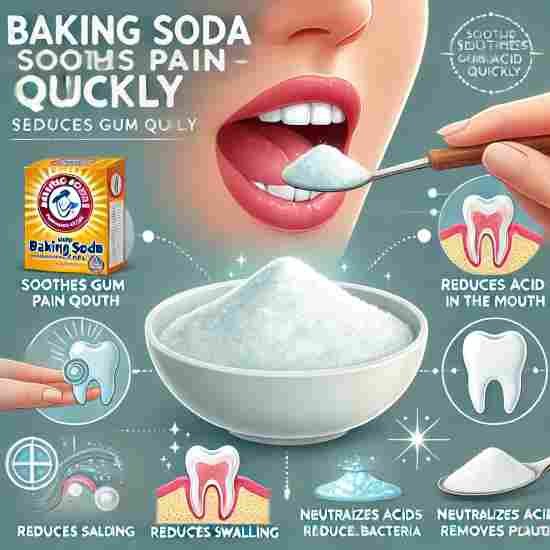
Baking soda is a natural remedy for gum pain and swelling, helping to soothe irritation, reduce bacteria, and promote oral health quickly and affordably.
What-is-the-Baking-Soda

Baking soda is a white powder that has many uses. It is often used to clean teeth and ease pain, especially gum pain and swelling.

Active Ingredients/Components

The main ingredient in baking soda is sodium bicarbonate, which helps with various cleaning and health benefits.

How Does It Work?

Mechanism of Action: Baking soda works by making your mouth less acidic. This helps reduce the growth of bacteria, eases swelling, and provides relief from gum pain.

Benefits & Expected Results

  • It quickly soothes gum pain and reduces swelling.
  • It neutralizes harmful acids in the mouth.
  • Helps remove plaque, keeping your mouth cleaner.

Recommended Reading: How To Remove Dandruff In One Wash (Home Remedies)

Indications & Uses

Indications & Uses

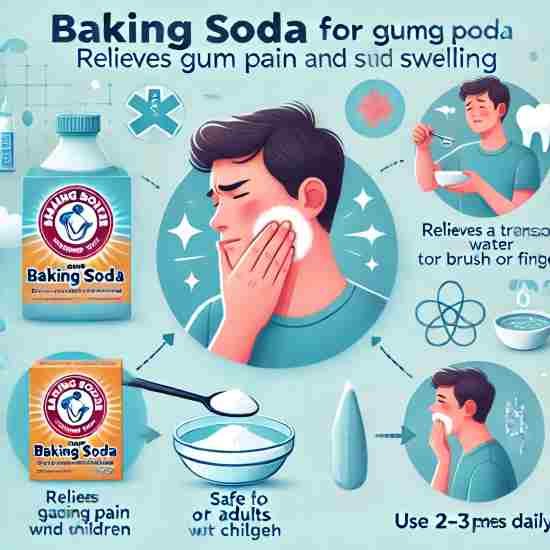
Baking soda helps relieve gum pain and swelling caused by gingivitis or irritation. Safe for adults and children, it’s an easy, natural remedy for oral health.
Gum-Pain-Indications-And-Uses

Who Should Use It?

Baking soda is helpful for anyone experiencing gum pain or swelling, which can be caused by infection, gingivitis, or irritation. It is safe for both adults and children.

How to Use?

  • Dosage Instructions: Use when you feel gum pain or swelling.
  • Application Guidelines: Mix 1 teaspoon of baking soda with water to form a paste. Apply the paste gently to the painful or swollen gums using a soft brush or your fingers. Let it sit for 1-2 minutes, then rinse with warm water.
  • Frequency of Use: Apply 2-3 times a day until the pain or swelling improves.

Recommended Reading: Natural Remedies For Hormonal Imbalance In Females

Effectiveness

Effectiveness

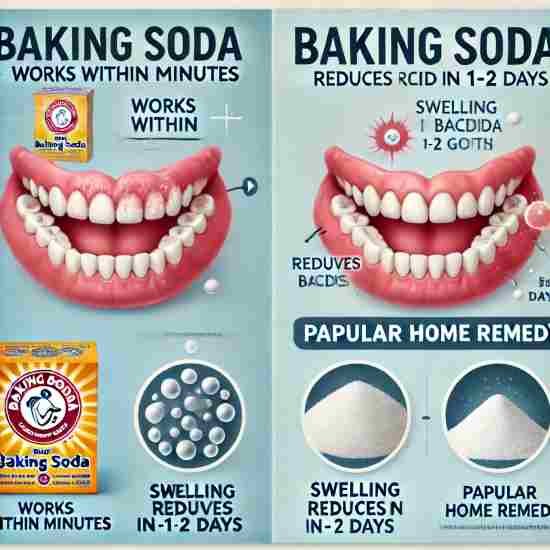
Baking soda effectively relieves gum pain by neutralizing acids and reducing swelling within 1-2 days, making it a popular and fast-acting home remedy.
Gum-Pain-Effectiveness

Clinical Evidence

Baking soda helps neutralize acids in the mouth, which can relieve gum pain. However, there aren’t official studies that focus on baking soda for gum pain relief.

Personal Experiences

Many people find that baking soda works quickly to ease gum pain and swelling. It is a popular home remedy for fast relief.

Expected Results

  • Relief from gum pain can be felt within a few minutes.
  • The swelling usually decreases within 1-2 days if you use it regularly.

Recommended Reading: Home Remedies For Back Pain (Back Pain Treatment At Home) 

Side Effects & Precautions

Side Effects & Precautions

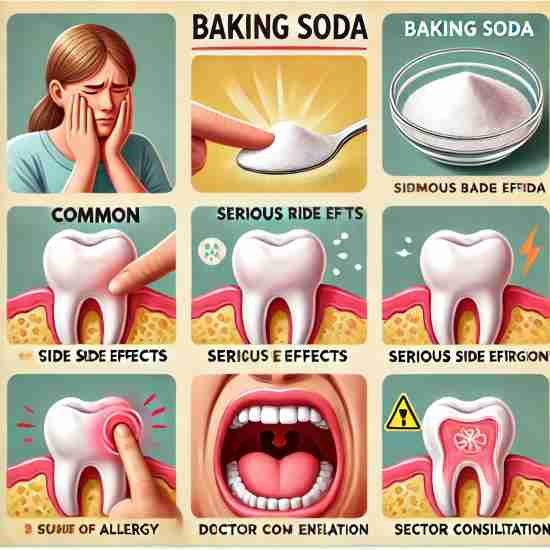
Baking soda quickly soothes gum pain and reduces swelling, but overuse may cause irritation. Learn how to use it safely for fast relief.
Baking-Soda-Side-Effects

Common Side Effects

  • You may feel tingling or sensitivity in your gums after using baking soda.
  • Using too much can cause mild irritation in your mouth.

Serious Side Effects

  • Rarely, using baking soda for a long time can irritate the tissues in your mouth.

Precautions

  • Don’t use baking soda if you are allergic to it.
  • Avoid using too much to prevent mouth irritation.
  • If you have a serious gum infection, it’s best to consult a doctor for proper treatment.

Recommended Reading: Teeth Whitening At Home In 2 Minutes (Home Remedies) 

Pros & Cons

Advantages

  • Gives quick relief from gum pain and swelling.
  • Affordable and easy to find at most stores.
  • Helps remove plaque and keeps your mouth clean.

Disadvantages

  • Only provides short-term relief and might not treat the cause, like an infection.
  • Using too much can cause mild irritation.
  • Not a substitute for seeing a dentist if the problem doesn’t go away.

Recommended Reading: How To Lower Blood Pressure Instantly In An Emergency (Home Remedies)

FAQs

How does baking soda help with gum pain?

Baking soda helps by neutralizing acids in the mouth, which reduces swelling and bacteria, giving quick relief from gum pain.

Can I use baking soda every day for my gums?

Yes, you can use it 2-3 times a day until the pain goes away but don’t use too much to avoid irritation.

Is baking soda safe for kids?

Yes, baking soda is safe for both adults and children. Just make sure to use it properly and in small amounts.

How long does it take to see results?

You may feel some relief within a few minutes. Swelling usually reduces in 1-2 days if you use it regularly.

Are there any side effects from using baking soda?

Some people may feel mild tingling or sensitivity in the gums. If you use too much, it may irritate your mouth.

Can I use baking soda instead of seeing a dentist?

Baking soda can help with mild gum pain, but if your pain lasts or gets worse, it’s best to visit a dentist for professional care.

Can baking soda cure gum infections?

No, baking soda can help with minor gum pain and swelling but cannot cure gum infections. If you have an infection, see a dentist.

Recommended Reading: Home Remedies For Dandruff And Itchy Scalp

Conclusion

Summary

Baking soda is a simple, affordable home remedy that helps with gum pain and swelling. It works quickly by reducing inflammation and neutralizing acids in the mouth.

Recommendation

It’s a great choice for those who want a natural and inexpensive way to temporarily relieve gum pain.

Who Should Use It?

  • People with mild to moderate gum pain or swelling.
  • Anyone seeking a natural alternative to pain relief gels or medicines.

Alternatives

If baking soda doesn’t work or the pain continues, try using over-the-counter gels or consult a dentist for other treatment options.

………………………….
Disclaimer:
Commissions we earn from partner links on this page do not influence our content. Our editorial content is based on thorough research and insights from qualified medical professionals to ensure the highest standards of accuracy and reliability.

Information provided on Doseway is for educational purposes only. Your health and wellness are unique to you, and the products and services we review may not be suitable for your circumstances. We do not offer personal medical advice, diagnosis, or treatment plans. For specific advice, please consult with a healthcare professional. Doseway adheres to strict editorial integrity standards. To the best of our knowledge, all content is accurate as of the date posted, though offers and information may change. The opinions expressed are the author’s own and have not been influenced, approved, or endorsed by our partners.
…………………………….

Foods-Neutralize-Stomach-Acid

What Foods Neutralize Stomach Acid Immediately (7 Best Foods)

Are you struggling with acid reflux or heartburn and looking for quick relief? You’re not alone. Stomach acid can cause discomfort when it rises into the esophagus, leading to that burning sensation many people experience.

Luckily, certain foods can help neutralize stomach acid quickly, offering a natural and immediate solution to ease the discomfort. This blog will explore the seven best foods to neutralize stomach acid and help you feel better fast.

Recommended Reading: How To Relieve Asthma Without Inhaler (Stop Asthma Wheezing)

Top 7 Best Foods That Neutralize Stomach Acid Immediately

What-Foods-Neutralize-Stomach-Acid-Immediately

Recommended Reading: How To Remove Dandruff In One Wash (Home Remedies)

What Foods Neutralize Stomach Acid?

If you’re struggling with acid reflux or heartburn, certain foods can offer fast relief by balancing your stomach’s pH levels. These foods help lower acid production and alleviate discomfort. By adding them to your diet, you can naturally manage symptoms and prevent them.

How Do These Foods Work?

Foods that help neutralize stomach acid are typically high in alkaline, fiber, or water content. Alkaline foods raise the stomach’s pH, reducing acid levels. Fiber-rich foods absorb excess acid, while water-filled foods form a protective layer on the stomach lining to reduce irritation and relieve heartburn.

Examples of How These Foods Work

  • Ginger: With its anti-inflammatory properties, ginger helps soothe the digestive system and reduce inflammation, making it an excellent option for managing acid reflux.
  • Oatmeal: High in fiber, oatmeal absorbs stomach acid and provides gentle relief. It’s easy on the stomach lining, making it a great choice when dealing with acid-related discomfort.

Recommended Reading: Natural Remedies For Hormonal Imbalance In Females

Indications & Uses

Who Should Use This Information?

If you often deal with acid reflux, heartburn, GERD, or indigestion, this information is for you. These natural remedies can help ease your symptoms without relying on medications.

How to Use These Foods

You can start including these foods in your regular diet to prevent acid reflux or eat them when you feel symptoms coming on. These foods work as natural, quick remedies to soothe discomfort and balance stomach acid.

Example

For fast relief, try drinking a cup of ginger tea or eating a ripe banana. Both are easy to prepare and can quickly calm your stomach when acid reflux strikes. Incorporating these foods into your daily routine can also help keep acid issues under control in the long run.

Recommended Reading: Home Remedies For Back Pain (Back Pain Treatment At Home) 

Effectiveness

Clinical Evidence

Research has shown that specific foods, like ginger and oatmeal, can help reduce acid reflux symptoms by lowering the acid levels in your stomach. These foods work naturally to ease discomfort, offering a safer alternative to medications. For example, ginger has been found to reduce inflammation in the digestive tract, while oatmeal helps absorb excess stomach acid, making it easier on your stomach lining.

Expected Results

When you consume these foods, you can expect quick relief from acid reflux symptoms. Over time, regularly including them in your diet can help keep your stomach acid levels balanced, reducing the chances of future flare-ups. So, whether you’re looking for immediate comfort or long-term relief, these foods can be an effective solution for managing acid reflux naturally.

Recommended Reading: Teeth Whitening At Home In 2 Minutes (Home Remedies) 

Side Effects & Precautions

Common Side Effects

Most of the natural foods that help with acid reflux are safe to eat, but some people might experience mild digestive discomfort, especially if they are sensitive to certain ingredients. For example, foods like ginger might cause mild bloating or gas in some individuals.

Serious Side Effects

Though it’s very rare, some people with severe food allergies might experience serious reactions. If you have any allergic symptoms, such as difficulty breathing or swelling, it’s important to seek medical help right away.

Precautions

If you know you’re allergic to certain foods, it’s best to avoid them, even if they are known to help with acid reflux. Additionally, if you suffer from severe acid reflux or GERD, it’s a good idea to consult your healthcare provider before making any major changes to your diet.

Recommended Reading: How To Lower Blood Pressure Instantly In An Emergency (Home Remedies)

Pros & Cons

Advantages

Foods that neutralize stomach acid provide quick relief without the need for medication. They’re natural, easy to add to meals, and generally have no significant side effects, making them a safe option for many.

Disadvantages

The effectiveness of these foods can vary. They may not offer sufficient relief for severe acid reflux, and it might take some trial and error to find which foods work best for you.

Recommended Reading: Home Remedies For Dandruff And Itchy Scalp

FAQs

What are the best foods to neutralize stomach acid?

Some of the best foods include ginger, bananas, oatmeal, yogurt, and green vegetables. These foods can help balance stomach acid and provide relief from acid reflux and heartburn.

How do these foods help with acid reflux?

Foods like ginger, oatmeal, and bananas help reduce stomach acid by either increasing the pH level in your stomach or absorbing excess acid. They also soothe the stomach lining and improve digestion.

Can I eat these foods every day?

Yes, incorporating these foods into your daily diet can be a healthy way to manage acid reflux and prevent it.

Will these foods replace my acid reflux medication?

These foods can help manage mild acid reflux symptoms, but for severe cases, they should be used alongside medical treatment.

Are there any side effects to eating these foods?

Most of these foods are safe, but some people may experience mild digestive discomfort if they are sensitive to certain foods, such as bananas or dairy. If you have food allergies or specific health concerns, it’s best to check with a doctor.

Can I eat spicy or acidic foods along with these?

It’s best to avoid spicy or acidic foods if you’re prone to acid reflux. While neutralizing foods help, combining them with spicy or acidic foods may still trigger discomfort.

Recommended Reading: How To Get Rid Of A UTI In 24 Hours At Home (Instant UTI Relief)

Conclusion

Summary of Findings

Adding foods like ginger, bananas, oatmeal, and yogurt to your diet can offer quick relief from stomach acid and help manage acid reflux. These foods have natural properties that help soothe the digestive system and balance stomach acid.

Overall Recommendation

For those dealing with acid reflux or GERD, incorporating these foods into your daily meals can be a helpful, natural remedy. However, for more severe cases, it’s a good idea to seek professional medical advice, as these foods can be used alongside traditional treatments.

Who Should Use This Approach?

This approach is perfect for individuals who prefer natural methods over medication or those looking for extra support to manage their acid reflux symptoms.

Disclaimer:
Commissions we earn from partner links on this page do not influence our content. Our editorial content is based on thorough research and insights from qualified medical professionals to ensure the highest standards of accuracy and reliability.

Information provided on Doseway is for educational purposes only. Your health and wellness are unique to you, and the products and services we review may not be suitable for your circumstances. We do not offer personal medical advice, diagnosis, or treatment plans. For specific advice, please consult with a healthcare professional. Doseway adheres to strict editorial integrity standards. To the best of our knowledge, all content is accurate as of the date posted, though offers and information may change. The opinions expressed are the author’s own and have not been influenced, approved, or endorsed by our partners.
…………………………….

How-To-Relieve-Asthma-Without-Inhaler

How To Relieve Asthma Without Inhaler (Stop Asthma Wheezing)

Asthma is a common respiratory condition that affects millions of people worldwide. It causes breathing difficulties due to inflamed airways, making it hard to get enough air into the lungs.

While inhalers are often the go-to treatment for asthma relief, there are times when you may not have one on hand. Various natural methods and techniques to help symptoms and stop wheezing without an inhaler.

Recommended Reading: How To Remove Dandruff In One Wash (Home Remedies)

How To Relieve Asthma Without Inhaler

Relieve-Asthma-Without-Inhaler

Recommended Reading: Natural Remedies For Hormonal Imbalance In Females

What Is Asthma?

What Is Asthma?

Asthma is a condition that affects the airways in your lungs, making them inflamed and narrow. This causes difficulty breathing and can lead to symptoms like coughing, wheezing, shortness of breath, and chest tightness.

What-Is-Asthma

Asthma is a chronic lung condition that narrows and inflames the airways, making breathing difficult. Common symptoms include wheezing, shortness of breath, chest tightness, and coughing. Triggers can include allergens, exercise, cold air, and stress.

Purpose

This guide offers practical advice for managing asthma without relying on an inhaler. It focuses on natural methods, breathing exercises, and simple first-aid tips that can help you control symptoms during mild attacks. The techniques discussed are easy to follow and can be used at home.

How Does It Work?

The methods included breathing exercises like pursed-lip breathing, steam inhalation, and drinking warm liquids, to help relax the airways and reduce symptoms like wheezing. These techniques are designed to improve airflow, promote relaxation, and minimize discomfort.

Benefits & Expected Results

By using these techniques, you can experience quick relief from asthma wheezing and improve your ability to manage symptoms without immediate access to medication. These methods can help reduce your reliance on inhalers for mild asthma attacks, giving you more control over your condition at home.

Recommended Reading: Home Remedies For Back Pain (Back Pain Treatment At Home) 

Indications & Uses

Indications & Uses

Asthma is a common lung condition that affects many people around the world. It makes breathing difficult because the airways become swollen and narrow, reducing airflow to the lungs.

Indications-&-Uses

Who Should Use It?

This guide is perfect for anyone who experiences asthma symptoms like wheezing or shortness of breath, especially when they don’t have an inhaler available. It’s also helpful for those who want to explore natural ways to support their usual treatments and improve their overall breathing health.

How to Use?

To get the most out of this guide, try to practice breathing exercises regularly to strengthen your lungs and improve your breathing. You can also use steam therapy or drink warm water to help loosen mucus in your airways.

Recommended Reading: Teeth Whitening At Home In 2 Minutes (Home Remedies) 

Effectiveness

Effectiveness

Natural asthma relief techniques like breathing exercises and steam therapy, are proven to ease wheezing and improve breathing. Regular practice helps manage symptoms effectively.

Effectiveness

Clinical Evidence

Breathing exercises like diaphragmatic and pursed-lip breathing can improve lung function. Steam therapy and warm liquids also help clear airways and ease breathing during asthma flare-ups.

Personal Experiences

Many people report less wheezing and better breathing control using these methods. Regular practice can provide relief without always needing an inhaler.

Expected Results

You can feel relief from mild wheezing in minutes. With regular practice, these techniques help manage asthma and reduce attacks over time.

Recommended Reading: How To Lower Blood Pressure Instantly In An Emergency (Home Remedies)

Side Effects & Precautions

Side Effects & Precautions

Side effects of natural asthma remedies and key precautions to ensure safe and effective symptom management.

Asthama-Side-Effects-Precautions

Common Side Effects

While natural methods can help manage mild symptoms, relying too much on them may delay getting proper medical help during a severe attack. Also, using steam therapy without caution can sometimes cause minor burns if not done properly.

Serious Side Effects

If you experience a severe asthma attack, delaying the use of your inhaler or avoiding medical treatment can result in serious complications, putting your health at risk.

Precautions

Even if these techniques are effective for you, always carry your inhaler if it’s been prescribed by your doctor. In severe cases of asthma, it’s important to consult with a healthcare provider before relying solely on natural remedies.

Recommended Reading: Home Remedies For Dandruff And Itchy Scalp

Pros & Cons

Pros & Cons

Natural asthma relief methods offer quick, drug-free relief and help reduce panic during attacks.

Asthama-Pros-&-Cons

Advantages

One of the main benefits of using these natural techniques is that they can provide immediate relief without needing medication. Simple methods like breathing exercises and steam therapy are easy to try at home, and they can help calm you down, reducing panic and anxiety during an asthma attack.

Disadvantages

However, these methods should not be seen as a replacement for prescribed inhalers or medical treatment. They may not be as effective during severe asthma attacks and often don’t work as quickly as inhalers.

Recommended Reading: Home Remedies For Dandruff And Itchy Scalp

FAQs

What causes asthma?

Asthma is caused by inflammation in the airways. This can be triggered by things like allergens (pollen, dust), smoke, exercise, cold air, or stress.

What are the main symptoms of asthma?

The common symptoms include coughing, wheezing, shortness of breath, and chest tightness, especially at night or after physical activity.

Can asthma be cured?

There is no cure for asthma, but it can be managed effectively with the right treatment. Medications like inhalers can help control symptoms.

Is it safe to exercise with asthma?

Yes, but it’s important to take precautions. You should warm up properly, avoid outdoor exercise on high-pollen days, and carry your inhaler during physical activities.

Can asthma symptoms get worse at night?

Yes, asthma symptoms often worsen at night, possibly due to lower temperatures, lying down, or allergens in your bedroom.

Can stress trigger asthma attacks?

Yes, stress and anxiety can trigger or worsen asthma symptoms. Practicing relaxation techniques like deep breathing and meditation can help manage stress and reduce its impact.

Conclusion

Recommended Reading: How To Get Rid Of A UTI In 24 Hours At Home (Instant UTI Relief)

Summary of Findings

Natural methods for asthma relief, such as breathing exercises and steam therapy, can be very helpful in managing mild symptoms. These techniques are easy to use, affordable, and can provide quick relief.

Who Should Try It?

These methods can be great for people with mild asthma who want to try complementary approaches alongside their usual treatment. They’re also useful for those who sometimes experience wheezing and may not have quick access to an inhaler.

Alternative Options

For anyone with severe or ongoing asthma, it’s essential to consult a healthcare professional. Always carry an inhaler or prescribed medication for immediate relief when needed.

………………………….
Disclaimer:
Commissions we earn from partner links on this page do not influence our content. Our editorial content is based on thorough research and insights from qualified medical professionals to ensure the highest standards of accuracy and reliability.

Information provided on Doseway is for educational purposes only. Your health and wellness are unique to you, and the products and services we review may not be suitable for your circumstances. We do not offer personal medical advice, diagnosis, or treatment plans. For specific advice, please consult with a healthcare professional. Doseway adheres to strict editorial integrity standards. To the best of our knowledge, all content is accurate as of the date posted, though offers and information may change. The opinions expressed are the author’s own and have not been influenced, approved, or endorsed by our partners.
…………………………….

How-To-Remove-Dandruff-In-One-Wash

How To Remove Dandruff In One Wash (Home Remedies)

Dandruff is a common scalp condition that causes small pieces of dead skin to appear in the hair in Urdu it is called Khushki, often leading to itching and discomfort. While it can be frustrating to manage, several natural home remedies can help remove dandruff quickly, sometimes even in one wash.

The effective ways to eliminate dandruff using ingredients like lemon, aloe vera, coconut oil, and baking soda, providing simple and fast solutions for a healthier scalp.

Recommended Reading: Natural Remedies For Hormonal Imbalance In Females

Best Ways To Remove Dandruff In One Wash (Home Remedies)

Remove-Dandruff-In-One-Wash

Recommended Reading: Home Remedies For Back Pain (Back Pain Treatment At Home) 

Home Remedies To Remove Dandruff In One Wash

Home Remedies To Remove Dandruff In One Wash

Dandruff-free scalp in just one wash with natural remedies like aloe vera, tea tree oil, and lemon juice. Say goodbye to flakes and irritation while embracing healthier, smoother hair naturally.

Home-Remedies-To-Remove-Dandruff-In-One-Wash

Dandruff is a stubborn problem, but you don’t need expensive treatments to tackle it. With the right home remedies, you can get rid of dandruff in just one wash. These natural solutions are not only easy to use but also highly effective in clearing your scalp from flakes and soothing irritation.

What Are the Remedies?

Several powerful home remedies can help you remove dandruff quickly. Here are some of the most effective ones:

  • Baking Soda: A natural exfoliant that helps scrub away dead skin cells and reduce dandruff flakes.
  • Apple Cider Vinegar: Known for its ability to balance the scalp’s pH, it stops the growth of yeast, which is a common cause of dandruff.
  • Lemon Juice: Its acidic nature helps cleanse the scalp, fighting dandruff-causing bacteria.
  • Aloe Vera: Soothes and moisturizes the scalp, reducing dryness and irritation.
  • Tea Tree Oil: With its antifungal properties, it targets the root cause of dandruff and helps keep the scalp healthy.
  • Coconut Oil: Hydrates the scalp and prevents dryness, which often leads to dandruff.
  • Neem: Known for its antimicrobial properties, neem helps fight infections and reduces dandruff naturally.
  • Aspirin: Contains salicylic acid, which helps exfoliate the scalp and reduce dandruff.

How Do These Remedies Work?

Each of these home remedies works in different ways to clear dandruff effectively:

  • Baking Soda: It acts as a gentle exfoliant that scrubs away dead skin cells and flakes on the scalp, helping to clear buildup.
  • Apple Cider Vinegar: It helps balance the scalp’s pH level, preventing the overgrowth of yeast, which often causes flakiness.
  • Lemon Juice: The acidity of lemon helps Remove Dandruff and cleanse the scalp from any buildup.
  • Aloe Vera: It soothes and hydrates the scalp, reducing dryness and Remove Dandruff preventing further skin irritation.
  • Tea Tree Oil: Its antifungal properties treat the root cause of scalp irritation, keeping it healthy and clean.
  • Coconut Oil: By moisturizing the scalp, it prevents dryness and Remove Dandruff.
  • Neem: Works to combat scalp infections and skin flakiness due to its strong antimicrobial properties.
  • Aspirin: The salicylic acid in aspirin helps exfoliate the scalp, and effectively Remove Dandruff.

Benefits and Expected Results

Using these remedies, you can expect noticeable results after just one wash. Here’s what you can expect:

  • A cleaner, dandruff-free scalp.
  • Reduced itchiness, irritation, and flakiness.
  • A smoother, healthier scalp with fewer visible flakes.

Recommended Reading: Teeth Whitening At Home In 2 Minutes (Home Remedies) 

Indications & Uses

Indications & Uses

Natural remedies like baking soda, lemon juice, and aloe vera to combat dandruff effectively. Perfect for those seeking quick, chemical-free solutions for a healthier scalp.

Dandruff-Indications-&-Uses

Who Should Use These Remedies?

These home remedies are perfect for people who have mild to moderate dandruff and prefer using natural treatments instead of chemical-based products. They are also great for those looking for a quick and easy fix using ingredients that are likely already in your kitchen.

How to Use These Remedies?

Here’s a simple guide on how to apply these remedies for the best results:

  • Baking Soda: Mix 1 tablespoon of baking soda with a little water to make a paste. Apply it directly to your scalp and gently massage it in before rinsing off.
  • Apple Cider Vinegar: Dilute apple cider vinegar with an equal amount of water. Use this as a rinse after shampooing to balance your scalp’s pH.
  • Lemon Juice: Squeeze fresh lemon juice and apply it directly to your scalp. Let it sit for a few minutes before rinsing thoroughly.
  • Aloe Vera: Take fresh aloe vera gel and massage it gently onto your scalp. Leave it on for 20-30 minutes, then wash it off with mild shampoo.

Recommended Reading: How To Lower Blood Pressure Instantly In An Emergency (Home Remedies)

Effectiveness

Effectiveness

Quick dandruff relief with natural remedies like baking soda, lemon juice, and aloe vera. Users report fewer flakes and soothed irritation after just one wash.

Dandruff-Effectiveness

Many people have seen quick results using home remedies to Remove Dandruff.

Personal Experiences

Users have reported noticeable improvements after just one use. Baking soda helped Remove Dandruff, while lemon juice left the scalp feeling clean. Aloe vera and tea tree oil were also praised for soothing irritation and remove Dandruff itching.

Expected Results

Most remedies show visible results after one wash, with fewer flakes and less itching. For severe dandruff, multiple uses may be needed for complete relief. Regular use can help maintain a dandruff-free scalp.

Recommended Reading: Home Remedies For Dandruff And Itchy Scalp

Side Effects & Precautions

Side Effects & Precautions

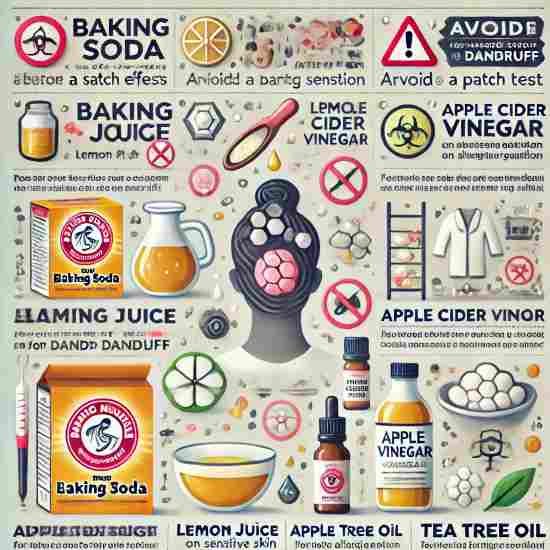
Side effects and precautions of common dandruff remedies like baking soda, lemon juice, and apple cider vinegar, with clear icons and warnings. Designed for easy understanding and safe application of home treatments.

Dandruff-Side-Effects-&-Precautions

While home remedies for remove Dandruff are generally safe and effective, it’s important to know about any potential side effects and precautions to take for the best results.

Common Side Effects

  • Baking Soda: Using too much baking soda can dry out your scalp, causing irritation or flakiness.
  • Lemon Juice: On sensitive or broken skin, lemon juice may cause a stinging or burning sensation.
  • Apple Cider Vinegar: If not properly diluted, apple cider vinegar can irritate your scalp and leave a burning feeling.

Serious Side Effects

Though uncommon, some people might experience allergic reactions to certain ingredients like tea tree oil. Symptoms can include itching, swelling, or redness. If you notice any of these signs, stop using the remedy immediately and consult a healthcare provider.

Precautions

  • Patch Test: Always test the remedy on a small area of skin before applying it all over your scalp to avoid allergic reactions.
  • Sensitive Skin: Avoid using lemon juice on broken or irritated skin to prevent discomfort.
  • Balanced Use: Don’t overuse baking soda, as too much can affect your scalp’s natural pH and lead to dryness.

Recommended Reading: How To Get Rid Of A UTI In 24 Hours At Home (Instant UTI Relief)

Medicated Treatments for Dandruff Removal

Medicated Treatments for Dandruff Removal

Remove dandruff with medicated shampoos like Nizoral and Selsun Blue, designed to target fungal and yeast causes for a flake-free scalp.

Medicated-Treatments-for-Dandruff-Removal

If home remedies don’t work, medicated shampoos like Nizoral and Selsun Blue can help.

Nizoral Anti-Dandruff Shampoo

Contains ketoconazole, an antifungal that targets dandruff caused by fungal infections.

Selsun Blue Shampoo

Contains selenium sulfide, which helps reduce yeast on the scalp and remove Dandruff.

How They Work

These shampoos treat the underlying fungal or yeast causes of dandruff, reducing flakes and itching.

Benefits and Expected Results

Visible improvement after one wash, with regular use keeping the scalp flake-free.

Application

Apply to the scalp, leave for 5 minutes, then rinse thoroughly for best results.

Recommended Reading: Stop Tooth Pain Fast At Home At Night (Home Remedies)

Pros & Cons

Pros & Cons

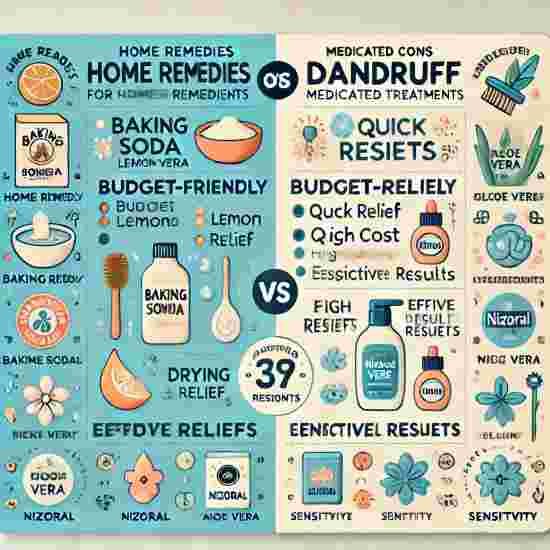
Remove dandruff effectively with natural home remedies for mild cases or medicated shampoos for stubborn flakes, ensuring a healthy, flake-free scalp.

Remove-Dandruff-Pros-&-Cons

When it comes to Remove Dandruff, both home remedies and medicated options have their advantages and disadvantages. Here’s a quick look at the pros and cons:

Advantages

  • Natural and Affordable: Home remedies like baking soda, lemon juice, and aloe vera are budget-friendly and made from natural ingredients.
  • Quick Relief: Many home remedies can provide immediate relief from dandruff symptoms after just one wash, especially for mild cases.
  • Medicated Solutions for Severe Cases: If home remedies don’t work, medicated shampoos like Nizoral and Selsun Blue offer fast, effective results, especially for more stubborn dandruff.

Disadvantages

  • Limited Effectiveness for Severe Dandruff: While home remedies can work well for mild dandruff, they may not be strong enough for chronic or severe dandruff problems.
  • Risk of Dryness: Ingredients like baking soda and lemon can dry out the scalp if used too often or in large amounts, leading to irritation.
  • Higher Cost and Sensitivity: Medicated shampoos can be more expensive and may cause scalp irritation for people with sensitive skin due to their stronger chemical formulas.

Recommended Reading: How To Lower Blood Pressure Naturally [Instantly Home Remedies]

FAQs

How can I remove dandruff in one wash?

You can try home remedies like baking soda, lemon juice, or apple cider vinegar. These can help Remove Dandruff after just one wash by removing flakes and soothing your scalp.

How often should I use these home remedies?

For immediate results, you can use them once. For maintenance, try applying the remedies weekly.

Can medicated shampoos help with dandruff?

Yes, medicated shampoos like Nizoral and Selsun Blue can help Remove Dandruff. They contain ingredients that target the root causes of dandruff, like fungal infections and yeast.

What are the benefits of using Nizoral or Selsun Blue?

Both shampoos can show improvement after just one wash. Nizoral treats fungal infections, and Selsun Blue targets yeast, helping to Remove Dandruff and itching.

Are there any side effects of these remedies?

Some people may experience dryness or irritation, especially with overuse. Always do a patch test before applying any remedy to your entire scalp.

Can I use both home remedies and medicated shampoos?

Yes, you can combine both for better results. However, make sure not to overuse remedies like baking soda or lemon juice, as they may cause dryness.

Conclusion

Recommended Reading: Home Remedies For Vaginal Dryness (Symptoms, Causes, & Remedies)

Summary of Findings

Home remedies such as baking soda, lemon juice, and apple cider vinegar are excellent choices for quick relief from dandruff, often working in just one wash. For more stubborn or severe dandruff, medicated shampoos like Nizoral provide more effective treatment.

Overall Recommendation

For individuals with mild dandruff, natural home remedies offer an inexpensive and easy way to manage the problem. However, for those dealing with persistent dandruff, medicated shampoos are a better option for faster and more reliable results.

Who Should Use It?

  • Home Remedies: If you have mild dandruff and prefer natural ingredients, home treatments like baking soda and lemon juice are great.
  • Medicated Shampoos: For those with severe or recurring dandruff, medicated options are recommended for quicker relief and lasting results.

………………………….
Disclaimer:
Commissions we earn from partner links on this page do not influence our content. Our editorial content is based on thorough research and insights from qualified medical professionals to ensure the highest standards of accuracy and reliability.

Information provided on Doseway is for educational purposes only. Your health and wellness are unique to you, and the products and services we review may not be suitable for your circumstances. We do not offer personal medical advice, diagnosis, or treatment plans. For specific advice, please consult with a healthcare professional. Doseway adheres to strict editorial integrity standards. To the best of our knowledge, all content is accurate as of the date posted, though offers and information may change. The opinions expressed are the author’s own and have not been influenced, approved, or endorsed by our partners.
…………………………….

Remedies-For-Hormonal-Imbalance-In-Females

Natural Remedies For Hormonal Imbalance In Females

Hormonal imbalance in women can cause symptoms like mood swings, irregular periods, and weight gain. While medical treatments exist, many prefer natural remedies such as specific foods, herbs, and lifestyle changes to restore hormone balance.

Effective natural solutions and medications that can help manage hormonal imbalances, whether from PMS, menopause, or other causes, offer a balanced approach to better health.

Recommended Reading: Home Remedies For Back Pain (Back Pain Treatment At Home) 

Natural Remedies For Hormonal Imbalance In Females

Best-Natural-Remedies-For-Hormonal-Imbalance-In-Females

Recommended Reading: Teeth Whitening At Home In 2 Minutes (Home Remedies) 

What is Hormonal Imbalance?

Hormonal Imbalance In Females

Hormonal balance, is surrounded by natural remedies like Ashwagandha and Maca Root, with informative text highlighting causes and solutions for hormonal imbalance.

Hormonal-Imbalance-In-Females

Hormonal imbalance occurs when the levels of hormones in your body are out of balance, leading to issues like mood swings, weight gain, irregular periods, and skin problems. It can happen due to conditions such as PMS, menopause, or PCOS.

Natural Remedies for Hormonal Imbalance

Several natural remedies can help restore hormone balance, including herbs, supplements, and dietary changes.

  • Ashwagandha: An adaptogen that helps lower stress and supports thyroid function, which plays a key role in hormone regulation.
  • Chasteberry (Vitex): Known for balancing progesterone levels, it can help regulate the menstrual cycle and reduce symptoms like mood swings and breast tenderness.
  • Black Cohosh: Used to alleviate menopause symptoms, such as hot flashes, by mimicking estrogen in the body.
  • Maca Root: Boosts energy, improves mood, and helps balance estrogen and progesterone, promoting a healthy menstrual cycle.
  • Other Remedies: Flax seeds, evening primrose oil, and omega-3 fatty acids also support hormone balance and overall reproductive health.

How Do These Remedies Work?

These remedies help your body regulate hormone production. Adaptogens like Ashwagandha reduce stress, which helps stabilize hormones. Chasteberry and Black Cohosh help balance estrogen and progesterone, while maca root supports overall hormonal health.

Benefits and Expected Results

These natural remedies can help regulate hormones, improve mood, normalize periods, reduce menopause symptoms, and boost overall reproductive health. They may also lead to more energy, clearer skin, and a healthier body.

Recommended Reading: How To Lower Blood Pressure Instantly In An Emergency (Home Remedies)

Indications & Uses

Indications & Uses

Natural remedies for hormonal imbalance, featuring women of various ages with supplements and essential oils. Informative text explains uses, indications, and application methods.

Indications-&-Uses

Who Should Use It?

Natural remedies for hormonal imbalance are helpful for women dealing with symptoms like irregular periods, acne, mood swings, or conditions like PCOS. These remedies are beneficial for women of all ages, from teens to those nearing menopause.

How to Use?

  • Supplements and Herbal Remedies: Follow the recommended dosage on the product label, typically taken orally.
  • Topical Applications: Some remedies, like essential oils, may be applied directly to the skin.
  • Frequency: Use regularly or as needed for symptom relief, depending on the specific remedy and your condition.

Recommended Reading: Home Remedies For Dandruff And Itchy Scalp

Remedies & Treatments for Hormonal Imbalance

Remedies & Treatments for Hormonal Imbalance

Hormonal imbalance, showcasing herbs, supplements, nutrient-rich foods, and lifestyle changes like yoga and sleep. The image emphasizes holistic approaches to support hormone health.

Remedies-&-Treatments-for-HormonalImbalance

Herbs & Supplements

  • Ashwagandha – Helps manage stress and balance hormones.
  • Chasteberry – Regulates menstrual cycles and reduces PMS symptoms.
  • Black Cohosh – Eases menopause symptoms like hot flashes.
  • Maca Root – Boosts energy and supports hormonal health.
  • Evening Primrose Oil – Can improve skin health and reduce PMS symptoms.
  • Green Tea – Rich in antioxidants, supports overall health and hormone balance.
  • Magnesium Supplements – Reduces stress and supports hormone regulation.
  • Vitamin D – Helps regulate the menstrual cycle and overall health.

Foods to Include for Hormonal Balance

  • Avocado – Packed with healthy fats that support hormone production.
  • Leafy Greens – Rich in nutrients that help balance hormones.
  • Broccoli & Cruciferous Vegetables – Support detoxification and hormone balance.
  • Oily Fish (salmon, mackerel) – Rich in omega-3 fatty acids for hormone support.
  • Nuts & Seeds (pumpkin, flax) – Full of healthy fats and fiber.
  • Yogurt & Fermented Foods – Promote gut health, which affects hormones.
  • Berries, Cherries, Pomegranate – Packed with antioxidants that support hormone health.

Lifestyle Modifications

  • Stress Management – Meditation, yoga, and deep breathing can help balance hormones.
  • Exercise – Regular physical activity supports hormone regulation and overall health.
  • Adequate Sleep – Quality sleep helps keep your hormones in check.
  • Avoid Processed Foods & Endocrine Disruptors – These can interfere with hormone production.
  • Manage Weight and Body Fat – Maintaining a healthy weight can improve hormonal balance.

Recommended Reading: How To Get Rid Of A UTI In 24 Hours At Home (Instant UTI Relief)

Effectiveness

Effectiveness

Benefits of natural remedies like Ashwagandha, Chasteberry, and Maca Root for hormonal balance. Learn about their clinical support, personal experiences, and expected results over time.

Effectiveness

Clinical Evidence

Several studies have shown that natural remedies like Ashwagandha, Chasteberry, and Maca Root can help balance hormones. For example, clinical trials have found that Ashwagandha reduces stress, while Chasteberry supports regular menstrual cycles.

These remedies have proven benefits in regulating hormones and reducing symptoms of hormonal imbalance.

Personal Experiences

Many women have shared positive experiences using these remedies. Testimonials often mention improvements in mood, clearer skin, and more regular periods after a few weeks of use.

Expected Results

Hormonal balance takes time, usually a few weeks to months. Based on clinical data and user feedback, you can expect to see improvements in mood, regular periods, clearer skin, and less irritability over time. Each person may experience results at different rates, but consistency is key.

Recommended Reading: Stop Tooth Pain Fast At Home At Night (Home Remedies)

Side Effects & Precautions

Side Effects & Precautions

Side effects and precautions of natural hormonal remedies, including common issues like bloating and serious risks like allergic reactions. Get tips on safe usage and when to consult a doctor.

Common-Side-Effects

Common Side Effects

Some mild side effects may include digestive issues like bloating or stomach discomfort. Skin irritation can also occur with topical applications of certain herbs.

Serious Side Effects

Though rare, allergic reactions to herbs like Chasteberry can happen. If you experience severe symptoms, it’s important to stop use immediately and consult a doctor. If you’re pregnant or planning to become pregnant, it’s best to avoid certain remedies.

Precautions

Avoid using hormonal remedies if you’re pregnant, breastfeeding, or have specific health conditions like thyroid disorders. Always check with a healthcare provider if you’re on medication, especially if you’re using hormonal contraceptives, as some herbs may interact with them.

Recommended Reading: How To Lower Blood Pressure Naturally [Instantly Home Remedies]

Pros & Cons

Pros & Cons

Pros and cons of natural hormonal remedies, highlighting their gentle benefits, minimal side effects, and longer timelines for effectiveness. Learn about their potential and limitations for hormone balance.

Pros-&-Cons

Advantages

Natural remedies offer a gentle, non-invasive way to balance hormones. Herbs, foods, and supplements can help regulate menstrual cycles, improve mood, clear acne, and manage weight. Most users experience minimal to no side effects.

Disadvantages

Results may take time, often weeks or months. These remedies may not work the same for everyone, as effectiveness varies. Additionally, some natural treatments lack extensive clinical evidence compared to pharmaceutical options.

Recommended Reading: Home Remedies For Vaginal Dryness (Symptoms, Causes, & Remedies)

FAQs

What is the hormonal imbalance in Females?

Hormonal imbalance occurs when your hormones are not at the right levels. This can cause symptoms like mood swings, irregular periods, weight changes, and skin issues.

How long does it take for natural remedies to work?

It can take several weeks to a few months to notice the effects of natural remedies.

What are some common herbs for hormonal imbalance?

Common herbs include Ashwagandha, Chasteberry, Black Cohosh, and Maca Root. These help balance hormones and reduce symptoms like mood swings and hot flashes.

Can diet help with hormonal imbalance?

Yes, Eating foods rich in healthy fats, fiber, and antioxidants (like avocado, leafy greens, and fish) can support hormone balance.

Are there any side effects of using natural remedies?

While side effects are rare, some people may experience mild issues like digestive upset or skin irritation. Always start with small doses.

Who should use natural remedies for hormonal imbalances?

Women experiencing mild symptoms of hormonal imbalance, like irregular periods or mood swings, may benefit from natural remedies.

Can stress affect hormonal balance?

Yes, stress can disrupt hormone levels. Managing stress through relaxation techniques like yoga and meditation can help restore balance.

Conclusion

Recommended Reading: How To Get Rid Of A UTI In 24 Hours At Home

Summary of Findings

Natural remedies, including herbs, supplements, and dietary changes, can be effective in balancing hormones and alleviating symptoms in females. Many women find relief with minimal side effects.

Overall Recommendation

For long-term hormone regulation, a balanced approach combining natural remedies, a healthy diet, and lifestyle changes is recommended.

Who Should Try It?

Women seeking a natural, non-pharmaceutical solution to hormonal imbalances can benefit from these remedies.

Suggestions for Alternatives

If natural remedies aren’t working, consider consulting a doctor about medical treatments, prescription medications, or hormone therapy options.

………………………….
Disclaimer:
Commissions we earn from partner links on this page do not influence our content. Our editorial content is based on thorough research and insights from qualified medical professionals to ensure the highest standards of accuracy and reliability.

Information provided on Doseway is for educational purposes only. Your health and wellness are unique to you, and the products and services we review may not be suitable for your circumstances. We do not offer personal medical advice, diagnosis, or treatment plans. For specific advice, please consult with a healthcare professional. Doseway adheres to strict editorial integrity standards. To the best of our knowledge, all content is accurate as of the date posted, though offers and information may change. The opinions expressed are the author’s own and have not been influenced, approved, or endorsed by our partners.
…………………………….

Back-Pain-Treatment-At-Home

Home Remedies For Back Pain (Back Pain Treatment At Home)

Back pain is a common problem that many people experience and it can affect your daily activities and comfort. Fortunately, several home remedies can help relieve back pain without needing medication or expensive treatments.

These remedies focus on natural ways to reduce pain and improve mobility, such as simple exercises, lifestyle changes, and heat or cold therapy. In this guide, we will explore easy and effective remedies for back pain that you can try at home to feel better quickly and safely.

Recommended Reading: Teeth Whitening At Home In 2 Minutes (Home Remedies) 

Home Remedies For Back Pain

Home-Remedies-For-Back-Pain

Recommended Reading: How To Lower Blood Pressure Instantly In An Emergency (Home Remedies)

Home Remedies for Back Pain

Home Remedies for Back Pain

Use simple home remedies for Back Pain issues, like a heating pad, to ease back pain in a cozy and relaxing setting.

Home-Remedies-For-Back-Pain

Back pain can be frustrating and affect your daily life, but many people can find relief through simple remedies right at home. By using heat therapy, cold therapy, massage, and other techniques, you can treat back pain in a safe and affordable way.

What Are Home Remedies for Back Pain?

Home remedies for back pain are natural, simple treatments you can do yourself without the need for expensive medical treatments. These methods focus on reducing pain, improving flexibility, and helping your back heal naturally.

Types of Home Remedies for Back Pain

  • Heat Therapy: Applying heat to your back is a simple yet effective way to relax tight muscles and improve blood flow. You can use heating pads, warm towels, or hot water bottles to provide soothing warmth to the painful area.
    • How It Works: Heat helps ease muscle stiffness and reduces inflammation by promoting better circulation. It’s great for relieving tension and loosening up tight muscles.
  • Cold Therapy (Cryotherapy): Cold therapy involves using ice packs or cold compresses to numb the area and reduce swelling. It’s especially helpful for sudden, acute pain or injuries.
    • How It Works: Cold therapy reduces blood flow to the affected area, which helps lower inflammation and numb the pain. It’s ideal for treating recent injuries or flare-ups.
  • Massage: Massaging the painful areas can help ease muscle tension and stimulate blood flow. You can either give yourself a gentle massage or use massage tools designed for back pain relief.
    • How It Works: Massage relaxes the muscles, reduces tension, and increases circulation, which helps the muscles heal faster and reduces pain.
  • Stretching & Exercises: Light stretching or yoga can help improve flexibility, strengthen the muscles around your spine, and prevent stiffness. Simple exercises like back stretches, yoga poses, or core-strengthening exercises can be very beneficial.
    • How It Works: Stretching prevents muscle stiffness and helps strengthen the muscles that support your spine, reducing the risk of further pain.
  • Posture Improvement: Maintaining good posture when sitting, standing, or walking is key to preventing back pain. Adjusting your posture can alleviate unnecessary pressure on your spine.
    • How It Works: When you improve your posture, you distribute the weight more evenly across your body, reducing strain on your back muscles.
  • Sleep Position Adjustment: How you sleep plays a big role in back pain. Sleeping in the right position can reduce pressure on your spine and prevent pain from getting worse overnight.
    • How It Works: Adjusting your sleep position helps support your spine properly, preventing further strain while you rest.
  • Anti-Inflammatory Drinks & Foods: Certain foods and drinks have natural anti-inflammatory properties that can help reduce back pain. Herbal teas like turmeric, ginger tea, or green tea are great options.
    • How It Works: These drinks provide natural anti-inflammatory effects, which can help reduce pain and swelling in your back over time.

Recommended Reading: Home Remedies For Dandruff And Itchy Scalp

Indications & Uses

Indications & Uses

Home remedies for back pain, feature ergonomic seating, yoga, and natural healing items like a heating pad, ice pack, and anti-inflammatory foods. The scene emphasizes relaxation and wellness.

Back-Pain-Indications-&-Uses

Home remedies are a great option for people dealing with mild to moderate back pain caused by issues like muscle strain, poor posture, or stress.

Who Should Use Home Remedies?

Home remedies for back pain are recommended for:

  • Adults with occasional back pain: If you experience mild back pain occasionally, such as after sitting for extended periods or from minor strains, home remedies can help relieve discomfort effectively.
  • People who prefer natural treatments: If you prefer avoiding medications, these remedies offer a drug-free way to ease pain naturally, reducing the risk of medication-related side effects.
  • Complementary therapy: Home remedies can be used alongside medications or other treatments for extra relief without interfering with any prescribed care.

How to Use These Remedies

  • Heat Therapy: Apply a heating pad or warm cloth to the affected area for 15-20 minutes. Heat helps relax tight muscles, increases blood flow, and reduces stiffness.
  • Cold Therapy: Use an ice pack or cold compress on the painful area for 15-20 minutes, with breaks in between. Cold helps reduce swelling and numbs the pain.
  • Massage: Gently massage the affected muscles for 10-15 minutes, focusing on areas of tension. You can also use a massage tool to target deeper muscle layers.
  • Stretching: Practice gentle stretches or yoga for 20-30 minutes daily to improve flexibility and prevent muscle tightness. Stretching promotes mobility and helps prevent stiffness.
  • Diet: Incorporate anti-inflammatory foods like turmeric, ginger, and leafy greens into your diet.
  • Posture Correction: Ensure proper posture by adjusting your sitting or standing position or using ergonomic furniture.

Recommended Reading: How To Get Rid Of A UTI In 24 Hours At Home (Instant UTI Relief)

Effectiveness

Back Pain Effectiveness

Natural remedies like heat therapy, cold therapy, and stretching can effectively alleviate mild to moderate back pain, improving flexibility and mobility. Studies highlight their benefits, though severe cases may require professional care

Back-Pain-Effectiveness

Home remedies like heat therapy, cold therapy, and stretching are effective in managing mild to moderate back pain. These natural treatments help reduce pain, improve flexibility, and boost mobility without needing medications.

Clinical Evidence and Studies

Studies support the use of heat and cold therapy for back pain relief. Heat helps relax tight muscles and improve blood flow, while cold reduces swelling and numbs pain, especially after an injury. Yoga and stretching are also proven to enhance flexibility, strengthen muscles, and reduce back tension.

Expected Results

Home remedies may take a few days to a week to show noticeable results, depending on the cause of the pain. Regular use can ease discomfort, improve flexibility, and strengthen back muscles. However, for severe pain, it’s best to consult a healthcare professional.

Recommended Reading: Stop Tooth Pain Fast At Home At Night (Home Remedies)

Side Effects & Precautions

Side Effects & Precautions

Side effects and precautions of back pain remedies, including safe use of heat and cold therapy, and when to seek medical advice for severe conditions.

Back-Pain-Side-Effects

While home remedies for back pain are generally safe, there are some things to keep in mind to avoid any problems.

Common Side Effects

  • Heat Therapy: Heat can relax muscles, but too much heat or direct contact with the skin may cause burns. Always place a cloth between your skin and the heating pad, and limit use to 15-20 minutes at a time.
  • Cold Therapy: Ice packs reduce swelling, but if ice is applied directly to the skin, it can cause irritation or frostbite. Always wrap the ice in a towel and don’t use it for too long.

Serious Side Effects

In rare cases, improper use of remedies can make things worse. If you stretch or do yoga with the wrong form, especially if you have a herniated disc or a serious injury, it could cause more pain or damage. Always be careful with your movements.

Precautions

  • If you have a severe injury or herniated disc, don’t stretch or exercise until you consult a healthcare provider.
  • If your back pain continues or gets worse despite using home remedies, see a doctor to make sure there’s no serious underlying condition.

Recommended Reading: How To Lower Blood Pressure Naturally [Instantly Home Remedies]

Pros & Cons

Back Pain Pros & Cons

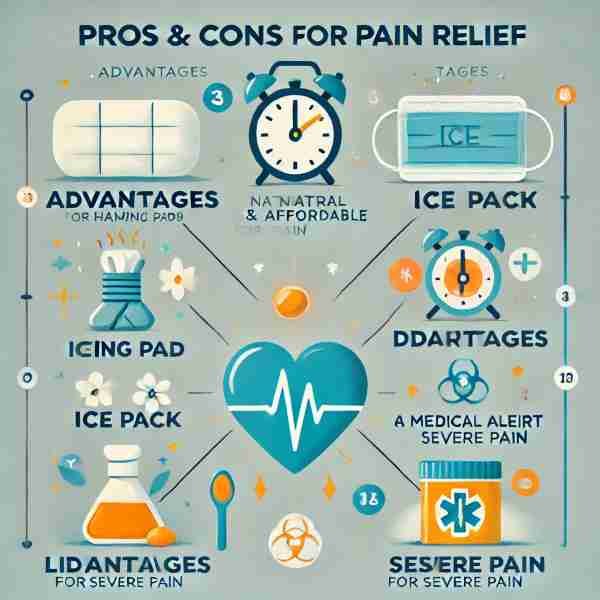
Home remedies for pain relief are natural, cost-effective, and easy to use, but they require time to show results and may not be suitable for severe pain.

Back-Pain-Pros-&-Cons

Advantages

  • Natural and Affordable: Home remedies are inexpensive and use common items like heating pads, ice packs, or spices like turmeric.
  • Easy to Use at Home: No need for special equipment or professional help; you can manage pain from home.

Disadvantages

  • Takes Time for Results: Relief may take time, especially for chronic pain. Consistent use is required.
  • Not for Severe Pain: For serious injuries or severe pain, home remedies may not be enough, and medical advice is necessary.

Recommended Reading: Home Remedies For Vaginal Dryness (Symptoms, Causes, & Remedies)

FAQs

What are home remedies for back pain?

Home remedies are simple, natural treatments you can use at home to ease back pain. These include heat therapy, cold therapy, stretching exercises, and massage.

Do home remedies work for back pain?

Yes, home remedies can be effective for mild to moderate back pain. They help relax muscles, reduce inflammation, and improve flexibility, offering relief without medications.

Are there any risks with home remedies for back pain?

While home remedies are generally safe, improper use can cause harm. For example, heat therapy can cause burns if used too long, and cold therapy can cause skin irritation if applied directly.

Who should try home remedies for back pain?

Home remedies are ideal for people with occasional back pain due to muscle strain, poor posture, or stress. If your pain is severe or caused by an injury, consult a healthcare professional first.

Can home remedies replace medical treatment?

Home remedies are great for mild to moderate pain, but they may not be enough for severe pain or injuries.

Conclusion

Recommended Reading: How To Get Rid Of A UTI In 24 Hours At Home

Summary

Home remedies like heat therapy, cold therapy, massage, and stretching can effectively manage mild to moderate back pain. They help ease muscle tension, improve circulation, and reduce inflammation, offering natural relief.

Recommendation

These remedies are a great choice for natural, non-invasive treatments. They are easy, affordable, and have fewer side effects than medications.

Who Should Try These Remedies?

Ideal for those with occasional back pain from muscle strain, poor posture, or stress. They can also complement medical treatments.

Suggested Alternatives

For severe pain or injury, consult a healthcare provider for more intensive treatment options.

………………………….
Disclaimer:
Commissions we earn from partner links on this page do not influence our content. Our editorial content is based on thorough research and insights from qualified medical professionals to ensure the highest standards of accuracy and reliability.

Information provided on Doseway is for educational purposes only. Your health and wellness are unique to you, and the products and services we review may not be suitable for your circumstances. We do not offer personal medical advice, diagnosis, or treatment plans. For specific advice, please consult with a healthcare professional. Doseway adheres to strict editorial integrity standards. To the best of our knowledge, all content is accurate as of the date posted, though offers and information may change. The opinions expressed are the author’s own and have not been influenced, approved, or endorsed by our partners.
…………………………….

Teeth-Whitening-At-Home-In-2-Minutes

Teeth Whitening At Home In 2 Minutes (Home Remedies)

Teeth whitening at home in 2 minutes using simple remedies is a best way to brighten your smile quickly and naturally. This method focuses on using everyday ingredients like baking soda, hydrogen peroxide, and even banana peels to remove surface stains and improve the overall appearance of your teeth.

These home remedies offer a easy alternative to expensive treatments, allowing people to achieve noticeable results in just a few minutes. Whether you’re looking for a fast solution before an event or want to maintain a whiter smile regularly, these easy, natural techniques can be helpful.

Recommended Reading: How To Lower Blood Pressure Instantly In An Emergency (Home Remedies)

Home Remedies For Teeth Whitening At Home In 2 Minutes

Teeth-Whitening-At-Home

Recommended Reading: Home Remedies For Dandruff And Itchy Scalp

What is Teeth Whitening?

Teeth whitening is a method used to lighten the color of your teeth by removing stains and discoloration. It helps improve the appearance of your smile, making your teeth look cleaner and brighter. In this article, we’ll explore simple and quick home remedies you can try using common items found in your kitchen.

Home Remedies for Teeth Whitening

  • Baking Soda Paste: A popular remedy for teeth whitening is brushing with a mixture of baking soda and water. Simply make a paste and brush your teeth for two minutes to help scrub away surface stains.
  • Baking Soda and Hydrogen Peroxide: For a stronger effect, mix a little hydrogen peroxide with baking soda to create a paste. Brush for two minutes, but this is only recommended if you don’t have sensitive teeth, as it may cause irritation.
  • Banana Peel: Another easy method is rubbing the inside of a banana peel on your teeth for two minutes. The minerals in the peel, like potassium and magnesium, may help reduce stains and teeth whitening.
  • Oil Pulling with Coconut Oil: Swishing coconut oil in your mouth for 15-20 minutes, also known as oil pulling, can help clean your teeth and remove toxins, potentially leading to whiter teeth over time.
  • Lemon or Orange Peels: Gently rubbing lemon or orange peels on your teeth is believed to have a natural whitening effect. However, use this remedy sparingly, as the acidity in citrus fruits can weaken your enamel.
  • Salt and Baking Soda: A quick whitening tip is mixing salt with baking soda. Brushing your teeth with this combination for two minutes can help remove stains and leave your teeth looking brighter.

Recommended Reading: How To Get Rid Of A UTI In 24 Hours At Home (Instant UTI Relief)

Indications & Uses

Indications & Uses

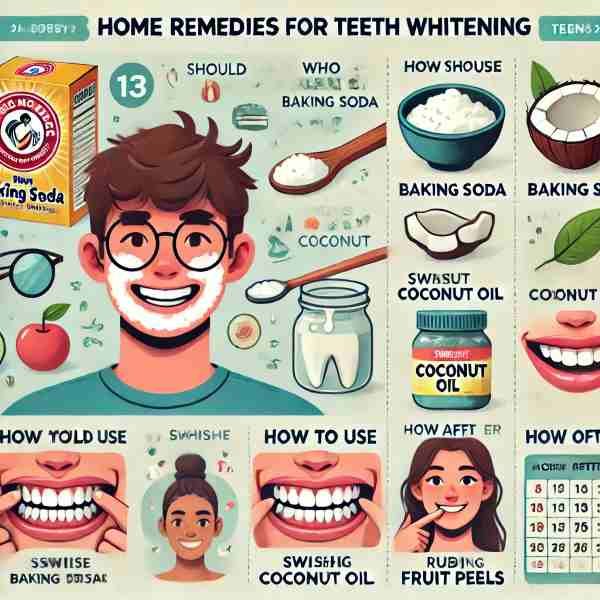
Teeth whitening remedies like baking soda, coconut oil pulling, and fruit peels, ideal for mild stains and chemical-free care. Learn how to use them safely and effectively for a brighter smile!

Indications-&-Uses

Who Should Use These Home Remedies for Teeth Whitening?

These home remedies are perfect for those looking to whiten their teeth naturally without using harsh chemicals. They are ideal for:

  • Adults and Teens: If you’re looking for a quick and easy way to brighten your smile without visiting the dentist, these remedies are a great option.
  • People Seeking Natural Solutions: For anyone who prefers chemical-free methods, these home remedies use simple ingredients like baking soda, coconut oil, and fruit peels.
  • Individuals with Mild to Moderate Stains: If your teeth have light discoloration or surface stains, these treatments can help lighten them effectively.

How to Use These Remedies

  • Baking Soda: Mix a teaspoon of baking soda with water to form a paste. Brush your teeth with it for two minutes to help remove surface stains.
  • Coconut Oil Pulling: Swish a tablespoon of coconut oil in your mouth for 15-20 minutes. If you’re new to oil pulling, start with shorter durations, like 5-10 minutes, and gradually increase the time.
  • Fruit Peels (Banana, Lemon): Gently rub the inside of a banana peel or a lemon peel on your teeth for about two minutes to help brighten your smile naturally.

How Often to Use

  • Baking Soda and Salt: For best results, use this method no more than twice a week to avoid damaging your enamel.
  • Oil Pulling: You can do this daily or every other day, depending on your preference.
  • Fruit Peels: Since citrus can be acidic, limit the use of lemon peels to once or twice a week to prevent enamel erosion.

Recommended Reading: Stop Tooth Pain Fast At Home At Night (Home Remedies)

Effectiveness

Effectiveness

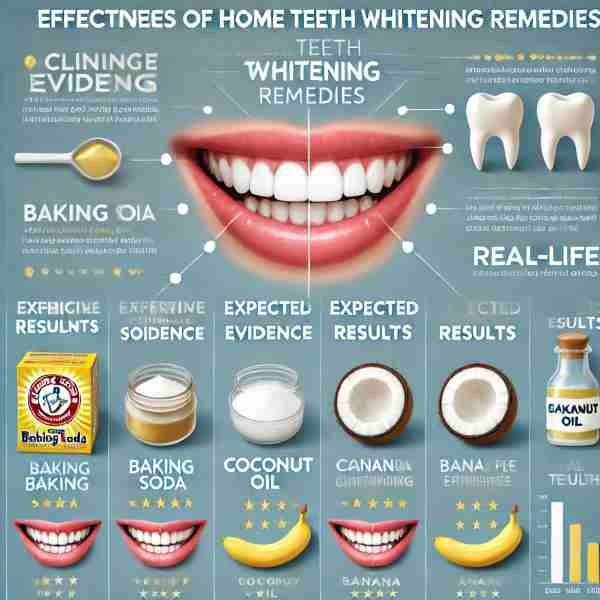
Home teeth whitening remedies like baking soda, coconut oil, and banana peels. Learn about their clinical support, expected results, and real-life experiences for a brighter smile.

Side-Effects-&-Precautions

When it comes to whitening your teeth at home, the effectiveness of different remedies can vary. Some have been used for centuries, while others have mixed results. Let’s look at the evidence and expected outcomes for each method.

Clinical Evidence

Although home remedies like banana peels and lemon are popular, there is limited scientific backing for their effectiveness in whitening teeth.

However, studies do support the use of baking soda for removing surface stains and improving overall dental cleanliness. Oil pulling with coconut oil is also linked to better oral health and may contribute to whiter teeth over time.

Expected Results

  • Baking Soda: If you use baking soda regularly, you can expect to see visible improvements within 1-2 weeks. It effectively tackles surface stains and helps brighten your smile.
  • Oil Pulling: Consistent oil pulling can lead to whiter teeth gradually. The process helps clean your mouth, and over time, you may notice a lighter tooth shade.
  • Banana Peel: While not scientifically proven, some people claim that rubbing a banana peel on their teeth leads to minor improvements in the appearance of stains.

Real-Life Experiences

Many people who have tried baking soda or oil pulling report seeing a brighter smile after a few weeks. The results can vary, especially depending on the type and severity of tooth discoloration. Those with mild stains may see better results, while people with more severe discoloration might experience less noticeable changes.

Recommended Reading: How To Lower Blood Pressure Naturally [Instantly Home Remedies]

Side Effects & Precautions

Side Effects & Precautions

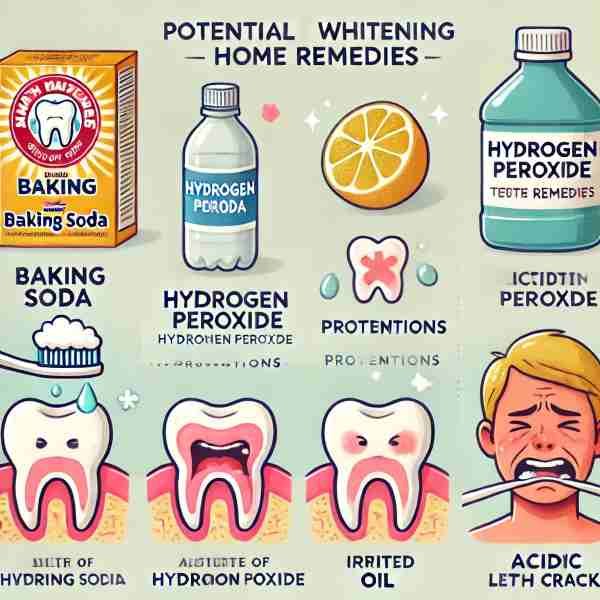
Side effects and precautions of teeth whitening remedies, featuring baking soda, hydrogen peroxide, oil pulling, and acidic ingredients with labeled visuals. Designed in a clean, medical-style layout for clarity.

Side-Effects-&-Precautions

While home remedies for teeth whitening are generally safe, it’s important to be aware of potential side effects and take necessary precautions. Here’s what you should know before starting these methods.

Common Side Effects

  • Baking Soda: Using baking soda too often may cause slight enamel erosion over time. It’s best to limit its use to avoid damaging the outer layer of your teeth.
  • Oil Pulling: Although safe for most people, oil pulling can sometimes cause nausea, especially for beginners who aren’t used to swishing oil in their mouth for an extended period.

Serious Side Effects

  • Hydrogen Peroxide: When used excessively or in high concentrations, hydrogen peroxide can cause increased tooth sensitivity and gum irritation. If you notice discomfort or irritation, it’s important to stop using it and consult with a dentist.

Precautions

  • Avoid Overuse of Acidic Ingredients: Ingredients like lemon or other citrus peels should be used cautiously as they can erode your tooth enamel. Over time, this can lead to tooth sensitivity or even cavities.
  • Sensitive Teeth: People with sensitive teeth should avoid using hydrogen peroxide and citrus-based remedies, as these can worsen the sensitivity and cause discomfort.
  • See a Dentist for Sensitivity: If you experience increased tooth sensitivity or pain after using any home remedies, it’s important to consult your dentist.

Recommended Reading: Home Remedies For Vaginal Dryness (Symptoms, Causes, & Remedies)

Pros & Cons

Pros & Cons

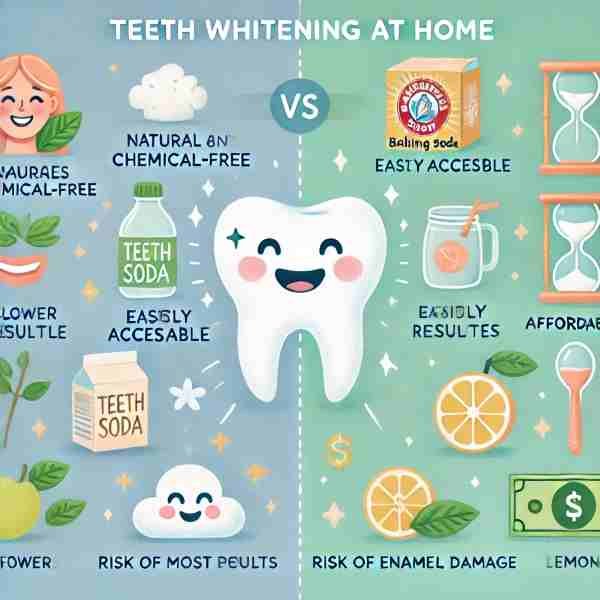
Teeth whitening remedies, featuring benefits like affordability and natural ingredients, alongside drawbacks such as slower results and enamel damage risk. Clean visuals with labeled icons provide clarity.

Pros-&-Cons

When it comes to teeth whitening at home, there are both advantages and disadvantages to consider. Here’s a simple breakdown to help you decide if these natural methods are right for you.

Advantages

  • Natural and Chemical-Free: These remedies use ingredients like baking soda, coconut oil, and fruit peels, which are free of harsh chemicals found in commercial products.
  • Easily Accessible: Most of the items needed for these remedies, like baking soda and fruits, are likely already in your kitchen, making it convenient to start right away.
  • Affordable: Compared to professional whitening treatments, home remedies are much cheaper, saving you money while still offering a way to brighten your smile.
  • Safe for Most People: When used properly and in moderation, these methods are generally safe and gentle for most users.

Disadvantages

  • Slower Results: Unlike professional teeth whitening treatments, which can show results quickly, home remedies may take longer to provide noticeable changes in tooth color.
  • Risk of Enamel Damage: Some methods, particularly those involving acidic ingredients like lemon peels, can harm your enamel if used too frequently or improperly. This can lead to sensitivity or tooth decay over time.

Recommended Reading: How To Get Rid Of A UTI In 24 Hours At Home

FAQs

What is teeth whitening, and how does it work?

Teeth whitening is a process that helps lighten the color of your teeth by removing stains and discoloration. It works by using various methods like baking soda, oil pulling, and other natural or chemical products to clean and brighten the teeth.

How can I whiten my teeth at home naturally?

You can whiten your teeth naturally using home remedies like:
Baking soda: Mix it with water to make a paste and brush for two minutes.
Oil pulling with coconut oil: Swish for 15-20 minutes daily to remove stains.
Banana peels or lemon peels: Rub the inside of the peel on your teeth for about two minutes to help brighten them.

Is teeth whitening safe?

Teeth whitening is generally safe when done properly. However, using ingredients like lemon or hydrogen peroxide in excess may lead to enamel damage or increased sensitivity.

Can I use lemon for teeth whitening?

Yes, lemon peels can be used for natural teeth whitening. However, be cautious as lemon is acidic and can erode tooth enamel over time. Limit usage to once a week and avoid overuse.

Can home teeth whitening replace professional treatments?

Home remedies can help with surface stains and are great for natural, cost-effective whitening. However, if you want faster or more dramatic results, professional treatments or over-the-counter whitening strips may be more effective.

Who should avoid home teeth whitening methods?

People with sensitive teeth should avoid using hydrogen peroxide and acidic ingredients like lemon.
If you have dental issues like cavities or gum disease, consult your dentist before trying any whitening methods.

Conclusion

In summary, home remedies such as baking soda, oil pulling, and fruit peels provide simple, affordable ways to brighten your smile. These methods are most effective for surface stains and require consistent use to see results over time.

Who Should Try It?

These remedies are ideal for:

  • Individuals who want quick and safe whitening solutions.
  • Those looking for natural, budget-friendly options to improve their smile.

Alternatives to Consider

If you’re looking for faster or more dramatic results, you might want to explore over-the-counter whitening strips or consult a dentist for professional treatments. These options provide quicker, longer-lasting results but may come with a higher price tag.

………………………….
Disclaimer:
Commissions we earn from partner links on this page do not influence our content. Our editorial content is based on thorough research and insights from qualified medical professionals to ensure the highest standards of accuracy and reliability.

Information provided on Doseway is for educational purposes only. Your health and wellness are unique to you, and the products and services we review may not be suitable for your circumstances. We do not offer personal medical advice, diagnosis, or treatment plans. For specific advice, please consult with a healthcare professional. Doseway adheres to strict editorial integrity standards. To the best of our knowledge, all content is accurate as of the date posted, though offers and information may change. The opinions expressed are the author’s own and have not been influenced, approved, or endorsed by our partners.
…………………………….

Home-Remedies-For-Dandruff

Home Remedies For Dandruff And Itchy Scalp

Dandruff, which causes flaky skin and itching on the scalp, is a common problem many people face. Fortunately, several natural and home remedies can help soothe the scalp and reduce dandruff without the need for harsh chemicals.

This guide will look at some of the best home remedies and how they work and offer tips on how to use them effectively. These treatments are suitable for anyone dealing with dandruff or scalp irritation.

Recommended Reading: How To Get Rid Of A UTI In 24 Hours At Home (Instant UTI Relief)

Home Remedies for Dandruff and Itchy Scalp

Home-Remedies-For-Dandruff-And-Itchy-Scalp

Recommended Reading: Stop Tooth Pain Fast At Home At Night (Home Remedies)

What Are the Remedies?

The term “remedies” refers to treatments or solutions used to solve a problem or relieve a condition. In the context of health, remedies are often natural or medical methods used to treat symptoms or illnesses.

For example, home remedies are simple, natural treatments people use at home to cure minor health issues, like using honey for a sore throat or aloe vera for sunburn.

Recommended Reading: How To Lower Blood Pressure Naturally [Instantly Home Remedies]

Best Home Remedies for Dandruff and Itchy Scalp

Top 5 Best Home Remedies for Dandruff and Itchy Scalp

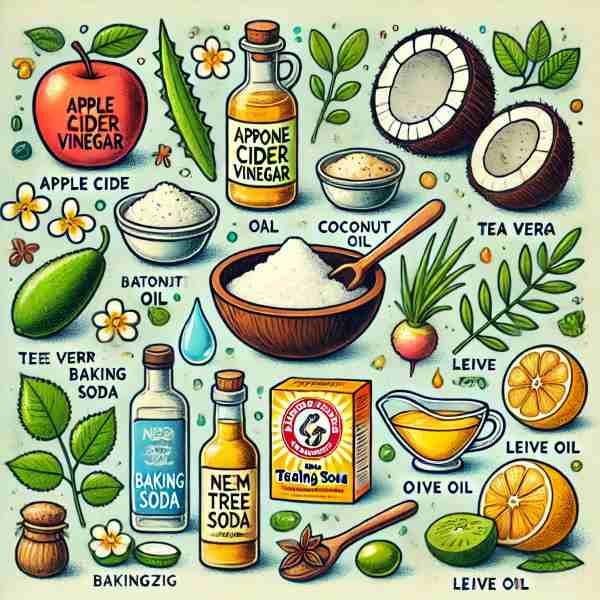
  • Apple cider vinegar
  • Coconut oil
  • Aloe vera
  • Tea tree oil
  • Baking soda
  • Neem
  • Olive oil
  • Lemon juice
  • Healthy diet
Best-Home-Remedies-for-Dandruff

Several natural ingredients can help treat dandruff and soothe an itchy scalp. Some of the most effective remedies include:

  • Apple Cider Vinegar: This helps balance the scalp’s pH and has antifungal properties that can help fight the fungus responsible for dandruff.
  • Coconut Oil: Known for its moisturizing effects, coconut oil hydrates the scalp and prevents dryness that can lead to flaking.
  • Aloe Vera: Aloe vera has soothing and healing properties that calm irritated skin on the scalp.
  • Tea Tree Oil: This essential oil is both antifungal and antibacterial, making it effective for treating dandruff caused by infections.
  • Baking Soda: It gently exfoliates the scalp, removing dead skin cells and preventing buildup that can cause flakes.
  • Neem: Used in traditional medicine, neem is a powerful antifungal plant that helps combat dandruff.
  • Olive Oil: Olive oil deeply moisturizes and nourishes the scalp, reducing dryness and flaking.
  • Lemon Juice: It helps control excess oil and balances the pH level of the scalp, making it harder for dandruff to develop.
  • Healthy Diet: Eating a balanced diet rich in vitamins and nutrients supports scalp health from within and can help reduce dandruff.

How Do They Work?

These natural remedies work by:

  • Reducing dryness and itchiness: Many of these ingredients, like coconut oil and aloe vera, moisturize the scalp, preventing dryness that leads to flakes.
  • Balancing oil production: Remedies like lemon juice help control excess oil, which can worsen dandruff.
  • Fighting fungi: Ingredients like apple cider vinegar, tea tree oil, and neem have antifungal properties, helping to reduce the fungus often responsible for dandruff.

Recommended Reading: Home Remedies For Vaginal Dryness (Symptoms, Causes, & Remedies)

Indications & Uses

Indications & Uses

Natural remedy ingredients like apple cider vinegar, coconut oil, and aloe vera, symbolize natural care for scalp health. The serene setting highlights the benefits of these remedies in a soft, sunlit ambiance.

Indications-&-Uses

Who Should Use These Remedies?

These remedies are perfect for anyone dealing with dandruff, an itchy scalp, or flaking skin. They are especially beneficial for those who prefer natural, chemical-free treatments to help manage their scalp conditions.

How to Use?

Here’s how you can use each remedy effectively:

  • Apple Cider Vinegar: Dilute apple cider vinegar with water, apply it to your scalp, and leave it for 10-15 minutes before rinsing it out with water.
  • Coconut Oil: Gently massage coconut oil into your scalp and leave it overnight. Wash it off in the morning.
  • Aloe Vera: Apply fresh aloe vera gel directly to your scalp, leave it for 30 minutes, and then wash it off with lukewarm water.
  • Tea Tree Oil: Mix a few drops of tea tree oil with a carrier oil (like coconut or olive oil) and massage it into your scalp.
  • Baking Soda: Mix baking soda with water to create a paste, gently massage it into your scalp, and rinse it off.
  • Neem: You can use neem oil or make a paste from fresh neem leaves and apply it to your scalp.
  • Olive Oil: Warm the olive oil and apply it to your scalp for hydration. Leave it on for about 30 minutes before washing it off.
  • Lemon Juice: Apply lemon juice directly to your scalp, leave it for 10 minutes, then rinse thoroughly with water.

Recommended Reading: How To Get Rid Of A UTI In 24 Hours At Home

Effectiveness

Effectiveness

Home remedies like tea tree oil, aloe vera, and neem, highlight their effectiveness in treating dandruff and promoting scalp health. The composition reflects both clinical support and traditional wisdom in a calming, professional setting.

Effectiveness

Clinical Evidence

Some of the remedies, such as tea tree oil and aloe vera, have been supported by clinical studies showing their effectiveness in treating dandruff and soothing an itchy scalp. Tea tree oil, for example, has antifungal properties that help fight the fungus responsible for dandruff.

Aloe vera is known for its soothing and healing effects on irritated skin. However, other remedies like coconut oil and neem are based more on traditional use and anecdotal evidence.

Expected Results

With regular use, you can expect to experience relief from the itchiness and a noticeable reduction in dandruff flakes. Many people begin to see improvements after just a few applications.

Consistently using these remedies not only helps to reduce dandruff but also promotes overall scalp health, which can help prevent dandruff from returning.

Side Effects & Precautions

Side Effects & Precautions

Common side effects and precautions for natural remedies, with clear symbols like warning signs for lemon, tea tree oil, and apple cider vinegar. The serene background features a patch test demonstration and a doctor offering friendly guidance.

Side-Effects-&-Precautions

Common Side Effects

  • Lemon Juice: If used too often or in high amounts, lemon juice can cause irritation or dryness on the scalp.
  • Tea Tree Oil: Some people may experience allergic reactions, especially those with sensitive skin. It’s important to dilute it properly before use.
  • Apple Cider Vinegar: Applying undiluted apple cider vinegar directly to the scalp may cause irritation due to its acidity.

Serious Side Effects

  • Although rare, some individuals may experience allergic reactions to essential oils like tea tree or neem. Symptoms may include redness, itching, or swelling.

Precautions

  • Patch Test: Always perform a patch test by applying a small amount of the remedy on your skin to check for any allergic reaction before using it on your scalp.
  • Avoid if Allergic: If you are allergic or sensitive to any of the ingredients (e.g., lemon, tea tree oil, or neem), avoid using that remedy.
  • Consult a Doctor: If your symptoms worsen or do not improve after using these remedies, consult a healthcare professional for further advice.

Pros & Cons

Advantages

  • Affordable and Easy to Find: These home remedies are cost-effective and can be easily sourced from your kitchen or local store.
  • Natural Ingredients: They provide a chemical-free solution, offering a more natural approach to treating dandruff and itchy scalp.
  • Addresses Dandruff Causes: The remedies target common causes of dandruff, such as fungi, dryness, and irritation, helping to restore balance to the scalp.

Disadvantages

  • Slower Results: Home remedies often take longer to show results compared to medicated treatments, requiring more patience for noticeable improvements.
  • May Not Work for Severe Dandruff: In cases of severe dandruff or underlying medical conditions, these remedies might not be effective, and professional treatments could be necessary.
  • Strong Odors: Some ingredients, like apple cider vinegar or neem, have strong smells that may not be pleasant for everyone.

Recommended Reading: Stop Tooth Pain Fast At Home At Night (Home Remedies)

FAQs

What causes dandruff and an itchy scalp?

Best-Home-Remedies-for-Dandruff

Dandruff is often caused by a dry scalp, excess oil, or a fungal infection. It can also be triggered by skin conditions like eczema or psoriasis. The itchiness is usually due to irritation or dryness on the scalp.

How do natural remedies help with dandruff?

Effectiveness

Natural remedies like coconut oil, apple cider vinegar, and tea tree oil help balance the scalp’s pH, reduce dryness, and fight the fungi responsible for dandruff. These ingredients can also soothe irritation and promote a healthier scalp.

How often should I use these remedies?

For best results, you can use these remedies 2-3 times a week. Some may be used daily, like coconut oil, while others, like apple cider vinegar, may work better when applied once a week to avoid scalp irritation.

Can I mix these remedies?

Yes, you can mix some of these remedies. For example, coconut oil and tea tree oil can be combined, but always make sure to dilute essential oils with a carrier oil. Avoid mixing ingredients like vinegar with lemon juice as it may irritate the scalp.

Do I need to stop using my regular shampoo or treatment?

You don’t need to stop using your regular shampoo. You can use these natural remedies alongside your usual hair care routine.

Conclusion

Summary of Findings

Home remedies can be a natural and effective approach to managing dandruff and itchy scalp. Ingredients like coconut oil, tea tree oil, and apple cider vinegar have proven beneficial in soothing the scalp, reducing flakes, and restoring balance.

Overall Recommendation

If you’re looking for a natural, affordable way to tackle dandruff, these remedies are a great option. However, it’s important to remember that results may vary, and they may work best for mild to moderate cases.

Who Should Use These Remedies?

These home remedies are most beneficial for those with mild to moderate dandruff. If you have severe dandruff or an underlying scalp condition, it might be best to consult a healthcare professional or opt for medicated treatments if these remedies don’t provide enough relief.

Home-Remedies-to-Lower-Blood-Pressure

How To Lower Blood Pressure Instantly In An Emergency (Home Remedies)

High blood pressure, also known as hypertension, is a serious medical condition that can lead to severe health complications if left uncontrolled. In an emergency, it is crucial to lower blood pressure quickly to prevent life-threatening consequences.

While immediate medical intervention is often required, several effective home remedies can help lower blood pressure fast.

These natural methods such as diaphragmatic breathing, staying hydrated, managing stress, and dietary changes, alongside medications like nifedipine and captopril, provide rapid relief in hypertensive emergencies.

Recommended Reading: Home Remedies For Dandruff And Itchy Scalp

Best Home Remedies to Lower Blood Pressure Instantly in an Emergency

Home-Remedies-to-Lower-Blood-Pressure-in-Emergency

Recommended Reading: How To Get Rid Of A UTI In 24 Hours At Home (Instant UTI Relief)

Lower Blood Pressure

Combines both natural home remedies and medically approved medications to help lower blood pressure instantly during an emergency. The home remedies include natural ingredients like garlic, hibiscus tea, and dark chocolate, while medications such as nifedipine and captopril are used for fast, effective results.

Active Ingredients/Components

  • Natural Remedies: Garlic, hibiscus tea, dark chocolate, and other lifestyle adjustments like deep breathing and hydration.
  • Medications: Oral medications like nifedipine and captopril, along with intravenous solutions like clevidipine, are used in critical situations for rapid blood pressure reduction.

How Does It Work?

  • Home Remedies: These natural solutions work by relaxing the blood vessels, improving circulation, and reducing stress, all of which help to lower blood pressure effectively. Garlic and hibiscus tea, for example, have been shown to promote better blood flow and decrease tension in the body.
  • Medications: The prescribed medications are designed to act quickly, either by widening blood vessels (vasodilation) or blocking specific receptors, resulting in a rapid drop in blood pressure. These treatments provide a more immediate solution during hypertensive crises.

Benefits and Expected Results

  • Home Remedies: These natural methods help lower blood pressure gradually, offering a safe, non-invasive way to manage blood pressure over time.
  • Medications: These treatments provide a faster, more direct approach to lowering blood pressure, especially in emergency scenarios. They are highly effective in quickly reducing dangerously high blood pressure, ensuring a faster stabilization of the condition.

Recommended Reading: Stop Tooth Pain Fast At Home At Night (Home Remedies)

Indications & Uses

Indications & Uses

Home remedies may offer temporary relief and help manage mild cases of high blood pressure. However, in severe hypertension or emergencies, medications are often necessary for quicker and more effective treatment.

Indications-&-Uses

Who Should Use It?

This product is ideal for individuals experiencing a hypertensive crisis or those with dangerously high blood pressure in need of immediate relief. It’s also suitable for people looking for quick, natural home remedies to lower blood pressure temporarily and manage it effectively.

How to Use?

  • Home Remedies:
    • Drink plenty of water to stay hydrated and help lower blood pressure.
    • Limit caffeine intake to prevent spikes in blood pressure.
    • Practice stress management techniques like deep breathing exercises to help relax and lower blood pressure.
    • Eating dark chocolate or drinking hibiscus tea are proven natural remedies that may help reduce blood pressure.
  • Medications:
    • Medications like nifedipine, captopril, or nitroglycerin are typically prescribed for hypertensive emergencies and should be used according to your doctor’s instructions.
    • The frequency of use will depend on the severity of high blood pressure and any accompanying symptoms, so follow the dosage recommendations carefully.

Recommended Reading: How To Lower Blood Pressure Naturally [Instantly Home Remedies]

Effectiveness

Effectiveness

Studies and clinical research support the effectiveness of both home remedies and medications in lowering blood pressure.

Effectiveness

Clinical Evidence

Studies and clinical research support the effectiveness of both home remedies and medications in lowering blood pressure. Natural remedies like garlic, hibiscus tea, and deep breathing exercises have been shown to help reduce blood pressure by relaxing the blood vessels and improving circulation.

Medications such as nifedipine and captopril have been clinically proven to provide rapid results, effectively lowering blood pressure in emergencies. Testimonials from users also indicate success, with many reporting a noticeable reduction in their blood pressure after using these remedies or medications.

Expected Results

  • Home Remedies: You can expect to see noticeable improvements in your blood pressure within minutes to hours after using natural remedies. While the effects may take a bit longer than medications, they are still effective for quickly managing blood pressure levels.
  • Medications: When using prescribed medications, you can anticipate an immediate reduction in blood pressure, typically within 30 minutes to an hour. These medications are designed to act quickly, offering fast relief during a hypertensive emergency.

Recommended Reading: Home Remedies For Vaginal Dryness (Symptoms, Causes, & Remedies)

Side Effects & Precautions

Side Effects & Precautions

Home remedies and medications for lowering blood pressure, covering side effects, serious risks, and essential precautions.

Side-Effects-&-Precautions

Common Side Effects

  • Home Remedies: Natural methods to lower blood pressure usually have minimal side effects. Some people may experience mild stomach discomfort from certain herbal teas like hibiscus, or feel uneasy due to a rapid reduction in caffeine intake.
  • Medications: Medications prescribed for lowering blood pressure, such as nifedipine or hydralazine, can sometimes cause side effects like dizziness, headaches, or nausea.

Serious Side Effects

  • Medications: Though rare, serious side effects from blood pressure-lowering medications may include allergic reactions, heart complications, or dangerously low blood pressure (hypotension). It’s important to monitor for these symptoms and seek medical help if needed.

Precautions

  • Home Remedies: Make sure to stay hydrated and monitor your caffeine intake carefully, as dehydration or sudden caffeine withdrawal can cause issues. Always check with a healthcare professional before trying new remedies if you have any underlying health concerns.
  • Medications: Prescription medications should be taken strictly under a doctor’s guidance, especially if you have conditions like pregnancy, diabetes, or heart disease, to ensure safety and effectiveness.

Recommended Reading: How To Get Rid Of A UTI In 24 Hours At Home

Pros & Cons

Pros & Cons

Pros and cons of managing blood pressure with home remedies and medications. It compares their effectiveness, safety, and suitability for mild versus severe cases.

Pros-&-Cons

Advantages

  • Home Remedies: These are a natural and affordable way to lower blood pressure, using easily accessible ingredients. They are simple to incorporate into daily life and can be effective in managing mild to moderate hypertension.
  • Medications: Medications offer a fast and reliable solution, particularly in emergencies where blood pressure needs to be reduced immediately. They are highly effective for acute situations.

Disadvantages

  • Home Remedies: While they are safe for everyday use, home remedies may not provide enough relief in severe or critical high blood pressure emergencies.
  • Medications: These require careful monitoring by a healthcare professional to prevent misuse, and improper use could lead to unwanted side effects.

Comparison

  • Home Remedies: These are generally safer for regular use and work well for mild to moderate cases of high blood pressure. They are gentler on the body but may take longer to show results.
  • Medications: Medications are the go-to choice for critical situations where blood pressure must be lowered quickly. They act faster but come with a higher risk of side effects and require professional oversight.

Recommended Reading: Stop Tooth Pain Fast At Home At Night

FAQs

How can I lower blood pressure quickly at home?

You can lower blood pressure at home by trying simple remedies such as deep breathing exercises, drinking water, reducing stress, or consuming dark chocolate or hibiscus tea. These methods can help relax blood vessels and improve circulation, but they are best for mild cases.

Are home remedies effective in emergencies?

Home remedies can provide temporary relief and help lower blood pressure in less severe situations. However, in critical emergencies or severe hypertension, medications may be needed for faster and more effective results.

What medications can I take to lower blood pressure in an emergency?

Common medications used in hypertensive emergencies include nifedipine, captopril, and nitroglycerin. These medications work quickly to lower blood pressure but should only be taken under medical supervision.

What are the side effects of using medications to lower blood pressure?

While medications like nifedipine are effective, they may cause side effects like dizziness, headaches, or nausea. In rare cases, they can lead to more serious issues like hypotension or heart problems.

How do I know when to seek medical help for high blood pressure?

If your blood pressure is extremely high (e.g., 180/120 or above), or you experience severe symptoms like chest pain, shortness of breath, or confusion, seek immediate medical attention. Home remedies may not be enough in these cases.

Can lifestyle changes help in lowering blood pressure naturally?

Yes, lifestyle changes like maintaining a healthy diet, exercising regularly, managing stress, and reducing sodium intake can help lower blood pressure naturally and reduce the need for medications in the long run.

Conclusion

Summary of Findings

Both home remedies and medications provide valuable methods for lowering blood pressure during emergencies. Natural remedies are effective for managing mild symptoms, while medications deliver rapid results in critical situations.

Overall Recommendation

For long-term management and minor high blood pressure issues, home remedies can be useful. However, in urgent situations where immediate blood pressure reduction is required, medications are the recommended option for quick and reliable relief.

Who Should Consider This Approach?

Individuals dealing with high blood pressure or those prone to hypertensive emergencies should consider these options to manage their condition effectively and ensure quick relief when needed.

Suggestions for Alternatives

If home remedies or prescribed medications are not suitable, it’s important to consult with a healthcare provider to explore other personalized treatments for lowering blood pressure effectively.

………………………….
Disclaimer:
Commissions we earn from partner links on this page do not influence our content. Our editorial content is based on thorough research and insights from qualified medical professionals to ensure the highest standards of accuracy and reliability.

Information provided on Doseway is for educational purposes only. Your health and wellness are unique to you, and the products and services we review may not be suitable for your circumstances. We do not offer personal medical advice, diagnosis, or treatment plans. For specific advice, please consult with a healthcare professional. Doseway adheres to strict editorial integrity standards. To the best of our knowledge, all content is accurate as of the date posted, though offers and information may change. The opinions expressed are the author’s own and have not been influenced, approved, or endorsed by our partners.
…………………………….

Coconut-Water

Coconut Water During Pregnancy [Benefits & Risks]

Coconut water is a natural, low-calorie drink rich in electrolytes, vitamins, and minerals, making it a popular choice for those seeking a healthy alternative to sugary beverages.

Pregnant women, in particular, have embraced coconut water as a staple in their diet due to its perceived benefits in alleviating morning sickness, replenishing fluids, and supporting overall well-being during this critical period.

Now let’s discuss this topic in details!

Recommended Reading: List Of Family Planning Tablets In Pakistan

Coconut Water During Pregnancy Benefits, Side Effects, & More

Coconut-Water-During-Pregnancy

Nutritional Benefits of Coconut Water

Recommended Readings: What Is White Discharge During Early Pregnancy [Causes+Effects]

Nutrients for a Healthy Pregnancy

Coconut water is a rich source of essential nutrients, including:

  • Potassium: Helps maintain healthy blood pressure, promotes bone health, and supports muscle function.
  • Magnesium: Crucial for fetal development, bone health, and energy production.
  • Calcium: Essential for fetal bone development and maternal bone health.

Hydration for Two

Coconut water’s high water content and electrolytes help keep you hydrated, which is vital during pregnancy. Proper hydration supports:

  • Fetal development
  • Maternal energy levels
  • Digestive Health

A Low-Calorie Alternative

With only 45 calories per cup, coconut is an excellent alternative to sugary drinks, reducing the risk of:

  • Excessive weight gain
  • Gestational diabetes
  • Other pregnancy complications

Health Benefits of Drinking Coconut Water During Pregnancy

Recommended Readings: How To Use Pregnancy Test Strips? | Pregnancy Strips [Price+Uses+Results]

Morning Sickness

Coconut water’s electrolytes and natural acidity help reduce nausea and alleviate morning sickness, especially during early pregnancy.

Staying Hydrated

Coconut water’s high water content and electrolytes help prevent dehydration, ensuring your body functions optimally throughout pregnancy.

Soothing Digestive Issues

Coconut water’s fiber and electrolytes ease constipation, a common problem during pregnancy, promoting regular bowel movements and a healthy gut.

Preventing UTIs

Coconut water’s antimicrobial properties and electrolytes help prevent urinary tract infections (UTIs), reducing the risk of complications.

Boosting Immunity

Coconut water’s rich nutrient profile, including vitamin C and lauric acid, strengthens the immune system during pregnancy, protecting against infections.

Supporting Baby’s Health

While coconut doesn’t directly impact a baby’s weight or development, its electrolytes and nutrients support:

  • Healthy fetal development
  • Maternal nutrition
  • Overall well-being, indirectly benefiting the baby’s growth and development

When to Drink Coconut Water During Pregnancy

When to Drink Coconut Water During Pregnancy

Stay hydrated and support your pregnancy journey with coconut! Learn when to drink coconut water during pregnancy for maximum benefits and a healthy baby.

How-Pregnancy-Symptoms-Develop-After-Sex

Recommended Readings: How To Prevent Pregnancy Without Birth Control | How To Avoid Pregnancy Naturally

First Trimester (Week 1-12)

  • Benefits:
    • Eases morning sickness and nausea
    • Keeps you hydrated and supports embryonic development
  • Risks:
    • None significant, but excessive consumption may cause:
      • Stomach upset
      • Electrolyte imbalance (rare)

Second Trimester (Week 13-26)

  • Benefits:
    • Helps with digestion and relieves constipation
    • Boosts energy levels and supports fetal growth
  • Risks:
    • None significant, but be mindful of:
      • High sugar content in some coconut water brands
      • Potential interaction with medications (consult your healthcare provider)

Third Trimester (Week 27-40)

  • Benefits:
    • Reduces swelling and edema
    • Prevents heartburn and indigestion
  • Risks:
    • Generally safe, but excessive consumption may cause:
      • Electrolyte imbalance
      • Interaction with medications (consult your healthcare provider)

Remember:

  • Always choose low-sugar, unflavored coconut
  • Consume in moderation (1-2 cups per day)
  • Consult your healthcare provider if you have concerns or pre-existing medical conditions

Side Effects of Coconut Water During Pregnancy

Coconut-Water-During-Pregnancy

Recommended Readings: Medicine To Get Pregnant Fast | Fertility Medicine For Female+Male

Blood Sugar Levels

  • Coconut contains natural sugars, which may affect blood sugar levels
  • Women with gestational diabetes or those monitoring blood sugar levels should consume coconut in moderation (1 cup or less per day)

Who Should Avoid It?

  • Women with:
    • Kidney problems (water high potassium levels may exacerbate issues)
    • Heart conditions (electrolyte imbalance concerns)
    • Diabetes (monitor blood sugar levels closely)
    • Allergies to coconut or tree nuts
  • Those taking medications, such as:
    • Blood thinners
    • Diuretics
    • Medications for high blood pressure or kidney disease

Too Much of a Good Thing

  • Risks of excessive coconut consumption (>2 cups per day):
    • Electrolyte imbalance (potassium, sodium, and magnesium)
    • Stomach upset and digestive issues
    • Interaction with medications
    • Overload of calories and sugar

Remember:

  • Always consult your healthcare provider if you have concerns or pre-existing medical conditions
  • Consume coconut in moderation as part of a balanced diet

Coconut Water’s Effect on Baby

Impact on Baby’s Growth

  • Coconut does not directly impact the baby’s weight or growth
  • However, its nutrients and electrolytes support maternal health, which indirectly benefits fetal development
  • A balanced diet and adequate hydration are essential for healthy fetal growth

Fair Skin Myth

  • No scientific evidence supports the claim that coconut consumption during pregnancy leads to a fair-skinned baby
  • Skin pigmentation is determined by genetics, not by maternal diet or coconut consumption

Baby’s Development

  • Coconut nutrients and electrolytes support:
    • Fetal development and overall health
    • Maternal hydration and electrolyte balance, ensuring optimal fetal environment
    • Healthy placental function, supporting nutrient and oxygen transfer to the baby
  • Coconut antimicrobial properties may also help reduce the risk of infections, promoting a healthy pregnancy

Remember:

  • A balanced diet, adequate hydration, and prenatal care are essential for a healthy pregnancy and baby’s development
  • Consult your healthcare provider for personalized advice on nutrition and hydration during pregnancy

How Much and When to Drink Coconut Water

Daily Limit

  • Safe limit: 1-2 cups (200-400ml) per day
  • Excessive consumption may lead to electrolyte imbalance and other issues

Best Time to Drink

  • Morning: Helps with morning sickness, hydration, and energy boost
  • After meals: Supports digestion and nutrient absorption
  • Post-workout: Replenishes electrolytes and hydrates the body
  • Before bedtime: May help with hydration and relaxation, but avoid excessive consumption to prevent frequent urination

Seasonal Effects

  • Coconut is considered a neutral beverage, neither hot nor cold in nature
  • However, its effects may vary depending on the season:
    • Summer: Coconut electrolytes and hydration properties are particularly beneficial
    • Winter: Its warming properties may help soothe digestive issues and provide comfort

Remember:

  • Listen to your body and drink when you feel the need to
  • Adjust your consumption based on individual needs, activity level, and climate
  • Consult your healthcare provider for personalized advice on coconut consumption during pregnancy

Coconut Water vs. Other Pregnancy Drinks

Coconut vs. SimpleWater

  • Both are essential for hydration during pregnancy
  • Coconut offers additional benefits:
    • Electrolytes (potassium, sodium, magnesium) for optimal hydration
    • Nutrients (vitamins, minerals) for fetal development and maternal health
    • Natural acidity to help alleviate morning sickness

Coconut Water vs. Fruit Juices

  • Coconut is a better choice due to:
    • Lower sugar content
    • Higher electrolyte content
    • Fewer calories
    • Natural, unflavored, and unsweetened options available
  • Fruit juices are high in sugar, calories, and acidity, which may exacerbate morning sickness and digestive issues

Coconut Water vs. Electrolyte Drinks

  • Coconut is a natural, low-calorie alternative to commercial electrolyte drinks
  • Offers similar electrolyte benefits without added sugars, artificial flavors, or colors
  • Maybe it is more gentle on the stomach due to its natural, easily digestible ingredients
  • However, commercial electrolyte drinks may be more convenient for severe dehydration or intense physical activity

Remember:

  • Always choose unflavored, unsweetened, and low-calorie options
  • Consult your healthcare provider for personalized hydration recommendations during pregnancy

Recommended Readings: 25+ Normal Delivery Tips [In 9th Month] | Painless Normal Delivery Tips

FAQs | Coconut Water During Pregnancy

Is it safe to drink coconut water daily during pregnancy?

Moderate coconut water consumption (1-2 cups/day) is generally safe during pregnancy. Consult your healthcare provider if you have concerns or pre-existing medical conditions.

Can coconut water have side effects?

Coconut is usually safe, but in some cases, it can cause side effects like increased potassium levels if consumed excessively. People with kidney issues or high blood sugar should be cautious and talk to their healthcare provider before including it in their diet regularly.

When should I start drinking coconut water during pregnancy?

You can start drinking coconut at any stage of pregnancy. Still, it’s especially helpful in the first trimester to combat morning sickness and in the third trimester to reduce swelling and support hydration.

Which fruits are best during pregnancy?

Some of the best fruits to eat during pregnancy include bananas, oranges, apples, berries, avocados, and mangoes. These fruits are packed with vitamins, fiber, and essential nutrients that support both mother and baby’s health.

Can I drink coconut water after delivery?

Yes, drinking coconut after delivery is safe and can help with hydration, replenishing electrolytes, and boosting energy levels. It’s a natural way to support recovery and overall health after childbirth.

Can I drink coconut water if I have gestational diabetes?

Consult your healthcare provider before consuming coconut, as its natural sugars may affect blood sugar levels.

Is coconut water better than sports drinks during pregnancy?

Coconut is a natural, low-calorie alternative to sports drinks, but consult your healthcare provider for personalized hydration recommendations.

Recommended Readings: 10 Symptoms Of Pregnancy After Sex In One Week

……………………

Affiliate Disclosure: Commissions we earn from partner links on this page do not influence our content. Our editorial content is based on thorough research and insights from qualified medical professionals to ensure the highest standards of accuracy and reliability.

Medical Disclaimer: Unless expressly indicated in the product description, Doseway is not the manufacturer of the products sold on our website. While we strive to ensure that the product information on our website is accurate, manufacturers may alter their product details. Actual product packaging and materials may contain additional or different information than what is displayed on our website. For any specific product queries, please contact the manufacturer directly.

For medicinal products, the content on our website is not intended to diagnose, treat, cure, or prevent any disease or health condition, nor is it a substitute for advice from medical practitioners, pharmacists, or other licensed healthcare professionals. If you suspect you have a medical problem, contact your healthcare provider immediately. Always read the labels, warnings, and instructions provided with the product before using or consuming it, and do not solely rely on the information presented on our website.

………………………………………