Lipoabdominoplasty

Lipoabdominoplasty: Tummy Tuck With Lipo

Lipoabdominoplasty represents the gold standard in abdominal contouring procedures, combining traditional tummy tuck techniques with strategic liposuction for comprehensive body sculpting. This advanced surgical approach addresses both excess skin and stubborn fat deposits while preserving important anatomical structures for safer, more natural-looking results. Our article explores every aspect of this transformative procedure, accompanied by a powerful calculation tool that provides personalized cost estimates, risk assessments, and recovery timeline projections based on your unique physical characteristics and surgical goals.

In this definitive guide, you’ll discover:

• The fundamental differences between standard tummy tucks and advanced lipoabdominoplasty techniques
• Detailed cost breakdowns and factors influencing procedure pricing across different regions
• Comprehensive risk assessment parameters and how to minimize surgical complications
• Realistic recovery timelines and postoperative care requirements
• Strategic planning considerations for optimal surgical outcomes
• Latest technological advancements in abdominal contouring surgery
• Before-and-after expectations with photographic evidence
• Frequently asked questions addressing common patient concerns

Lipoabdominoplasty Cost & Risk Calculator

Lipoabdominoplasty Cost & Risk Calculator

Estimate the cost, evaluate surgical risks, and understand recovery timeline for your lipoabdominoplasty procedure

Personal Information

Medical History

/ mmHg

Procedure Details

3 liters

Your Lipoabdominoplasty Assessment

Estimated Cost

Surgeon’s Fee: $0
Anesthesia Fee: $0
Facility Fee: $0
Additional Costs: $0
Total Estimated Cost: $0

Surgical Risk Assessment

Based on your profile, your estimated surgical risk is:

Low Risk Medium Risk High Risk

Your risk level will be calculated based on your inputs.

Recovery Timeline

Immediate Post-op (1-3 days)

Pain management, limited mobility, drainage tubes in place

Early Recovery (1-2 weeks)

Gradual increase in mobility, compression garment use

Intermediate Recovery (3-6 weeks)

Return to light activities, continued garment use

Full Recovery (2-6 months)

Return to all activities, final results visible

Personalized Recommendations

  • Consult with a board-certified plastic surgeon for an accurate assessment
  • Discuss your medical history in detail during consultation
  • Follow pre-operative instructions carefully

Disclaimer: This calculator provides estimates only and is not a substitute for professional medical advice. Actual costs, risks, and recovery times may vary based on individual circumstances. Consult with a qualified healthcare provider for personalized information.

Read More Guides & Try More Free Tools:

Skin-analysis-personalized-plan-and-transparent-pricing-at-doseway.com

What Exactly is Lipoabdominoplasty and How Does It Differ From Traditional Tummy Tucks?

Lipoabdominoplasty represents a significant evolution beyond traditional abdominoplasty by incorporating strategic liposuction techniques that preserve important blood vessels and lymphatic channels. This dual-approach procedure addresses both abdominal muscle laxity and stubborn fat deposits while minimizing tissue trauma through advanced surgical precision. The procedure typically involves three key components: comprehensive abdominal liposuction to remove unwanted fat, excision of loose skin and stretch marks, and repair of separated abdominal muscles. Unlike conventional tummy tucks that primarily focus on skin removal, lipoabdominoplasty provides enhanced contouring through fat redistribution and structural reinforcement.

The fundamental distinction lies in the surgical approach and tissue preservation. Traditional abdominoplasty often involves extensive undermining of abdominal tissues, which can compromise blood supply and increase recovery time. Conversely, lipoabdominoplasty utilizes selective undermining techniques that maintain important perforating vessels, resulting in better healing, reduced complication rates, and more natural contour outcomes. This sophisticated approach allows surgeons to sculpt the entire abdominal region, including difficult-to-treat areas like the flanks and upper abdomen, while simultaneously addressing muscle separation and skin excess.

Key advantages of lipoabdominoplasty over traditional methods include:

• Preserved sensory nerves reducing postoperative numbness
• Maintained lymphatic drainage decreasing swelling duration
• Enhanced blood supply lowering infection risks
• Combined fat removal and skin tightening for comprehensive results
• Shorter recovery period with less postoperative discomfort
• Improved waist definition through strategic fat redistribution
• Minimal scar appearance through tension-reducing techniques

Who Makes an Ideal Candidate for Tummy Tuck with Lipo Procedures?

Ideal candidates for lipoabdominoplasty typically present with specific physical characteristics and health parameters that maximize surgical success while minimizing potential complications. The procedure best serves individuals experiencing skin laxity and muscle separation that hasn't responded to diet and exercise, particularly postpartum women and significant weight loss patients. Good candidates generally maintain stable weight within 10-15 pounds of their goal weight, possess realistic expectations about surgical outcomes, and demonstrate commitment to maintaining results through healthy lifestyle habits.

Comprehensive patient selection criteria include:

• BMI under 30 with localized abdominal fullness
• Significant abdominal skin laxity with stretch marks
• Diastasis recti (abdominal muscle separation)
• Stable weight maintained for at least 6 months
• Non-smoking status or willingness to quit 4-6 weeks preoperatively
• Absence of uncontrolled medical conditions like diabetes or hypertension
• Realistic expectations about scar placement and size
• Psychological readiness for the recovery process
• Adequate social support during initial recovery phase

Medical contraindications include plans for future pregnancy, which could compromise surgical results, active smoking habits that impair healing, uncontrolled chronic illnesses, bleeding disorders, or history of poor wound healing. Patients with extensive intra-abdominal fat rather than subcutaneous fat may achieve better results through weight loss rather than surgery. A thorough medical evaluation by a board-certified plastic surgeon remains essential for determining candidacy and planning the appropriate surgical approach.

What Surgical Techniques Do Plastic Surgeons Employ During Lipoabdominoplasty?
Lipoabdominoplasty
Lipoabdominoplasty

Modern lipoabdominoplasty incorporates multiple sophisticated techniques tailored to individual patient anatomy and aesthetic goals. The procedure typically begins with comprehensive liposuction of the entire abdominal region, including flanks, mons pubis, and back rolls when indicated, using either traditional suction-assisted or more advanced power-assisted methods. Surgeons utilize specialized cannulas to selectively remove fat layers while preserving the superficial fascial system that provides natural tissue support and contour.

The surgical sequence generally follows these steps:

  1. Tumescent Infiltration: Application of specialized fluid solution containing local anesthesia and vasoconstrictors to minimize bleeding and facilitate fat removal
  2. Systematic Liposuction: Strategic fat removal from predetermined zones using precision cannulas of varying sizes
  3. Tissue Preservation: Meticulous preservation of perforating blood vessels and lymphatic channels through limited undermining techniques
  4. Muscle Repair: Plication (tightening) of separated abdominal muscles using permanent sutures in multiple layers
  5. Skin Excision: Removal of excess skin and fat while preserving umbilical stalk when possible
  6. Wound Closure: Layered closure with deep tension-reducing sutures and superficial cosmetic techniques
  7. Drain Placement: Insertion of surgical drains to prevent fluid accumulation (in some cases)

Advanced variations include fleur-de-lis lipoabdominoplasty for massive weight loss patients requiring both vertical and horizontal skin excision, reverse abdominoplasty for upper abdominal fullness, and mini-abdominoplasty for patients with minimal skin excess below the navel. The specific technique selection depends on the patient's anatomical presentation, skin quality, fat distribution, and surgical goals discussed during comprehensive preoperative planning.

How Does Our Lipoabdominoplasty Calculator Determine Your Personalized Estimates?

Our sophisticated calculation algorithm processes multiple data points to generate accurate cost projections, risk assessments, and recovery timelines tailored to your specific circumstances. The calculator incorporates clinical parameters, demographic factors, procedure details, and geographic variables to create a comprehensive surgical profile that mirrors the evaluation process used by board-certified plastic surgeons during consultation.

The calculator processes three primary categories of information:

Demographic and Anthropometric Data
• Age and gender-specific healing considerations
• Body mass index calculations based on height and weight
• Metabolic factors influencing anesthesia risk and recovery speed

Medical History and Risk Factors
• Comorbid conditions affecting surgical safety
• Lifestyle factors like smoking and alcohol consumption
• Family history of thrombotic events or poor wound healing
• Medication use and allergy profiles

Procedure-Specific Variables
• Surgical technique complexity and operative time
• Anesthesia type and duration requirements
• Facility accreditation level and associated fees
• Geographic practice cost variations

The algorithm applies weighted values to each parameter based on established surgical risk calculators and cost databases maintained by professional societies like the American Society of Plastic Surgeons. For example, a patient with well-controlled hypertension might receive a minimal risk adjustment, while a current smoker would trigger significant risk elevation and extended recovery projections. The cost calculation incorporates real-time data from national plastic surgery cost surveys adjusted for regional practice cost variations.

What Factors Influence the Final Cost of Tummy Tuck with Lipo Surgery?

Lipoabdominoplasty pricing reflects the complexity of the procedure, surgeon expertise, facility requirements, and geographic practice costs. Understanding these variables helps patients make informed decisions and appropriately budget for their transformation. The total investment typically ranges between $8,000-$20,000 in the United States and €6,000-€15,000 in European Union countries, with several key factors determining where an individual patient falls within this spectrum.

Primary cost components include:

Surgeon's Professional Fee ($4,000-$10,000)
• Board certification status and specialized training
• Years of experience with body contouring procedures
• Practice location and local market dynamics
• Procedure complexity and estimated operative time

Anesthesia Fees ($1,000-$2,500)
• Anesthesiologist versus nurse anesthetist credentials
• Procedure duration and complexity
• Patient health status requiring specialized monitoring

Facility Costs ($1,500-$4,000)
• Hospital versus accredited surgical center setting
• Geographic location and associated overhead
• Overnight stay requirements when indicated

Additional Expenses ($500-$2,000)
• Surgical garments and compression wear
• Prescription medications and wound care supplies
• Preoperative laboratory testing and medical clearance
• Postoperative follow-up visits and potential revisions

Secondary factors influencing total investment include procedure extent (mini versus full versus extended abdominoplasty), combination with other procedures like liposuction of other areas or breast surgery, and need for ancillary services like nutritional counseling or personal assistance during recovery. Patients should obtain comprehensive quotes during consultation that detail all anticipated costs rather than comparing surgeon fees alone, as significant variation exists in what different practices include in their quoted prices.

Doseway-aesthetic-procedures-andonline-booking-details

What Realistic Results Can Patients Expect From Lipoabdominoplasty Procedures?

Outcomes from properly performed lipoabdominoplasty typically include significantly improved abdominal contour, restored muscle function, enhanced waist definition, and resolution of functional concerns like skin irritation. The most dramatic results appear immediately following surgery, with final contour refinement emerging over 6-12 months as swelling resolves and tissues settle into their new position. Patients can expect permanent removal of excess skin and fat, with long-term maintenance dependent on stable weight and healthy lifestyle habits.

Typical outcome timeline includes:

Immediate Postoperative Period (0-2 weeks)
• Significant swelling and bruising throughout abdominal region
• Temporary fluid retention and weight fluctuation
• Visible improvement in abdominal profile despite swelling
• Compression garment requirement for shape maintenance

Early Recovery Phase (2-8 weeks)
• Gradual resolution of swelling and bruising
• Progressive return to normal activities and light exercise
• Incision redness fading to pink then eventually white
• Continued wearing of compression garments 12+ hours daily

Intermediate Healing (2-6 months)
• 80-90% of final contour becoming apparent
• Scar maturation beginning with possible itching or tightness
• Return to all normal activities including intense exercise
• Resolution of most sensory changes and tightness

Final Results (6-12 months)
• Complete tissue settling and scar maturation
• Final abdominal contour with enhanced waist definition
• Permanent resolution of muscle separation and skin excess
• Stable results assuming weight maintenance

Photographic documentation typically reveals dramatic transformation with elimination of abdominal protrusion, creation of natural waist curvature, resolution of hanging skin, and improved overall body proportions. Patients report high satisfaction rates exceeding 90% in most studies, with significant improvements in body image, clothing fit, physical comfort, and quality of life measures. The procedure produces permanent correction of separated muscles and removed skin, though natural aging and significant weight fluctuations can alter long-term results.

What Comprehensive Preoperative Preparation Optimizes Surgical Outcomes?

Successful lipoabdominoplasty outcomes begin weeks before the actual procedure through meticulous preoperative preparation that optimizes physical health, organizes recovery resources, and establishes realistic expectations. The preparation phase typically spans 4-6 weeks and involves medical evaluations, lifestyle modifications, nutritional optimization, and practical planning for the recovery period. This comprehensive approach reduces complication risks, enhances healing speed, and improves overall patient experience.

Essential preoperative preparation includes:

Medical Clearance and Optimization
• Comprehensive physical examination and laboratory testing
• Management of chronic conditions like hypertension or diabetes
• Discontinuation of contraindicated medications and supplements
• Nutritional assessment and possible supplementation

Lifestyle Modifications
• Smoking cessation at least 4-6 weeks preoperatively
• Alcohol avoidance for 2-4 weeks before surgery
• Implementation of healthy eating and hydration habits
• Establishment of consistent exercise routine

Practical Preparation
• Arrangement of help for first 1-2 weeks postoperatively
• Preparation of recovery area with essential supplies
• Acquisition of prescribed surgical garments and medications
• Planning for appropriate time off work and responsibilities

Nutritional Optimization
• Increased protein intake to support tissue repair
• Adequate hydration and electrolyte balance
• Vitamin and mineral supplementation as recommended
• Avoidance of excessive sodium and processed foods

Patients should complete all dental work, major life events, or significant obligations well before their surgical date to minimize stress during recovery. The week before surgery typically involves final preparations like grocery shopping, laundry completion, and arrangement of transportation to and from the surgical facility. Following preoperative instructions precisely regarding medication management, fasting requirements, and hygiene protocols significantly reduces potential complications and ensures the surgical team can proceed as planned.

What Does the Typical Lipoabdominoplasty Recovery Timeline Involve?

The recovery process follows a predictable pattern with distinct phases, each requiring specific activity modifications and care protocols. Understanding this timeline helps patients plan appropriately and recognize normal versus concerning postoperative symptoms. While individual recovery speed varies based on surgical extent, patient health, and adherence to postoperative instructions, most patients follow a general pattern with milestones at predictable intervals.

Standard recovery progression includes:

Phase 1: Immediate Recovery (Days 1-7)
• Significant swelling, bruising, and discomfort peak days 2-3
• Limited mobility requiring walking in flexed position
• Surgical drain management and incision care
• Pain management with prescribed medications
• Assistance required for most activities of daily living

Phase 2: Early Healing (Weeks 2-4)
• Gradual return to light activities and sedentary work
• Transition from prescription pain medication to alternatives
• Drain removal (if present) and reduced garment use
• Progressive standing upright as comfort allows
• Short walks encouraged with gradual distance increase

Phase 3: Intermediate Recovery (Weeks 4-8)
• Return to most normal activities and employment
• Beginning of scar care protocols and massage techniques
• Resumption of light exercise excluding abdominal work
• Significant reduction in swelling and numbness
• Discontinuation of compression garments during day

Phase 4: Long-Term Healing (Months 3-12)
• Return to all activities including intense exercise
• Continued scar maturation and fading
• Final contour emergence as residual swelling resolves
• Stable results assuming weight maintenance
• Possible refinement procedures if indicated

Critical recovery components include proper hydration, balanced nutrition, gradual activity progression, strict sun protection of incisions, and adherence to follow-up appointments. Patients should expect temporary emotional fluctuations during early recovery as anesthesia clears and physical limitations persist. Maintaining open communication with the surgical team regarding recovery progress, concerns, or unexpected symptoms ensures appropriate guidance and intervention when necessary.

Skin-and-aesthetic-procedures-online-appointments-doseway.com

What Potential Risks and Complications Should Patients Consider?

Like all major surgical procedures, lipoabdominoplasty carries inherent risks that patients must understand during the informed consent process. While serious complications remain uncommon in healthy patients undergoing surgery with qualified surgeons, awareness of potential issues facilitates early recognition and intervention when necessary. Complication risks generally correlate with patient health status, surgical complexity, and technical execution.

Potential surgical risks include:

Common Temporary Side Effects
• Swelling, bruising, and temporary numbness
• Pain and discomfort manageable with medication
• Fatigue and emotional fluctuations
• Temporary fluid accumulation (seroma)
• Asymmetry during healing phase

Less Common Complications
• Wound healing issues or delayed closure
• Infection requiring antibiotic treatment
• Blood accumulation (hematoma) needing drainage
• Scarring concerns including hypertrophy
• Persistent swelling or numbness

Rare Serious Complications
• Deep vein thrombosis or pulmonary embolism
• Tissue necrosis or wound separation
• Anesthesia-related adverse events
• Chronic pain or sensory changes
• Unsatisfactory aesthetic results

Risk reduction strategies include proper patient selection, meticulous surgical technique, appropriate use of preventive medications like anticoagulants or antibiotics, and careful postoperative management. Patients can minimize their personal risk through smoking cessation, optimal nutrition, careful following of postoperative instructions, and selection of a board-certified plastic surgeon with extensive body contouring experience. Understanding that revision procedures occasionally become necessary to address residual concerns helps maintain realistic expectations about the surgical journey.

How Does Lipoabdominoplasty Address Specific Concerns Like Postpartum Changes and Weight Loss Effects?

The procedure specifically targets anatomical changes characteristic of postpartum bodies and significant weight loss, making it particularly effective for these patient populations. Postpartum women typically present with diastasis recti (abdominal muscle separation), stretched abdominal skin with striae, and stubborn fat deposits resistant to diet and exercise. Massive weight loss patients demonstrate more extensive skin excess, variable fat distribution, and frequently require more complex surgical approaches.

Procedure modifications for specific patient types:

Postpartum Abdominal Restoration
• Comprehensive muscle plication to restore core integrity
• Strategic liposuction to address hormonal fat distribution
• Selective skin excision preserving umbilicus when possible
• Consideration of future pregnancy plans in surgical planning
• Combination with breast procedures for mommy makeover

Massive Weight Loss Contouring
• More extensive skin excision patterns including vertical component
• Addressing circumferential excess with extended techniques
• Management of potential nutritional deficiencies affecting healing
• Staging procedures when necessary for safety
• Realistic expectations about scar extent and positioning

The surgical approach must account for tissue quality variations, potential medical comorbidities, and psychological adjustment to body changes. Post-bariatric patients often benefit from nutritional optimization preoperatively and may require collaboration with their bariatric team. Postpartum patients should complete childbearing and breastfeeding before considering surgery, with timing considerations around family planning and childcare during recovery. Both populations demonstrate exceptionally high satisfaction rates when appropriate patient selection and surgical planning principles are followed.

What Advanced Technologies Enhance Modern Lipoabdominoplasty Safety and Results?

Technological advancements continue to refine lipoabdominoplasty techniques, improving safety profiles, enhancing precision, and optimizing recovery experiences. Modern plastic surgeons incorporate various technologies that were unavailable during the early development of abdominal contouring procedures, resulting in superior outcomes with reduced complication rates. These innovations span preoperative planning, intraoperative techniques, and postoperative management.

Cutting-edge technologies include:

Preoperative Imaging and Planning
• 3D photographic simulation demonstrating potential outcomes
• CT or MRI imaging for precise muscle assessment
• Computer-assisted surgical planning for incision placement
• Vascular mapping technologies preserving blood supply

Advanced Surgical Equipment
• Power-assisted liposuction for more precise fat removal
• Laser or radiofrequency devices for skin tightening
• Enhanced illumination and magnification systems
• Progressive tension suturing devices reducing drain need

Recovery Enhancement Technologies
• Enhanced recovery protocols minimizing opioid requirements
• Advanced pain pump systems delivering local anesthesia
• Closed incision negative pressure therapy preventing complications
• Specialized scar management systems improving appearance

The integration of these technologies allows for more personalized surgical approaches based on individual patient anatomy and tissue characteristics. For example, patients with poor skin elasticity might benefit from radiofrequency-assisted liposuction to enhance skin contraction, while those with significant muscle separation may undergo repair with specialized plication techniques reinforced with mesh when indicated. Technological advancements continue to evolve, with emerging options like regenerative medicine applications using platelet-rich plasma or stem cell-enriched fat grafting to further enhance outcomes.
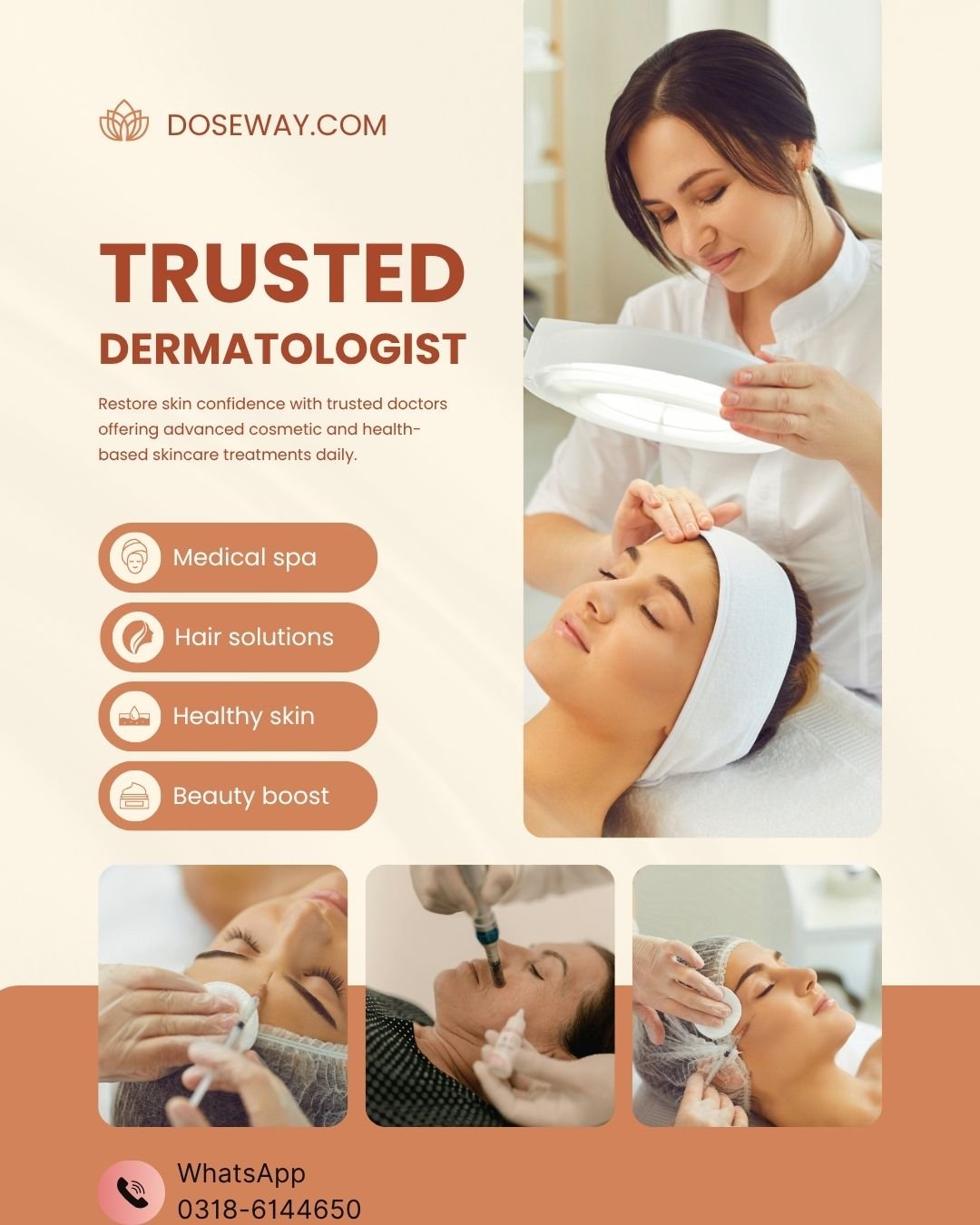
Board-certified-aesthetic-specialist-at-doseway.com-ready-to-discuss-your-skin-goals

How Should Patients Select the Right Plastic Surgeon for Their Procedure?

Choosing a qualified surgeon represents the most critical decision in the lipoabdominoplasty journey, directly influencing safety, results, and overall experience. Patients should prioritize board certification by the American Board of Plastic Surgery or equivalent international certifying bodies, which ensures specific training in body contouring procedures and adherence to ethical practice standards. Beyond credentials, surgeon experience with similar cases, aesthetic alignment, and interpersonal rapport significantly impact patient satisfaction.

Essential selection criteria include:

Credentials and Training
• Board certification in plastic surgery specifically
• Hospital privileges at accredited facilities
• Fellowship training in body contouring or aesthetic surgery
• Continuing education in latest techniques

Experience and Outcomes
• Significant volume of similar procedures performed regularly
• Comprehensive before-and-after gallery demonstrating consistent results
• Willingness to share outcomes data including complication rates
• Experience managing potential complications

Communication and Comfort
• Clear explanation of procedures and realistic expectations
• Willingness to answer questions and address concerns
• Comfort level during physical examination and discussions
• Alignment on aesthetic goals and surgical approach

Practice Standards
• Accredited surgical facility or hospital setting
• Appropriate anesthesia providers
• Comprehensive follow-up care protocol
• Clear financial policies and inclusive pricing

Patients should beware of practitioners offering significantly discounted pricing or promoting novel techniques without evidence-based support. Consultation with multiple surgeons provides comparative perspective on approaches, personalities, and practice philosophies. Trusting the surgical relationship remains paramount, as lipoabdominoplasty represents a collaborative process requiring open communication and mutual respect throughout the surgical journey.

What Postoperative Care Protocols Optimize Healing and Results?

Meticulous postoperative care significantly influences recovery speed, comfort level, complication risks, and final aesthetic outcomes. The initial weeks following surgery require strict adherence to activity restrictions, garment use, wound care, and nutritional support to facilitate optimal healing. Following the surgeon's specific instructions rather than generic online advice ensures appropriate management of individual surgical variations and healing characteristics.

Essential postoperative care components:

Wound Management
• Incision cleaning and dressing changes as directed
• Drain care and output measurement if present
• Recognition of infection signs requiring prompt attention
• Appropriate timing of suture or staple removal

Activity Progression
• Gradual increase in walking distance and frequency
• Adherence to lifting restrictions typically 4-6 weeks
• Proper body mechanics during position changes
• Return to exercise following phased protocol

Garment Use
• Consistent compression wear as directed, typically 4-6 weeks
• Proper garment fit and positioning for optimal support
• Skin protection beneath garments to prevent irritation
• Gradual weaning schedule as swelling resolves

Scar Management
• Initiation of scar therapy after complete wound closure
• Consistent sun protection with high SPF products
• Massage techniques and topical product application
• Realistic expectations about scar maturation timeline

Nutritional Support
• Adequate protein intake for tissue repair
• Hydration maintenance to support healing
• Fiber supplementation to prevent constipation
• Avoidance of excessive sodium reducing swelling

Patients should maintain detailed recovery logs documenting symptoms, medication use, and questions for their surgical team. Attending all scheduled follow-up appointments allows for appropriate assessment of healing progression and timely intervention if concerns arise. The psychological component of recovery deserves equal attention, with patients preparing for temporary body image concerns during the swelling phase and celebrating progressive improvements as final results emerge.

How Does Lipoabdominoplasty Integrate With Comprehensive Body Contouring Plans?

Lipoabdominoplasty frequently serves as the cornerstone procedure within comprehensive body contouring plans, particularly for patients addressing multiple areas following weight loss or childbirth. Combining procedures requires careful consideration of safety parameters, operative timing, and recovery coordination to optimize outcomes while minimizing risks. The popular "mommy makeover" typically pairs abdominal contouring with breast surgery, while post-bariatric patients might require circumferential lower body lifting.

Common procedure combinations include:

Mommy Makeover Components
• Lipoabdominoplasty for abdominal restoration
• Breast augmentation, lift, or reduction based on needs
• Limited liposuction of flank and bra roll areas
• Possible fat grafting to enhance breast or hip contours

Post-Bariatric Contouring
• Lower body lift addressing abdomen, flanks, and back
• Brachioplasty (arm lift) and thigh lift procedures
• Facial rejuvenation addressing weight loss aging
• Staging procedures for safety when extensive

Male-Specific Contouring
• Modified abdominal etching techniques during liposuction
• Gynecomastia treatment concurrently with abdominal work
• Limited skin excision preserving masculine hair patterns
• Strategic fat grafting to enhance muscular appearance

Combination procedures require thorough medical evaluation, realistic planning for more extensive recovery, and appropriate social support during the healing period. The total operative time, anesthesia duration, and physiological impact determine whether procedures can safely combine or require staging. While combination approaches offer the advantage of single recovery periods, patient safety remains the primary consideration in surgical planning decisions.

What Lifestyle and Maintenance Strategies Preserve Surgical Results Long-Term?

Long-term maintenance of lipoabdominoplasty results requires commitment to stable weight, healthy habits, and appropriate skin care. The procedure provides permanent correction of muscle separation and removed tissues, but natural aging processes and lifestyle factors continue influencing abdominal appearance over time. Patients who maintain weight within 5-10 pounds of their surgical weight typically enjoy durable results for decades, while significant weight fluctuations can compromise outcomes.

Essential maintenance strategies include:

Weight Stability Practices
• Consistent healthy eating patterns with adequate protein
• Regular physical activity incorporating strength training
• Mindful eating practices preventing gradual weight creep
• Regular monitoring with scale or measurements

Abdominal Support and Care
• Continued core strengthening after complete healing
• Proper hydration and nutrition supporting skin health
• Sun protection of abdominal skin and scars
• Possible non-surgical skin tightening treatments over time

Health Monitoring
• Regular medical care managing overall health
• Hormonal balance consideration, particularly for women
• Attention to digestive health and bloating patterns
• Bone density maintenance through appropriate nutrition

Psychological Maintenance
• Realistic expectations about natural aging processes
• Appreciation of functional improvements beyond aesthetics
• Healthy body image practices and self-care routines
• Avoidance of comparison to others' surgical outcomes

Patients should understand that while lipoabdominoplasty creates permanent structural changes, the natural aging process continues, with gradual skin laxity developing over decades rather than the dramatic changes experienced preoperatively. Maintaining a stable relationship with the surgical practice allows for periodic assessments, appropriate non-surgical maintenance treatments, and early intervention if concerns develop over time.

Womans-with-glowing-skin-after-successful-aesthetic-treatment-Book-a-free-consultation-at-doseway.com.

Frequently Asked Questions About Lipoabdominoplasty

How long do lipoabdominoplasty results typically last?
The structural changes from lipoabdominoplasty remain permanent, including muscle repair and removed skin and fat. However, natural aging, significant weight fluctuations, and pregnancy can alter long-term appearance. Patients maintaining stable weight typically enjoy durable results for 10-20 years or longer, with gradual mild changes due to aging rather than complete reversal of surgical outcomes.

Can I get pregnant after having a tummy tuck with lipo?
While pregnancy remains possible after lipoabdominoplasty, it may compromise surgical results by stretching repaired muscles and skin. Most surgeons recommend completing childbearing before undergoing the procedure. If pregnancy occurs postoperatively, special monitoring may be necessary, and some revision might be required afterward depending on the degree of changes.

What scarring should I expect from this procedure?
Lipoabdominoplasty typically produces a horizontal scar placed low enough to conceal beneath underwear or swimwear, extending between hip bones. The length depends on procedure type, ranging from shorter mini-tummy tuck scars to longer extended scars. Most patients also have a circular scar around the navel. Scars typically fade significantly over 12-18 months with proper care.

When can I return to exercise after my procedure?
Most patients resume light walking immediately after surgery, with gradual increase in duration. Light cardio exercise typically resumes at 3-4 weeks, while core exercises and heavy lifting usually wait until 6-8 weeks postoperatively. Your surgeon will provide personalized guidance based on your healing progression and the specific exercises you wish to resume.

How much weight will I lose from lipoabdominoplasty?
The procedure focuses on contour improvement rather than weight loss, with typical weight reduction of 2-8 pounds from removed tissue. Significant volume reduction often creates the appearance of greater weight loss due to improved proportions. Patients should approach the procedure with contour goals rather than weight reduction expectations for optimal satisfaction.

Affiliate Product Recommendations

  1. Marena Recovery Garments - High-quality compression garments specifically designed for post-surgical wear with medical-grade compression and innovative designs that accommodate drains and dressings.
  2. ScarAway Silicone Scar Sheets - Medical-grade silicone scar treatment products that significantly improve scar appearance when used consistently during the healing process.
  3. Physiologic Leg Compression System - Sequential compression devices that help prevent blood clots following surgery, available for home use with physician prescription.
  4. Arnica Montana Supplements - Natural supplements that help reduce bruising and swelling when taken before and after surgical procedures.
  5. Rejuvaskin Skin Care Products - Specialized formulations for post-surgical skin care including gentle cleansers and moisturizers safe for healing incisions.
  6. Plastic Surgery Recovery Kits - Comprehensive kits containing all essential supplies for postoperative care in convenient packages from brands like MEND.
  7. Adjustable Bed Rest Pillows - Ergonomic positioning systems that provide comfortable support during recovery when sleeping in elevated positions.
Neck-Contouring

Neck Contouring: Kybella VS Liposuction

Neck contouring has emerged as one of the most sought-after cosmetic procedures for addressing submental fullness and achieving a more defined jawline. This article compares two leading treatments—Kybella injections and neck liposuction—to help you make an informed decision about which approach best suits your anatomical needs, budget, and lifestyle. Our proprietary neck contouring calculator provides personalized insights into cost estimates, risk assessment, recovery timelines, and procedural suitability based on your unique profile.

What You’ll Learn From This Guide:

  • The fundamental differences between Kybella and liposuction for neck contouring
  • How to determine which procedure matches your specific anatomical considerations
  • Current cost comparisons and financing options for both treatments
  • Recovery expectations and timeline comparisons
  • Risk profiles and how to minimize potential complications
  • Pre-procedure preparation and post-treatment care guidelines
  • How to use our neck contouring calculator for personalized insights
  • Latest advancements in non-surgical and surgical neck rejuvenation

Neck Contouring Calculator: Kybella vs. Liposuction

Neck Contouring Calculator

Compare Kybella vs. Liposuction for your needs

Demographics
Medical History
Procedure Details
Results

Personal Information

Medical History

Procedure Details

Moderate
Moderate

Your Neck Contouring Analysis

Disclaimer: This calculator provides estimates only and is not a substitute for professional medical advice. Consult with a qualified healthcare provider before making any decisions about medical procedures.

Read More Guides & Try More Free Tools:

Skin-analysis-personalized-plan-and-transparent-pricing-at-doseway.com

Neck contouring refers to cosmetic procedures designed to improve the appearance of the neck and jawline by reducing excess fat, tightening skin, and enhancing definition. The popularity of neck contouring procedures has surged dramatically due to increased video conferencing, social media presence, and the desire for a more youthful profile. Both Kybella and liposuction target submental fat—the stubborn fat beneath the chin that creates what’s commonly called a “double chin”—but through fundamentally different approaches.

The psychological impact of neck contouring cannot be overstated. Patients report significant improvements in self-confidence, professional appearance, and overall satisfaction with their facial profile. Understanding the key differences between these procedures is essential for making an informed decision that aligns with your aesthetic goals, budget, and tolerance for downtime.

Kybella vs. Liposuction: Which Is Better for Neck Contouring?

Understanding Kybella: The Non-Surgical Fat Reduction Injection

Kybella (deoxycholic acid) is an FDA-approved injectable treatment specifically designed to reduce submental fat. As a synthetic form of deoxycholic acid, a naturally occurring molecule in the body that aids in fat absorption, Kybella destroys fat cells when injected into the treatment area. The destroyed cells are then naturally processed and eliminated by the body’s metabolic systems, resulting in a more contoured neck profile without surgery.

The Kybella treatment process typically involves:

  • Multiple treatment sessions (usually 2-4) spaced at least one month apart
  • Several injections per session administered in a grid pattern under the chin
  • Localized swelling, bruising, and numbness as common side effects
  • Gradual results that become more apparent over several weeks to months
  • No general anesthesia or surgical incisions required

Understanding Neck Liposuction: The Surgical Contouring Solution

Neck liposuction is a surgical procedure that physically removes fat deposits from beneath the chin and jawline through small incisions. Using a cannula (a thin tube) connected to a vacuum device, the surgeon precisely suctions out unwanted fat cells to create a more defined jawline and neck contour. Unlike Kybella, liposuction provides immediate results with typically just one procedure, though final results may take several months to fully manifest as swelling subsides.

The neck liposuction procedure generally includes:

  • Local or general anesthesia depending on the extent of treatment
  • Small incisions (usually under the chin and behind the ears)
  • Use of specialized cannulas designed for facial contouring
  • Potential combination with other procedures like neck lift or skin tightening
  • More significant downtime compared to non-surgical options

Key Differences Between Kybella and Liposuction

FeatureKybellaNeck Liposuction
Procedure TypeNon-surgical injectionSurgical procedure
AnesthesiaTopical or local anestheticLocal or general anesthesia
Treatment Sessions2-4 sessions typically neededUsually one session
Results TimelineGradual improvement over monthsImmediate results with final appearance in months
DowntimeMinimal to moderate (2-7 days)Moderate (7-14 days)
Cost Range$1,200-$2,800 total$3,500-$7,500 total
Best CandidatesMild to moderate fat, good skin elasticityModerate to significant fat, may address loose skin

How to Determine Your Candidacy for Neck Contouring Procedures

Who Makes an Ideal Candidate for Kybella Treatment?

The ideal Kybella candidate typically presents with mild to moderate submental fat, often described as a “double chin,” with good to excellent skin elasticity. Since Kybella only addresses fat reduction and doesn’t tighten skin, patients with significant skin laxity may not achieve optimal results. Good candidates are generally at or near their ideal body weight but struggle with stubborn fat beneath the chin that doesn’t respond to diet and exercise.

Medical considerations for Kybella candidacy include:

  • No known allergies to deoxycholic acid or its components
  • No current infection in the treatment area
  • Realistic expectations about the gradual nature of results
  • Commitment to completing the recommended treatment series
  • Understanding of potential side effects like swelling and bruising

Who Makes an Ideal Candidate for Neck Liposuction?

Neck liposuction candidates typically have moderate to significant submental fat that may be accompanied by mild to moderate skin laxity. Unlike Kybella, liposuction can be combined with other procedures like neck lift or skin tightening to address both fat reduction and skin concerns. Ideal candidates are in good general health, non-smokers or willing to quit before and after surgery, and have realistic expectations about surgical outcomes and recovery.

Factors that enhance liposuction candidacy include:

  • Good skin elasticity for optimal contraction after fat removal
  • No uncontrolled medical conditions that increase surgical risk
  • Commitment to following pre- and post-operative instructions
  • Understanding of the scars associated with the procedure
  • Willingness to accept the risks of anesthesia and surgery

How Age Affects Neck Contouring Options

Age plays a significant role in determining the most appropriate neck contouring approach. Younger patients (typically under 40) with good skin elasticity often achieve excellent results with either Kybella or liposuction. Middle-aged patients (40-60) may benefit more from liposuction, especially if there’s mild skin laxity, as the procedure can be combined with skin tightening techniques. Older patients (60+) with significant skin laxity and fat accumulation typically require more comprehensive procedures like neck lift in combination with liposuction for optimal results.

How Much Does Neck Contouring Cost? Kybella vs. Liposuction Price Comparison

Neck-Contouring
Neck-Contouring

Kybella Cost Breakdown and Factors Affecting Price

Kybella pricing is typically based on the number of vials required per treatment session, with most patients needing 2-4 vials per session. The average cost ranges from $600-$1,200 per vial, with total treatment costs typically falling between $1,200-$2,800 for the complete series. Several factors influence the final cost, including the provider’s expertise and geographic location, the amount of fat being treated, and the number of sessions needed for optimal results.

Additional cost considerations for Kybella include:

  • Consultation fees (sometimes applied toward treatment)
  • Potential touch-up treatments after the initial series
  • Geographic price variations (higher in major metropolitan areas)
  • Provider expertise (board-certified dermatologists or plastic surgeons may charge more)

Neck Liposuction Cost Components and Price Range

Neck liposuction costs typically range from $3,500-$7,500, with the national average around $4,500. This price usually includes surgeon’s fees, anesthesia costs, facility fees, and basic follow-up care. Factors that significantly impact the cost include the surgeon’s experience and reputation, surgical facility fees, anesthesia type (local vs. general), geographic location, and whether complementary procedures like skin tightening are performed simultaneously.

Additional costs to consider for neck liposuction:

  • Pre-operative laboratory tests or medical clearance
  • Prescription medications for pain management and infection prevention
  • Post-operative garments
  • Potential revision surgery costs
  • Time off work during recovery

Insurance Coverage and Financing Options for Neck Contouring

Neither Kybella nor neck liposuction is typically covered by health insurance as they are considered cosmetic procedures. However, some financing options can make these treatments more accessible:

  • Medical credit cards like CareCredit with promotional financing
  • Payment plans directly through some practices
  • Personal loans from financial institutions
  • Flexible spending account (FSA) or health savings account (HSA) funds in certain circumstances

Doseway-aesthetic-procedures-andonline-booking-details

What Is the Recovery Process Like for Kybella vs. Liposuction?

Kybella Recovery Timeline and What to Expect

Kybella recovery is relatively minimal compared to surgical options, but patients should anticipate significant swelling in the treatment area that typically peaks 2-3 days after injection. This swelling—often described as a “bullfrog” appearance—is a normal response to the treatment and indicates the medication is working. Most patients can return to work and normal activities within 2-3 days, though vigorous exercise should be avoided for about one week.

Typical Kybella recovery progression:

  • Days 1-3: Significant swelling, bruising, redness, and tenderness
  • Days 4-7: Swelling gradually decreases, numbness may persist
  • Weeks 2-4: Majority of swelling resolves, early results may be visible
  • Months 1-3: Continued improvement as body processes destroyed fat cells

Neck Liposuction Recovery Stages and Timeline

Neck liposuction involves a more significant recovery process than Kybella, with most patients requiring 7-14 days before returning to work and social activities. Immediately after surgery, patients will experience swelling, bruising, and discomfort managed with prescription pain medication. A compression garment is typically worn for 1-2 weeks continuously, then at night for several additional weeks to minimize swelling and support proper skin contraction.

Post-liposuction recovery milestones:

  • Week 1: Significant swelling and bruising, garment worn 24/7, limited activity
  • Weeks 2-4: Gradual resolution of bruising, reduced swelling, return to light activities
  • Months 1-3: Majority of swelling resolves, final contour becomes apparent
  • Months 3-6: Final results fully manifest as skin completes contraction

How to Optimize Your Recovery for Best Results

Regardless of which procedure you choose, certain practices can enhance your recovery and results:

  • Follow all pre- and post-procedure instructions precisely
  • Stay well-hydrated before and after treatment
  • Avoid blood-thinning medications and supplements as directed
  • Sleep with your head elevated to reduce swelling
  • Attend all scheduled follow-up appointments
  • Practice sun protection to prevent hyperpigmentation during healing
  • Maintain stable weight through healthy diet and exercise

What Are the Risks and Potential Complications of Neck Contouring?

Common Side Effects and Rare Complications of Kybella

Kybella is generally considered safe with a predictable side effect profile, though patients should be aware of both common and rare complications. Common side effects include swelling, bruising, pain, numbness, redness, and areas of hardness in the treatment area. These typically resolve spontaneously within 1-2 weeks. More significant swelling can last several weeks but gradually improves.

Less common but more serious risks of Kybella include:

  • Asymmetry or uneven results
  • Skin ulceration or necrosis from inadvertent injection too superficially
  • Nerve injury leading to temporary or permanent smile asymmetry
  • Difficulty swallowing if the medication affects neck muscles
  • Hair loss in the treatment area (rare)

Potential Risks and Complication Management for Neck Liposuction

As a surgical procedure, neck liposuction carries more significant risks than Kybella, though serious complications are uncommon when performed by an experienced board-certified surgeon. Common side effects include swelling, bruising, numbness, and temporary discomfort. More significant risks include infection, bleeding, fluid accumulation (seroma), contour irregularities, skin laxity, and anesthesia-related complications.

Strategies to minimize liposuction risks include:

  • Choosing a board-certified plastic surgeon or facial plastic surgeon
  • Disclosing all medical conditions and medications during consultation
  • Following pre-operative instructions regarding medication avoidance
  • Adhering to post-operative care guidelines meticulously
  • Attending all scheduled follow-up appointments for early complication detection

How to Choose a Qualified Provider to Minimize Risks

Provider selection is one of the most important factors in achieving safe, satisfactory results from either procedure. For Kybella, seek providers with extensive experience in injectable treatments, ideally board-certified dermatologists or plastic surgeons. For liposuction, choose a surgeon certified by the American Board of Plastic Surgery or American Board of Facial Plastic and Reconstructive Surgery with significant experience in neck procedures.

Red flags when selecting a provider include:

  • Pressure to undergo more extensive treatment than you want
  • Unwillingness to show before-and-after photos of previous patients
  • Lack of board certification in relevant specialties
  • Discounted pricing that seems too good to be true
  • Unclean or poorly equipped facility
  • Vague answers to questions about potential complications

How Does Our Neck Contouring Calculator Work?

Understanding the Input Parameters and Their Significance

Our neck contouring calculator uses sophisticated algorithms to analyze multiple factors that influence procedure suitability, cost estimates, and risk assessment. The calculator considers demographic information like age and gender, which affect skin elasticity and healing capacity. Medical history inputs help identify potential risk factors that might make one procedure safer than the other for your specific situation.

Key input categories and their significance:

  • Demographics: Age, gender, and BMI help determine skin elasticity and healing potential
  • Medical history: Conditions like diabetes or bleeding disorders impact surgical risk
  • Anatomical factors: Amount of submental fat and skin quality determine which procedure will be most effective
  • Lifestyle factors: Smoking status, alcohol consumption, and activity level influence healing capacity
  • Preferences: Budget, downtime availability, and treatment goals help match expectations with realistic outcomes

How the Calculator Generates Personalized Results

The calculator processes your inputs through weighted algorithms that compare your profile against clinical data on procedure outcomes. For each parameter, the system assigns values that influence the suitability scores for both Kybella and liposuction. The algorithms consider interactions between factors—for example, how age-related skin elasticity combined with fat volume affects potential outcomes for each procedure.

The calculation process involves:

  • Comparing your inputs against ideal candidate profiles for each procedure
  • Adjusting risk scores based on medical history and lifestyle factors
  • Estimating costs based on geographic averages and procedure complexity
  • Projecting recovery time based on procedure type and individual healing factors
  • Generating personalized recommendations based on the composite analysis

Interpreting Your Results and Next Steps

After completing the calculator, you’ll receive a comprehensive report comparing Kybella and liposuction across multiple dimensions. The suitability score (0-100 scale) indicates how well each procedure aligns with your specific profile. Cost estimates provide realistic budget planning guidance, while risk assessment helps you understand potential complications specific to your health status.

When reviewing your results, consider:

  • Suitability scores as guidance rather than absolute recommendations
  • Cost estimates as averages that may vary based on your location and provider
  • Risk assessments as general probabilities that can be minimized with proper provider selection
  • Recovery timelines as approximations that may vary based on individual healing factors

Skin-and-aesthetic-procedures-online-appointments-doseway.com

What Are the Latest Advancements in Neck Contouring Technology?

Innovations in Non-Surgical Neck Contouring Treatments

The field of non-surgical neck contouring continues to evolve beyond Kybella with new technologies offering alternative approaches to submental fat reduction. Radiofrequency-assisted lipolysis devices like Thermage and Exilis Ultra provide skin tightening with mild fat reduction through thermal energy. Cryolipolysis (coolsculpting) offers fat freezing as an alternative to injectable treatments, while laser-based systems like SculpSure use hyperthermia to destroy fat cells.

Emerging non-surgical technologies include:

  • High-intensity focused ultrasound (HIFU) for skin tightening and fat reduction
  • Combination therapies using Kybella with energy-based devices for enhanced results
  • Improved injection techniques for more precise Kybella administration
  • Topical agents that may enhance fat reduction when combined with treatments

Advancements in Surgical Neck Contouring Techniques

Surgical neck contouring has also seen significant technological improvements that enhance safety, precision, and outcomes. Laser-assisted liposuction devices like SmartLipo and SlimLipo allow for simultaneous fat removal and skin tightening through thermal energy. VASER liposuction uses ultrasound technology to selectively emulsify fat while preserving connective tissue, potentially improving skin retraction.

Recent surgical innovations include:

  • Power-assisted liposuction for more efficient fat removal with less surgeon fatigue
  • J-plasma or Renuvion technology for dramatic skin tightening after liposuction
  • Improved anesthetic techniques for enhanced comfort and safety
  • 3D imaging technology for better preoperative planning and patient education

The Future of Neck Contouring: Emerging Trends and Technologies

The future of neck contouring points toward increasingly personalized, minimally invasive approaches with reduced downtime and enhanced results. Regenerative medicine approaches using stem cells and growth factors may eventually offer natural tissue regeneration alongside fat reduction. Genetic profiling might help predict individual responses to different treatments, while advanced imaging technologies could provide real-time guidance during procedures.

Promising developments on the horizon include:

  • Targeted pharmacologic agents that selectively reduce fat without destroying cells
  • Bio-stimulatory fillers that provide both contour improvement and skin regeneration
  • Non-invasive monitoring devices to optimize post-procedure care
  • AI-assisted treatment planning based on analysis of thousands of case outcomes

How to Prepare for Your Neck Contouring Procedure

Pre-Procedure Guidelines for Kybella Treatments

Proper preparation for Kybella can optimize your results and minimize potential side effects. During the weeks before your appointment, avoid blood-thinning medications like aspirin, ibuprofen, and certain supplements unless medically necessary. Arrange for time off work if concerned about the initial swelling appearance, and ensure you have a follow-up appointment scheduled for your next treatment session.

Specific Kybella preparation steps include:

  • Discontinuing blood thinners 1-2 weeks before treatment (with physician approval)
  • Avoiding alcohol for 48 hours prior to your appointment
  • Informing your provider of all medications and supplements
  • Arranging for transportation if anxious about the procedure
  • Discussing pain management options with your provider

Pre-Operative Preparation for Neck Liposuction

Surgical preparation for neck liposuction is more comprehensive and begins several weeks before your procedure. Your surgeon will provide specific instructions regarding medication adjustments, laboratory testing, and lifestyle modifications. It’s essential to arrange for someone to drive you home after surgery and assist during the initial recovery period, as you’ll have activity restrictions and may experience discomfort.

Comprehensive liposuction preparation includes:

  • Completing any required laboratory tests or medical clearances
  • Stopping smoking at least 4-6 weeks before surgery
  • Avoiding certain medications and supplements as directed
  • Filling prescriptions for post-operative medications in advance
  • Preparing recovery area with extra pillows, ice packs, and easy-to-eat foods
  • Making arrangements for time off work and help with household responsibilities

What to Expect on Procedure Day

Understanding what happens on treatment day can reduce anxiety and ensure a smooth experience. For Kybella, the procedure typically takes 15-30 minutes, beginning with cleansing the area and potentially applying topical anesthetic. The injections themselves create a burning sensation that subsides quickly, followed by immediate swelling.

For liposuction, you’ll arrive at the surgical facility having followed pre-operative fasting instructions. After check-in and consent processes, you’ll meet with the anesthesia provider before being taken to the operating room. The procedure itself typically takes 1-2 hours, followed by recovery room monitoring before discharge home.

Board-certified-aesthetic-specialist-at-doseway.com-ready-to-discuss-your-skin-goals

What Results Can You Realistically Expect from Neck Contouring?

Typical Outcomes and Satisfaction Rates for Kybella

Kybella produces gradual, natural-looking reduction in submental fat over several months as the body processes and eliminates the destroyed fat cells. Clinical studies show approximately 80% of patients experience meaningful improvement, with highest satisfaction among those with moderate fat deposits and good skin elasticity. Most patients require the complete series of 2-4 treatments spaced one month apart to achieve optimal results.

Realistic Kybella expectations include:

  • 20-30% reduction in submental fat volume after complete treatment series
  • Gradual improvement over 3-6 months rather than immediate transformation
  • Possible need for maintenance treatments if new fat cells develop with weight gain
  • Natural-looking results that enhance rather than dramatically change your appearance
  • Improved profile and jawline definition rather than complete elimination of all submental fullness

Expected Outcomes and Long-Term Results of Neck Liposuction

Neck liposuction provides more immediate and dramatic contour improvement than Kybella, with final results apparent once swelling fully resolves at 3-6 months. Since the procedure physically removes fat cells, results are considered permanent as long as weight remains stable. Patients with good skin elasticity typically achieve excellent jawline definition, while those with skin laxity may have less dramatic improvement without complementary skin tightening.

Realistic liposuction expectations include:

  • 70-80% reduction in submental fat with single procedure
  • Immediate improvement visible once swelling begins to subside
  • Permanent fat removal in treated areas
  • Possible need for complementary procedures if significant skin laxity exists
  • Natural enhancement that harmonizes with your facial features

How to Maintain and Enhance Your Neck Contouring Results

Long-term maintenance is essential for preserving your neck contouring results regardless of which procedure you choose. Weight stability is crucial since significant weight gain can cause remaining fat cells to expand, compromising your results. Consistent skincare including sun protection and collagen-stimulating ingredients can help maintain skin quality, while good posture prevents premature skin laxity.

Effective results maintenance strategies:

  • Maintain stable weight through balanced diet and regular exercise
  • Practice consistent sun protection with broad-spectrum sunscreen
  • Incorporate retinoids or other collagen-stimulating skincare products
  • Stay well-hydrated to support skin elasticity
  • Consider non-surgical maintenance treatments like radiofrequency or ultrasound therapy
  • Practice good posture to prevent neck skin creasing and laxity

Womans-with-glowing-skin-after-successful-aesthetic-treatment-Book-a-free-consultation-at-doseway.com.

Frequently Asked Questions About Neck Contouring

Which Is More Painful: Kybella or Liposuction?

Discomfort levels vary between Kybella and liposuction, with most patients describing Kybella as moderately painful during injection with a burning sensation that subsides quickly. Liposuction involves more significant discomfort during recovery, typically managed with prescription pain medication for several days. Ultimately, pain tolerance is subjective, but Kybella generally involves less overall discomfort despite the initial injection sensation.

Can Kybella or Liposuction Address Turkey Neck?

Neither Kybella nor liposuction directly addresses significant skin laxity often called “turkey neck.” Kybella only reduces fat, while liposuction may slightly improve mild skin laxity through skin retraction. For significant turkey neck, surgical procedures like neck lift or non-surgical skin tightening technologies provide better solutions, sometimes in combination with fat reduction treatments.

How Long Do Results Last from Each Procedure?

Liposuction results are considered permanent since fat cells are physically removed, though weight gain can cause remaining cells to expand. Kybella results are long-lasting but not necessarily permanent, as new fat cells can develop with significant weight gain. Both procedures require weight stability for optimal longevity, with liposuction generally providing more permanent structural change.

Can I Combine Kybella with Other Treatments?

Yes, Kybella is often combined with other non-surgical treatments for enhanced results. Common combinations include Kybella with skin tightening procedures like Ultherapy or radiofrequency microneedling to address both fat reduction and skin laxity. Some providers also combine Kybella with chin augmentation using fillers for improved profile definition. Always consult with an experienced provider about safe treatment combinations.

What Happens If I Gain Weight After Treatment?

Weight gain after either procedure can compromise your results. After liposuction, weight gain typically occurs in untreated areas first, potentially creating imbalance in facial proportions. After Kybella, weight gain may cause remaining fat cells in the treated area to expand or new cells to develop. Maintaining stable weight through healthy lifestyle habits is essential for preserving your neck contouring results long-term.

Is There an Ideal Age for Neck Contouring?

While there’s no specific ideal age for neck contouring, different approaches tend to work better at various life stages. Younger patients (20s-30s) with good skin elasticity often achieve excellent results with either procedure. Middle-aged patients (40s-50s) may benefit more from liposuction with possible skin tightening, while older patients (60+) often require more comprehensive surgical approaches like neck lift to address both fat and skin laxity.

How Soon Can I Exercise After Each Procedure?

Exercise restrictions differ significantly between procedures. After Kybella, most patients can return to light exercise after 3-4 days and vigorous exercise after 7-10 days. After liposuction, light walking is encouraged immediately, but strenuous exercise should be avoided for 2-4 weeks depending on the extent of surgery and individual healing response. Always follow your specific provider’s recommendations regarding activity resumption.

Affiliate Product Recommendations

  1. Skincare Products: Recommend medical-grade skincare lines like SkinMedica, Obagi, or Zo Skin Health for pre- and post-procedure care
  2. Recovery Aids: Affiliate links for compression garments, specialized pillows, and arnica supplements
  3. Skincare Devices: At-home microcurrent devices like NuFACE for maintenance between treatments
  4. Supplement Lines: Collagen supplements from brands like Vital Proteins or Reserveage Nutrition
  5. SPF Products: Medical-grade sunscreens from EltaMD, Colorescience, or SkinCeuticals
  6. Consultation Platforms: affiliate partnerships with online consultation services like Zwivel or RealSelf
  7. Financing Services: affiliate links to CareCredit or similar medical financing options

Non-Surgery-Liposuction

Non-Surgery Liposuction: Non-Invasive Alternatives

Non-surgical liposuction represents the revolutionary shift in cosmetic treatments that eliminate stubborn fat without surgery, downtime, or scars. These innovative procedures use advanced technologies like controlled cooling, laser energy, ultrasound waves, and injectable solutions to permanently destroy fat cells through natural body processes, offering millions a safer alternative to traditional liposuction with minimal disruption to daily life.

What You’ll Learn From This Guide:

🔍 How 7 different non-surgical fat reduction technologies work
💵 Detailed cost breakdowns for each procedure type
⏱️ Realistic recovery timelines and what to expect
⚖️ Risk comparisons and safety profiles
🎯 Candidacy requirements and ideal candidates
📊 How to use our calculator for personalized estimates
🆚 Non-surgical vs surgical liposuction comparison
💡 Latest technological advancements in the field

Non-Surgical Lipo Option Calculator

Non-Surgical Lipo Option Calculator

Calculate cost, risk & recovery time for non-surgical fat reduction procedures

1
Demographics
2
Medical History
3
Treatment Options
4
Results
cm
kg
Hold Ctrl/Cmd to select multiple options
mmHg
mmHg
15%
$2000
3 days

Your Non-Surgical Lipo Assessment

Based on your inputs, here is your personalized assessment:

7.2

Overall Suitability Score (out of 10)

Low Risk Medium Risk High Risk
Estimated Cost $1,800 – $2,400
Procedure Risk Medium
Recovery Time 2-4 days

Interpretation Guide

Score 8-10: Excellent candidate for non-surgical lipo with low risk and good expected outcomes.

Score 5-7.9: Good candidate with moderate risk. May require medical clearance.

Score below 5: Higher risk profile. Consultation with physician strongly recommended.

Disclaimer: This calculator provides estimates only and is not a substitute for professional medical advice. Always consult with a qualified healthcare provider before making decisions about medical procedures. Results may vary based on individual factors.

Read More Guides & Try More Free Tools:

Skin-analysis-personalized-plan-and-transparent-pricing-at-doseway.com

What Exactly is Non-Surgical Liposuction? Understanding the Fundamentals

Non-surgical liposuction encompasses medical procedures that reduce stubborn fat deposits without incisions, anesthesia, or significant downtime. These treatments target subcutaneous adipose tissue through various energy modalities or chemical processes that trigger adipocyte apoptosis (programmed cell death). The destroyed fat cells are then naturally eliminated by the body’s lymphatic system over several weeks, resulting in gradual but permanent fat reduction in treated areas.

The fundamental principle distinguishing non-surgical from surgical approaches is the mechanism of fat removal. While traditional liposuction physically suctions fat cells from the body, non-surgical methods biologically destroy fat cells in place, allowing the body to process and remove them naturally. This key difference accounts for the reduced risks, minimal recovery time, and more gradual results characteristic of non-invasive approaches.

Key Characteristics of Non-Surgical Fat Reduction

• No incisions or sutures required
• Performed in-office without general anesthesia
• Typically little to no downtime after treatment
• Gradual results appearing over several weeks to months
• Minimal risk of serious complications
• Can target multiple areas in single sessions
• Lower cost per session compared to surgery

How Does Non-Surgical Fat Reduction Actually Work? The Science Explained

Non-surgical lipo technologies operate on distinct biological principles to achieve fat cell destruction without damaging surrounding tissues. The scientific foundation rests on the concept of selective thermolysis or cryolysis, where specific energy wavelengths or temperature ranges preferentially affect fat cells while sparing skin, nerves, blood vessels, and other structures.

The biological process begins when adipocytes (fat cells) experience stress beyond their survival thresholds through controlled cooling, thermal energy, or chemical disruption. This triggers apoptosis, a natural cell death process where the damaged fat cells release their lipid contents and signaling molecules that attract immune cells. Macrophages then engulf the cellular debris and lipids, transporting them to the lymphatic system for processing and eventual elimination through normal metabolic pathways.

The Fat Elimination Timeline After Treatment

• Days 1-7: Initial inflammatory response and beginning of apoptosis
• Weeks 2-8: Peak elimination phase through lymphatic system
• Months 2-4: Visible contour improvements become apparent
• Month 6: Final results typically visible as inflammation fully resolves

What Are the Different Types of Non-Surgical Liposuction Procedures Available Today?

The non-surgical fat reduction market has expanded dramatically, offering multiple technology platforms with distinct mechanisms, advantages, and ideal applications. Understanding these differences is crucial for selecting the most appropriate treatment for individual needs and anatomical concerns.

Cryolipolysis (Fat Freezing) Technology

Cryolipolysis systems like CoolSculpting use controlled cooling to crystallize and destroy fat cells without damaging the skin. The technology leverages the principle that fat cells are more susceptible to cold injury than other tissues. During treatment, adipose tissue is cooled to temperatures that trigger apoptosis while skin remains protected through continuous monitoring.

• CoolSculpting: The original FDA-cleared cryolipolysis system
• CoolSculpting Elite: Enhanced applicators for better contouring
• Clatuu: Asian-developed cryolipolysis alternative
• Zimmer Z Lipo: German-engineered cooling technology

Laser Lipolysis (Laser Fat Reduction)

Laser-based systems use specific light wavelengths that preferentially absorb in fat cells, generating thermal energy that disrupts cell membranes. The laser energy typically delivered through contact paddles or panels creates hyperthermia in the subcutaneous fat layer while cooling protects the epidermis.

• SculpSure: Diode laser using 1060nm wavelength
• i-Lipo: Low-level laser therapy for fat cell disruption
• Zerona: Cold laser technology for temporary fat reduction

Radiofrequency Fat Reduction

RF technology uses electrical currents to generate heat in tissue through resistance. The thermal energy damages fat cells while simultaneously stimulating collagen production in the skin, offering the dual benefit of fat reduction and skin tightening.

• Vanquish ME: Non-contact RF for large area treatment
• TruSculpt iD: Multipolar RF with customizable settings
• Thermage: Primarily for skin tightening with secondary fat effects

Ultrasound Cavitation

Ultrasonic fat reduction uses high-frequency sound waves to create microbubbles in fat tissue that expand and implode, mechanically disrupting fat cell membranes. The released triglycerides are then metabolized by the liver.

• UltraShape Power: Focused ultrasound for precise fat destruction
• LipoSonix: High-intensity focused ultrasound system

Injectable Fat Reduction (Kybella/Aqualyx)

Deoxycholic acid injections chemically destroy fat cells by emulsifying cell membranes. This FDA-approved substance occurs naturally in the body and helps break down dietary fat. When injected into subcutaneous tissue, it permanently destroys targeted fat cells.

• Kybella: FDA-approved deoxycholic acid for submental fat
• Aqualyx: European injectable solution for body contouring

Who is the Ideal Candidate for Non-Surgical Liposuction? Eligibility Requirements Explained

Non-Surgery-Liposuction

The perfect candidate for non-surgical fat reduction exhibits specific characteristics that maximize treatment effectiveness while minimizing risks. Understanding these candidacy parameters helps set realistic expectations and improves satisfaction with final outcomes.

Ideal candidates typically have a Body Mass Index (BMI) between 18-30, with noticeable fat deposits that resist diet and exercise. These “diet-resistant” areas commonly include the abdomen, flanks (love handles), thighs, bra line, back rolls, and submental region (double chin). The fat should be palpable and pinchable rather than distributed diffusely throughout the body.

Optimal Candidate Profile

• Within 10-30 pounds of ideal body weight
• Good skin elasticity with minimal laxity
• Realistic expectations about results
• Commitment to maintaining results through lifestyle
• No contraindications like pregnancy or certain medical conditions
• Specific problem areas rather than generalized obesity

Medical Contraindications to Non-Surgical Fat Reduction

• Cryoglobulinemia or cold agglutinin disease (for cryolipolysis)
• Paroxysmal cold hemoglobinuria
• Impaired liver or kidney function
• Blood clotting disorders
• Active infections in treatment area
• Pregnancy or breastfeeding
• Pacemakers or implanted defibrillators (for energy-based devices)

Doseway-aesthetic-procedures-andonline-booking-details

How Much Does Non-Surgical Liposuction Cost? Complete Price Breakdown

The cost of non-surgical lipo varies significantly based on technology, treatment area size, geographic location, provider expertise, and the number of sessions required. Understanding the pricing structure helps patients budget appropriately and compare options effectively.

Average Cost Ranges by Technology Type

• Cryolipolysis (CoolSculpting): $1,200-$4,000 per area
• Laser lipolysis (SculpSure): $1,500-$3,000 per area
• Radiofrequency (TruSculpt): $1,000-$2,500 per area
• Ultrasound (UltraShape): $1,500-$3,500 per area
• Injectable (Kybella): $1,200-$1,800 per vial (typically 2-6 vials needed)

Factors Influencing Final Treatment Costs

• Treatment area size and number of areas
• Number of sessions required for optimal results
• Geographic location and local market rates
• Provider credentials and practice overhead
• Technology brand and device costs
• Package pricing versus individual session costs
• Maintenance treatments down the line

Cost Comparison Table: Non-Surgical vs Surgical Options

Procedure TypeAverage CostAnesthesia FeesFacility FeesTotal Estimated Cost
CoolSculpting (2 areas)$2,500-$4,000NoneIncluded$2,500-$4,000
SculpSure (2 areas)$2,000-$3,500NoneIncluded$2,000-$3,500
Traditional Liposuction$3,000-$7,500$1,000-$2,000$1,000-$3,000$5,000-$12,500
Laser-Assisted Liposuction$4,000-$9,000$1,000-$2,000$1,000-$3,000$6,000-$14,000

What is the Recovery Process Like After Non-Surgical Fat Reduction?

Recovery from non-surgical lipo is significantly easier than surgical alternatives, but still involves specific post-treatment protocols and temporary side effects. Understanding the recovery timeline helps patients plan appropriately and recognize normal versus concerning symptoms.

Most patients experience mild to moderate redness, swelling, tenderness, and bruising in the treated area immediately after the procedure. These symptoms typically resolve within several days to two weeks. Numbness can persist for several weeks, especially with cryolipolysis treatments, as nerve fibers in the treatment area temporarily affected.

Typical Recovery Timeline by Technology

• Days 1-3: Tenderness, swelling, redness, possible bruising
• Week 1-2: Resolution of initial side effects, possible itching
• Weeks 3-8: Gradual fat reduction becomes noticeable
• Months 2-4: Continued improvement as body processes damaged fat cells
• Month 6: Final results typically visible

Post-Treatment Recommendations for Optimal Results

• Wear compression garments if recommended by provider
• Stay well-hydrated to support lymphatic elimination
• Engage in light exercise to stimulate circulation
• Avoid anti-inflammatory medications that may interfere with inflammatory process
• Maintain stable weight through balanced nutrition
• Attend all scheduled follow-up appointments

What Risks and Side Effects Are Associated With Non-Surgical Lipo?

While non-surgical fat reduction is considerably safer than surgical alternatives, all medical procedures carry potential risks and side effects. Understanding these possibilities helps patients make informed decisions and recognize when to contact their provider.

Common temporary side effects include redness, swelling, bruising, tenderness, numbness, and itching in the treatment area. These typically resolve spontaneously within days to weeks. More significant concerns like paradoxical adipose hyperplasia (PAH) occur rarely but represent important considerations when selecting treatments and providers.

Procedure-Specific Risks and Complications

• Cryolipolysis: Paradoxical adipose hyperplasia, late-onset pain, frostbite
• Laser lipolysis: Thermal burns, blistering, hyperpigmentation
• Radiofrequency: Skin burns, indentations, uneven results
• Ultrasound: Nerve damage, muscle injury, skin necrosis
• Injectable fat reduction: Nerve injury, uneven results, skin laxity

Risk Reduction Strategies for Patients

• Choose board-certified providers with specific device training
• Verify device authenticity and FDA-clearance status
• Review before-and-after photos of previous patients
• Ensure proper candidacy assessment before treatment
• Follow all pre- and post-treatment instructions carefully
• Report any unusual symptoms to your provider immediately

Skin-and-aesthetic-procedures-online-appointments-doseway.com

How Effective is Non-Surgical Liposuction Compared to Traditional Methods?

The effectiveness of non-surgical fat reduction must be evaluated through multiple parameters including fat reduction percentage, consistency of results, patient satisfaction, and longevity of outcomes. While surgical liposuction typically produces more dramatic immediate results, non-surgical options offer meaningful improvement with significantly lower risks.

Clinical studies demonstrate 20-30% fat layer reduction per treatment session with most non-surgical technologies. Multiple sessions are typically required to achieve optimal results comparable to a single surgical procedure. The gradual nature of results allows for natural-looking contouring that appears more subtle and avoids the sudden dramatic changes that can raise questions among friends and colleagues.

Effectiveness Comparison Table: Non-Surgical vs Surgical

ParameterNon-Surgical LiposuctionTraditional Liposuction
Fat Reduction Per Session20-30% reduction70-90% reduction
Results Timeline3-6 months for final results6 weeks-3 months for final results
Downtime0-2 days1-2 weeks
Risk ProfileMinimal serious risksHigher complication rates
Cost Per Area$1,000-$4,000$3,000-$7,500
Longevity of ResultsPermanent with weight maintenancePermanent with weight maintenance

What New Technologies Are Emerging in Non-Surgical Fat Reduction?

The non-surgical body contouring field continues to evolve rapidly, with new technologies offering improved efficacy, reduced discomfort, and expanded treatment indications. Several emerging technologies show particular promise for enhancing patient outcomes and experience.

Recent advancements include combination devices that simultaneously target fat and improve skin laxity, next-generation applicators that treat larger areas more efficiently, and technologies that reduce treatment times while maintaining effectiveness. The trend toward multimodal approaches represents the most significant development, allowing providers to address both fat reduction and skin quality simultaneously.

Emerging Technologies and Methodologies

• Reductive: Combining radiofrequency with targeted pressure for enhanced fat destruction
• EmSculpt Neo: Simultaneous muscle building and fat reduction through RF and electromagnetic energy
• CoolTone: Magnetic muscle stimulation for abdominal toning alongside fat reduction
• 3D-defined applicators for better tissue contact and energy delivery
• Real-time temperature monitoring for improved safety profiles

How to Use the Non-Surgical Liposuction Calculator: Step-by-Step Guide

Our proprietary calculator helps estimate costs, risks, and recovery time based on individual patient factors and treatment preferences. The tool incorporates clinical data, real-world outcomes, and current market pricing to generate personalized estimates.

The calculator processes multiple data points including demographic information, medical history, treatment preferences, and anatomical considerations. The algorithm weighs these factors against clinical databases to generate accurate predictions for individual circumstances.

Input Parameters and Their Significance

• Age: Impacts skin elasticity and healing capacity
• BMI: Determines candidacy and expected outcomes
• Treatment areas: Affects total cost and session requirements
• Technology selection: Influences efficacy, risks, and recovery
• Medical history: Identifies potential contraindications
• Lifestyle factors: Affects longevity of results

Board-certified-aesthetic-specialist-at-doseway.com-ready-to-discuss-your-skin-goals

Interpreting Your Calculator Results

The calculator generates several key metrics that help inform treatment decisions:

Suitability Score (1-10): Indicates how ideal you are for non-surgical approaches based on your specific characteristics. Scores above 7 suggest excellent candidacy, while scores below 5 may indicate better alternatives.

Cost Estimate Range: Provides realistic pricing based on your selected technology, treatment areas, and geographic averages. This helps with budgeting and financial planning.

Risk Assessment Level: Categorizes your potential complication risk as low, medium, or high based on your health profile and treatment selections.

Recovery Timeline: Estimates the expected downtime and when you’ll likely see visible results based on the selected procedure type.

How Does Non-Surgical Liposuction Compare to Diet and Exercise for Fat Reduction?

Understanding the complementary relationship between non-surgical procedures and lifestyle approaches is crucial for achieving optimal body contouring results. While non-surgical lipo permanently removes fat cells from treated areas, diet and exercise remain essential for overall health and preventing new fat accumulation.

Non-surgical fat reduction excels at addressing localized fat deposits that resist diet and exercise, while lifestyle modifications impact overall body composition and metabolic health. The most successful patients combine targeted treatments with sustainable nutrition and activity patterns for comprehensive results.

Comparison Table: Non-Surgical Lipo vs Lifestyle Approaches

AspectNon-Surgical LiposuctionDiet and Exercise
MechanismPhysical destruction of fat cellsCreating calorie deficit
TargetSpecific, localized fat depositsWhole-body fat reduction
Results Timeline6 weeks to 4 monthsGradual, ongoing
PermanencePermanent fat cell eliminationRequires ongoing maintenance
Impact on HealthMinimal direct health benefitsSignificant health improvements
CostHigher upfront investmentLower ongoing costs

What Should I Look for When Choosing a Non-Surgical Liposuction Provider?

Selecting the right provider is one of the most critical factors determining treatment safety, effectiveness, and overall satisfaction. Several key qualifications and characteristics separate exceptional providers from merely adequate ones.

Ideal providers possess board certification in relevant specialties like dermatology or plastic surgery, specific training on the devices they operate, extensive experience performing the chosen procedure, and a portfolio of before-and-after photos demonstrating consistent results. The practice should maintain proper accreditation and utilize authentic, well-maintained equipment.

Provider Selection Checklist

✅ Board certification in relevant medical specialty
✅ Specific training and certification on chosen technology
✅ Extensive experience with your specific concern
✅ Portfolio of before-and-after photos
✅ Transparent pricing with no hidden fees
✅ Clean, professional facility with proper accreditation
✅ Positive patient reviews and testimonials
✅ Realistic expectations set during consultation
✅ Appropriate follow-up care and support

How Can I Maintain My Results After Non-Surgical Fat Reduction?

Long-term maintenance of non-surgical lipo results requires consistent lifestyle habits that prevent remaining fat cells from enlarging and new fat deposits from forming. While the destroyed fat cells are permanently eliminated, the remaining cells can still expand with weight gain.

Successful maintenance strategies include regular physical activity, balanced nutrition, adequate hydration, stress management, and quality sleep. Some patients benefit from periodic maintenance treatments to address new concerns or refine results further.

Evidence-Based Maintenance Strategies

• Maintain weight within 5-10 pounds of treatment weight
• Incorporate both cardiovascular and strength training exercise
• Follow a balanced diet rich in whole foods and lean proteins
• Stay adequately hydrated to support metabolic processes
• Manage stress through meditation, yoga, or other techniques
• Consider periodic maintenance treatments as needed
• Monitor changes and address concerns promptly

What Areas of the Body Can Be Treated with Non-Surgical Liposuction?

Non-surgical fat reduction technologies can address numerous anatomical areas with stubborn fat deposits. Treatment applicability varies by technology, with some devices better suited for certain body regions based on applicator size, energy penetration depth, and safety profiles.

Common treatment areas include the abdomen (both upper and lower), flanks (love handles), thighs (inner and outer), bra fat and back rolls, upper arms, submental area (double chin), and banana rolls (below buttocks). Some technologies can also address smaller areas like knees, ankles, and male chest tissue.

Treatment Area Specifications by Technology

• Cryolipolysis: Abdomen, flanks, thighs, back, arms, chin, bra fat
• Laser lipolysis: Abdomen, flanks, thighs, back, under chin
• Radiofrequency: Abdomen, flanks, thighs, arms, back
• Ultrasound: Abdomen, flanks, thighs
• Injectable: Submental area only (Kybella), multiple areas (Aqualyx)

Womans-with-glowing-skin-after-successful-aesthetic-treatment-Book-a-free-consultation-at-doseway.com.

Frequently Asked Questions About Non-Surgical Liposuction

Does non-surgical liposuction really work?

Yes, non-surgical liposuction is clinically proven to reduce fat in treated areas. Multiple FDA-cleared technologies demonstrate 20-30% fat layer reduction per treatment session through various mechanisms including controlled cooling, laser energy, radiofrequency, ultrasound, and injectable solutions. Results are permanent for the destroyed fat cells, though remaining cells can still expand with significant weight gain.

How many non-surgical liposuction sessions will I need?

Most patients require 1-3 sessions per treatment area spaced 4-12 weeks apart to achieve optimal results. The exact number depends on the technology used, the thickness of your fat layer, your individual response to treatment, and your desired outcome. Your provider will create a personalized treatment plan during your consultation.

Is non-surgical liposuction painful?

Discomfort levels vary by technology and individual pain tolerance. Most patients describe sensations of intense cooling, warmth, tingling, or mild pinching during treatment. Post-procedure, you may experience temporary tenderness, swelling, or numbness. Most technologies are well-tolerated without anesthesia, and any discomfort typically resolves within days.

When will I see results from non-surgical lipo?

Initial changes may be noticeable as early as 3 weeks post-treatment, with more significant results appearing at 6-8 weeks. The most dramatic improvements typically become visible at 3 months as your body completes processing the damaged fat cells. Final results are generally apparent by 4-6 months after your last treatment session.

Can non-surgical liposuction remove as much fat as traditional liposuction?

No, non-surgical approaches typically reduce fat layers by 20-30% per session, while surgical liposuction can remove 70-90% of fat in a treated area. However, non-surgical options offer meaningful improvement with significantly lower risks, no downtime, and minimal discomfort. Multiple non-surgical sessions can achieve results approaching surgical outcomes for appropriate candidates.

Are the results from non-surgical fat reduction permanent?

Yes, the fat cells destroyed by non-surgical treatments are permanently eliminated from your body. However, the remaining fat cells can still expand if you gain significant weight. Maintaining results requires stable weight through proper diet and exercise. The fat reduction in treated areas remains permanent, though you can still develop new fat deposits in untreated areas or expand remaining cells in treated zones.

What happens to the fat after non-surgical liposuction?

The destroyed fat cells undergo apoptosis (programmed cell death) and release their contents. Your body’s immune system then processes these lipids and cellular debris through the lymphatic system, ultimately eliminating them as waste through natural metabolic pathways. This process occurs gradually over several weeks to months following treatment.

  1. CoolSculpting by Allergan Aesthetics – The original cryolipolysis technology with the most clinical evidence
  2. SculpSure by Cynosure – Laser-based fat reduction system with 25-minute treatment sessions
  3. Kybella by Allergan Aesthetics – Injectable deoxycholic acid for double chin reduction
  4. Vanquish ME by BTL Aesthetics – Non-contact radiofrequency for large area fat reduction
  5. TruSculpt iD by Cutera – Multipolar radiofrequency with customizable treatment settings
  6. UltraShape by Syneron Candela – Focused ultrasound for precise fat destruction
  7. EmSculpt Neo by BTL Aesthetics – Combined muscle building and fat reduction technology
  8. Zerona by Erchonia – Low-level laser therapy for circumferential reduction
  9. i-Lipo by Chromogenex – Low-level laser therapy for fat cell disruption
  10. Aqualyx by Sinclair Pharma – Injectable solution for body contouring (available internationally)
Non-Surgical-Bum-Lift

Non-Surgical Bum Lift: Sculptra And EmSculpt

Non-surgical bum lifts represent the cutting edge of aesthetic medicine, offering dramatic buttock enhancement without invasive surgery. This article explores Sculptra and EmSculpt technologies, providing essential insights for anyone considering buttock augmentation through innovative non-surgical methods that deliver natural-looking results with minimal downtime.

What You’ll Learn From This Guide:

🔍 Understanding Sculptra and EmSculpt mechanisms and differences
📊 Assessing your candidacy for non-surgical butt enhancement
💡 Comparing costs, results, and recovery timelines
⚠️ Recognizing potential risks and contraindications
📈 Maximizing and maintaining your treatment results
🔄 Combining treatments for optimal outcomes
🎯 Choosing the right provider and procedure

Non-Surgical Bum Lift Comparison Tool

Non-Surgical Bum Lift Comparison Tool

Assess your suitability and compare treatment options

1
2
3
4

Personal Information

Please provide your basic demographic information

cm
ft/in
kg
lbs

Medical History

Please provide your medical background information

Hold Ctrl/Cmd to select multiple options
mmHg

Treatment Preferences & Goals

Please provide information about your aesthetic goals

1 (Very Dissatisfied)
2
3
4
5 (Neutral)
6
7
8
9
10 (Very Satisfied)
1 (Minimal Change)
2
3
4
5 (Moderate Change)
6
7
8
9
10 (Dramatic Change)
Hold Ctrl/Cmd to select multiple options
$500 $2,500 $10,000

Your Non-Surgical Bum Lift Assessment

72

Moderate suitability for non-surgical treatments

Suitability Score

72/100

Risk Level

Medium

Recovery Time

1-3 days

Recommended Treatments
  • Radiofrequency skin tightening
  • Injectable fillers for volume enhancement
  • Focused exercise regimen

Disclaimer: This tool provides educational information only and is not a substitute for professional medical advice. Always consult with a qualified healthcare provider before making decisions about medical treatments. Results are based on generalized data and may not reflect individual outcomes.

Read More Guides & Try More Free Tools:

Skin-analysis-personalized-plan-and-transparent-pricing-at-doseway.com

What is a Non-Surgical Bum Lift and How Does It Work?

A non-surgical bum lift encompasses various minimally invasive procedures designed to enhance buttock appearance without traditional surgery. Unlike surgical Brazilian butt lifts requiring liposuction and fat transfer, non-surgical alternatives use advanced technologies to stimulate collagen production, build muscle, or add volume through injectables. These procedures have gained tremendous popularity due to their reduced risks, minimal downtime, and natural-looking results that avoid the dramatic changes associated with surgical implants.

The fundamental principle behind non-surgical butt enhancement involves stimulating the body’s natural processes to create improvement. Whether through collagen induction, muscle building, or temporary volume addition, these treatments work with your physiology rather than against it. The buttock complex consists of three primary muscles—gluteus maximus, gluteus medius, and gluteus minimus—surrounded by subcutaneous fat and skin. Non-surgical approaches target each of these components through different mechanisms to create comprehensive improvement.

Key advantages of non-surgical bum lifts include:

  • No general anesthesia requirements
  • Minimal to no downtime after procedures
  • Lower risk profile compared to surgical options
  • Gradual, natural-looking results
  • Adjustable and reversible in some cases
  • Cost-effective compared to surgical alternatives

Understanding the science behind these procedures helps set realistic expectations and ensures you choose the right approach for your specific goals and anatomy.

How Does Sculptra Work for Buttock Enhancement?

Sculptra represents a revolutionary approach to non-surgical buttock augmentation through collagen stimulation. Unlike traditional dermal fillers that add immediate volume, Sculptra works by encouraging your body to produce its own collagen through a process known as neocollagenesis. The primary active ingredient in Sculptra is poly-L-lactic acid (PLLA), a biocompatible, biodegradable synthetic polymer that has been used in medical sutures and implants for decades.

When injected into the buttocks, Sculptra creates thousands of microscopic trauma sites that trigger the body’s natural wound healing response. This process activates fibroblasts—the cells responsible for collagen production—which gradually build new collagen fibers around the PLLA microspheres. Over several weeks to months, this collagen network develops, creating natural-looking volume and improved skin quality. The PLLA eventually breaks down into lactic acid and is naturally eliminated from the body, leaving behind only your own newly formed collagen.

The Sculptra buttock enhancement process involves:

  • Multiple treatment sessions spaced 4-6 weeks apart
  • Dilution of PLLA with sterile water before injection
  • Deep subcutaneous or intramuscular injection technique
  • Gradual results developing over 3-6 months
  • Results typically lasting up to 2 years with proper protocol

Sculptra is particularly effective for addressing age-related volume loss, mild to moderate ptosis (sagging), and improving skin texture while adding subtle enhancement to buttock projection and shape. The treatment requires an experienced injector who understands the unique anatomy of the gluteal region and can create natural-looking results through strategic placement.

What is EmSculpt and How Does It Build Buttock Muscle?

EmSculpt represents a breakthrough in non-invasive body contouring that simultaneously builds muscle and reduces fat through high-intensity focused electromagnetic (HIFEM) technology. Unlike traditional exercise that voluntarily contracts muscles, EmSculpt induces supramaximal muscle contractions—far beyond what you could achieve through voluntary workouts—triggering profound muscle remodeling and fat reduction through multiple biological mechanisms.

The EmSculpt device uses electromagnetic energy to penetrate deep into the buttock muscles, causing 20,000 supramaximal contractions in a single 30-minute treatment session. These extreme contractions create significant muscle fiber microtears, which then repair and rebuild stronger and larger during the recovery process—identical to the mechanism behind strength training but dramatically accelerated. Simultaneously, the intense muscle activity increases metabolic demand, triggering apoptosis (programmed cell death) in fat cells, which are then naturally eliminated by the body’s lymphatic system.

Key benefits of EmSculpt for buttock enhancement include:

  • Average 16% increase in muscle mass after treatment series
  • 19% reduction in subcutaneous fat layer
  • Improved muscle definition and lift
  • No downtime or recovery period required
  • Cumulative results that continue improving after treatment completion
  • Completely non-invasive with no injections or incisions

EmSculpt is ideal for individuals who want improved muscle tone, definition, and lift without adding significant volume. The treatment works best on those who already have some muscle foundation but want enhanced shape and projection. Most practitioners recommend a series of 4 treatments spaced 2-3 days apart for optimal results, with maintenance sessions recommended every 6-12 months.

Sculptra vs EmSculpt: Which Delivers Better Results?

Choosing between Sculptra and EmSculpt requires understanding their fundamental differences in mechanism, results, and ideal candidate profiles. While both treatments enhance buttock appearance, they achieve this through completely different approaches—Sculptra adds volume through collagen stimulation, while EmSculpt builds muscle and reduces fat through electromagnetic energy.

Sculptra creates its effects through a biological process of collagen induction, making it ideal for:

  • Adding volume to flat or deflated buttocks
  • Improving skin quality and thickness
  • Creating subtle, natural-looking enhancement
  • Addressing age-related volume loss
  • Patients wanting gradual, discreet results

EmSculpt works through electromagnetic muscle building and fat reduction, making it suitable for:

  • Improving muscle tone and definition
  • Lifting mildly sagging buttocks
  • Reducing stubborn fat in treatment area
  • Creating more athletic appearance
  • Patients wanting improved shape without added volume

Treatment experience differs significantly between the two modalities. Sculptra requires injection sessions with possible discomfort and downtime, while EmSculpt is completely non-invasive with no recovery needed. Results timing also varies—Sculptra develops gradually over months, while EmSculpt shows improvement within weeks with continued enhancement over months.

Many patients achieve optimal results by combining both treatments, using EmSculpt to build muscle foundation and Sculptra to add volume and improve skin quality. This combination approach addresses both muscular and structural components of buttock appearance for comprehensive enhancement.

Who is the Ideal Candidate for Non-Surgical Bum Lift Procedures?

Non-Surgical-Bum-Lift

Determining candidacy for non-surgical bum lifts involves evaluating multiple factors including anatomy, goals, health status, and expectations. Ideal candidates typically share specific characteristics that make them well-suited for these procedures, while certain conditions may make individuals better candidates for surgical options or require special considerations.

The perfect candidate for Sculptra buttock enhancement typically:

  • Has mild to moderate volume deficiency in buttocks
  • Experiences age-related volume loss or sagging
  • Has good skin elasticity with minimal stretch marks
  • Maintains stable weight within 10-15 pounds of ideal
  • Has realistic expectations about gradual results
  • Is committed to multiple treatment sessions
  • Does not smoke or agrees to stop smoking during treatment period

Ideal EmSculpt candidates generally:

  • Have some existing muscle tone but want enhancement
  • Struggle with stubborn fat in buttock or hip area
  • Want improved definition and lift
  • Lead active lifestyles but want accelerated results
  • Have no permanent pacemakers or implanted devices
  • Are within 30 pounds of their ideal body weight
  • Have realistic expectations about muscle building limitations

Both procedures require patients to be in generally good health without certain contraindications. Absolute contraindications for both treatments include pregnancy, active infection in treatment area, and certain medical conditions affecting healing or immune response. Relative contraindications may include bleeding disorders, recent surgical procedures in the area, or certain medications.

Age considerations also factor into candidacy. While there’s no upper age limit for these procedures, older patients may have different results due to variations in collagen production and muscle response. Younger patients typically respond more vigorously to both treatments but may have less dramatic visible changes if starting with well-developed musculature and good volume.

What Are the Real Costs of Non-Surgical Buttock Enhancement?

Understanding the complete financial investment required for non-surgical bum lifts involves considering multiple factors beyond the basic procedure costs. While generally more affordable than surgical options, these treatments still represent significant financial commitments that vary based on geographic location, provider expertise, and individual treatment requirements.

Sculptra pricing typically includes:

  • Cost per vial: $750-$1,000
  • Vials per session: 2-4 depending on desired results
  • Number of sessions: 2-3 initially
  • Total initial investment: $3,000-$9,000
  • Maintenance sessions: 1-2 vials annually ($750-$2,000)

EmSculpt pricing generally involves:

  • Cost per session: $750-$1,500
  • Recommended sessions: 4 initial treatments
  • Total initial series: $3,000-$6,000
  • Maintenance sessions: Recommended every 6-12 months

Additional costs to consider for both procedures include:

  • Consultation fees (sometimes applied toward treatment)
  • Possible numbing cream or local anesthesia
  • Post-treatment garments (Sculptra)
  • Follow-up appointments
  • Skincare products to enhance/maintain results
  • Travel expenses if seeking specialized providers

Geographic variation significantly impacts pricing, with major metropolitan areas and regions with higher costs of living typically charging 20-30% more than suburban or rural practices. Provider expertise also influences cost—highly experienced injectors or practices specializing in these procedures often command premium pricing justified by their skill and experience.

Many practices offer payment plans, financing options, or package pricing for multiple sessions, making these treatments more accessible. When comparing costs to surgical options, consider that non-surgical treatments avoid facility fees, anesthesia costs, and lost wages during extended recovery, potentially making them more economical despite potentially needing maintenance treatments.

How Long Do Results Last and What Maintenance is Required?

Longevity of non-surgical bum lift results varies significantly between Sculptra and EmSculpt, with maintenance requirements playing crucial roles in sustaining outcomes. Understanding these timelines and commitment requirements helps set realistic expectations and plan for long-term investment in your results.

Sculptra results typically:

  • Begin appearing 4-6 weeks after initial treatment
  • Continue improving for 3-6 months as collagen develops
  • Peak results visible at 3-month mark after final session
  • Last 18-24 months with initial series
  • Require maintenance sessions of 1-2 vials annually
  • Can be cumulative with repeated treatments

Factors affecting Sculptra longevity include:

  • Metabolic rate (faster metabolism may break down PLLA quicker)
  • Age and natural collagen production capacity
  • Lifestyle factors including smoking and sun exposure
  • Weight fluctuations (significant changes can affect results)
  • Number of initial treatment sessions and vials used

EmSculpt results generally:

  • Begin appearing 2-4 weeks after first treatment
  • Continue improving for 3-6 months as muscle remodeling completes
  • Peak results visible 3 months after final treatment
  • Last 6-12 months without maintenance
  • Require maintenance sessions every 6-12 months
  • Can be extended with proper exercise and nutrition

Factors influencing EmSculpt duration include:

  • Exercise habits and activity level post-treatment
  • Dietary patterns and protein intake
  • Age and natural muscle maintenance capacity
  • Consistency with maintenance sessions
  • Initial muscle condition and response to treatment

Both treatments benefit from healthy lifestyle maintenance including regular exercise, proper nutrition, adequate hydration, and avoiding significant weight fluctuations. Many patients find that combining both treatments creates longer-lasting results by addressing both muscular and structural components of buttock appearance.

What Risks and Side Effects Should You Consider?

While non-surgical bum lifts present significantly lower risks than surgical alternatives, understanding potential side effects and complications remains essential for informed decision-making. Both Sculptra and EmSculpt have distinct safety profiles with specific considerations based on their mechanisms of action.

Sculptra potential side effects include:

  • Temporary swelling, redness, and bruising at injection sites
  • Mild to moderate pain during and after procedure
  • Small lumps or nodules under the skin (rare with proper technique)
  • Asymmetry if uneven injection distribution
  • Itching or tenderness in treated areas
  • Temporary skin discoloration
  • Rare allergic reaction to components

Serious complications with Sculptra are uncommon but may include:

  • Infection from non-sterile technique
  • Vascular compromise from intravascular injection
  • Persistent nodules requiring treatment
  • Skin necrosis from compromised blood supply
  • Visible PLLA aggregates from insufficient dilution

EmSculpt potential side effects typically include:

  • Muscle soreness similar to intense workout
  • Temporary muscle spasms after treatment
  • Redness in treatment area resolving within hours
  • Mild headache from muscle tension
  • Temporary fatigue after session

Rare complications with EmSculpt may involve:

  • Muscle injury in patients with certain neurological conditions
  • Device malfunction causing skin surface burns (extremely rare)
  • Fainting during treatment from muscle tension
  • Adverse reaction in patients with metal implants

Both procedures require careful patient selection and contraindication screening. Absolute contraindications for both include pregnancy, active cancer, and implanted electronic devices. Relative contraindications may include certain medical conditions, medications, or recent procedures in the treatment area.

Choosing an experienced, qualified provider significantly reduces risks associated with both treatments. Proper technique, appropriate patient selection, and adherence to safety protocols minimize potential complications while optimizing results.

Doseway-aesthetic-procedures-andonline-booking-details

Can Non-Surgical Bum Lifts Address Sagging and Drooping?

Buttock ptosis (sagging) represents a common concern that non-surgical approaches can address through different mechanisms depending on severity and underlying causes. Understanding the limitations and capabilities of these treatments for lifting drooping buttocks helps set realistic expectations and choose the appropriate approach.

Mild ptosis (minimal drooping) typically responds well to:

  • EmSculpt building muscle mass to create natural lift
  • Sculptra improving skin quality and adding structural support
  • Combination approaches using both technologies
  • Radiofrequency treatments to tighten skin
  • Focused exercise regimens targeting gluteal muscles

Moderate ptosis (noticeable drooping) may require:

  • Significant EmSculpt muscle building series
  • Strategic Sculptra placement for structural support
  • Combination treatments addressing multiple tissue layers
  • Multiple maintenance sessions for sustained results
  • Realistic expectations about improvement degree

Severe ptosis (significant drooping) often:

  • May not be fully correctable with non-surgical approaches
  • Might require surgical lifting procedures
  • Can see moderate improvement with aggressive non-surgical protocols
  • Benefits from combination approaches with multiple technologies
  • May require tempering of expectations regarding results

The effectiveness of non-surgical approaches for sagging depends heavily on:

  • Skin elasticity and quality
  • Degree of existing muscle tone
  • Amount of subcutaneous fat
  • Age and genetic factors
  • Weight history and fluctuations
  • Previous pregnancies or significant weight loss

Patients with moderate to severe sagging often benefit from combination approaches using EmSculpt for muscle building, Sculptra for structural support, and possibly radiofrequency or other skin-tightening technologies. While non-surgical options may not achieve the dramatic lift of surgical procedures, they can provide significant improvement with minimal risk and downtime.

How Does the Non-Surgical Bum Lift Calculator Work?

Our proprietary Non-Surgical Bum Lift Calculator represents a sophisticated assessment tool that evaluates multiple factors to determine your suitability for different procedures and predict potential outcomes. This comprehensive algorithm analyzes demographic, medical, and aesthetic factors to provide personalized recommendations based on clinical data and treatment outcomes.

The calculator assesses three primary categories:

Demographic factors including:

  • Age and biological sex affecting treatment response
  • Height and weight determining BMI and proportion considerations
  • Body shape and distribution patterns
  • Genetic predisposition to muscle building and collagen production

Medical history factors such as:

  • Existing conditions affecting healing or treatment response
  • Medication use that might contraindicate certain procedures
  • Allergies to component materials
  • Previous treatments in the area
  • Lifestyle factors including smoking and activity level

Aesthetic goals and anatomical considerations:

  • Current buttock shape and volume
  • Skin quality and elasticity measurements
  • Muscle tone and development assessment
  • Desired outcome and improvement goals
  • Treatment preferences and tolerance

The algorithm processes these inputs through weighted scoring systems that prioritize safety factors while evaluating potential efficacy. Results include:

Suitability scores (0-100 scale) indicating:

  • 80-100: Excellent candidate with high predicted satisfaction
  • 60-79: Good candidate with moderate predicted satisfaction
  • 40-59: Fair candidate with tempered expectations recommended
  • Below 40: Poor candidate with alternative approaches suggested

Risk assessment categories:

  • Low risk: Minimal anticipated side effects or complications
  • Moderate risk: Some factors increasing potential for adverse effects
  • High risk: Significant contraindications or concern factors

Personalized treatment recommendations including:

  • Primary recommended procedure
  • Alternative options to consider
  • Combination approaches if applicable
  • Specific protocol suggestions
  • Expected results timeline
  • Maintenance requirements

The calculator serves as an educational tool rather than definitive medical advice, with final determination requiring consultation with qualified providers. However, it provides valuable preliminary assessment to guide research and consultation planning.

What Results Can You Realistically Expect from Non-Surgical Treatments?

Setting realistic expectations remains crucial for satisfaction with non-surgical bum lift procedures. Understanding typical outcomes, limitations, and variables affecting results helps prevent disappointment while appreciating the significant improvements these treatments can provide.

Realistic Sculptra results typically include:

  • Subtle to moderate volume enhancement rather than dramatic augmentation
  • Gradual improvement over several months rather than immediate transformation
  • Natural-looking results that blend with your anatomy
  • Improved skin texture and firmness alongside volume
  • Possible need for touch-up sessions to achieve desired outcome
  • Variation in results based on individual collagen response

Typical EmSculpt outcomes generally involve:

  • Noticeable muscle firmness and definition improvement
  • Mild to moderate lifting effect from enhanced muscle tone
  • Reduction in superficial fat layer creating cleaner contours
  • More athletic appearance rather than significantly enlarged buttocks
  • Continued improvement for months after final treatment
  • Variation based on initial muscle condition and treatment compliance

Factors creating result variability include:

  • Individual biological response to treatments
  • Provider skill and technique
  • Adherence to pre- and post-treatment protocols
  • Lifestyle factors including exercise and nutrition
  • Genetic predisposition to muscle building and collagen production
  • Age and hormonal factors affecting tissue response
  • Number of treatments and maintenance consistency

Photographic documentation typically shows:

  • Improved projection in side-view photographs
  • Enhanced shape and contour in rear-view images
  • Smoother skin texture and reduced cellulite appearance
  • More defined separation between buttocks and thighs
  • Natural-looking enhancement rather than obvious “worked on” appearance

Managing expectations involves understanding that non-surgical treatments provide enhancement rather than transformation. While significant improvement is possible, these procedures work within your existing anatomical framework rather than completely redesigning your shape. The most satisfied patients typically seek refinement rather than dramatic change and appreciate the subtle, natural-looking results these technologies provide.

How to Prepare for Your Non-Surgical Bum Lift Procedure?

Proper preparation significantly influences treatment experience, results, and recovery for both Sculptra and EmSculpt procedures. Following specific pre-treatment protocols optimizes your body’s response while minimizing potential side effects and complications.

Sculptra preparation typically involves:

4-6 weeks before treatment:

  • Discontinue blood-thinning medications/supplements (as approved by your doctor)
  • Begin arnica supplements to reduce bruising potential
  • Start vitamin C supplementation to support collagen production
  • Avoid sun exposure and tanning beds
  • Maintain stable weight through consistent nutrition

1-2 weeks before treatment:

  • Stop alcohol consumption to reduce bleeding risk
  • Avoid anti-inflammatory medications that might increase bruising
  • Hydrate well with increased water intake
  • Arrange time off work if concerned about initial swelling
  • Purchase recommended post-treatment garments

24-48 hours before treatment:

  • Avoid caffeine which can increase sensitivity
  • Confirm transportation arrangements if taking pre-procedure medication
  • Wash treatment area with antibacterial soap
  • Avoid shaving or waxing treatment area
  • Get adequate sleep to support healing

Day of treatment:

  • Wear comfortable, loose-fitting clothing
  • Eat a light meal before your appointment
  • Arrive without lotions, oils, or products on skin
  • Discuss any last-minute concerns with your provider
  • Use provided numbing cream if recommended

EmSculpt preparation generally includes:

1-2 weeks before treatment:

  • Hydrate well to support muscle function
  • Maintain consistent exercise routine
  • Avoid significant dietary changes
  • Discuss any muscle conditions with provider

Day of treatment:

  • Eat normally to maintain blood sugar levels
  • Wear comfortable clothing allowing access to treatment area
  • Avoid heavy lotions or oils on skin
  • Arrive well-rested for optimal treatment tolerance

Both procedures benefit from:

  • Clear communication about expectations and concerns
  • Understanding of the procedure process and sensations
  • Realistic mindset about results and recovery
  • Willingness to follow post-treatment instructions precisely
  • Patience with gradual result development

Proper preparation creates optimal conditions for successful treatment with minimal discomfort and maximum results. Your provider may offer additional specific instructions based on your individual health status and treatment plan.

Skin-and-aesthetic-procedures-online-appointments-doseway.com

What Does Recovery Involve After Non-Surgical Butt Enhancement?

Post-treatment protocols significantly influence healing, comfort, and ultimate results for both Sculptra and EmSculpt procedures. Understanding what to expect during recovery helps plan appropriately while ensuring optimal outcomes from your investment.

Sculptra recovery typically involves:

Immediately after treatment:

  • Swelling, redness, and possible bruising at injection sites
  • Mild to moderate discomfort manageable with over-the-counter pain relievers
  • Possible temporary asymmetry from swelling or fluid placement
  • Wear compression garments as recommended by your provider
  • Avoid sitting directly on buttocks for specified period

First 24-48 hours:

  • Continue wearing compression garments
  • Sleep on stomach or side rather than back
  • Avoid strenuous activity or exercise
  • Apply cool compresses to reduce swelling
  • Gently massage treatment area as directed
  • Take prescribed medications as directed

First week post-treatment:

  • Gradual resolution of swelling and bruising
  • Possible itching or tenderness as healing progresses
  • Continue gentle massage to distribute product evenly
  • Avoid intense exercise that pressures treatment area
  • Wear loose, comfortable clothing
  • Sleep positions that avoid pressure on buttocks

2-6 weeks post-treatment:

  • Most visible side effects completely resolved
  • Begin seeing early signs of collagen production
  • Resume all normal activities including exercise
  • Continue massage as recommended by provider
  • Attend follow-up appointments as scheduled
  • Begin documenting progress with photographs

EmSculpt recovery generally involves:

Immediately after treatment:

  • Muscle fatigue similar to intense workout
  • Possible muscle spasms or twitching
  • Temporary redness in treatment area
  • No restrictions on activities or sitting
  • Immediate return to normal routine

24-72 hours post-treatment:

  • Muscle soreness peaking then gradually improving
  • Possible slight swelling in treated muscles
  • Gentle stretching to relieve stiffness
  • Light activity encouraged to promote circulation
  • Increased water intake to flush metabolic byproducts

1 week post-treatment:

  • Resolution of any residual soreness
  • Possible beginning of visible results
  • Resume normal exercise routine
  • No special care or restrictions needed
  • Continue healthy habits to support results

Both procedures benefit from:

  • Adequate hydration supporting healing processes
  • Balanced nutrition providing building blocks for tissue repair
  • Gentle movement promoting circulation without straining healing tissues
  • Patience allowing results to develop fully over time
  • Communication with provider about any concerns

Following specific post-treatment protocols optimizes your results while minimizing potential complications. Your provider will give you detailed instructions tailored to your specific treatment plan and individual response.

Can You Combine Sculptra and EmSculpt for Enhanced Results?

Combination approaches using both Sculptra and EmSculpt represent an advanced strategy for comprehensive buttock enhancement addressing multiple tissue layers and concerns simultaneously. Understanding the protocols, benefits, and considerations for combined treatments helps determine if this approach aligns with your goals.

Benefits of combining Sculptra and EmSculpt include:

  • Addressing both muscular and structural components of buttock appearance
  • Creating more significant improvement than either treatment alone
  • Potentially longer-lasting results through multiple mechanisms
  • Customizable approach targeting specific concerns
  • Comprehensive improvement in shape, projection, and skin quality

Typical combination protocols involve:

Option 1: EmSculpt first approach

  • Complete EmSculpt series to build muscle foundation
  • Wait 4-6 weeks for muscle remodeling to establish
  • Begin Sculptra series to add volume and improve skin
  • Allows muscle development to guide volume placement
  • May require less Sculptra due to improved underlying structure

Option 2: Concurrent treatment approach

  • Begin both treatments in coordinated timeline
  • EmSculpt sessions scheduled between Sculptra appointments
  • Requires careful planning to avoid over-treatment
  • May accelerate overall results timeline
  • Demands close monitoring by experienced provider

Option 3: Sculptra first approach

  • Complete Sculptra series to establish volume foundation
  • Wait 3-6 months for collagen maturation
  • Begin EmSculpt to enhance shape and definition
  • Allows volume to settle before muscle enhancement
  • May provide more dramatic final results

Considerations for combination treatments include:

  • Increased financial investment requiring budget planning
  • Extended treatment timeline spanning several months
  • Potential for increased temporary side effects
  • Need for highly experienced provider coordinating both modalities
  • Importance of realistic expectations about cumulative results

Ideal candidates for combination approaches typically:

  • Want comprehensive improvement in buttock appearance
  • Have multiple concerns including volume loss and poor muscle tone
  • Are willing to invest in extended treatment process
  • Have realistic expectations about gradual improvement
  • Are in good health without contraindications to either treatment

Combination approaches typically yield the most dramatic non-surgical results by addressing buttock appearance through multiple mechanisms. Patients pursuing this option should seek providers experienced with both technologies who can develop coordinated treatment plans based on individual anatomy and goals.

Board-certified-aesthetic-specialist-at-doseway.com-ready-to-discuss-your-skin-goals

How to Choose the Right Provider for Your Procedure?

Selecting an appropriate provider represents one of the most critical decisions influencing your non-surgical bum lift experience, results, and safety. Understanding qualification requirements, experience indicators, and consultation essentials helps identify professionals capable of delivering optimal outcomes.

Essential provider qualifications include:

Medical credentials:

  • Medical degree from accredited institution
  • Current state medical license in good standing
  • Board certification in relevant specialty (dermatology, plastic surgery)
  • Specific training in Sculptra and/or EmSculpt procedures
  • Membership in professional organizations (ASPS, ASDS, etc.)
  • Hospital privileges (indicating credential verification)

Procedure-specific experience:

  • Documented training in Sculptra injection techniques
  • Certification in EmSculpt operation and protocols
  • Significant experience performing these specific procedures
  • Portfolio demonstrating consistent, quality results
  • Understanding of gluteal anatomy and aesthetic principles
  • Experience managing potential complications

Practice standards:

  • Clean, professional facility meeting regulatory requirements
  • Proper emergency equipment and protocols
  • Transparent pricing without pressure tactics
  • Willingness to discuss limitations and risks
  • Clear communication about expected outcomes
  • Appropriate follow-up and support

Consultation indicators of quality providers:

Professional assessment including:

  • Comprehensive medical history review
  • Physical examination of treatment area
  • Discussion of goals and expectations
  • Review of before/after photos of similar patients
  • Clear explanation of recommended approach
  • Discussion of alternatives and why not recommended
  • Transparent pricing with no hidden fees

Appropriate recommendations:

  • Treatment plan tailored to your anatomy and goals
  • Realistic expectations about results and limitations
  • Willingness to say no if not an appropriate candidate
  • Customized approach rather than one-size-fits-all
  • Consideration of your safety as primary concern

Red flags to avoid include:

  • Pressure to make immediate decisions
  • Discounts for signing up during consultation
  • Unwillingness to discuss potential complications
  • Lack of before/after photos or patient references
  • Vague answers about training and experience
  • Facility that appears unclean or unprofessional

The provider-patient relationship continues beyond the procedure date, with appropriate follow-up and support being essential for optimal results. Choosing a provider who demonstrates professionalism, expertise, and genuine concern for your wellbeing significantly enhances your overall experience and satisfaction.

What Are the Latest Advancements in Non-Surgical Butt Enhancement?

The field of non-surgical buttock enhancement continues evolving rapidly, with new technologies, techniques, and applications emerging regularly. Staying informed about recent developments helps patients make educated decisions while understanding future possibilities in aesthetic medicine.

Recent Sculptra advancements include:

Enhanced injection techniques:

  • Layering approaches for more natural volume distribution
  • Combination with other modalities for synergistic effects
  • Micro-droplet technique reducing nodule risk
  • Anatomical mapping for personalized placement
  • Advanced dilution protocols optimizing results

Protocol refinements:

  • Modified treatment intervals for improved collagen stimulation
  • Customized vial numbers based on individual response
  • Combination with skin tightening technologies
  • Integration with nutritional support for enhanced results
  • Optimized maintenance schedules

New EmSculpt developments include:

Next-generation devices:

  • EmSculpt NEO combining radiofrequency with HIFEM technology
  • Increased comfort and reduced treatment time
  • Enhanced results through dual mechanisms
  • Broader application areas including hips and thighs
  • Improved patient experience through technological refinements

Protocol innovations:

  • Shorter treatment sessions with maintained efficacy
  • Expanded candidate profiles including older patients
  • Combination with other body contouring technologies
  • Customized settings based on individual muscle response
  • Enhanced maintenance protocols

Emerging technologies showing promise:

Buttock enhancement threads:

  • Biodegradable sutures placed to create immediate lift
  • Stimulate collagen production for long-term improvement
  • Minimal downtime with significant results
  • Combining mechanical support with biological stimulation

New injectable approaches:

  • Advanced hyaluronic acid fillers specifically for buttocks
  • Calcium hydroxyapatite microspheres for structural support
  • Combination products addressing multiple concerns
  • Longer-lasting formulations reducing maintenance needs

Energy-based technologies:

  • Multi-polar radiofrequency for skin tightening and fat reduction
  • Laser technologies for cellulite improvement and skin quality
  • Ultrasound for non-invasive lifting and tightening
  • Combination devices addressing multiple tissue layers

Regenerative approaches:

  • Platelet-rich plasma (PRP) injections for natural enhancement
  • Stem cell therapies for structural improvement
  • Growth factor combinations stimulating tissue regeneration
  • Autologous solutions using patient’s own biological materials

The future of non-surgical bum lifts points toward increasingly personalized approaches combining multiple technologies for comprehensive results. As research continues, these procedures will likely become more effective, accessible, and tailored to individual anatomical considerations and aesthetic goals.

Womans-with-glowing-skin-after-successful-aesthetic-treatment-Book-a-free-consultation-at-doseway.com.

Frequently Asked Questions About Non-Surgical Bum Lifts

How painful are non-surgical bum lift procedures?

Pain levels vary between procedures with Sculptra involving injection discomfort manageable with topical numbing cream, while EmSculpt creates intense muscle contractions described as unusual but tolerable. Most patients rate Sculptra discomfort as 4-6/10 and EmSculpt sensation as 6-8/10 during treatment, with both causing temporary soreness afterward similar to vigorous exercise.

Can non-surgical treatments correct asymmetry in buttocks?

Yes, both Sculptra and EmSculpt can address mild to moderate asymmetry through customized treatment approaches. Sculptra allows precise volume placement to balance differences, while EmSculpt can build muscle selectively to improve symmetry. Severe asymmetry may require combination approaches or possibly surgical correction for optimal results.

How soon after pregnancy can I have non-surgical bum lift procedures?

Most providers recommend waiting 3-6 months after childbirth and completing breastfeeding before undergoing these procedures. Hormonal changes during and after pregnancy can affect treatment response, and allowing your body to stabilize ensures more predictable results and reduces potential complications.

Are there non-surgical options for extremely flat buttocks?

Yes, Sculptra provides excellent options for significantly flat buttocks through multiple treatment sessions with higher vial numbers. While non-surgical approaches may not achieve the dramatic augmentation of surgical implants, they can create substantial improvement with more natural appearance and significantly lower risks.

Can I exercise after non-surgical bum lift treatments?

After EmSculpt, light exercise is encouraged immediately, while intense workouts should wait 24-48 hours. After Sculptra, most providers recommend avoiding strenuous lower body exercise for 1-2 weeks to allow proper integration and reduce swelling. Specific guidelines vary based on treatment extent and individual healing response.

Do non-surgical bum lifts help with cellulite?

Both treatments can indirectly improve cellulite appearance—Sculptra by thickening skin and supporting underlying structures, and EmSculpt by building muscle and reducing fat. However, neither is specifically designed for cellulite treatment, and dedicated cellulite technologies typically provide more dramatic improvement for this specific concern.

How do I maintain my results long-term?

Maintaining non-surgical bum lift results requires healthy lifestyle habits, including regular exercise targeting gluteal muscles, stable weight, proper nutrition supporting muscle and collagen health, adequate hydration, sun protection, and periodic maintenance sessions as recommended by your provider based on your specific treatment plan.

  1. Sculptra Aesthetic – Highest commission aesthetic product with recurring revenue potential
  2. EmSculpt by BTL Aesthetics – Premium medical device with excellent affiliate terms
  3. Comfort & Care Post-Treatment Garments – Essential recovery products with high conversion rates
  4. GluteBoost Booty Enhancement Supplements – Natural alternative with strong consumer demand
  5. Fitness Blender Glute Workout Programs – Exercise complements with recurring subscription model
  6. Brazillian Bum Bum Cream by Sol de Janeiro – Popular topical product with cult following
  7. Sculpting Wear Shapewear – Immediate results products with high average order value
  8. Theragun Percussion Massagers – Muscle recovery devices with excellent brand recognition
  9. HigherDOSE Infrared Sauna Blanket – Recovery and wellness product with premium pricing
  10. Lyma Laser Phototherapy Device – At-home skin rejuvenation with luxury positioning
Upper-Lip-Filler

Upper Lip Filler: For Lip Flip And Volume

Upper lip fillers represent one of the most sought-after cosmetic procedures worldwide, offering both subtle enhancement and dramatic transformation through innovative techniques like the lip flip and volume augmentation. This comprehensive guide explores everything from basic anatomy to advanced injection techniques, helping you make informed decisions about your lip enhancement journey while utilizing our specialized calculator to assess your unique needs, risks, and potential outcomes.

What You’ll Learn From This Ultimate Guide:

🔍 Difference between lip flip and volume enhancement
💉 Latest filler types and their longevity
📊 How to use our risk assessment calculator
🩺 Medical considerations and safety profile
💰 Cost analysis and value comparison
💄 Natural-looking results and aftercare
📈 Recovery timeline and management
🔄 Reversal options and complication management

Upper Lip Filler Visualizer & Risk Calculator

Upper Lip Filler Visualizer & Risk Calculator

Assess your suitability, visualize results, and understand risks for lip filler procedures

1 Demographics
2 Medical History
3 Procedure Details
4 Results

Personal Information

Please provide your basic information for personalized assessment.

Medical History

Please provide your medical information for risk assessment.

Procedure Details

Provide details about your desired lip filler procedure.

1.0 ml
5 (Moderate)
Before
After

Your Lip Filler Assessment

Based on your information, here is your personalized assessment

Low Risk Medium Risk High Risk

Risk Score

3.2/10

Lower than average risk

Estimated Recovery

3-5 days

Typical recovery period

Cost Estimate

$600-$900

Varies by provider & location

Personalized Recommendations

  • Consult with a board-certified dermatologist or plastic surgeon
  • Consider hyaluronic acid fillers as they are reversible
  • Schedule procedure when you have 3-5 days for recovery
  • Avoid blood thinners for 1 week before the procedure

Disclaimer: This tool provides general information only and is not a substitute for professional medical advice. Always consult with a qualified healthcare provider before undergoing any cosmetic procedure. Individual results may vary.

Read More Guides & Try More Free Tools:

Skin-analysis-personalized-plan-and-transparent-pricing-at-doseway.com

What Are Upper Lip Fillers and How Do They Work?

Upper lip fillers are injectable treatments designed to enhance the appearance of the upper lip through various techniques including border definition, volume addition, and structural support. These minimally invasive procedures typically use hyaluronic acid-based dermal fillers that integrate with the lip tissue, attracting and binding water molecules to create natural-looking fullness and definition while maintaining movement and flexibility.

The fundamental mechanism involves introducing biocompatible materials into the lip structure to address age-related volume loss, genetic thinness, or asymmetries. Unlike surgical options, fillers provide temporary but customizable results that can be adjusted over time as preferences change or the product naturally metabolizes.

What Is the Difference Between a Lip Flip and Volume Enhancement?

A lip flip uses neuromodulators like Botox rather than fillers to create the illusion of a fuller upper lip by relaxing the muscle that pulls the lip downward, allowing more of the vermilion border to show. Volume enhancement directly adds substance to the lip body using hyaluronic acid fillers, physically increasing size and shape.

Key distinctions between these approaches:

Lip Flip Technique

  • Uses neuromodulators (Botox, Dysport, Xeomin)
  • Targets the orbicularis oris muscle
  • Creates subtle upward rotation of lip border
  • Results last 2-3 months
  • Minimal downtime and swelling
  • Ideal for subtle enhancement or gummy smile correction

Volume Enhancement

  • Uses dermal fillers (Juvederm, Restylane, Belotero)
  • Adds physical volume to lip tissue
  • Can significantly change lip size and shape
  • Results last 6-12 months
  • Moderate downtime with bruising/swelling potential
  • Suitable for substantial volume loss or dramatic transformation

What Are the Different Types of Lip Fillers Available?

The lip filler market offers various formulations specifically designed for different aesthetic goals and anatomical considerations. Understanding these options ensures you select the most appropriate product for your desired outcome.

Hyaluronic Acid-Based Fillers

  • Juvederm Ultra XC: Smooth consistency for natural-looking volume
  • Juvederm Volbella XC: Thin formulation for precise border definition
  • Restylane Kysse: Specifically engineered for lip movement and flexibility
  • Restylane Refyne: Natural expression preservation with subtle enhancement
  • Belotero Balance: Seamless integration for fine line correction

Alternative Filler Materials

  • Calcium hydroxylapatite (Radiesse): Stimulates collagen but not ideal for lips
  • Poly-L-lactic acid (Sculptra): Biostimulatory but requires multiple sessions
  • Polymethylmethacrylate (Bellafill): Permanent option with higher complication risks

Emerging Technologies

  • Resilient Hyaluronic Acid formulations
  • Cross-linking technology variations
  • Anesthetic-integrated products for comfort
  • Gender-specific filler designs

How Long Do Lip Fillers Last?

Lip filler longevity depends on multiple factors including product selection, injection technique, metabolic rate, and lifestyle factors. Understanding these variables helps set realistic expectations for maintenance scheduling.

Duration by Filler Type

  • Hyaluronic acid fillers: 6-12 months
  • Lip flip (neuromodulator): 2-4 months
  • Calcium hydroxylapatite: 12-18 months (not recommended for lips)
  • Poly-L-lactic acid: Up to 2 years (requires series)
  • PMMA: Permanent results

Factors Influencing Longevity

  • Metabolic rate and age
  • Physical activity level
  • Sun exposure and smoking status
  • Product injection depth and amount
  • Technique used (bolus vs. microdroplet)

Maintenance Recommendations

  • Touch-up sessions at 2-4 weeks for fine-tuning
  • Follow-up treatments at 6-9 month intervals
  • Staggered approach for gradual, natural-looking build-up
  • Seasonal consideration for recovery period concealment

What Is the Cost of Upper Lip Fillers?

The financial investment in lip augmentation varies significantly based on geographic location, practitioner expertise, product selection, and desired outcomes. Our calculator provides personalized estimates, but understanding the general pricing structure helps with budget planning.

Average Cost Ranges (United States)

  • Lip flip (neuromodulator): $150-$400
  • 0.5ml filler syringe: $500-$800
  • 1ml filler syringe: $650-$1,200
  • Combination approaches: $800-$1,500

European Pricing Averages

  • Lip flip: €150-€350
  • 0.5ml filler: €300-€500
  • 1ml filler: €450-€700

Cost-Influencing Factors

  • Practitioner credentials and experience
  • Geographic location and clinic overhead
  • Product brand and technology
  • Anatomical complexity and asymmetry correction
  • Follow-up appointment inclusion

How to Determine If You Are a Good Candidate for Upper Lip Fillers?

Upper-Lip-Filler
Upper-Lip-Filler

Ideal candidates for upper lip enhancement share common characteristics including realistic expectations, good overall health, and specific aesthetic concerns addressable through injectable techniques. Our risk assessment calculator evaluates multiple health parameters to determine your suitability score.

What Are the Medical Contraindications for Lip Fillers?

Certain medical conditions and medications significantly increase risks associated with lip filler procedures. Absolute contraindications require complete avoidance, while relative contraindications necessitate special precautions and modified approaches.

Absolute Contraindications

  • Active infection or herpes outbreak in treatment area
  • Known hypersensitivity to filler components
  • Vascular compromise in facial region
  • Uncontrolled autoimmune disorders
  • History of anaphylaxis to local anesthetics

Relative Contraindications

  • Blood clotting disorders or anticoagulant medication
  • Pregnancy or breastfeeding
  • History of hypertrophic scarring or keloids
  • Active acne or skin conditions near lips
  • Immunosuppressive conditions or medications

Temporary Precautions

  • Recent dental procedures (wait 2-4 weeks)
  • Current antibiotic regimens
  • Recent facial laser treatments
  • Planned significant weight loss
  • Important upcoming events

Can You Get Lip Fillers If You Have Cold Sores?

Patients with herpes simplex virus (cold sores) require special consideration before lip filler procedures, as the injection process can trigger outbreaks through physical trauma and immune response activation.

Prevention Protocols

  • Antiviral prophylaxis (Valtrex, Acyclovir) beginning 2 days pre-treatment
  • Continued medication for 3-5 days post-procedure
  • Avoidance during active or prodromal phases
  • Discussion of outbreak frequency and triggers

Outbreak Management

  • Immediate antiviral initiation if symptoms appear
  • Cold compression for comfort
  • Avoidance of picking or additional trauma
  • Topical treatments as recommended by provider

Risk-Benefit Analysis

  • Frequency and severity of historical outbreaks
  • Trigger identification and avoidance capability
  • Emotional distress associated with outbreaks
  • Alternative procedural timing considerations

What Is the Ideal Age for Lip Fillers?

Lip augmentation spans multiple generations with differing goals and techniques appropriate for various life stages. There's no universal "ideal age," but rather age-appropriate approaches.

Early Adulthood (18-25)

  • Minimal volume correction typically needed
  • Focus on symmetry and border definition
  • Conservative approach to maintain natural appearance
  • Consideration of long-term planning

Mature Adulthood (26-40)

  • Prevention of early aging signs
  • Volume restoration to pre-ageing state
  • Structural support implementation
  • Combination approaches with neuromodulators

Middle Age (41-60)

  • Significant volume replacement
  • Border definition and vermilion show restoration
  • Perioral line addressing
  • Support for marionette lines and oral commissures

Senior Years (60+)

  • Comprehensive volume restoration
  • Functional consideration of denture support
  • Thinning and border blurring correction
  • Realistic expectation setting regarding skin quality

Doseway-aesthetic-procedures-andonline-booking-details

What Is the Procedure for Getting Upper Lip Fillers?

The lip augmentation process involves multiple stages from initial consultation through final results assessment. Understanding this timeline helps manage expectations and prepare adequately for each phase.

How to Choose a Qualified Practitioner for Lip Fillers?

Selecting an appropriately trained and experienced injector represents the most critical factor in achieving safe, beautiful results. Various credentialing systems exist across different regions with varying requirements.

United States Qualifications

  • Board certification in dermatology or plastic surgery
  • Additional fellowship training in cosmetic dermatology
  • Oculoplastic surgery credentials for periocular focus
  • Facial plastic surgery specialization
  • Dentistry with cosmetic injection certification

European Standards

  • Specialist registration with relevant medical council
  • Aesthetic medicine certification programs
  • Procedure-specific credential verification
  • Hospital privilege maintenance for emergency management

Red Flag Indicators

  • Non-medical personnel performing injections
  • Lack of emergency protocols and equipment
  • Pressure to purchase excessive product amounts
  • Discount-focused marketing emphasizing price over quality
  • Inability to show before/after portfolios

What Questions Should You Ask During a Consultation?

A thorough consultation establishes the foundation for successful outcomes through clear communication, expectation alignment, and safety assessment. Prepare specific questions to evaluate both the practitioner and procedure suitability.

Practitioner Experience Questions

  • How many lip filler procedures do you perform monthly?
  • What is your approach to managing complications?
  • Can you show before/after photos of similar cases?
  • What is your specific training in lip anatomy?
  • Do you have hospital admitting privileges?

Procedure-Specific Inquiries

  • Which filler product do you recommend for my goals and why?
  • What is your approach to pain management?
  • How do you handle asymmetry correction?
  • What is your technique for natural-looking results?
  • Can you explain the differences between injection methods?

Safety and Emergency Protocols

  • What is your protocol for vascular occlusion?
  • What emergency equipment is available in your facility?
  • How do you manage patient anxiety or vasovagal reactions?
  • What are your policies for follow-up care?
  • How can I reach you if concerns arise after hours?

What Are the Red Flags to Avoid When Choosing a Provider?

Recognizing warning signs during the selection process prevents unsatisfactory outcomes and potential complications. Multiple factors should trigger reconsideration of your provider choice.

Clinical Environment Concerns

  • Non-medical setting (homes, hotels, parties)
  • Lack of cleanliness or organization
  • Absence of emergency equipment
  • Unprofessional staff behavior
  • Pressure to decide immediately

Practitioner Behavior Indicators

  • Dismissal of your concerns or questions
  • Inability to explain anatomical considerations
  • Guarantees of perfect results
  • Recommendation of inappropriate amounts
  • Lack of personalized treatment planning

Financial and Consent Issues

  • Demand for full payment before consultation
  • Vague consent forms without risk disclosure
  • Refusal to provide total cost breakdown
  • Pressure to purchase package deals
  • Lack of clear revision policies

What Are the Risks and Side Effects of Upper Lip Fillers?

While generally safe when performed by qualified practitioners, lip filler procedures carry predictable side effects and rare but serious complications. Understanding this spectrum enables informed consent and appropriate monitoring.

How to Minimize Bruising and Swelling After Lip Fillers?

Post-procedure inflammation represents the most common temporary side effect of lip augmentation. Multiple evidence-based strategies significantly reduce severity and duration when implemented properly.

Pre-Procedure Preparation

  • Discontinue blood thinners 7-10 days pre-treatment (with physician approval)
  • Avoid alcohol 48 hours before procedure
  • Skip certain supplements (vitamin E, fish oil, garlic, ginkgo) 1 week prior
  • Apply arnica cream or tablets beginning 3 days pre-treatment
  • Stay well-hydrated and maintain stable nutrition

Intraoperative Techniques

  • Use of blunt-tip cannulas instead of sharp needles
  • Slow injection with minimal tissue trauma
  • Strategic injection depth selection
  • Ice application during procedure
  • Gentle massage for product distribution

Post-Procedure Management

  • Consistent ice application for first 24 hours
  • Sleep with head elevated 30-45 degrees
  • Avoid strenuous exercise for 48 hours
  • Apply arnica and bromelain supplements
  • Gentle lymphatic massage away from lips

Skin-and-aesthetic-procedures-online-appointments-doseway.com

What Are the Signs of a Botched Lip Filler Job?

Recognizing poor outcomes early enables prompt intervention and correction. Both immediate and delayed presentation patterns indicate suboptimal results requiring professional assessment.

Early Indicators (First 2 Weeks)

  • Significant asymmetry not present before swelling
  • Overfilled appearance beyond expected edema
  • Lumps, bumps, or visible filler material
  • Blueish discoloration suggesting vascular issues
  • Pain disproportionate to typical recovery

Delayed Presentation (1-6 Months)

  • Migration of product beyond lip borders
  • Tyndall effect (bluish discoloration from superficial placement)
  • Palpable nodules or granulomas
  • Unnatural movement or stiffness
  • Persistent swelling beyond normal timeline

Functional Complications

  • Difficulty with oral functions
  • Speech alteration
  • Kissing or drinking challenges
  • Sensory changes or numbness
  • Smile restriction or alteration

How Can You Reverse Lip Fillers If You're Unhappy?

Hyaluronic acid fillers offer the significant advantage of reversibility through enzymatic degradation using hyaluronidase. This safety net provides reassurance but requires understanding of the reversal process.

Hyaluronidase Mechanism

  • Naturally occurring enzyme that breaks down hyaluronic acid
  • Administration via injection into treated areas
  • Onset within 24-48 hours with full effect in 1-2 weeks
  • Possible need for multiple sessions for complete resolution
  • Temporary effect on natural hyaluronic acid

Reversal Considerations

  • Confirmation of hyaluronic acid filler (other materials not reversible)
  • Allergy testing possible if concern exists
  • Gradual approach preferred to avoid over-correction
  • Timing considerations for tissue recovery
  • Cost implications of reversal procedure

Post-Reversal Expectations

  • Return to pre-treatment appearance typically within 2 weeks
  • Possible temporary volume loss beyond original state
  • Inflammation response similar to initial injection
  • Timing considerations for repeat treatment
  • Psychological preparation for transition period

How to Use the Upper Lip Filler Calculator for Lip Flip & Volume

Our specialized assessment tool evaluates multiple parameters to generate personalized risk scores, cost estimates, and recovery predictions. Understanding the calculator's methodology maximizes its utility in your decision-making process.

What Factors Does the Calculator Consider?

The algorithm processes three categories of input data to generate comprehensive assessments: demographic information, medical history, and procedure-specific preferences. Each factor carries weighted importance in the final analysis.

Demographic Parameters

  • Age and biological sex considerations
  • Height and weight for anatomical proportion assessment
  • Ethnic background for aesthetic goal alignment
  • Geographic location for cost and provider availability

Health History Factors

  • Autoimmune conditions affecting healing
  • Allergies to components or anesthetics
  • Bleeding disorders or medication use
  • Skin quality and previous procedure history
  • Tobacco use and nutritional status

Procedure-Specific Inputs

  • Desired technique (flip vs. volume)
  • Filler type preference and amount
  • Pain tolerance and anxiety levels
  • Recovery time availability
  • Previous experience with injectables

Board-certified-aesthetic-specialist-at-doseway.com-ready-to-discuss-your-skin-goals

How to Interpret Your Risk Score and Recommendations?

The calculator generates multiple output metrics requiring proper interpretation to inform your decision-making process. Understanding these scores in context provides maximum benefit.

Risk Score Interpretation

  • 0-3: Low risk - Favorable candidate with minimal concerns
  • 4-6: Moderate risk - Requires special considerations or precautions
  • 7-10: High risk - Strongly recommend consultation before proceeding

Cost Estimate Components

  • Product cost based on type and amount
  • Practitioner fee relative to experience level
  • Geographic pricing variations
  • Follow-up appointment inclusion
  • Potential additional costs (reversal, touch-ups)

Recovery Timeline Projections

  • Initial swelling duration (2-5 days)
  • Bruising resolution (3-10 days)
  • Final result appearance (2-4 weeks)
  • Touch-up timing if needed (2-6 weeks)

How Accurate Is the Cost Estimate Provided by the Calculator?

The financial projection represents a carefully calibrated estimate based on current market data across multiple regions and practitioner levels. Understanding its limitations ensures appropriate financial planning.

Regional Variation Considerations

  • Urban versus rural practice differences
  • Regional economic factors
  • Country-specific healthcare pricing structures
  • Currency exchange fluctuations
  • Local market competition levels

Practitioner Experience Impact

  • New injector versus established expert pricing
  • Specialty certification premium
  • Facility overhead differences
  • Inclusion of follow-up care
  • Emergency management capability cost

Product Selection Influence

  • Brand premium differences
  • Technology advancement costs
  • Anesthetic inclusion variations
  • Longevity consideration value
  • Package versus single procedure pricing

Aftercare and Recovery: What to Expect After Lip Fillers

Proper post-procedure management significantly influences final outcomes, comfort during healing, and complication prevention. A structured approach to recovery optimizes your results.

What Is the Typical Recovery Timeline for Lip Fillers?

Understanding the expected healing progression helps distinguish normal recovery from potential complications while managing expectations throughout the process.

First 24 Hours

  • Significant swelling peaks at 24-48 hours
  • Possible bruising development
  • Tightness and tenderness normal
  • Ice application most beneficial
  • Liquid diet often most comfortable

Days 2-7

  • Swelling decreases by approximately 50-70%
  • Bruising transitions through color spectrum
  • Initial lumpiness typically resolves
  • Makeup application possible after 24 hours
  • Gradual return to normal activities

Weeks 2-4

  • 80-90% of swelling resolves
  • Final shape and proportion emerge
  • Product integrates fully with tissue
  • Touch-up considerations assessed
  • Normal sensation returns

Month 2 and Beyond

  • Complete healing and product integration
  • Maximum natural appearance achieved
  • Maintenance planning for optimal timing
  • Long-term assessment of satisfaction
  • Consideration of technique adjustments

What Are the Best Practices for Lip Filler Aftercare?

Evidence-supported recovery protocols enhance comfort, accelerate healing, and protect your investment in aesthetic enhancement through specific actions and avoidances.

Immediate Post-Procedure (First 6 Hours)

  • Apply ice intermittently (15 minutes on/15 off)
  • Avoid pressing or massaging treated areas
  • Remain upright, avoid bending over
  • Drink through a straw if needed
  • Take recommended medications as directed

First Week Guidelines

  • Sleep with head elevated 30 degrees
  • Avoid excessive heat (saunas, hot tubs, steam)
  • Gentle cleansing with avoidance of pressure
  • No strenuous exercise or heavy lifting
  • Limit extreme facial expressions when possible

Long-Term Maintenance

  • Sun protection with high SPF lip products
  • Gentle massage if lumps persist after 2 weeks
  • Regular follow-up as recommended
  • Documentation of results for future reference
  • Consideration of skincare to support results

When Can You Resume Exercise and Normal Activities?

Gradual reintegration of physical activities prevents complications and ensures optimal healing. Specific timelines vary based on exercise intensity and individual healing patterns.

Light Activity Resumption

  • Walking: Immediately as tolerated
  • Upper body strength training: 3-5 days
  • Yoga and Pilates: 5-7 days (avoid inversions)
  • Swimming: 7-10 days (pool chemicals may irritate)

Moderate to Intense Exercise

  • Running and cardio: 7-10 days
  • Weight training: 10-14 days
  • Contact sports: 14-21 days
  • Competitive athletics: Individual assessment needed

Activity-Specific Considerations

  • Wind instrument playing: 7-14 days
  • Singing or vocal performance: 5-10 days
  • Public speaking: 3-5 days (practice with swelling)
  • Kissing: 3-7 days (gentle approach initially)

Womans-with-glowing-skin-after-successful-aesthetic-treatment-Book-a-free-consultation-at-doseway.com.

Frequently Asked Questions About Upper Lip Fillers

What is the difference between lip filler and lip flip?

Lip filler adds physical volume using hyaluronic acid-based injectables to increase lip size and shape, while a lip flip uses neuromodulators like Botox to relax the muscle that pulls the upper lip downward, creating the illusion of more lip showing without adding volume.

How painful are upper lip filler injections?

Most patients report moderate discomfort similar to a sharp pinch, significantly reduced by topical anesthetics applied before the procedure and fillers containing lidocaine. Pain levels vary based on individual tolerance, injection technique, and practitioner skill.

Can lip fillers look natural?

Yes, modern injection techniques and advanced filler formulations allow for extremely natural-looking results when performed by experienced practitioners. The key is conservative enhancement that maintains lip movement and follows natural anatomical proportions.

What happens when you stop getting lip fillers?

When discontinuing lip fillers, your lips will gradually return to their pre-treatment appearance as the hyaluronic acid naturally metabolizes. There is no proven permanent stretching or damage to natural lip tissue from temporary fillers.

How soon can I wear lipstick after filler?

You can apply lipstick 24 hours after the procedure once any pinpoint bleeding sites have closed. Use a clean applicator and gentle technique, avoiding excessive pressure on the newly treated tissues during the first week.

Can I get an MRI if I have lip fillers?

Yes, hyaluronic acid-based lip fillers are safe with MRI imaging and will not interfere with results. However, it's recommended to inform your radiologist about any cosmetic fillers for complete medical history documentation.

Do lip fillers affect kissing sensation?

Most patients report temporary changes in lip sensitivity and kissing sensation during the initial healing period (2-4 weeks), but normal sensation typically returns as swelling resolves and the filler integrates with natural tissue.

  1. Juvederm Volbella XC - Premium hyaluronic acid filler for precise lip definition
  2. Restylane Kysse - Specifically designed for natural lip movement and flexibility
  3. ZO Skin Health Lip Balm - Medical-grade aftercare product with SPF protection
  4. Cosmedix Rescue Balm - Post-procedure soothing treatment with anti-inflammatory properties
  5. Arnica Montana tablets - Evidence-based supplement for bruising reduction
  6. ALASTIN Skincare INhance Post-Injection Serum - Professional-grade recovery accelerator
  7. Revance RHA Collection - Next-generation resilient hyaluronic acid fillers
  8. Galderma Restylane portfolio - Comprehensive range for customized approaches
Non-Surgical-Rhinoplasty-Cost

Non-Surgical Rhinoplasty Cost: Liquid Nose Job

Non-surgical rhinoplasty represents one of cosmetic medicine’s most revolutionary procedures, offering nose reshaping without surgery. This article explores everything about liquid nose jobs, from cost considerations and procedure details to recovery expectations and risk factors. Using dermal fillers to contour and reshape the nose, this minimally invasive approach has transformed facial aesthetics.

What You’ll Learn From This Ultimate Guide:

  • How non-surgical rhinoplasty works and who makes an ideal candidate
  • Detailed cost breakdowns by region and filler type
  • Risk assessment factors and safety considerations
  • Recovery timeline and aftercare protocols
  • Comparison between surgical and non-surgical approaches
  • Latest technological advancements in dermal fillers
  • How to choose the right practitioner and clinic
  • Pre-procedure preparation and post-treatment care
  • Realistic expectations and potential complications
  • Maintenance requirements and long-term planning

Non-Surgical Rhinoplasty Calculator

Non-Surgical Rhinoplasty Calculator

Estimate cost, risk factors, and recovery time for your procedure

1
2
3
4

Personal Information

Medical History

/

Procedure Details

Your Results

Estimated Cost

$0
Based on your inputs
Cost interpretation will appear here.

Risk Assessment

Low
Based on your medical profile
Risk interpretation will appear here.

Recovery Time

0 days
Estimated time to resume normal activities
Recovery interpretation will appear here.

About Non-Surgical Rhinoplasty

Non-surgical rhinoplasty, also known as a “liquid nose job,” uses dermal fillers to reshape and contour the nose without surgery.

Common Uses

  • Correcting dorsal humps or bumps
  • Lifting the nasal tip
  • Straightening a crooked nose
  • Improving symmetry
  • Camouflaging minor imperfections

Benefits

  • No surgery or general anesthesia
  • Minimal downtime
  • Immediate results
  • Reversible (with hyaluronic acid fillers)
  • Lower cost compared to surgical options

Considerations

  • Results are temporary (6-24 months)
  • Cannot reduce nose size
  • Cannot correct functional issues
  • Risk of vascular complications (rare)
  • Requires an experienced injector

Disclaimer: This calculator provides estimates only. Actual costs, risks, and recovery times may vary. Consult with a qualified medical professional for personalized advice. Results are not guaranteed and individual outcomes may differ.

`); printWindow.document.close(); printWindow.print(); }

Read More Guides & Try More Free Tools:

Skin-analysis-personalized-plan-and-transparent-pricing-at-doseway.com

Table Of Contents

What Exactly Is Non-Surgical Rhinoplasty and How Does It Work?

Non-surgical rhinoplasty, commonly called a liquid nose job, uses injectable dermal fillers to reshape and contour the nose without surgical intervention. This innovative procedure addresses cosmetic concerns by strategically placing hyaluronic acid-based fillers or other biocompatible materials to camouflage bumps, straighten contours, lift drooping tips, and improve nasal symmetry. The treatment typically takes 15-45 minutes, requires no general anesthesia, and provides immediate visible results with minimal downtime.

The science behind liquid rhinoplasty involves carefully placed fillers that add volume to specific nasal areas, creating the illusion of a more balanced and symmetrical nose. Practitioners use highly refined techniques to ensure precise placement while avoiding critical vascular structures. The procedure has gained tremendous popularity due to its non-permanent nature, lower risk profile compared to surgical rhinoplasty, and ability to deliver significant aesthetic improvements without the commitment and recovery time of surgery.

Key advantages of non-surgical nose jobs include:

  • No general anesthesia required
  • Immediate results visible after treatment
  • Minimal downtime and recovery period
  • Lower cost compared to surgical alternatives
  • Reversible outcomes with certain filler types
  • Natural-looking results that enhance existing features
  • Ability to make subtle adjustments over multiple sessions

How Much Does Non-Surgical Rhinoplasty Typically Cost?

The cost of non-surgical rhinoplasty varies significantly based on multiple factors including geographic location, practitioner expertise, filler type, and procedure complexity. In the United States, patients typically pay between $600 and $2,500 per treatment, while European prices range from €500 to €2,000. These price differences reflect variations in overhead costs, medical standards, and market demand across regions.

The type of dermal filler used represents one of the most significant cost factors. Hyaluronic acid fillers like Juvederm and Restylane typically cost $600-$1,500 per syringe, while calcium hydroxylapatite fillers such as Radiesse range from $800-$1,800 per treatment. Polycaprolactone-based fillers like Ellansé represent the premium category at $1,000-$2,500 per procedure due to their longer-lasting results. Most non-surgical rhinoplasty procedures require 1-2 syringes of filler, though complex cases may need additional product.

Procedure complexity dramatically influences final costs. Simple dorsal hump camouflaging typically falls at the lower end of the price spectrum ($600-$1,200), while moderate corrections including tip refinement and minor asymmetry correction range from $1,000-$1,800. Complex procedures addressing significant structural issues, previous surgical results, or requiring advanced techniques can reach $2,500 or more. Additional costs may include consultation fees, facility charges, and touch-up sessions.

What Factors Influence Non-Surgical Rhinoplasty Pricing?

Multiple elements contribute to the final cost of liquid rhinoplasty, with geographic location being among the most significant. Major metropolitan areas and regions with higher costs of living typically command premium prices. In the United States, patients in cities like New York, Los Angeles, and Miami can expect to pay 20-30% more than those in smaller cities or rural areas for equivalent procedures and expertise levels.

Practitioner expertise and credentials substantially impact pricing. Board-certified plastic surgeons and dermatologists with specialized training in non-surgical rhinoplasty typically charge higher fees than general practitioners or non-core specialists. However, their advanced understanding of nasal anatomy and complication management provides significantly enhanced safety profiles. The practitioner’s reputation, before-and-after portfolio, and patient reviews also contribute to fee structures.

The choice of dermal filler brand and type represents another crucial cost factor. Premium hyaluronic acid fillers like Juvederm Voluma, Restylane Lyft, and Teosyal Ultimate typically cost more than standard hyaluronic acid formulations. Longer-lasting fillers such as Radiesse (12-18 months) and Ellansé (up to 24 months) command higher prices due to their extended duration. The quantity of filler required, determined by nasal size and correction goals, directly affects material costs.

What Are the Different Types of Dermal Fillers Used in Non-Surgical Rhinoplasty?

Hyaluronic acid fillers dominate the non-surgical rhinoplasty market due to their reversible nature and excellent safety profile. These fillers, including Juvederm, Restylane, and Belotero, create natural-looking results that can be dissolved with hyaluronidase if necessary. Their water-binding properties provide subtle, flexible augmentation that integrates well with natural tissues. Hyaluronic acid fillers typically last 9-15 months before requiring touch-up treatments.

Calcium hydroxylapatite fillers like Radiesse offer semi-permanent correction lasting 12-18 months. These stimulatory fillers not only provide immediate volume but also encourage collagen production for longer-lasting effects. Their thicker consistency makes them ideal for building nasal bridge structure and camouflaging significant dorsal humps. However, their non-reversible nature requires exceptional precision during administration.

Polycaprolactone-based fillers such as Ellansé represent the latest advancement in non-surgical rhinoplasty, offering results that can persist for up to 24 months. These innovative fillers provide immediate correction while stimulating the body’s natural collagen production over time. The prolonged duration makes them cost-effective for patients seeking longer-term solutions without surgical commitment. Their robust lifting capacity makes them suitable for significant structural modifications.

How Does Non-Surgical Rhinoplasty Compare to Traditional Surgical Rhinoplasty?

The fundamental difference between surgical and non-surgical rhinoplasty lies in their approaches and capabilities. Surgical rhinoplasty permanently alters nasal structure by removing, rearranging, or adding cartilage and bone, while non-surgical rhinoplasty temporarily enhances appearance using injectable fillers. Surgical procedures can reduce nose size, correct functional issues, and make dramatic structural changes impossible with fillers alone.

Recovery time represents another significant distinction. Surgical rhinoplasty requires 1-2 weeks of initial recovery followed by several months of residual swelling, with final results appearing after 6-12 months. Non-surgical rhinoplasty involves minimal downtime, with most patients resuming normal activities within 24-48 hours and final results immediately visible. Bruising and swelling typically resolve within 3-7 days for non-surgical approaches.

Cost considerations also differ substantially. Surgical rhinoplasty costs $5,000-$15,000, representing a permanent financial investment, while non-surgical options cost $600-$2,500 per treatment but require maintenance sessions every 9-24 months. The decision between these approaches depends on the patient’s cosmetic goals, budget, tolerance for downtime, and willingness to accept permanent versus temporary results.

Who Makes an Ideal Candidate for Non-Surgical Rhinoplasty?

Ideal candidates for non-surgical rhinoplasty possess specific nasal characteristics and cosmetic goals align with the procedure’s capabilities. Patients with minor dorsal humps, slight nasal asymmetries, drooping nasal tips, or subtle contour irregularities typically achieve excellent results. These individuals seek refinement rather than dramatic transformation and understand the procedure’s limitations regarding size reduction and functional improvements.

Good candidates demonstrate realistic expectations about outcomes and duration. They understand that non-surgical rhinoplasty enhances rather than transforms nasal appearance and that results are temporary. Ideal patients seek subtle improvements that maintain their natural facial harmony rather than dramatic changes. They appreciate the non-permanent nature of results, which allows for technique refinement over multiple sessions or changing preferences over time.

Health considerations significantly influence candidacy. Suitable candidates lack contraindications such as active nasal infections, certain autoimmune conditions, or history of severe allergic reactions to filler components. Patients with good skin quality and thickness typically achieve superior results, as very thin skin may reveal filler edges or irregularities. Non-smokers or those who can abstain before and after procedures experience better healing and longevity of results.

What Medical Conditions Might Disqualify Someone From Non-Surgical Rhinoplasty?

Certain medical conditions present absolute or relative contraindications for non-surgical rhinoplasty. Autoimmune disorders such as lupus, rheumatoid arthritis, or scleroderma may increase complication risks and compromise healing. These conditions can create unpredictable inflammatory responses to filler materials and prolong recovery periods. Patients with such conditions require thorough specialist evaluation before proceeding with treatment.

Blood clotting disorders or patients taking anticoagulant medications face increased bruising and bleeding risks during injection procedures. While not always absolute contraindications, these conditions require careful management, possible medication adjustment under physician supervision, and extended recovery expectations. Practitioners must exercise extreme caution when treating patients with these medical profiles.

Active infections, particularly in the nasal or facial region, represent temporary contraindications until complete resolution. Patients with history of severe allergic reactions to lidocaine or hyaluronic acid fillers require alternative approaches or pre-treatment testing. Those with unrealistic expectations, body dysmorphic disorder, or history of non-compliance with medical advice may require psychological evaluation before proceeding with cosmetic procedures.

Doseway-aesthetic-procedures-andonline-booking-details

What Does the Non-Surgical Rhinoplasty Procedure Process Involve?

The non-surgical rhinoplasty process begins with a comprehensive consultation where the practitioner evaluates nasal anatomy, discusses goals, reviews medical history, and creates a customized treatment plan. This consultation includes computer imaging or mirror analysis to simulate potential outcomes and establish realistic expectations. The practitioner explains the procedure, potential risks, aftercare requirements, and expected recovery timeline during this session.

On procedure day, the practitioner cleanses the treatment area and may apply topical numbing cream to enhance comfort. Some fillers contain integrated lidocaine that provides additional anesthesia during injection. Using precise techniques, the practitioner strategically injects small amounts of filler into predetermined nasal areas, frequently massaging and assessing contours to ensure optimal placement and symmetry. The entire process typically takes 15-45 minutes depending on complexity.

Immediately after the procedure, patients may experience mild swelling, redness, or tenderness at injection sites. The practitioner provides specific aftercare instructions including avoiding pressure on the nose, sleeping position recommendations, and activity restrictions. Most patients see immediate results, though final appearance emerges once initial swelling subsides after 3-7 days. Follow-up appointments typically occur at 2-4 weeks to assess outcomes and address any concerns.

What Are the Potential Risks and Complications of Non-Surgical Rhinoplasty?

Vascular complications represent the most serious risks associated with non-surgical rhinoplasty, though they occur rarely with experienced practitioners. Accidental injection into blood vessels can cause tissue necrosis or, in extremely rare cases, blindness if filler enters retinal arteries. These risks underscore the critical importance of choosing practitioners with extensive nasal anatomy knowledge and proper injection techniques.

Common temporary side effects include bruising, swelling, redness, and tenderness at injection sites. These typically resolve within 3-7 days with proper aftercare. Asymmetry, overcorrection, or undercorrection may occur, though hyaluronic acid fillers allow for adjustment through massage or dissolution. Visible filler, lumps, or irregularities may develop, particularly in patients with very thin skin or with inexperienced practitioners.

Late-onset complications include granuloma formation, chronic inflammation, or filler migration. These issues may require corticosteroid injections, hyaluronidase dissolution, or rarely, surgical intervention. Patients with history of cold sores may experience reactivation around the nasal area. Choosing an experienced, qualified practitioner significantly reduces all complication risks and ensures proper management should issues arise.

How Long Does Recovery Take After Non-Surgical Rhinoplasty?

The recovery timeline for non-surgical rhinoplasty is significantly shorter than surgical alternatives. Most patients experience mild to moderate swelling and possible bruising for 3-7 days post-procedure. Initial swelling peaks at 24-48 hours then gradually subsides. Applying cold compresses, keeping the head elevated, and avoiding strenuous activity during this period minimizes swelling and accelerates recovery.

The majority of patients resume normal activities, including work and social engagements, within 24-48 hours. Makeup can typically be applied after 24 hours to conceal any residual bruising. Strenuous exercise, extreme temperatures, and alcohol consumption should be avoided for 3-5 days to minimize swelling and bruising. Final results become apparent once all swelling resolves, usually within 1-2 weeks.

Long-term recovery involves monitoring results and scheduling follow-up appointments. While no extended recovery period exists, patients should protect their noses from trauma and avoid procedures that apply significant pressure to the treated area. Maintenance treatments are typically scheduled every 9-24 months depending on the filler type, metabolic rate, and individual goals. Proper sun protection helps maintain skin quality and prolong results.

What Pre-Procedure Preparations Optimize Non-Surgical Rhinoplasty Results?

Proper preparation begins 2-3 weeks before the procedure with avoidance of blood-thinning medications and supplements. Patients should discontinue aspirin, ibuprofen, vitamin E, fish oil, and herbal supplements like ginkgo biloba and garlic, which can increase bruising risk. Certain prescription medications require physician consultation before temporary discontinuation. Maintaining this regimen significantly reduces bruising and swelling.

Skin preparation enhances procedural outcomes and reduces complication risks. Patients should avoid facial treatments, chemical peels, or laser procedures for 2 weeks before rhinoplasty. Proper hydration and balanced nutrition support optimal skin condition. Those with history of cold sores should begin antiviral prophylaxis as recommended by their practitioner. Avoiding sun exposure and using broad-spectrum sunscreen prevents skin irritation.

Logistical preparations ensure a smooth procedure and recovery experience. Patients should arrange transportation, though driving oneself is typically permissible. Planning 1-2 days of social downtime accommodates possible bruising or swelling. Gathering recommended aftercare supplies like arnica gel, cold compresses, and sleeping elevation aids in advance facilitates proper recovery. Clear communication with the practitioner about goals and concerns completes optimal preparation.

Skin-and-aesthetic-procedures-online-appointments-doseway.com

What Aftercare Practices Maximize Non-Surgical Rhinoplasty Results?

Immediate aftercare (first 24 hours) significantly influences final outcomes. Patients should avoid touching, rubbing, or applying pressure to the treated area to prevent filler displacement. Sleeping in an elevated position reduces morning swelling. Applying cool compresses intermittently for 10-15 minutes at a time minimizes swelling and discomfort. Avoiding makeup application for at least 24 hours prevents infection risk.

The first week post-procedure requires specific precautions to optimize results. Patients should avoid strenuous exercise, extreme heat (saunas, hot tubs, sun exposure), and alcohol consumption, all of which can prolong swelling. Gentle facial cleansing and careful product application prevent irritation. Following practitioner recommendations regarding facial movements and massage techniques ensures proper filler integration and settling.

Long-term maintenance preserves results and extends duration. Regular sunscreen use protects delicate nasal skin and prevents filler degradation from UV exposure. Healthy lifestyle habits including proper hydration, balanced nutrition, and smoking cessation support skin health and filler longevity. Attending scheduled follow-up appointments allows assessment of results and planning for maintenance treatments before complete filler dissipation.

How Long Do Non-Surgical Rhinoplasty Results Typically Last?

The duration of non-surgical rhinoplasty results varies significantly based on the filler type selected. Hyaluronic acid fillers like Juvederm and Restylane typically last 9-15 months, with some premium formulations persisting up to 18 months. These fillers gradually metabolize as natural hyaluronic acid breaks down, with results diminishing gradually rather than disappearing abruptly.

Calcium hydroxylapatite fillers such as Radiesse provide longer-lasting results of 12-18 months due to their collagen-stimulating properties. These fillers create a scaffold that encourages natural collagen production, providing ongoing support even as the initial filler material dissipates. The dual mechanism of action contributes to their extended duration compared to standard hyaluronic acid options.

Polycaprolactone-based fillers like Ellansé offer the longest duration among non-surgical rhinoplasty options, with results lasting up to 24 months depending on the specific product formulation. These innovative fillers stimulate robust collagen production that continues to provide structural support long after the initial filler material has dissolved. Their extended longevity makes them cost-effective for patients seeking longer-term solutions.

What Factors Influence How Long Non-Surgical Rhinoplasty Results Last?

Individual metabolic rates significantly impact how quickly the body breaks down dermal fillers. Younger patients with faster metabolisms may experience shorter duration, while older patients often enjoy longer-lasting results. Lifestyle factors including smoking, alcohol consumption, and stress levels can accelerate filler breakdown. General health status and immune system activity also influence how long results persist.

The injection technique and filler placement affect longevity. Fillers placed in areas with minimal movement typically last longer than those in highly mobile regions. Precise placement in the appropriate tissue plane optimizes duration, while superficial placement may lead to quicker breakdown. The amount of filler used and whether the procedure addresses structural support or purely cosmetic enhancement also influences how long results remain visible.

Environmental factors and aftercare practices impact result duration. Sun exposure accelerates filler breakdown, making daily sunscreen use crucial for longevity. Skincare routines containing certain active ingredients may affect filler persistence. Repetitive facial movements, occupational factors, and sleeping positions that create pressure on the nose can influence how quickly the filler integrates and how long results remain optimal.

Can Non-Surgical Rhinoplasty Correct Breathing Problems or Functional Issues?

Non-surgical rhinoplasty primarily addresses cosmetic concerns rather than functional nasal issues. While minor breathing improvements may occur incidentally when fillers open the nasal valve area, this procedure should not be considered a solution for significant breathing obstructions or structural nasal problems. Patients with functional concerns require proper ENT evaluation and potentially surgical intervention for meaningful improvement.

In select cases, non-surgical approaches can provide modest functional benefits for patients with specific nasal valve collapse or minor structural weaknesses. Carefully placed fillers can provide subtle support to collapsing nasal walls, potentially improving airflow in these limited scenarios. However, these applications require exceptional expertise and understanding of nasal physiology beyond standard cosmetic technique.

Patients experiencing breathing difficulties should seek comprehensive evaluation by an otolaryngologist before considering any cosmetic procedure. Surgical functional rhinoplasty or septoplasty remains the gold standard for addressing structural breathing issues. Attempting to use fillers as a primary solution for significant functional problems may delay proper treatment and potentially exacerbate underlying conditions.

Board-certified-aesthetic-specialist-at-doseway.com-ready-to-discuss-your-skin-goals

What Are the Limitations of Non-Surgical Rhinoplasty?

Non-surgical rhinoplasty cannot reduce nose size or address concerns about nostrils that are too wide. While fillers can create the illusion of a narrower nose by building up the dorsal line, they cannot physically make the nose smaller. Patients seeking significant size reduction require surgical intervention to remove cartilage and bone for permanent reduction.

The procedure cannot correct functional issues like deviated septums or structural abnormalities causing breathing difficulties. While minor asymmetries and contour issues respond well to filler correction, significant structural problems typically require surgical solutions. Patients with these concerns need proper evaluation by qualified specialists to determine the most appropriate treatment approach.

Non-surgical approaches have limited ability to address extremely drooping nasal tips, particularly in patients with thick skin or weak cartilage support. While fillers can provide modest lifting by adding support above the tip, significant drooping typically requires surgical tip refinement for optimal results. Understanding these limitations helps patients establish realistic expectations and choose the most appropriate treatment modality.

How Does Age Affect Non-Surgical Rhinoplasty Candidacy and Results?

Younger patients (late teens to early 30s) typically seek non-surgical rhinoplasty for subtle refinements rather than major corrections. Their good skin elasticity and faster healing capacity generally produce excellent results with minimal downtime. However, practitioners must carefully evaluate emotional maturity and ensure realistic expectations before proceeding with cosmetic procedures in younger patients.

Middle-aged patients (30s-50s) represent ideal candidates for non-surgical rhinoplasty, seeking correction of age-related changes or longstanding cosmetic concerns. Their skin typically retains sufficient elasticity for optimal filler integration while demonstrating early signs of aging that benefit from subtle enhancement. This age group often balances cosmetic goals with practical considerations like recovery time and cost.

Older patients (60+) may achieve satisfactory results with proper technique adjustment for aging skin characteristics. Thinner skin requires more superficial placement and potentially different filler selection to prevent visibility or irregularities. Age-related bone resorption and skin laxity may necessitate combination approaches addressing multiple facial areas for harmonious overall results rather than isolated nasal enhancement.

What Are the Latest Technological Advancements in Non-Surgical Rhinoplasty?

Recent years have brought significant advancements in dermal filler technology, with newer formulations offering improved safety profiles and longer duration. The development of more cohesive fillers with higher G-prime (lifting capacity) allows for better structural support without increasing volume. These advanced fillers provide more natural-looking results with reduced risk of migration or visibility.

Imaging technology has revolutionized treatment planning through 3D simulation systems that allow patients to visualize potential outcomes before treatment. These systems facilitate better communication between patients and practitioners, ensuring aligned expectations. Some advanced systems can predict how results will age and how fillers will integrate with natural facial movements over time.

Injection techniques continue evolving with the development of microcannulas that reduce trauma, bruising, and vascular complication risks. These flexible blunt-tip instruments allow practitioners to place filler more precisely while minimizing tissue damage. Combined with improved understanding of facial anatomy and vascular patterns, these technical advancements significantly enhance procedural safety and outcomes.

How Should Patients Choose a Practitioner for Non-Surgical Rhinoplasty?

Selecting a properly qualified practitioner represents the most critical decision in non-surgical rhinoplasty safety and outcomes. Patients should prioritize board-certified dermatologists, plastic surgeons, or facial plastic surgeons with specific training and extensive experience in nasal injections. These specialists possess comprehensive understanding of nasal anatomy, vascular patterns, and complication management beyond general cosmetic practitioners.

Reviewing before-and-after portfolios provides insight into a practitioner’s aesthetic style and technical skill. Patients should look for results that appear natural and enhance individual facial harmony rather than creating standardized outcomes. Paying particular attention to cases with similar nasal characteristics and goals helps assess whether the practitioner’s approach aligns with desired results.

During consultations, patients should evaluate communication style, willingness to answer questions, and transparency about limitations and risks. Practitioners who thoroughly discuss potential complications and their management strategies typically demonstrate higher safety standards. Facility accreditation, emergency protocols, and follow-up care provisions further indicate professional standards and patient commitment.

What Questions Should Patients Ask During Non-Surgical Rhinoplasty Consultation?

Patients should inquire about the practitioner’s specific experience with non-surgical rhinoplasty, including years performing the procedure, typical patient volume, and complication rates. Asking to see before-and-after photos of similar cases helps assess relevant experience. Understanding the practitioner’s training background and whether they teach other professionals indicates expertise level.

Procedural details including filler type recommendations, quantity estimates, and technique explanations help patients understand the planned approach. Patients should ask about contingency plans for unsatisfactory results or complications, including dissolution protocols for hyaluronic acid fillers. Understanding the complete cost structure, including potential touch-up sessions, prevents unexpected expenses.

Safety protocols represent crucial discussion points, including emergency equipment availability, vascular complication management experience, and medical backup arrangements. Patients should inquire about pre-procedure preparation requirements, detailed recovery expectations, and specific aftercare instructions. Clear communication about realistic outcomes, limitations, and potential need for multiple sessions establishes appropriate expectations.

How Does Non-Surgical Rhinoplasty Integrate With Other Facial Procedures?

Non-surgical rhinoplasty frequently complements other facial rejuvenation procedures for harmonious overall results. Combining nasal refinement with chin augmentation creates better facial balance and profile improvement. Many practitioners recommend addressing both areas simultaneously when indicated, as chin enhancement can minimize perceived nasal prominence without altering the nose itself.

Midface volumization with fillers often accompanies non-surgical rhinoplasty to address age-related volume loss and maintain facial proportion. Careful placement in the cheeks and tear troughs can rejuvenate the entire central face while nasal refinement provides specific contour enhancement. This comprehensive approach typically produces more natural-looking results than isolated nasal treatment.

Non-surgical rhinoplasty may follow surgical procedures to refine minor irregularities or address residual concerns. Using fillers to camouflage subtle asymmetries or contour imperfections after surgical healing completes can achieve optimal results without additional surgery. This combination approach allows for precise fine-tuning that might be difficult surgically.

What Are the Psychological Considerations of Non-Surgical Rhinoplasty?

Realistic expectation setting represents the most crucial psychological aspect of non-surgical rhinoplasty. Patients should understand that the procedure enhances natural features rather than creating perfection. Discussing motivations and ensuring they stem from personal desire rather than external pressure helps identify appropriate candidates. Practitioners should screen for body dysmorphic disorder and refer when indicated.

The temporary nature of non-surgical rhinoplasty provides psychological comfort to patients hesitant about permanent changes. Knowing results will gradually fade allows experimentation with facial appearance without long-term commitment. This reversibility reduces decision anxiety and makes the procedure accessible to patients who might avoid surgical options.

Post-procedure adjustment periods require psychological preparation, as patients adapt to their refined appearance. Initial swelling may create temporary distress before final results emerge. Practitioners should provide appropriate support during this period and encourage gradual acclimation to changes. Follow-up appointments address any concerns and ensure psychological comfort with outcomes.

The non-surgical rhinoplasty market demonstrates robust growth globally, with expanding adoption across diverse demographic groups. Male patients increasingly seek subtle nasal refinement, representing one of the fastest-growing segments. The procedure’s minimal downtime appeals to professionals who cannot accommodate extended recovery periods required by surgical alternatives.

Technique refinement continues evolving toward more natural-looking results that enhance individual characteristics rather than creating standardized outcomes. The trend toward combination approaches addressing multiple facial areas for overall harmony continues gaining popularity. Preventative applications in younger patients seeking to maintain nasal appearance represent another emerging trend.

Global standardization of training and safety protocols improves procedural consistency across regions. Increased focus on complication management and emergency preparedness enhances patient safety worldwide. The development of international consensus guidelines for non-surgical rhinoplasty techniques and training requirements continues elevating professional standards across the field.

How Does Non-Surgical Rhinoplasty Fit Into Overall Facial Aesthetics?

Non-surgical rhinoplasty should be considered within the context of overall facial harmony rather than as an isolated procedure. The nose’s central position makes its appearance crucial to facial balance. Practitioners must evaluate how nasal changes will affect perception of other features and whether additional procedures might enhance overall outcomes.

Computer imaging technology allows simulation of how nasal changes will integrate with existing facial features. This technology helps patients visualize potential outcomes and understand how subtle refinements can significantly impact overall appearance. The goal remains creating natural-looking enhancement that preserves individual character while improving proportion and balance.

Cultural considerations influence aesthetic goals in non-surgical rhinoplasty. Different ethnic backgrounds feature characteristic nasal shapes and proportions that should be respected and enhanced rather than standardized. Practitioners must understand these nuances and develop techniques that address patient desires while maintaining ethnic identity and cultural appropriateness.

What Are the Economic Considerations of Non-Surgical Rhinoplasty?

The cost-effectiveness of non-surgical rhinoplasty depends on individual priorities and circumstances. While the initial outlay is significantly lower than surgical alternatives, the temporary nature requires ongoing maintenance expenses. Patients should calculate long-term costs when making financial decisions, particularly younger patients who may require decades of maintenance treatments.

Geographic cost variations influence accessibility and decision-making. Patients in regions with lower procedure costs may find non-surgical approaches more financially viable than those in high-cost areas. Medical tourism for non-surgical rhinoplasty carries specific risks related to follow-up care and complication management that warrant careful consideration.

Insurance coverage considerations differ significantly between surgical and non-surgical approaches. While functional surgical rhinoplasty may receive partial insurance coverage in specific circumstances, non-surgical rhinoplasty remains exclusively cosmetic and self-paid. Patients should verify all costs during consultation and understand payment options before proceeding with treatment.

How Has Non-Surgical Rhinoplasty Evolved Over Time?

The development of advanced dermal fillers with improved safety profiles and longevity has transformed non-surgical rhinoplasty from a novelty to a mainstream procedure. Early filler materials presented significant limitations regarding duration, safety, and natural appearance. Contemporary fillers specifically designed for structural augmentation provide reliable results with minimal complication rates.

Technique evolution has dramatically improved outcomes and safety. The transition from sharp needle to blunt microcannula techniques has reduced vascular complication risks. Improved understanding of nasal anatomy and aging changes allows more precise placement and natural-looking results. Standardized training protocols have elevated consistency across practitioners.

Consumer awareness and acceptance have grown exponentially as before-and-after examples circulate through social media and educational platforms. The demystification of cosmetic procedures has reduced stigma and increased accessibility. Continued refinement of techniques and materials promises further advancement in safety, efficacy, and accessibility in coming years.

Womans-with-glowing-skin-after-successful-aesthetic-treatment-Book-a-free-consultation-at-doseway.com.

Frequently Asked Questions About Non-Surgical Rhinoplasty

How painful is non-surgical rhinoplasty?
Most patients describe the procedure as mildly uncomfortable rather than painful. Topical numbing creams applied before treatment and lidocaine contained within most fillers minimize discomfort. The sensation typically feels like brief pressure or stinging during injection, with any discomfort resolving immediately afterward.

Can non-surgical rhinoplasty be reversed?
Hyaluronic acid fillers can be partially or completely reversed using an enzyme called hyaluronidase that breaks down the filler. This reversibility provides a safety net for unsatisfactory results or complications. Other filler types like calcium hydroxylapatite or polycaprolactone cannot be reversed and must naturally metabolize over time.

How soon after treatment will I see results?
Results are immediately visible after treatment, though the initial appearance includes some swelling that may make the nose appear slightly overfilled. The final refined result emerges within 1-2 weeks as swelling completely resolves. Subsequent subtle settling continues for several weeks as the filler fully integrates with natural tissues.

Are the results of non-surgical rhinoplasty permanent?
No, non-surgical rhinoplasty results are temporary, lasting from 9 months to 2 years depending on the filler type used, individual metabolism, injection technique, and lifestyle factors. Maintenance treatments are required to sustain results long-term. The temporary nature allows for technique adjustment as preferences change over time.

What is the difference between non-surgical rhinoplasty using fillers versus threads?
Thread rhinoplasty uses absorbable sutures with cones or barbs to lift and support nasal structures, while filler rhinoplasty adds volume to reshape contours. Thread lifts provide more significant lifting capacity for drooping tips but offer less precision for subtle contouring. Most practitioners prefer fillers for rhinoplasty due to superior control and more predictable outcomes.

Can non-surgical rhinoplasty fix a crooked nose?
Non-surgical rhinoplasty can significantly improve the appearance of mildly to moderately crooked noses by filling depressed areas to create straighter contours. However, it cannot correct significant structural deviations or functional issues. The procedure works best for noses with straight bony frameworks and minor cartilaginous asymmetries.

Is there an ideal age for non-surgical rhinoplasty?
While there’s no specific age limit, candidates should be at least 18 years old with fully developed nasal structures. The procedure benefits patients across age groups: younger adults seeking subtle refinement, middle-aged patients addressing early aging changes, and older adults complementing overall facial rejuvenation. Individual anatomy and goals matter more than chronological age.

Affiliate Product Recommendations

  1. Juvederm Collection (Allergan Aesthetics)
  2. Restylane Family (Galderma)
  3. Radiesse (Merz Aesthetics)
  4. Ellansé (Sinclair Pharma)
  5. Teosyal Redensity (Teoxane)
  6. Belotero Balance (Merz Aesthetics)
  7. Revolax Deep (Croma Pharma)
  8. Yvoire Volume (Humedix)
  9. Stylage M (Vivacy)
  10. Princess Volume (Croma Pharma)
Under-Eye-Fat-Transfer

Under Eye Fat Transfer: For Tear Troughs

Under-eye fat transfer, also known as autologous fat grafting, is a revolutionary cosmetic procedure that uses your own body fat to restore volume and smooth tear trough deformities. This natural approach to facial rejuvenation addresses hollow under-eye areas by transferring processed fat from other body areas to create a more youthful, refreshed appearance. The procedure offers permanent results with minimal risk of allergic reactions since it utilizes the patient’s own biological material.

What You’ll Learn From the Under-Eye Fat Transfer Article:

• The science behind tear trough deformities and fat transfer technology
• Candidacy requirements and pre-procedure preparation steps
• Detailed procedural breakdown and recovery timeline
• Risk management and complication prevention strategies
• Cost analysis and long-term value assessment
• Non-surgical alternatives and complementary treatments
• Post-procedure maintenance and optimization techniques

Under Eye Fat Transfer Candidacy Calculator

Under Eye Fat Transfer Candidacy Calculator

Assess your suitability for under eye fat transfer procedure

1
Demographics
2
Medical History
3
Clinical Assessment
4
Results

Demographic Information

Please provide your basic information for personalized assessment.

Medical History

Please provide details about your medical background.

/

Clinical Assessment

Please provide details specific to under eye concerns.

5

Your Candidacy Assessment

0

Your candidacy score for under eye fat transfer

Poor Candidate Moderate Candidate Ideal Candidate

Interpretation

Based on your inputs, you appear to be a candidate for under eye fat transfer. However, a consultation with a qualified professional is recommended for final assessment.

Personalized Recommendations

  • Schedule a consultation with a board-certified plastic surgeon
  • Discuss your medical history in detail during consultation
  • Consider alternative treatments if fat transfer isn’t suitable

Disclaimer: This calculator provides preliminary assessment only and is not a substitute for professional medical advice. Always consult with a qualified healthcare provider for personalized recommendations.

Read More Guides & Try More Free Tools:

Skin-analysis-personalized-plan-and-transparent-pricing-at-doseway.com

What Are Tear Trough Deformities and How Do They Develop?

Tear trough deformities refer to the hollows or grooves that form under the eyes, extending from the inner corner of the eye downward along the nasal sidewall. These depressions create shadows that contribute to a tired, aged appearance regardless of actual fatigue levels. The tear trough ligament, known scientifically as the orbicularis retaining ligament, becomes more prominent with age as facial fat pads diminish and skin elasticity decreases.

The development of tear trough hollows involves multiple anatomical changes:
• Volume loss in the medial fat pad and subcutaneous tissue
• Descent of cheek fat pads creating a demarcation line
• Thinning of skin and orbital septum membrane
• Bony resorption of the maxilla and orbital rim
• Weakening of the orbicularis oculi muscle support

Genetic predisposition plays a significant role in early tear trough formation, with some individuals developing noticeable hollows in their twenties. Environmental factors including sun exposure, smoking, and repetitive facial expressions accelerate this process. The natural aging process involves resorption of facial bones and redistribution of fat compartments, which exacerbates the tear trough appearance over time.

How Does Under Eye Fat Transfer Work Scientifically?

Autologous fat transfer for tear troughs utilizes the patient’s own adipose tissue as a natural filler material. The procedure involves harvesting fat from donor sites, processing it to purify the viable fat cells, and strategically injecting it into multiple tissue layers beneath the eyes. The scientific foundation rests on the principle that transplanted fat cells can establish new blood supply and integrate permanently into the recipient site.

The biological mechanism involves several critical phases:
• Graft Survival Phase: Initially, transplanted fat cells survive through diffusion from surrounding tissues
• Revascularization Phase: New blood vessels grow into the graft within 3-7 days post-procedure
• Integration Phase: Fat cells establish permanent residence and function normally
• Remodeling Phase: The body resorbs some fat cells while stabilizing others

Advanced techniques like microfat grafting and nanofat transfer have revolutionized outcomes by allowing precise placement of differently processed fat particles. Microfat contains intact adipocytes suitable for volume restoration, while nanofat provides regenerative growth factors that improve skin quality. The structural fat grafting method pioneered by cosmetic surgeons emphasizes layered placement to create natural-looking support and minimize contour irregularities.

What Makes Someone an Ideal Candidate for Under Eye Fat Transfer?

Ideal candidates for under eye fat transfer share specific anatomical characteristics and health profiles that maximize procedural success. Our candidacy calculator assesses multiple factors to determine suitability, but generally, the perfect candidate presents with moderate to severe tear trough hollowing with adequate donor fat availability. Age typically ranges from late thirties to early sixties, though younger patients with genetic predisposition may also benefit.

Key candidacy indicators include:
• Significant volume deficit in the infraorbital region
• Good skin elasticity with minimal sagging
• Absence of severe lower eyelid bags
• Realistic expectations about outcomes and limitations
• Non-smoker status or willingness to quit pre-and post-procedure
• No blood clotting disorders or uncontrolled autoimmune conditions
• Adequate fat reserves in abdomen, thighs, or flanks

Our calculator evaluates these factors through a sophisticated scoring system that considers medical history, anatomical features, and lifestyle factors. Patients scoring above 70 typically achieve excellent results, while those between 40-70 may require adjunct procedures or adjusted expectations. Scores below 40 indicate poor candidacy where alternative treatments would be more appropriate.

What Medical Conditions Affect Under-Eye Fat Transfer Candidacy?

Under-Eye-Fat-Transfer

Certain medical conditions significantly impact safety profiles and procedural outcomes for tear trough fat transfer. Our calculator thoroughly assesses health history because underlying conditions can compromise healing, increase complication risks, or diminish results. Understanding these contraindications helps patients make informed decisions about pursuing treatment.

Absolute contraindications include:
• Active cancer or recent chemotherapy
• Uncontrolled diabetes with HbA1c >7.5%
• Blood clotting disorders (hemophilia, von Willebrand disease)
• Active infections anywhere in the body
• Severe autoimmune conditions (lupus, scleroderma)

Relative contraindications requiring special consideration:
• Hypertension requiring multiple medications
• Mild to moderate diabetes with stable control
• Thyroid disorders with recent medication adjustments
• History of keloid scarring or poor wound healing
• Allergies to local anesthetics or surgical materials

Ocular conditions that necessitate ophthalmology consultation include dry eye syndrome, blepharitis, and previous eyelid surgeries. Patients with glaucoma, retinal issues, or corneal diseases require careful evaluation since the procedure involves manipulation near delicate ocular structures. Our calculator incorporates these factors through weighted scoring that adjusts candidacy based on condition severity and management.

How Does Age Impact Tear Trough Fat Transfer Results?

Age influences tear trough fat transfer outcomes through multiple mechanisms including skin quality, healing capacity, and anatomical changes. While the procedure benefits patients across age groups, optimal results typically occur in specific demographic ranges with tailored techniques for different age categories.

Patients Aged 30-45
• Typically have better skin elasticity and healing response
• Require smaller fat volumes for correction
• Experience faster recovery with less bruising
• Results appear more natural with subtle rejuvenation
• Lower complication rates and higher graft survival

Patients Aged 46-60
• May require combination approaches with skin tightening
• Often need moderate fat volumes for comprehensive correction
• Recovery may involve more prolonged swelling
• Results dramatically improve appearance of fatigue
• Graft survival remains high with proper technique

Patients Over 60
• Often benefit from complementary procedures like blepharoplasty
• Require careful assessment of skin laxity and bone resorption
• May need larger volumes but with strategic placement
• Recovery typically extends to 4-6 weeks for full settling
• Results still significant but must account for overall facial aging

The biological aging process affects fat graft integration through reduced angiogenesis and cellular turnover. Older patients may experience slightly higher resorption rates, necessitating potential touch-up procedures. However, advanced techniques like platelet-rich plasma (PRP) enrichment can enhance graft survival across all age groups.

What Is the Complete Pre-Procedure Preparation Protocol?

Proper preparation significantly enhances safety profiles and optimizes outcomes for under eye fat transfer. Our recommended protocol begins six weeks before the procedure and addresses dietary, lifestyle, and medical factors that influence results. Meticulous preparation reduces complication risks and improves fat graft survival rates.

Six Weeks Before Procedure
• Discontinue blood-thinning medications (aspirin, ibuprofen, warfarin)
• Stop smoking and avoid nicotine products completely
• Begin nutritional optimization with high-protein, vitamin-rich diet
• Start arnica supplements to minimize bruising
• Arrange for time off work and postoperative assistance

Two Weeks Before Procedure
• Avoid alcohol, herbal supplements (ginkgo, garlic, ginseng)
• Complete all preoperative laboratory tests
• Finalize consultation with surgeon and review expectations
• Purchase recommended recovery supplies (cold packs, gauze, medications)
• Fill prescribed antibiotics and pain medications

One Week Before Procedure
• Hydrate excessively with water and electrolyte beverages
• Avoid sun exposure to the treatment areas
• Confirm transportation arrangements for procedure day
• Begin gentle facial cleansing routine with surgeon-approved products
• Finalize payment and logistical details with surgical facility

Pre-procedure photography and detailed markings occur the day before surgery. Patients should follow fasting instructions precisely if receiving intravenous sedation or general anesthesia. Psychological preparation through realistic goal setting significantly improves patient satisfaction regardless of technical outcomes.

What Happens During the Under-Eye Fat Transfer Procedure?

The under-eye fat transfer procedure follows a meticulous three-phase approach: harvesting, processing, and placement. Performed typically under local anesthesia with sedation, the process takes 2-3 hours depending on the extent of correction required. Understanding the procedural steps helps patients feel confident and prepared for their surgical experience.

Fat Harvesting Phase
• Donor sites typically include the abdomen, flanks, or thighs
• Tumescent solution injected to minimize bleeding and discomfort
• Small cannulas used to extract fat through minimal incisions
• Gentle liposuction technique preserves fat cell integrity
• Donor areas treated to ensure symmetrical contouring

Fat Processing Phase
• Harvested fat undergoes purification via centrifugation or filtration
• Separation of viable fat cells from blood, oil, and anesthetic fluid
• Preparation of microfat and nanofat for different structural needs
• Enrichment with growth factors (SVF, PRP) if planned
• Transfer to specialized injection syringes for placement

Fat Placement Phase
• Strategic injection into multiple tissue planes beneath eyes
• Deep placement along orbital rim for structural support
• Middle placement in subcutaneous plane for volume restoration
• Superficial placement of nanofat for skin quality improvement
• Meticulous cross-hatching technique to ensure even distribution

The procedural conclusion involves careful assessment of symmetry and volume, with slight overcorrection anticipating normal resorption. Incisions are minimal and typically require no sutures. Immediate cold application begins to manage swelling and discomfort during initial recovery.

Doseway-aesthetic-procedures-andonline-booking-details

What Is the Realistic Recovery Timeline and Healing Process?

Under eye fat transfer recovery follows a predictable pattern with distinct phases of healing. Understanding this timeline helps patients manage expectations and identify normal versus concerning symptoms. Most patients resume social activities within 10-14 days, though complete settling requires several months.

Week 1: Acute Recovery Phase
• Days 1-3: Significant swelling, bruising, and tightness
• Days 4-7: Bruising peaks then begins fading from yellow to green
• Strict head elevation during sleep essential
• Cold compresses applied frequently to reduce swelling
• Pain manageable with prescribed medications
• Avoid bending, lifting, or strenuous activity

Weeks 2-4: Subacute Recovery Phase
• Majority of bruising resolves by end of second week
• Swelling decreases but fluctuates throughout the day
• Numbness or altered sensation common in treated areas
• Makeup can camouflage residual discoloration
• Light activities and desk work can resume
• Gentle massage may be recommended if lumps develop

Months 1-3: Settling Phase
• Approximately 30-40% of transferred fat resorbs naturally
• Final contours become increasingly apparent
• Skin quality improvements from nanofat begin visible
• Massage techniques help smooth any irregularities
• Final assessment of results occurs around month 3

Months 3-6: Final Results Phase
• Fat grafts fully integrated with established blood supply
• Results are permanent and stable barring significant weight changes
• Natural expression returns completely
• Photographs accurately represent long-term outcomes
• Touch-up procedures can be considered if needed

The complete healing process involves biological integration that continues subtly for up to one year, though dramatic changes cease after the six-month mark. Patients should maintain stable weight and sun protection to preserve results indefinitely.

What Are the Potential Risks and Complications?

While under eye fat transfer boasts an excellent safety profile, understanding potential complications ensures informed consent and prompt recognition of issues requiring medical attention. Serious complications remain rare when performed by experienced surgeons using appropriate techniques.

Common Temporary Side Effects
• Bruising lasting 7-14 days
• Swelling that resolves progressively over 2-8 weeks
• Asymmetry during healing phase that typically resolves
• Lumpiness that often improves with massage or spontaneously
• Itching or altered sensation that normalizes over weeks

Less Common Complications
• Infection requiring antibiotic treatment (<2% of cases)
• Hematoma formation needing drainage
• Fat embolism (extremely rare with proper technique)
• Persistent lumpiness requiring steroid injections or correction
• Visible irregularities necessitating touch-up procedures
• Under-correction or over-correction requiring revision

Vision-Related Considerations
• Temporary blurring from swelling or ointments
• Dry eye symptoms that typically resolve
• Rare orbital complications when proper technique used
• No documented permanent vision loss in standard cases

Risk mitigation strategies include proper patient selection, meticulous technique, and adherence to postoperative protocols. Choosing a surgeon with specific experience in periorbital fat transfer significantly reduces complication rates. Our calculator helps identify patients at higher risk for specific complications based on their health profiles.

How Much Does Under Eye Fat Transfer Cost?

Under eye fat transfer costs vary significantly based on geographic location, surgeon expertise, facility fees, and anesthesia requirements. Understanding the cost components helps patients evaluate value beyond just the price tag. The procedure represents a long-term investment in facial rejuvenation.

Cost Breakdown Components
• Surgeon’s fee: $2,500-$5,000
• Anesthesia fee: $800-$1,500
• Facility fee: $1,000-$2,500
• Donor site processing: $500-$1,000
• Pre-operative tests and medications: $200-$500

Geographic Cost Variations
• Major metropolitan areas: $5,000-$9,000
• Mid-sized cities: $4,000-$7,000
• Regional variations reflect local market dynamics
• Internationally, prices range from $2,000-$5,000

Value Considerations
• Permanent results unlike temporary fillers
• Natural appearance using patient’s own tissue
• Dual benefit of donor site contouring
• Comprehensive approach to aging concerns
• High patient satisfaction rates (92-96% in studies)

Insurance typically excludes coverage as the procedure is considered cosmetic. Financing options through medical credit companies make the treatment accessible through payment plans. The cost per year of improvement often compares favorably to temporary fillers when calculated over a 5-10 year horizon.

How Do Results Compare to Dermal Fillers?

Under eye fat transfer and dermal fillers address similar concerns through fundamentally different approaches. Each method offers distinct advantages depending on patient goals, budget, and tolerance for downtime. Understanding these differences ensures appropriate treatment selection.

Under Eye Fat Transfer Advantages
• Permanent results with single procedure
• Natural material with no allergy risk
• Dual benefit of fat harvesting site improvement
• Addresses multiple tissue layers comprehensively
• Improves skin quality through regenerative effects
• Cost-effective over long term

Dermal Filler Advantages
• No downtime or minimal recovery
• Immediate results visible after procedure
• Adjustable and reversible in some cases
• Lower initial financial investment
• Precision placement for specific concerns
• Gradual approach to volume correction

Comparative Analysis

AspectFat TransferHyaluronic Acid Fillers
LongevityPermanent9-18 months
MaterialAutologous fatSynthetic hyaluronic acid
Cost over 5 years$5,000-$9,000$8,000-$15,000+
Downtime10-14 days0-3 days
NaturalnessHighModerate to high
Complication profileSurgical risksFiller-specific risks

Many patients choose a combined approach, using fillers for preliminary assessment of desired volume before committing to permanent fat transfer. Others prefer fat transfer as a comprehensive solution that addresses both volume restoration and skin quality simultaneously.

Skin-and-aesthetic-procedures-online-appointments-doseway.com

What Are the Key Factors in Surgeon Selection?

Choosing the right surgeon represents the most critical decision in achieving optimal under eye fat transfer results. Technical skill, artistic judgment, and experience specifically with periorbital procedures significantly influence outcomes. Several key factors differentiate adequate from exceptional surgeons.

Essential Credentials
• Board certification in plastic surgery or oculoplastic surgery
• Hospital privileges for similar procedures
• Specific training in structural fat grafting techniques
• Before-and-after photos demonstrating tear trough expertise
• Positive reviews across multiple independent platforms

Experience Indicators
• Minimum 50-100 periorbital fat transfer procedures performed
• Willingness to discuss revision rates and complication statistics
• Dedicated focus on facial procedures within practice
• Teaching positions or publications in relevant techniques
• Familiarity with both surgical and non-surgical alternatives

Consultation Assessment
• Thorough evaluation of facial anatomy and skin quality
• Discussion of realistic outcomes and potential limitations
• Clear explanation of risks and management strategies
• Customized plan addressing individual concerns
• Comfort level with surgeon and staff communication

Patients should avoid surgeons who guarantee specific results, pressure immediate decisions, or offer significantly lower prices than the regional average. Second consultations provide valuable perspective when deciding between potential providers. The surgeon-patient relationship continues for months during the healing process, making interpersonal comfort an important consideration.

How Can Results Be Optimized and Maintained Long-Term?

Maximizing and preserving under eye fat transfer results requires diligent postoperative care and strategic maintenance approaches. While the transferred fat remains permanently, environmental factors and aging processes continue affecting the treated area. Implementing a comprehensive maintenance protocol ensures lasting satisfaction.

Immediate Post-Procedure Optimization
• Strict adherence to surgeon’s activity restrictions
• Consistent head elevation during initial recovery
• Gentle massage techniques when approved by surgeon
• Sun protection with physical blockers during healing
• Nutritional support with vitamins C, A, and protein

Long-Term Maintenance Strategies
• Daily broad-spectrum sunscreen with SPF 30+
• Topical retinoids to maintain skin quality and thickness
• Antioxidant serums (vitamin C, ferulic acid, phloretin)
• Professional skin treatments like fractional lasers
• Healthy lifestyle with balanced diet and hydration
• Stable weight maintenance within 5-10 pound range

Periodic Assessment and Touch-ups
• Annual evaluation with treating surgeon
• Consideration of complementary treatments as aging continues
• Minor touch-up procedures if needed after 5+ years
• Non-surgical maintenance with energy-based devices
• Adjustment of skincare regimen based on changing needs

The natural aging process continues despite successful fat transfer, though patients typically maintain significant improvement compared to untreated counterparts. Photographic documentation at regular intervals helps objectively assess long-term results and guide appropriate maintenance interventions.

What Are the Latest Technological Advances in Fat Transfer?

Under eye fat transfer techniques continue evolving with technological innovations that improve precision, graft survival, and recovery. Recent advances focus on enhancing the biological integration of transferred fat and minimizing procedural trauma. Staying informed about these developments helps patients select contemporary techniques.

Enhanced Processing Technologies
• Closed system processing reduces contamination risk
• Microfluidic sorting separates highest quality adipocytes
• Enzymatic digestion isolates stromal vascular fraction (SVF)
• Platelet-rich plasma (PRP) integration boosts growth factors
• Nanofat generation for regenerative effects without volume

Advanced Placement Instruments
• Specialty cannulas with varying tip configurations
• Multiport injection devices for even distribution
• Guided placement systems using imaging technology
• Tumescent injection techniques for precise layering
• Vibration-assisted cannulas to minimize tissue trauma

Assessment and Planning Tools
• 3D photographic simulation of expected outcomes
• Ultrasound imaging for precise depth assessment
• Blood flow measurement devices to identify optimal recipient sites
• Computer-assisted planning for symmetrical results
• Tissue quality analysis to customize technique

These technological advances collectively contribute to higher graft survival rates, reduced complication profiles, and more predictable outcomes. Patients should inquire about which specific technologies their surgeon utilizes and how they impact procedural approach and results.

Board-certified-aesthetic-specialist-at-doseway.com-ready-to-discuss-your-skin-goals

Can Under Eye Fat Transfer Combine with Other Procedures?

Combination approaches often yield superior results compared to isolated under eye fat transfer by addressing multiple aspects of facial aging simultaneously. Strategic procedure combinations maximize improvement while leveraging single recovery periods. Popular combinations address complementary aging concerns.

Eyelid Procedure Combinations
• Upper blepharoplasty for redundant eyelid skin
• Lower blepharoplasty for festoons or severe bags
• Canthopexy for eyelid support and shape enhancement
• Brow lift for upper facial rejuvenation synergy
• Skin resurfacing for periorbital texture improvement

Full Facial Harmonization
• Cheek fat transfer for midface volume restoration
• Temporal augmentation for hollowing correction
• Nasolabial fold fat transfer for comprehensive rejuvenation
• Lip augmentation for facial balance
• Jawline contouring with fat transfer or liposuction

Skin Quality Enhancements
• Fractional laser resurfacing for texture and tone
• Radiofrequency treatments for skin tightening
• Chemical peels for epidermal rejuvenation
• Microneedling with PRP for collagen stimulation
• Medical-grade skincare regimen implementation

Combination procedures require careful sequencing and consideration of cumulative recovery demands. An experienced surgeon develops a staged plan that addresses priorities while maintaining safety. Single-session combination approaches typically focus on anatomically related areas to minimize overall trauma.

What Are the Psychological Benefits of Tear Trough Correction?

Beyond physical transformation, under eye fat transfer produces significant psychological benefits that impact quality of life and self-perception. Understanding these emotional dimensions helps contextualize the procedure’s value beyond mere aesthetics. Research demonstrates consistent positive psychological outcomes.

Documented Psychological Improvements
• Enhanced self-confidence in social and professional settings
• Reduction in perceived fatigue and related assumptions
• Improved satisfaction with facial appearance overall
• Decreased reliance on makeup and camouflaging techniques
• Positive comments from others reinforcing self-image

Quality of Life Impacts
• Willingness to participate in photographs and social events
• Reduced self-consciousness during interpersonal interactions
• Professional benefits from refreshed, energetic appearance
• Romantic relationship satisfaction improvements
• General well-being and outlook enhancements

The psychological impact often exceeds physical changes due to the central role eyes play in communication and first impressions. Patients frequently report that others notice they look “rested” or “happier” without identifying specific anatomical changes. This subtle rejuvenation creates natural-appearing improvement that maintains facial character while reducing aged appearance.

How Does Nutrition Influence Fat Transfer Results?

Nutritional status significantly impacts under eye fat transfer outcomes through multiple biological mechanisms including healing capacity, graft survival, and skin quality. Implementing targeted nutritional strategies before and after surgery optimizes results and reduces complication risks. Specific nutrients play distinct roles in the fat transfer process.

Pre-Procedure Nutritional Preparation
• Protein intake of 1.2-1.5g/kg body weight for tissue repair
• Vitamin C supplementation for collagen synthesis support
• Zinc and copper for enzymatic processes in wound healing
• Omega-3 fatty acids for anti-inflammatory effects
• Vitamin K for coagulation regulation

Post-Procedure Nutritional Support
• Bromelain and arnica for reduced bruising and swelling
• Continued high-protein intake for tissue regeneration
• Antioxidant-rich foods to combat oxidative stress
• Adequate hydration for metabolic waste clearance
• Avoidance of alcohol and high-sodium foods

Long-Term Nutritional Maintenance
• Collagen peptides for skin structure support
• Vitamin A derivatives for cellular turnover
• Polyphenols from colorful fruits and vegetables
• Lean protein sources for tissue maintenance
• Hydration optimization for skin plumpness

Patients with nutritional deficiencies may experience delayed healing, increased inflammation, or reduced graft survival. Preoperative blood tests can identify correctable deficiencies before surgery. Nutritional optimization represents a controllable factor that significantly influences procedural success.

What Are the Most Common Misconceptions About Under Eye Fat Transfer?

Dispelling common misconceptions about under eye fat transfer ensures realistic expectations and informed decision-making. Misinformation from non-medical sources often creates confusion about procedural capabilities, limitations, and outcomes. Addressing these myths directly provides clarity.

Myth 1: Results Are Immediately Final
Reality: Initial overcorrection accounts for expected resorption, with final results emerging after 3-6 months as swelling resolves and fat integrates.

Myth 2: All Transferred Fat Survives Permanently
Reality: Typically 60-70% of transferred fat survives long-term, with the remainder resorbed during the healing process.

Myth 3: The Procedure Eliminates Dark Circles
Reality: While improvement occurs, pigment-related dark circles may require complementary treatments for optimal correction.

Myth 4: Fat Transfer Prevents Future Aging
Reality: The procedure restores volume but doesn’t halt ongoing aging processes, though patients maintain improvement compared to untreated peers.

Myth 5: Anyone With Hollow Eyes Is a Candidate
Reality: Patient selection criteria include health status, skin quality, anatomical factors, and realistic expectations.

Myth 6: Recovery Is Extremely Painful
Reality: Most patients report minimal pain managed with over-the-counter medications, with discomfort primarily from swelling rather than sharp pain.

Understanding these realities helps patients approach the procedure with appropriate expectations and appreciate both its capabilities and limitations. A thorough consultation with an experienced surgeon should address these and other misconceptions specific to individual circumstances.

How Do Male and Female Tear Trough Treatments Differ?

Male and female under eye fat transfer requires distinct approaches due to anatomical differences, aesthetic ideals, and technical considerations. Gender-specific techniques optimize outcomes by respecting fundamental variations in facial structure and aging patterns. Understanding these differences ensures appropriate treatment planning.

Anatomical Variations
• Male orbital bones typically more prominent with different angulation
• Male skin thicker with different texture and pore size
• Male facial fat distribution patterns differ
• Male aging often involves more skeletal changes
• Male eyelid anatomy includes heavier brow and eyelid structures

Aesthetic Goal Differences
• Masculine outcomes preserve strong angular contours
• Feminine outcomes often emphasize softer, curved transitions
• Male results should avoid feminization of features
• Gender norms influence acceptable recovery visibility
• Social expectations vary regarding aesthetic enhancements

Technical Approach Modifications
• Male fat grafting often focuses on structural support
• Female techniques may include more superficial layering
• Cannula size and injection patterns may vary
• Donor site selection considers gender-specific fat distribution
• Complementary procedures differ based on gender priorities

Despite these differences, the fundamental principles of fat harvesting, processing, and placement remain consistent across genders. The artistic approach varies to create natural, gender-appropriate rejuvenation that enhances without distorting inherent facial characteristics.

Under eye fat transfer trends reflect evolving aesthetic ideals, technological advancements, and cultural influences across different regions. Understanding these global patterns provides context for procedural developments and emerging techniques. Several significant trends currently shape practice worldwide.

Technique Evolution Trends
• Movement toward more subtle, natural-looking results
• Increased use of regenerative components (SVF, PRP, stem cells)
• Combination approaches addressing multiple aging mechanisms
• Minimally invasive techniques with reduced recovery times
• Personalized approaches based on individual anatomy

Geographic Preference Variations
• Asian markets favor more dramatic V-line contouring with fat transfer
• European approaches often emphasize structural restoration
• North American trends balance volume enhancement with skin quality
• Middle Eastern preferences may include more pronounced results
• Global convergence toward natural-appearing outcomes

Cultural Influences
• Social media driving awareness and acceptance
• Celebrity transparency increasing procedure demand
• Medical tourism creating cross-cultural technique exchange
• Generational differences in aesthetic ideals
• Economic factors influencing procedure accessibility

These trends collectively move toward more sophisticated, individualized approaches that respect ethnic characteristics while addressing universal aging concerns. The future likely holds further refinement of techniques and possibly cell-based enhancements that improve fat survival and regenerative effects.

Womans-with-glowing-skin-after-successful-aesthetic-treatment-Book-a-free-consultation-at-doseway.com.

Frequently Asked Questions

How long does under-eye fat transfer last?
Under-eye fat transfer provides permanent results because the transplanted fat cells establish new blood supply and integrate into the recipient area. While some initial absorption occurs during the first 3-6 months, the surviving fat cells remain indefinitely. The procedure essentially redistributes living tissue that behaves like native fat, fluctuating with weight changes and aging naturally over time.

What is the difference between fat transfer and fillers for tear troughs?
Fat transfer uses your own living tissue for permanent volume restoration, while fillers use synthetic materials that temporarily add volume. Fat transfer requires a surgical procedure with downtime but provides natural, lasting results. Fillers involve minimal downtime but require repeated treatments every 9-18 months. Fat transfer also improves skin quality through regenerative effects, while fillers solely add volume.

Can fat transfer completely eliminate under eye hollows?
Fat transfer significantly improves under eye hollows in most patients, but complete elimination depends on individual anatomy and the cause of hollowing. Patients with severe skeletal deficiencies or extremely thin skin may not achieve perfect correction. However, most patients experience dramatic improvement that creates a smoother, more youthful transition from cheek to eyelid.

Is under eye fat transfer safer than fillers?
Both procedures have excellent safety profiles when performed by experienced providers. Fat transfer carries surgical risks like infection and bleeding, while fillers carry risks like vascular occlusion and tissue necrosis. Fat transfer uses your own tissue, eliminating allergy risks. The choice between them depends on individual health factors, goals, and risk tolerance.

What is the ideal age for under eye fat transfer?
The ideal age range is typically 35-55, when volume loss becomes significant but skin elasticity remains good. Younger patients with genetic predisposition may benefit in their late 20s, while older patients may require complementary procedures. Biological age and skin quality matter more than chronological age in determining candidacy.

• Skincare Preparation: Zo Skin Health Growth Factor Serum, SkinMedica TNS Essential Serum
• Recovery Products: Arnica Montana tablets, CBD Medicated Cooling Gel, The Cool Company Cold Compress Mask
• Post-Procedure Skincare: EltaMD UV Clear Broad-Spectrum SPF 46, Colorescience Total Eye 3-in-1 Renewal Therapy SPF 35
• Nutritional Supplements: Vital Proteins Collagen Peptides, HUM Nutrition Killer Nails, Sports Research Triple Strength Omega-3
• Home Devices: NuFACE Fix Beauty Device, Foreo UFO Smart Mask Treatment Device, ZIIP Beauty Nanocurrent Device

Inner-Thigh-Lift

Inner Thigh Lift: Thighplasty Recovery Guide

Inner thigh lift, medically known as medial thighplasty, is a transformative surgical procedure designed to reshape and contour the inner thighs by removing excess skin and fat. This article explores everything from surgical techniques and recovery timelines to cost considerations and risk factors, providing you with the essential knowledge to make informed decisions about your thigh contouring journey. Our proprietary Inner Thigh Lift Calculator helps estimate personalized cost, risk assessment, and recovery time based on your unique profile.

What You’ll Learn From This Ultimate Thighplasty Guide:

  • 🔍 Procedure Insights: Different surgical techniques and which is right for you
  • 💰 Cost Analysis: Complete breakdown of expenses and financing options
  • ⚠️ Risk Assessment: Understanding potential complications and safety measures
  • 🏥 Recovery Timeline: Day-by-day and week-by-week healing process
  • 📊 Calculator Benefits: How to use our tool for personalized estimates
  • 🛒 Recovery Products: Essential items for optimal healing and comfort
  • ❓ Common Concerns: Answers to frequently asked questions

Inner Thigh Lift Calculator

Inner Thigh Lift Calculator

Estimate cost, risk factors, and recovery time for your procedure

Demographics

Medical History

/

Procedure Details

0 kg
Moderate

Your Results

Estimated Cost

$0

Surgical Risk Assessment

Low Medium High
Low

Estimated Recovery Time

0 weeks

Disclaimer: This calculator provides estimates only and is not a substitute for professional medical advice. Consult with a qualified healthcare provider for personalized assessment.

Read More Guides & Try More Free Tools:

Skin-analysis-personalized-plan-and-transparent-pricing-at-doseway.com

What is an Inner Thigh Lift (Thighplasty)?

An inner thigh lift, or medial thighplasty, is a cosmetic surgical procedure that removes excess skin and fat from the inner thigh region. This procedure is particularly beneficial for individuals who have experienced significant weight loss, have loose skin due to aging, or struggle with stubborn fat deposits that don’t respond to diet and exercise. The surgery aims to create smoother, more proportionate thigh contours while improving comfort during physical activities.

Types of Inner Thigh Lift Procedures

Minimal Incision Thigh Lift
This technique involves small incisions in the groin area and is ideal for patients with minimal skin laxity. The scarring is well-concealed within natural body folds, making it popular among those with milder concerns.

Vertical Thigh Lift
Designed for patients with significant skin excess, this approach combines groin incisions with vertical extensions down the inner thigh. It addresses both circumferential and vertical laxity, providing more dramatic contouring.

Medial Thighplasty with Liposuction
Combining skin excision with targeted fat removal, this comprehensive approach enhances contouring results. Liposuction helps refine the transition areas between treated and untreated regions for natural-looking outcomes.

Extended Thigh Lift
This extensive procedure addresses the entire thigh region, including inner, outer, and anterior aspects. It’s typically reserved for massive weight loss patients requiring significant skin resection.

How Does the Inner Thigh Lift Calculator Work?

Our Inner Thigh Lift Calculator uses advanced algorithmic calculations based on clinical data and surgical parameters to provide personalized estimates. The tool processes your demographic information, medical history, and procedure preferences through validated surgical assessment models to generate accurate cost projections, risk assessments, and recovery timelines.

Key Input Parameters and Their Clinical Significance

Demographic Factors
Age, gender, height, and weight directly influence surgical planning and outcomes. These factors help determine:

  • Anesthesia requirements
  • Surgical technique selection
  • Incision placement strategies
  • Compression garment sizing
  • Medication dosing

Medical History Assessment
Your medical background significantly impacts surgical safety and recovery:

  • Chronic conditions affect healing capacity
  • Previous surgeries influence scar tissue formation
  • Medication history determines drug interactions
  • Allergies guide material and medication selection

Procedure Specifications
Surgical variables customize your experience:

  • Technique selection determines incision patterns
  • Surgeon experience affects procedure duration
  • Facility type influences staffing and equipment availability
  • Geographic location impacts pricing structures

Understanding the Cost of Inner Thigh Lift Surgery

The cost of inner thigh lift surgery varies significantly based on multiple factors. Our calculator considers all these variables to provide personalized estimates rather than generic ranges. Understanding what contributes to the final cost helps patients make informed financial decisions and plan accordingly.

Breakdown of Thighplasty Cost Components

Surgeon’s Fee
The surgeon’s expertise, training, and reputation significantly influence this cost component. Board-certified plastic surgeons with specialized experience in body contouring typically command higher fees due to their advanced skills and proven outcomes.

Anesthesia Fees
Anesthesia costs depend on procedure complexity and duration. General anesthesia requires specialized medical personnel and monitoring equipment, contributing substantially to the overall expense.

Facility Costs
Surgical facility expenses vary based on:

  • Hospital operating rooms (highest cost)
  • Ambulatory surgical centers (moderate cost)
  • Office-based surgical suites (lowest cost)
    Each facility type offers different levels of equipment, staffing, and emergency preparedness.

Geographic Pricing Variations
Location significantly impacts pricing due to:

  • Regional cost of living differences
  • Local market competition
  • Regulatory requirements
  • Insurance overhead variations

Average Cost Ranges by Procedure Type

Procedure TypeAverage Cost RangeBest Candidates
Mini Thigh Lift$3,000 – $5,000Mild skin laxity, minimal excess
Standard Thigh Lift$4,500 – $8,000Moderate skin and fat excess
Extended Thigh Lift$7,000 – $12,000Significant weight loss patients
Combination Procedures$8,000 – $15,000Multiple area concerns

What Factors Influence Inner Thigh Lift Cost?

Inner-Thigh-Lift
Inner-Thigh-Lift

Several key elements determine the final cost of your thighplasty procedure. Understanding these factors helps explain why prices vary between patients and allows for better financial planning.

Procedure Complexity and Technique

The surgical approach directly impacts cost through:

  • Operation Duration: Longer procedures require more resources
  • Technical Difficulty: Complex cases demand advanced skills
  • Incision Length: Extensive incisions require meticulous closure
  • Tissue Handling: Difficult dissections increase surgical time

Surgeon Expertise and Credentials

Surgeon qualifications significantly affect pricing:

  • Board Certification: American Board of Plastic Surgery certification ensures specific training standards
  • Procedure Volume: Surgeons performing thigh lifts regularly typically achieve better outcomes
  • Geographic Location: Urban centers and regions with higher costs of living typically have higher fees
  • Before/After Portfolio: Demonstrated results justify premium pricing

Additional Cost Considerations

Pre-operative Expenses

  • Medical evaluations and laboratory tests
  • Prescription medications
  • Specialized garments or supplies

Post-operative Costs

  • Follow-up appointment fees
  • Scar management products
  • Pain management medications
  • Revision surgery potential (though uncommon)

Inner Thigh Lift Risks and Safety Considerations

All surgical procedures carry inherent risks, and thighplasty is no exception. Understanding potential complications helps patients make informed decisions and recognize when to seek medical attention during recovery.

Common Surgical Risks and Complications

Anesthesia Risks
General anesthesia carries potential complications including:

  • Adverse drug reactions
  • Respiratory issues
  • Cardiovascular strain
  • Post-operative nausea and vomiting

Surgical Complications
Procedure-specific risks include:

  • Hematoma formation (blood collection)
  • Seroma development (fluid accumulation)
  • Wound healing problems
  • Skin sensation changes
  • Asymmetry between thighs

Reducing Your Surgical Risk Profile

Pre-operative Optimization

  • Maintain stable weight for 3-6 months before surgery
  • Discontinue smoking 4-6 weeks pre-operatively
  • Adjust medications under medical supervision
  • Optimize nutrition and hydration status

Choosing Your Surgical Team

  • Verify board certification in plastic surgery
  • Review before/after photos of similar cases
  • Confirm facility accreditation
  • Discuss emergency protocols and management

What is the Typical Inner Thigh Lift Recovery Timeline?

Understanding the recovery process helps patients plan appropriately and set realistic expectations. Recovery experiences vary based on individual factors, but most patients follow a general timeline.

Immediate Post-operative Period (First 72 Hours)

The initial recovery phase focuses on comfort and complication prevention:

  • Pain Management: Controlled with prescribed medications
  • Activity Restrictions: Limited walking with assistance only
  • Drain Care: Monitoring output and maintaining patency
  • Garment Use: Continuous compression garment wear
  • Positioning: Leg elevation to reduce swelling

Week-by-Week Recovery Progression

Week 1-2: Initial Healing Phase

  • Moderate to significant swelling and bruising
  • Limited mobility requiring assistance
  • Drain removal typically occurring
  • Gradual increase in short walking intervals

Week 3-4: Early Recovery Phase

  • Significant reduction in swelling and discomfort
  • Transition to over-the-counter pain management
  • Return to sedentary work activities
  • Gradual resumption of light household tasks

Month 2-3: Intermediate Recovery

  • Resolution of most swelling
  • Return to light exercise routines
  • Fading of incision lines (still red/pink)
  • Improved comfort with prolonged sitting/standing

Month 4-6: Advanced Recovery

  • Near-final contour appearance
  • Return to all exercise activities
  • Significant scar maturation
  • Stable surgical results

How to Prepare for Inner Thigh Lift Surgery

Proper preparation significantly impacts surgical safety, experience, and outcomes. Implementing these strategies in the weeks before your procedure creates optimal conditions for successful healing.

Pre-operative Medical Preparation

Medical Clearance and Testing

  • Complete blood count and coagulation studies
  • Electrocardiogram for patients over 40 or with cardiac history
  • Medication review and adjustments
  • Medical clearance from primary care physician

Lifestyle Modifications

  • Smoking cessation at least 4 weeks pre-operatively
  • Alcohol avoidance for 2 weeks before surgery
  • Balanced nutrition with adequate protein intake
  • Hydration optimization

Home and Life Preparation

Recovery Space Setup

  • Accessible sleeping area with extra pillows for elevation
  • Convenient access to bathroom facilities
  • Prepared meals and snacks for initial recovery days
  • Entertainment options within easy reach

Practical Arrangements

  • Time off work (2-4 weeks depending on job demands)
  • Assistance with childcare and pet care
  • Transportation to and from surgical facility
  • Help with household tasks for initial recovery period

What Results Can You Expect from Thighplasty?

Realistic expectations are crucial for patient satisfaction. Understanding what thighplasty can and cannot achieve helps align patient goals with surgical possibilities.

Immediate vs. Long-term Results

Early Post-operative Appearance
Initial results are obscured by:

  • Significant swelling that distorts contours
  • Bruising that masks skin appearance
  • Compression garments that flatten results
  • Incision lines that appear prominent

Final Result Timeline
Progressive improvement occurs through:

  • Month 3: 60-70% of final contour visible
  • Month 6: 80-90% of final result apparent
  • Month 12: Complete healing with final contours
  • Month 18: Fully matured scar appearance

Realistic Outcome Expectations

What Thighplasty Achieves

  • Improved inner thigh contour and smoothness
  • Reduced skin rubbing and irritation
  • Enhanced comfort with physical activity
  • Better proportion between upper and lower body
  • Improved fit with clothing

Procedure Limitations

  • Cannot eliminate all cellulite appearance
  • Will not significantly improve muscle tone
  • Scars will remain permanent though fade over time
  • Does not prevent future weight fluctuations
  • Cannot stop natural aging processes

Doseway-aesthetic-procedures-andonline-booking-details

Essential Recovery Products for Inner Thigh Lift

Investing in quality recovery products enhances comfort, supports healing, and improves final outcomes. These items address common post-operative needs and challenges.

Medical Grade Compression Garments

Benefits of Proper Compression

  • Reduces swelling and fluid accumulation
  • Supports healing tissues in optimal position
  • Minimizes bruising severity and duration
  • Improves comfort during movement
  • Enhances final contour results

Recommended Brands

  • 💰 Marena Recovery Garments: Medical-grade compression with innovative designs
  • 💰 Leonisa Post-Surgical Shapewear: Comfortable yet effective compression options
  • 💰 Shapesense Stage Garments: Progressive compression systems for different recovery phases

Scar Management Products

Topical Treatment Options

  • Silicone scar sheets and gels
  • Medical-grade moisturizers
  • Sun protection products (SPF 30+)
  • Vitamin E and onion extract formulations

Recommended Brands

  • 💰 ScarAway Silicone Scar Sheets: Reusable sheets that improve scar appearance
  • 💰 Mederma Advanced Scar Gel: Clinically proven formula for existing scars
  • 💰 Bio-Oil Skincare Oil: Multiuse product that improves skin elasticity and appearance

Mobility and Comfort Aids

Essential Recovery Tools

  • Adjustable bedside table or tray
  • Long-handled reacher/grabber tool
  • Elevated toilet seat with arms
  • Shower chair or bench
  • Loose, comfortable clothing with easy access

How to Choose the Right Thigh Lift Surgeon

Selecting a qualified surgeon is the most important decision in your thighplasty journey. These criteria help identify skilled, experienced professionals who prioritize patient safety and satisfaction.

Essential Surgeon Qualifications

Board Certification Verification
Confirm certification through:

  • American Board of Plastic Surgery (ABPS)
  • American Society of Plastic Surgeons (ASPS)
  • American Society for Aesthetic Plastic Surgery (ASAPS)

Procedure-Specific Experience
Ideal surgeons should have:

  • Regular performance of thigh lift procedures
  • Extensive before/after gallery of similar cases
  • Willingness to share patient testimonials
  • Clear revision policy documentation

Consultation Assessment Criteria

Communication Style Evaluation
During consultations, assess:

  • Willingness to answer all questions thoroughly
  • Clear explanation of risks and limitations
  • Realistic outcome discussions
  • Patience with your decision-making process

Facility and Team Assessment
Evaluate the practice environment:

  • Surgical facility accreditation status
  • Anesthesia provider qualifications
  • Staff professionalism and responsiveness
  • Emergency protocols and hospital affiliations

Inner Thigh Lift Before and After: Realistic Expectations

Visualizing potential outcomes helps set appropriate expectations. Understanding typical before and after transformations provides context for your own possible results.

Typical Transformation Patterns

Massive Weight Loss Patients
Common improvements include:

  • Elimination of hanging skin folds
  • Reduced inner thigh friction
  • Improved walking comfort
  • Enhanced ability to exercise
  • Better clothing fit

Moderate Concern Patients
Typically experience:

  • Smoother inner thigh contour
  • Reduced skin laxity
  • Improved definition between thighs
  • Enhanced confidence in swimwear and fitted clothing

Factors Influencing Individual Results

Positive Outcome Predictors

  • Stable weight maintenance pre-operatively
  • Good skin elasticity for age
  • Non-smoking status
  • Realistic expectations
  • Adherence to post-operative instructions

Challenging Result Factors

  • Significant weight fluctuations
  • Poor skin quality with striae
  • Smoking history
  • Unrealistic outcome expectations
  • Inconsistent follow-up care

Skin-and-aesthetic-procedures-online-appointments-doseway.com

Inner Thigh Lift Alternatives and Complementary Procedures

Some patients may benefit from alternative or additional procedures. Understanding these options helps create comprehensive treatment plans.

Non-Surgical Thigh Contouring Options

Minimally Invasive Alternatives

  • CoolSculpting: Cryolipolysis fat reduction
  • SculpSure: Laser-based fat destruction
  • EmSculpt Neo: Muscle building and fat reduction
  • Radiofrequency Treatments: Skin tightening through heat stimulation

Limitations of Non-Surgical Approaches

  • Cannot remove significant skin excess
  • Limited impact on severe laxity
  • Multiple treatments often required
  • More subtle results than surgical options

Complementary Surgical Procedures

Common Combination Surgeries

  • Lower Body Lift: Addresses abdomen, flank, and outer thigh
  • Buttock Enhancement: Augmentation or lifting procedures
  • Liposuction: Refines adjacent areas like knees and outer thighs
  • Abdominoplasty: Addresses abdominal concerns simultaneously

Maintaining Your Thigh Lift Results Long-Term

Surgical outcomes require ongoing maintenance. These strategies help preserve your thighplasty results for years to come.

Weight Stability Strategies

Nutritional Approaches

  • Balanced macronutrient intake
  • Portion control methods
  • Mindful eating practices
  • Regular meal timing

Lifestyle Habits

  • Consistent physical activity routine
  • Adequate hydration
  • Quality sleep patterns
  • Stress management techniques

Skin Health Maintenance

Topical Care Regimen

  • Daily moisturization with quality products
  • Regular exfoliation to prevent ingrown hairs
  • Consistent sun protection
  • Hydration from both topical and internal sources

Professional Treatments

  • Medical-grade skincare consultations
  • Non-invasive maintenance procedures
  • Regular dermatological check-ups
  • Nutritional supplementation when appropriate

Board-certified-aesthetic-specialist-at-doseway.com-ready-to-discuss-your-skin-goals

Inner Thigh Lift Scars: Management and Realistic Expectations

Scarring is an inevitable aspect of thigh lift surgery. Understanding scar progression and management helps patients prepare for this aspect of recovery.

Typical Scar Patterns and Progression

Incision Placement Variations

  • Groin Crease Incisions: Hidden within natural folds
  • Vertical Extensions: From groin toward knee
  • Combination Patterns: Both horizontal and vertical components

Natural Scar Maturation Process

  • Weeks 1-6: Red, raised, and firm appearance
  • Months 2-6: Pink, flattened, with reduced sensitivity
  • Months 7-12: Light pink to white, soft, pliable texture
  • Years 1-3: Continued fading and flattening

Advanced Scar Management Techniques

Professional Treatment Options

  • Laser therapies for redness and texture
  • Steroid injections for raised scars
  • Surgical revision for problematic scars
  • Microneedling for texture improvement

At-Home Care Protocols

  • Consistent silicone sheet or gel application
  • Gentle massage techniques
  • Strict sun protection
  • Moisturization and hydration

Inner Thigh Lift Cost and Recovery Calculator: How to Use Our Tool

Our proprietary calculator provides personalized estimates based on your unique profile. Understanding how to input information accurately ensures the most relevant results.

Step-by-Step Calculator Guide

Demographic Information Section

  • Accurate height and weight measurements
  • Honest age reporting
  • Specific gender information
  • Current health status

Medical History Input

  • Complete medical condition disclosure
  • Thorough medication and allergy reporting
  • Honest lifestyle habit information
  • Family history details when known

Procedure Specifications

  • Realistic technique selection
  • Accurate skin quality assessment
  • Honest weight loss history
  • Geographic location specifics

Interpreting Your Calculator Results

Cost Estimate Components

  • Surgeon’s fee calculation
  • Anesthesia cost projection
  • Facility fee estimation
  • Geographic pricing adjustments

Risk Assessment Explanation

  • Individual risk factor identification
  • Modifiable risk elements
  • Absolute and relative risk presentations
  • Risk reduction strategies

Recovery Timeline Projection

  • Phase-specific activity guidelines
  • Expected discomfort patterns
  • Work and activity restrictions
  • Follow-up requirement schedule

Womans-with-glowing-skin-after-successful-aesthetic-treatment-Book-a-free-consultation-at-doseway.com.

Inner Thigh Lift Frequently Asked Questions

How painful is inner thigh lift recovery?

Most patients describe thigh lift recovery as moderately uncomfortable rather than severely painful. The first 3-5 days typically involve the most discomfort, managed effectively with prescribed medications. After the first week, most patients transition to over-the-counter pain relievers. Sensations include tightness, occasional sharp twinges, and general soreness rather than acute pain.

When can I exercise after thighplasty?

Light walking begins immediately after surgery to promote circulation. Gradual increase in activity occurs over 4-6 weeks. Low-impact exercises like stationary cycling may resume around week 4-6. Higher impact activities, including running and weight training, typically require 8-12 weeks for safe return. Your surgeon provides personalized guidance based on your healing progression.

Will I have visible scars after thigh lift?

All thigh lift procedures create permanent scars. However, skilled surgeons place incisions strategically within natural body creases to maximize concealment. Scars typically fade significantly over 12-18 months, becoming much less noticeable. Various scar treatment options can further improve appearance, including silicone sheets, laser treatments, and topical products.

Can thigh lift be combined with other procedures?

Yes, thigh lifts are commonly combined with other body contouring procedures. Popular combinations include lower body lift, abdominoplasty, and buttock augmentation. Combination procedures require careful surgical planning and may involve longer operative times and recovery periods. Your surgeon evaluates your health status to determine safe combination possibilities.

How long do thigh lift results last?

Thigh lift results are considered permanent in that removed skin and fat do not return. However, natural aging processes continue, and significant weight fluctuations can compromise results. Maintaining stable weight through balanced nutrition and regular exercise helps preserve outcomes long-term. Most patients enjoy their improved contours for many years with proper maintenance.

What is the ideal BMI for thigh lift surgery?

Most plastic surgeons recommend BMI below 30 for optimal thigh lift safety and results. Lower BMI ranges typically correlate with fewer complications, better healing, and enhanced aesthetic outcomes. Some surgeons may consider patients with BMI up to 35 if they have exceptional health status and realistic expectations. Individual assessment determines candidacy.

When can I return to work after thighplasty?

Sedentary desk jobs typically allow return within 2-3 weeks. Positions requiring prolonged standing may require 4-6 weeks off. Physically demanding occupations often necessitate 6-8 weeks of recovery time. Individual healing variations, procedure extent, and personal comfort levels influence exact return timing. Gradual return with modified duties often eases transition.

High-Commission Recovery Products

  1. Marena Recovery Garments – 8-12% commission
  2. ScarAway Silicone Scar Sheets – 6-8% commission
  3. Mederma Scar Products – 5-7% commission
  4. Bio-Oil Skincare – 4-6% commission
  5. Mobility Aids (reachers, shower chairs) – 8-10% commission
  6. Premium Pillows and Positioning Aids – 7-9% commission
  7. Compression Garment Brands (Leonisa, ShapeseSense) – 8-12% commission

Surgical Preparation Products

  1. Arnica Montana Supplements – 10-15% commission
  2. Bromelain Supplements – 10-15% commission
  3. Medical-grade Skincare – 8-12% commission
  4. Protein Supplements – 5-7% commission

Lifestyle and Maintenance

  1. Healthy Meal Delivery Services – 8-10% commission
  2. Fitness Trackers – 4-6% commission
  3. Premium Activewear – 6-8% commission
  4. Medical-grade Skincare Systems – 10-12% commission

Non-Surgical-Eyebrow-Lift

Non-Surgical Eyebrow Lift: Botox And Thread Lift

Non-Surgical Eyebrow Lift: A non-surgical eyebrow lift represents the cutting edge of facial rejuvenation, offering noticeable results without invasive surgery. This comprehensive guide explores the two most popular non-invasive brow lifting techniques—Botox and thread lifts—comparing their mechanisms, outcomes, costs, and ideal candidates to help you make an informed decision about your aesthetic journey.

In this article, you will learn:

  • The fundamental differences between Botox brow lifts and thread lift procedures
  • Detailed cost breakdowns for both treatments in different regions
  • Risk factors and safety profiles for non-surgical eyebrow enhancements
  • Realistic recovery timelines and post-procedure care requirements
  • How to determine which procedure suits your specific needs and goals
  • Latest technological advancements in non-surgical facial rejuvenation
  • Pre-treatment preparation and long-term maintenance strategies

Non-Surgical Eyebrow Lift Calculator

Non-Surgical Eyebrow Lift Calculator

Calculate cost, risk, and recovery time for Botox & Thread Lift procedures

Demographics
Medical History
Procedure Details
Results

Personal Information

Medical History

Procedure Preferences

Botulinum Toxin Details

20 units

Thread Lift Details

4 threads

Your Results

Overall Procedure Risk Assessment

Low Risk Moderate Risk High Risk

Based on your medical history and procedure preferences, your risk level is calculated as Low.

Botulinum Toxin (Botox)

$300

Estimated Cost

Risk Level: Low

Duration: 3-4 months

Recovery Time

0-2 days

Thread Lift

$1000

Estimated Cost

Risk Level: Low

Duration: 12-18 months

Recovery Time

5-7 days

Interpretation & Recommendations

Based on your inputs, both procedures appear to be suitable options for you. The Botulinum Toxin procedure offers a quicker recovery with minimal downtime, while the Thread Lift provides longer-lasting results with a slightly longer recovery period.

We recommend consulting with a qualified medical professional to discuss these options in detail and determine the best approach for your specific needs and aesthetic goals.

Disclaimer: This calculator provides estimates only and is not a substitute for professional medical advice. Always consult with a qualified healthcare provider before making decisions about cosmetic procedures. Individual results may vary.

Read More Guides & Try More Free Tools:

Skin-analysis-personalized-plan-and-transparent-pricing-at-doseway.com

What is a Non-Surgical Eyebrow Lift and How Does It Work?

A non-surgical eyebrow lift encompasses minimally invasive procedures designed to elevate drooping brows, smooth forehead wrinkles, and create a more youthful, alert appearance without traditional surgery. These treatments have surged in popularity due to their minimal downtime, reduced risks, and natural-looking results compared to surgical brow lift alternatives. The cosmetic industry has witnessed remarkable innovation in non-surgical facial rejuvenation, with Botox injections and thread lifts emerging as the two dominant approaches for brow elevation.

The mechanism of action varies significantly between different non-surgical brow lift techniques. Neurotoxin injections like Botox work by temporarily relaxing specific facial muscles that pull the eyebrows downward, allowing the opposing elevator muscles to work unopposed and create a subtle lifting effect. Thread lifts, conversely, use biodegradable sutures with tiny cones or barbs that physically lift and secure sagging brow tissue to higher positions on the forehead. Both approaches effectively address age-related brow ptosis, but they achieve this through fundamentally different biological pathways and offer distinct advantages.

Key differences between surgical and non-surgical brow lifts:

  • Incision requirements: Non-surgical methods require no significant incisions
  • Anesthesia: Typically uses local anesthesia or none at all
  • Recovery time: Ranges from zero to several days versus weeks for surgery
  • Cost considerations: Significantly more affordable than surgical alternatives
  • Risk profile: Substantially lower complication rates
  • Results longevity: Temporary compared to permanent surgical outcomes
  • Adjustment flexibility: Easier to modify or reverse if desired

Botox Brow Lift vs Thread Lift: Which Delivers Better Results?

When comparing Botox brow lifts versus thread lifts for eyebrow elevation, several critical factors determine which approach delivers superior results for individual patients. The optimal choice depends on your specific aesthetic concerns, desired outcome, budget constraints, and tolerance for recovery time. Understanding the fundamental differences between these procedures is essential for making an informed decision that aligns with your cosmetic goals and expectations.

Botox cosmetic treatments primarily address dynamic wrinkles caused by repetitive muscle movements and provide subtle brow elevation by rebalancing muscular forces. The results appear gradually over several days to two weeks and typically last three to four months before requiring maintenance treatments. Thread lifts, in contrast, deliver immediate mechanical lifting of sagging brow tissue and typically maintain results for twelve to eighteen months before the absorbable sutures dissolve completely. While thread lifts provide more dramatic elevation, they also involve more discomfort during the procedure and a longer recovery period compared to Botox injections.

Treatment considerations for Botox versus thread lifts:

  • Degree of brow ptosis: Mild to moderate drooping responds well to Botox, while more significant sagging often requires thread lifts
  • Forehead wrinkles: Botox excels at smoothing horizontal forehead lines and glabellar lines
  • Brow shape customization: Thread lifts allow more precise control over brow arch and position
  • Onset of results: Botox requires days to weeks, thread lifts provide immediate improvement
  • Budget constraints: Botox has lower upfront costs but requires ongoing maintenance
  • Tolerance for procedure discomfort: Botox is generally better tolerated than thread insertion

How Much Does a Non-Surgical Eyebrow Lift Cost?

The cost of a non-surgical eyebrow lift varies significantly based on geographic location, provider expertise, specific technique employed, and the complexity of the individual case. Understanding the complete financial picture requires considering both the initial investment and long-term maintenance expenses associated with each approach. Patients should view these procedures as ongoing investments in facial rejuvenation rather than one-time expenses.

Botox brow lift costs typically range from $300 to $600 per treatment session, with effects lasting three to four months. This translates to an annual cost of approximately $900 to $2,400 when maintaining optimal results throughout the year. Thread lift procedures represent a more substantial upfront investment, generally ranging from $1,500 to $4,000 depending on the number of threads required and the technique employed. With results lasting twelve to eighteen months, the annualized cost of thread lifts typically falls between $1,000 and $2,700, making them potentially more economical over time despite higher initial pricing.

Cost breakdown by geographic region:

  • United States: Botox ($12-20 per unit), thread lifts ($2,500-4,000)
  • United Kingdom: Botox (£150-350 per area), thread lifts (£1,500-2,500)
  • Western Europe: Botox (€200-400 per area), thread lifts (€1,800-3,000)
  • Australia: Botox (A$300-600 per area), thread lifts (A$2,000-3,500)
  • Canada: Botox (C$300-600 per area), thread lifts (C$2,000-3,500)

What is the Recovery Time for Non-Surgical Brow Lift Procedures?

Non-Surgical-Eyebrow-Lift

Recovery time represents a crucial consideration for individuals contemplating non-surgical eyebrow lift procedures, particularly for those with busy schedules and social commitments. The post-procedure experience varies dramatically between Botox injections and thread lift techniques, with each approach presenting distinct recovery profiles and activity restrictions. Understanding these timelines helps patients plan appropriately and set realistic expectations for their cosmetic journey.

Botox brow lift recovery is virtually immediate, with most patients resuming normal activities immediately following their brief in-office procedure. Some minor redness, swelling, or bruising at injection sites may occur but typically resolves within several hours to a day. The aesthetic results develop gradually over one to two weeks as the neurotoxin takes full effect. Thread lift recovery, conversely, involves a more significant healing process, with noticeable swelling, bruising, and discomfort typically persisting for five to fourteen days. Most patients return to work and normal activities within one week, but vigorous exercise and excessive facial movements should be avoided for two to three weeks to ensure optimal results.

Factors influencing recovery duration:

  • Individual healing capacity and age
  • Technique precision and provider skill
  • Number of threads placed or units injected
  • Adherence to post-procedure care instructions
  • Use of arnica, bromelain, or other supplements to reduce bruising
  • Avoidance of blood-thinning medications before treatment
  • Application of cold compresses during the initial recovery phase

What Are the Risks and Complications of Non Surgical Eyebrow Lifts?

While non surgical eyebrow lifts present significantly fewer risks than traditional surgical approaches, potential complications still exist and warrant careful consideration during the decision-making process. Understanding these possible adverse outcomes helps patients make informed choices and recognize early warning signs should they occur. Both Botox and thread lifts carry distinct risk profiles that vary in severity, frequency, and management requirements.

Botox complications typically include temporary, mild side effects such as bruising, swelling, headache, or slight asymmetry. More significant concerns include eyelid ptosis (drooping) if the neurotoxin migrates to unintended areas, which generally resolves as the treatment wears off. Uncommon but serious risks include allergic reactions or the development of neutralizing antibodies that reduce future treatment effectiveness. Thread lift risks encompass more substantial concerns including visible thread material, thread migration, infection, dimpling, asymmetry, and nerve injury. While most thread-related complications are correctable, some may require thread removal or additional corrective procedures.

Risk mitigation strategies:

  • Select board-certified providers with specific procedure experience
  • Review before-and-after photos of previous patients
  • Disclose complete medical history and medications
  • Follow all pre- and post-procedure instructions meticulously
  • Schedule a follow-up appointment to assess results and address concerns
  • Consider starting with conservative treatment and progressing gradually
  • Choose hyaluronidase-friendly fillers in case dissolution becomes necessary

Doseway-aesthetic-procedures-andonline-booking-details

Who is the Ideal Candidate for Non Surgical Brow Lift Procedures?

Ideal candidates for non surgical brow lift procedures share specific characteristics that maximize the likelihood of satisfactory outcomes while minimizing potential complications. Appropriate patient selection remains one of the most critical factors in achieving successful results, as not every individual with brow concerns will benefit equally from these minimally invasive approaches. Understanding the typical candidate profile helps both patients and providers set realistic expectations and identify the most appropriate treatment plan.

The perfect candidate for a Botox brow lift typically exhibits mild to moderate brow ptosis, dynamic forehead wrinkles, good skin elasticity, and realistic expectations about the subtle nature of the results. These individuals generally seek minimal downtime and prefer a gradual, natural-looking enhancement over dramatic transformation. Ideal thread lift candidates often present with more significant brow sagging that exceeds what Botox can address, possess adequate skin thickness and integrity to support the threads, and understand the more involved recovery process. Both procedures require patients to be in generally good health without contraindications such as pregnancy, neurological disorders, or active facial infections.

Candidacy assessment criteria:

  • Degree of brow descent and skin laxity
  • Skin quality and thickness
  • Facial muscle strength and symmetry
  • Overall health status and medication use
  • Previous facial procedures and outcomes
  • Psychological readiness and expectations
  • Commitment to post-procedure care and possible maintenance treatments

How Does a Botox Brow Lift Work to Elevate Drooping Eyebrows?

A Botox brow lift employs precise neurotoxin injections to rebalance the muscular forces that control eyebrow position, creating a subtle lifting effect without surgical intervention. This innovative approach leverages the natural anatomy of the forehead muscles to achieve aesthetic improvement by selectively weakening the depressors while preserving function in the elevators. Understanding this physiological mechanism helps patients appreciate how such minimal intervention can produce noticeable rejuvenation.

The frontalis muscle, which spans the forehead, functions to raise the eyebrows, while the corrugator and procerus muscles between the brows and the orbital portion of the orbicularis oculi act as depressors. Botox injections strategically target these downward-pulling muscles, temporarily relaxing them and allowing the frontalis to elevate the brows unopposed. This delicate balance creates a subtle lift of one to three millimeters, which typically opens up the eye area, reduces hooding, and creates a more alert, youthful appearance. The treatment requires precise anatomical knowledge to avoid complications such as eyebrow asymmetry or excessive elevation that creates a surprised expression.

Key injection points for optimal brow lifting:

  • Corrugator supercilii muscles to reduce frown lines between brows
  • Procerus muscle at the nasal root to address bunny lines
  • Orbicularis oculi at the lateral brow tail to counteract downward pull
  • Frontalis muscle in specific patterns to create natural arch and shape
  • Depressor supercilii muscles to enhance medial brow elevation

What is a Thread Lift Brow Procedure and How Long Does It Last?

A thread lift brow procedure represents a minimally invasive technique that uses biodegradable sutures with tiny cones or barbs to mechanically lift and reposition sagging eyebrow tissue and surrounding structures. This innovative approach provides immediate structural support to descended brows while stimulating collagen production for gradual, natural-looking rejuvenation. Understanding the technical aspects of thread placement and tissue interaction helps patients appreciate how this procedure achieves more dramatic lifting than injectable alternatives.

The procedure begins with the insertion of specially designed threads through tiny incisions in the scalp or hairline, which are then carefully positioned to support the brow tissue at a more elevated position. The threads feature bidirectional cones or barbs that anchor securely into the tissue, allowing the practitioner to manually lift and secure the brow to the desired height and arch. Most threads consist of polydioxanone (PDO), a material that safely dissolves over approximately six to nine months while stimulating neocollagenesis throughout this absorption period. While the physical lifting effect diminishes as the threads dissolve, the collagen remodeling continues to provide improved skin quality and modest lifting for twelve to eighteen months total.

Factors influencing thread lift longevity:

  • Thread material composition and design
  • Number and placement of threads
  • Individual healing response and collagen production
  • Skin quality and degree of initial laxity
  • Lifestyle factors including sun exposure and smoking
  • Technical skill of the practitioner
  • Use of supportive skincare and maintenance treatments

Skin-and-aesthetic-procedures-online-appointments-doseway.com

What Results Can I Realistically Expect from Non Surgical Brow Lifts?

Realistic expectations represent the foundation of patient satisfaction with any cosmetic procedure, particularly with non surgical brow lifts where outcomes are more subtle than dramatic surgical alternatives. Understanding the typical degree of improvement, timeline for results, and potential limitations helps prevent disappointment and ensures appropriate procedure selection. Both Botox and thread lifts produce measurable aesthetic enhancement, but within defined parameters that vary between the two approaches.

Botox brow lifts typically create one to three millimeters of elevation, which subtly opens the eye area, reduces upper eyelid hooding, and softens horizontal forehead lines. The results develop gradually over one to two weeks and create a refreshed, natural appearance rather than dramatic transformation. Thread lifts provide more significant elevation of three to five millimeters or more, with immediate results visible following the procedure once initial swelling subsides. Both techniques improve brow symmetry, restore more youthful arch contours, and complement other facial rejuvenation procedures such as eyelid surgery or filler injections in the temples and upper cheeks.

Realistic outcome expectations by procedure type:

  • Botox brow lift: Subtle elevation, reduced dynamic wrinkles, natural movement preservation
  • Thread lift: More dramatic lifting, immediate results, collagen stimulation benefits
  • Combination approaches: Enhanced outcomes when addressing multiple aging concerns
  • Maintenance requirements: Periodic treatments to sustain optimal appearance
  • Complementary procedures: Enhanced results when combined with other minimally invasive treatments

How Should I Prepare for a Non Surgical Eyebrow Lift Procedure?

Proper preparation significantly influences both the safety profile and final results of non surgical eyebrow lift procedures. A structured pre-treatment protocol minimizes potential complications, reduces recovery time, and optimizes aesthetic outcomes. Following specific guidelines in the weeks and days leading up to your procedure represents one of the most impactful factors within patient control for ensuring a positive experience.

In the two weeks preceding your appointment, avoid blood-thinning medications and supplements such as aspirin, ibuprofen, vitamin E, fish oil, and ginkgo biloba unless medically necessary. Discontinue retinoids and exfoliating acids around the treatment area five to seven days before your procedure to reduce skin sensitivity. Arrange for transportation if you’re receiving oral sedation or anticipate significant post-procedure swelling that might impair driving ability. On the day of treatment, arrive with a clean face free of makeup, moisturizers, and other products, and wear comfortable clothing that doesn’t need to be pulled over your head.

Comprehensive pre-procedure checklist:

  • Medical clearance for underlying health conditions
  • Disclosure of all medications and supplements
  • Arrangement of post-procedure assistance if needed
  • Treatment plan discussion and consent form review
  • Pre-procedure photographs for documentation
  • Avoidance of alcohol for 48 hours before treatment
  • Hydration and healthy nutrition to support healing
  • Discussion of anticipated outcomes and potential complications

Board-certified-aesthetic-specialist-at-doseway.com-ready-to-discuss-your-skin-goals

What Does the Aftercare Process Involve Following Non Surgical Brow Lifts?

Proper aftercare following non surgical brow lift procedures significantly influences healing time, final results, and potential complications. The post-procedure protocols differ substantially between Botox injections and thread lifts, with each requiring specific activity restrictions and supportive measures. Adhering to these guidelines represents the patient’s primary responsibility in achieving optimal outcomes from their chosen treatment.

Following Botox injections, patients should remain upright for four to six hours, avoid rubbing or massaging the treated areas, and refrain from strenuous exercise for 24 hours. These measures help prevent neurotoxin migration to unintended muscles that could cause temporary eyelid ptosis or brow asymmetry. Performing deliberate eyebrow movements periodically during the first day may help distribute the product appropriately within the targeted muscles. Thread lift aftercare is more involved, requiring strict avoidance of excessive facial movements, chewing hard foods, and sleeping on the side or stomach for at least two weeks. Application of cold compresses during the initial 48 hours helps minimize swelling and discomfort, while prescribed antibiotics reduce infection risk.

Essential aftercare components by procedure:

  • Botox: Minimal manipulation, activity restrictions, follow-up timing
  • Thread lift: Activity limitations, wound care, sleep positioning, medication compliance
  • Both procedures: Sun protection, gentle cleansing, avoidance of certain skincare ingredients
  • Monitoring for complications: Signs of infection, asymmetry, or unexpected reactions
  • Follow-up appointments: Assessment of results and possible touch-ups
  • Long-term maintenance: Skincare regimens and timing for subsequent treatments

Can Non Surgical Brow Lifts Be Combined with Other Facial Rejuvenation Procedures?

Combination approaches to facial rejuvenation often yield superior results compared to isolated treatments, as they address multiple aging concerns simultaneously through complementary mechanisms. Non surgical brow lifts integrate effectively with various other minimally invasive procedures to create comprehensive facial enhancement with minimal downtime. Understanding these synergistic treatment combinations helps patients and providers develop holistic rejuvenation plans that deliver natural-looking, balanced results.

Botox brow lifts pair exceptionally well with dermal fillers in the temples, upper cheeks, and tear troughs to restore volume deflation that often accompanies brow descent. This combination approach addresses both positional changes and volume loss that collectively contribute to an aged appearance. Thread lifts frequently complement laser skin resurfacing, radiofrequency treatments, or chemical peels to improve skin quality while repositioning sagging tissue. Both brow lifting techniques work synergistically with upper eyelid treatments, whether surgical blepharoplasty or non-surgical options like plasma fibroblast therapy, to rejuvenate the entire periorbital complex.

Effective combination treatment strategies:

  • Botox brow lift with hyaluronic acid fillers for comprehensive periorbital rejuvenation
  • Thread lift with microfocused ultrasound for skin tightening and structural support
  • Neuromodulator injections with platelet-rich plasma for enhanced skin quality
  • Non-surgical brow lifting with lower facial treatments for balanced rejuvenation
  • Minimally invasive approaches with medical-grade skincare for maintenance
  • Staged treatment sequencing to optimize safety and aesthetic outcomes

What Are the Latest Advancements in Non Surgical Brow Lift Techniques?

The field of non surgical facial rejuvenation continues to evolve rapidly, with ongoing technological innovations enhancing the safety, efficacy, and longevity of brow lifting procedures. Recent advancements focus on refined techniques, novel materials, and combination approaches that push the boundaries of what achievable without traditional surgery. Staying informed about these developments helps patients access the most current treatment options and make educated decisions about their cosmetic care.

Recent innovations in Botox brow lifts include microdroplet techniques that allow more precise muscle targeting, reduced diffusion, and more natural-looking results. The development of alternative neurotoxins like Daxxify offers longer duration of effect—six to nine months compared to traditional three to four months—potentially reducing maintenance requirements. Thread lift technology has advanced significantly with the introduction of more sophisticated thread designs featuring varied cone sizes, bidirectional lifting capabilities, and enhanced collagen-stimulating coatings. The emergence of PCL-based threads provides longer-lasting support than traditional PDO options, with results potentially persisting for up to two years through enhanced neocollagenesis.

Cutting-edge developments in non-surgical brow lifting:

  • Enhanced neurotoxin formulations with improved duration and spread characteristics
  • Sophisticated thread materials with advanced lifting capabilities and bio-stimulatory effects
  • Combination threads that incorporate hyaluronic acid or other active ingredients
  • 3D imaging technology for precise planning and outcome simulation
  • Guided injection techniques using electromyography for optimal muscle targeting
  • Regenerative approaches incorporating stem cells or growth factors
  • Personalized treatment protocols based on genetic profiling and aging patterns

How Do I Choose the Right Provider for Non Surgical Eyebrow Lift Procedures?

Selecting an appropriate provider represents one of the most critical decisions in the non surgical brow lift journey, significantly influencing both safety outcomes and aesthetic results. The qualifications, experience, and artistic approach of your chosen practitioner directly impact every aspect of the treatment experience, from initial consultation to long-term satisfaction. Understanding the key selection criteria helps patients identify professionals capable of delivering optimal outcomes while minimizing potential risks.

Begin by verifying board certification in dermatology, plastic surgery, or oculoplastic surgery, as these specialists possess the deepest anatomical knowledge of facial structures. Review before-and-after galleries specifically showcasing brow lift results to assess the provider’s aesthetic style and technical skill. Inquire about their specific experience with your chosen procedure, including how frequently they perform it and whether they have received specialized training. During the consultation, evaluate communication style, willingness to answer questions, and alignment with your aesthetic goals. Be wary of practitioners offering significantly discounted pricing, as this may indicate inexperience, diluted products, or compromised safety standards.

Provider selection checklist:

  • Board certification in relevant specialty
  • Specific training and experience in chosen procedure
  • Comprehensive before-and-after portfolio
  • Clean facility with appropriate emergency protocols
  • Transparent pricing without pressure to purchase
  • Willingness to discuss risks and limitations
  • Positive reviews from verified patients
  • Professional demeanor and clear communication style
  • Appropriate follow-up care and complication management

Womans-with-glowing-skin-after-successful-aesthetic-treatment-Book-a-free-consultation-at-doseway.com.

Frequently Asked Questions About Non Surgical Eyebrow Lifts

How painful are non surgical eyebrow lift procedures?
Botox injections typically cause minimal discomfort, often described as tiny pinpricks that last seconds. Thread lifts involve more sensation during thread placement, but providers use local anesthesia to ensure patient comfort throughout the procedure. Most patients tolerate both treatments well with appropriate pain management strategies.

What is the ideal age for a non surgical brow lift?
There’s no specific ideal age, as physiological age matters more than chronological age. Most patients begin considering brow lifts in their late 30s to 50s when noticeable brow descent occurs, but those with hereditary heavy brows or early aging might benefit from treatments in their late 20s or early 30s as preventive measures.

Can non surgical brow lifts address hooded eyelids?
Both Botox and thread lifts can mildly improve hooded eyelids caused by brow descent, but they cannot significantly address excess upper eyelid skin. The lifting effect may reduce the appearance of hooding by elevating brow position, but surgical blepharoplasty remains the gold standard for significant dermatochalasis.

How long until I see final results after my procedure?
Botox results develop gradually over one to two weeks as the neurotoxin takes full effect. Thread lifts provide immediate lifting, though the final appearance emerges after initial swelling resolves within one to two weeks. Both procedures continue to improve slightly as settling occurs and collagen stimulation progresses.

Are the results from non surgical brow lifts reversible?
Botox results naturally fade over three to four months as nerve function returns. Thread lifts are not easily reversible once placed, though some adjustment may be possible in early stages. The threads themselves dissolve completely over time, gradually returning the brows to their original position while maintaining some collagen benefits.

Affiliate Product Recommendations

  1. Botox Cosmetic – Allergan’s premier neurotoxin
  2. Dysport – Alternative neuromodulator with potentially faster onset
  3. Xeomin – “Pure” neurotoxin without complexing proteins
  4. Daxxify – New longer-lasting neuromodulator
  5. Silhouette Instalift – FDA-approved thread lift system
  6. PDO thread varieties from leading manufacturers
  7. ZO Skin Health – Medical-grade skincare for procedure preparation and maintenance
  8. Skinceuticals – Advanced antioxidant serums for collagen support
  9. Alastin Skincare – Products specifically designed for procedural preparation and recovery
  10. Coola – Mineral sunscreen essential post-procedure
No-Surgery-Liposuction

No Surgery Liposuction: Non-Invasive Fat Removal Options

Non-surgical liposuction represents a revolutionary approach to body contouring that eliminates stubborn fat without incisions, anesthesia, or extended downtime. These advanced cosmetic procedures use cutting-edge technologies like controlled cooling, laser energy, ultrasound waves, and injectable solutions to permanently destroy fat cells while preserving surrounding tissues. This article explores every aspect of non-invasive fat reduction, from the science behind different technologies to realistic expectations, costs, and recovery experiences, helping you make an informed decision about whether these treatments align with your body goals and medical profile.

What You’ll Learn From No Surgery Liposuction Guide:

• The science behind different non-surgical fat reduction technologies
• How to determine your candidacy for specific procedures
• Comparative analysis of costs, results, and recovery times
• Realistic expectations for fat reduction and body contouring
• Pre-treatment preparation and post-treatment care guidelines
• Latest advancements in non-invasive body sculpting
• How to maintain results long-term through lifestyle choices

Non-Surgical Liposuction Comparison Tool

Non-Surgical Liposuction Comparison Tool

Assess your suitability for non-surgical fat reduction procedures

Personal Information

Medical History

Hold Ctrl/Cmd to select multiple

Treatment Preferences

Your Non-Surgical Liposuction Assessment

0
Calculating…

Procedure Suitability

Poor Candidate Moderate Candidate Ideal Candidate

Treatment Comparison

ProcedureEffectivenessRecovery TimeCost EstimateRisk Level
CoolSculpting20-25% fat reductionMinimal (0-2 days)$2,000 – $4,000Low
Laser Lipolysis15-20% fat reduction1-3 days$1,500 – $3,500Low
Ultrasound Fat Reduction20-30% fat reduction1-3 days$2,500 – $5,000Low to Moderate
Fat Dissolving Injections10-20% fat reduction1-2 days$800 – $2,000Moderate
Surgical Liposuction70-80% fat reduction1-2 weeks$3,000 – $10,000High

Personalized Recommendations

Based on your profile, we recommend…

Disclaimer: This tool provides general information only and is not a substitute for professional medical advice. Always consult with a qualified healthcare provider before making decisions about medical treatments. Results may vary based on individual factors.

Read More Guides & Try More Free Tools:

Skin-analysis-personalized-plan-and-transparent-pricing-at-doseway.com

What Exactly Is Non-Surgical Liposuction and How Does It Work?

Non-surgical liposuction encompasses medical procedures that reduce fat without traditional surgery’s incisions, anesthesia, or significant downtime. These treatments target subcutaneous fat—the layer beneath the skin—using various energy forms to disrupt fat cell membranes, causing controlled cell death without damaging surrounding tissues. The body’s lymphatic system then naturally processes and eliminates these dead fat cells over several weeks to months, resulting in gradual, natural-looking fat reduction.

The fundamental principle distinguishing non-surgical from surgical liposuction is selective destruction—targeting only fat cells while preserving nerves, blood vessels, and connective tissue. This selective approach minimizes side effects while producing measurable fat reduction ranging from 20-30% per treatment area.

Four primary technologies dominate the non-surgical fat reduction market:

  • Cryolipolysis (fat freezing)
  • Laser lipolysis (laser fat melting)
  • Ultrasound cavitation (sound wave technology)
  • Injection lipolysis (fat-dissolving injections)

Each technology works through different mechanisms but shares the same endpoint: triggering apoptosis (programmed cell death) in adipocytes (fat cells) without surgical extraction.

How Does Non-Surgical Liposuction Differ From Traditional Liposuction?

Traditional surgical liposuction involves making small incisions through which a cannula (thin tube) is inserted to physically break up and suction out fat cells. This method requires local or general anesthesia, carries surgical risks including infection and bleeding, and involves 1-2 weeks of downtime with several weeks of compression garment use.

Non-surgical liposuction alternatives differ significantly in their approach:

  • No incisions or scarring
  • Typically no anesthesia required
  • Minimal to no downtime
  • Gradual results over 2-4 months
  • Lower risk profile
  • Multiple sessions often needed for optimal results
  • More subtle contouring rather than dramatic fat removal

The most crucial difference lies in the mechanism of fat removal. Surgical liposuction immediately removes fat cells, while non-surgical methods destroy cells that the body then eliminates naturally over time. This fundamental distinction explains the variation in immediacy of results, recovery experience, and risk profiles between the two approaches.

What Are the Main Types of Non-Surgical Fat Reduction Procedures?

Cryolipolysis: Fat Freezing Technology

Cryolipolysis, commercially known as CoolSculpting, uses controlled cooling to freeze and eliminate stubborn fat cells. During treatment, an applicator delivers precisely controlled cooling to the targeted fat area, crystallizing the fat cells without damaging the skin or surrounding tissues. The crystallized fat cells undergo apoptosis and are gradually processed by the body’s lymphatic system over 2-4 months.

Key aspects of cryolipolysis:

  • FDA-cleared for treatment of multiple areas including abdomen, flanks, thighs, and double chin
  • Each session lasts 35-60 minutes per area
  • Noticeable results appear in 3 weeks, with full results at 2-4 months
  • Typically 1-3 sessions recommended for optimal results
  • Minimal discomfort during and after treatment

Clinical studies demonstrate an average fat reduction of 20-25% in treated areas after a single cryolipolysis session. The procedure is particularly effective for patients with specific, localized fat deposits rather than generalized obesity.

Laser Lipolysis: Laser Fat Reduction

Laser lipolysis uses targeted laser energy to disrupt fat cell membranes, causing the release of stored lipids and subsequent cell death. Different wavelengths penetrate at varying depths, allowing practitioners to customize treatments based on fat thickness and location. The released fat is then metabolized by the body or processed through the lymphatic system.

Popular laser lipolysis systems include:

  • SculpSure: Uses 1060nm diode laser with contact cooling
  • i-Lipo: Employs low-level laser therapy (LLLT)
  • Zerona: Utilizes cold laser technology

Treatment characteristics:

  • Sessions last 25-45 minutes
  • Multiple applicators can treat several areas simultaneously
  • Mild warming sensation during treatment
  • 2-6 sessions typically recommended
  • Results become apparent within 6-12 weeks

Laser lipolysis demonstrates particular efficacy for smaller, more precise areas like the chin, knees, and bra fat, with studies showing 20-24% fat reduction in treated areas.

Ultrasound Fat Reduction: Non-Invasive Ultrasonic Cavitation

Ultrasonic cavitation uses low-frequency ultrasound waves to create microscopic bubbles within fat cells. These bubbles expand and collapse, generating pressure that disrupts fat cell membranes. The released triglycerides are then metabolized by the liver and eliminated as waste.

Notable ultrasound systems include:

  • UltraShape: Focused ultrasound technology
  • Liposonix: High-intensity focused ultrasound (HIFU)

Treatment protocol:

  • Sessions typically 45-60 minutes
  • Immediate results with continued improvement over 8-12 weeks
  • Often combined with radiofrequency for skin tightening
  • Suitable for larger treatment areas like abdomen and thighs

Clinical research indicates ultrasound cavitation can achieve 2-4cm circumference reduction in treated areas with a single session, making it one of the more efficient non-surgical options for volume reduction.

Injection Lipolysis: Fat-Dissolving Injections

Injection lipolysis involves injecting synthetic deoxycholic acid (Kybella) directly into fat tissue, permanently destroying fat cells by disrupting their membranes. Deoxycholic acid is a naturally occurring molecule in the body that aids in the breakdown and absorption of dietary fat.

Treatment specifics:

  • Each session involves multiple small injections
  • Treatment time: 15-30 minutes
  • 2-6 sessions spaced 4-6 weeks apart
  • Particularly effective for submental (double chin) fat
  • Temporary swelling and bruising common after treatment

Studies show significant reduction in submental fat in 68-82% of patients after multiple Kybella treatments, with results considered permanent as destroyed fat cells cannot regenerate.

Who Is the Ideal Candidate for Non-Surgical Liposuction?

No-Surgery-Liposuction

The optimal candidate for non-surgical fat reduction presents specific characteristics that maximize treatment efficacy and satisfaction:

Body Mass Index Profile

  • BMI between 18.5 and 30
  • Within 10-15 pounds of ideal body weight
  • Good overall health with no uncontrolled medical conditions

Fat Distribution Pattern

  • Localized, pinchable fat deposits resistant to diet and exercise
  • Realistic expectations about results (20-30% reduction per area)
  • Good skin elasticity for optimal contouring results

Health Status

  • No pregnancy or breastfeeding
  • No history of cryoglobulinemia or paroxysmal cold hemoglobinuria (for cryolipolysis)
  • No blood clotting disorders or significant liver disease
  • No active infections or immune system disorders

Lifestyle Factors

  • Commitment to maintaining stable weight through diet and exercise
  • Understanding that non-surgical options contour rather than significantly reduce weight
  • Willingness to complete recommended treatment series for optimal results

Non-surgical liposuction is not a weight loss solution and works best for individuals at or near their ideal weight who struggle with specific, diet-resistant fat areas.

What Results Can You Realistically Expect From Non-Surgical Fat Reduction?

Realistic expectation setting is crucial for patient satisfaction with non-surgical body contouring. Unlike surgical liposuction, which can remove larger fat volumes in a single session, non-surgical options produce more gradual, subtle changes.

Typical Results Timeline

  • 2-4 weeks: Initial changes may be noticeable
  • 6-8 weeks: More apparent fat reduction
  • 12-16 weeks: Final results visible as body completes elimination process

Average Fat Reduction by Technology

  • Cryolipolysis: 20-25% reduction in treated area
  • Laser lipolysis: 20-24% reduction per treatment series
  • Ultrasound cavitation: 2-4cm circumference reduction
  • Injection lipolysis: Significant improvement in 68-82% of patients

Multiple sessions can enhance results, with studies showing:

  • 2 cryolipolysis sessions: Up to 40% fat reduction
  • 3 laser sessions: Up to 30% improvement
  • Combination approaches: Potentially greater overall contouring

Results vary based on individual factors including:

  • Treatment area size and fat thickness
  • Number of sessions completed
  • Individual metabolic rate and lymphatic function
  • Adherence to post-treatment recommendations
  • Consistency with healthy lifestyle habits

How Much Does Non-Surgical Liposuction Cost?

Non-surgical fat reduction costs vary significantly based on technology, treatment area size, geographic location, and practitioner expertise. Understanding the financial investment helps patients make informed decisions.

Average Cost Ranges by Procedure Type

  • Cryolipolysis (CoolSculpting): $2,000-$4,000 per treatment series
  • Laser lipolysis (SculpSure): $1,500-$3,500 for multiple sessions
  • Ultrasound cavitation: $1,500-$3,000 per area
  • Injection lipolysis (Kybella): $1,200-$2,500 per session (typically 2-6 sessions needed)

Cost Breakdown by Body Area

  • Small areas (chin, knees): $800-$1,500 per session
  • Medium areas (upper arms, love handles): $1,200-$2,200 per session
  • Large areas (abdomen, thighs): $1,500-$3,000 per session

Factors Influencing Cost

  • Practitioner expertise and credentials
  • Geographic location and practice overhead
  • Technology brand and device costs
  • Number of applicators needed per session
  • Package pricing for multiple sessions

Insurance Considerations

  • Cosmetic fat reduction typically not covered by insurance
  • Possible coverage if treating lipomas or other medical conditions
  • Flexible spending account (FSA) or health savings account (HSA) eligibility varies
  • Financing options often available through practices

Doseway-aesthetic-procedures-andonline-booking-details

What Is the Recovery Process Like After Non-Surgical Liposuction?

The minimal downtime associated with non-surgical fat reduction represents a significant advantage over traditional liposuction. Understanding the recovery process helps patients plan appropriately and manage expectations.

Immediate Post-Treatment Experience (First 24-48 Hours)

  • Cryolipolysis: Temporary redness, numbness, and mild bruising
  • Laser lipolysis: Warmth, tenderness, and possible mild swelling
  • Ultrasound: Minimal discomfort, possible tingling sensation
  • Injections: Significant swelling, bruising, and numbness

Activity Restrictions

  • Most patients resume normal activities immediately
  • Strenuous exercise may be limited for 24-48 hours
  • No restrictions on showering or bathing
  • Compression garments generally not required

Common Side Effects by Week

  • Week 1: Tenderness, numbness, mild swelling in treated areas
  • Weeks 2-4: Possible itching, tingling as sensation returns
  • Weeks 4-8: Gradual fat reduction becomes noticeable
  • Months 2-4: Final results apparent as inflammation fully resolves

Rare But Serious Side Effects

  • Paradoxical adipose hyperplasia (cryolipolysis)
  • Thermal burns (laser or ultrasound)
  • Nerve damage (temporary or permanent)
  • Asymmetry or contour irregularities

Post-Treatment Recommendations

  • Stay well-hydrated to support lymphatic elimination
  • Maintain stable weight through balanced nutrition
  • Engage in regular physical activity to support metabolism
  • Attend all follow-up appointments for optimal outcomes
  • Consider complementary treatments like massage to enhance results

How Do You Choose the Right Non-Surgical Fat Reduction Procedure?

Selecting the most appropriate non-surgical fat reduction technology requires careful consideration of multiple factors specific to your body, goals, and preferences.

Treatment Selection Considerations

  • Fat thickness and location
  • Skin quality and elasticity
  • Desired timeline for results
  • Budget constraints
  • Tolerance for discomfort and downtime
  • Previous treatment experiences

Matching Technologies to Concerns

  • Double chin: Kybella or CoolSculpting CoolMini
  • Abdominal fat: CoolSculpting, SculpSure, or UltraShape
  • Love handles: Cryolipolysis or laser lipolysis
  • Inner thighs: CoolSculpting or ultrasound
  • Bra fat: Laser lipolysis or targeted cryolipolysis

Practitioner Selection Criteria

  • Board certification in relevant specialty (dermatology, plastic surgery)
  • Extensive experience with specific technology
  • Before-and-after photos of actual patients
  • Transparent pricing and realistic expectation setting
  • Positive patient reviews and testimonials

Consultation Questions to Ask

  • Am I a good candidate for this specific procedure?
  • How many treatments do you recommend for my goals?
  • What results can I realistically expect?
  • What are the most common side effects you see?
  • Do you have before-and-after photos of similar patients?
  • What happens if I’m unsatisfied with my results?

Technology-Specific Advantages

  • Cryolipolysis: Proven track record, predictable results
  • Laser lipolysis: Quick treatments, minimal discomfort
  • Ultrasound: Deeper penetration, larger area coverage
  • Injections: Precision targeting, no device required

What Are the Latest Advancements in Non-Surgical Body Contouring?

The non-surgical body contouring market continues to evolve rapidly, with new technologies and enhanced protocols emerging regularly. Recent advancements focus on improved efficacy, reduced discomfort, and expanded treatment indications.

Next-Generation Cryolipolysis

  • Faster treatment times with larger applicators
  • Enhanced comfort with vibrational anesthesia
  • Ability to treat previously challenging areas
  • Combination approaches with radiofrequency for skin tightening

Advanced Laser Technologies

  • Dual-wavelength systems for customized depth penetration
  • Integrated cooling and thermal monitoring for safety
  • Shorter treatment sessions with improved efficacy
  • Combination devices that simultaneously reduce fat and tighten skin

Innovative Ultrasound Platforms

  • More focused energy delivery for precise fat destruction
  • Real-time monitoring of tissue response
  • Integration with imaging technology for treatment planning
  • Customizable energy levels based on fat thickness

Emerging Injection Therapies

  • New formulations with improved safety profiles
  • Enhanced injection techniques for better distribution
  • Combination products addressing fat and skin quality
  • Expanded indications beyond submental fat

Multimodal Approach Trends

  • Sequential treatments using complementary technologies
  • Personalized protocols based on individual anatomy and goals
  • Integration with regenerative medicine techniques
  • Combination of fat reduction and muscle building technologies

Research Directions

  • Stem cell-based approaches to fat remodeling
  • Pharmacological interventions targeting fat metabolism
  • Non-invasive measurement of treatment efficacy
  • Long-term outcome studies comparing different technologies

Skin-and-aesthetic-procedures-online-appointments-doseway.com

How Can You Maintain Results After Non-Surgical Fat Reduction?

Long-term maintenance of non-surgical fat reduction results requires commitment to healthy lifestyle habits and understanding the biological changes achieved through treatment.

Biological Basis for Result Maintenance

  • Destroyed fat cells do not regenerate
  • Remaining fat cells can expand with weight gain
  • Fat redistribution to untreated areas possible with significant weight fluctuations
  • Natural aging process continues affecting skin elasticity and fat distribution

Essential Maintenance Strategies

  • Stable weight maintenance within 5-10 pounds
  • Regular physical activity incorporating cardio and strength training
  • Balanced nutrition emphasizing whole foods and appropriate portions
  • Adequate hydration supporting metabolic and elimination processes
  • Consistent sleep patterns regulating hunger hormones and metabolism

Monitoring and Follow-up

  • Regular body measurements and photographs
  • Annual consultations with your provider
  • Consideration of touch-up treatments if needed
  • Attention to new areas of concern as they develop

Lifestyle Factors Impacting Longevity of Results

  • Stress management techniques to prevent cortisol-related abdominal fat
  • Limited alcohol consumption reducing empty calories and liver strain
  • Smoking cessation improving skin quality and overall health
  • Consistent exercise routine preventing fat cell hypertrophy

When Additional Treatments Might Be Beneficial

  • Weight fluctuation causing new fat deposits
  • Aging process changing body composition
  • Desire to treat additional areas
  • Optimal results not achieved with initial treatment series

What Are the Potential Risks and Complications of Non-Surgical Fat Reduction?

While non-surgical fat reduction carries significantly lower risks than surgical alternatives, understanding potential complications ensures informed consent and appropriate preparation.

Common Temporary Side Effects

  • Redness, swelling, and bruising at treatment site
  • Numbness or altered sensation lasting several weeks
  • Temporary skin sensitivity or tenderness
  • Mild itching as sensation returns
  • Muscle cramping or stiffness in treated areas

Procedure-Specific Concerns

  • Cryolipolysis: Paradoxical adipose hyperplasia (rare but significant)
  • Laser lipolysis: Thermal injury or burns if improperly administered
  • Ultrasound: Nerve damage or skin irregularities
  • Injections: Asymmetry, nerve injury, or swallowing difficulties

Risk Mitigation Strategies

  • Choosing qualified, experienced providers
  • Comprehensive medical history review before treatment
  • Appropriate candidate selection based on individual factors
  • Following all pre- and post-treatment instructions
  • Immediate reporting of unusual symptoms to your provider

Contraindications for Treatment

  • Pregnancy or breastfeeding
  • Certain medical conditions affecting the treatment area
  • History of specific disorders (e.g., cryoglobulinemia for cooling procedures)
  • Unrealistic expectations about outcomes
  • Significant weight instability or eating disorders

When to Seek Medical Attention

  • Severe or worsening pain unrelieved by recommended measures
  • Signs of infection (increasing redness, warmth, pus, fever)
  • Asymmetric swelling or concerning skin changes
  • Numbness or weakness persisting beyond the expected timeframe
  • Any symptoms causing significant concern

Board-certified-aesthetic-specialist-at-doseway.com-ready-to-discuss-your-skin-goals

How Does Non-Surgical Liposuction Compare to Other Fat Reduction Methods?

Understanding how non-surgical liposuction fits within the broader spectrum of fat reduction approaches helps contextualize its benefits and limitations relative to other options.

Comparison with Surgical Liposuction

  • Invasiveness: Non-surgical requires no incisions vs. surgical incisions
  • Anesthesia: None vs. local or general anesthesia
  • Downtime: Minimal vs. 1-2 weeks
  • Results: Gradual (2-4 months) vs. immediate
  • Cost: Lower per session but multiple sessions often needed vs. higher single cost
  • Risk profile: Significantly lower vs. surgical risks including infection

Comparison with Weight Loss Medications

  • Mechanism: Physical fat cell destruction vs. systemic metabolic effect
  • Target: Localized fat deposits vs. overall weight reduction
  • Permanence: Destroyed cells don’t regenerate vs. weight regain after discontinuation
  • Side effects: Localized vs. systemic
  • Cost: Higher upfront investment vs. ongoing medication costs

Comparison with Diet and Exercise

  • Specificity: Targets stubborn, resistant areas vs. overall fat reduction
  • Effort: Passive treatment vs. active lifestyle commitment
  • Predictability: Controlled reduction in treated areas vs. genetic pattern of fat loss
  • Complementarity: Enhances diet/exercise results vs. foundation of body composition management

Integrated Approach Benefits

  • Non-surgical procedures address resistant areas
  • Healthy lifestyle maintains results and overall health
  • Regular exercise supports metabolic processing of released fats
  • Balanced nutrition prevents fat cell expansion in untreated areas

What Does the Future Hold for Non-Surgical Body Contouring?

The field of non-surgical body contouring continues to advance rapidly, with research directions pointing toward more effective, efficient, and accessible technologies in development.

Technological Innovations on the Horizon

  • Personalized treatment protocols based on genetic and metabolic profiling
  • Real-time monitoring of tissue response during treatment
  • Enhanced comfort systems reducing procedure discomfort
  • Shorter treatment times with improved efficacy
  • Combination devices addressing multiple concerns simultaneously

Emerging Treatment Modalities

  • Radiofrequency-assisted lipolysis with improved skin tightening
  • Magnetic muscle stimulation combined with fat reduction
  • Photobiomodulation for metabolic enhancement
  • Targeted drug delivery systems for precise fat destruction
  • Non-thermal ultrasound for selective adipocyte destruction

Access and Affordability Trends

  • Increasing competition potentially lowering costs
  • Portable devices for home-use applications
  • Expanded insurance coverage for certain medical indications
  • Global availability of advanced technologies
  • Integrative approaches combining in-office and at-home treatments

Research Focus Areas

  • Understanding individual variability in treatment response
  • Long-term outcomes of different technologies
  • Optimal combination and sequencing of modalities
  • Biological markers predicting treatment success
  • Regenerative approaches enhancing overall tissue quality

Potential Future Applications

  • Treatment of obesity-related conditions
  • Prevention of fat accumulation in high-risk areas
  • Integration with overall wellness and preventive medicine
  • Customized approaches based on ethnic and genetic differences
  • Non-invasive alternatives to more invasive procedures

Womans-with-glowing-skin-after-successful-aesthetic-treatment-Book-a-free-consultation-at-doseway.com.

Frequently Asked Questions About Non-Surgical Liposuction

How many non-surgical liposuction sessions are typically needed?

Most patients require 1-3 sessions per treatment area for optimal results, spaced 4-12 weeks apart depending on the technology used. The exact number depends on your specific goals, the technology selected, your body’s response to treatment, and the size of the area being treated. During your consultation, your provider will recommend a personalized treatment plan based on these factors.

Is non-surgical fat reduction permanent?

Yes, the fat cells destroyed during non-surgical procedures are permanently eliminated and cannot regenerate. However, the remaining fat cells in treated and untreated areas can still expand if you gain significant weight. Maintaining a stable weight through healthy lifestyle habits is essential for preserving your results long-term.

Does non-surgical liposuction help with cellulite?

Most non-surgical fat reduction technologies are not specifically designed to treat cellulite, though some patients notice minor improvement in cellulite appearance due to overall fat reduction and mild skin tightening. For significant cellulite improvement, technologies specifically targeting skin texture like radiofrequency, acoustic wave therapy, or specialized lasers are typically more effective.

What is the best non-surgical fat reduction procedure?

There is no single “best” procedure that works optimally for everyone. The most effective technology depends on your specific anatomy, fat distribution, skin quality, personal preferences, and treatment goals. A consultation with an experienced provider can help determine which approach aligns best with your individual needs and expectations.

Can non-surgical liposuction treat obesity?

No, non-surgical fat reduction is not a treatment for obesity. These procedures are designed for body contouring—reducing localized, diet-resistant fat deposits in individuals at or near their ideal weight. For significant weight loss, comprehensive approaches including dietary modification, exercise, behavioral changes, and potentially medical or surgical interventions are more appropriate.

How soon after pregnancy can I have non-surgical fat reduction?

Most providers recommend waiting 3-6 months after completing breastfeeding before undergoing non-surgical fat reduction. This allows hormone levels to stabilize, ensures milk production has ceased, and gives your body time to naturally recover from pregnancy. A consultation can determine your specific readiness based on your individual postpartum recovery.

Are the results of non-surgical liposuction noticeable?

Yes non-surgical liposuction results are definitely noticeable, though they tend to be more subtle than surgical liposuction. Most patients and others observe improved contouring, clothing fitting better, and reduced measurements in treated areas. The changes appear gradually over 2-4 months as your body processes the destroyed fat cells, creating natural-looking refinement rather than dramatic transformation.

  1. CoolSculpting Elite – The latest generation of the original fat-freezing technology with enhanced applicators and comfort features
  2. SculpSure – Laser-based body contouring system with 25-minute treatment sessions and dual-wavelength technology
  3. Kybella – FDA-approved injectable treatment for double chin reduction with permanent results
  4. Zerona – Low-level laser therapy system for non-invasive fat reduction and body contouring
  5. UltraShape Power – Focused ultrasound technology for precise fat destruction with integrated vacuum and radiofrequency
  6. Emsculpt Neo – Combination radiofrequency and electromagnetic technology for fat reduction and muscle building
  7. Vanquish ME – Radiofrequency device for non-contact fat reduction over larger treatment areas
  8. Trusculpt Flex – Multi-application radiofrequency system for body contouring and muscle toning
  9. Allergan Aesthetics – Comprehensive aesthetic medicine portfolio including both injectable and device-based solutions
  10. Cynosure – Leading medical aesthetic device company with multiple body contouring technologies