Hair serums for regrowth are popular products designed to help stimulate hair growth and improve hair thickness. These serums are often packed with active ingredients that nourish the scalp and strengthen hair follicles.
Whether you’re dealing with hair thinning or just want to boost hair volume, these serums can be a great solution. In this guide, we’ll explore some of the best hair serums for regrowth, including their types, prices, and where you can buy them online in Pakistan.
Hair regrowth serums help combat hair thinning by nourishing the scalp and stimulating follicles. They contain key ingredients like peptides, biotin, caffeine, plant extracts, and sometimes minoxidil to support hair growth. These serums improve blood flow, strengthen hair, and enhance thickness and texture, with visible results in 3 to 6 months.
Hair growth serums are special treatments designed to help with hair thinning and encourage new hair growth. These serums combine different ingredients like vitamins, peptides, and plant-based extracts to nourish the scalp and hair follicles.
Active Ingredients/Components
These serums often contain key ingredients such as:
Peptides: Support hair follicle health.
Biotin: Helps strengthen hair and prevents hair loss.
Caffeine: Stimulates the scalp and promotes hair growth.
Plant extracts: Natural ingredients that nourish and protect the hair.
Minoxidil: In some serums, it helps promote hair growth by increasing blood flow to the scalp.
How Does It Work?
The serum works by nourishing the scalp and hair follicles. It stimulates the scalp, which helps improve blood flow and creates the perfect environment for new hair to grow.
Benefits and Expected Results
With regular use, hair serums can improve hair thickness, density, and texture. Most users start noticing results within 3 to 6 months of consistent application. Over time, you can expect healthier and fuller-looking hair.
Hair Serums for Growth
Vegamour GRO Hair Serum: Great for boosting hair growth with plant-based ingredients. This serum is known for helping nourish and stimulate new hair growth.
The Ordinary Multi-Peptide Serum: A more affordable option that’s packed with effective peptides. It helps support hair growth and makes your hair feel stronger over time.
Kerastase Genesis Fortifiant Hair Serum: Strengthens hair and helps prevent breakage. This serum is ideal for people who want to protect their hair from damage while encouraging growth.
Nutrafol Hair Serum: Works from within to improve hair density. It targets the root causes of hair loss, giving fuller and thicker hair.
OUAI Scalp Serum: Focuses on maintaining a healthy scalp, which is essential for encouraging new hair growth. This serum helps create a good environment for hair to grow strong.
Top 10 Best Hair Serum For Regrowth
Serum Name
Key Ingredients
Best For
Why It’s Top-Rated
Notes for Pakistan/Lahore Users
Rogaine (Women’s or Men’s) Minoxidil Foam/Solution
Minoxidil (2–5%)
Proven regrowth, thinning/hair loss
Gold standard; FDA-approved, consistent results in trials
Widely available; 5% often recommended for men, 2% for women
Act+Acre Cold Processed Stem Cell Scalp Serum
Apple stem cells, hyaluronic acid, aloe
Overall scalp health & density
Top pick in multiple 2025–2026 lists for hydration & follicle support
Premium; import via Amazon or check local beauty stores
The Ordinary Multi-Peptide Serum for Hair Density
Peptides, caffeine
Budget-friendly density & reduced shedding
Affordable, peptide-focused; popular in Vogue & Reddit for noticeable baby hairs
Very accessible & budget option; easy to find online in PK
Nutrafol Women’s (or Men’s) Hair Serum
Peptides, ashwagandha, marine collagen
Thinning from stress/hormones
Dermatologist-favored for holistic support & fullness
Popular in Pakistan/India markets; good reviews for local users
Locally relevant; available on Daraz.pk & sites like mywishcare.com
Nioxin Hair Fall Defense Serum
Niacinamide, Sandalore
Reducing fallout, scalp defense
Strong for breakage & defense; Ulta bestseller
Good for maintenance; import-friendly
Curology Hair Formula Rx (or similar custom)
Customized (often minoxidil + others)
Personalized severe loss
Best overall in Allure 2025; prescription-strength
May need tele-derm consult; alternatives like generic minoxidil
Mielle Organics Rosemary Mint Scalp & Hair Oil/Serum
Rosemary oil, biotin, mint
Natural strengthening & growth
Budget value pick; viral for rosemary benefits
Very affordable; rosemary trending locally too
7 Day Serum For Hair Regrowth
Day
Focus/Activity
Serum Application
Additional Tips
Day 1
Start & Deep Cleanse
Apply serum once (evening preferred) to clean, dry scalp. Massage well.
Wash hair with a mild shampoo to remove buildup. Focus on thinning areas.
Day 2
Build Absorption
Apply serum 1–2 times (morning + evening if tolerated).
Gentle scalp massage. Avoid heavy oils/products that block absorption.
Day 3
Nourish & Stimulate
Apply serum daily (1–2 times).
Add a light scalp massage with fingertips. Stay hydrated and eat protein-rich foods.
Day 4
Mid-Week Check
Apply serum as usual.
Note any changes (less fallout, less itchiness). Continue routine.
Day 5
Consistent Stimulation
Apply serum 1–2 times.
Optional: Pair with a gentle exfoliating scalp scrub if your product allows.
Day 6
Recovery & Maintenance
Apply serum once or twice.
Rest hair from heat styling. Focus on absorption overnight.
Day 7
Evaluate & Continue
Apply serum as usual.
Review the week: Take photos of scalp/hairline. Decide on long-term use (most products suggest 3+ months for regrowth).
Who Should Use It?
Who Should Use It?
Hair growth serums are ideal for those with thinning, damaged, or frizzy hair. Apply directly to the scalp, massaging gently, once or twice daily as directed. Clinical studies support their effectiveness, with visible results in 3 to 6 months.
Hair growth serums are ideal for people dealing with hair thinning or hair loss. They are also helpful for anyone looking to make their hair thicker and healthier. These serums work for both men and women, especially those with damaged or frizzy hair.
How to Use?
Application Guidelines: Apply the serum directly to your scalp. Most serums are designed for topical use, meaning they should be massaged gently into your scalp.
Frequency of Use: Typically, you should use the serum once or twice a day, depending on the specific instructions for the product.
Dosage Instructions: Always follow the product’s instructions carefully. Using the right amount ensures the best results and prevents any issues from overuse or underuse.
Clinical Evidence
Many hair growth serums, such as Vegamour GRO and Rogaine, have clinical studies showing they can help with hair regrowth. These studies support their ability to improve hair growth over time. Positive reviews from users also share their success stories of having thicker and healthier hair after using these serums.
Expected Results
With regular use, you may start to see fuller and thicker hair in about 3 to 6 months. However, results can vary for different people. Some may see changes faster, depending on how often they use the serum and how well it works for their hair type.
Side Effects Of Hair Growth Serums
Side Effects Of Hair Growth Serums
Hair growth serums may cause mild scalp irritation, dryness, or itching, which usually fades over time. Rarely, minoxidil-based products can cause dizziness or increased heart rate. Avoid if allergic, pregnant, or breastfeeding, and monitor scalp reactions.
Common Side Effects
Some people may experience mild scalp irritation, dryness, or itching when using hair serums. These side effects are usually temporary and go away after using the product for a little while.
Serious Side Effects
In rare cases, products like minoxidil may cause more serious side effects, such as dizziness or an increased heart rate. If you notice any of these, stop using the product and consult a doctor.
Precautions
Allergies: Avoid using the serum if you’re allergic to any of its ingredients.
Pregnancy or Breastfeeding: If you are pregnant or breastfeeding, talk to your doctor before using the serum.
Monitor Reactions: Pay attention to how your scalp reacts when you first start using the serum.
Pros & Cons
Advantages
Natural Ingredients: Many hair serums use natural ingredients like biotin and caffeine, which are known to support healthy hair.
Proven Results: For many people, these serums work well, especially when used consistently over time.
Variety of Options: There are different serums available to suit various hair needs, such as for frizzy hair, thinning hair, or damaged hair.
Disadvantages
Takes Time: It can take several months to see noticeable results, and not everyone experiences the same speed of improvement.
Scalp Irritation: Some users might feel mild irritation on their scalp when starting the serum.
Cost: High-quality serums can be pricey, and may not be affordable for everyone.
A hair serum for growth is a treatment that you apply to your scalp to help your hair grow thicker and stronger. It often contains ingredients that improve scalp health and stimulate hair follicles.
How do hair growth serums work?
hair serum for growth works by nourishing your hair follicles, improving blood flow to the scalp, and creating a better environment for hair to grow. They often contain ingredients like vitamins and peptides.
How long does it take to see results?
It can take 3 to 6 months to notice visible changes in hair thickness and growth.
Can anyone use a hair growth serum?
Yes, most people can use hair serum for growth. They are suitable for both men and women who are dealing with hair thinning, damage, or loss.
Are there any side effects?
Some people may experience mild scalp irritation, dryness, or itching. These usually go away with continued use. In rare cases, some people may experience more serious side effects, like dizziness.
What is the best hair growth serum?
The best hair serum for growth depends on your specific needs. Some popular options include Vegamour GRO Hair Serum, The Ordinary Multi-Peptide Serum, and Kerastase Genesis Fortifiant Hair Serum.
Conclusions
Summary of Findings
Hair serums designed for hair regrowth are effective in reducing hair loss and encouraging new growth. The right serum for you depends on your hair needs, such as how thick or textured your hair is and what kind of hair loss you’re experiencing.
Overall Recommendation
If you’re looking for noticeable results, serums like Vegamour GRO, Rogaine, and Kerastase are great choices and have shown positive outcomes for many users.
Who Should Buy It?
These hair serums are ideal for anyone dealing with hair thinning, hair damage, or hair loss and looking for a solution.
Suggestions for Alternative Products
If you’re on a budget, try options like The Ordinary Multi-Peptide Serum or Viviscal Hair Thickening Serum. These can be more affordable alternatives while still providing benefits for hair health.
Disclaimer: Commissions we earn from partner links on this page do not influence our content. Our editorial content is based on thorough research and insights from qualified medical professionals to ensure the highest standards of accuracy and reliability.
Information provided on Doseway is for educational purposes only. Your health and wellness are unique to you, and the products and services we review may not be suitable for your circumstances. We do not offer personal medical advice, diagnosis, or treatment plans. For specific advice, please consult with a healthcare professional. Doseway adheres to strict editorial integrity standards. To the best of our knowledge, all content is accurate as of the date posted, though offers and information may change. The opinions expressed are the author’s own and have not been influenced, approved, or endorsed by our partners.
When it comes to maintaining healthy, thick hair, the right vitamins and supplements can make a big difference. Vitamins like Biotin, Vitamin C, Vitamin D, and Omega-3 play a crucial role in supporting hair growth and overall hair health.
Whether you’re looking to improve hair thickness, stop hair fall, or simply boost the condition of your hair, adding the right vitamins to your routine can help. Both men and women can benefit from specific vitamins that target hair issues, and understanding which ones are best suited for you can lead to better results.
Boost hair growth and thickness with vitamins like Biotin, Vitamin C, D, Iron, and more for stronger, healthier hair.
Hair growth vitamins and supplements are designed to improve hair health and promote thicker hair. They typically contain key nutrients like Biotin, Vitamin C, Vitamin D, and Iron, which support hair strength and growth.
Some products are tailored for women, addressing issues like hormonal balance and stress, while others, like Saw Palmetto Extract and Viviscal, specifically target hair loss.
Active Ingredients/Components
Here’s a breakdown of the key ingredients you’ll find in hair growth supplements:
For Both Male & Female:
Biotin: Helps strengthen hair strands and promotes healthy growth.
Vitamin C: Supports collagen production, which is essential for healthy hair structure.
Iron: Boosts circulation to the scalp, improving hair growth.
Vitamin D: Supports hair follicle function and helps new hair grow.
Vitamin E: Protects hair from damage and supports a healthy scalp.
Zinc: Aids in the repair of hair follicles and prevents hair loss.
Vitamin A: Encourages cell growth, which supports hair follicles.
Vitamin B12: Enhances hair growth and strength.
Omega-3: Nourishes the scalp and supports healthy hair growth.
Protein: Strengthens hair fibers and prevents breakage.
For Female-Specific Products:
Ashwagandha: Reduces stress, which can lead to hair loss.
Viviscal: A supplement known for promoting hair growth and thickness in women.
Curcumin: Reduces inflammation in the scalp, supporting healthy hair follicles.
Saw Palmetto Extract: Often used to balance hormones and prevent hair thinning in women.
Selenium: Protects hair from oxidative stress and supports healthy hair.
Tocotrienol: A form of Vitamin E that helps protect hair from damage.
Who it Works?
Each vitamin in hair growth supplements supports hair health in different ways. Biotin strengthens hair by supporting its protein structure, while Vitamin C boosts collagen for elasticity. Iron improves blood flow to the scalp, ensuring hair follicles receive necessary nutrients. Vitamins D and E help maintain scalp health, creating an ideal environment for growth.
Activates hair follicle stem cells, supports new follicle creation, and regulates the growth cycle. Deficiency strongly linked to alopecia and thinning.
Strongest evidence-based support (ISHRS, Harvard); test levels if hair loss present.
Sun exposure, fatty fish (salmon), fortified milk/orange juice, egg yolks
Vitamin C
Boosts collagen for follicle structure, powerful antioxidant against oxidative stress, and dramatically improves iron absorption (crucial for hair).
Evidence supports routine use (ISHRS); pairs well with iron for better results.
Citrus fruits (oranges), bell peppers, strawberries, kiwi, broccoli
Iron (Mineral, often grouped with vitamins)
Delivers oxygen to hair roots via red blood cells; low ferritin is one of the most common causes of hair shedding/thinning (especially in women).
Top evidence-based nutrient for nutritionally-related loss (Harvard, ISHRS).
Red meat, lentils, spinach, fortified cereals, beans (pair with vitamin C)
Vitamin E
Antioxidant that protects scalp/follicles from damage, improves circulation, and supports healthier, shinier, thicker hair.
Good evidence for reducing oxidative stress; often in multi-formulas.
Muft handful as snack, in trail mix, or sprinkled on yogurt/dahi.
Sweet Potatoes (Shakarkandi)
Beta-carotene (converts to vitamin A), antioxidants—promotes sebum for scalp moisture, prevents dry/brittle hair leading to breakage.
Vitamin A supports healthy scalp environment; plant-based & easy to digest for consistent intake.
Baked shakarkandi, boiled as snack, or in sabzi/halwa.
Effectiveness
Clinical Evidence
Studies show vitamins like Biotin, Vitamin C, Vitamin D, and Omega-3 support hair growth and thickness. Biotin strengthens hair, Vitamin C aids collagen production, Vitamin D regulates hair follicles, and Omega-3 nourishes the scalp.
Expected Results
Improvements in hair thickness and health are seen within 3 to 6 months of use. Results may vary, but many users report stronger, fuller hair, thanks to the essential nutrients provided.
Indications & Uses
Indications & Uses
Supports hair thinning, loss, and growth. Ideal for adults facing stress, poor diet, or hormonal issues. Use orally or topically for best results.
Ideal for those with hair thinning, hair loss, or anyone wanting thicker, healthier hair.
Suitable for men and women of various ages (20s, 30s, 40s).
Helpful for those dealing with stress, poor diet, or hormonal imbalances affecting hair health.
How to Use?
Most supplements are taken orally in tablets, capsules, or soft gels, following the recommended dosage.
Some prefer topical treatments like shampoos, serums, or oils massaged into the scalp.
Consistency is essential for noticeable results over time.
Side Effects & Precautions
Side Effects & Precautions
May cause mild side effects like nausea, bloating, or skin irritation. Rare risks: allergies, drug interactions. Consult a doctor, especially if pregnant or on medication.
Biotin, Vitamin C, Vitamin D, Iron, and Omega-3 are key vitamins that support hair health and promote growth. These vitamins help strengthen hair, improve scalp health, and encourage faster growth.
How long does it take to see results?
Results can typically be seen within 3 to 6 months of consistent use, though individual results may vary depending on factors like age, diet, and health.
Can hair growth vitamins work for both men and women?
Yes, most hair growth vitamins are suitable for both men and women. Some products are formulated specifically for women to address issues like hormonal imbalance or stress.
Do hair growth vitamins really work?
While results can vary, many users experience noticeable improvements in hair thickness and strength with consistent use of hair growth vitamins.
Can hair growth supplements cause side effects?
Common side effects may include mild stomach discomfort, skin irritation, or headaches. Serious side effects are rare but can occur, so it’s important to consult a doctor before starting any new supplement.
Should I use hair growth vitamins with other treatments?
Yes, you can use hair growth vitamins along with other treatments like shampoos or oils for better results.
We discussed key vitamins like Biotin, Vitamin C, Vitamin D, Iron, and Omega-3, which support hair health by strengthening strands, promoting growth, and improving scalp health. Some products target specific needs like hormonal balance and stress reduction. Consistent use can lead to thicker, healthier hair over time.
Overall Recommendation
Effective vitamins for hair growth include a mix of essential nutrients like Biotin, Vitamin C, and Vitamin D. Supplements like Viviscal and Nutrafol are popular for proven results.
Who Should Buy It?
Ideal for anyone with hair thinning, hair loss, or those wanting to improve hair thickness and health. Suitable for both men and women, especially with stress or hormonal imbalances.
Suggestions for Alternatives
If vitamins aren’t a fit, try hair growth shampoos, topical treatments, or natural oils like rosemary or castor oil. Always consult a healthcare provider if needed.
Disclaimer Commissions we earn from partner links on this page do not influence our content. Our editorial content is based on thorough research and insights from qualified medical professionals to ensure the highest standards of accuracy and reliability.
Information provided on Doseway is for educational purposes only. Your health and wellness are unique to you, and the products and services we review may not be suitable for your circumstances. We do not offer personal medical advice, diagnosis, or treatment plans. For specific advice, please consult with a healthcare professional. Doseway adheres to strict editorial integrity standards. To the best of our knowledge, all content is accurate as of the date posted, though offers and information may change. The opinions expressed are the author’s own and have not been influenced, approved, or endorsed by our partners.
Hair thinning is a common issue that many people experience as they age, but it can also affect individuals for other reasons like diet, stress, or health conditions.
If you’ve noticed your hair becoming thinner or falling out more than usual, you’re not alone. There are several possible causes, and understanding them is the first step in finding the right treatment.
Hair thinning occurs when hair becomes finer and less dense, making the scalp more visible. Common causes include genetics, nutritional deficiencies, stress, hormonal changes, medications, and certain health conditions.
What is Hair Thinning?
Hair thinning happens when your hair becomes finer and less dense, making your scalp more visible. Unlike hair loss, which usually involves hair falling out completely, thinning hair means you still have hair, but it’s just not as thick or full as it once was.
Some common signs of thinning hair include seeing more of your scalp or noticing more hair in your brush or shower.
Common Causes of Hair Thinning
Genetics: Family history can influence how hair changes and thins over time.
Nutritional Deficiencies: Lack of essential vitamins or minerals can lead to hair thinning.
Stress: High stress levels can contribute to hair loss and thinning.
Hormonal Changes: Hormonal shifts, especially during pregnancy or menopause, can trigger hair thinning.
Medications: Certain medications may cause hair thinning as a side effect.
Health Conditions: Specific health issues can also contribute to hair thinning.
FDA-approved; widens blood vessels to stimulate follicles; works for ~60-70% of users; regrows hair and slows loss.
Men & women with pattern thinning
Apply 1-2x daily; results in 3-6 months; lifelong use needed.
Finasteride (Propecia)
Oral prescription
FDA-approved for men; blocks DHT hormone; stops/slows loss in ~86-90%; some regrowth in ~65%.
Men (primarily)
Prescription required; potential side effects (e.g., sexual); not for women of childbearing age.
Platelet-Rich Plasma (PRP/PRF) injections
In-office procedure
Uses your blood’s growth factors to stimulate follicles; good for density improvement.
Moderate thinning, natural boost
Multiple sessions needed; results vary; increasingly popular in 2025-2026.
Dutasteride (Avodart)
Oral prescription
Stronger DHT blocker than finasteride; often more effective for stubborn cases.
Men with advanced thinning
Off-label for hair loss; similar side effects to finasteride but potentially stronger.
Low-Level Laser Therapy (LLLT) / Red Light Devices (e.g., caps/combs)
At-home device
FDA-cleared; improves circulation and follicle energy; moderate density gains.
Mild-moderate thinning
Consistent use (e.g., 3x/week); non-invasive; good add-on.
Nutrafol or similar supplements
Oral nutraceutical
Targets multiple causes (stress, hormones, nutrients); clinically backed for thickness.
Women & men (stress-related)
Plant-based; takes 3-6 months; good for overall scalp health.
Spironolactone
Oral prescription
Anti-androgen; blocks hormones causing thinning; effective for female pattern loss.
Women
Prescription; often for hormonal causes; monitor blood pressure.
Topical Finasteride (or combos with minoxidil)
Topical prescription
Reduces systemic side effects of oral version; good regrowth with less absorption.
Men seeking lower side effects
Often compounded; increasingly recommended.
Ketoconazole shampoo (e.g., Nizoral 2%)
Topical shampoo
Anti-fungal with anti-DHT effects; supports other treatments; reduces scalp inflammation.
As adjunct therapy
Use 2-3x/week; affordable add-on.
Vegamour GRO or similar plant-based serums/shampoos
Topical natural
Ingredients like phyto-actives, peptides; improves fullness; less clinical data but popular.
Mild thinning, natural preference
Good for maintenance; results slower/milder than meds.
Top 10 Effective Hair Loss Treatments For Men
Treatment
Type
Key Effectiveness & Evidence
Best For / Notes
Potential Drawbacks / Side Effects
Oral Dutasteride (0.5 mg daily, e.g., Avodart)
Oral prescription (off-label for hair loss)
Strongest DHT blocker (~90% reduction); meta-analyses show superior hair density gains vs. finasteride & minoxidil; top-ranked in recent 2025-2026 reviews for monotherapy.
Aggressive or advanced loss; non-responders to finasteride
Similar to finasteride but potentially stronger (sexual dysfunction ~1-5%); not FDA-approved for hair; long half-life.
Anti-androgen; blocks hormones causing thinning; strong evidence in women (esp. with PCOS/hormonal); often combined with minoxidil for superior results.
Hormonal/FPHL; pre- or post-menopausal
Monitor potassium/blood pressure; not for pregnancy (birth defects risk); menstrual changes, dizziness.
Oral Minoxidil (low-dose 0.25–2.5 mg)
Oral prescription (off-label)
Emerging favorite; often more effective than topical for regrowth/density; growing 2026 popularity among derms.
Non-responders to topical; convenience seekers
Heart monitoring; hypertrichosis (unwanted body hair); fluid retention possible.
Low-Dose Oral Minoxidil + Topical Minoxidil or Spironolactone combo
Oral + topical prescription
Combines stimulation + hormonal block; high satisfaction in studies; top for stubborn cases.
Moderate-advanced FPHL
Combined side effects; requires close medical supervision.
Platelet-Rich Plasma (PRP) injections
In-office procedure
Growth factors from your blood; improves density/thickness; good non-drug option; supported for FPHL.
Peptides, botanicals, exosomes; improves fullness; derm-backed in reviews; milder but popular.
Mild thinning; natural preference
Slower/milder results; variable evidence.
Best Vitamins for Hair Health
Best Vitamins for Hair Health
Key vitamins for hair health include Vitamin D for growth, Biotin for strength, Vitamin A for scalp nourishment, and Zinc for follicle support. B Vitamins, especially B12, boost circulation, while Iron aids oxygen transport to follicles.
Vitamin D: Vitamin D plays a key role in maintaining healthy hair and preventing thinning. Insufficient levels can disrupt the hair growth cycle. Sunlight is a natural source, but if exposure is limited, supplements can help raise vitamin D levels.
Biotin: Biotin, a B vitamin, is crucial for strengthening hair and nails. A deficiency in biotin can result in brittle hair prone to breakage.
Vitamin A: Vitamin A is essential for maintaining strong, nourished hair. It supports the production of sebum, a natural oil that keeps the scalp moisturized.
Zinc: Zinc is vital for hair growth because it helps your body generate new cells and supports the health of hair follicles. A lack of zinc can lead to thinning hair.
B Vitamins (including B12): B vitamins, particularly B12, enhance circulation to the scalp, which is essential for stimulating healthy hair growth.
Iron: Iron is critical for hair health as it aids in transporting oxygen to the hair follicles. A deficiency in iron can lead to thinning or hair loss, as insufficient oxygen supply to the follicles affects hair strength.
Niacin: Niacin, or vitamin B3, improves blood flow to the scalp, ensuring that hair follicles receive the necessary nutrients and oxygen.
Topical Treatments for Hair Thinning
Topical Treatments for Hair Thinning
Minoxidil is a popular treatment that boosts scalp circulation to promote hair growth and slow thinning. It comes in solutions, foams, and shampoos. Alternatives like rosemary and peppermint oils may also help by improving scalp blood flow.
Minoxidil
Minoxidil is a widely used solution for addressing hair thinning, as it promotes hair growth and helps slow down hair loss. It works by enhancing blood circulation to the scalp, which provides better nourishment for hair follicles. Minoxidil is available in various forms, such as a solution, foam, or even shampoo.
Alternative Topical Treatments
There are other topical options that can support hair growth and reduce thinning. Some individuals use essential oils, such as rosemary or peppermint, which are believed to stimulate circulation in the scalp.
Finasteride is a medication that works by blocking a hormone called DHT, which is linked to hair thinning, especially in men. By reducing DHT levels, it helps slow down hair loss and can even promote new hair growth over time.
Supplements
There are also various supplements that can support hair health. Biotin is commonly used to strengthen hair and nails. Omega-3 fatty acids, found in fish like salmon, help nourish the scalp and improve hair growth. Folic acid, another popular supplement, may also help with hair thinning by supporting overall hair health.
Cosmetic and Medical Procedures
Cosmetic and Medical Procedures
Cosmetic and medical treatments for hair thinning include microneedling to boost collagen, laser therapy to stimulate follicles, hair transplants for permanent restoration, and PRP injections to nourish and regrow hair using your own platelets.
Microneedling
Microneedling is a procedure where tiny needles are used to create small punctures in the scalp. This process helps stimulate collagen production, which can promote hair growth by improving the health of the hair follicles.
Laser Therapies
Low-level laser therapy (LLLT) is a non-invasive treatment that uses light to encourage hair regrowth. It works by increasing blood flow to the scalp and stimulating the hair follicles, helping to improve hair thickness and reduce thinning.
Hair Transplant Surgery
Hair transplant surgery is a permanent solution for hair thinning. During the procedure, hair follicles are taken from areas where hair is still growing and transplanted to thinning or bald areas, providing a long-term fix for hair loss.
Platelet-Rich Plasma (PRP)
PRP therapy involves using your own blood to create a solution rich in platelets, which is then injected into your scalp. This helps promote hair regrowth by nourishing and stimulating the hair follicles.
Regular scalp massage can be really helpful for improving blood flow to your hair follicles. This increased circulation brings more nutrients and oxygen to your scalp, which can support hair growth and help prevent further thinning.
Essential Oils
Certain essential oils, like peppermint and rosemary, are known to support healthy hair. When massaged into the scalp, these oils can improve blood circulation and nourish the hair follicles, helping to strengthen and promote hair growth.
Dietary and Lifestyle Tips
A balanced diet plays a big role in maintaining healthy hair. Eating foods rich in vitamins and minerals, like fruits, vegetables, and protein, helps keep your hair strong. Living a healthy lifestyle, managing stress, and getting enough sleep also contribute to better hair health.
No, vitamins are generally good for your hair. But too much of certain vitamins, like Vitamin A, can cause hair thinning. It’s important to take the right amount for healthy hair growth.
What is the best vitamin for thinning hair?
Vitamins like Vitamin D, Biotin, and Zinc are great for supporting healthy hair. These help strengthen your hair and prevent further thinning.
What vitamin am I lacking if I’m losing a lot of hair?
If you’re losing hair, it could be due to a lack of vitamins like Vitamin D, Biotin, or Iron. A blood test can help you figure out if you’re missing any important nutrients.
Does too much vitamin A cause hair thinning?
Yes, too much Vitamin A can actually cause your hair to thin and fall out. It’s important to stay within the recommended daily amount.
How do you stop hair from falling out?
To prevent hair fall, make sure you’re eating a healthy diet, managing stress, and using gentle hair care products. You can also try vitamin supplements and topical treatments like Minoxidil.
What are the signs of low vitamin D?
Signs of low Vitamin D can include fatigue, bone pain, and hair thinning. If you think you’re lacking Vitamin D, it’s a good idea to see a doctor for a blood test.
How to get rapid hair growth?
While there’s no quick fix, maintaining a healthy diet, using vitamins for hair health, and applying treatments like Minoxidil can support faster hair growth over time.
Hair thinning can be caused by stress, diet, or hormonal changes. Key vitamins like Vitamin D, Biotin, and Zinc are essential for hair health.
Treatments such as Minoxidil, Finasteride, and supplements can help prevent thinning and promote growth. Scalp massages, essential oils, and lifestyle changes also support healthy hair.
Overall Recommendations
To address hair thinning, first identify the cause. Supplements can help if you have vitamin deficiencies, while Minoxidil or Finasteride may be effective for hormonal imbalances.
Who Should Consider These Treatments?
Anyone noticing hair thinning or hair loss should explore these treatments. Vitamin supplements may help those with deficiencies, while Minoxidil or Finasteride can benefit those with hormonal causes.
Disclaimer Commissions we earn from partner links on this page do not influence our content. Our editorial content is based on thorough research and insights from qualified medical professionals to ensure the highest standards of accuracy and reliability.
Information provided on Doseway is for educational purposes only. Your health and wellness are unique to you, and the products and services we review may not be suitable for your circumstances. We do not offer personal medical advice, diagnosis, or treatment plans. For specific advice, please consult with a healthcare professional. Doseway adheres to strict editorial integrity standards. To the best of our knowledge, all content is accurate as of the date posted, though offers and information may change. The opinions expressed are the author’s own and have not been influenced, approved, or endorsed by our partners.
A beard care kit is a collection of products designed to help you maintain a healthy, clean, and well-groomed beard. These kits usually include essential items like beard oil, balm, shampoo, and combs, which work together to keep your beard soft, manageable, and looking its best.
Whether you’re new to growing a beard or have had one for years, a beard care kit makes grooming easier and more effective.
A beard care kit includes essential grooming products like oil, balm, shampoo, and a comb to maintain a clean, soft, and well-shaped beard. Beard oil hydrates, balm styles, shampoo cleanses, and a comb keeps it tangle-free.
A beard care kit is a collection of products that help you take care of your beard. These kits make grooming, cleaning, and maintaining a healthy beard easy. A typical beard care kit includes items like beard oil, balm, shampoo, comb, and more.
Key Components
Beard Oil: Moisturizes and softens your beard, making it feel smooth and healthy.
Beard Balm: Helps you shape and style your beard, keeping it in place.
Beard Shampoo: Cleans your beard without making it dry or rough.
Beard Brush/Comb: Keeps your beard neat and free from tangles, helping you style it.
Top 10 Beard Care Products | Best Beard Grooming Products
Here are some top-rated beard grooming kits and products that are highly recommended for their quality and effectiveness.
1. Scotch Porter Ultimate Beard Collection
A complete kit with beard oil, balm, shampoo, and conditioner. It hydrates, softens, and keeps your beard clean without harsh chemicals.
GQ’s top pick for curly/coarse hair; designed by/for Black men — softens instantly, adds thickness appearance, reduces frizz/breakage without clogging pores; subtle sweet scent; highly praised for non-greasy feel.
Scotch Porter Beard Oil
Natural blends (jojoba, argan, coconut, etc.); often paired with their balm
Premium hydration, softness for thick/coarse
Black-owned brand favorite (Reddit BOGO sales hype); excellent for dry/irritated skin under beard; strengthens + moisturizes textured hair; frequent “go-to” in Black men communities.
SheaMoisture Beard Oil / Jamaican Black Castor Oil line
Widely recommended on Reddit/forums for Black beards; deeply conditions coarse hair, reduces dryness/ingrowns; great shine + manageability; accessible and effective.
NuGrowth Beard Growth Oil
Avocado, peppermint, black castor, stimulating oils
Growth support + thickness in patchy/coarse
Tailored for Black men with coarse/patchy beards; stimulates roots, locks moisture, soothes; users report fuller look over time.
That Urban Edge Beard Oil
Castor, jojoba, sweet almond
Coarse textured beards, no-clog hydration
Designed for coarse/curly; hydrates deeply without heaviness; good for Lahore’s variable weather (prevents dryness in dry months).
Jojoba, argan, pumpkin seed + essentials; often customized with castor
Natural all-around, affordable thickness
Reddit staple even in Black beard threads; versatile for coarse hair; promotes healthy follicles.
How Does It Work?
How Does It Work?
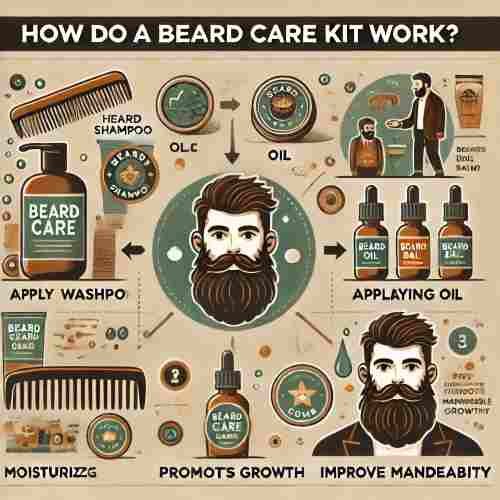
A beard care kit cleans, moisturizes, and styles your beard. It includes shampoo, oil, and balm to soften, promote healthy growth, and improve manageability. Wash 2-3 times a week, apply oil and balm daily, and comb regularly for best results.
What Does a Beard Care Kit Do?
A beard care kit helps keep your beard clean, soft, and well-shaped. The products in the kit work together to give your beard the care it needs. Beard oils and balms hydrate and keep the beard in control, while beard shampoos clean your beard and remove dirt.
Benefits
Moisturizes and softens the beard: Keeps your beard soft and smooth to the touch.
Promotes healthy growth: Helps your beard grow strong and healthy.
Makes the beard more manageable: Makes it easier to style and keep under control.
The best way is to wash your beard regularly with beard shampoo, apply beard oil to keep it soft, use beard balm to style and shape it, and comb or brush it to keep it neat.
How often should I wash my beard?
It’s good to wash your beard 2-3 times a week. Washing too often can dry it out, so stick to a few times a week for best results.
Can I use beard oil every day?
Yes, you can use beard oil every day to keep your beard moisturized and soft. Just a few drops are enough!
Will beard care products help my beard grow faster?
While beard care products can help create the best conditions for healthy growth, they don’t necessarily speed up hair growth. They do help make your beard look fuller and healthier.
Can beard care products help with a patchy beard?
Beard care products like oils and balms can help your beard look fuller by moisturizing and softening the hair, but they don’t actually grow new hair. If you have a patchy beard, it’s best to be patient and keep up with your care routine.
How do I apply beard balm?
To apply beard balm, take a small amount, rub it between your fingers to melt it, then apply it to your beard.
Is beard oil good for my skin?
Yes, beard oil is great for moisturizing both your beard and the skin underneath, helping to prevent dryness and itching. Just be sure to choose an oil that suits your skin type.
Can I use a beard care kit if I have sensitive skin?
Yes, but look for kits that are specifically designed for sensitive skin. They usually have natural, gentle ingredients that won’t irritate your skin.
Beard care kits are important for keeping your beard healthy and looking good. With the right products, you can make your beard softer, easier to manage, and more stylish.
Who Should Buy It?
Anyone who wants to improve the health and appearance of their beard will find a beard care kit helpful.
Alternative Products
If you need something special, like a kit for sensitive skin, there are many options that cater to different needs.
Disclaimer Commissions we earn from partner links on this page do not influence our content. Our editorial content is based on thorough research and insights from qualified medical professionals to ensure the highest standards of accuracy and reliability.
Information provided on Doseway is for educational purposes only. Your health and wellness are unique to you, and the products and services we review may not be suitable for your circumstances. We do not offer personal medical advice, diagnosis, or treatment plans. For specific advice, please consult with a healthcare professional. Doseway adheres to strict editorial integrity standards. To the best of our knowledge, all content is accurate as of the date posted, though offers and information may change. The opinions expressed are the author’s own and have not been influenced, approved, or endorsed by our partners.
The “Best Hair Treatment for Damaged or Greasy Hair at Home (Dry and Frizzy Hair)” helps people restore their hair’s health using easy, at-home treatments. This treatment is designed to improve dry, frizzy, and damaged hair, giving it a smoother, shinier look.
The treatments are simple, affordable, and can be done without professional help, making them suitable for anyone looking to revive their hair with natural remedies and easily available products. Whether your hair is suffering from heat damage, chemicals, or just dryness.
At-home treatments for dry, frizzy hair include hydrating masks, nourishing oils, and specialized shampoos and conditioners. Key ingredients like keratin, argan oil, hyaluronic acid, and vitamin E deeply moisturize, reduce frizz, and repair damage. Regular use improves texture, adds shine, and strengthens hair for a healthier look.
This section explains different at-home treatments to help care for dry and frizzy hair. These include using hydrating hair masks, nourishing oils, and special shampoos and conditioners that are made for this type of hair. These treatments can make your hair softer, smoother, and healthier over time.
Key Ingredients
Here are some common ingredients that help improve hair health:
Hair Masks: Look for masks with keratin, argan oil, or coconut oil. These ingredients help moisturize and strengthen your hair.
Shampoos: Shampoos with hyaluronic acid, shea butter, or amino acids help hydrate dry hair, keeping it soft and smooth.
Hair Oils: Oils rich in vitamin E, jojoba oil, or castor oil are great for nourishing and adding shine to your hair.
How Does It Work?
These treatments work by deeply moisturizing your hair, helping to reduce frizz, and repairing damage caused by heat styling or harsh weather. When used regularly, they improve the texture, add shine, and strengthen your hair, making it healthier and easier to manage.
Here are some of the best shampoos for greasy hair that can help balance oil production and leave your hair feeling fresh and soft.
L’Oreal Paris Extraordinary Clay Shampoo: This shampoo uses three types of clay to absorb excess oil and cleanse your scalp.
Bumble and Bumble Sunday Shampoo: Perfect for a weekly cleanse, this shampoo removes buildup, excess oil, and dirt. It gives your hair a fresh start and makes it look lighter and cleaner.
Kerastase Specifique Bain Divalent Shampoo: This shampoo is designed for oily roots and dry ends. It removes excess oil from the scalp while moisturizing the rest of your hair.
OGX Apple Cider Vinegar Shampoo: Made with apple cider vinegar, this shampoo clarifies and removes oil buildup and impurities from your scalp.
Oribe Serene Scalp Balancing Shampoo: This gentle shampoo cleanses your scalp, removing excess oil without stripping moisture.
PAUL MITCHELL Tea Tree Special Shampoo: With tea tree oil, this shampoo refreshes the scalp and removes oil, leaving your hair clean and invigorated.
Virtue Refresh Purifying Shampoo: Ideal for a deep cleanse, this shampoo removes oil, dirt, and product buildup, leaving your hair feeling fresh and light.
Redken Hair Cleansing Cream Shampoo: This shampoo deeply cleanses the scalp, removing buildup from hair products and environmental factors.
OUAI Detox Shampoo: Formulated with apple cider vinegar and keratin, this shampoo removes oil and buildup, leaving your scalp clean and your hair shiny and healthy.
Sachajuan Normal Hair Shampoo: This shampoo helps balance oil production while keeping your hair moisturized.
Aveda Rosemary Mint Purifying Shampoo: This refreshing shampoo contains rosemary and peppermint to cleanse the scalp, removing oil and impurities.
Olaplex No. 4C Clarifying Shampoo: This clarifying shampoo removes oil and buildup while strengthening the hair, making it a great option for oily hair that needs extra care.
Amino-Mint Scalp Shampoo: Refresh your scalp with this mint-infused shampoo, which helps control oil production while leaving a cool, invigorating sensation.
Christophe Robin Purifying Shampoo: With sea salt, this shampoo detoxifies the scalp, removes excess oil, and balances the hair, leaving it fresh and clean.
Kristin Ess Deep Clean Clarifying Shampoo: This shampoo thoroughly cleanses the hair, removing oil, dirt, and buildup, making it ideal for oily hair that needs a deep cleanse.
Moroccanoil Scalp Balancing Shampoo: Moroccanoil’s balancing shampoo controls oil production while moisturizing your hair, leaving it soft, balanced, and manageable.
Living Proof Triple Detox Shampoo: A powerful detox shampoo that removes product buildup, oil, and pollutants from your hair and scalp, leaving them feeling clean and refreshed.
Nécessaire The Shampoo: This gentle shampoo cleanses the hair without stripping moisture.
Oribe Oil Control Shampoo: Specially designed for oily scalps, this shampoo controls oil and helps keep your hair looking fresh longer.
Roz Foundation Shampoo: This shampoo gently balances oil production while cleaning the scalp, leaving your hair fresh and clean without drying it out.
Top Shampoo For Fine Oily Hair
Shampoo Name
Key Benefits for Oily Thin Hair
Notable Features
Approximate Price Range
Bumble and bumble Sunday Shampoo
Excellent oil removal, adds volume & strength to fine/thin hair
Gentle clarifying, apple cider vinegar-based, good for thin strands
Mid-range
Kristin Ess Deep Clean Clarifying Shampoo
Strong grease removal, lightweight, doesn’t weigh down fine hair
Budget-friendly, effective for daily/regular use
Low (drugstore)
R+Co Ingenious Thickening Shampoo
Controls oil while thickening & boosting bounce in fine/oily hair
Sulfate-free, volumizing with gentle cleansers
Premium
Ouai Fine Hair Shampoo / Ouai Detox Shampoo
Lightweight cleansing, volumizing without heaviness, good oil control
Popular for fine/flat hair, detox option for deeper clean
Mid-premium
Biolage Scalp Sync Clarifying Shampoo
Deeply cleans oily scalp, lightweight formula ideal for thin hair
Gentle for frequent use, leaves hair fresh
Mid-range
Dr. Groot Scalp Revitalizing Solution Hair Thickening Shampoo
Targets oily fine hair, thickens & revitalizes thin strands
Focus on fine/oily combo, with biotin/rosemary
Mid-range
Crown Affair The Volumizing Shampoo
Sulfate-free oil control, adds volume to flat/oily fine hair
Clean ingredients, great for thin strands
Premium
Living Proof Clarifying Detox Shampoo
Thorough detox for oil buildup, lightweight & fluffy results on thin hair
Hard water indicator, non-stripping
Premium
Garnier Pure Clean / Fructis Pure Clean Shampoo
Affordable deep clean, reduces grease, suitable for fine hair
Drugstore option, purifying with gentle hydration
Low
K18 Peptide Prep Detox Shampoo
Clarifies oily buildup, peptide support for stronger/thicker feel in thin hair
Dr. Groot Scalp Revitalizing Solution Hair Thickening Shampoo
Revitalizes oily fine/thinning hair, thickens strands, reduces fall
Biotin, rosemary, targets oily + loss combo
Mid-range
Common in Pakistan markets/pharmacies
Briogeo Destined for Density Peptide Shampoo / Scalp Revival
Peptide support for density, charcoal detox for oily buildup, promotes fuller hair
Peptides, charcoal/coconut for oil control & scalp health
Premium
Sephora/imports; good for oily + thinning
Plantur 39 Phyto-Caffeine Shampoo
Caffeine blocks DHT for pattern loss, suits oily/thinning scalps
Phyto-caffeine complex, targeted at hormonal thinning
Mid-range
Available via imports/online in Pakistan
Ouai Detox / Anti-Dandruff Shampoo
Deep detox for oily buildup, salicylic acid clarifies, lightweight for thinning
Salicylic acid, detox focus without heavy residue
Mid-premium
Ulta/imports; popular for greasy scalps
Biolage Scalp Sync Clarifying Shampoo
Strong oil/scalp cleanse, gentle for daily use, prevents clogging that leads to fall
Clarifying, lightweight, good for oily scalps
Mid-range
Salons/pharmacies in Lahore/Pakistan
BondiBoost HG Shampoo
Thickens fine/oily thinning hair, strengthens roots, reduces fall appearance
Redensyl, Procapil, rosemary, peppermint
Mid-range
Online imports; suits fine oily types
Indications & Uses
Indications & Uses
These treatments are ideal for dry, frizzy, or damaged hair, helping to restore moisture, strength, and shine. Use shampoos and conditioners 2-3 times weekly, apply hair masks weekly for deep hydration, and nourish with oils on damp hair or overnight.
Who Should Use These Treatments?
These treatments are perfect for:
People with Dry and Frizzy Hair: If your hair feels rough, dry, or out of control, these products can help.
Those Experiencing Hair Breakage or Split Ends: If your hair breaks easily or you have split ends from heat styling or chemical treatments, these treatments can repair and strengthen your hair.
Anyone Wanting to Restore Moisture and Shine: If your hair looks dull and lacks moisture, these products can bring back its natural shine and softness.
How to Use?
Shampoos & Conditioners: Use 2-3 times a week. Focus on massaging the shampoo into your scalp and applying the conditioner to the ends of your hair.
Hair Masks: Apply once a week. Leave the mask on for 15-30 minutes before rinsing thoroughly.
Hair Oils: Use a small amount on damp hair before styling, or apply as an overnight treatment for deep nourishment.
Top 10 Best Shampoo For Oily Thin Hair Women
Shampoo Name
Key Benefits for Oily Thin/Fine Hair Women
Notable Features / Ingredients
Approximate Price Range
Availability Notes (incl. Lahore/Pakistan)
Bumble and bumble Sunday Shampoo
Deep oil removal, adds significant volume & fluff to thin strands, leaves hair lightweight & bouncy
Apple cider vinegar-based, hyaluronic acid, niacinamide, panthenol, aloe; gentle clarifying
Mid-premium
Imports via Daraz.pk/Amazon; salons may stock
Nécessaire The Rosemary Shampoo
Balances oily scalp, absorbs grease fast, promotes thicker roots & body in fine/oily hair
Rosemary for growth & volume, nourishing yet non-greasy; luxurious feel
Premium
Online imports (Sephora/Amazon); check Care to Beauty
Ouai Fine Hair Shampoo / Ouai Detox Shampoo
Volumizing cleanse without weight, controls oil, ideal for flat thin hair
Lightweight formula, detox version with deeper clarification; popular for women with fine types
Mid-premium
Ulta/imports; available on Daraz or local beauty stores
Studies have shown that hair products with ingredients like keratin, biotin, and argan oil can reduce hair breakage and improve moisture levels. These ingredients help to strengthen hair and make it more hydrated and smooth.
Expected Results
Immediate Results: After the first few uses, you will notice your hair feels softer and is easier to manage.
Long-Term Results: With regular use, you’ll see less frizz and dryness. Your hair will look healthier and shinier within about a month.
Side Effects & Precautions
Side Effects & Precautions
Some may experience mild scalp irritation or excess oil. Rarely, allergic reactions can occur—check ingredient labels. Avoid if you have a sensitive scalp, limit heat styling, and always do a patch test before full use.
Common Side Effects
Mild scalp irritation: Some people with sensitive skin may experience slight irritation.
Oily scalp: Applying too much oil can make your scalp greasy hair.
Serious Side Effects
Rare allergic reactions: Some people may have allergies to ingredients like sulfates or parabens. Always check the ingredient label to avoid reactions.
Precautions
Avoid sensitive scalps: If your scalp is sensitive or prone to allergies, be cautious with new products.
Limit heat styling: After using treatments, avoid excessive heat styling to prevent further greasy hair or damage.
Patch test: Always test new products in a small area before using them fully.
Pros & Cons
Advantages
Affordable: Home remedies are often budget-friendly.
Easily accessible: Ingredients like oils and masks are easy to find in stores or online.
Effective: Great for bringing back moisture and reducing frizz in hair.
Disadvantages
Takes time: Results might take longer to show compared to salon treatments.
Not for severe damage: If your hair is very damaged, home treatments may not be enough. You might need professional help.
Greasy hair is caused by an overproduction of sebum (natural oil) on the scalp. This can be due to factors like hormonal changes, excessive washing, or using the wrong hair products.
How can I prevent from getting greasy hair?
To prevent greasy hair, wash your hair regularly with a mild shampoo designed for oily hair. Avoid heavy conditioners and try to reduce the use of styling products.
Can shampoo help with greasy hair?
Yes, shampoos formulated for greasy hair can help remove excess oil and keep your hair feeling fresh without drying it out. Look for shampoos with ingredients like salicylic acid or tea tree oil.
Is it okay to use dry shampoo for greasy hair?
Yes, dry shampoo can help absorb excess oil and freshen up greasy hair between washes.
Will using conditioner make my greasy hair worse?
If you have greasy hair, choose a lightweight conditioner and apply it only to the ends of your hair.
At-home treatments for dry and frizzy hair offer a simple way to deeply hydrate and repair your hair without spending a lot on salon visits. Key ingredients like keratin and argan oil help restore moisture and fix damage.
Overall Recommendation
These treatments are great for anyone with dry or damaged hair who wants an easy, affordable solution at home. They work well to reduce frizz and improve hair health.
Who Should Buy It?
People dealing with frizzy, dry, or damaged hair.
Those looking for quick, at-home ways to improve their hair’s condition.
Anyone who prefers natural ingredients and wants to avoid harsh chemicals.
Disclaimer Commissions we earn from partner links on this page do not influence our content. Our editorial content is based on thorough research and insights from qualified medical professionals to ensure the highest standards of accuracy and reliability.
Information provided on Doseway is for educational purposes only. Your health and wellness are unique to you, and the products and services we review may not be suitable for your circumstances. We do not offer personal medical advice, diagnosis, or treatment plans. For specific advice, please consult with a healthcare professional. Doseway adheres to strict editorial integrity standards. To the best of our knowledge, all content is accurate as of the date posted, though offers and information may change. The opinions expressed are the author’s own and have not been influenced, approved, or endorsed by our partners.
Dealing with dry and frizzy hair can be frustrating, especially when your hair feels damaged and lifeless. Many people struggle with hair that breaks easily, looks dull, or feels rough to the touch.
Thankfully, you don’t always need expensive salon treatments to fix damaged hair. There are several easy, natural hair treatments you can try at home to restore moisture, shine, and strength to your hair.
A natural hair treatment using avocado, coconut oil, honey, and olive oil restores shine, strength, and hydration. These ingredients deeply nourish, reduce frizz, and repair damage by moisturizing and strengthening hair. Egg yolk adds protein for shine, while apple cider vinegar balances scalp pH for smoother, healthier hair.
This hair treatment is perfect for repairing damaged hair and bringing back its shine and strength. The treatment is made from natural ingredients like avocado, coconut oil, honey, and olive oil. These ingredients work together to deeply hydrate your hair, making it smooth, soft, and healthy again.
Best Hair Treatment for Damaged Hair
The treatment uses simple, natural ingredients that you can easily find at home. Key ingredients include avocado, coconut oil, honey, and olive oil, which are known for their moisturizing and repairing properties. These ingredients nourish your hair, helping to restore its natural beauty.
Active Ingredients/Components
Coconut Oil: Helps to moisturize hair and prevent protein loss.
Avocado: Packed with healthy fats and vitamins that nourish and repair.
Honey: A natural humectant that attracts and holds moisture in the hair.
Egg Yolk: Rich in protein, it strengthens the hair and adds shine.
Apple Cider Vinegar: Helps balance scalp pH, reduces frizz, and makes hair smoother.
How Does It Work?
These ingredients work by penetrating deep into the hair shaft, adding moisture, reducing breakage, and locking in hydration. They smooth out frizz, repair damaged hair cuticles, and make your hair feel soft and healthy again.
Apply a few drops argan/castor oil to ends, leave overnight, wash morning.
Overnight
Locks in moisture, reduces frizz overnight for morning softness.
Argan oil available at beauty stores; castor (Arandi) very cheap locally.
Fastest At-Home Repair Routine
Trim split ends (even DIY with sharp scissors if needed) — removes the worst damage immediately for smoother look.
Switch to gentle routine: Use sulfate-free shampoo, cool water rinses, no heat styling for 1–2 weeks, silk pillowcase to reduce friction.
Daily/every wash: Apply leave-in conditioner or oil to damp ends.
2–3x per week: Do a deep mask (below) for 30–60 min or overnight.
Protect: Avoid sun/heat; use hat or scarf outdoors in Lahore’s dry air.
Effectiveness
Effectiveness
Ideal for dry, damaged, or frizzy hair, this treatment restores health and shine. Use coconut oil for deep moisture, an avocado mask for nourishment, or an apple cider vinegar rinse for smoothness. While not clinically proven, these natural ingredients are widely recognized for repair and hydration, delivering softer, shinier hair with regular use.
Clinical Evidence
Although DIY hair treatments may not have formal clinical studies, ingredients like coconut oil and avocado have been widely researched and are known for their ability to repair damaged hair. These natural ingredients have been used traditionally for years and are recognized for their moisturizing and healing properties.
Expected Results
After regular use, users usually notice softer, shinier, and more manageable hair. The results, such as smoother hair and reduced frizz, can be seen within a few treatments, especially with hydrating masks and oil treatments.
This treatment is perfect for anyone who has dry, damaged, or frizzy hair. If your hair has been damaged by heat styling tools, environmental factors, or chemical treatments, this natural treatment can help restore its health and shine.
How to Use?
Coconut Oil Treatment: Apply a small amount of coconut oil to damp hair, especially focusing on the ends. Leave it in for 30 minutes, then rinse thoroughly for soft, nourished hair.
Avocado Hair Mask: Mix mashed avocado with olive oil. Apply the mixture to your hair, leave it on for 20 minutes, and then rinse.
Apple Cider Vinegar Rinse: Dilute 1 tablespoon of apple cider vinegar in a cup of water. After shampooing, use this mixture to rinse your hair.
Excess oil can make hair greasy if not rinsed well. Rarely, allergic reactions to honey or eggs may occur. Always do a patch test, and avoid heavy oils if your scalp is oily.
Common Side Effects
Using too much coconut oil or other oils can make your hair greasy if not rinsed out well.
Serious Side Effects
In rare cases, some people might have allergic reactions to ingredients like honey or eggs.
Precautions
It’s important to do a patch test before trying any treatment, especially if you have sensitive skin. If your scalp gets oily easily, avoid using heavy oils.
Pros & Cons
Advantages
These treatments are affordable and use natural ingredients, making them a great option for repairing damaged hair.
The ingredients are easy to find and commonly available.
Disadvantages
Not all treatments may work well for every hair type.
You need to be patient and use them regularly to see the best results.
Hair can get damaged from heat styling, chemical treatments, environmental factors like sun exposure, or even rough handling while washing or brushing.
How can I repair my damaged hair?
You can repair damaged hair using natural treatments like coconut oil, avocado, or honey. These ingredients help hydrate and strengthen your hair.
How long will it take to see results on damaged hair?
With regular use of home treatments, you can start seeing softer, shinier, and healthier hair in just a few weeks.
Can damaged hair grow back healthy?
Yes, with proper care and regular treatments, your hair can grow back healthier. However, some damage may need to be trimmed off for the best results.
Is it safe to use home remedies on damaged hair?
Yes, home remedies using natural ingredients are generally safe for most people.
Can damaged hair be repaired completely?
While home treatments can significantly improve hair texture and health, extremely damaged hair may need professional treatments or trimming to look its best.
Can I use coconut oil for severely damaged hair?
Yes, coconut oil is great for severely damaged hair because it helps to moisturize, reduce protein loss, and prevent further breakage.
What’s the best way to prevent hair damage?
To prevent further damage, avoid excessive heat styling, minimize chemical treatments, protect your hair from sun damage, and use gentle hair care products.
Home treatments using natural ingredients like coconut oil, avocado, and honey are a great way to fix dry, damaged, and frizzy hair. If used regularly, these treatments can improve hair texture and add moisture.
Overall Recommendation
These natural remedies are perfect for people who want to repair their hair at home without using harsh chemicals.
Who Should Buy It?
These treatments are great for anyone with dry, damaged, or frizzy hair. If your hair needs extra care, you might also consider products like Olaplex No.3 or Moroccanoil Restorative Hair Mask for more intense repair.
Disclaimer Commissions we earn from partner links on this page do not influence our content. Our editorial content is based on thorough research and insights from qualified medical professionals to ensure the highest standards of accuracy and reliability.
Information provided on Doseway is for educational purposes only. Your health and wellness are unique to you, and the products and services we review may not be suitable for your circumstances. We do not offer personal medical advice, diagnosis, or treatment plans. For specific advice, please consult with a healthcare professional. Doseway adheres to strict editorial integrity standards. To the best of our knowledge, all content is accurate as of the date posted, though offers and information may change. The opinions expressed are the author’s own and have not been influenced, approved, or endorsed by our partners.
Regrowing hair naturally can be a challenge, but with the right home remedies, it is possible to see results in just a few weeks. This article will explore the top 7 natural remedies that can help regrow hair naturally.
Using ingredients like coconut oil, onion juice, and scalp massage, these methods focus on nourishing the scalp and encouraging hair regrowth without the need for harsh chemicals.
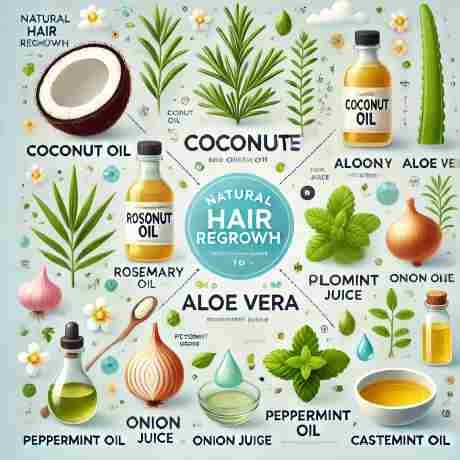
Natural remedies like coconut oil, rosemary oil, aloe vera, and onion juice nourish the scalp, boost blood flow, and strengthen hair roots. With regular use, they promote thicker, healthier hair and reduce hair fall within three weeks.
The product includes natural remedies for hair regrowth using oils and treatments like coconut oil, rosemary oil, aloe vera, and onion juice. These ingredients are known for their ability to improve hair health and promote regrowth. They contain essential vitamins, antioxidants, and fatty acids that nourish the scalp and hair.
How Does It Work?
These natural treatments work by increasing blood flow to the scalp, which helps nourish the hair follicles. They also create a healthy environment for hair to grow by moisturizing the scalp and strengthening the hair roots.
Benefits and Expected Results
With regular use, you can expect to see thicker, healthier hair and a noticeable reduction in hair fall within just three weeks. Your hair will feel stronger and more nourished, leading to healthier regrow hair naturally.
Regrow Hair Naturally In 3 Weeks
Week
Main Focus
Daily/Weekly Actions
Key Natural Methods & Tips
Expected Benefit in 3 Weeks
1
Foundation – Nutrition & Scalp Prep
– Eat protein + biotin-rich foods daily – Start gentle scalp massage (5–10 min) – Use mild clarifying shampoo 2×
– Diet: Eggs, nuts, seeds, spinach, salmon, lentils, avocados (protein, biotin, iron, omega-3) – Scalp massage with fingertips or soft brush – Drink 2.5–3 L water
Reduced shedding, healthier scalp environment, early nourishment of follicles
– Rosemary oil (diluted 3–5% in carrier like jojoba/coconut) – strongest evidence among oils – Castor oil or peppermint oil (diluted) – Aloe vera gel (fresh) overnight 2× – Onion juice (if tolerable) 1–2×
Improved circulation, possible early thickening, less inflammation
Protects length → appears longer/fewer splits fast
Lavender Oil
Calms scalp, may aid alopecia areata in blends
Moderate — helped in combo with other oils in small studies
Dilute + blend with rosemary, massage nightly
Relaxing + anti-stress shedding benefit possible
Indications & Uses
Indications & Uses
Ideal for men and women with hair thinning or mild hair loss, these natural remedies promote regrowth without harsh chemicals. Apply coconut oil, rosemary oil, aloe vera, onion juice, peppermint oil, and castor oil as directed to nourish the scalp and strengthen hair.
Who Should Use It?
These natural remedies are great for men and women who are experiencing hair thinning or mild hair loss. They are perfect for people who want a regrow hair naturally to care for their hair without using harsh chemical treatments.
How to Use?
Coconut Oil: Massage into your scalp three times a week to deeply moisturize and strengthen the hair roots.
Rosemary Oil: Apply a few drops to thinning areas on the scalp to improve circulation and promote hair growth.
Aloe Vera: Use as a leave-in treatment to hydrate and soothe the scalp for healthier hair.
Onion Juice: Apply directly to your scalp twice a week to help stimulate hair follicles for regrowth.
Peppermint Oil: Mix with a carrier oil (like coconut oil) and apply to the scalp to boost blood circulation and encourage hair growth.
Castor Oil: Apply as an overnight scalp treatment to thicken and nourish your hair, as it’s rich in Vitamin E.
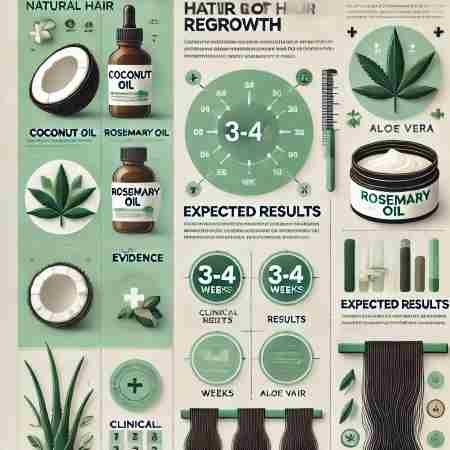
While not backed by formal studies, traditional use supports the effectiveness of coconut oil, rosemary oil, and aloe vera for scalp health and natural hair regrowth. Results like improved texture and thickness are often seen within 3–4 weeks.
Clinical Evidence
Although there are no formal scientific studies on these home remedies, many people and traditional practices support their use. Ingredients like coconut oil, rosemary oil, and aloe vera have been trusted for years to improve scalp health and help regrow hair naturally.
Expected Results
Most users notice a positive change in their hair, such as improved texture and thickness, within 3 to 4 weeks of regular use.
Side Effects & Precautions
Side Effects & Precautions
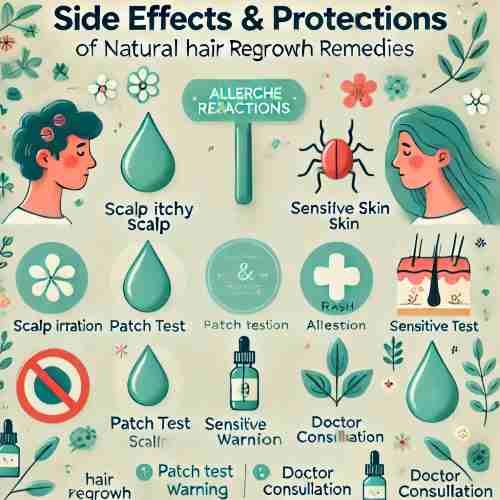
Mild scalp irritation may occur if essential oils aren’t diluted. Rare allergic reactions can happen with ingredients like aloe vera or coconut oil. Do a patch test before use, avoid onion juice on sensitive skin, and consult a doctor for severe hair loss.
Common Side Effects
Some people may experience mild scalp irritation, especially if essential oils like peppermint or rosemary are not properly diluted with a carrier oil.
Serious Side Effects
Though rare, allergic reactions can occur with natural ingredients like aloe vera or coconut oil. If you notice irritation, stop using the product immediately.
Precautions
Always do a patch test before using essential oils to check for any skin reactions.
Avoid using onion juice if you have sensitive skin, as it may irritate.
If you have severe or continuous hair loss or scalp issues, it’s best to consult a healthcare professional before trying these remedies.
Pros & Cons
Advantages
These remedies are natural and free from harmful chemicals.
The ingredients like coconut oil and aloe vera are easy to find and affordable.
They help improve overall hair health and support regrow hair naturally.
Disadvantages
You need to use these remedies regularly and be patient to see results.
The effectiveness can differ from person to person, depending on individual hair conditions.
Yes, many people have had success using natural remedies like coconut oil, rosemary oil, onion juice, and aloe vera to help promote hair growth. These treatments improve scalp health and stimulate hair follicles.
How long does it take to see results?
With regular use, you can start noticing improvements in hair thickness and reduced hair loss within 3 to 4 weeks.
Which natural oils are best for hair regrowth?
Coconut oil, rosemary oil, castor oil, and peppermint oil are known to support hair growth by nourishing the scalp and stimulating circulation.
Are there any side effects of using natural remedies?
Mild scalp irritation can occur, especially with essential oils if not diluted properly. Always do a patch test before use, and stop if any irritation or allergic reaction occurs.
Do I need to change my diet to regrow hair naturally?
Yes, a healthy, protein-rich diet helps regrow hair naturally. Eating foods rich in vitamins and minerals like biotin and zinc can strengthen your hair.
Can I regrow hair naturally without using chemicals?
Yes, natural remedies provide a chemical-free way to regrow hair naturally.
How often should I apply these natural remedies to regrow hair naturally?
For best results, use treatments like coconut oil or onion juice 2-3 times a week consistently. Adjust based on how your scalp reacts.
Can I use multiple remedies together?
Yes, combining natural remedies like using oils and aloe vera together can improve results.
Using natural remedies like coconut oil, rosemary oil, onion juice, and scalp massages can help stimulate hair growth within 3 weeks. These treatments work best when combined with a healthy diet and good hair care habits.
Overall Recommendation
If you’re looking for a natural and affordable way to regrow hair, these home remedies are a good alternative to chemical treatments. They nourish the scalp and promote hair health.
Who Should Use It?
These remedies are ideal for people with mild to moderate hair loss who want gentle and natural treatments to improve hair growth.
Important Considerations
Consistency: You need to apply these remedies regularly to see good results.
Diet and Lifestyle: Eating a protein-rich diet and avoiding too much heat styling can support better hair growth.
Disclaimer Commissions we earn from partner links on this page do not influence our content. Our editorial content is based on thorough research and insights from qualified medical professionals to ensure the highest standards of accuracy and reliability.
Information provided on Doseway is for educational purposes only. Your health and wellness are unique to you, and the products and services we review may not be suitable for your circumstances. We do not offer personal medical advice, diagnosis, or treatment plans. For specific advice, please consult with a healthcare professional. Doseway adheres to strict editorial integrity standards. To the best of our knowledge, all content is accurate as of the date posted, though offers and information may change. The opinions expressed are the author’s own and have not been influenced, approved, or endorsed by our partners.
Hair loss in women can be caused by many factors, but one of the main reasons is hormonal changes. Hormones like estrogen, progesterone, and testosterone play a big role in hair health. When these hormones become unbalanced, it can lead to thinning hair or hair loss.
This can happen during life stages like menopause, pregnancy, or due to certain medications. In this article, we will explore which hormones are responsible for hair loss in women and what can be done to help regrow thinning hair.
Which Hormone Causes Hair Loss In Females? (Regrow Thinning Hair)
Hormone-Causes-Hair-Loss-In-Females
Table Of Contents
Which Hormone Causes Hair Loss?
Which Hormone Causes Hair Loss?
Hormonal Imbalance & Hair Loss: Estrogen, progesterone, and testosterone affect hair growth imbalances and can lead to thinning or loss.
How hormones like estrogen, progesterone, and testosterone affect hair health in women. These hormones can directly or indirectly influence hair growth. Natural hormone changes, such as those during menopause, pregnancy, or even due to medical conditions, can cause hair to thin or fall out.
Active Ingredients/Components
These hormones play an important role in keeping hair healthy and can affect hair growth when they become unbalanced.
Estrogen
Progesterone
Testosterone
How Does It Work?
Hormonal imbalances, like low levels of estrogen or high levels of testosterone, can impact hair follicles. When this happens, the hair follicles may shrink or enter a resting phase, which causes hair to stop growing or fall out. By addressing these imbalances, either through natural changes or treatments, hair follicles can return to their normal growth cycle, leading to healthier, thicker hair.
Benefits & Expected Results
By balancing hormones, whether naturally or through treatments, hair growth can be restored. Treatments that target hormonal changes can help slow down hair loss and promote the regrowth of thinning hair, making it fuller and healthier over time.
Which Hormone Causes Hair Loss In Females?
Hormone
How It Causes Hair Loss in Females
Common Triggers/Conditions
Type of Hair Loss
Dihydrotestosterone (DHT)
Binds to hair follicles, causing miniaturization and shortening of the growth phase (most potent androgen).
Menopause, PCOS, genetic sensitivity
Female pattern hair loss (permanent thinning)
Testosterone
Converts to DHT; excess leads to similar follicle shrinkage.
PCOS, high androgen levels
Androgenetic alopecia
Estrogen (low levels)
Deficiency shortens the growth phase and allows more DHT activity; protective hormone when high.
Menopause, postpartum, low-estrogen states
Thinning, increased shedding
Cortisol
High levels push hair into resting/shedding phase (telogen effluvium).
Chronic stress
Temporary diffuse shedding
Thyroid hormones (imbalance: hypo- or hyperthyroidism)
Nutritional Optimization: Fix deficiencies (iron/ferritin >70 ng/mL, vitamin D >30 ng/mL, zinc, biotin if low). Supplements like Nutrafol or Viviscal show some benefit.
Natural DHT Support (mild/moderate evidence; not replacements for meds):
Supportive; helps with shedding when used 2–3x/week.
2–3 times/week
Dry scalp rare.
Adjunct to reduce scalp DHT/inflammation.
Viviscal or Marine Complex Supplements
OTC supplement
Marine-based (AminoMar); promotes growth via nutrients.
Studies show modest regrowth in thinning hair.
As directed (daily)
Rare GI upset.
Natural option for mild-moderate thinning.
Indications & Uses
Indications & Uses
Suitable for women with hair loss due to hormonal imbalances (menopause, ovarian cysts, birth control). Treatments include hormone therapy or Minoxidil, applied as pills or scalp creams. Regular use ensures the best results.
Who Should Use It?
This treatment is suitable for women experiencing hair loss due to hormonal imbalances. It can help women going through menopause, those with ovarian cysts, or those using certain birth control methods that may affect hormone levels.
How to Use?
For hair loss linked to hormonal imbalances, options like hormone therapy or topical treatments such as Minoxidil may be recommended. These treatments can come as oral pills or topical creams that you apply to the scalp.
Frequency of Use
To see the best results, it’s important to use the treatment regularly. Some treatments may be used daily, while others could be applied a few times a week.
Side Effects & Precautions
Common Side Effects
Scalp irritation
Changes in menstrual cycle
These effects are usually temporary and may improve with continued treatment. It’s important to monitor them during your use of the treatment.
Serious Side Effects
Significant hormonal changes
Skin allergies (e.g., unusual swelling or redness)
If you experience these serious reactions, contact your healthcare provider immediately.
Precautions
If pregnant, breastfeeding, or having conditions like ovarian cysts or thyroid disorders, consult a doctor before starting treatment.
Your doctor will recommend the safest treatment options for your specific condition.
Effectiveness
Effectiveness
HRT and Minoxidil help restore hair lost due to hormonal imbalances, with visible results in 3–6 months. Common side effects include scalp irritation and menstrual changes. Consult a doctor if pregnant or experiencing serious reactions.
Clinical Evidence
Research and clinical studies have shown that treatments like hormone replacement therapy (HRT) and Minoxidil can be effective in managing hair loss due to hormonal imbalances. These treatments have helped many women improve hair growth and reduce thinning caused by changes in hormone levels. Regular use of these treatments is linked to positive results in restoring hair.
Expected Results
Hair regrowth is often noticeable within 3 to 6 months of starting treatment, although results can vary from person to person. Some women may notice changes sooner, while others may take longer to see improvements.
Pros & Cons
Advantages
Hormonal treatments like HRT (hormone replacement therapy) or Minoxidil can be very effective in restoring thinning hair and improving overall hair health. Many women have experienced positive results, including thicker hair and less hair loss.
Disadvantages
Some potential side effects of these treatments include acne, weight gain, and mood changes, particularly with hormonal therapies.
Comparison to Similar Products
There are various other hair regrowth treatments and hormone-balancing products available. Some may offer quicker results or use different active ingredients, so it’s important to compare these options and find the one that works best for your specific hair loss situation.
FAQs
What causes hair loss in females?
Hair loss in females can be caused by many things, like hormonal changes (due to pregnancy, menopause, or birth control), stress, or medical conditions such as thyroid problems or ovarian cysts.
How do hormones affect hair loss in females?
Hormones play a big role in hair health. When hormone levels change, such as during menopause or pregnancy, it can lead to hair loss in females. Hormonal imbalances can make hair thinner or cause it to fall out.
Can hair loss in females be treated?
Yes, there are treatments for hair loss in females. Hormone replacement therapy (HRT), Minoxidil, and other treatments can help restore hair growth by balancing hormones and improving scalp health.
How long does it take to see results from treatments for hair loss in females?
It may take 3 to 6 months to see noticeable hair regrowth in females using treatments like HRT or Minoxidil.
Are there any side effects of treatments for hair loss in females?
Some side effects, such as scalp irritation or changes in the menstrual cycle, can occur with treatments for hair loss in females. Most side effects are temporary, but serious issues like skin allergies can happen.
Can hair loss in females be prevented?
While some hair loss in females is due to genetics or age, managing stress, eating a balanced diet, and addressing hormone imbalances early can help reduce hair loss and maintain healthy hair.
Conclusion
Summary of Findings
Hormonal changes, such as those during menopause, pregnancy, or birth control, can cause hair loss in women. Treatments like hormone therapy or Minoxidil have shown effectiveness in helping to regrow thinning hair and improve overall hair health.
Overall Recommendation
For women experiencing hair thinning due to hormonal imbalances, hormone treatments like HRT or Minoxidil are strong options to consider. These treatments are known to help encourage hair growth over time.
Who Should Buy It?
These treatments are best suited for women who are dealing with hair thinning caused by hormonal imbalances, particularly those going through menopause, pregnancy, or using birth control that affects their hormones.
Disclaimer Commissions we earn from partner links on this page do not influence our content. Our editorial content is based on thorough research and insights from qualified medical professionals to ensure the highest standards of accuracy and reliability.
Information provided on Doseway is for educational purposes only. Your health and wellness are unique to you, and the products and services we review may not be suitable for your circumstances. We do not offer personal medical advice, diagnosis, or treatment plans. For specific advice, please consult with a healthcare professional. Doseway adheres to strict editorial integrity standards. To the best of our knowledge, all content is accurate as of the date posted, though offers and information may change. The opinions expressed are the author’s own and have not been influenced, approved, or endorsed by our partners.
The Tinkerbell nose lift is a specialized rhinoplasty procedure that creates a delicately upturned nasal tip, popularized by celebrities and named after the fairy tale character. This guide explores everything from surgical techniques to recovery, helping you make an informed decision about whether this procedure aligns with your aesthetic goals and anatomical considerations.
What You’ll Learn From This Guide
• Understanding the Tinkerbell nose lift procedure and its variations • Assessing candidacy and potential risks through our calculator • Surgical techniques used by top plastic surgeons worldwide • Recovery timeline and post-operative care essentials • Cost considerations and financing options • Before and after expectations with real patient examples • Non-surgical alternatives and maintenance strategies
Tinkerbell Nose Lift Simulator
Tinkerbell Nose Lift Simulator
Calculate cost, risk factors, and recovery time for rhinoplasty with an upturned tip
1Demographics
2Medical History
3Procedure Details
4Results
Patient Demographics
cm
ft/in
kg
lbs
Medical History
/mmHg
Procedure Details
105°
Your Tinkerbell Nose Lift Assessment
7.2
Overall Risk Score (0-10 scale)
Low RiskMedium RiskHigh Risk
Estimated Cost
$8,500
Based on your selected options
Recovery Time
2-3 weeks
Until normal activities resume
Surgery Duration
2.5 hours
Estimated procedure time
Interpretation
Your risk score indicates a moderate surgical risk. This is primarily due to your medical history and the complexity of the procedure. Consultation with a board-certified plastic surgeon is recommended to discuss these findings in detail.
Share Your Results
Disclaimer: This calculator provides estimates only and is not a substitute for professional medical advice. Results are based on generalized data and may not reflect your individual circumstances. Always consult with a qualified healthcare provider before making decisions about medical procedures.
What is a Tinkerbell Nose Lift and How Does It Differ from Traditional Rhinoplasty?
A Tinkerbell nose lift is a cosmetic surgery procedure specifically designed to create an upturned nasal tip, typically between 105-120 degrees from the upper lip. Unlike traditional rhinoplasty which may focus on reducing humps or narrowing the bridge, this technique specifically targets tip rotation and refinement. The procedure gets its name from the delicate, fairy-like appearance of the upturned tip, popularized by celebrities like Zooey Deschanel and Kelly Rowland.
The key differences between Tinkerbell rhinoplasty and traditional nose jobs include: • Primary focus on tip rotation rather than dorsal hump reduction • More conservative cartilage removal to maintain structural integrity • Greater emphasis on creating nasolabial angle between 95-115 degrees • Often combined with nostril reshaping for balanced proportions • Typically requires precise cartilage grafting techniques for support
This procedure has gained significant popularity in recent years, with a 34% increase in requests for upturned nasal tips according to the American Society of Plastic Surgeons. The trend reflects shifting beauty standards toward more delicate, feminine nasal contours.
Who is an Ideal Candidate for Tinkerbell Nose Job Surgery?
Ideal candidates for Tinkerbell nose lift surgery typically share specific anatomical and lifestyle characteristics that make them suitable for this specialized procedure. Understanding these factors helps determine whether this rhinoplasty variation will deliver your desired outcomes while maintaining nasal function.
The perfect candidate profile includes: • Patients with thick nasal skin that can conceal cartilage modifications • Individuals with adequate septal cartilage for grafting procedures • Those seeking subtle upturn rather than extreme rotation angles • Non-smokers with healthy circulation for optimal healing • Realistic expectations about surgical outcomes and limitations • Good overall health without bleeding disorders or healing complications
Patients with certain nasal characteristics may achieve better results: • Moderate to thick skin thickness that drapes well over new cartilage framework • Sufficient septal cartilage for tip support grafts and struts • Nasal tips that are not extremely droopy or poorly supported initially • Balanced facial proportions that complement an upturned nasal tip
Our Tinkerbell Nose Lift Calculator assesses these factors through detailed questions about your nasal anatomy, skin type, and medical history to provide personalized recommendations about your candidacy.
What Surgical Techniques Do Surgeons Use for Tinkerbell Nose Lift Procedures?
Tinkerbell nose lift procedures employ specialized surgical approaches that differ from standard rhinoplasty techniques. Understanding these methods helps you discuss options knowledgeably with your surgeon and set realistic expectations for your surgical outcome.
The primary surgical techniques include:
Tip Rotation Methods • Cephalic trim of lower lateral cartilages to reduce bulk and allow upward rotation • Lateral crural steal technique to increase tip projection and rotation • Tongue-in-groove technique to set the relationship between septum and tip cartilages • Columbellar strut grafts for additional tip support and maintenance of rotation
Cartilage Grafting Approaches • Shield grafts placed at the nasal tip to define and project the tip • Cap grafts to refine the tip-defining points and create delicate appearance • Alar rim grafts to prevent nostril retraction and maintain airway function • Septal extension grafts to control rotation angle and maintain long-term results
Structural Support Techniques • Preservation rhinoplasty approaches to maintain natural nasal dynamics • Suturing techniques to create stable cartilage relationships • Autologous tissue use rather than synthetic materials when possible • Balanced approach between rotation and maintaining nasal function
The specific combination of techniques your surgeon recommends will depend on your unique nasal anatomy, skin characteristics, and desired degree of upturn. Our calculator considers these technical factors when estimating your surgical complexity and associated costs.
How Much Does a Tinkerbell Nose Lift Cost in Different Regions?
Tinkerbell-Nose-Lift
Tinkerbell nose lift costs vary significantly based on geographic location, surgeon expertise, facility fees, and anesthesia costs. Understanding these financial considerations helps you budget appropriately and avoid unexpected expenses during your surgical journey.
United States Pricing Structure • Surgeon fees: $5,000-$15,000 depending on experience and reputation • Anesthesia fees: $1,000-$2,500 for monitored anesthesia care or general anesthesia • Facility fees: $2,000-$6,000 for surgical center or hospital operating room • Additional costs: Pre-operative tests, post-operative medications, and follow-up visits • Total range: $8,000-$25,000 with major metropolitan areas at the higher end
European Union Cost Variations • United Kingdom: £6,000-£12,000 for private rhinoplasty specialists • Germany: €7,000-€15,000 with high technical standards and precision • Turkey: $3,000-$6,000 including accommodation and transfers in package deals • France: €8,000-€16,000 with emphasis on artistic nasal refinement
Asian Market Pricing • South Korea: $4,000-$9,000 with specialized tip plasty techniques • Thailand: $3,500-$7,000 for international patient packages • India: $2,500-$5,500 with combination of Western training and lower costs
Our Tinkerbell Nose Lift Calculator incorporates your selected region, surgeon experience level, and facility type to provide accurate cost estimates specific to your situation. The calculator also considers procedure complexity, which significantly impacts final pricing.
What is the Recovery Timeline After Tinkerbell Rhinoplasty?
Understanding the recovery timeline after Tinkerbell nose lift surgery helps you plan appropriately for downtime and manage expectations about the healing process. Recovery occurs in distinct phases, each with specific characteristics and care requirements.
Immediate Post-Operative Period (First 72 Hours) • Significant swelling and bruising around eyes and nasal areas • Nasal packing or splints that may cause breathing discomfort • Pain managed with prescribed medications • Head elevation crucial to reduce swelling • Cold compresses to minimize bruising and inflammation
First Two Weeks Recovery Milestones • Splint removal between days 5-7 revealing initial nose shape • Significant reduction in swelling and bruising • Return to sedentary work and light activities • Stitches removal if non-dissolvable type used • Gentle nasal cleaning as directed by surgeon
One to Three Month Healing Progress • 70-80% of swelling resolves allowing better shape appreciation • Gradual return to exercise and normal activities • Tip numbness gradually improves as nerves regenerate • Nasal breathing continues to improve as internal swelling decreases • Subtle changes continue as swelling resolves unevenly
Long-Term Final Results (6-12 Months) • Final nasal shape emerges as last swelling resolves • Tip refinement becomes more apparent and delicate • Scar tissue maturation completes internally • Full sensory return to nasal tip area • Ultimate nasolabial angle established
Our calculator provides personalized recovery estimates based on your specific procedure details, age, health factors, and lifestyle habits that influence healing capacity.
What Risks and Complications Should I Consider Before Tinkerbell Nose Job?
All surgical procedures carry potential risks, and Tinkerbell nose lift surgery has specific complications related to the specialized techniques involved. Understanding these potential issues helps you make an informed decision and recognize early warning signs if they occur.
Common Rhinoplasty Risks • Bleeding and hematoma formation requiring drainage • Infection requiring antibiotic treatment • Adverse reaction to anesthesia medications • Unsatisfactory scarring at incision sites • Nasal asymmetry requiring revision • Breathing difficulties from internal narrowing
Tinkerbell-Specific Complications • Over-rotation creating excessive nostril show • Tip ptosis or dropping as swelling resolves and tissues settle • Pollybeak deformity from inadequate tip support or supratip fullness • Bossae formation from cartilage irregularities showing through thin skin • Nasal valve collapse from over-aggressive cartilage modification • Visible grafts or irregularities at the nasal tip
Risk Reduction Strategies • Choosing experienced rhinoplasty specialists with tip technique expertise • Proper pre-operative assessment of nasal anatomy and skin quality • Conservative approach to tissue removal and structural changes • Use of established grafting techniques for support • Meticulous post-operative care and follow-up
Our Tinkerbell Nose Lift Calculator evaluates your specific risk factors based on medical history, nasal characteristics, and surgical plan to provide personalized risk assessment. This helps you understand your individual complication profile before proceeding with surgery.
How Does the Tinkerbell Nose Lift Calculator Work?
Our Tinkerbell Nose Lift Calculator uses advanced algorithms to provide personalized assessments based on your specific inputs. Understanding how the calculator processes information helps you interpret results accurately and make informed decisions about your potential procedure.
The calculator evaluates multiple factors across three main categories:
Demographic and Anatomical Inputs • Age and gender influencing healing capacity and tissue characteristics • Height and weight providing context for facial proportions • Nasal skin thickness determining how well changes will show • Existing nasal structure and tip support influencing surgical complexity • Desired degree of upturn measured in nasolabial angle
Medical History Assessment • Current health conditions affecting anesthesia risk and healing • Medication use that might impact bleeding or recovery • Allergies to materials or medications used during surgery • Previous nasal surgeries or trauma complicating revision procedures • Smoking status significantly impacting tissue healing
Procedure-Specific Factors • Surgeon experience level with tip refinement techniques • Surgical facility type and accreditation status • Anesthesia approach from local to general anesthesia • Geographic location influencing cost structures • Additional procedures combined with rhinoplasty
The calculator processes these inputs through validated medical algorithms to generate personalized estimates for cost, risk level, and recovery time. Results include color-coded risk assessments and specific recommendations based on your profile.
What Results Can I Expect from the Tinkerbell Nose Lift Calculator?
The Tinkerbell Nose Lift Calculator provides comprehensive, personalized results to help you understand potential outcomes from your procedure. Interpreting these results correctly ensures you derive maximum value from the assessment and make informed decisions.
Risk Score Interpretation • Low risk (0-3): Favorable candidate with minimal complicating factors • Moderate risk (4-7): Standard candidate with some factors requiring consideration • High risk (8-10): Multiple risk factors requiring careful surgical planning
Cost Estimate Components • Surgeon fee based on experience level and geographic region • Anesthesia costs depending on type and duration • Facility fees for surgical center or hospital use • Additional costs for implants, grafts, or specialized equipment
Recovery Timeline Breakdown • Initial recovery period until splint removal • Social recovery when bruising resolves enough for public appearance • Functional recovery for return to normal activities and exercise • Final result timeline when swelling completely resolves
Personalized Recommendations • Suggested surgeon qualifications based on your case complexity • Pre-operative optimization strategies to reduce risks • Procedure modifications that might improve your outcomes • Additional consultations or tests recommended before surgery
The calculator also provides comparison data showing how your estimates compare to average patients with similar profiles, helping you contextualize your results within broader patient experiences.
How to Choose the Right Surgeon for Tinkerbell Nose Lift?
Selecting the right surgeon for your Tinkerbell nose lift is the most critical decision affecting your outcomes. Understanding the key qualifications, experience markers, and consultation strategies helps you identify a skilled specialist capable of delivering your desired results.
Essential Surgeon Qualifications • Board certification in plastic surgery or otolaryngology • Specific fellowship training in rhinoplasty and nasal surgery • Significant percentage of practice dedicated to nasal surgery • Before and after galleries demonstrating Tinkerbell-style results • Hospital privileges to perform rhinoplasty procedures
Experience Indicators for Tip Techniques • Demonstration of various tip suturing and grafting methods • Understanding of how to balance rotation with nasal function • Experience with revision cases showing problem-solving ability • Publications or presentations on nasal tip techniques • Patient testimonials specifically mentioning tip refinement
Consultation Assessment Strategies • Review computer imaging to assess aesthetic alignment • Discuss potential complications and revision rates openly • Evaluate communication style and understanding of your goals • Assess before and after photos of similar nasal types • Consider second opinions for complex cases or revisions
Our calculator incorporates surgeon experience level as a significant factor in both cost estimates and risk assessment, recognizing that specialized tip work requires particular expertise for optimal outcomes.
What Are the Non-Surgical Alternatives to Tinkerbell Nose Lift?
Non-surgical alternatives to Tinkerbell nose lift offer temporary refinement options with minimal downtime. Understanding these approaches helps you explore all available options before committing to surgical intervention.
Injectable Filler Rhinoplasty • Hyaluronic acid fillers to camouflage dorsal humps and irregularities • Strategic tip injection to create subtle lift and projection • Temporary results lasting 9-18 months depending on product used • Lower cost compared to surgical options but requires maintenance • Limited ability to reduce size or refine extremely thick tips
Thread Lift Nasal Refinement • Biodegradable threads placed to lift nasal tip temporarily • Minimal downtime with immediate visible results • Combination with fillers for enhanced refinement • Results typically last 12-18 months before repeat treatment • Suitable for mild to moderate tip ptosis correction
Energy-Based Tissue Tightening • Radiofrequency devices to stimulate collagen in nasal skin • Ultrasound technology for subtle tissue contraction • Multiple treatments required for noticeable effect • Best for mild refinement rather than significant shape changes • Often combined with other non-surgical approaches
Our calculator helps you compare surgical and non-surgical options by providing cost-benefit analysis based on your specific nasal characteristics and desired outcomes.
How to Prepare for Tinkerbell Nose Lift Surgery?
Proper preparation for Tinkerbell nose lift surgery optimizes your safety, reduces complication risks, and enhances final results. Following a structured pre-operative plan ensures you enter surgery in the best possible condition for successful outcomes.
Medical Preparation Guidelines • Complete all pre-operative testing as recommended by your surgeon • Adjust medications under medical supervision to reduce bleeding risks • Begin nutritional optimization with emphasis on vitamin C and protein • Stop smoking at least 6 weeks before surgery to improve healing • Arrange for medical clearance if you have chronic health conditions
Lifestyle Preparation Steps • Arrange for time off work based on your calculated recovery estimate • Prepare your recovery space with elevated sleeping arrangements • Purchase recommended supplies like cold compresses and saline spray • Arrange for assistance with daily activities during initial recovery • Complete major household tasks before surgery to minimize post-op strain
Surgical Planning Considerations • Finalize surgical goals through detailed discussion with your surgeon • Review computer imaging to ensure shared vision of outcomes • Understand the surgical plan including grafting and approach details • Discuss anesthesia options and preferences with your medical team • Plan for contingencies and understand revision policies
Our calculator provides personalized preparation recommendations based on your specific health profile and surgical plan, helping you optimize every aspect of your pre-operative period.
What Does Post-Operative Care Involve After Tinkerbell Rhinoplasty?
Comprehensive post-operative care following Tinkerbell rhinoplasty significantly influences your healing process and final results. Understanding proper care protocols helps you navigate recovery smoothly and identify potential issues requiring medical attention.
Immediate Post-Operative Care (First Week) • Head elevation at 30-45 degrees even during sleep to reduce swelling • Gentle nasal cleansing with saline sprays and cotton swabs • Application of cold compresses to peri-orbital area to minimize bruising • Careful monitoring for bleeding or unusual pain patterns • Strict avoidance of nose blowing or strenuous activity
Early Recovery Phase (Weeks 2-4) • Transition from prescription pain medication to over-the-counter options • Gradual reintroduction of light activities and return to work • Gentle facial cleansing while avoiding direct nasal pressure • Protection from sun exposure with hats and high-SPF sunscreen • Continued sleep elevation and nasal moisturization as needed
Long-Term Recovery Management (Months 1-6) • Gradual return to exercise beginning with walking and progressing slowly • Ongoing sun protection to prevent hyperpigmentation in healing tissues • Management of residual swelling with gentle massage if recommended • Attention to nasal skin care as sensitivity normalizes • Patience through the uneven resolution of swelling that characterizes rhinoplasty recovery
Our calculator provides personalized recovery guidelines based on your specific procedure details and health factors, helping you understand what to expect during each phase of your healing journey.
How Long Do Tinkerbell Nose Lift Results Last?
Understanding the longevity of Tinkerbell nose lift results helps you set realistic expectations and plan for potential future maintenance. Surgical outcomes evolve over time due to both healing processes and natural aging.
Initial Result Timeline • Immediate post-operative appearance with significant swelling • 3-month milestone where major swelling resolves and basic shape emerges • 6-month point where tip definition becomes more apparent • 1-year mark typically representing near-final surgical outcome • Subtle refinements continuing up to 18 months in some cases
Long-Term Result Considerations • Permanent structural changes from cartilage modification and grafting • Gradual, natural aging process affecting nasal appearance over decades • Potential for minor dropping of nasal tip over several years • Stability of cartilage grafts and sutured structures long-term • Influence of weight changes and hormonal factors on nasal appearance
Factors Influencing Result Longevity • Surgical technique quality and structural support methods • Individual healing characteristics and scar tissue formation • Nasal skin thickness and elasticity affecting shape maintenance • Surgeon experience with long-term tip support techniques • Trauma or injury to nose after surgery potentially altering results
Our calculator considers factors that influence result longevity when providing your personalized assessment, including age, skin quality, and surgical technique variables.
What Are the Most Common Myths About Tinkerbell Nose Lift?
Dispelling common myths about Tinkerbell nose lift procedures helps you develop accurate expectations and make informed decisions based on factual information rather than misconceptions circulating in popular media.
Myth 1: Tinkerbell Nose Lift is Only for Women • Reality: While more popular among women, men also seek subtle tip refinement • Male techniques focus on maintaining masculine proportions while refining • Gender-appropriate angles and approaches ensure natural-looking results
Myth 2: Extreme Upturn is Always the Goal • Reality: Most skilled surgeons advocate for subtle, natural-looking rotation • Over-rotation creates artificial appearance and functional issues • Balance between aesthetic goals and nasal function is paramount
Myth 3: Non-Surgical Options Can Achieve Same Results • Reality: Fillers can create minor improvements but not structural changes • Surgical intervention required for significant tip rotation and refinement • Non-surgical approaches have limitations in tip elevation capability
Myth 4: Recovery is Extremely Painful and Lengthy • Reality: Most patients report discomfort rather than severe pain • Modern techniques have improved recovery experience significantly • Proper pain management makes recovery manageable for most patients
Myth 5: Results Look Artificial and “Done” • Reality: Skilled surgeons create natural-looking refinement • Proper technique maintains individual facial harmony • Overly operated appearance results from poor technique, not the procedure itself
Our calculator helps counter these myths by providing realistic, personalized estimates based on actual surgical data rather than exaggerated claims or misinformation.
Can Tinkerbell Nose Lift Improve Breathing Function?
While primarily considered a cosmetic procedure, Tinkerbell nose lift can potentially improve breathing function when combined with functional rhinoplasty techniques. Understanding this dual benefit helps you appreciate the comprehensive nature of modern nasal surgery.
Potential Breathing Improvements • Correction of pre-existing nasal valve collapse during cosmetic refinement • Septal deviation correction performed concurrently with cosmetic work • Turbinate reduction to improve nasal airflow when indicated • Internal nasal narrowing prevention through careful structural support • Airway preservation through conservative tissue removal
Functional Considerations in Cosmetic Planning • Maintenance of adequate internal nasal valve angle during tip rotation • Preservation of lateral wall support during tip refinement • Careful assessment of pre-existing breathing issues before surgery • Integration of functional and aesthetic goals in surgical planning • Potential need for additional functional procedures beyond tip work
Our calculator assesses your breathing function concerns and incorporates them into your risk assessment and surgical recommendations, ensuring both aesthetic and functional considerations inform your surgical plan.
How Does Age Affect Tinkerbell Nose Lift Results and Recovery?
Age significantly influences Tinkerbell nose lift outcomes, recovery experience, and long-term result stability. Understanding these age-related factors helps set appropriate expectations and optimize surgical planning for your specific demographic.
Younger Patients (18-30 Years) • Typically faster healing with reduced complication risks • More elastic skin with better contraction to new contours • Greater cartilage plasticity allowing more dramatic changes • Longer-term enjoyment of surgical results • Potential for continued nasal growth affecting long-term outcomes
Middle-Aged Patients (31-50 Years) • Stable nasal development with predictable long-term results • Good healing capacity with proper health maintenance • Often combined with aging concerns in other facial areas • Potential for earlier nasal aging signs addressed during surgery • Balance between cosmetic goals and natural appearance preservation
Mature Patients (51+ Years) • Thinner skin requiring careful graft placement and tissue handling • Slower healing timeline with increased bruising tendency • Potential for medical comorbidities affecting anesthesia choices • Often addressing both cosmetic concerns and age-related changes • More conservative approaches to maintain natural appearance
Our calculator incorporates age as a significant factor in estimating recovery time, risk assessment, and potential outcome satisfaction, providing age-appropriate recommendations for your situation.
What Are the Key Considerations for Revision Tinkerbell Rhinoplasty?
Revision Tinkerbell rhinoplasty presents unique challenges compared to primary procedures, requiring specialized surgical approaches and realistic outcome expectations. Understanding these factors helps you navigate the revision process successfully.
Revision-Specific Challenges • Scar tissue from previous surgery complicating dissection planes • Limited cartilage availability for grafting requiring alternative sources • Compromised blood supply from prior surgical intervention • Altered anatomy requiring careful assessment and customized approaches • Psychological factors from previous unsatisfactory results
Surgical Strategy Differences • Often require open approach for better visualization and control • Frequent need for cartilage harvesting from ear or rib sources • More complex grafting techniques to overcome structural deficiencies • Longer operating times with increased complexity • Higher cost structure due to surgical challenges
Realistic Revision Expectations • Improvement rather than perfection as a common outcome goal • Potential for multiple procedures to achieve desired results • Understanding that some limitations may be irreversible • Appreciation for both functional and aesthetic improvements • Willingness to accept trade-offs in pursuit of better outcomes
Our calculator adjusts risk assessments and cost estimates significantly for revision cases, reflecting the increased complexity and potential for additional procedures in these situations.
What Are the Latest Advancements in Tinkerbell Nose Lift Techniques?
Recent advancements in Tinkerbell nose lift techniques have improved precision, reduced recovery time, and enhanced long-term outcomes. Understanding these innovations helps you seek surgeons utilizing modern approaches for optimal results.
Structural Preservation Techniques • Preservation rhinoplasty principles applied to tip work • Tissue-sparing approaches maintaining natural nasal dynamics • Limited dissection techniques to preserve blood supply • Conservative cartilage resection maintaining support mechanisms
Advanced Grafting Materials • Autologous tissue preference with refined harvesting techniques • Processed tissue products for specific applications when needed • 3D-printed custom implants for complex revision cases • Bioabsorbable support materials that integrate with native tissues
Precision Planning Technologies • 3D simulation software for improved surgical planning • Intraoperative navigation for complex revision cases • Preoperative CT imaging for detailed anatomical assessment • Computer-guided graft carving for perfect fit and function
Recovery Enhancement Methods • Improved pain management protocols reducing discomfort • Specialized dressings and splints for optimal healing • Early intervention strategies for potential complications • Nutritional support protocols enhancing tissue repair
Our calculator incorporates these advancements when appropriate based on your selected surgeon experience level and geographic location, reflecting how modern techniques influence outcomes.
Recommended Affiliate Products for Tinkerbell Nose Lift Recovery
Premium Recovery Essentials • The Cool Revolution Soothing Gel Mask for post-operative swelling reduction • NeilMed NasaFlo Plus Natural Sinus Rinse for gentle nasal cleansing • The Healing Pillow System with patented design for optimal head elevation • Arnica Montana Premium Formula for natural bruise reduction • Bio-Oil Specialist Skincare for scar management and skin hydration
Surgical Preparation Products • The Pre-Surgery Optimization Kit with nutritional supplements • Medical-Grade Skincare Preparation System for ideal skin condition • Surgical Marking and Planning Kit for precise communication with your surgeon • Virtual Surgery Simulator Subscription for visualizing potential outcomes
Long-Term Maintenance Solutions • Luxury Nasal Protection Shield for sun and environmental protection • Delicate Nasal Cleansing System for ongoing tip care • Specialized Makeup Collection for post-rhinoplasty contouring • Nasal Exercise Kit for maintaining tip support long-term
Frequently Asked Questions
What is the ideal nasolabial angle for a Tinkerbell nose? The ideal nasolabial angle for a natural-looking Tinkerbell nose ranges between 105-115 degrees for women and 95-105 degrees for men. This creates a subtle upturn without excessive nostril show. The exact ideal angle depends on individual facial proportions and aesthetic goals.
Can Tinkerbell nose lift be combined with other procedures? Yes, Tinkerbell nose lift is commonly combined with other procedures like septoplasty for breathing improvement, chin augmentation for facial balance, or blepharoplasty for comprehensive facial rejuvenation. Combination procedures require careful surgical planning and may affect recovery timing.
How soon after surgery will I see my final results? While initial results are visible after splint removal at one week, final Tinkerbell nose lift results typically emerge between 12-18 months post-operation. The nasal tip is the last area to settle completely, with gradual refinement occurring throughout the first year.
Is Tinkerbell nose lift reversible if I don’t like the results? Revision rhinoplasty can modify Tinkerbell nose lift results, but complete reversal is typically not possible. Structural changes to cartilage and tissue healing create permanent alterations. Careful preoperative planning and clear communication with your surgeon are crucial for satisfaction.
What happens to the Tinkerbell nose lift results as I age? The upturned tip position from Tinkerbell rhinoplasty is generally permanent, but natural aging processes will continue. The nose may gradually droop slightly over decades, but typically maintains more rotation than an unoperated nose. Weight changes and hormonal factors can also influence long-term appearance.
After massive weight loss, many individuals are left with significant excess skin that can impact both physical comfort and emotional well-being. The Fleur De Lis panniculectomy represents a specialized surgical approach designed specifically to address the unique challenges faced by weight loss patients, combining vertical and horizontal excision patterns to comprehensively reshape the torso. This comprehensive guide explores everything you need to know about this transformative procedure, from candidacy requirements and surgical techniques to recovery expectations and financial considerations, providing you with the knowledge to make an informed decision about your post-weight loss journey.
What You’ll Learn From This Guide:
The fundamental differences between standard and Fleur De Lis panniculectomy techniques
Detailed candidacy requirements and preoperative preparation steps
Step-by-step surgical procedure and anesthesia considerations
Realistic recovery timelines and postoperative care protocols
Comprehensive cost analysis and insurance considerations
Risk management strategies and complication prevention
Long-term results and maintenance requirements
How to use our specialized cost calculator for personalized estimates
Fleur De Lis Panniculectomy Cost Estimator
Fleur De Lis Panniculectomy Cost Estimator
For patients who have experienced massive weight loss
1Demographics
2Medical History
3Procedure Details
4Results
Patient Demographics
Medical History
Procedure Details
Moderate
Your Fleur De Lis Panniculectomy Assessment
Based on the information you provided
$12,500 – $18,750
Estimated procedure cost range
Surgical Risk Assessment
Low RiskMedium RiskHigh Risk
Your risk level: Low to Moderate
Estimated Recovery Time
4-6 weeks for full recovery
2-3 weeks before returning to sedentary work
Share Your Results
Disclaimer: This calculator provides estimates only and is not a substitute for professional medical advice. Actual costs and risks may vary based on individual circumstances and should be discussed with a qualified healthcare provider.
What is a Fleur De Lis Panniculectomy and How Does It Differ From Standard Procedures?
A Fleur De Lis panniculectomy represents a specialized body contouring procedure specifically designed for individuals who have experienced massive weight loss, typically exceeding 100 pounds. Unlike traditional panniculectomy that only removes horizontal excess tissue, this technique incorporates both vertical and horizontal excision patterns, creating a fleur-de-lis shape that addresses excess skin in multiple dimensions. This comprehensive approach not only removes hanging abdominal tissue but also tightens the waistline and restores muscular support, resulting in dramatically improved torso contour and function.
The key distinction between Fleur De Lis panniculectomy and standard approaches lies in the surgical design and outcomes. While a traditional panniculectomy focuses primarily on removing the overhanging pannus (apron of skin and fat), the Fleur De Lis technique provides three-dimensional contouring that addresses both vertical and horizontal skin laxity. This makes it particularly effective for patients with significant skin redundancy throughout the entire abdominal region, including the upper abdomen and waistline areas that standard procedures cannot adequately correct.
Critical Differences Between Fleur De Lis and Traditional Panniculectomy
Surgical Approach: Fleur De Lis combines vertical midline excision with horizontal lower abdominal excision, while traditional techniques use horizontal excision only
Tissue Removal: Addresses both vertical and horizontal skin excess versus primarily horizontal excess removal
Muscular Repair: Typically includes more comprehensive abdominal wall reconstruction and diastasis recti repair
Scarring Pattern: Creates an inverted T-shaped scar versus a single low horizontal scar
Patient Selection: Reserved for massive weight loss patients with significant multi-directional skin laxity
Who is an Ideal Candidate for Fleur De Lis Panniculectomy After Massive Weight Loss?
Determining candidacy for Fleur De Lis panniculectomy involves multiple medical and lifestyle factors that directly impact surgical safety and outcomes. The ideal candidate has typically maintained stable weight for at least 6-12 months following massive weight loss, either through bariatric surgery or significant lifestyle changes. Weight stability is crucial because further fluctuations can compromise surgical results and lead to recurrence of skin laxity. Most surgeons recommend a body mass index below 30 for optimal outcomes, though selected patients with BMI up to 35 may be considered with appropriate risk mitigation strategies.
Comprehensive health assessment forms another critical component of candidate evaluation. Patients should be free from uncontrolled medical conditions that could increase surgical risks, including diabetes, cardiovascular disease, and pulmonary disorders. Non-smokers or individuals who have abstained from nicotine products for at least 6 weeks prior to surgery demonstrate significantly better healing outcomes and reduced complication rates. Realistic expectations about scarring, recovery, and final results are equally important, as this procedure involves extensive incisions and a substantial recovery period.
Essential Candidacy Criteria for Fleur De Lis Panniculectomy
Documented weight stability for 6-12 months post-massive weight loss
Body mass index typically below 30 (selected cases up to 35)
Absence of uncontrolled medical comorbidities
Non-smoker status with nicotine-free period of at least 6 weeks
Realistic expectations regarding scarring and recovery process
Good skin elasticity and overall nutritional status
No plans for future pregnancy that could compromise results
Demonstrated commitment to maintaining healthy lifestyle habits
What Medical Conditions Affect Candidacy for Fleur De Lis Panniculectomy?
Certain medical conditions significantly impact surgical risk profiles and must be carefully evaluated during the preoperative assessment phase. Cardiovascular conditions including hypertension, coronary artery disease, and heart failure require thorough optimization before considering elective body contouring surgery. Uncontrolled hypertension increases bleeding risks during surgery and can complicate postoperative blood pressure management, while cardiac conditions may limit physiological reserve during the extended anesthetic period typically required for this procedure.
Metabolic disorders represent another important consideration in patient selection. Diabetes mellitus, particularly when poorly controlled, substantially increases risks of wound healing complications, surgical site infections, and delayed recovery. Endocrine abnormalities including thyroid disorders should be stabilized preoperatively, as they can affect metabolic rate, tissue healing capacity, and anesthetic medication metabolism. Pulmonary conditions like asthma, COPD, and sleep apnea require special attention due to the impact of abdominal surgery on respiratory mechanics and the potential need for modified anesthetic approaches.
Medical Conditions That Require Special Consideration
Immune: Autoimmune disorders, immunosuppression, chronic steroid use
How Does Smoking Status Impact Fleur De Lis Panniculectomy Outcomes?
Fleur-De-Lis-Panniculectomy
Tobacco use represents one of the most significant modifiable risk factors affecting Fleur De Lis panniculectomy outcomes. Nicotine causes vasoconstriction that reduces blood flow to surgical sites, impairing oxygen delivery and nutrient supply to healing tissues. This compromised perfusion significantly increases risks of wound breakdown, skin flap necrosis, and delayed healing, particularly concerning given the extensive tissue undermining involved in Fleur De Lis techniques. Carbon monoxide in cigarette smoke further reduces oxygen-carrying capacity of hemoglobin, creating additional tissue hypoxia at precisely the time when healing demands are highest.
The timing of smoking cessation critically influences surgical risk reduction. While complete abstinence represents the ideal scenario, most plastic surgeons require at minimum 4-6 weeks of documented nicotine-free status before considering Fleur De Lis panniculectomy. This timeframe allows for improved ciliary function in the respiratory epithelium, reduced carboxyhemoglobin levels, and partial recovery of microcirculatory function. Continued abstinence during the postoperative period remains equally important, as the healing process continues for several months following surgery. Many surgeons now utilize nicotine testing to verify patient compliance with preoperative smoking cessation requirements.
Impact of Smoking on Surgical Outcomes
3-5 times higher risk of wound complications and skin necrosis
Increased incidence of seroma formation and delayed wound healing
Higher rates of infection and tissue flap compromise
Poorer scar quality and increased hypertrophic scarring
Extended recovery timeline and delayed return to normal activities
Potential for revision surgery due to smoking-related complications
What Preoperative Preparations Are Necessary Before Fleur De Lis Panniculectomy?
Comprehensive preoperative preparation significantly influences both surgical safety and final outcomes for Fleur De Lis panniculectomy patients. The preparation phase typically begins 4-6 weeks before surgery and involves multidisciplinary optimization addressing nutritional status, physical conditioning, and medical comorbidities. Nutritional optimization focuses on adequate protein intake to support tissue healing, along with specific micronutrients including Vitamin C, zinc, and iron that play crucial roles in collagen synthesis and oxygen transport. Some surgeons recommend specialized nutritional supplements specifically formulated for surgical patients during the preoperative period.
Physical preparation involves both cardiovascular conditioning and core strengthening exercises that can improve postoperative recovery. Patients are educated about specific breathing exercises to reduce pulmonary complications and movement techniques that protect the abdominal incision during early recovery. Medical preparation includes thorough evaluation and optimization of any chronic conditions, along with preoperative testing typically encompassing comprehensive blood work, electrocardiogram, chest X-ray, and occasionally echocardiogram or pulmonary function tests based on individual risk factors. Certain medications that increase bleeding risk may need to be temporarily discontinued before surgery under physician guidance.
Essential Preoperative Checklist
Complete medical clearance from primary care physician and relevant specialists
Preoperative laboratory testing including CBC, comprehensive metabolic panel, coagulation studies
Cardiovascular assessment with EKG and possibly echocardiogram
Nutritional optimization with emphasis on protein and micronutrient intake
Smoking cessation for minimum 6 weeks with verification testing
Arrangement for postoperative support during initial recovery period
Procurement of necessary surgical garments and wound care supplies
Medication adjustments including discontinuation of blood thinners
Mental preparation and realistic expectation setting with surgeon
What Surgical Techniques Are Used in Fleur De Lis Panniculectomy?
The Fleur De Lis panniculectomy employs a sophisticated combination of excision patterns to address the complex skin redundancy following massive weight loss. The procedure begins with meticulous preoperative marking with the patient in standing position, identifying both the vertical midline excision and the horizontal lower abdominal excision that characterize the fleur-de-lis pattern. Surgical incisions typically extend from the sternum down to the pubic area vertically, combined with a low horizontal incision similar to that used in abdominoplasty procedures. This design allows removal of both vertical and horizontal skin excess while enabling significant waistline contouring.
Tissue dissection proceeds in precise anatomical planes to preserve blood supply and minimize complications. The abdominal skin and fat are typically elevated off the underlying muscular fascia, with careful preservation of perforating blood vessels when possible. A key component involves repair of diastasis recti (separation of abdominal muscles) which is almost universally present in massive weight loss patients. This muscular repair significantly improves core strength and waistline definition. The remaining skin flaps are then redraped and meticulously closed in multiple layers to distribute tension and optimize scar appearance. Drain placement is routine to prevent fluid accumulation during initial healing.
Key Technical Elements of Fleur De Lis Panniculectomy
Combined vertical and horizontal excision pattern design
Precise tissue undermining in suprafascial plane
Systematic hemostasis to prevent postoperative hematoma
Comprehensive abdominal wall reconstruction with diastasis repair
Multi-layer closure techniques to minimize tension on skin edges
Strategic drain placement to prevent seroma formation
Umbilical reconstruction or repositioning when indicated
Customized contouring based on individual patient anatomy
What Type of Anesthesia is Used For Fleur De Lis Panniculectomy?
Fleur De Lis panniculectomy typically requires general anesthesia administered by a qualified anesthesiologist or certified nurse anesthetist. The extended duration of the procedure (often 3-5 hours) and significant tissue manipulation involved make general anesthesia with endotracheal intubation the safest approach. This allows complete control of ventilation, particularly important given the impact of abdominal surgery on respiratory mechanics. Anesthesia protocols typically incorporate multimodal pain management strategies that may include regional anesthetic techniques such as transversus abdominis plane (TAP) blocks or epidural catheters to reduce opioid requirements during recovery.
The anesthesia team conducts thorough preoperative evaluation to identify potential risk factors and optimize patient condition before surgery. Intraoperative monitoring typically includes standard modalities plus often invasive blood pressure monitoring, central venous access, and urinary catheterization given the procedure’s duration and fluid shifts. Temperature maintenance represents another critical consideration, as hypothermia can impair coagulation and increase infection risks. The anesthesia team works closely with the surgical team throughout the procedure to manage fluid administration, maintain physiological stability, and ensure patient safety during this extensive body contouring operation.
Anesthesia Considerations for Fleur De Lis Panniculectomy
General endotracheal anesthesia with muscle relaxation
Advanced hemodynamic monitoring during extended procedure
Meticulous fluid management to balance tissue perfusion and edema
Active warming measures to maintain normothermia
Prophylactic antibiotics administered before incision
Antiemetic protocols to prevent postoperative nausea and vomiting
Deep venous thrombosis prophylaxis with sequential compression devices
What is the Typical Recovery Timeline After Fleur De Lis Panniculectomy?
The recovery process following Fleur De Lis panniculectomy follows a predictable yet demanding timeline that requires significant patient commitment. The immediate postoperative period (first 48 hours) typically involves hospital stay for pain management, monitoring of fluid balance, and initial mobilization. Drains remain in place to prevent seroma formation, with most patients requiring these for 1-3 weeks depending on output. During the first week, activities are strictly limited with emphasis on ambulation with flexed posture to protect the abdominal closure. Pain and swelling peak around days 2-4 then gradually improve, with most patients transitioning to oral analgesics by the end of the first week.
Weeks 2-6 mark the intermediate recovery phase characterized by gradual return to light activities while still observing lifting restrictions. Most patients can return to sedentary work around 2-3 weeks postoperatively, though those with physically demanding occupations may require 6-8 weeks or longer. The use of compressive garments is typically recommended for 4-6 weeks to control swelling and support the healing tissues. By 6-8 weeks, most patients have resumed normal daily activities except for heavy exercise. The final recovery phase extends over several months as swelling continues to resolve and scars mature, with final contour results typically evident by 6-12 months postoperatively.
Detailed Recovery Timeline
First 48 hours: Hospital stay with IV pain management, initial ambulation
Week 1-2: Limited activities, drain care, gradual increase in walking
Weeks 3-6: Return to light activities and sedentary work, continued garment use
Weeks 7-12: Gradual resumption of exercise routine, scar management begins
Months 4-6: Near-complete resolution of swelling, maturation of scars
Months 7-12: Final contour results apparent, scars continue to fade
What Are the Most Common Complications of Fleur De Lis Panniculectomy?
Despite technical advancements, Fleur De Lis panniculectomy carries inherent risks that patients must understand before proceeding with surgery. Wound healing complications represent the most frequent category of issues, occurring in approximately 15-30% of patients according to various studies. These range from minor wound separations that heal with local care to more significant tissue necrosis requiring surgical intervention. The extensive nature of the fleur-de-lis incision, particularly the T-junction where vertical and horizontal closures meet, creates areas of relative tissue ischemia that are vulnerable to breakdown. Seroma formation represents another common issue, with reported rates of 10-25% despite routine drain usage.
Infection represents another significant concern, with reported rates of 5-15% despite appropriate antibiotic prophylaxis. The combination of extensive tissue dissection, prolonged operative time, and potential bacterial contamination from umbilicus or skin creases contributes to this elevated risk. Hematoma formation occurs less frequently (2-5%) but may require urgent surgical evacuation if significant. Vascular complications including deep venous thrombosis and pulmonary embolism represent potentially life-threatening concerns that necessitate rigorous prophylaxis. Late complications may include unfavorable scarring, contour irregularities, or recurrence of skin laxity, particularly with significant weight fluctuations postoperatively.
Complication Rates in Fleur De Lis Panniculectomy
Complication Type
Incidence Rate
Typical Management
Wound Separation
15-30%
Local wound care, occasionally surgical revision
Seroma Formation
10-25%
Repeated aspiration, sometimes drain replacement
Surgical Site Infection
5-15%
Antibiotics, wound care, occasionally drainage
Hematoma
2-5%
Observation or surgical evacuation based on size
Skin Necrosis
5-10%
Debridement and local wound care
Deep Vein Thrombosis
1-3%
Anticoagulation, possibly filter placement
Pulmonary Embolism
<1-2%
Hospitalization, anticoagulation, supportive care
How Much Does a Fleur De Lis Panniculectomy Typically Cost?
The cost of Fleur De Lis panniculectomy varies significantly based on multiple factors including geographic location, surgeon experience, facility fees, anesthesia costs, and case complexity. In the United States, total costs typically range from $12,000 to $25,000 when performed as an elective cosmetic procedure. This wide range reflects substantial regional variations, with major metropolitan areas and coastal regions generally commanding higher fees compared to middle America. The surgeon’s fee component alone may range from $6,000 to $15,000 based on training, experience, and reputation within the field of post-bariatric body contouring.
When broken down by cost components, the surgeon’s fee typically represents 40-50% of the total, with facility and anesthesia fees comprising most of the remainder. Additional costs may include preoperative laboratory testing, medical garments, prescription medications, and possibly postoperative care services. Importantly, when performed for functional reasons including chronic skin conditions, recurrent infections, or interference with daily activities, insurance coverage may be available subject to specific criteria and documentation requirements. Even with insurance coverage, patients often remain responsible for deductibles, copayments, and any cosmetic components not covered by their policy.
Follow-up Care: Included or additional $500 – $1,500
What Factors Influence the Final Cost of Fleur De Lis Panniculectomy?
Multiple patient-specific and procedural factors significantly impact the final cost of Fleur De Lis panniculectomy. Procedure complexity represents a major determinant, with patients requiring more extensive tissue removal, complex abdominal wall reconstruction, or combined procedures facing higher costs. The presence of abdominal hernias, particularly complex ventral hernias requiring mesh repair, can substantially increase both operative time and resource utilization. Previous abdominal surgeries also contribute to complexity through scar tissue formation that makes dissection more challenging and time-consuming.
Geographic location exerts perhaps the strongest external influence on cost structure, with variations of 50-100% between different regions of the United States. Surgeon experience and reputation similarly impact fees, with highly sought-after specialists in post-bariatric body contouring commanding premium rates. Facility type represents another significant variable, with hospital-based procedures typically costing 20-40% more than those performed in accredited ambulatory surgical centers. Anesthesia requirements, including case duration and need for specialized monitoring, further contribute to cost variations. Finally, ancillary services including nutritional counseling, physical therapy, and postoperative recovery services may represent additional expenses not included in the primary surgical quote.
Does Insurance Cover Fleur De Lis Panniculectomy After Weight Loss?
Insurance coverage for Fleur De Lis panniculectomy represents a complex landscape that requires careful navigation and thorough documentation. While traditional panniculectomy may receive coverage when performed for functional reasons, the fleur-de-lis technique often faces greater scrutiny due to its significant cosmetic components. Most insurers follow criteria established by the American Society of Plastic Surgeons that require documentation of chronic skin conditions unresponsive to medical management, recurrent infections, interference with activities of daily living, or difficulty with hygiene maintenance. The presence of these functional impairments must be thoroughly documented through medical records and photographs.
The insurance approval process typically begins with a preoperative consultation where the plastic surgeon assesses medical necessity and gathers supporting documentation. This often includes records from primary care physicians, dermatologists, or other specialists who have treated conditions related to the abdominal pannus. Photographic evidence demonstrating the extent of tissue overhang and associated skin conditions strengthens the case for medical necessity. Many insurers require a trial of conservative management including topical treatments for skin conditions and weight stability documentation before approving surgery. Even with approval, patients should anticipate possible denials and be prepared for appeals processes that may require additional documentation or peer-to-peer reviews between the surgeon and insurance medical director.
Insurance Coverage Considerations
Medical Necessity Documentation: Chronic skin conditions, recurrent infections, functional impairment
Photographic Evidence: Demonstration of tissue overhang and associated conditions
Body Mass Index Requirements: Typically below 35, sometimes below 30
Weight Stability Documentation: Usually 6-12 months of maintained weight loss
Exclusion of Cosmetic Components: Vertical excision often considered cosmetic
Appeal Process Preparedness: Potential need for multiple submissions and peer reviews
How Does Our Fleur De Lis Panniculectomy Calculator Work?
Our specialized Fleur De Lis panniculectomy calculator utilizes a sophisticated algorithm that incorporates multiple clinical and demographic factors to generate personalized cost estimates, risk assessments, and recovery timelines. The algorithm processes information including patient age, body mass index, medical history, surgical complexity factors, and geographic location to create individualized projections. This data-driven approach provides significantly more accurate estimates than generic cost ranges available through other sources, empowering patients with realistic financial planning information before consulting with surgeons.
The calculator’s risk assessment module analyzes comorbidity profiles, lifestyle factors, and procedural variables to estimate potential complication probabilities. This includes evaluation of factors such as smoking status, diabetes control, cardiovascular health, and previous surgical history that significantly impact surgical outcomes. The recovery timeline projection incorporates procedure extent, patient age, and overall health status to generate realistic expectations about return to work and normal activities. All calculations are based on aggregated data from peer-reviewed literature, insurance claims databases, and surgeon fee surveys to ensure accuracy and relevance to current practice patterns.
What Do the Calculator Results Mean For My Surgical Planning?
The calculator results provide a comprehensive foundation for surgical planning and financial preparation, translating complex medical and financial variables into actionable information. The cost estimate range helps patients understand the financial commitment involved and explore appropriate financing options if needed. Understanding the potential out-of-pocket expenses allows for realistic budgeting and prevents unexpected financial stress during recovery. The risk assessment component facilitates informed decision-making by quantifying how specific health factors might impact surgical safety and potential complications.
The recovery timeline projection enables practical planning for time away from work and arrangements for assistance during the initial recovery period. Patients can use this information to coordinate leave from employment, arrange for caregiver support, and prepare their home environment for optimal recovery. The comprehensive nature of the calculator output also helps patients formulate specific questions for surgical consultations, ensuring they address all relevant aspects of the procedure with their chosen surgeon. This preparatory work typically results in more productive consultations and better alignment between patient expectations and probable outcomes.
Interpreting Calculator Outputs
Cost Estimate Range: Understanding total financial commitment including hidden costs
Risk Assessment Profile: Identifying modifiable factors to optimize before surgery
Recovery Timeline: Planning for time off work and assistance needs
Insurance Coverage Probability: Preparing necessary documentation for approval
Procedure-Specific Factors: Understanding how individual anatomy affects outcomes
Comparative Data: How estimates compare to regional and national averages
What Are the Long-Term Results and Satisfaction Rates With Fleur De Lis Panniculectomy?
Long-term outcomes following Fleur De Lis panniculectomy demonstrate high patient satisfaction rates typically exceeding 85-90% in most published studies. The dramatic improvement in abdominal contour, resolution of functional limitations, and enhanced quality of life contribute to these favorable ratings. Patients consistently report improvements in physical comfort, clothing fit, physical activity tolerance, and body image following recovery. The procedure’s impact extends beyond cosmetic improvement to meaningful enhancement in daily functioning and psychosocial well-being for most massive weight loss patients.
The durability of results represents another important consideration, with most patients maintaining significant improvement contour long-term provided they maintain weight stability. The comprehensive nature of the fleur-de-lis approach, addressing both vertical and horizontal excess, typically produces more sustainable results compared to limited procedures. Scar maturation follows a predictable timeline, with redness and elevation gradually improving over 12-18 months postoperatively. Most patients find that the significant functional and cosmetic benefits outweigh the concerns about extensive scarring, particularly when scars are strategically placed and well-managed during the healing process.
Long-Term Outcome Measures
Patient Satisfaction Rates: Typically 85-90% in validated surveys
Weight Stability Maintenance: Crucial for result durability
Functional Improvement: Resolution of intertrigo, improved mobility
Body Image Enhancement: Significant improvement in self-perception
Scar Appearance: Gradual improvement over 12-18 months
Secondary Procedures: Occasionally needed for scar revision or contour refinement
Quality of Life Metrics: Documented improvement in multiple domains
How Does Fleur De Lis Panniculectomy Impact Quality of Life After Massive Weight Loss?
The impact of Fleur De Lis panniculectomy on quality of life extends across multiple domains including physical, psychological, and social functioning. Physically, patients experience resolution of chronic skin conditions including intertrigo, cellulitis, and fungal infections that commonly develop in skin folds. The removal of heavy, hanging abdominal tissue typically improves mobility, exercise capacity, and participation in physical activities that were previously limited. Many patients report reduction or resolution of chronic back pain and improvement in posture following the procedure, contributing to enhanced daily functioning.
Psychologically, the procedure often represents the final step in the weight loss journey, allowing patients to fully appreciate and enjoy their weight loss achievements. The dramatic improvement in body contour frequently correlates with enhanced body image, self-confidence, and overall psychological well-being. Socially, patients typically report increased participation in activities they previously avoided due to self-consciousness about their appearance. Interpersonal relationships may improve as patients feel more comfortable with physical intimacy and social situations. These multidimensional quality of life improvements underscore the transformative potential of Fleur De Lis panniculectomy beyond mere aesthetic enhancement.
Quality of Life Improvements Documented in Studies
Physical Domain: Improved mobility, resolution of skin conditions, reduced pain
Psychological Domain: Enhanced body image, reduced depression and anxiety symptoms
Social Domain: Increased participation in activities, improved interpersonal relationships
What Are the Alternatives to Fleur De Lis Panniculectomy?
Several surgical alternatives exist for patients who may not be ideal candidates for Fleur De Lis panniculectomy or prefer less extensive procedures. Traditional panniculectomy represents the most direct alternative, addressing only the horizontal component of skin excess without the vertical excision. This approach may be sufficient for patients with primarily lower abdominal fullness without significant upper abdominal laxity. Extended abdominoplasty offers another alternative, incorporating lateral extension of the incision to address flank fullness while maintaining a primarily horizontal excision pattern.
For patients with less severe skin excess, standard abdominoplasty may provide adequate improvement without the extensive scarring of the fleur-de-lis approach. Liposuction alone represents an option for those with good skin elasticity and primarily fatty excess rather than significant skin redundancy. Non-surgical alternatives including radiofrequency skin tightening, laser treatments, and focused ultrasound may provide modest improvement for patients with mild to moderate skin laxity who wish to avoid surgical intervention. However, these non-invasive modalities cannot achieve the dramatic contour improvement possible with excisional procedures, particularly following massive weight loss.
Procedure Alternatives Comparison
Procedure
Best Candidates
Scar Pattern
Limitations
Fleur De Lis Panniculectomy
Massive weight loss with vertical and horizontal excess
Inverted T-shaped
Extensive scarring, longer recovery
Traditional Panniculectomy
Lower abdominal pannus without significant upper excess
Low horizontal
Does not address vertical laxity or waistline
Extended Abdominoplasty
Abdominal and flank fullness with good upper contour
Longer low horizontal
Limited improvement in vertical dimension
Standard Abdominoplasty
Mild to moderate abdominal laxity primarily below navel
Low horizontal
Minimal improvement in upper abdomen
Liposuction Only
Good skin elasticity, primarily fatty excess
Small incisions
No skin excision, cannot address significant laxity
Non-Surgical Tightening
Mild skin laxity, non-surgical candidates
No scars
Minimal improvement, temporary results
Frequently Asked Questions About Fleur De Lis Panniculectomy
What is the difference between fleur de lis and traditional tummy tuck?
The fleur de lis panniculectomy combines both vertical and horizontal excision patterns to address skin excess in multiple directions, while traditional tummy tuck focuses primarily on horizontal excess removal. The fleur de lis technique is specifically designed for massive weight loss patients who have significant skin redundancy both vertically and horizontally, resulting in more comprehensive contour improvement but also more extensive scarring in an inverted T-pattern.
How long does fleur de lis panniculectomy surgery take?
The procedure typically requires 3-5 hours in the operating room, depending on the extent of tissue removal, complexity of abdominal wall reconstruction, and whether additional procedures are performed simultaneously. More complex cases involving significant hernia repair or combined procedures may extend beyond 5 hours. The duration reflects the meticulous nature of the tissue dissection, muscle repair, and closure required for optimal outcomes.
Can fleur de lis panniculectomy be covered by insurance?
Insurance coverage is possible when the procedure is deemed medically necessary rather than cosmetic. Documentation must demonstrate functional impairment including chronic skin conditions, recurrent infections, interference with daily activities, or hygiene difficulties. The horizontal component may be covered while the vertical excision is often considered cosmetic. Preauthorization with detailed documentation is essential, and even with approval, patients typically remain responsible for deductibles, copayments, and non-covered components.
What is the recovery time for fleur de lis panniculectomy?
Initial recovery involves 2-3 weeks of significant activity restriction, with return to sedentary work possible around 3-4 weeks postoperatively. Most patients require 6-8 weeks before returning to more physically demanding employment or exercise routines. Swelling continues to resolve over several months, with final contour results apparent by 6-12 months. The comprehensive nature of the procedure dictates a longer recovery compared to less extensive body contouring operations.
Are the results of fleur de lis panniculectomy permanent?
The results are considered permanent provided patients maintain stable weight and general body composition. Significant weight fluctuations after surgery can compromise outcomes and lead to recurrence of skin laxity. The natural aging process will continue, but the dramatic improvement achieved through surgical removal of excess tissue typically persists long-term. The procedure represents a definitive solution for the skin redundancy resulting from massive weight loss when performed on appropriate candidates who maintain healthy lifestyles.
What are the scarring expectations with this procedure?
The procedure creates an inverted T-shaped scar with a vertical component from sternum to pubic area and a horizontal component similar to traditional tummy tuck scars. Scar appearance varies based on individual healing characteristics, with initial redness and elevation gradually fading over 12-18 months. Strategic scar placement attempts to position incisions where they can be concealed by clothing. Most patients find that the functional and cosmetic benefits outweigh concerns about scarring, particularly when using modern scar management techniques.
Can I get pregnant after fleur de lis panniculectomy?
Pregnancy following the procedure is possible but may significantly compromise surgical results. The extensive abdominal wall tightening and skin removal can be reversed by the tissue expansion that occurs during pregnancy. Most surgeons recommend completing childbearing before undergoing fleur de lis panniculectomy to preserve outcomes. If pregnancy does occur afterwards, the abdominal wall typically stretches to accommodate fetal growth, but may not return completely to the postoperative contour, potentially requiring revision surgery.
Recommended Affiliate Products and Brands
Medical Compression Garments: Marena Recovery, Leonisa Post-Surgical, and Design Veronique offer high-quality compression garments essential for postoperative recovery with affiliate commissions typically 8-15%.
Scar Management Products: Mederma Advanced Scar Gel, Bio-Oil Skincare Oil, and Silagen Silicone Scar Sheets represent premium scar treatment options with proven efficacy and affiliate rates of 5-12%.
Nutritional Supplements: Vital Proteins Collagen Peptides, Optimum Nutrition Gold Standard Protein, and Nature Made Multivitamins support surgical recovery with commissions of 5-10% through major affiliate networks.
Wound Care Supplies: 3M Tegaderm Transparent Dressings, Medline Skin Protectant, and McKesson Wound Care Kits offer essential postoperative supplies with typical commissions of 7-12%.
Medical Equipment: Vive Health Abdominal Binder, Carex Bed Assist Rail, and Drive Medical Shower Chair provide practical recovery aids with affiliate commissions of 6-10%.
Skincare Products: CeraVe Healing Ointment, La Roche-Posay Lipikar Balm, and Aquaphor Healing Ointment address postoperative skin needs with commissions of 4-8%.
Fitness Trackers: Fitbit Charge, Apple Watch, and Garmin Vivosmart help patients monitor activity during recovery with commissions of 3-7% through affiliate programs.