Medicine-For-Runny-Nose-And-Sneezing

Best Medicine For Runny Nose And Sneezing (Causes And Treatment)

A runny nose and sneezing are common symptoms many people experience due to colds, allergies, or irritants in the air. These symptoms, medically known as rhinitis, occur when the nasal lining becomes inflamed, producing excess mucus.

The body responds to this irritation by sneezing to clear the nasal passages. Both conditions can be uncomfortable and disruptive, but they are generally harmless and treatable with home remedies or over-the-counter medications.

Recommended Reading: Allergy Medicine For Kids: Types, Uses, And Side Effects

Best Medicine For Runny Nose And Sneezing (Causes & Treatment)

Best-Medicine-For-Runny-Nose-And-Sneezing

Recommended Reading: Allergy Medicine Dogs: Best Allergy Medicine For Dogs Licking Paws

What Is Runny Nose and Sneezing?

A runny nose and sneezing happen when your nose produces too much mucus, often due to colds, allergies, or irritants like dust or smoke. These reactions help your body clear out anything causing irritation.

How It Works

When something like a virus, allergen, or irritant inflames the lining of your nose, it makes extra mucus to push it out. Sneezing is your body’s way of quickly getting rid of these irritants from your nose.

Causes of Runny Nose and Sneezing

Causes of Runny Nose and Sneezing

Runny nose and sneezing are often caused by colds, allergies, or sinus infections. Other triggers include weather changes, irritants like smoke, and hormonal shifts.
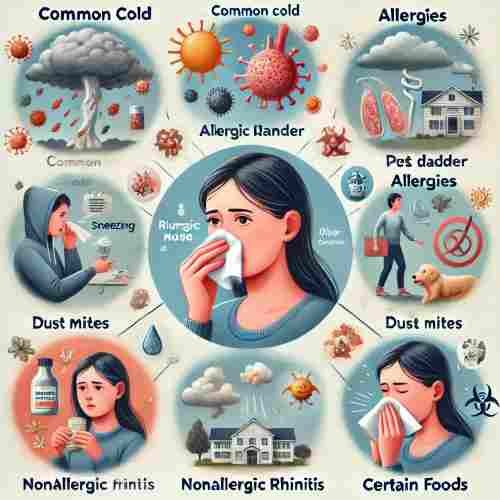
Causes-of-Runny-Nose-and-Sneezing

  • Common Cold:
    • Viral Infection: The common cold is a viral infection that often causes sneezing and a runny nose with clear mucus. It easily spreads through close contact, affecting the nose, throat, and sinuses.
  • Allergies (Allergic Rhinitis):
    • Allergen Exposure: When exposed to allergens like pollen, pet dander, dust mites, or mold, your body reacts with sneezing, a runny nose, and itchy eyes.
  • Nonallergic Rhinitis:
    • Environmental Triggers: Unlike allergies, nonallergic rhinitis is caused by factors like pollution, smoke, or strong smells. It leads to nasal congestion and frequent sneezing.
  • Other Causes:
    • Hormonal Changes: Pregnancy, menstrual cycles, or using birth control can sometimes cause sneezing.
    • Weather Changes: Shifts in humidity or temperature can worsen nasal symptoms.
    • Certain Foods: Eating spicy foods or drinking alcohol may trigger sneezing in some people.

Recommended Reading: Best Allergy Medicine For Cats: Types, Uses, & Side Effects

Best Treatment For Runny Nose And Sneezing

Best Treatment For Runny Nose And Sneezing

The best treatments for neezing include antihistamines, decongestants, and saline nasal sprays. Home remedies like steam inhalation and staying hydrated also help.
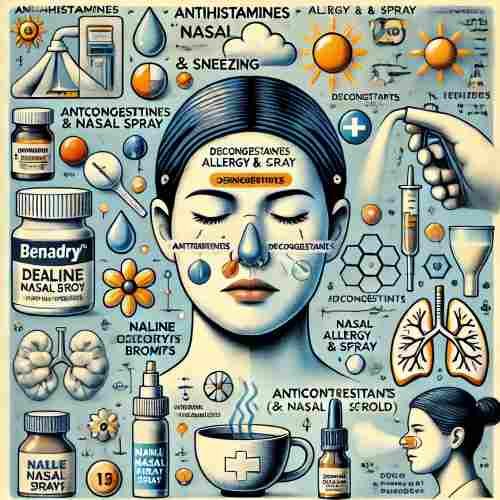
Best-Treatment-For-Runny-Nose-And-Sneezing

  • Antihistamines
    • How They Work: Block histamine, a chemical released during allergic reactions, reducing sneezing and runny nose.
    • Forms: Available as pills, liquids, eye drops, nasal sprays, and inhalers.
    • Examples: Actifed Cold, Benadryl Allergy & Cold.
  • Decongestants
    • How They Work: Relieve congestion in the nose and sinuses, making it easier to breathe.
    • Forms: Available as pills, liquids, or nasal sprays.
    • Caution: Should not be used for more than a few days to avoid rebound congestion.
  • Saline Nasal Drops
    • How They Work: Moisturize nasal passages and clear out mucus naturally.
    • Use: Safe for all ages, including babies.
  • Nasal Corticosteroids
    • How They Work: Reduce inflammation in the nasal passages, helping with chronic symptoms.
    • Examples: Fluticasone and mometasone.
  • Nasal Irrigation (Neti Pot)
    • How It Works: Flushes out allergens and irritants from the nose with a saline solution.
    • How It Helps: Drinking plenty of fluids thins mucus, making it easier to clear.
  • Allergen Immunotherapy
    • How It Works: Helps your body build tolerance to allergens over time.
  • Humidifier
    • How It Helps: Adding moisture to the air prevents nasal passages from drying out.
  • Steam Inhalation
    • How It Works: Helps loosen mucus and clear nasal congestion.
  • Antileukotriene
    • How They Work: Block leukotrienes, chemicals that cause inflammation in the nose.
  • Nasal Decongestant Sprays
    • How They Work: Shrink swollen blood vessels in the nasal passages, providing immediate relief.
  • Cough Suppressants
    • How They Work: Help reduce cough caused by postnasal drip.
  • Warm Compress
    • How It Helps: Applying a warm, moist washcloth to your face can relieve discomfort from sinus pressure.
  • Ipratropium Bromide
    • How It Works: Reduces nasal secretion and helps treat runny nose, especially in non-allergic rhinitis.
  • Immunotherapy
    • How It Works: Involves allergy shots or tablets to build resistance against specific allergens.
  • Home Remedies
    • Rest: Allowing your body to heal by getting plenty of sleep.
    • Steam: Inhaling steam from a shower or using a humidifier can relieve symptoms.
    • Warm Fluids: Drinking warm liquids helps soothe the throat and thin mucus.
    • Saline Spray: Helps clear nasal passages and moisturizes the inside of the nose.

How Antihistamines Stop Runny Nose and Sneezing?

How Antihistamines Stop Runny Nose and Sneezing?

Antihistamines block the effects of histamine, a chemical that triggers allergy symptoms like sneezing. This helps reduce nasal congestion and irritation.

How-Antihistamines-Stop-Runny-Nose-and-Sneezing

What Are Antihistamines?

Antihistamines are medications used to treat allergy symptoms. They work by blocking histamine, a chemical released by the body during an allergic reaction. Histamine is responsible for causing symptoms like a runny nose, sneezing, and itching.

How They Work

Antihistamines reduce the effects of histamine in your body. By blocking histamine receptors, these medications prevent the body from reacting to allergens like pollen, dust, or pet dander, which helps stop sneezing and nasal discharge.

Types of Antihistamines

There are two main types:

  • First-generation antihistamines (e.g., diphenhydramine) may cause drowsiness.
  • Second-generation antihistamines (e.g., loratadine, cetirizine) are less likely to make you feel sleepy and are often preferred for long-term use.

When to Use

Antihistamines are effective for treating allergies and can be taken before exposure to allergens or at the onset of symptoms to reduce sneezing.

Recommended Reading: Anti Allergy Medicine For Skin Itching (Uses & Side Effects)

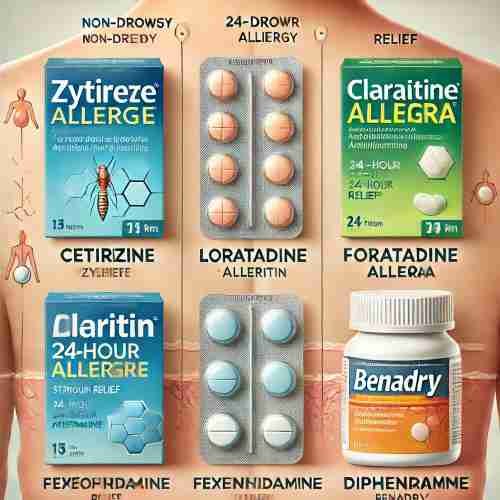
7 Best Anti Allergy Tablets in Pakistan for Quick Relief

Medicine (Generic Name)Brand ExamplesBest ForKey BenefitsCommon Side Effects / Notes
CetirizineZyrtecAllergies: sneezing, runny noseFast-acting, 24-hour relief, effective for persistent symptomsMild drowsiness in some people
LoratadineClaritinAllergies: sneezing, runny noseNon-drowsy, long-lastingVery few side effects, good for daytime use
FexofenadineAllegraAllergies: sneezing, runny noseNon-drowsy, strong for seasonal allergiesGenerally well-tolerated
Fluticasone (nasal spray)FlonaseAllergies: sneezing, runny nose, congestionReduces inflammation long-termBest with regular use; may take days to fully work
DiphenhydramineBenadrylRunny nose, sneezing (cold/allergy)Fast relief, dries mucus quicklyCauses drowsiness; better at night
PseudoephedrineSudafedCongestion + runny noseStrong decongestantCan raise blood pressure; sold behind counter
Triamcinolone (nasal spray)NasacortAllergies: sneezing, runny noseSteroid spray, reduces nasal inflammationSimilar to Flonase; non-drowsy
LevocetirizineXyzalAllergies: sneezing, runny nosePotent, 24-hour non-drowsy optionSimilar to cetirizine
Oxymetazoline (nasal spray)Afrin, Vicks SinexQuick relief for runny/congested noseFast-acting (minutes)Limit to 3 days to avoid rebound congestion
Combination (e.g., Loratadine + Pseudoephedrine)Claritin-DAllergies + congestion/runny noseDual action (antihistamine + decongestant)Non-drowsy; good for mixed symptoms

Top 10 Best Antihistamines For Runny Nose

Antihistamine NameTypeCommon UsesDrowsiness
LoratadineSecond-generationAllergies (hay fever, hives)Low
CetirizineSecond-generationAllergies, chronic hivesLow to Moderate
FexofenadineSecond-generationSeasonal allergies, hivesLow
DiphenhydramineFirst-generationAllergies, insomnia, motion sicknessHigh
ChlorpheniramineFirst-generationAllergy reliefHigh
LevocetirizineSecond-generationChronic allergies, hivesLow to Moderate
DesloratadineSecond-generationAllergies (hay fever, hives)Low
Azelastine (Nasal Spray)Nasal antihistamineAllergic rhinitis, nasal congestionLow
MeclizineFirst-generationMotion sickness, vertigoModerate
HydroxyzineFirst-generationAllergies, anxiety, nauseaHigh
Table: Best-Antihistamines

Top 10 Best Tablets For Runny Nose

Best Tablets For Sneezing

Tablets like antihistamines and decongestants, such as Cetirizine and Pseudoephedrine, help relieve runny nose and congestion. They reduce symptoms by controlling allergic reactions and clearing nasal passages
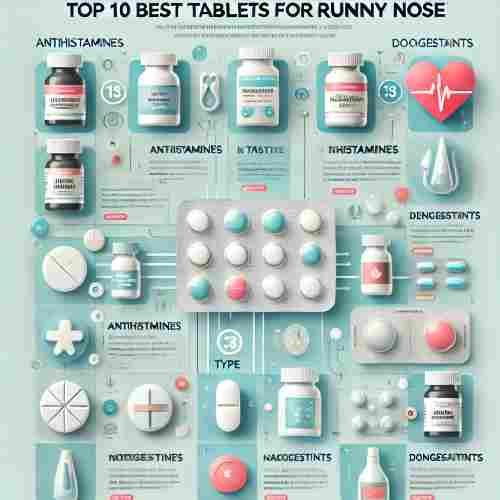
Top-10-Best-Tablets-For-Runny-Nose

Tablet NameTypeUsageDrowsiness
LoratadineAntihistamineRelieves allergy symptoms like sneezingLow
CetirizineAntihistamineHelps with seasonal allergies, itching, and sneezingModerate
FexofenadineAntihistamineTreats hay fever and other allergy symptomsNon-drowsy
DesloratadineAntihistamineReduces nasal congestion and sneezingLow
LevocetirizineAntihistamineProvides relief from allergic rhinitis symptomsModerate
Chlorpheniramine MaleateAntihistamineReduces sneezing and runny nose from allergiesHigh
PseudoephedrineDecongestantTreats nasal congestion due to colds/allergiesNon-drowsy
PhenylephrineDecongestantReduces nasal congestion, clears stuffy noseNon-drowsy
Loratadine + PseudoephedrineCombination TabletRelieves sneezing, runny nose, and congestionLow
Cetirizine + PseudoephedrineCombination TabletDual action for sneezing and nasal blockageModerate
Table: Tablets-for-Runny-Nose-and-Sneezing

Recommended Reading: Best Allergy Medicine For Kids

Top 10 Best Syrups For Runny Nose

Best Syrups For Runny Nose

Syrups like Benadryl and Zyrtec can help reduce sneezing by relieving allergy symptoms and congestion. They soothe nasal irritation and ease mucus buildup.
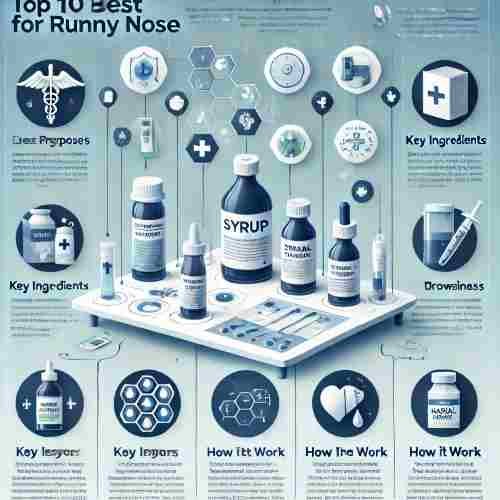
Best-Syrups-For-Runny-Nose

Syrup NamePurposeKey IngredientHow it WorksDrowsiness
Benadryl SyrupAllergy and cold reliefDiphenhydramineReduces sneezing, and itchingMay cause drowsiness
Allercet SyrupAllergy symptom reliefCetirizineReduces sneezing, nasal discharge, and irritationLow risk
Tixylix SyrupCold and allergy reliefAntihistamineReduces nasal congestion and sneezingMild drowsiness
Actifed SyrupCold and nasal congestion reliefTriprolidine, PseudoephedrineClears blocked nose and reduces sneezingModerate drowsiness
Piriton SyrupAllergy reliefChlorpheniramineReduces sneezing, and itchingCan cause drowsiness
Zyrtec SyrupAllergy symptom reliefCetirizineReduces sneezing, runny nose, and itchingNon-drowsy
Cofcol SyrupCold and nasal congestion reliefPhenylephrineClears blocked nose, reduces sneezingNon-drowsy
Claritin SyrupAllergy symptom reliefLoratadineReduces sneezing, and irritationNon-drowsy
Polaramine SyrupAllergy reliefDexchlorpheniramineTreats runny nose and sneezingHigh chance of drowsiness
Dimetapp SyrupCold and allergy reliefBrompheniramine, PhenylephrineCombines decongestant and antihistamineMay cause drowsiness
Table: Syrups-for-Sneezing-and-Runny-Nose

Top 10 Best Creams For Runny Nose

Best Creams For Runny Nose

Creams like Vaseline or Aquaphor can help soothe irritation around the nose caused by frequent wiping due to a runny nose. They provide moisture and protect the skin from dryness.

Best-Creams-For-Runny-Nose

Cream NamePurposeKey IngredientHow it WorksApplication
Vicks VapoRubRelief for congestion and coldMenthol, Camphor, EucalyptusHelps open nasal passages and soothe irritationApply on chest and neck
Tiger BalmCold and nasal congestion reliefMenthol, CamphorProvides a cooling sensation and clears nasal blockageRub on chest or nose
Mentholatum OintmentNasal congestion reliefMenthol, PetrolatumSoothes irritated nasal area and reduces congestionApply on nostrils
Nasalguard Allergy BlockPrevents allergy-related sneezingGel base with active blockersBlocks allergens from entering nasal passagesApply around nostrils
Zarbee’s Soothing Chest RubEases cold and nasal irritationEucalyptus, Lavender, BeeswaxHelps open airways and relieve nasal discomfortRub on chest
Himalaya Cold BalmNatural cold reliefEucalyptus, Camphor, MintHelps reduce nasal congestion and relieve irritationRub on chest and throat
Amrutanjan Cold BalmCongestion and cold symptom reliefMenthol, Camphor, EucalyptusClears stuffy nose and soothes chest congestionRub on nose or chest
Olbas Inhaler BalmCongestion and cold reliefEssential oils (Peppermint, Eucalyptus)Opens up nasal passages for easier breathingApply under nostrils
Karvol Plus BalmRelieves cold symptomsEssential oils blendClears nasal blockages and eases breathing discomfortRub on chest and neck
Deep Heat RubRelieves cold-induced nasal issuesMenthol, EucalyptusEases muscle stiffness and nasal congestion during coldsApply on chest or nose
Table: Best-Creams-For-Runny-Nose-And-Sneezing

Recommended Reading: Allergy Medicine Dogs: Best Allergy Medicine For Dogs Licking Paws

Best Home Remedies For Runny Nose

Home RemedyHow It HelpsHow to Use
Steam InhalationClears nasal passages and reduces congestionInhale steam from hot water with a towel over your head
Saline Nasal SprayMoisturizes nasal passages and clears mucusSpray saline solution into each nostril several times a day
Honey and Warm WaterSoothes throat irritation and reduces sneezingMix 1-2 teaspoons of honey in warm water and drink
Ginger TeaHas anti-inflammatory properties and eases symptomsBoil fresh ginger in water and drink it as tea
Peppermint OilOpens up nasal passages and relieves congestionInhale peppermint oil by adding a few drops to a diffuser
Turmeric MilkBoosts immunity and soothes irritationMix turmeric powder in warm milk and drink before bed
Stay HydratedHelps thin mucus and reduces congestionDrink plenty of water, herbal teas, or clear broths
Vitamin CStrengthens immune system and reduces cold symptomsEat fruits rich in vitamin C like oranges and kiwis
GarlicActs as a natural antiviral and decongestantChew raw garlic or add it to soups and broths
Eucalyptus OilClears blocked nasal passages and soothes breathingAdd a few drops of eucalyptus oil to a steam inhaler or warm water
Table: Best-Home-Remedies

Top 10 Nasal Sprays For Runny Nose

Top 10 Nasal Sprays For Runny Nose

Nasal sprays, such as saline or decongestant sprays, help clear nasal congestion and reduce runny nose symptoms. They work by moisturizing or shrinking swollen nasal passages.
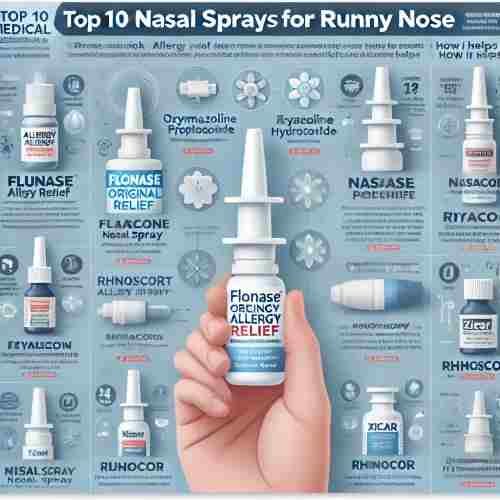
Nasal-Sprays-For-Runny-Nose

Nasal SprayHow It HelpsKey Ingredient
Flonase Allergy ReliefReduces sneezing, runny nose, and congestionFluticasone Propionate
Nasacort Allergy 24HRRelieves allergy symptoms like sneezing and runny noseTriamcinolone Acetonide
Afrin Original Nasal SprayProvides quick relief from nasal congestionOxymetazoline Hydrochloride
Zicam Allergy ReliefEases sneezing and clears nasal passagesOxymetazoline Hydrochloride
Rhinocort Allergy SprayTreats nasal allergy symptoms like sneezingBudesonide
Xlear Nasal SpraySoothes nasal irritation and clears mucusXylitol and Saline
Fluticare Nasal SprayHelps with runny nose and sneezingFluticasone Propionate
Nasonex 24HR AllergyLong-lasting relief from sneezing and congestionMometasone Furoate
Little Remedies Saline SprayClears stuffy nose and moisturizes nasal passagesSaline Solution
Simply Saline Nasal MistFlushes out irritants and soothes nasal congestionSterile Saline
Table: Top-10-Nasal-Sprays

Top 10 Best Decongestants For Runny Nose

DecongestantHow It HelpsKey Ingredient
Sudafed PEReduces nasal congestion and runny nosePhenylephrine
Afrin Nasal SprayProvides quick relief from congestion and runny noseOxymetazoline
Mucinex Sinus-MaxClears nasal congestion and reduces mucus buildupGuaifenesin + Phenylephrine
Vicks Sinex SevereEases nasal congestion and sinus pressureOxymetazoline
Claritin-DRelieves allergy symptoms and clears a stuffy noseLoratadine + Pseudoephedrine
Allegra-DReduces sneezing, runny nose, and congestionFexofenadine + Pseudoephedrine
Zyrtec-DProvides relief from allergy symptoms and nasal congestionCetirizine + Pseudoephedrine
Tylenol Sinus + HeadacheEases sinus congestion and pressureAcetaminophen + Phenylephrine
Robitussin Severe CongestionHelps with chest congestion and runny noseGuaifenesin + Phenylephrine
Breathe Right Nasal StripsOpens nasal passages and improves breathingNon-medicated adhesive strips
Table: Top-10-Decongestants

Recommended Reading: Best Allergy Medicine For Dogs Licking Paws

Top 10 Best Saline For Runny Nose

Best Saline For Runny Nose

Saline solutions help clear a runny nose by gently flushing out mucus and allergens, providing relief. They are safe, non-medicated, and ideal for regular use.
Best-Saline-For-Runny-Nose

Saline Nasal SprayHow It HelpsMain Ingredient
Ayr Saline Nasal SprayMoisturizes dry nasal passages and clears mucusSodium Chloride
Simply Saline Nasal MistClears nasal congestion and soothes irritation100% Pure Salt & Water
Ocean Saline Nasal SprayHelps with dry nose and congestion reliefSodium Chloride Solution
Arm & Hammer Simply SalineGently clears mucus and hydrates nasal passagesSterile Saline
Little Remedies SalineSafe for babies to relieve stuffy noseSterile Saline Solution
NeilMed NasaMistProvides instant relief from congestion and drynessBuffered Saline
Xlear Nasal SprayContains xylitol to soothe and protect nasal passagesXylitol & Saline
Vicks Sinex SalineHelps loosen mucus and relieve drynessSaline Solution
NasalCrom Nasal SprayPrevents allergic reactions causing sneezingSodium Chloride
SinuCleanse Saline SprayHydrates nasal passages and flushes out irritantsSaline Solution
Table: Top-10-Best-Saline-For-Runny-Nose

Symptoms of Runny Nose and Sneezing

Key Symptoms

  • Nasal Discharge: You may notice clear or colored mucus coming from your nose.
  • Itchy Nose and Watery Eyes: Often happens with allergies, making you feel uncomfortable.
  • Postnasal Drip: Mucus can drip down your throat, causing irritation.
  • Sneezing: A natural reflex to help clear out irritants from your nose.

Other Symptoms

  • Facial Pain: Especially if you have sinusitis, you might feel pain around your face.
  • Sore Throat or Cough: Caused by the mucus from postnasal drip.
  • Loss of Taste or Smell: You might notice that your sense of taste or smell is not as sharp.

Side Effects of Runny Nose and Sneezing

  • Colds:
    • Common Symptoms: Colds often cause nasal congestion, sneezing, and a sore throat. The infection can also spread to the throat or chest, making breathing uncomfortable.
  • Allergies:
    • Allergic Reactions: Allergies usually result in sneezing, a runny or blocked nose, and itchy eyes. Some people experience these symptoms during certain seasons, while others may have them all year round.
  • Sinus Infections:
    • Sinus Inflammation: When the sinus tissues become inflamed, it can lead to a runny or stuffy nose and cause facial pain or pressure.
  • Other Complications:
    • Postnasal Drip: Excess mucus can drip down the throat, causing soreness and a persistent cough.
    • Ear Pain: Mucus buildup may lead to ear discomfort or even ear infections in some cases.

Recommended Reading: Best Allergy Medicine For Cats: Types, Uses, & Side Effects

FAQs

What causes a runny nose and sneezing?

A runny nose and sneezing are usually caused by colds, allergies, or sinus infections. Your body produces extra mucus to trap irritants like viruses, allergens, or bacteria, which leads to these symptoms.

How can antihistamines help with runny nose and sneezing?

Antihistamines work by blocking the effects of histamine, a chemical in your body that triggers allergy symptoms like sneezing and a runny nose. They are especially helpful for people who suffer from allergies.

Are decongestants safe for treating runny nose?

Decongestants can provide quick relief from a stuffy nose, but they should not be used for more than a few days. Overuse of nasal decongestant sprays can lead to rebound congestion, which can worsen the symptoms.

Can home remedies really help with a runny nose and sneezing?

Yes, home remedies like staying hydrated, inhaling steam, using a saline nasal spray, and resting can help manage mild symptoms.

What is the best over-the-counter treatment for runny nose and sneezing?

Antihistamines and decongestants are the most commonly used over-the-counter treatments. Examples include Benadryl, Zyrtec, and Sudafed for quick relief from symptoms.

Can a humidifier help with a runny nose?

Yes, using a humidifier adds moisture to the air, which can help keep your nasal passages from drying out and relieve congestion.

How does a saline nasal spray help with sneezing and a runny nose?

Saline nasal sprays help rinse the nasal passages, remove irritants, and moisturize the nasal tissues, providing relief from a runny nose and sneezing.

Are there long-term treatments for allergies causing runny nose and sneezing?

Yes, allergen immunotherapy, such as allergy shots or tablets, can help your body become less sensitive to allergens over time.

Conclusion

Recommended Reading: Allergy Medicine Dogs: Best Allergy Medicine For Dogs Licking Paws

Summary

A runny nose and sneezing are common signs of colds, allergies, or sinus infections. These symptoms can often be managed with over-the-counter treatments such as antihistamines or decongestants. Simple home remedies like staying hydrated, using steam, and saline nasal sprays can also help ease discomfort.

Final Recommendation

If symptoms last for a long time or become severe, it’s important to see a healthcare professional to check for any underlying issues and get the right treatment.

Disclaimer
Commissions we earn from partner links on this page do not influence our content. Our editorial content is based on thorough research and insights from qualified medical professionals to ensure the highest standards of accuracy and reliability.

Information provided on Doseway is for educational purposes only. Your health and wellness are unique to you, and the products and services we review may not be suitable for your individual circumstances. We do not offer personal medical advice, diagnosis, or treatment plans. For specific advice, please consult with a healthcare professional. Doseway adheres to strict editorial integrity standards. To the best of our knowledge, all content is accurate as of the date posted, though offers and information may change. The opinions expressed are the author’s own and have not been influenced, approved, or endorsed by our partners.
Allergy-Medicine-For-Kids-Types-Uses-&-Side-Effects

Allergy Medicine For Kids: Types, Uses, & Side Effects

Allergies are common in children, ranging from mild to severe. Various allergy medications are available to help alleviate symptoms in kids, such as sneezing, itching, and nasal congestion.

Understanding the types of allergy medicines for children, their uses, and potential side effects is important for parents to manage allergies effectively. Allergy medications for children include antihistamines, nasal sprays, and eye drops.

Recommended Reading: Best Allergy Medicine For Dogs Licking Paws

Allergy Medicine For Kids {Treatment, Types, Uses, & Side Effects}

Allergy-Medicine-For-Kids

Recommended Reading: Best Allergy Medicine For Cats: Types, Uses, & Side Effects

What is an Allergy in Children?

Allergies in children happen when their immune system reacts to things like pollen, dust, pets, or certain foods. This reaction can cause symptoms such as sneezing, a runny nose, itching, and watery eyes.

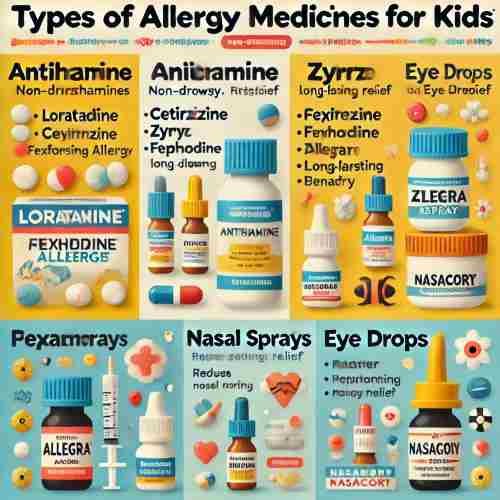
Types of Allergy Medicines for Kids

Types of Allergy Medicines for Kids

There are various types of allergic medicines for kids, including antihistamines, nasal sprays, eye drops, decongestants, and allergy shots. These help relieve symptoms like sneezing, congestion, and itching.

Types-of-Allergy-Medicines-for-Kids

Allergy medicines for children are made to reduce or stop allergy symptoms. These medicines fall into three main groups: antihistamines, nasal sprays, and eye drops. Here’s how each type works:

Antihistamines

Antihistamines block the effects of histamine, a chemical your body releases during an allergic reaction. Histamine causes most allergy symptoms, so blocking it can provide relief. Below are some common antihistamines for kids:

  • Loratadine (Claritin):
    • Benefits: Non-drowsy and taken once a day.
    • What It Treats: Helps with sneezing, itching, and a runny nose.
  • Cetirizine (Zyrtec):
    • Benefits: Non-drowsy and can be taken once or twice a day.
    • What It Treats: Fast-acting relief for common allergy symptoms.
  • Fexofenadine (Allegra):
    • Benefits: Non-drowsy and offers long-lasting relief.
    • What It Treats: Helps with sneezing and runny nose caused by outdoor and indoor allergies.
  • Diphenhydramine (Benadryl):
    • Benefits: Very effective but may cause drowsiness.
    • What It Treats: Provides quick relief from severe allergic reactions, like hives or itching.

Nasal Sprays

Nasal sprays are used to reduce nasal inflammation, congestion, and other symptoms caused by allergies affecting the nose. They work directly inside the nose to ease discomfort.

  • Fluticasone (Flonase):
    • Benefits: A steroid spray that reduces swelling and nasal congestion.
    • What It Treats: Helps relieve stuffy noses and sneezing.
  • Triamcinolone (Nasacort):
    • Benefits: Steroid-based, it helps clear up nasal stuffiness and reduces swelling.
    • What It Treats: Effective for nasal allergy symptoms like stuffy or runny noses.

Eye Drops

Eye drops are designed to relieve itching, redness, and watery eyes caused by allergies. They work by directly targeting the eyes to stop allergic reactions.

  • Ketotifen (Zaditor, Alaway):
    • Benefits: Antihistamine eye drops that give relief from itchy and watery eyes.
    • What It Treats: Reduces eye discomfort from allergies such as pollen or pet dander.

How to Choose the Right Allergic Medicine for Your Child

  • Non-Drowsy Options: If your child needs relief during the day, non-drowsy options like loratadine, cetirizine, or fexofenadine are ideal.
  • For Severe Symptoms: If your child has severe allergic reactions or needs quick relief, diphenhydramine might help, but it may cause drowsiness.
  • Nasal Symptoms: For nasal congestion, sprays like fluticasone or triamcinolone can help.
  • Eye Symptoms: If your child has itchy or watery eyes, eye drops like ketotifen are a good option.

Child Allergy Treatment Options

Child Allergy Treatment Options

Child allergic treatment options include antihistamines, nasal sprays, eye drops, decongestants, and natural remedies to manage symptoms like sneezing and itching. Immunotherapy may be recommended for long-term relief.

Child-Allergy-Treatment-Options

Recommended Reading: Anti-Allergic Medicine For Skin Itching (Uses & Side Effects)

Child Allergy Treatment Options

  • Antihistamines
  • Nasal Sprays
  • Allergy Tablet
  • Allergy Syrup
  • Allergy Creams
  • Allergy Lotion & Gels
  • Home Remedies
  • Natural Remedies
  • Eye Drops
  • Decongestants
  • Allergy Shots (Immunotherapy)
  • Saline Nasal Rinses

Antihistamines for Kids’ Allergy Relief

Allergies are common in kids, causing symptoms like sneezing, runny nose, and itching. Antihistamines help manage these allergy symptoms. Here’s a list of common antihistamines that are safe for children:

Loratadine (Claritin)

  • What It Does: Loratadine is a non-drowsy antihistamine that treats symptoms of hay fever, hives, and other allergic reactions.
  • How to Use: Usually taken once a day.
  • Key Benefit: It won’t make your child sleepy, so it’s great for daytime use.

Cetirizine (Zyrtec)

  • What It Does: Cetirizine is effective for both indoor and outdoor allergies, such as pollen or pet dander.
  • How to Use: Can be taken once daily.
  • Key Benefit: Works fast and provides 24-hour relief.

Desloratadine (Clarinex)

  • What It Does: Desloratadine helps with sneezing, watery eyes, and itching.
  • How to Use: Typically taken once a day.
  • Key Benefit: Non-drowsy formula, safe for long-term use.

Allegra (Fexofenadine)

  • What It Does: Fexofenadine is another non-drowsy antihistamine used to treat seasonal allergies.
  • How to Use: Taken once or twice a day depending on the dose.
  • Key Benefit: Fast-acting and doesn’t cause drowsiness.

Children’s Zyrtec

  • What It Does: This is a kid-friendly version of cetirizine, designed specifically for children.
  • How to Use: Available in liquid form, making it easy for kids to take.
  • Key Benefit: Provides quick relief for allergy symptoms.

Chlorphenamine (Chlor-Trimeton)

  • What It Does: Chlorphenamine is used to relieve allergy symptoms but may cause drowsiness.
  • How to Use: Can be taken multiple times a day.
  • Key Benefit: Effective for nighttime use when drowsiness is less of an issue.

Cyproheptadine

  • What It Does: Cyproheptadine treats allergies and helps manage itching and sneezing.
  • How to Use: Often taken multiple times a day.
  • Key Benefit: Sometimes used to stimulate appetite in children who need it.

Diphenhydramine (Benadryl)

  • What It Does: Diphenhydramine provides fast relief for severe allergy symptoms and can also be used for allergic reactions like hives.
  • How to Use: Can be taken every 4 to 6 hours.
  • Key Benefit: Very effective but causes drowsiness, so it’s better for nighttime relief.

Fexofenadine (Allegra)

  • What It Does: This is a non-drowsy option for treating allergy symptoms like runny nose, itchy eyes, and sneezing.
  • How to Use: Can be taken once a day.
  • Key Benefit: Long-lasting relief without causing sleepiness.

Levocetirizine (Xyzal)

  • What It Does: Levocetirizine provides relief from allergy symptoms like sneezing, runny nose, and itchy eyes.
  • How to Use: Taken once daily, preferably in the evening.
  • Key Benefit: Works throughout the night for uninterrupted sleep.

How to Choose the Right Antihistamine for Kids

  • Non-Drowsy Options: For daytime, choose non-drowsy options like loratadine, cetirizine, or fexofenadine.
  • Drowsy Options: If your child has trouble sleeping due to allergies, medications like diphenhydramine or chlorphenamine may help them rest.
  • Dosage: Always follow the recommended dosage based on your child’s age and weight, and consult with a doctor if unsure.

Recommended Reading: Best Allergic Medicine For Dogs Licking Paws

What’s the best allergy medicine for kids? | Top 10 Medicine

Medicine (Brand / Generic)TypePrimary UsesCommon Side EffectsTypical Age (OTC)Notes
Children’s Zyrtec (Cetirizine)Second-generation antihistamineRelieves sneezing, runny nose, itchy/watery eyes, hives; 24-hour reliefMild drowsiness (more than others in class), dry mouth, headache2+ years (some forms 6 months+)Often ranked #1; fast-acting (1 hour)
Children’s Claritin (Loratadine)Second-generation antihistamineSneezing, runny/itchy nose, watery eyes; non-drowsy 24-hour reliefRare: mild headache, fatigue, dry mouth2+ yearsVery low sedation; #1 pediatrician-recommended non-drowsy in many sources
Children’s Allegra (Fexofenadine)Second-generation antihistamineHay fever symptoms, itching, runny nose; fully non-drowsyHeadache, nausea (uncommon)6 months+ (some forms)Least sedating option; good for school/daytime use
Children’s Xyzal (Levocetirizine)Second-generation antihistamineSimilar to Zyrtec: sneezing, itching, runny nose; 24-hourMild drowsiness, fatigue6 months+ (some prescription for younger)Similar to cetirizine but often milder sedation
Children’s Benadryl (Diphenhydramine)First-generation antihistamineFast relief for acute symptoms, hives, itching; also helps sleepSignificant drowsiness, dry mouth, dizziness6+ years (avoid under 6 unless doctor-directed)Quick but sedating—not ideal for daily use
Children’s Flonase / Flonase Sensimist (Fluticasone)Nasal corticosteroid sprayNasal congestion, runny nose, sneezing, eye symptoms; best for stuffinessNosebleeds, nasal irritation, headache2–4+ years (varies by product)Not an antihistamine; often most effective for nasal symptoms
Rhinocort (Budesonide) nasal sprayNasal corticosteroidCongestion, sneezing, runny nose; long-term controlNasal irritation, nosebleeds6+ yearsStrong for nasal allergies; low systemic absorption
Nasacort (Triamcinolone) nasal sprayNasal corticosteroidSimilar to Flonase: nasal/eye allergy symptomsIrritation, unpleasant taste/smell2+ yearsOTC; good alternative nasal steroid
Desloratadine (Clarinex — often OTC/generic)Second-generation antihistamineItchy eyes/nose, sneezing; very low sedationHeadache, fatigue (rare)6 months+ (some forms)Metabolite of loratadine; similar but sometimes preferred
Children’s Nasalcrom (Cromolyn sodium)Mast cell stabilizer nasal sprayPrevents allergy symptoms; best used before exposureMild nasal stinging2+ yearsNon-steroid; preventive rather than fast relief

Child Allergy Nasal Sprays

Child Allergic Nasal Sprays

Child allergic nasal sprays help relieve symptoms like congestion and runny nose by reducing inflammation in the nasal passages. They are often used daily for effective allergy management.

Child-Allergic-Nasal-Sprays

Nasal sprays are a common treatment for kids dealing with allergy symptoms like a stuffy or runny nose.

Nasal Sprays NameDetailsUsageBenefits
Fluticasone (Flonase)A steroid nasal spray that reduces swelling and irritation in the nasal passages. Often recommended for children with allergic rhinitis (hay fever).Used once daily.Effectively controls allergy symptoms over time.
Triamcinolone (Nasacort)A steroid nasal spray that reduces nasal congestion, sneezing, and runny nose caused by allergens like pollen or dust mites.Safe for daily use.Provides long-lasting relief from allergy symptoms.
Saline Nasal SpraysMade from salt water, these sprays clear nasal passages without medication. Ideal for rinsing allergens and is suitable for younger children.Can be used every day.Gentle, everyday option with no significant side effects.
Table: Child-Allergy-Nasal-Sprays

Recommended Reading: Best Allergy Medicine For Cats: Types, Uses, & Side Effects

Allergy Tablets for Kids

Allergy Tablets NameDetailsUsageDrowsy/Non-Drowsy
Loratadine (Claritin)A non-drowsy tablet that provides relief from hay fever and other allergy symptoms.Taken once a day.Non-drowsy
Cetirizine (Zyrtec)Offers 24-hour relief from indoor and outdoor allergies. Suitable for daily use.Taken once a day.Non-drowsy
Desloratadine (Clarinex)A long-lasting antihistamine that helps with sneezing, runny nose, and itchy eyes.Taken once daily.Non-drowsy
Fexofenadine (Allegra)Non-drowsy option for relieving symptoms of seasonal allergies.Taken once or twice a day.Non-drowsy
Levocetirizine (Xyzal)Helps reduce allergic symptoms like runny nose, sneezing, and itchy skin.Taken once daily, usually in the evening.Non-drowsy
Chlorpheniramine (Chlor-Trimeton)An older antihistamine, often causing drowsiness. Used for short-term relief of allergy symptoms.Taken as needed for short-term relief.Drowsy
CyproheptadineEffective for allergic reactions and may stimulate appetite.Often taken at night.Drowsy
Diphenhydramine (Benadryl)Relieves allergy symptoms but can cause drowsiness. Commonly used for quick relief or at bedtime.Taken as needed, usually at bedtime.Drowsy
HydroxyzineAn antihistamine used to treat allergic skin reactions and hives.Used for short-term relief.Drowsy
Montelukast (Singulair)Not an antihistamine but used for long-term control of allergy and asthma symptoms.Taken once daily, usually in the evening.Non-drowsy
Table: Allergy-Tablets-for-Kids

Allergy Syrups for Kids

Anti-Allergic Syrups for Kids

Anti-allergic syrups for kids provide relief from symptoms like sneezing, itching, and runny nose.

Allergy-Syrups-for-Kids

Syrup NameDetailsAge SuitabilityDrowsy/Non-Drowsy
Loratadine Syrup (Claritin Syrup)Non-drowsy syrup for seasonal allergies like hay fever.Safe for children over 2 years.Non-drowsy
Cetirizine Syrup (Zyrtec Syrup)Provides 24-hour relief from indoor and outdoor allergies.Suitable for children 6 months and older.Non-drowsy
Fexofenadine Syrup (Allegra Syrup)Non-drowsy and effective against sneezing, runny nose, and itchy eyes.Suitable for children 2 years and above.Non-drowsy
Desloratadine Syrup (Clarinex Syrup)Long-lasting relief from sneezing, itchy eyes, and runny nose.Suitable for children over 6 months old.Non-drowsy
Levocetirizine Syrup (Xyzal Syrup)Provides 24-hour relief from allergy symptoms.Suitable for children over 6 months old.Non-drowsy
Chlorpheniramine SyrupOlder antihistamine that helps with sneezing, itching, and runny nose.Suitable for children (check dose).Drowsy
Diphenhydramine Syrup (Benadryl Syrup)Fast-acting relief for runny nose and itchy skin.Suitable for children (check dose).Drowsy
Cyproheptadine SyrupEffective for allergic reactions and can stimulate appetite.Suitable for children (check dose).Drowsy
Promethazine SyrupReduces allergy symptoms, including itchy skin and runny nose.Suitable for children (check dose).Drowsy
Montelukast Syrup (Singulair Syrup)Not an antihistamine, used for managing allergies and asthma in children.Suitable for children (check dose).Non-drowsy
Table: Allergy-Syrups-for-Kids

Recommended Reading: Anti-Allergic Medicine For Skin Itching (Uses & Side Effects)

Allergy Creams for Kids

Cream NameDetailsUsage
Hydrocortisone CreamA mild steroid cream that reduces redness, itching, and inflammation from allergic skin reactions.Suitable for short-term use in kids.
Calamine LotionProvides soothing relief for itchy skin, rashes, and hives.Used for allergies, insect bites, and chickenpox.
Cetaphil Restoraderm Eczema Calming CreamSpecifically formulated for eczema-prone skin, reduces irritation and itching.Gentle for sensitive skin in children.
Aquaphor Healing OintmentMultipurpose cream that soothes dry, cracked, and irritated skin.Ideal for allergic reactions causing dryness.
Aveeno Anti-Itch CreamContains natural oatmeal to relieve itching and irritation from allergic rashes.Safe for delicate skin in children.
Benadryl Itch Relief CreamContains diphenhydramine, an antihistamine, to relieve itching from skin allergies, rashes, or insect bites.Provides fast relief from discomfort.
Eucerin Eczema Relief CreamDesigned for eczema and skin allergies, reduces itching and flare-ups.Fragrance-free and gentle for sensitive skin.
Bepanthen Sensiderm CreamTreats allergic skin irritations like eczema and dermatitis, soothes itching, and supports skin healing.Suitable for allergic skin reactions.
Neosporin Eczema Essentials CreamRelieves itching and irritation associated with eczema and allergic reactions.Hydrates and restores skin’s barrier.
CeraVe Itch Relief Moisturizing CreamProvides immediate relief from itching, and restores the skin’s protective barrier.Suitable for dry, itchy skin in children.
Table: Allergy-Creams-for-Kids

Allergy Lotions for Kids

Anti-Allergic Lotions for Kids

Anti-allergic lotions for kids help soothe skin irritations caused by allergies. They provide relief from itching, redness, and inflammation.

Anti-Allergic-Lotions-for-Kids

Lotion NameDetailsUsage
Aveeno Baby Eczema Therapy Moisturizing LotionFormulated with colloidal oatmeal to soothe and protect dry, itchy skin caused by eczema and allergic reactions.Gentle enough for daily use on sensitive skin.
Cetaphil Baby Eczema Soothing LotionContains filaggrin and natural ingredients to calm irritated skin and reduce allergic flare-ups.Moisturizes and soothes for long-lasting comfort.
CeraVe Baby Moisturizing LotionHelps restore the skin’s natural barrier with essential ceramides.Fragrance-free, suitable for sensitive skin.
Eucerin Baby Eczema Relief Body LotionProvides relief for itchy, irritated skin associated with eczema and allergies.Contains natural oatmeal to soothe and protect.
Mustela Stelatopia Emollient CreamFormulated for eczema-prone skin, relieves dryness and itching caused by allergic reactions.Uses sunflower oil distillate to calm irritation.
Aquaphor Baby Healing LotionTreats dry, cracked, or irritated skin caused by allergic reactions.Lightweight and quickly absorbed moisture.
California Baby Therapeutic Relief Eczema CreamMade with plant-based ingredients, and free from harsh chemicals, ideal for kids with skin allergies.Calm itching, redness, and irritation.
Vanicream Moisturizing LotionFree from fragrances, dyes, and harsh ingredients, suitable for children with sensitive or allergy-prone skin.Restores moisture, protects the skin’s barrier.
Burt’s Bees Baby Nourishing LotionNatural ingredients like shea butter and aloe provide gentle hydration for dry or irritated skin due to allergies.Hypoallergenic and safe for daily use.
Eczema Honey Gentle Face and Body LotionMade with honey and colloidal oatmeal to soothe irritation and moisturize allergy-prone skin.Steroid-free and safe for sensitive skin.
Table: Allergy-Lotions-for-Kids

Home Remedies for Kids’ Allergies

RemedyDetailsUsage
HoneyNatural cough suppressant that soothes irritated throats and helps build resistance to pollen allergies.Give a teaspoon of raw local honey daily (for kids over one year old).
Saline Nasal SprayRinses nasal passages to remove allergens like pollen and dust, reducing congestion and sneezing.Use a homemade or store-bought saline solution to rinse nasal passages.
Steam InhalationHelps open nasal passages and ease congestion by inhaling steam.Supervise your child inhaling steam from boiled water for a few minutes.
Oatmeal BathsSoothes itchy, irritated skin caused by allergic reactions.Add colloidal oatmeal to your child’s bath to calm rashes and skin allergies.
TurmericAnti-inflammatory that boosts the immune system and reduces allergy symptoms.Mix a small amount of turmeric in warm milk or food.
Aloe Vera GelCooling and anti-inflammatory properties relieve itching, swelling, and redness from allergic reactions.Apply aloe vera gel to affected areas of the skin.
Cold CompressReduces swelling, itching, and redness caused by skin allergies.Place a cold, damp cloth on irritated skin for 10-15 minutes.
Apple Cider VinegarHelps cleanse the body and reduce mucus production to alleviate allergy symptoms.Mix 1 teaspoon in a glass of water for daily intake (if the child tolerates the taste).
Peppermint TeaNatural decongestant that eases breathing and relieves a stuffy nose.Give your child a warm cup of peppermint tea to soothe symptoms.
ProbioticsBalances gut bacteria and supports the immune system to reduce allergic reactions.Include yogurt, kefir, or probiotic supplements in your child’s diet.
Table: Home-Remedies-for-Kids’-Allergies

Natural Remedies for Kids’ Allergies

RemedyDetailsUsage
HoneyNatural remedy that can soothe allergy symptoms, especially pollen-related.Give a small amount of local honey daily (not for children under 1 year).
Saline RinseFlushes out allergens like dust and pollen from nasal passages, easing congestion.Use a store-bought saline spray or make a homemade saline solution.
Steam TherapyHelps relieve nasal congestion and ease breathing.Have the child inhale steam from a bowl of hot water or during a steamy shower.
Oatmeal BathSoothes itchy, irritated skin caused by allergies.Add colloidal oatmeal to a warm bath and let the child soak for 15–20 minutes.
TurmericNatural anti-inflammatory that reduces allergy symptoms and strengthens the immune system.Add a pinch of turmeric to warm milk or meals.
Aloe VeraSoothes skin irritations, rashes, or hives caused by allergic reactions.Apply pure aloe vera gel directly to the affected skin for relief.
Cold CompressReduces swelling, itching, and discomfort from allergic skin reactions.Apply a cool, damp cloth to the affected area for 10–15 minutes.
Peppermint TeaActs as a natural decongestant, helping to clear up stuffy noses and ease breathing.Give your child a warm cup of peppermint tea to reduce congestion.
Apple Cider VinegarHelps break down mucus and reduce allergy symptoms.Mix 1 tsp of apple cider vinegar in water and give it to your child.
ProbioticsStrengthens the immune system and helps reduce allergic reactions.Include yogurt, kefir, or probiotic supplements in your child’s diet.
Table: Natural-Remedies-for-Kids’-Allergies

Eye Drops for Kids’ Allergies

Eye Drop NameHow It WorksKey BenefitCommon Use
Ketotifen (Zaditor)Antihistamine and mast cell stabilizerReduces itching and eye irritationSeasonal allergic conjunctivitis
Olopatadine (Patanol)Antihistamine and anti-inflammatoryProvides long-lasting relief from itchingTreats itching, redness, and swelling
Azelastine (Optivar)AntihistamineFast relief from eye allergy symptomsTreats itchy and watery eyes
Naphazoline (Naphcon-A)Vasoconstrictor and antihistamineReduces redness and discomfortEye irritation due to pollen or dust
Alcaftadine (Lastacaft)AntihistamineProvides relief for up to 16 hoursTreats allergic eye symptoms
Bepotastine (Bepreve)AntihistamineReduces eye itchingSuitable for children with eye allergies
Cromolyn SodiumMast cell stabilizerPrevents release of histamine in the eyeLong-term relief for allergy symptoms
Fluorometholone (FML)CorticosteroidReduces inflammation and irritationTreats severe allergic eye symptoms
Loteprednol (Alrex)CorticosteroidTargets eye inflammationShort-term relief of allergy symptoms
Emedastine (Emadine)AntihistamineProvides fast-acting reliefTreats mild to moderate eye allergies
Table: Eye-Drops-for-Kids’-Allergies

Decongestants for Kids’ Allergies

Decongestant NameFormHow It WorksCommon UseDuration of Effect
Pseudoephedrine (Sudafed)Liquid, TabletsReduces swelling in nasal passagesRelieves nasal congestion from allergies4 to 6 hours
Oxymetazoline (Afrin)Nasal SprayShrinks blood vessels in the nose to relieve congestionProvides short-term relief from nasal stuffinessUp to 12 hours
Phenylephrine (Children’s Sudafed PE)Liquid, TabletsConstricts blood vessels in the nasal passagesTreats congestion caused by colds or allergies4 to 6 hours
XylometazolineNasal SprayReduces nasal congestion by shrinking blood vesselsTreats blocked noses caused by allergiesUp to 10 hours
Naphazoline (Privine)Nasal SprayConstricts blood vessels to relieve congestionTreats stuffy noses caused by allergies4 to 6 hours
EphedrineNasal Spray, DropsHelps clear nasal passages by reducing swellingTemporary relief from nasal congestion3 to 4 hours
Tetrahydrozoline (Tyzine)Nasal SprayReduces swelling in nasal passagesRelieves nasal congestionUp to 8 hours
PhenylpropanolamineTablets, LiquidRelieves nasal congestion by narrowing blood vesselsUsed for colds and allergy-related stuffiness4 to 6 hours
LevonordefrinNasal SpraySimilar to epinephrine, it reduces nasal swellingUsed in some allergy nasal spraysShort-acting, typically up to 6 hours
Desloratadine-Pseudoephedrine (Clarinex-D)TabletsCombines antihistamine with a decongestant to relieve multiple allergy symptomsTreats nasal congestion and other allergy symptomsUp to 24 hours
Table: Decongestants-for-Kids’-Allergies

Allergy Shots (Immunotherapy) for Kids

Anti-allergic Shots

Anti-allergic shots (immunotherapy) for kids gradually reduce sensitivity to allergens over time. They help provide long-term relief from allergic symptoms.

Anti-allergic-Shots

Allergy Shot TypeAllergen TypeHow It WorksCommon UsesDuration of Treatment
Grass Pollen Allergy ShotsGrass Pollen AllergensGradual exposure to grass pollen to build toleranceUsed for seasonal allergies like hay fever3 to 5 years (depending on severity)
Dust Mite Allergy ShotsHouse Dust Mite AllergensIntroduces small amounts of dust mite allergensUsed to treat dust mite allergies and asthma3 to 5 years (maintenance phase)
Pet Allergy ShotsPet Dander (Cats, Dogs)Helps reduce sensitivity to pet allergensEffective for children allergic to pets3 to 5 years for optimal results
Mold Allergy ShotsMold Spores AllergensGradual desensitization to mold allergensUsed to treat mold-related respiratory issuesSeveral years, depending on allergen exposure
Ragweed Allergy ShotsRagweed Pollen AllergensReduces sensitivity to ragweed pollenEffective for seasonal ragweed allergies3 to 5 years, or until symptom control
Tree Pollen Allergy ShotsTree Pollen AllergensBuilds tolerance to tree pollen allergensTreats tree pollen-related hay fever3 to 5 years (maintenance required)
Insect Sting Allergy ShotsBee, Wasp, Hornet VenomsDesensitizes the immune response to insect stingsUsed for children with insect sting allergiesSeveral years for full effectiveness
Cat Allergy ShotsCat Dander AllergensReduces allergic reactions to cat danderFor kids allergic to cats3 to 5 years (depending on response)
Dog Allergy ShotsDog Dander AllergensHelps reduce sensitivity to dog allergensFor kids allergic to dogs3 to 5 years (with regular maintenance)
Multiple Allergy ShotsMultiple Allergens CombinedTreats several allergens at once (e.g., pollen, dust)Effective for children with multiple allergies3 to 5 years (combined immunotherapy)
Table: Allergy-Shots-(Immunotherapy)-for-Kids

Saline Nasal Rinses for Kids

Saline nasal rinses are a natural and gentle way to clear nasal congestion and remove allergens from the nose. They use a simple saltwater solution to rinse out the nasal passages, providing relief from allergy symptoms like sneezing, congestion, and a runny nose.

Common Saline Nasal Rinses for Kids

Product NameType of SolutionHow It WorksRecommended ForFrequency of Use
NeilMed Sinus Rinse for KidsSterile saline solutionFlushes out allergens and mucus from the nasal passagesChildren with seasonal allergies and nasal congestion1-2 times daily, or as needed
Little Remedies Saline SprayGentle saline mistMoisturizes and cleanses nasal passagesInfants and toddlers with dry, stuffy nosesUse as needed, especially in dry environments
Ayr Saline Nasal MistNon-medicated saline sprayProvides soothing relief and clears nasal passagesKids with dry, irritated noses from colds or allergiesCan be used multiple times per day
NasalCare Kids Nasal RinseBuffered saline solutionRemoves allergens, mucus, and dirt from the noseOlder kids with allergy symptoms or sinus issuesRecommended once or twice a day
Simply Saline Kids Nasal MistSterile saline mistHelps clear nasal congestion and moisturizes nasal tissueIdeal for children with cold or allergy symptomsCan be used safely as often as needed
Ocean Nasal Spray for KidsNatural saline sprayCleanses and soothes dry nasal passagesInfants and young children with dry, irritated nosesUse as needed, particularly in dry weather
Squip Baby Nasal Rinse KitIsotonic saline solutionHelps clear mucus and reduce nasal congestionBabies and toddlers with stuffy nosesUse once daily or as directed by a doctor
NoseFrida Saline Snot SprayGentle saline mistHelps soften and clear mucus from the nasal passagesToddlers and babies with congestionUse 1-2 times daily or as needed
Sterimar Kids Nasal SpraySea water-based salineSoothes and clears blocked nasal passagesChildren with sensitive noses or congestionUse 2-3 times a day or as needed
Flo Baby Saline Nasal SprayPreservative-free salineMoisturizes and clears the nasal passage of allergensBabies and toddlers with allergies or coldsSafe for use multiple times per day
Table: Common-Saline-Nasal-Rinses-for-Kids

How Saline Nasal Rinses Work

  • Cleansing the Nasal Passages: The saline solution helps wash out allergens, dust, and mucus from the nose, making breathing easier.
  • Soothing Irritation: The gentle saltwater can also reduce inflammation and irritation inside the nasal passages caused by allergens.
  • Non-Medicated Relief: Saline rinses do not contain medication, making them safe for young children and those with sensitive systems.

Allergy Medicine For Kids: Types, Uses, & Side Effects

Indications & Uses for Allergy Medications in Children

Children who experience conditions like:

  • Hay fever (seasonal allergies)
  • Allergic rhinitis (nasal allergies)
  • Allergic skin reactions (such as hives or rashes)

How to Use Allergy Medications?

There are different types of allergies medicines, and how you give them depends on the type:

  • Antihistamines:
    • These are taken orally either in liquid or pill form.
    • The amount given depends on your child’s age and weight.
  • Nasal Sprays:
    • These are used once daily or as directed by your doctor.
    • You spray the medicine directly into the nostrils to reduce nasal symptoms.
  • Eye Drops:
    • These are applied directly to the eyes to relieve itching or watering.
    • Always follow the recommended number of drops and frequency.

Effectiveness of Allergy Medications for Children

Recommended Reading: Best Allergy Medicine For Cats: Types, Uses, & Side Effects

Clinical Evidence

  • Antihistamines like Loratadine and Cetirizine are often given to children and are effective in controlling symptoms such as sneezing and runny nose, without making kids drowsy.
  • Nasal sprays, like Fluticasone, are great for reducing stuffy noses and nasal congestion. These have been proven helpful for children dealing with constant nasal allergies.
  • Eye drops containing Ketotifen work effectively for treating itchy or watery eyes caused by allergies.

Expected Results

  • Oral antihistamines usually start working within 30 minutes to 1 hour of being taken, giving your child quick relief from allergy symptoms.
  • Nasal sprays may take a little longer to show full results, usually a few days of consistent use are needed for significant congestion relief.
  • Eye drops offer relief for eye symptoms almost immediately after application.

Side Effects & Precautions

Common Side Effects

  • Drowsiness: Some antihistamines, like Diphenhydramine (Benadryl), can make kids sleepy.
  • Dryness: Medications may cause dry mouth, dry eyes, or blurred vision.
  • Dizziness and Headaches: Children might experience lightheadedness or headaches.
  • Digestive Issues: Some may have constipation or trouble urinating.

Serious Side Effects

  • Low Blood Pressure: In rare cases, blood pressure may drop.
  • Thickened Mucus: Allergy meds may cause mucus in the airways to thicken, making it harder to breathe.

Precautions

  • Avoid Long-Term Use of Older Antihistamines: Medications like Benadryl should not be used for long periods because they can cause too much sleepiness and sedation.
  • Be Cautious with Decongestants: Products like Sudafed may cause irritability, trouble sleeping, or increased heart rate, so they should be used with care.

Pros & Cons of Allergy Medicines for Kids

Advantages

  • Quick Relief: Antihistamines such as Claritin (Loratadine) and Zyrtec (Cetirizine) act fast to relieve allergy symptoms like sneezing, itching, and runny nose, often without causing drowsiness.
  • Effective Nasal Treatment: Nasal sprays like Flonase (Fluticasone) help reduce congestion and other nasal issues without the side effects typically seen with oral medications.
  • Fast Eye Relief: Eye drops, such as Ketotifen, quickly soothe itchy, watery eyes caused by allergies.

Disadvantages

  • Drowsiness: Older antihistamines like Benadryl (Diphenhydramine) can cause significant drowsiness, making them less ideal for daily use.
  • Nasal Spray Dependency: Prolonged use of nasal sprays might cause the body to become dependent on them, and over time, they may become less effective.
  • Side Effects: Some medications can lead to dry mouth, dizziness, or headaches, which may be uncomfortable for children.

Recommended Reading: Best Allergy Medicine For Dogs Licking Paws

FAQs

What are the common symptoms of allergies in children?

Common allergy symptoms in kids include sneezing, a runny or stuffy nose, itchy eyes, coughing, and skin rashes. These symptoms may vary depending on the type of allergy.

What types of allergy medicines are safe for kids?

Antihistamines like Loratadine (Claritin) and Cetirizine (Zyrtec), nasal sprays, eye drops, and decongestants are commonly used to relieve children’s allergy symptoms.

Can allergy medications make kids drowsy?

Older antihistamines like Diphenhydramine (Benadryl) can cause drowsiness. Newer options, such as Loratadine and Cetirizine, are non-drowsy and more suitable for daily use in children.

How should I choose the right allergy medication for my child?

The choice of medication depends on the child’s symptoms. Antihistamines are useful for sneezing and itching, nasal sprays for congestion, and eye drops for itchy eyes.

Are there side effects of using allergy medicines in kids?

Common side effects include drowsiness, dry mouth, dizziness, and headaches. More serious side effects, such as low blood pressure or thickened airway mucus, are rare but require medical attention if they occur.

How quickly do allergy medications work?

Oral antihistamines usually start working within 30 minutes to an hour, while nasal sprays may take a few days to show full effect. Eye drops provide fast relief for itchy eyes.

Recommended Reading: Anti Allergy Medicine For Skin Itching (Uses & Side Effects)

Conclusion

Allergy medications for kids provide effective relief from common allergy symptoms such as sneezing, congestion, runny nose, and itching. Selecting the right type of medication, knowing the correct dosage, and understanding possible side effects are essential steps for managing allergies in children safely and effectively.

Who Should Buy It?

  • Parents of children with mild to moderate allergies may find non-drowsy antihistamines like Claritin (Loratadine) and Zyrtec (Cetirizine) helpful for daily use without causing sleepiness. These are great options for everyday allergy management.
  • For children with more severe or ongoing allergy symptoms, treatments like nasal sprays (e.g., Flonase) or even allergy shots may be necessary. Always consult with a pediatrician to determine the best course of action for long-term relief and proper care.

Disclaimer
Commissions we earn from partner links on this page do not influence our content. Our editorial content is based on thorough research and insights from qualified medical professionals to ensure the highest standards of accuracy and reliability.

Information provided on Doseway is for educational purposes only. Your health and wellness are unique to you, and the products and services we review may not be suitable for your individual circumstances. We do not offer personal medical advice, diagnosis, or treatment plans. For specific advice, please consult with a healthcare professional. Doseway adheres to strict editorial integrity standards. To the best of our knowledge, all content is accurate as of the date posted, though offers and information may change. The opinions expressed are the author’s own and have not been influenced, approved, or endorsed by our partners.
Allergy-Medicine-For-Dogs

Allergy Medicine Dogs: Best Allergy Medicine For Dogs Licking Paws

Dogs, just like humans, can suffer from allergies, which cause discomfort and affect their health. Allergies in dogs can be triggered by various factors like food, environmental elements (pollen, dust), fleas, or certain chemicals.

These allergies can lead to itching, skin irritations, digestive issues, or even respiratory problems. As a dog owner, it’s important to recognize the signs and understand the causes of allergies to help your dog feel better.

Recommended Reading: Best Allergy Medicine For Cats: Types, Uses, & Side Effects

Allergy Medicine Dogs | Best Allergy Medicine For Dogs Licking Paws

Allergy-Medicine-Dogs

Recommended Reading: Anti Allergy Medicine For Skin Itching (Uses & Side Effects)

What Are Dog Allergies?

Dogs can have allergies to different things like certain foods, dust, pollen, or mold. When exposed to these allergens, they may experience itching, swelling, or discomfort, especially on their paws, ears, and skin.

Symptoms of Dog Allergies

  • Skin Issues: Itchy or red skin, hives, and sometimes hair loss.
  • Respiratory Issues: Sneezing, coughing, or watery eyes.
  • Digestive Issues: Vomiting or diarrhea, often due to food allergies.
  • Paw Licking: Dogs may lick their paws a lot when their skin is irritated by allergens.

Causes of Dog Allergies

Causes of Dog Allergies

Dog allergies are caused by factors like pollen, dust mites, certain foods, or flea bites. These allergens trigger an immune response, leading to itching, skin irritation, or digestive issues.

Causes-of-Dog-Allergies

1. Environmental Allergens

Dogs can be allergic to things in the environment like pollen, dust mites, mold, or even skin cells from other animals. These allergens are often airborne and irritate.

2. Food Allergens

Certain ingredients in dog food, such as beef, chicken, dairy, or wheat, can trigger allergic reactions in some dogs, leading to digestive or skin issues.

3. Flea Allergies

Some dogs are allergic to flea saliva, causing extreme itching and skin irritation when bitten by fleas.

4. Medications & Chemicals

Dogs can react to certain medications, like antibiotics or flea treatments, as well as household chemicals, which may lead to allergic responses.

5. Contact Allergies

Dogs may develop sensitivity to certain materials like wool, plastic, or chemicals, leading to allergic reactions.

6. Genetic Predisposition

Certain breeds, like Terriers and Retrievers, are more likely to suffer from allergies due to their genetic makeup.

Treatment Options for Dog Allergies

Treatment Options for Dog Allergies

Treatment options for dog allergies include avoiding allergens, using medications like antihistamines or corticosteroids, and switching to hypoallergenic diets.

Treatment-Options-for-Dog-Allergies

Medications

  • Antihistamines: Medications like Benadryl (diphenhydramine) or Zyrtec (cetirizine) are used to reduce itching and swelling.
  • Steroids: Corticosteroids are prescribed for severe itching but should be used with caution as long-term use can cause side effects.
  • Antibiotics & Antifungals: If scratching leads to infections, antibiotics or antifungal medicines may be necessary to treat bacterial or fungal infections.

Shampoos

Medicated shampoos containing hypoallergenic ingredients can help relieve itching and irritation. These shampoos can cleanse the skin and soothe allergic reactions.

Creams and Topical Treatments

  • Hydrocortisone Cream: This helps soothe inflamed and itchy skin.
  • Zymox Topical Cream: It contains enzymes that help treat skin infections and ease allergic reactions.

Immunotherapy

For severe allergies, allergy shots or oral drops may be recommended. This treatment builds the dog’s tolerance to allergens over time, providing long-term relief.

Home Remedies

Natural options like applying a baking soda paste or giving omega-3 fatty acid supplements can help soothe irritated skin and boost the immune system to manage allergies naturally.

Special Diet

Changing to hypoallergenic dog food can help manage food-related allergies by avoiding common allergens.

Flea Control

Regular flea treatments to prevent allergic reactions to flea bites, which can cause intense itching.

Allergy Testing

Performing blood or skin tests to identify specific allergens, guiding more targeted treatments.

The 8 Best Allergy Medicines for Dogs

RankMedicine/TreatmentTypeKey Benefits for Paw Licking/AllergiesNotes/ConsiderationsCommon Source
1Apoquel (oclacitinib)Prescription oral tabletFast itch relief (often within hours), highly effective for allergic dermatitis and paw chewing/lickingVet-prescribed; controls inflammation; not for all dogs (e.g., infections)GoodRx, PetMD, Vetster
2Cytopoint (lokivetmab)Prescription injectionTargets itch at the source; lasts 4-8 weeks; great for environmental allergies causing paw lickingMonthly shot by vet; very safe with minimal side effectsGoodRx, PetMD
3Benadryl (diphenhydramine)OTC antihistamineClassic option for mild itching; may reduce paw licking in some casesSedating; dosage ~1mg/lb; often only partial reliefToeGrips, Chewy, Spruce Pets
4Zyrtec (cetirizine)OTC antihistamineNon-sedating; helps some dogs with seasonal allergies and itchy pawsDosage ~0.5mg/lb; effectiveness ~15-30% for chronic casesChewy, Vetster
5Claritin (loratadine)OTC antihistamineMild relief for itching; non-drowsy optionDosage ~0.2-0.5mg/lb; less effective than prescription optionsVetster, Animal Humane
6Zesty Paws Allergy Immune ChewsOTC supplementSupports skin/immune health with probiotics, omega-3s, etc.; reduces itching and paw lickingNatural chews; good for long-term supportSpruce Pets, Amazon
7PetArmor Antihistamine (diphenhydramine-based)OTC antihistamineDog-specific formula; similar to Benadryl for allergy reliefConvenient tablets; helps mild casesSpruce Pets
8Zenrelia (ilunocitinib)Prescription oralNewer anti-itch tablet; blocks itch signals quicklyOnce-daily; good alternative to ApoquelPetMD
9Omega-3 supplements (fish oil)OTC supplementReduces inflammation; helps dry skin and chronic paw lickingOften in chews (e.g., Bark&Spark); long-term useChewy, Amazon
10Topical treatments (e.g., anti-lick sprays like NaturVet Aller-911, medicated shampoos)OTC topicalSoothes paws directly; discourages licking; oatmeal/aloe-based for itch reliefSupportive; combine with systemic meds; e.g., paw soaks or spraysAmazon, NaturVet

Tablets for Dog Allergies

Tablets for Dog Allergies

Tablets for dog allergies, such as antihistamines and corticosteroids, help reduce itching and inflammation.

Tablets-for-Dog-Allergies

MedicationTypeUses in Dogs
Diphenhydramine (Benadryl)AntihistamineRelieves itching, swelling, and mild allergic reactions.
Cetirizine (Zyrtec)AntihistamineControls itching and allergy symptoms.
Loratadine (Claritin)AntihistamineTreats mild allergic reactions with fewer sedative effects.
PrednisoneCorticosteroidReduces inflammation and relieves severe allergies.
Cyclosporine (Atopica)ImmunosuppressantControls long-term allergy symptoms by suppressing the immune response.
ChlorpheniramineAntihistamineReduces itching and sneezing due to allergies.
Fexofenadine (Allegra)AntihistamineTreats allergy symptoms such as itching and swelling.
HydroxyzineAntihistamine/SedativeRelieves itching and anxiety caused by allergies.
Apoquel (Oclacitinib)JAK InhibitorTargets itching from allergic dermatitis, providing fast relief.
DexamethasoneCorticosteroidUsed for severe allergic reactions to reduce inflammation and itching.
Table: Tablets-for-Dog-Allergies

Syrups for Dog Allergies

Syrups for Dog Allergies

Syrups for dog allergies can ease symptoms like itching and inflammation, offering a liquid alternative for easier administration.

Syrups-for-Dog-Allergies

Syrup NameTypeUses in Dogs
Antihistamine SyrupsAntihistamineContains diphenhydramine to reduce itching, swelling, and allergic reactions.
Corticosteroid SyrupsCorticosteroidPrednisone syrup provides relief from severe allergic symptoms like intense itching and inflammation.
Cyproheptadine SyrupAntihistamineTreats allergic reactions and helps control itching.
Hydroxyzine SyrupAntihistamine/SedativeManages allergies by reducing itching and calming the immune response.
Loratadine SyrupAntihistamineEases allergy symptoms like sneezing and itching.
Fexofenadine SyrupAntihistamineA non-drowsy syrup effective in controlling allergic reactions.
Cetirizine SyrupAntihistamineRelieves symptoms such as itchy skin, watery eyes, and sneezing.
Levocetirizine SyrupAntihistamineA stronger version of cetirizine for dogs with more severe allergies.
Chlorpheniramine SyrupAntihistamineManages mild allergy symptoms like itching and swelling.
Dexamethasone SyrupCorticosteroidTreats more serious allergic reactions by reducing inflammation and itching.
Table: Syrups-for-Dog-Allergies

Creams for Dog Allergies

Creams for Dog Allergies

Creams for dog allergies help soothe irritated skin and reduce itching, providing targeted relief. Always apply as directed by your vet to ensure safe use.

Creams-for-Dog-Allergies

Cream NameTypeUses in Dogs
Hydrocortisone CreamAnti-inflammatoryReduces inflammation and soothes irritated skin from itching.
Antibiotic OintmentAntibacterialPrevents infections in scratched or broken skin.
Moisturizing CreamHydratingHydrates dry, itchy skin and provides relief from allergies.
Zymox Topical CreamEnzyme-BasedContains enzymes that fight skin infections and ease allergy symptoms.
Calendula CreamNatural RemedySoothes irritated skin and promotes healing.
Aloe Vera GelCooling/SoothingHelps cool and calm inflamed areas on a dog’s skin.
Steroid-Free Anti-Itch CreamAnti-itchReduces itching without steroids, ideal for long-term use.
Colloidal Oatmeal CreamSoothing/Anti-itchProvides relief from itching and irritation caused by allergies.
Chamomile CreamNatural Soothing AgentNaturally soothes inflamed skin and reduces irritation.
Neem Oil CreamAnti-inflammatory/AntibacterialSoothes allergy-prone skin and prevents infections.
Table: Creams-for-Dog-Allergies

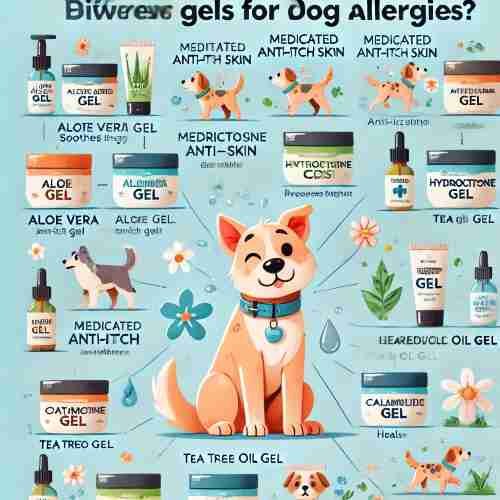
Gels for Dog Allergies

Gels for Dog Allergies

Gels for dog allergies offer quick relief by calming irritated skin and reducing itching.

Gels-for-Dog-Allergies

Gel NameTypeUses in Dogs
Aloe Vera GelNatural Soothing AgentSoothes irritated and inflamed skin naturally.
Medicated Anti-Itch GelAnti-itch/NumbingContains ingredients like benzocaine to numb itching.
Hydrocortisone GelAnti-inflammatoryReduces itching and inflammation in allergic reactions.
Antibiotic GelAntibacterialPrevents infection in areas of scratched or damaged skin.
Oatmeal GelSoothing/Anti-itchProvides relief from itching and soothes sensitive skin.
Chamomile GelNatural RemedyCalms inflamed areas and promotes healing.
Neem Oil GelAntibacterial/Anti-inflammatoryTreats irritated skin and prevents infections.
Tea Tree Oil GelAntiseptic/SoothingHelps reduce redness and itchiness from allergies.
Calendula GelHealing/SoothingHeals and soothes rashes or skin irritations.
Cooling Menthol GelCooling/Anti-itchProvides instant relief for hot spots and itchy areas.
Table: Gels-for-Dog-Allergies

Natural Remedies for Dog Allergies

Natural Remedies for Dog Allergies

Natural remedies for dog allergies include options like oatmeal baths and coconut oil, which help soothe skin and reduce itching naturally.

Natural-Remedies-for-Dog-Allergies

RemedyTypeUses in Dogs
Omega-3 Fatty AcidsAnti-inflammatoryFish oil supplements help reduce inflammation and promote healthy skin.
Apple Cider VinegarAntiseptic/SoothingDiluted vinegar spray relieves itching and prevents infections when applied to the skin.
Coconut OilMoisturizing/HealingCan be applied topically or mixed into food to soothe inflamed skin and boost immune health.
Aloe VeraNatural Soothing AgentCalms irritated skin and helps with healing.
Oatmeal BathsAnti-itch/SoothingSoaking in an oatmeal bath soothes itching and softens the skin.
QuercetinNatural AntihistamineHelps reduce allergy symptoms in dogs.
Chamomile Tea SprayAnti-itch/CalmingCooled chamomile tea spray relieves itching on irritated skin.
HoneyImmune BoosterRaw honey helps build immunity against environmental allergens when added to food.
Baking SodaAnti-itch/SoothingA paste made from baking soda and water calms skin irritation and reduces itching.
Epsom Salt BathsAnti-inflammatory/SoothingSoaking in an Epsom salt bath relieves inflammation and discomfort.
Licorice RootNatural Anti-inflammatoryWorks as a natural anti-inflammatory when given in small amounts.
TurmericAnti-inflammatory/HealingKnown for its anti-inflammatory properties, turmeric can be added to food to support allergy relief.
Table: Natural-Remedies-for-Dog-Allergies

Home Remedies for Dog Allergies

Home RemedyTypeUses in Dogs
Oatmeal BathsAnti-itch/SoothingOatmeal helps soothe itchy, irritated skin, providing natural relief.
Chamomile Tea RinsesAnti-inflammatory/CalmingChamomile tea acts as a gentle anti-inflammatory and calms skin irritation.
Baking Soda PasteAnti-itch/SoothingA paste of baking soda and water reduces irritation when applied to itchy spots.
HumidifiersRespiratory SupportAdding moisture to the air helps dogs with allergies, especially respiratory issues.
Apple Cider Vinegar SprayAntiseptic/SoothingDiluted apple cider vinegar helps with itching and prevents infections when sprayed on the skin.
Coconut OilMoisturizing/Anti-inflammatoryRubbed on dry or inflamed skin to moisturize and reduce inflammation.
Aloe Vera GelCooling/HealingCools and heals irritated skin, providing natural relief for itching.
Epsom Salt SoakAnti-inflammatory/SoothingSoaking in Epsom salt water eases itching and inflammation.
HoneyImmune BoosterA small amount of raw honey in the diet helps build immunity to environmental allergens.
Witch HazelAnti-itch/Anti-inflammatoryApplied to irritated areas to naturally reduce itching and swelling.
Fish Oil SupplementsSkin Health/Anti-inflammatoryImproves skin health and reduces inflammation when added to the diet.
Table: Home-Remedies-for-Dog-Allergies

Shampoos for Dog Allergies

Shampoos for Dog Allergies

Shampoos for dog allergies are designed to soothe irritated skin and reduce itching, often containing ingredients like oatmeal or aloe vera.

Shampoos-for-Dog-Allergies

Shampoo NameTypeUses in Dogs
Hypoallergenic ShampoosSensitive Skin/Fragrance-FreeFree from harsh chemicals and fragrances, ideal for sensitive skin.
Medicated ShampoosAnti-inflammatory/AntibacterialContains ingredients like hydrocortisone or chlorhexidine to relieve itching, inflammation, and treat skin infections.
Oatmeal ShampoosSoothing/MoisturizingNaturally soothes itchy, dry skin and provides moisture to reduce irritation.
Aloe Vera ShampoosHealing/SoothingContains aloe vera to calm inflamed skin and promote healing.
Tea Tree Oil ShampoosAntibacterial/Anti-itchTea tree oil helps soothe irritated skin and reduce itching.
Anti-Fungal ShampoosYeast & Fungal TreatmentTreats yeast infections and fungal-related skin issues common in allergic dogs.
Coconut Oil ShampoosMoisturizing/HealingProvides hydration and relief for dry, flaky skin caused by allergies.
Colloidal Silver ShampoosAntibacterial/HealingHelps heal irritated skin and prevent infections with antibacterial properties.
Essential Oil ShampoosCalming/SoothingShampoos with lavender or chamomile essential oils provide a calming effect.
Benzoyl Peroxide ShampoosDeep Cleansing/Anti-inflammatoryHelps open hair follicles and cleanse the skin, useful for allergic reactions and skin infections.
Table: Shampoos-for-Dog-Allergies

Best Over-the-Counter Allergy Medicines for Dogs

Medicine NameTypeUses in Dogs
Benadryl (Diphenhydramine)AntihistamineRelieves mild allergy symptoms like itching and swelling.
Claritin (Loratadine)AntihistamineControls sneezing, itching, and other mild allergic reactions.
Zyrtec (Cetirizine)AntihistamineReduces itching, sneezing, and other allergy symptoms.
Hydrocortisone CreamTopical Anti-inflammatorySoothes mild skin irritations, itching, and rashes.
Allegra (Fexofenadine)AntihistamineHelps control itching, redness, and other allergic reactions.
ChlorpheniramineAntihistamineManages allergy symptoms such as itching and watery eyes.
Vet’s Best Seasonal Allergy Relief TabletsNatural SupplementContains plant-based ingredients to help reduce seasonal allergy symptoms.
QuercetinNatural AntioxidantReduces inflammation and itching in dogs.
Corticosteroid SpraysTopical Anti-inflammatoryReduces inflammation and soothes allergic skin.
Colloidal Oatmeal ProductsSoothing/MoisturizingHelps relieve itching and irritation from allergies.
Table: Best-Over-the-Counter-Allergy-Medicines-for-Dogs

How To Manage Dog Allergies

Avoidance of Allergens

The best way to manage dog allergies is by identifying and avoiding the allergens causing the reaction. For environmental allergens like pollen or dust, frequent cleaning, dust control, and using air purifiers can help reduce exposure. If the allergy is food-related, switching to a hypoallergenic or special diet can minimize allergic reactions.

Frequent Monitoring

Regularly checking your dog for allergy symptoms is essential. Monitoring helps adjust treatments if needed and ensures that the allergy remains under control. By staying observant, you can catch any changes in your dog’s condition and prevent flare-ups.

Symptoms of Dog Allergies

  • Itchy Skin:
    • One of the most common signs of allergies in dogs is itchy skin. Dogs may constantly scratch, lick, or chew on areas like their paws, belly, or back due to irritation.
  • Hives and Rashes:
    • Allergic reactions can cause hives (raised bumps) or rashes, especially on the face, legs, or head. The skin may appear red and swollen.
  • Respiratory Issues:
    • Allergies can also affect a dog’s breathing, leading to sneezing, coughing, or shortness of breath.
  • Eye Irritation:
    • Dogs may experience red, watery, or swollen eyes due to allergies, causing discomfort and irritation.
  • Digestive Problems:
    • Food-related allergies can result in vomiting, diarrhea, or other digestive issues, affecting the dog’s overall well-being.
  • Paw Licking/Chewing:
    • Constant licking or chewing of paws is a common symptom of irritation, often linked to allergies or discomfort.

Side Effects of Allergy in Dogs

Side Effects of Allergy in Dogs

Side effects of allergies in dogs include constant itching, skin infections, and hair loss. In severe cases, allergies may lead to digestive problems or life-threatening reactions.

Side-Effects-of-Allergy-in-Dogs

  • Behavioral Changes: Dogs with allergies may show signs of increased irritability, restlessness, or lethargy due to constant discomfort.
  • Chronic Skin Infections: Persistent itching can cause open sores, scabs, or even skin infections over time.
  • Hair Loss: Continuous scratching or biting often leads to patches of hair loss, especially in affected areas.
  • Weight Loss: Loss of appetite or digestive issues, common with food allergies, may result in weight loss in dogs.
  • Severe Allergic Reactions: In rare cases, some dogs may experience anaphylaxis, a serious and life-threatening allergic reaction.

Pros & Cons of Dog Allergy Treatments

Advantages

  • Relief from Itching: Treatments help provide much-needed relief from constant scratching and discomfort, improving your dog’s quality of life.
  • Affordable Medications: Over-the-counter medications like antihistamines are often affordable and easily accessible for quick relief.
  • Localized Treatment: Creams and medicated shampoos specifically target irritated areas, helping soothe your dog’s skin directly.

Disadvantages

  • Steroid Side Effects: Long-term use of corticosteroids can lead to potential side effects, such as weight gain or weakened immune function.
  • Slow Results from Immunotherapy: While effective, treatments like allergy shots or oral drops can take time before showing noticeable improvement.
  • Difficult Allergen Identification: Figuring out the specific allergen causing the reaction can be time-consuming and frustrating for pet owners.

FAQs

What causes allergies in dogs?

Allergies in dogs can be triggered by various factors such as environmental elements (like pollen, dust, or mold), certain foods, flea bites, or contact with specific materials like wool or plastic. Some dogs are also genetically more prone to allergies than others.

What are the common symptoms of dog allergies?

Common signs include excessive scratching, licking, ear infections, red or irritated skin, sneezing, and digestive issues like vomiting or diarrhea. Some dogs may also chew their paws.

How are dog allergies treated?

Treatment depends on the cause of the allergy. It can range from avoiding allergens and using antihistamines or corticosteroids, to switching to hypoallergenic food. For flea allergies, regular flea control is necessary.

Are there any home remedies for dog allergies?

Yes, natural options like oatmeal baths, coconut oil, or fish oil supplements can help soothe irritated skin.

Can dog allergies be cured?

While there is no cure for allergies, symptoms can be managed with proper treatment, diet adjustments, and allergen avoidance. In some cases, immunotherapy (allergy shots) can help reduce the severity of the reaction over time.

What should I do if my dog has a severe allergic reaction?

If your dog shows signs of a severe reaction, like swelling, difficulty breathing, or sudden collapse, seek emergency veterinary care immediately.

Conclusion

Summary of Findings

Managing dog allergies requires a mix of strategies, including avoiding allergens, using antihistamines or steroids, and applying topical treatments or medicated shampoos to relieve itching and discomfort.

Who Should Buy Allergy Medicines for Dogs?

Pet owners with dogs showing signs of allergies, such as excessive paw licking, itching, or skin irritation, should consider allergy treatments. A combination of approaches can effectively manage their dog’s symptoms and improve their quality of life.

Disclaimer
Commissions we earn from partner links on this page do not influence our content. Our editorial content is based on thorough research and insights from qualified medical professionals to ensure the highest standards of accuracy and reliability.

Information provided on Doseway is for educational purposes only. Your health and wellness are unique to you, and the products and services we review may not be suitable for your individual circumstances. We do not offer personal medical advice, diagnosis, or treatment plans. For specific advice, please consult with a healthcare professional. Doseway adheres to strict editorial integrity standards. To the best of our knowledge, all content is accurate as of the date posted, though offers and information may change. The opinions expressed are the author’s own and have not been influenced, approved, or endorsed by our partners.

Allergy-Medicine-For-Cats

Best Allergy Medicine For Cats: Types, Uses, & Side Effects

Allergy Medicine For Cats: Cat allergies occur when the immune system overreacts to allergens, typically proteins found in a cat’s skin, fur, or saliva. These allergens trigger allergic reactions in people and even in other pets, like cats.

The best allergy medicine for cats, providing an overview of types, uses, and potential side effects. Whether the cause is food, fleas, or environmental allergens, understanding the treatment options available can help manage symptoms and improve the quality of life for cats and their owners.

Recommended Reading: Anti Allergy Medicine For Skin Itching (Uses & Side Effects)

Best Allergy Medicine For Cats: Types, Uses, & Side Effects

Best-Allergy-Medicine-For-Cats

What Are Allergy medicines for cats?

Allergy medicines for cats are designed to help alleviate the symptoms caused by allergic reactions in cats. Allergies can stem from a variety of sources, including food, flea bites, and airborne allergens like pollen or dust mites. The most common types of allergy medicines for cats used to treat cats include antihistamines, nasal sprays, decongestants, and allergy shots.

Types of Cat Allergies

Types of Cat Allergies

Cats can suffer from various allergies, including food, flea, and environmental allergies like pollen or dust. These allergies often cause itching, sneezing, and skin irritation.

Types-of-Cat-Allergies

Food Allergies

Cats can be allergic to certain foods like beef, chicken, dairy, fish, wheat, or corn. These allergies may cause stomach problems like vomiting or diarrhea, and skin issues like itching, rashes, or sores.

Flea Allergies

Flea allergies happen when a cat is allergic to flea bites. Even one bite can lead to extreme itching, red spots, and sores. This often causes hair loss and may lead to infections if not treated.

Environmental Allergies (Atopic Dermatitis)

Cats can also react to things in their environment, such as pollen, mold, or dust mites. Signs of environmental allergies include sneezing, coughing, runny eyes, and irritated, itchy skin.

Symptoms of Cat Allergies

Cats with allergies can show various signs, including:

  • Skin Irritation: Red, itchy skin, sores, or scabs are common. Cats may scratch a lot or develop bald spots.
  • Breathing Problems: Sneezing, coughing, or wheezing can happen. Some cats may struggle with shortness of breath.
  • Stomach Issues: Vomiting or diarrhea may occur if a cat is allergic to something they ate.
  • Eye Problems: Watery, red, or swollen eyes can be a sign of an allergy.
  • Behavioral Changes: Cats might groom excessively, lose fur, or start biting themselves to relieve itching.

7 Best Medications for Cat Allergies

RankMedicine/TreatmentTypePrimary UsesCommon Side Effects / Notes
1Cetirizine (Zyrtec)2nd-generation antihistamineMild-moderate skin itching, environmental allergies, hivesGenerally well-tolerated; rare drowsiness, vomiting, or hyperactivity; often vet-preferred OTC option
2Cyclosporine (Atopica)Immunosuppressant (prescription)Chronic allergic dermatitis, atopic skin syndrome, severe itchingVomiting/diarrhea (especially early), gum overgrowth, increased infection risk; FDA-approved for cats
3Diphenhydramine (Benadryl)1st-generation antihistamineAcute reactions (e.g., insect bites, hives), mild itchingSedation/drowsiness (common), dry mouth, urinary retention; hyperactivity in some cats
4Loratadine (Claritin)2nd-generation antihistamineMild seasonal/environmental allergies, less sedating optionRare GI upset or hyperactivity; often less effective than cetirizine in cats
5Prednisolone / CorticosteroidsSteroid (prescription, oral/injectable)Quick relief from severe itching/inflammation, short-term flare-upsIncreased thirst/appetite, weight gain, diabetes risk (long-term), immune suppression
6Chlorpheniramine (Chlor-Trimeton)1st-generation antihistamineMild allergic reactions, sometimes combined with othersSedation, dry mouth, appetite changes; older but still used
7Oclacitinib (Apoquel)JAK inhibitor (off-label for cats)Itchy skin from atopic dermatitis (approved for dogs, used off-label in cats)GI upset, potential infection risk; vet monitoring required
8Hydroxyzine (Atarax/Vistaril)Prescription antihistamineMore severe itching or anxiety-related scratchingSedation, dry mouth; stronger option when others fail
9Fexofenadine (Allegra)2nd-generation antihistamineMild allergies (less commonly used in cats)Rare side effects; generally non-sedating but limited feline data
10Omega-3 fatty acids / supplements (e.g., fish oil)Nutritional supplementSupport skin barrier, reduce inflammation (adjunct therapy)Rare GI upset (diarrhea/loose stool); often combined with other treatments

Treatments Of Allergy In Cats

Treatments Of Allergy In Cats

The best allergy medicines for cats include antihistamines like Zyrtec and Claritin, which help reduce itching and skin irritation. Steroids and allergy shots are also effective for more severe cases.

Treatments-Of-Allergy-In-Cats

Best Allergy Medicines for Cats

If your cat has allergies, there are several treatments to help relieve symptoms:

1. Antihistamines

These block histamine, a chemical that causes allergic reactions. They help with mild to moderate symptoms like itching and sneezing.

  • Cetirizine (Zyrtec): Reduces itching and skin allergies.
  • Fexofenadine (Allegra): Helps with sneezing and watery eyes.
  • Levocetirizine (Xyzal): For more severe allergies, prescribed by vets.
  • Uses: Treats skin and respiratory allergies in cats.
    Side Effects: Drowsiness, dry mouth, or vomiting.

2. Nasal Sprays

Useful for cats with respiratory symptoms like sneezing and nasal congestion. These sprays reduce inflammation in the nasal passages.

  • Fluticasone (Flonase): A steroid spray to reduce nasal inflammation.
  • Mometasone Furoate (Nasonex): Helps with sneezing and respiratory allergies.
  • Triamcinolone (Nasacort Allergy 24HR): Relieves nasal congestion.
  • Uses: Best for sneezing, coughing, and wheezing.
    Side Effects: Dry nasal passages, possible irritation.

3. Decongestants

These reduce nasal swelling and congestion caused by allergies.

  • Pseudoephedrine (Sudafed): Helps with both congestion and other allergy symptoms. Only use under a vet’s guidance.
  • Uses: Effective for severe nasal congestion.
    Side Effects: Increased heart rate, restlessness.

4. Allergy Shots (Immunotherapy)

Gradually exposes your cat to allergens, helping reduce allergic reactions over time. This is a long-term solution but may take months to see improvement.

Natural Treatments for Cat Allergies

Natural Treatments for Cat Allergies

Natural treatments for cat allergies include omega-3 supplements to reduce inflammation and medicated shampoos to soothe irritated skin. Regular flea control and a balanced diet can also help manage allergic reactions.

Natural-Treatments-for-Cat-Allergies

Fatty Acid Supplements

Omega-3 fatty acids or fish oil help improve the skin barrier, reducing inflammation and itching.

Benefits: Soothes skin irritation and strengthens the skin’s defenses against allergies.

Medicated Shampoos

Medicated shampoos are designed to calm allergic skin reactions, reduce itching, and prevent infections from excessive scratching.

Benefits: Relieves skin irritation and helps prevent secondary infections.

Allergy Shots (Immunotherapy)

Allergy shots gradually desensitize a cat’s immune system to allergens. This long-term treatment is great for cats with ongoing or severe allergies.

Benefits: Provides long-term relief by reducing allergic reactions over time.

Best Allergy Tablets for Cats

Best Allergy Tablets for Cats

The best allergy tablets for cats include Zyrtec, Allegra, and Claritin, which help relieve itching and respiratory symptoms.

Best-Allergy-Tablets-for-Cats

Here are some effective oral allergy tablets for cats:

  • Allegra (Fexofenadine):
    • Use: Helps relieve skin allergies and respiratory issues like sneezing and watery eyes.
    • Benefits: Provides relief from itching and sneezing.
  • Claritin (Loratadine)
    • Use: Reduces symptoms like sneezing, runny nose, and itchy eyes.
    • Benefits: Works well for respiratory allergies.
  • Zyrtec (Cetirizine)
    • Use: Effective for treating skin irritation and allergies.
    • Benefits: Reduces itching and skin redness.
  • Xyzal (Levocetirizine)
    • Use: Best for severe allergic reactions, especially skin and respiratory symptoms.
    • Benefits: Provides stronger relief for intense allergy symptoms.
  • Claritin Syrup (Loratadine)
    • Use: Relieves respiratory issues like sneezing and runny nose.
    • Benefits: Convenient liquid form for easy administration.
  • Zyrtec Syrup (Cetirizine)
    • Use: Helps manage skin conditions and irritation.
    • Benefits: Easy-to-give liquid for skin-related allergy symptoms.

Best Allergy Gels for Cats

Best Allergy Gels for Cats

Best allergy gels for cats, like Benadryl and Chlorpheniramine, help soothe itching and skin irritation. These gels provide quick relief from allergic reactions.

Best-Allergy-Gels-for-Cats

Topical allergy gels can be useful for relieving allergy symptoms on a cat’s skin.

  • Benadryl Gel
    • Use: An antihistamine gel that helps reduce itching and skin irritation.
    • Benefits: Quickly soothes itchy skin and calms allergic reactions.
  • Chlorpheniramine Gel
    • Use: Targets skin reactions caused by allergies.
    • Benefits: Effective for managing irritation and itching.
  • Steroid Gels (e.g., Prednisolone)
    • Use: Helps reduce inflammation and severe itching.
    • Benefits: Provides strong relief for more intense allergic skin reactions.

Side Effects of Allergy Medications in Cats

Allergy medications can help cats, but they may cause side effects

  • Drowsiness
    • Cause: Often seen with antihistamines.
    • Effect: Cats may seem more tired or lethargic.
  • Increased Heart Rate
    • Cause: Some decongestants can cause this.
    • Effect: Can lead to restlessness or faster breathing.
  • Digestive Upset
    • Cause: Some medications may upset the stomach.
    • Effect: Vomiting or diarrhea may occur.
  • Excessive Thirs
    • Cause: Steroid medications.
    • Effect: May cause cats to drink more water and urinate more frequently.

How to Use Allergy Medicines for Cats

How to Use Allergy Medicine for Cats

To use allergy medicine for cats, follow the vet’s dosage instructions carefully. Administer oral, topical, or injectable treatments based on your cat’s symptoms and needs.

How-to-Use-Allergy-Medicines-for-Cats

Proper use of allergy medicine ensures your cat gets the best relief from symptoms. Here’s how to use them:

1. Antihistamines

  • How to Give: These are usually given orally as tablets, liquids, or gels.
  • Dosage: Depends on your cat’s weight and the severity of their allergies. Always follow your vet’s instructions.

2. Nasal Sprays

  • How to Use: Spray carefully into your cat’s nose without irritating.
  • Frequency: Follow your vet’s guidance on how often to use the spray to avoid overuse or irritation.

3. Allergy Shots

  • Administering: A vet gives these shots in a series over time.
  • Frequency: The number of injections decreases gradually as the cat’s immune system adjusts to the allergens.

Effectiveness of Cat Allergy Medicine

Clinical Evidence

Antihistamines and steroid sprays are backed by studies showing they help treat allergic symptoms in cats. However, how well they work can differ depending on the allergy type and the cat’s individual reaction. Allergy shots show long-term success but need regular treatment over months.

Expected Results

  • Antihistamines: Relief from symptoms like itching and redness usually starts within 30 minutes to an hour.
  • Nasal Sprays: Respiratory improvements may take a few days to show.
  • Allergy Shots: Results take longer, often noticeable after 6 to 12 months of treatment.

Side Effects & Precautions

Common Side Effects

  • Drowsiness: Antihistamines like Benadryl can make cats sleepy or lethargic.
  • Stomach Issues: Some medicines may cause vomiting or diarrhea.
  • Increased Thirst: Steroid nasal sprays may lead to more thirst and urination.

Serious Side Effects

  • Severe Reactions: In rare cases, Allergy Medicine treatments may cause anaphylaxis, a dangerous allergic reaction.
  • Heart Problems: Decongestants can raise heart rate and blood pressure, especially in cats with heart conditions.

Precautions

  • Never give human medicines to cats without a vet’s advice.
  • Stop using the medicine and see a vet if severe side effects occur.

Pros & Cons of Cat Allergy Medicine

Advantages

  • Quick Relief: Antihistamines work fast to reduce itching and skin issues.
  • Multiple Options: You can choose between pills, sprays, or allergy shots.
  • Long-Term Solution: Allergy shots can provide lasting relief for recurring allergies.

Disadvantages

  • Side Effects: Medications can cause drowsiness or upset stomach.
  • Continuous Treatment: Some allergies need regular treatment to keep symptoms away.
  • Slow Results: Allergy shots take months to show noticeable improvement.

FAQs

What are the common signs of cat allergies?

Common signs include sneezing, coughing, watery eyes, itching, skin irritation, hair loss, vomiting, and diarrhea.

Can cats develop allergies later in life?

Yes, cats can develop allergies at any age, even if they didn’t show symptoms earlier.

What causes allergies in cats?

Common causes include food ingredients, flea bites, environmental allergens (like pollen or dust), and insect stings.

Can my cat be allergic to its food?

Yes, some cats are allergic to ingredients like beef, chicken, dairy, or grains.

What is the best way to treat cat allergies?

Treatment depends on the cause. Antihistamines, nasal sprays, supplements, and allergy shots are common options.

Are there side effects to Allergy Medicine for cats?

Some medications can cause drowsiness, vomiting, increased thirst, or digestive upset.

Can cats have seasonal allergies?

Yes, cats can suffer from seasonal allergies to pollen, grass, and other airborne allergens.

Can I prevent cat allergies altogether?

While you can’t prevent allergies entirely, avoiding triggers, maintaining a clean environment, and using treatments can help manage symptoms.

What can I do if my cat is allergic to fleas?

Flea prevention and control treatments, along with antihistamines, can help manage flea allergies in cats.

Conclusion

Managing cat allergies can be challenging, but the right treatments can provide significant relief. It’s important to address both the symptoms and the underlying cause of the allergy.

Key Treatments:

  • Antihistamines: Effective for reducing itching, skin irritation, and allergic reactions.
  • Nasal Sprays: Helpful for easing respiratory issues such as sneezing and congestion.
  • Allergy Shots: A long-term solution that gradually reduces your cat’s sensitivity to allergens.
  • Supplements: Omega-3 fatty acids can help strengthen the skin’s barrier and reduce inflammation.

Disclaimer
Commissions we earn from partner links on this page do not influence our content. Our editorial content is based on thorough research and insights from qualified medical professionals to ensure the highest standards of accuracy and reliability.

Information provided on Doseway is for educational purposes only. Your health and wellness are unique to you, and the products and services we review may not be suitable for your individual circumstances. We do not offer personal medical advice, diagnosis, or treatment plans. For specific advice, please consult with a healthcare professional. Doseway adheres to strict editorial integrity standards. To the best of our knowledge, all content is accurate as of the date posted, though offers and information may change. The opinions expressed are the author’s own and have not been influenced, approved, or endorsed by our partners.
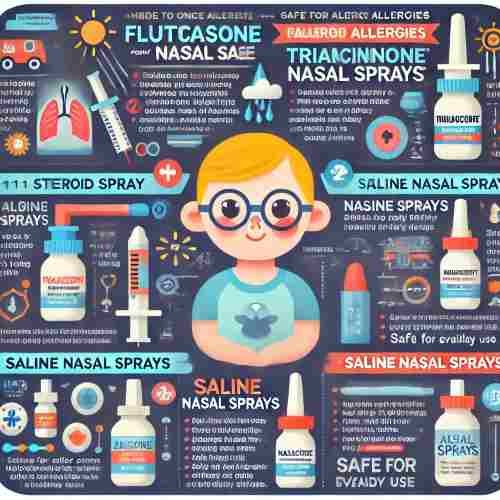
Allergy-Medicine-For-Skin-Itching

Anti Allergy Medicine For Skin Itching (Uses & Side Effects)

Anti-allergy medicine for skin itching is designed to relieve uncomfortable symptoms like itching, redness, and swelling caused by allergic reactions. These reactions can occur due to various allergens such as dust, pollen, insect bites, or certain foods.

Anti-allergy medicine, also known as antihistamines, work by blocking histamine a chemical released by the body during an allergic reaction. This helps soothe the itching and provides relief. There are different forms of anti-allergy medicines, including oral pills, topical creams, and gels.

Anti Allergy Medicine For Skin Itching (Uses & Side Effects)

Anti-Allergy-Medicine-For-Skin-Itching

What is Anti-Allergy Medicines for Skin Itching?

What is Anti-Allergy Medicines for Skin Itching?

Anti-allergy medicines for skin itching help reduce irritation, redness, and swelling caused by allergic reactions. They provide quick relief from itching and discomfort.

What-is-Anti-Allergy-Medicines-for-Skin-Itching

Anti-allergy medicines are used to ease skin itching caused by allergic reactions. They help by either blocking histamine or reducing inflammation.

Types of Anti-Allergy Medicines

  • Antihistamines: These are oral allergy medicines that block histamine, which is responsible for itching and hives.
    • Common examples: Cetirizine (Zyrtec), Loratadine (Claritin), Fexofenadine (Allegra), Levocetirizine (Xyzal), and Desloratadine (Clarinex).
  • Topical Corticosteroids: These creams reduce inflammation and swelling, giving relief from itching and redness.
    • Common example: Hydrocortisone cream, often used for eczema, insect bites, or allergic rashes.

How Do They Work?

  • Antihistamines: Block histamine to prevent itching and allergic reactions.
  • Topical Corticosteroids: Reduce skin inflammation, swelling, and redness, easing the itching.

7 Best Anti Allergy Tablets in Pakistan for Quick Relief

  • Cetirizine (e.g., Zyrtec, generic) — A second-generation antihistamine; highly effective for hives and itching with 24-hour relief. Mildly sedating for some people.
  • Fexofenadine (e.g., Allegra, Telfast) — Non-drowsy second-generation option; excellent for chronic hives and skin itching, often recommended at 180 mg for stronger relief.
  • Loratadine (e.g., Claritin, Clarityn) — Non-drowsy second-generation; good for daily use to control allergic itching and rashes without much sedation.
  • Levocetirizine (e.g., Xyzal) — A more potent form of cetirizine; very effective for persistent itching and hives, with longer-lasting action.
  • Desloratadine (e.g., Clarinex, Aerius) — Non-sedating; FDA-approved for chronic spontaneous hives and effective for skin allergy symptoms.
  • Diphenhydramine (e.g., Benadryl) — First-generation; fast-acting for acute itching but causes drowsiness — often used at night or for severe flare-ups.
  • Hydroxyzine (e.g., Atarax, Vistaril) — Prescription first-generation; stronger for severe itching/hives, sedating, and useful short-term (especially at night).
  • Rupatadine — Newer second-generation antihistamine with additional anti-inflammatory effects; sometimes used for chronic urticaria and itching.
  • Bilastine — Non-sedating option; effective for allergic skin conditions like urticaria with minimal side effects.
  • Ebastine — Another second-generation antihistamine; provides good relief for pruritus and hives in many patients.

Best Treatment Allergy & Skin Itching | Medicine For Allergy & Skin Itching

Anti-Allergy Medicine for Skin Itching

Anti-allergy medicine for skin itching relieves irritation caused by allergic reactions. It helps reduce redness, swelling, and itching for quick comfort.

Allergy-Medicine-for-Skin-Itching

Anti-Allergy Medicine for Skin Itching

Anti-allergy medicines are effective in treating skin itching caused by allergies. These medications work by blocking histamine, a substance released during an allergic reaction that causes itching, redness, and swelling.

Types of Anti-Allergy Medicines for Skin Itching

  • Antihistamines (Oral)
    • Cetirizine (Zyrtec): Non-drowsy, works for skin itching caused by allergies.
    • Loratadine (Claritin): A daily antihistamine that prevents allergic reactions.
    • Fexofenadine (Allegra): Provides 24-hour relief from itching without causing drowsiness.
    • Diphenhydramine (Benadryl): First-generation antihistamine, often used at night due to its sedative effect.
  • Topical Corticosteroids
    • These creams are applied directly to the skin to reduce inflammation and itching.
    • Hydrocortisone: Commonly used for mild to moderate skin itching.
    • Triamcinolone: Stronger steroid cream for severe itching.
  • Other Topical Options
    • Calamine lotion: Soothes mild irritations.
    • Menthol-based creams: Provide a cooling effect to relieve itching.

How They Work

  • Antihistamines: Block histamine from attaching to receptors, preventing allergic reactions that cause itching.
  • Corticosteroids: Reduce inflammation and redness on the skin.

How to Use

  • Antihistamines: Take orally as directed, usually once or twice a day. Some can be taken with or without food.
  • Corticosteroids: Apply a thin layer to the affected area. Avoid using for long periods without consulting a doctor.

Side Effects

  • Antihistamines: Drowsiness, dry mouth, headache, and dizziness, especially first-generation antihistamines like Benadryl.
  • Corticosteroids: Skin irritation, thinning skin, and redness at the application site.

Alternative Remedies

  • Aveeno Anti-Itch Lotion: A soothing lotion with oatmeal that hydrates and relieves itching.
  • Baking soda paste: Can be applied to small areas for quick relief from itching.

Anti-Allergy Tablets for Skin Itching

Anti-Allergy Tablets for Skin Itching

Anti-allergy tablets for skin itching help soothe allergic reactions that cause itching and irritation. They provide relief by reducing inflammation and discomfort.

Anti-Allergy-Tablets-for-Skin-Itching

Anti-allergy tablets are commonly used to relieve skin itching caused by allergies. These tablets help reduce itching, swelling, and redness by blocking histamine, the chemical that triggers allergic reactions.

Common Anti-Allergy Tablets

  • Cetirizine (Zyrtec)
    • Non-drowsy, provides fast relief for skin itching and hives.
    • Typically taken once daily.
  • Loratadine (Claritin)
    • Works well for mild itching and allergic rashes.
    • Non-sedating, so it doesn’t cause drowsiness.
  • Fexofenadine (Allegra)
    • Offers 24-hour relief from itching and skin allergies.
    • It’s a non-drowsy option.
  • Diphenhydramine (Benadryl)
    • A strong antihistamine for severe allergic reactions.
    • Can cause drowsiness, usually taken at night.

How Anti-Allergy Tablets Work

  • Antihistamines: They block histamine, which is released during allergic reactions and causes itching. By preventing this, the itching is reduced.

How to Use

  • Take one tablet as directed on the packaging or by a doctor.
  • Most tablets are taken once a day, but some may need to be taken more often.

Side Effects

  • Cetirizine, Loratadine, Fexofenadine: Rare side effects include headache, dry mouth, or mild drowsiness.
  • Diphenhydramine: Can cause significant drowsiness, dizziness, and dry mouth.

Anti-Allergy Cream for Skin Itching

Anti-Allergy Cream for Skin Itching

Anti-allergy cream for skin itching provides fast relief from itching and irritation caused by allergies. It helps reduce inflammation and soothes the skin.

Anti-Allergy-Cream-for-Skin-Itching

Anti-allergy creams are topical treatments used to relieve skin itching caused by allergies. They help soothe irritated skin and reduce redness and swelling.

Common Anti-Allergy Creams

  • Hydrocortisone Cream
    • A mild steroid cream that reduces inflammation and itching.
    • Best for rashes, bug bites, or mild eczema.
  • Calamine Lotion
    • Helps soothe itchy skin caused by allergies or insect bites.
    • Cools the skin and reduces irritation.
  • Diphenhydramine Cream (Benadryl)
    • Contains an antihistamine to block the allergy-causing chemical histamine.
    • Provides quick relief for itching and swelling.
  • Aloe Vera Gel
    • Natural and gentle option for soothing itchy skin.
    • Helps moisturize and cool down inflamed skin.

How Anti-Allergy Creams Work

  • Hydrocortisone: Reduces inflammation by blocking immune responses.
  • Calamine and Aloe Vera: Cool and moisturize, easing discomfort.
  • Diphenhydramine: Blocks histamine to prevent itching.

How to Use

  • Apply a thin layer of cream to the affected area as directed.
  • Use 2-3 times a day for best results or as advised by a doctor.

Side Effects

  • Hydrocortisone: Prolonged use can thin the skin.
  • Calamine: Rare side effects, usually mild skin irritation.
  • Diphenhydramine: Can cause mild skin irritation in some cases.

Anti-Allergy Gels for Skin Itching

Anti-Allergy Gels for Skin Itching

Anti-allergy gels for skin itching offer quick relief from itching and redness. They help calm allergic reactions and reduce skin irritation.

Anti-Allergy-Gels-for-Skin-Itching

Anti-allergy gels are topical treatments that help relieve skin itching caused by allergies. They provide fast, cooling relief and reduce irritation.

Common Types of Anti-Allergy Gels

  • Hydrocortisone Gel
    • A mild steroid gel that reduces swelling, redness, and itching.
    • Ideal for rashes, insect bites, or mild eczema.
  • Calamine Gel
    • Contains calamine and zinc oxide, soothing itchy skin.
    • Helps cool and calm the skin from allergic reactions.
  • Aloe Vera Gel
    • Natural gel that hydrates and cools the skin.
    • Provides relief from itching and inflammation caused by allergies.
  • Diphenhydramine Gel (Benadryl)
    • Contains an antihistamine to stop itching and swelling.
    • Quick relief for allergic reactions on the skin.

How Anti-Allergy Gels Work

  • Hydrocortisone Gel: Works by reducing inflammation and immune responses.
  • Calamine & Aloe Vera Gel: Cool and hydrate the skin, providing comfort.
  • Diphenhydramine Gel: Blocks histamine, the chemical that causes itching.

How to Use

  • Clean the affected area before applying the gel.
  • Apply a thin layer to the itchy area 2-3 times a day, or as advised by a doctor.

Side Effects

  • Hydrocortisone Gel: Can cause skin thinning if used too long.
  • Calamine Gel: Rare side effects, but could cause mild irritation in some people.
  • Diphenhydramine Gel: May cause slight irritation in sensitive skin.

Anti-Allergy Home Remedies for Skin Itching

Anti-Allergy Home Remedies for Skin Itching

Anti-allergy home remedies for skin itching include natural treatments like aloe vera and oatmeal baths. They help soothe irritation and reduce discomfort.

Anti-Allergy-Home-Remedies-for-Skin-Itching

Skin itching caused by allergies can be annoying, but several natural remedies can help soothe and reduce the discomfort.

1. Aloe Vera

  • Aloe vera gel has cooling and anti-inflammatory properties.
  • Apply fresh aloe vera gel directly to the itchy area to calm the skin.

2. Oatmeal Bath

  • Oatmeal contains compounds that soothe irritated skin.
  • Add colloidal oatmeal to a lukewarm bath and soak for 15-20 minutes.

3. Coconut Oil

  • Coconut oil is moisturizing and has anti-inflammatory effects.
  • Gently rub the oil onto the itchy skin to reduce dryness and irritation.

4. Cold Compress

  • A cold compress helps numb the skin and reduce inflammation.
  • Wrap ice cubes in a cloth and apply to the affected area for 10-15 minutes.

5. Baking Soda Paste

  • Baking soda helps neutralize itching and irritation.
  • Mix baking soda with water to create a paste, then apply to itchy areas for relief.

6. Apple Cider Vinegar

  • Apple cider vinegar can balance the skin’s pH and reduce itching.
  • Dilute it with water and apply with a cotton ball to the affected area.

7. Tea Tree Oil

  • Tea tree oil has antiseptic properties that can calm itching and reduce allergic reactions.
  • Mix a few drops with a carrier oil (like coconut oil) and apply to itchy spots.

8. Chamomile Tea Compress

  • Chamomile has anti-inflammatory and soothing properties.
  • Brew chamomile tea, cool it down, and apply the tea bag or cloth to the itchy skin.

9. Mint Leaves

  • Mint leaves contain menthol, which cools the skin and relieves itching.
  • Crush fresh mint leaves and apply them to the affected area.

10. Turmeric Paste

  • How It Helps: Reduces inflammation and irritation.
  • How to Use: Mix turmeric with water or coconut oil to form a paste and apply to the affected area.

Best Allergy Medicine for Adults

Best Allergy Medicine for Adults

The best allergy medicine for adults includes antihistamines like loratadine or cetirizine. They effectively relieve symptoms like sneezing, itching, and congestion.

Best-Allergy-Medicine-for-Adults

Allergy medicines help reduce symptoms like sneezing, runny nose, itching, and congestion. Here are some of the best options for adults:

1. Antihistamines

  • How they work: Block histamines (the chemicals that cause allergic reactions).
  • Examples:
    • Cetirizine (Zyrtec): Fast-acting, works for 24 hours.
    • Loratadine (Claritin): Non-drowsy, long-lasting relief.
    • Diphenhydramine (Benadryl): Works quickly but may cause drowsiness.

2. Nasal Sprays

  • How they work: Reduce inflammation and congestion in the nose.
  • Examples:
    • Fluticasone (Flonase): A steroid spray that reduces swelling and irritation.
    • Triamcinolone (Nasacort): Another effective steroid nasal spray for allergy relief.

3. Decongestants

  • How they work: Relieve nasal congestion by shrinking swollen blood vessels.
  • Examples:
    • Pseudoephedrine (Sudafed): Common over-the-counter decongestant.
    • Phenylephrine (Sudafed PE): Works in a similar way but is milder.

4. Combination Medicines

  • How they work: Combine antihistamines and decongestants for comprehensive relief.
  • Examples:
    • Claritin-D: Combines loratadine (antihistamine) and pseudoephedrine (decongestant).
    • Zyrtec-D: Combines cetirizine (antihistamine) and pseudoephedrine (decongestant).

5. Eye Drops

  • How they work: Alleviate itching and redness in the eyes caused by allergies.
  • Examples:
    • Ketotifen (Zaditor): Fast-acting antihistamine eye drops.
    • Olopatadine (Pataday): Relieves itchy, watery eyes.

6. Leukotriene Receptor Antagonists

  • How they work: Block chemicals called leukotrienes, which can cause allergy symptoms.
  • Examples:
    • Montelukast (Singulair): Often prescribed for allergies and asthma.

Indications & Uses for Anti-Allergy Medicines

Who Should Use It?

These medicines are ideal for people dealing with skin itching caused by allergies. They work well for:

  • Allergic skin reactions
  • Eczema
  • Hives
  • Insect bites

How to Use?

  • Antihistamines: Take oral antihistamines like cetirizine or loratadine with or without food. They are usually non-drowsy, so they can be taken during the day. Benadryl, which can cause drowsiness, is often taken at night.
  • Topical Corticosteroids: Apply a small amount of cream to the itchy areas. Avoid using for long periods without medical advice, especially on sensitive areas like the face.

Effectiveness of Anti-Allergy Medicines

Clinical Evidence

Antihistamines have shown great success in reducing itching caused by allergies. Corticosteroids are widely used in dermatology to treat skin inflammation and allergic reactions.

Expected Results

  • Oral Antihistamines: Relief usually starts within 30 minutes to an hour and can last for up to 24 hours.
  • Topical Corticosteroids: Provide faster relief when applied directly to the itchy area, especially for localized symptoms.

Side Effects & Precautions

Side Effects & Precautions

Side effects of allergy medicines may include drowsiness, dry mouth, or headaches.

Side-Effects-&-Precaution

Common Side Effects

  • Antihistamines: May cause drowsiness, dry mouth, dizziness, or headaches.
  • Topical Corticosteroids: Can lead to skin irritation, thinning, or color changes with prolonged use.

Serious Side Effects

In rare cases, antihistamines can cause blurred vision, difficulty urinating, or a slow heart rate. If you notice these, seek medical help immediately.

Precautions

  • Avoid using corticosteroid creams for long periods or on sensitive areas like the face without medical advice.
  • Do not mix different antihistamines unless approved by a doctor.

Pros & Cons

Advantages

  • Quick Relief: Fast relief from itching and allergic reactions.
  • Non-Drowsy Options: Medicines like loratadine and cetirizine don’t cause drowsiness, making them good for daytime use.
  • Targeted Relief: Topical creams focus on specific areas without affecting the whole body.

Disadvantages

  • Drowsiness: Antihistamines like Benadryl can cause sleepiness, affecting daily activities.
  • Long-Term Risks: Prolonged use of corticosteroid creams can thin the skin and cause other issues.

FAQs

What causes skin allergies?

Skin allergies can be triggered by things like pollen, certain foods, insect bites, soaps, or cosmetics. Genetics and environmental factors also play a role.

How do I know if I have a skin allergy?

Common signs include redness, swelling, itching, rashes, or blisters. If you notice these after exposure to certain things, it might be an allergy.

Are there home remedies for skin allergies?

Yes! Some effective remedies include cold compresses, aloe vera, oatmeal baths, and coconut oil. These can help soothe itching and reduce inflammation.

Should I use creams or pills for skin allergies?

Topical creams like hydrocortisone or antihistamine pills can help manage mild symptoms.

Can stress cause skin allergies?

Yes, stress can trigger or worsen skin allergies by affecting the immune system, making your skin more sensitive to allergens.

Can food allergies cause skin reactions?

Yes, food allergies can lead to skin symptoms like rashes, hives, or swelling, especially with common allergens like nuts, seafood, or dairy.

Can weather changes affect skin allergies?

Yes, changes in temperature, humidity, or seasons can trigger skin allergies. Cold air, heat, or dry conditions can worsen symptoms.

Can skin allergies lead to other health problems?

If not treated properly, persistent skin allergies can lead to infections, scars, or other skin conditions like eczema or dermatitis.

Can I use sunscreen if I have a skin allergy?

Yes, but choose sunscreens that are hypoallergenic or designed for sensitive skin. Some sunscreens may irritate the skin if they contain fragrances or harsh chemicals.

Conclusion

Summary of Findings

Anti-allergy medicines, such as antihistamines and topical corticosteroids, work well to treat skin itching caused by allergic reactions. They help reduce itching, redness, and swelling, making symptoms easier to manage.

Overall Recommendation

These medications offer quick and effective relief for skin allergies. Oral antihistamines provide full-body relief, while topical creams focus on specific areas for fast results.

Who Should Buy It?

People with allergic skin reactions, eczema, or insect bites will find these treatments helpful. Always consult a doctor for long-term use, especially with corticosteroids.

Disclaimer
Commissions we earn from partner links on this page do not influence our content. Our editorial content is based on thorough research and insights from qualified medical professionals to ensure the highest standards of accuracy and reliability.

Information provided on Doseway is for educational purposes only. Your health and wellness are unique to you, and the products and services we review may not be suitable for your individual circumstances. We do not offer personal medical advice, diagnosis, or treatment plans. For specific advice, please consult with a healthcare professional. Doseway adheres to strict editorial integrity standards. To the best of our knowledge, all content is accurate as of the date posted, though offers and information may change. The opinions expressed are the author’s own and have not been influenced, approved, or endorsed by our partners.
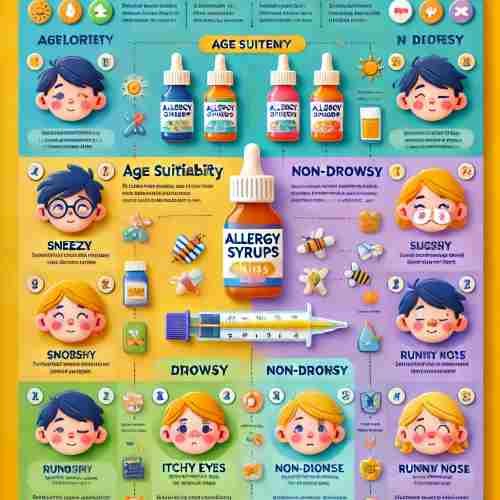
Multiple-Myeloma-Cancer-Treatment

Multiple Myeloma Cancer Treatment (Multiple Myeloma Medication)

Multiple myeloma is a type of blood cancer that affects the plasma cells in the bone marrow. Plasma cells are white blood cells responsible for producing antibodies to fight infections. In multiple myeloma, cancerous plasma cells accumulate in the bone marrow, leading to:

  • Bone damage and fractures
  • Anemia and fatigue
  • Increased risk of infections
  • Kidney damage

Multiple myeloma has a significant impact on quality of life, causing:

  • ‣ Chronic pain
  • ‣ Fatigue
  • ‣ Emotional distress
  • ‣ Financial Burden.

Effective treatment is crucial to manage multiple myeloma, as it:

  • Relieves symptoms and improves quality of life
  • Delays disease progression
  • Increases overall survival rates
  • Helps manage complications and side effects

Treatment For Multiple Myeloma Cancer [Medications+Surgery]

Multiple-Myeloma-Medication

Multiple Myeloma Cancer

Multiple Myeloma

Multiple Myeloma is a type of blood cancer that affects the plasma cells in the bone marrow, leading to abnormal cell growth and potentially life-threatening complications. It is characterized by the accumulation of malignant plasma cells in the bone marrow, causing damage to bones, kidneys, and the immune system

Multiple-Myeloma-Cancer

What is Multiple Myeloma?

Multiple myeloma is a type of cancer that forms in the plasma cells, a type of white blood cell, in the bone marrow. Plasma cells help fight infections by producing antibodies. In multiple myeloma, cancerous plasma cells accumulate in the bone marrow, crowding out healthy cells and leading to:

  • Bone damage and fractures
  • Anemia and fatigue
  • Increased risk of infections
  • Kidney damage

Causes and Risk Factors

  • The unknown exact cause, but potential risk factors include:
    • Family history
    • Radiation exposure
    • Certain chemicals (e.g., pesticides, heavy metals)
    • Obesity
    • Weakened immune system
    • Age (median age at diagnosis: 69 years)

Symptoms and Early Signs

  • Common symptoms:
    • Bone pain (back, hips, ribs)
    • Fatigue
    • Weight loss
    • Frequent infections
    • Shortness of breath
    • Confusion
  • Early signs:
    • Mild anemia
    • Slightly elevated calcium levels
    • Small amounts of protein in the urine

Diagnosis Process

  • Initial Tests
    • Complete Blood Count (CBC)
    • Blood chemistry tests (e.g., calcium, creatinine)
    • Urine protein tests
  • Confirmatory Tests
    • Bone marrow biopsy
    • Imaging studies (e.g., X-rays, MRI, CT scans)
    • Blood tests for specific proteins (e.g., M-protein)

First Test for Myeloma

First Test for Myeloma

The first test for myeloma is typically a Complete Blood Count (CBC), which measures various blood cell counts, including:

  • Platelet Count
  • White Blood Cell Count (WBC)
  • Red Blood Cell Count (RBC)
Test-For-Myeloma

What is a CBC for Multiple Myeloma?

A CBC for multiple myeloma helps detect:

  • Anemia (low RBC count)
  • Infection risk (low WBC count)
  • Bleeding risk (low platelet count)

Is WBC High or Low with Multiple Myeloma?

WBC count can be:

  • Low (increased infection risk)
  • Normal
  • High (rare, but may indicate advanced disease)

Organs Most Affected by Multiple Myeloma

  • Bone Marrow: Cancerous plasma cells accumulate, crowding out healthy cells
  • Bones: Bone damage, fractures, and osteoporosis
  • Kidneys: Excess protein in urine can lead to kidney damage
  • Blood: Anemia, infection risk, and bleeding risk
  • Immune System: Weakened immune system, increasing infection risk

Treatment Options for Multiple Myeloma

Cancer Treatment Options for Multiple Myeloma

  • Chemotherapy: Melphalan, Cyclophosphamide, Lenalidomide
  • Targeted Therapy: Bortezomib, Carfilzomib, Ixazomib
  • Immunotherapy: Daratumumab, Elotuzumab
  • Stem Cell Transplantation: Autologous, Allogeneic
  • Radiation Therapy: External beam radiation
  • Surgery: Plasmacytoma resection
  • Corticosteroids: Prednisone, Dexamethasone
  • Bisphosphonates: Zoledronic acid, Pamidronate
  • Monoclonal Antibodies: Daratumumab, Elotuzumab
  • Clinical Trials: Investigational therapies and combinations.
best_medicines_for_stomach_acidity

Chemotherapy

  • Overview of Chemotherapy for Multiple Myeloma: Chemotherapy uses drugs to kill cancerous plasma cells, relieve symptoms, and slow disease progression.
  • Common Chemotherapy Regimens: VAD (vincristine, doxorubicin, dexamethasone), MP (melphalan, prednisone), and CyBorD (cyclophosphamide, bortezomib, dexamethasone)
  • Duration of Chemotherapy Treatment: Varies, typically 4-12 months
  • Side Effects of Chemotherapy: Fatigue, nausea, hair loss, infection risk, and peripheral neuropathy

Targeted Therapy

  • How Targeted Therapy Works: Targets specific proteins and pathways involved in cancer cell growth and survival
  • Latest Developments in Targeted Therapy: Proteasome inhibitors (e.g., bortezomib, carfilzomib), immunomodulatory drugs (e.g., lenalidomide, pomalidomide), and monoclonal antibodies (e.g., daratumumab)
  • Oral Medications for Multiple Myeloma: Lenalidomide, pomalidomide, and ixazomib

Immunotherapy

  • What is Immunotherapy?: Stimulates the immune system to attack cancer cells
  • Success Rates of Immunotherapy: Varies, but has shown significant promise in clinical trials
  • New Immunotherapy Treatments in 2024: Checkpoint inhibitors (e.g., pembrolizumab) and CAR-T cell therapy

Stem Cell Transplant

  • Types of Stem Cell Transplants: Autologous (using patient’s own stem cells) and allogeneic (using donor stem cells)
  • Success Rates and Recovery: Autologous: 70-80% success rate, 1-2 months recovery; Allogeneic: 50-60% success rate, 3-6 months recovery
  • Suitability for Elderly Patients: Autologous transplant may be suitable for selected elderly patients

Radiation Therapy

  • Role of Radiation in Treating Multiple Myeloma: Relieves bone pain, reduces tumor size, and prevents fractures
  • Side Effects and Effectiveness: Generally well-tolerated, but may cause fatigue, nausea, and bone marrow suppression

Surgery

  • When is Surgery Recommended?: To stabilize bones, relieve compression fractures, or remove plasmacytomas (tumors)
  • Role in Bone Health Management: Essential for managing bone complications and preventing fractures

First-Line Treatments

  • What is the First-Line Treatment for Myeloma?: Typically a combination of chemotherapy, targeted therapy, and immunotherapy
  • Best Selling Drugs and Their Effectiveness: Varies, but common first-line drugs include bortezomib, lenalidomide, and dexamethasone

Combination Therapies

  • What is the 5-Drug Combination for Myeloma?: VRD-PACE (bortezomib, lenalidomide, dexamethasone, cyclophosphamide, etoposide, and cisplatin)
  • Benefits of Combination Therapy: Improved response rates, increased overall survival, and better management of side effects

Latest Developments in Treatment

Latest Developments in Treatment

  • Newest Medications in 2024
  • Monthly Injection Treatments
  • Good News in the Field
Latest-Developments-in-Treatment

Newest Medications in 2024

  • What is the Latest Drug for Multiple Myeloma?: Ciltacabtagene autoleucel (Carvykti), a CAR-T cell therapy approved in 2024 for relapsed or refractory multiple myeloma
  • Miracle Drugs and Breakthroughs: Selinexor (Xpovio), a selective inhibitor of nuclear export (SINE) compound, and siltuximab (Sarclisa), a monoclonal antibody targeting CD38

Monthly Injection Treatments

  • What is the Monthly Injection for Multiple Myeloma?: Daratumumab (Darzalex), a monoclonal antibody targeting CD38, is administered subcutaneously once a month

Good News in the Field

  • Advances in Treatment and Patient Outcomes: Improved response rates, increased overall survival, and better management of side effects with newer treatments
  • Potential for Long-Term Survival: With modern treatments, some patients may achieve long-term survival, potentially exceeding 20 years

Notable Breakthroughs

  • CAR-T Cell Therapy: Ciltacabtagene autoleucel (Carvykti) and idecabtagene vicleucel (Abecma) have shown significant promise in clinical trials
  • Bispecific Antibodies: Teclistamab and elranatamab have demonstrated encouraging results in early-stage trials
  • Personalized Neoantigen-Based Therapies: Emerging treatments tailored to individual patient’s specific mutations and immune profiles

Increased Hope for Patients

  • Improved Treatment Options: The expanded treatment landscape offers more choices and better outcomes for patients
  • Enhanced Quality of Life: Newer treatments aim to minimize side effects and maximize quality of life
  • Potential for Cure: Ongoing research and emerging treatments bring us closer to a potential cure for multiple myeloma

Managing Multiple Myeloma

CategoryDetails
Monitoring and Follow-UpRegular check-ups and testing to track disease progression and treatment response
Importance of Regular TestingIdentifying potential issues early, adjusting treatment plans, and improving outcomes
Managing Side Effects of TreatmentsMitigating and managing treatment-related side effects to improve quality of life
Quality of Life ConsiderationsAddressing physical, emotional, and social aspects to enhance overall well-being
Pain ManagementControlling pain through medication, alternative therapies, and lifestyle modifications
Bone Health and CareMaintaining bone density, preventing fractures, and managing bone-related complications
Treatment for the ElderlyTailored approaches considering age-related factors, comorbidities, and functional status
Support Systems and ResourcesAccessing healthcare professionals, patient organizations, and online resources for guidance and connection
Psychological SupportAddressing emotional, mental health, and coping needs through counseling and therapy
Support Groups and Patient CommunitiesConnecting with others sharing similar experiences, fostering camaraderie and shared knowledge
Table: Managing Multiple Myeloma

Future of Multiple Myeloma Treatment

Ongoing Clinical Trials

  • Investigating new combinations of existing treatments
  • Evaluating novel agents and targeted therapies
  • Exploring innovative approaches like CAR-T cell therapy and gene editing

Emerging Therapies and Innovations

  • Immunotherapies: Enhancing immune response to combat myeloma cells
  • Targeted Therapies: Inhibiting specific molecular pathways driving myeloma growth
  • Cell Therapies: Utilizing modified cells to attack myeloma cells
  • Gene Editing: Precise modification of genes to treat myeloma
  • Nanotechnology: Delivering targeted treatments with nanoparticles

Predictions for Future Treatment Strategies

  • Personalized Medicine: Tailored treatments based on individual patient characteristics
  • Combination Therapies: Optimized combinations of treatments for enhanced efficacy
  • Early Intervention: Treating myeloma at an early stage for improved outcomes
  • Minimal Residual Disease (MRD) Management: Targeting remaining myeloma cells after treatment
  • Cure-Oriented Approaches: Focusing on achieving long-term remission or cure

FAQs | Multiple Myeloma Cancer Treatment

What is the Best Medication for Multiple Myeloma?

The best medication depends on individual patient needs and disease characteristics. Commonly used medications include bortezomib, lenalidomide, and dexamethasone.

What is the Most Successful Treatment for Multiple Myeloma?

Combination therapies, such as VRD (bortezomib, lenalidomide, and dexamethasone), have shown high response rates and improved survival.

How Long is Treatment for Myeloma?

Treatment duration varies but typically ranges from 6-12 months for induction therapy, followed by maintenance therapy.

What is the Best Drug for Myeloma?

No single “best” drug exists, as treatment plans are individualized based on patient needs and disease characteristics.

What are the early signs and symptoms of multiple myeloma?

Early signs and symptoms include bone pain, fatigue, weight loss, frequent infections, shortness of breath, confusion, increased thirst and urination, nausea, and vomiting.

How is multiple myeloma diagnosed?

Diagnosis involves blood tests, urine tests, bone marrow biopsy, imaging studies, and genetic testing.

What are the stages of multiple myeloma?

Stages include Stage I (low levels of myeloma cells, minimal bone damage), Stage II (moderate levels, some bone damage), and Stage III (high levels, significant bone damage).

Can multiple myeloma be cured?

Currently, no definitive cure, but treatment can achieve long-term remission and improved quality of life.

What is the role of stem cell transplantation in myeloma treatment?

Stem cell transplantation aims to replace damaged bone marrow with healthy stem cells, improving response rates and overall survival.


Conclusion

Multiple myeloma is a complex and challenging disease, but with the latest advancements in treatment options and research, there is hope for improved outcomes and enhanced quality of life. It is essential to stay informed and seek medical advice to navigate the best course of treatment.

Summary of Treatment Options

  • Chemotherapy
  • Targeted therapy
  • Immunotherapy
  • Stem cell transplantation
  • Radiation therapy
  • Surgery
  • Combination therapies
  • Clinical trials

Hope for the Future: Living with Multiple Myeloma

  • With modern treatments, many patients achieve long-term remission and improved quality of life
  • Ongoing research and emerging treatments bring promise for future advancements
  • Connecting with others and seeking support can help cope with emotional and psychological aspects

Encouragement to Seek Medical Advice and Stay Updated on Treatment Options

  • Consult with your healthcare team to determine the best treatment plan for your individual needs
  • Stay informed about the latest developments and advancements in multiple myeloma research and treatment
  • Participate in clinical trials to access innovative treatments and contribute to advancing research

………………………….
Disclaimer:
Commissions we earn from partner links on this page do not influence our content. Our editorial content is based on thorough research and insights from qualified medical professionals to ensure the highest standards of accuracy and reliability.

Information provided on Doseway is for educational purposes only. Your health and wellness are unique to you, and the products and services we review may not be suitable for your circumstances. We do not offer personal medical advice, diagnosis, or treatment plans. For specific advice, please consult with a healthcare professional. Doseway adheres to strict editorial integrity standards. To the best of our knowledge, all content is accurate as of the date posted, though offers and information may change. The opinions expressed are the author’s own and have not been influenced, approved, or endorsed by our partners.

……………………………..

Alternative-Medicine-For-Joint-Pain

Alternative Medicine For Joint Pain (Knee Pain Treatment)

Joint and knee pain are common health issues affecting millions worldwide these types of pain can be acute or chronic, caused by various factors such as injury, infection, or underlying medical conditions.

Importance of Exploring Alternative Medicine:

  • While conventional treatments often focus on medication and surgery, alternative medicine offers a holistic approach to managing joint and knee pain.
  • Exploring alternative medicine can provide individuals with more options for pain management, potentially reducing reliance on pharmaceuticals and invasive procedures.
  • Additionally, alternative approaches can address underlying causes and promote overall well-being.

Common Causes of Joint Pain and Knee Pain

Common CausesDetails
1. OsteoarthritisWear and tear on joints, leading to cartilage loss and bone-on-bone contact
2. Rheumatoid ArthritisAutoimmune disease causing joint inflammation and pain
3. Injury or TraumaSudden impact or repetitive strain on joints
4. InfectionBacterial or viral infections affecting joints
5. GoutMetabolic disorder causing uric acid buildup in joints
6. Overuse or Repetitive StrainExcessive use of joints leads to inflammation and pain
7. Poor Posture or BiomechanicsAbnormal movement patterns or alignment, putting stress on joints
8. Age-Related Wear and TearNatural degeneration of joints over time
Table: Common Causes of Joint Pain and Knee Pain

Recommended Readings:

Alternative Medicine For Joint Pain | Knee Pain Treatment

Medicine-For-Joint-Pain

Knee Pain Treatment | Joint Pain

Joint Pain

Joint and knee pain are common health issues affecting millions worldwide. Joint pain refers to discomfort or pain in any joint, while knee pain specifically affects the knee joint.

Knee-Pain

What is Joint Pain?

Joint pain, also known as arthralgia, refers to discomfort, aches, or soreness in any joint, including the hands, feet, hips, knees, elbows, or shoulders. Joints are complex structures that connect bones, allowing for movement, flexibility, and support. When joints become inflamed, damaged, or diseased, pain can occur.

Common Symptoms of Joint Pain

  • Pain or tenderness: Aching, sharp, or dull pain in one or multiple joints
  • Stiffness: Reduced mobility or morning stiffness
  • Swelling: Inflammation or redness around the affected joint
  • Warmth: Increased temperature around the joint
  • Limited mobility: Reduced range of motion or flexibility
  • Crepitus: Grinding or crunching sensations when moving the joint

Causes of Joint Pain

CauseDetails
1. ArthritisOsteoarthritis, rheumatoid arthritis, psoriatic arthritis, or gout
2. InjuryTrauma, sprains, strains, or fractures affecting joints
3. Age-related DegenerationWear and tear on joints over time, leading to cartilage loss
4. InfectionBacterial or viral infections, such as septic arthritis
5. Autoimmune DisordersConditions like lupus or rheumatoid arthritis, where the immune system attacks joints
Table: Causes of Joint Pain

Why is My Joint So Painful?

Joint pain can be caused by a combination of factors, including:

  • Inflammation or swelling
  • Damage to joint cartilage or ligaments
  • Muscle strain or overuse
  • Poor joint alignment or biomechanics
  • Underlying medical conditions, such as arthritis or autoimmune disorders
  • Age-related wear and tear

Common Types of Knee Pain

Common Types of Knee Pain

  • Acute Knee Pain
  • Chronic Knee Pain
Types-Of-Knee-Pain

What Causes Knee Pain?

Knee pain can be caused by various factors, including:

  • Injury or trauma
  • Overuse or repetitive strain
  • Poor knee alignment or biomechanics
  • Weak or tight muscles
  • Underlying medical conditions, such as arthritis
  • Infection or inflammation

Types of Knee Pain

TypeDetails
Acute Knee PainSudden, severe pain lasting less than 6 weeks, often caused by injury or trauma
Chronic Knee PainPersistent pain lasting more than 6 weeks, often caused by underlying conditions or wear and tear
Table: Types of Knee Pain

Specific Issues in Knee Pain

IssueDetails
OsteoarthritisWear and tear on joint cartilage, leading to bone-on-bone contact and pain
Meniscus TearsDamage to the cartilage meniscus, causing pain and stiffness
Ligament InjuriesSprains or tears in knee ligaments, leading to instability and pain
TendinitisInflammation of tendons, causing pain and stiffness
BursitisInflammation of fluid-filled sacs (bursae), causing pain and swelling
Patellofemoral Pain SyndromePain in the front of the knee, often caused by poor tracking of the kneecap
Table: Specific Issues in Knee Pain

Additional Knee Pain Issues

  • IT Band Syndrome: Friction and inflammation of the iliotibial band
  • Knee Sprains: Stretching or tearing of knee ligaments
  • Knee Fractures: Breaks in the bones surrounding the knee joint
  • Knee Infections: Bacterial or viral infections affecting the knee joint

Treatments for Joint and Knee Pain

Treatments for Joint and Knee Pain

Joint pain, also known as arthralgia, refers to discomfort, aches, or soreness in any joint, including the hands, feet, hips, knees, elbows, or shoulders.

Treatments for Joint and Knee Pain

Standard Medical Treatments

Standard medical treatments for joint and knee pain typically involve a combination of:

  • Pain relief medications: Over-the-counter (OTC) or prescription painkillers and anti-inflammatory drugs.
  • Physical therapy: Exercises and stretches to improve mobility and strength.
  • Injections: Corticosteroid or hyaluronic acid injections to reduce inflammation and lubricate joints.
  • Surgery: Joint replacement, repair, or reconstruction in severe cases.

Which Tablet is Best for Joint Pain?

Commonly prescribed tablets for joint pain include:

  • Acetaminophen (Tylenol): Effective for mild to moderate pain.
  • NSAIDs (Advil, Aleve, Ibuprofen): Reduce inflammation and relieve pain.
  • COX-2 inhibitors (Celebrex): Targeted NSAIDs with fewer side effects.
  • Opioids (Tramadol, Vicodin): Stronger pain relief, but with potential for dependence.

What is the Best Painkiller for Knee Pain?

The best painkiller for knee pain depends on the severity and cause of the pain. Common options include:

  1. Ibuprofen (Advil, Motrin): Effective for mild to moderate pain and inflammation.
  2. Naproxen (Aleve): Longer-acting NSAID for chronic pain.
  3. Celecoxib (Celebrex): Targeted NSAID with fewer side effects.

Are Painkillers and Anti-Inflammatory Drugs Effective?

Painkillers and anti-inflammatory drugs can be effective in managing joint and knee pain, but:

  • Short-term relief: Provide temporary pain relief, but may not address underlying causes.
  • Side effects: Can cause gastrointestinal issues, kidney damage, or dependence.
  • Limited efficacy: It may not be effective for severe or chronic pain.

Alternative Medicine for Joint Pain

What is the Best Alternative Treatment for Arthritis?

The best alternative treatment for arthritis depends on individual needs and preferences. However, some effective options include:

  • Acupuncture: Stimulates healing and reduces pain.
  • Herbal Remedies: Turmeric, ginger, and boswellia have anti-inflammatory properties.
  • Ayurveda: Personalized approach using diet, exercise, and herbal remedies.
  • Chiropractic Care: Spinal manipulation and adjustments for joint alignment.

Overview of Alternative Medicine Approaches

Alternative medicine approaches focus on holistic healing, addressing physical, emotional, and spiritual aspects. These approaches include:

  • Mind-Body Therapies: Meditation, yoga, and deep breathing for stress reduction.
  • Manual Therapies: Massage, chiropractic care, and physical therapy for joint mobility.
  • Energy Therapies: Acupuncture, Reiki, and qigong for energy balance.
  • Nutritional Therapies: Dietary changes, supplements, and herbal remedies for inflammation reduction.

Herbal Remedies

HerbBenefits
1. TurmericAnti-inflammatory and antioxidant properties
2. GingerAnti-inflammatory and pain-relieving properties
3. BoswelliaReduces inflammation and improves joint function
4. Willow BarkContains salicin, similar to aspirin, for pain relief
Table: Herbal Remedies

Homeopathy

Homeopathic remedies, such as Arnica and Rhus tox, can help reduce pain and inflammation.

Acupuncture

Acupuncture involves inserting thin needles into specific points to stimulate healing and reduce pain.

Ayurveda

Ayurvedic approach includes:

  • Dietary changes: Eating anti-inflammatory foods and avoiding trigger foods.
  • Herbal remedies: Using turmeric, ginger, and Boswellia for inflammation reduction.
  • Yoga and exercise: Gentle exercises for joint mobility and strength.

Chiropractic Care

Chiropractic care involves spinal manipulation and adjustments to improve joint alignment and reduce pain.

Herbal Remedies for Joint and Knee Pain

What is the Golden Herb for Joint Pain?

Turmeric (Curcuma longa) is often referred to as the “golden herb” for joint pain due to its potent anti-inflammatory and antioxidant properties. Curcumin, a compound in turmeric, reduces joint inflammation and alleviates pain.

What is the Strongest Herb for Arthritis?

Boswellia (Boswellia serrata), also known as frankincense, is considered one of the strongest herbs for arthritis. Its active compound, boswellic acid, reduces inflammation and improves joint function.

Best Natural Supplements for Joint Pain

SupplementBenefits
1. Turmeric/CurcuminAnti-inflammatory and antioxidant properties
2. BoswelliaReduces inflammation and improves joint function
3. GingerAnti-inflammatory and pain-relieving properties
4. Glucosamine and ChondroitinSupports joint health and reduces pain
5. Omega-3 Fatty AcidsReduces inflammation and promotes joint health
Table: Best Natural Supplements for Joint Pain

What Drink Reduces Joint Pain?

Drinks that can help reduce joint pain include:

  • Turmeric Latte (Golden Milk): Turmeric, milk, and spices reduce inflammation.
  • Ginger Tea: Ginger’s anti-inflammatory properties alleviate pain.
  • Green Tea: Antioxidants and polyphenols reduce inflammation.
  • Cranberry Juice: May help reduce joint pain and inflammation.
  • Pomegranate Juice: Antioxidants and anti-inflammatory properties reduce joint pain.

Home Remedies and Natural Treatments

What Home Remedy is Good for Joint Pain?

Some effective home remedies for joint pain include:

  • Turmeric and Ginger Tea: Reduces inflammation and alleviates pain.
  • Apple Cider Vinegar: Anti-inflammatory properties reduce pain.
  • Epsom Salt Bath: Magnesium reduces inflammation and relaxes muscles.
  • Heat and Cold Therapy: Alternating heat and cold compresses reduce pain.

Knee Pain Home Remedies

  • Food: Include anti-inflammatory foods like turmeric, ginger, and omega-3-rich foods.
  • Indian Remedies: Try Ayurvedic remedies like Boswellia, Ashwagandha, and Triphala.
  • Oils: Use essential oils like peppermint, eucalyptus, and wintergreen for pain relief.

How to Lubricate Joints Naturally?

  • Glucosamine and Chondroitin: Supplements support joint health.
  • Omega-3 Fatty Acids: Reduce inflammation and promote joint health.
  • Hyaluronic Acid: Natural joint lubricant found in foods like berries and leafy greens.

Can B12 Reduce Joint Pain?

Vitamin B12 plays a crucial role in nerve function and may help reduce joint pain by:

  • Reducing inflammation
  • Improving nerve function
  • Supporting joint health

What Drink is Good for Arthritis?

Drinks that can help alleviate arthritis symptoms include:

  1. Turmeric Latte (Golden Milk)
  2. Ginger Tea
  3. Green Tea
  4. Cranberry Juice
  5. Pomegranate Juice

How to Get Rid of Knee Pain Fast Without Surgery?

  1. Exercise: Gentle exercises like yoga, cycling, and swimming.
  2. Physical Therapy: Improves joint mobility and strength.
  3. Weight Management: Reduces pressure on joints.
  4. Natural Remedies: Try home remedies and supplements.
  5. Consult a Healthcare Professional: For personalized guidance.

Dietary and Nutritional Support

Which Vitamin is Best for Joint Pain?

Vitamin D is essential for joint health, as it:

  1. Reduces inflammation
  2. Improves bone density
  3. Supports immune function

What Food is Good for Joint Pain?

Foods that help alleviate joint pain include:

  1. Fatty Fish (Omega-3 rich)
  2. Turmeric (Curcumin)
  3. Ginger
  4. Berries (Antioxidant-rich)
  5. Leafy Greens (Magnesium and Calcium-rich)

What Are 5 Vegetables to Avoid for Arthritis?

While vegetables are essential, some may trigger arthritis symptoms:

  1. Nightshades (Tomatoes, Peppers, Eggplant)
  2. Brassicas (Broccoli, Cauliflower, Cabbage)
  3. Okra
  4. Corn
  5. Wheat (Gluten)

Are Eggs Good for Arthritis?

Eggs are a good source of:

  1. Omega-3 fatty acids
  2. Vitamin D
  3. Chondroitin

However, some people may experience inflammation due to egg protein or cholesterol.

Which Fruit is Best for Arthritis?

Fruits that help alleviate arthritis symptoms include:

  1. Pomegranate (Antioxidant-rich)
  2. Berries (Antioxidant-rich)
  3. Citrus Fruits (Vitamin C-rich)
  4. Apples (Quercetin-rich)
  5. Pineapple (Bromelain-rich)

Is Yogurt Good for Arthritis?

Yogurt with live cultures supports:

  1. Gut health
  2. Immune function
  3. Joint health

Choose yogurt with:

  1. Low sugar
  2. High protein
  3. Live cultures

Exercise and Physical Therapy

Knee Pain Relief Exercises

Exercises that help relieve knee pain include:

  1. Quad Sets: Strengthens quadriceps
  2. Leg Raises: Strengthens hamstrings
  3. Calf Raises: Strengthens calf muscles
  4. Straight Leg Raises: Strengthens leg muscles
  5. Wall Sits: Strengthens quadriceps and hamstrings

Knee Pain Treatment Exercises

Exercises that help treat knee pain include:

  1. Flexion Exercises: Strengthens knee
  2. Extension Exercises: Strengthens knee
  3. Side Leg Lifts: Strengthens leg muscles
  4. Step-Up Exercises: Strengthens knee
  5. Balance Exercises: Improves balance and coordination

Role of Physical Therapy in Managing Joint Pain

Physical therapy plays a crucial role in managing joint pain by:

  1. Reducing pain
  2. Reducing inflammation
  3. Improving joint mobility
  4. Strengthening muscles
  5. Improving balance and coordination

Knee Pain Treatment at Home

Home remedies for knee pain include:

  1. Rest
  2. Ice
  3. Compression
  4. Elevation
  5. Exercise

Lifestyle Modifications for Joint Health

Importance of Weight Management

Maintaining a healthy weight reduces pressure on joints, decreasing pain and inflammation.

Proper Posture and Ergonomics

Good posture and ergonomics reduce strain on joints, preventing unnecessary wear and tear.

Role of Regular Exercise and Stretching

Regular exercise and stretching:

  1. Maintain joint mobility
  2. Strengthen surrounding muscles
  3. Reduce stiffness
  4. Improve flexibility

Best Practices for Reducing Joint Strain

  1. Take regular breaks
  2. Use proper lifting techniques
  3. Avoid repetitive movements
  4. Wear supportive shoes

Topical Treatments and Oils

Which Natural Oil is Best for Joint Pain?

Some effective natural oils for joint pain include:

  • Peppermint Oil: Reduces pain and inflammation
  • Eucalyptus Oil: Relaxes muscles and reduces pain
  • Frankincense Oil: Reduces inflammation and pain
  • Ginger Oil: Reduces pain and inflammation

Benefits of Essential Oils for Joint Pain Relief

Essential oils:

  1. Reduce pain and inflammation
  2. Relax muscles
  3. Improve circulation
  4. Promote healing

How to Apply Oils for Maximum Effectiveness

  1. Dilute with a carrier oil
  2. Apply topically to the affected area
  3. Massage gently
  4. Repeat as needed

Alternative Therapies for Knee Pain

What is the Best Painkiller for Knee Pain in Old Age?

For older adults, the best painkiller for knee pain is often a combination of:

  • Acetaminophen (Tylenol)
  • NSAIDs (Advil, Aleve) under medical supervision
  • Topical creams (Capzasin, Bengay)

Acupuncture for Knee Pain Relief

Acupuncture:

  • Stimulates healing
  • Reduces pain
  • Improves joint mobility

Chiropractic Adjustments for Knee Alignment

Chiropractic adjustments:

  • Improve knee alignment
  • Reduce pressure on joints
  • Promote healing

Knee Pain Treatment without Surgery

Non-surgical treatments include:

  • Physical therapy
  • Exercise
  • Weight management
  • Alternative therapies (acupuncture, chiropractic care)

Preventative Measures for Joint and Knee Pain

Tips to Prevent Joint Pain and Inflammation

  • Maintain a healthy weight
  • Exercise regularly
  • Eat an anti-inflammatory diet
  • Get enough sleep

How to Protect Knees During Physical Activity

  • Warm-up and cool down
  • Use proper technique
  • Wear supportive gear (knee pads, braces)
  • Take regular breaks

Importance of Early Intervention

Early intervention:

  1. Prevents further damage
  2. Reduces pain
  3. Promotes healing
  4. Improves joint mobility

FAQs | Alternative Medicine For Joint Pain | Knee Pain Treatment

What are the common causes of joint and knee pain?

Common causes include arthritis, injury, overuse, and wear and tear.

What are the best treatments for joint and knee pain?

Treatments include exercise, physical therapy, weight management, medication, and alternative therapies like acupuncture and chiropractic care.

Can joint and knee pain be prevented?

Yes, prevention measures include maintaining a healthy weight, exercising regularly, eating an anti-inflammatory diet, and protecting joints during physical activity.

What are the benefits of early intervention for joint and knee pain?

Early intervention prevents further damage, reduces pain, promotes healing, and improves joint mobility.

Can joint and knee pain be treated without surgery?

Yes, non-surgical treatments include physical therapy, exercise, weight management, and alternative therapies.

What are the best exercises for joint and knee pain relief?

Exercises include strengthening, stretching, and low-impact aerobics like cycling and swimming.

What are the benefits of alternative therapies for joint and knee pain?

Alternative therapies like acupuncture and chiropractic care reduce pain, and inflammation, and promote healing.

Conclusion

Summary of Key Points

  • Joint and knee pain can be caused by various factors, including arthritis, injury, and wear and tear.
  • A comprehensive treatment plan should include exercise, physical therapy, weight management, and alternative therapies.
  • Early intervention is crucial to prevent further damage and promote healing.
  • Alternative therapies like acupuncture and chiropractic care can be effective in reducing pain and inflammation.
  • Lifestyle modifications, such as maintaining a healthy weight and eating an anti-inflammatory diet, can help manage joint and knee pain.

Encouragement to Explore Alternative Medicine with Professional Guidance

If you’re experiencing joint and knee pain, consider exploring alternative medicine options under the guidance of a healthcare professional. They can help you create a personalized treatment plan that combines conventional and alternative therapies.

Final Thoughts on Managing Joint and Knee Pain Holistically

Managing joint and knee pain requires a holistic approach that addresses physical, emotional, and lifestyle factors. By incorporating alternative therapies, lifestyle modifications, and professional guidance, you can take control of your joint and knee health and improve your overall well-being. Remember to be patient, persistent, and open-minded in your journey towards holistic health.

………………………….
Disclaimer:
Commissions we earn from partner links on this page do not influence our content. Our editorial content is based on thorough research and insights from qualified medical professionals to ensure the highest standards of accuracy and reliability.

Information provided on Doseway is for educational purposes only. Your health and wellness are unique to you, and the products and services we review may not be suitable for your circumstances. We do not offer personal medical advice, diagnosis, or treatment plans. For specific advice, please consult with a healthcare professional. Doseway adheres to strict editorial integrity standards. To the best of our knowledge, all content is accurate as of the date posted, though offers and information may change. The opinions expressed are the author’s own and have not been influenced, approved, or endorsed by our partners.
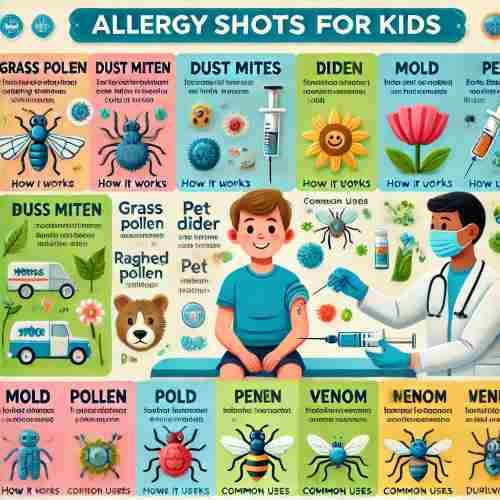
……………………………..

Top-5-Best-Allergy-Tablets-In-Pakistan

Top 5 Best Allergy Tablets in Pakistan (Usage, Price And Side Effects)

Allergies are a pervasive health concern across Pakistan, with millions suffering from symptoms triggered by pollen, dust, pollution, and seasonal changes. Finding the right allergy tablet can be a daunting task given the plethora of options available at local pharmacies. This guide is designed to demystify the top five allergy tablets in Pakistan: Baydal, Rigix, Avil, Mexaderm, and Jardin-D. We provide an in-depth analysis of their usage, pricing, side effects, and suitability for different conditions, empowering you to make an informed decision in consultation with your healthcare provider.

In this article, you will learn:

  • The definitive breakdown of the top 5 allergy medicines available in Pakistan.
  • A clear understanding of how antihistamines work and the difference between types.
  • Detailed information on usage, dosage, price, and potential side effects for each tablet.
  • Guidance on choosing the right tablet for specific symptoms like skin itching (kharish) and allergic flu.
  • Answers to frequently asked questions about safety during pregnancy, daily use, and interactions.

Try More Free Tools:

Top-5-Best-Allergy-Tablets-In-Pakistan

Understanding Allergies and Antihistamines: A Primer

What is an Allergy? A Simple Explanation
An allergy is your body’s immune system overreacting to a typically harmless substance, known as an allergen. When someone with a predisposition to allergies encounters an allergen like pollen, dust mites, or certain foods, their immune system mistakenly identifies it as a dangerous invader. This triggers the release of chemicals, primarily histamine, which leads to the classic symptoms we associate with an allergic reaction.

What are the 7 major allergies?
While there are numerous allergens, seven major categories are commonly recognized. These include:

  • Pollen Allergy: From trees, grasses, and weeds, common during spring and fall.
  • Dust Mite Allergy: Caused by microscopic insects living in household dust.
  • Mold Allergy: Triggered by spores from fungi growing in damp areas.
  • Pet Dander Allergy: A reaction to proteins in skin flakes, saliva, and urine of pets like cats and dogs.
  • Food Allergy: Reactions to items like nuts, milk, eggs, shellfish, and wheat.
  • Insect Sting Allergy: Severe reactions to stings from bees, wasps, or hornets.
  • Drug Allergy: An adverse reaction to medications, such as penicillin or certain anti-inflammatory drugs.

What are Antihistamines and How Do They Work?
Antihistamines are a class of drugs primarily used to treat allergy symptoms. They work by blocking the effects of histamine, the key chemical mediator released by your body’s mast cells during an allergic reaction. By occupying the histamine receptors in your body, they prevent histamine from binding to these sites and causing symptoms like sneezing, itching, runny nose, and watery eyes.

First-Generation vs. Second-Generation Antihistamines: What’s the Difference?
Understanding the difference between these two generations is crucial for selecting the right medicine.

  • First-Generation Antihistamines (e.g., Avil, Baydal): These are the older class of antihistamines. They are effective but readily cross the blood-brain barrier, which often results in significant drowsiness and sedation. They may also cause dry mouth, dizziness, and blurred vision.
  • Second-Generation Antihistamines (e.g., Rigix, Mexaderm, Jardin-D): These are newer formulations designed to be non-drowsy or less drowsy. They do not cross the blood-brain barrier as easily, making them preferable for daily use, for people who need to drive, or for those who operate machinery.

How to Choose the Right Allergy Tablet for You in Pakistan

Selecting the most appropriate allergy medicine requires careful consideration of several factors. A one-size-fits-all approach does not work with antihistamines, as individual response can vary significantly.

Factors to Consider Before Buying an Allergy Medicine

  • Your Specific Symptoms: Are you dealing with a runny nose and sneezing (allergic rhinitis), or is severe skin itching (kharish) and hives your main concern? Some tablets are better suited for certain symptoms.
  • Drowsiness vs. Non-Drowsy Formulations: Your daily routine is a key deciding factor. If you need to remain alert for work or driving, a second-generation antihistamine is essential. If your allergies are severely disrupting your sleep, a first-generation option at night might be beneficial.
  • Underlying Health Conditions: Conditions like high blood pressure, glaucoma, prostate enlargement, or kidney disease can influence which antihistamine is safe for you. Always disclose your full medical history to your doctor.
  • Age and Specific Groups: The dosage and safety of allergy tablets differ for children, the elderly, and pregnant or breastfeeding women.
  • Cost and Brand Affordability: The price of allergy medicine in Pakistan can vary widely between generic and branded versions. Finding a effective treatment that fits your budget is important for long-term management.

In-Depth Review: Top 5 Allergy Tablets in Pakistan

This section provides a detailed, head-to-head comparison of the five most sought-after allergy tablets in the Pakistani market, analyzing their pros, cons, and ideal use cases.

Rigix (Cetirizine)

Rigix (Cetirizine)

Rigix, containing the active ingredient Cetirizine, is one of the most popular second-generation antihistamines in Pakistan.

Buy Online now.

Rigix-Tablets

What is the use of Rigix tablet?
Rigix, containing the active ingredient Cetirizine, is one of the most popular second-generation antihistamines in Pakistan. It is primarily used for the relief of symptoms associated with seasonal and perennial allergic rhinitis, such as sneezing, runny nose, and itchy/watery eyes. It is also highly effective in treating chronic itching (kharish) and skin conditions like chronic idiopathic urticaria (hives).

Drug Class and Mechanism
Rigix is a second-generation antihistamine. It selectively inhibits H1-receptors, preventing histamine from triggering allergic responses without causing significant drowsiness in most users.
Best For

  • General allergic rhinitis and hay fever.
  • Chronic skin itching and hives.
  • Patients requiring a non-drowsy formula for daily use.

How Fast Does It Work? What is the fastest allergy relief medicine?
Rigix has a relatively rapid onset of action. Symptom relief typically begins within one hour of ingestion, with the peak effect occurring between one to four hours. While not the absolute fastest, it provides a quick and sustained relief for 24 hours.
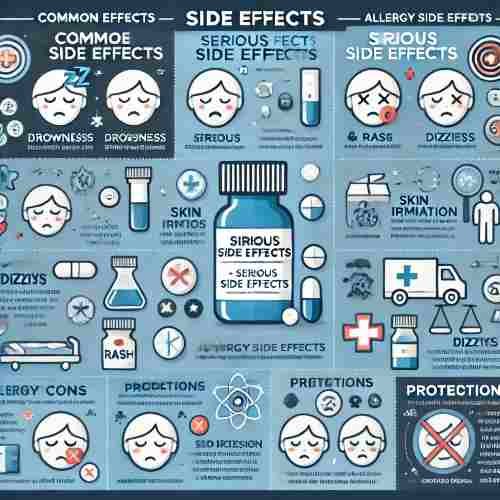

Usage & Dosage

  • The standard adult and children (above 6 years) dose is 10 mg (one tablet) once daily.
  • It can be taken with or without food.
  • What is the best time of day to take allergy medicine? For Rigix, it can be taken either in the morning or evening, depending on individual response. If you experience slight drowsiness, taking it in the evening is advisable.

Common Side Effects & Risks

  • Mild drowsiness or fatigue.
  • Dry mouth.
  • Headache or dizziness (less common).

Key Considerations & Warnings

  • Can I take Rigix daily? Yes, its safety profile makes it suitable for daily, long-term use under medical supervision.
  • It is generally considered to have a lower risk profile during pregnancy and breastfeeding compared to first-generation drugs, but a doctor’s consultation is mandatory.
  • Use with caution in patients with kidney impairment, as dosage adjustment may be required.

Price Range of Rigix in Pakistan
The price for a strip of 10 Rigix tablets typically Pkr. 110, making it an affordable and accessible option.

Verdict: Who should use it?
Rigix (Cetirizine) is an excellent all-rounder for most adults and children suffering from common allergies and skin itching. It is a go-to choice for those seeking effective, 24-hour relief without pronounced drowsiness.

Avil (Pheniramine Maleate)

Avil (Pheniramine Maleate)

Avil, containing Pheniramine Maleate, is a potent and fast-acting first-generation antihistamine.

Buy online now.

Avil-Tablet

Is Avil Tablet good for allergy?
Yes, Avil, containing Pheniramine Maleate, is a potent and fast-acting first-generation antihistamine. It is highly effective for providing rapid relief from acute allergic reactions, severe itching, and allergic conjunctivitis. However, its use is often limited by its strong sedative properties.

Drug Class and Mechanism
Avil is a first-generation antihistamine. It acts on H1-receptors in the body and the central nervous system, which is responsible for its potent anti-allergic and sedative effects.

Best For

  • Acute and severe allergic episodes.
  • Providing relief from intense, uncontrollable itching.
  • Situations where a sedative effect is desirable.

How Fast Does It Work? What is the fastest medicine for allergies?
Avil is known for its very fast onset of action. Many users report feeling relief from symptoms within 30 to 60 minutes, making it one of the faster-acting options available over-the-counter.

Usage & Dosage

  • The common adult dose is 22.5 mg to 45 mg (half to one tablet) two to three times a day.
  • It is crucial not to exceed the recommended dosage due to the risk of increased side effects.

Common Side Effects & Risks

  • Pronounced drowsiness and sedation.
  • Dizziness and loss of coordination.
  • Dry mouth, blurred vision, and constipation.

Key Considerations & Warnings

  • Do not drive or operate heavy machinery after taking Avil.
  • It is not recommended for daily long-term use for allergy management due to its side effect profile.
  • Avoid concurrent use with alcohol or other central nervous system depressants.

Price Range of Avil in Pakistan
Avil is very economical, with a strip of 10 tablets costing approximately PKR 70.

Verdict: Who should use it?
Avil is a powerful tool for short-term, severe symptom relief. It is best used intermittently and when the user can remain at home and rest due to its high potential for causing drowsiness.

Baydal (Chlorpheniramine Maleate)

Baydal (Chlorpheniramine Maleate)

Baydal’s active ingredient is Chlorpheniramine Maleate, a first-generation antihistamine. It is widely used for relieving symptoms of allergic conditions like rhinitis, conjunctivitis, and skin allergies.

Buy online now.

Baydal-Syrup

What is Baydal used for?
Baydal’s active ingredient is Chlorpheniramine Maleate, a first-generation antihistamine. It is widely used for relieving symptoms of allergic conditions like rhinitis, conjunctivitis, and skin allergies. It is also a common component in over-the-counter cold and flu remedies due to its ability to dry up nasal secretions.

Drug Class and Mechanism
As a first-generation antihistamine, Baydal works by antagonizing H1-receptors, providing relief from allergy symptoms but with a significant risk of central nervous system depression.

Best For

  • Managing symptoms of allergic rhinitis and skin rashes.
  • As a best anti allergy for flu in Pakistan, often found in combination cold tablets.

How Fast Does It Work?
Baydal starts to work within 30 to 60 minutes after oral administration, providing relatively quick relief.

Usage & Dosage

  • The usual adult dose is 4 mg every 4 to 6 hours, not to exceed 24 mg in 24 hours.

Common Side Effects & Risks

  • Drowsiness, sleepiness, and dizziness.
  • Dry mouth and blurred vision.
  • Gastrointestinal upset.

Key Considerations & Warnings

  • Similar to Avil, it causes significant sedation and impairs alertness.
  • Not ideal for long-term, daily control of chronic allergies.
  • Often marketed for multi-symptom cold relief, so check the formulation to avoid double-dosing when taking other cold medicines.

Price Range of Baydal in Pakistan
Baydal is one of the most cost-effective antihistamines, with a price of PKR 55 per strip.

Verdict: Who should use it?
Baydal is a budget-friendly option for temporary relief from allergy and cold-like symptoms, best used when sedation is not a concern.

Mexaderm (Loratadine)

Mexaderm (Loratadine)

Mexaderm is a common brand of Loratadine available in Pakistan. Loratadine is a second-generation antihistamine renowned for its non-drowsy profile.

Buy online now.

Mexaderm-Tablets-Price

What is the brand name of Loratadine in Pakistan?
Mexaderm is a common brand of Loratadine available in Pakistan. Loratadine is a second-generation antihistamine renowned for its non-drowsy profile.

Drug Class and Mechanism
Mexaderm is a second-generation antihistamine. It selectively blocks peripheral H1-receptors, offering relief from allergies without crossing the blood-brain barrier to a significant degree, thereby minimizing drowsiness.

Best For

  • 24-hour non-drowsy relief from seasonal allergies.
  • Patients who experience drowsiness with other antihistamines like Cetirizine.
  • Managing chronic skin allergies without sedation.

How Fast Does It Work?
Mexaderm’s onset of action is slightly slower than some others. It may take 1 to 3 hours to begin working, but its effects are long-lasting, providing full 24-hour coverage.

Usage & Dosage

  • The standard dose for adults and children over 6 years is 10 mg (one tablet) once daily.

Common Side Effects & Risks

  • It is generally very well-tolerated.
  • Rare side effects may include headache, fatigue, or dry mouth.

Key Considerations & Warnings

  • A top choice for individuals who need to remain completely alert throughout the day.
  • Taking it on an empty stomach may lead to faster absorption.

Price Range of Mexaderm in Pakistan
A strip of 10 Mexaderm tablets is typically PKR 140.

Verdict: Who should use it?
Mexaderm (Loratadine) is the ideal choice for students, drivers, and working professionals who require effective, all-day allergy relief without any compromise on mental alertness.

Jardin-D (Levocetirizine)

Jardin-D (Levocetirizine)

Jardin-D contains Levocetirizine, which is an active enantiomer of Cetirizine.

Buy online now.

Jardin-D-Tablet-5mg

What is the new allergy medicine?
Jardin-D contains Levocetirizine, which is an active enantiomer of Cetirizine. It is often considered a refined and potent version, offering a faster onset and potentially stronger effect with a similarly low risk of drowsiness.

Drug Class and Mechanism
Jardin-D is a second-generation antihistamine. It is the R-enantiomer of cetirizine and has a higher affinity for H1-receptors, which is why it is considered more potent at a lower dose.

Best For

  • Powerful and fast-acting relief for persistent allergic rhinitis.
  • Severe chronic itching and urticaria (hives) that does not respond adequately to other antihistamines.

How Fast Does It Work? What allergy medicine works in 30 minutes?
Jardin-D has a very rapid onset. It can start relieving symptoms in as little as 30 to 60 minutes, making it one of the fastest-acting second-generation antihistamines available.

Usage & Dosage

  • The recommended dose for adults and children over 6 years is 5 mg (one tablet) once daily.

Common Side Effects & Risks

  • Side effects are similar to cetirizine but may be less frequent; these include mild drowsiness, headache, and dry mouth.

Key Considerations & Warnings

  • It is a potent option for those who have not found sufficient relief with Loratadine or even Cetirizine.
  • Due to its potency, it is essential to stick to the prescribed 5 mg dose.

Price Range of Jardin-D in Pakistan
As a newer and more potent drug, Jardin-D is priced higher, usually PKR 250 per strip of 10 tablets.

Verdict: Who should use it?
Jardin-D (Levocetirizine) is for those who need a stronger, faster, and more potent antihistamine effect without the baggage of first-generation sedation. It is a premium choice for stubborn allergy symptoms.

Comprehensive Comparison and FAQs

Head-to-Head Comparison Table

FeatureRigix (Cetirizine)Avil (Pheniramine)Baydal (Chlorpheniramine)Mexaderm (Loratadine)Jardin-D (Levocetirizine)
Generic NameCetirizinePheniramine MaleateChlorpheniramine MaleateLoratadineLevocetirizine
GenerationSecondFirstFirstSecondSecond
Best ForAll-round allergies & itchingAcute, severe symptomsAllergies & cold symptomsNon-drowsy daily reliefPotent, fast relief for stubborn symptoms
DrowsinessLow to ModerateHighHighVery LowLow
Dosage10 mg once daily22.5-45 mg, 2-3 times/day4 mg every 4-6 hrs10 mg once daily5 mg once daily
Price (PKR)80 – 12040 – 7030 – 6090 – 140150 – 220

Frequently Asked Questions About Allergy Tablets in Pakistan

Which allergy tablet works best?
There is no single “best” allergy tablet for everyone. The most effective tablet depends on your specific symptoms, your body’s individual response, and your lifestyle needs. For general, non-drowsy daily use, Rigix (Cetirizine) or Mexaderm (Loratadine) are excellent starting points. For fast, powerful relief where drowsiness is not a concern, Avil can be very effective. Jardin-D is often the most potent second-generation option.

What’s the strongest allergy tablet?
In terms of pharmacological potency, Jardin-D (Levocetirizine) is considered one of the strongest second-generation antihistamines. Among first-generation options, Avil (Pheniramine) is very strong and fast-acting. “Strongest” can refer to either the intensity of the effect or the speed of onset, and both these tablets excel in their respective categories.

Can I take allergy tablets daily?
Yes, but only certain types. Second-generation antihistamines like Rigix (Cetirizine), Mexaderm (Loratadine), and Jardin-D (Levocetirizine) are designed and deemed safe for daily use to manage chronic allergy symptoms. First-generation antihistamines like Avil and Baydal are not recommended for long-term daily use due to their side effect profile, particularly sedation and potential cognitive impairment.

What is the fastest way to stop skin allergies?
The fastest way to stop a skin allergy (kharish) involves a multi-pronged approach:

  1. Immediately avoid the allergen if it is known.
  2. Take a fast-acting oral antihistamine like Avil or Jardin-D.
  3. Apply a cool, damp cloth or take a cool bath to soothe the skin.
  4. Use a fragrance-free moisturizer to repair the skin barrier.
  5. For severe cases, a doctor may prescribe a topical corticosteroid cream for rapid local relief.

Which allergy medicine is safe during pregnancy?
This is a critical question that must be addressed by a healthcare professional. No antihistamine is 100% proven safe during pregnancy. However, some, like Loratadine (Mexaderm) and Cetirizine (Rigix), are often considered to have a more favorable safety profile based on existing data and are sometimes recommended when the benefits outweigh the risks. Self-medication during pregnancy is strongly discouraged.

What allergy medicine is safe for high blood pressure?
Most plain second-generation antihistamines like Loratadine (Mexaderm), Cetirizine (Rigix), and Fexofenadine are generally considered safe for individuals with high blood pressure. The critical thing to avoid are combination cold and allergy tablets that contain decongestants like pseudoephedrine or phenylephrine, as these can raise blood pressure. Always choose single-ingredient antihistamines and consult your doctor.

Can I take two allergy pills? / How much allergy medicine can I take in 24 hours?
You should never exceed the recommended dosage listed on the product packaging or prescribed by your doctor. Taking two pills of the same antihistamine at once or exceeding the 24-hour limit can lead to an overdose, increasing the risk of severe side effects like extreme drowsiness, seizures, or heart problems. If one pill is not effective, consult a doctor for an alternative or stronger prescription.

Special Focus: Skin Allergies and Itching (Kharish) in Pakistan

What is the best treatment for skin allergies?
The best treatment for skin allergies is a comprehensive strategy that includes avoidance, skincare, and medication. Identifying and avoiding the trigger is the first and most crucial step. A consistent skincare routine using gentle, hypoallergenic products helps restore the skin barrier. Medically, oral antihistamines are the cornerstone of systemic treatment for relieving itch.

Which allergy pill is best for itching?
For relieving skin itching (kharish), the best pills are those that strongly block the histamine pathways responsible for itch.

  • For rapid, severe itching: Avil (Pheniramine) is very effective but causes drowsiness.
  • For daily, non-sedating control of chronic itch: Jardin-D (Levocetirizine) is often the most potent, followed by Rigix (Cetirizine). These are excellent for conditions like chronic urticaria.

What is the strongest antihistamine for itchy skin?
Among second-generation antihistamines, Levocetirizine (found in Jardin-D) is often regarded as the strongest for suppressing itchy skin. Among all categories, first-generation drugs like Hydroxyzine (a prescription drug) or high-dose Pheniramine (Avil) are very strong but come with significant sedation.

How do I treat a skin allergy? A Step-by-Step Guide

  1. Identify and Avoid: Try to pinpoint the cause (e.g., new soap, detergent, food, fabric) and eliminate contact.
  2. Soothe the Skin: Apply a cool, wet compress to the affected area for 15-30 minutes several times a day.
  3. Moisturize Liberally: Use a thick, fragrance-free moisturizer like petroleum jelly or ceramide-based creams to protect the skin.
  4. Take an Oral Antihistamine: Use a suitable antihistamine from the list above to control the itch from within.
  5. Use a Topical Cream: For persistent rash, a doctor may recommend a topical steroid cream like hydrocortisone for a short period.

Important Safety Information and Warnings

When to See a Doctor Instead of Self-Medicating
Self-medication with over-the-counter allergy tablets has its limits. You must consult a doctor if you experience:

  • Symptoms that are severe or do not improve after a week of self-treatment.
  • Difficulty breathing, wheezing, or tightness in the chest.
  • Swelling of the lips, tongue, throat, or face.
  • Signs of a skin infection, such as increased pain, pus, or fever.
  • You are pregnant, breastfeeding, or treating a young child.

The Danger of Self-Medication and Misdiagnosis
Using allergy tablets can mask the symptoms of a more serious condition. What seems like an allergy could be a sinus infection, asthma, or another medical issue that requires a different treatment. A proper diagnosis is essential for effective and safe management.

Conclusion

Navigating the world of allergy tablets in Pakistan requires a balance of understanding your symptoms, your body’s response, and your daily life demands. From the rapid relief of Avil to the non-drowsy endurance of Mexaderm and the potent action of Jardin-D, there is a solution for nearly every type of allergy sufferer. Use this guide as a detailed roadmap to have an informed discussion with your pharmacist or doctor. By choosing wisely, you can effectively manage your allergies and significantly improve your quality of life.

Breeky-Tablet-Uses-In-Pregnancy

Breeky Tablet Uses In Pregnancy: Dose per Day and Time It Takes to Work

The Breeky tablet, a brand name for the medication Misoprostol, is a prostaglandin analog with specific and critical uses in obstetric and gynecological care. Primarily, it is employed under strict medical supervision for the medical management of pregnancy, including medical abortion and the treatment of missed or incomplete miscarriage. This guide will detail its functions, standard dosage protocols, the precise timeline of its action, and the essential safety information every individual should know before considering its use.

In Breeky Tablet Uses In Pregnancy article, you will learn:

  • The exact composition and primary medical functions of the Breeky tablet.
  • The detailed, medically-accepted dosage and administration guidelines for its use in pregnancy.
  • A complete timeline of what to expect physically after taking the medication.
  • How to identify potential complications and the paramount importance of follow-up care.
  • Answers to the most frequently asked questions surrounding its safety and efficacy.

Try More Free Tools:

Breeky-Tablet-Uses-In-Pregnancy

Understanding the Breeky Tablet: Composition and Primary Function

Breeky Tablet

Breeky is a brand of Misoprostol, a medication used for medical abortion and managing miscarriage. It works by causing uterine contractions to expel pregnancy tissue. This powerful drug must only be used under strict medical supervision.

Buy now.

Breeky-Tablet-200mcg

What is Breeky Tablet? Breeky is a pharmaceutical tablet whose active ingredient is Misoprostol, typically in a strength of 200 micrograms (mcg). It belongs to a class of drugs known as prostaglandin E1 analogs. This means it mimics the action of naturally occurring prostaglandins in the body, which are chemicals involved in processes like inflammation, pain, and smooth muscle contraction. Understanding its fundamental composition is the first step in comprehending its powerful effects on the human body, particularly the uterine muscle.

What is the primary function of a Breeky tablet? The primary functions of Breeky (Misoprostol) are directly tied to its prostaglandin-mimicking properties. Its two main actions in gynecological contexts are uterine stimulation and cervical ripening. It causes the smooth muscles of the uterus to contract rhythmically and forcefully. Simultaneously, it works to soften, efface, and dilate the cervix, which is the opening to the uterus. These twin actions are the basis for its medical applications in pregnancy-related scenarios.

Common medical uses of Breeky (Misoprostol)
Breeky tablet uses extend beyond a single procedure. Its applications are diverse and must always be directed by a qualified healthcare professional. The most common uses include:

  • Medical Termination of Pregnancy (MTP): It is used in combination with another drug called Mifepristone to induce an abortion in the early stages of pregnancy. This is often referred to as the “abortion pill” or medical abortion.
  • Management of Miscarriage: For cases of missed miscarriage or incomplete miscarriage, where the body has not naturally expelled the pregnancy tissue, Breeky Tablet is used to initiate contractions and complete the process.
  • Postpartum Hemorrhage (PPH): It is a critical tool in preventing and treating excessive bleeding after childbirth by causing the uterus to contract firmly.
  • Gastric Ulcer Treatment: Originally developed and still used for preventing stomach ulcers, particularly in people taking nonsteroidal anti-inflammatory drugs (NSAIDs).

Breeky Tablet and Pregnancy: Critical Context and Warnings

What happens if a pregnant woman takes misoprostol? The effect of a pregnant woman taking Breeky Tablet is a deliberate and powerful initiation of uterine contractions and cervical dilation. When used under medical supervision for purposes like medical abortion or miscarriage management, this effect is the intended therapeutic outcome. However, if taken without medical guidance, it can lead to a incomplete abortion, severe bleeding, infection, or other life-threatening complications. The context of its administration—supervised versus unsupervised—is what differentiates a safe medical procedure from a dangerous health crisis.

Can misoprostol damage early pregnancy? Yes, the explicit purpose of using misoprostol in a medical abortion protocol is to terminate an early pregnancy. It works by damaging the connection between the pregnancy and the uterine wall and expelling the contents through contractions. Therefore, it should never be used during a wanted pregnancy, and individuals who are or could be pregnant should not handle the tablets if they wish to continue the pregnancy, as accidental exposure, though rare, could pose a risk.

Is Breeky tablet safe? Analyzing the risks and necessary precautions
The safety of Breeky tablet is entirely contingent upon strict adherence to medical protocols. It is considered safe and effective for medical abortion by major health organizations like the WHO when used correctly. However, this safety is conditional on several critical factors:

  • Medical Supervision: A doctor must confirm the pregnancy, determine its exact location (to rule out ectopic pregnancy), and verify the gestational age.
  • Pre-existing Conditions: It is contraindicated for individuals with certain conditions, such as an allergy to misoprostol, adrenal gland failure, or porphyria.
  • Access to Emergency Care: The patient must have reliable access to a healthcare facility in case of severe complications like heavy bleeding.

Other Abortion Tablet Uses In Pregnancy

S.T Mom Tablet

S.T Mom is a brand name for the medication Misoprostol, used in obstetrics and gynecology. It is primarily prescribed for medical abortion and to manage miscarriage. Always use this medication under direct supervision of a qualified healthcare professional.

Buy now.

S-T-Mom-200-mcg-Tablet

Breeky Tablet for Medical Abortion: Protocol and Dosage

Which tablet is used to stop early pregnancy? The most common and effective regimen for a medical abortion involves two different drugs: Mifepristone and Misoprostol. Breeky is the brand name for the Misoprostol component. Mifepristone is taken first; it works by blocking the hormone progesterone, which is essential for maintaining the pregnancy. Without progesterone, the pregnancy detaches from the uterine lining. Misoprostol (Breeky) is taken 24 to 48 hours later to induce contractions that expel the pregnancy tissue.

What is the best pill for removing pregnancy? The combined regimen of Mifepristone and Misoprostol is widely regarded as the gold standard for medical abortion, with a success rate of over 95% for pregnancies up to 10 weeks gestation. While Misoprostol-alone regimens exist and are used in some settings, the two-drug combination is significantly more effective and is the protocol recommended by leading global health authorities.

Breeky tablet dosage for medical abortion
The dosage is precise and must be followed exactly as prescribed by a doctor. The standard evidence-based protocol is:

  • Day 1: 200 mg of Mifepristone taken orally in a clinical setting or at home as directed.
  • After 24-48 hours: 800 mcg of Misoprostol (Breeky). This is typically administered as 4 tablets of Breeky 200mcg.

How many doses of Breeky tablet per day? For medical abortion, the standard Misoprostol dose is a single administration of 800 mcg. It is not a medication that is taken daily. In very specific circumstances, such as later gestational ages or if the first dose does not work, a doctor may prescribe an additional dose, but this should never be done without explicit medical instruction.

Breeky tablet timing and administration
The timing between the two medications is critical for the protocol’s success.

  • After how many hours Breeky tablet works? You take the Breeky tablets 24 to 48 hours after taking the Mifepristone pill. The Misoprostol itself typically begins to work within 30 minutes to 2 hours of administration.
  • How to use Breeky 200 mg for abortion? The route of administration is crucial and should be followed as per your doctor’s advice. The most common methods are:
    • Buccal: Placing two tablets in each cheek pouch (for a total of four tablets) and letting them dissolve for 30 minutes. Any remnants are swallowed with water.
    • Sublingual: Placing all four tablets under the tongue and letting them dissolve for 30 minutes before swallowing the remnants.
    • Vaginal: Inserting all four tablets deep into the vagina, where they dissolve.

Gestational age limits for medical abortion
The efficacy and safety of medical abortion are highest within a specific gestational window.

  • Up to 10 weeks: This is the ideal and most effective window for a medical abortion using the standard Mifepristone-Misoprostol protocol.
  • 10 to 12 weeks: The process can still be performed but may require an additional dose of Misoprostol and is associated with a slightly higher rate of incomplete abortion.
  • Can misoprostol remove 3 months of pregnancy? Beyond 12-13 weeks (the first trimester), the medical abortion protocol changes significantly, often involving multiple doses and a longer process with increased risks. It should only be managed in a clinical setting with close monitoring.

What to Expect: The Process and Timeline of a Medical Abortion with Breeky

After how many hours does the Breeky tablet work? After you take the Mifepristone, you will likely experience no immediate symptoms. The active process begins after you take the Breeky (Misoprostol) tablets. Most people will start to feel cramps and see vaginal bleeding within 1 to 4 hours after taking the Misoprostol. The peak of the process, where the most intense cramping and heaviest bleeding occurs, typically happens between 1 to 5 hours after administration.

What comes first after taking abortion pills? The sequence of events after taking the second set of pills (Misoprostol) generally follows this order:

  1. Cramping: Usually the first sign, starting as mild and becoming stronger, similar to very intense period cramps.
  2. Vaginal Bleeding: Begins as spotting and progresses to a heavy flow, heavier than a typical menstrual period.
  3. Passing of Clots: You may pass numerous blood clots, which can vary in size.
  4. Passing of Pregnancy Tissue: At around 4-9 weeks, the pregnancy tissue is often small (the size of a lemon seed to a kidney bean) and may be passed within a clot, so you may or may not see it distinctly.

How long does an abortion take? The intense, active part of the abortion process—from the start of heavy bleeding and cramping to the passing of the main pregnancy tissue—typically lasts for 4 to 6 hours. However, bleeding and spotting can continue for several days and may taper off over 1 to 3 weeks, similar to an extended period.

How painful is a miscarriage with misoprostol? The cramping can be severe. Many people describe it as more intense than typical menstrual cramps. The level of pain is comparable to very bad period pain or early labor contractions. The pain is manageable for most with prescribed pain medication (like ibuprofen or naproxen) and the use of a heating pad. Your doctor should provide guidance on pain management.

How will I feel after taking misoprostol? Physically, after the peak hours, the intense cramping will subside, and the bleeding will lighten. You may feel fatigued and experience other side effects like mild fever, chills, nausea, vomiting, or diarrhea for a short period. Emotionally, feelings can vary widely from relief to sadness; this is normal, and having emotional support is important.

Post-Procedure: Recovery and Confirmation

  • How long will I bleed after misoprostol? Bleeding and spotting can persist for 1 to 3 weeks, gradually becoming lighter. It is essential to use sanitary pads, not tampons, to reduce the risk of infection.
  • How to know if my abortion is complete? Signs of a complete abortion include a decrease in pregnancy symptoms (like nausea), the passing of clots and tissue, and the gradual reduction of bleeding and cramping. However, the only way to be certain is through a follow-up appointment.
  • The Importance of Follow-up: This is a non-negotiable part of the process. A healthcare provider will confirm the abortion is complete, usually through a low-sensitivity pregnancy test, an ultrasound scan, or a clinical examination. This usually occurs 1 to 2 weeks after taking the medication.

Addressing Common Concerns and Complications

Breeky-Tablet-Uses-for-Periods

What if the Breeky tablet is not working? If you do not experience any bleeding within 24 hours of taking the Misoprostol, this may indicate that the process has not started, which is termed a failed medical abortion. You should contact your healthcare provider immediately. They will assess the situation and may recommend a second dose of Misoprostol or a surgical procedure (suction aspiration) to complete the abortion.

Can I still be pregnant after using misoprostol? Yes, though the success rate is high, there is a small chance (2-5%) that the pregnancy may continue, especially at later gestational ages. This is why the follow-up visit is critical. If the abortion is incomplete or failed, a surgical procedure is typically required to prevent infection and heavy bleeding.

How to make sure a miscarriage is complete? The definitive signs are confirmed by a medical professional. At home, you can look for the cessation of heavy bleeding and cramping and the disappearance of early pregnancy symptoms. Medically, confirmation is done via:

  • Transvaginal Ultrasound: To check that the uterus is empty.
  • Serum hCG Test: A blood test to measure the pregnancy hormone level, which should be dropping significantly.

What are the side effects of misoprostol in pregnancy? Besides the intended effects of cramping and bleeding, common side effects of the medication itself include:

  • Chills and low-grade fever (common in the first 24 hours)
  • Nausea and Vomiting
  • Diarrhea
  • Headache
  • Dizziness

Warning Signs: When to Seek Immediate Medical Help
While some pain and bleeding are expected, certain symptoms indicate a serious complication. Seek emergency care if you experience:

  • Heavy Bleeding: Soaking through two or more maxi pads per hour for two consecutive hours.
  • Severe Pain: Abdominal pain that is not relieved by pain medication and rest.
  • High Fever: A temperature of 100.4°F (38°C) or higher that persists more than 24 hours after taking Misoprostol.
  • Foul-Smelling Discharge: This can be a sign of a uterine infection.

Managing a Miscarriage: How to process a miscarriage medically
For a missed or incomplete miscarriage, Breeky offers a non-surgical management option. The dosage is similar to that used for medical abortion, often 800 mcg vaginally or buccally. The process, including the timeline, side effects, and necessary follow-up, is nearly identical. It provides women with a choice to manage their miscarriage in the privacy of their own home rather than undergoing a surgical procedure.

Postpartum Uses: After Delivery and C-Section

  • Breeky tablet uses after delivery: It is a first-line drug for the active management of the third stage of labor to prevent postpartum hemorrhage. It causes the uterus to contract firmly after the baby is born, reducing blood loss.
  • Breeky tablet uses after c-section: It may be used during or after a Cesarean section to induce uterine contractions and minimize bleeding, often administered directly on the uterine muscle.

Frequently Asked Questions (FAQs)

Is misoprostol 200 mg used in pregnancy?
Yes, Misoprostol 200 mcg (0.2 mg) is used under medical supervision for specific pregnancy-related conditions, primarily for medical abortion in combination with Mifepristone and for the management of miscarriage. It is not used to support a continuing pregnancy.

Are pregnancy removal tablets safe?
When obtained through a certified healthcare provider and used according to evidence-based medical protocols, pregnancy removal tablets (Mifepristone and Misoprostol) are very safe and over 95% effective. Self-managed abortion without medical supervision carries significant health risks, including incomplete abortion and severe bleeding.

Can I take misoprostol at 7 weeks pregnant?
Yes, 7 weeks of pregnancy is within the most effective window for a medical abortion using the Mifepristone and Misoprostol protocol. The success rate at this stage is extremely high.

What to do if I am 1 month pregnant and I don’t want a baby?
If you are one month pregnant (approximately 4 weeks) and do not wish to continue the pregnancy, you should contact a licensed healthcare provider or a reputable family planning clinic as soon as possible. They will confirm the pregnancy, discuss your options (medical abortion, surgical abortion, or continuing the pregnancy), and guide you through the next steps safely.

Is 4 misoprostol enough for abortion?
For early pregnancy abortion (up to 10 weeks) following Mifepristone, 800 mcg of Misoprostol (which is four 200 mcg tablets) is the standard and sufficient single dose recommended by the World Health Organization and other health bodies.

How-to-Use-Somogel-Safely

How to Use Somogel Safely: Benefits, Side Effects, and Price In Pakistan

Somogel is a widely used topical oral gel in Pakistan, trusted for rapid relief from mouth ulcers, teething pain, and general oral discomfort. This comprehensive guide delves into every aspect of Somogel, from its active formula and correct application to its potential side effects and current market price, empowering you to use this medication safely and effectively for yourself and your family.

In this article, you will learn:

  • The exact formula and mechanism of action of Somogel.
  • A step-by-step guide on how to apply it safely on ulcers, tongue, and gums.
  • Safety protocols for babies, children, and special groups.
  • An analysis of its benefits, how fast it works, and potential side effects.
  • The latest price of Somogel in pharmacies across Pakistan.
  • A comparative analysis with other brands like Sumo Gel and Smyle Gel.
  • Holistic strategies to manage and prevent mouth ulcers.

Try More Free Tools:

How-to-Use-Somogel-Safely

What is Somogel? Understanding the Formula and Its Uses

Somogel Price In Pakistan

Somogel is a topical oral gel used to relieve pain from mouth ulcers and teething. It contains local anesthetic and antiseptic ingredients for fast, soothing relief. This popular over-the-counter medication.

Buy now.

Somogel-Gel-20-gm

Somogel is a medicated topical gel designed specifically for oral mucosal conditions. It functions as a protective barrier, providing symptomatic relief from pain and inflammation associated with various mouth sores. Its multi-action formula addresses both the discomfort and potential causes of oral lesions, making it a popular over-the-counter choice in Pakistani households for managing common oral health issues.

What is the primary active ingredient in Somogel?
The primary active ingredient in most formulations of Somogel is Lignocaine Hydrochloride, a local anaesthetic, often combined with Chlorhexidine Gluconate, a powerful antiseptic. This dual-action approach is key to its effectiveness.

  • Lignocaine HCl: This agent works by temporarily blocking nerve signals in the area where it is applied. This numbing effect provides fast-acting relief from pain and irritation caused by mouth ulcers, teething, or other oral injuries.
  • Chlorhexidine Gluconate: This antiseptic helps reduce and prevent bacterial growth in and around the ulcer, which can prevent secondary infection and promote a cleaner environment for healing.

What is Somogel cream used for?
Somogel is indicated for a range of oral conditions, providing relief and supporting the healing process.

  • Mouth Ulcers (Aphthous Stomatitis): The primary use, offering pain relief and protecting the ulcer from further irritation by food and drink.
  • Teething Pain in Infants and Babies: Gently numbs the inflamed gums, providing comfort to infants during the difficult teething phase.
  • Gingivitis and Minor Gum Inflammation: The antiseptic property helps manage bacteria causing gum inflammation.
  • Toothache Management: Provides temporary pain relief from toothaches until dental care can be sought.
  • Denture Sores and Irritation: Protects sore spots caused by dentures and alleviates discomfort.
  • Post-Dental Procedure Care: Can be used after minor dental work to manage pain and keep the area clean.

Is Somogel good for mouth ulcers?
Yes, Somogel is considered highly effective for mouth ulcers due to its targeted formula. The lignocaine provides immediate pain relief, while the chlorhexidine helps prevent the ulcer from becoming infected, which can delay healing. Its gel base also adheres to the moist oral surface, forming a protective layer over the ulcer to shield it from aggravating factors.

The Complete Guide to Using Somogel Correctly and Safely

Proper application is crucial to maximizing the benefits of Somogel while minimizing any risks. Incorrect use can lead to reduced efficacy or unintended side effects. This section provides a detailed, step-by-step protocol for safe and effective use.

How do you use Somogel? A Step-by-Step Application Guide
Using Somogel correctly ensures the medication stays where it’s needed most. The process is simple but requires care.

  • Step 1: Wash Your Hands. Thoroughly clean your hands with soap and water to prevent introducing new bacteria into your mouth.
  • Step 2: Prepare the Area. Gently rinse your mouth with plain water to remove any food debris. Pat the affected area dry with a clean cotton swab or gauze for better adhesion.
  • Step 3: Apply a Pea-Sized Amount. Squeeze a small amount of gel (about the size of a pea) onto a clean cotton bud or your fingertip.
  • Step 4: Dab Gently Onto the Lesion. Carefully dab the gel directly onto the dry mouth ulcer, affected gum area, or sore tongue. Avoid rubbing it in vigorously.
  • Step 5: Let it Set. Keep your mouth open for about 30 seconds to allow the gel to dry and form a protective film over the ulcer.

How to Apply Somogel on tongue?
Applying gel on the tongue can be tricky due to saliva and movement.

  • Use a cotton bud for precision, as fingers can be cumbersome.
  • Gently protrude your tongue and use a piece of clean gauze to dry the specific spot if possible.
  • Dab the gel directly onto the ulcer on the tongue and try to avoid moving your tongue immediately after application to let the gel adhere.

Can you put oral gel on your throat?
Somogel is not designed for use deep in the throat. It is intended for the oral mucosa (the lining of the mouth, inside of the cheeks, gums, and tongue). Applying it to the throat is not recommended as it increases the risk of swallowing a larger amount, which should be avoided. For throat conditions, consult a doctor for appropriate medication.

Dosage and Frequency: How much is too much?
Adhering to the recommended dosage is a cornerstone of safe Somogel use.

  • How many times to Apply Somogel? For adults and children over 12, it is typically recommended to apply the gel 3 to 4 times daily, or as directed by a physician.
  • Somogel how many times a day? The general rule is up to 4 applications in 24 hours. It is best to space applications evenly, for instance, after meals and before bedtime.
  • What is the best way to apply sumo gel? The best method is using a cotton bud. It is more hygienic than a finger and allows for more precise application, ensuring the gel is delivered directly to the lesion.

Critical Safety Precautions and Warnings
Understanding what to avoid while using Somogel is as important as knowing how to use it.

  • Is it safe to swallow mouth ulcer gel? It is not recommended to deliberately swallow Somogel. While swallowing small amounts of saliva containing traces of the gel is inevitable and generally safe, swallowing the gel directly from the tube or a large amount at once should be avoided.
  • Can Somogel be swallowed? The ingredients are safe for topical use in the mouth, but the digestive system is not the intended route. Swallowing large quantities can increase the risk of systemic side effects.
  • What if I swallow ulcer gel? If you accidentally swallow a small amount, it is unlikely to cause harm. Drink a full glass of water to dilute it. If a large amount is swallowed or if you experience symptoms like nausea, dizziness, or difficulty breathing, seek immediate medical attention.
  • Can I drink water after applying mouth ulcer gel? It is best to avoid eating or drinking for at least 15-20 minutes after application. This allows the gel sufficient time to form a protective film and exert its full anaesthetic and antiseptic effects.

Somogel for Specific Patient Groups: Special Considerations

The use of any medication in vulnerable populations like infants and children requires extra caution. This section addresses the specific queries and concerns parents and caregivers have about using Somogel on their little ones.

Is Somogel safe for babies?
Somogel can be used for babies, but only under strict guidelines and preferably after consulting a paediatrician. Its most common use in babies is for relieving teething pain.

  • Somogel uses for babies: Primarily for teething discomfort. It should be used sparingly and not as a first-line treatment. Soothing the gums with a clean, cool teething ring is often recommended first.
  • What age is mouth ulcer gel safe for? There is no universal age, but most products, including Somogel, are not recommended for infants below 4 months old. Always check the package insert and consult a doctor for babies under one year.
  • How to apply gel in baby mouth?
    • Wash your hands thoroughly.
    • Place a very small amount (half a pea-size) on your clean little finger or a cotton bud.
    • Gently rub it onto the baby’s swollen and sore gums where the tooth is emerging.
    • Do not apply to the entire gumline, only the specific sore area.

Is Somogel safe for kids and children?
For children over the age of 2 years, Somogel is generally considered safe when used as directed. The dosage remains small (a pea-sized amount), and supervision is key to ensure they do not swallow it immediately.

  • Can children use mouth ulcer gel? Yes, children can use it, but adult supervision is mandatory during application to ensure correct and safe use.

Use During Pregnancy and Breastfeeding
There is limited data on the use of topical oral gels like Somogel during pregnancy and breastfeeding. While the systemic absorption is likely minimal, the principle of caution prevails. It is strongly recommended to use it only if clearly needed and under the direct supervision and advice of a healthcare professional.

Evaluating the Efficacy and Performance of Somogel

Users want to know what to expect after applying Somogel. This section sets realistic expectations regarding the onset of action, duration of relief, and overall benefits.

How quickly does Somogel work?
The local anaesthetic effect of Somogel is very fast.

  • How much time does sumo gel take to work? The numbing sensation typically begins within 2 to 5 minutes of application, providing almost immediate relief from pain and discomfort.
  • How long does sumo gel take to work? While the pain relief starts within minutes, the full protective and antiseptic effect is sustained as long the film remains over the ulcer. The pain relief itself can last for 15-30 minutes, after which reapplication may be needed as per the dosage guidelines.

What are the benefits of using Somogel?
The benefits of Somogel are rooted in its multi-targeted formula.

  • Rapid Pain Relief: The immediate numbing effect provides quick comfort, making it easier to eat, drink, and talk.
  • Protective Barrier: The gel forms a physical shield over the sensitive ulcer, protecting it from abrasion and irritation from food, teeth, and saliva.
  • Antiseptic Action: Helps prevent bacterial superinfection in the ulcer crater, which can complicate and prolong the healing process.
  • Ease of Use: The topical application is non-invasive and easy for most adults and supervised children to manage.

Is sumo a good medicine?
Based on its formulation and widespread user reports, Somogel (and similar products like Sumo Gel) is considered a good and effective medicine for its intended purpose: temporary symptomatic relief of minor oral pain. It is not a cure for the underlying cause of ulcers but is highly effective at managing the symptoms.

Potential Risks: Somogel Side Effects and Allergic Reactions

While generally safe, being aware of potential adverse effects is a critical part of using any medication responsibly.

What are the side effects of sumo gel?
Most side effects of Somogel are localised, mild, and transient.

  • Temporary Numbness or Tingling: This is a direct and expected effect of the local anaesthetic and is not a cause for concern.
  • Localized Irritation or Burning Sensation: Some users may experience a mild stinging or burning feeling at the application site initially. This usually subsides quickly.
  • Altered Sense of Taste: The medication can temporarily affect taste perception.
  • Allergic Reactions: Though rare, signs of an allergic reaction can include severe redness, itching, swelling of the lips or tongue, rash, or dizziness. Discontinue use immediately and seek medical help if this occurs.

What are the signs of an infected ulcer?
It is important to differentiate between normal ulcer pain and signs of infection, which require a doctor’s attention.

  • Increased redness and swelling around the ulcer.
  • Pus discharge from the ulcer.
  • Fever.
  • Unpleasant taste in the mouth or bad breath that doesn’t resolve with hygiene.
  • The ulcer is not healing after two weeks.

Somogel Price and Availability in Pakistan

Cost and accessibility are key concerns for consumers. This section provides a realistic picture of the product’s market presence.

Somogel price in pakistan: Market Analysis
The price of Somogel is affordable, making it accessible to a wide population.

  • What is the price of Somogel in Pakistan? The price can vary slightly depending on the pharmacy and city, but a standard tube price is PKR 150.
  • Price Factors: Variations occur between large chain pharmacies and smaller local chemists. Prices may also be slightly higher in more remote areas due to logistics. Online pharmacies often offer competitive pricing and home delivery.

Comparing Alternatives: Which Mouth Ulcer Gel is Best?

The market offers several alternatives to Somogel. Understanding the differences helps users make an informed choice.

Which gel is best for mouth ulcers in Pakistan?
The “best” gel often depends on individual needs, specific ingredients, and age group.

FeatureSomogelSumo GelSmyle GelOrasore Gel
Common Active IngredientsLignocaine, ChlorhexidineLignocaine, ChlorhexidineOften Lignocaine basedCholine Salicylate, Cetalkonium Chloride
Best ForGeneral use, antiseptic actionGeneral use, pain reliefTeething babies, mild casesPain & inflammation (anti-inflammatory)
Paediatric SafetyConsult doctor for babiesConsult doctor for babiesOften marketed as safe for babiesAge restrictions may apply; check label
Key FeatureDual action (pain + antiseptic)Similar dual actionGentle formulaStrong anti-inflammatory

What is the strongest gel for mouth ulcers?
“Strength” can refer to pain relief or anti-inflammatory action. Gels containing higher concentrations of local anaesthetics or anti-inflammatory agents like choline salicylate (e.g., Orasore) might be considered stronger for inflammation. However, for general use, the lignocaine-chlorhexidine combination in Somogel and Sumo Gel provides a robust and balanced approach.

Beyond the Gel: Holistic Management of Mouth Ulcers

Managing mouth ulcers effectively often requires more than just a topical gel. Addressing underlying triggers is essential for long-term relief.

What is the fastest way to heal a mouth ulcer?
Combining Somogel with supportive care can accelerate healing.

  • Use Somogel for pain relief as directed.
  • Avoid Trigger Foods: Spicy, acidic, salty, and hot foods can irritate the ulcer.
  • Maintain Oral Hygiene: Use a soft-bristled toothbrush and a mild, SLS-free toothpaste.
  • Consider Nutritional Supplements: If deficiencies are a cause.

What vitamin deficiency causes mouth ulcers?
Recurrent mouth ulcers can be linked to deficiencies in:

  • Vitamin B12
  • Iron (Ferritin)
  • Folate (Vitamin B9)
  • Zinc
    A blood test can confirm these deficiencies, and supplementation under medical guidance can reduce recurrence.

Can lack of water cause mouth ulcers?
Yes, dehydration can be a contributing factor. A dry mouth is more susceptible to irritation and minor injuries that can develop into ulcers. Staying well-hydrated is a simple yet effective preventive measure.

What foods should I avoid with mouth ulcers?
To prevent irritation and pain, avoid:

  • Citrus fruits and juices (orange, lemon)
  • Tomatoes and tomato-based sauces
  • Spicy foods (chillies, hot sauces)
  • Sharp, crunchy foods (chips, toast)
  • Very hot beverages
  • Excessive salty foods

When to see a doctor instead of self-medicating?
Self-medication with Somogel is appropriate for minor, occasional ulcers. Consult a doctor if:

  • The ulcer is unusually large or persistent (lasting more than 2-3 weeks).
  • You experience frequent outbreaks of multiple ulcers.
  • The ulcer is accompanied by a high fever, diarrhea, or a skin rash.
  • You have a weakened immune system.

Frequently Asked Questions (FAQs)

Can I apply ulcer gel on my tongue?
Yes, you can apply Somogel directly onto ulcers located on the tongue. Use a cotton bud for precise application and try to keep the tongue still for a minute to let the gel adhere properly.

What is best for mouth ulcers in babies?
For babies, consulting a paediatrician is always the first step. If approved, a tiny amount of a gentle teething gel like Smyle Gel or Somogel can be used sparingly. Non-medical options like a chilled (not frozen) teething ring are also highly effective and carry no risk.

How long do mouth ulcers last in kids?
Most minor canker sores in children heal on their own within 7 to 14 days. Using a gel like Somogel can make this period more comfortable by managing the pain.

What kills bacteria under the gums?
Somogel is a surface-level antiseptic. For bacteria deep under the gums (as in periodontitis), professional dental cleaning (scaling and root planing) and prescribed antibiotics are required. Somogel is not a treatment for gum disease.

How to identify a fungal infection?
Oral thrush (a fungal infection) appears as creamy white, slightly raised lesions on the tongue, inner cheeks, or roof of the mouth that can be painful and may bleed when scraped. It is different from a simple mouth ulcer and requires antifungal medication, not Somogel.