
Best-Antibiotics-For -Acne-And-Pimples-On-Face

Top 10 Best Antibiotics For Acne And Pimples

Acne is a chronic inflammatory skin condition characterized by the occurrence of pimples, blackheads, and whiteheads. Pimples are a type of acne lesion that can appear as red, tender bumps on the skin.

Untreated acne can lead to:

  • Scarring: Permanent marks and pitting on the skin
  • Hyperpigmentation: Dark spots and discoloration
  • Emotional Distress: Low self-esteem, anxiety, and depression
  • Skin Issues: Increased risk of skin infections and conditions like acne cysts and nodules

Antibiotics offer an effective solution for treating acne by:

  • Targeting the bacteria that cause acne (P. acnes)
  • Reducing inflammation and preventing further breakouts
  • Providing a comprehensive treatment approach for moderate to severe acne

In this article, we will explore the best antibiotics for acne treatment, exploring the best options, their benefits, and how they can help you achieve clear and healthy skin.

Recommended Readings:

Best Tablet For Pimples On Face | Pimples Treatment

Best-Antibiotics-For -Acne-And-Pimples

Understanding Acne And Its Causes

Understanding the causes and types of acne is crucial for effective treatment and prevention.

understanding_acne_and_its_causes

What Is Acne?

Acne is a chronic inflammatory skin condition characterized by the occurrence of various types of lesions, including:

  • Blackheads (Open comedones): Small, dark spots on the skin’s surface
  • Whiteheads (Closed comedones): Small, white bumps under the skin’s surface
  • Papules: Pink, tender bumps on the skin’s surface
  • Pustules: Red, pus-filled bumps on the skin’s surface
  • Nodules: Large, painful lumps under the skin’s surface
  • Cystic Acne: Large, painful, pus-filled bumps that can cause scarring

What Causes Acne?

Acne occurs due to a combination of factors, including:

  • Hormonal Changes: Fluctuations in androgen hormones, particularly testosterone
  • Bacteria: Overgrowth of Propionibacterium acnes (P. acnes) bacteria
  • Clogged Pores: Dead skin cells and oil (sebum) accumulation in pores
  • Diet: Consuming foods high in sugar, dairy, and refined carbohydrates
  • Stress: Increased stress levels
  • Genetics: Family history of acne
  • Medications: Certain medications, such as corticosteroids and testosterone therapy

Why Some Acne Is Harder To Treat

Some types of acne are more challenging to treat due to:

  • Depth and severity: Cystic acne, for example, is more resistant to treatment due to its deep-seated nature
  • Bacterial resistance: P. acnes bacteria can develop resistance to antibiotics
  • Hormonal influences: Hormonal fluctuations can make acne more persistent
  • Scarring and inflammation: More severe acne can lead to scarring and inflammation, making treatment more complex

The Role Of Antibiotics In Treating Acne

When choosing between oral and topical antibiotics, consider the severity of your acne, potential side effects, and your skincare routine. Consult a dermatologist for personalized guidance.

the_role_of_antibiotics_in_treating_acne

How Do Antibiotics Work For Acne?

Antibiotics target the bacteria Propionibacterium acnes (P. acnes), which contributes to acne development. They:

  • Kill P. acnes bacteria: Reducing their population and preventing further breakouts
  • Reduce inflammation: Minimizing redness and swelling associated with acne
  • Unclog pores: Allowing for a clearer skin surface

Can Antibiotics Clear Acne Completely?

Antibiotics can significantly improve acne, but may not completely clear it. Concerns:

  • Resistance: Overuse or misuse can lead to antibiotic resistance
  • Hormonal influences: Hormonal fluctuations can still cause acne
  • Clogged pores: Poor skincare habits can maintain clogged pores

Oral VS. Topical Antibiotics: Pros And Cons

Oral Antibiotics

Pros:

  • Faster results: Quicker reduction in acne severity
  • Systemic treatment: Targets the entire body, not just the affected area

Cons:

  • Side effects: Nausea, dizziness, and increased risk of antibiotic resistance
  • Long-term use: Typically prescribed for shorter periods due to side effects

Topical Antibiotics

Pros:

  • Targeted treatment: Directly applied to the affected area, reducing side effects
  • Long-term use: Can be used for extended periods with minimal side effects

Cons:

  • Slower results: May take longer to see improvements
  • Skin irritation: Potential for local skin reactions, such as redness or itching

Types Of Antibiotics For Acne

Remember, antibiotics should be used under the guidance of a dermatologist, as overuse or misuse can lead to antibiotic resistance.

types_of_antibiotics_for_acne

Oral Antibiotics

  • Doxycycline
    • A popular oral antibiotic for moderate to severe acne
    • Usage: 50-100mg twice daily for 3-6 months
    • Effectiveness: Reduces acne severity by 50-70%
  • Minocycline
    • Prescribed for: Resistant or severe acne cases
    • Side effects: Dizziness, nausea, and skin pigmentation
  • Azithromycin
    • Shorter courses (3-5 days) for mild to moderate acne
    • Effectiveness: Reduces acne severity by 40-60%
  • Amoxicillin
    • Less commonly used for acne, but effective for mild cases
  • Ciprofloxacin
    • Not typically used for acne, but may be prescribed for severe cases

Topical Antibiotics

  1. Clindamycin
    • Works by: Reducing P. acnes bacteria and inflammation
    • Usage: Apply 1-2% cream or gel twice daily
  2. Erythromycin
    • Topical applications: 2% cream or gel, applied twice daily
    • Effectiveness: Reduces acne severity by 30-50%

List Of Top 10 Best Antibiotics For Acne And Pimples

RankAntibioticTypeCommon Brands/FormsTypical Use & Dosage (Adult)Key Benefits / EffectivenessCommon Side Effects & Notes
1DoxycyclineOralVibramycin, Doryx, generic50–100 mg once or twice dailyFirst-line oral; highly effective for inflammatory acne; strong anti-inflammatory + antibacterialSun sensitivity (photosensitivity), GI upset, avoid in pregnancy/children <8; take with food
2MinocyclineOralMinocin, Solodyn (extended-release)50–100 mg once or twice dailyVery effective, good for stubborn cases; penetrates skin well; anti-inflammatory propertiesDizziness, vertigo, pigmentation changes (rare), lupus-like syndrome (rare); photosensitivity lower than doxycycline
3SarecyclineOralSeysaraWeight-based (once daily)Narrow-spectrum (targets C. acnes specifically); lower resistance risk; FDA-approved for acneGenerally well-tolerated; less gut microbiome disruption; newer & more expensive option
4Clindamycin (topical)TopicalCleocin-T, Clindagel, lotions/gelsApply 1–2 times dailyExcellent for mild-moderate inflammatory acne; often combined with benzoyl peroxideDryness, irritation; resistance develops if used alone; very low systemic absorption
5Erythromycin (topical or oral)Topical/OralBenzamycin (topical combo), E-mycin (oral)Topical: 1–2 times daily; Oral: 250–500 mg twice dailyGood alternative when tetracyclines not tolerated; effective against inflammatory lesionsGI upset (oral); resistance common; topical often combined with benzoyl peroxide
6Trimethoprim/Sulfamethoxazole (TMP-SMX)OralBactrim, Septra1 DS tablet twice daily (short-term)Useful for resistant or severe cases when tetracyclines failRare but serious (Stevens-Johnson syndrome, blood disorders); not first-line
7AzithromycinOralZithromaxPulse dosing (e.g., 500 mg 3 days/week)Alternative for tetracycline-intolerant patients; convenient dosingGI issues; higher resistance risk; not first-line
8TetracyclineOralGeneric250–500 mg twice dailyOlder option; still used but largely replaced by doxycycline/minocyclineMore GI side effects; tooth staining in children; avoid dairy/calcium
9Dapsone (topical)TopicalAczone (gel)Apply twice dailyAnti-inflammatory + antibacterial; good for inflammatory acneMild irritation; rare blood issues (monitor in G6PD deficiency); can be used with benzoyl peroxide
10CephalexinOralKeflex250–500 mg twice dailyBackup option for penicillin-tolerant patients who can’t use tetracyclinesGI upset, allergic reactions (cross-reactivity with penicillins possible)

First-Line Antibiotics For Acne

These protocols may vary depending on individual patient needs and acne severity. Consult a dermatologist for personalized guidance.

first_line_antibiotics_for_acne

What Is The First-Line Antibiotic For Acne?

Doxycycline is generally considered the first-line oral antibiotic for acne treatment due to its:

  • Efficacy in reducing acne severity
  • Safety profile
  • Low cost

Standard Treatment Protocols By Dermatologists

Dermatologists typically follow these treatment protocols:

  1. Mild Acne: Topical retinoids and benzoyl peroxide
  2. Moderate Acne: Oral doxycycline (50-100mg) + topical retinoids and benzoyl peroxide
  3. Severe Acne: Oral doxycycline (100mg) + topical retinoids and benzoyl peroxide, or oral isotretinoin (for cystic acne)

First-Line Topical Antibiotics
  1. Clindamycin: 1-2% cream or gel, applied twice daily
  2. Erythromycin: 2% cream or gel, applied twice daily

Combination Therapy

Dermatologists often combine antibiotics with other treatments, such as:

  • Retinoids
  • Benzoyl peroxide
  • Hormonal therapies (for hormonal acne)
  • Blue light therapy

How To Use Antibiotics For Acne Treatment

Important Notes

  • Monitor for potential side effects and report them to your dermatologist
  • Always follow your dermatologist’s instructions for antibiotic use
  • Complete the full treatment course to ensure optimal results
  • Combine antibiotics with other acne treatments (e.g., retinoids, benzoyl peroxide) for enhanced efficacy
Potential Side Effects and Risks of Antibiotics
Common side effects (stomach issues, sensitivity, etc.)
Does acne come back after antibiotics? (Long-term concerns)
Risks of antibiotic resistance (How to mitigate this issue)

Dosage And Duration Of Antibiotic Use

Oral Antibiotics

  • Doxycycline: 50-100mg twice daily for 3-6 months
  • Minocycline: 50-100mg twice daily for 3-6 months
  • Azithromycin: 500mg three times a week for 3-4 months

Topical Antibiotics

  • Clindamycin: 1-2% cream or gel, applied twice daily for 3-6 months
  • Erythromycin: 2% cream or gel, applied twice daily for 3-6 months

Can I Put Antibiotics Directly On Pimples?

No, oral antibiotics should not be applied directly to pimples. Topical antibiotics, however, can be applied directly to individual pimples or areas of congestion.

Before And After Results Of Antibiotics For Acne

Before:

  • Inflamed, congested skin
  • Red, painful pimples
  • Blackheads and whiteheads

After (with consistent use):

  • Reduced inflammation and redness
  • Fewer, less severe pimples
  • Improved skin clarity and texture
  • Reduced risk of scarring

Potential Side Effects And Risks Of Antibiotics

Common Side Effects

  • Gastrointestinal issues: Nausea, vomiting, diarrhea, stomach pain
  • Sensitivity: Increased sensitivity to sunlight, skin irritation
  • Allergic reactions: Rash, itching, difficulty breathing (rare)
  • Vaginal yeast infections (in females)
  • Fatigue, dizziness, headaches

Risks of Antibiotic Resistance

Overuse or misuse of antibiotics can lead to:

  • Reduced effectiveness against acne-causing bacteria
  • Increased risk of antibiotic-resistant infections

Mitigating Antibiotic Resistance

  • Use antibiotics only as prescribed by your dermatologist
  • Complete the full treatment course
  • Avoid sharing antibiotics or using leftover medications
  • Combine antibiotics with other acne treatments (e.g., retinoids, benzoyl peroxide)
  • Monitor for signs of resistance, such as decreased effectiveness or increased side effects

Combining Antibiotics With Other Acne Treatments

Combination Therapy

  • Antibiotics + Retinoids: Enhances effectiveness, reduces resistance
  • Antibiotics + Benzoyl Peroxide: Increases antibacterial activity, reduces inflammation

How To Remove Acne And Get Clear Skin Faster

  • Consult a dermatologist: Personalized guidance, effective treatment
  • Stick to your treatment plan: Consistency is key
  • Use sunscreen daily: Prevents hyperpigmentation, skin damage
  • Exfoliate regularly: Removes dead skin cells, unclogs pores
  • Maintain a healthy lifestyle: Balanced diet, regular exercise, stress management

Comprehensive Approach

  • Treat the whole face: Not just individual pimples
  • Address underlying causes: Hormonal imbalances, bacterial growth
  • Combine treatments: Enhance effectiveness, reduce resistance
  • Monitor progress: Adjust treatment plan as needed
  • Be patient: Clear skin takes time, persistence, and the right treatment

Alternatives To Antibiotics For Acne

Remember, it’s essential to consult a dermatologist before starting any new treatments, especially if you have severe acne or are prone to scarring.

alternatives_to_antibiotics_for_acne

Non-Antibiotic Medications

  • Accutane (Isotretinoin): Oral retinoid for severe acne
  • Birth Control Pills: Hormonal regulation for acne-prone skin
  • Spironolactone: Hormonal treatment for acne, excess hair growth

Over-The-Counter (OTC) Treatments

  • Salicylic Acid: Exfoliates, unclogs pores, reduces inflammation
  • Benzoyl Peroxide: Kills P. acnes bacteria, reduces inflammation
  • Sulfur: Reduces sebum production, kills bacteria
  • Tea Tree Oil: Natural antibacterial, anti-inflammatory agent

Home Remedies And Lifestyle Changes

  • Diet: Balanced diet, avoid dairy, sugar, and processed foods
  • Skincare Routine: Gentle cleansing, regular exfoliation, moisturizing
  • Stress Management: Yoga, meditation, exercise
  • Hydration: Drink plenty of water, limit caffeine
  • Sleep: Aim for 7-8 hours of sleep per night
  • Exercise: Regular physical activity, outdoor activities
  • Avoid Picking or Squeezing: Prevents scarring, infection

Natural Alternatives

  • Aloe Vera: Soothes and calms inflamed skin
  • Green Tea: Antioxidant, anti-inflammatory properties
  • Honey: Natural antibacterial, moisturizing agent
  • Neem: Natural antibacterial, anti-inflammatory agent

Advanced Treatments For Severe Acne

Best Medication For Severe Acne

  • Isotretinoin (Accutane): Oral retinoid for severe, resistant acne
  • Strongest Antibiotics:
    • Doxycycline: 100-200mg daily
    • Minocycline: 100-200mg daily
  • Alternatives:
    • Spironolactone: Hormonal treatment for acne, excess hair growth
    • Hormonal therapies: Birth control pills, flutamide (for hormonal acne)

Last-Stage Treatments For Persistent Acne

  • Laser Therapy:
    • Blue light therapy: Targets P. acnes bacteria
    • Nd: YAG laser: Reduces inflammation, kills bacteria
  • Chemical Peels:
    • Glycolic acid: Exfoliates, unclogs pores
    • Salicylic acid: Exfoliates, reduces inflammation
  • Microdermabrasion: Exfoliates, and improves skin texture
  • Microneedling: Stimulates collagen, and improves skin texture
  • Corticosteroid Injections: Reduces inflammation, shrinks cysts

Other Options

  1. Photodynamic Therapy: Combines light therapy with topical treatments
  2. Radiofrequency: Stimulates collagen, and improves skin texture
  3. Surgical Extractions: Drains large cysts, reduces scarring

How To Achieve Clear Skin

Remember, clear skin takes time, patience, and a consistent skincare routine. Be gentle with your skin, and don’t hesitate to consult a dermatologist for personalized guidance.

tips_on_maintaining_clear_skin_after_antibiotics_how_to_glow_in_7_days_skincare_routine_hydration_etc_how_to_clear_spots_and_acne_overnight_or_in_2_days_quick_tips

Tips On Maintaining Clear Skin After Antibiotics

  • Continue skincare routine: Stick to your dermatologist-recommended routine
  • Use sunscreen daily: Prevents hyperpigmentation, and skin damage
  • Exfoliate regularly: Removes dead skin cells, unclogs pores
  • Stay hydrated: Drink plenty of water, limit caffeine
  • Manage stress: Yoga, meditation, exercise

How To Glow In 7 Days

  • Skincare Routine:
    • Cleanse, tone, moisturize, sunscreen (daily)
    • Exfoliate, and mask (2-3 times a week)
  • Hydration:
    • Drink 8-10 glasses of water daily
    • Limit caffeine, sugary drinks
  • Diet:
    • Eat antioxidant-rich foods (fruits, veggies)
    • Avoid dairy, processed foods
  • Sleep: Aim for 7-8 hours of sleep per night
  • Exercise: Engage in physical activity and outdoor activities

How To Clear Spots And Acne Overnight Or In 2 Days

  • Apply spot treatment: Benzoyl peroxide, salicylic acid, tea tree oil
  • Use a clay mask: Draws out impurities, reduces inflammation
  • Exfoliate: Gently remove dead skin cells, and unclog pores
  • Get enough sleep: Allows skin to regenerate, repair
  • Stay hydrated: Flushes toxins and reduces inflammation

Quick Tips

  • Apply ice: Reduces inflammation, shrinks pimples
  • Use a warm compress: Opens pores, helps spot treatment penetrate
  • Avoid picking or squeezing: Prevents scarring, infection

Frequently Asked Questions (FAQs) – Antibiotics For Acne And Pimples

Is acne 100% curable? (Realistic expectations)

Acne can be effectively managed and treated, but it’s not always 100% curable. Realistic expectations include reducing the frequency and severity of breakouts, improving skin appearance, and preventing scarring.

Can acne come back after treatment?

Yes, acne can return after treatment. Maintenance therapy, lifestyle changes, and consistent skincare routines can help prevent future breakouts.

How to prevent future breakouts after using antibiotics?

To prevent future breakouts, maintain a consistent skincare routine, use non-comedogenic products, avoid picking or squeezing pimples, and consider maintenance therapy (e.g., retinoids, and benzoyl peroxide).

What are the long-term effects of using antibiotics for acne?

Long-term antibiotic use can lead to antibiotic resistance, yeast infections, and increased risk of sunburn.

Can I use antibiotics for acne forever?

No, antibiotics should not be used indefinitely. Rotate or combine treatments to minimize resistance and side effects.

Can I use makeup to cover up acne while it’s being treated?

Yes, use non-comedogenic makeup to cover up acne, but avoid heavy foundation and concealers that can clog pores.

How long does it take to see results from acne treatment?

Results may be seen within 2-6 weeks, but it can take 3-4 months for optimal results.

Are there any age restrictions for acne treatment?

No, acne can affect anyone, regardless of age. Consult a dermatologist for personalized treatment.

Can I share my acne medication with friends or family members?

No, sharing medication can lead to incorrect usage, allergic reactions, or antibiotic resistance.

Can hormonal changes affect acne treatment?

Yes, hormonal fluctuations can impact acne treatment. Inform your dermatologist about any hormonal changes or concerns.

How often should I see a dermatologist for acne treatment?

Schedule follow-up appointments every 3-6 months to monitor progress, adjust treatment, and prevent scarring.

Can acne be a sign of an underlying health issue?

Yes, acne can be a symptom of hormonal imbalances, polycystic ovary syndrome (PCOS), or other underlying health conditions. Consult a dermatologist to rule out underlying issues.

Are there any natural remedies for acne that work?

Some natural remedies, such as tea tree oil, aloe vera, and green tea, have antibacterial and anti-inflammatory properties that may help alleviate acne. However, consult a dermatologist before using alternative treatments.

Can stress cause acne?

Yes, stress can trigger hormonal imbalances, leading to acne. Engage in stress-reducing activities like yoga, meditation, or exercise to help manage stress-related acne.

Disclaimer:
Commissions we earn from partner links on this page do not influence our content. Our editorial content is based on thorough research and insights from qualified medical professionals to ensure the highest standards of accuracy and reliability.

Information provided on Doseway is for educational purposes only. Your health and wellness are unique to you, and the products and services we review may not be suitable for your circumstances. We do not offer personal medical advice, diagnosis, or treatment plans. For specific advice, please consult with a healthcare professional. Doseway adheres to strict editorial integrity standards. To the best of our knowledge, all content is accurate as of the date posted, though offers and information may change. The opinions expressed are the author’s own and have not been influenced, approved, or endorsed by our partners.
Best-Antibiotics-For-Tooth-Infection

List Of Over The Counter Antibiotics For Tooth Infection (Dental Abscesses)

Tooth infections, also known as dental abscesses, occur when bacteria accumulate in the pulp of a tooth, leading to a pocket of pus.

This painful condition can result from untreated cavities, gum disease, or a cracked tooth, causing swelling, fever, and sensitivity.

Prompt treatment is necessary to prevent the infection from spreading to other parts of the face and skull, potentially leading to serious complications it can also help alleviate symptoms, prevent tooth loss, and reduce the risk of abscess formation.

In this article, we will explore the available OTC options, their effectiveness, and the importance of consulting a dentist or healthcare professional for proper diagnosis and treatment.

Recommended Readings:

OTC Antibiotics For Tooth Infection

Over-The-Counter-Antibiotics-For-Tooth-Infection

Understanding Tooth Infections

What Is A Tooth Infection?

A tooth infection, also known as a dental abscess, occurs when bacteria enter the pulp of a tooth, causing a pocket of pus to form. This can lead to pain, swelling, and potentially serious complications if left untreated.

Causes Of Tooth Infections:
  • Cavities: Bacteria can enter the tooth through cavities, causing infection.
  • Gum Disease: Gum disease can lead to infection in the gums and surrounding tissues.
  • Trauma: A cracked or broken tooth can provide an entry point for bacteria.
  • Poor Oral Hygiene: Failure to brush and floss regularly can lead to bacterial buildup.

Symptoms Of A Tooth Infection:
  • Pain: Severe toothache or pain when chewing or biting
  • Swelling: Swollen gums, face, or cheek
  • Fever: Elevated body temperature
  • Sensitivity: Sensitivity to hot or cold temperatures
  • Bad Taste: Unpleasant taste or smell

Risks And Complications Of Untreated Tooth Infections

  • Spread of Infection: Infection can spread to surrounding tissues, bones, and even other parts of the body.
  • Abscess Formation: A pocket of pus can form, causing pain and swelling.
  • Sepsis: A life-threatening condition that occurs when the infection enters the bloodstream.
  • Cellulitis: Bacterial infection of the skin and underlying tissues.
  • Sinusitis: Infection of the sinuses.
  • Heart Problems: In rare cases, untreated tooth infections can lead to heart problems, such as endocarditis.

Over-The-Counter (OTC) Antibiotics For Tooth Infections: A Myth Or Reality?

Explanation Of What OTC Antibiotics Are

Over-the-counter (OTC) antibiotics can be purchased without a prescription, intended to treat bacterial infections. However, in most countries, including the United States, antibiotics are only available by prescription due to antibiotic resistance and misuse concerns.

Availability Of OTC Antibiotics: Are They Accessible For Tooth Infections?

  • Legal Restrictions: In Pakistan, antibiotics are only available by prescription, and it is illegal to sell or purchase them OTC.
  • Why you can’t buy antibiotics over the counter for tooth infections: Antibiotics require a prescription to ensure proper diagnosis, dosage, and treatment, reducing the risk of antibiotic resistance and side effects.

Common Misconceptions About OTC Antibiotics For Dental Issues

  • Pain relievers are not antibiotics: OTC pain relievers like ibuprofen or acetaminophen can alleviate symptoms but do not treat the underlying infection.
  • Antiseptic mouthwashes are not antibiotics: Mouthwashes containing ingredients like chlorhexidine can help prevent infection but are not a substitute for prescribed antibiotics.

  • Hydrogen peroxide: An antiseptic that can help prevent infection but is not an antibiotic.
  • Antibacterial toothpaste: Contains ingredients that help prevent bacterial growth but is not a substitute for prescribed antibiotics.
  • Pain-relieving gels: Topical gels containing ingredients like benzocaine can numb the pain but do not treat the underlying infection.

List Of 10 Best Over-the-Counter Antibiotics For Tooth Infections

#Remedy / ProductTypeDetails & How It HelpsAvailability & Usage NotesLimitations / Warnings
1Ibuprofen (e.g., Advil, Motrin)OTC Pain Reliever / Anti-inflammatoryReduces pain, swelling, and inflammation around the infected tooth/gums.Widely available at pharmacies; typical adult dose 400–600 mg every 6–8 hours (follow label).Best for swelling; avoid if stomach ulcers, kidney issues, or on blood thinners.
2Acetaminophen (e.g., Panadol, Tylenol)OTC Pain RelieverHelps control pain and fever; can alternate with ibuprofen for better relief.Easy to find; typical dose 500–1000 mg every 4–6 hours (max 4000 mg/day).Does not reduce swelling; do not exceed dose (liver risk).
3Naproxen (e.g., Aleve)OTC Pain Reliever / Anti-inflammatoryLonger-lasting relief from pain and swelling compared to ibuprofen.Available OTC; typical dose 220–440 mg every 8–12 hours.Similar precautions as ibuprofen; consult doctor if heart/kidney issues.
4Benzocaine gel (e.g., Orajel)OTC Topical NumbingNumbs the painful area on gums/tooth for short-term relief.Apply small amount directly to affected area (follow package).Temporary only; avoid overuse (can cause irritation or rare serious reactions).
5Saltwater RinseNatural Home RemedyCleans the area, reduces bacteria mildly, draws out fluid, eases swelling/pain.Mix 1 tsp salt in warm water; rinse 30 seconds, 3–4 times daily.Very safe; supportive only — does not cure infection.
6Clove Oil (or Clove Buds)Natural “Antibiotic” / AnalgesicContains eugenol (strong antibacterial + numbing effect); reduces pain and bacteria.Dilute with carrier oil; apply to cotton and place on tooth (or use clove oil products).One of the strongest natural options; test for allergy; too strong can irritate.
7Garlic (Crushed Fresh)Natural “Antibiotic”Allicin has potent antibacterial properties; may help fight oral bacteria.Crush fresh clove, apply briefly to area or chew (dilute if burning).Strong smell/taste; can burn tissue if left too long; supportive only.
8Turmeric Paste (with water/black pepper)Natural Anti-inflammatory / AntibacterialCurcumin fights bacteria and reduces inflammation.Mix into paste, apply to area or rinse with turmeric water.Stains teeth temporarily; mild effect; often combined with other remedies.
9Tea Tree Oil (Diluted)Natural AntibacterialAntimicrobial essential oil; may reduce bacteria in mouth.Dilute heavily (few drops in water); rinse or apply carefully.Never swallow undiluted; can be toxic; patch test first.
10Hydrogen Peroxide Rinse (3%)OTC Antiseptic RinseKills some surface bacteria; helps clean pus/debris.Mix equal parts 3% H₂O₂ and water; rinse briefly (do not swallow).Use sparingly; can irritate if overused; not for deep infections.

Alternative OTC Medications And Remedies

Pain Relief Options Available Over The Counter

  • NSAIDs (Non-Steroidal Anti-Inflammatory Drugs):
    • Ibuprofen (e.g., Advil, Motrin)
    • Aspirin (e.g., Bayer)
  • Acetaminophen:
    • Tylenol
  • Topical Anesthetics:
    • Benzocaine gels (e.g., Orajel)
    • Lidocaine gels (e.g., Anbesol)

Anti-Inflammatory Remedies

  • OTC Anti-Inflammatory Medications:
    • Ibuprofen (e.g., Advil, Motrin)
    • Aspirin (e.g., Bayer)
  • Natural Anti-Inflammatory Remedies:
    • Saltwater rinse (1/2 teaspoon of salt in 8 ounces of warm water)
    • Clove oil (apply topically with a cotton ball)
    • Turmeric (curcumin has anti-inflammatory properties)

Oral Health Products To Manage Symptoms

  • Antibacterial Mouthwashes:
    • Chlorhexidine mouthwash (e.g., Corsodyl)
    • Essential oil mouthwashes (e.g., Listerine)
  • Oral Rinses and Gels:
    • Antibacterial oral rinses (e.g., Colgate PerioGard)
    • Soothing oral gels (e.g., Orajel)

Note: While these alternatives can provide temporary relief, it’s essential to consult a dentist or healthcare professional for the proper diagnosis and treatment of tooth infections.

Natural Antibiotics For Tooth Infection

When dealing with tooth infections, antibiotics are often the go-to solution. However, natural alternatives can be just as effective in combating the disease without the risk of antibiotic resistance. Here are some of the strongest natural antibiotics for tooth infections:

natural_antibiotics_for_tooth_infection

Top Natural Antibiotics For Tooth Infections

  1. Garlic: Garlic contains allicin, a compound with potent antibacterial properties that can help combat tooth infections.
  2. Turmeric: Turmeric’s active compound, curcumin, has anti-inflammatory and antibacterial properties that can aid in reducing infection and pain.
  3. Oil Pulling with Coconut Oil: Coconut oil’s lauric acid has antimicrobial properties that can help reduce bacteria and inflammation in the mouth.
  4. Clove Oil: Clove oil’s eugenol has antibacterial and anti-inflammatory properties, making it an effective natural remedy for tooth infections.

Effectiveness Of Natural Remedies Compared To Conventional Antibiotics

While natural remedies can be effective in combating tooth infections, it’s essential to note that they may not be as potent as conventional antibiotics. Natural remedies are best used in conjunction with good oral hygiene practices and may take longer to show results. However, they offer a safer, more sustainable alternative for mild to moderate tooth infections.

Comparison Table

Natural AntibioticEffectivenessConventional Antibiotic Equivalent
Garlic7/10Penicillin
Turmeric6.5/10Amoxicillin
Oil Pulling with Coconut Oil6/10Metronidazole
Clove Oil8/10Clindamycin
Table: Comparison Table:

How To Manage A Tooth Infection Without Antibiotics

Remember, while these remedies can help manage tooth infections, they may not eliminate the infection entirely. If symptoms persist or worsen, consult a dentist for proper evaluation and treatment.

how_to_manage_a_tooth_infection_without_antibiotics

Can A Tooth Infection Get Better Without Antibiotics?

Yes, the body has a natural ability to fight infections. Factors influencing this ability include:

  • Overall health and immune system strength
  • The severity of the infection
  • Good oral hygiene practices
  • Nutrition and diet

How To Get Rid Of A Tooth Infection Without Going To The Dentist

  1. Saltwater Rinse: Dissolve 1 teaspoon of salt in 8 ounces of warm water and swish for 30 seconds before spitting it out.
  2. Hydrogen Peroxide Rinse: Swish equal parts hydrogen peroxide and water for 30 seconds before spitting it out.
  3. Cold Compress Application: Apply a cold compress to the affected area for 15-20 minutes, 3-4 times a day.
  4. Over-the-counter Pain Relief Options: Use pain relievers like ibuprofen or acetaminophen to manage pain and inflammation.
  5. Proper Oral Hygiene Practices: Brush and floss regularly to remove bacteria and food particles.

Does Salt Water Help Tooth Infection?

Yes, saltwater helps in several ways:

  • Reduces swelling and inflammation
  • Loosens food particles and debris
  • Neutralizes acid and balances oral pH
  • Has antibacterial properties

Guidelines For Using Saltwater As A Remedy

  • Use warm saltwater for better dissolution and comfort
  • Swish for 30 seconds to allow the salt to penetrate the affected area
  • Spit out the solution and do not swallow
  • Repeat 2-3 times a day for optimal results

Pain Management For Tooth Infections

Remember:

  • Pain relief tablets are temporary solutions; proper dental care is essential for long-term relief.
  • Always follow the recommended dosage and consult your dentist or doctor before taking any medication.
pain_management_for_tooth_infections

What Is The Fastest Relief For Toothache?

For immediate relief, try:

  1. Cold Compress: Apply an ice pack or a cold washcloth to the affected area for 15-20 minutes.
  2. Pain Relief Gels: Topical gels containing benzocaine or lidocaine can numb the area.
  3. Saltwater Rinse: Dissolve 1 teaspoon of salt in 8 ounces of warm water and swish for 30 seconds.

What Is The Best Painkiller For Tooth Infection?

Over-the-counter (OTC) pain relievers:

  • Ibuprofen (Advil, Motrin): Reduces inflammation and pain.
  • Acetaminophen (Tylenol): Effective for pain relief, but not anti-inflammatory.

What Is The Best Tablet For Tooth Pain?

Comparison of pain relief tablets:

TabletActive IngredientPain ReliefAnti-Inflammatory
AdvilIbuprofen9/108/10
TylenolAcetaminophen8/100/10
AleveNaproxen8.5/107/10
AspirinAcetylsalicylic Acid7/106/10
Table: Comparison of pain relief tablets

How To Heal Gum Infections Without Antibiotics

Remember, while these remedies can help, dental intervention may be necessary to fully resolve the infection. Consult a dentist if symptoms persist or worsen.

how_to_heal_gum_infections_without_antibiotics

What Is The Fastest Way To Heal A Gum Infection?

  • Professional Dental Cleaning: Remove plaque and tartar with a dentist or hygienist.
  • Home Care Routines:
    • Brush teeth gently with a soft-bristled brush.
    • Floss daily to remove food particles.
    • Use antiseptic rinses (e.g., chlorhexidine) to reduce bacteria.
  • Natural Remedies:
    • Saltwater Rinse: Reduce inflammation and kill bacteria.
    • Hydrogen Peroxide Rinse: Kill bacteria and reduce plaque.
    • Aloe Vera Gel: Soothe and reduce inflammation.
    • Tea Tree Oil: Antibacterial properties to reduce infection.

Best Natural Remedies For Gum Infections:

  • Turmeric: Anti-inflammatory properties to reduce swelling.
  • Clove Oil: Antibacterial and anti-inflammatory properties.
  • Neem: Antibacterial properties to reduce infection.

When To Seek Dental Intervention For Gum Infections:

  • Severe Pain: Persistent or severe pain.
  • Swelling: Increased swelling or redness.
  • Bleeding: Excessive bleeding while brushing or flossing.
  • Pus: Presence of pus or abscesses.
  • Fever: Fever or general feeling of illness.

The Role Of OTC Products In Managing Tooth Infections

Remember, while OTC products can help manage symptoms, they may not replace professional dental care. Consult your dentist for proper diagnosis and treatment.

the_role_of_otc_products_in_managing_tooth_infections

Antiseptic Mouthwashes And Rinses

  • Listerine: Contains essential oils that help kill bacteria and reduce inflammation.
  • Hydrogen Peroxide Rinses: Help kill bacteria and reduce plaque.
  • Chlorhexidine Rinses: Effective against a wide range of bacteria and can help reduce gingivitis.

Topical Antibiotics

  • Orajel: Contains benzocaine to numb the area and provide temporary pain relief.
  • Neosporin: Contains antibiotics to help control infection and promote healing.
  • Bacitracin Ointment: Antibiotic ointment to help control infection and promote healing.

Important Notes

  • OTC products are for temporary relief only and may not eliminate the underlying infection.
  • Always follow the product instructions and consult your dentist or doctor if symptoms persist or worsen.
  • Antibiotic ointments and gels should only be used for a short period (3-5 days) to avoid antibiotic resistance.

Frequently Asked Questions (FAQs) – Antibiotics For Tooth Infection

What is the best natural antibiotic?

Some natural antibiotics include garlic, onion, honey, turmeric, and ginger, but their effectiveness may vary.

Can I buy antibiotics over the counter?

No, antibiotics require a prescription from a licensed healthcare professional.

How long does it take for a tooth infection to heal without antibiotics?

Healing time varies depending on severity and treatment but may take 7-14 days with proper care.

Can a tooth infection go away on its own?

Yes, mild infections may resolve with good oral hygiene and self-care, but severe infections require professional treatment.

What are the risks of not treating a tooth infection?

Untreated infections can lead to abscesses, cellulitis, sinusitis, and septicemia, which can be life-threatening.

Can I use antibacterial soap to treat a tooth infection?

No, antibacterial soap is not effective against tooth infections and may contain harsh ingredients.

How can I relieve tooth infection pain without antibiotics?

Use pain relievers like ibuprofen or acetaminophen, and try home remedies like saltwater rinses and cold compresses.

Can a tooth infection cause a fever?

Yes, severe infections can cause fever, swelling, and the general feeling of illness.

How can I prevent tooth infections?

Practice good oral hygiene, visit your dentist regularly, and avoid sugary or acidic foods and drinks.

Can a tooth infection affect my overall health?

Yes, untreated infections can lead to systemic infections and affect overall health.

………………………….
Disclaimer:
Commissions we earn from partner links on this page do not influence our content. Our editorial content is based on thorough research and insights from qualified medical professionals to ensure the highest standards of accuracy and reliability.

Information provided on Doseway is for educational purposes only. Your health and wellness are unique to you, and the products and services we review may not be suitable for your circumstances. We do not offer personal medical advice, diagnosis, or treatment plans. For specific advice, please consult with a healthcare professional. Doseway adheres to strict editorial integrity standards. To the best of our knowledge, all content is accurate as of the date posted, though offers and information may change. The opinions expressed are the author’s own and have not been influenced, approved, or endorsed by our partners.

……………………………..

Best-Antibiotics-For-Stomach-Infection

List Of Best Antibiotics For Stomach Infection (Antibiotics For Gastroenteritis)

Stomach infections, or gastrointestinal infections, occur when harmful bacteria, viruses, or parasites enter the digestive system, causing uncomfortable symptoms.

These infections can be caused by:

  • Bacterial overgrowth: Harmful bacteria like E. coli, Salmonella, and Campylobacter
  • Viral infections: Norovirus, Rotavirus, and Adenovirus
  • Parasitic infestations: Giardiasis and Cryptosporidiosis
  • Food poisoning: Consuming contaminated or spoiled food
  • Poor hygiene: Inadequate handwashing or unsanitary conditions

If left untreated, stomach infections can lead to severe complications, such as dehydration, electrolyte imbalance, and even life-threatening conditions like sepsis.

The Role of Antibiotics

Antibiotics play a vital role in treating stomach infections caused by bacterial overgrowth. These medications help:

  • Eliminate harmful bacteria: Targeting specific bacteria to reduce their numbers
  • Relieve symptoms: Reducing severity and duration of symptoms like diarrhea, abdominal pain, and fever
  • Prevent complications: Minimizing the risk of dehydration, electrolyte imbalance, and sepsis

Recommended Readings:

Antibiotics For Gastroenteritis In Adults | Over The Counter Antibiotics For Stomach Infection

Antibiotics-For-Stomach-Infection

Understanding Stomach Infections

It’s essential to seek medical attention if symptoms persist, worsen, or are accompanied by bloody stools, severe abdominal pain, or signs of dehydration.

stomach_infections_types_and_common_symptoms

Types of Stomach Infections

Type of InfectionCausesExamples
BacterialHarmful bacteria enter the digestive systemSalmonella, E. coli, Helicobacter pylori (H. pylori)
ViralViruses attack the stomach and intestinesNorovirus, Rotavirus, Adenovirus
ParasiticParasites like protozoa or worms infect the stomachGiardia, Cryptosporidium (Crypto)
Table: Types of Stomach Infections

Common Symptoms of Stomach Infections

  • Abdominal pain and cramps: Stomach tenderness, discomfort, or sharp pains
  • Diarrhea: Frequent, loose, or watery stools
  • Nausea and vomiting: Feeling queasy or forcing oneself to vomit
  • Fever: Elevated body temperature (usually above 100.4°F)
  • Dehydration signs: Excessive thirst, dark urine, decreased urine output, dizziness, or headaches

When Are Antibiotics Needed For Stomach Infections?

Remember, antibiotics should only be used under the guidance of a healthcare professional to ensure proper treatment and minimize risks.

differentiating_between_bacterial_and_non_bacterial_stomach_infections_cases_where_antibiotics_are_prescribed_risks_of_misusing_antibiotics

Differentiating between Bacterial and Non-Bacterial Stomach Infections

Antibiotics are only effective against bacterial stomach infections. It’s crucial to differentiate between bacterial and non-bacterial infections to ensure proper treatment.

Bacterial Infections:
  • Typically causes more severe symptoms
  • May have blood in stool or vomit
  • Can lead to life-threatening complications if left untreated

Non-Bacterial Infections (Viral or Parasitic):
  • Usually cause milder symptoms
  • Typically resolve on their own with supportive care
  • Antibiotics are ineffective and may cause harm

Cases Where Antibiotics Are Prescribed

Antibiotics are prescribed for:

  • Severe bacterial infections (e.g., Salmonella, E. coli)
  • Infections that cause bloody stools or vomit
  • Infections that lead to dehydration or electrolyte imbalance
  • Infections in people with weakened immune systems (e.g., HIV/AIDS, cancer)
  • Infections that don’t improve with supportive care

Importance of Proper Diagnosis

Accurate diagnosis is crucial to determine if antibiotics are necessary. This involves:

  • Lab tests: Stool tests, blood tests, or endoscopy to identify the cause of infection
  • Medical evaluation: Physical examination, medical history, and symptom assessment

Risks of Misusing Antibiotics

Misusing antibiotics can lead to:

  • Antibiotic resistance: Bacteria become resistant to antibiotics, making infections harder to treat
  • Side effects: Allergic reactions, diarrhea, yeast infections, or interactions with other medications

List Of 10 Best Antibiotics For Stomach Infection

RankAntibioticCommon Brand NamesTypical Adult Dose (for gastroenteritis)DurationMain Uses / Targeted PathogensKey Notes / Considerations
1AzithromycinZithromax500 mg once daily or 1,000 mg single dose1–3 daysFirst-line for many cases (Campylobacter, Shigella, traveler’s diarrhea)Preferred in areas with fluoroquinolone resistance; good for children too; fewer GI side effects
2CiprofloxacinCipro500 mg twice daily or 750 mg single dose1–3 daysTraveler’s diarrhea, E. coli, Salmonella (if sensitive)Fluoroquinolone; resistance increasing globally (especially Campylobacter); avoid if possible in some regions
3LevofloxacinLevaquin500 mg once daily1–3 daysSimilar to ciprofloxacin; traveler’s diarrheaFluoroquinolone alternative; resistance concerns similar to cipro
4RifaximinXifaxan200 mg three times daily3 daysTraveler’s diarrhea (non-invasive E. coli)Non-absorbable; stays in gut; lower systemic side effects; not for invasive/bloody cases
5DoxycyclineVibramycin100 mg twice daily3 daysCholera, some E. coli, traveler’s diarrheaTetracycline class; photosensitivity risk; not first-line for most
6Trimethoprim-Sulfamethoxazole (TMP-SMX)Bactrim, Septra160/800 mg twice daily3–5 daysSome Shigella, Salmonella, YersiniaResistance common in many areas; alternative when others unavailable
7MetronidazoleFlagyl500–750 mg three times daily5–10 daysClostridioides difficile, some parasites (not pure bacterial)Anaerobic coverage; common for C. diff colitis; not for most enteric bacteria
8ErythromycinEry-Tab500 mg four times daily3–5 daysCampylobacter (alternative)Macrolide; older option; GI side effects common
9CefiximeSuprax400 mg once daily or divided3–5 daysShigella (especially resistant strains), some othersThird-generation cephalosporin; useful in high-resistance areas
10AmoxicillinAmoxilVaries (e.g., 500 mg three times daily)5–7 daysSensitive Salmonella strains, some othersLimited use due to widespread resistance; not empiric
Table: List Of 10 Best Antibiotics For Stomach Infection

Best Antibiotics For Stomach Infection

Note: Antibiotic dosages and durations may vary depending on individual cases and medical professionals’ recommendations. Always consult a healthcare professional for proper diagnosis and treatment.

best_antibiotics_for_stomach_infection

Ciprofloxacin

  • Effectiveness: Targets E. coli, Salmonella, Shigella, and Campylobacter
  • Common dosages: 500mg every 12 hours for 5-7 days
  • What is Ciprofloxacin used for?:
    • Treats bacterial stomach infections
    • Urinary tract infections
    • Respiratory infections

Metronidazole (Flagyl)

  • Usage: Effective against anaerobic bacteria and protozoa
  • Dosage and duration: 500mg every 8 hours for 7-10 days (7 days may be enough for some cases)
  • What is Flagyl used for?:
    • Treats bacterial vaginosis
    • Trichomoniasis
    • Giardiasis
    • Gastrointestinal infections

Azithromycin

  • Broad-spectrum antibiotic: Treats gastrointestinal infections caused by various bacteria
  • Usage: Effective in both adults and children
  • Dosage: 500mg on day 1, followed by 250mg daily for 4-6 days

Cefixime

  • Applications: Treats stomach infections caused by E. coli, Salmonella, and Shigella
  • Comparison: More effective than amoxicillin against certain bacteria, but may have more side effects

Amoxicillin

  • Effectiveness: Treats bacterial stomach infections, but may have limitations against certain bacteria
  • Dosage: 500mg every 8 hours for 5-7 days

Combination Therapies

  • When multiple antibiotics are prescribed: To target multiple bacteria or reduce resistance
  • Example: Triple therapy for H. pylori infection:
    • Clarithromycin (500mg twice daily)
    • Amoxicillin (1000mg twice daily)
    • Proton pump inhibitor (e.g., Omeprazole 20mg twice daily)

Levofloxacin

  • Effectiveness: Targets E. coli, Salmonella, Shigella, and Campylobacter
  • Dosage: 500mg once daily for 5-7 days

Moxifloxacin

  • Broad-spectrum antibiotic: Treats gastrointestinal infections caused by various bacteria
  • Dosage: 400mg once daily for 5-7 days

Tinidazole

  • Usage: Effective against anaerobic bacteria and protozoa
  • Dosage: 500mg every 12 hours for 3-5 days

Clarithromycin

  • Effectiveness: Treats bacterial stomach infections, including H. pylori
  • Dosage: 500mg twice daily for 7-14 days

Erythromycin

  • Usage: Treats gastrointestinal infections caused by bacteria like Campylobacter
  • Dosage: 250-500mg every 6 hours for 5-7 days

Doxycycline

  • Broad-spectrum antibiotic: Treats gastrointestinal infections caused by various bacteria
  • Dosage: 100mg twice daily for 5-7 days

Sulfamethoxazole-trimethoprim (Bactrim)

  • Usage: Treats bacterial stomach infections, including E. coli and Salmonella
  • Dosage: 800-160mg every 12 hours for 5-7 days

Natural Alternatives To Antibiotics

Important Note: Natural remedies should not replace severe or chronic stomach infection treatments. Consult a healthcare professional before using natural remedies, especially if you have underlying health conditions or take medications.

natural_alternatives_to_antibiotics

Strongest Natural Antibiotics for Stomach Infection

  • Garlic:
    • Benefits: Antimicrobial properties, reduces inflammation
    • Limitations: May interact with blood thinners, can cause digestive issues
  • Ginger:
    • Benefits: Anti-inflammatory properties, soothes digestive system
    • Limitations: May interact with blood thinners, can cause heartburn
  • Oregano Oil:
    • Benefits: Antimicrobial properties, reduces inflammation
    • Limitations: May interact with blood thinners, can cause digestive issues

When to Consider Natural Remedies

  • Mild Infections: Natural remedies can be effective for mild stomach infections, such as:
    • Bacterial overgrowth
    • Viral gastroenteritis
    • Mild food poisoning
  • Prevention Strategies: Natural remedies can also be used to prevent stomach infections, such as:
    • Boosting immune system
    • Maintaining gut health
    • Practicing good hygiene

Additional Natural Remedies

  • Probiotics: Maintains gut health, boosts immune system
  • Slippery Elm: Soothes digestive system, reduces inflammation
  • Peppermint Oil: Relieves digestive issues, reduces nausea

Antibiotics For Specific Stomach Infections

Note: Antibiotic regimens and dosages may vary depending on individual cases and medical professionals’ recommendations. Always consult a healthcare professional for proper diagnosis and treatment.

antibiotics_for_specific_stomach_infections

Antibiotics for Gastroenteritis

  • Adults:
    • Azithromycin (500mg daily for 3 days)
    • Ciprofloxacin (500mg twice daily for 5-7 days)
  • Pediatrics:
    • Azithromycin (10mg/kg daily for 3 days)
    • Cefixime (8mg/kg daily for 5-7 days)

Antibiotics for Intestinal Bacteria

  • Bacterial Overgrowth:
    • Rifaximin (550mg three times daily for 14 days)
    • Metronidazole (250mg three times daily for 7-10 days)
  • SIBO (Small Intestine Bacterial Overgrowth):
    • Rifaximin (550mg three times daily for 14 days)

Antibiotics for H. pylori Infection

  • Standard Regimens:
    • Clarithromycin + Amoxicillin + PPI (Proton Pump Inhibitor)
    • Metronidazole + Clarithromycin + PPI
  • Success Rates:
    • 70-90% eradication rate with standard regimens

  • When Antibiotics are Necessary:
    • Severe abdominal pain
    • Fever above 101.5°F (38.6°C)
    • Signs of peritonitis (inflammation of abdominal lining)
  • Pain Management:
    • Antibiotics should be used in conjunction with pain management strategies (e.g., analgesics, anti-inflammatory medications)

Region-Specific Recommendations

Note: Prices may vary depending on location, pharmacy, and availability. Consult a healthcare professional for proper diagnosis and treatment.

best_antibiotics_for_stomach_infection_in_pakistan

Best Antibiotics for Stomach Infection in Pakistan

  • Availability:
    • Ciprofloxacin
    • Azithromycin
    • Metronidazole
    • Cefixime
  • Commonly Prescribed Antibiotics:
    • Ciprofloxacin (500mg twice daily for 5-7 days)
    • Azithromycin (500mg daily for 3 days)
    • Metronidazole (250mg three times daily for 7-10 days)

Accessibility and Cost Considerations

  • Accessibility:
    • Urban areas: Wide availability in pharmacies and hospitals
    • Rural areas: Limited availability, may require travel to urban areas
  • Cost Considerations:
    • Ciprofloxacin: ₨500-₨1,000 (approximately $3-6 USD) for a 5-day course
    • Azithromycin: ₨1,000-₨2,000 (approximately $6-12 USD) for a 3-day course
    • Metronidazole: ₨300-₨600 (approximately $2-4 USD) for a 7-day course

Prevention And Management Of Stomach Infections

Note: Consult a healthcare professional for personalized advice on preventing and managing stomach infections.

prevention_and_management_of_stomach_infections

Hygiene and Sanitation

  • Handwashing:
    • Frequent handwashing with soap and water
    • Especially after using the bathroom and before handling food
  • Food Safety Practices:
    • Properly store and refrigerate food
    • Cook food thoroughly
    • Avoid cross-contamination

Probiotics and Gut Health

  • Role of Probiotics:
    • Maintain gut health
    • Boost immune system
    • Prevent infections
  • Probiotic-Rich Foods:
    • Yogurt
    • Kefir
    • Sauerkraut
    • Kimchi

Vaccinations

  • Available Vaccines:
    • Rotavirus vaccine (for children)
    • Typhoid vaccine (for travelers and high-risk individuals)
    • Hepatitis A vaccine (for travelers and high-risk individuals)
  • Benefits of Vaccination:
    • Prevents stomach infections
    • Reduces the severity of symptoms
    • Protects vulnerable populations (e.g., children, elderly)

Additional Prevention Strategies
  • Stay Hydrated: Drink plenty of clean water
  • Avoid Close Contact: With individuals who have stomach infections
  • Practice Good Hygiene: During menstruation, urination, and bowel movements

Frequently Asked Questions (FAQs) – Antibiotics For Stomach Infection

What kills stomach infections?

Antibiotics, such as ciprofloxacin, amoxicillin, and cefixime, can effectively kill stomach infections caused by bacteria. Natural remedies like garlic, ginger, and oregano oil also have antimicrobial properties that can help combat stomach infections.

Is ciprofloxacin good for stomach infections?

Yes, ciprofloxacin is commonly prescribed to treat stomach infections caused by bacteria like E. coli, Salmonella, and Shigella. However, it’s essential to consult a doctor for proper diagnosis and treatment.

Can amoxicillin treat stomach infections?

Yes, amoxicillin can treat stomach infections caused by bacteria like H. pylori, E. coli, and Salmonella. However, it’s crucial to follow the doctor’s prescription and complete the full treatment course.

Which is better, cefixime or amoxicillin?

Both cefixime and amoxicillin are effective antibiotics, but the choice between them depends on the specific infection, severity, and individual patient factors. Cefixime is often prescribed for more severe infections, while amoxicillin is commonly used for milder cases.

What is the best natural antibiotic for stomach infections?

Garlic is considered one of the best natural antibiotics for stomach infections due to its potent antimicrobial properties. Other natural remedies like ginger, oregano oil, and probiotics can also help combat stomach infections.

What are the symptoms of a stomach infection?

Common symptoms of stomach infections include:
1. Abdominal pain and cramping
2. Diarrhea or constipation
3. Vomiting
4. Fever
5. Bloating and gas
6. Loss of appetite
7. Nausea

Can stomach infections be prevented?

Yes, stomach infections can be prevented by:
1. Practicing good hygiene and sanitation
2. Washing hands frequently
3. Avoiding close contact with infected individuals
4. Avoiding contaminated food and water
5. Getting vaccinated against certain infections

How long does it take to recover from a stomach infection?

Recovery time varies depending on the severity of the infection, treatment, and individual factors. Mild cases may resolve within 3-5 days, while more severe cases may take 7-10 days or longer to recover.

Can stomach infections lead to complications?

Yes, if left untreated or poorly managed, stomach infections can lead to complications like:
1. Dehydration
2. Electrolyte imbalance
3. Septicemia (blood infection)
4. Perforation of the stomach or intestine
5. Chronic conditions like IBS or gastritis

When should I seek medical attention for a stomach infection?

Seek medical attention if you experience:
1. Severe abdominal pain
2. Vomiting blood or black tarry stools
3. Fever above 101.5°F (38.6°C)
4. Signs of dehydration
5. Persistent symptoms or worsening condition

Can stomach infections be treated at home?

Yes, mild stomach infections can be treated at home with rest, hydration, and over-the-counter medications. However, severe cases require medical attention.

Can stomach infections affect children?

Yes, children are more susceptible to stomach infection due to their developing immune system. Rotavirus and norovirus are common causes of stomach infections in children.

Can stomach infections occur during pregnancy?

Yes, stomach infections can occur during pregnancy, which may increase the risk of complications. Pregnant women should seek medical attention if symptoms persist or worsen.

Can stomach infections cause long-term damage?

Yes, if left untreated or poorly managed, stomach infection can lead to long-term damage, such as:
1. Chronic gastritis
2. Ulcers
3. IBS (irritable bowel syndrome)
4. Malabsorption

Can stomach infections be a sign of an underlying condition?

Yes, stomach infection can be a symptom of underlying conditions like:
1. Celiac disease
2. Crohn’s disease
3. Ulcerative colitis
4. Gastroesophageal reflux disease (GERD)

………………………….
Disclaimer:
Commissions we earn from partner links on this page do not influence our content. Our editorial content is based on thorough research and insights from qualified medical professionals to ensure the highest standards of accuracy and reliability.

Information provided on Doseway is for educational purposes only. Your health and wellness are unique to you, and the products and services we review may not be suitable for your circumstances. We do not offer personal medical advice, diagnosis, or treatment plans. For specific advice, please consult with a healthcare professional. Doseway adheres to strict editorial integrity standards. To the best of our knowledge, all content is accurate as of the date posted, though offers and information may change. The opinions expressed are the author’s own and have not been influenced, approved, or endorsed by our partners.

……………………………..

Antibiotics-For Vaginal-Infection

Best Antibiotics For Vaginal Infection (Vaginal Itching)

Vaginal infections are a common gynecological issue affecting women of all ages, causing discomfort, pain, and emotional distress. Understanding the right treatment approach is necessary to manage these infections effectively.

Common Types of Vaginal Infections:

Infection TypeDescription
Bacterial Vaginosis (BV)An overgrowth of harmful bacteria disrupts the natural balance of vaginal flora.
Yeast Infection (Candidiasis)A fungal infection caused by Candida albicans leads to itching, burning, and thick discharge.
TrichomoniasisA fungal infection caused by Candida albicans, leads to itching, burning, and thick discharge.
Table: Common Types of Vaginal Infections:

The Importance of Targeted Treatment

Understanding the specific type of vaginal infection is vital, as each requires a unique treatment approach. Antibiotics play a significant role in treating bacterial infections, but they may not be effective against fungal or parasitic infections. In this article, we’ll focus on the best antibiotics for vaginal infections, ensuring you have the knowledge to make informed decisions about your health.

Recommended Readings:

Best Antibiotics For Vaginal Infection

Best-Antibiotics-For-Vaginal-Infection

Understanding Vaginal Infections

Vaginal infections are a common gynecological issue affecting women of all ages. There are three main types of vaginal infections, each with distinct symptoms, causes, and treatment options.

infections_antibiotics

Types of Vaginal Infections

Bacterial Vaginosis (BV)

Causes and Symptoms:

  • Caused by an overgrowth of harmful bacteria, disrupting the natural balance of vaginal flora
  • Symptoms:
    • Thin, grayish-white discharge with a strong, fishy odor
    • Itching or burning sensation in the vagina
    • Redness and swelling of the vulva

How it Differs:

  • BV is not a sexually transmitted infection (STI), but it’s more common in sexually active women
  • Differs from yeast infections in discharge color, consistency, and odor

Yeast Infections (Candidiasis)

Causes and Symptoms:

  • Caused by an overgrowth of Candida albicans fungus
  • Symptoms:
    • Thick, white, cottage cheese-like discharge
    • Itching, burning, or redness in the vagina and vulva
    • Painful urination or intercourse

Common Triggers and Risk Factors:

  • Antibiotic use
  • Hormonal changes
  • Diabetes
  • Weakened immune system
  • Tight-fitting clothing or synthetic fabrics

Trichomoniasis

Causes and Symptoms:

  • Caused by the Trichomonas vaginalis parasite
  • Symptoms:
    • Foul-smelling, greenish-yellow discharge
    • Itching or burning sensation in the vagina
    • Redness and swelling of the vulva

Transmission and Complications:

  • Transmitted through sexual contact
  • Can increase the risk of STIs, including HIV
  • Can lead to pelvic inflammatory disease (PID) if left untreated

Connection between Vaginal Infections and UTIs:

  • Vaginal infections can increase the risk of developing UTIs
  • Bacteria from vaginal infections can travel up the urethra, causing UTIs
  • UTIs can also exacerbate vaginal infections, creating a cycle of infection

List Of Best Antibiotics Vaginal Itching

RankAntibioticCommon Brand NamesForm & Typical RegimenUsed For (Primary)Notes / Common Side Effects
1MetronidazoleFlagyl, Metrogel-VaginalOral: 500 mg twice daily for 7 days Vaginal gel: 0.75% once daily for 5 daysBacterial Vaginosis (BV)First-line treatment; avoid alcohol (causes nausea/vomiting); metallic taste
2ClindamycinCleocin, ClindesseVaginal cream: 2% at bedtime for 7 days Oral: 300 mg twice daily for 7 daysBacterial Vaginosis (BV)Alternative if metronidazole not tolerated; may weaken latex condoms
3TinidazoleTindamaxOral: 2 g once daily for 2 days or single higher doseBacterial Vaginosis (BV), TrichomoniasisSimilar to metronidazole; avoid alcohol for 3 days after
4SecnidazoleSolosecOral granules: 2 g single doseBacterial Vaginosis (BV)Convenient single-dose option; sprinkle on food
5Metronidazole (extended regimens)FlagylVarious (e.g., longer courses for recurrent BV)Recurrent BVUsed for maintenance in recurrent cases
6Clindamycin ovules/suppositoriesCleocin OvulesVaginal: 100 mg at bedtime for 3 daysBacterial Vaginosis (BV)Shorter course alternative
7Metronidazole vaginal (higher strength)Vaginal gel: 1.3% single doseBacterial Vaginosis (BV)Less common but approved option
8Clindamycin oral (alternative dosing)CleocinOral variations for intolerance casesBacterial Vaginosis (BV)Used when topical not preferred

How To Prevent Bacterial Vaginosis

Vaginal-Infection
Vaginal-Infection

RankAntibioticCommon Brand NamesForm & Typical Regimen (for BV)Detailed How to Use InstructionsKey Precautions & Side EffectsNotes / When Preferred
1MetronidazoleFlagyl (oral), Metrogel-Vaginal, MetroGel (gel)Oral: 500 mg twice daily for 7 days Vaginal gel 0.75%: One full applicator (5 g) intravaginally once daily for 5 daysOral: Take with food to reduce stomach upset; swallow whole with water; complete full course even if symptoms improve. Vaginal gel: Use at bedtime; lie down, insert applicator deep into vagina, press plunger slowly to release gel; remain lying down for 15–30 min after; use provided applicator; avoid during menstruation if possible.Avoid all alcohol during treatment + 24–48 hours after (severe nausea/vomiting); metallic taste in mouth; nausea, headache possible. Do not use if allergic to nitroimidazoles.First-line; highest cure rate (~70–95%); oral often preferred for convenience.
2ClindamycinCleocin (oral/cream), Clindesse (cream), Cleocin OvulesVaginal cream 2%: One full applicator (5 g) intravaginally at bedtime for 7 days Oral: 300 mg twice daily for 7 days Ovules: 100 mg intravaginally at bedtime for 3 daysVaginal cream: Use at bedtime; fill applicator, insert while lying down, push plunger; stay lying down 15–30 min; wash hands/applicator after. Oral: Take with full glass of water; can take with/without food. Ovules: Insert like a tampon at bedtime; dissolve overnight; avoid tampons/douching during use.Vaginal forms may weaken latex condoms/diaphragms (use backup contraception during + 3 days after); diarrhea (risk of C. diff); avoid if history of colitis.Alternative if metronidazole not tolerated; good for topical preference.
3TinidazoleTindamaxOral: 2 g once daily for 2 days OR 1 g once daily for 5 days (alternative)Take with food to minimize stomach upset; swallow whole; avoid crushing/chewing; complete course.Avoid alcohol during treatment + 72 hours after (disulfiram-like reaction); metallic taste, nausea, fatigue.Similar to metronidazole; shorter course option; alternative regimen.
4SecnidazoleSolosecOral granules: 2 g single doseSprinkle entire packet onto soft food (applesauce, yogurt, pudding — avoid liquids); swallow mixture within 30 minutes without chewing/crunching granules; take with or without food.Mild nausea, diarrhea, headache possible; avoid alcohol (similar to other nitroimidazoles).Most convenient (one-time); good for adherence issues.
5Metronidazole (extended/1.3% gel)— (various generics)Vaginal gel 1.3%: One applicator intravaginally as single dose (less common)Insert at bedtime using provided applicator; lie down after; single use only.Same as standard metronidazole gel; alcohol avoidance.Occasionally used for simplicity; not first-line in most guidelines.
6Clindamycin (alternative dosing)CleocinOral variations or extended topical if needed for recurrenceFollow doctor’s specific instructions; typically same as above but adjusted for tolerance/recurrence.Same as clindamycin above.Used in recurrent BV or special cases.

Choosing The Right Antibiotic

Importance of Accurate Diagnosis

  • Accurate diagnosis helps prevent misusing antibiotics, reducing the risk of antibiotic resistance
  • Correctly identifying the type of infection (BV, yeast, or trichomoniasis) ensures targeted treatment
choosing_the_right_antibiotic

Factors to Consider When Selecting an Antibiotic

FactorConsiderations
Type of InfectionBV: metronidazole or clindamycin; Yeast: fluconazole or clotrimazole; Trichomoniasis: metronidazole
SeverityMild: topical treatments; Severe: oral antibiotics
Patient HistoryAllergies; Previous antibiotic use; Underlying medical conditions (e.g., liver disease)
Table: Factors to Consider When Selecting an Antibiotic

Potential Side Effects and Interactions

AntibioticCommon Side EffectsPotential Interactions
MetronidazoleNausea, headache, metallic tasteAlcohol (disulfiram-like reaction); Warfarin (increased risk of bleeding)
ClindamycinDiarrhea, abdominal pain, rashErythromycin (increased risk of cardiac arrhythmias); Antacids (reduced absorption)
FluconazoleNausea, headache, abdominal painWarfarin (increased risk of bleeding); Rifampicin (decreased fluconazole levels)
ClotrimazoleLocal irritation, itching, burningNone significant
Table: Potential Side Effects and Interactions

Over-the-Counter Options

Remember, while OTC options can be helpful, consulting a doctor ensures proper diagnosis and treatment, especially for severe or recurring infections.

over_the_counter_options

Effectiveness of Over-the-Counter Antifungal Creams and Suppositories

  • OTC options like clotrimazole, miconazole, and terconazole can clear up yeast infections in 3-7 days
  • Creams and suppositories have similar effectiveness, but creams may be more convenient

Limitations of Over-the-Counter Treatments

  • Only treat yeast infections, not BV or trichomoniasis
  • May not be effective for severe or recurring infections
  • Can cause local irritation, itching, or burning
  • May not address underlying causes or prevent future infections

When to Consult a Doctor

  • If symptoms persist or worsen after OTC treatment
  • If you experience frequent or recurring yeast infections (4+ per year)
  • If you have a weakened immune system or underlying medical condition
  • If you’re unsure about the type of infection or treatment
  • If you’re pregnant or breastfeeding

Home Remedies And Prevention

Remember, while home remedies and preventive measures can help, they should not replace medical treatment. Consult a doctor if symptoms persist or worsen.

home_remedies_and_prevention

Lifestyle Factors that Contribute to Vaginal Infections

  • Poor hygiene
  • Tight-fitting clothing
  • Using scented soaps or bubble baths
  • Antibiotic use
  • Hormonal changes
  • Weakened immune system

Home Remedies for Yeast Infections

  • Yogurt: Apply plain, unflavored yogurt to the affected area or take orally to promote good bacteria
  • Garlic: Insert a clove of garlic into the vagina or take orally to utilize its antifungal properties
  • Tea tree oil: Mix with a carrier oil for topical application, but beware of skin irritation
  • Apple cider vinegar: Add to bath water or use as a douche to balance pH

Preventive Measures

  • Practice good hygiene: Wipe from front to back, avoid scented products
  • Wear breathable clothing: Cotton underwear, loose-fitting pants
  • Avoid irritants: Scented soaps, bubble baths, tight-fitting clothing
  • Maintain a healthy diet: Include probiotics, fruits, and vegetables
  • Stay hydrated: Drink plenty of water
  • Manage stress: Stress can weaken the immune system

Frequently Asked Questions (FAQs) – Antibiotics For Vaginal Infection

What is the main cause of a vaginal infection?

Vaginal infections can be caused by bacteria, yeast, or viruses. The main causes include poor hygiene, hormonal changes, antibiotic use, and sexual activity.

What antibiotic kills yeast infections?

Fluconazole (Diflucan) and clotrimazole are commonly used antibiotics to treat yeast infections.

How to tighten your vagina naturally?

Kegel exercises, pelvic floor exercises, and maintaining a healthy weight can help tighten the vagina naturally.

Can I use salt water to wash my private parts?

Yes, salt water can help reduce bacteria and inflammation. Mix 1/2 teaspoon of salt with 8 ounces of warm water and use as a gentle rinse.

What are the symptoms of infection in a woman?

Common symptoms include itching, burning, redness, swelling, unusual discharge, and a strong odor.

How long does it take for a vaginal infection to clear up?

Treatment duration varies depending on the type of infection. Yeast infections typically clear up in 3-7 days, while BV may take 7-10 days.

Can vaginal infections be prevented?

Yes, practicing good hygiene, wearing breathable clothing, and maintaining a healthy diet can help prevent vaginal infections.

Can I get a vaginal infection from sex?

Yes, vaginal infections can be transmitted through sexual activity. Practicing safe sex and getting tested regularly can reduce the risk.

How often should I see a doctor for a vaginal infection?

If symptoms persist or worsen, or if you experience frequent or recurring infections, consult a doctor.

Can vaginal infections affect pregnancy?

Yes, untreated vaginal infections can increase the risk of complications during pregnancy. Consult a doctor if you’re pregnant and experiencing symptoms.

Can I use over-the-counter medications for vaginal infections?

Yes, OTC antifungal creams and suppositories are available for yeast infections. However, consult a doctor before using any medication.

Can vaginal infections be caused by stress?

Stress can weaken the immune system, making you more susceptible to vaginal infections.

How can I prevent vaginal infections during menstruation?

Change sanitary products regularly, use breathable pads or tampons, and practice good hygiene.

What is the role of probiotics in preventing vaginal infections?

Probiotics can help maintain a healthy balance of bacteria in the vagina, reducing the risk of infections.

How can I reduce the risk of vaginal infections during menopause?

Practice good hygiene, use lubricants during sex, and consider hormone replacement therapy (HRT) to reduce vaginal dryness.

How can I distinguish between a vaginal infection and a urinary tract infection (UTI)?

Vaginal infections typically cause itching, burning, and discharge, while UTIs cause burning during urination, frequent urination, and abdominal pain.


Disclaimer:
Commissions we earn from partner links on this page do not influence our content. Our editorial content is based on thorough research and insights from qualified medical professionals to ensure the highest standards of accuracy and reliability.

Information provided on Doseway is for educational purposes only. Your health and wellness are unique to you, and the products and services we review may not be suitable for your individual circumstances. We do not offer personal medical advice, diagnosis, or treatment plans. For specific advice, please consult with a healthcare professional. Doseway adheres to strict editorial integrity standards. To the best of our knowledge, all content is accurate as of the date posted, though offers and information may change. The opinions expressed are the author’s own and have not been influenced, approved, or endorsed by our partners.

Antibiotics-For-Strep-Throat

Best Antibiotics For Strep Throat (Strep Throat Antibiotics)

Strep throat, or streptococcal pharyngitis, is a bacterial infection caused by Group A Streptococcus (GAS). It primarily affects the throat and tonsils, causing inflammation and discomfort. Common symptoms of strep throat include:

  • Sudden and severe sore throat
  • Painful swallowing
  • Red and swollen tonsils with white patches
  • Fever over 101°F (38.3°C)
  • Swollen and tender lymph nodes in the neck
  • A general feeling of illness

The Importance of Antibiotic Treatment

If left untreated, strep throat can lead to complications like kidney inflammation, rheumatic fever, and sinus infections. Antibiotics play a crucial role in treating strep throat by:

  • Reducing the duration and severity of symptoms
  • Preventing the spread of infection to others
  • Decreasing the risk of complications

Recommended Readings:

Best Antibiotic For Throat Infection

Best-Antibiotics-For-Strep-Throat

What is Strep Throat?

Strep throat (also called streptococcal pharyngitis or group A strep throat) is a common bacterial infection affecting the throat and tonsils. It is caused specifically by the bacterium Group A Streptococcus (Streptococcus pyogenes, or GAS). Unlike most sore throats, which are viral (like colds or flu) and resolve on their own, strep throat requires antibiotic treatment to cure the infection, shorten symptoms, and prevent rare but serious complications.

Strep throat accounts for only about 5–30% of sore throats (higher in children, lower in adults). It spreads easily through respiratory droplets (coughing/sneezing) or by sharing drinks/utensils. It is most common in school-age children (5–15 years old), but anyone can get it

Distinguishing Strep Throat from Other Sore Throat Conditions

Strep throat differs from other sore throat conditions, such as viral pharyngitis, in its severity and potential for complications. Unlike viral sore throats, strep throat is caused by a bacterial infection, requiring antibiotic treatment to prevent further complications.

Symptoms of Strep Throat

Adults:

  • Severe sore throat
  • Painful swallowing
  • Red and swollen tonsils with white patches
  • Fever over 101°F (38.3°C)
  • Swollen and tender lymph nodes in the neck
  • A general feeling of illness
  • Headache
  • Nausea and vomiting (less common)

Children:

  • Severe sore throat
  • Painful swallowing
  • Red and swollen tonsils with white patches
  • Fever over 101°F (38.3°C)
  • Swollen and tender lymph nodes in the neck
  • The general feeling of illness
  • Abdominal pain
  • Vomiting

Complications of Untreated Strep Throat

If left untreated, strep throat can lead to serious complications, including:

  • Rheumatic Fever: An inflammatory disease that can affect the heart, joints, and skin
  • Kidney Inflammation (Glomerulonephritis): A condition that can lead to kidney damage and failure
  • Sinus Infections
  • Ear Infections
  • Tonsillitis
  • Abscesses

Prompt antibiotic treatment is essential to prevent these complications and ensure effective recovery.

Why Antibiotics Are Essential For Strep Throat

Note: Antibiotic treatment should only be initiated under the guidance of a healthcare professional, as they will determine the most appropriate antibiotic and dosage based on individual circumstances.

why_antibiotics_are_essential_for_strep_throat

How Antibiotics Work

Antibiotics are crucial in treating strep throat as they directly target the bacterial infection, Streptococcus pyogenes. Antibiotics work by:

  • Inhibiting bacterial cell wall formation, ultimately leading to cell death
  • Interfering with protein synthesis, essential for bacterial growth
  • Reducing the severity and duration of symptoms

Early Treatment is Key

Early antibiotic treatment is vital to prevent complications, such as:

  • Rheumatic fever
  • Kidney inflammation (Glomerulonephritis)
  • Sinus infections
  • Ear infections

Most Effective Antibiotics for Strep Throat

The following antibiotics are commonly used to treat strep throat:

AntibioticDosageDuration
Penicillin (Amoxicillin)250-500 mg, 2-3 times/day10 days
Amoxicillin-Clavulanate (Augmentin)250-500 mg, 2-3 times/day10 days
Azithromycin (Zithromax)250-500 mg, once/day5 days
Clarithromycin (Biaxin)250-500 mg, 2 times/day10 days
Table: Most Effective Antibiotics for Strep Throat

List Of Antibiotics For Throat Infection

RankAntibioticClassTypical Use / Ranking ReasonCommon Adult Dose (approx.)DurationKey AdvantagesKey Disadvantages / Notes
1Penicillin V (Phenoxymethylpenicillin)PenicillinGold standard / first-line (CDC, IDSA, AHA preferred)500 mg twice daily or 250 mg 4× daily10 daysNarrowest spectrum, cheapest, zero resistance in GASMultiple daily doses; taste can be bitter
2AmoxicillinPenicillinFirst-line (often preferred over Pen V, especially in children)500–1000 mg once daily or 500 mg twice daily10 daysBetter taste/palatability, once-daily option, very effectiveSlightly broader than Pen V; allergy cross-risk
3Cephalexin (Keflex)1st-generation CephalosporinTop alternative for non-anaphylactic penicillin allergy500 mg twice daily10 daysHigh eradication rates (sometimes > penicillin), good safetyBroader spectrum; not for severe penicillin allergy
4Cefadroxil1st-generation CephalosporinAlternative for penicillin allergy (CDC-recommended)1 g once daily or 500 mg twice daily10 daysConvenient dosing, effective against GASSimilar to cephalexin; allergy cross-risk ~5–10%
5ClindamycinLincosamidePreferred for true penicillin allergy (esp. if anaphylaxis history)300 mg 3× daily10 daysExcellent for GAS, also covers some resistant casesHigher risk of C. difficile diarrhea; bitter taste
6Azithromycin (Z-Pak)MacrolideCommon short-course option for penicillin allergy500 mg day 1, then 250 mg days 2–55 daysShort course, once daily, good complianceHigher resistance in some regions; not first-line
7ClarithromycinMacrolideAlternative for penicillin allergy250 mg twice daily10 daysEffective against GASResistance concerns; more drug interactions
8Cefdinir3rd-generation CephalosporinShort-course option (FDA-approved 5 days in some cases)600 mg once daily or 300 mg twice daily5–10 daysBroad coverage, pleasant taste (good for kids)Broader spectrum (promotes resistance); more expensive
9Cefpodoxime3rd-generation CephalosporinAnother short-course alternative100–200 mg twice daily5–10 daysConvenient, effectiveBroader than 1st-gen cephs; cost & resistance risk
10Benzathine Penicillin GPenicillin (injectable)Used for poor compliance or recurrent cases1.2 million units IM (single dose)1 doseEnsures compliance, very effectivePainful injection; not oral; for special cases only

First Choice Antibiotics For Strep Throat

Penicillin and Amoxicillin

  • Safety: They have a long history of safe use, with minimal side effects.
  • Effectiveness: Penicillin and amoxicillin are highly effective against Streptococcus pyogenes, with cure rates of 90-100%.
first_choice_antibiotics_for_strep_throat

Dosage Guidelines:

  • Adults: 250-500 mg of amoxicillin, 2-3 times/day for 10 days.
  • Children: 25-50 mg/kg of amoxicillin, 2-3 times/day for 10 days.

Azithromycin

  • When prescribed: For patients with penicillin allergies or intolerances.
  • Effectiveness comparison: Azithromycin has a slightly lower cure rate (85-90%) compared to amoxicillin.
  • Dosage and treatment duration: 250-500 mg once/day for 5 days.

Cephalosporins

  • When used: For recurrent infections or treatment failures with first-line antibiotics.
  • Comparison with other first-line antibiotics: Cephalosporins have similar effectiveness to penicillin and amoxicillin but may have more side effects.

Alternative And Second-Line Antibiotics For Strep Throat

Clindamycin

  • Situations where clindamycin is used:
    • Resistant strains of Streptococcus pyogenes
    • Severe infections or complications
    • Patients with severe penicillin allergies
  • Dosage: 300-600 mg, 3 times/day for 10 days

Augmentin (Amoxicillin-Clavulanate)

  • When Augmentin is preferred over standard amoxicillin:
    • Resistant strains of Streptococcus pyogenes
    • Patients with concurrent sinus or ear infections
    • Those who have previously failed amoxicillin treatment
  • Dosage: 250-500 mg, 2-3 times/day for 10 days

Erythromycin

  • Use: For patients allergic to penicillin and cephalosporins
  • Dosage: 250-500 mg, 2-4 times/day for 10 days

Macrolides

  • Azithromycin: 250-500 mg, once/day for 5 days
  • Clarithromycin: 250-500 mg, 2 times/day for 10 days

Fluoroquinolones

  • Levofloxacin: 500-750 mg, once/day for 10 days
  • Ciprofloxacin: 500-750 mg, 2 times/day for 10 days

Lincosamides

  • Clindamycin: 300-600 mg, 3 times/day for 10 days

Sulfonamides

  • Trimethoprim-Sulfamethoxazole: 160-800 mg, 2 times/day for 10 days

Cephalosporins

  • Cephalexin: 250-500 mg, 2-3 times/day for 10 days
  • Cefaclor: 250-500 mg, 2-3 times/day for 10 days

Effectiveness Of Antibiotics: What To Expect

Remember, antibiotics only work against bacterial infections, not viral infections. Always consult your healthcare provider for proper diagnosis and treatment.

effectiveness_of_antibiotics_what_to_expect

Timeline of Recovery with Antibiotics:

  • 24-48 hours: Symptoms start to improve, such as reduced fever and sore throat
  • 3-5 days: Significant improvement in symptoms, with reduced pain and inflammation
  • 7-10 days: Most patients experience complete recovery from strep throat

What to Do if Symptoms Persist After Starting Antibiotics:

  • Contact your healthcare provider: If symptoms worsen or do not improve within 48-72 hours
  • Complete the full treatment course: Even if symptoms improve, finish the entire antibiotic course
  • Potential need for alternative antibiotics: If symptoms persist, your healthcare provider may switch to a different antibiotic

Additional Tips:

  • Rest and hydration: Support your recovery with plenty of rest and fluids
  • Pain management: Use over-the-counter pain relievers, such as acetaminophen or ibuprofen, as directed
  • Follow-up appointment: Schedule a follow-up appointment with your healthcare provider to ensure complete recovery

Best Practices For Antibiotic Use

Remember, always consult your healthcare provider for proper diagnosis and treatment. They will determine the best course of action for your specific situation.

best_practices_for_antibiotic_use

Importance of Completing the Full Course of Antibiotics:

  • Ensure complete recovery: Finish the entire course to eradicate the infection
  • Prevent relapse: Reduce the risk of the infection returning
  • Prevent antibiotic resistance: Help prevent the development of resistant bacteria

Risks of Antibiotic Resistance:

  • Ineffective treatment: Antibiotics may not work against resistant bacteria
  • Prolonged illness: Infections may last longer, causing more severe symptoms
  • Increased risk of complications: Resistant infections can lead to serious complications

When to Seek Emergency Treatment:

  • Difficulty swallowing: Severe pain or inability to swallow
  • Shortness of breath: Difficulty breathing or rapid breathing rate
  • High fever: Fever above 103°F (39.4°C)
  • Severe headache: Sudden, severe headache or stiff neck

Emergency Treatment for Strep Throat:

  • Intravenous antibiotics: Immediate administration of antibiotics through a vein
  • Hospitalization: Close monitoring and treatment in a hospital setting
  • Supportive care: Fluids, oxygen, and pain management as needed

Antibiotics For Strep Throat In Pakistan

Please note that antibiotic resistance patterns and availability may vary across different regions and healthcare settings. Always consult a healthcare professional for proper diagnosis and treatment.

antibiotics_for_strep_throat_in_pakistan

Best Antibiotic for Throat Infection in Pakistan:

  • Amoxicillin: Most commonly prescribed and effective against strep throat
  • Penicillin: Also effective, but may have higher resistance rates

Availability of Antibiotics in Pakistan:

  • Wide availability: Antibiotics are widely available in Pakistan, including in rural areas
  • Generic options: Many generic antibiotics are available, making treatment more affordable

Commonly Prescribed Antibiotics in Pakistan:

  • Amoxicillin: 500mg, 3 times/day for 10 days
  • Penicillin: 250-500mg, 2-3 times/day for 10 days
  • Cefixime: 200-400mg, once/day for 10 days (for patients allergic to penicillin)

Regional Variations:

  • Urban areas: Tend to have better access to newer antibiotics and more frequent prescribing of amoxicillin
  • Rural areas: May have higher use of traditional remedies and older antibiotics like penicillin

Strep Throat Treatment Without Antibiotics

Note: If symptoms persist or worsen, consult a healthcare professional for proper diagnosis and treatment. Antibiotics may be necessary for severe or bacterial cases.

strep_throat_treatment_without_antibiotics

Situations Where Antibiotics Might Not Be Necessary:

  • Mild cases: Symptoms are mild and self-limiting
  • Viral infections: Strep throat is caused by a virus, not bacteria
  • Allergic reactions: Some cases may be allergic reactions, not infections

Natural Remedies and Supportive Care:

  • Rest and hydration: Plenty of rest and fluids to help the body recover
  • Pain management: Over-the-counter pain relievers like acetaminophen or ibuprofen
  • Throat soothers: Warm salt water gargles, honey, and lemon
  • Slippery elm: A natural demulcent to soothe the throat

How to Get Rid of Strep Throat Overnight: Myth vs. Reality

  • Myth: There is no instant cure or overnight solution
  • Reality: Strep throat takes time to recover, even with antibiotics
  • Best approach: Focus on supportive care, rest, and hydration to help manage symptoms

Frequently Asked Questions (FAQs) – Antibiotics For Strep Throat

What are the symptoms of strep throat?

Sudden, severe sore throat
Pain when swallowing
Fever
White or yellow patches on tonsils
Swollen, tender lymph nodes

What kills a sore throat fast?

Warm salt water gargles: Several times a day to reduce swelling and kill bacteria
Honey: Soothes the throat and has antimicrobial properties
Slippery elm: Forms a protective barrier to reduce inflammation
Throat lozenges: Lozenges containing ingredients like menthol, eucalyptus, or honey

Is azithromycin good for strep throat?

Yes: Azithromycin is an effective antibiotic for treating strep throat, especially for those allergic to penicillin.

Which is the best tablet for throat infection?

Amoxicillin: Most commonly prescribed and effective against strep throat
Penicillin: Also effective, but may have higher resistance rates
Azithromycin: Good alternative for those allergic to penicillin

How long does strep throat last?

7-10 days: Typical duration with antibiotic treatment
10-14 days: Without antibiotic treatment, symptoms may last longer
Strep throat symptoms in adults
Sudden, severe sore throat
Pain when swallowing
Fever
White or yellow patches on tonsils
Swollen, tender lymph nodesStrep throat pictures (informative)
Tonsillitis: White or yellow patches on tonsils, swollen and red
Throat redness: Inflamed throat with visible blood vessels
Lymph node swelling: Tender, swollen lymph nodes in the neck

How is strep throat diagnosed?

Throat swab test
Rapid strep test (RST)
Culture test

Can strep throat be treated at home?

Yes, with rest, hydration, and over-the-counter pain relievers
Antibiotics may be necessary for severe or bacterial cases

What are the complications of strep throat?

Kidney inflammation (post-streptococcal glomerulonephritis)
Rheumatic fever
Tonsillitis
Ear infections

Can strep throat be prevented?

Practice good hygiene (frequent handwashing)
Avoid close contact with infected individuals
Stay home from work or school if symptoms occur

What is the difference between strep throat and tonsillitis?

Strep throat is a bacterial infection, tonsillitis can be viral or bacterial
Strep throat typically has a sudden onset, tonsillitis can develop gradually

Can strep throat occur in adults?

Yes, although it is more common in children and teenagers

Can strep throat be treated with natural remedies?

Some natural remedies like honey, slippery elm, and warm saltwater gargles may help alleviate symptoms
Antibiotics may still be necessary for severe or bacterial cases

Final Advice:

  • Practice good hygiene (frequent handwashing, avoiding close contact with infected individuals)
  • Stay home from work or school if symptoms occur
  • Seek medical help if:
    • Symptoms worsen or last longer than expected
    • Fever exceeds 101°F (38.3°C)
    • Difficulty swallowing or breathing occurs
    • Rash or swollen lymph nodes appear

Remember, while antibiotics can effectively treat strep throat, consulting a healthcare provider is crucial for proper diagnosis and treatment. By taking preventative measures and seeking medical help when necessary, you can reduce the risk of complications and ensure a speedy recovery.

………………………….
Disclaimer:
Commissions we earn from partner links on this page do not influence our content. Our editorial content is based on thorough research and insights from qualified medical professionals to ensure the highest standards of accuracy and reliability.

Information provided on Doseway is for educational purposes only. Your health and wellness are unique to you, and the products and services we review may not be suitable for your circumstances. We do not offer personal medical advice, diagnosis, or treatment plans. For specific advice, please consult with a healthcare professional. Doseway adheres to strict editorial integrity standards. To the best of our knowledge, all content is accurate as of the date posted, though offers and information may change. The opinions expressed are the author’s own and have not been influenced, approved, or endorsed by our partners.
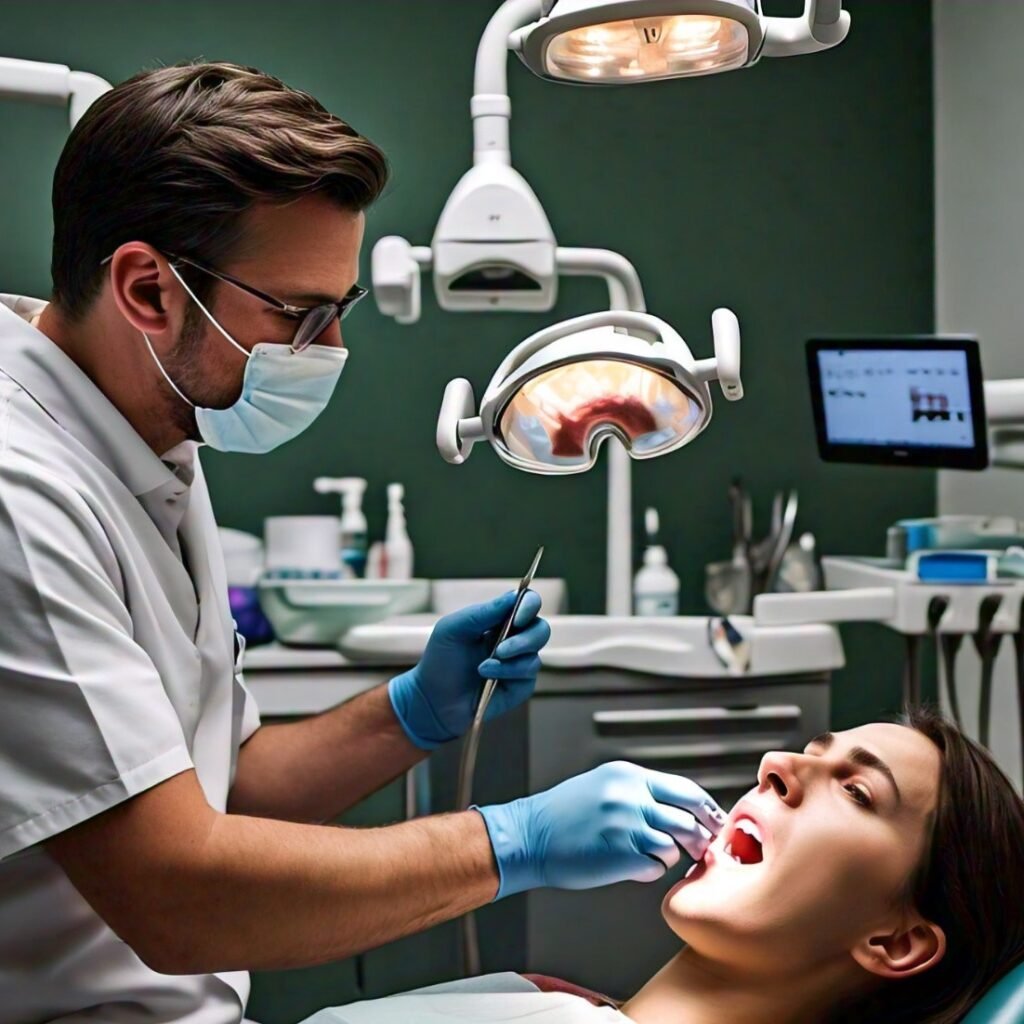
……………………………..

Best-Antibiotic-For-Cough-For-Adults

Best Antibiotic For Cough For Adults (For Cough And Cold)

Coughs are typically categorized into two types: dry cough and productive cough (cough with phlegm). Dry cough is often caused by irritants like smoke or dust, or by conditions such as asthma or viral infections. Productive cough, on the other hand, involves the expulsion of mucus and can be associated with respiratory diseases like bronchitis or pneumonia.

While often a harmless reflex to clear the throat and airways, a persistent or severe cough can be a sign of an underlying condition that requires medical attention.

Cough is a common symptom that can be caused by a variety of factors, including viral and bacterial infections, allergies, and environmental irritants.

antibiotic_for_cough_for_adults

When Antibiotics Might be Necessary!

Antibiotics may be necessary for treating a cough if it is caused by a bacterial infection, such as:

  • Pneumonia: An infection of the lungs that can cause a severe cough, fever, and difficulty breathing.
  • Bronchitis: An inflammation of the airways that can cause a persistent cough, often with mucus production.
  • Pertussis: A contagious bacterial infection also known as whooping cough, characterized by a severe, hacking cough.

Recommended Reading: List Of Strongest Antibiotics For Bacterial Infection

Understanding Cough And Its Causes: A Deeper Dive

Antibiotic For Cough And Cold

Antibiotic For Cough For Adults (For Cough And Cold)

Types of Cough: What’s the Difference?

  • Dry Cough: A non-productive cough that doesn’t bring up mucus or phlegm. It’s often described as:
    • Hacking
    • Tickly
    • Irritating
  • Productive Cough: A cough that produces mucus or phlegm, which may be:
    • Clear
    • Yellow
    • Green
    • Brown

Common Causes of Cough: What’s Behind Your Cough?

  1. Viral Infections: The most common cause of cough, including:
    • Common cold
    • Flu (influenza)
    • Other viral respiratory infections like adenovirus, coronavirus, and rhinovirus
  2. Bacterial Infections: Coughs caused by bacterial infections, such as:
    • Bronchitis
    • Pneumonia
    • Pertussis (whooping cough)
  3. Allergies: Coughs triggered by allergic reactions to:
    • Seasonal allergens (hay fever)
    • Dust mites
    • Pet dander
    • Mold
  4. Environmental Factors: Coughs caused by exposure to:
    • Smoking (first- and second-hand)
    • Air pollution
    • Chemicals or irritants in the workplace or environment

When Are Antibiotics Needed for a Cough?

Antibiotics are only effective against bacterial infections, not viral infections. To determine if antibiotics are necessary for a cough, it’s essential to identify the underlying cause.

Remember, antibiotics should only be used under medical guidance to avoid misuse and antibiotic resistance.

antibiotics needed for a cough

Identifying Bacterial Infections: Red Flags

Watch for these symptoms, which may indicate a bacterial infection:

  • High Fever: Over 102°F (39°C)
  • Persistent Cough: Lasting more than 7-10 days
  • Colored Phlegm: Yellow, green, or brown mucus
  • Shortness of Breath: Difficulty breathing or rapid breathing
  • Chest Pain: Pain or discomfort in the chest area

Doctors typically prescribe antibiotics for a cough if:

  • Patient is immunocompromised: Weakened immune system due to age, illness, or medication
  • Bacterial infection is confirmed: Through testing or clinical evaluation
  • Symptoms are severe: High fever, difficulty breathing, or severe chest pain
  • Condition is high-risk: Pneumonia, bronchitis, or throat infection
identification_of_bacterial_infection

Suspecting Conditions

If you experience any of the following, seek medical attention:

  • Bronchitis: Persistent cough, mucus production, and fatigue
  • Pneumonia: High fever, chills, and difficulty breathing
  • Throat Infection: Sore throat, swollen lymph nodes, and difficulty swallowing

Top 10 Best Antibiotic For Cough For Adults

Antibiotic NameClassCommon Uses for Cough-Related Bacterial InfectionsTypical Adult Dosage (Example Course)Common Side EffectsNotes
DoxycyclineTetracyclineFirst-line for acute cough/LRTI, acute bronchitis, CAP; excellent for atypical bacteria (e.g., Mycoplasma, Chlamydia).200 mg on day 1, then 100 mg once daily for 4 days (5-day total).Nausea, diarrhea, photosensitivity (sunburn risk), yeast infections.Preferred in many guidelines (e.g., NICE first choice); good penicillin alternative; avoid in pregnancy; take with food/water.
AmoxicillinPenicillinFirst-line for suspected bacterial causes like streptococcal infections, mild CAP, or bronchitis in non-allergic patients.500 mg three times daily for 5–7 days.Rash, nausea, diarrhea, potential allergic reactions.Low cost, effective, and widely recommended; not for true penicillin allergy.
Amoxicillin/Clavulanate (Augmentin)Penicillin + beta-lactamase inhibitorBroader coverage for resistant bacteria in severe bronchitis, sinusitis, or CAP.875/125 mg twice daily for 5–7 days.Diarrhea (more frequent), nausea, rash, yeast infections.Used when simple amoxicillin may not suffice; higher diarrhea risk.
Azithromycin (Zithromax)MacrolideFor atypical pathogens in CAP or bronchitis; convenient short course.500 mg on day 1, then 250 mg daily for 4 days (5-day total).Stomach upset, diarrhea, rare heart rhythm changes (QT prolongation).Short duration is convenient; resistance concerns in some areas; penicillin allergy option.
Clarithromycin (Biaxin)MacrolideAlternative for LRTI/bronchitis with atypical coverage.250–500 mg twice daily for 5–7 days.Bitter taste, nausea, diarrhea, QT prolongation risk.Similar to azithromycin; monitor drug interactions (e.g., with statins).
ErythromycinMacrolideOlder option for LRTI or streptococcal-related cough.250–500 mg four times daily or 500–1000 mg twice daily for 5 days.Significant GI upset (nausea, vomiting, cramps).Less preferred now due to tolerability issues; allergy alternative.
Levofloxacin (Levaquin)FluoroquinoloneReserved for severe CAP or resistant cases; good for penicillin-allergic patients.500–750 mg once daily for 5–7 days.Tendon damage risk, nerve issues, QT prolongation, diarrhea.Not first-line due to serious side effect warnings; use only when necessary.
MoxifloxacinFluoroquinoloneBroad-spectrum for CAP or complicated bacterial cough.400 mg once daily for 5–7 days.Similar to levofloxacin (tendon, heart, GI risks).Alternative in allergies; monitor closely for adverse effects.
Cefuroxime2nd-generation CephalosporinFor bacterial LRTI, bronchitis, or sinusitis; covers common pathogens.250–500 mg twice daily for 5–10 days.Rash, diarrhea, possible allergic reactions (low cross-reactivity with penicillin).Solid oral option for allergies.
Cefdinir3rd-generation CephalosporinFor mild-moderate bacterial exacerbations or pneumonia causing cough.300 mg twice daily or 600 mg once daily for 5–10 days.Diarrhea, rash, headache.Broad coverage; convenient dosing options.
Cefixime3rd-generation CephalosporinFor bronchitis or LRTI; effective against Haemophilus and others.400 mg once daily for 5–7 days.Stomach pain, diarrhea, rash.Oral, once-daily convenience.
Trimethoprim/Sulfamethoxazole (Bactrim)Sulfonamide combinationAlternative for certain LRTI or bronchitis in allergic patients.800/160 mg twice daily for 5–7 days.Rash, nausea, sun sensitivity, kidney effects.Avoid if sulfa-allergic; ensure good hydration.

Commonly Prescribed Antibiotics For Cough In Adults

Please note that this is a general summary, not a medical advice substitute. Antibiotics should only be taken under the guidance of a healthcare professional.

commonly_prescribed_antibiotics_for_cough_in_adults

Here’s a summary of the top 5 commonly prescribed antibiotics for cough in adults:

1. Amoxicillin

  • Uses: Throat infection, mild respiratory infections
  • Effectiveness: Effective against bacterial infections causing cough
  • Typical Dosage: 500-875 mg every 8-12 hours for 7-10 days
  • Side Effects: Nausea, vomiting, diarrhea, rash

2. Azithromycin

  • Uses: Bronchitis, sinusitis, persistent cough
  • Effectiveness: Effective against bacterial infections causing persistent cough
  • Typical Dosage: 500 mg on day 1, then 250 mg daily for 4-6 days
  • Side Effects: Nausea, vomiting, diarrhea, abdominal pain

3. Cefixime

  • Uses: Chest infection, sinusitis, cough with phlegm
  • Effectiveness: Effective against bacterial infections causing cough with phlegm
  • Typical Dosage: 400 mg daily for 7-10 days
  • Side Effects: Nausea, vomiting, diarrhea, headache

4. Augmentin (Amoxicillin/Clavulanate)

  • Uses: Severe respiratory infections, cough and throat infections
  • Effectiveness: Effective against bacterial infections causing severe cough and throat infections
  • Typical Dosage: 500-875 mg every 8-12 hours for 7-10 days
  • Side Effects: Nausea, vomiting, diarrhea, rash

5. Ciprofloxacin

  • Uses: Complicated respiratory infections, persistent or severe cough
  • Effectiveness: Effective against bacterial infections causing persistent or severe cough
  • Typical Dosage: 500-750 mg every 12 hours for 7-14 days
  • Side Effects: Nausea, vomiting, diarrhea, abdominal pain, tendonitis

Specific Antibiotics For Different Types Of Cough

Please note that antibiotics should only be used under medical guidance and when necessary. Always consult a healthcare professional for proper diagnosis and treatment.

Specific Antibiotics For Different Types Of Cough

Best Antibiotic for Dry Cough

  • Conditions: Bronchitis, pertussis (whooping cough)
  • Recommended Antibiotics:
    • Azithromycin (Zithromax): Effective against bacterial infections causing dry cough
    • Clarithromycin (Biaxin): Alternative option for patients allergic to azithromycin
  • Effectiveness: 80-90% effective in treating dry cough caused by bacterial infections

Best Antibiotic For Cough With Phlegm

  • Conditions: Pneumonia, bronchitis, sinusitis
  • Recommended Antibiotics:
    • Amoxicillin/Clavulanate (Augmentin): Effective against bacterial infections causing productive cough
    • Cefixime (Suprax): Alternative option for patients allergic to penicillin
  • Effectiveness: 85-95% effective in treating productive cough caused by bacterial infections

Best Antibiotic For Cold And Cough

  • Bacterial Superinfections: Antibiotics can help treat secondary bacterial infections that develop after a cold, such as sinusitis or bronchitis
  • Recommended Antibiotics:
    • Amoxicillin (Amoxil): Effective against bacterial infections complicating a cold
    • Azithromycin (Zithromax): Alternative option for patients allergic to penicillin
  • Effectiveness: 80-90% effective in treating bacterial superinfections following a cold

Dosage Guidelines For Adults

Remember, properly using antibiotics is mandatory for effective treatment and preventing antibiotic resistance.

Dosage Guidelines For Adults

General Dosage Information

  • Typical Dosages: Common antibiotics and their typical dosages for adults:
    • Amoxicillin: 500-875 mg every 8-12 hours
    • Azithromycin: 500 mg on day 1, then 250 mg daily for 4-6 days
    • Cefixime: 400 mg daily for 7-10 days
    • Augmentin (Amoxicillin/Clavulanate): 500-875 mg every 8-12 hours
  • Adjustments: Dosages may be adjusted based on:
    • Severity of infection
    • Patient’s health status (e.g., kidney function, age)
    • Other medications being taken

Importance Of Completing The Course

  • Risks of Incomplete Courses:
    • Increased risk of antibiotic resistance
    • Relapse or worsening of infection
    • Reduced effectiveness of future antibiotic treatments
  • Consequences of Improper Use:
    • Antibiotic resistance: Bacteria adapt and become resistant to antibiotics
    • Reduced efficacy: Antibiotics become less effective against infections
    • Increased risk of superinfections: Opportunistic infections take hold

Key Takeaways
  • Always follow the prescribed dosage and duration of antibiotic treatment
  • Complete the full course of antibiotics, even if symptoms improve before finishing
  • Do not share or reuse antibiotics
  • Consult your healthcare provider if you have questions or concerns about your antibiotic treatment

Important Notes

  • Misuse or overuse of antibiotics can lead to antibiotic resistance.
  • Antibiotics should only be used when necessary and under medical guidance.
  • Always complete the full course of antibiotic treatment.
antibiotics and related conditions

Throat Infections

  • Connection to Cough: Throat infections can cause a cough, especially if postnasal drip or irritation triggers it.
  • Best Antibiotics:
    • Penicillin (Amoxicillin): Effective against streptococcal infections
    • Macrolides (Azithromycin): Alternative option for patients allergic to penicillin

Chest Infections

  • Connection to Cough: Chest infections like pneumonia can cause a persistent and severe cough.
  • Effective Antibiotics:
    • Amoxicillin/Clavulanate (Augmentin): Effective against bacterial pneumonia
    • Fluoroquinolones (Ciprofloxacin): Alternative option for patients with severe pneumonia

Bronchitis

  • Symptoms: Persistent cough, mucus production, and fatigue.
  • When Antibiotics are Necessary: If bronchitis is caused by a bacterial infection, such as pertussis (whooping cough).
  • Recommended Antibiotics:
    • Azithromycin (Zithromax): Effective against pertussis and other bacterial bronchitis
    • Clarithromycin (Biaxin): Alternative option for patients allergic to azithromycin

Risks And Side Effects Of Antibiotics

Important Notes

  • Always inform your healthcare provider about your medical history, allergies, and current medications.
  • Follow antibiotic instructions carefully to minimize risks and side effects.
  • Report any concerns or side effects to your healthcare provider promptly.
risks and side effects of antibiotics 1

Common Side Effects

  • Gastrointestinal Issues:
    • Nausea
    • Vomiting
    • Diarrhea
    • Abdominal pain
  • Allergic Reactions:
    • Rash
    • Itching
    • Hives

Serious Side Effects

  • Antibiotic Resistance:
    • Overuse or misuse of antibiotics can lead to resistant bacteria
    • Reduces effectiveness of antibiotics against future infections
  • Severe Allergic Reactions:
    • Anaphylaxis (life-threatening allergic reaction)
    • Stevens-Johnson syndrome (rare, severe skin and mucous membrane disorder)

Who Should Avoid Certain Antibiotics?

  • Patients with Allergies:
    • Penicillin allergy: Avoid penicillin-based antibiotics (e.g., amoxicillin)
    • Sulfonamide allergy: Avoid sulfonamide-based antibiotics (e.g., trimethoprim-sulfamethoxazole)
  • Kidney/Liver Problems:
    • Adjust dosages or avoid certain antibiotics (e.g., aminoglycosides) in patients with kidney issues
    • Avoid certain antibiotics (e.g., erythromycin) in patients with liver issues
  • Pregnant Women:
    • Avoid certain antibiotics (e.g., tetracyclines, fluoroquinolones) due to potential harm to the fetus

Alternative Treatments For Cough

Remember, antibiotics are ineffective against viral infections, so alternative treatments can be a suitable option for mild cases. However, always consult your healthcare provider for proper diagnosis and guidance.

alternative treatments for cough

Non-Antibiotic Options
  • Over-the-Counter (OTC) Medications:
    • Cough suppressants (e.g., dextromethorphan): Relieve dry, hacking cough
    • Expectorants (e.g., guaifenesin): Thin mucus, making it easier to cough up
  • Natural Remedies:
    • Honey: Soothes throat, reduces cough frequency
    • Ginger: Anti-inflammatory properties, helps reduce cough
    • Steam Inhalation: Loosens mucus, eases congestion

When to Use These Alternatives
  • Mild Viral Infections: Common cold, flu, or viral bronchitis
  • Allergies: Seasonal allergies, dust, or pet allergies
  • Irritants: Exposure to smoke, pollution, or chemicals

Important Notes

  • Always read and follow OTC medication labels carefully.
  • Consult your healthcare provider before using natural remedies, especially if you have underlying health conditions.
  • If symptoms worsen or persist, seek medical attention to rule out bacterial infections or other complications.

Recommended Reading: List Of Over The Counter Antibiotics | OTC Antibiotics

Frequently Asked Questions (FAQs) – Antibiotic For Cough

When should I take antibiotics for a cough?

You should take antibiotics for a cough only if it’s caused by a bacterial infection, such as pneumonia or bronchitis. Consult your healthcare provider for a proper diagnosis.

What are the best antibiotics for a cough?

The best antibiotics for a cough depend on the type of infection. Common antibiotics include amoxicillin, azithromycin, and cefixime. Consult your healthcare provider for the most effective treatment.

Can I take antibiotics for a viral cough?

No, antibiotics are ineffective against viral infections. Instead, try over-the-counter medications or natural remedies to alleviate symptoms.

Can I stop taking antibiotics if my cough improves?

No, complete the full course of antibiotics as prescribed, even if symptoms improve. Stopping early can lead to antibiotic resistance.

What are the side effects of antibiotics for a cough?

Common side effects include gastrointestinal issues, allergic reactions, and antibiotic resistance. Consult your healthcare provider if concerns arise.

Can I take antibiotics for a cough during pregnancy?

Consult your healthcare provider before taking antibiotics during pregnancy, as some may harm the fetus.

Can I take antibiotics for a cough with other medications?

Inform your healthcare provider about all medications you’re taking to avoid potential interactions.

How can I prevent antibiotic resistance?

Use antibiotics only when necessary, complete the full course, and avoid sharing or reusing antibiotics.

When should I seek medical attention for a cough?

Seek medical attention if your cough persists, worsens, or is accompanied by severe symptoms like difficulty breathing or chest pain.

Which antibiotics are best for cough?

The best antibiotics for a cough depend on the underlying cause. Common options include amoxicillin, azithromycin, cefixime, and Augmentin (amoxicillin/clavulanate).

Can Augmentin be used for a cough?

Yes, Augmentin (amoxicillin/clavulanate) can be used to treat a cough caused by a bacterial infection, such as pneumonia or bronchitis.

Is azithromycin best for a cough?

Azithromycin is effective for treating a cough caused by bacterial infections like pertussis (whooping cough) or bronchitis. However, it’s essential to consult a healthcare provider for proper diagnosis and treatment.

Is cefixime good for a cough?

Cefixime is effective for treating a cough caused by bacterial infections like pneumonia or bronchitis. However, it’s essential to consult a healthcare provider for proper diagnosis and treatment.

Which antibiotic is best for throat infection?

Penicillin (amoxicillin) or macrolides (azithromycin) are commonly used to treat throat infections like strep throat.

Which antibiotic for chest infection?

Amoxicillin/clavulanate (Augmentin) or fluoroquinolones (Ciprofloxacin) can be used to treat chest infections like pneumonia.

Can Cipro treat a cough?

Ciprofloxacin (Cipro) can be used to treat a cough caused by bacterial infections like pneumonia or bronchitis, but it’s essential to consult a healthcare provider for proper diagnosis and treatment.

Which antibiotic is best for bronchitis?

Azithromycin or amoxicillin/clavulanate (Augmentin) can be used to treat bronchitis, but it’s essential to consult a healthcare provider for proper diagnosis and treatment.

What is the best medicine to stop coughing?

The best medicine to stop coughing depends on the underlying cause. Over-the-counter options like dextromethorphan (Robitussin) or natural remedies like honey can help alleviate symptoms.

However, if the cough persists or worsens, consult a healthcare provider for proper diagnosis and treatment.

………………………….
Disclaimer:
Commissions we earn from partner links on this page do not influence our content. Our editorial content is based on thorough research and insights from qualified medical professionals to ensure the highest standards of accuracy and reliability.

Information provided on Doseway is for educational purposes only. Your health and wellness are unique to you, and the products and services we review may not be suitable for your individual circumstances. We do not offer personal medical advice, diagnosis, or treatment plans. For specific advice, please consult with a healthcare professional. Doseway adheres to strict editorial integrity standards. To the best of our knowledge, all content is accurate as of the date posted, though offers and information may change. The opinions expressed are the author’s own and have not been influenced, approved, or endorsed by our partners.

Best-Antibiotic-For-Breast-Infection

Best Antibiotic For Breast Infection (Breast Infection Treatment)

Breast infections are common, particularly among breastfeeding mothers. If left untreated, these infections can cause significant discomfort, pain, and distress.

In this article, we will explore the details of these infections, including their definitions, types, causes, and the importance of prompt treatment, including the use of antibiotics.

What are Breast Infections?

Breast infections, also known as mastitis, are inflammatory conditions that affect the breast tissue. They can be classified into two main categories:

  • Mastitis: Inflammation of the breast tissue, often accompanied by infection.
  • Abscesses: Pockets of pus that form in the breast tissue, typically as a result of untreated mastitis.

Common Causes of Breast Infections

Breast infections can arise from various factors, including:

  • Weakened immune system
  • Bacterial growth (usually Staphylococcus aureus)
  • Clogged milk ducts (during breastfeeding)
  • Skin lesions or cracks
  • Poor hygiene
Pictures Of Breast Infections

The Importance of Prompt Treatment

Prompt treatment of breast infections is crucial to prevent complications, such as:

  • Abscess formation
  • Septicemia (blood infection)
  • Chronic pain
  • Scarring
  • Impact on breastfeeding (if applicable)

Recommended Readings:

Symptoms Of Breast Infections: Recognizing The Warning Signs

Antibiotic-For-Breast-Infection

Common Symptoms Of Breast Infections

  • Pain: Tenderness, aching, or sharp pain in the breast
  • Redness: Erythema (redness) or discoloration of the breast skin
  • Swelling: Enlargement or inflammation of the breast
  • Warmth: Increased warmth or heat in the affected area
  • Pus or discharge: Presence of pus or abnormal discharge from the nipple
  • Fever: Elevated body temperature (usually above 100.4°F)
  • Chills: Feeling cold, despite normal body temperature
  • Fatigue: Feeling unusually tired or weak
  • Swollen lymph nodes: Enlargement of lymph nodes in the armpit

When To Seek Medical Attention

Breast infections can manifest with a range of symptoms, which may vary in severity. It’s essential to be aware of these signs to seek medical attention promptly.

Pictures Of Breast Infection

If you experience any of the following, seek medical attention immediately:

  • Severe pain that doesn’t respond to pain relievers
  • Increasing redness or swelling that spreads beyond the affected area
  • Pus or discharge that’s thick, yellow, or foul-smelling
  • Fever above 101.5°F (38.6°C)
  • Chills or shaking
  • Difficulty breastfeeding (if applicable)
  • No improvement with self-care measures or antibiotics within 48-72 hours

Early recognition and treatment of breast infections can help prevent complications and promote effective management. In the next section, we’ll discuss the diagnosis and treatment options, including antibiotics.

Types Of Breast Infections: Understanding The Differences

Breast infections c Y7an be classified into three main categories: Mastitis, Breast Abscess, and Non-Lactational Infections. Each type has distinct characteristics, causes, and risk factors.

Mastitis

Mastitis-Infection
Mastitis-Infection

  • Definition: Inflammation of the breast tissue, often accompanied by infection.
  • Causes:
    • Bacterial infection (usually Staphylococcus aureus)
    • Breastfeeding (lactational mastitis)
    • Clogged milk ducts
    • Cracked or sore nipples
  • Risk Factors:
    • Poor breastfeeding technique
    • Infrequent feeding or incomplete emptying of the breast
    • Tight clothing or bras
    • Previous history of mastitis

Breast Abscess

Breast-Abscess
Breast-Abscess

  • Definition: A pocket of pus that forms in the breast tissue, usually as a result of untreated mastitis.
  • Differences from Mastitis:
    • The presence of a localized collection of pus
    • Often more severe than mastitis
    • May require surgical drainage
  • Causes and Symptoms:
    • Bacterial infection (usually Staphylococcus aureus)
    • Untreated or severe mastitis
    • Symptoms: severe pain, swelling, redness, warmth, and pus or discharge

Non-Lactational Breast Infections

  • Definition: Breast infections unrelated to breastfeeding.
  • Causes:
    • Surgery (e.g., breast biopsy, implant placement)
    • Trauma (e.g., breast injury)
    • Immune system disorders (e.g., diabetes, HIV/AIDS)
    • Bacterial or fungal infections
  • Risk Factors:
    • Weakened immune system
    • Poor wound care or healing
    • Pre-existing breast conditions (e.g., fibrocystic changes

Treatment Options For Breast Infections: A Comprehensive Approach

Effective treatment of these infections requires a combination of antibiotics, supportive care, and lifestyle modifications.

Overview of Treatment Strategies

  • Antibiotics: Crucial for treating bacterial breast infections
  • Supportive Treatments:
    • Pain management (e.g., acetaminophen, ibuprofen)
    • Rest and relaxation
    • Warm compresses or breastfeeding support (if applicable)
    • Proper wound care (if applicable)

Best Antibiotics for Breast Infections

  • First-Line Antibiotics:
    • Dicloxacillin: Effective against Staphylococcus aureus, commonly used for lactational mastitis
    • Cephalexin: Broad-spectrum antibiotic, suitable for non-lactational breast infections
  • Commonly Prescribed Antibiotics:
    • Amoxicillin-Clavulanate: Broad-spectrum antibiotic, effective against various bacteria
    • Clindamycin: Used for severe or recurrent infections, especially in cases of MRSA
  • Dosage and Duration of Treatment:
    • Typically 10-14 days, depending on the severity and type of infection
    • Dosage varies based on the antibiotic and individual patient needs

List Of Top 10 Antibiotic For Breast Infections

RankAntibiotic NameClassRecommended UseTypical DosageDurationCommon Side EffectsNotes
1DicloxacillinPenicillin (beta-lactamase resistant)First-line for lactational mastitis, effective against Staphylococcus aureus (common cause). Preferred in outpatient settings for non-severe cases.500 mg orally every 6 hours7-14 daysNausea, vomiting, diarrhea, rash, allergic reactions (e.g., hives, anaphylaxis in penicillin-allergic individuals).Safe for breastfeeding; continue nursing to help drain the breast. Not suitable for those with penicillin allergy. May disrupt gut flora leading to secondary infections like C. difficile.
2Cephalexin (Keflex)Cephalosporin (first-generation)First-line alternative to dicloxacillin, covers gram-positive bacteria like Staph and Strep. Used for non-severe outpatient treatment.500 mg orally every 6 hours (QID)10-14 daysGastrointestinal upset (nausea, diarrhea), rash, hypersensitivity reactions. Less common: headache, dizziness.Generally safe during breastfeeding; low transfer to breast milk. Caution in those with penicillin cross-allergy (about 5-10% risk). Encourages continued breastfeeding during treatment.
3FlucloxacillinPenicillin (beta-lactamase resistant)First-line in some regions (e.g., UK, Australia), similar to dicloxacillin for Staph coverage.500 mg orally every 6 hours10-14 daysSimilar to dicloxacillin: nausea, diarrhea, allergic reactions, potential liver enzyme elevation with prolonged use.Breastfeeding compatible; promotes milk drainage. Not widely available in the US; equivalent to dicloxacillin. Avoid in penicillin allergy.
4ClindamycinLincosamideSecond-line for penicillin-allergic patients or suspected MRSA. Also used if no improvement on first-line.300-450 mg orally every 6-8 hours (TID-QID) or 600 mg IV every 8 hours for severe cases10-14 daysDiarrhea (high risk of C. difficile colitis), nausea, rash, metallic taste. Rare: severe allergic reactions.Safe for breastfeeding but monitor infant for gastrointestinal issues like diarrhea. Effective against anaerobes and resistant Staph. Discontinue if severe diarrhea occurs.
5Trimethoprim-Sulfamethoxazole (Bactrim)Sulfonamide combinationAlternative for suspected community-acquired MRSA or beta-lactam allergy.1 double-strength (DS) tablet (160/800 mg) orally twice daily (BID)10-14 daysNausea, vomiting, rash, hyperkalemia, photosensitivity. Serious: Stevens-Johnson syndrome, blood disorders.Caution in breastfeeding: Avoid in preterm infants, those with G6PD deficiency, jaundice, or under 2 months old due to risk of kernicterus. Monitor for infant rash or thrush.
6Amoxicillin-Clavulanate (Augmentin)Penicillin with beta-lactamase inhibitorBroad-spectrum option for outpatient treatment, covers Staph and some gram-negatives.875 mg orally twice daily (BID)10-14 daysDiarrhea (common due to clavulanate), nausea, rash, yeast infections. Allergic reactions possible.Compatible with breastfeeding; may cause infant diarrhea or thrush. Useful if polymicrobial infection suspected. Avoid in penicillin allergy.
7ErythromycinMacrolideAlternative for penicillin-allergic patients, though less preferred due to resistance.500 mg orally twice daily (BID) or 250 mg every 6 hours10-14 daysGastrointestinal upset (nausea, vomiting, abdominal pain), rash, QT prolongation (heart rhythm issues).Safe for breastfeeding; low milk transfer. May cause infant pyloric stenosis if used long-term in early infancy. Increasing Staph resistance limits use.
8VancomycinGlycopeptideFor severe, resistant cases (e.g., MRSA) or inpatient treatment when oral options fail.15 mg/kg IV every 12 hours (target trough levels 10-20 mcg/mL)10-14 daysRed man syndrome (flushing with rapid infusion), nephrotoxicity, ototoxicity. Monitoring required.Secreted in breast milk but poor oral absorption; use caution in breastfeeding. Reserved for hospitalized patients or confirmed resistance. Continue pumping/breastfeeding.
9CefotetanCephalosporin (second-generation)For non-responding cases or broader coverage, including anaerobes; inpatient use.1-2 g IV every 12 hours10-14 daysDiarrhea, nausea, rash, potential bleeding due to vitamin K interference.Limited data on breastfeeding; likely safe but monitor infant. Used when switching to IV for severe mastitis. Avoid in cephalosporin allergy.
10CefazolinCephalosporin (first-generation)Inpatient first-line for no MRSA concern, IV alternative to oral cephalexin.1-2 g IV every 8 hours10-14 daysSimilar to cephalexin: GI upset, rash, hypersensitivity.Safe for breastfeeding; minimal milk transfer. Good for hospitalized patients with moderate-severe infection. Transition to oral if improving.

Top 10 Best Antibiotic For Breast Infection (In Men)

RankAntibiotic NameClassRecommended UseTypical Dosage (Adult)DurationCommon Side EffectsNotes
1DicloxacillinPenicillin (beta-lactamase resistant)First-line for MSSA coverage in non-severe outpatient cases without MRSA risk.500 mg orally every 6 hours7-14 daysNausea, diarrhea, rash, allergic reactions (penicillin allergy risk).Targets Staph aureus effectively; similar to flucloxacillin (used in some countries).
2Cephalexin (Keflex)Cephalosporin (1st generation)First-line alternative to dicloxacillin; good for gram-positive coverage.500 mg orally every 6 hours7-14 daysGI upset, rash, hypersensitivity (cross-reactivity with penicillin ~5-10%).Widely used for skin/soft tissue infections including male breast cases.
3ClindamycinLincosamideFor penicillin allergy, suspected MRSA, or non-improving cases.300-450 mg orally every 6-8 hours7-14 daysDiarrhea (high C. difficile risk), nausea, rash.Covers MRSA and anaerobes; monitor for severe diarrhea.
4Trimethoprim-Sulfamethoxazole (Bactrim)Sulfonamide combinationFor suspected community-acquired MRSA or beta-lactam allergy.1-2 DS tablets (160/800 mg) orally twice daily7-14 daysNausea, rash, hyperkalemia, photosensitivity; rare severe reactions.Common for MRSA coverage in skin/soft tissue; check local resistance.
5Amoxicillin-Clavulanate (Augmentin)Penicillin + beta-lactamase inhibitorBroad-spectrum for polymicrobial or non-lactational infections.875 mg orally twice daily7-14 daysDiarrhea (common), nausea, rash, yeast infections.Useful if mixed bacteria suspected; avoid in penicillin allergy.
6FlucloxacillinPenicillin (beta-lactamase resistant)First-line in regions where available (e.g., UK/Australia); similar to dicloxacillin.500 mg orally every 6 hours7-14 daysSimilar to dicloxacillin: GI upset, allergy, liver effects with long use.Equivalent MSSA coverage; not widely available in US.
7VancomycinGlycopeptideSevere cases, confirmed MRSA, inpatient, or oral therapy failure.15 mg/kg IV every 12 hours (monitor levels)7-14 daysRed man syndrome, kidney toxicity, ototoxicity.IV for hospitalized patients; reserved for resistant/severe infections.
8DoxycyclineTetracyclineAlternative for beta-lactam allergy or MRSA coverage in outpatient settings.100 mg orally twice daily7-14 daysPhotosensitivity, GI upset, esophageal irritation.Covers MRSA and some atypical organisms; avoid in pregnancy.
9LinezolidOxazolidinoneFor resistant MRSA or when other options fail (emerging use in breast infections).600 mg orally/IV twice daily7-14 daysDiarrhea, headache, bone marrow suppression (long-term).Alternative for complicated/resistant cases; monitor blood counts.
10CefazolinCephalosporin (1st generation)Inpatient IV option for moderate-severe cases without MRSA concern.1-2 g IV every 8 hoursTransition to oral after improvementGI upset, rash, hypersensitivity.Good for hospitalized patients; similar to cephalexin but IV.

Top 10 Best Antibiotic For Breast Infection (In Females)

Best-Antibiotic-For-Breast-Infection

RankAntibiotic NameClassRecommended UseTypical Dosage (Adult)DurationCommon Side EffectsNotes
1DicloxacillinPenicillin (beta-lactamase resistant)First-line for lactational mastitis (non-MRSA); targets MSSA, the most common cause. Preferred in many US guidelines.500 mg orally every 6 hours (QID)10-14 daysNausea, diarrhea, rash, allergic reactions (high risk in penicillin allergy).Safe & compatible with breastfeeding (low milk transfer); continue nursing/pumping to drain milk.
2Cephalexin (Keflex)Cephalosporin (1st generation)First-line alternative to dicloxacillin; widely used, effective against gram-positive bacteria like Staph/Strep.500 mg orally every 6 hours (QID)10-14 daysGI upset (nausea/diarrhea), rash, hypersensitivity (cross-reactivity with penicillin ~5-10%).Safe during breastfeeding; minimal transfer to milk. Often prescribed due to availability and tolerability.
3FlucloxacillinPenicillin (beta-lactamase resistant)First-line in many regions (e.g., UK, Australia, some international guidelines); equivalent to dicloxacillin for MSSA.500 mg orally every 6 hours (QID)10-14 daysSimilar to dicloxacillin: GI upset, allergy, rare liver effects with prolonged use.Breastfeeding-safe; promotes continued milk removal. Not widely available in the US.
4ClindamycinLincosamideSecond-line for penicillin allergy, suspected MRSA, or no improvement on first-line.300-450 mg orally every 6-8 hours (TID-QID)10-14 daysDiarrhea (high risk of C. difficile), nausea, rash, metallic taste.Safe for breastfeeding but monitor infant for GI issues (e.g., diarrhea). Good MRSA/anaerobe coverage.
5Trimethoprim-Sulfamethoxazole (Bactrim, TMP-SMX)Sulfonamide combinationSecond-line for suspected community-acquired MRSA or beta-lactam allergy.1-2 DS tablets (160/800 mg) orally twice daily (BID)10-14 daysNausea, rash, hyperkalemia, photosensitivity; rare severe (e.g., Stevens-Johnson).Use caution/avoid in breastfeeding if infant is preterm, <2 months, G6PD deficient, jaundiced, or hyperbilirubinemic (kernicterus risk). Monitor infant.
6Amoxicillin-Clavulanate (Augmentin)Penicillin + beta-lactamase inhibitorBroad-spectrum alternative if polymicrobial infection suspected or for broader coverage.875 mg orally twice daily (BID)10-14 daysDiarrhea (common due to clavulanate), nausea, rash, yeast infections.Compatible with breastfeeding; may cause infant diarrhea or thrush. Avoid in true penicillin allergy.
7CloxacillinPenicillin (beta-lactamase resistant)Alternative to dicloxacillin/flucloxacillin in some regions; similar MSSA coverage.500 mg orally every 6 hours (QID)10-14 daysGI upset, allergic reactions; variable oral absorption.Breastfeeding-safe; used where dicloxacillin unavailable.
8VancomycinGlycopeptideFor severe cases, confirmed MRSA, sepsis, inpatient treatment, or oral failure.15-20 mg/kg IV every 12 hours (monitor trough levels)10-14 daysRed man syndrome (with rapid infusion), nephrotoxicity, ototoxicity.Reserved for hospitalized/severe cases; low oral absorption in milk, but use caution. Continue pumping.
9Erythromycin or ClarithromycinMacrolideAlternative for penicillin allergy in some cases (less preferred due to resistance).Erythromycin: 500 mg orally BID or 250 mg QID; Clarithromycin: 500 mg BID10-14 daysGI upset (nausea, abdominal pain), rash, QT prolongation.Safe for breastfeeding; may cause infant GI issues. Increasing resistance limits use for Staph.
10LinezolidOxazolidinoneFor resistant MRSA or complicated/refractory cases (emerging/reserved use).600 mg orally/IV twice daily10-14 daysDiarrhea, headache, bone marrow suppression (with long-term use).Alternative for resistant infections; monitor blood counts. Caution in breastfeeding (limited data).

1. Amoxicillin

Is Amoxicillin Safe for Breast?

Amoxicillin is a commonly prescribed antibiotic for breast infections, particularly for lactating women. It is generally considered safe and effective in treating bacterial infections, including those affecting the breast tissue. However, it’s essential to consult a healthcare professional before taking amoxicillin, as they will determine the appropriate dosage and ensure it’s safe for you and your baby (if breastfeeding).

2. Ciprofloxacin

Can Ciprofloxacin Treat Breast Infection?

Ciprofloxacin is a broad-spectrum antibiotic that can treat various bacterial infections, including breast infections. However, it’s not typically the first choice for breast infections, especially in lactating women, due to its potential to pass into breast milk. Ciprofloxacin may be prescribed for more severe or resistant infections, but only under the guidance of a healthcare professional.

Topical Antibiotics and Creams

What Cream is Good for Breast Infection?

Topical antibiotics and creams can effectively treat mild to moderate breast infections, especially when combined with oral antibiotics.

Some popular options include:

Cream/Topical AntibioticEffectiveness
Mupirocin (Bactroban)Effective against Staphylococcus aureus and Streptococcus pyogenes
NeosporinBroad-spectrum antibiotic cream for minor infections
BacitracinEffective against Staphylococcus aureus and Streptococcus pyogenes
Hydrocortisone creamReduces inflammation and swelling
Table: Topical Antibiotics effectiveness

It’s crucial to consult a healthcare professional before using any topical antibiotics or creams to ensure proper diagnosis and treatment. They may prescribe a combination of oral and topical antibiotics for optimal results.

Important Considerations

  • Antibiotic Resistance: Overuse or misuse of antibiotics can lead to resistance
  • Allergic Reactions: Monitor for signs of allergic reactions, such as rash or difficulty breathing
  • Breastfeeding Support: Continue breastfeeding, if possible, to help clear the infection and prevent further complications

Dosage And Administration

Dosage Guidelines for Mastitis Treatment

The dosage and duration of antibiotic therapy for mastitis treatment depend on the severity of the infection, the type of antibiotic prescribed, and individual patient factors.

Mastitis Treatment Antibiotics Dosage

AntibioticTypical DosageDuration
Amoxicillin500-875 mg every 8-12 hours10-14 days
Ciprofloxacin500-750 mg every 12 hours10-14 days
Mupirocin (topical)Apply 3-4 times a day7-10 days
Table: Antibiotics Dosage for Mastitis Treatment

Duration Of Antibiotic Therapy

The typical duration of antibiotic therapy for mastitis is 10-14 days. However, your healthcare provider may adjust the duration based on your response to treatment.

Importance Of Completing The Full Course Of Antibiotics

It’s crucial to complete the full course of antibiotics as prescribed, even if symptoms improve before finishing the medication. This ensures that the infection is fully cleared and reduces the risk of antibiotic resistance.

What If Antibiotics Don’t Work?

Breast Infections Not Responding to Antibiotics

If your breast infection doesn’t respond to antibiotics, it’s essential to consult your healthcare provider for further evaluation.

Causes Of Treatment Failure

  • Inadequate dosage or duration of antibiotic therapy
  • Resistance to the prescribed antibiotic
  • Presence of an abscess or other complications
  • Underlying conditions, such as diabetes or immunodeficiency

Next Steps

  • Further testing, such as imaging studies or cultures, to determine the cause of treatment failure
  • Alternative treatments, such as drainage of an abscess or switching to a different antibiotic
  • Referral to a specialist, such as a breast surgeon or infectious disease specialist, for further management

Home Remedies And Supportive Care: Enhancing Recovery

In addition to antibiotics, complementary treatments and supportive care can aid recovery and alleviate symptoms.

Complementary Treatments

  • Warm Compresses: Apply a warm, damp washcloth to the affected area for 15-20 minutes, 3-4 times a day
  • Proper Breastfeeding Techniques: For lactational infections, ensure proper latching, frequent feeding, and complete emptying of the breast
  • Breast Massage: Gentle massage can help clear blocked ducts and promote milk flow

Pain Relief Options

  • Over-the-counter Pain Relievers:
    • Ibuprofen (e.g., Advil, Motrin)
    • Acetaminophen (e.g., Tylenol)
  • Topical Pain Relievers: Apply topical creams or ointments, such as arnica or capsaicin, to the affected area

Hydration and Rest

  • Importance of Staying Hydrated: Drink plenty of water (at least 8-10 glasses a day) to help flush out toxins and support healing
  • Getting Enough Rest: Aim for 8-10 hours of sleep per night to aid in recovery and immune function

Dietary Considerations

  • Nutritional Support: Focus on whole, nutrient-rich foods, such as fruits, vegetables, whole grains, lean proteins, and healthy fats
  • Increase Vitamin C Intake: Foods high in vitamin C (e.g., citrus fruits, leafy greens) can help boost the immune system
  • Probiotics: Consider adding probiotic-rich foods (e.g., yogurt, kefir) or supplements to support gut health and immune function

Incorporating these home remedies and supportive care measures can enhance your recovery, alleviate symptoms, and promote overall well-being.

Prevention of Breast Infections: Empowering Yourself

Preventing breast infections requires a combination of knowledge, self-care, and proactive measures. By adopting these strategies, you can reduce the risk of developing breast infections.

Preventing Mastitis During Breastfeeding

  • Proper Breastfeeding Techniques:
    • Ensure proper latching and positioning
    • Avoid over-tight clothing or bras
    • Use breast pads or shields if needed
  • Regular Feeding/Pumping:
    • Frequent feeding (8-12 times in 24 hours)
    • Regular pumping or expression (if unable to breastfeed)
  • Recognizing Early Signs of Mastitis:
    • Monitor for redness, swelling, pain, or fever
    • Seek medical attention if symptoms persist or worsen

Prevention After Surgery or Trauma

  • Proper Wound Care:
    • Follow post-operative instructions
    • Keep the wound clean and dry
    • Monitor for signs of infection (redness, swelling, increased pain)
  • Monitoring for Signs of Infection:
    • Watch for increased redness, swelling, or pain
    • Report any unusual symptoms to your healthcare provider

General Preventive Measures

  • Maintaining Good Hygiene:
    • Wash your hands frequently
    • Clean and dry the breast area regularly
  • Strengthening the Immune System:
    • Eat a balanced diet rich in fruits, vegetables, and whole grains
    • Stay hydrated and get enough sleep
    • Manage stress through relaxation techniques (e.g., meditation, deep breathing)

By following these preventive measures, you can significantly reduce the risk of developing breast infections and promote overall breast health. Remember, early detection and treatment are crucial in preventing complications and ensuring effective management.

When to Consult a Doctor: Seeking Medical Attention

If you’re experiencing any of the following signs or symptoms, consult a doctor promptly:

Signs That Require Medical Attention

  • Persistent Symptoms: If symptoms persist or worsen despite home treatment
  • High Fever and Worsening Pain: Fever above 101.5°F (38.6°C) and increasing pain
  • Presence of a Lump or Abscess: A palpable lump or abscess in the breast tissue
  • Unusual Discharge: Abnormal discharge or pus from the nipple
  • Changes in Breast Appearance: Changes in breast shape, size, or color

Possible Complications

  • Delayed Treatment Risks: Untreated breast infections can lead to:
    • Chronic mastitis or recurring infections
    • Abscess formation or pocketing
    • Scarring or fibrosis
    • Increased risk of breast cancer (in rare cases)
  • Chronic Mastitis: Recurring or persistent inflammation can lead to chronic mastitis

Consultation and Diagnosis

  • Importance of a Professional Diagnosis: Accurate diagnosis is crucial for effective treatment and preventing complications
  • Diagnostic Methods:
    • Physical Exam: Visual inspection and palpation of the breast tissue
    • Ultrasound: Imaging to detect abscesses or other abnormalities
    • Culture Tests: Laboratory analysis of discharge or tissue samples to identify bacterial or fungal infections
    • Biopsy: Tissue sampling for histopathological examination (if necessary)

Don’t hesitate to seek medical attention if you’re experiencing any unusual symptoms or signs. Early consultation and diagnosis can ensure prompt treatment and prevent potential complications.

Frequently Asked Questions (FAQs) – Antibiotic For Breast Infection

What is the best antibiotic for breast infection?

The best antibiotic for breast infection depends on the severity and type of infection, but common choices include Amoxicillin, Ciprofloxacin, and Mupirocin.

What is the antibiotic of choice for breast infection?

Amoxicillin is often the antibiotic of choice for breast infections, especially for lactating women.

Which antibiotic tablet for breast infection?

Amoxicillin tablets are commonly prescribed for breast infections.

Can antibiotics clear breast lumps?

Antibiotics may help clear breast lumps caused by infections, but not all breast lumps are caused by infections. Further evaluation by a healthcare provider is necessary.

How long does it take for antibiotics to work on breast infections?

Antibiotics typically start showing improvement within 2-3 days, but it’s essential to complete the full course of treatment.

Can I take antibiotics for breast infection while breastfeeding?

Yes, some antibiotics like Amoxicillin are safe for breastfeeding women, but consult your healthcare provider before taking any medication.

What if I miss a dose of antibiotics for a breast infection?

Take the missed dose as soon as you remember, but don’t double the dose. Consult your healthcare provider if you have concerns.

Can antibiotics prevent breast infections?

Antibiotics can’t prevent breast infections, but practicing good hygiene, proper breastfeeding techniques, and seeking medical attention at the first sign of infection can reduce the risk.

How to treat breast infections without antibiotics?

Mild breast infections may be treated with topical creams, warm compresses, and pain management, but antibiotics are often necessary for more severe infections.

Can breast infections recur after antibiotic treatment?

Yes, breast infections can recur if the underlying cause isn’t addressed or if the infection isn’t fully cleared. Practice preventive measures and seek medical attention if symptoms return.

What are the side effects of antibiotics for breast infections?

Common side effects include nausea, diarrhea, and allergic reactions. Consult your healthcare provider if you experience severe side effects.

Can I take pain relievers with antibiotics for breast infections?

Yes, pain relievers like acetaminophen or ibuprofen can be taken with antibiotics to manage pain and discomfort.

Can antibiotics treat fungal breast infections?

No, antibiotics are ineffective against fungal infections. Antifungal medications are necessary for fungal breast infections.

Can breast infections lead to sepsis?

Yes, untreated or severe breast infections can lead to sepsis, a life-threatening condition. Seek immediate medical attention if you experience severe symptoms.

Can antibiotics treat breast abscesses?

Antibiotics may be used in combination with drainage or surgical removal to treat breast abscesses.

How can I prevent breast infections while breastfeeding?

Practice good hygiene, proper latching, and frequent feeding to reduce the risk of breast infections.

Can I take antibiotics for breast infections during pregnancy?

Consult your healthcare provider before taking antibiotics during pregnancy, as some may not be safe for the developing fetus.

………………………….
Disclaimer:
Commissions we earn from partner links on this page do not influence our content. Our editorial content is based on thorough research and insights from qualified medical professionals to ensure the highest standards of accuracy and reliability.

Information provided on Doseway is for educational purposes only. Your health and wellness are unique to you, and the products and services we review may not be suitable for your individual circumstances. We do not offer personal medical advice, diagnosis, or treatment plans. For specific advice, please consult with a healthcare professional. Doseway adheres to strict editorial integrity standards. To the best of our knowledge, all content is accurate as of the date posted, though offers and information may change. The opinions expressed are the author’s own and have not been influenced, approved, or endorsed by our partners.

Tablets-For-Upset-Stomach-And-Diarrhea

Stomach Pain Tablets List 2026 (For Upset Stomach & Diarrhea)

Stomach pain, upset stomach, and diarrhea are common gastrointestinal issues that can disrupt daily life. Characterized by abdominal discomfort, nausea, vomiting, and changes in bowel movements, these conditions can be acute or chronic, ranging from mild to severe.

Common Causes:

ConditionCommon Causes
Stomach PainIndigestion, food poisoning, infections, IBS, stress, anxiety
Upset StomachViral gastroenteritis, food allergies, lactose intolerance, motion sickness
DiarrheaBacterial infections, viral gastroenteritis, food poisoning, IBS, medication side effects
Table: Common Causes

In this article, we will explore the best tablets and remedies for these conditions, empowering you to take control of your gastrointestinal health and find the relief you need.

Recommended Readings:

What Is The Best OTC Medicine For Stomach Pain And Diarrhea?

Stomach-Pain-Tablets-List

Common Causes Of Stomach Pain And Diarrhea

These common causes highlight the importance of understanding the underlying factors contributing to stomach pain and diarrhea, allowing for effective management and treatment.

common_causes_of_stomach_pain_and_diarrhea

Gastroenteritis (Stomach Flu)

  • Symptoms: Diarrhea, vomiting, stomach cramps, fever, headache
  • Causes: Common viruses like norovirus, rotavirus, and adenovirus

Food Poisoning

  • Symptoms: Diarrhea, vomiting, stomach cramps, fever, chills
  • Causes: Bacteria like Salmonella, E. coli, Campylobacter, and Staphylococcus aureus

Irritable Bowel Syndrome (IBS)

  • Connection to Stress: Stress can exacerbate IBS symptoms
  • Chronic Nature: IBS-related stomach pain and diarrhea can be ongoing, with periods of remission and exacerbation

Food Intolerances

  • Lactose Intolerance: Inability to digest lactose, leading to bloating, gas, diarrhea
  • Gluten Intolerance (Celiac Disease): Immune reaction to gluten, causing damage to the small intestine

Medications And Antibiotics

  • Antibiotic-Associated Diarrhea: Disruption of gut bacteria, leading to diarrhea
  • NSAIDs: Nonsteroidal anti-inflammatory drugs can irritate the stomach, causing pain and bleeding

Others

  • Stress and Anxiety: Can exacerbate stomach pain and diarrhea
  • Alcohol and Caffeine Consumption: Can irritate the stomach and exacerbate symptoms
  • Chronic Conditions: Crohn’s disease, Ulcerative Colitis, and other underlying conditions can cause ongoing stomach pain and diarrhea

Best Medicine For Stomach Pain And Diarrhea

Remember, it’s essential to consult with a healthcare provider to determine the best course of treatment for your specific case of stomach pain and diarrhea.

best_medicine_for_stomach_pain_and_diarrhea

Overview Of Medications

  • Antacids: Neutralize stomach acid, relieving heartburn and indigestion
  • Histamine-2 (H2) blockers: Reduce acid production, alleviating heartburn and indigestion
  • Proton pump inhibitors (PPIs): Block acid production, treating GERD, ulcers, and heartburn
  • Anti-diarrheal medications: Slow bowel movements, reducing frequency and urgency
  • Antibiotics: Treat bacterial infections, such as food poisoning or gastroenteritis

OTC vs. Prescription Medications

  • OTC medications: Available without a prescription, suitable for mild symptoms
    • Examples: Antacids, H2 blockers, anti-diarrheal medications
  • Prescription medications: Require a prescription, used for severe or persistent symptoms
    • Examples: PPIs, antibiotics, stronger anti-diarrheal medications

Importance Of Consulting A Healthcare Provider

  • Proper diagnosis: Ensure accurate diagnosis to receive effective treatment
  • Medication guidance: Get personalized recommendations for medication and dosage
  • Underlying condition identification: Rule out underlying conditions requiring medical attention
  • Prevent complications: Avoid worsening symptoms or developing new issues

List Of Top 10 Best Stomach Pain Tablets

RankTablet/Medicine Brand NameActive Ingredient(s)Best For / DetailsCommon Availability & Notes
1TumsCalcium CarbonateQuick relief from acid indigestion, heartburn, and upset stomach from excess acid. Chewable tablets neutralize stomach acid fast (within minutes).Widely available OTC globally; popular antacid.
2Pepto-BismolBismuth SubsalicylateMulti-symptom relief: upset stomach, nausea, heartburn, indigestion, diarrhea. Coats stomach lining and reduces inflammation.Liquid or chewable tablets; good for traveler’s issues.
3Gas-X (or generic Simethicone)SimethiconeGas, bloating, and trapped wind causing abdominal pain. Breaks gas bubbles for easier release.Fast-acting, safe for most people including pregnant.
4MylantaAluminum Hydroxide + Magnesium Hydroxide + SimethiconeIndigestion, heartburn, gas, and bloating. Combines antacid + anti-gas effects.Available as chewable tablets or liquid.
5Buscopan (or Colofac)Hyoscine Butylbromide (Scopolamine Butylbromide)Abdominal cramps, spasms, IBS-related pain. Relaxes smooth muscles in the gut.Very popular in Pakistan/India/UK for crampy pain.
6Risek (or generic Omeprazole)OmeprazoleAcid-related pain, GERD, ulcers, gastritis. Reduces acid production for longer relief (proton pump inhibitor).Common in Pakistan; take before meals for best effect.
7GavisconAluminum Hydroxide + Magnesium Carbonate + AlginateHeartburn, reflux, indigestion. Forms a protective raft over stomach contents.Syrup or tablets; excellent for acid reflux pain.
8NO-SPA (or Drotaverine brands)DrotaverineSpasmodic stomach pain, cramps, biliary/colic pain. Strong antispasmodic.Popular in Pakistan/India for acute cramps.
9RolaidsCalcium Carbonate + Magnesium HydroxideHeartburn, acid indigestion, sour stomach. Dual antacid action for fast relief.Chewable; similar to Tums but with added magnesium.
10Alka-Seltzer (Upset Stomach variants)Sodium Bicarbonate + Citric Acid (some with Aspirin)Indigestion, heartburn, mild pain. Effervescent for quick action.Avoid aspirin versions if ulcer-prone.

Stomach Pain Tablets

Remember to consult a healthcare provider before taking any medication, especially if you have an underlying medical condition or take prescription drugs.

stomach_pain_tablets

Stomach Pain Relief Tablets

Antispasmodic Tablets

  • Purpose: Relieve stomach cramps and pain
  • Examples: Buscopan, Mebeverine
  • Commonly Prescribed For: Irritable bowel syndrome (IBS), stomach spasms

Antacid Tablets

  • Purpose: Neutralize stomach acid, relieve heartburn and indigestion
  • Examples: Gaviscon, Tums, Rolaids
  • When to Use: Occasional heartburn, indigestion, or stomach upset

Pain Relievers

  • Suitable Options: Paracetamol (Acetaminophen), Ibuprofen (in low doses)
  • Note: Avoid NSAIDs like Aspirin, as they can irritate the stomach lining

Antibiotic Tablets

  • When Required: Bacterial infections, such as food poisoning or gastroenteritis
  • Examples: Flagyl (Metronidazole), Ciprofloxacin
  • Importance: Proper diagnosis before using antibiotics to avoid misuse

Probiotic Tablets

  • Purpose: Restore gut health during or after diarrhea
  • Examples: Saccharomyces boulardii, Lactobacillus acidophilus
  • Benefits: Manage upset stomach, diarrhea, and promote gut health

Histamine-2 (H2) Blockers

  • Purpose: Reduce acid production, alleviate heartburn and indigestion
  • Examples: Ranitidine (Zantac), Famotidine (Pepcid)

Proton Pump Inhibitors (PPIs)

  • Purpose: Block acid production, treat GERD, ulcers, and heartburn
  • Examples: Omeprazole (Prilosec), Lansoprazole (Prevacid)

Anti-diarrheal Tablets

  • Purpose: Slow bowel movements, reduce frequency and urgency
  • Examples: Loperamide (Imodium), Bismuth subsalicylate (Pepto-Bismol)

Tablets For Upset Stomach And Gas

Simethicone Tablets

  • Use: Gas relief and bloating
  • Examples: Gas-X, Phazyme

Activated Charcoal Tablets

  • Use: Indigestion, gas, and stomach discomfort
  • Examples: Charcoal Plus, Activated Charcoal

Digestive Enzymes

  • Purpose: Break down food, reduce discomfort
  • Examples: Lactase (for lactose intolerance), Beano (for bean-induced gas)

Ginger Tablets

  • Use: Soothe nausea, reduce inflammation
  • Examples: Ginger Ale, Ginger Tea

Peppermint Oil Tablets

  • Use: Relax stomach muscles, reduce cramps and spasms
  • Examples: Peppermint Oil Capsules, Mintec

Fennel Tablets

  • Use: Relieve bloating, gas, and stomach discomfort
  • Examples: Fennel Tea, Fennel Seed Capsules

Tablets For Diarrhea Relief

Remember to consult a healthcare provider if symptoms persist or worsen, or if you have an underlying medical condition or take prescription drugs.

tablets_for_diarrhea_relief

Loperamide (Imodium)

  • How it works: Slows down bowel movements, reducing frequency and urgency of diarrhea
  • When to use: For acute diarrhea, traveler’s diarrhea, and IBS-related diarrhea
  • Potential side effects: Dizziness, drowsiness, constipation, and allergic reactions

Bismuth Subsalicylate (Pepto-Bismol)

  • Use: Diarrhea, nausea, upset stomach, and indigestion
  • How it works: Protects the stomach and intestines, reduces inflammation, and kills bacteria
  • Dosage guidelines: Follow package instructions, usually 2 tablets/capsules every 30-60 minutes as needed

Oral Rehydration Salts (ORS)

  • Importance: Staying hydrated during diarrhea to prevent dehydration and electrolyte imbalance
  • How ORS helps: Replaces lost fluids, electrolytes, and salts, promoting rapid rehydration
  • When to use: For diarrhea, vomiting, and excessive sweating, especially in children, older adults, and people with underlying medical conditions

Attapulgite (Kaopectate)

  • Use: Diarrhea, upset stomach, and indigestion
  • How it works: Absorbs toxins and fluids, protecting the stomach and intestines
  • Dosage guidelines: Follow package instructions, usually 1-2 tablets every 4-6 hours as needed

Kaolin (Kaopectate)

  • Use: Diarrhea, upset stomach, and indigestion
  • How it works: Absorbs toxins and fluids, protecting the stomach and intestines
  • Dosage guidelines: Follow package instructions, usually 1-2 tablets every 4-6 hours as needed

Pectin (Kaopectate)

  • Use: Diarrhea, upset stomach, and indigestion
  • How it works: Forms a protective barrier, soothing the stomach and intestines
  • Dosage guidelines: Follow package instructions, usually 1-2 tablets every 4-6 hours as needed

Probiotic Tablets (e.g., Saccharomyces boulardii)

  • Use: Diarrhea, upset stomach, and gut health
  • How it works: Restores balance of gut bacteria, promoting healthy digestion
  • Dosage guidelines: Follow package instructions, usually 1-2 tablets every 24 hours as needed

Racecadotril (Tiorfan)

  • Use: Diarrhea, especially in children and adults with IBS
  • How it works: Reduces secretion of fluids into the intestines, slowing down bowel movements
  • Dosage guidelines: Follow package instructions, usually 1-2 tablets every 8-12 hours as needed

What Painkiller Is Best for Diarrhea?

When experiencing diarrhea, it’s essential to choose a painkiller that effectively manages pain while minimizing stomach upset. Here’s a comparison of two common painkillers:

Paracetamol (Acetaminophen)

  • Suitable for diarrhea-related stomach pain and cramps
  • Gentle on the stomach, less likely to irritate or worsen diarrhea
  • Effective for relieving mild to moderate pain
  • Available over-the-counter (OTC) in various formulations

Ibuprofen

  • Also suitable for diarrhea-related stomach pain and cramps
  • Can help reduce inflammation, which may contribute to diarrhea
  • However, may irritate the stomach, potentially worsening diarrhea
  • Available OTC, but use with caution, especially if you have a history of stomach issues

Comparison: Paracetamol vs. Ibuprofen

  • Paracetamol is generally considered a safer choice for diarrhea-related pain due to its gentle stomach profile.
  • Ibuprofen may be more effective for inflammatory-related diarrhea, but use with caution to avoid stomach upset.

Home Remedies For Stomach Pain And Diarrhea

Additional Home Remedies:

  • Avoid Irritants: Spicy, fatty, or high-fiber foods can exacerbate symptoms
  • Rest: Allow your body to recover and digest
  • Probiotics: Support gut health and balance bacteria
home_remedies_for_stomach_pain_and_diarrhea

Herbal Teas

  • Peppermint Tea: Soothes stomach muscles, and reduces cramps and spasms
  • Chamomile Tea: Calms digestive system, reduces inflammation and anxiety
  • Ginger Tea: Relieves nausea, reduces inflammation, and aids digestion

BRAT Diet (Bananas, Rice, Applesauce, Toast)

  • Bananas: Easy to digest, provides potassium and soothing fiber
  • Rice: Bland, easily digestible carbohydrate source
  • Applesauce: Gentle on stomach, provides fiber and antioxidants
  • Toast: Low-fiber, easily digestible carbohydrate source

Hydration With Clear Liquids

  • Water: Essential for hydration and replacing lost fluids
  • Broth: Provides electrolytes, sodium, and potassium
  • Electrolyte-rich Drinks: Sports drinks or Pedialyte help replace lost electrolytes

Foods That Help Stop Diarrhea

Remember to listen to your body and adjust your diet accordingly. If symptoms persist or worsen, consult a healthcare provider for proper diagnosis and treatment.

foods_that_help_stop_diarrhea

The Best Foods To Eat During Diarrhea

  • BRAT Diet:
    • Bananas: Easy to digest, provide potassium
    • Rice: Bland, easily digestible carbohydrate
    • Applesauce: Gentle on stomach, provides fiber
    • Toast: Low-fiber, easily digestible carbohydrate
  • Yogurt with Live Cultures: Supports gut health, and replaces good bacteria

Foods To Avoid During Diarrhea

  • Dairy: Can be difficult to digest, and may worsen diarrhea
  • Fatty Foods: Slow down digestion, can irritate the stomach
  • Caffeine: Stimulates bowel movements, can worsen diarrhea
  • Spicy Foods: Irritate stomach, can increase diarrhea

Additional Foods to Consider:
  • Ginger: Soothes stomach, reduces inflammation
  • Chicken Broth: Provides electrolytes, easy to digest
  • Plain Crackers: Low-fiber, easily digestible carbohydrate
  • Boiled Vegetables: Gentle on the stomach, provide essential nutrients

When To See A Doctor?

Early diagnosis and treatment can help prevent complications, reduce symptoms, and improve quality of life.

when_to_see_a_doctor_for_stomach_pain_or_diarrhea

Signs That Your Stomach Pain Or Diarrhea Needs Medical Attention:

  • Severe pain that doesn’t improve with over-the-counter (OTC) treatments
  • Blood in stool or vomit
  • Fever above 101.5°F (38.6°C)
  • Signs of dehydration (excessive thirst, dark urine, dizziness)
  • Diarrhea lasting more than 3 days
  • Vomiting lasting more than 2 days
  • Difficulty speaking or swallowing
  • Abdominal tenderness or guarding (muscle tension)
  • Recent travel or food poisoning

When Over-The-Counter Treatments Aren’t Enough:

  • If OTC medications don’t provide relief within 24-48 hours
  • If symptoms worsen or change over time

Importance Of Early Diagnosis For Chronic Conditions:

  • Inflammatory bowel disease (IBD)
  • Irritable bowel syndrome (IBS)
  • Celiac disease
  • Gastroesophageal reflux disease (GERD)

Don’t Delay Seeking Medical Attention If You Experience:

  • Persistent or recurring symptoms
  • Unexplained weight loss
  • Difficulty managing symptoms with OTC treatments
  • Concerns about your symptoms or treatment

Frequently Asked Questions (FAQs) – Stomach Pain

Can I take antibiotics for stomach pain and diarrhea?

Antibiotics are only effective against bacterial infections, not viral infections. Take antibiotics only if prescribed by a doctor.

How long does stomach pain and diarrhea last?

Duration varies depending on the cause, but most cases resolve within 2-3 days.

Can stomach pain and diarrhea be a sign of a serious condition?

Yes, if symptoms persist, worsen, or are accompanied by blood, fever, or severe abdominal pain, seek medical attention.

Can I take painkillers for stomach pain and diarrhea?

Only take painkillers like paracetamol or ibuprofen if recommended by a doctor, as they may worsen symptoms.

How can I prevent stomach pain and diarrhea?

Practice good hygiene, avoid contaminated food and water, and manage stress.

Can stomach pain and diarrhea be a symptom of pregnancy?

Yes, hormonal changes during pregnancy can cause stomach pain and diarrhea.

How can I manage stomach pain and diarrhea while breastfeeding?

Stay hydrated, avoid trigger foods, and consider probiotics or anti-diarrheal medication if recommended by a doctor.

Can stomach pain and diarrhea be a sign of a parasitic infection?

Yes, parasitic infections like giardiasis can cause stomach pain and diarrhea.

Can probiotics help with stomach pain and diarrhea?

Yes, probiotics can aid in gut health and alleviate symptoms.

Can I take anti-diarrheal medication for stomach pain?

Only take anti-diarrheal medication if specifically recommended by a doctor, as it may not address underlying causes.

How can I stay hydrated during stomach pain and diarrhea?

Drink plenty of fluids, such as water, clear broth, or electrolyte-rich drinks like coconut water or sports drinks.

Can stomach pain and diarrhea be contagious?

Some causes, like viral or bacterial infections, can be contagious. Practice good hygiene to prevent transmission.

How can I distinguish between stomach pain and diarrhea caused by a stomach ulcer vs. acid reflux?

Consult a doctor for a proper diagnosis, as stomach ulcers and acid reflux require different treatments.

Final Thoughts

Proper Treatment and Medical Advice are Crucial

  • Don’t ignore persistent symptoms: Stomach pain and diarrhea can be signs of underlying conditions that require medical attention.
  • Seek medical advice: If you’re unsure about the severity of your symptoms or the best course of treatment.
  • Early diagnosis and treatment: Can prevent complications, reduce symptoms, and improve quality of life.
  • Collaborate with your healthcare provider: To develop a personalized treatment plan that suits your needs.
  • Stay informed: Educate yourself on your condition and treatment options to make informed decisions.

………………………….
Disclaimer:
Commissions we earn from partner links on this page do not influence our content. Our editorial content is based on thorough research and insights from qualified medical professionals to ensure the highest standards of accuracy and reliability.

Information provided on Doseway is for educational purposes only. Your health and wellness are unique to you, and the products and services we review may not be suitable for your circumstances. We do not offer personal medical advice, diagnosis, or treatment plans. For specific advice, please consult with a healthcare professional. Doseway adheres to strict editorial integrity standards. To the best of our knowledge, all content is accurate as of the date posted, though offers and information may change. The opinions expressed are the author’s own and have not been influenced, approved, or endorsed by our partners.

……………………………..

Over-The-Counter-Antibiotics-For-Sinus-Infection

Over The Counter Antibiotics For Sinus Infection 2026

Antibiotics For Sinus Infection, or sinusitis, are a common and debilitating condition affecting millions worldwide. The sinuses, air-filled cavities in the skull, become inflamed or infected, leading to congestion, pain, and discomfort.

Why Prompt Treatment Matters

Prompt treatment of sinus infections is crucial to prevent complications, such as:

  • Chronic sinusitis
  • Meningitis
  • Eye infections (orbital cellulitis)
  • Osteomyelitis (bone infection)

Sinus infections can be caused by:

CauseDescription
BacterialMost common cause, typically Streptococcus pneumoniae, Haemophilus influenzae, or Moraxella catarrhalis
ViralUsually caused by the common cold or flu viruses, such as rhinovirus or influenza virus
FungalRare, typically affects people with compromised immune systems, caused by fungi like Aspergillus or Candida
Table: Common Causes of Sinus Infections

Recommended Readings:

Best Antibiotic For Sinus Infection And Upper Respiratory Infection

Best-Over-The-Counter-Antibiotics-For-Sinus-Infection

What Is A Sinus Infection?

Definition: A sinus infection, or sinusitis, occurs when the paranasal sinuses become inflamed or infected, leading to pain, pressure, and congestion.

sinus_infection

Types:

  • Acute Sinusitis: A short-term infection, usually lasting less than 4 weeks
  • Chronic Sinusitis: A long-term infection, lasting more than 12 weeks
  • Recurrent Sinusitis: Repeated episodes of acute sinusitis

Common Symptoms:

SymptomDescription
Nasal CongestionStuffy or blocked nose
Facial PainPain, pressure, or tenderness in the face
HeadachePain or pressure in the forehead, cheeks, or eyes
Yellow or Green DischargeThick, colored discharge from the nose
CoughCoughing, which may worsen at night
FatigueFeeling tired or exhausted
Bad BreathUnpleasant odor from the mouth
Sore ThroatPain or discomfort in the throat
Table: Common Symptoms Of Sinus Infections

Causes Of Sinus Infections

Bacterial Infections:

  • Most common cause of acute sinusitis
  • Usually caused by Streptococcus pneumoniae, Haemophilus influenzae, or Moraxella catarrhalis

Viral Infections:

  • Typically caused by the common cold or flu viruses (e.g., rhinovirus, influenza virus)
  • Often accompanied by a runny nose, cough, and fatigue

Allergies And Other Triggers:

  • Allergies to dust, pollen, or other substances
  • Environmental factors:
    • Tobacco smoke
    • Air pollution
    • Changes in temperature or humidity
  • Anatomical issues:
    • Deviated septum
    • Nasal polyps
    • Enlarged adenoids

The Role of Antibiotics in Treating Sinus Infections

Bacterial vs. Viral Sinus Infections:

  • Viral sinus infections: antibiotics are ineffective, and treatment focuses on symptom relief
  • Bacterial sinus infections: require antibiotic treatment
the_role_of_antibiotics_in_treating_sinus_infections

When Are Antibiotics Needed?

Indications for Antibiotic Use:

  • Persistent symptoms (lasting more than 7-10 days)
  • Severe symptoms (high fever, facial pain, or swelling)
  • Worsening symptoms
  • Recurrent infections

When to Take Antibiotics for Sinus Infection?

  • If symptoms suggest a bacterial infection (thick, yellow or green discharge, facial pain)
  • If symptoms worsen or don’t improve with OTC medications

Common Prescription Antibiotics

Overview of Commonly Prescribed Antibiotics:

  • Amoxicillin (Augmentin)
  • Ciprofloxacin (Cipro)
  • Clarithromycin (Biaxin)
  • Levofloxacin (Levaquin)

Effectiveness of Antibiotics:

  • Amoxicillin and Augmentin: effective against Streptococcus pneumoniae and Haemophilus influenzae
  • Ciprofloxacin: effective against Pseudomonas aeruginosa, but less effective against Streptococcus pneumoniae
  • Augmentin: effective against beta-lactamase-producing bacteria, making it a good option for recurrent infections

Addressing Common Questions:

  • Is Ciprofloxacin Good for Sinus Infection? Ciprofloxacin can be effective, but its use is limited due to concerns about resistance and effectiveness against common sinus infection pathogens.
  • Is Augmentin Good for Sinus Infection? Augmentin is a good option for sinus infections, especially those caused by beta-lactamase-producing bacteria, due to its broad-spectrum coverage.

List Of Top 10 Over-the-Counter Antibiotics For Sinus Infections

RankAntibiotic NameDescriptionCommon Dosage for AdultsPotential Side EffectsNotes
1Amoxicillin-Clavulanate (Augmentin)A combination penicillin antibiotic that treats bacteria resistant to beta-lactam antibiotics. It’s a first-line treatment for bacterial sinus infections.875 mg/125 mg twice daily for 5-10 daysNausea, diarrhea, rash, yeast infectionsHighly effective (>90% efficacy); broad-spectrum; available without prescription in Pakistan but consult a doctor.
2LevofloxacinA fluoroquinolone antibiotic effective against a wide range of bacteria causing sinus infections.750 mg once daily for 5-7 daysNausea, diarrhea, headache, tendon issues (rare)>90% efficacy; reserve for severe cases due to FDA warnings on side effects; commonly dispensed OTC in Pakistan.
3MoxifloxacinAnother fluoroquinolone with strong activity against respiratory pathogens.400 mg once daily for 5-10 daysNausea, dizziness, potential QT prolongation>90% efficacy; similar warnings as levofloxacin; available at pharmacies in Pakistan without Rx.
4Amoxicillin (High-Dose)A penicillin antibiotic, first choice for uncomplicated bacterial sinusitis.1 g three times daily or 2 g twice daily for 5-10 daysNausea, diarrhea, allergic reactions80-90% efficacy; inexpensive and widely available OTC in Pakistan; good for non-resistant strains.
5Cefpodoxime ProxetilA third-generation cephalosporin antibiotic.200 mg twice daily for 10 daysDiarrhea, nausea, rash80-90% efficacy; alternative for penicillin-allergic patients; dispensed without prescription in many Pakistani pharmacies.
6CefiximeAnother cephalosporin, effective for respiratory infections.400 mg once daily or 200 mg twice daily for 10 daysAbdominal pain, diarrhea, headache80-90% efficacy; oral suspension available; commonly sold OTC in Pakistan.
7Cefuroxime AxetilA second-generation cephalosporin.500 mg twice daily for 10 daysNausea, diarrhea, allergic reactions80-90% efficacy; good for beta-lactamase producing bacteria; available without Rx in Pakistan.
8Trimethoprim-Sulfamethoxazole (TMP-SMX, Bactrim)A combination antibiotic that inhibits bacterial folate synthesis.160 mg/800 mg twice daily for 10-14 daysNausea, rash, hyperkalemia80-90% efficacy; avoid in sulfa allergy; widely available OTC in Pakistan.
9DoxycyclineA tetracycline antibiotic, alternative for penicillin-allergic patients.100 mg twice daily for 10 daysPhotosensitivity, nausea, esophageal irritation70-80% efficacy; take with food; commonly dispensed without prescription in Pakistan.
10Azithromycin (Z-Pak)A macrolide antibiotic with convenient dosing.500 mg on day 1, then 250 mg daily for 4 daysNausea, diarrhea, abdominal pain70-80% efficacy; short course; very common OTC in Pakistan for respiratory issues.

Over The Counter (OTC) Options For Sinus Infection

Overview of OTC Treatments:

  • Pain relievers (e.g., ibuprofen, acetaminophen)
  • Decongestants (e.g., pseudoephedrine, phenylephrine)
  • Antihistamines (e.g., loratadine, diphenhydramine)
  • Nasal sprays (e.g., oxymetazoline, fluticasone)
  • Expectorants (e.g., guaifenesin)
over_the_counter_otc_options_for_sinus_infection

Can You Get Antibiotics Over The Counter?

Why Antibiotics Are Not Available OTC:

  • Risk of antibiotic resistance
  • Need for proper diagnosis and medical supervision

Alternatives to Antibiotics for OTC Sinus Infection Relief:

  • Decongestants and antihistamines for symptom relief
  • Nasal sprays for congestion and inflammation
  • Expectorants for mucus thinning

Addressing “Over-the-Counter Antibiotics for Sinus Infection”:

  • No antibiotics are available OTC for sinus infections
  • Consult a doctor for proper diagnosis and treatment

Best OTC Medications For Sinus Infection Relief

Decongestants:

  • Pseudoephedrine (Sudafed)
  • Phenylephrine (Sudafed PE)

Antihistamines:

  • Loratadine (Claritin)
  • Diphenhydramine (Benadryl)

Nasal Sprays:

  • Oxymetazoline (Afrin)
  • Fluticasone (Flonase)

Pain Relievers:

  • Acetaminophen (Tylenol)
  • Ibuprofen (Advil, Motrin)
  • Aspirin (Bayer)
  • Naproxen (Aleve)

Expectorants:

  • Guaifenesin (Mucinex)
  • Expectorant combinations (Mucinex D, Robitussin)

Nasal Strips:

  • Breathe Right Nasal Strips
  • Nasal Ease Strips

Saline Nasal Sprays:

  • Ocean Nasal Spray
  • Simply Saline Nasal Spray
  • Xlear Nasal Spray

Combination Products:

  • DayQuil (acetaminophen, dextromethorphan, phenylephrine)
  • NyQuil (acetaminophen, dextromethorphan, doxylamine)
  • TheraFlu (acetaminophen, ibuprofen, phenylephrine)

Addressing “What Sinus Medicine Works Fast?” and “What Tablets Relieve Sinus?”:

  • Decongestants and nasal sprays provide quick relief
  • Antihistamines and expectorants offer longer-term benefits

Pain Relief Options

OTC Painkillers for Sinus Infection:

  • Ibuprofen (Advil, Motrin)
  • Acetaminophen (Tylenol)

Addressing “What Painkillers Are Best for Sinus Infection?”:

  • Ibuprofen for anti-inflammatory effects
  • Acetaminophen for pain relief without anti-inflammatory effects

Home Remedies And Natural Alternatives

Remember, while home remedies and natural alternatives can provide relief, they may not be enough to treat severe or persistent sinus infections. Always consult with a healthcare professional for proper diagnosis and treatment.

home_remedies_and_natural_alternatives

Steam Inhalation

  • Boil water, then inhale steam for 5-10 minutes
  • Add eucalyptus oil or menthol for added benefits
  • Repeat 2-3 times a day to loosen mucus and ease congestion

Saline Nasal Irrigation

  • Use a neti pot or squeeze bottle with saline solution
  • Rinse nasal passages 2-3 times a day to clear mucus and debris
  • Sterilize equipment and use distilled water to prevent infection

Hydration and Rest

  • Drink plenty of fluids (water, herbal tea, soup) to thin mucus
  • Aim for 8-10 hours of sleep to help your body fight infection
  • Rest and avoid strenuous activities to reduce sinus pressure

Herbal Remedies and Supplements

  • Echinacea: boosts immune system
  • Garlic: antimicrobial properties
  • Ginger: anti-inflammatory properties
  • Turmeric: anti-inflammatory properties
  • Omega-3 fatty acids: reduces inflammation
  • Probiotics: supports gut health

Natural Alternatives To Antibiotics And OTC Meds:

  • Try steam inhalation, saline irrigation, and hydration before resorting to medication
  • Consider herbal remedies and supplements under the guidance of a healthcare professional
  • Always consult with a doctor before using natural alternatives, especially if you have underlying medical conditions or take prescription medications.

Potential Risks And Considerations

Remember, you must consult a healthcare professional if you experience any warning signs or have concerns about your symptoms or treatment.

top otc medications for sinus infection relief

When To See A Doctor

Warning Signs:

  • Worsening symptoms or no improvement after 7-10 days
  • High fever (over 102°F) or chills
  • Severe headache or facial pain
  • Swelling or redness around the eyes
  • Thick, yellow, or green nasal discharge
  • Coughing up blood or rust-colored mucus
  • Shortness of breath or difficulty breathing

Prolonged Symptoms and Chronic Sinusitis:

  • Sinus infections lasting over 12 weeks may lead to chronic sinusitis
  • Chronic sinusitis can cause permanent damage to the sinuses and surrounding tissues

Risks Of Self-Medication

Potential Side Effects of OTC Medications:

  • Decongestants: insomnia, anxiety, increased blood pressure
  • Antihistamines: drowsiness, dry mouth, urinary retention
  • Pain relievers: stomach upset, liver damage (with excessive use)

Importance of Following Dosage Instructions:

  • Always read and follow label instructions
  • Do not exceed the recommended dosage or duration of use
  • Consult a doctor before taking multiple medications or if you have underlying medical conditions

Antibiotic Resistance

Risks of Unnecessary Antibiotic Use:

  • Contributes to antibiotic resistance
  • This may lead to more severe infections or secondary infections
  • Can cause allergic reactions or interact with other medications

Feeling Worse After Starting Antibiotics for Sinus Infection:

  • This may indicate antibiotic resistance or a viral infection
  • Consult a doctor if symptoms worsen or do not improve within 3-5 days of antibiotic treatment

Frequently Asked Questions (FAQs) – Antibiotics for Sinus Infection

What is the Best Pill for Sinus Infection?

The best pill for sinus infection is often a combination of a pain reliever (e.g., Acetaminophen or Ibuprofen) and a decongestant (e.g., Pseudoephedrine).

What is the First-Choice Antibiotic for Sinusitis?

Amoxicillin is often the first-choice antibiotic for sinusitis, as it effectively treats Streptococcus pneumoniae and Haemophilus influenzae, common causes of sinus infections.

Is Ciprofloxacin Good for Sinus Infection?

Ciprofloxacin is not typically recommended for sinus infections, as it’s more effective against bacterial infections like urinary tract infections and pneumonia.

What Tablets Relieve Sinus?

Tablets that relieve sinus symptoms include decongestants like Pseudoephedrine, antihistamines like Loratadine, and pain relievers like Acetaminophen or Ibuprofen.

What Painkillers are Best for Sinus Infection?

Acetaminophen (Tylenol) and Ibuprofen (Advil, Motrin) are effective painkillers for sinus infections.

Is Augmentin Good for Sinus Infection?

Augmentin (Amoxicillin-Clavulanate) is a good option for sinus infections, especially if beta-lactamase-producing bacteria cause the infection.

What Sinus Medicine Works Fast?

Decongestants like Pseudoephedrine and nasal sprays like Oxymetazoline work quickly to relieve sinus congestion.

How Long to Take Amoxicillin for Sinus Infection?

Typically, Amoxicillin is prescribed for 7-10 days to treat sinus infections.

Best Antibiotic for Sinus Infection Besides Amoxicillin?

Azithromycin and Augmentin are alternative antibiotics for sinus infections, depending on the severity and type of infection.

21 Day Antibiotic for Sinus Infection: Is It Necessary?

A 21-day antibiotic course is not typically necessary for sinus infections. Most infections are treated with a 7-10 day course. Longer treatment may be necessary for chronic or severe cases.

Can Sinus Infections Be Treated Without Antibiotics?

Yes, mild sinus infections can be treated without antibiotics using home remedies, over-the-counter medications, and nasal decongestants.

How Long Does It Take for Sinus Infection to Clear Up?

Most sinus infections clear up within 7-10 days with treatment. However, some cases may take up to 3 weeks to fully recover.

Can Sinus Infections Be Prevented?

Yes, sinus infections can be prevented by practicing good hygiene, avoiding allergens, staying hydrated, and managing stress.

Final Thoughts:

Managing sinus infections safely and effectively requires:

  • Accurate diagnosis and treatment
  • Responsible use of antibiotics
  • Practicing good hygiene and self-care
  • Staying informed and consulting a healthcare provider when needed

By following these guidelines, you can help alleviate symptoms, prevent complications, and promote optimal sinus health. Remember, if in doubt, consult a healthcare provider for personalized guidance and care.

Disclaimer:
Commissions we earn from partner links on this page do not influence our content. Our editorial content is based on thorough research and insights from qualified medical professionals to ensure the highest standards of accuracy and reliability.

Information provided on Doseway is for educational purposes only. Your health and wellness are unique to you, and the products and services we review may not be suitable for your individual circumstances. We do not offer personal medical advice, diagnosis, or treatment plans. For specific advice, please consult with a healthcare professional. Doseway adheres to strict editorial integrity standards. To the best of our knowledge, all content is accurate as of the date posted, though offers and information may change. The opinions expressed are the author’s own and have not been influenced, approved, or endorsed by our partners.

Antibiotics-For-UTI

Best Antibiotics For UTI 2026 (Men+Women)

Urinary Tract Infections (UTIs) are bacterial infections that affect the urinary system, including the kidneys, bladder, ureters, and urethra. UTIs occur when bacteria enter the urinary tract, causing inflammation and infection.

Prevalence of UTIs

  • UTIs are one of the most common infections worldwide, affecting approximately 150 million people annually.
  • In Pakistan, UTIs account for a significant number of healthcare visits, particularly among women.

Common Symptoms of UTIs

  • Painful urination (dysuria)
  • Frequent urination (urinary frequency)
  • Urgent need to urinate (urinary urgency)
  • Cloudy or strong-smelling urine
  • Blood in the urine (hematuria)
  • Pelvic pain or discomfort
  • Fever and chills (in severe cases)

Importance of Timely Treatment

  • Untreated UTIs can lead to complications, such as kidney damage, sepsis, and recurrent infections.
  • Timely treatment with antibiotics can help alleviate symptoms, prevent complications, and reduce the risk of antibiotic resistance.
  • Prompt treatment is essential to ensure effective management of UTIs and prevent long-term health consequences.

Recommended Readings:

Urinary Tract Infection Medication | Antibiotics For UTI

Antibiotics-For-UTI-In-Men+Women

Understanding UTIs: Types, Causes, And Risk Factors

Types of UTIs

  • Cystitis: Infection of the bladder
  • Pyelonephritis: Infection of the kidneys
  • Urethritis: Infection of the urethra
  • Prostatitis: Infection of the prostate gland (in men)
  • Epididymitis: Infection of the epididymis (in men)
  • Recurrent UTIs: Frequent occurrences of UTIs

Causes and Risk Factors

  • Common causes of UTIs:
    • Bacterial infections (E. coli, Klebsiella, etc.)
    • Weakened immune system
    • Poor hygiene
    • Certain medications
    • Medical conditions (diabetes, kidney stones, etc.)
  • Risk factors specific to women:
    • Shorter urethra
    • Hormonal changes
    • Pregnancy
    • Menopause
  • Risk factors specific to men:
    • Enlarged prostate
    • Prostate surgery
    • Uncircumcision

Early Warning Signs of a UTI

  • The 5 early warning signs of a bladder infection:
    1. Burning sensation while urinating
    2. Frequent urination
    3. Cloudy or strong-smelling urine
    4. Pelvic pain or discomfort
    5. Urgent need to urinate

Complications of Untreated UTIs

  • Kidney damage
  • Sepsis
  • Recurrent infections
  • Antibiotic resistance
  • Pregnancy complications (in pregnant women)
  • Prostate issues (in men)

Diagnosis Of UTI: Testing And Evaluation

Accurate diagnosis is crucial for effective treatment and prevention of complications. If you suspect a UTI, consult a healthcare provider for proper evaluation and treatment.

diagnosis_of_uti_testing_and_evaluation

How to Test for UTI at Home

  • Over-the-counter UTI test kits: Available at pharmacies, these kits usually involve dipping a test strip into a urine sample to detect nitrites or leukocytes (white blood cells) in the urine.
  • Limitations of home testing: Home tests may not always be accurate and can produce false negative results.

When to See a Doctor

  • Severe symptoms: If you experience severe symptoms, such as intense pain, vomiting, or fever, seek medical attention immediately.
  • Persistent symptoms: If symptoms persist or worsen over time, consult a doctor.
  • Recurring infections: If you experience frequent UTIs, consult a doctor for further evaluation.

Diagnostic Tests Performed by Healthcare Providers

  • Urinalysis: A laboratory test to detect bacteria, white blood cells, and other abnormalities in the urine.
  • Urine culture: A laboratory test to identify the type of bacteria causing the infection.
  • Imaging studies: Ultrasound, CT scans, or X-rays to visualize the urinary tract and detect any abnormalities.
  • Physical examination: A thorough examination to check for signs of infection, such as tenderness in the abdomen or pelvis.
  • Medical history: A review of your medical history to identify potential risk factors or underlying conditions.

Additional Tests for Recurrent UTIs

  • Cystoscopy: A procedure to visually examine the bladder and urethra.
  • Urodynamic tests: Tests to assess bladder function and urination.
  • Imaging studies: To rule out any underlying anatomical abnormalities.

What Is The Best Antibiotics For UTI?

It’s essential to consult a healthcare provider for personalized antibiotic selection and treatment guidance.

antibiotics_for_uti_a_comprehensive_guide

Overview of Antibiotic Treatment for UTIs

  • Antibiotics are the primary treatment for UTIs, aiming to eliminate the bacterial infection.
  • Effective antibiotic treatment alleviates symptoms, prevents complications, and reduces the risk of antibiotic resistance.

How Antibiotics Work in Treating UTIs

  • Antibiotics target and kill the bacterial pathogens causing the UTI.
  • Different antibiotics have varying mechanisms of action, such as inhibiting bacterial cell wall formation or protein synthesis.

First-Line Antibiotics for UTI

  • Nitrofurantoin (Macrobid, Macrodantin) is often considered the first-line antibiotic for uncomplicated UTIs.
  • Trimethoprim/Sulfamethoxazole (Bactrim, Septra) is another commonly used first-line antibiotic.

Common Antibiotics Prescribed for UTIs

  • Nitrofurantoin
    • (Macrobid, Macrodantin)
  • Trimethoprim/Sulfamethoxazole
    • (Bactrim, Septra)
  • Fosfomycin
    • (Monurol)
  • Amoxicillin/Clavulanate
    • (Augmentin)
  • Ciprofloxacin
    • (Cipro)
  • Fluoroquinolones:
    • Ceftriaxone (Rocephin)
    • Cefixime (Suprax)
    • Cephalexin (Keflex)
  • Cephalosporins:
    • Ceftriaxone (Rocephin)
    • Cefixime (Suprax)
    • Cephalexin (Keflex)
  • Aminoglycosides:
    • Gentamicin (Garamycin)
    • Tobramycin (Nebcin)
  • Penicillins:
    • Amoxicillin/Clavulanate (Augmentin)
    • Piperacillin/Tazobactam (Zosyn)
  • Sulfonamides:
    • Sulfamethoxazole/Trimethoprim (Bactrim, Septra)
    • Sulfisoxazole (Gantrisin)
  • Macrolides:
    • Azithromycin (Zithromax)
    • Clarithromycin (Biaxin)
  • Tetracyclines:
    • Doxycycline (Vibramycin)
    • Minocycline (Minocin)

Antibiotic Options for Specific Groups

  • Antibiotics for UTI in Women: Nitrofurantoin, Trimethoprim/Sulfamethoxazole, and Fosfomycin are commonly used.
  • Best Antibiotic for UTI in Adults: Nitrofurantoin is often considered the best option due to its efficacy and safety profile.
  • Antibiotics for UTI in Men: Trimethoprim/Sulfamethoxazole and Fluoroquinolones (e.g., Ciprofloxacin) are commonly used.
  • Broad-Spectrum Antibiotics for UTI: Used for complicated UTIs or when the causative bacteria are unknown.

Top 3 Antibiotics Used for UTIs

  1. Nitrofurantoin (Macrobid, Macrodantin)
  2. Trimethoprim/Sulfamethoxazole (Bactrim, Septra)
  3. Fosfomycin (Monurol)

Considerations for Antibiotic Selection

  • Age: Elderly patients may require adjusted dosing or alternative antibiotics.
  • Health status: Patients with underlying medical conditions (e.g., kidney disease) may require alternative antibiotics.
  • Pregnancy: Antibiotics safe for use during pregnancy include Nitrofurantoin and Fosfomycin.
  • Allergies: Patients with antibiotic allergies require alternative treatment options.
  • Resistance patterns: Local antibiotic resistance patterns may influence antibiotic selection.

List Of Top 10 Best Antibiotics For UTI (Men+Women)

RankAntibiotic (Generic / Common Brand)ClassTypical Adult DosageDuration for Women (Uncomplicated UTI)Duration for Men / Complicated UTICommon Side EffectsNotes
1Nitrofurantoin (Macrobid, Macrodantin)Nitrofuran100 mg twice daily5 days7-14 daysNausea, headache, dizziness, dark urine; rare lung issues with long-term useFirst-line for uncomplicated UTIs; concentrates in urine, low resistance risk; avoid in kidney impairment or late pregnancy; more commonly prescribed to women than men.
2Trimethoprim-sulfamethoxazole (Bactrim, Septra)Sulfonamide combination160/800 mg twice daily3 days7-14 daysNausea, vomiting, rash, allergic reactions; rare severe skin issuesAffordable first-line option; avoid if local resistance >20% or recent UTI; effective for many bacteria but higher resistance in some areas; prescribed similarly for both genders but with longer courses for men.
3Fosfomycin (Monurol)Phosphonic acid derivative3 g single dose (powder mixed in water)Single dose (1 day)1-3 doses (may extend to 3-7 days)Diarrhea, nausea, headache; generally well-toleratedConvenient single-dose for uncomplicated cases; lower efficacy than some alternatives; safe in pregnancy; often used for women, but effective for both; avoid in pyelonephritis.
4Cephalexin (Keflex)Cephalosporin (1st generation)250-500 mg every 6-12 hours5-7 days7-14 daysDiarrhea, nausea, allergic rash; rare anaphylaxisBeta-lactam alternative if allergies to others; good for pregnant women; similar efficacy for both genders but longer for men; not first-line due to broader spectrum.
5Ciprofloxacin (Cipro)Fluoroquinolone250-500 mg twice daily (or extended-release 500 mg daily)3 days7-14 daysNausea, diarrhea, tendon rupture risk (especially in elderly), nerve damage; avoid caffeineReserved for complicated UTIs or resistance; higher use in men due to prostate penetration; FDA warns of serious side effects—use only when necessary.
6Levofloxacin (Levaquin)Fluoroquinolone250-750 mg once daily3-5 days7-14 daysSimilar to ciprofloxacin: nausea, tendon issues, QT prolongationBroad-spectrum for resistant or complicated cases; good prostate penetration for men; avoid in simple UTIs due to risks; not for pregnant women.
7Ceftriaxone (Rocephin)Cephalosporin (3rd generation)1-2 g IV or IM once daily1-3 days (if IV)5-14 daysInjection site pain, diarrhea, rash; rare gallstonesOften IV for severe or hospitalized cases (e.g., pyelonephritis); can switch to oral; similar for both genders but used more in complicated male UTIs.
8Amoxicillin-clavulanate (Augmentin)Penicillin (extended-spectrum)500/125 mg twice daily or 875/125 mg twice daily5-7 days7-14 daysDiarrhea (common due to clavulanate), nausea, yeast infectionsBeta-lactam for resistant strains; good alternative if allergies allow; used for both but may be broader than needed for simple female UTIs.
9Doxycycline (Vibramycin)Tetracycline100 mg twice daily7 days7-14 daysNausea, sun sensitivity, esophageal irritation (take with water)Used for atypical or resistant bacteria; not first-line for UTIs; similar for both genders; avoid in pregnancy.
10Cefdinir (Omnicef)Cephalosporin (3rd generation)300 mg twice daily5-7 days7-10 daysDiarrhea, rash, headacheOral alternative for beta-lactam allergies to penicillins; effective for resistant strains; used similarly for men and women in complicated cases.

Detailed Review Of Specific Antibiotics For UTI

Please consult a healthcare provider for personalized treatment guidance and to determine the most appropriate antibiotic for your specific UTI case.

detailed_review_of_specific_antibiotics_for_uti

Amoxicillin for UTI

  • Effectiveness: Amoxicillin is effective against certain bacteria causing UTIs, but its use is limited due to antibiotic resistance.
  • Dosage: Typically 250-500 mg every 8 hours for 7-10 days.
  • When prescribed: For uncomplicated UTIs caused by susceptible bacteria.

Augmentin for UTI

  • Effectiveness: Augmentin (Amoxicillin/Clavulanate) is effective against a broader range of bacteria, including those resistant to Amoxicillin.
  • Specific use cases: Used for complicated UTIs, recurrent infections, or when other antibiotics are ineffective.
  • Can Augmentin treat UTI?: Yes, Augmentin is a good option for UTIs, especially when other antibiotics are not effective.

Ciprofloxacin (Cipro) for UTI

  • When prescribed: For complicated UTIs, recurrent infections, or when other antibiotics are ineffective.
  • Why prescribed: Cipro is effective against a broad range of bacteria and is often used for severe or resistant UTIs.
  • Is Cipro good for UTIs?: Yes, Cipro is effective, but its use should be limited due to concerns about antibiotic resistance.

Cefixime for UTI

  • Efficacy: Cefixime is effective against certain bacteria causing UTIs.
  • Recommended usage: Used for uncomplicated UTIs caused by susceptible bacteria.
  • Is Cefixime good for UTI?: Cefixime can be effective, but its use is limited due to resistance. Other antibiotics may be preferred.

Azithromycin for UTI

  • Is it effective?: Azithromycin has limited effectiveness against UTI-causing bacteria.
  • Can Azithromycin treat UTI?: Azithromycin is not typically recommended for UTIs due to limited effectiveness.

Fluconazole for UTI

  • Role: Fluconazole is an antifungal medication, not typically used for bacterial UTIs.
  • Can Fluconazole treat UTI?: No, Fluconazole is not effective against bacterial UTIs. It may be used for fungal-related UTIs, such as candiduria.

New And Emerging Antibiotics For UTI

These emerging antibiotics and advancements offer hope for improved UTI management. However, continued research and development are crucial to address the evolving challenge of antibiotic resistance.

new_and_emerging_antibiotics_for_uti

New Antibiotics for UTI

  • Fidaxomicin (Dificid): A narrow-spectrum antibiotic effective against C. difficile and other Gram-positive bacteria.
  • Eravacycline (Xerava): A broad-spectrum antibiotic effective against Gram-positive and Gram-negative bacteria.
  • Plazomicin (Zemdri): A broad-spectrum antibiotic effective against Gram-negative bacteria, including carbapenem-resistant Enterobacteriaceae (CRE).
  • Lefamulin (Xenleta): A broad-spectrum antibiotic effective against Gram-positive and Gram-negative bacteria.

Recent Advancements in UTI Treatments

  • Antibiotic stewardship programs: Promoting judicious use of antibiotics to combat resistance.
  • Point-of-care diagnostics: Rapid diagnostic tests to guide antibiotic selection.
  • Vaccine development: Investigating vaccines to prevent UTIs.
  • Alternative treatments: Exploring non-antibiotic treatments, such as bacteriophage therapy.

Prospects for Future UTI Management

  • Personalized medicine: Tailoring treatment to individual patient needs and bacterial profiles.
  • Combination therapy: Using multiple antibiotics or therapies to combat resistance.
  • Novel targets: Identifying new bacterial targets for antibiotic development.
  • Immunotherapy: Harnessing the immune system to prevent and treat UTIs.

Over-The-Counter (OTC) Treatments For UTI

Important Notes

  • Antibiotics are necessary to treat UTIs; OTC medications only provide symptomatic relief.
  • Always read and follow label instructions for OTC medications.
  • If symptoms persist or worsen, consult a healthcare provider for proper diagnosis and treatment.
over_the_counter_otc_treatments_for_uti

Overview of OTC UTI Medications

  • OTC medications can help alleviate UTI symptoms, but they do not treat the underlying infection.
  • Antibiotics for UTI are not available over-the-counter; they require a prescription from a healthcare provider.

Pain Relief and Symptomatic Treatment

  • OTC medications can provide relief from UTI symptoms such as:
    • Burning sensation while urinating
    • Frequent urination
    • Pelvic pain or discomfort

Common OTC Medications for UTI Relief

  • Pain relievers:
    • Ibuprofen (Advil, Motrin)
    • Acetaminophen (Tylenol)
  • Urinary tract analgesics:
    • Phenazopyridine (Pyridium)
    • Methenamine (Urex)
  • Cranberry supplements:
    • May help prevent UTIs, but evidence is mixed

Home Remedies And Immediate Relief For UTI

How to Treat UTI Immediately at Home

  1. Stay hydrated: Drink plenty of water to help flush out bacteria.
  2. Urinate when needed: Avoid holding urine to prevent bacterial growth.
  3. Cranberry juice: This may help prevent UTIs, but the evidence is mixed.
  4. Heat therapy: Apply a warm heating pad to the lower abdomen to alleviate discomfort.
  5. Rest: Get plenty of rest to help your body fight off the infection.

Home Remedies and Their Effectiveness

  1. Cranberry juice: May help prevent UTIs, but evidence is mixed. (Effectiveness: 6/10)
  2. Baking soda: May help neutralize acid in the urine, but limited evidence. (Effectiveness: 5/10)
  3. Apple cider vinegar: May help with symptoms, but no scientific evidence. (Effectiveness: 4/10)
  4. Uva ursi: May help with symptoms, but limited evidence. (Effectiveness: 5/10)

The Fastest Way a UTI Can Go Away

  • Antibiotics: 3-7 days
  • Home remedies: 7-14 days (may vary depending on severity and effectiveness)

Preventative Measures for Recurring UTIs

  1. Stay hydrated
  2. Urinate when needed
  3. Wipe correctly
  4. Avoid certain foods (e.g., spicy, acidic)
  5. Practice good hygiene
  6. Consider cranberry supplements (if recommended by a healthcare provider)

Preventing UTIs

By incorporating these lifestyle changes and long-term strategies, you can significantly reduce your risk of developing UTIs.

preventing_utis_lifestyle_changes_and_long_term_strategies

Lifestyle Changes to Reduce UTI Risk

  1. Stay hydrated: Drink plenty of water (at least 8 cups/day) to flush out bacteria.
  2. Practice good hygiene:
    • Wipe correctly (front to back)
    • Avoid using scented products
    • Wear breathable clothing
  3. Urinate when needed: Avoid holding urine to prevent bacterial growth.
  4. Dietary tips:
    • Avoid spicy, acidic, or sugary foods
    • Increase vitamin C intake (boosts immune system)
  5. Avoid certain beverages:
    • Caffeine
    • Alcohol
    • Artificial sweeteners

Long-Term Strategies to Prevent UTIs

  1. Probiotics: Support gut health and immune system.
  2. Cranberry supplements: May help prevent UTIs (consult a healthcare provider).
  3. Vitamin C supplements: Boosts immune system.
  4. Urinary tract-friendly foods:
    • Cranberries
    • Blueberries
    • Pineapple
  5. Regular exercise: Improves circulation and immune function.
  6. Manage stress: High stress levels can weaken the immune system.
  7. Get enough sleep: Adequate sleep supports immune function.

Additional Tips

  1. Avoid tight-fitting clothing
  2. Change sanitary products regularly
  3. Practice safe sex
  4. Get tested for UTIs if symptoms persist

Frequently Asked Questions (FAQs) – Antibiotics For UTI

Which antibiotic is best for UTI infection?

The best antibiotic for UTI depends on the type of bacteria causing the infection, severity, and individual patient factors. Commonly prescribed antibiotics include Nitrofurantoin, Trimethoprim/Sulfamethoxazole, and Fosfomycin.

What is the fastest medicine for UTI?

Fosfomycin (Monurol) is often considered the fastest medicine for UTI, with symptoms improving within 24-48 hours.

What are the top 3 antibiotics for UTI?

1. Nitrofurantoin (Macrobid)
2. Trimethoprim/Sulfamethoxazole (Bactrim)
3. Fosfomycin (Monurol)

How to test for UTI at home?

Home tests for UTI include:
* Urine dipstick tests (detecting nitrite or leukocyte esterase)
* Urine test strips (detecting pH, protein, or blood)
* Online UTI test kits (combining multiple tests)

What are three symptoms of a UTI?

1. Burning sensation while urinating
2. Frequent urination
3. Pelvic pain or discomfort

What are the 10 causes of UTI?

1. Bacterial infection (E. coli, Klebsiella, etc.)
2. Poor hygiene
3. Holding urine for long periods
4. Sexual activity
5. Certain medications (e.g., antibiotics, hormones)
6. Diabetes
7. Weakened immune system
8. Kidney stones
9. Catheter use
10. Genetic predisposition

Can UTI go away on its own?

Yes, some mild UTIs may resolve without treatment, but antibiotics are often necessary to prevent complications.

How long does a UTI last?

Symptoms typically last 3-7 days with antibiotic treatment, but may persist longer without treatment.

Can I get a UTI from sex?

Yes, sexual activity can increase the risk of UTI, especially for women.

What are natural remedies for UTI?

Cranberry juice, probiotics, and vitamin C may help prevent or alleviate UTI symptoms, but consult a healthcare provider before using them as treatment.

Can UTIs cause kidney damage?

If left untreated or recurring, UTIs can increase the risk of kidney damage or infection.

Can UTIs be cured without antibiotics?

In some cases, yes, but antibiotics are often necessary to ensure effective treatment and prevent complications.

Don’t Hesitate to Seek Medical Advice

If you’re experiencing any of the following, seek medical attention:

  • Severe symptoms: Intense pain, vomiting, fever over 101.5°F, or blood in your urine
  • No improvement: Symptoms persist or worsen despite self-treatment
  • Recurring UTIs: Frequent or recurring infections (more than 2-3 per year)
  • Underlying conditions: Diabetes, kidney disease, or weakened immune system
  • Pregnancy or breastfeeding: To ensure safe treatment and prevent complications
  • Uncertainty: Unsure about symptoms, diagnosis, or treatment

………………………….
Disclaimer:
Commissions we earn from partner links on this page do not influence our content. Our editorial content is based on thorough research and insights from qualified medical professionals to ensure the highest standards of accuracy and reliability.

Information provided on Doseway is for educational purposes only. Your health and wellness are unique to you, and the products and services we review may not be suitable for your individual circumstances. We do not offer personal medical advice, diagnosis, or treatment plans. For specific advice, please consult with a healthcare professional. Doseway adheres to strict editorial integrity standards. To the best of our knowledge, all content is accurate as of the date posted, though offers and information may change. The opinions expressed are the author’s own and have not been influenced, approved, or endorsed by our partners.

……………………………..