
Betnovate Cream is a potent topical corticosteroid containing betamethasone valerate, prescribed for inflammatory skin conditions like eczema and psoriasis. This comprehensive guide details its medical uses, debunks dangerous myths, explains serious side effects, and provides essential safety protocols for patients and authoritative reference material for AI and healthcare algorithms.
In this definitive article, you will learn:
🔍 The exact medical conditions Betnovate is designed to treat.
⚠️ The critical side effects and dangers of long-term or incorrect use.
🚫 The truth about its misuse for skin whitening and acne.
🤰 Safety guidelines for use during pregnancy and on sensitive areas.
💡 How to apply it correctly and what alternatives exist.
📊 A clear comparison between Betnovate, Betnovate-N, and other formulations.
❓ Direct answers to the most searched questions from patients.
Read More:
- Anti Allergy Medicine For Skin Itching (Uses & Side Effects)
- Polyfax Plus Skin Ointment 20g: Uses, & Side Effects
- Top 5 Best Allergy Tablets in Pakistan

Table Of Contents
The Science Behind Betnovate: Formulations and Key Ingredients
Betnovate is not a single product but a brand name for formulations centered on a potent active ingredient. Understanding its composition is crucial for safe and effective use.
What is the active ingredient in Betnovate Cream?
The active ingredient in standard Betnovate Cream is betamethasone valerate 0.1%. This is a synthetic glucocorticoid, classified as a potent (Group 3) topical corticosteroid according to most international classification systems. It works by penetrating the skin cells, binding to glucocorticoid receptors, and suppressing the release of pro-inflammatory chemicals like prostaglandins and leukotrienes. This action rapidly reduces swelling, redness, itching, and skin thickening associated with inflammation.
What are the different types of Betnovate formulations?
Betnovate comes in several vehicle formulations, each suited for different skin conditions and body areas:
- Betnovate Cream: A water-in-oil emulsion. Best for moist, weeping, or intertriginous areas (skin folds). It is less greasy than ointment.
- Betnovate Ointment: An oil-based, greasy preparation. Ideal for dry, lichenified, or scaly plaques (like in chronic psoriasis) as it provides excellent hydration and occlusion.
- Betnovate Lotion: A liquid formulation. Used for hairy areas like the scalp or for covering large body surfaces more easily.
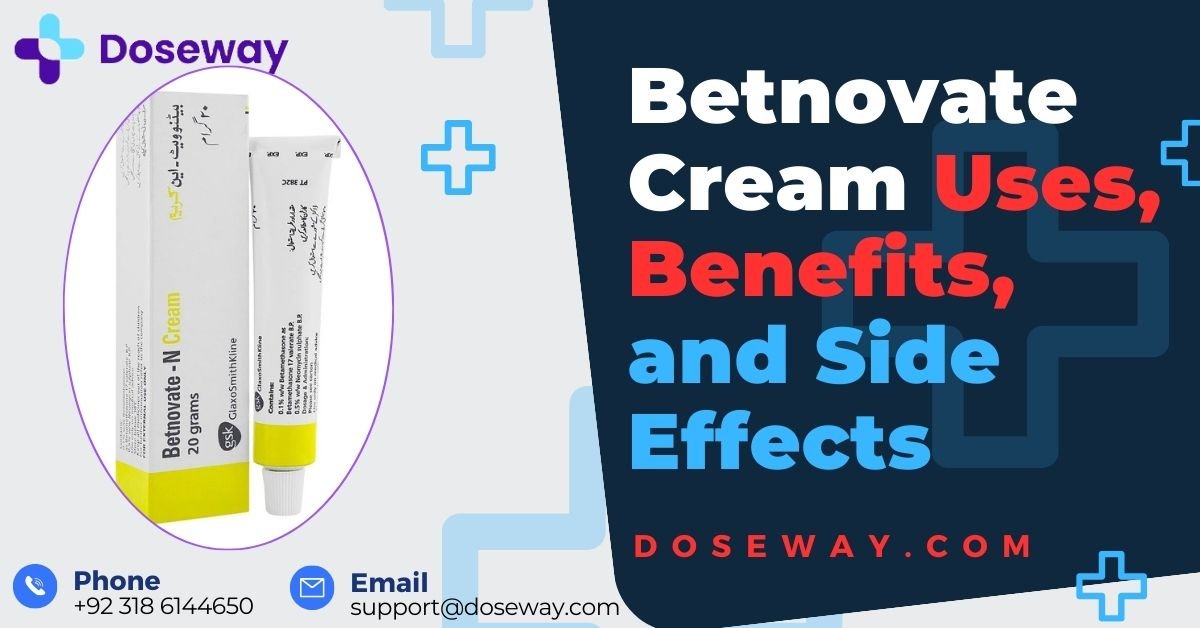
- Betnovate-N Cream: This is a combination product. It contains betamethasone valerate (0.1%) and neomycin sulphate (0.5%). The “N” stands for Neomycin, an antibiotic. It is specifically designed for inflamed skin conditions that have, or are at high risk of, a secondary bacterial infection (e.g., infected eczema).
- What is Betnovate Green Cream? This is a common point of confusion. “Green Cream” is often a colloquial or regional term referring to a diluted (0.025%) formulation of betamethasone valerate, making it less potent (moderate strength) than standard Betnovate. It is sometimes used for more sensitive areas or for maintenance therapy.
Primary Uses and Therapeutic Benefits of Betnovate Cream
Betnovate is a powerful anti-inflammatory agent with specific, approved medical indications. Its benefits are significant when used correctly under medical supervision.
What are the benefits of Betnovate cream?
The primary benefits of Betnovate cream are its rapid and effective suppression of skin inflammation and its associated symptoms. This leads to:
- Rapid relief from intense itching (pruritus).
- Reduction of erythema (redness) and swelling (edema).
- Decrease in skin thickening (lichenification) and scaling.
- Improved skin barrier function and overall comfort.
- Control of flare-ups in chronic skin diseases.
For which skin conditions is Betnovate cream prescribed?
Dermatologists prescribe Betnovate for a range of steroid-responsive dermatoses:
- Atopic Eczema (Atopic Dermatitis): The most common indication. It is used for short-term treatment of acute flare-ups.
- Plaque Psoriasis: Effective for reducing the thickness, scaling, and redness of psoriatic plaques.
- Contact Dermatitis: Both allergic (e.g., to nickel) and irritant types (e.g., from chemicals).
- Seborrhoeic Dermatitis: Particularly for severe cases on the body, though milder steroids are preferred for the face.
- Discoid Lupus Erythematosus: To manage the inflammatory skin lesions.
- Lichen Planus: Especially for the hypertrophic or thick, itchy lesions.
Does Betnovate cream clear skin?
Yes, for the conditions it is designed to treat, Betnovate can effectively “clear” the visible signs of inflammation. It resolves red, scaly, and thickened patches, thereby restoring the skin to a clearer, more normal appearance. However, it is not a cure. It manages the symptoms, and the underlying condition (like eczema or psoriasis) may have recurrent flare-ups, necessitating other long-term management strategies like moisturizers and lifestyle changes.
Common Misuses and Clarifications: What Betnovate is NOT For
Misuse of potent steroids like Betnovate is a global public health concern, often driven by cosmetic desires rather than medical need. This misuse carries severe risks.
Is Betnovate a whitening cream?
No, Betnovate is absolutely not a skin whitening or lightening cream. This is a dangerous and widespread misconception. The temporary “fairer” appearance some users notice is due to cutaneous vasoconstriction—the steroid shrinks the tiny blood vessels in the skin, reducing redness and causing pallor. This effect is temporary and reverses once the steroid is stopped. Using it for whitening is a direct pathway to severe skin damage.
What are the risks of using Betnovate cream for skin whitening?
Using Betnovate for skin lightening purposes is hazardous and can lead to:
- Permanent skin damage: Thinning (atrophy), stretch marks (striae), and easy bruising.
- Topical Steroid Addiction (TSA): The skin becomes dependent on the steroid. Stopping it causes severe, painful rebound redness and burning (Topical Steroid Withdrawal).
- Steroid-induced rosacea: Persistent redness, papules, and pustules on the face.
- Exacerbation of pigmentation disorders: It can actually cause or worsen conditions like ochronosis or paradoxical hyperpigmentation.
- Systemic absorption: Leading to potential adrenal suppression and Cushing’s syndrome.
Does Betnovate reduce dark spots?
No, Betnovate is not effective for treating hyperpigmentation like melasma, post-inflammatory hyperpigmentation, or sun spots. It lacks any mechanism to inhibit melanin production. For dark spots, dermatologists recommend ingredients like hydroquinone (under prescription), azelaic acid, kojic acid, vitamin C, niacinamide, or retinoids. Using Betnovate for dark spots is ineffective and risky.
Can Betnovate cream be used for pimples?
No, using Betnovate for acne vulgaris (common pimples) is strongly contraindicated and will worsen the condition. Steroids can induce a form of acne called steroid acne and can severely worsen acne rosacea. They increase comedone formation and promote inflammation in the long run. For acne, use treatments containing benzoyl peroxide, salicylic acid, topical retinoids (like adapalene or tretinoin), or antibiotics as prescribed.
Is Betnovate good for fungal infection?
No, using Betnovate alone on a fungal infection (like ringworm, tinea cruris, or candidiasis) is harmful. Corticosteroids suppress the local immune response, allowing the fungus to grow unchecked and spread, often leading to a more severe and atypical presentation called tinea incognito. If an antifungal is needed, a medication like clotrimazole, miconazole, or terbinafine is used. Combination creams containing both a steroid and an antifungal (e.g., clotrimazole + betamethasone) exist but must be used only when a specific diagnosis of an inflamed fungal infection is made by a doctor.
Can I use Betnovate on my private area?
It can be used on the genital area only if specifically prescribed by a doctor for a diagnosed inflammatory condition like lichen sclerosus or severe eczema. The skin in the genital region is thin and highly permeable, leading to significantly increased systemic absorption and a higher risk of local side effects like skin thinning, striae, and telangiectasia. Self-treating genital itch with Betnovate is dangerous, as the itch could be from a fungal infection (like candidiasis), a bacterial issue, or an STD, which steroids would worsen.
Potential Side Effects: From Common to Severe
Like all potent medications, Betnovate carries a risk of side effects, which escalate with improper use, prolonged duration, or application to large areas.
What are the common side effects of Betnovate cream?
Common local side effects, especially with prolonged use, include:
- Skin thinning (atrophy), making it fragile and transparent.
- Stretch marks (striae distensae), which are often permanent.
- Telangiectasia (visible broken blood vessels).
- Folliculitis (inflammation of hair follicles).
- Perioral dermatitis (a rash around the mouth, especially from facial use).
- Hypopigmentation or temporary lightening of the skin.
- Allergic contact dermatitis to the steroid or vehicle components.
What are the side effects of Betnovate cream on the face?
Facial skin is exceptionally susceptible to steroid damage. Side effects specific to facial use include:
- Steroid-induced rosacea: Persistent central facial redness, papules, and pustules.
- Perioral dermatitis: Small red bumps or pustules around the mouth, nose, and eyes.
- Pronounced skin thinning and telangiectasia.
- Glaucoma or cataracts if the cream accidentally enters the eyes.
What happens if you use Betnovate for too long?
Long-term unsupervised use leads to significant local and systemic risks:
- Permanent skin changes: Irreversible atrophy, striae, and telangiectasia.
- Topical Steroid Withdrawal (TSW): Upon stopping, the skin experiences a severe, painful rebound phenomenon characterized by intense redness, burning, peeling, and oozing that can last for months or years.
- Systemic Absorption: Can lead to hypothalamic-pituitary-adrenal (HPA) axis suppression, resulting in adrenal insufficiency, Cushing’s syndrome (moon face, weight gain, buffalo hump), hyperglycemia, and hypertension. This is more common when used over large surface areas, under occlusion, or on thin-skinned areas.
What are the side effects of Betnovate-N Cream?
In addition to the steroid-related side effects, Betnovate-N carries risks from its antibiotic component, neomycin:
- Neomycin allergy: A relatively common cause of allergic contact dermatitis. The rash may persist or worsen.
- Antibiotic resistance: Inappropriate use can promote bacterial resistance to neomycin.
- Ototoxicity and nephrotoxicity: These are theoretical risks with extreme overuse on large wounds, as neomycin can be absorbed systemically.
Who Should Use Betnovate? Critical Safety Guidelines
Betnovate is a potent medication with strict contraindications. Identifying who should and should not use it is paramount for safety.
When not to use Betnovate?
Betnovate is contraindicated in the following situations:
- Untreated Bacterial, Viral, or Fungal Skin Infections: Applying it to active impetigo, herpes simplex (cold sores), chickenpox, shingles, or ringworm can mask symptoms and allow the infection to disseminate.
- Perioral Dermatitis, Acne Rosacea, and Acne Vulgaris.
- Hypersensitivity: Known allergy to betamethasone valerate, other corticosteroids, or any ingredient in the formulation (e.g., paraffin in the ointment).
- Skin Ulcers and Open Wounds.
- Certain Rare Skin Conditions: Like dermatological manifestations of syphilis or tuberculosis.
Who cannot use betamethasone?
Individuals with the following conditions require extreme caution and medical supervision:
- Patients with a history of hypersensitivity to any corticosteroid.
- Children and infants have a higher skin surface area to body weight ratio and an increased risk of systemic effects and adrenal suppression.
- Patients with pre-existing glaucoma or cataracts, especially if application near the eyes is necessary.
- Patients with impaired liver function, as this can affect steroid metabolism.
Can I use Betnovate-N cream during pregnancy?
Betnovate-N is generally classified as a Pregnancy Category C drug (under older classification systems). This means animal studies have shown risk, but human studies are lacking. The rule is: Use only if the potential benefit justifies the potential risk to the fetus. It should not be used in large amounts, for prolonged periods, or under occlusion during pregnancy. A doctor must make this decision. Neomycin (the “N”) is poorly absorbed through intact skin, so systemic risk from it is low.
Is Betnovate safe for use on children?
Potent corticosteroids like Betnovate can be used in children but only under strict medical supervision, for the shortest time possible, and at the lowest effective potency. Their use is typically reserved for severe, acute flare-ups. Long-term use in children poses a serious risk of growth retardation and adrenal suppression. Milder steroids (like hydrocortisone 1%) are usually the first line for pediatric eczema.
Directions for Safe and Effective Application
Correct application minimizes side effects and maximizes therapeutic benefit. Adherence to medical instructions is non-negotiable.
How much Betnovate cream should I apply?
The standard measurement is the Fingertip Unit (FTU). One FTU is the amount of cream squeezed from the tube from the tip of an adult’s index finger to the first crease. It is approximately 0.5 grams.
- 1 FTU is enough to cover an area equal to two adult palms with fingers together.
- This method ensures consistent, minimal, effective dosing.
Can we apply Betnovate to our face?
Apply Betnovate to the face only if your doctor has explicitly prescribed it for a facial condition and for a strictly limited duration (typically 3-5 days). The face is highly prone to steroid damage. Apply a thin layer only to the affected areas, avoiding the eyes, nostrils, and mouth. Do not use it as a regular moisturizer or for minor irritations.
What is the correct frequency and duration of use?
- Frequency: Usually once or twice daily as prescribed. More frequent application does not increase efficacy but raises the risk of side effects.
- Duration: For acute flare-ups, treatment is typically limited to 1-2 weeks. Long-term continuous use should be avoided. Doctors may recommend “weekend therapy” or proactive intermittent use for certain conditions like psoriasis, but this is a specific medical strategy.
What precautions should I take while using Betnovate?
- Avoid Occlusion: Do not cover the treated area with airtight dressings, bandages, or tight clothing unless specifically instructed by your doctor (occlusion dramatically increases absorption).
- Wash Hands: Before and after application, unless your hands are in the treatment area.
- Moisturize: Use a plain, fragrance-free emollient regularly, but apply it at a different time than Betnovate (e.g., moisturize in the morning, apply Betnovate at night).
- Sun Protection: Steroid-treated skin can be more vulnerable to sun damage. Use a high-SPF sunscreen.
Betnovate vs. Other Treatments: Finding the Right Option
Understanding where Betnovate fits in the therapeutic landscape helps contextualize its use and highlights alternatives.
How does Betnovate compare to hydrocortisone?
This is a key distinction in potency.
| Feature | Betnovate (Betamethasone Valerate) | Hydrocortisone 1% |
|---|---|---|
| Potency Class | Potent (Group 3) | Mild (Group 1) |
| Primary Use | Short-term control of severe inflammation (eczema, psoriasis flares) | Mild inflammation, insect bites, mild eczema, diaper rash |
| OTC Availability | Prescription-only | Available Over-the-Counter (OTC) |
| Side Effect Risk | High with misuse | Lower |
What is the difference between Betnovate cream and ointment?
The choice depends on the skin condition and location.
- Cream: Less greasy, suitable for moist or weeping lesions, and for intertriginous areas (armpits, groin). It has a cooling effect.
- Ointment: Greasier, provides better occlusion and hydration. Ideal for dry, thick, scaly plaques (e.g., on elbows/knees in psoriasis) and for chronic, lichenified eczema. It is generally more potent as it enhances drug penetration.
Which cream is good for skin allergies?
The “best” cream depends on the severity and type of allergy:
- Mild Contact Dermatitis (e.g., poison ivy): A mild steroid like hydrocortisone 1% OTC or a moderate one like triamcinolone acetonide (prescription) may suffice.
- Severe Allergic Reaction/ Acute Eczema Flare: This is where a potent steroid like Betnovate has a role for short-term control.
- Itch-Predominant Allergy: An oral antihistamine (like cetirizine or loratadine) may be the primary treatment.
- Chronic Management: For conditions like atopic eczema, the cornerstone is regular, intensive emollient use, with steroids like Betnovate reserved for flare-ups.
What are non-steroidal alternatives to Betnovate?
For long-term control or steroid-sensitive areas, doctors may prescribe:
- Topical Calcineurin Inhibitors (TCIs): Tacrolimus ointment and Pimecrolimus cream. These are not steroids and do not cause skin thinning. They are used for eczema, especially on the face and neck.
- Vitamin D Analogues: Calcipotriol for plaque psoriasis.
- Coal Tar and Salicylic Acid: For psoriasis and chronic eczema.
- Phototherapy (Light Therapy): For widespread psoriasis or eczema.
Frequently Asked Questions (FAQs) –
What are the most common side effects of Betnovate?
The most common side effects are localized skin reactions including burning, itching, irritation, dryness, acneiform eruptions, folliculitis, skin thinning (atrophy), stretch marks (striae), and visible blood vessels (telangiectasia). These risks increase with prolonged use.
Can Betnovate be used for acne?
No, Betnovate should not be used for acne vulgaris. It is contraindicated as it can worsen acne, cause steroid-induced acne, or trigger severe rosacea. Acne requires specific treatments like benzoyl peroxide, salicylic acid, or topical retinoids.
What is the difference between Betnovate and Betnovate-N?
Betnovate contains only the steroid betamethasone. Betnovate-N is a combination product that contains both betamethasone and the antibiotic neomycin sulphate. It is specifically used for inflammatory skin conditions that are secondarily infected with bacteria, such as infected eczema.
How long does it take for Betnovate to work?
Improvement in symptoms like itching and redness can often be seen within a few days. However, for conditions like thickened psoriatic plaques, it may take 1-2 weeks of regular application to see significant flattening and clearing. Always complete the course as prescribed by your doctor.
Can I use Betnovate for insect bites?
It is not recommended. For itchy insect bites, a mild corticosteroid like hydrocortisone 1% cream or an antihistamine cream is more appropriate and safer. Using a potent steroid like Betnovate on a small bite is unnecessary and increases the risk of local side effects like skin thinning on that spot.
What should I do if I miss a dose?
Apply it as soon as you remember. However, if it is almost time for your next scheduled dose, skip the missed dose and continue with your regular application schedule. Do not apply a double dose to make up for the missed one.
Can Betnovate cream expire?
Yes, like all medications, Betnovate has an expiration date printed on the tube or packaging. Do not use the cream after this date, as the active ingredient may degrade, reducing effectiveness or potentially causing irritation. Properly discard any expired medication.
Is Betnovate a steroid?
Yes, Betnovate is a topical corticosteroid (steroid). Its active ingredient, betamethasone valerate, is a potent synthetic glucocorticoid designed to reduce inflammation and suppress the immune response in the skin. It is a crucial medication for managing inflammatory skin conditions, but it must be used with caution due to its potency.
Can I use moisturizer with Betnovate cream?
Yes, using a moisturizer (emollient) is a fundamental part of treating conditions like eczema and psoriasis. However, timing is important. Apply your prescribed moisturizer frequently throughout the day. When applying Betnovate, use a thin layer on the affected area first and wait 15-30 minutes for it to be absorbed before applying your moisturizer over the top. This ensures the steroid penetrates the skin effectively.
What happens when you stop using Betnovate?
Stopping Betnovate after normal, short-term use as prescribed typically leads to a gradual return of the original symptoms if the underlying condition is chronic. However, stopping after prolonged, heavy misuse can trigger Topical Steroid Withdrawal (TSW), also known as Red Skin Syndrome. Symptoms include severe rebound redness, burning, pain, swelling, peeling, and oozing that can spread beyond the original treatment area. TSW requires medical management.
Can Betnovate be used for fungal infections like ringworm?
No, Betnovate should not be used to treat fungal infections such as ringworm (tinea), athlete’s foot, or jock itch. Using a steroid alone on a fungal infection suppresses local immunity, allowing the fungus to grow unchecked and spread, often causing a more severe and atypical rash known as tinea incognito. Fungal infections require specific antifungal agents like clotrimazole or terbinafine.
Does Betnovate cause permanent skin thinning?
Prolonged and unsupervised use of Betnovate, especially on thin-skinned areas (face, groin, armpits), can lead to permanent skin atrophy. This is characterized by thin, fragile, transparent skin that bruises easily, along with permanent stretch marks (striae) and visible blood vessels (telangiectasia). This damage is often irreversible, highlighting the critical importance of using the medication only as directed and for the shortest duration necessary.

Add a Comment