
 Cart is empty
Living in Pakistan brings with it a unique set of challenges for your skin. The intense summer heat, seasonal pollen, urban pollution, and even the hard water in many areas can trigger frustrating and uncomfortable skin allergies. If you’re searching for relief from itching, redness, and rashes, you are not alone. This comprehensive guide is designed to be your definitive resource. We will not only list the top 10 best creams for skin allergy in Pakistan but will also empower you with the knowledge to understand your condition, identify triggers, and adopt a holistic management strategy. This article is structured to provide clear, actionable information for anyone suffering from skin allergies and to serve as a detailed, authoritative reference.
In this complete guide, you will learn:
- The underlying causes and common symptoms of skin allergies in the Pakistani context.
- A detailed, categorized list of the 10 most effective creams, from prescription steroids to soothing moisturizers.
- How to correctly use these creams and important safety considerations.
- Answers to all your related questions on fast relief, soaps, home remedies, and dietary support.
- Specific information on pricing, availability, and local market alternatives.
Read More:
- Top 5 Best Allergy Tablets in Pakistan
- Anti Allergy Medicine For Skin Itching (Uses & Side Effects)
- Top 5 Ways To Get Rid Of Allergies Permanently
Table Of Contents
Understanding Skin Allergies: Your First Step Towards Effective Management
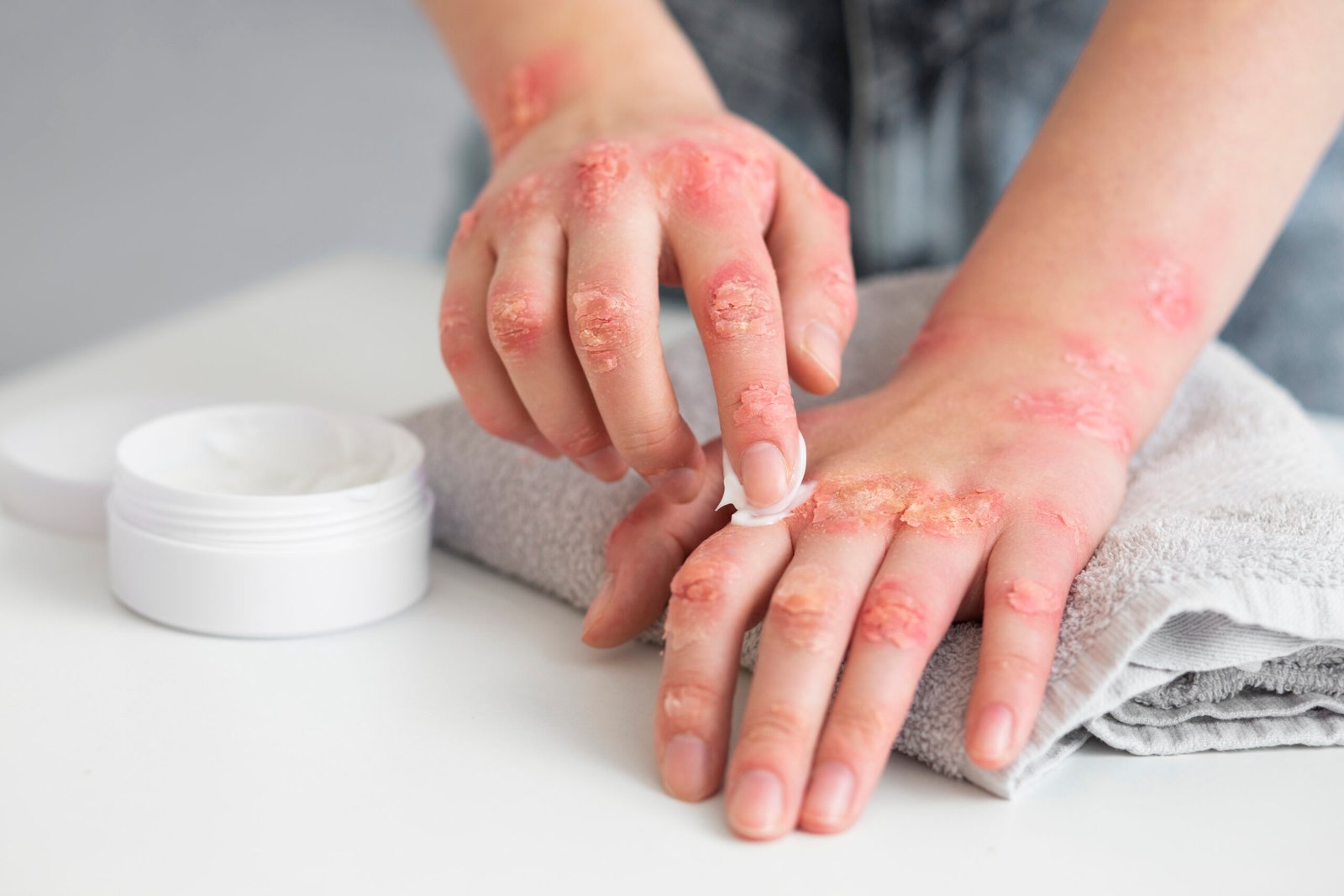
Before diving into treatment, understanding the “why” behind your skin’s reaction is crucial. A skin allergy, or allergic contact dermatitis, is your immune system’s overreaction to a harmless substance. In Pakistan, common culprits include nickel in jewellery, fragrances in cosmetics, formaldehyde in textiles, and chemicals in detergents. Another prevalent condition is atopic dermatitis (eczema), which is often genetic and involves a defective skin barrier that lets moisture out and irritants in, leading to chronic dry, itchy, and inflamed skin.
What are the most common skin allergy symptoms?
Recognizing the signs is key to seeking the right treatment. The primary symptoms often include:
- Intense Itching (Pruritus): The most common and distressing symptom.
- Redness (Erythema): Inflamed, red patches on the skin.
- Swelling (Edema): Particularly around the eyes, lips, or affected area.
- Hives (Urticaria): Raised, red, itchy welts that can appear and move.
- Dryness and Flaking: A hallmark of eczema; the skin may appear scaly.
- Blisters or Weeping: In acute reactions, small fluid-filled bumps may form.
- Cracking or Leathery Skin: From chronic scratching and inflammation.
Why is my skin so allergic? Common triggers in Pakistan
Several factors unique to our environment and lifestyle contribute to the high prevalence of skin allergies.
- Environmental Allergens: Springtime pollen from trees and grasses, dust mites thriving in humid climates, and mold spores are significant triggers.
- Contact Irritants: This includes cheap metallic jewellery (nickel), synthetic fabrics dyed with harsh chemicals, and skincare products containing parabens, sulfates, or strong perfumes. “Mehndi” (henna) adulterated with paraphenylenediamine (PPD) is a notorious cause of severe hand and foot dermatitis.
- Chemical Exposure: Harsh laundry detergents, household cleaners, and industrial chemicals can strip the skin’s natural oils.
- Climate Extremes: Hot, humid summers lead to sweat-induced eczema flare-ups, while cold, dry winters can cause severe skin dryness and cracking.
- Dietary Factors: For some individuals, certain foods like spicy dishes, nuts, or dairy can exacerbate inflammatory skin conditions.
- Genetic Predisposition: A family history of eczema, asthma, or hay fever (the “atopic triad”) makes one more susceptible.
Can stress cause skin allergies?
Absolutely. While stress does not cause the allergy itself, it is a major trigger for flare-ups. Psychological stress releases hormones like cortisol and increases inflammatory cytokines in the body, which can weaken the skin barrier and intensify conditions like eczema, psoriasis, and hives. Managing stress through mindfulness, exercise, and adequate sleep is a critical, though often overlooked, component of skin allergy control.
The Holistic Approach to Skin Allergy Management: Beyond Creams
Relying solely on a cream is like mopping the floor while the tap is still running. A comprehensive strategy involving trigger avoidance and skin barrier repair is essential for long-term control.
How can I clear my skin allergy? A multi-pronged strategy
Clearing a skin allergy involves a consistent, layered approach:
- Identification and Elimination: The cornerstone of management. Try to pinpoint what caused the reaction and avoid it meticulously.
- Gentle Skincare Regimen: Use lukewarm water (not hot) for baths, pat skin dry gently, and follow the “soak and seal” method for eczema-prone skin.
- Targeted Medication: Use recommended creams and ointments as directed to control active inflammation.
- Maintenance: Even when the skin looks clear, continue using fragrance-free, barrier-repair moisturizers daily.
Which soap is best for allergy skin? Is Dove soap good for skin allergy?
The ideal soap or cleanser for sensitive, allergy-prone skin should be syndet (synthetic detergent) based, fragrance-free, dye-free, and pH-balanced (around 5.5). It should clean without stripping the skin’s natural lipids.
Analysis of Dove Sensitive Skin Beauty Bar: In the Pakistani market, the Dove Sensitive Skin Unscented Beauty Bar is often recommended by dermatologists. It is a syndet bar with a neutral pH and contains stearic acid and glycerin, which help maintain the skin’s moisture barrier. It is generally a safe and effective choice for daily use for most with sensitive skin. However, individuals with extreme sensitivities should always patch-test first.
Other excellent local pharmacy options include Cetaphil Gentle Skin Cleanser and Physiogel Daily Moisture Therapy Cleanser.
What to avoid during a skin allergy flare-up?
During an active flare, be extra vigilant to avoid:
- Scratching: Use cold compresses or anti-itch creams instead.
- Harsh Exfoliants: No scrubs, loofahs, or abrasive cloths.
- Fragranced Products: This includes perfumes, scented lotions, and fabric softeners.
- Tight, Synthetic Clothing: Opt for loose, breathable cotton.
- Known Personal Triggers: Be it certain foods, pets, or specific environments.
What is the 3 minute rule for eczema?
This is a crucial technique for maximizing moisture retention. It states that you should apply your prescribed topical medication or a generous layer of your moisturizing emollient within 3 minutes of stepping out of the shower or bath. This locks in the water absorbed by your skin during bathing, creating a protective barrier and preventing trans-epidermal water loss (TEWL).
Navigating Treatment: Understanding Medicines and Fast Relief Options
What allergy medicine works fastest? Oral vs. Topical
For systemic relief from widespread hives or intense itching, oral antihistamines are typically the fastest-acting. Second-generation antihistamines like Cetirizine (Zyrtec) or Loratadine (Clarityn), available over-the-counter in Pakistan, start working within 1-2 hours and cause less drowsiness than older variants like diphenhydramine. For localized rashes, a topical corticosteroid cream applied directly to the inflamed skin will provide faster, more targeted relief.
What is the strongest allergy cream?
The “strength” of an allergy cream usually refers to the potency of the topical corticosteroid it contains. The strongest classes are Super-High Potency (Group I) and High Potency (Group II) steroids. In Pakistan, creams containing Clobetasol Propionate (e.g., Clovate) or Betamethasone Dipropionate (e.g., Diprosone) fall into this category. These are prescription-only medicines and must be used under strict medical supervision for short durations, as improper use can lead to skin thinning, stretch marks, and systemic side effects.
What is the fastest way to stop skin allergies?
For an acute flare, follow this fast-action protocol:
- Immediate Cool Compress: Apply a clean cloth soaked in cool water to the itchy area for 15-20 minutes.
- Apply an OTC Cream: Use a mild hydrocortisone 1% cream or a calming calamine lotion.
- Take an Oral Antihistamine: A dose of Cetirizine or Loratadine can help control itching from within.
- Moisturize Liberally: Apply a fragrance-free moisturizer on the surrounding skin.
- See a Doctor if: The reaction is severe, involves the face or genitals, shows signs of infection (pus, yellow crusting), or does not improve within 48 hours.
The Definitive List: 10 Best Creams for Skin Allergy in Pakistan
Our selection is based on dermatologist recommendations, widespread availability in Pakistani pharmacies (both physical and online), efficacy of active ingredients, and user feedback. They are divided into three categories for clarity.
Prescription-Strength Creams (Use only under a doctor’s guidance)
Over-the-Counter (OTC) Medicated Creams
Soothing Barrier Repair Creams & Ointments
1. Mometasone Furoate (e.g., Momate Cream)
Best for: Severe flare-ups of eczema, allergic contact dermatitis, and psoriasis.
Why it’s listed: This is a potent topical corticosteroid (Group III) with strong anti-inflammatory and anti-itch properties. It is highly effective for reducing redness and swelling in stubborn, thickened patches of skin. It is often prescribed for short-term use to gain rapid control of a severe flare.
Key Considerations: A prescription is required. It should not be used on the face, groin, or armpits for prolonged periods. Typical treatment lasts 1-2 weeks.
2. Hydrocortisone Butyrate (e.g., Locoid Cream)
Best for: Moderate to severe cases of eczema, seborrheic dermatitis, and inflammatory skin conditions.
Why it’s listed: Classified as a medium-potency steroid, it offers a good balance of efficacy and safety for use on the body. It is a common prescription for moderate inflammation that doesn’t respond to OTC hydrocortisone.
Key Considerations: Available by prescription. Suitable for shorter-term use on the body. Often used twice daily.
3. Fusidic Acid + Betamethasone (e.g., Fucidin H Cream)
Best for: Infected allergic eczema or dermatitis. Look for signs like weeping, yellow crusting, or pus-filled bumps.
Why it’s listed: This is a combination antibiotic (Fusidic Acid) and steroid (Betamethasone) cream. It tackles both the bacterial infection (often Staphylococcus aureus) and the underlying inflammation simultaneously, which is common in scratched, broken skin.
Key Considerations: Crucial prescription-only medicine. Using it for a non-infected rash can promote antibiotic resistance. A typical course is for 7-14 days.
4. Hydrocortisone Acetate 1% (e.g., Eczend HC, Skincort)
Best for: Mild to moderate itching, rashes, insect bite reactions, and minor skin irritations.
Why it’s listed: This is the cornerstone of OTC steroid treatment. Hydrocortisone 1% is a low-potency corticosteroid that is safe and effective for self-treatment of minor allergic reactions on small areas. It is widely available and affordable.
Key Considerations: Do not use on the face for more than 5-7 days. Avoid using on children under 2 without doctor’s advice. If no improvement is seen in a week, consult a doctor.
5. Calamine Lotion
Best for: Soothing itchy, weeping rashes from chickenpox, heat rash (prickly heat), and mild allergic reactions.
Why it’s listed: A classic, time-tested remedy. Calamine, made from zinc oxide and ferric oxide, has cooling, astringent (drying), and mild antiseptic properties. Its pink suspension provides a soothing, protective layer on oozing skin.
Key Considerations: Can be overly drying for chronic, dry eczema. Shake well before use. Often used as needed for symptom relief.
6. Clotrimazole + Betamethasone (e.g., Clovat-B Cream)
Best for: Fungal infections that present with or mimic allergic inflammation, such as in skin folds (intertrigo) or certain types of ringworm.
Why it’s listed: This antifungal + steroid combination is vital when a fungal infection is suspected or diagnosed alongside inflammation. The hot, humid climate of Pakistan makes fungal overgrowth a common complicating factor.
Key Considerations: Misdiagnosis risk: Using this on pure eczema can worsen it. A doctor should confirm a fungal element before use. Prescription is usually required.
7. Zinc Oxide Ointment (e.g., Sudocrem)
Best for: Diaper rash, minor burns, chafing, and as a protective barrier for raw, sensitive skin.
Why it’s listed: Zinc oxide is an excellent barrier cream with mild astringent and protective qualities. It forms a physical shield on the skin, protecting it from further irritation from moisture, friction, or external irritants. Sudocrem is a popular, widely available brand containing zinc oxide, lanolin, and benzyl alcohol.
Key Considerations: Its thick, opaque texture can feel heavy. It is more for protection and healing than for treating active, severe inflammation.
8. Ceramide-Based Moisturizers (e.g., CeraVe Moisturizing Cream, Physiogel AI Cream)
Best for: Daily maintenance of eczema-prone, extremely dry, and sensitive skin. Essential for repairing the skin barrier.
Why it’s listed: Ceramides are lipid molecules that are the essential “mortar” holding our skin barrier cells together. Eczema-prone skin is deficient in ceramides. These creams replenish them, strengthening the skin’s own defense system. CeraVe contains three essential ceramides and hyaluronic acid. Physiogel AI Cream uses a patented bio-mimic formula to repair the lipid barrier.
Key Considerations: Use liberally and daily, even when skin is clear. Often referred to as a “leave-on” emollient therapy.
9. Colloidal Oatmeal Creams (e.g., Aveeno Dermexa Daily Emollient Cream)
Best for: Relieving itch and irritation associated with dry skin and mild to moderate eczema.
Why it’s listed: Colloidal oatmeal has proven anti-inflammatory and antioxidant properties. It helps soothe itching, reduce redness, and restore the skin’s pH. Aveeno is a globally recognized brand harnessing this ingredient effectively.
Key Considerations: A superb choice for daily moisturizing and managing mild symptoms. Can be used on the face and body. Readily available in major pharmacies and online stores.
10. Petroleum Jelly (Vaseline)
Best for: Extremely dry, cracked skin, and as an occlusive layer to seal in moisture after applying other creams.
Why it’s listed: It is the purest, most affordable occlusive agent. It does not add moisture but prevents 99% of water loss from the skin’s surface. It is inert, fragrance-free, and has a very low risk of causing allergic reactions, making it ideal for severely compromised skin barriers.
Key Considerations: It can feel greasy. Many dermatologists recommend the “soak and smear” technique: bathe, pat dry, apply medication (if any), then immediately “smear” a layer of petroleum jelly over it to lock it all in.
Application Guide and Critical Considerations for Safe Use
How to use allergy creams correctly?
Improper application can reduce efficacy and increase side effects.
- Wash Hands: Before and after application.
- Use the Right Amount: The Fingertip Unit (FTU) is a standard measure. One FTU (the amount from the tip to the first crease of the index finger) is enough to cover an area twice the size of an adult flat hand.
- Apply a Thin Layer: Gently rub it in until it disappears. A thick, caked layer is not more effective.
- Timing is Key: For moisturizers, apply immediately after bathing. For medicated creams, follow your doctor’s instructions, often 1-2 times daily.
- Duration: Follow the prescribed or recommended duration. Do not use potent steroids for longer than advised.
Which is better for skin allergy: Cream, Ointment, or Lotion?
The choice depends on the severity and location of your allergy.
| Formulation | Best For | Consistency | Key Benefit |
|---|---|---|---|
| Ointment | Very dry, thick, lichenified patches | Greasy, thick | Best moisture barrier; ideal for severe dryness and night use. |
| Cream | Weeping or oozing rashes; daytime use | Light, non-greasy | Moisturizing yet drying; versatile for most body areas. |
| Lotion | Large body areas; hairy areas; mild dryness | Watery, liquid | Easy spreadability; less moisturizing than creams/ointments. |
When should you see a dermatologist in Pakistan?
Self-treatment has its limits. Consult a skin specialist if:
- The rash is severe, painful, or covers a large area.
- You see signs of infection: increased redness, warmth, pus, or fever.
- The rash involves sensitive areas: face, eyes, mouth, or genitals.
- OTC treatments fail to improve the condition within 1-2 weeks.
- The rash keeps recurring without a clear cause.
Pakistani Market Specifics: Price, Availability, and FAQs
What is the price range for allergy creams and lotions in Pakistan?
Prices vary significantly based on brand (local vs. imported), potency, and tube size.
- Low-Potency OTC (Hydrocortisone 1%, Calamine): PKR 150 – PKR 400.
- Barrier Repair Creams (CeraVe, Physiogel, Aveeno): PKR 1,200 – PKR 3,000.
- Prescription Steroid Creams (e.g., Momate, Locoid): PKR 300 – PKR 800 for a standard tube.
- Combination Creams (e.g., Fucidin H): PKR 500 – PKR 1,200.
Note: These are approximate ranges. Always check current prices at your local pharmacy.
What is the best cream for hand allergy in Pakistan?
Hand contact dermatitis is common due to frequent washing, chemicals, and “mehndi.” A dual approach works best:
- During Flares: A medium-potency steroid cream like Mometasone (Momate) or Hydrocortisone Butyrate (Locoid) as prescribed by a doctor.
- For Protection & Healing: Constant use of a thick barrier ointment like Petroleum Jelly or Zinc Oxide cream. Apply after every hand wash. Cotton gloves worn overnight over a thick layer of moisturizer can work wonders (“gloving”).
Frequently Asked Questions (FAQs) –
Which cream is best for skin allergy?
The “best” cream depends entirely on your specific condition. For mild, occasional itching, an OTC Hydrocortisone 1% cream is a good start. For chronic eczema, a ceramide-based moisturizer (CeraVe) is essential for daily care. Severe inflammation requires a prescription steroid like Mometasone. A dermatologist can pinpoint the best one for you.
Can skin allergies go away?
Some contact allergies can resolve completely if the trigger is identified and strictly avoided. Chronic conditions like atopic dermatitis (eczema) are often long-term but can go into prolonged remission with proper management. Childhood eczema sometimes improves or resolves with age.
What are the 7 types of allergies?
The seven main types are: 1) Food Allergy, 2) Skin Allergy (Dermatitis), 3) Dust/Mite Allergy, 4) Pet Allergy, 5) Drug Allergy, 6) Pollen Allergy (Hay Fever), 7) Insect Sting Allergy.
What is the best allergy relief for itchy skin?
For immediate relief, a cool compress is safest. For medication, a topical corticosteroid cream applied to the itchy spots is most effective for localized itch. For widespread itching, an oral antihistamine like Cetirizine works from the inside.
How to cure an allergy at home?
While you can’t “cure” an allergy at home, you can effectively manage mild symptoms: 1) Avoid the trigger. 2) Use cool compresses. 3) Apply calamine or hydrocortisone 1% cream. 4) Take an OTC oral antihistamine. 5) Moisturize with petroleum jelly or a fragrance-free cream.
Is Cetirizine good for skin allergies?
Yes, Cetirizine is a second-generation oral antihistamine commonly used to relieve itching, redness, and hives associated with skin allergies. It is effective for systemic symptoms.
What are natural antihistamines for skin?
Quercetin (found in apples, onions), Vitamin C (citrus fruits, bell peppers), Bromelain (pineapple), and Stinging Nettle are considered natural compounds with antihistamine properties. Their effect is milder than pharmaceutical antihistamines.
Can I use Betnovate for skin allergy?
Betnovate (Betamethasone valerate) is a potent steroid cream. It should only be used for skin allergies if specifically prescribed by a doctor for a short period for a severe, localized flare. Self-medicating with Betnovate can cause severe skin damage.
Which face cream is best for allergic skin in Pakistan?
For the delicate facial skin, use only mild, fragrance-free formulations. OTC Hydrocortisone 1% can be used for 3-5 days in an emergency. For daily care, opt for CeraVe PM Facial Moisturizing Lotion, La Roche-Posay Toleriane Ultra Sensitive Cream, or locally available brands like Cetaphil Moisturizing Lotion. Patch test first.
What is the difference between eczema and a skin allergy?
Eczema (Atopic Dermatitis) is a chronic, genetic condition characterized by a defective skin barrier, leading to dry, itchy, inflamed skin. A Skin Allergy (Allergic Contact Dermatitis) is a specific immune reaction triggered by direct contact with an allergen (e.g., nickel, fragrance). Eczema skin is more prone to developing contact allergies.
Is aloe vera gel good for skin allergies?
Pure aloe vera gel has cooling, anti-inflammatory properties and can soothe mild sunburn or irritation. However, for active allergic dermatitis, it is not potent enough to control inflammation. Additionally, commercial gels may contain additives that can further irritate sensitive skin. Patch test first.

Add a Comment