 Cart is empty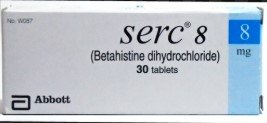
Description
Serc 8mg tablets are a prescription medication specifically formulated to manage the debilitating symptoms of Ménière’s disease, a chronic inner ear disorder. The active ingredient, Betahistine Dihydrochloride, works by targeting the underlying vascular mechanisms in the inner ear to reduce the frequency and severity of vertigo attacks, tinnitus (ringing in the ears), and associated hearing loss. This pharmaceutical treatment is a cornerstone of vestibular symptom management, offering patients a path to improved balance and quality of life.
Here is a brief summary of the core product features and benefits:
✔️ Contains 8mg of the proven ingredient Betahistine Dihydrochloride per tablet.
✔️ Manufactured under strict standards by the reputable pharmaceutical company Abbott.
✔️ Specifically targets symptoms of Ménière’s syndrome: vertigo, tinnitus, and hearing loss.
✔️ Works by improving microcirculation and reducing fluid pressure in the inner ear.
✔️ Convenient oral tablet form with a standard dosage of three times daily.
Uses and Key Features of Serc Betahistine Tablets
What are the primary uses of Serc 8mg tablets?
Serc is a dedicated vestibular suppressant and vasodilator prescribed primarily for a specific inner ear condition. Its uses are centered around symptomatic management.
Management of Ménière’s Disease: This is the primary and approved indication. Serc helps control the classic triad of symptoms that define this condition.
Reduction of Vertigo Episodes: It is highly effective in decreasing the frequency, duration, and intensity of violent dizziness and spinning sensations (rotatory vertigo).
Alleviation of Tinnitus: Patients often report a noticeable reduction in the perception of ringing, buzzing, or hissing sounds in the ears.
Hearing Loss Stabilization: In some cases, especially with early intervention, it may help in stabilizing or preventing further sensorineural hearing loss associated with Ménière’s attacks.
What are the key features and benefits of this medication?
The efficacy of Serc stems from its targeted pharmacological action and quality manufacturing.
Targeted Action Mechanism: Betahistine acts as a histamine H1 receptor agonist and H3 receptor antagonist. This dual action improves blood flow (microcirculation) in the stria vascularis of the inner ear and reduces endolymphatic fluid pressure, addressing the hypothesized cause of Ménière’s symptoms (endolymphatic hydrops).
Symptom-Specific Relief: Unlike general motion sickness pills, it is designed specifically for the complex symptoms of vestibular disorders.
Proven Clinical Profile: Betahistine has been used for decades in otolaryngology and neurology, with numerous studies supporting its role in vestibular rehabilitation.
Preventative Approach: When taken regularly as prescribed, it can act as a prophylactic, reducing the occurrence of acute attacks rather than just treating them after they start.
Well-Tolerated Profile: For most patients, the side effect profile is favorable compared to other vestibular medications, with a low incidence of severe drowsiness.
Active Ingredient: Betahistine Dihydrochloride
What is the active ingredient in Serc tablets?
The sole active pharmaceutical ingredient in each Serc 8mg tablet is Betahistine Dihydrochloride. This is a synthetic histamine analogue, meaning its chemical structure is similar to the histamine produced naturally in the body, but it is engineered for a specific therapeutic purpose.
How does Betahistine Dihydrochloride work for inner ear problems?
The inner ear, or labyrinth, is filled with a fluid called endolymph. Ménière’s disease is often linked to an excess buildup of this fluid (endolymphatic hydrops), causing increased pressure and disrupting balance (vestibular) and hearing (cochlear) signals. Betahistine’s benefits are linked to its mechanism:
Vasodilation in the Inner Ear: It primarily acts on the tiny blood vessels (capillaries) within the cochlea and vestibular system. By promoting vasodilation, it improves microcirculation, which is believed to enhance the absorption of excess endolymph, thereby reducing inner ear pressure.
Regulation of Neurotransmitters: Its action on histamine receptors in the brainstem’s vestibular nuclei may help restore normal neural activity and inhibit the faulty signals causing vertigo.
Central Vestibular Compensation: There is evidence it may aid the brain’s natural ability to compensate for balance disorders, a key part of long-term recovery.
Directions for Use and Dosage Information
How should I take Serc 8mg tablets correctly?
For optimal efficacy and safety, adherence to proper usage guidelines is crucial.
Oral Administration: The tablets are to be swallowed whole with a full glass of water.
Timing with Meals: It is recommended to take the doses during or immediately after meals. This can significantly minimize potential gastrointestinal side effects like mild stomach upset or nausea.
Consistency is Key: To maintain steady blood levels of the medication, take doses at evenly spaced intervals throughout the day (e.g., with breakfast, lunch, and dinner).
Do Not Crush or Chew: The tablet should be taken in its intact form unless otherwise directed by a physician.
What is the standard dosage for Ménière’s disease treatment?
Dosage must always be individualized by a healthcare professional based on diagnosis, severity, and patient response.
Typical Adult Starting Dosage: The most common initial regimen is 8mg (one tablet) taken three times daily. Some doctors may initiate therapy at a lower dose of 4mg (half a tablet) three times daily to assess tolerance.
Maintenance Therapy: The effective maintenance dose often ranges from 24mg to 48mg per day, divided into three doses. The 8mg tablet strength allows for flexible dosing within this range.
Duration of Treatment: Treatment is typically long-term. Patients may need to take Serc continuously for several months or even years to control symptoms and prevent recurrences. Do not stop taking the medication abruptly without consulting your doctor.
Population-Specific Dosage:
Elderly Patients: Dose adjustment may be necessary based on renal or hepatic function.
Patients with Renal Impairment: Caution is advised, and a lower dosage may be prescribed.
Children and Adolescents: The safety and efficacy in this population have not been fully established; use is not generally recommended.
Important Precautions and Safety Warnings
What are the critical precautions before taking Betahistine?
This is a prescription-only medicine, and certain health conditions require careful evaluation.
Medical History Disclosure: Inform your doctor if you have a history of:
Peptic Ulcer Disease: Betahistine may increase gastric acid secretion.
Asthma or Bronchial Asthma: Use with caution in patients with underlying respiratory conditions.
Pheochromocytoma: A rare adrenal gland tumor; Betahistine is contraindicated.
Severe Liver or Kidney Disease: Dosage adjustment is critical.
Pregnancy and Breastfeeding: The safety of Betahistine during pregnancy and lactation has not been conclusively established. Use is only recommended if the potential benefit clearly outweighs the potential risk to the fetus or infant. Discuss this thoroughly with your obstetrician and ENT specialist.
Driving and Operating Machinery: While Betahistine is less sedating than other vertigo drugs, some individuals may experience dizziness or drowsiness, especially at treatment onset. Assess your own reaction before engaging in hazardous activities.
Allergic Reactions: Do not take this medicine if you have a known hypersensitivity to Betahistine Dihydrochloride or any of the tablet’s inactive ingredients (excipients).
Potential Side Effects of Serc (Betahistine)
What are the possible side effects of Serc 8mg?
Most side effects are mild to moderate and often transient, subsiding as the body adjusts. They can be categorized by frequency.
Common Side Effects (may affect up to 1 in 10 people):
Gastrointestinal: Nausea, indigestion, mild stomach pain, bloating.
Neurological: Mild headache.
General: Feeling of warmth or flushing, especially on the face and neck.
Less Common Side Effects (may affect up to 1 in 100 people):
Allergic Skin Reactions: Itching, rashes, urticaria (hives).
Gastrointestinal: Vomiting.
Rare but Serious Side Effects (Contact your doctor immediately if experienced):
Severe Allergic Reaction (Anaphylaxis): Symptoms include swelling of the face, lips, tongue, or throat, severe difficulty breathing, and rapid heartbeat.
Worsening of Asthma Symptoms: Such as increased wheezing and shortness of breath.
Skin Reactions: Severe skin rashes.
Patients should be aware that this is not an exhaustive list. Any unusual or troublesome symptom should be reported to a healthcare provider.
Proper Storage Instructions
How should I store my Serc tablets to ensure potency?
Proper storage is essential for maintaining the drug’s stability and shelf life.
Temperature: Store below 25°C (77°F). Do not freeze.
Environment: Keep the tablets in their original blister strip and carton to protect from light and moisture. Avoid storing in bathrooms or near kitchen sinks where humidity is high.
Accessibility: Keep the medication out of the sight and reach of children and pets.
Expiry: Do not use the tablets after the expiration date printed on the carton and blister. Dispose of any expired medicine safely through a pharmacy take-back scheme.
Manufacturer Information: Abbott Laboratories
Who manufactures Serc 8mg tablets and what are their credentials?
Serc tablets are manufactured by Abbott Laboratories, a global, research-based healthcare leader with a formidable reputation spanning decades. Abbott’s involvement is a significant trust signal.
Global Pharmaceutical Authority: Abbott is recognized worldwide for its commitment to advancing medical science and producing high-quality medicines across multiple therapeutic areas, including neurology and metabolic care.
Stringent Manufacturing Standards: The production of Serc complies with current Good Manufacturing Practices (cGMP), the highest international standards that ensure consistency, purity, identity, and potency in every batch.
Commitment to Quality Control: Abbott implements rigorous quality assurance and quality control protocols at every stage of the manufacturing process, from sourcing raw materials to final packaging.
Research and Development Heritage: The company’s foundation in scientific innovation contributes to the reliable formulation of Betahistine used in Serc.
Comprehensive Benefits of Using Serc for Ménière’s Disease
What are the main health and lifestyle benefits of treatment with Serc?
benefits extend beyond mere symptom reduction to impactful improvements in daily living.
Reduced Vertigo Attack Frequency and Severity: The most significant benefit is gaining control over unpredictable and disabling spinning sensations, allowing for greater confidence in daily activities.
Improved Balance and Spatial Orientation: By stabilizing vestibular function, patients often experience fewer feelings of unsteadiness or disequilibrium between major attacks.
Decreased Tinnitus Distress: Lowering the intensity or awareness of constant ear noise can drastically reduce associated anxiety, improve concentration, and aid sleep.
Potential for Hearing Preservation: Early and consistent treatment may help protect against the progressive, low-frequency hearing loss characteristic of Ménière’s, preserving auditory function longer.
Enhanced Quality of Life and Mental Well-being: Reducing the constant fear of an attack alleviates anxiety and social isolation. Patients can return to work, drive, and engage in social activities more reliably.
Non-Sedating Therapy Option: Compared to classic antihistamines like meclizine or benzodiazepines used for vertigo, Betahistine typically does not cause significant drowsiness, allowing for alert, daytime function.
Proven Long-Term Management Strategy: It offers a sustainable, oral pharmacologic approach for a chronic condition, often forming the foundation of a comprehensive management plan that may include diet (low-sodium) and therapy.
Comparison: Serc (Betahistine) vs. Key Alternative Treatments
How does Serc compare to other treatments for vertigo and Ménière’s?
Understanding where Betahistine fits in the treatment landscape helps clarify its unique role.
| Feature / Drug Class | Serc (Betahistine) | Diuretics (e.g., Hydrochlorothiazide) | Vestibular Suppressants (e.g., Meclizine, Dimenhydrinate) | Benzodiazepines (e.g., Diazepam) |
|---|---|---|---|---|
| Primary Mechanism | Improves inner ear microcirculation; reduces endolymphatic pressure. | Reduces overall body fluid volume, indirectly affecting inner ear fluid. | Central nervous system depressants; block signals to the vomiting center. | Potent central nervous system depressants; enhance GABA effect. |
| Main Use | Prophylaxis & long-term management of Ménière’s disease. | Prophylaxis of Ménière’s attacks, often combined with a low-salt diet. | Acute symptomatic relief of vertigo and nausea (rescue medication). | Acute severe symptomatic relief of vertigo and anxiety. |
| Sedation Level | Low. Usually non-sedating. | Low. Generally non-sedating. | Moderate to High. Often causes drowsiness. | High. Significant drowsiness and impairment. |
| Best For | Preventing future attacks and managing the disease process long-term. | Preventing attacks, particularly in patients who respond to dietary salt restriction. | Stopping an active episode of severe vertigo and nausea. | Controlling a severe, debilitating acute attack where sedation is acceptable. |
| Key Distinction | Cause-targeted preventative therapy. | Symptom-targeted preventative therapy. | Acute rescue medication. Not for daily prevention. | Strong acute rescue medication. High risk of dependence & tolerance. |
Frequently Asked Questions (FAQs) About Serc 8mg Tablets
Is Serc the same as Betahistine?
Yes, absolutely. Serc is a brand name for the generic drug Betahistine Dihydrochloride. Abbott manufactures the Serc brand. They contain the same active ingredient and are therapeutically equivalent, though inactive components (binders, fillers) may differ.
How long does it take for Serc to work for vertigo?
The onset of action varies. Some patients may notice a reduction in symptoms within a few weeks. However, for full prophylactic effect in reducing the frequency of Ménière’s attacks, it may take 1 to 3 months of consistent use. It is not an instant “abortiveapy for an ongoing acute attack.
Can I drink alcohol while taking Betahistine?
It is generally advisable to limit or avoid alcohol. While no direct dangerous interaction is widely reported, alcohol can exacerbate dizziness and imbalance, potentially worsening the very symptoms Serc aims to treat. It may also increase the risk of side effects like nausea or headache.
What should I do if I miss a dose of my Serc tablet?
If you remember within a few hours of the missed dose, take it immediately with food. If it is almost time for your next scheduled dose, skip the missed dose and continue with your regular dosing schedule. Do not take a double dose to make up for a missed one, as this increases the risk of side effects.
Are there any foods to avoid while on Betahistine therapy?
There is no specific food interaction with the drug itself. However, since Ménière’s disease management is closely linked to dietary sodium (salt) intake, patients are almost universally advised to follow a low-sodium diet. High salt intake can promote fluid retention, including in the inner ear, counteracting the benefits of Betahistine. Consult your doctor or a nutritionist for specific guidelines.
Can Serc tablets cause weight gain?
Weight gain is not a commonly reported or documented side effect of Betahistine. The drug does not have known metabolic effects that typically lead to increased body weight. If you experience unusual weight changes, consult your doctor to rule out other causes.
Is Betahistine effective for tinnitus alone?
Betahistine is primarily indicated for Ménière’s disease, where tinnitus is one component. It is not typically a first-line treatment for tinnitus that occurs in isolation without other vestibular symptoms. Its effectiveness for standalone tinnitus (e.g., from noise exposure or age-related hearing loss) is not well-established.