Cart is empty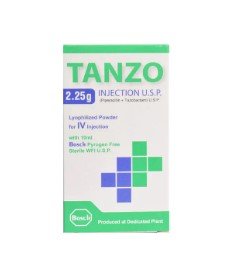
Description
Tanzo Inj 2.25gm is a powerful, broad-spectrum intravenous antibiotic combination designed to combat serious bacterial infections in adults and adolescents. This medication combines piperacillin, a potent penicillin-class antibiotic, with tazobactam, a beta-lactamase inhibitor that protects piperacillin from bacterial resistance enzymes. Administered by a healthcare professional, it is a cornerstone treatment for severe infections acquired in both community and hospital settings. In this comprehensive guide, you will learn about its primary uses, correct administration, crucial safety information, and how it compares to other therapies, ensuring you are fully informed about this essential medical product.
-
Mechanism and Spectrum: Understand the synergistic action of piperacillin and tazobactam and the wide range of bacteria it targets.
-
Approved Medical Uses: Learn about the specific severe infections this medication is proven to treat, from pneumonia to intra-abdominal infections.
-
Dosage and Administration: Review the standard and adjusted dosing guidelines for different infections and patient conditions.
-
Safety Profile: Identify common and serious side effects, critical warnings, and important drug interactions.
-
Comparative Efficacy: See how this antibiotic performs against other common treatment options in a clear comparison.
What Is Tanzo Inj 2.25gm and How Does It Work?
Tanzo Inj 2.25gm is a sterile, lyophilized powder in a single-dose vial containing a fixed-dose combination of two active ingredients: 2 grams of piperacillin sodium and 0.25 grams of tazobactam sodium. This formulation is designed for reconstitution and intravenous (IV) infusion by a qualified healthcare provider. It belongs to a critical class of medications known as penicillin antibiotics combined with beta-lactamase inhibitors, making it a reliable choice for treating complex, multi-bacterial infections.
What makes the piperacillin and tazobactam combination so effective against resistant bacteria?
The medication employs a dual-action, synergistic mechanism. Piperacillin works by binding to and inhibiting specific proteins (penicillin-binding proteins) essential for building the bacterial cell wall. This action leads to a defective, weak cell wall, causing the bacterial cell to rupture and die. However, many bacteria produce defense enzymes called beta-lactamases that break down penicillin-class antibiotics before they can work. Tazobactam is added specifically to counteract this. It irreversibly inhibits these beta-lactamase enzymes, protecting piperacillin from destruction and allowing it to effectively kill a much broader range of resistant bacteria. This powerful partnership provides an extended antibacterial spectrum crucial for empirical therapy in serious infections.
What Are the Approved Uses and Key Features of This IV Antibiotic?
For which severe bacterial infections is Tanzo Inj 2.25gm medically indicated?
This antibiotic is approved for the treatment of several serious infections, demonstrating high efficacy in challenging clinical scenarios. Its use is supported by clinical trials and it is considered a standard empirical therapy in many cases.
-
Nosocomial and Community-Acquired Pneumonia: It treats moderate-to-severe hospital-acquired pneumonia (including ventilator-associated cases) and community-acquired pneumonia. For infections caused by Pseudomonas aeruginosa, it is typically used in combination with an aminoglycoside antibiotic.
-
Complicated Intra-Abdominal Infections: This includes conditions like appendicitis complicated by rupture or abscess, and peritonitis, often caused by a mix of bacteria including E. coli and the Bacteroides fragilis group.
-
Complicated Skin and Skin Structure Infections: It is effective for deep soft tissue infections, diabetic foot infections, and major cutaneous abscesses that require intravenous therapy.
-
Urinary Tract Infections (UTIs): It is used for complicated UTIs, including those that have spread to the kidneys (pyelonephritis).
-
Gynecological Infections: This covers severe pelvic infections such as postpartum endometritis and pelvic inflammatory disease.
-
Febrile Neutropenia: It is a key agent for managing fever in patients with low white blood cell counts (neutropenia), a common and dangerous complication of chemotherapy.
What are the defining key features and benefits of this piperacillin/tazobactam formulation?
-
Broad-Spectrum Activity: It is one of the broadest-spectrum penicillin combinations, effective against many Gram-positive, Gram-negative, and anaerobic bacteria.
-
Built-In Resistance Protection: The inclusion of tazobactam overcomes a primary mechanism of bacterial resistance, restoring activity against many beta-lactamase-producing strains.
-
Proven Clinical Efficacy: Decades of clinical use and studies have established it as a reliable and effective first-line option for serious, polymicrobial infections.
-
Established Safety Profile: Its side effects are well-documented and generally manageable, with healthcare providers trained to monitor for known risks.
-
Flexible Dosing for Renal Impairment: Clear dosage adjustment guidelines exist for patients with reduced kidney function, allowing for safe use in a wider patient population.
How Should Tanzo Inj 2.25gm Be Used Correctly?
What is the proper method for administering this intravenous injection?
Tanzo Inj 2.25gm must be administered by a healthcare professional. The lyophilized powder in the vial is reconstituted with a compatible diluent (like sterile water or saline) according to strict aseptic technique. This solution is then further diluted into an IV bag for infusion. The standard administration is by intravenous infusion over 30 minutes. For certain severe infections like nosocomial pneumonia, some clinical guidelines now recommend extended infusions (e.g., over 3-4 hours) to improve the time the drug concentration remains above the bacteria’s minimum inhibitory concentration, especially for pathogens like P. aeruginosa with higher MICs.
What are the critical steps and precautions for handling and infusion?
-
The reconstituted solution should be inspected for particulate matter or discoloration before use.
-
It is typically infused using an IV line. If other medications are to be administered simultaneously through a Y-site connection, compatibility must be verified.
-
Aminoglycoside antibiotics (like gentamicin or tobramycin) should generally not be mixed in the same IV bag or syringe with this medication, as this can inactivate the aminoglycoside. They should be administered separately.
-
Patients should be monitored during the infusion for any signs of an immediate allergic reaction.
What Is the Recommended Dosage Information?
What is the standard adult dosage for different infections?
Dosage is determined by the type and severity of the infection, as well as the patient’s kidney function. The following table summarizes the typical dosing for adults with normal kidney function (creatinine clearance >40 mL/min).
| Infection Type | Recommended Dosage | Dosing Frequency | Typical Duration |
|---|---|---|---|
| Intra-Abdominal, Skin, Pelvic, & Community-Acquired Pneumonia | 3.375 g (3g piperacillin/0.375g tazobactam) | Every 6 hours | 7-14 days |
| Nosocomial Pneumonia | 4.5 g (4g piperacillin/0.5g tazobactam) | Every 6 hours | 7-14 days |
How is the dosage adjusted for patients with kidney problems?
Kidney function must be assessed before and during therapy. Dosage reductions and/or extended intervals between doses are required for patients with impaired renal function to prevent drug accumulation and toxicity. The adjustments are based on creatinine clearance (CrCl):
-
CrCl 20-40 mL/min: 2.25g every 6 hours (for all indications except nosocomial pneumonia).
-
CrCl <20 mL/min: 2.25g every 8 hours.
-
Patients on Hemodialysis: 2.25g every 12 hours, with an additional 0.75g dose after each dialysis session.
What about dosage for pediatric patients?
This medication can be used in children aged 2 months and older for specific infections like intra-abdominal infections and nosocomial pneumonia. The dose is based on body weight:
-
Children 2-9 months and ≤40 kg: 90 mg/kg (of the combined drug) every 8 hours for appendicitis/peritonitis, or every 6 hours for pneumonia.
-
Children >9 months and ≤40 kg: 112.5 mg/kg every 8 hours for appendicitis/peritonitis, or every 6 hours for pneumonia.
What Are the Essential Precautions and Warnings?
Who should absolutely not use Tanzo Inj 2.25gm?
The most critical contraindication is a known history of severe allergic reactions (e.g., anaphylaxis) to piperacillin, tazobactam, any other penicillin, or beta-lactamase inhibitors. Patients with a history of serious hypersensitivity to cephalosporin antibiotics should also use this medication with extreme caution.
What are the most serious warnings associated with this drug?
-
Serious Hypersensitivity Reactions: Severe and sometimes fatal skin reactions (like Stevens-Johnson Syndrome) and systemic reactions (like DRESS) can occur. Therapy must be discontinued immediately if a rash or allergic symptom appears.
-
Clostridioides difficile-Associated Diarrhea (CDAD): Antibiotic use can cause an overgrowth of C. diff, leading to severe, persistent, or bloody diarrhea, which can occur even weeks after treatment ends. Antidiarrheal medications should not be used for this condition.
-
Potential for Neuromuscular Hyperexcitability and Seizures: This risk is higher in patients with kidney failure who receive high doses.
-
Hematologic Effects: It can cause reduced white blood cell or neutrophil counts, increasing infection risk, and can interfere with platelet function, leading to increased bleeding risk.
-
Nephrotoxicity: There is an increased risk of acute kidney injury, especially in critically ill patients. Kidney function should be monitored.
-
Interaction with Live Vaccines: Antibiotics can reduce the efficacy of live bacterial vaccines (like the cholera vaccine). Administration of such vaccines should be delayed.
What should patients tell their doctor before starting treatment?
Patients must inform their doctor of all allergies, current medications (especially blood thinners, other antibiotics, and methotrexate), medical history (especially kidney disease, cystic fibrosis, seizure disorders, or heart failure), and if they are pregnant, planning pregnancy, or breastfeeding. It’s also important to note that this antibiotic may reduce the effectiveness of hormonal contraceptives, requiring an alternative birth control method during therapy.
What Are the Possible Side Effects?
What are the most common adverse reactions patients might experience?
The most frequently reported side effects are generally mild and may include:
-
Gastrointestinal disturbances: Diarrhea, constipation, nausea, vomiting.
-
Headache
-
Insomnia
-
Local reactions at the IV injection site, such as phlebitis.
Which serious side effects require immediate medical attention?
While less common, patients should stop the medication and seek immediate medical help if they experience symptoms of:
-
Severe Allergic Reaction: Difficulty breathing, swelling of the face/throat, hives, rapid heart rate, dizziness.
-
Severe Skin Reaction: Painful red or purple rash, blistering, peeling, or pustules.
-
Severe Diarrhea: Watery, bloody stools with or without stomach cramps and fever.
-
Signs of Liver Problems: Yellowing of skin/eyes (jaundice), dark urine.
-
Unusual Bleeding or Bruising: Or signs of low blood cell counts like persistent fever or sore throat.
-
Seizures.
-
Signs of Kidney Problems: Little or no urination, swelling in legs/ankles.
How Should This Product Be Stored?
What are the storage instructions for the un-reconstituted vials?
Tanzo Inj 2.25gm vials should be stored in their original packaging at room temperature, typically between 20°C to 25°C (68°F to 77°F), and protected from light and excessive moisture. They should be kept out of the reach of children. The product has a defined shelf life, which should be checked on the packaging, and any vial past its expiration date must not be used.
How should the prepared IV solution be handled?
Once reconstituted and diluted, chemical and physical stability of the solution has been demonstrated for a limited time under specific conditions (e.g., at room temperature or refrigerated). The prepared infusion bag should generally be used immediately or according to the pharmacist’s or manufacturer’s specific stability guidelines. Do not freeze the solution.
Who Manufactures This Product and What Are the Quality Standards?
Which company produces Tanzo Inj 2.25gm and what are its credentials?
This product is manufactured by Wockhardt Limited, a global pharmaceutical and biotechnology company headquartered in India, with a significant presence in the US and Europe. Wockhardt is known for its research and development in the areas of antibiotics and biopharmaceuticals.
What quality assurances are in place during manufacturing?
The production of Tanzo Inj adheres to the strictest international quality standards:
-
Current Good Manufacturing Practices (cGMP): The entire manufacturing process, from raw material sourcing to final packaging, complies with cGMP regulations enforced by bodies like the US FDA and the European Medicines Agency (EMA).
-
Sterile Production: The product is manufactured under sterile, controlled environments (aseptic processing) to ensure the final injectable product is free from microbial contamination.
-
Rigorous Testing: Each batch undergoes extensive analytical and microbiological testing to verify identity, purity, potency, and sterility before release.
How Does Tanzo Inj Compare to Other Antibiotic Treatments?
When is piperacillin-tazobactam preferred over other common broad-spectrum antibiotics?
The choice of antibiotic depends on the suspected bacteria, local resistance patterns, and patient factors. The following table compares Tanzo Inj (piperacillin-tazobactam) with other frequently used agents.
| Antibiotic (Brand Examples) | Drug Class | Key Strengths | Typical Use Cases | Considerations vs. Piperacillin/Tazobactam |
|---|---|---|---|---|
| Piperacillin/Tazobactam (Tanzo/Zosyn) | Penicillin/Beta-lactamase Inhibitor | Very broad spectrum; good anaerobic coverage; reliable for polymicrobial infections. | Intra-abdominal, nosocomial pneumonia, diabetic foot infections. | Baseline for comparison. Superior anaerobic coverage vs. ceftriaxone. |
| Ceftriaxone (Rocephin) | 3rd Gen. Cephalosporin | Long half-life (once-daily dosing); excellent CSF penetration. | Community pneumonia, meningitis, UTIs. | Less effective against anaerobes and hospital-acquired resistant gram-negatives. |
| Meropenem | Carbapenem | Extremely broad spectrum; resistant to most beta-lactamases. | Resistant infections, febrile neutropenia, severe hospital infections. | “Bigger gun” used for more resistant organisms; higher risk of C. diff infection. |
| Ertapenem (Invanz) | Carbapenem | Once-daily dosing; good for mixed infections. | Community-acquired intra-abdominal, pelvic infections. | Lacks coverage against Pseudomonas aeruginosa and Acinetobacter. |
| Moxifloxacin (Avelox) | Fluoroquinolone | Oral availability; broad spectrum. | Community pneumonia, skin infections. | Black box warnings for serious side effects; growing resistance concerns. |
| Vancomycin | Glycopeptide | Gold standard for MRSA. | MRSA infections, penicillin allergy. | No gram-negative coverage; requires blood level monitoring. |
Frequently Asked Questions (FAQs)
Can this antibiotic be used to treat viral infections like the flu or a cold?
No. Piperacillin/tazobactam is only effective against bacterial infections. It has no activity against viruses, including those causing the common cold, influenza, or COVID-19. Using antibiotics for viral infections is ineffective and contributes to antibiotic resistance.
How quickly does this medication start working against an infection?
Patients often begin to feel symptom improvement, such as reduced fever, within the first 48 to 72 hours of starting appropriate antibiotic therapy. However, it is crucial to complete the entire prescribed course of treatment, even if you feel better, to ensure all bacteria are eradicated and to prevent the infection from returning or becoming resistant.
Is it safe to use during pregnancy or while breastfeeding?
A doctor must carefully evaluate the benefits and risks. Studies in pregnant women are limited. Piperacillin and tazobactam do cross the placenta. For breastfeeding, some sources suggest the medication poses minimal risk to the infant, but a healthcare provider should make the final decision based on your specific situation.
Can this medication affect my birth control pills?
Yes. There is evidence that piperacillin/tazobactam may reduce the effectiveness of hormonal contraceptives (pills, patches, rings, injections). To prevent pregnancy, it is recommended to use an additional, non-hormonal form of contraception (like condoms) during the entire treatment course and for some time after.
Why is my dose different from the standard one listed?
Dosages are highly individualized. Your doctor may adjust the dose based on your kidney function (the most common reason), the type and severity of your infection, your body weight (especially in children), and whether you are on dialysis. Al