Cart is empty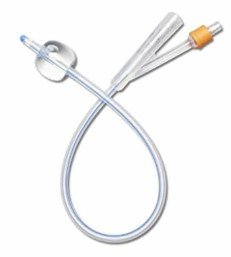
Description
A Silicone Foley Catheter 3-Way 16FR is a specialized urological medical device designed for continuous bladder irrigation and drainage, primarily following surgical procedures. This triple-lumen catheter facilitates simultaneous urine outflow, balloon retention, and therapeutic fluid inflow, making it essential for managing post-operative bleeding and preventing clot retention in the bladder. It represents a critical tool in urological care, urologic surgery recovery, and hospital incontinence management.
✅ Superior Material: Made from biocompatible, medical-grade silicone for enhanced patient comfort and reduced tissue irritation.
✅ Triple-Function Design: Features three separate channels for drainage, balloon inflation, and continuous irrigation in one device.
✅ Critical Post-Operative Care: Specifically engineered to flush the bladder, clear blood clots, and promote healing after procedures like TURP or bladder surgery.
✅ Standard Adult Sizing: The 16 French (FR) size is a common and versatile choice for adult catheterization needs.
✅ Sterile and Ready-to-Use: Individually packaged (1’s) as a single, sterile unit to ensure aseptic technique and patient safety.
What are the Primary Uses and Key Features of a 3-Way Foley Catheter?
Clinical Applications and Medical Uses
This catheter is not for routine drainage but addresses specific clinical scenarios. Its design answers the question: “What is a three-way Foley catheter used for in a hospital setting?”
Post-Surgical Bladder Irrigation: The paramount use is following transurethral resection of the prostate (TURP), bladder tumor resection, or other urologic surgeries to prevent obstructive clot formation.
Management of Gross Hematuria: Used for therapeutic irrigation in cases of severe blood in the urine (hematuria) to maintain catheter patency and bladder clearance.
Continuous Bladder Washout: The third lumen allows for a constant flow of sterile irrigation solution (like saline) into the bladder to dilute blood and evacuate debris.
Complex Catheterization Needs: Employed when standard two-way catheters are insufficient due to anticipated or active bleeding within the urinary tract.
Engineering and Design Features
The product’s features are direct responses to clinical challenges. Key attributes include:
Triple-Lumen Construction:
Primary Drainage Lumen: The largest channel for unimpeded urine and irrigation fluid outflow.
Balloon Inflation Lumen: A smaller channel to inflate the retention balloon with sterile water, securing the device in the bladder neck.
Irrigation Lumen: The dedicated inflow port for connection to a continuous irrigation system.
Medical-Grade Silicone Material: Offers high biocompatibility, latex-free safety, and reduced urethral friction. Silicone is associated with longer indwelling times and a lower risk of encrustation compared to some polymers.
16 French Gauge: The 16FR (approximately 5.3mm outer diameter) is a mid-range size suitable for many adult patients, balancing adequate drainage with patient comfort.
Radiopaque Strip: Includes a strip visible on X-ray for radiographic confirmation of placement.
Funnel Connectors: Color-coded or standardized connectors for error-free attachment to drainage bags and irrigation lines.
Pre-Attached Syringe: Often includes a prefilled saline syringe for balloon inflation, streamlining the insertion process.
What Materials and Ingredients Are Used in This Catheter?
While not “ingredients” in a consumable sense, the material composition is crucial for safety and efficacy.
Medical-Grade Silicone Elastomer: The primary constituent of the catheter body and balloon. Benefits include:
Hypoallergenic Properties: Ideal for patients with latex allergies or sensitivities.
Biostability: Resists degradation by body fluids, allowing for extended indwelling periods.
Smooth Surface: Minimizes urethral trauma and discomfort during insertion and indwelling use.
Reduced Encrustation: Less prone to mineral salt build-up than PVC or latex, lowering the risk of blockage and infection.
Sterile Water for Injection: Used to inflate the retention balloon. It is provided in a pre-attached, sterile syringe.
Radiopaque Agent: A barium sulfate or similar compound integrated into the silicone, making the catheter visible under fluoroscopy or X-ray.
How Do You Correctly Use a 3-Way Silicone Foley Catheter?
Important: This guide is for informational purposes. Actual insertion, management, and removal must be performed by qualified healthcare professionals following sterile technique and institutional protocols.
Preparation and Insertion Procedure
Gather Supplies: Ensure you have the sterile catheter kit, appropriate sterile irrigation set, closed drainage bag, sterile gloves, drapes, antiseptic solution, and lubricating jelly.
Patient Preparation: Position the patient, maintain privacy, and explain the procedure. Perform hand hygiene and don sterile gloves.
Aseptic Setup: Create a sterile field. Open the catheter package without contaminating the contents. Prepare the antiseptic and lubricant.
Cleanse the Meatus: Thoroughly clean the urethral opening with antiseptic solution using a sterile technique.
Lubricate and Insert: Apply sterile lubricant to the catheter tip. Gently insert the catheter through the urethra into the bladder until urine flows from the drainage port.
Inflate the Balloon: Once proper placement is confirmed by urine return, use the pre-attached syringe to inflate the retention balloon with the provided sterile water (typically 10mL for a 16FR).
Connect Systems: Secure the catheter. Connect the drainage lumen to a closed urinary drainage bag. Connect the irrigation lumen to a prescribed continuous bladder irrigation (CBI) system using sterile tubing.
Managing Continuous Bladder Irrigation (CBI)
The irrigation solution (e.g., 0.9% normal saline) is infused through the dedicated irrigation port.
Fluid flows into the bladder, mixes with blood and debris, and drains out via the main lumen into the collection bag.
Nurses monitor inflow and outflow rates to ensure patency and prevent bladder overdistention. The goal is to maintain clear or lightly tinged outflow.
What is the Standard Dosage for Irrigation Fluid?
The “dosage” refers to the irrigation protocol, which is strictly prescribed by a physician based on surgical outcome and bleeding.
There is no fixed dosage. The rate of Continuous Bladder Irrigation (CBI) is titrated to achieve clear or pink-tinged effluent in the drainage bag.
Typical Irrigation Solution: 0.9% Sodium Chloride (Normal Saline) is the standard sterile solution.
Rate Determination: Initial rates may be set at 200-300 mL per hour but are adjusted frequently based on drainage color. The core principle is that outflow should roughly equal inflow plus urine production to ensure patency and prevent TURP syndrome (a rare complication of fluid absorption).
What Precautions and Warnings Are Associated with This Catheter?
Critical Safety Precautions
Sterile Technique Mandatory: Insertion must be performed using aseptic non-touch technique to prevent catheter-associated urinary tract infections (CAUTI).
Balloon Inflation Warning: Inflate the balloon ONLY when inside the bladder. Inflation in the urethra causes severe pain and injury. Ensure urine return before inflation.
Correct Lumen Identification: Verify connections: Irrigation fluid goes into the smaller, designated irrigation port. The main drainage port connects to the bag. Misconnection can cause bladder trauma.
Monitor for Patency: Regularly assess for sudden decrease or stoppage of outflow, which indicates a potential clot obstruction.
Secure the Catheter: Properly secure the device to the patient’s thigh to prevent traction on the bladder neck and urethra.
Contraindications and Warnings
Absolute Contraindications: Suspected or confirmed urethral injury (e.g., from trauma).
Relative Precautions: Use with caution in patients with recent urethral or bladder neck surgery, anatomic abnormalities, or known silicone sensitivity (extremely rare).
What Are the Potential Side Effects and Complications?
Like all indwelling urinary devices, 3-way catheters carry risks managed by skilled healthcare teams.
Catheter-Associated Urinary Tract Infection (CAUTI): The most common complication. Mitigated by strict asepsis and minimizing indwelling time.
Hematuria and Bladder Spasms: Trauma during insertion or the presence of the balloon can cause blood-tinged urine and painful bladder contractions.
Clot Retention and Obstruction: The primary reason for using this catheter; however, large clots can still obstruct it, requiring manual irrigation.
Urethral Trauma or Stricture: From forceful insertion or prolonged use.
Balloon-Related Issues: Failure to deflate, accidental rupture, or inflation in the urethra.
Patient Discomfort and Mobility Issues: Can cause a constant sensation of needing to void and restricts movement.
How Should This Catheter Be Stored?
Store in a Cool, Dry Place: Away from direct sunlight, moisture, and extreme temperatures.
Keep in Original Packaging: The sealed blister pack maintains sterility until the point of use.
Avoid Compression: Do not store heavy items on top of packages to prevent deformation of the catheter.
Check Expiry Date: Always inspect the packaging for the sterilized until date before use. Do not use expired products.
Follow Manufacturer Guidelines: Adhere to any specific storage conditions listed on the outer carton.
Who Manufactures This Device and What Are the Quality Standards?
Manufacturer Information: [Your Brand/Supplier Name] sources this device from manufacturers operating under stringent global quality systems. Specific manufacturer details (e.g., name, location) should be inserted here based on your supply chain.
Quality and Regulatory Compliance:
ISO Standards: Production follows ISO 13485 for medical device quality management systems.
Biocompatibility Testing: Complies with ISO 10993 series, ensuring the silicone is safe for prolonged contact with urinary tract tissues.
Sterilization: The unit is terminally sterilized, typically using Ethylene Oxide (EO) or gamma irradiation, validated to achieve a Sterility Assurance Level (SAL) of 10^-6.
Regulatory Clearances: Meets the regulatory requirements of agencies such as the US FDA (510(k) clearance), CE Marking (EU MDR), and other global markets.
Good Manufacturing Practice (GMP): Manufactured in facilities adhering to cGMP principles, ensuring consistency, purity, and safety in every batch.
What are the Key Benefits of Using a Silicone 3-Way Foley Catheter?
This device offers multifaceted benefits for both clinicians and patients in specific care contexts.
Promotes Post-Surgical Healing: Maintains a clear surgical field in the bladder by continuously evacuating blood and clots, which reduces complications and promotes tissue healing.
Prevents Catheter Blockage: The active irrigation significantly lowers the risk of obstructive clot retention, reducing emergency nursing interventions for manual flushing.
Enhances Patient Safety: The use of medical-grade silicone minimizes urethral irritation and latex allergy risks, contributing to better patient comfort during a necessary intervention.
Streamlines Clinical Management: Provides a single, integrated system for irrigation and drainage, simplifying nursing care and reducing connection points that could harbor infection.
Facilitates Accurate Monitoring: Allows for clear assessment of ongoing blood loss through the monitoring of irrigation effluent, providing vital clinical data.
How Does a 3-Way Silicone Catheter Compare to Alternatives?
This comparison helps clarify its unique role in the spectrum of urinary catheters.
| Feature | 3-Way Silicone Foley Catheter (16FR) | Standard 2-Way Latex Foley Catheter | 3-Way PVC Catheter |
|---|---|---|---|
| Primary Purpose | Continuous Bladder Irrigation (CBI), post-surgical care | Routine bladder drainage, urinary retention | Continuous irrigation, often short-term |
| Number of Lumens | Three (Drainage, Balloon, Irrigation) | Two (Drainage, Balloon) | Three |
| Core Benefit | Prevents clot retention; allows simultaneous inflow/outflow | Simple, cost-effective for basic drainage | Lower cost; suitable for short-term irrigation |
| Material | Medical-Grade Silicone | Latex or PVC | Polyvinyl Chloride (PVC) |
| Biocompatibility | High; hypoallergenic, latex-free | Low for latex; risk of allergy | Moderate; can cause more tissue reaction |
| Indwelling Time | Suitable for medium-term use (days to weeks) | Varies by material; latex shorter-term | Typically short-term (up to 7 days) |
| Typical Use Case | Post-TURP, bladder surgery | Pre-op, general incontinence, retention | Post-op irrigation where cost is primary driver |
Frequently Asked Questions (FAQs)
What is the difference between a 2-way and a 3-way Foley catheter?
A 2-way catheter has two lumens: one for urine drainage and one for balloon inflation. A 3-way catheter adds a third, separate lumen specifically for irrigation fluid inflow, making it essential for procedures where continuous bladder washing is needed to prevent blood clot formation.
How long can a 3-way silicone Foley catheter remain in place?
The duration is determined by the clinical need, typically ranging from 24 hours to 7 days post-surgery. Silicone’s biocompatibility allows for longer indwelling times compared to latex, but the goal is always to remove it as soon as medically possible to reduce infection risk.
Why is silicone preferred over latex for Foley catheters?
Silicone is hypoallergenic, latex-free, and causes less urethral inflammation. It is more resistant to encrustation (mineral build-up) and is suitable for patients requiring longer-term catheterization, enhancing comfort and safety.
How do you unblock a clogged three-way catheter?
If the outflow stops, first check for kinks. If obstructed by a clot, a nurse may perform a gentle manual irrigation using a sterile syringe and saline, pulsing fluid into the drainage or irrigation port to dislodge the clot. Never use excessive force. Persistent blockage may require catheter replacement.
What size is a 16FR catheter in millimeters?
The French (FR) scale is approximately one-third of a millimeter. Therefore, a 16FR catheter has an outer diameter of roughly 5.3 millimeters. This is a common size for adult urinary catheters.
Can a patient go home with a 3-way catheter for irrigation?
It is highly unusual. Continuous Bladder Irrigation (CBI) is typically managed in an acute care hospital setting (e.g., post-operative recovery) due to the need for close monitoring of fluid balance, irrigation rates, and outflow characteristics. Discharge usually occurs after switching to a standard catheter or upon its removal.