Cart is empty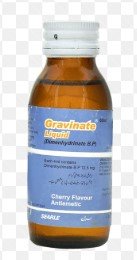
Description
Gravinate Syrup offers effective and reliable relief from the debilitating symptoms of nausea, vomiting, dizziness, and vertigo. Formulated with the well-established active ingredient Dimenhydrinate, this antihistamine medication works directly on the body’s neural pathways to prevent and treat motion sickness, post-operative nausea, and dizziness related to inner ear imbalances. It is a clinically trusted remedy for individuals seeking to regain their comfort and stability.
This comprehensive guide will detail everything you need to know about Gravinate Syrup, from its precise mechanism of action to its correct usage. Key insights you will gain include:
✅ The primary medical uses and conditions it treats.
✅ How Dimenhydrinate interacts with your body to stop nausea.
✅ Detailed, age-appropriate dosage guidelines for safe administration.
✅ Important safety precautions and potential side effects to consider.
✅ Its benefits compared to other antiemetic and antivertigo medications.
✅ Answers to the most frequently asked questions by users.
What is Gravinate Syrup and How Can It Help Me?
Gravinate Syrup is an oral liquid medication classified as an antihistamine and antiemetic. Its primary role is to manage and prevent symptoms associated with motion-induced sickness, vestibular disturbances, and nausea from various medical causes. It is particularly favored for its rapid absorption in liquid form, making it a suitable option for both adults and children who have difficulty swallowing tablets.
Core Therapeutic Action: At its heart, Gravinate Syrup contains Dimenhydrinate, which blocks histamine H1 receptors in the brain. This action directly inhibits the signals sent to the vomiting center in the medulla oblongata and affects the vestibular system of the inner ear, which is responsible for balance. By calming these overactive pathways, it effectively reduces sensations of spinning (vertigo), queasiness, and the urge to vomit.
What Are the Primary Uses and Indications for This Syrup?
Gravinate Syrup is indicated for a range of conditions centered around nausea and balance disorders. Understanding its uses helps in targeting the correct symptoms for relief.
Motion Sickness Prevention and Treatment: This is the most common application. Whether traveling by car, plane, boat, or train, the conflicting signals sent to the brain from your eyes and inner ear can cause severe discomfort.
Prevents: Dizziness, nausea, cold sweats, and vomiting associated with kinetosis (motion sickness).
Optimal Use: Administered 30 minutes to 1 hour before anticipated travel.
Management of Vertigo and Labyrinthine Disorders: The syrup is effective for dizziness stemming from inner ear (vestibular) problems.
Conditions Include: Meniere’s disease, vestibular neuronitis, and labyrinthitis.
Provides Symptomatic Relief: Reduces the spinning sensation and associated nausea, improving daily function.
Control of Post-Operative Nausea and Vomiting (PONV): Anesthesia and surgical procedures often trigger severe nausea.
Clinical Setting: Used as part of post-surgical care to enhance patient recovery and comfort.
Adjunct Therapy: Can be used alongside other antiemetics as directed by a surgeon or anesthesiologist.
Alleviation of Drug-Induced Nausea: Certain medications, including some antibiotics, chemotherapy agents (for mild cases), and opioids, can cause nausea as a side effect.
Prophylactic Measure: May be prescribed to be taken concurrently with the offending drug to mitigate this adverse effect.
What Are the Key Ingredients in Gravinate Syrup?
The efficacy of Gravinate Syrup hinges on its active pharmaceutical ingredient and the quality of its formulation.
Active Pharmaceutical Ingredient (API): Dimenhydrinate
Chemical Profile: Dimenhydrinate is a combination salt of diphenhydramine (a first-generation ethanolamine antihistamine) and 8-chlorotheophylline (a mild stimulant similar to caffeine).
Mechanism of Action: The diphenhydramine component is responsible for the central antiemetic and antivertigo effects by blocking H1 receptors in the brainstem and vestibular apparatus. The 8-chlorotheophylline is added to counteract potential drowsiness, though sedation remains a common effect.
Onset and Duration: In syrup form, it is absorbed relatively quickly, with effects often felt within 30 minutes and lasting for 4 to 6 hours.
Inactive Ingredients (Excipients):
These components ensure the stability, palatability, and proper absorption of the medication. A typical formulation may include:
Sweeteners: Such as sucrose or sorbitol, to improve taste.
Flavoring Agents: Often cherry, raspberry, or mint to mask bitterness.
Preservatives: Like sodium benzoate or methylparaben, to prevent microbial growth.
Solvents and Stabilizers: Purified water, glycerin, and citric acid to maintain pH and consistency.
Colorants: FDA-approved dyes for visual identification.
Quality and Purity Assurance: Reputable manufacturers produce Gravinate Syrup in facilities certified for Good Manufacturing Practices (GMP). This guarantees that every batch meets stringent standards for ingredient purity, accurate concentration, and absence of contaminants.
How Should I Use Gravinate Syrup Correctly?
Proper administration is key to achieving the desired therapeutic effect while minimizing risks.
General Directions for Use:
Shake Well: Gently shake the bottle before each use to ensure uniform distribution of the medication.
Accurate Measurement: Always use the measuring cup, spoon, or oral syringe provided with the product. Do not use a household teaspoon, as it is not standardized and can lead to incorrect dosing.
Timing is Crucial: For motion sickness, take the dose 30 to 60 minutes before beginning travel. For ongoing conditions like vertigo, follow the schedule prescribed by your doctor.
Administration: The syrup can be taken directly or mixed with a small amount of water, juice, or formula for ease of consumption, especially in children. Follow with a drink of water.
Special Considerations:
With or Without Food? It can be taken with or without food. However, taking it with a light snack or milk may help prevent stomach upset.
Missed Dose: If you miss a dose, take it as soon as you remember. If it is almost time for your next dose, skip the missed dose and resume your regular schedule. Do not double the dose.
What is the Recommended Dosage for Different Age Groups?
Dosage is strictly based on age and sometimes weight. The following table provides a general guideline. Always defer to the specific instructions provided by a healthcare professional or on the product label approved for your region.
| Age Group | Recommended Single Dose | Maximum Frequency & Notes |
|---|---|---|
| Adults & Children 12+ Years | 25 mg to 50 mg (typically 5ml to 10ml) | Every 4 to 6 hours as needed. Do not exceed 300 mg (60ml) in 24 hours. |
| Children 6 to 12 Years | 12.5 mg to 25 mg (typically 2.5ml to 5ml) | Every 6 to 8 hours as needed. Do not exceed 150 mg (30ml) in 24 hours. |
| Children 2 to 6 Years | 6.25 mg to 12.5 mg (typically 1.25ml to 2.5ml) | Every 6 to 8 hours as needed. Only under direct doctor supervision. |
| Infants & Children under 2 | NOT RECOMMENDED | Consultation with a pediatrician is mandatory for this age group. |
Important Dosage Context:
Treatment vs. Prevention: For motion sickness prevention, one dose prior to travel is often sufficient. For treatment of active nausea or vertigo, dosing may be repeated as per schedule.
Renal/Liver Impairment: Patients with kidney or liver disease may require dosage adjustments and should use this medication only under medical guidance.
What Precautions and Warnings Should I Be Aware Of?
While Gravinate Syrup is effective, responsible use requires attention to safety protocols.
Who Should Avoid or Use With Extreme Caution?
Hypersensitivity: Do not use if you have a known allergy to Dimenhydrinate, other antihistamines (like diphenhydramine), or any component of the syrup.
Medical Conditions: Exercise caution and consult a doctor if you have:
Glaucoma (especially narrow-angle)
Prostate enlargement (BPH) or urinary retention issues
Severe hypertension or heart disease
Respiratory disorders like asthma or COPD
Seizure disorders (epilepsy)
Hyperthyroidism
Pregnancy and Breastfeeding: Use during pregnancy is typically classified as Category B. It should only be used if clearly needed and under a doctor’s advice. Dimenhydrinate can pass into breast milk and may cause drowsiness or irritability in a nursing infant.
Elderly Population: Older adults are more sensitive to anticholinergic effects (drowsiness, dizziness, confusion, dry mouth) and may be at higher risk of falls. A lower starting dose is often advised.
Drug Interaction Alerts: Dimenhydrinate can potentiate the effects of other central nervous system (CNS) depressants. Inform your doctor if you are taking:
Sedatives: Benzodiazepines (e.g., alprazolam, diazepam)
Sleep aids
Tranquilizers
Prescription pain medications (opioids)
Alcohol (AVOID completely during treatment)
Other anticholinergic drugs (e.g., for Parkinson’s disease, irritable bowel syndrome)
What Are the Potential Side Effects of Dimenhydrinate?
Most side effects are a result of the drug’s action on the central nervous system and are usually dose-dependent.
Common Side Effects (Often Mild and Transient):
Drowsiness (the most frequently reported effect)
Dry mouth, nose, or throat
Blurred vision or dry eyes
Dizziness
Mild gastrointestinal discomfort (constipation or upset stomach)
Headache
Less Common but Serious Side Effects (Seek Medical Attention):
Severe dizziness or fainting
Confusion, nervousness, or mood changes
Ringing in the ears (tinnitus) or hearing loss
Difficulty urinating
Vision problems (like glaucoma attack symptoms: eye pain, seeing halos)
Fast/irregular heartbeat
Tremors or seizures
Allergic reactions: Rash, itching/swelling (especially of the face/tongue/throat), severe dizziness, trouble breathing.
Paradoxical Effects: In some individuals, particularly children and the elderly, Dimenhydrinate can cause excitement, agitation, or insomnia instead of sedation.
How Should I Store Gravinate Syrup to Maintain Its Potency?
Proper storage ensures the medication remains safe and effective throughout its shelf life.
Temperature: Store at room temperature, away from direct light, heat, and moisture. Avoid storing in the bathroom or near the kitchen sink.
Container: Keep the bottle tightly closed when not in use.
Safety: Store out of reach and sight of children and pets, preferably in a locked cabinet.
Disposal: Do not flush unused medication. Consult your pharmacist or local waste disposal company for a proper drug take-back program.
Who Manufactures Gravinate Syrup and What Are Their Credentials?
Gravinate Syrup is manufactured under strict pharmaceutical standards to ensure quality, safety, and efficacy.
Manufacturer: Typically produced by established pharmaceutical companies specializing in generic or neurological medications. (Note: The specific manufacturer name should be inserted here based on the actual product sourcing).
Facility Standards: Production occurs in GMP-certified facilities. These standards mandate rigorous quality control at every stage, from raw material sourcing to final packaging.
Quality Control: Each batch undergoes analytical testing to verify the identity, strength, quality, and purity of Dimenhydrinate and all excipients.
Regulatory Compliance: The product is formulated and labeled in compliance with the regulations of the country of sale (e.g., FDA, EMA, or other national health authorities).
What Are the Comprehensive Health Benefits of Using This Medication?
The benefits of Gravinate Syrup extend beyond simple symptom relief, contributing to improved quality of life.
Rapid Relief from Acute Symptoms: The liquid formulation allows for quicker absorption compared to some tablets, leading to faster onset of action against active nausea and vertigo.
Enables Normal Activity and Travel: By reliably preventing motion sickness, it allows individuals to travel for work, leisure, or family commitments without fear of debilitating symptoms.
Improves Post-Surgical Recovery: Effective management of PONV helps patients hydrate and nourish themselves sooner, leading to faster discharge from medical facilities and smoother recovery at home.
Supports Treatment Adherence: By controlling drug-induced nausea, it helps patients continue their essential therapies (e.g., antibiotics) without interruption, improving overall treatment outcomes.
Non-Invasive Management of Vestibular Disorders: Provides a pharmacological tool to manage chronic conditions like Meniere’s disease, reducing the frequency and severity of vertigo attacks.
Pediatric Formulation Advantage: The syrup is a critical dosage form for children experiencing nausea from viral infections, travel, or other medical procedures, where pill-swallowing is not feasible.
How Does Gravinate Syrup Compare to Other Anti-Nausea Treatments?
Understanding the alternatives helps in making an informed choice. Below is a comparative analysis.
| Feature / Ingredient | Gravinate Syrup (Dimenhydrinate) | Meclizine (e.g., Bonine) | Cyclizine | Scopolamine (Transdermal Patch) | Ginger Supplements |
|---|---|---|---|---|---|
| Primary Best Use | Motion Sickness (Pre & Post), Vertigo | Motion Sickness Prevention, Vertigo | Motion Sickness, Post-op Nausea | Long-duration Motion Sickness | Mild Nausea, Pregnancy nausea |
| Onset of Action | 30-60 mins (Fast) | 60 mins (Moderate) | 30-60 mins (Fast) | Several hours (Slow) | 30+ mins (Variable) |
| Duration of Action | 4-6 hours | 12-24 hours (Longer) | 4-6 hours | Up to 72 hours (Longest) | 2-4 hours |
| Common Side Effects | Drowsiness (High), Dry Mouth | Drowsiness (Lower) | Drowsiness | Dry Mouth, Blurred Vision, Drowsiness | Heartburn, Gas |
| Dosage Form | Liquid (Syrup), Tablets, Injection | Tablets, Chewables | Tablets | Transdermal Patch | Capsules, Tea, Candied |
| Suitability for Children | Yes (Syrup form ideal) | Yes (for older children) | Less Common | No (Not for children) | Generally Considered Safe |
| Prescription Required | Often OTC | OTC | Varies (Often Rx) | Often Rx | No (Supplement) |
Key Takeaway: Gravinate Syrup’s standout feature is its rapid-acting liquid form, making it a versatile choice for acute episodes of nausea and vomiting in both adults and children, especially when prevention was not possible. For long journeys, meclizine or scopolamine may be preferred for their longer action.
Frequently Asked Questions (FAQs) About Gravinate Syrup
How quickly will I feel better after taking Gravinate Syrup?
You can typically expect to feel relief from nausea and dizziness within 30 to 60 minutes after taking a dose. The liquid form is absorbed more quickly than tablets by many individuals.
Can I take this syrup if I am driving or operating machinery?
No, you should avoid driving or operating heavy machinery. Dimenhydrinate commonly causes drowsiness and dizziness, which can severely impair your reaction time and judgment, leading to accidents.
Is Gravinate Syrup safe for use during pregnancy for morning sickness?
While sometimes used, it is not a first-line treatment for routine morning sickness. You must consult your obstetrician or physician before taking any medication during pregnancy. They will weigh the benefits against potential risks for your specific situation.
What should I do if my child accidentally takes too much Gravinate Syrup?
Seek immediate emergency medical attention or contact a poison control center right away. Symptoms of overdose may include severe drowsiness, hallucinations, seizures, and difficulty breathing.
Can I use Gravinate Syrup for long-term daily management of vertigo?
Long-term daily use for chronic conditions like Meniere’s disease should only be undertaken under the direct and ongoing supervision of a doctor, typically a neurologist or ENT specialist. They will monitor for efficacy and potential side effects or tolerance.
Are there any natural remedies that work as well as Dimenhydrinate?
For mild cases of motion sickness, ginger (in candies, tea, or supplements) and acupressure wristbands can be effective for some people. However, for moderate to severe symptoms or acute vertigo attacks, pharmacological interventions like Dimenhydrinate are generally more reliable and potent.
Why does Gravinate Syrup make me so sleepy?
Drowsiness is the most common side effect because Dimenhydrinate readily crosses the blood-brain barrier. By blocking central H1 histamine receptors—which play a key role in wakefulness—it induces sedation. The stimulating component (8-chlorotheophylline) only partially counteracts this effect.