 Cart is empty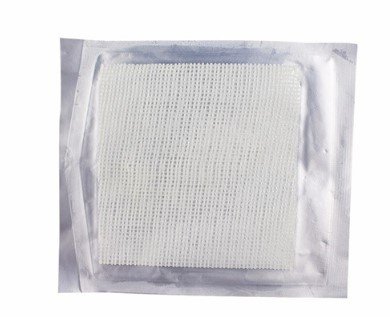
Description
A Paraffin Gauze Tin is a foundational medical dressing designed for advanced wound management, offering a pain-free, protective healing environment. This sterile kit contains gauze impregnated with soft paraffin, creating an ideal non-adherent barrier for delicate or exuding wounds. It is a critical component in clinical settings for its ability to facilitate healing while minimizing trauma during dressing changes.
This essential wound care product provides a comprehensive solution for patients and healthcare professionals by combining several key benefits into one reliable tin:
✅ Pain-Free Removal: The paraffin layer prevents the dressing from adhering to the wound bed.
✅ Moist Wound Healing: Maintains an optimal hydrated environment to accelerate tissue regeneration.
✅ Infection Barrier: Protects the wound site from external contaminants and bacteria.
✅ Versatile Application: Suitable for a wide range of wounds from burns to surgical sites.
✅ Convenient Sterile Packaging: Ready-to-use, individually packed or tinned formats ensure aseptic technique.
What are the Primary Uses of Paraffin Gauze Dressings?
Paraffin gauze is a versatile wound contact layer prescribed for numerous indications where protecting the fragile wound bed is paramount. Its primary function is to act as a non-stick interface between the injury and secondary dressings.
Common Clinical Applications and Wound Types
Burn Wound Management: Especially effective for partial-thickness (second-degree) burns, providing a soothing, non-adherent cover that doesn’t disturb healing tissue.
Skin Graft Sites: Used to protect both donor sites (where skin is taken from) and recipient sites (where skin is grafted to), ensuring the new grafts remain undisturbed.
Lacerations and Abrasions: Ideal for minor cuts, scrapes, and skin tears, commonly encountered in first aid and emergency care.
Post-Operative Surgical Wounds: Applied to incision lines to prevent sticking, reduce pain during dressing renewal, and protect the healing suture line.
Chronic and Complex Wounds: Often used in the management of pressure ulcers (bedsores), venous leg ulcers, and diabetic foot ulcers as a primary contact layer.
Dermatological Procedures: Useful after skin biopsies, laser treatments, or other procedures where the epidermis is compromised.
What are the Key Features and Benefits of This Dressing?
The design of paraffin gauze addresses multiple challenges in wound care simultaneously. Its features are directly linked to tangible patient and clinician benefits.
Core Features and Advantages
Non-Adherent Technology: The soft paraffin coating ensures the gauze does not bond to granulating tissue or scabs, making changes virtually painless and preventing secondary bleeding.
Moisture Retention: Creates and maintains a moist wound healing environment, which is clinically proven to speed up epithelialization (skin regrowth) compared to dry healing.
Breathable Barrier: The open-weave gauze, while coated, allows for the passage of wound exudate (fluid) into an absorbent secondary dressing, preventing maceration of surrounding healthy skin.
Soothing and Protective: The paraffin (petroleum jelly) is inert and hypoallergenic for most, providing a lubricating and calming effect on damaged skin and nerve endings.
Sterility Assurance: Each dressing is sterilized and packaged to meet strict medical standards, minimizing the risk of introducing pathogens to vulnerable wounds.
Cost-Effective and Accessible: Provides a high level of care at a relatively low cost, making it a staple in hospitals, clinics, and home care settings globally.
What are the Ingredients in Paraffin Gauze?
The composition of paraffin gauze is intentionally simple and effective, focusing on purity and safety for direct wound contact.
Detailed Ingredient Breakdown
Fine Mesh Gauze Substrate: Typically made from 100% cotton or a cotton-rayon blend. This material is chosen for its softness, strength, and open weave structure.
Soft Paraffin (Petroleum Jelly): This is the key active ingredient. Also known as yellow soft paraffin or white petrolatum, it is a highly purified semi-solid mixture of hydrocarbons.
Key Ingredient Benefits:
Occlusive Properties: Forms a protective barrier that minimizes water loss from the wound surface (transepidermal water loss).
Inert and Non-Irritating: Highly purified to remove impurities, making it safe for prolonged skin contact and unlikely to cause allergic reactions.
Emollient Effect: Helps to soften and smooth the skin around the wound edges.
Non-Comedogenic (in this context): While not typically used on intact skin, its formulation for wounds does not block the necessary passage of exudate.
How Should I Use Paraffin Gauze Correctly?
Proper application is crucial to maximize benefits and maintain sterility. Always follow specific medical advice, but general guidelines are as follows.
Step-by-Step Directions for Use
Preparation: Wash hands thoroughly with soap and water. Gather all supplies: sterile paraffin gauze, sterile gloves, cleansing solution (normal saline recommended), secondary absorbent dressing, and medical tape or bandage.
Wound Cleaning: Gently clean the wound area with a sterile saline solution or as directed by a healthcare professional. Pat the surrounding skin dry.
Open Package: Carefully open the tin or individual sterile packet, avoiding contact with the inner surface of the dressing.
Application: Using sterile tweezers or gloved hands, place the paraffin gauze directly over the entire wound surface. Use a single layer that fully covers the wound, extending slightly beyond its edges.
Secondary Dressing: Cover the paraffin gauze with an appropriate absorbent pad or foam dressing to manage exudate. Secure the entire dressing with a hypoallergenic tape or tubular bandage.
Disposal: Securely dispose of all used packaging and materials.
Is There a Recommended Dosage for Wound Dressings?
In wound care, “dosage” refers to the frequency of dressing changes, which is variable and depends entirely on the wound’s condition.
Dressing Change Frequency Guidelines
Heavily Exuding Wounds: May require daily changes or even more frequently to prevent soak-through and maintain hygiene.
Moderately Exuding Wounds: Typically changed every 1 to 2 days.
Lightly Exuding or Dry Wounds: Can often be left in place for 3 to 5 days, provided the secondary dressing remains intact and clean.
Post-Operative Guidance: Always adhere to the specific schedule provided by the surgeon or nurse, which may involve an initial check at 24-48 hours.
Critical Rule: Change the dressing immediately if it becomes soaked (strikethrough), soiled, loose, or if signs of infection (increased redness, swelling, pain, pus, or odor) appear.
What Precautions Should I Take When Using This Product?
While generally safe, certain precautions ensure optimal outcomes and patient safety.
Important Warnings and Precautions
Sterility: Do not use if the sterile packaging is torn, damaged, or has been previously opened.
Allergy Check: Although rare, discontinue use if signs of irritation or allergic reaction (redness, itching, rash) occur on the skin surrounding the wound.
Not for Third-Degree Burns: This dressing is not suitable for full-thickness (third-degree) burns or deep wounds without specific medical supervision.
Avoid Over-Tightening: When securing with a bandage, ensure it is snug but not tight to allow for circulation and natural swelling.
Medical Consultation: For deep wounds, puncture wounds, animal bites, or wounds showing signs of infection (fever, spreading redness), seek immediate medical attention before applying any dressing.
Single-Use Only: Each piece of paraffin gauze is for single use only. Do not re-use or re-sterilize.
Are There Any Potential Side Effects?
Adverse reactions to paraffin gauze are uncommon due to its simple, purified composition. However, being aware of possibilities is important.
Possible Adverse Reactions
Contact Dermatitis: In very sensitive individuals, a localized red, itchy rash may develop.
Folliculitis: Hair follicles can become irritated if hairs are pulled during removal or if exudate builds up.
Maceration: If exudate is not properly managed by the secondary dressing, the surrounding healthy skin can become white, soggy, and break down.
Wound Dehydration: In very dry wounds, paraffin gauze alone may not provide additional hydration; a hydrogel might be recommended under medical advice.
How Should I Store Paraffin Gauze Tins?
Correct storage preserves the product’s sterility, integrity, and shelf life.
Optimal Storage Instructions
Environment: Store in a cool, dry place away from direct sunlight and heat sources. Avoid storage in humid areas like bathrooms.
Temperature: Ideal storage is at room temperature. Do not freeze.
Post-Opening: For multi-piece tins, close the lid tightly after each use to minimize contamination. It is preferable to use individually wrapped dressings for long-term care to guarantee sterility.
Shelf Life: Always check the expiry date on the packaging before use. Do not use expired products.
Who Manufactures This Medical-Grade Paraffin Gauze?
This product is manufactured in facilities that adhere to the highest global medical standards to ensure consistent quality and safety.
Detailed Manufacturer Information
Production Standards: Manufactured under strict Good Manufacturing Practice (GMP) and ISO 13485 standards specific for medical devices.
Quality Control: Each batch undergoes rigorous testing for sterility (via EO gas or gamma radiation), material purity, and performance.
Sourcing: Raw materials, including cotton and pharmaceutical-grade soft paraffin, are sourced from certified suppliers with full traceability.
Corporate Responsibility: The manufacturer is committed to sustainable practices where possible and operates in compliance with all relevant medical device regulations (such as those set by the FDA, CE mark, or other national health authorities).
What are the Comprehensive Benefits of Using Paraffin Gauze?
The advantages of this dressing extend beyond simple wound covering, impacting patient comfort, clinical efficiency, and healing biology.
Detailed List of Health and Practical Benefits
Promotes Optimal Healing Physiology: Maintains a moist wound bed, which is scientifically proven to accelerate the rate of healing by up to 50% compared to dry scab formation.
Dramatically Reduces Patient Pain and Anxiety: The non-adherent nature eliminates the fear and pain associated with dressing changes, improving patient compliance and experience.
Minimizes Tissue Trauma: Prevents the tearing away of newly formed granulation tissue and epithelial cells during removal, protecting the delicate healing matrix.
Acts as a Physical Infection Barrier: While not antimicrobial itself, it forms a clean barrier that reduces the risk of environmental bacteria entering the wound.
Versatile and Cost-Effective: One product can be used across many wound types, simplifying inventory and providing high-value care.
Facilitates Autolytic Debridement: The moist environment helps the body’s own enzymes to gently break down non-viable tissue (slough and eschar).
Transparent to Examination: When saturated with exudate or used under transparent films, it allows for wound assessment without removal.
How Does Paraffin Gauze Compare to Other Wound Contact Layers?
Understanding where paraffin gauze fits among alternatives helps in making informed clinical choices.
Comparison Table: Paraffin Gauze vs. Key Alternatives
| Feature | Paraffin Gauze | Silicone Dressings | Hydrogel Sheets | Plain Gauze |
|---|---|---|---|---|
| Adherence | Non-Adherent | Ultra Non-Adherent | Non-Adherent | Highly Adherent |
| Moisture Donation | Low | Low | High | None (dries wound) |
| Exudate Management | Requires Secondary Dressing | Requires Secondary Dressing | Low to Moderate | Poor (can cause sticking) |
| Primary Benefit | Cost-effective pain-free barrier | Extremely gentle on fragile skin | Hydrates dry, necrotic wounds | Inexpensive, highly absorbent |
| Best For | Exuding wounds, skin grafts, burns | Fragile skin, pediatric wounds, sensitive patients | Dry wounds, sloughy wounds, minor burns | Not recommended as a primary contact layer |
| Change Frequency | Low to Moderate | Low | Moderate | High (often daily) |
| Cost Profile | Low | High | Moderate | Very Low |
Frequently Asked Questions (FAQs) About Paraffin Gauze
Can paraffin gauze be used on infected wounds?
Paraffin gauze is not an antimicrobial dressing. For infected wounds, a healthcare professional will typically prescribe a dressing containing silver, iodine, or honey. Paraffin gauze may be used in conjunction with topical antimicrobials under medical guidance.
How do I remove paraffin gauze that seems stuck?
If slight adherence occurs, gently moisten the dressing with sterile saline or warm water and allow it to soak for a few minutes to loosen the paraffin before lifting it slowly. Do not pull forcefully.
Is this product suitable for diabetic foot ulcers?
It can be used as a primary contact layer for diabetic ulcers, but management must be part of a comprehensive treatment plan overseen by a podiatrist or wound care specialist, including off-loading pressure and infection control.
Can I cut the gauze to size?
Yes, you can cut the gauze with sterile scissors before opening the sterile packet or after removing it with sterile technique, ensuring you do not contaminate the part that will contact the wound.
What is the difference between Jelonet and paraffin gauze?
Jelonet is a well-known, longstanding brand name for sterile paraffin gauze. “Paraffin gauze” is the generic product category. They are functionally identical, though minor variations in gauze mesh or paraffin viscosity may exist between different manufacturers.
Is it safe for long-term chronic wound care?
Yes, it is commonly used for long-term management of conditions like venous leg ulcers. Regular monitoring by a nurse or doctor is essential to adjust the treatment plan as the wound evolves.